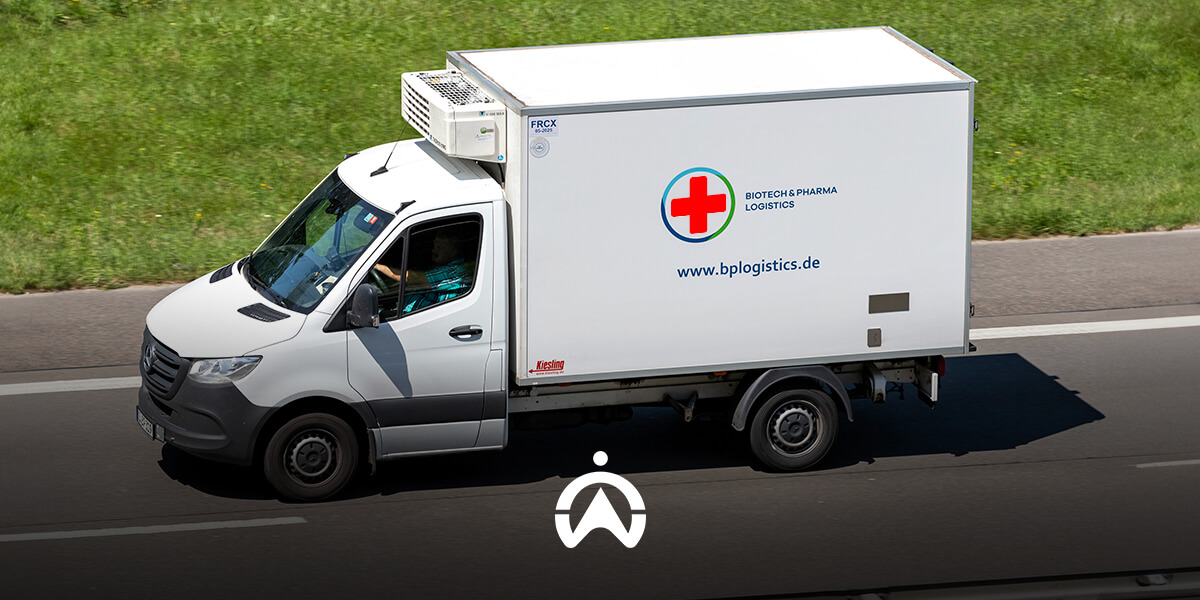
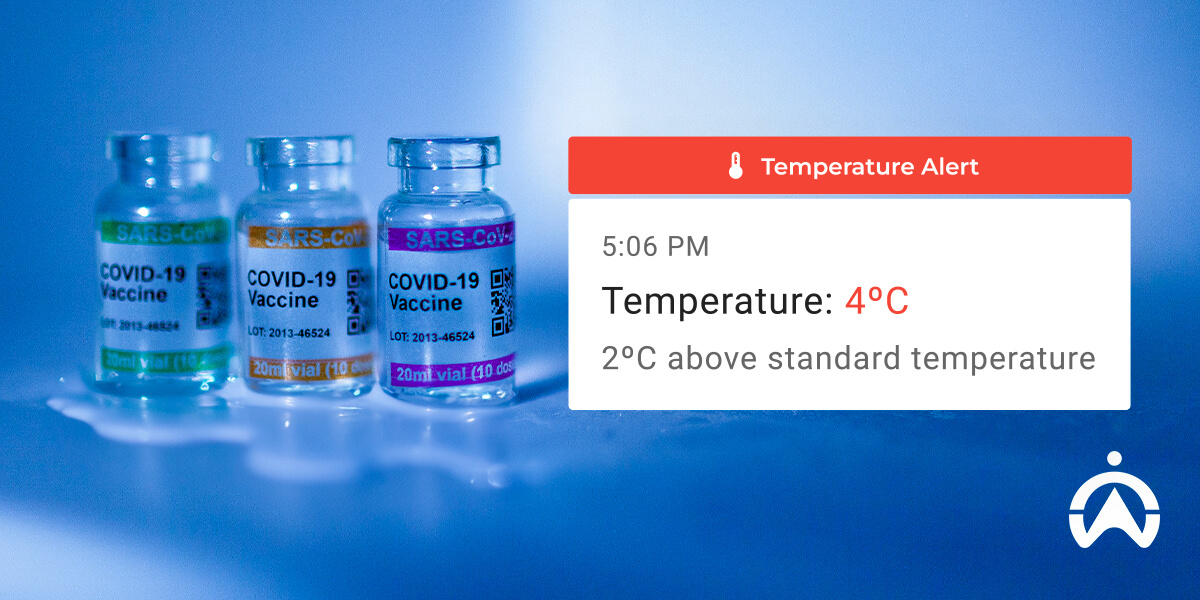
What Industries Benefit from GPS Tracking

GPS tracking is a non-negotiable for many business owners with a fleet of vehicles. Keeping track of these assets is a critical task that often has a team dedicated to it. This shows how complicated the process can sometimes be and how integral it is to efficiency and productivity.

So today, we will share which industries benefit most from GPS tracking and why Cartrack is the ideal provider of this service.

This blog will discuss:

  • Which industries benefit from GPS tracking
  • How to choose the right GPS tracking system
  • The business value it brings
  • Why you should choose Cartrack

Industries That Benefit Most from GPS Tracking

GPS tracking is a versatile service that can work for many business types across industries, seamlessly integrating into daily operations.

Some may believe that GPS tracking is solely for long-distance fleet vehicles; however, this is not the case at all. Several other business vehicles and assets can also use this technology, from off-road factory vehicles and heavy equipment to other immovable company assets.

Let’s explore some of the industries’ GPS tracking benefits and how it is used in each sector:

Logistics

With GPS tracking, fleet managers can optimise delivery routes in real-time, avoid traffic congestion, and ensure timely arrivals. This not only reduces fuel costs and vehicle wear but also boosts delivery efficiency.

Another key advantage is accurate ETA updates. Customers can receive real-time delivery updates, which greatly improves satisfaction and trust. Additionally, companies can reduce costly downtime by monitoring idle time and vehicle performance.

Construction and Mining

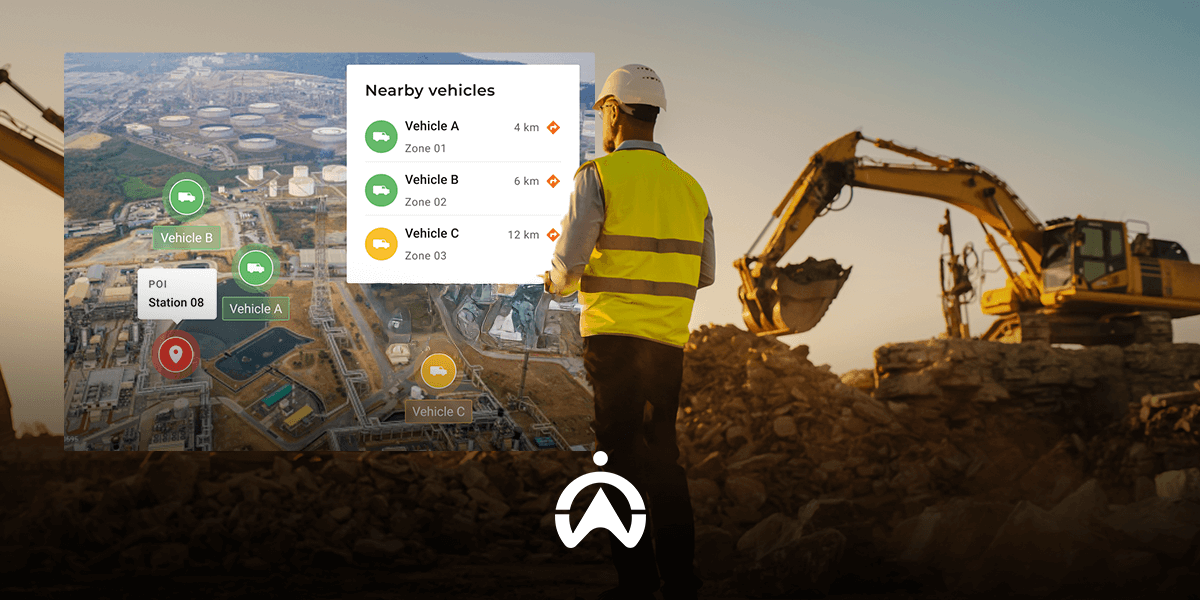
When looking at the construction and mining sectors, GPS tracking can help with tracking yellow metal equipment. The vehicles that are normally used in this industry tend to be off-road and are specialised for a unique function, such as excavators and cranes.

Sales

GPS tracking plays a vital role in a sales environment, particularly for outside, field, and travelling sales teams. It helps employers confirm that salespeople are where they’re scheduled to be, provides accurate mileage tracking for travel reimbursements or tax purposes, and adds an extra layer of safety for employees on the road.

Field Services

This industry includes professionals such as plumbers, electricians, and HVAC (Heating, Ventilation, and Air Conditioning) technicians. Business owners in this industry can assign jobs faster, track staff movements, and improve on-site arrival times.

Another benefit is that the system will make it easier to reduce travel claims with route verification.

Agriculture and Farming

For this sector, GPS tracking helps monitor tractors and harvesters in real-time. It also makes it possible to manage fuel usage during long working hours across vast land areas while preventing the theft of expensive farm vehicles and equipment.
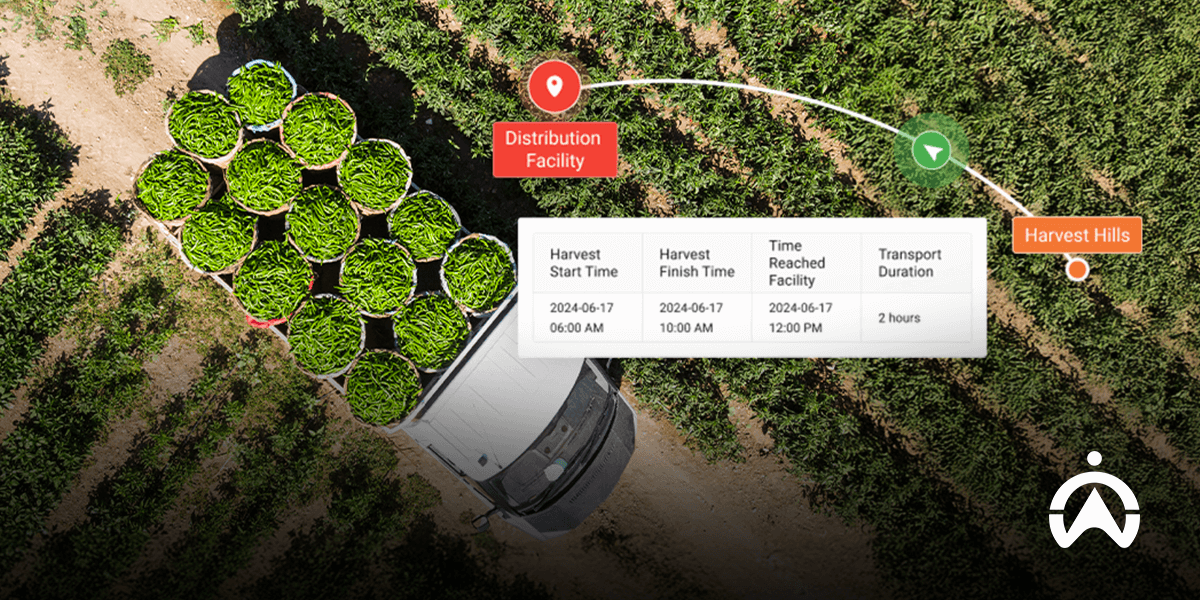
GPS Tracking benefit for Agriculture Industry

Waste management

GPS tracking plays a pivotal role in the waste management industry, where it’s used to monitor the location of company-owned dump trucks and streamline day-to-day operations. From trash collection and recycling to the safe disposal of hazardous chemicals, these services rely on efficient route planning and real-time visibility to meet environmental standards and customer expectations.

Security and Armed Response

For companies in the security sector, every second counts. GPS tracking ensures that armed response teams are always visible and can be dispatched to emergencies without delay.

Real-time vehicle tracking enables control centres to identify the closest patrol car and direct it to the scene, reducing response times and potentially saving lives.

Post-incident GPS history is invaluable for incident analysis, staff accountability, and reporting.

Car Rental and Vehicle Leasing

The car rental and leasing industry can be a tricky one, with the entirety of the business’s vehicles being open to use by the paying public. This means that there is a risk taken with each vehicle that is leased by an individual. GPS tracking ensures the proper use of rental vehicles, where it monitors vehicle usage, protects the fleet from theft, and provides a safer customer experience.

In the case of a hijacking, the tracking provider can recover stolen or abandoned vehicles faster.

Public Sector and Municipal Fleets

From refuse trucks to public transport fleets and other government vehicles, GPS tracking is useful. Municipalities can use the data from their vehicles’ prior journeys to plan efficient routes, monitor progress, and improve overall service delivery.

Additionally, the system can be used to reduce the misuse of government-owned vehicles, as the driver and location data will expose inappropriate use.

What to look for in a GPS Tracking System for your Industry

A reliable GPS tracking system provider should provide more than just location tracking. Modern GPS tracking devices come with a host of other benefits that can be used to enhance the operations of a fleet and improve overall safety.

Having the right tools and services in your GPS tracker is important, and it is vital to know which features to look out for so you can make the best decision.

Here are some key elements that a GPS tracking system should have:

Fuel and Maintenance Savings

Fuel is a major expense for many businesses that have a fleet of vehicles. With GPS tracking, a business owner can detect the causes of fuel waste, such as bad driver behaviour and inefficient routes. Additionally, other factors such as vehicle health should be monitored to enable predictive maintenance.

All these factors, when attended to on time, can lead to significant cost savings.

Driver Behaviour Monitoring

How drivers operate business vehicles is a major contribution to how the fleet performs overall. Driver behaviour monitoring is an essential feature of a GPS tracking solution and is an essential component of a successful system. With this tool in place, the fleet manager can improve road safety, reduce accident risk, and enforce company driving policies.

Vehicle and Asset Protection

Protection of your business assets is very important, which is why the fast recovery of stolen vehicles or machinery is critical, especially in Malawi’s high-theft zones. Having a GPS tracking system that provides security measures for your assets can significantly enhance operational continuity and business growth. These measures can include security features such as geofences, panic buttons, and many others.

The Business Value of GPS Tracking

As a business owner, efficiency and productivity are crucial for success. This means that finding the best tools to assist in this goal is a top priority. This is especially relevant in managing a business’s fleet operations.

This is where the true value of a GPS tracking system comes through. The benefits it brings to a business make it easier to spot inefficiencies and reduce the causes of high and unnecessary costs.

Here is how you can expect to benefit from a GPS tracking system:

Cost savings

This is the biggest benefit that comes from implementing a GPS tracking system into a business fleet. A business owner can have oversight over all fleet operations and identify inefficiencies that drive up costs. These could be due to fuel consumption, long routes, idling time, and improper vehicle maintenance.

Better visibility

With the right GPS tracking system, a business can have full visibility of all its assets. This provides a greater sense of certainty in what is going on with the fleet while it is on its trips. This removes any and all assumptions from being made and provides hard facts from which future plans can be made.

Improved safety and accountability

When you know where your vehicles are and how your drivers are performing, it becomes easier to manage safety protocols and keep drivers accountable. This can be related to reckless driver behaviour, bad routes, and vehicle conditions. Having end-to-end trip visibility provides invaluable insights that can enhance the fleet’s approach to operations.

Theft prevention and recovery

The safety of your fleet and drivers does not need to stop with internal processes. A great benefit of having GPS tracking is that it often comes with theft prevention measures and stolen vehicle recovery services. Knowing that your vehicles are being monitored and that there is a dedicated team of experts ready to come to the rescue proves that GPS tracking is vital, especially in Malawi, where vehicle crime is a reality. These features can help lower insurance premiums and give your drivers peace of mind, two value propositions that do not normally go hand-in-hand.
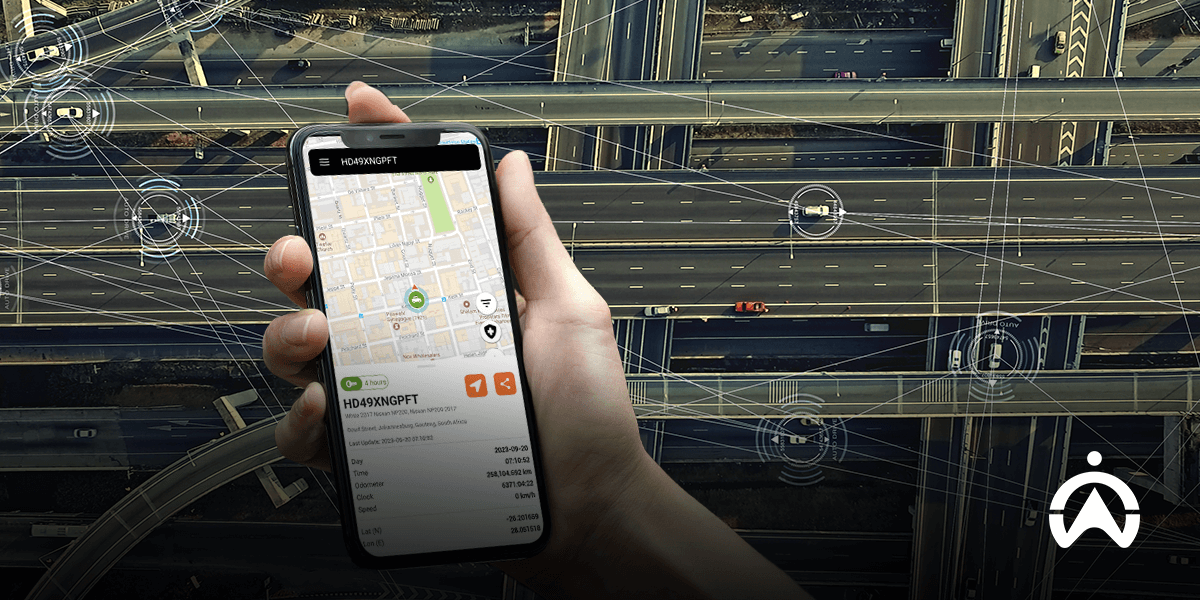
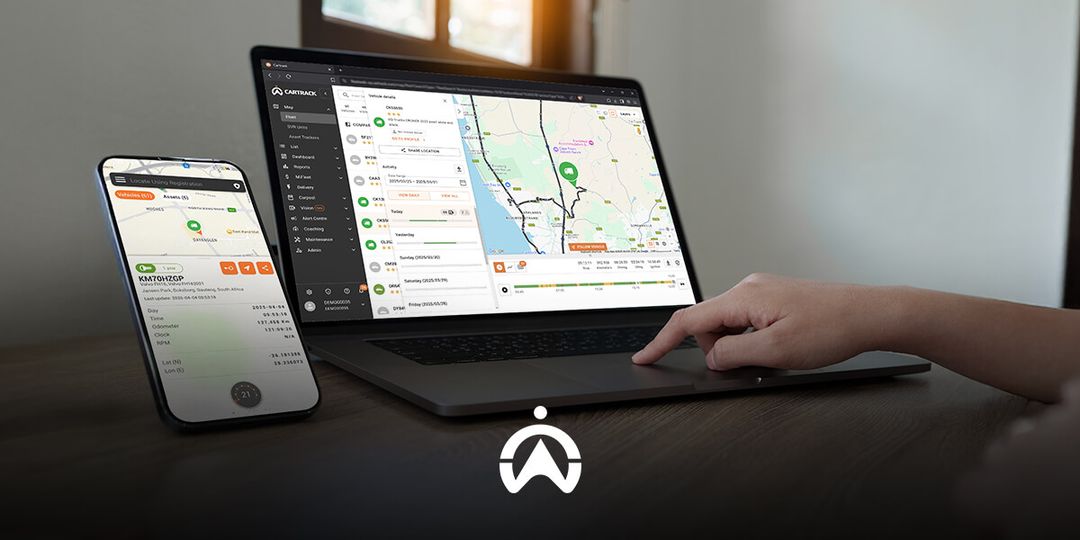
A person holding a smartphone displaying a Cartrack GPS Tracking App

Why Cartrack Is the Go-To GPS Tracking Partner

When choosing a GPS tracking system for your business, make sure to choose one of the best, in this case, Cartrack. With us as your provider, you can expect world-class service and cutting-edge technology. Our footprint spans all across the globe with offices in 24 countries and counting, where we continue to work with businesses of all sizes.

Cartrack has a great reputation as a vehicle security provider and is consistently rated as Malawi’s leading company with four-star customer reviews on Hello Peter.  Here are some other reasons to choose us as your GPS tracking provider:

Industry-specific solutions

Our solutions are extremely adaptable and can work for any business type in any industry, from cold chain logistics to construction. We can tailor our solutions and services to the needs of your business, taking into consideration the type of assets and operational goals.

We offer everything from driver ID tags, fuel management, trip reports, vehicle diagnostics and predictive maintenance alerts. All these features can help a business accomplish specific goals related to its industry.

Local support

Cartrack has a long history and a deep understanding of Malawi’s road and business challenges. We understand the challenges that Malawian businesses and motorists vehicles face on the road and have put together plans of action to assist in times of peril.

We have support teams and response teams available from anywhere in the country who are ready and equipped for any emergency. A call to our control room gets you an immediate response, whether it is a hijacking or the need for roadside assistance.

Real-time data

The primary benefit of having us as your business’s GPS tracking provider is having 24/7 access to your fleet’s location. This is made easier with our mobile app and online platform, which are both easy to use and very accurate in their reporting.  This data can be viewed by the fleet manager from anywhere, whether they are on-site or working with a remote or hybrid workforce.

Scalable

We care about how your business grows and are invested in seeing your fleet perform at its best. We can easily scale with your fleet and its growing demands with our diverse products and services. Whether you are an SME or a large enterprise our solutions can work for your fleets.

Cartrack is an industry leader and is trusted by over 115,000 businesses in a variety of industries and niches. Our high stolen vehicle recovery rate speaks for itself and is proof of how experienced and active we are in fleet management and security. Regardless of your industry or business size, we are up and ready to take you on.

Contact us today and take your GPS tracking solutions to another level.

Frequently Asked Questions

What blocks a GPS tracker?

There are technologies that are capable of jamming GPS signals. This is not a widespread issue but is significant enough to be a concern for customers. Cartrack’s devices come with anti-jamming technology that allows the vehicle to still be trackable even when the GPS signal has been compromised.

What is the difference between a phone tracker and a GPS tracker?

GPS trackers are standalone devices that provide accurate, real-time tracking data with long battery life and superior tracking accuracy. On the other hand, phone trackers rely on a smartphone’s GPS capabilities and may offer a more limited tracking range, battery life, and tracking features.

How big is the GPS tracker market?

The global GPS tracking device market size in terms of revenue was estimated to be worth USD 3.1 billion in 2023 and is poised to reach USD 5.7 billion by 2028, according to Markets and Markets, a competitive intelligence and market research platform.
How to Prevent Construction Equipment Theft With GPS Tracking

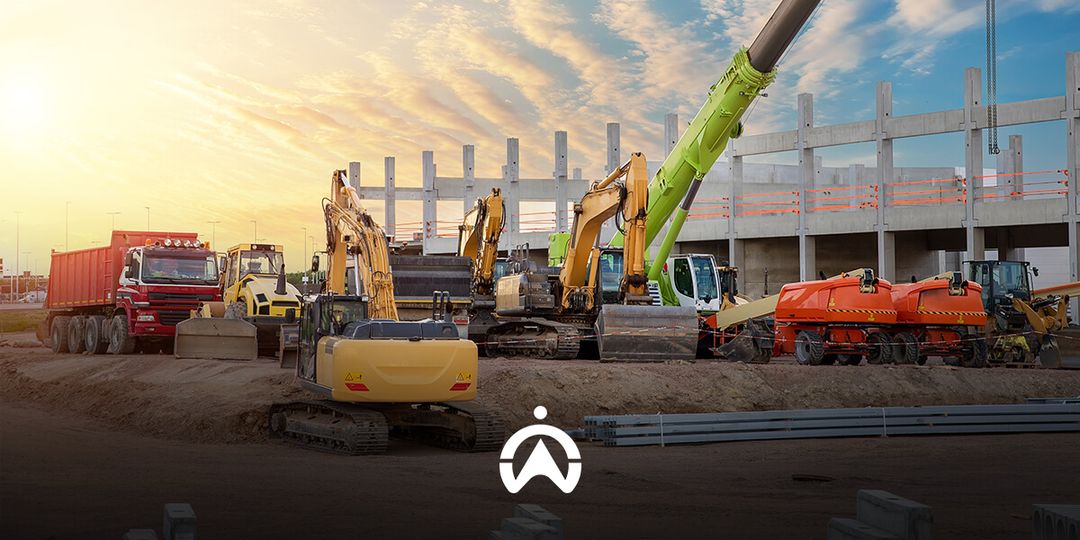
Equipment, such as excavators, forklifts, concrete mixers and bulldozers, is the backbone of the construction industry, without it, development would grind to a halt. This is why it is important to address equipment theft as soon as it arises in a business.

GPS tracking provides a solution to this problem, as it keeps all assets accounted for even across work sites. Additionally, some providers offer services and features to enhance this product and overall security.

Let us discuss how GPS tracking can prevent construction equipment theft and how Cartrack is the ideal partner to help a business accomplish this task.

Get insights on:

  • Why equipment theft is a big problem
  • How theft costs the construction industry
  • How GPS tracking is used in theft prevention
  • The additional benefits of GPS tracking
  • How Cartrack’s solutions help prevent construction equipment theft

Why Equipment Theft Is a Major Concern

Malawi  has a good construction industry that is projected to grow in the coming years. The market revenue in the Hardware & Building Materials Market is projected to reach US$164.63k in 2025 according to Statista.

This insight shows how much value the industry brings to the country and economy. Equipment theft causes severe operational disruptions, threatening industry growth and financial stability.

There is significant difficulty in recovering stolen equipment as it is usually not tracked, this is because these assets lack permanent registration like passenger vehicles. This makes it hard to identify when it has been stolen or resold to another business.

This all leads to downtime and project delays, which ultimately have a negative effect on a business financially.

The Cost of Construction Equipment Theft

Construction equipment is very expensive and is usually hard to replace. This is because some types of equipment need to be custom-made, such as cranes or heavy-duty excavators. This leads to a significant waiting period between ordering and delivery.

The theft of equipment also disrupts project timelines.

Here are some of the costs that are incurred:

The Financial Losses From Stolen Machinery

The financial losses due to theft can be very large, especially if the equipment stolen is a specialised machine. That can cause a significant amount to lose, especially when most construction companies are not major corporations but small businesses and subcontractors.

Many construction companies do not budget for equipment replacement costs, making theft a significant financial setback. Theft impacts the business’s balance sheets as there is often little room for additional costs. This is because the industry operates on a project-based model, often with periods of inactivity.

As with all thefts, insurance costs are affected. Some insurers might increase premiums and, depending on the circumstance, may refuse to pay out altogether.

The Impact on Productivity

Delays are a major cause of reduced productivity, particularly in construction as most projects are deadline-based. When critical equipment is stolen, construction is hindered and in some cases halted, this means that labourers will sit idle with no work to do and time-sensitive processes will be disrupted.

A construction business with productivity problems and issues with meeting deadlines is at risk of reputational damage. If these issues persist, it will impact the business’s public image and dissuade potential clients from considering them for projects or bids for contracts.

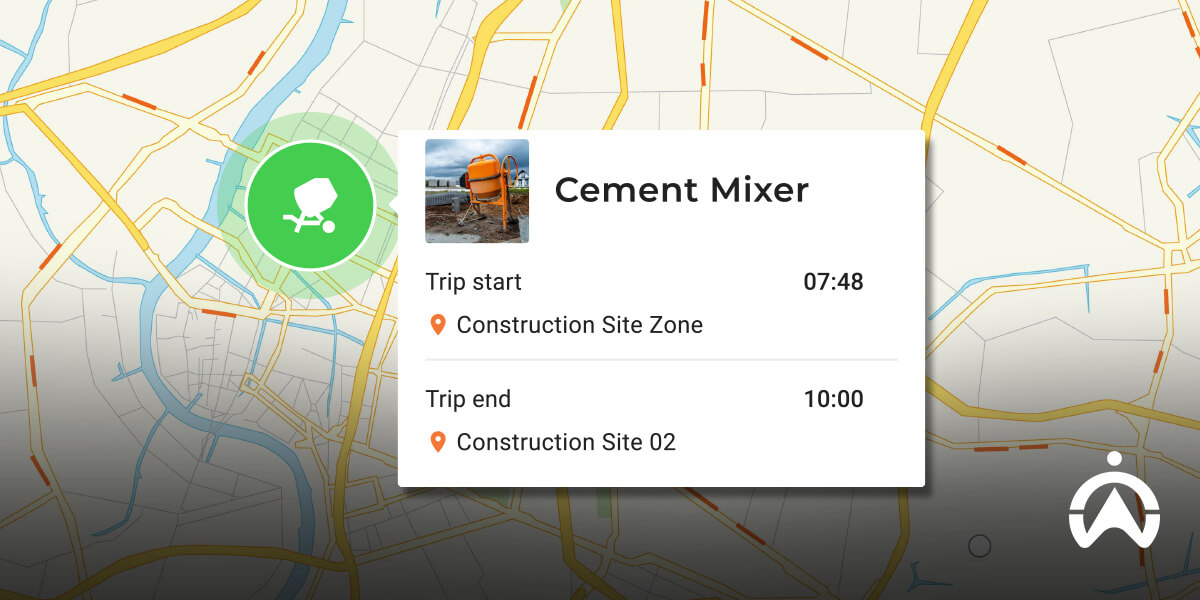
Cartrack_cement_mixer_sensors_displaying_construction_site_zone

How GPS Tracking Can Prevent Equipment Theft

GPS tracking extends beyond vehicles and can be installed on equipment and machinery. Here are the ways in which GPS tracking can work for the construction industry and prevent equipment theft.

Real-Time Location Tracking

Monitor equipment locations at all times, reducing the risk of theft. This feature ensures that construction managers and security teams can keep a constant eye on valuable assets, enabling quick responses if an asset is moved without approval.

Geofencing Alerts

Set up virtual boundaries and receive notifications if equipment moves outside designated zones. Geofencing is particularly useful for ensuring that equipment remains within designated work areas, preventing unauthorised use and potential theft.

Tamper Alerts

Receive instant alerts if tracking devices are removed or tampered with. Cartrack’s GPS tracking systems are equipped with tamper detection technology, which immediately alerts fleet managers if someone attempts to disable or remove a tracking unit.

Remote Immobilisation

Shut down stolen equipment remotely to prevent further movement. This feature is invaluable in theft situations, as it allows owners to render stolen equipment inoperable, increasing the likelihood of recovery.

Historical Tracking Reports

Review past movement logs to track unusual patterns or unauthorised usage. These reports provide insights into usage trends, helping businesses identify security vulnerabilities and potential internal theft.

Battery and Power Loss Alerts

Get instant notifications if a tracking device experiences power loss or is disconnected. This helps in detecting potential tampering attempts or power failures that could compromise tracking.

Multiple Device Integration

Monitor multiple pieces of equipment from a single platform, ensuring seamless tracking across different sites. Whether managing a large fleet or a small number of assets, businesses can have complete oversight from a unified dashboard.

Automated Maintenance Scheduling

Keep track of equipment maintenance schedules to reduce downtime and improve security. Well-maintained equipment is less likely to be left vulnerable to theft due to breakdowns in unsecured locations.

Additional Benefits of GPS Tracking

GPS tracking comes with some additional benefits that are secondary to our direct offering. The most evident one is that the business gets to improve operational efficiency by monitoring equipment usage. Efficiency is capital in the construction industry as it has a direct correlation with the amount of income the business gets.

Another benefit is that the business can reduce fuel costs, it can do this by tracking unnecessary idling. This could be the idling of any equipment or machinery that uses fuel to function, from vehicles to generators. You can ensure proper maintenance with automated service reminders that will inform you whenever equipment is due.

Additionally, with this system in place, you increase the worksite security due to the enhanced visibility of all the assets. When employees know that equipment is being tracked, it will deter them from attempting any theft.

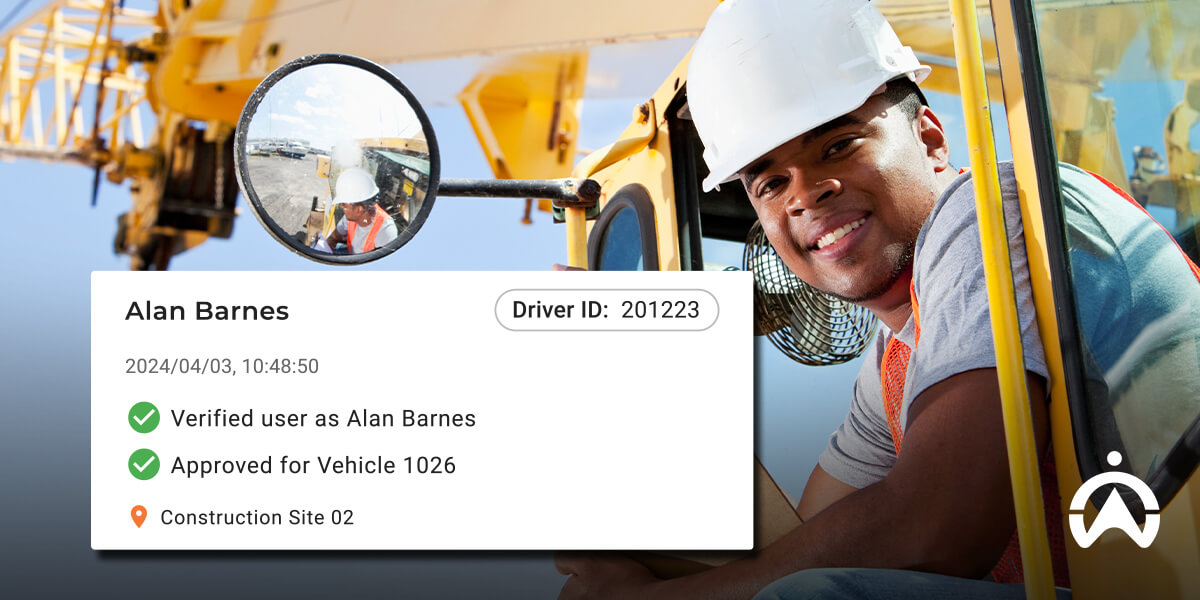
Cartrack_ID_Tag_verifies_an_approved_operator_for_construction_equipment

How Cartrack’s Solutions Help Prevent Theft

With Cartrack as your partner, you can rest assured that your business equipment will be protected from theft. Our theft prevention technologies cater to all types of equipment and can be used by both large and small businesses.

Here is what you get from our solutions:

Advanced GPS tracking technology with real-time monitoring.

We offer GPS tracking of assets, where a ping is sent daily indicating the real-time location of the specific equipment or machinery in your business. This can also be applied to any construction vehicles that need to be tracked.

  • ‍Full asset visibility
    The GPS tracking can be done on equipment and machinery spread across work sites. This will give the business owner an overview of where their resources are located and how many are currently in use versus those in storage at the business premises.
    ‍
  • ‍Asset utilisation rate
    Know how often your construction assets are being utilised by working hours or mileage to help you gauge where to strategically up or downsize your fleet to increase productivity and reduce unnecessary running costs.
    ‍
  • ‍Mobile app and web interface
    This information can all be seen on our online platform or mobile app. This makes it easier for managers to coordinate assets from any location, without needing to be at the specific construction sites.

Comprehensive fleet management solutions

In addition to GPS tracking, we offer comprehensive fleet management solutions. These can be useful for equipment management, as they come with telematics, which tracks the utilisation rate and wear and tear through the use of predictive maintenance.

  • ‍Sensors
    Cartrack has a cement mixer sensor, specifically designed for the construction industry. This is done when the raw materials are loaded into the mixer, the sensor can record the moisture variation between the wet parts and the dry cement materials. With this, you can monitor the speed and direction of your cement truck’s drum rotation to ensure you always deliver a high standard of cement.
    ‍
  • ‍Preventative maintenance
    Set preventative maintenance schedules and get automated reminders using real-time data to ensure all construction equipment is regularly maintained based on hours of service, mileage and date of last service to avoid costly breakdowns and downtime.
    ‍
  • ‍Employee work-hour reports
    Automated reports tell you exactly when your construction teams arrive or leave their assigned project sites to give you actual working hours, so you can bill your clients and pay your team’s wages accurately and hassle-free.
    ‍
  • ‍Surveillance cameras
    Equip your construction vehicles with exterior cameras and in-cab monitors that livestream footage, providing operators with 360-degree views of their surroundings to help them prevent incidents, especially when reversing or carrying oversized loads.
    ‍
  • ‍Security measures
    Geofencing, tamper alerts, and start prevention are all included in this offering, along with driver ID tags and work logs. All these features will make reporting and billing easier to document.

24/7 customer support and theft recovery assistance

At Cartrack, we have a dedicated customer support team that is available 24/7 in case of any emergency or for general queries. This comes as a standard service for all our clients, with someone available to speak with you in one of our official languages, should you wish.

In the event of theft, our specialised recovery team works swiftly to locate and retrieve stolen equipment. This team is made up of trained and skilled individuals with experience in asset recovery.

Proven track record in vehicle and asset recovery

With over two decades in the industry, Cartrack has developed a great reputation when it comes to stolen vehicle recovery.

Over 115000 businesses trust us across 23 countries, proving how well-regarded and reliable our business offering is.

Prevent Theft, Reduce Risk, and Protect Your Assets with Cartrack

A business in construction needs to have its assets protected and accounted for if it wants to maintain optimal performance. Cartrack’s solutions ensure continuous equipment tracking, reducing operational inefficiencies caused by theft.

Contact us to find out how else we can support your construction business.

FAQ

Can criminals detect GPS tracking devices?

Yes, some criminals have developed methods to detect GPS trackers. However, Cartrack’s tamper-proof installation on equipment and tools makes removal and detection significantly more difficult.

Do GPS tracking units need an internet connection?

No, they do not, they use satellite signals to communicate their location. This is not affected by connectivity in any way.

Does a GPS tracker need a battery to be charged?

Some may be connected to an internal power source while others can run on an independent battery. Some of Cartrack’s independent GPS trackers can run for 3 days to two weeks without needing to be recharged, this will depend on the product chosen.

Fleet Management for Wholesale and Distribution services

In the fast-paced world of wholesale and distribution, efficient fleet management is no longer a luxury, but a necessity. Maximising delivery schedules, minimising operational costs, and ensuring timely product delivery are critical to maintaining a competitive edge. This blog will explore the strategic implementation of fleet management solutions tailored to the unique challenges and opportunities within this sector, providing actionable insights for optimising your logistics operations.

To succeed, it’s important to have an effective system in place that helps keep everything running smoothly. This includes handling inventory, managing machinery, planning routes, and coordinating deliveries effectively and efficiently.
Managing all the tasks can sometimes be complicated and demanding. An innovative fleet management solution addresses these issues and optimises the logistical process.

Today, we reveal why fleet management is important for wholesale and distribution services and why Cartrack is a reliable fleet management provider.

In this article, you will:

  • Find out why fleet management matters for wholesale and distribution services
  • Learn what challenges wholesale and distribution services face
  • Understand how fleet management system can transform your business
  • Discover how Cartrack is the preferred fleet management provider for wholesale and distribution services

Why fleet management matters for wholesale and distribution services

If you are a business with large-scale operations and inventory, you know that some problems may arise. These can range from delays caused by issues such as the overbooking of vehicles or driver allocations, among many others. This is why fleet management systems are important, as they handle unforeseen challenges such as vehicle breakdowns, ensuring goods are delivered on time. Let’s discuss why fleet management matters for this industry.‍

Streamlining operations within wholesale facilities

A streamlined operation for many companies begins with effective inventory management within the warehouse. If your business can’t track inventory across different locations, it may become challenging to keep accurate stock levels. Fleet management systems can integrate with your existing systems to provide a centralised view of your business, making it simple to store and locate products.

Meeting delivery deadlines for time-sensitive goods

Distribution plays a pivotal role in the supply chain. Once an order is placed, it is picked, packed, and ready for delivery. However, this has to be coordinated based on the type of product being purchased, such as perishable items. Instead of simply creating contingency plans, businesses need nearly fail-proof solutions to ensure deliveries arrive on time and in perfect condition, preventing supply chain disruptions. Fleet management solutions are designed to tackle these issues by providing live tracking features that monitor deliveries from start to finish.

These systems ensure optimised routes for multi-stop deliveries, allowing drivers to meet strict deadlines while maintaining product quality. Additionally, they offer proactive alerts and analytical insights to help foresee potential disruptions, ensuring that your operations remain efficient even under challenging circumstances.

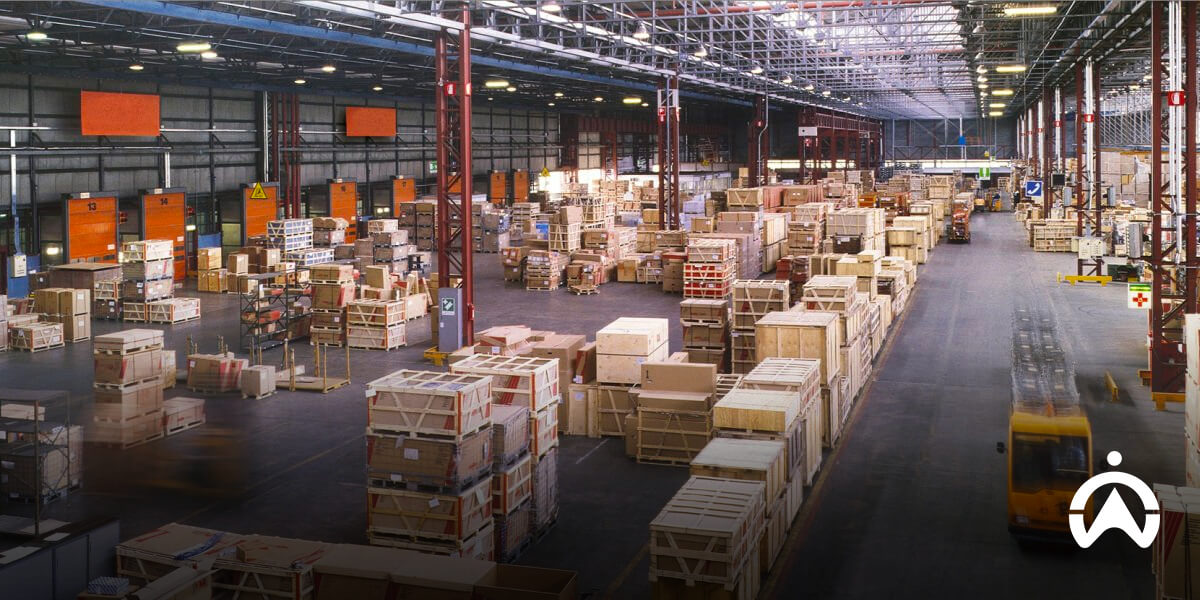
A spacious warehouse filled with stacked wooden crates, organized rows, and loading docks visible in the background.

What are the challenges in fleet management for wholesale and distribution?

There are various challenges wholesale and distribution services deal with, from delays to high costs in their day-to-day operations. It is these issues that they have to navigate to ensure the business operation runs smoothly. Here are a few that we have identified:

  • Late deliveries
    Late deliveries can significantly impact wholesale and distribution services. It not only results in unhappy customers but may disrupt the entire supply chain. For example, late deliveries of products to a business could mean that they cannot honour the special offer they are running, resulting in retailers missing out on sales and potentially losing credibility.
    ‍
  • Inadequate security measures for cargo
    Distribution services transport vast quantities of valuable cargo, which is why they need to ensure it is secure and that they can respond promptly to security risks.
  • Excessive wear and tear on fleet vehicles
    Cargo trucks transport large quantities of goods, often for very long distances, which may cause excessive wear and tear on the trucks. Businesses need to ensure that load weights comply with regulations and that there is no extra weight that could cause strain on the vehicle, reducing wear and tear.
    ‍
  • High fuel costs and fuel waste
    High fuel prices cause businesses to spend a lot on fuel. This may result in funds set aside for maintenance being reallocated to cover the increased fuel expenses. Additionally, the increase in fuel prices may affect the profit margins of businesses that rely on large daily deliveries.

Although these challenges exist for wholesale and distribution services, fleet management systems can help eliminate them.

How fleet management transformed wholesale and distribution services

The wholesale and distribution sector is always changing, and companies that adjust to these changes can enhance their processes and remain competitive. Cartrack’s fleet management system is the ideal partner to help them become more responsive to changes and to improve workflows. What sets us apart is our focus on innovation and reliability, easy-to-use systems, and 24/7 support.

Here is how Cartrack’s fleet management solutions can transform your wholesale and distribution services. Our offering:

Integrates with ERP Systems

Fleet management systems have many benefits, which include ERP system integration. Wholesale and distribution services can easily integrate their existing business activities, such as accounting, supply chain operations, and procurement, with our fleet management solution to enable a comprehensive view of inventory, customer orders, and deliveries. All the data flows through one API for end-to-end workflow, allowing a variety of departments to access the different information.

Tracks every delivery with real-time tracking

Cartrack’s fleet management system enhances a business’s ability to manage the distribution process from the time the products are sourced to their delivery. It provides a centralised view of all the deliveries in real time. You can switch from one delivery to another in just a few clicks to keep up with changes in each delivery. The system provides a business with enhanced communication, meaning you can stay updated with ETAs, which allows you to update your customers should there be any changes immediately. Knowing the status of a delivery in real time empowers you to manage customer expectations effectively.

Promotes safe and efficient driving with behaviour monitoring

Driving on Malawi roads can be unpredictable because of poorly maintained roads and the bad driving of other motorists. This means a system needs to be in place to ensure your drivers are not only safe and compliant with road rules but also protected from external road circumstances. Cartrack’s advanced telematics technology enables you to monitor a driver’s behaviour every step of their journey. Alerts are sent on speeding, harsh braking, excessive idling, and harsh cornering.

Additionally, managers also receive accident alerts called crash detection. The system sends alerts via SMS and email as soon as an impact is detected. This alert is also sent to the Cartrack control room, where an agent will swiftly respond and assess whether emergency service is needed.‍

Saves on fuel costs with smarter fuel management

Smart fuel management includes capabilities that track fuel levels and consumption for every vehicle. Firstly, the system allows you to keep a record of the entire fleet’s fuel transactions. It enables businesses to identify inefficiencies and theft. These capabilities allow you to identify spikes in fuel consumption, which may be an indication of poor driver behaviour.

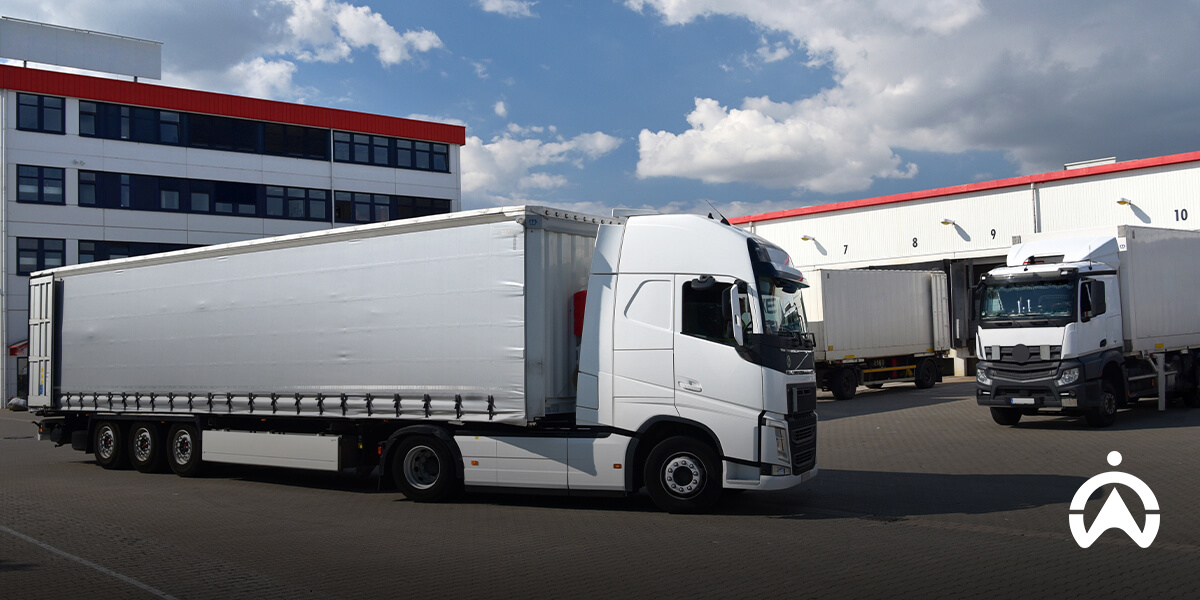
A white truck parked outside a warehouse, with another truck in the background under a partly cloudy sky.

Reduces vehicle maintenance costs

Our fleet management systems significantly reduce vehicle maintenance costs. This is achieved through automated alerts that provide diagnostics on the vehicle, which include engine performance and mileage. All this data is used to predict when a vehicle requires maintenance before any significant damage is done, preventing breakdowns and unnecessary downtime.

Cartrack’s fleet management system empowers wholesale and distribution services with more control over the entire process, from managing machinery through collected data such as fuel consumption and engine performance to last-mile deliveries. By using live updates, advanced driver monitoring, and predictive maintenance. Our system ensures your business operates economically and efficiently.

Contact us today to find out more.

FAQs

Q: Can Cartrack’s fleet management system be customised to a specific business’s needs?

A: Yes, it can be customised to a business’s specific needs through different features such as fuel monitoring, route planning and vehicle monitoring.‍

Q: What is the role of telematics in fleet management?

A: Telematic is an advanced technology that collects and analyses data from a vehicle in real-time, which includes driver behaviour and vehicle diagnostics.‍

Q: Can small businesses use fleet management solutions?

A: Yes, Cartrack’s fleet management solutions can be used by small and medium-sized enterprises to streamline their operations and cut costs.

What Are the True Costs of Fleet Vehicle Breakdowns?

Vehicle breakdowns are inevitable in fleet operations. These breakdowns often come with heavy expenses, and on many occasions, fleet managers find it challenging to control and minimise costs effectively.  Some of these breakdowns result from issues that can easily be avoided through careful monitoring and maintenance scheduling.

Let’s take a closer look at the true costs of vehicle breakdowns and how Cartrack solutions can help mitigate these expenses.

In this article, you will:

  • Find out the true costs of vehicle breakdowns
  • Learn how to prevent breakdowns
  • Discover the role of IoT technology in preventative maintenance
  • See how Cartrack solutions can reduce vehicle maintenance issues

Breakdowns: Impacting more than you think

Maintenance costs form a significant portion of overall fleet expenses. Every breakdown leads to costly repairs, operational disruptions, and revenue loss.

The direct vs. hidden costs of fleet breakdowns

Vehicle breakdown expenses go beyond repairs; there are other financial and operational repercussions. Take a look at this breakdown of the direct and hidden costs:

1. Direct costs of fleet vehicle breakdowns

Repair and maintenance costs

  • Unexpected repair expenses vs. scheduled maintenance
    Unplanned repairs due to the failure of vehicle parts typically cost more than planned maintenance. Suppliers often order vehicle parts in bulk, which can lead to longer waiting times in the case of emergency repairs. Depending on where the components are outsourced, some orders may be quick, while others could take longer to arrive.

    When there are emergency repairs, the vehicle parts that need replacing might not be available. This leads to a rush in individual orders, which come at an extra expense. The mechanics will also need to work overtime to ensure the repairs are done as soon as possible, further straining the budget. However, with a planned repair service, you are certain to find the replacements there, and the mechanic ready for you.

Towing and roadside assistance

  • Expenses for emergency roadside services
    A vehicle that breaks down en route requires roadside assistance, such as emergency towing. Depending on the provider, this service may be covered by a monthly subscription to ensure fleet businesses do not have to worry about paying when it is time for assistance, or charged per incident. However, both options typically include a call-out fee which is separate from the labour costs. If the breakdown occurs after hours, charges may escalate. These charges also vary depending on location.

2. Indirect costs of fleet vehicle breakdowns

Lost productivity and downtime

  • Delays in deliveries and missed service appointments
    Sudden breakdowns reduce productivity levels and delay fleet operations. This results in late deliveries or missed service appointments. These unforeseen mechanical failures also pose security risks to fleet vehicles and cargo, as it might not be safe for trucks to be stranded for hours. Furthermore, if the driver is transporting temperature-sensitive goods, a breakdown could compromise product quality, leading to financial losses and customer dissatisfaction.
  • Idle driver wages and operational inefficiencies
    Certain vehicles not working means some drivers might be inactive for some time. Depending on company policy, the drivers still need to be compensated a fraction of their wages while on standby, creating unproductive labour costs.

Customer impact and reputation damage

  • Late deliveries lead to a dissatisfied client
    If we use the above-mentioned example of transporting temperature-sensitive goods, late deliveries can shorten the product’s shelf life, causing financial losses for retailers and damaging supplier relationships. This creates a dent in your company’s reputation and may lead to the loss of contracts or penalties for service days.

Administrative burden

  • Extra time spent coordinating repairs
    An often overlooked aspect of vehicle breakdowns is the administration of it all. Fleet managers need to coordinate repairs and reschedule operations, which takes away from other daily tasks. It also increases the fleet manager’s workload and responsibilities.
  • Legal implications
    It is required by law that all vehicles must be roadworthy to ensure safety for all road users. For this reason, vehicles that fail to meet these standards may face legal consequences, such as fines or a potential lawsuit. This sometimes means regular court appearances, which take time away from other work but also add to the time spent on administration. The outcome could also result in heavy fines or the business being forced to close down.
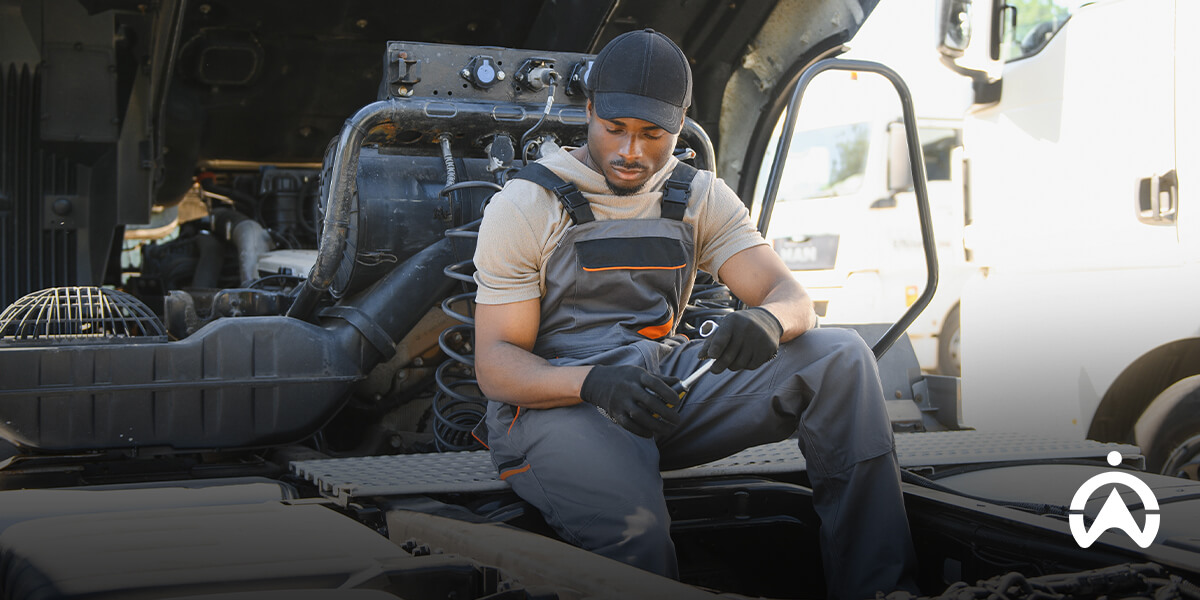
A mechanic sits on the edge of an open truck hood, holding a wrench, with various vehicle parts visible in the background.

3. Hidden costs that add up over time

  • Higher insurance premiums
    Increased claims can lead to higher premiums. Poorly maintained vehicles are more likely to experience mechanical failures. This results in more claims for services such as towing and start assistance. An increase in such claims leads to high premiums as vehicles are now flagged as more of a risk. Furthermore, if worn-out vehicles cause accidents, the victims of those accidents can claim from your company’s insurance.
  • Fuel inefficiency
    Poorly serviced vehicles consume more fuel due to components such as air filters, fuel injectors, and spark plugs being worn out. Our article on how to reduce fuel consumption highlights vehicle maintenance as one of the contributing factors to fuel inefficiency. Regular maintenance of these vital components ensures optimal combustion and engine performance.

    The article also points out the importance of tyre pressure and wheel alignment, stating that a 1% decrease in tyre pressure results in a 0.3 % reduction in fuel economy.

    As fuel expenses take up most of a fleet business’s budget, this further proves how skipping maintenance schedules will lead to greater costs.

  • Unplanned detours and idling during breakdowns
    When vehicles experience mechanical failure, drivers might need to take detours to find a safe spot for repairs or towing. This increases the amount of fuel being used. While waiting for roadside assistance, vehicles sometimes idle for prolonged periods, which further adds to fuel usage.
  • Impact on driver satisfaction and retention
    The frequent breakdowns often leave drivers in a state of frustration as they also want to accomplish tasks with minimal disruptions, as this has a good reflection on overall performance. This affects employee morale and could result in lower driver retention and increased hiring costs.

How to prevent costly fleet vehicle breakdowns

The true costs of vehicle breakdowns have proven to be more expensive than scheduled repairs. However, due to the workload and nature of the fleet management environment, it is easy to overlook things such as maintenance schedules to prioritise meeting client expectations. This common challenge can be resolved using technologically driven solutions.

Preventative maintenance involves practices that fleet managers can do to address maintenance concerns before they become bigger issues. It can be done in two ways:

The role of IoT technology in predictive maintenance

IoT-based predictive maintenance is an approach that involves using the Internet of Things (IoT) to gather and analyse data about vehicles, assets, and machinery. This technology consists of sensors or devices that are installed in the vehicles to collect and convert the data into valuable information. Through this, fleet managers are able to receive the information in its simplest form and make informed decisions.

Cartrack’s preventative maintenance solutions in action

Cartrack caters for fleets of any kind. Let’s have a look at how our preventative maintenance solutions helped a construction fleet reduce downtime.

Case Study: Concord Cranes

Concord Cranes specialises in crane hire solutions. They have over 180 cranes and provide mobile cranes for hire, professional rigging, transport, and specialised lifting projects. Their main challenge was that they found it difficult to accurately record the hours each crane worked, making it difficult to maintain and deliver them to their clients on time.

How we helped them:

  • Our IoT device and specialised power take-off sensors make it possible for Concord Cranes to accurately monitor their cranes’ on-site working hours and the mileage travelled. The information they receive from this allows them to monitor the conditions and usage of their cranes so they can form preventative maintenance measures for their clients and increase their fleet lifespan.
  • Using insights from our fleet management platform, Concord Cranes now reduces maintenance costs by minimising the number of cranes sent for avoidable and expensive fault-related repairs. This also helps them minimise unplanned downtime.
  • Our fleet management and maintenance system has improved their overall brand reliability with their customers, ensuring their cranes are always safe and in working order. Additionally, detailed maintenance schedules have reduced the number of unexpected breakdowns and allowed them to plan ahead to ensure vehicle availability and minimal disruption during the delivery of cranes to customers.

“Using Cartrack’s advanced fleet management, we have been able to increase our operational efficiency to deliver a better service to our customers, as well as effortlessly establish a maintenance cycle that reduces our costs and increases our fleet longevity.” | Gareth Langley, Concord Cranes operations manager

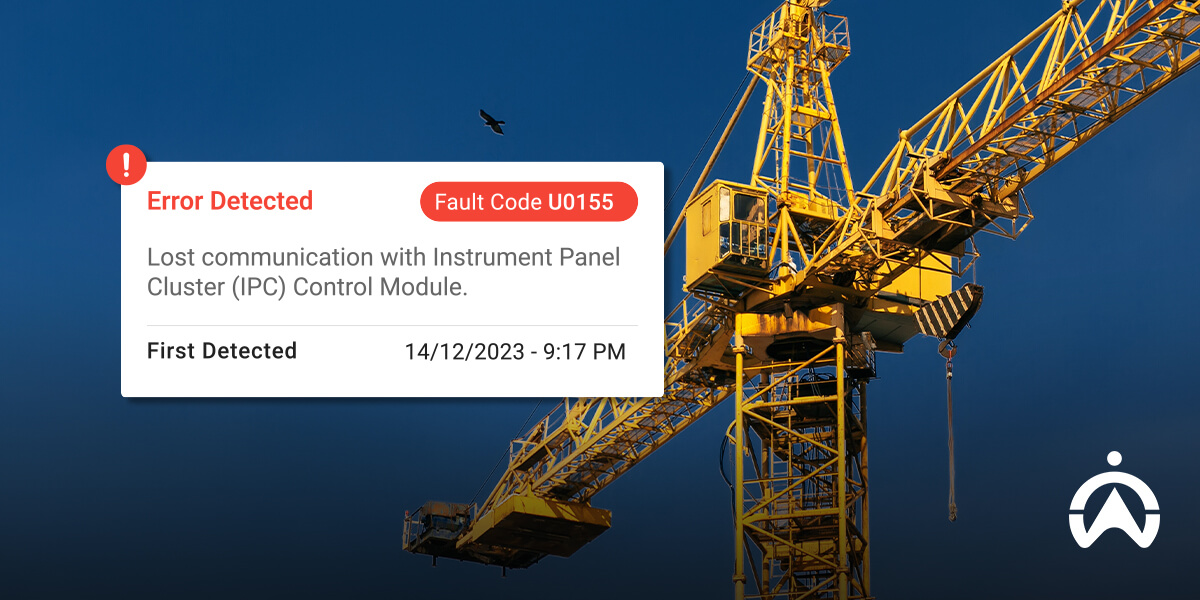
A yellow construction crane against a blue sky, displaying an alert about a maintenance error with the Instrument Panel Cluster.

Reduce the costs of fleet vehicle breakdowns with Cartrack

The Cartrack telematics technology provides vehicle diagnostics so you receive real-time alerts of vehicle maintenance issues such as engine faults, water fluctuations, and oil level levels. This information helps you make necessary arrangements on time so you can avoid unplanned fleet inactivity. Our platform also gives you reminders of maintenance schedules so you can warn drivers in advance and keep workflows undisrupted.

Here are other Cartrack solutions that you can add to your preventative maintenance strategy:

  • Route optimisation
    Know where your vehicles are at all times using our GPS tracking technology and ensure drivers follow efficient routes using our route optimisation tool. The more kilometres a vehicle travels, the more it is likely to have worn-out parts that need to be replaced. Through an analysis of traffic conditions and historical travel trends, our route optimisation tool suggests the most cost-effective routes that drivers can use to get to their destinations. By using this feature, you reduce the long routes and detours that increase fuel consumption and vehicle mileage.
  • Driver monitoring
    Harsh events: Aggressive driver behaviours such as excessive idling and harsh braking have proven to be some of the factors contributing towards greater vehicle wear and tear. Our IoT device alerts you of these driving habits and gives you a detailed insight into each event.

    AI Cameras: The Cartrack AI Multivison camera solutions make use of artificial intelligence technology to protect your drivers from accidents that could lead to major repair costs. The cameras monitor distracted driver behaviours such as drowsiness, cellphone use, and smoking. Once detected, drivers will receive real-time audible alerts so they can instantly correct their actions. As an extra layer of protection, these cameras also help drivers detect blind spots and keep a safe following distance.

    Driver Scorecards: Encourage better driving habits using our Driver Scorecards. This feature rates each driver based on their harsh events and adherence to planned routes. You can use this information to reward those with high ratings, boost employee morale, and identify those who need more training on good driving habits.

Stop breakdowns before they start—explore Cartrack’s preventative maintenance services!

Monitoring vehicle performance using telematics helps detect issues early. By investing in our fleet management solutions, you ensure that your vehicles are always fit for the road. Reach out to our fleet consultants to get the most out of your fleet, increase vehicle lifespan, reduce downtime, and, most importantly, save costs!

Frequently asked questions about fleet maintenance

Q. What is the biggest challenge in fleet management? ‍

The biggest challenge in fleet management is managing high operational costs. The day-to-day expenses of running a fleet include fuel, maintenance, repairs, and compliance fees. In the absence of proper management, these daily expenses can significantly impact the business’s total profit.

Q. What are the benefits of total preventive maintenance?‍

Preventative maintenance enhances drive safety, reduces downtime, increases efficiency, improves vehicle performance, boosts customer satisfaction, and helps you save costs.

Q. What are the different types of maintenance strategy‍

There are four main types of maintenance strategies:

  1. Reactive maintenance: Also known as breakdown maintenance, this is when you fix things only when they break. This method only works well on low-cost equipment that is not essential for operations.
    ‍
  2. Preventative maintenance: This approach relies on following predefined schedules in order to detect problems and fix them before they become bigger issues.
    ‍
  3. Predictive maintenance: Uses real-time data from advanced technologies such as IoT sensors, artificial intelligence, and machine learning to analyse potential problems such as engine temperature, oil conditions, battery conditions, and brake performance.
    ‍
  4. ‍Reliability-centred maintenance (RCM): This is a process of determining the most effective maintenance strategy for each of your assets by combining all the other methods.

Fleet Management System for Sale: What to Look for Before Buying

You are reviewing your business’s expenses and notice, once again, that your fleet-related costs have gone up and are not consistent with others. This frustrates you and has you wondering what more you can do to have this one cost finally sorted and under control.

If this is your experience, and you are looking to save on fleet-related costs, then you need the right fleet management system on your side.

It is important to know what to look for when choosing and buying a fleet management system for your business, luckily, we are here to help. Let us discuss what there is to know about this service and how investing in it sets your business up for long-term wins.

This blog will:

  • Explore how the best fleet management system brings long-term business success
  • Share the ways in which it can help your business save money
  • Discuss why Cartrack is the right choice

Investing in the Right Fleet Management System for Long-Term Success

To effectively manage expenses and reduce fleet costs, you need a reliable fleet management solution. Making this decision may be difficult for some, as they may not be sure what to look for since most providers appear to offer the same or similar services.

The first step to take is to look internally at the business itself. You will need to evaluate where the fleet is lacking and where it can improve. This will assist in finding the best system for the business.

Here are some steps to follow before looking for a provider.

Check Compatibility with Business Structure

When choosing a fleet system, it is important to ensure that it is scalable and adjustable to the growth of the business and the plans that it has.

The system you choose for your business must also be compatible with the existing software currently being used. This could be payroll, enterprise resource planning (ERP), and other product and customer management systems. It should be able to integrate with all these different types of software and easily pull through insights and instructions from each.

It is also essential to determine whether the solution will be cloud-based or on-premise, as businesses may require a hybrid approach or transition over time.

Evaluate User-Friendliness and Support

When it comes to any form of tech or software, user-friendliness is paramount. Technological innovations are meant to make our lives easier and simplify processes. The system that you choose should have this element built into it.

It is important to have an intuitive interface if the goal is to have the system adopted easily, this applies to both PC and mobile options. The system should be able to be used by any of the business’s employees who work with the fleet. Navigating the options and features should be a clear and straightforward process.

Customer support should be readily available should there be any confusion about how the system works or if there are any technical issues. This is a crucial factor to consider, as there may be instances where technical issues arise, and no one within the business can fix them.

Compare Reviews and Reputation

Like every product out on the market, fleet systems are also subject to customer reviews. When looking to see which is best for you, checking customer reviews and testimonials is a good way to go.

This could be looking up the provider on public forums and company rating sites like Hello Peter or seeing what the public sentiment is on social media. Doing this will help in assessing the provider’s industry experience and reliability.

Do Cost vs. Value Analysis

Understanding pricing models is important as this is usually one of the leading determinants for which system a business may choose. Knowing the difference between a contract and a rental will inform which one aligns closer to the budget and goals of the fleet.

You will need to weigh upfront costs against long-term ROI to see which option will have the most value in relation to the amount being paid.

Another factor to consider is its potential hidden costs. These could include additional fees for installation, training, and upgrades. If unchecked, a business can find itself paying for services that another provider would have bundled into one cost.

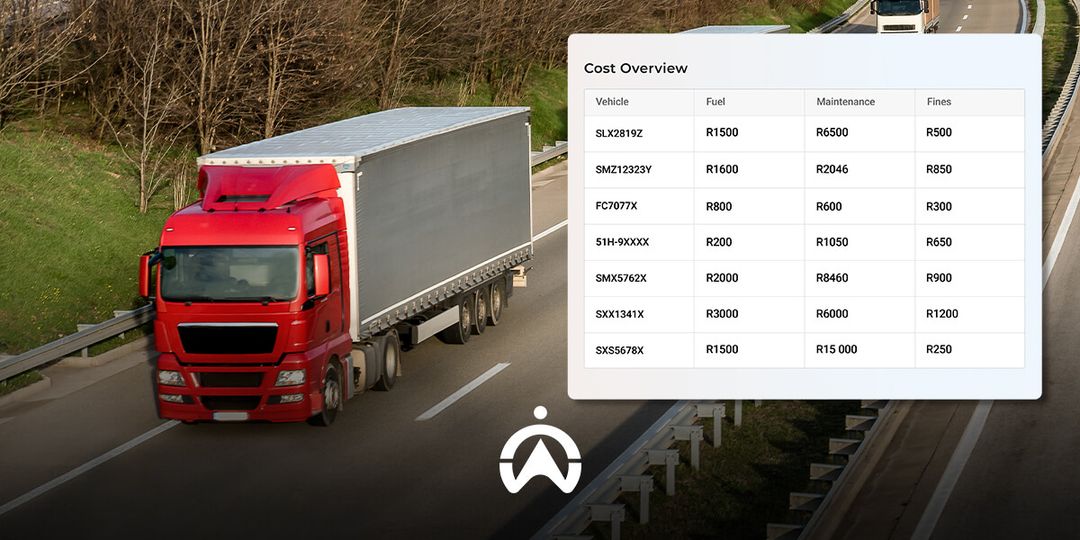
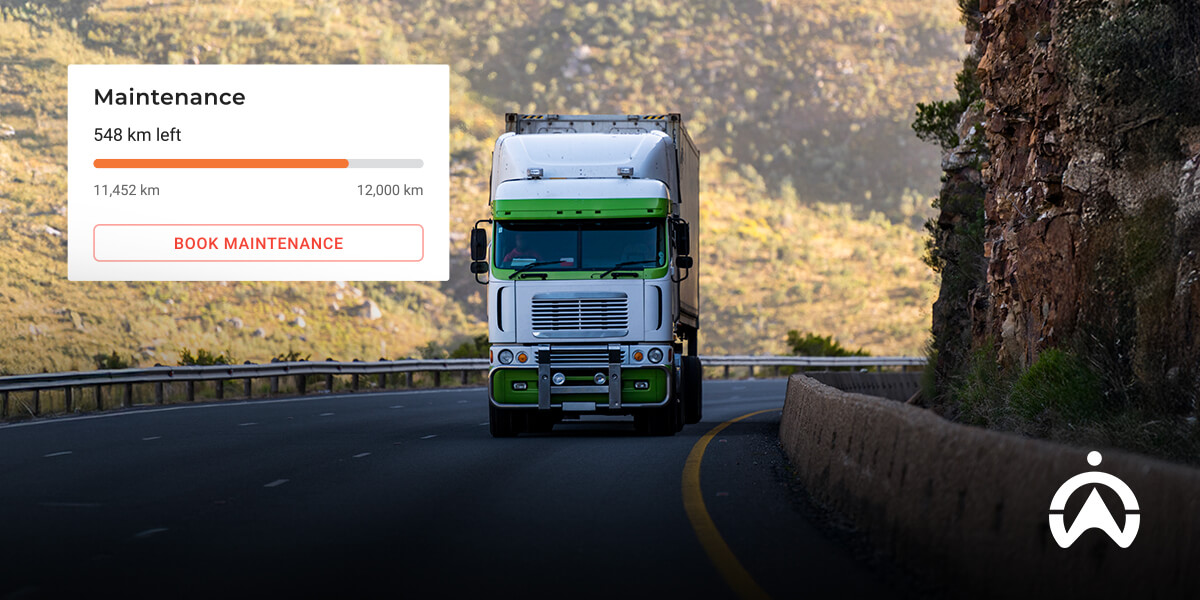
Truck on mountain highway with Cartrack Fleet Maintenance System alert showing 548 km left before service, enhancing predictive maintenance for commercial vehicles.

How A Fleet System Helps You Save Money

Having effective fleet management is important and can significantly improve fleet operations. It could lead to significant savings and cost reductions in areas the business previously thought not possible.

Here are some of the tools you must ensure your system has when evaluating if it is the one for your business.

Driver Behaviour Monitoring

Driver behaviour monitoring is one of the most effective ways of saving fleet-related costs. With this feature, a business can promote safer and more efficient driving habits throughout the fleet.

When drivers follow rules and treat vehicles with respect, they reduce the chances of fuel waste and wear and tear. These factors can become significant expenses in the long run, especially if the business has a large fleet of vehicles travelling long distances.

Fuel Management Tools

Managing fuel costs is a standard expectation for any fleet manager. This is an expense that might feel definite and only subject to change when fuel prices fluctuate. However, that is not the case, there are many strategies that can be taken to reduce fuel consumption and save money.

A fuel management tool can identify inefficiencies in fuel consumption and detect instances of unnecessary fuel waste. This could be due to fuel theft, driver behaviour, engine health and bad route planning, all issues that can be managed and resolved.

Automated Maintenance Alerts

Breakdowns can be quite costly, especially for larger, more specialised vehicles. These usually happen due to the vehicle’s age and the gradual accumulation of wear and tear. Servicing done in time can significantly reduce the risk of breakdowns. This is why getting notified when a vehicle is due for maintenance is essential. It prevents breakdowns with proactive servicing and keeps the fleet in good condition.

Route Optimisation and Efficiency

The routes a fleet takes can have a huge impact on the business. Long routes on bad roads at busy times of the day can all contribute to late deliveries and bad driving behaviour such as idling. A system needs to be in place to mitigate these problems, which is where fleet management comes in. Having it in your business can lead to optimised routes, enhanced delivery efficiency and reduced fuel wastage.

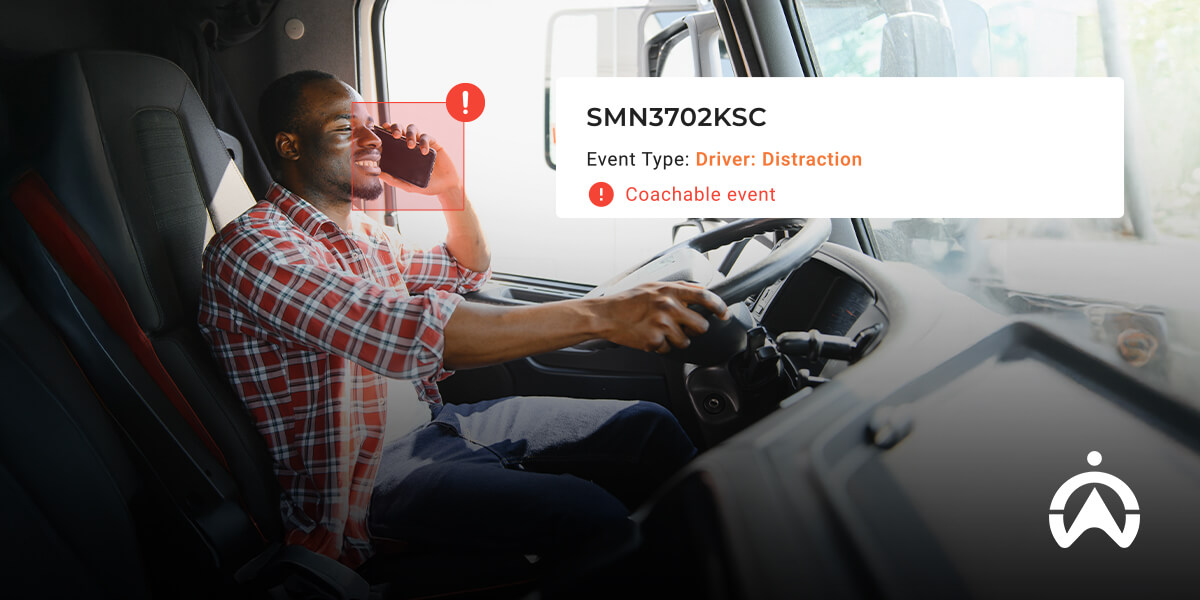
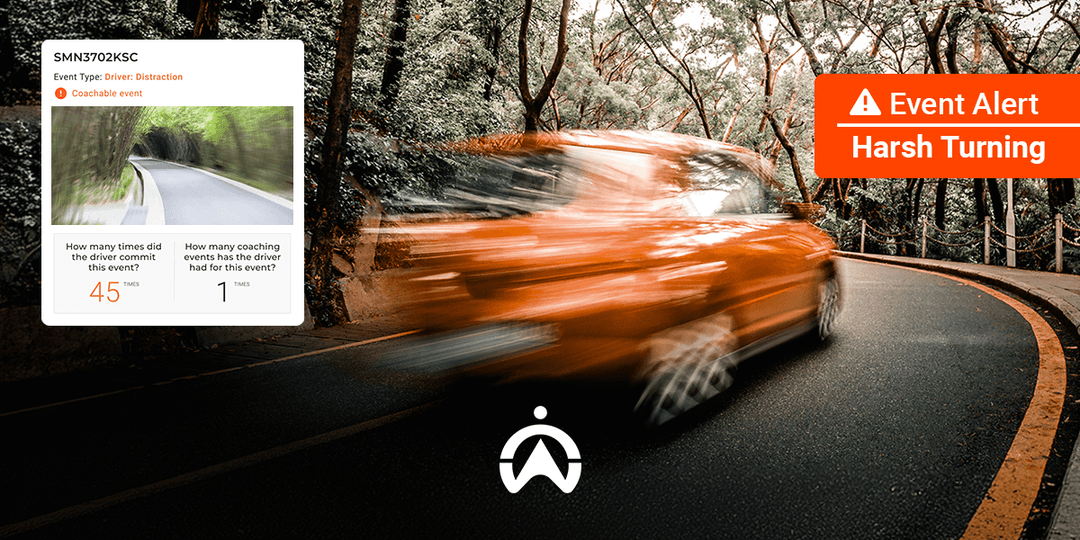
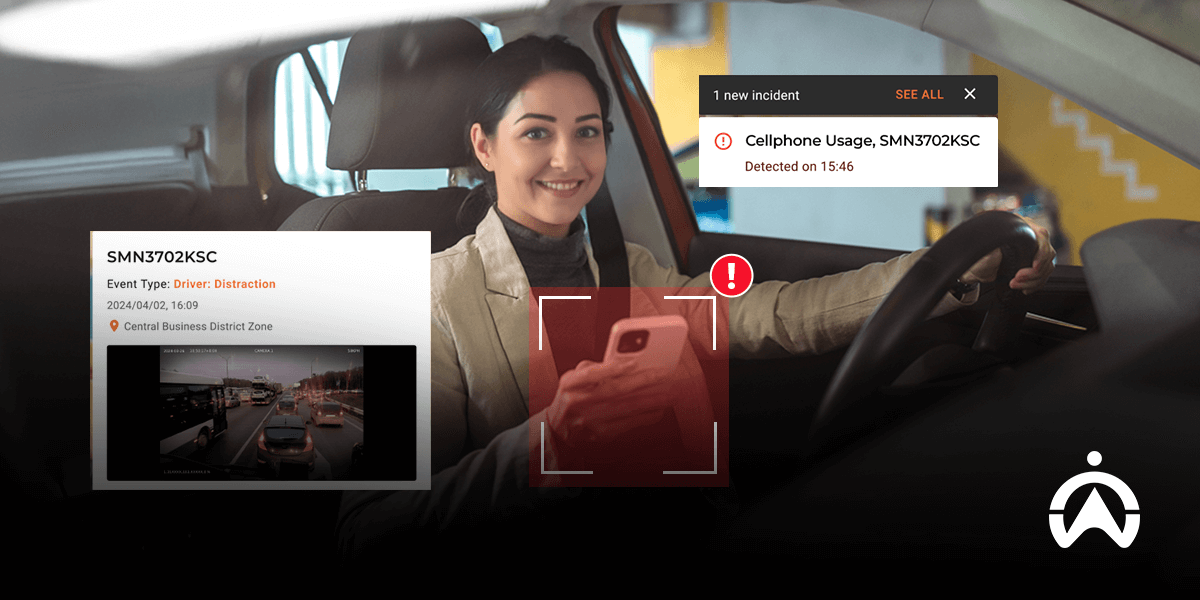
Truck driver identified using mobile phone while driving, flagged as a distraction event by Cartrack's AI-powered driver monitoring system for real-time coaching and safety improvement.

Why Cartrack is the Smart Decision for Your Fleet

Cartrack offers a comprehensive solution designed to reduce costs and maximise profitability. Here are some reasons we shine above the rest:

Flexible Costs and Packages

Here are some of our products and services that are guaranteed to reduce inefficiencies and streamline operations.

  • Bureau services: A service where we can remotely run your fleet on your behalf. Everything from route planning, driver management, fuel costs to everyday operations.
    ‍
  • Delivery: This package allows you to manage drivers while they make deliveries, you can get proof of receipt, manage job schedules and have a full overview of all the trips taken.
    ‍
  • Carpool: With this feature, you can control the allocation of vehicles to drivers, which helps in ensuring that all vehicles are used equally.

We offer a diverse product line that can be tailored to your business’s specific needs at a reasonable cost. These contracts come in 12, 24, and 36-month packages, with payments being made in cash or monthly instalments.

Advanced Telematics

Our telematics offering comes with precise GPS tracking and real-time location to help optimise a business fleet’s operation. The comprehensive solutions package includes asset management, vehicle diagnostics, and proactive maintenance alerts, helping your business reduce downtime and extend vehicle lifespan.

Precise GPS Tracking

Our tracking solutions are GPS and GSM enabled and come with unparalleled real-time location accuracy, which allows businesses to monitor their fleets with ease and precision. With tools such as live tracking, route history, and geofencing capabilities, a fleet manager can enhance productivity and performance. This is because routes will be optimised and deliveries done on time as the ETA will be more accurate. Additionally, our system provides alerts for unauthorised vehicle movements, which will make it easier to prevent theft and vehicle misuse.

Successful Stolen Vehicle Recovery

Protect your fleet with Cartrack’s industry-leading stolen vehicle recovery service, which boasts an average stolen vehicle recovery rate of over 90%. Dedicated recovery teams work around the clock all year round to swiftly locate and retrieve stolen vehicles.

Additionally, we offer remote vehicle immobilisation, emergency support, and a panic button as value-added services. We even offer a warranty in the unlikely situation that we are unable to recover stolen vehicles.

Reduced Fuel Consumption

Fuel costs are usually one of the biggest expenses for a fleet, fortunately, Cartrack’s fuel management system can help your business keep them under control. Our system has real-time fuel usage monitoring, detects inefficiencies, identifies fuel theft, and optimises overall fuel consumption. A business owner can also get detailed reports on refuelling patterns and consumption trends, empowering them to make informed decisions that can lead to significant cost savings.

Safer Driving Habits

Safe and responsible driving is non-negotiable and vital for both cost efficiency and fleet longevity. Our driver monitoring system tracks bad driving behaviours such as harsh braking, rapid acceleration, excessive idling, and speeding. A business owner can use these insights to implement training programmes which will promote safer driving habits, reduce wear and tear, and lower the risk of accidents. By improving driver behaviour, you not only enhance fleet safety but also boost fuel efficiency and reduce operational costs.

Get Cartrack For Your Fleet Today

Cartrack’s offering is customisable for every business model and is scalable to meet the needs of the business as it grows. We also work in a variety of industries in 24 countries across the globe, with a customer base of more than 115,000 businesses.

When considering which management system provider to get for your business, know that Cartrack rises above the rest and will get your fleet functioning at optimal performance.

Contact us to start saving on your fleet’s costs.

FAQs

Q: What are the challenges in fleet management?

A: Many businesses face the same challenges when dealing with a fleet of vehicles. These can be:

  • Supply Chain Disruptions
  • Fuel Wastage
  • Vehicle Acquisition
  • Vehicle Maintenance
  • Health & Safety
  • Regulatory Compliance
  • Administration & Data Handling

For some businesses, these may be more prevalent than others.

Q: What is the difference between fleet management and telematics?

A: Fleet management software works as a cloud-based digital platforms which analyse data and help manage various aspects of fleet operations. Telematics systems gather integral data points, such as fuel consumption, vehicle diagnostics, and real-time GPS location.

Q: What is included in fleet management?

A: Most systems offer vehicle tracking, telematics, route optimisation and fuel consumption management. The goal is to maintain and enhance operational cost-effectiveness, vehicle maintenance, driver and asset management, vehicle safety and compliance, and operational efficiency.

Q: What are the benefits of a fleet management system?

A: Having this system will greatly benefit your business in several ways. Some of these include:

  • Reduced costs
  • Improved driver performance
  • Comprehensive and organised reporting and analytics
  • Optimised workflows and processes
  • Fraud and theft prevention
  • Increased vehicle lifespan
  • Better work experience
  • Improved customer satisfaction

All these will have a long-term impact on the business’s growth and development.

Camera Video Telematics: Reducing Driver Negligence for Safer Fleets

Many various factors, including human behaviours, cause road accidents. Risky behaviours such as speeding, using mobile phones while driving, and overtaking other vehicles can have serious consequences.

When fleet drivers engage in these behaviours, it can significantly impact the business, resulting in costly accidents and operational downtime. To mitigate these risks, fleet managers can integrate video telematics into fleet management strategies to gain valuable insights into driver behaviour and vehicle performance.

This article explores how camera video telematics work and how they enhance fleet safety and efficiency. We also discuss how Cartrack’s solutions can help reduce driver negligence, leading to safer fleets.

In this article, you will:

  • Understand how driver negligence affects fleet safety
  • Learn how camera video telematics reduces driver negligence
  • Explore how Cartrack can help improve driver and fleet safety with camera video telematics

How Driver Negligence Affects Fleet Safety

Drivers can be negligent in many ways, from engaging in risky driving to neglecting basic vehicle maintenance checks. Driver negligence could result in dire consequences such as vehicle breakdowns, costly repairs, legal issues, and potential company reputation harm. Let’s have a look at the types of driver negligence that a fleet manager needs to be on the lookout for.

Types of Driver Negligence

To ensure fleet safety, it’s important to understand the different types of driver negligence.

These can be categorised as follows:
‍

On-road negligence

  • Speeding: When a driver exceeds the recommended speed limit for a particular road or area.
    ‍
  • Distracted driving: Driving while texting, talking on the phone, eating, smoking, or engaging in any other distracting behaviours.
    ‍
  • Tailgating: Following another vehicle too closely.
    ‍
  • Failure to obey traffic laws: This includes ignoring traffic signals, disobeying road signs, and violating other essential traffic rules.
    ‍
  • Driving in hazardous conditions: Driving too fast or recklessly in rain, snow, fog, and other hazardous conditions.

Vehicle safety negligence

  • Neglecting regular inspections: Failing to conduct pre- and post-inspections, such as checking tyre pressure, and ignoring any mechanical issues the vehicle may have.
    ‍
  • Ignoring warning signals: Disregarding dashboard alerts, like low oil and brake system warnings, which require immediate attention to maintain vehicle safety.
    ‍
  • Delaying repairs: Postponing necessary repairs or ignoring signs of wear and tear, such as slippery brakes, which could compromise the vehicle’s ability to function safely.

Driver health and wellness negligence 

  • Fatigued driving: Driving while tired, sleepy, or exhausted.
    ‍
  • Drunk driving: Driving under the influence of alcohol or other substances.
    ‍
  • Driving under the influence of medication: Driving while taking medication that impairs driving ability.
    ‍
  • Driving with a medical condition: When a driver fails to disclose or manage a medical condition that affects driving ability.

Behavioural negligence

  • Driver complacency: When a driver is too relaxed behind the wheel, they tend to become less focused and fail to make the right decisions on the road. This complacency makes drivers more vulnerable to road hazards and increases the risk of accidents.
    ‍
  • Aggressive driving: Driving aggressively, such as overtaking and weaving in and out of lanes.
    ‍
  • Road rage: Engaging in angry or violent behaviour while driving.

Consequences of Driver Negligence

Driver negligence can result in severe repercussions for businesses; let’s explore some of them in more detail.

  • ‍Financial consequences
    Driver negligence can lead to significant financial consequences for businesses. Repeated claims due to unsafe driving often result in higher premiums. If your company car is in an accident, you will face costly repairs, medical expenses, lawsuits, and property damage.

    Beyond these direct costs, accidents can cause lost productivity, as injured drivers may require time off, and vehicles may be out of service. This downtime disrupts operations, which ultimately affects the company’s profitability.
    ‍

  • ‍Reputational consequences
    Accidents or incidents caused by driver negligence can harm the company’s reputation and brand image. This will also lead to a loss of customer trust and loyalty towards the company’s brand; they will question the company’s ability to deliver goods or services safely.
    ‍
  • ‍Legal consequences
    Companies may face lawsuits and will have to pay exorbitant legal fees, penalties, and fines when a driver is found to be negligent. Negligent driving is a criminal offence that will affect the driver personally as a legal individual.
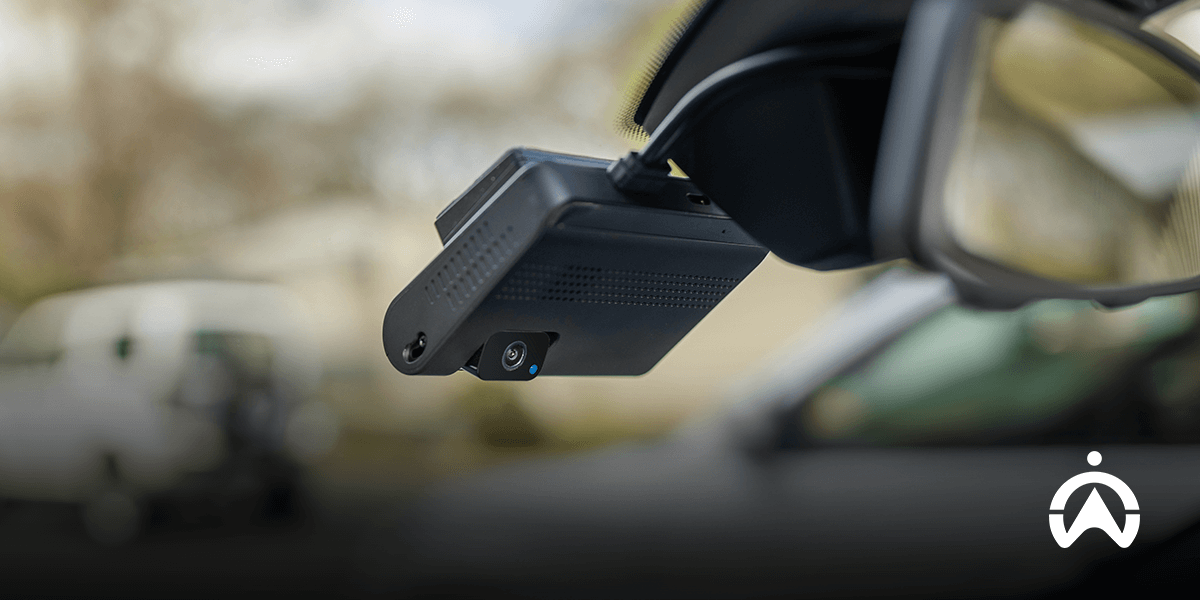
A mounted Cartrack dashcam, capturing the view through the windshield, with a blurred background of a vehicle and trees outside.

How Camera Video Telematics Reduces Driver Negligence

Not all camera video telematics systems are the same. Some have very basic capabilities, and simply record footage, while others are more advanced and equipped with AI technology. The latter can greatly reduce driver negligence by detecting risky driver behaviour such as cellphone use, speeding, harsh braking, and tailgating. It can also identify signs of fatigue and safety belt violations.

Here’s how businesses can benefit from implementing this technology:

Real-Time Monitoring and Feedback

Advanced telematics systems send immediate alerts to drivers when these risky events are detected, enabling them to correct their actions immediately. This prompt feedback helps reduce accidents and encourages safer driving practices.

Event Recording for Accountability

The recorded footage plays a crucial role in identifying and addressing driver negligence. In the event of an accident or safety violation, managers can analyse the footage to determine the cause and take appropriate action.

Businesses that invest in advanced camera telematics systems can use this data for driver training or to enforce necessary disciplinary actions.

Choosing the Right Camera Video Telematics Solution for Your Fleet

When choosing a camera video telematics solution for your fleet, consider features such as storage capacity, video quality, the installation process, real-time alerts, night vision capabilities, and integration with the existing fleet management systems.

Here are some key features to look for when choosing camera video telematics that suit your fleet’s needs:

  • Video quality: The video footage has to be clear to allow fleet managers to see what’s happening on the road and also to see the driver. High-resolution footage provides clarity and ensures that important details are not missed, especially in accidents.
    ‍
  • Storage capacity: Ensure that the system offers cloud storage for easy retrieval of video footage and data. Cartrack’s AI multi-vision cameras have up to 1 terabyte of storage.
    ‍
  • Real-time alerts: Systems that offer real-time alerts can significantly improve driver behaviour. In-cabin alerts will notify drivers of risky behaviours so that they can immediately correct themselves.
    ‍
  • Easy installation: The installation of these cameras must be conducted by a trusted service provider to ensure they function optimally and do not interfere with the vehicle’s wiring. At Cartrack, all our installations are done by a qualified technician to ensure that the dashcams are mounted correctly.
    ‍
  • Compatibility with fleet management systems: Look for solutions that allow easy access to video footage and telematics data from a single platform, such as a fleet management system web interface or app. This will enable easy access to analytics and reports.
    ‍
  • Cost considerations: Cost is an important factor to consider when looking at investing in fleet cameras. There are different prices for different packages, depending on your fleet’s scalability and needs.

How Cartrack Can Help Improve Driver and Fleet Safety with Camera Video Telematics

Cartrack’s camera video telematics offer powerful tools to enhance both driver and fleet safety. With a combination of AI-powered cameras, real-time alerts, and driver performance monitoring, our solutions provide a comprehensive approach to reducing driver negligence and preventing fleet accidents.

We achieve this through the following solutions:

AI-powered cameras

Our AI-powered cameras detect risky events and provide real-time alerts to drivers, including the following:

  • Distracted driving: When a driver does not look forward for more than 3 seconds.
    ‍
  • Mobile phone usage: Holding or using a phone while driving.
    ‍
  • Fatigue: Yawning or other signs of drowsiness.
    ‍
  • Smoking: Triggered when a driver has long objects on the lips, which could indicate smoking in the vehicle.
    ‍
  • Tailgating: Following other vehicles too closely.
    ‍
  • Not wearing a seatbelt: When there is no visibility of the seatbelt across the driver’s body.
    ‍
  • Not facing the camera: Detected when a driver isn’t looking forward.

Drivers receive in-cabin alerts to correct actions immediately, helping to prevent accidents and improve road safety.

With up to 8 internal and external cameras, fleet managers will be able to access live footage, giving them full visibility into fleet operations.

In the event of an accident, this footage can help prove the driver’s innocence, ensuring that they do not get blamed for causing the accident. The video evidence can help expedite the insurance claims process, resulting in quicker payouts and eliminating the need for legal battles. This will not only save the company money but will also help retain drivers and foster a positive working environment since drivers will be confident that they are protected at all times.

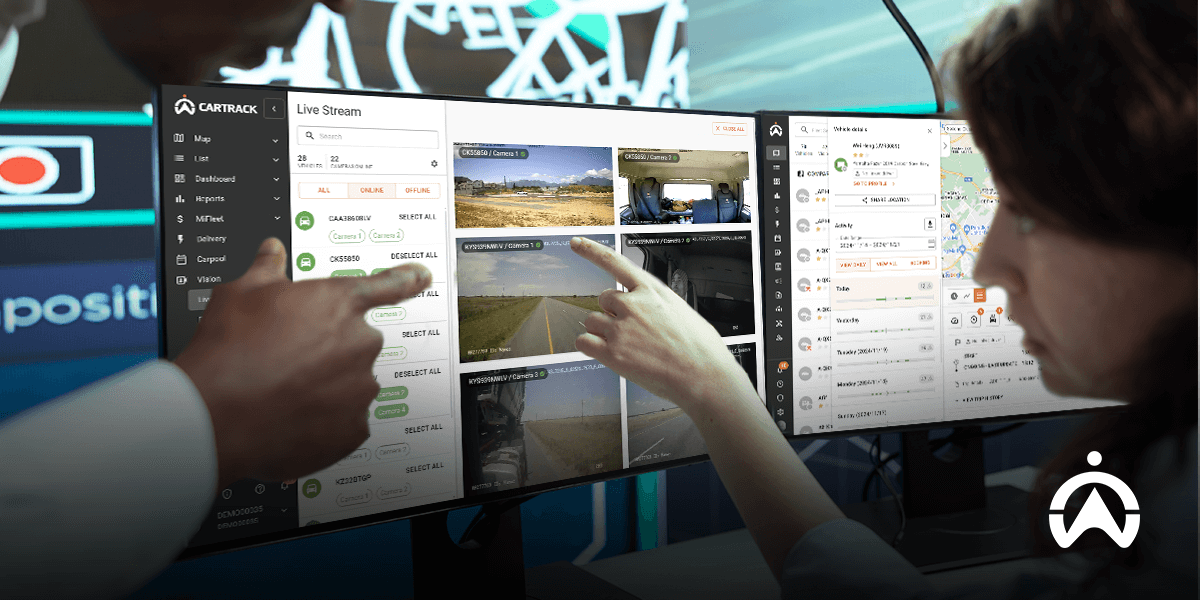
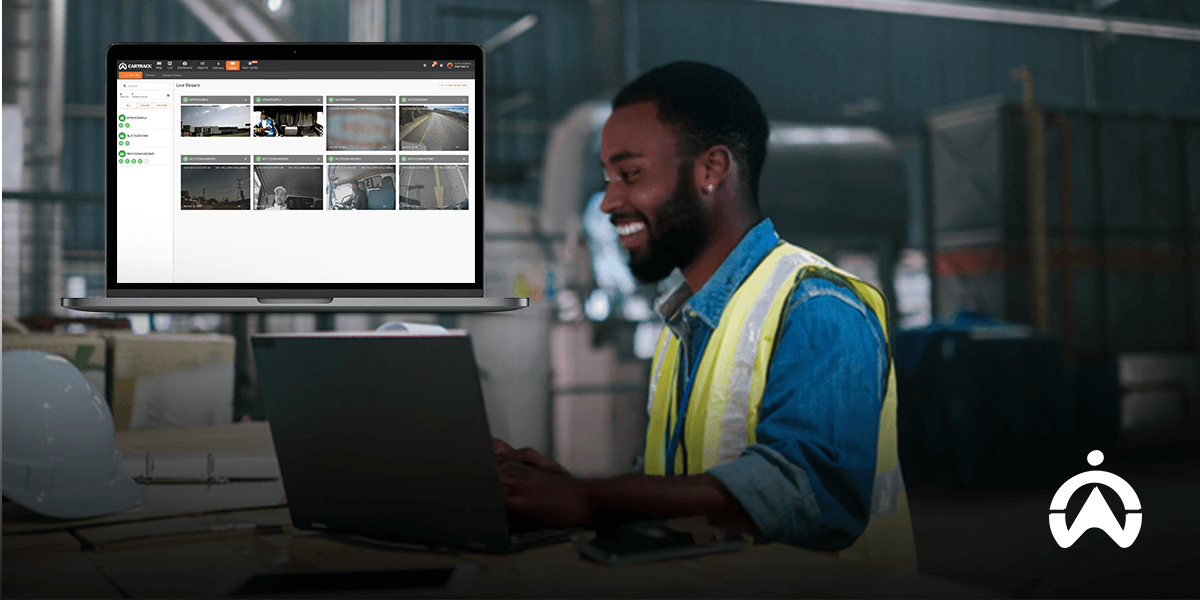
A user navigates Cartrack's live streaming interface on a monitor, showcasing multiple camera feeds and navigation options.

ADAS (Advanced Driver Assistance Systems)

Cartrack’s Advanced Driver Assistance System (ADAS) enhances fleet safety by using AI to detect potential hazards. Features like lane departure alerts, forward collision warnings, and automatic braking help drivers avoid accidents.

By integrating real-time GPS data, ADAS ensures optimal driving speeds and provides collision prevention warnings, offering fleet managers the tools to reduce driver negligence and improve overall safety.

ADAS key features include:

  • Forward Collision Warning: Alerts drivers when they are approaching another vehicle or obstacle too quickly, helping prevent rear-end collisions.
    ‍
  • Blind Spot Detection: Informs drivers of vehicles in blind spots, reducing the chances of accidents when changing lanes.
    ‍
  • Automatic Emergency Braking: Detects imminent collisions and automatically engages the brakes, reducing the impact or preventing the crash altogether.

By incorporating ADAS into fleet management, Cartrack helps prevent risky driving behaviours that could lead to accidents, downtime, and increased costs.

Driver Coaching

After reviewing the footage, managers can refer drivers to our coaching platform, which automatically logs all high-risk behaviours. The platform tracks how often drivers repeat offences and receive coaching.

All sessions are logged with timestamps and comments to ensure drivers are coached in accordance with company policy and provide the necessary evidence required in case of any disciplinary hearings.

In conclusion, reducing driver negligence is key to strengthening fleet safety, lowering operational costs, and maintaining a strong reputation. Cartrack’s AI-powered camera video telematics solutions provide a holistic approach to improving driver behaviour and minimising risks. Implementing these tools helps fleet managers promote safer driving habits, prevent accidents, and protect business operations.

Contact us today to find out how you can empower your drivers and improve your fleet’s safety.

Frequently Asked Questions about Camera Video Telematics

Q: Is it possible to get a custom report from Cartrack’s camera system?

A: Yes, Cartrack offers customisable reporting features. Fleet managers can generate specific reports on driver behaviour, harsh events, and overall fleet safety performance, tailored to the business’ needs and operations.

Q: How do managers ensure that these cameras do not invade driver privacy? 

A: To protect driver privacy, managers should establish clear guidelines for camera use. They should only allow authorised personnel to access footage and must ensure that these cameras are used solely for their intended purposes, such as monitoring driver behaviour and safety.

Q: Can camera video telematics be used for all types of vehicles?

A: Yes, fleet managers can install camera video telematics in cars, trucks, buses, and vans to reduce driver negligence and improve safety on the road.

What are the True Costs of Fleet Accidents

Many assume that accident-related costs are limited to vehicle repairs and insurance claims. However, these incidents involve hidden expenses that can negatively affect a business’s bottom line.

When a company vehicle is involved in an accident and the driver or the vehicle’s mechanics are found to be at fault, the business may be held liable for covering medical expenses and other related costs. In some cases, the company may also be responsible for property damage and legal fees. Over time, these costs can accumulate, leading to a substantial financial burden for the business.

Beyond these direct costs, the company is most likely to experience reputational damage, leading to a significant decline in customer trust and loyalty. A company with a reputation for unsafe driving practices may struggle to maintain long-term customer relationships.

Let’s explore the true costs of fleet accidents and how Cartrack’s fleet management solutions can help businesses mitigate them.

In this article, you will:

  • Know the implications of fleet accidents
  • Learn how to protect operations from fleet accident losses
  • Understand how technology can help prevent fleet accidents
  • Discover how Cartrack fleet management solutions can help mitigate the costs of fleet accidents

What Are the Financial Implications of Fleet Accidents

Fleet accidents have implications that go far beyond immediate repair costs. Understanding these consequences is crucial, especially when looking to mitigate financial losses and protect the business’s reputation.

What are the real expenses associated with fleet accidents

  • Vehicle repair and replacement costs: When a vehicle is involved in an accident, the starting point will be to get the vehicle fixed. This means buying new parts to replace the damaged ones and paying the mechanic handling the repairs.
    ‍
  • Medical and liability expenses: Companies may cover medical expenses for those injured and, depending on the situation, offer compensation for additional damages or losses.
    ‍
  • Increased insurance premiums: If fleet vehicles are frequently involved in accidents, insurance companies may classify the business as high-risk, leading to higher premiums, which can affect profitability over time.

Beyond the immediate costs, fleet accidents also generate substantial legal and reputational issues, adding further pressure to the business.

Legal implications of fleet accidents

  • Legal consequences and liability: Fleet accidents can expose the company to lawsuits, whether for personal injury, death, or property damage, leading to substantial legal costs.
    ‍
  • Regulatory penalties: An accident involving a company vehicle is often investigated. If authorities find fault in the driver’s behaviour or the vehicle’s condition, the company may be liable to pay fines and penalties for violating traffic laws.
    ‍
  • Insurance disputes and legal fees: Insurance claims investigations can take months to resolve, especially for complex cases. This often requires legal assistance, adding further expenses that impact the company’s cash flow.

Reputational implications of fleet accidents

  • Public perception and brand damage: Frequent accidents, particularly those with severe consequences, could negatively affect a business’s reputation. In the digital age, a viral social media post of a company vehicle involved in an accident can damage the brand’s reputation and deter customers from supporting the business.
    ‍
  • Customer loyalty and retention: Accidents can negatively affect a business’s operations, resulting in lower customer satisfaction rates. Customers may question associating with a company that frequently experiences accidents and may look for services elsewhere.
    ‍
  • Employee morale and turnover: Witnessing or experiencing a crash can affect the well-being of drivers, leaving them traumatised and less motivated. Drivers may need some time off at work or even counselling, which will further affect operations. If accidents happen more frequently, employees may start to question the company’s commitment to safety and leave for better opportunities elsewhere.
A hand points to a "Fleet Insurance Policy" document on a table, accompanied by a pen and additional papers.

How to protect operations from fleet accident losses

To protect a business from the financial, legal, and reputational losses caused by fleet accidents, managers must have a proactive approach. This means implementing strategies that can reduce the likelihood of accidents and ensure that operations run smoothly should accidents occur. Here are key ways to safeguard the fleet and business from the aftermath of accidents:

Implement Fleet Accident Management for Incident Response and Prevention

Fleet Accident Management (FAM) plays a critical role in minimising the impact of accidents on a business. It enables fleet managers to respond swiftly, manage claims efficiently, and mitigate common accident causes such as risky driver behaviour, distractions, and poor road conditions. By implementing FAM, these issues can be addressed head-on, ensuring better safety practices and reducing downtime, as well as the financial and operational consequences of accidents.

Conduct regular maintenance and servicing

Conducting regular maintenance on the fleet will significantly enhance safety, reduce breakdowns, and minimise downtime, helping save costs in the long run.

A structured maintenance schedule will cover critical things such as wear and tear, tyres, engine health, lights, and other important vehicle components. This will not only ensure vehicle longevity but will also minimise the accidents that are caused by mechanical failures, faulty parts, or poor vehicle handling. Regular inspections and timely repairs help identify potential hazards before they become serious issues, ultimately improving driver safety and maintaining operational efficiency.

In addition to regular maintenance, it is important to get the vehicles serviced on time so that issues can be detected and dealt with in time before repairs become too expensive. Regular servicing ensures that a vehicle’s components are working at optimum levels, which means better performance from all aspects of the vehicle.

Implement driver safety programs

To help reduce accidents, fleet managers can implement driver training programs that will enhance their safety on the road. Driver training programs will empower drivers to follow the rules of the road and avoid participating in unsafe behaviours such as distracted driving, speeding, harsh braking, and tailgating. Practising safe driving helps save on fuel costs and reduces wear and tear on vehicles, making them last longer.

Fleet managers can also host driver incentive programs—reward-based methods to motivate their drivers to continue practising safe driving.

Drivers can be rewarded in the following ways:

  • Monetary bonuses: Fleet managers could reward drivers with cash for outstanding performance.
    ‍
  • Recognition: Drivers could be rewarded with a certificate or trophy monthly, making them “employee of the month”.
    ‍
  • Career development: Managers could also consider promoting drivers who are consistent in their performance.

Rewarding drivers through any chosen method is a great way to keep them motivated and create a healthy working environment.

Review insurance policies and coverage regularly

Regularly reviewing fleet insurance policies ensures that coverage aligns with current operational needs and provides protection against potential risks.

As the fleet or business grows, reassessing insurance needs is important to maintain adequate coverage. This entails examining accident coverage, liability coverage, vehicle damage coverage, and theft coverage so that all areas are fully protected.

Furthermore, staying informed about industry regulations and adjusting coverage accordingly can prevent gaps that might leave the fleet unprotected in the event of an unforeseen incident. This practice helps avoid unexpected financial surprises and supports the continued safety of fleet operations.

Use fleet management solutions and telematics

Incorporating technology such as telematics and fleet management systems can significantly reduce accidents. These technologies allow operators to monitor driving habits and vehicle performance in real-time.

By tracking driving behaviours such as speeding, braking, and sharp acceleration, operators will be able to identify which drivers need training to avoid getting involved in constant accidents.

The systems will alert operators when maintenance is due, which will help prevent breakdowns and accidents caused by malfunctioning equipment. Telematics also help optimise routes through live traffic updates, weather updates, and road conditions, ensuring that drivers stay away from potentially dangerous areas.

A mechanic inspects a truck's engine while reviewing the vehicle health report highlighting defective brakes and maintenance tasks.

How Cartrack helps mitigate the costs of fleet accidents

Cartrack offers comprehensive fleet management solutions that help businesses prevent and manage accidents, ultimately reducing costs.

We achieve this in the following ways:

  • Real-time tracking and alerts: Our GPS tracking devices allow managers to track their fleet in real-time, providing full visibility. In the event of an accident, instant alerts are sent to managers, enabling a prompt response during emergencies.
    ‍
  • Driver behaviour monitoring: Our system helps operators monitor driver behaviour by sending alerts every time there are harsh events like speeding, harsh braking, and cornering. With this data, fleet managers can identify drivers that need coaching to improve their performance. This will significantly reduce accident risks and promote safer driving habits.
    ‍
  • Cartrack’s AI-powered cameras: Our AI-powered cameras provide real-time monitoring with in-cabin audible alerts that notify drivers of distractions such as cell phone use, fatigue, smoking, speeding, and other risky behaviours. These alerts help drivers correct their actions immediately, which can help reduce accidents. If an accident does occur, footage can be retrieved and used to prove the driver’s innocence and can be submitted to insurance companies to help expedite the claims process. Managers can use the footage to analyse what happened and provide targeted training to drivers where necessary.
    ‍
  • Preventative maintenance: Cartrack’s system sends alerts to inform managers about any engine faults and when vehicles are due for servicing. By monitoring engine hours and usage, managers can easily stay on top of maintenance needs. This proactive approach helps ensure that the fleet remains in good condition and operates efficiently.
    ‍
  • Crash detection: Our smart IoT device uses g-force technology to detect an accident in real-time, allowing us to immediately send emergency services to the driver’s exact location so help can arrive as soon as possible. Crash detection boosts drivers’ confidence on the road, knowing that protection is available at all times should accidents occur. Companies stand a chance to be assisted sooner during the insurance claims process since all necessary information is readily available through this technology.
    ‍
  • Advanced Driver Assistance System (ADAS): ADAS uses camera-based sensors, intelligent algorithms, and AI technology to enhance driver awareness, increasing driver and vehicle safety. This system alerts drivers of blind spots and gives forward collision warnings.

In closing, investing in a robust fleet management system can reduce fleet accidents, helping save on hidden costs such as financial, legal, and reputational costs. Implementing driver training programs and conducting regular maintenance ensures that drivers and fleets are safe on the road.

Ready to safeguard your fleet and save on costs? Contact us today to achieve your business’s bottom line, leaving you with satisfied clients and enhanced profitability.

Frequently Asked Questions about accidents and fleet management systems

Q: What are the main causes of fleet accidents?

A: Factors such as human driver behaviour, poor road conditions, adverse weather conditions, and vehicle faults all contribute to fleet accidents.

Q: How does the frequency of accidents affect a company’s ability to grow?

A: Frequent accidents can deter a company from growing to its full potential due to all the costs the company will have to pay as a result of these accidents. This means the company will be working at a loss, and its bottom line will be negatively affected.  

Q: How do fleet accidents affect customer satisfaction?

‍A: Fleet accidents can cause delivery delays and service interruptions, and, in some cases, products may be lost and damaged during these crashes. This will negatively affect customers, leaving them dissatisfied and unimpressed with the service.

How to Protect High-Value Goods in Transit

High-value goods range from luxury items and electronics to sensitive medications, premium cigars, alcohol, livestock, and fine art. These goods have high value, making them prime targets for criminals and more susceptible to theft and hijacking than regular goods.

Given their importance, high-value goods require exceptional care and attention during transit. A single security lapse can lead to substantial financial losses, harm a company’s reputation, and disrupt multiple industries.

Let’s discuss the risks involved in transporting these valuable items and explore how advanced technologies like Cartrack’s fleet management solutions can help protect them while on the road.

In this article, you will:

  • Learn more about the risks associated with the transportation of high-value goods
  • Understand how technology can help mitigate these risks
  • Explore the key best practices for protecting your goods while in transit
  • Know how Cartrack solutions can help you protect your cargo

What Are the Risks of Transporting High-Value Goods?

High-value items are at an increased risk of theft due to their desirability. These goods can also be easily damaged and often come with strict regulations that must be considered during transit. Let’s take a closer look at these risks:
‍

Theft or hijacking

According to the Transporters Association of Malawi (TAM) , the most commonly targeted cargo includes wheat, fertilisers and polythene. This highlights that high-value goods are prime targets for criminals, who may either steal the items or hijack the entire vehicle.

High-value goods are highly vulnerable to theft and hijacking during transit because they go through multiple handovers, such as drivers, logistics companies, and warehouse teams. These goods are often left unprotected at unsecured rest stops or while being transferred between locations. With each handover, the risk of theft increases, as security can be inconsistent. Unlike at warehouses, which have strict security, the lack of continuous protection during transit makes it easier for criminals to target the shipment.

Accidental Damage

Due to the delicate nature of most high-value goods, they are most likely to be damaged during transit. This may result from improper handling, incorrect storage, inadequate packaging, accidents, adverse weather, and poor road conditions. For temperature-sensitive products, it could be that the temperature was incorrect throughout the trip, resulting in spoilage of items, and compromising their quality.

Accidental damage causes significant harm to the cargo, resulting in financial loss and customer dissatisfaction.

Regulatory and Compliance Risks

Noncompliance with regulations is a significant risk when transporting high-value cargo, particularly for items like pharmaceuticals or international shipments. Noncompliance with legal and safety standards can lead to hefty fines, legal action, and reputational damage. It’s important to ensure all regulations are met to avoid these risks during transit.

A delivery person wearing a red uniform and cap stands outside a van, preparing to handle cardboard boxes in a parking area.

How Can Technology Mitigate the Risks of Transporting High-Value Goods?

Technology plays an important role in mitigating risks associated with transporting high-value goods. Through GPS tracking and telematics, you can be in charge of your fleet at all times and will be able to act swiftly before anything happens to your cargo.

Here are some ways technology can enhance safety and security:

  • Real-time GPS tracking: You will know the location of your cargo through continuous tracking.
    ‍
  • Vehicle surveillance: Cameras and an alarm system add an extra layer of security to your fleet by deterring theft. Cameras equipped with AI technology allow you to monitor driver behaviour and provide training where necessary.
    ‍
  • Temperature monitoring for sensitive goods: Having temperature sensors will ensure that your sensitive cargo remains in good condition throughout transit, avoiding spoilage and waste.
    ‍
  • Automated alerts: Instant notifications and alerts allow fleet operators to take action if there are any changes to the fleet. This includes vehicle deviations or changes in temperatures.
    ‍
  • Remote immobilisation: Many tracking systems feature immobilisation options, enabling fleet managers to disable the vehicle remotely if stolen. This improves the chances of recovery and ensures better protection for the vehicle.

What Are the Best Practices for Protecting High-Value Goods in Transit?

When protecting high-value freight during shipment, you need to have a strategy that covers all bases. This means enhancing your security, conducting regular inspections and maintenance, and minimising stops on the way.

Here are some key best practices to help you get it right:
‍

Strengthening Security Protocols for Drivers

Fleet operators should train drivers in secure cargo handling and emergency response protocols. These training programs will equip drivers to know how to identify when something is wrong, and they will be able to act swiftly in an emergency.

Drivers must ensure they know which protocols to follow while on the move; this includes checking for tampering, knowing how to use panic buttons, and reporting incidents immediately.

Drivers are basically in charge of your cargo and vehicles, so they must be protected at all times to ensure that the goods get delivered safely and securely.

Conducting Regular Vehicle Inspections and Maintenance

It goes without saying that the vehicles used to transport these high-value goods need to be properly maintained to avoid unnecessary breakdowns on the road.

Managers must schedule regular inspections and ensure that vehicles go for servicing as and when required to prevent breakdowns. These inspections include checking security systems such as alarms and GPS tracking devices to see if they are still functioning as they should.

Regular checks can help identify and solve issues before they become major problems, posing potential threats to the cargo.

Minimising Stops and Delays During Transit

In order to make timely deliveries, fleet operators must make sure that the routes have minimum stops. Fewer stops reduce the risk of unauthorised access or tampering while improving fuel efficiency and delivery timelines.

A medical delivery truck drives along a highway, accompanied by a job summary for scheduled deliveries.

How Can Cartrack Solutions Help Protect High-Value Goods?

Cartrack’s fleet management solutions ensure that your high-value freight is protected throughout its journey, ensuring that products are delivered in the right condition. Here’s how:

  • GPS tracking: Fleet managers have full fleet visibility through real-time GPS tracking, which allows them to monitor vehicle locations, track routes, and respond quickly to any issues or delays.
    ‍
  • Route optimisation: Cartrack’s fleet management software allows operators to optimise routes, ensuring timely deliveries. This feature enables drivers to use the fastest routes with less traffic congestion to avoid delays. You will get alerts if the vehicle deviates from these planned routes.
    ‍
  • Geofencing: Operators can identify unsafe areas such as hijacking hotspots and set geofences around these zones. They will be notified via SMS or email should the vehicle enter these zones.
    ‍
  • Temperature sensor: Cartrack’s temperature monitoring solution supports up to four sensors per vehicle, ensuring real-time oversight of perishable goods.
    ‍
  • AI-powered cameras:Cartrack’s AI-powered cameras act as an extra set of eyes on the road, helping operators monitor driver behaviour. The cameras detect unsafe behaviours such as harsh braking, speeding, smoking, or mobile phone usage. Our AI dual-vision cameras will audibly send alerts to the driver in real-time so they can correct their behaviour.
    ‍
  • Panic button: If drivers are in a compromising situation like an emergency or a hijacking, they can simply press the panic button, which will instantly send a silent alert to our control room. An operator will instantly alert the fleet manager and coordinate emergency response if required.
    ‍
  • Cargo door sensor: Cartrack’s cargo door sensors instantly detect unauthorised access and trigger alerts for swift action.
    ‍
  • Start prevent: Fleet managers can immobilise a vehicle on the fleet management web interface. The vehicle will be immobilised once the ignition is turned off, ensuring the safety of both the vehicle and the driver.
    ‍
  • Driver scorecards: Our driver scorecards track high-risk behaviours like speeding or harsh cornering. Each driver receives a rating, allowing fleet operators to pinpoint areas for improvement and offering the opportunity to coach drivers and improve their driving habits.

Cartrack offers you solutions to protect your cargo better, leaving you with satisfied clients. Contact us today for a tailored security solution.

Frequently Asked Questions about high-value goods

Q: What type of insurance is necessary for transporting high-value goods?

A: To cover your high-value goods, get an all-risk insurance, which offers the most comprehensive coverage. It protects your goods against a wide range of risks, including damage, theft, loss, and accidents.

While we don’t provide insurance directly, our insurance agency can help you find the right insurer that fits your needs and budget.  

Q: Does Cartrack offer any solutions for improving the safety of high-value goods during nighttime transport? 

A: Yes, we do. It is important to note that our GPS tracking units continuously track your vehicles 24/7, and our operators are also available to assist you with anything you need. Our cameras are designed to perform effectively in low-light conditions, which means they will be able to capture clear and reliable footage even at night.

Q: Can a fleet management system help recover stolen high-value goods? 

Yes, Cartrack’s fleet management system can help recover stolen high-value goods. With real-time GPS tracking, geofencing, and instant alerts, fleet managers can quickly locate stolen vehicles and coordinate with law enforcement and Cartrack’s recovery team to recover the vehicle transporting the goods.

Best Practices for Implementing AI Camera Systems

The past few years have seen the introduction of Artificial Intelligence (AI) to the masses, becoming one of the most talked about innovative technological products. Many industries have adopted this new technology as a step toward digitising all their processes.

Camera systems are no different; they too have been integrated with AI features and capabilities. This means cameras can now do more than just record and store footage.

Let us learn what the best practices are when implementing AI camera systems and how Cartrack is one of the leaders in this transformation, with their advanced AI-driven video telematics solutions.

In this article, you will:

  • Learn about AI cameras in fleet management
  • Find out the needs to consider before implementing them
  • Discover how to choose the right AI camera
  • Find out the best practices for implementing AI cameras
  • Discover the future trends in AI cameras
  • Learn why Cartrack offers one of the best AI camera systems

Best Practices for Successful Implementation of AI Camera Systems

Successfully integrating AI cameras into your fleet requires a strategic and structured approach. Start by defining your safety and operational goals first and use that framework to find a compatible system. Installation, training for all of your drivers, and ongoing technical support are crucial for maximising the technology’s impact. By following best practices, businesses can enhance safety, efficiency, and compliance while minimising resistance and disruption.

Assessing Fleet Needs Before Implementing AI Camera Systems

Before incorporating AI cameras into a fleet, a business must first figure out what challenges it wishes to address and what the ultimate objective will be. In the Malawi transport sector, obstacles include a high incidence of accidents, instances of fuel theft, and inconsistency in road infrastructure.

Four questions to consider before implementing an AI camera system:

  1. What risks facing your fleet will AI cameras help with?
    ‍
  2. How will AI cameras help reduce accidents and liabilities?
    ‍
  3. How can real-time driver coaching and monitoring help with safety?
    ‍
  4. Will the camera systems help the business with compliance and reporting?

By addressing these questions, fleet managers can tailor their AI camera strategy to align with their operational goals.

AI Camera System Installation Best Practices

Adding AI camera systems to your fleet requires some considerations to be made. These considerations should align with the best practices in the industry and should also serve to achieve the business’ strategic goals. This is why implementing a camera system that can integrate with a fleet management program is vital. Integration with fleet management software ensures data flows seamlessly into operational dashboards, making it easier to navigate the system and see what is happening.

Let’s look at some of the other best practices when implementing an AI camera system.

Data Privacy and Compliance Considerations

Data privacy is one of the most critical considerations in the implementation of AI camera systems in fleet management. In Malawi, fleet managers should ensure that their operations comply with the Malawi Data Protection Act to protect driver privacy and avoid penalties. Proper handling of the video data creates trust between the employee and the business as well as the coverage of the organisation from data breaches and regulatory considerations.

Compliance measures that you can consider include:
‍

Access control

Managing who has access to the footage is important if you want to maintain privacy. Fleet managers and compliance personnel should be the only people authorised to retrieve and review the videos. Basing access on role, as well as using secure login credentials will keep sensitive information from leaking or being seen by unauthorised people.

Clear policies

Malawi Data Protection Act compliance requires clear policies to be in place, this should cover video footage, personnel access, and the conditions under which the video should be retrieved and reviewed. Trust will be built with drivers when these policies are shared and explained to them.

Data encryption

Video footage should be encrypted to prevent breaches or unauthorised viewing. Having this technology ensures that sensitive information remains secure and is not used maliciously. Unfortunately, not all AI camera systems provide this capability and will depend on the specific company’s product offering.

A worker in a safety vest reviews live camera feeds on a laptop in a warehouse setting, with equipment and supplies in the background.

Training Drivers and Fleet Managers

Understanding how these cameras work may require some members of the staff to get training, which is why proper training is essential for the successful adoption of AI camera systems. Providing adequate training for system operators and users will become necessary, especially for those who will be using it regularly. Raising awareness about ethical AI usage should also be considered as there will be some legal guidelines to follow.

Conduct Pilot Testing

Before the AI camera system is installed across the board, a test will need to be done to see how the system functions. This will mean testing systems in controlled environments to identify potential issues and functionality problems. This testing can be done by both managers and, in the case of fleet management, drivers as well. You will need to gather feedback from the pilot testing phase and then refine deployment strategies accordingly.

Leveraging AI for Driver Safety

AI cameras are revolutionising road safety by proactively identifying and alerting drivers about risky behaviours. By using advanced algorithms and real-time monitoring, these systems detect potential hazards before they escalate into accidents. This not only protects drivers but also reduces operational costs associated with collisions and liability claims. Here’s how AI cameras significantly enhance driver safety:

  • Fatigue
    Driver fatigue is a leading cause of road accidents, often resulting from long hours behind the wheel or inadequate rest. AI cameras can detect tiredness through indicators such as excessive blinking, yawning, or head nodding. Once these behaviours have been identified, the system generates an instantaneous alert for the driver, informing him that he needs to stop. This ensures that accidents due to fatigue are prevented, while also allowing fleet managers to enforce safe driving schedules.
    ‍
  • Distraction
    Distraction is another metric that AI cameras measure, this is usually smoking or cell phone use while driving. It is these distractions that often lead to bad judgement on the road, resulting in accidents or bad decision-making. AI Cameras assist by flagging these behaviours as they happen and notifying the driver so that can self-correct.
    ‍

Using AI Cameras for Incident Investigation

AI-powered cameras greatly assist with incident investigations by providing evidence in the event of any accidents, thefts, or insurance disputes. AI camera systems tag notable incidents automatically, allowing for safe storage and easy retrieval of vital footage. In doing so, the risk of important details going missing is reduced and the investigation process speeds up.

Here are some more applications for AI cameras beneficial for fleet operators:

  • Accident analysis: High-resolution footage accurately reconstructs events for determining the fault.
    ‍
  • Insurance claims: Claims can be backed with video evidence, speeding up processing while preventing disputes.
    ‍
  • Fraud prevention: Good-quality incident footage can deter false claims and fraudulent conduct.

Integrating AI Cameras with Fleet Management Software

Fleet managers can now integrate telematics from an AI camera into their fleet management software, which will reflect an integrated real-time perspective into fleet operations. This will allow companies to access a single platform for the analysis of driver behaviour and vehicle performance. This integration includes:

  • Live-streaming capabilities: Fleet managers can view live footage, enhancing situational awareness and enabling rapid response to emergencies.
    ‍
  • Comprehensive reporting: Detailed dashboards provide insights into driving patterns, vehicle utilisation, and safety trends, supporting data-driven decision-making.
    ‍
  • Automated alerts: Real-time notifications for risky behaviours, such as speeding or harsh braking, allow proactive intervention to prevent accidents.

This integration not only improves safety and general operations but also enhances compliance and reporting.

Continuous Monitoring and Improvement

Regularly evaluating system performance and making necessary adjustments is necessary and will need to become a standard practice. This will aid in keeping the system in check and functioning in top condition. Staying updated with technological advancements and regulatory changes also assists in making sure that your camera system is still aligned with all the legal requirements as and when they are changed or updated.

A driver holds a cellphone, displaying a notification about distracted driving events, while seated in a car.

Choosing the Right AI Camera System

Not all AI cameras are equal. Fleet management teams looking to adopt them need a solution to ensure safety and compliance while maximising operational efficiency. The most ideal AI camera will deliver quality video data, intelligent analytics, and seamless integration into cloud applications while also being flexible enough to scale as the size of your fleet increases. Here are the factors that need to be considered when choosing the best AI camera system:
‍

Video Quality

Clarity is everything in incident review and driver oversight. High-resolution AI cameras deliver crystal clear images that allow fleet managers to assess road conditions, and external hazards with an unerring eye for detail. Clear video also strengthens liability protection, helping businesses dispute false claims and reduce insurance costs.

AI Analytics

AI camera systems do more than just record footage. They analyse driver conduct in real-time. These smart-systems detect dangerous behaviours, including smoking, harsh braking, fatigue, and the use of mobile phones. These events trigger alerts that notify the fleet manager in real-time. Fleet managers use these insights to identify risks early and take proactive measures to prevent accidents and improve driver performance.

Cloud Integration

Traditional in-vehicle cameras rely on manual data retrieval, which is inefficient and time-consuming. AI cameras integrated with cloud storage capabilities allow fleet operators to retrieve video files remotely. This allows for incident resolution, insurance claims, and compliance audits to all be handled quickly.

Scalability

As your business grows, so should your AI camera system. It should easily connect to new vehicles, additional drivers, and changing fleet demands in the future. It could be a few vehicles or an entire fleet across the country, your AI camera system should be able to grow with you.

Key Features of AI Camera Systems

AI-powered fleet cameras offer a range of advanced features, including:

Feature Benefit
Real-time monitoring Provides instant visibility into driver behaviour
AI-driven alerts Notifies fleet managers of risky driving practices
Cloud storage Ensures secure storage and quick retrieval of footage
GPS integration Syncs with location tracking for better oversight

By adopting these AI-driven capabilities, fleet operators gain access to actionable insights that improve decision-making and reduce operational risks.

Benefits of AI Camera Systems

Implementing artificial intelligence cameras comes with many benefits, both for the business and the drivers. These benefits are applicable to businesses and fleets of all sizes. Let’s have a look at what some of them are:

  • ‍Enhanced Safety
    Security is an important part of running a business where you have employees on the road. This security can relate to the vehicle, the driver, and the cargo that is on delivery. AI camera systems promote safer driving by detecting risky behaviour and instantly alerting fleet managers to potential safety violations. This leads to a safer journey overall.
    ‍
  • ‍Improved Incident Investigation
    In the event of a collision between vehicles, there is often a back-and-forth on who is to blame for the accident. Most of this uncertainty is based on the opposing testimonies of the drivers in question. AI cameras provide indisputable video evidence, reducing disputes and expediting insurance claims.
    ‍
  • ‍Operational Efficiency
    AI camera systems that come with driver behaviour monitoring can track and measure how often the driver engages in bad driving habits. These habits, such as idling and harsh acceleration, can lead to high fuel costs which could increase the business’s operational expenses. Identifying these issues helps reduce the financial toll they incur on the business in the long run.
    ‍
  • ‍Data-Driven Decision Making
    The information and analytics gathered from these AI camera systems can be compiled and put together as a report to reflect the fleet and driver’s performance. These reports can then be used to inform future business decisions regarding deliveries, driver safety, and cargo control measures.
    ‍
  • ‍Cost Reduction
    Artificial intelligence cameras have an indirect impact on business costs, reducing them when used correctly and wisely. The management of fuel costs, the reduction of insurance premiums, and the mitigated legal disputes all add up to significant savings on the business front. These expenses would have otherwise been slowly racking up over time, compounding as the business grows and fleet size increases. Having this additional cash redirected to more meaningful expenses can be a reality when these camera solutions are used well.

Addressing Challenges and Resistance to AI Cameras

While AI cameras may provide safety and efficiency in fleets, some companies and even drivers may be reluctant to adopt them. Privacy concerns, cost factors, and inherent resistance to change stand as common queries. These concerns are valid but do come with solutions, let us see them below:

Feature Benefit
Real-time monitoring Provides instant visibility into driver behaviour
AI-driven alerts Notifies fleet managers of risky driving practices
Cloud storage Ensures secure storage and quick retrieval of footage
GPS integration Syncs with location tracking for better oversight

Addressing these concerns proactively ensures smooth adoption and long-term success.

Measuring ROI and Performance Improvements

If ever a new piece of technology is being implemented the cost should be greatly considered, especially seeing how it will bring its return on investment. The initial investment in this technology should match the long-term benefits, in this case, AI cameras are very much worth it. The initial cost is marginal compared to how much potential income it will recoup from mitigating expenses associated with bad driving.

An added benefit is that these camera systems last for very long times and only occasionally need maintenance and repairs. Meaning that the rewards can be reaped for many years to come for only an initial installation fee and affordable monthly subscription.

Future Trends in AI Camera Technology

AI-driven fleet monitoring is developing fast with new technologies emerging yearly. One of these is edge AI, an artificial intelligence and edge computing that enables an autonomous device to process data locally, rather than on a cloud server. If businesses want to thrive in the future, then they need to find ways of bringing this advancement into their fleet management, especially when using AI camera systems.

Another development in this space has been the integration of 5G with AI. AI algorithms can use 5G information to suggest the best networks to connect to; this means that bandwidth can be allocated accordingly to address bottlenecks in internet usage. Having this innovation will greatly assist a business that has implemented this technology.

Why Cartrack is the Ideal Partner for AI-Powered Fleet Monitoring

Cartrack offers AI-powered cameras and live stream camera technology. You get to monitor your fleet with road and cabin-facing AI dashcams, getting up to 8 internal and external cameras to help keep your drivers, fleet, and cargo safe. Additionally, you can detect high-risk driving behaviour in real-time using artificial intelligence, as well as G-force and GPS data.

Cartracks Vision dashcams come in a variety of solutions, from single-cam, dual-cam to multi-cam options. These camera’s are AI-powered and use telematics to track events such as distraction, smoking and yawning to name a few. When the ignition is off, the camera will continue recording for 5 minutes before going into Standby Mode. Once in deep sleep, the camera will no longer record and any footage and retrieval be unavailable.

With Cartrack’s camera solutions, you can also keep your drivers safe with preventative in-cabin voice alerts that let them know about potential safety violations so they can correct them immediately. You can also use recorded footage of your drivers to coach and train them on how they can improve their driving behaviour and increase their safety on the road.

All these features will make it easier to keep the drivers compliant with the company driver policies and national road rules and regulations. Implementing these cameras will need to be in accordance with the POPI Act and other privacy regulations.

Take Control of Your Fleet Today

The world is changing and so is the technology in it. It is no longer enough to just work with the bare minimum and expect stellar results. If you want to take your business to the next level and have peace of mind about your fleet and drivers then getting AI powered cameras is the way to go.

If you are looking to improve the safety and operations of your fleet, then you should consider Cartrack. Contact us today to get a quote or to hear more about our full AI camera offering.

FAQs

Do AI cameras work in all weather and lighting conditions?

Yes, most advanced AI camera systems, including Cartrack’s, are designed to function in various weather conditions and low-light environments. You can expect clear resolution in all circumstances.

What industries can benefit from AI camera systems?

AI cameras can work for industries such as logistics, construction, public transport, and last-mile delivery. Any business that has a fleet of vehicles can benefit from using this technology.

How much storage is typically needed for an AI camera system?

The AI cameras at Cartrack have up to 1 terabyte of storage which amounts to 164hrs capacity.

What should I do if my AI camera system shows faults?

If ever you detect any faults in the footage or recording system itself, you will need to contact the service provider. They will either get it repaired or replaced subject to the terms and conditions of the device warranty terms and conditions. Doing this will ensure that the AI camera system is accurate.

Fleet Management for the Pharmaceutical Industry

Behind every pharmaceutical delivery lies a patient waiting for life-saving medication. With lives literally on the line, the pharmaceutical industry operates under intense pressure to maintain the integrity of its supply chain.

Unfortunately, due to sensitive pharmaceutical products, the industry faces a lot of challenges; the products need to be transported in temperature-controlled containers so that the quality is not compromised. Security is also a huge factor to consider since these products are popular in the black market.

This is where fleet management solutions come in; these systems can ensure that every delivery reaches its destination safely and on time.

We will now unpack ways fleet management can be used to transport pharmaceutical products and discover how Cartrack solutions support the cold chain industry.

In this article, you will:

  • Know the importance of fleet management in the pharmaceutical industry
  • Learn key components of pharmaceutical fleet management
  • Explore how Cartrack solutions support the pharmaceutical industry

The Importance of Fleet Management in the Pharmaceutical Industry

The pharmaceutical market in Malawi has significantly grown over the years and continues to do so. It is expected to generate revenue of US$114.90m this year, proving that it contributes not only to the health sector but also to the whole economy.

This is why efficient and reliable fleet management is important. It’s more than just getting from point A to point B; it’s about making sure that life-saving medications and vaccines arrive safely, securely, and on time.

Fleet management systems help pharmaceutical companies oversee every aspect of their vehicle operations. This includes making sure that vehicles are properly maintained to avoid breakdowns, that drivers are well trained and monitored, and that routes are optimised for speed and safety. By paying attention to these details, companies will not only reduce risks like theft and temperature control issues but will also ensure that they’re meeting strict industry regulations.

Ultimately, effective fleet management allows pharmaceutical companies to focus on their core mission, which is to provide quality healthcare products while knowing their deliveries are in good hands.

A pharmacist in a white lab coat handles a cardboard box in a dimly lit storage area filled with stacks of boxes.

Key Components of Pharmaceutical Fleet Management

The industry is quite niche; it requires proper handling and transportation; otherwise, if not handled with care, the efficacy of the products will be compromised. To avoid this, the industry will need to adopt fleet management solutions. Let’s explore the key components of pharmaceutical fleet systems:

Maintaining Compliance with Regulatory Standards

Shipping regulations are among the most important things to consider when distributing pharmaceuticals. These regulations are set in place to protect the integrity and quality assurance of the medicine and vaccinations.

In Malawi, all pharmaceutical distribution companies must hold a certificate from the Pharmacy and Medicines Regulatory Authority (PMRA), which ensures that all medicine entering or leaving the country retains the required quality, safety, and efficacy.

The Malawi Pharmacy and Medicines Regulatory Authority (PMRA) has set out rules relating to good pharmacy practice. These include:

  • Temperature must be controlled at all times to ensure the integrity of the products.
    ‍
  • The vehicles must be clean to avoid cross-contamination.
    ‍
  • Drivers transporting these products must be appropriately trained in terms of an approved unit standard for cold chain management and must provide suitable documentation as proof. They must ensure that the correct procedures are followed to maintain the cold chain within the manufacturer’s specification.
    ‍
  • The trailers or containers must be properly maintained to avoid unnecessary breakdowns on the road.
    ‍
  • The vehicles must be approved for transporting thermolabile pharmaceutical products. Examples include refrigerator trucks, cars, ships, and containers. The products must be transported in any mode of transportation that is permanently enclosed or sealed. Open vehicles are not permitted to transport these products.
    ‍
  • Routes must be planned and assessed to ensure that delays and/or exposure to extreme temperatures are correctly assessed.

A fleet management system can help track all transportation activities, generating detailed delivery times, routes, temperatures, and driver performance. This data provides documentation that can be used for audits and demonstrates compliance with industry regulations.

Ensuring Safe and Temperature-Controlled Transport

To preserve their effectiveness, many medications must be transported within specific temperature ranges, often requiring cool or cold conditions.

Fleet management software has temperature sensors to ensure that vehicles maintain the desired temperature throughout the journey, ensuring product integrity and compliance with regulatory requirements.

Securing High-Value Pharmaceutical Shipments

Medication is expensive, so it is no surprise that pharmaceutical shipments are susceptible to crime.

Since there is high-level security at warehouses where the pharmaceuticals are stored, criminals are most likely to attack during transit.

A fleet management solution will ensure that fleet managers are aware of the container’s location through continuous real-time GPS tracking. Drivers will only use planned and optimised routes to ensure the safest and quickest routes, with no unnecessary delays on the way. Tools and features such as cameras and geofencing add an extra layer of security.

Three COVID-19 vaccine vials with a temperature alert, indicating 4°C, 2°C above the standard temperature.

How Cartrack Solutions Support Pharmaceutical Fleet Management

Cartrack’s fleet management solutions help businesses in various industries to meet their bottom line. The pharmaceutical industry is no different. Let’s explore ways our solutions can ensure safe transportation of medication and vaccines, helping patients get the treatment they need:

  • ‍Temperature sensors: We can install up to four temperature sensors on your containers or trucks. This lets you monitor and maintain the temperature of your cargo throughout the whole journey. You can set up alerts for any temperature changes, helping ensure that the medication arrives in the right condition to patients.
    ‍
  • ‍GPS tracking: Through real-time GPS tracking, fleet managers will have full visibility of the shipment. They will be able to see the location of the vehicle at all times.
    ‍
  • ‍Geofencing: Fleet managers can set geofences around areas that are unsafe, such as areas that are hotspots for hijacking, and will receive instant alerts either through SMS or email if the vehicles enter these areas.
    ‍
  • ‍Driver ID tags: Identification tags help managers know which driver is driving which vehicle and at what time. This is very important in the pharmaceutical industry since only highly trained drivers who know how to deal with high-value cargo can transport medications. These tags allow managers to monitor driver behaviour such as speeding, harsh braking, and idling to hold drivers accountable for their behaviour and provide coaching if necessary.
    ‍
  • ‍Preventative maintenance: Cartrack’s preventative maintenance feature gives you real-time alerts of engine faults and automated vehicle maintenance schedules for each vehicle. This lets you know which vehicle is due for servicing, helping avoid unnecessary breakdowns and ensuring regulatory compliance.
    ‍
  • ‍Route optimisation: Our fleet software allows fleet operators to optimise routes, ensuring timely deliveries. This feature allows drivers to use the fastest routes with less traffic congestion. You will receive alerts for any deviations from these routes.
    ‍
  • ‍AI-powered cameras: Cartrack’s AI-powered cameras act as an extra pair of eyes on the road, helping operators monitor driver behaviour. These cameras can detect risky behaviours such as smoking, speeding, or mobile phone usage. Our AI dual vision cameras have a built-in speaker that will audibly alert drivers in real-time so that they can correct their behaviour and prevent an accident.
    ‍
  • ‍Cargo door sensors: You will get instant alerts if cargo door sensors detect any unauthorised movement, which suggests potential tampering. You can then contact your driver to verify if all is in order.
    ‍
  • ‍Panic button: If drivers encounter an emergency or find themselves in a compromising situation such as a hijacking, they can simply press a panic button, which will instantly send a silent alert to our control room. An operator will be in touch with the manager to investigate and provide necessary assistance.

In closing, the pharmaceutical industry experiences many challenges when transporting life-saving medication and vaccines, especially regarding temperature control, security, safety, and compliance with regulations. Pharmaceutical companies are not just regular businesses where a mistake can easily be overlooked; one mistake in the distribution of these pharma products can unfortunately claim a life. Telematics systems ensure that operations run smoothly, and that medication and vaccines are delivered safely with their quality and integrity still intact.

Contact us today to enquire about how we can help your business reach its full potential.

Frequently Asked Questions about Fleet Management

Q: Is it possible to have different temperature zones within the same cargo area, and can Cartrack monitor those zones independently? 

A: Yes, it’s possible. Depending on your needs, we can set up different temperature zones inside your vehicles. We can install up to four sensors in a vehicle that report separately so that you can keep each type of medication at the right temperature, even in the same shipment.

Q: Is it possible to track multiple pharmaceutical shipments simultaneously?

A: Yes, on our web interface or mobile app, you are able to manage and track multiple deliveries all at once.

Q: Are fleet management systems scalable for pharmaceutical companies of all sizes? 

A: Companies of all sizes can benefit from fleet solutions. Whether a company has a few vehicles or a large fleet, the system can be customised to match the operational scale and complexity, offering flexibility and cost-effectiveness.