How to Successfully Manage Cross-Border Logistics

To successfully manage cross-border logistics, you must harness technology to alleviate the fears that come with cargo vehicles being “out of reach”. Knowing you have eyes on your assets is the best way to keep them safe, protect your drivers, and boost your insurance coverage.

It’s a daunting and stressful thing for fleet managers when their trucks are doing cross-border long-hauls. A feeling of no control can bear heavily on you when you’re the one who’s responsible for the truck, the cargo, and the driver. In addition to bad roads and driver fatigue risks, the Annual State of Cross-Border Operations Report of 2022 reports that border customs stops are a major challenge in cross-border logistics.

It’s an industry that certainly isn’t without its concerns, but Cartrack Malawi is here to walk you through the best ways to successfully manage these challenges without compromising on your profits or service delivery quotas. In fact, with our help you’ll almost certainly improve on them!

What obstacles stand in the way of successful cross-border logistics management?

The top obstacles that hinder successful management of cross-border logistics include customs & border patrol, driver fatigue & irresponsible driving, Malawi’s road conditions, and fleet managers resisting digital transformation. By overcoming these obstacles, fleets that deliver across the border will greatly improve their logistics management and set themselves up for quicker deliveries.

As we look at each of these more in-depth, pay close attention to how Cartrack Malawi has foreseen these obstacles and made accommodations for fleet managers like you. 

Road conditions

While road repairs are in effect, they’re often few and far-between. Long-haul truck drivers and vans still have to navigate potholes and other road obstructions due to poor maintenance of our roads.

When roads ARE being repaired, this can also cause massive delays in even getting to the border. And once your drivers are there, new challenges arise when they’re faced with border officials and customs. (But more on that later)

The condition of Malawi’s roads is something your drivers have to deal with. But this still amounts to a great deal of stress for you as the fleet manager. You’re not there to keep an eye on things, which can leave you feeling a lack of control coupled with a lot of anxiety.

What should you do to successfully manage bad road conditions? When it comes to the safety of your drivers and your vehicles, there’s not much you can do about bad road conditions. But you CAN make sure you avoid them if possible, and you CAN collect evidence if an accident occurs due to bad road conditions.

How?

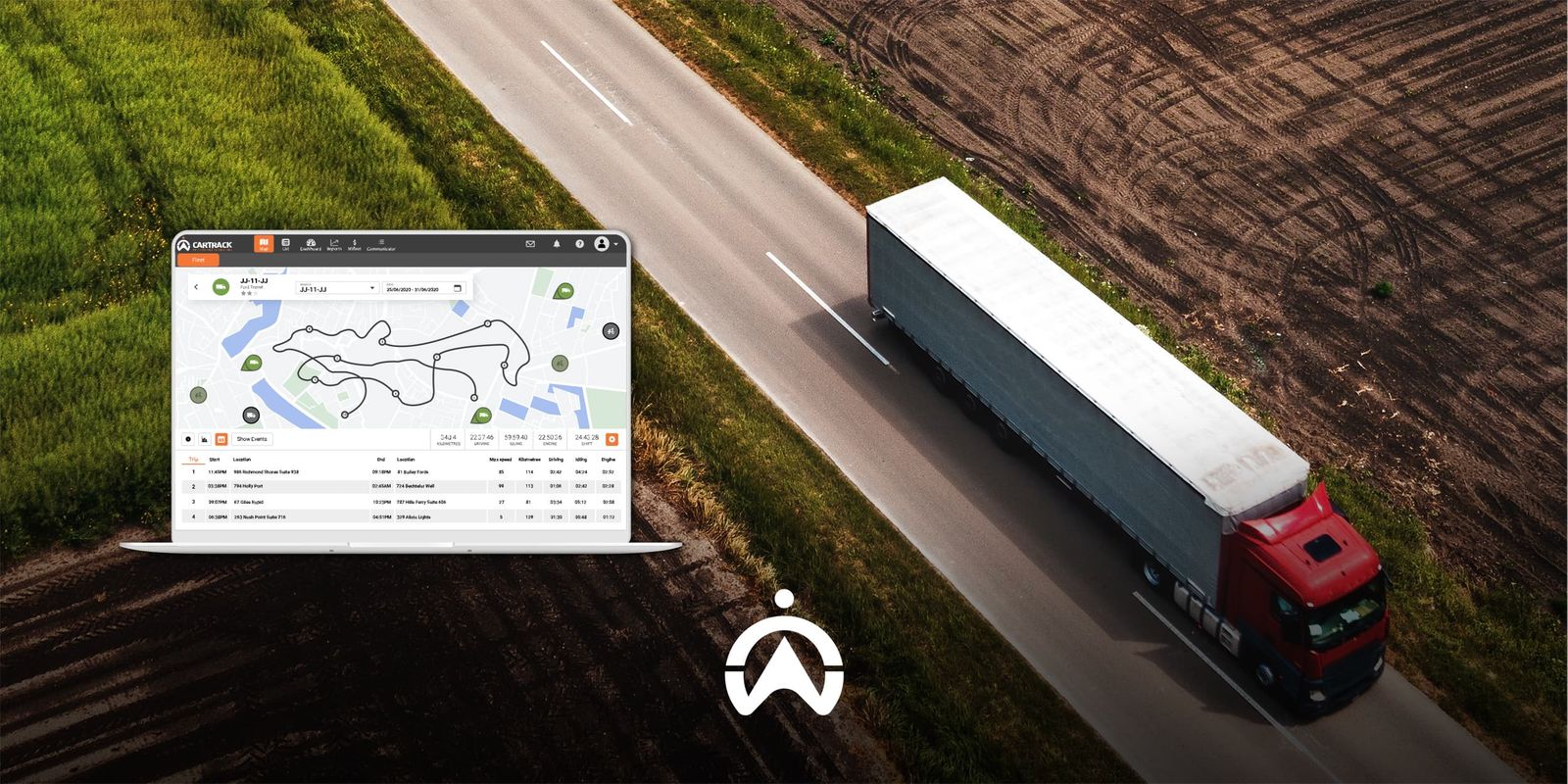
With Cartrack’s route optimisation, both broken roads and roadworks can be avoided by rerouting your drivers according to the best routes available. This is done on both the roads and the countries your vehicles traverse to & from their delivery points.

Cartrack Malawi also foresaw that bad roads can’t always be avoided. That’s why we worked hard to create high-quality dashcams and vehicle cameras to record instances where damaged roads caused an accident.

Customs and border patrol stops

The point of long border point delays was greatly emphasised in the report we linked to earlier. Some drivers have had to wait 12 hours or longer just to get past these points. And the worst part is… you’re not there to take control of the situation. Frustrating!

What should you do to manage border delays as a fleet manager? In the case of this very common cross-border logistics challenge, there are no guarantees. But there is a way you can greatly reduce delays and even minimise the times your drivers are delayed at the border.

  • Digitising your admin is the first step to ensuring all your documentation is in place, correct, and accessible.
    ‍
  • Using Cartrack’s Mifleet to manage costs and keep track of your expenses is another great option to make sure your inventory & spending are accounted for.
    ‍
  • Compliance is also an important aspect of successfully navigating customs at the border. If there’s even one infraction on the vehicle or the driver’s record, this can cause hours of delay.
    ‍
  • Pre-clearance is possible through the MRA e-filing portal. Getting this done before your drivers arrive at customs can save you, your customers, and your drivers a lot of hassle.
Aerial view of warehouse with trucks at loading docks, showing how to successfully manage cross-border logistics and distribution operations

Lack of driver responsibility

We can’t completely exempt your drivers from the many causes of stress you experience as a cross-border fleet manager. There are many risks associated with long-haul drives, and driver fatigue is commonly understood as top-of-the-list.

How should you deal with bad driver behaviour and driver fatigue? This is one problem that Cartrack Malawi has spent much time solving. Check it out:

  • Seat vibrators that alert drivers to signs of fatigue
  • Combined AI cameras with a comprehensive driver coaching platform
  • Loud buzzers that alert drivers to bad driving habits and fatigue

Much of our software options focus on driver coaching and driver safety. 

Technology aversion

The last culprit who might be stressing you out is… YOU!

If you’re one of those fleet managers who thinks fleet technology is just a passing trend, THINK AGAIN! 

It’s now an integral part of doing your job successfully—especially if you’re in cross-border logistics. Technology of different kinds (digital tools, IoTs, AI, SaaS, etc.) is discussed throughout this article, so be sure to explore the options discussed here if you’re REALLY interested in successful logistics.

How to manage risks associated with cross-border logistics

Camera telematics is one of the best ways to manage the risks associated with cross-border logistics. That’s because footage doesn’t lie. Whether there’s corruption taking place at the border points, or dangers of any kind while driving, vehicle cameras will pick up everything, giving you and the authorities access to invaluable evidence.

Why is this such an essential component to successfully managing your cross-border logistics? Let’s see.

Invest in an “extra pair of eyes”

You’re not there. You can’t be. Still, you need some record of events in case something goes wrong. This is essential risk management in cross-border logistics, which many fleet managers in SA still haven’t employed for the good of their companies.

Boost your insurance coverage

Insurance companies deal with claim disputes all the time. And you can believe that every insurance company LOVES it when your vehicles are fitted with vehicle security cameras. This resolves things very quickly when you put in a claim for damage, an accident, or even a false claim against your driver.

Manage the reality of driver fatigue

AI-vehicle cameras from Cartrack Malawi come with built-in AI that detects fatigue and other bad habits like eating & drinking, smoking, or distraction. Not only are the cameras keeping your vehicle safe, they’re also protecting your driver!

Manage theft risks

Cameras can also be set up to record suspicious activity while the vehicle is parked. They automatically start recording when there’s movement around the vehicle, and this footage is accessible to you—in real time. This includes what’s happening at the border. You get to see it all.

Cargo risk management

Let’s not forget about the cargo your vehicles are carrying. Cartrack offers cargo cameras and door sensors. The doors open, the cameras switch on. You’re always in the know about what’s going on with your cargo, and (if applicable) how often your cargo doors are being opened.
Semi-trucks lined up on a highway at sunset, representing how to successfully manage cross-border logistics and long-distance freight movement

How should long-haul logistics companies deal with border-based customs?

When dealing with customs at the border, long-haul logistics companies should consider a few proactive strategies that include:

  • Sorting out clearance ahead of time (pre-clearance)
  • Keeping a digital archive of all relevant documents (and making these accessible to drivers when they need them)
  • Having inventory declarations in check
  • Keeping you updated so you can notify your customers of any delays

Find the right partner to help you manage cross-border logistics like a BOSS!

The above checklist is good to have, but do you have the tools to actually put any of them into practice?

Our software makes it easier. We also automate much of the tedious admin for you!

Contact Cartrack Malawi to see just how much we can help with your cross-border management, and how our tools end up saving you so much that they MORE than pay for themselves.

Frequently asked questions about cross-border logistics

What does SARS have to do with fleet border clearance?

When it comes to customs and excise in Malawi, the Malawi Revenue Authority (MRA) manages the process and provides importers with the systems needed to declare goods. All products must be legally cleared, which usually involves the payment of applicable duties and taxes. MRA is responsible for enforcing these regulations, and in many cases, goods can be pre-cleared through its online systems before arrival at customs to help reduce delays and improve efficiency.

Do truck cameras record audio in case of bribery attempts at the border?

Yes, many truck cameras nowadays do record audio. This is another reason why getting vehicle security cameras for your trucks or vans is so important, because if your drivers are intimidated to pay a bribe, the cameras will record this.

How do you manage cross-border shipments?

Managing cross-border shipments is a little easier today than a decade ago. With digital tools abounding, inventory management & documentation procedures can be done without human error. So to manage cross-border shipments properly, you should adopt digital tools and AI to (at the very least) be on par with your competitors.
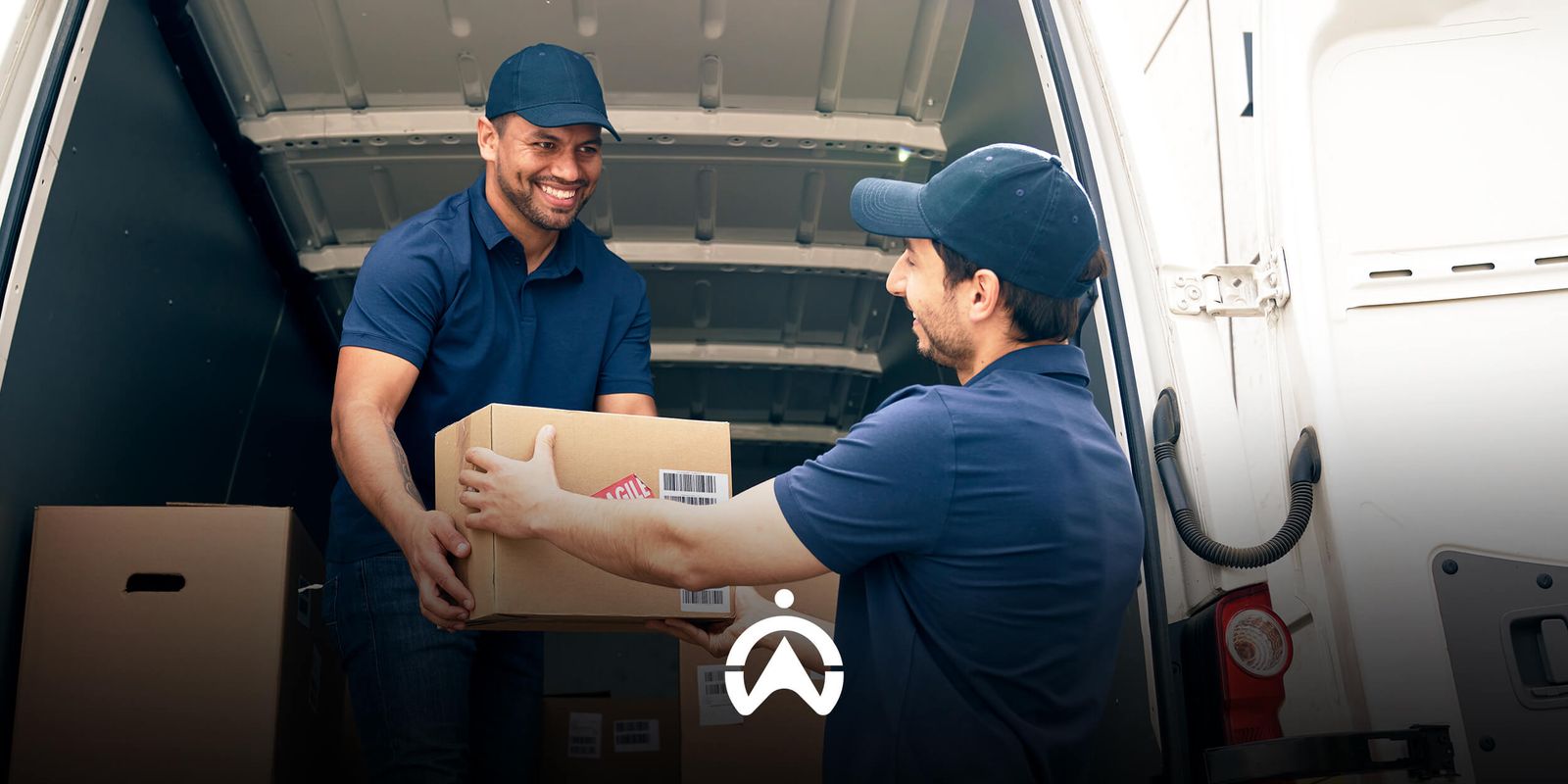
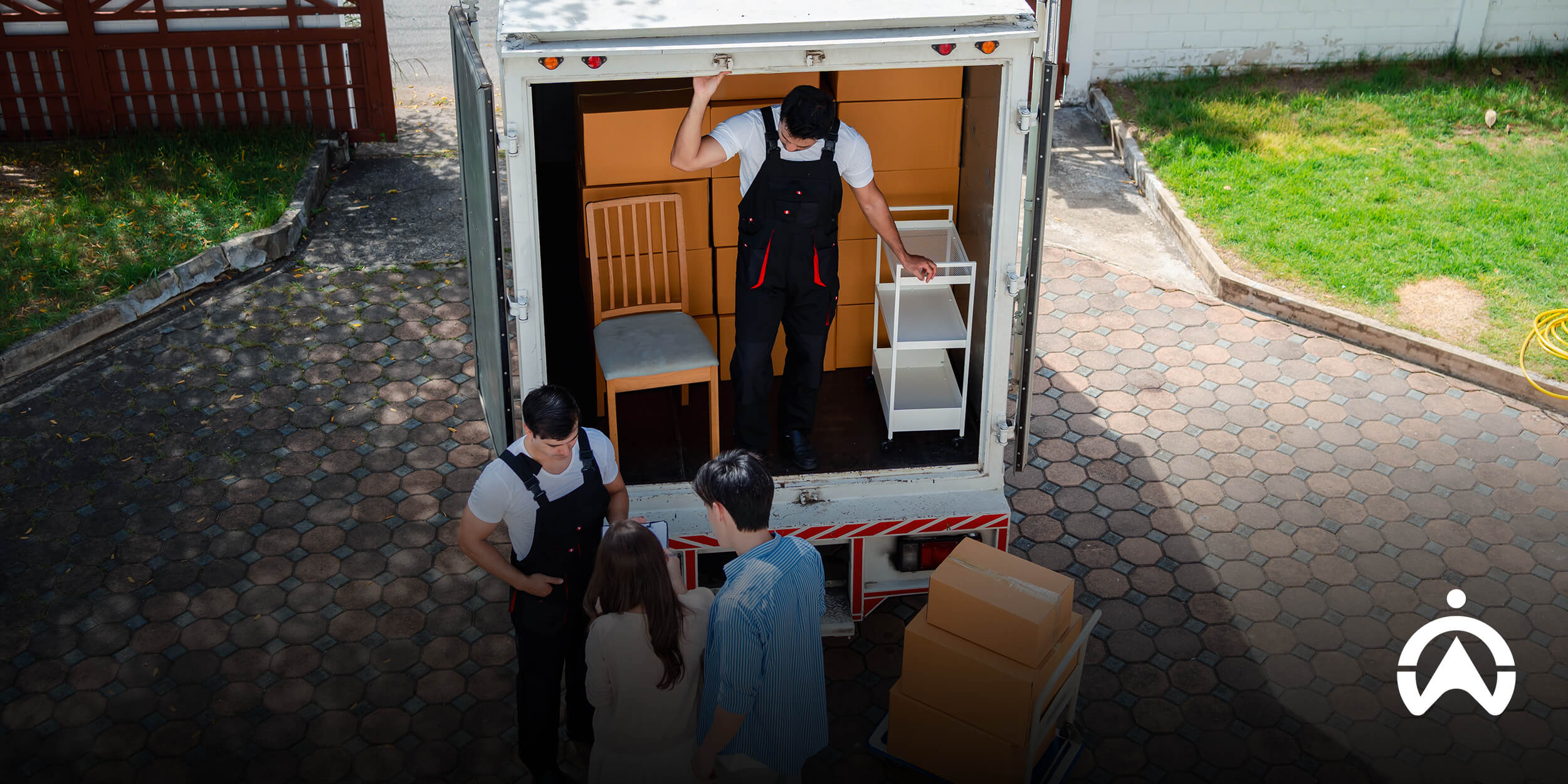
How to Start a Logistics Company Without Money and Manage It Successfully?

Starting a logistics company in Malawi might seem daunting and just a game for the big players with deep pockets. Trucks are expensive, fuel prices fluctuate, and regulations can feel overwhelming. Yet logistics remains one of the country’s most active sectors. Malawi’s transport and logistics activities play a significant role in the economy, with transport services making up nearly 48 % of commercial service imports in 2023, underlining the importance of freight movement in the country’s trade and logistics sector.

What you may not realise is that many successful logistics businesses didn’t start with trucks, warehouses, or huge budgets. They started with something much simpler: the right niche, strong operational control, and the right technology.

If you want to launch a business without breaking the bank, you’re going to have to swap capital for smart strategy, careful planning, and operational savvy.

Think of this blog as a manual that provides a step-by-step procedure on exactly how to achieve that in the Malawian market.

Is it possible to start a logistics company with no money?

Yes, it’s possible to start a logistics company with no money, but let’s clarify what “no money” really means. Starting your logistics business without funds doesn’t mean you’re running without expenses. It just means you’re avoiding large upfront costs like buying vehicles, hiring full-time employees, or renting warehouse space.

In Malawi, many logistics start-ups focus on managing transport rather than owning it. They handle everything from delivery planning and routing to client communication and delivery reliability, with subcontractors handling the actual transportation. Using this method allows you to enter the market faster while reducing risk.

Remember that when you run your operations well, clients respect dependability more than whether or not you own the car.

Understanding the Malawian logistics market

Before you start your logistics company, it’s important for you to understand the Malawian logistics market. The logistics sectors in Malawi, like retail, eCommerce, healthcare, and construction, encounter challenges like rising fuel prices, vehicle-related crime, and lower profits. Companies that can effectively manage their routes, control fuel consumption, and monitor driver behaviour are more likely to stay successful.

At the same time, regional operators face their own unique challenges. Fuel costs rank as one of the biggest operational risks. Carjacking and vehicle theft are real threats, while irresponsible driving can lead to an increase in maintenance expenses thanks to aggressive driving and poor vehicle handling.

Choose the right logistics niche to minimise costs

Choosing a logistics niche can significantly help in ensuring fewer risks and expenses when starting your logistics operation. The logistic niches—which new companies can use to earn money without necessarily investing in vehicles—include courier services, freight broking, contract logistics, and transport services.

Courier and last-mile delivery

Last-mile delivery often serves as a great starting point into the logistics world. You can team up with independent drivers who use their own vehicles, allowing you to concentrate on managing routes and delivery schedules.

Freight brokerage (no trucks required)

Freight brokers make their money by linking shippers with transport providers. You’ll handle the loads, schedules, and paperwork without actually owning any trucks. This approach is perfect if you have strong organisational skills.

Contract logistics for SMEs

Small businesses often rely on regular transportation, but may not have the budget for their own fleet. Contract logistics offers a solution, providing predictable income while keeping asset exposure low.

Specialised logistics (medical, retail, construction)

Logistics in the medical, retail, and construction sectors focus more on reliability and compliance rather than quantities. By specialising, you’ll be able to charge more per delivery while handling fewer jobs.

Legal and compliance requirements in Malawi

To operate legally in Malawi, a logistics business must register with the Malawi Business Registration and Licensing Agency (BRELA) and manage its tax obligations with the Malawi Revenue Authority (MRA). Operations must comply with transport regulations, including obtaining operating licences and ensuring vehicle roadworthiness. Starting with compliance not only protects your business from potential fines but also enhances credibility with clients.

Business registration and structure

Start off by registering your company with the BRELA and choose a structure that offers the least amount of liability.

Tax, VAT, and SARS compliance

Make sure to register with the Malawi Revenue Authority (MRA) and monitor your business income closely. Once your turnover exceeds the specified threshold, you must register for Value Added Tax (VAT). Planning ahead is essential in these situations.

Transport-specific requirements

Depending on the services you offer, you’ll need to get an operating licence and ensure your fleet of vehicles meets compliance standards. You need to remember that a lack of regulation can lead to fines and missed contract opportunities.

Logistics company operations and transport workflow

How to start a logistics company without owning vehicles

You can start a logistics business without having to own any vehicles by teaming up with owner-driver transport providers. Many start-ups in Malawi thrive using an owner-driver or subcontractor method, where drivers supply the vehicles and you take care of all related expenses. While this approach carries a higher financial risk, it keeps operational risks relatively low.

So, while you won’t need your own cars to run a logistics business, having control is essential. A way to ensure you have some sort of control is through a portable tracking device. With it, you’ll be able to track all activities in real time, ensuring your transport runs smoothly and your customers remain happy.

Building a logistics business plan on a zero budget

Building a logistics business plan on a zero-to-little budget will need to emphasise key services with reasonable pricing and mindful spending. It’ll have to prioritise financial growth and operational efficiency, focusing on cash flow, fuel expenses, and overall effectiveness. This strategy will help new logistics companies stay profitable and grow.

Remember that a budget-friendly logistics plan centres around realistic expectations.

Be specific about the services you offer. When quoting jobs, make sure to consider the costs of fuel, administration, and any unexpected expenses. Be cautious of subcontracting jobs at really low prices, because this is a common scam that will end up costing you more money to fix.

Your plan should focus on maintaining steady cash flow rather than rushing into immediate expansion.

Finding your first logistics clients with no marketing budget

You can find your first logistics customers without spending a cent on advertising. Logistics start-ups can land clients without a marketing budget by tapping into personal networks, teaming up with established transporters, and joining online freight platforms. In Malawi, what truly counts in securing those initial logistics contracts is not branding but reliability, communication, and consistency.

Leveraging existing networks

Retailers, suppliers, and contractors often urgently need transport and place a high value on referrals.

Partnering with established transporters

You can offer overflow support or cater to specialised routes.

Online platforms and marketplaces

Malawian freight marketplaces connect loads with available vehicles, enabling start-ups to generate revenue quickly.

At this stage of the journey, reliability and communication are far more important than branding.

Managing operations efficiently from day one

To manage your operations effectively from day one, there are a few things you should focus on, such as solid scheduling, clear visibility, and quick delivery updates. Inefficient processes often lead to communication issues and delivery delays. Smaller logistics companies should implement tracking systems to improve coordination, reduce mistakes, and build trust with their customers.

Operational efficiency plays a key role in the success of start-up companies in logistics. Relying on manual processes, spreadsheets, and WhatsApp for communication can lead to misunderstandings, leaving your clients feeling frustrated by missed calls and delays in updates.

Even small businesses can really benefit from knowing where their vehicles are at all times.

Using technology to run a lean logistics operation

Technology allows small logistics companies to operate just like their larger competitors. It helps smaller logistics firms run smoothly without needing lots of staff or vehicles. With real-time data on vehicle locations, routes, and driver behaviour, businesses can reduce fuel consumption, enhance accountability, and make informed choices. This gives start-ups an advantage over established businesses in the logistics sector.

Real-time tracking indicates where vehicles are and how deliveries are progressing. The trip history feature highlights any inefficient routes, and the driver behaviour report shows where drivers might be wasting fuel.

Managing a small logistics company efficiently

Managing fuel, maintenance, and driver behaviour without big budgets

Logistics companies can manage fuel and maintenance costs by keeping an eye on their drivers’ driving habits. Regular maintenance of vehicles lowers the chances of sudden breakdowns, which helps Malawian entrepreneurs maintain their cash flow in a transportation market that is expensive.

Fuel expenses remain the biggest drain on the Malawian logistics industry. Behaviours such as speeding, quick braking, and long periods of idling lead to higher fuel costs and increased repair expenses. So, tracking these driving habits really pays off!

Preventive maintenance shouldn’t be overlooked once you have your own vehicles. It helps keep your business operational by preventing unexpected breakdowns, not only saving you money but time as well.

Scaling your logistics business sustainably

For sustainable growth in logistics, you should rely on data rather than assumptions. It’s essential to analyse performance data to identify the most profitable routes and drivers before expanding. Keeping a close eye on your growth helps you avoid cash flow issues.

Utilise performance reports to find lucrative routes, reliable drivers, and loyal customers. We should be aiming for growth wherever possible.

Common mistakes new logistics businesses make in Malawi

There are common mistakes new logistics businesses make in Malawi, like underpricing their services, overlooking compliance, and running their businesses without clear visibility of vehicles and drivers. This typically leads to increasing costs and failures in service. Logistics companies that are successful understand that it’s important from the start to focus on efficiency in operations, accountability, and having control.

It’s common for new businesses to set their service prices too low, overlook compliance requirements, or delay putting money into systems that are needed. These mistakes can result in smaller profit margins and a chaotic environment for operations.

How Cartrack helps you manage and grow a logistics business from day one

Cartrack helps you manage and grow a logistics business by providing you with real-time insights into vehicle locations, delivery processes, and driver behaviour from day one. With better routes, lower fuel costs, and increased accountability, Cartrack supports smaller logistics start-ups in managing increased demands while growing sustainably.

In Malawi, Cartrack gives logistics businesses immediate visibility from the first vehicle. With GPS tracking, you can easily monitor locations, trip histories, and delivery progress without having to make calls or chase updates from your team or subcontractors.

Using GPS fleet tracking also helps logistics companies improve visibility and gain better operational control from the very beginning.

Often, fuel and maintenance costs are crucial for survival. Cartrack helps you spot inefficient routes, excessive idling, and risky driving habits that drain your finances. Addressing these issues early on protects your cash flow.

Monitoring driver behaviour, generating trip reports, and setting up geofence alerts boost accountability and service reliability. This level of transparency builds trust with clients, giving you a strong edge in competitive markets.

At Cartrack, we grow alongside your business. Data analysis will guide you on when to scale, optimise routes, or adjust pricing based on actual operating costs.

Conclusion: Turning a zero-capital logistics start-up into a profitable business

To sum it up, it’s definitely possible to start a logistics business that can make a profit without having any cash by simplifying processes, choosing the right niche, ensuring compliance with regulations, managing subcontractors in an effective way, and utilising technology to reduce expenses.

In a competitive environment, success depends less on having assets and more on factors that are key, such as visibility, efficiency, and accountability. With proper systems set up, even the smallest logistics start-up can compete and grow and thrive.

Frequently Asked Questions

Do I need insurance to start a logistics company in Malawi?

Yes, you definitely do need insurance to start a logistics company in Malawi. It’s crucial to cover your vehicles and goods, as well as any third-party risks. Even if you’re subcontracting, having insurance helps you manage risks and keeps your clients happy.

How do logistics companies protect vehicles and cargo from theft and hijacking?

Logistics companies can use GPS tracking, geofence alerts, driver monitoring, and recovery services from companies like Cartrack to protect their vehicles and cargo from theft and hijacking. This tech allows for quick detection of unauthorised movements and fast responses, especially in high-risk areas.

When is the right time to invest in fleet management technology for a new logistics business?

The best time to invest in fleet management technology is right from the first active vehicle. Getting real-time tracking, fuel data, and insights into driver behaviour from the beginning helps you manage costs, boost accountability, and set up efficient fleet operations, which can save you from expensive mistakes down the line.