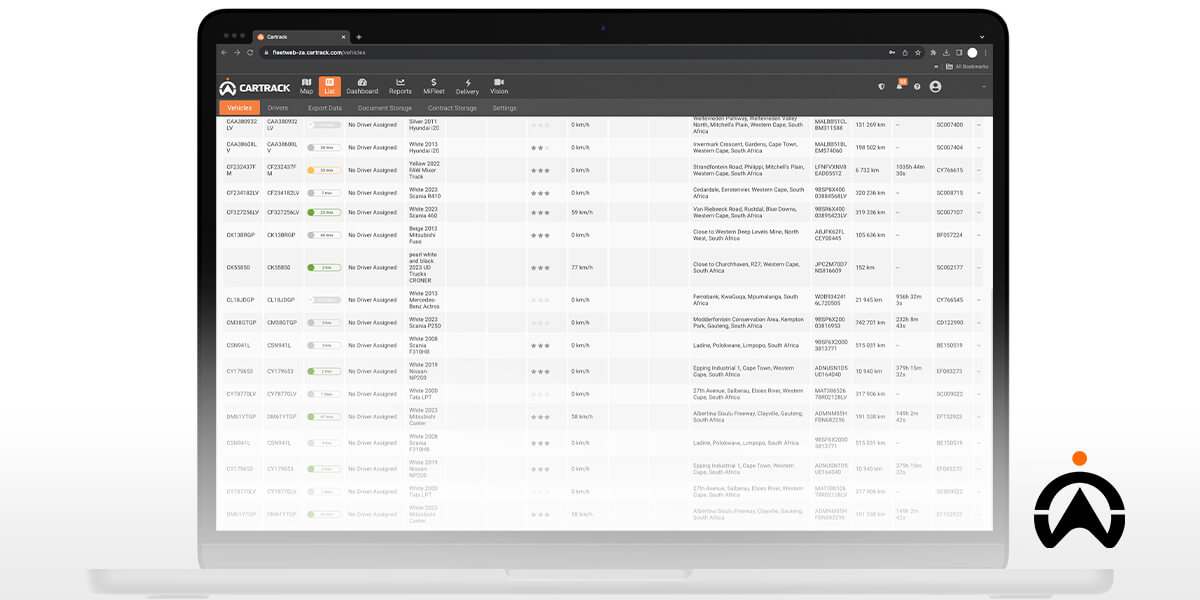
Keyless Car Theft – Which Keyless Cars Are the Most Stolen Now?

Keyless cars provide an easy, breezy lifestyle. Gone are the days of having to insert keys or press key remotes to access and drive vehicles. While this sounds appealing, unfortunately, the keyless system can and is being easily hacked by car thieves.

But don’t worry, there’s technology out there designed to outsmart criminals and protect your vehicle.

Let’s get straight into it.

In this article, you will:

  • Explore keyless entry systems and the vulnerabilities that lead to theft
  • Identify common hacking tactics used by criminals for keyless car theft
  • Understand the most targeted keyless cars and factors influencing risk
  • Discover prevention measures to protect your keyless entry car
  • Explore the tools and technologies offered by Cartrack Malawi to combat keyless car theft

Keyless entry cars? Let me explain

Imagine strolling up to your car with no jingling keys in hand, touching the door handle and voila — your door magically unlocks.

Welcome to the world of keyless cars, where simply having your car key in your pocket or using an app is all you need to gain seamless access to your vehicle.

Most of us still remember the days of having to insert and turn an actual metal car key into a vehicle’s door to unlock it. Sounds pretty old-school when you put it like that, but those days are gone. Today, you can open and start most cars with a key fob, card, or even an app.

Modern vehicles have moved from the conventional, bulky key to a compact, advanced fob. This fob emits a unique signal that the car identifies when nearby and unlocks or locks the doors, giving you hassle-free access to the vehicle and allowing you to start the engine with a simple push of a button and be on your way.

It’s convenient, futuristic, and can sometimes feel like magic.

What is keyless car theft?

Sometimes magic comes at a cost. While car theft might conjure images of smashed windows and hotwiring, a modern method has emerged: keyless car theft. This sophisticated technique exploits vulnerabilities in keyless entry systems, allowing thieves to steal vehicles without breaking a sweat.

Common hacking tactics used for keyless cars

While keyless cars offer convenience, their advanced technology can also make them vulnerable to sophisticated criminals.

Understanding common hacking tactics is crucial to protecting your vehicle and outsmarting criminals who seek to exploit its vulnerabilities.

1. Relay/replay theft:

Criminals use relay devices to amplify and capture the key fob signal, even inside the owner’s home.

Steps:

  • One thief holds a device near the car, mimicking its signal.
    ‍
  • The other thief holds a device near the key fob (often near your home), relaying the signal to the car.
    ‍
  • The car is tricked into thinking the key fob is nearby, allowing the thieves to unlock and start it.

2. Signal jamming:

Imagine a radio tuned to static, not music. That’s what jamming does. Thieves use signal jammers to block communication between the key fob and the car, preventing it from locking and leaving the car vulnerable to theft.

The big question: Which are the most targeted keyless cars?

While any car with a keyless entry system can be of interest, some are more targeted than others. Factors like the security protocols of the specific system, the complexity of the signal encryption, and the availability of aftermarket equipment for specific manufacturers can influence the risk.

In recent years, carjackings in Malawi have been slowly increasing.

While the reported hijackings prove motorists should be fearful of their keyless vehicles being stolen, the numbers don’t specifically show how many of the cars were keyless entry vehicles.
Which_are_the_ most_targeted_keyless_cars

Are keyless cars stolen more?

There has been a surge in keyless car theft since 2022, and slowly but surely, more modern keyless cars are on the road than there are conventional key cars. But besides the vehicle being a keyless car, there are other factors criminals consider before hijacking vehicles.

Other vehicle types that are most at risk are:

High-value vehicle targets:

  • Luxury SUVs: These plush rides often come equipped with the latest technology, including high-end keyless entry systems. Their value and popularity make them tempting targets for professional thieves.
    ‍
  • Premium hatchbacks: Combining sporty performance with modern tech, popular hot hatches are attractive to a wider range of criminals, from joyriders to professional thieves.
    ‍
  • Full-size sedans: Spacious and luxurious, these often family-friendly vehicles can be attractive targets for organised crime rings, especially models with advanced keyless features.

Additional vulnerability factors:

  • Push-to-start ignition: Vehicles with push-button start systems are generally more vulnerable than ones requiring a key, as simply unlocking the car grants access to the ignition.
    ‍
  • Car model/era: Generally, newer models with more advanced keyless systems are less vulnerable and certain older models still on the road may have known security flaws exploited by thieves. However, the more advanced vehicles are the ones that are sought after, despite having higher security protocols like alarms and car trackers.
    ‍
  • Popularity: Cars that are in high demand from thieves due to their resale value or ease of dismantling parts are more likely to be targeted.

Hijacking can be a dangerous and traumatic experience for the victims. If your vehicle falls under the factors listed above, there are a few things you can do to make yourself less of a target:

  • Install an alarm system and tracking device
    ‍
  • Avoid driving in high-crime areas
    ‍
  • Be aware of your surroundings and take precautions to avoid being targeted

Why get keyless vehicles?

Like any vehicle, keyless cars can’t guarantee 100% security from car thieves, but they are still gaining popularity among motorists. Why? Well, there are several reasons:

Convenience

No more standing by your vehicle while digging through your pockets and bags for your keys. Keyless cars offer a seamless and secure experience with effortless entry, push-button starts, and remote trunk access. This not only makes life smoother but also ensures added safety, sparing you from vulnerability, especially for those juggling groceries and kids.

Security

With automatic locking and potential alerts if your car moves without the fob, keyless cars provide an added layer of security. All keyless cars have advanced technology that makes them resistant to traditional theft methods like manually jamming the window down with a wire to lift the door locking knob or breaking the door to get inside and sparking the wires to start the car.

Modernity

Owning a keyless car feels like stepping into the future, with features like remote trunk access and walk-away locking adding a touch of modern ease to everyday driving.

Besides criminals copying the fob and running off with your ride, other aspects can leave your car vulnerable, like a lost or dead fob. This can leave you stranded, unable to lock your vehicle after parking and leave it unprotected if it’s unable to lock. Always have a backup plan or spare fob handy.

Prevention measures to protect your keyless entry car

Before we dive into the list of security measures you can take to protect your car, let’s quickly look at a vital one you can practise before you even leave your car.

When stepping away, don’t just rely on your vehicle automatically locking behind you, always manually check if your vehicle has locked. If not, lock it manually, then scan the immediate area for anyone hanging around.

Here are other protection methods you can use to protect your vehicles against car theft:

  • Steering wheel locks: Physical deterrents can prevent theft even if the keyless system is compromised.
  • Car alarms and tracking devices: Install aftermarket security systems for added protection.
  • Distance your keys from your car: When at home, keep your car key (and the spare) away from the car, doors, and windows. Another option is to turn off the signal on your key fob. If you don’t know whether your key’s signal can switch off or not, search through your vehicle’s manual for the answer.
  • Faraday pouches/signal blockers: Invest in signal-blocking pouches or Faraday cages to prevent your key fob from transmitting a signal when not in use.
  • Physical barriers: Keep your car keys in a metal tin or aluminium foil to create a barrier that blocks electronic signals.
  • Consider additional security measures: Install aftermarket alarms, immobilisers, or GPS tracking devices for extra protection.
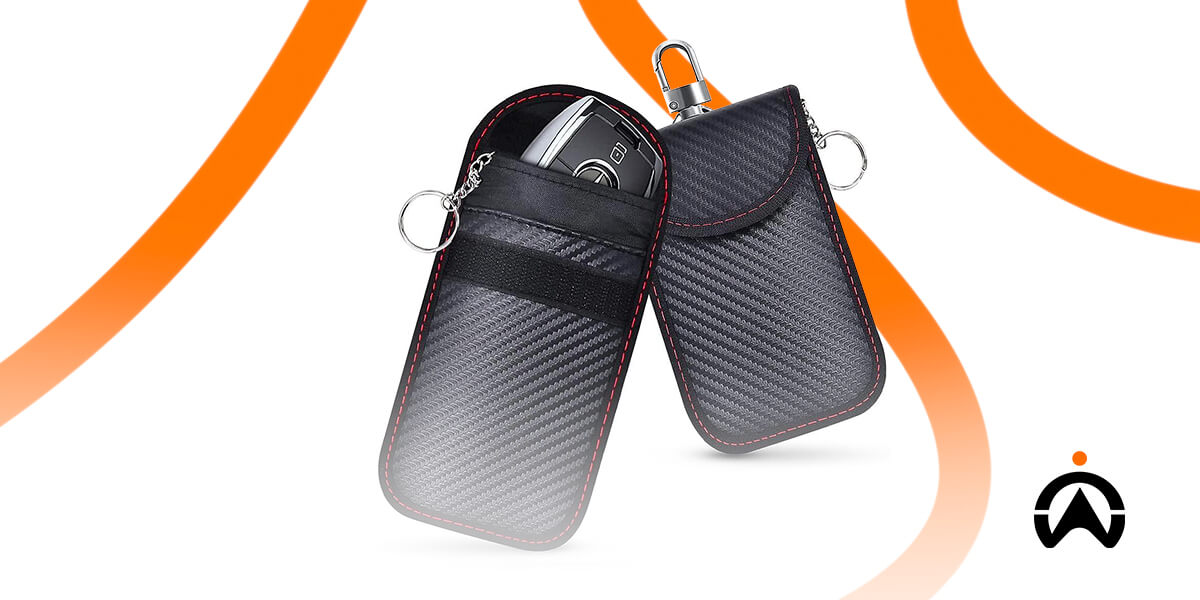
Prevention_measures_to_protect_your_keyless_entry_car

How Cartrack Malawi helps businesses and everyday motorists combat keyless car theft

While traditional methods like alarms and steering wheel locks still have their place in vehicle theft prevention, when it comes to fleets, fleet management solutions and trusted vehicle tracking companies like Cartrack Malawi offer a more powerful counterpunch against modern vehicle theft techniques.

Cartrack’s anti-theft solutions for fleets

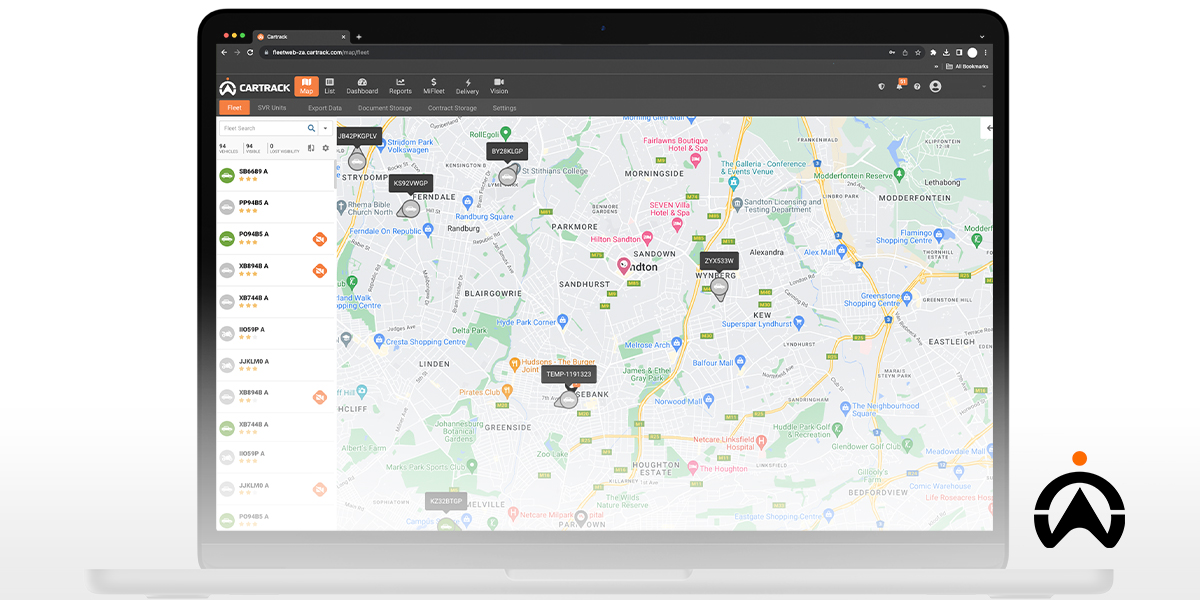
  1. Real-time tracking: Imagine your car disappears. Panic sets in, replaced by immediate action as you access Cartrack’s fleet management platform. A map illuminates, pinpointing your stolen vehicle in real-time, its every twist and turn is clear to see. This is the power of real-time tracking, guiding our 24-hour recovery team directly to your stolen vehicle.
    ‍
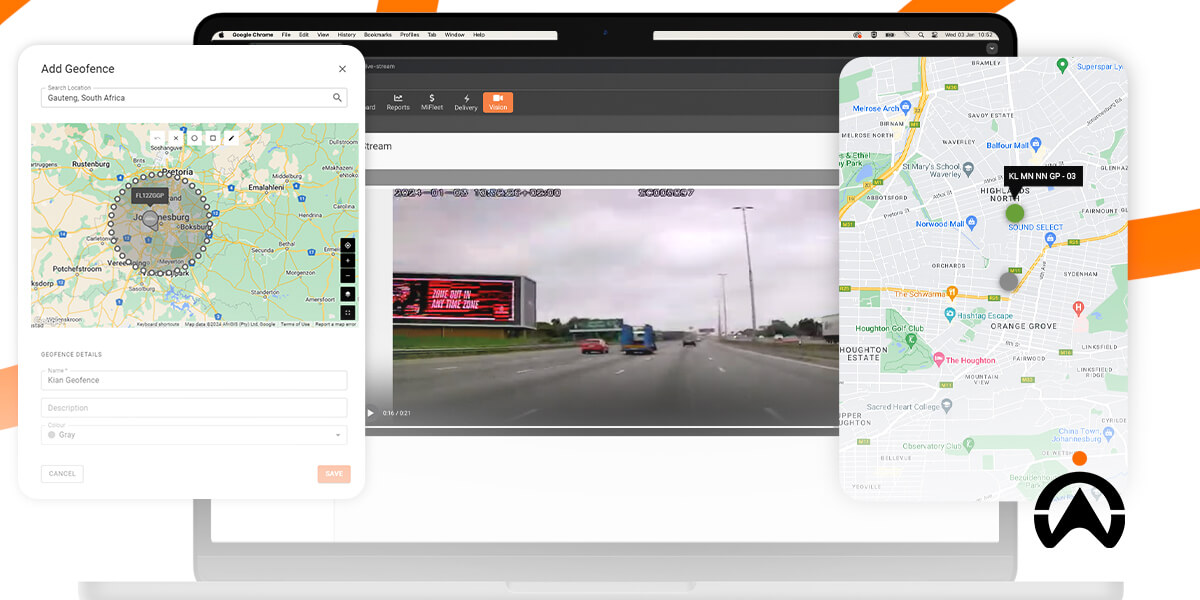
  2. Geofencing: Build a virtual fort surrounding any area, such as high-risk zones, to help counter vehicle theft. Every time your vehicles enter or exit these geofenced areas, it triggers an alarm, alerting you to quickly inform authorities of potential theft before the thieves vanish with your vehicle.
    ‍
  3. Driver ID Tag: Equip each authorised driver with a unique tag that requires them to tap on a sensor to start the vehicle. This swiftly informs the manager of which driver is behind the wheel of their vehicles, ensuring vehicle safety, accountability and transparency.
    ‍
  4. Start Prevent: Be able to disable and enable a vehicle through the fleet management interface. The vehicle immobilisation will activate only when the ignition is off, ensuring safety for both the vehicle and the driver, as there’s no abrupt halt. This feature provides a safe security measure whenever vehicle theft or unauthorised driving occurs.
    ‍
  5. Smart camera software with live streaming: Experience complete visibility by gaining full access to both interior and exterior views in real time. This provides enhanced tracking capabilities for fleet managers and authorities in cases of vehicle theft.

Cartrack Malawi features that protect everyday drivers’ cars from hijackings

At Cartrack, we offer more than vehicle safety solutions for business, we also provide trusted technology that can assist everyday drivers in hijacking events.

When you call us for assistance, here’s what to expect:


In the face of rising keyless car theft incidents, Cartrack Malawi offers robust solutions to safeguard your vehicle:

  • Ultimate vehicle protection: Use our stolen vehicle recovery services (SVR) in the unfortunate event of theft or hijacking. Once a vehicle has been reported, our 24/7 control room and recovery teams leverage GPS tracking technology to locate and recover your vehicle swiftly. With a remarkable average recovery rate of 90%, giving you total peace of mind.
    ‍
  • CarWatch: This is like your personal digital car guard, an early warning system that customers can activate at the touch of a button through our mobile app. It notifies Cartrack in advance if your parked vehicle is moved without your knowledge.
    ‍
  • Protector: Cartrack Protector offers 24/7 professional roadside assistance at the push of a button on the Cartrack mobile app. It provides assistance in battery jumpstarts, tyre changes, car towing, and even emergency and accident services whenever needed, like in the unfortunate event of being hijacked and being harmed as the outcome.
    ‍

Count on Cartrack Malawi as your trusted ally, especially in the face of rising keyless car theft concerns. Face keyless car theft worries with these Cartrack Malawi solutions.

Outsmart car thieves with Cartrack’s advanced vehicle tracking solutions

Whether you own a sleek new ride with keyless entry capabilities or a reliable classic vehicle, Cartrack Malawi has your back! Our vehicle monitoring and tracking solutions are tailored to protect your investment, providing a safety net for every journey. Safeguard your vehicle today, contact Cartrack Malawi.
G-force – The Remarkable Science Of Monitoring Harsh Driver Behaviour

Harsh driving behaviour is one of the biggest challenges faced by fleets, but do you know how it is measured?

The short answer? G-force. No, we’re not talking about the movie with cute guinea pigs that work as secret agents; we’re talking about gravitational force. But how does it work exactly, and why does your fleet need to be conscious of it? Let’s find out.

In this article, you will:

  • Learn exactly what g-force is
  • Discover the crucial role g-force plays in measuring harsh driving behaviour
  • Find out what damage harsh driving can cause your fleet
  • Understand the importance of a driver monitoring system
  • Unlock unparalleled safety for your entire fleet with our driver monitoring system

What is g-force?

A g-force, often referred to as a gravitational force, is defined as a measure of acceleration. In simpler terms, it is how much you are pushed or pulled when you accelerate, brake, or turn. When we stand on the ground, the weight and force that prevent us from floating away are equivalent to one “g.” This measurement serves as a metric to quantify any form of acceleration, making it important in various fields, including aviation, the military, and the fleet industry.

What is harsh driving?

Harsh driving can be defined as any sudden change in the direction or speed of a vehicle or truck going at a steady rate. It is often noted as sudden changes in g-forces that can be monitored by an accelerometer, a device that measures changes in the speed or direction of a moving body (in this instance, a vehicle).

When an accelerometer is at rest, it measures one g-force, which is the force of gravity acting on it. When the accelerometer is in motion, it measures the difference between the force of gravity and the force of acceleration acting on it. The accelerometer measures acceleration in meters per second squared (m/s²), and this can be converted to g-force by dividing the acceleration by the acceleration due to gravity (approximately 9.81 m/s²).

Accelerometers are widely used in transportation, including in airbags, where they detect sudden changes in a car’s speed, signalling an imminent collision, and trigger an electric circuit that makes the airbags inflate.

How does g-force relate to harsh driving?

Harsh driver behaviour is typically expressed in terms of g-force due to its role in monitoring the behaviour. This is done by measuring the magnitude of acceleration and deceleration a vehicle experiences. Due to harsh driving that subjects a vehicle to abrupt changes in speed, direction, or both, a sudden increase in g-force experienced by the driver, passengers, and the vehicle itself is a key indicator of harsh driving.

Harsh driving is expressed in terms off g-force, due to it playing a crucial role in measuring the magnitude of acceleration or deceleration that a vehicle experiences.

What are the different forms of harsh driving?

Harsh driving is a broad term used to describe a range of driving behaviours. Here are the four most common forms of harsh driving:

  1. Harsh braking: Harsh braking is when a driver uses more force than necessary to stop a vehicle. While there are some understandable instances where hard braking cannot be avoided (such as stopping to prevent an accident), unnecessary hard braking may suggest distracted driving, as it is a common effect of drivers failing to maintain a safe following distance. This increases the chances of a rear-end collision, as there isn’t enough following distance to allow for sudden yet safe deceleration.
    ‍
  2. Harsh acceleration: Harsh acceleration is when drivers use more power than necessary to move their vehicle after coming to a stop. Frequently seen when drivers are waiting at a traffic light and slam the accelerator to get moving as quickly as possible, when drivers quickly accelerate in an attempt to beat a red traffic light, or when drivers aren’t paying attention to traffic flow and have to speed off from a stop line, harsh acceleration can be indicative of distracted driving. It often suggests a lack of focus, impatience, or an attempt to compensate for lost time while not paying attention to traffic signals or the surrounding environment.
    ‍
  3. Harsh cornering: Also referred to as sharp cornering, harsh cornering is defined by a driver accelerating through a turn, which causes them to turn the corner too fast. This is quite dangerous, as it puts more force on the vehicle’s tires. This means a driver can lose control of the vehicle entirely, leading to accidents with other vehicles. On top of that, it puts top-heavy vehicles at risk of flipping. It also leads to limited visibility of the road beyond the bend, which puts drivers at risk of encountering obstacles.
    ‍
  4. Lane drifting: Lane drifting is defined by a driver unintentionally drifting out of their lane and crossing into another lane or onto the shoulder of the road. When a driver diverts their attention away from the road, even momentarily, their likelihood of lane drifting is greatly increased. This is dangerous, as it increases the likelihood of collisions with adjacent vehicles and poses a risk to oncoming traffic. It can indicate distracted driving, as taking your eyes off the road can cause you to drift. It can also indicate a lack of proper following distance, increasing the risk of rear-end collisions.
What_are_the_different_forms_of_harsh_driving

How does harsh driving impact fleets?

Harsh driving can have significant negative impacts on fleet vehicles that not only affect safety but overall fleet efficiency. Here’s how:

  1. It reduces fleet vehicle lifespan:Harsh driving significantly impacts the longevity of fleet vehicles in the following ways:- It increases tire wear:Harsh acceleration forces the tires to grip the road intensely, leading to an increase in friction and heat generation. This excessive stress leads to premature tire wear, which reduces tread life and compromises the tire’s structural integrity. Harsh braking can also cause uneven wear patterns on their tires, diminishing their lifespan and necessitating more frequent replacements.- It increases brake system strain:

    Frequent harsh braking leads to increased wear on brake pads, and this intense friction results in decreased brake pad lifespan, which compromises vehicle safety.- It increases suspension system strain: Harsh driving puts a strain on the vehicle’s suspension parts, such as shocks, struts, and bushings, which reduces their effectiveness. These components are important for maintaining vehicle stability and proper functioning of the steering system, which makes your vehicles more susceptible to mechanical failures.
    ‍

  2. It increases your fleet’s fuel consumption:Harsh driving has been shown to increase the amount of fuel your vehicle burns in the following ways:- It increases fuel consumption due to downshifting: Harsh braking has been shown to drastically raise your vehicle’s fuel consumption, thereby diminishing fuel mileage. When a driver brakes harshly, a vehicle’s transmission downshifts to the lowest gear. While this downshifting is necessary to compensate for the sudden decrease in speed, lower gears require more engine revs to maintain movement, which means more fuel is burned. Tests have indicated that aggressive driving can increase fuel consumption by approximately 40%.- It diminishes fuel mileage: The increased fuel consumption resulting from harsh driving negatively affects your fleet’s fuel mileage. A study by the Oak Ridge National Laboratory indicated aggressive driving can reduce fuel economy by 15%-30%.
    ‍
  3. It reduces tire performance:Harsh driving can have the following negative impact on your vehicle’s tire performance:- Causing uneven wear: Harsh driving contributes to uneven resistance on the tires. Harsh acceleration causes tires to struggle against intense friction, unevenly wearing the tread down. Harsh braking also forces the tires to work against the road surface, resulting in uneven wear patterns that diminish tire life.- Causing flat-spotting: Harsh braking can lead to flat-spotting, which occurs when tires skid or lock up, causing them to slide across the pavement. This wears down specific parts of the tire tread more rapidly than others, creating uneven wear patterns and reducing the tire’s effectiveness and life span.

    – Increasing heat build-up: Harsh driving generates excessive friction, which leads to increased heat build-up in tires. Tire overheating accelerates the deterioration of tire rubber compounds and makes them more susceptible to blowouts and structural damage.
    ‍

  4. It increases the risk of collisions:Harsh driving increases the risk of vehicle collisions in the following ways:- Increasing risk of rear-end collision: Harsh driving reduces the safe following distance between vehicles, decreasing the driver’s ability to respond to sudden changes in traffic flow, and increasing the risk of collisions- Reducing response times to potential hazards: Harsh driving compromises a driver’s ability to respond promptly to unforeseen situations, such as a vehicle suddenly changing lanes, pedestrians unexpectedly crossing the road, or obstacles on the road. This reduction in response times increases the likelihood of accidents as the driver doesn’t have enough time to avoid potential road dangers.

    – Compromising vehicle stability and control: Harsh driving destabilises a vehicle, which affects its handling capabilities. This makes it more difficult to manoeuvre safely, especially in emergencies where drivers need to quickly adjust their driving and take sudden actions. This compromised control significantly increases the risk of accidents.
    ‍

  5. It increases fleet maintenance costs:Harsh driving increases your fleet’s maintenance costs by:- Increasing wear and tear on vehicle components: Harsh driving behaviour places strain on critical vehicle parts such as brakes, tires, suspension systems, transmission, and engine components. This leads to premature strain being placed on these components, causing them to wear out sooner than planned. This means fleet managers need to allocate more time and resources for frequent servicing, part replacements, and repairs, which leads to unplanned vehicle downtime and increased maintenance costs.
    ‍
  6. It harms driver performance:Harsh driving affects your driver’s performance in the following ways:- It reduces their response time: Harsh driving behaviour diminishes a driver’s ability to quickly react to unexpected situations, leading to delayed reactions that increase the likelihood of accidents.- It increases their stress levels: Harsh driving has been shown to induce physiological stress responses, which heighten driver anxiety and tension. This increase in stress not only affects driver’s mental well-being but also impairs their cognitive function, which affects decision-making abilities and reaction times.

    – It increases fatigue: The physical strain caused by harsh driving, such as harsh acceleration, braking, and steering, can increase driver fatigue. Over time, this constant strain contributes to increased exhaustion and reduced focus, especially during long-distance journeys. This decreases your driver’s situational awareness and impairs their judgement, heightening the potential for accidents.

To pick up on harsh driving, you need to keep a close eye on your fleet driver’s behaviour. While this may seem like a challenge, a driver monitoring system is your key to simplifying the entire process.

What is a driver monitoring system?

A driver monitoring system is an advanced vehicle safety technology that combines hardware and software to consistently track and assess driver behaviour, attentiveness, and overall condition while they’re behind the wheel. This cutting-edge technology combines sensors, cameras, and advanced data processing mechanisms that work to conveniently give you unparalleled access to fleet driver behaviour. The primary objectives of this safety-focused system are to enhance safety, prevent accidents caused by driver distraction or fatigue, improve overall driver performance, and boost overall fleet efficiency.

How does driver monitoring work?

Driver monitoring systems are very intricate, utilising a wide range of components that work together to effectively monitor driver behaviour. These components include:

  1. Cameras: Cameras are the foundation of driver monitoring systems. By making use of driver-facing cameras that are equipped with infrared light-emitting diodes, the systems can track the driver’s head position, eye movements, and facial expressions. These cameras are also equipped with advanced AI algorithms that work to continuously analyse driver behaviour, and pick up on signs of distraction, drowsiness, or impairment.
    ‍
  2. GPS tracking: GPS tracking is another crucial component of driver monitoring systems. By leveraging GPS tracking, fleet managers gain access to data on driver routes, stop locations, and the real-time location of their vehicles. This comprehensive video of a vehicle’s movements provides valuable insight into driver behaviour, such as speeding, idling, or unauthorised detours.
    ‍
  3. Driver Scorecards: Driver scorecards are comprehensive performance evaluation tools that can assess driver behaviour within a fleet. These give fleet managers detailed insights into individual driver behaviour, encompassing factors such as speed compliance, harsh braking, and adherence to designated routes.
    ‍
  4. Data processing and analysis: Data processing and analysis are integral to effective driver behaviour monitoring. By collecting and presenting a wide range of data related to driving patterns, vehicle movements and location, this system helps fleet managers detect patterns, easily identify instances of harsh driving,

What are the benefits of a driver monitoring system?

While the main reason for implementing a driver monitoring system could be to eliminate harsh driving, this system yields a wide range of benefits that positively impact your entire fleet operation. These benefits include:

  1. Improving fleet driver safety: Driver monitoring systems provide a combination of hardware and softwarethat monitors driver behaviour around the clock. This advanced software works to detect signs of distraction, drowsiness, and fatigue, which makes it crucial to prevent accidents from occurring, as these behaviours can significantly increase the risk of accidents.
    ‍
  2. Reducing the risk of accidents: A driver monitoring system helps prevent potential accidents by identifying and alerting drivers about their distracted or fatigued behaviour while they’re behind the wheel. These behaviours significantly increase the risk of collisions and loss of vehicle control. When these signs are detected, the system can issue alerts to the driver, prompting them to refocus their attention.
    ‍
  3. Lowering fleet maintenance costs: By promoting smoother and safer driver habits, driver monitoring systems help reduce wear and tear on vehicle components. Extending the lifespan of brake components, suspension systems, and tires, directly translates to a decrease in maintenance and repair costs.
    ‍
  4. Improving fleet fuel efficiency: Driver monitoring systems work to detect and alert drivers to various fuel-wasting driving behaviours, such as excessive idling, harsh acceleration, and speeding. This helps drivers promptly fix their behaviour, playing a significant role in improving your fleet’s fuel efficiency. This contributes to cost savings by reducing fuel consumption across your entire fleet.
    ‍
  5. Improving overall fleet efficiency: Driver monitoring systems significantly reduce accidents, which means decreased downtime. Decreased downtime due to accidents or breakdowns allows for uninterrupted fleet operations, which ensures the timely completion of tasks, deliveries, or services. This leads to increased customer satisfaction and loyalty, improving overall fleet efficiency.
What_are_the_benefits_of_a_driver_monitoring_system

Gain unparalleled insights into driver behaviour with Cartrack’s driver monitoring system

Cartrack Malawi is here to bring a world-class driver behaviour monitoring system right to your fleet. Equipped with a wide range of technologies that help you take your driver behaviour to the next level, our system is just what you need to improve your fleet driver’s behaviour and reap the benefits of safe fleet functioning. These include:

  1. ADASKeep your drivers aware of their surroundings with Cartrack’s Advanced Driver Assistance System (ADAS). This is a technology that is designed to enhance fleet safety and efficiency. By alerting your drivers to potential road hazards, detecting and responding to obstacles, and helping them maintain a safe distance from other vehicles, ADAS works to heighten your drivers’ awareness of their surroundings.These functionalities are made possible through the integration of camera-based sensors, artificial intelligence, and intelligent algorithms, which all work together to provide driver assistance features that enhance driver safety. These include:- Data processing
    – Driver assistance features, including:
    Automatic emergency braking: This feature quickly identifies potential collisions and automatically engages the vehicle’s brakes. This helps to either minimise the impact or prevent the collision entirely.
    Forward collision warning: This feature quickly alerts your drivers when their vehicle is approaching an obstacle or vehicle too quickly, which can help them prevent rear-end collisions.
    Blind-spot detection: This feature quickly alerts your drivers to vehicles that are in blind spots, helping them reduce the risk of lane-changing accidents.
    ‍
  2. Live Vision AI camerasGain 24-hour visual access to your fleets with Cartrack’s Live Vision AI cameras, an AI-powered, live streaming technology. This cloud-connected video management solution makes use of AI analysis to give you access to driver behaviour monitoring and real-time alerts. This technology can also detect various forms of distracted or dangerous driving, including:- Speeding
    – Smoking
    – Fatigue
    – Cell phone useWhen any of the above behaviours are detected, audible in-cabin audio alerts are triggered, immediately notifying your drivers. This helps them correct their actions in real time, preventing potential accidents from taking place. What’s more, fleet managers can also receive these real-time alerts and access the footage via a livestream feed, which helps them ensure that preventative action is immediately implemented.
    ‍
  3. Driver scorecardsGet an overview of each of your drivers and their behaviour with Cartrack’s driver scorecards, helping you determine how safely they drive. This is done by keeping track of any high-risk behaviours, such as- Harsh acceleration
    – Harsh braking
    – Excessive idling
    – Excessive speedingThese scorecards help you identify the specific areas drivers need coaching in. They help you provide them with specific training to help them improve their behaviour behind the wheel. This is a very crucial part of an effective driver monitoring system, as it helps you pinpoint specific indicators of harsh driving, along with the drivers who perform these behaviours.
    ‍
  4. Fuel monitoringKeep track of your vehicle’s fuel levels and quickly spot harsh driving with Cartrack’s fuel monitoring system. Our real-time fuel level monitoring makes use of advanced sensors installed inside fuel tanks, which enable the live monitoring of fuel consumption through our fleet management platform. By helping you conveniently monitor fuel levels as changes occur, you can quickly identify sudden spikes in fuel consumption, which could be indicative of harsh driving, with behaviours such as excessive idling, speeding, and harsh braking contributing to increased fuel consumption.
    ‍
  5. Crash detectionEnsure your drivers receive immediate assistance in the event of a car crash or accident with Cartrack’s crash detection. As much as your drivers can implement safe driving strategies, this doesn’t guarantee that other drivers will exercise the same vigilance and safe driving habits on the road. By making use of our smart device that detects a crash or accident by making use of special g-force sensors and AI algorithms, we can detect and pinpoint the exact location of accidents in real time. This enables us to quickly contact you and dispatch emergency services to your driver’s live location if they are involved in a car crash or accident.

Let Cartrack Malawi help you streamline your driver behaviour monitoring today

Are you ready to establish a safety-first driving culture in your fleet? Embark on the journey to improved driver safety with Cartrack Malawi and gain access to world-class technologies.

‍Contact us today, and embrace improved driver safety for your fleet.

Fleet Visibility: How Much Do You Really Know?

In the world of fleet management, seeing is believing, but when fleet visibility is compromised, businesses can find themselves fighting challenges that impact efficiency, customer satisfaction, and overall fleet costs.

Let’s explore fleet visibility and see its transformative potential for your business.

In this article, you will:

  • Uncover the significance of fleet visibility
  • Explore the core components crucial for achieving optimum fleet visibility
  • Spot clear signs that you need a fleet management system for improved visibility
  • Understand how fleet management can significantly improve your team’s visibility
  • Learn how Cartrack Malawi has and can improve fleet visibility for any business

What is fleet visibility?

It’s not just about knowing where your trucks are, although that’s a great start.

Fleet visibility is all about staying in the know about your fleet in real time. Itlets you track and understand every move your fleet makes – from where they are to the routes they take, how much fuel they’re using, and even keeping tabs on maintenance needs. It’s not just about pinpointing your drivers and vehicles; it also tracks task progression during deliveries or on-site services.

This crucial element of fleet management serves up valuable insights for decision-makers, fleet managers, and dispatchers, helping them fine-tune operations, ensure vehicles are used efficiently, and smartly allocate time for tasks.

Fleet visibility is the ace in the hole every fleet manager needs to keep their fleet operations running smoothly and optimally.

Core components of fleet visibility

Fleet visibility can highly influence operational efficiency, fleet costs, and customer satisfaction, and even ensure the overall health and productivity of a fleet of vehicles. It is a cornerstone in modern fleet management practices, allowing businesses to optimise their transportation and logistics processes, but how does this method work?

Here are the essential technologies needed to achieve optimum fleet visibility.

Vehicle tracking: GPS devices or onboard computers transmit location data, mapping your vehicles’ movements on a real-time map.

Telematics: Sensors track engine health, fuel usage, driver behaviour, and other vital metrics, providing insights into vehicle performance and driver habits.

Fleet management software: This central platform collates all the data, displays it on visual dashboards, generates reports, and enables communication with drivers.

Mobile apps: Drivers can access essential information like routes, schedules, and job updates through dedicated mobile apps, improving communication and efficiency.

Each of these plays its part in providing real-time location data, tracking vital metrics, centralising data, and enhancing communication and efficiency.

Core_components_of_fleet_visibility

How do you boost fleet visibility and measure fleet performance?

As a fleet manager eager to enhance the game plan for your fleet but not quite knowing how to start, fear not! Boosting fleet visibility and measuring performance might sound like navigating uncharted territory, but it’s not as daunting as it seems.

Split your focus between your drivers and vehicles and their tasks and responsibilities:

  1. Fleet assetsTo amp up fleet visibility, organisations can dive into proactive monitoring and real-time tracking solutions. Picture it as having a bird’s-eye view of your fleet’s day-to-day activities. By embracing these high-tech tools, organisations can swiftly boost their fleet visibility, making the whole operation smoother than ever.
    ‍
  2. Task visibility

    Watching over your fleet isn’t just about knowing where they are; it’s about understanding what they’re up to. To accurately measure fleet performance, you can turn to Key Performance Indicators (KPIs) that will inform you on how effective your fleet management strategy is.The following are some of the most important KPIs for measuring fleet performance:

    Boosting efficiency: 
    This KPI zooms in on the overall efficiency, covering fuel use, maintenance costs, and vehicle utilisation rates.Enhancing productivity: Measures how productive your fleet is with completed jobs, delivery times, and task completion levels.Controlling costs: Keeps an eye on the bottom line by tracking fuel costs, maintenance expenses, and total expenses per asset.

    Driver behaviour and performance: Monitors driver performance, from sticking to schedules to fuel-savvy habits and safety prowess.

    To properly monitor these metrics, fleet managers use fleet management software to collect and analyse the data. Thereafter, fleet managers can spot areas for improvement, set goals, and make savvy decisions to supercharge their fleet operations.

Signs that your fleet needs a fleet management system for increased visibility

Imagine managing your team as usual with the same methods you’ve used since opening your business. Everything seems fine until one day a series of unexpected events unfolds.

You get a call from a driver stuck in traffic, another report of vehicle troubles, and, to top it all off, a missed delivery deadline that leaves a valuable client less than impressed. As you juggle these challenges, it hits you: your fleet needs modern fleet managementso you can be aware of the ins and outs of your fleet.

Recognising the signs that your fleet is in dire need of a fleet management system for a visibility boost is crucial.

Here’s a breakdown of what to look out for:

Poor resource utilisation

  • Challenge: When you lack visibility, your fleet can become inefficient. Resources are either underused or overloaded, leading to lower productivity and higher operational costs.
    ‍
  • Solution: Fleet visibility tools show you how vehicles are used, driver availability, and workload distribution. This insight helps manage resources effectively and improves overall efficiency.

Increased operational costs

  • Challenge: Insufficient visibility results in increased operational costs. Fuel expenses rise, and vehicle wear and tear escalates, impacting profitability.
    ‍
  • Solution: Fleet visibility solutions with advanced analytics pinpoint areas for improvement, leading to cost savings in fuel consumption and maintenance. It helps control operational expenses and enhances profitability.

Communication breakdowns

  • Challenge: Without real-time visibility, communication between dispatchers and drivers suffers, causing misunderstandings, errors, and delays in task execution.
    ‍
  • Solution: Fleet visibility tools often come with communication features, facilitating seamless and instant communication between dispatchers and drivers.

Inaccurate tracking

  • Challenge: The absence of accurate real-time tracking hampers monitoring and responsiveness, hindering quick adaptation to changes or unexpected events.
    ‍
  • Solution: GPS-enabled tracking systems provide precise, real-time location data for all vehicles, enabling accurate monitoring and timely decision-making.

How can fleet management improve your team’s visibility?

While basic tracking and monitoring are crucial, advanced fleet visibility solutions take it to the next level by providing a comprehensive and real-time understanding of a fleet’s operations.

These solutions offered in the previous section would take longer to put into practice and benefit from if conducted with early fleet management methods, such as paper logs and spreadsheets.

Now fleet managers can see an immediate change with the latest advanced fleet management software, offering a rich layer of information that improves overall operational efficiency and drives savings.

Some must-have features for a fleet management solution to increase visibility are:

Predictive maintenance: Use data analysis to foresee potential vehicle issues, prevent breakdowns, and ensure seamless operations. Through proactive monitoring and real-time tracking, organisations can efficiently enhance fleet visibility and overall operational efficiency.

Geofencing and alerts: Create virtual boundaries around specific areas your drivers should or shouldn’t operate in. Unauthorised entry or exit of these areas triggers alerts, promotes security and monitors movement.

Route optimisation: Real-time traffic updates and historical data analysis constantly adjust routes for optimal efficiency, saving you time and fuel.

Integrations: Seamlessly connect a fleet management system to your business platforms, such as accounting or warehouse management systems. This integration provides a comprehensive view of your operations, ensuring a holistic approach to management.

How_can_fleet_management_improve_your_team’s_visibility

Turn to Cartrack Malawi for complete real-time fleet visibility

As a global leader in data-driven offerings tailored to various business sectors, Cartrack Malawi excels at seamlessly integrating with any fleet system, providing instant access to fleet data without unnecessary complexities.

Cartrack’s Fleet Management Software stands out in delivering complete visibility for vehicles, drivers, and cargo. Here are some industry-leading features that will help you track your fleet’s every move:

  1. Driver ID tags for increased asset usage controlEnsure secure and controlled driver-vehicle usage with Cartrack’s ID tags. Equipping each driver with a unique tag, this system requires a tap on a sensor within the vehicle to operate it. This ensures that only authorised drivers use designated vehicles, amplifying visibility and fleet safety.
    ‍
  2. Geofence for fleet location monitoring

    Cartrack’s geofencing feature allows fleet managers to establish virtual boundaries around any specific area, like project sites, company buildings and more. Managers receive notifications via SMS or email when a vehicle enters or exits these boundaries, contributing to heightened location monitoring and fleet visibility.
    ‍
  3. Cartrack’s Delivery tool for live task updatesIt streamlines processes, offering full visibility into task progress beyond just tracking vehicle locations. This feature allows efficient job allocation to drivers and can optimise routes based on distance for faster turnaround times.Let’s put all this theory into practice and delve into a success story that exemplifies how Cartrack’s comprehensive solutions made a significant impact for a well-known South African courier company.

The Courier Guy Success Story

The Courier Guy is South Africa’s leading courier service provider, with over 2,200 vehicles in their arsenal. With a growing number of drivers, customers, and vehicles to manage, the company needed a system in place that gave fleet managers full visibility of the entire fleet operation, simplified business operations, improved task management, and increased customer satisfaction.

Cartrack offered their Delivery software as a solution to track vehicles’ live location and set requirements for drivers to digitally send a photo or e-signature as electronic proof of delivery, improving driver accountability and keeping customers updated through the entire delivery process by sending them automated emails and SMSs.

The Courier Guy also used Cartrack’s AI-powered camera live-streaming technology to improve safety, security, and accountability within their fleet. The digital eyes live-track driver behaviour and audibly alert drivers in real-time when dangerous driving gestures occur, allowing drivers to quickly rectify their behaviour, resulting in fewer damaged goods, speeding fines and stronger brand reputability.

“Cartrack’s technology allows us to focus on our drivers, customers, cargo, and fleet all from one platform. It puts us in control from dispatch to delivery.” — Jeffrey Wheeler, Assistant Fleet Manager – Courier Guy.

Gain complete visibility in every part of your business with Cartrack Malawi

Don’t navigate the challenges of fleet management in the dark, use Cartrack’s advanced fleet management software to understand your fleet’s every move and see every opportunity for improvement.

Chat with us and see what we can do for you and your business today.

Fleet Logistics Management – Boost Your Supply Chain And Fleet Costs

The logistics industry is constantly evolving. Is your operation equipped to stay ahead?

Fleet logistics is just what the fleet doctor ordered to help you reduce costs, elevate efficiency, and enhance safety in your operation.

Read on to discover the world-class solutions available at the tap of a button.

In this article, you will:

  • Learn what fleet logistics are
  • Understand what the current state of logistics is
  • Find out what role fleet management plays in logistics operations
  • Discover how Cartrack’s fleet management solutions can boost your supply chain

What are logistics?

The logistics industry encompasses the comprehensive process of efficiently managing the transportation, storage, and distribution of goods from production to consumption, playing a critical role in supply chain management. This makes it much broader than the transportation industry, as it doesn’t just focus on the transportation and delivery of goods.

Logistics management is the component that holds the supply chain together, as it works to ensure a smooth forward and reverse flow of goods, services, and related information to meet customer needs efficiently. It involves the coordination of delivery vehicles for optimal efficiency and cost reduction. For these reasons, the logistics sector remains an integral part of every material industry, and as global trade activities continue to expand, they will persist.

What are the key components of logistics management?

While logistics management may seem very complex, it is fundamental for companies to manage their supply chain. The key components of logistics management are:

  • Transportation: This component is considered to be the most important component, as it plans and supports the distribution of goods to their final destination. It revolves around selecting the most efficient, cost-effective transportation modes for different types of goods and distances.
    ‍
  • Demand Planning: Proper planning is a major component of the supply chain that can eliminate the insufficient or improper supply of goods. It helps you determine all aspects of logistics, helping you maintain a balance between demand and supply.
    ‍
  • Warehousing and storage: This component revolves around providing a secure and centralised location for the storage of goods until they are ready to be distributed. In a world where demand in markets can suddenly rise, there needs to be a surplus of goods to fulfil sudden customer requirements.
    ‍
  • Inventory Management: This involves checking inventory levels regularly to monitor the flow of goods in and out of a warehouse. This helps businesses ensure that they maintain optimal stock levels to meet customer demands.
    ‍
  • Fleet Management: Fleet management involves the management and monitoring of vehicles involved in logistics. It is important for ensuring timely deliveries, cost savings, and optimised resource utilisation, covering all activities related to acquisition, maintenance, scheduling, and route optimisation.

What are fleet logistics?

Fleet logistics refers to strategically planning, organising, and coordinating a company’s fleet of vehicles to efficiently transport goods. Elements of fleet logistics include:

  • Vehicle management:This element of fleet logistics encompasses the supervision and coordination of a fleet of vehicles to efficiently transport goods. It also extends to the monitoring and recording of couriers and delivery personnel, aiding in the efficient management of drivers, fuel, and vehicle speed.
    ‍
  • Fuel management:This element of fleet logistics encompasses the management and monitoring of fuel consumption for fleet vehicles. By collecting fuel-related data, including fuel consumption, companies can track and manage their fuel usage and purchases, boosting cost savings and increasing fleet fuel efficiency.
    ‍
  • Route planning:This crucial element of fleet logistics optimises the transportation of goods by strategically planning delivery routes. By considering factors such as vehicle type, road conditions, and driver availability, this helps fleet managers improve efficiency and productivity, lower fuel costs, and adhere to delivery time windows.
    ‍
  • Driver management:This element of fleet logistics involves overseeing the activities of drivers, who are crucial to the delivery of goods. This helps fleet managers spot driver behaviour that is negatively impacting the business’s efficiency and provide specific training to end this behaviour.

What is the current state of the logistics sector?

The logistics sector is seeing fast-paced growth, fueled by technological advancements. The industry has seen a surge in e-commerce, with new markets, such as the clothing, food, and medication industries, experiencing a rapid expansion in online retail and delivery.

Businesses in this sector have made use of various technologies to stay ahead of rapid advancements. Ranging from real-time monitoring to data analytics, these solutions can be summed up in two simple words, fleet management.

What is fleet management?

Fleet management is the process of overseeing and coordinating the operations and movements of a fleet of vehicles. It involves strategic planning, logistical coordination, and operational control aimed at maximising fleet efficiency, productivity, and cost-effectiveness. To do this, fleet management systems include a range of features, such as proactive vehicle maintenance, enhanced driver safety measures, and unparalleled fleet visibility.

What_is_fleet_management?

Why does your logistics company need fleet management?

Fleet management is crucial to the success of your logistics company, giving you the following benefits:

  • It reduces fleet costs:

    By making use of fleet analytics to manage vehicle costs, reduce accident rates, and streamline operations with fleet software, fleet management helps ensure logistics processes run smoothly. Modern fleet management systems now offer even greater ROI, with predictive maintenance reducing costs by up to 25% and integrated fuel software lowering consumption by 15%.
    ‍
  • It simplifies real-time tracking:Fleet management systems are equipped with GPS vehicle tracking devices, which give fleet managers access to real-time fleet management and tracking. With GPS tracking, fleet managers can easily locate drivers wherever they are in seconds, instead of having to manually contact each driver or play the guessing game when it comes to establishing their estimated time of arrival during deliveries.
    ‍
  • It aids in effective route planning:Fleet management software allows fleet managers to plan routes or time and optimise how to cover the most ground possible in the shortest amount of time. Plus, it enables them to track fuel usage and measure it against their fleet performance, which is necessary to achieve the highest fuel cost savings.
    ‍
  • It provides you with advanced analytics:Fleet analytics give fleet managers better insights into driver behaviour, helping them address safety issues and prevent accidents. By using fleet analytics, fleet managers can identify drivers prone to reckless driving behaviours such as speeding, harsh braking, and excessive idling.
    ‍
  • It gives you access to fleet maintenance monitoring:Fleet management systems make it possible for fleet managers to track vehicle health and servicing dates. This monitoring helps fleet managers lessen the chances of unexpected breakdowns and enables them to forecast vehicle replacements while reducing the need for costly emergency repairs.

All these benefits are tied to the implementation of fleet logistics. But what exactly are they? And how are they different from fleet management?

Is there a difference between fleet logistics and fleet management?

Fleet logistics is the management and coordination of delivery vehicles within the logistics industry to achieve optimum efficiency and reduce costs. While fleet logistics may sound similar to fleet management, it is a broader term that encompasses the entire process of planning, coordinating, and executing the delivery of goods by making use of a fleet of vehicles.

What are the benefits of implementing fleet logistics and fleet management?

We’ve covered what these two are, so let’s uncover what their benefits are for your logistics company:

  • They improve fleet efficiency:Combining logistics and fleet management can help streamline operations, optimise routes, and reduce fuel consumption, which leads to an increase in fleet efficiency and reduces costs.
    ‍
  • They empower real-time monitoring:Fleet management systems can provide real-time monitoring of vehicle locations and usage, allowing managers to optimise routes, monitor fuel consumption, and promptly address issues.
    ‍
  • They enhance driver safety:Fleet management systems can help identify risky driving behaviours and implement training programs to improve driver safety, ultimately reducing the likelihood of accidents and associated costs.
    ‍
  • They improve customer satisfaction:Combining logistics and fleet management can lead to improved customer satisfaction by enabling fleet managers to provide customers with accurate and timely delivery of goods.
    ‍
  • They reduce unplanned downtime:Preventative vehicle maintenance, made possible through fleet management systems, can help prevent unexpected downtime and extend the lifespan of vehicles, leading to reduced costs.

Boost your supply chain efficiency with fleet logistics solutions by Cartrack Malawi

The benefits are endless with Cartrack’s solutions. Here are 6 ways its industry-leading solutions will help your logistics business:

  1. Cartrack Delivery Tool:Streamline your logistic business’s delivery process with Cartrack’s Delivery tool. Designed for fleet managers and drivers, this tool provides an intuitive and easy-to-use platform for managing deliveries, from scheduling to tracking and payment. Delivery gives you access to route optimisation, a feature that helps you avoid travel delays and save fuel, reducing fuel costs and increasing efficiency. By analysing distance and travel time, this feature helps your fleet achieve quicker turnaround times and increases efficiency. This ensures that your logistics company sticks to the stipulated times of arrival and accomplishes more with less fuel.
    ‍
  2. Live GPS tracking:Unlock ultimate safety for your vehicles, assets, and goods with Cartrack’s live tracking. Make use of GPS (Global Positioning System) technology to know where all your vehicles and drivers are in real time. This level of insight allows for the optimisation of fleet performance by providing key metrics such as distance travelled, speed usage, break durations, fuel levels, and idle time. This information not only enables you to efficiently monitor your assets but also gives you total control over logistics operations, boosting overall safety for both your vehicles and transported goods.
    ‍
  3. Preventative maintenance:Avoid unexpected downtime and reduce maintenance costs with Cartrack’s preventative maintenance. The system sends real-time diagnostic alerts for mechanical faults, including engine faults and worn brake pads, which help you immediately identify vehicles that need servicing, preventing costly repairs and collisions. The platform also looks at each vehicle’s utilisation hours and the time of last service to automate maintenance schedules, helping you streamline the maintenance process and prevent unplanned vehicle downtime, which could negatively affect deliveries.
    ‍
  4. Fuel monitoring:Cartrack’s fuel monitoring system is designed to help optimise fuel consumption. Gain access to real-time data on fuel consumption per kilometre and per job with daily, weekly, or monthly reports. These reports give you full insight into your fleet’s fuel consumption, helping you spot sudden spikes in fuel consumption. Easily spot potential fuel fraud with this system that automatically matches fuel receipts with vehicle locations and fuel status. Identify drivers with excessive idling time, allowing fleet managers to provide training and coaching to improve driver behaviour and reduce fuel consumption.
    ‍
  5. Specialised sensorsUnlock the ultimate safety for the goods you are delivering with Cartrack’s specialised sensors. Make use of cargo door sensors to receive real-time alerts whenever your cargo door is opened, which helps you carefully monitor cargo and keep it secure. Make use of temperature sensors to keep your refrigerated cargo fresh and receive live alerts the moment temperature fluctuations are detected. Make use of tailgate sensors to monitor the safety of heavy cargo, and receive live alerts the moment your trailer tailgates are activated, indicating that cargo is being accessed.
    ‍
  6. Live-streaming camera solutions

    Gain full visibility of your cargo with up to four live-streaming cameras with Cartrack’s Live Vision camera technology. This cloud-connected video management solution makes use of real-time alerts and smart detection to ensure your goods are kept safe, which boosts customer satisfaction. Our cameras are also equipped to detect different forms of distracted and dangerous driving, including speeding, smoking, and cell phone use. The AI-powered technology is equipped with in-cabin real-time audible alerts, which alert your driver the moment any of these behaviours are detected, enabling them to immediately correct their actions and prevent accidents and collisions.

Cartrack’s solutions in action

RichLand, a prominent logistics solutions provider in Southeast Asia, manages over 40,000 deliveries monthly across various sectors such as technology, petrochemicals, consumer goods, manufacturing, oil and gas, and freight forwarding.

They needed a system that could provide fleet and driver updates to help them ensure on-time deliveries, which translates to good service levels. Additionally, they wanted insights that could provide solutions for reducing operational costs and boosting their productivity.

Implementing Cartrack’s fleet management system empowered RichLand to pinpoint and address driver behaviour that could compromise delivery time. By using insightful reports to help drivers rectify their errors, RichLand could foster an environment of accountability, enhancing productivity and customer relationships. The system also automated their fleet updates on fuel consumption, enabling them to closely monitor fuel consumption, which helped them reduce their operational and fuel costs.

“Cartrack’s fleet management system provides us with automatic updates on fleet information that helps us make intelligent business decisions to decrease operational costs and maintain our service levels.” 

Frankie Koh, Head QHSSE, Fleet Management and Procurement, RichLand Logistics

Let Cartrack Malawi help your business like they helped Richland Logistics.

Cartrack’s_solutions_in_action

Integrate fleet management with logistics and optimise your entire operation today

The logistics sector is constantly evolving and needs adaptability, fueled by technological advancements. Make sure your operation is not left behind with an effective fleet management system.

‍Contact Cartrack Malawi today and let’s keep your logistics operation on top of its game in an ever-changing climate.

Vehicle Inspection – Digitise Your Daily Fleet Inspection With A Powerful App

Vehicle inspections can be daunting without a fleet monitoring system in place. Why wait for scheduled, time-consuming inspections to know your fleet’s health when there’s an easier way to keep track of it daily?

Ignorance is bliss, but not when it comes to your fleet’s vehicle health. Poorly maintained vehicles lead to unplanned downtime, increased fleet costs, and worse, driver safety risks.

Here’s how you can gain 360-vision of your fleet fleet’s health with a digitised vehicle inspection system.

In this article, you will:

  • Learn what vehicle downtime is
  • Discover the risk of not conducting vehicle inspections
  • Find out why digital inspections are the future of fleet management
  • Uncover how you can elevate your fleet vehicle inspections with Cartrack Malawi

What is vehicle inspection?

Vehicle inspection is a procedure mandated by the government to ensure that vehicles conform to established safety and emission standards. It entails a comprehensive scrutiny of a vehicle’s components, functionalities, and adherence to said standards, ensuring the safety and reliability of your vehicles.

This comprehensive assessment encompasses an array of components and systems within the vehicle, from brakes and tires to the exhaust system and the engine. Each of these elements needs to go through extensive scrutiny to ensure they are functioning at their optimum level. Vehicle inspection ensures that fleet managers are always aware of the state that their vehicles are in.

Why is vehicle inspection so important for fleets?

As a fleet manager, you are aware that regular vehicle inspections are essential for keeping your fleet vehicles running effectively and safely. Vehicle inspections are a trackable indicator of the state of your fleet vehicles. Regular inspections help you proactively identify problems with your vehicles, allowing you to rectify any existing or potential mechanical issues.

Here are some of the reasons why vehicle inspection is so important:

  • It promotes safety on the road: Vehicle inspection helps you identify any potential issues in the vehicle that can cause accidents and other safety risks. An example of this is brake failure. According to the National Road Safety Strategy (NRSS), brake failure is the second most significant mechanical cause of car accidents on South African roads, accounting for 11.4% of all car accidents.
    ‍
  • It prevents unplanned downtime: Maintenance concerns that are left unattended can lead to unplanned downtime. By quickly identifying maintenance needs, vehicle inspection helps you spot potential issues before they become serious and lead to temporary or permanent downtime.
    ‍
  • It increases driver productivity: Regular inspections translate into decreased downtime, meaning that drivers can stay on schedule and complete all of their tasks with little to no delays. Also, well-maintained vehicles, due to regular inspections, operate more efficiently, which allows for faster task completion.
    ‍
  • It maximises fleet vehicle lifespan: Regular inspections help extend a fleet’s lifespan as potential problems are identified quickly before they turn into a more serious issue This reduces the need for premature replacements, allowing you to get the most out of each vehicle.
    ‍
  • It boosts cost savings: Regular inspections can lead to lower maintenance costs by identifying and addressing issues before they become significant, expensive problems.
Why_is_vehicle_inspection_so_important_for_fleets

What’s at risk if you don’t inspect vehicles?

Not conducting vehicle inspections can pose significant risks, affecting both safety and legal compliance. Here are a few risks any fleet manager would desperately want to avoid:‍

  • Increased accident risks: By failing to properly inspect vehicles, the risk of accidents occurring is increased. This leads to financial repercussions that can negatively impact the running of the fleet.
    ‍
  • Unplanned downtime: When you don’t frequently inspect vehicles, it leads to unplanned downtime, which not only disrupts schedules but also affects the productivity of your fleet.
    ‍
  • Poor maintenance and safety: Lack of effective inspection leads to poor maintenance of vehicles, which increases the risk of mechanical failures and safety hazards on the road.
    ‍
  • Non-compliance and fines: When vehicles aren’t inspected, a fleet may fail to meet regulatory standards, leading to non-compliance fines and penalties. This negatively impacts the fleet’s finances and reputation.

What is the difference between fleet inspections and preventative maintenance?

You might be thinking that fleet vehicle inspections and preventative maintenance sound fairly similar. Well, you’d be right. While they may fall into the same bracket, there are a few key differences that distinguish them:

Fleet Vehicle Inspection Preventative Maintenance
Definition Procedures designed to ensure vehicles meet safety standards and regulations Procedures designed for the proactive, periodic upkeep of vehicles to prevent breakdowns
Focus Safety and roadworthiness of a vehicle Preventing unexpected vehicle failures and unplanned downtime
Frequency Inspection can be frequent (e.g., daily or weekly) Maintenance is typically scheduled based on vehicle usage and fleet schedule

One thing that joins these two aspects of fleet vehicles together is the technological advancements that simplify them. This has led to the implementation of digital vehicle inspection.

What is digital vehicle inspection?

Digital vehicle inspection (DVI) is a process that makes use of digital technologies to inspect vehicles and maintenance processes in the fleet industry. This digital version of vehicle inspections uses digital tools and software to conduct accurate and efficient vehicle inspections.

By replacing traditional paper-based inspection methods such as paper-based checklists and manual vehicle inspections, digital vehicle inspections allow technicians to perform, document, and communicate vehicle inspection findings more efficiently and accurately.

What are the key components of an effective digital vehicle inspection system?

  • Compatible mobile device or tablet: Digital vehicle inspection software should be available for use on mobile devices or tablets. This eliminates the need for paper checklists and enables real-time data entry and reporting.
    ‍
  • Checklists: Digital vehicle inspection software should provide standardised and customisable inspection checklists and templates that cover various aspects of vehicle health, including engine, brake, tyres, and vehicle fluids. These checklists are tailored to the different vehicles being used, along with inspection purposes.
    ‍
  • Communication tools: Digital vehicle inspection systems must be able to generate comprehensive reports that are easily shareable amongst managers and drivers.

8 reasons you should consider digitising your fleet’s vehicle inspection process

In a world where everything is going digital, making your fleet vehicle inspections as paperless and seamless as possible, is something worth considering, here are 8 reasons why:

  1. It saves time and frees up resources: Digital vehicle inspection streamlines the inspection process by digitising it. This enables inspection data to be captured in real time, and instantly transmitted to a centralised database. This means faster reporting, quicker decision-making, and reduced administrative time, freeing up resources for more pressing tasks within the business
    ‍
  2. It improves data quality and accuracy: By making use of standardised checklists and real-time data capture, digital vehicle inspection ensures that all essential components of vehicle inspection are systematically checked, reducing the chances of oversight and human error associated with manual data entry.
    ‍
  3. It enhances security and accessibility: Digital vehicle inspection minimises the need to physically store documents, a process that can result in the loss or damage of forms. By facilitating the real-time transfer of information, it ensures seamless accessibility to essential inspection documents and data from any location.
    ‍
  4. It enhances communication: Digital vehicle inspection systems provide real-time access to inspection results and reports, which enables immediate communication of findings to fleet managers and drivers. This open communication streamlines collaboration and ensures timely action on potential.
    ‍
  5. It reduces fleet expenses: By streamlining inspections, reducing errors, and improving communication, digital vehicle inspections lead to increased cost savings by reducing labour costs, and maintenance costs, and improving asset utilisation.
    ‍
  6. It improves preventative maintenance: Digital vehicle inspection can analyse historical inspection data to identify vehicle patterns and trends, enabling preventative maintenance practices. This proactive approach can help prevent unexpected breakdowns, reduce repair costs, and extend your fleet’s lifespan.
    ‍
  7. It enhances driver safety: This data-driven approach collects day-to-day information on drivers and fleet vehicles, making it easy to quickly identify and address potential vehicle issues as soon as possible. This translates to fast, proactive intervention, which helps enhance driver safety by reducing the risk of accidents.
    ‍
  8. It encourages data-driven decision-making: Digital vehicle inspection enables the centralised storage of inspection data in digital systems. This enables fleet managers to gain valuable insights into vehicle performance, maintenance trends, and potential areas for improvement. This ensures that they can make data-driven decisions to optimise your fleet operations.

Unlock the benefits of digital vehicle inspection with Cartrack Malawi

Cartrack Malawi helps businesses access digital vehicle inspections through its automated maintenance scheduling plan, also known as preventative maintenance.

benefits_of_digital_vehicle_inspection

How does Cartrack’s preventative maintenance work?

Our preventative maintenance plan makes use of engine diagnostics, hours of vehicle utilisation, and the time of the last service to predict when your vehicles need servicing. This helps businesses extend their vehicle’s lifespan and reduce maintenance costs.

The platform integrates with various systems, working to not only automate processes but also customise operations. This integration reduces repetitive admin tasks, allowing all team members (drivers and fleet managers alike) to easily access or upload information from one easy-to-use platform.

4 benefits of having a preventative maintenance plan in your business

Cartrack’s preventative maintenance plan is designed to help businesses manage their fleets more effectively, avoid unexpected downtime, reduce maintenance costs, and increase the longevity of their vehicles. It can do this by helping you:

  1. Gain access to real-time alerts: Cartrack can provide businesses with real-time alerts of any vehicle issues, including engine faults, worn brake pads, oil and water fluctuations, and other diagnostics. This is a crucial part of helping fleet managers quickly preempt which vehicles require servicing. Not only does this prevent unplanned downtime, but also helps you see which of your vehicles will be out of service and when they’ll be available again, ensuring you don’t overbook and under-deliver.
    ‍
  2. Build a seamless, automated maintenance plan: Cartrack’s platform can automate the maintenance schedules for each of your fleet vehicles by using utilisation hours and the time of the last service. You can use this to warn your drivers of scheduled maintenance on equipment they utilise in advance, helping keep workflows undisrupted. By enabling a hassle-free maintenance and servicing routine, you prevent driver frustration, ensuring that they aren’t left stranded with no equipment to complete jobs. If equipment isn’t available, you are then able to assign new tasks or vehicles to drivers who may be impacted.
    ‍
  3. Obtain customisable reports: Businesses have the option of choosing from hundreds of powerful reports or getting customisable reports that are tailored to their specific needs, and sent to their inbox. This ensures fleet managers have all the information they need at their fingertips. These reports enable businesses to analyse various aspects of their fleet operations (including engine performance, fuel consumption, vehicle utilisation, and vehicle location) to optimise their fleet management and ensure they’re not faced with unplanned and surprised downtime.
    ‍
  4. Receive automated maintenance reminders: Never miss a maintenance appointment with Cartrack’s automated servicing reminders, helping fleet managers stay on top of their vehicle maintenance game. By using real-time vehicle diagnostics to establish effective maintenance plans, our software sends automated reminders reminding fleet managers that vehicles need to go in for maintenance checks. This helps fleet managers effectively plan for servicing, which minimises unplanned downtime and enables direct communication with drivers.

What’s so incredible about these benefits is that they’re all easily accessible via our app. Talk about convenience, right?

Enter into a digital era of vehicle inspections with Cartrack Malawi

The world of fleet management is constantly evolving, and with the digitisation of vehicle inspection, you don’t want to be left behind. Unlock time savings, improved driver safety, and reduced fleet expenses for your fleet in a few simple steps.

‍Contact Cartrack Malawi today and say goodbye to paperwork, admin, and human error in your vehicle inspection process.

Fleet Asset Management – Know the Importance To Make Your Fleet Operations Soar

Late deliveries, time-wasting equipment manhunts, underutilised assets, maintenance downtime delays and endless paperwork – the cost-draining world with no fleet asset management system.

Unravel the importance of fleet asset management software and how it will transform your fleet operations like never before.

In this article, you will:

  • Understand the critical role of fleet asset management in your operations
  • Explore the definition and significance of fleet asset management
  • Learn the benefits of using fleet asset management software
  • Gain insights into creating a comprehensive asset management plan
  • Revolutionise your fleet asset operations with Cartrack Malawi solutions

What is fleet asset management?

Where ‘asset management’ usually speaks towards wealth and acquired things owned by a person or organisation. Fleet asset management is a method fleet managers use to properly oversee all their business’s assets, ensuring they are all accounted for, in good working condition and are all equally used so they continue to provide a positive return and don’t cost a business more than they should.

This involves monitoring, maintaining, and strategically utilising each vehicle in the fleet. All this is required to enhance operational efficiency, reduce costs, and extend the lifespan of assets.

What is classified as a business asset?

The assets referred to here can be split between tangible assets like physical tools, vehicles, etc and intangible assets, like the software used.

Tangible assets consist of various objects, here are a few types:

Vehicles

  • Cars, trucks, vans, buses, motorcycles, etc.
    ‍
  • Trailers, semi-trailers, and other towed equipment
    ‍
  • Construction equipment, such as bulldozers, excavators, and cranes
    ‍
  • Material handling equipment, such as forklifts and pallet jacks

Equipment

  • Tools used for maintenance, repairs, and various tasks
    ‍
  • Mobile tech gadgets, like tablets and scanners
    ‍
  • Communication tools, including radios and GPS trackers
    ‍
  • Office equipment, such as computers and printers

Infrastructure

  • Garages, workshops, and other facilities like work sites
    ‍
  • Owned storage and fueling stations
    ‍
  • Parking lots and loading docks
    ‍
  • Offices and administrative buildings

Intangible assets are those that don’t have a physical form but still hold significant value for the business:

  • Software and technology like the fleet management software used
    ‍
  • Data and analytics acquired from vehicle telematics, fuel card transactions etc.
    ‍
  • Intellectual property (IP) like business trademarks and patents

What is the importance of fleet asset management?

It all begins with your vehicles, equipment, and machinery, the essential assets that keep your business moving forward. Fleet asset management ensures that each vehicle in your fleet operates seamlessly, that your equipment is in top-notch condition, and that your machinery continuously runs smoothly.

Proper management of these assets is not just a task, it’s an important part of driving your fleet to success. Without it, the rhythm of your operations could turn chaotic with breakdowns, delays, increased costs and many other profit-impacting factors.

The benefits of using fleet asset management software

  • Supervision of all assets
    ‍
  • Management of assets from any location
    ‍
  • Offers insights for strategic planning for fleet risks
    ‍
  • Improvement of time management
    ‍
  • Monitoring fleet performance
    ‍
  • Tracking fleet asset life cycle and costs acquired
benefits_of_using_fleet_asset_management_software

How does fleet asset management differ from general fleet management?

Let’s think of fleet asset management as the guardian overseeing all your valuable resources, and fleet management as the skilled expert handling the specific challenges of your vehicles and machinery.

Asset management looks at the bigger picture, caring for everything from vehicles to machinery and even office tools. It ensures everything is in the right place, performing optimally, and contributing to your overall success.

On the flip side, fleet management focuses on the unique challenges of your vehicles and machinery. It ensures your fleet operates smoothly, tackling issues like maintenance, fuel efficiency, and driver behaviour.

Together, they create a powerful duo for your fleet where one guides the other.

How to set up an asset management plan?

To better manage your assets, you first have to create an asset management plan. Crafting a carefully devised plan for managing your fleet assets can boost productivity and extend the lifespan of your resources. This strategy empowers you to create a more sustainable and effective business model and unlocks the full potential of your assets.

Here’s a simple six-step guide to optimal asset performance:

  1. First, clearly define your goals for your fleet and make sure they’re specific, measurable, achievable and time-bound. This sets the foundation for your plan.
    ‍
  2. Next, take a good look at your current fleet, considering things like types of vehicles, their age, condition, and how they’re used. This assessment helps you find areas for improvement and chances to save money.
    ‍
  3. It’s crucial to track your vehicles, equipment, machinery etc. and make a detailed inventory of all of them. For this, use technology like GPS, telematics and theInternet of Things (IoT) to monitor them in real-time.
    ‍
  4. Plan regular fleet maintenance to keep your vehicles in good shape and avoid unexpected breakdowns with preventative maintenance. Train your drivers on safety and fuel-efficient driving, and make sure they follow traffic rules.
    ‍
  5. Control your operational costs by monitoring fuel usage, maintenance, and fleet costs like speeding tickets and insurance expenses.
    ‍
  6. Be prepared for emergencies with contingency plans. Review and update your fleet asset management plan regularly to adapt to changes and improve it over time to fit the current state of your fleet.

Define the types of fleet asset management

To better put it into perspective, there are several types of fleet asset management, including physical asset management, financial asset management, human asset management, and contractual asset management.

Let’s break these down in a bit more detail:

  1. Physical asset management:Focuses on overseeing tangible assets like vehicles and equipment to ensure longevity and efficiency.
    ‍
  2. Financial asset management:Involves managing financial instruments such as stocks, bonds, and cash to optimise investment portfolios.
    ‍
  3. Human asset management:Encompasses the administration of human resources, including employees or contractors, and skills within an organisation to enhance workforce performance and development.

What factors contribute to effective fleet asset management?

Effective asset management is the cornerstone of a successful business, encompassing the strategic oversight of your vehicles, equipment, and machinery. This comprehensive approach ensures that these assets are not just operational tools but vital components contributing to the overall success and sustainability of your enterprise.

  1. Operational efficiency: Skilfully organising and overseeing your vehicles and machinery ensures seamless day-to-day activities. Whether it’s delivery trucks or heavy equipment, a well-structured system minimises downtime and maximises productivity.
    ‍
  2. Cost savings: By implementing preventive maintenance schedules, monitoring fuel consumption, and addressing potential issues like risky driver behaviour proactively, you can significantly cut operational expenses.
    ‍
  3. Asset longevity: Regular maintenance and timely repairs contribute to the extended lifespan of your assets. This not only safeguards your initial investment but also diminishes the need for frequent replacements, resulting in long-term savings.
    ‍
  4. Safety compliance: Asset managementinvolves ensuring compliance with safety regulations. From regular inspections to implementing safety features, adherence to standards protects your assets, employees, and your business’s reputation.
    ‍
  5. Data-driven decision-making: Employing technology for asset management yields valuable data insights. Real-time tracking, performance analytics, and predictive maintenance empower you to make informed decisions, enriching your overall business strategy.
    ‍
  6. Resource optimisation: Effectively allocate resources by understanding the usage patterns of your assets. Whether deploying vehicles for optimal routes or scheduling maintenance during non-peak hours, resource optimisation enhances operational efficiency.
What_factors_contribute_to_effective_fleet_asset_management

What is ultimate fleet asset management for your fleet operations?

Cartrack’s industry-leading fleet management software is the perfect fit for any type of business looking to seamlessly manage its assets.

Our comprehensive solution is tailored to meet all your needs and elevate your fleet management to new heights.

Here are five ways Cartrack Malawi will help you gain full visibility and control of all your assets:

  1. Proactive maintenance: Say goodbye to unexpected breakdowns and unnecessary downtime. Cartrack’s predictive maintenance anticipates potential issues before they become critical. Through advanced analytics, all equipment data is analysed to predict when servicing is needed and swiftly inform you. For example, predictive maintenance can identify a worn-out part in a forklift and promptly inform you to take precautions with replacements. This prevents costly, unexpected breakdowns, minimises downtime and maximises asset lifespan.
    ‍
  2. Fleet management platform: See usage patterns of assets with Cartrack’s fleet management platform and ensure assets are evenly used by remotely scheduling your assets across your project site. With this, you can see which crane or any asset, is being underutilised, and promptly reallocate it to a more active project.
    ‍
  3. ID tags: Our driver ID tags help you restrict machinery usage to authorised operators only. This gadget uniquely identifies drivers to fleet managers, allowing them to know which one of their drivers is operating their vehicles/machinery, to ensure only trained and authorised personnel operate equipment and enhance asset security and safety.
    ‍
  4. Asset Tracking: Cartrack employs GPS and IoT sensors to get real-time location data and information on equipment conditions. This improves inventory management, enhances security against theft, and aids in preventive maintenance.
    ‍
  5. Geofences: Create virtual parameters around your working sites, no-go zones or any other area of interest with our geofencing technology. Alerts are sent to you whenever assets enter or exit digitally set boundaries. This prevents potential theft and helps you monitor vehicle activity.

Turn your assets into profit-boosting machines with Cartrack Malawi

Gain complete control and visibility over every vehicle, equipment, and machinery in your fleet. Choose Cartrack Malawi for fleet asset management and experience a new era of efficiency, cost savings, and peace of mind.

‍Start today with Cartrack Malawi.