How to Choose a Telematics Solution for OEM Partnership

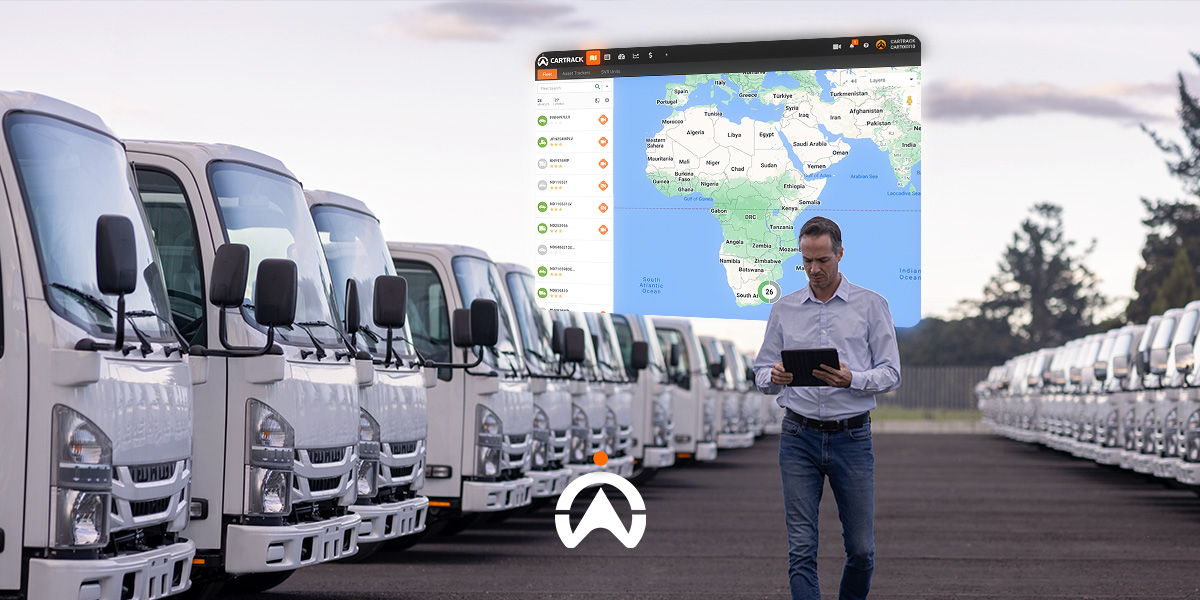
Choosing a telematics solution for an OEM partnership is all about finding the smartest and most efficient ‘brain’ for your fleet vehicles. The right telematics partner will act as the best translator for your vehicles, providing and turning the most comprehensive insights into data that could take your business to new heights.

Global research predicts that original equipment manufacturer telematics will dominate with around 63% of the total market share this year. For you, this global shift is all about finding a manufacturer collaboration that provides the richest data integration and the smoothest connection between your vehicle’s original factory telematics (i.e., “brain”) and your management tools.

This is how you stay competitive.

Give your fleet the exceptional support it deserves for its foundation. Discover the key features of a telematics solution, see what questions you need to ask a potential provider, and evaluate Cartrack’s reliability as a long-term partner.

7 questions to ask when choosing a telematics system for an OEM partnership

The seven questions you should ask when choosing a telematics system for an OEM partnership are:

  1. Is my telematics provider reputable?
  2. Does my provider take an ‘API-first’ approach?
  3. Does the platform offer operational benefits?
  4. Is my provider’s platform easy to use?
  5. Is my provider scalable?
  6. Will the provider offer support to my company?
  7. How quickly will I see results?

By asking the right questions, you’ll easily separate the good from the bad and even the mediocre. The choice that you make in the end will impact the outcome of your business and, ultimately, the goods or services that are delivered to your customers in the end.

Let’s take a look at the 7 questions you’ll NEED to ask.

1. Is the telematics provider reputable and well-versed in OEM partnerships?

Your telematics provider must be reputable and well-versed. Not all telematics companies are able to handle OEM partnerships, so the right selection is crucial. An experienced provider gives your choice credibility and lets you breathe easier knowing that you’re dealing with a company that has experience and expertise.

A trustworthy provider will have a solid history of assisting with offering dependable, long-lasting solutions. This kind of relationship is crucial in an OEM partnership, where the telematics platform acts as an extension of the vehicle, which makes it an extension of the brand as well.

In this particular context, this is why it’s also important to acknowledge the brand integration that’s happening here. It’s important to see that your potential provider already has good relationships with bigger, established brands and other manufacturers so that you can expect the same for your partnership.

How does Cartrack deliver?

✅ Cartrack is reputable and well-versed. Cartrack currently stands at over 2.6 million subscriptions throughout 23 countries around the world, with longstanding business clients from SMEs to larger enterprises.

We’re in a fantastic position to support an OEM partnership, especially because of our flexibility and ability to provide reliability.

Our clientele also goes beyond just the companies; we’re there to support families who are looking to watch out for each other and ensure their safety.

Every kind of person and business has put their trust in us. 

2. Does my provider take an ‘API-first’ approach?

This is probably the most important question of all of them. Your provider must take an ‘API-first’ approach because this is the key to a smooth and successful connection and integration.

The whole point of the partnership is to create a more comprehensive and connected ecosystem, rather than having many disconnected tools that can’t work together and make your job harder.

An API-first approach is all about ensuring the door is built before the rest of the house comes along. The open and integration-friendly system is already in existence. When the time comes to integrate, a smooth and efficient integration process will be achieved.

How does Cartrack deliver?

✅ Cartrack takes an ‘API-first’ approach with our open and integration-friendly platform. This means that integration has always been front-of-mind for us. Integration readiness is the name of the game, which is why we have a fleet management system that’s designed for connection with other existing systems.

We have industry-standard levels of encryption and security, meaning your data is safe and only available to authorised users. And, if you take the steps to grow your business and scale it up, you’ll find no issue with us.

Our systems are prepared for new integrations if/as they come, and you don’t have to worry yourself with separate systems at all.

All of this means that you can build a telematics structure that can evolve with your business, as well as connect with whatever existing systems you already have in place.

3. Does the telematics platform actually deliver operational benefits?

There’s no point in creating this partnership if it doesn’t benefit you or your business, right? So while this collaboration supports the day-to-day business benefits like knowing where your vehicles are, it should also show you the full impact of telematics. 

Rich and comprehensive diagnostic insights are the real catch here. 

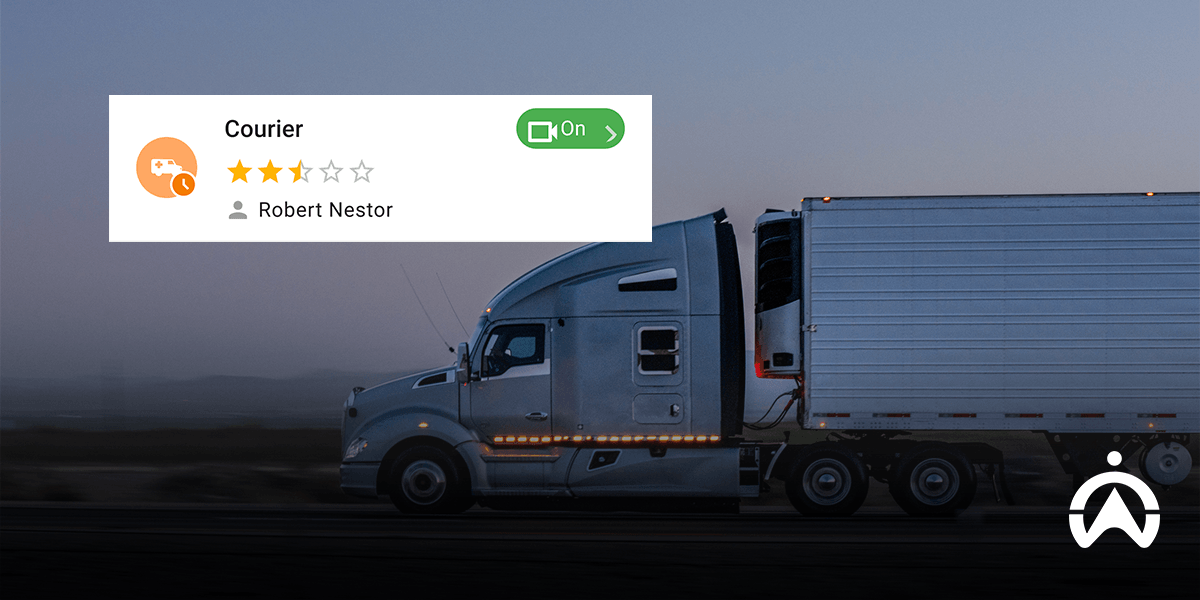
While just as important, detailed insights must go beyond simple live GPS tracking. The best in telematics will offer automation & AI-enabled features, route optimisation, driver behaviour monitoring, fuel management, risk control, predictive maintenance, and more.

All of these capabilities lead to massive business benefits, like reduced operational costs, improved safety, less downtime, and an overall happier and more secure business environment.

How does Cartrack deliver?

✅ Cartrack’s fleet management platform is stacked with tools and features that’ll improve your business, proving a successful partnership.

Not only do our systems produce some of the most comprehensive insights, but our platform is advanced enough that it seamlessly and easily processes that data into digestible, actionable feedback.

We also have numerous add-ons for our fleet platform, depending on what your business requires. This gives you the chance to customise your package and work according to your specific needs. You can get the best in cost management and performance.

4. Is my provider’s platform easy to use?

User-friendliness is a lot more important than you might think. A sophisticated system is nothing without a smooth user experience. This is especially important if you have a mixed fleet or fleet with various makes of vehicles, because the platform needs to be accommodating and easily handle variation.

A good platform and interface are what can make or break a connection between you and your telematics provider. It needs to be workable and easy for you and your employees to adopt from day one. Achieving this means your provider is the major differentiator in the competitive market.

How does Cartrack deliver?

✅ Whether you have traditional vehicles, electric vehicles, different vehicle makes and types, or all of the above, Cartrack can manage them all under one platform. Our telematics solutions don’t stop at one vehicle type, tackling pain points from safety improvements to range anxieties.

Our platform, FleetWeb, is an easy, sleek, and user-friendly platform that can be manoeuvred without the need for painful and tedious training. We offer easy onboarding, training, round-the-clock support, and helpful how-to guides online.

Our dashboard is intuitive and easy to navigate, alerts are customisable, the tools are straightforward, and our connected mobile apps are logical & clear. These are the keys to making vehicle monitoring and communication very simple.

5. Is my provider scalable and flexible?

Scalability and an integration-friendly approach are absolutely necessary for your company, especially if it’s a business you intend to grow and develop. If you decide to add, let’s say, 75 more vehicles to your fleet, will the partnership suffer? Will the technology continue to work smoothly without interruption?

You don’t need your business’ performance to drop or systems to break just because there’s development and growth. You also don’t need to deal with downtime, loss in revenue, or even gaps in data collection because of a software disruption.

How does Cartrack deliver?

✅ Cartrack is a flexible partner that’s been designed specifically to grow with your business. As mentioned, we’re an API-first company, meaning that you never have to worry about cross-platform confusion or having to introduce more systems to your fleet management.

We’re prepared to work with businesses of any size; our integration solutions are ready to scale with your operations, and our systems are cloud-based to easily manage business growth.

6. Will the provider offer my company sufficient support, even after sales?

Your provider should be prepared to offer onboarding and after-sales support, with semi-regular ongoing training to ensure you and your team are using the tools efficiently. Telematics solutions aren’t always easy to manage, and your provider should be patient enough to guide you through deployment, integration, etc.

You’ll also need the best in troubleshooting assistance, especially when it comes to the vehicle’s brain and the connected software.

The best kind of software is all about ongoing updating and optimisation. If you don’t have the right support, your business risks lower efficiency, slacking on compliance, and weakened safety standards.

How does Cartrack deliver?

✅ Cartrack can help you take control of your business and offer training on everything you’re looking to get acquainted with. As mentioned, we have an efficient onboarding process to help you and your workers quickly get acquainted.

We also have 24/7 support from our customer care team via phone, WhatsApp, and email. You’re also more than welcome to book a session with our professionals if you or your team needs refresher training down the line.

7. How quickly will I see results and ROI with this provider?

You’ll want to see relatively quick and noticeable ROI changes once the effects of a telematics solution are set in motion. According to research, businesses can start seeing changes in just 3 months. 

This is especially the case if you’re focused on implementing telematics solutions as quickly as possible with minimal adjustments or heavy training.

How does Cartrack deliver?

✅ Cartrack offers all the features you’d need to ensure you’re quickly seeing results. Here’s how:

Final takeaway: A fleet’s only as smart as its telematics

Choosing the perfect telematics solution for your OEM partnership is a bold, empowering, and strategic move. You want a partner that’ll give you the best in dependable data and the adaptability to evolve alongside your business.

Every aspect, from integration features to sustainable scalability, contributes to creating a solution that effectively strengthens what you have to offer. Cartrack could be your answer.

Don’t settle for basic diagnostics; take things up a notch with Cartrack by your side. Choose us as your long-term partner and keep your business ahead of the curve.

Frequently asked questions on telematics and OEM partnerships

What’s the difference between telematics and a black box?

A black box is more the actual device itself, simply recording and storing raw information. Telematics brings together the hardware, the data, and the software; it’s the whole environment. Telematics also analyses the data that’s been produced and turns it into digestible insights that can be used to improve business processes.

What are the different types of telematics sensors?

The different types of telematics sensors include:

  • Temperature sensors: used in cold chain logistics to measure temperature in cargo bays.
  • Fuel sensors: located in the fuel tank and are used to measure consumption and potential theft.
  • Door sensors: used to track how often a cargo door is opened and closed.
  • Pressure sensors: used to monitor the pressure in vehicle tyres.

What is the best vehicle tracking company in Malawi?

The ‘best’ vehicle tracking company depends on what criteria you may use to define it as ‘the best’. But, from a holistic viewpoint, Cartrack is considered one of the best. We’ve got:

  • an impressive global network
  • numerous longstanding clients
  • years of expertise
  • several future-forward tools and technologies, and
  • solutions for businesses of every size.

How to set up telematics?

To set up telematics, your best bet is to contact a telematics provider who can help you do just that. When you have a telematics provider to help, you can ensure that you get industry-grade equipment, the correct installation, proper configuration, and support & training.
The Latest Motor Vehicle Theft, News and Solutions

We live in times where leaving your vehicle to pick up an order at a takeaway might mean never seeing your precious again. Vehicle theft is one crime that leaves a dent in your pocket and a reminder that what we value can easily be lost.

Vehicle theft is an ever-changing crime that evolves in sync with technological development. Consider having a live GPS tracking unit that will provide real-time alerts and have your eyes on your vehicle.

Let’s talk about how you can prevent vehicle theft.

In this article, you will:

  • Identify the different methods of car theft
  • Learn about the safest provinces in South Africa for a driver
  • Discover the best ways to prevent vehicle theft
  • Touch up on your roadblock etiquette
  • Get answers to frequently asked questions about vehicle theft

Car theft in South Africa

While South Africa is proud of producing World Cup winners and Grammy award-winning artists, car theft is an ongoing and crippling issue that affects vehicle owners. In fact, it has been reported that 65 vehicles are stolen daily.

Vehicles are stolen from highways, parking lots, and every nook and cranny, making it hard for vehicle owners to drive in a country that they love.

We need to understand the dynamics around vehicle theft, what vehicles are at high risk, and how you can protect yourself and your vehicle from such a crime.

Understanding the dynamics of vehicle theft

Vehicle theft is the criminal act of taking someone’s vehicle without their permission. The reasons for stealing vehicles are different. A person may steal a car just to go on a joyride, steal your car to drive around, and then abandon it elsewhere when the thrill is over. Vehicles can be stolen for their parts to be used on other vehicles, and they can also be used to transport drugs and traffic people.

Once stolen, vehicles are most often resold. However, cars are sometimes used to commit crimes like robberies, so a stolen vehicle also makes for a good getaway that may throw the police off your trail while it’s still hot. We may not know what drives this illegal behaviour, but we do know it exists, and we need to know just how much we are at risk.

Which vehicles are at risk of theft in South Africa

Vehicle theft is a very concerning crime in South Africa, one that many have fallen victim to. It is important to be aware of which vehicles are prone to theft as this helps you take the necessary measures and even avoid purchasing those vehicles.

Here are the types of vehicles prone to theft and carjacking:

  • SUVs: SUVs are mostly stolen to use their parts on other vehicles, parts like engines and exhaust systems. They are also sometimes resold to make more money.
    ‍
  • Sedans: These vehicles used in e-hailing services are often targeted as they are always on the road and can easily blend in after being stolen.
    ‍
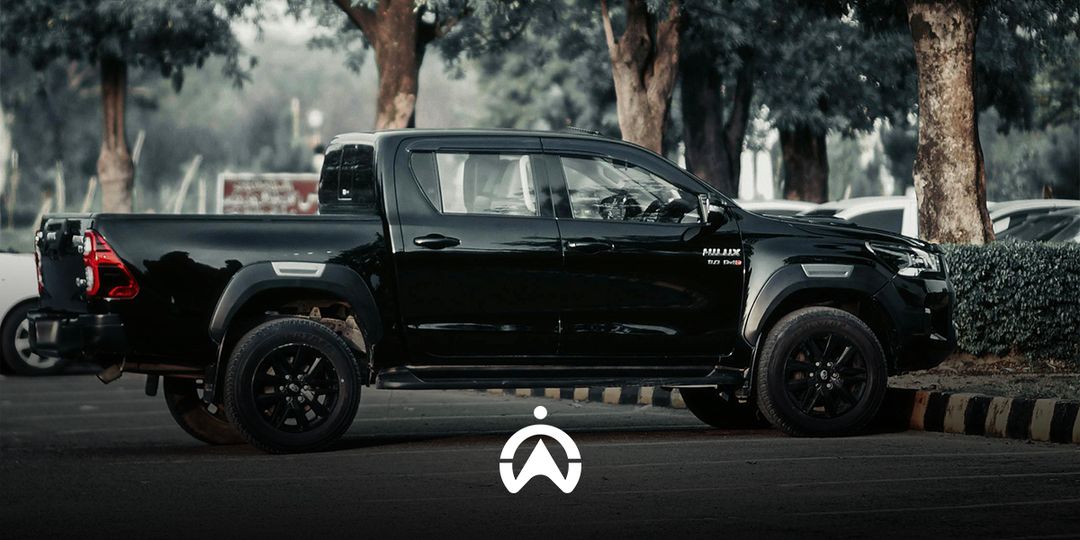
  • Bakkie/ Off-road vehicles: Bakkies are often stolen to be resold in other regions, they can be used to transport a lot of goods and therefore are in high demand.
    ‍
  • High-speed hatchbacks: These vehicles are mainly stolen to be used to carry out other crimes, such as armed robberies, because of their ease in getaways. They can reach speeds of 120 km/h in a short period.

Vehicle theft trends in the last year in South Africa

About 5488 vehicles were stolen in South Africa between April and June. The rise in high-level vehicles being stolen is in line with the methods that thieves are using to steal vehicles. Some use the old-fashioned hijacking system and with expensive vehicles, new tricks have emerged.

  1. The most vehicles stolen in South Africa in 2023 were sedans and hatchbacks.
    ‍
  2. A report by Arrive Alive revealed that although vehicles are stolen every day, the crimes are higher on Fridays around midday.
    ‍
  3. The trend of business trucks and SUVs being stolen is increasing.
Top 4 methods used for vehicle theft in South Africa

Top 4 methods used for vehicle theft in South Africa

Carjacking has changed from the times when thieves would flat-out use a screwdriver to unlock your vehicle and hotwire it to start. There have been a few techniques that have seen vehicles driven off by thieves. We’re taking a look at four:

  • Signal jamming
    ‍
  • Fake police method
    ‍
  • Keyless entry system method
    ‍
  • Deceptive damage method

Signal jamming method

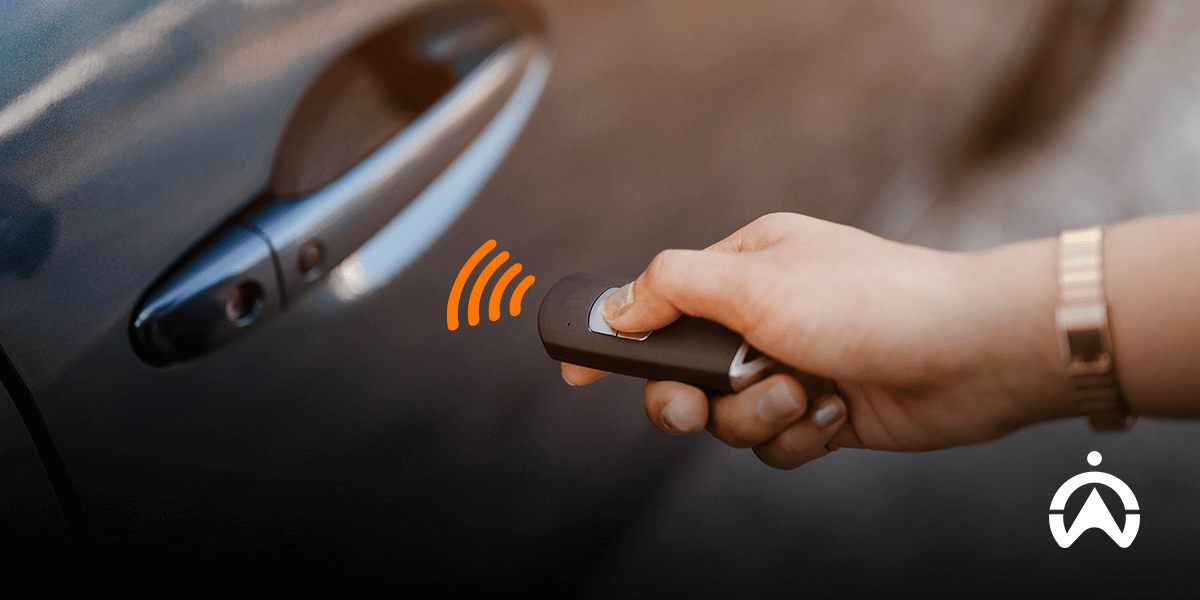
Signal jamming is when thieves block your vehicle remote’s signal so that they can break into your vehicle when you think you have locked it. Gate remotes and vehicle remotes operate on a similar frequency so it makes it easy to jam the car’s immobiliser for it not to lock.

For example, you park your car in a shopping centre and press the lock button on your car remote. A thief sees you pulling into the parking lot and waits for you to lock your vehicle. While you press the lock button on your vehicle remote, they press a button on their gate remote to disturb your remote’s frequency causing the vehicle to unlock while deceptively locking on your remote. This allows them access to your vehicle when you have left the area and they can drive off to wherever they are taking the vehicle.

Fake police method

When a police officer pulls you over, you may immediately think you are in trouble and want to do exactly what they tell you to. Now when that police officer starts telling you to exit your vehicle and proceeds to drive off, then you have just experienced a carjacking method called the “fake police”

Yes, you heard right—vehicle thieves are now operating under the guise of law enforcers. Thieves generally do this because they know that people will want to cooperate with the police when they are stopped to avoid tickets and even jail time. Many things can happen during this incident, though; one can be kidnapped and forced to empty their bank account, stripped of their belongings, and have their vehicle taken from them in the middle of nowhere.

Keyless entry system method

The keyless entry system allows thieves to hack the vehicle’s electronic control modules that remotely manage, track, and clone the vehicle’s key and gain access to the vehicle using the cloned key.

This technology relies on a key fob—a small remote control with an RFID chip that transmits information through frequencies to allow vehicles to be unlocked as you approach. Thieves have exploited this technology by having one thief standing next to your car with a device that tricks the car into sending a digital code to verify the owner’s fob then sends a signal to their accomplice to clone the car signal. The cloning process allows thieves to enter your car without alarms going off.

It is important to be aware of your surroundings when leaving your vehicle. Reporting suspicious behaviour may save your vehicle from being stolen.

Deceptive damage method

South Africa is a country known for its humility and kind people, so it wouldn’t be too strange when another driver hoots to get your attention and tells you that your number plates have fallen. Except, this is one trick that can have your vehicle taken from you before you can say “braai”.

Thieves wait at places where they know people are usually absent-minded like malls and shopping centres to remove their number plates, waiting for the car owner to drive off then pretending that the driver’s number plates fell off just so that they can pull over to steal their car is what we call deceptive damage car theft. Vehicle owners are targeted and fall victim to their trusting nature.

Cross-border vehicle theft

Cross-border vehicle theft refers to the illegal act of stealing a vehicle from one country and transporting it over the border to another country. In South Africa, almost 60 vehicles are stolen each day and some of them are taken across the neighbouring countries’ borders like Mozambique, Zimbabwe, and Botswana. Vehicles are now being recovered in countries outside of South Africa, either resold to new owners or even stripped down to the engine.

Crime syndicates have resorted to make-shift bridges that are used to drive vehicles into Mozambique from South Africa to avoid using borders and being caught by border patrolling soldiers. The bridges are in places like Umkhanyakude in KwaZulu Natal which neighbours Mozambique, making the stealing of cars easy and a quick transaction.

SAPS stolen vehicle recovery

The last twelve months have seen about 64 vehicles recovered on the South African-Mozambique border, and this is the work of the SAPS recovery task team. With over 140 arrests of cross-border vehicle theft syndicates, the task team is set on providing safety and enforcing the law on criminals.

Discussing the shocking 1800 stolen vehicles per month, Police Minister Bheki Cele visited Maputo recently for a two-day Ministerial visit. The visit aimed to announce the success of SAPS in recovering stolen vehicles and also set up command offices, detective teams, border policing forces, and crime intelligence departments that will continue to aid in the recovery of stolen vehicles. The successful recovery also seized R100 million worth of drugs and dozens of firearms and rifles while recovering stolen vehicles, making this a success that removed another big threat to society.

The arrest is proof that your vehicle can be recovered and that the SAPS is hard at work to decrease the amount of crime that affects South Africans daily.

SAPS stolen vehicle recovery

Vehicle recovery insights

The South African National Defence Force (SANDF) recovered multiple stolen vehicles transporting millions of rands worth of illicit cigarettes. Captain Moses Semono of Joint Operations Tactical Headquarters in Limpopo reported that the soldiers from Bambatha Rifles patrolling the Zimbabwe border, the soldiers confiscated a bakkie with illegal cigarettes valued at R1.1 million.

Another bakkie reported stolen by SAPS and valued at R674 800 illegally transporting cigarettes valued at R2 million was found while patrolling. At Madimbo, a bakkie was recovered transporting illicit cigarettes valued at R202 957. These recoveries are the result of hard work and can improve when vehicles are fitted with GPS tracking units that have a recovery rate of up to 90%.

Preventing car theft with Cartrack Malawi

Let’s face it; crime is one thing that changes for the worse every year in all corners of the world. Preventing vehicle theft is possible with technology that is designed to help recover your vehicle should you fall victim to this crime. Cartrack Malawi provides excellent service to ensure that your vehicle has the most protection and a high chance of recovery should the unfortunate happen.

Our vehicle tracking units that are GPS enabled are a forward step to finding your vehicle if you find yourself at the mercy of vehicle theft. Another feature that Cartrack Malawi offers, provides an extra eye on your vehicle even when you are not near it.

Let us take a look at how you can protect your vehicle from being stolen.

Stepping out for a quick bite? Get Carwatch to keep an eye on your vehicle

CarWatch is essentially the eyes you need when you’re not near your vehicle. The CarWatch feature detects unauthorised car movements that can cause crashes even when a thief is taking your vehicle from where it is parked. The feature can be accessed on the Cartrack app and the Cartrack 24-hour control room will receive the alerts and reach you to confirm the loss of your vehicle and immediately dispatch to find your vehicle.

Geofence

The Geofence feature uses GPS to trigger alerts when your vehicle leaves the geographical boundary that you may have created for where you often drive your vehicle. In the case of fear of vehicle theft, you can create high-risk zones that can alert you when your vehicle enters these areas and prevent your vehicle from being stolen. The GPS tracking device that works with geofencing allows you to see which areas your vehicle has been in thus increasing the chances of the vehicle being recovered.

Stolen vehicle recovery with GPS tracking

Stolen vehicle recovery is when vehicles are located after vehicles have been illegally taken from their owners without their permission. Tracking vehicles through Global Positioning Systems (GPS) is one of the most important pieces of stolen vehicle recovery.

Installing a GPS tracking device increases the chances of your vehicle being recovered should it be stolen. The chances of recovering a vehicle fitted with a Cartrack tracking unit are high because Cartrack GPS tracking units have triggers that send alerts when tampered with.

Contact Cartrack Malawi for a free quote and to find the best package for your vehicle and needs. Visit our website to see how you can gain control of your safety.

Roadblock etiquette: Know your rights as a driver

One of the main objectives of vehicle theft is to illegally resell vehicles for profit and it is essential to be aware of your rights when stopped at a roadblock. The Road Traffic Management Corporation is governed by the provisions of the National Land Transport Act 93 of 1996 (NRTA), the PFMA, the Companies Act 71 of 2008 (CA) and the Procedure Act 51 of 1997 (CPA) enforces mandates that are imperative to driving the safety of drivers in South Africa. Abiding by these mandates reduces the chances of finding yourself in the wrong lane of the law.

The RMTC and NRTA provide the national principles, requirements, guidelines, and standards that drivers should abide by. This means that procedures like roadblocks are protected by the NRTA and are required by the Constitution of the Republic of South Africa to be performed to ensure that drivers are indeed following all safety regulations on the road.

Knowing what to do when pulled over by the police, what type of roadblock you are stopped at as well as the laws that protect your rights when pulled over is vital to your safe arrival to your destination.

The difference between an informal roadblock and a K78 roadblock

Finding yourself at a roadblock can be challenging, especially when you have multiple places to be. There are two types of roadblocks in South Africa that help to keep the streets safe: informal roadblocks and K78 roadblocks.

Informal roadblocks are mainly carried out to prevent drunk driving, speeding, and vehicle roadworthiness. They are also done to check for outstanding traffic fines and a warrant is required for police to search your vehicle.

A K78 roadblock is one approved by the National Police Commissioner and carried out to find a specific person. This is when a warrant is out for a driver and their vehicle and may be believed to be a criminal on the police radar. These roadblocks are vital for situations like human trafficking and kidnapping and are needed to help those who may be in life-threatening danger.

What to do when stopped at a roadblock

Being stopped by the police may seem daunting, especially if you are a law-abiding driver, but in most cases, it is for safety purposes. Some roadblocks are meant to find drunk drivers, and others may be to catch crimes like human and drug trafficking syndicates. The safety of civilians is the priority for law enforcement. With fake police officers threatening the safety of drivers, knowing your rights on the road may protect you against vehicle theft.

Here is what you can do when you are pulled over at a roadblock:

  1. Pull over when stopped by the police: Avoid escalating the situation by staying calm. Driving off may result in arrest, should they be real police officers.
    ‍
  2. Provide your license and also ask for the police officer’s identification: Providing your license allows officers to identify you. You may also consider asking the officers for their identification to verify their authenticity.
    ‍
  3. Avoid driving vehicles deemed unroadworthy or with outstanding fines: If officers stop you and discover your vehicle is unroadworthy or has outstanding fines, they may refuse to let you drive it as it may pose a danger to other vehicles on the road.
    ‍
  4. Do not refuse a breathalyser test: According to Section 65 (9) of the NRTA, refusing to take a breathalyser test can result in arrest.

It is important to abide by the law at all times to avoid fines and jail time. Police officers are there to protect you and maintaining a calm manner of speaking allows you to assess situations easily. Make sure that you drive within speed limits and avoid drinking and driving.

Answering your motor vehicle theft questions

  1. What can I do if I witness a vehicle being stolen? 

    Do not approach the assailants, this will put you in danger. Call the police to report the crime with as much information as possible, from what the criminals look like to the vehicle plates.
    ‍

  2. Can the colour of my car be the reason it was stolen? 

    Some car colours are more high risk than others. White vehicles have the highest stolen vehicles with silver vehicles coming in a close second. This is mainly because there are a lot of people with white and silver vehicles on the road. This makes vehicles easy to blend in when stolen.
    ‍

  3. What to submit to insurance should my vehicle be stolen? 

    Should your vehicle be stolen, you will need to submit documents like a certified copy of your ID, a copy of the vehicle registration, a picture of the police report, your case number from the police, and a form that grants the insurance provider access to the police records. You might need to provide more information that will help your claim like vehicle mileage, dents, or distinct markers on your vehicle.
    ‍

  4. How many vehicles are stolen in a year in South Africa? 

    A total of 104 vehicles were reported stolen in South Africa per day, and over 2754 vehicles were reported stolen between July and December in the year 2023.

Prevent vehicle theft with Cartrack GPS technology. Contact us to protect your car.

What You Need to Know About Insurance and Car Tracking

Ever wondered what your next moves would be if your vehicle got stolen or into an accident tomorrow?

These are not pleasant scenarios to think about, and having a plan could make all the difference between simply claiming from your vehicle insurance or paying for damages, replacement parts, or even a brand-new vehicle straight from your pocket. Driving around without the safety net of vehicle tracking or insurance could result in a huge financial blow one day, so why risk it?

Let’s dive into insurance and vehicle tracking and see how they can affect your vehicle’s safety and back pocket.

In this article, you will:

  • Learn about the factors that influence your vehicle insurance premiums
  • Explore the relationship between vehicle trackers and insurance rates
  • Understand how having a vehicle tracker can positively influence premiums
  • Discover the emerging trend of installing backup vehicle tracking units
  • Get to know Cartrack’s vehicle safety solutions and insurance services

Understanding the basics of vehicle insurance

As a Malawi driver, you never know when your vehicle might be stolen, in an accident, or damaged by changing weather. None of these events are in your control, but they can greatly affect your vehicle’s safety and your wallet.

Vehicle insurance all starts with your needs. What type of vehicle cover do you want, and which package can you afford?

There are two types of car insurance on the market: third-party fire and theft insurance and comprehensive coverage.

  • Third-party fire and theft: This is the more affordable option that ensures that whatever object you collide with during an accident will be fixed, but the downside is that your vehicle won’t be repaired or paid out for. You only get paid out if your vehicle gets stolen or catches fire.
    ‍
  • Comprehensive cover: This is the cover most motorists opt for, as it covers third-party liabilities plus damages from accidents, vandalism, theft, natural disasters and more. Only a few things aren’t covered, like if the insured driver was intoxicated or under the influence of drugs during the accident, if the driver is unlicensed, or if the vehicle is not roadworthy.

To better understand your insurance premiums, let’s first look at the factors that affect them.

Vehicle insurance premiums and factors that influence your rates

Everything that happens in our country, from crime rates to potholes, seems to have an effect on your premiums. Let’s see what factors have a say in how much you pay for vehicle insurance.

  1. InflationA country’s inflation rate influences more than your monthly grocery budget. It also impacts how much you pay for your vehicle’s insurance. This is considered one of the biggest contributors to increased premium rates because inflation impacts vehicle repair amounts and the cost of replacement parts, resulting in increased claim payouts. To make up for this, insurance companies respond by increasing your monthly premiums.
    ‍
  2. ReinsuranceReinsurance is supposed to reduce risks’ net liability and protect against catastrophes from large or multiple losses. However, frequent claims due to accidents, higher payouts because of inflation, and high-risk events like riots, power grid failures, and the recent damaging summer hail storms have all contributed to higher premiums.
    ‍
  3. Repair and replacement costsThe lack of vehicle parts increases demand, which results in higher prices and insurance premiums. If the global supply chain gets disrupted, there might be a decrease in replacement parts and motor vehicle repair. As a result, parts, labour and equipment prices increased worldwide, resulting in higher insurance rates.
    ‍
  4. State of roadsAs a motorist, I’m sure you’ve seen the many potholes scattered across multiple roads around Malawi. The lack of road maintenance affects the health of your vehicles, from damaging tyres to leaving scratches on the car or even cutting important wires. This causes drivers to get additional vehicle coverage for rims or tyres because poor road conditions cause increased insurance claims.
    ‍
  5. Car theftThe more vehicles are stolen or damaged in hijacking attempts, the more motorists file claims for their lost or damaged vehicles, which results in higher insurance premiums. While this paints a grim picture of the ever-increasing premiums, insurance companies still try to see the silver lining and give their clients a chance to reduce their monthly vehicle insurance costs by installing a vehicle tracking device.
Car_theft

Relationship between vehicle trackers and insurance rates

While installing a tracking unit on your vehicle is not the answer to all your vehicle insurance problems, it definitely helps and might even significantly decrease your monthly premiums.

Installing a GPS vehicle tracking unit in your cars so you always know the location of your vehicles in real time encompasses vehicle tracking. With the help of telematics, you can also receive vehicle information such as your driving behaviour, your vehicle’s odometer rate, any maintenance issues, and how much fuel your vehicle consumes per trip.

This tool is essential for individuals who want to keep an eye on their vehicle and increase the chances of it being found if stolen, as well as for businesses that want to track their vehicle’s movements, monitor fuel consumption, keep up with fleet maintenance and improve driver behaviour habits such as speeding, abrupt braking and harsh turning.

How does having a vehicle tracker influence your insurance premium?

Having a vehicle tracking device is often advised, as it positively influences your insurance premiums. Insurance companies tend to offer drivers lower premiums if they own a tracking unit.

Why?

  • Tracking devices can reduce the chances of vehicle theft, or if theft occurs, they can increase the chances of your vehicle being found and retrieved, thus making these vehicles less risky to insure. Insurance companies will be less likely to pay out a full claim in case of theft.
    ‍
  • Installing a tracking unit tells your insurance company that you’ve done your part in protecting your vehicle and that your vehicle’s safety is a priority.

While having a tracking unit won’t magically grant you free vehicle insurance or massive discounts, it could significantly decrease your premium and make it more affordable.

Back-up unit trend

A new trend in town has motorists going back to their vehicle tracking companies asking for seconds. That’s right, insurance brokers have started asking their customers to fit an additional vehicle tracking unit into their vehicles as an extra safety measure. Here’s why.

After a vehicle has been stolen, most criminals get to work by immediately searching for the installed vehicle tracking unit to remove it or block its signal with a jammer, so authorities or vehicle tracking companies have difficulty tracking down the vehicle. With two trackers installed, the vehicle is more likely to be found.

While criminals search for the first unit and try to remove it, the second one gives authorities a bit of time to lock down the vehicle’s location and hopefully recover it in one piece, increasing stolen vehicle recovery and positively impacting vehicle safety.

Cartrack Malawi provides a two-in-one solution for motorists

Cartrack Malawi is your trusted partner in fleet management, vehicle tracking and insurance. Our trusted vehicle safety solutions include all the essential features any driver needs to safeguard their vehicle:

  • Real-time vehicle tracking
  • CarWatch
  • Geofencing
  • Protector
  • 24/7 control room support
  • Skilled on-the-ground and air recovery agents
  • Limited recovery warranty (T&Cs apply)

On top of our list of premium safety features, our industry-leading solutions extend to providing drivers with premium, comprehensive coverage that can be tailored to their needs.

‍Cartrack Insurance Agency is our very own independent financial brokerage that does all the insurance scouting for you. From the many insurance companies we’ve partnered with, we can provide up to 14 insurance quotes ranging from comprehensive insurance for major incidents to third-party coverage.

Cartrack_provides_a_two_in_one_solution_for_motorists

Make vehicle peace of mind your new normal with Cartrack Malawi

Let Cartrack Malawi help you find the right insurance company for your vehicle and your budget. Contact Cartrcak now, and we’ll provide you with 14 free insurance quotes to choose from.

Invest in reliable vehicle tracking and partner with a trusted insurance company to enhance your vehicle’s safety.

Cross-Border Stolen Vehicle Tracking: How to Keep Your Vehicle Safe

In a world that is more interconnected than ever, the issue of cross-border hijackings has emerged as a significant worry for both vehicle and fleet owners. 

In this blog, we delve into how technology advancements such as GPS tracking devices can help combat this problem. 

In this article, you will:

  • Understand why vehicle protection is a must
  • Unpack ways to protect your car from hijackings
  • Unlock the top 5 benefits of stolen vehicle recovery
  • Find out which company has the highest stolen vehicle recovery rate in South Africa

Cross-border vehicle theft rises: Why you need to protect your car?

Cross-border vehicle theft — the criminal act involving the theft of a vehicle in one country and transported over the border to another. In South Africa alone, vehicle theft and hijackings stand out as one of the most reported crimes in the country, with an astonishing average of one vehicle being hijacked every 22 minutes. To put this into perspective, that’s roughly the time it takes for a quick lunch with a friend, running quick errands at the shopping mall, a short cardio session, or even having a catch-up call with a loved one. In essence, 22 minutes is a short amount of time and we get quite a few of them in a 24-hour day.

Out of the estimated annual R8.5 billion worth of vehicles that are stolen within South Africa, an alarming R4.9 billion were transported across the South African borders to be sold in neighbouring countries. With approximately 5,800 kilometres of border lines surrounding South Africa, eight major harbours, and a mere 53 land border posts to monitor the passage of vehicles into and out of the country, cross-border vehicle theft remains a significant contributor to vehicle loss in the nation. This means, you and I stand an even lower chance of recovering our vehicles, should they ever get stolen.

You’re probably wondering what happens to the other remainder. Approximately R3.1 billion are cloned, while R514 million end up stripped and sold in scrap shops across the country. So whether in or out of the country individuals, businesses, or fleet industries still take a massive knock. For example, in 2013, around 39,000 vehicles resurfaced within the system, causing significant financial burdens for insurance companies that had to cover claims without realising that these vehicles were duplicates.As one of the only countries in the region that manufactures vehicles, South Africa will remain the primary target for cross-border hijackings with 1 in every 3 hijacked vehicles being illegally exported via ports of entry and exit as well as border lines. Thanks to advancements in technology, protecting your vehicle from both domestic hijackings and cross-border risks is possible.

Cross-border_hijackings_are_up

Safety measures to minimise the risk of being hijacked:

There are many practical ways to protect yourself from hijackings:

  • Beware of your surroundings when parking your vehicle 
  • Keep alert when entering your vehicle 
  • Be cautious while on the road 
  • Check you are not being followed 
  • If being followed home, do not wait in your driveway
  • Check the street when approaching your home 
  • Be vigilant when entering your driveway
Safety_measures_to_minimise_the_risk_of_being_hijacked

While all these practical measures can be effective, technology offers the highest level of safety for your vehicle, even in the unfortunate event of a hijacking. Installing a GPS tracking device in your vehicle offers you comprehensive protection whether you are driving or parked. This Global Positioning System (GPS) tracking device does this by integrating with the GPS satellite network to determine the exact location of your vehicle anytime, anywhere for personal vehicle security, fleet management or even asset tracking.

Here are 5 basic components of a GPS tracking device that will help make the likelihood of recovering your vehicle much greater, domestically and across the border:

  • GPS receivers: This component picks up signals from many GPS satellites to provide an accurate 4-metre location of your car, helping you accurately pinpoint the location of your car at any given time, even if it crosses the border. 
    ‍
  • Satellite or cellular communication: Many GPS tracking devices are equipped with cellular or satellite communication. This allows the tracking device to ‘communicate’ with you via an app on your smartphone, or software platform. This way, you get the real-time location of your vehicle(s) and are notified when your vehicle has been moved without your authorization. 
    ‍
  • Backup Battery: GPS trackers can be powered by internal batteries, a vehicle’s power system, or other power sources. A back-up battery can be added to keep your tracking device operational, sending location data, even if your vehicle’s main power source is disconnected.
    ‍
  • International Coverage: A global fleet management solution can offer cross-border GPS tracking with a wide-ranging coverage including support for multiple countries and global positioning, to track your car’s location accurately, regardless of its location.
    ‍
  • Geofencing: Vehicle tracking companies provide this type of feature. It allows you to create virtual boundaries on a map to receive notifications when your vehicle crosses these boundaries. This is also a handy way to be alerted if your vehicle enters or exits borders, hijacking hotspots or dangerous areas so you can react early on.

Thanks to these components, GPS tracking can provide you with an extra layer of protection. However, what if your vehicle is stolen even after all this effort? That’s where stolen vehicle recovery comes into play.

Stolen vehicle recovery: Top 5 benefits of SVR

Top_5_benefits_of_SVR

The most effective way to get your vehicle back before it’s taken across the border, cloned, or stripped for parts, is by signing up for stolen vehicle recovery services with a reputable provider like Cartrack Malawi.

This concept of stolen vehicle recovery (also known as SVR) involves utilising the installed GPS tracking device in your vehicle to promptly alert and dispatch a recovery team in the unfortunate event of theft, thereby significantly increasing the chances of retrieving your stolen car.

Here are the top 4 benefits of stolen vehicle recovery:

  1. Quick recovery: In the unfortunate event that your vehicle is stolen, the tracking technology enables a swift response by sending real-time alerts to a recovery team. This increases the chances of recovering your vehicle before significant damage occurs or it is taken across the border and out of reach. 
    ‍
  2. Peace of mind:  Stolen vehicle recovery services give you an additional layer of protection. Whether at home, work, or travelling, you can be confident about your vehicle’s security, knowing that your vehicle is equipped with GPS tracking technology that can deter potential hijackers and vehicle recovery services that can minimise the likelihood of theft.
  3. 24/7/365 vehicle tracking: Stolen vehicle recovery services offer round-the-clock vehicle monitoring. This means your vehicle is being watched even when you’re not actively checking its location, ensuring a more proactive approach to react fast in case of suspicious activity and minimise loss.
  4. Real-time alerts: You can receive alerts straight on your phone when any unusual movement or tampering of your vehicle is detected. This allows you to act promptly and inform the authorities if needed.

Now that we have an understanding of stolen vehicle recovery, the real question is which stolen vehicle recovery and GPS tracking provider to go for. I always say, nothing less than the best.

The highest stolen vehicle recovery rate in South Africa:

Cartrack is dedicated to providing every customer, locally and globally with world-class vehicle security. It’s no wonder they have the highest audited vehicle recovery rate of over 90%.

Our SVR aims to provide you with comprehensive protection for your vehicles with our cutting-edge features:

  • Advanced vehicle tracking device fitment

    We schedule a free vehicle tracking fitment. Cartrack’s advanced fitment techniques provide high confidence that hijackers will find it difficult to discover or deactivate your vehicle’s tracking device. This sophisticated installation allows us to achieve our industry-leading stolen vehicle recovery rate.
    ‍

  • Cross-border SVR

    The Cartrack tracking unit features international roaming, allowing tracking both locally and abroad. In areas with no GPRS/GSM coverage, the device can store up to 5000 positions and events, such as ignition changes, every 3 km of travel, or deviations of 10 degrees or more. These data points are transmitted once GPRS/GSM communication is re-established.
    ‍

  • CarWatch

    CarWatch is an early warning system you activate at the touch of a button from Cartrack’s app. It will alert you and Cartrack in advance the moment your parked vehicle is moved without your authorisation. This allows Cartrack to proactively send a response team to your vehicle and increase the chances of recovery. Additionally, our Cartrack control room agents will promptly contact you to check in and provide assistance in case of a hijacking.
    ‍

  • Back-up battery

    A reliable vehicle tracking device with a long-lasting battery increases the likelihood of recovering your vehicle. Cartrack’s internal backup battery comes into play when the vehicle’s battery is disconnected or fully discharged, providing up to an extra 4 to 5 hours of power. This gives us ample time to track and recover your vehicle.
    ‍

  • Geofencing

    Cartrack empowers you to establish geofences, including border entry and exit points. These virtual boundaries can be customised to designate no-go or high-risk zones, and you’ll receive instant alerts as soon as your vehicle enters or exits these geofenced areas.
    ‍

  • 24/7/365 control room support
    ‍
    Our emergency control response team is ready to support you 24/7/365, especially in the unfortunate event of vehicle theft or hijacking. We also allow direct communication with the private response teams and local police to ensure a rapid response.
    ‍
  • Air and ground recovery teams

    Cartrack maintains a skilled air and ground recovery response network in South Africa and neighbouring regions, collaborating closely with local law enforcement to ensure swift and successful vehicle recoveries in case of theft.
    ‍

  • Limited recovery warranty
    ‍
    Enjoy complete peace of mind knowing that in the unlikely event, we’re unable to recover your stolen vehicle, we will pay you up to R150 000 (terms and conditions apply).
The_highest_stolen_vehicle_recovery_rate_in_South_Africa

SVR: Recent successful stolen vehicle recoveries

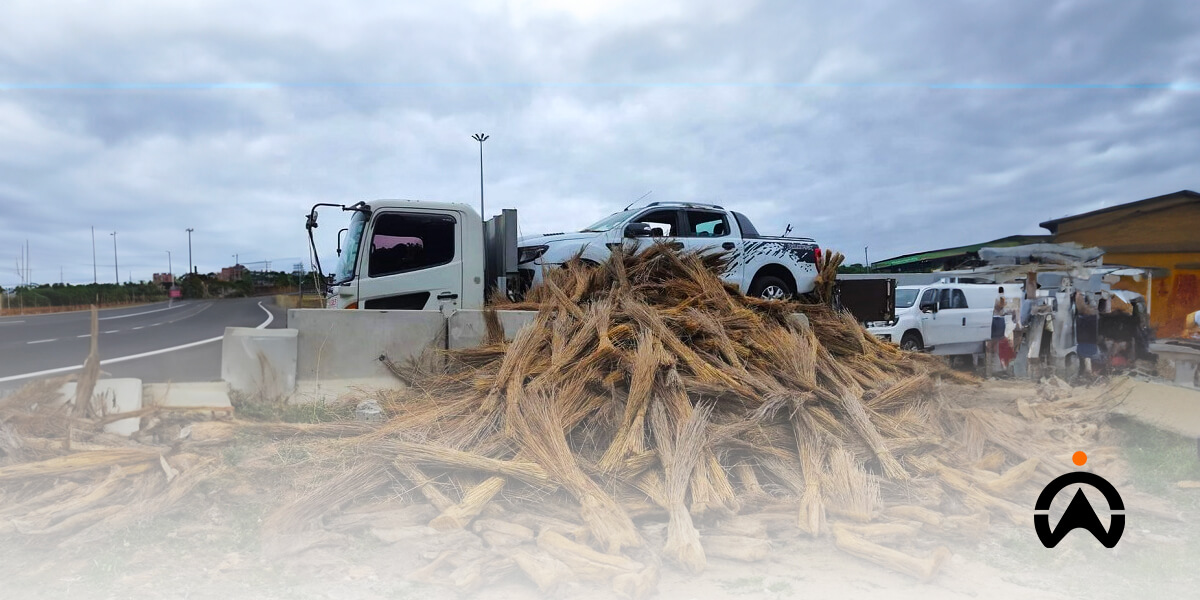
Cartrack’s reputation is built on delivering results. Our skilled recovery team intercepted the stolen vehicle along the Mozambique border, expertly uncovering the attempted disguise on the stolen bakkie which was camouflaged and packed under heaps of straw, in the hope it would go undetected (watch here). Additionally, in July 2023 alone, we achieved outstanding results, recovering vehicles, collaborating with law enforcement, and leading to the arrest of 67 suspects linked to vehicle theft, we also seized 8 firearms and confiscated 15 signal jammers.

Recent_successful_stolen_vehicle_recoveries

Protect your vehicle locally and beyond borders with Cartrack

With the highest audited recovery rate, Cartrack Malawi stands as your unwavering choice for stolen vehicle recovery.

‍Contact Cartrack Malawi today and get vehicle tracking that goes above and beyond.

What You Need To Know About AI & Machine Learning In Fleet Management

Artificial intelligence (AI) and machine learning (ML) have revolutionised fleet operations in various fleet industries. Trying to manually manage an entire fleet (whether established or startup) can be catastrophic. Fortunately, this technology can ease the process. Here’s a look at some of the innovative ways to use AI and ML in fleet management.

AI and ML: the two peas in a pod

“Can machines think?” – Alan Turing

This is the crucial question that stirred the artificial intelligence conversation in the 1950s. Over the years, artificial intelligence (or AI for short) has been defined in a number of ways. However, Turing summed it perfectly as “systems that act like humans”. Although this simplification is still applicable today, AI is not that simple.

Artificial intelligence is an entire field that integrates computer science with robust datasets to solve problems and bring about innovation. AI subfields include machine learning (ML), deep learning, robotics and more. Together with its subfields, AI can be defined as technology that enables machines (especially computer systems) to think or act in a more ‘human’ way by gathering information from their surroundings and determining responses based on what is learned.

Commonly, artificial intelligence (AI) and machine learning (ML) are used interchangeably. However, the two are slightly different. ML emerged in the 1960s when scientists researched teaching computers how to imitate human decision-making. ML is used to teach machines to mimic how humans behave using data and algorithms so they can gradually improve their performance and accuracy.

Therefore, while AI is the tech enabling machines to display human-like behaviour, ML teaches AI how to behave. By leveraging the power of AI and ML, machines can now be trained to accurately perform complex tasks that were once deemed impossible for non-humans to accomplish.

Now that we understand AI, ML and their differences, why should we care?

Why do AI and ML matter?

From using facial recognition to unlock our smartphones to asking Siri, Alexa, and Google Assistant to play our favourite jam – AI and ML have become a part of our everyday lives. AI matters in today’s world for many reasons:

  • Repetitive and manual tasks can be automated

    AI and ML automate repetitive manual tasks like business administration (filing, data entry, and scheduling meetings). This increases efficiency and productivity while saving time and money spent on human resources. So get ready to be replaced by a robot… just kidding! Humans are still essential to set up and operate the system, ask the right questions, confirm the accuracy of data captured, and a few other skills.
    ‍

  • Products are more ‘intelligent’

    By adding intelligence such as speech and voice recognition, and virtual assistance to existing products, AI and ML have opened up a world of advanced products and innovations. These products have upgraded the business world – from biometric systems for tighter security, to data and behaviour analysis to detect and prevent fraud.
    ‍

  • Customer service is instant and better

    Thanks to AI and ML, chatbots can quickly process requests and accurately answer questions 24/7, enabling customers to get the help they need quickly. This automation of customer service saves time on tasks, reduces costs, and frees up staff to focus on more complex tasks.
    ‍

  • Data is made useful

    Data in business is important now more than ever as it can offer a competitive advantage. Luckily, AI and ML have the ability to process large amounts of data. This data can be used to make accurate and informed business decisions.
    ‍

  • Customer journeys are tailor-made

    AI and ML provide the ability to analyse customers’ purchase history, buying habits, search history, and other data. With this, businesses can personalise products and services to best suit their existing customers and attract potential customers. A personalised customer journey not only increases customer satisfaction and brand loyalty but also increases sales.

You may already be getting ideas of how these two peas in a pod can innovate your fleet. Let’s start with fleet management basics.

What you need to know about fleet management

Fleet management refers to all the ins and outs involved in ensuring a fleet operates its tasks smoothly, from start to finish. These ins and outs include (but are not limited to) the following tasks:

In essence, the role of a fleet manager is to ensure that these tasks are completed efficiently at top productivity levels and lowest costs while producing the highest profits. It’s a lot to handle and to top it off, fleet managers still face many other challenges:

  • Keeping track of vehicle maintenance: To operate, fleet businesses need their fleets to be in good condition. Regularly maintaining vehicles ensures that they remain in their most efficient state and increases their longevity. However, it is difficult for fleet managers to keep track of every single vehicle’s maintenance schedule. Not staying on top of vehicle maintenance needs can lead to productivity loss due to unexpected downtime from breakdowns, and unnecessary vehicle wear and tear.
    ‍
  • Managing fleet data: Operating a fleet business (whether established or startup) comes with piles of data to collect, track, and organise. Manually sorting, assessing and managing this data is nearly impossible. Fleet businesses cannot make informed business decisions without well-organised data to gain accurate insights into fleet operations.
    ‍
  • Simultaneously managing teams: From dispatchers to drivers, fleet managers need to oversee various departments simultaneously, and it is impossible to be everywhere at once. This makes it difficult to track productivity, monitor driver behaviour, communicate effectively, and solve problems swiftly.
    ‍
  • Organising fleet administration: Fleet managers are responsible for performing administrative tasks such as task management, team management, fleet reporting and analysing, as well as scheduling and optimisation. With only 24 hours in a day, fleet managers struggle to perform these tasks and as a result, the fleet may operate efficiently.

Manually performing fleet management tasks and trying to overcome challenges can be catastrophic but thanks to AI and ML, fleet management problems are solved. Let’s find out how.

How AI and ML are used in fleet management

AI and ML have opened up new possibilities in fleet management software development.This is computer software that helps fleet managers successfully oversee an entire fleet all-in-one platform. Let’s get a glimpse of how different fleet industries use AI and ML-powered fleet management software in their fleet:

Rental and leasing

The use of AI and ML in the car rental and leasing industry is growing rapidly to enhance customer experience and improve business performance. Some ways AI and ML are used in this industry include:

  • Customer service: Instead of physically visiting car rental and leasing companies, AI-powered chatbots and virtual assistants can help customers book rentals in advance, answer frequently asked questions, and provide personalised packages based on customers’ preferences, and rental and leasing history.
    ‍
  • Predictive maintenance: Car rental and leasing companies can perform preventative maintenance to ensure vehicles are in the best condition for rental and lease. This preventative maintenance is possible with AI and ML algorithms that analyse data such as vehicle mileage and date of last service to predict when a vehicle may need maintenance. This way, rental and leasing companies can ensure they reduce breakdowns when vehicles are rented or leased — increasing vehicle reliability, customer loyalty, and company trust.
    ‍
  • Competitive pricing: By using AI and ML algorithms, rental and leasing companies can offer competitive prices by relying on data (such as vehicle preferences, demand, as well as rental and lease habits) to make strategic prices, and to detect and flag fraudulent behaviour, such as stolen credit cards or fake identifications, so that losses are kept low, and prices remain competitive.

E-hailing and ride-sharing

E-hailing services such as Uber, Lyft, Bolt, and other platforms require AI and ML as crucial components to provide ride-sharing services. Here are some ways AI and ML are used in e-hailing:

  • Connecting riders and drivers: Suppose you are rushing to an important meeting or simply want the most comfortable way to move from point A to B, e-hailing services use AI and ML to provide the most efficient services. AI and ML in e-hailing match riders with the most convenient drivers based on factors such as location, availability, and other rider preferences (such as vehicle type, preferred gender of drivers, etc).
    ‍
  • Optimising routes: Once a driver is matched with a rider on an e-hailing platform, the goal is to reach the desired destination in the safest and fastest way possible. AI and ML algorithms optimise routes for drivers to reach a destination in the shortest possible time (while taking into account traffic congestion, accidents, and other factors). This is a win-win as the riders pay affordable prices (calculated by the algorithm at the end of the trip) while drivers can use their time more productively, save on fuel costs and maximise profits.
    ‍
  • Safety enhancement: Safety plays a crucial role in e-hailing services as it is important to protect passengers and drivers, and hold a trustworthy reputation. ML algorithms can help e-hailing businesses put safety first by collecting data such as driver behaviour, driver personal information, and driver ratings to identify potential safety hazards and take the necessary precautions.

Construction

Construction companies are becoming increasingly dependent on AI and ML to improve safety, increase efficiency, and reduce costs. Here are some ways AI and ML are used in construction:

  • Safety enhancements: Given the nature of the construction industry and its high potential for safety hazards that lead to staff accidents, injuries, and fatalities, construction companies need to follow strict safety protocols. AI and ML (such as AI-powered cameras) can detect and alert workers of potential safety hazards such as falling objects, unsafe working conditions, and people not wearing protective gear. This helps to reduce the number of worker accidents, injuries, and fatalities that can occur on construction sites.
    ‍
  • Resource optimisation: AI and ML systems can maximise resource utilisation by scheduling machinery, vehicles, and manpower. Large construction companies that work on large projects, multiple projects or rent their assets to other companies use AI and ML systems to avoid project schedule overlaps and ensure assets are used efficiently and productively.
    ‍
  • Quality control: Construction companies must ensure that all projects are completed to the highest standards. ML and AI can be used to monitor construction processes from start to finish. Data from sensors (e.g. temperature sensors to monitor building site temperature, humidity, and vibration) is analysed by AI and ML algorithms to detect even the slightest deviations quickly and accurately and predict potential issues before they arise, enabling better quality control.

Transportation and logistics

Due to the rise of e-commerce and quick turnaround expectations, goods are now not moving from point A to B in the supply chain, but now to your home, office, and everywhere in between.

Here are some ways AI and ML are used in transportation and logistics:

  • Optimising routes: Due to high demands, fast turnaround expectations, and transportation of sensitive products, the quickest and safest routes are necessary. AI and ML systems are used to analyse traffic patterns, weather conditions, and other data to optimise routes to avoid potential delays, reducing delivery times and minimising fuel consumption.
    ‍
  • Tracking assets: Asset tracking is a crucial aspect of transportation and logistics as it ensures goods are safe from dispatch to delivery. In this case, AI and ML can be used to increase visibility to prevent cargo loss and damage. For example, AI and ML technologies such as GPS can be used to track the location and condition of vehicles and cargo, and AI and ML systems can track drivers’ performance in real-time, analysing data such as driving speed, braking patterns, and other behaviours— ensuring safety at every point of the supply chain.
    ‍
  • Enhancing security: Cargo theft in the supply chain can cause major losses. AI and ML-powered security such as cameras installed in warehouses and vehicles to detect suspicious activity, and driver identification tags to prevent the unauthorised use of vehicles or access to warehouses can help prevent theft and loss by providing real-time alerts and notifications.

AI and ML innovations for your fleet

Cartrack Malawi is a prominent global Software-as-a-Service (SaaS) platform supplier for small, medium, and large organisations (as well as consumers). With Cartrack Malawi, you can transform your fleet operations and achieve operational excellence with the power of AI and ML fleet management solutions such as:

  • AI-powered cameras and live-stream technologyEmpower your fleet with LiveVision that has up to eight internal or external cameras to help you keep your drivers, fleet, and cargo safe. With AI-powered cameras, you can live-stream your entire fleet while cameras detect possible front collisions, smoking, distracted or fatigued driving, and mobile phone use. This, together with ML-powered alerts allows drivers to quickly correct behaviour right in the moment and ensure safety on the roads.
    ‍
  • Fuel monitoring software Improve fuel consumption and save fuel costs with our fuel monitoring software, MiFleet that captures fuel cost data. This shows you how much fuel your vehicle uses for idle time and aggressive driving. Furthermore, it detects fuel card fraud, fuel theft, and fuel wastage, so that you can save money on fuel expenses, and only pay for what you use.
    ‍
  • GPS vehicle and asset tracking Accurately track and get full visibility of your entire fleet in real time with GPS technology. This gathers data on where your vehicles and assets are so you can track completion rates, productivity, and efficiency, and receive informative insights (such as idling status, fuel levels, and engine diagnostics) to make informed business decisions.
    ‍
  • Specialised sensors Our specialised sensors provide fleet managers with detailed insights into fleet operations.Cargo door monitoring systems and temperature sensors can be used in cold chain logistics to provide real-time temperature and cargo door monitoring and send fleet managers alerts the moment any temperature fluctuations occur or the cargo door is opened, allowing them to immediately check in with drivers to resolve issues or send a replacement trailer if necessary to preserve goods and prevent profit losses.
    ‍
  • Automated preventative maintenance Our platform automates the maintenance schedules for each of your vehicles by using the vehicles’ utilisation hours and the time of the last service to establish effective maintenance plans hassle-free. This way you can cut your maintenance costs, increase your fleet vehicle lifespan and reduce unnecessary downtime.

Empower your fleet with AI and ML solutions today

Give your fleet the innovative boost and competitive advantage it needs with Cartrack’s AI and ML-powered fleet management platform. Contact Cartrack Malawi today.

5 Fuel Savings Tips That Don’t Actually Work: Unlock The Truth Now

Ever tried unproven fuel-saving tips that produced zero results? Don’t blame yourself for being intrigued. As a fleet manager, it’s your job to look for any and every opportunity to cut costs.

Well, this is not one of those time-wasting articles. After reading this, you will know exactly which fuel tips work and which ones are just a waste of fuel.

Let’s dig in!

Why does saving petrol matter?

A question many vehicle owners and fleet managers ask themselves. The answer lies in the ever-increasing fuel prices and the need to effectively manage fuel costs to save money. 

While fuel prices are beyond our control, finding ways to efficiently use fuel and minimise costs has become a crucial priority.

As a fleet manager, fuel is one of the issues at the top of your list. Managing fuel expenses is essential for businesses as it often takes a large piece of budget space, so keeping that amount as small as possible and making fuel last longer, benefits the entire business. 

Whether your vehicles use petrol or diesel, finding ways to efficiently use fuel and manage costs has become more important than ever.

But how do you separate fact from fiction when it comes to petrol-saving?

Five petrol and diesel saving tips that don’t work

Let me help you separate fact from fiction and debunk the tips that make promises to stretch your petrol or diesel further, but actually don’t work.

  1. Tailgating trucks to cut through the wind

    Zooming right behind a big truck, thinking you’re cleverly reducing wind resistance and saving fuel is not only unsafe, but it won’t do much for your petrol-saving goals either. Maintain a safe distance, drive responsibly, and focus on other proven and much safer fuel-saving techniques.
    ‍

  2. Coasting in neutral gear or engine shut-off

    Do you often coast downhill or turn off your engine while coasting to save petrol? Well, you don’t have to. Modern commercial vehicles are designed to use minimal fuel during deceleration anyway, and shutting off the engine can actually mess with essential control and safety systems. So rather keep your car in gear and enjoy the ride without worrying about switching it on and off.
    ‍

  3. Filling up petrol in the morning to save fuel
    ‍
    Ah, the classic myth that still lives on in drivers’ minds. As the temperature rises throughout the day, petrol expands, so you’ll get less fuel for the same amount of money later in the day right? Well, in reality, petrol stations store their fuel underground, where the temperature remains relatively stable and as soon as the petrol hits your tank, the liquid quickly reaches the ambient temperature, no matter the time of day so the amount of litres you pay for in the morning would be the same amount of litres at night.
    ‍
  4. Warm up your car for several minutes

    We’re all familiar with the common belief of warming up your car for several minutes before driving, especially during cold weather. However, there’s no need for an extensive warm-up time. A few seconds of idling is preferred before setting off. Excessive idling not only wastes fuel but also adds unnecessary wear and tear to your engine. So, save fuel and reduce emissions by avoiding unnecessary idling.
    ‍

  5. Keep your windows up to reduce drag

    You might have heard that keeping your windows rolled up while driving reduces drag and thus improves fuel efficiency but, at typical driving speeds, open windows have little effect on fuel economy.

Top five fuel tips that actually work

Now that we know what doesn’t work, let’s talk about a few proven fuel-saving tips that make a difference in your monthly fuel spending.

  1. Smooth and steady driving

    Risky driving habits like rapid acceleration and sudden braking can significantly impact your fuel. Encourage smooth and steady driving instead, like, gradually accelerating, and maintaining a consistent speed. Not only will this save you petrol, but it will also lead to a more relaxed and enjoyable driving experience.
    ‍

  2. Proper vehicle maintenance

    Make sure you maintain your vehicle by keeping your engine properly tuned, ensuring your tyres are inflated to the recommended pressure, and changing air filters and spark plugs at the recommended intervals. Keeping your vehicle in tip-top shape will help you drastically save on fuel consumption.
    ‍

  3. Lighten the load

    With fleet vehicles, this might be a bit hard to follow, but carrying unnecessary weight by having cargo that exceeds the vehicle’s recommended weight intake can increase fuel consumption. Take some time to properly plan weight distribution and remove any items that aren’t needed for your journey. Every kilogram counts when it comes to fuel efficiency, so lighten the load and watch your petrol savings increase.
    ‍

  4. Plan efficient routes

    Planning your routes in advance can help you avoid congested areas and heavy traffic, ultimately saving you time and fuel. Take advantage of navigation apps or devices that provide real-time traffic updates and suggest the most efficient routes. Additionally, grouping multiple errands or trips in a logical order can minimise the distance travelled and optimise your fuel usage.
    ‍

  5. Utilise fuel-saving technologies

    Invest in fleet management software that uses GPS and telematics systems to capture real-time data like vehicle usage, refuelling patterns and overall vehicle diagnostics that inform you of the water, oil and engine health.

Factors affecting fuel consumption

Running a fleet of vehicles comes with its challenges, and a big one is fuel. Many businesses rely on their fleets to transport goods and cover long distances daily. All those miles on the road add up when it comes to fuel costs.

To optimise efficiency and reduce fuel consumption, fleet managers strive to understand the factors that impact fuel usage. By considering these factors, managers can make more informed decisions regarding their fleet and implement strategies to maximise fuel economy.

Take a look at these key factors that heavily impact fleet fuel consumption and see what you can do to drastically improve your fuel costs:

  • Road conditions and terrain – The condition of roads, including potholes and rough surfaces, can significantly affect fuel consumption. Usually, trucks drive on different surfaces, from tar to gravel — these present varying challenges to fuel efficiency. For example, rough and uneven road surfaces, such as cobblestone or unpaved roads, can increase resistance and cause the engine to work harder, resulting in higher fuel consumption.
    ‍
  • Traffic congestion – Traffic congestion and stop-and-go situations can lead to increased idling, which consumes more fuel. Scheduling deliveries around peak traffic hours and planning routes to avoid congestion can help optimise fuel efficiency. Keeping your fleet away from local roads and choosing routes that have highways might save you a few drops of petrol.
    ‍
  • Vehicle maintenance – Regular maintenance and servicing play a vital role in maintaining optimal fuel efficiency. The longer you preserve your vehicles, the longer they will last. Neglecting maintenance by not fixing/replacing dirty air filters or worn-out spark plugs, can lead to increased fuel consumption with every use.
    ‍
  • Fuel quality – Use the right fuel, the quality of fuel used can impact both engine performance and fuel economy. Clean, quality fuel from reputable sources like Engen and Sasol can help optimise fuel efficiency and keep your engine healthy.
    ‍
  • Driver training and education – After assessing your driver’s driving behaviours with telematics and tracking systems, fleet managers can monitor various aspects of driver performance, such as speed, acceleration, braking, and idling patterns, and provide drivers with proper training and education on fuel-saving driving habits. Raising awareness about the importance of fuel efficiency and offering incentives for achieving fuel-saving targets can motivate drivers to adopt fuel-efficient practices.

Petrol saving habits a fleet management system can provide

Fleet management software has several smart fleet technologies that are created to assist fleet managers in optimising fuel efficiency, reducing costs, and contributing to environmental sustainability. Most fleet managers use businesses that can track their vehicles and provide fleet management software features to efficiently monitor their fleet like Cartrack Malawi.

How? 

Cartrack’s fleet management solutions can help you track driver behaviour, identify maintenance issues, give you real-time updates on vehicle performance through inclusive reports and analytics, and monitor your fleet’s fuel consumption rate.

This is how Cartrack can assist in making fuel last:

  • Route optimisation and planning:

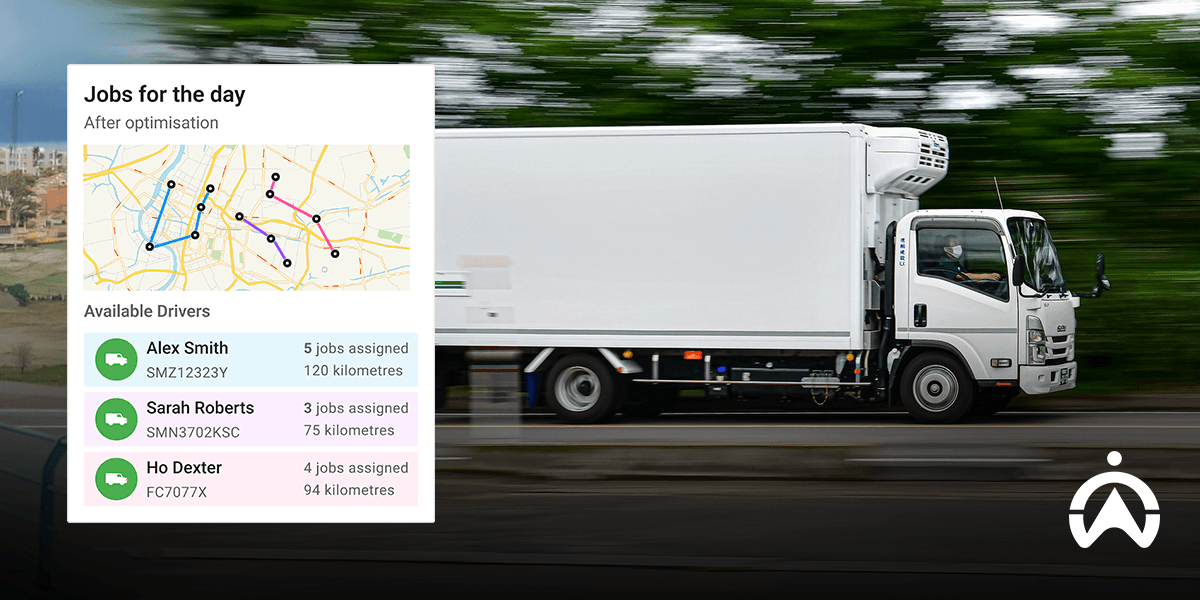
    Fleet managers employ sophisticated route planning tools to optimise driving routes. With Cartrack’s Delivery feature, factors like traffic conditions, route history, road conditions, and fuel consumption data are considered. It can provide drivers with the quickest and shortest route options that avoid deviations and unnecessary travel, resulting in decreased fuel consumption per trip, a decrease in harmful CO2 emissions released by your fleet and overall significant savings in fuel costs.
    ‍

  • Monitor and analyse fuel consumption:

    Cartrack’s fleet management systems provide real-time monitoring of fuel consumption by using data analytics. With this, fleet managers gain insights into individual vehicle performance, driver behaviour, and fuel efficiency trends for each of their vehicles. Cartrack’s MiFleet fuel validation feature can also assist with fuel monitoring by connecting to fuel sensors or CANBus integration to monitor and analyse fuel consumption data, accurately track fuel usage and identify inefficiencies. This data empowers managers to address fuel-consuming patterns, implement targeted training programs for drivers and maximise fuel efficiency across the fleet.
    ‍

  • Driver training and incentive programs:

    Drivers play a pivotal role in increasing fuel efficiency. Some Managers conduct comprehensive training programs to educate drivers on effective fuel-saving techniques. These programs can cover the driving benefits of smooth acceleration, maintaining consistent speeds, reducing idle time, and more. Fleet managers can access detailed reports and analytics on the fleet platform to assess each driver’s performance, and identify critical areas that need improvement. Providing more targeted training and instilling a fuel-efficient culture, helps encourage drivers to adopt eco-conscious driving habits. Incentive programs and Cartrack’s performance monitoring (driver scorecards) can be used to track driver behaviour and reward safe driving, further motivating drivers to drive safer and use fuel more responsibly.
    ‍

  • Vehicle maintenance and performance:

    Cartrack Malawi assists fleet managers in keeping track of vehicles’ health with preventative maintenance alerts and notifying them of scheduled maintenance and inspections to ensure that vehicles operate optimally and avoid costly breakdowns. By addressing issues promptly, fleet managers prevent fuel-consuming problems, like engine misfires that can waste fuel, and ensure that vehicles maintain peak efficiency and avoid unnecessary downtime.
    ‍

  • Environmental sustainability initiatives:‍

    Cartrack Malawi provides tools and features that enable fleet managers to optimise vehicle utilisation and fuel consumption such as asset management, fuel monitoring and route optimisation.

    If a business has electric vehicles in their fleet that need vehicle tracking and telematics technology installed, Cartrack’s leading SaaS platform provides seamless integration to EVs, provides fleet managers with battery management for real-time monitoring of the state of charge and temperature, and has preventative maintenance to track battery health and notify managers when the battery needs to be replaced.

Fuel tracking with Cartrack Malawi

Look no further than Cartrack Malawi for your ultimate solution for efficient fleet management.

Use Cartrack’s advanced telematics and tracking solutions to give you real-time insights into your commercial fleet’s fuel consumption and unlock substantial fuel savings.

Supercharge your fuel savings with Cartrack Malawi Today!

Tracking for the Logistics Industry

Tracking in the logistics industry is a management tool that can also prove to be an invaluable tool in fleet management, providing essential information that will help reduce costs and improve operational efficiencies.

This information includes whether the driver has completed his delivery task, the time or estimated time of completion, and the speed at which the vehicle is being driven. Fleet managers will have far better control of their operations, as they will have first-hand knowledge of the direction that their vehicles are heading in and the routes they are taking. They will also know when their vehicle is resting or when it is stolen. Ultimately, the importance of using tracking as a fleet management tool cannot be overstated.