Car Leasing vs Subscription: What’s the Best Choice for You

Owning a car is not for everyone, some people like the convenience of driving one without dealing with the ownership responsibilities.

This is why options like car leasing and subscriptions have become popular. Finding the best choice for yourself can be difficult, fortunately, we are here to help.

Let’s compare the two and explore how Cartrack works when leasing a car or in a subscription service.

Get insights on:

  • What Car Leasing and Subscription is
  • What the difference is between the two options
  • Which option is best for you
  • Cartrack’s Solutions For Both Car Leasing and Subscription

What To Know About Car Leasing vs Subscription

Getting a car can make a big difference in your life, you are no longer dependent on family members and friends for lifts, and can give up public transport altogether. A whole new world opens up and access to new people and experiences becomes available.

We have often associated this freedom with the direct ownership of a car but that could be further from the truth. Options exist that give you the same benefits as owning a car but with fewer risks, these are car leasing and car subscriptions.

Let’s have a look at what they are and how they work.

Car Leasing Explained

Car leasing is very similar to living in a rental property, meaning a person can enjoy all the benefits of ownership without actually owning the asset. This is usually a long-term agreement where the driver gets to use the chosen car for the contracted period.

  • ‍Terms of use
    This agreement will specify the terms of use, stating who is allowed to drive the car, how the car should be treated, where it is allowed to go, where it is to receive repairs, and many other clauses.
    ‍
  • ‍Mileage
    Depending on the type of lease other terms can be included, for long-term contracts mileage limits can be imposed. This will give the driver a cap on distance travelled with penalties for going over the maximum distance.
    ‍
  • ‍Consideration
    This option can offer the opportunity to purchase the car after a specified time. These are known as lease-to-own agreements, where the contract acts as a rental agreement for the period and then switches to an ownership deal once a specified number of payments have been made.The one drawback of car leasing is that the driver is responsible for insurance and additional costs like maintenance.

Car Subscriptions Explained

A car subscription works similarly to a streaming service, in that you pay a monthly fee and get access to a catalogue of available cars. This service often does not require long-term financial commitment and can be paid on a month-by-month basis.

  • ‍Terms of use
    With this service, a driver can book a specific car based on their needs at that point in time. Someone could get a sedan for daily use and exchange it for an SUV when on a road trip, or a bakkie when moving house.A highlight of this type of car rental is not just the short-term commitment, but the bundled costs. Expenses such as insurance, warranty, and roadside assistance are all included in the monthly fee. You can expect that no surprise charges will be billed to you.
    ‍
  • ‍Mileage:
    Some subscription providers have no mileage cap during the leasing term with the distance travelled not factoring into the cost. This can be an additional benefit for those considering this rental plan.
    ‍
  • ‍Consideration
    The one downside of car subscriptions is that the monthly payment is usually high and can get expensive. This is due to the freedoms given, bundled costs and assumed risk that the provider will be taking on.

Key Differences Between Car Leasing and Subscription

Car leasing and subscriptions may sound similar, and in some cases function the same but they are fundamentally different. Here is a look at how they compare when put against each other.

Car Leasing vs Subscription

Car Leasing vs Subscription

Feature Car Leasing Car Subscription
Contract Length Typically 2-5 years Short-term, monthly or otherwise specified.
Costs Covered Monthly payments and insurance premiums are paid separately. Fees usually include insurance, maintenance, and roadside assistance.
Flexibility Limited, usually the same vehicle throughout the leasing term. Vehicle swaps allowed.
Ownership Option Lease to ownership contracts available. None
Mileage Limits Yes Flexible, dependent on contract.
Maintenance Responsibilities Yes, including repairs. None, usually included in the monthly fee.
A family of three sits inside a car, with the driver focused ahead and the two passengers seated comfortably in the back.

Which Option Is The Best For You?

Now that you know how the two are different, it’s time to decide which one to take on. If you are still undecided there are a few other factors to consider that will assist in making a decision, here are some to consider.

For the Committed & Cost-Conscious Driver

If you are a driver who prefers stability and wants a newer car without the high costs of ownership, then leasing is a great option for you. These are the different types of people who this sort of plan would suit.

  • ‍Budget-conscious individuals
    Not every driver has the same budget when it comes to vehicle financing. If you have enough money to afford the monthly payments for a car leasing agreement but not enough for a vehicle loan, then this is for you.
    ‍
  • ‍Drivers with predictable mileage
    If you stick to a routine and have a predictable commute, these options might also work for you. This means that you will stick to the prescribed mileage restrictions and not incur any additional charges. This is useful as it caters specifically to your needs and allows you to have the convenience of easy travel without any of the additional expenses associated with owning a car.
    ‍
  • ‍Families
    If you have a family then a long-term car rental option is ideal. This is for people looking for a reliable vehicle for school runs, weekend trips, and any other needs the family may have. Having a car for a longer period offers stability and allows the family an opportunity to build routines and establish expectations.
    ‍
  • ‍Business professionals
    If you are a business professional who needs a car but is not interested in committing to a vehicle loan, then this option will work for you. This works best for those who need a long-term car for work-related travel, whether it be from home to the office or client to client. This option offers all the freedom of owning a car without the hassle of dealing with vehicle registrations, license disk renewals and other car-related admin.

For the Flexible & Spontaneous Driver

If you are a driver who values adaptability and convenience in your life, then a car subscription is the ideal car rental option for you. It offers the ultimate flexibility for someone who wants to enjoy a variety of vehicles as and when they need them, without the long-term financial commitment expected from other car rental options.

  • ‍Frequent travellers or digital nomads
    We live in an age where most jobs can be done remotely, which has allowed many people the opportunity to live in whichever area they desire. Digital nomads are often relocating to new cities and sometimes new countries. This is why car subscriptions suit them more, as these types of drivers often want short-term mobility without long-term contracts. This allows them the privilege of having a car at their disposal whenever they arrive in a new territory. An additional benefit is that the cars they choose can be specific to the region they choose, with some choosing bigger cars for rural living, and others choosing smaller cars for city living.
    ‍
  • ‍Expats and temporary residents
    Expats are people living in a foreign country, they tend to be older people who have retired. Because of their age, they often choose not to take on any new long-term financial commitments like car loans, they usually are looking for a car to use daily without committing to a lease. Similarly, temporary residents might find themselves needing a car for daily use. These people might only be in the country for a short period, deeming it unnecessary to take out a loan for a car or to commit to a long-term car lease.
    ‍
  • ‍People who enjoy variety
    If you are a car-obsessed person, who is always looking to experience the newest and latest models then a car subscription will also work for you. If you want the freedom to switch vehicles based on your needs and personal interest then getting a car lease will not work for you. The variety available from a car subscription offers freedom of choice and satisfies that inner hunger you have for the thrill of driving different cars regularly. For you, the higher fee is more than worth it as the benefits far outweigh it.
    ‍
  • ‍City dwellers
    Living in the city usually offers a person a range of transport options, from public transport and e-hailing to vehicle ownership and rental. Some people are not willing to commit to one or the other, choosing to keep all options open. This allows them to use the mode of transport best suited to their needs at that specific time. Car subscriptions come as an additional option for city dwellers who only need a car occasionally and want an all-inclusive cost structure. It allows them to have an additional option to choose from when in need.

For the Full-Time Car Owner

While leasing and subscriptions offer flexibility, many drivers ultimately choose car ownership for the long-term benefits and independence it provides. For all these types of people convenience and security are major factors contributing to the choice they make, this is the case for people who choose to purchase cars.

  • ‍Brand new car buyers
    These people often buy new cars because of the service warranty, modern features and in some cases brand loyalty. They want to drive a car that has no prior history and comes fresh out of the box. This could be a habit that they maintain every few years or a vehicle they intend to keep for the foreseeable future.
    ‍
  • ‍Secondhand or inherited car owners
    There are many reasons why some people purchase secondhand cars, it could be budget constraints, disinterest in modern car trends, the need for a simple means of transportation and many others. The choice is predetermined for people who inherit cars as they are not likely to have played a role in how or why the car was chosen by the original owner. This means that the condition and age of the car are factors they have to contend with and work around.These people can take pride in the fact that the car they drive belongs to them or will remain theirs once they are done paying off the loan. With ownership, however, comes the responsibility of keeping your car safe, well-maintained, and always accounted for.

Car security is a priority for all drivers, regardless of whether they are driving a leased car or one they own. Knowing that you are protected while on the road is a non-negotiable, especially for people whose cars belong to them. This is why getting a reliable vehicle tracking provider is crucial.

Why Cartrack’s Solutions Will Work for Your Car

Having a car in Kenya requires you to be aware of the potential crimes you might experience on the daily. For a criminal it doesn’t matter if the car is rented, leased or owned, they will act regardless.

If you are a car owner who wants to have their car covered in the case of theft or an emergency then Cartrack is the provider for you. Our solutions and offerings give you flexibility, affordability, and convenience, allowing you to focus on enjoying the car that you’re in.

There are many reasons to consider us as your provider, let’s explore some of them.

Mobile App Integration

For ultimate convenience, Cartrack comes with a mobile app that gives you a real-time overview of where your car is and what it is doing. Here is a list of the features you will get as a driver:

  • Trip History
    This feature allows you to review past journeys and mileage. You get to see where you have been along with all the driving mistakes you made along the way. These include: harsh braking, harsh turning and speeding.
    ‍
  • Remote Vehicle Surveillance
    From the app, you receive instant notifications for suspicious activity, such as when your is being used. These will let you know if your car is being moved without your knowledge. This is done through Carwatch, a special feature that acts as a virtual car guard.
    ‍
A person checks a smartphone displaying a Cartrack mobile app and location details his vehicle.

Vehicle Tracking and Stolen Vehicle Recovery

We use advanced GPS tracking technology in all our devices in order to get an accurate reading of your car’s location. Whether your car is in the city or in a remote area our systems work regardless of location.

It is this tracking technology that aids us in quick and efficient vehicle recovery. We are one of the industry leaders in this aspect, coming with an audited average of over 90% stolen vehicle recovery rate. Our recovery teams are skilled and, in some cases, recover a car less than 30 minutes after it was stolen, and sometimes before the car owner is even aware it has been taken.

Geofencing

If you are looking to enhance your safety, then you can create geofences for your car. These are zones that you would have created boundaries around, often for areas that you deem as high risk. When your car enters this location you will get a notification, this is often useful when lending your car to a friend or loved one.

Roadside Assistance

One solution we offer is called Protector, an emergency assistance feature that is deployed whenever it is called upon by the customer. From this feature you get medical, roadside and legal solutions, all at the push of an emergency button.

All the solutions mentioned above will make it easier for you to get around with peace of mind, should anything unexpected happen to you.

Stay Protected No Matter How You Drive

With Cartrack on your side, it won’t matter whether you are leasing a car or on a subscription, we will have you covered and protected regardless.

Contact us today to get a quote or request a demo.

What to Consider When Buying Your First Car

A first car is a huge milestone for many. Although exciting, you can get blindsided if you do not know what to expect. From the upfront cost to the underlying expenses, you should not find yourself in a position that makes you feel like you have made the wrong decision.

Today we look at the key factors to consider when buying your first car, and how safety significantly impacts your vehicle ownership experience.

In this article, you will:

  • Find out which factors to consider when buying your first car
  • See what to expect after buying your first car
  • Find out the Cartrack must-have services that will keep your car safe

Key factors to consider when buying your first car

Buying a car without extensive research may result in you paying much more in the long run than anticipated. To avoid that, here are all the things you should consider to ensure you are making the right choice:

Setting your budget

The first thing to look at when buying a new car is your budget. The budget must be realistic and the only way to do so is by factoring in all the costs that come with owning a car. Here is a list of what to consider when forming your budget:

Upfront costs:

  • Purchase price
    The purchase price will be your biggest expense. Vehicle prices vary depending on the make and model. First, find out which vehicle models are within the price you are willing to pay.
  • Financing
    Most cars are bought through financing, which can be done through a bank or a dealership. If you are buying your car through financing, you first need a deposit. The deposit amount is usually 10–25% of the total cost. It also helps reduce your monthly instalments.

    Some dealerships offer a reverse deposit option, but it comes with higher interest rates and a large amount of money that needs to be paid in cash at the end of your term. A typical car finance contract runs between 12 months and 72 months, so you must be able to pay for your car for that long.

    Another thing you should know is that a good credit score will give you better financing terms when buying a car. So while you are on the hunt, ensure that all your other bills are paid on time.

  • Vehicle registration
    Your car must be registered in your name. If you are buying from a dealership then the vehicle registration cost will already be covered in your purchase price, as they do most of the paperwork to ensure the vehicle is ready for you as quickly as possible. However, when you buy a car privately, the seller needs to supply you with the vehicle’s registration document and inform the authorities of the change of ownership.

Ongoing costs:

  • Fuel costs
    It is no secret that fuel is expensive for most people. Fuel Prices fluctuate due to international oil prices and the exchange rate. You need to check the fuel costs and determine the amount of fuel you can afford each month. The good news is that a lot of the new entry-level cars are fuel-efficient, which has proven to be very helpful.
  • Insurance costs
    In Malawi, car insurance is not compulsory but is a requirement for cars bought through the aid of financial institutions. With the high risk of road accidents and vehicle theft, it is certainly essential regardless of whether your vehicle purchase is being financed or not. Find out everything you need to know about insurance and get an estimate of monthly premiums for the car you want so you can include that in your overall budget.
  • Maintenance and repairs
    Regular maintenance is essential for ensuring optimal car performance. General maintenance checks typically include inspecting your brakes, wheel rotation, oil changes, and air filter replacements. The amount you pay for these routine checks will depend on the type of vehicle you choose.

    Furthermore, you should have some money put aside for unexpected breakdowns. The cost of these sudden repairs can bring you greater issues if you do not already have the budget for it.

New vs. used cars

Are you getting a brand-new car or a preowned one? Both options have their pros and cons, so you should choose wisely.

  • New car: With a new car, you get benefits such as a manufacturer’s warranty, and the latest technological features, and you get customisation options such as choosing the colour. However, new cars are generally way more expensive, making them less accessible to buyers on a budget. Their value also depreciates rapidly with the first few months of ownership. This means if you want to sell the car within the first year or two, you will be losing a lot more than what you paid for initially. Due to the nature of the depreciation, a new car is not considered a wise investment.
  • Used cars: Generally more budget-friendly, and hold better value over time. The downside is that the car may not have a warranty, which means you will be responsible for all the repairs and maintenance fees after purchase. With a used car, you also won’t be able to specify the details you want in your car, such as the colour of the seats. Lastly, there might be some undisclosed problems that you cannot see at face value, that you will only discover after purchase. This leads us to our next point.
  • CPOs: Not all used cars are thoroughly inspected, which is why you should rather look for a certified preowned car (CPO). A CPO car is one that comes with manufacturer backing. CPO vehicles are usually inspected by a trusted mechanic and undergo any necessary repairs before they are sold. The requirements for CPOs differ for each company, but they usually include mileage and vehicle condition. The price of a CPO is usually higher than a regular used car, but not as much as a brand new car, making this option the middle ground.
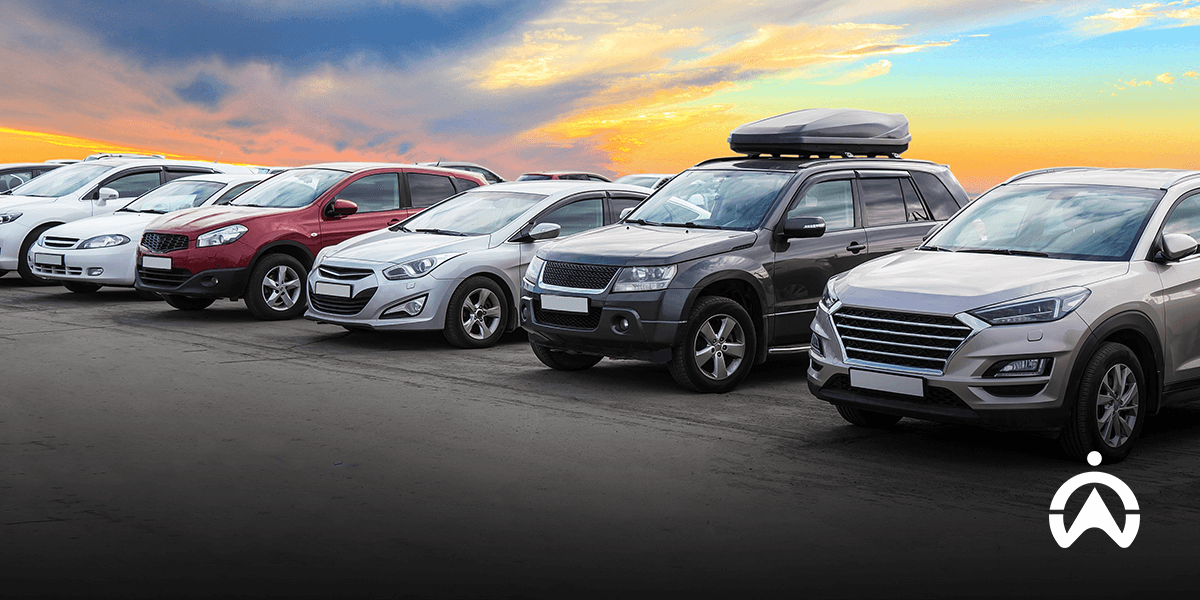
A row of cars parked horizontally at sunset, showcasing a variety of models in white, red, gray, and silver against a colorful sky.

Choosing the right type of car

Your lifestyle needs have a great impact on the type of car you should go for. For example, people who want cars for daily work commutes are more concerned about fuel economy compared to those who will only use their cars occasionally. A person living alone may require a smaller car compared to those living with family. To find out which vehicle model to go for, you first need to understand the different body types.

Common vehicle body types include hatchbacks, sedans, and SUVs. Here is the difference:

  • Hatchbacks are vehicles that are compact and typically folded at the back. They offer a good balance of passenger space and storage capacity. Ideal for those who often travel alone, driving in urban areas. They are also fuel-efficient.
  • Sedans are the classic four-door cars that have a more spacious interior compared to hatchbacks. They are known to be more practical, and comfortable, which makes them ideal for families and daily commuters.
  • SUVs come in various sizes some are compact, others are large. They are designed to handle both smooth and tough road conditions. Suitable for those who often travel out of town and come across rocky roads and gravel paths.

Fuel type is another important factor that you should pay attention to. Are you going for a petrol, diesel, hybrid, or electric car? Here’s what you should know about the different fuel options:

  • Cars with petrol engines are usually more affordable due to them being cheaper to manufacture compared to diesel, hybrid, and electric.
  • Diesel engines use less fuel per kilometre. They can stretch the fuel further, making them more suitable for long-distance travellers. In most cases, diesel costs less than petrol.
  • An electric vehicle is powered by an electric motor. The car does not use petrol or diesel but rather draws energy from a battery that can be charged from an external source.
  • A hybrid car combines a petrol or diesel engine and an electric motor. The two systems work together to keep the vehicle in motion. They are the most fuel-efficient compared to petrol and diesel.

Essential features and safety considerations

Modern vehicles come with many new and exciting features. Some enhance safety, while others are just there for convenience, so you do not really need them. Essential vehicle features include airbags, anti-lock braking systems, blind spot monitoring, and automatic emergency braking. While the nice-to-have features include reverse cameras, heated seats, and adaptive cruise control.

Researching and test driving

Do as much research as you can. Read reviews about how different vehicles hold up in the long run, as well as reviews about the dealership you are looking to get your car from. Once your research yields positive results, then it is time to go for a test drive.

Take an experienced driver or a mechanic with you to get a second opinion. Inspect the vehicle bodywork, check the interior, test out all the buttons, and find out about the service history. The test drive helps you evaluate the vehicle’s performance, so you can pick up any non-disclosed issues.

The buying process and paperwork

The paperwork becomes very easy once you know exactly what documents are required for the transaction. Here’s what you need:

  • ID document
  • Proof of residence
  • Proof of income

Read your contract thoroughly before you sign. Go through the return policies and warranty so have a clear understanding of what to expect. This is also where the registration and title transfers come in, which we touched on earlier.

Car safety: Investing in a tracking device

Vehicle tracking devices are a strong deterrent against potential theft. They increase vehicle security by ensuring the car’s location is always visible. As a first-time car buyer, you should choose a reliable vehicle tracking service such as Cartrack. We boast an average external audited recovery rate of over 90%, are most trusted on Hello Peter, and have nationwide coverage.

A GPS tracking device also helps improve your driving habits by giving you detailed information on events such as speeding, and harsh braking. This further ensures that you are always cautious on the road which will help you avoid accidents and costly repairs. Moreover, tracking devices are a strict requirement for vehicles through financing, just like insurance.‍

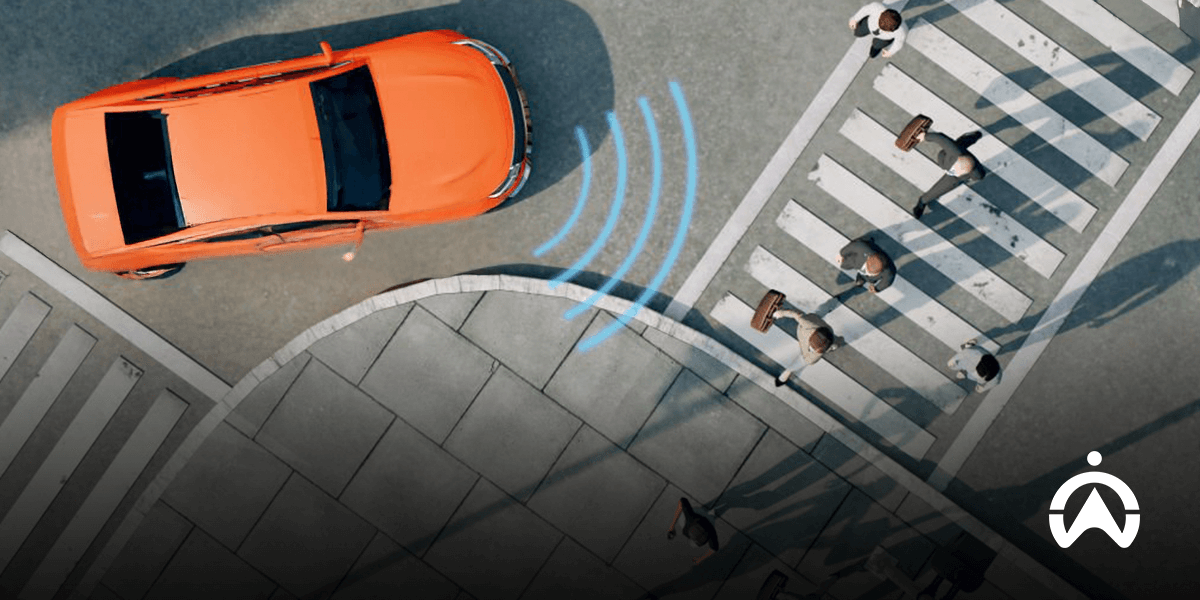
An orange car approaches a crosswalk where several pedestrians are walking, with safety signals depicted above.

What to expect after buying your first car

Once you are done making the big purchase, you need to ensure that you take care of your vehicle. This reduces the amount of times you will have to pay for repairs and it maintains the resale value.
‍

Remember these few things to ensure your vehicle is always in good working order:

  • Always do regular services to keep your engine running smoothly. Set reminders for service dates and don’t forget the oil changes.
    ‍
  • Check tyre pressure and tread depth for safety, fuel efficiency, and tyre longevity.
  • Clean your battery, ensure it is in good working order, and avoid leaving your car in extreme heat. This ensures minimal breakdowns and battery changes.
  • Skipping regular brake inspections may lead to reduced stopping power and potential brake system failures. Check for issues like worn out braking pads before they lead to costly repairs.

Keeping you and your car secure with Cartrack

Cartrack is one of the leading providers of vehicle security services, with over 2 million subscribers. Our solutions ensure that your vehicle is always safe and that you also feel protected. We make sure your daily trips and overall vehicle experience as a first-time car owner, are enjoyable. Here are some of our other services that will enhance your vehicle’s safety and make your life easier:

  • ‍Stolen Vehicle Recovery
    We are always ready to get your car back to you in the unfortunate event of theft. Cartrack has a vast network of highly trained recovery response teams throughout the country, along with police aid. This ensures that your vehicle is recovered as quickly as possible.
    ‍
  • ‍CarWatch
    Our Carwatch feature is a value-added service that ensures your car remains where you left it. All you need to do is activate it on the Cartrack mobile app after parking your car, and we will give you an alert if the car moves without permission.
    ‍
  • ‍Protector
    Cartrack Protector is a value-added service that ensures that you are never left stranded on the road. It provides roadside and medical assistance at the push of a button on our mobile app. Considering that we already have access to your location, it will be easier for us to quickly get to you.
    ‍
  • ‍Road Vision
    Give yourself a silent eye-witness with our Road Vision solution. This is a forward-facing dashcam that will help prove your innocence in accidents and cases of false insurance claims. The Road Vision Camera comes with cloud-based storage, giving you ample space, and clear videos and allowing you to download and live stream at any time.
    ‍
  • ‍Cartrack Insurance Agency
    As stated earlier, car insurance is essential. The Cartrack insurance agency simplifies the process for you by narrowing down the search and giving you quotes from top reputable insurance providers.

Choose the most trusted vehicle tracking company for your first car

Our advanced innovations ensure that you get the best experience out of your first car. Join us today and drive with confidence.

Quick and Easy Steps to Checking Your Car’s Fluid Levels

Owning a car comes with some responsibilities that can not be negotiated. One of these is vehicle maintenance, especially when a car is getting older.

The simplest car maintenance task you can do yourself is checking fluid levels to ensure they are within the recommended range. Doing this regularly reduces wear and tear on your car, keeping it in good health for longer.

We have put together a simple guide on how to check your car’s fluid levels and how Cartrack’s maintenance solutions can help you.

In this article, you will:

Why Checking Your Car’s Fluid Levels Is Important

We all want a car that always runs smoothly and never suffers any issues, but unfortunately, that is not always the case. Every car will eventually experience one mechanical problem or another. These can compromise vehicle health and roadworthiness, affecting driver and passenger safety.

Your fluid levels can be checked monthly or as recommended based on your vehicle’s age and condition. This process is quick, easy, and requires no special tools; most drivers can take the task on with relative ease.
‍

Here are some reasons why checking car fluids is important:

  • Ensures smooth engine operation
  • Maintains proper transmission performance
  • Overheating is prevented with coolant
  • Enhances braking safety
  • Protects the power steering system
  • Improves fuel efficiency
  • Prevents expensive repairs
  • Enhances resale value

Low or contaminated fluids can cause overheating, braking issues, or engine damage, which may lead to costly repairs. These are all consequences that can easily be avoided with a few maintenance checks on a car every once in a while. In Lilongwe, it’s estimated that a mechanic can charge up to MWK 20,000 to examine and diagnose your engine.

These are very large sums of money, especially when unexpected. This is why doing these smaller checks are important, we can assure you that when done correctly, these measures can yield great results for your car in the long-term.

Easy Steps to Checking Your Car’s Fluid Levels

Checking fluids can be done as part of a pre-or post-car inspection, both for daily use and long-distance travel. Let’s go through the steps you need to take when checking your car’s fluids.

Step 1: Park on a Level Surface and Let the Engine Cool

When starting a fluid check, the car must be parked on a stable and level surface with a cooled engine. This ensures accurate readings from the fuel rods and other measuring tools.

We advise switching off the engine and waiting a few minutes before opening the bonnet to start the checks. This will protect you from the steam build-up that will come jetting out of the engine or water tank, which happens when those liquids have not cooled sufficiently.

Step 2: Locate the Fluid Reservoirs

The next step is to identify the specific fluid you need to check or replace. Here is a list of the key fluids that need regular inspection and what the fluid does:

  • Engine oil – Lubricates engine components.
  • Coolant/Antifreeze – Regulates engine temperature.
  • Brake fluid – Ensures proper braking performance.
  • Transmission fluid – Keeps gear shifts smooth.
  • Power steering fluid – Aids in easy and smooth steering.
  • Windscreen washer fluid – Keeps visibility clear.

Most of these can be accessed directly from the engine, with symbols on each to indicate what they are and do. If there is any uncertainty, check your car’s manual for further explanation on where to find these fluids.

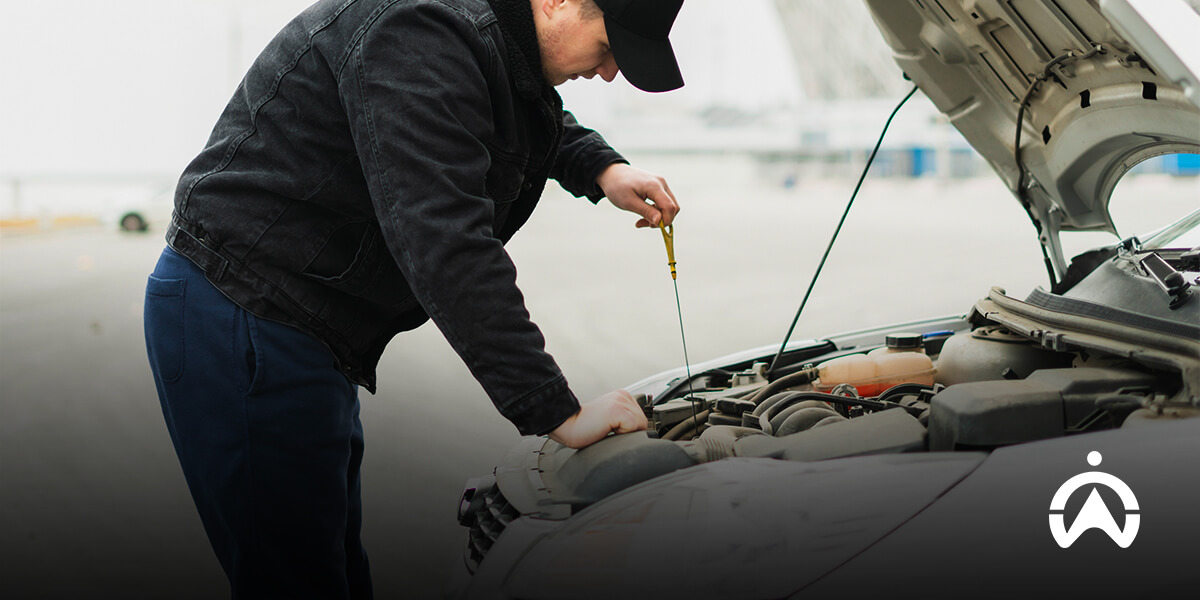
A person in a black jacket and cap inspects the engine of a car with the hood raised, checking the oil level with a dipstick.

Step 3: Check the Engine Oil

One of the easier fluids to check is engine oil. Once the bonnet is open, pull out the dipstick from the engine, wipe it clean, reinsert it, and check the level. The oil level should be between the two marks on the dipstick. If it falls below the lower mark, it needs to be topped up.

It is also important to consider the oil colour and consistency. The darker and grittier the oil is, the likelier it is to need changing.

Step 4: Inspect Coolant Levels

In order to check the coolant level, you must look at the reservoir markings. They will indicate where the coolant needs to be for it to be full. Make sure not to overfill the coolant by going over the “Full” marking.

We must warn you against opening the radiator cap when the engine is hot. This will release heated coolant and gas which may cause severe burns.

Step 5: Examine Brake Fluid and Power Steering Fluid

If you are looking to check brake fluid, look for the brake master cylinder, usually on the driver’s side, where the brake fluid reservoir will be attached. You can check these fluid levels against the “Min” and “Max” marks, this will let you know if you need to top it up or not.

It is important to know that low brake fluid could indicate worn brake pads or a potential leak. This will need to be investigated by a technician in order to get the most accurate prognosis.

Step 6: Assess Transmission Fluid

The best way to check automatic transmission fluid is by using a dipstick. This process will be similar to the brake fluid one, where you check the stick’s markings. The level should be between the “Max” and “Min” markings.

Transmission fluid should be red or pink. A darker colour may indicate contamination or burning, which requires attention.

Step 7: Top Up If Necessary

When topping up fluids, make sure to clean the area and, where applicable, remove components for cleaning. If the fluid appears to be contaminated, then you should drain it and replace it with new fluids.

Engine oil, coolant, and other car fluids can be found at major supermarkets or petrol stations, ranging from MWK 48,000 to MWK 68,000 per container of engine oil and coolant from MWK 48,000 to 100,00 MWK for 1 Gallon depending on the brand. This price will depend on the brand and quality of the fluid being purchased, with more premium brands costing more.

Always make sure to use the correct fluid type as specified in the owner’s manual. This should also be the case when replacing fluids or topping them up.

Check your dashboard after doing these changes and make sure none of the lights are on, as this could indicate that one of the fluids is still low.

Cartrack’s Smart Vehicle Maintenance Solutions at Your Fingertips

Keeping track of fluid checks can be challenging amid a busy schedule, however, it is important to do so if a driver wants to avoid getting into a car accident. Fortunately, Cartrack has features that can assist with this problem.

Here’s what we have on offer to help:

Comprehensive Vehicle Tracking Solutions

Cartrack’s advanced car tracking system does more than just monitor your car’s location, it comes with a host of solutions to help with car maintenance. Our technology has built-in telematics and vehicle diagnostics, all of which are meant to give accurate reports on driver behaviours that might influence vehicle health.

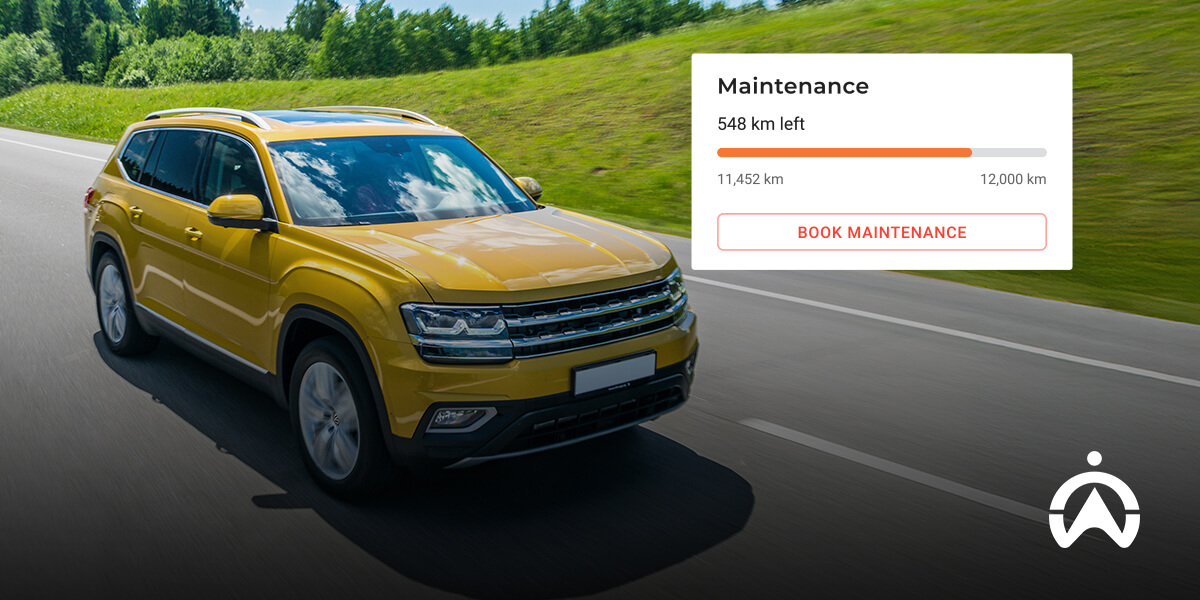
A yellow SUV drives on a road with a maintenance reminder showing 548 km left until service is due.

Real-Time Vehicle Diagnostics for Proactive Maintenance

Unexpected breakdowns can be both inconvenient and expensive. This is why receiving early warnings is important, as it allows you to address minor issues before they escalate into costly repairs.

Cartrack’s vehicle diagnostics provide real-time alerts on key vehicle health indicators, fluid level detection depends on your vehicle’s CAN bus compatibility with telematics. The alerts can be for:

  • Low fluid levels (oil, coolant, brake fluid)
  • Battery health warnings
  • Engine performance issues
  • Potential mechanical faults

Checking your car’s fluids with this system in place is much easier as you will now have a more comprehensive view of all the factors affecting your car’s overall health.

The Cartrack App: Your Personal Vehicle Assistant

Whether you drive a brand-new car or an older model from your grandparents, our app ensures you will never miss a critical maintenance check. With the mobile app, keeping up with car maintenance has never been easier. The app provides:

  • Maintenance reminders based on mileage and service history
  • Instant alerts for low fluids or urgent mechanical issues
  • Detailed vehicle health reports to track long-term performance

Having this technology at the tip of your fingers makes it easier to stay on top of all car maintenance. These can be sent to you as reminders and come as reports as well so you have an overview of what is happening in your car.

Keep Your Car Running Smoothly With Regular Fluid Checks

Your car will not always run smoothly, but there are things you can do to help. Doing regular fluid checks and changes is one of the things that you can do, it is fairly simple and does not require technical skill. What is important is that they are done early or as soon as there is an indication that something is wrong.

With Cartrack, these issues are a thing of the past. Our offering provides full diagnostics and gives you alerts when something is wrong. If this sounds good to you, then contact us to learn more about what we can do for you.

Optimise Maintenance for your Fleet

Cartrack’s fleet management system tracks your service needs based on the kilometres that your vehicles have driven and alerts you when a particular vehicle needs service. Service alerts can help save fuel and reduce your maintenance costs at the same time.

Here’s why this system is so beneficial:

  • Using automated maintenance alerts can help you ensure that your vehicles are maintained and remain in peak condition
  • You can set up automated alerts for service reminders
  • You can schedule reminders and keep a recorded  history of past services

REDUCE FUEL COSTS WITH CARTRACK FUEL MANAGEMENT

Fuel monitoring helps to reduce your fleet running costs by quickly detecting any discrepancies caused by fuel theft. Here are some of the benefits:

  • You can track fuel consumption on a per vehicle basis versus mileage
  • You will receive reports on abnormal vehicle fuel usage to combat fraud
  • You will get alerts on fuel theft
  • Excessive idling will be reduced
  • You can control speeding and therefore use less fuel

SECURITY SERVICE INDUSTRY

Security teams require a quick and easy way to ensure that they can monitor their assigned assets with a minimal amount of hassle.

Here are some of the ways that they can accomplish this goal:

  • Tracking and Reports: real-time tracking enables you to be aware of your asset locations and your status information.
  • Geofencing and Notifications: fences can be digitally set so that objects are restricted to a prescribed geographic region.