Protect Your High-Risk Staff With a Security Guard Vehicle Tracking System

Security guards are high-risk workers that rely on road safety measures and clear communication to do their jobs optimally and stay safe. We need these people, and we need to find better ways to keep them safe (since that’s what they do for us). This is especially true during times when they’re responding to security alerts.

Road traffic collisions are a major public health issue in Malawi, and first responders operate in high-risk environments with limited pre-hospital care infrastructure, which may expose them to stress and trauma, though precise local data on fatality and PTSD rates are lacking. This is higher than the number of fatalities suffered by the general population. The reason? Fast-moving traffic and secondary incidents that happen DURING the response.

At Cartrack, we’ve thought about these realities while developing our fleet management software. We’ve also talked to fleet managers who deal with real-life problems in this high-risk industry every day. If you manage a fleet of security guards or operate in this line of work yourself, this article will guide you on how to keep security guards safer and more efficient on the road.

How can high-risk staff be kept safe on the roads?

The best way to keep high-risk staff safe on the roads is through a system that:

  • Prevents accidents
  • Shows evidence of what happened during an incident
  • Provides full visibility into cabins & roads
  • Provides full real-time remote guidance and training while responders are on the road

Defining high-risk industries in Malawi

High risk industries in Malawi are typically those that employ security staff to be first responders to incidents like trespassing, criminal activity, or break-ins. They include the hard-working security guards that patrol our neighbourhoods—that we pass by every day, often without a second glance.

It’s helpful to take a closer look at how the security guard industry faces challenges and how those challenges can be met through technology like fleet management software. When we’re talking about “protecting” high-risk staff on the roads of Malawi, we must find ways to keep them safe by understanding the dangers they face on a day-to-day basis.

What are some of the dangers high-risk staff face on the roads?

Some of the dangers faced by high-risk staff on our roads include having to rush to a scene on less-than-optimal roads, and having to deal with other road users while doing so. Other challenges can be loadshedding, bad weather, and heavy traffic on busy roads. These situations can make it dangerous for high-risk staff to do their jobs.

Cartrack has tried to look at the security patrol industry from an angle of safety. Subsequently, we’ve come up with various solutions that keep high-risk staff safe. But first, we must understand the INDIVIDUAL challenges this industry faces.

Security guard response times

Security guards that drive around your neighbourhood are under a lot of pressure to respond quickly when signalled to do so. But this isn’t always easy. Damaged roads, heavy traffic, and bad weather can take minutes off a response time, resulting in a late arrival.

What security patrols need is better route planning to get to their destinations faster (whether they’re familiar with the roads or not). They also need ways to bypass other road users without putting THEM in danger.

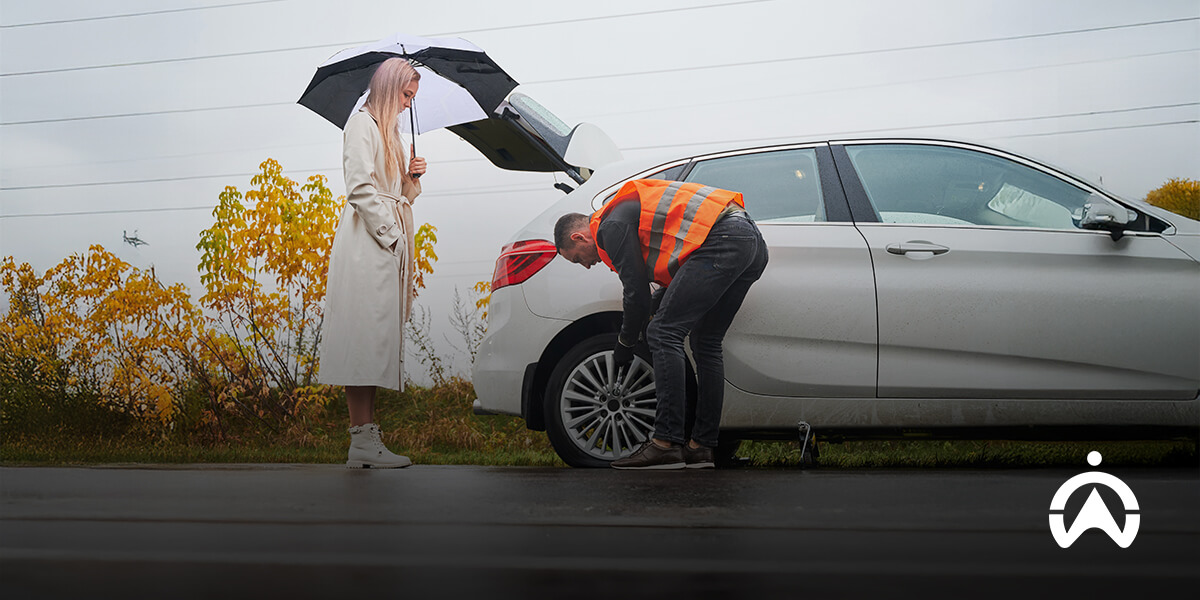
Example: A security guard patrols the roads of a small town in Lilongwe, Malawi. He knows the roads well, and knows exactly which road to take when he receives a call that a possible robbery is taking place. He rushes to the scene, but hits a massive pothole on his way there. His tyre is flat and he’s stranded, not able to assist in the incident he was closest to.

Visual evidence of incidents

What about when the security patrol reaches its destination? Knowing what transpired during that incident is of utmost value if certain claims are made after the fact. Security guards are dealing with dubious characters that might lie to get out of trouble, and place false blame on the guard to take attention off themselves.

Hard-working security personnel will have more evidence of what transpired at an incident scene with vehicle cameras that provide a POV (point of view) of their arrival, and possibly their subsequent actions.

Example: A security guard is called to investigate vagrants on private property. When he gets there, he finds them selling an illegal substance to passer-by. When confronted, the vagrants claim that the illegal substance was planted on them by the security guard in order to frame them. But vehicle camera evidence proves their claim to be a false one.

Optimal vehicle health

When patrols are called to investigate a security breach, speed is of the essence. To achieve a good response time, they need to have their vehicles in optimal condition. This is another form of protection for your high-risk staff, because they drive around a lot, and often need to dash from one place to the next in a hurry.

What your security fleet needs is a rotation of healthy vehicles that can always be counted on to get your guards to their destination safely. A good FMS will always schedule vehicle maintenance according to individual vehicle conditions—as opposed to a flat schedule.

How? Vehicle diagnostic hardware, coupled with predictive AI maintenance scheduling, gives you a big picture view of your fleet’s health. Now your vehicles are not only on the road more regularly, but they can also be relied upon by your guards for timely responses.
‍

‍Sounds like a lot of challenges. Can one solution solve them all? Contact Cartrack today and find out how far technology has come to keep your high-risk staff safer and more efficient on the roads.
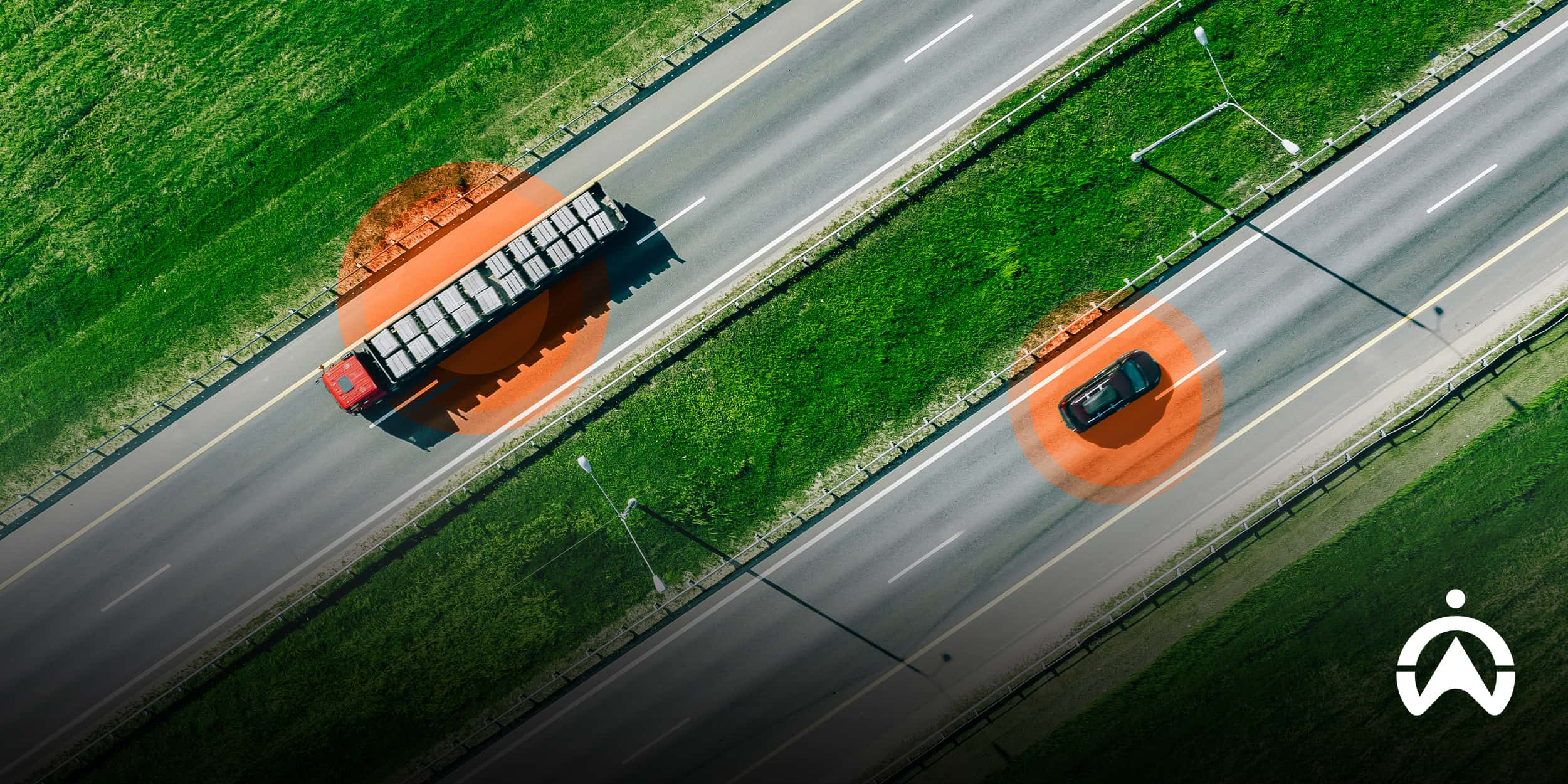
High-risk staff drivers monitored using fleet safety and tracking technology

How does FMS solve high-risk road challenges for security guards?

Fleet management software solves the challenges of high-risk staff by providing them and their dispatchers with more comprehensive visibility, route optimisation, and communication. Using camera technology, AI-powered software and GPS, high-risk industries can optimise their operations and become safer and more efficient at work.

The goal at Cartrack is simple:

  • We want to prevent accidents
  • We want to give you a full view of what your security guards face each day and night
  • We want your drivers and first-responders to be more efficient in their services

With that in mind, let’s look at how FMS allows you to do these things.

Full visibility

FMS uses camera technology to record pertinent footage of road events, as well as in-cabin events (if that option is chosen). This gives you as the high-risk staff fleet manager a majority of the information you need to:

  • Accurately deal with insurance claims
  • Hold your drivers accountable for their driving habits
  • Record on-site incidents for a fuller picture

Security fleet managers know how often insurance claims are made in this industry. They also know how important it is to maintain a reasonable “duty of care” so that premiums don’t shoot through the roof.

GPS tracking and route optimisation

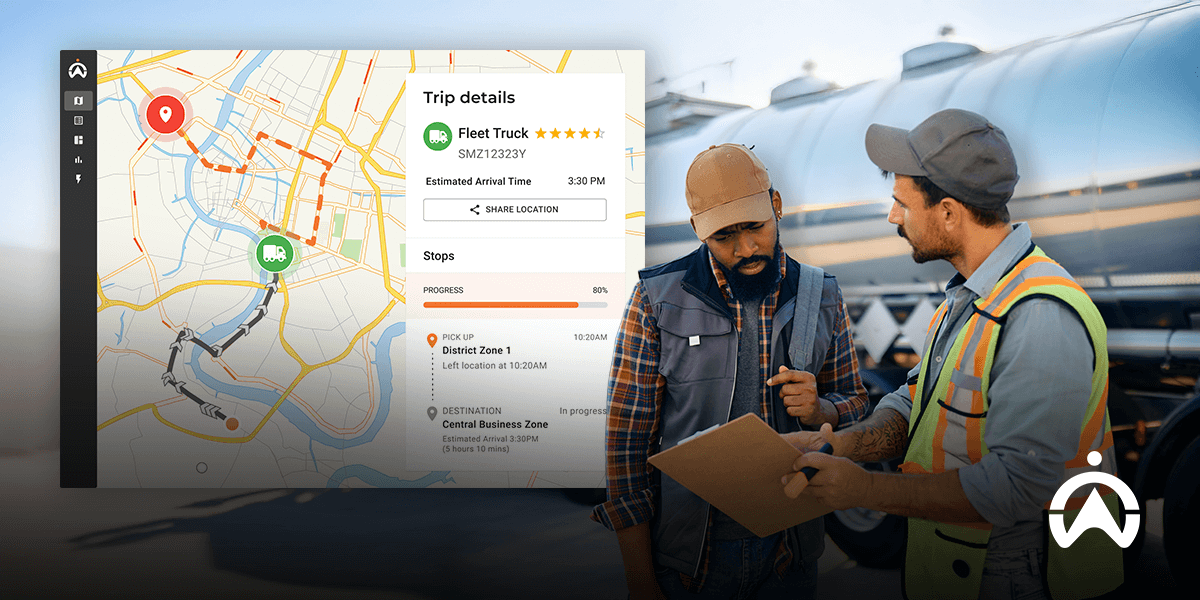
Combined with vehicle cameras is GPS tracking. These two work well together to help guide & direct your high-risk staff while they’re on the roads. GPS tracking, coupled with AI, also helps you plan out the best possible route at any given time, taking into account the current traffic, road conditions, road blocks, etc.

As we’ve already seen, timing is of utmost importance when it comes to first-responders. If your team is spread out across a city or suburb, GPS helps you assign the closest available person to the scene, allowing them to get there faster.

Driver coaching

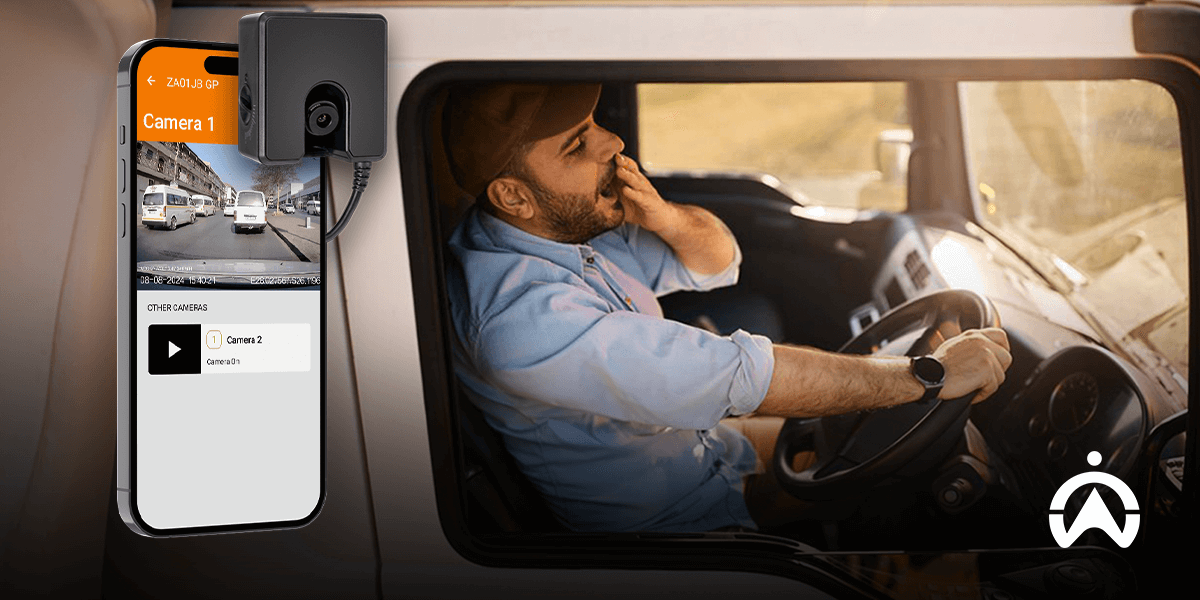
Further to the first point (driver visibility), driver coaching is also possible with new AI camera technology. This isn’t just about recording a bad driving event and dealing with it later. Today you can allow your cameras to do this in real-time, alerting you and your drivers to risky or potentially dangerous actions that need to be corrected IMMEDIATELY.

Driver coaching also allows you as a fleet manager to REWARD those drivers who consistently show good driving. Let’s be frank: when it comes to security patrols, some emergencies might call for riskier driving to get to the scene quicker. But an FMS system can help distinguish between when driving should be calm versus when it calls for speed and risky manoeuvring.

Incident alerts

First responder emergency staff are at a higher risk of being involved in an incident themselves while responding to another. When this happens, it needs to be attended to fast.

Collision alerts form part of modern-day fleet management software. This helps you keep your high-risk staff safer by knowing exactly when a collision has taken place, where they are, and who’s the closest person to offer assistance.

This is what makes a security guard vehicle tracking system worth getting if you want to:

  • Build your reputation as a security guard company
  • Promote a better safety culture within your organisation
  • Keep your security personnel effective in their duties
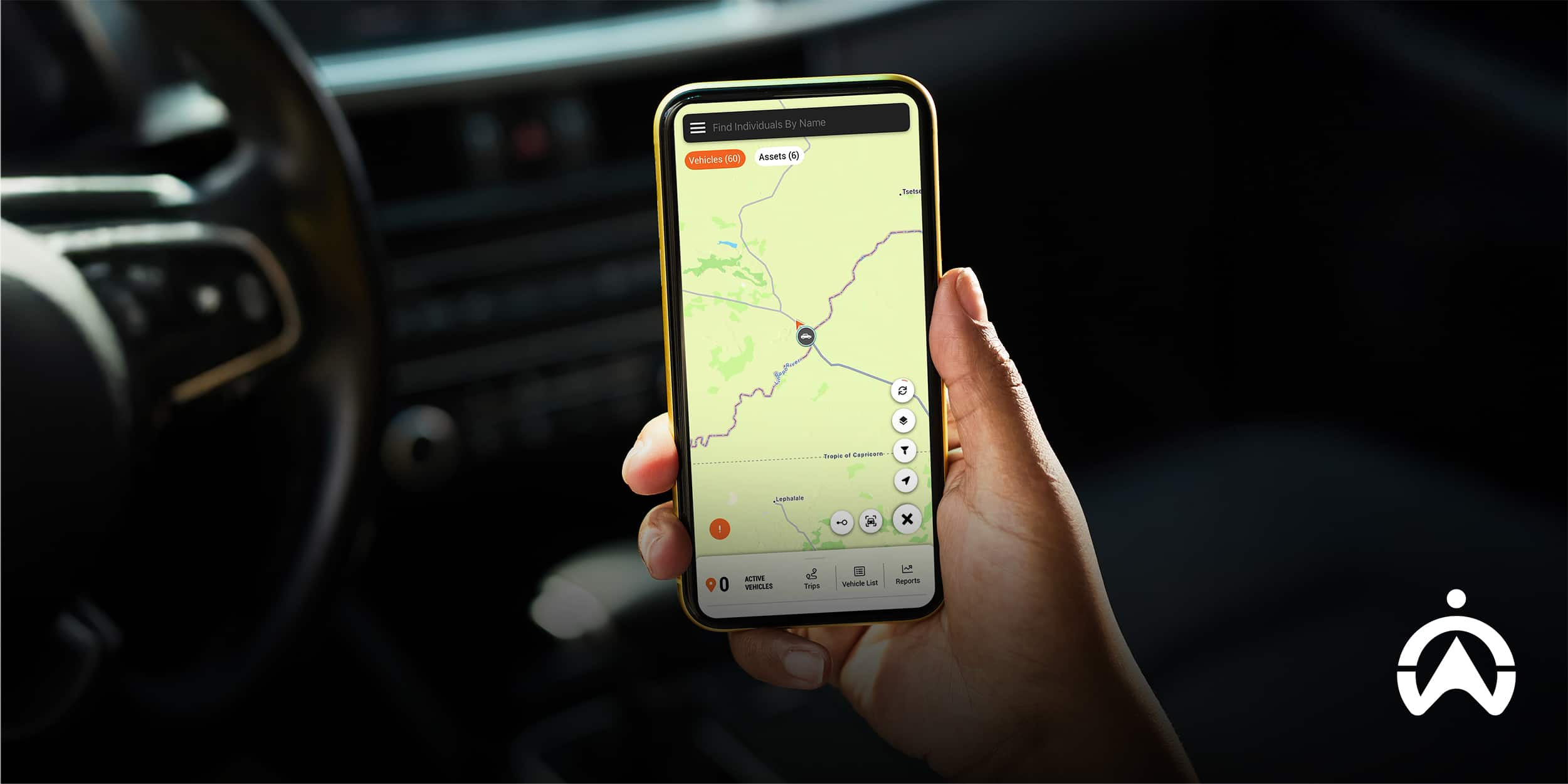
Smart fleet management tools protecting high-risk staff drivers on the road

Where does Cartrack fill the gaps for high-risk industries?

Cartrack fills the gaps for high-risk industries by offering real solutions to everyday challenges faced by security guards. By expanding visibility for fleet managers, monitoring driving & location, and having a record of what happened at every incident, high-risk staff are kept safer on SA’s roads.

What FMS solution should I choose?

Good question! The great thing about Cartrack is that we don’t believe in a one-size-fits-all approach to FMS. Instead, we listen to what you face each day and tailor our product offering according to what solutions would benefit you the most.

Why is this good for you?

  • You never pay for tools or features you don’t need
  • Your tools are perfect for the job at hand
  • You can integrate existing tools with ours

What if our FMS needs change in the future?

If your fleet management needs change in the future, Cartrack’s solutions are designed to adapt. Whether your operations become larger or smaller, we’ll be there to scale your FMS according to your needs.

What if I already have FMS tools and just want them upgraded?

Perfect! Cartrack’s FMS is designed to integrate into your existing platform. Why get a whole package when you only need a few extra features? We can help you with that—just give us a call!

Protect your high-risk staff today. They deserve your protection. And us as Malawians need these modern-day heroes to protect us. So give them the best fleet management Malawi has to offer. Give them Cartrack.

Frequently asked questions about how to protect your high-risk staff

How can I train my drivers to be safer on the road?

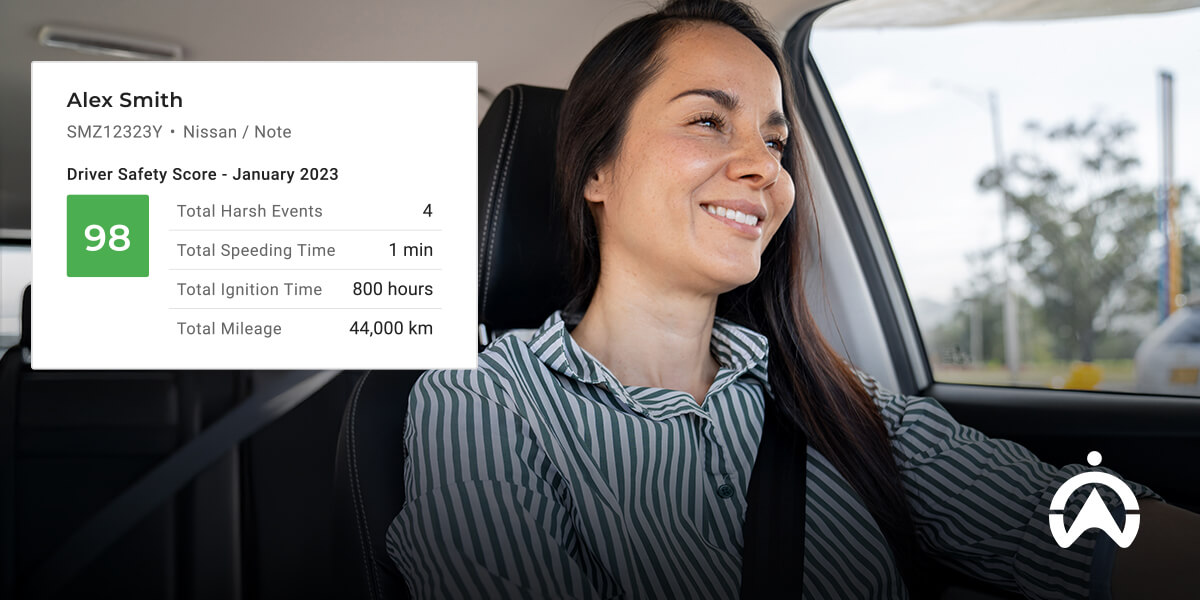
The best way to train your drivers to be safer on the road is through Cartrack’s driver scorecard system. It monitors and corrects driving, but also gives you a big picture perspective of who’s driving well, and who isn’t. From there you can easily address individual issues and fill the gaps for drivers who need guidance in certain areas.

Can dashcam footage be used in court to exonerate my drivers?

Yes, in Malawi dashcam footage is admissible in court and can be used to exonerate your drivers if they weren’t at fault. For fleet companies, dashcams have become an absolute must-have, as they can save you thousands in insurance disputes and legal cases.

Is AI technology being used to keep people safer on the roads?

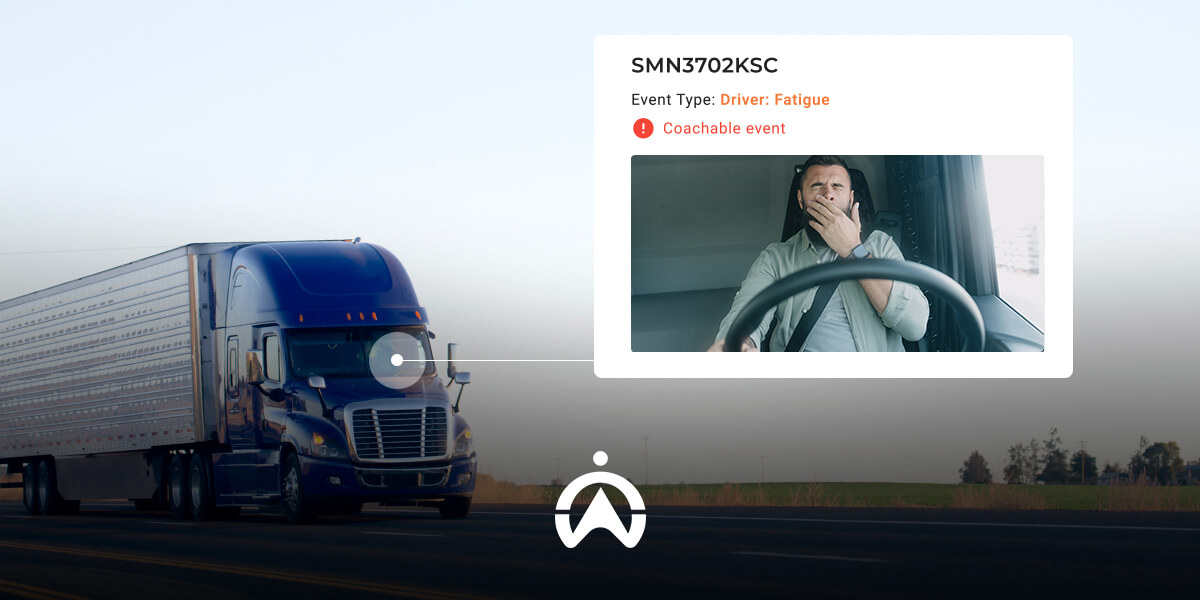
Yes, in many ways AI is being integrated into FMS to improve it and keep people safer on the roads. A main way this is done is through AI cameras that detect smoking, eating or drinking, distraction, fatigue, and even seatbelt use.

Get an Insurance-Approved Vehicle Tracker Today

If you have a vehicle, big or small, you should get an insurance-approved vehicle tracker today—because in Malawi, it’s a necessity, not an option. Drivers and fleet owners not only have to worry about hijackings but also the financial strain that comes with having your vehicle stolen.

According to reports from the Malawi Police Service, vehicle theft and hijacking incidents do occur in Malawi, particularly in urban areas. While not as widespread as in some other countries, these incidents still highlight the importance of vehicle security and vigilance among drivers.

So what does this mean? It means that on top of worrying about dropping your kids off at school, avoiding traffic, dodging potholes and getting your stock to your clients; you now also need to worry that every time you’re on the road, if you’re going to be a statistic.

At Cartrack, we unfortunately can’t remove the thieves from the road, but we can make their “jobs” harder, your lives safer, and possibly your insurance premiums lower—all thanks to our top-of-the-range vehicle tracking device.

Why do insurance companies insist on certain brands of trackers?

Insurance companies insist on certain brands of trackers because only some trackers have been certified by recognised independent organisations in Malawi. This certification backs the quality and reliability of the device, meaning that the chance of your vehicle being retrieved after being stolen is much higher.

The aspects that recognised independent organisations check on a tracking device include:

  • Battery life
  • Durability
  • The device’s communication capability during an emergency

It’s the same reason you’re more likely to choose an established phone brand when buying a new phone. You trust that the brand made a quality phone that won’t break after a small fall. Your vehicle is a much more valuable asset compared to your phone, which is why you should want to protect it with the right, reliable tech.

A bonus to you for getting an insurance-approved tracker means that you’ll possibly be able to lower your insurance premiums!

How an insurance-approved tracker saves your pocket

An insurance-approved tracker saves your pocket by removing the financial burden that comes with having your car stolen. A high-quality tracking drive (like the one from Cartrack) will increase the chance of you getting your vehicle back and just having one fitted will likely lower your insurance premiums.

Protecting your asset

An insurance company is there to help you out when something happens to one of your assets. A tracking device helps keep one of your biggest assets safe, assuring you and your insurance that if your vehicle does get stolen, the chance of you getting it back is high.

Think about the costs that come with having your car stolen. You now need to figure out how to get around, and using an e-hailing company or renting a vehicle is expensive. And even with insurance, the payout usually doesn’t cover the full cost of a new vehicle, which is why it’s always better to have your vehicle recovered than to rely on the settlement.

One of the reasons insurance companies love Cartrack is because we have numbers to back our claims.

Person tampering with vehicle, highlighting need for an insurance-approved vehicle tracker for theft protection.

Protect the person, not just the car

Tracking devices help protect the person, not just the car. This is because modern tracking devices do more than just track a GPS location. Tracking devices, like the one from Cartrack, have features like panic buttons, roadside assistance and automatic crash detection.

All of these features put you at ease when you’re on the road and reduce your risk valuation from your insurance company. So if you look at it like that, it’s really a win-win situation.

Trackers can turn compliance into a competitive advantage

An insurance-approved tracking device will help you turn compliance into a competitive advantage because you’ll have secure and reliable eyes watching your fleet when you can’t. Advanced tracking devices also give you operational insights that you’ll be able to turn into valuable insights.

Reduce your fleet’s total risk cost

Businesses with fleets often have the highest insurance rates on their vehicles. This comes down to the fact that you’re a higher-risk client compared to the everyday person. Your fleet travels on busy roads constantly, they carry expensive cargo, and trucks and delivery vehicles are more expensive in general.

It also makes business sense to try and reduce the total risk cost associated with your fleet. When you install insurance-approved trackers in your fleet, you have the ability to negotiate with your insurance provider to get lower rates.

Rapid recovery keeps your business moving

Let’s say one of your heavy-duty trucks carrying half a million rand in materials has been stolen. Dealing with the insurance to get the payout isn’t even half of the battle you’ll have to fight. What about the client waiting for their stock and your driver that has been traumatised?

Invest in a tracking device from Cartrack that has rapid recovery teams, and who’ll work around the clock to get your truck back before the cargo has been stolen or damaged. Invest directly into the success of your business! 

Improve your driver’s behaviour

An insurance-approved tracker has the ability to provide you with accurate data on your drivers’ driving behaviour. This tech allows you, as the fleet manager, to monitor how your drivers are performing on the road. 

You’ll know if they’re:

  • Speeding
  • Breaking/cornering harshly
  • Idling excessively
  • Stopping at unplanned destinations
  • Taking unauthorised detours

Having the data available gives you a leg to stand on with your insurance company because you can prove to your insurance provider that you have reliable and responsible drivers.

The tech behind a certified tracker

The tech behind certified trackers is multi-constellation GNSS and GSM tech. This technology is what ensures accurate location tracking and prevents signal jamming. One of the main reasons insurance companies prefer certain vehicle trackers is because only certain devices have advanced tech that can truly support vehicle recovery.

What are multi-constellation GNSS and GSM?

GNSS and GSM are advanced tracking units that are designed for finding your vehicle even in the most remote/low-signal areas. Basic tracking devices solely rely on GPS tech, but advanced units, (like the ones from Cartrack) use multi-constellation GNSS, which connect to multiple satellite systems.

This is why we have such a high recovery rate, and why insurance companies love us! 

Jamming detection and alerts

Criminals have gotten smarter, and instead of them just taking your car and hoping for the best, they’re using signal jammers to block the signal of your tracking device. At Cartrack we like to be one step ahead. Our tracking units are designed to detect when our signal is being blocked, and when this happens the unit will trigger an internal alarm and send an alert to our control room.

This type of tech gives us the insurance stamp of approval! 

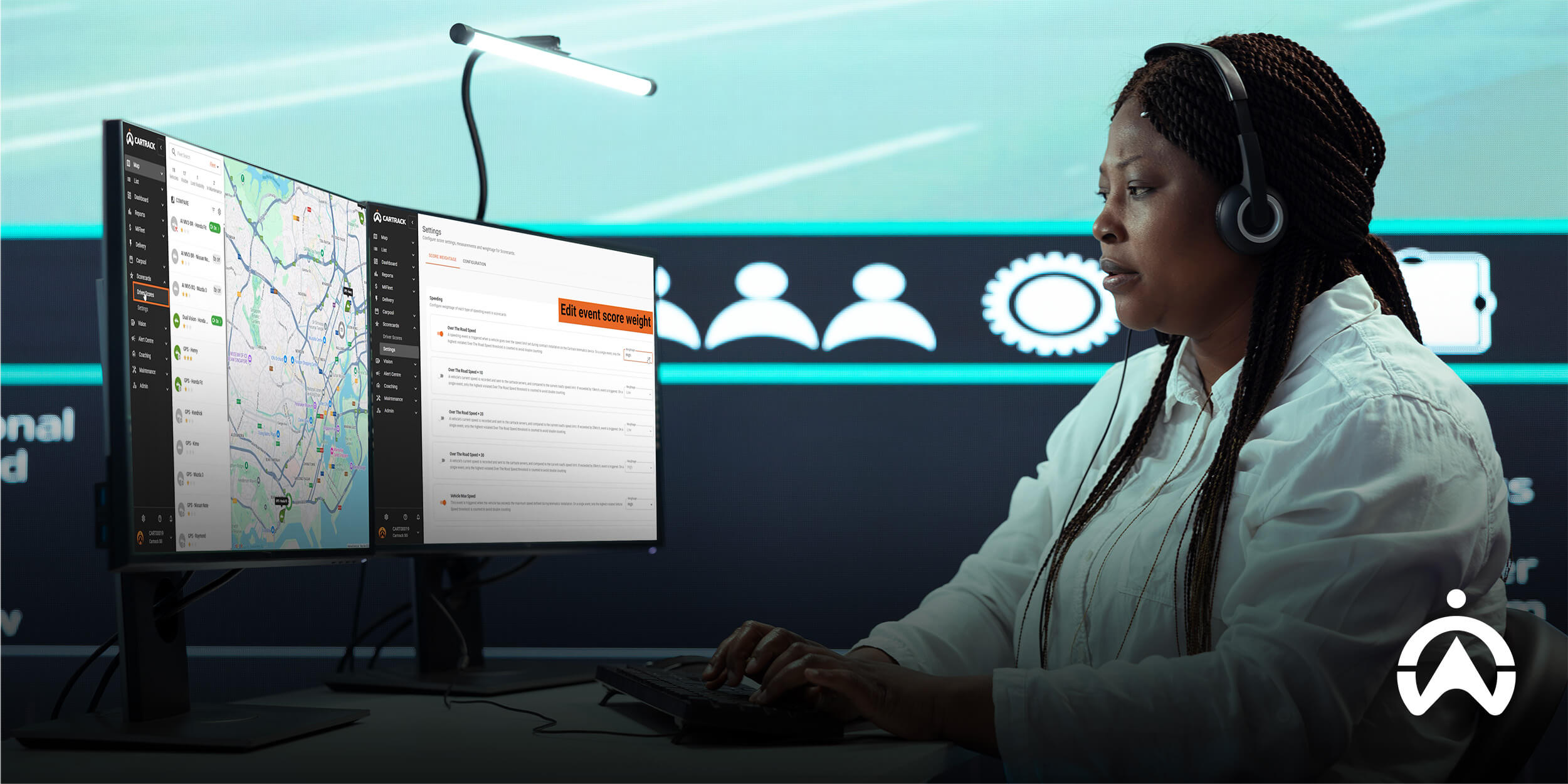
Operator in control room monitoring live tracking dashboard for an insurance approved vehicle tracker.

Durability and backup battery

A tracker can’t be useful if it can be disabled when the car battery wires are cut. An insurance-approved tracker, like ours, has a backup power source. This way the signal will still be transmitted even without the vehicle’s main source of power. Cartrack’s tracking devices are also designed to handle extreme temps and vibrations.

Giving you the reassurance that you’ll always be protected no matter the circumstances. 

Cartrack: The gold standard for insurance-approved trackers

Cartrack is the gold standard for insurance-approved trackers because we can back up our claims with numbers. Over the past 10 years we’ve recovered around 100 000 vehicles, and every day we’re recovering more! We also have a lifetime maintenance warranty on our hardware, making sure you’ll always be protected.

And if you’re still unsure as to why you should choose us to be your insurance-approved tracker, remember that there are a lot of companies that can show you where your car is on a map…but there are only a few that can go out and get it for you. And Cartrack is at the top of that list.

Contact us today to get an obligation-free quote and get those insurance premiums down! 

FAQs

Does Cartrack share my private driving data with my insurance company?

No, Cartrack won’t share any of your private data with your insurance company, unless you ask us to! We’ll provide you with a certification to prove that we installed our device for you, but unless you’ve requested it for a claim, your data will stay with us and you!

Can the tracking device interfere with my car’s electronics or battery?

No, if you have a proper tracking device, it won’t interfere with your car’s electronics or battery. At Cartrack our units are non-invasive and are only installed by our certified technicians, so you won’t have to worry about it messing with your battery or ECU.

Will the tracker still work if I drive across the border into a neighbouring country?

Yes, a Cartrack tracking device will still work if you drive across the border into a neighbouring country. Our network has a strong connection across Africa, and they work even in the most remote areas with weak coverage, so you’ll be protected on every journey!

Advanced Vehicle Tracking System With Cartrack: What Makes Us Different

An advanced vehicle tracking system goes beyond simply showing you where your car is on a map. It’s those added features of an advanced platform that set Cartrack apart from the competition. Cartrack provides unmatched safety and security with features designed for everyday protection, like quick stolen vehicle recovery (SVR) and instant notifications.

In Malawi, vehicle safety is also an important concern for drivers. According to the Malawi Police Service, 63 cases of motor vehicle theft were recorded in the country in 2023. Despite the numbers dropping since the previous year, it’s still a sobering figure that reminds us of the need for reliable tracking.

In this blog, you’ll understand why modern tracking systems matter, what makes them ‘advanced’, and why Cartrack’s tracking technologies give you the best in everyday protection.

What is an advanced vehicle tracking system?

An advanced vehicle tracking system combines innovative technology with GPS tracking to keep your car fully protected. Standard tracking will show a delayed report of your car’s position, while advanced systems—like Cartrack’s—give you continuous and live visibility at all times. You’ll receive alerts if anything goes wrong, plus there are added security measures to keep you safe at all times.

The ‘advanced’ aspect of vehicle tracking is what every modern driver truly needs. Assurance is the goal: having the right technology that immediately notifies you of something urgent or supports quick vehicle recovery is the key to feeling confident and safe.

With accurate GPS tracking, tamper detection, trip history, and emergency support, everything can be accessed right from your smartphone. You can stay informed and protected no matter where you are.

How much does vehicle tracking cost?

Vehicle tracking costs typically depend on factors like subscription rates, installation, and additional services. Otherwise, standard monthly fees vary depending on your selected package. Tracking software usually costs more because of all the bonus features and safety measures included, especially when you factor in the need for a reliable, stable connection.

At Cartrack, we keep our fees and pricing structures clear enough for you. You won’t need to worry about extra add-ons and hidden fees. Expect live tracking, smooth app access, and SVR even at our most basic tracking package. Cartrack offers affordable monthly plans designed to keep your vehicle security costs low.


Does GPS tracking improve safety and peace of mind?

Yes, GPS tracking does improve safety and peace of mind, considering you have eyes on your car all the time. Knowing where your car is, especially during an emergency, significantly improves your chances of recovery or managing an unexpected incident better and faster.

The stress that comes with the emotional and financial impact of an emergency is also reduced, because you’ll be notified of unauthorised movements and have the right support.

Why do drivers need an advanced tracking system today?

Drivers need an advanced tracking system today because of modern theft risks and the importance of consistent visibility. Criminals have come up with clever tactics for vehicle crimes, so the key is to make sure the safety measures you pick keep up with these new tricks.

Consider these modern problems that need tackling:

  • Modern theft risks and increasing vehicle crime: As mentioned, modern thefts need modern safety solutions. GPS tracking, tamper alerts, and quick vehicle recovery will prove to be more of a necessity than a nice-to-have.
    ‍
  • Rising insurance expectations: Some insurers expect drivers to have a tracking system to help manage threats. It’s also possible that your premiums could be lower thanks to a sophisticated platform and its offerings, like consistent location data.
    ‍
  • Need for constant visibility and remote control: Stay on top of your car’s movement with ease. An advanced system lets you keep an eye on your vehicle, whether it’s parked or on the move, all from the comfort of your phone.
    ‍
  • Peace of mind: This is so important for families, new drivers, elderly parents, and everyday commuters. Whether it’s parents keeping an eye on their teen’s car or just making sure a family member has arrived home safely, an advanced system is the perfect solution to today’s worries and uncertainties.

How to choose the right advanced tracking system for your needs

To choose the right advanced tracking system for your needs, you should consider coverage and GPS accuracy, security & support features, and the pricing structures. Remember that you’ll want a provider that goes beyond just providing you with a platform; the right company will go above and beyond with their support and service.

Take a look at this simple and complete evaluation checklist:

  • Coverage and recovery support: Strong, consistent coverage and recovery are rooted in reliable connections and in-house emergency responders. Look for a company that supports both of these core features.
    ‍
  • Tracking accuracy: Ensure you get a GPS tracker that has no location delays, updating and transmitting the correct information at all times.
    ‍
  • App and platform usability: Go for a tracking system that’s user-friendly and easy to navigate. The right platform should let you access all the features quickly.
    ‍
  • Pricing transparency: Don’t get caught in the web of hidden fees; choose a provider that’s transparent about their pricing structure and monthly costs.
    ‍
  • Customer support and success track record: A proven track record can be incredibly reassuring. Look for a company that shows trustworthiness through positive reviews, strong support, and successful recovery stories.
  • Security features: At the core of tracking tools are the extra security layers they provide. Look for features like movement detection, backup devices, and SVR for total security.
    ‍
  • Customisable alerts: Explore providers that allow you to personalise your notifications, like choosing movement detection or geofencing activity. These options better suit whatever safety needs you’re looking for.

What makes Cartrack’s smart tracking solution different?

Cartrack’s smart tracking solution is different from the rest, thanks to its blend of precise telematics and powerful security features that guarantee your vehicle’s safety. It’s a particularly top-notch structure that provides the everyday driver, like you, with total control and complete protection.

Look at the features that set us apart:

  • ‍24/7 real-time visibility: Our location data is never delayed, because one of our biggest strengths is our precision and wide network coverage. This means that no matter what’s happening—whether you’re just at the mall or in a potentially dangerous situation—you’ll always know exactly where your car is.
    ‍
  • ‍Independent, in-house recovery teams: Not having our recovery and support teams being outsourced means that we can react appropriately and even faster than most. This is a massive advantage for you in emergencies, because there are fewer limitations.
    ‍
  • ‍Device tamper monitoring and portable, anti-jamming device backups: Along with tamper detection, the Cartrack Tag can get you even more security and an extra layer of safety. The Tag is an anti-jamming device that kicks in when your standard tracker has been jammed or removed.
    ‍
  • ‍Stolen vehicle recovery with extremely high success rates: The numbers speak for themselves: we’ve recovered over 100,000 vehicles in the last decade. We’ve built a solid legacy of trust and consistent success. We also have a 24/7 emergency and support team ready to help you when you need it.
    ‍
  • ‍Highly accurate positional data powered by telematics: One of our best features is the very accurate GPS tracking that’s backed by telematics. This is the key to live visibility and quick responses in emergencies.
    ‍
  • ‍Transparent pricing and long-term value: Our prices are completely clear with no hidden fees. We’re transparent about our pricing, with overall costs being dependent on your package or add-ons.

Comparison: How does Cartrack stack up against typical tracking systems?

This table shows how an advanced system provides better security, improved accuracy, and greater control compared to a basic entry-level tracker. It will highlight how Cartrack’s smart tracking stands out from a standard GPS tracker:

Feature Standard GPS tracker Cartrack smart tracking
Real-time visibility Often delayed Live, continuous
Recovery support Outsourced/limited In-house recovery teams
Tamper alerts Basic Advanced, multi-layer alerts
Platform access Minimal Full app and web dashboard
Behaviour insights No Yes
Remote functions Rare Available (depending on model)

Key features of Cartrack’s tracking platform

The key features of Cartrack’s tracking platform include trip reports, SVR, and a user-friendly interface that makes vehicle safety easy and stress-free for everyone. Instead of bombarding drivers with technical jargon, the app gathers everything in one handy spot, giving you complete visibility and control whenever you need it.

Here’s a breakdown of our platform-led features:

  • Live tracking: Get a quick glance of your car’s location at any time.
    ‍
  • Trip history reports: Check where your car has been through easy-to-read insights.
    ‍
  • Geofencing and instant alerts: Get alerts for movement, tampering, or geofencing (when your car moves in and out of virtual zones).
    ‍
  • Location sharing for family safety: Keep your family/loved ones up to date with your movements, especially in the evening.
    ‍
  • Stolen vehicle recovery: Get the necessary recovery support and contact our team from the app if you’re in an emergency.
  • Emergency support and assistance features: Explore the built-in safety features that are offered through our app.
    ‍
  • App and dashboard designed for ease of use: Our user interface is straightforward. You don’t need to be a tech wizard to get comfortable with our tools.

Final takeaway

A smart tracking solution should actively protect your vehicle, let you know when something’s off, and provide quick & reliable help when you need it. That’s what makes sophisticated tracking different from basic GPS, and that’s exactly what Cartrack offers.

Cartrack gives Malawian drivers a complete protection solution tailored to actual daily challenges. We feature continuous live visibility, layered security alerts, in-house recovery teams, and an easy-to-use app. Thousands of drivers trust Cartrack for reassurance in safety and control on the road because it’s accurate and dependable.

Don’t settle for basic tracking. Upgrade to Cartrack’s advanced tracking system and protect your vehicle with technology that’s built for Malawian roads.

FAQs

How can I check if my car is being tracked?

You can check if your car is being tracked by looking at your app or dashboard. If you’re unsure whether a tracker is installed or active, get in touch with the support team, who’ll check the device’s connectivity for you. If you’re asking more generally, a reliable Cartrack technician can look at your vehicle for any unknown installed hardware.

How accurate is Cartrack’s live tracking?

Cartrack’s live tracking is extremely accurate, using intelligent telematics technologies and multi-signal positioning to deliver precise, real-time updates without any lag. The system refreshes constantly, so you get a current view of your vehicle’s location and movements. This level of accuracy also speeds up recovery in dangerous situations, making it more efficient.

Can a car tracker stop a car from starting?

Yes, a car tracker can stop a car from starting, but this only really applies if your tracker has remote immobilisation features. Remote immobilisation lets you stop your vehicle from a distance, but it’s a safety measure often used in high-risk situations, not for everyday use. With Cartrack, this feature is only available on specific, fleet-related models.

Active Tracking for Emergency Services Fleets Keeps Your Responders Safe

Active tracking for emergency fleets makes sure that your responders stay safe with real-time visibility and location data, enhancing routing and response times. Emergency vehicles operate under a lot of pressure daily. Whether it’s ambulances racing to medical emergencies, fire trucks weaving through traffic, or police cars responding to crises, these vehicles need to move quickly and safely.

That’s why, in these complex environments, knowing the location of all vehicles at all times is essential. According to the World Health Organization, road traffic accidents have become the major cause of death among people in the 5-29 years age group, proving the risk involved in travelling by road, especially in fleets moving at a fast pace that are under pressure.

In Malawi, emergency responders encounter multiple dangers on the road every day, and with thousands of road accidents reported each year, it’s clear that real-time vehicle tracking is crucial. Cartrack supports emergency responders with top-of-the-line active tracking, camera connectivity, and smart vehicle analytics, ensuring a safe response from start to finish.

What is active tracking in emergency fleet management?

Active tracking keeps an eye on vehicles in real-time using live telematics data, like GPS location, vehicle movement, and driver behaviour (all of which are necessary in emergency fleet management). So unlike passive systems that simply store data, active tracking consistently streams information onto a central platform. Letting fleet managers and control rooms react instantly to situations as they happen.

So what role does active tracking play in emergency fleet management? Active tracking uses GPS trackers to send vehicle data to a cloud-based platform that’s easily accessed by fleet managers and control teams. This way, dispatchers can track every vehicle’s position, speed, and direction all in real time, while also getting instant alerts for critical events like speeding, sudden braking, and route changes.

Active tracking is crucial for emergency fleets because it:

  • Provides live updates that enable dispatchers to coordinate quicker responses.
  • Ensures safety monitoring during high-speed driving.
  • It improves your awareness and helps you make better decisions.

At Cartrack we use AI-powered GPS tracking solutions that provide your emergency service fleets with accurate and real-time visibility.

Why emergency services need active tracking now more than ever

Emergency services need active tracking now more than ever because of  factors like the constant presence of congestion in cities like Cape Town and Joburg. Unpredictable traffic jams and critical calls mean emergency response teams don’t have time to spare. A second or even a millisecond can be costly when lives are at stake.

Faster, smarter dispatching

Active tracking lets dispatchers see the nearest unit in real time, so they can assign it to an incident right away. This tech speeds up response times and improves coverage in busy areas.

Improved responder safety during high-risk driving

Emergency response vehicles operate under intense pressure, navigating congested roads at high speeds to handle life-threatening situations. Cartrack’s active tracking system boosts safety by monitoring speeding, braking, and turning during these emergencies. This allows control rooms to respond effectively to any detected unsafe driving.

With the aid of data-driven insights, emergency services can promote safe driving practices and prevent crashes, ultimately keeping emergency service providers and citizens safe without delaying emergency response times.

Protecting crew inside the vehicle

Active tracking goes beyond just pinpointing your location. By using AI cameras as well, you’re able to improve safety both inside and outside the vehicle. These systems can provide live footage to your platform, which allows managers to make quick assessments in real time. This is particularly useful during emergencies when circumstances can change quickly.

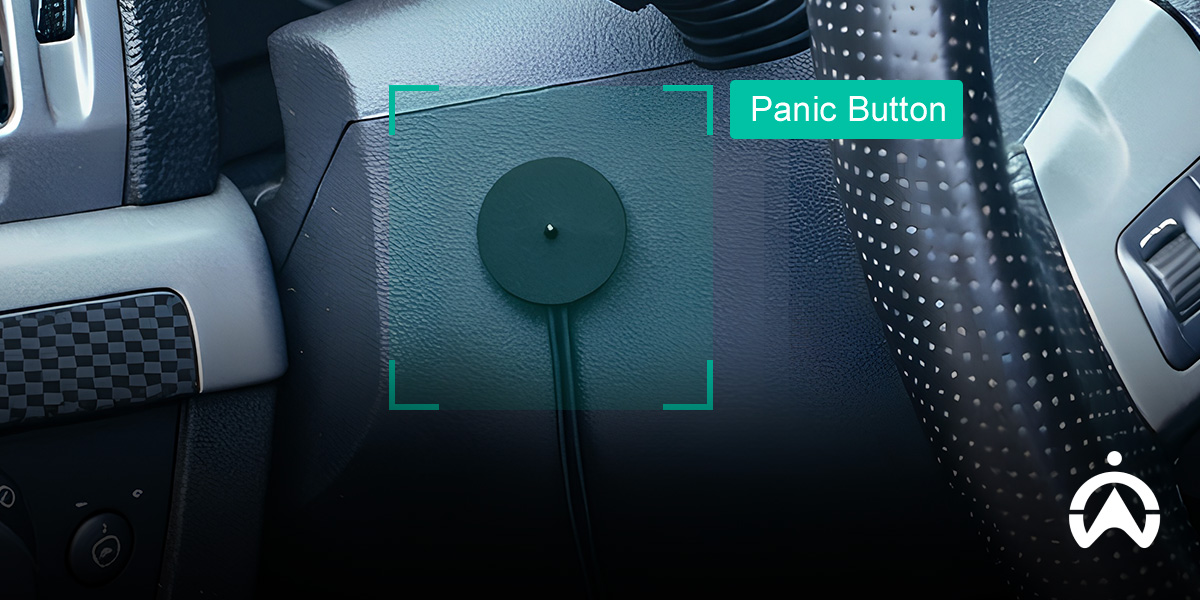
Cartrack panic button inside emergency services vehicle

The role of connected cameras in emergency fleet safety

Connected cameras improve emergency fleet safety because they allow access to exactly what’s happening in and around a vehicle in real time. Although GPS tracking systems can share information regarding a vehicle’s location, cameras allow control centres to see exactly what’s happening.

Real-time visibility

The cameras transmit live footage straight to your control room. This allows operations managers to spot any distracted driving and track the distance to the vehicle in front of the emergency vehicle, preventing possible accidents.

Protecting responders from public threats

Ambulance paramedics, emergency medical service providers, and police officers can often be at risk in situations that go beyond road safety. Situations such as aggression, obstruction, or civil unrest can arise during emergencies. Video evidence then not only serves as a preventive measure, but is also vital in post-emergency investigations.

Automatic incident detection

The latest systems (like the ones used at Cartrack) use sensors and AI technology to capture event-driven data, like collision events and sudden movements. These systems boost response times for support and offer solid evidence in case anything goes wrong.

With these features, active tracking turns into a comprehensive safety monitoring service, ensuring the protection of responders both on and off the road.

Smarter routing

Intelligent routing cuts down emergency response times by using real-time data on vehicle locations and traffic conditions to prioritise the fastest route. Control room staff can quickly redirect vehicles during emergencies like congestion, accidents, or road closures, ensuring they reach incidents as swiftly as possible.

In short, real-time tracking not only shows where vehicles are but also helps fleets arrive faster.

Real-time traffic data

Active tracking systems combine real-time traffic data with GPS, enabling your emergency service vehicles to be rerouted instantly around congestion, road closures, or other delays. This optimisation is critical in cities like Joburg and Cape Town, where every second counts in life-or-death situations.

Geo-fencing for faster operations

Geo-fencing creates virtual boundaries around specific areas, sending alerts when vehicles enter or exit these zones. This tech helps to boost resource allocation in the required areas, making your operations more efficient.

How active tracking improves accountability and reporting

Active tracking improves accountability by recording trip details, driver behaviour, and incident timings. This information is vital because it helps emergency services create accurate reports, which can assist in investigations. By maintaining a thorough database, it’ll help drive regular improvements in safety policies and training programmes.

These logs can:

  • Automate trip records with dates.
  • Provide an efficient way to report incidents.
  • Assist with insurance claims and legal documentation.

Active tracking helps control rooms respond to emergencies in real time

Active tracking helps control room operators respond to emergencies with real-time alerts, vehicle data, and driver behaviour insights. This means that they can swiftly respond to crises, reroute vehicles as needed, collaborate with emergency responders, and maintain a comprehensive record of all vehicle activities.

Live alerts to control centre staff

The control room can send out alerts for speeding, sudden manoeuvres, or sensor triggering. These alerts enable quick action or task reassignment, keeping the fleet safe and organised.

Two-way communication

Enhanced systems enable real-time communication between control rooms and responders. Dispatchers and fleet managers can not only issue commands but also adjust routes or provide directions based on the latest road updates.

GPS tracking technology used to monitor first responder vehicles during emergency response

How Cartrack supports emergency services fleets

Cartrack provides emergency services vehicles with intelligent active tracking, camera connectivity, and fleet intelligence capabilities. All these tools can assist in enhancing safety for emergency response teams and ensure that control rooms have enough information to manage safety-critical tasks effectively.

24/7/365 monitoring and support

At Cartrack we provide continuous monitoring and support for you and your team. Our control room agents are available to assist you 24/7, 365 days of the year.

Industry-leading tracking accuracy

Cartrack’s GPS tracking systems will give you instant updates and provide reliable & accurate real-time visibility, even at high speeds.

Seamless integration with existing emergency systems

Cartrack’s technology seamlessly integrates with dispatch tools, communication apps, and command centre solutions, enhancing emergency response services without disrupting your current operations.

Active tracking plays a vital role in emergency service fleets because it boosts safety for rescue teams, improves coordination, and ensures a swift response to emergencies.
‍

So contact Cartrack today to set up active tracking for your emergency service fleets, and keep your responders safe!

Frequently Asked Questions

How does active tracking improve emergency response times?

Active tracking improves emergency response times by providing real-time locations of vehicles, traffic conditions, and their availability. This helps the control rooms to always know where the nearest unit is, diverts the vehicle instantly around congestion, and eliminates wasted time during life-critical emergencies.

What types of emergency fleets benefit most from active tracking?

The types of emergency fleets that benefit most from active tracking are ambulances, fire services, police units, rescue teams, disaster response vehicles, and private medical fleets. These fleets have to operate under time pressure and high risk, which makes real-time visibility a crucial part of their safety and efficiency.

What is the difference between active tracking and GPS navigation?

The difference between active tracking and GPS navigation is that active tracking provides you with real-time location updates, insights into driving behaviour, and event alerts, while GPS navigation simply offers turn-by-turn directions. Control rooms can view, manage, and respond to fleet events in real time, something GPS navigation doesn’t allow.

Get Accident Reconstruction with Powerful Vehicle Telematics

You can get accident reconstruction technology from Cartrack! When an accident occurs, it’s important that you know what happened and why. Our vehicle telematics solutions provide you with precise data on driving habits and location, helping you understand exactly what happened before, during, and after an incident.

Globally, the use of telematics data in legal cases is increasing, as digital vehicle data can provide objective evidence to help investigators and courts understand how incidents occurred. Gathering as much information as possible is essential for insurers, driver training, and legal disputes. Telematics plays a crucial role in accident reconstruction, as it gives you all the data you need, saving you time and costs.

Today, we discuss the benefits of using telematics for accident reconstruction and why Cartrack is your best option.

How telematics gives you powerful accident reconstruction

Telematics gives a powerful accident reconstruction by capturing precise vehicle data before, during, and after an accident. Telematics systems consist of hardware like GPS trackers, sensors, and cameras. Together, these tools have become a game-changer for investigators, insurers, and legal teams; helping them recreate the sequence of events and figure out who’s at fault and what the liability is.

According to Arrive Alive, the following issues and elements are what investigators look at for a more effective investigation at the scene:

  • Human element: The role of human behaviour.
  • Environmental: The weather, temperature, visibility, and overall surroundings.
  • Mechanical: The vehicle’s design, engineering, operation, and maintenance.
  • Engineering: The layout of roads and structures.
  • Law enforcement: Whether enforcement measures are in place or lacking.
  • Corporate: Relevant policies and procedures that apply.
  • Impact: How the incident affects the other factors.
  • Forward engineering: Actions that can be taken to prevent the accident from happening again.

Vehicle telematics technology will help the investigator and your business by giving you real-time data that helps rebuild the incident timeline in the following ways:

Speed and acceleration data

Telematics data can show you how fast the vehicle was travelling and how quickly the speed changed before the impact. This helps you, the investigator, and other parties involved determine whether excessive speeding or sudden acceleration played a big role in causing the accident.  

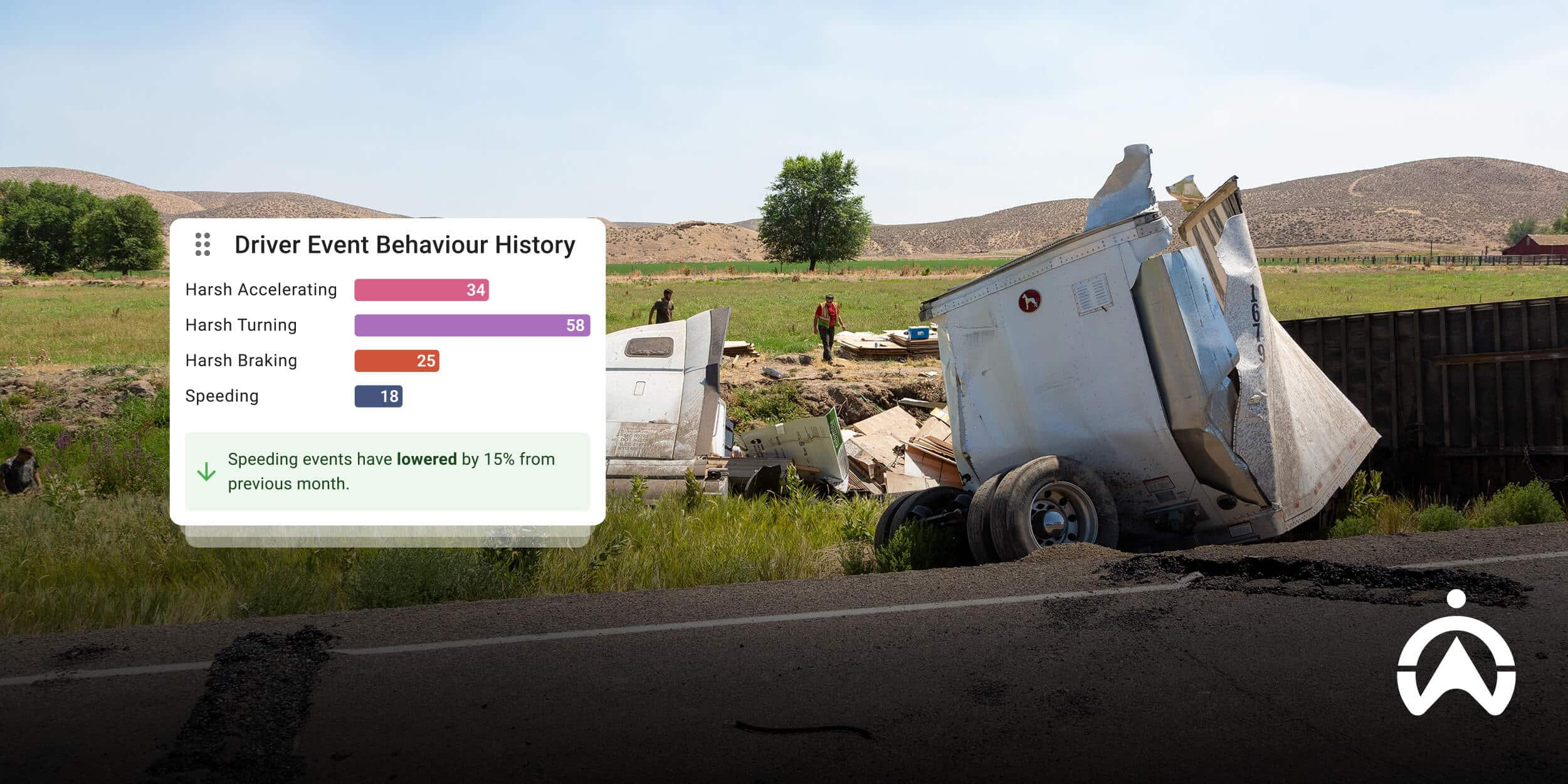
Harsh braking and cornering events

The technology can also point out things like sudden braking or sharp turns before the incident. This information reveals whether the driver braked quickly to dodge a hazard, took a corner too fast, or lost control of the vehicle. This data helps figure out whether the accident was caused by defensive actions, driver mistakes, or a loss of control, instead of being influenced by external factors.

GPS location and route history

The GPS technology confirms the exact location of the accident. It shows you the road and the direction the vehicle was facing. You’ll also know the surrounding environment at the time of the incident. This information helps you see if there’s a link between the accident and things like the road conditions, traffic trends, speed limits, intersections, and areas that are known to be risky.

Furthermore, the route history from the GPS data helps you and the investigators check if the driver was following the expected routes or deliberately drove on roads that weren’t permissible.

Time-stamped driver behaviour

The GPS and cameras give you a clear timeline of driving actions before, during, and after the accident. This makes it easier to piece together the events in the correct sequence, as those involved in the accident might not be able to recall everything in the right order.

Vehicle health or fault codes around the event

Many accidents are caused by mechanical failure and the lack of maintenance. Through preventive maintenance technology, you can access data about the health of the vehicle that was involved in the accident to see if there are components with faults that were overlooked. You can also check if the vehicle has skipped any recommended servicing.

Telematics system showing speed, braking, and location data for crash analysis

The benefits of technology-powered accident reconstruction for fleet operators

The benefits of technology-powered accident reconstruction for fleet operators include:

  • Faster insurance claims
  • Reduced liability disputes
  • Improved driver coaching
  • Better safety compliance
  • Lower operational and legal costs

Together, these benefits help you handle accidents with less stress, save costs, and give you stronger protection against accidents.

Here’s a detailed breakdown of each benefit:

Faster insurance claims

The longer a claim goes on, the more costly it’ll be. Through the telematics system and camera technology, your insurers will quickly have all the information needed to assess liability. This reduces the insurance claims period from weeks of waiting to just a few days.

Reduced liability disputes

The information from telematics devices and cameras provides a clear picture of what happened. This helps quickly determine who’s at fault, often resulting in out-of-court settlements or claims being dropped, thereby helping you reduce the number of lengthy legal disputes. There are also a lot of false accident claims these days, so a telematics system protects you from that too.

Improved driver coaching

Since you’ll get reports on driving habits like speeding, harsh braking and harsh cornering. You’ll know which habits are more common so you can provide targeted training and feedback. This also encourages driver accountability, as they’ll have no other choice but to take full responsibility for their actions.

Better safety compliance

Using technology to protect your business from accidents also ensures that your team sticks to road safety rules and that the business meets fleet standards. This ensures that drivers and managers always follow policies and procedures, ensuring compliance. 

Lower operational and legal costs

The fewer claims, fewer disputes, and improved driver behaviour reduce legal fees. This results in repairs being done more quickly and less vehicle downtime. It also results in lower insurance premiums, because insurers will see your drivers’ good behaviour and see your business as a low risk option.

The importance of real-time crash alerts

Real-time crash alerts are also essential for your fleet, because they ensure your drivers get faster help. Once again, through telematics and sensors, this is made possible. Crash detection technology instantly identifies sudden impact, and an immediate notification will be sent to you and control centres, so emergency services can get to the scene immediately.

This technology also gives you more information on the severity of the impact, adding to the evidence needed for accident reconstruction.

Fleet vehicle accident reconstruction using GPS and telematics technology

How Cartrack helps you reconstruct accidents

Cartrack helps you reconstruct accidents by providing you with harsh event alerts, AI-powered cameras, driver training and reports, GPS trackers, and crash detection technology. With us, you can access all these tools on one platform, using your desktop or mobile phone. Our cloud-based system ensures that all evidence is stored, even when the tools were damaged during the accident.

Here’s a detailed breakdown of what we offer:

Harsh events alerts

With our telematics system, you can set up alerts for risky driving habits such as sudden braking, excessive acceleration, speeding, and harsh cornering. This helps you see how your drivers behave on a day-to-day basis, so you can address your concerns accordingly. And if there are any accidents, you’ll have enough evidence to see the behaviour leading to the accident, making it easier to see who was at fault.

AI cameras

At Cartrack we have AI-powered fleet dashcams that help with heightening driver awareness. These cameras can detect distracted driver behaviour, like when on the phone, eating, or looking away from the road. They then send immediate audible alerts to drivers so they can go back to focusing on the road. The cameras can also identify blind spots and give forward collision warnings. This reduces the chances of accidents, giving you a safer fleet.

If your drivers are ever involved in accidents, these AI-powered dashcams will show you exactly what’s happening inside and outside the vehicles, and you’ll all have reports of all the camera alerts for that day. This once again helps you speed up the claims and legal processes.

GPS live tracking

Through our GPS trackers, you’ll know where your vehicles are at all times, and you can access route histories, which can prove beneficial during the accident reconstruction process.

Crash detection

We have an advanced crash detection solution that you can add to your package to ensure your drivers get the help they need sooner than it normally takes without one. When a driver is involved in an accident, control room agents will get an instant alert, then notify you and send help. Since we’ll have access to the vehicle’s location, the emergency services will get there quicker.

Coaching

Through our telematics and camera incident reports, you can get our driver coaching solution to help you train drivers in better driving habits. This platform shows you all the incidents of each driver and how many times each action was repeated. From there, you can book your drivers for individual coaching sessions that specifically focus on what they need to improve on.

Our coaching platform allows trainers to note the discussion and outcomes of these sessions, so the next trainer can see what was discussed with the driver and if there’s any improvement.

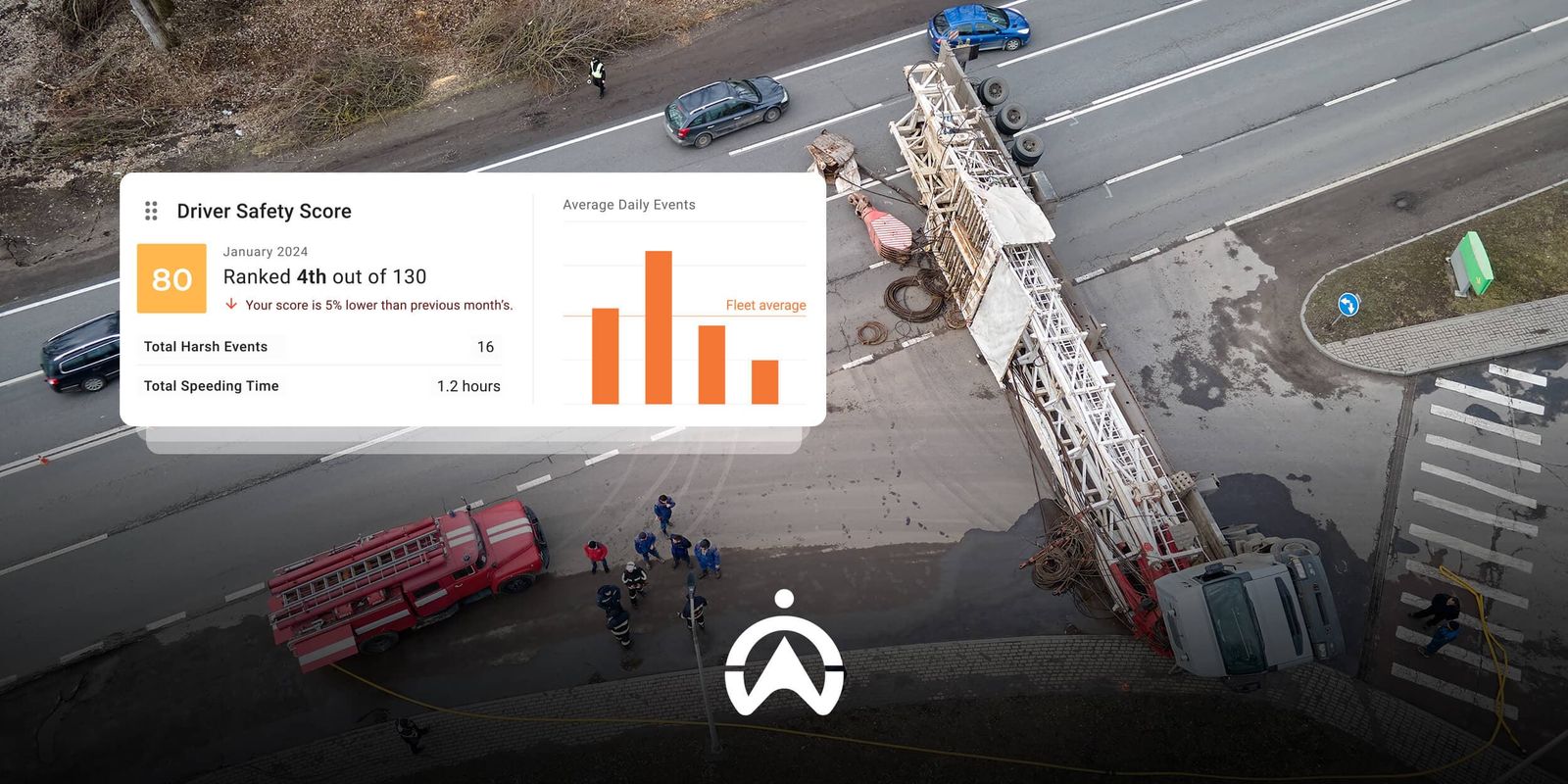
Driver scorecards

Ensuring accidents don’t happen in the first place also requires you to encourage your drivers in other ways. Our Driver Scorecard system is another way to motivate your drivers, as it rates each driver based on their habits, allowing you to reward those who are doing well through recognition and incentives.

Get the full story behind every accident with Cartrack’s smart solutions

Cartrack’s smart solutions ensure you get the full story behind every accident and that you have a safer fleet. Our telematics system gives you faster, cleverer, and more reliable accident reconstruction. Make sure you invest in our accident reconstruction tools for long-term safety and protection. Contact us today!

Frequently Asked Questions

How does telematics actually work?

Telematics works by collecting a range of data about a vehicle so you have all the information you need to track things like vehicle maintenance, fuel consumption, and driver behaviour. Telematics systems consist of:

  • Telematics Control Unit (TCU): Hardware that collects data.
  • Cloud server: Processes and stores data from the TCU.
  • End-user application: Software platform that shows you the data.

Which sensor is used to detect accidents?

The main sensor used to detect accidents is an accelerometer. It identifies sudden impact and changes in motion. Other sensors that are used to detect accidents are gyros (which differentiate between a normal turn and a drastic one) and pressure sensors (which detect impact from the sides).

Is telematics different from vehicle tracking?

Yes, telematics is different from vehicle tracking; vehicle tracking mainly focuses on location data, which is just one part of a larger telematics system. Telematics combines location data with details about the health of your vehicles, driver habits, and fuel use. With a telematics system, you get valuable information that helps you improve your fleet’s safety and efficiency.

The Best Telematics Solution For Car Rental Companies

Telematics is an indispensable component to any rental company in Malawi! Why? Because accurate data from telematics software helps you keep track of hundreds (and even thousands) of vehicles. It also enables you to manage potential fuel theft, car accidents, stolen vehicles, and driver routes.

Car rental companies across Malawi have recognised the cost-saving benefits of telematics software.

Cartrack, the SA leader in vehicle telematics, has compiled an 8-minute guide to help you understand how telematics has influenced the car rental industry in Malawi.

Why do car rental companies in Malawi need a telematics solution?

Car rental companies in Malawi need a telematics solution because it allows them to track vehicles and prevent theft. It also reduces costs and improves their overall customer service. Telematics solutions help you to monitor driver behaviour, prevent fuel theft, and manage each vehicle’s fuel usage efficiently.

This gives your car rental business more control through the insights you receive regarding every car in your rental fleet. But before we take a more detailed look at the inner workings of these solutions, let’s make sure we understand what telematics is and how it works.

What is telematics?

Vehicle telematics is a combination of solutions that work together to give you a data-rich system for managing small, medium, or large fleets. These solutions often include GPS vehicle tracking, fuel sensors, and vehicle cameras. Together, these components provide an invaluable network of relevant data that helps you manage your fleet of rental cars, trucks, or delivery vehicles.

With all of this information at your fingertips, you, as a fleet manager, can make educated decisions about your staff, the growth of your fleet, and insurance negotiations. Your stakeholders will always be in the know, and your customers will love your brand!

How does telematics work?

Telematics works by using hardware devices in vehicles (cameras, GPS trackers, fuel sensors, etc) to collect and send data to a central hub of information. You’re the one with access to this hub as the fleet manager. You’ll be able to track locations, speed readings, and engine performance indicators from a remote location.

In short, you can monitor your fleet from anywhere and act on alerts that notify you about unusual activity. This all happens in real-time, which is why it helps you manage a company that has hundreds of cars on Malawi’s busy roads. 

What data is collected in telematics?

Vehicle telematics collects important data like:

  • Location
  • Speed
  • Fuel levels
  • The health of each engine
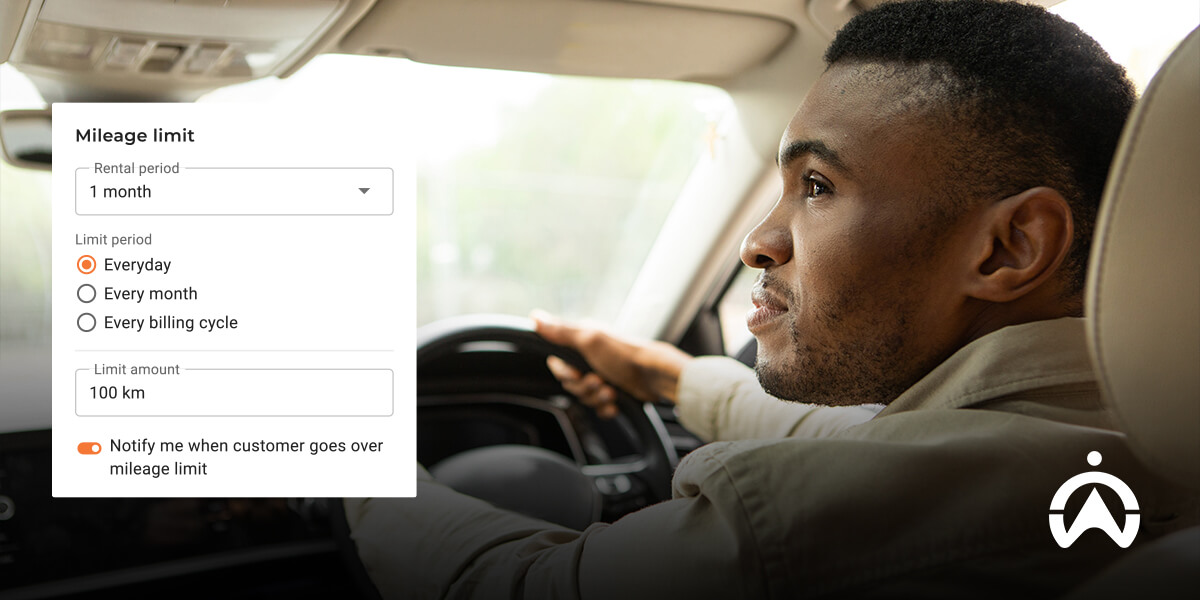
  • A vehicle’s mileage
  • Driving habits
  • Trip history
  • Idling time

These are often provided in real-time, keeping fleet managers in the know when customers are driving their cars—all from one central spot.

Here’s an overview of the data you’ll be able to receive when you choose the best telematics solution for car rental companies in Malawi:

Data Type What It Shows How It Helps You
Location Where the vehicle is Track your cars and plan routes
Speed How fast the vehicle is going Prevent speeding and improve safety
Fuel Level How much fuel is left Know when to refuel and save costs
Engine Health Status of the engine Spot problems early and reduce breakdowns
Mileage How far the vehicle has travelled Schedule services and track use
Driving Behaviour Braking, accelerating, and cornering Coach drivers and improve safety
Trip History Past journeys taken Review trips and manage routes
Idling Time Time spent with the engine on but not moving Reduce fuel waste and save money

How does telematics reduce car rental operational costs?

The data from telematics, when acted upon by your fleet managers, will enhance vehicle recovery in cases of theft and save you on fuel costs. Overall, telematics improves fleet safety, helps manage vehicle maintenance, and greatly increases your brand’s reputation through the increased reliability of your car rental services.

Prevents vehicle theft

Car rental companies keep their theft rates confidential. However, we know that worldwide statistics indicate a high rate of car theft among rented and privately owned cars—and even utility vehicles. In Malawi, this is no exception.

High poverty rates and new crime strategies do influence car theft, leaving rental companies vulnerable. More often than not, these cars are stripped within a matter of hours for their parts.

Saves on fuel costs

Some of the data received through vehicle telematics is specifically designed to give you fuel data. This data helps you curb fuel costs by reducing waste through long idling times, speeding, reckless driving habits, and, of course fuel fraud or outright theft.

Improves fleet safety and saves on insurance

When the safety of your vehicles and drivers is prioritised, your insurance costs invariably decrease. You now have the power to negotiate your monthly premiums and save a large percentage of your profits.

Insurance providers like car rental companies that have high-tech tracking devices installed on them. However, they also appreciate telematics data that clearly indicates who’s in the wrong when an accident happens. This assures them that you’ve done everything to ensure the safety of your vehicles and that your cars can likely be retrieved if stolen.

The result? Lower insurance premiums for you! Insurance providers trust digital information because it never lies. Read more about how digitalisation is streamlining the car rental industry.

Saves money on vehicle maintenance

Telematics saves money on vehicle maintenance because it tracks the engine health of every vehicle individually. It also analyses usage patterns, giving you a good idea of when each vehicle should be serviced. You can schedule timely servicing, avoid costly breakdowns (while your customers are driving your cars), and extend the lifespan of every vehicle.

Your car rental fleet will be running smoothly while cutting unexpected repair costs and keeping your customers happy. Which leads us to our next point.

Improves your service and brand reputation

What you ultimately want is to make more profits. This is now a possibility with telematics, because with good telematics comes better service. By keeping your cars on time, in good condition, and safer than ever, your customers will be happier and more loyal. Also, they’ll be more likely to recommend you and post excellent reviews online.

Your brand and reputation will grow from good to GREAT, and you’ll gain a massive competitive advantage over other car rental companies. So, talk to us now about getting the best telematics solution for car rental companies.


Is network coverage an issue for telematics in car rental companies?

No, network coverage isn’t an issue for receiving reliable telematics for car rental companies. That’s because Cartrack’s telematics packages often have various offline modes. However, it’s worth noting that many of these systems work off cell towers, and they automatically save your information when networks are down.

What are the costs associated with implementing telematics in Malawi?

Implementing telematics in Malawi involves upfront costs like device installation and monthly service fees per vehicle. Additional costs may include data storage, integration, and training, but these are optional.

It’s important to consider the ROI benefits of these initial costs. Cartrack is one of the top vehicle tracking companies in Africa. You’ll quickly see how easy our software is to use and how you can increase profits by implementing it in your car rental company.

Your best bet is to call Cartrack now, arrange a free demo of our telematics software for car rental companies, and take some time to decide if it’s a solution that will benefit your organisation.

Frequently asked questions about telematics for car rental companies

How fast is telematics adoption growing in Malawi?

When it comes to the top vehicle tracking companies in Malawi, telematics adoption is growing quickly! More businesses see its value, especially fleet operators and car rental companies. They’re increasingly using GPS tracking and vehicle monitoring to reduce costs and improve safety.

Are car rental companies in Malawi adopting telematics solutions?

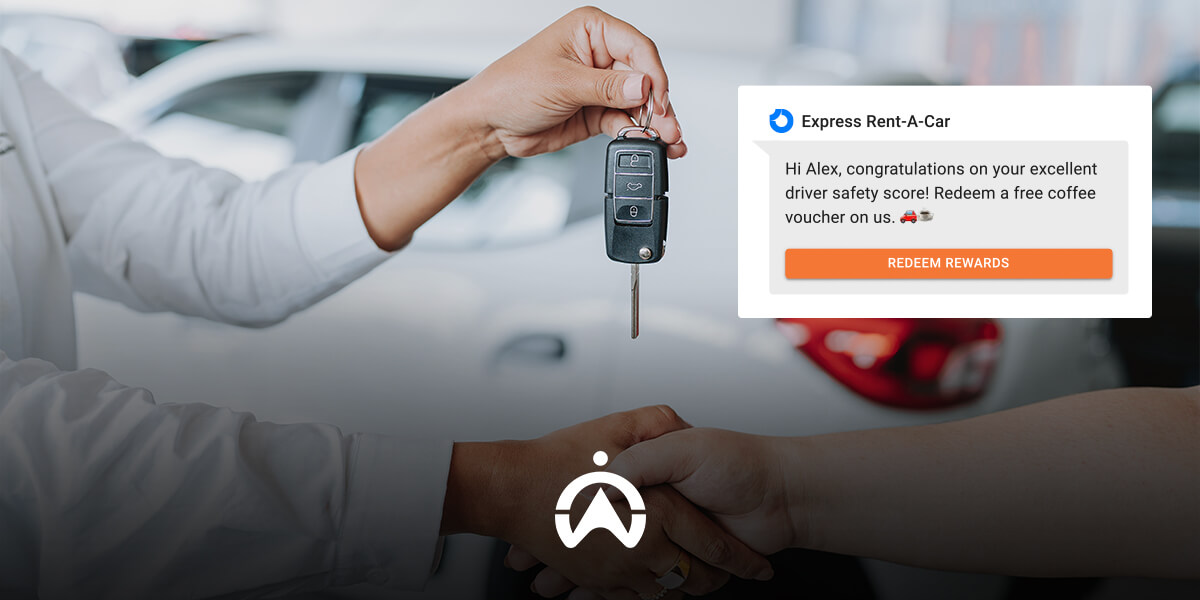
Yes, car rental companies in Malawi are adopting telematics to streamline their insurance claims, save costs, and even score the customers who rent their vehicles. However, the main reason car rental companies feel compelled to implement telematics into their fleets is to curb vehicle theft and save on insurance costs.

How do I install a telematics device in a rental vehicle?

Installing a telematics device in a rental vehicle involves connecting it to the car’s OBD-II port. Some systems, like the ones offered by Cartrack, need professional installation because they require wiring or extra sensors. Once the device is installed, it begins collecting data on the vehicle’s location, customer driving habits, and engine performance.

What is enterprise telematics?

Enterprise telematics is a system used by businesses to monitor and manage large fleets of vehicles. It combines GPS tracking, engine diagnostics, and driver behaviour data to improve efficiency, reduce costs, and enhance safety. In Malawi, it helps your company stay competitive while keeping your customers happy and your vehicles running smoothly.

Who is the top telematic leader in Malawi?

Cartrack is widely regarded as a top telematics leader in Malawi and even in Africa as a continent. We offer GPS tracking, fleet management tools, and fuel monitoring solutions that help your business improve efficiency, reduce theft, and get insights into vehicle performance across your fleet.

What is advanced telematics?

Advanced telematics goes above and beyond basic tracking. It does this by analysing detailed vehicle and driver data and even includes predictive maintenance alerts. You’ll also get real-time fuel monitoring and driver behaviour insights, making it perfect for car rental companies.

Are telemetry and telematics the same?

No, telemetry and telematics are not the same. Telemetry is the process of remotely collecting and transmitting data from devices, while telematics applies telemetry specifically to vehicles, combining it with GPS and diagnostics to monitor your fleet performance in various aspects like driver behaviour and fuel usage.

What is a Vehicle Monitoring System?

A Vehicle Monitoring System (VMS) is so much more than just tracking your asset. It’s a unique mix of software, hardware, and connectivity that gives fleet managers maximum visibility. By bringing together these elements, a VMS can help your business become a profitable, safer, and smoother-running operation.

According to Business Wire, the global market for AI-powered fleet management software was estimated at USD 4.3 billion in 2023, with a projected reach of USD 14.4 billion by 2030, growing at a CAGR of 18.7% from 2023 to 2030. With the global market expected to more than triple by 2030, businesses that don’t adopt smart monitoring solutions risk falling behind.

Without the right tools at hand, your business could face serious vulnerabilities. Through this guide, we’ll explore the practical outcomes of adopting a VMS and how Cartrack provides comprehensive vehicle monitoring solutions suited to any fleet.

In this article, you will:

  • A VMS gives fleet managers total visibility and helps make operations safer and more efficient
  • Features like driver behaviour analysis, real-time tracking, and vehicle diagnostics improve safety and performance
  • A good VMS reduces accidents, saves fuel, prevents theft, and supports better business decisions
  • Cartrack provides reliable, secure, and AI-powered VMS solutions with real-time tracking and Stolen Vehicle Recovery

How do vehicle monitoring systems work?

Vehicle monitoring systems work by combining smart, connected tools to bring simplicity and ease to fleet managers. Hardware, software, and connectivity operate collectively to enhance fleet management strategies. 

VMS is also often referred to as ‘black box’ technology because it works like a black box in an aeroplane. It’s constantly collecting all the data in your vehicle, and this data is used and interpreted at a later stage.

The data can often be used to understand what happened in an accident, what safety checks are required, or to simply improve fleet operations.

When these tools work well together, you can get the key information you need quickly, helping you to make smarter decisions for your business. Factors like driver and trip reports, vehicle health checks, and overall performance insights can be really useful.

These are the key components of VMS:

  • Hardware: This refers to what’s installed in your vehicles. It’s at the core of your VMS. Hardware typically includes GPS devices and sensors that gather insights on factors like fuel consumption, driver behaviour, and location.
  • Software: These are the insights that are gathered and fed to your fleet management platform. Software is what allows fleet managers to keep tabs on vehicle performance, generate reports, and assess trends.
  • Connectivity: This is what keeps your VMS running smoothly. It uses cellular networks, satellite links, and IoT connections so you can get real-time location tracking and immediate alerts when you need them.

What are the core vehicle monitoring system features that drive fleet performance?

At the core of vehicle monitoring systems, features that drive fleet performance include vehicle diagnostics, fleet management integration, and driver behaviour analysis. Each of these capabilities gives fleet managers greater control and visibility over fleets.

These are the core features:

Driver behaviour analysis

Modern VMS examines drivers and their driving patterns in real time—particularly unsafe ones. These include aggressive driving, quick turns, and other dangerous actions. Generating reports on drivers allows fleet managers to give feedback and provide coaching or driver training.

This reduces the likelihood of costly accident risks and promotes safe driving habits.

Real-time location tracking

VMS solutions use satellite and cellular connections to ensure that your assets are being tracked at all times. Always knowing where your assets are is the key to prompt deliveries and swift responses in emergencies. 

Additionally, location tracking is the foundation of route optimisation, allowing fleet managers to explore the best routes, minimise fuel consumption, and manage unexpected delivery changes.

Vehicle diagnostics

Staying on top of vehicle health is how you minimise downtime. VMS assists with factors like preventative maintenance and fuel optimisation, ultimately reducing fuel waste and expensive, unexpected breakdowns.

Geofencing and other alerts

VMS allows for geofencing. This is when virtual zones are set up in certain areas, and fleet managers are alerted when a vehicle enters and exits those zones. Geofencing is important for a number of reasons, namely enhanced security and increased productivity.

Together with notifications for idling or improper vehicle usage, these notifications add an extra layer of security and total operational control.

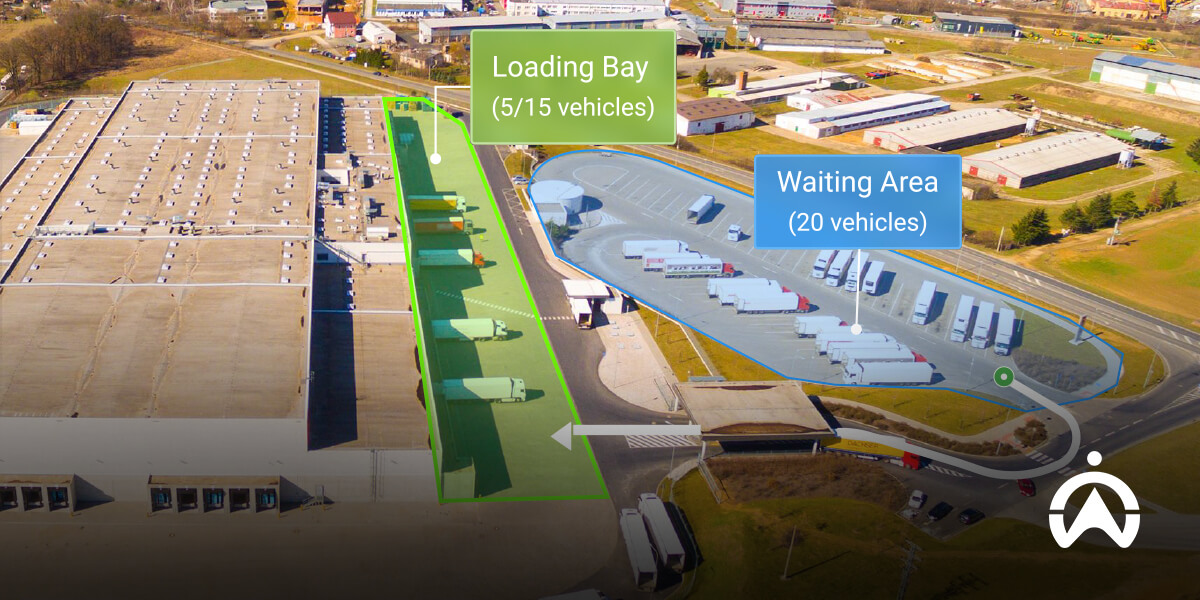
Cartrack vehicle monitoring systems overseeing logistics center with loading bay and trucks.

Integration with fleet management tools

A VMS only works best when it’s smoothly integrated with a fleet management platform. This means that all information and systems are not only streamlined but also AI-powered, reducing the potential for human error.

Scheduling, reports, and other operational workflows are made far easier to manage.

Mobile access and storage

A VMS should allow fleet managers to quickly and easily access insights when necessary, especially from connected mobile apps. More so, cloud-based storage is the way to go, as it keeps your data secure and easy to access from any device.

The practical outcomes of using a vehicle monitoring system

Using a vehicle monitoring system delivers tangible business results and return on investment. A VMS is the most vital component to optimising the performance of your fleet while also ensuring safety, asset utilisation, and driver accountability. Here are some of the best outcomes:

Reduce accidents and improve driver safety

Using VMS as a foundation for a positive driving culture means fewer accidents and greater driver accountability. Fleet managers have the opportunity to not only build better policies but also generate reward systems for drivers who implement safe driving practices.

Optimise routes and fuel usage

Fuel is one of the biggest fleet costs. By using a VMS to optimise routes, you can cut fuel expenses and reduce travel time. At the same time, you’re supporting sustainable fleet management by lowering your fleet’s carbon emissions.

Prevent theft and improve recovery chances

With core features like live GPS tracking and instant alerts, a VMS helps fleet managers stay on top of emergencies. Combined with a Cartrack service like Stolen Vehicle Recovery (SVR), it greatly improves your chances of getting a stolen vehicle back quickly.

Provide data for compliance, driver training, and operational decisions

Like the black box in a plane, the VMS collects all kinds of data from the vehicle. This data can be used to ensure compliance, enforce driver training if necessary, and back up operational decisions. With this information at hand, any operational feedback or changes are better informed.

Tailored solutions based on fleet size, type, and industry

You can use the features of a VMS to fit your business and fleet size. Customise the hardware add-ons or choose the software services you want to populate your fleet management platform with, depending on your business needs. A good VMS system can accommodate various business scales while offering the same positive outcomes.

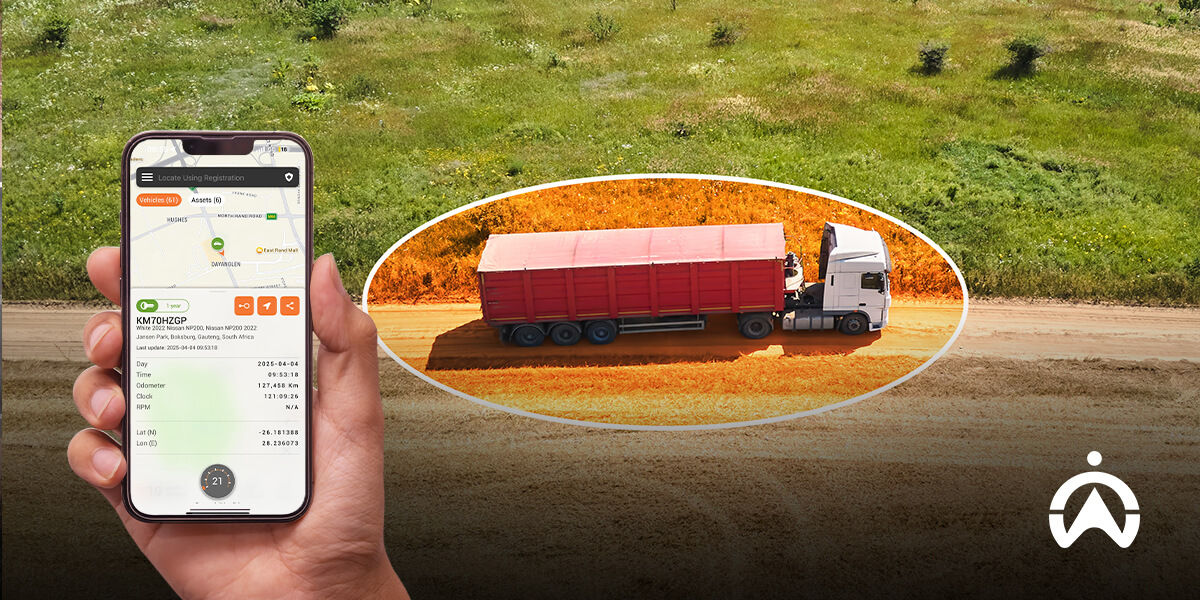
Cartrack vehicle monitoring systems on smartphone tracking red truck on dirt road.

How to choose the right vehicle monitoring system

Choosing the right vehicle monitoring system means looking for a solution that includes key factors such as scalability and reliability. You want to be sure that the VMS you choose can fully support you and your business goals while still allowing for growth, should your business expand.

These are the important factors to consider:

  • Reliability: The VMS you choose should be sturdy and reliable while working seamlessly. A system that helps you avoid downtime is key. Go for a system that provides you with all the detailed insights you need to transform the way your business runs.
    ‍
  • Integration: Choose a VMS system that pairs smoothly with a single fleet management platform, because this makes fleet management much easier. Avoid a VMS system that requires you to integrate with more than one platform. Cross-platform confusion can slow your workflow and make simple tasks take far longer.
    ‍
  • Data security: Your business insights are yours to monitor, not anyone else’s. Ensure that your VMS solution is one that’s based on complete safety and security, so that you have the power to control who sees what. A safe VMS is an encrypted one, with additional advanced security measures in place.
    ‍
  • Support: A VMS should always be provided by a company that has your best business interests at heart. Look for a provider that’s willing to offer onboarding and ongoing support throughout, along with quick emergency responses.
    ‍
  • Scalability: Ensure that your VMS is able to adapt to any fleet size. A reliable VMS can suit your business needs—whether small or large-scale—without requiring a whole new system.

These are some common mistakes to avoid during the selection process:

  • Choosing based on price alone: An initial low price might look appealing, but it might not meet your functionality needs. Look beyond the cheapest option and instead consider what will generate the best ROI.
    ‍
  • Ignoring integration or mobile access: Again, cross-platform integration and lack of mobile access can slow you down. A VMS shouldn’t be a standalone tool; it should work comfortably with other platforms for the best results.
    ‍
  • Selecting limited-function systems: Much like choosing based on price alone, choosing a VMS with limited functions may only solve immediate problems. Consider a VMS that keeps the future of your business in mind.

How Cartrack delivers the best in vehicle monitoring systems

Now that we’ve covered how to choose the right VMS, one can safely say that Cartrack delivers the best in vehicle monitoring systems by meeting every key requirement.

Cartrack is a leading company in the VMS field, providing supportive, secure, and innovative solutions for every kind of business.

Here’s how Cartrack truly stands out:

  • Real-time tracking and analytics: Through Fleetweb, Cartrack provides users with immediate analytics and detailed data. You can get immediate access to the information you need and guarantee a fast response from the control room team in case of an emergency.
    ‍
  • AI-powered driver behaviour analysis: Cartrack can help you create a safe driving culture and ensure that your drivers remain protected. With our video AI capabilities, you can monitor unsafe driving behaviours, generate trip reports, and use the feedback to coach drivers.
    ‍
  • Secure storage: Cartrack has implemented advanced security measures to ensure your information remains safe and secure. You can rest assured knowing that your data is stored behind levels of encryption that meet universal industry standards.
    ‍
  • SVR support: Cartrack gives you an extra level of security by offering Stolen Vehicle Recovery (SVR) on our platform. Should you be faced with theft, you can rest assured that Cartrack will act as quickly as possible to recover your asset.
    ‍
  • Reliability and flexibility: Cartrack is invested in your long-term outcomes; trust us to provide the best in a customer-first approach and committed support.

At Cartrack, we go far beyond simply delivering VMS solutions—we look to empower businesses every step of the way.

Final thoughts

A VMS isn’t just useful, it’s essential! With the ability to deliver comprehensive insights and produce tangible payoffs, it’s undoubtedly the key to the most optimised version of your fleet.

You can make sure that your fleet’s needs are satisfied with Cartrack’s VMS solutions. Cartrack’s options are equipped with AI-powered insights, reliable support, real-time tracking, and robust hardware, cementing us as a top choice for businesses across 23 countries.

Take control of your fleet operations. Book a demo today and see how Cartrack’s vehicle monitoring solutions can transform the way your fleet operates.

FAQs

Q: How is VMS different from GPS tracking?

A: GPS tracking is solely about tracking, whereas a VMS takes GPS tracking and combines it with numerous other elements to provide comprehensive feedback. The system takes factors like alerts, vehicle health monitoring, and video telematics to give you a well-rounded overview of your asset and its driving patterns.

Q: Is VMS data secure?

A: Whether your data is completely secure or not ultimately depends on the provider. It’s impossible to guarantee the security of every VMS solution, but with Cartrack, you can ensure the safe and secure storage of your data. Cartrack employs encryption, monitoring, and access management, so you’re in control of your private data.

Q: Can Cartrack integrate VMS with other systems?

A: Yes, Cartrack can integrate VMS with other systems. In fact, Cartrack’s platform has been made with integrations and smooth application interactions in mind. Cartrack’s Fleetweb is a good example of this, but third-party systems connect just as seamlessly. Smooth integration ensures that your workflow is operating at peak level.

Q: How quickly can the installation and activation of a vehicle monitoring system be completed with Cartrack?

A: Installation and activation can take one to a few hours, depending on the size of your fleet and the complexity of your chosen hardware add-ons. This means that you could start seeing insights and data feedback on the same day as installation.

How Do Delivery Companies Use GPS Technology to Plan the Fastest Routes for Drivers?

Delivery companies use GPS technology to optimise their routes by identifying traffic conditions, pinpointing a vehicle’s location, and calculating the quickest route. AI technology has further enhanced GPS technology, helping drivers and companies save on fuel and optimise their delivery times.

According to COVER Magazine, AI route optimisation is becoming popular to make deliveries faster and cheaper. It looks at traffic, vehicle performance, and even the weather to help companies save fuel and reduce emissions. At Cartrack, we lead the way in intelligent route optimisation through GPS technology in the form of our Delivery solution. Here’s how we did it.

How does GPS technology improve delivery efficiency ?

GPS technology improves delivery efficiency in Malawi by finding the quickest routes based on traffic and road conditions. It does this in real time, so it’s always up to date on the analysis. This helps your drivers avoid delays on their deliveries, as well as cut down on wasted fuel. 

Drivers can make more deliveries in less time, keeping your business more competitive. We all deal with potholes, traffic jams, and roadblocks. The obstacles have an impact on companies that rely on delivery for profit. However, they can be avoided with the right GPS-integrated software.

There are 4 main ways Cartrack’s GPS software can help YOUR delivery company become more productive and efficient in the delivery sector. With our Delivery solution, these include:

  1. Avoiding traffic congestion and recent accident scenes
  2. Navigating rural areas where traditional maps may not be updated
  3. Reducing fuel costs by always calculating the most optimal route
  4. Enhancing customer satisfaction by completing more deliveries faster

How can GPS technology help avoid traffic congestion?

GPS technology helps you avoid traffic congestion by showing live traffic updates. From here, it reroutes drivers between & around busy roads. In cities, this means faster deliveries during high-traffic periods. By guiding your vehicles through smoother routes, you save time, reduce stress for your drivers, and minimise fuel costs.

Wondering how many obstacles GPS technology can help your drivers avoid? Here’s a quick overview:

Obstacle How GPS helps Benefit
Traffic jams Shows live updates and gives new routes Saves time
Road works Warns about blocked or slow roads Keeps trips smooth
Accidents ahead Alerts drivers to crashes Avoids long delays
Busy city roads Finds quieter side streets Faster deliveries
Weather issues Suggests safer routes in storms or floods Protects drivers
Wrong turns Gives clear step-by-step directions Reduces stress
Fuel waste Picks shorter and smoother routes Cuts fuel costs
Cartrack courier GPS technology with woman tracking delivery on laptop using GPS technology.

Is GPS route optimisation beneficial for rural deliveries?

Yes, GPS route optimisation is absolutely beneficial for rural deliveries, because it maps out the best paths through areas with fewer-to-no road signs, or areas with poor connectivity. It also helps your drivers avoid unnecessary detours, saving them time and fuel. This makes it easier for you to serve rural customers and grow your reach.

How does GPS reduce fuel costs for delivery companies?

With Delivery from Cartrack, delivery companies can reduce fuel costs by guiding drivers on the quickest, shortest routes, while limiting time spent idling in traffic, which uses up fuel. Fuel is expensive; even small savings per trip add up. Your drivers can complete more deliveries using less fuel, cutting expenses and reducing harmful emissions from their vehicles.

Quick note: Combining GPS technology with some of Cartrack’s other fuel-saving solutions further enhances your fuel savings and can even help you prevent fuel fraud. Read here (10 reasons why you’re failing at fuel management).

How can GPS technology enhance customer satisfaction?

GPS technology enhances customer satisfaction by giving accurate delivery times. Your drivers also get to make MORE deliveries, which means better profits for you. It also allows customers to track their parcels in real time. For consumers, this builds trust because your customers know exactly when to expect their orders. So what happens? They ordered again!

When you’re competing in a market that relies on deliveries, this puts you way ahead of the competition. As your reputation for reliability grows, you’ll begin to grow your customer base—slowly but surely. Using Delivery from Cartrack will give you the edge over your competition and help you grow from strength to strength!

How does GPS technology protect your company’s assets?

GPS technology further benefits fleet and delivery companies by protecting their vehicles as well as their drivers. GPS is the backbone of vehicle recovery. Tracking devices are installed on your vehicles, helping our team to recover stolen or hijacked vehicles on time. GPS also helps you track drivers who might be lost or in trouble.

Together with other technologies from Cartrack, GPS also provides other benefits. If any of these appeal to you, be sure to get in touch with us today:

Risk How GPS and other solutions can help Benefit
Vehicle theft Tracks location at all times Makes it easier to recover vehicles
Driver misuse Monitors routes and stops Protects company resources
Fuel theft Shows fuel use and refills Reduces money loss
Lost goods Records trip history Helps find missing cargo
Unsafe driving Sends alerts for harsh driving Keeps vehicles in better shape
Fake claims Provides trip and event proof Protects the company from false costs
Delays Gives live traffic updates Keeps deliveries on time
Poor planning Finds the best routes Saves fuel and reduces wear
Cartrack courier GPS technology enabling delivery person to confirm package handover with GPS technology.

What software works well with GPS to enhance delivery services?

For delivery companies, the Delivery solution from Cartrack is the most advanced software that works to enhance your delivery business. It works with GPS technology to optimise drivers’ routes, update their assignments, and automate your customers’ notifications. You’ll also be able to check in real-time how your deliveries are progressing to each of your customers.

Looking at the Delivery solution in full view, we notice that it includes a lot more. Here’s everything you can expect:

  • Paperless process: Delivery also helps you to skip paperwork and capture everything digitally. Everything is archived within the app itself, giving you an automated system where you can check invoices, delivery orders, times, products, etc.
    ‍
  • Last-mile delivery: Last-mile delivery means getting your goods from a hub branch straight to the customer’s door. Cartrack helps your business manage this final step with tools like route planning, GPS tracking, and proof-of-delivery. You’ll see where your drivers are in real time, cut costs, speed up deliveries, and give customers AMAZING service!
    ‍
  • Low-data or offline mode: Got a low internet connection? Cartrack’s Delivery lets you keep working even when your network is weak or temporarily non-existent. It comfortably handles low-data or offline mode by storing key information locally on your device. Routes, delivery details, and customer data are saved so drivers can continue working without a live connection.
    ‍
  • Instant job updates: The Delivery solution provides you with new tasks, cancellations, or changes right away. You don’t have to memorise or keep track of individual delivery jobs, because the app does it for you!
    ‍
  • Digital proof of delivery: You can collect e-signatures from customers, and even photo proof of your deliveries all in one place. This makes for easy confirmation and proof that your deliveries were completed.
    ‍
  • Automated customer notifications: What if your customers could receive clear updates and delivery times every time they ordered from you? Well, that’s what they’d get if you used the Delivery app from Cartrack. Your customers are always kept up to date, which keeps them happy and encourages them to order again.
    ‍

Does GPS integration require additional infrastructure in Malawi?

The obvious question is, “Can Malawi’s infrastructure accommodate the connectivity to keep high-tech GPS working optimally?” The answer is yes. Why? Because GPS works through satellites and mobile networks. Most fleet management systems only need your vehicles’ GPS tracking devices and a basic data connection. This makes it simple to adopt, whether you manage a small or large fleet.

What company has the most advanced GPS technology for fleets?

At this point in time, Cartrack is still leading the fleet management arena. Our software is the most advanced when it comes to delivering real-time updates that make a difference to drivers and fleet managers. By combining many of the other solutions we offer, you can grow your fleet and reduce risks across your organisation.

Speak to one of our experts about how our Delivery solution can enhance your company, its assets, and your profits.

Frequently Asked Questions about how delivery companies use GPS technology

What GPS do delivery drivers use?

Delivery drivers often use GPS apps like Google Maps and Waze, as well as fleet systems such as TomTom or Garmin. However, larger, more serious delivery and courier companies achieve scalability by utilizing advanced systems, such as the solutions offered by Cartrack. That’s because this software is designed to enhance the efficiency of their delivery services.

How does GPS work so fast?

GPS works fast because it uses satellites that send signals to your phone or device within seconds. These signals are processed quickly, showing your exact location on the map. With mobile data, your GPS updates in real time, so you get instant routes, traffic updates, and accurate directions.

Do traditional GPS devices always give you the fastest route?

No, traditional GPS devices don’t always give you the fastest route. They typically rely on preloaded maps and don’t always update traffic conditions in real-time. This means you might still get stuck in traffic. More advanced GPS software from Cartrack is way more accurate in helping you (or your drivers) avoid time-consuming obstacles.

How do I plan a route on a GPS?

To plan a route on GPS, you simply open the app or device, type your start point and destination, and press go. For delivery companies, routes are also planned out by the fleet managers using advanced software. This helps delivery vehicles synchronise their routes so that all of them are at peak efficiency.

How has technology improved delivery speed in delivery courier services?

Technology has improved delivery speed by using GPS route optimisation, live traffic tracking, and real-time driver communication. Courier companies now avoid busy roads, save fuel, and deliver way faster. Using Delivery software, your customers also get updates on when their parcels will arrive, which makes the whole delivery process smoother and more reliable.

Learn more about Delivery from Cartrack. Get in touch with us TODAY and let us show you how you can grow your delivery business.

Car Tracking Services and Solutions

The need for car tracking services has increased over the years. This is due to various factors such as the rising concerns over vehicle theft, the growing demand for advanced technology that enhances driver safety, the growth in the fleet management industry, and the convenience of it all.

There are many car tracking services and solutions available in Malawi, but finding the right one can be quite the challenge. Today, we look at the various car tracking services and solutions that we have to offer and also give you insight into how they work. Let’s dive into it!

In this article, you will:

  • Get a detailed explanation of what car tracking services do
  • Find out the benefits of car tracking services
  • Discover what to expect from a tracking service provider
  • Learn about our car tracking solutions

Car tracking services explained

Car tracking services refer to companies that offer GPS and cellular technology for users to monitor their vehicles in real-time. The GPS is primarily responsible for determining the vehicle’s exact location, while the cellular network systems are used for precision, quick data transmission, and other information such as speed and direction.

GPS tracking technology continues to thrive due to its advancements, new features, and functionalities. Cartrack is listed as one of the leading companies in the African vehicle tracking system market. Let’s explore the different types of car tracking services and why you need one.

Exploring the different approaches to car tracking

Not all vehicle tracking systems work in the same way. Some offer live updates, others store information for later use, and some use radio signals instead of GPS. Here’s a short breakdown:

  • Passive tracking (data loggers): Passive tracking systems act like logbooks. They record GPS locations, speed, and the direction in which the vehicle is moving and then store the information. The data can later be retrieved by connecting the device to a computer.
  • Active tracking: Active tracking, on the other hand, gives vehicle data updates such as location, direction, and speed in real time. This is made possible through cellular technology, satellites, and a cloud platform.

Although GPS trackers are the primary devices used in vehicle tracking, there are various other types of tracking technology that can be used depending on the purpose. A good example of this is Radio Frequency Identification (RFID). This is a wireless tracking method that uses radio waves to identify and track objects automatically. In the fleet management industry, RFID technology is used for driver identification.

The real benefits of using car tracking services

There are many benefits to having a vehicle tracking service, including:

  • Enhanced vehicle security and theft recovery
    It’s no secret that vehicle theft is a growing concern in Malawi, with criminals constantly devising new methods to steal vehicles and cargo, making vehicle security the top benefit of having a car tracking service. Through this service, you get theft recovery benefits as well as other tools that will help prevent theft from happening.
  • Safer driving habits
    GPS tracking devices usually have IoT technology. This powerful technology is what allows the device to go beyond providing location information. IoT-enabled devices can detect driver behaviours such as speeding or sudden braking. Through this, businesses and individuals can see which driving habits they need to improve on, therefore encouraging safer driving.
  • Fuel efficiency
    Fuel accounts for one of the most costly expenses of fleet operations. Every drop of fuel saved makes a huge difference, especially during this time when fuel prices are constantly fluctuating. Using a GPS tracker with telematics capabilities, you can monitor driving habits that increase fuel consumption, such as idling and speeding. A tracking device with telematics capabilities can also detect mechanical issues that increase fuel consumption, such as engine inefficiencies.
  • Proactive maintenance
    Speaking of vehicle wear and tear, telematics devices can also detect issues with the engine and give fleet managers alerts that assist in vehicle health checks, such as service reminders, battery warnings, and engine diagnostics. This prevents unexpected breakdowns, as fleet managers will address potential issues before they escalate.
  • Insight into driver routes and behaviour
    Vehicle tracking services help fleet managers monitor driver routes in real-time. Through this, fleet managers can see when drivers are deviating from the planned routes or when they are making too many unplanned stops.
  • Potential insurance discounts
    Insurance premiums are determined by how much of a risk you pose to the broker. Without a tracking unit, your car stands a greater risk of being stolen and not recovered. For this reason, insurance companies might charge you more for your monthly premiums or refuse to cover your vehicle. Additionally, frequent insurance claims result in premiums going up. With safer driving encouraged by tracking data, you are likely to make fewer claims, therefore reducing the chances of prices going up. 
A mechanic in orange gloves uses a multimeter to diagnose a car's engine, focusing on underlying components.

Who can benefit from car tracking solutions?

A vast range of users can gain from these services. From private car owners to small businesses, e-hailing drivers, construction companies, and, of course, those in the business of logistics. Have a look at these two examples that showcase the perks of having a vehicle tracking service:

  1. Parents monitoring young drivers: If you are a parent to a teenager, a car tracking service will help you check their location at any time. You will know when they’ve reached their destinations, as well as see if they are driving responsibly.
  2. Delivery business: Delivery companies can significantly benefit from GPS tracking services. The technology eliminates time-consuming procedures such as the constant phone calls to check where drivers are and reduces the amount of paperwork. Fleet managers can use the software to optimise routes in order to find the best way to get to a delivery destination and get accurate delivery ETAs. This reduces fuel costs and promotes a better customer experience.

Costs, installation, and what to expect from a tracking provider

  • Cash vs rental
    It’s important that you know the payment options that a company has to offer. At Cartrack, we have cash and rental options. With a cash contract, you pay for the device up front, get full ownership, and lower monthly service fees. A rental contract, on the other hand, is a more budget-friendly option that offers flexible payments with lower upfront costs. Your budget and purpose of use will determine which payment option is best for you.
  • Stolen vehicle recovery (SVR)
    Not all tracking services include stolen vehicle recovery, so it’s vital to confirm whether your provider offers this essential service. This means you only get access to viewing the location of your vehicle, but should it be stolen, no recovery team will help you retrieve the car. It is important that you know the exact details of what your package entails to avoid signing up for a service that does not cover the basics of vehicle tracking.
  • Installation
    A smooth and professional installation is what you should look for. Some providers offer self-installation kits; however, an installation from a skilled technician ensures that it is done correctly, reduces the chances of vehicle parts being damaged during the process, and ensures that the device works optimally.
  • What tools do you get access to?
    When signing up for a GPS tracking service, you should expect to have access to a mobile app and a website to simplify the monitoring of vehicle movements in real time. The features should include real-time location sharing, trip replay, vehicle health reports, and ratings based on driving habits. The software should also give you historical data that allows you to review past trips, so you can identify areas of improvement. Furthermore, you should be able to set up alerts that inform you of safety concerns, such as when vehicles have gone over restricted areas.
    ‍
  • Warranty and support
    Ensure your service provider can be trusted and is reliable. There should be customer support readily available for all your queries. Moreover, there should be a device warranty to ensure your unit is fully functional and will be repaired or replaced should there be any faults.

How to choose the right tracking solution for you

  1. Purpose
    Having a clear outline of your vehicle tracking needs will make it easier for you to find the best solution for you. Ask yourself what the most important activities you’ll be using it for are. Do you just want the service for vehicle security, or will you need additional features to manage a fleet? Once you understand your specific requirements, you can identify the solutions that would best suit you or your business.
  2. Cost
    Evaluate the upfront costs and subscription fees. Go through the terms and conditions to get a better understanding of any costs you might encounter along the way. Whether budget-friendly or high-end, the price you pay must be worth the service you will get. There should be a good return on investment.
A person in a safety vest fixes a car tire while another individual holds an umbrella, surrounded by autumn foliage.

Why choose Cartrack for your vehicle tracking needs

Cartrack is a trusted vehicle tracking company that has been around for over 20 years. We offer budget-friendly options that give individuals and business owners peace of mind. Our key features include:

  • Real-time tracking
    Track your vehicle’s location in real-time on the Cartrack mobile app or website. Get satellite views and smart-map overlays to get a view that best suits you. Access a full trip history and replay the journeys, and know the distance and duration of every trip.
  • Stolen Vehicle Recovery
    The Cartrack control room service is available 24/7. We have nationwide coverage and a highly trained recovery team that is always on standby, ready to get your car(s) back to you.
  • Crash detection
    We have technology that automatically detects collisions. When this happens, we will call you or a loved one to find out what’s happening and immediately send help. This speeds up the process of emergency services getting to you, as we will have your exact location. The service comes as a value-added service.
  • Breakdown assistance
    To ensure that your car is never left stranded on the road, Cartrack has a value-added service called Protector that provides roadside assistance in the event of a vehicle breakdown. Once again, help will get to you sooner since we will already have access to your live location.
  • A virtual car guard
    As an extra layer of protection against vehicle theft, Cartrack has a CarWatch value-added service. All you have to do is click on the option after parking your car and you will get an alert if it moves without your permission.
  • Driver behaviour insights
    Our IoT-powered devices allow individuals and fleet managers to monitor aggressive driving habits such as excessive acceleration, harsh braking, harsh cornering, and speeding. This encourages driver accountability and safer driving habits.

    Furthermore, through the use of RFID tracking technology, we have driver identification tags that fleet managers can use to immediately identify who is driving which vehicle. This ensures that the business remains compliant by assigning certain types of vehicles to qualified drivers and makes monitoring driving habits easier, as you will know which driver needs training.

  • Route optimisation
    Using historical traffic patterns, travel trends, and real-time data, our route optimisation tool suggests the most efficient routes your vehicles can take. This reduces the long routes that increase fuel costs and improves delivery times.

Let us cater for your car tracking needs

Car tracking services are essential for every motorist, and as one of the leading vehicle-tracking service providers in Malawi, we pride ourselves on giving you solutions that cater to all your vehicle needs. Reach out to us and see why we provide one of the best vehicle tracking services and solutions.

Heavy Vehicle Tracking System Solutions for Your Business

Managing a fleet of heavy commercial vehicles presents several challenges. Fleet coordinators must always be aware of key factors, such as what drivers get up to daily, vehicle performance, fuel usage, and whether deliveries arrive on time. In a fast-paced and competitive environment like the transport and logistics industry, efficient fleet management is crucial.

To combat these challenges, fleet businesses must invest in comprehensive vehicle tracking solutions that specifically cater to heavy vehicles, as the level of care required for such vehicles is unlike that of others.

Let’s explore what it takes to manage a fleet of heavy vehicles and identify the essential tracking solutions for such operations.

In this article, you will:

  • Find out what technologies most fleet companies use to track vehicles
  • Discover the true advances of heavy vehicle tracking
  • Unlock the Cartrack solutions for your heavy vehicle operations

How do companies track their trucks?

Most trucking companies use a fleet management system to monitor their trucks. With the system comes a form of tracking that goes beyond knowing where the vehicles are. A fleet management system provides advanced tools that offer insight into vehicle health, efficient route planning, driver safety, and overall operational expenses. We delve deeper into how it works later in this article, so read on.

What system is most widely used for heavy vehicle tracking?

At the heart of most vehicle tracking systems are powerful technologies, including the Global Positioning System (GPS), the Global System for Mobile Communications (GSM), and telematics. When integrated, these smart tools become the three core components of vehicle tracking.

In simple terms, here’s how they work:

  • The GPS tells you where the vehicle is.
  • Using mobile networks, the GSM transmits information about what’s happening and sends it out.
  • The telematics system brings together GPS, GSM, and several other technologies to process and integrate all this data for fleet managers to utilise effectively.

The information gathered from this system is what makes vehicle tracking essential for many, if not all, companies in the logistics and transport industry.

Key features to look for in a heavy vehicle tracking system

Here are some of the main features you should look for when looking for vehicle tracking solutions for your fleet:

  • Real-time vehicle location: With GPS technology comes the option of passive and active tracking. Passive trackers monitor location data, they only give you access to it once the trip is done. Active trackers, on the other hand, give you live updates so you can keep up with vehicle movements while they are in transit.The tracking service you choose should provide real-time location updates and alerts, showing where vehicles are and how long they’ve been there so that you can identify unnecessary delays, deviations, and potential security threats.
  • Driver behaviour monitoring: Driver safety is a non-negotiable factor in fleet management. The business has to ensure that it hires good drivers who will not endanger the lives of others on the road. Driving a truck is not as simple as driving a lightweight vehicle, which makes it more of a risk.For this reason, all vehicles must have a telematics device that can identify harsh driving habits such as speeding, sudden braking, rapid acceleration, and harsh cornering. The system must then provide reports on each vehicle and driver so you, as a fleet manager, can quickly address the matter.
  • Fuel usage and cost reporting: Heavy vehicles are known to require more fuel due to the weight they carry. Fuel accounts for one of the most expensive fleet running costs, and as its prices continue rising, a vehicle tracking system with fuel and cost reporting abilities is crucial. Through this, you will be able to identify fuel wastage.The system should be able to determine fuel drainage through key metrics such as kilometres travelled, location, and the amount of fuel that is in the tank. There should also be the option of integrating fuel level sensors with the system to get more accurate fuel updates.
  • Route replay: You should be able to access trip histories and replay the journeys. This helps you spot detours and deviations, which further encourages accountability and boosts efficiency.
  • Geofencing: A software tool should be available to help you create digital fences around specific zones, allowing you to track when vehicles enter and exit those zones. A geofence works perfectly for the warehouse, where you will receive alerts when trucks enter and leave, providing accurate information on how long it takes to load and offload goods and making it easier to spot time-wasting activities.
  • Maintenance and service reminders: Another crucial aspect of fleet operations is maintenance. It is essential that all vehicles are properly maintained to prevent unroadworthiness, compliance issues, and unexpected breakdowns.
Fleet managers using Cartrack's heavy vehicle tracking system to monitor route progress and estimated arrival times on a live map.

The real advantages of tracking for heavy vehicle operations

Research from Gitnux reveals that the rapid expansion of the global fleet management market is driven by new advancements in telematics, AI, and sustainability. Some of the key highlights include the following:

  • Nearly 80% of fleets report increased efficiency after adopting real-time vehicle tracking.
  • Maintenance costs can be reduced by approximately 15-20% with predictive maintenance technology.
  • About 78% of fleet managers said driver safety monitoring has improved compliance.
  • Fleet operators reported that improving driver behaviour can decrease accident rates by up to 50%.
  • Routing optimisation can reduce total distance driven by 10-15%.
  • Mobile apps for fleet management have increased productivity by 25% for drivers and managers.
  • Nearly 50% of fleet management companies reported an increase in data-driven decision-making.

The statistics presented in this report further demonstrate the significant impact a vehicle tracking system can have on fleet businesses of all kinds and why you need to choose an industry leader, such as Cartrack, to keep your business steps ahead.

Top Cartrack vehicle tracking solutions for your heavy vehicle fleet

To make the choice easier for you, here is an overview of the top solutions we offer for heavy vehicles:

DID tags

Heavy vehicles come in various sizes that are under different licence categories. It is essential that drivers only operate vehicles for which they are qualified. To mitigate this issue, we have driver identification (DID) tags that make it easier for you to know who’s using which vehicle and to prevent unauthorised driving. You have the option to configure the tag to prevent ignition from being switched on if the wrong driver attempts to do so.

Geofence

Create digital fences around designated areas to ensure that drivers stay within their assigned zones and adhere to their schedules. This enhances safety, as you will receive alerts whenever drivers are outside the stipulated areas, which may indicate possible detours or security risks.

Stolen Vehicle Recovery

It is no secret that vehicle theft is a huge concern in our country, and with commercial vehicles, the loss has a ripple effect. It’s more than just the vehicle; it’s the goods in transit that cost a fortune, the clients who are expecting deliveries, and the overall company reputation. With us, you can rest assured that your vehicles are in safe hands.

Our large team of skilled recovery agents is available nationwide and always ready to assist. We have also successfully recovered more than 100,000 stolen vehicles in the past decade. A proven legacy of trust, innovation, and relentless success.

We also know that many companies in the transportation and logistics business have trucks that operate beyond our borders. For this reason, our GPS tracking devices feature international roaming, which allows us to receive a signal from your device locally and across borders. This is a vital value-added service for vehicles travelling out of the country.

Driver behaviour reports

Our telematics systems give you alerts and reports on behaviours such as idling, harsh cornering, and speeding. This ensures that you identify drivers who require additional training. It further reduces the likelihood of accidents that may result in injuries, fatalities, extensive repairs, costly lawsuits, or reputational damage.

AI Cameras

Vehicle tracking also means visibility into driver behaviour through camera technology. A lot can happen on the road, and sometimes you don’t need to hear about it; you actually need to see it yourself.

With Cartrack’s AI Multi Vision camera solutions, you can get up to 8 cameras installed in and around the vehicles. This provides a comprehensive view of what’s happening in and around the vehicles, allowing you to live stream from anywhere. If you spot suspicious activities, you can quickly check up on drivers and ask what’s happening.

The AI-powered cameras from this solution can easily detect when drivers are distracted by various things, such as cellphone use, smoking, or drowsiness. Once detected, the system then sends out audible alerts, allowing drivers to quickly correct their actions.

Cartrack heavy vehicle tracking system showing in-cabin AI camera footage detecting driver fatigue to enhance road safety.

Route Optimisation

Optimise task prioritisation to boost productivity, cut operational costs, and avoid longer travel times and unnecessary fuel consumption. The Cartrack Route Optimisation feature is an advanced software that helps you plan trips to ensure efficient operations and timely deliveries. It factors in things such as historical traffic patterns and road conditions to provide the best route for drivers to reach their destinations. ‍

Preventative Maintenance

Our preventative maintenance solution will help you keep up with the health of your fleet to avoid unplanned downtime and ensure compliance. It provides real-time alerts of any engine faults, oil and water fluctuations, worn-out brake pads, and other diagnostics. Our systems also provide you with reminders of scheduled service dates, so you don’t miss any.

Streamline your heavy vehicle operations with Cartrack Malawi

A vehicle tracking system is a must-have for every fleet business, but choosing one that specifically caters to your business’s needs is pivotal. By partnering with us, you choose a reliable service that has cable tracking solutions for a heavy vehicle fleet. We will ensure that your vehicles are protected, and we provide accurate, real-time data to improve business operations and help you make informed decisions. Contact us today to speak with a fleet consultant.

Frequently Asked Questions about heavy vehicle tracking

How do companies track packages?

Delivery companies first assign a unique barcode or QR code to a package. This code must include all relevant details, such as the delivery address, sender’s information, recipient’s information, and tracking number.

Every time the package reaches a new location, the barcode must be scanned to inform the company and customers of its status. They also use real-time location systems (RTLS), such as GPS, to track delivery in real-time, optimise routes, and analyse distance and travel times.

What is the top tracker system?

Cartrack is regarded as one of the leading vehicle tracking companies in Malawi. In just over 20 years in the industry, Cartrack has achieved numerous milestones and offers a diverse range of solutions for personal vehicles and fleet businesses.