What is the Most Effective GPS Tracker?

One of the most effective GPS trackers is the one from Cartrack, making it a smart choice for both business and personal use. Our devices give you flexible technology and real-time tracking, so you’re always protected and can keep an eye on your assets at any time.

Choosing the best GPS tracker might feel overwhelming, but it’s all about knowing what you need for your business—whether that’s safety, visibility, or optimal operations. To highlight the importance of effective GPS tracking, consider this: In Malawi, according the Malawi Police Service annual report for 2023, there were 63 recorded cases of theft of motor vehicles—an average of about 5 vehicles per month. This demonstrates a universal and persistent risk that affects both individuals and businesses.

Let us guide you to the GPS tracker that truly fits your needs. We’ll help you understand the criteria for effectiveness, discover which GPS trackers are best suited for each vehicle, and see why Cartrack is trusted across Malawi and the world.

What is the most effective GPS tracker?

The most effective GPS tracker is the one that directly meets your business or personal needs. It’s a tracker that delivers security, live monitoring, accuracy, and adaptability—all functions that go beyond just tracking. Ideally, a GPS tracker should be the key ingredient to keeping track of and protecting your vehicle.

So, what does “effective” actually mean when it comes to GPS tracking? 

Typically, effectiveness is measured using the following criteria:

  • Ease of use: apps and platforms that are easy to access and use
  • Long-term value: providing a return on investment that goes beyond the initial upfront costs
  • Accuracy: live tracking, which provides a precise location
  • Smooth integration: works with third-party systems, telematics, and fleet management platforms
  • Reliability: working optimally without unexpected downtime

Ultimately, while consumer trackers can work well for personal cars or smaller assets, business-grade solutions almost always deliver more. Their scale, richer data, and professional support reflect this.

Cartrack particularly stands out as one of the most effective GPS tracker suppliers worldwide. We provide solo drivers and large organisations with reliable, instant visibility through our advanced telematics, fleet management integration, and safety-conscious features.

Accuracy vs range: What matters more for GPS tracking effectiveness?

Accuracy and range are equally important when it comes to GPS tracking effectiveness. Accuracy ensures that you’re getting the exact location at all times, while range determines whether information can be effectively transmitted through different areas.

Ultimately, the best and most effective GPS solution strikes a balance between the two.

  • Accuracy refers to how precisely a tracker can pinpoint the location of an asset, often within just a few metres. This is extremely necessary for route emergencies or recovering a stolen vehicle.
    ‍
  • Range is dependent on connectivity (either satellite or cellular data) to transmit information effectively, no matter the area.

What is the most effective GPS tracker for vehicles?

The most effective GPS tracker for vehicles is usually a portable, wireless option, although it ultimately depends from vehicle to vehicle. A standard personal car might need different features compared to a bakkie or a truck, but functions like theft protection and durability are usually universal.

  • Cars: individual car owners often need theft recovery, geofencing, and easy smartphone app alerts for complete protection.
  • Trucks: trucks are often used in fleets and typically require fleet-focused needs. Features include route optimisation, compliance tools, and driver monitoring for risk and cost management purposes.
  • Bakkies/light commercial vehicles: these are vehicles that are typically used for long-distance, potentially rough-terrain travel. Hardware durability is a must, with enough connectivity and coverage—considering Malawi’s road conditions and climate.

Cartrack proves itself as a provider that’s suitable for all vehicles and needs, offering support and features for all three categories.
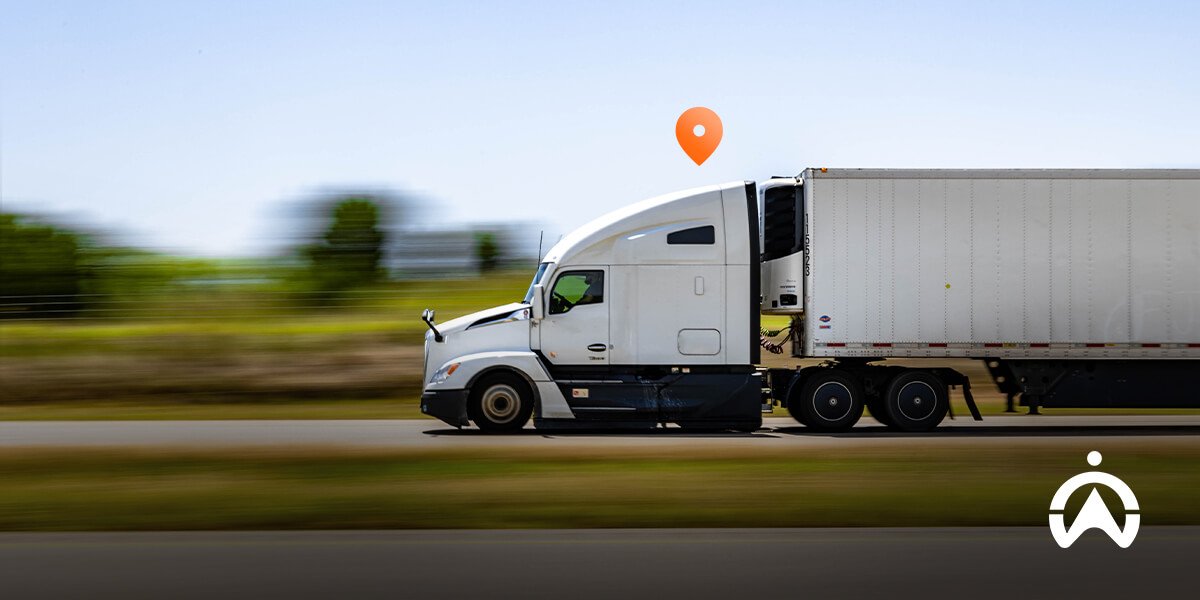
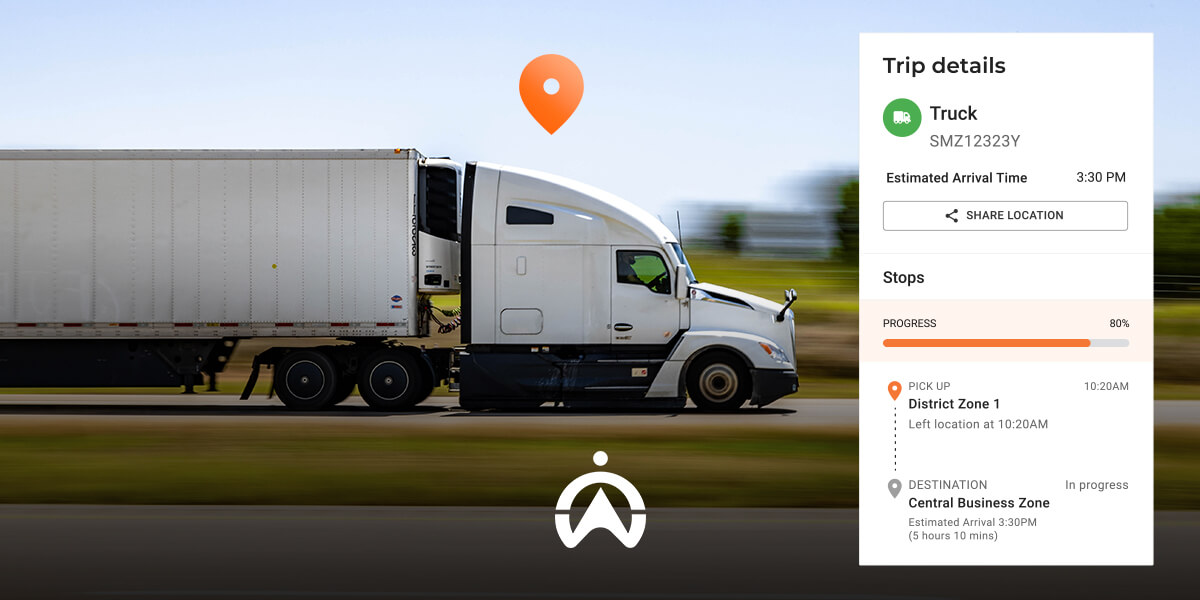
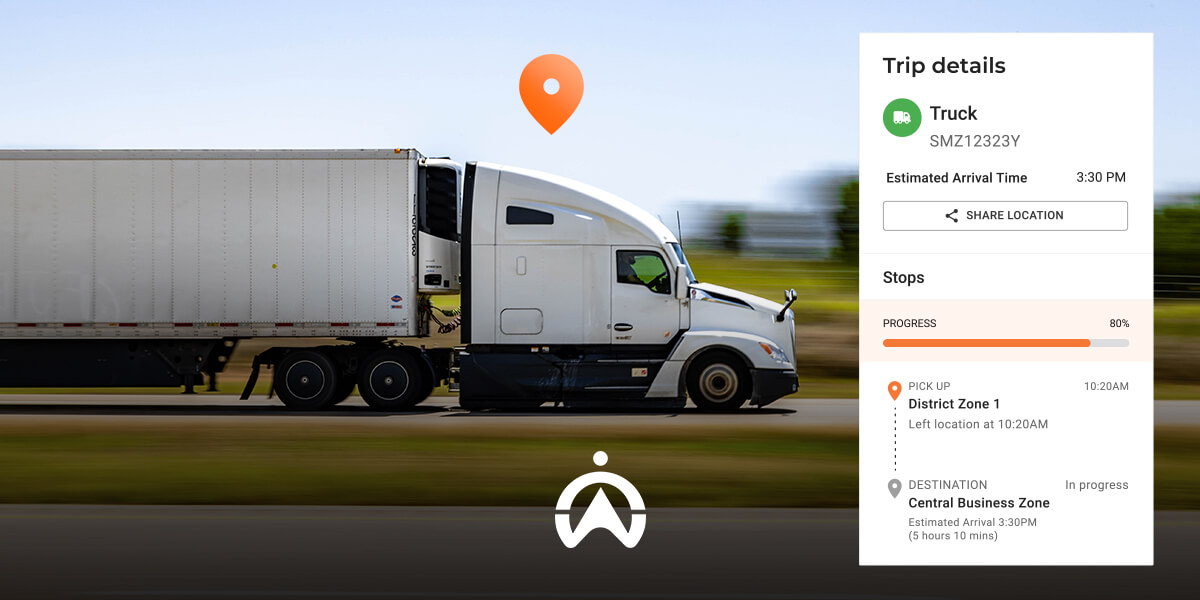
Cartrack showing what is most effective GPS tracker as white semi-truck rolls down highway with location pin glowing above.

What is the most effective GPS tracker for fleets?

The most effective tracker for fleets is one that’s able to meet business-specific needs, which include data-driven insights, increased performance outcomes, and reduced costs. This is typically achieved with a hardwired GPS tracking unit—but again, this depends on your industry and fleet type.

  • Why fleet requirements differ: fleets typically require advanced features that consumer-targeted units can’t offer. These features include adaptability for fleet growth and change, cost control tools for fuel efficiency and optimisation, and compliance support for regulation and safety purposes.
  • Advantages: key benefits include an overall safer driving culture, consistent visibility, and better cost management.

Cartrack delivers all the advanced features you’d expect for GPS fleet tracking. Trusted by local and global businesses alike, we’re ready to partner with you to keep your fleet future-ready.

What is the most effective GPS tracker for assets and equipment?

The most effective GPS tracker for assets and equipment are usually lightweight, portable, and wireless units with long-lasting battery life. Assets and equipment can often be brushed aside, and yet they’re just as vulnerable to theft as vehicles are. Examples of these high-value assets include construction machinery and harvesting tools.

  • Industry use cases: this solution is perfect for agricultural tools, construction yellow machinery, car rental fleets, and other movable assets. Additionally, the monitoring and safety of trailers and containers can also benefit from an asset tracker like this.
    ‍
  • Portability: this kind of flexibility means the tracker is easy to move if necessary. It’s also adaptable to different environments.

Cartrack Tags function as tracking devices as well as security and fleet control systems, ensuring your assets are always protected.

What are the core features of an effective GPS tracker?

The core features of an effective GPS tracker include tamper-proof elements, impressive battery life, and real-time visibility. It’s important that an effective GPS tracker works under tough conditions, like low-coverage areas and rough terrain. Above all, a GPS tracker should be sturdy, reliable, and secure.

Take a look at these core features:

  • Accuracy and real-time visibility: these features ensure live location reporting that’s as accurate as possible (within 2-5 metres). Notifications of movement or entry/exit around unauthorised areas are also a benefit.
    ‍
  • Battery life: a tracker with strong, lengthy battery life means there’s less downtime and need for maintenance. This ensures continuous tracking.
    ‍
  • Ease of installation: you can choose between portable, wireless trackers or hardwired trackers depending on your needs. Regardless of tracker type, installation should be seamless or professionally done without damage to your vehicle.
    ‍
  • Connectivity (cellular, satellite, or IoT compatibility): avoid downtime by choosing a GPS tracker that uses cellular, satellite, or hybrid connectivity. These are strong means of connection that’ll likely keep information transmitting with little to no downtime.
    ‍
  • Security and tamper-proof features: a tracking device that has tamper-proof features ensures the device is protected and that its integrity remains intact. Unauthorised people won’t have access to your information this way.

Consumer vs professional GPS trackers: Which is more effective?

The effectiveness of the GPS tracker type ultimately depends on who’s using it. Consumer GPS trackers are easy to install and affordable for personal cars and smaller assets. On the other hand, professional GPS trackers are typically hardwired and offer advanced tools for complex fleets.

Take a quick look at this comparison table to get a better understanding:

Feature Consumer GPS Trackers Professional GPS Trackers
Purpose Personal use (car owners, parents monitoring driving teens, or general asset monitoring) Business and fleet use (cars, trucks, and assets at scale)
Features Basic location tracking, alerts, and theft recovery Advanced telematics, driver behaviour monitoring, route optimisation, and compliance
Support Limited or self-managed smartphone apps 24/7 monitoring, full customer support, SLAs (service-level agreements)
Scalability Works for individuals or small-scale use Built for fleets/multiple assets and enterprise needs
Value Affordable upfront but limited in scope Typically higher initial costs, but reflects ROI due to efficiency, legal compliance, and theft recovery

Although consumer GPS trackers are suitable for individual everyday use, professional trackers are generally considered more effective overall due to their advanced capabilities. Cartrack delivers the best of both worlds. We offer tools that are both simple for individual use and powerful enough for elaborate fleets.

Which GPS tracker works best and why?

The GPS tracker that works best is the one that offers a balance between accuracy, reliability, and assistance. In a country where vehicle theft is a frequent concern, strong network coverage and customer support are a priority with a GPS tracking device. Fortunately, Cartrack meets all of these requirements.

For everyday consumers, effective car tracking means extra protection and faster vehicle recovery. For businesses, it means better risk management and cost control.

Cartrack is among the most trusted GPS tracking providers in Malawi. Tending to both everyday individuals and large fleets, we’re a popular choice when it comes to meeting market requirements.

How to choose a GPS tracker for your needs

To choose the most effective GPS tracker for your needs, you need to define your purpose, set your criteria, compare providers, and consider after-sales support. These four steps are the keys to linking goals to measurable criteria, helping you make the right choice.

Take a look:

Step 1: Define purpose

Ask yourself what you’ll be using the tracker for and what kind of assets you’ll attach it to. Think about the main purpose, the type of asset, the scale—whether it’s just a few vehicles or a large fleet—and the results you want to achieve, like lower fuel costs or improved driver behaviour.

Step 2: Set criteria

Think carefully about which GPS tracking features are non-negotiables. Use these as the basis of your criteria, and consider these following points:

  • Power source: is the device portable and wireless or hardwired?
  • Connectivity: is the device dependent on cellular and multi-SIM data, and can it use satellite connection when necessary to avoid downtime?
  • Extra protection features: is the unit sturdy and able to remain in place no matter the terrain? Is the unit tamper-proof?
  • Integration: does this unit connect seamlessly to its accompanying fleet management platform? Does it provide the necessary data and analytics required?
  • Updating accuracy: does this device show real-time feedback and update frequently?
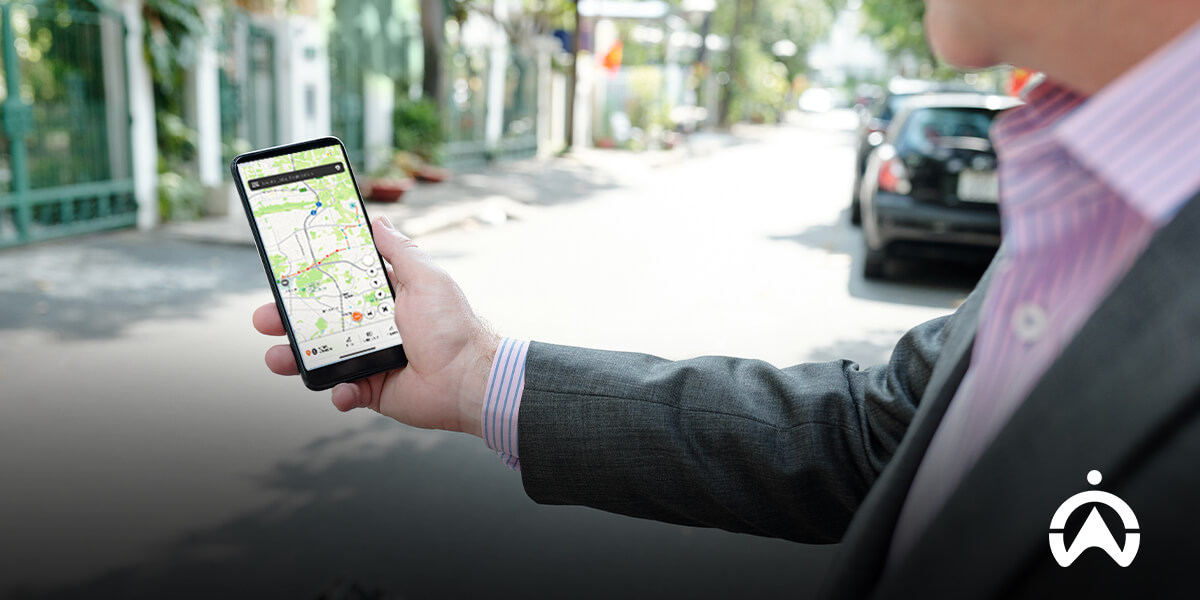
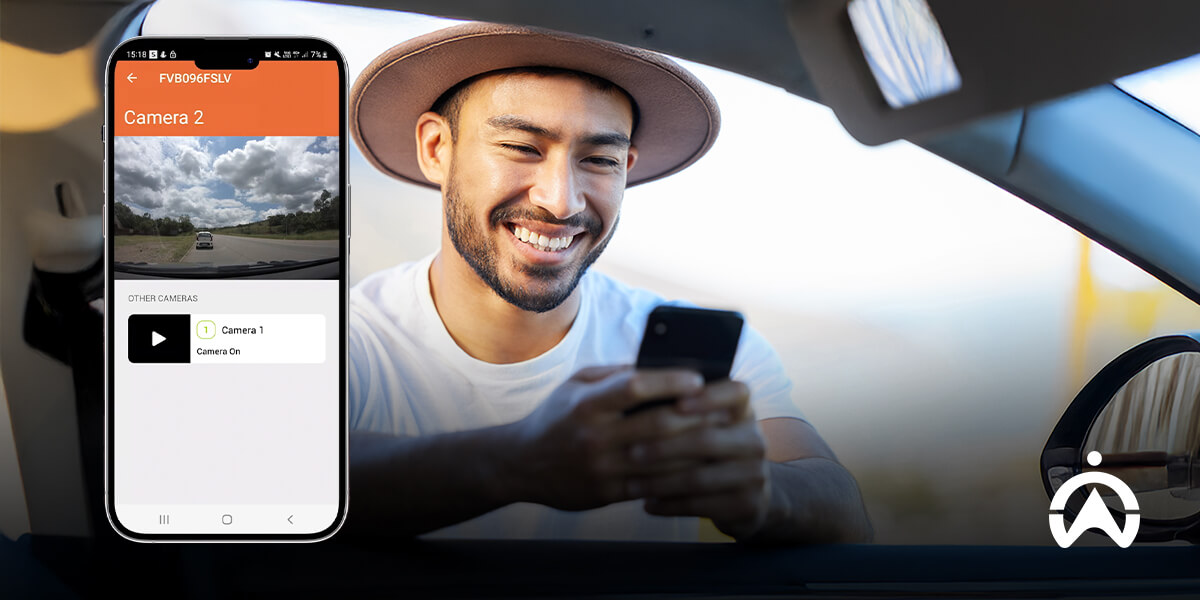
A man holding a phone displaying Cartrack app as most effective GPS tracker.

Step 3: Compare providers

Always compare providers and their offerings according to the criteria you’ve set. This is a practical checklist that helps you objectively select the best provider for your GPS tracking needs. Think about these parameters when comparing providers:

  • Demo options: does the provider offer trials and demos for you to test their services and offerings?
  • Case studies: are there enough real-life references and success stories that reflect their work?
  • Feature fit: does the provider meet your criteria in terms of the features you’re looking for?
  • Onboarding and ongoing support: does the provider offer onboarding to help your team work smarter with these new tools? Is there ongoing support and refresher training when necessary?
  • Security and privacy: can the provider offer encrypted services to keep your data safe? Are their security measures at a global standard?
  • Uptime and recovery: does your provider offer strong recovery services in the case of vehicle theft? Is round-the-clock support and monitoring offered from their control room?

Step 4: Consider after-sales support

After-sales support is the key to a holistic, effective GPS tracker—the technology is only half the job. Make sure that your provider offers the following:

  • Professional installation and fitment that won’t impact the vehicle’s warranty
  • Maintenance when it’s necessary, including battery replacements, spare units, and software or hardware updates
  • Onboarding and training for staff, including you as an owner or fleet manager
  • Scalability and flexibility if your fleet grows or changes in its structure

Making the right choice in GPS tracking

Ultimately, the most effective GPS tracker is the one that best suits you and your personal or business needs. Whether you’re managing a sophisticated fleet, protecting high-value assets, or looking after a personal car, effectiveness should be all about stronger security and smarter control.

Luckily, Cartrack is prepared for whatever you need. We bring both simplicity and comprehensiveness based on your needs, so that you remain assured that your assets are always protected and connected.

Don’t leave your assets’ safety to chance. Equip your business with Cartrack’s GPS tracking solutions, trusted by thousands across Malawi. Speak to our team today and find the most effective GPS tracker for your needs.

FAQs

Q: What is the difference between a tracker and a GPS tracker?

A: The difference between a tracker and a GPS tracker is that a tracker can be any device that tracks movement or location with, for example, Bluetooth, whereas a GPS tracker specifically uses cellular data or satellite networks to provide live locations. GPS trackers are typically the smarter, better-connected option, proving valuable for fleet and asset tracking.

Q: Which GPS tracker has the longest range?

A: The GPS tracker with the longest range is usually a satellite-enabled tracker. This is because they usually have the best coverage, even in low-coverage or remote areas. The range of a tracker depends on the connectivity method, which is usually cellular, satellite, or hybrid connectivity.

Q: Which GPS tracker is the most accurate?

A: The most accurate GPS trackers are professional-grade ones. Professional-grade trackers usually combine GPS triangulation and other telematics technology to provide live tracking that’s as accurate as possible—within 2-5 meters accuracy. This is especially necessary in areas with low-to-no signal coverage or interference.

Q: Are hidden GPS trackers legal?

A: Yes, hidden GPS trackers are legal when placed in the vehicles or assets you own. Illegality comes in if you place a hidden or inconspicuous GPS tracker in another person’s vehicle without their knowledge or consent. It’s important that businesses also comply with employee monitoring regulations when using GPS tracking for fleet vehicles.

Airtag vs a GPS Tracker: What’s the Best Car Protection?

A GPS tracker is much better for car protection in terms of vehicle recovery. An AirTag can sometimes help you find your car if it passes near other Apple devices, but this won’t really give you real-time updates. It also won’t work well in less-populated areas. A dedicated GPS tracker, however, uses satellites and cellular service for a much more reliable, powerful, and accurate connection.

According to a 2023 estimate, the rate of reported motor vehicle theft in Malawi was approximately 23.7 per 100,000 population per year. At Cartrack we completely understand what some car owners face when deciding between a GPS tracker and an Airtag. So, we’re here to help you make an educated decision.

AirTag or GPS tracker: Which is the better choice for protecting your car?

With thousands of cars stolen annually, vehicle theft is a serious issue—especially in Malawi. Losing a car can also be extremely stressful in addition to being a financial loss. Although steering locks and alarms offer some prevention, the reality is that savvy thieves can easily get around these.

For this reason, a lot of Malawian drivers are using tracking devices as an additional precaution. Usually, there are only two options to consider: a GPS tracker and AirTag’s. But which is better suited for serious vehicle protection? Let’s fully explore each of these devices and understand why a GPS tracker offers far greater security than an AirTag ever could for your car.

What is an AirTag?

So what exactly is an AirTag? An AirTag is a bluetooth tracking device owned by Apple designed to locate personal belongings. It’s a small and discreet tag that works via the ‘Find My’ network using nearby iPhones to update the location.

How does an AirTag work for car protection?

The AirTag was designed to help you find personal items like keys, wallets, and bags—not cars. While AirTags are small and easy to place, they completely rely on Apple’s “Find My” network. What this does is make their performance dependent upon how many iPhones exist, limiting how well they can protect your vehicle in real-life theft cases.

Pros of AirTag for car use

The pros of an AirTag for tracking your car are:

  • It’s an affordable one-time purchase.
  • It’s easy to set up with an iPhone.
  • It’s small and discreet—easy to hide.
  • It’s also reasonably useful in dense urban areas with many iPhone users.

Cons of AirTag for car use

The cons of an AirTag for tracking your car are:

  • It’s not a dedicated vehicle tracker GPS—no theft alerts.
  • It relies entirely on nearby iPhones to update location.
  • It’s useless in rural areas or places with only a few Apple devices.
  • Thieves can easily detect and disable them.
  • They don’t provide real-time updates or recovery assistance.

For everyday items, an AirTag is convenient. But for serious car protection? It falls short!

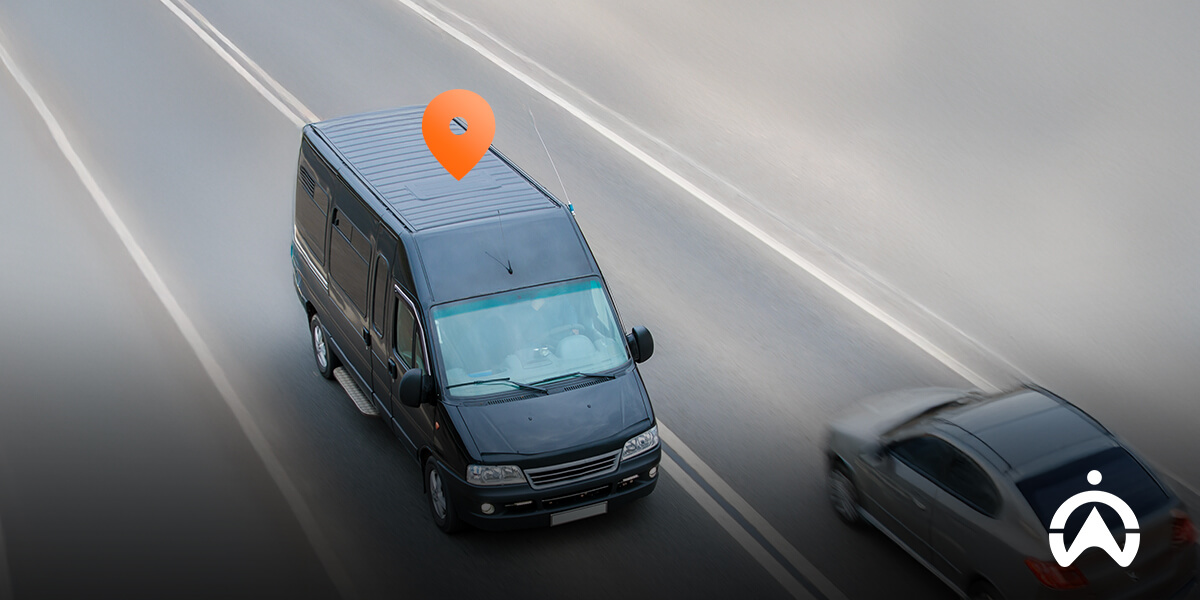
Cartrack GPS tracker vs AirTag comparison with black van on highway marked by location pin.

What is a vehicle tracker GPS?

A GPS tracker is a specialised vehicle tracking device that provides precise, real-time location updates via satellites and mobile networks. GPS trackers, as opposed to AirTags, are made specifically for the purpose of preventing car theft, assisting in vehicle recovery, and offering other useful safety features.

Why is a GPS tracker the better option for vehicles?

GPS trackers are mainly designed for vehicles, in contrast to AirTags, which are designed for items. So no matter where your car is, a GPS tracker provides precise, real-time location updates via satellite technology and mobile networks. In Malawi, where auto theft is a major problem, a GPS tracker can also send theft alerts.

They can also put you in touch with expert recovery teams and provide you with full visibility via a mobile app. Let’s take another look at some pros & cons:

Pros of a GPS tracker for car use

The pros of a GPS tracker for tracking your car are:

  • It provides real-time location tracking.
  • It works independently of nearby devices.
  • They have geo-fencing (alerts when your car leaves a designated area).
  • They provide theft alerts for unauthorised movement.
  • They can monitor driver behaviour.
  • You can receive emergency responses and recovery assistance.
  • It’s linked to professional monitoring centres for rapid theft recovery.

Cons of GPS tracker for car use

The cons of using a GPS tracker for tracking your car are:

  • They’re are more expensive than an AirTag.
  • They require installation (by a professional).
  • Ongoing subscription fees may apply.

AirTag vs GPS tracker: Side-by-side comparison

A sure way to make sure you’re making the right choice for your vehicle’s protection is by comparing the key features, reliability, and overall value of each device. While an AirTag can be a handy tool for tracking your small personal belongings, a vehicle tracker GPS is purpose-built to safeguard your car. That’s because it offers you real-time monitoring, theft alerts, and recovery support.

By comparing the technology, cost, and protection provided by each of them, you can easily see why the best GPS tracker for car safety in Malawi is the superior choice.

Feature GPS Tracker AirTag
Purpose Vehicle tracking and protection Finding misplaced items
Technology Satellite-based GPS and mobile networks Bluetooth and Apple’s Find My network
Real-time Tracking Yes, accurate and continuous Limited, depends on nearby devices
Coverage Global coverage Only where iPhones are present
Theft Prevention Theft alerts, immobilisation options No dedicated features
Durability Rugged, built for vehicles Consumer-level
Cost Higher cost and possible subscription Low one-time cost
Ease of Use Professional installation recommended Simple set-up
Best for Serious vehicle protection Everyday personal items

Why GPS trackers are better for Malawian drivers

In Malawi, every second is crucial when your vehicle is stolen. Even a few minutes can make an impact whether you get your whole vehicle back or just parts of it. This is why, compared to an AirTag, a GPS tracker offers you far more protection:

  • Theft alerts: Get alerted right away if your car is moved without your consent.
    ‍
  • Expert recovery teams: Cartrack has 24/7 vehicle recovery teams to curb vehicle theft.
    ‍‍
  • Family protection: A GPS tracker can help parents keep an eye on their children’s driving habits and make sure they get to their destination safely. For family homes, this makes ours the best GPS tracker for vehicle safety.
    ‍
  • Fleet management: Companies can keep an eye on several cars at once, reducing fuel waste and unauthorised travel.

Simply put, the best hidden GPS tracker for car protection is the better option if you’re serious about keeping your vehicle safe.

Cartrack GPS tracker vs AirTag comparison shown with headset user pointing at detailed digital map on monitor.

Why drivers prefer our vehicle tracking services

Now, you may be wondering, ‘Why do people prefer using Cartrack’s GPS tracking systems?’ Well, as a company, we completely understand the importance of not only being quick, but also being efficient when it comes to retrieving stolen assets—as every second counts.

At Cartrack, we offer:

Nationwide reach, around the clock
No matter where you are in Malawi, our tracking network will cover you. Our teams remain on standby 24 hours a day, 7 days a week, 365 days a year—so your car is always protected.

A mobile app for seamless control
We put complete visibility at your fingertips. Using our user-friendly mobile app, you can:

  • Track your car’s live location in real time.
  • Instantly share your current location with loved ones or coworkers.
  • Get notifications and proactive alerts as soon as something changes.
  • Access your full trip history whenever you need it.

A trusted service by millions of Malawians
Over two million drivers already rely on our service to protect their cars. We’re honoured to be acknowledged as the top vehicle tracker GPS provider for peace of mind and proven outcomes. Our excellent customer service and reputation as one of the most trustworthy tracking companies on HelloPeter speaks for itself. We hold a 9.5 Trust Index rating on HelloPeter, the highest in our industry, and have an overall score of 4.15 out of 5 stars.

Other car protection devices

GPS trackers and AirTags aren’t the only devices available to protect your vehicle. Your budget and needs play a major role in what device you’ll choose. To make sure you have a complete overview on what products exist, we’ve put together a comprehensive overview for you to make an informed decision.

Device How It Works Approx. Cost (MWK) Pros Cons
Steering Wheel Lock A visible lock clamps onto your steering wheel to prevent it from turning. MWK 29,000 to MWK 96,000 Affordable; visible deterrent; easy to install. Bulky to use daily; determined thieves can cut through it.
Gear Lock (Manual/Automatic) Locks the gear lever in place, preventing the car from being shifted into gear. MWK 79,850 to MWK 199,640 Reliable; hidden option; slows down theft attempts. Professional installation is often required; not foolproof.
Immobiliser Prevents the engine from starting without the correct key or code. MWK 149,700 to MWK 299,400 Effective against hot-wiring; often lowers insurance premiums. Installation required; sophisticated thieves may bypass.
Car Alarm Sounds like a loud siren when forced entry or movement is detected. MWK 99,820 to MWK 399,280 Audible deterrent; alerts nearby people. Many false alarms; people often ignore alarms.

Frequently asked questions about AirTag vs GPS tracker

Can I use an Apple AirTag as a car tracker in Malawi?

Yes, but only to a point. AirTags get their location updates from nearby iPhones, so they work better in busy cities. However, they don’t let you track things in real time or get alerts when something is stolen; and thieves can easily find and disable them.

Is a hidden GPS tracker for car security more effective than a visible one?

Yes, a hidden GPS tracker used for car protection is much harder for thieves to find and take off, which makes it much more likely that you’ll get your car back if it’s stolen. Additionally, there’s often more than one GPS tracker installed in your vehicle, so you will always be protected.

Can a GPS tracker lower my insurance premiums?

Yes, a lot of Malawian insurance companies see GPS trackers as a good way to protect your property and may offer you lower premiums. GPS trackers greatly increase the chances of recovering a stolen vehicle, which is why AirTags are not recognised for this purpose.

Do all GPS trackers require a monthly subscription?

Not all GPS trackers require a monthly subscription. Some products are sold as the best GPS tracker with no monthly fee or the best vehicle tracking device with no monthly fee. Most of the time, these only let you track your location. But subscription-based services offer theft alerts, help with recovery, and monitoring around the clock.

Will an AirTag alert me if my car is stolen?

No, unfortunately AirTags don’t offer any recovery support, immobilisation, or theft alerts. AirTags are Bluetooth devices, so only when and if your vehicle happens to pass another Apple device will it then be able to provide you with location updates.

Key Skills Your Truck Drivers Should Have in Your Fleet Company

The must-have skills for every driver include good communication, defensive driving, using navigation tools, basic knowledge of road rules, and being able to spot vehicle issues early. With these, you ensure enhanced safety, reduced costs, and more efficient fleet operations.

Truck drivers are the backbone of a fleet company. They’re the link between the company and its customers. They’re directly responsible for delivering goods safely and on time. Without skilled, dependable drivers, your fleet operations face the risk of delays and higher safety risks. This, in the long run, increases the likelihood of financial loss for your business.

According to MiningDoc, skilled drivers maintain higher alertness to avoid fatigue-related accidents and manage fuel use efficiently. This improves safety and reduces costs. Driver skills go beyond just holding a valid driver’s licence. As a fleet manager, it’s important that you know what skills to look out for and which technology can help you achieve a skilled workforce.

Must-have skills for professional truck drivers

To better help you understand the kind of skills your drivers need, we’ve broken them down into two categories: soft skills and hard skills. Hard skills refer to the technical, job-specific abilities, and soft skills refer to how drivers interact with people or situations. Both skill types can be taught through training.

Let’s have a look:

Hard skills

  • Technical driving expertise
    Drivers need to know how the trucks they operate behave in different conditions. A small delivery van reacts differently to a big semi-trailer. Drivers must know how vehicles respond when they’re empty versus fully loaded. They also need to understand how the vehicles react in the rain or on steep hills. The better your drivers understand your vehicles, the safer they can drive them.
    ‍
  • Defensive driving
    Defensive driving is all about thinking ahead and reacting fast. Your drivers can’t control what other drivers do, but they can control how they react. When they spot a sudden road hazard, they need to know what to do to prevent accidents. Your drivers must take defensive driving courses. This makes them more alert and saves your business from the costs of accidents.
    ‍
  • Knowledge of road rules and compliance
    Professional drivers need to know things like speed limits, weight restrictions, traffic signs, and any other special rules that only apply to trucks. Through this, they’ll avoid fines and keep themselves and others safe. Once they fully understand these road laws, they become more responsible and trustworthy.
    ‍
  • Vehicle safety checks
    It’s important that drivers check their trucks before the start of every journey, and they need to know what faulty signs to look for. Vehicle components such as brakes, tyres, lights, and mirrors must all be in top condition. By checking these things regularly, they can spot small problems before they turn into big ones. These pre-trip inspections ensure safety and help them avoid costly, unexpected breakdowns.
    ‍
  • Navigation and technology use
    Your drivers must know how to use technologies such as GPS navigation systems and fleet management software. GPS ensures they can follow routes accurately and avoid taking wrong turns or getting lost. This saves time and reduces fuel waste.
    ‍
  • Time management & reliability
    Being on time is important, but it shouldn’t be at the cost of speeding. Drivers need to know how to balance safety and punctuality. This keeps operations running smoothly and efficiently. When drivers are always on time, they strengthen their trust with customers who count on accurate deliveries, making the company look good.

Soft Skills

  • Communication
    Fleet operations depend on communication. Drivers must be able to keep dispatchers updated about their status. They also need to properly understand instructions and report delays as early as possible. Clear communication helps to avoid confusion and improve teamwork. It also ensures smoother fleet coordination and improved client relationships.
    ‍
  • Customer service and professionalism
    Drivers are often the face of your company, even if they only interact with clients for a few minutes. How they greet a customer, handle a delivery, or deal with a problem reflects on your company. They must always be polite, friendly, and professional. This shows respect and builds trust. Customers are more likely to come back or leave positive feedback when your drivers treat them well.
    ‍
  • Problem-solving
    Things don’t always go as planned. Traffic congestion, bad weather, or mechanical issues can slow things down. Your drivers must be able to quickly think of solutions. By solving problems quickly, they keep your deliveries on track and reduce stress for the rest of your team. A driver’s ability to handle unexpected situations makes them invaluable to your company.
    ‍
  • Stress management and endurance
    Driving for long hours and having tight deadlines can be stressful for your drivers. Drivers must know how to manage the pressure to avoid frustration. This ensures they’re always focused and maintain a high standard throughout their long shifts. It also results in fewer accidents that are linked to stress and fatigue.
    ‍
  • Adaptability and continuous learning
    The world of fleet driving is always changing. New rules, new technology, and new company policies come up regularly. Drivers need to be adaptable to change instead of resisting it. Whether it’s a new GPS system, a safer driving method, or updated safety regulations, they must always be willing to improve their performance. Willingness to learn shows professionalism and ensures that your fleet remains competitive and compliant.
A collection of road signs including a yield sign, right turn arrow, truck direction signs, and a green traffic light.

The role of technology in developing driver skills

Technology plays a huge role in enhancing the skills of drivers. Traditional driver training methods often limit themselves to reactive measures. This means correcting behaviours long after they happen, which doesn’t always work. However, with the right technology in place, you’ll have a reactive framework in place, which has proven to be more effective.

Key players in improving professional driving standards—Telematics and AI

  • Telematics: The use of telematics in fleet management has been a game-changer. This technology provides you with real-time reporting of driving habits such as speeding and harsh cornering. For instance, telematics can detect when a driver accelerates too quickly. As a fleet manager, you’ll also receive reports of driver actions as they happen. From there, you can tailor the training to focus specifically on that issue.
    ‍
  • AI technology: Another powerful tool that’s redefining fleet driver training is artificial intelligence (AI). This technology often comes with fleet dashcams. It analyses various unsafe driving habits, like not wearing seatbelts and using cellphones. The cameras then release real-time audible alerts so drivers can quickly adjust their actions on the go.

Telematics and AI tools can then be integrated into one tool that specifically focuses on driver training. This is what we at Cartrack call a driver coaching platform, where all recorded incidents are turned into insightful data that displays the patterns of each driver and the team.

You can then use this data to send drivers for training based on each incident and have a full record on the platform of training discussions.

How Cartrack helps you build safer, smarter, and more skilled drivers

Our fleet management solutions help you keep an eye on driver performance so you can identify each driver’s specific coaching needs. It also ensures your drivers are always safe on the road and that your fleet meets compliance requirements.

Here are some of our top features for enhancing the skillset of your workforce: 

  • Route optimisation for better navigation
    Our route optimisation software is there to help you plan faster, more fuel-efficient routes for your drivers. Through monitoring historical route patterns, this software ensures that drivers avoid delays.
    ‍
    With this easy-to-use system, drivers avoid things like road closures and traffic congestion. Your drivers will better understand these alternative routes the more they use them. This helps them gain better navigation skills in situations where there’s no signal to help.
    ‍
  • AI Dual Vision camera for driver alertness
    The Cartrack AI Dual Vision dashcam solution ensures that drivers remain aware of their distracted driving habits. This powerful gadget can spot behaviours such as fatigue, cellphone use, and smoking. It then sends out an audible alert so drivers can quickly rectify their actions. You’ll get reports of these actions, which will make it easier for you to spot patterns, address issues, and send your drivers for training.
    ‍
  • Driver coaching platform
    Training your drivers makes them feel more confident and supported. This develops your team and reduces turnover. For this reason, Cartrack has a driver coaching platform.
    This feature monitors the behaviours of all drivers through reports from our telematics devices and cameras. They can spot repeated offences such as speeding, reckless driving, and even smoking.

    From there, you can schedule drivers for coaching sessions so they can improve their skills. All discussions of the coaching sessions will be noted on this platform so that other coaches can see what was discussed in previous sessions.

  • Driver scorecards
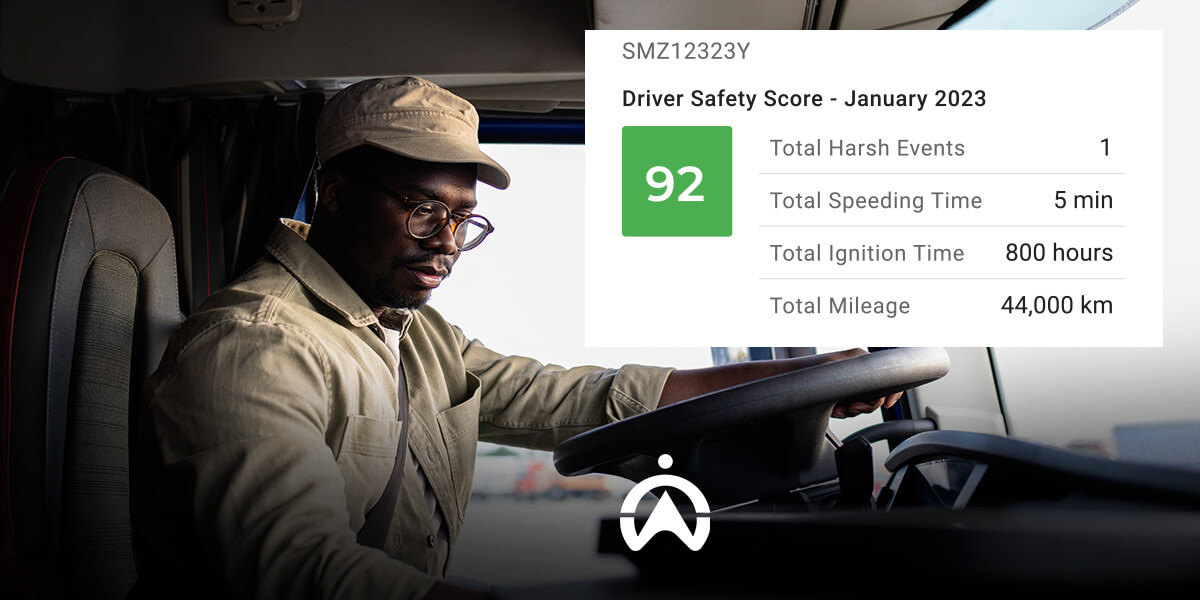
    Rewarding drivers for good behaviour and skill improvement helps boost employee morale. For this reason, we have a driver scorecard program on our platform. This feature rates how well each driver behaves on the road. Now you can reward the ones with the best ratings through incentives or by giving them public recognition.
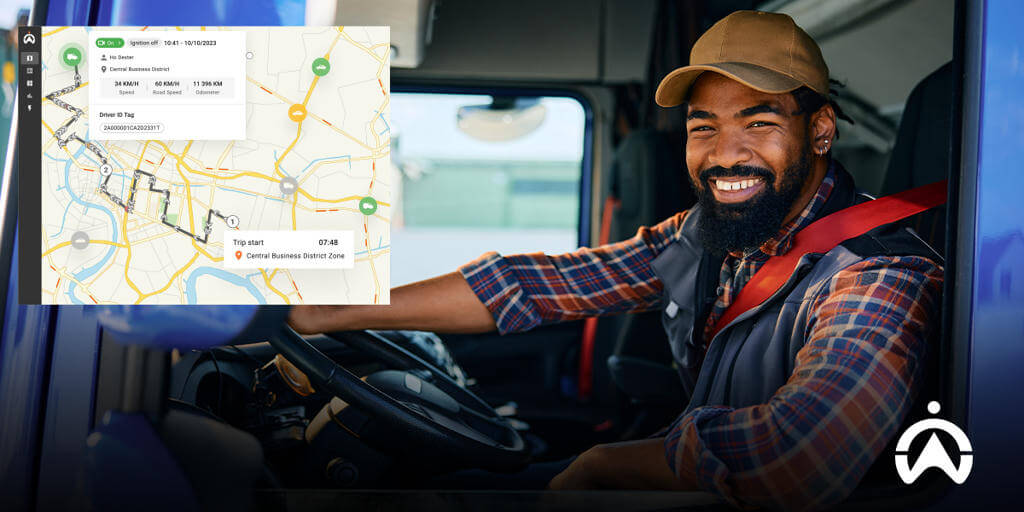
A truck driver seated in a vehicle, navigating a map displaying a route and destination information on a digital screen.

Support your team with smarter fleet solutions

Truck driver skills are important for anyone working in the industry. If you’re a fleet manager who’s looking to hire new drivers, it’s important that you know what to look for. It’s also essential that you know the skills your current drivers need to improve on.

Investing in driver training and support brings many benefits to both the company and your truck drivers. Over time, through our technology, you’ll have a culture where people and technology complement each other. This leads to lower costs, higher compliance, and a better reputation for the business. Reach out to us and enhance the skills of your workforce.

Frequently Asked Questions

What is a fleet strategy?

A fleet strategy refers to a detailed plan that guides a business on how to manage a fleet of vehicles and assets to achieve a set of business goals. The intended outcomes of implementing a fleet strategy usually involve lower fuel costs, better maintenance scheduling, and improved safety. A good fleet strategy helps the business run smoothly and more efficiently.

What are the metrics of fleet management?

The metrics of fleet management are the key points that fleet managers can use to measure fleet performance. They include vehicle utilisation rate, driver behaviour, route efficiency, repair turnover, preventative maintenance, fuel consumption, and the Total Cost of Ownership. These are some ways to keep up with all aspects of the fleet and boost profits.

What is a typical day for a fleet manager?

A typical day for a fleet manager involves anything that aims for the smooth operations of a company’s vehicles. Fleet managers assign vehicles to drivers, track performance, manage paperwork, plan routes, and ensure that drivers adhere to compliance regulations. They’re also somewhat responsible for client satisfaction.
How does fleet tracking improve safety and compliance?

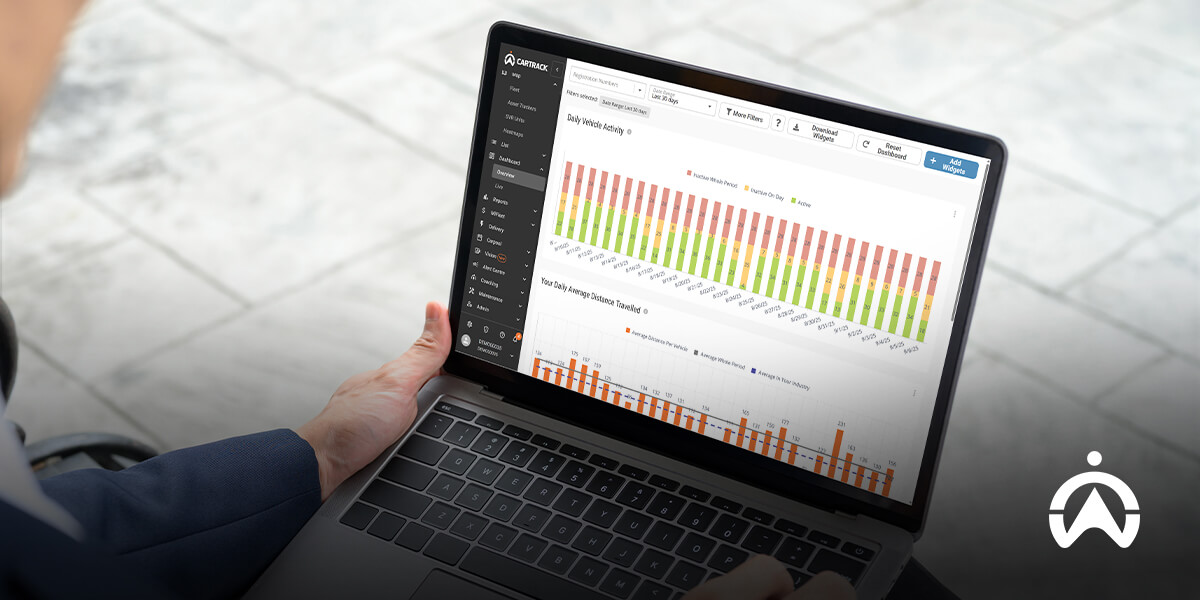
Fleet tracking improves safety and compliance by providing real-time reports on driving habits such as speeding, sudden braking, harsh cornering, and aggressive acceleration. Each incident is accounted for, allowing fleet managers to intervene and provide each driver with training. Fleet tracking also automates driver working hours, ensuring drivers get enough breaks in between. All this improves fleet safety and compliance.

What industries benefit the most from fleet management?

The industries that benefit the most from fleet management are transportation and logistics, construction, mining, utilities, e-commerce, and agriculture. These sectors mostly depend on vehicles to move goods from one point to the other or to provide services. Fleet management is there to properly organise all vehicle-related operations, and therefore reduce costs, improve safety, and enhance productivity.

Ready to take your drivers skills to the next level? Join Cartrack today!

What are Driver Scorecards? How Can They Improve Fleet Management?

Driver scorecards are digital reflections that tell you how good (or bad) your respective drivers are. It uses performance indicators together with a demerit system to help you determine which drivers are performing well, and which need training or disciplinary action. They turn performance into easy-to-absorb scores that you can use to incentivise your drivers.

Truck accidents result in more fatalities per crash than any other type of road accident in Malawi. That’s likely because over a third of the victims in truck accidents are actually pedestrians.

We develop software technology that drastically reduces this horrible statistic. Want to know how? Read on to learn about our Cartrack Driver Scorecard system, how it works, and how it helps you avoid the legal and ethical implications resulting from fleet road accidents.

What are Driver Scorecards?

Driver scorecards give you a visual representation of how each driver in your fleet is performing on the road. With this in place, you can mostly prevent road incidents caused by bad driving. Get the most out of this system by addressing these issues with your drivers before they become serious problems that cost you money.

As we explore further, we’ll see what driver scorecards have evolved into. It used to be a manual rating system. However, now that they are AI-driven, the rating is very much automated, and leaves little room for error.

Using indisputable event logging, fleet managers quickly learn the best ways to incentivise their drivers. At the same time, drivers will know they’re being monitored on driving habits—both large and small—which leads to better driving overall.

Why are driver scorecards essential in managing Malawian fleets?

Driver scorecards are essential in managing Malawian fleets because they help you to identify risky driving behaviours. Malawian’s roads are considered among the most dangerous. For fleet managers, this can mean serious losses through accidents, insurance hikes, and cargo loss. By analysing various behaviours, fleet managers can manage and reduce this risk significantly.

Look at the table below and see for yourself how driver scorecards can curb bad driving and prevent accidents. Overall, this can have a massive impact on any fleet, whether truck drivers, lift providers, or delivery vans.

Driver Monitoring Feature How It Works How It Prevents Accidents
Speed tracking Records driving speed Stops speeding before crashes happen
Harsh braking alerts Warns when brakes are used too hard Helps drivers keep safe distance
Fatigue detection Finds signs of tiredness Reduces risk of drivers falling asleep
Distraction alerts Spots phone use or lack of focus Keeps eyes on the road
Seat belt reminders Checks if seat belts are on Protects drivers and passengers
Route tracking Shows the safest and fastest paths Avoids risky roads
Collision warnings Alerts when too close to another car Prevents rear end crashes
Driver scorecards Rates driving behaviour Encourages safer habits

As a fleet manager, how much easier would driver coaching be if scoring each of your drivers was possible? In many ways, coaching with driver scorecards is actually twofold. First, you get alerted whenever your driver reaches a critically low driving score. Second, your drivers are less likely to drive badly, because they know they’re being evaluated constantly.

The result? 

  • More responsible drivers
  • Fewer accidents
  • Lower insurance premiums
  • Less downtime
  • A better reputation

It’s no wonder so many fleet managers are turning to Cartrack’s AI-powered driver scorecard feature to increase their profits! Call Cartrack now and see how we can develop a scorecard system for your fleet.

Two men stand on an asphalt lot surrounded by a fleet of white trucks, discussing details while holding a clipboard.

How is the driver score calculated?

Each driver’s score starts at 100 and goes down every time an unsafe event happens. Each event has a weight that shows its danger level. The system totals the event weights for every trip, or over a period of time that you as the fleet manager determine.

It then converts that risk into a normalised score where 100 is best (indicating no incident). In other words, a lower score means a more high-risk driver. Here’s an example of the danger categories and weights you might decide to implement:

  • Low 1
  • Medium 3
  • High 10
  • Very High 32
  • Critical 100

What behaviours are tracked for driver scoring?

Driver scorecards track risky driving habits that ultimately lead to accidents, increase costs, and harm your company’s reputation. Each behaviour is given a weight based on how dangerous it is. Safe trips and good driving habits keep scores unchanged (and high), while risky actions lower the score (of which the fleet manager will be made aware).

Similar to the previous table, this table outlines the scoring system together with an example of the risky driving habit. Remember, this is only an example. You can choose your own rating system based on the specific needs of your fleet.

Driver Monitoring Feature How It Works How It Prevents Accidents
Speeding Driving more than 10 km/h over the limit High (10)
Harsh braking Sudden, unnecessary hard stops Medium (3)
Harsh cornering Taking turns too fast Medium (3)
Tailgating Following too closely High (10)
Distracted driving Using a phone, eating, or adjusting radio Very High (32)
Ignoring traffic signs Rolling through stop streets or red lights Critical (100)
Fatigue events Long driving hours without rest High (10)
Harsh acceleration Sudden, aggressive take-offs Low (1)

How do they benefit a fleet company?

Driver scorecards benefit a fleet company by ultimately decreasing the likelihood of accidents. This has a chain effect of improving the company’s delivery times, protecting their cargo, and saving them money. But a more important benefit is the effect this has on your company’s reputation, which becomes one of reliability, dependability, safety, and trust.

Reputation

A good brand reputation means your customers trust you. It also means you’re more likely to get more customers that use your services. A company’s reputation is priceless, because it ultimately determines its survival.

Profits

At the end of the day, you’re paying a relatively small amount of money to potentially increase your company profits by a HUGE amount. By avoiding accidents and paying lower insurance premiums, don’t you think it’s time you got a bird’s eye view of how much risk your drivers are exposing your business to?

Start tracking your drivers and witness the difference in safety. Get in touch with Cartrack and get the best driver scorecard system in Malawi.

NOTE: This scorecard is completely FREE with any of our fleet management solutions!

Healthy Competition

Healthy competition comes from using driver scorecards because they let you compare your drivers fairly. When drivers see their scores, they’re encouraged to do better than their peers. This creates a positive push to improve, without needing constant management pressure. Over time, it builds pride, accountability, and stronger team spirit across your fleet.

Safety

An increase in safety has both monetary AND ethical benefits. By protecting your drivers, you’re also protecting every other driver that comes into close proximity to them and the vehicles they operate. Driver scorecards can have a positive effect on the general safety of our Malawian roads.

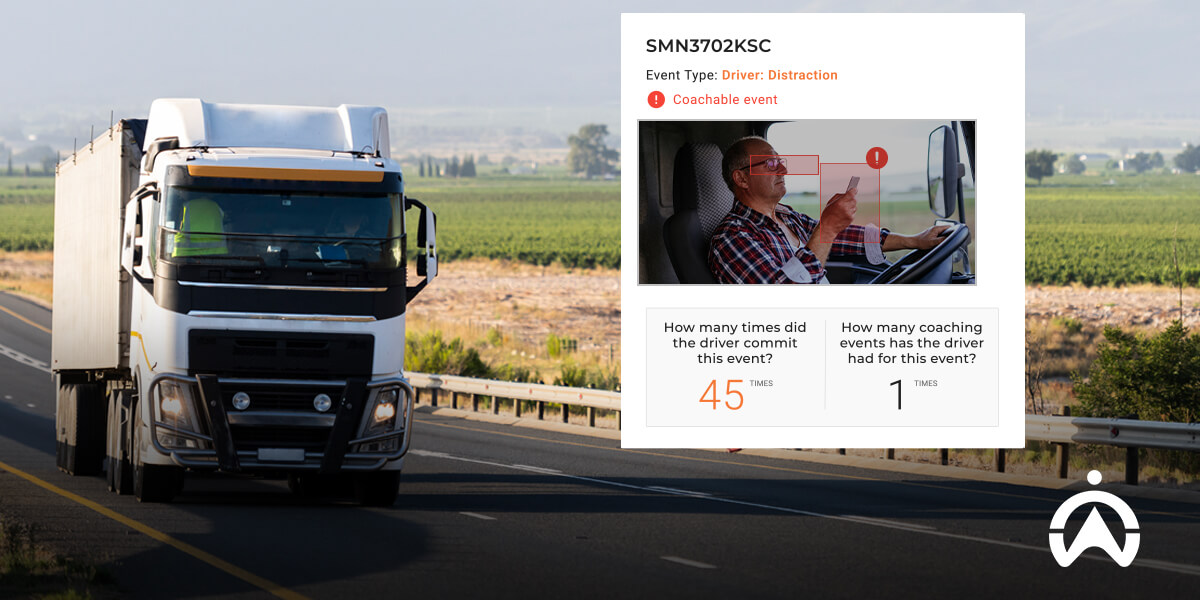
A large truck drives on a highway with fields in the background, displaying data on driver distraction and coaching events.

Compliance adherence

Although we haven’t mentioned it yet, road compliance saves you a lot in other ways too. Regular traffic fines could become a thing of the past, giving your fleet a much better record in the eyes of traffic authorities.

Growth potential

When you’re saving money and growing your reputation because of better driving, your company’s growth potential will quickly start to rise. As you manage your driving team and assemble a group of responsible, accountable, and dependable drivers, you’ll soon be considering the expansion of your business!

How does Cartrack’s scorecard work?

As we’ve seen, a good driver scorecard system works by tracking unsafe driving events and giving each driver a score that shows their level of risk. Fleet managers can quickly see who needs coaching and who’s performing well. This also makes it easier for you to improve safety and reduce costs across all of your vehicles.

How does this system differ from other, outdated scorecard systems? The scorecard from Cartrack adapts to your needs by showing real time insights and clear reports. These are easy to use, and unlike older systems that give limited data, Cartrack’s system is dynamic and flexible. This system comprehensively lets you set targets and track progress in ways that suit your business fleet down to small details.

There’s no one-size-fits-all when it comes to scoring your drivers. Tailor-design your own package and then tweak your system to suit your fleet needs. Contact a driver scoring expert at Cartrack today to book your demo.

Frequently Asked Questions about driver scorecards

How can drivers improve their driving score?

Drivers can improve their score by practising safer driving habits. These include keeping to speed limits, braking smoothly, and avoiding sharp cornering. Regularly checking their score helps drivers to track progress, so this should be encouraged. It serves as a powerful motivation for them to become better, safer, and more dependable drivers.

How long does it take for a driver to improve their score?

The time it takes for drivers to improve their driving scores depends on how quickly they correct risky habits. Consistency is key here. With noticeable improvements, drivers could improve their scores within a few weeks. Because the score updates every time new trips are logged, their actions immediately influence the scorecard results, showing steady progress over time.

Can fleet managers adjust the score at their own discretion?

No, fleet managers can’t manually change a driver’s score, as it’s based on the objective telematics data generated by the AI-driven system. This ensures fairness and consistency among all of your drivers. However, managers can use these insights to coach your drivers. So, you can set improvement targets and support better performance without interfering directly with the scoring process.

Can a driver’s score be used for disciplinary procedures in labour court?

Yes, a driver’s score may be used in disciplinary processes in labour court. However, this is only if the evidence is supported by accurate data, clear policies (set out by your company), a reasonable attempt at training, and consistent enforcement. In Malawi, this means your company must ensure the scorecard is applied fairly and in line with labour law.

Cartrack Protector: Your 24/7 Lifeline for Roadside Emergencies

Imagine you’re driving back home after a late work meeting when suddenly, your tyre bursts. This is enough to make anyone panic, especially when in a dangerous area.

What if we told you that you could get instant help at the push of a button? Cartrack’s protector is your 24/7 lifeline for roadside emergencies. With our help, you can safely return home to your loved ones.

In this blog, we look at how Cartrack Protector can save you or your loved ones in an emergency.

In this article, you will:

  • Understand the key functions of Cartrack Protector
  • Know how to use Cartrack Protector on the mobile app
  • Understand why you need it

What is Cartrack Protector?

Cartrack’s Protector is a Value-Added Service that is available to anyone. Depending on your subscription package, it may already be included, or you can add it for an additional fee.

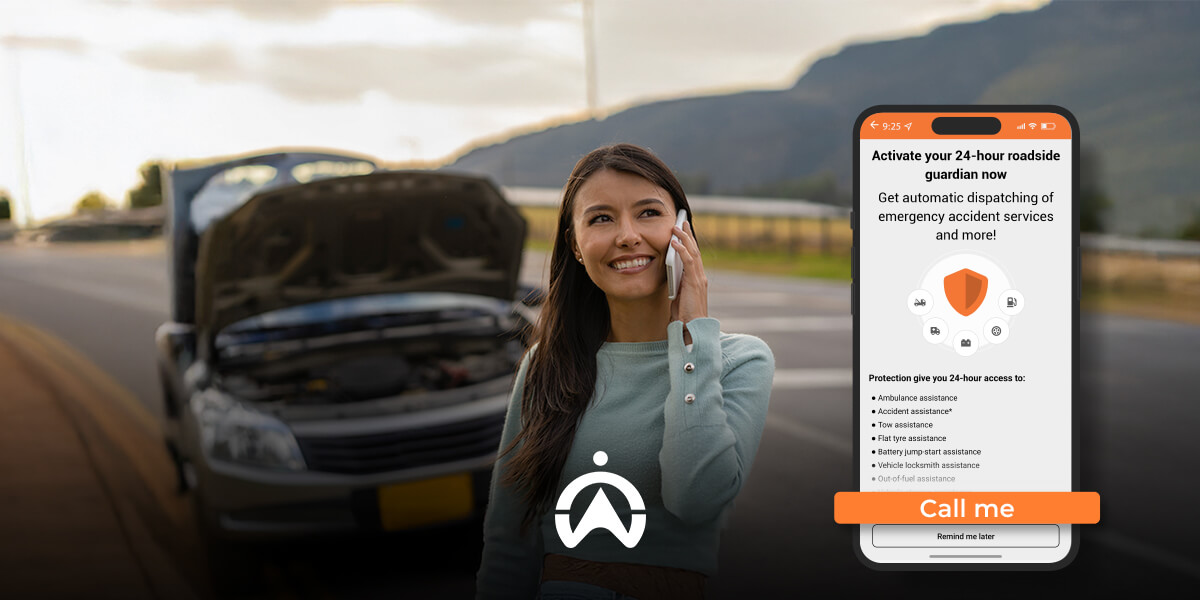
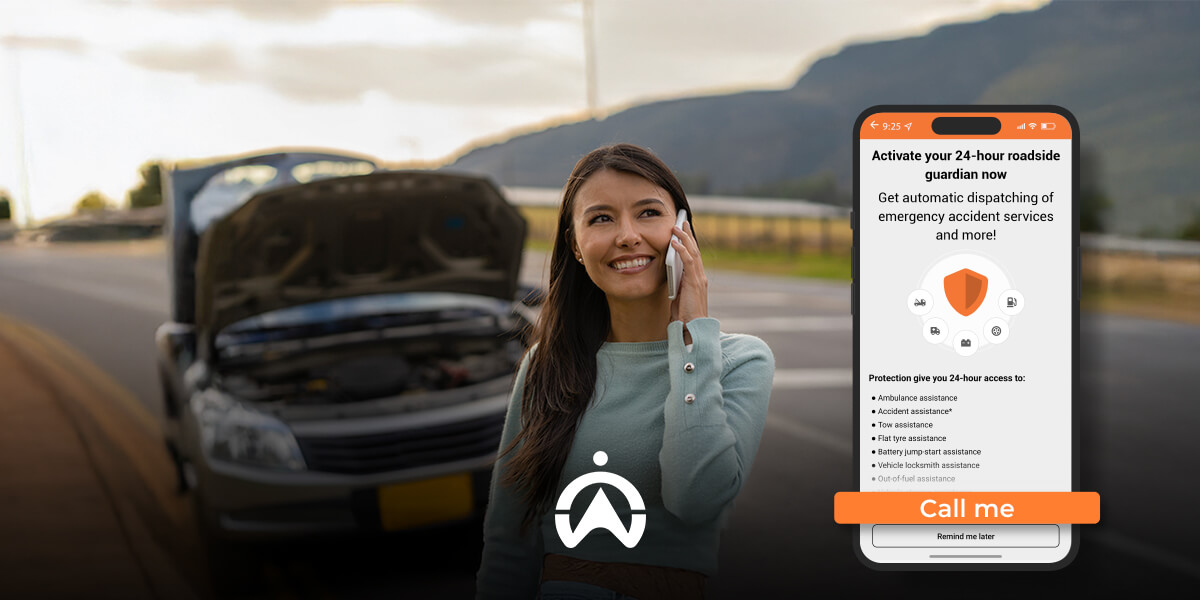
This service provides 24/7 roadside assistance, medical support, and legal advice, ensuring that help is always available when needed. All you have to do is push a button on the Cartrack app or website, and our agent will immediately contact you to find the emergency service you need.

Clients subscribed to the Quick, Quick Plus, and Quick Executive Plus packages add this service for an additional fee. However, it is already included in the Quick Management Plus and Quick Management Vision packages.

Key features of Cartrack Protector

Beyond the essential services like roadside assistance, medical support, and legal advice, Cartrack Protector also offers additional benefits, including accommodation and car hire assistance. Let’s take a closer look at these features, including their Terms and Conditions, to ensure you know exactly what’s covered when you need help the most.

Roadside Assistance:

So many things can go wrong on the road, but you do not have to go through it alone. If you need roadside assistance, this is how Cartrack can help you through the Protector service:

  • Flat battery: If your vehicle’s battery is low and doesn’t start, we will arrange for it to be jump-started, whether you’re at home or on the road.
    ‍
  • Keys locked in the vehicle: Cartrack will outsource a locksmith at the client’s cost to open the vehicle and retrieve the car keys. If we cannot resolve the problem at the scene, additional costs of towing or repairs are not included as part of the services and will be charged to the client’s account.
    ‍
  • Flat tyre: Cartrack will arrange to change the car’s tyre using the client’s spare tyre. If there is no spare tyre, we will arrange for the vehicle to be towed to the nearest approved repairer or fitment centre. These services are offered whether the car breaks down at work, at home, or on the road.
    ‍
  • Run out of fuel: If you ever run low on fuel in the middle of your journey, reach out to us immediately. We will supply you with up to 10 litres of fuel, which will be charged to your account. However, this service is limited to two incidents per year. Should you require additional fuel beyond this limit, we can certainly arrange that for you at an extra cost.
    ‍
  • Mechanical and electrical breakdown: If your car experiences a mechanical or electrical breakdown, don’t worry—we’ve got it covered. If your vehicle is still under warranty, we’ll tow it to the nearest franchised dealer or repairer to get you back on the road as soon as possible.
    ‍
  • Accident tow: In the event of a motor vehicle collision, towing will be arranged to the nearest insurance-approved motor body repairer.
    ‍
  • Mobile Mechanic Service: A mobile mechanic will be dispatched in case of a mechanical or electrical breakdown. The costs for travel, labour, and parts will be charged to the client’s account and are payable by the client to the service provider at the time of the incident. Service is subject to the availability of a qualified service provider. Should a mechanic not be available to assist at the time of the incident, towing assistance will be provided.
    ‍
  • Storage: Cartrack will arrange safe overnight or weekend storage for your vehicle if it breaks down in the middle of the night. The vehicle will be relocated to the nearest approved dealer or repairer on the next working day.

Our roadside assistance is available within 40 km of your location. However, if you need help beyond this distance, we will still help you at an additional cost.

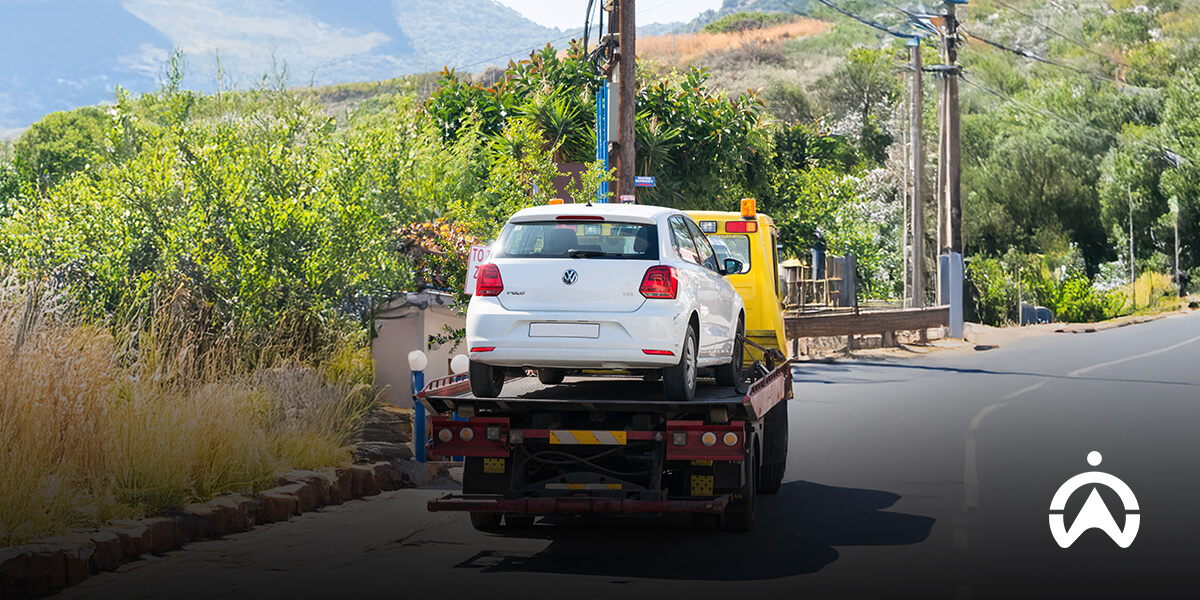
A white car on a tow truck on a roadside with greenery in the background.

Medical Assistance:

If you experience a medical emergency, Cartrack will connect you with a team of healthcare providers who can offer medical assistance over the phone. They provide advice on:

  • Prescription medication and possible side effects.
    ‍
  • Common health issues such as fevers, blurred vision, insomnia, headaches, stomach aches, ear aches, and cramps.
    ‍
  • Allergies and general health for men and women.
    ‍
  • Treating minor injuries like cuts and abrasions, as well as performing CPR.
    ‍
  • Information about expired medication, antibiotics, and supplements.

It is important to note that the advice and information are not diagnostic. You will be referred to a doctor should the nature of the call not be classified as a home remedy case. We can only assist when you are on the road and not in the comfort of your home.  In that case, we recommend you go to your doctor directly.

Emergency medical transportation:

If Cartrack detects a crash or you have a serious medical emergency, we will arrange emergency transportation for you. This may include road or air ambulance services to the nearest suitable medical facility. If you have medical coverage through insurance, a medical scheme, or other policies (e.g., the Road Accident Fund or workplace injury compensation), Cartrack may recover the transportation costs from those providers.

Legal Support:

Beyond roadside assistance, we protect you legally as well. Our 24-hour legal advice line is available for any legal services, including roadside incidents like roadblock arrests.

How Cartrack can help:

  • Legal Document Services: We provide access to important legal documents, such as:
    • Small claims court kits
    • Lease agreements
    • Offers of purchase
    • Standard wills
    • Sale of motor vehicle contracts
    • Acknowledgement of debit forms
    • Employment contracts
    • Complaint forms for statutory bodies in Malawi (e.g., the Malawi Housing and Urban Development authorities or the Malawi Office of the Ombudsman).
      ‍
  • Free consultation: Clients are entitled to one free 30-minute consultation for any legal matter. After this, you can choose to continue with the same lawyer at a fee agreed upon by both of you. These fees will be your responsibility. Each matter is limited to one free consultation. Legal assistance, advice, and access services are limited to four calls per year.
    ‍
  • Bail applications: In certain situations, Cartrack may also assist with bail applications (terms and conditions apply).

Hotel Accommodation and Car Hire Services Advice: 

Cartrack offers discounted travel and car hire services that deliver the best available rates to you, accessed through the call centre during working hours. The cost of accommodation, car hire and related fees will be charged to the client’s account.

Customers can access all these services at the click of a button, making the travel experience safer and stress-free. This feature provides peace of mind during journeys and ensures drivers are supported in any sudden situation on the road.

Why do you need Cartrack Protector?

Cartrack Protector is more than just roadside assistance—think of it as a comprehensive safety net that offers you peace during every trip you take. Whether you’re driving through unfamiliar areas, facing medical emergencies, or needing legal advice on the road, Cartrack Protector ensures you’re always supported. Having immediate access to these services via the Cartrack App means that help is always within reach, at just the touch of a button, no matter the situation.

Cartrack Agent with headset in office environment working at a computer desk.

How to use Cartrack Protector

To access these services, you must know how to activate Cartrack Protector on the mobile app. Here’s how:

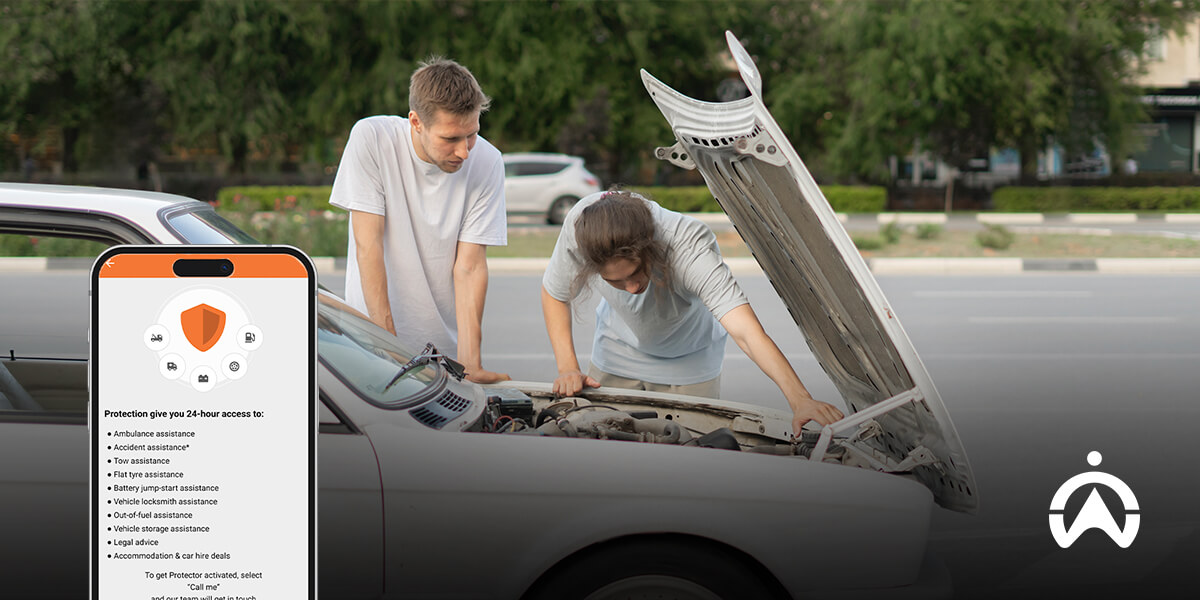
  • Go to your smartphone’s App Store, Google Play, or Huawei’s App Gallery and download and install the Cartrack App.
    ‍
  • Log in to the app using your Cartrack username or email address.
    ‍
  • Once logged in, navigate to the Protector section.
    ‍
  • Accept the Terms and Conditions by clicking “I agree.”
    ‍
  • After agreeing, you will see a list of available services such as medical assistance, roadside assistance, legal advice, and more.
    ‍
  • You activate a specific service by simply selecting it from the list. An agent will contact you immediately to assist further.
    ‍
  • If Protector is greyed out on your app, it means it is not included in your current plan, but you can always contact our customer service to upgrade your plan.

To use Cartrack Protector effectively, consider the following tips:

  1. Familiarise yourself with the App: As discussed above, you need to familiarise yourself with the Cartrack App, especially the Protector section. Understanding how to access services quickly can save time during emergencies. If you need help navigating your app, call the Cartrack toll-free number on +265 999 971 972 to receive assistance.
  2. Provide accurate information: When our team contacts you to assist you, provide your exact location and a clear description of your emergency. This allows for a quicker response from support services.
    ‍
  3. Maintain your vehicle: Regular maintenance reduces the chances of breakdowns and sudden tyre bursts. Ensure that you conduct pre- and post-trip inspections and that your vehicle is serviced on time. Check if the tyres are correctly inflated and essential fluids are topped up.
    ‍
  4. Have emergency contacts ready: Keep a list of emergency contacts that can be called should you find yourself in an unfortunate situation.

By following these tips, you can maximise the benefits of Cartrack Protector and ensure a safer driving experience.

In conclusion, having a tracking service provider that prioritises not only tracking vehicles but also driver safety is essential. Protect your drivers and ensure peace of mind on the road by contacting us today to explore our comprehensive range of value-added services.

Frequently Asked Questions about Car Protector

Q: How many times can I use the roadside assistance service in a year? 

A: The Roadside Assistance services are limited to 4 (four) incidents per vehicle per year.

Q: Are there any exclusions to the roadside assistance service?

A: Yes, exclusions include vehicles that are not roadworthy and those that are over 3.5 tons. Vehicles with expired registrations and those involved in illegal parking. Towing for trailers, boats, or caravans is not covered.

Q: How do I cancel a service request once made?

A: You need to immediately contact the Cartrack support team through the app or by phone to inform them of your cancellation before assistance is dispatched.

Cartrack Protector: Your 24/7 Lifeline for Roadside Emergencies

Discover how the Cartrack Protector service can help you in an emergency. We are a button away, whether you need roadside assistance or medical advice.

Speak to an Expert: +265 999 971 972

Compare Car Tracking Devices: Finding the Best Fit for You

In today’s fast-paced world, keeping your vehicle safe and secure is a priority.  Given the variety of car tracking devices available, selecting one that best meets your needs can be overwhelming.

Each device comes with its own set of features tailored to different needs. Whether you want to track your car’s location in real-time or ensure its recovery in case of theft, it is important to know what to look for when comparing these options.

In this blog, we will explore different tracking device options and discover how Cartrack’s solutions can benefit you.

In this article, you will:

  • Learn what to look for when comparing car tracking devices’ key features
  • Compare Cartrack’s packages
  • Find out why Cartrack is the best fit for you
  • Explore other important information you need to know about vehicle tracking

What to look for when comparing car tracking devices – key features

Choosing a tracking device tailored to your needs ensures that you are covered in a way that suits your current lifestyle, from advanced GPS technology to user-friendly mobile apps. Understanding these elements will guide you in finding your best fit.

Let’s explore the key features you should keep in mind during your comparison process:

  • Stolen Vehicle Recovery
    One of the primary reasons to have a vehicle tracking system is to ensure the recovery of your vehicle in case of theft or hijacking. This is where Cartrack’s stolen vehicle recovery (SVR) excels. We have a proven record of over 100,000 stolen vehicles recovered over the last decade, making us one of the best tracking companies in the country.
    ‍
  • Mobile App
    When your tracking device is integrated with a mobile App, staying updated on your vehicle’s location becomes easier, and you gain access to a range of additional features from your service provider.

    At Cartrack, we offer the Cartrack App, which provides helpful alerts, such as notifications when the vehicle’s battery is tampered with. You can also share your location with loved ones and view risk reports, such as speeding, to enhance safety and improve driver behaviour.
    ‍

  • Vehicle Management Logbook
    A vehicle management logbook is a great tool for tracking your vehicle trips effortlessly. It automatically records important details like the date, time, distance travelled, and whether the trip was for business or personal use. This means you don’t have to worry about manually writing everything down, which can often lead to mistakes.

    With Cartrack’s logbook feature, you benefit from advanced GPS technology that provides precise and reliable data about your movements. You can easily categorise your trips, making it convenient for tax purposes and expense reporting.
    ‍

  • Vehicle Movement Alert
    We often park our cars in areas without security, leaving us vulnerable to vehicle crime. The last thing you need is to find your car moved from where it was parked without your knowledge. This is why you need a vehicle movement alert feature. This feature acts as a virtual eye on your car, alerting you to any unapproved movement.

    At Cartrack, we have CarWatch, a feature that automatically detects unauthorised movement of your vehicle when activated. Once movement is detected, you receive a notification on your phone through the Cartrack App, allowing you to take appropriate action.
    ‍

  • Crash detection
    Vehicle tracking isn’t only about GPS location and vehicle recovery. Some tracking service providers offer crash detection sensors as a standard feature. Crash detection technology is a safety feature designed to automatically identify when a vehicle has been involved in a collision. This technology uses various sensors that can detect a car’s motion, such as speed, and other factors like pressure change and sound level, to determine if a serious crash has occurred.

    Cartrack’s smart IoT (Internet of Things) device uses special g-force technology to detect an accident in real-time, allowing us to quickly send emergency services to your exact location so you can get the necessary help. With this feature, you are assured that help is just a call away in case of an emergency.
    ‍

  • Emergency Support Service 
    This feature ensures that you and your loved ones get the necessary support when in an unfortunate situation. This could be medical assistance such as referrals to crisis and medical practitioners, medical response, and transportation.

    At Cartrack, we offer Protector, which is available on the mobile app and website. This value-added service gets you roadside assistance, such as jumpstart, tyre change, locksmith and much more. This will help you get back on the road and continue your trip safely.

See the table below to compare Cartrack packages:

Unit Features Quick Quick Silver Quick Gold
Stolen Vehicle Recovery ✔ ✔ ✔
Vehicle location via the Call centre ✔ ✔ ✔
Mobile App ✔ ✔ ✔
Logbook ✘ ✔ ✔
CarWatch ✘ ✔ ✔
Crash Detection ✘ ✘ ✔
Protector ✘ ✘ ✘

Why Cartrack Is the Best Fit For You

As a consumer looking to get a tracking device, it is important to consider all the options available. This means looking for a service provider with a comprehensive range of products and diverse pricing models. If you are looking for such a company, then Cartrack is the one for you.

At Cartrack, we offer more than just standard features, which is why we have added tools and services. These include geofencing, a panic button, and a Lifetime Maintenance Warranty, all of which ensure your protection at all times.

Here’s how Cartrack tracking solutions can elevate your safety and security:

Cartrack’s Lifetime Maintenance Warranty

The Lifetime Maintenance Warranty is also a Value-Added Service that we offer to both new and existing clients.

Our units have a one-year warranty; once the warranty has lapsed, a call-out fee will be charged if any servicing or unit replacement is required. However, you can forgo all that by signing up for the lifetime maintenance warranty—the repair process will be smoother by avoiding call-out fees and repair costs.

This will save money in the long run, eliminating the need to worry about out-of-pocket expenses for fixing any issues that may arise.

Stay one step ahead with immediate power alerts

Power event notifications are an essential feature of modern vehicle tracking systems; they are designed to alert you to potential tampering or issues with your vehicle’s battery. For example, if the vehicle’s battery is disconnected, an alert will be sent immediately to the owner. This notification is crucial because a disconnected battery could indicate unauthorised access or tampering with the car, which is a common tactic used by thieves.


Keep your vehicle safe with Virtual Boundaries

The geofencing feature allows you to create virtual boundaries around unsafe areas. You will receive notifications if your loved ones are using your car and enter one of these locations.

Help is Available 24/7 from our dedicated agents

It’s important to use a tracking company with great customer service. This is why our agents are always there to answer any enquiries or concerns you may have regarding your account. Having a responsive support team makes all the difference in your overall experience.

Stay protected with the power of a single click!

The in-vehicle panic button is a vital feature for vehicle tracking systems, as it offers users a discreet and efficient way to get help in emergencies. Its integration with 24/7 monitoring services and rapid response capabilities makes it an essential asset for anyone prioritising personal safety while on the road.

In conclusion, investing in a car tracking device is important for enhancing your vehicle’s safety and providing peace of mind in today’s environment of rising vehicle theft. Understanding the various options available, you can choose the best solution that fits your needs and budget.

Ready to protect yourself and your loved ones? Contact us today to further explore Cartrack’s solutions and enhance your overall experience on the road!

Frequently Asked Questions Regarding Vehicle Tracking

Q: Can I transfer my tracking device to a new vehicle if I sell my car? 

A: Yes, you can. If you wish to transfer your tracking unit from one vehicle to another, Cartrack will de-install/re-install the unit for a nominal fee. Simply contact us to make the arrangement, and our trained technicians will come do the de-installation and re-installation process where it is convenient for you.

Q: Will the tracking device interfere with my vehicle’s electronics?

A: No, a properly installed tracking device will not interfere with your vehicle’s electronic systems.

Q: How often should I test my tracking device? 

A: Cartrack tracking units must be tested every three months.

Q: Can I upgrade my subscription plan?

‍A: Yes you can. If you want to change your product package, simply contact us, and our customer service agent will advise you on the process and applicable costs.

What is the Best GPS Fleet Tracking Solution for Your Business?

The best GPS fleet tracking solution for your business is one that perfectly complements your business, its industry, and objectives. For most modern fleets, basic GPS tracking is no longer enough, and improved or fully-fledged systems with advanced fleet management features are a requirement for better business value.

A reliable GPS tracking solution supports your business goals and helps you save money and time. Driven by intense global demand, fleet tracking implementation is accelerating at a massive rate. According to Research and Markets, the global fleet management solutions market is expected to expand from US$22.7 billion in 2024 to US$57 billion by 2030. This underscores why choosing the right GPS fleet tracking solution could protect and future-proof your business.

Cartrack is recognised as one of the best in GPS fleet tracking, offering a streamlined platform that’s designed to fit every business regardless of industry or size. This detailed guide will take you through your solution options, the top features to consider, and how Cartrack can align with every one of your business needs—regardless of your industry or the size of your organisation.

Why do GPS fleet tracking solutions matter?

GPS fleet tracking solutions matter because they directly address the vulnerabilities of a business. As a fleet manager, you grapple with an overwhelming number of daily responsibilities and challenges. The rising costs of fuel, tightening compliance matters, and risky driving patterns are just a few to name. If you don’t adopt the right GPS fleet tracking solution, you risk inefficiency, unhappy customers, and unprotected staff.

By implementing a top-notch tracking solution, you can turn your business into a truly well-oiled machine. Through insights like optimised routes, fuel monitoring, and driver behaviour assessments, you’ll have the information you need to elevate your business operations. Fleet tracking solutions give you full visibility and improve overall service quality.

Unlocking the full power of these tools means investing in something that’ll guarantee returns. You’ll quickly see better cost management, smoother operations, and much happier clients.

What is the best GPS fleet tracking solution for your business?

The best GPS fleet tracking solution for your business ultimately depends on your business size, industry, goals, and budget—there’s no single solution. To make the best decision for your business, it’s best to assess these aspects and match them with the best features offered.

Types of GPS fleet tracking solutions

The types of GPS fleet tracking solutions typically include wireless, telematics, and full-service systems. Each of these solutions serves different purposes. Take a look at the table below to get a better overview of each solution type:

Solution type Typically Best for Pros Cons
Wireless/portable trackers Smaller fleets •Quick to set up without special tools
•Short-term use
•Low cost
•Flexible and easy to move between assets
•Limited features
•Deep data not provided
•May need manual checks to get insights
Telematics platforms Medium fleets •Live tracking
•Driver behaviour, trip, and safety reports
•Clear dashboards and data for business planning
•Requires hardware fitted directly into vehicles
•Needs a software plan (monthly/yearly subscription)
Full-service vehicle monitoring systems (VMS) Medium to large fleets •Full insights on vehicles (routes, fuel use, etc.)
•Predictive maintenance and vehicle health support
•Works well for business growth with deep insights
•Higher upfront/setup cost
•More complex to install and set up
•May include tools not always needed by smaller/medium fleets

Choosing the right solution for your fleet

Choosing the right solution for your fleet is all about matching your business requirements with the right features. Take a look at these points to narrow down your options:

  • Look at your fleet size and asset types: Consider what your fleet might need based on its scale and vehicle types. You may settle for a portable GPS solution if you have a small fleet with passenger cars, or decide on a full VMS for a larger, more complex fleet.
    ‍
  • Consider which features will help: Think about what your fleet would need feature-wise. From there, select the features that match your fleet needs or business goals.
    ‍
  • Assess integration: No matter your solution choice, your business can’t work optimally without an integrated fleet management platform. Make sure the platform works with other systems that you use, and doesn’t rely on numerous platforms to work effectively.
    ‍
  • Weigh your budget and potential ROI: A solution like the full-service VMS might look too expensive upfront, but may produce the best ROI for your business. The cheapest option may not support your goals. Always consider the savings you’d get from factors like fuel optimisation, safety improvements, and minimal downtime.
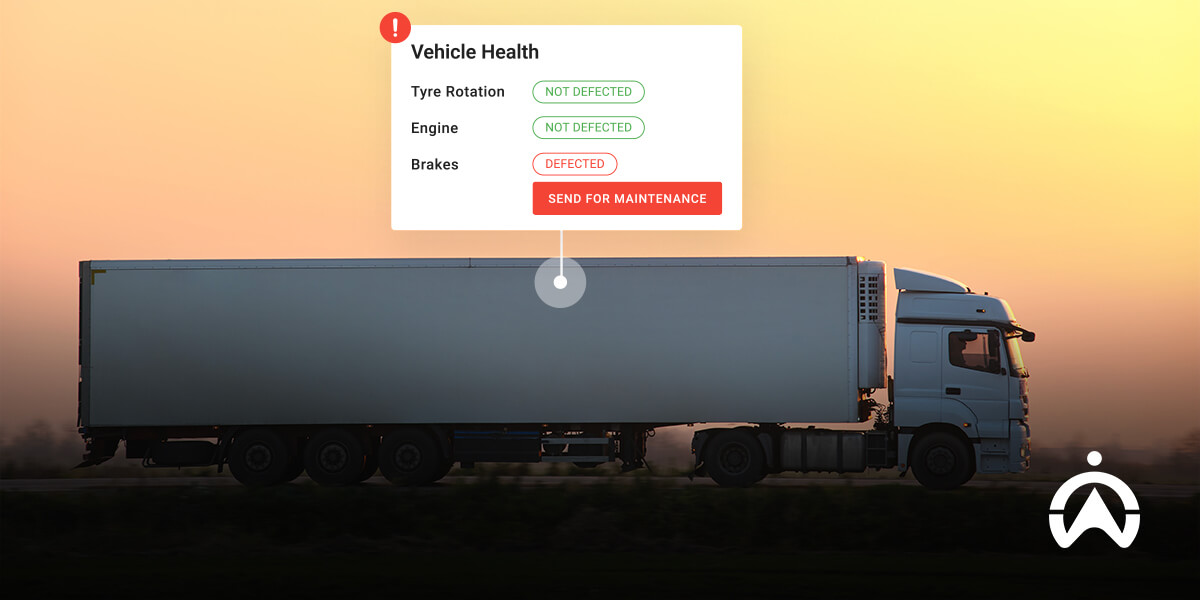
Cartrack GPS fleet tracking solutions showing truck health report with maintenance alert at sunset.

How Cartrack meets your needs

Cartrack offers every type of these solutions, meeting your needs wherever you are in your business. We’re prepared to grow with you. Here’s how we cater to your specifications:

  • Smaller fleets/short-term needs: Cartrack provides an easy-to-use, portable tracking tag to give you full visibility. It’s an affordable option that doesn’t require an intense setup.
  • Growing and medium fleets: Cartrack’s fleet tracking options with fewer add-ons can give you full visibility while still offering basic fleet management features. These include route tracking, asset insights, and driver behaviour management.
  • Large/complex fleets: Cartrack’s full Fleet solutions come with all the bells and whistles, combining hardware, software, and vehicle data. Not only do you get full visibility, but you’re also able to unlock all the advanced features you’re looking for to meet your insight, cost, and safety needs.

In addition, you can expect Cartrack to support your solutions with:

  • Flexible packages that let you choose and pay for the features that you need.
    ‍
  • Strong security features that ensure the best protection in case of hijacking or vehicle theft.
    ‍
  • AI-supported components that contribute to the predictive and proactive nature of risk management.
    ‍
  • Advanced technology that’s scalable and adapts with your business as it grows or changes.
    ‍
  • Easy integration with other systems, without having to rely on more than one platform.

Essential fleet tracking solutions features to maximise efficiency

The essential GPS fleet tracking solutions that maximise your business’s efficiency are those that improve fleet performance, contribute to cost management, and enhance safety. Look at how these features play their roles:

Live GPS tracking

Live GPS tracking is how you’re able to keep eye on your fleet at all times. With live monitoring, you can assist the drivers when rerouting is necessary, and alert customers if there’s a delay in delivery.

Example: One of your drivers is stuck with a broken-down vehicle and is unable to make a delivery. Because you’ve got live tabs on your drivers, you’re able to react quickly, reassign the job to the nearest driver, and prevent a late delivery.

Driver safety tools

Driver safety tools allow you to keep track of a driver’s behaviour while they’re on the roads. With this kind of monitoring, you can get immediate alerts on distracted or unsafe driving. Safety alerts can ultimately reduce accidents and lower insurance claims.

Example: You have a logistics fleet that was experiencing relatively high accident rates. With driver coaching, you’re able to decrease the accident rate by 25% because of alert data and insights. (Yes, we’ve seen this happen!)

Vehicle performance insights and maintenance

Vehicle performance insights and maintenance are all about producing predictive alerts. To prevent downtime for your business, these alerts will signal overall vehicle health and fuel usage.

Example: You have a fleet of vehicles that are extremely busy during the peak season. Because of this, these vehicles are susceptible to engine failure. With predictive maintenance, early detection notifications have helped you avoid breakdowns that could’ve been costly and caused devastating downtimes.

Compliance support

You no longer have to worry about the stress of compliance and regulatory requirements. Automated reports and digitised records make tedious admin and legal tasks a breeze. You can stay up-to-date and ensure you’re prepared should you be audited.

Example: You own a trucking company, and you’re nearing a scheduled inspection. You manage to avoid fines because you’ve been regularly logging internal inspection and worker hours. You’ve ensured full compliance with the inspector’s requirements.

Operational productivity

Operational output is maximised when you adopt the right GPS fleet tracking tools and features. Features like route optimisation, smart job scheduling, and ePOD (electronic proof of delivery) are just a few strong examples.

Example: You’re the owner of a courier company and have been looking for a way to improve the daily deliveries. You’ve managed to increase your daily deliveries by 10% because you decided to implement the right routing tools, which helped find the best routes for your drivers.

Security measures

The right security measures ensure that your drivers and assets are fiercely protected. With tools like remote immobilisation and services like Stolen Vehicle Recovery (SVR), you’ll be confident that safety is a top priority.

Example: One of your trucks is stolen while out on a delivery. Thanks to live GPS tracking and SVR, you’re able to immediately alert the control room so that the recovery team can act swiftly. The delivery truck is recovered within just a few hours.

Cartrack GPS fleet tracking solutions with white truck showing speed, location, and odometer data.

Why Cartrack is your best choice for a GPS fleet tracking partner

Cartrack is your best choice for a GPS fleet tracking partner because we’re dedicated to helping you achieve every one of your business dreams. We’re not just a partner in fleet management; we’re a lifelong collaborator in support and business growth. Here’s why:

  • Flexible packages: Cartrack is ready to transform your fleet management strategy, no matter the fleet size. We’re also able to accommodate traditional or mixed fleets, meaning you don’t have to invest in multiple platforms for different vehicle types.
  • Live tracking: Cartrack’s live GPS tracking and immediate updates give you full visibility and control over your fleet. This means far better customer service and quicker responses in emergencies.
  • AI insights and predictive analysis: Cartrack’s smart solutions mean guaranteed ROI. Through monitoring driver behaviour, regulating fuel use, implementing proactive measures, and so much more, you can make smarter and cost-efficient business decisions.
  • SVR (Stolen Vehicle Recovery): Cartrack has recovered over 100,000 vehicles within the last decade—a level of success and trust that speaks for itself. We have a professional and dedicated team that’s ready to jump into action if the time comes.
  • Fleetweb integration: Cartrack’s Fleetweb platform is streamlined. You don’t have to juggle too many platforms, even when you need to connect to third-party systems. You have access to all the information and insights you need at your fingertips.
    ‍
  • Full support and training: Cartrack understands that implementing change without the necessary support can be counterproductive. We’ll provide all the business guidance that you and your staff need, from onboarding to consistent customer support.

The road ahead for your business

If you’re looking to transform your fleet management strategy, invest in the best GPS fleet tracking solution for your business. From the start, you’ll notice lower fuel costs, safer drivers, and more efficient route planning.

At Cartrack, we’ve got innovative and adaptable solutions to keep your business moving forward. We’re ready to take on the challenge—you can remain confident that your trust in us will result in tangible outcomes.

See the difference the right GPS fleet tracking solution can make. Choose Cartrack to get the most out of your smart solutions and drive stronger business results.

FAQs

Q: What is the best GPS fleet tracking solution for small businesses?

A: The best GPS fleet tracking system solution for a small business is typically a flexible, wireless/portable solution. However, it ultimately depends on your asset types and the kind of insights you’re looking for. Cartrack allows you to shape your packages the way you’d like, including the add-ons and hardware that best match your fleet’s unique requirements.

Q: How much do GPS fleet tracking systems typically cost?

A: The cost of GPS fleet tracking systems usually depends on the size of your fleet and the kind of features and hardware you’re looking to adopt. It’s important to remember that while the cheapest option can initially seem attractive, it might not match your business objectives. Look beyond the upfront investment.

Q: Are Cartrack GPS fleet tracking solutions compatible with all types of vehicles?

A: Yes, Cartrack GPS fleet tracking solutions work with all types of vehicles and assets, from passenger vehicles to yellow metal construction vehicles. We also offer various fleet tracking features that match the specific demands of your business. Even if your fleet’s mixed, you’ll still comfortably manage your visibility from a single platform.

Q: Can GPS fleet tracking help reduce environmental impact?

A: Yes, GPS fleet tracking reduces environmental impact through route optimisation, fuel management, and better driver behaviour. Managing these aspects means not only cutting costs, but also meeting social and environmental goals. Companies globally are using smarter fleet management strategies as a way to remain environmentally responsible.

Q: Can drivers access their own fleet tracking data, or is it strictly for fleet managers?

A: Yes, drivers can access their own fleet tracking data—though this information is typically limited. Fleet managers often have much broader visibility; with Cartrack, fleet managers are usually the only people with access to Fleetweb. Drivers have access to the mobile app, which isn’t as comprehensive.

Q: Who are the top 3 vehicle tracking companies in Malawi?

A: The top 3 vehicle tracking companies in Malawi are Cartrack, Nukah GPS Tech Limited, and Wheels Tracker. Cartrack leads Malawi’s vehicle tracking market with advanced smart systems, a unified fleet platform, and proven stolen vehicle recovery. Local players like Nukah GPS Tech and Wheels Tracker also provide nationwide coverage and reliable tracking solutions.”

Dashcam for Cars That Is Worth Buying

Driving on Malawi roads has become an extreme sport for many. If you’re not dodging potholes or avoiding accidents, you might be dealing with road rage or even facing the possibility of vehicle theft or vandalism. Given these challenges, the importance of recording incidents becomes increasingly vital. That’s precisely where dashcams prove invaluable.

Dashcams are essential in modern driving for their role in capturing everything. Today, we discuss why these vehicle-mounted cameras are worth the purchase.

In this article, you will:

  • Find out if dashcams are worth the investment
  • Learn what makes a dashcam a good buy
  • Compare dashcam types
  • See why you need one of the Cartrack dashcam solutions

Is a dashcam really worth the investment?

From safety to accountability, there’s a lot to gain from installing a dashcam. Let’s have a look at the primary benefits of dashcams for Malawian drivers:

  • Protection against insurance fraud and false accident claims
    Insurance fraud is on the rise. There seem to be more and more cases of staged accidents and fake repairs. An article by the Malawi Institute of Journalism states that the insurance industry in Malawi reported an operating/underwriting loss of K2 billion in 2023. Fraud (especially false claims) was cited among several contributing factors. They also state that this type of crime occurs in every line of insurance, including motor insurance.

    A dashcam can be your saving grace when it comes to these types of incidents. Helping prove that you were not in the wrong and that the accident was staged.

  • Evidence in the case of a hit-and-run or road incident
    It is no secret that Malawi has high road accident rates. No matter how careful you are on the road, falling victim is inevitable. It gets worse when the other person claims you were at fault or doesn’t stop to attend to the scene, leaving you with no trace and no chance to lay a charge.

    A dashcam will be your most reliable and unbiased eyewitness on the road. With this gadget, you can identify vital details to trace perpetrators of hit-and-run accidents (such as the number plate), and you can prove that you were not at fault.

  • Reassurance for everyday drivers, families, and business owners
    Besides identifying criminals and proving innocence, dashcams reassure many parents, guardians, and business owners that everything is well on the road. You can check up on anyone using your car at any time by simply viewing the footage, giving you extra peace of mind.

The real cost savings vs. what it would cost without one

Having a dashcam will only cost you an upfront price or subscription fee, but driving around without one exposes you to greater financial risks. Without video evidence, some repair costs may have to come from your own pocket, as insurance claims can be delayed or denied. You also face increased premiums if found at fault.

Furthermore, if the case cannot be settled through insurance or informal negotiations, it may escalate to legal proceedings, which you will have to pay for. Why go through all that when you can just get an affordable and reliable dashcam?

Cartrack dashcam mounted on a car's windshield, capturing the view through trees and sunlight.

What makes a dashcam a valuable purchase?

Not every dashcam is worth the purchase. You need to take a few things into consideration before buying one. Here are the 3 essential factors to consider when purchasing your dashcam:

  • Build quality and durability: A high-quality build on a dashcam supports stable video recording, which is essential in critical situations such as the impact from accidents or capturing road signs and number plates in fast-moving conditions. A robust build also ensures that the camera is not affected by extreme weather conditions, such as when temperatures are too high or too low.
  • Reliable customer support and warranty: The dashcam you get should be from a company with customer support that is always available. One with good user reviews,  proven performance, and a warranty you can count on.
  • Integration with broader vehicle tracking systems: When a dashcam is integrated with vehicle tracking technology, you not only get clear footage but also detailed context, such as the time, location, speed, and braking. These contributing factors help accurately determine who’s at fault and improve safety.

How do dashcam features impact cost and functionality?

Like any other gadget, advanced features of a dashcam typically come with a higher price tag but also offer added value. Let’s have a look at some of these features:

  • Video quality – Dashcams with higher resolutions usually come at a slightly higher price point, but they offer advanced video quality that makes it easier to identify finer details, such as people’s faces from a distance or a license plate.
  • Low-light performance – Not all vehicle-mounted cameras perform well when there is little or no light, such as during nighttime or when a vehicle enters a tunnel.
  • Field of view (FOV) – This refers to how much of the road and surroundings the camera can see. It is measured in degrees and traditionally divided into three categories: narrow, standard, and wide. Wide-angle lenses usually offer better road coverage.
  • Storage options – Most dashcams use microSD cards; some offer cloud storage, while others can do both. Just like the smartphones we carry, cloud storage requirements usually come with a subscription fee, and the price of a memory card depends on the capacity and endurance.

Comparing dashcam types and power options

Dashcams come in various shapes and setups, with each type offering a different experience. Here is a brief overview of the key differences:

  • Single Channel vs Dual Channel
    A single-channel dashcam only gives you a view of what is happening in front of the camera. A dual-channel dashcam, on the other hand, has two cameras in one unit, covering the road, inside the vehicle, and a bit of the rear end.
  • Wired vs wireless
    This refers to the power source and installation preferences. Wired cameras require a direct power source, such as the fuse box or cigarette lighter, while the wireless ones are battery-powered and require USB charging. A wireless dashcam usually has lower video quality and a limited battery life, making a wired one the safer and more reliable option.
  • Basic vs smart dashcams
    The core function of a dashcam is to record the road ahead and certain parts of the interior or rear end. However, nowadays, dashcams are integrated with smart technology that allows more than that. Basic dashcam models often do not include features such as GPS, integration with mobile apps, Wi-Fi connectivity, driver alerts, and audio.
A man in a hat uses his phone to view Cartrack dashcam footage as he drives.

Get more than just footage with Cartrack dashcams

Cartrack offers advanced dashcam solutions at an affordable price for vehicles of all kinds. All our dashcams have a robust build and come with advanced features such as GPS and cloud storage options. Whether you want one for basic recording needs or to enhance family safety, Cartrack has the perfect solution for you.

  • Road vision
    The Cartrack Road Vision camera solution specially caters to those who mainly want the focus to be on the road. It is a single-channel dashcam that captures everything happening in front of you while you drive, ensuring you have enough evidence to protect yourself if need be.
  • Dual vision
    As the name suggests, Cartrack’s Dual Vision camera is one that gives you a full view of what’s happening in front of the vehicle and inside the vehicle, and certain parts of the rear end. Offering a more complete view and giving you stronger evidence for accidents and insurance claims.

Why Cartrack dashcams are a smart investment?

Dashcams are an essential safety tool in modern driving, and obtaining one from Cartrack ensures that you receive reliable service, a high-quality product, and value for money. We always strive to give you the best technology out there for your vehicle at an affordable price point. Make sure you contact us today and get yourself an extra set of eyes on the road.

FAQs about dashcams in Malawi

Q: Do dashcams drain your car battery?

A: Dashcams typically don’t drain the battery unless left on while the car is off. If you have a dashcam with a parking mode option, it might be the source of battery drainage.

Q: Should I remove my dashcam at night?

A: No. Removing your dashcam at night interferes with how it was initially installed and may affect performance as the angle might not exactly be the same.

Q: Do I need to inform my insurer that I have one?

A: Yes. If you have a hardwired dashcam, it is best that you inform your insurer to avoid warranty voids. Insurers usually require notifications of vehicle modifications, which include the installation of a dashcam.

Q: Is a dashcam a legal requirement?

A: A dashcam is not a legal requirement in Malawi; however, it is a valuable tool for enhancing safety and saving costs by proving your innocence with the evidence gathered from it.

Dashcam for Cars That Is Worth Buying

Not sure if a dashcam is worth the investment? Have a look at this blog and see why every motorist needs one.

Speak to an Expert: 0101410168

What Is Fleet Tracking And How Can It Benefit Your Business?

Fleet tracking is the process of using a technology-based system to monitor the locations of vehicles, as well as their direction and speed. Fleet tracking is the combination of the global positioning system (GPS), telematics, and various other technologies. Together, these tools help you make smarter, data-driven decisions.

More Malawian companies are embracing smart fleet tracking tools.  Cartrack is one of the largest providers of fleet management solutions in Malawi.

Fleet tracking brings many benefits to businesses that want to improve their management of costs, drivers, and routes. In today’s article, we dive deeper into what fleet tracking comprises and why Cartrack should be your main source for fleet tracking services.

What is fleet tracking?

Fleet tracking refers to the practice of monitoring commercial vehicles using advanced software and hardware. These tools provide data on everything related to the vehicles. Fleet tracking systems share more than just a vehicle’s location. They can also monitor driver behaviour, fuel usage, and vehicle component health.

How it works:

Several components must be present for a fleet tracking system to function optimally. Mainly GPS, telematics, and some real-time data reporting capabilities. Here’s a brief breakdown of each component:

  • GPS: The Global Positioning System (GPS) provides you with location data. This is done through the process of triangulation, which uses signals from at least three satellites to figure out exactly where your vehicles are. GPS is the foundation of fleet tracking, as it enables real-time visibility of each vehicle.
  • Telematics systems: A telematics system is a structure that connects your devices with communication networks and software. The system collects and transmits GPS data from your vehicles using onboard diagnostics and cellular connectivity. Telematics technology gathers data such as speed, engine performance, and idling. Through this, you can monitor vehicle activity and driver performance effectively.
  • Real-time data and reporting: For a fleet tracking system to deliver great results, it needs to be an active form of tracking. Active tracking refers to a system that has real-time monitoring capabilities. It provides ongoing location data and immediate updates to a central portal (such as a dashboard) for you to view.

Key features of fleet tracking systems

Let’s have a look at the features you should be looking for in a fleet tracking system, and why they matter:

Feature What is does Why it matters
Real-time vehicle location tracking Tracks and shows vehicle positions live on a map Improves visibility and safety, and ensures driver accountability
Route optimisation software Suggests the quickest or most efficient routes Saves time, reduces fuel costs, boosts productivity, and improves client satisfaction
Driver behaviour monitoring Detects behaviours such as speeding, harsh braking, harsh cornering, harsh acceleration, and idling Improves driver safety and reduces the risk of accidents
Maintenance scheduling and alerts Tracks vehicle health and sends service reminders Minimises unexpected downtime and prevents costly breakdowns
Fuel usage monitoring Monitors fuel consumption, wastage, and potential theft Lowers operational costs and reduces carbon emissions
Reporting and analytics Provides detailed data insights, presented in simple terms Helps managers make better-informed, data-driven decisions
Cartrack fleet tracking with worker in helmet managing parked trucks using clipboard.

The real impact of fleet tracking on your business

Fleet tracking serves many benefits to businesses. It gives you greater control over operations and resources, making your management more effective. Here’s how:

Improves safety

Monitoring how your drivers operate their vehicles encourages driver accountability, as they know they are being watched, which improves their behaviour. A change in risky driving habits helps reduce the chances of accidents. It also reduces the chances of possible lawsuits due to accident disputes.

Enhances productivity

Properly planned and optimised routes save time. Your drivers take fewer detours, spend less time stuck in traffic, avoid temporary road closures, and make it to delivery destinations on time. You’ll also have better scheduling and dispatching. This enhances the overall productivity of your drivers and improves the company’s reputation.

Reduces operational costs

Unhealthy driving habits, such as speeding and long idling, lead to higher fuel usage. They also put more strain on your vehicles, which causes them to degrade faster. As mentioned, they also increase the chances of road accidents, which means frequent insurance claims and repairs.

With a fleet tracking service, you get to save costs on all these aspects. The real-time monitoring of vehicles reduces fuel costs, vehicle wear & tear, as well as those frequent insurance claims, which may result in higher premiums. This reduces the overall costs of running your fleet.

Strengthens customer service

Route optimisation software also helps provide customers with accurate delivery time estimates. It improves response time to customer requests because you’ll know exactly where drivers are. This strengthens your overall relationship with customers and improves ratings, which brings in more clients.

Aids compliance and accountability

As a fleet manager, you’re responsible for the lives of your drivers and the people they encounter on the road. You must ensure that all vehicles are roadworthy to ensure safety for your drivers and the public. You also need to ensure that drivers who work long hours have enough breaks in between stops. This ensures that your drivers don’t exceed the daily limit of allowed driving hours.

A fleet tracking system helps you maintain digital trip logs to monitor driver Hours of Service (HOS). It also gives you reminders of vehicle service days and alerts you to vehicle performance issues. These updates ensure that your fleet meets compliance and regulatory laws.

Which businesses can benefit from fleet tracking?

Fleet tracking technology benefits businesses in a wide range of industries. Here are some examples:

  • Delivery and logistics companies: Businesses in this industry must have a fleet tracking system for efficient delivery operations. Vehicles that are on the road for long hours need close monitoring to ensure timely deliveries, good vehicle health, and less fuel consumption.
  • Service-based businesses: Plumbers, electricians, and technicians are always on the move. Using a GPS fleet tracking system to monitor such field services ensures that you know where your plumbers or electricians are during their workday. It also enables efficient dispatch of the nearest technician for urgent calls, improving response times.
  • Construction companies: In construction, the fleet not only consists of vehicles, but also equipment and machinery such as bulldozers and excavators. A fleet tracking system ensures the safety of those assets through location updates. It also ensures that they’re in good health.
  • Mining companies: Just like the construction industry, mining companies also have a mix of heavy equipment and machinery. As such, a fleet tracking system ensures that all equipment remains within work zones and in good condition.
  • Taxi, ride-hailing, and shuttle services: Businesses that are responsible for transporting people benefit immensely from fleet tracking systems. It reduces customer wait times and improves routing and scheduling.
  • Any business with a vehicle fleet: A fleet tracking system can benefit any business that has company vehicles. For example, if you’re responsible for overseeing vehicle activities in a law firm, a fleet tracking system will make your job easier. You’ll know who took the company vehicle, where that person went, and if it was a business-related trip. 

Fleet tracking made easy with Cartrack

Start transforming your fleet with smarter tracking tools. Our solutions give you real-time visibility of your vehicles, helping you monitor routes, improve efficiency, and ensure the safety of your assets and drivers. Here’s what we have to offer:

  • Remote location tracking
    See where all your vehicles are from anywhere with our GPS tracking services. With this, you get smart-map or satellite views of vehicles so you always know their movements. You can also replay trips and view driver behaviour reports to see how well vehicles are being operated.
  • Stolen Vehicle Recovery
    In the unfortunate event that one of your vehicles is stolen, Cartrack offers a stolen vehicle recovery service. Our team of experts is available nationwide and always on standby, ready to take your call. With over 100,000 vehicle recoveries in the last decade on all vehicles connected to our platform, Cartrack will give you peace of mind so you can rest assured your vehicles are safe and secure.
  • Geofences
    Ensure that vehicles and equipment remain in their stipulated zones. With our geofence feature, you can create virtual boundaries around areas of your choice. You’ll get alerts whenever vehicles enter or leave those boundaries, which might indicate route deviations or potential theft.
  • Driver Identification tag (DID)
    Cartrack DID tags ensure that you instantly know who’s driving which vehicle or using which machine. If you have a mixed fleet comprising trucks, vans, and equipment of varying sizes, this feature is essential. Some employees might want to operate vehicles or machinery for which they aren’t licensed, which is a safety hazard. DID tags help prevent this from happening, as each person will have a tag that matches the vehicle they can operate.
  • Digital logbook
    The Cartrack logbook ensures that you closely monitor driver working hours as the logs are done automatically. It also ensures that the business remains tax compliant.
Cartrack fleet tracking interface showing vehicle locations, speeds, and driver details in Gauteng.

Case Study: Avis Malawi

Here’s a real-life example of how fleet tracking works in the rental industry.

Avis is one of the world’s largest vehicle rental companies. They needed an easy-to-use fleet tracking system to help monitor and manage their large fleet of rental vehicles. They also needed data to give them insight into ways in which they can track and improve vehicle usage. Lastly, Avis needed a reliable tech partner to help keep their vehicles and clients safe from theft and hijacking.

How we helped them:

  1. Our fleet tracking system allows Avis to monitor vehicle activity and provide accurate mileage data. This ensures their rental vehicles are maintained at the right mileage milestones and are always in good working order for their clients. These preventative maintenance measures minimise fleet breakdowns and downtime. This helps them get the most out of vehicles and rentals.
  2. Avis has access to historical data on their vehicle usage from Cartrack’s dashboard. This gives them insights into vehicle trends and performance. They can identify which vehicles are cost-effective and popular for rental. Avis can then use this data to make informed business and investment decisions when selling or purchasing vehicles for their fleet.
  3. Thanks to our advanced technology and 24-hour recovery team, Avis can reduce the risk of vehicle theft and increase their chances of vehicle recovery within their fleet. This reduces Avis’ costs associated with vehicle loss and allows the company to offer competitive rental rates. It also helps reduce their insurance premium as they’re less of a risk.
  4. With our geofencing feature, Avis’ fleet managers can set virtual boundaries to mark no-go or high-risk zones. They receive alerts before their customers enter these areas with their rentals, providing an added layer of risk management.

“We chose Cartrack largely due to their strong brand, track record of delivery, and commitment to customer service. We are thrilled with the benefits this partnership has delivered for our business.” – Armour Gittings | General Manager Investigations Department, Avis

Cartrack – Your go-to fleet tracking service

Invest in our fleet tracking solutions to maximise your fleet and boost profits. At Cartrack, we always strive to give advanced tech solutions to simplify the management of fleet operations. Contact us for next-level fleet tracking services.

Frequently Asked Questions about fleet tracking

How do you run a successful fleet?

To run a successful fleet, you need to keep track of all your vehicles, plan routes well, and make sure drivers follow rules. Regular maintenance, checking fuel use, and using tools like GPS help keep vehicles safe and efficient. Good communication with drivers also helps the fleet work smoothly.

What is meant by ‘fleet’ in logistics?

In logistics, a fleet is a group of vehicles a company uses to move goods or transport people. This can include trucks, vans, or cars. A fleet helps businesses deliver products on time, manage large shipments, and operate efficiently. The size of a fleet depends on the company’s needs.

What is the difference between logistics and fleet management?

Logistics is about planning and moving goods from one place to another. Fleet management is about taking care of the vehicles that do the moving. Logistics focuses on delivery, storage, and timing, while fleet management focuses on vehicle maintenance, fuel, tracking, and driver safety. Both work together to run a smooth operation.

What Is Fleet Tracking And How Can It Benefit Your Business?

Learn more about GPS fleet tracking and the many benefits it will bring to your fleet business.

Speak to an Expert: +265 999 971 972

Get the Best Insights on Business GPS Tracking Use Cases

Whether you’re in agriculture, e-hailing, mining, or tourism, GPS tracking devices are a must-have for your business. This technology will bring numerous positive changes to your business that’ll improve your bottom line. In today’s world, GPS tracking technology isn’t optional; it’s essential.

According to The Africa Vehicle Tracking Market System, the vehicle GPS tracking market in Africa is growing rapidly. It’s expected to reach a compound annual growth rate (CAGR) of about 14.9% from 2020 to 2027. The research also lists Cartrack as one of the major companies in the African vehicle tracking system market. As one of the leading companies in the industry, we’re here today to give you the key use cases of our GPS technology.

Why should businesses turn to GPS tracking?

Businesses should invest in GPS tracking technology to gain better control of all activities involving their fleet of vehicles. It’s also no secret that vehicle theft is a great concern in Malawi, making it one of the top reasons to get GPS trackers.

Beyond vehicle theft recovery, GPS tracking technology ensures that you always know the exact locations of your vehicles. It makes it easier to see when drivers aren’t being productive, have been in one place for too long, or are in places they shouldn’t be. GPS tracking technology, therefore, encourages workforce accountability across your entire fleet, and boosts production (and profits)!

What are the top GPS tracking use cases for businesses?

The top uses for GPS tracking are fleet management, asset tracking, workforce management, safety, and compliance. Businesses today are always looking for ways to work smarter & faster while saving money. GPS tracking technology does exactly that and brings in added advantages.

Here’s a detailed breakdown of the GPS use cases for most businesses:

Fleet management

  • Real-time vehicle tracking: As mentioned, GPS tracking devices help you see exactly where vehicles are at any given time. This makes your vehicles easier to manage, especially when running a large fleet. It also helps you ensure that drivers are on schedule. If a vehicle breaks down or gets delayed, you’ll be able to quickly respond and send help to the right location.
  • Route optimisation and reduced fuel spend: You can use GPS tracking technology to plan better routes. This is what we call route optimisation software. By using this software, you can plan the fastest and most efficient routes for your drivers. This reduces driver deviations, saves fuel, and minimises costs. It also helps your drivers avoid delays caused by traffic or road closures.
  • Enhancing customer experience with accurate ETAs: When your customers know exactly when their delivery will arrive, they enjoy a more satisfying experience. GPS tracking helps you provide customers with accurate estimated arrival times (ETAs). Through this, you ensure that your business meets client expectations.
  • Proof of delivery and accountability: GPS tracking helps your business prove that deliveries have been completed on time. It also keeps drivers accountable for the deliveries they make, reducing mistakes and complaints.

Asset tracking

  • Securing high-value equipment or cargo: It’s not just about the vehicles but also about what they carry. Businesses often need to protect expensive tools, machinery, or other types of cargo. GPS tracking helps keep tabs on your high-value assets so nothing goes missing.
  • Theft recovery: If an asset is stolen, GPS trackers make it easier to locate and recover. This reduces financial losses and gives your business more peace of mind. Insurance companies will also offer you favourable premiums if they know your vehicles can be recovered if stolen.
  • Monitoring vehicle utilisation: GPS tracking technology works with sensors to show you how often your equipment is used. Through this, you can ensure that your tools aren’t overworked or sitting idle for too long. This helps you save money and improve efficiency.
Cartrack business GPS tracking use cases at construction site with machinery and loader usage stats.

Workforce management

  • Better scheduling and dispatching: GPS data helps you assign jobs to the right employees and plan schedules efficiently. This reduces downtime and ensures the right person is at the right place at the right time.
  • Improved accountability (clock-in/out verification): GPS tracking systems have timestamps. This means better record-keeping of when employees arrive and leave work sites. It improves accountability and prevents false reporting. For example, if your driver claims they did overtime, GPS records will be able to prove that.

Safety and compliance

  • Monitoring driver behaviour (speed, harsh braking, idling): How your drivers treat vehicles can greatly impact the number of accidents that occur. It also affects fuel and maintenance costs. GPS tracking technology works with telematics to provide you with insight into unsafe driving habits. You’ll get instant alerts or detailed reports so you can train drivers on safer driving habits to improve fleet safety and reduce costs.
  • Meeting legal and industry requirements: Some industries have strict rules for hours, safety, or cargo handling. GPS tracking will help your business stay compliant and avoid heavy fines.

Industry-specific use cases for GPS tracking

GPS tracking solutions play an important role in various industries such as cold chain logistics, agriculture, mining, construction, e-commerce, and service trades like plumbing. If you’re running a fleet in any of these sectors without GPS technology, you risk falling behind.

Here’s a table that briefly outlines how GPS tracking technology is used in different industries to make operations more efficient:

Industry GPS Tracking Use Cases Purpose/Benefits
Cold Chain & Specialised Transport Monitor temperatures, prevent delays and spoilage, and ensure compliance. Protects refrigerated goods, saves costs, and maintains standards.
Field Services Track technicians, assign jobs efficiently, and provide proof of service. Improves productivity, saves time/fuel, and ensures accountability.
Agriculture Locate farm equipment across fields, prevent theft, monitor productivity, and monitor working hours. Efficient equipment use, security, maintenance planning, and worker compliance.
Construction Monitor cranes, bulldozers, and other machinery. Prevent theft, track fuel/machine hours, and coordinate teams. Reduces costs and safety hazards, improves planning, and ensures equipment security.
Mining Track vehicles and heavy machinery, and monitor driver safety, predictive maintenance, and compliance. Smooth operations, accident prevention, reduced downtime, and regulatory compliance.
Delivery & E-commerce Track vehicles/packages, optimise routes, provide ETAs, proof of delivery, and manage high-volume orders. Improves efficiency, saves fuel/time, enhances customer satisfaction, and ensures accountability.

Cartrack case studies: How different companies use our GPS tracking solutions

Cartrack GPS tracking solutions are there to serve businesses across multiple industries. We’ve dedicated our time to understanding our customers across different industries. We keep close contact with our clients to learn how our solutions perform. From this, we’ve developed case studies that demonstrate the difference a GPS tracking system can make.

Here are some case studies displaying how our technology works in the construction and e-commerce sectors. We also give you a short story of one of our many successful recoveries.

Concord Cranes: A construction company

Concord Cranes is a company that specialises in crane hire solutions. They provide mobile cranes for hire, professional rigging, transport, and specialised lifting projects across their 15 branches.

Main challenge:

Concord Cranes found it difficult to accurately record the hours each crane worked, making it challenging to maintain and deliver them to their clients on time.
‍

How we helped them:

  1. Cartrack’s IoT device and specialised power take-off sensors help Concord Cranes see their cranes’ working hours, mileage, and what equipment each crane uses. This makes it easier to check the condition of every crane and plan maintenance before problems occur.
  2. With Cartrack’s system, Concord saves money by avoiding costly repairs and reducing downtime. These insights allow them to fix small issues early on, instead of waiting until they become big, expensive problems.
  3. Concord also uses Catrack’s system to build trust with its customers. The cranes are always safe, reliable, and ready to work. Clear maintenance schedules mean fewer surprise breakdowns and better planning for crane deliveries.

“Using Cartrack’s advanced fleet management, we have been able to increase our operational efficiency to deliver a better service to our customers, as well as effortlessly establish a maintenance cycle that reduces our costs and increases our fleet longevity.” – Gareth Langley, Concord Cranes operations manager.

The Courier Guy: A last-mile delivery service

The Courier Guy is Malawi’s leading courier service provider. It started with one motorbike in the early 2000s. Today, the large fleet they have makes it vital for the company to maintain control of its vehicles. They also need to keep up with the ever-growing consumer demands to deliver goods faster and safer.

With a growing number of drivers, customers, and vehicles to manage, GPS telematics is even more crucial for The Courier Guy. The company needed a system in place that gave fleet managers full visibility of the entire fleet operation. One that can simplify business operations and task management, while increasing customer satisfaction.

How we helped them:

  1. The Cartrack system provides them with driver management solutions that eliminate time-wasting and unreliable manual tracking. It also gives them accurate, real-time monitoring of drivers’ locations. This ensures that packages always arrive on time, safely, and correctly.
  2. Cartrack’s fleet management software automatically populates the customer details of recurring orders. This has helped eliminate incorrect submissions, reducing paperwork.  Through this, they improve manager and driver communication, resulting in faster delivery turnaround times.
  3. Thanks to Cartrack’s Delivery software, The Courier Guy can keep customers updated during every step of the delivery. Automated emails and SMSes are sent so customers always know where their packages are. Fleet managers can also see the live location of vehicles and ask drivers to upload a photo or get an e-signature as proof of delivery. This improves driver accountability and gives customers better service.
  4. The Courier Guy has improved the safety and security within their fleet thanks to Cartrack’s AI-powered camera live-streaming technology. The cameras monitor driver behaviour and give instant alerts when risky driving habits are detected. They ensure that drivers can correct themselves right away. Cartrack’s AI-cameras have led to fewer damaged goods, fewer speeding fines, and a stronger, more trusted brand image.

“Cartrack’s technology allows us to focus on our drivers, customers, cargo, and fleet all from one platform. It puts us in control from dispatch to delivery.” — Jeffrey Wheeler, Assistant Fleet Manager at The Courier Guy, overseeing operations and fleet management across Malawi and Southern Africa.

Vehicle retrieval: A successful truck and cargo recovery

In May 2025, Cartrack’s Recovery Team was dispatched for an FAW truck after receiving signal-jamming alerts. The team tracked the vehicle and spotted it leaving a recycling centre. The suspect attempted to flee but was swiftly apprehended, and the vehicle was safely recovered along with its cargo, which had been offloaded on the premises.

The suspect was handed over to the SAPS Flying Squad. The vehicle was booked in at the Lenasia Vehicle Identification Services, and the goods were returned to the client.

Cartrack business GPS tracking use cases shown on laptop with vehicle activity and distance graphs.

Other unusual and innovative uses for GPS tracking

GPS tracking applications have evolved over the years, and nowadays, this technology is used for things that most people wouldn’t have imagined. For example, some companies use GPS tracking technology for marketing and town planning. These are two very smart ways of monitoring crowd flow.

Here’s how they work:

  • Marketing and customer engagement: Some businesses use geofencing technology to target the cellphones of customers nearby. This is called geofence marketing. Through this technique, customers receive targeted adverts or push notifications. Marketing companies can send special offers, discounts, or promotions based on a person’s location. GPS tracking software also helps these companies understand where customers go so they can plan better marketing campaigns and improve services around those locations.
  • Urban planning insights: Cities and businesses can use GPS data from delivery or service fleets to understand traffic patterns and busy areas. This helps them plan roads, optimise routes, and reduce congestion. Businesses can also use it to find faster delivery routes, saving time and fuel.

Explore tailored GPS tracking solutions for your business

Whether it’s vehicles, machinery, or other assets, with us, you’ll always have full visibility. You’ll get live tracking features with smart map and satellite views. This ensures that your assets are safe and never out of sight. We always strive to give you the next-level technology, so you’re always a step ahead of the competition.

Here’s a detailed breakdown of our GPS tracking features:

  • Geofence: Our geofencing feature can be seen as an extra precautionary measure. With this, you can create virtual fences around areas of your choice and get alerts whenever vehicles or assets go in or out of those locations.
  • AI dashcams: Our AI Dual Vision dashcam solution comes with GPS tracking capabilities. This means with these cameras you not only get to see what drivers are up to, but also get alerts and reports on driving habits such as speeding. These cameras also monitor distracted driving habits and send alerts to ensure that drivers focus on the road ahead.
  • Stolen Vehicle Recovery: Our track record speaks for itself. In the past decade, we’ve retrieved more than 100,000 stolen vehicles. This makes us one of Malawi’s leading companies in stolen vehicle recovery. We have a nationwide team of experts who are always ready to give back what rightfully belongs to you.
  • Driver Identification tags: With the Cartrack Driver Identification (DID) tags, you not only know where vehicles are, but also instantly know who’s driving. Each driver will have their own tag, which ensures that they only use the vehicles they’re assigned to. DID tags also help you differentiate between personal and business trips, making it easier to track fuel expenses.

We specialise in GPS tracking solutions that are useful in many industries. By partnering with us, you choose industry experts who’ve been around for decades. Contact us today to boost your business operations with our smart GPS tracking tools.

Frequently Asked Questions about GPS tracking

How reliable is GPS tracking?

GPS tracking is very reliable most of the time. It uses satellites to find locations anywhere on the globe. However, tall buildings, tunnels, or heavy trees can sometimes block signals and make it less accurate. Overall, it gives you and your business a good idea of where vehicles, devices, or people are.

How do you ensure GPS information is used ethically?

To ensure the ethical use of the information gathered from your GPS tracking devices, you must ensure that there’s transparency between you and your drivers. You must explain to drivers how the data helps with safety and productivity. Furthermore, you must also introduce strict policies that limit data collection and its use to only what’s necessary.