South Africa
 Botswana
 Kenya
 Namibia
 Mozambique
 Nigeria
 Swaziland
 Tanzania
 Zimbabwe
 Hong Kong
 Indonesia
 Singapore
 Malaysia
 Philippines
 Thailand
 New Zealand
 Vietnam
 Poland
 Portugal
 Spain
 United Arab Emirates


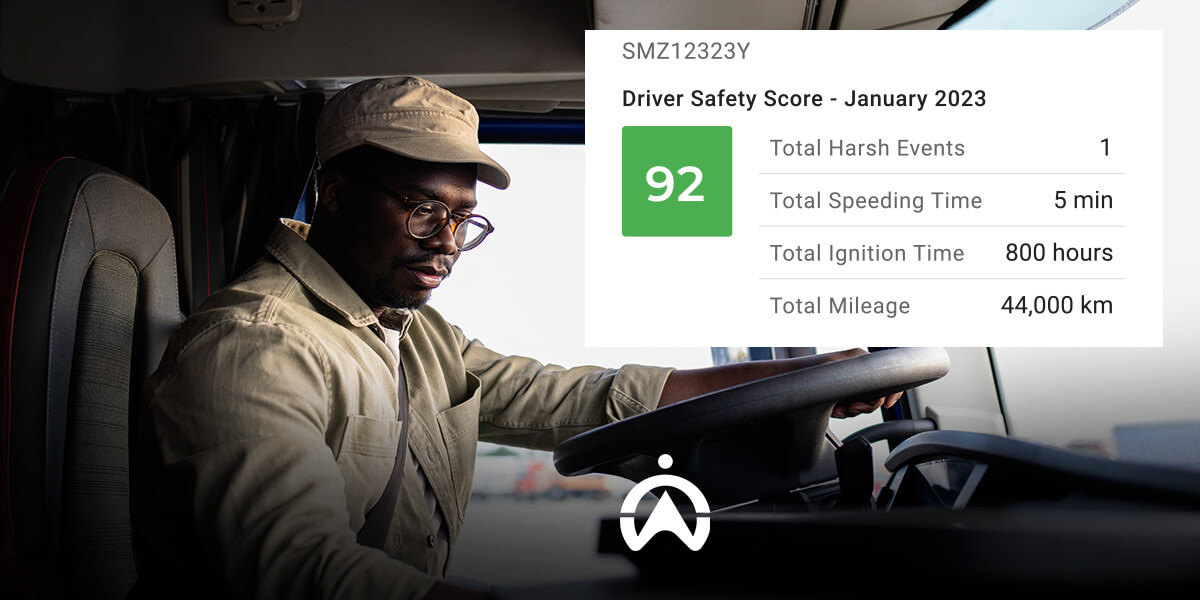
To calculate a driver’s scorecard to boost safety, you allocate points for safe driving and deduct points for reckless conduct. A driver scorecard is a digital tool that tracks on-road behaviour — like speeding, idling, and more — to measure safety and performance. This helps drivers stay accountable while providing fleet managers with a clear overview of their staff and data-driven insights.
Aside from fuel consumption, fleet safety is one of the most pressing challenges for fleet managers. Truck drivers who perceived their work environment as supportive of safety and health were more likely to engage in safer driving behaviours. This just further highlights the importance and benefit of putting the safety and well-being of drivers first.
With Cartrack, you can implement our advanced Driver Scorecard to fairly track and improve driver behaviour. Both managers and drivers can have access to actionable insights that boost protection and performance. Monitor safety, compliance, and efficiency to get the insights you need to run your business as smoothly as possible.
How to calculate a truck driver scorecard
You can calculate a truck driver scorecard by starting at 100, then deducting points/implementing demerits for risky driving behaviours. The points are viewed on a rolling average to get a transparent and fair overview, giving more of an accurate score.
Below is a table to help you better understand how these calculations work. Note that these are just examples using the default Cartrack parameters; you’ll be able to set your own.
| Step | Action | Details/Example | Purpose |
|---|---|---|---|
| 1 | Identify tracked behaviours/events | • Decide which events count as tracked behaviours • Apply a standard across all parameters • Apply a minimum daily distance you’ve set |
Sets clear and fair parameters to ensure transparent comparisons |
| 2 | Apply severity levels | • Each behaviour or event is tied to a level of severity • Some examples: +20 km/h speeding = Medium; collision = Critical. |
Displays how risky each event is and which events count for which level of severity |
| 3 | Apply the demerit system | • Scores are displayed based on the aggregate rolling average from the last full day | Weighs behaviours by importance, indicating small incidents to severe issues |
| 4 | Deduct from 100 | • Daily score = 100 − Total demerits for the day • For example: 38 demerits means the total score = 62 |
Creates a clear performance number at the end of the day |
| 5 | Aggregate into a rolling average | • Daily scores displayed or combined into daily, weekly, or monthly averages • Example: driver’s weekly score = average of last 7 days |
Gives a clearer picture of long-term trends over time |
So how do you calculate a driver’s score? Well, actually, you don’t have to! Cartrack’s scoring system does it for you. You can update score weightages according to what you believe is important. Talk to us about getting a scoring system in place for your drivers.
What is a truck driver scorecard?
A truck driver scorecard is a strategy for fleet managers to monitor and measure driver behaviour by using a merit and demerit system. This system gives fleet managers a comprehensive overview of drivers and their behaviours while on the road. Both safe and risky behaviours are highlighted so that necessary feedback or correction can be given.
With Cartrack’s Driver Identification (DiD) tags, you can ensure that each trip and its insights are correctly linked to the right driver. This is especially important when numerous drivers share one vehicle. This ensures that the scorecard reflects individual performance, not pooled data.
Here’s a quick overview of basic vs. advanced scorecards:
- Basic scorecards give a concise summary of performance and monitor a limited number of events. Some simply offer a score based on parameters set by the client.
- Advanced scorecards, like Cartrack’s, apply smart techniques that include AI-powered capabilities, rolling averages, and even more variables to measure. These include AI driver monitoring and collision warning events. Advanced scorecards guarantee better, more accurate information on your drivers.
The purpose and benefits of the driver scorecard include:
- Making sure that compliance and legal matters are met
- Observing better cost management and cutting fuel waste through smoother driving, reducing wear and tear from harsh events, and lowering accident-related expenses
- Isolating dangerous driving patterns and preparing coaching sessions as training
- Building transparency and motivation from both the drivers and management, encouraging a better overall driver culture
Simply put, driver scorecards are the backbone of fleet risk management and safety. As your business implements this strategy, you’ll begin to see massive improvements in driver accountability, safety, and workflow performance.

How do truck driver scorecards boost safety?
Truck driver scorecards matter for safety because dangerous driving habits are one of the leading causes of accidents on the roads. Through monitoring these behaviours, fleet managers can measure the link between general fleet safety and what happens behind the wheel.
Scorecards are meant to bring about accountability and motivation to practise safer habits. The hope is that drivers will recognise that their performance is evaluated fairly and transparently for the betterment of the business and their personal safety. DiD tags also support this, ensuring the right driver is accountable for their own actions.
Above safety, truck driver scorecards are also the key to training, coaching, and incentive programmes. There’s a balance of accountability and reward. Fleet managers can coach drivers with high-risk driving patterns but also reward consistent and safe drivers.
Some of the important advantages include:
- Saving on fuel from reduced aggressive driving and idling
- Compliance and legal regulations are met because of consistent monitoring and regulation
- Fewer collisions occur as safer driving practices reduce the risk of accidents
- Smoother driving with less wear and tear, which also means an extended vehicle lifespan
How does Cartrack’s truck driver scorecard boost safety?
Cartrack’s truck driver scorecard boosts safety by giving you a complete big picture of how your drivers are performing. Your drivers will start off with a complete score of 100 and then have points deducted based on risky driving. The driver score is based on the rolling average to give a fairer, long-term score.
Here’s more on how it works:
- A daily score is at the core: every driver starts at 100, and demerit points are deducted. The daily score is calculated per day, not per trip.
- Minimum daily distance: this is set by you, the client, so that trip scores are not distorted.
- Score aggregation: the score that’s displayed is always based on the aggregate, rolling average from the last full day. You can view your drivers’ scores daily, weekly, or monthly.
- Parameter weight updates: you can choose how much certain events/risky behaviours affect the overall score or decide which events matter most points-wise.
- Admin and driver visibility: both you and your drivers can see the driver scorecard and feedback. DiD tags also ensure that drivers are authenticated at the start of a trip, so managers and drivers are sure the scores are accurate.
- No additional cost: Cartrack’s driver scorecards are completely free with any of our fleet management solutions. There are no hidden fees, and you don’t have to pay extra to access driver data.
What behaviours and events does a truck driver scorecard track?
Behaviours and events tracked on a truck driver scorecard include harsh events, AI driver monitoring, efficiency, and collision warnings. By tracking these events, fleet managers have full visibility over all driver behaviours and patterns. These are the typical categories monitored:
Speeding
Speeding is one of the biggest threats to road safety. Scorecards take note of over-the-road speed limits or when drivers exceed the maximum legal vehicle speeds set by the company. This is noted when speeds typically go above 100, 140, or 160 km/h. With Cartrack, separate events are also triggered by going +10, +20, and +30 km/h above the maximum speed.
Keeping track of speeds improves fuel usage and reduces the risks of collision.
Harsh events
Harsh events include aggressive driving manoeuvres—like harsh braking or acceleration—which tend to compromise safety and increase fuel consumption. Aggressive driving is also monitored, indicating excessive RPMs (revolutions per minute). This means that there’s pressure on the engine.
Efficiency
Better fuel management, improved sustainability, and smoother operations are the results of efficient driver behaviour management. When behaviours like excessive idling are nipped in the bud, you can encourage stronger, more ethical business practices.
With Cartrack, idling is counted when a vehicle is on but not moving for 15 minutes. Total idling time is summed up, with each 5 minutes counting as 1 event count deduction.
AI driver monitoring
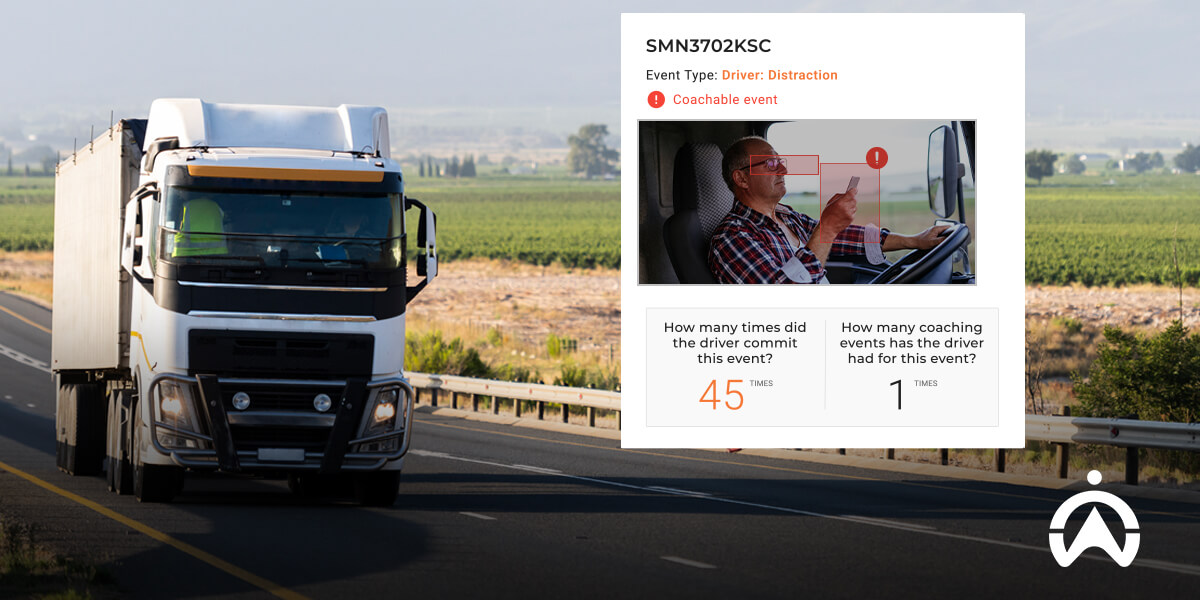
AI driver monitoring is a key component of advanced driver scorecards. This monitoring system integrates AI with the in-cabin camera, detecting distractive or disruptive behaviours like fatigue, phone use, or smoking behind the wheel. Because these events are detected in real-time, fleet managers can react proactively.
AI collision warnings
AI collision warnings are another smart feature that detects headway monitoring (which measures the gap between a vehicle and the one in front of it) and actual collisions. This kind of monitoring goes beyond critical insights but also provides a platform for accountability.
What results can you expect from truck driver scorecards?
You can expect results that include safer driving habits, support for reward programmes, and the identification of high-risk drivers for coaching. Implementing driver scorecards is your path to better productivity and business management. You can create a culture of accountability while prioritising compliance and driver well-being.
Here’s more on what to expect:
Encourages safer driving habits
If your drivers know that they’re being monitored, they’ll likely practise safer habits when on the road. Safer driving practices will become the norm, reducing accident rates and changing the driving culture for the better. They’ll also know that their safety and well-being are put first.
Lowers operational costs
Better driving practices not only prevent accidents and insurance claims; they also lower operational costs. Fewer dangerous incidents mean lower insurance premiums, reduced fuel consumption, and less downtime. This equates to better cost management for your fleet.
Provides transparent and adjustable scoring
Scorecards should be transparent and fair. Being forthcoming is the key to genuine accountability and trust-building between managers and drivers. Both you and your drivers are able to see scorecards, their calculations, and which events weigh more than others in severity.
Identifies high-risk drivers for training and coaching
Through continuous monitoring, you can spot which drivers are consistently exhibiting dangerous driving patterns. This makes it easy for you to target coaching and implement proactive measures before accidents occur. This can also become an opportunity to encourage and support your drivers.
Supports reward programmes for top performers
Scorecards provide proof of drivers who are practising safe behaviours, too. Through rewards programmes or incentives, you can recognise drivers who are displaying safe and reliable driving. This creates a greater sense of positivity and stronger safety in your driving culture.
Displays admin dashboards
Fleet managers have full access to streamlined dashboards with driver scorecard insights. Rankings, aggregated scores, and trends are easily accessible. These insights make it straightforward and convenient to track fleet productivity, make business decisions, and find areas for improvement.
What sets Cartrack apart in driver safety management?
Cartrack sets itself apart in driver safety management by offering advanced scorecard solutions. Smart insights, customisable weightings, and transparent calculations are just some of our specially designed features. We’re dedicated to giving you tools that guarantee safer, motivated, and accountable teams while reducing risks.
Here’s what makes us different:
- Flexible weighting: With Cartrack, you define the parameters for your scorecards, the severity for each, and the weight they carry. You can monitor events so your fleet’s performance directly supports safety and cost savings.
- Transparent calculations: Cartrack allows both drivers and managers to see how scores are calculated, creating a level of transparency and impartiality. This can also motivate drivers to employ safer driving habits and take ownership of their actions.
- AI-powered insights: Cartrack’s advanced driver scorecard monitors distractive behaviours and collision warnings in real time. These are the sorts of insights that allow you to prevent costly accidents before they happen.
- Scoreboards and rankings for healthy competition: Cartrack has made it easy to view scorecards, so drivers can compare their performances in relation to their colleagues. This allows for positive, healthy competition and encouragement to practise safer driving.
- Simple analytics dashboard for managers: Cartrack’s platform gives you easy and immediate access to driver scores, rankings, and trends. This gives you the opportunity to manage risks better and keep track of driver improvements.
- Differentiation through features not all competitors have: Cartrack goes beyond just scoring. Our driver scorecards are a practical tool for managing driver safety. Our specialised coaching solutions—a tool many competitors don’t have—transform insights into actions. Turn these insights into a development programme that benefits your drivers.
- Available at no additional cost: Unlike many providers that typically charge for advanced analytics, Cartrack includes driver scorecards free of charge with any of our fleet management solutions. This means that your business, regardless of industry or size, can benefit from driver scorecards without worrying about additional expenses.
Safer drivers, stronger business
For your business, the impact of truck driver scorecards is unparalleled. At its very foundation, this tool is the best way forward for risk and safety management, building team accountability and providing the tools your team needs to improve.
Cartrack gives you everything you’re looking for in a driver scorecard to boost safety:
- Advanced smart monitoring
- Transparency
- Score weighting according to your parameters
We have the tools you need to reshape the reputation and safety of your business.
Safety isn’t just about compliance—it’s about the well-being of your staff and the protection of your assets. Turn driver data into safer practices with Cartrack. Contact us to discover how our driver scorecard transforms safety in your fleet today.
FAQs
Q: How can you introduce driver scorecards without damaging morale?
A: You can introduce driver scorecards without damaging morale by highlighting them as improvement and training tools, not as a punishment. Remain transparent about the scores and consider introducing incentives or reward programmes as a way to boost morale. This could help drivers see the scorecard system as a means of support, rather than critique.
Q: Can driver scorecards be customised for different types of fleets?
A: Yes, Cartrack is especially invaluable in customising driver scorecards for different types of fleets, especially if some events weigh more than others. You can decide on your own minimum thresholds or choose the weighting of different behaviours/events according to your business goals.
Q: What should I do if a driver’s score suddenly drops?
A: If your driver’s score suddenly drops, you should locate the root cause as quickly as possible via the Cratrack dashboard. A significant score drop usually indicates regular repeated offences. Once you’ve narrowed down the issue, use this as an opportunity to coach and retrain the driver before risks escalate.
Q: Are driver scorecards effective for small fleets?
A: Yes, driver scorecards are just as effective for small fleets, as they benefit from the same positive outcomes as larger ones. Scorecards are an adaptive tool, so you’re not limited to large fleets if you’re looking for results. In fact, smaller fleets typically find rolling out changes to be much easier.
Q: What are the three elements of risk in truck driving?
A: The three elements of risk in truck driving are environment/external factors, vehicle condition, and driver behaviour. Although the external factors are typically out of your control, driver behaviours and the state of your fleet asset can be actively managed to reduce risks. Scorecards are powerful tools that help you manage these controllable events.