What You Need to Know About Insurance and Car Tracking

Ever wondered what your next moves would be if your vehicle got stolen or into an accident tomorrow?

These are not pleasant scenarios to think about, and having a plan could make all the difference between simply claiming from your vehicle insurance or paying for damages, replacement parts, or even a brand-new vehicle straight from your pocket. Driving around without the safety net of vehicle tracking or insurance could result in a huge financial blow one day, so why risk it?

Let’s dive into insurance and vehicle tracking and see how they can affect your vehicle’s safety and back pocket.

In this article, you will:

  • Learn about the factors that influence your vehicle insurance premiums
  • Explore the relationship between vehicle trackers and insurance rates
  • Understand how having a vehicle tracker can positively influence premiums
  • Discover the emerging trend of installing backup vehicle tracking units
  • Get to know Cartrack’s vehicle safety solutions and insurance services

Understanding the basics of vehicle insurance

As a Malawi driver, you never know when your vehicle might be stolen, in an accident, or damaged by changing weather. None of these events are in your control, but they can greatly affect your vehicle’s safety and your wallet.

Vehicle insurance all starts with your needs. What type of vehicle cover do you want, and which package can you afford?

There are two types of car insurance on the market: third-party fire and theft insurance and comprehensive coverage.

  • Third-party fire and theft: This is the more affordable option that ensures that whatever object you collide with during an accident will be fixed, but the downside is that your vehicle won’t be repaired or paid out for. You only get paid out if your vehicle gets stolen or catches fire.
    ‍
  • Comprehensive cover: This is the cover most motorists opt for, as it covers third-party liabilities plus damages from accidents, vandalism, theft, natural disasters and more. Only a few things aren’t covered, like if the insured driver was intoxicated or under the influence of drugs during the accident, if the driver is unlicensed, or if the vehicle is not roadworthy.

To better understand your insurance premiums, let’s first look at the factors that affect them.

Vehicle insurance premiums and factors that influence your rates

Everything that happens in our country, from crime rates to potholes, seems to have an effect on your premiums. Let’s see what factors have a say in how much you pay for vehicle insurance.

  1. InflationA country’s inflation rate influences more than your monthly grocery budget. It also impacts how much you pay for your vehicle’s insurance. This is considered one of the biggest contributors to increased premium rates because inflation impacts vehicle repair amounts and the cost of replacement parts, resulting in increased claim payouts. To make up for this, insurance companies respond by increasing your monthly premiums.
    ‍
  2. ReinsuranceReinsurance is supposed to reduce risks’ net liability and protect against catastrophes from large or multiple losses. However, frequent claims due to accidents, higher payouts because of inflation, and high-risk events like riots, power grid failures, and the recent damaging summer hail storms have all contributed to higher premiums.
    ‍
  3. Repair and replacement costsThe lack of vehicle parts increases demand, which results in higher prices and insurance premiums. If the global supply chain gets disrupted, there might be a decrease in replacement parts and motor vehicle repair. As a result, parts, labour and equipment prices increased worldwide, resulting in higher insurance rates.
    ‍
  4. State of roadsAs a motorist, I’m sure you’ve seen the many potholes scattered across multiple roads around Malawi. The lack of road maintenance affects the health of your vehicles, from damaging tyres to leaving scratches on the car or even cutting important wires. This causes drivers to get additional vehicle coverage for rims or tyres because poor road conditions cause increased insurance claims.
    ‍
  5. Car theftThe more vehicles are stolen or damaged in hijacking attempts, the more motorists file claims for their lost or damaged vehicles, which results in higher insurance premiums. While this paints a grim picture of the ever-increasing premiums, insurance companies still try to see the silver lining and give their clients a chance to reduce their monthly vehicle insurance costs by installing a vehicle tracking device.

Car_theft

Relationship between vehicle trackers and insurance rates

While installing a tracking unit on your vehicle is not the answer to all your vehicle insurance problems, it definitely helps and might even significantly decrease your monthly premiums.

Installing a GPS vehicle tracking unit in your cars so you always know the location of your vehicles in real time encompasses vehicle tracking. With the help of telematics, you can also receive vehicle information such as your driving behaviour, your vehicle’s odometer rate, any maintenance issues, and how much fuel your vehicle consumes per trip.

This tool is essential for individuals who want to keep an eye on their vehicle and increase the chances of it being found if stolen, as well as for businesses that want to track their vehicle’s movements, monitor fuel consumption, keep up with fleet maintenance and improve driver behaviour habits such as speeding, abrupt braking and harsh turning.

How does having a vehicle tracker influence your insurance premium?

Having a vehicle tracking device is often advised, as it positively influences your insurance premiums. Insurance companies tend to offer drivers lower premiums if they own a tracking unit.

Why?

  • Tracking devices can reduce the chances of vehicle theft, or if theft occurs, they can increase the chances of your vehicle being found and retrieved, thus making these vehicles less risky to insure. Insurance companies will be less likely to pay out a full claim in case of theft.
    ‍
  • Installing a tracking unit tells your insurance company that you’ve done your part in protecting your vehicle and that your vehicle’s safety is a priority.

While having a tracking unit won’t magically grant you free vehicle insurance or massive discounts, it could significantly decrease your premium and make it more affordable.

Back-up unit trend

A new trend in town has motorists going back to their vehicle tracking companies asking for seconds. That’s right, insurance brokers have started asking their customers to fit an additional vehicle tracking unit into their vehicles as an extra safety measure. Here’s why.

After a vehicle has been stolen, most criminals get to work by immediately searching for the installed vehicle tracking unit to remove it or block its signal with a jammer, so authorities or vehicle tracking companies have difficulty tracking down the vehicle. With two trackers installed, the vehicle is more likely to be found.

While criminals search for the first unit and try to remove it, the second one gives authorities a bit of time to lock down the vehicle’s location and hopefully recover it in one piece, increasing stolen vehicle recovery and positively impacting vehicle safety.

Cartrack Malawi provides a two-in-one solution for motorists

Cartrack Malawi is your trusted partner in fleet management, vehicle tracking and insurance. Our trusted vehicle safety solutions include all the essential features any driver needs to safeguard their vehicle:

  • Real-time vehicle tracking
  • CarWatch
  • Geofencing
  • Protector
  • 24/7 control room support
  • Skilled on-the-ground and air recovery agents
  • Limited recovery warranty (T&Cs apply)

On top of our list of premium safety features, our industry-leading solutions extend to providing drivers with premium, comprehensive coverage that can be tailored to their needs.

‍Cartrack Insurance Agency is our very own independent financial brokerage that does all the insurance scouting for you. From the many insurance companies we’ve partnered with, we can provide up to 14 insurance quotes ranging from comprehensive insurance for major incidents to third-party coverage.

Cartrack_provides_a_two_in_one_solution_for_motorists

Make vehicle peace of mind your new normal with Cartrack Malawi

Let Cartrack Malawi help you find the right insurance company for your vehicle and your budget. Contact Cartrcak now, and we’ll provide you with 14 free insurance quotes to choose from.

Invest in reliable vehicle tracking and partner with a trusted insurance company to enhance your vehicle’s safety.

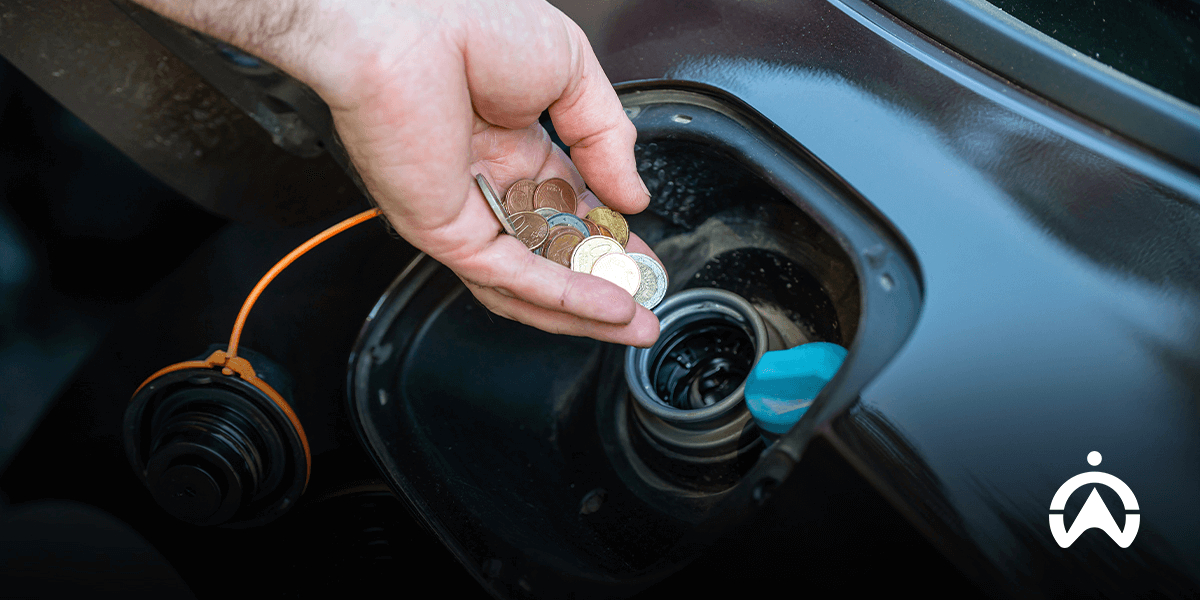
Why Aggressive and Careless Driving Will Slowly Destroy Your Fuel Economy

The ultimate survival skill in the South African economy is being business savvy, especially in the fleet business with climbing fuel prices. One of the hidden culprits of fuel wastage is aggressive and careless driving, and if you leave it unchecked, it will slowly destroy your business’s fuel economy.

What if I told you that your driving “style” is crucial in how often you have to refill? Let’s look at what you can do to improve your fleet’s fuel economy.

In this article, you will:

  • Learn about fuel economy
  • Delve into which driving habits increase fuel consumption
  • Get tips on how to improve your driving habits
  • Find out how careless driving effects the environment
  • Discover how Cartrack’s solutions help combat a decrease in fuel economy

What is fuel economy?

Fuel Economy refers to the distance a vehicle can travel given the fuel volume, and is measured by the litres of fuel per 100km. The higher the litres per km you can travel, the better your vehicle’s fuel economy. Some of the most important components to consider in terms of fuel consumption and economy are driver behaviour and whether the vehicle is well-maintained. There’s nothing like sudden acceleration and faulty or worn parts to kickstart a fuel-guzzling bonanza that can cost you a fortune.

What can be classified as careless/aggressive driving?

Any driving behaviour will naturally affect your vehicle’s longevity and lead to expenses but what makes careless driving different is just how much more fuel it wastes and the increase in damage it can cause in a shorter space of time—not to mention safety concerns. To avoid careless or aggressive driving, you first need to know what these behaviours are, so let’s take a look:

  • Sudden or harsh braking: Harsh braking can lead to vehicles using up to 30% more fuel. How? The vehicle’s transmission shifts to a lower gear to regain the lost momentum, which then takes up more fuel.
    ‍
  • Excessive idling: Letting the engine run while the vehicle is stationary for just a minute can consume up to 21.1g of fuel for a heavy goods vehicle; these are the results of a study done by the Transport Research Laboratory. Idling when you don’t have to can also cause greater wear and tear over time.
    ‍
  • Rapid acceleration: Accelerating your vehicle from a lower speed to a higher speed in a short period requires more energy than steady acceleration, leading to rapid drops in fuel levels instead of your fuel being used economically.
    ‍
  • Revving the engine: Drivers tend to warm up the car in colder weather by revving the engine. As the vehicle is not moving towards a destination, the fuel used to rev the engine is wasted and can build up to significant fuel expenses over time.
    ‍
  • Driving while carrying a heavy load: Sometimes, we tend to squeeze more stuff into our vehicles to limit our trips, whether it’s cargo meant for dispatch or luggage when we’re en route to a well-deserved vacation. Overloaded vehicles not only become fuel-guzzlers of note, but they are also safety risks on the road, as the driver will find it more difficult to apply an emergency brake, and cargo is more prone to fall off in transit.Additionally, overloading a vehicle lowers tyre pressure, making the tyres run hotter. This leads to higher fuel costs, as under-inflated tyres can lower fuel mileage.
    ‍
  • Ignoring maintenance warning signs: Ignoring vital signs on your dashboard, such as the oil signal, will cause the engine to work harder because it lacks lubrication. This will result in higher fuel consumption, which will require you to fork out more money for fuel costs.

Driver misbehavior is bad for your business. It revs up fuel costs, poses a danger to other drivers, and potentially increases fleet downtime with increased accidents, maintenance, and repairs.

How_does_careless_driving_damage_your_vehicle_and_shorten_lifespan

How does careless driving damage your vehicle and shorten lifespan?

As we all know, you get the most value from your fleet when vehicle longevity is soaring. Careless driving increases the wear of crucial vehicle components such as the engine, transmission, brakes, and suspension. Regular maintenance alone is not enough to keep a vehicle running smoothly. Vehicles will need more replacements as aggressive driving goes on.

Why do people drive aggressively?

We need to remember that fleet drivers are human. Every job comes with its pressure, and drivers face the pressure to make on-time deliveries while driving through traffic. This is why fleet managers must plan less time-consuming routes so delivery deadlines can be easily met.

The impact of aggressive driving on the environment

I’m sure you’ve found yourself saying “the weather” never used to be like this. According to the International Energy Agency (IEA), road transport accounts for 15% of global carbon emissions. Burning fossil fuels like petrol and diesel releases carbon dioxide into the atmosphere. Carbon dioxide (CO2) and other greenhouse gases, like methane, are causing the earth’s atmosphere to be warm, causing the climate change we are already starting to see.

‍Net Zero Emissions

Net zero means balancing the amount of greenhouse gases we emit with the amount we remove. According to the United Nations Climate Action, the Earth is currently 1.1 ° C warmer than it was in the 1800s, and we need to keep it no more than 1.5°C. To reach this goal, global net emissions of CO2 need to reach net zero by 2050, while emissions need to be reduced by 45% by 2030.

As we now know, aggressive driving burns fuels faster and is a major contributor to harmful emissions. Not only will bad driving habits drain your fuel, but they will also have a devastating effect on our climate.

Healthy driving for better fuel economy

As they say, “old habits die hard,” but it becomes easier once you understand these changes’ benefits for your fleet’s fuel economy. Here are the simple changes you can introduce to your daily trips:

  • Keep a safe distance in trafficA safe distance during traffic congestion helps you avoid sudden braking and acceleration. You will also get the hang of the traffic flow and improve your hazard anticipation.
    ‍
  • Regular vehicle maintenanceWith a detailed vehicle maintenance plan, fleet managers can avoid possible breakdowns in the long run and save fuel. For example, using the manufacturer’s recommended grade of motor oil, your mileage can be improved by 1% – 2%.
    ‍
  • Choose the most efficient routeA well-planned trip means effortless travelling, possibly with less traffic, reduced idling and less time spent on the road. Many fleet managers use fleet software to avoid unnecessary miles, which also helps prevent road rage incidents that trigger aggressive driving.
    ‍
  • Maintain a steady speedDriving above the legal speed limit can cause accidents, wear out tyres, and waste fuel. Drivers must accelerate slowly and keep a constant speed to help minimise fuel consumption.
    ‍
  • Avoid excessive revvingOnce you start your vehicle, move immediately instead of revving to “warm up” the engine. Even when driving, unnecessary revving wastes a lot of fuel and increases wear and tear on the pads and engine, meaning there will be more expenses in the long run.
    ‍
  • Check tyre pressureLow tyre pressure causes too much of the tyre to touch the ground, causing friction and increasing rolling resistance, making the engine work harder. Drivers must keep tyres properly inflated and maintain the correct tyre pressure. Remember that nothing lasts forever, so you must know when to replace the tyres.
    ‍
  • Manual drivers – use gears wiselyDrivers should stay in the highest gear possible for most journeys. Moving up one gear at a time faster results in more fuel going to waste. Also, when going downhill, it is always advised to switch to the lowest gear.
    ‍
  • Get a fleet management system to help you monitor driver behaviour and fuel consumption.Last but certainly not least, get a fleet management system that will help plan all the routes, see everything your drivers get up to, monitor transactions on your fuel card, and help you schedule your vehicles for maintenance. A sound fleet management system will give you insight into all things related to your fleet so you can make more informed decisions and train drivers if need be.
The_best_fleet_management_platform_for_your_fuel_economy

The best fleet management platform for your fuel economy – Cartrack Malawi

Here’s how Cartrack Malawi can help you save fuel, costs, lives, and the planet. We have a fleet management system with features that allow you to keep track of fuel costs and driver behaviour.

  1. Advanced Driver Assistance Systems (ADAS)Using camera-based sensors, intelligent algorithms, and artificial intelligence(AI), ADAS helps drivers maintain a safe following distance by monitoring the distance between vehicles. This will high key come in handy when the goal is to avoid harsh braking and accidents.
    ‍
  2. Fuel MonitoringUsing Cartrack’s fuel monitoring tool, you can monitor your fleet’s fuel levels and see when sudden changes in fuel usage occur. Combining fuel monitoring with MiFleet’s fuel validation, fuel fraud/theft detection system, and driver scorecards, you’ll be able to pinpoint whether the cause is harsh driving, fuel theft or fraud.
    ‍
  3. AI LiveVisionWith Cartrack’s AI LiveVision cameras, you get 24-hour access to your fleet. Drivers will also receive real-time audible alerts whenever distracted driving, such as cell phone use and fatigue, is detected. The cameras also detect speeding, harsh cornering, and harsh braking.
    ‍
  4. Driver ScorecardsGet an overview of each of your drivers’ behaviour with Cartrack’s driver reports and scorecards. This will help you pinpoint specific areas of improvement and offer coaching to enhance their skills and create safer and more fuel-efficient driving habits.

Introduce a culture of mindful driving with Cartrack Malawi solutions

Cartrack’s innovative solutions help you put money back into your pocket to sustain your fleet and optimise your operations the way you need to.

‍Contact us today and make bad driving habits a thing of the past.

5 Features Every Company Needs in Their Fleet Management Software

Running a fleet sometimes means using technological assistance to respond quickly to issues that come your way, whether from customers waiting or from deadlines looming.

With an advanced fleet management system, you can prevent breakdowns, optimise routes, and stay on top of your fleets’ every move in real time!

But wait, does your old system offer these features?

Dive in to discover how upgrading to a modern FMS with smart features can do for your fleet operations.

In this article, you will:

  • Understand why fleet management software is essential for businesses
  • Learn about legacy fleet systems and their limitations
  • Explore how each feature can benefit your fleet operations
  • Discover how Cartrack’s can positively affect your business operations

Why is fleet management software so popular?

Fleet management software (FMS) is seen as the right-hand man beside many businesses that run fleets. It provides managers with increased visibility to all their fleet activities, allows managers to easily manage their vehicles and drivers, and gathers all vehicle data for you to use however you see fit to improve your fleet.

The gathered data is served to you on a silver platter through a fleet management platform— the ultimate fleet management tool that gives you instant access to all the vital information of your fleet. With a click of a button, you’ll feast your eyes on your fleet costs, how much fuel it uses, a full list of your vehicle inventory, vehicle usage ratings, the driving behaviour of your drivers, and more.

  • Documentation on bought or leased vehicles
  • Vehicle specs and their current conditions
  • Maintenance schedules
  • History of parts and services
  • Insurance, licences, and tax documents
  • Fuel transactions
  • Vehicle and operation expenses

As amazing as this is, some fleet management systems can’t keep up with your business. Some Legacy fleet systems may not be able to collect such a large amount of data from your fleet or not be updated to run as fast or offer as many solutions as the modern FMS would.

Legacy fleet systems basics

Legacy fleet systems are usually the classic or original fleet management systems that have been around since the early days of fleet management. These systems don’t have the latest features or technologies like artificial intelligence (AI) or telematics, but they still assist in managing fleets to some extent.

While these systems have served their purpose, they come with limitations and challenges that can interfere with how the modern manager efficiently oversees their fleet.

  • Limited scalability:
    Legacy fleet systems often struggle to keep up with growing businesses. They lack the flexibility to handle things that come with an upgraded larger fleet size like the amount of data and new features or applications you might want to integrate.
    ‍
  • Lack of real-time data:
    Legacy fleet systems often can’t analyse your data as fast as modern FMS, this means they may not be able to provide real-time data back to managers, making it a bit challenging to monitor and manage your fleet as you would have to wait to get updated on fleet operations or make decisions based on outdated information.
    ‍
  • Security vulnerabilities:
    Most businesses want to keep their sensitive information as secure as possible. Legacy fleet systems are likely to pose security vulnerabilities. They don’t protect against cyberattacks, hacks, or data breaches.
    ‍
  • High maintenance costs:
    Because the hardware and systems are older than modern technologies, you might need to invest extra time into maintaining your legacy fleet system. Over time, it often needs hardware upgrades and software patches, leading to high costs.
Why_is_fleet_management_software_so_popular

The five FMS features every business needs

If your goal is to run an effective, productive fleet that you can monitor and track easily, then using an FMS and its amazing features is exactly what your business needs.

Fleet management software provides features that can provide valuable insights into a fleet. Five of them can change the way you manage your fleet.

1. Vehicle tracking

With the help of GPS technology, cellular networks and tracking units, fleet management software can gather real-time vehicle location information along with the vehicle’s odometer reading and speeding, allowing managers to have increased visibility on the whereabouts and activity of their fleet and equipment.How does knowing the location of your vehicles help your business?

  1. With advanced vehicle tracking, managers can plan their delivery routes more efficiently and use route optimisation practices to shorten travel time and save on fuel, resulting in cut costs for both fleet and fuel.
    ‍
  2. Alerts and geofences can be created to further monitor your vehicle’s routes. Geofences can be created around any area to either ensure your vehicles only operate around certain areas or to alert you whenever your vehicles enter danger zones. Whenever your vehicles enter a geofence area, you will be alerted of their location.
    ‍
  3. Real-time vehicle tracking is a benefit on its own. With this, managers can see not only where their vehicles are but also how they are being driven. This is crucial for making informed decisions regarding driver behaviour, responding swiftly to situations like breakdowns and ensuring our vehicles are always on schedule.
    ‍
  4. If you’re in the delivery industry, always transporting goods, produce or gadgets, then you might know the power of an accurate ETA. Providing an ETA to your clients of where their shipped or ordered goods are is a surefire way to keep your customers satisfied. With vehicle tracking, you can provide this information and manage your client’s expectations.
    ‍
  5. Looking forward to growing your business? Cartrack vehicle tracking technology ensures smooth scaling by helping you keep up with the location of each new vehicle you add to your fleet. Our tracking unit also provides information to facilitate vehicle allocation and resource distribution.

2. Maintenance

Every smart fleet management software should be able to read your entire fleet, track usage and mileage, and inform you when your vehicles need a touch-up, either through regular maintenance checks or full vehicle servicing.

Fleet management software tracks maintenance schedules and notifies businesses when it’s time for essential tasks like oil changes or inspections. This proactive approach prevents breakdowns and expensive repairs, ensuring reliable fleet operations.

Cartrack’s proactive maintenance feature can schedule fleet maintenance by generating reminders for essential services based on mileage or manufacturer recommendations. This ensures your vehicles stay in tip-top condition, reduces downtime and extends the vehicle’s lifespan, all these support growth in a company.

3. Driver management

This FMS feature focuses on your drivers and ensures their safety, whether driving within a site or on the open road. It does this by observing driver behaviour and monitoring factors such as speeding, abrupt braking or turning, idle time, fuel usage, and wear and tear.

Managers can then use this information to identify areas for improvement in driver training, encourage them to drive safer and implement driver safety protocols.

Cartrack Malawi can lend a helping hand here through its reports, alerts and driver scorecards. These risk reports and driver scorecards monitor driver behaviour and detect risky actions like speeding or harsh braking. These valuable insights into fleet performance and driver behaviour can enable informed decisions towards optimised operations as the company expands plus help you effectively train your drivers to promote safer driving habits and mitigate the chances of accidents, saving your business thousands in costs.

4. Fuel management

Fuel management is one of the biggest responsibilities for fleet managers (and one of the costliest). FMS provides fuel tracking and analysis tools to help businesses monitor fuel consumption, identify inefficiencies, and implement strategies to reduce fuel costs.

No matter the size of your fleet, Cartrack Malawi assists in tracking its fuel consumption through fuel level monitoring. This can detect fuel theft and also allow you to track fuel costs through MiFleet, our cost management system that provides a full list of all fleet transactions, including fuel.

This doesn’t just show you how much you spend on fuel but also helps validate transactions by showing where transactions occurred, the location of your vehicle when transactions occurred to correspond, the litres poured and the vehicle’s tank capacity. For growing companies with ever-increasing fuel transaction receipts, a tool like this is extremely valuable.

5. Reporting and data analysis

Take ‘gut feelings’ out of the equation and trust in accurate fleet data and reports that show real-time information about your fleet. Through FMS’s telematics, data is automatically taken from your vehicles, encompassing fuel consumption, engine performance, and driver behaviour.

For further comprehension, this data can be split into customisable reports for you to easily analyse and identify areas for enhancement and make smart informed decisions regarding your fleet operations. As your business grows it sometimes gets harder to follow and understand incoming data, Cartrack’s fleet platform has more than 40 reports that can compile all your information into easy-to-understand reports for your convenience.

After seeing what more smart FMS systems like Cartrack Malawi can do and how you can use these five amazing features to improve fleet operations, the question remains, ‘Do you want to stick beside your legacy fleet system or upgrade to a system with more muscle on its bones?

Fleet Management Software features every business needs

Why businesses use fleet management software

Fleet management software is one of the most popular software in the fleet industry.

Many businesses gravitate towards modern fleet technology because of the efficiency it offers, the scale it can operate in (taking in information of whatever the size of the business), the ability to adapt and grow with your business and the ability to assist businesses in transitioning from manual fleet management to automated fleet management.

From the small bakery down the road with 2 vehicles that transport their confectionaries to local supermarkets to the global vehicle tracking company that is Cartrack with its large fleet, fleet management systems are used across the board to track vehicles, monitor drivers, scale operations, improve safety measures and so on.

If all this doesn’t convince you of the global use of FMS, I’ll leave it up to the numbers.

The global fleet management market size has been reported to reach an estimated $34 billion by next year (2025) at a CAGR of about 11.3%.

The benefits fleet management software can provide your business

If the compelling words of ‘fleet efficiency’ or ‘streamlined operation’ aren’t enough to sway you to upgrade your system from a legacy fleet system to an advanced fleet management software to experience the five essential FMS features, then maybe these benefits will push you to take the first step in investing in a smart fleet management system that can propel your business towards the future.

  • Increased fleet visibility
    No more sitting and waiting for manual updates of where your vehicles are or how long deliveries will take. FMS provides an eagle-eye level of visibility over your fleet in real time. It doesn’t stop at the current location, you can see the vehicle’s engine status, duration of trips, and vehicle usage. With full visibility comes the ability to improve dispatching and faster response time if issues occur.
    ‍
  • Mitigate risks and enhance safety
    Safety comes first, especially with your drivers. FMS promotes safer driving practices with features like driver behaviour monitoring, alerts for risky driving habits and reports you can use to coach and improve driving habits and reduce fleet accidents.
    ‍
  • Easy fleet data accessibility
    Say goodbye to mountains of paperwork or systems that delay updating your fleet information. With FMS, you use a centralised platform where you can access all your important information just like that. This level of ease simplifies data management and saves you a lot of time to focus on other aspects of your fleet.
    ‍
  • Cut fuel and fleet costs
    Swiftly identify areas of financial improvement, monitor them, and find solutions to cut costs. If there’s excessive fuel consumption, for example, changing routes to shorter and more efficient ones, improving idle time, and stopping fuel leakage or theft can offer preferable results. These can contribute to the overall reduction of fleet management expenses.

How can Cartrack Malawi future-proof your business?

Need a business that can help you track your fleet, manage your drivers and scale your operations with these five features and more? Look no further than Cartrack Malawi.

When one thinks about the future of their business, they often think bigger, better, and more efficient. Planning to scale your business and reach new heights requires years of dedication, a strong commitment to boosting your business operations and smart tools that can handle your growing business.

Cartracks fleet solutions are all built to handle your growing business, and even encourage it.

Let me explain, Cartrack Malawi provides industry-leading products that offer proven fleet solutions with flexible packages that fit any business and industry. Even if you’re planning to grow your business over the years, Cartrack Malawi solutions can accommodate the positive change and grow with you.

To follow the changing times, Cartrack fleet software can be integrated with other systems, from dispatch management software to electric vehicle systems, if you run an EV fleet, opening a world of scalability.


As seen in the video, Cartrack provides businesses with all they need to lead a thriving business in the 21st century and beyond. With new cutting-edge softwares being invented year by year, FMS have to be able to keep up, adapt and further provide value for businesses.

Manage smarter with Cartrack’s fleet solutions

Ease your fleet management woes and lead your business forward with Cartrack Malawi as your fleet management partner of choice.

Contact us today to get a free quote.