Fleet Risk Management: Secrets Revealed To Make Your Fleet Thrive

Are you ready to discover the hidden ingredient that separates successful fleets from the rest? Successfully identify, assess, and mitigate potential issues in your commercial fleet that can impact your organisation’s goals and objectives with fleet risk management.

How can risk management achieve all this? Let’s get started.

What makes a fleet safe? — Risk management

You’ve probably heard of the saying “better safe than sorry”. It’s the principle behind risk management. Fleet risk management is the secret weapon companies use to ensure their drivers, other employees, and vehicles are always safe and secure.

We know life happens, so having a backup plan is important to mitigate those risks. This is where your plan B or risk management comes in. This hidden gem helps you foresee and prevent bad things from happening, like accidents, breakdowns, or theft. But effective risk management isn’t just about avoiding problems, it’s also about creating value. 

How? Well, if you own or manage a fleet of vehicles, you want to make sure they’re operating at their best and ultimately working hard for the business, right? Managers must minimise the risk of breakdowns or accidents, to avoid expensive repairs and downtime. By implementing safety policies, conducting driver training, and maintaining vehicles regularly, you’re not just reducing risk, you’re also improving performance and cutting fleet costs in the long run.

What is the role of a fleet risk manager?

The fleet risk manager plays a crucial role in overseeing and managing risks associated with operating a fleet of vehicles. They are responsible for identifying potential risks and implementing strategies to mitigate them.

Their duties may include:

  • Developing and implementing safety policies and procedures to promote driver safety and minimise the risk of accidents.
    ‍
  • Conducting driver training to improve skills and ensure compliance with safety policies and regulations.
    ‍
  • Monitoring vehicle performance and maintenance to reduce the risk of breakdowns and improve fleet efficiency.
    ‍
  • Implementing telematics technology to track driver behaviour and vehicle performance, using gathered data to identify areas for improvement.
    ‍
  • Managing insurance and claims processes to minimise financial risk.
    ‍
  • Staying updated with industry regulations and best practices to ensure compliance with the latest laws.

Fleet managers work tirelessly to protect their fleet at all times. They not only safeguard their vehicles and the business’s bottom line but also prioritise the safety of their employees. After all, the drivers are the ones behind the wheel, interacting with customers, delivering services, and moving assets from one location to another.
What_is_the_role_of_a_fleet_risk_manager

Unlock the hidden benefits of proper fleet risk management

See immediate results within your fleet with risk management. Unlike hidden secrets that take ages to reveal their benefits, risk management delivers instant advantages from the moment it’s implemented.

Reap the benefits:

1. Increased returns on investment: By keeping your fleet in top shape, you can avoid unexpected downtime and other costly issues, ultimately leading to higher returns on your investment. This can help you save money and invest in other important areas of your business.

2. Lower insurance premiums: When you manage fleet risks, you show your insurance company that you’re committed to safety. This can lead to lower insurance premiums, which can ultimately save you money.

3. Reduced business liability: If one of your drivers causes an accident, it could spell disaster for your business. By taking steps to reduce risk and improve safety, you can protect your business from legal battles and maintain a positive reputation in the market.

4. Heightened work focus: When you prioritise fleet safety, you create a culture that encourages your employees to take extra precautions with their tasks. This can help keep everyone in your organisation safer and more focused on the task at hand.

5. Less guesswork: With a risk strategy in place, you can predict and prevent potential issues before they happen. This helps you make more informed decisions leading to better outcomes for your business.

Why is fleet risk management important?

It’s reported that the risk management software market was valued at USD 27.80 billion just two years ago, in 2021, and is now projected to reach USD 86.53 billion by 2030. Many businesses are falling in line with investing in their fleet’s safety.

If you’re not yet convinced that your business needs a fleet risk manager, here are a few key aspects that could have you rethink your approach. Risk managers help:
‍

Reduce costs – By preventing accidents, vehicle downtime, and legal issues, fleet risk management can save your business money in the long run. It also helps you optimise your resources and allocate them to other priorities.

Remain compliant – Compliance with local, provincial, and federal regulations is essential for any business operating a fleet. Failing to comply with regulations can result in hefty fines and legal issues that can damage your business’s reputation and harm your budget.

Improve driver safety – Fleet risk management helps you promote a safety-first culture in your organisation, reducing the risk of accidents and injuries. This can also lead to reduced insurance premiums and a more favourable risk profile.

Improve productivity – By minimising operational interruptions, fleet risk management can improve your fleet’s performance and productivity, leading to increased savings and better resource allocation.
Why_is_fleet_risk_management_important

 Areas focused on by risk management

Fleet risk management covers a wide range of areas related to operating a fleet of vehicles. Here are five areas fleet risk management covers:

  1. Driver safety

    This involves implementing safety policies and procedures to promote driver safety and reduce the risk of accidents. This can include driver training, monitoring driver behaviour and implementing telematics technology to track driver performance with AI cameras and audible alerts.

    Monitoring drivers via telematics data can provide behavioural insights such as tailgating, late braking, or speeding. This can then be addressed through coaching safe driving and result in dramatically improving fleet and driver safety.

  2. Insurance and claims management:

    Fleet risk management includes managing insurance policies and claims processes to minimise the business’s financial risk. This can include working with insurance providers to ensure adequate coverage and managing claims processes to minimise downtime and costs.

    Fleet managers regularly review their policy terms with insurance providers to ensure the fleet’s insurance coverage is up to date, and aligned with business needs. This helps to explore opportunities for optimising coverage while minimising costs.

  3. Compliance and regulations

    One of the biggest headaches fleet managers experience is keeping up with the rules that govern commercial fleet operations and the related paperwork.

    Fleet vehicles should be fit for purpose, inspected regularly, and follow a planned maintenance schedule. All drivers should be fully trained to operate their assigned vehicles, be fully aware of the company’s safety policies and know the broader compliance regulations that it operates under. Plus, drivers should be in good health and hold a valid driving licence to drive.

  4. Fleet maintenance

    Maintenance is a vital part of fleet risk management as it directly affects driver safety and fleet efficiency. Fleet risk management involves developing and implementing maintenance schedules, monitoring vehicle performance, and conducting regular inspections.

    With fleet technology, managers can efficiently maintain their vehicles by monitoring engine data, tyre pressure and braking systems, this ensures optimal fleet performance and increases vehicle longevity.

  5. Asset management:

    Fleet risk management involves managing fleet assets, including vehicles, equipment, and facilities. This can include developing asset management plans, monitoring asset performance, and implementing strategies to reduce asset loss or damage.

    Take a construction company for example, managers oversee a fleet of excavators, bulldozers, loaders etc and can accurately track the usage of each piece of equipment, and identify unusual idle times or underutilised assets.

  6. Telematics and GPS technology:

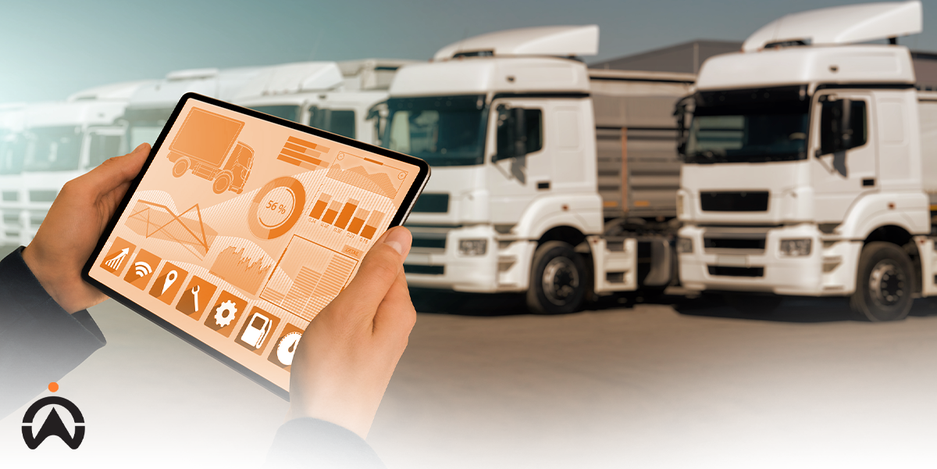
    The use of telematics and technology can help fleet managers identify potential risks, monitor driver behaviour, and improve overall fleet performance. This includes GPS tracking, driver scorecards, and real-time monitoring of vehicle data.

    Fleet managers can use this type of technology to improve equipment visibility, seeing the real-time location of their assets without depending on their drivers to inform them of their whereabouts. 

Daily fleet risks

In the world of mitigating risks, every day brings its own set of challenges. From unexpected accidents to rising fuel costs, being aware of these day-to-day risks is the first step towards developing strategies that can overcome these challenges.

Here are some potential fleet risks you can encounter:

  • Vehicle collisions and other accidents
  • Costly vehicle repairs
  • Driver and motorist injuries and fatalities
  • Legal, medical, and other liabilities
  • Property and asset damage
  • Fines and other penalties for violating regulations
  • Vehicle theft and highway robberies
  • Vehicles getting caught on fire (e.g., when carrying highly flammable items)
  • Cargo loss and damage
  • Theft and vandalism
  • Insurance and liability

This long list still doesn’t cover the full extent that fleet risk managers have to oversee and control. Depending on specific industries such as food and pharmaceuticals, risk managers are faced with unique elements they have to take care of to ensure everything runs smoothly daily. 

Luckily, fleet management systems are equipped to help.
Daily_fleet_risks

How fleet management systems keep risks under control

Advanced technology such as Cartrack’s smart telematics has given fleets the ability to leverage millions of data points to make better decisions in risk management. Managers can employ a variety of telematics to lower risk and make operations safer and more efficient.

Fleet management can be an effective solution to keeping fleet risks under control for several reasons:

Telematics: Telematics technology uses GPS tracking and other sensors to collect data on vehicle performance, driver behaviour, and other key metrics. Fleet managers can use this data to identify areas of risk, such as speeding or aggressive driving, and implement strategies to improve driver behaviour and reduce accidents.

Data-driven decision-making: Fleet management relies on data to make informed decisions about risk management. By collecting and analysing data on driver behaviour, vehicle performance, and other key metrics, fleet managers can identify areas of risk and develop targeted solutions to address them, as well as track improvements over time.

Proactive approach: Fleet management takes a proactive approach to risk management, which means that potential issues are identified and addressed before they become major problems. By implementing preventive maintenance programs, driver safety training, and other proactive measures, fleet managers can reduce the likelihood of accidents and breakdowns.

‍Compliance: Fleet management solutions can help fleet managers ensure compliance with regulatory requirements related to vehicle safety and maintenance. By staying up-to-date with the latest regulations and implementing strategies to meet these requirements, fleet managers can reduce the risk of fines, penalties, and other legal issues.Additional devices include:https://www.youtube.com/embed/QyJhhPzy-UA

Additional devices include:

  • GPS tracking devices offer real-time location tracking and other vehicle data on both powered and non-powered assets. They also support better route decisions based on the latest road, weather and traffic condition information
    ‍
  • ELDs (Electronic Logging Devices) give fleets the ability to collect and transmit reports that are needed to meet compliance mandates
    ‍
  • Dash cams offer real-time images/footage of what is happening both inside and outside a vehicle
    ‍
  • Fuel cards give managers control over when and where fuel is purchased and by which driver
How_fleet_management_systems_keep_risks_under_control

The ultimate secret revealed: Cartrack fleet technology

With the ever-increasing number of vehicles on the roads, fleet risk management has become more difficult to manage. 

Cartrack Malawi provides technology and services designed to help fleet managers ease through this process with their fleet solutions.

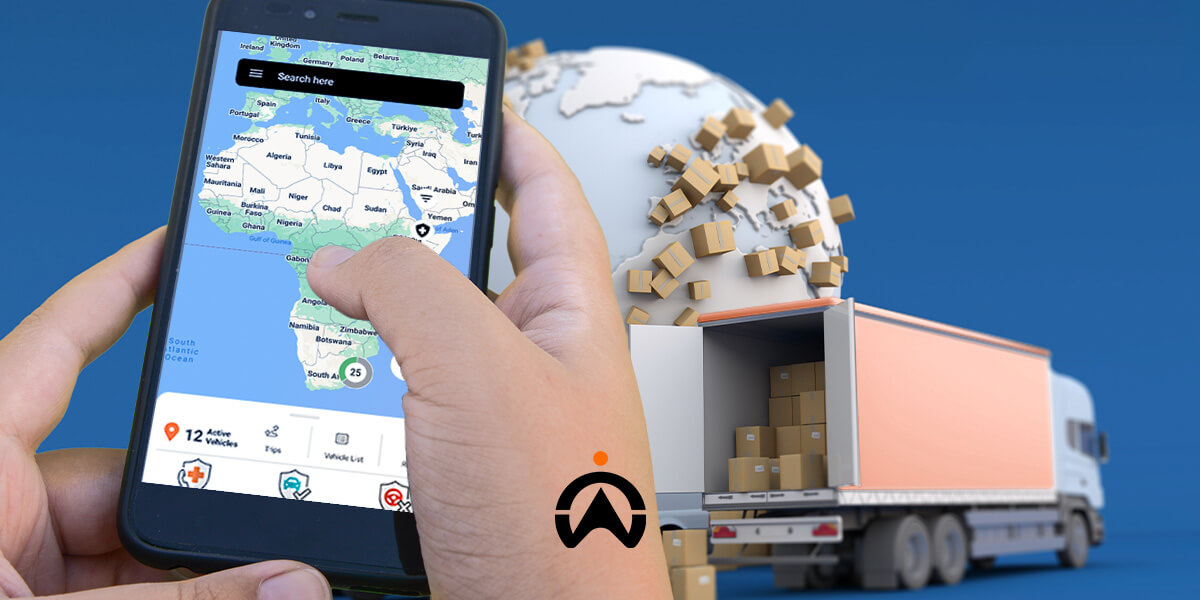
Real-time monitoring: With installed tracking units and Cartrack’s fleet management platform, vehicle tracking technology allows fleet managers to stay connected to their fleet at all times with accurate vehicle location and instant notifications. Cartrack Malawi also offers a Geofence feature that allows you to set virtual boundaries around areas and receive real-time alerts whenever your vehicle enters or exits these areas.

Driver behaviour analysis: Cartrack’s technology also includes driver behaviour analysis through driver scorecard reports that indicate unsafe driving behaviours like harsh speeding, braking and turning, and AI cameras with in-cabin audio alerts that go off when drivers show signs of fatigue or distraction. This can help fleet managers provide targeted training and coaching to those unfocused drivers, ultimately improving driver safety and reducing the risk of accidents.

Maintenance tracking: Cartrack’s fleet management system keeps track of each vehicle’s mileage, engine hours, and time intervals between services to help ensure that vehicles are properly maintained and serviced on schedule. Managers are informed of the on-coming vehicle service through auto-generated reminders when a vehicle reaches its maintenance threshold. This can reduce the risk of breakdowns and other issues leading to downtime.

Accident management: In the event of an accident, Cartrack’s telematics technology can detect sudden impacts or collisions and instantly send a notification of the event to fleet managers while their tracking units further help by quickly locating the vehicle and prompting a quick response to send emergency personnel to the incident. This can help save the driver’s life and reduce the risk of damage to other motorists and your vehicle.

Remain compliant:Easily manage and automate your regulatory compliance throughout your operations with these Cartrack Malawi tools:

  • Time tracking: This enables tracking of driver work and break times, preventing vehicle operation if the driver doesn’t take their full break time, ensuring drivers get the necessary rest periods.
  • Automated compliance management: Automate regulatory compliance and track fleet requirements such as insurance, permits, and contracts through Cartrack Malawi reminders.
  • Real-time risk alerts: Prevent violations with Cartrack’s fleet compliance software that provides real-time alerts about compliance or operational risks and prevents unauthorised vehicle or machinery usage until the risk is handled.

Specialised sensors: Cartrack Malawi offers a range of specialised sensors that cater to diverse industries. With sensors such as CANBus vehicle diagnostics, cargo door monitoring, temperature monitoring, and seat pressure sensors, Cartrack Malawi empowers various industries like transportation, logistics, construction, security and perishable goods to enhance efficiency, security, and safety.

All these smart features and services from Catrack, help fleet managers become more vigilant to potential risky events and alleviate or at least lessen their daily stresses with top-notch fleet management solutions that can help identify and mitigate risks and keep their fleets running safely and efficiently.

A fleet management company that can reduce fleet risks

Looking for a reliable solution to help manage and mitigate fleet risk? Cartrack Malawi offers a comprehensive suite of telematics and fleet management services that can help keep your vehicles, drivers, and assets safe and secure.

Contact Cartrack Malawi today to learn more about how we can help your business! 
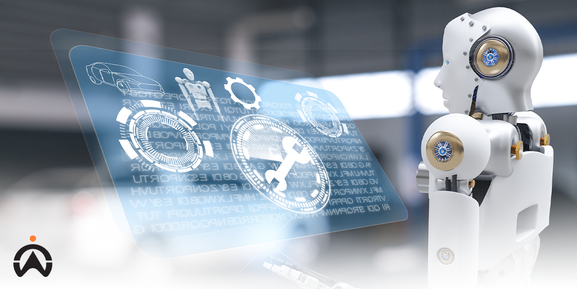
What You Need To Know About AI & Machine Learning In Fleet Management

Artificial intelligence (AI) and machine learning (ML) have revolutionised fleet operations in various fleet industries. Trying to manually manage an entire fleet (whether established or startup) can be catastrophic. Fortunately, this technology can ease the process. Here’s a look at some of the innovative ways to use AI and ML in fleet management.

AI and ML: the two peas in a pod

“Can machines think?” – Alan Turing

This is the crucial question that stirred the artificial intelligence conversation in the 1950s. Over the years, artificial intelligence (or AI for short) has been defined in a number of ways. However, Turing summed it perfectly as “systems that act like humans”. Although this simplification is still applicable today, AI is not that simple.

Artificial intelligence is an entire field that integrates computer science with robust datasets to solve problems and bring about innovation. AI subfields include machine learning (ML), deep learning, robotics and more. Together with its subfields, AI can be defined as technology that enables machines (especially computer systems) to think or act in a more ‘human’ way by gathering information from their surroundings and determining responses based on what is learned.

Commonly, artificial intelligence (AI) and machine learning (ML) are used interchangeably. However, the two are slightly different. ML emerged in the 1960s when scientists researched teaching computers how to imitate human decision-making. ML is used to teach machines to mimic how humans behave using data and algorithms so they can gradually improve their performance and accuracy.

Therefore, while AI is the tech enabling machines to display human-like behaviour, ML teaches AI how to behave. By leveraging the power of AI and ML, machines can now be trained to accurately perform complex tasks that were once deemed impossible for non-humans to accomplish.

Now that we understand AI, ML and their differences, why should we care?

Why do AI and ML matter?

From using facial recognition to unlock our smartphones to asking Siri, Alexa, and Google Assistant to play our favourite jam – AI and ML have become a part of our everyday lives. AI matters in today’s world for many reasons:

  • Repetitive and manual tasks can be automated

    AI and ML automate repetitive manual tasks like business administration (filing, data entry, and scheduling meetings). This increases efficiency and productivity while saving time and money spent on human resources. So get ready to be replaced by a robot… just kidding! Humans are still essential to set up and operate the system, ask the right questions, confirm the accuracy of data captured, and a few other skills.
    ‍

  • Products are more ‘intelligent’

    By adding intelligence such as speech and voice recognition, and virtual assistance to existing products, AI and ML have opened up a world of advanced products and innovations. These products have upgraded the business world – from biometric systems for tighter security, to data and behaviour analysis to detect and prevent fraud.
    ‍

  • Customer service is instant and better

    Thanks to AI and ML, chatbots can quickly process requests and accurately answer questions 24/7, enabling customers to get the help they need quickly. This automation of customer service saves time on tasks, reduces costs, and frees up staff to focus on more complex tasks.
    ‍

  • Data is made useful

    Data in business is important now more than ever as it can offer a competitive advantage. Luckily, AI and ML have the ability to process large amounts of data. This data can be used to make accurate and informed business decisions.
    ‍

  • Customer journeys are tailor-made

    AI and ML provide the ability to analyse customers’ purchase history, buying habits, search history, and other data. With this, businesses can personalise products and services to best suit their existing customers and attract potential customers. A personalised customer journey not only increases customer satisfaction and brand loyalty but also increases sales.

You may already be getting ideas of how these two peas in a pod can innovate your fleet. Let’s start with fleet management basics.

What you need to know about fleet management

Fleet management refers to all the ins and outs involved in ensuring a fleet operates its tasks smoothly, from start to finish. These ins and outs include (but are not limited to) the following tasks:

In essence, the role of a fleet manager is to ensure that these tasks are completed efficiently at top productivity levels and lowest costs while producing the highest profits. It’s a lot to handle and to top it off, fleet managers still face many other challenges:

  • Keeping track of vehicle maintenance: To operate, fleet businesses need their fleets to be in good condition. Regularly maintaining vehicles ensures that they remain in their most efficient state and increases their longevity. However, it is difficult for fleet managers to keep track of every single vehicle’s maintenance schedule. Not staying on top of vehicle maintenance needs can lead to productivity loss due to unexpected downtime from breakdowns, and unnecessary vehicle wear and tear.
    ‍
  • Managing fleet data: Operating a fleet business (whether established or startup) comes with piles of data to collect, track, and organise. Manually sorting, assessing and managing this data is nearly impossible. Fleet businesses cannot make informed business decisions without well-organised data to gain accurate insights into fleet operations.
    ‍
  • Simultaneously managing teams: From dispatchers to drivers, fleet managers need to oversee various departments simultaneously, and it is impossible to be everywhere at once. This makes it difficult to track productivity, monitor driver behaviour, communicate effectively, and solve problems swiftly.
    ‍
  • Organising fleet administration: Fleet managers are responsible for performing administrative tasks such as task management, team management, fleet reporting and analysing, as well as scheduling and optimisation. With only 24 hours in a day, fleet managers struggle to perform these tasks and as a result, the fleet may operate efficiently.

Manually performing fleet management tasks and trying to overcome challenges can be catastrophic but thanks to AI and ML, fleet management problems are solved. Let’s find out how.

How AI and ML are used in fleet management

AI and ML have opened up new possibilities in fleet management software development.This is computer software that helps fleet managers successfully oversee an entire fleet all-in-one platform. Let’s get a glimpse of how different fleet industries use AI and ML-powered fleet management software in their fleet:

Rental and leasing

The use of AI and ML in the car rental and leasing industry is growing rapidly to enhance customer experience and improve business performance. Some ways AI and ML are used in this industry include:

  • Customer service: Instead of physically visiting car rental and leasing companies, AI-powered chatbots and virtual assistants can help customers book rentals in advance, answer frequently asked questions, and provide personalised packages based on customers’ preferences, and rental and leasing history.
    ‍
  • Predictive maintenance: Car rental and leasing companies can perform preventative maintenance to ensure vehicles are in the best condition for rental and lease. This preventative maintenance is possible with AI and ML algorithms that analyse data such as vehicle mileage and date of last service to predict when a vehicle may need maintenance. This way, rental and leasing companies can ensure they reduce breakdowns when vehicles are rented or leased — increasing vehicle reliability, customer loyalty, and company trust.
    ‍
  • Competitive pricing: By using AI and ML algorithms, rental and leasing companies can offer competitive prices by relying on data (such as vehicle preferences, demand, as well as rental and lease habits) to make strategic prices, and to detect and flag fraudulent behaviour, such as stolen credit cards or fake identifications, so that losses are kept low, and prices remain competitive.

E-hailing and ride-sharing

E-hailing services such as Uber, Lyft, Bolt, and other platforms require AI and ML as crucial components to provide ride-sharing services. Here are some ways AI and ML are used in e-hailing:

  • Connecting riders and drivers: Suppose you are rushing to an important meeting or simply want the most comfortable way to move from point A to B, e-hailing services use AI and ML to provide the most efficient services. AI and ML in e-hailing match riders with the most convenient drivers based on factors such as location, availability, and other rider preferences (such as vehicle type, preferred gender of drivers, etc).
    ‍
  • Optimising routes: Once a driver is matched with a rider on an e-hailing platform, the goal is to reach the desired destination in the safest and fastest way possible. AI and ML algorithms optimise routes for drivers to reach a destination in the shortest possible time (while taking into account traffic congestion, accidents, and other factors). This is a win-win as the riders pay affordable prices (calculated by the algorithm at the end of the trip) while drivers can use their time more productively, save on fuel costs and maximise profits.
    ‍
  • Safety enhancement: Safety plays a crucial role in e-hailing services as it is important to protect passengers and drivers, and hold a trustworthy reputation. ML algorithms can help e-hailing businesses put safety first by collecting data such as driver behaviour, driver personal information, and driver ratings to identify potential safety hazards and take the necessary precautions.

Construction

Construction companies are becoming increasingly dependent on AI and ML to improve safety, increase efficiency, and reduce costs. Here are some ways AI and ML are used in construction:

  • Safety enhancements: Given the nature of the construction industry and its high potential for safety hazards that lead to staff accidents, injuries, and fatalities, construction companies need to follow strict safety protocols. AI and ML (such as AI-powered cameras) can detect and alert workers of potential safety hazards such as falling objects, unsafe working conditions, and people not wearing protective gear. This helps to reduce the number of worker accidents, injuries, and fatalities that can occur on construction sites.
    ‍
  • Resource optimisation: AI and ML systems can maximise resource utilisation by scheduling machinery, vehicles, and manpower. Large construction companies that work on large projects, multiple projects or rent their assets to other companies use AI and ML systems to avoid project schedule overlaps and ensure assets are used efficiently and productively.
    ‍
  • Quality control: Construction companies must ensure that all projects are completed to the highest standards. ML and AI can be used to monitor construction processes from start to finish. Data from sensors (e.g. temperature sensors to monitor building site temperature, humidity, and vibration) is analysed by AI and ML algorithms to detect even the slightest deviations quickly and accurately and predict potential issues before they arise, enabling better quality control.

Transportation and logistics

Due to the rise of e-commerce and quick turnaround expectations, goods are now not moving from point A to B in the supply chain, but now to your home, office, and everywhere in between.

Here are some ways AI and ML are used in transportation and logistics:

  • Optimising routes: Due to high demands, fast turnaround expectations, and transportation of sensitive products, the quickest and safest routes are necessary. AI and ML systems are used to analyse traffic patterns, weather conditions, and other data to optimise routes to avoid potential delays, reducing delivery times and minimising fuel consumption.
    ‍
  • Tracking assets: Asset tracking is a crucial aspect of transportation and logistics as it ensures goods are safe from dispatch to delivery. In this case, AI and ML can be used to increase visibility to prevent cargo loss and damage. For example, AI and ML technologies such as GPS can be used to track the location and condition of vehicles and cargo, and AI and ML systems can track drivers’ performance in real-time, analysing data such as driving speed, braking patterns, and other behaviours— ensuring safety at every point of the supply chain.
    ‍
  • Enhancing security: Cargo theft in the supply chain can cause major losses. AI and ML-powered security such as cameras installed in warehouses and vehicles to detect suspicious activity, and driver identification tags to prevent the unauthorised use of vehicles or access to warehouses can help prevent theft and loss by providing real-time alerts and notifications.

AI and ML innovations for your fleet

Cartrack Malawi is a prominent global Software-as-a-Service (SaaS) platform supplier for small, medium, and large organisations (as well as consumers). With Cartrack Malawi, you can transform your fleet operations and achieve operational excellence with the power of AI and ML fleet management solutions such as:

  • AI-powered cameras and live-stream technologyEmpower your fleet with LiveVision that has up to eight internal or external cameras to help you keep your drivers, fleet, and cargo safe. With AI-powered cameras, you can live-stream your entire fleet while cameras detect possible front collisions, smoking, distracted or fatigued driving, and mobile phone use. This, together with ML-powered alerts allows drivers to quickly correct behaviour right in the moment and ensure safety on the roads.
    ‍
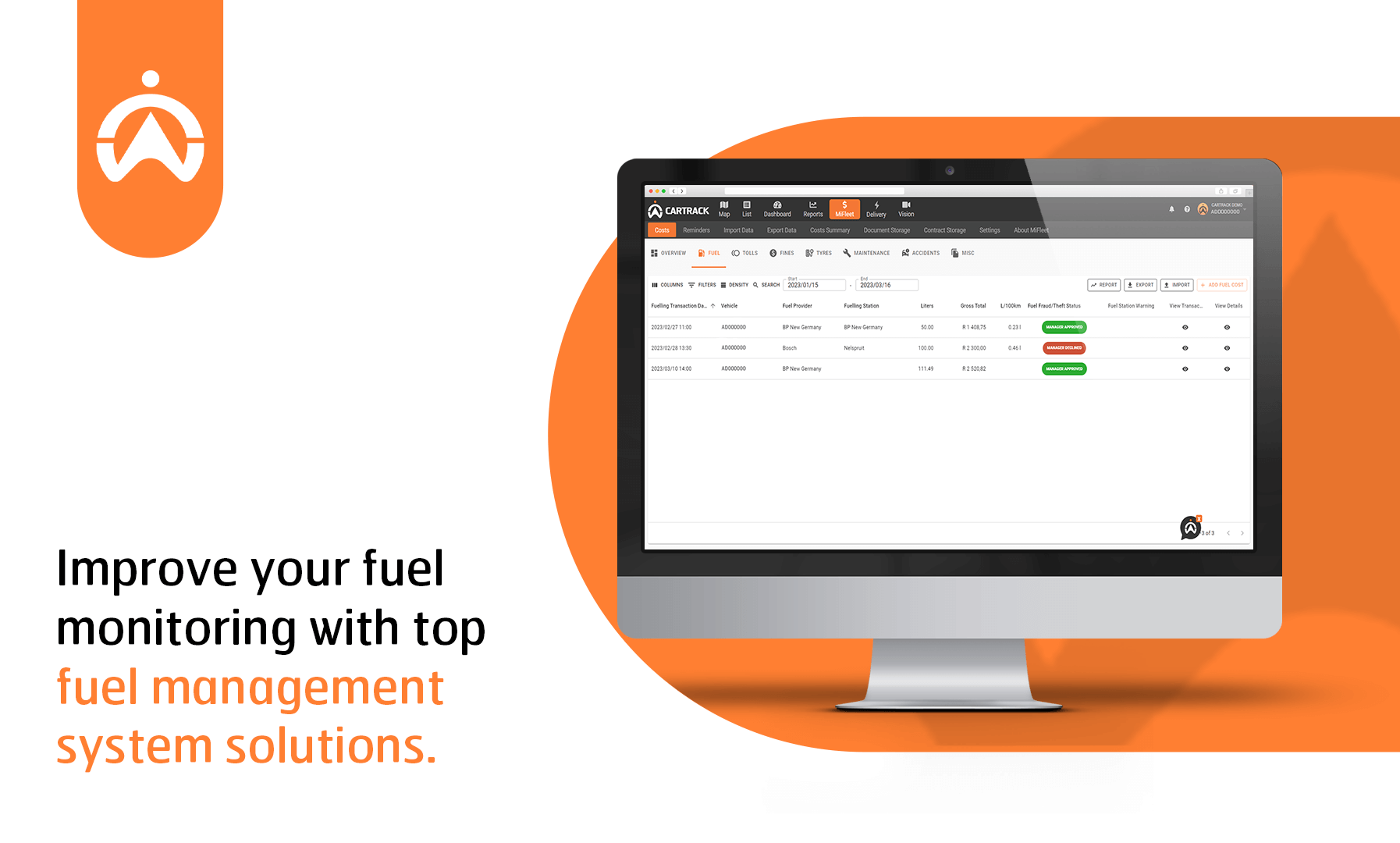
  • Fuel monitoring software Improve fuel consumption and save fuel costs with our fuel monitoring software, MiFleet that captures fuel cost data. This shows you how much fuel your vehicle uses for idle time and aggressive driving. Furthermore, it detects fuel card fraud, fuel theft, and fuel wastage, so that you can save money on fuel expenses, and only pay for what you use.
    ‍
  • GPS vehicle and asset tracking Accurately track and get full visibility of your entire fleet in real time with GPS technology. This gathers data on where your vehicles and assets are so you can track completion rates, productivity, and efficiency, and receive informative insights (such as idling status, fuel levels, and engine diagnostics) to make informed business decisions.
    ‍
  • Specialised sensors Our specialised sensors provide fleet managers with detailed insights into fleet operations.Cargo door monitoring systems and temperature sensors can be used in cold chain logistics to provide real-time temperature and cargo door monitoring and send fleet managers alerts the moment any temperature fluctuations occur or the cargo door is opened, allowing them to immediately check in with drivers to resolve issues or send a replacement trailer if necessary to preserve goods and prevent profit losses.
    ‍
  • Automated preventative maintenance Our platform automates the maintenance schedules for each of your vehicles by using the vehicles’ utilisation hours and the time of the last service to establish effective maintenance plans hassle-free. This way you can cut your maintenance costs, increase your fleet vehicle lifespan and reduce unnecessary downtime.

Empower your fleet with AI and ML solutions today

Give your fleet the innovative boost and competitive advantage it needs with Cartrack’s AI and ML-powered fleet management platform. Contact Cartrack Malawi today.

5 Fuel Savings Tips That Don’t Actually Work: Unlock The Truth Now

Ever tried unproven fuel-saving tips that produced zero results? Don’t blame yourself for being intrigued. As a fleet manager, it’s your job to look for any and every opportunity to cut costs.

Well, this is not one of those time-wasting articles. After reading this, you will know exactly which fuel tips work and which ones are just a waste of fuel.

Let’s dig in!

Why does saving petrol matter?

A question many vehicle owners and fleet managers ask themselves. The answer lies in the ever-increasing fuel prices and the need to effectively manage fuel costs to save money. 

While fuel prices are beyond our control, finding ways to efficiently use fuel and minimise costs has become a crucial priority.

As a fleet manager, fuel is one of the issues at the top of your list. Managing fuel expenses is essential for businesses as it often takes a large piece of budget space, so keeping that amount as small as possible and making fuel last longer, benefits the entire business. 

Whether your vehicles use petrol or diesel, finding ways to efficiently use fuel and manage costs has become more important than ever.

But how do you separate fact from fiction when it comes to petrol-saving?

Five petrol and diesel saving tips that don’t work

Let me help you separate fact from fiction and debunk the tips that make promises to stretch your petrol or diesel further, but actually don’t work.

  1. Tailgating trucks to cut through the wind

    Zooming right behind a big truck, thinking you’re cleverly reducing wind resistance and saving fuel is not only unsafe, but it won’t do much for your petrol-saving goals either. Maintain a safe distance, drive responsibly, and focus on other proven and much safer fuel-saving techniques.
    ‍

  2. Coasting in neutral gear or engine shut-off

    Do you often coast downhill or turn off your engine while coasting to save petrol? Well, you don’t have to. Modern commercial vehicles are designed to use minimal fuel during deceleration anyway, and shutting off the engine can actually mess with essential control and safety systems. So rather keep your car in gear and enjoy the ride without worrying about switching it on and off.
    ‍

  3. Filling up petrol in the morning to save fuel
    ‍
    Ah, the classic myth that still lives on in drivers’ minds. As the temperature rises throughout the day, petrol expands, so you’ll get less fuel for the same amount of money later in the day right? Well, in reality, petrol stations store their fuel underground, where the temperature remains relatively stable and as soon as the petrol hits your tank, the liquid quickly reaches the ambient temperature, no matter the time of day so the amount of litres you pay for in the morning would be the same amount of litres at night.
    ‍
  4. Warm up your car for several minutes

    We’re all familiar with the common belief of warming up your car for several minutes before driving, especially during cold weather. However, there’s no need for an extensive warm-up time. A few seconds of idling is preferred before setting off. Excessive idling not only wastes fuel but also adds unnecessary wear and tear to your engine. So, save fuel and reduce emissions by avoiding unnecessary idling.
    ‍

  5. Keep your windows up to reduce drag

    You might have heard that keeping your windows rolled up while driving reduces drag and thus improves fuel efficiency but, at typical driving speeds, open windows have little effect on fuel economy.

Top five fuel tips that actually work

Now that we know what doesn’t work, let’s talk about a few proven fuel-saving tips that make a difference in your monthly fuel spending.

  1. Smooth and steady driving

    Risky driving habits like rapid acceleration and sudden braking can significantly impact your fuel. Encourage smooth and steady driving instead, like, gradually accelerating, and maintaining a consistent speed. Not only will this save you petrol, but it will also lead to a more relaxed and enjoyable driving experience.
    ‍

  2. Proper vehicle maintenance

    Make sure you maintain your vehicle by keeping your engine properly tuned, ensuring your tyres are inflated to the recommended pressure, and changing air filters and spark plugs at the recommended intervals. Keeping your vehicle in tip-top shape will help you drastically save on fuel consumption.
    ‍

  3. Lighten the load

    With fleet vehicles, this might be a bit hard to follow, but carrying unnecessary weight by having cargo that exceeds the vehicle’s recommended weight intake can increase fuel consumption. Take some time to properly plan weight distribution and remove any items that aren’t needed for your journey. Every kilogram counts when it comes to fuel efficiency, so lighten the load and watch your petrol savings increase.
    ‍

  4. Plan efficient routes

    Planning your routes in advance can help you avoid congested areas and heavy traffic, ultimately saving you time and fuel. Take advantage of navigation apps or devices that provide real-time traffic updates and suggest the most efficient routes. Additionally, grouping multiple errands or trips in a logical order can minimise the distance travelled and optimise your fuel usage.
    ‍

  5. Utilise fuel-saving technologies

    Invest in fleet management software that uses GPS and telematics systems to capture real-time data like vehicle usage, refuelling patterns and overall vehicle diagnostics that inform you of the water, oil and engine health.

Factors affecting fuel consumption

Running a fleet of vehicles comes with its challenges, and a big one is fuel. Many businesses rely on their fleets to transport goods and cover long distances daily. All those miles on the road add up when it comes to fuel costs.

To optimise efficiency and reduce fuel consumption, fleet managers strive to understand the factors that impact fuel usage. By considering these factors, managers can make more informed decisions regarding their fleet and implement strategies to maximise fuel economy.

Take a look at these key factors that heavily impact fleet fuel consumption and see what you can do to drastically improve your fuel costs:

  • Road conditions and terrain – The condition of roads, including potholes and rough surfaces, can significantly affect fuel consumption. Usually, trucks drive on different surfaces, from tar to gravel — these present varying challenges to fuel efficiency. For example, rough and uneven road surfaces, such as cobblestone or unpaved roads, can increase resistance and cause the engine to work harder, resulting in higher fuel consumption.
    ‍
  • Traffic congestion – Traffic congestion and stop-and-go situations can lead to increased idling, which consumes more fuel. Scheduling deliveries around peak traffic hours and planning routes to avoid congestion can help optimise fuel efficiency. Keeping your fleet away from local roads and choosing routes that have highways might save you a few drops of petrol.
    ‍
  • Vehicle maintenance – Regular maintenance and servicing play a vital role in maintaining optimal fuel efficiency. The longer you preserve your vehicles, the longer they will last. Neglecting maintenance by not fixing/replacing dirty air filters or worn-out spark plugs, can lead to increased fuel consumption with every use.
    ‍
  • Fuel quality – Use the right fuel, the quality of fuel used can impact both engine performance and fuel economy. Clean, quality fuel from reputable sources like Engen and Sasol can help optimise fuel efficiency and keep your engine healthy.
    ‍
  • Driver training and education – After assessing your driver’s driving behaviours with telematics and tracking systems, fleet managers can monitor various aspects of driver performance, such as speed, acceleration, braking, and idling patterns, and provide drivers with proper training and education on fuel-saving driving habits. Raising awareness about the importance of fuel efficiency and offering incentives for achieving fuel-saving targets can motivate drivers to adopt fuel-efficient practices.

Petrol saving habits a fleet management system can provide

Fleet management software has several smart fleet technologies that are created to assist fleet managers in optimising fuel efficiency, reducing costs, and contributing to environmental sustainability. Most fleet managers use businesses that can track their vehicles and provide fleet management software features to efficiently monitor their fleet like Cartrack Malawi.

How? 

Cartrack’s fleet management solutions can help you track driver behaviour, identify maintenance issues, give you real-time updates on vehicle performance through inclusive reports and analytics, and monitor your fleet’s fuel consumption rate.

This is how Cartrack can assist in making fuel last:

  • Route optimisation and planning:

    Fleet managers employ sophisticated route planning tools to optimise driving routes. With Cartrack’s Delivery feature, factors like traffic conditions, route history, road conditions, and fuel consumption data are considered. It can provide drivers with the quickest and shortest route options that avoid deviations and unnecessary travel, resulting in decreased fuel consumption per trip, a decrease in harmful CO2 emissions released by your fleet and overall significant savings in fuel costs.
    ‍

  • Monitor and analyse fuel consumption:

    Cartrack’s fleet management systems provide real-time monitoring of fuel consumption by using data analytics. With this, fleet managers gain insights into individual vehicle performance, driver behaviour, and fuel efficiency trends for each of their vehicles. Cartrack’s MiFleet fuel validation feature can also assist with fuel monitoring by connecting to fuel sensors or CANBus integration to monitor and analyse fuel consumption data, accurately track fuel usage and identify inefficiencies. This data empowers managers to address fuel-consuming patterns, implement targeted training programs for drivers and maximise fuel efficiency across the fleet.
    ‍

  • Driver training and incentive programs:

    Drivers play a pivotal role in increasing fuel efficiency. Some Managers conduct comprehensive training programs to educate drivers on effective fuel-saving techniques. These programs can cover the driving benefits of smooth acceleration, maintaining consistent speeds, reducing idle time, and more. Fleet managers can access detailed reports and analytics on the fleet platform to assess each driver’s performance, and identify critical areas that need improvement. Providing more targeted training and instilling a fuel-efficient culture, helps encourage drivers to adopt eco-conscious driving habits. Incentive programs and Cartrack’s performance monitoring (driver scorecards) can be used to track driver behaviour and reward safe driving, further motivating drivers to drive safer and use fuel more responsibly.
    ‍

  • Vehicle maintenance and performance:

    Cartrack Malawi assists fleet managers in keeping track of vehicles’ health with preventative maintenance alerts and notifying them of scheduled maintenance and inspections to ensure that vehicles operate optimally and avoid costly breakdowns. By addressing issues promptly, fleet managers prevent fuel-consuming problems, like engine misfires that can waste fuel, and ensure that vehicles maintain peak efficiency and avoid unnecessary downtime.
    ‍

  • Environmental sustainability initiatives:‍

    Cartrack Malawi provides tools and features that enable fleet managers to optimise vehicle utilisation and fuel consumption such as asset management, fuel monitoring and route optimisation.

    If a business has electric vehicles in their fleet that need vehicle tracking and telematics technology installed, Cartrack’s leading SaaS platform provides seamless integration to EVs, provides fleet managers with battery management for real-time monitoring of the state of charge and temperature, and has preventative maintenance to track battery health and notify managers when the battery needs to be replaced.

Fuel tracking with Cartrack Malawi

Look no further than Cartrack Malawi for your ultimate solution for efficient fleet management.

Use Cartrack’s advanced telematics and tracking solutions to give you real-time insights into your commercial fleet’s fuel consumption and unlock substantial fuel savings.

Supercharge your fuel savings with Cartrack Malawi Today!

What is Fleet Management?

The global fleet management industry is growing rapidly, in a fast-paced and emerging technology landscape. 

The more fleet managers know, the better. That’s why 75% of fleet managers rely on fleet management tools, to manage their vehicles, cargo, operations, and drivers. 

Successful fleet management will help you optimise and improve your operation’s efficiency, and gain a competitive edge in the market. 

After reading this blog, you will know more about fleet management, and walk away with more knowledge to keep your fleet productive, efficient, and profitable. 

With this in hand, you’ll be equipped with all the tools to manage your fleet confidently and successfully.

Ready to jump straight in?

What is fleet management? Here is Everything You Need to Know

A “fleet” is a group or collection of vehicles, ships, and aircraft which are used for purposes such as transportation, logistics, or commercial operations. 

Fleet management refers to all the actions needed to run a fleet operation efficiently, at the lowest costs and highest profits possible. 

It involves an array of tasks such as driver monitoring and management, administration, cost control, fleet compliance, and much more. 

If you rely on your vehicles, drivers and machinery to provide a product or service successfully, then you need fleet management. 

Why is fleet management important for fleets?

Let’s say you’re in the construction industry. Your operation needs to be as efficient and cost-effective as possible for it to remain successful, profitable and competitive. 

One way of doing this is having a fleet management system in place to track, manage and improve how your construction vehicles and equipment are being used, to maximise the utilisation of your assets. If certain equipment, such as cement mixers are underutilised, it may be more cost-effective to rent or sell them rather than letting them waste away in your fleet.

In addition, cement plays a vital role in the completion of construction projects, and should be delivered on time with proper route planning. The timely delivery of cement ensures that the concrete mixture maintains its quality, which is necessary to complete projects.  

A fleet system in place also helps you ensure that your equipment is well-maintained and serviced at regular intervals, which will prevent breakdowns and unexpected downtime. This is vital to help complete projects on time and meet customer expectations. 

It also allows you to optimise your operations, manage your employees, plan routes effectively, prevent fuel and vehicle theft and enhance safety and compliance, so you keep your business booming.

There are just a few examples of why fleet management is needed in the construction industry or any industry for that matter:

  • Excessive fuel consumption and fuel theft
    ‍
  • Low driver retention, or risky driving behaviour
    ‍
  • An increase in asset theft or lack of effective asset utilisation
    ‍
  • Poor vehicle maintenance, increased unexpected breakdowns and downtime
    ‍
  • Poor customer service and delayed delivery times due to inefficiencies such as failed route planning

Every one of these seems pretty important, right? But, there is one aspect of fleet management that should be at the top of your list.

What is the most important aspect of fleet management for companies?

The first thing on your priority list should be keeping your fleet as safe as possible. This includes maintaining your vehicles, promoting safe driving practices, and enforcing compliance with safety regulations. 

This helps keep your drivers, cargo, and other road users safe by preventing accidents, injuries and fatalities and also reduces unnecessary expenses and disruptions. 

Without insights and data, managing a fleet is almost impossible. With data, you know exactly where improvements need to be made in your fleet, and how to take action and can accurately analyse your progress.  

Now that you have a better idea of what the most important aspect of fleet management is, what does a fleet manager actually do? 

Let’s quickly unpack a few of the day-to-day tasks they face.

What does a fleet manager do?

  • Managing, overseeing, and supervising fleet operations
    ‍
  • Hiring quality drivers and monitoring driver behaviour and performance
    ‍
  • Educating drivers, monitoring and boosting team morale
    ‍
  • Creating and managing driver job tasks and schedules to maximise productivity
    ‍
  • Ensuring the fleet remains compliant and avoids unnecessary setbacks
    ‍
  • Implementing fleet management strategies to reduce fleet costs and increase productivity
    ‍
  • Creating and using detailed reports
    ‍
  • Organising paperwork and administration
    ‍
  • Ensuring regular vehicle maintenance for operational efficiency and minimising downtime
    ‍
  • Meeting client expectations and ensuring a high level of client satisfaction
    ‍
  • Excellent leadership and decision-making skills

Fleet management is a complex process that involves multiple players working together, allowing you to manage your fleet effectively. 

So, who are these key role players?

Which key role players make fleet management possible for businesses?

  1. Fleet management software providers: Telematic solution companies like Cartrack Malawi provide solutions for businesses to track and manage their vehicles and drivers in real time.
    ‍
  2. Drivers: The people in a business who are responsible for operating a vehicle to transport products, passengers or services from one point to another.
    ‍
  3. Vehicle manufacturers: Companies who are in the fleet management space by offering their own telematics and fleet management solutions.
    ‍
  4. Fleet leasing and rental companies: Give businesses access to fleets of vehicles on a lease or rental basis, and often offer additional services such as maintenance and insurance.
    ‍
  5. Fleet consulting firms: Specialise in fleet management, and provide companies with advice and guidance on how to optimise their fleet operations, reduce costs, and improve efficiency.
    ‍
  6. Insurance companies: Offer asset protection coverage for fleet vehicles, and some offer risk management solutions to reduce collisions and  accident claims.
    ‍
  7. Compliance and safety providers: Specialise in providing solutions to help businesses comply with regulations and improve safety because running a fleet can be risky.

Fleet managers are the main players in a fleet. To manage and build your fleet, you need to understand and excel in each fleet component. 

What are those components that will help you boost your business? Here are 10 of them:

9 important building blocks of fleet management

  1. Vehicle acquisition or procurement

    Before you maintain and manage the lifecycle of your vehicles, you need to make an informed purchase. You’ll need to go through a process of selecting, purchasing, and financing vehicles for your fleet, and consider some data factors. The first thing is the initial cost of the vehicles. Many dealerships have a special division for fleet sales, and then it’s up to you to negotiate the best deal possible. Then you need to decide if you want to lease or buy them. Leasing has lower up-front costs but offers less flexibility for customisation. Buying, on the other hand, requires a larger up-front capital investment but offers greater flexibility. You can explore the options and pitch this to upper management.
    ‍

  2. Maintenance and repairs

    Once you have purchased your vehicles, it is important to make sure they remain in good condition with a preventative maintenance plan in place. This includes having easy access to all your vehicle’s onboard diagnostics, such as oil leaks, water fluctuations, engine faults, worn brake pads, and more. So if parts fail, you will know and then can quickly replace them. You should also know when to service your vehicles at regular intervals, to prevent unexpected breakdowns.
    ‍
    Another part is keeping a history report of your vehicles’ maintenance, to know which vehicles perform better than others, so you have the right vehicles in your fleet. This historical data also helps you predict when a particular part may fail in advance, so you can be more prepared for downtime. Ultimately, having a healthy fleet will increase the longevity of your vehicles, increase uptime and will improve maintenance and fuel costs too.
    ‍

  3. Asset management

    Apart from maintenance plans, a question you need to ask is how effective are your assets being used? Whether it be your equipment or vehicles, are you getting the most out of them? A vehicle sitting for days with no load is a waste of money. Equipment not being used properly can cost you more money on maintenance and fuel. This is why effective asset utilisation is needed. It includes monitoring asset usage patterns and utilisation rates, so you can assess productivity levels. For example, if a piece of equipment is underutilised, you will need to find out the reasons behind it. It could be that it requires repairs or maintenance, or it may not be the most suitable equipment for the specific task at hand. The operator could not be using it efficiently, causing excessive idling. You will need to find out why it’s not as productive.

    Another important part is overseeing the entire lifecycle of all your assets, and typically which assets are the most valuable. You will need to decide when to sell old vehicles and buy new ones, and at the best time. You can do this by analysing data related to routine maintenance, repairs, and delays due to breakdowns. Next, you can calculate the cost of buying new vehicles, and find the best point in a vehicle’s life cycle to trade it in for a new one. This will also be good for your brand image, no business wants their brand name on a tattered-looking vehicle.
    ‍

  4. Driver management

    This includes taking all the possible measures to ensure that your drivers operate your vehicles safely and reduce accidents and harsh driving. To achieve this, you will need to set safety standards for your organisation in line with compliance and regulations and then take steps to monitor your driver’s behaviour. One way to do this is to offer driver training on safe driving and uncover areas where they are not following the safety standards, and then empower them to rectify their mistakes and take accountability. Drivers should also have licenses and certifications to use certain vehicles, as ill compliance with these rules can lead to fines, legal issues, and reputational damage.
    ‍

  5. Fuel cost control

    According to experts, up to 30% of a fleet’s expenses or costs can go toward fuel spend. With petrol prices at a record high, it’s no wonder why fuel control is an important part of fleet management. All steps should be taken to minimise fuel consumption, costs and address factors that waste fuel. Some possible reasons for fuel spikes could be speeding and driving methods, idling in traffic, low tyre pressure, poor vehicle maintenance and route optimisation as well as fuel theft. You should control fuel consumption in your fleet with data insights into driver efficiency, vehicle optimisation, route planning and fuel trends.
    ‍

  6. Fleet admin

    What about all the paperwork tied to your vehicles and drivers? If this goes unnoticed, your business could face hefty fines and compliance breaches. No fleet manager has the time for avoidable and costly headaches, which is why you would need a plan that helps you manage the admin part of this. Everything from license renewals to insurance, maintaining commercial licenses for drivers, and hazmat placards (display of what kind of goods are being transported) — should be on your admin to-do list.
    ‍

  7. Policy development

    Your business should have ethical policies in place, so you have a guideline and benchmark for making important decisions, which prevents you from making costly mistakes.

    Here are examples of some of the points these policies cover:

    – Are drivers allowed to idle the vehicle when they stop to rest?
    – Where can drivers refuel?
    – How many speeding tickets can drivers get before facing disciplinary action?
    ‍

  8. Risk analysis

    Another part of the job is predicting and mitigating risks. You should create a risk audit, to assess what areas of the business pose risks and if your business’ policies address these risks — then see if your employees are complying. For example, if one of your drivers is not following the correct driving methods, there could be risks of collisions or accidents, causing damage to your assets and cargo. In this case, you could retrieve driver behaviour reports and conduct a risk assessment on the overall driving methods of all your drivers, and then calculate the probability of such risks.
    ‍

  9. Environmental and sustainability management

    The transportation sector ranks as one of the most polluting industries for emissions. This is why you need to try to make your fleet greener and more eco-friendly. It involves being socially conscious of the impact your fleet has on the environment and where possible, trying to reduce your fleet’s carbon footprint. This could include improving fuel consumption through eco-driving methods, fleet maintenance, and route planning, to cut the emissions released from your fleet.

    Another part of fleet sustainability is ensuring that your business is paperless, where you can use digitised and automated processes. It also helps make fleet management successful and reduces the admin load in your business.

    Do any of these appeal to your business? Don’t worry about where to start, Cartrack’s powerful fleet management system does it all for you.

    Here’s a glimpse of everything it can do and how it can help you.

What does a fleet management system do?

A fleet management system is a software and telematics solution that gives you increased visibility of all aspects of your fleet 24/7, so you can streamline and manage your operations efficiently. 

It uses powerful GPS technology to collect and analyse data from your vehicles, drivers, and assets in real time, so you can monitor their movements, prevent delays, make quick decisions, and eliminate unnecessary guesswork in your business.

Benefits of Cartrack’s fleet solution for fleet managers

Instead of juggling various fleet tasks at once, Cartrack Malawi can help you with everything fleet-related, giving you tools to handle the building blocks of fleet management.

Get the following features and more:

  • Know the performance of your vehicles and assets. Get asset utilisation rates and insights so you can maximise the usage of your assets, and sell underutilised assets.
    ‍
  • Receive real-time vehicle diagnostics and maintenance alerts. This will allow you to service your vehicles regularly and keep your fleet healthy, to prevent downtime so you can keep your business productive.
    ‍
  • Get driver behaviour insights and reports. Use these reports to monitor driver performance, educate drivers on good driving methods and cultivate a safe driving culture in your fleet.
    ‍
  • Keep control of your fuel costs under control. Get data insights into the fuel consumption levels in your fleet, to prevent excessive fuel wastage and save on fuel costs. Easily detect fuel siphoning, fuel card fraud, and fuel theft which could be causing high fuel usage.
    ‍
  • Digitise your operations and reduce admin in your business. Receive relevant reports, automated alerts, insights, and analytics tailored to your business needs, to avoid spending excessive time on paperwork and spreadsheets.
    ‍
  • Keep your fleet sustainable. Get insights into reducing your fleet’s fuel consumption, which will result in fewer emissions and pollution.
    ‍
  • Create ethical business standards and policies. With a fleet system, you can effectively monitor and improve the various activities within your fleet, allowing your business to operate with higher ethical standards and compliance. Get valuable insights and tools to optimise vehicle fleet performance, enhance driver accountability, and make informed decisions that align with ethical business practices.
    ‍
  • Prevent risks in your fleet with live alerts.  Use data alerts and vehicle tracking insights from the system to stop potential problems and risks in real-time, before they cause damage to your business.

And, this is just the tip of the iceberg, you’ve got to see for yourself…


Get powerful data you need to manage your fleet and business costs with Cartrack Malawi

No matter your industry and what you want to achieve in your fleet management company, Cartrack Malawi gives you cutting-edge tools and an all-in-one fleet solution. Gain more control over your vehicles, drivers, admin, and cargo today with Cartrack Malawi.

Powerful Benefits of the Right Vehicle Tracking System for Business

There’s more to managing a fleet than just tracking vehicles from A to B – look at the bigger picture. Reliable vehicle tracking software can help you easily oversee a large group of vehicles, optimise management operations and drastically reduce fleet costs.

It’s time to make the overwhelming weight every fleet manager carries a whole lot lighter.

Vehicle tracking systems explained

Vehicle tracking is the technology that keeps you informed of your vehicle’s whereabouts at all times, increasing its safety. Thanks to satellites, signals, and a tracking unit, you get a global GPS tracking system that can pinpoint the exact geolocation of your mobile assets at any time. Simply being able to view the live status and location of your vehicles in real time is a huge win.

Manually managing a large fleet of vehicles is often a daunting task. Luckily, with location-based technology, fleet managers can receive interactive and analytical reports in real-time and gain an advantage from using smart tracking solutions.

So, what is location-based technology? It’s GPS – aka a global positioning system. It’s used to track trucks, cars, and other mobile assets you own, like generators, trailers, and cement mixers, all via a tiny GPS tracking unit installed in a discrete location on the company asset.

A tracking unit offers a variety of advantages for fleet managers and their businesses, such as:

  • Seeing the exact location of vehicles in their fleet
  • Reducing the threat of vehicles being stolen
  • Increasing the chances of stolen vehicle recovery
  • Knowing exactly who is driving your vehicles and how they are driving them
  • Assuring your fleet remains within authorised locations
  • Increasing productivity through task management

More than locating your assets, GPS units ensure vehicles are used properly and are left in safe locations when not in use. In the event of vehicle theft, this GPS equipment often ensures its safe return.

So, how are vehicles tracked?

The GPS technology we just discussed above is a satellite-based radio navigation system that relies on ground stations, satellites and receivers to provide real-time data such as a vehicle’s:

  • Live location
  • Distance travelled
  • Travelling speed
  • Time and direction

The data is instantly transmitted using a cellular or wireless network.

This sort of technology is mainly used to increase the security of vehicles and is effective for the smooth functioning of fleet operations. It helps businesses save money and reduce dangerous driver behaviour like speeding or harsh braking.

Knowing the types of drivers in your business also helps, as employing safe drivers can lead to lower vehicle repair costs, which can in turn increase commercial profits and make your business run more efficiently, while reckless ones need further training or management and contribute to increased fleet running costs for your business.

Types of tracking methods

Looking to invest in tracking resources? It is important to first identify what type of GPS fleet tracking system is right for your business.

Here are the two ways you can track your assets:

  1. Active tracking, or two-way GPS: This is an on-the-go tracking system that automatically sends information into a central tracking system as it happens to allow for continuous monitoring and immediate action. This technology can be used to track employee behaviour by providing real-time updates and information on their whereabouts. Another example of active tracking is the GPS tracking used in ride-hailing apps like Uber and Lyft, where the location of the driver and passenger is continuously transmitted to the app’s central system to show pick-up and drop-off.
    ‍
  2. Passive tracking: This stores information within the device itself by gathering the data either internally or on a memory card, showing the exact location history of the device. This type of GPS fleet tracking is used in passive RFID tags on shipping containers or cargo and can provide businesses with the same valuable insights into their operations as above, such as identifying routes, but with the added safety measure of manually downloading the data or collecting the memory card rather than having a 3rd party platform analysing the data.

When deciding on what kind of tracking device will best aid your business needs, there are a few questions you can ask yourself. Do you prefer internally stored data that you can download whenever you want, or do you want to receive reports and live vehicle tracking directly on your device?

Regardless of the tracking systems you choose for your business or personal needs, GPS information is always accurate, no matter the situation.

‍Sought-after GPS fleet tracking benefits

Fleet operators can greatly benefit from sophisticated GPS vehicle tracking systems. Installing a GPS tracking device encourages the fleet to increase its productivity and delivery efficiency while staying ahead of its competition.

When evaluating tracking systems, keep the following must-have features in mind:

  • Real-time tracking – First and foremost, GPS tracking systems should provide real-time tracking to monitor the vehicle’s position and activities. This feature is useful for helping customers locate their valuable cargo quickly, for reassurance. The data can also be used to recover stolen assets or vehicles.
  • ‍Driver behaviour monitoring – This feature tracks negative driving habits such as harsh braking, overspeeding and distracted driving behaviour. This data is then translated into driver scorecards, which fleet managers can use to educate employees on the correct way to drive and reward them for driving well.
    ‍‍
  • Alerts – Customers can monitor vehicle-related insights such as long idle times, fuel wastage, and vehicle maintenance. The alerts are used to notify managers of errors so they can resolve issues faster. This can effectively improve the fleet’s management and visibility, leading to better driver safety.

Why do businesses need a vehicle tracking system?

If you want to successfully manage your fleet operations, you need a vehicle tracking system. Tracking systems can improve factors such as route optimisation, operating cost management, fleet visibility, employee management and lower fuel expenses, among others.

Optimise resources – Monitor the daily utilisation of each resource and use them more efficiently in real-time with powerful reporting and analytics that track technology and telematics offerings.

Optimise routing – Access daily routes to see how much time employees spend on the road and use insights on live traffic and road conditions to offer alternative route options that ensure faster delivery and safer transit.

Improve customer service – Provide better customer service by offering real-time information on your business vehicles and cargo, soothing customers’ fears, and ultimately providing timely managed services.

Increase road safety – Use GPS tracking systems to replay routes, show speeding locations, empower employees to practise safe driving, and create a positive safety culture within the fleet.

Reduce operating costs – You can reduce operating costs, which may cut down on expenses such as unnecessary overtime, fuel overconsumption, road distractions, unauthorised business vehicle usage, and invoicing problems.

Improve performance evaluations for employees -Use data on driving behaviour to evaluate time spent on deviated routes and unauthorised stops and breaks to improve staff work ethic through further training or productivity bonuses.

What about the safety of fleet vehicles?

Yes, GPS vehicle tracking can assist in pinpointing the location of your drivers and fleet at any time, but what about attempted hijackings and criminal technologies like signal jammers that prohibit the GPS device from broadcasting its whereabouts?

That’s when stolen vehicle recovery services are used – quality tracking systems exponentially increase the chance of stolen vehicles being recovered and even lower the risk of theft in the first place. Vehicle tracking has certain triggers that send alerts if a vehicle is being tampered with or may have been stolen.

Here are some examples of a few ways alerts can be triggered to increase vehicle safety:

  • If the vehicle is on the move but there is no record of the engine being started (this is done by monitoring all engine activity)
  • Pressure sensors on seats can trigger alerts if there are more people in the vehicle than there should be. This would need to be linked through CAN Bus with the tracking device
  • Depending on predetermined routes, entering specific risk areas can trigger an alert, for example, if a vehicle is crossing into an area that is not part of the planned route or is a known hijacking hotspot

Additionally, geofences can be created to keep the fleet in or out of specified areas. This is a feature used to create virtual fences around any area and notifications can be sent to you when vehicles enter or exit these areas.

Fleet management platform

Where do you find and manage all the information that GPS vehicle tracking technology gives you?

On a fleet platform of your choice.

A fleet management system is an all-in-one management solution to all your fleet problems. It’s a combination of connected software and hardware that fleet managers or transporters use to manage their vehicles and oversee tasks faster, allowing them to achieve their business’s objectives quickly.

The complete collection of data, from your vehicles to drivers, will all be available to you at the click of a button on a fleet management platform — the ultimate fleet management tool that gives you instant access to all the vital information you need regarding your fleet.

Think of it as a large cloud where you can store important business-related information, such as:

  • Documentation on bought or leased vehicles
  • Vehicle specs and their current conditions
  • Maintenance schedules
  • History of parts and services
  • Insurance, licences, and tax documents
  • Fuel transactions
  • Vehicle and operation expenses
  • In-cabin AI camera footage

How does a fleet management platform work for your business?

Apart from GPS tracking technology, two other vital elements make this platform tick:

  1. Fleet management system

    This is a large database that stores all your fleet’s records, such as your vehicle tracking history, fuel consumption monitoring per trip, and vehicle diagnostics tracking, to ensure your vehicles are operating in tip-top shape.

    Fleet managers use this interface to access all the vehicle data gathered and gain insights into how to best optimise their fleet’s performance. This allows them to recognise potential fleet problems earlier on and implement solutions quickly.
    ‍

  2. Cameras

    Fleet vehicles may be fitted with several camera systems: one, front-facing cameras that monitor how the vehicle is being driven as well as the movements of surrounding vehicles; and two, driver-facing cameras that monitor drivers’ behaviour and record their actions while driving.
    ‍
    Some fleets may also require the added safety measure of cameras that have a full view of the cargo being transported and the doors surrounding it. These can be standard cameras or an AI camera system that gives insight into any road-related incidents while ensuring your cargo arrives safe and sound.

Powerful tracking companies

Depending on what corner of the globe you live in, there are a slew of vehicle-tracking businesses to choose from. Since each country has its own safety and logistical challenges, compare vehicle tracking companies and choose the best one that suits your needs and offers the kind of services and benefits you are looking for.

If you’re in the southern hemisphere, specifically South Africa, searching websites and looking for a highly trusted company, then Cartrack Malawi is the answer.

Cartrack Malawi is a global leader in connected vehicle technology and world-class fleet management solutions that put you in control. Situated in 23 countries across the world and loved by over 1.7 million subscribers who trust in its impressive recovery rate of over 90% – Cartrack Malawi is a company that dedicates its time to putting you in control so you can keep your vehicles:

Tracked✔
Monitored✔
Productive✔
Safe✔

Cartrack Malawi is constantly searching for innovative ways to help people and businesses excel. Their advanced software can equip big and small businesses with the tools to adapt to ever-changing market trends, like insurance advice, so they can remain competitive, earn money, and continue growing.

‍https://www.youtube.com/embed/w5UWydn6rlA

Partner your company with the experts

Keeping a close eye on your fleet is easier than ever thanks to our expert fleet management and individual customer solutions.

Match companies with their perfect fleet management system and take their fleet management skills to the next level.

Partner with Cartrack Malawi and learn more today.

How to Improve Your Fuel Monitoring with a Top Fuel Management System

Many fleet businesses do not know where and when fuel is being stolen, unaware that fuel syphoning could be a contributor to fuel spikes. Fuel monitoring solutions will help you accurately monitor fuel consumption levels, spot possible fuel theft and drastically reduce your fuel costs.

Let’s dive into why fuel monitoring and management is a must-have for a business.  

What is the purpose of a fuel monitoring system? 

According to experts, if we consider all variable costs in the transport and logistics industry, fuel is by far the most important one. Fuel management can be the difference between going bankrupt and being successful. Statistics prove that good fuel management can save up to 10% of fuel costs, which is why you can’t afford to not optimise your fleet’s fuel efficiency.

Without a fuel monitoring system, there could be an increase in expenses and cost wastages that could be put to better use. For example, save on fuel and use the extra money to focus on a top product offering that will help grow your business. 

What does monitoring fuel consumption really mean? It means taking all possible measures to have a tight grip on your fuel usage across your fleet. Basically, knowing where every single drop of fuel is going. 

There are many ways fleet managers can get in control of fuel monitoring. For example, they could invest in a real-time fuel monitoring system or a fleet management platform. 

But first, let’s look at some fuel wastage risks: 

‍Common fuel theft methods and risks

  • Syphoning

This is typically done using a hose and manually sucking the gasoline or diesel fuel out of the tank and into a container. Thieves will steal and place this fuel into another vehicle.

  • Fuel card fraud 

Fuel card fraud occurs when someone uses a company fuel card to purchase fuel for their personal vehicle. 

  • Fuel card cloning

This when data is stolen to create copied fuel cards which are often used to fill up other vehicles with fuel at the original cardholder’s expense

  • False transactions

This is when filling stations swipe a fuel card multiple times for one refuel session, leaving the cardholder liable for each transaction and fuel they did not receive. 

No matter the type of fuel trends you want to monitor, we’ve got a fuel management solution for you.

How can I better monitor my fuel consumption?

Control every cent with Cartrack’s fuel cost monitoring system. It reviews your fuel transactions and matches fuel receipts with your vehicle’s advanced telemetry data to identify any possible fuel theft,  saving you time, money and fuel. 

‍1 – Reduce fuel wastage

Be able to monitor your vehicle tank’s daily fuel levels. Also, know how much fuel your vehicles are consuming and the mileage driven, litres used per kilometre. This data helps you reduce fuel wastage and can be used to perform industry comparisons on driver and vehicle behaviour. If there is a sudden spike in fuel consumption, you’ll pinpoint the reasons such as it could be because of poor driver behaviour, fuel theft or your vehicles might need maintenance to be more fuel efficient.

2 – Spot fuel theft 

In many instances, criminals can manage to syphon up 125 litres of fuel at a time. Sometimes it can be hard to know if fuel syphoning is taking place, especially if your drivers will need to rest on long-haul journeys, which could create an opportunity for criminals to syphon fuel while the vehicle has stopped. 

If this happens, you’ll instantly know where, when and how much fuel is taken with live alerts so you can attend to the situation immediately before you incur excessive fuel costs. 

3 – Identify fuel card fraud

Our system automatically matches fuel receipts with the amount of fuel going into the tank. Fleet managers can check if the fuel they are paying for arrives in the truck’s tank, and not into another car. This will allow you to see your fuel purchase history and see which vehicles filled up at which station, and then you can match receipts accordingly. This will answer unexplained questions for fleet managers like “why was the fuel card used when the vehicles were not in use?” or “why were there excess fuel card transactions exceeding fuel budgets?” 

There’s telematic software solutions with smart algorithms that can be used to compare your fuel receipts and fuel card transactions to your vehicle’s data. This will help you spot any inconsistencies.‍

4 – Data reports 

The best way to assess fuel consumption is through data analytics and using the reports to make decisions instantly. Monitor your rate of fuel usage, through fuel level and consumption reports, where you’ll be able to see the total fuel consumed, fuel levels at the start and end of trips, average fuel consumption, refuelling, fuel draining events and more. Track usage trends and have the data on hand for reporting – receive the reports in your inbox immediately. ‍

5 – Insights into driver efficiency 

When you receive driver behaviour reports, you can determine which drivers in your fleet need to improve their driving patterns – which is another big contributor to increased fuel costs. For example, unnecessary and excessive idling contributes to an increase in fuel. An idling car uses between 0.76 to 2.65 litres of fuel an hour. An idling truck burns approximately four litres of fuel an hour. Driver training or coaching can then be provided to empower drivers to improve their behaviours, and prevent fuel usage from getting out of hand.

How does fuel monitoring work?

A fleet provider can install fuel level sensors directly into your fleet vehicle’s fuel tank, which will monitor the volume of fuel in a tank. 

Here’s how Cartrack’s fuel sensor system works: 

  • The fuel sensor (fuel filter) is installed into a vehicle’s tank by a technician to monitor fuel levels
  • The fuel sensor measuring system has one tube which is connected to the sensor
  • When fuel is added, it fills the tube and spaces around
  • After three refills have taken place, the sensor will be calibrated and ready for use 
  • Any decreases or increases in fuel levels will be accurately measured by the sensor
  • The sensor will send information about the level of fuel in the tank to our telematics system
  • The following data can be retrieved from our system; litres, vehicle location and tank capacity
  • All this data is transmitted to the Cartrack Malawi platform and can be compiled into reports
  • Alerts can be set up to monitor any fuel loss or gain and sent to you via email or sms

‍Why a fuel monitoring system for trucks is good for business 

  • Save on bottom-line costs

Fuel is one of the largest expenses in a fleet business, and with fuel costs so volatile, managers need to conserve every drop, going into their trucks, so they can keep business costs under control. Lack of fuel efficiency in trucks can impact productivity in a business, and negatively affect profits. For example, if you spend excessively on fuel, then you have less money to allocate to other areas of the business such as hiring more salesmen to promote your business. Or you might not have enough cash flow in your business, to cover unexpected expenses. 

  •  GPS tracking 

This is part of a fleet management solution, where you can see where your trucks are 24 hours a day, and if they are operating efficiently. You can assess how your fleet consumes fuel and driving behaviours that could be affecting fuel in real-time, giving you the opportunity to take action for any fuel inefficiencies. For example, you have two drivers on their way to the same destination, driving similar vehicles and one is using far more fuel – you can do something with this GPS data to avoid unnecessary current and future fuel wastages. 

  • Identify unsafe practices 

Telematics software can give visibility into unsafe driving practices. By monitoring the team’s on-road behaviour and highlighting poor driving habits, you can help correct dangerous behaviour and set targets for safety that will improve fuel efficiency in your fleet.

  • Reduce engine idle time

One of the main reasons for unnecessary fuel waste is leaving the engine running when the vehicle is stopped for long periods. A fleet management system helps to identify how long a truck has been idling, quantify the amount of fuel used, and notify the driver so they can reduce their fuel waste and unnecessary idling. 

  • Make fuel tax reporting simpler

If there is a significant spend on fuel, then admin tasks will increase especially compiling reports on fuel levies and taxes. Filing returns requires extensive information about when and how far trucks in a fleet have travelled that year, which the system will be able to provide. It may be difficult to keep track of all this information, but through the fuel management process, fleet managers can streamline the reporting of fuel usage for tax purposes.

Save on fuel with Cartrack Malawi

If you find yourself spending excessively on fuel and your vehicles are consuming more than they should, a fuel monitoring system will help tackle that. Take control of your fleet and solve fuel inconsistencies with Cartrack Malawi’s fleet management platform.

How Fleet Managers can Implement Effective Task and Team Management Tools to Boost Profits

Every fleet business needs task management in place, to make sure on-the-ground operations and tasks are up to speed. 

But often, fleet managers don’t know where to start.

Systems and processes make work easier, and with a fleet management platform, it’s even simpler – you have everything you need to manage tasks all in one place, and you can do it from anywhere. 

Imagine that. 

If you are looking for ways to manage tasks in your team or personal workload with one simple fleet solution, then you’re in the right place. 

What is task management and why is it important?

Task management involves monitoring all stages of a project and making continuous decisions until each stage is finished. 

Tasks will go through a life cycle of planning, testing, tracking, and reporting until completion. 

Effective task management is used by individuals, teams, organisations, and project managers who prefer to have a system in place to manage projects. It is a useful tool to ensure you meet deadlines, improve the quality of work, manage workloads, drive collaboration, and increase production.

The type of task management tools you choose will serve as a visual representation for the entire team and set the standard for organising tasks well. 

It will help you answer questions such as what tasks are being worked on? How many tasks have been completed? Are you on schedule with tasks or do you need some backup? And  when exactly you can close a project and start a new one with your team. 

Fleet software platforms offer task management features that can help you answer these questions, and manage tasks better in your fleet. 

What is an example of task management and where is it used?

The fleet management industry is an example of where task management tools and processes are needed, to run a fleet successfully. 

Often, managers have multiple drivers on the road at once performing various tasks like making deliveries. In this case, managers will need to make sure their drivers make deliveries on time, and keep customers updated throughout the process. They also need to meet deadlines for daily tasks and offer adequate reporting on each delivery task, its progress and achievements. 

Instead of manually calling drivers, sending messages, and monitoring deliveries using a spreadsheet, they can streamline their workflow and plan tasks on a platform like the Cartrack Delivery app. 

They can manage and assign jobs, plan routes for the day, track progress throughout deliveries, and drivers can also send updates on their progress, and accept or decline jobs. 

They can keep a record to indicate if they are reaching certain goals in their fleet, through daily customised reports. Perhaps, their goal is to do a certain amount of trips in a day to meet delivery targets and increase customer satisfaction, then they can access vehicle trip history reports.

On the fleet software platform, you can cut your admin in half because all the information about your fleet tasks is in one place, so for instance, you don’t need numerous spreadsheets relating to vehicle trip history for the month. 

Below are more insights about a fleet platform and some tips on task management that will help you move those tasks onto the done list.

5 ways to boost your business with task management, team management and work optimisation features 

  1. Track tasks more accurately‍
    ‍
    Use data to know if you are on track with your task goals and to make business decisions. A platform will give you all kinds of data reports you need. For example, perhaps one of your goals is to save on fuel, and you need to get your team together to solve this problem. You can pull up fuel reports and assess the data to see if fuel is dropping. You can use this tool to put a plan of action together to help save on fuel and find ways to cut costs.
  2. Manage your fleet remotely ‍
    ‍
    The more flexibility you have, the more tasks you can get done because you can monitor tasks no matter where you are. And with a cloud platform, you can access some sections of the platform from your phone and receive alerts for various triggers you’ve set up, to manage your fleet. For example, you can receive an alert to inform you when your vehicles are due for service.  
  3. Communication with your drivers‍
    ‍
    Assign drivers, vehicles, and jobs to complete and share relevant information or let them chat with you directly in real time, using the communication features on the fleet management app. This will help you optimise your operations, as you won’t have to try get hold of your drivers telephonically to assign jobs or communicate with them. For instance, a business selling fresh produce will get the orders in from customers, then can open the app, and calculate the best routes for drivers to take, and assign deliveries to the drivers strategically, ensuring on-time deliveries. Drivers can update their managers on where they are with orders from the app. Managers can then assign new tasks to available drivers and keep their customers updated.  
  4. Automated reports ‍
    ‍
    To make your fleet tasks increasingly efficient, a fleet platform can help you eliminate the amount of time you spend on admin. Cartrack’s fleet platform ensures your admin, operations, and finance teams have everything they need when they need it. There are various types of reports and insights a manager can download, automatically receive or have sent straight to his team to help make admin and communication easier. For example, if the finance team needs to calculate the fuel expenditure for the month, managers  can retrieve a fuel report on their fleet’s monthly fuel consumption levels and share these insights with the finance team.  
  5. Optimise your workforce ‍
    ‍
    Streamline processes in all areas of your fleet business, and remove unnecessary parts which will help improve your existing staff’s productivity and finetune certain fleet tasks. For example, with a fleet platform, you could make improvements to your maintenance procedures. You can retrieve timely maintenance reports and alerts to help you manage your maintenance schedules and keep your vehicles well-maintained. As a result, your staff won’t need to take the vehicles to the mechanics to be manually checked, and you will only need to service them when you get alerts from the platform, and with the knowledge from the maintenance reports – making this part of your business more optimised. 

What is the best way to manage tasks? 

Together with a fleet software platform, here are some other helpful tips a fleet manager can use to manage tasks even more effectively.  

  1. Focus on one task at a time ‍
    ‍
    Prioritising tasks is important to ensure the team isn’t doing more than they can handle, which could result in errors on projects. Bookmark important tasks for yourself so you know your priorities, and break big tasks into smaller subtasks, so the tasks can  get completed one at a time, and you can feel like progress is being made. This will also allow you to know who to follow up with, and you can tag individuals on tasks so they remain informed on updates as they happen. 
  2. Collaborate frequently ‍
    ‍
    Working in a team means more work will get done, but at the same time, everyone needs to be on the same page and in sync. You need to continuously communicate with your team about project successes and failures, and get feedback from them. You should create an open space for them to discuss their thoughts. Communication tools such as virtual workspaces or video conferencing programmes will assist with this so there is a constant flow of communication. 
  3. Realistic time frames ‍
    ‍
    Each task should have a realistic timeframe, and deadlines according to the relevant importance of the associated task or activity. Every timeframe you set should be achievable to help avoid unnecessary stress within your team. Keep your task list organised and ensure that your team is given enough time to complete tasks. 
  4. Define roles and allocate resources‍
    ‍
    Assign the appropriate people with the right amount of experience and resources to get the job done. Every one of your team members should know exactly what they are supposed to do, this will also help build accountability within your team and keep everyone focused on the task at hand, which will improve productivity levels. 
  5. Goal tracking ‍
    ‍
    Defining milestones helps motivate teams to execute tasks successfully. You can keep track of tasks using a reporting tool. Modern-day reporting tools come with features like project reports, resource reports, and time reports. This will give you a clear idea of everyone’s efforts, how things are moving forward, and how team members are utilising their time. 

Let’s unpack why task management software platforms are so important for you and your business. 

Five key benefits of using task management software 

  1. All tasks are in one place ‍
    ‍
    If you find yourself scrambling to find tasks and you have multiple spreadsheets, a software platform will help you organise and keep all your tasks in one place. For example, a fleet software platform has a customisable dashboard with multiple tabs which ensures that all your fleet information and task progress is in one place. This helps you save time from having to search for information and keeps your team on schedule because you can quickly delegate and track tasks, from anywhere. 
  2. More control for managers ‍
    ‍
    An organised platform eliminates some stress and pressure for fleet managers, project managers, and business owners because they have an overview of all tasks and can attend to other tasks – essentially multitasking. This is particularly useful when they have meetings, report backs, and are solving daily problems, they won’t need to worry about finding the data they need or waste time on unnecessary admin. 

    For example, say there is fuel syphoning happening in real-time, and fuel consumption levels are abnormally high, a manager can immediately intervene. They will be able to see from the fleet platform, which vehicles are consuming more fuel than others, flag areas of concern and investigate these.  

  3. Room for business growth‍
    ‍
    A fleet platform can help you make the customer interaction with your business more seamless and efficient, as you are able to communicate with your customers about their deliveries. The efficiency factor also allows you more time for your customers, this could include answering queries more, regular check-ins, email updates, and going the extra mile for them.   

    You can also focus more on sales and marketing opportunities to grow the company or offer lower prices, more products and services because efficiency opens up more cash flow.

  4. Important for remote work trends ‍
    ‍
    Businesses that fail to keep up with technologies and software systems, can fall behind their competitors, and disconnect from their customers.

    An example of this innovation is an increase in remote work globally. Companies are needing to adjust accordingly with better communication systems or run the risk of poor work ethics which can lead to frustrated employees and customers.

    A remote work statistic of 2022 is that 56% of companies around the world offer remote work opportunities. However, 88% of remote workers face inconsistent leadership and miscommunications with other team members, says Saaslist. Task management software can help bridge this gap. 

  5. Increased team productivity ‍
    ‍
    According to Saaslist, project management and online task management software saves the average employee 498 hours per year. There is more streamlined communication to prevent less back and forth between managers and staff. Companies could also save on business costs, as they might need fewer employees, as a result of an improved and streamlined workflow.

7 additional task management tips every manager can use

If we look at managing tasks holistically across the board, the principles of organising are the same. 

Here are some methods you can look into to help you make your fleet successful. 

  • Do the challenging tasks first‍
    ‍
    This involves starting with the harder tasks at the start of the day when you are more energised, before moving to the easier tasks. This will give you more time to make changes, research, and ask questions for challenging tasks, and you’ll feel more relaxed for other tasks.
  • Task boards‍
    ‍
    Create your board or use a task management software platform to organise project management tasks into three categories: to-do, doing, and done. You can then sort your tasks into their respective categories so you can track your progress. After you finish a task, you can move it over to the “done” column to identify the tasks you’ve accomplished. When you see tasks completed successfully, it will motivate you to complete more. You can further categorise and organise tasks by using colour coding.
  • Simple lists ‍
    ‍
    This is a more straightforward way of organising tasks, by simply writing tasks on a list, putting their due dates next to them, and then ticking them off the list once you complete the task. Just make sure you write your list on something that won’t easily be misplaced or thrown away. 
  • Rows and columns ‍
    ‍
    Organise projects using a spreadsheet and place specific projects in their respective columns, then list the action items required to complete each task. This helps you better visualise how much work and time you need to put into finishing certain projects. Listing the individual tasks underneath each project can also make it feel more doable and approachable.
  • Task timer‍
    ‍
    To assess if you are spending the right amount of time on tasks, you can split your tasks into sections of around 25 minutes of uninterrupted time. Stop once the timer alerts you, take a break, and then return to the next task. Some tasks might take up the full allocated time or less, and you can adjust accordingly. This technique allows you to do many tasks and keep productive while giving your brain a chance to relax. It will also allow you to assess what tasks take longer than others, so when you are planning tasks, you can create an appropriate working schedule for ultimate productivity. 
  • Be open to feedback‍
    ‍
    This is one of the most important project management tools and strategies as there is always room for improvement. You need to keep informed about what’s working and what isn’t. Feedback is a two-way street. As a manager, you need to give feedback but also get it back. This will ensure project objectives are met timeously. It will also create a space for a good flow of communication, giving team members clarity on what needs to be done at all times.

Manage your tasks easily and efficiently with one platform 

Overwhelmed with tasks, deadlines, workflows, admin, paperwork, and have a team to manage? Whether your business is big or small, our system will help make your daily operations a whole lot easier.

Easily manage tasks, track progress, collaborate seamlessly, and have everything you need to successfully manage your fleet, all from the Cartrack Malawi platform. 

How Cartrack helps digitise fleet management administration

Fleet administrators work in offices overloaded with stacks of paperwork and data that they need to compile, keep and search through manually. Thanks to digitisation, this chaos and confusion can simply be solved! 

The emergence of fleet management software has allowed for the shift from manual to digital fleet management. Fleet administrators can now say goodbye to browsing through heaps of paperwork by streamlining the entire fleet operation and using data analysis to ensure smooth fleet operations. 

Firstly, what is vehicle fleet management?

Fleet management is a term of paramount importancefor any business that relies on commercial vehicles to operate – whether it be cars, buses, vans, or trucks. This is because fleet management refers to the measures taken to manage all fleet vehicles and assets to operate a fleet business efficiently, in a timely manner, and within set budgets and profits. 

The fleet management process ensures that a fleet business reduces operating costs to increase profits, improves its reputation by improving efficiency and customer satisfaction, and ensures fleet compliance.

Fleet management is therefore purposeful because it allows the fleet businesses to maximise productivity and profits with minimal associated risks and operational costs. Effective fleet management is achievable through the combination of vehicle or GPS tracking, fuel consumption management, monitored driver behaviour, and vehicle maintenance – all this is in the hands of a fleet administrator or manager. 

Let’s take a moment to step into the shoes of a fleet administrator.

 What a typical fleet management administrator job looks like

A fleet administrator is an individual responsible for overseeing a fleet business’s vehicles and operations. Fleet administrators possess the ability to ensure fleetbusinesses reduce fleet operation costs while increasing profits. This is an essential and critical role as the success or failure of a fleet business lies in the hands of a fleet administrator’s ability to effectively manage the fleet. 

Although the precise job description of a fleet administrator varies based on the business industry, size, and type. Below is a list of some of the tasks a fleet administrator is responsible for:

  • Fleet analysis, reporting, and optimisation
  • Ensuring driver and vehicle safety
  • Ensuring vehicle maintenance and services
  • Managing and organising business admin and reports
  • Monitoring fuel consumption
  • Controlling and managing operation costs
  • Assigning tasks and ensuring timely delivery

Challenges faced by modern fleet administrators.

With all the demands and responsibilities, fleet administration management requires managers to ‘wear many hats’ in their role. As a result, this is accompanied by challenges encountered on a daily basis, such as: 

  • Fuel management: One of the biggest operational cost challenges for fleet administrators is managing fuel consumption. Both internal factors such as driver behaviour and external factors such as fluctuations in the fuel market price affect the ability of fleet administrators to manage fuel costs and consumption.
  • Vehicle maintenance and driver safety: It is the responsibility of a  fleet administrator to ensure the safety of both vehicles and drivers. It can be challenging for a fleet administrator to keep up with each fleet vehicle’s maintenance, and monitor each driver’s behaviour- whether it is for one or 100 vehicles and drivers.
  • Admin overload: Whether big or small, fleet operations generate a lot of data. Searching through large amounts of information can be time and energy-consuming, and runs the risk of misplacing or losing important information. 

Luckily, there is fleet management software that helps fleet administrators overcome these challenges by digitising and automating the fleet management processes. 

Fleet-Manager-with-calculator-and-pc-/-laptop
What a typical fleet management administrator job looks like

Digitise vehicle fleet management with fleet management software

Fleet management software is the technology that helps fleet administrators gain an overview of the entire fleet operations to efficientlycomplete fleet-related tasks in a productiveand timely manner.The purpose of fleet management software is to maintain an accurate and up-to-date overview of vehicle and asset GPS location, vehicle diagnostics, and identifying risky or unsafe driver behaviour while simultaneously reducing manager workload and admin.

With fleet management software, fleet management has never been more simple! Fleet administrators can now track, monitor, and manage:

  • Vehicles, assets, equipment, and drivers
  • Vehicle maintenance and repair
  • Fuel consumption and operation costs
  • Driver behaviour and road safety
  • Tasks, driver routes, and completion rates
  • Fleet compliance 

Fleet administrators are therefore able to save time, money, and energy while collecting fleet-related data that is converted into easy-to-understand and easy-to-use reports and actionable insights.Fleet managers use this information to make informed decisions regarding the fleet operation, coordinate the fleet operation and reduce operational costs while ensuring maximum safety, efficiency, and compliance with fleet regulations. 

Fleet management software also ensures that drivers are rewarded and recognised for their good work ethic and safe driving habits. With data stored on a cloud-based platform and easily accessible in real time, fleet administrators can use it anytime whether to reward, train or expedite employees. 

Fleet-manager-trucks-vehicles
Digitise vehicle fleet management with fleet management software

5 advantages of fleet management software for fleet administrators

Digitisation has had a positive impact on fleet management. With the use of fleet management software, fleet administrators can:

  1. Improve driver and vehicle safety

Safety is a priority in fleet management, luckily vehicle and driver safety have improved thanks to digitisation. Fleet management software helps fleet administrators tackle safety concerns such as accidents, driving in unsafe areas, and unsafe driver behaviours. Fleet management software enables fleet managers to plan maintenance in advance and take vehicles that are at risk off the road, reducing the chance of breakdowns and potential accidents.

  1. Improve driver efficiency

One of the main benefits of the switch from manual fleet management to fleet management software is that it has improved fleet efficiency. With a birds-eye view of driver routes, fleet administrators can inform and instruct drivers to follow certain routes that lead to the safest and quickest deliveries while using the least amount of fuel- bravo! 

This results in cost savings that can increase profitability and gives the business a competitive reputation.

  1. Monitor operation costs and fuel consumption

Typically, fuel costs account for most of the operating costs in a fleet business. The excessive use of fuel even in small amounts, add up quickly and steal from the business profits. Fleet management software has helped fleet administrators ensure that no drop of fuel goes to waste.

  1. Get alerts on vehicle maintenance

Using fleet management software to track and stay up-to-date on vehicle maintenance such as routine oil changes or tire rotations simplifies the job as fleet administrators can receive real-time alerts on when a vehicle inspection is due –  leaving less room for downtime and more for work time.

  1. Track vehicles and assets

Telematics fleet management allows for GPS tracking of fleet vehicles and assets, and route optimisation so it is easier for fleet administrators to track assets and vehicles. This not only saves the fleet administrator time and guesswork but also saves fuel costs by reducing the chances of drivers getting lost and wasting fuel and time.

How Cartrack Malawi helps digitise fleet management administration 

Cartrack Malawi is a software-as-a-service (Saas) platform that helps small, medium, and large businesses digitise fleet management to optimise fleet utilisation, driver and vehicle safety, risk management, as well as workforce optimisation while using data to grow the business. 

Following are some Cartrack Malawi fleet management software and solutions that a business can use to shift from manual to digitised fleet management: 

Fleet-manager-tablet-map-geofence
How Cartrack helps digitise fleet management administration

Web-based software

Cartrack’s easy-to-use and all-in-one platform empowers fleet administrators or managers to streamline the entire fleet operation from team and task management to controlling operation costs. With fleet telematics software, fleet administrators can track the current and historical location of fleet vehicles and assets from anywhere and at any time. Fleet administrators not only save time and energy on admin but also never lose data thanks to Cartrack’s web-based platform that stores data and gives access to historical data.

Reports and actionable insights

Cartrack’s fleet management system has a powerful onboard telemetry device that is responsible for monitoring the vehicle and driver behavioural patterns according to predefined settings, including GPS positioning. This data is obtained by the fleet management system and is designed to accurately and efficiently assist fleet administrators in managing  fleet vehicles, driver behaviour, completion rates, and even fuel consumption. Fleet administrators have the option to select from a range of over 40 standard reports including mileage, driver scorecard, speeding, and productivity reports. 

Automated and real-time alerts 

With Cartrack, fleet administrators can pre-set vehicle violations such as driving over the road’s speed limit, driving over the vehicle’s set speed limit, harsh braking, cornering, acceleration, and entering and exiting geofences or no-go zones and receive real-time alerts when any unauthorised violations occur. 

Fleet maintenance with MiFleet

MiFleet is Cartrack’s easy-to-use administrative and vehicle cost accounting software that can efficiently manage fleet vehicles, drivers, and operating costs. Fleet administrators enjoy the full benefits of MiFleet when tracking devices are installed in fleet vehicles. However, this software can be used for fleet management whether or not the fleet is equipped with telematics technology. One of the great advantages of MiFleet is fuel consumption monitoring. This enables fleet administrators to reduce fleet running costs by quickly detecting any discrepancies caused by fuel theft or uneconomical driving.

Routing 

Routing is a software application that allows fleet administrators to easily set and manage predefined routes for drivers to follow. Fleet administrators receive alerts in real time of any route deviations. Keeping vehicles on their planned routes reduces wastage in operating costs and ensures that drivers are sticking to the task at hand and all cargo stays on the correct course.

Contact Cartrack and digitise fleet management administration

Cartrack Malawi is committed to providing solutions that make fleet management as simple as possible while in-turn empowering fleet operations to run smoothly and successfully. 

Contact Cartrack Malawi today and get in control of your fleet. 

How Cartrack’s Stolen Vehicle Recovery works with GPS and vehicle tracking

The pleasure of driving can unfortunately be ruined by the fear of being hijacked. Hijacking is a significant crime in many countries across the globe, with South Africa being one of the countries with the highest hijacking rate in the world.

Luckily, vehicle tracking can be used for vehicle safety and stolen vehicle recovery. 

Whether you call it vehicle theft, hijacking, or carjacking, these terms are used to refer to the illegal act of stealing a vehicle. Examples of vehicle theft include breaking entry into an unattended parked vehicle followed by using tampering methods to start the vehicle like hotwiring or simply towing the vehicle. Another form of vehicle theft is forcefully taking a vehicle by threatening the driver and/or passengers out of the vehicle and driving off with the vehicle. In some cases, the driver and/or passengers are held hostage in the vehicle and if lucky, thrown out at a later stage.  

Unfortunately, there is never 100% surety that your vehicle will not be stolen. However, there are ways you can ensure your vehicle is safer and more likely to be recovered if stolen. 

 Let’s find out how Stolen Vehicle Recovery works.  

Vehicle-getting-hijacked-Stolen-vehicle-recovery
What is vehicle theft?

What is GPS tracking and how is it used for vehicle recovery solutions?

SVR, short for Stolen Vehicle Recovery, is when technology and data from vehicle tracking are used to recover the stolen or hijacked vehicle and in an attempt to return it safely to the owner. The stolen vehicle recovery process starts before the vehicle is stolen, it starts with vehicle tracking software.

 Let’s unpack this software in a bit more detail. 

We begin with GPS (Global Positioning System) which is a network of satellites and receivers used to determine the positioning of something on Earth. GPS has a range of uses, from military exercises across the globe to directions that help drivers find their way, and track vehicles. 

Vehicle tracking requires a GPS tracking device to be installed in a vehicle or on an asset. The device then provides information about the exact location and subsequent movements of the vehicle or asset – this is what enables tracking in real time. For this reason, GPS tracking systems are a crucial part of stolen vehicle recovery used to monitor stolen vehicles’ location and activity. 

Quality tracking systems exponentially increase the chance of stolen vehicles being recovered and even lower the risk of theft in the first place. This is because a GPS vehicle tracker has certain triggers that will send alerts if a vehicle is being tampered with or may have been stolen. 

Car-thief-Stlen-vehicle-recovery
What is GPS tracking and how is it used for vehicle recovery solutions?

Here are some examples of a few ways alerts can be triggered: 

  •  If the vehicle is on the move, but there is no record of the engine being started (this is done by monitoring all engine activity).  
  • Pressure sensors on seats can trigger alerts if there are more people in the vehicle than there should be.
  •  Depending on predetermined routes, specific risk areas can trigger an alert, for example, if a vehicle is crossing into an area that is not part of the planned route or is a popular escape route for hijackers. 

Get the best Stolen Vehicle Recovery services and products

The following features and solutions can help you ensure that your vehicle is safe and more likely to be recovered if stolen: 

  • CarWatch 

Activated via the Cartrack App, CarWatch keeps a virtual eye on your car, when you can’t. CarWatch sends you alerts if your parked car moves or is started without your permission. When an alert is activated and triggered by unauthorised activity, you will be notified and Cartrack’s 24-hour control room agents will assist you.

  • Cartrack Protector

The Cartrack Protector is a value-added service which gives you access to a range of services that help make the travelling experience safe and worry-free. At the push of a button on the Cartrack App or website, a call centre agent will contact you immediately to assist with any of the services listed (such as roadside assistance or medical assistance).  

  • Geofence 

Geofences are virtual boundaries or ringfences set up on digital maps. These virtual fences can be created to mark no-go or high-risk zones, and alerts can be triggered the moment your vehicle enters or exits these geofenced areas.

  • Secure and reliable tracking device fitment techniques

Cartrack’s advanced fitment techniques give you the increased assurance that your vehicle’s tracking device will not be found or disabled by criminals during a theft. This high standard allows us to achieve our industry-leading recovery rate.

  • 24/7 emergency support and service team

Our emergency control room teams are always ready to support you, especially in the unfortunate event of vehicle theft or hijacking. We allow direct communication with the private response teams and local police to ensure a rapid response.

  • Air and on-the-ground recovery teams 

Cartrack has a network of highly trained recovery response teams throughout South Africa and neighbouring countries which work alongside local police, ensuring stolen vehicles are successfully recovered as quickly as possible.

Car-with-family-Stolen-vehicle-recovery
Get the best Stolen Vehicle Recovery services and products

Looking for a stolen vehicle recovery service? 

With a stolen vehicle recovery rate of over 90%, Cartrack will help you keep peace of mind and rest assured that your car is safe and secure. Visit Cartrack Malawi today!

Boost driver safety and empower fleet drivers to improve their driver behaviour

From the products we deliver to the drivers who transport them, discover actionable fleet safety tips and efficient ways fleet managers can empower drivers to drive safer.

For many fleet businesses, drivers are instrumental in keeping everything up and running. Safety affects the entire business, so how drivers behave can have a huge impact on a business’s finances,  reputation and even customer relationships.

It is the responsibility of your fleet managers to follow safety regulations set out by the business. To develop a solid safety culture throughout the business you need the right fleet system and process to ensure your drivers are productive, safe and compliant.

Drivers and their place within a fleet

If you’ve ever wondered ‘who is a fleet driver and what is their purpose?’ Well, their skills are sought-out and contribute to the business like every other employee. Fleet drivers work to keep the business running and are often the middleman between the business and customers. They are employees who drive cars, trucks, or other vehicles, picking up and dropping off cargo, people, various items or raw materials within a factory, site or on the road.

To be eligible to transport items, the following qualifications are required:

  • Valid driver’s licence (depending on vehicle type)
  • Clean driving record
  • Optimal customer service skills
  • Proficient defensive driving techniques

While transporting, drivers can become distracted, practice unsafe driving behaviour or face many challenges that might hinder or delay delivery. These issues could be anything from dealing with vehicle maintenance problems, like tyre punctures, or unforeseen criminal activity that puts the driver’s life, other motorist and cargo in possible danger.

This brings up the age-old question asked throughout the transport industry: How do we keep our drivers safer?

 Fleet management software and safety within the fleet

Effective driver management through fleet systems can save your company considerable time and money, all while modernising your fleet with some technological help. While fleet systems are mainly targeted at bettering a manager’s daily responsibilities, it’s important to also use technological innovations to positively impact fleet drivers. 

Fleet management software can be seen as a driver management tool that has the power to not only optimise delivery workflow but also improve driver skills, awareness and behaviour on the road, all benefits drivers can use to better their driving performance.
‍

Fleet owner trucks Driver Behaviour & Driver Safety
 Fleet management software and safety within the fleet
‍

Which driver management technique is best for managing fleet drivers?

As a fleet owner or a fleet manager, it’s important to protect your fleet – namely, your drivers and vehicles. To do this, you need to know exactly which behaviours to address; and which technique you can use to help improve them.

Here are four useful techniques to help fleet managers better manage their fleet: 

1. Learning management system (LMS) 

This prepares drivers with basic course materials for all circumstances aligned with driver safety, including how to handle traffic, road law compliance and weather conditions. Fleet drivers occupy more time on the roads than average commuters, so fleet management is needed to maintain safety measures for the sake of the drivers, vehicles in use and the transported items.

2. Fleet management systems (FMS)

This is known as a fleet manager’s no.1 method of managing operations. It can help you optimise and streamline your entire operations. It provides advanced data and insights that help managers monitor and enhances driver behaviour, vehicle safety and good maintenance practices. This results in a more efficient, higher-performing fleet that can continue to grow as a business.

3. GPS vehicle tracking

Asset monitoring systems play an integral part in your driver management and make keeping track of fleet vehicles that much easier. This system uses GPS location technology to help you pinpoint your vehicles and give you driver and vehicle behaviour insights. Most Industry-leading vehicle tracking systems can automatically present this information on a user-friendly interface, which fleet managers can view via desktop, tablet and mobile.

4. Fleet driver safety programs

These are often the first steps in improving driver behaviour and implementing road safety practices. Safety programs are available through in-house personnel or subcontracting third-party references through accredited institutions. The purpose of these programs is to foster morale and instil mandatory driver training skills.

5 key elements of effective fleet management

To avoid losing money in the case of accidents or general poor productivity, businesses should invest in a fleet management system and a fleet safety program. The long-term investment of this pays off through better accountability, improved fleet safety, and promotes fewer collisions which all result in reduced operating costs.

These are a few key elements that contribute to an effective fleet safety program:

1. Hiring responsible drivers

An effective fleet safety program begins with the driver recruitment process. Start by finding the right drivers that meet the business’s fleet driver standards. Having a skilled driver with experience in driving fleet trucks would be beneficial.

The idea is to build a reliable and safe team of skilled drivers who understand the importance of fleet safety and prioritise it as much as possible. Hiring drivers who are like-minded in terms of work ethic, attitude and driving skills might result in having a low fleet driver turnover rate.

2. Having a comprehensive driver training program

After assembling a team of safe and reliable drivers, the next step is to train them.

Cartrack has a fleet management training course for fleet managers looking to maximise productivity, as well as offers training facilities for drivers to better improve their driving skills and behaviour.

The training of drivers not only reduces the possibility of accidents on the road but also sets a standard for safe driving among the fleet, ensuring smooth operations. 

3. Monitoring driver performance and behaviour

Effective fleet safety programs require the use of high-end fleet management software that allows fleet managers to efficiently monitor all fleet activity. Regular monitoring of driver performance and driver behaviour ensures all drivers are following the fleet safety guidelines and driving safely.

As a Cartrack customer, you’d have the benefit of using an AI-powered camera system that monitors drivers while on the road. With this, you could get a full view of your drivers, vehicles and cargo in transit, and receive alerts on any risky driving behaviour or possible collisions. 

You can also use driver scorecards to review their performance, which makes it easier for fleet managers to identify drivers who require further coaching.

4.  Vehicle maintenance

Having routine inspections of fleet vehicles is also an essential part of proper fleet management. Now that you’ve trained your drivers to exercise safe driving behaviours, you need to equip them with vehicles that are in tip-top shape.

This will help prevent unforeseen breakdowns and accidents that result from faulty equipment or poorly maintained parts. Plus, regular vehicle monitoring will lower maintenance costs.

5. Keep a continued focus on fleet safety

The importance of overall fleet safety needs to be repeated regularly. With constant use of safety procedures, this idea will become the norm and integrate itself into the business’s culture.

Sharing important fleet safety metrics with your drivers, fleet managers, and safety officers frequently is also recommended. Seeing the benefits that the safety program brings will validate the effectiveness of the fleet safety program. The habit will continue and be properly implemented into the training programs of new drivers.
‍

Delivery vehicle Driver Behaviour & Driver Safety
5 key elements of effective fleet management
‍

Why is improving fleet driver behaviour important?

Your drivers are the most valuable assets of your fleet business. How they behave on the road is a direct reflection of your business culture. Bad driving paints a negative picture for potential customers driving alongside the branded vehicle. And bad customer service does the same thing since drivers are often the first interaction customers receive from a business after ordering/partnering with them.

So, if you wish to streamline your operations and take your business a step further, you must improve fleet driver behaviour first through driving behaviour monitoring and training.

For this, you need to know exactly which behaviours to address; this way, you can adjust your coaching accordingly, and be effective in instilling a safe driving mindset among your employees. This will be most effective if you remember that not all drivers struggle with the same thing and learn at different paces.

How do you create better driving within your fleet?

By putting driver safety and empowerment at the centre of training programs!
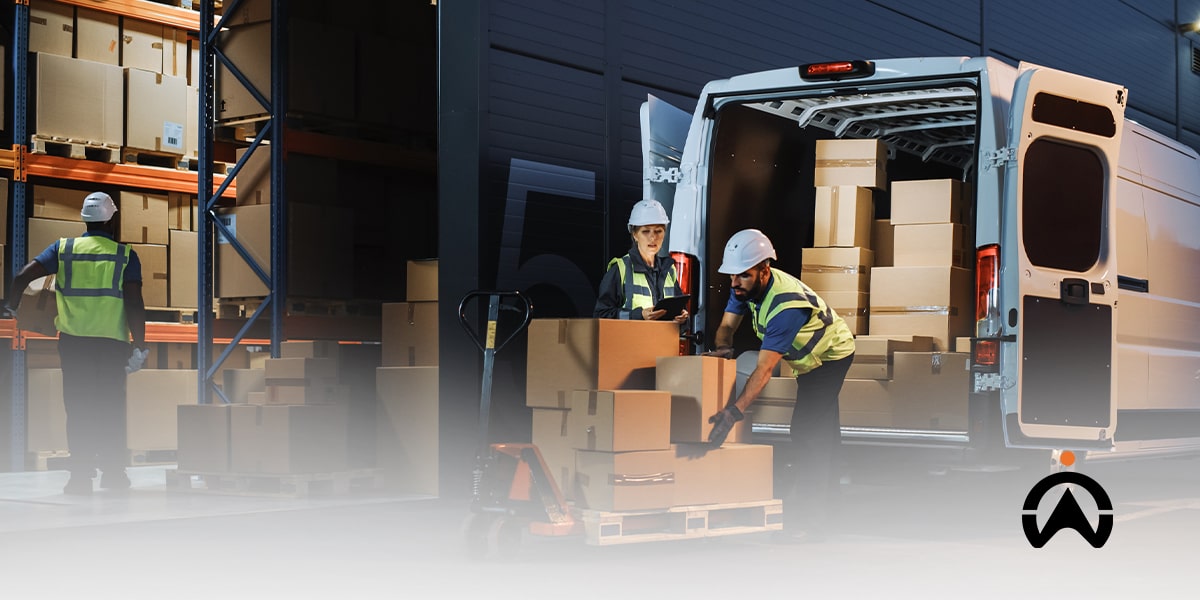
A successful training program results in fleet drivers who can recognise their risky driving behaviours and can swiftly correct them. Taking initiative puts fleet drivers in the best position to help keep their fleet on track during challenging times and gives their managers one less thing to worry about.

This long-term investment pays off through: 

  • Better accountability
  • Promotes fewer collisions
  • Reduced operating costs

Safety needs to begin with fleet managers, implementing a few techniques will help to improve performance and create safer drivers:
‍

  1. Identify driver behaviours

The more a driver is distracted while on the road, the more likely an accident will occur. Though driving for hours on end all day might be tiring, a self-aware, conscious driver is always better than one who isn’t.

Identify the drivers’ distractions accordingly, whether it’s dangerous actions like cell phone use, fatigue etc. With Cartrack’s smart AI-powered cameras, these behaviours can be quickly identified and help: 

  • Prevent accidents
  • Improve driver behaviour
  • Provide video proof for incidents 
  1. Improve performance

The key to creating better drivers is to improve performance. A fleet management system can store driver information, enabling easier reporting on accident rates and behaviour, which helps identify risk and reduce costly repairs, vehicle downtime and insurance premiums. 

Having a system in place that enables you to understand the causes of safety challenges means a better chance of finding and implementing possible solutions. Fleet driver management software keeps your driver records up-to-date, organised and easily accessible for these purposes.

  1. Communicate better

A good management system doesn’t just help to inform you about your drivers’ live locations, it also helps by cutting the middleman out and communicating directly with drivers.

In the past, manager-to-driver communication was inefficient and mostly required manual communication through calling/texting. Luckily fleet management software has upgraded this process to GPS live locations, instant communication and other benefits that include:

  • Easily assign jobs to drivers according to proximity to the client
  • Optimise delivery routes for fast delivery and cut costs
  • Receive live alerts when jobs are completed
Fleet manager with laptop/device Driver Behaviour & Driver Safety
How do you create better driving within your fleet?
‍

Work and reward method

Sometimes, something as simple as rewarding drivers who practise safe road behaviour is all the motivation needed to encourage self-awareness and improvement.

Just telling your crew to drive safely is sometimes not enough to improve fleet driver behaviour. Aside from instructions, you should also consider instilling good driving habits that can be measured up to notable results. Then, reward good driving habits.

A reward program that provides incentives or bonuses for their commitment is an effective way of attracting and retaining motivated, engaged, and high-performing drivers.

Just keep in mind that change doesn’t occur overnight, improving your fleet drivers’ behaviour needs patience from both sides. 

To that end, a vehicle management system, which is based on telematics technology, like Cartrack’s complete fleet management solutions, can make all the difference. This can bring real-time insights that can help you develop a driver safety training plan and so much more.

Focus on safety with Cartrack

Cartrack gives you the opportunity to focus its provided fleet management features towards driver safety and empowerment.

Fleet managers can get more out of Cartrack by taking part in their fleet management training program and gaining the necessary skills to better manage and improve their fleet. 

Visit Cartrack Malawi for more information.