Why Diesel is More Expensive than Petrol and What to Do as a Truck Owner

Motorists across Malawi experienced shocking petrol price increases in April 2026, but those with diesel trucks and vehicles REALLY felt the pinch. This makes us all wonder why diesel is so much pricier than petrol—and fleet operators are asking this question more than ever!

There are several economic, socio-economic and global reasons. Statista describes diesel demand as “pre-epidemic”, referring to the massive 28.3 million bbl/d (barrels per day) demand in 2024 ALONE. With escalating global tensions, this number just keeps going up.

Diesel demand. Taxation. Global unrest. All of these play a part in why diesel prices have soared. But fortunately Cartrack Malawi has some long-term fuel saving solutions that’ll appeal to truck owners across various industries. Here’s everything you need to know.

What are the main reasons for diesel being more expensive than petrol?

The main reasons for diesel being more expensive than petrol are high demand contrasted with low supply, diesel production time & costs, taxation, and global tensions. Another reason is the green practices that are now employed to produce diesel, which are more costly and time-consuming.

Global tensions

Not only are global tensions causing diesel prices to skyrocket, but this military activity also causes market panic. Together, these two factors ALONE do enough to raise diesel prices, making it harder for your trucking business to operate.

High demand for diesel

Malawi isn’t the only country that relies on diesel to power logistics. Other countries are ordering massive amounts just like we are (high demand), and this is causing the supply to gradually run dry.

In short, countries are ordering diesel at a faster rate than the rate at which it can be produced. 

“Clean” diesel production

Governments are clamping down on big industries to lower their carbon footprint, and diesel production plants are NOT exempt from these regulations. It’s more expensive to strip sulphur out of the end product of what’s considered “cleaner diesel”, and these costs are being passed on to the consumer.

Economic factors

There are dozens of economical reasons for diesel being more expensive than petrol, and these reasons combine to create prices that fluctuate at a whim. Most of these factors are international and often transport-related, but they still affect us because we import diesel in mass quantities.

A quick note on diesel taxation: While it’s true that tax is higher on diesel in some countries, this actually isn’t the case in Malawi. Fuel prices in Malawi are regulated by the Malawi Energy Regulatory Authority (MERA), and diesel and petrol prices are generally set at similar levels, with differences reflecting international fuel costs, exchange rates, and distribution expenses rather than significantly different tax rates.

However, there are a number of levies added to diesel and petrol costs, which include:

  • A government levy on each litre of fuel that contributes to public expenditure.
  • A Road Fund Administration (RFA) levy that helps finance the maintenance and development of the country’s road infrastructure.
  • Customs and excise duties on imported fuel.
  • Various regulatory and storage fees associated with fuel procurement, transportation, and distribution.

These extras are all passed on to the consumer, and truck owners who use a lot of diesel for their daily operations are having to spend more on refuelling their vehicles like never before.

What are long-term effects of high diesel prices?

The long-term effects of high diesel prices hit truck owners harder than the average motorist, and these ultimately lead to higher overheads. Whatever business you’re in, higher truck transport costs could also cause you to struggle against your competitors. To stay relevant in your industry, you might even be tempted to cut costs in other areas of your business.

Lower profit margins

The most obvious long-term effect is less profit. Over time, this can cripple a business, because let’s face it: fuel isn’t the ONLY thing getting more expensive. Less profit = lower chance of survival. If your business is making less profit, everybody suffers; you, your staff, and your customers.

Competitive irrelevancy

You might be looking at your competitors and wondering how THEY’RE dealing with the increase in diesel prices.

  • Are they transitioning to EV trucks?
  • Are they taking advantage of fuel hedging?
  • Are they receiving subsidies?
  • Or are they just better at marketing?

These are some possibilities, but it’s more likely they’re struggling as much as you are. Or are they?

The fact is, if your competing truck companies are thriving amidst the current fuel crisis, it’s likely that they’ve found a way to reduce fuel use through technology.

The question is, will your truck business do the same to stay relevant?

Cutbacks on essentials

The temptation might arise to cut back OTHER essential operations within your company to subsidise higher diesel costs for your truck company. This could be in the form of staff layoffs, less money towards safety, or opting for a lower marketing budget.

This isn’t always necessary just because fuel prices have gone up. The solution is BETTER fuel management—not cutbacks.

What diesel-saving methods are ineffective?

There’s no magic pill that’ll fix the amount of diesel your truck uses. Saving diesel takes effort combined with technology. Unfortunately, there are a number of fuel-saving gimmicks that dupe truck owners into thinking they’re making a difference. This simply isn’t true.

Here are some you may have heard of already.

Additives to your fuel tank

There are companies out there duping people into buying additives for their fuel tanks, promising that these increase efficiency. Most of these fuel additive promises are scams!

Avoid them at all costs, and also avoid home remedy solutions that promise better fuel consumption if you add home kitchen items to your fuel tank.

Magnetic fuel savers

The claim is that magnetic fuel savers realign the molecules within fuel, causing it to burn at a more efficient rate. There’s no research to back up this claim, so it’s considered an old wives’ tale in the fleet industry.

Filling up at certain times of the day

Is diesel more dense when the weather is cooler? Yes, it is. This makes some people think that filling up early in the morning increases efficiency. But the difference in density is so marginal that it doesn’t make enough of a difference to really affect your fuel usage.

Here’s why.

By the time the diesel comes out of the nozzle to be burnt by your engine, it’s virtually the same temperature as it would be when the weather is warm. Also, any savings you might get from this method will be too small to make any meaningful difference.

Filling strategies

You’ve probably heard rumours that filling your tank to the brim causes your fuel to burn quicker. The truth is, the amount of fuel in your tank has no direct impact on how efficiently your truck engine burns it. Yes, filling your tank to the brim does add some weight to your vehicle, but the difference is negligible.

So what does work?

What should truck owners do to save on diesel costs?

When we strip away the false information about saving fuel, we’re left with what actually DOES work. This isn’t just a claim; it’s fact-based knowledge & industry experience from a fuel management software provider that works closely with truck owners to make a difference in their fuel costs.

Here’s what we’ve learnt over the past two decades.

Calibrate your trucks’ fuel tanks

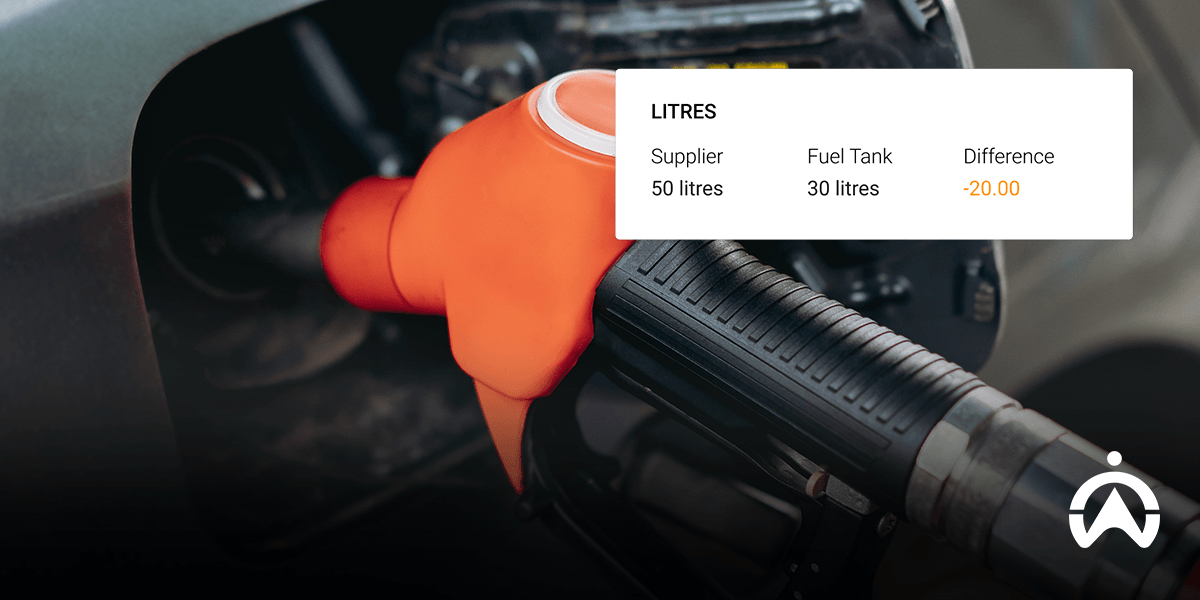
Saving fuel begins by starting from an accurate baseline. This can only be done through fuel calibration, which involves emptying your truck’s fuel tank and filling any fuel tank (which come in various shapes) with precise increments of fuel.

Your daily operations then generate raw data, and the calibration you get translates that data by giving you accurate litres.

Choose a fuel-monitoring technology that’s truck-specific

Cartrack Malawi has a few fuel-monitoring options to choose from, but none are MORE ACCURATE than our fuel probe. A fuel probe works by combining a float IoT device with our gold-standard software.

Once you have this data, our software further refines the information to give you actionable fuel-saving strategies that are specifically tailored to the unique factors of your truck fleet.

This is also the best strategy for stopping fuel syphoning, fuel card fraud, and other bulk fuel anomalies. 

Eliminate guesswork and rely on accurate data

The point of our software is to provide you with indisputable metrics that deliver true, relevant, and real-time data. This removes the guesswork out of your fleet operations and puts you in control of saving fuel.

All these small changes add up to lower overheads, helping you to preserve your profits and STAY COMPETITIVE. 

Keep your vehicles in top condition

You already know that high-quality data gives you ACTIONABLE STRATEGIES. But what are these strategies?

One is keeping your vehicles well maintained. It’s no secret that well-maintained vehicles burn less fuel, but HOW can you manage this better than what you’ve already been doing?

The answer is predictive maintenance with the help of AI.

This is a strategy that removes the humdrum service schedules you used to do, and alerts you to maintenance needs based on real-time vehicle diagnostics. In addition to this ground-breaking technology, our system even books your vehicles in for maintenance automatically!

Plan and optimise truck driver routes

The less time your trucks are on the road for each delivery, the more fuel you’ll save. The objective of route optimisation is to accelerate your service and make your trucks more productive.

Bypass those pesky roadblocks, heavy traffic congestion, and pothole-ridden roads by using real-time route optimisation that’s flexible, dynamic, and accurate. 

Monitor idling and coach drivers

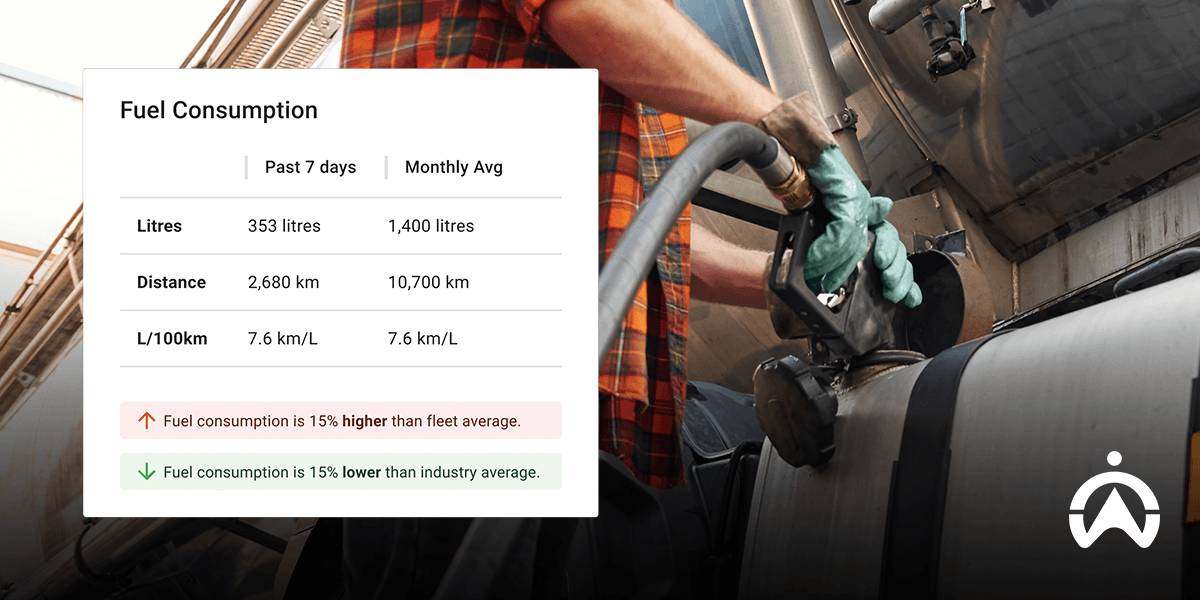
Idling accounts for a bulk of the fuel your trucks waste each day. So does reckless driving! Getting rid of this alone will lower your fuel costs without disrupting your productivity.

Cartrack Malawi offers various ways of doing this:

  • An alert system that lets you know when excessive idling is taking place
  • A driver coaching platform that educates them on idling less frequently
  • Sensors that alert you to fuel-guzzling driving habits like speeding or aggressive cornering
  • Power-Take-Off (PTO) monitors that give you stop/start data on your trucks

Call us to learn more! Cartrack Malawi is dedicated to saving Malawian truck owners on their diesel costs, but it all starts with your willingness to start the process.

These methods really DO make a difference, so ditch those outdated gimmicks and go digital with a system that works hard to generate savings on your fuel budget. 

Frequently asked questions about diesel vs petrol prices

How is diesel different to petrol?

Diesel is basically denser than petrol. Its core make-up has more viscosity, which plays an important part in its slower burning process and high torque offering. Diesel has a distinctly different smell too, making it easy to distinguish from petrol.

 I have a large fleet of trucks. How can I save on fuel costs even though the diesel price keeps going up?

There are so many reactive ways you can use less fuel, but most of them only give you short-term savings. The best approach is PROACTIVE and LONG-TERM. This approach calls for a combination of fuel management technology and human planning, which involves real-time fuel monitoring, AI calculations, and actionable strategies presented by Cartrack’s fuel management software.

Which uses more oil to produce: petrol or diesel?

Petrol takes more oil to produce, but not much. Because of the production process, manufacturers are likely to get more diesel than petrol out of a comparative amount of oil. This refining process happens simultaneously, so both products are derived from the same barrel of oil.

ECU Tuning in Your Trucks: What Is Another Way to Achieve Fuel Savings?

Fuel is one of the biggest expenses fleets have. And thanks to the current political climate the world is in, the price of diesel has hit a record high. So, it’s only natural that everyone is looking at new ways to save. One of the methods fleet owners are now looking at is ECU (Electronic Control Unit) tuning.

According to a study done by Javad Heydari, “Diesel engines, in particular, benefit from economy maps, often achieving a 5–10% reduction in fuel consumption.” This is quite a huge saving for any fleet. But before you start searching for your nearest vehicle tuning specialist, you need to know what the other pros and cons are, as well as other methods to save fuel.

Did you know: One of the best and simplest methods of saving even more on fuel is through driver behaviour?

Keep reading because the team at Cartrack are exploring ECU tuning, driver behaviour and telematics!

What is ECU tuning?

Did you know that your car has more potential than it currently delivers? Manufacturers program all of their vehicles to operate at a certain spec, but are you aware that it’s possible for you to unlock all of this hidden potential? That’s where ECU tuning comes in.

The ECU is basically the brain of your vehicle; it controls everything from your ignition timing to your fuel mixing. This ultimately governs the performance of your vehicle.

Most petrol heads want more out of their vehicles, so they’ll get their ECU tuned so their vehicles can reach top speeds and have a faster takeoff & better fuel efficiency.

But what’s an alternative option to save on fuel?

How driver behaviour helps you save on fuel

Did you know that the best way to achieve fuel savings is through improved driver behaviour? It doesn’t matter what you attach to your vehicle or what alterations you make to the engine or software. If you have a heavy-footed driver who loves to speed and take corners like a NASCAR driver, your vehicles are going to burn through fuel no matter what.

As a fleet manager, the best thing you can do to ensure you’re saving fuel is through driver behaviour monitoring and training. So, how do you achieve this?

  • AI-powered cameras: When you install high-quality, AI-powered cameras in your trucks, your drivers are monitored in real-time. If they’re displaying any dangerous driver behaviour, they’ll get an immediate alert (as will you), and they can correct their behaviour instantly.
    ‍
  • Driver scorecards: These will give you an accurate visual representation of how your drivers are performing on the road. With these, your drivers can see where their faults are, and you can coach each driver individually to improve their driving habits.

The best thing about training your drivers to drive better on the roads is that it lowers your chance of an accident, it reduces the wear & tear of your vehicles, and it’s long-lasting. It’s more realistic for you to save fuel through driver coaching than it is through remapping your vehicle.

Still curious about ECU tuning?

Close-up of a truck engine compartment, illustrating ECU tuning in your trucks for improved engine performance and fuel efficiency

How does ECU tuning improve my fleet?

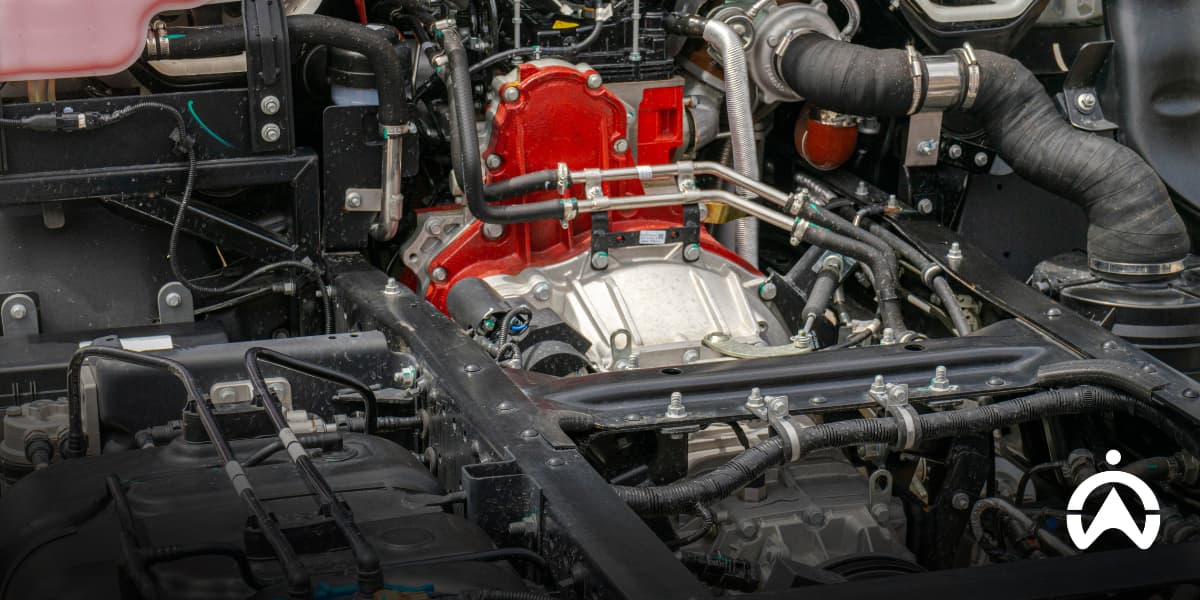
ECU tuning improves your fleet by optimising the following engine specifications: air-fuel ratio, boost pressure, and ignition timing. Now, unlike the petrol heads who are tuning for speed, businesses are doing this to save money.

Let’s take a look at the benefits of ECU tuning for your fleet.

Reduce fuel consumption

As we’ve already discussed, fuel is one of the biggest expenses in a fleet. Which is why the major benefit of tuning your truck’s engines is to make them more fuel efficient. 

Tuning can improve your vehicle’s fuel efficiency by between 5% and 10%. Now, that might not be a major saving, but when you look at this saving across the entirety of your fleet (and over a number of months), it’s quite a significant amount.

Power optimisation

The manufacturer restrictions on your ECU mean your trucks are only allowed to pull a certain amount of power. When you modify your vehicle’s software, you can get better low-end torque and quicker power delivery.

Now your trucks can tow and carry a heavy load much easier. On top of that, each vehicle experiences less strain on the engine when accelerating.

Possible lower maintenance costs

When ECU tuning is done professionally and correctly, it can make your engine run more efficiently. And in doing this, you can create less strain on certain components in your vehicle.

All of this sounds great… but is it legal?

What are the legal aspects around ECU tuning?

While ECU tuning isn’t illegal, there is a bit of a grey zone you need to be aware of. Emission regulations. When you alter your vehicles to perform better, you can inadvertently alter the amount of emissions your vehicles are producing.

Across the globe there are strict regulations around emissions, and when you tune your vehicles and they’re producing higher emissions than permitted, you could be hit with hefty fines.

So make sure you’re using a qualified tuner who understands the laws and regulations around emissions.

What are the risks of ECU tuning?

It’s very important to note that there are some major risks that come with tuning the ECUs in your trucks. You need to fully understand these potential risks to your fleet before you go ahead with the remapping of your trucks. Let’s check them out.

Possible damage to engine

A major risk that comes with ECU tuning is the potential damage it can cause to your engine. When modifications are made to the fuel/air ratio, ignition timing, etc., it can push your engine far beyond its limitations.

This can cause:

  • Overheating
  • Knocking
  • Complete engine failure

To prevent this from happening, make sure that:

  1. you’re using a reputable tuner, and
  2. you’re constantly monitoring and maintaining your engine’s health and performance.

You can void your truck’s warranty

When you tune the ECU you’re essentially messing with the manufacturer’s settings. This can ultimately void your truck’s warranty. So anything that would’ve normally been covered by your warranty will now completely be your responsibility to pay for.

So make sure you completely read through your warranty contract to see what will void it and what won’t, and consider if ECU tuning is worth the risk.

Insurance issues

Insurance providers aren’t fans of modifications to vehicles because these can compromise the integrity of the vehicle. You shouldn’t lie to your insurance provider, so once you inform them about the ECU remapping, they might increase your premiums or possibly refuse to cover you in certain areas.

So you should consider if saving 10% in fuel costs is worth coughing up R500 000 for in an accident. 

Increase in wear & tear

When you remap your vehicle to have more power, you inevitably place more strain on other components of the vehicle. Remember the manufacturer settings and limitations are put in place to impose the least amount of strain on wear & tear parts. So when you decide to alter these, you’re affecting the lifespan of these parts.

Parts that can be affected are:

  • Clutch
  • Pistons
  • Fuel injectors
  • Transmission
  • Crankshafts
  • Barings
  • The entire engine

Higher maintenance costs

Because you’re now pushing your engine to work at a higher performance level, you’re more likely to have to do maintenance on your trucks more frequently.

Ultimately, there’s a possibility that the money you’re saving from ECU mapping is likely to be spent on maintenance.

Lowers your chances of resale

Trying to sell your truck after tuning it may be a bigger hassle than you realised. Because you’ve messed with the manufacturer’s settings, you’ve essentially compromised the entire integrity of the truck.

Consequently, you’ve made reselling your truck way more challenging, and you’ll probably have to settle for a lower resale price.

Unreliable performance

One of the greatest risks that comes with ECU tuning is that you don’t have a guarantee that the vehicle is going to perform the way you want it to. You could actually experience an overall reduction in the reliability of your vehicle from the remapping.

So what other route can you take?

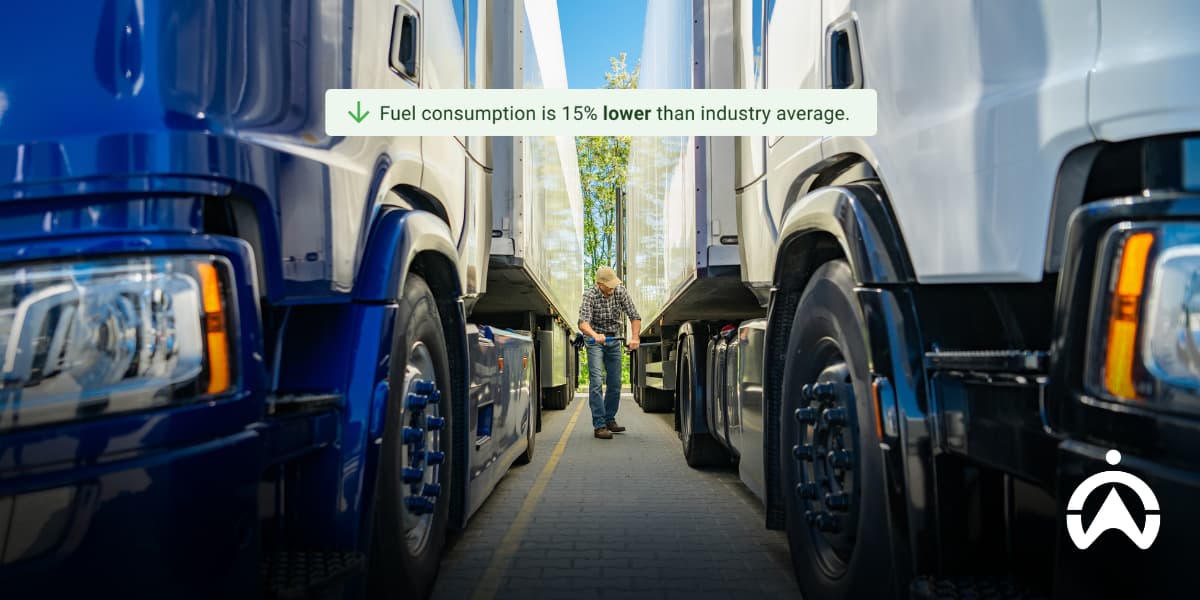
Technician working between parked trucks with fuel-saving message, illustrating ECU tuning in your trucks for improved fuel efficiency and performance

ECU tuning vs. telematics

There’s a more traditional method to saving fuel without voiding your warranty or incurring a list of risks. Telematics. Telematics can’t make your truck run faster, but it can help you save fuel, monitor the health of your trucks, and give you a complete overview of how your fleet is performing overall.

Let’s compare each of them.

How it affects your truck ECU Tuning Telematics
Speed Increases speed No affect on speed
Fuel Improves fuel economy Complete fuel management
Warranty Voids warranty No affect on the warranty
Wear & tear Increased strain on wear & tear parts Improved lifespan on wear & tear parts
Insurance Can cause insurance issues Can lower your insurance premiums
Resale Can affect resale value Can improve resale value
Maintenance Frequent maintenance required Proactive maintenance approach
Performance Improves the performance of the vehicle Improves the performance of the vehicle

It’s clear that the benefits gained from telematics do outshine ECU tuning, but if you want the benefits of all of them, you can implement them both. This way you can save even more fuel, easily monitor vehicle health, and completely improve your vehicle’s performance.

If you’re looking for a reputable telematics provider who can give you more bang for your buck, then speak to one of our specialists today! 

FAQs

Can I tune my EV?

It’s possible to tune your EV, but there are a lot of limitations to what can be done. The main reason for this is that EVs are basically controlled through their manufacturer software, which is heavily protected. So without the right code, it’s extremely challenging.

Can I tune my vehicle’s ECU myself?

Technically, yes, you can tune your vehicle yourself. To do it, you’re going to need specialised hardware and software to connect to your vehicle’s OBD-II port and also an understanding of engine mechanics. Remember, if you do it incorrectly, you can completely damage your engine and the performance of your vehicle.

Is ECU tuning permanent?

No, ECU tuning isn’t permanent. If you’re not happy with how the vehicle is performing after being tuned, you can get it back to how it was. But keep in mind that manufacturers can see if the software was ever altered, so your warranty can still be voided even if you return it to its original factory software.

How a Fuel Dispensing Tracking System Helps Prevent Fuel Theft and Improve Fleet Safety

A fuel dispensing tracking system helps improve fleet safety and prevent fuel theft using tools that make it easier for you to monitor fuel usage and track consumption patterns. This advanced system involves installing fuel-level sensors inside the tanks or dispensers, which then collect data on fuel usage, giving you real-time fuel consumption feedback.

With fuel being one of the most expensive fleet running costs, many companies are turning to advanced fleet management technology to reduce these expenses. According to Fleet Management Weekly, businesses can reduce fuel consumption by approximately 13-16% when properly using fuel management tools.

A fuel dispensing tracking system gives you more control over your fleet’s fuel usage, and today, we’re here to discuss its importance and how it works.

Understanding a fuel dispensing tracking system

A fuel dispensing tracking system comprises hardware and software components that facilitate the real-time monitoring of fuel usage from storage tanks to vehicles and other equipment. It consists of sensors and IoT devices.

The sensors are placed inside fuel tanks to measure the amount of fuel dispensed. The information from the sensors is then transmitted to a centralised database (i.e., fleet management platform), so you can get easy access. Through this, you’ll be able to see exactly how much fuel is in each tank in real time and get records and alerts of suspicious activities.

Why fuel monitoring matters

Fuel monitoring matters because fuel accounts for a very large portion of fleet operational costs; so cutting down on fuel costs means big savings. Monitoring fuel consumption patterns also helps you quickly spot unusual suspicious activity, which could mean theft. Through close monitoring, you’ll also be able to identify safety risks like spilling, which is a fire hazard.

Let’s have a closer look at the reasons why a fuel monitoring system is a necessity for your business:

Fuel theft is a major business risk

Every employer hopes to work with staff members they can trust, but unfortunately there’ve been many cases of fuel theft by workers. Common fuel theft methods include:

  • Syphoning: When employees use hoses or other tube-like tools to drain fuel from a tank to personal containers or vehicles.
  • Tampering: Disabling tank locks to steal large quantities of fuel at one go.
  • Misreported fuel usage: When employees deliberately misreport fuel usage to hide theft or misuse, inflating records to cover up smaller thefts.
Fleet vehicle monitored by fuel tracking system to improve safety

Safety concerns during refueling

Closely monitoring fuel levels and pressure also helps with detecting leaks or potential spills at an early stage. This helps prevent environmental contamination and reduces the risk of fire or explosions occurring, which are major safety concerns. It also gives you the opportunity to address common causes of spills (like improper handling) and train employees on better conduct.

How bad can fuel theft get?

Fuel theft in Malawi can get really bad. It has grown beyond isolated incidents into a serious, organised crime. Criminals steal thousands of litres of petrol or diesel through pipelines. A theft of this nature is a dangerous activity that impacts essential services, supply chains, and the overall economy.

To make you better understand the extent to which fuel theft can go, we’ve created a timeline of key cases that highlight the scale of the crime, involving methods like syphoning and tampering.

Take control of your fleet’s fuel with Cartrack’s fuel dispensing tracking system

Our fuel dispensing tracking system helps you gain full control of your fleet’s fuel. We have tools like fuel probes and MiFleet to help you keep a close eye on refuelling activities. This way you’ll accurately measure fuel levels and quickly spot any irregularities.

Here’s how our fuel tracking solutions work:

MiFleet

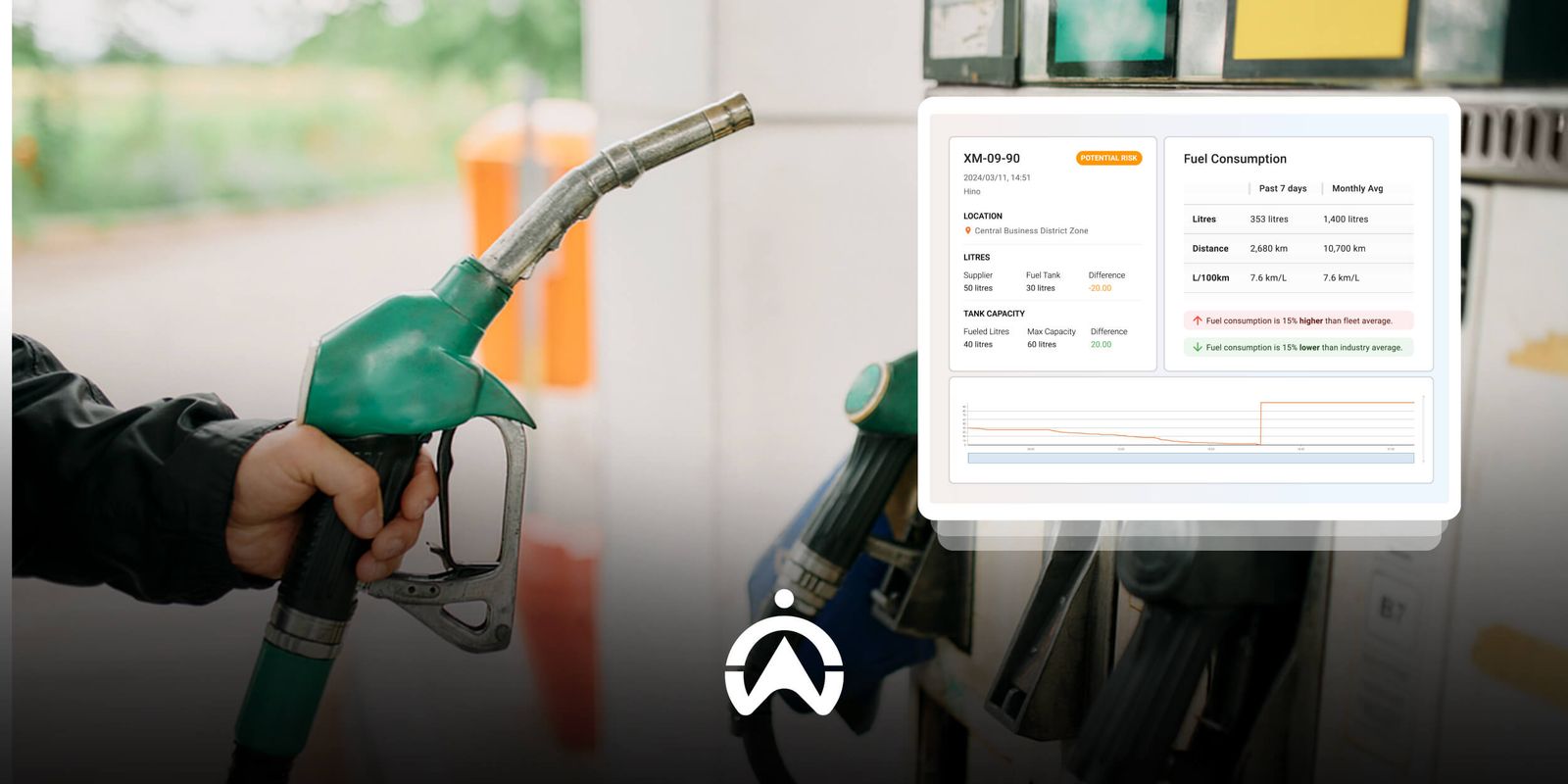
Cartrack’s MiFleet solution is a cost management tool on our platform that helps you track the cost of many things, including fuel. You’ll get validation of vehicle tank capacity and how many litres are in each vehicle’s tank. This makes it easier to spot theft. For example, if the truck’s tank capacity is 200 litres but records show 250 litres of fuel were poured into that vehicle, then you’ll get an alert.

Smart fuel management system helping prevent theft and boost fleet safety

Fuel probes

Fuel probes are fuel-measuring devices that use a float system to measure the quantity of fuel flowing in your tank. The float goes up and down as a vertical rod inside the tank as the fuel levels change. The fuel probes constantly check the resistance of the variable resistor, and any changes in resistance send a different electrical signal from the probes. Signal shifts show the fuel levels, and the information is sent to our fleet platform, giving you real-time updates.

Fuel probes are an effective way to spot syphoning and tampering, because you’ll get instant alerts of sudden massive drops in fuel levels. This helps you act quicker and possibly catch the thieves while in the act. The sudden drops could also mean spillage, helping you attend to the hazard quicker.

Fuel reports

With our system you’ll get detailed fuel consumption reports, like the rate of fuel flow to like:

  • A summary of actual working hours each machine/equipment with fuel consumption.
  • Fuel graph reports.
  • Fuel summary reports showing mileage, fuel used and fuel consumption.
  • Refuel reports which show the date, time, and amount of fuel that was refuelled.
  • Vehicle fuel cost, which shows the total cost of fuel per vehicle.

Choose Cartrack’s fuel monitoring system for your business

Investing in a fuel dispensing tracking system is no longer optional; it’s essential for cost saving, crime prevention, and protecting the environment. Our fuel dispensing management tools give you greater safety and improved control over fuel usage. Make sure that you reach out to one of our fleet consultants for a service you can trust!

Frequently Asked Questions

Can fuel tracking systems detect theft in remote or low-signal areas?

Yes, fuel tracking systems are still able to detect theft even in remote or low-signal areas. This is made possible through various technologies like offline data logging, sensors, and satellite communication. The many mining and agricultural sites are in low-signal areas, but thanks to the combination of these technologies, fuel theft and misuse are easily detected.

Do fuel level sensors work in all vehicles?

Yes, fuel level sensors work in virtually all vehicles because they vary in type. Most common vehicles use resistive (float-based) sensors. These use a float to adjust electrical resistance as the fuel levels go down, which then moves the dashboard needle.

How accurate are fuel level sensors?

Fuel level sensors like fuel probes are highly accurate when properly installed. To ensure accuracy, fuel probes are calibrated, which is the process of adjusting and aligning the measurements to match the actual volume of the tank. This ensures that the system gives you accurate and reliable data. The process of calibration requires three refills to verify accuracy.

Best Fuel Management System in Malawi

The best fuel management system in Malawi is Cartrack’s Fuel Management Software, giving you the accuracy and insights you need to make impactful changes in your business. Between fuel prices constantly climbing and the risk of petrol theft looming, keeping your fleet’s fuel consumption under close inspection is so necessary. That’s why a reliable fuel management system is vital to your business.

The ‘best’ fuel management system for your business is one that delivers on every front, intelligently addressing fuel theft issues, performance matters, fuel card integrations, and more. A study on industrial fleets revealed that using AI systems to optimize driving behaviour can cut fuel consumption by 12–15%, showing how the right system can help transform your business.

In this blog, we’ll inform you on what to look for in a top-notch fuel management system and explain why an advanced option always beats a basic one. Once you’ve got a complete picture, you’ll begin to understand why Cartrack’s solution is your perfect fit.

What defines the best fuel management system in Malawi?

The best fuel management system in Malawi is defined by its ability to give businesses accurate, advanced, and complete control over fuel consumption in their fleet. Cartrack’s MiFleet is the perfect example of this, providing sophisticated systems and comprehensive results.

Cutting-edge systems like MiFleet take fuel monitoring to a whole new level offering features that include trip history and data, fuel card insights, instant notifications, and more. Your business’s ideal system should consider local-specific variables, including measures to tackle issues such as fuel theft and power disruptions.

What makes a fuel management system “the best” for your business?

What makes a fuel management system ‘the best’ for your business are features like reliable hardware, adaptability across industries, and quality automated reporting.

Here’s what the right system should offer you:

  • Suitability across industries: There’s transport, construction, logistics, field services, and more. The right system should be able to suit any business.
  • Scalability: This is especially true for mixed or growing fleets. The fuel system should work just as well for bikes and vehicles as they do for yellow machinery.
  • Reliability of hardware and precision of sensors: The best insights are accurate ones. Reliable sensors and quality hardware ensure your readings stay precise, no matter the conditions.
  • Quality of automated reporting: Automated reports make it much easier for you to read information and quickly identify anomalies. They also minimise human error.
Person reaching for fuel nozzle at station, highlighting fuel management system South Africa.

Why do Malawian businesses need fuel management now more than ever?

Malawian businesses need fuel management now more than ever because of the demand to tackle serious operational risks. These include rising running costs and threats to fuel safety.

These are the challenges and threats that need to be tackled:

  • Rising fuel prices and operational costs, especially considering that fuel makes up the bulk of running expenses.
  • Fuel theft incidents, syphoning, and invoice-mismatch issues, because even the smallest oversights here add up very quickly.
  • Automated processes that reduce human error, because automated data fills potential data gaps and brings about better accuracy.
  • Data-driven insights that offer business savings, transparency, and stability; these trends and patterns can help maintain predictable budgets and help reduce expenses.

Comparison table: What does the best fuel management system include?

The best fuel management system includes features like driver insights, trip histories, and theft prevention functions. Your business shouldn’t accept just a glimpse of what’s happening; you need a thorough system that provides accurate insights into every part of your fuel usage.

Look at this quick comparison breakdown that highlights the importance of an advanced system:

Feature / Capability Basic fuel monitoring tools Advanced fuel management system (recommended for businesses)
Real-time fuel levels Sometimes ✔️
Automatic alerts (drain, refuel, abnormal use) ❌ ✔️
Fuel-card integration ❌ ✔️
Driver behaviour insights ❌ ✔️
Route and trip reporting ❌ ✔️
Maintenance and vehicle health ❌ ✔️
Automated audit-ready reporting Limited ✔️
Theft-prevention tools Limited ✔️

Practical ways businesses save with advanced fuel management

The practical ways in which businesses save with advanced fuel management include optimised routes, reduced theft, and better dispatching.

A system like MiFleet could benefit your business through:

  • Reduced theft and misuse
  • Less idling and inefficient driving
  • Controlled fuel budgets
  • Fewer unnecessary trips
  • Predictive maintenance tools
  • Improved dispatching
  • Minimised administrative load

Vital features to look for in a fuel management system

The vital features to look for in a fuel management system include accurate fuel reporting, instant notifications, and a smooth web & mobile app user experience. While you seek out the solution that best matches your business needs, always remember to focus on the one that helps you easily understand and improve fuel-related matters.

Key capabilities include:

  • Consolidated fuel-use reporting to help you quickly spot fuel waste, but also support budgeting and expense estimations.
  • Vehicle health and maintenance insights to help you keep track of issues that could add to fuel waste, like flat tyres or overdue servicing.
  • Tamper-proof data logs that are secure and set to support compliance matters.
  • Web and mobile app accessibility to allow you and your drivers to take action from anywhere.

How to choose the best fuel management system for your fleet

To choose the best fuel management system for your fleet, start by looking at your fuel-related pain points, deciding what your operational needs are, and then looking at aspects like pricing and hardware. You’ll want to pick a system that’s going to give you the most value and long-term success.

Follow these steps to choose the best fit for your business:

  • First, look at fuel-related pain points and examine where the losses or inefficiencies are.
  • Discover your operational needs: do you need better fuel card control, or does there need to be more focus on fuel theft?
  • Check the quality of hardware and data accuracy, because proven accuracy should really anchor your whole system.
  • Evaluate the fuel management platform so that you’re confident and comfortable using the tools at your disposal.
  • Make sure your integration options work and that third-party systems link to encourage data consistency.
  • Prioritise local support, training, and onboarding, because effective implementation is just as important as the tools themselves.
  • Confirm transparency on pricing and infrastructure so that you have a clear understanding of costs and where your money goes.
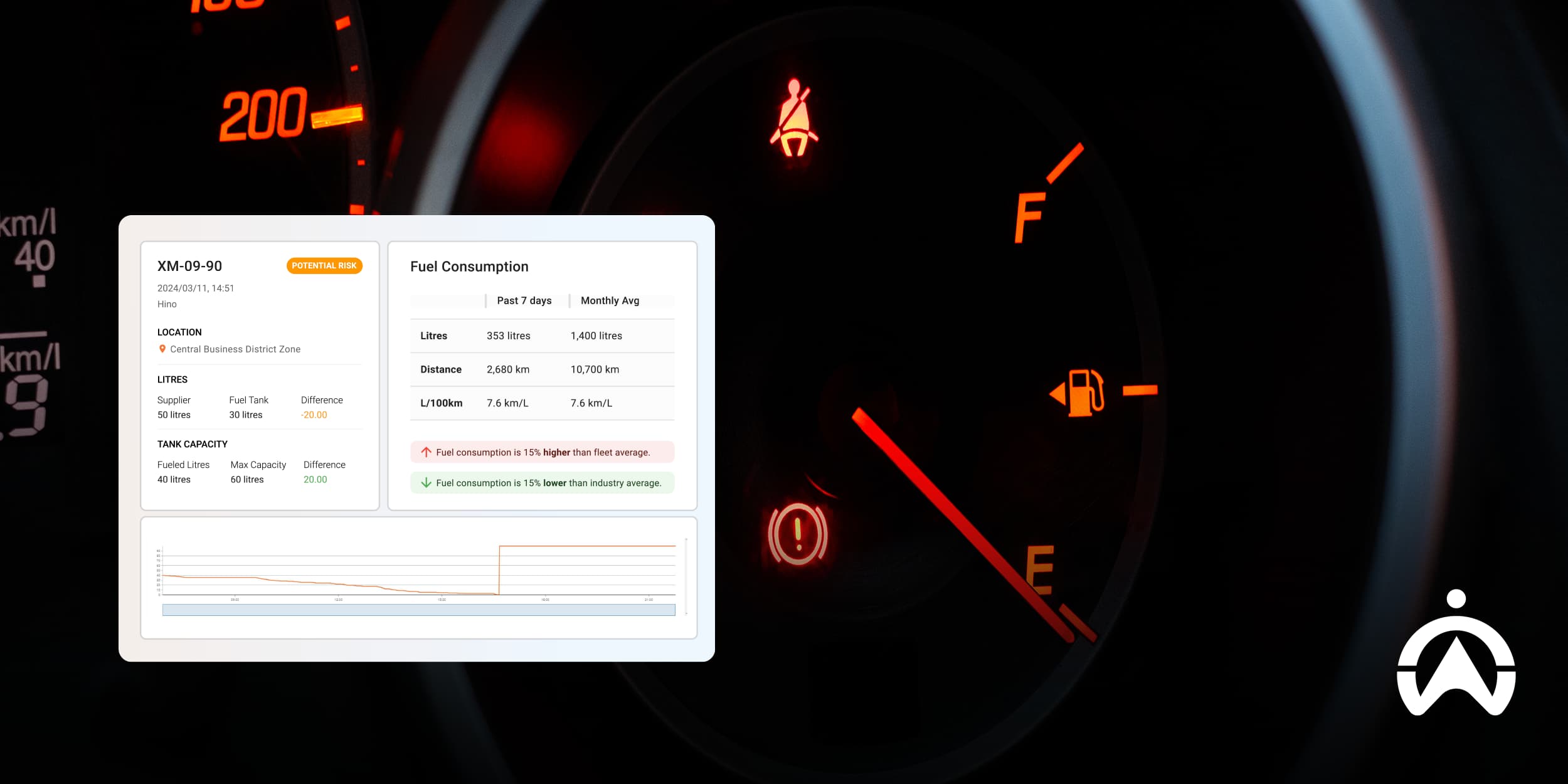
Vehicle dashboard showing fuel data and alerts for fuel management system South Africa.

How Cartrack delivers one of Malawi’s leading fuel management systems

Cartrack delivers one of Malawi’s leading fuel management systems through being specifically designed to give you full oversight and total control. At the core of our fuel management system is telematics, which guarantees accurate tracking of fuel consumption and refuelling habits.

IMPORTANT!! With MiFleet, you get a complete overview of your costs, which can be broken down not only into fuel but also into tolls, fines, maintenance, and more. Carefully manage your insurance, maintenance, and miscellaneous documents by keeping soft copies of all the necessary records in one place. What’s more? Import and export documents and trip histories with total ease.

Outside of MiFleet, we have numerous other features that’ll support your fuel management improvement. Driver monitoring & scorecarding, route optimisation, and vehicle diagnostics are just some of the features that’ll support your daily operations. Overall, Cartrack’s strong support network ensures your business gets the guidance and help required, turning MiFleet into a reliable choice for long-term fuel management.

Final takeaway

Getting reliable up-to-the-minute fuel data is necessary for any Malawian company hoping to keep its costs in check. A good fuel management system is all about getting the accuracy right, being able to scale as you grow, and having a clear view of everything that’s going on across all your vehicles and assets.

With smart fuel tracking and valuable data, Cartrack’s MiFleet gives businesses the tools to really get a handle on how they’re using fuel, reduce wasteful habits, and iron out as many of the operational kinks as possible. It’s a solid, forward-thinking solution for fleets that are serious about protecting their profits and improving performance.

Improve your efficiency, quickly identify anomalies, and manage your fuel with ease. Kick off your journey with Cartrack today!

FAQs

What are the latest fuel management trends?

The latest trends in fuel management are all about embracing AI to make smarter decisions, adopting electric and hybrid fleets, and the impact of IoT on fleet operations. For us at Cartrack, it’s not just about being on top of these trends, but about ensuring our systems are always adapting to stay ahead of the game.

What industries benefit most from fuel monitoring?

The industries that benefit the most from fuel monitoring are generally those with vehicles or mobile assets in transport, logistics, construction, mining, field services, and delivery. Basically, any sector where vehicles operate long hours, use a lot of fuel, and are at risk of theft. This makes them perfect candidates for businesses looking to improve productivity.

How accurate are fuel management systems today?

Today’s fuel management systems are highly accurate thanks to top-notch technology like advanced sensors, telematics hardware, and instant data processing. These do a brilliant job of keeping track of tank levels, refuelling, and even syphoning. The result is that you can trust the feedback you get from them every time.

What is the best fuel reward programme for businesses in Malawi?

The best fuel reward programme for businesses in Malawi depends on your company’s fuel usage, spending patterns, and banking partner. In Malawi, fuel retailers such as Puma Energy and TotalEnergies are major players, while banks like National Bank of Malawi (NBM), Standard Bank Malawi, and FDH Bank are among the leading financial institutions businesses may consider when exploring fuel and payment partnerships.

What Are the Symptoms of a Faulty Fuel Management System?

Symptoms of a faulty fuel management system include performance issues that negatively affect your fleet, like your fuel costs climbing, but your mileage remaining the same. Reports may show there are data gaps you can’t explain. Even worse, a truck fills up twice in one day without any extra distance logged.

Sound familiar?

Fuel management systems are designed to save you time by tracking usage, preventing theft, and aiding in smarter planning. However, when these systems falter, they quietly drain your resources and alter your reports.

Fuel isn’t a minor expense for businesses. According to G2, 32% of fleets consider fuel to be their largest expense. If your fuel system is off, you could be losing control over one of your largest expenses!

So how can you tell if your fuel management system is underperforming—and what steps should you take? Let’s explore the classic warning signs, what they mean, and how Cartrack’s smart fuel tracking keeps your operations on track.

What causes a fuel management system to fail?

A fuel management system can fail for various reasons, with hardware damage, software glitches, and user errors being the most common culprits. Spotting these problems early helps you avoid costly downtime and inaccurate reporting that can impact your entire fleet operation.

Here are the usual causes:

  • Damaged or dirty sensors: They throw off tank measurements.
  • Incorrect calibration: A faulty setup delivers inaccurate fuel data.
  • Outdated firmware: Software bugs can cause syncing issues and data loss.
  • Electrical problems: Faulty wiring or power surges can disrupt communication.
  • Environmental wear: Vibration, heat, and cold can age hardware faster.
  • Human error: Manual entry mistakes or missed maintenance checks create anomalies.

Common symptoms of a faulty fuel management system

Symptoms of a faulty fuel management system often reveal themselves through inconsistent data, unexpected fuel spikes, or mysterious drops in performance. You might catch fuel reports that don’t match receipts, strange consumption trends, or even missing records. These warning signs usually indicate that it’s time to sort out your sensors, software, or data links.

1. Sudden spikes in fuel consumption

If your books reveal an unexpected spike in fuel usage without any clear reason for the operating costs—no new routes or extra loads—that’s a warning sign. It might point to a faulty sensor, incorrect readings, or even unauthorised usage.

Make sure you cross-check your physical fuel card receipts with your telematics data to spot any discrepancies early on.

Cartrack’s system automatically matches tank readings with trip and mileage records, highlighting spikes in real time.

2. Inconsistent or missing fuel data

When your system misses logs or has gaps in fuel reports, it can lead to communication or integration issues. Not having enough data can alter your performance metrics and conceal anomalies.

Imagine a whole day’s driving vanishing from your records. You’d be left in the dark about where the fuel disappeared to.

With Cartrack’s integrated platform, all your data syncs automatically across vehicles, sensors, and dashboards, so nothing slips through the cracks.

3. Frequent fuel card discrepancies

Fuel card mismatches are a major warning sign that something’s off in the system. When what you pay for doesn’t match what you actually use, it indicates a problem, either with the data feed or the behaviour influencing it.

Table: Common fuel card discrepancies and what they mean

Discrepancy Type Possible Cause Action to Take
Fuel purchased, but no trip data Faulty sensor or card misuse Audit driver activity and system logs
Refill exceeds tank capacity Potential fuel theft or data error Cross-check with GPS and fuel sensors
Duplicate transactions System glitch or human error Review software integration and logs
Missing transaction timestamps Connectivity or software sync issue Run diagnostics and re-sync telematics data

4. Fuel level readings don’t match actual use

When your tank gauges don’t match up with usage reports, it’s likely a sensor or calibration issue. Sometimes, it’s simply a hardware failure, but it could also be a subtle data integrity problem. Daily recalibration and diagnostics ensure everything runs smoothly.

Cartrack’s smart sensors are tailored for Malawian conditions and deliver accurate data, even in tough or high-vibration environments.

5. Slow or unresponsive software

A sluggish dashboard that takes ages to update or fails to refresh data in real time can really slow down your response to issues. You can’t manage what you can’t see. 

When alerts are delayed, small inefficiencies or even theft can easily slip through the cracks.

Cartrack’s cloud-based system provides real-time data refreshes, allowing you to act swiftly and make confident decisions.

6. Increased maintenance or engine issues

A failing fuel management system doesn’t just hit your wallet—it can also take a toll on your vehicles. Misinformation can cause you to miss maintenance alerts or overlook poor fuel quality. Over time, this leads to increased wear, unexpected downtime, and expensive repairs.

Cartrack links your fuel data with vehicle health insights, helping you spot early warning signs and keep your fleet operating at its best.

7. Irregular refuelling patterns across drivers

If some drivers or vehicles are refuelling more frequently or at unusual times, it could signal misuse or a system issue. Keep an eye out for patterns that don’t match up with mileage or work types, because they’re your cue to dig deeper.

With Cartrack’s geofencing and refuelling alerts, you pinpoint exactly where and when refuelling happens, making your operations clear and accountable.

Worker holding fuel nozzle beside tanker, highlighting faulty fuel management system issues.

Why fuel management matters for your fleet

A fuel management system matters because it empowers you to take control of one of your fleet’s largest expenses—fuel. It allows you to monitor every litre spent, spot theft or waste, and optimise your routes more effectively. Without it, you’re navigating without a map, relying on assumptions and guesswork instead of real, actionable insights.

The role of a fuel management system

A fuel management system combines sensors, telematics, and smart software to keep an eye on your fleet’s fuel usage, as well as when and where every litre gets used. When it’s running smoothly, it helps you spot wastage, catch theft, and keep your costs predictable. With Cartrack, you get real-time visibility and automatic alerts for every refuelling event.

The cost of fuel problems

Fuel ranks as one of the biggest controllable expenses in any fleet. A poorly managed system can lead to unnoticed fuel theft, inefficient driving, and unnecessary idling—all of which drain your budget and hinder productivity. Cartrack’s well-calibrated system ensures precise tracking, saving your business both time and money every day.

How does a faulty fuel management system affect fleet operations?

A faulty fuel management system affects fleet operations by distorting vital performance data and complicating decision-making. When measurements lack reliability, then planning routes, managing budgets, and holding drivers accountable become much harder. Over time, these inefficiencies pile up, increasing costs, lowering productivity, and causing unnecessary downtime across your business.

Here are the main operational effects:

  • Unreliable reporting: Makes tracking actual operating expenses a challenge.
  • Route inefficiencies: Misleading fuel data conceals unnecessary driving habits.
  • Loss of driver accountability: It becomes trickier to pinpoint misuse or fuel theft.
  • Maintenance delays: Deceptive data can lead to missed servicing for vehicles.
  • Lower profitability: Rising running costs and downtime slash your margins.

The business risks of ignoring fuel system faults

The business risks of ignoring fuel system failures can seriously dent your finances and operations. Fuel theft, often hidden, drives up costs and complicates financial planning. If you don’t tackle these issues in the long run, they accumulate into inefficiencies that boost maintenance costs and lower productivity—ultimately taking a toll on your profits.

Hidden costs add up quickly

Overlooking system faults causes your business to slowly lose money through inefficient and untracked fuel usage. Those seemingly “small” leaks can add up to thousands of rands in avoidable expenses over time. With Cartrack’s real-time insights, you’ll spot fuel issues before they spiral out of control.

Impact on fleet efficiency

Inaccurate data leads to poor decision-making. When your system isn’t reliable, you end up planning routes, fuel stops, and driver schedules based on shaky information. Cartrack’s integrated dashboard brings together your fuel management, telematics, and driver behaviour data, giving you the complete visibility you need to operate leaner and smarter.

Compliance and audit challenges

Incorrect or incomplete fuel records can turn compliance audits into a headache. Fleet managers require precise logs for tax allowances and ESG reporting. With Cartrack reports, you can demonstrate fuel spending accuracy and stay compliant—all without drowning in paperwork.

Why data accuracy matters for fleet decision-making

Accurate data matters because every decision you make for your fleet relies on trustworthy information, be it for maintenance or budgeting. With the right fuel data, you can effortlessly plan routes, manage costs confidently, and evaluate driver performance fairly. When the data is off, you end up reacting instead of planning ahead.

Poor insights can lead to overspending, neglected maintenance, and flawed forecasts. Reliable, real-time data empowers you to run your operations proactively, efficiently, and in alignment with your business goals.

Diagnosing and fixing a faulty fuel management system

Diagnosing and fixing a faulty fuel management system starts with identifying where the issue lies; whether it’s hardware, software, or data transmission. Kick things off by checking for sensor failures, outdated firmware, or weak connectivity. Then, recalibrate your equipment or update your system software to guarantee precise, real-time fuel monitoring across your fleet.

Step 1 – Review data consistency

Start off by diving into your historical fuel data. Did you spot any sudden jumps, missing days, or odd readings? That’s your first hint that something’s not right. Use Cartrack’s reporting dashboard to visualise patterns and quickly flag any inconsistencies.

Step 2 – Check hardware and connectivity

Take a good look at all your hardware, your sensors, fuel probes, and telematics units. Any disconnected or damaged bits can lead to inaccurate readings. With Cartrack’s locally supported hardware, you’ll get reliable fuel information, even in the most remote areas.

Step 3 – Audit software and integrations

Most discrepancies arise when systems don’t communicate effectively. Make sure to align your fuel data with GPS, trip logs, and ERP tools. Within Cartrack’s all-in-one solution, information flows seamlessly across all functions, eliminating silos and discrepancies.

Step 4 – Recalibrate and run diagnostics

Recalibrate your sensors and run diagnostics to guarantee top-notch performance. Poor calibration can lead to a significant data drift over time. Cartrack features built-in diagnostics to help you verify accuracy without taking vehicles out of service.

Step 5 – Train your team

Even the best technology falls flat without skilled users. Equip your dispatchers and drivers to spot unusual fuel readings so that they can report them immediately. Cartrack’s user-friendly interface and mobile app keep your team engaged and connected

Cartrack fuel management system helping detect faulty fuel management system during fuel tank inspection.

How Cartrack keeps your fuel management accurate

Cartrack keeps your fuel management spot on with real-time tracking, cutting-edge telematics, and intelligent fuel monitoring tools. The system spots any irregularities, sends you instant alerts, and keeps your fleet’s data in sync. With smooth integration and round-the-clock support, Cartrack takes the guesswork out and puts you in total control of every drop of fuel.

Real-time fuel tracking

With Cartrack’s fuel management system, you’ll never be left guessing where your fuel goes. The system tracks every litre in real-time, spots unusual usage, and alerts you right away to potential theft or leaks, stopping losses before they pile up.

Integrated data for full transparency

Cartrack merges fuel data with telematics, trip reports, and maintenance schedules. This gives you a complete operational overview—far beyond just fuel figures. You can see how driver behaviour, route choices, and idling habits impact your bottom line.

Proven reliability and local support

Cartrack operates throughout Malawi, offering 24/7 local support and boasting over 2.4 million active units. You’re supported by a team that truly understands your market and the challenges you face. When uptime is crucial for your business, Cartrack’s dependable systems ensure your fleet stays on the move without a hitch.

Don’t let inefficient systems eat into your profits. Get in touch with Cartrack today to keep your fuel management precise, efficient, and secure.

Frequently Asked Questions

How often should a fuel management system be calibrated?

You should calibrate your fuel management system at least once a year, or whenever you carry out major maintenance or change any sensors. Regular calibration ensures accurate readings, prevents data drift, and keeps your reports consistent, helping you make better operational and cost-saving decisions.

Is it possible to integrate a fuel management system with existing ERP or accounting software?

Yes, most modern fuel management systems are ERPC or accounting software compatible. Integration enables enterprises to automatically synchronise driver reports, route data, and fuel expenses. This minimises manual entries and errors and enables finance departments to obtain accurate, real-time information on fleet expenditures.

How can my business calculate ROI on a new fuel management system?

To calculate ROI on a fuel management system, track your maintenance and fuel cost before and after installation. Track savings: from less fuel theft, improved efficiency, and fewer breakdowns. Most fleets can recover their cost in 6 to 12 months thanks to better data and cost control.

What are the most common causes of fuel data discrepancies?

The most common fuel data discrepancies are often caused by faulty sensors, improper calibration, erratic refuelling patterns, or communication errors between the hardware and software. Early detection of these problems ensures that your fuel reports accurately reflect fleet-wide consumption, helps maintain accurate data, and prevents false reading

Can a fuel management system work without telematics?

Yes, a fuel management system is possible without telematics, but it won’t have full functionality. If you don’t have real-time tracking, you’ll have to resort to manual data entries and lagged reports. Telematics brings immediate insights, automatic alerts, and accurate information that allow you to better manage fuel consumption and expenses.