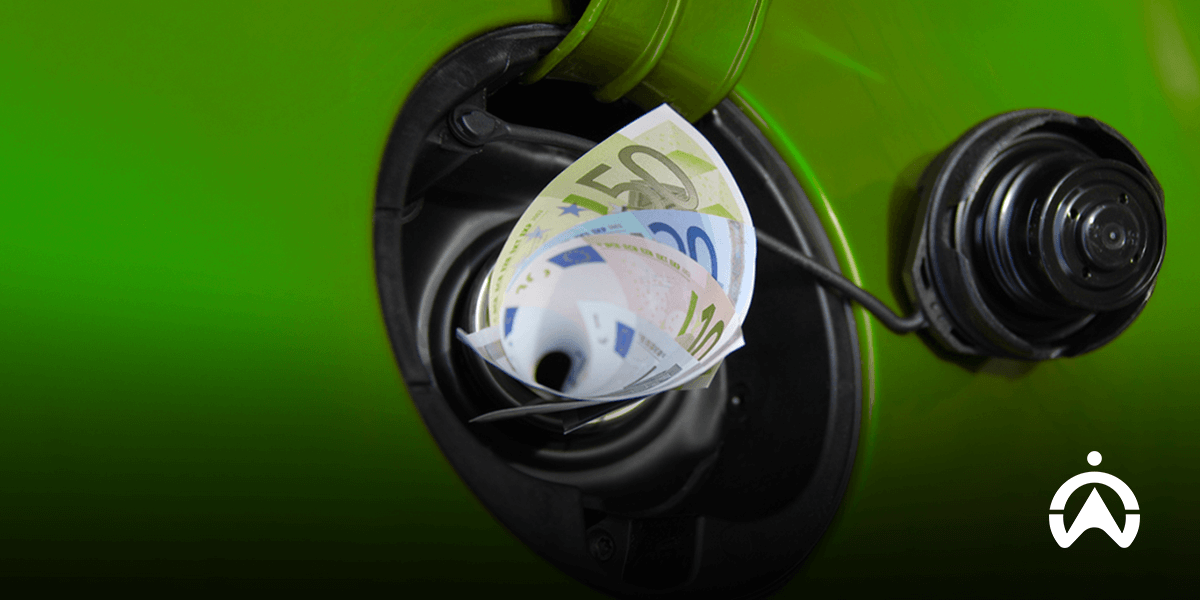
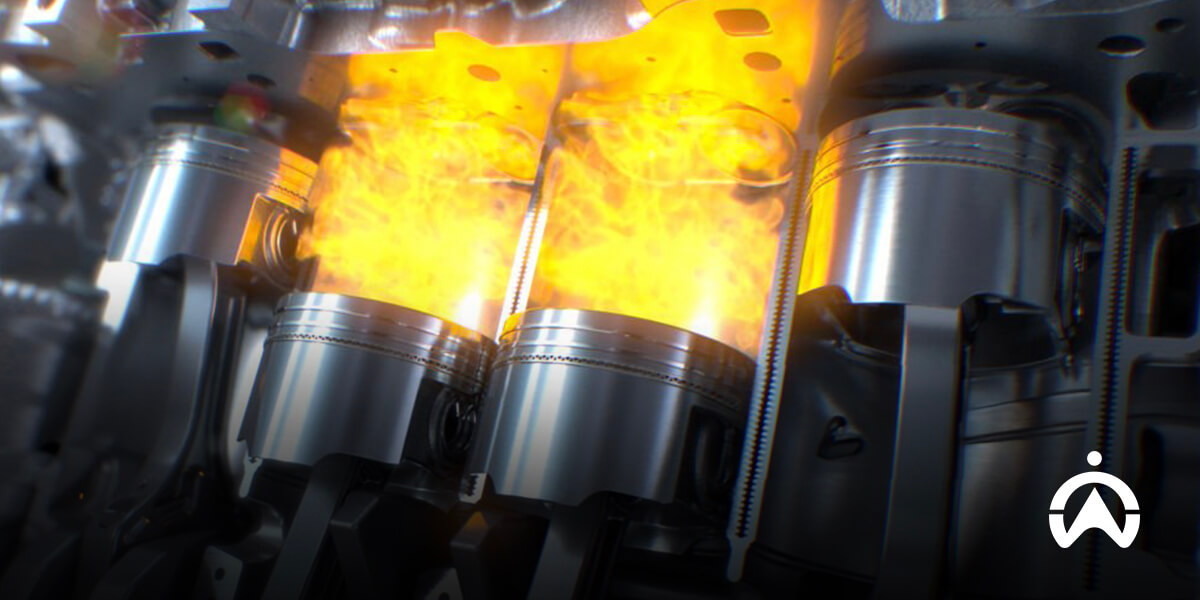
ECU Tuning in Your Trucks: What Is Another Way to Achieve Fuel Savings?

Fuel is one of the biggest expenses fleets have. And thanks to the current political climate the world is in, the price of diesel has hit a record high. So, it’s only natural that everyone is looking at new ways to save. One of the methods fleet owners are now looking at is ECU (Electronic Control Unit) tuning.

According to a study done by Javad Heydari, “Diesel engines, in particular, benefit from economy maps, often achieving a 5–10% reduction in fuel consumption.” This is quite a huge saving for any fleet. But before you start searching for your nearest vehicle tuning specialist, you need to know what the other pros and cons are, as well as other methods to save fuel.

Did you know: One of the best and simplest methods of saving even more on fuel is through driver behaviour?

Keep reading because the team at Cartrack are exploring ECU tuning, driver behaviour and telematics!

What is ECU tuning?

Did you know that your car has more potential than it currently delivers? Manufacturers program all of their vehicles to operate at a certain spec, but are you aware that it’s possible for you to unlock all of this hidden potential? That’s where ECU tuning comes in.

The ECU is basically the brain of your vehicle; it controls everything from your ignition timing to your fuel mixing. This ultimately governs the performance of your vehicle.

Most petrol heads want more out of their vehicles, so they’ll get their ECU tuned so their vehicles can reach top speeds and have a faster takeoff & better fuel efficiency.

But what’s an alternative option to save on fuel?

How driver behaviour helps you save on fuel

Did you know that the best way to achieve fuel savings is through improved driver behaviour? It doesn’t matter what you attach to your vehicle or what alterations you make to the engine or software. If you have a heavy-footed driver who loves to speed and take corners like a NASCAR driver, your vehicles are going to burn through fuel no matter what.

As a fleet manager, the best thing you can do to ensure you’re saving fuel is through driver behaviour monitoring and training. So, how do you achieve this?

  • AI-powered cameras: When you install high-quality, AI-powered cameras in your trucks, your drivers are monitored in real-time. If they’re displaying any dangerous driver behaviour, they’ll get an immediate alert (as will you), and they can correct their behaviour instantly.
    ‍
  • Driver scorecards: These will give you an accurate visual representation of how your drivers are performing on the road. With these, your drivers can see where their faults are, and you can coach each driver individually to improve their driving habits.

The best thing about training your drivers to drive better on the roads is that it lowers your chance of an accident, it reduces the wear & tear of your vehicles, and it’s long-lasting. It’s more realistic for you to save fuel through driver coaching than it is through remapping your vehicle.

Still curious about ECU tuning?
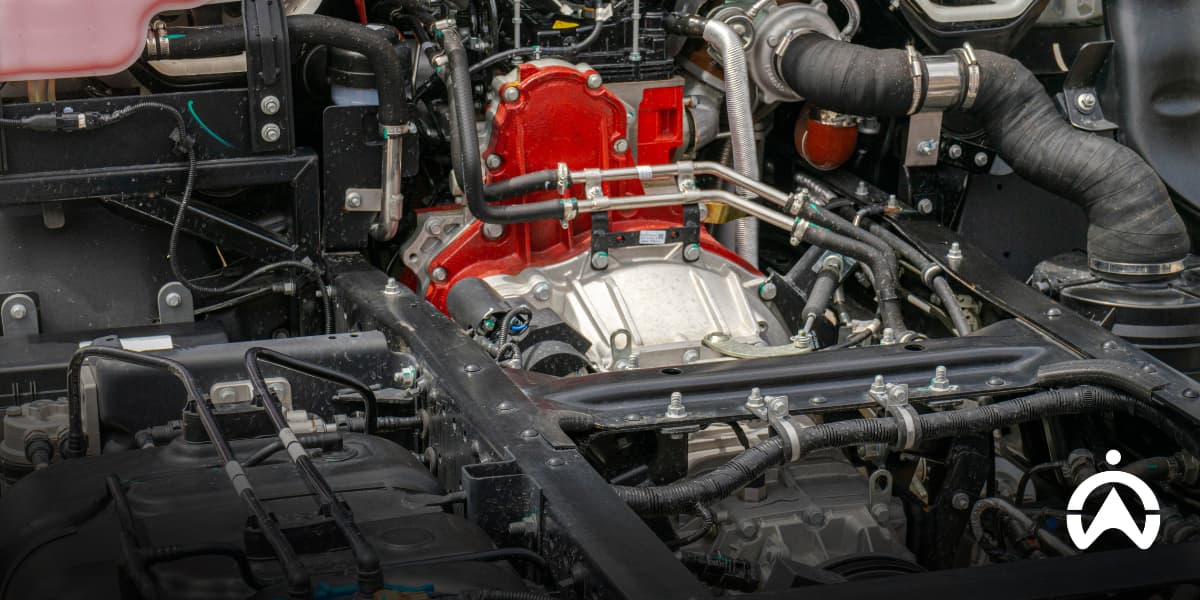
Close-up of a truck engine compartment, illustrating ECU tuning in your trucks for improved engine performance and fuel efficiency

How does ECU tuning improve my fleet?

ECU tuning improves your fleet by optimising the following engine specifications: air-fuel ratio, boost pressure, and ignition timing. Now, unlike the petrol heads who are tuning for speed, businesses are doing this to save money.

Let’s take a look at the benefits of ECU tuning for your fleet.

Reduce fuel consumption

As we’ve already discussed, fuel is one of the biggest expenses in a fleet. Which is why the major benefit of tuning your truck’s engines is to make them more fuel efficient. 

Tuning can improve your vehicle’s fuel efficiency by between 5% and 10%. Now, that might not be a major saving, but when you look at this saving across the entirety of your fleet (and over a number of months), it’s quite a significant amount.

Power optimisation

The manufacturer restrictions on your ECU mean your trucks are only allowed to pull a certain amount of power. When you modify your vehicle’s software, you can get better low-end torque and quicker power delivery.

Now your trucks can tow and carry a heavy load much easier. On top of that, each vehicle experiences less strain on the engine when accelerating.

Possible lower maintenance costs

When ECU tuning is done professionally and correctly, it can make your engine run more efficiently. And in doing this, you can create less strain on certain components in your vehicle.

All of this sounds great… but is it legal?

What are the legal aspects around ECU tuning?

While ECU tuning isn’t illegal, there is a bit of a grey zone you need to be aware of. Emission regulations. When you alter your vehicles to perform better, you can inadvertently alter the amount of emissions your vehicles are producing.

Across the globe there are strict regulations around emissions, and when you tune your vehicles and they’re producing higher emissions than permitted, you could be hit with hefty fines.

So make sure you’re using a qualified tuner who understands the laws and regulations around emissions.

What are the risks of ECU tuning?

It’s very important to note that there are some major risks that come with tuning the ECUs in your trucks. You need to fully understand these potential risks to your fleet before you go ahead with the remapping of your trucks. Let’s check them out.

Possible damage to engine

A major risk that comes with ECU tuning is the potential damage it can cause to your engine. When modifications are made to the fuel/air ratio, ignition timing, etc., it can push your engine far beyond its limitations.

This can cause:

  • Overheating
  • Knocking
  • Complete engine failure

To prevent this from happening, make sure that:

  1. you’re using a reputable tuner, and
  2. you’re constantly monitoring and maintaining your engine’s health and performance.

You can void your truck’s warranty

When you tune the ECU you’re essentially messing with the manufacturer’s settings. This can ultimately void your truck’s warranty. So anything that would’ve normally been covered by your warranty will now completely be your responsibility to pay for.

So make sure you completely read through your warranty contract to see what will void it and what won’t, and consider if ECU tuning is worth the risk.

Insurance issues

Insurance providers aren’t fans of modifications to vehicles because these can compromise the integrity of the vehicle. You shouldn’t lie to your insurance provider, so once you inform them about the ECU remapping, they might increase your premiums or possibly refuse to cover you in certain areas.

So you should consider if saving 10% in fuel costs is worth coughing up R500 000 for in an accident. 

Increase in wear & tear

When you remap your vehicle to have more power, you inevitably place more strain on other components of the vehicle. Remember the manufacturer settings and limitations are put in place to impose the least amount of strain on wear & tear parts. So when you decide to alter these, you’re affecting the lifespan of these parts.

Parts that can be affected are:

  • Clutch
  • Pistons
  • Fuel injectors
  • Transmission
  • Crankshafts
  • Barings
  • The entire engine

Higher maintenance costs

Because you’re now pushing your engine to work at a higher performance level, you’re more likely to have to do maintenance on your trucks more frequently.

Ultimately, there’s a possibility that the money you’re saving from ECU mapping is likely to be spent on maintenance.

Lowers your chances of resale

Trying to sell your truck after tuning it may be a bigger hassle than you realised. Because you’ve messed with the manufacturer’s settings, you’ve essentially compromised the entire integrity of the truck.

Consequently, you’ve made reselling your truck way more challenging, and you’ll probably have to settle for a lower resale price.

Unreliable performance

One of the greatest risks that comes with ECU tuning is that you don’t have a guarantee that the vehicle is going to perform the way you want it to. You could actually experience an overall reduction in the reliability of your vehicle from the remapping.

So what other route can you take?
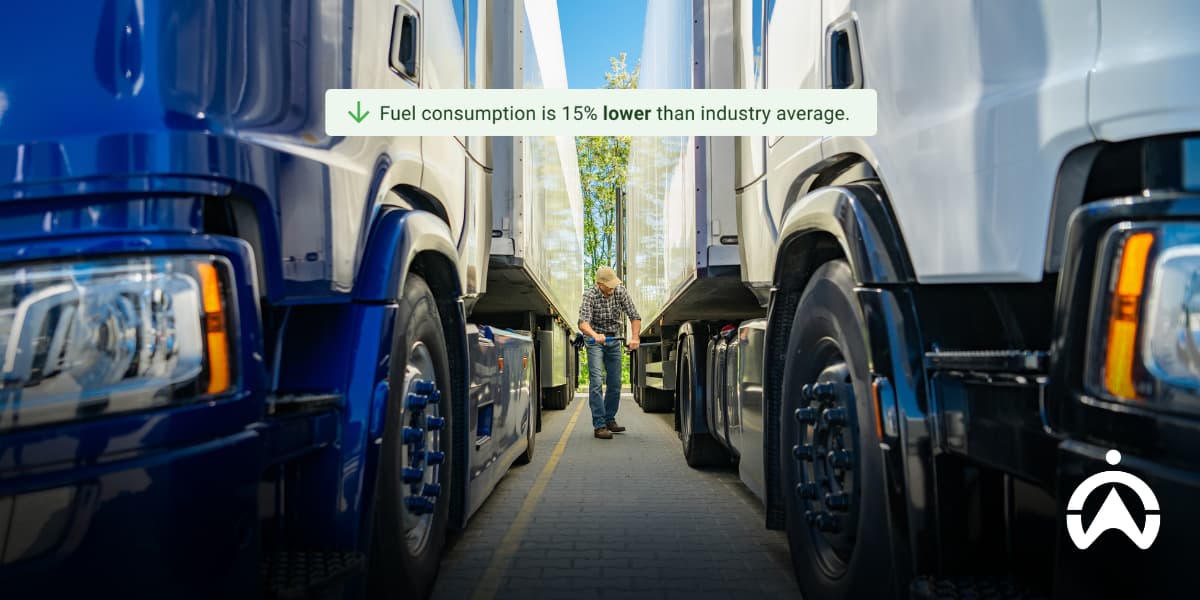
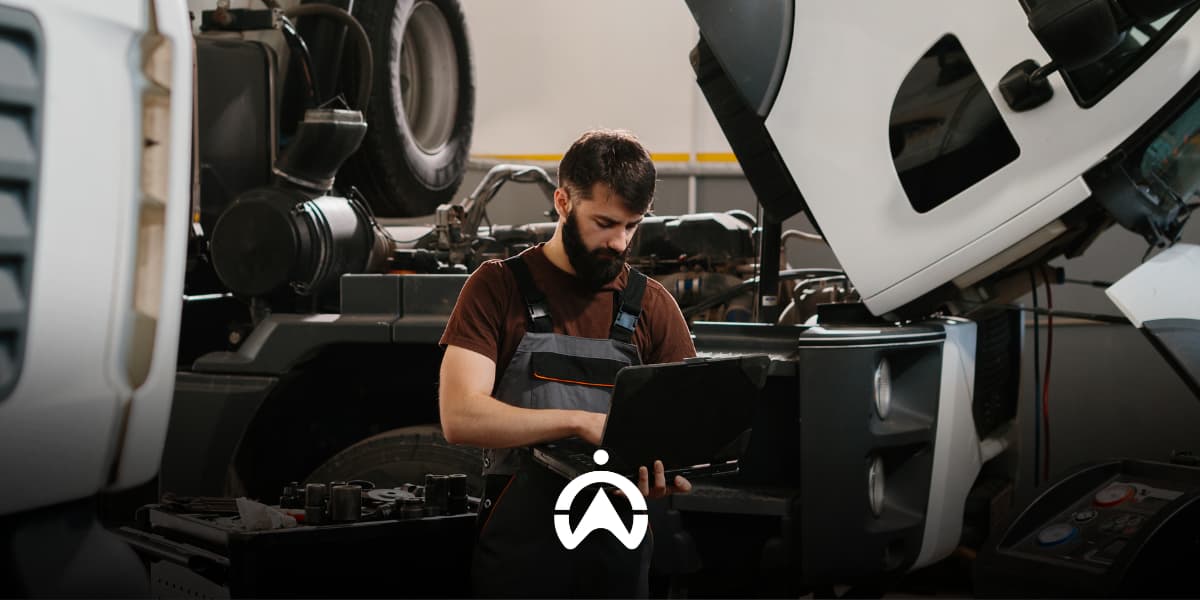
Technician working between parked trucks with fuel-saving message, illustrating ECU tuning in your trucks for improved fuel efficiency and performance

ECU tuning vs. telematics

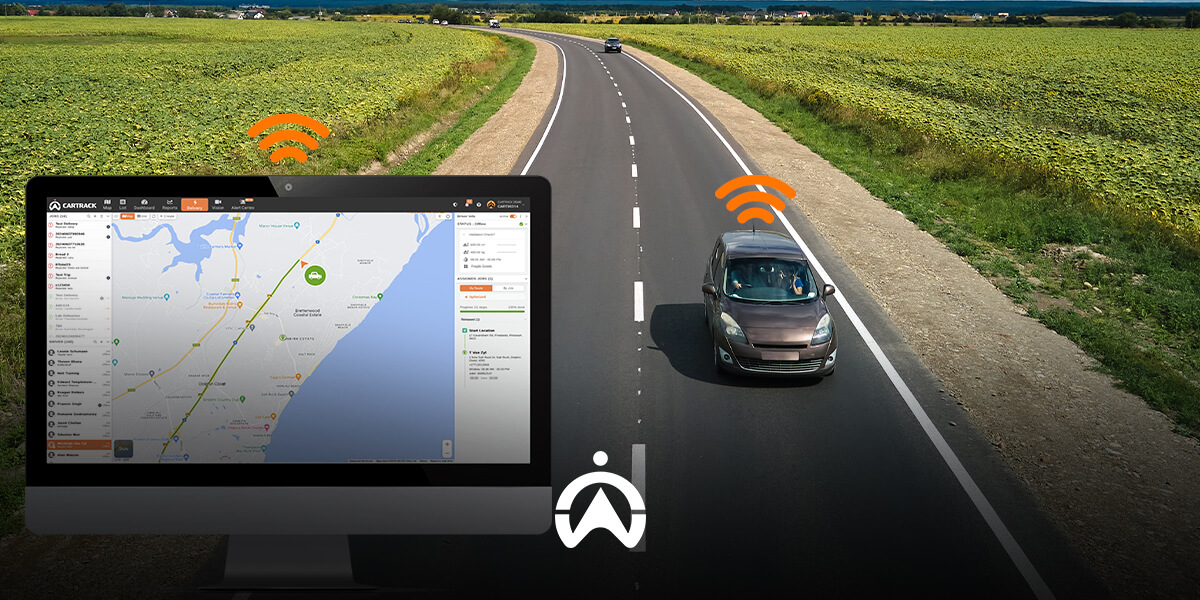
There’s a more traditional method to saving fuel without voiding your warranty or incurring a list of risks. Telematics. Telematics can’t make your truck run faster, but it can help you save fuel, monitor the health of your trucks, and give you a complete overview of how your fleet is performing overall.

Let’s compare each of them.

How it affects your truck ECU Tuning Telematics
Speed Increases speed No affect on speed
Fuel Improves fuel economy Complete fuel management
Warranty Voids warranty No affect on the warranty
Wear & tear Increased strain on wear & tear parts Improved lifespan on wear & tear parts
Insurance Can cause insurance issues Can lower your insurance premiums
Resale Can affect resale value Can improve resale value
Maintenance Frequent maintenance required Proactive maintenance approach
Performance Improves the performance of the vehicle Improves the performance of the vehicle

It’s clear that the benefits gained from telematics do outshine ECU tuning, but if you want the benefits of all of them, you can implement them both. This way you can save even more fuel, easily monitor vehicle health, and completely improve your vehicle’s performance.

If you’re looking for a reputable telematics provider who can give you more bang for your buck, then speak to one of our specialists today! 

FAQs

Can I tune my EV?

It’s possible to tune your EV, but there are a lot of limitations to what can be done. The main reason for this is that EVs are basically controlled through their manufacturer software, which is heavily protected. So without the right code, it’s extremely challenging.

Can I tune my vehicle’s ECU myself?

Technically, yes, you can tune your vehicle yourself. To do it, you’re going to need specialised hardware and software to connect to your vehicle’s OBD-II port and also an understanding of engine mechanics. Remember, if you do it incorrectly, you can completely damage your engine and the performance of your vehicle.

Is ECU tuning permanent?

No, ECU tuning isn’t permanent. If you’re not happy with how the vehicle is performing after being tuned, you can get it back to how it was. But keep in mind that manufacturers can see if the software was ever altered, so your warranty can still be voided even if you return it to its original factory software.
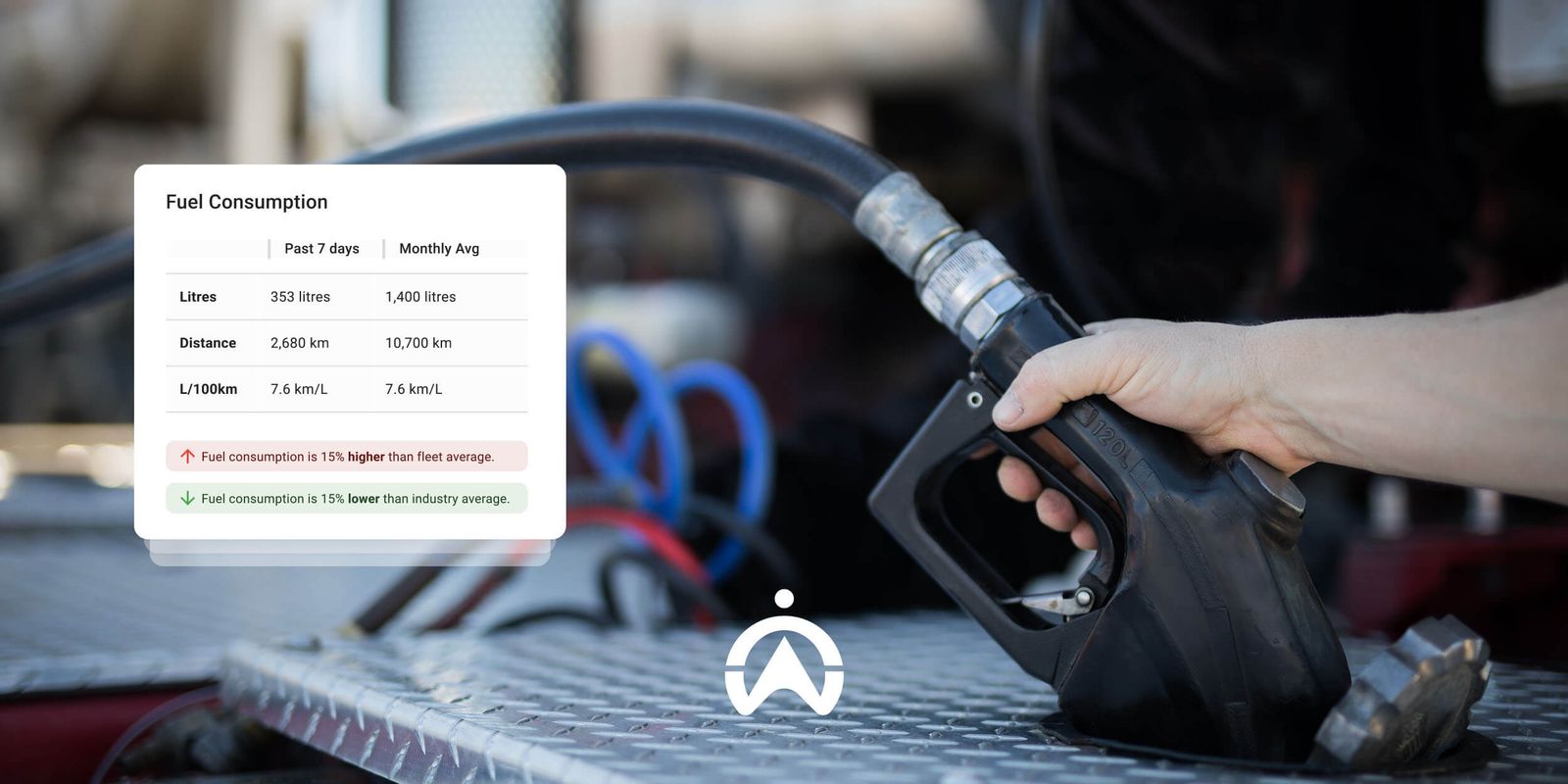

What Is Fuel Calibration and How Does It Help You Monitor Fuel in All Types of Vehicles?

Fuel calibration is the process of matching the raw data with the actual volume of fuel in a tank while considering each tank’s unique shape and size. You can upgrade your current fuel monitoring systems or sensors on all types of vehicles, and this way fuel levels can be accurately monitored and inefficiencies identified.

According to a report from ENACT, the global illicit trade in fuel, such as theft, adulteration and fraud, amounts to an estimated US$133 billion a year! That’s a massive amount, and it proves why getting fuel calibration on all your vehicles, no matter what type of fleet you have, is incredibly important.

This blog breaks down exactly what fuel calibration is and how it helps you monitor fuel in all types of vehicles. So keep scrolling to see how you can keep your fleets on the road and your profits in your pocket.

What is fuel calibration?

Fuel calibration is the process of training a fleet management platform on exactly how many litres of fuel are in a tank at every single level. Even though you have a fuel gauge, they aren’t 100% accurate for fleets. This is because fuel tanks aren’t just one size or shape and are often mounted at an angle.

How does fuel calibration help monitor fuel?

Seeing as most tanks aren’t a simple perfect shape, some have curves and bumps, and some are shaped strangely to fit onto the vehicle’s chassis, the amount of fuel you think you have is inaccurate. For example, 1 centimetre at the bottom of a tank can equate to 4 litres of fuel, whereas 1 centimetre at the top of the tank represents 9 litres.

Fuel calibration fixes this problem for fleet managers. To successfully calibrate your fuel tank, it can be done in one of two ways.

  1. The first way is to completely empty the tank; this is to establish the “zero point”. Once emptied, fuel is added slowly in small increments—5 / 10 / 20 litres at a time—so that the system can accurately record the exact height the fuel hits on the sensor after each increment.
    ‍
  2. The second way is by filling up the tank to 100%; this will be read as “full”. Then the tank is slowly drained—75%, 50%, 25%, and empty—and the system will then record how much fuel there is at each point.

After either of these methods, the data is used to create a mapping or table so that the system will now know if the fuel level is at 12.5 cm or 15% on the sensor; it’ll mean you have 105 litres of fuel in your tank.

Why is this important?

This is important because it provides fleet managers with accuracy. As we’ve previously stated, the regular fuel gauges in your vehicle are just estimates. When you calibrate your fuel, your accuracy levels shoot up to about 99%, so you’ll have accurate metrics on every drop of fuel. 

Technician inspecting tanker valves during fuel calibration to ensure accurate fuel monitoring.

Fuel calibration on all vehicles

It doesn’t matter if you have a delivery bike, a bakkie for customer visits, a long-haul truck or an excavator at your construction site; if it has a fuel tank, you can make use of fuel calibration. Having fuel sensors and calibrating your fuel tanks are vital for fleets of all types to be successful and efficient.

Why should you monitor fuel?

You should monitor your fuel, especially as a fleet manager/owner, because fuel is one of the highest operating costs your fleet faces. When you accurately monitor your fuel, you’ll be able to spot and stop fuel wastage the moment it happens and not after you’ve lost thousands of rands.

How it improves your fleet

By getting all your fleet fuel calibrated, you’ll do the following things for your operations:

  • Drastically reduce fuel theft
  • Improve accuracy on your fuel management
  • Remove inaccuracies caused by regular fuel-tank readings
  • Improve your drivers’ behaviours
  • Spot fuel contamination
  • Lower your overall operational costs

What are the major contributors to wasted fuel?

The major contributors to wasted fuel are driver behaviour, excessive idling, poor route planning, fuel theft and a lack of vehicle maintenance. As a fleet manager, if you don’t monitor these things, your fleet’s fuel consumption and your operating costs shoot through the roof.

Excessive idling

When your drivers are leaving your vehicles’ engines running when they’re parked or in standstill traffic, they’re burning fuel and are guilty of excessive idling.

Driver behaviour

The way your drivers handle your vehicles on the road is also a major contributor to fuel wastage. Driver behaviour factors that all contribute to more fuel being used are:

  • Harsh breaking
  • Rapid acceleration
  • Revving the engine
  • Overloading the vehicle
  • Speeding
  • Incorrect packing of the vehicle
  • Driving in the wrong gear
  • Ignoring maintenance warnings

Poor route planning

When your fleet’s routes aren’t optimised, your vehicles are burning through fuel unnecessarily. By not optimising the routes your drivers take, they’re more likely to sit in traffic, take the longest route, and make multiple trips to the same location, not only wasting fuel but also shortening the lifespan of your fleet.

Fuel theft

A major cause of wasted fuel is fuel theft. Because you’re not behind the wheel of each of your vehicles, it’s difficult to know when fuel has been stolen. Be aware of these things as they could indicate fuel theft:

  • Sudden drops in fuel levels without a plausible explanation
  • Discrepancies between fuel purchase records and actual usage
  • Unexplained high fuel expenses
  • Evidence of tampering with fuel tanks or petrol cap locks
  • Unexpected changes in fuel intake patterns
  • ‍Unexplained alterations in vehicle routes
  • Unauthorised vehicle activity during off-hours

Lack of vehicle maintenance

If you’re not actively keeping your fleet maintained, they’re using way more fuel than they need. Think about it:

  • If your engine isn’t running at optimal levels, it’s going to burn more fuel.
  • If your tyres aren’t inflated properly, they’ll increase in rolling resistance, meaning more fuel is used to maintain speed.
  • If your fuel injectors, filters, or pumps are faulty, it can lead to inefficient combustion.

How does fuel calibration help save fuel?

By installing fuel sensors and calibrating your fuel tanks, you can save fuel by spotting any abnormalities instantly. Fuel calibration ensures that fuel levels and measurements are incredibly accurate so that you’re able to spot theft, leaks, and waste instantly. Proper calibration allows you to manage fuel usage more accurately than any other method.

How does a calibrated fuel system prevent fuel theft?

A calibrated fuel system prevents fuel theft by giving fleet managers accurate fuel usage data. Without calibrating your fuel tank, small amounts of fuel could be continuously syphoned, and you’d never know. Fuel is already a major expense for fleets, so make sure you know where each drop is being used!

Here are the most common ways fuel is stolen from fleets:

  • Misuse of fuel cards: Drivers are filling up their own personal vehicles or jerry cans, and some even clone them.
  • Siphoning or skimming: Drivers or thieves take fuel directly out of the tank.
  • Puncturing tanks: Thieves drill holes into the bottom of your fuel tanks and take all the fuel.
Technicians reviewing fuel data near trucks to support accurate fuel calibration and monitoring.

Fuel-level sensors vs. CAN bus

Your vehicle already comes with CAN bus; it’s basically the nervous system of your vehicle. However, fuel-level sensors and probes are fuel-level monitoring tools that give you an accurate reading on how much fuel is in your tank at all times.

When you add fuel calibration to the mix, you’ll have the data to know where every drop in your tank is, and you’ll know when a few drops go missing.

Here’s a table so you can easily compare CAN bus vs. Dedicated Fuel Level Sensors (FLS):

Feature CAN bus (Factory Sensor) Dedicated Fuel Sensor (Capacitive)
Installation This is already installed in the vehicle, using the existing wiring and dashboard float. These require the hardware to be installed. It requires drilling on or installing into the tank and professional setup.
Accuracy Roughly provides 85%–90% accuracy. It’s good to let you know when you have “Low Fuel”, but it lacks in-depth detail. You get between 98% and 99.5% accuracy. It gives you precise measurements down to the last drop of fuel.
Theft Detection Very poor. Small “skimming” events or syphoning under 10 litres are most likely to be missed. Excellent. Fuel sensors are able to detect even the tiniest drop in fuel levels immediately.
“Dead Zones” High. This is because float arms can’t really reach the very top or bottom of the tank. Barely. The sensor rods are specifically designed to reach the full depth of each tank.
Reliability The reliability of CAN bus fluctuates. This is because the moving parts (like float arms) can get worn out or get stuck over time. Reliability for fuel sensors is really high because they have no actual moving parts and use electrical fields to detect the fuel.
Calibration Extremely basic. Completely relies on the manufacturer’s generic “empty-to-full” map. Highly advanced. These are custom-calibrated to the exact shape of your specific tank and measure each litre of fuel at each level in the tank.
Best For… Perfect for small delivery vans and light passenger vehicles. Perfect for heavy machinery, long-haul trucks, high-risk fuel theft areas, and large fleets.

What are the benefits of fuel calibration

The major benefits of fuel calibration include accurate fuel readings, prevention of fuel misuse and theft, reduction in operational costs and improved maintenance for your fleet. For fleets who want to save money on fuel and prevent the misuse of fuel, installing and calibrating fuel probes is a must.

Fuel management with Cartrack Malawi

Cartrack Malawi provides fleets with advanced and comprehensive fuel management tools. From our various fuel sensors to MiFleet, you’ll have a complete view of how your fuel in your fleet is being used so you’ll be able to make data-driven decisions to improve how your fleet moves.

When it comes to monitoring your fuel with fuel calibration, we have three types of sensors you can choose from. Let’s break them down for you.

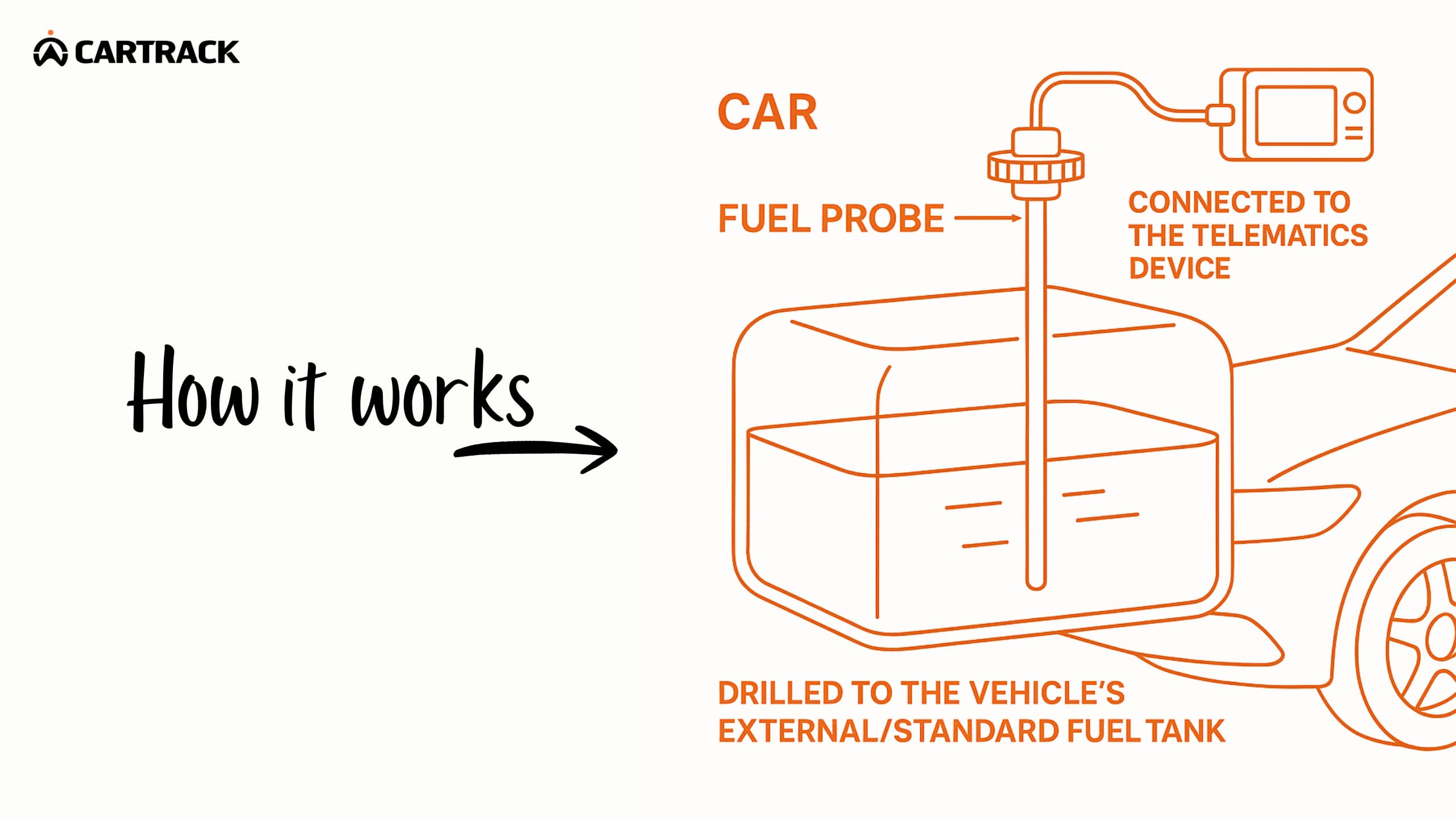
Fuel Probe

This is a specialised sensor that needs to be drilled into your vehicle’s external/standard fuel tank. The Fuel Probe sits inside the tank to constantly check fuel levels. The probe is connected to a Cartrack Malawi telematics device which sends the data it captures to your fleet platform.

It’s our most accurate device for fuel monitoring (98% accuracy), but it’s important to note that this device can void your vehicle’s warranty, as it has to be drilled into the fuel tank.

Why you should choose the Fuel Probe:

  • High accuracy
  • Theft detection and event alerts
  • Useful in industries that have large fuel tanks like mining and construction
Fuel probe installed in vehicle tank connected to telematics device for precise fuel calibration and monitoring.

CAN bus

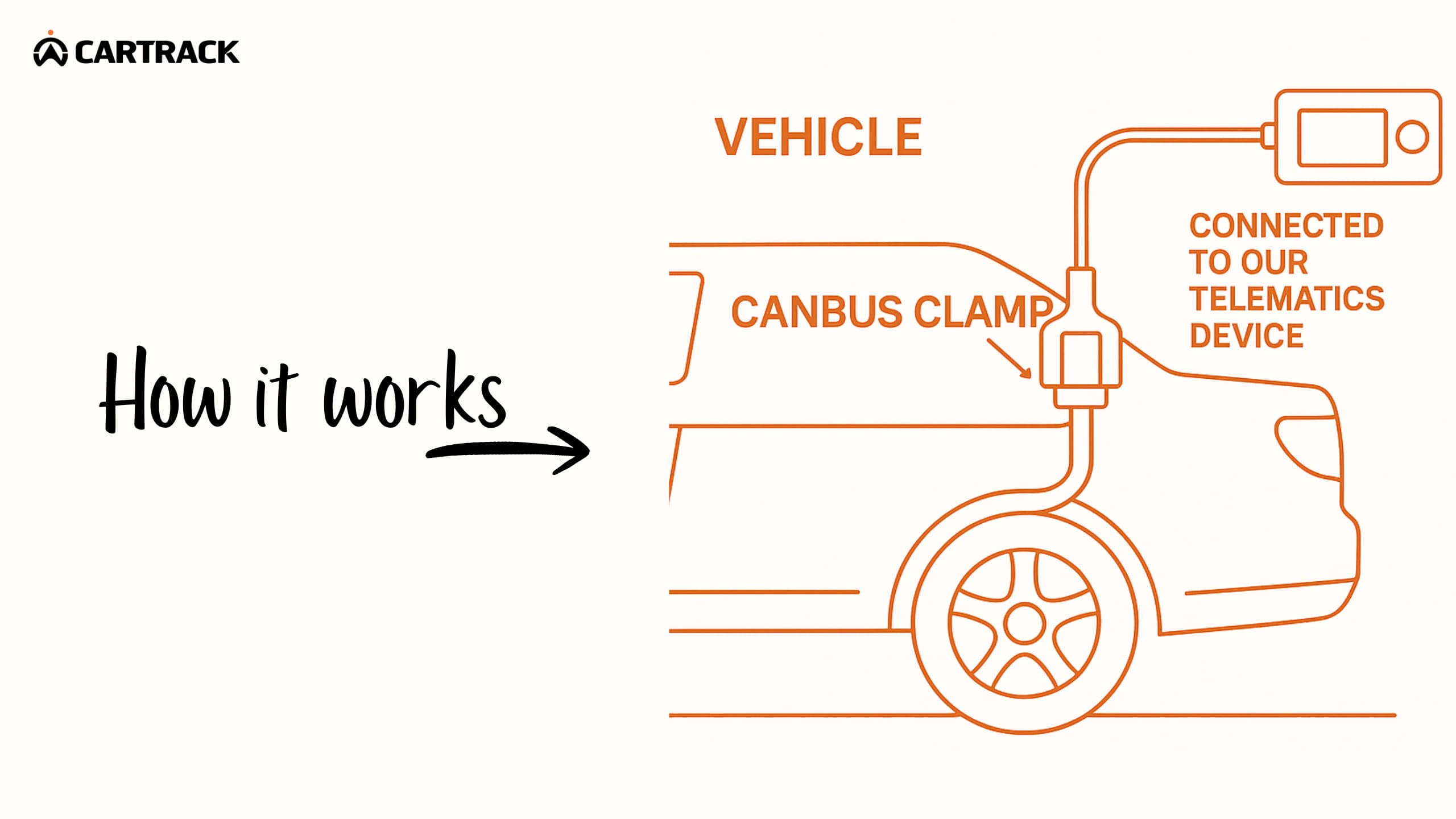
We’ve designed and created a special clamp that reads the fuel data directly from the vehicle’s CAN bus wire. The clamp is connected to our telematics device, and that data is then sent to your fleet pages.

This clamp is quite accurate (90% accuracy), but it’s important to note that your vehicle must have CAN bus tech already for this to work. CAN bus also gives you real-time vehicle data and accurate dashboard data.

Why you should choose the CAN bus clamp:

  • Valuable vehicle data
  • Installation is quick and easy
  • Suitable for leased vehicles because it’s not a permanent fixture
CAN bus clamp connected to telematics device, supporting fuel calibration and vehicle fuel data monitoring.

Fuel Analog

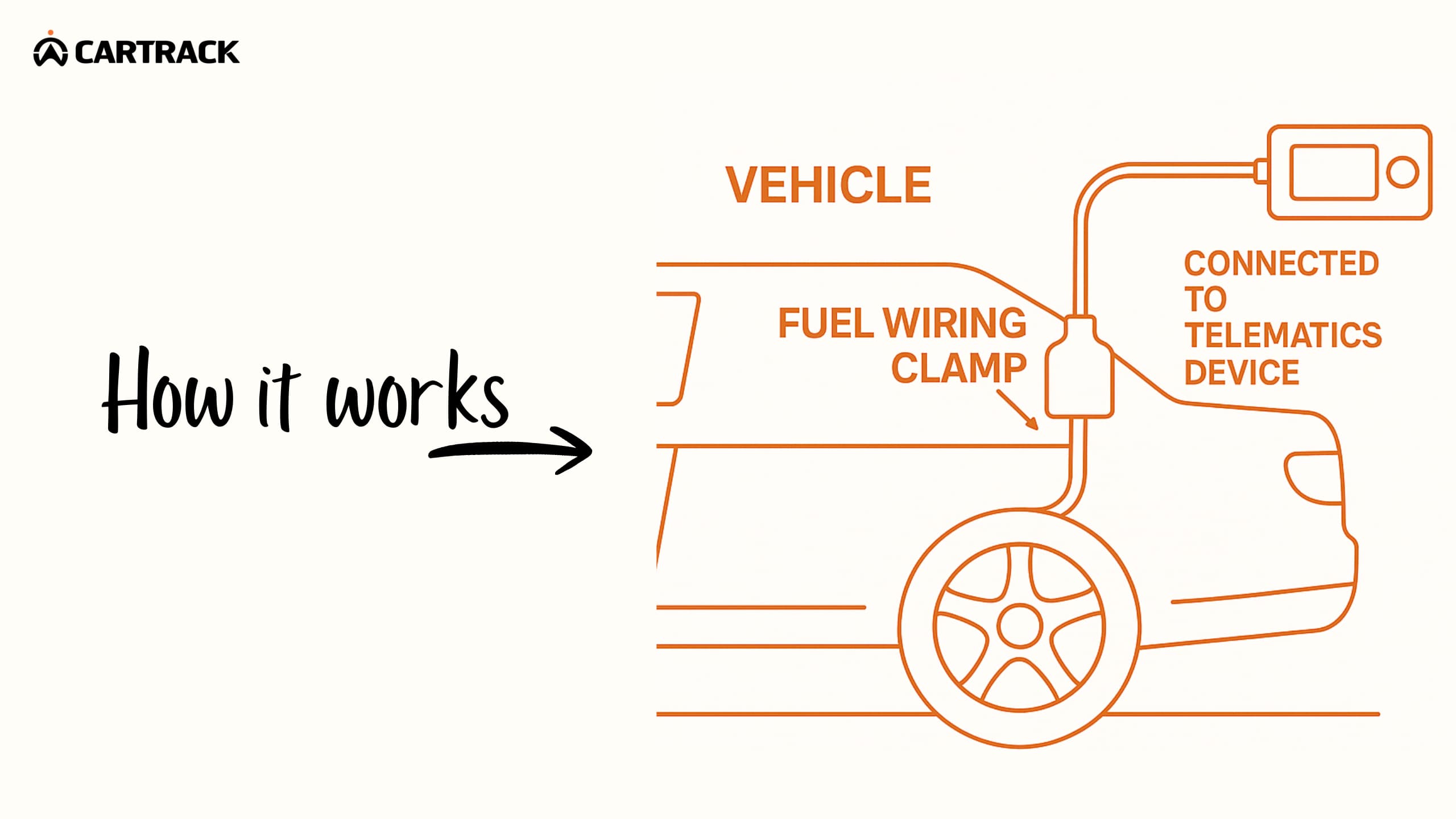
This is a cable that’s clamped to the vehicle’s fuel wiring. A voltage is sent through this cable, and information is recorded through the telematics device. The data is sent to the fleet platform.

The Fuel Analog sensor is accurate (80% accuracy); however, if the fuel pump stops working, the information you get will be inaccurate.

Why you should choose the Fuel Analog sensor:

  • Low cost
  • Easy to install
  • Best for basic monitoring
Fuel wiring clamp connected to telematics device, enabling accurate fuel calibration and fuel data tracking.

If you want to keep an eye on every drop of fuel in your fleet, contact us today to get more miles for your money! 

FAQs

Does every vehicle need its own calibration, even if they’re the same model?

Yes, every vehicle needs its own calibration, even if they’re the same model. This is because even though identical trucks may seem to have the same tank, a minor difference in a tank that can be caused during installation or by hitting a rock on the road can alter its shape. Without calibrating each vehicle’s tank, you’ll have inaccurate data.

How often should I recalibrate my fuel sensors?

You should try to recalibrate your fuel sensors at least once a year. However, if you’ve done any maintenance work on the fuel tank or even if your vehicle has been in an accident, you should check out the data from your fuel sensor and see if you need to recalibrate them.

Can I use these sensors for things that aren’t trucks?

Yes, you can use these sensors for things that aren’t trucks. You can use them on any stationary fuel-using assets like generators and portable tanks on your construction sites. It’s actually a smart idea to add sensors to these assets, as they’re often targeted for fuel because of how infrequently they’re used.

Fleet Card vs a Fuel Card: Which One is Better for Fuel Management?

Choosing between a fleet and a fuel card for fuel management ultimately depends on your business needs. A fuel card is only valid for fuel purchases, while a fleet card covers fuel and other expenses such as tolls and vehicle repairs. The more complex your fleet, the more likely you are to lean towards a fleet card.

So, why does this matter in a Malawian context? It’s no secret that fuel is one of the largest expenses when it comes to fleet management. It’s uniquely important to be careful of factors like fuel fraud, rising fuel prices, and the strain of overall cost management. These cards are your key to managing and cutting your costs, so don’t overlook them.

This piece will help you unpack the differences between the two cards and assist you with deciding which one is the best for your business. You’ll also see how Cartrack’s fleet management platform adds value to either choice, giving you better visibility, extra fraud protection, and tighter cost control.

Which card is right for your business’ fuel control?

The card that’s right for your business’ fuel control inevitably depends on your business needs and goals. Although fuel cards are a useful start—especially for smaller businesses with less complex fleets—fleet cards generally offer more value. Fleet cards offer a more holistic overview of your cost management and go beyond just fuel tracking.

Consider the following factors when comparing the two:

  • Fleet size: Smaller fleets might find that the fuel card is enough; however, bigger fleets typically need the numerous features offered by fleet cards.
    ‍
  • Operating region: Trucks that are more focused on urban delivery (i.e., immediate and local areas) may simply require a fuel card. Long-haul trucks that travel long distances and to different provinces typically require a wider network of approval. This includes access to more petrol stations, toll gates, and more.
    ‍
  • Type of expenses: If you’re only concerned with the fleet’s fuel spend, a fuel card may be enough for you. But if you have a more complex fleet and are concerned about expenses beyond fuel, like maintenance or tolls, then a fleet card is the smarter choice.
    ‍
  • Integration needs: Fleet cards are typically the option that pairs better with fleet management systems and telematics technologies. For complex fleets, they’re better at communicating fuel and trip insights.
    ‍
  • Budget and admin capacity: Fuel cards are far less expensive and don’t require as much admin or setup costs, but they’re also limited in their functionality. On the other hand, fleet cards typically have higher upfront costs, but reflect better insights and business gains in the long run.

Fictional example: How fleet cards deliver more value

A medium-sized fleet operator with 50 vehicles, used to rely solely on fuel cards. While they did help save on fuel, the company still struggled to track maintenance costs, tolls, and unauthorised fuel use. This led to higher overall operating costs and ongoing administrative headaches.

After moving to a fleet card integrated with a fleet management system, the results were clear:

  • Consolidated spending: Track fuel, maintenance, tolls, and repairs all in one place.
  • Reduced unauthorised spending: Transaction limits and driver-level controls cut misuse by 20%.
  • Simplified reporting: Finance teams save hours each week with easier compliance tracking.
  • Real-time insights: Managers can optimise routes and maintenance schedules, further reducing operational costs.

The outcome? By using the broader features of a fleet card, the organisation achieved stronger financial control, improved compliance, and greater operational efficiency. This shows that fleet cards deliver evident benefits over fuel cards alone.

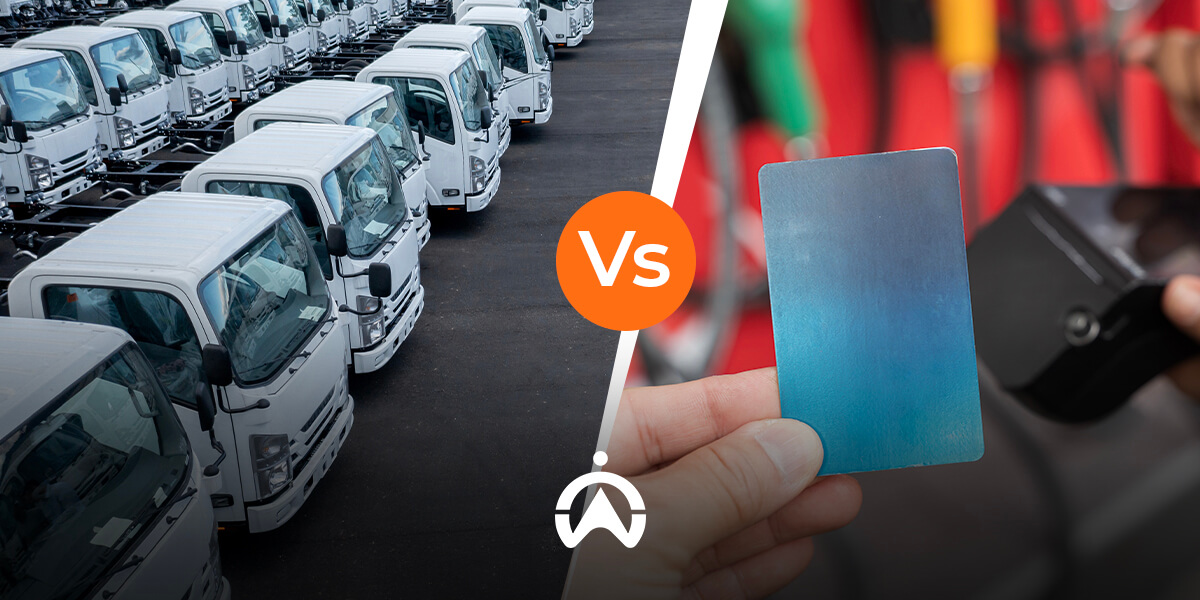
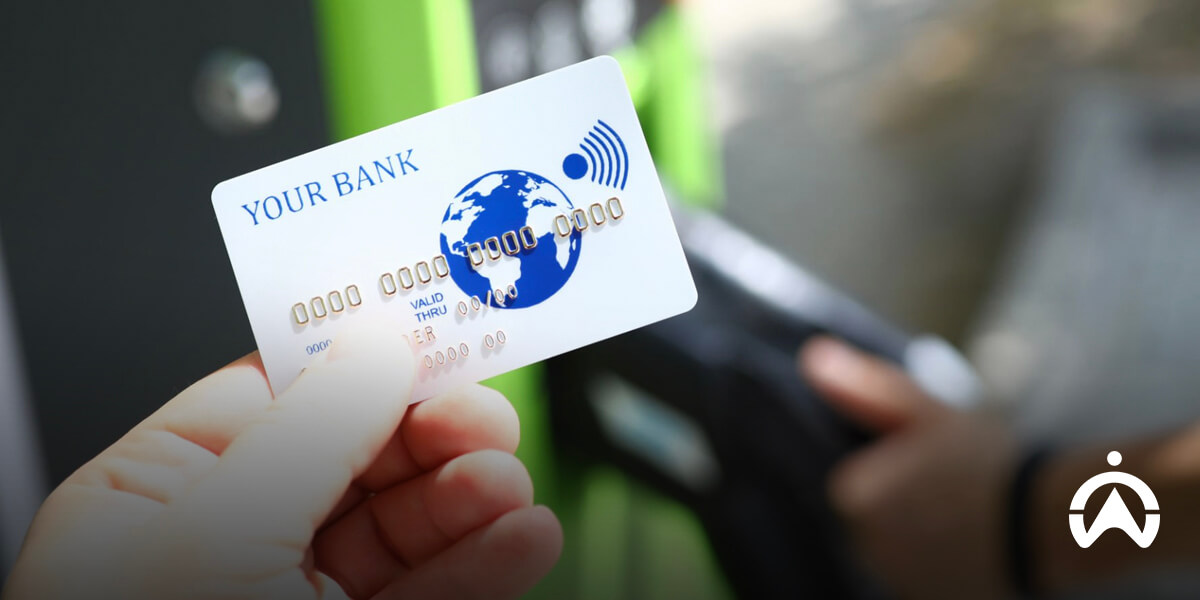
Cartrack fleet card vs a fuel card concept with person holding contactless bank card at payment terminal.

What’s the difference between a fleet card and a fuel card?

The difference between a fleet card and a fuel card is that a fleet card can cover various expenses beyond fuel, while a fuel card only tracks fuel usage and spending. Despite the common confusion between these two card types, they’re not the same thing. Understanding the differences is the key to getting the best option suited for your business.

What is a fuel card?

A fuel card is a financial tool that tracks fuel purchases. It’s similar to a credit card in that it allows you to buy fuel as necessary, but it does have a limit on how much can be spent over time. These fuel cards are typically used by businesses with smaller fleets, or where fuel is the biggest expense (and other expenses are handled separately).

These are the main functions:

  • Fuel discounts or loyalty rewards and benefits
  • Tracking fuel spend (only at partner stations)
  • Basic reporting for fuel use and spending

What is a fleet card?

A fleet card is a financial tool that’s far more advanced than the fuel card, covering fuel and other fleet-related expenses like servicing, toll gates, tyres, and more. It’s essentially an expense management tool that gives you a holistic overview of your fleet’s costs. Fleet cards are usually implemented by larger, complex fleets that regularly travel across provinces or geographic zones.

These are the main functions:

  • Integrating smoothly with fleet management
  • Controlling and streamlining numerous expenses
  • Offering more stringent controls on spending, including PINs for drivers and spending limits

Key differences between fleet cards and fuel cards

The real key differences between fuel cards and fleet cards aren’t only about what they cover, but also about the effect they have on the way a business operates.

Let’s take a clear-cut look at these differences:

  • Coverage: Fuel cards cover how much a driver spends on petrol or diesel. Fleet cards cover fuel, but also other expenses like tolls and servicing, giving managers a much clearer picture of expenses.
    ‍
  • Operational supervision: Fuel cards will track the litres of fuel and the rands spent on it. Fleet cards allow you to go beyond this, keeping track of servicing and maintenance to ensure optimal uptime.
    ‍
  • Data reporting: Fuel cards provide minimal data, considering it’s only fuel being tracked. Fleet cards provide far more detailed data and insights—the type of data that simplifies compliance and back-office processes.
    ‍
  • Spend controls & fraud prevention: Fuel cards will flag suspicious payments, but aren’t able to recognise fuel card fraud. Because fleet cards have greater capabilities, they’re able to directly link the number of litres purchased with the number of litres used. This means fuel fraud is much easier to track with a fleet card.
    ‍
  • Adaptability: Fuel cards can be a solid solution for smaller fleets, but if there’s any room for growth in the business, they could be difficult to manage as the fleet grows. Fleet cards are much easier to manage when it comes to scalability or established complex fleets.

What to consider before choosing a fleet or fuel card

When considering a fleet or fuel card, it’s important to assess the pros and cons of each card type and examine the features they offer. Implementing these steps before settling on an option allows you to make the right choice from a financial and operational standpoint.

Pros and cons of fuel vs fleet cards

Use these lists as a clear and skimmable way to see the pros and cons of each card type.

Take a closer look:

Fuel Card

Pros:

  • Save on fuel with discounts or reimbursements
  • Expect it to be easy to use and implement
  • Receive basic data
  • Anticipate lower fees
  • Ideal for smaller operators or businesses with high fuel use (and fuel being the largest single expense for the business)

Cons:

  • Only covers fuel
  • Lacks advanced reporting and integration
  • Vulnerable to fraud, as fuel fraud detection is usually not available

Fleet Card

Pros:

  • Oversee all vehicle expenses on one platform
  • Get stronger fraud restrictions with transaction limits and driver PINs
  • Cover a wider range of business expenses, including repairs and tolls
  • Simplify reporting for compliance matters
  • Ideal for established, larger fleets, or for expanding fleets

Cons:

  • Fees and setup costs are much higher compared with fuel cards
  • More administrative effort is required
  • Purchases outside of fuel may not be universally accepted
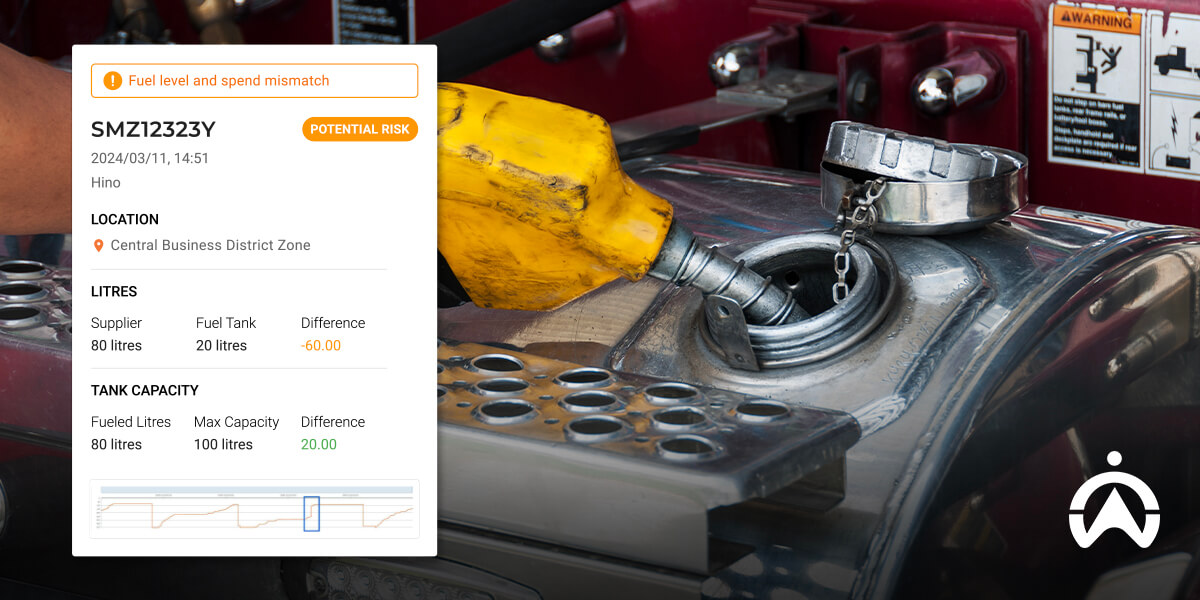
Cartrack fleet card vs a fuel card alert shown as worker refuels Hino truck in Central Business District.

Feature considerations for fuel and fleet cards

This comparison table lets you weigh key features side by side, making it easier to choose the card that best fits your business needs.

Consideration Fuel Card Fleet Card
Expense Coverage Fuel only Fuel + maintenance, repairs, tolls, and other vehicle expenses
Fleet Size Suitability Smaller fleets or owner-operators Medium to large fleets with multiple vehicles
Cost & Fees Lower fees; may offer fuel rebates Higher fees, but offers consolidated spend control and broader cost visibility
Operational Complexity Easy to roll out and manage Requires more administrative effort but offers detailed reporting and integration
Fraud Prevention Basic controls like PINs or spending limits Stronger controls: driver-level limits, transaction monitoring, integration with GPS/fleet software
Reporting & Compliance Basic fuel spend reports Comprehensive reporting for fuel, maintenance, tolls, and compliance purposes
Scalability Limited; mainly for simple operations Highly scalable; grows with fleet and operational needs
Network Acceptance Limited to selected fuel stations Wider acceptance for fuel, maintenance, tolls, and repairs

How Cartrack helps you maximise card value

Cartrack helps you maximise card value by improving the value of whatever card type you choose for your business. We don’t issue physical cards. Instead, we’re all about smooth integration and streamlining with our fleet management platform, FleetWeb. We make sure your business gets the most from features and insights, no matter what card you use.

Here’s what Cartrack can do for you:

  • Monitor fuel card spending alongside telematics: Card transactions can be linked with vehicle GPS data, so you can match the transaction to a location and time. In fact, it’s possible for both fuel and fleet cards. Insights like these give you a transparent overview of fuel consumption.
    ‍
  • Flag fuel fraud: Although flagging fuel fraud is much harder to do with fuel cards, GPS tracking is still a massive help to identify suspicious transactions. This applies to both card types. For example, if fuel was purchased but the vehicle wasn’t on the road, this is a strong signifier that fuel fraud may’ve taken place.
    ‍
  • Manage operational costs beyond fuel: This point largely applies to fleet cards. Because various expenses are tracked, you don’t have to worry about the headache of monitoring these expenses separately. Cartrack’s MiFleet streamlines and displays these expenses on one dashboard, allowing you to make smarter business decisions.

On the other hand, standard GPS tracking can still identify inefficient routes, meaning that businesses with fuel cards can still benefit from fuel optimisation.

Making the right choice for your fleet

Both the fleet and fuel card can offer some real value, but it ultimately depends on what you want for your business and fleet. No matter your card choice, Cartrack is your top partner in improved cost management. Through linking cards and telematics, you get total visibility, insights, and fraud protection that improve your business operations.

Protect your fleet against fuel fraud and unauthorised spending. Let Cartrack show you how to make the smartest card choice and secure every kilometre of your operation.

FAQs

Q: Are fuel and fleet cards accepted nationwide in Malawi?

A: Yes, fuel and fleet cards are usually accepted nationwide in Malawi, though it’ll always depend on whoever issues the card, because fuel cards are typically limited to a particular network. Fleet cards are usually more widely accepted, especially because they’re designed to be versatile and work at toll gates, maintenance stations, and more.

Q: Can fleet or fuel cards help with budgeting and forecasting?

A: Yes, fleet or fuel cards can help with budgeting and forecasting through the insights and data they provide. This is especially true when combined with Cartrack telematics. Fuel cards can help you keep track of fuel spending. Fleet cards can help you get truly insightful reports based on the additional expenses tracked, supporting budgets and highlighting inefficiencies.

Q: Are there limits on how many cards a business can issue per fleet?

A: The number of cards issued per fleet isn’t limited, but it’s usually placed at one card per driver. As a fleet manager, you’ll assign the cards to the drivers themselves or to the vehicle. It depends on whether you’re more focused on driver accountability or if you’re more focused on keeping an eye on costs and other operational matters.

Q: How does card usage integrate with tax and compliance reporting in Malawi?

A: Card transactions integrate with tax and compliance reporting by creating a clear digital trail of spending. Fuel cards support VAT recovery on fuel, while fleet cards go further by capturing even more expenses. When integrated with Cartrack, reporting is consolidated, cutting down paperwork and ensuring audit-ready compliance records.

Q: Can fleet cards cover electric or alternative-fuel vehicles?

A: Yes, many fleet card providers are expanding their networks to include electric charging stations and alternative fuels. This makes fleets transitioning to greener energy comfortable while using the same card system. Cartrack takes this further by tracking energy use alongside traditional fuel, giving managers a complete expense overview.

Fuel Management Systems for Sale: Invest in True Accuracy Today

One of the largest expenses of operating a fleet is fuel. You can track and manage every drop with our affordable fuel management systems, increasing accuracy and reducing waste. It also means that regardless of the size of your fleet, you will reduce risks, save money, and maintain seamless operations.

According to ATRI, up to 40% of fleet expenses are related to fuel. Over time, even minor mistakes in fuel consumption can result in significant losses. This is why companies that want to reduce risks, increase efficiency, and remain competitive must have an accurate fuel monitoring system.

What is a fuel management system?

A fuel management system is a tool that tracks, records, and controls how fuel is used in your fleet. It makes it easier to see the exact time, location, and method of fuel consumption. Companies use it to ensure that every litre is used efficiently, reduce waste, and enhance planning.

It’s not just about numbers. This type of system provides you with real-time data that transforms fuel consumption into insights that can be put to use. You’ll get live data that enhances decision-making and holds all drivers accountable, rather than relying on speculation or out-of-date reports.

Cartrack’s fuel management system allows businesses to have stronger control, reduced expenses, and easier compliance with corporate regulations over time.

Why does accuracy matter in fuel management?

Accuracy in fuel management is crucial because even the smallest mistake can result in significant financial losses. It’s simple to lose money without realising it if your logs are inaccurate or your fuel usage isn’t monitored correctly. Due to this, a precise fuel management system is an essential investment for any company operating a fleet.

Inaccurate data can lead to drivers abusing fuel cards, theft going unnoticed, and refuelling log errors adding up to significant hidden expenses. However, precise systems guarantee that each litre is accurately recorded, matched, and reported. This provides managers with complete visibility and facilitates prompt action, whether it be addressing inefficient driving practices or enhancing route planning.

Key features to look for

A fuel management system’s key features are important because they influence how much value you’ll receive. A good system provides you with tools to prevent waste, save time, and make better decisions in addition to tracking fuel. When looking for a fuel management system for sale, keep the following characteristics in mind:

Feature What It Does Why It Matters for Your Business
Real-time tracking Monitors fuel usage instantly across all vehicles Prevents delays in spotting fuel waste or theft
Automated reporting Creates accurate, easy-to-read reports Saves admin time and improves decision-making
Telematics integration Links fuel data with fleet performance metrics Gives a full view of operations for smarter planning
Theft-prevention controls Uses PINs, tags, or authorisation for refuelling Reduces risk of unauthorised fuel use
User-friendly dashboards Simple, centralised interface Makes it easy for managers to spot issues and act fast

These features alter how companies run their operations in addition to improving monitoring. With the correct resources, you can stop issues before they start. That’s the source of true long-term savings!

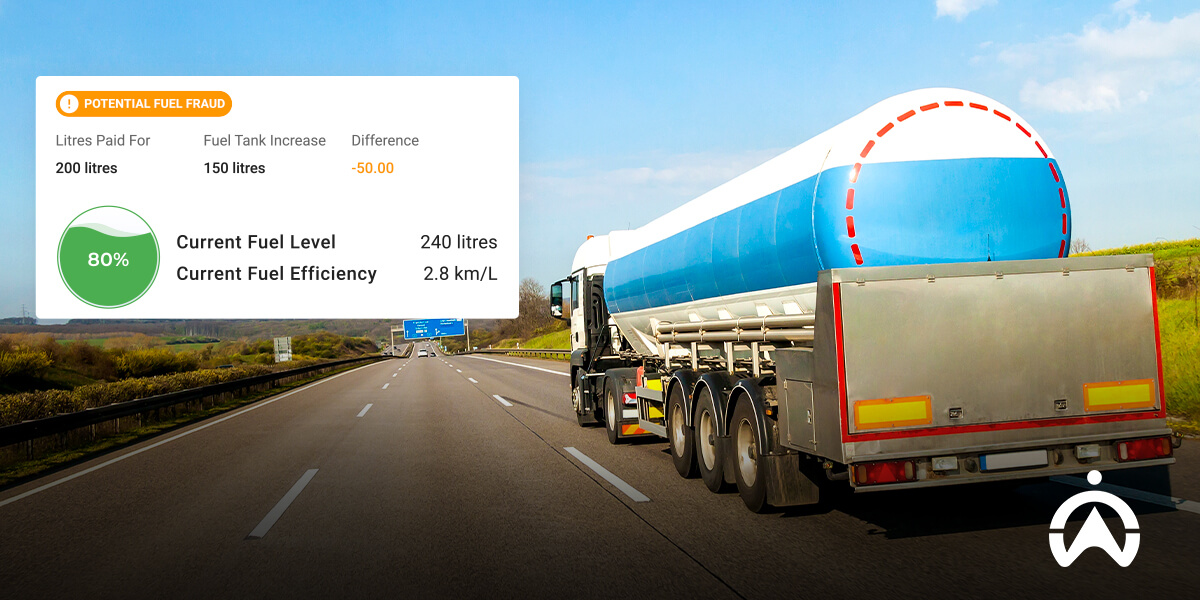
Image of a fuel tanker truck on the highway, displaying potential fuel fraud analytics on the side, including current fuel levels and efficiency metrics.

Benefits of investing in a fuel management system

Investing in a fuel management system benefits your business because it improves control, lowers expenses, and minimises waste. Beyond just financial savings, you’ll also benefit from improved reporting and more efficient operations that support your teams’ productive work.

Key benefits include:

  • Increased driver and vehicle accountability: This feature makes it possible to identify drivers who are idling excessively, speeding excessively, or taking inefficient routes. You can then coach them accordingly based on that data.
    ‍
  • Support for compliance: Simple reporting for rules and audits.
    ‍
  • Reduced downtime: Administrative procedures run more smoothly and there are fewer disputes.
    ‍
  • Scalability: The ability of a system to expand with your fleet and meet new challenges.
    ‍
  • Proactive Maintenance: Vehicles with sudden drops in fuel efficiency may indicate a clogged filter or a failing engine part. Accurate data can assist with proactive, predictive maintenance, preventing breakdowns and extending vehicle lives.

These benefits assist fleets of all sizes in transforming fuel from an ongoing financial burden into a measurable, controlled resource.

What to consider before you buy

What you need to consider before buying a fuel management software is how well it fits your company. It’s important to look for the ideal balance of features, support, and price because not all fuel management systems are created equal.

Vendor reliability and support

Select a supplier who provides excellent after-sale support. You’ll save time and frustration with dependable assistance during setup and rapid resolution of problems.

Compatibility with your current tools

Verify that the system can be integrated with the fleet management or telematics software you currently use. This helps you get the most out of your investment and avoid disputes.

Data accuracy guarantees

Seek out systems that guarantee accurate, unchangeable reporting. The system won’t increase accountability or produce significant savings without reliable data.

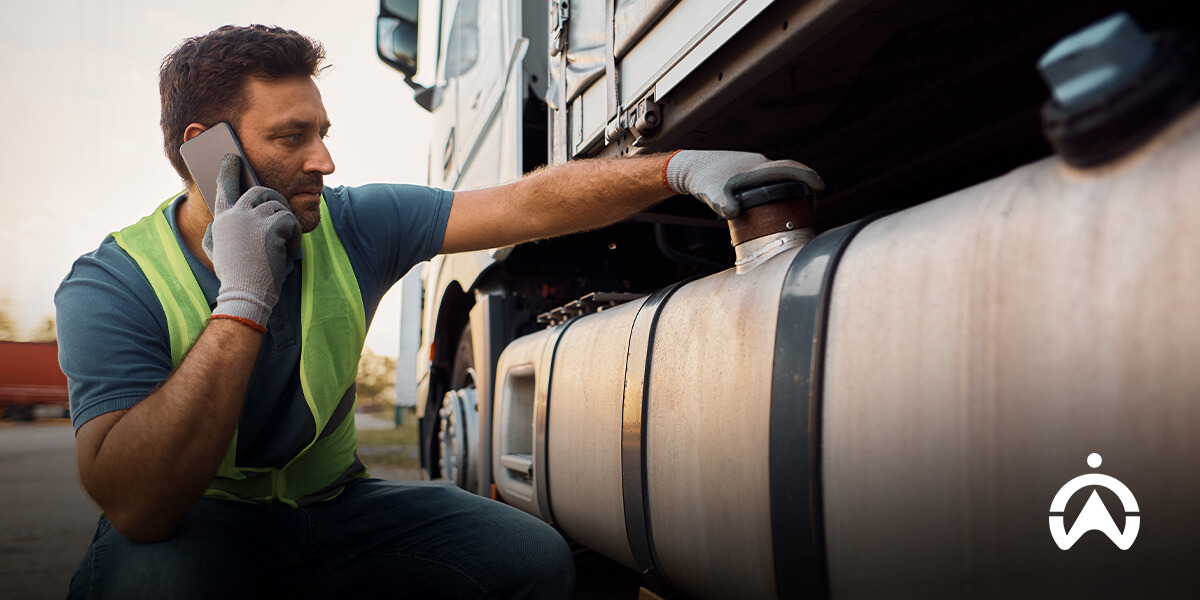
A worker in a green safety vest inspects a fuel tank on a truck, focused on maintenance tasks in a transport yard.

Hidden costs

Certain systems have additional fees for licences, software upgrades, or training. There won’t be any surprises later if you ask about all costs up front.

Scalability

Select a system that can expand to accommodate your fleet. Choosing scalable technology ensures that you won’t have to replace it as your company grows.

Finding the right fuel management system for sale ensures accuracy, cuts waste, and keeps your company profitable. Even though the initial expense might seem high, the long-term benefits make it one of the best decisions you can make for your fleet.

Now is the time to look into solutions or request a demo if you’re prepared to see how much money your company can save with Cartrack’s fuel management systems.

FAQs

How does a fuel management system save money for businesses?

A fuel management system saves money for your business by stopping theft, reducing waste, and cutting admin hours spent on manual reports. It gives you accurate data in real time, which helps you plan routes better and track driver habits. Together, these changes lower fuel costs and boost efficiency.

Are these systems suitable for small fleets?

Yes, fuel management systems work for both small and large fleets. Small fleets often see faster results because even a little waste makes a big difference. The system helps reduce errors, cut unnecessary costs, and scale smoothly as the business grows. It’s a long-term investment with quick wins.

Can a fuel management system integrate with existing fleet software?

Yes, a fuel management system can be integrated with your existing fleet software. Most modern systems are designed to work with telematics and other fleet tools. This means fuel data can be combined with driver behaviour, route planning, and vehicle health records. Integration gives managers a full view of operations in one place, making it easier to find patterns and act quickly.
How quickly can businesses expect ROI?

Many businesses see a return on investment within six to twelve months. Savings come from cutting theft, reducing admin, and improving driving efficiency. The exact timeline depends on the fleet size and current issues, but most companies recover their costs quickly and keep saving money year after year.

Petrol vs Diesel vs Electric Cars: Which Is Better for Your Fleet?

The decision between petrol vs diesel, vs electric cars depends on many factors. These include upfront costs, running costs, operational needs, environmental impact, tax implications in your area, and fuelling infrastructure. Choosing the right engine is essential for fleet efficiency and cost management purposes.

The type of engines you pick directly affects your fleet’s fuel economy, operational costs, and how vehicles perform. Fuel prices around the world are always fluctuating. While this is out of your control, you, as the fleet manager, have the capacity to influence fuel consumption, thereby reducing costs.

Let’s look at the key differences among these three options so you can make a more informed decision. We’ll also show you how our solutions cater for all of these fuel categories.

How do petrol, diesel, and electric fleet vehicles compare?

Petrol, diesel, and electric cars all have unique characteristics. They all come with some advantages and disadvantages. Your fuel selection should meet your business’s specific needs. By understanding these key differences, you’ll be in a better position to make smarter investment choices.

Here’s a table comparison of the three fuel types. We delve deeper into these factors further down in the article.

Factor Petrol Vehicle Diesel Vehicle Electric Vehicle
Upfront cost Lower purchase price Higher than petrol Highest upfront investment
Fuel cost Higher fuel consumption More fuel efficient than petrol Lowest running cost (electricity is cheaper than fuel)
Maintenance Moderate (more frequent servicing than diesel) Higher (engine complexity, emissions equipment) Lower (fewer moving parts, less wear & tear)
Efficiency Best for short trips and light-duty use Best for long distances and heavy loads Best for short to medium trips, urban driving
Carbon emissions Higher CO₂ emissions Lower CO₂ per km than petrol, but higher NOₓ Zero exhaust pipe emissions
Fuel station availability Widely available Widely available Limited charging stations countrywide
Best use cases Small fleets, pool cars, sales teams, light-duty urban driving Long-distance reps, high-mileage fleets, rideshare/taxi fleets Urban deliveries, commuter fleets, sustainability-focused businesses

Understanding petrol-powered cars

Vehicles that use petrol are often the least expensive in terms of the upfront cost. This type of fuel also tends to be cheaper compared to others, and it’s widely available. However, the fuel in petrol-powered cars doesn’t last long. They’re therefore the least fuel-efficient compared to other alternatives.

Carbon dioxide emissions from cars are a huge contributor to climate change. Petrol cars tend to emit more greenhouse gases compared to other fuel types, especially over their lifetime. This will have a high impact on your fleet’s total carbon emissions and result in higher fuel taxes.

Understanding diesel-powered cars

Diesel cars have components that are similar to those of petrol cars. They have an internal combustion engine and run on fossil fuels. Diesel cars tend to have a longer lifespan than petrol and electric vehicles. You’ll get more kilometres per litre with them, and that’s what makes them more attractive to fleets that often do long-distance trips.

The downside of diesel cars is that they’re considerably more expensive to purchase outright, and are louder. Although they produce slightly less carbon dioxide, the heating air in diesel vehicles produces more nitrogen oxides (NOₓ), which are said to be more toxic to humans. Nitrogen oxides include nitrogen dioxide (NO2) and nitrous oxide (N2O). They can cause respiratory issues, which can turn fatal at higher levels of exposure.

Understanding electric cars

Also known as EVs (electric vehicles), these are vehicles that don’t have an internal combustion engine. They’re powered by an electric motor and battery pack. Since electricity is cheaper than petrol or diesel, EVs cost far less to keep running. EVs also emit zero greenhouse gases, making them the most environmentally friendly.

In contrast, EVs are typically the most expensive vehicle types compared to petrol and diesel; yet they depreciate faster. According to EuroNews, one of the reasons for rapid EV depreciation is that the newer EV models deliver longer driving ranges and faster charging times. This makes the older ones appear outdated, affecting their resale value.

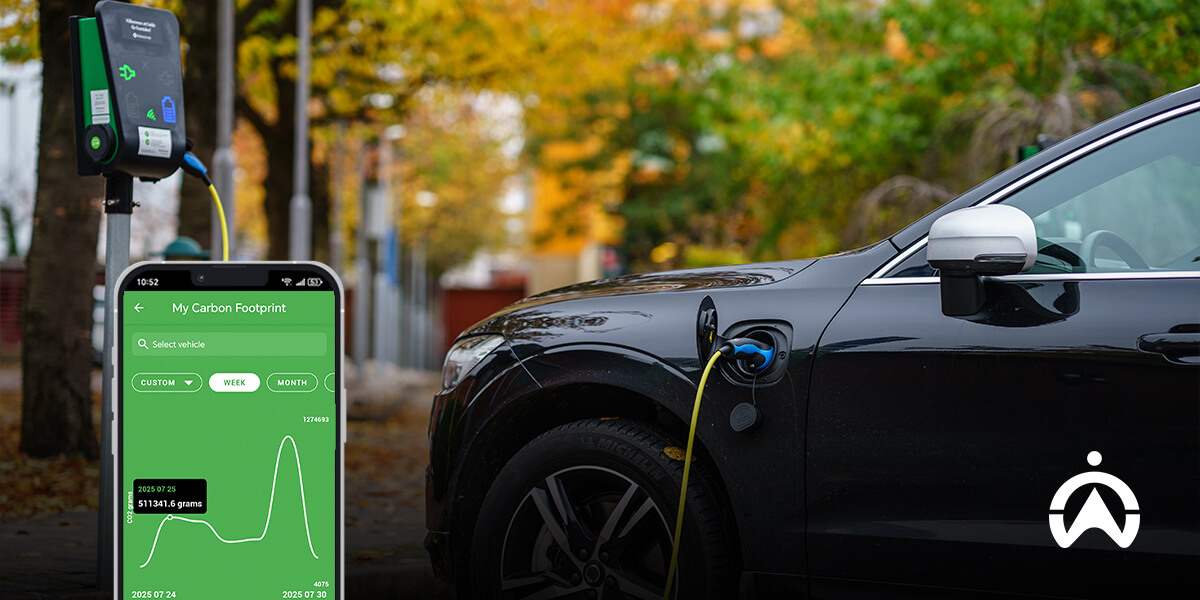
A black electric vehicle charges at a station, while a phone displays carbon footprint data against a backdrop of autumn foliage.

What are the factors to consider when choosing your fleet?

The factors you should consider when choosing fleet vehicles are total cost of ownership, operational requirements, environmental considerations, infrastructure, and future-readiness. Together, these factors directly impact your fleet’s overall expenses, performance, and success. Knowing what to look for will make it easier to determine the ultimate fuel choice for your fleet.

Let’s have a look at each of these considerations:

  • Total cost of ownership (TCO): Calculating the TCO gives you a holistic view of what owning these vehicles will look like. It incorporates cost factors such as fuel expenses, maintenance, and resale value. This enables you to choose the option that aligns more with your fleet’s needs and financial goals.
    ‍
  • Operational requirements: Your fuel choice also depends on what the vehicles are used for, how frequently they’ll be used on a daily basis, and the distance they’ll cover. For example, due to their high fuel economy, diesel cars are recommended for fleets that make long-distance trips, and they can also carry more load.
    ‍
  • Environmental and regulatory considerations: According to the United States Environmental Protection Agency, the transportation sector is the largest source of greenhouse gas emissions. For this reason, many countries have regulatory standards that help drive fleets toward more sustainable vehicle options.
    ‍
  • Infrastructure: This refers to the availability of fuel stations. Our country has more fuel stations that serve petrol and diesel vehicles. These fuel stations are easily accessible across the country. EV charging stations, on the other hand, are mostly concentrated in major cities, usually at petrol stations, shopping malls, or hotel parking areas.
    ‍
  • Future-readiness: Will the type of engine you choose align with the upcoming industry shifts, regulations, and your business goals? According to Group1 Cars, Malawi is currently developing its legislative and infrastructure framework to support electric vehicle adoption, with vehicles powered by internal combustion engines expected to remain dominant until around 2040.

Which engine requires more maintenance?

Diesel vehicles often require more maintenance. Vehicles with internal combustion engines (petrol and diesel) have many moving parts (such as the transmission and exhaust system). This creates greater maintenance needs such as spark plug replacements, oil and filter changes, and air filter replacements. Diesel engines, therefore, require more maintenance because of their complex build. 

How can Cartrack help you manage your fuel?

No matter which engines power your fleet, keeping the running costs under control is key. Cartrack’s fleet management and fuel monitoring solutions will give you real-time insights into your fleet’s fuel consumption, efficiency, and overall performance. With us, you can make smarter decisions that’ll boost savings.

Here are some of our top solutions for managing fuel expenses:

  • ‍MiFleet
    MiFleet is a cost management tool that you can find on our platform. It helps keep you up to date with daily fuel expenses. MiFleet automatically verifies fuel transactions. It gives you reports based on factors such as distance travelled, litres in the tank, and the filling station location. It then flags suspicious transactions, helping you easily spot possible theft or fraud.We also have a MiFleet Live option, available on the Cartrack mobile app and Driver app. Instead of waiting to get to your desk to check, this feature allows drivers to log fuel transactions at the filling station, so you can instantly approve them on the phone. This reduces manual entries, saves time, and gives you stronger cost control.
    ‍
  • ‍Fuel Probes
    Fuel probes are sensors that are placed inside fuel tanks to measure how much fuel is in the tank. They give you real-time updates of live fuel levels, making it easier to detect fuel theft. You’ll also get alerts of any sudden drops, which could indicate fuel syphoning (the act of draining fuel from a tank using a hose).
    ‍
  • ‍Route optimisation
    Plan better and more efficient routes with our route optimisation software tool. All you have to do is enter the destinations each driver needs to go to daily, and the software will suggest the best way to get there. It takes into account factors such as distance, historical traffic patterns, and the number of stops, giving you the most efficient route and helping reduce your fleet’s carbon footprint.If you have a fleet of EVs, this feature helps you plan routes, and that’ll give your drivers more kilometres before you have to charge. It helps them avoid running out of power by allowing you to include charging stations in the planning tool.
    ‍
  • ‍Preventative maintenance
    Vehicle components, such as the engine, need to be well-maintained to run smoothly and use less fuel. Our preventative maintenance feature helps you stay up to date with vehicle upkeep by sending alerts for issues like engine faults and oil & water fluctuations. This helps you attend to maintenance needs quickly and avoid further damage.
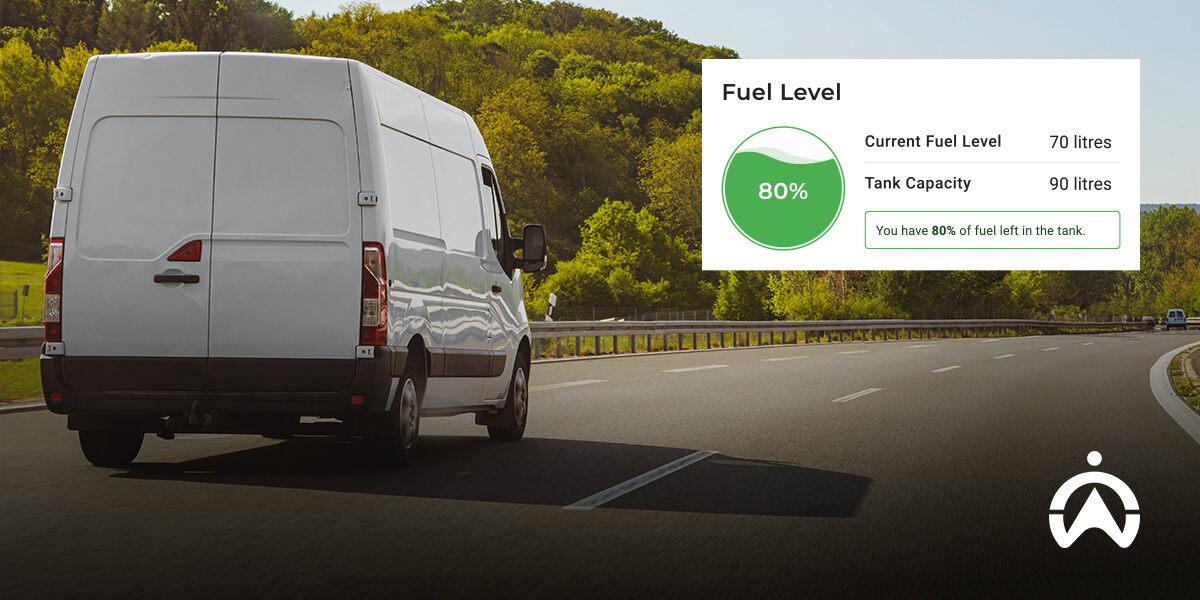
A white delivery van driving on a highway, with a fuel level display showing 80% fuel remaining. Green trees line the road.

Making the choice between petrol, diesel, and electric vehicles

In conclusion, there’s no one-size-fits-all answer for which engine would best suit your fleet. Diesel suits long-distance fleets where fuel efficiency and range matter most. Petrol is for fleet businesses in urban areas, perfect for light use. EVs are ideal for urban short-range fleets with access to charging stations, offering low running costs and regulatory benefits.

A mixed fleet is what other businesses prefer, as it’s generally better for balancing costs, environmental impact, and operational flexibility. Whichever one you choose, we have solutions that’ll make running your fleet easier. Contact us today, and let’s help you see where your fuel really goes.

Frequently Asked Questions about the different types of vehicle engines

What is the biggest weakness of an electric car?

Insufficient charging stations are one of the biggest issues drivers experience when using electric cars. The infrastructure in Malawi is expanding, with most of them are centred in larger cities. The EV network is still growing, with companies planning to add fast-charging stations to major routes in smaller towns.

Is a hydrogen car the future?

The future of hydrogen vehicles will depend on factors like producing hydrogen in a clean and sustainable way and building widespread refuelling infrastructure for everyday use. Chemistry World highlights how big companies such as Toyota, Hyundai, and BMW continue to develop and promote hydrogen-powered cars, believing they offer unique advantages.

What Are 10 Ways to Save Fuel?

The cost of fuel is a regular concern for many vehicle owners. Planning for this cost has come with some challenges which have made it hard to keep fuel costs low. Many vehicle owners are feeling the pinch and eagerly looking for different ways to save on fuel.

In this article, let’s explore ten simple ways you can start saving on fuel and how Cartrack can help you keep track of your fuel consumption.

Let’s dive in.

In this article, you will:

  • Discover 10 ways to help you save fuel
  • Learn how driving habits and vehicle maintenance impact fuel usage
  • Find out how Cartrack’s mobile app can help you save on fuel cost

10 Ways to Help You Save Fuel

Changing your approach to how you care for your vehicle is an effective way to save on fuel, these can range from adopting new driving behaviours to regular vehicle checkups. Learn these ways to make fuel wastage a thing of the past.

Here are ten effective ways to save fuel:

1. Adopt Efficient Driving Habits

Saving fuel starts with how you drive your vehicle. When a vehicle’s speed increases, the car experiences more drag (air resistance). This occurs when the force from the resistance causes the engine to work harder to accelerate which burns more fuel. By incorporating a more moderate driving speed, which is normally between 65-90 km/h, your vehicle will experience less drag as it moves.

Other practices include avoiding congested roads that lead to idling and keeping your rev per minute constantly around 3000rpm while driving. Another efficient driving habit to adopt is avoiding frequent lane changes and abrupt stops in stop-and-go traffic.

2. Use engine braking and drive in higher gears

Engine braking and driving in high gear is an underutilised method for driving that many drivers don’t consider when trying to save fuel. Engine braking is when you take your foot off the accelerator pedal and allow the engine to slow the vehicle down. This can be incorporated instead of using the brake pedal when you’re getting close to a traffic light or stop sign. Less fuel is consumed because the engine is allowed to slow the vehicle down, using less brake power to stop it.

3. Opt for fuel-efficient vehicles

If you are thinking of buying a new car, it is best to choose the type that is fuel efficient, such as vehicles with small engines or hybrid cars. These vehicles were designed to provide an excellent driving experience while using less fuel.

There are a few things to consider when looking for a fuel-efficient vehicle, such as fuel consumption rate, engine size and weight. Lighter cars and smaller engines burn less fuel and can maximise your fuel savings over time.

4. Maintain Optimal Tyre Pressure

Optimal tyre pressure plays an important role in a vehicle’s performance and fuel efficiency. Keeping your tyres at the appropriate pressure recommended by your manufacturer will greatly benefit you down the line.

Let’s discuss how:

  • Underinflated tyres increase the rolling resistance of a car and force the engine to work harder and burn more fuel. It also causes uneven tread wear on the edges of the tyres which leads to the tyres degrading faster.
    ‍
  • Overinflated tyres negatively affect the handling of the vehicle, they make the drive bumpy, create uneven tread wear and burn more fuel. Furthermore, the uneven tread wear reduces the tyre’s ability to maintain contact with the road which can be dangerous at high speeds.

To make sure that you save on fuel and reduce wear and tear on your vehicle, it’s suggested that you check your tyre pressure at least once a month.

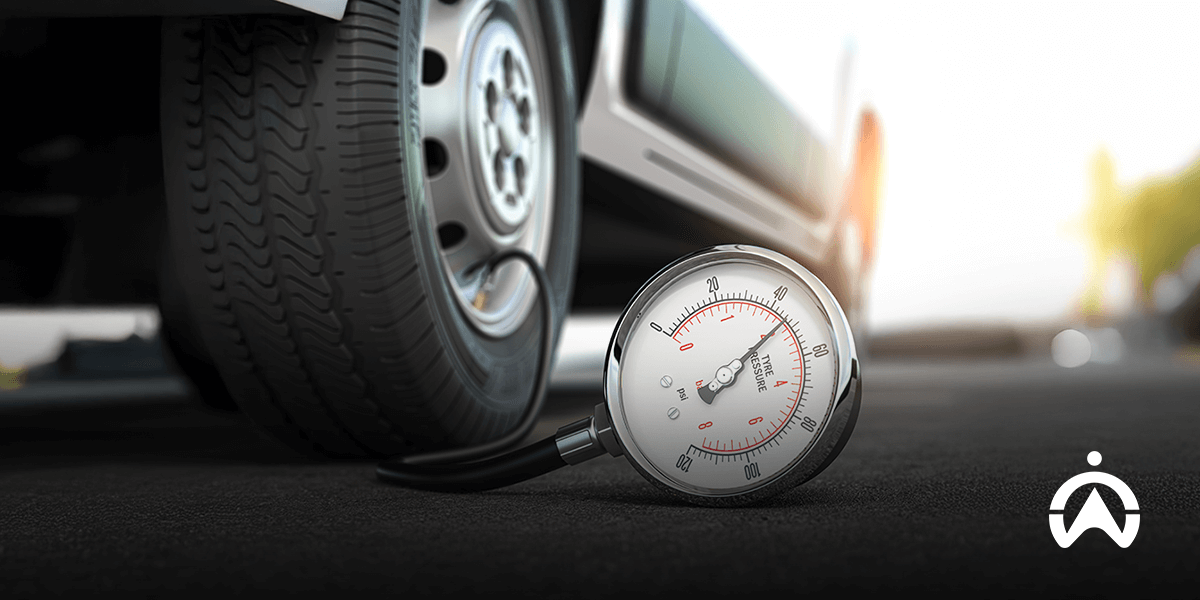
A tire pressure gauge on the ground next to a car tire.

5. Keep windows closed at high speeds

I know what you’re thinking, driving with your window open while cruising at a high speed feels refreshing, however, this significantly affects fuel efficiency. This normally occurs when a vehicle travels above 80 km/h, where the air resistance is at its greatest. To save on fuel consider keeping your windows closed and use the vehicle’s ventilation system instead.

6. Avoid heavy loads

Unnecessary weight in your vehicle makes the engine work harder which increases fuel consumption. This is especially true when driving long distances. Another load that adds extra weight and consumes more fuel are roof racks. Roof racks increase air resistance and reduce your vehicle’s aerodynamics when driving at high speeds.

To enjoy better fuel efficiency and a smoother drive consider packing light or keeping heavy items inside the vehicle.

7: Use cruise control on highways

Cruise control is an added feature that comes with most modern vehicles today. Not only do cruise control systems offer comfort and convenient driving, but they also help you save fuel. Cruise control helps the driver maintain a steady speed enabling them to only concentrate on steering. This allows for a smooth trip with fewer manoeuvres. Cruise control minimises how much fuel is used by removing the need to constantly accelerate and decelerate which burns more fuel.

8: Take advantage of loyalty programs

A great option to save on fuel costs these days is to join loyalty programs, these are offered at petrol stations, banks as well as through retailers. Whenever you refuel petrol you receive a certain amount of points. You can accumulate points over time and use them to purchase fuel or receive discounted prices. Consider choosing a program that is best for your needs and that allows you to fill up at a petrol station near you.

9. Combine trips

To save on fuel day to day, consider combining errands and driving fewer trips. Plan all the tasks you need to do ahead of time and do them all in one trip. By doing this you reduce the distance you drive that not only saves you valuable time but reduces fuel consumption.
Another effective way you can cut down on trips is by starting a lift club. Each person in the lift club can take turns driving one week a month, saving up to three weeks of fuel that you would have used if you were driving alone.

10. Use quality fuel

There are typically different types of fuel available, including lower and higher octane petrol options, as well as diesel. Each fuel impacts a vehicle’s performance and fuel efficiency differently. High Octane fuel can withstand more compression before it ignites than lower Octane which impacts vehicle performance at high speeds. Lower Octane fuel is ideal for older vehicle model as their engines were designed to perform optimally on it.

New model vehicles with newer technology require high octane fuel as it helps maintain the vehicle’s performance and fuel efficiency. Using a lower octane fuel can decrease these vehicles’ fuel efficiency and can damage their engine or emission control systems.

By implementing these ten ways, you can significantly reduce fuel wastage and save on fuel costs.

Mechanic with dreadlocks working on a car engine near a tool chest.

How Cartrack’s mobile app can help save fuel

Now that you know the 10 ways to save fuel, let’s discuss how Cartrack’s Mobile app can help keep track of your fuel usage.

Here are some reports from the app that will help save fuel:

  • Monitoring vehicle speeds
    Constant increases in speed require the engine to work harder to maintain the higher speed. The Cartrack mobile app map indicates every point where you were speeding and how fast you were going. This insight helps you identify this behaviour so that you adjust your driving behaviour to use less fuel.
    ‍
  • Reducing harsh braking
    Harsh braking from high speeds causes your vehicle to use more fuel than necessary. This happens because after you have slowed down the vehicle transmission needs to shift to a lower gear to regain lost momentum. The Cartrack app records every harsh braking event, this informs the driver on how frequently this mistake is made.
    ‍
  • Avoiding idle time
    Long periods of idle time in congested traffic consume fuel unnecessarily. The Cartrack app tracks your idle time during a trip, this data provides you with a wealth of information that shows you where the most traffic congestion is and when it occurs. This allows you can identify less congested routes that enable you to plan less congested routes.
  • Planning efficient routes
    Every time you drive your vehicle, the trip information is saved on your app history. This trip history provides insights into the route you took which shows the distance and how much fuel was used. This is an effective way to plan every route you take.You may use different routes to work and would like to know which route uses the least fuel. You can use the report history of the different routes to see your past trips. This will tell you how long the trip took as well as the speeds you were able to travel, so you can compare them against each other to see which one is the most fuel-efficient.

Start saving fuel with Cartrack Today!

Fuel costs do not have to be a burden. By taking advantage of Cartrack’s advanced mobile app technology you can reduce fuel consumption and save costs in no time.
Cartrack is committed to helping motorists drive smarter and efficiently. Our mobile app is not only for tracking your vehicle, it provides actionable insights that empower you to make fuel-saving decisions every day.

Why wait? Start applying these tips and let Cartrack help you save on fuel costs. Contact us today to find out more.

How to Save Petrol When Driving Long Distances

Let’s face it, fuel costs are a constant headache. And those who love the open road, know that long-distance driving can easily break the bank. But the good news is that with a few simple adjustments, you can stretch your petrol further, save money, and enjoy every moment of your road trip.

This blog will share useful tips for using less fuel during long drives while keeping your driving experience stress-free.

We’ll also highlight how Cartrack’s smart features can make saving petrol even easier.

Ready? Let’s hit the road, efficiently!

In this article, you will:

  • Be able to identify the factors that affect fuel usage on long trips
  • Learn simple ways to use less fuel
  • Know how Cartrack’s products can help you drive smarter and save money

How to Save Fuel on Long Trips

Going on long trips, whether for family fun, work, or a short break, can be exciting but usually uses a lot of fuel. The good thing is that by making some simple changes to how you drive, you can save a lot on fuel. Here’s how:
‍

Drive at an Optimal Speed

Have you ever noticed how your fuel gauge seems to hold steady when you’re cruising along the highway at a smooth pace? That’s because every car has an “optimal speed” for fuel efficiency. Typically, the ideal driving speed lies between 90 km/h and 110 km/h.

Driving too fast makes your engine guzzle fuel like it’s in a race, while going too slow forces it to work overtime just to keep moving. Finding the right balance not only saves fuel but also makes your drive smoother and more enjoyable.

Check Your Tyre Pressure

When was the last time you checked your tyre pressure? Under-inflated tyres are sneaky culprits behind increased fuel consumption. They create more resistance, forcing your engine to work overtime just to keep your car rolling.

Before any long trip, take a few minutes to check and adjust your tyre pressure to the manufacturer’s recommended levels. It’s a quick win that makes your car safer, your ride smoother, and your fuel last longer.

Lighten Your Load

We’ve all done it, packing for a trip and adding extra things “just in case.” But every extra kilogram in your car makes the engine work harder and use more fuel. The heavier your car, the harder your engine has to work to keep it moving. Clearing out unnecessary items, like extra luggage or unused gear, can make a big difference. A lighter car not only uses less fuel but also reduces wear and tear, helping it last longer.

Practice Smooth Driving

Your driving habits have a bigger impact on fuel consumption than you might think. Sudden acceleration, hard braking, and excessive idling all burn through fuel unnecessarily. Instead, aim for a smooth and steady rhythm—gradual acceleration, gentle braking, and maintaining a consistent speed. Not only does this save fuel, but it also makes your drive more relaxed and enjoyable.

Keep Your Car in Good Shape

A car that’s taken care of works better. If you don’t do important things like changing a dirty air filter, using clean engine oil, or fixing old parts, it can hurt your car’s fuel use. Small problems can grow over time, making your car less efficient and using more fuel. Do regular checks and fix small issues to keep your car running well. This can save money on fuel and avoid big repairs.

Person sitting in car trunk with two suitcases near the ocean.

Why Smarter Fuel Use Matters

In addition to reducing expenses, using less fuel offers several other significant benefits that positively impact both individuals and the environment.

  • Better for the Environment
    Using less fuel is an easy way to help protect the Earth. When we use less fuel, we release fewer gases that can pollute the air and that helps slow down climate change. No matter if you’re going to work or on a long trip, saving even a little fuel helps make the air cleaner and the environment better.
    ‍
  • Better Habits for Longer Car Life
    Driving in a way that uses less fuel
     also helps your car stay in good condition. Starting smoothly, braking gently, and driving at steady speeds make the engine and other parts of your vehicle work less hard. This lowers the chance of mechanical damage, so your car may last longer and need fewer expensive repairs. Over time, this can mean fewer visits to the car repair specialist and a vehicle that works well for many more years.
    ‍
  • Better Money Management
    Fuel costs are a big part of most family or business budgets. By using less fuel, you can save money for important things such as having an emergency fund, growing your business, or just treating yourself. Cutting back on fuel costs makes managing your money easier and helps you stay in control of your budget.

How Cartrack Makes Saving Petrol Easy

Now that you know some ways to save fuel, let’s see how Cartrack can help you do even better. With special features tailor made to improve your driving, Cartrack can help you save money, time, and fuel.

  1. Live GPS Vehicle Tracking
    Imagine being able to see exactly where your car is. Cartrack’s GPS system does exactly just that. It helps you avoid traffic, roadwork areas, and extra turns, so you save fuel and reach your destination faster.
    ‍
  1. Automated Maintenance Alerts
    Never miss an oil change or tyre rotation again. Cartrack sends you timely reminders about maintenance tasks, ensuring your vehicle runs at peak efficiency. A well-maintained car is a fuel-efficient car, after all.
    ‍
  1. Driver Behaviour Insights
    Do you drive too fast or brake suddenly? Cartrack’s solutions allows you to see how you can drive better. By changing your habits, you’ll use less fuel, cause less damage to your car, and become a safer driver.
    ‍
  1. Route Optimisation
    Are you taking the most fuel-efficient routes? The Cartrack App helps you find the quickest and most cost-effective routes to your destination. By avoiding traffic and unnecessary detours, you’ll save fuel, reduce travel time, and cut down on wear and tear on your vehicle.
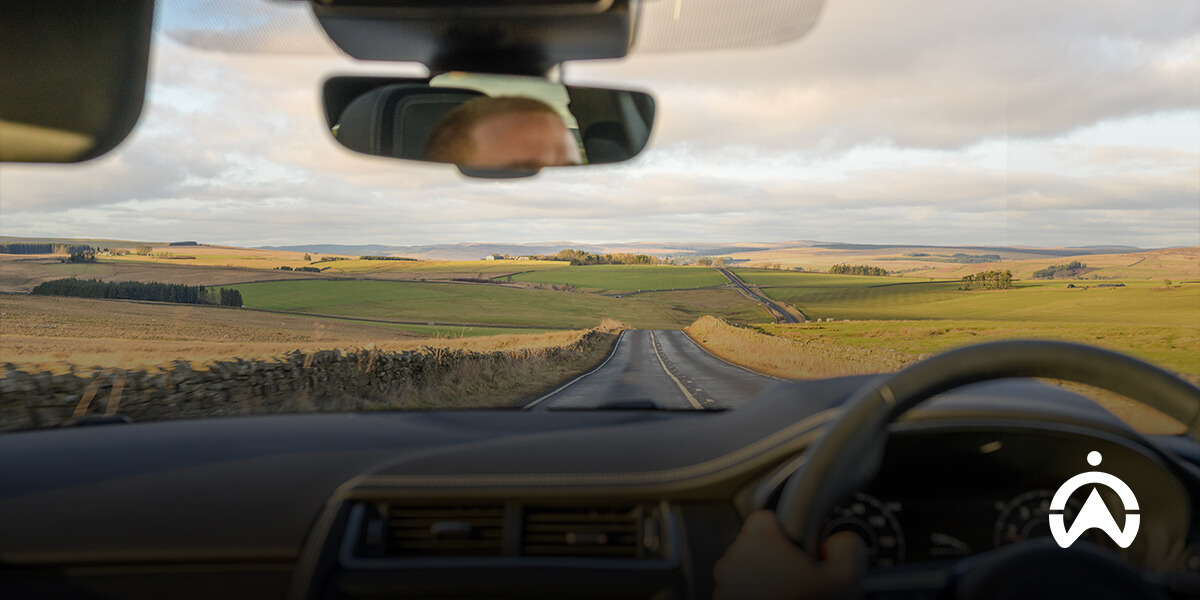
View of a road through rolling countryside from a car's interior.

Now that you’ve got some simple tips for saving fuel, you can hit the road knowing you’re driving smarter. With Cartrack’s tools keeping you on track, you’ll save money and make the most of every trip.

So, Why not let Cartrack help you save on fuel? Contact us today to find out more.

Safe travels, and remember: a few easy changes can go a long way!

Frequently Asked Questions on How to Save Petrol

Q: Can using cruise control save fuel?

A: Yes, especially on highways, as it helps maintain a steady speed and reduces unnecessary acceleration and braking.

Q: How can Cartrack’s tools improve fuel management?

A: Cartrack offers real-time information about fuel consumption, the best routes, and how drivers behave, helping you make smart choices to use less fuel.

Q: Should you drive with the windows open or use the air conditioner?

A: At lower speeds, open windows are more efficient. At higher speeds, use air conditioning to reduce drag.

Q: How do you fix high fuel consumption?

A: There are several ways that you can “fix” your fleet’s high fuel consumption, here are a few:

  • Don’t speed
  • Take your vehicle for regular maintenance checks
  • Make use of fuel additives
  • Keep an eye on your RPMs
  • If you’re driving a modern vehicle – utilise the cruise control function

Q: Why is my car using so much fuel?

A: There isn’t just one answer, some causes may be:

  • Aggressive driving behaviour – harsh acceleration and braking
  • Excessive idling
  • Regularly being stuck in traffic or stop-and-go
  • ‍‍Not having the correct oil and filters
  • Your clutch might be worn

Q: What are the possible causes of high fuel consumption?

A: High fuel consumption can have different origins, such as:

  • Aggressive driving
  • Driving in the wrong gear
  • Idling too often and for too long
  • Not changing your oil regularly
  • Using your air conditioning too often

Q: Can injectors cause high fuel consumption?

A: Yes, injectors can cause high fuel consumption. If your injectors are dirty or worn out, they can burn fuel at a faster pace, which increases fuel consumption.

The Hidden Costs of Fuel Wastage

Running a business is already a daunting task. Large fuel invoices can cripple your business, draining resources and hindering operations.

Finding reasons why the fuel bill is high is essential—you may discover that your vehicle needs maintenance, the fuel is getting stolen, or the driver is careless. Ultimately, resolving this issue promptly is imperative to mitigate potential negative consequences for other business operations.

We will explore the hidden costs of fuel wastage and how Cartrack can help you save on fuel.

In this article, you will:

  • Know what fuel wastage is and why it matters
  • Learn the causes of fuel wastage
  • Understand the financial impact of fuel wastage
  • Learn how fuel wastage affects the overall fleet performance
  • Know how to manage fuel wastage and save costs

What is Fuel Wastage and Why It Matters

According to Suzuki, fuel accounts for 40% of a car’s running cost, which means we should care about fuel efficiency. Fuel wastage refers to the unnecessary use of fuel that occurs when vehicles operate inefficiently. Identifying the cause of fuel wastage is important because if left unresolved, it can cost you a lot of money, disrupt your business’s overall operations, and harm the environment.

What are the causes of Fuel Wastage?

Like any problem, before coming up with a solution, you have to identify the cause. Several things cause your fuel bill to be unnecessarily high, from spending too much time on the road to driver behaviour. Let’s have a look at the causes:

  • ‍Driver Behaviour
    Drivers are essential to fleet operations, so it is important to make sure they practise safe driving to protect the vehicles and cargo they carry. Here are a few driver behaviours that contribute to fuel wastage:

    • ‍Harsh braking: Sudden braking forces the vehicle’s transmission to downshift, increasing fuel consumption.
      ‍
    • ‍Idling: Leaving the engine running while stationary for over 10 seconds wastes fuel and increases emissions. It further contributes to wear and tear.
      ‍
    • ‍Rapid acceleration: Quickly accelerating from a stop consumes more energy than steady acceleration, leading to inefficient fuel use.
      ‍
    • ‍Revving the engine: In cold weather, revving the engine to keep your vehicle warm while stationary wastes fuel and increases costs.
      ‍
    • ‍Overload: Exceeding weight limits not only poses safety risks but also leads to increased fuel consumption and lower tyre pressure.
      ‍
    • ‍Speeding: Speeding raises aerodynamic drag, resulting in higher fuel wastage.
      ‍
    • ‍Driving in the wrong gear: Staying in the wrong gear for too long forces the vehicle to work harder, wasting. Drivers should change gears appropriately.
      ‍
    • ‍Ignoring maintenance warning signs: Ignoring maintenance warning signs can lead to vehicle inefficiencies, causing increased fuel consumption and higher costs.
      ‍
  • ‍Inefficient Fleet Routing
    When drivers’ routes are not properly planned, it can lead to several issues such as increased traffic congestion and unnecessary duplicate trips to the same location—this results in fuel wastage. For example, when drivers are stuck in traffic, their vehicles idle, unnecessarily consuming fuel.

    Additionally, if drivers are required to travel back and forth to the same destination throughout the day, the number of trips will not only be maximised but the time spent on the road will increase.
    ‍

  • ‍Poor Vehicle Maintenance
    As mentioned above, ignoring vehicle maintenance warnings is not only unsafe for your drivers and other motorists, but it will affect the longevity of your vehicle and will result in fuel wastage. Here are five things you can do and check frequently to help keep your vehicle running smoothly:

    1. Tyre pressure and rotate the tyres
    2. Other important fluids like transmission and brake fluids
    3. The engine air filter
    4. Cabin air filter
    5. Belts and hoses
      ‍
  • ‍Fuel theft
    Another reason your fuel bill may be suspiciously high is due to fuel theft.

    Fuel theft not only costs the company money but can cause major delays in operations. There are many types of fuel thefts, some from actual criminals, others from your employees. Let’s look at the types of common fuel theft:

    • ‍Syphoning: Thieves use a hose to manually suck the gasoline or diesel fuel out of the tank and into a container. They then place the fuel in another vehicle.
      ‍
    • ‍Fuel Fraud Card: This occurs when an employee uses the company’s fuel card to purchase fuel for their personal vehicle.
      ‍
    • ‍Fuel Card Cloning: Cards are duplicated and used on other vehicles, at the cost of the original cardholder, in this case, the company.
      ‍
    • ‍Fake Transactions: This is when fuel stations charge one fuel card multiple times during a single refuelling session. The cardholder is then liable for all costs.

Addressing these causes of wastage through vehicle maintenance, route planning, fuel management systems and adopting improved driving habits will help your fleet be fuel efficient and reduce costs associated with fuel wastage.

Euro bills inserted into a car's fuel tank opening against a green background.

The Financial Impact of Fuel Wastage

Overspending on fuel puts a financial strain on your business. If you exceed your fuel budget, you may need to reallocate funds originally set aside for maintenance to cover the increased fuel expenses. This can compromise the quality of the equipment you use or may force you to choose a less qualified mechanic.

Poor fuel management can damage your vehicles, strain your budget, and erode your company’s profit margins. By neglecting fuel management, you’ll divert funds from essential daily operations.

Decreased profit margins can force businesses to reduce staff, leading to lower-quality service and dissatisfied customers.

Looking at all these factors, it is evident that fuel wastage not only affects the fuel economy but has other adjacent consequences.

How Fuel Wastage Affects Overall Fleet Performance

Fuel wastage affects overall fleet performance by increasing operational costs, reducing efficiency and may even damage the fleet’s engines.

When fuel is wasted due to poor routing, excessive idling, or aggressive driving behaviours, it not only inflates costs but also leads to longer travel times and decreased productivity.

Additionally, when the engine is not working optimally due to these driver behaviours such as speeding, it can lead to wear and tear.

As a result of the engine not working as it should, drivers may need to spend more time refuelling, ultimately affecting the productivity of the business, which may cause delays in delivery time, resulting in unsatisfied customers.

How to Manage Fuel Wastage and Save Costs with Cartrack

Fortunately for your business, Cartrack will help you tackle fuel wastage and save costs. Our fuel management system uses fleet telematics to read fuel levels in real-time, keep track of and improve fuel efficiency, reduce fuel consumption and instantly notify managers of fuel changes.

The fuel management system allows fleet managers to obtain detailed information about their fleet’s fuel economy. You can determine whether fuel usage has increased due to incorrect tyre pressure, misaligned tyres, or vehicle weight. Furthermore, it provides accurate data on the cost per mile, fuel theft, and driver behaviour.

Depending on the size and the needs of your fleet, here’s how you can reduce fuel wastage with Cartrack’s fuel monitoring features:

  • MiFleet: This is an easy-to-use administrative and vehicle cost management software that can efficiently manage your fleet, drivers and related operating costs. The full benefits of managing your fleet are optimised when you have installed tracking devices in your fleet. However, you can still use this software whether or not your fleet is equipped with telematics.

    Let’s say you have a fleet of over 500 utility vehicles in several provinces. You realise that your business’s fuel costs are extremely high, but you can’t exactly pinpoint the cause. You try to use spreadsheets but that only creates more admin work and doesn’t give you the insights you need.

    Mifleet can help you with the following in this situation:

    • ‍It will detect fuel card fraud: The system instantly detects potential fraud by providing accurate alerts.
      ‍
    • ‍It will detect inefficient routes: It identifies drivers who have high costs per job due to deviating from routes and taking excessive breaks.
      ‍
    • ‍It will detect fuel drainage: Suspected fuel siphoning is detected in vehicles with high costs per kilometre using MultiVision cameras and inspections.

      The best part is that you have all this information on one platform. With these findings, you can solve your fuel wastage problem, and save costs and time on administration.
      ‍

  • Route Optimisation:  Route optimisation is advanced route planning. This feature enables businesses to determine the most efficient and safest paths for their drivers. By integrating GPS tracking, fleet managers will receive real-time alerts regarding delays or route deviations through the app.

    This feature benefits your business in the following:

    • Save on Costs: You can save a lot of money by making routes more efficient and using less fuel. This means spending less on fuel, repairs, and general running costs.
      ‍
    • Eco-Friendly: Route optimisation helps protect the environment by reducing unnecessary driving and fuel use. This is a greener approach that shows commitment to reducing emissions and taking better care of the environment.
      ‍
    • Timely Deliveries: With the ability to make informed rerouting decisions, businesses can ensure faster deliveries, resulting in enhanced customer satisfaction.
      ‍
  • ‍CANbus: Cartrack connects to the vehicle’s CANbus (Short for Controller Area Network Bus, it is a communication platform for different parts of a vehicle), which allows clients to see their vehicle information such as mileage, fuel-related information and RPMs on the fleet website. Some of the benefits of CANbus are:
    • Vehicle diagnostics: CANbus allows remote diagnostics resulting in lowered maintenance time and costs.
      ‍
    • Fuel efficiency: The data can help optimise fuel efficiency, reducing emissions and fuel-related costs.
      ‍
    • Driver behaviour analysis: CANbus data be used to analyse and coach driver behaviour.
      ‍
  • AI Multivision: Cartrack’s AI-powered cameras notify the driver of risky driver behaviours such as distracted driving and speeding. This allows drivers to correct their actions in real time and helps create a safe driving culture, reducing the risk of accidents and fuel wastage.
    ‍‍
  • Driver ID tag: Identify and record your drivers’ performance with monthly driver scorecards. You will be able to know which driver is in charge of which vehicle, and essentially see which vehicle uses the most fuel.

In conclusion, having a fuel management system is beneficial for your business. It will help you uncover hidden costs caused by fuel wastage. You will be able to adhere to your budget without redirecting funds for other important things, which will allow you to operate an enhanced fleet business.

Person in gray shirt syphoning fuel out of a car using a green portable fuel container.

Improve your fuel consumption and save on fuel costs with Cartrack

Cartrack is an industry leader in fuel management with easily accessible features on one platform. By choosing us, you are choosing to save on fuel and improve the overall efficiency of your fleet. Contact us today.

Frequently Asked Questions regarding hidden costs of fuel wastage

Q: What are the environmental and reputational impacts of fuel wastage for companies?

A: Excess fuel wastage increases emissions. Companies that waste fuel seem like they do not care about the environment. This will negatively impact the company’s reputation as customers would not want to be associated with such a company.

Q:  Which engine consumes more fuel?

A: A larger engine is most likely to consume more fuel since it has more space to fill. However, fleet managers need to note that it isn’t only about the size; it’s also about how efficiently that engine uses fuel.

Q: Are Fuel Management Systems Only Useful for Large Fleets?

A: No, businesses of any fleet size can benefit from fuel management systems.

The Role of Route Optimisation in Reducing Fuel Misuse

Fuel costs have been a continuous problem for Malawian businesses. After yet another petrol price increase on the 6 November 2024, businesses are feeling the strain. That is why businesses are encouraged to implement measures to reduce fuel misusage in their fleet operations.
Every litre that is wasted eats at a company’s operational budget. This is where route optimisation comes into play. By taking advantage of Cartrack’s route optimisation systems, businesses can significantly reduce fuel misuse and its negative consequences.

Let’s take a closer look at how route optimisation can help businesses save on costs and contribute toward a more sustainable future.

In this article, you will:

What is route optimisation?

Route optimisation is the process used by fleet managers to plan delivery routes. In their efforts to build an efficient fleet and reduce unnecessary operational costs, these managers may want to implement strategies to minimise fuel misuse. This is done by leveraging technologies like GPS, real-time data on traffic congestion and algorithmic programs to calculate, analyse and predict effective routes. These features incorporate factors like traffic conditions, road closures and vehicle capacity to provide the most efficient route while improving a business’s operational efficiency.

How Route Optimisation Minimises Fuel Misuse

There’s no denying it, traffic in Malawi can be a real headache. Navigating roads often consists of driving through a maze of backroads, getting stuck in traffic and being forced to take unnecessary detours. For businesses operating a fleet of vehicles, this high level of congestion is costly, and time lost in traffic directly translates to actions that cause fuel misuse, resulting in more money being used.

Wondering how this affects your business? Not planning your delivery routes can increase actions that result in fuel misuse. Additionally, a driver’s behaviour also contributes to fuel misuse.
‍
Let’s discuss how these factors cause fuel misuse and how to minimise the effects.

  • ‍Traffic Congestion:
    ‍
    With the rapid rate of urbanisation, limited infrastructure and the increase of people buying vehicles, roads are becoming more congested with vehicles of all sizes, this has increased travel times and has also led to more fuel misuse. When stuck in traffic drivers keep the engine running which wastes fuel without the vehicle moving.Having real-time data at your fingertips allows fleet managers to know where the busiest roads are, allowing managers to reroute the driver to prevent delays. This stops the driver from getting stuck in traffic which reduces fuel misuse.
    ‍
  • ‍Road Infrastructure:
    ‍
    Bridges, tunnels and one-way roads are sometimes not accounted for when planning a route. This can force large fleet vehicles to take detours, leading to longer trips and more fuel misuse. Not accounting for areas with badly maintained roads can cause a vehicle to use more power when travelling on these roads, which leads to fuel misuse and also results in wear and tear on a vehicle and its tyres.Route optimisation systems identify road infrastructures and consider these obstacles to provide optimal routes where large fleet vehicles can travel freely without delays. Preventing the misuse of fuel.
    ‍
  • ‍Aggressive driving habits:
    ‍
    Driver’s behaviour can be a big contributor to the increase in fuel misuse. Rapid acceleration, speeding and harsh breaking cause the fuel to burn faster.
    ‍
    Route optimisation provides you with insights into your driver’s behaviour on the road. This real-time data allows you to take immediate corrective measures to stop the behaviour, allowing you to reduce fuel misuse in real-time.
    ‍
  • ‍Overloading vehicles:
    Fleet vehicle capacity is often not considered when loading cargo which results in fuel misuse. For example, when a truck is loaded over it carrying capacity it can become heavy, making it difficult to handle. A heavy truck uses a lot more power to idle and moves slowly in traffic. It also requires more power to accelerate or slow down which results in the vehicle using more fuel when on deliveries.Route optimisation systems can assist fleet managers in assigning loads per vehicle based on the capacity of each vehicle. The algorithms analyse the data to make sure that vehicles aren’t loaded over their capacity. By incorporating these strategies into your operation, you drastically reduce fuel misuse.
    ‍
  • ‍Unauthorised use of vehicles:
    ‍
    There have been many instances where drivers attempt to use company vehicles for their personal use. This can result in fuel being misused contributing to unnecessary fuel costs to your business.Incorporating an optimisation system paired with geofencing into your operation helps you monitor fleet vehicles in real-time. You can make sure that a driver is following a planned route. The geofencing capabilities allow you to create virtual boundaries around optimised routes to keep drivers in line and also notify you when drivers deviate from the planned route.
Traffic jam with rows of cars and illuminated brake lights.

Benefits of Cartrack’s route optimisation software

Route optimisation is not only about using advanced maps and AI-powered software, it’s about making smart decisions that save your business money and ensure it succeeds far into the future. Cartrack goes above and beyond to deliver route optimisation solutions that get you fast and consistent tangible results. From cutting fuel costs to boosting your fleet’s performance and efficiency, all while improving your bottom line.

Here’s how partnering with Cartrack for route optimisation can benefit your business.

Reduce fuel misuse and operational costs

Fuel costs can consume your operational budget fast, and with the recent petrol price hikes it’s become an even greater challenge. Cartrack systems help alleviate fuel misuse by streamlining routes, it also helps monitor driver behaviour allowing you to correct bad driving habits like speeding and harsh breaking. This reduces fuel misuse per trip which saves money.

Improve vehicle utilisation and efficiency

Route optimisation is all about making sure every trip counts. Cartrack’s route optimisation algorithms help you work smarter by analysing your vehicle capacity and load volumes to ensure that each vehicle is carrying the correct loads, maximising your vehicle’s efficiency which prevent fuel misuse.

A person in a high-visibility vest sitting inside a vehicle cabin.

Increases driver productivity

Imagine a scenario where your route plan is so well planned that traffic jams and excessive idling are a thing of the past. With route optimisation, your drivers will spend less time in traffic and get deliveries done on time. This also means that drivers will be less stressed and have more time to recharge from trips which leads to economical driving habits that result in less fuel used. Cartrack’s geofencing can also enable fleet managers to create virtual boundaries around delivery routes so that they can keep drivers on planned routes. Implementing this results in more deliveries done and also less fuel misuse because drivers are following the routes.

Fleet managers can use route optimisation to avoid traffic congestion and minimise fuel misuse while on the road. With Cartrack’s solutions, you can do that and more. Reduce the time spent on deliveries, track vehicle movement in real-time, get traffic insights, predict maintenance, and monitor driver behaviour. Cartrack empowers you to make faster, more informed decisions which increases efficiency.

Elevate your business with Cartrack. Take control of your fleet, reduce costs, and contribute to a more sustainable future. Why wait? Start optimising your routes today and see the benefits for yourself.

FAQs about Route Optimisation and Fuel Savings with Cartrack‍

Q: Is route optimisation software customisable for specific industries?

A: Yes, it doesn’t matter which industry you operate in, logistics, construction, or any other industry. Businesses can take advantage of Cartrack’s customisable route optimisation software to meet their business’s specific needs. It enables fleet managers to monitor requirements like load size, delivery times and driving behaviour to make faster effective decisions.

Q: How do businesses measure the ROI of route optimisation?

A: Businesses have the ability to track the historical performance and data of their fleet, this can include fuel savings, vehicle wear and tear and delivery times. These factors can be used to calculate how profitable the business was over a certain period.

Q: What are some common mistakes businesses make when implementing route optimisation?

A: Often factors like vehicle capacity, weather conditions and road works are not considered when planning deliveries. Route plans are also not updated based on new available data. Additionally, businesses are not trained sufficiently on how to use route optimisation software. These can add up and increase a business’s operational costs.

Q: Does route optimisation software track vehicle performance in real-time

A: Cartrack’s route optimisation systems have GPS (Global Positioning System) and GSM (Global Systems for Mobile Communications) technologies which allow fleet managers to monitor vehicles in real-time.

Q: Can route optimisation reduce administrative time?
A: Yes it can. Route optimisation software uses real-time data on your vehicle’s location, driving behaviour as well as traffic conditions. Having the ability to pull reports on all this data minimises the time spent on admin tasks.

Why It Is Important to Measure Fuel Flow in Your Engine

Fleet-related industries rely on efficiency and precision to keep operations running smoothly. And, when it comes to potential profit drainers like fuel inefficiency, you need a fuel monitoring tool that gives you accurate data for informed decision-making.

Discover why it’s important to measure fuel flow in your engine and how fuel probes can boost your business.

In this article, you will:

  • Understand the real reasons to measure fuel flow in your engine
  • Learn the differences between fuel level sensors and fuel probes
  • Understand how a fuel probe works
  • Discover the benefits of fuel probes
  • See how Cartrack’s technology can help you optimise fuel tracking
  • Get answers to the most frequently asked questions

Understand the real reasons to measure fuel flow in your engine

  1. Fuel Efficiency: Monitoring fuel flow helps you identify inefficiencies in your engine’s operation.
    By pinpointing areas where fuel is being wasted, you can take steps to improve fuel economy and reduce your overall fuel consumption.
    ‍
  2. Engine Performance: Fuel flow data provides valuable insights into your engine’s performance.
    By analysing the fuel flow rate under different operating conditions, you can detect potential issues like fuel leaks, injector problems, or faulty sensors that might be affecting your engine’s power output and responsiveness.
    ‍
  3. Maintenance: Tracking fuel flow helps you stay on top of your engine’s maintenance needs.
    Unusual spikes or drops in fuel flow can indicate potential problems that require attention before they escalate into more serious issues. Regular monitoring can help prevent costly breakdowns and ensure your engine’s longevity.
    ‍
  4. Emissions: Fuel flow data can be used to assess your engine’s emissions levels. By optimising fuel delivery and combustion, you can reduce harmful emissions and contribute to cleaner air.

Learn the differences between fuel level sensors and fuel probes

When it comes to measuring fuel level and fuel flow, we can see the benefits; especially when you manage or run a fleet-based business and fuel economy is crucial. Let’s discuss this in detail by first looking at the difference between fuel level sensors and fuel probes that help you measure fuel flow.

If you want to understand the difference between measuring fuel levels and fuel flow, it’s important to understand how both are measured and what tools are used to measure each. First, let’s look at fuel level sensors, how they work, and the different types.

A quick overview of fuel level sensors

Fuel level sensors, telematics, and IoT devices collect different types of data that help you understand the real-time fuel levels in your fleet vehicles’ tanks. Using a fuel sensor, our MiFleet Fuel solution provides the following:

  • Validation of fuel tank capacity
    ‍
  • Validation of how many litres are in the tank
    ‍
  • The ability to detect fuel theft
    ‍
  • Fuel consumption

Our MiFleet Fuel solution is multifaceted. It can be used in a variety of industries, such as automotive, marine, and industrial fleets.

Close-up of an engine with pistons and flames inside cylinders, illustrating combustion.

How a fuel probe works

These devices measure the fuel quantity flowing in your fuel tank. They provide fleet managers and operators with fuel flow data that is 98% accurate, helping to optimise vehicle, vessel, or equipment performance and increase efficiency.

One of the main reasons fuel probes are so valuable is because of the real-time data they provide on fuel levels in your vehicle that helps operators, drivers, and fleet managers proactively manage and make informed decisions on fuel management.

Why you need fuel probes in your fleet vehicles and equipment

The most important reason to measure the fuel flow to your engine with a fuel probe is that it provides nearly perfectly accurate data on your fleet’s fuel consumption, which can help you optimise your operations in multiple ways and contribute to increasing your ROI.

Here are some of the benefits you get from monitoring your fuel consumption with a fuel probe:

Lower fuel expenses and better fuel economy

Real-time fuel consumption monitoring is one of the most effective ways businesses can identify fuel drainage and other fuel-related inefficiencies. Checking your fleet’s fuel usage in real-time also gives fleet managers the power to make proactive decisions, like immediately looking for causes of fuel loss and fixing them. This helps to keep budgets stable instead of causing profit depletion and expensive vehicle repairs. Keeping vehicles healthy improves your fleet’s fuel consumption and economy, making it a win-win for your business in the long run.

Reduced vehicle downtime and improved performance

A well-maintained vehicle is a fuel-efficient vehicle. A vehicle operating at peak performance consumes less fuel than one with mechanical issues. Early detection of potential problems can significantly reduce downtime and improve fuel efficiency.

Accurate ESG reporting tool

Providing an accurate Environmental Social and Governance (ESG) report is crucial to instilling and maintaining trust in investors and stakeholders. Fuel probes help you generate data and accurately document your business’s sustainability to meet the ESG Fuel Management 2024 criteria so you can increase transparency. And, with accuracy being crucial, these probes are the way to go.

Accurate fuel costing analysis

Fuel probes elevate your fuel budgeting capabilities with their exceptional accuracy. Every cent counts, and precise fuel data empowers you to maximise savings, enhance budget flexibility, and boost your bottom line.

Car exhaust pipe emitting dark smoke on a road.

Other ways Cartrack helps you enhance your fleet’s fuel efficiency

Fuel probes help you get near-accurate data about your fleet’s fuel consumption. Cartrack can elevate your operations even more by tackling fuel inefficiencies from all angles and helping you optimise your profits the smart way.

  1. Risk reports
    Regular reports of your drivers’ behaviours while on the road can help you pinpoint bad driving habits that lead to increased fuel consumption, like speeding and harsh acceleration. These detailed reports also serve as a foundation for targeted training material, helping you address problematic behaviour quicker to get better results from your drivers and experience better fuel economy in your fleet. 
    ‍
  1. Fuel graphs and reports
    To help you pinpoint other fuel drainage and support fuel flow data, Cartrack’s Fleet Web platform allows you to view fuel usage graphs. A sudden fuel drop may indicate syphoning. MiFleet reports are also available under the Report function. This function allows you to view where and when the car was filled up and the tank capacity. The vehicle’s pre-installed fuel sensor enables you to see how much fuel is filled into the tank to spot any inconsistencies.
    ‍
  1. CANBus
    Our CANBus-enabled diagnostics work brilliantly with fuel probes by giving you real-time data and even more metrics to improve your fleet’s fuel efficiency. Apart from getting fuel usage insights, you also get accurate odometer readings to help you schedule timely maintenance for peak vehicle management and real-time alerts for engine faults so you can make intelligent decisions before parts start deteriorating, causing increased fuel consumption.

Let Cartrack optimise your fuel flow data and pave the way to success

Cartrack knows how important keeping track of your fleet’s fuel is for increased efficiency and profits. Contact us today and discover how we can optimise your operations.

Let us answer your FAQs:

  • Why is fuel flow important?
    A vehicle’s fuel flow accurately indicates whether the engine is performing how it should, which can help fleet managers identify problems early on and avoid maintenance problems piling up.
    ‍
  • Why is it important to monitor fuel flow to an engine?
    The benefits include improving fuel economy, identifying fuel theft, reducing emissions, and reducing your fleet’s total fuel expenses.
    ‍
  • What is fuel flow measured in?
    Fuel flow rate is generally measured in litres per minute.