7 Proven Strategies for Fuel Reduction to Cut Fleet Costs

Some strategies for fuel reduction include route optimisation, fuel probes, preventative maintenance, telematics systems for driver monitoring and stopping unnecessary idling. If you’ve got a fleet, the chance that you’re looking for strategies to reduce fuel is probably pretty high.

And if you’re not… Data shows that in Malawi from 2020 to 2026 fuel prices have increased significantly, with petrol and diesel prices more than doubling over this period due to currency pressures and global oil price fluctuations.

These stats prove just how important it is for fleet owners to find ways to reduce fuel usage as much as possible so that your profits can still remain high. At Cartrack we know how important this is to you. In this blog we’ll break down the top strategies for fuel reduction and how we can help you keep your costs low and your profits high!

What are the top 7 strategies to reduce fuel in your fleet?

There are plenty of strategies you can use to reduce fuel usage in your fleet, but the top 7 ways you can reduce it are:

  1. Installing fuel probes
  2. Optimising your routes
  3. Preventative maintenance
  4. Stop idling
  5. Installing a telematics system
  6. Driver gamification
  7. Using the right-size vehicle

Let’s break down each of these strategies!

1 – Installing fuel probes

One of the main strategies to reduce fuel wastage is by installing fuel probes in your vehicles. This is how they work:

  • The probe floats in your fuel tank and measures your fuel levels
  • It send a message to your fleet pages letting you know when your tank is almost empty and when it’s being topped up
  • If fuel suddenly drops when the vehicle isn’t in use, you’ll get an alert

Fuel probes make sure that as the fleet manager, you’ll always know what’s happening to the fuel in your vehicles.

2 – Optimising your routes

Something you may not be aware of that’s wasting your fuel is the routes your drivers are using. By installing an advanced GPS system, you’ll be able to optimise the routes your drivers take.

You can save fuel with GPS-assisted routes by:

  • Avoiding high-traffic routes that keep your drivers sitting idle
  • Showing your drivers the most efficient route

Optimised routes are an easy way to reduce wasted fuel in your fleet.

3 – Predictive maintenance

Maintenance is often overlooked as a reason for fuel loss. Factors such as:

  • Underinflated tyres
  • Clogged air-filters
  • Old oil
  • Worn-out spark plugs
  • Dirty fuel injectors

All of these cause your vehicles to not run optimally and end up wasting fuel. When you implement a telematics system that assists you with predictive maintenance, your fleet will be on top of their game!

Preventative maintenance warns you of all the issues mentioned above before they actually start to affect your fleet. Not only saving you fuel but time as well!
Yellow delivery truck refuelling at station, illustrating practical strategies for fuel reduction in fleet operations.

4 – Stop idling

Idling burns your profits and fuel. Don’t believe us? Check this out:

According to WearCheck, an 8000 cc diesel truck idling at 650 rpm burns about 0.8 litres per hour. If you have a fleet of 50 of these trucks and each idles for around 1 hour per day, they could waste up to 40 litres of diesel daily. Over a full year of operations, this adds up to approximately 10 000 litres of fuel, which at current Malawian diesel prices (~MWK 4 900 per litre) could cost your fleet around MWK 49 million annually in wasted fuel. Proper idle management and driver training could therefore save a significant portion of this expense.

5 – Driver gamification

Your drivers play a major role in ensuring fuel isn’t being wasted. By motivating them through gamification, you can achieve this.

Your drivers need to improve driving habits that waste fuel, such as:

  • Speeding
  • Harsh braking
  • Unnecessary idling
  • Rapid acceleration
  • Excessive use of the air-con

You can motivate and create healthy competition in your team through:

  • Cash incentives
  • Days off
  • Free meals
  • Recognition (Driver of the month)

6 – Using the right-size vehicle

A common oversight that wastes fuel is not using the right-sized vehicle for deliveries. This means not using your heavy-duty truck to deliver one fridge and not overloading your bakkie with all the stock in your warehouse.

Both overloading a small vehicle and underloading a heavy vehicle cause you to waste fuel and damage the lifespan of the vehicle.

7 – Installing a fuel management system

A fuel management system is the best way to monitor fuel usage in your entire fleet. By having the data all in one place, it makes your job as a fleet manager so much easier as well! And the best thing? This system can assist with almost all of the above strategies!

By installing a Cartrack fuel management system (MiFleet), you can:

  • Monitor your fleets’ daily fuel usage
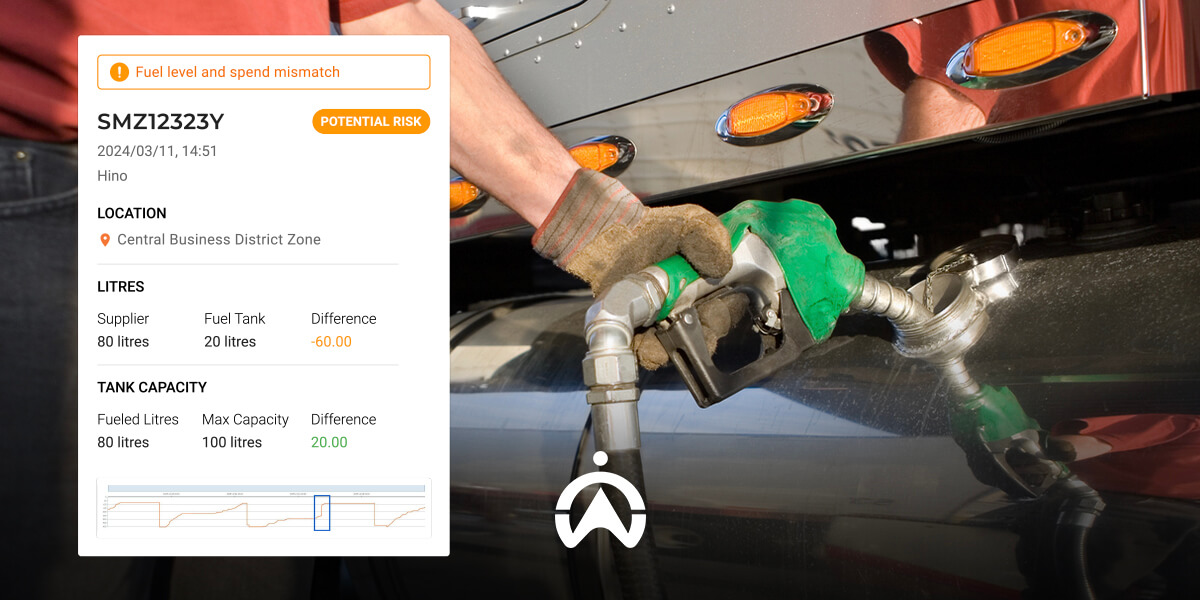
  • Easily spot fuel theft
  • Identify fuel card fraud
  • Get data reports on the fuel usage in your fleet
  • Insights into your driver’s behaviour
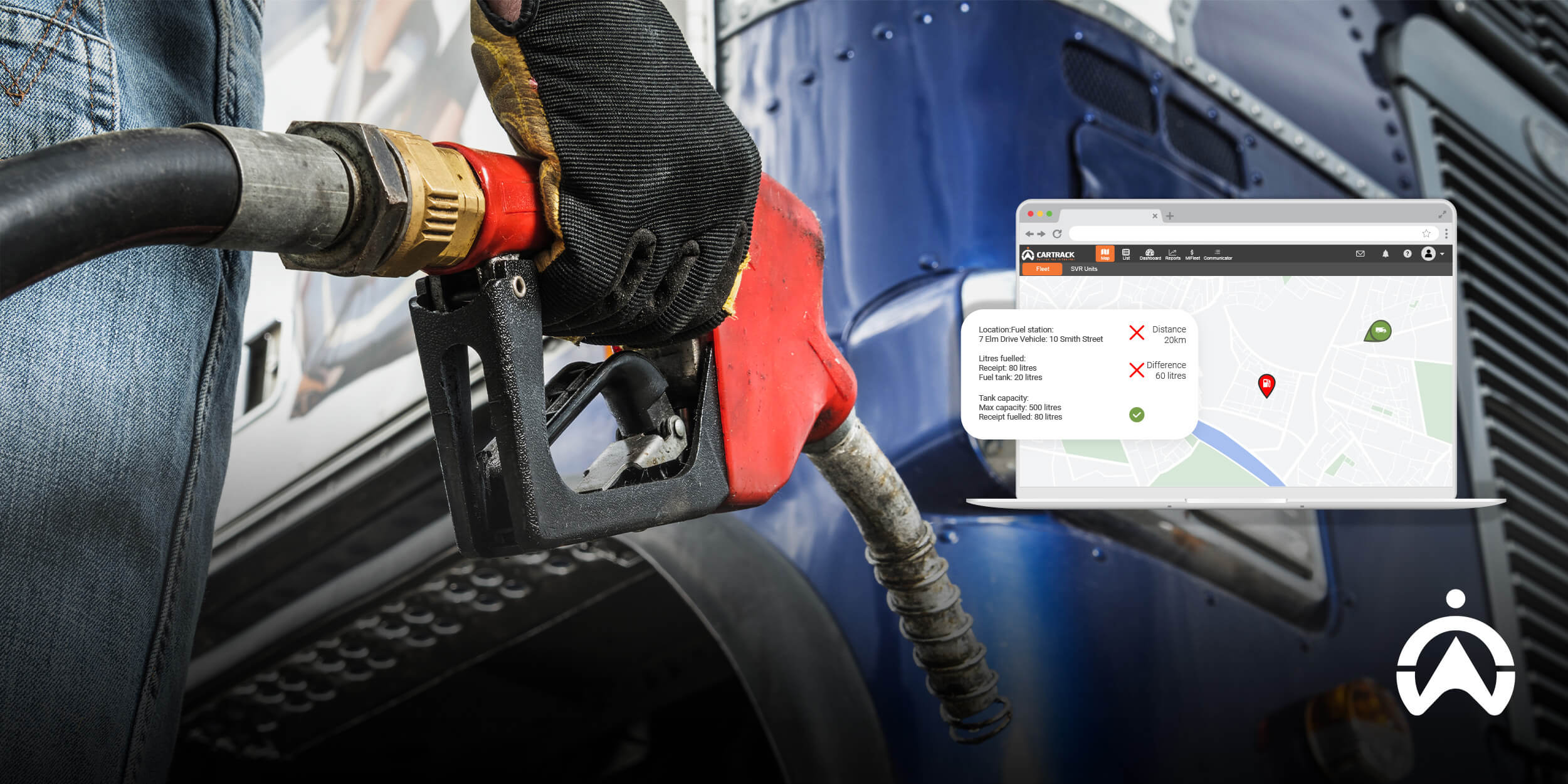
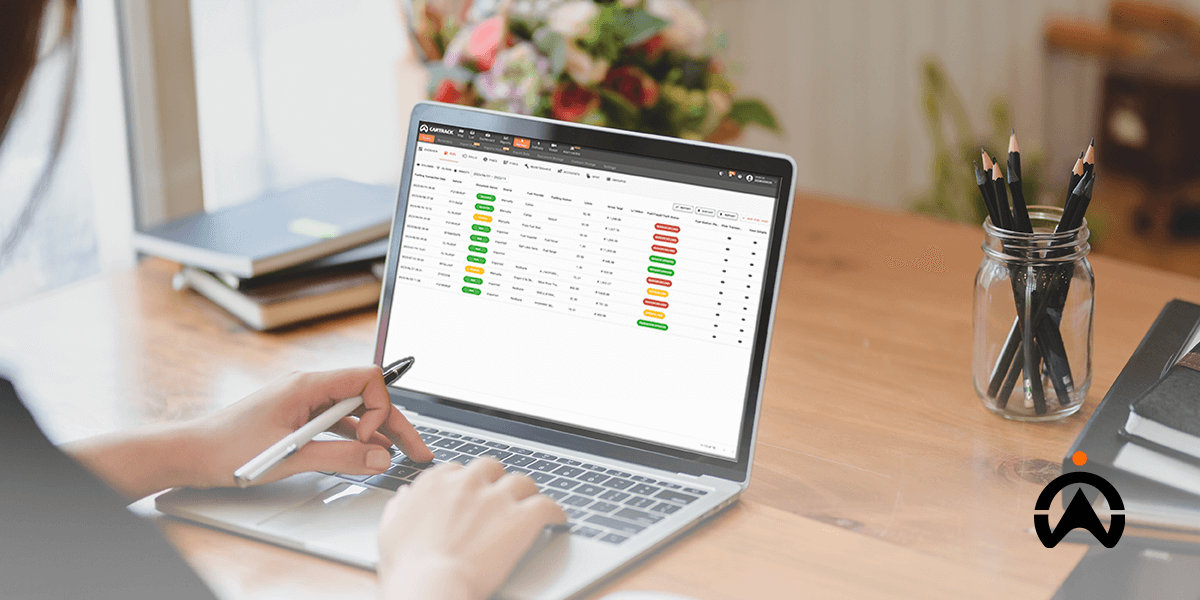
Hand holding fuel nozzle with Cartrack Fuel monitoring dashboard showing station map and fuel data, supporting strategies for fuel reduction.

How to turn data into diesel with Cartrack’s MiFleet

With Cartrack’s value-added MiFleet software, you’ll be able to turn your data into diesel. How? Well, according to studies, fleet management tools like MiFleet can reduce your fuel costs by up to 15%!  MiFleet matches fuel spend with telematics data to pick up fuel usage patterns, so you’ll be able to easily detect excessive idling and fuel fraud.

MiFleet reduces admin mistakes

Unfortunately small errors can cost your business thousands. Lost slips or manual typing errors when calculating the entire fleet’s fuel spend are common mistakes that businesses face.

MiFleet stores all of your fleet costs and important documents in one place. Your drivers can snap a pic of their fuel slip, fuel gauge and the fuel pump readings on the driver app. You can then instantly approve or flag the transaction.

This makes your life less complicated, because all fuel slips will be automatically uploaded onto your dashboard, meaning no more lost slips and no more manual data entry errors!

MiFleet helps with fuel efficiency

Remember that a poorly maintained engine is a thirsty one. MiFleet keeps track of all of your service intervals and maintenance records. How does this help? You’ll never have to guess or try to remember when last your trucks had a service and which truck needs what done.

MiFleet will keep track of the data and let you know in advance which truck is due for what. This means your trucks will always be running at peak efficiency, ultimately lowering fuel usage across your entire fleet!

‍If you’re ready to stop guessing where your gas is going, contact us today so we can take every byte of data in your fleet and turn it into extra kilometres on the road!

FAQs

Does the type or quality of fuel really impact my fleet’s consumption?

Yes, the type/quality of fuel does really impact your fleet’s consumption. Lower-quality fuel usually has water and dirt in it, which will damage your fuel injectors. This means you’ll end up forcing your engine to burn more fuel to keep up its power.

How much does “hidden” vehicle weight really cost me?

Hidden vehicle weight can reduce your fuel economy by 1% for every additional 45 kg added to the vehicle. So try not to keep any unnecessary equipment in your vehicles, and encourage your drivers to keep their trucks clean, because even the weight from dirt and debris can play a role.

Beyond driving habits, what “silent” operational factors affect my fuel bill?

Beyond driving habits, the most common “silent” operational factor that affects your fuel bill is poor weight distribution. If you unevenly load a trailer, you’ll affect the vehicle’s aerodynamics and increase the resistance on some of your tyres, meaning more fuel will be used.
What are the Key Areas of a Fuel Efficiency Management Strategy Framework?

The key areas of a fuel efficiency management strategy framework include driver monitoring, route optimisation, and fuel buying and storage. All areas directly affect not only fuel consumption, but also the expenses and overall performance of a fleet. This framework is essential to better manage fuel consumption and view each key area on one dashboard.

A recent 2025 study found that effective fleet management, i.e., telematics and data systems, can reduce fuel consumption by 5–10%. This shows that having a clear fuel efficiency management strategy isn’t just smart; it’s undoubtedly essential.

In this guide, we’ll help you understand which core areas you need to focus on to improve your business and its operational processes. We’ll also look into how Cartrack can help you achieve your improved fuel economy goals and make cost-saving decisions with more confidence.

The core areas of a fuel efficiency management framework

The core areas of a fuel efficiency management framework encompass six main points of interest that build a comprehensive picture of fuel consumption. Some of these areas include fuel tracking, vehicle health monitoring, and route optimisation (amongst others). Managing sustainable business strategies and fuel waste calls for this simple but holistic overview.

Take a look at the framework’s key pillars using an easily scannable table, setting up a deeper dive through the headings below.

Key Framework Area Core Objective Key Measures
Data Collection and Monitoring Capture accurate, real-time fuel data Fuel consumption, idling time
Driver Behaviour Management Reduce inefficient driving practices Speeding and other dangerous driving events
Vehicle Maintenance Ensure vehicles operate at peak efficiency Maintenance schedule adherence
Route and Dispatch Optimisation Cut unnecessary distance and idle time Route efficiency and smart dispatching
Fuel Procurement and Usage Streamline sourcing, tracking, and allocation Cost per litre, wastage rates
Reporting and Continuous Review Turn insights into ongoing efficiency improvements Fuel efficiency trends over time

#1. Data collection and continuous fuel monitoring

Live, accurate data regarding fuel consumption is likely the most important pillar of all six. Without the features that come together to present these insights, you’re left to play a guessing game rather than make sound business choices based on legitimate data. Beyond this, you’d no longer have to worry about manually retrieving data thanks to automated reporting.

Most modern fleet management systems, like Cartrack’s MiFleet, incorporate functions like real-time GPS tracking, fuel card integration/fleet cards, and onboard fuel-level sensors to give you a clear and comprehensive overview of fuel consumption. This gives you space to quickly make changes if you notice fuel wastage or areas that need improvement.

#2. Driver behaviour supervision and training

Driver behaviour has a profoundly strong connection to fuel consumption. A driver’s habits on the roads can directly reflect an increase in fuel consumption, especially through habits that include aggressive driving and excessive idling. With supervision and coaching, you can quickly address these behaviours.

To make it more effective, get drivers involved in setting targets and reward progress. Interactive tools like driver leader boards and peer recognition will get good habits into daily operations rather than one-off initiatives.

Driver behaviour monitoring tools, much like Cartrack’s smart insights and driver scorecards, allow you to encourage a safer, more efficient driving culture. You can give informative and evidence-based feedback to drivers while advocating for fuel-conscious driving habits.

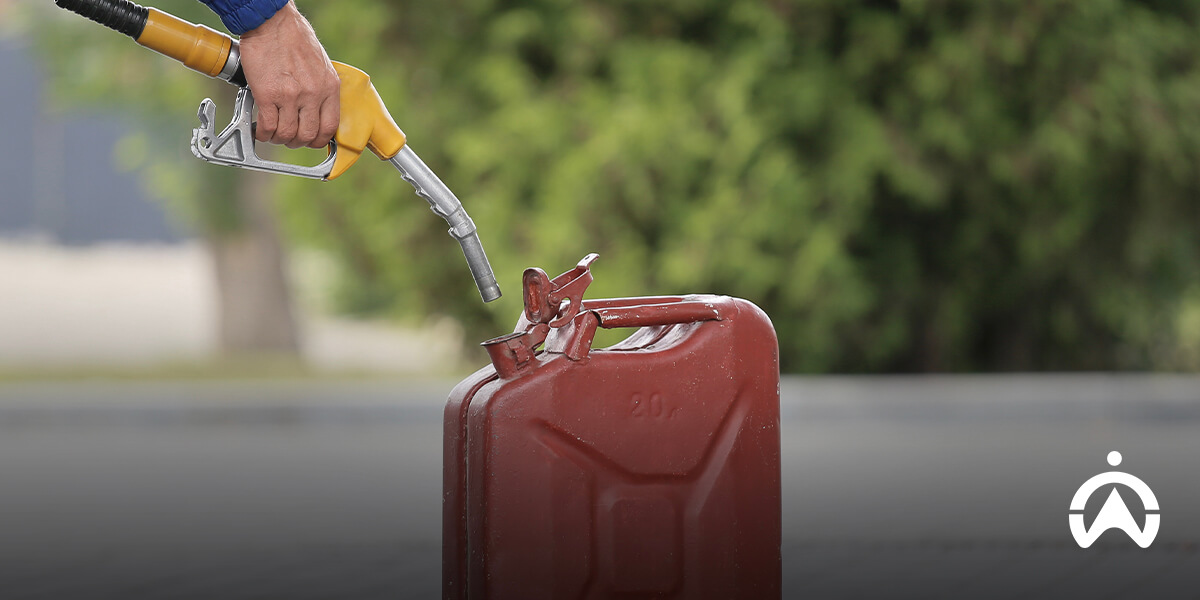
Hand holding a yellow fuel pump nozzle above a red canister demonstrating fuel efficiency management.

#3. Vehicle maintenance and health monitoring

Vehicle maintenance and health monitoring ensure that your vehicles are kept in tip-top shape. A well-maintained vehicle isn’t using extra or unnecessary fuel and is performing properly, which means fuel consumption is being kept under control. Simple routines, like regular tyre checks and pre-emptive service scheduling, can make all the difference long term.

Predictive maintenance tools, like Cartrack’s Maintenance and instant alerts, significantly reduce downtime by anticipating issues before they occur and potentially impact your fleet’s fuel efficiency. Linking maintenance KPIs (key performance indicators) with fuel performance can also help you keep an eye on ongoing errors.

#4. Route optimisation and proactive dispatching

Route optimisation and proactive dispatching are other important pillars of fuel optimisation and management, providing a tangible and evident effect on fuel use. In straightforward terms, any extra kilometre wasted is fuel wasted. Through the use of AI-assisted route planning and task delegation, your drivers can take better routes while also improving delivery times.

Smart route optimisation and trip reports, as offered by Cartrack’s FleetWeb dashboard and Reports, give you a complete overview of driver journeys. From these insights, you can evaluate route efficiency, then create targeted adjustments that improve trip performance and overall fuel efficiency.

#5. Fuel buying, storage, and consumption control

Fuel buying, storage, and consumption are other foundational pillars that are rarely discussed. Through these elements, you’re very clear on how much fuel you’re paying for and using by putting in place supplier agreements, volume tracking systems, and transparent purchase reporting.

You can spot anomalies like theft or unauthorised use by keeping a careful eye on fuel/fleet card transactions, tank levels, and refuelling events. Tank-level alerts and transaction validation tools, as offered by Cartrack’s MiFleet, assist in recognising those inconsistencies through carefully managing fuel costs, which lowers expenses and waste.

#6. Reporting and continuous improvement

Fuel efficiency management and making better business decisions are ongoing efforts. You have to constantly set new benchmarks to see where you are progress-wise, as well as spot new opportunities for the improvement of your business. A clear and comprehensive dashboard will, as mentioned, factor in things like route optimisation to help you with your goals.

Regular benchmarking against previous performance and industry standards will show you where you are. It’ll highlight where you are falling behind competitors or operational targets. Over time, data-driven evaluation will help you fine-tune your strategy so you get continuous progress, not one-off improvements.

Having custom fuel reports and a streamlined dashboard, like Cartrack’s Fleetweb dashboard and Reports, provides you with all the raw data you need, converted into easily digestible insights. These will help you see trends and areas where you can save money.

Building a culture of fuel efficiency

You can implement all the tools and resources necessary to improve fuel efficiency, but at the end of the day, a culture built around it is the best approach. Staff and teams stay engaged and motivated when open communication, responsibility, and honesty are advocated for. Better fuel efficiency management can become a business culture through implementing driver leader boards, incentives, and shared performance goals.

Leadership buy-in is also key. When management visibly supports efficiency targets, drivers will likely be more motivated. Regular meetings to review performance data, celebrate milestones and discuss ideas will create a sense of shared accountability that will keep the efficiency culture strong over time.

Businesses can cultivate a culture that celebrates growth, empowers drivers, and continuously lowers fuel costs by considering Cartrack’s tools for tracking and measuring results.

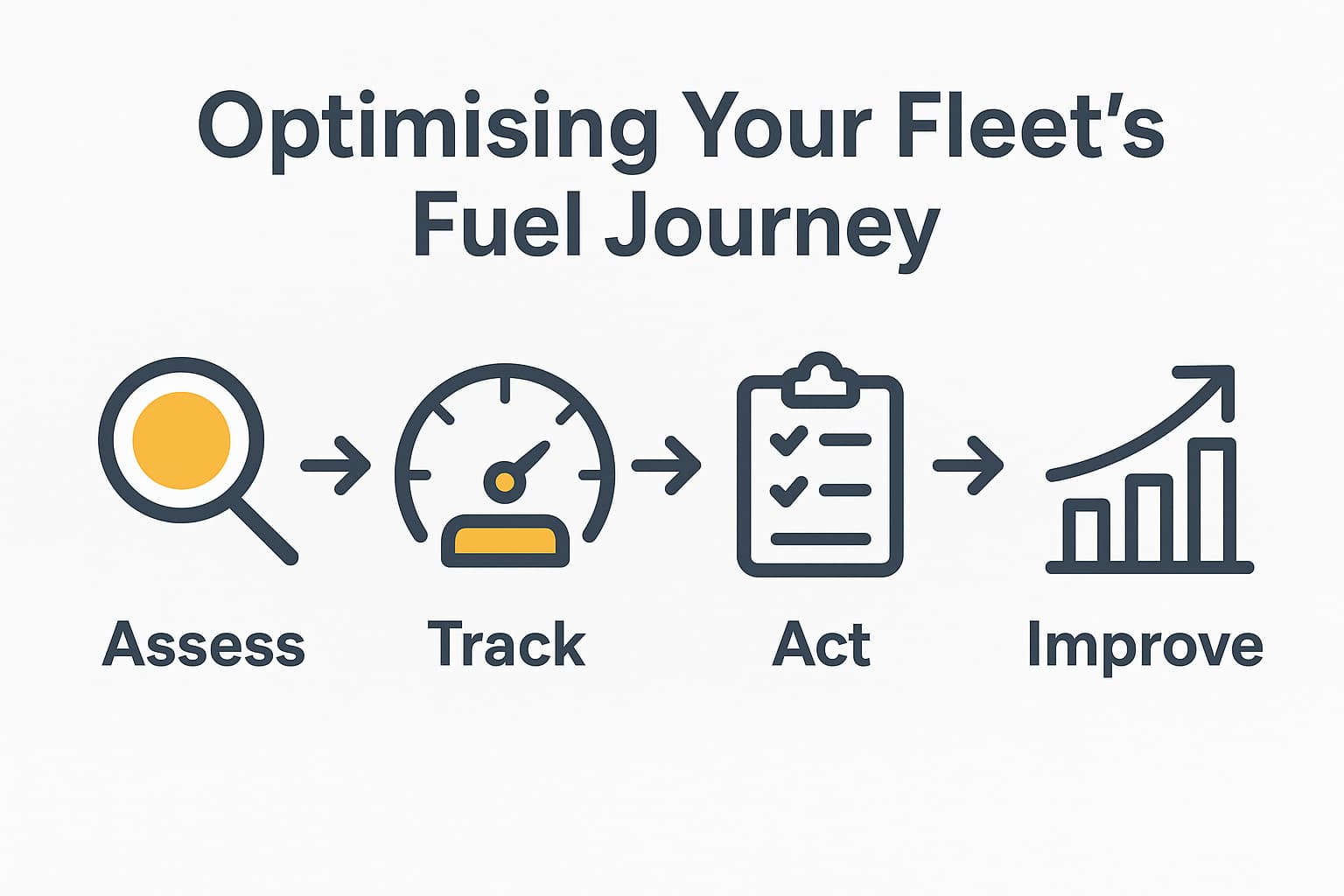
A graphic illustrating the process of optimizing a fleet's fuel journey: Assess, Track, Act, Improve, with corresponding icons.

Future of fuel efficiency management

The future of fuel efficiency management is predictive analytics and artificial intelligence. It forecasts fuel, detects waste before it happens and suggests fixes. As fleets get more connected and electric vehicles come in, data will be key to unified efficiency management.

Companies that get in early will not only save costs but also future-proof their business against changing environmental and economic regulations.

Understanding the purpose of a fuel efficiency strategy

The purpose of a fuel efficiency strategy is to ensure that your fuel use is as effectively optimised as it can be. This goes beyond just fuel expense costs, extending to the calculated management of every litre and rand that goes towards improved fleet management. Even the smallest bottlenecks can add up over time, negatively impacting profitability.

These are just some of the vulnerabilities you’ll face without a strong fuel efficiency strategy:

  • Bad routes and too much idling: These might not seem like big deals on a day-to-day basis, but they add up to fuel wastage across the fleet.
  • Unauthorised or unmonitored fuel purchases: These expenses can get lost in the cracks and add up to significant money lost over time.
  • Missing or delayed vehicle maintenance: Not doing scheduled maintenance affects engine health and vehicle efficiency, so vehicles end up burning more fuel to do the same job.
  • Dangerous or aggressive driving: Driving behaviours like hard braking, quick acceleration, or unnecessary revving increase fuel consumption. It also increases maintenance costs through wear and tear.

This is why telematics-based technology is the solution to the ultimate fuel efficiency management strategy framework. A strategy that’s backed by tangible evidence is a reliable and effective one. If you’re looking for a proactive way for your business and its fleet to benefit from cost savings and operational improvement, support from Cartrack is certainly your best bet.

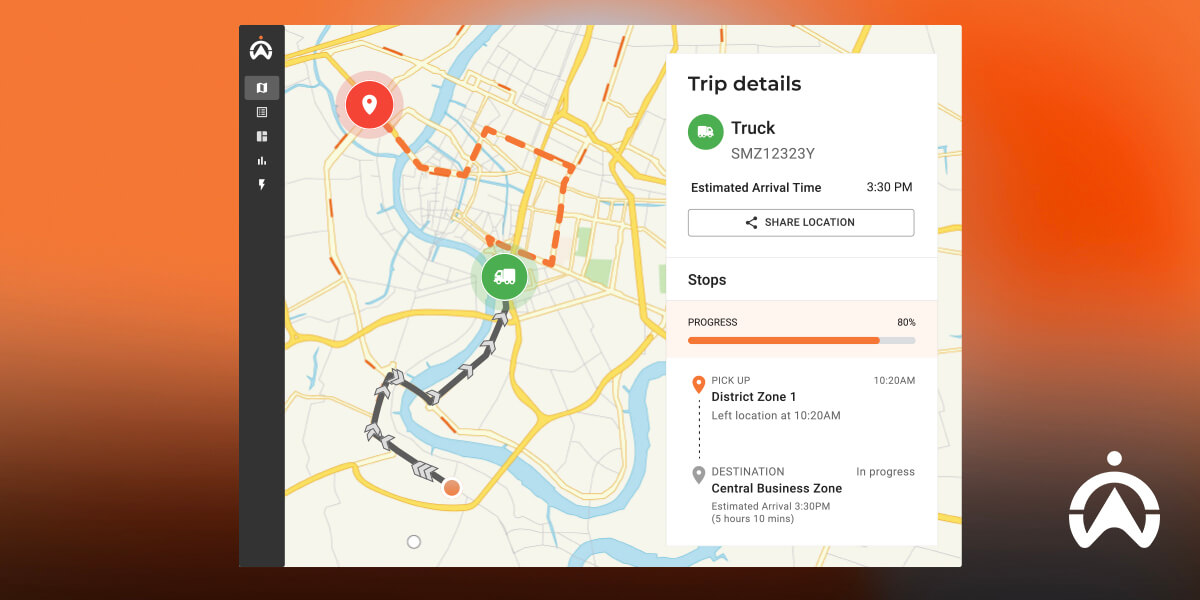
Cartrack map interface showing truck route and trip details for fuel efficiency management.

Final Takeaways

The key areas of a fuel efficiency management strategy framework encompass six major players when it comes to improved fuel control:

  1. Real-time data collection and monitoring
  2. Driver behaviour management and training
  3. Preventative vehicle maintenance and health checks
  4. Smart route and distribution optimisation
  5. Controlled fuel purchasing and usage
  6. Regular reporting and continuous improvement

When all these parts are working together, you get the total visibility and control you need to get rid of the waste. This data will make or break your strategy, and with the right tools, you’ll see exactly where you’re going wrong and fix it before it harms your bottom line.

Supercharge your fleet’s fuel efficiency today. For control and measurable savings, speak to our fleet experts and empower your fleet with Cartrack’s fuel monitoring framework.

FAQs

Can small fleets benefit from a fuel efficiency framework, or is it only for large operations?

Yes, small fleets can benefit from a fuel efficiency framework, and it’s not only for large operations. In fact, modest fleets are typically more impacted by fuel inefficiencies, as working on a smaller scale means every cent is truly felt. The smallest steps taken to measure a key area, such as route optimisation, can make all the difference.

What is the fuel efficiency formula?

The fuel efficiency formula is distance travelled ÷ fuel used. This is usually displayed as km/L (kilometres per litre) or MPG (miles per gallon). The higher the number, the better, because this means a vehicle is travelling further on the petrol. Some fleets also track L/100km and fuel cost per km.

How often should a fuel efficiency strategy be reviewed or updated?

A fuel efficiency strategy should be reviewed or updated relatively regularly, whether that’s every 3 months or annually. It depends on your KPIs and how often you think it’s necessary. Reviews are also dependent on volatile variables, including fluctuating fuel prices, driver turnovers, and potential changes in operational demands. Keep factors like these in mind when deciding on review periods.

Are there cost-effective alternatives to telematics for monitoring fuel use?

Yes, there are cost-effective alternatives to telematics for monitoring fuel, although they aren’t as effective. Alternatives include manual tracking of fuel receipts, fuel card reports of transactions and discounts, and GPS tracking (minus fuel sensors) to monitor trip distances and potential route deviations. Although these methods can work to a small degree, key details provided by telematics will be missed.

Does weather or terrain affect fleet fuel efficiency?

Yes, weather or terrain can affect fleet fuel efficiency through their pressure and stresses on the vehicle. The added strain and possible longer travel times—from harsh environments and road surfaces or travelling at safer speeds due to weather—are created from resistance. This resistance comes from aerodynamic drag or the engine being forced to work harder, leading to high fuel use.

How to Save Petrol When Driving Long Distances

Let’s face it, fuel costs are a constant headache. And those who love the open road, know that long-distance driving can easily break the bank. But the good news is that with a few simple adjustments, you can stretch your petrol further, save money, and enjoy every moment of your road trip.

This blog will share useful tips for using less fuel during long drives while keeping your driving experience stress-free.

We’ll also highlight how Cartrack’s smart features can make saving petrol even easier.

Ready? Let’s hit the road, efficiently!

In this article, you will:

  • Be able to identify the factors that affect fuel usage on long trips
  • Learn simple ways to use less fuel
  • Know how Cartrack’s products can help you drive smarter and save money

How to Save Fuel on Long Trips

Going on long trips, whether for family fun, work, or a short break, can be exciting but usually uses a lot of fuel. The good thing is that by making some simple changes to how you drive, you can save a lot on fuel. Here’s how:
‍

Drive at an Optimal Speed

Have you ever noticed how your fuel gauge seems to hold steady when you’re cruising along the highway at a smooth pace? That’s because every car has an “optimal speed” for fuel efficiency. Typically, the ideal driving speed lies between 90 km/h and 110 km/h.

Driving too fast makes your engine guzzle fuel like it’s in a race, while going too slow forces it to work overtime just to keep moving. Finding the right balance not only saves fuel but also makes your drive smoother and more enjoyable.

Check Your Tyre Pressure

When was the last time you checked your tyre pressure? Under-inflated tyres are sneaky culprits behind increased fuel consumption. They create more resistance, forcing your engine to work overtime just to keep your car rolling.

Before any long trip, take a few minutes to check and adjust your tyre pressure to the manufacturer’s recommended levels. It’s a quick win that makes your car safer, your ride smoother, and your fuel last longer.

Lighten Your Load

We’ve all done it, packing for a trip and adding extra things “just in case.” But every extra kilogram in your car makes the engine work harder and use more fuel. The heavier your car, the harder your engine has to work to keep it moving. Clearing out unnecessary items, like extra luggage or unused gear, can make a big difference. A lighter car not only uses less fuel but also reduces wear and tear, helping it last longer.

Practice Smooth Driving

Your driving habits have a bigger impact on fuel consumption than you might think. Sudden acceleration, hard braking, and excessive idling all burn through fuel unnecessarily. Instead, aim for a smooth and steady rhythm—gradual acceleration, gentle braking, and maintaining a consistent speed. Not only does this save fuel, but it also makes your drive more relaxed and enjoyable.

Keep Your Car in Good Shape

A car that’s taken care of works better. If you don’t do important things like changing a dirty air filter, using clean engine oil, or fixing old parts, it can hurt your car’s fuel use. Small problems can grow over time, making your car less efficient and using more fuel. Do regular checks and fix small issues to keep your car running well. This can save money on fuel and avoid big repairs.

Person sitting in car trunk with two suitcases near the ocean.

Why Smarter Fuel Use Matters

In addition to reducing expenses, using less fuel offers several other significant benefits that positively impact both individuals and the environment.

  • Better for the Environment
    Using less fuel is an easy way to help protect the Earth. When we use less fuel, we release fewer gases that can pollute the air and that helps slow down climate change. No matter if you’re going to work or on a long trip, saving even a little fuel helps make the air cleaner and the environment better.
    ‍
  • Better Habits for Longer Car Life
    Driving in a way that uses less fuel
     also helps your car stay in good condition. Starting smoothly, braking gently, and driving at steady speeds make the engine and other parts of your vehicle work less hard. This lowers the chance of mechanical damage, so your car may last longer and need fewer expensive repairs. Over time, this can mean fewer visits to the car repair specialist and a vehicle that works well for many more years.
    ‍
  • Better Money Management
    Fuel costs are a big part of most family or business budgets. By using less fuel, you can save money for important things such as having an emergency fund, growing your business, or just treating yourself. Cutting back on fuel costs makes managing your money easier and helps you stay in control of your budget.

How Cartrack Makes Saving Petrol Easy

Now that you know some ways to save fuel, let’s see how Cartrack can help you do even better. With special features tailor made to improve your driving, Cartrack can help you save money, time, and fuel.

  1. Live GPS Vehicle Tracking
    Imagine being able to see exactly where your car is. Cartrack’s GPS system does exactly just that. It helps you avoid traffic, roadwork areas, and extra turns, so you save fuel and reach your destination faster.
    ‍
  1. Automated Maintenance Alerts
    Never miss an oil change or tyre rotation again. Cartrack sends you timely reminders about maintenance tasks, ensuring your vehicle runs at peak efficiency. A well-maintained car is a fuel-efficient car, after all.
    ‍
  1. Driver Behaviour Insights
    Do you drive too fast or brake suddenly? Cartrack’s solutions allows you to see how you can drive better. By changing your habits, you’ll use less fuel, cause less damage to your car, and become a safer driver.
    ‍
  1. Route Optimisation
    Are you taking the most fuel-efficient routes? The Cartrack App helps you find the quickest and most cost-effective routes to your destination. By avoiding traffic and unnecessary detours, you’ll save fuel, reduce travel time, and cut down on wear and tear on your vehicle.
View of a road through rolling countryside from a car's interior.

Now that you’ve got some simple tips for saving fuel, you can hit the road knowing you’re driving smarter. With Cartrack’s tools keeping you on track, you’ll save money and make the most of every trip.

So, Why not let Cartrack help you save on fuel? Contact us today to find out more.

Safe travels, and remember: a few easy changes can go a long way!

Frequently Asked Questions on How to Save Petrol

Q: Can using cruise control save fuel?

A: Yes, especially on highways, as it helps maintain a steady speed and reduces unnecessary acceleration and braking.

Q: How can Cartrack’s tools improve fuel management?

A: Cartrack offers real-time information about fuel consumption, the best routes, and how drivers behave, helping you make smart choices to use less fuel.

Q: Should you drive with the windows open or use the air conditioner?

A: At lower speeds, open windows are more efficient. At higher speeds, use air conditioning to reduce drag.

Q: How do you fix high fuel consumption?

A: There are several ways that you can “fix” your fleet’s high fuel consumption, here are a few:

  • Don’t speed
  • Take your vehicle for regular maintenance checks
  • Make use of fuel additives
  • Keep an eye on your RPMs
  • If you’re driving a modern vehicle – utilise the cruise control function

Q: Why is my car using so much fuel?

A: There isn’t just one answer, some causes may be:

  • Aggressive driving behaviour – harsh acceleration and braking
  • Excessive idling
  • Regularly being stuck in traffic or stop-and-go
  • ‍‍Not having the correct oil and filters
  • Your clutch might be worn

Q: What are the possible causes of high fuel consumption?

A: High fuel consumption can have different origins, such as:

  • Aggressive driving
  • Driving in the wrong gear
  • Idling too often and for too long
  • Not changing your oil regularly
  • Using your air conditioning too often

Q: Can injectors cause high fuel consumption?

A: Yes, injectors can cause high fuel consumption. If your injectors are dirty or worn out, they can burn fuel at a faster pace, which increases fuel consumption.

Tyre Pressure and Tread: The Big Impact It Has On Your Fuel Economy

Whether it’s your fleet or personal vehicle, tyre pressure and tread play a silent but massive role in fuel economy, which is directly linked to fuel consumption and, as a result, fuel costs. 

Tyre pressure is often overlooked—that is, until you are lost and stuck in the middle of nowhere, wondering why your fleet or car used a ridiculous amount of fuel over a relatively short distance, not realising that it may have something to do with your tyre pressure, your tread, or both.

In this article, you will:

  • Explore the definitions of fuel economy, tyre pressure and tread
  • Discover why South Africans should be concerned about fuel economy
  • Understand the effects of overinflated and underinflated tyres on fuel economy
  • Find out the impact of tyre tread and pressure on fuel economy
  • Learn how to skyrocket your fuel economy with Cartrack’s innovative solutions

Navigating fuel economy, tyre pressure and tread

According to Forbes, tyre tread contributes to almost a third of a vehicle’s fuel economy.

Learn to save on fuel costs by educating yourself on fuel economy, tyre pressure, and tread below:

Navigating fuel economy

  • Defining fuel economy: Fuel economy is the distance a vehicle can reach while running on a fixed amount of fuel. You calculate it by dividing the distance you travelled in kilometres by the number of litres in the vehicle. In other words, kilometres per litre (km/l). Many descriptions of this concept rely on the USA’s metric, which translates to mpg or miles per gallon.
    ‍
  • Exploring the calculation: The calculation can become more complex. The distance your vehicle or fleet may be able to travel can be influenced by a lot of factors, including:
    • Car size
      ‍
    • Style of driving
      ‍
    • Cruise control usage
      ‍
    • Cargo weight
      ‍
    • Terrain

The difference between fuel economy and fuel efficiency

It is essential to define fuel efficiency, as many assume fuel efficiency and fuel economy are the same thing.

Fuel economy is specific to distance, and while fuel efficiency is calculated the same way, this concept is simply used to describe how to use fuel, in general, to ensure that as little as possible is used.

Lori Baker’s article for MIT School Of Engineering, “What’s the difference between fuel efficiency and fuel economy” clarifies this difference by explaining that fuel economy means miles per gallon.  On the other hand, fuel efficiency is instead used to describe how efficiently fuel is used.

Navigating tyre pressure and tread

  • Defining tyre pressure: Tyre pressure is the volume of air pumped into a tyre. It helps stabilise vehicles by ensuring that each tyre has the correct pressure.
    ‍
  • Defining tyre tread: Tyre treads are the grooves or patterns on tyre exteriors. These treads are designed to ensure vehicles have a solid grip on the road’s surface.

Why everyday South Africans and businesses should pay attention to fuel economy

Petrol prices have caused everyday South Africans and businesses’ fleet management departments to reach much too deep into their pockets, calling for innovative ways to handle fuel consumption. Riding off the Volvo numbers above, it is clear that improving fuel economy is an effective way to reduce fuel costs, whether you are a fleet manager or an everyday car owner.

Find out more about the cost benefits and other advantages of improving your fuel economy below:

Cost benefits expanded

  • Fuel costs: As mentioned, improving your fuel economy will reduce fuel costs, as less fuel will be used over certain distances. This also means you can budget to drive longer distances with the same amount of fuel you were using before you improved your fuel economy.
    ‍
  • Maintenance costs: If you travel the same distance with less fuel, there will likely be less wear and tear. This wearing away prevents engine maintenance and the associated costs, as well as unnecessary downtime.
    ‍
  • Geographical expansion: Regarding business, if fleet managers choose to use the extra fuel that would have been used at a previously outlined distance, fleet delivery could be geographically expanded to reach a broader customer base. This expansion means fleet managers can obtain more clients and sell more products, improving business expansion overall.
    ‍
  • Net profit and disposable income: Fleet controllers can also simply increase their net profit, and individuals could use the extra money to pay for basic resources or generate disposable income.

Making and saving money while saving the environment

Less fuel consumption means less smoke will be released from the exhaust—this smoke contains harmful gases that negatively impact the environment, such as carbon dioxide, nitrogen oxide and carbon monoxide.

Beyond the positive environmental impact, this can lead to good standing with current or new customers, partners, or other businesses.

Increasing fleet productivity

Using less fuel over a certain distance allows fleet drivers to stop less often to refuel. Fewer stops save time, make deliveries more efficient and improve fleet productivity.

Tyre pressure and tread and its impact on fuel economy

Tyre pressure impacts many parts of your driving experience, from smooth rides to flat tyres. It impacts the safety of the driver and all the passengers or goods in the vehicle. Overall, vehicle performance worsens if tyres are overinflated or underinflated, and high fuel economy is just one of the negative consequences.

Increased Fuel Use

Increased fuel consumption means that a vehicle will travel less distance than it could have if there had been less fuel consumption, directly influencing fuel economy. Both overinflated and underinflated tyres can lead to a climb in fuel consumption.

Underinflated tyres

  •  Expanding the tyre’s contact with the road increases rolling resistance, boosting fuel consumption as the engine works harder. According to Forbes, “Rolling resistance accounts for around 9% of a truck’s fuel consumption.”
    ‍
  •  Impact on fleet management: Three researchers applied this fact to fleets in a 2019 journal article that investigated the influence of tyre pressure on fuel consumption in trucks.  According to their research, tyre pressure is a core factor affecting vehicle efficiency, rolling resistance and fuel consumption.
    ‍
  • Tyre bending: Lower tyre pressure will also increase rolling resistance, leading to tyre bending.

Overinflated tyres 

There is a misconception that overinflated tyres can improve fuel economy. While this can be true to a slight extent, the more overinflated the tyre and the longer the overinflation continues, the more opposing results can occur. The relationship between overinflated tyres and fuel consumption is more complex.

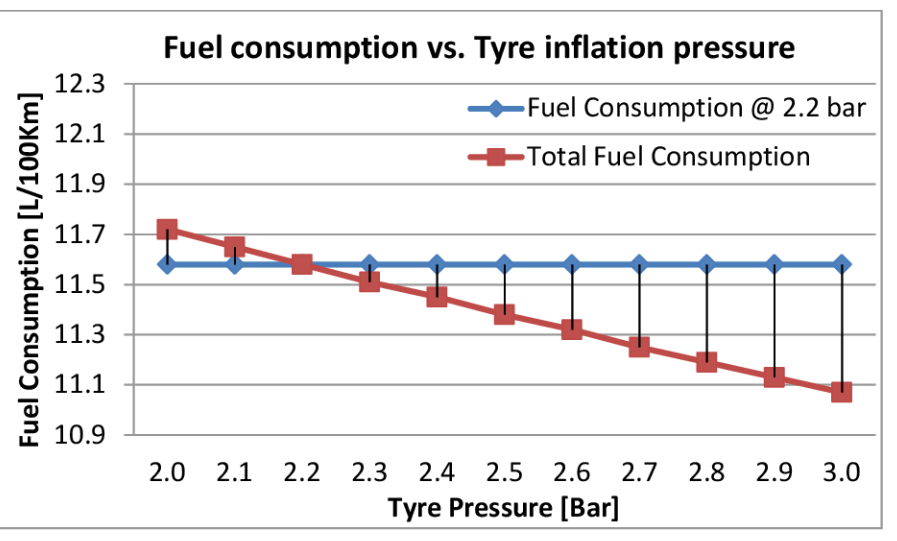
The graph below shows the assumption that fuel consumption falls with more inflation. As the tyre inflates to 3.0 bars of tyre pressure (represented by the red line), fuel consumption decreases to 10.9 at 1/100 or 1 litre per kilometre (represented by the blue line). These numbers are all accurate, but there is more to it.


While tyre overinflation may not be directly related to elevated fuel consumption, it causes wear and tear over time, which increases rolling resistance. This results in a rise in fuel consumption, bringing about a swell in fuel economy.

Tyre tread and its impact on fuel economy

Tyre tread and patterns also affect fuel economy, sometimes overlapping with tyre pressure. For example, when overinflated tyres wear and tear, the tyre tread wears out, especially in the centre, and so, once again, rolling resistance climbs.

Discover more about tyre tread, patterns and their relation to fuel economy:

  • Increased tyre grip: The greater the tread depth, the more grip the vehicle has, leading to better fuel economy and vice versa. This fuel economy boost is because the car won’t need as much fuel for movement.
    ‍
  • Deforming tyres: Tread patterns, which help vehicle traction, significantly influence fuel consumption, either negatively or positively, based on the vehicle type and context of where and what condition the vehicle or fleet is driving in. Some of these examples include:
    • ‍Rib patterns: Rib patterns are overwhelmingly recommended because they have lower resistance and are parallel to the tyres on the road.
      ‍
    • ‍Standard energy tyres: Standard energy tyres are not recommended for low fuel economy in private vehicles, as their patterns are not designed to improve fuel efficiency but create more rolling resistance. However, these tyres are still used in most vehicles. According to a Tyre World Medium article, they are manufactured for the general population to provide durability and comfort.
      ‍
    •  Aggressive tread patterns: It is not recommended to employ aggressive tread patterns on highways, as they can heighten rolling resistance. These tread patterns are constructed for off-road use.

Skyrocket your fuel economy with Cartrack’s innovative solutions

Cartrack’s innovative solutions will help you prevent and detect a possible increase in fuel economy. Explore more below:

  • Automated Preventative Maintenance: With our automated preventative maintenance solution, fleet managers can easily track any maintenance needs and tend to them before they become a more significant, more expensive, and time-consuming issue, with more in-depth fixes and longer downtime. These solutions include real-time alerts so you can know precisely when it’s time to put more air in or replace tyres, making sure that there is no delay in ensuring that your fuel economy is at a healthy level.
    ‍
  • Fuel Monitoring: Cartrack’s fuel consumption monitoring can help you track your fleet’s fuel usage and note any spikes in usage. While this does not necessarily mean that the tyres are the issue, it can point to other problems affecting your fuel economy, including your tyres, and so can help you address them ahead of time.
    ‍
  • Driver behaviour: Using our driver behaviour solutions, such as driver scorecards and driver behaviour reports, fleet managers can monitor whether drivers engage in behaviours that potentially damage their tyres.
    ‍
  • Driver scorecards: Driver scorecards allow you to observe your drivers for harsh behaviours and reward them with high ratings if they behave well. Some of these harsh behaviours, such as speeding or harsh acceleration, can damage tyres. In other words, incentivising drivers to drive safely, whether through high ratings or motivating them through other means, such as bonuses or raises, can help you avoid damaging your fleet’s tyres and negatively impacting your fuel economy.
    ‍
  • Driver behaviour reports: Driver behaviour reports provide in-depth insight into your driver’s habits, such as keeping track of all harsh behaviours for every driver over time. Once again, this can help you spot behaviours damaging your fleets’ tyres. You can also request instant trip reports to help combat harsh behaviours in real time.
    ‍
  • Car tyre deals: If you are not running a fleet and are looking to improve your fuel economy as a personal-use driver, Cartrack experts can negotiate car tyre deals for you, ensuring you get prime tyres for fuel economy. 

Answering your all-consuming fuel economy questions (FAQs)

Q: How do tyres reduce fuel consumption? 

A: As mentioned, tread patterns can reduce fuel consumption depending on various factors, such as tyre pressure, whether the pressure is set correctly, and whether it is over- or underinflated.

In addition, wheel alignment, size, and weight can reduce fuel consumption, among many other factors.

Wheel alignment can reduce or increase fuel consumption depending on whether they’re misaligned. Misaligned wheels drag, so they use more fuel, requiring the engine to work harder.

Adequately aligned wheels, however, have the opposite effect. There won’t be as much drag, the engine will be less stressed, and fuel consumption will be lower.

Tyre weight affects rolling resistance in that the lighter the tyre, the less rolling resistance there is, and vice versa, decreasing and increasing fuel consumption subsequently.

Q: What is the best tyre pressure?

A: Tyre pressure is measured in bars or PSI (pounds per square inch). While every vehicle has required tyre pressure, the generally recommended and accepted pressure measurement is between 28 and 36 PSI, which converts to approximately 1.9 to 2.5 bars.

Q: How can I choose the right tyres for better fuel economy?

A: Investing in energy-efficient tyres, also known as “eco-tyres” or “green tyres,” is one great way to choose the right tyres for better fuel economy. These tyres are low-resistant. While they may be high-priced, the costs you will save in the long run will outweigh the initial expenses.

Q: How can I improve my fuel economy?

A: There are many ways you can improve fuel economy, including ensuring that your tyre pressure is at the correct PSI or bar and getting them pumped when necessary is one way to do so. Another is looking after and choosing the right tyres and ensuring your wheel alignment is in order.

Regular maintenance and no speeding, rapid acceleration, or coasting are also recommended. Try to maintain a consistent speed or move into cruise control when suitable. Remove any extra weight or unnecessary cargo from your vehicle or fleet.

Get a grip on your fleet by investing in Cartrack’s fleet management solutions

At Cartrack Malawi, we aim to simplify and automate your fleet management experience with various solutions such as real-time tracking, increasing delivery efficiency and route optimisation.

Contact us today to increase your fleet’s grip on the road and your profits.

What Is Fuel Efficiency? Everything to Know

Nothing makes a fleet manager more proud than a fuel-efficient fleet. However, as rewarding as fuel efficiency is for fleets, many don’t know the first step to achieving it.

This blog explores the importance of fuel efficiency and the recommended steps to take to reach it. Let’s start our engine and begin exploring.

In this article, you will:

  • Learn the factors that influence fleet fuel economy
  • Discover the tools to calculate the fuel efficiency of your vehicles
  • Uncover essential tips for improving fuel usage
  • Explore Cartrack fleet management solutions tailored for optimal fuel performance
  • Get the answers to your frequently asked questions regarding fuel efficiency

Sustainability on the horizon

Fuel efficiency is a crucial aspect of managing any fleet but due to the fluctuating fuel prices recently, achieving such a goal has proven challenging for many fleet owners.

Malawi is trying to turn the tide by setting their sights on a more sustainable fuel economy. Focusing on improving their vehicle’s fuel economy will not only improve the business’s fleet fuel usage and improve fleet operations for business but also positively affect the surrounding environment and economy, which sounds like a win-win for everyone.

Malawi has expressed interest in creating a more sustainable economy, and vehicles are a good place to start.

Everything you need to know about fuel efficiency

A thriving fleet requires effective fleet management, driver training programs, vehicle selection, and fleet management technology to ensure safety, compliance, and fuel efficiency.

What good is having a well-maintained fleet of various types of vehicles if none of them can use fuel efficiently? On the sustainability journey, the next logical step is to look towards vehicles on the roads and public transport operations, bringing a lens to vehicle fuel efficiency.

Fuel efficiency is measuring how far a vehicle can travel with one litre. Most would assume a litre of fuel can take you far, but not all vehicles will use a litre of fuel the same way. The more miles your vehicle can travel with that one litre, the greater fuel efficiency your vehicle has.

To improve your fleet’s fuel efficiency, you must overcome the many factors that affect vehicle efficiency.

Factors that affect your fuel efficiency

  1. Vehicle size and carrying weight
    ‍
  2. Fuel quality
    ‍
  3. Under-inflated tyres
    ‍
  4. Road conditions and traffic
  5. Driver behaviour
  6. Poor maintenance habits

All of these play a part in the bigger picture. Understanding these is crucial for optimising your fleet’s fuel consumption and reducing costs.


Is my fleet fuel efficient?

After all this information, I’m sure you want to know if your fleet meets the fuel efficiency standard. One way to find out is to follow a few steps that assess your fleet’s vehicle performance, fuel consumption rate, and operational efficiency.

Step 1 Gather data
Your fleet’s fuel consumption rate is a clear indication of whether your fleet knows how to efficiently use fuel or not. Getting this rate can be done manually by looking through fuel receipts or tracking the total distance each vehicle travels. For a faster approach, fleet management software like Cartrack can automatically calculate this for you.

Step 2 Calculate your fuel economy

Once you have the information from step one, you can use it to calculate your fleet’s average fuel consumption per 100 km. All you have to do is divide the amount of fuel used in litres by the distance travelled and multiply by 100.

Step 3 Compare findings

Use the answer from your calculations to compare to industry standards or vehicle manufacturer insights on similar vehicle types.

This might seem like a long process but think of it this way, Calculating your fleet’s fuel consumption can bring light to your fleet efficiency levels and identify areas for improvement. Using this information to improve your fuel economy will result in lower fuel costs and less money spent at the petrol station.

Essential tips for achieving fuel efficiency

The way a vehicle is driven can go a long way in affecting how well its fuel efficiency is. Making small changes such as decreasing the amount of times you idle or abruptly accelerate can save you thousands per year, especially when this is practised across a whole fleet.

Here are other tips that can benefit not only your vehicle but also your wallet in the long run.

Purchase fuel-efficient vehicles 

This option is not always available for all businesses but opting for more fuel-efficient vehicles such as electric or hybrid vehicles is a sure way of having a fuel-efficient fleet.

Actively track fuel consumption

After filling up the tank, how long can your vehicle go without refilling again? The steps listed above can help calculate your fuel efficiency and give you insights into improving fuel consumption.

Eliminate unnecessary weight

Be mindful of how you load your fleet as heavier vehicles use more fuel. Allocate the right vehicle to transport heavier material and don’t just cramp your vehicles with unnecessary weight that they can’t carry.

Stop excessive idling

If your vehicle is stagnant for a long period of time, it’s better to switch off the engine than to stay idle. Turn off your engine if you’ve stopped for longer than 30 seconds. Believe it or not, 300 millilitres, or around 1 cup of fuel, can be wasted by idling every 10 minutes.

Improve driver behaviour

Every hatch corner you take or sudden braking highly influences your fuel use. For this reason, many businesses have driver coaching available to ensure their drivers improve their driving skills so they can save on fuel and save costs on vehicle wear and tear.

Fleet management tools for fuel management

Partner with fleet management software like Cartrack that offers GPS vehicle tracking and telematics for vehicle diagnostic information, vehicle usage data, preventative maintenance, driver behaviour along with alerts for risky behaviour and real-time data on how fuel usage with fuel monitoring solutions.

The quicker you start implementing these tips, the faster your fleet and save on fuel and steadily move towards a healthier, more fuel-efficient fleet. The price for not following through can sometimes be greater than the impact on your budget.

The price for inefficient fuel use

  1. Higher fuel costs
    ‍
  2. Negative environmental impact
    ‍
  3. Increased wear and tear
    ‍
  4. Operational inefficiencies
    ‍
  5. Creates emissions

Cartrack Malawi fleet management solutions for improved fuel economy

Fortunately for Malawian businesses, they don’t have to tackle fuel efficiency alone.

Fleet management software along with companies that offer a variety of fleet management solutions such as Cartrack, is available to assist in improving fuel economy by streamlining every aspect of vehicle management such as vehicle maintenance, vehicle allocation and usage and driver behaviour, which can all contribute to how well your fleet uses the expensive resources.

Let Cartrack be the middleman between your business and achieving peak fuel efficiency. Cartrack has a fully-stacked feature list that is all ready to improve your fleet.

Here’s how Cartrack’s trusted solutions can help your fleet reach fuel efficiency potential:

  • Fuel monitoring for real-time fuel insights
    ‍
  • Driver coaching via Driver scorecards and reports
    ‍
  • Preventative vehicle maintenance notifications
    ‍
  • Fuel usage reports
    ‍
  • Route optimisation for fuel-efficient routes
    ‍
  • Cartrack’s MiFleet to keep track of fleet fuel costs
    ‍
  • Electric vehicle integration

Go electric: Invest in a greener fleet

Electric vehicles (EVs) have taken the world by storm ever since they were introduced and Malawi is steadily opening up to the idea.

These vehicles aren’t affected by the rising fuel costs that are causing many motorists to reevaluate their fuel budgets, and they aren’t affected by the wear and tear caused by fuel usage. Since no natural resource is used to power these vehicles, they create zero emissions and offer impressive fuel efficiency to boot.

They sound perfect, right? Well not quite, as amazing as they seem to be, they aren’t very practical because of the lack of constant power due to load-shedding.

Despite this, there is still a great deal of interest in these vehicles in many countries, with some businesses opting to operate fully electric fleets.

If your business isn’t quite ready to go fully electric, there’s always hybrid cars ready and waiting.

These are a combination of a traditional combustion engine and an electric motor. These two technologies come together to offer the best of both worlds with fuel efficiency from the electric motor and peak vehicle performance from the combustion engine. If your fleet usually travels around urban areas and your fleet has mostly sedan or hatchback vehicles, then this option could be perfect for you as they are well-equipped for inner-city driving.

Improve fuel usage and slash fuel costs with Cartrack Malawi

Cartrack Malawi is your one-stop shop for fuel efficiency. Put our advanced solutions to the test and start enjoying the benefits of managing a fully efficient fleet.

Contact Cartrack Malawi today.

Frequently asked fuel-related questions

Do you still have one too many questions floating around your head regarding fuel efficiency and what you have to do to achieve it? Read on to get the information to some popular questions on fuel efficiency.

How to understand fuel efficiency?

To understand your fleet fuel efficiency, you have to evaluate your vehicle’s ability to use fuel to boost its performance. Calculate the distance your vehicles can drive on 1 litre of fuel. This will show you how fuel-efficient your vehicles are. The number you see is determined according to other factors that affect how your vehicle uses fuel such as the vehicle’s weight, maintenance of the vehicle, the type of engine it uses and more.

What is the concept of fuel efficiency?

The concept of fuel efficiency stems from motorists and managers needing to show the limits of their vehicles when it comes to fuel usage. Seeing what 1 litre of fuel can do for their vehicles, how much power can be used from it and what is needed to achieve minimal fuel consumption are all important information to have. This insight would influence the type of fuel you give to your vehicle, its maintenance schedule and the overall health of your vehicle.

How many litres per 100km is good?

If your vehicle is healthy, then lower litres per 100 km indicates good fuel efficiency. But there are other factors such as vehicle type, vehicle weight and size and driving condition that can change the fuel consumption rate.

What determines the efficiency of a fuel?

There’s a list of factors to consider that influence how fuel-efficient your vehicle is including:

  • Vehicle engine
    ‍
  • Vehicle type
    ‍
  • Driving habits
    ‍
  • Driving terrain
    ‍
  • Fuel quality used
    ‍

And more, if each of these factors are managed with a car then your vehicle is capable of reaching maximum fuel efficiency standards.

Does cruise control save fuel?

This is a common myth that has been passed on from driver to driver over the years. Although it doesn’t directly influence fuel efficiency, cruise control does allow the vehicle to drive at a constant speed, which can improve fuel efficiency because of the steady, non-harmful driving behaviour as there would be no harsh acceleration, idling or deceleration.

For further insights into fuel efficiency and fleet management solutions, be sure to check out our blog on Fuel Efficiency: Know How to Save Your Fleet a Fortune.

Fuel Efficiency: Know How to Save Your Fleet a Fortune

Struggling with endless kilometres gobbling up your fuel allowance, rising fuel costs, and a tightening budget?

Might be time for fuel-efficient practices.

Let’s explore simple strategies and powerful tools to transform your fleet into a lean, mean fuel-saving machine.

In this article, you will:

  • Learn what fleet fuel efficiency is and why it’s crucial for cost savings
  • Get practical insights for making your fleet more fuel-efficient
  • Explore the role of fleet management software in optimising fuel usage
  • Discover Cartrack’s fleet management solutions to improve fuel efficiency
  • Test your fuel-saving knowledge with our enlightening quiz

Imagine saving a ton of money without needing a magic petrol station that offers bottomless, free fuel.

Interested?

Well, the truth is, saving your fleet a fortune has less to do with where you buy your fuel, and more to do with how efficiently you use it.

Let’s start with the basics: What exactly is fleet fuel efficiency, and why should you care?

What is fleet fuel efficiency?

Fleet fuel efficiency means how well your vehicles use fuel while doing their jobs. It’s about empowering your drivers, trucks, vans, and machines to use just the right amount of fuel to deliver your goods, complete their routes, and keep your business running smoothly without wasting any fuel or hurting the environment.

Will fuel efficiency save you money?

In short, yes. Fuel efficiency affects fleet costs, and often in a very significant way.

Fuel can be the single largest operating cost for many fleets, according to the National Highway Traffic Safety Administration (NHTSA), sometimes accounting for around 60% of the total budget. That’s why even small improvements in fuel efficiency can lead to huge cost savings.

Fuel-efficient vehicles simply consume less fuel, leading to substantial and potentially life-saving cost reductions, especially with unpredictable fuel prices.

But the benefits go beyond the pump. Less fuel used means less engine wear and tear, translating to lower maintenance costs on labour, parts, and downtime. And, since efficient vehicles can travel further on a single tank, drivers spend less time refuelling, boosting productivity and minimising operational disruptions.

Overall, fuel efficiency is a key factor in controlling fleet costs. By investing in fuel-efficient vehicles and implementing fuel-saving practices, businesses can significantly reduce their operating expenses and improve their bottom line.

Will_fuel_efficiency_save_you_money

Money-saving factors you need to know for fuel efficiency

For businesses relying on fleets for transportation, fuel costs can quickly add up. To address this, fleet managers need to grasp the factors influencing fuel consumption and take strategic steps to enhance efficiency.

Here are some factors that impact fuel usage:

Road conditions and terrain:
The state of roads, from smooth highways to bumpy gravel roads, can greatly affect fuel efficiency. Uneven surfaces like cobblestone or unpaved roads increase resistance, causing engines to work harder and consume more fuel.

Traffic congestion:
Stop-and-go traffic increases idling, leading to higher fuel consumption. Planning routes to avoid congested areas and scheduling deliveries during off-peak hours can optimise fuel efficiency.

Vehicle maintenance:
Regular maintenance is crucial for preserving fuel efficiency. Neglecting tasks like replacing air filters or spark plugs can result in increased fuel consumption over time.

Fuel quality:High-quality fuel from trusted fuel suppliers is essential for engine performance and fuel economy. Clean fuel ensures optimal efficiency and engine health.

How can I make my fleet more fuel-efficient?

Now that you understand what affects fuel efficiency in your fleet, let’s get into the proven solutions that can propel your fleet’s fuel efficiency.

The key factors contributing to fleet fuel efficiency include:

Vehicle selection: Choosing fuel-efficient vehicles with modern engine technologies and aerodynamic designs can significantly impact overall fleet efficiency. Hybrid or electric vehicles may also be considered for further fuel savings.

Maintenance practices: Regular and proactive maintenance, including timely oil changes, air filter replacements, and checking tyre pressure, ensures that vehicles operate at peak efficiency, minimising fuel consumption. It’s usually recommended that vehicle maintenance checks (VMCs) be conducted monthly, bi-monthly or between 20,000 km and 40,000 km.

Driver behaviour: Driver habits play a crucial role in fuel efficiency. Practising smooth acceleration, moderate speeds, and avoiding unnecessary idling contribute to better fuel mileage. Educate your drivers on sustainable driving habits regularly and implement driver training programs to promote fuel-conscious behaviour.

Route optimisation: Utilising route planning and optimisation tools helps reduce unnecessary mileage, idling time, and fuel consumption. Efficient routing ensures that vehicles reach their destinations using the most direct and fuel-efficient paths.

Telematics and monitoring: Implementing telematics systems allows fleet managers to monitor real-time data on fuel usage, vehicle performance, and driver behaviour. This information helps identify areas for improvement and implement strategies to enhance fuel efficiency.

Fuel management systems: Using fuel management systems helps track fuel transactions, detect irregularities and manage fuel consumption effectively. This can include monitoring fuel card usage and implementing measures to prevent fuel theft.

Technology integration: Adopting advanced technologies like fuel-efficient driving apps, can provide drivers with real-time feedback on their driving behaviour, encouraging fuel-conscious practices.

Load management: Ensuring vehicles carry optimal loads without excessive weight contributes to better fuel efficiency. Avoiding unnecessary cargo weight reduces the energy required to transport goods.

Here are the top 5 fuel-saving tips for your fleet, taken from one of our recent blogs

  • Regularly check the tyre pressure of each of your vehicles
    ‍
  • Regularly service your vehicles according to the set fleet maintenance schedule
    ‍
  • Train your drivers on eco-friendly driving like gentle acceleration
    ‍
  • Use route planning whenever you want to use the most fuel-efficient paths
    ‍
  • Lighten up your load when necessary
    ‍
  • Invest in fleet management software for premium fuel-saving

Bonus Tip: Track your progress and inform your drivers of fuel-saving successes to keep drivers motivated.

How can fleet management software improve my fleet’s fuel efficiency?

Fuel costs can feel like a constant uphill battle for fleet managers. Fortunately, fleet management software offers a powerful solution to ease your fleet’s fuel-burning ways.

By using fleet management software to optimise your fleet, these significant fuel efficiency gains are within reach.

Smooth fuel management: When it comes to fuel costs, fleet software makes handling fuel a breeze by syncing up fuel card data with vehicle assignments automatically. It even crunches numbers to give you miles per gallon (MPG) insights, so you’re always in the know about your fuel usage and how it impacts your wallet.

Instant fuel intel: With automated fuel systems, you get real-time updates on fuel economy stats, CO2 emissions, and operational efficiencies. It’s like having a fuel efficiency coach in your pocket, helping you make savvy decisions to save on fuel costs.

Hassle-free fuel transactions: Say goodbye to messy paperwork and confusing fuel records. Fleet fuel software streamlines everything, making it super easy to track fuel use and spot areas where you can save some cash.

Smarter fuel management: By accurately tracking fuel economy, fleet software helps you fine-tune your fuel usage. You’ll have a clear picture of how fuel affects your bottom line, making it easier to manage costs and keep your fleet running smoothly.

Proactive maintenance and driving tips: Fleet software not only helps you stay on top of maintenance schedules but also encourages fuel-efficient driving habits among your drivers.

Green route planning: Some fleet software goes the extra mile by suggesting eco-friendly routes that minimise emissions and cut down on fuel use. It’s a win-win for your business and the environment. By following through with fleet management software to increase your fleet’s fuel consumption, you’ll enjoy these benefits:

  • By decreasing fleet fuel consumption, you save money
    ‍
  • Your fleet will run smoother, faster and further. Boosting operational efficiency
    ‍
  • Your fuel-efficient vehicles will be cheaper to maintain
    ‍
  • Reduce your carbon footprint

Additionally, some governments offer tax breaks or discounts for eco-friendly options, further sweetening the deal. Emissions fees based on fuel consumption also come into play, making efficient choices even more financially.

How_can_fleet_management_software_improve_my_fleet’s_fuel_efficiency

Turn your fleet into a fuel-saving machine

Cartrack Malawi is an industry leader in vehicle tracking as well as fleet and fuel management solutions. Accurate monitoring and analytic tools empower fleets to improve fuel efficiency and save on fuel costs, and Cartrack Malawi offers ideal solutions to do just that.

Here are five ways Cartrack Malawi features and solutions can help:

  1. Vehicle maintenance and performanceCartrack assists fleet managers in keeping track of vehicle health with preventative maintenance alerts that notify managers of scheduled maintenance checks. This helps to address issues promptly, promote fleet longevity, and prevent fuel-consuming problems, like engine misfires that can waste fuel, ensuring vehicles maintain peak fuel efficiency.
    ‍
  2. Fuel monitoringCartrack’s fleet management systems provide real-time monitoring of fuel consumption by using data analytics. With this, fleet managers gain insights into individual vehicle performance, driver behaviour, and fuel efficiency trends for each vehicle.
    ‍
  3. MiFleetCartrack’s MiFleet is a cost management system offering full visibility of your fleet’s running cost. By connecting to fuel sensors or integrating with CANBus, it monitors fuel consumption data and identifies inconsistencies that may indicate fuel fraud by comparing transactions to fleet vehicle telemetry data. This empowers managers to address fuel-consuming patterns and maximize fleetwide fuel efficiency.
    ‍
  4. Fuel usage reportsThe system provides contextualised metrics on fuel consumption per km travelled and per job completed for every driver and vehicle, allowing fleet managers to pinpoint areas that require attention and take corrective actions.
    ‍
  5. Route OptimisationCartrack’s Delivery tool enables the optimisation of drivers’ routes based on the shortest distance, ensuring drivers take the most efficient routes while avoiding unnecessary fuel wastage and ultimately saving on fuel costs.

Stop fuel wastage and start saving with Cartrack’s fuel management solutions

Cartrack Malawi is your key to answering the looming question ‘Do you know how to save your fleet a fortune’ with a resounding YES.

But you can’t save what you can’t track. Contact Cartrack today and get a free quote for your fleet.

Fuel-saving rookie or expert? Take the quiz to find out

Ready to put your fuel-saving skills to the test?

Take a quiz to help you identify how to boost your fleet’s efficiency and reduce fuel expenses. Answer each question truthfully, jot down your answers, and check the results to reveal your fuel-saving skills.

1. How often do you conduct maintenance checks on your fleet vehicles?

A. Monthly

B. Quarterly

C. Semi-annually

D. Annually

E. I don’t have a regular maintenance schedule

2. How often do you educate your drivers on fuel-efficient driving practices?

A. Regularly, through training sessions

B. Occasionally, during team meetings

C. Rarely, if ever

D. I rely on drivers to educate themselves

E. I haven’t considered driver education for fuel efficiency

3. How do you handle vehicle loading and cargo weight?

A. I overload vehicles regularly without considering weight limits

B. I adhere to recommended weight limits and distribute loads evenly

C. I occasionally exceed weight limits for convenience

D. I rely on drivers to estimate appropriate loading without specific guidelines

E. I have no knowledge or consideration of cargo weight impact

4. Do you use telematics or GPS tracking to monitor and optimise routes?

A. Yes, consistently

B. Occasionally

C. No, but I’m considering it

D. No, and I don’t see the need

E. What is telematics?

5. How do you handle vehicle idling in your fleet?

A. Strict anti-idling policies in place

B. Moderate, with occasional reminders

C. No specific policies

D. I’m not sure

E. Idling is not a concern for my fleet

Fuel efficiency test results:

If you answered mostly A’s: Congratulations, you’re a Fuel Efficiency Pro!

If you answered mostly B’s: You’re on the right track but consider some improvements.

If you answered mostly C’s: There’s room for improvement; assess your fleet practices.

If you answered mostly D’s: It’s time to reevaluate and implement fuel-saving strategies.

If you answered mostly E’s: Your fleet might be missing out on significant fuel efficiency gains.

Apply Cartrack’s advanced fleet management technology and contact us today to start adopting fuel efficiency best practices. Remember, every litre can lead to substantial cost reductions.