What Colour Car Gets Stolen the Least Today?

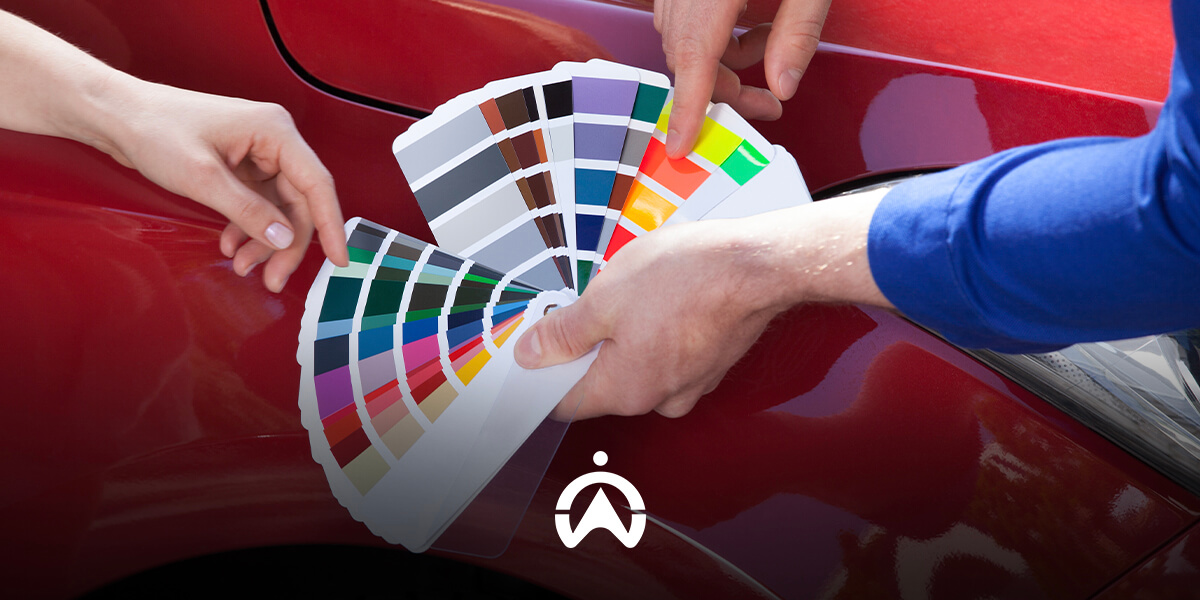
The least stolen cars are ones with bright colours such as orange, green, yellow, and pink. This is because they’re uncommon, easy to notice, and hard to sell. Car thieves tend to go for vehicles in common colours, such as white, grey, and black. This is because they have a higher demand, making them easy to sell.

With the high vehicle theft numbers in Malawi, it’s also noticeable that some cars are just more attractive to the criminals than others.  There are many factors that go into what makes a car more attractive to thieves. Colour is one of them, but this holds a very small percentage.

So if you’re wondering how much of an impact the colour of your car (or the one you’re thinking of getting) will make in terms of being a target, Cartrack is here to break it down for you. We’ll also give you tips on strengthening vehicle security regardless of the colour.

Do thieves really care about car colour?

Yes, car thieves do care about the colour of your car, but it’s not the main thing they look at. Car thieves fear being noticed and constantly think about how much attention a car draws. The brighter your car, the more it stands out, making it harder to hide.

Neutral colours such as grey, silver, black, and white, blend more into traffic. Think about a neon green sports car. How often do you see that? If word goes out that such a car is missing, people will definitely notice it while it’s on the move and report it. But if it’s black, most people will probably drive past it without even flinching. This is what makes bright colours less likely to be stolen.

Remember that car thieves are always looking to make a quick buck. Common colours are easier to resell or strip for parts. This means they have a higher resale value on the black market, thus being a more valuable option.

What the research and insurance data says about car colour

Research from the motoring industry suggests that insurers focus more on a vehicle’s make and model than its colour when assessing risk. However, lighter colours such as white and silver tend to be the most common on the road, which also makes them more frequently targeted for theft.

It’s also worth noting that certain vehicle characteristics can influence safety. The colour of a car can affect insurance considerations and may even play a role in reducing accident risk. How:

  • White cars have a 12% lower chance of being involved in accidents and are considered the safest on the road because they stand out in most backgrounds.
    ‍
  • Black cars are 47% more likely to be involved in road accidents because they don’t stand out on the road, especially in the dark. They have the highest accident rates.
    ‍
  • Owners of darker-coloured vehicles often face higher insurance premiums due to the risks associated with visibility.
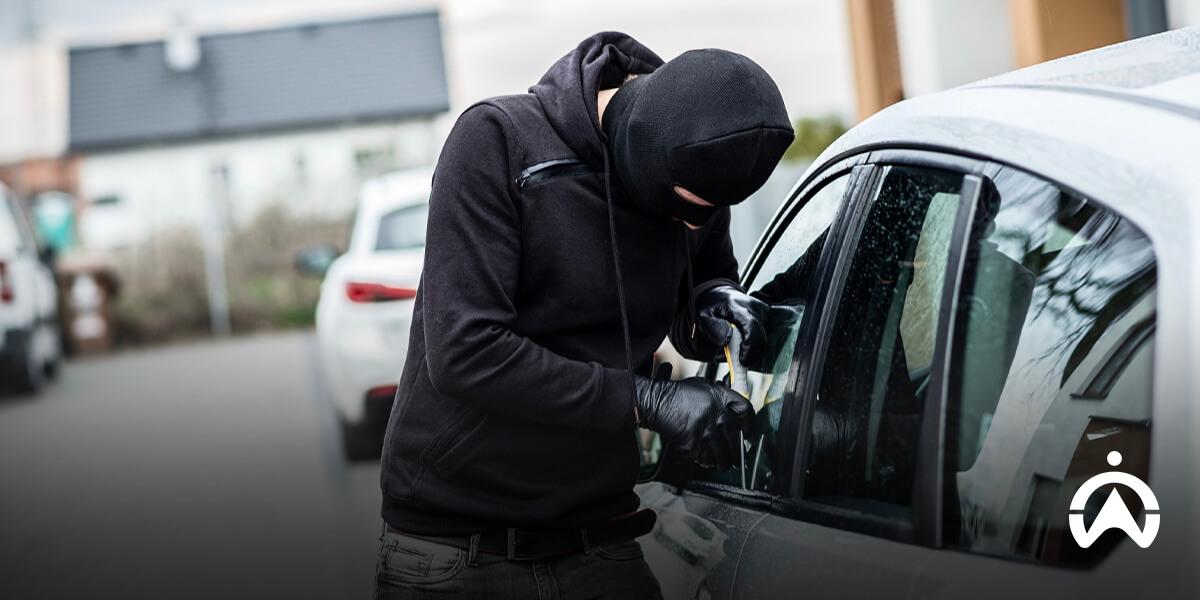
A masked individual in black clothing attempts to break into a parked car, using a tool to pry open the window.

Other things that matter more than vehicle colour

Vehicle colour only plays a small role in what thieves are looking for. Criminals usually care more about the type of car it is, how easy it is to steal, and how quickly it can be resold. In other words, vehicle colour matters less than its make, model, security features, and location.

Here’s why:

  • Car make and model: Some cars have a higher demand than others. Thieves usually target popular vehicles, regardless of colour, because they can be sold quickly. Luxury high–end cars may also attract organised crime groups due to their resale value on the black market.
  • Location: Some areas are more prone to car theft than others. There arehigh-risk zones in all major cities. If you live around such areas, your vehicle is at risk of theft regardless of the colour. Where you park your car also counts. Secure parking, such as garages and carports, provides more protection. If it’s a dark open area, then there’s a greater likelihood of theft.
  • Security: In one of our articles, we mention how older models may be easier targets because they lack security features such as alarms and immobilisers. The mere presence of visible security devices such as dashcams or steering wheel locks can make a thief think twice about targeting your vehicle.

How to choose a car colour wisely

When picking a car colour, think about all the pros and cons, take note of theft trends, but also bear in mind that vehicle colour is only a small contributing factor when it comes to risk. Ensure that you invest in strong security measures such as a GPS tracking unit. That way you get maximum protection regardless of the colour.
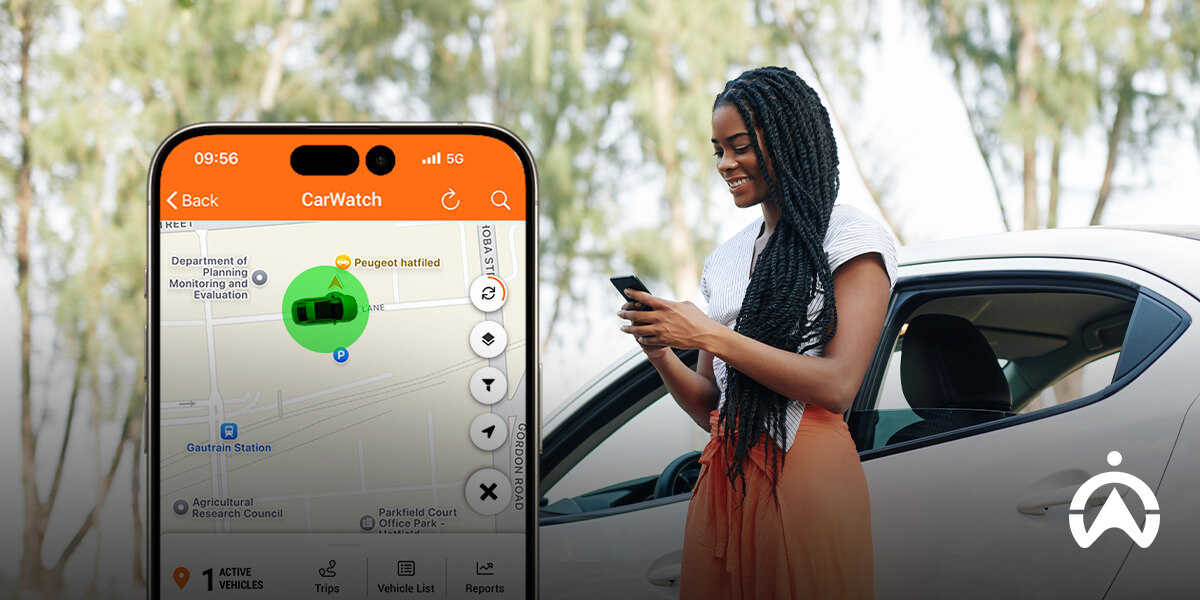
A smartphone displaying a Cartrack tracking app, showing a map with a parked green car icon, beside a white car and a woman.

No matter the shade, Cartrack keeps your car safe

With Cartrack by your side, you don’t have to compromise on the colour you’d like for your vehicle. Whether it’s red, blue, black, silver, yellow, or two-toned, we’ve got you covered! Our solutions are specifically tailored to reduce the likelihood of theft and increase the chances of recovery.

Here’s what we offer:

  • Stolen Vehicle Recovery: If you ever find yourself in a vehicle theft situation, you can rest assured that we’ll do everything in our power to get it back to you. We’ve got highly qualified recovery agents that are available nationwide and always on standby. Over the past decade, we’ve conducted more than 100,000 successful recoveries, making us a leading stolen vehicle recovery service.
    ‍
  • CarWatch: Ensure your vehicle is safe no matter where you park with our smart CarWatch feature. All you need to do is activate the tool on your Cartrack mobile app immediately after you park, and you’ll get an alert as soon as it moves without your permission. CarWatch acts as your virtual car-guard, watching over your vehicle during grocery runs or whenever it’s left in an unsafe environment.
  • Geofence: As an extra measure of security, you can make use of our geofencing feature. This is a function that allows you to create virtual boundaries around areas of your choice. You’ll get alerts whenever your vehicles enter or leave those areas.

    For example, you can create a geofence around the high-risk zones in your city. If you happen to lend your car to someone and they go past that zone, you’ll get an alert, then call to confirm their safety or determine if it’s a case of theft. Vehicle recovery chances are higher when the theft is quickly noticed.

  • Road Vision camera: Cartrack’s Road Vision camera solution is yet another way to safeguard your vehicle. It’s a road-facing camera with GPS tracking capabilities, ensuring you always know where your car is. Its visibility also serves as a deterrent to criminals because no one wants to steal a car knowing that their actions are being recorded.
    ‍
  • Trip history: All our GPS tracking devices have telematics technology. This means it can sense driving habits such as speeding, harsh braking, and harsh cornering. You can access this information by going through your trip history, replaying routes, and seeing where you can improve. Better driving habits reduce the chances of accidents, therefore making you less of a risk to your insurer. 

So rare bright-colour vehicles often show lower theft rates in studies, but regional differences, make and model, as well as security measures, matter far more. Vehicle theft goes with popularity, so unpopular vehicles are less likely to be stolen. A thief is more interested in what car you drive and how easy it is to steal. Enjoy the colour you want; just don’t compromise on security. Contact Cartrack today!

Frequently Asked Questions about car theft and colour

What car do they steal the most?

The most stolen cars are sedans, hatchbacks, and coupes. There’s a high-demand for vehicle models of that nature because of their widespread use in both rural and urban areas. Some of them are easier to dismantle, and due to their popularity, the parts are quick to sell.

Does a white car stay cooler?

Yes, a white car usually has cooler temperatures than darker-coloured cars. This is because white surfaces reflect more sunlight and absorb less heat. The reflection keeps the surface temperature lower, which in turn also keeps the interior cooler than that of a darker vehicle that’s left in the sun.
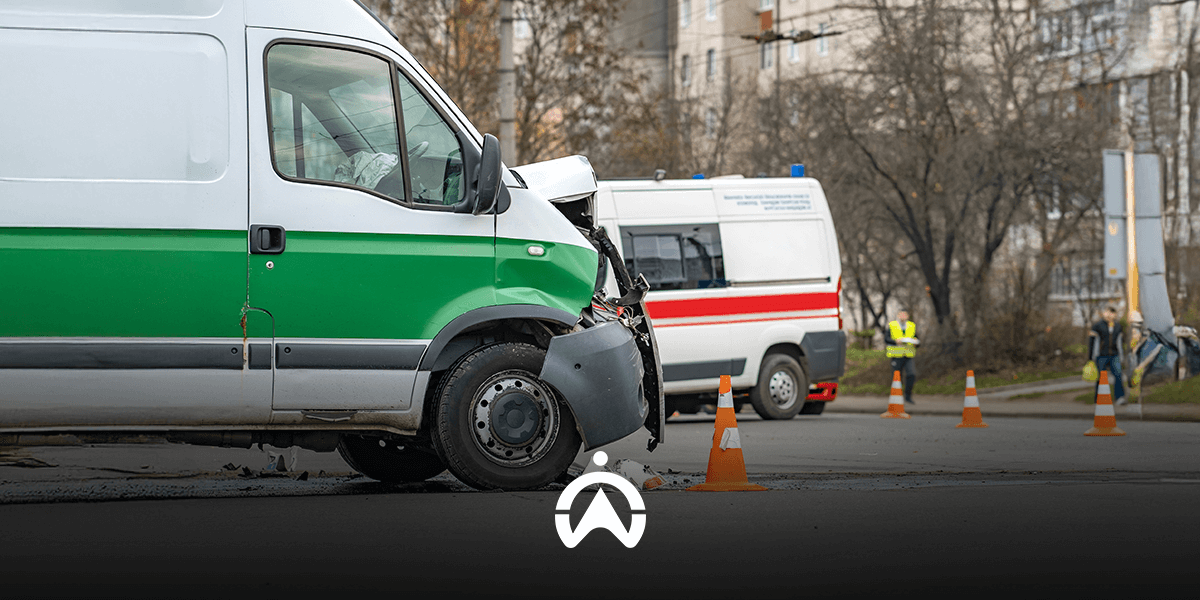
How Dashcams Reduce Accidents

There are approximately 15 road crashes daily in Malawi, highlighting the urgent concern of road safety. In 2022 alone, Malawi recorded 5,553 road crashes, with 919 classified as fatal, resulting in 1,068 deaths. According to the Director of Road Traffic and Safety Services, human factors like speeding, reckless driving, distracted driving, and the use of open vehicles are significant contributors to these accidents. Distracted driving often involves mobile phone usage, while driving under the influence of alcohol or drugs remains a pervasive issue.

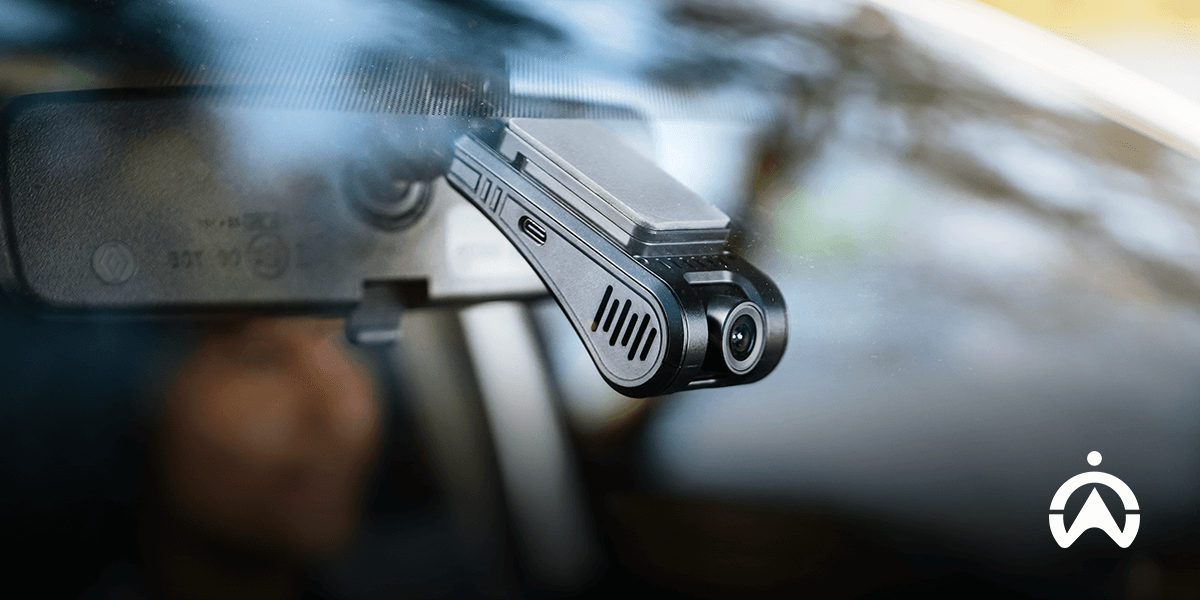
This is why you need an extra set of eyes on the road for an added layer of protection, and dashcams do exactly that. In this blog, we will discuss how dashcams can help reduce accidents and be useful in case of one.

In this article, you will:

  • Know what dashcams are and how they work
  • Find out how dashcams can help reduce accidents
  • Learn how to choose the right dashcam
  • Explore suitable Cartrack solutions for your needs
  • Find out extra information about dashcams on the Frequently Asked Questions(FAQ)

What are dashcams and how do they work?

Dashcams are small cameras usually installed on the vehicle’s dashboard or windshield. While the most common dashcams are road-facing, some can face multiple directions; on the road, in-cabin and in the rearview mirror.

Dashcams record everything that happens on the road as soon as the ignition is on and stop when the ignition is off. Some dashcams can record a few extra minutes after the ignition is off.

Overall, dashcams serve as invaluable tools for enhancing road safety by providing continuous monitoring, promoting responsible driving behaviours, and offering you peace of mind in various situations.

How Dashcams Can Help Reduce Accidents

Dashcams come in handy when it comes to accidents. Not only do they provide proof during an accident, but they can also hold you accountable when driving. When you know you are being recorded, you are most likely to drive cautiously by following the rules of the road. This ultimately helps reduce accidents.
‍

Here are other ways in which dashcams can help reduce accidents:

  • Enhancing your awareness of the road: Dashcams with wide-angle lenses can boost your awareness while driving. They give you a better view of blind spots and potential hazards, which comes in handy in unexpected situations—like when another driver suddenly changes lanes or a pedestrian steps onto the road.By capturing these moments, dashcams make it more likely that you’ll have important footage if something goes wrong. This can help prove evidence in case of accidents or disputes. So, having a dashcam means you’re better prepared for whatever comes your way on the road.
    ‍
  • Provides insights post-accident: If you find yourself in an accident, having a dashcam can be a game-changer. You can easily review recorded footage to understand what led to the incident and spot any unsafe behaviours that may have contributed to the accident. This not only helps you piece together what happened but also gives you the chance to see where you or other drivers might have made mistakes. Ultimately, this promotes safer driving habits.
    ‍
  • Encourages Responsible Driving: Having a dashcam encourages responsible driving as knowing that you’re being recorded as you drive motivates you to adopt safer habits, such as maintaining a safe distance from other vehicles and obeying traffic laws.

What are the other benefits of dashcams

Dashcams have many other benefits beyond reducing accidents, investing in a dashcam is a good decision for any driver looking to protect themselves and their vehicle. Let’s look at what these extra benefits are:

  • Expedite insurance claims: Since dashcams record pre and post-accident events, your evidence will help speed up your insurance claims process and ensure your vehicle is quickly repaired.
    ‍
  • Theft-deterrent: When thieves see a dashcam in your vehicle they may be hesitant to break in since they know they will be recorded.
    ‍
  • Document road rage: If you ever get involved in a road rage incident, the recorded footage can be submitted to law enforcement and may help reduce instances of aggressive driving.
    ‍
  • Prevent fraud: Some motorists are now scamming unsuspecting drivers by staging accidents and falsely claiming damages from previous incidents. This tactic pressures victims into paying for damages they didn’t cause. Dashcams provide crucial evidence that can protect you from such scams.

Learn more about how dashcams can prevent insurance fraud and scams.

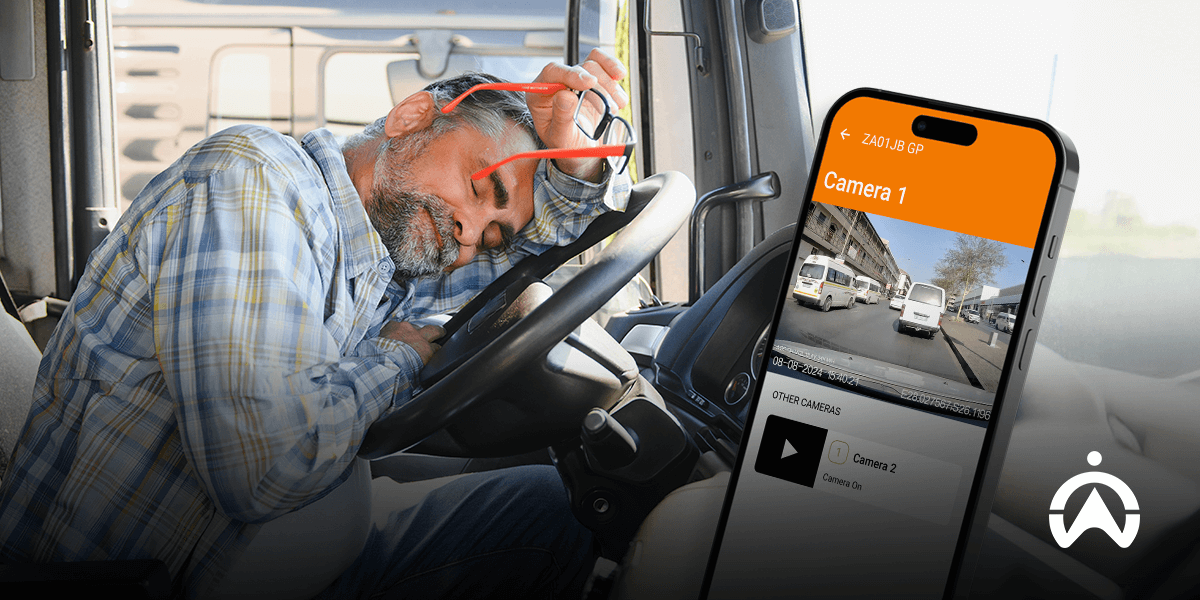
Person asleep in vehicle with smartphone displaying security camera footage next to them.

How to choose the right dashcam

When comparing dashcam models, consider features such as video resolution, storage capacity, and additional functionalities such as GPS tracking and night vision capabilities. However, it is important to choose the right service provider first.

You should choose a reputable service provider not only to ensure that you get the best dashcam for your vehicle but also to have access to customer service if you have any questions or need assistance. Imagine you get a dashcam from an unreliable company, and you later notice that it wasn’t recording the whole trip; you phone to enquire about this but no one answers. Ultimately, you are stuck with a dashcam that doesn’t function properly, which defeats the purpose of owning one.

Fortunately, you do not have to look further because Cartrack has exactly what you need. Our vision solution provides you with two dashcam options: Road Vision (with one road-facing camera) and Dual Vision (with two cameras, road and in-cabin facing).
‍

Let’s look at a few key factors to keep in mind when choosing a dashcam that best fits your needs:

Video Quality

The video quality plays an important role in dashcams because the footage has to be high resolution. High-resolution footage provides clarity and detail necessary for identifying key elements during incidents, enhances performance in various lighting conditions, and ensures that recorded evidence is reliable and usable.  Investing in a dashcam with good video quality will give you peace of mind on the road, knowing that your footage will come out clear.

Our road-facing cameras have 1080p, ensuring you can see road signs, billboards, license plates, etc.

Low light Conditions

Cartrack Dual Vision dashcams have infrared technology that can capture clear footage in low-light areas, even at night. Cameras automatically switch between night vision and day vision, meaning you always have an extra set of eyes no matter the time of day.

Easy Installation

Our dashcams are designed for easy installation. We will send a qualified technician to install them safely for you. Having a qualified technician handle the installation means that the dashcam is mounted correctly, ensuring that all wiring is neatly tucked away to maintain the vehicle’s interior aesthetics and prevent any interference with airbag systems or other critical components.

Upon successful installation, Cartrack provides a certificate that can be presented to your insurance provider. This certification may help in fulfilling specific policy requirements. Insurers often recognise the value of dashcams in reducing fraudulent claims and enhancing overall safety, making this document beneficial for drivers.

GPS Capabilities

At Cartrack, we understand the importance of safety and accountability on the road, this is why our dashcams come equipped with telematics capabilities. By integrating GPS technology, our dashcams not only capture good-quality videos but also provide driving behaviour analysis. This means you can monitor speed, acceleration, and braking patterns, helping you identify areas for improvement and promoting overall safe driving habits.

Cost Considerations

When purchasing a dashcam, it’s important to consider the price in relation to your specific needs. Cartrack offers options that accommodate various budgets—ranging from basic road-facing dashcams with limited features to more advanced models equipped with motion sensors and additional functionalities. By choosing a dashcam that aligns with your needs, you can make a more informed decision without overspending. Whatever your needs and budget, Cartrack has got you covered.

Mobile App integration

Check if the dashcam comes with a mobile app that allows you to easily access footage, adjust settings, and receive important updates. The Cartrack App allows you to request footage and even livestream your dashcam’s view. Imagine your son, a fairly new driver, takes your car for a ride. You can live stream his trip; this allows you to coach him later to enhance his driving skills and help him stay safe on the road.

This integration not only enhances user experience but also allows for real-time monitoring, ensuring that drivers are informed about their vehicle’s status at all times.

Storage Capacity

The dashcam’s storage capacity is important, as it determines how much footage can be recorded before old files are overwritten. Our cameras have a storage capacity of 128GB, allowing for approximately 6 hours per day at high resolution.

In conclusion, dashcams aren’t only there to provide you with evidence during an accident, they are there to give you peace of mind while driving, knowing that you are prepared to face any challenges on the road. It’s even better when you have Cartrack’s advanced technology dashcams; you can confidently navigate the roads, with a fresh set of eyes.

A dashboard camera mounted inside a vehicle, overlooking the windshield.

Elevate Your Road Safety with Dashcams

Gain peace of mind on the road knowing that you have a second set of eyes, that not only encourages safe driving but also provides crucial evidence in the event of an accident.

Contact us today to learn more about how our dashcams can enhance your driving experience and safety!

Frequently Asked Questions about Dashcams

Q: How do I service my dashcam?

A: Our Dashcams have a year warranty. Additionally, you can purchase Cartrack’s lifetime warranty, ensuring that you never have to worry about any damage to the hardware. If you would like to purchase a lifetime warranty, please contact our Client Services Department on  +265 999 971 972.

Q: How do you clean dashcams?

A: Always keep the lens clean by wiping the lens with a microfiber cloth. Do not use harmful chemicals that may damage plastic components.

Q:  Do dashcams use car batteries?

A: Yes they do use car batteries, however, they are designed to turn off automatically when the car’s ignition is off. Some dashcams may stay on for an extra 5 minutes after the ignition is off, but this is typically not enough to drain the battery significantly.

Cartrack Payments: What is The Difference Between Cash and Rental Contracts

When managing your Cartrack services, it’s good to know what payment options are out there. This helps make smart money choices. Cash and rental contracts are two popular choices, offering distinct advantages and disadvantages.

Wondering which option is better for you? Let’s dive into the details!

The main difference between the cash and rental contracts is who owns the device and how much you pay monthly. Let’s explore the key distinctions between these two options and everything you should know about Cartrack payments.

Cartrack has a solution for everyone, making sure it fits your budget while delivering top-notch tracking services.

In this article, you will:

  • Explore Cash Contracts
  • Understand Rental Contracts
  • Know how to make Cartrack payments
  • Find out how debit orders work
  • Learn to protect yourself in contractual agreements

What Is a Cash Contract?

A cash contract is an agreement to pay for goods and services in cash at the time of the transaction. It does not allow credit, financing, or instalment payments. This kind of contract states that the buyer will pay the seller in full upon product delivery and service completion.

With Cartrack’s cash payment option, you pay for the unit upfront, which allows you to enjoy lower monthly service fees and a straightforward cancellation process. Clients can make an upfront payment for either 12, 24, or 36 months.

Here are some key features of cash contracts:

  1. Full ownership of the unit: Once payment is made, the tracking device is fully owned. This means full control over its use without any restrictions from a rental agreement.
    ‍
  2. Reduced Monthly Fees: After the initial payment, monthly fees are lower than rental contract clients pay. This can help cut down on long-term costs.
    ‍
  3. Cost Saving: Cash contracts can be cheaper in the long run, especially for those planning to use the service for an extended period.
    ‍
  4. Flexibility: With ownership, the service can be dropped without penalty. There’s no long-term contract tying anyone down.

A cash contract can be appealing. It’s a great fit for those who prefer to pay a larger sum upfront and want to own the device while avoiding long-term financial commitments.

Hands holding a black wallet and counting US dollar bills.

What Is a Rental Contract with Cartrack?

With Cartrack’s rental contract, you can enjoy the tracking device and its services by paying a monthly fee, without the need for a hefty upfront payment.

Here are some key features of rental contracts:

  1. Lower Upfront Costs: Rental contracts offer a flexible payment solution, particularly beneficial for those seeking a budget-friendly approach to acquiring hardware and services over a specific period.
    ‍
  2. Monthly Payments: A consistent monthly fee covers both the hardware and service costs associated with the tracking device.
    ‍
  3. Flexibility: Rental contracts often make it easy to adjust services as needs change, proving the flexibility to scale up or down easily.
    ‍
  4. Commitment Period: While rental contracts provide flexibility, they usually involve a commitment period. This means penalties may apply if the contract is terminated early. For example, Cartrack’s contracts are usually 36 months. If cancellation occurs before that time, a fee of R2,560 or the balance of the remaining months—whichever is lower—must be paid.

Overall, a rental contract is a great option for those who want to avoid hefty upfront costs. It’s perfect for everyone looking for flexibility without breaking the bank!

Tips to Navigate Your Cartrack Contract

Navigating contracts—whether cash or rental—can often feel overwhelming, especially with the fine print and obligations that can be challenging to interpret. To help you make informed decisions, we’ve compiled some key tips.

These insights will ensure you understand your terms clearly and empower you to make the most of your agreement:

  1. Read Thoroughly: Before signing up for a Cartrack service, carefully review the entire contract. Ensuring a clear understanding of all terms, conditions, and fees associated with the tracking service.
    ‍
  2. Ask Questions: If unclear about the services, features, or billing, contact Cartrack’s customer support for help.
    ‍
  3. ‍Document Device Condition: When installing the tracking unit, documenting its condition and functionality is a good idea. This can help prevent disputes about equipment issues down the line.
    ‍
  4. ‍Understand Your Rights: Understanding rights as a consumer is important. This includes being familiar with cancellation policies and any laws related to tracking services.
    ‍
  5. ‍Keep a Copy: It’s a good practice to always keep a signed copy of the Cartrack contract, along with any amendments or additional agreements.
    ‍
  6. ‍Know the Renewal Process: Understanding the renewal process and its terms is important. Being aware of any potential price increase is also key, especially if the contract will auto-renew after the initial process.
    ‍
  7. ‍Maintain Open Communication: Contact Cartrack’s customer service for any issues to ensure the most effective use of the tracking service.

By keeping these tips in mind, potential misunderstandings in the agreement can be avoided. Here are some common mistakes clients often make:

  1. Know Your Ts and Cs: Skipping the terms and conditions can cause later surprises, like hidden fees or restrictive clauses.
    ‍
  2. Assuming Automatic Renewals: Many contracts have auto-renewal clauses. Being aware of this can help avoid being locked into a new term without consent.
    ‍
  3. Ignoring Cancellation Policies: Not knowing the cancellation process may cause fees or issues when ending the service.
    ‍
  4. Neglecting to Document Issues: Not documenting problems with the tracking unit or service can weaken your position in any future disputes.
    ‍
  5. Overlooking Customer Support Options: Not knowing how to access customer support can be frustrating if issues come up during the contract.
    ‍
  6. Ignoring Maintenance Responsibilities: Know what upkeep to do, to keep the service running. For example, you are supposed to contact Cartrack every calendar quarter to test the unit. It is important to do this to ensure that your unit works the way it is supposed to so your vehicle can be located at all times.

Always take the time to read the Terms and Conditions. This will assist in navigating the contract and help ensure a smoother overall experience.

Person holding a credit card while using a laptop in a modern office setting.

What are Cartrack’s Payment Options

There are many ways that our clients can pay. Our preferred method is DebiCheck because it is simple not only for us but for you. Imagine realising your payment is due after a long day at work, and now you have to rush to the mall to make that payment—how frustrating!

With DebiCheck, you set up your debit order just once, ensuring your payments are always on time. This means no more late fees or last-minute scrambles, allowing you to focus on what truly matters in your life!

To help you understand the benefits of each payment method, here’s a quick comparison:

Payment Method Description Security Convenience Immediate Processing No Ongoing Registration In-person Option
DebiCheck A secure debit order system that requires electronic confirmation before processing.  ✔️ ✔️ ✔️ ✔️
Debit/Credit Card Payments are made by entering card details through a provided link. ✔️ ✔️ ✔️ ✔️
EFT with Ozow Instant EFT option where customers log in to their bank for automated payment processing. ✔️ ✔️ ✔️ ✔️
Pay@ Voucher system allowing payments using pre-purchased vouchers from participating stores. ✔️ ✔️
Cash Payments (Card) In-person payments at Cartrack’s head office using Point of Sale terminals. ✔️ ✔️ ✔️ ✔️
Capitec Pay Secure online payment methods without needing to enter bank card details or share login information. ✔️ ✔️ ✔️ ✔️

At Cartrack, we understand that every client has unique needs and preferences when it comes to payments. Whether you prefer the simplicity of DebiCheck, the flexibility of debit and credit cards, or any other method, we’ve got you covered. Our goal is to provide options that make your life easier and your experience with us seamless.

Cash or Rental, It’s Your Choice

Need help? The Cartrack team is just a call or email away. They’re here to support you with any questions about your account, whether it’s an upgrade, downgrade, or contract renewal. Reach out to the customer care line at control@cartrack.mw

Frequently Asked Questions about Cartrack’s Contracts

Q: How much is the annual increment in the contract?

A: All Cartrack contracts increase by 10% in year 2 and again in year 3. Once the 36-month minimum term option has ended, the increases will be at the discretion of Cartrack, in line with the Consumer Price Index.

Q: How do I get my monthly statements?

A: You need to opt in to receive monthly statements, which can be sent via email or WhatsApp, whichever one you prefer.

How to Switch From One Car Tracking Company to Another

Let’s talk about something that’s become increasingly important for all of us—keeping our cars safe with GPS tracking. It’s a must-have in Malawi, where the struggle with crime is our daily reality.

But maybe you’ve been with the same tracking company for ages and are starting to wonder if the grass is greener on the other side.

You know how it is—maybe you’ve heard about another company offering better prices (who doesn’t love saving money?), or perhaps your friend can’t stop raving about the fantastic customer service they’re getting from their new provider.

Or it could be you’re just curious to try out some of those cool new tracking features everyone’s been talking about.

Whatever your reason, if you’re thinking about switching to a new car tracking company, you’re in the right place! Keep reading, and we will guide you through making that switch without any issues—and, most importantly, without leaving your precious car unprotected for even a second.

Ready to dive in? Let’s go!

Assessing Your Current Tracking Service

Before making the leap to a new car tracking service, it’s essential to take a moment to assess your current provider. Start by evaluating your overall satisfaction— think about what’s been bugging you.

Are they a bit slow to respond? Do you feel like you’re paying too much for what you’re getting? Jot down these thoughts so you have a clear picture of where you stand.

Evaluating Your Needs

Think about your specific needs moving forward. Are there features that are crucial for you, such as real-time tracking, advanced theft recovery options, or smartphone integration?

By taking the time to reflect on these factors, you’ll be fully ready to choose a new tracking service that meets your expectations and brings you peace of mind on the road.

Plan Your Transition

Okay, so you’ve made the decision to switch to a better provider (Cartrack, of course!), that’s fantastic! Now what?

Switching car tracking companies might sound like a headache waiting to happen, but with a bit of pre-planning, it can be a relatively painless move.

Reviewing Contract Terms

Next up, it’s time to dig into your contract. I know it’s not the most exciting task, but it’s crucial!

You don’t want any surprises when it comes time to switch. Knowing these details will help you plan your next steps without any last-minute hiccups.

Check for any cancellation fees and how much notice you need to give your current provider before saying goodbye. Most contracts have a minimum term (often 36 months) and specify conditions for cancellation or transfer. Be aware of any penalties for early termination, which can vary depending on the tracking company.

Contact Your Current Provider

Once you’ve made the decision to switch tracking services, the next step is to reach out to your current provider.

It’s important to notify them of your intention to cancel your contract. A quick phone call or email will do the trick, but be sure to express your intention to end the service clearly.

When you cancel your contract, you will typically need to provide a notice period (often one month). Depending on your contract terms, there may also be fees associated with the de-installation of you old tracking device.

It’s advisable to check your specific contract for any applicable charges with your old provider before going ahead. During this conversation, don’t hesitate to ask about the de-installation process for your tracking device.

De-installation Requirements

After cancellation, you may be required to schedule a de-installation appointment with your service provider.

Most tracking companies, require that the de-installation of their devices be conducted by their own technicians.

If you sell your vehicle or transfer ownership, the new owner can often initiate a new contract using the existing tracking unit. In such cases, you may not need to remove the device.

Schedule De-installation

After you’ve contacted your current provider and notified them of your decision to cancel, the next step is to schedule the de-installation of your tracking device. This is an important part of the process, as you want to ensure that your car is left secure and that the removal is handled professionally.

Reach out to your provider to set up a convenient time for a technician to come out and safely remove the device. Make sure to ask about any fees associated with this service, as some companies may charge for the de-installation.

It’s also a good idea to confirm what information or documentation you might need to provide, such as your vehicle details or proof of payment for the service. By scheduling this appointment promptly, you can ensure a smooth transition to your new tracking provider without leaving any gaps in your car’s security.

If your contract has lapsed or it’s a pre-owned vehicle and you’re not sure who the provider was, Cartrack can easily and safely remove your old tracking device for you.

Person in a suit holding two "Vehicle Tracking Contract" papers.

Talk To Your New Provider

Now that you’ve organised the de-installation of your old tracking device, it’s time to reach out to your new tracking company.

This step is an important part of ensuring your car is protected as quickly as possible. Start by discussing your specific needs and preferences with the new provider; this will help them recommend the best tracking package for you.

Additionally, ask about any promotions or discounts they may be offering, especially if you’re switching from another provider.

This is also a great opportunity to ask questions about their customer service, features, and any support they offer after installation.

By establishing clear communication with your new provider, you’ll set the stage for a positive experience and ensure that your car is back on the road with top-notch tracking protection in no time!

Installation of a New Tracking Device

Once you’ve chosen your new tracking provider and scheduled the installation, it’s time to get that device fitted in your vehicle. This process is usually straightforward, but there are a few things to keep in mind to ensure everything goes smoothly.

Ask about their installation process—will it be done at your home, or do you need to visit a fitment center? For instance, Cartrack provides professional installation services which you can schedule at any time or any place that best works for you.

This convenience means you can carry on with your day while we handle the technical details. Make sure to confirm the timeline for installation, as well as any necessary preparations you might need to make beforehand.

A trained technician will handle the installation, ensuring that the tracking device is securely placed and properly connected to your car’s systems. This is vital to ensure proper performance and reliability, so you can have peace of mind knowing that your car is well-protected.

Lastly, don’t hesitate to ask the technician any questions during the installation process. Understanding how the device works and what features are available will help you make the most of your new tracking service.

Downloading Your New Tracking App

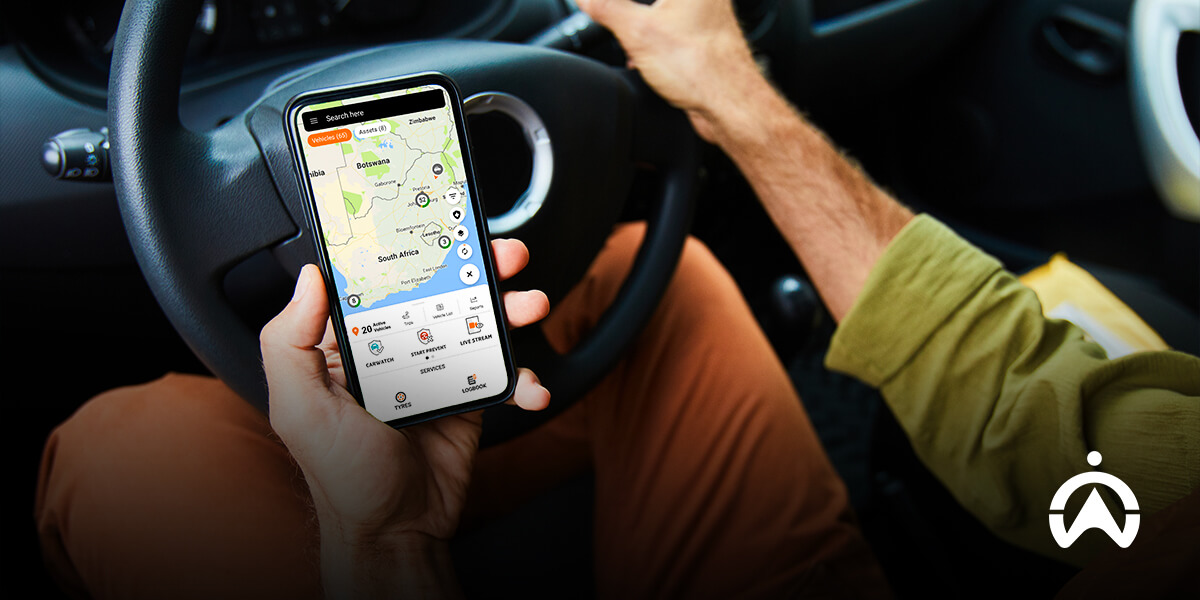
After the installation is complete you’ll want to download the relevant app, like our Cartrack app, provided by your new tracking company. This app is a powerful tool that allows you to monitor your car in real time, giving you instant access to its location and status right from your smartphone.

With our Cartrack app, you can enjoy a range of features designed to enhance your car’s security and your overall driving experience. One of the standout features is CarWatch, which acts as a virtual car guard.

When activated, it alerts you and our 24/7 control room if your vehicle is moved or its ignition is started without your permission. This added layer of security gives you a sense of reassurance, especially when parking in unfamiliar locations.

The app also provides comprehensive car tracking and monitoring capabilities. With GPS tracking, you can view your car’s exact location at any time, replay journeys, and even receive notifications if your car enters or exits designated geofenced areas.

With everything set up, you’ll be ready to drive with confidence, knowing that your car is equipped with top-notch security!

Person holding a smartphone with Cartrack app open while steering a car.

Update Insurance and Registration Details

After successfully installing your new tracking device, it’s important to update your insurance details.

Start by notifying your insurance company about the change in your tracking provider. Many insurers offer rebates or discounts for vehicles equipped with tracking devices, and they need to have the correct information on file to keep your coverage valid.

If applicable, make sure that you also provide a Notification of Change of Ownership (NCO) form if you are transferring ownership of the car to someone else.

Updating these details ensures compliance with Malawian vehicle regulations, helping you avoid any additional stress or hassle in the future.

Making the Switch: Stress-Free Tracker Transition

Switching your car tracking service in Malawi can be a straightforward process if you approach it prepared with the right information.

From assessing your current provider and understanding your needs, to effectively communicating with both your old and new companies, each step plays a crucial role in ensuring a smooth transition.

Remember, keeping your car secure is paramount, especially in a country where crime and vehicle theft remain a real concern.

By updating your insurance and registration details and ensuring that your new tracking device is installed correctly, you can drive with confidence, knowing that your car is well-protected.

Whether you’re looking for better features, improved customer service, or just a more competitive price, taking the time to make an informed switch can lead to seamless security for your car.

Embrace the change, and enjoy the benefits of a tracking service that truly meets your needs.

How Cartrack Can Help

Ready to take your car security to the next level? Cartrack understands the unique challenges Malawian drivers face when it comes to keeping their cars safe.

One of the key advantages of choosing Cartrack is our hassle-free installation process. We offer professional installation services that can be scheduled at a time and place that suits you.

Our trained technicians come directly to your location, whether it’s your home or workplace, eliminating the need for you to travel to a fitment center.

With our cutting-edge tracking technology, you can enjoy peace of mind knowing that your car is protected 24/7.

Our services include real-time tracking, theft recovery with a 90% success rate, and an easy-to-use mobile app that puts control right at your fingertips. Call us today – +265 999 971 972

FAQ

I’ve already got a tracker from another company. What makes Cartrack worth the switch?

If you’re currently using a tracking unit from another provider, you might be wondering what benefits Cartrack can offer that would make switching worthwhile. Cartrack boasts an impressive stolen vehicle recovery rate exceeding 90%, supported by our expert air and ground recovery teams. This means you can rest easy knowing that if your vehicle is ever stolen, we’ll do everything possible to recover it.

Cartrack is also recognised as the most trusted vehicle tracking company in Malawi, with an outstanding score of 9.4 based on user ratings on HelloPeter. This reputation reflects our commitment to providing top-notch service and security.

In addition to our recovery capabilities, we offer a range of premium safety features designed to protect your vehicle around the clock.

Lastly, we provide these exceptional services at a competitive price. This means you can safeguard your vehicle without straining your budget.

Choosing Cartrack is not just about switching tracking providers; it’s about investing in superior protection for your vehicle and ensuring your peace of mind on the road.

How can I guarantee a smooth switch from one tracking provider to another?

Be sure to plan ahead by scheduling de-installation and installation appointments closely together and ensuring all paperwork is in order.

What features are included in the Cartrack Protector service?

The Protector service available through the Cartrack app offers a comprehensive suite of emergency assistance features.

These include access to 24-hour roadside and medical emergency services. With just a tap on your phone, you can summon help for flat tires, fuel shortages, or medical emergencies.

Can I Cancel My Tracker Contract?

Have you ever found yourself questioning the value of your vehicle tracking contract? You might feel burdened by ongoing fees or need clarification on whether the service is genuinely beneficial. It’s natural to wonder whether you’re getting your money’s worth.

This blog post explores why people cancel tracking contracts and offers guidance for making an informed decision.

Are you ready to examine your tracking contract more closely and determine whether it’s a wise investment or time to cut ties? Let’s help you make an informed decision.

In this article, you will:

  • Find out if you can cancel your tracker account
  • Learn how to cancel your tracker account
  • Understand the importance of Terms and Conditions (Ts and Cs)
  • Find out how Cartrack can benefit you after you cancel your existing tracker contract
  • Get more answers from our Frequently Asked Questions (FAQ) section

Yes, you can cancel your tracker account! There are several reasons why you might consider cancelling your tracker account. Let’s explore them in detail.

Reasons you may want to cancel your tracking device contract

Let’s have a look at common reasons that push people to cancel their tracker accounts:

  • Perceived lack of value: If individuals haven’t had any incidents of theft or accidents, they might question the necessity of a tracking device.
    ‍
  • Unsatisfactory service: Poor customer service often leads to frustrated consumers, which leaves them no choice but to want to cut ties with their service providers.
    ‍
  • Inaccurate tracking: Consumers may find the tracking unit ineffective if it always shows inaccurate data.
    ‍
  • Contractual obligation: If your contract is ending and you don’t see its need or value, it may be a good idea to cancel.
    ‍
  • Switching providers: If you have found a better service provider, that is affordable and has better features.

While there are valid reasons for wanting to cancel your contract, it is crucial to weigh the pros and cons. Without a tracking unit, your vehicle does not have one of the best options to protect against theft and hijacking.

Key things to keep in mind when cancelling your contract

Like any other contract, there are Terms and Conditions.

Ts and Cs are rules you must agree to when you make a contract or an official agreement.

It is important to check your contract’s Ts and Cs when cancelling. This is to help you understand the cancellation process, or if there are hidden costs or a waiting period.

Here is a list of common Ts and Cs in tracking contracts:

  • Notice Period: Most contracts require you to provide a notice before terminating your contract. The notice period is usually one calendar month (a calendar month is from the first day of a month to the last day of a month). This means they must receive your notice on or before the first day of the month to end the agreement at the end of that month.
    ‍
  • Cancellation fees: Some companies require a termination fee, especially if you cancel your contract before the end of your agreed-upon period (e.g. if you cancel your 36-month contract at 12 months).
    ‍
  • Written request: Most contracts require you to write down your cancellation request or in some cases, give any recorded notice.
    ‍
  • Return of tracking unit or any other equipment provided to you: You must return any equipment given to you or otherwise arrange that the company come to you to uninstall the equipment, at a fee. It is important to avail yourself and the vehicle to avoid paying a No-show charge.
    ‍
  • Final Payments: Check for any additional payments you may have to pay before the cancellation is concluded.
    ‍
  • Refund policy: Check if you are eligible for any refunds.
    ‍
  • Confirmation of cancellation: You must receive a confirmation stating that your contract is cancelled.
    ‍
  • Impact on services: You will not be able to use services once your contract is cancelled, you need to know when the services will be inactive.
Person writing on paper with a pen, indoors, with a warm ambiance.

How to check your contracts Terms and Conditions:

Usually, Ts and Cs are sent to you via email, or they are available on a company’s website. Either way, it is your duty to make sure you have read and understood these terms.

Ts and Cs can often change, make sure you have the current version. Regularly reviewing these terms can help you stay informed about any updates or modifications that could impact your relationship with the company. Ignoring these terms could lead to misunderstandings or unexpected obligations. By taking this responsibility, you can navigate your interactions with confidence and clarity.

To obtain the Ts and Cs of a contract, you can follow these steps:

  • Company website: Most businesses publish their Terms and Conditions on their official website.
    ‍
  • Contract documentation: Check within the pages of your contract. A Ts and Cs page, clearly labelled “Terms and Conditions,” is usually included at the end of your contract.
    ‍
  • Customer service: You can call the company’s call centre to provide you with the Ts and Cs. You can either contact them by giving them a ring or write to them via email.
    ‍
  • Frequently Asked Questions (FAQs): T’s and C’s are usually answered in FAQs sections, usually on the businesses’ social media pages.

Are there alternatives to cancelling your tracker contract?

If you are considering cancelling your vehicle tracking contract but aren’t quite ready to cut ties, there are several alternatives you might explore. Here are a few options to consider:

  1. Downgrading Your Plan
    If your plan feels too costly or includes unused features, consider downgrading instead of cancelling.
    Benefits of downgrading:

    • ‍Cost Saving: Spend less and direct funds where needed.
      ‍
    • ‍Tailored Features: Select a plan that matches your actual usage.
      ‍
    • ‍Simplicity: A simpler plan focuses on essential functions.
      ‍
    • ‍Flexibility: Keep your provider relationship for easy upgrades.
      ‍
    • ‍Reduced Commitments: Lower tier plans often have shorter contracts.
      ‍
    • ‍Less Data Overload: Fewer features mean fewer notifications.
      ‍
    • ‍Opportunity for Reassessment: A simpler plan helps you evaluate your needs.
      ‍

Downgrading can help reduce costs while maintaining vehicle security. Always ensure that the new plan fits your actual needs.

  1. Consulting with Customer Support
    Reach out to customer support to discuss your concerns. Representatives can offer valuable insights into your options, potential discounts, or promotional offers that might help reduce your costs while keeping the service active.
    Before making the final decision to cancel your vehicle tracking account, it’s worthwhile to explore these alternatives. Doing so may provide a solution that meets your needs without losing the benefits of vehicle tracking altogether. Always consider your unique situation and weigh the pros and cons of each option to make the best choice for your circumstances.
A person in a plaid shirt giving a thumbs-up in front of an open car hood with a Cartrack cover.

You’ve cancelled your tracking device, now what?

It is strongly recommended that you explore alternative tracking service providers after terminating your existing contract

This is where Cartrack comes into the picture: Products that are easy on the pocket to accommodate you in these trying times.

Our commitment to exceptional customer service is evident in our glowing reviews on Hello Peter. With an average rating of over 4 stars, our customers consistently praise our dedication to their satisfaction.

Cartrack has a stolen vehicle recovery rate of over 90%. In the event of a theft, our expert recovery team is swiftly deployed to locate and retrieve your vehicle.

You can rest assured that every precaution and effort is taken to ensure the successful recovery of your vehicle.

With our Control Room Positioning, you can track your vehicles in real-time using the Cartrack App, the web portal or by phoning our 24/7 Control Room.

The Cartrack App offers a range of features to enhance vehicle security and provide peace of mind for vehicle tracking, stolen recovery services, and fleet management solutions It’s easy to use – providing essential information for both individual and fleet customers.

If your vehicle’s battery disconnects, you’ll receive a power event notification to alert you of potential tampering.

If you are in an accident we will be notified and we will dispatch medical and roadside response to your exact location. Cartrack is with you anytime and anywhere.

Unlock the extra value of our Value Added Services with your chosen package.

Discover how these additional features can enhance your experience and provide even more benefits.

Here’s a list of our exciting Value Added Services on consumer products, guaranteed to make your life easy:

  • CarWatch: Activated on the Cartrack App, CarWatch keeps a virtual eye on your car when you can’t. It will tell you if your car moves without your knowledge so you can decide what assistance you may need.
    ‍
  • Protector: Whether you need roadside assistance or legal help, Cartrack is there for you. Activate Protector on your mobile app and a call centre agent will contact you immediately with the assistance you need.
    ‍
  • Lifetime Maintenance Warranty: Experience the benefits of a Lifetime Maintenance Warranty. Our commitment to quality, backed by our in-house design and manufacturing, ensures your tracking unit’s longevity.

Cartrack is the first tracking company in South Africa to offer a warranty for our service that offers a payment of up to R150 000 and in certain cases up to 5 million, in the unlikely event that a client’s stolen or hijacked vehicle is not recovered, subject to certain Terms and Conditions.

Cartrack’s fleet management system offers a range of services aimed at helping businesses optimise their vehicle operations. Some of our solutions include vehicle tracking, telematics, fleet analytics, driver behaviour monitoring and maintenance management.

The fleet management system presents far more benefits than simple GPS tracking. Our innovative solutions feature comprehensive smart fleet options for every industry to boost operational efficiency.

We also offer a Mobile App for commercial products, where you can:

  • View your live vehicles’ location and past trips.
    ‍
  • Activate CarWatch which alerts you if your vehicle moves once parked.
    ‍
  • Activate Protector which provides Medical, Roadside, Legal, Accommodation and Car Hire services.
    ‍
  • Learn effective driving techniques to optimise fuel efficiency and reduce maintenance expenses.
    ‍
  • Share your live vehicle location.
    ‍
  • View speeding reports to improve safe and courteous road user behaviour.
    ‍
  • Risk reports to prevent accidents and hazardous driving behaviour.
    ‍
  • Maps in three different views – Default, Satellite and Google.

Cartrack is dedicated to providing world-class vehicle security, emphasised by its leading audited vehicle recovery rate in high crime environments such as South Africa.

Start Cartrack today to learn more.

Frequently Asked Questions

Q: How do you officially cancel a contract? 

A: To cancel a contract, take the following steps:

  • Make sure you send the cancellation notice within the time allowed.
    ‍
  • Always cancel in writing. You can use the cancellation form or send a letter.
    ‍
  • Keep a copy of your cancellation notice or letter.
    ‍
  • Send your cancellation notice by certified mail and return receipt.

Q: How much is the annual increment in the contract?

A: All Cartrack contracts increase by 10% in year 2 and again in year 3. Once the 36-month minimum term option has ended, the increases will be at the discretion of Cartrack, in line with the Consumer Price Index.

Q: Can I transfer my contract to a new owner?

A: Yes, you can transfer your contract to a new owner. This can be a convenient option if you are selling your vehicle.

The Most Dangerous Countries in the World

While there are beautiful places in the world, some countries have made their way to the list of the top 10 most dangerous countries in the world. Based on the latest research this blog will show you just which countries are the most dangerous.

We’ve also compiled a list of the most dangerous countries by region based on the likelihood of robberies, thefts, hijackings and other crimes. So whether you are planning a holiday for your family or researching potential business risks globally, this list will pique your interest.

Bonus:  Cartrack solution for protecting your loved ones and assets in a ‘dangerous country’.

In this article, you will:

  • Get a list of the top 10 most dangerous countries in the world
  • Understand what makes these 10 countries dangerous
  • Get a list of the most dangerous countries by region
  • Have a look at South Africa and understand the dangers here in a country case study
  • Explore the top Cartrack’s solutions for individuals and businesses in South Africa
  • Get answers to FAQs

‍Top 10 most dangerous countries in the world

The World Population Review lists the following countries as the most dangerous based on their crime rate results (from worst to least):

This crime rate is based on the number of crimes reported per 100,000 people. To calculate the crime rate, the World Population Review divide the number of crimes of any type by the total population of the country and multiplies this by 100,000 people.

But what exactly makes each of these countries dangerous?

  1. Venezuela‍

The number one contributor to the high crime rate in this South American country is government corruption, the poor justice system and sentencing for crimes and the lack of respect for the rule of law. The crime index in this country is 83.76 which is the highest of any country in the world.

  1. Papua New Guinea 

This country is known for being one of the most diverse countries in the world, with residents speaking over 800 different languages. Unfortunately, it’s also known for violent crimes fueled by rapidly changing political, economic and social changes in the country, the corruption and gang-related activity in the country. Bringing this diverse country to the second most dangerous country in the world.

  1. Afghanistan

Over the years, this country has been known for its constant political instability and conflict in the area, which all contribute to its high ranking. Afghanistan suffers from various crimes that include corruption, kidnapping, money laundering and other crimes such as robbery and assault.

  1. Haiti

The Caribbean country of Haiti has struggled with political stability, increasing gang warfare, and economic challenges. The biggest contributor to its high rank is the increasing number of homicides over the years, either from violent conflicts or intergang violence.

  1. South Africa

With a crime index rate of 75.5, unfortunately, our beautiful rainbow nation makes its appearance as one of the top 5 most dangerous countries. South Africa has a notably high rate of assaults, rape, homicides and other violent crimes, which all contribute to our rank on this list.

  1. Honduras

In 2012, Honduras was reported to have experienced about 20 homicides per day due to gang violence. Today, the country is still inflicted with violent crime caused by gangs, drug trafficking and almost nonexistent law enforcement to control the country’s notorious reputation of lawlessness.

  1. Trinidad and Tobago

This state faces several challenges caused by increased crime from gangs and drug-related crimes, which the government struggles to address. It takes the 7th spot on this list, and visitors to this country can become victims of pickpocketing, assault, theft and fraud.

  1. Syria

The conflict in Syria has led to increased crime, widespread corruption, and bribery, putting this Middle-Eastern country at 8th place on this list. It’s also become known for violent crimes such as kidnapping, assault, carjackings, and robberies.

  1. Guyana

The Northern South American country is small, sparsely populated, and Anglo-Caribbean. Due to the high murder rate, lack of law enforcement support for domestic violence, and frequency of armed robberies, this country has a high crime rate of 68.74. It ranks 9th on this list.

  1. Peru

Homicides, corruption, domestic violence, pickpocketing, and petty crimes have landed Peru at the 10th spot on this list of the most dangerous countries. Over the years, the crime rate in Peru has decreased, and with each year, they report decreasing rates of crime.

Are there any countries you were surprised made the list or some countries that did not make the list?

One thing we’ve noticed about this list is that as much as there are differences in crime rates among these countries, the crimes also vary by severity in each of these countries. This list of the 10 most dangerous countries above is not an entirely reliable guide on places you should not be or should not take your company to but is a useful starting point.

We’ve compiled a list of the most dangerous countries by region based on the likeliness of hijacking, robbery and theft, which are the most common crimes tourists and business travellers experience.

Get A Tracking Device Now

The most dangerous countries by region

Some of the countries on this list may be a few kilometres away from you, while others require you to cross borders or even take a flight to witness the dangers.

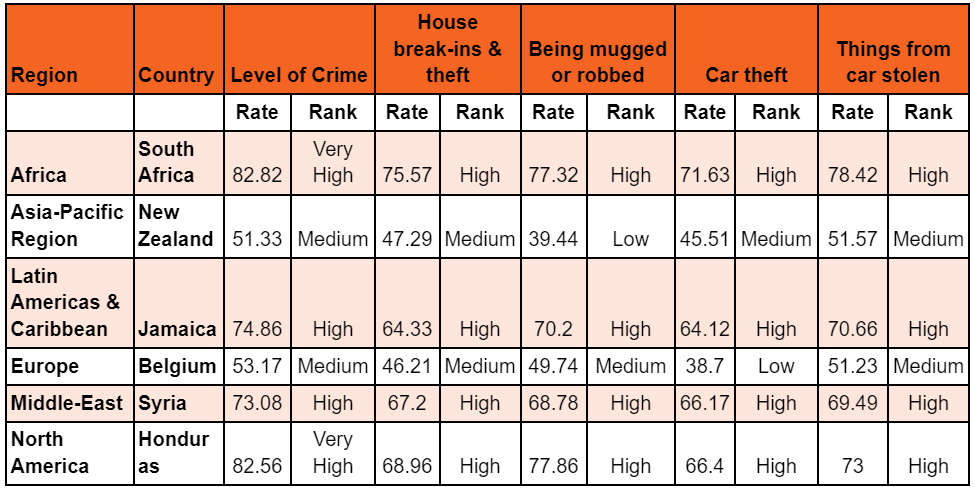
Our selected list of the most dangerous countries in the world is given by region and is based on the likeliness of theft crimes and the fear of theft crimes within the country. We use the Crime Index, and Safety Index from Numbeo as a data source.

Crime index – an estimate of the crime level in a given city or country. The rate is based on a survey of the general perception of crimes, safety levels, and concern about specific crimes. The rate also considers property crimes and violent crimes in the country. The higher the crime index, the more risk is perceived in the country, and the lower the index, the less crime is perceived and experienced.

Safety index – an estimate of how safe the city or country is, the higher the safety index, the safer a country is perceived to be.

We’ve focused on the level of crime and worries about different crimes, such as house break-ins, robberies, car theft and other thefts in these countries.

List of countries highest crime and dangerous

South Africa: The most dangerous country in Africa

Crime Index: 75.44

Safety Index: 24.56

South Africa has landed the number one spot for the most dangerous country on the continent based on the likeliness of theft. According to research by MSN News, Cape Town, Port-Elizabeth, Durban, Johannesburg, and Pretoria are the top five most dangerous cities in Africa. This is due to crimes such as theft, house break-ins, petty crimes, carjackings, and smash and grabs.

New Zealand: most dangerous country in Asia-Pacific Region

Crime Index:  47.72

Safety Index: 52.28

The rate of theft stats show that New Zealand reported the most thefts in 2020 among the island countries, and the number of victim-reported thefts increases annually. Petty crimes and theft are the most common types of crime in the country, and in cities like Auckland and Canterbury, vehicle theft has also been particularly high.

Jamaica: most dangerous country in Latin American & Caribbean Countries

Crime Index: 67.57

Safety Index 32.43

Jamaica is often believed to be unsafe because of the high homicide rates. In 2023 this country reported 60,9 murders per 100,000 people. These rates are largely due to gang violence and drug-related crimes. Petty crimes and a lack of police and law enforcement also make the country quite unsafe for tourists and travellers.

Belgium: most dangerous country in Europe

Crime Index: 49.49

Safety Index: 50.51

According to Statista, Latvia has the highest homicide rates, and this has landed Latvia in the first position as the most dangerous country in Europe. But a more recent statistic based on crime theft places Belgium, particularly the capital Brussels, as the city with the highest crime theft rate in Europe. Petty thefts, purse snatching and pickpocketing are the most common crimes in Belgium. In 2021, however, there was an increase in stolen bike and car theft crimes.

Syria: most dangerous country in Middle-East

Crime Index: 68.61

Safety Index: 31.39

This region is known for having the lowest theft crime rates compared to other countries in the world because of strict law enforcement measures and extreme penalties for crime. However, Syria has topped the list of the most dangerous countries in the region.

Honduras: most dangerous country in North America

Crime Index: 73.11

Safety Index: 26.89

Honduras has one of the world’s highest murder rates, making it one of the most dangerous countries. Crime such as armed robberies, carjackings, trafficking, and even bus jackings have also grown as an area of concern in the country. Government crime prevention tactics against gang violence and other organised crime have had little to no impact over the years, making it one of the countries with the lowest safety index.

Country Focus: Understanding the dangers in South Africa

South Africa is one of the most beautiful places in the world but somehow lands on the list of the most dangerous countries in the world. This might not be a shock to many of us, as we have become more fearful of crime in our country.

According to StatsSA, since 2021, South Africa has witnessed an increase in the number of household crimes such as house break-ins, home robberies, and vehicle theft. For businesses, the sudden increase in the number of cargo thefts and fuel thefts from trucks has also become a concern. The South African Police Services (SAPS) crime stats confirm the increase in these types of crimes.

But what are some things we could do to protect ourselves now that we know we live in one of the most dangerous countries?

Get A Tracking Device Now

Top tips for safe living in South Africa

  1. Secure your home

There are several services and products you can purchase in South Africa to protect the things you care about. For example, get insurance to protect your devices, such as TVs and cell phones. When your devices are insured   your insurance company will pay out a certain amount to you to help you recover your loss and avoid suffering from a household crime or petty crime.In addition, adding an alarm system or aiming to live in a safer area is   another way to add security to your life.

  1. Secure your vehicle

Add another level of security to your vehicle insurance. GPS tracking and stolen vehicle recovery (SVR) services from a company like Cartrack can help you get your car back. With carjackings and hijackings increasing every  year, this is the best security you can get for your vehicle.

  1. Don’t be a target—be vigilant

Whether you are driving or simply walking down the street, avoid displaying your valuables, such as jewellery, cameras, and mobile phones so you are not the target of petty crime and other theft. Keep your handbag or  backpack while driving or when parked to avoid a smash-and-grab.

Our top tips for doing business in South Africa

Running a fleet company in South Africa may seem a bit more tricky now. Here are two quick tips to secure your fleet in South Africa.

  1. Prevent fuel theft with fuel monitoring solutions

Fuel theft has become a growing concern in South Africa, and more businesses have reported concerns about fuel theft in their fleet. Businesses in transportation, mining, and manufacturing have also revealed decreasing fleet profitability and efficiency due to fuel theft. Cartrack’s fuel monitoring solution is one of the most strategic ways that you can protect your fleet from fuel theft, increasing expenses and other challenges relating to your business.

  1. Safeguard your drivers with GPS tracking 

With GPS tracking and telematics, you can monitor your fleet and other company vehicles to protect drivers while they are out on the road. One of the latest innovations from Cartrack is a panic button for drivers to alert us and managers of any emergency or security issue.

For example, if there is an accident at one of your remote sites, your driver can use the panic button to alert our control room of the incident, and Cartrack can take action immediately.

Don’t live on the edge safety-wise. Let Cartrack Malawi give you peace of mind.

If you live in one of the most dangerous countries in the world, you are constantly worried about your safety.

There is global concern over increasing crime, but Cartrack has been committed to ensuring vehicle safety and fleet security since 2004.

Contact us here for our innovative tracking solutions.

Vehicle Battery Maintenance Made Easy: How to Stay Secure With Cartrack

There’s a popular misconception that all your battery needs is a jumpstart to stay healthy. This false theory, however, has left many drivers stuck with a failing battery while completely baffled, not knowing what the issue is.

Don’t wait until you see the battery light flashing on your dashboard to take action and start maintaining your battery. Our blog is the handy guide you need to reduce breakdowns and avoid costly battery repairs.

Let’s dive in.

In this article, you will:

  • Uncover the importance of vehicle health and the role of battery maintenance
  • Discover popular types of batteries and their maintenance requirements
  • Understand when to maintain or replace your vehicle battery
  • Get actionable steps to preserve your car battery and extend its lifespan
  • Explore Cartrack Malawi solutions that safeguard your vehicle battery

Importance of vehicle health

One part of the vehicle that is often disregarded when talking about vehicle health and maintenance is the battery. The battery and the engine are two parts that make the vehicle able to function and move, but often enough, the focus is only on the engine.

Let’s change that, shall we?

Your battery is responsible for providing power to your engine and lights, allowing you to change gears and be on your way. When the engine is turned off, it also powers all the other electrical components of your vehicle, like your radio or air conditioner.

A well-maintained battery can have a long service life, provide reliable performance and also prevent unexpected and costly breakdowns from happening. To achieve this, it needs top-notch servicing.

Different stages of vehicle servicing

Before we start focusing solely on our vehicle batteries, let’s first see the bigger picture of your whole vehicle. What use is a healthy and thriving battery if it works with parts that aren’t running efficiently?

To keep your vehicle as healthy as can be, servicing is recommended every few months to ensure small issues are checked and fixed and don’t grow to be costly if ignored. Vehicle inspections are determined by their make, model and mileage. Depending on these 3 factors, different types of vehicle maintenance plans can be recommended to ensure that every part, from tyres and oil to battery and engine, is running at tip-top shape:

  1. Interim car service
    These are small but important basic vehicle checkups that are encouraged every 15 000 km—22 000 km. They include your vehicle’s oil changes, fitting in new oil filters, light vehicle inspection, and checking for any leaks. This type of servicing is recommended at least once a year, even if your vehicle hasn’t reached the specific mileage target.
    ‍
  2. Full car service
    This service is encouraged around 20 000 km and includes all basic checkups of minor servicing. It also includes inspections of some critical parts, including your brakes, lights, steering, tyres, windscreen, vehicle fluids like hydraulic fluids and testing components like starter, alternator, and battery.
    ‍
  3. Major car service

    This service is recommended every 30 000 km—45 000 km and includes maintenance of all the vehicle parts mentioned in the minor and full servicing, as well as other parts that might cause the car to fail, such as replacing the air filter, spark plug, and brake fluid, if left unattended.

    For major servicing, you can also include the following to ensure your vehicle stays in tip-top shape:
    ‍
    – Wheel alignment
    – Suspension checks
    – Tyre tread tests
    – Checking brake pads and brake discs

    If your car is still under warranty, you would have to service your vehicle following preset intervals. If it’s out of warranty, then there’s more flexibility in the timing and services performed but to ensure your vehicle’s health and a decent resale value, it’s better to keep as close to the schedule as you can.

What’s under my hood? Discover popular types of batteries

To make sure all the effort you’re putting into having a lasting vehicle battery pays out, you have to know what kind of battery your vehicle has and use the correct maintenance techniques. Batteries can be like that, you know; what works for one type might not have the same effect on another.

  • Lead acid batteries
    This is the popular, more traditional, and most cost-effective battery that most cars you see on the road have. It works with lead and a mixture of sulfuric acid and water. Because of this battery’s materials, it’s prone to evaporating over time, leading to a decrease in its power over time. The necessary maintenance this battery needs is topping up with distilled water every few weeks.
    ‍
  • Lithium-ion batteries
    This battery is most popular with electric vehicles and plug-in hybrid electric vehicles. They have a high-power to low-weight ratio, low energy consumption, and are recyclable—perfect for an eco-friendly electric fleet. Its drawbacks are that they are expensive, prone to overheating, and hard to find on the market if you ever need to replace them.
    ‍
  • Sodium-ion batteries
    These batteries were created as the solution to the problems presented by lithium-ion batteries. Sodium is abundant, easier to extract, sustainable to use, and more affordable than lithium-ion. Since they are a new solution, more research is needed before it’ll be widely available and become the industry standard.
Discover popular types of batteries

Battery issues: Factors that affect battery longevity

Vehicle batteries don’t cause many issues for their drivers, and it’s for this reason that most drivers don’t take a second look at their batteries when performing regular inspections. Often enough they don’t see issues with the batteries until it’s too late and they find themselves stuck on the side of the road calling for help.

To prevent calling a tow truck to move your vehicle or flanking down other drivers for a jumpstart, here are a few battery maintenance tips to keep your battery working for longer.

  1. Avoid short trips
    Rather than making short trips throughout the day, rather round it up into 1 trip to release strain on your battery. Your battery uses power to start your vehicle for every trip, with multiple short trips, your battery uses more and more power without it being replenished from your alternator. A longer drive allows the alternator to charge your battery as you go.
    ‍
  2. Keep your vehicle moving
    The longer you leave your vehicle in your garage without driving it, the faster your vehicle’s battery will slowly die out because it’s not getting its regular dose of charge from the alternator. With working-from-home opportunities increasing, it’s understandable that some motorists can go days without touching the road. While this is great for your wallet, it’s not so great for your vehicle. A quick fix for this can be to take your car out for a spin every few days to make sure your battery gets its charge.
    ‍
  3. Avoid extreme temperatures
    When it comes to temperature, your battery prefers neutral temperatures. This one might be hard for South African drivers who live in warmer climates, but your battery works better when it’s neutral or cool. Try parking your vehicle in shaded areas or a garage to limit exposure to extreme temperatures.
    ‍
  4. Clean your battery
    Don’t be afraid to pop the hood and get to cleaning. Corrosion (a white or bluish-green powder) and dirt often build up around screws or bolts resulting in poor connectivity, just brush away the dust, sweep off the gathered dirt and wipe any grime accumulated on your battery. If there is too much corrosion, call your vehicle mechanic to help get rid of it safely.
    ‍
  5. Service your vehicle
    Servicing your car does a lot of good in maintaining its health. Leave it up to the professionals to ensure your battery is running as it’s supposed to and that it stays secure in your vehicle and doesn’t rattle around.

    Even while giving your battery all the TLC it needs to continue working, there comes a time when you have to replace the unit and unit and start afresh.

Do I maintain or replace my vehicle battery?

Unfortunately for many motorists, batteries are not a once-off purchase type of item. A vehicle battery’s estimated life expectancy is around three to five years. Over time, they get worn out and eventually need to be replaced.

Here are signs you should look out for of a failing battery:

  1. Slow cranking: If your battery takes a minute or two to power your car, it could be a sign that your battery is starting to fail and is due for a replacement.
    ‍
  2. Battery warning light: If the battery warning light on your dashboard is lit up, it means your vehicle has detected an issue with your battery or the charging system and needs you to take a look.
    ‍
  3. Battery corrosion: Excessive corrosion or damage can be a big sign of an unhealthy battery. Most of the time, you can just wipe away the corrosion, but if it’s extensive, then it might be too late for your battery.

If you see these signs along with a cracked battery case, a fluid leak, or a bulged battery case, it’s unfortunately too late to save the battery and it should be replaced.

Even though the invisible clock is ticking away to when you will eventually replace your battery, there are still some helpful methods you can use to extend your battery’s life for a few more rides.

Vehicle battery maintenance checklist

Often, the battery health gets swept aside as many drivers assume all the battery needs is a jump start if it ever has issues, but that’s far from the truth. Fortunately for many drivers, maintaining your battery is relatively easy.

☑ Inspect your battery: Before getting your hands dirty, take the time to look around your battery and check for any signs of damage like cracks, bulges in the case, or any leaking fluids. These are sure signs of battery failure and suggest your car needs a new battery.
‍

☑ Test your battery’s voltage: To confirm if your vehicle battery is indeed losing power, you can use a battery tester to measure the battery’s voltage. A fully charged battery should have a voltage of around 12 V. If the voltage is too low, then it might need to be recharged or replaced.
‍

☑ Keep your battery terminals squeaky clean: Corroded terminals slow down the electricity flow from the battery to the car’s electrical system. To correct this, simply use a wire brush or a material to wipe to remove any gathered corrosion around your battery. If the corrosion is tough to clean, disconnect the battery cables and use a mixture of baking soda and water to lightly remove it around the terminals.
‍

☑ Regularly charge your battery: Have you recently noticed that your battery isn’t holding much charge after leaving your vehicle parked for days at a time? Vehicles that aren’t often used don’t have enough time to recharge, which results in low power output and shorter battery life. Use a battery charger or maintainer as a solution to keep your battery charged even when it’s not in use.
‍

☑ Check the age: Car batteries usually last between three to five years, if you’re experiencing frequent issues with your battery, check if the age of the battery is the cause. Even if your battery still works the same but is approaching five years, consider replacing it before issues start to occur.
‍

☑Ensure your battery isn’t stored loosely: Your battery should not move around or vibrate while you’re driving. This can loosen the battery and cause internal damage and short circuits.

This battery maintenance advice works for most battery types but what about batteries in electric vehicles?

Maintaining my electric vehicles’ battery

When it comes to electric vehicle (EV) batteries, regular charging is the way to go. Unlike regular vehicles that rely on petrol to drive from one location to the next, electric vehicles rely on their batteries and how much charge they have to make the trip.

To ensure your vehicle’s battery lasts, these techniques are used.

  • Regular state-of-charge checks
  • Temperature monitoring
  • Battery voltage and cell health monitoring

These ensure drivers get the most out of their battery by swiftly identifying any issues with the battery before they become costly.

Safeguard your vehicle battery and extend its lifespan with Cartrack Malawi solutions

Don’t get stranded in the wrong side of town because of your battery.

Cartrack Malawi, the trusted industry leader in vehicle safety and fleet management does more than just track the location of your vehicle in real-time, it can also track your vehicle health, monitor your battery, provide features to empower you to get ahead of your vehicle maintenance and get you out of battery-related situations.


Key Cartrack Malawi features that can lend a helping hand with your battery

  • Protector: Protector provides quick and easy access to medical and roadside assistance directly from the Cartrack mobile app. From locksmith assistance, re-filling the fuel tank, changing tyres and even jump-starting your battery, Protector will send assistance whenever needed.
    ‍
  • Power Event Notification: Get ahead of battery tempering or attempted battery stripping with our real-time PEN feature. Receive alerts the moment your vehicle’s battery is disconnected, and act swiftly to reduce the chances of battery theft.
    ‍

Cartrack Malawi takes your vehicle battery health into consideration

In addition to our features, our tracking units shine for their reliability and integrity. Rest assured, knowing that as hard as our tracking unit works 24/7, gathering vehicle data and offering you valuable insights on your vehicle’s daily trips and usage, it won’t damage or negatively affect your vehicle’s battery in any way. This means that you can enjoy these tracking solutions:

Whether you’re using Cartrack for security, efficiency, or to keep track of your vehicle, rest assured that your battery will still be able to give its best.

So, are you ready to say goodbye to your vehicle safety and battery woes? Contact Cartrack  Malawi today for trusted vehicle safety solutions.

The Real Causes of Traffic Congestion and How to Help Your Fleet Avoid Them

Malawi is not a one of the most traffic-congested country in the world but major cities like Lilongwe can be traffic congested during peak hours. This can lead to drivers spending more than average time in traffic.

As a fleet manager, helping your drivers avoid congested areas is crucial to keep your fleet operations productive, your services efficient, and your fuel and maintenance costs low.

Luckily, you don’t have to go far to find the answers — we’ve got them all below.

In this article, you will:

  • Learn more about the causes of traffic congestion
  • Understand why your fleet should avoid traffic jams
  • Discover how Cartrack Malawi helped businesses conquer efficiency problems
  • Identify Cartrack’s tailored fleet management solutions for optimised routes
  • Get the answers to the most frequently asked questions about traffic congestion

The causes of traffic congestion

There are quite a few reasons why we experience traffic congestion, and while some causes like weather conditions are common globally, Malawi also has a few unique ones that contribute to especially stuffy, slow-moving traffic.

Weather conditions

Depending on the geographical location, different weather conditions will affect traffic conditions.

Excessive rainfall, flooding, and infrastructure damage or road accidents caused by weather conditions contribute to traffic congestion. So, the weather is not always directly responsible for the traffic jams but rather the after-effects of weather events that obstruct roads, leading to congestion.

Construction

Apart from being just an irritation for roadgoers, these projects can significantly impact traffic flow. Lane closures, detours, and merging zones can create bottlenecks, causing delays and frustration. Additionally, construction material deliveries during peak traffic hours can make congestion even worse. The workers themselves, travelling to and from sites, can contribute by adding to the overall traffic volume.

Poor driving habits

Tailgating, aggressive driving, speeding, and sudden lane changes can all cause accidents and slow traffic flow. Similarly, distracted driving, like texting while driving, can also lead to accidents, causing congestion and backups on otherwise congestion-free roads.

Inadequate public transport

Ever feel like you’re stuck in a sea of brake lights, wishing there were more ways to get around? Inadequate public transport plays a big role in this frustrating reality. When public transport lacks sufficient capacity and coverage, people just don’t have the option of using it, pushing them towards private vehicles that clog the roads, worsening traffic congestion.

Potholes

These road craters aren’t just a nuisance; they’re legit traffic flow disruptors. Studies show potholes can slow down traffic, impacting overall flow and efficiency. In the UK alone, 90% of drivers have encountered them, contributing to their commute frustrations.

Potholes can damage vehicles, forcing drivers to slow down or pull over. On top of that, they are common culprits to congesting roadways, causing other cars to have to navigate around them. Potholes can also lead to accidents and road closures, slowing traffic and causing frustration.

Load shedding

Load shedding is an only-in-Mzansi nightmare, heavily affecting traffic congestion and other local issues like poor road conditions. What makes it worse is that load shedding is prone to short-notice level changes, making it difficult to plan effective fleet routes as nobody’s ever sure which traffic lights will be working. Intricate road networks are designed to function optimally with working traffic lights, and without them, traffic is an absolute disaster.

Infrastructure issues

No matter where your fleet operates, there are bound to be infrastructure issues, as it’s a common problem in many cities and towns across the country. Infrastructure problems include a lack of new roads, bridges, highways, and even roadworks caused by the construction of new infrastructure.

Overall, there’s a dire need for re-engineering, fixing broken traffic lights, and road maintenance in most cities to alleviate congestion and divert heavy traffic. Fleet managers, however, can make smart route-planning decisions with advanced fleet management software to avoid this mess altogether.

The_causes_of_traffic_congestion

Why your fleet should avoid traffic jams

While it seems obvious why nobody would want to be stuck in a traffic jam, fleet managers have specific reasons why they’d want their drivers to avoid these at all costs.

  • Time wastingIf you’re in control of a fleet business, you know that time is money. The more time your drivers waste stuck in traffic, the more productivity issues you’ll experience that can lead to cost drainages and make you feel out of control. Even more so, if your fleet delivers goods that are either perishable or the deliveries are time-sensitive, traffic congestion puts major pressure on your drivers and your business to maintain customer satisfaction and avoid cargo spoilage and profit drainage.
    ‍
  • Non-complianceWhile one or two drivers may get away with shaving a minute or two off their trip by driving on the yellow line and cutting off the cars in front, this behaviour worsens traffic congestion for all road-goers and contributes to fleet non-compliance.
    ‍
  • Fuel wastageTraffic congestion is a major cause of excessive idling. While it may be more fuel-savvy to turn off your ignition if the vehicle is stationary for more than ten seconds, congested traffic sometimes moves almost constantly at minuscule distances, with other drivers ready to sound their horns if you don’t keep on inching your car forward with the rest of the frustrated motorists every time there’s movement.

Let Cartrack Malawi help you outsmart traffic congestion in your fleet for profit boosts and peak efficiency

  • Route planning and optimisation
    Make sure your drivers don’t end up in traffic jams and save on fuel by sticking to designated, carefully planned routes with our route planning tool. Use Cartrack’s route optimisation tool to create smart routes based on important factors like traffic, boosting productivity and increasing vehicle longevity.
    ‍
  • Vehicle tracking
    Get full visibility of your fleet and track your drivers in real time with our advanced GPS vehicle tracking system. Knowing where your drivers are puts you in control of your fleet and making proactive changes that could save you time and money.
    ‍
  • Delivery app

    Stay connected with your drivers no matter where they are with instant job assignments, updates, and prioritisations, helping your fleet work smarter and faster around traffic-congested areas and helping you make the most of every shift, every day.
    ‍
  • Camera solutions
    Cartrack’s LiveVision camera solution offers in-cabin and road-facing wide-angle cameras with footage that can be live-streamed on the Fleet Pages platform, helping you keep tabs on your drivers and traffic conditions, maintain vehicle health, and avoid unnecessary complications like cargo overheating while your drivers are stuck in a traffic.

How Cartrack’s route optimisation tool helped Calgan Recliners improve efficiency

At Cartrack, we’re focused on helping you increase productivity to boost profits. Here’s how Calgan Recliners, a major South African furniture manufacturer, benefited from our route optimisation software:

  • Calgan Recliners, based in Johannesburg, has been in the furniture industry for over 25 years.
    ‍
  • In 2023, Cartrack Delivery specialist Wayne Sholtz experimented with Cartrack Delivery to help Calgan Recliners potentially increase productivity and lower fuel costs.
    ‍
  • Analysing one of their main delivery trucks’ routes, which had 15 deliveries covering 195 km, Cartrack Delivery’s route optimisation feature reduced the distance to 165 km, saving approximately seven litres of fuel.
    ‍
  • Using Cartrack Delivery could save Calgan Recliners about 13% on fuel costs for just one truck, with potentially greater savings across their entire fleet.

Cartrack Delivery’s route optimisation feature helps businesses reduce delivery distances, leading to faster deliveries and increased cost-efficiency, ultimately improving productivity and customer satisfaction.

Let Cartrack Malawi help your fleet ease through congested traffic

We know how important optimal productivity is for increased profits and fleet management success. Contact us today to start navigating your fleet out of traffic jams and into next-level efficiency.

Let Cartrack_help_your_fleet_ease_through_congested_traffic

Answers to traffic congestion every fleet manager should know

  1. What are the causes of traffic congestion?
    Various factors, including insufficient road capacity, incidents like crashes or breakdowns, roadworks, accidents, and traffic overload on specific routes, can cause traffic congestion. Other factors include road works, weather conditions, and infrastructure issues.
    ‍
  2. How do you stop traffic congestion?
    Whether you’re an individual, driver, or fleet manager, there is no way to stop traffic congestion. There are smart ways to ensure you don’t get stuck in it or become part of the problem:- Travel during off-peak traffic when you can
    – Use GPS route planning technology
    – If you’re commuting, try carpooling
    – If there’s safe public transport available, consider using it
    ‍
  3. How can we avoid traffic jams?
    The best way to avoid traffic jams is to use the latest fleet management and GPS route planning and route optimisation technology. Whether you’re a fleet driver or an individual using your car for private trips, this advanced tech helps you avoid congested areas for a faster, more efficient journey.

Don’t wait until your fleet is stuck in traffic again. Contact Cartrack Malawi today and boost your fleet and business’s productivity and profits.

Fuel Efficiency: Know How to Save Your Fleet a Fortune

Struggling with endless kilometres gobbling up your fuel allowance, rising fuel costs, and a tightening budget?

Might be time for fuel-efficient practices.

Let’s explore simple strategies and powerful tools to transform your fleet into a lean, mean fuel-saving machine.

In this article, you will:

  • Learn what fleet fuel efficiency is and why it’s crucial for cost savings
  • Get practical insights for making your fleet more fuel-efficient
  • Explore the role of fleet management software in optimising fuel usage
  • Discover Cartrack’s fleet management solutions to improve fuel efficiency
  • Test your fuel-saving knowledge with our enlightening quiz

Imagine saving a ton of money without needing a magic petrol station that offers bottomless, free fuel.

Interested?

Well, the truth is, saving your fleet a fortune has less to do with where you buy your fuel, and more to do with how efficiently you use it.

Let’s start with the basics: What exactly is fleet fuel efficiency, and why should you care?

What is fleet fuel efficiency?

Fleet fuel efficiency means how well your vehicles use fuel while doing their jobs. It’s about empowering your drivers, trucks, vans, and machines to use just the right amount of fuel to deliver your goods, complete their routes, and keep your business running smoothly without wasting any fuel or hurting the environment.

Will fuel efficiency save you money?

In short, yes. Fuel efficiency affects fleet costs, and often in a very significant way.

Fuel can be the single largest operating cost for many fleets, according to the National Highway Traffic Safety Administration (NHTSA), sometimes accounting for around 60% of the total budget. That’s why even small improvements in fuel efficiency can lead to huge cost savings.

Fuel-efficient vehicles simply consume less fuel, leading to substantial and potentially life-saving cost reductions, especially with unpredictable fuel prices.

But the benefits go beyond the pump. Less fuel used means less engine wear and tear, translating to lower maintenance costs on labour, parts, and downtime. And, since efficient vehicles can travel further on a single tank, drivers spend less time refuelling, boosting productivity and minimising operational disruptions.

Overall, fuel efficiency is a key factor in controlling fleet costs. By investing in fuel-efficient vehicles and implementing fuel-saving practices, businesses can significantly reduce their operating expenses and improve their bottom line.

Will_fuel_efficiency_save_you_money

Money-saving factors you need to know for fuel efficiency

For businesses relying on fleets for transportation, fuel costs can quickly add up. To address this, fleet managers need to grasp the factors influencing fuel consumption and take strategic steps to enhance efficiency.

Here are some factors that impact fuel usage:

Road conditions and terrain:
The state of roads, from smooth highways to bumpy gravel roads, can greatly affect fuel efficiency. Uneven surfaces like cobblestone or unpaved roads increase resistance, causing engines to work harder and consume more fuel.

Traffic congestion:
Stop-and-go traffic increases idling, leading to higher fuel consumption. Planning routes to avoid congested areas and scheduling deliveries during off-peak hours can optimise fuel efficiency.

Vehicle maintenance:
Regular maintenance is crucial for preserving fuel efficiency. Neglecting tasks like replacing air filters or spark plugs can result in increased fuel consumption over time.

Fuel quality:High-quality fuel from trusted fuel suppliers is essential for engine performance and fuel economy. Clean fuel ensures optimal efficiency and engine health.

How can I make my fleet more fuel-efficient?

Now that you understand what affects fuel efficiency in your fleet, let’s get into the proven solutions that can propel your fleet’s fuel efficiency.

The key factors contributing to fleet fuel efficiency include:

Vehicle selection: Choosing fuel-efficient vehicles with modern engine technologies and aerodynamic designs can significantly impact overall fleet efficiency. Hybrid or electric vehicles may also be considered for further fuel savings.

Maintenance practices: Regular and proactive maintenance, including timely oil changes, air filter replacements, and checking tyre pressure, ensures that vehicles operate at peak efficiency, minimising fuel consumption. It’s usually recommended that vehicle maintenance checks (VMCs) be conducted monthly, bi-monthly or between 20,000 km and 40,000 km.

Driver behaviour: Driver habits play a crucial role in fuel efficiency. Practising smooth acceleration, moderate speeds, and avoiding unnecessary idling contribute to better fuel mileage. Educate your drivers on sustainable driving habits regularly and implement driver training programs to promote fuel-conscious behaviour.

Route optimisation: Utilising route planning and optimisation tools helps reduce unnecessary mileage, idling time, and fuel consumption. Efficient routing ensures that vehicles reach their destinations using the most direct and fuel-efficient paths.

Telematics and monitoring: Implementing telematics systems allows fleet managers to monitor real-time data on fuel usage, vehicle performance, and driver behaviour. This information helps identify areas for improvement and implement strategies to enhance fuel efficiency.

Fuel management systems: Using fuel management systems helps track fuel transactions, detect irregularities and manage fuel consumption effectively. This can include monitoring fuel card usage and implementing measures to prevent fuel theft.

Technology integration: Adopting advanced technologies like fuel-efficient driving apps, can provide drivers with real-time feedback on their driving behaviour, encouraging fuel-conscious practices.

Load management: Ensuring vehicles carry optimal loads without excessive weight contributes to better fuel efficiency. Avoiding unnecessary cargo weight reduces the energy required to transport goods.

Here are the top 5 fuel-saving tips for your fleet, taken from one of our recent blogs

  • Regularly check the tyre pressure of each of your vehicles
    ‍
  • Regularly service your vehicles according to the set fleet maintenance schedule
    ‍
  • Train your drivers on eco-friendly driving like gentle acceleration
    ‍
  • Use route planning whenever you want to use the most fuel-efficient paths
    ‍
  • Lighten up your load when necessary
    ‍
  • Invest in fleet management software for premium fuel-saving

Bonus Tip: Track your progress and inform your drivers of fuel-saving successes to keep drivers motivated.

How can fleet management software improve my fleet’s fuel efficiency?

Fuel costs can feel like a constant uphill battle for fleet managers. Fortunately, fleet management software offers a powerful solution to ease your fleet’s fuel-burning ways.

By using fleet management software to optimise your fleet, these significant fuel efficiency gains are within reach.

Smooth fuel management: When it comes to fuel costs, fleet software makes handling fuel a breeze by syncing up fuel card data with vehicle assignments automatically. It even crunches numbers to give you miles per gallon (MPG) insights, so you’re always in the know about your fuel usage and how it impacts your wallet.

Instant fuel intel: With automated fuel systems, you get real-time updates on fuel economy stats, CO2 emissions, and operational efficiencies. It’s like having a fuel efficiency coach in your pocket, helping you make savvy decisions to save on fuel costs.

Hassle-free fuel transactions: Say goodbye to messy paperwork and confusing fuel records. Fleet fuel software streamlines everything, making it super easy to track fuel use and spot areas where you can save some cash.

Smarter fuel management: By accurately tracking fuel economy, fleet software helps you fine-tune your fuel usage. You’ll have a clear picture of how fuel affects your bottom line, making it easier to manage costs and keep your fleet running smoothly.

Proactive maintenance and driving tips: Fleet software not only helps you stay on top of maintenance schedules but also encourages fuel-efficient driving habits among your drivers.

Green route planning: Some fleet software goes the extra mile by suggesting eco-friendly routes that minimise emissions and cut down on fuel use. It’s a win-win for your business and the environment. By following through with fleet management software to increase your fleet’s fuel consumption, you’ll enjoy these benefits:

  • By decreasing fleet fuel consumption, you save money
    ‍
  • Your fleet will run smoother, faster and further. Boosting operational efficiency
    ‍
  • Your fuel-efficient vehicles will be cheaper to maintain
    ‍
  • Reduce your carbon footprint

Additionally, some governments offer tax breaks or discounts for eco-friendly options, further sweetening the deal. Emissions fees based on fuel consumption also come into play, making efficient choices even more financially.

How_can_fleet_management_software_improve_my_fleet’s_fuel_efficiency

Turn your fleet into a fuel-saving machine

Cartrack Malawi is an industry leader in vehicle tracking as well as fleet and fuel management solutions. Accurate monitoring and analytic tools empower fleets to improve fuel efficiency and save on fuel costs, and Cartrack Malawi offers ideal solutions to do just that.

Here are five ways Cartrack Malawi features and solutions can help:

  1. Vehicle maintenance and performanceCartrack assists fleet managers in keeping track of vehicle health with preventative maintenance alerts that notify managers of scheduled maintenance checks. This helps to address issues promptly, promote fleet longevity, and prevent fuel-consuming problems, like engine misfires that can waste fuel, ensuring vehicles maintain peak fuel efficiency.
    ‍
  2. Fuel monitoringCartrack’s fleet management systems provide real-time monitoring of fuel consumption by using data analytics. With this, fleet managers gain insights into individual vehicle performance, driver behaviour, and fuel efficiency trends for each vehicle.
    ‍
  3. MiFleetCartrack’s MiFleet is a cost management system offering full visibility of your fleet’s running cost. By connecting to fuel sensors or integrating with CANBus, it monitors fuel consumption data and identifies inconsistencies that may indicate fuel fraud by comparing transactions to fleet vehicle telemetry data. This empowers managers to address fuel-consuming patterns and maximize fleetwide fuel efficiency.
    ‍
  4. Fuel usage reportsThe system provides contextualised metrics on fuel consumption per km travelled and per job completed for every driver and vehicle, allowing fleet managers to pinpoint areas that require attention and take corrective actions.
    ‍
  5. Route OptimisationCartrack’s Delivery tool enables the optimisation of drivers’ routes based on the shortest distance, ensuring drivers take the most efficient routes while avoiding unnecessary fuel wastage and ultimately saving on fuel costs.

Stop fuel wastage and start saving with Cartrack’s fuel management solutions

Cartrack Malawi is your key to answering the looming question ‘Do you know how to save your fleet a fortune’ with a resounding YES.

But you can’t save what you can’t track. Contact Cartrack today and get a free quote for your fleet.

Fuel-saving rookie or expert? Take the quiz to find out

Ready to put your fuel-saving skills to the test?

Take a quiz to help you identify how to boost your fleet’s efficiency and reduce fuel expenses. Answer each question truthfully, jot down your answers, and check the results to reveal your fuel-saving skills.

1. How often do you conduct maintenance checks on your fleet vehicles?

A. Monthly

B. Quarterly

C. Semi-annually

D. Annually

E. I don’t have a regular maintenance schedule

2. How often do you educate your drivers on fuel-efficient driving practices?

A. Regularly, through training sessions

B. Occasionally, during team meetings

C. Rarely, if ever

D. I rely on drivers to educate themselves

E. I haven’t considered driver education for fuel efficiency

3. How do you handle vehicle loading and cargo weight?

A. I overload vehicles regularly without considering weight limits

B. I adhere to recommended weight limits and distribute loads evenly

C. I occasionally exceed weight limits for convenience

D. I rely on drivers to estimate appropriate loading without specific guidelines

E. I have no knowledge or consideration of cargo weight impact

4. Do you use telematics or GPS tracking to monitor and optimise routes?

A. Yes, consistently

B. Occasionally

C. No, but I’m considering it

D. No, and I don’t see the need

E. What is telematics?

5. How do you handle vehicle idling in your fleet?

A. Strict anti-idling policies in place

B. Moderate, with occasional reminders

C. No specific policies

D. I’m not sure

E. Idling is not a concern for my fleet

Fuel efficiency test results:

If you answered mostly A’s: Congratulations, you’re a Fuel Efficiency Pro!

If you answered mostly B’s: You’re on the right track but consider some improvements.

If you answered mostly C’s: There’s room for improvement; assess your fleet practices.

If you answered mostly D’s: It’s time to reevaluate and implement fuel-saving strategies.

If you answered mostly E’s: Your fleet might be missing out on significant fuel efficiency gains.

Apply Cartrack’s advanced fleet management technology and contact us today to start adopting fuel efficiency best practices. Remember, every litre can lead to substantial cost reductions.

Driver Efficiency: 5 Reasons Your Vehicles Need this Vehicle Management System Now

How effective are your fleet drivers?

A simple question that not many businesses can accurately answer. It is crucial to know this, as driver efficiency can hinder your fleet from optimal performance and maximum profit.

This is why every fleet needs an efficient vehicle management solution. Your search for the ultimate, all-in-one solution officially ends here.

In this article, you will:

  • Learn what fleet management is
  • Delve into driver efficiency
  • Explore the key parts of an effective vehicle management system
  • Find out why your vehicles need an effective vehicle management system
  • Discover how Cartrack’s solutions can help you level up driver efficiency

What is fleet management?

Simply put, fleet management refers to all the activities that are crucial for running a fleet operation efficiently, while keeping costs low, and profits high. It involves overseeing everything related to a fleet, including managing vehicles, drivers, fuel consumption, vehicle tracking, and diagnostics.

Whatever the vehicle type, be it cars, trucks, or buses, one or one thousand, if it is used for business operations, fleet management is the solution that helps organise and optimise the running of them and the tasks they need to carry out.

What is a fleet vehicle management system?

A fleet management system is a set of processes and tools used by fleet managers to oversee and optimise the performance of a fleet of vehicles or assets. It is a sophisticated software platform that is designed to streamline and enhance the comprehensive management of a fleet of vehicles.

This system encompasses a wide range of functions that are designed to streamline and optimise the management of a fleet of vehicles. Fleet management software operates through a multifaceted system that makes use of various technologies to efficiently manage and optimise the performance of a fleet of vehicles.

A fleet’s success is heavily dependent on how effectively its operations are managed, especially with the impact these operations have on driver efficiency.

Let’s take a look at what driver efficiency is, and the role a fleet management system can play in it.

What_is_a_fleet_management_system

What is driver efficiency?

Driver efficiency in fleets refers to the ability of drivers to operate vehicles in a way that maximises fuel efficiency, reduces maintenance costs, increases safety, enhances driver performance, and improves customer service.

To sum it up, driver efficiency is all about how well fleet drivers can complete their assigned tasks promptly and effectively, while still adhering to safety regulations and company policies.

It is a critical component of fleet management, playing a big role in fleet productivity, the reduction of fleet costs, and the improvement of customer satisfaction. When drivers operate efficiently, they can get jobs done on time, which saves the company money, makes services more reliable and boosts customer satisfaction.

The key parts of an effective fleet management system

Fleet management systems are quite complex, catering to the various needs of your fleet in one simple solution. However, there are a few key parts that are needed for a fleet management system to be effective for your fleet operation, they are:

  • Vehicle maintenance: Vehicle maintenance is a crucial aspect of fleet management, encompassing various elements to ensure operational efficiency, safety, and longevity of the fleet. It involves the process of keeping vehicles in good working condition to ensure that they remain safe and road-worthy. By implementing a regular maintenance and inspection routine, fleets can prevent breakdowns, minimise downtime, and reduce the fleet’s overall operating costs.
    ‍
  • Vehicle tracking: Vehicle tracking is key to an effective fleet management system, providing fleet managers with real-time visibility into the location and activities of their fleet vehicles. This visibility promotes quick decision-making. Real-time visibility allows fleet managers to optimise routes and reduce travel times and unnecessary trips, which leads to cost savings. Real-time vehicle tracking is powered by GPS tracking, which plays a crucial role in the prevention of vehicle theft, and enabling the quick recovery of vehicles if they are stolen.
    ‍
  • Driver management: Driver management plays an important role in an effective fleet management system by focusing on driver performance. This helps you ensure compliance, safety, and productivity through their behaviour. A good driver management system gives you access to real-time alerts for your drivers, and notifications for you, helping you quickly identify areas for improvement and reward drivers for their performance. This is essential in keeping your fleet safe, compliant, and fuel-efficient.
    ‍
  • Fuel monitoring: Fuel monitoring is an important part of an effective fleet management system. By closely monitoring fuel consumption and providing real-time updates, this technology helps fleet managers optimise their fleet’s fuel usage, reduce fuel expenses, and quickly detect fuel theft. This information can then be used to not only reduce fuel waste but also prevent fuel theft.
    ‍
  • Fleet cost monitoring: Fleet cost monitoring is a key part of an effective fleet management system as it allows fleet managers to keep track of all fleet expenses in real time. It enables fleet managers to keep an organised record of their expenses, helping them make informed decisions that can affect every aspect of their fleet management.

5 reasons your fleet vehicles need a vehicle management system today

A vehicle management system is what can help take your fleet from good to exceptional. Yielding a wide range of benefits across the board.

Let’s explore the 5 reasons why your fleet vehicles need an efficient vehicle management system:

  1. It promotes fleet cost reduction: Knowledge is power, and vehicle management systems help fleet managers gain this knowledge. By identifying areas of inefficiency and implementing cost-saving measures, these systems provide real-time data on expenses, fuel usage, and other important metrics, enabling fleet managers to make informed decisions and optimise fleet operations, leading to significant cost savings. By cutting maintenance costs, reducing fuel consumption, and streamlining administrative processes, vehicle management systems contribute significantly to lower fleet costs.
    ‍
  2. It helps increase fleet productivity: By providing real-time data on vehicle location, fuel usage, and driver behaviour, vehicle management systems can help fleet managers make informed decisions to optimise their fleet operations, which directly improves fleet efficiency and productivity. Managers can quickly identify areas of inefficiency, and implement measures that boost their fleet’s productivity.
    ‍
  3. It increases fleet safety: Vehicle management systems are equipped with features that monitor and analyse driver behaviour, such as harsh braking and aggressive driving. This information allows fleet managers to address unsafe driving habits through training and coaching, ultimately reducing accidents. Leveraging real-time data on vehicle location and vehicle management systems gives managers higher levels of visibility of their vehicles. This helps safeguard them from vehicle theft and assists with quick recovery if the vehicle is stolen.
    ‍
  4. It simplifies fleet vehicle maintenance: Vehicle management systems are equipped with features that streamline vehicle maintenance by electronically monitoring fleet maintenance. This is essential for automating maintenance scheduling, tracking vehicle health in real time, and providing alerts when vehicles are due for maintenance and schedules. This takes the guesswork out of vehicle maintenance, helping you ensure that unplanned downtime is reduced.
    ‍
  5. It improves fuel efficiency: Fuel costs can account for almost half of a fleet’s total operating budget. Vehicle management systems play a crucial role in improving the fuel efficiency of each of your fleet vehicles, helping managers lower the total amount of money they need to spend on fuel. By providing real-time data on fuel consumption, fleet managers can monitor fuel consumption in real-time, which can help them pinpoint and stop fuel-wasting behaviour.
reasons_your_fleet_vehicles_need_a_vehicle_management_system

Say goodbye to driver inefficiency: Make your fleet safe, cost-effective and productive with Cartrack’s solutions

Are you ready to boost fleet efficiency, lower fuel consumption, gain unparalleled insights on driver behaviour, and lower fuel costs? Then look no further than Cartrack’s solutions, designed to help you boost your driver efficiency, through a powerful vehicle monitoring system.

These solutions include

  1. Stolen vehicle recovery: Cartrack’s stolen vehicle recovery is a comprehensive solution that leverages advanced technology and a network of highly trained recovery response teams. By using live GPS location tracking, Cartrack Malawi can pinpoint your vehicle’s location, aiding swift recovery. With an externally audited recovery rate of over 90%, Cartrack’s extensively trained recovery teams operating nationwide can track and recover your hijacked or stolen vehicle 24/7, 365 days a year.
    ‍
  2. MiFleet: Take control of vehicle maintenance, scheduling, and vehicle issues with MiFleet, a powerful fleet cost management system. This web-based software application consolidates fleet management data on operational costs, (including fuel costs, maintenance costs, and tolls), into a single user-friendly database, giving you insight into your fleet’s running costs and cost-saving measures for your fleet. It provides a dashboard for management to effectively communicate data with drivers, access data analysis, and send on-the-go updates.
    ‍
  3. Cartrack Delivery: Streamline your business’s delivery process with the Cartrack Delivery app designed to empower fleet managers and drivers. This tool provides an intuitive and easy-to-use platform for managing deliveries, from scheduling to tracking and payment. Delivery gives you access to route optimisation, a feature that helps you avoid travel delays and save fuel, reducing fuel costs and increasing efficiency. This feature helps you optimise your driver’s routes by analysing various factors such as real-time traffic and road conditions and route history.
    ‍
  4. AI cameras for driver monitoring: Get 24-hour, on-demand visual access to your fleet vehicles with Cartrack’s Live Vision AI cameras. This AI-powered, live-streaming technology helps you monitor driver behaviour in real time, giving you access to real-time audible alerts when various forms of distracted or dangerous driving are detected (such as speeding, smoking, fatigue, and cell phone use). Pair this cloud-connected video management solution with Cartrack’s Advanced Driver Assistance System (ADAS), a technology designed to enhance fleet safety by alerting your drivers to potential road hazards, and detecting and responding to obstacles.
    ‍
  5. Fuel management: Optimise fleet fuel consumption with Cartrack’s fuel monitoring system. This software gives fleet managers access to real-time data on fuel consumption per kilometre and per job with daily, weekly, or monthly. By utilising advanced sensors installed inside fuel tanks, enabling live monitoring of diesel consumption, you can quickly spot sudden spikes in fuel consumption and pinpoint the reasons, whether it be theft or fuel-wasting driver behaviour. The fuel trend monitoring provides detailed fuel metrics on fuel per km travelled and per job completed for every driver and vehicle, giving you an accurate overview of how much diesel your fleet consumes.
    ‍
  6. Preventative Maintenance: Keep your vehicles functioning at their optimum level with Cartrack’s preventative maintenance. Avoid unexpected downtime and reduce maintenance costs. This system sends real-time diagnostic alerts for mechanical faults, including engine faults and worn brake pads, which help you immediately identify vehicles that need servicing, preventing costly repairs and collisions. The fleet management system looks at each vehicle’s utilisation hours and the time of its last service to automate maintenance schedules, helping you streamline the maintenance process and prevent unplanned vehicle downtime, helping you increase fleet longevity.

Ditch driver inefficiency: Boost productivity and profits with Cartrack Malawi

If you’re tired of having an inefficient fleet with high fuel consumption, costly unplanned breakdowns, and distracted drivers, look no further than Cartrack Malawi, helping you level up your driver efficiency, and ensure that your fleet is functioning at its optimum level.

Contact us today, and take your fleet to new heights.