How Car Technology is Changing the Way We Drive

Your driving is always improving and changing with technology and how it evolves. Everything, from the fuel you use to the way you control and interact with your car, has been improved in some way by technology. From using your radio to safely parking your car, technology is revolutionising the vehicle industry.

Apple reports that over 800 vehicle models now feature Apple CarPlay, their smartphone integration solution for drivers. Changes like these are why Cartrack has compiled a list of the ways technology has changed the way we drive.

What drivers should know about the shift in car technology

When you drive, your reactions to dangers on the road and the behaviour of your car have shifted with technology. In many ways, it has become safer for everyone to be on the road. Properly understanding how you’ve changed your driving habits is important. We’re going to look at the big changes technology has had, and the small ones you may not have noticed.

Things like driver assists give early warnings to hazards, and tracking systems help users feel safe and comfortable.

Driver Assistance Description Propulsion Systems Description
Automatic Emergency Braking Uses sensors to brake and avoid crashes Petrol and Diesel Common and affordable, but they cause pollution
Lane Departure Warning Alerts if you drift out of your lane Electric Clean and cheaper to run, the range is limited
Adaptive Cruise Control Keeps a safe distance from cars ahead Hydrogen Eco-friendly but still very costly and rare
Rear Cross Traffic Alert Warns of people or cars when reversing
Automated Parking Parks the car with little or no help

Advanced Driver-Assistance Systems (ADAS)

The big shift in technology that’s taken for granted has been connected driver assistance. Often hidden to be unobtrusive in our vehicles, they react before we can, preventing accidents that may happen.

The most important things to look out for with advanced driver-assistance systems are:

  • Automatic Emergency Braking (AEB): AEB uses sensors to spot danger and brakes for you to stop or reduce the chances of a crash. Reacting quicker than most drivers, it helps you avoid things you may not see.
    ‍
  • Lane departure warning (LDW): LDW uses cameras to see road lines and other cars, warning you if you drift out of your lane or if another car enters your blind spot.
    ‍
  • Adaptive cruise control (ACC): Using sensors to keep a safe gap from the car in front, ACC is very useful on long highways, helping to reduce the need to brake constantly or speed up when traffic decreases.
    ‍
  • Rear cross traffic alert (RCTA): Helping you reverse, RCTA warns you if cars, people, or cyclists are coming from a side you can’t see, preventing possible accidents.
    ‍
  • Automated parking systems: These systems use cameras and sensors to park your car for you. They take over the steering, brakes, and accelerator, which makes parking in the tight parking spot much easier.
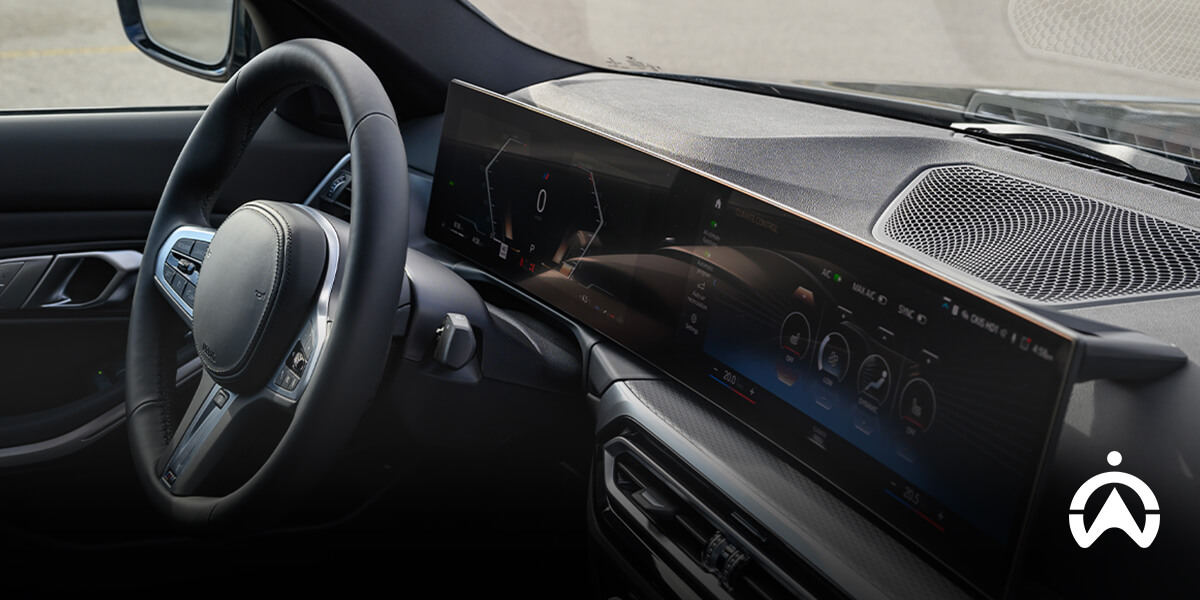
A sleek car interior showcasing a modern dashboard with a large display and steering wheel, featuring digital controls and gauges.

Internal combustion to electric

No car tech has changed as much as how we power our cars. We started with engines that burn petrol and diesel. Then, hybrids were introduced to reduce pollution. Now we have fully electric vehicles and hydrogen on the horizon. You’ll have to choose between them one day, and while it can feel tricky, each type has its pros and cons.

The move from petrol to electric is easier than most people think, but it still faces some challenges.

  • Petrol & diesel vehicles: Running on fuel that releases smoke, which harms air quality, these are still the most common and cheapest cars to buy.
    ‍
  • Electric vehicle: EVs have the benefit of not emitting smoke and generally cost less to service. However, charging stations are still few in Malawi, and the battery may need to be replaced in future, which can be overly expensive.
    ‍
  • Hydrogen vehicles: Still an emerging technology, hydrogen vehicles only produce water vapour as a byproduct. Because they are still new, they are expensive, and Malawi doesn’t have the infrastructure to refuel them yet.

Connectivity on the road

One of the most visual ways technology is changing how we drive is through our entertainment and connectivity systems. These are usually the ways you’ll interact with your car, either through the stereo system or your phone.

Three things are changing this right now:

  1. Android Auto: Your phone apps made available on your car’s screen. Allowing you to use maps, music, read messages, and make calls by touch or voice.
    ‍
  1. Apple CarPlay: Working much the same, linking your iPhone to your car so you can use maps, music, and messages through the screen or steering wheel.
    ‍
  1. WiFi & connected services: There are many new cars that come with WiFi, giving you and your passengers access. You can also have extra functions like tracking your car or emergency buttons for getting help when needed.

The dangers of over-reliance on technology

Complacency is one of the biggest risks with new car tech. Leaning too much on cruise control, lane assist, or blind spot alerts means your reaction rate might be too slow. Technology isn’t perfect, and sensors can get blocked, tricked, or just fail.

Many drivers also lose skills when they let the car do too much. You can see this happen when people start struggling to park on their own, or by the surge in people unable to drive manual cars.
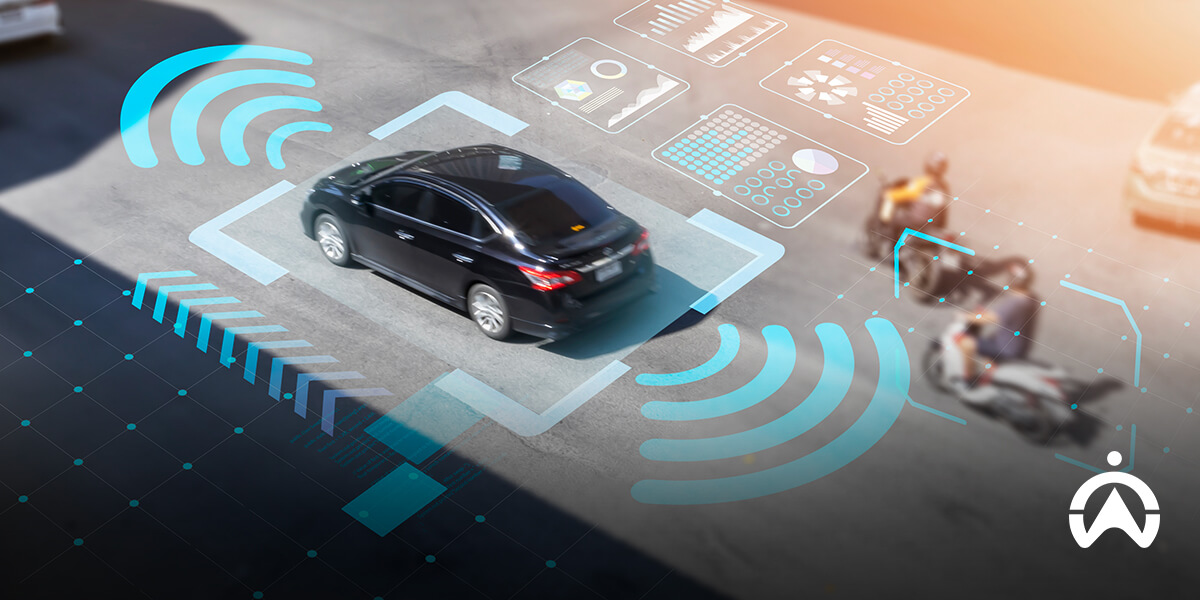
Cartrack car technology advancements showing smart car with digital overlays in urban parking.

The crucial role of connectivity in cars

One of the most interesting ways technology is changing is with connectivity, which is more than just the way our phones interact with the infotainment system. Vehicles are becoming connected to networks, other cars, and cloud services. This gives you real-time insights that help prevent accidents, optimise routes, and support emergencies.

  • Real-time data exchange: Hazards, traffic, and road conditions can be shared, giving you and other drivers the chance to react faster. This also lets you track your car if it goes missing.
    ‍
  • Emergency and post-collision response: Connected cars can alert emergency services automatically after a crash, sending your location and crash details, and getting help to you quicker.
    ‍
  • Fleet management applications: Checking driver behaviour, planning maintenance, and keeping everyone safer on the road can be done by companies that have tracked vehicles and connected systems.

Cartrack’s contribution to the evolution of car technology

Having played a significant role in shaping how technology supports safer and smarter driving, Cartrack has continued to shape advanced tracking and monitoring. Using AI-driven analytics and AI-Vision solutions, it has improved safety, efficiency, and accountability for many drivers.

The company’s connected solutions continue to reduce risks on the road and make vehicle ownership more transparent and cost-effective.

  • Telematics: Integrated technology that shows you how your car is used. Helping you create a maintenance schedule and reducing your fuel costs.
    ‍
  • AI-Powered Cameras: Cartrack’s AI-powered cameras help you spot risky driver behaviour. Reducing potential risks makes driving safer for you and others.
    ‍
  • Real-Time GPS Tracking: Giving you access to where your car is at all times, its tracking solutions mean you can see where it is, and where it has been.

In conclusion

The continued advancement of technology will always change the way we drive, making it both safer and much more convenient. It’ll also be the responsibility of each driver not to get complacent behind the steering wheel. Ultimately, drivers need to stay informed of technology changes to ensure safer, smarter, and more efficient driving practices on the road. At Cartrack, we continually evolve our tracking solutions to match the latest car technology and boost vehicle safety. Contact us today to keep your car protected with the most advanced solutions.

FAQ

Are connected cars safe from hackers?

No, connected cars aren’t completely safe from hackers. You can lower risks by keeping your car’s software updated, using strong passwords and only trusted apps. Carmakers work hard to protect your car, but you still need to stay careful when using connected features.

Will electric vehicle infrastructure improve?

Yes, EV infrastructure is slowly improving. More charging stations are being built in cities and along highways, so you and other drivers can charge your car easily. This will make owning an EV much more practical over time.

What skills should drivers keep sharp despite technological advancements?

You should always keep your core driving skills sharp, even with new tech like lane assist or parking aids. Skills such as manually controlling your car, safe reversing, and basic hazard awareness are always vital on the roads. Remember, technology can fail or become outdated, but your own skills on the road will always need to compensate.
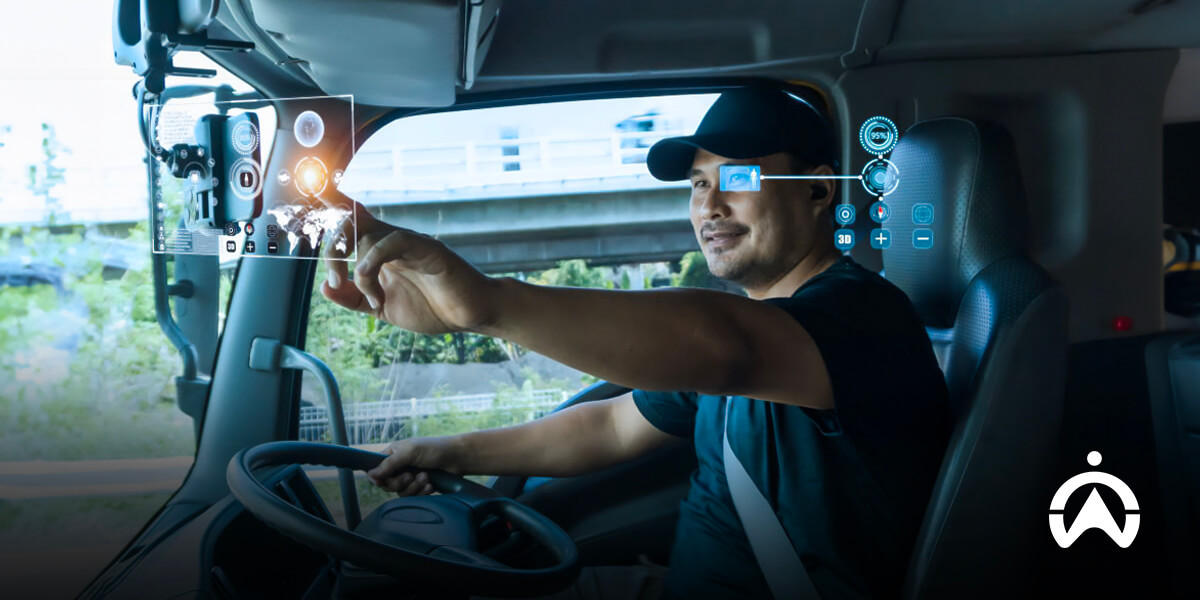
Advanced Driving Lessons: Why Your Fleet Drivers Need More Than Just Lessons

Fleet management is all about maintaining safety. Without rules put in place, it could affect everything from the safe delivery of goods to the health of your vehicles and the well-being of your drivers.

To combat the rising risks associated with risky driving behaviour, fleet managers are looking towards advanced driving lessons for their fleet.

Let’s unpack how these lessons can impact driver safety.

In this article, you will:

  • See the importance of advanced driving lessons for fleet drivers
  • Understand the risks associated with risky driving behaviours
  • Learn about the benefits of advanced driving training
  • Discover how Cartrack solutions enhance driver safety
  • Get insights into frequently asked questions about advanced driving

Introduction to driver safety and risky driving behaviour

Sometimes, the pressure to meet deadlines and manage workloads can lead to a focus on efficiency over safety. This mindset might compel drivers to take risks and compromise their safety on the road, resulting in incidents.

It’s well known that unsafe driving habits cause most road accidents or incidents that might lead to fatalities or injuries to drivers and bystanders. According to The South African Road Traffic Management Corporation (RTMC), the country has more than 4,600 fatal crashes involving freight vehicles.

The risk of accidents is greater when the vehicles are big trucks that can do twice the damage as smaller commercial ones, and many businesses can’t bear the outcome of accidents or incidents caused by risky driving behaviour such as:

  • Increased operational costs due to accidents and vehicle downtime
    ‍
  • Additional expenses for renting vehicles to maintain operations
    ‍
  • Costs associated with vehicle maintenance, repairs, or vehicle replacements
    ‍
  • Medical expenses for injured drivers
    ‍
  • Higher insurance rates due to increased risk
    ‍
  • Potential property damage costs

Drivers’ behaviour on the road greatly impacts a business’s finances, reputation, and customer relationships. So, when signs of risky driving behaviour, such as speeding past road limits or vehicle set limits, harsh cornering, abrupt braking, frequent idling, or generally not using turn signals when changing lanes, start to show, fleet managers have to give their drivers the proper tools to ensure they stay safe on the road, complete trips without issues or incidents, deliver packages without damage, and ensure the vehicle they operate is treated with care.


Advanced driving lessons explained

Now that we’ve discussed why driver safety is needed, let’s get into the solution: driver training lessons that go beyond regular driver training.

These do a good job of reteaching drivers to not only drive from one place to another but to do it safely, following the rules of the road, driving within the set road and vehicle speed limit, using turn signals to switch lanes, not getting distracted and more.

Advanced driving lessons can take licensed drivers’ skills to the next level, teaching them safe, fuel-efficient practices such as:

1. Vehicle control: 

This means properly handling a vehicle while driving it. This skill is important when operating heavy goods vehicles that must be safely driven to ensure that other vehicles are not affected. This includes smooth acceleration, braking, and controlled steering.

2. Observation:

Avoid distractions and be aware of your surroundings while driving. This includes anticipating risks, being aware of other vehicles on the road, monitoring traffic conditions, and identifying escape routes in case of emergencies like attempted hijackings.

3. Managing speeding: 

Drivers learn to adjust speed accordingly based on the vehicle type. road conditions and traffic, so there’s no strain on the vehicle or sudden speeding. Most fleet trucks or vans come with a set vehicle speeding limit that drivers have to obey. Advanced driving lessons assist in getting used to constantly driving at 60 km/h or 80 km/h.

4. Space awareness:

Do you know your vehicle size and how much space it takes on the road? Drivers need to leave enough distance between their vehicles and those around them so they have enough reaction time to slow down or hit the brakes if an incident occurs. This helps with changing lanes, overtaking, turning at traffic stops and parking the vehicle.

‍
5. Fuel-efficient driving:
Practising safe driving habits like smooth acceleration, coasting, and minimal idling to reduce fuel consumption. This not only assists in making fuel last and improving fuel consumption rates, but it also keeps the vehicle healthy and less prone to vehicle breakdowns.

After these skills have been practised and theoretically tested, successful drivers receive a badge of honour in the form of a certificate as proof of their advanced driving knowledge and commitment to safety. Drivers can present their certificate to their insurance company and potentially reduce their premiums.
‍

What makes advanced driving courses different?‍

The difference is in the details. Advanced driving courses provide a better understanding of your vehicle, how to handle it in various situations, and how to prioritise safety on the road.

It teaches drivers skills that aren’t normally taught. Besides considering efficient driving and safety, there’s also information on how to properly operate vehicles in different weather conditions, like driving in heavy rain with slippery roads or on foggy mornings with less visibility, and in emergency situations like reacting to the vehicle ahead suddenly braking at a high speed.

It’s a more practical approach to driver safety than one based on encouragement and incentives.

Going beyond your advanced driving lessons to promote safety and save lives with Cartrack Malawi

After your drivers have taken advanced driver lessons, you need a fleet management platform to ensure driver safety and further manage their progress. Look no further than Cartrack, an industry-leading fleet management and vehicle safety company that thrives on improving driver safety and optimising operations.
‍

Here’s how our features can help you:
‍
1. Advanced driver assistance systems (ADAS) + Smart Cameras with In-Cabin Audio
Our advanced cameras show a clear view of the driver’s behaviour, recording events such as distracted driving, yawning, driving while using a mobile device, and more, while offering two-way communication directly to the cabin to advise on correcting driving behaviour for real-time management to improve driver safety.
‍

2. Driver Scorecards + Risk Report
Our scorecards provide a clear and concise overview of each driver’s driving performance. This, coupled with our risk reports that indicate risky driving behaviour such as harsh speeding, cornering and braking, shows areas of improvement that managers can improve in advanced driver training.

Cartrack is there when the unexpected happens

Cartrack Solutions doesn’t only manage vehicles and safeguard them against threats; we protect them as well as the drivers inside.
‍

Take a moment and watch Zothile Ngcobo’s heartfelt story about how Cartrack saved her life after her vehicle was involved in a terrible accident due to a collision with a truck.


Take your fleet’s driving skills to the next level

Cartrack technology can enhance and simplify driver safety and the learning experience by providing real-time feedback to both managers and drivers. Our solutions help managers efficiently monitor and analyse driving behaviour, providing real-time insights to improve performance and save lives.
‍

For safer, more confident driving on any road, contact Cartrack Malawi and receive a free quote from our team.


Advanced driving lessons FAQs

We’ve provided a lot of information for managers and fleet owners, but what about the drivers? As a driver, you may have some questions about advanced driving lessons and how they can affect you. Read on for answers to your burning questions.

Q1. What is the difference between advanced driving and defensive driving?‍

Advanced driving refers to driving focused on safety and proficiency. It emphasises proactive techniques to anticipate and properly respond to potential road incidents.

Defensive driving focuses more on driving, particularly on minimising the risk of accidents. Drivers anticipate the movements of the vehicles around them. They practise maintaining safe distances and being prepared to react to any potential hazards that might occur.

So what’s the difference?

Q2. What are the benefits of advanced driving?

Driving with safety in mind improves overall driving skills, enhances vehicle control, reduces risks, saves costs and increases road condition awareness.

Advanced driving also emphasises eco-friendly driving practices that save on fuel, reduce wear and tear, decrease vehicle maintenance needs and costs and might potentially lower insurance premiums as well.

Q3. Do you get a certificate for advanced driving?

This depends on where your drivers received the advanced driving lessons, but reputable groups, such as BMW Driving Experience and Toyota Advanced Driving Academy, do provide a certificate upon completion of the program

Q4. How many lessons does the average driver need?

This depends on the driver’s skill level and experience, but around 5-10 lessons might get the job done. However, bear in mind that you need to complete the whole course to be eligible for the advanced driving certificate they award upon completion.
‍

Reach peak safety with the help of Cartrack fleet management solutions. Use our safety features as your tools to elevate your driver’s skills, sharpen their reflexes, and master advanced driving in training.

Visit www.cartrack.mw today.

Driver Efficiency: 5 Reasons Your Vehicles Need this Vehicle Management System Now

How effective are your fleet drivers?

A simple question that not many businesses can accurately answer. It is crucial to know this, as driver efficiency can hinder your fleet from optimal performance and maximum profit.

This is why every fleet needs an efficient vehicle management solution. Your search for the ultimate, all-in-one solution officially ends here.

In this article, you will:

  • Learn what fleet management is
  • Delve into driver efficiency
  • Explore the key parts of an effective vehicle management system
  • Find out why your vehicles need an effective vehicle management system
  • Discover how Cartrack’s solutions can help you level up driver efficiency

What is fleet management?

Simply put, fleet management refers to all the activities that are crucial for running a fleet operation efficiently, while keeping costs low, and profits high. It involves overseeing everything related to a fleet, including managing vehicles, drivers, fuel consumption, vehicle tracking, and diagnostics.

Whatever the vehicle type, be it cars, trucks, or buses, one or one thousand, if it is used for business operations, fleet management is the solution that helps organise and optimise the running of them and the tasks they need to carry out.

What is a fleet vehicle management system?

A fleet management system is a set of processes and tools used by fleet managers to oversee and optimise the performance of a fleet of vehicles or assets. It is a sophisticated software platform that is designed to streamline and enhance the comprehensive management of a fleet of vehicles.

This system encompasses a wide range of functions that are designed to streamline and optimise the management of a fleet of vehicles. Fleet management software operates through a multifaceted system that makes use of various technologies to efficiently manage and optimise the performance of a fleet of vehicles.

A fleet’s success is heavily dependent on how effectively its operations are managed, especially with the impact these operations have on driver efficiency.

Let’s take a look at what driver efficiency is, and the role a fleet management system can play in it.

What_is_a_fleet_management_system

What is driver efficiency?

Driver efficiency in fleets refers to the ability of drivers to operate vehicles in a way that maximises fuel efficiency, reduces maintenance costs, increases safety, enhances driver performance, and improves customer service.

To sum it up, driver efficiency is all about how well fleet drivers can complete their assigned tasks promptly and effectively, while still adhering to safety regulations and company policies.

It is a critical component of fleet management, playing a big role in fleet productivity, the reduction of fleet costs, and the improvement of customer satisfaction. When drivers operate efficiently, they can get jobs done on time, which saves the company money, makes services more reliable and boosts customer satisfaction.

The key parts of an effective fleet management system

Fleet management systems are quite complex, catering to the various needs of your fleet in one simple solution. However, there are a few key parts that are needed for a fleet management system to be effective for your fleet operation, they are:

  • Vehicle maintenance: Vehicle maintenance is a crucial aspect of fleet management, encompassing various elements to ensure operational efficiency, safety, and longevity of the fleet. It involves the process of keeping vehicles in good working condition to ensure that they remain safe and road-worthy. By implementing a regular maintenance and inspection routine, fleets can prevent breakdowns, minimise downtime, and reduce the fleet’s overall operating costs.
    ‍
  • Vehicle tracking: Vehicle tracking is key to an effective fleet management system, providing fleet managers with real-time visibility into the location and activities of their fleet vehicles. This visibility promotes quick decision-making. Real-time visibility allows fleet managers to optimise routes and reduce travel times and unnecessary trips, which leads to cost savings. Real-time vehicle tracking is powered by GPS tracking, which plays a crucial role in the prevention of vehicle theft, and enabling the quick recovery of vehicles if they are stolen.
    ‍
  • Driver management: Driver management plays an important role in an effective fleet management system by focusing on driver performance. This helps you ensure compliance, safety, and productivity through their behaviour. A good driver management system gives you access to real-time alerts for your drivers, and notifications for you, helping you quickly identify areas for improvement and reward drivers for their performance. This is essential in keeping your fleet safe, compliant, and fuel-efficient.
    ‍
  • Fuel monitoring: Fuel monitoring is an important part of an effective fleet management system. By closely monitoring fuel consumption and providing real-time updates, this technology helps fleet managers optimise their fleet’s fuel usage, reduce fuel expenses, and quickly detect fuel theft. This information can then be used to not only reduce fuel waste but also prevent fuel theft.
    ‍
  • Fleet cost monitoring: Fleet cost monitoring is a key part of an effective fleet management system as it allows fleet managers to keep track of all fleet expenses in real time. It enables fleet managers to keep an organised record of their expenses, helping them make informed decisions that can affect every aspect of their fleet management.

5 reasons your fleet vehicles need a vehicle management system today

A vehicle management system is what can help take your fleet from good to exceptional. Yielding a wide range of benefits across the board.

Let’s explore the 5 reasons why your fleet vehicles need an efficient vehicle management system:

  1. It promotes fleet cost reduction: Knowledge is power, and vehicle management systems help fleet managers gain this knowledge. By identifying areas of inefficiency and implementing cost-saving measures, these systems provide real-time data on expenses, fuel usage, and other important metrics, enabling fleet managers to make informed decisions and optimise fleet operations, leading to significant cost savings. By cutting maintenance costs, reducing fuel consumption, and streamlining administrative processes, vehicle management systems contribute significantly to lower fleet costs.
    ‍
  2. It helps increase fleet productivity: By providing real-time data on vehicle location, fuel usage, and driver behaviour, vehicle management systems can help fleet managers make informed decisions to optimise their fleet operations, which directly improves fleet efficiency and productivity. Managers can quickly identify areas of inefficiency, and implement measures that boost their fleet’s productivity.
    ‍
  3. It increases fleet safety: Vehicle management systems are equipped with features that monitor and analyse driver behaviour, such as harsh braking and aggressive driving. This information allows fleet managers to address unsafe driving habits through training and coaching, ultimately reducing accidents. Leveraging real-time data on vehicle location and vehicle management systems gives managers higher levels of visibility of their vehicles. This helps safeguard them from vehicle theft and assists with quick recovery if the vehicle is stolen.
    ‍
  4. It simplifies fleet vehicle maintenance: Vehicle management systems are equipped with features that streamline vehicle maintenance by electronically monitoring fleet maintenance. This is essential for automating maintenance scheduling, tracking vehicle health in real time, and providing alerts when vehicles are due for maintenance and schedules. This takes the guesswork out of vehicle maintenance, helping you ensure that unplanned downtime is reduced.
    ‍
  5. It improves fuel efficiency: Fuel costs can account for almost half of a fleet’s total operating budget. Vehicle management systems play a crucial role in improving the fuel efficiency of each of your fleet vehicles, helping managers lower the total amount of money they need to spend on fuel. By providing real-time data on fuel consumption, fleet managers can monitor fuel consumption in real-time, which can help them pinpoint and stop fuel-wasting behaviour.
reasons_your_fleet_vehicles_need_a_vehicle_management_system

Say goodbye to driver inefficiency: Make your fleet safe, cost-effective and productive with Cartrack’s solutions

Are you ready to boost fleet efficiency, lower fuel consumption, gain unparalleled insights on driver behaviour, and lower fuel costs? Then look no further than Cartrack’s solutions, designed to help you boost your driver efficiency, through a powerful vehicle monitoring system.

These solutions include

  1. Stolen vehicle recovery: Cartrack’s stolen vehicle recovery is a comprehensive solution that leverages advanced technology and a network of highly trained recovery response teams. By using live GPS location tracking, Cartrack Malawi can pinpoint your vehicle’s location, aiding swift recovery. With an externally audited recovery rate of over 90%, Cartrack’s extensively trained recovery teams operating nationwide can track and recover your hijacked or stolen vehicle 24/7, 365 days a year.
    ‍
  2. MiFleet: Take control of vehicle maintenance, scheduling, and vehicle issues with MiFleet, a powerful fleet cost management system. This web-based software application consolidates fleet management data on operational costs, (including fuel costs, maintenance costs, and tolls), into a single user-friendly database, giving you insight into your fleet’s running costs and cost-saving measures for your fleet. It provides a dashboard for management to effectively communicate data with drivers, access data analysis, and send on-the-go updates.
    ‍
  3. Cartrack Delivery: Streamline your business’s delivery process with the Cartrack Delivery app designed to empower fleet managers and drivers. This tool provides an intuitive and easy-to-use platform for managing deliveries, from scheduling to tracking and payment. Delivery gives you access to route optimisation, a feature that helps you avoid travel delays and save fuel, reducing fuel costs and increasing efficiency. This feature helps you optimise your driver’s routes by analysing various factors such as real-time traffic and road conditions and route history.
    ‍
  4. AI cameras for driver monitoring: Get 24-hour, on-demand visual access to your fleet vehicles with Cartrack’s Live Vision AI cameras. This AI-powered, live-streaming technology helps you monitor driver behaviour in real time, giving you access to real-time audible alerts when various forms of distracted or dangerous driving are detected (such as speeding, smoking, fatigue, and cell phone use). Pair this cloud-connected video management solution with Cartrack’s Advanced Driver Assistance System (ADAS), a technology designed to enhance fleet safety by alerting your drivers to potential road hazards, and detecting and responding to obstacles.
    ‍
  5. Fuel management: Optimise fleet fuel consumption with Cartrack’s fuel monitoring system. This software gives fleet managers access to real-time data on fuel consumption per kilometre and per job with daily, weekly, or monthly. By utilising advanced sensors installed inside fuel tanks, enabling live monitoring of diesel consumption, you can quickly spot sudden spikes in fuel consumption and pinpoint the reasons, whether it be theft or fuel-wasting driver behaviour. The fuel trend monitoring provides detailed fuel metrics on fuel per km travelled and per job completed for every driver and vehicle, giving you an accurate overview of how much diesel your fleet consumes.
    ‍
  6. Preventative Maintenance: Keep your vehicles functioning at their optimum level with Cartrack’s preventative maintenance. Avoid unexpected downtime and reduce maintenance costs. This system sends real-time diagnostic alerts for mechanical faults, including engine faults and worn brake pads, which help you immediately identify vehicles that need servicing, preventing costly repairs and collisions. The fleet management system looks at each vehicle’s utilisation hours and the time of its last service to automate maintenance schedules, helping you streamline the maintenance process and prevent unplanned vehicle downtime, helping you increase fleet longevity.

Ditch driver inefficiency: Boost productivity and profits with Cartrack Malawi

If you’re tired of having an inefficient fleet with high fuel consumption, costly unplanned breakdowns, and distracted drivers, look no further than Cartrack Malawi, helping you level up your driver efficiency, and ensure that your fleet is functioning at its optimum level.

Contact us today, and take your fleet to new heights.