Non-Powered Asset tracking solutions with Cartrack

Did you know that vehicles aren’t the only thing you can track with Cartrack? You can keep an eye on your non-powered assets—like trailers, containers, or farm equipment—as well. It’s no surprise that non-powered assets are vital to many operations but are often the hardest to keep track of.

This is mostly because many of your movable assets often sit idle, which leads to wasted potential. Sometimes they even seem to grow legs and walk away. According to Deloitte, businesses can expect to lose up to 20% of asset productivity each year due to misplaced or idle equipment.

These losses not only impact your productivity, they also impact your project timelines and profitability as well. Cartrack’s non-powered asset tracking solutions can provide your business with complete visibility over your valuable equipment, even when it’s not in use or doesn’t have an engine.

With features like real-time location data, durable long-life trackers, and a centralised dashboard, you’ll always know where your assets are and how they’re being used.

The result? Your business will experience fewer losses, smarter planning, and stronger operational control across every site.

What are non-powered assets?

A non-powered asset is any equipment or machine that doesn’t have its own engine or built-in power source. You can easily find these in various industries such as logistics, mining, farming and construction—just silently doing their job in the background.

Examples of Non-Powered Assets

  • Construction trailers and site containers
  • Generators and compressors
  • Cranes
  • Farm implements (ploughs, planters, sprayers)
  • Water tanks and fuel bowsers
  • Dumpsters
  • Shipping containers
  • Mobile toilets and lighting towers
  • Industrial storage units

Although these assets may not necessarily move daily, when they do, you need to know where they are, how they’re being used, and whether they’re secure.
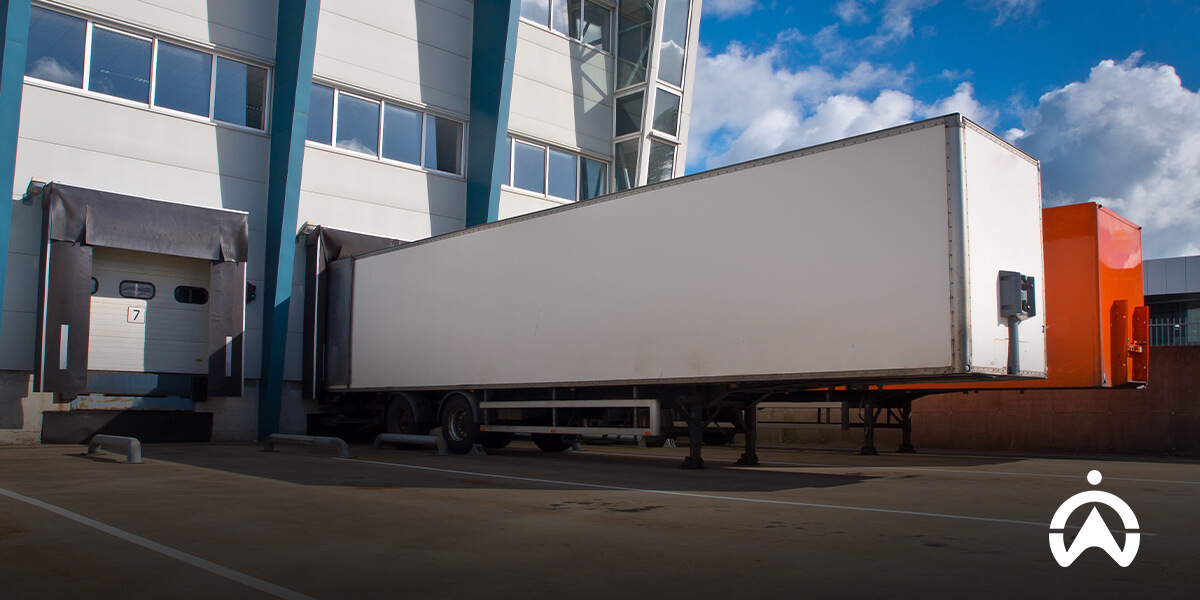
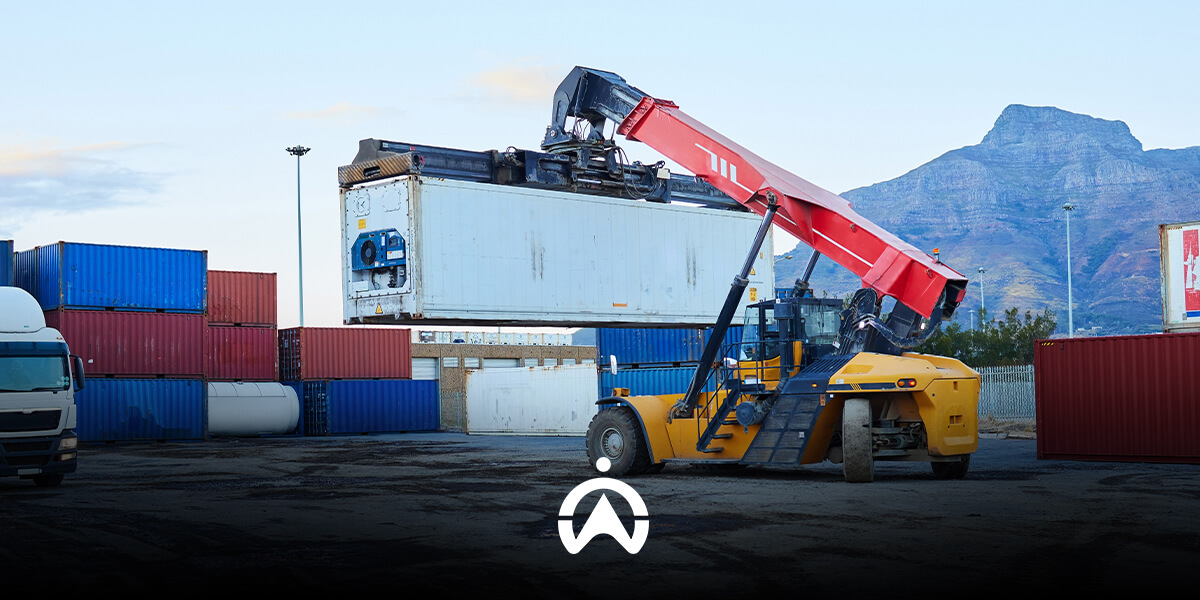
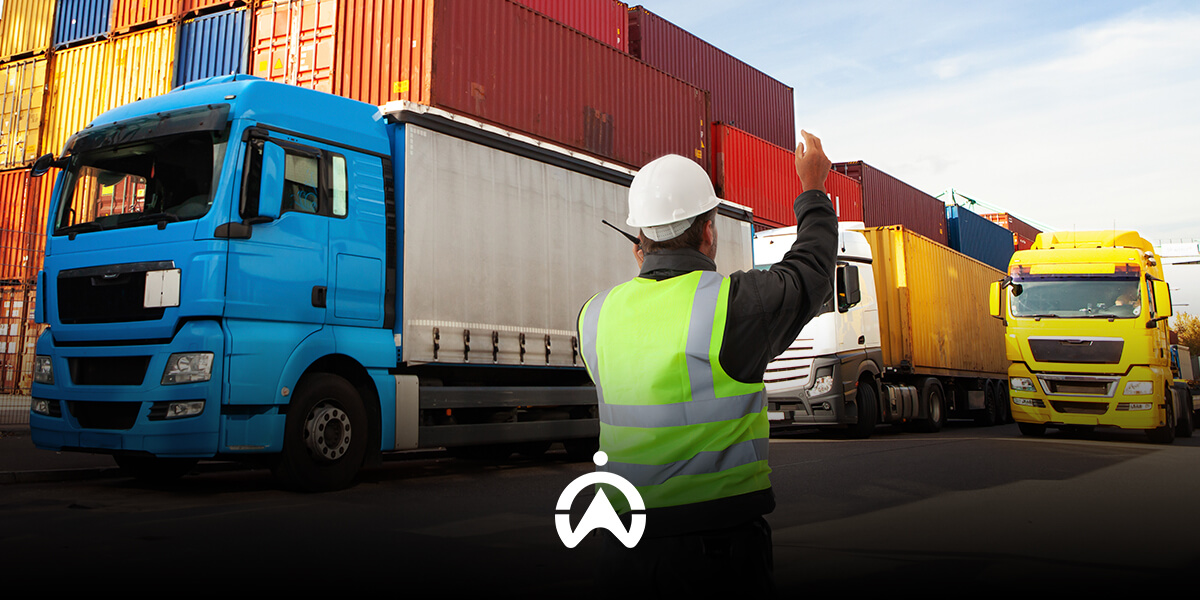
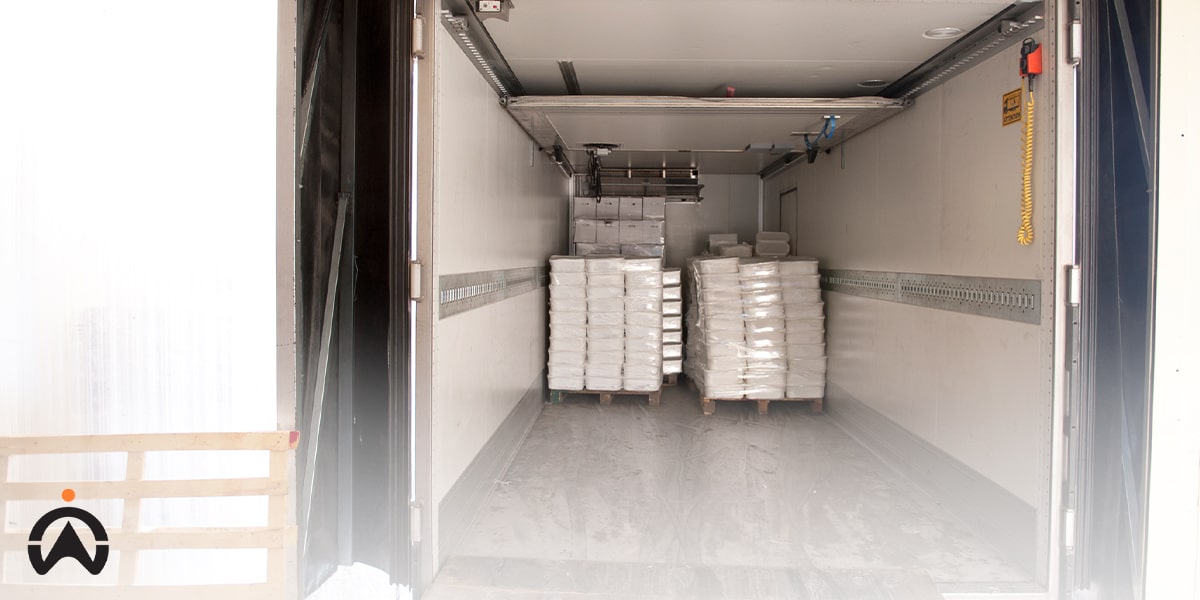
White freight trailer at loading dock demonstrating non-powered asset tracking for stationary cargo.

Why is tracking non-powered assets important?

Tracking your non-powered assets is important because it’s super easy for unpowered equipment to get misplaced, stolen, or left behind between sites. When a business makes use of asset tracking, it can prevent this from happening by providing you with location insights and usage visibility. By tracking non-powered assets, it helps with accountability.

And sometimes, these losses don’t just happen on paper—they happen in real time.

It’s 7:00 AM on a busy construction site. Ten workers are standing by, waiting for a compressor that’s nowhere to be found. The most expensive sound? Silence. A R50,000 piece of equipment isn’t where it was left, and every minute the team waits costs you money.

Cartrack’s real-time tracking and geofence alerts stop this problem before it starts. You’ll get an instant alert the moment an asset is moved off-site or during restricted hours.

The tracker pays for itself in the first hour of avoided downtime. Instead of scrambling to find missing gear, you’ll get a message saying, “Your asset is moving,” before it even leaves the area.

The risks of untracked assets

  • Equipment theft or loss
  • Delays in operations due to missing tools or parts
  • Poor asset utilisation
  • Increased maintenance costs from misuse or neglect
  • Wasted time searching for items

The benefits of tracking

  • Enhanced visibility across sites
  • Reduced equipment loss and theft
  • Accurate asset inventory
  • Improved maintenance planning
  • Smarter, data-driven decision-making

How does Cartrack’s non-powered asset tracking work?

Cartrack’s non-powered asset tracking technology works by making use of superior GPS and IoT technology to track the exact location and movement of non-powered assets in real time. The devices are small and weatherproof and are built to last for years, even in harsh outdoor environments.

Key features

  • Long-lasting battery-powered GPS devices that can run for years on a single charge.
  • Real-time location updates and movement alerts to help you stay informed.
  • Geofencing provides you with immediate notifications when an asset enters or exits a designated area.
  • A robust and weatherproof design perfect for outdoor and heavy-use settings.
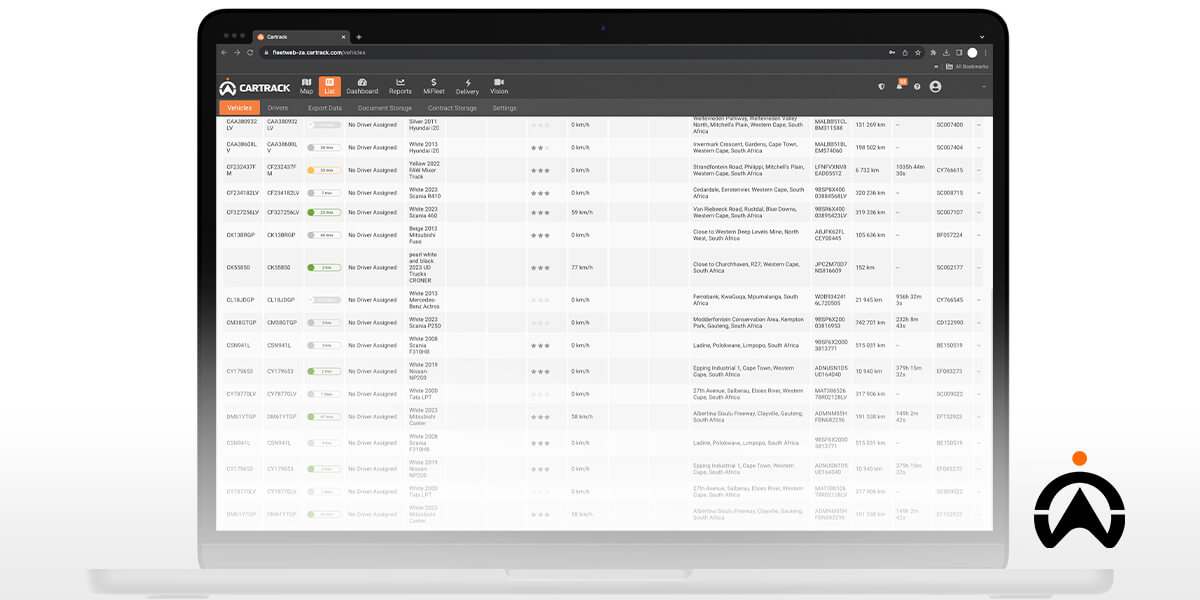
  • An easy-to-use centralised dashboard to manage all your assets in one place.

Integration with Fleet and Equipment Data

Cartrack brings everything together in one place. With your vehicles, machinery, and equipment all in view, you gain a complete picture of your operations.

What makes Cartrack different from generic asset trackers?

Cartrack is different from generic asset trackers because it has a comprehensive solution for demanding business environments. It’s important to note that not all tracking systems are created equal. There are many generic trackers that only provide you with location data. With Cartrack you’ll get performance, real-time updates and local support whenever and wherever you need it.

This table gives you a comparison of what Cartrack’s asset tracker can provide versus what you’ll receive from a generic tracker.

Feature Cartrack Generic Trackers
Battery life Up to 5 years 1–2 years
Data updates Real-time Delayed or periodic
Device durability IP68 weatherproof Limited outdoor use
Integration Full fleet + asset view Standalone only
Support 24/7 local team Offshore or limited
Alerts Customisable geofencing Basic movement only

Who can benefit from non-powered asset tracking?

Almost any business that uses portable or mobile equipment can benefit from non-powered asset tracking. Whether you’re managing farm tools, construction gear, or transport trailers, knowing where your assets are at all times helps reduce losses, improve efficiency, and boost productivity. It’s a simple, reliable way to keep your operations running smoothly for less expenditure.

However, it’s worth noting that some sectors benefit more than others.

Agriculture

  • Safeguard remote equipment against theft.
  • Handle seasonal equipment distribution.

Construction

  • Improve the utilisation of equipment.
  • Avoid losses during site locations.

Logistics and transport

  • Prevent locking in assets that are needed.
  • Reduce downtime and idle storage.

Mining and industrial operations

  • Be able to view portable light towers and fuel tanks.
  • Enhance site safety and compliance.
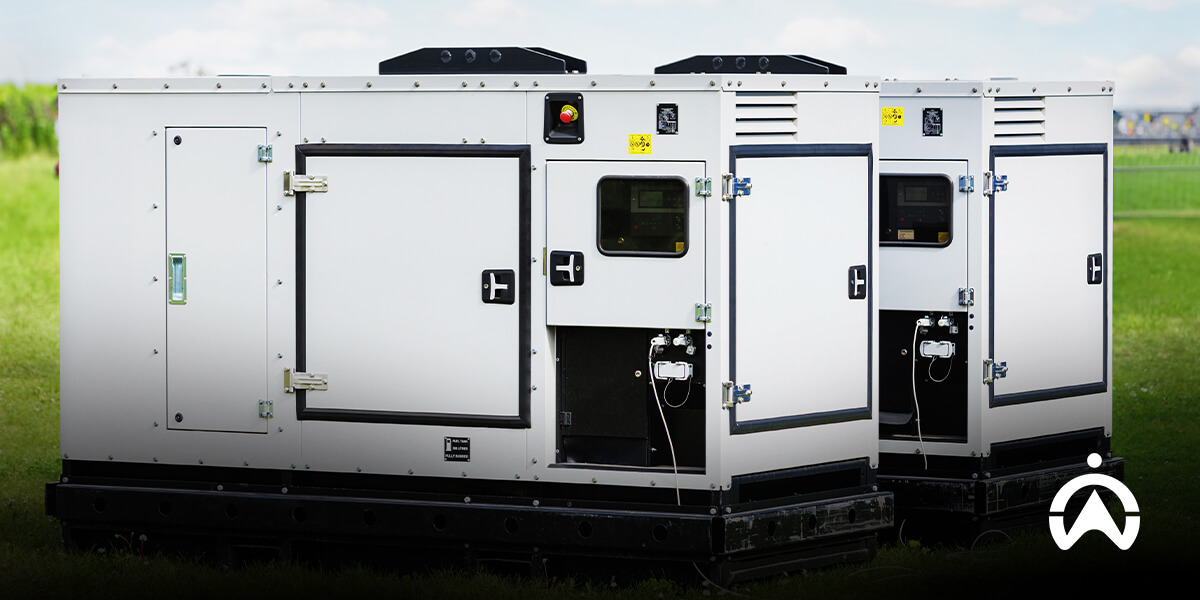
White industrial containers outdoors illustrating non-powered asset tracking for static assets.

How does tracking improve ROI?

Tracking your non-powered assets can substantially improve your return on investment (ROI). You minimise losses and increase utilisation simply by knowing where your equipment is and who’s using it. You can also avoid unnecessary expenditures—both of which will enable you to maximise your ROI and decrease operational costs.

One hidden cost that’s often overlooked is the time your team spends looking for missing assets.

Misplaced equipment doesn’t just cause delays—it wastes expensive labour. When an asset goes missing, supervisors and skilled workers often spend hours driving between sites, searching for it. That’s productive time and payroll wasted on something that should take seconds to solve.

With Cartrack’s simple dashboard and mobile app, anyone can instantly locate an asset or share its live location. No more phone calls or wasted trips between depots.

Eliminate costly “search parties”. In just a few taps, a supervisor can pinpoint the exact location of any asset and redirect the team immediately. Time saved, money saved, productivity restored.

Financial benefits

  • Lower replacement costs: Limit the cost impact of lost or stolen goods.
  • Higher utilisation: Use existing assets more efficiently.
  • Improved planning: Avoid duplicate purchases.

Operational gains

  • Faster project turnaround.
  • Accurate inventory management.
  • Reduced downtime during asset transfers.

Is it difficult to implement Cartrack’s solution?

No, it is not difficult to implement Cartrack’s asset tracking solution. Cartrack’s non-powered asset tracking devices are a breeze to set up and don’t need any power source. They’re fully wireless and ready to use right away. Once you activate them, they connect effortlessly with your existing Cartrack platform, allowing you to monitor everything from one convenient spot.

Plus, we provide training and 24/7 support to back you up!

How reliable and secure is Cartrack’s system?

Cartrack weaves security into every aspect of its solution. Your data moves through encrypted channels, keeping it safe from prying eyes. If anyone tampers with or removes a device, you’ll get an alert immediately. Cartrack has proven itself as a reliable and trusted partner, trusted by over 2.4 million active users internationally.

Whether it’s a plough parked out in the field or a trailer shifting between locations, your non-powered assets deserve just as much attention as your vehicles.

With Cartrack’s non-powered asset tracking, you get durable, long-lasting devices, dependable connectivity, and real-time surveillance. Spend less time searching for equipment and more time driving your business forward. It’s a practical way to protect your investments and keep everything running smoothly.

FAQs

Can I track assets across different sites or provinces?

Yes, Cartrack’s tracking works nationwide and beyond. You can monitor all your assets across multiple sites, cities, or even countries in real time. Everything appears on one easy-to-use dashboard whether your equipment is on farms, at depots, or on remote construction sites.

Can I see asset history or movement over time?

Yes, Cartrack stores full location and movement history for each asset. You can check where your equipment has been, how long it stayed there, and its last recorded movement. This helps with planning, usage verification, and maintaining accurate asset records.

Do I need internet access on-site to use the system?

No, you don’t need internet access on-site to use the system. That’s because Cartrack devices use built-in SIM connectivity, so they send updates directly to the platform. This means that even in off-grid or low-signal areas, your non-powered assets remain visible and trackable without needing local internet access.

Can I export asset data for reporting or audits?

Yes, you can export data for reporting or audits in just a few clicks. Cartrack’s platform lets you generate detailed reports on your assets’ locations, movements, and usage. Which in turn can be used for audits, internal reviews, or management reporting—no extra software required.

Is there a minimum number of assets needed to use Cartrack’s solution?

No, there’s no minimum asset requirement when you use Cartrack’s asset tracking solution. Cartrack’s system scales with your needs, whether you’re tracking a handful of items or managing a large fleet. It’s designed to suit small businesses, medium operations, and enterprise-level organisations alike.
How to Really Protect Your Courier Vehicle From Being Hijacked

To really protect your courier vehicle from being hijacked, always ensure you’re covered with preventative tactics, protection strategies while out on deliveries, and post-incident assistance. By implementing these steps as part of a comprehensive protection plan, you’re strengthening the safety and protection of your fleet and its drivers.

Courier vehicles are a growing target for criminals, exposing a genuine vulnerability in transportation and logistics. Reuters reported that delivery truck hijackings have spiked, with reports indicating that between 20 and 25 couriers are hijacked daily. Companies are ‘spending an absolute fortune on security’ to tackle these vulnerabilities, reflecting how criminals see courier vehicles as quick wins and fast money.

The best way to tackle this? Real and actionable solutions. In this guide, we go beyond a simple ‘stay alert and stay safe’ approach. We explore the best ways to implement prevention methods, keep your drivers protected, and partner with Cartrack for full coverage and fleet vehicle safety.

Actionable steps to protect courier vehicles from hijacking

The actionable steps you need to take to protect courier vehicles from hijacking are prevention strategies, in-journey protection, and post-incident support. This layered approach means that you’re combating every possible angle that could impact your fleet and will ensure full visibility, support, and protection for your vehicles and their drivers.

Prevention strategies

The secret to managing safety even before your drivers are on the road is to implement prevention strategies. Preventative measures will always be one of the best ways to handle risk management. This is why driver training, route optimisation, and limiting cargo visibility can play a monumental role in fleet and driver protection.

  • Train drivers: Teaching and training your drivers ensures that they know what they need to look out for, can practice remaining calm in high-tension situations, and can manage exposure to potential risks.
    ‍
  • Vary routes and delivery times: A routine can make drivers an easy target, which is why regularly modifying schedules or making variations to routes can throw off hijackers who’ve been surveying a vehicle over time.
    ‍

BONUS TIP: It’s also important to keep the goods in neutral packaging when possible.

In-journey protection

You could put all the preventive measures in the world in place, but in-journey protection will always be just as important. Visibility, live tracking solutions, and immediate alerts are all necessary for onboard protection. This is especially the case for reacting as quickly as possible if your driver’s in danger.

  • Live GPS tracking with alerts: Not only does live GPS tracking allow you to keep an eye on vehicles and their trips, but route deviations are immediately flagged, allowing you to react accordingly if there’s danger.
    ‍
  • Remote vehicle immobilisation: If a vehicle has been stolen or hijacked, you can shut down the vehicle remotely once it’s safe to do so. This limits how far the vehicle goes and aids in quicker recovery.
    ‍
  • Panic buttons: A well-concealed panic button, pressed by a driver in danger, can quietly alert control rooms, which can then notify the correct parties to send help.
    ‍
  • Camera solutions: The presence of advanced camera solutions means that everything is surveilled, which can provide crucial evidence if there’s a criminal case.

Post-incident support

Sometimes, the worst does happen, which is why it’s best to ensure that you have clear strategies in place that’ll support your drivers and put you in a position for quick recovery. You want to ensure that your post-incident support puts your staff first and shows that you genuinely care.

  • Swift recovery assistance for stolen vehicles: The best thing you can do for your asset recovery is to ensure you partner with a company that has strong support and swift vehicle recovery.
    ‍
  • Protecting the driver’s physical and mental well-being: Your driver could be left physically hurt, mentally shaken, or both. Offer counselling, cover hospital visits, or encourage paid leave so they can recover fully and return to work in their own time.
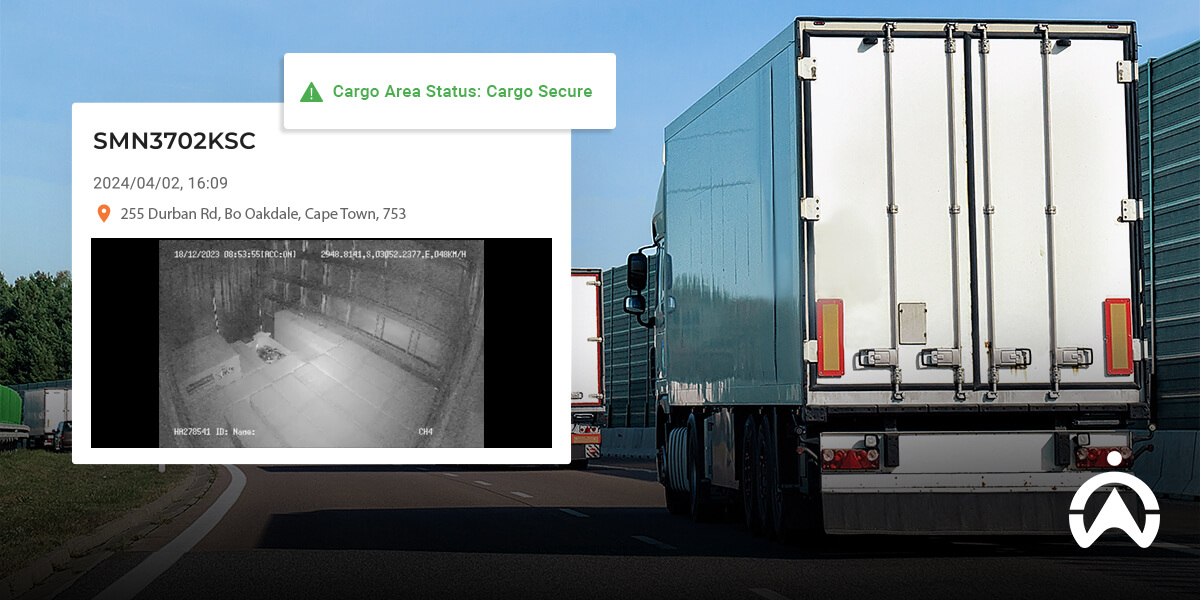
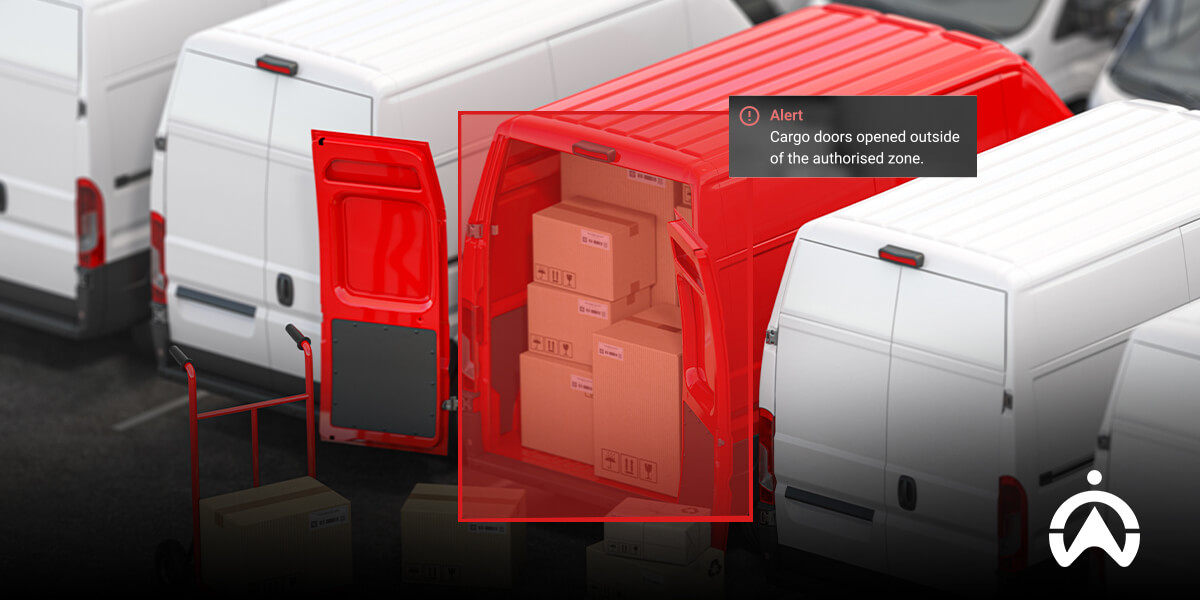
Cartrack alert detects potential hijacking of courier vehicle as cargo doors open outside authorised zone.

Why are courier vehicles prime hijacking targets?

Courier vehicles are prime targets for hijacking because they often carry valuable goods. This includes expensive clothing, electronics, skincare products, and other costly merchandise. Criminals often see these vehicles as ‘quick wins’, recognising courier vehicles as low-risk, easy targets.

The risk extends beyond financial loss. Despite the burgled cargo, drivers can face real physical and mental trauma, there can be damage to the business’ reputation, and deliveries can be lost or delayed.

The vulnerability of courier vehicles to hijacking in Malawi is highest within its major urban areas, such as the Khomas Region and Windhoek. The predictability of delivery routes in these high-traffic regions makes them prime and anticipated targets for criminal activity.

Understanding hijacking tactics and the threats couriers face

Couriers are vulnerable to very real threats and hijacking tactics every time they’re out in the field. Methods include roadblocks, fake delivery orders, or being followed and monitored. Criminals are refining this more and more every day, signalling the importance of implementing strong security measures.

Consider these real-world scenarios:

  • Fake delivery customers or order diversions: Drivers can be drawn to locations that are isolated or directed to a pick-up point where they’re vulnerable to an ambush.
    ‍
  • Following the courier vehicle to figure out schedules and routines: If drivers have regular and predictable routes, malicious parties can predict and learn driver routines.
    ‍
  • Roadblocks or forced stops: Thieves can put up fake roadblocks or initiate forced stops by putting objects that obstruct the road for the courier driver. Following this, they’ll ambush the vehicle.
    ‍
  • Insider threats and tip-offs: Thieves can plan their strategies by getting insider knowledge. This could be leaked information from an employee who tips them off about very expensive items in transit.

Breaking down risks vs protection regarding courier vehicles and hijacking

Take a look at this table that compares risks vs the best protection methods:

Risk / Threat Hijacker Tactic Courier Weakness Best Protection Strategy
Fake deliveries Luring drivers to unsafe areas Lack of route verification GPS tracking and route alerts
Forced stops Blocking the road/staging an accident Driver unprepared Panic button and driver training
Following routes Monitoring vehicle habits Predictable routines Route variation and live monitoring
Insider info leaks Shared delivery details Poor info security Secure dispatch systems

How Cartrack keeps courier vehicles safe

Cartrack keeps your courier drivers safe by offering the best in security and protection technology. Some of these tools include GPS tracking, vehicle immobilisation, and strong customer care and brand trust. You can rest assured knowing that your assets are protected, from first to last-mile delivery.

Here’s why Cartrack is a cut above the rest:

  • Vehicle tracking: We offer strong GPS tracking systems with impressive backup solutions in case of signal interference, meaning you’ll always have full visibility of your fleet at all times.
    ‍
  • Real-time alerts: Immediate alerts for geofencing breaches, idling, or any other strange driving behaviours mean you can act swiftly and immediately if something seems “off” about a trip.
    ‍
  • Remote vehicle shutdown: Our remote vehicle immobilisation tool allows you to safely shut down a vehicle when hijacked. The vehicle won’t move any further, allowing for quicker vehicle recovery.
    ‍
  • 24/7 recovery teams: Our team is on standby around the clock in case of any emergency or recovery needs, and with our high recovery rate, the numbers speak for themselves.
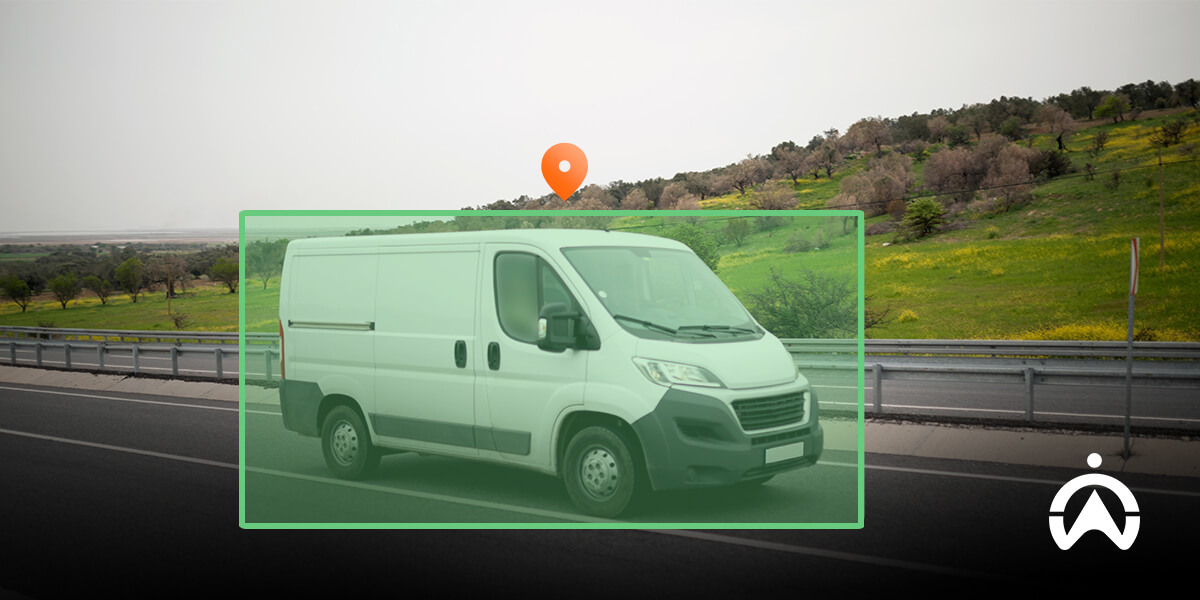
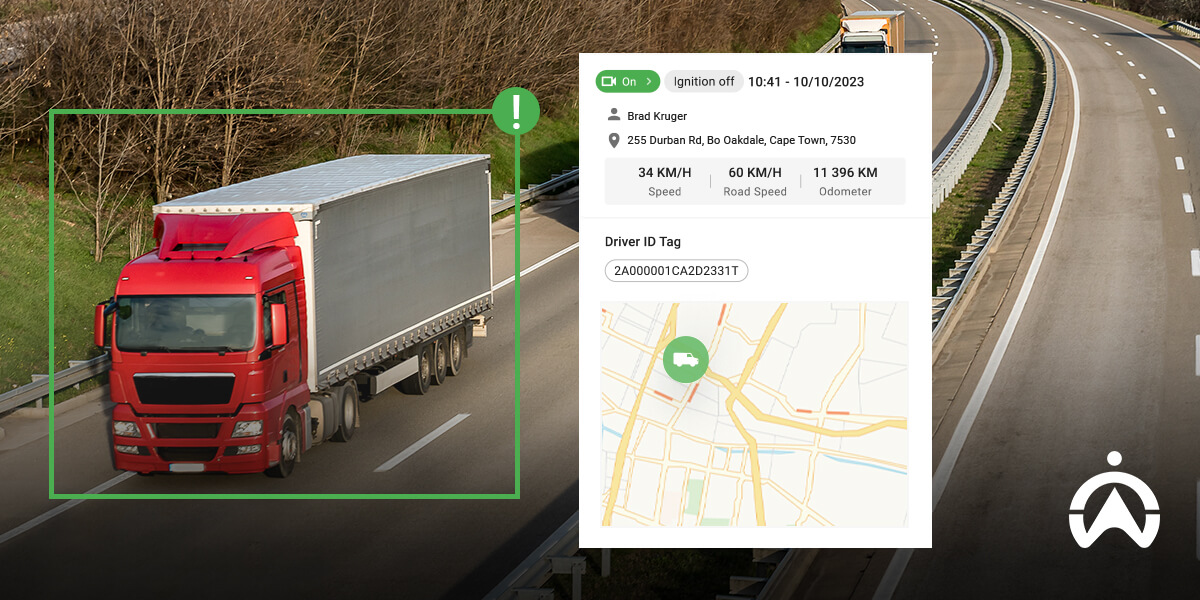
Courier vehicle parked near countryside road, representing hijacking of courier vehicle threats.

Wrapping up on courier vehicle safety

Courier vehicle hijackings remain a serious concern in Malawi, but businesses can greatly reduce their exposure by taking proactive steps. From skilled drivers and varied routes, to live tracking and rapid recovery support; every layer of preparation strengthens fleet security.

Take all the safety precautions you can to protect your fleet. With Cartrack’s advanced technology and full, constant support, you’ll have complete control and visibility across your fleet, helping drivers and managers deliver safely, every day.

Your drivers deserve safety, and your business deserves security you can trust. Know that help is always close at hand; partner with Cartrack to protect your courier fleet.

FAQs

Q: What preventive measures can we take in the event of hijacking?

A: In the event of hijacking, the best preventative measure is teaching drivers beforehand about hijacking safety procedures. Invest in other prevention strategies like rotating routes and drivers, geofencing and other immediate alerts set up, and swift vehicle recovery plans in place.

Q: What should a courier driver do during a hijacking situation?

A: During a hijacking situation, a driver should remain calm and keep their hands visible at all times. Drivers should carefully alert the necessary parties by pressing a panic button if there’s one located in the vehicle. A driver should always try to keep movements and words clear and slow—erraticness can startle hijackers and cause them to make dangerous mistakes.

Q: Does insurance cover courier vehicle hijackings?

A: Yes, insurance companies do typically cover vehicle hijackings, but many contributing factors determine the insurers’ specifications. Companies will usually first look over the business’ safety policies and risk management. Following this, they’ll likely require information like evidence of driver training and tracking technologies.

How a GPS Tracker with a Temperature Sensor Is the Best Way to Monitor Your Perishables

The quality of perishable goods, such as fruits and dairy products, can spoil quickly without proper storage and transport. This makes them unsafe for use and will cost your transportation business a fortune due to a loss in customer trust and compliance fines.

Managing these goods effectively involves understanding their unique characteristics and implementing suitable storage and transportation practices. Businesses must guarantee safe storage and traceability during the transportation stage to prevent deterioration. To achieve this, there must be a fleet management solution that can monitor the temperature of these perishable goods in transit.

The combination of GPS technology, telematics, and temperature sensors makes this possible, and today, we discuss how it all works and why it’s the best way to monitor your perishables.

In this article, you’ll discover:

  • What a temperature tracker is and how it works
  • The most effective way to monitor temperature-sensitive cargo
  • The risks involving poor management of temperature-sensitive goods
  • The industries that benefit from GPS trackers with temperature sensors
  • The Cartrack solutions for better temperature control

What is a GPS tracker with a temperature sensor?

A temperature sensor with a GPS tracker is a device that’s used to monitor temperature readings over time. In cold chain logistics, it’s used to record the temperature conditions of your cargo during transit. This is done through the integration of IoT (Internet of Things) technology, GPS tracking technology, and sensors.

How does the system work?

  1. Temperature sensors are usually installed in areas inside refrigerated trucks or trailers. The sensors then measure the temperature of that environment, often at frequent intervals (e.g., every 5 minutes).
  2. Temperature readings are then transmitted to the telematics device for processing, and the device conveys the information to a cloud-based platform in a way that’s easy to understand. This is where fleet managers get notifications of temperature fluctuations.
  3. The fleet management platform securely stores all temperature-related data for an extended period, giving fleet managers detailed reports that show sensor readings, times, and locations.

What’s the best way to track temperature during transit?

The best way to track the temperature of goods during transit is by using a remote temperature monitor that works in conjunction with a GPS tracking system. This setup offers significant advantages compared to traditional methods, which rely heavily on manual procedures. Such methods are prone to human errors, such as using thermometers and temperature strips.

A GPS tracking system that’s paired with temperature monitors offers real-time temperature alerts with high precision, which minimizes variations. Some sensors are placed in different compartments of the storage unit, which allows multi-point monitoring.

They also give location insights and historical data analysis, which encourages accountability. Furthermore, fleet managers can easily access the data through user-friendly dashboards on desktops or mobile phones.

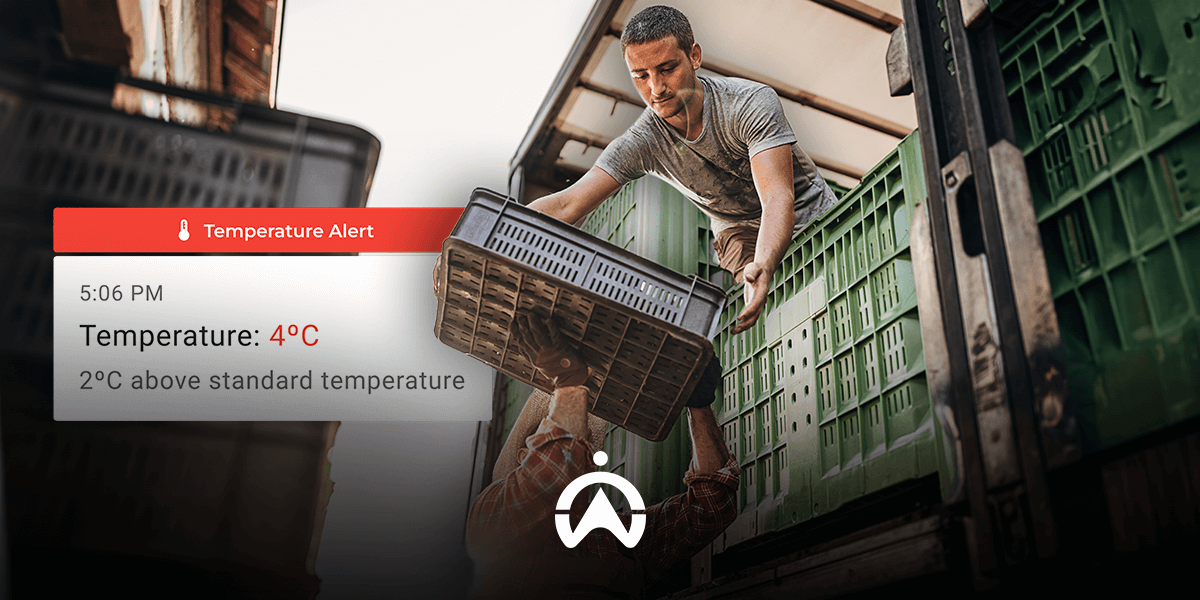
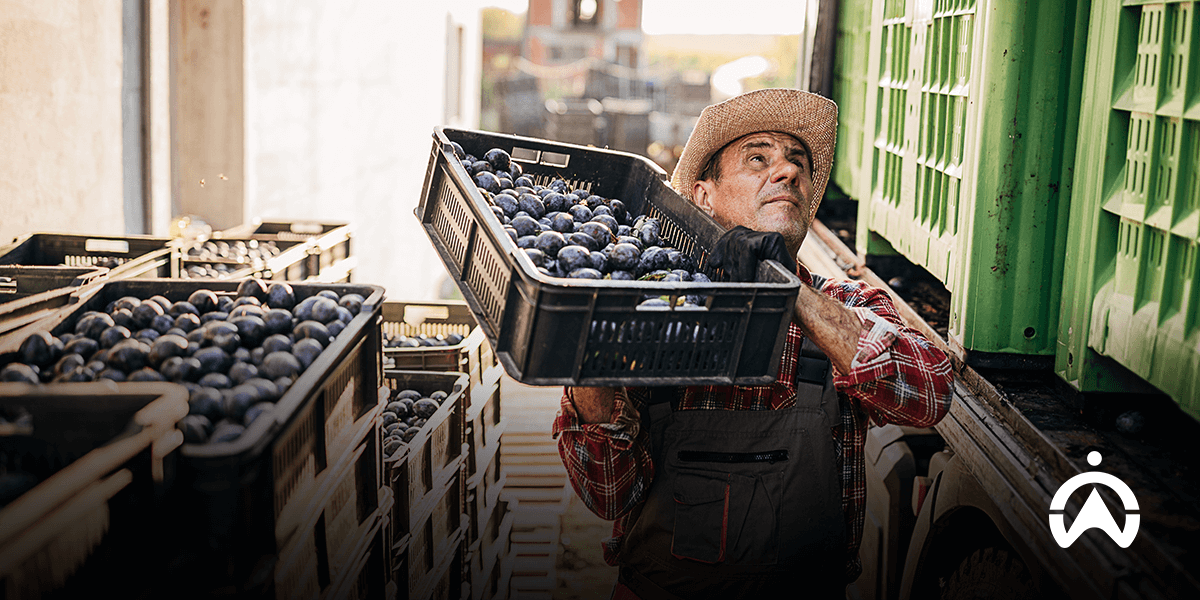
Farmer harvesting plums with Cartrack GPS Tracker with Temperature Sensor for optimal freshness

Why is it important to check the temperature of perishable goods during delivery?

Malawi has an alarming food waste crisis; among the factors contributing to this is the food supply chain industry during the post-harvesting process. This is an alarming challenge, because approximately 28% of the analyzed population is expected to face high levels of acute food insecurity (IPC Phase 3 or above), according to a report on Knowledge for Policy. 

Perishable goods such as meat and vegetables have a limited shelf life and must reach retailers in the best quality possible. Storing such goods at incorrect temperatures is one of the most common food safety risks in the cold chain logistics industry, as it can result in bacteria forming, leading to spoilage and food poisoning.

The spoilage of these goods can bring your transportation business significant financial losses and can damage the company’s reputation, potentially leading to product recalls and regulatory fines.

There are dangers and implications of poor temperature monitoring during the transportation stage.

Other industries that benefit most from GPS trackers with temperature sensors?

For most of this article, we’ve spoken about food, but other industries also require temperature monitoring systems, such as the following:

  • Pharmaceutical supply and vaccine distribution: Medicines such as tablets, capsules, and vaccines require strict temperature control to maintain their effectiveness. Any temperature fluctuations that occur during transit can alter the chemical structure of these products, making them ineffective or potentially dangerous.
  • Floral and nursery: Flowers respond almost immediately to a change in the environment. Some plants and flowers require near-freezing temperatures to survive, while others require warmer temperatures. The floral and nursery industry also uses temperature monitoring systems to maintain temperature ranges during the transportation stage to preserve the quality of flowers and plants.
  • Museum and art preservation: Artwork is often sensitive to changes in temperature because of the materials that make up the pieces. For example, a canvas (used for paintings) is made up of natural materials such as cotton or linen. The materials can shrink or expand depending on temperature and humidity, causing permanent damage to the painting. As a result, temperature monitoring during the transportation of valuable artwork is an aspect that shouldn’t be overlooked.
  • Funeral services: From hearses to ambulances, it’s important that these vehicles follow safety regulations to ensure slow decomposition, maintain dignity, and avoid health risks while transporting the deceased. Temperature sensors are usually placed inside the coffin compartment of the hearse, and the vehicles usually have GPS trackers for location and timestamps.

How to ensure proper temperature control during transportation

Proper monitoring of perishable cargo involves a collaboration of various technologies, such as the following:

Pre-cooling trucks

It all starts with the type of vehicle you get for the job. Vehicles that transport refrigerated goods have their specifications. It’s vital to pre-cool the storage compartments to the right conditions before loading the produce. That’s why pre-cooling trucks is a must for most businesses in this industry.

Temperature sensor calibration

Sensor calibration refers to the process of adjusting and setting sensors to measure temperatures accurately. This is done through testing the accuracy of the sensors and adjusting them before placing them into vehicles. Over time, they can give inaccurate readings due to ageing, so they need to be regularly checked and adjusted. Also, make sure the sensors are placed in different zones of the cargo area to get the true conditions of the storage compartment.

Route planning

Another key component in the transportation of perishable goods is planning and choosing routes that minimise travel time to avoid delays that may expose the cargo to risks. The best way to do this is to invest in route optimisation software.

Real-time monitoring setup

Set up alerts for fleet managers, coordinators, dispatchers, and all relevant stakeholders so they receive notifications of any temperature changes or route deviations along the way.

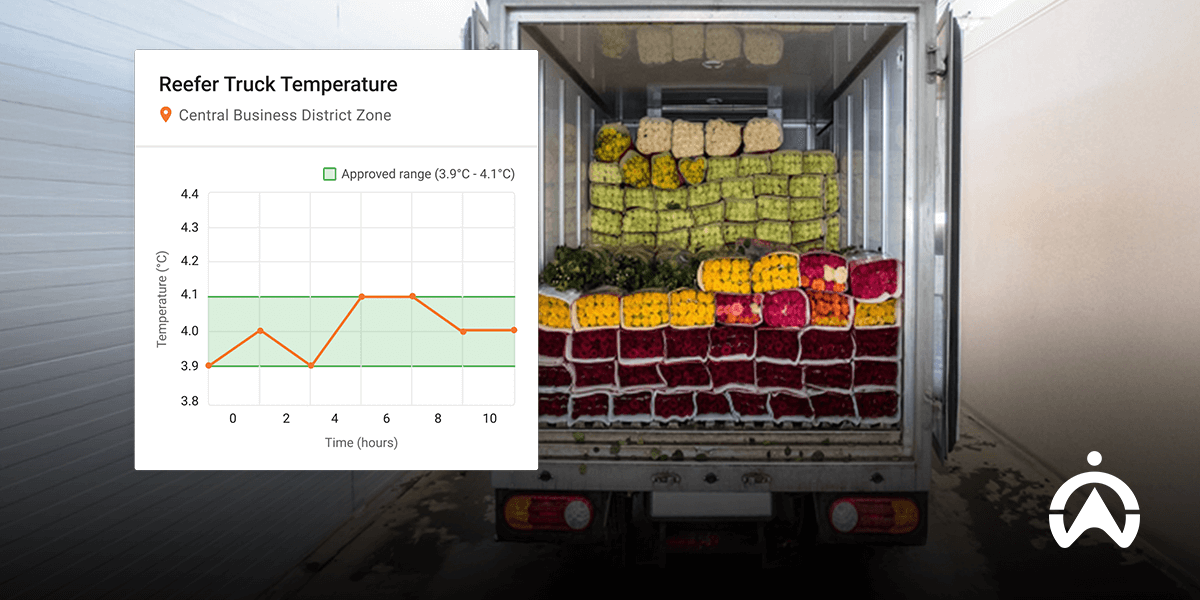
Cartrack GPS Tracker with Temperature Sensor monitoring refrigerated truck flowers at 3.9°C–4.1°C

Keep a close eye on your temperature-sensitive goods with Cartrack

Have a look at the features we have in store for your business:

  • ‍Temperature sensors
    Get up to four temperature sensors to remotely monitor the temperature of your cargo. Receive alerts on any temperature fluctuations and detailed reports. If there are any client complaints, you can use this data to show them that temperatures remained within the compliant range while in transit.
    ‍
  • Cargo door sensors
    The frequent opening and closing of cargo doors also contributes to temperature fluctuations and can lead to spoilage. Our cargo door sensors instantly detect when doors open and close. From there, you’ll receive alerts so you can see when drivers do it more often than required, or when doors are open for too long during the offloading stage.
    ‍
  • Live GPS tracking 
    All businesses in the logistics industry need to invest in a GPS tracking system. Our vehicle tracking system gives you smart map views of your vehicle location, so you always know where they are. You can also spot detours that could cause delays. If drivers are in one spot for too long, you can call to check what’s happening and quickly attend to the matter.
    ‍
  • ‍Route optimisation software
    You must plan efficient routes for transporting your perishable cargo. Our advanced route optimisation software factors in historical traffic patterns, road closures, distance, driver availability, and time. This gives you the best route for each of your deliveries. It ensures that your temperature-sensitive goods arrive on time and in good condition, while helping your business cut back on fuel costs.

Protect your perishable goods with Cartrack’s smart solutions

The integration of GPS technology, telematics, and temperature sensors proves to be an effective way for many businesses in the cold chain industry to monitor their refrigerated cargo.  By investing in our preventative solutions, you ensure that all your goods remain in optimal condition from the pickup stage to the drop-off. Keep your cold chain unbroken; contact us today!

Frequently Asked Questions about monitoring perishable goods

How can I monitor temperature remotely?

To monitor temperature remotely, you can use wireless temperature sensor technology that’s integrated with a fleet management platform like MiFleet from Cartrack. This allows you to connect to your fleet’s data from anywhere, whether using a mobile phone or a desktop.

How accurate are temperature sensors?

The accuracy of a temperature sensor depends on the type of sensor it is. Most fleet management services offer BLE (Bluetooth Low Energy) sensors, which are known to be highly accurate. However, like any other gadget, temperature sensors may wear out and lose accuracy over time if not properly maintained.

What device can detect temperature in a cargo truck?

Several devices can detect temperature in a cargo truck. The most common ones include:

  • RTDs (Resistance Temperature Detectors): Commonly used in cold chain logistics and conditioning systems.
  • Infrared sensors: These work for things like automatic doors and camera motion detection.
    ‍
  • Thermistors: They are used for monitoring the temperatures of oil and coolant in vehicles to ensure reliable engine performance.

How to Prevent Farm Equipment Theft

Farms form an integral part of the economy, both locally and globally. It is therefore very important that they remain a safe and productive space, where there is continuous and uninterrupted productivity.

The theft of farm equipment is a problem that hinders the daily operations of a farm. This is an issue as most of these tools are expensive and hard to source.

If you want to find out how to prevent farm equipment theft and how Cartrack can help resolve this issue with its GPS tracking solution, then carry on reading.

In this article, you will:

  • Learn about the threat of farm equipment theft
  • Find out how GPS tracking helps prevent farm equipment theft
  • Discover why Cartrack is the best choice for GPS tracking of farm equipment

How to Deal with The Threat of Farm Equipment Theft

A farm’s remote locations and the high value of agricultural machinery make them prone to theft, the likelihood of agricultural machinery theft is an industry issue with huge annual losses. Farms are easy targets for many criminals, mostly due to high-value equipment and how large and remote the properties normally are. Quad bikes, tractors, and 4x4s are among the most commonly stolen items, often targeted in planned thefts.

Addressing the challenges that come with stolen equipment leads to businesses incurring unexpected expenses and dealing with insurance providers.
‍

Here are some tips to help protect farm equipment from theft:

  1. Get a GPS asset-tracking management
    Manually keeping tabs on all farm equipment can get daunting, especially when the amount of farm equipment is high. Getting a GPS tracking system is an easy and straight-forward solution to this problem. These units will track where equipment is and how often it is being used, alerting you when it is taken out of established boundaries.
  1. Lock equipment up in secure storage spaces
    Whether inside or in outbuildings, lock up equipment with locking bars or high-security padlocks. All the large machinery and fuel tanks should be locked up inside. Install power tools in lockable containers that are also attached to the ground or wall. Have a serial number record or log all equipment so that you can know details of equipment in case of farm thefts.
    ‍
  1. Install an alarm system and security cameras
    A CCTV or video surveillance system is one of the best options to keep your property safe from equipment theft. This footage will be useful in identifying intruders and other types of criminals when law enforcement is called. Cameras that are installed at strategic places aid you in watching those areas where the most vulnerabilities are located. With home security applications, you will be able to view your property even from a remote location.
    ‍
  1. Collaborate with the community
    Form a rural watch group with nearby friends and neighbours to guard each other’s properties. Note down descriptions of strangers and vehicles with license numbers, location, date, and time. This may help police track crimes in the locality.
  1. Mark equipment with unique identifiers for easy identification
    Leave a security marking on the equipment, and register them, if possible. Put your farm address on the top of your trailers so that they can be easily seen from above. Apply bright colour paint or a warning decal or symbol to the equipment to help them be easily spottable.

How GPS Tracking Helps Prevent Farm Equipment Theft

Criminals show little concern for the disruption and financial burden imposed on farmers by their crimes. This is unfortunate, especially when more traditional security measures no longer have the efficacy they used to. Criminals keep coming up with new tactics to bypass these systems, exploiting the limitations they have.

The one solution that remains, is one most are unaware of- GPS tracking. Let’s explore how it can help prevent farm equipment theft:

Real-time location tracking

With GPS tracking you get to know exactly where your machinery is at all times. This is done in real-time with great accuracy, meaning that all your machinery will always be accounted for whenever you need to check on their whereabouts. Farm equipment theft is often opportunistic, and once machinery is taken, recovering it can be nearly impossible without a proper GPS tracker.

Whether a tractor is left in a distant field or a harvester is stored overnight, a GPS tracker can provide precise location updates. This means less time spent worrying and more time focused on productivity.

Geofencing alerts

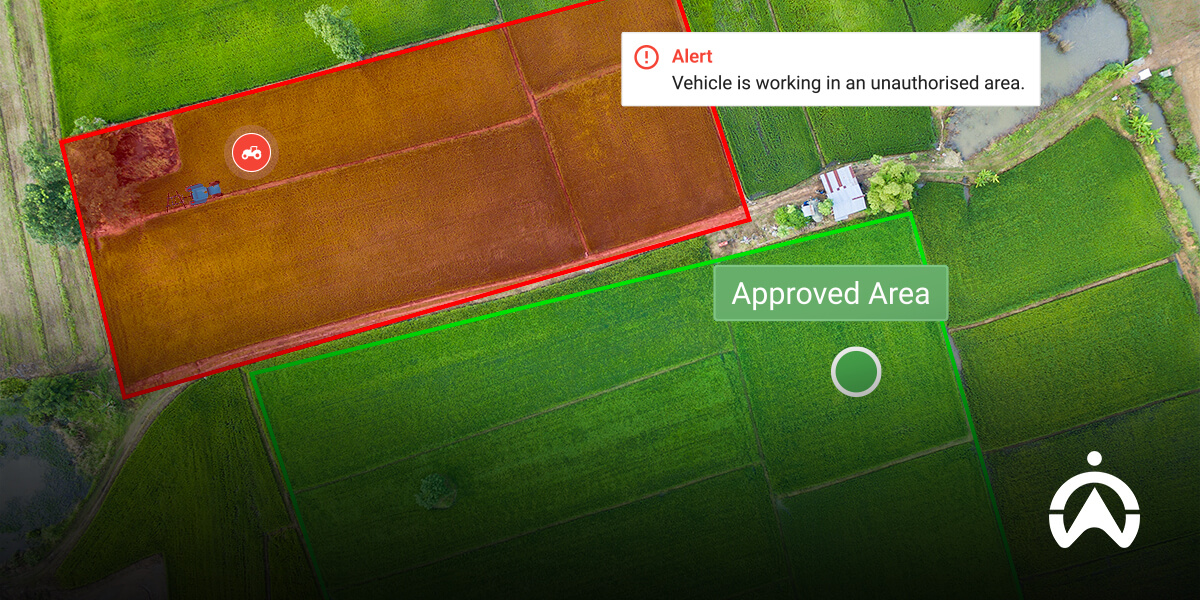
Keeping track of farm machinery spread over large areas can be challenging, but geofencing makes it easier. A good GPS tracking system will come with Geofence technology which notifies you when equipment moves outside designated areas.

This feature allows the farmer to create virtual boundaries around specific locations, such as fields, storage areas, or designated work zones. If a piece of equipment moves beyond these set boundaries, you receive an instant alert.

This proactive approach helps prevent theft before it happens. Whether an unauthorised person tries to remove a vehicle, or a machine is mistakenly taken beyond its assigned location, geofencing provides an additional layer of control, helping you intervene before a potential loss occurs.

Aerial view of fields marked in red for unauthorized vehicle activity and green for the approved area, with an alert notification.

Tamper alerts

GPS tracking technology will not only tell you where your equipment is; it also tells you when someone is messing with it. If a GPS tracker is removed, blocked, or tampered with, you will receive an alert immediately, giving you time to respond before anything goes missing.

This feature helps ensure theft does not occur and prevents a farmer’s equipment from being used unauthorised. Whether they’re opportunistic criminals or employees using the machinery off the books, tamper alerts will help keep your farm assets safe. This means less worry for maintenance costs should an attempt be made on your assets.

Theft recovery assistance

Regardless of the precautionary measures, thefts do happen. But with GPS tracking, the chances of recovery become significantly higher. Live location data means tracking your heavy equipment has never been easier, making it easier for the authorities to recover stolen assets.

Many have found this technology effective in assisting farmers in recovering tractors, trailers, and other valuable equipment mitigating great loss. Apart from reducing financial losses, farmers get a sense of assurance on the safety of their assets. Investing in GPS trackers is not just a preventive tactic but also an option for quick response in case theft does occur.

Why You Should Choose Cartrack’s GPS Tracking to Stop Farm Equipment Theft

Cartrack has a state-of-the-art GPS tracking system, that is adaptable to vehicles and equipment of all types. Our offering can work for a variety of equipment types, from tractors to generators and even mills. This means that you can have the entire farm equipment inventory covered and tracked by our GPS solutions.

The GPS tracking solutions tailored for farm security include:

24/7 real-time monitoring

Farming runs round-the-clock, and so does your heavy equipment. With Cartrack’s GPS tracking, you will receive location updates every hour of the day, giving you the pinpoint location of your assets. You will know where your machinery is, whether on active use or parked for the night.

By eliminating the guesswork from farm management, this solution lets farmers work knowing that every piece of equipment-a tractor, trailer, or irrigation pump-is being tracked live. If anything goes moves, you’ll be notified so you can take action immediately.

Movement alerts and geofencing

Your farm equipment should stay where you left it. With Cartrack’s geofencing technology, you can create zones for your machinery, ensuring that if anything moves outside those boundaries, you are instantly alerted.

Whether that is a combine harvester leaving the field after hours or a generator being illegally removed, you’ll always be in the know. These alerts allow you to intervene in good time, preventing theft and protecting your assets from unauthorised use. With live tracking, geofencing gives you the extra security you need to ensure that your valuable equipment compliantly stands where it should be. Combined with live tracking, geofencing ensures that your valuable equipment stays exactly where it’s supposed to be.

Remote immobilisation

Imagine being able to stop criminals in their tracks! Cartrack’s remote immobilisation does just that: you can shut down a piece of equipment if it is ever stolen. With this revolutionary technology, you have the upper hand in keeping stolen machinery within recovery range. In the case of theft, you can disable the vehicle’s engine, making it impossible for a criminal to restart it once it has stopped running. Doing so considerably boosts the chances of recovery while also acting as a strong deterrent against future thefts.

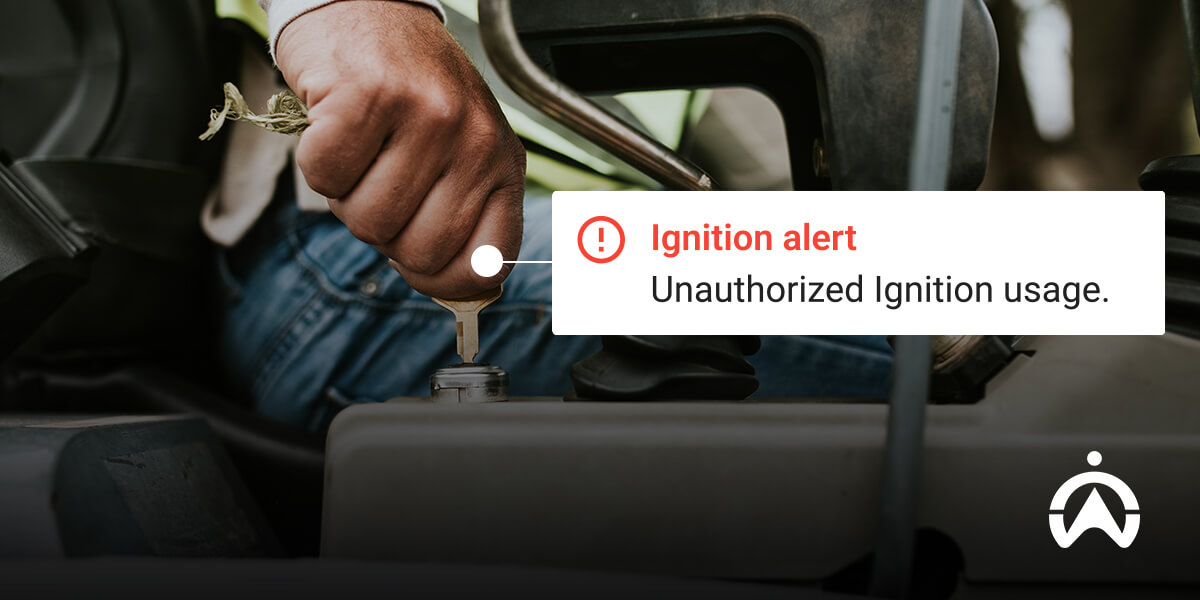
A close-up of a hand turning a key in ignition, with a warning alert about unauthorized usage displayed on the screen.

Detailed reports

Beyond security, Cartrack’s trackers also provide valuable insights into your farm’s operations. With detailed reports on usage, location history, and movement patterns, you can optimise equipment efficiency while ensuring that everything is being used as it should be.

These reports help you track productivity, identify unusual activity, and even assist with maintenance scheduling. If a machine is being used outside of designated hours or taken off-site without permission, the data will be right at your fingertips. Whether for theft prevention or operational management, Cartrack’s reporting tools give you full control over your farm assets.

As farms move to modernising their processes, security should also be considered in the same light. This is why GPS tracking for farm equipment is the future and is the best solution for the theft of powered and non-powered assets.

Cartrack’s innovative solutions are best suited to farmers looking to get easy, simple and effective security measures for their equipment. If you would like to learn more about our offering, then make sure to CONTACT US TO GET A QUOTE.

FAQs

What makes theft of farm equipment a big problem?

Farm equipment is low-priced in most cases, usually left in a secure area unattended, and very easy to resell, so it becomes a good target for criminals.

Which areas are affected most by farm equipment theft?

Most of these crimes happen in places with a high volume of farms, such as Central and Southern Regions, especially in districts like Thyolo, Mulanje, and Nsanje. Equipment theft, however, is not exclusive to those areas only, any farm that uses equipment is a possible target.

Who will I need to notify first between the police and Cartrack when farm equipment gets stolen?

You should contact Cartrack first so we send out our recovery team, you can then immediately contact the police. The two parties will work together to locate and recover your stolen asset.

Can GPS tracking work across borders? 

Yes, Cartrack’s GPS tracking technology can locate assets beyond the borders of Malawi if you choose the cross-border tracking option.

How to Track and Secure High-Value Freight

The transportation of high-value items is important for many industries today, from luxury goods to medication. However, this value brings significant risks, including theft, damage, and delays, which can lead to major financial losses and ruin a company’s reputation.  Thankfully, technology can help reduce these risks.

So, how can we effectively track and secure high-value freight? Key strategies include careful route planning, strong packaging, reliable carriers, secure storage, and sometimes escorts. It’s also essential to adhere to customs regulations, train employees on safety procedures, and have proper insurance.

This blog will cover the best strategies, technologies, and practices for safeguarding your high-value freight. Whether you’re a logistics manager, a supply chain professional, or a business owner, knowing how to protect your valuable shipments is crucial in today’s competitive market.

In this article, you will:

  • Understand what is meant by a High-Value Freight
  • Know the risks associated with High-Value Freight
  • Learn how to protect your valuable goods
  • Find Cartrack solutions to keep your cargo safe

What is High-Value Freight?

High-value freight refers to goods with significant monetary value that require special handling and insurance.

Goods valued over a million Rand, are considered high-value freight. These items are in high demand, making them more likely to be stolen, and often have strict regulatory controls.

High-value items include luxury goods like jewellery and designer items, medications, banknotes, gold coins, metals, gems, electronics, livestock, diamonds and art. Premium cigars, cigarettes, and alcohol, especially in large amounts, are also classified as high-value freight.

There are four major types of freight transportation: ground(road), rail, ocean, and air.

Cartrack mainly uses ground freight transportation, which has two types of loads: Less-Than-Truckload (LTL) and Full-Truckload (FTL).

  • Less-Than-Truckload (LTL): This involves shipments that don’t fill a whole truck. Different shippers can share the truck to save money, but it might take longer because the cargo gets handled multiple times.
    ‍
  • Full-Truckload (FTL): In this case, one shipper uses the entire truck. This provides more space for high-value items and usually means faster delivery.

Why You Need High-Value Freight Tracking?

Tracking high-value freight is essential because cargo can be at serious risk of theft, damage, or loss. You need to monitor your goods from where they start to when they get delivered. GPS tracking allows you to track the location of your goods in real-time.

Organised crime groups are always looking for new ways to access your cargo. Here are some common methods used to steal high-value goods:
‍

Six Most Common High-Value Freight Theft Methods 

  1. Identity Theft and Fraud: Thieves sometimes use identity theft to pose as legitimate freight companies. By creating fake documents and credentials, they can convince carriers to release valuable cargo, leading to significant losses for shipping companies.
    ‍
  2. Truck Hijackings and Burglaries: This involves the theft of entire trucks, typically when they are left unattended at rest stops or during deliveries. Thieves often monitor trucks from a distance, waiting for an opportunity to attack.
    ‍
  3. False Emergencies and Coerced Stops: Criminals signal drivers to pull over, then steal cargo while the driver is distracted.
    ‍
  4. Commercial Burglaries: Criminals break into shipping containers or trucks at facilities like truck yards, warehouses, or businesses near transportation hubs. Cargo theft at these locations often happens because the goods are left unattended for extended periods.
    ‍
  5. Employee Involvement: Insider theft occurs when employees help criminals by providing access or staging hijacking for financial gain.
    ‍
  6. Use of Technology: Criminals can use GPS jamming to prevent the tracking of goods or use hacking techniques like phishing, allowing them to create fake shipments and steal goods.

Tracking high-value freight is crucial for protecting your cargo. Find out more on how to prevent your goods from getting stolen. 


Ways to Secure Your Freight with Cartrack

Cartrack’s fleet management system helps you manage your cargo transport in a smart and safe way. This all-in-one solution makes fleet management easier and more convenient.
‍

Here’s how Cartrack can protect your high-value goods:

  1. GPS tracking:
    With Cartrack’s live GPS tracking, you can always see where your valuable goods are at all times.  We’ve designed a tracking unit that can easily be attached to most movable assets to help you improve your asset utilisation and reduce costs. This way, you can keep an eye on your cargo.
    ‍
  1. Temperature monitoring: 
    You can install up to four temperature sensors on your truck and trailer. This lets you check the temperature of your cargo from anywhere, which is especially important for things like livestock. You can set alerts for any temperature changes, helping to ensure that goods arrive in the right condition for your customers.
    ‍
  1. Ignition Sensor: 
    This sensor tracks whether the vehicle’s ignition is on or off. It provides key information about the vehicle’s status and can help detect different theft situations.
    ‍
  1. Geofencing: 
    Set up virtual boundaries around certain areas to monitor your drivers, vehicles, and equipment in real-time. Once a geofence is created, you’ll get instant notifications whenever a vehicle enters or exits that area. This helps you keep track of fleet activity and avoid high-risk zones.
    ‍
  1. Driver behaviour monitoring:
    Enhance driver safety with Cartrack’s fleet driver monitoring system. This system uses advanced hardware and software to track driver behaviour.

    Cartrack’s AI LiveVision cameras alert drivers to distracted and risky actions, like smoking or speeding, allowing them to correct their behaviour quickly. This helps create a safer driving culture and lowers accident risks.
    High-priority alerts can be sent to coaching, a Value Added Service that helps companies keep a record of repeated offences and provide targeted training for drivers.
    ‍

  1. Jamming Detection: 
    If a thief uses a jamming device to disrupt communication between the tracking system and the cellular network, Cartrack can switch to RF frequency. This ensures we can keep communicating with your vehicle, enhancing security and increasing the chances of recovery.
    ‍
  1. Routing: 
    Routing is a software tool that helps you set and manage planned routes for your fleet vehicles. You’ll receive real-time alerts for any deviations from these routes. Keeping vehicles on their intended paths reduces operating costs and ensures drivers stay focused and cargo remains on track. ‍

Cartrack’s fleet management system offers so much more than just tracking. It provides peace of mind your high-value freight is well protected. With our comprehensive features, you can trust that your valuable assets are in safe hands.


Take control of your high-value cargo at all times

Cartrack provides security features tailored to safeguard your drivers, fleet, and cargo from theft, hijacking, and accidents. Trust us to protect your valuable assets.

Frequently Asked Questions on High-Value Freight 

Q: How can I package my high-value cargo to prevent damage? 

A: Use strong, sturdy boxes or containers and cushion contents with bubble wrap. Consider tamper-evident packaging to ensure items aren’t tempered during shipping.

Q: Can I insure my fleet with Cartrack?

A: While we don’t provide insurance directly, our insurance agency can help you find the right coverage that fits your needs and budget.

Q: What are the common risks in HVF (High-Value Freight)?

A: Theft and hijacking.

Fleet Asset Management – Know the Importance To Make Your Fleet Operations Soar

Late deliveries, time-wasting equipment manhunts, underutilised assets, maintenance downtime delays and endless paperwork – the cost-draining world with no fleet asset management system.

Unravel the importance of fleet asset management software and how it will transform your fleet operations like never before.

In this article, you will:

  • Understand the critical role of fleet asset management in your operations
  • Explore the definition and significance of fleet asset management
  • Learn the benefits of using fleet asset management software
  • Gain insights into creating a comprehensive asset management plan
  • Revolutionise your fleet asset operations with Cartrack Malawi solutions

What is fleet asset management?

Where ‘asset management’ usually speaks towards wealth and acquired things owned by a person or organisation. Fleet asset management is a method fleet managers use to properly oversee all their business’s assets, ensuring they are all accounted for, in good working condition and are all equally used so they continue to provide a positive return and don’t cost a business more than they should.

This involves monitoring, maintaining, and strategically utilising each vehicle in the fleet. All this is required to enhance operational efficiency, reduce costs, and extend the lifespan of assets.

What is classified as a business asset?

The assets referred to here can be split between tangible assets like physical tools, vehicles, etc and intangible assets, like the software used.

Tangible assets consist of various objects, here are a few types:

Vehicles

  • Cars, trucks, vans, buses, motorcycles, etc.
    ‍
  • Trailers, semi-trailers, and other towed equipment
    ‍
  • Construction equipment, such as bulldozers, excavators, and cranes
    ‍
  • Material handling equipment, such as forklifts and pallet jacks

Equipment

  • Tools used for maintenance, repairs, and various tasks
    ‍
  • Mobile tech gadgets, like tablets and scanners
    ‍
  • Communication tools, including radios and GPS trackers
    ‍
  • Office equipment, such as computers and printers

Infrastructure

  • Garages, workshops, and other facilities like work sites
    ‍
  • Owned storage and fueling stations
    ‍
  • Parking lots and loading docks
    ‍
  • Offices and administrative buildings

Intangible assets are those that don’t have a physical form but still hold significant value for the business:

  • Software and technology like the fleet management software used
    ‍
  • Data and analytics acquired from vehicle telematics, fuel card transactions etc.
    ‍
  • Intellectual property (IP) like business trademarks and patents

What is the importance of fleet asset management?

It all begins with your vehicles, equipment, and machinery, the essential assets that keep your business moving forward. Fleet asset management ensures that each vehicle in your fleet operates seamlessly, that your equipment is in top-notch condition, and that your machinery continuously runs smoothly.

Proper management of these assets is not just a task, it’s an important part of driving your fleet to success. Without it, the rhythm of your operations could turn chaotic with breakdowns, delays, increased costs and many other profit-impacting factors.

The benefits of using fleet asset management software

  • Supervision of all assets
    ‍
  • Management of assets from any location
    ‍
  • Offers insights for strategic planning for fleet risks
    ‍
  • Improvement of time management
    ‍
  • Monitoring fleet performance
    ‍
  • Tracking fleet asset life cycle and costs acquired
benefits_of_using_fleet_asset_management_software

How does fleet asset management differ from general fleet management?

Let’s think of fleet asset management as the guardian overseeing all your valuable resources, and fleet management as the skilled expert handling the specific challenges of your vehicles and machinery.

Asset management looks at the bigger picture, caring for everything from vehicles to machinery and even office tools. It ensures everything is in the right place, performing optimally, and contributing to your overall success.

On the flip side, fleet management focuses on the unique challenges of your vehicles and machinery. It ensures your fleet operates smoothly, tackling issues like maintenance, fuel efficiency, and driver behaviour.

Together, they create a powerful duo for your fleet where one guides the other.

How to set up an asset management plan?

To better manage your assets, you first have to create an asset management plan. Crafting a carefully devised plan for managing your fleet assets can boost productivity and extend the lifespan of your resources. This strategy empowers you to create a more sustainable and effective business model and unlocks the full potential of your assets.

Here’s a simple six-step guide to optimal asset performance:

  1. First, clearly define your goals for your fleet and make sure they’re specific, measurable, achievable and time-bound. This sets the foundation for your plan.
    ‍
  2. Next, take a good look at your current fleet, considering things like types of vehicles, their age, condition, and how they’re used. This assessment helps you find areas for improvement and chances to save money.
    ‍
  3. It’s crucial to track your vehicles, equipment, machinery etc. and make a detailed inventory of all of them. For this, use technology like GPS, telematics and theInternet of Things (IoT) to monitor them in real-time.
    ‍
  4. Plan regular fleet maintenance to keep your vehicles in good shape and avoid unexpected breakdowns with preventative maintenance. Train your drivers on safety and fuel-efficient driving, and make sure they follow traffic rules.
    ‍
  5. Control your operational costs by monitoring fuel usage, maintenance, and fleet costs like speeding tickets and insurance expenses.
    ‍
  6. Be prepared for emergencies with contingency plans. Review and update your fleet asset management plan regularly to adapt to changes and improve it over time to fit the current state of your fleet.

Define the types of fleet asset management

To better put it into perspective, there are several types of fleet asset management, including physical asset management, financial asset management, human asset management, and contractual asset management.

Let’s break these down in a bit more detail:

  1. Physical asset management:Focuses on overseeing tangible assets like vehicles and equipment to ensure longevity and efficiency.
    ‍
  2. Financial asset management:Involves managing financial instruments such as stocks, bonds, and cash to optimise investment portfolios.
    ‍
  3. Human asset management:Encompasses the administration of human resources, including employees or contractors, and skills within an organisation to enhance workforce performance and development.

What factors contribute to effective fleet asset management?

Effective asset management is the cornerstone of a successful business, encompassing the strategic oversight of your vehicles, equipment, and machinery. This comprehensive approach ensures that these assets are not just operational tools but vital components contributing to the overall success and sustainability of your enterprise.

  1. Operational efficiency: Skilfully organising and overseeing your vehicles and machinery ensures seamless day-to-day activities. Whether it’s delivery trucks or heavy equipment, a well-structured system minimises downtime and maximises productivity.
    ‍
  2. Cost savings: By implementing preventive maintenance schedules, monitoring fuel consumption, and addressing potential issues like risky driver behaviour proactively, you can significantly cut operational expenses.
    ‍
  3. Asset longevity: Regular maintenance and timely repairs contribute to the extended lifespan of your assets. This not only safeguards your initial investment but also diminishes the need for frequent replacements, resulting in long-term savings.
    ‍
  4. Safety compliance: Asset managementinvolves ensuring compliance with safety regulations. From regular inspections to implementing safety features, adherence to standards protects your assets, employees, and your business’s reputation.
    ‍
  5. Data-driven decision-making: Employing technology for asset management yields valuable data insights. Real-time tracking, performance analytics, and predictive maintenance empower you to make informed decisions, enriching your overall business strategy.
    ‍
  6. Resource optimisation: Effectively allocate resources by understanding the usage patterns of your assets. Whether deploying vehicles for optimal routes or scheduling maintenance during non-peak hours, resource optimisation enhances operational efficiency.
What_factors_contribute_to_effective_fleet_asset_management

What is ultimate fleet asset management for your fleet operations?

Cartrack’s industry-leading fleet management software is the perfect fit for any type of business looking to seamlessly manage its assets.

Our comprehensive solution is tailored to meet all your needs and elevate your fleet management to new heights.

Here are five ways Cartrack Malawi will help you gain full visibility and control of all your assets:

  1. Proactive maintenance: Say goodbye to unexpected breakdowns and unnecessary downtime. Cartrack’s predictive maintenance anticipates potential issues before they become critical. Through advanced analytics, all equipment data is analysed to predict when servicing is needed and swiftly inform you. For example, predictive maintenance can identify a worn-out part in a forklift and promptly inform you to take precautions with replacements. This prevents costly, unexpected breakdowns, minimises downtime and maximises asset lifespan.
    ‍
  2. Fleet management platform: See usage patterns of assets with Cartrack’s fleet management platform and ensure assets are evenly used by remotely scheduling your assets across your project site. With this, you can see which crane or any asset, is being underutilised, and promptly reallocate it to a more active project.
    ‍
  3. ID tags: Our driver ID tags help you restrict machinery usage to authorised operators only. This gadget uniquely identifies drivers to fleet managers, allowing them to know which one of their drivers is operating their vehicles/machinery, to ensure only trained and authorised personnel operate equipment and enhance asset security and safety.
    ‍
  4. Asset Tracking: Cartrack employs GPS and IoT sensors to get real-time location data and information on equipment conditions. This improves inventory management, enhances security against theft, and aids in preventive maintenance.
    ‍
  5. Geofences: Create virtual parameters around your working sites, no-go zones or any other area of interest with our geofencing technology. Alerts are sent to you whenever assets enter or exit digitally set boundaries. This prevents potential theft and helps you monitor vehicle activity.

Turn your assets into profit-boosting machines with Cartrack Malawi

Gain complete control and visibility over every vehicle, equipment, and machinery in your fleet. Choose Cartrack Malawi for fleet asset management and experience a new era of efficiency, cost savings, and peace of mind.

‍Start today with Cartrack Malawi.

How trailer tracking technology helps you manage, monitor and protect your trailers

Trailer tracking is just one of the many tools used to help make a manager’s life easier. With it, you can efficiently monitor and gain access to your assets from anywhere through our cloud-based solution.

It wasn’t that long ago that employees had to go out of their way to get information. Taking time to write down the trailer number, note the location, and record any onboard cargo leaves you with less time to actually use your assets.

When trailers were on the road, manual counting was more challenging and often required a phone call, or two, for the fleet manager to get an exact location. If a trailer went missing during transit or was stolen days could pass before the company found out.

Trailer tracking technology changed all that.

Telematics and asset monitoring for trailers

Although many businesses use GPS trackers for better trailer management, many don’t know the full extent and potential of these little gadgets, i.e a GPS device, in fleet telematics.

Telematics is the smart technology used through a GPS tracking device installed in their vehicles. It gathers and stores all vehicle and trailer data and compiles it for easy management and access through a fleet platform.

Like many fleet technologies, telematics is mainly used for tracking assets like vehicles, trailers, generators, IT devices and expensive equipment. This is used for damage prevention, asset protection and overall asset tracking within the fleet.

What is a trailer tracking device and how does it work?

With GPS technology advancing faster than many people imagined, we are only beginning to realise the true value that it adds to the transportation and logistics industry. One of the most promising uses of this technology is in asset protection through trailer GPS tracking.

There are two parts to the commercial trailer tracking systems.

Battery or solar-powered – A trailer tracking device is attached to the trailer itself which emits a GPS tracking signal that communicates through the use of a cell modem. This allows the user to find out where the trailer is at any given moment.

The software – This is what receives the signals sent by the tracking device. The software can translate the signal from the trailer tracker and put the information onto a map, showing the exact location, whether the trailer is stationary or moving, and in some cases, whether or not it is tethered to a vehicle.

What is a trailer tracking device and how does it work?

Why track your assets?

Businesses invest in many things to generate profits, like their employees, vehicles and overall trailer assets. Physical assets could include any equipment, technology, or machinery that an entity uses to provide a service to themselves or their customers. All these different types of vehicles and site equipment are valuable for the business and need to be protected.

Asset tracking is used to track a business’s assets. It gathers any GPS data related to them, such as their current location, maintenance conditions, when last it was in use, for how long and by whom. This is achieved by equipping the assets with a tracking device.

Asset tracking is useful for: 

  • 24/7 trailer surveillance
  • Movements of the asset
  • Usage of the asset

Apart from your trailer’s protection, asset and trailer tracking is used for productivity and easy management, having a tracking device automatically tells you how long one of your trailers has been used in a day, and by who saves loads of time in calculating, it also helps add up working hours so you can bill clients or pay employees more accurately.

The real-time vision of their trailers gives fleet managers insights into their assets whether on-site or on the road. Using fleet trailer tracking units and software not only makes their job simpler but can also boost the organisation’s bottom line.

Asset tracking devices for theft prevention

So it happened, you clock in one morning, open your emails and read that one of your trailers was damaged or stolen while unattended. Now what? Most of the time, criminals would strip the trailer and remove the trailer’s vehicle identification number (VIN) before you even notice your assets are gone.

This happens all too frequently, costing businesses time and money. Every company that uses trailers understands these struggles. The dangers of leaving your assets unguarded, the area where they are left alone, the chance of the item getting stolen or used without our consent, and the list goes on.

With a trailer tracker, you will immediately know that something has gone wrong. An alert would be immediately sent out, giving you enough time to call the authorities and find your missing trailer, and you can receive all this info via your mobile device. 

Types of trailers that can be tracked

Realistically, GPS trackers can be installed onto any moving vehicles and stationary assets. Cartrack’s tracking units can be easily installed on all types of trailers, and vehicles in use, including:

  • Flatbed trailers
  • Enclosed trailers
  • Equipment trailers
  • Open auto trailers
  • Speciality trailers

While any GPS fleet tracking device would do, partnering with an industry-leading fleet management company like Cartrack would give you numerous benefits and added peace of mind.  

Asset tracking technology

While GPS tracking is the most popular tracking method, there is more than one way of tracking assets. Finding the best asset monitoring solution for your company might be difficult given the variety of asset tracking technology available.

Bluetooth asset tracking/ Beacons: These are remote gadgets that transmit Bluetooth low-energy signals sent to another Bluetooth digital gadget or smart device to establish the location of the beacon itself. 

Radio frequency identification: Passive RFID asset tracking is a form of wireless communication that uses electronic fields to identify and track tags attached to objects. These require RFID reader devices to receive signals from the tag.

GPS-based asset tracking: GPS tracking devices are attached to any assets and can interact via cellular networks or satellites and communicate over long distances while keeping accurate, up-to-date logs for employees.

Most types of mobile asset tracking devices allow for custom alerts, notifications and even geofence set-ups for the safety and protection of your assets.

The best GPS tracking features to look out for

Before choosing an asset tracking solution, always consider your goals and ask yourself: What exactly is my business looking for and what features do we need the most?

The best tracking devices are ones that have the following features:

  • 24/7 real-time location tracking
  • Cloud-based system
  • Theft detection
  • Easy installation
  • Long battery life
  • Solar-powered technology
  • Instant reporting
  • Over-the-air serviceability
  • Interface with user-friendly mapping systems such as Google Maps or others
  • Viewing trailer trip history

Finding one device that offers all these features would be a dream, but realistically most devices are not one-size-fits-all, these features are spread out between devices that are used to track different assets in different environments. 

The best GPS tracking features to look out for

Why does GPS asset tracking matter?

GPS asset tracking is done to improve the use and security of valuable items, in this case, your trailers and the cargo they carry. Companies that fail to track assets correctly could be losing vast sums of money on an annual basis and losing the trust of their customers.

Trailer (and asset) management is an essential component of your business’s supply chain operations. Lost or delayed cargo means lost sales and unhappy customers, which can be detrimental to a business. 

Management may have a better and clearer image of where everything is, and where it is going, by connecting trailer tracking devices and their fleet management system.

By doing this, you can receive:

  • Lowered insurance rates due to aiding in trailer theft recovery
  • Software upgrades can be done digitally and don’t need the removal of the tracking device
  • Optimised asset usage
  • Increased asset and cargo security
  • Improved customer service with accurate and timely information
  • A sealed trailer tracker that can work in harsh weather and road conditions.

Different businesses that can utilise trailer tracking devices

If your assets aren’t frequently monitored, operate in unsafe locations, aren’t being utilised enough or bring value to your business, implementing trailer monitoring would be very beneficial.

No matter the fleet size, almost all industries can benefit from tracking and monitoring their trailers.

  • Landscaping
  • Construction
  • Handyman
  • Tile and flooring installation
  • AC & heating repairs
  • Transport and logistics
  • Utilities

 The benefits trailer tracking can bring your business

A fleet of any size can profit greatly from using a dependable trailer tracking system. With this, you can safeguard your trailers, get visibility and insights into their movements, and much more:

Gain complete trailer visibility – Track all your van trailers on one platform.

Increased trailer utilisation – Monitor trailer utilisation at customer sites and optimise trailers by redeploying under-utilised assets.

Protect cargo – Use smart sensors and camera systems to gain 24-hour cargo monitoring and protection against tampering or unscheduled usage.

Simplify deployment – Trailer tracking can be used on any trailer to keep assets safe.

Increase productivity – Examine past GPS data to see where you can improve trailer efficiency and usage.

Increased trailer safety – Receive instant alerts on trailer status, location, door activity and unauthorised usage for optimum security.

Trailer tracking systems use the data sent to the dispatcher to provide dependable and secure insights to shippers for better management of their various assets.

Secure trailer tracking with industry experts

Cartrack’s GPS trailer tracking technology puts you in control of both your active trailers and non-moving assets.

If you’re looking for advanced safety and tracking features, Cartrack provides real-time security with customisable geofences and alerts for your assets.

Let us help you protect your assets. Contact Cartrack Malawi today.

Supply chain and logistics: How to start a cold chain business

As the seasons change from one temperature to another, cold chain logistics provides a temperature-controlled environment that ensures fresh produce from storage to delivery.

The fresh produce at your local market, the skin care products you use daily, along with those important meds in your cabinet, all have one thing in common, they were moved from one location to another through cold chain logistics.

You might be asking yourself, “what is cold chain logistics?” Many of the products you buy are a part of cold chain logistics in one way or another. Without the use of this innovation, fresh produce wouldn’t survive the trip to wholesalers or even to your doorstep.

Supply chain management explained 

For smaller operations or local deliveries, cold chain transportation management occurs in-house and is simpler to operate, but for a larger company that works internationally, globally delivering temperature-sensitive products becomes complicated. This creates an opportunity to partner with third-party logistics companies that have expertise in cold chain transportation.

This is where supply chain management comes in. A cold chain is a temperature-controlled cold chain network. It’s a system that takes preservation seriously and treats products with recommended cold temperature levels. This allows customers to receive the highest quality products regardless of the season or weather.

Practical use for cold chain storage

Cold chain logistics (also known as chill chain logistics) is the technology and process that allows for accurate planning and safe transport of temperature-sensitive goods and products along the supply chain.

Some standard products requiring cold chain transportation are:

  • Meat
  • Seafood
  • Produce
  • Dairy products
  • Medical supplies
  • Pharmaceuticals
  • Floral industry

Efficiently starting a cold chain business means using certain technologies and science to evaluate and accommodate the link between temperature, perishability and transportation.

Practical use for cold chain storage

The future of the cold chain industry

This industry has grown to be a multi-million dollar market valued at USD 209.2 million in 2021. With an increased demand for product sustainability, the global cold chain logistics market size is forecast to reach staggering heights of USD 464.0 million by 2028, all thanks to the pharmaceutical and food industries’ expansion in 2022 due to the global pandemic we faced.

When to use cold chain logistics

Cold chain involves a process that isn’t just used when transporting or storing goods. It impacts every step of the cold supply chain, from procurement, storage, and delivery right down to end users.

Even after the goods have been safely delivered, many products are further kept at a constant temperature and stored in refrigerators or cool areas to preserve the item until consumed, used or expired.

A rise or fall in temperature during any of the supply chain phases can be bad news for the goods and the customers who have consumed/used them, particularly with expiry-sensitive produce. The shipper and their client have a lot on the line and might lose money when cold products go bad.

Key elements of supply chain management

To keep everything running smoothly, a cold chain business needs hands-on logistics managers who oversee each part of the cold chain process and receive crucial insights.

To maintain the shipment’s integrity and avoid product losses/damage, key elements of the cold chain have to be constantly monitored.

1. Packaging

Packaging is mainly used to protect products while in transit. Packaging for cold chain products should keep them from getting damaged while allowing storage containers to maintain the goods at their required temperatures.

2. Temperature monitoring

Products that need constant cold conditions also require regular temperature tracking. Temperature monitoring does more than maintain a constant degree. It can keep track of humidity levels and show when and for how long a package was kept at different temperature levels.

3. Transport

Products are kept at their appropriate temperatures from the time they leave the manufacturer until they reach their destination using various types of refrigerated transport units.

4. Storage 

To keep food or medication at the proper temperature along the supply chain, cold storage rooms are equipped with insulation against outside temperatures.

Key elements of supply chain management

How do you provide a temperature-controlled environment?

Since different food cold chain products have different temperature requirements, cold chain logistics can provide you with temperature-controlled facilities like warehouses and transportation that can cater to different temperature needs.

Cold chain technologies in the supply chain

So, to make sure goods don’t get compromised and stay in pristine conditions no matter the phase in the supply chain, the pharmaceutical, medical and food industries all heavily rely on cold chain logistics.

There are several methods to keep goods at proper temperatures. To determine the right refrigeration method, these factors are used:

  • Duration of transit
  • The size of the packaged shipment
  • The weather/outside temperature

After the right method has been chosen, the following modern cold chain solutions can be applied.

1. Shipping containers

To ensure shipments don’t experience fluctuating temperatures, businesses have to swiftly move shipments through the supply chain using shipping containers to ensure the products won’t experience undesirable temperatures.

Shipping containers (reefer containers or vehicles) are refrigerated units with a temperature-controlled onboard cooling system. These are insulated vans, semi-trucks or standard ISO containers that can also be modified to keep products warm if needed.

2. Cooling technologies

These are methods used to keep already cold products at the same temperature.

Gel packs: Frequently used in medical and pharmaceutical deliveries.

Dry ice: It can keep items frozen for a long time, particularly used for food, pharmaceuticals, and hazardous materials. Instead of melting when exposed to air, it sublimates.

Liquid nitrogen: Used primarily to transport biological cargo (organs, tissues, etc.). The extreme cold keeps things frozen for a longer time.

Eutectic plates: Also called cold plates, they are used similarly to gel packs, but cold plates are reusable.

Quilts: Insulated quilts can be wrapped around or placed over freight and are used to keep temperatures constant, so frozen items will remain frozen for a longer time.

Common cold chain logistics challenges

Despite all the tips, tricks, and devices mentioned above, running a cold chain business efficiently is not easy. Maintaining a constant temperature throughout cold chain storage is not always as easy as it sounds.

Bad airflow
While good airflow maintains a uniform temperature in your freezers, trucks, and trailers, and distributes air evenly within the area, bad airflow, however, can cause issues like short-cycling, promote humidity, and might have different temperatures throughout the storage and more.

(mock images)

Hot spots
Appear when a shipment is not cooled throughout at a uniform temperature, and certain parts of the shipment are at different degrees.

Hot spots

Top-freezing
Is when your shipment is placed too close to refrigerated air in a storage or transportation unit. It can cause frost damage to your products.

Top-freezing

Why is cold chain logistics important?

This allows customers to experience and purchase different goods that come from all over the world. The more customers demand to experience otherworldly products, the more the cold chain logistics companies grow.

While some products can withstand environmental shifts, others can’t. While transporting, quality, flavour, consistency, and safety are all on the line.

The end customer might not notice the prime wagyu beef they bought spent two hours in the wrong temperature range, but they may be at risk of food poisoning or associated illnesses if products are not treated accordingly by the cold chain.

With goods coming from all over the globe, cold chain management simply minimises the risk of temperatures exceeding safe levels during storage or transportation and provides manufacturers and suppliers with better control over their products.

Starting different cold chain jobs in the industry

Want to know how you can start a cold chain logistics business? Or want to join a cold chain logistics startup? If this topic has piqued your interest and you’re looking into different careers within this industry, here are some career paths in cold chain logistics you could partake in:

  • Rent out cold storage to companies selling perishable products
  • Cold chain consulting
  • Provide cold/refrigerated transport services for road, rail, air, and water
  • Manufacturing refrigerated trucks and vans
  • Construction of cold storage
  • Equipment manufacturing or supplying to cold store owners
  • Technology suppliers to temperature-controlled logistics services
Starting different cold chain jobs in the industry

Smart cold chain management

Leave your on-the-ground cold chain operations to Cartrack.

Get 24/7 protection with temperature sensors that remotely monitor temperature, automated alerts on temperature variations sent via email/SMS and our AI-camera system will help with real-time visibility of your cargo and drivers while on the road.

For optimum control over your fleet and the goods you transport, get Cartrack.

Let’s get in touch today.