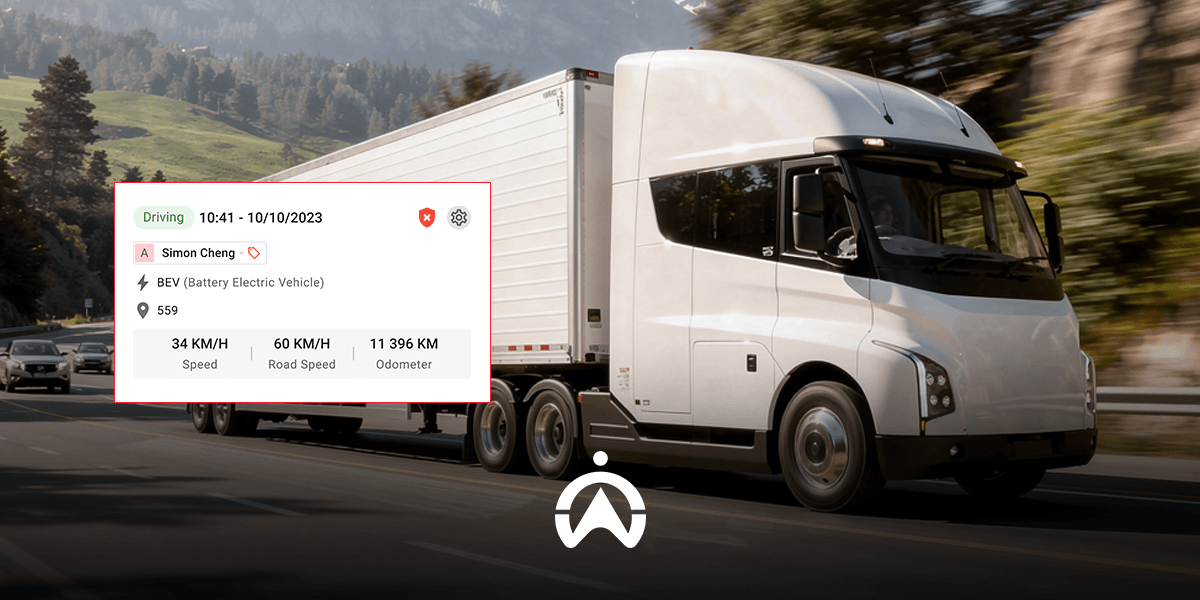
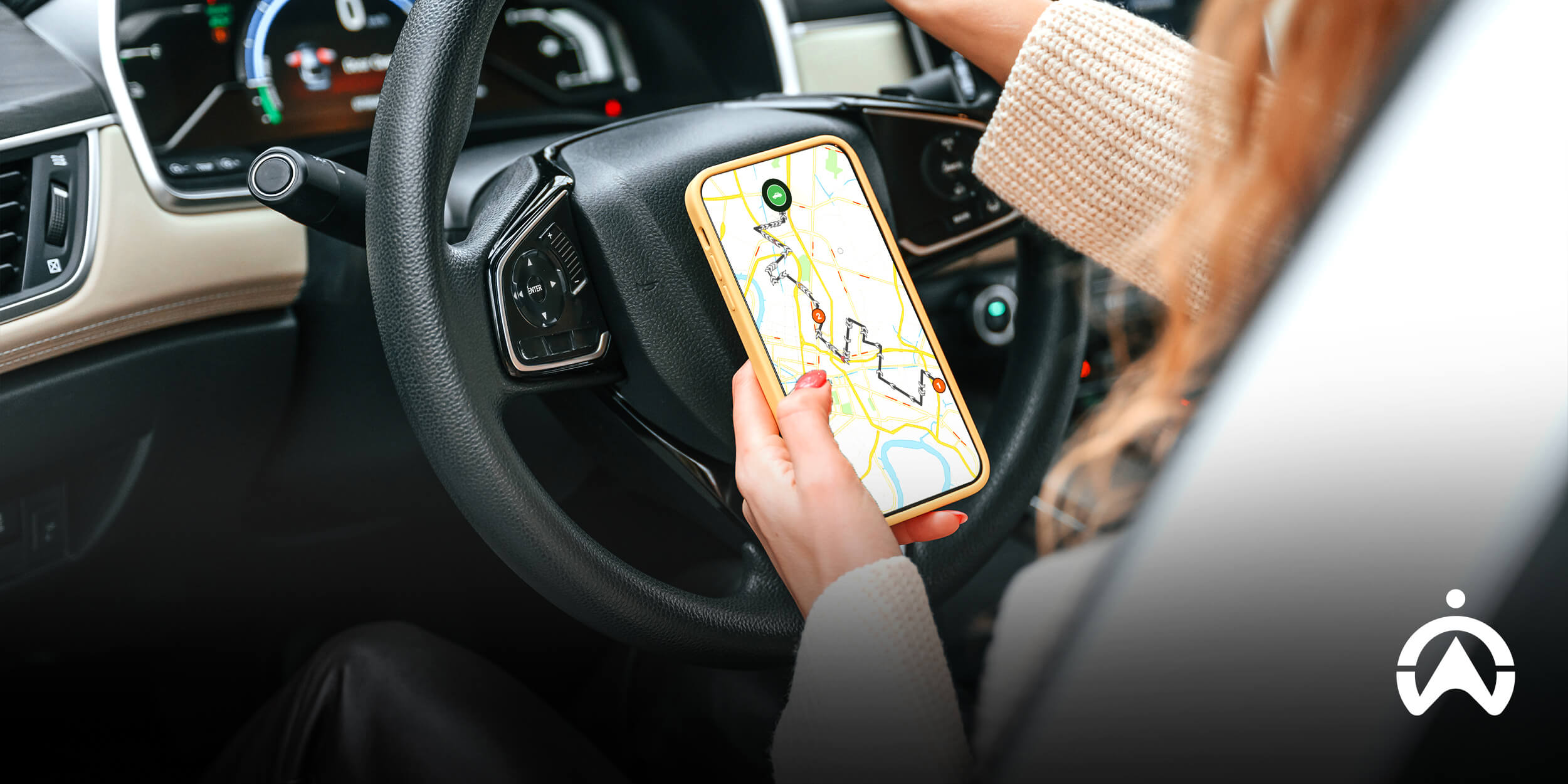
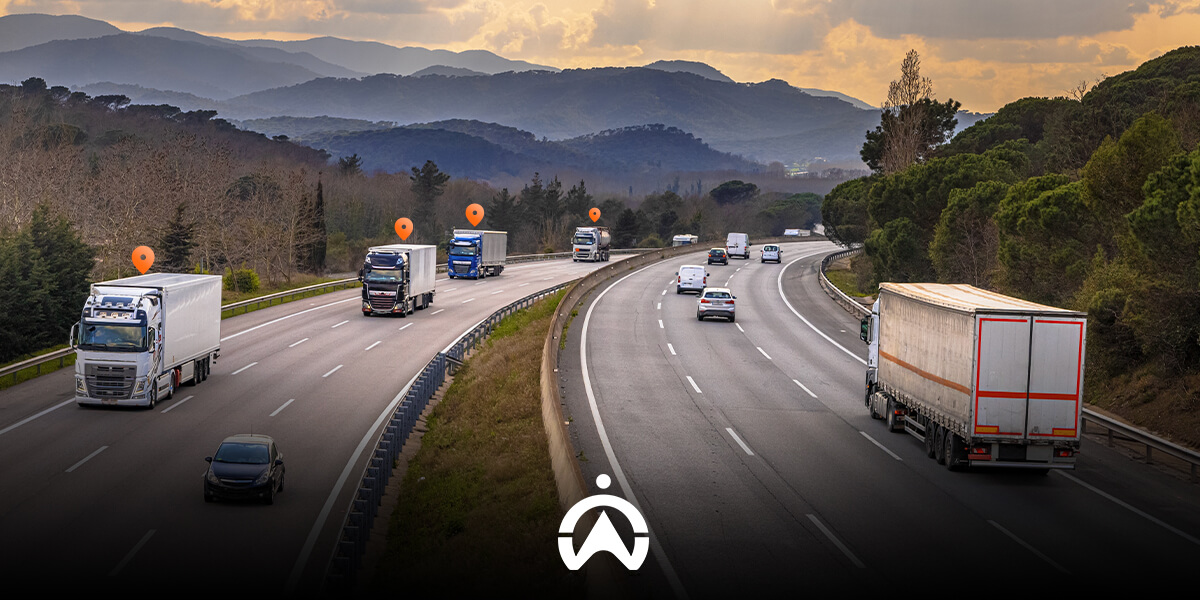
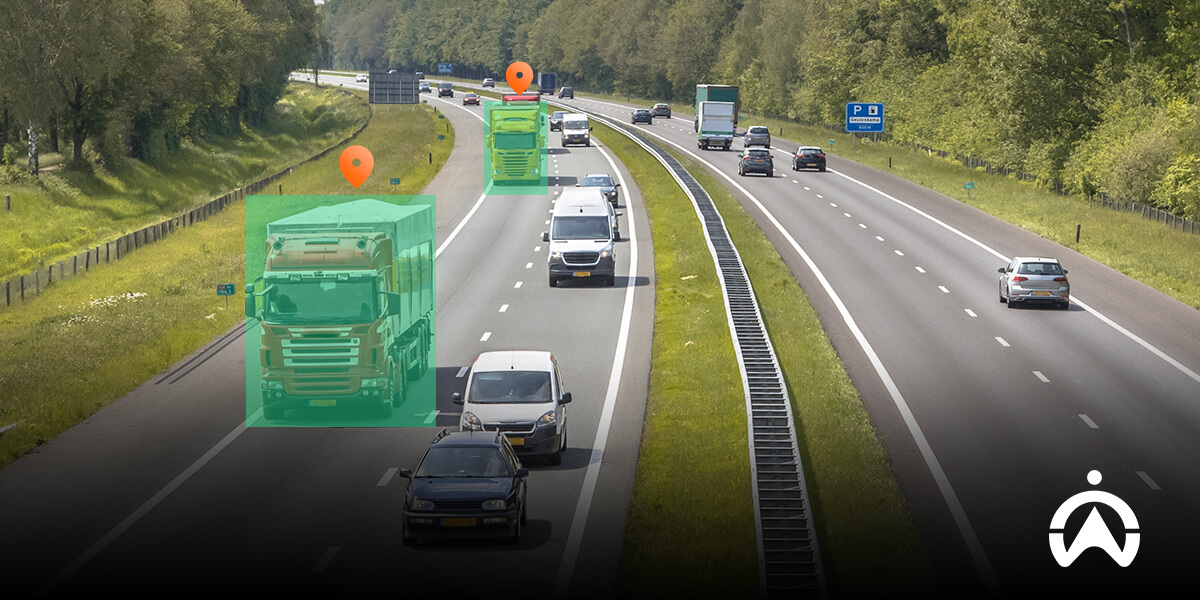
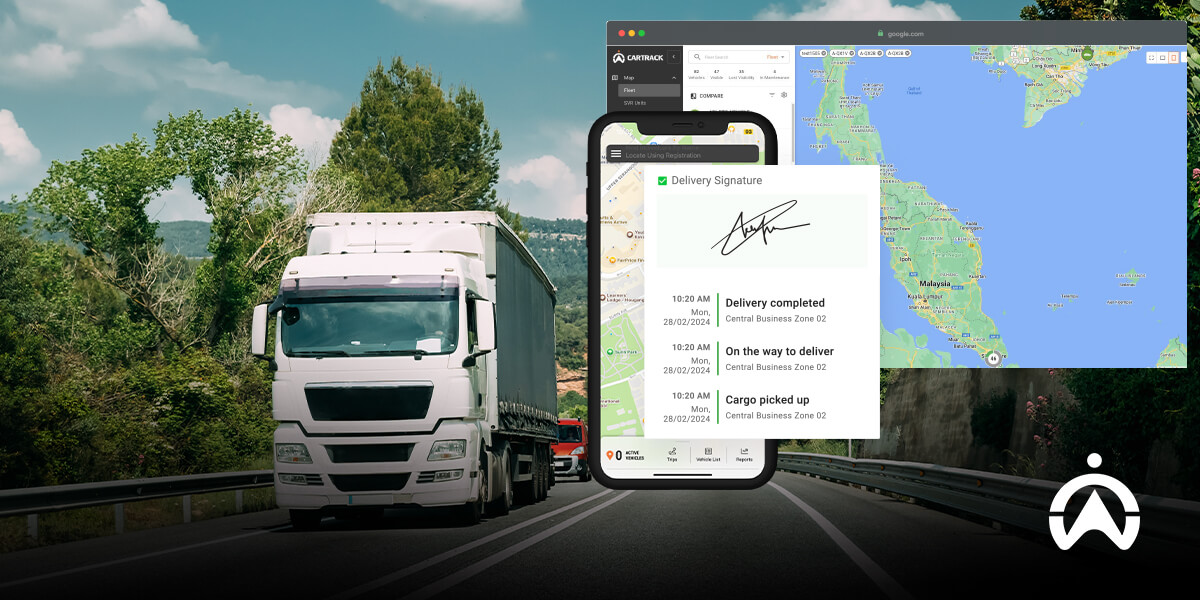
GPS Tracking for Electric Vehicle Companies

According to Auto Evolution, electric vehicles are stolen significantly less often than regular internal combustion engine (ICE) vehicles. So why the need for GPS tracking on these greener vehicles? Cartrack has designed GPS tracking for all types of cars, but why bother with electric vehicles? Isn’t vehicle tracking a theft prevention method?

The answer is, “Yes”, but not exclusively. GPS tracking actually has a vast range of uses other than vehicle recovery, which is why we emphasise the need for it in electric fleets. Let’s have a look at 6 reasons why electric fleets need GPS tracking, and how these vehicles benefit from technology that ISN’T included in their default designs.

Is GPS tracking necessary for electric vehicle companies?

We’ve noted that electric vehicles are less vulnerable to theft, but this doesn’t mean they NEVER get stolen. Most car theft is done with the intention of selling parts rather than having the stolen car. For this reason EVs are less likely to be stolen because the parts aren’t desired on the black market.

But we should mention that this is likely to change in the near future. While car brands like Tesla are among the least likely to be stolen, they are in a sense vulnerable to being ‘hacked’.

How do thieves target electric vehicles?

Thieves that do want to target an EV will do so through a high-tech relay attack. This involves two devices that ‘tie’ a signal together in order to access the vehicle. They can unlock and start the vehicle and easily steal the car.

But if not for the parts, why steal an electric vehicle in the first place?

Why do some electric vehicles get stolen?

This may not seem like relevant information for fleet companies, but it is! EVs will most likely be targeted for their cargo rather than the vehicle itself. If you own EV trucks or vans, keeping your vehicle’s cargo safe with GPS tracking is a MUST!

As more companies undergo electrification of their fleets, GPS tracking becomes essential in keeping cargo AND vehicles safe. But actually, it goes beyond theft prevention. Keep reading.
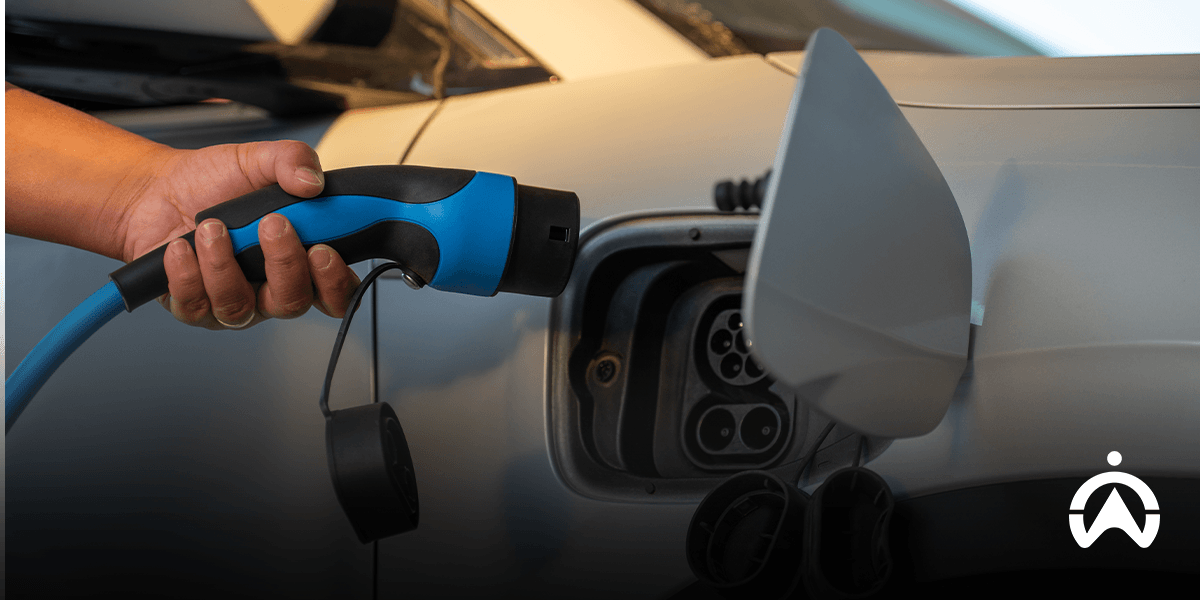

Beyond tracking: GPS for EV fleet management

Fleet managers mistakenly think that GPS tracking is a service that only pertains to vehicle recovery in case of vehicle theft. While this is how it all started back in the late nineties, GPS tracking has presented multiple other uses like telematics to help make better fleet decisions.

In the case of EVs, GPS also assists with valuable management points like battery data, range anxiety, and vehicle maintenance.

Integration with telematics

Managing an electric vehicle fleet without telematics means going back to the days where fleet managers used a pen & clipboard to assign their drivers. Those days are long gone (or at least they should be), and have made way for digital fleet management.

Telematics is the data you get from your vehicles. Fleet management software is what translates that data into valuable insights that enable you to excel in your decision-making processes. The base for all this data? Yep, you guessed it: GPS tracking.

EV fleets are no exception, as you’ll soon see.

EV battery data

Trip information and battery data go hand in hand. An EV battery status must correspond with how much driving a vehicle has been doing. GPS tracking for electric vehicles is an inseparable part of managing battery data and spotting battery issues.

Charging stations (range anxiety)

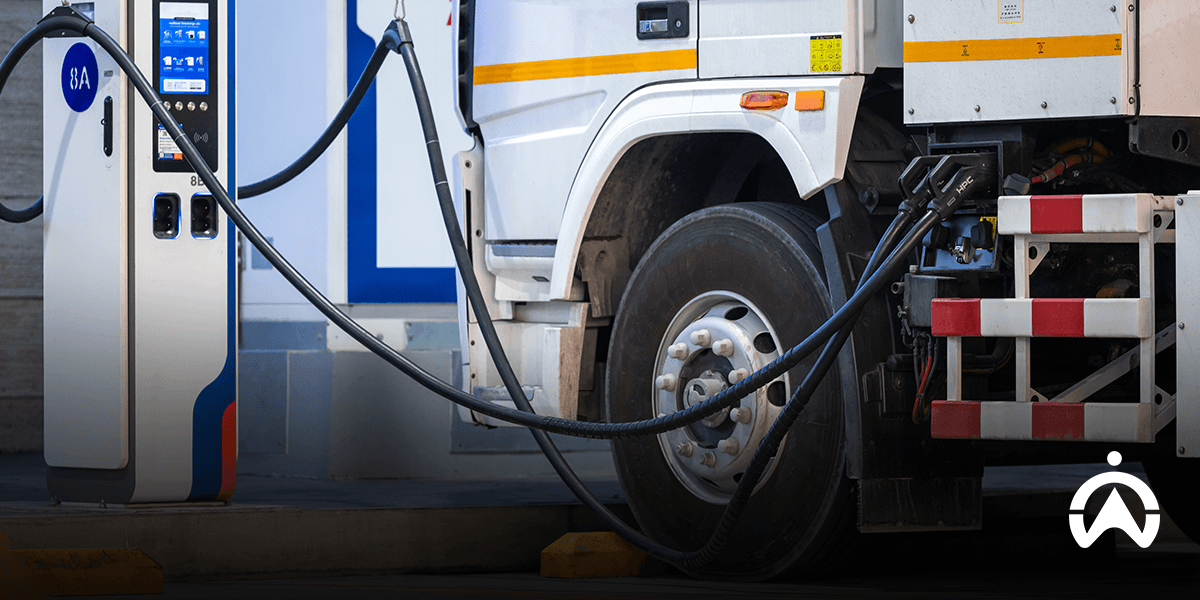
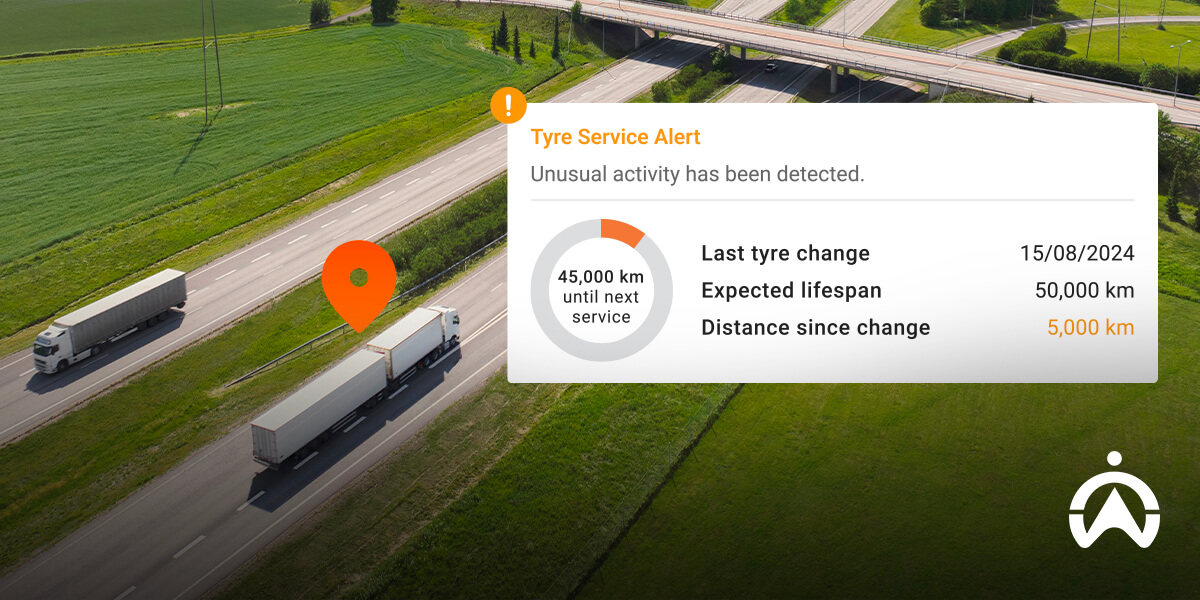
GPS tracking is at the core of route optimisation for any fleet. Getting your vehicles to their respective destinations quicker means more efficiency and a stronger reputation for reliability. A nice byproduct of route planning & optimisation for EV fleets is the ability to plan charging sessions by pinpointing charging stations.

This eliminates what’s known in the industry as “range anxiety”. Just one more reason to get GPS tracking for your electric vehicle company.

Maintenance for electric vehicles

Electric vehicles need significantly less maintenance than ICE vehicles. It’s a great selling point, but what about when they DO need maintenance? The truth is, we’re not as familiar with electric vehicle health because this technology is relatively new.

GPS tracking works as an integral part of predictive maintenance scheduling. And yes, it’s exactly what it sounds like: software that predicts when your vehicles will need to go in for a service. So instead of guessing when your EVs need maintenance, you’ll have a booking schedule that’s accurate to the condition of each vehicle—all thanks to GPS tracking and other IoT devices.

GPS tracking is also used for coaching

The third reason EV fleets should adopt GPS tracking is for the purpose of driver training. While GPS tracking might not be the obvious hero in this technology, it works in the background to make it possible.

Driver monitoring for EV fleets

You can’t exactly monitor your drivers for targeted driver coaching if you don’t know where they are most of the time. GPS tracking tells your fleet software where each driver is, and combined with vehicle cameras, tells you what they’re doing.

Vehicle monitoring to save costs

GPS tracking also plays a part in vehicle diagnostics to help you understand what each driver is doing with regards to the vehicle they’re driving. Are they idling too long? Are they driving recklessly? Did they make it to their destination? Thanks to GPS, you can manage your drivers much better and even coach them on driving habits.

Last-mile benefits of GPS tracking for electric vehicles

Cartrack has a superb last-mile application called ‘Delivery’. It’s an optional part of our software offering that helps to finalise deliveries or fleet-related tasks. This application relies heavily on GPS tracking because it helps you manage schedules, locations, and routes for your drivers.

An increase in electric scooter fleets

More and more companies are electrifying their last mile processes with electric vehicles like battery-powered scooters and bikes. As these fleets grow larger to accommodate more customers, the fleet itself becomes harder to manage.

Where does GPS tracking come in?

To keep costs down and productivity up, fleet managers are turning to applications like Cartrack’s Delivery. GPS tracking devices have to be fitted to each vehicle to optimise the function of this application. Not just to keep those scooters safe from theft, but to help manage one of the most important delivery processes of the company—the last mile.

Thanks to GPS tracking for EV fleets, the last mile (notorious for being the most expensive part of the delivery process) can be optimised through:

  • Better route planning for increased range
  • Avoiding traffic and damaged roads
  • Better communication with customers on delivery progress
  • Fewer breakdowns

Maximised ESG goals

If you’ve made the shift to electrify your fleet, you’ve already taken a huge step to raising your ESG score. This puts you ahead of your competitors because you’re leading the way within your industry and making a real difference in the impact fleet companies have on the environment.

But it’s possible to FURTHER enhance your ESG results. Check it out.

Is ESG worthwhile? What’s in it for you?

ESG isn’t just about being compliant with a set of new rules. Pursuing ESG sincerely WILL put your company ahead of its competitors long term, because many companies will (and already do) only do business with those that are perceived as responsible corporations.

ESG is also worthwhile when you consider how it impacts the safety and wellbeing of your staff. This is the social aspect of ESG (the “S”), and this aspect has become a financial strategy that’s continuously paying off in terms of staff satisfaction, productivity, and retention.

The role of GPS tracking in ESG

Where does Cartrack come in? What’s the connection between GPS tracking for electric vehicle companies and ESG?

  • GPS tracking is the basis for conceptualising accountability in your drivers
  • GPS tracking is the starting point in determining your carbon footprint on the environment
  • GPS tracking is what forms the foundation of driver coaching
  • GPS tracking is necessary for better route optimisation (which means less mileage)
  • GPS tracking gives you the data you need to make better decisions and manage corporate risk better

Tracking the safety of MORE than just the vehicle

The 6th and final reason electric vehicle companies should adopt some form of GPS tracking is because it’s not just the vehicle you’re tracking. As a fleet manager or company owner, it’s vital to protect your drivers and their passengers.

Remember: GPS tracking falls into the background when it comes to other driver safety components, so as we consider any fleet safety feature from Cartrack, bear in mind that GPS tracking forms the skeleton for them all!

How does GPS tracking protect EV drivers?

Leaving out important driver safety features like AI cameras and collision detection, GPS tracking further protects electric vehicle drivers as follows:

  • It allows for faster responses in emergency situations
  • It sends you alerts when your drivers are in certain high-risk areas
  • It calculates safer and quicker routes

GPS tracking | The skeleton of EVFMS

It’s safe to say that fleet management software wouldn’t exist as we know it today without GPS tracking.

It’s the lifeblood of so many applications that have become INDISPENSABLE to EV fleets across the globe.

Do EVs in Malawian fleets need GPS tracking?

YES, EVs in Malawi should absolutely implement GPS tracking into their fleets. Not only is it an integral part of almost all other fleet management strategies, but it also keeps your assets & drivers safe in a country where crime is an everyday reality.

Whether you’re electrifying your fleet or already have, contact Cartrack today to optimise your business and get more out of your electric vehicles.

Frequently asked questions about GPS tracking for electric vehicle companies

Should I get a GPS tracker for my personal EV?

Yes, adding a GPS tracker to your personal electric vehicle is an extra layer of security. Even if you have insurance, a tracking device gives you a better chance of recovering your car if it gets stolen. Bear in mind that it’s not just your car you’re tracking, it’s often you and your family too.

Do some EVs come with built-in GPS?

Yes, almost all EVs come with a built-in GPS for purposes of navigation and smart range estimation. The default GPS used in electric vehicles is a mechanical necessity, but it doesn’t come with a recovery service, so getting a tracking device installed from a company like Cartrack is a sure way to recover your car if it does get stolen.

Does Google Maps have an EV mode?

Yes, Google Maps has a mode specifically designed for EV. It prioritises charging stations (and their availability) and AI navigation (for quicker routes to save your battery). As EVs become more popular, Google continues to update their EV Map mode to accommodate new charging stations and other navigational priorities.

What type of tracking device is best for electric vehicle fleets?

The best tracking device for EV fleets is one that collects quality data for the purpose of operational efficiency and informed decision-making. It should also integrate with existing EV technology, other fleet management systems, and built-in EV features. Most importantly, it should come with a vehicle recovery service in case of theft.
How to Use GPS Tracking Correctly

Use your GPS tracking correctly by maximising its functions and features. With the right company, GPS tracking isn’t just about knowing where your car or fleet is; it’s about strengthening safety & achieving real power and competitiveness in your business.

GPS tracking isn’t only a smart business choice anymore. While businesses are the largest adopters of trackers and are seeing staggering drops in fuel and accident-related expenses, personal trackers now make up 38% of the global tracking demand. People are welcoming tracking and location sharing as a necessary safety measure to protect their cars and loved ones.

Don’t fall behind; stay ahead of your competition by having a clear grasp of everything GPS tracking has to offer. Keep reading to find out more about GPS tracking, the solutions on the menu, and why Cartrack should be your #1 choice for a long-term partnership.

What’s the best way to use GPS tracking?

The best way to use GPS tracking is by installing hardwired trackers into your vehicle(s) & taking advantage of the handy features from the connected platform and/or app. Taking this approach is truly using your GPS tracking correctly, reaping benefits like improved safety, a consistent overview, and smoother, more affordable operations.

What is GPS tracking?

GPS (Global Positioning System) is a navigation system that helps you determine the location of your vehicle, but also helps you navigate your way on the road and use the best routes to do so. When you use a GPS tracker, it pinpoints your position by using the signals from a few satellites to narrow it down as accurately as possible.

This is done through trilateration, which takes the latitude, longitude, and altitude from satellites to calculate your device’s position. A GPS network usually has about 24 satellites at any point to work efficiently, although there could be more to ensure even stronger accuracy. This is the foundation of GPS tracking.

Each satellite transmits its own position using radio waves. The tracker then acts as a receiver of signals from the satellites and then transmits that information to get the exact position (within a few metres). This information, i.e., your position, then shows up on your platform, whether it’s your fleet platform, your phone app, your device, etc.

Why should you use a GPS tracking system?

You should use a GPS tracking system because it does wonders for your safety and presents some great applications. As an individual, you have eyes on your car at all times, and if you’re partnered with a reliable tracking company like Cartrack, you’re likely to have stolen vehicle recovery (SVR). If you’re stuck in an unsafe situation, emergency response teams can also find you quickly.

As a business owner or fleet manager, fleet visibility is guaranteed. Again, if you’re partnered with a supplier like Cartrack, you can monitor your vehicles & ensure your drivers are safe while maximising the benefits of the features of GPS tracking and telematics.

Is GPS tracking actually accurate?

Yes, GPS tracking is actually accurate & reliable, assuming it’s done using a high-quality device and the conditions are clear. Under normal circumstances, a GPS tracker will be rather precise & have a small variance of between 3 and 10 metres. Devices that are higher grade and used for businesses might even be accurate up to 1 metre.

Location reporting loses its accuracy when there’s something that blocks the signal. Disrupted signals are usually caused by very tall buildings, terrible weather, and poor-quality/badly installed devices. Although, thanks to the progression of technology, we’re seeing stronger connections and less interference by these typical signal blockers. 

How can GPS tracking improve your personal and business activities?

GPS tracking can improve your personal and business activities by providing live location insights that promote safety improvements and better business choices. On a personal level, you can ensure the safety of your car and the protection of your loved ones. On a business level, you can focus on better workflows and extra protection for your drivers & cargo.

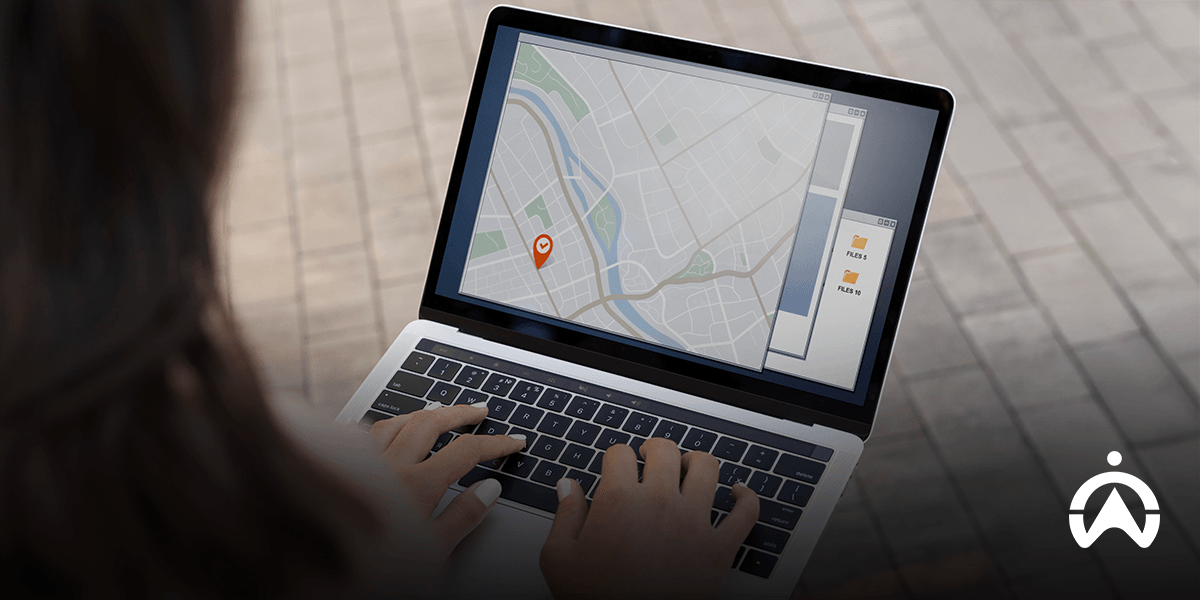
A person using a laptop to monitor GPS tracking software with a location pin and data folders visible on the screen.

Using GPS tracking correctly for individuals

Using GPS tracking correctly for individuals means putting the focus largely on security. Considering that Malawians worry daily about general safety, it’s likely you’re looking for a simple but effective solution to keep you and your family protected. When you use a GPS tracking solution correctly, you should be getting features like location sharing, immediate notifications, and more.

Take a look:

📍Location sharing & live tracking: When it comes to elderly family members or teenage drivers, you’re undoubtedly very worried about their movements and whereabouts. When you’re on the road, you probably want to know that you’re protected if the unexpected happens. With the right tracking solution, you’ll have complete knowledge about where your car or loved ones are when they’re on the road.

If you’re the victim of car theft, you can know where your car is while it’s on the move. You can also share your location with family members and vice versa, for peace of mind and easy, quick contact in an urgent situation.

💬Notifications: If an accident or urgent situation happens, delayed notifications are the last thing you need. The right tracking solution sends notifications immediately, whether triggered by strange activity, a loved one, or you. This means a very quick response by the control room, which is especially important for stolen vehicle recovery (SVR) efforts.

🚨Crash sensor technologies: Many tracking solutions come with some form of sensor technology that detects when a crash has happened. As explained in the point above, if you or a loved one is involved in an accident, the control room will immediately be notified. They’ll call to see if you’re alright and direct emergency services your way if necessary.

📃Trip histories and reports: Trip reports make it much easier for you to get information and insights for whatever you need. In some cases, you might need the data for tax purposes. This then makes compliance and other matters effortlessly achievable, without hassle.

Using GPS tracking correctly for businesses

Using GPS tracking correctly for businesses means improving safety, increasing operations, and achieving massive cost savings. When you implement tracking solutions the right way, you have the potential to transform the way your business operates.

Let’s see what this means:

🛠️Less downtime: When you operate from a proactive instead of a reactive approach, you achieve stronger uptime. Detailed insights can help you spot the issues before they happen and plan for servicing ahead of time. From a real-time perspective, you can also respond immediately if a breakdown or unexpected issue occurs while your drivers are on the road.

💰Reduced expenses: Through GPS tracking, you can optimise your fleet routes, monitor your drivers, schedule maintenance, and spot general waste of fuel, time, and resources. Because there’s less waste, it means there’s less money being poured into wasteful consumption. Maximising GPS tracking helps you save tremendously.

🦺Risk management: Ensure your drivers & cargo are monitored at all times, and know exactly where they are. Get alerted to route deviations & movement outside your geofenced locations, unauthorised vehicle movement, and other improper vehicle or hardware device tampering. Also expect SVR from a quick and responsive team.

Keep your drivers accountable. Through GPS tracking with telematics, combined with AI-powered cameras, you can keep an eye on your drivers and their on-road habits. Get notified of poor driving habits and use the recorded events to give drivers constructive feedback or coaching.

GPS tracking, together with telematics, means you’ll receive the best, most detailed, and most accurate insights technology has to offer. This way, you maximise your tracking features and get access to automated reports and trip histories. These are the keys to simple regulatory and compliance matters.

🤩Happy customers: This is very simple; smoother operations mean satisfied customers. When processes are running smoothly, communication is effective, and emergencies are handled efficiently, you build a strong relationship with your customers and a solid brand reputation. Happy customers mean loyal customers.

Aerial view of a logistics distribution center and fleet of trucks using GPS tracking for dock scheduling.

How to choose the right GPS tracking solution?

To choose the right GPS tracking solution, consider some important steps like identifying pain points, comparing potential providers, and deciding on your non-negotiable features. These will help you narrow down your options. Always be sure to check the fine print, and remember that the cheapest option isn’t always automatically the best.

These are some considerations and questions to ask:

  • ‍Pain points and the need for a tracker: Take a moment to think about why you want a GPS tracker for your car(s) and ask yourself some important questions.As an individual, are you thinking about the safety aspect? Are you trying to keep an eye on an elderly or teen family member? As a fleet manager, are you wanting to maintain better visibility and control of your fleet? Are you trying to decrease operational expenses?
    ‍
  • ‍Non-negotiable features: Jot down the features and tools that you’re looking for. Are you looking for a passive or active tracker? Is your tracker going to be a hardwired device or a portable tracking device? Will you incorporate anti-jamming and backup technologies? Does the associated platform working with your tracking device allow for third-party integrations?
    ‍
  • ‍Comparing potential providers: If you have some providers in mind, compare them by looking at offerings, prices, and other variables. Is your preferred option a well-known, highly ranked company? Is local support and training offered? Does the company secure your data according to industry-level encryption standards?
    ‍
  • ‍After the sale’s been made: The best solutions will have an accompanying support system that goes beyond just the sale. Will the company you choose provide you with regular software updates for the platform or app? Will the partnering company ensure an installation that doesn’t affect your car’s warranty?

Why is Cartrack one of your best GPS tracking choices?

Cartrack is one of your best GPS tracking choices because we offer everything you could need at an affordable price. Our reputation precedes us. Thousands of people and companies have put their trust in us to keep them safe, meet their needs, and provide the best in advanced technologies. Whether you’re an individual or a business, you’ll know you’re covered.

Here at Cartrack, we understand what using your GPS solution correctly & optimally can do for you, and we’re here to help you achieve the best results possible. Firstly, our solutions are affordable, offering budget-friendly monthly rates for both individual packages and fleets. Our hardware installation is FREE, and you’ll have access to round-the-clock, localised support when you need it.

Every single package comes with access to the mobile app, customer support, and SVR. For fleets, you can choose which fleet deal aligns best with your business and customise your package to include all kinds of sophisticated add-ons. From safety, risk management, and admin & compliance to integration and industry-specialised sensors; we have it all. You don’t have to look any further!

Final takeaway:

Getting the most out of GPS tracking and using it correctly means fully embracing and experiencing its features and perks. By doing that, you open up a world of benefits that could change your perspective on safety and optimisation.

Cartrack not only provides you with the right GPS tracking package but also helps you use it correctly, offering the best in accompanying tools and software to suit your needs. Whether you’re a business or an individual, we’re prepared to help (down to delivering after-sales support!).

Use your tracking technologies and tools to your full benefit. Join the over 2.6 million Cartrack subscribers globally and secure your customised GPS tracking package today!

Frequently asked questions about proper GPS tracking

What to do if the GPS location is wrong?

If your GPS location is wrong, carry out a few fixing methods to see what could be the cause. You can try to restart the tool or (depending on what device you’re using) select the on/off button for GPS tracking. If you’re in a crowded or densely forested area, try to get somewhere that’s clear and open.

Can a cell phone detect a GPS tracker?

Depending on the tracker type, yes, a cell phone can detect a GPS tracker. If we’re looking solely at GPS transmitting trackers, then that’s far more difficult to track with your phone. You have a better chance of catching a tracker that’s Bluetooth-powered, like an AirTag. These send notifications to your phone and allow you to scan for nearby devices.

What blocks GPS tracking?

Jammers, certain structures and environments, and specific materials can block GPS tracking. Signal jammers can drown out and “impair” satellite frequencies. Structures and environments, like tall concrete buildings or terrible weather, can disturb signal strength. And certain materials, like foil or even silver, can catch or retain radio waves, disturbing how they’re transmitted.

Remote Jamming: How to Immediately Stop and Prevent It

To immediately stop and prevent remote jamming, you must always remember to double-check that your car is locked before you walk away. Tug on your car door handles to check, listen and look for the locking sound & lights, make sure your valuables are hidden, and if all else fails, rather get back in the car and drive away.

According to police reports, property-related crimes remain a significant concern in Malawi. Theft from motor vehicles is one of the more common types of property crime, contributing to overall crime levels in the country. This highlights not only the growing issue of stealth theft but also the difficulties it creates for vulnerable Malawians, because insurers need proof of forced entry.

Stay informed, keep your vehicle and belongings secure, and have the right gadgets to back you up. Let the Cartrack team guide you on what to do while also providing the best technological methods to keep you and your car safe.

How can you stop and fight against remote jamming?

You can fight against remote jamming by taking a multi-layered safety approach. Always manually carry out safety precautions, but remember to use technology to your advantage as well. Maintain a level of situational awareness, keep your valuables out of sight, and report suspicious activity, but also use anti-jamming devices and other defensive measures.

What is remote jamming?

Remote jamming is when a jamming device is used to essentially create an extreme, congested signal, which confuses and drowns out the signal between your key fob and your car as you try to lock. Communication signals include radio, GPS, and Wi-Fi or cellular signals. While it’s typically done to cars, it can extend to your home’s gate or garage doors too.

Criminals often choose this tactic because it’s a covert, non-invasive way to get access to what they want. Remote jamming is especially common in parking lots, petrol stations, and shopping malls. Usually, you’re in a rush and trying to get somewhere quickly, and the criminals know that. Because of this, criminals also know you’re likely to just lock and walk away instead of physically checking that your car is secure.

How do you detect if your car’s remote locking signal is being blocked?

You detect if your car’s remote locking signal is being blocked mainly by being vigilant. You must check for your car’s response, primarily for the locking sound and flickering lights. If you don’t see or hear these responses when locking your car, physically pull on a door handle or try to lock the car manually.

How to prevent car remote jamming

You can prevent car remote jamming by:

  • ensuring valuables are out of sight,
  • always trying to park in a safe, well-lit area
  • standing right by your car while you lock it and double-checking by tugging at your door handles to ensure locking was successful, then manually locking if the remote lock still wasn’t successful,
  • implementing anti-jamming technologies, like our Cartrack Tag, and
  • always trusting your gut and being aware of your immediate area, especially in parking lots and petrol stations.
Person unlocking car with remote key, illustrating remote jamming risks and vehicle access security.

Does Cartrack have an anti-jamming device?

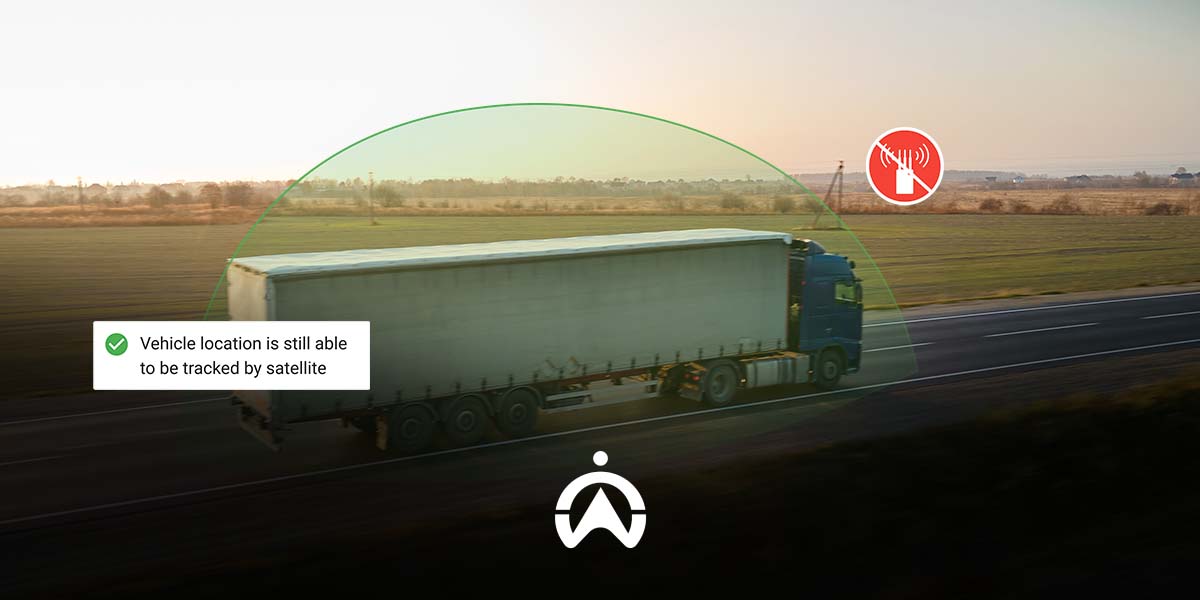
Yes, Cartrack does have an anti-jamming device. Our hardwired tracking devices have jamming detection abilities, and we also offer the Cartrack Tag as an extra layer of anti-jamming security. The Tag is a portable, wireless tracking device used as a backup anti-jamming device for your car. Once jamming is detected by the hardwired device, it’ll automatically switch to the Tag.

The Tag is sleek and very discreet, connecting easily and allowing for a far better hidden fitment. It also doesn’t use a cellular connection, so it’s unaffected by remote jamming. Instead, it uses what we call the Cartrack Proprietary Radio Frequency (CPRF) Network. It also has a powerful battery life, lasting up to about 5 years.

How do these devices work?

All our hardwired tracking devices come with jamming detection. Once the device detects jamming and can no longer transmit its usual GPS signals, it’ll switch to a special frequency that communicates with the CPRF Network. This network acts like a beacon of sorts, sending out consistent pings. The Tag then uses a method that we call ‘crowd searching’, which is an action the CPRF Network performs.

Crowd searching uses a web of connected devices that share information and signals to make it easy to triangulate and recover stolen vehicles. So, if your car has been jammed & stolen and moves through the network, every other car with a hardwired device that it passes reports your stolen car. This information helps the control room pinpoint the location of the jammed device and, ultimately, your car.

In simple terms, think of this process as a neighbourhood watch squad. The other cars are seen as “vigilant neighbours” who “spot” a stolen car and quickly alert headquarters. The Tag does just that, communicating with the closest tracking devices. Because hardwired devices are present in so many vehicles across the country, the coverage is so extensive and powerful.

So what does this mean for my stolen car?

The Tag sends a ping every 40 seconds to the closest hardwired devices, sending location data back to our control room. This means our team is aware of the situation and closely monitoring the movement of your car. As your stolen car is moving, a live trail is being created for our recovery team to follow.

This helps us react with serious speed, massively increasing our chances of recovering your stolen car. Our recovery rate remains strong, the number of recovery teams is growing nationally, and our month-to-month recovery statistics remain impressive.

Person attempting car break-in in parking area, highlighting risks of remote jamming and vehicle security threats.

Final takeaway: Remain a step ahead of car thieves

Crime remains a significant concern in Malawi, particularly in urban areas where theft and property-related offences are more common, with carjackings ranking just behind home robberies as the most common robbery-related crime. For car owners like yourself, there’s probably an understanding that basic protection methods aren’t enough. You need an extra layer of smart protection to keep your vehicle safe and connected.

Remote jamming can be an absolute nightmare, but it doesn’t have to be. At Cartrack we can help you strengthen your car’s security against car jamming, and you can rest assured knowing that we have a team that’s ready to fight for you.

Don’t wait until the worst happens. With over 100,000 vehicles recovered in the last decade and advanced technology on our side, you know you can put your trust in us. Call Cartrack today!

Frequently asked questions about stopping and preventing remote jamming

What are the 4 types of jamming?

The 4 types of jamming are sweep, spot, barrage, and deception jamming.

  • Sweep jamming is ‘sweeps’ across many frequencies in sequence.
  • Spot jamming focuses on a single frequency, which only blocks a single channel.
  • Barrage jamming disrupts numerous frequencies at once.

Deception (also known as Repeater) jamming changes a frequency and then retransmits it.

Why put aluminium foil around your key fob?

Put aluminium foil around your key fob as a practical and inexpensive way to protect your car and enforce an anti-theft mechanism. When you wrap your key in foil, it appears to act like a sort of barrier that blocks the anti-jamming signal and makes sure it’s less effective.

Does *3370 really work?

No, *3370 doesn’t really work. The theory is that, by dialling *3370, you would boost your phone’s battery life or signal, depending on the version you received. This belief all started because of a chain email that was sent around 2018, claiming that dialling certain secret codes would unlock hidden functions. It was also aimed at older Nokia models.

Mining Equipment Tracking for Yellow Metal and More

If you’re looking for technology to help you track your yellow metal mining equipment and other assets, you’ve come to the right place. At Cartrack, we have various types of tracking units and sensors to help you monitor the movements, fuel usage, and health of your mining equipment.

As the years go by, technology is shifting the way mines operate. According to Empire CAT, new technological innovations for mining operations have brought in increased productivity, better safety, improved equipment health, and less environmental harm.

Today we’re going to give you more insight into how you can track your yellow metal equipment and why you should partner with us for improved mining operations.

What mining equipment can be tracked?

You can track various types of mining equipment, like excavators, bulldozers, and blast drill rigs. Each machine has its own nuances and will therefore require a specific tracking unit. With the right fleet management system, you’ll be able to manage all these machines more effectively through technologies like GPS trackers, telematics, sensors, and cameras.

What challenges are there with tracking yellow metal?

The challenges that fleet managers often encounter with tracking yellow metal are:

  • Ensuring safety and compliance
  • Monitoring equipment usage
  • Locating equipment
  • Tracking fuel consumption

With the right technology and a better understanding of your operational needs, you can overcome all these challenges.

Safety and compliance

Your fleet operators must follow safety protocol as per the industry regulations, but when you don’t have technology in place, ensuring safety and compliance becomes difficult. Some laws often get overlooked, which results in recurring accidents. The lack of information pertaining to those accidents leads to never-ending investigations because finding the root cause is also difficult.

Fuel consumption tracking

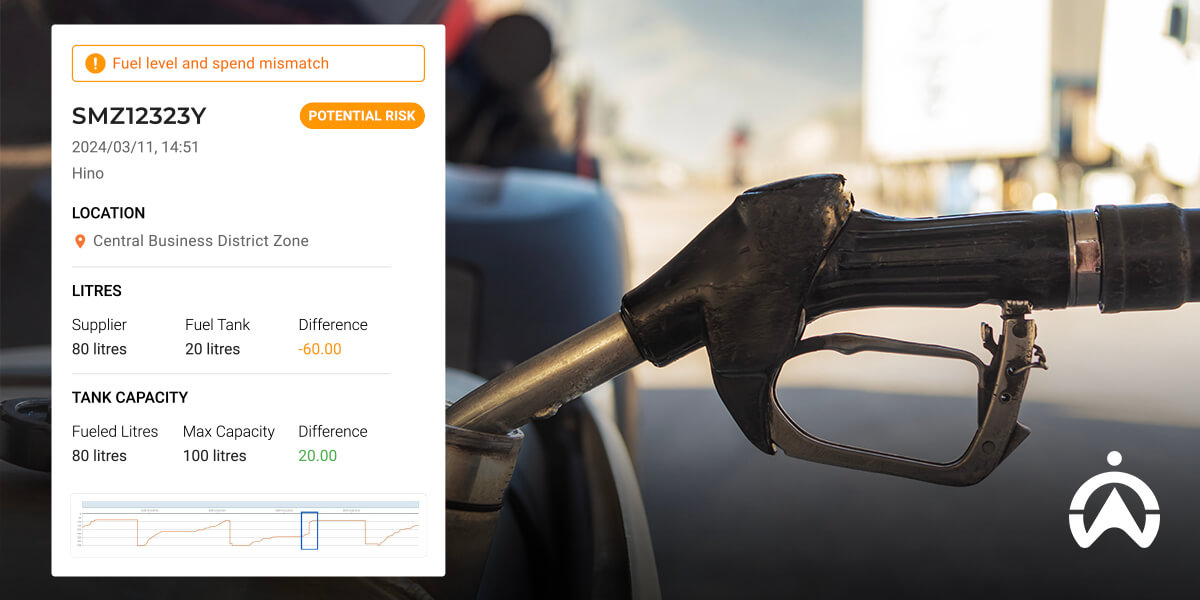
You need an accurate analysis of fuel consumption to save costs. But again, without any technology helping you, fuel consumption levels become difficult to trace. This increases the chances of unnoticed fuel theft or leakage, both of which will cost you a fortune.

Equipment use

How do you know if your operators are being productive or just leaving the machines on idle? How do you know which equipment is being overused and on the brink of a breakdown? The inability to measure productivity levels and your fleet’s utilisation rate brings about efficiency problems and maintenance issues.

Another issue with monitoring equipment usage (or the lack thereof) is ensuring that each machine is in the hands of the right people. As we all know, those who can operate specialised machines are often paid more. So in an effort to make more money, operators sometimes take advantage of the fact that you can’t track equipment licences and they then use machines they aren’t qualified for. This leads to more possible accidents and extra pay that wasn’t budgeted for.

Locating equipment

There’s no way to know where all the machines are if you don’t have GPS tracking units. Without them, it makes it nearly impossible to notice when machines have left the site. It also exposes your vehicles, high-value cargo, and equipment to theft, which you might not notice until much later.

Yellow excavator loading soil into a red dump truck at a construction site under a partly cloudy sky.

What tracking devices are used for mining equipment?

At Cartrack, we’ve got various devices that you can use to track your yellow metal equipment and drivers, like:

  • GPS tracking units
  • Speed Buzzers
  • AI Cameras
  • Power Take-Off sensors
  • Breathalyser
  • Fuel sensors

Together, these solutions ensure compliance, enhance safety, boost productivity, and help you be better at maintaining the machines.

Here’s a breakdown of how these solutions work:

GPS tracking unit

You can use our GPS tracking units to keep track of the whereabouts of yellow metal and other vehicles. This ensures they remain on-site. Our GPS tracking units also have telematics capabilities, which means you can see how your operator behaves when using your yellow metal.

Speed buzzers

Ensure all your vehicles and yellow metal machines remain within the set mining speed limit using our speed buzzers. The buzzer is placed underneath the chair, and when a driver goes above the speed limit, the whole seat vibrates. This alerts the driver, prompting them to lower their speed. The speed buzzer you notice is also helpful for quickly noticing possible theft, like when a person tries to speed out of the site carrying your minerals.

AI cameras

You can install AI-powered cameras in your excavators, bulldozers, mobile cranes, and other equipment to enhance the safety of your operators. Our AI cameras can detect when drivers are distracted by things like cellphones, fatigue, and smoking. They can also detect when drivers don’t have their seatbelts on. Once detected, the camera system releases audible alerts so drivers can make changes and focus on what they’re doing.

Panic button

Accidents can happen at any time, and calling for help in such a busy and loud environment is difficult. You can install a panic button in each of your vehicles to ensure your drivers get emergency assistance as soon as possible.

Power take-off sensors

Our Power Take-Off sensors help you keep a close eye on productivity levels. You’ll be able to tell the difference between a machine that was just idling all day and one that was actually productive. Let’s use a dump truck as an example; our power take-off sensors will let you know when the tippers go down and up, helping you keep track of how often it happens.

Breathalyser

Driving under the influence is a dangerous act, as we all know, and in the mines, it can lead to catastrophic accidents. For this reason, we have breathalysers that you can use daily to ensure your drivers are in the right state to use your equipment and avoid accidents.

Fuel sensors

For your on-site fuel tanks, we’ve got fuel probes. Fuel probes are the best way to monitor fuel usage in real time. A fuel probe is a sensor placed inside a tank, and each time the fuel levels go up or down, you’ll get an alert. This makes it easy to notice an unusual or rapid drop in fuel levels, which could mean someone is trying to steal large amounts of fuel or there’s a leak.

You can also install fuel probes in the tanks of each vehicle to get accurate live fuel consumption levels.

DID tags

To resolve the issue of operators using equipment they aren’t licensed for, we’ve got Driver Identification (DID) tags. Each tag is linked to a specific vehicle or machine, so you only assign them according to what each operator is licensed to use.

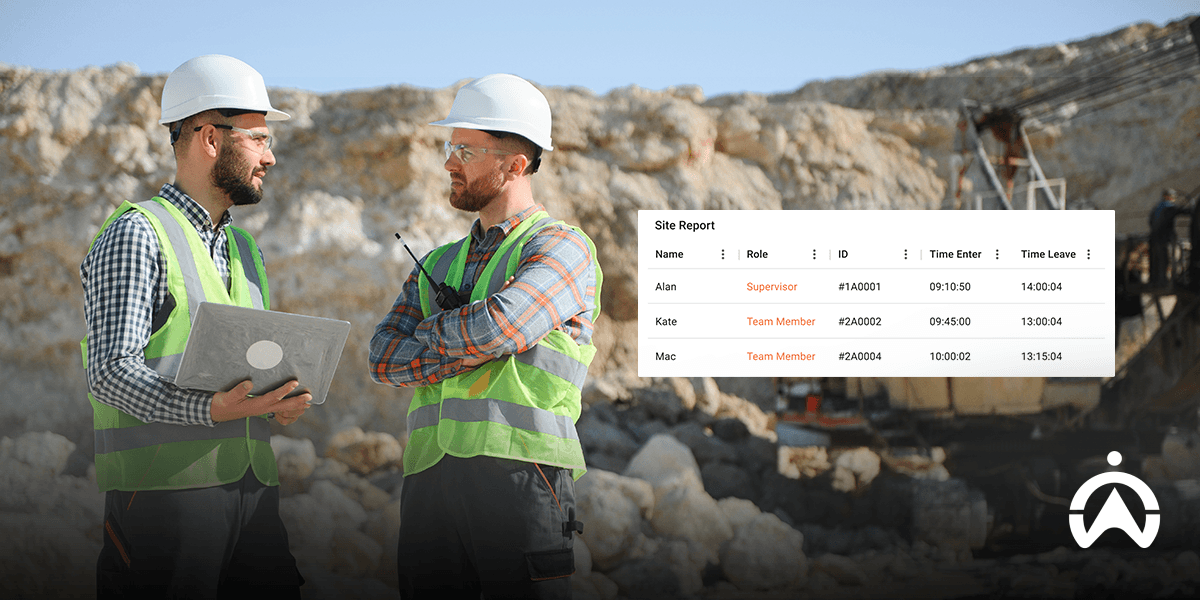
Two construction workers in helmets and vests discuss a tablet at a rocky site, with a site report overlay showing staff entry and exit times.

What about tracking other mining assets?

To track mining assets like trailers and conveyors, you can choose any of our three tracking units, which don’t require a power source to function. These are:

  • Cartrack Tag
  • Track & Go
  • Asset Tracker

The one you choose will depend on your specific tracking needs.

Here’s how they work:

Cartrack Tag

The Cartrack Tag is a device that’s permanently installed in your assets for location purposes. It doesn’t need charging and has a long-lasting battery. This is the ideal solution for tracking assets on a large mining site because you can create a radius around the mine and ensure that the asset remains within that radius.

Asset tracker

Our Asset Tracker unit is also another way to ensure you always know where your assets are. It gives you daily location updates, so you never have issues with misplaced assets. Like the Tag, it also has a long-lasting battery life. The asset tracker is an ideal solution for assets that you only need to check on every once in a while.

Track & Go

The Track & Go solution is an asset tracker that can be moved from one asset to another. It’s for assets that don’t always need tracking, like the ones you rent every now and then. This ensures that none of them go missing while they’re with you. They give you real-time updates and are rechargeable.

We’re here to help you make your operations safer and more profitable

Our solutions give you more control over your large-scale mining operations and make managing your fleet easier. With us, you save time and complete tasks more quickly, therefore being more productive. You also reduce operational costs and the chances of accidents. Partnering with us ensures that you uphold your commitments and remain ahead of your competitors. So make sure you reach out to us to get the technology you need.

Frequently asked questions about mining equipment tracking

Which GPS is best for mining?

The best GPS for mining depends on your specific needs and requirements. At Cartrack, we’ve got various GPS trackers for all your mining vehicles, machines, and equipment. We help you quickly locate your assets and ensure proper utilisation. With our mining GPS tracking solutions, you’ll have a safer, more efficient mining fleet.

What are the main uses for GPS trackers in mining?

The main uses for GPS in mining are:

  • Locating vehicles and equipment
  • Monitoring driver behaviour
  • Preventing theft
  • Enhancing efficiency

GPS trackers are there to help you manage your mining resources better and ensure safety and compliance. They give you more insight into what every operator gets up to, so you can easily address your concerns and improve operations.

How to Manage Your Waste Collection Trucks with GPS Tracking

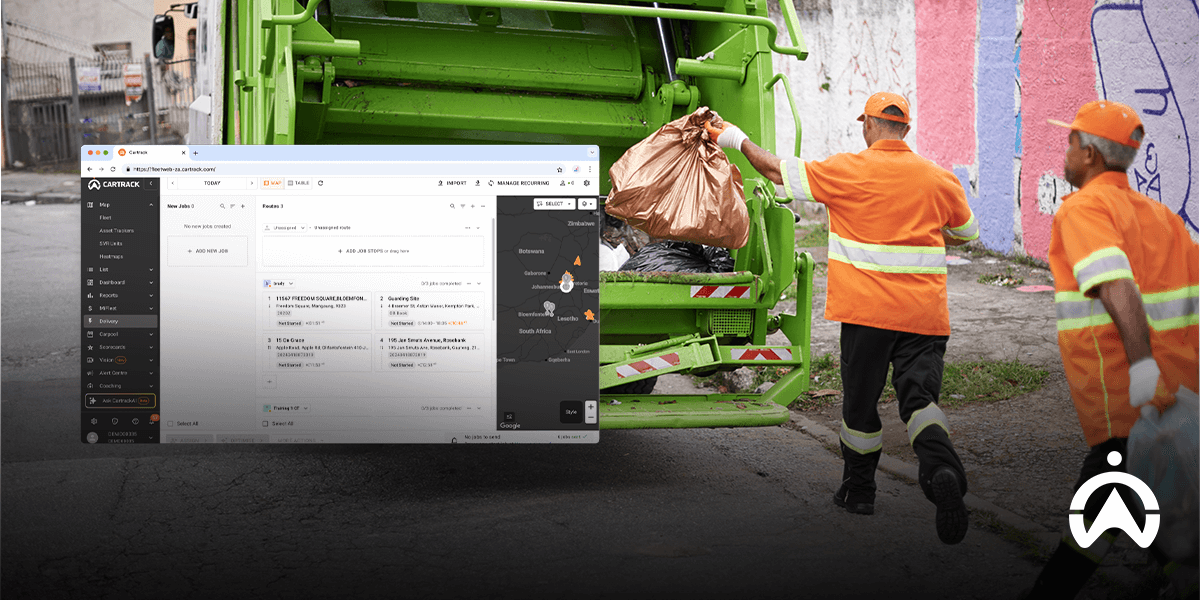
To manage your waste collection trucks with GPS tracking, team up with a provider that offers the ideal GPS tracking solution for your fleet and business needs. Managing this kind of fleet goes far beyond the job itself; it’s about upholding the accountability and efficiency needed to complete these jobs well.

Your waste collection fleet likely faces some intense daily pressures, from rising fuel costs to very tight schedules and customer complaints about missed collections. Research shows that GPS-enabled route optimisation can cut your total fleet mileage by as much as 20%, leading to lower fuel consumption, less unnecessary travel, and better service performance.

Real-time data consistently pours in, so why would you not leverage it for a better and improved fleet management strategy? That’s the strength of a reliable GPS solution for your waste management team. This blog takes a look at the right GPS tools to track waste fleets, and how Cartrack can help you maintain control and run your operation seamlessly.

How GPS tracking improves waste collection route efficiency

GPS tracking improves waste collection route efficiency by combining technology and careful planning to create the best, most optimised routes for your fleet. It’s a prime example of taking vehicle insights and turning them into actionable knowledge. GPS tracking also keeps you in the know, allowing you to act quickly if there are unexpected delays or hiccups.

What is GPS tracking in waste collection management?

GPS tracking in waste management uses GPS data to keep track of your vehicles and the waste they carry, monitoring their movement, routes, and other operational data. Tracking at a fleet management level helps you gather the information necessary for informed decision-making.

Tracking can be active or passive. Passive tracking keeps your data stored to be analysed later. Active tracking presents insights in real time, allowing you to make changes on the go if unexpected stops or rerouting take place.

Why waste collection fleets are uniquely hard to manage

Waste collection fleets are uniquely hard to manage because of daily challenges like frequent stop-and-starts, high risks, and public accountability. You can overcome these and other waste management obstacles by tapping into GPS tracking and the optimisation it provides.

Here are some particular challenges you may be facing:

  • Fixed schedules vs unpredictable real-world conditions: Collection routes are usually laid out ahead of time, but factors like traffic or construction can potentially slow down your productivity.
    ‍
  • High stop-start driving and fuel drain: Collections translate into a high number of stop-and-start journeys. Couple that with the layout of an urban area, and you get substantial fuel consumption.
    ‍
  • Public accountability and service-level pressure: The pressure to deliver, and to do so timeously, can be overwhelming. Missing stops or being late could potentially lead to complaints and threaten contractual agreements.
    ‍
  • Heavy vehicles, safety risks, and compliance demands: The vehicles themselves are large and carry heavy loads while being expected to comply with health and safety rules.
  • Assets—trucks, bins, containers, drivers, depots: Coordinating and overseeing multiple interlinked assets across vast areas takes effort and attention.

How GPS tracking helps you manage waste collection trucks more effectively

GPS tracking helps you manage waste collection trucks more effectively by supporting route optimisation, improving running operations, monitoring driver behaviour, and other daily processes. This is essential for you to keep your business running smoothly, especially when unexpected stops or delays occur.

Let’s look at how tracking helps you better manage your waste trucks:

Real-time visibility across your entire waste fleet

Real-time visibility across your entire waste fleet means you have eyes on every single one of your vehicles in the fleet. This isn’t just about location or vehicle movement; it’s about you being able to respond quickly and effectively when unforeseen challenges arise.

This level of visibility is even more important when you consider Malawi’s electricity issues, accessibility to townships, and metro area layouts. These can easily affect service delivery and interfere with planned routes.

Sticking to a planned route is always great practice, but real-world problems will pop up, and live data feedback keeps you in the loop when these problems happen. You can handle missed stops, delays, or other interruptions quickly, as GPS tracking supports faster corrective action. It’s better for you to immediately solve the issue instead of dealing with complaints afterwards.

Smarter route planning and fewer wasted kilometres

Smarter route planning and fewer wasted kilometres are the key to optimising your operations. GPS tracking can help you optimise routes by analysing traffic patterns, data from previous trips, and real-time conditions—all to improve your travel times and fuel wastage issues.

Being able to cut back on fuel wastage, especially for stop-and-start journeys, directly impacts the cost of your fuel. It improves your overall expenses and makes fuel usage a more predictable cost. This supports your daily planning and prevents some of your trucks from being overworked while others sit idle.

Improved driver accountability without micromanagement

Improved driver accountability without micromanagement is possible, as tracking gives you total visibility and understanding of your drivers’ behaviours from a distance without having to excessively interfere. By managing this way, you give your drivers space to work independently without sacrificing oversight and supervision.

When challenges arise (like poor driver behaviour), well-recorded data is available for you to review and use in coaching feedback. This could effectively lessen the tension between you and your drivers, because genuine facts will always serve as the strongest evidence.

This evidence is also crucial regarding proof of service: if a complaint has been made by customers or the municipality, the GPS tracking history will confirm that your driver’s job has been completed.

Better asset utilisation and vehicle uptime

As briefly mentioned, tracking will help you maintain better asset use and vehicle uptime. With clear trip histories that show you which vehicle’s used when, you get an overview of the vehicles that are being overused or underutilised, allowing you to balance out their use.

Predictive maintenance also plays an important role here. When you better understand how a vehicle is being used, through factors like distance travelled and fuel usage, you can ensure that the vehicle’s service is scheduled before breakdowns happen.

GPS tracking use cases in waste collection operations

GPS tracking use cases in waste collection operations will show you firsthand the vital role it plays in daily operations. Despite waste collection functions varying according to area, service, and other elements, the beauty of GPS tracking is that it’ll undoubtedly improve processes across every use case—including yours!

Let’s look into each of the use cases in more detail:

Managing municipal waste collection routes

Managing municipal waste collection routes is made much easier with the help of tracking, helping you to keep an eye on the vehicles and ensure they’re taking the correct routes. Schedules and service windows are very tight, so when you’re monitoring these aspects, you ensure the tasks are successfully completed.

Through consistent tracking, historical journey logs will reveal everything from missed pick-ups to recurring problems that interfere with the smooth running of your business. This is particularly crucial in Malawi, where missed waste collections frequently result in public complaints and heightened scrutiny of municipal services.

These insights contribute to the improvement and optimisation of your routes and processes. Additionally, it creates a much more consistent service for municipalities overall.

Tracking commercial and industrial waste pickups

Tracking commercial and industrial waste pickups means working within an agreed-upon timeframe. Contractually, there are goals that you and your drivers need to meet and obligations that you’ll need to fulfil; tracking will confirm that these goals and obligations are carried out.

Tracking is also an excellent added layer of security for tasks that might be a greater risk. You’re able to stay close and heavily monitor these trips, pick-ups, and drop-offs without worrying about extra organisational woes that come with high-risk tasks.

Of course, you can quickly handle any dispute or complaint with the support of the evidence that tracking provides.

Monitoring dump trucks and landfill trips

Monitoring dump trucks and landfill trips doesn’t have to be complicated, especially when you consider the fact that waste collection goes far beyond the pavement pick-ups. Movement still has to happen between collection points and disposal sites, and GPS tracking insights can help you with better task allocation and turnaround times to keep up productivity.

Container and bin tracking across multiple locations

Container and bin tracking across multiple locations is difficult when you don’t have a clear overview of vehicle movement. Waste trucks cover extensive ground, and tracking is highly valuable to keep track of movements and usage patterns, while also bringing down the number of lost/misplaced bins and containers.

Having precise location data enhances your planning for container servicing, relocation, or replacement. This way, you can allocate resources effectively where they’re needed most, while keeping service levels high.

GPS tracking features that matter most for collection fleets

GPS tracking features that matter most for waste collection fleets include driver behaviour monitoring, live vehicle tracking, and smooth integration with fleet management systems. Not all tools and platforms will meet your standards, but it’s important to know what to look for if you want the best for your fleet operations.

Here’s a look at some essential features you should keep in mind:

  • Real-time tracking and trip history: Live tracking is the key to total visibility. The best tracking solution has consistent tracking with a strong connection, even in areas with low connection. It should also have an accurate and detailed trip history log. These are functions that aid you in immediate intervention when necessary.
    ‍
  • Route replay and proof of service: You should be able to review and retrace a journey in detail, especially in the case of any dispute, complaint, or need for confirmation. Route replay also serves as proof of service, providing evidence of collections or other municipally related queries.
    ‍
  • Driver behaviour monitoring for heavy vehicles: Because your waste collection trucks are under a lot of pressure to move quickly from place to place and handle heavy loads, your drivers must navigate their routes with care. Driver monitoring systems can help correct aggressive driving behaviours and support safer habits.
    ‍
  • Alerts, reports, and compliance support: Automated alerts are probably one of the most important features. These update you when there are route changes, holdups, or anything else that halts productivity. Detailed reports also simplify your compliance processes, especially if you can choose and filter information accordingly.
    ‍
  • Integration with broader fleet management tools: Integrating GPS tracking with fleet management tools is the most effective approach for waste management. This structure allows you to monitor vehicles, drivers, and performance data all from one unified platform instead of having to manage numerous disconnected tools.

GPS tracking vs manual waste fleet management

Looking at GPS tracking vs manual waste fleet management will show you just how significant the role of live GPS tracking is, especially regarding automation and optimisation. The table below highlights how GPS-enabled systems make daily tasks easier and strengthen supervision in waste collection operations.

Take a look:

Operational task Without GPS tracking With GPS tracking
Route planning Manual, static Data-driven, optimised
Missed collections Hard to verify Easily identified
Fuel usage Estimated Accurately monitored
Customer complaints Difficult to resolve Backed by location data
Compliance reporting Time-consuming Automated

How Cartrack supports your fleet management

Cartrack supports your waste collection fleet management by offering all the tools that you’d need to see successes: live GPS tracking, adaptable solutions, detailed insights, and complete visibility and control. Not all systems are equal, and Cartrack’s is one that certainly stands out above the rest.

Our live and continuously-updating GPS tracking keeps a close eye on your waste collection trucks while they’re working. This visibility makes it easier to see that the correct routes are being taken, enables quick reactions to any potential delays, and guarantees that there’s constant oversight during the working day.

Our versatile platform means that whether your fleet is small and straightforward or larger and complex, you’re guaranteed comprehensive insights and a strong fleet management solution. You can carry out daily tasks with ease and even improve operations through implementing data-driven changes. 

Cartrack’s got all the necessary tools that you’ll need to improve safety and reliability in waste collection. You have access to highly accurate information that’s time-stamped, which means the early detection of operational risks. Overall, expect to improve your planning and maintain service standards on every occasion.

Final takeaway: the importance of visibility and control in route optimisation

The bottom line is that GPS tracking solutions are your best bet if you’re looking to manage a highly successful, safe, and optimised waste collection fleet. There needs to be confidence and certainty when managing this kind of fleet. Tight schedules, public scrutiny, and increasing costs have made GPS tracking an absolute necessity.

Cartrack is your trusted, long-term partner. Our GPS tracking solutions are meant to go up against real-world challenges (and come out on top!). At Cartrack, we empower you—as municipalities and private operators—to carry out your services with confidence and control.

Stop losing time and fuel to inefficient waste routes. Reduce delays, improve service delivery, and manage your fleet more successfully with Cartrack GPS tracking.

FAQs

Can ChatGPT optimise routes?

No, ChatGPT can’t optimise routes. The most ChatGPT can do is help with some of the planning and provide ideas, but it won’t generate the feedback and insights necessary for route optimisation. Trip histories, preventative tools, and live tracking are all required for this process—none of which are provided by conversational AI tools.

Does Google Maps have an EV trip planner?

From a fleet perspective, no, Google Maps doesn’t have an EV trip planner. Google Maps is better suited to personal vehicles and individual trips, and in that way, it can show a trip beforehand or display charging stations. It’s not designed for fleet use, which includes many other aspects beyond simple navigation.

Can GPS data be used to verify completed collections during customer disputes?

Yes, GPS data can be used to verify completed collections during customer disputes. Because this data shows where a vehicle was and at what time, you get detailed feedback from route trip histories. This information can be verified against complaints, using it as clear evidence to reach quick conclusions.

What happens if a waste vehicle temporarily loses GPS signal?

If a waste vehicle temporarily loses signal, it’ll store the trip data while offline, and that data will be updated once the connection is restored. Following that, the transmission of data will go back to happening in real time. Overall, vehicle trip history stays intact, helping you to easily maintain operational visibility.

Get a GPS Tracker With a Camera for Your Car Today

As a commuter on Malawi’s roads, having a GPS tracker and a camera in your vehicle is a must. We have unpredictable roads, high crime rates, and taxi drivers that are practising to join Formula 1; that’s why having both a GPS tracking device and a camera is your best bet.

Vehicle theft and security-related incidents remain a concern for motorists in Malawi, especially in urban centres and on long-distance routes, making vehicle safety measures an important consideration for drivers and businesses

This is why more and more Malawians are looking into GPS trackers and cameras for their cars. It’s a double safety measure that not only shows you where your car is but also what’s happening in and around it, and with Cartrack Malawi we can give you both options at the same time!

Why do you need a GPS tracker and a camera?

You need a GPS tracker and a camera so that you have a comprehensive security setup for your car. A GPS tracker will help in the case of theft and recovery, whereas a camera provides visual proof of the events that happen in and around your car.

What to look for when buying a GPS tracker and a camera for your car

When buying a GPS tracker and a camera, you need to look for one that matches your needs. For GPS trackers some just provide basic tracking, whereas more advanced ones have live monitoring and a recovery support team. The best one will obviously be one that not only lets you know where your vehicle is but also protects it as well.

When buying a camera for your car, the most important feature is clarity no matter the lighting conditions. Having a camera with poor quality recording is pointless when you need evidence of a smash and grab or a hit and run. You need a camera that’ll give you quality footage at all times.

Here’s a table with the key features you should look out for when buying a GPS tracker and a camera:

GPS Tracker Camera
Real-time tracking High-res footage
Long-lasting battery Low-light/night mode recording capabilities
Strong network coverage Cloud storage
Automatic alerts Wide-angle lens
Highly durable User-friendly app/platform
Tamper-proof Durable
User-friendly app/platform Weather-proof
Dedicated support team Integration with your vehicle tracking system
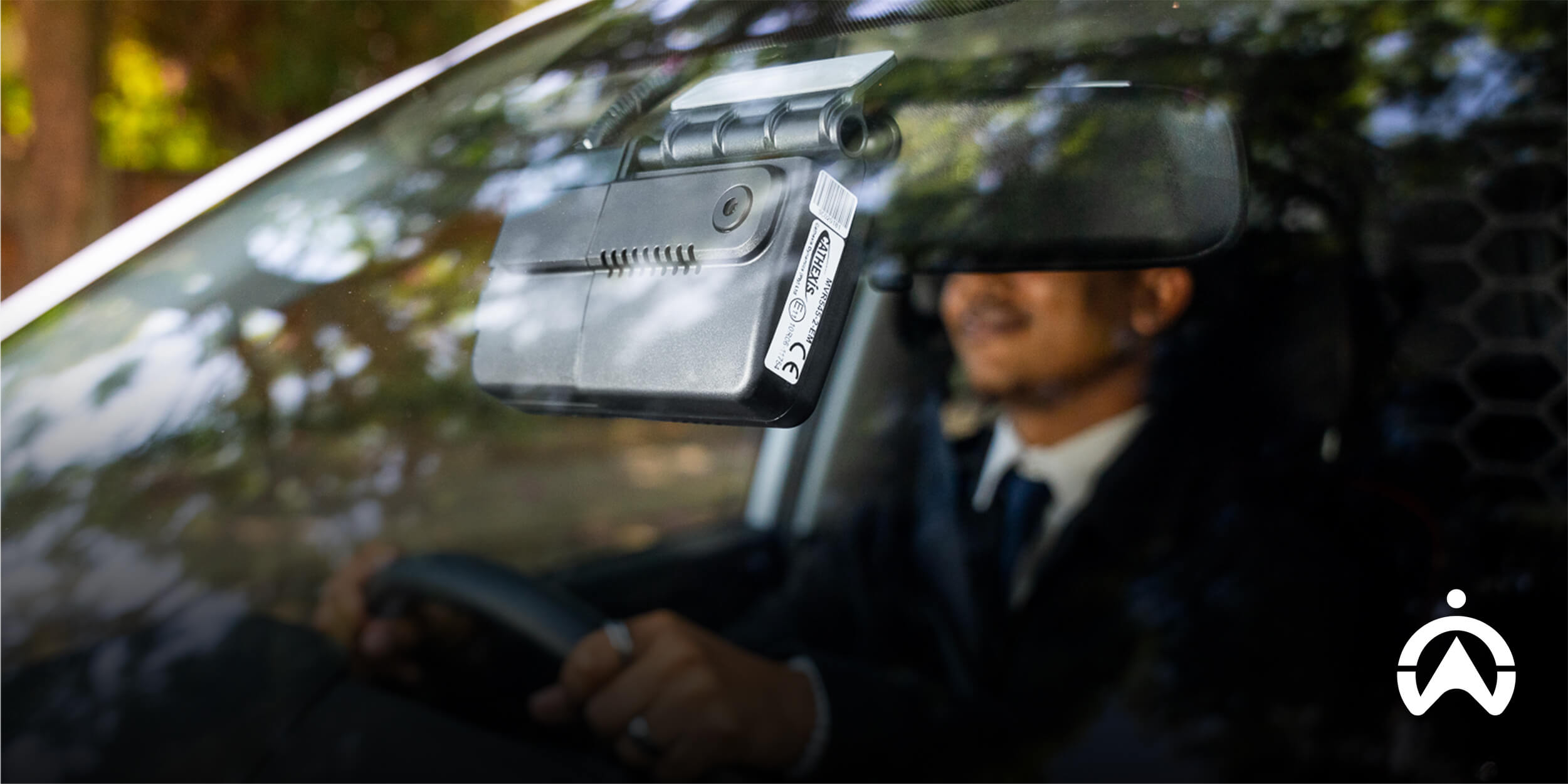
A driver in a suit holds the steering wheel, with camera with GPS tracker mounted on the windshield capturing the view ahead.

The benefits of pairing a GPS tracker with a camera

The benefit of pairing a GPS tracker with a camera is the peace of mind it’ll provide you with. Malawians are constantly on edge when they’re on the roads, between the road rage and aggressive driving, to the smash-and-grab hotspots and the risk of hijackings. Knowing that you and your vehicle have a double layer of security is unmatched.

Another benefit of having a camera in your car is that it can assist in deterring thieves from stealing your car. But, when you have a GPS tracker as well, you know that even if they still take the risk, you’ll have a good chance of getting your car back!

If you have a family, a GPS tracker and a camera will enable you to keep a close eye on your family from anywhere! On top of that, you can capture memorable road trip moments that can preserve all these special moments for you to always have!

Finally, an added benefit is that you can possibly reduce your insurance premiums when you install an insurance-approved camera and GPS tracking device. The reason being that your car is fully protected 24/7. No matter where you’ve parked or where you drive to, there’s an added layer of protection, saving your insurance company on costs and ultimately lowering yours.

Why choose Cartrack Malawi for your GPS tracking and camera solution?

You should choose Cartrack Malawi for your GPS tracking and camera solution because we can provide you with the most important thing… reliability. You want a GPS tracking device and a camera that doesn’t fail when you need it the most.

In an emergency situation you want assistance to either recover your vehicle or get high-quality footage for the police in minutes. When you buy just any old tracking device or camera from one of those overseas shopping sites with deals that are way too good to be true, you’re getting what you pay for.

You want a camera that’ll give you footage you can actually use and a GPS tracker that comes from a provider that can actually go out and get your vehicle for you.

When you choose an unknown provider because you want to save costs, you end up spending more in the long run. An unreliable GPS tracker and camera will not only waste your money, but it’ll compromise your safety as well. 

At Cartrack Malawi our products and services have been carefully designed for the Malawian market. We worked incredibly hard to earn a positive reputation around our reliable GPS tracking, camera and recovery solutions.

We have an incredibly skilled team to install your camera and GPS trackers, making sure it’s all done in a professional manner. We also have a dedicated 24/7 customer support team and a highly trained stolen vehicle recovery team.

Cartrack Malawi always comes up on top because we don’t just give you basic tracking. Here’s what our solutions will do for you:

Person holding a smartphone with Cartrack app showing map connected to a GPS tracker with a camera for a car.

The fastest recovery rate in the country

Our GPS trackers come with real-time tracking and are backed by dedicated recovery teams. This is why Cartrack Malawi continues to hold one of the highest stolen-vehicle recovery rates.

Our cameras give you eyes on your car

Basic tracking companies will only provide location data, but with Cartrack Malawi, you get real video visibility. So you can easily monitor your car and stay connected no matter where you are.

When you choose Cartrack Malawi, you get…

  • 24/7 Stolen-Vehicle Recovery
  • Live Vision video streaming
  • Instant movement and tamper alerts
  • Reliable location accuracy
  • A user-friendly app

To keep your car safe, contact us today to give you the peace of mind you deserve. Remember, when you invest in a partner like Cartrack Malawi, you’re investing in yourself.

FAQs

Can you hear conversations on a dashcam?

Yes, you can hear conversations on a dashcam, but only with modern ones with built-in microphones. This is a helpful feature for any unsavoury situations, but if you don’t want this feature, most dashcams can allow you to switch this feature off.

What powers a GPS tracker?

GPS tracker can be powered by three different methods depending on the type of device you have. The three different methods are:

  1. Internal rechargeable or disposal batteries
  2. Vehicle electrical systems
  3. Plug-and-play into on-board diagnostics (OBD-II) ports

Cartrack Malawi has all three options!

Can I view my car’s camera footage while I am overseas?

Yes, you can view your car’s camera footage while you’re overseas, as long as you have an internet connection. If you’re with Cartrack Malawi, you can simply open your app and instantly livestream footage or even check your car’s location, no matter where you are in the world!

The 7 Advantages of GPS Technology in Your Business

The 7 advantages of GPS technology in your business include full visibility, a safer driving culture, higher productivity, and cost reductions. These are just a handful of the benefits guaranteed, particularly when you consider how crucial GPS technology is for essential fleet assets and vehicles.

Choosing to incorporate GPS technologies means that you get to see exactly where your resources are going, how they’re being used, and how well they perform. Research shows that 65% of fleet managers noted that GPS technologies are ‘very’ or ‘extremely’ beneficial for reducing fleet costs. This also underscores its role in helping businesses cut operational expenses and improve profitability.

Through this article, you’ll get a full understanding of the 7 advantages that’ll strengthen your business, and how each of them improves productivity and minimises expenses. Moreover, we’ll dive into why Cartrack is your trusted partner in GPS technologies and telematics, no matter the size of your business.

What are the 7 ways GPS technology benefits your business operations

The 7 ways GPS technology strengthens business operations include:

  • Fleet visibility
  • Time and fuel savings
  • Improved security against fraud and theft
  • Safer driving
  • Cost reductions
  • Higher productivity, and
  • Data-driven insights

All things considered, employing GPS technology supports companies in improving security, managing fleets more effectively, and gaining a practical understanding that promotes more profitable operations.

Look at the 7 ways in which GPS technologies boost your company’s processes:

#1. Full fleet visibility through real-time tracking

Full fleet visibility comes from consistent and accurate GPS tracking, keeping you in the know about where your vehicles are at all times. Because of this, you’re in total control while also being able to respond swiftly in the case of an emergency.

How it blocks unauthorised use, improves dispatching, and cuts downtime:

  • Accurate location data means better dispatching decisions. You can send the nearest driver, minimise delays, and optimise job allocation.
  • You can reduce downtime, eliminate wasted hours, and turn hidden costs into measurable, attainable performance when you’re aware of where your vehicles are and how they’re being used.

All of this means more productivity: fewer wasted hours, faster response to customer needs, and better resource usage.

How Cartrack delivers complete visibility

📍Live tracking on both web and mobile apps for immediate fleet oversight

🧭 Accurate location updates to monitor vehicles in real time

📃Comprehensive trip history to review past routes, stops, and driver performance

🚨Custom alerts and reports for proactive fleet management and accountability

Cartrack’s GPS tracking system gives you full visibility and control anytime, anywhere.

Highway traffic with vehicles highlighted demonstrating advantages of GPS technology.

#2. Time and fuel are saved with effective route planning

When you optimise your routes with the help of GPS telematics, you save on time and fuel. Effective route planning means your drivers take the most efficient trips, reducing fuel and mileage waste. Additionally, live GPS data can alert you to potential delays and traffic, actively allowing you to redirect drivers in real time.

#3. Improved security against theft and fraud

If the worst happens and a business vehicle has been stolen or misused, GPS tracking technologies can save the day. Advanced GPS tracking means you have an eye on your asset, allowing you to quickly locate the vehicle in those challenging circumstances. With geofencing, you can also be immediately alerted when a vehicle enters and exits permitted areas.

#4. Safer driving and lower accident risk

With GPS telematics, you have the necessary technology to monitor your drivers and their on-road behaviours. Through this, dangerous practices like reckless driving, speeding, and abrupt braking are all recorded and logged. Research shows that by using these insights, you can give data-driven feedback to drivers and encourage them to be safer on the road.

#5. Cost reductions via improved operational management

As mentioned, optimising routes and improving driver behaviour through GPS technologies has a direct impact on operational management and, by extension, profitability. Beyond this, the insights produced can help you make information-based decisions for your business. These choices include scheduling and dispatching improvements, admin reduction, and assessing vehicle lifespan.

#6. Higher productivity and customer satisfaction

When your routes are optimised and your scheduling is assigned accordingly, deliveries are likely to be smoother. GPS technologies ensure accurate ETAs (estimated time of arrivals) and faster responses if a surprise delay or emergency arises. All these lead to happier customers, cementing stronger business-client relations.

#7. Data-driven insights for smarter business strategy

What GPS technologies have to offer goes beyond just tracking—they also provide comprehensive insights. Compliance and reporting are made easier through automated reports. Trends and patterns in these reports allow you to spot areas for improvement, whether in scheduling or driver performance. Using data in smart ways means you’re always finding the best ways for your business to improve.

How to choose the right GPS technology for your business

To choose the right GPS technology for your business, it’s important to look at key components that include reliability, support, and platform integrations. Picking the right solution is what will help you improve your business and avoid costly regret. Always ensure that the features you look for align with your business’ needs.

Before settling, it’s also highly important to consider subscriptions versus potential hidden costs. Although some options may seem cheaper upfront, they may have longer contracts and hidden fees. Subscription-based models may seem harder on the pocket, but these actually offer better value for money. With hardware included, automatic updates, and fewer unexpected repair costs, your monthly expenses are predictable.

Here’s what to look out for:

  • Reliability: Reliable GPS technology is one that supports strong national coverage, which ultimately means greater uptime and sturdy hardware. Unreliable technology equates to potential blind spots and unforeseen costs.
    ‍
  • Accuracy: Swift stolen vehicle recovery and strong decision-making are anchored in accurate GPS tracking. It’s important to choose a tracker that transmits data very frequently. A tracker that updates every few seconds, compared to every few minutes, is the better option for urgent responses.
    ‍
  • Support: If something fails or you need assistance in an emergency, reliable support is exactly what you need. Seek out a GPS technology provider that is responsive and cares for your business’ well-being.
    ‍
  • Compliance: Always ensure the GPS solution you choose meets compliance standards regarding data protection and staff monitoring. Opt for a choice that makes standard law and compliance matters easier through automated reporting features.
    ‍
  • Platform integrations: The GPS telematics technology should seamlessly connect with your existing business systems, such as fuel cards and maintenance systems.

At Cartrack, we deliver on ALL of the above. Our network is a secure and global one, proving reliable and scalable no matter the size of your business.

Cartrack app showing truck deliveries on highway, highlighting advantages of GPS technology.

Cartrack: Powering business growth with GPS technology

Cartrack powers business growth with GPS technology by turning insight into action, so you can get all the benefits we’ve covered in this article. Cartrack offers the resources you need to operate with assurance and control, from improved visibility and route optimisation to safer driving.

You can rely on Cartrack to maintain your business operations with its cutting-edge dependability, high-availability networks, and continuous uptime. Our proactive support teams mean minimal downtime and fast resolution, so your business never loses momentum.

Cartrack’s platform is designed to tackle real-world challenges, like:

  • Scalable fleet visibility for growing businesses.
  • Advanced driver behaviour monitoring for safer, more efficient trips.
  • Integrated reporting and compliance tools for simpler and smoother admin.
  • Smart alerts and geofencing for instant emergency responses.
  • Customisable dashboards to focus on the KPIs that matter most.

Whether you have a small or large fleet that operates in any industry, Cartrack has a connected system that helps your business save costs, protect assets and continuously improve performance—all through the power of reliable GPS.

Final takeaway

Having complete oversight is often the difference between operating a business and expanding it, and GPS technology provides just that! It’s not just about tracking cars anymore; it’s about changing the way your company runs from one day to the next. With GPS technology that best suits your business, you can achieve total control over your assets while giving your customers much better service overall.

No matter where your operations take you, our revolutionary telematics platform gives you the clarity, assurance, and control you need to run your company more effectively, safely, and intelligently.

Not sure where to start with GPS tracking for your business? Let Cartrack guide the way. Get a demo and experience complete business visibility with Cartrack.

FAQs

Do employees need training to use GPS technologies?

Yes, employees usually do need training, although it’s minimal. It’s always best to ensure your employees are trained not only in the tools themselves, but also in the consent, policy, and compliance laws surrounding the technologies. Transparency is the best policy. Companies, like Cartrack, are also usually prepared to offer onboarding and continuous training.

How quickly can a business see results from GPS technologies?

A business can see results from GPS technologies almost immediately when it comes to live visibility. On the other hand, results from an ROI perspective can be seen within the first few weeks. Cost savings and improved business performance become evident as soon as data is collected and accessible over time.

What happens if a GPS device is tampered with or removed?

If a GPS device is tampered with or removed, you’ll typically be updated via an alert or notification. In most cases, the vehicle will no longer be tracked if a GPS device is removed. With Cartrack, the portable Tag will be activated, which will allow continuous tracking and much better chances for vehicle recovery.

Can GPS technologies support sustainability goals?

Yes, GPS technologies can support sustainability goals through route optimisation and efficient resource management. Through route optimisation, fuel waste and incessant idling are significantly decreased. Through driver monitoring, you can also encourage smarter and more responsible driving habits, cutting redundant costs and operating sustainably.

Can I Track a Truck Location Without GPS?

Yes, you can track a truck location without GPS, but there are certain limitations, and the methods vary in cost and effectiveness. Any business owner with a fleet knows how crucial consistent visibility is. It’s a matter of security and efficiency, and any compromise poses a significant risk.

Malawian businesses continue to face difficulties when it comes to truck safety. Fleet vehicles are more likely to be targeted for vehicle crime than personal vehicles, and truck hijackings have shown a sharp year-on-year increase. This strongly highlights the fact that businesses can’t afford to lose sight of their fleets. Loss of visibility means vulnerability!

When GPS fails, what are your options? If your tracking unit has been tampered with, is there anything you can do? In this guide, we’ll take you through your tracking technology alternatives, the pros and cons of these options, and how the Cartrack Tag is the safety net you need to maintain control over your fleet’s visibility.

Is it possible to track a truck’s location without GPS?

Yes, it’s possible to track a truck’s location without GPS, but there’ll be some restrictions. When tracking using alternative means, you won’t get the accuracy and reliability of tracking with GPS. Some of these alternative methods include cellular network tracking, Wi-Fi, and Bluetooth locating services.

What are some reasons you might need to track a truck without GPS?

There are numerous reasons why you might need to track a truck without GPS, and they’re almost always connected to issues of safety and risk management.

Consider these actual-world scenarios:

  • Rural or underground areas with poor coverage: If the fleet vehicle enters an area with poor coverage—like underground, outlying regions, or even mine sites—this can reduce GPS connectivity.
    ‍
  • Backup tracking for precautionary measures: Any business with a fleet needs backup procedures to ensure complete safety and prevent blind spots.

How to protect your fleet of trucks if GPS fails

As a redundancy and precaution, consider using alternative locating technologies to protect your fleet of trucks if GPS fails.

Look at these practical protective measures:

  • Monitor driver behaviour telematics: Unusual patterns, behaviours, and deviations on a driver’s trip could indicate that they might be in trouble or that the vehicle’s been taken. Driver behaviour insights like this could alert a fleet manager to potential danger.
    ‍
  • Use geofencing and alerts (with other locating technologies): Geofencing doesn’t necessarily require GPS to work and can be paired with alternative tracking tech, so you can be alerted to unauthorised movement.
    ‍
  • Integrate with a fleet management platform: If you have a centralised fleet management platform that has a clear and comprehensive overview of your insights (like FleetWeb), you’re more likely to quickly detect oddities.

The limitations of tracking without GPS

Tracking without GPS introduces limitations that include coverage difficulties and fragmented insights.

Consider these limitations:

  • Location accuracy and coverage issues: Pinpointing the exact location for a vehicle can be difficult, especially because alternative tracing methods are inconsistent or ineffective in rural or network-dense areas.
    ‍
  • Dependence on third-party infrastructure: GPS is typically globally available. This is not the case for alternative tracking methods that usually depend on structures like cell towers, readers, or cameras.
    ‍
  • Lack of real-time nationwide visibility: Continuous visibility doesn’t work for all alternative tracking methods. For example, ANPR only works when the vehicle passes the correct camera.
    ‍
  • Risk of incomplete data: Because the visibility is fragmented, the data is as well. You may only receive some information or delayed data, leaving gaps in trip insights.
A white truck drives swiftly on a highway, surrounded by a digital communication signal, symbolizing connectivity and technology in logistics.

Methods of tracking a truck without GPS

There are numerous methods of tracking a truck without GPS, and these include SIM triangulation, Bluetooth-based location services, and Cartrack’s Tag. Every option works differently and has its own pros and cons. It’s important to clearly understand each of them so you can decide which works best for you as a backup strategy.

Cellular Network Tracking (SIM triangulation)

Cellular Network Tracking (SIM triangulation) helps you understand where a vehicle is by detecting the SIM card’s signal strength in relation to surrounding cellphone towers. This helps pinpoint a location where the signals intersect.

Pros:

  • SIM card/device using a SIM is the only thing required
  • Will continue to work in places where GPS signal strength might be weak/unavailable
  • Still able to provide live updates

Cons:

  • If cellular connectivity is low, then this kind of tracking won’t work
  • Location positions are only accurate to about a hundred metres
  • Outlying areas with less cellphone towers are not as reliable

Radio Frequency Identification (RFID)

RFID is wireless technology that uses electromagnetic or radio waves to track and identify tags located in the vehicle. An RFID reader is typically used to process data, and readers are often found at particular checkpoints or depots.

Pros:

  • The best option for keeping track of when a vehicle is entering/leaving logistical points
  • Very accurate within a short range

Cons:

  • RFID readers call for installation in numerous places
  • Only accurate within a short range, so not useful while on the road
  • Doesn’t allow for continuous tracking

Wi-Fi and Bluetooth-based location services

Wi-Fi and Bluetooth-based location services estimate a truck’s location by using Wi-Fi access points and Bluetooth beacons and determining signal strength.

Pros:

  • Can work well in areas that typically disturb GPS signals, like underground or in tunnels
  • Can sometimes work well in areas with extensive networks

Cons:

  • Coverage isn’t very successful in areas that are rural or on highways
  • Network density determines coverage constraints
  • Vehicles need to have scanning devices that can communicate signals

Automatic Number Plate Recognition (ANPR)

ANPR uses cameras and optical character recognition (OCR) to detect and read number plates on vehicles. This information tracks movements and typically processes data for traffic management and law enforcement. Alerts are immediate, and ANPR can pick up on ‘blacklisted’ plates.

Pros:

  • Works very well in monitoring areas that are high-risk, have little coverage, have tolls, or are on specific routes
  • Doesn’t require any devices or hardware to successfully detect number plates

Cons:

  • Requires roads that are monitored or have the right cameras and OCR
  • Location is only caught at the points of detection—nowhere else
  • Camera has to be good quality to successfully detect

Cartrack’s answer: The Cartrack Tag

The Cartrack Tag is a wireless unit that doesn’t depend on any cellular connectivity, working as an anti-jamming and tracking device. It can be discreetly fitted onto various vehicles and assets. It also uses a proprietary radio frequency (RF) network that provides better protection and improved recovery efforts.

Pros:

  • Gives strong, continuous visibility at all times—even when GPS is no longer working
  • Fully linked to FleetWeb, which allows for all the perks (immediate alerts, geofencing, etc.)

Cons:

  • You must be signed up to a Cartrack subscription/package
A hand holds a smartphone displaying a tracking app while trucks drive on a highway with greenery along the roadside.

Comparing truck tracking options without GPS

Use this table as an easy way to understand and compare your various backup tracking options.

Take a look:

Method Accuracy Cost Reliability Best Use Case
Cellular Medium Low Varies Urban coverage
RFID High (short range) Medium Limited Warehouses/logistics hubs
Wi-Fi/Bluetooth Medium Low Limited Short-range/local
ANPR High High Location-dependent Toll roads/cities
Cartrack Tag High Included in the subscription/package Strong backup Fleetwide visibility

The Cartrack Tag and GPS solutions for maximum security

The Cartrack Tag keeps visibility on your fleet even when there isn’t any GPS connection. We’d argue that our Tag is one of the best options for complete and maximum security, offering you additional protection and filling the tracking gaps when you need it.

A clear breakdown of the Cartrack Tag

The Cartrack Tag is triggered the moment a GPS signal is lost. Because it’s an anti-jamming device first, the Tag is usually triggered by tampering/jamming of a primary GPS tracking device. Once the primary device detects jamming and can’t communicate using the GPS signals, it’ll switch to the Cartrack Proprietary Radio Frequency (CPRF) Network, which is unaffected by jamming.

Cartrack Tags send out a ‘pulse’ to nearby primary tracking devices, which respond by effectively saying, “I’m here.” This constant exchange keeps the vehicle visible within the network. The Tag also has a large power source, giving it an estimated 5-year battery life.

What exactly does your fleet of trucks gain from the Cartrack Tag?

Your fleet of trucks gains complete visibility and protection from the Cartrack Tag, especially when you know it’s a fully supportive addition to your GPS tracking device. You won’t have to worry about fragmented solutions. Accurate GPS tracking is reinforced by our Tag’s constant protection against signal interference and tampering.

Here’s more on what you can expect:

  • Uninterrupted monitoring: GPS handles daily tracking, while our Tag stands as a failsafe, keeping every vehicle visible at all times.
    ‍
  • Theft prevention: If thieves jam GPS signals or tamper with devices, our Tag keeps transmitting silently and triggers instant alerts.
    ‍
  • Swift recovery: In the event of theft or hijacking, Cartrack’s 24/7 recovery specialists use both GPS and Tag data to locate and secure your trucks quickly.
    ‍
  • Operational confidence: Together, GPS tracking and the Tag remove blind spots, reduce business risks, and give you complete truck fleet protection.

Final thoughts: Is non-GPS tracking worth it?

It’s possible to track a truck without GPS by using alternative methods like cellular triangulation, RFID, or ANPR. These methods come with limitations, though, and they include lesser accuracy and dependence on external infrastructure. While they can offer additional insights, they can’t replace GPS for comprehensive fleet visibility.

Your best solution is to combine GPS tracking with the Cartrack Tag. This dual-layered approach ensures complete coverage, delivering maximum security and true peace of mind.

Keep your fleet visible 24/7. Don’t let jamming, tampering, or signal loss put your trucks at risk. Contact our experts to see how Cartrack can keep your business moving.

FAQs

Q: Can I track a truck location without GPS online?

A: You can track a truck location without GPS online, but your choices are fairly limited. A few systems use structures like signal towers or checkpoints, though they won’t give you the constant feed that you’d need. In practice, if you want regular updates, the safest bet is still GPS with a backup tracking device.

Q: Is it legal to track a truck without GPS in Malawi?

A: Yes, it’s legal to track a truck without GPS in Malawi if you’re following the rules and staying in line with privacy protection laws. Remember: always be transparent with your drivers and ensure you have their consent. Staying compliant is easy with Cartrack, so you can focus on running your fleet without having to worry about potential legal issues.

Q: Are number plate recognition systems widely available across Malawi?

A: Number plate recognition systems are only really available across major highways, toll gates, and some urban areas, but it’s important to note that coverage isn’t nationwide. These won’t provide continuous tracking and will likely have gaps in data feedback. This makes ANPR helpful for authorities carrying out checks, but not necessarily for you, a fleet manager needing full visibility.

Q: Can someone else track my truck if the GPS is off?

A: No, someone else wouldn’t be able to track your truck if the GPS is off because a truck with no GPS won’t be detectable. This is the case for criminals who rely on GPS tracking for nefarious activities. Ensure you have a reliable backup system in place, like the Cartrack Tag to have eyes on your fleet at all times.

The Best GPS Tracker for Commercial Vehicles

Cartrack is considered to have one of the best GPS trackers for commercial vehicles in Malawi. We’ve been around for over 20 years, offering various groundbreaking smart technologies. We’re always looking for ways to improve our services, and that’s what always keeps us a step ahead.

In 2024, we were voted the Star’s Best Vehicle Tracking Company on the 2023 Readers’ Choice Awards. This award acknowledges our success in vehicle tracking and commitment to customer service, making us a trusted choice in Malawi and around the world.

GPS tracking is crucial for every commercial vehicle business because it helps streamline your operations, reduce costs, and boost efficiency. Our solutions do just that, and we’re here to give you a detailed breakdown of why you should partner with us.

Which GPS tracker is the best for your commercial vehicles?

Cartrack is regarded as one of the leading providers of GPS trackers for commercial vehicles in Malawi. In the past two decades, we’ve conducted over 100 000 vehicle recoveries, proving our dedication and trustworthiness. So if you’re looking for the best GPS tracker for your fleet business, then Cartrack is the right place.

The whole point of GPS tracking for commercial vehicles is to ensure that you can monitor driver locations and movements. In doing so, you’ll gain insights into fleet operations, which allows for better coordination of daily tasks.

At Cartrack, we’ve got a fleet platform that gives you access to various fleet solutions all in one place. Instead of juggling multiple platforms for tracking, fuel, maintenance, compliance, and reporting, everything is managed from one dashboard. With all your important data combined, you get a full picture of your fleet’s performance to make smarter decisions. One integrated system is usually more affordable than paying for several separate tools.

Why should your business invest in a GPS tracker?

Investing in a GPS tracker will bring many benefits to your fleet business. According to Verified Market Research, the increasing adoption of telematics and GPS tracking is a primary component for operational efficiency. This technology brings cost savings and safety improvements across global commercial fleets.

Here’s a table breakdown of how running a fleet looks with a GPS tracking system vs. without:

Benefit Without GPS Tracking With GPS Tracking
Fleet visibility and efficiency Hard to know where vehicles are or how they’re used Real-time visibility improves planning and efficiency
Fuel and operational costs Extra fuel is wasted on poor routes Route optimisation and monitoring. Cut fuel and running costs
Driver safety and accountability Limited oversight on driver behaviour Tracking encourages safe driving and accountability
Theft prevention and recovery Vehicles are harder to locate if stolen Live-tracking makes quick recovery possible
Compliance and reporting Manual records are prone to errors Automated reports ensure compliance and accurate data

What features should you look for in the best GPS tracker?

The key features you should look out for when searching for the best GPS tracker are real-time tracking, driver behaviour alerts, maintenance alerts, geofencing, software integration, and scalability. These functions each play a vital role in keeping your fleet safe and efficient.

Let’s take a closer look at each of the key specifications:

Real-time tracking and accuracy

When you run a fleet, knowing where your vehicles are at any moment is essential. Real-time tracking lets you see your cars, trucks, or vans moving on a live map. It’s like having eyes on the road without being in the driver’s seat. The accuracy of this information matters too. If your GPS tracker is always a few streets off, it can cause confusion and wasted time. The best GPS trackers should ALWAYS give you the right location within seconds.

Driver behaviour monitoring

Every time your drivers are on the road, they represent your business. A good GPS tracker should also tell you how they drive. You can tell if they’re speeding, braking too hard, or idling for too long. Such behaviours increase fuel consumption, advance vehicle wear & tear, and put the lives of your driver and the public in danger.

Driver behaviour monitoring tools help reduce the chances of accidents and even save fuel.  Also, when drivers know you’re watching their habits, they tend to drive more carefully, which makes the roads safer for everyone.

Maintenance alerts and diagnostics

Fleet vehicles are an investment and need to be well taken care of to increase their lifespan. A good GPS tracking and fleet management system should remind you when it’s time to get your car serviced. It should also be able to read vehicle engine data and let you know if something is wrong before it becomes bigger. This way, you plan for maintenance days, keep your fleet moving and avoid unexpected downtime.

Aerial view of two trucks on a highway with a tyre service alert graphic indicating unusual activity detected.

Integration with fleet management software

Integration with fleet management software means you can connect all the important tools in one place. Be it location tracking, driver scheduling, fuel use or other reports, one dashboard makes each job easier. It saves you time, cuts down on mistakes, and brings less confusion. Should there be any issues, you’ll only need to contact one service provider to resolve everything.

Geofencing and alerts

Geofencing lets you draw a digital fence around a specific area, like a delivery zone, a restricted region, or a specific route. These fences serve as boundaries that make it easier for you to know when vehicles enter or leave those areas, because you’ll get alerts. This feature keeps you informed if a driver takes a wrong route or if a vehicle is stolen and ends up in a high-risk area. It also helps you keep track of delivery times and make sure vehicles are used only where they’re supposed to be.

Scalability and ease of use

Your fleet might start small, but what happens when it grows? Whether you have five vehicles today or fifty tomorrow, the system should expand without making things complicated. Ease of use is just as important. If the software is confusing, your team won’t use it. Look for solutions with simple dashboards and clear instructions so you don’t waste time on training again and again.

How do you choose the best solution for your fleet?

The easiest way to choose the best solution is by considering your fleet’s needs. Choosing a modern GPS system means you’re not just buying a tracker, you’re investing in a full tool to manage your fleet better. Consider the following:

  • Fleet size
  • Type of vehicles
  • Budget options
  • Installation methods
  • After-sales support
  • Data security

The following table further explains each of the factors that you should consider:

Factor What it means Why it matters
Fleet size How many vehicles you manage Different fleet sizes need different tracking solutions
Type of vehicles Cars, trucks or mixed fleets Some systems work better with certain vehicle types
Budget options How much money you can spend Lets you choose a system that fits your costs
Installation methods How the system is set up in the vehicle Some fleets need quick installs while others prefer wired systems
After-sales support Help after buying the system Good support keeps your fleet running smoothly
Data security How safe your data is Protects sensitive fleet and driver information

Real-world examples of GPS trackers in action

Over the years, we’ve partnered with businesses from various industries, offering our GPS tracking services. Each of our clients had their unique challenges, but we’ve always had the perfect solutions for them. We always strive to give you next-level technology that helps smooth out operations and reduce costs.

The following case studies are real-life feedback from two of our clients.

Case study 1: Supermarket Farms

Supermarket Farms is a supplier of fresh, high-quality produce to restaurants, hotels and catering companies around Gauteng. They had issues with keeping up with their driver’s whereabouts during deliveries. They needed a system that could help see where drivers were so they could ensure that there were no unnecessary detours or delays that could affect the freshness of the produce. They also needed to improve general productivity and overall customer experience.

How we helped them:

  1. Using the Cartrack GPS tracking system, Supermarket Farm can pinpoint exactly where their drivers are at any given time. They can see if there are delays, such as idling for too long or the driver going off route. They can quickly discover the cause of the delay and resolve the issue, as well as update their customers on estimated arrival times. This ensures more efficient dispatch of fresh produce without delay.
    ‍
  2. Supermarket Farm uses our fleet management system to get insights on drivers and vehicles. This helps them better run their day-to-day operations, improve on safety, and save costs. For instance, if drivers have received speeding tickets, managers can pull up reports to verify where the event occurred to help settle disputes. This minimises future events from occurring, helps them avoid unnecessary costs, and encourages driver compliance.

“Cartrack’s system has benefited our business’ productivity, helping with logistics, and improving driver turnaround times. It has helped us make sure there are no delays and route detours, saving us petrol because the drivers are staying on the exact routes” | Nelson Duarte, Co-owner, Supermarket Farms

Case study 2: BCI Security

BCI is a business that offers a full range of private security protection services. Their services include armed response, guarding, canine solutions, and technical teams. They cover the whole security spectrum.

Their main challenge was that they had no way of ensuring that their response teams remained within their assigned areas. They also had no system to help them instantly locate their vehicles or monitor driver behaviour. This affected driver response times and prevented their control room team from being as quick and efficient as possible in emergencies.

How we helped them:

  1. Our geofencing feature allows BCI to set virtual fences around assigned areas and receive alerts when drivers enter or leave those zones. This helps them ensure their response teams are always active and present in their assigned areas. They now respond to client emergencies as quickly as possible. The geofence reports are also useful in giving BCI’s clients an accurate indication of patrol activity in their areas and making drivers more accountable.
  2. BCI Security managers can pinpoint exactly where reaction officers are using our live GPS tracking system. This allows them to quickly find the nearest reaction unit to people in need of a response, therefore improving their response times. This also improves service delivery, and encourages accountability, as BCI can verify that their response units were at the scene.
  3. BCI fleet managers can now easily monitor driver behaviour. They receive reckless driving alerts when drivers are speeding or braking harshly in times when there are no emergencies. These insights are used to inform and educate drivers, minimising avoidable incidents that could be harmful to drivers, vehicles, communities, and BCI’s business reputation. It’s also an effective way to decrease unnecessary vehicle wear and tear and prolong fleet longevity.

“Cartrack suited and understood our business from the start. We feel much safer with the Cartrack system, and their service is great, you are not just a number with them. Without them, we just wouldn’t be as efficient.” Johnny Loots | CEO, BCI Security

Image showing a fuel nozzle at a pump, with an overlay displaying potential risk related to fuel levels and expenses.

Get started with a GPS tracker built for your business needs

Cartrack’s solutions are designed to support fleets of all types and sizes. With us, you get top features such as remote live tracking, our stolen vehicle recovery service, and a digital logbook. Together, these solutions give you the ultimate GPS tracking system to increase your bottom line.

  • Remote live tracking: You can access our GPS tracking system through the Cartrack mobile app or website, allowing you to keep an eye on vehicle locations anywhere you are.
  • Stolen Vehicle Recovery: You can rest assured that should any of your fleet vehicles be stolen, Cartrack will act swiftly. Our recovery teams are stationed nationwide and always on standby. This ensures that they’re always close to you, so they can be on the hunt as soon as your call comes in.
  • Logbook: It’s important that your business remains compliant so it can keep running. The Cartrack logbook automatically records trips and helps you classify business and personal trips. This ensures that your records are accurate for tax purposes. It also helps you keep up with how long each driver is on the road each day, so you can ensure they don’t exceed the maximum working hours, preventing fatigue and ensuring compliance.
  • Dashcams: Our AI Dual Vision dashcams have GPS tracking capabilities and telematics technology. This means you can get the same reports that you’d get from a normal GPS tracker, and you can see their actions in real-time. Since these cameras are AI-powered, they can spot when drivers are distracted and give out audible alerts. This helps prevent possible collisions, improving driver safety and saving your business from repair costs.
  • Route optimisation: Plan the most efficient routes with our route optimisation software. How does it work? All you need to do is input all driver destinations and the software will suggest the best routes for each driver to get to their destinations. It factors in things such as historical traffic trends, road conditions, travel time, driver schedules, and priorities.
  • Geofencing: As one of our case studies suggests, the Cartrack geofencing feature allows you to create virtual boundaries around areas of your choice. Thanks to this feature, you’ll get alerts whenever vehicles enter or leave those areas. These can be warehouses, office parks, delivery stops, or high-risk zones.

Get started with Cartrack’s GPS tracking system

With Cartrack, you’re guaranteed accuracy. When your drivers are in remote areas, our GPS trackers will continue to record up to 5000 data points of location and speed until they can find network coverage to transmit the data. Contact us today and get started with a GPS tracker built for your business needs.

Frequently Asked Questions about GPS trackers

How accurate are GPS trackers?

The accuracy of GPS trackers depends on the type of tracker it is, its intended use, and the quality of the signal. GPS signals can be affected by things such as the weather, tall buildings, or tunnels. Modern-day GPS trackers normally have 3-10 meters of accuracy.

What are the types of GPS trackers used in commercial fleets?

Commercial fleet companies normally use on-board diagnostics (OBD) trackers which are plug-and-play devices connected to the vehicle’s OBD-II port. Others are hardwired, which means the devices are directly installed into the vehicle’s electrical system. Then there are portable battery-powered GPS trackers which run on an internal rechargeable battery.

How long do commercial GPS trackers last?

Commercial GPS trackers should last you for a couple of years, depending on factors such as device quality, frequency of use, installation methods, maintenance, and system updates. It’s always recommended that you choose a GPS tracker from a reputable service provider such as Cartrack.

Stay in control of your fleet with Cartrack!

GPS Tracking Solutions That You Need to Know

The GPS tracking solutions that you need to know use a combination of hardware and software to show the live location of a vehicle, asset, or person. The hardware, a GPS device, remotely connects to satellites, sending signals that make real-time tracking possible. Tracking solutions address some of the most important pain points for businesses, including theft, rising fuel costs, and asset maintenance.

In Malawi, where road conditions can be brutal and vehicle theft remains a major concern, a GPS tracking solution is not just a nice-to-have. It’s a necessary system for your business’ survival. Without this solution, your business risks losing its assets, experiencing downtime, and incurring higher costs.

This is how we stand out. Cartrack offers turnkey solutions for businesses of all sizes and industries, providing the best way for you to keep your fleet safe and establish full operational transparency.

What are GPS tracking solutions, and how do they work?

GPS tracking solutions are systems that use the Global Positioning System (GPS) as a way to accurately determine the location of an asset, vehicle, or person. In the case of a business, they translate to the visibility of your fleet at all times, with the intention of managing operations more effectively.

Hardware (a GPS tracking device) is fitted into the asset, and data is transmitted via cellular networks to a central online platform. This means you can keep track of vehicle movements and operational efficiency from a single, streamlined dashboard. In the case of Cartrack, you’d see everything from Fleet Web or the mobile app.

GPS tracking solutions have grown in popularity among fleet-based businesses. Most solutions have made it simple to track vehicles through easily accessible web pages or mobile apps. The result? Clear visibility, improved safety, and better business decision-making overall.

Types of GPS tracking solutions that you need to know

The types of GPS tracking solutions can be divided into two categories: how they operate and their purpose. In terms of operation, tracking solution types include passive, active, and hybrid solutions. When looking at purpose, GPS tracking solutions typically include personal, vehicle, and asset tracking.

It’s important to note that Cartrack focuses on vehicle and asset tracking for businesses, with solutions that are built to support smarter fleet management and stronger operations.

By Operation

Here’s a comparison table to help you understand how GPS tracking solutions operate:

Type of GPS Tracking Solution Brief Explanation of GPS Type Real-Time Tracking? Data Storage Best For
Passive Records data for later review, no live updates No Typically stored on the device to be reviewed later Smaller fleets or occasional tracking
Active Sends location instantly, which allows for real-time tracking Yes Usually cloud-based and accessible anytime, though it can be stored on the cloud too Large fleets needing live monitoring
Hybrid Combines live updates with offline logging, giving reliable tracking at all times Yes Available on both the device and the cloud Fleets needing flexibility and occasional offline access

By Purpose

Here’s a table to help you better understand the purpose of GPS trackers:

Purpose Typical Use / Description
Personal Trackers These are largely for individual safety and typically include wearables, pet collars, or family-sharing tracking apps
Vehicle Trackers These monitor vehicles for fleet management and logistical purposes. GPS tracking typically goes beyond simply tracking, assisting fleet managers in making better operational choices
Asset Trackers These are for tracking valuable equipment, tools, or containers
A yellow lorry crane in a construction site, with details overlay including location, date, and sharing options.

What are the business benefits of GPS tracking solutions?

The business benefits of GPS tracking solutions largely revolve around delivering measurable value for your business. Beyond smoother operations and lower operational costs, its automated reporting and standardisation features streamline and simplify back-office tasks. Tracking solutions also support features that improve driver accountability, encouraging a safer driving culture within your business.

Let’s take a closer look at some of the business benefits:

  • Reduced fuel and operational costs: By carefully tracking trips through fuel usage, route viewing, and driver monitoring, you can identify any inefficiencies that impact fuel and operational costs. Better routes and reduced risky driving equate to lower fuel and maintenance expenses.
    ‍
  • Improved driver accountability: GPS tracking solutions used in combination with monitoring driver behaviour can strongly encourage safer driving. Getting real-time, intelligent insights into driver behaviour helps with reinforcing feedback and coaching. It also reduces accidents and wear and tear.
    ‍
  • Theft prevention and asset protection: With the help of tracking solutions, you can receive immediate alerts for hardware tampering or unauthorised vehicle movement/use. GPS tracking assists in quickly recovering stolen vehicles and assets, as well as protecting cargo.
    ‍
  • Simplifying reporting and compliance matters: GPS tracking solutions paired with telematics will always give you the best in valuable insights. Because of this, you can leave the demanding paperwork behind and rely on automated reports and data. This makes it much easier to stay compliant and ready for potential audits.

Choosing the right GPS tracking solution for your business

When choosing the right GPS tracking solution for your business, it’s important to consider the business’ needs and goals before anything else. Always analyse fleet size, type, and priorities before deciding on what kind of solutions and accompanying features work best.

Cartrack offers you flexible solutions that work for every type of business and fleet size. If you’re still unsure about your options, our experts can point you in the right direction by suggesting the best solutions for maximum performance and control.

In the meantime, take a look at our quick self-check below to get a better idea of how to choose.

Mini Self-Check: Find Your GPS Solution

Look at these 3 categories to narrow down which GPS tracking solution fits your business needs:

  • Tracker Purpose 
    • Vehicle Tracking → Optimise fleet operations, boost driver accountability, and bring down costs
    • Asset Tracking → Keep high-value equipment safe, prevent theft, and track locations in real time
      ‍
  • Fleet Size
    • Small (1–10 vehicles) → Passive tracking could suffice
    • Medium (11–50 vehicles) → Active or hybrid tracking is recommended
    • Large (50+ vehicles) → Active tracking with real-time monitoring and extra add-ons is recommended
      ‍
  • Fleet Type
    • Light vehicles/delivery vans → Vehicle or portable trackers might suffice, depending on the number and type of vehicles
    • Heavy-duty trucks/specialised equipment → Consider hybrid or active tracking for reliability and complete visibility
    • Mixed fleet → Hybrid tracking recommended for flexibility, although active tracking can also be helpful
      ‍
  • Business Priority
    • Cost-sensitive/occasional tracking → Passive tracking works
    • Real-time visibility & fleet control → Active tracking is essential
    • ‍Flexibility and offline reliability → Hybrid tracking fits best, but active tracking could still be a priority here
A Hino truck refuels at a station, displaying fuel metrics like supplier litres, tank capacity, and a potential risk alert.

Why Cartrack is the optimal choice for GPS tracking solutions that you need to know

Cartrack is the optimal choice for GPS tracking solutions because businesses across Malawi and so many parts of the world trust it. Cartrack holds a strong reputation and is known for its innovation, exemplary customer service, and dependability, guaranteeing tangible results for you and your business.

Key advantages of choosing Cartrack include:

  • Proven reliability: Cartrack has a powerful global footprint. We’re trusted by businesses across Malawi and 23 other countries worldwide. These are businesses spanning various sectors that’ve achieved secure and accurate tracking with us.
  • Comprehensive solutions: Cartrack provides flexible, scalable, and comprehensive GPS tracking solutions that are tailored to every kind of business. Whether your fleet is small or complex, we’ll make sure to find an approach that works for you.
  • Advanced features built in: Geofencing, driver behaviour monitoring, and remote vehicle immobilisation are only a few of the advanced features we offer. Having all the bells and whistles isn’t necessary, though—we can help you choose exactly the right add-ons to suit your fleet.
  • Easy installation & support: We offer scalable GPS tracking solutions that can grow with your business. We also provide expert guidance where necessary, numerous fitment centres, and ongoing support to ensure you’re always operating smoothly.
  • Real-time insights: With MiFleet and the Cartrack mobile app, you can get access to insights and live data whenever you need it. The ability to have immediate access allows you to make decisions on the move, especially in the case of an emergency.
  • Local expertise: Because we have solutions tailored for Nalawi roads, regulations, and business needs, you can rest assured that you’re receiving unmatched support from our professional, round-the-clock available team.

Maximising your fleet with GPS tracking solutions

Location tracking only scratches the surface of what GPS tracking solutions offer. The real power lies in transforming raw data into strategic advantages. Cartrack can empower your business with comprehensive oversight of vehicles and assets, reducing costs, strengthening security measures, and streamlining regulatory requirements.

With both local expertise and international reach, Cartrack provides adaptable, robust systems engineered to maintain your fleet’s productivity, security, and continuous progress.

Don’t wait until inefficiencies cost your business. Talk to our experts today and see how easy smart fleet management can be.

FAQs

Q: Can GPS tracking solutions work in remote or low-network areas?

A: Yes, GPS tracking solutions do work in remote or low-network areas, especially modern units like Cartrack’s. However, if the connection does fail, information will continue to get logged and stored. The information is then uploaded automatically once the connection is restored. This ensures that none of your information is lost.

Q: Is GPS tracking legal for businesses in Malawi?

A: Yes, GPS tracking is legal for Nimibian businesses as long as staff are notified that their movements are being tracked. GPS tracking is actually encouraged for fleet-based businesses because it addresses key pain points and priorities, but businesses must abide by compliance and labour laws.

Q: How long does it take to install a GPS tracking system?

A: Installation is typically quick and hassle-free. From Cartrack’s side, professional fittings take about two to four hours per vehicle. It ultimately depends on the features required and the number of vehicles being worked on. Professional technicians will always do their best to ensure proper setup and minimal downtime.

Q: How do GPS tracking alerts and notifications work?

A: GPS tracking alerts and notifications work by appearing in real time through the related dashboards and mobile apps. These systems, more especially with Cartrack, are triggered by certain events that prompt an immediate notification. These events include unauthorised vehicle use, geofence breaches, dangerous driving behaviours, and hardware tampering.