Diesel Fuel Management System: Choose the Best

Diesel-powered vehicles are often more fuel-efficient than other vehicle types, making them a popular choice for businesses with fleets. Diesel engines are also known for having a longer lifespan, which adds to the reasons why they are preferred by fleet businesses in particular. As a fleet manager, you need to have the right fuel management system to take full advantage of the diesel benefits and save more.

So what kind of diesel management system should you look for?  Well, let’s dive into this article and find out.

In this article, you will:

What is a diesel fuel management system?

A diesel fuel management system refers to a technological solution that integrates software and hardware tools to monitor and gain greater control over the amount of diesel fuel used in fleet vehicles or company equipment. This system typically consists of fuel sensors, data collection units such as telematics devices, and software that stores and processes the data to provide analyses and generate reports in a way that is easy to understand.

What is the purpose of a diesel fuel management system, and how do you plan for it? 

The purpose of a diesel fuel management system is for the business to monitor, control, and optimise fuel usage by applying various measures. This system not only works for fleet vehicles driving across cities but is also ideal in multiple other industries, such as mining and agriculture, where fuel is stored on-site for vehicles and heavy machinery.

The main objectives include:

  • Accurate fuel tracking: You get a clear understanding of where all the fuel goes. You can spot fuel usage patterns, helping you identify common areas of wastage and detect possible theft. This ensures that every drop of fuel is accounted for.
  • Cost reduction: Fuel typically accounts for a huge portion of a fleet’s budget. By maintaining precise records of fuel consumption and eliminating inefficiencies, fleet businesses can significantly reduce operational costs. This furthermore allows for better financial planning.
  • Safety: A fuel management system also includes implementing measures that ensure drivers use efficient routes, reducing the time spent on the road. This reduces wear and tear, which could lead to accidents and breakdowns, thereby increasing safety.
    ‍
  • Environmental sustainability: As global efforts to mitigate climate change intensify, many countries worldwide, including Malawi, are taking steps to reduce carbon emissions. In 2019, Malawi introduced its own carbon tax. Malawi’s initial tax primarily targeted motorists based on their vehicle’s engine size. This means that fleet businesses are now paying more for carbon emissions than ever before, further emphasising the need for improved fuel efficiency.

Now for the planning

  1. Properly assess your fleet’s operational needs to gain a clear understanding of what the objectives are.
  2. Identify the necessary hardware and software tools that the business needs to achieve those objectives.
  3. Map out your preferred refuelling stations and ensure they align with the routes that drivers usually take. If you have stationary fuel tanks, you must know the type of container the fuel should be in and the best location for the tanks to be placed.
  4. Educate drivers on how the systems work and the effects of certain driving habits on fuel efficiency. Train them on new procedures.
  5. Test-run the new system to gather feedback and identify any potential issues or problems.
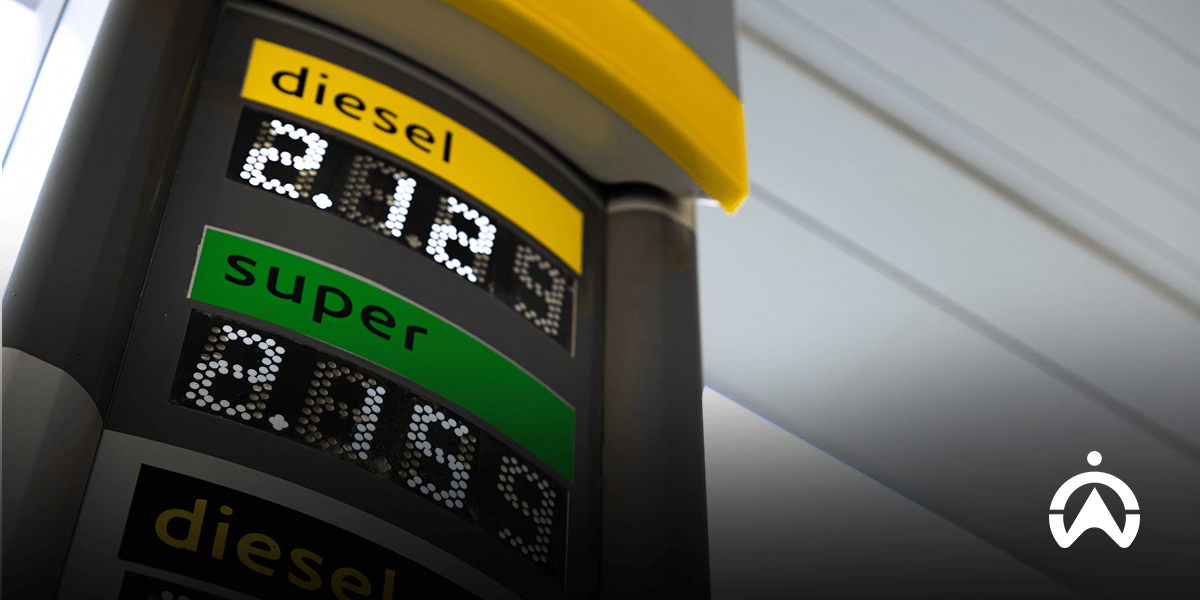
Fuel price display showing diesel at €2.12 and super at €2.19, with a sleek, modern design.

Why do you need diesel fuel management software?

Diesel fuel management systems offer various benefits, such as:

  • Fuel theft detection: Through fuel level sensors and cutting-edge software, you can obtain accurate, real-time readings of the fuel in the tanks, allowing you to quickly identify sudden drops. A fuel management system also helps manage transactions, which makes it easier to identify discrepancies.
  • Lowering operational costs: The primary goal is to reduce costs continually. A diesel fuel management system gives a detailed analysis of fuel usage, making it easier to spot areas where you can cut costs.
  • Better planning and forecasting: Accurate estimates of fuel expenses simplify the budgeting process. It minimises the chances of your fuel budget being blindsided by unexpected costs, which will affect the bottom line.
  • Improved compliance: The system keeps a record of every fuel transaction, including the date, time, vehicle, fuel volume, and cost. The records are easily traceable, which helps businesses meet regulatory and internal standards.

Case study: Monitoring fuel with Cartrack Mifleet

This is a real-life story of how we at Cartrack came up with the concept of Mifleet:

With a large fleet of vehicles across the country, we needed software that would have empowered us to optimise our Cartrack mobile workforce fleet and digitalise our administrative processes. So we built MiFleet.

The challenge was that we suffered from high vehicle running costs but lacked the visibility and analytics to pinpoint our inefficiencies sustainably. We tried addressing this with spreadsheets, but they didn’t provide the insight we needed, drained our administrative resources, and with everyone using their own spreadsheets, gaps and inconsistencies started to form.
‍

Our fuel solution came to the rescue in 3 simple ways:

  1. Fuel card fraud: This is instantly picked up by the system, and we experienced 100% accuracy of potential fraud alerts.
  2. Inefficient routes: Drivers with relatively high costs per job were identified as deviating from the route and taking excessive breaks.
  3. Fuel drainage: Fuel syphoning was suspected in vehicles with high costs per km and was detected using our external cameras and regular inspections.

Automated fuel fraud reports are sent each morning and checked immediately to ensure that all fuel fraud is acknowledged and addressed. We no longer need to enter fuel cost data manually; the data is directly integrated from our banking reports. We review our cost per km and cost per trip reports weekly and can quickly compare drivers and vehicles to identify areas where we have leakages.
‍

“Our team completed significantly more jobs whilst reducing their total distance travelled, leading to undeniable operational efficiencies and noteworthy cost reductions. We benefited from increased holistic control over our fleet, and now truly understand our costs and how to optimise our fleet.”
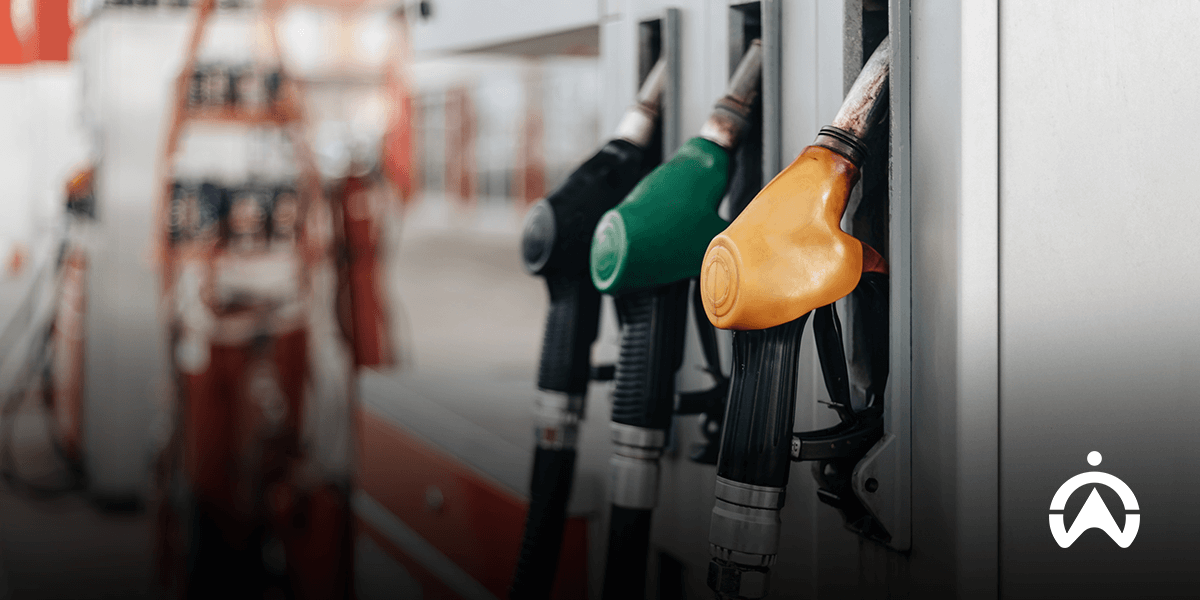
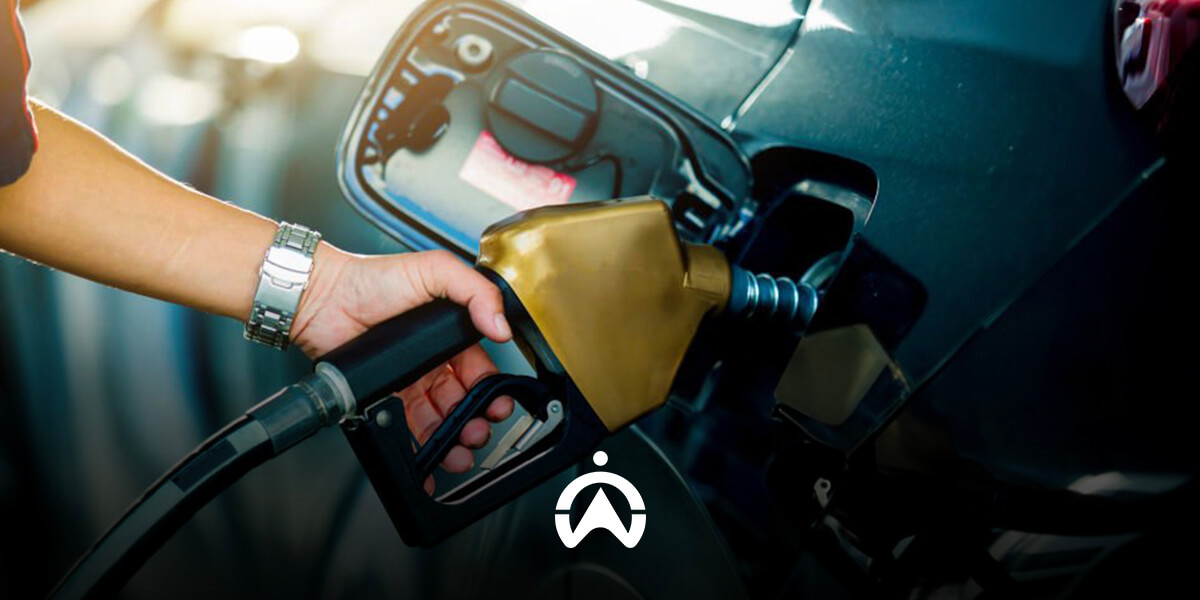
Close-up of fuel pumps at a gas station, featuring green, black, and yellow nozzles, with blurred background of pump station.

Tracking diesel costs with Cartrack’s fuel management system

Take control of your fuel budget with Cartrack’s fuel management system. Our solutions are designed to provide you with an all-around analysis of where your fuel goes and help you combat any type of drainage. With us, you can:

  • Detect theft and fraud with MiFleet
    MiFleet is a feature on our fleet management platform that serves as a cost management tool, helping businesses track fuel usage. It takes into account fuel consumption metrics, such as location, distance, and litres, as well as information from fuel receipts. The system then analyses the data, matching fuel transactions against the amount of fuel that is in the tank and the distance travelled. This enables the detection of possible fuel card fraud or theft.
  • Spot fuel syphoning using our fuel probes
    A fuel probe is a device placed inside tanks to measure fuel levels in real-time, offering more precise readings. Through this, you will receive real-time alerts of any sudden drops in the tanks, which indicate possible syphoning, allowing you to quickly take action.
  • Optimise routes
    The Cartrack Route Optimisation feature helps you find the most efficient way for drivers to get to their destinations. This powerful tool will help you strategically plan delivery routes to minimise fuel costs and complete jobs quickly. It takes into account traffic patterns, road conditions, weather conditions, and driver availability to determine the optimal travel path.
  • Minimise vehicle wear and tear
    As already mentioned, a vehicle that is not in good health requires more power, which in turn requires more fuel. Our preventative maintenance feature provides vehicle diagnostics and helps you keep track of fleet maintenance schedules, so you receive reminders in advance when it’s time for vehicles to undergo services such as tyre replacements.
  • Get reports on driver behaviour
    Through our telematics system, you will get reports on fuel-inefficient driving behaviours such as long idling, speeding, and harsh acceleration. This encourages driver accountability and enables you to identify which drivers need training on better habits.
  • Monitor fuel caps
    Cartrack’s Multi Vision camera solution provides up to eight cameras that cover both the interior and exterior. With this, you can choose to have one of the external cameras installed in a way that gives you a closer look at what’s happening around your fuel caps, offering a full view of any suspicious activity.

Choose Cartrack’s diesel fuel management system

Manage your fleet’s fuel expenses and make informed decisions with Cartrack’s diesel fuel management system. We offer solutions that cater to all fuel tracking-related needs, backed by extensive knowledge gained from our years of industry experience. Reach out to one of our fleet consultants so we can discuss your primary concerns and customise a diesel fuel management solution that best suits your business needs.

Frequently Asked Questions about Diesel Fuel Management

How does fuel tracking integrate with telematics?
A telematics device equipped with GPS tracking collects data on vehicle location, driving habits, and engine performance. This provides fleet managers with detailed insights into which routes drivers are using, how vehicles are being operated, and the overall performance of the vehicles. Through this information, fleet managers can evaluate fuel consumption patterns to train drivers and implement necessary changes.

What kind of reports can I get from a fuel management system?
The reports you get from a fuel management system include kilometres travelled per litre, refuel reports, real-time odometer reports, and driver behaviour reports.

How to extend the lifespan of your diesel engine

  • Perform regular maintenance.
  • Avoid using products that enhance engine performance.
  • Always warm up the engine before the vehicle moves.
  • Do not wait for the tank to get empty before refuelling, as debris and impurities can build up over time and affect the fuel supply system.
  • Replace fuel filters.
  • Keep the engine clean.

The Hidden Costs of Fuel Wastage

Running a business is already a daunting task. Large fuel invoices can cripple your business, draining resources and hindering operations.

Finding reasons why the fuel bill is high is essential—you may discover that your vehicle needs maintenance, the fuel is getting stolen, or the driver is careless. Ultimately, resolving this issue promptly is imperative to mitigate potential negative consequences for other business operations.

We will explore the hidden costs of fuel wastage and how Cartrack can help you save on fuel.

In this article, you will:

  • Know what fuel wastage is and why it matters
  • Learn the causes of fuel wastage
  • Understand the financial impact of fuel wastage
  • Learn how fuel wastage affects the overall fleet performance
  • Know how to manage fuel wastage and save costs

What is Fuel Wastage and Why It Matters

According to Suzuki, fuel accounts for 40% of a car’s running cost, which means we should care about fuel efficiency. Fuel wastage refers to the unnecessary use of fuel that occurs when vehicles operate inefficiently. Identifying the cause of fuel wastage is important because if left unresolved, it can cost you a lot of money, disrupt your business’s overall operations, and harm the environment.

What are the causes of Fuel Wastage?

Like any problem, before coming up with a solution, you have to identify the cause. Several things cause your fuel bill to be unnecessarily high, from spending too much time on the road to driver behaviour. Let’s have a look at the causes:

  • ‍Driver Behaviour
    Drivers are essential to fleet operations, so it is important to make sure they practise safe driving to protect the vehicles and cargo they carry. Here are a few driver behaviours that contribute to fuel wastage:

    • ‍Harsh braking: Sudden braking forces the vehicle’s transmission to downshift, increasing fuel consumption.
      ‍
    • ‍Idling: Leaving the engine running while stationary for over 10 seconds wastes fuel and increases emissions. It further contributes to wear and tear.
      ‍
    • ‍Rapid acceleration: Quickly accelerating from a stop consumes more energy than steady acceleration, leading to inefficient fuel use.
      ‍
    • ‍Revving the engine: In cold weather, revving the engine to keep your vehicle warm while stationary wastes fuel and increases costs.
      ‍
    • ‍Overload: Exceeding weight limits not only poses safety risks but also leads to increased fuel consumption and lower tyre pressure.
      ‍
    • ‍Speeding: Speeding raises aerodynamic drag, resulting in higher fuel wastage.
      ‍
    • ‍Driving in the wrong gear: Staying in the wrong gear for too long forces the vehicle to work harder, wasting. Drivers should change gears appropriately.
      ‍
    • ‍Ignoring maintenance warning signs: Ignoring maintenance warning signs can lead to vehicle inefficiencies, causing increased fuel consumption and higher costs.
      ‍
  • ‍Inefficient Fleet Routing
    When drivers’ routes are not properly planned, it can lead to several issues such as increased traffic congestion and unnecessary duplicate trips to the same location—this results in fuel wastage. For example, when drivers are stuck in traffic, their vehicles idle, unnecessarily consuming fuel.

    Additionally, if drivers are required to travel back and forth to the same destination throughout the day, the number of trips will not only be maximised but the time spent on the road will increase.
    ‍

  • ‍Poor Vehicle Maintenance
    As mentioned above, ignoring vehicle maintenance warnings is not only unsafe for your drivers and other motorists, but it will affect the longevity of your vehicle and will result in fuel wastage. Here are five things you can do and check frequently to help keep your vehicle running smoothly:

    1. Tyre pressure and rotate the tyres
    2. Other important fluids like transmission and brake fluids
    3. The engine air filter
    4. Cabin air filter
    5. Belts and hoses
      ‍
  • ‍Fuel theft
    Another reason your fuel bill may be suspiciously high is due to fuel theft.

    Fuel theft not only costs the company money but can cause major delays in operations. There are many types of fuel thefts, some from actual criminals, others from your employees. Let’s look at the types of common fuel theft:

    • ‍Syphoning: Thieves use a hose to manually suck the gasoline or diesel fuel out of the tank and into a container. They then place the fuel in another vehicle.
      ‍
    • ‍Fuel Fraud Card: This occurs when an employee uses the company’s fuel card to purchase fuel for their personal vehicle.
      ‍
    • ‍Fuel Card Cloning: Cards are duplicated and used on other vehicles, at the cost of the original cardholder, in this case, the company.
      ‍
    • ‍Fake Transactions: This is when fuel stations charge one fuel card multiple times during a single refuelling session. The cardholder is then liable for all costs.

Addressing these causes of wastage through vehicle maintenance, route planning, fuel management systems and adopting improved driving habits will help your fleet be fuel efficient and reduce costs associated with fuel wastage.

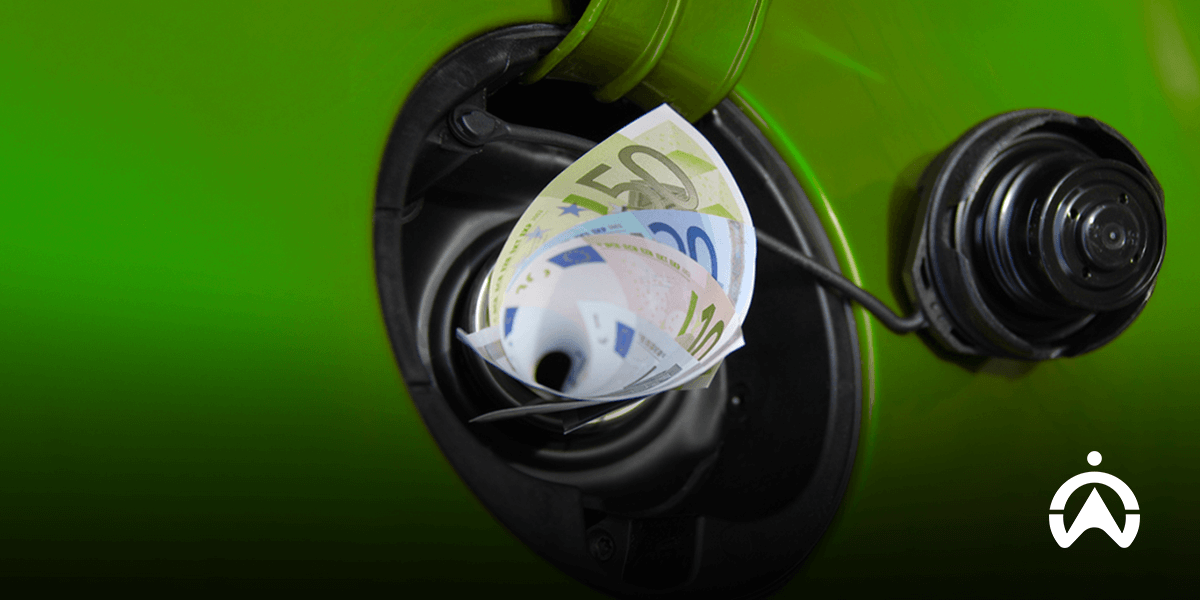
Euro bills inserted into a car's fuel tank opening against a green background.

The Financial Impact of Fuel Wastage

Overspending on fuel puts a financial strain on your business. If you exceed your fuel budget, you may need to reallocate funds originally set aside for maintenance to cover the increased fuel expenses. This can compromise the quality of the equipment you use or may force you to choose a less qualified mechanic.

Poor fuel management can damage your vehicles, strain your budget, and erode your company’s profit margins. By neglecting fuel management, you’ll divert funds from essential daily operations.

Decreased profit margins can force businesses to reduce staff, leading to lower-quality service and dissatisfied customers.

Looking at all these factors, it is evident that fuel wastage not only affects the fuel economy but has other adjacent consequences.

How Fuel Wastage Affects Overall Fleet Performance

Fuel wastage affects overall fleet performance by increasing operational costs, reducing efficiency and may even damage the fleet’s engines.

When fuel is wasted due to poor routing, excessive idling, or aggressive driving behaviours, it not only inflates costs but also leads to longer travel times and decreased productivity.

Additionally, when the engine is not working optimally due to these driver behaviours such as speeding, it can lead to wear and tear.

As a result of the engine not working as it should, drivers may need to spend more time refuelling, ultimately affecting the productivity of the business, which may cause delays in delivery time, resulting in unsatisfied customers.

How to Manage Fuel Wastage and Save Costs with Cartrack

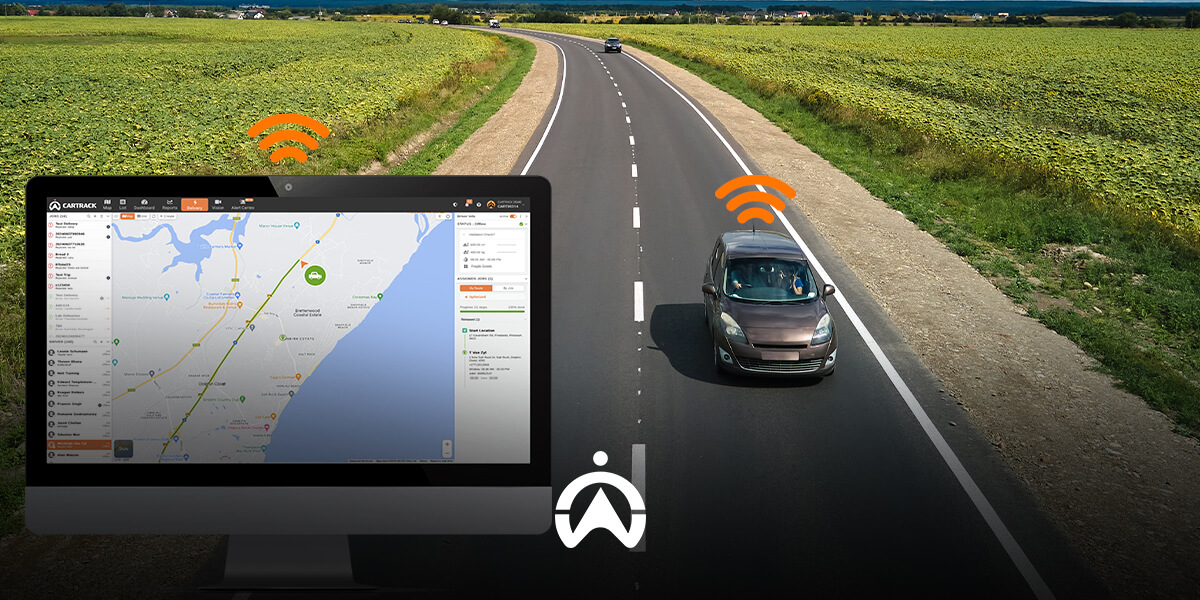
Fortunately for your business, Cartrack will help you tackle fuel wastage and save costs. Our fuel management system uses fleet telematics to read fuel levels in real-time, keep track of and improve fuel efficiency, reduce fuel consumption and instantly notify managers of fuel changes.

The fuel management system allows fleet managers to obtain detailed information about their fleet’s fuel economy. You can determine whether fuel usage has increased due to incorrect tyre pressure, misaligned tyres, or vehicle weight. Furthermore, it provides accurate data on the cost per mile, fuel theft, and driver behaviour.

Depending on the size and the needs of your fleet, here’s how you can reduce fuel wastage with Cartrack’s fuel monitoring features:

  • MiFleet: This is an easy-to-use administrative and vehicle cost management software that can efficiently manage your fleet, drivers and related operating costs. The full benefits of managing your fleet are optimised when you have installed tracking devices in your fleet. However, you can still use this software whether or not your fleet is equipped with telematics.

    Let’s say you have a fleet of over 500 utility vehicles in several provinces. You realise that your business’s fuel costs are extremely high, but you can’t exactly pinpoint the cause. You try to use spreadsheets but that only creates more admin work and doesn’t give you the insights you need.

    Mifleet can help you with the following in this situation:

    • ‍It will detect fuel card fraud: The system instantly detects potential fraud by providing accurate alerts.
      ‍
    • ‍It will detect inefficient routes: It identifies drivers who have high costs per job due to deviating from routes and taking excessive breaks.
      ‍
    • ‍It will detect fuel drainage: Suspected fuel siphoning is detected in vehicles with high costs per kilometre using MultiVision cameras and inspections.

      The best part is that you have all this information on one platform. With these findings, you can solve your fuel wastage problem, and save costs and time on administration.
      ‍

  • Route Optimisation:  Route optimisation is advanced route planning. This feature enables businesses to determine the most efficient and safest paths for their drivers. By integrating GPS tracking, fleet managers will receive real-time alerts regarding delays or route deviations through the app.

    This feature benefits your business in the following:

    • Save on Costs: You can save a lot of money by making routes more efficient and using less fuel. This means spending less on fuel, repairs, and general running costs.
      ‍
    • Eco-Friendly: Route optimisation helps protect the environment by reducing unnecessary driving and fuel use. This is a greener approach that shows commitment to reducing emissions and taking better care of the environment.
      ‍
    • Timely Deliveries: With the ability to make informed rerouting decisions, businesses can ensure faster deliveries, resulting in enhanced customer satisfaction.
      ‍
  • ‍CANbus: Cartrack connects to the vehicle’s CANbus (Short for Controller Area Network Bus, it is a communication platform for different parts of a vehicle), which allows clients to see their vehicle information such as mileage, fuel-related information and RPMs on the fleet website. Some of the benefits of CANbus are:
    • Vehicle diagnostics: CANbus allows remote diagnostics resulting in lowered maintenance time and costs.
      ‍
    • Fuel efficiency: The data can help optimise fuel efficiency, reducing emissions and fuel-related costs.
      ‍
    • Driver behaviour analysis: CANbus data be used to analyse and coach driver behaviour.
      ‍
  • AI Multivision: Cartrack’s AI-powered cameras notify the driver of risky driver behaviours such as distracted driving and speeding. This allows drivers to correct their actions in real time and helps create a safe driving culture, reducing the risk of accidents and fuel wastage.
    ‍‍
  • Driver ID tag: Identify and record your drivers’ performance with monthly driver scorecards. You will be able to know which driver is in charge of which vehicle, and essentially see which vehicle uses the most fuel.

In conclusion, having a fuel management system is beneficial for your business. It will help you uncover hidden costs caused by fuel wastage. You will be able to adhere to your budget without redirecting funds for other important things, which will allow you to operate an enhanced fleet business.

Person in gray shirt syphoning fuel out of a car using a green portable fuel container.

Improve your fuel consumption and save on fuel costs with Cartrack

Cartrack is an industry leader in fuel management with easily accessible features on one platform. By choosing us, you are choosing to save on fuel and improve the overall efficiency of your fleet. Contact us today.

Frequently Asked Questions regarding hidden costs of fuel wastage

Q: What are the environmental and reputational impacts of fuel wastage for companies?

A: Excess fuel wastage increases emissions. Companies that waste fuel seem like they do not care about the environment. This will negatively impact the company’s reputation as customers would not want to be associated with such a company.

Q:  Which engine consumes more fuel?

A: A larger engine is most likely to consume more fuel since it has more space to fill. However, fleet managers need to note that it isn’t only about the size; it’s also about how efficiently that engine uses fuel.

Q: Are Fuel Management Systems Only Useful for Large Fleets?

A: No, businesses of any fleet size can benefit from fuel management systems.

The Role of Route Optimisation in Reducing Fuel Misuse

Fuel costs have been a continuous problem for Malawian businesses. After yet another petrol price increase on the 6 November 2024, businesses are feeling the strain. That is why businesses are encouraged to implement measures to reduce fuel misusage in their fleet operations.
Every litre that is wasted eats at a company’s operational budget. This is where route optimisation comes into play. By taking advantage of Cartrack’s route optimisation systems, businesses can significantly reduce fuel misuse and its negative consequences.

Let’s take a closer look at how route optimisation can help businesses save on costs and contribute toward a more sustainable future.

In this article, you will:

What is route optimisation?

Route optimisation is the process used by fleet managers to plan delivery routes. In their efforts to build an efficient fleet and reduce unnecessary operational costs, these managers may want to implement strategies to minimise fuel misuse. This is done by leveraging technologies like GPS, real-time data on traffic congestion and algorithmic programs to calculate, analyse and predict effective routes. These features incorporate factors like traffic conditions, road closures and vehicle capacity to provide the most efficient route while improving a business’s operational efficiency.

How Route Optimisation Minimises Fuel Misuse

There’s no denying it, traffic in Malawi can be a real headache. Navigating roads often consists of driving through a maze of backroads, getting stuck in traffic and being forced to take unnecessary detours. For businesses operating a fleet of vehicles, this high level of congestion is costly, and time lost in traffic directly translates to actions that cause fuel misuse, resulting in more money being used.

Wondering how this affects your business? Not planning your delivery routes can increase actions that result in fuel misuse. Additionally, a driver’s behaviour also contributes to fuel misuse.
‍
Let’s discuss how these factors cause fuel misuse and how to minimise the effects.

  • ‍Traffic Congestion:
    ‍
    With the rapid rate of urbanisation, limited infrastructure and the increase of people buying vehicles, roads are becoming more congested with vehicles of all sizes, this has increased travel times and has also led to more fuel misuse. When stuck in traffic drivers keep the engine running which wastes fuel without the vehicle moving.Having real-time data at your fingertips allows fleet managers to know where the busiest roads are, allowing managers to reroute the driver to prevent delays. This stops the driver from getting stuck in traffic which reduces fuel misuse.
    ‍
  • ‍Road Infrastructure:
    ‍
    Bridges, tunnels and one-way roads are sometimes not accounted for when planning a route. This can force large fleet vehicles to take detours, leading to longer trips and more fuel misuse. Not accounting for areas with badly maintained roads can cause a vehicle to use more power when travelling on these roads, which leads to fuel misuse and also results in wear and tear on a vehicle and its tyres.Route optimisation systems identify road infrastructures and consider these obstacles to provide optimal routes where large fleet vehicles can travel freely without delays. Preventing the misuse of fuel.
    ‍
  • ‍Aggressive driving habits:
    ‍
    Driver’s behaviour can be a big contributor to the increase in fuel misuse. Rapid acceleration, speeding and harsh breaking cause the fuel to burn faster.
    ‍
    Route optimisation provides you with insights into your driver’s behaviour on the road. This real-time data allows you to take immediate corrective measures to stop the behaviour, allowing you to reduce fuel misuse in real-time.
    ‍
  • ‍Overloading vehicles:
    Fleet vehicle capacity is often not considered when loading cargo which results in fuel misuse. For example, when a truck is loaded over it carrying capacity it can become heavy, making it difficult to handle. A heavy truck uses a lot more power to idle and moves slowly in traffic. It also requires more power to accelerate or slow down which results in the vehicle using more fuel when on deliveries.Route optimisation systems can assist fleet managers in assigning loads per vehicle based on the capacity of each vehicle. The algorithms analyse the data to make sure that vehicles aren’t loaded over their capacity. By incorporating these strategies into your operation, you drastically reduce fuel misuse.
    ‍
  • ‍Unauthorised use of vehicles:
    ‍
    There have been many instances where drivers attempt to use company vehicles for their personal use. This can result in fuel being misused contributing to unnecessary fuel costs to your business.Incorporating an optimisation system paired with geofencing into your operation helps you monitor fleet vehicles in real-time. You can make sure that a driver is following a planned route. The geofencing capabilities allow you to create virtual boundaries around optimised routes to keep drivers in line and also notify you when drivers deviate from the planned route.
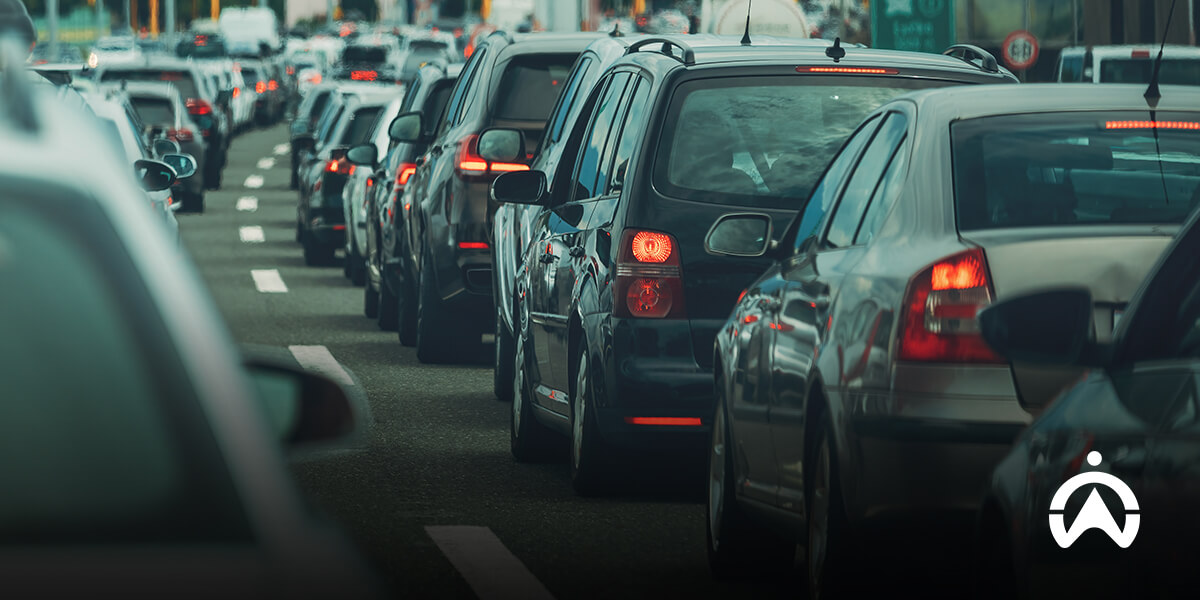
Traffic jam with rows of cars and illuminated brake lights.

Benefits of Cartrack’s route optimisation software

Route optimisation is not only about using advanced maps and AI-powered software, it’s about making smart decisions that save your business money and ensure it succeeds far into the future. Cartrack goes above and beyond to deliver route optimisation solutions that get you fast and consistent tangible results. From cutting fuel costs to boosting your fleet’s performance and efficiency, all while improving your bottom line.

Here’s how partnering with Cartrack for route optimisation can benefit your business.

Reduce fuel misuse and operational costs

Fuel costs can consume your operational budget fast, and with the recent petrol price hikes it’s become an even greater challenge. Cartrack systems help alleviate fuel misuse by streamlining routes, it also helps monitor driver behaviour allowing you to correct bad driving habits like speeding and harsh breaking. This reduces fuel misuse per trip which saves money.

Improve vehicle utilisation and efficiency

Route optimisation is all about making sure every trip counts. Cartrack’s route optimisation algorithms help you work smarter by analysing your vehicle capacity and load volumes to ensure that each vehicle is carrying the correct loads, maximising your vehicle’s efficiency which prevent fuel misuse.

A person in a high-visibility vest sitting inside a vehicle cabin.

Increases driver productivity

Imagine a scenario where your route plan is so well planned that traffic jams and excessive idling are a thing of the past. With route optimisation, your drivers will spend less time in traffic and get deliveries done on time. This also means that drivers will be less stressed and have more time to recharge from trips which leads to economical driving habits that result in less fuel used. Cartrack’s geofencing can also enable fleet managers to create virtual boundaries around delivery routes so that they can keep drivers on planned routes. Implementing this results in more deliveries done and also less fuel misuse because drivers are following the routes.

Fleet managers can use route optimisation to avoid traffic congestion and minimise fuel misuse while on the road. With Cartrack’s solutions, you can do that and more. Reduce the time spent on deliveries, track vehicle movement in real-time, get traffic insights, predict maintenance, and monitor driver behaviour. Cartrack empowers you to make faster, more informed decisions which increases efficiency.

Elevate your business with Cartrack. Take control of your fleet, reduce costs, and contribute to a more sustainable future. Why wait? Start optimising your routes today and see the benefits for yourself.

FAQs about Route Optimisation and Fuel Savings with Cartrack‍

Q: Is route optimisation software customisable for specific industries?

A: Yes, it doesn’t matter which industry you operate in, logistics, construction, or any other industry. Businesses can take advantage of Cartrack’s customisable route optimisation software to meet their business’s specific needs. It enables fleet managers to monitor requirements like load size, delivery times and driving behaviour to make faster effective decisions.

Q: How do businesses measure the ROI of route optimisation?

A: Businesses have the ability to track the historical performance and data of their fleet, this can include fuel savings, vehicle wear and tear and delivery times. These factors can be used to calculate how profitable the business was over a certain period.

Q: What are some common mistakes businesses make when implementing route optimisation?

A: Often factors like vehicle capacity, weather conditions and road works are not considered when planning deliveries. Route plans are also not updated based on new available data. Additionally, businesses are not trained sufficiently on how to use route optimisation software. These can add up and increase a business’s operational costs.

Q: Does route optimisation software track vehicle performance in real-time

A: Cartrack’s route optimisation systems have GPS (Global Positioning System) and GSM (Global Systems for Mobile Communications) technologies which allow fleet managers to monitor vehicles in real-time.

Q: Can route optimisation reduce administrative time?
A: Yes it can. Route optimisation software uses real-time data on your vehicle’s location, driving behaviour as well as traffic conditions. Having the ability to pull reports on all this data minimises the time spent on admin tasks.

Why It Is Important to Measure Fuel Flow in Your Engine

Fleet-related industries rely on efficiency and precision to keep operations running smoothly. And, when it comes to potential profit drainers like fuel inefficiency, you need a fuel monitoring tool that gives you accurate data for informed decision-making.

Discover why it’s important to measure fuel flow in your engine and how fuel probes can boost your business.

In this article, you will:

  • Understand the real reasons to measure fuel flow in your engine
  • Learn the differences between fuel level sensors and fuel probes
  • Understand how a fuel probe works
  • Discover the benefits of fuel probes
  • See how Cartrack’s technology can help you optimise fuel tracking
  • Get answers to the most frequently asked questions

Understand the real reasons to measure fuel flow in your engine

  1. Fuel Efficiency: Monitoring fuel flow helps you identify inefficiencies in your engine’s operation.
    By pinpointing areas where fuel is being wasted, you can take steps to improve fuel economy and reduce your overall fuel consumption.
    ‍
  2. Engine Performance: Fuel flow data provides valuable insights into your engine’s performance.
    By analysing the fuel flow rate under different operating conditions, you can detect potential issues like fuel leaks, injector problems, or faulty sensors that might be affecting your engine’s power output and responsiveness.
    ‍
  3. Maintenance: Tracking fuel flow helps you stay on top of your engine’s maintenance needs.
    Unusual spikes or drops in fuel flow can indicate potential problems that require attention before they escalate into more serious issues. Regular monitoring can help prevent costly breakdowns and ensure your engine’s longevity.
    ‍
  4. Emissions: Fuel flow data can be used to assess your engine’s emissions levels. By optimising fuel delivery and combustion, you can reduce harmful emissions and contribute to cleaner air.

Learn the differences between fuel level sensors and fuel probes

When it comes to measuring fuel level and fuel flow, we can see the benefits; especially when you manage or run a fleet-based business and fuel economy is crucial. Let’s discuss this in detail by first looking at the difference between fuel level sensors and fuel probes that help you measure fuel flow.

If you want to understand the difference between measuring fuel levels and fuel flow, it’s important to understand how both are measured and what tools are used to measure each. First, let’s look at fuel level sensors, how they work, and the different types.

A quick overview of fuel level sensors

Fuel level sensors, telematics, and IoT devices collect different types of data that help you understand the real-time fuel levels in your fleet vehicles’ tanks. Using a fuel sensor, our MiFleet Fuel solution provides the following:

  • Validation of fuel tank capacity
    ‍
  • Validation of how many litres are in the tank
    ‍
  • The ability to detect fuel theft
    ‍
  • Fuel consumption

Our MiFleet Fuel solution is multifaceted. It can be used in a variety of industries, such as automotive, marine, and industrial fleets.

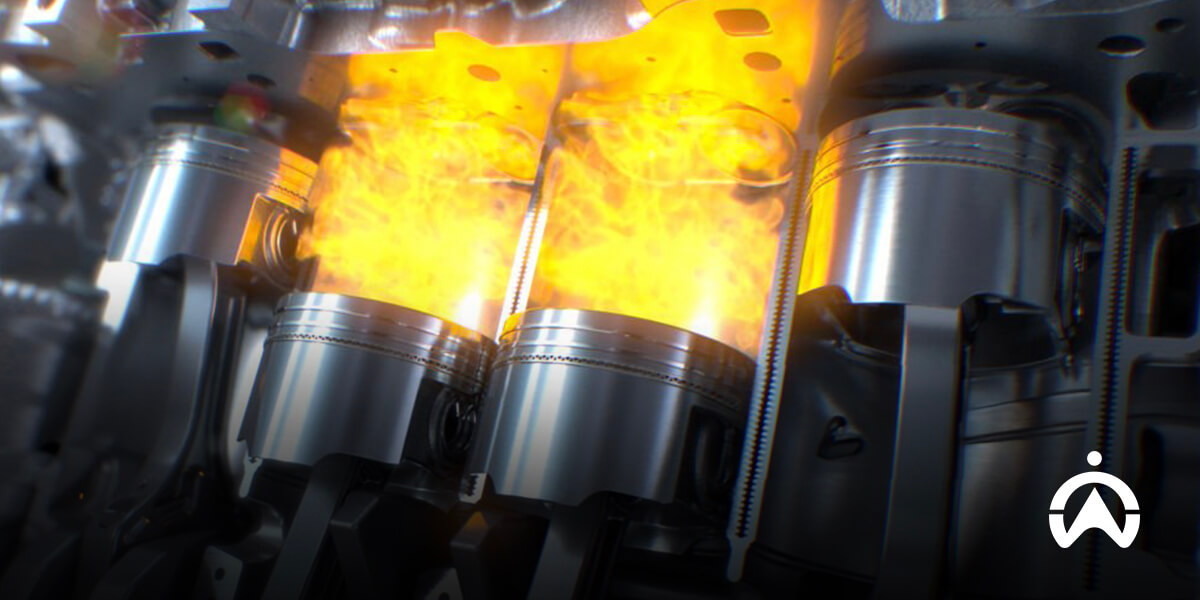
Close-up of an engine with pistons and flames inside cylinders, illustrating combustion.

How a fuel probe works

These devices measure the fuel quantity flowing in your fuel tank. They provide fleet managers and operators with fuel flow data that is 98% accurate, helping to optimise vehicle, vessel, or equipment performance and increase efficiency.

One of the main reasons fuel probes are so valuable is because of the real-time data they provide on fuel levels in your vehicle that helps operators, drivers, and fleet managers proactively manage and make informed decisions on fuel management.

Why you need fuel probes in your fleet vehicles and equipment

The most important reason to measure the fuel flow to your engine with a fuel probe is that it provides nearly perfectly accurate data on your fleet’s fuel consumption, which can help you optimise your operations in multiple ways and contribute to increasing your ROI.

Here are some of the benefits you get from monitoring your fuel consumption with a fuel probe:

Lower fuel expenses and better fuel economy

Real-time fuel consumption monitoring is one of the most effective ways businesses can identify fuel drainage and other fuel-related inefficiencies. Checking your fleet’s fuel usage in real-time also gives fleet managers the power to make proactive decisions, like immediately looking for causes of fuel loss and fixing them. This helps to keep budgets stable instead of causing profit depletion and expensive vehicle repairs. Keeping vehicles healthy improves your fleet’s fuel consumption and economy, making it a win-win for your business in the long run.

Reduced vehicle downtime and improved performance

A well-maintained vehicle is a fuel-efficient vehicle. A vehicle operating at peak performance consumes less fuel than one with mechanical issues. Early detection of potential problems can significantly reduce downtime and improve fuel efficiency.

Accurate ESG reporting tool

Providing an accurate Environmental Social and Governance (ESG) report is crucial to instilling and maintaining trust in investors and stakeholders. Fuel probes help you generate data and accurately document your business’s sustainability to meet the ESG Fuel Management 2024 criteria so you can increase transparency. And, with accuracy being crucial, these probes are the way to go.

Accurate fuel costing analysis

Fuel probes elevate your fuel budgeting capabilities with their exceptional accuracy. Every cent counts, and precise fuel data empowers you to maximise savings, enhance budget flexibility, and boost your bottom line.

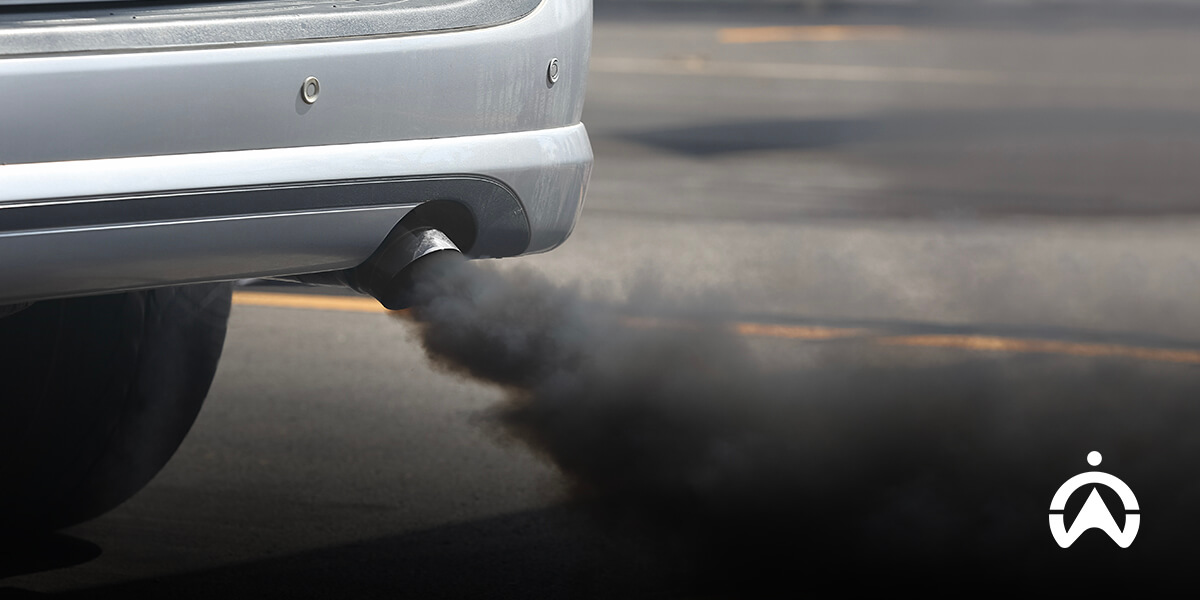
Car exhaust pipe emitting dark smoke on a road.

Other ways Cartrack helps you enhance your fleet’s fuel efficiency

Fuel probes help you get near-accurate data about your fleet’s fuel consumption. Cartrack can elevate your operations even more by tackling fuel inefficiencies from all angles and helping you optimise your profits the smart way.

  1. Risk reports
    Regular reports of your drivers’ behaviours while on the road can help you pinpoint bad driving habits that lead to increased fuel consumption, like speeding and harsh acceleration. These detailed reports also serve as a foundation for targeted training material, helping you address problematic behaviour quicker to get better results from your drivers and experience better fuel economy in your fleet. 
    ‍
  1. Fuel graphs and reports
    To help you pinpoint other fuel drainage and support fuel flow data, Cartrack’s Fleet Web platform allows you to view fuel usage graphs. A sudden fuel drop may indicate syphoning. MiFleet reports are also available under the Report function. This function allows you to view where and when the car was filled up and the tank capacity. The vehicle’s pre-installed fuel sensor enables you to see how much fuel is filled into the tank to spot any inconsistencies.
    ‍
  1. CANBus
    Our CANBus-enabled diagnostics work brilliantly with fuel probes by giving you real-time data and even more metrics to improve your fleet’s fuel efficiency. Apart from getting fuel usage insights, you also get accurate odometer readings to help you schedule timely maintenance for peak vehicle management and real-time alerts for engine faults so you can make intelligent decisions before parts start deteriorating, causing increased fuel consumption.

Let Cartrack optimise your fuel flow data and pave the way to success

Cartrack knows how important keeping track of your fleet’s fuel is for increased efficiency and profits. Contact us today and discover how we can optimise your operations.

Let us answer your FAQs:

  • Why is fuel flow important?
    A vehicle’s fuel flow accurately indicates whether the engine is performing how it should, which can help fleet managers identify problems early on and avoid maintenance problems piling up.
    ‍
  • Why is it important to monitor fuel flow to an engine?
    The benefits include improving fuel economy, identifying fuel theft, reducing emissions, and reducing your fleet’s total fuel expenses.
    ‍
  • What is fuel flow measured in?
    Fuel flow rate is generally measured in litres per minute.