Why Diesel is More Expensive than Petrol and What to Do as a Truck Owner

Motorists across Malawi experienced shocking petrol price increases in April 2026, but those with diesel trucks and vehicles REALLY felt the pinch. This makes us all wonder why diesel is so much pricier than petrol—and fleet operators are asking this question more than ever!

There are several economic, socio-economic and global reasons. Statista describes diesel demand as “pre-epidemic”, referring to the massive 28.3 million bbl/d (barrels per day) demand in 2024 ALONE. With escalating global tensions, this number just keeps going up.

Diesel demand. Taxation. Global unrest. All of these play a part in why diesel prices have soared. But fortunately Cartrack Malawi has some long-term fuel saving solutions that’ll appeal to truck owners across various industries. Here’s everything you need to know.

What are the main reasons for diesel being more expensive than petrol?

The main reasons for diesel being more expensive than petrol are high demand contrasted with low supply, diesel production time & costs, taxation, and global tensions. Another reason is the green practices that are now employed to produce diesel, which are more costly and time-consuming.

Global tensions

Not only are global tensions causing diesel prices to skyrocket, but this military activity also causes market panic. Together, these two factors ALONE do enough to raise diesel prices, making it harder for your trucking business to operate.

High demand for diesel

Malawi isn’t the only country that relies on diesel to power logistics. Other countries are ordering massive amounts just like we are (high demand), and this is causing the supply to gradually run dry.

In short, countries are ordering diesel at a faster rate than the rate at which it can be produced. 

“Clean” diesel production

Governments are clamping down on big industries to lower their carbon footprint, and diesel production plants are NOT exempt from these regulations. It’s more expensive to strip sulphur out of the end product of what’s considered “cleaner diesel”, and these costs are being passed on to the consumer.

Economic factors

There are dozens of economical reasons for diesel being more expensive than petrol, and these reasons combine to create prices that fluctuate at a whim. Most of these factors are international and often transport-related, but they still affect us because we import diesel in mass quantities.

A quick note on diesel taxation: While it’s true that tax is higher on diesel in some countries, this actually isn’t the case in Malawi. Fuel prices in Malawi are regulated by the Malawi Energy Regulatory Authority (MERA), and diesel and petrol prices are generally set at similar levels, with differences reflecting international fuel costs, exchange rates, and distribution expenses rather than significantly different tax rates.

However, there are a number of levies added to diesel and petrol costs, which include:

  • A government levy on each litre of fuel that contributes to public expenditure.
  • A Road Fund Administration (RFA) levy that helps finance the maintenance and development of the country’s road infrastructure.
  • Customs and excise duties on imported fuel.
  • Various regulatory and storage fees associated with fuel procurement, transportation, and distribution.

These extras are all passed on to the consumer, and truck owners who use a lot of diesel for their daily operations are having to spend more on refuelling their vehicles like never before.

What are long-term effects of high diesel prices?

The long-term effects of high diesel prices hit truck owners harder than the average motorist, and these ultimately lead to higher overheads. Whatever business you’re in, higher truck transport costs could also cause you to struggle against your competitors. To stay relevant in your industry, you might even be tempted to cut costs in other areas of your business.

Lower profit margins

The most obvious long-term effect is less profit. Over time, this can cripple a business, because let’s face it: fuel isn’t the ONLY thing getting more expensive. Less profit = lower chance of survival. If your business is making less profit, everybody suffers; you, your staff, and your customers.

Competitive irrelevancy

You might be looking at your competitors and wondering how THEY’RE dealing with the increase in diesel prices.

  • Are they transitioning to EV trucks?
  • Are they taking advantage of fuel hedging?
  • Are they receiving subsidies?
  • Or are they just better at marketing?

These are some possibilities, but it’s more likely they’re struggling as much as you are. Or are they?

The fact is, if your competing truck companies are thriving amidst the current fuel crisis, it’s likely that they’ve found a way to reduce fuel use through technology.

The question is, will your truck business do the same to stay relevant?

Cutbacks on essentials

The temptation might arise to cut back OTHER essential operations within your company to subsidise higher diesel costs for your truck company. This could be in the form of staff layoffs, less money towards safety, or opting for a lower marketing budget.

This isn’t always necessary just because fuel prices have gone up. The solution is BETTER fuel management—not cutbacks.

What diesel-saving methods are ineffective?

There’s no magic pill that’ll fix the amount of diesel your truck uses. Saving diesel takes effort combined with technology. Unfortunately, there are a number of fuel-saving gimmicks that dupe truck owners into thinking they’re making a difference. This simply isn’t true.

Here are some you may have heard of already.

Additives to your fuel tank

There are companies out there duping people into buying additives for their fuel tanks, promising that these increase efficiency. Most of these fuel additive promises are scams!

Avoid them at all costs, and also avoid home remedy solutions that promise better fuel consumption if you add home kitchen items to your fuel tank.

Magnetic fuel savers

The claim is that magnetic fuel savers realign the molecules within fuel, causing it to burn at a more efficient rate. There’s no research to back up this claim, so it’s considered an old wives’ tale in the fleet industry.

Filling up at certain times of the day

Is diesel more dense when the weather is cooler? Yes, it is. This makes some people think that filling up early in the morning increases efficiency. But the difference in density is so marginal that it doesn’t make enough of a difference to really affect your fuel usage.

Here’s why.

By the time the diesel comes out of the nozzle to be burnt by your engine, it’s virtually the same temperature as it would be when the weather is warm. Also, any savings you might get from this method will be too small to make any meaningful difference.

Filling strategies

You’ve probably heard rumours that filling your tank to the brim causes your fuel to burn quicker. The truth is, the amount of fuel in your tank has no direct impact on how efficiently your truck engine burns it. Yes, filling your tank to the brim does add some weight to your vehicle, but the difference is negligible.

So what does work?
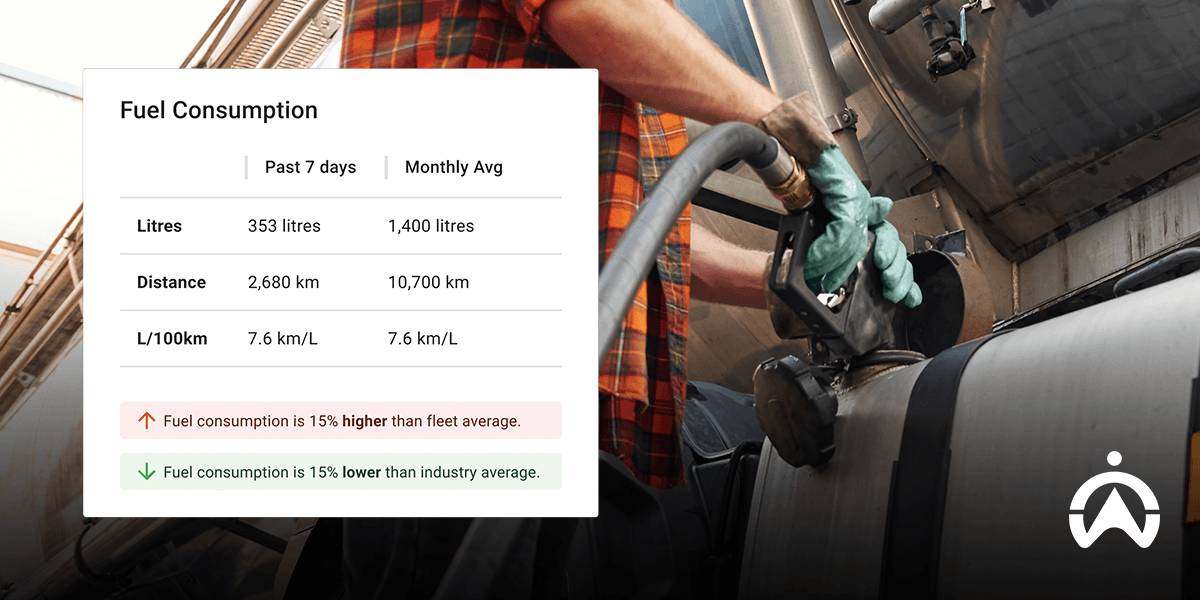

What should truck owners do to save on diesel costs?

When we strip away the false information about saving fuel, we’re left with what actually DOES work. This isn’t just a claim; it’s fact-based knowledge & industry experience from a fuel management software provider that works closely with truck owners to make a difference in their fuel costs.

Here’s what we’ve learnt over the past two decades.

Calibrate your trucks’ fuel tanks

Saving fuel begins by starting from an accurate baseline. This can only be done through fuel calibration, which involves emptying your truck’s fuel tank and filling any fuel tank (which come in various shapes) with precise increments of fuel.

Your daily operations then generate raw data, and the calibration you get translates that data by giving you accurate litres.

Choose a fuel-monitoring technology that’s truck-specific

Cartrack Malawi has a few fuel-monitoring options to choose from, but none are MORE ACCURATE than our fuel probe. A fuel probe works by combining a float IoT device with our gold-standard software.

Once you have this data, our software further refines the information to give you actionable fuel-saving strategies that are specifically tailored to the unique factors of your truck fleet.

This is also the best strategy for stopping fuel syphoning, fuel card fraud, and other bulk fuel anomalies. 

Eliminate guesswork and rely on accurate data

The point of our software is to provide you with indisputable metrics that deliver true, relevant, and real-time data. This removes the guesswork out of your fleet operations and puts you in control of saving fuel.

All these small changes add up to lower overheads, helping you to preserve your profits and STAY COMPETITIVE. 

Keep your vehicles in top condition

You already know that high-quality data gives you ACTIONABLE STRATEGIES. But what are these strategies?

One is keeping your vehicles well maintained. It’s no secret that well-maintained vehicles burn less fuel, but HOW can you manage this better than what you’ve already been doing?

The answer is predictive maintenance with the help of AI.

This is a strategy that removes the humdrum service schedules you used to do, and alerts you to maintenance needs based on real-time vehicle diagnostics. In addition to this ground-breaking technology, our system even books your vehicles in for maintenance automatically!

Plan and optimise truck driver routes

The less time your trucks are on the road for each delivery, the more fuel you’ll save. The objective of route optimisation is to accelerate your service and make your trucks more productive.

Bypass those pesky roadblocks, heavy traffic congestion, and pothole-ridden roads by using real-time route optimisation that’s flexible, dynamic, and accurate. 

Monitor idling and coach drivers

Idling accounts for a bulk of the fuel your trucks waste each day. So does reckless driving! Getting rid of this alone will lower your fuel costs without disrupting your productivity.

Cartrack Malawi offers various ways of doing this:

  • An alert system that lets you know when excessive idling is taking place
  • A driver coaching platform that educates them on idling less frequently
  • Sensors that alert you to fuel-guzzling driving habits like speeding or aggressive cornering
  • Power-Take-Off (PTO) monitors that give you stop/start data on your trucks

Call us to learn more! Cartrack Malawi is dedicated to saving Malawian truck owners on their diesel costs, but it all starts with your willingness to start the process.

These methods really DO make a difference, so ditch those outdated gimmicks and go digital with a system that works hard to generate savings on your fuel budget. 

Frequently asked questions about diesel vs petrol prices

How is diesel different to petrol?

Diesel is basically denser than petrol. Its core make-up has more viscosity, which plays an important part in its slower burning process and high torque offering. Diesel has a distinctly different smell too, making it easy to distinguish from petrol.

 I have a large fleet of trucks. How can I save on fuel costs even though the diesel price keeps going up?

There are so many reactive ways you can use less fuel, but most of them only give you short-term savings. The best approach is PROACTIVE and LONG-TERM. This approach calls for a combination of fuel management technology and human planning, which involves real-time fuel monitoring, AI calculations, and actionable strategies presented by Cartrack’s fuel management software.

Which uses more oil to produce: petrol or diesel?

Petrol takes more oil to produce, but not much. Because of the production process, manufacturers are likely to get more diesel than petrol out of a comparative amount of oil. This refining process happens simultaneously, so both products are derived from the same barrel of oil.

Best Fuel Management System in Malawi

The best fuel management system in Malawi is Cartrack’s Fuel Management Software, giving you the accuracy and insights you need to make impactful changes in your business. Between fuel prices constantly climbing and the risk of petrol theft looming, keeping your fleet’s fuel consumption under close inspection is so necessary. That’s why a reliable fuel management system is vital to your business.

The ‘best’ fuel management system for your business is one that delivers on every front, intelligently addressing fuel theft issues, performance matters, fuel card integrations, and more. A study on industrial fleets revealed that using AI systems to optimize driving behaviour can cut fuel consumption by 12–15%, showing how the right system can help transform your business.

In this blog, we’ll inform you on what to look for in a top-notch fuel management system and explain why an advanced option always beats a basic one. Once you’ve got a complete picture, you’ll begin to understand why Cartrack’s solution is your perfect fit.

What defines the best fuel management system in Malawi?

The best fuel management system in Malawi is defined by its ability to give businesses accurate, advanced, and complete control over fuel consumption in their fleet. Cartrack’s MiFleet is the perfect example of this, providing sophisticated systems and comprehensive results.

Cutting-edge systems like MiFleet take fuel monitoring to a whole new level offering features that include trip history and data, fuel card insights, instant notifications, and more. Your business’s ideal system should consider local-specific variables, including measures to tackle issues such as fuel theft and power disruptions.

What makes a fuel management system “the best” for your business?

What makes a fuel management system ‘the best’ for your business are features like reliable hardware, adaptability across industries, and quality automated reporting.

Here’s what the right system should offer you:

  • Suitability across industries: There’s transport, construction, logistics, field services, and more. The right system should be able to suit any business.
  • Scalability: This is especially true for mixed or growing fleets. The fuel system should work just as well for bikes and vehicles as they do for yellow machinery.
  • Reliability of hardware and precision of sensors: The best insights are accurate ones. Reliable sensors and quality hardware ensure your readings stay precise, no matter the conditions.
  • Quality of automated reporting: Automated reports make it much easier for you to read information and quickly identify anomalies. They also minimise human error.
Person reaching for fuel nozzle at station, highlighting fuel management system South Africa.

Why do Malawian businesses need fuel management now more than ever?

Malawian businesses need fuel management now more than ever because of the demand to tackle serious operational risks. These include rising running costs and threats to fuel safety.

These are the challenges and threats that need to be tackled:

  • Rising fuel prices and operational costs, especially considering that fuel makes up the bulk of running expenses.
  • Fuel theft incidents, syphoning, and invoice-mismatch issues, because even the smallest oversights here add up very quickly.
  • Automated processes that reduce human error, because automated data fills potential data gaps and brings about better accuracy.
  • Data-driven insights that offer business savings, transparency, and stability; these trends and patterns can help maintain predictable budgets and help reduce expenses.

Comparison table: What does the best fuel management system include?

The best fuel management system includes features like driver insights, trip histories, and theft prevention functions. Your business shouldn’t accept just a glimpse of what’s happening; you need a thorough system that provides accurate insights into every part of your fuel usage.

Look at this quick comparison breakdown that highlights the importance of an advanced system:

Feature / Capability Basic fuel monitoring tools Advanced fuel management system (recommended for businesses)
Real-time fuel levels Sometimes ✔️
Automatic alerts (drain, refuel, abnormal use) ❌ ✔️
Fuel-card integration ❌ ✔️
Driver behaviour insights ❌ ✔️
Route and trip reporting ❌ ✔️
Maintenance and vehicle health ❌ ✔️
Automated audit-ready reporting Limited ✔️
Theft-prevention tools Limited ✔️

Practical ways businesses save with advanced fuel management

The practical ways in which businesses save with advanced fuel management include optimised routes, reduced theft, and better dispatching.

A system like MiFleet could benefit your business through:

  • Reduced theft and misuse
  • Less idling and inefficient driving
  • Controlled fuel budgets
  • Fewer unnecessary trips
  • Predictive maintenance tools
  • Improved dispatching
  • Minimised administrative load

Vital features to look for in a fuel management system

The vital features to look for in a fuel management system include accurate fuel reporting, instant notifications, and a smooth web & mobile app user experience. While you seek out the solution that best matches your business needs, always remember to focus on the one that helps you easily understand and improve fuel-related matters.

Key capabilities include:

  • Consolidated fuel-use reporting to help you quickly spot fuel waste, but also support budgeting and expense estimations.
  • Vehicle health and maintenance insights to help you keep track of issues that could add to fuel waste, like flat tyres or overdue servicing.
  • Tamper-proof data logs that are secure and set to support compliance matters.
  • Web and mobile app accessibility to allow you and your drivers to take action from anywhere.

How to choose the best fuel management system for your fleet

To choose the best fuel management system for your fleet, start by looking at your fuel-related pain points, deciding what your operational needs are, and then looking at aspects like pricing and hardware. You’ll want to pick a system that’s going to give you the most value and long-term success.

Follow these steps to choose the best fit for your business:

  • First, look at fuel-related pain points and examine where the losses or inefficiencies are.
  • Discover your operational needs: do you need better fuel card control, or does there need to be more focus on fuel theft?
  • Check the quality of hardware and data accuracy, because proven accuracy should really anchor your whole system.
  • Evaluate the fuel management platform so that you’re confident and comfortable using the tools at your disposal.
  • Make sure your integration options work and that third-party systems link to encourage data consistency.
  • Prioritise local support, training, and onboarding, because effective implementation is just as important as the tools themselves.
  • Confirm transparency on pricing and infrastructure so that you have a clear understanding of costs and where your money goes.
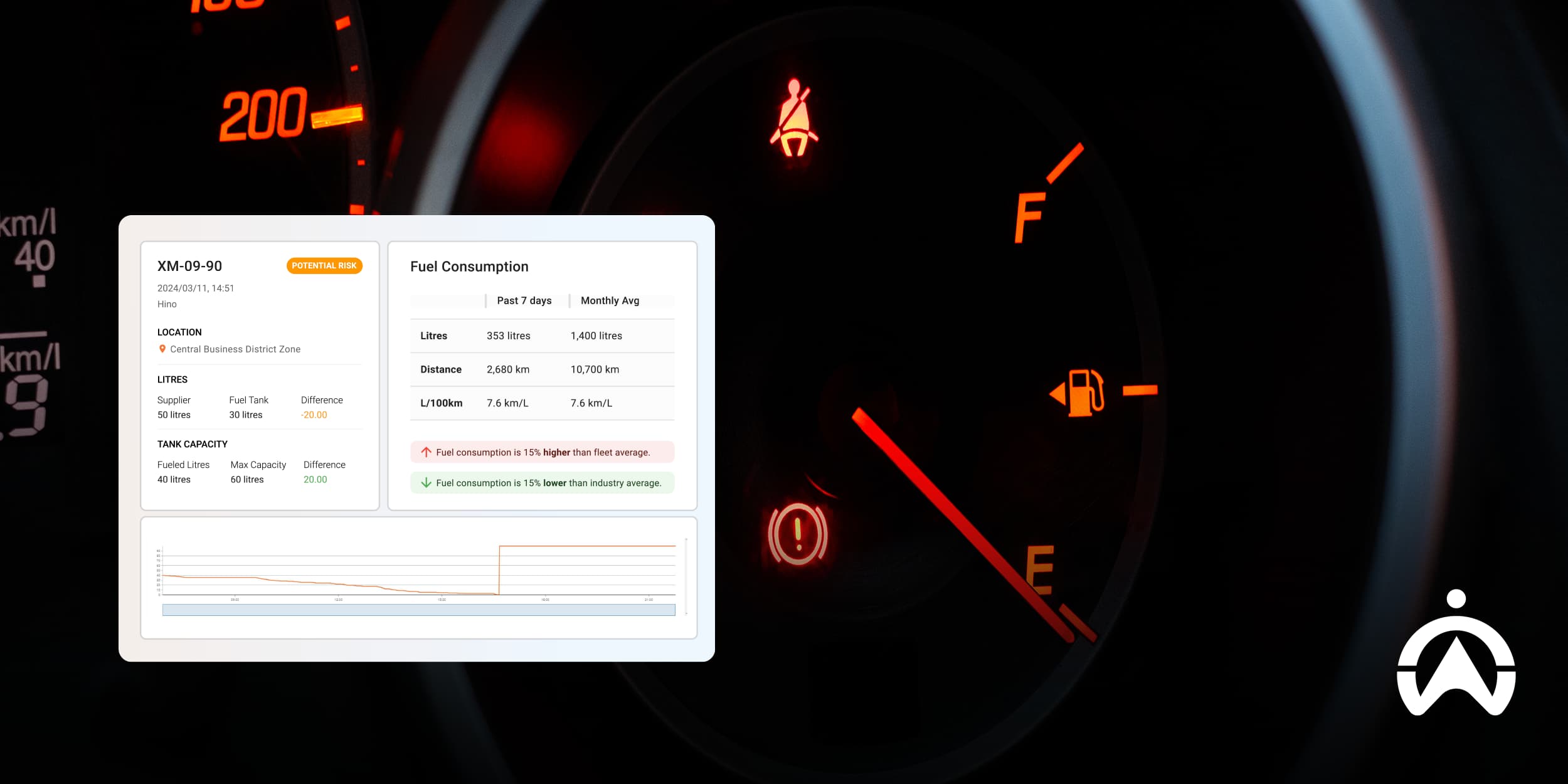
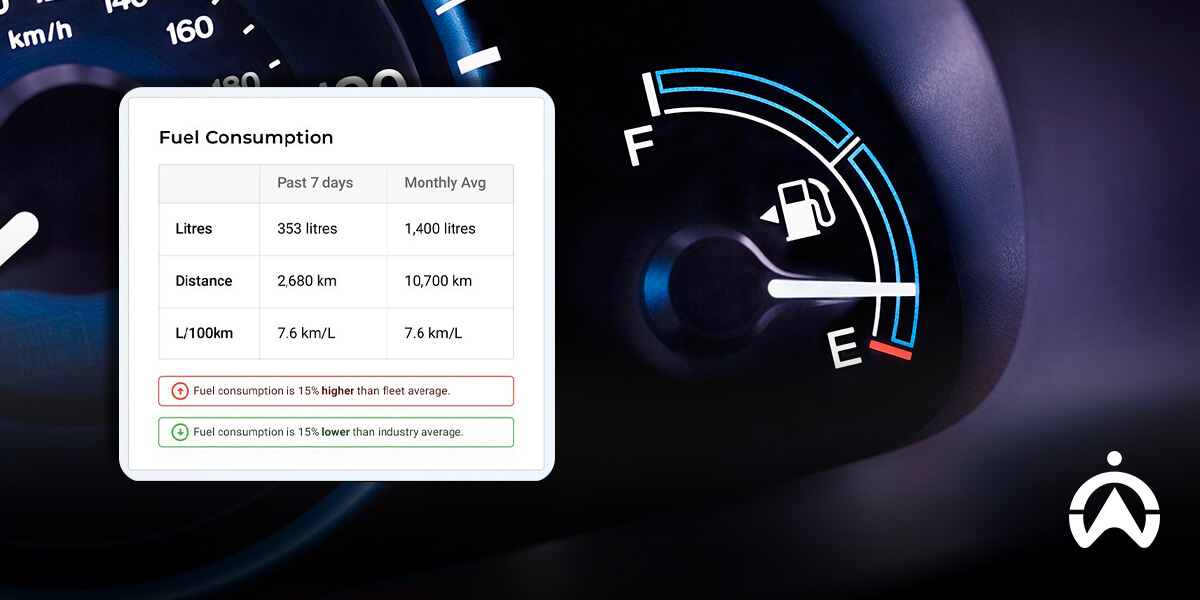
Vehicle dashboard showing fuel data and alerts for fuel management system South Africa.

How Cartrack delivers one of Malawi’s leading fuel management systems

Cartrack delivers one of Malawi’s leading fuel management systems through being specifically designed to give you full oversight and total control. At the core of our fuel management system is telematics, which guarantees accurate tracking of fuel consumption and refuelling habits.

IMPORTANT!! With MiFleet, you get a complete overview of your costs, which can be broken down not only into fuel but also into tolls, fines, maintenance, and more. Carefully manage your insurance, maintenance, and miscellaneous documents by keeping soft copies of all the necessary records in one place. What’s more? Import and export documents and trip histories with total ease.

Outside of MiFleet, we have numerous other features that’ll support your fuel management improvement. Driver monitoring & scorecarding, route optimisation, and vehicle diagnostics are just some of the features that’ll support your daily operations. Overall, Cartrack’s strong support network ensures your business gets the guidance and help required, turning MiFleet into a reliable choice for long-term fuel management.

Final takeaway

Getting reliable up-to-the-minute fuel data is necessary for any Malawian company hoping to keep its costs in check. A good fuel management system is all about getting the accuracy right, being able to scale as you grow, and having a clear view of everything that’s going on across all your vehicles and assets.

With smart fuel tracking and valuable data, Cartrack’s MiFleet gives businesses the tools to really get a handle on how they’re using fuel, reduce wasteful habits, and iron out as many of the operational kinks as possible. It’s a solid, forward-thinking solution for fleets that are serious about protecting their profits and improving performance.

Improve your efficiency, quickly identify anomalies, and manage your fuel with ease. Kick off your journey with Cartrack today!

FAQs

What are the latest fuel management trends?

The latest trends in fuel management are all about embracing AI to make smarter decisions, adopting electric and hybrid fleets, and the impact of IoT on fleet operations. For us at Cartrack, it’s not just about being on top of these trends, but about ensuring our systems are always adapting to stay ahead of the game.

What industries benefit most from fuel monitoring?

The industries that benefit the most from fuel monitoring are generally those with vehicles or mobile assets in transport, logistics, construction, mining, field services, and delivery. Basically, any sector where vehicles operate long hours, use a lot of fuel, and are at risk of theft. This makes them perfect candidates for businesses looking to improve productivity.

How accurate are fuel management systems today?

Today’s fuel management systems are highly accurate thanks to top-notch technology like advanced sensors, telematics hardware, and instant data processing. These do a brilliant job of keeping track of tank levels, refuelling, and even syphoning. The result is that you can trust the feedback you get from them every time.

What is the best fuel reward programme for businesses in Malawi?

The best fuel reward programme for businesses in Malawi depends on your company’s fuel usage, spending patterns, and banking partner. In Malawi, fuel retailers such as Puma Energy and TotalEnergies are major players, while banks like National Bank of Malawi (NBM), Standard Bank Malawi, and FDH Bank are among the leading financial institutions businesses may consider when exploring fuel and payment partnerships.

What Are the Symptoms of a Faulty Fuel Management System?

Symptoms of a faulty fuel management system include performance issues that negatively affect your fleet, like your fuel costs climbing, but your mileage remaining the same. Reports may show there are data gaps you can’t explain. Even worse, a truck fills up twice in one day without any extra distance logged.

Sound familiar?

Fuel management systems are designed to save you time by tracking usage, preventing theft, and aiding in smarter planning. However, when these systems falter, they quietly drain your resources and alter your reports.

Fuel isn’t a minor expense for businesses. According to G2, 32% of fleets consider fuel to be their largest expense. If your fuel system is off, you could be losing control over one of your largest expenses!

So how can you tell if your fuel management system is underperforming—and what steps should you take? Let’s explore the classic warning signs, what they mean, and how Cartrack’s smart fuel tracking keeps your operations on track.

What causes a fuel management system to fail?

A fuel management system can fail for various reasons, with hardware damage, software glitches, and user errors being the most common culprits. Spotting these problems early helps you avoid costly downtime and inaccurate reporting that can impact your entire fleet operation.

Here are the usual causes:

  • Damaged or dirty sensors: They throw off tank measurements.
  • Incorrect calibration: A faulty setup delivers inaccurate fuel data.
  • Outdated firmware: Software bugs can cause syncing issues and data loss.
  • Electrical problems: Faulty wiring or power surges can disrupt communication.
  • Environmental wear: Vibration, heat, and cold can age hardware faster.
  • Human error: Manual entry mistakes or missed maintenance checks create anomalies.

Common symptoms of a faulty fuel management system

Symptoms of a faulty fuel management system often reveal themselves through inconsistent data, unexpected fuel spikes, or mysterious drops in performance. You might catch fuel reports that don’t match receipts, strange consumption trends, or even missing records. These warning signs usually indicate that it’s time to sort out your sensors, software, or data links.

1. Sudden spikes in fuel consumption

If your books reveal an unexpected spike in fuel usage without any clear reason for the operating costs—no new routes or extra loads—that’s a warning sign. It might point to a faulty sensor, incorrect readings, or even unauthorised usage.

Make sure you cross-check your physical fuel card receipts with your telematics data to spot any discrepancies early on.

Cartrack’s system automatically matches tank readings with trip and mileage records, highlighting spikes in real time.

2. Inconsistent or missing fuel data

When your system misses logs or has gaps in fuel reports, it can lead to communication or integration issues. Not having enough data can alter your performance metrics and conceal anomalies.

Imagine a whole day’s driving vanishing from your records. You’d be left in the dark about where the fuel disappeared to.

With Cartrack’s integrated platform, all your data syncs automatically across vehicles, sensors, and dashboards, so nothing slips through the cracks.

3. Frequent fuel card discrepancies

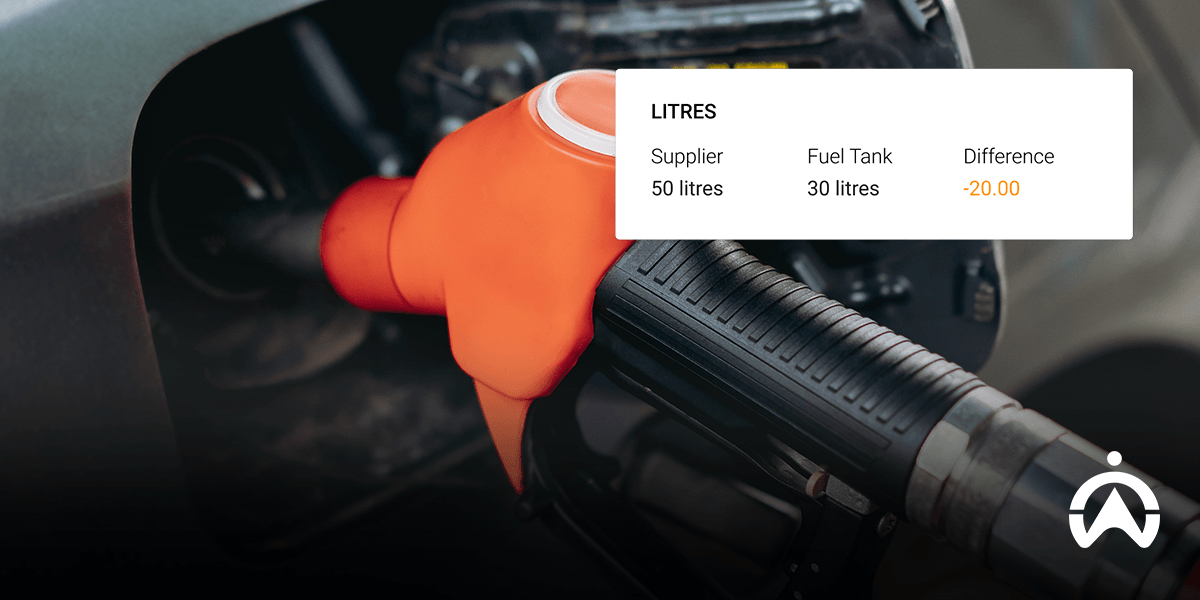
Fuel card mismatches are a major warning sign that something’s off in the system. When what you pay for doesn’t match what you actually use, it indicates a problem, either with the data feed or the behaviour influencing it.

Table: Common fuel card discrepancies and what they mean

Discrepancy Type Possible Cause Action to Take
Fuel purchased, but no trip data Faulty sensor or card misuse Audit driver activity and system logs
Refill exceeds tank capacity Potential fuel theft or data error Cross-check with GPS and fuel sensors
Duplicate transactions System glitch or human error Review software integration and logs
Missing transaction timestamps Connectivity or software sync issue Run diagnostics and re-sync telematics data

4. Fuel level readings don’t match actual use

When your tank gauges don’t match up with usage reports, it’s likely a sensor or calibration issue. Sometimes, it’s simply a hardware failure, but it could also be a subtle data integrity problem. Daily recalibration and diagnostics ensure everything runs smoothly.

Cartrack’s smart sensors are tailored for Malawian conditions and deliver accurate data, even in tough or high-vibration environments.

5. Slow or unresponsive software

A sluggish dashboard that takes ages to update or fails to refresh data in real time can really slow down your response to issues. You can’t manage what you can’t see. 

When alerts are delayed, small inefficiencies or even theft can easily slip through the cracks.

Cartrack’s cloud-based system provides real-time data refreshes, allowing you to act swiftly and make confident decisions.

6. Increased maintenance or engine issues

A failing fuel management system doesn’t just hit your wallet—it can also take a toll on your vehicles. Misinformation can cause you to miss maintenance alerts or overlook poor fuel quality. Over time, this leads to increased wear, unexpected downtime, and expensive repairs.

Cartrack links your fuel data with vehicle health insights, helping you spot early warning signs and keep your fleet operating at its best.

7. Irregular refuelling patterns across drivers

If some drivers or vehicles are refuelling more frequently or at unusual times, it could signal misuse or a system issue. Keep an eye out for patterns that don’t match up with mileage or work types, because they’re your cue to dig deeper.

With Cartrack’s geofencing and refuelling alerts, you pinpoint exactly where and when refuelling happens, making your operations clear and accountable.

Worker holding fuel nozzle beside tanker, highlighting faulty fuel management system issues.

Why fuel management matters for your fleet

A fuel management system matters because it empowers you to take control of one of your fleet’s largest expenses—fuel. It allows you to monitor every litre spent, spot theft or waste, and optimise your routes more effectively. Without it, you’re navigating without a map, relying on assumptions and guesswork instead of real, actionable insights.

The role of a fuel management system

A fuel management system combines sensors, telematics, and smart software to keep an eye on your fleet’s fuel usage, as well as when and where every litre gets used. When it’s running smoothly, it helps you spot wastage, catch theft, and keep your costs predictable. With Cartrack, you get real-time visibility and automatic alerts for every refuelling event.

The cost of fuel problems

Fuel ranks as one of the biggest controllable expenses in any fleet. A poorly managed system can lead to unnoticed fuel theft, inefficient driving, and unnecessary idling—all of which drain your budget and hinder productivity. Cartrack’s well-calibrated system ensures precise tracking, saving your business both time and money every day.

How does a faulty fuel management system affect fleet operations?

A faulty fuel management system affects fleet operations by distorting vital performance data and complicating decision-making. When measurements lack reliability, then planning routes, managing budgets, and holding drivers accountable become much harder. Over time, these inefficiencies pile up, increasing costs, lowering productivity, and causing unnecessary downtime across your business.

Here are the main operational effects:

  • Unreliable reporting: Makes tracking actual operating expenses a challenge.
  • Route inefficiencies: Misleading fuel data conceals unnecessary driving habits.
  • Loss of driver accountability: It becomes trickier to pinpoint misuse or fuel theft.
  • Maintenance delays: Deceptive data can lead to missed servicing for vehicles.
  • Lower profitability: Rising running costs and downtime slash your margins.

The business risks of ignoring fuel system faults

The business risks of ignoring fuel system failures can seriously dent your finances and operations. Fuel theft, often hidden, drives up costs and complicates financial planning. If you don’t tackle these issues in the long run, they accumulate into inefficiencies that boost maintenance costs and lower productivity—ultimately taking a toll on your profits.

Hidden costs add up quickly

Overlooking system faults causes your business to slowly lose money through inefficient and untracked fuel usage. Those seemingly “small” leaks can add up to thousands of rands in avoidable expenses over time. With Cartrack’s real-time insights, you’ll spot fuel issues before they spiral out of control.

Impact on fleet efficiency

Inaccurate data leads to poor decision-making. When your system isn’t reliable, you end up planning routes, fuel stops, and driver schedules based on shaky information. Cartrack’s integrated dashboard brings together your fuel management, telematics, and driver behaviour data, giving you the complete visibility you need to operate leaner and smarter.

Compliance and audit challenges

Incorrect or incomplete fuel records can turn compliance audits into a headache. Fleet managers require precise logs for tax allowances and ESG reporting. With Cartrack reports, you can demonstrate fuel spending accuracy and stay compliant—all without drowning in paperwork.

Why data accuracy matters for fleet decision-making

Accurate data matters because every decision you make for your fleet relies on trustworthy information, be it for maintenance or budgeting. With the right fuel data, you can effortlessly plan routes, manage costs confidently, and evaluate driver performance fairly. When the data is off, you end up reacting instead of planning ahead.

Poor insights can lead to overspending, neglected maintenance, and flawed forecasts. Reliable, real-time data empowers you to run your operations proactively, efficiently, and in alignment with your business goals.

Diagnosing and fixing a faulty fuel management system

Diagnosing and fixing a faulty fuel management system starts with identifying where the issue lies; whether it’s hardware, software, or data transmission. Kick things off by checking for sensor failures, outdated firmware, or weak connectivity. Then, recalibrate your equipment or update your system software to guarantee precise, real-time fuel monitoring across your fleet.

Step 1 – Review data consistency

Start off by diving into your historical fuel data. Did you spot any sudden jumps, missing days, or odd readings? That’s your first hint that something’s not right. Use Cartrack’s reporting dashboard to visualise patterns and quickly flag any inconsistencies.

Step 2 – Check hardware and connectivity

Take a good look at all your hardware, your sensors, fuel probes, and telematics units. Any disconnected or damaged bits can lead to inaccurate readings. With Cartrack’s locally supported hardware, you’ll get reliable fuel information, even in the most remote areas.

Step 3 – Audit software and integrations

Most discrepancies arise when systems don’t communicate effectively. Make sure to align your fuel data with GPS, trip logs, and ERP tools. Within Cartrack’s all-in-one solution, information flows seamlessly across all functions, eliminating silos and discrepancies.

Step 4 – Recalibrate and run diagnostics

Recalibrate your sensors and run diagnostics to guarantee top-notch performance. Poor calibration can lead to a significant data drift over time. Cartrack features built-in diagnostics to help you verify accuracy without taking vehicles out of service.

Step 5 – Train your team

Even the best technology falls flat without skilled users. Equip your dispatchers and drivers to spot unusual fuel readings so that they can report them immediately. Cartrack’s user-friendly interface and mobile app keep your team engaged and connected

Cartrack fuel management system helping detect faulty fuel management system during fuel tank inspection.

How Cartrack keeps your fuel management accurate

Cartrack keeps your fuel management spot on with real-time tracking, cutting-edge telematics, and intelligent fuel monitoring tools. The system spots any irregularities, sends you instant alerts, and keeps your fleet’s data in sync. With smooth integration and round-the-clock support, Cartrack takes the guesswork out and puts you in total control of every drop of fuel.

Real-time fuel tracking

With Cartrack’s fuel management system, you’ll never be left guessing where your fuel goes. The system tracks every litre in real-time, spots unusual usage, and alerts you right away to potential theft or leaks, stopping losses before they pile up.

Integrated data for full transparency

Cartrack merges fuel data with telematics, trip reports, and maintenance schedules. This gives you a complete operational overview—far beyond just fuel figures. You can see how driver behaviour, route choices, and idling habits impact your bottom line.

Proven reliability and local support

Cartrack operates throughout Malawi, offering 24/7 local support and boasting over 2.4 million active units. You’re supported by a team that truly understands your market and the challenges you face. When uptime is crucial for your business, Cartrack’s dependable systems ensure your fleet stays on the move without a hitch.

Don’t let inefficient systems eat into your profits. Get in touch with Cartrack today to keep your fuel management precise, efficient, and secure.

Frequently Asked Questions

How often should a fuel management system be calibrated?

You should calibrate your fuel management system at least once a year, or whenever you carry out major maintenance or change any sensors. Regular calibration ensures accurate readings, prevents data drift, and keeps your reports consistent, helping you make better operational and cost-saving decisions.

Is it possible to integrate a fuel management system with existing ERP or accounting software?

Yes, most modern fuel management systems are ERPC or accounting software compatible. Integration enables enterprises to automatically synchronise driver reports, route data, and fuel expenses. This minimises manual entries and errors and enables finance departments to obtain accurate, real-time information on fleet expenditures.

How can my business calculate ROI on a new fuel management system?

To calculate ROI on a fuel management system, track your maintenance and fuel cost before and after installation. Track savings: from less fuel theft, improved efficiency, and fewer breakdowns. Most fleets can recover their cost in 6 to 12 months thanks to better data and cost control.

What are the most common causes of fuel data discrepancies?

The most common fuel data discrepancies are often caused by faulty sensors, improper calibration, erratic refuelling patterns, or communication errors between the hardware and software. Early detection of these problems ensures that your fuel reports accurately reflect fleet-wide consumption, helps maintain accurate data, and prevents false reading

Can a fuel management system work without telematics?

Yes, a fuel management system is possible without telematics, but it won’t have full functionality. If you don’t have real-time tracking, you’ll have to resort to manual data entries and lagged reports. Telematics brings immediate insights, automatic alerts, and accurate information that allow you to better manage fuel consumption and expenses.

Diesel Fuel Management System: Choose the Best

Diesel-powered vehicles are often more fuel-efficient than other vehicle types, making them a popular choice for businesses with fleets. Diesel engines are also known for having a longer lifespan, which adds to the reasons why they are preferred by fleet businesses in particular. As a fleet manager, you need to have the right fuel management system to take full advantage of the diesel benefits and save more.

So what kind of diesel management system should you look for?  Well, let’s dive into this article and find out.

In this article, you will:

What is a diesel fuel management system?

A diesel fuel management system refers to a technological solution that integrates software and hardware tools to monitor and gain greater control over the amount of diesel fuel used in fleet vehicles or company equipment. This system typically consists of fuel sensors, data collection units such as telematics devices, and software that stores and processes the data to provide analyses and generate reports in a way that is easy to understand.

What is the purpose of a diesel fuel management system, and how do you plan for it? 

The purpose of a diesel fuel management system is for the business to monitor, control, and optimise fuel usage by applying various measures. This system not only works for fleet vehicles driving across cities but is also ideal in multiple other industries, such as mining and agriculture, where fuel is stored on-site for vehicles and heavy machinery.

The main objectives include:

  • Accurate fuel tracking: You get a clear understanding of where all the fuel goes. You can spot fuel usage patterns, helping you identify common areas of wastage and detect possible theft. This ensures that every drop of fuel is accounted for.
  • Cost reduction: Fuel typically accounts for a huge portion of a fleet’s budget. By maintaining precise records of fuel consumption and eliminating inefficiencies, fleet businesses can significantly reduce operational costs. This furthermore allows for better financial planning.
  • Safety: A fuel management system also includes implementing measures that ensure drivers use efficient routes, reducing the time spent on the road. This reduces wear and tear, which could lead to accidents and breakdowns, thereby increasing safety.
    ‍
  • Environmental sustainability: As global efforts to mitigate climate change intensify, many countries worldwide, including Malawi, are taking steps to reduce carbon emissions. In 2019, Malawi introduced its own carbon tax. Malawi’s initial tax primarily targeted motorists based on their vehicle’s engine size. This means that fleet businesses are now paying more for carbon emissions than ever before, further emphasising the need for improved fuel efficiency.

Now for the planning

  1. Properly assess your fleet’s operational needs to gain a clear understanding of what the objectives are.
  2. Identify the necessary hardware and software tools that the business needs to achieve those objectives.
  3. Map out your preferred refuelling stations and ensure they align with the routes that drivers usually take. If you have stationary fuel tanks, you must know the type of container the fuel should be in and the best location for the tanks to be placed.
  4. Educate drivers on how the systems work and the effects of certain driving habits on fuel efficiency. Train them on new procedures.
  5. Test-run the new system to gather feedback and identify any potential issues or problems.
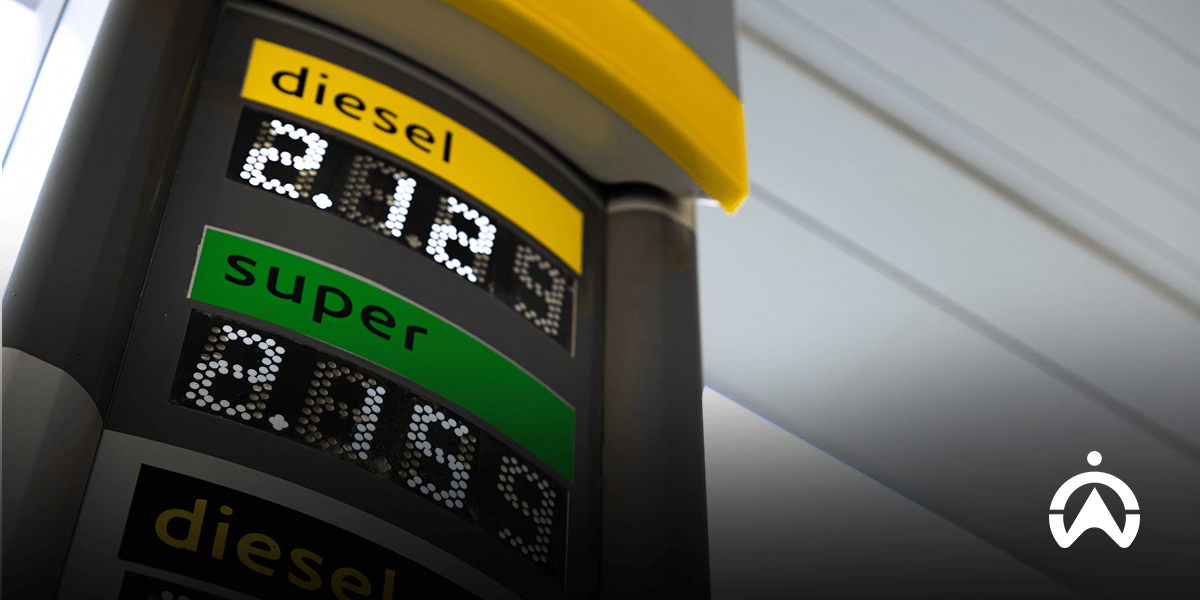
Fuel price display showing diesel at €2.12 and super at €2.19, with a sleek, modern design.

Why do you need diesel fuel management software?

Diesel fuel management systems offer various benefits, such as:

  • Fuel theft detection: Through fuel level sensors and cutting-edge software, you can obtain accurate, real-time readings of the fuel in the tanks, allowing you to quickly identify sudden drops. A fuel management system also helps manage transactions, which makes it easier to identify discrepancies.
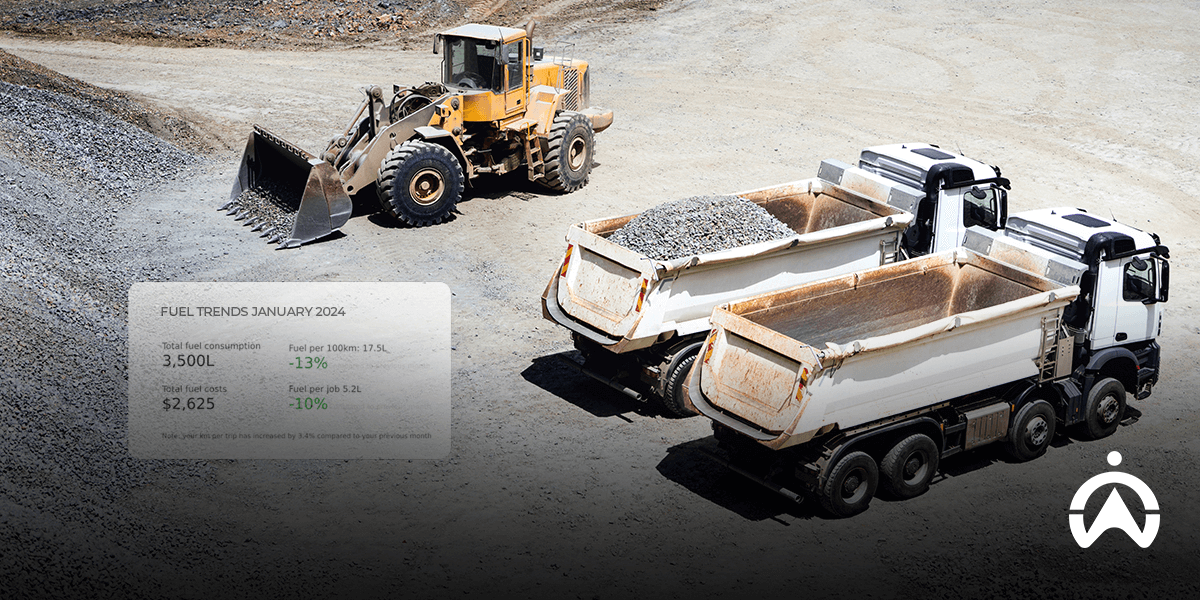
  • Lowering operational costs: The primary goal is to reduce costs continually. A diesel fuel management system gives a detailed analysis of fuel usage, making it easier to spot areas where you can cut costs.
  • Better planning and forecasting: Accurate estimates of fuel expenses simplify the budgeting process. It minimises the chances of your fuel budget being blindsided by unexpected costs, which will affect the bottom line.
  • Improved compliance: The system keeps a record of every fuel transaction, including the date, time, vehicle, fuel volume, and cost. The records are easily traceable, which helps businesses meet regulatory and internal standards.

Case study: Monitoring fuel with Cartrack Mifleet

This is a real-life story of how we at Cartrack came up with the concept of Mifleet:

With a large fleet of vehicles across the country, we needed software that would have empowered us to optimise our Cartrack mobile workforce fleet and digitalise our administrative processes. So we built MiFleet.

The challenge was that we suffered from high vehicle running costs but lacked the visibility and analytics to pinpoint our inefficiencies sustainably. We tried addressing this with spreadsheets, but they didn’t provide the insight we needed, drained our administrative resources, and with everyone using their own spreadsheets, gaps and inconsistencies started to form.
‍

Our fuel solution came to the rescue in 3 simple ways:

  1. Fuel card fraud: This is instantly picked up by the system, and we experienced 100% accuracy of potential fraud alerts.
  2. Inefficient routes: Drivers with relatively high costs per job were identified as deviating from the route and taking excessive breaks.
  3. Fuel drainage: Fuel syphoning was suspected in vehicles with high costs per km and was detected using our external cameras and regular inspections.

Automated fuel fraud reports are sent each morning and checked immediately to ensure that all fuel fraud is acknowledged and addressed. We no longer need to enter fuel cost data manually; the data is directly integrated from our banking reports. We review our cost per km and cost per trip reports weekly and can quickly compare drivers and vehicles to identify areas where we have leakages.
‍

“Our team completed significantly more jobs whilst reducing their total distance travelled, leading to undeniable operational efficiencies and noteworthy cost reductions. We benefited from increased holistic control over our fleet, and now truly understand our costs and how to optimise our fleet.”

Close-up of fuel pumps at a gas station, featuring green, black, and yellow nozzles, with blurred background of pump station.

Tracking diesel costs with Cartrack’s fuel management system

Take control of your fuel budget with Cartrack’s fuel management system. Our solutions are designed to provide you with an all-around analysis of where your fuel goes and help you combat any type of drainage. With us, you can:

  • Detect theft and fraud with MiFleet
    MiFleet is a feature on our fleet management platform that serves as a cost management tool, helping businesses track fuel usage. It takes into account fuel consumption metrics, such as location, distance, and litres, as well as information from fuel receipts. The system then analyses the data, matching fuel transactions against the amount of fuel that is in the tank and the distance travelled. This enables the detection of possible fuel card fraud or theft.
  • Spot fuel syphoning using our fuel probes
    A fuel probe is a device placed inside tanks to measure fuel levels in real-time, offering more precise readings. Through this, you will receive real-time alerts of any sudden drops in the tanks, which indicate possible syphoning, allowing you to quickly take action.
  • Optimise routes
    The Cartrack Route Optimisation feature helps you find the most efficient way for drivers to get to their destinations. This powerful tool will help you strategically plan delivery routes to minimise fuel costs and complete jobs quickly. It takes into account traffic patterns, road conditions, weather conditions, and driver availability to determine the optimal travel path.
  • Minimise vehicle wear and tear
    As already mentioned, a vehicle that is not in good health requires more power, which in turn requires more fuel. Our preventative maintenance feature provides vehicle diagnostics and helps you keep track of fleet maintenance schedules, so you receive reminders in advance when it’s time for vehicles to undergo services such as tyre replacements.
  • Get reports on driver behaviour
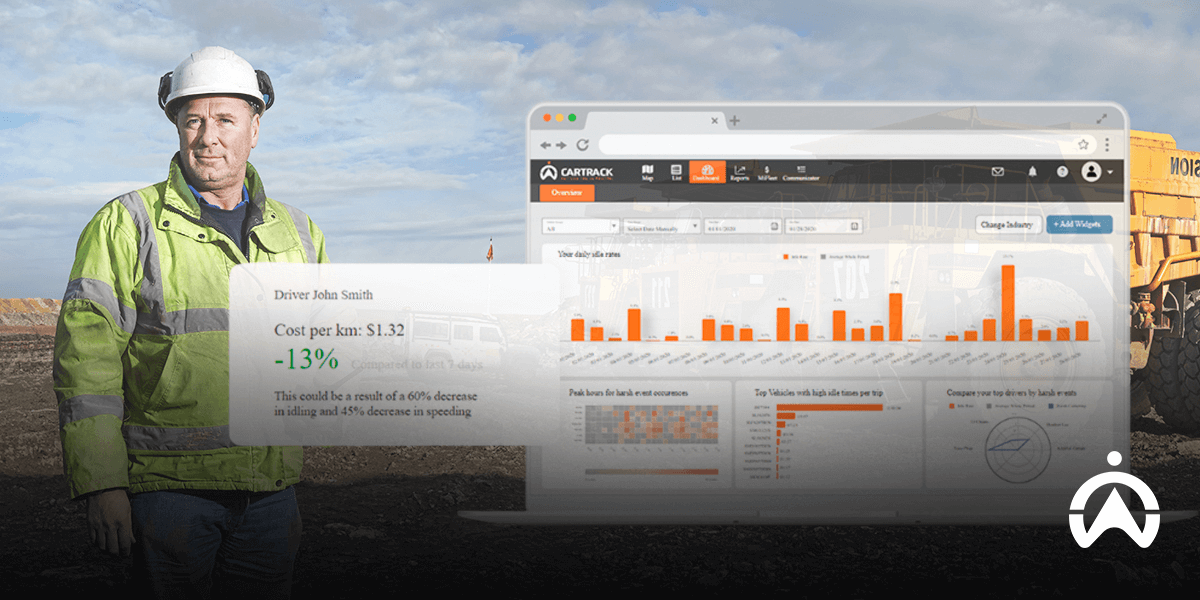
    Through our telematics system, you will get reports on fuel-inefficient driving behaviours such as long idling, speeding, and harsh acceleration. This encourages driver accountability and enables you to identify which drivers need training on better habits.
  • Monitor fuel caps
    Cartrack’s Multi Vision camera solution provides up to eight cameras that cover both the interior and exterior. With this, you can choose to have one of the external cameras installed in a way that gives you a closer look at what’s happening around your fuel caps, offering a full view of any suspicious activity.

Choose Cartrack’s diesel fuel management system

Manage your fleet’s fuel expenses and make informed decisions with Cartrack’s diesel fuel management system. We offer solutions that cater to all fuel tracking-related needs, backed by extensive knowledge gained from our years of industry experience. Reach out to one of our fleet consultants so we can discuss your primary concerns and customise a diesel fuel management solution that best suits your business needs.

Frequently Asked Questions about Diesel Fuel Management

How does fuel tracking integrate with telematics?
A telematics device equipped with GPS tracking collects data on vehicle location, driving habits, and engine performance. This provides fleet managers with detailed insights into which routes drivers are using, how vehicles are being operated, and the overall performance of the vehicles. Through this information, fleet managers can evaluate fuel consumption patterns to train drivers and implement necessary changes.

What kind of reports can I get from a fuel management system?
The reports you get from a fuel management system include kilometres travelled per litre, refuel reports, real-time odometer reports, and driver behaviour reports.

How to extend the lifespan of your diesel engine

  • Perform regular maintenance.
  • Avoid using products that enhance engine performance.
  • Always warm up the engine before the vehicle moves.
  • Do not wait for the tank to get empty before refuelling, as debris and impurities can build up over time and affect the fuel supply system.
  • Replace fuel filters.
  • Keep the engine clean.

What Is a Fuel Management System?

According to research done by the National Highway Traffic Safety Administration, fuel expenses can take up to 60% of total fleet business costs. With the ever-rising fuel prices, having a fuel management system will save your business a large sum. This is why it is important for every fleet business to have a fuel management system.

Let’s have a closer look at how this works.

In this article, you will:

  • Learn all things fuel management-related
  • Discover the disadvantages of running your fleet without a fuel monitoring system
  • See which fuel monitor would best suit your business
  • Differentiate between fuel monitoring and fuel management
  • Find how Cartrack Malawi can help you save on fuel costs

Everything you need to know about a fuel management system

A fuel management system is a combination of hardware and software technology that is used to optimise fuel consumption in various industries such as mining, construction, and transportation.
‍

Fuel management systems ensure that fuel is being used efficiently by monitoring factors such as fuel consumption and engine performance. Businesses without a fuel management system battle with the cost of fuel daily.

How do fuel monitoring systems work?

Fuel monitoring systems work hand in hand with fleet management software and telematics to be able to translate the data. Here is a brief breakdown of two components of fuel monitoring  systems:

  • Engine Control Unit
    Also called an engine control module, this unit controls both the engine and the transmission. It collects data related to fuel consumption, engine operating hours and mileage.
  • Fuel level sensors
    These are filters installed in vehicle tanks to monitor fuel levels. A tube connects to the fuel measuring system, and when fuel is added, it fills the tube and the spaces around it. The information is then sent to a telematics system, which gives readings such as tank capacity, litres and vehicle location.

Disadvantages of running a fleet without a fuel monitoring system

Here are some of the things that can go wrong when your fuel is not being monitored:

  1. Fuel theft and fraud: Having a fuel card is essential when running a fleet as it helps keep track of fuel expenses. It makes it easier to know which driver refilled where, when and for how much. However, if the cards are not integrated with a fleet management system, there will be loopholes, such as false transactions or drivers using their fuel cards to purchase fuel from their personal vehicles.
  2. Incorrect data analysis: Without a fuel monitoring system, fuel card reports can be misinterpreted, and there is room for many human errors.
  3. Careless driving: Bad driving habits such as harsh braking, speeding, excessive idling, and harsh cornering require more energy from the engine. This means that more fuel needs to be burned, leading to fuel wastage. Aggressive driving not only drains fuel but also causes vehicle wear and tear, leading to unexpected breakdowns, vehicle downtime, and heavy repair costs.
  4. Unnecessary mileage: Fuel monitoring systems work hand-in-hand with GPS technology. This enables you to see the routes that heighten your fleet’s fuel consumption. Without it, it becomes more difficult to track mileage and pinpoint problem areas.
    ‍
  5. Environmental impact: Businesses are charged more tax for a high fuel consumption. This is due to global warming and the aim is to slow down climate change by lowering greenhouse gas emissions such as the burning of fossil fuels.

Benefits of a fuel management system

There are many benefits that come with having a fuel management system, such as:

  • Improved driver behaviour
    Driving habits such as excessive idling, harsh braking or speeding not only put drivers in danger of possible collusion but also drain fuel faster. With a proper fuel monitoring system in place, fleet managers will be able to monitor driving habits that increase fuel as well as vehicle wear and tear.
  • Reduces human error
    Fleet technology simplifies administration and speeds up operations. A fuel monitoring system reduces the manual work and is more accurate, eliminating any miscalculations of fuel expenses.
    ‍
  • Improved route planning
    Fuel management is part of fleet telematics. Fleet management software gets you access to real-time GPS tracking. With this, fleet managers can track the routes drivers use to make deliveries and see which routes are wasteful or unnecessary, therefore saving fuel.
    ‍
  • Fuel theft prevention
    Integrating a fuel card with a fleet management system catalysis the process of matching fuel receipts with the vehicle’s location and fuel level status, making it easier to detect fuel theft.
    ‍
  • Greener fleet
    If you want to go green, a fuel management system will help you lower carbon emissions by reducing the amount of fuel you use. You will save money and the planet too.
  • Reduced maintenance and repair costs
    Using engine technology to monitor fuel can save your fleet from breaking down and needing more repairs.

The difference between fuel management and fuel monitoring

Fuel management is about gaining full control of all the fuel operations in the business in order to reduce costs. It’s about knowing which vehicle needs refuelling, monitoring driver behaviour, maintenance, and fuel storage, and getting detailed reports.  A fuel monitoring system, on the other hand, is the literal real-time tracking of fuel levels using fuel monitoring tools such as a fuel level sensor. Essentially, the fuel monitoring system is a part of fuel management.

What kind of insight can you gain from a fuel management system?

Let’s have a look at Chris, who’s fleet manager at a logistics company. He has noticed that every time a certain driver uses one of his cars, the petrol in the tank doesn’t last long. He always checks receipts for the fuel cards and just doesn’t understand why there are so many refills. So, where does the fuel go?
‍

Chris suspected fuel card fraud, so he decided to get a fuel monitoring system to better assess the situation. To his surprise, it turns out that the driver was always taking a longer route because he was more familiar with it. There’s a bakery on the way that he likes and normally stops by. This route increased the mileage, which is why the driver always needed to refill.
‍

Chris also noticed that the same driver had many incidents of excessive idling. This was because whenever the driver would stop by his favourite bakery, he would leave the engine running, thinking it would just be a quick in and out. However, on some days, there would be a queue, and he’d wait longer for his baked goods. Chris has since coached the driver on driving habits that increase fuel consumption and is now seeing massive improvement.
‍

From this, you can see that very simple and innocent things can have a huge impact on fuel expenses. A quick analysis plus some chats with your drivers can save your fleet a fortune.


Boost your fuel savings with a Cartrack fuel management system!

Cartrack is an industry leader in the fields of telematics and has helped many from different industries, such as transport, construction and mining, to maximise their fuel savings. With us, you get:

MiFleet‍

Mifleet is cost management software that can help you detect fuel theft and fuel card fraud by validating transactions with vehicle telematics data such as location, litres and tank capacity. This powerful tool gives you alerts whenever there is suspicion of fuel fraud, allowing you to further investigate and resolve the matter.

Fuel sensors‍

You can monitor your vehicle or machinery’s in-tank fuel levels with any of the following three fuel monitoring tools:

  1. Float sensors: Every vehicle comes with a floater and a variable resistor installed inside the tank. This moves up or down as fuel is added or while the vehicle consumes fuel. Cartrack connects to the wires the wire to the IoT device in order to read the voltages produced and translate them into litres. This information is then accessible for your use on our fleet management platform.
  2. Fuel probes: These are fuel level measuring devices that use a float system to track fuel levels. They are for external tanks or fuel tanks that are not connected to the vehicle and are connected to a telematics device inorder to send fuel level data.
  3. CANBus: The Control Area Network bus (CANBus) clamp is connected to our telematics device to enhance the ability of vehicle components, such as the engine and transmission, to “‘communicate” with each other. This then makes it easier for vehicles to detect when fuel is needed, and the data is then stored and sent to our fleet solutions.

Preventative maintenance‍

An overworked engine uses more fuel. Cartrack has a preventive maintenance feature that tracks engine hours. This feature provides real-time alerts of engine faults and automated maintenance schedules for each vehicle, so you know in advance which vehicles are due for servicing.

Route optimisation‍

Find the best order for drivers to complete tasks and create job routes for drivers to minimise mileage and fuel consumption.

AI LiveVison

Promote driver safety by installing our AI LiveVison Camera solutions to help you monitor driver behaviour. Drivers get real-time alerts whenever distracted behaviour such as yawning, cell phone use or smoking is detected, allowing the drivers to make corrections quickly. The goal is to avoid driving habits that increase fuel consumption, such as harsh braking, which often happens when the driver is distracted and suddenly has to stop. You can also have external cameras that monitor your fuel cap installed into your vehicles.

Driver Scorecards‍

Get reports on driver events such as speeding, harsh braking and harsh cornering for each driver so you can use them to coach drivers on their areas of improvement. 

Cartrack Malawi makes saving on fuel so easy!

We are an all-around solution for everything related to running a fleet with a user-friendly platform that gives you peace of mind. We are industry leaders in fuel management and all things fleet-related.
‍

Contact us today to help you fuel your fuel efficiency.

Here are some of the most asked questions regarding fuel management
‍

 What does a fuel management system do?

A fuel management system is a combination of hardware and software technology that is used to optimise fuel consumption
‍

How does the fuel management unit work?

‍A fuel management unit (FMU) is a secondary fuel regulator on the return line to the tank. A rise in fuel pressure equals a directly proportional rise in boost.

What is the purpose of a fuel monitoring system?

A fuel monitoring system effectively manages fuel usage by reducing costs, enhancing overall operational efficiency, and meeting regulatory compliance.
‍

What is the management of fuels?

The management of fuel is a process of managing and improving overall fuel usage and costs using telematics.

Ready to fuel on fleet savings? Call +265 999 971 972 or click here so we can call you back.

Fuel Management System Built for Mining to Maximise Productivity and Security

If your mining company still relies on manual fuel monitoring, then you need to know about fuel management systems for mining.

Not closely and accurately monitoring fuel usage in one of the most energy-intensive industries results in higher fuel expenditure and consumption at each plant, and slim profit margins due to fuel inefficiencies.

Cartrack’s fuel management system solutions help big and small mining companies avoid downtime, prevent fuel theft, and maximise productivity and security.

Let’s show you how this works.

In this article, you will:

  • Understand what fuel management systems are and how they work
  • Learn about the South African mining industry’s need for fuel management
  • Discover the benefits of fuel monitoring systems in mining
  • Explore how fuel monitoring systems can help businesses with greener mining practices
  • Unlock the power of Cartrack’s fuel management solutions

What is a fuel management system?

A fuel management system is a comprehensive solution for fuel monitoring that electronically tracks fuel levels, fuel consumption and fuel expenditure. In the transportation and logistics industry, fuel management systems have helped businesses save on fuel costs and prevent fuel theft.

In the mining industry, fuel management systems use hardware and software to help businesses:

  • Manage their fuel resources effectively by monitoring fuel tanks at remote sites
    ‍
  • Track the fuel consumption of heavy mining machinery and vehicles on-site
    ‍
  • Eliminate manual processes like using logbooks to track fuel consumption
    ‍
  • Get reliable and accurate reports to make data-driven decisions for productivity
    ‍
  • Improve the environmental impact of their mining operations

How does a fuel management system work?

This is a hardware and software technology system that typically uses a series of fuel sensors, tags and other telemetric devices to secure your fuel, prevent loss from theft and waste, and automatically capture consumption data. A fuel management system is used to monitor, control, and optimise fuel consumption in industries like transportation, construction, and energy industries.

In vehicles, fuel management systems can help to ensure that fuel is being used efficiently by monitoring the consumption, engine performance, and fuel costs. There are three key components of a fuel management system:

  • Fuel sensors: These are installed in the vehicle and monitor the fuel levels to provide accurate insights into consumption.
    ‍
  • Fuel cards: To capture fuel card transactions and verify these with other information for expense management.
    ‍
  • Telemetric devices: Wirelessly gather and transmit fuel data, eliminating the need for manual checks and data entry.

These components work together to provide a basic fuel management system. However, because of the various processes involved in mining, a basic system like this is ineffective for maximising productivity and security.

Cartrack’s innovative fuel management solutions go beyond just monitoring fuel levels in your vehicles. Our fuel monitoring system safeguards your resources at mining sites such as remote petrol stations, fleet vehicles and heavy mining machinery.

How_does_a_fuel_management_system_work

Mining in South Africa and its need for proper fuel management

The mining industry contributes significantly to our nation’s economy,  with the sector contributing over 10 billion US dollars to our country’s GDP in 2023.  However, despite this industry being at the forefront of our economic development, several challenges impact profitability and efficiency. Two critical issues that significantly hinder mining operations are fuel theft and downtime on vehicles and machinery.

Since 2020, there has been an increased reliance on fuel in the mining sector because of the ‘energy crisis’ in South Africa. Most mines now have dedicated power facilities that rely on fuel. Therefore, in addition to the vehicles and machinery used in and around the mine, more companies use fuel to power all the operations at their plant. Further down the value chain, mining companies also have to rely on trucks and other freight to transport material and minerals because of railway system failures.

Managing fuel security on mining sites is more important now than ever because ignoring this is something businesses cannot afford.

The benefits of fuel management systems for mining

Now that you know how fuel management systems work in mining, here are the benefits of integrating this system:

1. Reduce downtime and maximise productivity

  • Track fuel usage & prevent theft: Monitoring your machinery and vehicle operation with telematics and fuel systems helps you identify potential problems, such as fuel-inefficient operations before they cause any delays.
    ‍
  • Out-of-hours detection: Identify and stop unauthorised use of vehicles and machinery outside of designated working hours to prevent misuse and ensure your assets are not overworked. This reduces the frequency of repairs, servicing and breakdowns on your fleet.
    ‍
  • Ensure fuel availability: Monitoring fuel levels helps you anticipate refuelling needs and avoid downtime due to empty tanks.

2. Reduce fuel expenditure

  • Consumption analysis: Monitoring fuel consumption allows for an accurate analysis of fuel usage against operational hours, allowing you to pinpoint inefficiencies and address excessive fuel expenditure.
    ‍
  • Data-driven decisions: Leverage the insights from the system to make informed decisions about fuel allocation and purchasing strategies.

3. Detect fuel theft

  • Identify abnormalities: Our software compares fuel consumption data with vehicle and machinery usage data, highlighting discrepancies that could indicate potential theft.
    ‍
  • Accurate Monitoring: Monitor fuel levels remotely and receive alerts for unusual dips or sudden drops, enabling you to take swift action against potential theft attempts.
    ‍
  • Enhanced Security: The combined power of sensors, telematics, and software creates a robust security system for your fuel reserves.

Are you still contemplating what a fuel management system can do for your mining operation? Well, consider how it can help you have a better impact on the environment.

Green mining: Using fuel management systems for the future of mining

The key to tackling climate change lies in understanding how energy-intensive industries, like mining, can transition to cleaner energy sources. Many mining companies have now set “Environmental, Social and Governance (ESG)” goals for the next few years, and are aiming to minimise the environmental impact of the industry.

Fuel consumption is a significant contributor to the mining industry’s carbon footprint. The traditional methods of monitoring fuel consumption using logbooks lacked the data insights to track fuel usage properly. This has resulted in inefficient practices and wasted resources in the past. Today, advanced fuel monitoring systems like Cartrack ‘s gather data on vehicles and equipment, including location, performance, and fuel consumption. These new insights can help improve mining operations and adopt greener mining practices.

For example, Cartrack’s fuel monitoring system helps managers monitor their fuel efficiency. A fuel efficiency report accessed via Fleet Pages can help businesses make data-driven decisions about their fuel consumption. In addition, managers can monitor their fleet’s carbon footprint to improve sustainability with reports such as the TOE/CO2 report.

Combating fuel waste and high consumption is a crucial step towards a green mining future. By optimising fuel usage, promoting eco-conscious practices, and preventing fuel theft, fuel systems empower mining companies to significantly reduce their carbon footprint.

Using_fuel_management_systems_for_the_future_of_mining

Cartrack’s fuel monitoring solutions for the mining industry

Here’s how Cartrack Malawi safeguards your resources, ensuring your mining operation can maximise production while minimising expenses:

Cartrack’s CANBus integration: This advanced technology goes beyond fuel level monitoring by tapping into a vehicle’s CANBus wires to extract a wealth of data like engine performance and fuel information. By connecting with Cartrack’s telematics device, vehicle and fuel information is automatically stored on Cartrack’s Fleet Pages platform and only a few clicks away.

Cartrack’s Fleet Pages platform: This is our user-friendly platform that allows you to view gathered and analysed vehicle and fuel information and helps you transform this into actionable insights. Managers can access various reports and graphs on their fleet’s fuel consumption at remote sites without needing access to fleet vehicles or attached tracking devices.

Cartrack’s MiFleet: Our administrative and vehicle cost validation tool is known for helping managers monitor their fleet’s operational costs and validate fuel claims. Managers can set alerts for fuel monitoring that detect any discrepancies between fuel consumption and fuel cost claims.

Overall, Cartrack’s fuel monitoring tools provide a comprehensive solution for all stages of your mining operation. Let’s unpack how Cartrack’s fuel monitoring solutions are applied to help you increase the efficiency of your mining operations:

Vehicle and machinery usage

Our fuel management systems monitor the fuel consumption of your vehicles and heavy mining machinery while operating on-site. With this system, managers can understand the refuelling process that takes place at any given time on their plant.

Our easy-to-use fleet management software uses fuel monitoring tools, MiFleet and Fleet pages to help managers remotely validate the refuelling that takes place at their mines. This helps managers:

  • Detecting fuel theft: Easily detect whether there is theft at your mining facility.
    ‍
  • Remotely validate fuel claims: Verify the refuelling activity at your mine remotely through Cartrack’s Fleet Pages
    ‍
  • Improve productivity: Avoid the downtime from fuel efficiency at your mining facility.

Ultimately, managers get an overview of their entire operation’s fuel consumption and can know the exact fuel usage per vehicle.

Transportation

Beyond fuel management, Cartrack’s fleet tracking software provides visibility into your fleet once the mining project is completed. Transporting materials around the plant or minerals after they have been processed requires security and live monitoring. Cartrack’s Fleet tracking systems help you monitor your haul trucks, excavators, and support vehicles in real time.

Managers can see their fleet’s location, status, and route progress through GPS, telematics and our software.  This helps ensure materials and processed minerals move securely from the mine. Depending on the type of transportation you require, Cartrack’s specialised sensors and AI-powered cameras can also be installed to bolster security. This helps managers:

  • Monitor trucks transporting valuables: Secure valuable cargo with advanced tracking and monitoring.
    ‍
  • Optimise logistics: Minimise fuel waste by improving efficiency and optimising routes for on-time delivery
    ‍
  • Enhance security: Specialised sensors and AI-powered cameras will deter theft attempts and monitor your fleet while on the road.

Cartrack fleet management systems integrated with fuel monitoring can track your valuable cargo and deter theft attempts, or video evidence can be used if incidents occur at your mining operation.

Cartrack’s fuel management system helps you achieve excellence, productivity and security in mining

By implementing Cartrack’s fuel management system, mining companies can gain a powerful tool to streamline operations, maximise productivity, significantly reduce fuel consumption and expenditure and ultimately improve their profitability and sustainability.

‍Contact us for a fuel management system demo today.