Get Fleet and Fuel Management Services With Cartrack

As your fleet grows larger, it becomes more and more difficult to manage your drivers, their vehicles, and the fuel they use. Cartrack is at the forefront of developing ways to make this process a lot easier, and our solutions combine various functions that make fleet management flow well.

Fuel theft is a real thing. Drivers and syndicates syphon fuel from trucks and make thousands selling it.

Cartrack has been developing better ways to identify fuel theft, while at the same time helping you navigate other fleet management needs. Here’s how fleet and fuel management have improved thanks to the solutions we offer fleet companies like yours.

How do large companies manage their fleets and monitor their fuel usage?

Large companies manage fleets and fuel usage with solutions such as:

  • GPS Tracking
  • Fuel Monitoring
  • Driver Behaviour
  • AI Dashcams
  • Maintenance Planning
  • Delivery tools

These give you real-time data on the location of your vehicles, your fuel spend, driver habits, and route efficiency. You’ll cut costs, prevent theft, boost safety, and make smarter decisions with clear reports.

Fuel monitoring is a big part of fleet management, but there’s a lot more to it. If curbing fuel theft is the only solution you’re after, you should consider ways to improve your fuel monitoring through Cartrack. However, there are other benefits you can enjoy if you take more comprehensive packages that already include fuel monitoring. Let’s look at which Cartrack packages include this money-saving feature.

Cartrack’s Bureau Service for large fleets

Having Cartrack’s software is a massive benefit to your fleet company. However, you may not have the resources to run a fleet management department from the get-go. You’d have to hire staff, set up an operations center, and constantly train your managers on fleet-related software. Or do you?

As an additional service, Cartrack also offers you Bureau services. Think of it as an instant, fully trained team of fleet managers that handles your fleet for you! Our teams monitor the fuel of your vehicles, keep an eye on your drivers, and even assign optimal routes for deliveries.

Our Bureau Service also includes tracking of your vehicles, and will initiate vehicle recovery if any of those vehicles is stolen or hijacked. This team has already been trained at Cartrack, by Cartrack, and for Cartrack’s software. They can simply do the work for you, and keep you updated on the important stuff by submitting big-picture reports regularly.

Cartrack’s Bureau Service is full of perks if you don’t want to hire and manage your own team of fleet managers. Here are just some of them:

  • 24/7 fleet monitoring and support
  • Regular vehicle health checks
  • Alerts for risky driving or fuel misuse
  • Easy-to-read reports and insights
  • Flexible services that grow with your fleet
  • Less admin, and more focus on your business

Which Cartrack packages include fuel monitoring features?

Cartrack offers fuel monitoring in different ways. Our various packages are tailored to meet the needs of your fleet based on its size and industry type. A Cartrack consultant will analyse your fleet and give you the best option, but for now, let’s look at the different ways our solutions save you fuel.

Fuel Monitoring

Basic Fuel Monitoring gives you real-time tracking of your vehicles’ fuel levels. You’ll also be able to track fuel consumption rates and look for concerning patterns or discrepancies. Fuel card transactions also help you detect anomalies and prevent fraud.

Driver Behaviour Analysis

Another way to save on fuel is to promote better driving habits from your drivers. Driving habits like long idling, harsh braking from fast driving, and overdoing it on the acceleration cost your company money every day! You can identify areas for improvement and reduce fuel wastage by getting data that alerts you to these bad habits.

Maintenance Alerts

Did you know that there’s a hidden cost in not maintaining your vehicles? That hidden cost is fuel! Trucks and cars that don’t get regular maintenance WILL use more fuel because the mechanical components become more stressed.

What if you could easily manage the maintenance schedules of your vehicles without having to remember each one yourself? Cartrack provides you with notifications for scheduled maintenance to ensure your vehicles operate efficiently and consume fuel optimally.

Reporting Tools

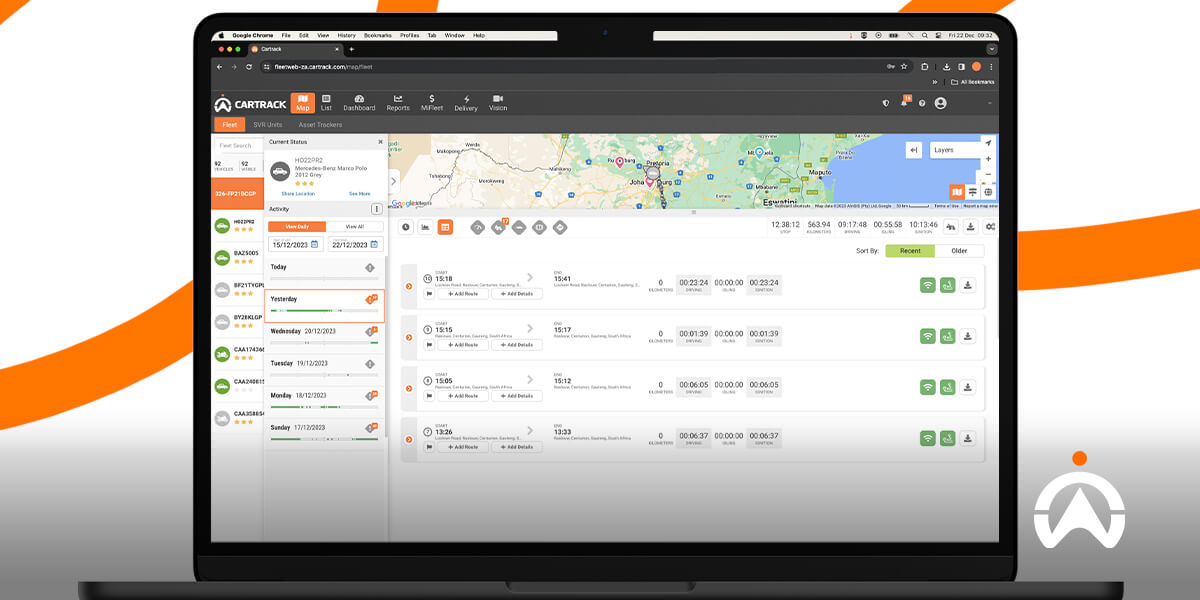
Generate historical reports that give you detailed information on fuel usage with Cartrack’s reporting tools. By simply looking at these customisable reports, you can get an overview of fuel usage, expenses, and the performance of each driver. This helps you to make decisions based on data and spot fuel loss if and when it happens.

Next step? For detailed information on specific packages and pricing, it’s recommended to contact Cartrack directly or request a demo through our official website. The Cartrack contact number for speaking to a consultant is: +265 999 971 972

Still not sure? Let’s take a detailed look at MiFleet and answer some of your questions about the best ways to manage your fleet.

Fleet management: What can you expect from Cartrack?

As mentioned, fuel optimisation is an important part of managing any fleet. However, there’s more than one way to save fuel. MiFleet is Cartrack’s smart cost-management and fleet accounting system. It gives you full control over fuel, administration, maintenance, and operating costs.

Your fuel card data will be matched up with vehicle telemetry. This helps you to spot fraud and also tracks fuel usage per km. From all this, you’ll get clear cost-breakdown reports that give you big-picture and finer-detailed information about your fleet.

With the software of MiFleet comes some hardware too. Tracking devices, fuel sensors, cameras, etc. Sounds great, but you probably have a few questions about how this all works together. Here are some of the most frequent, costing, software, and hardware questions we get.

Are there flexible payment options for Cartrack subscriptions?

Yes, Cartrack offers flexible payment options for subscriptions. Just talk to us and we’ll create one for you! You can choose a monthly or an annual plan depending on your fleet size, the Cartrack packages you choose, and the needs you have.

This makes it easier to manage fleet costs, and it helps you scale up as your fleet grows. Don’t feel like you’re being locked into a long contract; talk with us about a payment option that fits in with your budget.

Do I need to pay extra for additional tracking units per vehicle?

Yes, you usually need to pay extra for additional tracking units per vehicle. Each unit comes with its own installation and activation costs, so adding more vehicles will increase your subscription fee. However, Cartrack also makes it easy to expand your fleet tracking by adding new devices to each vehicle. This means you’ll need to budget for each extra tracker.

Is Cartrack’s fleet data secure and encrypted?

Yes, Cartrack’s fleet data is secure and encrypted on secure servers. Whether it’s vehicle data, driver trends, or fuel information, it’s all protected using modern encryption. You can access your data safely, knowing that it’s shielded from unauthorised access. This is to keep your fleet operations private at all times.

How does Cartrack match fuel receipts to actual tank activity?

Cartrack cleverly checks your fuel receipts against what’s actually in the tank using the MiFleet software and telematics data from fuel sensors and other hardware. It matches your fuel card transactions with real-time fuel levels, GPS-based location, and engine use. This way, you can easily spot fraud and make sure purchases are correct.

Do Cartrack Fleet Plus benefits include fuel monitoring?

Yes, one of the main features Cartrack offers with Fleet Plus is fuel monitoring. This would include:

  • Fuel Monitoring: It measures the fuel that goes in and out of your vehicles.
    ‍
  • Fuel Probe: This is a sensor that provides real-time readings of fuel levels.

Cartrack Fleet Plus solves a series of problems faced by many fleet managers. Let’s take a look at an overview of each one, and then explore them in more detail.

Problem Faced by Fleet Managers How Cartrack Fleet Plus Helps Feature Name
Hard to track fuel usage Shows fuel going in and out of vehicles Fuel Monitoring
Drivers stealing fuel Detects unusual drops in fuel levels Fuel Probe
High fuel costs Helps spot waste and fraud Fuel Monitoring
No real-time info Gives instant fuel readings Fuel Probe
Hard to match fuel receipts Compares receipts to actual fuel used Fuel Monitoring
The fleet is not efficient Gives clear fuel usage data Fuel Monitoring
Fuel theft is hard to prove Shows exact fuel levels over time Fuel Probe
Hard to plan trips Helps see fuel levels and plan stops Fuel Probe

Hard to track fuel usage

It’s tough to know how much fuel your vehicles are using every day. However, with Cartrack Fleet Plus, you can see exactly how much goes in and how much goes out. This helps you control your fuel costs a lot better, which adds up month after month.

Is Cartrack really the best option to choose? We think so… and here’s why: 

What to Look for When Choosing a Fleet Management System

Drivers stealing fuel

Sometimes drivers or fuel thieves might syphon fuel, and there’s no way for you to know when this happened. A lack of evidence will make it difficult to pinpoint who the culprit is, too! Cartrack Fleet Plus helps you spot this quickly so you can stop it and not pay for fuel your drivers aren’t using for business purposes.

High fuel costs

Fuel can get expensive fast if you’re not careful. Because of rising fuel costs, you should try to save wherever you can. Using Fleet Plus lets you see where fuel is being wasted so you can save money. This could be anything from bad driving habits, speeding, irregular idling, etc.

No real-time info

Waiting for reports of the info you need shouldn’t be a long process that only gets to you at the end of the day, week, or month. Fleet Plus gives you fuel readings as they happen, so you can act fast and make changes.

Hard to match fuel receipts

It’s tricky to check if receipts match what your vehicles are actually using. Cartrack’s Fleet Plus solution compares receipts with fuel usage automatically, and this takes the guesswork out of your job as a fleet manager.

The fleet is not efficient

If your fleet isn’t running well, your organisation will inevitably begin to lose money. Fleet Plus shows clear fuel data so you can make better choices and keep your vehicles moving when it counts the most. More vehicles on the road for longer means more profitability for you.

Fuel theft is hard to prove

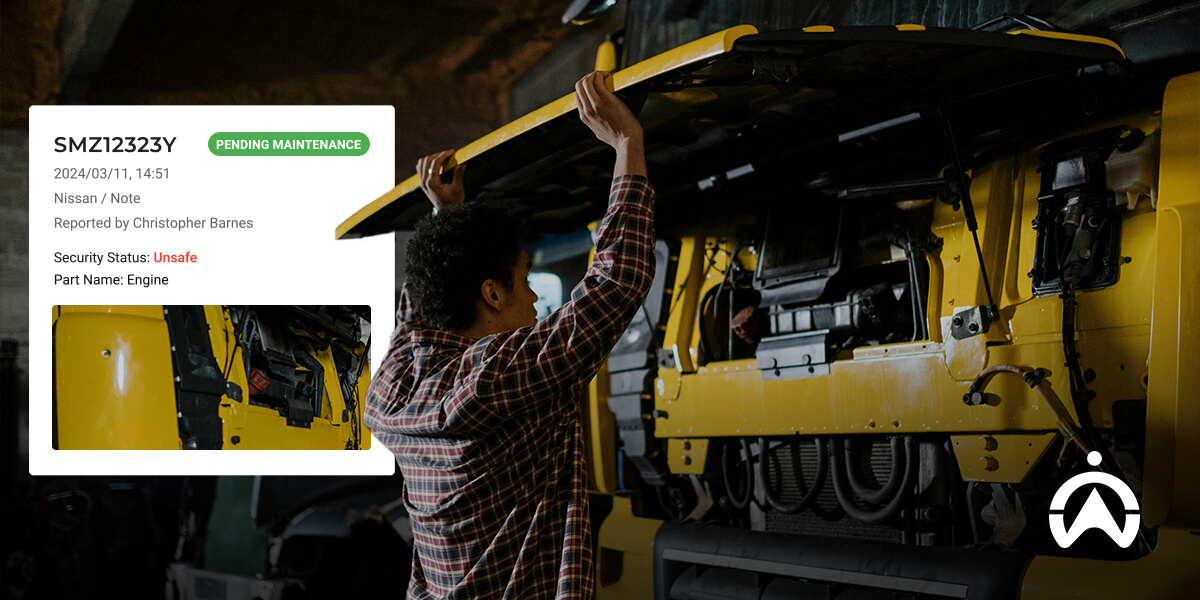
Even if you suspect theft, it’s hard to take action without getting into labour law hot water. With Fleet Plus, you get a detailed fuel level history that proves exactly what happened, when it happened, and who the most likely person was that did it.

Hard to plan trips

Planning trips isn’t easy if you’re always having to guess the best route and you’re not aware of your fuel levels. Fleet Plus helps you see fuel in real time so you can plan stops and routes a lot more efficiently.

How much can your business save on fuel costs using Cartrack in Malawi?

The amount of fuel costs your business can save using Cartrack packages depends on the size of your fleet and the types of vehicles you use. However, it’s safe to say that you can save as much as 24% of your fuel costs, which is what we’ve seen other companies achieve on small and large scales.

How is this possible? Well, every little saving helps, and those savings build up over time. If you solve the problems listed above, you’ll quickly see a huge difference in the amount of fuel you actually need to run your fleet!

Start saving today. Not just on fuel, but on other expenses too. As we’ve seen, it’s a game-changer having a solution that saves you on insurance costs, wear & tear from bad driving, and the reputational damage your drivers can cause your brand. Get in touch with an expert fleet management consultant, and let’s work out a solution that ultimately brings in more profits for your business.

Get fleet and fuel management services with Cartrack Malawi and start saving!

Frequently asked questions about fleet and fuel management from Cartrack

What technology is used in fleet management?

Fleet management uses:

  • GPS tracking
  • Telematics
  • Fuel monitoring
  • Route optimisation
  • Maintenance software

These tools help you keep track of your vehicles, improve efficiency, reduce costs, and ensure the safety of your drivers on Malawi’s roads. Many fleets also use mobile apps to access real-time data wherever they are.

What’s the difference between logistics and fleet management?

The difference between them is that fleet management focuses on managing vehicles, drivers, and fuel, while logistics covers the whole supply chain. Logistics management includes storage, delivery, and inventory. You can think of fleet management as part of logistics for keeping your vehicles moving efficiently across the country.

What are fleet tools?

Fleet tools are software and hardware devices that help you manage your vehicles, their drivers, their respective fuel usage, and the maintenance of each vehicle. GPS trackers, telematics systems, fuel sensors, and reporting platforms give you clear insights that help to save costs and improve your fleet’s efficiency.

How do I create a fleet management plan?

To create a fleet management plan, start by assessing your vehicles, drivers, routes, and fuel costs. Set clear goals for using less fuel (overall percentage), scheduling less vehicle maintenance, and improving safety. Then choose tools like the ones offered by Cartrack and move towards more savings, more profitability, and the eventual growth of your fleet.

How do fleet managers use spreadsheets?

Fleet managers use spreadsheets to track fuel consumption, maintenance schedules, mileage, and overall expenses. You can create simple tables and charts that help you to see trends with a bird’s eye view, or in close detail. Spreadsheets are a flexible, low-cost way to keep your fleet organised and running smoothly.


Car Ownership vs E-Hailing: A Shift in the Way We Move

For many Malawians, owning a car has long been associated with independence and convenience. However, the rise of e-hailing services is reshaping personal transport preferences. This is mostly due to the rising cost of vehicles, technological growth, and evolving lifestyle choices.

E-hailing platforms have slowly narrowed the gap between traditional public transport services and car ownership. This mobility shift now has people questioning whether buying a car is actually worth it in today’s world.

Let us take a well-rounded look at both car ownership and e-hailing so you can see which option would best suit you.

In this article, you will:

  • Get a brief overview of how transportation has changed over the years
  • See what to consider when choosing between owning a car and e-hailing
  • Find out how Cartrack caters for both e-hailing and personal cars

The changing dynamics of how we move around

Not everyone can afford to own a vehicle, which is why there will always be a need for public transportation services such as traditional taxis, meter taxis, buses, and trains. However, these modes of transportation have limitations, such as restricted operating hours, inconsistent availability in some areas, and safety concerns. As a result, daily commuters often felt the need to at least get an entry-level vehicle for greater practicality—until e-hailing came into play.

E-hailing platforms have transformed the way some people feel about the need for a car by offering a reliable alternative to traditional taxis, at an affordable price. This mode of transport was first introduced in Malawi in 2011 and has since gained popularity over the years. 

One of the primary factors driving the rise of e-hailing services is urbanisation. The demand for efficient transportation has increased as more people move to cities like Johannesburg, Cape Town, and Durban. With that said, car ownership still remains a long-term goal for many.

What to consider when choosing between owning a car versus e-hailing

So the question is, is there a need to get a car when you can just hail a ride? Ultimately, your budget and lifestyle needs should determine which option fits best. Here are some factors to take into consideration before making your decision:
‍

The cost of getting around when owning a car vs e-hailing

Owning a car

1. The initial cost of purchase

  • Vehicle price: It is no secret that a car is a big purchase that requires a lot of financial planning. If you are making a cash purchase, you need to save for some time unless you already have a large amount of cash ready.
  • Down payment: If you are buying a car through financing, you first need a deposit to secure it. The deposit is calculated based on a percentage of the vehicle’s total, and the amount varies depending on the dealer. It usually starts at 10% and could go all the way up to 25%. Some dealers offer a “balloon payment” or a “reverse deposit” option. This means you do not need to pay the deposit upfront but will make a large payment at the end of your term.
  • Interests: A car that is financed comes with monthly instalments and an added interest rate. By the end of your term, you would have paid more than the cash price.

2. Ongoing operational costs

  • Fuel: The cost depends on whether it is petrol or diesel, how much fuel your car needs, and how often you drive.
  • Repairs and maintenance: This includes serving your vehicle every now and according to the set schedule, the regular oil changes, tyre and battery replacement, as well as unexpected breakdowns.
  • Insurance: Car insurance is essential and can come at a hefty price. The cost depends on your risk profile, which considers factors such as the type of car you drive, your age, and your driving history.
  • Road usage costs: This includes the costs of toll fees when driving out of town and parking fees, such as when going to the mall.

3. Depreciation

  • Loss in value: Remember that the value of a car depreciates, more especially in its first few years. This means you will receive less money when you sell or trade in.

E-hailing

1. Distance and time

  • Trip distance: With e-hailing, you only pay when you use the service. The price of this service mainly depends on the distance. The longer the trip, the more you pay. This becomes a lot of money when you are frequently on the road, such as when travelling to work every day.
  • Demand: E-hailing prices go up during peak hours when there is high demand and less driver availability, such as in the morning when people are rushing to work. This also happens on rainy days.

2. Type of service

  • Budget options: E-hailing platforms offer different service tiers depending on your budget. The cheaper rides come in smaller cars that may not always be comfortable, and the premium services come with larger or luxury vehicles and therefore cost more.
  • E-hailing platform: The rates of the different e-hailing companies vary. Some are known to generally be cheaper than others.

3. Location

  • City vs. small town: Urban areas usually have more people, constant traffic, and therefore, a higher demand. This means the prices will be higher compared to the same distance in a small town.

4. Connectivity

  • ‍Internet: E-hailing services require an internet connection; you always need to have data wherever you are. This minor cost can feel tedious in the long run once you consider how much you have spent, especially if you use the service every day.
A person in a denim jacket waves their arm while holding a phone, with a sunset and cityscape in the background.

The convenience and accessibility of car ownership vs. e-hailing: which is more practical?

  • Car ownership
    There is more independence and flexibility when you own a car. You can be spontaneous and drive to anywhere you want at any time. Long-distance trips are not much of an issue either when properly planned. You also can carry more items with you. For example, you can keep extra clothes in your car for the days when you need to be at an event after work or that random day when you end up sleeping over at a friend’s house.
  • E-hailing
    There is usually a 5-15 minute waiting time when you request a ride; finding an available driver might even take longer during peak hours. Depending on how urgent your appointment is, this waiting time might be a big inconvenience. The location you live in also determines how convenient an e-hailing service will be to you. E-hailing services are mostly popular in cities across the country. Those living in small towns may have limited or no access to these services. Due to its dependence on internet connectivity, e-hailing services are not available in remote areas.

How car ownership and e-hailing affect your lifestyle needs

  • Car ownership
    If you are a frequent traveller or have a family, then owning a car is a better option. Family-orientated people need the convenience of car ownership in order to travel with the kids, drop them off at school, and get to them quicker when there are emergencies.
    ‍
  • E-hailing
    If you stay alone, close to your workplace, work from home, and live in an urban area, then e-hailing is a more feasible option for you. Road trips can always be planned for ahead of time. You can even rent out a car for that, depending on your budget.

Whether e-hailing or personal driving, Cartrack has you covered!

Another option that you can consider is buying a car and then using it for e-hailing services during your free time. E-hailing is a flexible way to earn extra income. The money can be used to cover some of the expenses of owning a car. At Cartrack, we have solutions that enhance safety for vehicle owners and e-hailing services.

Cartrack vehicle security solutions

Our main goal is to keep your car safe at all times using advanced tools such as the following:
‍

Stolen Vehicle Recovery (SVR)

Secure your car with a trusted vehicle security service. The reality is that vehicle theft is a problem in Malawi, so a tracking device is a must-have for vehicle owners. Our stolen recovery services are available 24/7, with real-time tracking, and nationwide access to skilled air and ground teams that are always ready to get your car back to you.

Location tracking

Use the Cartrack mobile app or website to get full visibility of your vehicle. You can easily share the live location with your loved ones, view your trip history, and get detailed information on driving habits such as speeding and harsh braking. This helps you see how well you drive and where you need to improve.

Dashcams

Get yourself a silent eyewitness on the road with our Road Vision and Dual Vision dashcam solutions. You can go with the forward-facing Road Vision camera or the Dual Vision solution that includes both front and in-cabin views—ideal for e-hailing safety. Both dashcams are cloud-based which means you can access footage at any time, even if the hardware has incurred some damage.

Recording your trips helps prove your innocence against accident disputes and fraudulent insurance claims. Dashcams are also highly recommended for e-hailing services as they make passengers feel safer and protect the driver from issues such as aggressive passenger behaviour.

A man in a plaid shirt stands thoughtfully next to a white car in a car dealership filled with various vehicles.

Cartrack value-added services

As an extra layer of protection and convenience, you can include these value-added services in your package:
‍

Protector

The Cartrack Protector feature is a value-added service that ensures that you are never left stranded on the road. Whether you need roadside assistance, medical support, or emergency response, we will be there. All you have to do is push the button on the mobile app, and we will send the help you need to your location.

Carwatch

Our Carwatch feature can be seen as a virtual car guard. This is another value-added service that you can use to secure your parked car. All you need to do is activate it on the Cartrack mobile app after you park. If your parked car moves without your permission, you will get an alert, and help will be on the way.

Fleet management for e-hailing drivers

Our fleet management solutions allow e-hailing drivers to monitor vehicle performance, fuel efficiency, and maintenance needs. This is particularly beneficial for individuals who operate multiple vehicles for e-hailing or lease out their cars to drivers.

Choose a reliable service provider for your car ownership and e-hailing needs

Cartrack is a leading vehicle tracking service provider with over 2 million subscribers worldwide. With us, you get advanced vehicle security services at an affordable price. Whether you use your car for personal trips or e-hailing, we will ensure that you and your car are protected. Join us today and get the peace of mind you deserve.

Fleet Management for E-Commerce

We live in an age when almost everything can be bought online from almost anywhere. This is mostly due to the growth of the internet.

This situation has necessitated solid fleet and delivery management software to manage the ensuing logistics of delivery.

Let us discuss e-commerce fleet management and how Cartrack is the best partner for this job.

In this article, you will:

  • Learn why there is a growing need for e-commerce logistics management
  • Discover what the challenges are for e-commerce businesses and fleet management
  • Find out why fleet management is ideal for the e-commerce sector
  • Understand why Cartrack is best suited to the e-commerce business model

The Growing Demand for Efficient Fleet Management in E-Commerce

The impact of online shopping on delivery operations has been profound. This convenience is made possible by efficient and timely deliveries, a vital component for any e-commerce business.

Fleet management helps this sector by providing solutions for companies looking to simplify the process between ordering and last-mile delivery of products. This means aligning, drivers, route planning, time management and proof of receipt, by doing this e-commerce business can have hassle-free movement of goods.
‍

Here are some key points to know about the growing demand for e-commerce logistics:  

What are The Challenges in E-Commerce Fleet Management

According to Statista’s Digital Market Outlook, the number of e-commerce users in Malawi is forecasted to grow from 1.2 million in 2029, Many logistical challenges beset e-commerce businesses, most of them concerning last-mile delivery.

Effective order and delivery management will require a solid fleet management system, which will therefore help mitigate some of the hurdles that may arise in handling delivery. With more consumers shopping online, e-commerce businesses face growing challenges, including delivery instructions, duty fees, and shipment disputes.

Let us take a closer look at some challenges an e-commerce business can face.
‍

Delivery Delays

Deliveries are the backbone of an e-commerce business. They make up an important part of the business model that allows this type of venture to thrive. Therefore, delays threaten this kind of business the most. These delays are often caused by poor route planning and traffic congestion. Such inefficiencies break down the flow of work and result in a snowball of delays.

The impact of poor fleet visibility on delivery times is huge. Here’s how:

  1. There are vendors who are unaware of what happens to their products once they have been sent off to the client.
    ‍
  2. There is no means for them to track where it is on the journey or if it has been delivered at all.
    ‍
  3. This inevitably creates issues with customers when there are delays and the vendor is unable to provide any information on the status of the delivery.
A woman sits on a couch, checking her phone for delivery updates with a map showing the delivery route and estimated arrival time.

Rising Fuel Costs and Driver Salaries

Some e-commerce businesses have vehicles that do deliveries exclusively for the business. These can range from motorbikes, cars, vans and even large cargo trucks. Managing fuel costs for a delivery fleet, regardless of size, needs tight financial management and precise reporting.

  • ‍Fuel Costs
    Fuel costs are usually affected by the typical reasons, namely, fuel price change, inefficient routing, and idling. These factors contribute significantly to rising fuel costs in e-commerce logistics. What often makes this a challenge is that many businesses do not have efficient systems in place to manage this system. Most still use paper systems and rely on petrol cards to monitor fuel usage and the costs that come with it.
    ‍
  • ‍Driver Salaries
    Another cost that often affects operational expenses is driver salaries. This becomes an issue when drivers are not allocated jobs efficiently. This can lead to drivers being paid when there are not enough deliveries to justify their wages. The inverse is also true, where there are too few drivers for the jobs needed, necessitating the need to get additional drivers last minute to cover the workload. This ultimately affects operational costs in the long run.

Security Risks and Theft

Security of both the vehicle and the items in delivery can be a major headache for many businesses involved in deliveries. Here are some insights to be aware of:

  • Theft usually occurs depending on the type of products being delivered, with higher-value items such as jewellery and high-tech gadgets becoming the prime objects of attack.
    ‍
  • Theft risks affect both long-distance and local deliveries, making security a concern for the entire e-commerce sector.
    ‍
  • These thefts have a significant impact on businesses, they affect customer satisfaction and lead to high insurance premiums for vehicles and packages.
    ‍
  • This means that businesses incur losses on products that are stolen and need to be re-delivered to customers.
    ‍
  • The need for proactive security solutions is the best solution in the long run.
    ‍
  • Most businesses rely on the driver’s ability to discern and avoid this crime, often with little to no support.
    ‍
  • For businesses that outsource the delivery process, they trust that the service provider will handle all security risks and put in the appropriate measures. This unfortunately isn’t always the case as some delivery companies are not large enough or established enough to have robust security systems and protocols.

Why You Should Implement Fleet Management in E-Commerce Businesses

Most of the challenges that e-commerce businesses face can be resolved by implementing a comprehensive e-commerce fleet management system. This will assist in managing and even addressing some of the pain points that come from having to deal with deliveries from an online customer base along with general fleet maintenance.

The benefits that come from having such a system are many, let’s explore what you should get when installing one.

Enhanced Delivery Efficiency with GPS Tracking

Getting deliveries done on time and in the most efficient manner is crucial for a business that functions entirely online. One of the best ways to enhance this is by getting delivery fleet management software that comes with route optimisation and GPS tracking.

These functions will ensure that both the vendor and the customer are always updated on the progress of the delivery and that it is being done in the most efficient way possible. Real-time tracking ultimately optimises fleet performance and leads to faster and more organised workflow.

Improved Fleet Security and Driver Safety

Knowing where deliveries are as they are happening allows for more security measures to be put in place. These security measures protect both the cargo and the drivers, as both can be located and retrieved early when a theft occurs.

Some e-commerce fleet management systems include camera systems that monitor driver behaviour with telematics technology and dashcams to record footage of the journey. The telematics component of the fleet management system allows for the additional monitoring of driver behaviour.

Vehicle recovery solutions reduce financial losses and give both drivers and business owners peace of mind.

Reduced Maintenance Costs

Automation and telematics technology cut the costs of many e-commerce businesses in varying ways. With telematics, a business owner can receive alerts on when a vehicle in the fleet needs to be serviced through the use of predictive maintenance technology in the fleet management system. This will save costs in the long run as it reduces wear and tear and costs associated with repairs.

Why Choose Cartrack for E-Commerce Fleet Management

Cartrack is an industry leader in fleet solutions and has some of the most comprehensive product offerings out on the market that can manage commercial vehicles effortlessly. These solutions cater to a variety of industries, of which e-commerce is one.

For an e-commerce business owner looking to take their business to the next level, few other service providers compare to Cartrack. The fleet management system offered, called MiFleet, has technology that enhances delivery operations and keeps the fleet safe and functioning optimally.

Here is what you get when you choose Cartrack as a partner:
‍

Real-Time GPS Tracking

Cartrack’s delivery fleet management software offers live tracking of vehicles allowing for full visibility and route efficiency. This GPS fleet management solution is available for all vehicle types and can function in all terrains, locales and environments without significant disruption.

The movement of your drivers and packages can be seen on the Cartrack Mobile App along with a view of the journey courtesy of our Vision camera solutions. Not only do you follow where they are geographically, but you also get a detailed look at what is happening on the journey.

These cameras can be installed in up to eight different locations on the vehicle to monitor all the happenings while delivery is underway. This offering from Cartrack caters well to e-commerce businesses that do long-distance deliveries, even across borders.

A delivery driver checks a job status on a mobile app while interacting with a customer, surrounded by a delivery van.

Route Optimisation

MiFleet offers AI-driven smart routing to reduce transportation times and fuel costs, this technology optimises all deliveries and keeps delays at a minimum. The ability to optimise delivery routes based on distance, time sensitivity, volume and driver availability is all possible with Cartrack’s system. All these features make the management of deliveries an easy process, one that can be done from the comfort of your own home thanks to the Cartrack Mobile App.

Driver Behaviour Monitoring

For an e-commerce business with an in-house set of vehicles for deliveries, driver behaviour is important. It is this factor that often plays a role in how deliveries are and the condition the packages arrive in. Monitoring speeding, harsh braking, and idling are just a few of the many metrics that can be monitored and reported with a telematics unit from Cartrack.

Monitoring these driving habits not only keeps the deliveries arriving safely but the drivers as well. Fatigue, smoking, an obstructed view and yawning are all recorded and flagged as bad habits. These are sent as alerts to the fleet manager, allowing them the chance to directly contact the driver to intervene. This intervention can be a direct call as the journey is underway or coaching provided later on once the footage has been downloaded.

Fuel Management Solutions

Cartrack’s fleet management system has tools to track and control fuel consumption, these tools can measure mileage, fuel consumption and fuel flow. Fuel is one of the largest expenses for a business that delivers directly to consumers. Curbing the fuel wastage on all fronts saves on this expense and will give the business some financial leeway.

Stolen Vehicle Recovery

With a 90% stolen vehicle recovery rate, Cartrack stands in a lane of its own with no other competitor providing such certainty. This high recovery rate comes courtesy of our audited financials and is proof of the success of our recovery teams.

When delivering goods rapid response solutions to recover stolen vehicles and cargo are paramount. This is why getting a fleet management system that comes with this service is essential.

E-commerce is an industry that is growing globally as more and more territories adopt internet use and fintech solutions. This only means that the delivery systems and logistics in place need to be robust and carefully considered.

Camera Solutions

Camera solutions are a necessary component of fleet management in e-commerce, especially if the business is in charge of its own deliveries. Fortunately, Cartrack has AI-powered camera solutions that can be placed in up to eight different locations on a vehicle. These cameras keep your drivers safe with preventative in-cabin voice alerts that let them know about potential safety violations so they can correct them immediately.

Cartrack Delivery

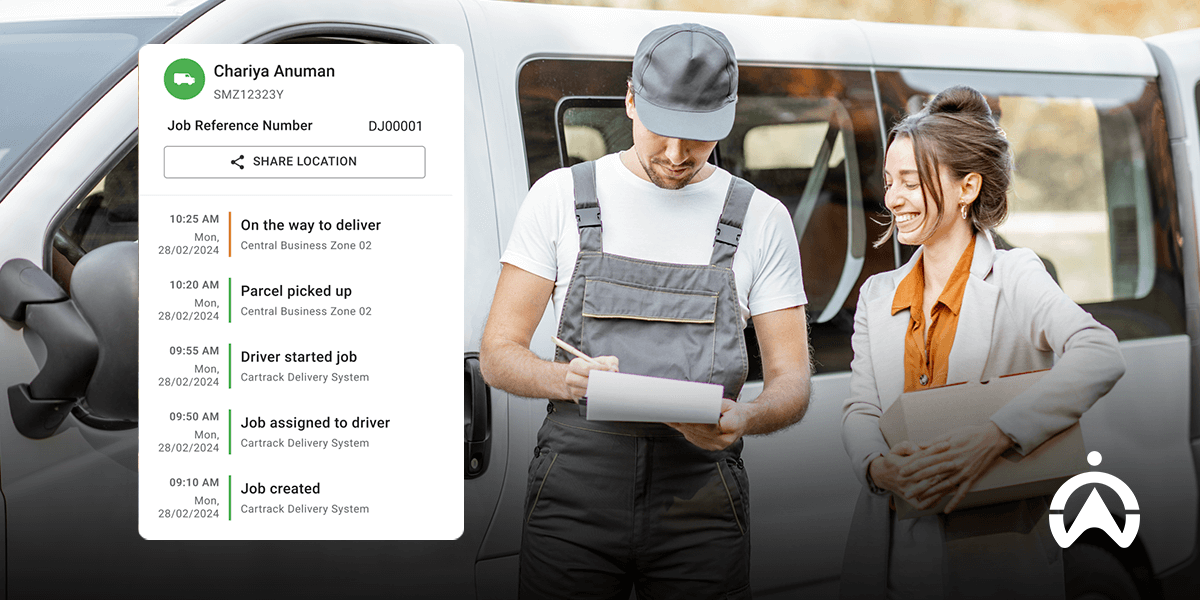
Cartrack’s fleet management system has a unique value-added service that caters specifically to deliveries. It allows for the allocation of drivers, vehicles, jobs and work shifts all on one platform.

These features make it manageable to delegate work, keep track of multiple deliveries and verify when deliveries have been made. There is even a feature that allows for photographic evidence of delivery along with the signature of receipt. This is ideal for any online business that needs to manage stock and customer expectations.

As it currently stands Cartrack’s solutions are some of the best suited for this transition. If you are interested in hearing more about our offering call us to BOOK A DEMO AND GET A QUOTE TODAY.

7 Most Common GPS Tracking Problems

GPS tracking systems are essential for every motorist or fleet business. They offer numerous benefits, such as personal safety and continuous updates that help businesses keep track of productivity. However, as reliable as they are and like any other form of technology, GPS tracking systems also come with a few challenges that can have significant implications. Understanding these issues and how they may affect you is essential.

Today, we explore the most common GPS tracking problems and how Cartrack effectively resolves each one to provide you with the best possible service.

In this article, you will:

  • Learn about 7 common GPS tracking problems
  • See how Cartrack resolves each issue
  • Find out why our solutions stand out from the rest

Uncovering the 7 common GPS tracking problems and how to solve them

GPS tracking issues can lead to a wide range of consequences, such as delayed emergency responses, resource wastage, loss in revenue, and legal implications. Before choosing a service provider, you must know the possible challenges and what solutions they have to overcome these obstacles.
Here are 7 common GPS tracking problems and the measures we take to overcome them: 

1. Connectivity and signal issues

Cause:
GPS tracking devices usually consist of two modules. A GPS model that connects to satellites to determine the vehicle’s location and a GSM module that relies on a SIM card and cellular network to send location information to the GPS tracking platform. This means if you are in a remote area, where the mobile signal is weak, some updates might be missed or very delayed.

Additionally, GPS signals can penetrate through materials like glass and plastic but are obstructed by dense structures such as concrete and metal. For a GPS module to function properly, there must be a clear view of the sky. For this reason, signal loss may occur when vehicles go through tunnels or tall buildings. Severe weather conditions, such as heavy rain, may also affect the signal.

Solution:
Cartrack’s GPS system utilises cloud-based technology to provide precise, real-time location updates, ensuring seamless monitoring even in challenging environments. Our vehicle tracking system gives you nationwide network coverage.

When you are in an area with little or no coverage, there will be no missed updates as the unit will continue to record up to 5000 data points (location, speed, etc.). This ensures continuous tracking even in challenging environments. Once the signal is back, you will receive all the data you need about what was happening in that area.

2. Cross-border tracking issues

Cause:
As mentioned in the previous point, a GPS tracking system heavily relies on cellular and satellite communication to function effectively. Due to international roaming restrictions, many GPS tracking systems stop working or experience limited functionality when vehicles are outside the country. This can be troublesome for businesses such as logistics companies that have drivers who frequently travel in and out of the country.

Solution:
The Cartrack GPS tracking system is globally compatible and supports international roaming. This feature ensures continuous and accurate tracking across borders for both individuals and businesses if you choose this package. It also enables us to recover vehicles that are stolen and then smuggled out of the country. 

3. GPS device malfunctions or hardware failures

Cause:
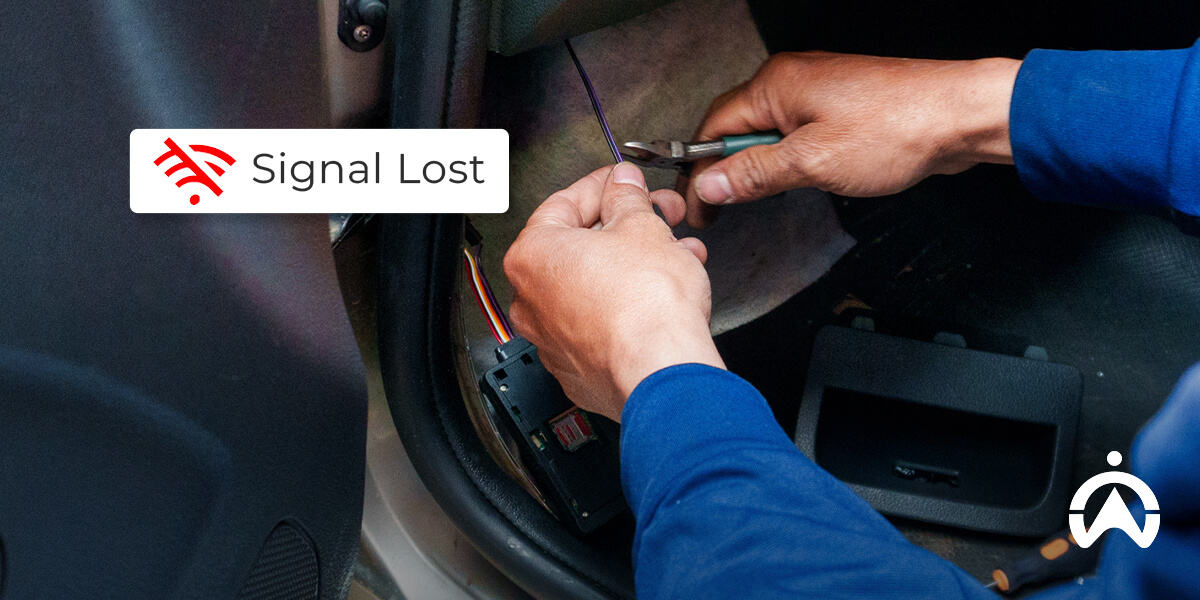
Some tracking devices are built using low-quality materials. This results in them being fragile and prone to external factors such as extreme temperatures, blown fuses, and general wear and tear that can affect functionality. It also means that they constantly need to be replaced, which can be costly. Additionally, faulty wiring during installation may cause device malfunction.

Solution:
A tracking unit with durable hardware. Cartrack’s GPS tracking devices are built with robust hardware that is weatherproof and can withstand wear and tear. We produce devices that are manufactured in-house with high-quality materials to ensure you get the best out of your device and prevent hardware failures. Our skilled technicians ensure smooth and professional installations to avoid inaccuracies caused by faulty wiring.

We also have a Lifetime Maintenance Warranty as a value-added service. This option comes with unlimited repairs and no call-out fees on our tracking unit. Clients can also call in at any time to test-check their devices and ensure everything is still in good working order. We monitor device performance in real-time, alerting users to any potential issues.

4. Signal jamming and interference

Cause:
In an effort to prevent the ability to locate a vehicle, criminals use signal-jamming devices to block or interfere with radio communications, such as GPS tracking systems. As a result, if your vehicle is stolen, the recovery service will not see where it is and therefore cannot recover it. It also gives the criminals more time to search for the device and cast it away.

Solution:

One of our newest innovations to tackle this issue is the Cartrack-Tag. When paired with a Cartrack tracking device, the Cartrack-Tag can detect and alert our control room services of any signal interference that may occur when a vehicle has been stolen. Through this powerful technology, we are still able to find your vehicle despite the attempts made by criminals to block us from receiving information.


5. GPS device tampering

Causes:
GPS tracking devices that are not strategically hidden can be easily located and tampered with. Common reasons for tampering are for employees to evade monitoring, for criminals to be able to steal vehicles, or for hackers to manipulate GPS tracking data for illegal activities.

Solution:
Cartrack’s devices are designed for discreet installation in hard-to-reach areas, reducing the risk of tampering. Our technicians are trained to perform fitments that are as close to tamper-proof as possible. As an extra layer of protection, we also have power event notifications that send an alert if your vehicle battery is disconnected, which could indicate some sort of tampering.

Our control room agents will get instant notifications, call you immediately, and then take the necessary steps to safeguard your vehicle.

6. Software glitches and compatibility issues

Causes:
Technical glitches are common with every software. In the vehicle tracking industry, they can lead to data inconsistencies and huge delays. These glitches are caused by outdated software, fleet management tools that do not work directly together, or technical bugs that can cause system failures. For example, if the data on a fleet management platform is outdated, fleet dispatchers may not receive live updates. This results in drivers getting dispatched for delivery jobs that are further than the ones that they are closest to.

Solution:
Cartrack ensures that all devices and software are regularly updated for optimal performance. Cartrack’s software undergoes regular updates to maintain optimal performance, prevent glitches, and ensure seamless fleet operations.

 Our fleet management solutions are integrated, which means all our solutions can be found on one platform. We also have technical support and a customer service line that is available throughout the day to troubleshoot and resolve any possible software or compatibility issues you might encounter.

7. Overwhelming amount of data or alerts

Cause:
Constant GPS tracking updates can result in an overload of data. This makes it difficult for users to manage and prioritise information. Some alerts are irrelevant to a specific user, which leads to the person ignoring all notifications and missing the critical ones.

Solution:
Our platform allows users to customise alerts so they get notifications and updates that are only specific to their concerns. For example, a big concern in fleet management is driver behaviour. Fleet managers can set up alerts on speeding to ensure drivers are practising safe driving habits on the road. We also have a user-friendly dashboard that helps our customers easily filter and prioritise data, making tracking more manageable. 


An additional GPS tracking problem that service providers need to look into is privacy concerns

As GPS tracking data has become more advanced over the years, so has the information it can provide about one’s personal life. Many users worry about how their sensitive information is collected, stored, and used. Improper handling of tracking data can lead to privacy violations and security risks.

Cartrack prioritises your privacy. We are fully POPIA compliant, guaranteeing your personal data remains secure. We employ end-to-end encryption and uphold a strict policy against sharing your information with external parties.

Avoid the common GPS tracking problems with Cartrack solutions

In conclusion, a GPS tracking device is an invaluable tool for improving vehicle security and operational efficiency, but common issues can cause disruptions that may jeopardise the safety of people and vehicles in critical situations.

These inconveniences may also lead to costly errors for businesses. It is important to choose a vehicle tracking service that can manage and overcome these challenges so you can get the best possible experience and value for money.

Cartrack’s advanced GPS tracking solutions address these issues, providing reliable, real-time tracking, secure installations, and cost-effective preventative measures to keep vehicles safe and business operations running smoothly. Join our over 2 million subscribers and experience unparalleled vehicle security and tracking reliability.
Want to know more about common GPS tracking problems? Take a look at these frequently asked questions

What is the most common cause of a GPS location error?

The most common GPS location error is satellite blockage due to obstructions such as trees, tall buildings, and mountains. They prevent satellite signals from directly reaching the receiver (e.g., a vehicle tracking unit). This causes delays in location updates and inaccuracies.

Why is my GPS tracker not sending the location?
A GPS tracking device may not send a location update due to poor signal, such as when in a remote area. Other reasons for this could be device malfunctions, battery failure, or software updates. Ensure that you contact your service provider as soon as you notice to find the root cause.

How to improve GPS tracking?
Choose a GPS tracking service that provides high-quality devices and has backup plans in place for issues that may arise. Regularly update your software to ensure that the information is always accurate, and filter your alerts so you only keep track of the thing you are interested in.

Cartrack gives you GPS-tracking solutions you can rely on

Ensure that you secure your vehicle(s) with a trusted GPS tracking service provider that can tackle any issue. Contact us today! 

Driver Incentive Programs: How Dashcams Can Help You Coach Your Drivers

When running a fleet business no other resource matters more than your drivers. Managing them requires efficiency and good planning, this is what allows for safer travel and optimised delivery of goods and services. For this efficiency and optimisation to happen, drivers must perform at their best at all times.

A good way to encourage better driving practices and behaviour is by implementing a driver incentive program. One way of doing this is by using dashcams to record trips and overall driver performance.

This blog will discuss how driver incentive programs and dashcams can help improve driver safety through coaching.

Let’s get into it.

In this article, you will:

  • Learn about driver incentive programs
  • Find out what role dashcams play in driver coaching
  • Discover how to implement an incentive program
  • Understand the legal considerations of using dashcams
  • Learn how Cartrack’s dashcams can work for you and your coaching program

What Are Driver Incentive Programs

An incentive program is a reward-based method to motivate someone to complete an action. These programs leverage the power of rewards to align behaviour with business goals. When incentives are used in a work setting as part of a formalised system with business goals, it’s called an incentive program.

The goal of an employee engagement program is to improve workplace performance and culture while retaining employees with rewards and recognition. One of the biggest benefits of incentive programs is their flexibility as they can be tailored to suit the goals of the company, with enough room for occasional adjustments.

There are many types of incentive programs, each with its own process and reward structure. Here are some types of incentives offered:

  • Monetary bonuses: The most common incentive program is bonuses for good or outstanding performance. This comes in the form of a cash reward usually based on a percentage of the driver’s salary.
    ‍
  • Recognition: Getting official recognition is another popular incentive that employers use. This could be an award given at the end of the year or any other public declaration of the driver’s great performance. The most common version of this is an Employee of the Month program that rewards a driver monthly for meeting or exceeding company goals.
    ‍
  • Career development: Creating a reward structure that promises high performers a chance at career development is a very effective incentive program. This offers a clear path for drivers to see how to progress in their careers, this progression can be in the form of a promotion or skills development.

These incentive programs benefit both companies and drivers as they offer reduced costs, increased morale, and better customer service overall.

The Role of Dashcams in Driver Coaching

When it comes to monitoring driver behaviour only a few other technologies work as well as dashcams. They offer comprehensive recordings of trips, offering alerts for distracted driving and other offences. Let’s learn more about modern dashcams in a business setting.

How dashcams provide insights into driver behaviour

As a fleet manager, monitoring drivers as they perform their deliveries is important, this is why the use of dashcams is highly advised. They offer real-time video recordings of the journey and give the fleet manager insight into how the route usually goes, providing areas of improvement.

Modern dashcams offer a range of AI-powered solutions that assist in reducing accidents. One of these is event-triggered alerts that inform the driver and fleet manager on specific behaviours such as smoking and distracted driving.

The use of AI for analysing driving patterns is now an industry standard for most fleet management software. Key features of AI-powered dashcams include:

  • Real-time behaviour analysis: This feature identifies incidents of distracted driving, driver fatigue, and forward collisions.
    ‍
  • In-cabin alerts: Gives instant feedback to drivers to avoid an incident or an accident.
    ‍
  • Data integration: They have integrated connectivity with fleet management platforms to enhance organisational procedures.

Why use dashcams for coaching and training drivers

Dashcams are reliable mechanisms that have been in use for a number of years now. Using them for coaching and driver training is ideal as they provide objective feedback that can not be easily disputed. The biggest benefit of using dashcams for driver training and coaching is that they help in identifying areas of improvement. These can often be hard to figure out and spot without actual footage of the incident. Some common types of incidents you may want to respond to in coaching include:

  • Smoking
  • Fatigue
  • Forward collisions
  • Camera cover or tampering
  • Cellphone use
  • Seat belt compliance
  • Distracted driving

Monitoring these incidents and using them as a source for coaching is highly beneficial as it gives drivers real-world context. Failing to adhere to the rules leads to drivers getting demerits that can accrue over time. This is useful not only for the drivers but the business as well as it will have a comprehensive catalogue of offences that most drivers commit. When done correctly this can lead to safer trips overall. There are three main occasions when it is best to coach drivers, these include:

  • Onboarding new employees
  • In response to incidents
  • Ongoing scheduled basis

Following this process is useful as it will assist in reducing liability and incident frequency. Additionally, this footage can help lower insurance claims costs, and help protect your brand. Dashcam footage can also significantly expedite and simplify the resolution of disputes arising from traffic incidents. By offering an objective, first-hand account of the events leading up to an accident, these devices can help establish fault and facilitate fair compensation for the parties involved.

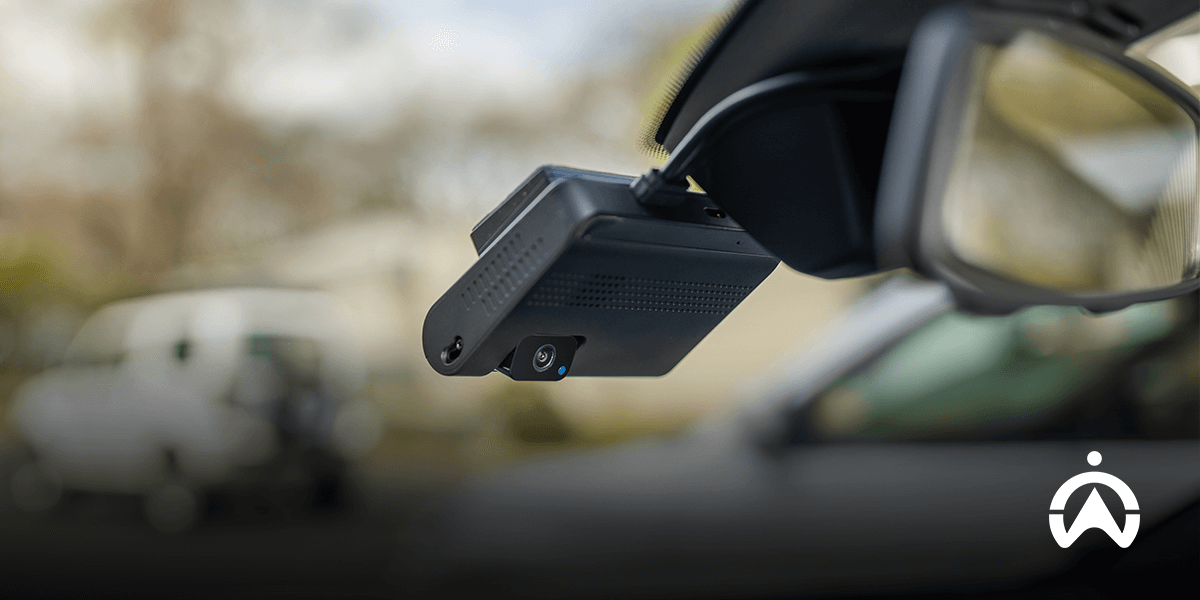
Dashcam attached to a car's windshield with blurred background.

How to implement Dashcam-Based Coaching Programs

In order to maximise on your dashcam footage and create incentives, a coaching program needs to be put in place. This will serve as a system to encourage better driving and make the overall management of drivers easier. This coaching program can be administered during the journey, after a trip and even during performance review sessions. The goal is to encourage better driving habits from drivers and improve fleet performance holistically.

Here is a step-by-step guide on how to create the right program for you and your drivers.

Step-by-step guide on how to implement a dashcam-based coaching program:

  1. Selecting the right dashcam solution for your fleet.
    The first step is choosing the best dashcam solutions for your business. This must be a solution that aligns with the goals of your company and the program you are setting up.

    You must consider whether you will need just one camera or more; whether it will have AI-powered features; and how much storage and recording capacity it will have.
    ‍

  1. Integrating dashcams with fleet management systems.
    In order for this process to run smoothly the dashcams should be able to be integrated with whichever fleet management system your business has in place. This is essential as it will simplify the monitoring and reporting process. The tools in the system should support the features in the dashcam solution so that there is a seamless integration of the two.
    ‍
  1. Developing clear coaching and feedback protocols.
    Once the system is integrated the next step is to establish clear coaching and feedback protocols. This means drivers will need to know how and when the coaching happens, from whom it will come, and how to give feedback on the coaching. This will assist in measuring incentives and determining who to award them to.
    ‍
  1. Aligning coaching sessions with incentive programs.
    The goal of the coaching sessions should be clearly stated, aligning with how the incentive program will run. This could mean explicitly stating which goal leads to which incentive or creating a points system that accumulates over a certain period of time. A driver should find it easy to understand where the coaching intersects with specific rewards from the incentives program.

Tips for a Successful Coaching Program

In order for the coaching and rewards program to work successfully there are some vital things to consider. Consistent feedback is essential for coaching, especially when people’s careers are on the line. The feedback should not just be in one direction, drivers should be able to give feedback on their coach’s performance as much as coaches do.

This leads to the next component to consider fairness. A program like this requires transparency so that drivers do not feel that there is bias or favouritism in how the coaching works and how incentives are given. It is this fairness that will keep drivers engaged in the program, unfairness will lead to disgruntled drivers and a drop off in performance.

Celebrating improvements is equally as important, not just celebrating the top achievers. This kind of recognition will make all the participants in the program feel seen even when they are not receiving rewards from the incentives program.

Future Trends in Driver Incentives and Dashcam Technology

There are many emerging advancements in dashcam technology sweeping the fleet management industry. The most prevalent of them all is AI integration in camera systems. This involves development in other areas such as machine learning and cloud storage capabilities. All these elements work together to form Advanced Driver Assistance Systems (ADAS) which aim to enhance driver safety.

Integration with telematics and predictive analytics is where the industry is going, with most fleet management systems already using these technologies. This is especially true for dashcams and driver behaviour monitoring.

The development of these technologies has made it easier to implement and run driver incentive programs. The evolving role of incentive programs in companies is a sign of how many drivers prefer it. Most driving job offers now include this as part of the employment package, making it a deciding factor for many in a competitive market.

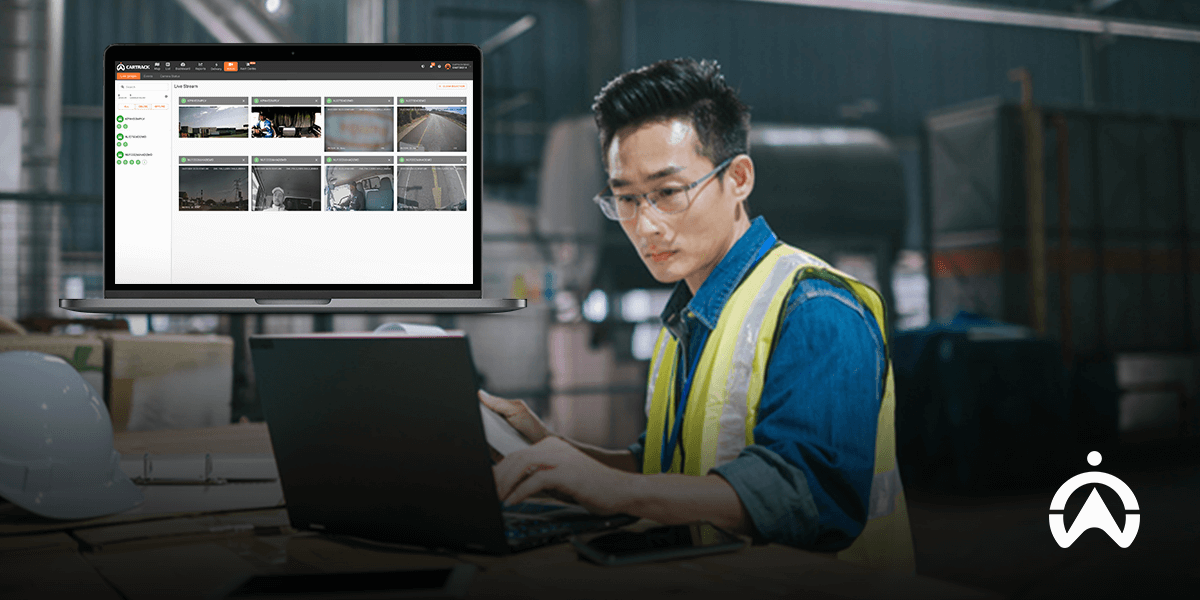
Person in a hi-vis vest working on a laptop with security camera feeds displayed on the monitor.

Cartrack’s Dashcams and Coaching Solutions

At Cartrack we offer a variety of camera solutions where you get to monitor your fleet with road and cabin-facing AI dashcams. You can get up to 8 internal or external cameras to help keep your drivers, fleet, and cargo safe.

This solution comes with preventative in-cabin voice alerts that let drivers know about potential safety violations so they can correct them immediately. Our event-based footage instantly gives you the exact footage you need, when you need it. Our AI-powered cameras analyse internal and external surroundings, allowing you to detect and alert drivers in real-time about any high-risk behaviour so they can avoid accidents. All footage of any incidents is stored on our cloud platform and can be used to coach drivers on how they can improve their driving behaviour.

You will have no more wasted hours spent going through hours of footage hoping to find what you’re looking for. You can live-stream the recordings for any active vehicle using Android, Apple or Huawei. View categorised event-based footage for any safety events captured, request footage based on a time and date or live-stream footage for any active vehicle.

As we move into a new technological era in fleet management it is advisable to make use of the tools currently available, such as dashcams. Combining driver incentive programs with dashcam-based coaching is one of the ways in which you can optimise your business and increase overall driver safety.

If you are looking for a reliable and trustworthy dashcam and AI-powered camera system, then make sure to contact us to learn more about our offering.

FAQs

How much does it cost to implement dashcams in a fleet?

Contact us at Cartrack to get a quote on our range of dashcams and cameras.

Are there privacy concerns with using dashcams in Malawi?

There is no specific law clarifying their legality or how the footage can be used. This means that recording people in public without their knowledge could potentially raise privacy issues, especially if the footage is shared without proper justification; however, dashcams are generally considered legal to use when recording public spaces such as roads.

What types of incentives work best for drivers?

The most effective incentive programs are cash bonuses and career development opportunities. These two options provide actual benefits to drivers that can positively impact their lives.

How quickly can results be seen after implementing these programs?

This will depend on the type of reward structure in place, but it is typical to see results in the first month after implementation.

Bike Theft: How to Secure Your Bike from Theft

Many of us in Malawi are familiar with that sinking feeling when we come home only to find that our television has vanished; for some, it’s cars, and for others, it’s their beloved motorbike. For companies that rely on motorcycles for their business or the everyday motorcycle drivers, it can be devastating, leading to a loss of capital, vital means of transport and utter heartbreak.

Below, we will explore ways to prevent this, followed by Cartrack’s many effective solutions. 

In this article, you will:

  • Find out why bike theft is a growing problem and how to protect your ride
  • Discover one of the best ways to secure your bike
  • Learn how GPS tracking can help you keep tabs on your biking fleet
  • Attain peace of mind with Cartrack’s tracking solutions
  • Don’t miss out on the ultimate bike security solution with Cartrack Malawi

Bike Theft: A growing problem and how to protect your ride

Bike theft is an issue in Malawi, and troubling data shared by the Malawi Police Service makes this clear, reporting that overall trend suggests that motorcycle
thefts continues to be a growing concern. It is plain to see that proactive measures are needed to protect your motorcycle. Here are some practical tips to deter thieves and keep your bike safe.

These scenarios can be daunting, but we’ve got you covered. Let’s delve into the importance of motorcycle security and discover how to safeguard your bike.

1. Invest in High-Quality Security Devices

  • Disk Locks: These are a popular choice for added security. Ensure you use a strong, hardened disk lock and lock it to a solid object.
    ‍
  • Chain Locks: A robust chain and lock can significantly deter thieves. Opt for a hardened steel chain and a reliable one.

2. Secure Parking

  • Garage Parking: Whenever possible, park your bike in a secure garage.
    ‍
  • Secure Parking Lots: If garage parking isn’t an option, choose well-lit, monitored parking lots.
    ‍
  • Avoid Isolated Areas: Refrain from parking your bike in secluded areas, as they are more attractive to thieves.

3. Smart Parking Habits

  • Lock it Up: Always lock your bike, even for short periods.
    ‍
  • Remove Valuables: Remove any valuable accessories or items from your bike when parked.
    ‍
  • Use a Bike Cover: A bike cover can deter thieves and protect your bike from the elements.

Following these tips and staying vigilant, you can significantly reduce the risk of bike theft and protect your valuable investment. Remember, a few extra precautions can make a big difference. However, even these tips are not a guarantee of prevention, especially for business owners.

For businesses that rely on motorcycles for delivery or transportation, theft can have severe consequences. Not only does it result in financial loss, but it can also disrupt operations and damage customer relationships.

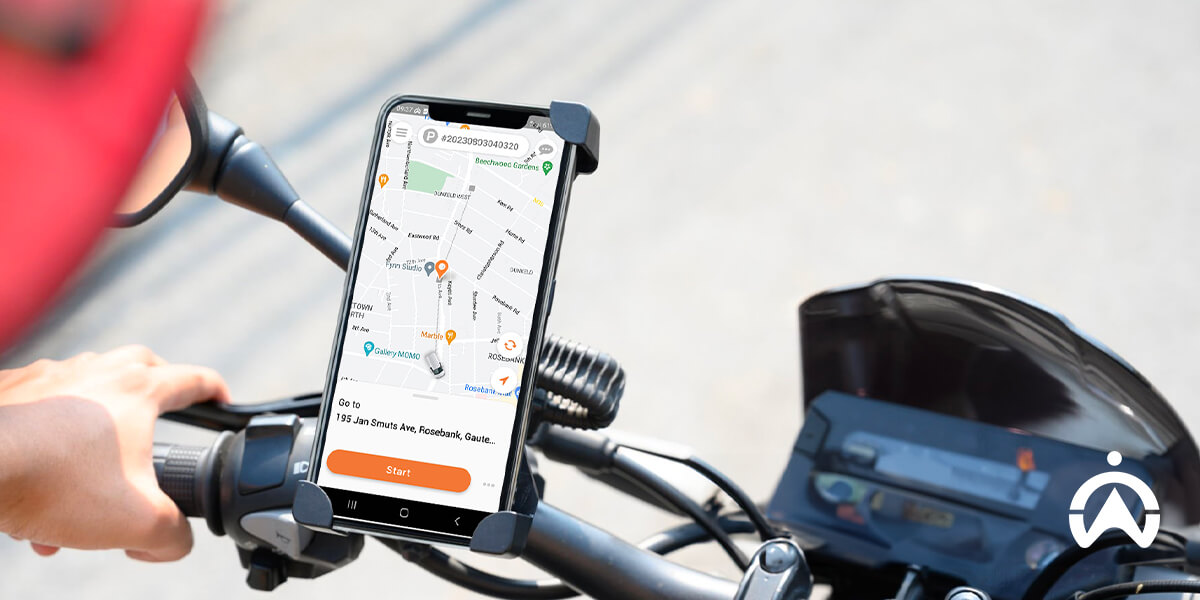
Smartphone with map navigation mounted on a bicycle handlebar.

How motorcycle theft impacts business drivers and everyday riders

  • The delivery industry
    The delivery industry heavily relies on motorcycles, whether owned by individual drivers or provided by companies like Uber Eats and OrderPro . These services, often in the food and grocery sectors, depend on swift and efficient deliveries.
    Many delivery drivers are independent contractors, making their motorcycles essential tools for their livelihood. The theft of a motorcycle can have severe consequences: job loss, reduced income, and increased operational costs for businesses. Even if the bike is company-owned, theft can lead to delivery delays, customer dissatisfaction, and potential business disruptions.
    ‍
  • Everyday Malawian motorbike drivers‍
    • Reduced Mobility: Motorcycle theft can limit mobility options, forcing individuals to rely on public transportation or car ownership, which can be less convenient and more expensive.
      ‍
    • Emotional Distress: The loss of a motorcycle can be emotionally distressing, especially for those who have a strong personal connection to their bike.
      ‍
    • Increased Costs: Replacing a stolen motorcycle can be costly, so strong security measures are essential.
      ‍
    • Fear and Insecurity: The threat of theft can make riding a motorcycle less enjoyable and create a sense of fear and insecurity.

These groups’ experiences are unique, but they have one thing in common: motorcycles are a significant part of their livelihoods.

One of the best ways to secure your bike

Reporting on up-to-date statistics via the “Powerful Mobile Tracker: Fleet or Personal? Choose the Best“ article, Cartrack stated that motorcycles are taken in 13-minute intervals in Malawi.

However, there are many ways you can avoid becoming a statistic.

Use GPS tracking to keep tabs on your fleet

It is worth noting that GPS tracking is one of the best ways to protect vehicles, trucks and bikes from theft.

  • It can easily retrieve your motorbike: GPS tracking can locate your motorcycle fleet, making it easier to recover any stolen motorbike. At Cartrack, we have an externally audited stolen recovery rate of approximately over 90%.
    ‍
  • It may help you get lower insurance premiums:  Motorbikes aren’t exactly seen as the safest way to get around— because of this admittedly dangerous mode of transport, insurance companies are not overly friendly to our fellow bikers. That said, no matter whether you are a vehicle owner, a truck driver or a motor biker, the more you can prove you are taking precautions against any threat, the more likely your insurance premiums may fall. 
    ‍
  • Portability: Motorcycles are smaller and more portable than cars, making them easier to steal and transport. Some GPS tracking devices can help pinpoint the location of a stolen motorcycle, even if it’s been moved to a different location.

Peace of mind, guaranteed: Choose Cartrack’s tracking solutions

As you can see from the numerous benefits listed above, GPS tracking devices are powerful instruments for securing your motorbike. This is why Cartrack’s live GPS Solutions include real-time tracking in certain package options for motorbikes.

There’s so much more to live tracking and our GPS solutions, but you must keep scrolling to learn about all the benefits. If you simply can’t wait, jump to this page and discover everything Cartrack offers under our efficient GPS umbrella.
‍

Using Cartrack’s GPS device, you can access some or all of the following features depending on which one of the variety of our packages you choose. Some of these offers include:

  • Mobile App: Cartrack’s Mobile App allows you to access the upcoming features and others included in the various packages—all in your back pocket.
    ‍
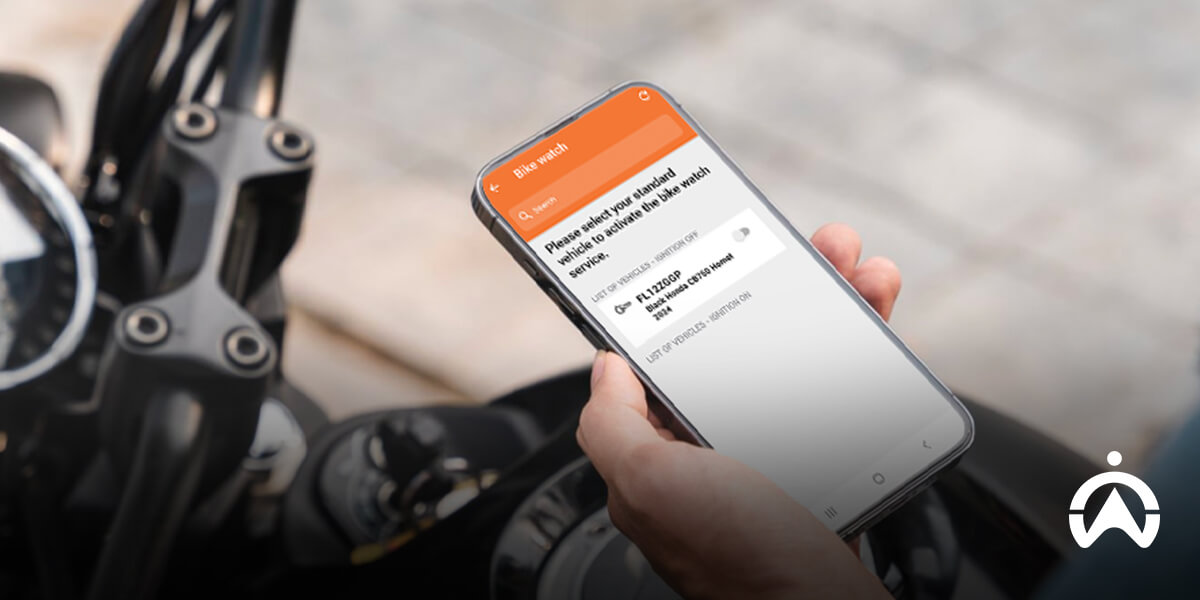
  • BikeWatch: If you activate BikeWatch, it will notify you via the Mobile Application if someone has moved your bike without permission.
    ‍
  • Stolen Vehicle Recovery: If your motorcycle is stolen, one of our recovery teams in the area, alongside local police, will already be ready and waiting to retrieve your stolen motorbike.
Person holding a smartphone showing a Cartrack app, with a motorcycle in the background.

The ultimate bike security solution with Cartrack Malawi

Empower yourself with Cartrack’s GPS live-tracking solutions and prevent criminals from riding off into the sunset with your beloved fleet of motorbikes. Discover all these solutions further down. Most of them apply to delivery managers and can also protect those making the deliveries.

  • Real-time tracking: As already outlined, some Cartrack package options provide real-time tracking, where you can keep track of your motorbike or motorbikes’ location every second of every day. As a courier manager, you can track every motorcycle in real time using our platform.
    Keeping in contact with them in real-time will help motorbike fleet managers detect if something is happening at that moment. A faster reaction means they are more likely to prevent the theft or recover the motorbike. It will also help individuals determine if their motorbikes may have been taken without their permission or knowledge.
    ‍
  • Geofencing is perfect for courier managers: Geofences allow you to track whether someone has left a specific area using virtual boundaries around it. Individuals who want to ensure their fleet or delivery service motorbikes stay in the demarcated area can set Geofences.
    If the bikes leave, you will be notified via SMS or email—this can indicate that they may have been stolen.
    ‍
  • Visibility: Cartrack’s live GPS tracking solutions allow you to see how many and which bikes have been visible via GPS for the last seven days. If a motorbike has not been visible within that period of time, there may be cause for concern.
    This solution, which is a part of real-time tracking, is beneficial for dispatch leaders because keeping track of every motorbike is important, depending on how many there are, it may also be a challenging task. Therefore, having vehicles grouped into those that have been visible and not visible makes keeping an eye out for theft that much easier.

Thief-proof your motorbike with Cartrack Malawi; Get in touch and learn more about our solutions.

Frequently Asked Questions (FAQ)

Q: How can delivery services inform their riders about motorcycle theft risks?

A: Informing riders about motorcycle theft risks is vital for their safety and your ability as a delivery service to maintain a good reputation with your customers and potential drivers, keep your current ones and ensure timely and efficient service delivery.

It is best to inform them of how they can secure their bikes, such as the list above. In addition, keep them updated on crime statistics and hotspots and how to stay safe.

Q: What colour bike is least likely to be stolen?

A: While not guaranteed, the consensus is that bright colours are more likely to deter thieves, as they are by being bright colours more visible, especially at night. Their eye-catching colours make them more noticeable and identifiable in public. Celeste green, yellow and bright orange are the most recommended shades.

Of course, this is not a fool proof deterrence, so it’s best to take every precaution, including Cartrack’s GPS device and live tracking solutions.

Q: Which bike is most likely to be stolen? 

A:  While there are no definitive facts about which bikes get stolen in Malawi, the generally claimed primary target in numerous countries, such as the United States, the United Kingdom and Australia, are Honda’s.

Ultimately, however, an unsecured bike is the bike most likely to be stolen, and an untracked bike is an unsecured bike. Contact Cartrack Malawi now to secure your bike and gain peace of mind.

5 Ways to Improve On-Time Delivery Rates and Otif

With increasing demand from the consumer sector, the pressure on business fleets in the logistics or supply-chain industry has also intensified. This is simply because consumers have more expectations of retailers, and the outturn is that retailers have even higher expectations of your fleet’s delivery performance.

Let’s show you how to enhance your fleet management with Cartrack delivery to ensure on-time deliveries in full every time.

In this article, you will:

  • Understand the challenge of ensuring on-time deliveries every time
  • Learn 5 ways to improve on-time delivery rates and OTIF
  • Discover the benefits of using Cartrack’s fleet management system and delivery tool to ensure OTIF deliveries
  • Get industry-specific guidance on improving on-time delivery.

On-Time Delivery Rates and OTIF explained

On-time delivery rates and On-Time in Full (OTIF) are popular metrics that manufacturers and retailers use to measure delivery performance within their supply chain and rate their logistics and vendor partners.

With increasing consumer demand due to e-commerce businesses, online food and grocery delivery or even just the variety of products consumers expect from retailers; transportation and logistics companies cannot afford any more delivery delays. Neither can businesses with in-house fleets that move goods from manufacture or farm to store.

Here are some global stats on consumer demand from Meteor Space that paint a clear picture of consumers’ changing behaviour:

  • 76% of customers confirmed that fast shipping positively influences their shopping experience
    ‍
  • 88% of consumers are more willing to purchase from a store that offers free shipping
    ‍
  • 83% of online shoppers want regular customer support and communication on their order status
    ‍
  • 95% of online shoppers expect all shipping issues to be resolved while in transit
    ‍
  • 62% of online US customers believe fast delivery is the most important aspect of customer experience.
    ‍

The online commerce industry in South Africa has also experienced a rapid increase since the COVID-19 pandemic and lockdown. It is estimated that by 2027, this market will be valued at $7.9 billion as online food delivery, clothing, and other retail shopping have dramatically surged.

According to Statista and other sources:

  • Over 70% of South African shoppers want home deliveries for their purchases.
    ‍
  • Over 22% of online consumers consider clear communication on expected delivery timing to be a key factor in a digital shopping experience’s quality (or lack thereof).
    ‍
  • 17% of customers will abandon a brand because of long delivery waiting times.
    ‍

Meeting consumers’ new delivery demands means more businesses in transportation and logistics, and businesses with a complete in-company supply chain must adjust and focus on delivery time demands. That’s why on-time delivery rates and OTIF are critical; let’s tell you more about how they work.

On-time delivery rate

The on-time delivery rate, first and foremost, calculates a business’s ability to meet customer expectations for delivery time. It is used by e-commerce businesses and retailers in last-mile delivery to determine how fast they are meeting customer orders.

38% of online retailers are concerned about meeting these quick delivery expectations from customers at the low shipping costs their customers expect. Businesses can also use the on-time delivery rate to calculate and evaluate their transportation and delivery service partners when they outsource this service.

On-time in full delivery

OTIF generally refers to a supplier’s ability to deliver the full quantities ordered within the prescribed or agreed-upon delivery time. Suppliers and distributors often face challenges that disrupt timely delivery, such as vehicle breakdowns, traffic congestion or, in South Africa, public protests and demonstrations. Our unique challenge with load shedding can also cause delays and disrupt deliveries.

There are no standard OTIF expectations; therefore, the methods to improve your company’s delivery rate or quality depend more than anything on the steps you take to improve your fleet’s delivery performance.

More businesses are seeking customer-level experience from their logistics service partners. This means that they expect better communication from suppliers and distributors, delivery visibility to clients and precise delivery time communication.

Focusing on improving OTIF can help secure customers and enhance your transportation and logistics company’s reputation.

The stakes are high for your delivery fleet’s performance, and unfortunately, improving your on-time delivery rate and OTIF is not always an easy task because it relies on effective collaboration between fleet managers and drivers.  Other external factors such as products being out of stock, warehouse and carrier issues, fuel price increases, protests, demonstrations, and staff shortages, all disrupt the process. Ultimately, problems at any stage in the delivery link can cause delays.


5 ways to improve on-time delivery rates and OTIF

On-time in full (OTIF) is the standard all logistics providers should strive for. Here are some smart strategic ways to improve your fleet’s delivery performance. We’ll guide you on how to apply these steps with real Cartrack case studies based on a carrier company we worked with and helped achieve improved delivery rates.

1. Gain real-time fleet and driver visibility with GPS tracking

Fleet tracking and driver monitoring are critical parts of fleet delivery performance and can help you achieve and improve your on-time deliveries. When fleet managers lack visibility on their fleet, they struggle to monitor drivers’ productivity, see which drivers are available for a delivery task, identify causes of delivery delays, and calculate their on-time delivery rate.

Consider a company like The Courier Guy—a leading South African courier services company that started in 2000. They have over 2,200 fleet vehicles and, with increasing consumer demand, are set to expand their fleet even more over time. With the growing number of drivers, customers and vehicles, it can be challenging for any courier company to manage every part of their fleet.

Whether you have a fleet of 20 vehicles or over 2,000 vehicles like The Courier Guy, having real-time fleet and driver visibility is one of the best ways to improve your deliveries.

Cartrack’s telematics and easy-to-use fleet management platform provide The Courier Guy with real-time fleet visibility and driver monitoring that helps them eliminate time-wasting and ensure packages arrive safely and correctly at their customers’ doorsteps.

By addressing the lack of fleet visibility, fleet managers can:

  • Accurately track each vehicle’s location: Gain a complete map overview of all your fleet vehicles and drivers to understand their activity.
    ‍
  • Monitor driver’s productivity: Improve driver accountability and productivity by monitoring their activity on the road. Decrease unnecessary route deviations and stops.
    ‍
  • Receive vehicle trip history reports: calculate their on-time delivery rate: By understanding your current delivery performance, you can easily implement these strategies to improve your delivery rate.
    ‍

Real-time visibility makes it easy for fleet managers to intervene whenever necessary and proactively prevent late deliveries, ensuring a high on-time delivery rate. Immediately addressing and communicating the causes of delivery delays can help improve customer satisfaction and your business services’ reputation, but to do this, you need to make real-time visibility your new best friend.

2. Improve scheduling with delivery fleet management tools

The current shortage of drivers and the lack of capacity for deliveries in your fleet make it difficult for you to improve on-time delivery rates. In line with tracking fleet vehicles and drivers, planning and scheduling the two; adds to the difficulty of ensuring you meet your delivery date. Without the right delivery tools, fleet managers can run into scheduling challenges like:

  • Improperly matching special delivery loads with unqualified drivers or unequipped vehicles.
    ‍
  • Manually logging and scheduling deliveries including recurring orders.
    ‍
  • Unclear estimated time of arrival (ETA).
    ‍
  • Inability to make changes to a delivery or communicate changes.
    ‍

Whether your fleet is inbound, moving deliveries between your facilities and individual stores, or outbound, delivering to customers at their homes, you need to get on top of your scheduling and delivery planning to ensure your packages arrive on time. The good news is that Cartrack’s delivery tool helps fleet companies like yours to optimise scheduling.

  • Easily assign tasks and jobs: With a complete view of driver and vehicle availability, managers can see the progress of the driver’s delivery schedule, easily assign new jobs and ensure the right vehicle and driver is allocated for the job.
    ‍
  • Prioritise and make changes: Your managers can quickly track drivers without disrupting their deliveries and tasks. If a task changes, managers can also instantly tweak the delivery schedule.
    ‍
  • Automate recurring deliveries/tasks: Avoid the repeated manual uploading of customer information or re-inputting of delivery location by automating recurring deliveries.
    ‍

For The Courier Guy, Cartrack’s Delivery software has been an essential part of their fleet operations, simplifying task management and helping ensure customer satisfaction with on-time deliveries. The software automatically enters customer details for recurring orders, helping them reduce manual processes and improve manager-driver communication, which has resulted in faster delivery turnaround times.

Customers also receive convenient delivery updates with automated emails and SMS notifications.

3. Ensure cargo security and quality with technology

To secure the “In-Full” part of OTIF, businesses can embrace the latest technology like AI cameras to detect and address any cargo theft and sensor technology to ensure products arrive in full without damage.

The Courier Guy, for example, has improved safety, security and accountability within its fleet thanks to Cartrack’s AI-powered camera live-streaming technology. These digital eyes live-track your cargo and drivers, monitoring driver behaviour and audibly alerting drivers in real time to quickly rectify dangerous behaviour like fatigue or cellphone use. These detection abilities and automatic alerts help result in fewer damaged goods and speeding fines and support stronger brand reputability.

Cargo theft and product damage in transit are major risks for businesses and can affect their delivery rate, customer retention, and OTIF delivery performance. To prevent these risks, Cartrack’s AI camera tech is ideal for levelling up fleet security.

  • Cargo details and specifications: Managers can upload package information with specifications, and drivers can scan the barcode of goods they load and offload so every piece of cargo is accounted for, safely transported and delivered.
    ‍
  • Cargo monitoring using sensors: With cargo door sensors, managers receive live alerts for unauthorised cargo access. Temperature sensors allow managers to address unwanted temperature changes that could damage products.
    ‍
  • AI cameras for security: Businesses can livestream or download camera footage when they receive alerts of potential cargo tampering and proactively respond.
    ‍

4. Improve driver productivity and efficiency

Driver inefficiencies are a major hold-up for logistics and transportation companies that makes it difficult for businesses to achieve faster deliveries. Empower your drivers with better safety training and improved communication with fleet controllers.

To improve driver productivity and efficiency, fleet managers need to focus on driver management and set standards for evaluating their performance. A good driver management strategy involves the following:

  • Focusing on driver safety.
    ‍
  • Improving driver performance with work optimisation tools like timesheets.
    ‍
  • Implementing regular vehicle maintenance and inspection routines.
    ‍
  • Equipping drivers with the right vehicle and tools to complete a delivery.
    ‍
  • Hiring and retaining good drivers.
    ‍
  • Introducing policies to ensure legal compliance.
    ‍

Training and incentives: Use driver behaviour reports to train drivers on safer driving practices or incentivise responsible driving based on our driver scorecard that rates your drivers’ performance. Drivers can timeously complete deliveries while ensuring they are committed to safety.

Improve communication with drivers: Reduce driver stress with the Cartrack Delivery app where drivers can access their daily schedule, accept new jobs when available, and get instant alerts for new delivery tasks or changes to existing ones.

Route planning or route optimisation: Easily plan your driver’s delivery route with route planning, and ensure deliveries are completed promptly by automatically getting the best order for completing deliveries with route optimisation.

Securing a good delivery time rate can only be achieved through your driver’s skilled efforts. Encourage and take care of your delivery drivers so they have a more positive attitude towards their work.


5. Reduce transportation costs and time

Reducing fleet costs is the number one goal for most fleet companies, but it’s actually another way of securing repeat business. Retailers and other companies looking for logistics and transportation service providers also want to reduce their transportation costs to increase their profits.

According to a 2023 survey, profits can almost double if supply chain expenses fall from 9% to 4%, which is why most businesses aim to reduce their expenses. To do this, most retailers will make a large order for a single delivery. This is the time for your fleet company to shine. If you can ensure that your fleet timely and cost-efficiently delivers on its promise, you can improve your on-time delivery rate.

Load consolidation is a tactical way to reduce fleet costs while improving customer delivery time and efficiency, but it requires effective route planning and scheduling.

If your business is facing the challenge of balancing cost reduction and timely deliveries to meet customers’ demands; then it may be time to consider making changes to your fleet management that will improve your delivery performance in the future and get your repeat business from customers. Employing Cartrack’s fleet management and delivery tool can enable you to achieve this.

Here are some steps you can take to set yourself apart from your competitors:

  • Invest in your vehicles: Consider buying more fuel-efficient, reliable vehicles to help you avoid any vehicle downtime in your fleet that could cause delivery delays. Alternatively, using preventative maintenance for your fleet scheduling is another way of getting your fleet to run smoothly.
    ‍
  • Address fuel consumption and expenses: You never want your fleet’s running costs to be more than your profits. Reducing fuel costs can help you ensure an ROI from your delivery.
    ‍

These five strategies are intelligent ways to improve your on-time delivery rate or OTIF. Although these measures are based on your customer’s experience with your services and there is no standard for measuring this, these strategies aim to help you improve your service providing to improve your on-time delivery rate ultimately.

Make on-time and in-full deliveries every time with Cartrack

Our fleet management system equipped with Cartrack Delivery helps fleet companies and businesses with in-house fleets keep up with an ever-increasing demand to exceed customer expectations every time.

‍Schedule a demo with us to see how we make delivery magic happen.

On-time delivery rates and OTIF: Frequently asked questions

On-time delivery makes the supply chain go round. Our handy FAQ section answers the most common questions about OTD and OTIF.

How can I improve my OTIF performance?

Here are quick steps to get started on improving your OTIF performance.

Step 1: Increase fleet visibility with GPS tracking and telematics fleet management.

Step 2: Improves driver management and productivity.

Step 3: Use delivery fleet management software and tools.

Step 4: Secure your fleet cargo from theft, loss, and damage.

Step 5: Improve communication from the manager to the driver and right to the customer with updates on the delivery progress.

For more information, contact us!

How do you improve on-time delivery in the last mile?

To improve last-mile delivery time, you can:

  • Set up convenient delivery methods and time for customers.
    ‍
  • Give customer updates on delivery progress.
    ‍
  • Use an all-in-one platform to manage deliveries, such as Cartrack delivery.
    ‍
  • Explore alternative delivery vehicles, such as bikes for smaller packages.
    ‍
  • Use GPS tracking and telematics to understand what’s causing delivery delays and make data-driven decisions.
    ‍

What is the difference between OTIF and on-time delivery?

The on-time delivery rate is used by businesses (especially e-commerce businesses) to measure how many customer orders they’ve fulfilled by the expected delivery rate. Whereas, OTIF is a measure used by retailers and manufacturers to rate transportation and logistics service delivery businesses’ ability to deliver supplies or stock within the agreed-upon delivery time. It also assesses the condition of the delivery, for example, was the order only partially fulfilled, whether some products were damaged in transit, and whether there were missing items.

What is a good OTIF score?

OTIF depends on your customer’s set expectations and satisfaction, but there are different standards for delivery rates and hence different ideas for what counts as a good score.

A good OTIF score would be:

  • 95-99% for A-line products (these are your customer’s bestsellers that represent 50-80% of your sales)
    ‍
  • 85-99% for B-line products (mid-range products that represent 30% of your income)
    ‍
  • 99-100% C-line products (the last 60-70% of products that make only 10-30% of revenue)
    ‍

How do you ensure that all deliveries are made on time?

Several challenges could disrupt your delivery progress, but that does not mean you should take a back seat from improving your fleet delivery performance. Here are some ways that help you keep your delivery promise:

  • Effective Planning with allowance for common delays such as traffic or weather conditions
    ‍
  • Using reliable GPS tracking, fleet management software and delivery tools from Cartrack
    ‍
  • Improve the operations of your entire fleet by reducing costs, focusing on improving driver performance and productivity, automating tasks like route planning managers, and using preventive maintenance to avoid vehicle breakdown.
    ‍

This is what our partner companies love about us:

“Cartrack’s technology allows us to focus on our drivers, customers, cargo, and fleet all from one platform. It puts us in control from dispatch to delivery.”

Jeffrey Wheeler, Assistant Fleet Manager, Courier Guy, South Africa.

Contact us for more information about time-tested and advanced fleet management solutions.

8 Strong Reasons Why You Need to Track Your Odometer Accurately in Your Fleet

Unexpected issues always occur when running a fleet: fuel cost fluctuations, vehicle breakdowns, and sometimes, deliveries take longer than expected.

Sound familiar? The culprit might be hiding right on your dashboard–an inaccurate odometer reading. Your odometer reading can tell you way more than you think about your fleet.

Let’s dive in and find out how accurate odometer readings can benefit your fleet.

In this article, you will:

  • Understand the importance of odometer tracking for fleet management
  • Explore 8 compelling reasons to accurately track your fleet’s odometer readings
  • Learn about the risks and challenges of odometer tampering
  • Discover top tips for maintaining accurate odometer readings & preventing fraud
  • Find out how Cartrack Malawi can streamline odometer tracking for your business

Understanding odometer tracking

Let’s start with the basics. What exactly is an odometer, and why does it matter? Breaking it down in simple terms, an odometer is a device found in a vehicle that measures and displays the total distance travelled by that vehicle. It’s like the car’s personal mileage tracker, keeping count of every mile or kilometre it travels throughout its lifetime.

Odometers are typically located on the dashboard of a vehicle. It’s an essential instrument for tracking the vehicle’s usage and maintenance needs. These helpful instruments can be mechanical, where they physically track the rotations of the vehicle’s wheels, or digital, where they measure distance.

Accurate odometer readings are crucial for various purposes, including:

  • Maintenance scheduling
    ‍
  • Fuel efficiency analysis
    ‍
  • Accurate vehicle usage billing
    ‍
  • Driver behaviour monitoring

Here are eight reasons why accurate tracking of your fleet’s odometer readings can make a huge difference in your fleet operations.

Understanding_odometer_tracking

8 reasons to accurately track your fleet’s odometer readings

Effective fleet management hinges on accurate, data-driven insights. Odometers might not be as flashy as a GPS tracker or an IoT device, but those little numbers ticking up on the dashboard hold a wealth of information crucial for saving you time, money, and a whole lot of headaches.

Here are eight reasons why you should use accurate odometer data:

1. Reliable mileage monitoring

Keeping a close eye on odometer readings provides precise information about the distance covered by each vehicle in the fleet. This data is crucial in various aspects, like efficiently scheduling maintenance, analysing fuel efficiency, and billing clients based on accurate distance measurements.

2. Efficient maintenance planning

Analysing mileage trends and historical maintenance records allows fleet managers to anticipate when maintenance tasks are likely required. Regular upkeep based on mileage helps prevent breakdowns, extend the vehicle’s lifespan, and cut down on overall operational costs.

3. Fuel efficiency insights

Odometer data enables fleet managers to analyse fuel efficiency trends across the entire fleet. This analysis can pinpoint inefficiencies, optimise routes, and implement strategies to reduce fuel consumption and associated costs.

4. Cost control

Accurate odometer readings help with precise cost calculations related to vehicle usage, including expenses like fuel consumption, maintenance, depreciation, and insurance. This helps fleet managers to manage costs effectively and allocate resources efficiently.

5. Regulatory compliance assurance

Odometer monitoring also aids in ensuring compliance with regulatory requirements concerning vehicle usage and reporting. Many jurisdictions have regulations governing odometer readings for purposes such as tax reporting and vehicle inspections.

6. Holistic asset tracking:

Odometer readings play a pivotal role in comprehensive asset tracking and management. By monitoring mileage, fleet managers can keep tabs on vehicle usage, identify underused assets, and make informed decisions about fleet size and composition.

7. Effective warranty management

Accurate tracking of odometer readings is essential for managing vehicle warranties. Fleet managers can ensure that vehicles receive warranty-covered repairs and services within the specified mileage limits, maximising warranty benefits and minimising out-of-pocket expenses.

8. Insurance premium consideration

Accurate odometer data plays a crucial role in ensuring smooth warranty claims. Some insurance providers factor in odometer readings when determining insurance premiums. Reliable mileage data can assist fleet managers in negotiating favourable insurance rates based on actual vehicle usage patterns.

After exploring all the important factors of accurate odometer tracking, it’s crucial that we address the potential odometer risks you might experience, such as odometer tampering. This, and other deceptive practices, can undermine the reliability of your fleet’s mileage data and lead to various complications.

Odometer tampering and other odometer issues fleet managers should be informed of

Odometer tampering, also known as odometer fraud, involves illegally altering a vehicle’s odometer reading to show a lower mileage than the actual distance driven.

There are various methods used for odometer tampering, ranging from physically altering the odometer mechanism by manually rolling back the odometer to using electronic devices that manipulate the odometer readings, this method is for newer vehicle models with digital or electronic odometers.

This is typically done to deceive potential buyers or lessees by making vehicles appear to have lower mileage than they do and seem more valuable.

In the context of fleet management, odometer tampering can have significant implications for both the fleet owner and subsequent users of these vehicles, as this can lead to inflated purchase prices for unsuspecting buyers, who may later discover the true mileage discrepancy and face unexpected repair costs, depreciation issues, or clients that rent out the vehicles from a business might tamper with the reading, lowering the vehicle’s usage fee.

To prevent this, consider a physical odometer inspection during routine maintenance. Look for signs of tampering like misaligned digits, scratches, or loose components around the instrument cluster.Here are other concerns that every fleet manager should watch out for when it comes to odometer monitoring:

  1. Digital odometers: Many modern vehicles are equipped with digital odometers, which may be susceptible to tampering techniques different from those used on traditional mechanical odometers. Fleet managers should stay informed about the latest methods used for digital odometer fraud and take precautions to prevent it.
    ‍
  2. Non-driver events: Odometer readings can sometimes be influenced by factors other than actual vehicle usage, such as towing, vehicle transport, or certain types of maintenance procedures. Fleet managers should be aware of these non-driver events that can affect odometer readings and take them into account when analysing vehicle data.
    ‍
  3. Odometer rollback detection: Detecting odometer rollback can be challenging, but the right technologies and services can help fleet managers identify suspicious odometer readings. Implementing systems or partnering with providers that offer odometer rollback detection can help protect fleet assets from fraud and ensure accurate mileage records.
    ‍
  4. Legal implications: Tampering with odometers or knowingly misrepresenting vehicle mileage can have serious legal consequences, including possible fines or criminal charges. To avoid these issues, fleet managers should be familiar with relevant laws and regulations regarding odometer readings in their area of operation.
    ‍
  5. Data security: Odometer readings, like other vehicle data, should be treated carefully to ensure data security and privacy. Fleet managers should implement appropriate measures to protect odometer data from unauthorised access or manipulation, especially when using telematics systems or cloud-based fleet management platforms.

By staying informed about these lesser-known aspects of odometer readings, fleet managers can better protect their fleet assets, maintain accurate records, and ensure compliance with regulations.

Top tips to keep accurate odometer readings

To reduce the chances of odometer tampering and other issues that might give you false readings, fleet owners and managers can take these tips to keep track of true odometer readings:

Partner/lease wisely: Work with trusted vendors and dealerships and lease vehicles to trusted clients to ensure vehicle records are reliable and accurate.

Pre-trip inspections: Add a quick odometer check into your pre-trip inspection routine. This allows drivers to identify any discrepancies or malfunctions and report them for timely repairs or adjustments.

Keep detailed maintenance records: Keeping meticulous maintenance records alongside odometer readings goes a long way in ensuring data accuracy. This allows you to cross-reference mileage data with servicing history and identify any potential inconsistencies.

Schedule regular calibration: Just like any measuring tool, odometers can develop slight inaccuracies over time. To ensure they remain trustworthy, schedule regular calibrations with a qualified technician.

Use GPS tracking technology: Opt for a fleet management system that integrates seamlessly with your vehicles’ odometers. While not a direct replacement for odometer tracking, GPS tracking systems can be beneficial and offer valuable insights in cases of odometer differences. By comparing historical location data with reported mileage, you can identify potential inconsistencies.

Invest in a trusted fleet management system: Look for a fleet management solution with features like real-time odometer readings, data checks, and automatic alerts for suspicious activity. A product like Cartrack’s helps you identify any errors quickly and take action to correct them.

By following our tips, your fleet’s odometer readings will always be honest, resulting in better decision-making, a smoother-running fleet, and ultimately, more money in your pocket!

Top_tips_to_keep_accurate_odometer_readings

Stop losing money: Solve inaccurate odometer tracking with Cartrack Malawi

Maintaining accurate odometer readings can be challenging, no matter what size your fleet. Cartrack Malawi, a leading provider of fleet management, has the solutions to automate the odometer reading process for your fleet and provide you with valuable insights to improve your operations and save money.

Let’s explore Cartrack’s trusted solutions:

  • Real-time data and reportingYou gain access to real-time and historical odometer data through the user-friendly Cartrack platform. This allows you to monitor mileage trends, identify potential issues, and make informed decisions quickly. Additionally, Cartrack’s fleet management platform generates comprehensive reports summarising mileage data for individual vehicles, allowing for easy analysis and identifying areas for improvement.
    ‍
  • Automated alerts and remindersCartrack’s fleet management software can be configured to send automated alerts and reminders based on predetermined mileage thresholds. This ensures timely preventative maintenance based on manufacturer recommendations or industry best practices, preventing breakdowns and extending the lifespan of your vehicles.
    ‍
  • Driver behaviour monitoringBy integrating odometer data with driver scoreboards, Cartrack can help you monitor driver behaviour. This can identify instances of inefficient driving habits like excessive idling or harsh acceleration, which can contribute to higher fuel consumption and increased wear-and-tear on vehicles. With Cartrack Malawi, you can confidently say goodbye to inaccurate odometer readings and hello to efficiency and cost savings.

Keep your odometer readings honest and your profits high with Cartrack Malawi

Maintaining accurate odometer readings can be challenging, especially for large fleets, but with Cartrack Malawi seamlessly integrating with your vehicle’s odometer readings, automatically collecting data and monitoring all other events that impact your mileage, this challenge meets its solution.

‍Contact Cartrack Malawi today for a free quote.

The Future of Mobility: 9 Remarkable Ways a Fleet System Helps You Stay Ahead

The fleet industry is constantly evolving, ranging from technological advancements to ever-changing consumer behaviours. Is your business equipped for all this change?

A fleet’s success is dependent on its ability to embrace and adapt to the future of mobility. But what exactly is fleet mobility, why is it so crucial for fleet success, and how can you maintain and achieve it?

Let’s see how a smart system can keep you ahead of the times.

In this article, you will:

  • Learn what fleet mobility is
  • Find out what the future of fleet mobility looks like
  • Delve into the challenges faced with these advancements in fleet mobility
  • Explore how a fleet management system can help boost fleet mobility
  • Discover how Cartrack’s solutions are the key to improving your fleet’s mobility

What is fleet mobility?

Fleet mobility is a new approach to how companies organise the movement of their fleet staff. Unlike traditional fleet management, fleet mobility is focused on flexibility in movement and accessibility, by making use of emerging and innovative transportation technologies to provide flexible, on-demand transportation solutions.

What is the future of fleet mobility?

Fleet mobility is all about technological advancements. So what does the future of fleet mobility look like?

Let’s take a look at the advancements we can expect.

1. Electric vehicles

Electric vehicles are vehicles powered by an electric source as opposed to petrol or diesel. Automotive technology is constantly evolving, which has led to a surge in the production of electric vehicles, and welcomed fleet electrification.

Fleet electrification represents the future of fleet mobility, especially with electrical vehicles (EVs) being seen as the future of fleet mobility due to their potential to reduce fleet costs and a fleet’s environmental impact. EVs offer several benefits for fleet mobility, ranging from lowering fuel and maintenance costs to higher driver satisfaction.

While EV adoption in South Africa is still in its early stages, the growth of charging infrastructure is a clear indicator that we are set to ride the wave of this technological advancement.

Mercedes–Benz South Africa and Chargify are currently building 127 new local EV charging stations across South Africa valued at R40 million. Global companies are also joining in on the movement, with FedEx committing to make their entire global pickup and delivery fleet zero-emission EVs by 2040. In 2021, FedEx conducted EV trials in South Africa to test the technology and assess its operational effectiveness on a standard route, with the vehicle fully loaded with packages.

2. Autonomous Driving

The future of fleet mobility includes the progressive evolution of automotive technology through the use of autonomous vehicles. Autonomous vehicles can operate without human involvement, and with specialised sensors, they can sense their environment and get from point A to point B completely on their own.

While these vehicles are being fully implemented in Singapore and other countries, South Africa may have to wait a bit longer, with them still undergoing extensive AI training.

3. IoT Sensors

Internet of Things (IoT) sensors give fleet managers access to a vast range of real-time data on their fleet by making use of sensors that have been embedded in vehicles and infrastructure. This means fleet managers can make informed business decisions on factors such as vehicle maintenance, driver training and vehicle activity. The insights that are derived from IoT data can help optimise route planning, reduce fuel consumption and enhance fleet efficiency.

4. Mobility-as-a-Service (MaaS)

The future of fleet mobility is embracing shared fleet solutions, through a concept known as mobility-as-a-Service. Mobility-as-a-Service, also known as MaaS is a user-centric approach that integrates various modes of transportation into a unified, on-demand mobility solution.

Simply put, it offers businesses the flexibility to access shared fleets of vehicles on demand. This model eliminates the need for individual ownership and maintenance, reducing fleet costs and providing a more adaptable transportation solution. For fleet operators, MaaS presents an opportunity to optimise vehicle utilisation, reduce fleet costs, and improve overall efficiency by closely managing vehicle usage.

5. Artificial Intelligence

Artificial intelligence (AI) is a simulation of human intelligence processes conducted by a computer system. It makes use of a wide range of technologies that enable machines to perform tasks that typically need human intelligence. In the context of fleet mobility, AI can quickly analyse large amounts of data, with information on vehicle performance, traffic patterns and driver behaviour. This makes it crucial for predictive analysis, allowing fleet managers to identify issues that escalate into unplanned and costly breakdowns. This promotes timely maintenance, improves fuel efficiency, and minimises unplanned downtime delays, boosting productivity.

6. V2V and V2E Communication 

Vehicle-to-vehicle and vehicle-to-everything communication is a wireless technology that enables data exchange between vehicles and their surroundings. V2V enables vehicles to exchange data on speed, location, and direction both wirelessly and in real time. This makes it possible for vehicles to detect potential collisions, coordinate movements, and maintain safe distances from one another, which enhances situational awareness and helps to prevent accidents.

V2E makes use of sensors, cameras, and wireless connectivity to create an end-to-end communication system that allows vehicles to share information about their drivers and their surroundings. This makes this technology useful for improving fleet safety, traffic efficiency, and energy savings.

What_is_the_future_of_fleet_mobility

What challenges are faced with advancements in fleet mobility?

As incredible as fleet mobility is, it does come with a fair share of challenges. These include:

  1. Adequate charging stations:

    The adoption of electric vehicles presents both opportunities and challenges for fleet efficiency. One of the major challenges is the lack of charging stations. While EVs are praised for their ability to reduce emissions and lower operating costs, the limited availability of charging stations can negatively affect fleet mobility and productivity. This leads to downtime and disrupted schedules, as drivers must travel longer distances to find charging stations.
    ‍
  2. Unpredictable technology:
    As incredible as technology is, it can be unpredictable. Autonomous vehicles are still undergoing development, which delays widespread adoption. Ensuring the safety and reliability of autonomous vehicles is a concern. AVs can face unexpected technical glitches, which can disrupt fleet operations and compromise efficiency. Furthermore, transitioning to AVs means drivers need to be retrained and adapt to new operational procedures, which is both costly and time-consuming.
    ‍
  3. Integration of new technologies:
    The rapid evolution of mobility technologies, such as autonomous vehicles and advanced telematics requires fleet managers to adapt and integrate these technologies into their operations effectively in a way that won’t disrupt fleet functioning.
    ‍
  4. Skilled personnel and training:
    The adoption of new technologies means that a fleet’s workforce needs the skills to effectively operate and maintain these systems. Fleet managers need to invest in training and development to ensure that their team can effectively use these advancements and reap their benefits.
    ‍
  5. Data management and decision-making:
    While advanced telematics gives you access to a wide range of data, managing and understanding this data can be a hassle. Fleet managers need software that helps them understand their fleet data, making it easier for them to leverage it for informed decision-making and optimise operations.If not handled, these challenges can turn into significant issues for fleets. Luckily, there’s a secret weapon in your arsenal; fleet management.

What is fleet management?

Fleet management is the process of overseeing a group of vehicles that are either owned or operated by a company. This involves a wide variety of fleet-related tasks that are crucial to streamlining fleet operations, and ensuring that the fleet operates efficiently and effectively. While this can be a lot to do manually, the answer is a fleet management system.

What is a fleet management system?

Fleet management software is the key to bringing the benefits listed above to your fleet. A fleet management system aims to provide fleet managers with real-time data and visibility of their fleet. A fleet management system is a set of tools and processes that have been designed to help fleets effectively measure their fleet. By making use of both software and hardware, a fleet management system can provide fleet managers with an unparalleled view of their vehicle location in real-time, at all times, keep an eye on their fleet’s total fuel consumption, prioritise route optimisation, and ensure their drivers aren’t exhibiting signs of dangerous or distracted driving.

Key components of a fleet management system

An effective fleet management system needs to have the following key components:

  • Fuel management and cost control:
    Fuel monitoring is a key component of a fleet management system as it allows for the accurate tracking of a fleet’s fuel consumption, which is important for cost control and optimising fleet productivity. This component is important as it helps fleet managers quickly identify excessive or unusual fuel consumption, quickly address the causes and take action to minimise theft or waste.
    ‍
  • Driver management and safety:
    Driver management is another key component of a fleet management system, as it includes the different aspects of overseeing and optimising driver behaviour, safety, and performance. Fleets can spot and address dangerous or distracted driving behaviours that negatively impact fleet productivity, which ultimately contributes to a safer and more efficient fleet.
    ‍
  • Maintenance plans and diagnostics:
    Maintenance plans and diagnostics play a crucial role in helping fleet managers keep their vehicles in good condition, which subsequently reduces unplanned vehicle downtime and optimises fleet productivity. Diagnostics involve the use of onboard sensors and telematics to monitor vehicle health and detect potential issues before they become serious. This data can then be used to proactively schedule maintenance and repairs, helping fleet managers keep their vehicles in good condition and maximise their productivity.
    ‍
  • GPS Tracking and telematics:
    GPS tracking makes use of satellite and cellular technology to monitor vehicle location and activity in real time. By providing accurate, real-time data on vehicle movements and usage rates, fleet managers can ensure compliance, and make informed decisions on delivery routes and job dispatching. By making use of GPS tracking, fleet managers can monitor routes, identify possible delays, and make informed decisions for route optimisation.

9 Benefits of a fleet management system for fleet mobility?

Fleet mobility is taking the world by storm, but what are the benefits? Let’s explore 9 of them:

1. Data-driven decision making

A fleet management system can collect and analyse large amounts of data on driver behaviour, vehicle performance, and fuel consumption. This data is crucial for data-driven decision-making, helping you:

  • Optimise routes: By spotting real-time traffic and weather conditions, you can plan more efficient routes, reducing fuel consumption and improving delivery times.
  • Prioritise predictive maintenance: By spotting potential maintenance issues at their earliest stage, you can minimise unplanned downtime and avoid unexpected repair costs.
  • Improve driver behaviour: By monitoring driver behaviour in real-time, you can provide your drivers with specific coaching and training. This encourages safe driving and fuel-efficient practices, which reduces the risk of costly accidents.

2. Embracing sustainable solution

A fleet management system can help you make sustainability your fleet’s standard, by helping you embrace eco-friendly practices. This is done through:

  • Electric vehicle (EV) integration: This system helps you manage charging schedules, monitor battery health, and optimise routes, which ensures that you never run out of battery and that your carbon footprint is reduced.
  • Improving fuel efficiency: By giving you real-time insights into fuel consumption and identifying inefficient driving patterns, you can encourage eco-conscious and fuel-saving driver behaviour.
  • Minimising mileage through route optimisation: Plan out the most fuel-efficient routes to ensure that overall mileage and emissions are reduced, making your fleet greener.

3. Enhanced customer experience

Customer service is crucial for fleets, and a fleet management system is just what you need to ensure you’re giving your customers the best experience. This is done by:

  • Simplifying real-time vehicle tracking: By knowing where your vehicles containing goods to be delivered are at all times, you can give your customers accurate ETAs, which builds trust for your business.
  • Providing proof of delivery (POD): By helping you capture electronic signatures or images once goods have been delivered, you enhance customer satisfaction.
  • Optimising delivery routes: By helping you find the fastest and safest delivery routes, you can deliver goods faster and more efficiently, which exceeds customer expectations.

4. Proactive risk management

A fleet management system allows fleet managers to mitigate risks and ensure compliance with regulations by:

  • Monitoring driver safety: By identifying and addressing dangerous behaviours such as harsh braking, cornering, and speeding, fleet managers can promote a safer working environment.
  • Monitoring vehicle health: By receiving real-time alerts for potential malfunctions, fleet managers can prevent costly breakdowns and guarantee vehicle safety.
  • Simplifying compliance management: By automating documentation and reporting for regulations, you can minimise fleet risks and fines.

5. The ability to adapt to new mobility solutions

A fleet management system helps you stay prepared for the latest advancements in fleet mobility, including shared mobility options and autonomous vehicles. Here’s how:

  • Managing autonomous vehicles: By integrating EVs with this system, you can optimise autonomous fleet operations.
  • Offering shared mobility: By leveraging your fleet for sharing vehicles, you can diversify your offerings and reach new customers.

6. Staying ahead of the competition

A fleet management system helps you not only stay compliant but also optimises operations and helps fleets get a competitive edge. This is done by:

  • Embracing data-driven decisions: By making informed fleet decisions based on data and analytics, you can take your fleet to the next level.

7. Increased fleet longevity

Fleet management helps you keep your fleet healthy for a longer period, by giving you access to:

  • Preventative maintenance: By knowing exactly when a vehicle fault is detected, you’re able to fix the issues before they become more damaging and render the vehicles useless.
  • Driver monitoring: By keeping an eye on driver behaviour, you can spot behaviour that can leave your vehicles damaged and needing repairs sooner than anticipated

8. Improved driver safety

A fleet management system helps you improve your drivers’ safety while they’re behind the wheel, through:

9. Improved fleet mileage

A fleet management system helps you improve the total distance your fleet vehicles travel within a specific period, by giving you access to:

  • GPS tracking: By monitoring and analysing vehicle metrics such as fuel consumption, idle time, and route efficiency, you’re able to receive insights into fuel usage among fleet vehicles and know exactly when and why your vehicle travelled further than usual or necessary.
Benefits_of_a_fleet_management_system_for_fleet_mobility

Boost your fleet mobility with Cartrack’s fleet management solutions

Cartrack Malawi has an advanced fleet management system designed to improve your fleet mobility through various solutions. These include:

  • Real-time GPS tracking:
    Know exactly where your fleet vehicles are at all times with Cartrack’s live GPS tracking. With immediate visibility into the location and movement of fleet vehicles, you can provide accurate delivery ETAs to your customers, which improves customer satisfaction. However, this does more than just track your vehicles. This technology can be used to monitor and improve your fleet’s efficiency by pinpointing inefficiencies. Fleet mobility is thereby improved by boosting operational efficiency, enhancing vehicle safety and allowing for proactive monitoring and route optimisation.
    ‍
  • Route optimisation:
    Ensure your drivers use the fastest, safest, and deviation-free routes with Cartrack’s route optimisation. Available through our Delivery app, this gives you real-time alerts of route delays and deviations, helping you boost customer service and provide faster delivery turnaround times.
    ‍
  •  AI LiveVision cameras:
    Give your drivers access to real-time alerts on dangerous and distracted driving with our AI LiveVision cameras. This cloud-connected video management software integrates AI analysis and in-cabin cameras that work to detect dangerous driving behaviours such as smoking, cell phone use, speeding, and yawning. When these behaviours are detected, audible in-cabin alerts notify your drivers in real-time, allowing them to quickly correct their behaviours and prevent a collision.
    ‍
  • Fuel monitoring:
    Make every litre of fuel count with our fuel monitoring system. Our fuel cost monitoring software reviews every fuel transaction and matches the receipts with a vehicle’s advanced telemetry. This gives you real-time visibility into fuel usage, and when integrated with a fuel sensor installed in your vehicle’s tank, you can closely monitor fuel consumption in real time. This makes it easier for you to identify fuel theft, reduce fuel wastage, and improve your fleet’s fuel efficiency.
  • Preventative maintenance:
    Ensure your fleet vehicles are functioning at their optimum level with our preventative vehicle maintenance. This software, which is powered by AI and advanced analytics, provides you with alerts about maintenance issues such as damaged brake pads, low oil levels, and service interval reminders, making it easier for you to spot potential maintenance issues before they become costly. This can be helpful for EVs too, with our fleet management platform giving you access to predictive analytics. By using historical data and machine learning algorithms, our system can predict when your battery needs to be replaced. Helping you create an effective maintenance plan, helps you avoid costly damage to vehicle components, road accidents, and breakdowns that could hinder productivity.
    ‍
  • MiFleet:
    Know exactly how much it costs for your fleet to run efficiently with Cartrack’s MiFleet software. Fleet mobility needs you to be aware of everything going on in your fleet, and this includes the financial aspect of it. This cost management solution helps you keep track of all your fleet expenses, whether fuel costs, taxes, or vehicle permits. The in-depth insights help you unlock ultimate fuel savings, which ultimately reduces admin time and fees.

Welcome fleet flexibility and sustainability: Stay ahead with Cartrack Malawi today

Fleet success needs a wide range of interventions and strategies, and without an effective fleet management system, you may not be able to accomplish this. If you need a solution, then Cartrack Malawi is the answer and your companion in achieving fleet mobility.

Chat with us here today.

What Is The Best Fleet Management Software for Small Businesses?

So, you’re a small business owner. Maybe you have an army of drivers on your payroll or just one very respectable company car. Either way, you have a fleet that is a business investment, and you want to ensure it succeeds.

While profit-draining issues like fuel costs and driver safety may top your worry list, fleet management software is sure to make business breezier. But, how do you know which system is best for your small business?

Let’s find out.

In this article, you will:

  • Learn what small businesses are
  • Find out what the current climate of small businesses looks like
  • Delve into the challenges small businesses face
  • Explore how fleet management can be the solution to these challenges
  • Gain insights into why Cartrack is the perfect software for all your small business fleet needs

What is the best fleet management solution for small businesses?

Are you a small business looking for the best way to manage your fleet? Maybe you have everything under control and don’t feel the need for a solution to your fleet management problem yet. But, here’s the thing about small businesses – they think big.

So how can your small business think big? By trusting the industry leaders in fleet management for small businesses. That leader is Cartrack.

But before we unpack all that our fleet management system has to offer you and your small business, let’s first cover the business side of things.
‍

What is a small business?

A small business is typically a privately owned corporation, partnership, or sole proprietorship with a small number of employees and less revenue than a regular-sized business. Small businesses can come in different forms and operate in various industries, whether it be a restaurant, a bakery, a plumbing service, construction, online retail, or boutiques.

South Africa is home to a large number of small businesses in different industries. But how does the climate of these unique businesses look in the country, and what does their future look like?

What is the current climate of small businesses in South Africa?

According to Business Partners Limited’s latest SME Confidence Index, the impact of load shedding, a low growth economic path, and high lending rates on the confidence of small and medium enterprises is clear, causing small and medium enterprises (SME) confidence that their businesses will grow this year to decrease by five percentage points.

There seems to be hope though, with the author of the document David Morobe, sharing that small businesses are “gaining some confidence in initiatives implemented by both the public and private sectors… to create a more enabling business environment.”

Although, with these initiatives not being guaranteed, small businesses are still faced with several challenges that can prevent their fleet from achieving optimum success. Let’s explore these.

What is fleet management?

Fleet management is a general term for all the activities and processes that are essential for the efficient running of a fleet.

A fleet can be made up of buses, trucks, or commercial vehicles that are used for business functions. The main purpose of fleet management is to not only streamline driver’s jobs but also simplify a fleet manager’s responsibilities.

What are the responsibilities of a fleet manager in a small business?

Fleet managers have several fleet responsibilities on their shoulders, including:

  • Driver management: Fleet managers are responsible for overseeing driver behaviour and operations, along with providing the necessary coaching to them.
    ‍
  • Documentation and record keeping: Fleet managers are responsible for maintaining accurate fleet records and documentation, including servicing and inspection documents.
    ‍
  • Fuel management: Fleet managers are responsible for ensuring their fleet remains fuel efficient by monitoring fuel consumption and spotting fuel wastage.
    ‍
  • Maintenance and repairs: Fleet managers are responsible for keeping vehicles well maintained by scheduling regular vehicle management and maintenance checkups.
    ‍
  • Cost management: Fleet managers are responsible for monitoring and optimising all fleet-related expenses, ranging from fuel consumption to vehicle usage, to increase their return on investment.
    ‍

As a fleet manager, this can be a lot of work for you to do, especially when you have to deal with fleet challenges faced by small businesses too. Let’s take a look at these challenges.
‍

What are the fleet challenges typically faced by small businesses?

Due to their size, small businesses deal with a unique set of challenges that can significantly impact their growth and success. The most common ones include:
‍

  • Limited resources: Since small businesses don’t have a large fleet of vehicles, effectively completing all their tasks, especially when there is high demand, can be quite challenging. This increases the chances of consistent wear and tear on equipment due to overutilization, leading to increased maintenance costs.
    ‍
  • Unforeseen repair and maintenance costs: Due to limited financial resources, small businesses aren’t able to attend to unforeseen repairs and maintenance costs, which strains their financial resources. These unexpected costs that aren’t budgeted for can also lead to vehicle downtime.
    ‍
  • Unplanned vehicle downtime: Unplanned vehicle downtime is a problem for every business, but it’s more damaging for small businesses. Small businesses usually don’t have a large fleet of vehicles, so unplanned vehicle downtime can seriously affect the business’s productivity, revenue, and customer reputation.
    ‍
  • Effectively tracking and managing vehicles and drivers: Small businesses may not have access to the time and the same level of expertise and resources as large businesses, making it difficult for fleet managers to continuously know where their drivers and vehicles are and how they are being operated.
    ‍
  • Driver safety concerns: Ensuring drivers are operating safely is a major concern for all businesses, but since small businesses typically lack the resources to invest in a robust driver monitoring system, this can pose an even greater challenge for them and the overall safety of their fleet and drivers. This also increases their risk of negatively impacting their fleet’s fuel efficiency.
    ‍
  • Fuel costs: Fuel costs can be a significant expense for small businesses, especially when they are not closely monitored. Consistently high levels of fuel consumption can negatively impact a small business’s bottom line and profitability.
    ‍
  • High driver turnover rate: Since small businesses don’t have large budgets, they may find it difficult to compete with the competitive packages that large-scale businesses offer. This means that managers need to find ways to keep their drivers happy and loyal to the company, which can be quite a challenging task.
    ‍

These challenges may seem daunting, but there may just be a simple, easily accessible, and affordable solution that can help you tackle all of them. That software is a fleet management system.

What are the benefits of using fleet management software?

At its core, fleet management plays a very important role in the successful, convenient running of a fleet. Fleet management software works to streamline all the tasks encompassed by fleet management by bringing you the following benefits:

  • Improving route planning: Route planning is crucial to the successful operation of a fleet because it has a substantial impact on operational efficiency, cost savings, and customer satisfaction. Fleet management software can help fleet managers create routes that are efficient and economical by taking into account factors such as the shortest possible route, traffic conditions, and vehicle capabilities. Efficient route planning reduces fuel consumption and vehicle wear and tear, leading to decreased operational expenses. A poorly defined route equates to travelling unnecessary kilometres to perform the most simple tasks, which increases fuel consumption and vehicle wear. By optimising routes, reducing mileage, and cutting costs, businesses can save time and money.
    ‍
  • Aiding fleet cost reduction: One of the main benefits of fleet management software is the unparalleled fleet visibility it helps unlock. With greater visibility of drivers, vehicle conditions, fuel consumption, and cargo safety, fleet managers can gain better control of their fleet’s costs. By providing features such as fuel monitoring, route optimisation, and preventative maintenance, fleet management software is important in helping fleets reduce their operational costs.
    ‍
  • Improving customer satisfaction: Customer satisfaction is crucial to success, especially for small businesses. Studies show that 67% of customers have stopped doing business with a company due to poor customer service. On top of that, 39% of customers who experienced poor customer service said that they would never use the company again. By providing real-time tracking and visibility of their entire fleet, fleet managers can keep their customers informed about the progress of their deliveries with accurate estimated time of arrival (ETA) predictions. Drivers are a crucial aspect of fleets, so by improving safety and compliance through driver behaviour monitoring, managers can not only ensure that their drivers aren’t doing anything that could potentially compromise fleet success but also ensure that goods are delivered without any damage. With maintenance schedules, they can ensure that their goods or services are delivered with little to no delays.
    ‍
  • Improve and extend vehicle health: Vehicle health and longevity are crucial to success, especially for small businesses that have a limited number of vehicles and cannot afford to replace them frequently. Fleet management software gives you access to preventative maintenance, which helps you quickly detect vehicle damage before it becomes worse and affects the fleet’s efficiency and driver safety. This helps fleets prevent unplanned vehicle downtime, which can lead to costly delays and lower customer satisfaction. Asset utilisation helps fleet managers know which of their vehicles or equipment is being overutilised, helping them evenly distribute workloads and avoid placing unnecessary strain on specific vehicles/equipment.
    ‍
  • Encouraging data-driven decision-making: Managers need to ensure that all fleet decisions are backed up by data. Fleet management software gives you access to actionable insights through data and analytics, which help you make decisions that are specific to your fleet and can help take its effectiveness to the next level. By providing real-time visibility into the location, status, and performance analytics of each vehicle, fleet management software makes it easier for small businesses to quickly and thoroughly compile data, helping them generate reports and statistics that help streamline operations and make informed decisions.
    ‍
  • Simplifying fleet scalability: Fleet scalability for small businesses refers to the ability of a fleet management system to accommodate and support the growth and increased demands of a fleet operation. It involves the system’s capacity to accommodate the increasing demands of a growing fleet. A fleet management system simplifies the upscaling of your fleet by streamlining these operations. So whether you’re adding more vehicles or employing more drivers, fleet management software is the key to ensuring your business remains efficient with little to no growing pains.
    ‍
  • Simplifying remote management: Small businesses need to make the most of the limited resources they have. By gaining an efficient overview of vehicles and drivers from anywhere and anytime, remote management helps fleet managers stay connected with their drivers and provide support through driver and job analysis 24/7, 365, which enhances overall operational efficiency and safety.
    ‍

How can fleet management software help tackle challenges faced by small businesses?

The purpose of fleet management software is to streamline the various tasks that are crucial to effective fleet management. Here are 4 ways this software can make this possible:
‍

  1. GPS Tracking: Real-time vehicle tracking in fleet management involves using GPS and telematics technology to monitor the location, movement, and behaviour of vehicles in real time. This allows fleet managers to improve operational efficiency, ensure driver safety, optimise vehicle performance, and reduce operational costs. By implementing real-time fleet tracking, fleet managers can make data-driven decisions. This technology offers the following benefits:- Real-time, on-demand visibility of your vehicles: By providing continuous live updates, GPS tracking makes it easier for fleet managers to know exactly where each of their fleet vehicles is at any moment.
    ‍
    – Prevent unauthorised vehicle use: By giving you insights into how your vehicle is being operated, fleet managers can quickly spot if their drivers are using fleet vehicles for personal use instead of the assigned job.
    ‍
  2. Maintenance scheduling and alerts: Maintenance scheduling and alerts in fleets involve the use of technology to track and manage all maintenance-related activities for vehicles and equipment. By making use of real-time alerts and reminders, fleet managers adopt a proactive approach to maintenance scheduling, allowing them to stay on top of their fleet vehicle’s maintenance, which offers the following benefits:- Lower repair costs: By sending alerts the moment an issue is detected, this technology helps you quickly attend to maintenance issues before they worsen and become more costly to repair.
    ‍
    – Extend your fleet vehicles’ life span: By automating the scheduling of routine check-ups and vehicle servicing, this technology helps extend a fleet’s life span by keeping vehicles operating at their best and preventing expensive repairs and replacements.
    ‍
    – Keep fleets compliant: By keeping track of maintenance records and ensuring all issues are quickly addressed, this technology helps you ensure that fleet vehicles always meet legal and regulatory standards and that the fleet operates within compliance parameters.
    ‍
  3. Fuel management: Fuel management in a fleet context refers to the process of monitoring and controlling fleet fuel consumption. A fuel management system makes use of telematics to measure a vehicle’s fleet usage, and by offering automated software for the monitoring, controlling, and optimising of fuel usage, this system automates what was once time-consuming, manual fuel tracking. A fuel management system is important as it helps fleets:- Prevent fuel theft: By equipping fleet managers with real-time fuel capacity monitoring, a fuel management system helps managers quickly spot possible fuel theft, ranging from syphoning and fuel card fraud to fuel card cloning.
    ‍
    – Reduce human error: By automating fuel monitoring, errors caused by human input are eliminated, which guarantees you accurate vehicle and driver data. As a fleet manager, you can now say goodbye to manually recording data, which would typically lead to inaccuracies that harm overall fleet efficiency.
    ‍
    – Improve driver behaviour: By identifying and eliminating fuel-consuming driver behaviour, fleet managers can ensure their fleet remains fuel efficient.
    ‍
  4. Driver monitoring: Driver behaviour monitoring works to continuously assess and analyse driver behaviour and actions while they’re behind the wheel. This is done by making use of a combination of cameras, sensors, and GPS vehicle tracking. The system makes use of a set baseline of normal driver behaviour and can issue real-time warnings when deviations from this behaviour are detected. Whether it be drowsiness, signs of fatigue, or distracted driving, this technology helps drivers correct this behaviour in real-time, which has the following benefits:
    ‍
    – Reduced distracted driving: By detecting signs of distracted driving, such as constantly looking away from the road, this software warns drivers to focus, which ultimately lowers the chances of a road accident caused by distracted driving.
    ‍
    – Reduced fatigue: By detecting signs of fatigued driving, such as constantly yawning, this software alerts your drivers that it might be time for them to take a break, which ultimately lowers the chances of a road accident caused by fatigued driving.
    ‍

So how do you find the perfect fleet management system for your business?

All these benefits tell us just how beneficial fleet management software can be for your small business, but how do you pick the right one for your fleet? Finding a fleet management system isn’t a one-size-fits-all approach because businesses face different challenges depending on the industry they operate in and the product or service they provide. However, there are four key questions you should be asking to find the perfect fit for your business:
‍

  1. Is it compatible with your fleet?

    As a small business, you need fleet management software that can be tailored to the specific needs and challenges you face. The challenges that large businesses face aren’t the same as those that small businesses face, so you need to ensure that the fleet management software you choose supports the size of your fleet and caters to its specific industry and requirements.
    ‍
  2. Does it simplify fleet scalability?
    ‍
    Your business may be small right now, but this may not be the case forever. Let’s say you want to purchase another vehicle or hire more drivers, but you’re not sure if your current system is efficient enough to keep your fleet functioning effectively. Fleet management software should work to simplify this and make any transitions as seamless as possible.
    ‍
  3. Does it help you keep track of your drivers?
    ‍
    Whether you have one driver or a large team, you need software that makes keeping up with their behaviour simple. It’s not enough to give you a monthly report; you need real-time visibility into their behaviour, as this can help you quickly address any behaviour that could compromise your fleet’s success and efficient functioning.
    ‍
  4. Is it affordable?Affordability is a very important part of finding the perfect fleet management software, especially for small businesses. Your business may face financial restrictions that large businesses don’t, so you need fleet management software that understands this and can provide solutions that are tailored to your means and needs.
    ‍

This may seem like a lot to figure out, but you don’t have to worry, because we have the answer to all these questions and are bringing you a fleet management system that is perfectly suited to your fleet. That software is Cartrack.


Elevate efficiency in your small or big business with Cartrack’s advanced fleet management software

Cartrack’s fleet management system gives you access to a wide range of software that caters to your fleet’s every need and helps you navigate the speed bumps you may face along the way. Here are 9 ways we’ll help you boost your small business:

  1. Live Vision AI cameras:Unlock real-time alerts on dangerous or distracted driving behaviour with Cartrack’s Live Vision AI cameras. Our cloud-connected video management software makes use of in-cabin cameras and AI analysis to give you access to real-time driver behaviour alerts. When dangerous driving behaviours such as speeding, yawning, cell phone use, and smoking are detected, in-cabin audible alerts immediately notify your drivers so they can correct their behaviour in real-time. You can also receive real-time alerts and access the footage via a livestream feed, ensuring that preventative maintenance is immediately implemented.
    ‍
  2. GPS Tracking:Accurately track your fleet vehicles’ location in real-time with Cartrack’s live GPS tracking. As a small business, you can use the data gathered from your GPS tracking data to monitor and improve overall fleet performance by pinpointing any inefficiencies. Real-time GPS tracking also gives you access to enhanced security and safety. Stolen vehicle recovery goes hand in hand with real-time GPS tracking, as the data that is recorded and monitored in real-time helps our highly skilled 23-hour recovery team track and recover your vehicle as quickly as possible.
    ‍
  3. Geofencing:Keep an eye on where your vehicles or equipment are being operated with Cartrack’s geofencing feature. This software allows you to set virtual boundaries around specific areas to monitor the movement of your drivers, vehicles, and equipment. Once a geofence has been set up, you can receive alerts the moment the vehicle enters or exits that specific area, which gives you real-time visibility into the activities of your fleet.‍
  4. Cargo Monitoring:Keep your fleet’s cargo safe with Cartrack’s cargo monitoring solutions. Working as a part of our AI-powered SmartCabin system, our cargo cameras help you gain unparalleled visibility of the cargo your vehicles are carrying. This software helps you easily monitor your cargo by live streaming up to four cameras and making it possible to download the recorded footage if potential cargo tampering is detected. Use this in conjunction with our specialised cargo door sensors, which send you real-time alerts the moment your cargo door is opened. If you are handling heavy cargo, you can make use of our tailgate sensors, which work to monitor the safety of heavy cargo by sending live alerts the moment your trailer’s tailgates are activated.
    ‍
  5. Regulatory compliance:Keep your fleet compliant with Cartrack’s SARS-compliant logbook. Easily accessible from our app, this feature helps you log your trips and differentiate between business and personal trips. You can download your SARS-ready reports and send them through to your tax consultant or the SARS eFiling online platform, making your business trip-logging life a whole lot faster. No more lost paper trails or missed tax deadlines.‍
  6. Vehicle maintenance:Keep your fleet vehicles functioning at their optimum with Cartrack’s preventative vehicle maintenance. Powered by artificial intelligence and advanced analytics, our preventative maintenance software analyses vehicle performance and spots potential maintenance issues before they become dangerous and costly. Receive alerts about issues such as damaged brake pads, low water and oil levels, service interval reminders, and more so you can anticipate and avoid costly breakdowns, road accidents, and further damage to your vehicles and create effective maintenance plans.‍
  7. Fuel monitoring:Keep an eye on every litre of fuel with Cartrack’s fuel monitoring system, and make every cent count. Our fuel cost monitoring software works to review your fuel transactions, matches fuel receipts with a vehicle’s advanced telemetry, and provides you with real-time visibility into fuel usage. By making use of a fuel sensor that is installed in your vehicle’s tank, you can closely monitor how much fuel your vehicle is consuming. This makes the system essential to reducing fuel wastage, identifying fuel theft, and improving your fleet’s fuel efficiency.
    ‍
  8. Route optimisation:Determine the quickest and safest routes for your fleet’s drivers with Cartrack’s route optimisation. Accessible via our Delivery app, this feature gives you access to real-time alerts of route deviations and delays, which helps you ensure fast delivery turnaround times and boost customer service. You can also conveniently view driver statuses, which allows you to quickly assign tasks to your nearest available driver.
    ‍
  9. MiFleet:Know the exact running cost of your fleet with Cartrack’s MiFleet software. Whether you have one or one hundred vehicles, you need to effectively manage your fleet-related finances, and our software works as your assistant. MiFleet is a vehicle cost management software that helps fleet managers keep track of their fleet expenses, ranging from taxes and vehicle permits to finance and fuel costs. By giving you in-depth insight into your fleet’s expenses, you can unlock greater fuel and cost savings and reduce admin time and fees.
    ‍

Make big moves in your small business with Cartrack’s solutions

Truth is, small businesses need to think big if they want to remain relevant and succeed. No matter the size of your business, let’s get the best out of your fleet and take your company to the next level.

Chat with us here today.