How to improve environmental fleet sustainability with vehicle maintenance

Improving the environment, becoming a more sustainable business and reducing your fleet’s fuel and CO2 emissions sounds pretty good, especially when it means cutting your fleet costs and attracting more customers.

Implementing green initiatives is becoming an increasingly appealing business approach for many fleets. Green fleet practises not only generate a positive public attitude. They also take advantage of “green” government laws and incentives that cut fuel expenses and increase the profitability of your fleet, doesn’t sound like a bad deal does it?

Like most things worth having, transitioning into a cleaner fleet isn’t easy. Fleet managers have to research, plan, and finally, implement the many changes that come with achieving fleet sustainability.

A manager’s role in sustainable fleet management

Fleet management is simply a manager’s day-to-day. They oversee all movements and activities of fleet vehicles and drivers, to ensure deliveries are made and jobs are done on brief and on time. Additionally, they ensure drivers are kept safe, practising good driving behaviour and are compliant with regulations.

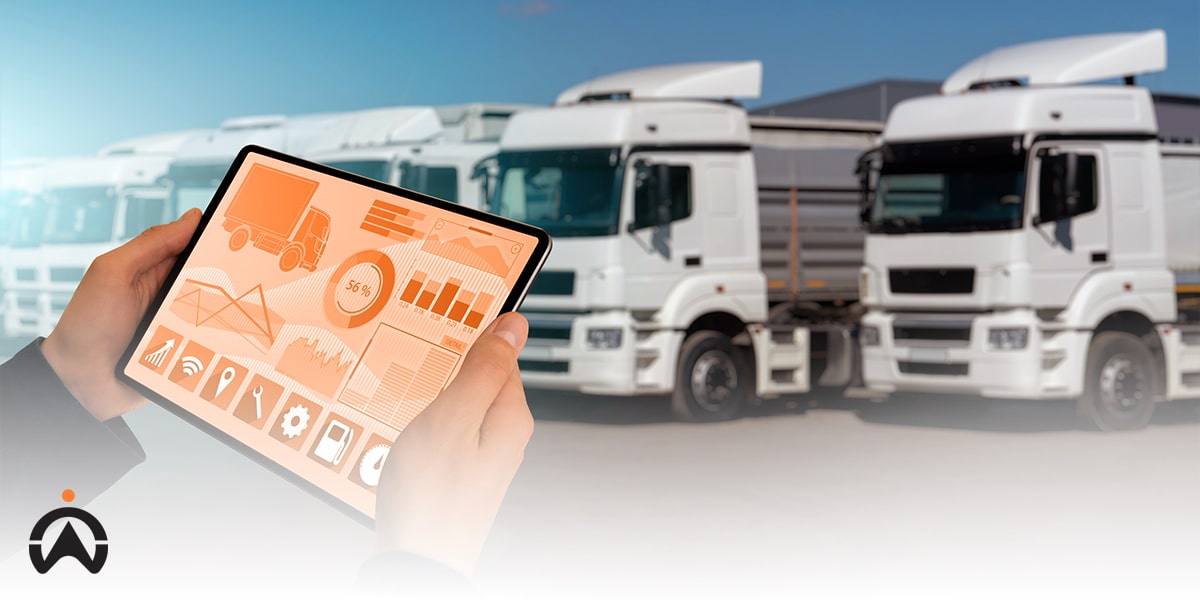
Overseeing all fleet operations is sometimes a stressful and overwhelming task. To efficiently be on top of everything, fleet managers use fleet management systems to increase visibility and allow for better management of their assets.

With fleet management systems, fleet managers can achieve: 

  • Reduced overall fleet costs
  • Track vehicle movement
  • Streamline deliveries
  • Improve fleet safety 
  • Increase driver retention 
  • Keep vehicles up to date with scheduled maintenance 
  • Comply with regulations

With all the responsibilities that fall towards fleet managers, the most important part of their job is being able to see the bigger picture and make informed decisions that will bring the business closer to reaching its goals.

With the help of technological innovation within the fleet industry, fleet managers can now do much more than they could in the early 2000s. Technology has paved the way for fleet managers to optimise operations and coordinate their systems and employees. 

Fleet management systems do their part of automating all administrative tasks to equip fleet managers with the necessary insights to efficiently run their fleets.

Almost every decision managers make, they decide in favour of the business. Creating a balance between tightening capacity and increasing demand while dealing with driver shortages, fluctuating fuel prices, and keeping up to date with the industry’s regulations, all contribute to improving the business.

Fleet sustainability

Many businesses are now prioritising sustainability, pushing managers to add one more thing to prioritise – fleet sustainability.

Reducing the fleet’s carbon footprint goes hand in hand with lowering fuel usage and costs. So, to achieve favourable and lowered fleet costs, the first thing to do is to determine how much carbon a fleet contributes.

How do you calculate your fleet carbon footprint?

The amount of COI2 emissions your fleet produces solely depends on how much fuel gets burned, so how much CO2 does your business actually burn? This calculation will help you find an answer. 

There are two ways to efficiently calculate the environmental impact of our fleet.

1. Mathematical estimation.

Find out how many litres of fuel your business buys every month, if you don’t have this information, you can take the number of miles your fleet completes in a month and your average miles-per-gallon (MPG).

With the miles and MPG, you can calculate the number of litres of fuel your fleet burned.
Alternatively, one litre of diesel is 2.68kg, while petrol is 2.32kg. You can multiply your litres by 2.68 or 2.32 and get your kilograms of CO2.

2. Accurate measurement.

This is a more precise method that involves telematics. Telematics is used along with fleet management systems to monitor and track all your vehicles, gathering information from their location and speed to their idling and fuel usage.

Either than estimating, you can see the real MPG of each vehicle at any point in time with live fuel consumption rates and reports that highlight options to improve fleet health and easily get your fleet monthly emission.
How do you calculate your fleet carbon footprint?

Creating a sustainable fleet management strategy 

After deciding on ‘going green’, a sustainable fleet management strategy is created. This is a method that aims to positively impact the environment and reduce the environmental harm your fleet is causing. 

This method ultimately promotes efficient driving and minimises a fleet’s carbon footprint through healthy driving practices such as optimised routes, proactive vehicle maintenance and looking towards integrating electric vehicles (EVs) into a fleet.

All activities a fleet can partake in to reduce environmental, social and economic impact are included in these six key areas:

  • Prioritise cleaner vehicles
  • Utilise electric vehicles
  • Improve staff behaviour
  • Practice effective and timely maintenance
  • Utilise route optimisation
  • Get Cartrack’s fleet management solutions

Electric vehicles for fleets

Electric vehicles have been a trending topic of previous years and still seem quite relevant. These vehicles can be of service in light-duty, medium/heavy-duty and even off-road applications. EVs can match or surpass the performance of their gas-fuelled counterparts plus they’re much quieter.

There are a variety of plug-in vehicles that you can choose from.

Standard electric vehicles (EVs) are fully equipped with a battery rather than a tank and are powered by rechargeable batteries that power multiple motors.

Hybrid vehicles are the best of both. Hybrid vehicles are powered by two engines, one petrol and the other electric. They can use both petrol and electricity to run.

Electric vehicles produce 0% of gas emissions while hybrids produce very low emissions and increase fuel efficiency.

Paint your fleet green

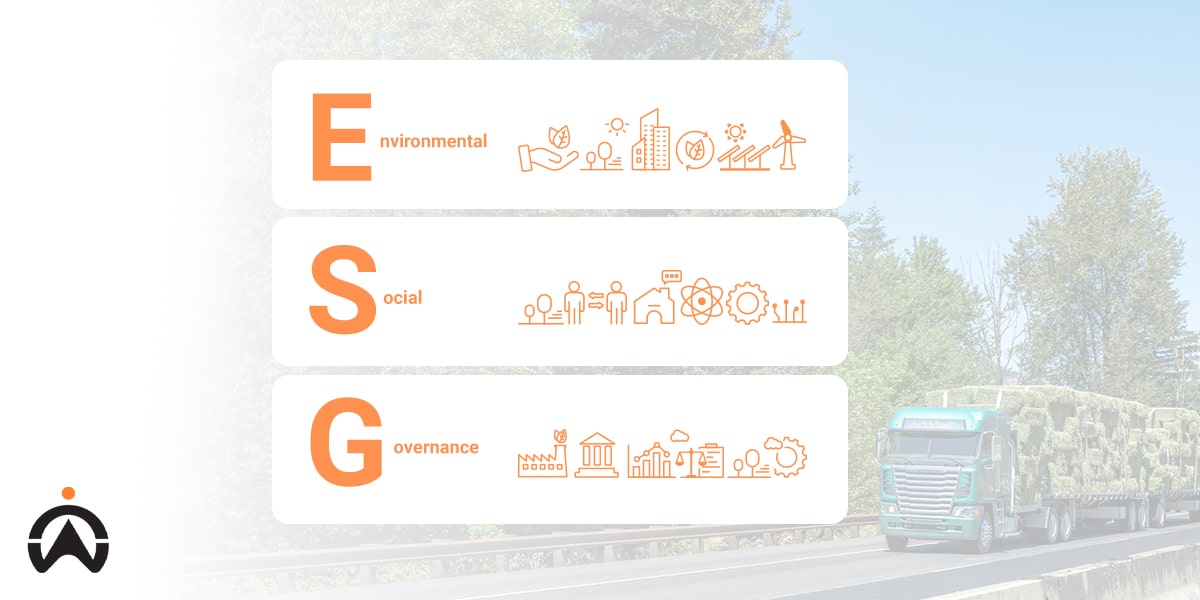
With the sustainable fleet management strategy in hand, it’s time to turn your intentions into actions. A “green fleet” is not so different from a normal one. It can be simply defined as a fleet with sustainable goals of reducing its greenhouse gas emissions and plastic waste.

Every stage of the supply chain, from manufacturing to distribution, can have technological improvements by going green. Creating win-win situations for business, the environment and residents.

Step 1: Reduce your fleet’s fuel usage

Fleet management systems and telematics play a huge part in studying a fleet and compiling all the good and bad information. A report can be sent to a manager detailing not just problematic insights into your fleet but also solutions you can implement to improve fleet operations.

Both speeding and idling waste more fuel than most people know, to combat this, there are a few things recommended.

  • Positive driving behaviour 
  • AI camera technology
  • Driver scoreboard
  • Driver training program

These features can be advantageous not only in reducing the cost of speeding and idling but also in encouraging drivers and ensuring driver safety.

Step 2: Improve vehicle maintenance 

Fleet platforms can track the mileage your vehicle has travelled since its last maintenance and create maintenance schedules to keep up to date with vehicle servicing. Maintenance notifications help managers stay informed about their fleet’s maintenance checks.

The benefits of a healthy vehicle go beyond having a longer service life cycle, burning less fuel and reducing overall fleet costs. Avoiding unforeseen breakdowns saves the business more money than having a vehicle out of service and paying more to repair what’s damaged.

Tips to easily turn your fleet green

It all starts with reducing your fuel consumption and associated emissions. The extensive amount of carbon waste produced does more damage to the environment than most. Depending on the size of your business, you might find that the number of vehicles in your fleet makes a difference in how long you will need to completely change your business for the better.

Go electric
One of the easiest ways to dramatically boost your fleet’s sustainability efforts is to utilise electric or plug-in hybrid vehicles. Even if you choose hybrid vehicles and don’t fully go electric, hybrids will still have a significant change in your monthly fuel consumption and fuel costs.

Vehicle selection
Choosing the right vehicles for your business makes a difference. Bigger might not always be better, it all depends on which products are being transported and which vehicles are making the deliveries.

If your fleet only consists of 18-wheelers yet they are delivering small furniture, it might be wise to use a smaller vehicle that uses less fuel. Selecting green vehicles not only assists with sustainable goals but also reduces the overall running cost of your fleet.

Track fuel consumption
With vehicle telematics, you can see fuel consumption info on your fleet platform automatically. Telematics is considered a go-to in green fleet technology, it can give you some well-needed insight into your fleet and drivers. 

Sometimes it may be difficult to improve all of your drivers’ driving behaviour as they may not be facing the same issues. The best option here might be to train your drivers and teach them useful habits, such as how heavy acceleration uses more fuel than gradual acceleration.

Log and report everything
To create a green fleet system, you must keep track of everything that happens in your fleet. Use fleet technology to track emissions, idling, and other metrics as part of your green fleet operations. Only through tracking data will you be able to assess how successfully your green fleet goals are being met.

These are the building blocks to creating a more sustainable fleet.
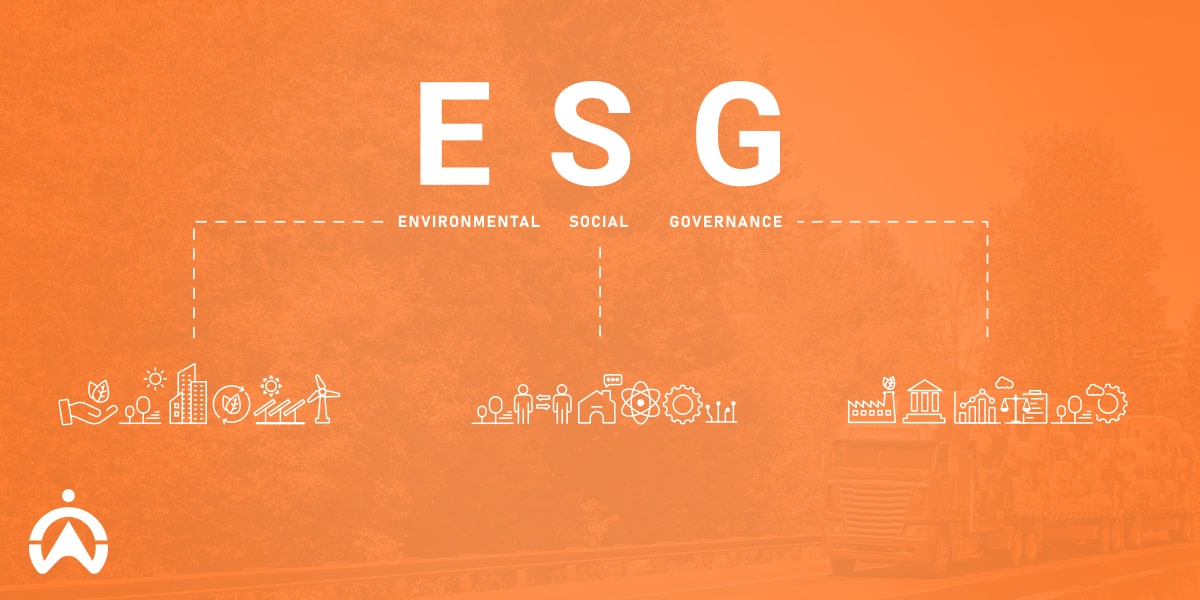
Tips to easily turn your fleet green

How does a green fleet help environmental sustainability?

The major objective of a green fleet should be to improve environmental sustainability and reduce the fleet’s carbon footprint. This can be performed in several ways:

Improving driver behaviour – From rapid acceleration to hard brakes and vehicle idling, driver conduct influences your fleet’s green activities, which can be good and bad.

Reduce your carbon footprint – By collaborating with companies like Cartrack, you can have your fleet’s full activities on one platform and achieve lowered carbon emissions. Using Cartrack will not only benefit the environment, but it could also have positive tax implications for your business. 

Electric vehicles – While not every fleet will be able to replace all their gas vehicles with electric ones, it doesn’t hurt to start considering the option and perhaps implementing it in small ways like having a few electric vehicles that drivers can use once in a while. 

Reward your drivers – Rewards aren’t practised in many businesses, but they have been proven to work, especially in boosting driver behaviour and encouraging safer driving.

Use telemetry data – Your telematics already gathers and compiles all the data you need to understand your fleet. This is a treasure trove of viable information on how to increase the sustainability of your fleet. 

Promote fleet sustainability

We are the no. 1 telematics solution that can help better monitor and improve your on-the-ground fleet operations.

  • Cut unnecessary fuel emissions
  • Understand your fleet’s fuel consumption
  • Achieve fleet sustainability with healthy vehicles

Our technology can be used for much more than just tracking your fleet.

Interested? Contact Cartrack Malawi today.
Benefits of fuel management and fuel consumption techniques for fleet businesses

Managing vehicle fuel consumption doesn’t need to be a time-consuming task. For reliable fuel tracking, use fleet management systems to their fullest potential through fuel management and see the difference.

One of the biggest responsibilities managers take on is finding ways to minimise the costs associated with running a fleet. Fuel management just makes this process a lot easier.
Here’s how fuel management can help you calculate the average fuel consumption rate in your fleet.

Fleet management and your business’s fuel economy

Fleet management fully monitors vehicles and gathers data on each vehicle as they run. With each trip taken, the system automatically tracks fuel consumption levels and notes the speed at which the fuel is burned.

With this information, telematics gathers all vehicle data and translates it into easy-to-understand information, and compiles it on the manager’s fleet platform.

The type of information gathered for prime fuel efficiency includes:

  • Speed 
  • Full history of vehicle usage 
  • Vehicle routes 
  • Maintenance issues
  • Idle time
  • Driving behaviour

Now, managers will have full access to fleet diagnostics and valuable insights that will allow them to make informed decisions about how to improve their fleet for a greater, greener business.

 How to boost vehicle performance

Managers are constantly looking for fresh and inventive ways to keep up with their fleet and get the most out of their work operations. With fuel being one of the most valuable resources in use, managers need to take the necessary steps to ensure it is not being wasted.

Fuel management is a subdivision of a fleet management system that uses fleet telematics to:

  • Read fuel levels in real-time 
  • Keep track and improve fuel efficiency 
  • Reduce fuel consumption 
  • Instantly notify managers of fuel change

Fuel management systems can give you detailed information about your fleet’s fuel economy. You can determine whether your fuel usage has increased as a result of incorrect tyre pressure, misaligned tires, or vehicle weight.

All this ultimately helps managers better handle their fleets’ fuel consumption performance automatically, making fuel monitoring a crucial component of fleet management.

How to boost vehicle performance

Fuel economy defined

Fuel economy is the distance vehicles travel with a given amount of fuel, meaning it’s a form of vehicle thermal management that measures how much a vehicle consumes energy in fuel and turns it into kinetic energy to travel.

Fuel economy technologies show that vehicles with reduced fuel consumption burn less fuel than other vehicles and produce lower levels of carbon emissions.

So, how does a fuel management system work to preserve energy?

With GPS technology, fuel management systems automatically create different graphs comparing fuel usage based on previous trips taken. These graphs give business owners operational insights that aid in identifying a variety of technical and usage-related problems.

Fuel consumption management is extremely beneficial to fleet managers for the simple reason of its ability to reduce operational costs. Fleet management also provides a complete overview of transportation to manage your fleet operations and business logistics in the current economy with ease.

A fuel management system provides you with accurate data on:

How to reduce fuel consumption with fuel monitoring

Fuel expenses seem to grow with each passing year, so when it comes to planning, budgeting, and managing fuel costs, fleet managers use a few tips to give their tanks a break.

1. Driving Behaviour
They investigate how their team of drivers operate their vehicles and, through training, can change their driving behaviour for the better. Poorly driven vehicles use up more fuel than expected and contribute to maintenance issues in the future.

2. Vehicle inspections
Bad driving habits result in damaged vehicles, so frequent vehicle inspections for any maintenance issues that could contribute to excessive fuel usage and increased maintenance costs are recommended.

3. Route management
Finding the most fuel-efficient route avoids excessive fuel consumption and cuts down on overall delivery time.

For more fuel-saving tips, click here.

How to reduce fuel consumption with fuel monitoring

Benefits of fuel management

A great fleet manager can split their focus between all the factors that affect their fleet. If you manage a fleet efficiently, you’ll notice that fuel economy is just one of the many obstacles you have to tackle.

There’s also:

  • Fuel consumption management
  • Internal and external fuel fraud
  • Unnoticed fuel leakages
  • Complex and time-consuming fuel reporting

How do fuel management tools help tackle these issues?

  1. Improve accuracy – Get the data that is travelled by your fleet and calculate the amount of fuel consumed with fuel monitoring systems. You can also save the data for later analysis with the help of an automated fuel control system.
  2. Improve fuel efficiency – With this, you can track your vehicle maintenance and driver routes. Implementing efficient driving routes is necessary to make cost-effective decisions so that misuse of excessive fuel consumption can be eliminated.
  3. Reduce fuel theft – Fuel theft is considered a big issue in the fleet industry. Using a fuel monitoring system can reduce fuel theft attempts by recording fuel consumption, fuel-related expenses and identifying security issues within your fleet to implement solutions.
  4. Automated reports – Reports can be received on events in real-time, like fuel levels, unauthorised vehicle usage and frequent engine idling so that you are able to investigate what your mileage is, as well as any irregular fuel economy.
  5. Maintain compliance – Fuel consumption software will make sure that your fleet adheres to emission standards. There are many places where CO2 emissions are heavily regulated.

Managers can access information from their laptops or phones since the software allows for remote usage. With this and an internet connection, you don’t have to deal with outdated stocktaking or tank management from the office. You can do it all from virtually anywhere.

Reduce fleet costs with a trusted fleet management company

Cartrack’s smart dashboard provides swift fleet monitoring for your whole fleet and many more benefits for fellow managers. 

Learn more about fuel consumption, and use Cartrack fleet management solutions to fix it.

Visit us today to start saving on fuel.

Explaining Vehicle Recovery vs Vehicle Tracking

Vehicle tracking and vehicle recovery are commonly used for vehicle safety and fleet management. We will uncover how vehicle tracking works and why you’ll benefit from it. As well as the purpose of a vehicle tracking system.

In this article, we will talk about vehicle tracking as a security feature for drivers, vehicles, and fleets. 

Let’s also jump between its benefits for consumer drivers and fleet owners.  

What is meant by vehicle tracking?

This can be referred to as the technology behind tracking the movements of vehicles and fleets, with a vehicle tracking device installed. 

The device is equipped with a GPS Locator, which is fitted in the vehicle. 

GPS tracking uses a global positioning system. This allows users to monitor vehicle locations as it pinpoints their exact geographical location. A network of satellites is used to specify the location of an object or person attached to the GPS device.

Vehicle information can be viewed on electronic maps via the Internet or on specialised software from a vehicle tracking provider.

For fleet managers, the GPS tracking software collects and stores information related to vehicle performance and management, including speed, trip distance, and driver behaviour – which can be used by vehicle fleet owners to improve safety and lower running costs.

vehicle tracking systems

What types of vehicle tracking systems do you get?‍

The system has two core parts – the location hardware (or vehicle tracking device) and vehicle tracking software. 

There are different types of GPS software tracking systems that work in various ways. By understanding the difference, you should get an idea of what works best for you.

Vehicle tracking is also described as being “Passive” and “Active”.

  • “Passive” devices: Also known as GPS loggers, passive systems gather data about the vehicle’s location and store it on a hard drive or memory card, which you can then access at a later time. To use the device, you simply place it in or on the vehicle. When you want to access the information collected by the tracker, simply plug the device into a computer. 
  • “Active” devices: These types of systems collect the same data as passive tracking systems but transmit the data in near-real time or real time via cellular or satellite networks to a computer or data centre for evaluation. This allows the dispatch team and management to locate your vehicle much faster.
vehicle tracking and vehicle recovery

What is the difference between vehicle tracking and vehicle recovery?‍

Vehicle tracking and vehicle recovery generally go hand-in-hand. 

As mentioned, a vehicle tracking system monitors the location of a moving vehicle using GPS technology. It assists in vehicle recovery, as well as gives you  access to all types of information concerning your vehicle. 

In addition to stolen vehicle recovery from Cartrack, you can get safety product add-ons, such as the Cartrack panic button. If you’re in a hijacking emergency, you can press this panic button and a silent alert will be sent to our 24-hour control room. 

Or if you have one of our fleet packages, get access to information concerning driving behaviour patterns such as speeding and harsh braking. 

Vehicle recovery – this is the part where the technology or data is used to get the stolen or hijacked vehicle safely back to its owner. The Cartrack recovery team will locate the alert signal from the device via the latest GPS and Radio Frequency (RF) technology. 

Which two are the best? ‍

When it comes to choosing between vehicle recovery and vehicle tracking, you would need to check in with your budget, lifestyle, and what works best for you.

Most vehicle tracking packages have vehicle recovery as a standard feature, so a recovery team can find your vehicle if it is stolen, which will also keep your insurance premiums low. 

While vehicle tracking is more costly, you will get more peace of mind with the extra safety features. So, if you want to monitor your vehicle more with a more hands-on approach, then vehicle tracking is the best option for you. 

Who needs vehicle recovery?‍

One needs to take into consideration that there are 55 000 vehicles reported stolen in South Africa each year. These realities should be proof that the need to install a vehicle tracking or recovery device is more important than ever. 

If you have a more limited budget, there are more affordable options available that will give you peace of mind when it comes to the security of your vehicle. Cartrack offers a affordable monthly packages those looking for a good level-entry stolen vehicle recovery package.

Who needs vehicle tracking?‍

Companies that use a large fleet of vehicles, either as a means to transport their goods or as a courier service for customers, are in most need of vehicle tracking services. However, anyone who wants to keep track of the driving habits and location of someone using their car or cars could benefit from this service.

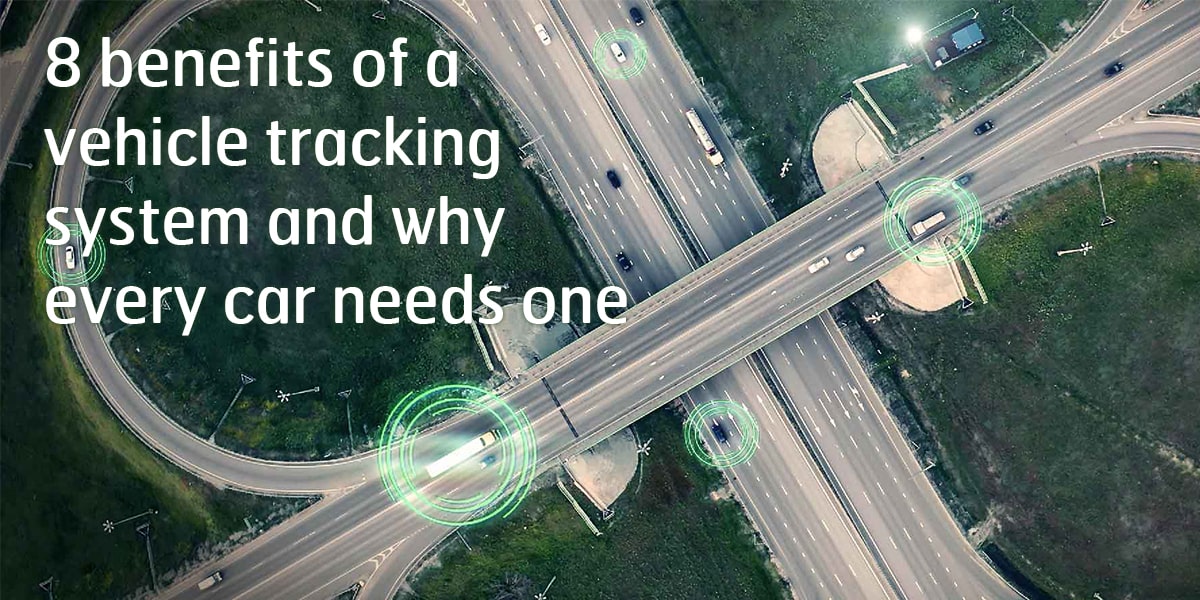
8 benefits of a vehicle tracking system

8 benefits of a vehicle tracking system

No matter what you need vehicle tracking for, there are numerous benefits either for effective fleet management or vehicle and individual safety. 

The benefits seem endless, here are a few: 

  • Reduce running costs

If you have a vehicle fleet, the platform monitors driving patterns and gives tips to significantly reduce fuel wastage. Everyday motorists can activate features on the mobile app to improve driving behaviour and reduce running costs. 

  • Protect the environment

It is beneficial for the environment if fuel is monitored. Companies can contribute positively to the community and improve corporate social compliance. 

  • Vehicle maintenance

The platform gives maintenance-service reminders and other alerts to ensure effective fleet maintenance. This will result in less wear and tear on the vehicle, increase its longevity and reduce maintenance costs. Fleet managers can also avoid road penalties for faulty tyres and other vehicle issues. 

  • Lower Insurance premiums

Companies and consumers also significantly save on insurance if they have a GPS vehicle tracking system in place. This is because it encourages safer driving, and helps drastically increase the chances of recovery if thefts occur. Insurance providers use advanced telematics in the device to provide driving and vehicle stats. This helps reduce premiums where possible. 

  • Theft-deterrent  

A GPS tracking unit assists with stolen vehicle recovery. Vehicle tracking systems are popular in consumer vehicles for theft prevention. This also offers the ultimate peace of mind, especially in countries where theft is rampant. Drivers only need a mobile phone with an Internet connection to reach out and get their vehicle back. 

  • Driver productivity 

Through a fleet platform, driver hours are monitored to ensure they get the rest they need , especially on long-haul journeys Communication through the platform is also streamlined throughout the travel time for effective time management and productivity. 

  • Customer satisfaction

There is also better communication with customers in the production and delivery process through the fleet software app. As a result,  businesses become more “customer friendly” which can only improve customer retention and business profits. 

  • Improved business processes

The platform allows for less time spent on admin, allowing managers to focus on other tasks. They can tap into the system’s information about good driver behaviour stats and use it as a benchmark to train drivers. 

  • Cargo security

GPS tracking systems can help replay a route to help fleet managers concerned about cargo theft. They will be able to spot unauthorised trips, and drivers can be alerted to avoid certain areas. If drivers find themselves in trouble, they can get help.

  • Geofencing

Geofences alert a manager about a vehicle’s whereabouts when it leaves a certain location or boundaries. Fleet managers can ensure their vehicles are operating within specific areas and that high-risk areas are avoided. 

Cartrack stolen vehicle recovery

Why 1.5 million people have chosen Cartrack to recover their vehicle‍

  • World-class vehicle tracking and recovery technology 
  • A 92% stolen vehicle recovery rate, the highest in South Africa
  • Get up to R150 000 cash back in the unlikely event that we cannot recover your vehicle
  • Trained air and on the ground vehicle recovery teams
  • 24/7 emergency control room support 
  • Secure and reliable tracking device fitment techniques

Are you looking for the best car tracker in Malawi? Get the best of the best with Cartrack Malawi right by your side. 

How can cargo safety improve your business?

When transporting various materials, certain safety measures should be taken to keep cargo as safe as can be. Read more to discover top-notch safety features used by the freight industry.

The freight industry transports hundreds of different materials, ranging from food and fabric to coal and fertiliser. Most of these materials are valuable which encourages criminals to go to great lengths to steal the cargo while in transit. But rest assured, there are plenty of ways to keep your cargo safe with the help of good fleet management software and its advanced features.

Safety measures for cargo

Cargo is transported through different types of freight channels like land, air or water. No matter the type of cargo, special care is taken to ensure that it is not damaged while in transit. Packaging the cargo in containers and wrapping them in foam, bubble wrap, or any other material is just one way to keep cargo safe and prevent it from moving around or being tampered with.

Shipping companies are responsible for packaging and labelling cargo before departure and are liable for protecting the contents against damage or theft. 

Here are a few tips shippers can take to ensure cargo is handled safely:

  • Use proper shipping supplies like cushion materials, appropriate lashing, and labelling
  • To prevent shifting while on the road, the cargo must be secured on all sides
  • Fill open spaces with various materials like boards, airbags, empty packages and foam to minimise weak points
  • Secure cargo with special lashing on the top and bottom side rails, as well as the corners
  • Use nets to secure cargo in place
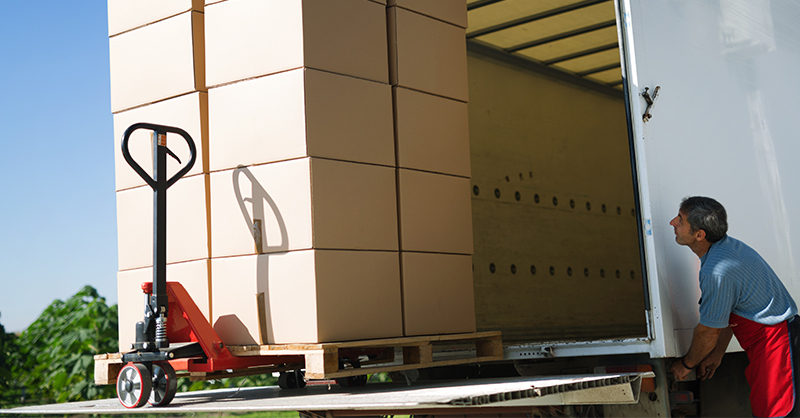
Cargo being loaded for shipping

High-risk cargo

Living in certain countries where crime is prevalent and fleet attacks are common can be stressful for both fleet managers and transporters.

Although cargo theft can occur at any time, criminals usually target goods in transit. This is mainly because of the countless unsafe parking spots and dodgy streets along the way. This is when cargo is at its most vulnerable.

The distance between one point and another might also be a factor in an attempted theft. The more the driver is on the road, the more tired and less aware they get, making them an easy target for hijackers. As a result, crime syndicates may attempt to steal the goods at stop signs, under bridges, in unsafe parking spots or on deserted quiet streets when the driver least expects it.

There are a few preferred features frequently used by fleet managers to avoid these situations, geofencing being one of them. It’s a feature that allows perimeters to be set around any area, or danger zones, that fleet vehicles might pass along their way. 

When the vehicle arrives at these locations, an alert will be sent and if for some reason, the vehicle does not exit these locations, the fleet manager would immediately know something is wrong and can quickly act by sending emergency personnel to the exact location, hopefully arriving just in time to stop the hijacking attempt.

The impact of technology on the road.

With safety measures becoming more sophisticated and technically advanced, it seems crime syndicates have also evolved with the times and started implementing tech in their operations.

While criminals become more intricate and ‘professional’ in their craft, technology will always be one step ahead. Fleet management safety systems have certain features such as CarWatch, Protector, AI surveillance cameras and many others that can add another layer of monitoring and security to protect your assets.

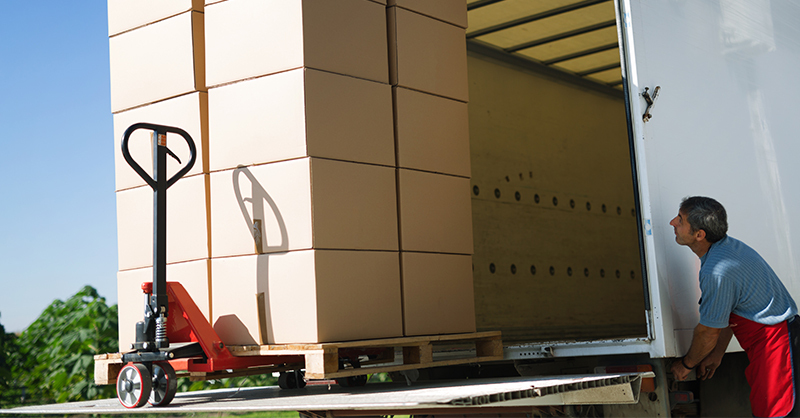
Cargo loaded on a truck

Keeping track of your cargo

Monitoring the arrival times of drivers is one of the most effective ways for fleet managers to keep their trucks and cargo safe. To ensure optimum safety while in transit, tracking companies such as Cartrack provide fleet management solutions to help with daily operations.

While fleet managers do their part to keep their fleet safe, transporters also have the tools to manually protect cargo with certain features provided.

Benefits of geofencing:

Geofencing provides a location-based service that defines a virtual perimeter around any area via GPS, such as a warehouse or even an entire city. 

With this feature, fleet managers can:

  • Live track their vehicles 
  • Identify certain events while on the road, like travelling in an unassigned area
  • Deliver automatic notifications to preset geofenced areas and receive alerts when drivers enter or exit high-risk or unassigned areas
  • Allow immediate reaction if theft of cargo or hijacking occurs

While geofencing is a huge asset in terms of fleet safety, it also contributes to the business’s bottom line. By using this solution, fleet managers will save money that would have otherwise been spent on replacing or repairing stolen or damaged vehicles.

AI-powered and live-stream camera technology:

It is more important than ever for fleet managers to have an extra pair of eyes on the road and ‘be’ present in each of their fleet vehicles. It may be an overwhelming task to manage risk for large fleets, but LiveVision is the dream tool that provides fleet managers with the visibility needed to ensure driver, vehicle and cargo safety.

Live Vision is Cartrack’s AI-powered video surveillance solution that can be used to protect, monitor and record the activities of your drivers and fleet. This solution can be used for fleet management, fleet tracking, and fleet security.

Fleet managers can gain full visibility of cargo by live-streaming the journey from their laptops or phones, or instantly download footage to review events or attend to alerts of potential cargo tampering. 

International road safety rules

While ensuring cargo arrives safe and sound is a top priority, the purpose of certain safety measures is to reduce the chances of attempted theft or road accidents.

A Monash study on fleet management and safety provides insight into how three different countries approach the issue of road safety:

  1. In Germany, The German Traffic Safety Council has advocated the formation of volunteer safety circles, in which the company’s fleet of employees gathers to discuss prominent safety issues and find solutions under the guidance of an expert moderator. They also offer one-day “Safe, Economical, and Environmentally Friendly Driving” courses.
  2. In the United Kingdom, various strategies have been implemented in the UK to improve road safety within organisations. These strategies are as follows: driver training programmes, reward schemes, punishments, accident investigations, driver monitoring systems, and driver feedback procedures are among the long list.
  3. In South Africa, we have taken a hands-on approach with our road and cargo safety protocols. We have fleet management and vehicle recovery companies such as Cartrack that offer training facilities for drivers to better improve their driving skills and driving behaviour, as well as fleet management training, helping fleet managers reach a higher operations management level.

We also have a wide range of safety features, specially made for every individual motorist as well as businesses with any number of fleets. These features include Carwatch, Protector, Fuel monitoring, Geofencing, AI-Powered cameras and over 40 reports features that constantly monitor the state of your vehicles as well as your drivers. With all these insights and tools at your fingertips, productivity and efficiency levels within your business will only improve.

Cargo safety inspection

End goal for driver and fleet safety

Although countries around the world take different approaches to their cargo safety protocols, the end goal is for all to improve road safety for cargo, fleet vehicles and transporters involved in transit.

Implemented cargo safety protocols are necessary steps taken to reach: 

  1. Reduced theft and hijacking attempts
  2. Vehicle accident prevention
  3. Enhanced driver education, alertness and behaviour
  4. Readily available accident analysis reports
  5. Reduces operation costs for damaged or stolen goods.

Improve and implement safety with Cartrack

Cartrack offers security features specially designed to protect your drivers, fleet and cargo against theft, hijacking, or any other roadside emergency that may occur. Put your trust in us and we will protect your assets. Visit our website today to get a free quote.

How to efficiently manage business and transport logistics

What is business and transport logistics management and how can it benefit my company?

Business logistics matters to every organisation, regardless of the scope, industry or specialisation. Read more on how fleet managers can better utilise logistics management to transport goods and services from point A to B.

This is the process of transporting goods from one primary location, such as a manufacturing warehouse, to their destination. This process of movement makes up contemporary business logistics and keeps your logistics business running smoothly.

logistics and supply chains

What are logistics and supply chains?

Supply chain management and logistics management are two topics often used interchangeably because both concepts are central to running a successful business. While the supply chain includes every element from production to delivery, logistics is only one element in the larger concept of the supply chain. 

 Let’s unpack this a bit more.

 A Supply chain is a network of businesses, organisations and other people working together to produce and distribute popular products. Logistics, on the other hand, handles the safe movement of supplies and finished goods from location A to B, this includes transportation and warehousing. 

 Logistics also includes two processes: 

  • The gathering of data on each process involved in a company’s distribution
  • The allocation of resources such as human resources, materials, equipment and capital to the different steps required in the movement of goods

Although logistics is a simpler concept to understand than the overall supply chain, don’t let its simplicity fool you, logistics has a huge role to play with many steps within it to keep it functional and beneficial to the business.

Business logistics: What it is and how it works

Business logistics refers to the workflow and oversight of goods in transit, whether from a supplier to a business or from a business to a customer. The key concept here is managing these processes as a unified system. 

You don’t have to manage and oversee this process manually. A logistics management system can take care of inbound elements like purchasing and arranging the transportation of products, parts, materials and finished inventory from suppliers to a company’s warehouse or manufacturing plant. And outbound elements like the flow of items through a company’s production line, warehouse and ultimately to the customers.

Both these elements would need the logistics manager to implement other management techniques such as:

  • Transportation management
  • Warehouse management
  • Fleet management
  • Order processing
  • Inventory control
  • Supply and demand forecasting
  • Managing third-party logistics (3PL) service providers 

A logistics management system can take over these different management departments and automatically gather and process information as needed. Leaving logistics managers with practical tasks such as making sure the supplies being transported arrive safely and intact, and striving to attain positive feedback from customers.

business logistics management

How does business logistics management boost profits?

Business logistics management gains profit and trade for the business, by exchanging goods and services, making logistics the backbone of any business. Without financial gain and trade, there would be virtually no transactions taking place, no deals, no profits and ultimately, no business.

But when done right, business logistics management can make organisations leaner and more profitable over time. Granting broader visibility over the movement of goods and items from production to consumption, identifying infrastructure and operational practices that help or hinder the smooth transportation and distribution of goods

As smooth as this process is, it can show cracks in the current workflow of any business. It can also inform which aspects of an employee’s duties are handled well, and which require new or updated systems. To ensure no further ‘cracks’ are shown, a set of inbound and outbound domains should be followed to ensure effective logistics handling.

The 7 pillars of effective logistics

1. Material sourcing 

Material sourcing is more than finding the cheapest supplier of raw materials. Logistics includes calculating and managing factors like backorder delays, add-on service costs, extraneous fees, increased shipping costs due to distance or regulatory environments, and warehousing costs. 

Going the extra mile to find the right supplier for any material also requires understanding how these factors will impact the overall operation cost. This process is referred to as “strategic sourcing”.

2. Transportation

Fleet managers should pay special attention to this component of logistics planning, as it is the core of logistics management.

For transportation to contribute and fulfil its role in logistics planning, first, a company needs to select the best mode of transportation – there are only three freight options for shipments: air, water, or land. Then they choose the best carrier based on cost, speed and distance, including optimising routes that require multiple carriers.

If goods are being transported globally, the shipper needs to be knowledgeable about customs, tariffs, compliance and any relevant regulations, while transport and fleet managers have to document and track shipments, manage billing and report on performance using dashboards and analytics software.

3. Order fulfilment

For items to get to their destination(s) without trouble, the right items must be “picked” from the warehouse as per the customer’s order, get properly packaged and labelled, and then shipped to the customer’s home or collection location as scheduled. Once delivered, this creates an order fulfilment, which is the heart of logistics sequencing in customer distribution.

4. Warehousing

Both short- and long-term storage are common parts of logistic planning, so common in fact, that a new process, warehouse management systems (WMS), was created to help logistics planners optimise warehouse space by taking into consideration specific conditions for perishable goods, as well as enquired facilities such as cold storage, docking facilities, and proximity to modes of transportation such as rail lines.

Further, WMS can also deduce goods that are scheduled for transport to be placed at the front of the warehouse. While lower-demand items are stored toward the rear. Perishable goods are often rotated, so the oldest items are shipped out first, ensuring effective warehouse operations.

5. Demand forecasting

Logistics caters to inventory demand forecasting. This ensures the business never runs out of high-demand products or materials and doesn’t stock up on items that aren’t needed. This saves the businesses money, time and products that might expire as a result of poor sales. By using demand forecasting, logistics managers can precisely determine how much of each product they will need and when they will need it. 

6. Inventory management

Based on past trends or seasonal behaviour, companies can plan for increased demand for certain products and meet demand when requested. In turn, a company can better determine when to offer discount pricing for items that aren’t in demand and offer incentives for free capital to reinvest in goods that are in higher demand. With this, they can also keep profits higher and make inventory turn faster.

Since stores differ from one another, good inventory management enables the business to decide to ship products that are performing poorly in one store or region to another where the products are in demand rather than take a loss via discounting pricing to get rid of stock. Or creating waste by throwing away the products. Logistics is key to moving inventory where it is likely to get the best price.

7. Supply chain management (SCM)

A supply chain is essentially a series of transactions. If logistics fails, the supply chain will fail, and transactions will come to a standstill. To better explain, during the pandemic, aisles in multiple stores were empty, caused by sudden high demand. While warehouses and farms had amble goods that were going bad and had to be thrown out. The transportation restrictions during that time broke supply chains, and thus stores didn’t receive their goods, losing profit in the long run.

If business and transportation logistics were implemented and business owners used demand forecasts beforehand, they could have foreseen the disaster and prepared for the sudden spike in demand.

What is transportation logistics management

What is transportation logistics management?

Transport management is part of logistics management and, as such, It’s considered one of the most important aspects of the distribution element, as well as the factor that can make or break a company.

Because transportation and logistics management are so similar, it’s not uncommon for them to share the same primary goal of efficiently and effectively transporting goods throughout a company’s supply chain.

The end goal: physical delivery

Transportation logistics focuses on the successful delivery of goods from one location to another. Planning to have a safe and scheduled delivery is one thing, but going through the terrain without loss, damage or attempted theft and delivering the physical items is another. 

To swiftly meet delivery deadlines without encountering any problems, it’s best to get to know the transportation functions. The function of transportation services can be divided into three important areas:

  • Operations Management
  • Vehicle and Fleet Organisation
  • Infrastructure Administration

The best terrains for your business

Depending on what shippers are transporting, how large the item(s) are, and how valuable they may be, different modes of transportation may be appropriate for that item; however, when comparing the different terrains, it is stated that out of all the different modes of transportation, road transportation is the popular mode frequently used by the freight industry, here’s why:

  • It’s the most cost-effective of all the modes of transportation
  • You can have a quick and scheduled delivery (1-3days delivery)
  • Flexible service
  • Easily traceable cargo and fleet vehicles
  • Door-to-door complete delivery services are available
  • Most economical means of transportation
Transport Logistics management

Why is active management crucial?

Order fulfilment is only one of the many aspects of transportation and logistics management. There are several other reasons why it’s crucial to be proactive in this area of your business. As seen above, transportation management is a huge deal in the overall supply chain and the success of a business.

Let’s take a closer look at a few reasons that support active management:

Optimisation of inventory flows

Your entire supply chain can run smoothly when you manage your transport logistics effectively. This will allow you to keep a close eye on inventory and manage it accordingly, especially if transportation techniques are used. As a result, your warehouse’s operational efficiencies will be improved, lead times will be reduced, and storage costs will be reduced.

Environment sustainability

As you become more streamlined in your logistics approach and use the terrain that best suits your business practices, another benefit is reducing your carbon footprint. The transportation industry is known for being a bit ‘emissions-heavy’ so every little step towards decreasing emissions is one to be celebrated.

Moreover, striving to lessen air pollution will draw in customers that want to work with companies that take social responsibility seriously. Optimising your transportation process will simultaneously reduce environmental impact while increasing customer satisfaction.

Some notable benefits of logistics management

1. Increases visibility

With business logistics management, logistics managers have the advantage of seeing the distribution and transportation process through a strategic, more precise lens. It’s important to note the steps taken in the primary stages of product creation, such as front-end design, testing and production of its goods. While these are vital processes and essential to solidifying brand market share, they should not take time away from pushing the products through the business’s supply chain in a timely, efficient and cost-effective way.

2. Reduces costs

Smart business logistics planning helps logistics managers trim costs on many previously overlooked transportation and storage expenses. Through programs like fleet management software, inventory management and demand forecasting, businesses can tailor far more strategic inbound and outbound shipping schedules, routes, fleet vehicle maintenance and more. With this, managers can use the money saved through the efforts of effective spending and money-saving methods to be distributed elsewhere.

Key overhead costs reduced through business logistics efforts include:

  • Storage and inventory holding calculations
  • Purchasing expenses
  • Per-unit production costs
  • Fixed-asset expenses, such as warehouses, vehicles, etc.
  • Total supply chain expenditures

All the while, business logistics improve:

  • Cash flows
  • Order fulfilment rates
  • Delivery times
  • Net profits

3. Improves customer experience and increases customer satisfaction 

Out of all the different options a business has for delivering their products, most customers favour door-to-door delivery. With this delivery option, customers can enjoy safe payment methods, quality of a good or service upon arrival, and save up on fuel and travelling expenses to the nearest delivery location. 

To better cater to the customer, the delivery process should be a swift and straightforward experience, as a customer there’s nothing worse than not knowing where your parcel is or when it will arrive. Prompt and on-time arrivals, clear communication channels from the organisation and intact, undamaged cargo are key factors that impact customer satisfaction and guarantee positive feedback on the overall delivery service. 

When your organisation fails to meet these delivery expectations, customer satisfaction can greatly decrease. Logistics managers, however, can prevent that from happening with the help of business logistics.

4. Increased Profit

Efficient logistics management gives you credible transport and business insight on operations and customer relations. The information can then be used to increase the order fulfilment rate which can boost profit. With the aid of other management programs, such as fleet management software, fleet data, route optimisation, and active vehicle tracking, managers can minimise operational costs and ensure supply chain synchronisation.

fleet management

What impact does it have on fleet management?

At best, poor logistics planning will temporarily affect a company’s bottom line. At worst, it could be quite damaging. Since logistics are seen as the physical manifestation of a transaction, without them, cash flow can’t move from buyer to seller, resulting in a halt in production and a staggering loss in products and profit, ultimately leading to poor customer satisfaction and a decrease in customers.

Fortunately for the business, managers can use logistics management software to help make the best decisions for the business and fleet, such as calculating the best routing and shipping decisions, containing costs, protecting investments and tracking the movement of goods.

Logistical best practices vary depending on the nature of the business and its product decisions, but the process is always complex. Automation is the key to efficiency. This software can often also automate processes, such as:

  • Choosing shippers according to rate fluctuations or skills
  • Printing shipping labels
  • Transactions are automatically entered in financial ledgers and on the balance sheet
  • Ordering shipper pickups
  • Recording receipts and receipt signatures
  • Helping with inventory control

This one software can do the job of many in no time. Modern logistics management, aided by technologies such as Artificial Intelligence (AI) and the Internet of Things (IoT), enable managers to find new revenue streams and increase delivery profitability. Sure, these objectives can be met without the use of technology, but these methods allow businesses to achieve higher standards of logistics management and delivery efficiency.

Cartrack’s tailor-made fleet management systems

Have Cartrack’s user-friendly, fleet management tools readily available to help in the management of your business and transportation logistics as soon as you open our app. To further optimise your business practice, visit our website and let’s get started.

CORRECT BAD DRIVING

Cartrack Fleet Management tracking helps you eliminate aggressive driving such as speeding and harsh braking, cornering and acceleration.

Cartrack’s systems detect quick increases and decreases in speed and also generate reports that indicate the occurrence of dangerous driving.

Sudden, harsh braking causes excessive wear and tear on brakes, the engine and tyres, and reduces fuel efficiency. Monitoring and controlling harsh braking saves a considerable amount of money in the form of lower repair bills and fuel costs.