How to Successfully Manage Cross-Border Logistics

To successfully manage cross-border logistics, you must harness technology to alleviate the fears that come with cargo vehicles being “out of reach”. Knowing you have eyes on your assets is the best way to keep them safe, protect your drivers, and boost your insurance coverage.

It’s a daunting and stressful thing for fleet managers when their trucks are doing cross-border long-hauls. A feeling of no control can bear heavily on you when you’re the one who’s responsible for the truck, the cargo, and the driver. In addition to bad roads and driver fatigue risks, the Annual State of Cross-Border Operations Report of 2022 reports that border customs stops are a major challenge in cross-border logistics.

It’s an industry that certainly isn’t without its concerns, but Cartrack Malawi is here to walk you through the best ways to successfully manage these challenges without compromising on your profits or service delivery quotas. In fact, with our help you’ll almost certainly improve on them!

What obstacles stand in the way of successful cross-border logistics management?

The top obstacles that hinder successful management of cross-border logistics include customs & border patrol, driver fatigue & irresponsible driving, Malawi’s road conditions, and fleet managers resisting digital transformation. By overcoming these obstacles, fleets that deliver across the border will greatly improve their logistics management and set themselves up for quicker deliveries.

As we look at each of these more in-depth, pay close attention to how Cartrack Malawi has foreseen these obstacles and made accommodations for fleet managers like you. 

Road conditions

While road repairs are in effect, they’re often few and far-between. Long-haul truck drivers and vans still have to navigate potholes and other road obstructions due to poor maintenance of our roads.

When roads ARE being repaired, this can also cause massive delays in even getting to the border. And once your drivers are there, new challenges arise when they’re faced with border officials and customs. (But more on that later)

The condition of Malawi’s roads is something your drivers have to deal with. But this still amounts to a great deal of stress for you as the fleet manager. You’re not there to keep an eye on things, which can leave you feeling a lack of control coupled with a lot of anxiety.

What should you do to successfully manage bad road conditions? When it comes to the safety of your drivers and your vehicles, there’s not much you can do about bad road conditions. But you CAN make sure you avoid them if possible, and you CAN collect evidence if an accident occurs due to bad road conditions.

How?

With Cartrack’s route optimisation, both broken roads and roadworks can be avoided by rerouting your drivers according to the best routes available. This is done on both the roads and the countries your vehicles traverse to & from their delivery points.

Cartrack Malawi also foresaw that bad roads can’t always be avoided. That’s why we worked hard to create high-quality dashcams and vehicle cameras to record instances where damaged roads caused an accident.

Customs and border patrol stops

The point of long border point delays was greatly emphasised in the report we linked to earlier. Some drivers have had to wait 12 hours or longer just to get past these points. And the worst part is… you’re not there to take control of the situation. Frustrating!

What should you do to manage border delays as a fleet manager? In the case of this very common cross-border logistics challenge, there are no guarantees. But there is a way you can greatly reduce delays and even minimise the times your drivers are delayed at the border.

  • Digitising your admin is the first step to ensuring all your documentation is in place, correct, and accessible.
    ‍
  • Using Cartrack’s Mifleet to manage costs and keep track of your expenses is another great option to make sure your inventory & spending are accounted for.
    ‍
  • Compliance is also an important aspect of successfully navigating customs at the border. If there’s even one infraction on the vehicle or the driver’s record, this can cause hours of delay.
    ‍
  • Pre-clearance is possible through the MRA e-filing portal. Getting this done before your drivers arrive at customs can save you, your customers, and your drivers a lot of hassle.
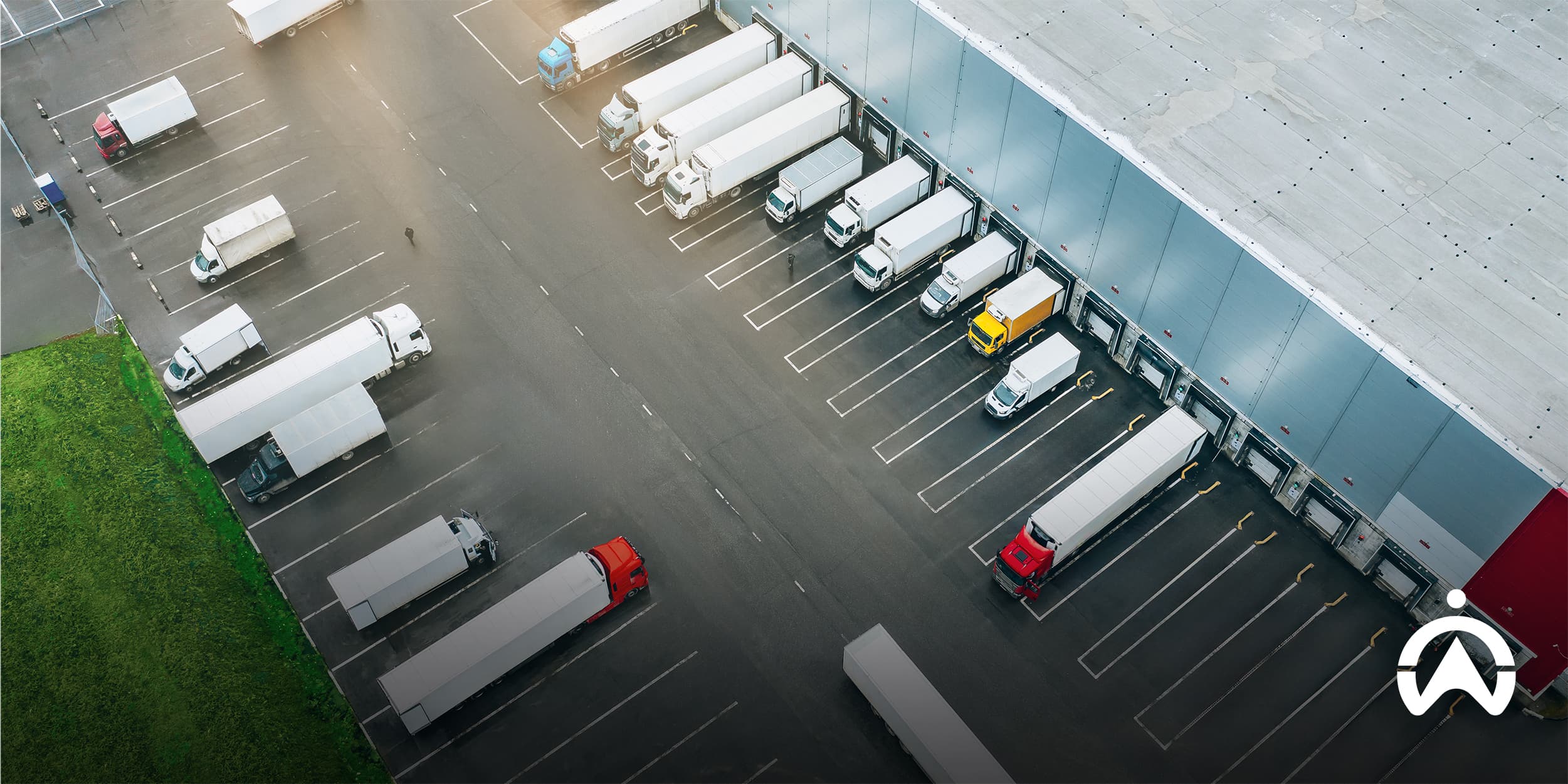
Aerial view of warehouse with trucks at loading docks, showing how to successfully manage cross-border logistics and distribution operations

Lack of driver responsibility

We can’t completely exempt your drivers from the many causes of stress you experience as a cross-border fleet manager. There are many risks associated with long-haul drives, and driver fatigue is commonly understood as top-of-the-list.

How should you deal with bad driver behaviour and driver fatigue? This is one problem that Cartrack Malawi has spent much time solving. Check it out:

  • Seat vibrators that alert drivers to signs of fatigue
  • Combined AI cameras with a comprehensive driver coaching platform
  • Loud buzzers that alert drivers to bad driving habits and fatigue

Much of our software options focus on driver coaching and driver safety. 

Technology aversion

The last culprit who might be stressing you out is… YOU!

If you’re one of those fleet managers who thinks fleet technology is just a passing trend, THINK AGAIN! 

It’s now an integral part of doing your job successfully—especially if you’re in cross-border logistics. Technology of different kinds (digital tools, IoTs, AI, SaaS, etc.) is discussed throughout this article, so be sure to explore the options discussed here if you’re REALLY interested in successful logistics.

How to manage risks associated with cross-border logistics

Camera telematics is one of the best ways to manage the risks associated with cross-border logistics. That’s because footage doesn’t lie. Whether there’s corruption taking place at the border points, or dangers of any kind while driving, vehicle cameras will pick up everything, giving you and the authorities access to invaluable evidence.

Why is this such an essential component to successfully managing your cross-border logistics? Let’s see.

Invest in an “extra pair of eyes”

You’re not there. You can’t be. Still, you need some record of events in case something goes wrong. This is essential risk management in cross-border logistics, which many fleet managers in SA still haven’t employed for the good of their companies.

Boost your insurance coverage

Insurance companies deal with claim disputes all the time. And you can believe that every insurance company LOVES it when your vehicles are fitted with vehicle security cameras. This resolves things very quickly when you put in a claim for damage, an accident, or even a false claim against your driver.

Manage the reality of driver fatigue

AI-vehicle cameras from Cartrack Malawi come with built-in AI that detects fatigue and other bad habits like eating & drinking, smoking, or distraction. Not only are the cameras keeping your vehicle safe, they’re also protecting your driver!

Manage theft risks

Cameras can also be set up to record suspicious activity while the vehicle is parked. They automatically start recording when there’s movement around the vehicle, and this footage is accessible to you—in real time. This includes what’s happening at the border. You get to see it all.

Cargo risk management

Let’s not forget about the cargo your vehicles are carrying. Cartrack offers cargo cameras and door sensors. The doors open, the cameras switch on. You’re always in the know about what’s going on with your cargo, and (if applicable) how often your cargo doors are being opened.
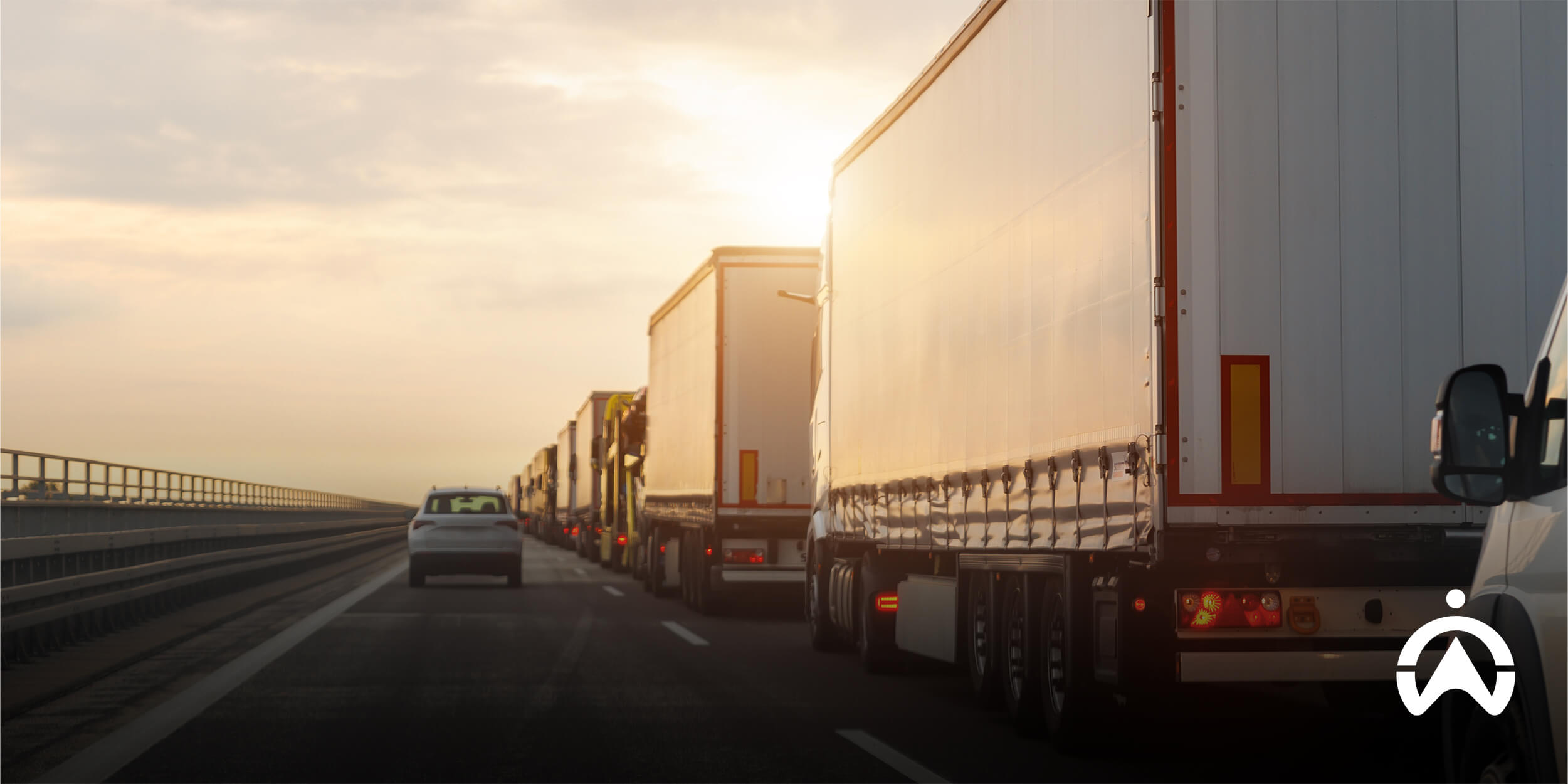
Semi-trucks lined up on a highway at sunset, representing how to successfully manage cross-border logistics and long-distance freight movement

How should long-haul logistics companies deal with border-based customs?

When dealing with customs at the border, long-haul logistics companies should consider a few proactive strategies that include:

  • Sorting out clearance ahead of time (pre-clearance)
  • Keeping a digital archive of all relevant documents (and making these accessible to drivers when they need them)
  • Having inventory declarations in check
  • Keeping you updated so you can notify your customers of any delays

Find the right partner to help you manage cross-border logistics like a BOSS!

The above checklist is good to have, but do you have the tools to actually put any of them into practice?

Our software makes it easier. We also automate much of the tedious admin for you!

Contact Cartrack Malawi to see just how much we can help with your cross-border management, and how our tools end up saving you so much that they MORE than pay for themselves.

Frequently asked questions about cross-border logistics

What does SARS have to do with fleet border clearance?

When it comes to customs and excise in Malawi, the Malawi Revenue Authority (MRA) manages the process and provides importers with the systems needed to declare goods. All products must be legally cleared, which usually involves the payment of applicable duties and taxes. MRA is responsible for enforcing these regulations, and in many cases, goods can be pre-cleared through its online systems before arrival at customs to help reduce delays and improve efficiency.

Do truck cameras record audio in case of bribery attempts at the border?

Yes, many truck cameras nowadays do record audio. This is another reason why getting vehicle security cameras for your trucks or vans is so important, because if your drivers are intimidated to pay a bribe, the cameras will record this.

How do you manage cross-border shipments?

Managing cross-border shipments is a little easier today than a decade ago. With digital tools abounding, inventory management & documentation procedures can be done without human error. So to manage cross-border shipments properly, you should adopt digital tools and AI to (at the very least) be on par with your competitors.


Why starting a transport logistics business and trucking company will benefit you

Truck logistics play a significant role in our economy and daily lives.

According to the Commodity flow survey (CFS) trucks transported 71.6% or $10.4 trillion of the $14.5 trillion worth of all goods shipped in the United States in 2017. Clearly, starting a truck logistics business comes with a lot of rewards but it is hard work too. 

What is logistics and how has it evolved to truck logistics?

The word logistics originates from the French term loger or logistique which means shortage. Historically, logistics was a term associated with the military where the function of logistics was supplying troops with suitable equipment for war. 

With the rise of consumerism and the growth and complexity of supply chains, the word logistics evolved in the 1950s. Logistics became a term used in the business sector to refer to the process of planning, implementing, and controlling the transportation of goods, resources and information from the point of origin to the point of customer consumption. The focus of logistics shifted from the war to meeting customer expectations and reaching customer satisfaction in the most timely and cost-effective manner. 

What is logistics and how has it evolved to truck logistics?

Today, the industry logistics markets have further developed as a concept that is utilised for business analysis and planning to help businesses achieve strategic competitive advantage by considering all possible factors involved in the business operation.

Truck logistics, therefore, refers to the research and planning of trucking operations. The logistics of trucking take into consideration all the factors involved in the transportation of goods and resources with the use of trucks, to boost productivity and efficiency. Trucking logistics include: 

  • Planning and optimising the most efficient routes for truck drivers 
  • Improving fuel consumption through fuel management 
  • Ensuring trucks are in good condition to complete tasks
  • Hiring an excellent staff of truck drivers
  • Applying effective fleet management 

In today’s industrialised world, trucks are one of the primary means for commercial transportation and the transportation of goods. Efficient trucking logistics not only helps a trucking company achieve success but also contributes positively to the economy. It is therefore safe to say that the trucking industry plays a large role in the economy.

Let’s take a closer look at how this important and large industry operates.

How does the transport business industry work?

A truck logistics company falls under the transportation business industry which is made up of businesses that transport goods, resources, or even passengers from one location to another. These businesses provide services to different target markets, from individuals to companies and even global trade partners. This means that businesses in the transportation industry can specialise in various niches and activities from e-hailing or hauling customer goods to international shipping of supplies and products. 

Businesses in the transportation industry are commonly classified into different categories based on their target customer, the type of routine, and the service provided, namely:

  • Personal transport: This is catered to individuals and small groups of people and includes one-on-one services such as taxi services, bus services, and most recently e-hailing services. 
  • Local transport: This category provides services to regional markets by transporting cargo such as livestock, materials, consumer goods, and more. Local transport may be commercial or private, depending on the distributed materials. 
  • Global transport: Global transport offers services for sea shipping or air-based delivery of cargo. These services consist of aspects of the personal and local categories but on an international scale.

Truck logistics focuses on local services. In providing these services, truck logistics prioritise road safety to ensure the secure transportation of cargo and the safety of both truck drivers and individuals as well as the preservation of specific goods, products, and loads. 

What trucking logistics does is examines factors such as trucking routes, types of loads and delivery times to best facilitate the different types of transport services and determine the best means of transport. For example, heavy hauling and long hauling are more demanding aspects of trucking than e-hailing personal services. 

The role of truck logistics in transport supply chain businesses

A supply chain refers to a network of individuals and companies who are involved in creating a product and delivering it to the consumer. Truck logistics is an aspect of the supply chain that plays a role in delivering goods or services to customers, manufacturers, distributors, or consumers. 

Simply put, the supply chain covers the production and distribution of goods and services to all types of customers while truck logistics focuses on the movement and storage of products in the supply chain. When efficiently implemented, both supply chain management and truck logistics work together to give companies a competitive advantage and bring value to their customers.

The goal of truck logistics is to get goods and services delivered on time. To achieve this goal, truck logistics follows a logistics flow that entails the movement and direction of goods, resources, products, or information within a supply chain network between the point where the goods, resources, products, or information originate to where they are consumed by customers. 

The three types the logistics flows are:

  1. Inbound logistics: Raw materials, tools, machines used for manufacturing, consumable items needed for fuel, or various spare parts and other elements for production inputs are moved, transported, or stored from suppliers to manufacturers for processing and production. Being the first stop of the supply chain, effective inbound logistics allows for a swift and integrated supply chain.
  2. Outbound logistics: Finished products from manufacturing are moved to the next stop of the supply chain. These finished products are shipped and delivered from the warehouse to the logistics business customers. All the products that move through this outbound logistics flow are intended for consumer consumption and satisfaction- this is also referred to as the order fulfilment process. 
  3. Reverse logistics: This involves returning, servicing, repairing, refurbishing, reselling, recycling, recovering, or properly disposing of products. Reverse logistics, therefore, refers to moving items or goods from the consumers back through the supply chain. This process is most common in the automobile and electronics industry.

3 reasons why you should start a trucking company

With the current shortage in the logistics industry, starting a truck logistics business can be rewarding. Here are three reasons why you should start a truck logistics business: 

  1. You can make money

Amongst other reasons, people start businesses to make money. So yes, you can make money from a truck logistics business, however, only if you manage it efficiently. This is because the profit made in the trucking logistics business is heavily affected by the costs. Fuel costs are one of the factors that can lead to high costs, especially in trucking and logistics- fuel costs eat up your profits. 

  1. You can work from home

Working from home has become a new norm. Today, the basic needs of managing a truck logistics business are a computer, phone, and internet. With these gadgets, starting, owning, and managing a truck logistics business from home is possible. Trucks can be busy on the road all day while you use fleet management software to monitor the activity of your fleet with the use of GPS location software. 

  1. You do not need to own trucks 

Most people have the assumption that to start your own trucking business you need to invest in a truck or trucks- this is not the case. As an owner of a truck logistics business, you do not need to be the owner of the truck or trucks. A start-up trucking business can be started with another person’s truck- just like Uber and Bolt. This is called an owner-operator and you can simply register the owner-operator’s truck under your authority. 

Thinking of starting your own logistics company? Let’s get you started with the following steps!

 6 actionable steps to plan and start a truck logistics business

  1. Complete the required training

Truck logistics requires the right set of training and skills, therefore it is important to acquire the right training suitable for the job. The form of training will vary based on the type of service the trucking business will provide- whether global, local transportation, or both. The following are some of the training requirements:

  • Transport Management Systems: This training gives an understanding of how transport management systems (TMS) work and why it is vital for transport systems. The training equips you to manage and track all the different aspects of transport management such as vehicle maintenance, warehousing, communications, cargo handling, and more.
  • Management and Inventory Operations: The ability to handle and control inventory plays a vital role in the transport and logistics business. Inventory management is integrated with warehouse management to inform and educate you on how products move through your operation.
  • Transportation Regulations and Law: To run a trucking logistics business that provides both domestic and international services, training should include regulations on interstate commerce and global shipments and carriers.

There may be additional training or courses that may have to be acquired depending on the type of service your truck logistics provides and local government regulations. 

  1. Do your research

Before you get into truck logistics it is important to research the industry. Research helps you understand the business and how viable it is, even before entering the market. Here are some research points that could give you an overview of the business: 

  • Costs: As mentioned above, the purpose of owning a business is to make a profit. It is important to find out the costs of the business and whether the business is profitable. 
  • Competitors: Researching competitors will help you understand what other service providers are doing right or wrong. This way, you will gain an understanding of what the customer’s expectations are.
  • Niche: The truck logistics business is a big industry. Find out what goods and services you would like your business to specialise in. Successful businesses pick a lane.
  1. Set it up

Starting a truck logistics business will take a lot of time, money, and energy, this is because it involves planning, making key financial decisions, and completing a series of legal activities. Here is a guide to setting up your truck logistics business: 

  • Create a business plan
  • Choose a business entity
  • Open a business account 
  • Ensure fleet compliance
  1. Get funding

Transport tools and different road and cargo shipping requirements are some of the capital needed to start a track logistics business. Therefore, you need start-up capital to start a truck logistics business. Luckily, there are many funding and financing options accessible, based on the type of service a truck logistics business provides as well as the geographical location of the business. There are traditional financing options such as loans and private financial aid. However, if you have no money, you can opt for financing that can help you start a trucking logistics business with no money. The trick is doing the research and finding the funding that is ideal for you. 

In Malawi, truck logistics presents a major business opportunity with a few good funding options- these include both government funding options as well as private funding. 

  1. Put together a team to operate your fleet

A truck logistics business without truck drivers is non-functional. There are many things to take into consideration when hiring employees: 

  • Do they have a history of safe driving? 
  • Check the applicant’s compliance, safety, and accountability profile (CSA)
  • They must have a commercial driver’s licence (CDL) or road test certificate
  • Make sure the applicant’s medical certification is up to date
  • Have a road test

Finding a suitable employee will take a lot of time and effort but hiring the right applicant for the job will positively impact the business. 

  1. Invest in fleet management software

Finding the best fleet management software will help you ensure the success of your business. A good fleet management software will help you optimise routes, track truck drivers and cargo, ensure your fleet is compliant, help you manage fleet-related costs, protect you from fuel fraud and ensure you keep your truck drivers safe. 

Oversee your logistics company and save time with Cartrack’s software as a service (SAAS)

Cartrack’s fleet management software allows you to streamline your entire fleet operation from monitoring driver behaviour and using GPS tracking to pinpoint drivers and assets to managing vehicle usage and fuel usage.  

Contact Cartrack today and kick-start your successful trucking company with us. 

How to efficiently manage business and transport logistics

What is business and transport logistics management and how can it benefit my company?

Business logistics matters to every organisation, regardless of the scope, industry or specialisation. Read more on how fleet managers can better utilise logistics management to transport goods and services from point A to B.

This is the process of transporting goods from one primary location, such as a manufacturing warehouse, to their destination. This process of movement makes up contemporary business logistics and keeps your logistics business running smoothly.

logistics and supply chains

What are logistics and supply chains?

Supply chain management and logistics management are two topics often used interchangeably because both concepts are central to running a successful business. While the supply chain includes every element from production to delivery, logistics is only one element in the larger concept of the supply chain. 

 Let’s unpack this a bit more.

 A Supply chain is a network of businesses, organisations and other people working together to produce and distribute popular products. Logistics, on the other hand, handles the safe movement of supplies and finished goods from location A to B, this includes transportation and warehousing. 

 Logistics also includes two processes: 

  • The gathering of data on each process involved in a company’s distribution
  • The allocation of resources such as human resources, materials, equipment and capital to the different steps required in the movement of goods

Although logistics is a simpler concept to understand than the overall supply chain, don’t let its simplicity fool you, logistics has a huge role to play with many steps within it to keep it functional and beneficial to the business.

Business logistics: What it is and how it works

Business logistics refers to the workflow and oversight of goods in transit, whether from a supplier to a business or from a business to a customer. The key concept here is managing these processes as a unified system. 

You don’t have to manage and oversee this process manually. A logistics management system can take care of inbound elements like purchasing and arranging the transportation of products, parts, materials and finished inventory from suppliers to a company’s warehouse or manufacturing plant. And outbound elements like the flow of items through a company’s production line, warehouse and ultimately to the customers.

Both these elements would need the logistics manager to implement other management techniques such as:

  • Transportation management
  • Warehouse management
  • Fleet management
  • Order processing
  • Inventory control
  • Supply and demand forecasting
  • Managing third-party logistics (3PL) service providers 

A logistics management system can take over these different management departments and automatically gather and process information as needed. Leaving logistics managers with practical tasks such as making sure the supplies being transported arrive safely and intact, and striving to attain positive feedback from customers.

business logistics management

How does business logistics management boost profits?

Business logistics management gains profit and trade for the business, by exchanging goods and services, making logistics the backbone of any business. Without financial gain and trade, there would be virtually no transactions taking place, no deals, no profits and ultimately, no business.

But when done right, business logistics management can make organisations leaner and more profitable over time. Granting broader visibility over the movement of goods and items from production to consumption, identifying infrastructure and operational practices that help or hinder the smooth transportation and distribution of goods

As smooth as this process is, it can show cracks in the current workflow of any business. It can also inform which aspects of an employee’s duties are handled well, and which require new or updated systems. To ensure no further ‘cracks’ are shown, a set of inbound and outbound domains should be followed to ensure effective logistics handling.

The 7 pillars of effective logistics

1. Material sourcing 

Material sourcing is more than finding the cheapest supplier of raw materials. Logistics includes calculating and managing factors like backorder delays, add-on service costs, extraneous fees, increased shipping costs due to distance or regulatory environments, and warehousing costs. 

Going the extra mile to find the right supplier for any material also requires understanding how these factors will impact the overall operation cost. This process is referred to as “strategic sourcing”.

2. Transportation

Fleet managers should pay special attention to this component of logistics planning, as it is the core of logistics management.

For transportation to contribute and fulfil its role in logistics planning, first, a company needs to select the best mode of transportation – there are only three freight options for shipments: air, water, or land. Then they choose the best carrier based on cost, speed and distance, including optimising routes that require multiple carriers.

If goods are being transported globally, the shipper needs to be knowledgeable about customs, tariffs, compliance and any relevant regulations, while transport and fleet managers have to document and track shipments, manage billing and report on performance using dashboards and analytics software.

3. Order fulfilment

For items to get to their destination(s) without trouble, the right items must be “picked” from the warehouse as per the customer’s order, get properly packaged and labelled, and then shipped to the customer’s home or collection location as scheduled. Once delivered, this creates an order fulfilment, which is the heart of logistics sequencing in customer distribution.

4. Warehousing

Both short- and long-term storage are common parts of logistic planning, so common in fact, that a new process, warehouse management systems (WMS), was created to help logistics planners optimise warehouse space by taking into consideration specific conditions for perishable goods, as well as enquired facilities such as cold storage, docking facilities, and proximity to modes of transportation such as rail lines.

Further, WMS can also deduce goods that are scheduled for transport to be placed at the front of the warehouse. While lower-demand items are stored toward the rear. Perishable goods are often rotated, so the oldest items are shipped out first, ensuring effective warehouse operations.

5. Demand forecasting

Logistics caters to inventory demand forecasting. This ensures the business never runs out of high-demand products or materials and doesn’t stock up on items that aren’t needed. This saves the businesses money, time and products that might expire as a result of poor sales. By using demand forecasting, logistics managers can precisely determine how much of each product they will need and when they will need it. 

6. Inventory management

Based on past trends or seasonal behaviour, companies can plan for increased demand for certain products and meet demand when requested. In turn, a company can better determine when to offer discount pricing for items that aren’t in demand and offer incentives for free capital to reinvest in goods that are in higher demand. With this, they can also keep profits higher and make inventory turn faster.

Since stores differ from one another, good inventory management enables the business to decide to ship products that are performing poorly in one store or region to another where the products are in demand rather than take a loss via discounting pricing to get rid of stock. Or creating waste by throwing away the products. Logistics is key to moving inventory where it is likely to get the best price.

7. Supply chain management (SCM)

A supply chain is essentially a series of transactions. If logistics fails, the supply chain will fail, and transactions will come to a standstill. To better explain, during the pandemic, aisles in multiple stores were empty, caused by sudden high demand. While warehouses and farms had amble goods that were going bad and had to be thrown out. The transportation restrictions during that time broke supply chains, and thus stores didn’t receive their goods, losing profit in the long run.

If business and transportation logistics were implemented and business owners used demand forecasts beforehand, they could have foreseen the disaster and prepared for the sudden spike in demand.

What is transportation logistics management

What is transportation logistics management?

Transport management is part of logistics management and, as such, It’s considered one of the most important aspects of the distribution element, as well as the factor that can make or break a company.

Because transportation and logistics management are so similar, it’s not uncommon for them to share the same primary goal of efficiently and effectively transporting goods throughout a company’s supply chain.

The end goal: physical delivery

Transportation logistics focuses on the successful delivery of goods from one location to another. Planning to have a safe and scheduled delivery is one thing, but going through the terrain without loss, damage or attempted theft and delivering the physical items is another. 

To swiftly meet delivery deadlines without encountering any problems, it’s best to get to know the transportation functions. The function of transportation services can be divided into three important areas:

  • Operations Management
  • Vehicle and Fleet Organisation
  • Infrastructure Administration

The best terrains for your business

Depending on what shippers are transporting, how large the item(s) are, and how valuable they may be, different modes of transportation may be appropriate for that item; however, when comparing the different terrains, it is stated that out of all the different modes of transportation, road transportation is the popular mode frequently used by the freight industry, here’s why:

  • It’s the most cost-effective of all the modes of transportation
  • You can have a quick and scheduled delivery (1-3days delivery)
  • Flexible service
  • Easily traceable cargo and fleet vehicles
  • Door-to-door complete delivery services are available
  • Most economical means of transportation
Transport Logistics management

Why is active management crucial?

Order fulfilment is only one of the many aspects of transportation and logistics management. There are several other reasons why it’s crucial to be proactive in this area of your business. As seen above, transportation management is a huge deal in the overall supply chain and the success of a business.

Let’s take a closer look at a few reasons that support active management:

Optimisation of inventory flows

Your entire supply chain can run smoothly when you manage your transport logistics effectively. This will allow you to keep a close eye on inventory and manage it accordingly, especially if transportation techniques are used. As a result, your warehouse’s operational efficiencies will be improved, lead times will be reduced, and storage costs will be reduced.

Environment sustainability

As you become more streamlined in your logistics approach and use the terrain that best suits your business practices, another benefit is reducing your carbon footprint. The transportation industry is known for being a bit ‘emissions-heavy’ so every little step towards decreasing emissions is one to be celebrated.

Moreover, striving to lessen air pollution will draw in customers that want to work with companies that take social responsibility seriously. Optimising your transportation process will simultaneously reduce environmental impact while increasing customer satisfaction.

Some notable benefits of logistics management

1. Increases visibility

With business logistics management, logistics managers have the advantage of seeing the distribution and transportation process through a strategic, more precise lens. It’s important to note the steps taken in the primary stages of product creation, such as front-end design, testing and production of its goods. While these are vital processes and essential to solidifying brand market share, they should not take time away from pushing the products through the business’s supply chain in a timely, efficient and cost-effective way.

2. Reduces costs

Smart business logistics planning helps logistics managers trim costs on many previously overlooked transportation and storage expenses. Through programs like fleet management software, inventory management and demand forecasting, businesses can tailor far more strategic inbound and outbound shipping schedules, routes, fleet vehicle maintenance and more. With this, managers can use the money saved through the efforts of effective spending and money-saving methods to be distributed elsewhere.

Key overhead costs reduced through business logistics efforts include:

  • Storage and inventory holding calculations
  • Purchasing expenses
  • Per-unit production costs
  • Fixed-asset expenses, such as warehouses, vehicles, etc.
  • Total supply chain expenditures

All the while, business logistics improve:

  • Cash flows
  • Order fulfilment rates
  • Delivery times
  • Net profits

3. Improves customer experience and increases customer satisfaction 

Out of all the different options a business has for delivering their products, most customers favour door-to-door delivery. With this delivery option, customers can enjoy safe payment methods, quality of a good or service upon arrival, and save up on fuel and travelling expenses to the nearest delivery location. 

To better cater to the customer, the delivery process should be a swift and straightforward experience, as a customer there’s nothing worse than not knowing where your parcel is or when it will arrive. Prompt and on-time arrivals, clear communication channels from the organisation and intact, undamaged cargo are key factors that impact customer satisfaction and guarantee positive feedback on the overall delivery service. 

When your organisation fails to meet these delivery expectations, customer satisfaction can greatly decrease. Logistics managers, however, can prevent that from happening with the help of business logistics.

4. Increased Profit

Efficient logistics management gives you credible transport and business insight on operations and customer relations. The information can then be used to increase the order fulfilment rate which can boost profit. With the aid of other management programs, such as fleet management software, fleet data, route optimisation, and active vehicle tracking, managers can minimise operational costs and ensure supply chain synchronisation.

fleet management

What impact does it have on fleet management?

At best, poor logistics planning will temporarily affect a company’s bottom line. At worst, it could be quite damaging. Since logistics are seen as the physical manifestation of a transaction, without them, cash flow can’t move from buyer to seller, resulting in a halt in production and a staggering loss in products and profit, ultimately leading to poor customer satisfaction and a decrease in customers.

Fortunately for the business, managers can use logistics management software to help make the best decisions for the business and fleet, such as calculating the best routing and shipping decisions, containing costs, protecting investments and tracking the movement of goods.

Logistical best practices vary depending on the nature of the business and its product decisions, but the process is always complex. Automation is the key to efficiency. This software can often also automate processes, such as:

  • Choosing shippers according to rate fluctuations or skills
  • Printing shipping labels
  • Transactions are automatically entered in financial ledgers and on the balance sheet
  • Ordering shipper pickups
  • Recording receipts and receipt signatures
  • Helping with inventory control

This one software can do the job of many in no time. Modern logistics management, aided by technologies such as Artificial Intelligence (AI) and the Internet of Things (IoT), enable managers to find new revenue streams and increase delivery profitability. Sure, these objectives can be met without the use of technology, but these methods allow businesses to achieve higher standards of logistics management and delivery efficiency.

Cartrack’s tailor-made fleet management systems

Have Cartrack’s user-friendly, fleet management tools readily available to help in the management of your business and transportation logistics as soon as you open our app. To further optimise your business practice, visit our website and let’s get started.