How to Start a Logistics Company Without Money and Manage It Successfully?

Starting a logistics company in Malawi might seem daunting and just a game for the big players with deep pockets. Trucks are expensive, fuel prices fluctuate, and regulations can feel overwhelming. Yet logistics remains one of the country’s most active sectors. Malawi’s transport and logistics activities play a significant role in the economy, with transport services making up nearly 48 % of commercial service imports in 2023, underlining the importance of freight movement in the country’s trade and logistics sector.

What you may not realise is that many successful logistics businesses didn’t start with trucks, warehouses, or huge budgets. They started with something much simpler: the right niche, strong operational control, and the right technology.

If you want to launch a business without breaking the bank, you’re going to have to swap capital for smart strategy, careful planning, and operational savvy.

Think of this blog as a manual that provides a step-by-step procedure on exactly how to achieve that in the Malawian market.

Is it possible to start a logistics company with no money?

Yes, it’s possible to start a logistics company with no money, but let’s clarify what “no money” really means. Starting your logistics business without funds doesn’t mean you’re running without expenses. It just means you’re avoiding large upfront costs like buying vehicles, hiring full-time employees, or renting warehouse space.

In Malawi, many logistics start-ups focus on managing transport rather than owning it. They handle everything from delivery planning and routing to client communication and delivery reliability, with subcontractors handling the actual transportation. Using this method allows you to enter the market faster while reducing risk.

Remember that when you run your operations well, clients respect dependability more than whether or not you own the car.

Understanding the Malawian logistics market

Before you start your logistics company, it’s important for you to understand the Malawian logistics market. The logistics sectors in Malawi, like retail, eCommerce, healthcare, and construction, encounter challenges like rising fuel prices, vehicle-related crime, and lower profits. Companies that can effectively manage their routes, control fuel consumption, and monitor driver behaviour are more likely to stay successful.

At the same time, regional operators face their own unique challenges. Fuel costs rank as one of the biggest operational risks. Carjacking and vehicle theft are real threats, while irresponsible driving can lead to an increase in maintenance expenses thanks to aggressive driving and poor vehicle handling.

Choose the right logistics niche to minimise costs

Choosing a logistics niche can significantly help in ensuring fewer risks and expenses when starting your logistics operation. The logistic niches—which new companies can use to earn money without necessarily investing in vehicles—include courier services, freight broking, contract logistics, and transport services.

Courier and last-mile delivery

Last-mile delivery often serves as a great starting point into the logistics world. You can team up with independent drivers who use their own vehicles, allowing you to concentrate on managing routes and delivery schedules.

Freight brokerage (no trucks required)

Freight brokers make their money by linking shippers with transport providers. You’ll handle the loads, schedules, and paperwork without actually owning any trucks. This approach is perfect if you have strong organisational skills.

Contract logistics for SMEs

Small businesses often rely on regular transportation, but may not have the budget for their own fleet. Contract logistics offers a solution, providing predictable income while keeping asset exposure low.

Specialised logistics (medical, retail, construction)

Logistics in the medical, retail, and construction sectors focus more on reliability and compliance rather than quantities. By specialising, you’ll be able to charge more per delivery while handling fewer jobs.

Legal and compliance requirements in Malawi

To operate legally in Malawi, a logistics business must register with the Malawi Business Registration and Licensing Agency (BRELA) and manage its tax obligations with the Malawi Revenue Authority (MRA). Operations must comply with transport regulations, including obtaining operating licences and ensuring vehicle roadworthiness. Starting with compliance not only protects your business from potential fines but also enhances credibility with clients.

Business registration and structure

Start off by registering your company with the BRELA and choose a structure that offers the least amount of liability.

Tax, VAT, and SARS compliance

Make sure to register with the Malawi Revenue Authority (MRA) and monitor your business income closely. Once your turnover exceeds the specified threshold, you must register for Value Added Tax (VAT). Planning ahead is essential in these situations.

Transport-specific requirements

Depending on the services you offer, you’ll need to get an operating licence and ensure your fleet of vehicles meets compliance standards. You need to remember that a lack of regulation can lead to fines and missed contract opportunities.
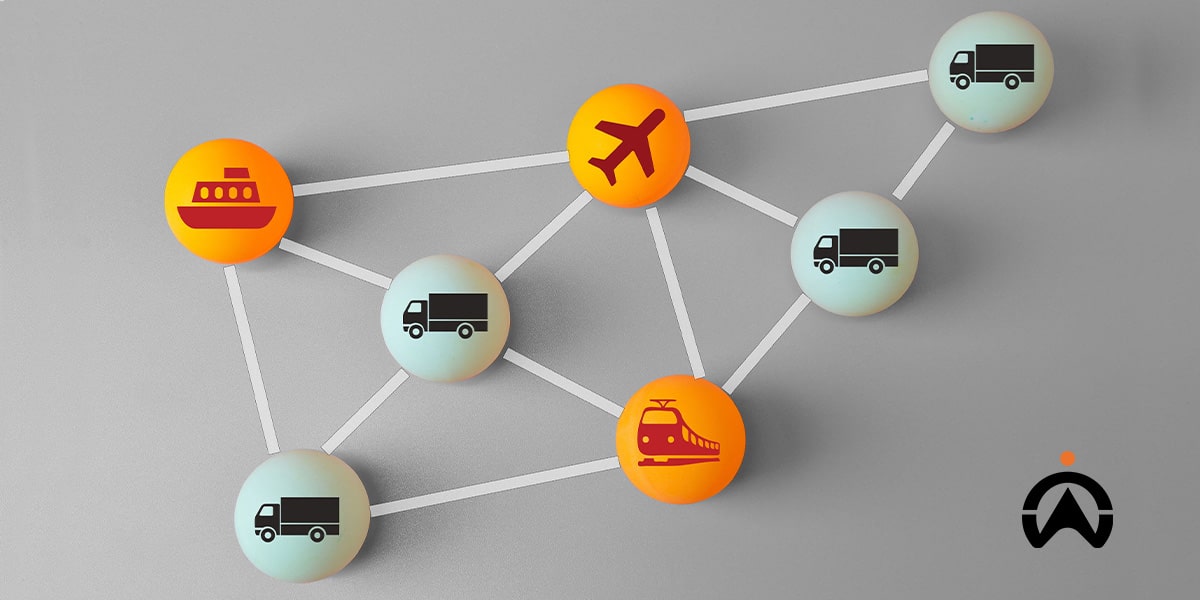
Logistics company operations and transport workflow

How to start a logistics company without owning vehicles

You can start a logistics business without having to own any vehicles by teaming up with owner-driver transport providers. Many start-ups in Malawi thrive using an owner-driver or subcontractor method, where drivers supply the vehicles and you take care of all related expenses. While this approach carries a higher financial risk, it keeps operational risks relatively low.

So, while you won’t need your own cars to run a logistics business, having control is essential. A way to ensure you have some sort of control is through a portable tracking device. With it, you’ll be able to track all activities in real time, ensuring your transport runs smoothly and your customers remain happy.

Building a logistics business plan on a zero budget

Building a logistics business plan on a zero-to-little budget will need to emphasise key services with reasonable pricing and mindful spending. It’ll have to prioritise financial growth and operational efficiency, focusing on cash flow, fuel expenses, and overall effectiveness. This strategy will help new logistics companies stay profitable and grow.

Remember that a budget-friendly logistics plan centres around realistic expectations.

Be specific about the services you offer. When quoting jobs, make sure to consider the costs of fuel, administration, and any unexpected expenses. Be cautious of subcontracting jobs at really low prices, because this is a common scam that will end up costing you more money to fix.

Your plan should focus on maintaining steady cash flow rather than rushing into immediate expansion.

Finding your first logistics clients with no marketing budget

You can find your first logistics customers without spending a cent on advertising. Logistics start-ups can land clients without a marketing budget by tapping into personal networks, teaming up with established transporters, and joining online freight platforms. In Malawi, what truly counts in securing those initial logistics contracts is not branding but reliability, communication, and consistency.

Leveraging existing networks

Retailers, suppliers, and contractors often urgently need transport and place a high value on referrals.

Partnering with established transporters

You can offer overflow support or cater to specialised routes.

Online platforms and marketplaces

Malawian freight marketplaces connect loads with available vehicles, enabling start-ups to generate revenue quickly.

At this stage of the journey, reliability and communication are far more important than branding.

Managing operations efficiently from day one

To manage your operations effectively from day one, there are a few things you should focus on, such as solid scheduling, clear visibility, and quick delivery updates. Inefficient processes often lead to communication issues and delivery delays. Smaller logistics companies should implement tracking systems to improve coordination, reduce mistakes, and build trust with their customers.

Operational efficiency plays a key role in the success of start-up companies in logistics. Relying on manual processes, spreadsheets, and WhatsApp for communication can lead to misunderstandings, leaving your clients feeling frustrated by missed calls and delays in updates.

Even small businesses can really benefit from knowing where their vehicles are at all times.

Using technology to run a lean logistics operation

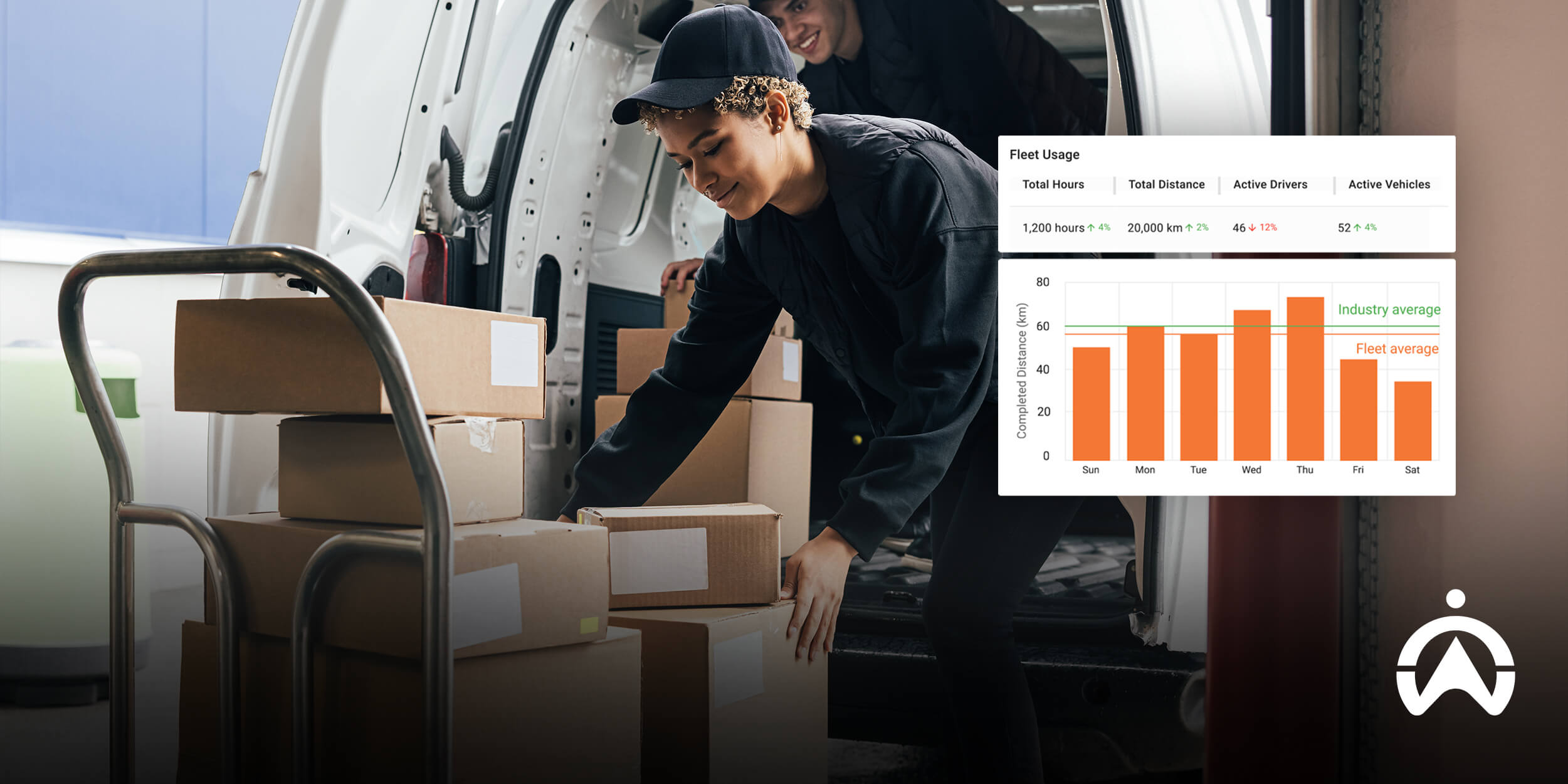
Technology allows small logistics companies to operate just like their larger competitors. It helps smaller logistics firms run smoothly without needing lots of staff or vehicles. With real-time data on vehicle locations, routes, and driver behaviour, businesses can reduce fuel consumption, enhance accountability, and make informed choices. This gives start-ups an advantage over established businesses in the logistics sector.

Real-time tracking indicates where vehicles are and how deliveries are progressing. The trip history feature highlights any inefficient routes, and the driver behaviour report shows where drivers might be wasting fuel.
Managing a small logistics company efficiently

Managing fuel, maintenance, and driver behaviour without big budgets

Logistics companies can manage fuel and maintenance costs by keeping an eye on their drivers’ driving habits. Regular maintenance of vehicles lowers the chances of sudden breakdowns, which helps Malawian entrepreneurs maintain their cash flow in a transportation market that is expensive.

Fuel expenses remain the biggest drain on the Malawian logistics industry. Behaviours such as speeding, quick braking, and long periods of idling lead to higher fuel costs and increased repair expenses. So, tracking these driving habits really pays off!

Preventive maintenance shouldn’t be overlooked once you have your own vehicles. It helps keep your business operational by preventing unexpected breakdowns, not only saving you money but time as well.

Scaling your logistics business sustainably

For sustainable growth in logistics, you should rely on data rather than assumptions. It’s essential to analyse performance data to identify the most profitable routes and drivers before expanding. Keeping a close eye on your growth helps you avoid cash flow issues.

Utilise performance reports to find lucrative routes, reliable drivers, and loyal customers. We should be aiming for growth wherever possible.

Common mistakes new logistics businesses make in Malawi

There are common mistakes new logistics businesses make in Malawi, like underpricing their services, overlooking compliance, and running their businesses without clear visibility of vehicles and drivers. This typically leads to increasing costs and failures in service. Logistics companies that are successful understand that it’s important from the start to focus on efficiency in operations, accountability, and having control.

It’s common for new businesses to set their service prices too low, overlook compliance requirements, or delay putting money into systems that are needed. These mistakes can result in smaller profit margins and a chaotic environment for operations.

How Cartrack helps you manage and grow a logistics business from day one

Cartrack helps you manage and grow a logistics business by providing you with real-time insights into vehicle locations, delivery processes, and driver behaviour from day one. With better routes, lower fuel costs, and increased accountability, Cartrack supports smaller logistics start-ups in managing increased demands while growing sustainably.

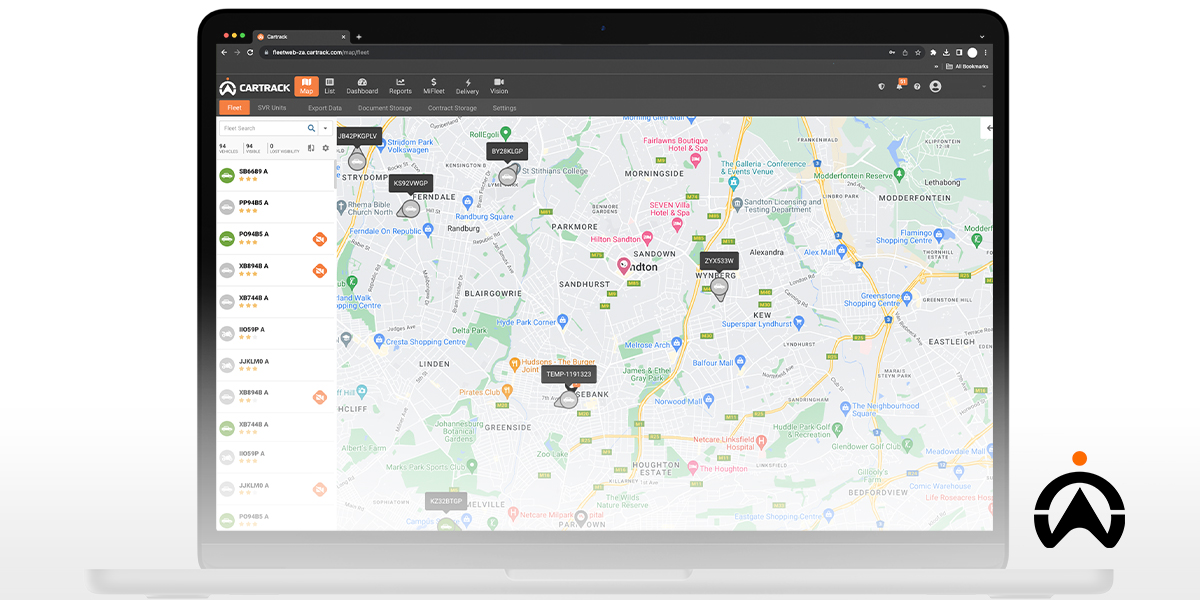
In Malawi, Cartrack gives logistics businesses immediate visibility from the first vehicle. With GPS tracking, you can easily monitor locations, trip histories, and delivery progress without having to make calls or chase updates from your team or subcontractors.

Using GPS fleet tracking also helps logistics companies improve visibility and gain better operational control from the very beginning.

Often, fuel and maintenance costs are crucial for survival. Cartrack helps you spot inefficient routes, excessive idling, and risky driving habits that drain your finances. Addressing these issues early on protects your cash flow.

Monitoring driver behaviour, generating trip reports, and setting up geofence alerts boost accountability and service reliability. This level of transparency builds trust with clients, giving you a strong edge in competitive markets.

At Cartrack, we grow alongside your business. Data analysis will guide you on when to scale, optimise routes, or adjust pricing based on actual operating costs.

Conclusion: Turning a zero-capital logistics start-up into a profitable business

To sum it up, it’s definitely possible to start a logistics business that can make a profit without having any cash by simplifying processes, choosing the right niche, ensuring compliance with regulations, managing subcontractors in an effective way, and utilising technology to reduce expenses.

In a competitive environment, success depends less on having assets and more on factors that are key, such as visibility, efficiency, and accountability. With proper systems set up, even the smallest logistics start-up can compete and grow and thrive.

Frequently Asked Questions

Do I need insurance to start a logistics company in Malawi?

Yes, you definitely do need insurance to start a logistics company in Malawi. It’s crucial to cover your vehicles and goods, as well as any third-party risks. Even if you’re subcontracting, having insurance helps you manage risks and keeps your clients happy.

How do logistics companies protect vehicles and cargo from theft and hijacking?

Logistics companies can use GPS tracking, geofence alerts, driver monitoring, and recovery services from companies like Cartrack to protect their vehicles and cargo from theft and hijacking. This tech allows for quick detection of unauthorised movements and fast responses, especially in high-risk areas.

When is the right time to invest in fleet management technology for a new logistics business?

The best time to invest in fleet management technology is right from the first active vehicle. Getting real-time tracking, fuel data, and insights into driver behaviour from the beginning helps you manage costs, boost accountability, and set up efficient fleet operations, which can save you from expensive mistakes down the line.

How to Start a Successful Delivery Business

E-commerce businesses, drop shipping, and food delivery businesses globally have led to an increased demand for reliable, affordable, and customer-centric courier and delivery service providers. So, launching a delivery business start-up or expanding your business to offer delivery service is an excellent idea!

This is an attractive prospect for you to get into because it requires very little start-up costs. In fact, you could probably start a delivery business right now with the vehicle and cell phone you have. But to run a successful delivery business, you need a lot more effort and strategy.

This complete guide on how to start and run a successful delivery business using Cartrack’s delivery fleet management system is exactly what you need to get started.

In this article, you will:

  • Get a step-by-step guide to starting a delivery business
  • Understand the behind the scenes of a successful delivery business
  • See what you need to get started with a delivery business
  • Identify the biggest challenge to your delivery business success
  • Discover how Cartrack’s delivery fleet management software can help you achieve a successful delivery business
  • Uncover whether delivery fleet management is right for your business

Our 5-step guide to starting a successful delivery business

The delivery sector is expanding and is projected to grow at accelerated rates over the next few years.

Here’s why you should start a delivery business:

  • The increased demand and the growing e-commerce industry require reliable delivery service businesses.
    ‍
  • Your business could provide this service to different companies on a small and large scale.
    ‍
  • The initial investment and operational costs of a delivery business are relatively low.
    ‍
  • As your business and customer base grows, you can easily expand your fleet, services, location, and client base.
    ‍
  • The technology and innovations, such as fleet management systems in the logistics industry, make it a thousand times easier for businesses to run a delivery business and become successful.

Starting a delivery business is relatively easy, but growing it into a successful business will require more effort. To achieve business success, you first need to understand what goes on behind the scenes of such a business.

When you imagine a successful delivery business, what companies come to mind? Are you considering a delivery giant offering same-day express delivery or a smaller delivery business that ensures quality and timely delivery of your online orders?

Starting a successful business is no easy task. Here is what goes on behind the scenes to make your business a success:

  • Aiming to ensure on-time-in-full delivery of products and orders to retailers and customers.
    ‍
  • Protecting brand reputation and ensuring customer loyalty and satisfaction.
    ‍
  • Providing the best pricing options for customers and clients.
    ‍
  • Real-time delivery progress, reliable order tracking, and multiple delivery options for customers.
    ‍
  • Happy drivers with a good work-life balance.
    ‍
  • A clear business goal and vision, understanding of the delivery market, and legal compliance.

Whether you are a business person looking to launch a delivery/courier business or you’re hoping to expand your business and offer delivery services to fulfil your customer’s needs, this guide will help you bring your business out of imagination into reality, and finally, business success.


Step 1: Identify your delivery business niche

The delivery business is a fast-growing market, with businesses offering food delivery, drop-shipping, gift delivery, courier service, medical equipment, supply delivery, and even after-hours delivery. The best way to start your delivery business is to first decide on your niche and prepare a business plan.

Here are five top delivery business niches worth looking at:

  • Food, grocery, and alcohol delivery
    This industry is projected to have a market revenue of US $22.61 million in 2025. You can offer delivery service for restaurants, supermarkets, and liquor stores through on-demand and convenient customer services. You can also pick up and deliver or make and deliver catered meals for events, meetings, and parties through a catering delivery service.
    ‍
  • Flower and gift delivery
    Who doesn’t love flowers and gifts? The market growth rate for this business is projected to keep growing in Malawi. You can offer same-day or next-day delivery for fresh flowers and gifts for special occasions like birthdays, anniversaries, etc.
    ‍
  • OTC and prescription delivery
    Partner with local pharmacies and offer customers reliable over-the-counter and prescription medication delivery services. The OTC pharmaceuticals market for online sales is projected compound annual growth rate for the next four years (CAGR 2025-2029) will be 15.2% and reach US$4.9m revenue by 2029 in Malawi.
    ‍
  • Pet food, supplement, and supply delivery
    Work with pet stores and vets or offer your own branded products to deliver food, medication, and other supplies to pet owners. Revenue of pet products are expected to grow by 13.05% annually in Malawi, with a projected market volume of US$11.44m by 2029.
    ‍
  • Courier services
    Deliver packages, documents, and other items for businesses and individuals with same-day, next-day, and more delivery options available to customers. In Malawi, this market is dominated by major players, with even global competitors influencing the market.

These quick insights into each of these niche delivery businesses in Malawi and the projected market revenue and market growth over the next few years are useful ways to understand the potential profitability of your own delivery business. The more the market demand and e-commerce industry grow in Malawi, the more opportunity there is for your business to offer a delivery service to the market.

Each industry has unique challenges, but once you’ve decided on a niche delivery service, it is easier to build a business plan detailing your mission, conduct market research, consider your financial investment, and estimate your return on investment (ROI).

Finally, remember to choose a business structure and register your business with the Companies and Intellectual Property Commission (CIPC).

Step 2: What you need to get started

With your delivery business plan and official registration from the CIPC in place, it’s time for you to invest in the necessary fleet, equipment, and other supplies for your business.

Consider making these investments for your delivery business:

  • The right vehicle(s)
    You’ll need the right vehicle for the job/delivery service you plan on providing and selecting the right vehicles is crucial for your delivery efficiency. Whether you decide to invest in a new or old vehicle, such as a cargo van, light-duty truck, compact car, motorcycle, or other unique vehicle is entirely up to you. Alternatively, this is also a great option if you simply use your own vehicle for deliveries. One of the most important things when choosing the right vehicle is your fleet’s operating costs, so investing in budget-friendly, low-fuel consumption and good fuel economy vehicles is important. To protect your brand image consider opting for more eco-friendly vehicles too.
    ‍
  • The perfect delivery drivers
    Drivers play a crucial role in the success of your delivery business, and their performance and behaviour can impact key aspects of your operations from customer satisfaction to operational costs, and your brand reputation too. Training the perfect delivery drivers requires coaching to improve driver behaviour and prevent reckless driving, speeding, harsh braking and dangerous driving habits. Ensure that your drivers have the correct driver’s licence and personal insurance for their protection in the event of an accident.
    ‍
  • The right insurance and protection
    Insurance will be your saving grace if your customer or client’s parcel or product is damaged or stolen in transit or one of your vehicle (s) is damaged or stolen. You need to secure the right insurance for your business, which may include business liability insurance, goods in transit (GIT) insurance, courier insurance, and public liability insurance. When starting your business, you will also want to add an extra layer of security, primarily to protect against vehicle and cargo theft. One of the best protections you can opt for is stolen vehicle recovery services from a company like Cartrack.
    ‍
  • The best technology for delivery management
    Delivery management technology is your best friend for your business’s success. In addition to investing in the right vehicle, purchasing smart devices like a tablet or smartphone for drivers, and getting a GPS tracking system from Cartrack. You’ll want to add delivery service software such as Cartrack Delivery that can help you perfect delivery tracking and progress, plan the best route for drivers, automate processes, monitor your drivers, keep track of your vehicle maintenance, generate customised reports on your fleet and business and more.

Starting a delivery business is relatively easy, but growing it to be successful will require more effort. To achieve business success, you need to mitigate risks and proactively prevent the biggest challenges in delivery businesses from affecting you.

Step 3: Address the biggest challenges to your delivery business success

  • Parcel management
    Getting parcels to your customers’ doorstep seems easy enough right? The challenge comes with ensuring that the customer’s order is processed properly, to the correct item specifications and delivery address, and all information is properly recorded to plan the delivery logistics.  Mistakes can happen more easily without adequate routing and scheduling, real-time visibility, or proper capturing of the delivery information, especially if you or your fleet manager has to complete this process manually.
    ‍
  • On-time deliveries
    Timely delivery is essential for customer satisfaction, brand reputation, and your business’s competitive advantage. A delivery business requires efficient logistics and operational processes, as most successful companies prioritise on-time delivery. This is a brilliant way to increase sales as customers know they can trust a business that delivers their orders. Ensuring timely deliveries can be challenging for your business due to driver productivity and other delays, which can directly cost you sales.
    ‍
  • Fleet fuel management
    Fuel is most likely the biggest operational cost your delivery businesses will face, so managing your fleet’s fuel costs will be a major challenge. High fuel costs affect your business’s profitability and the service pricing you can offer customers, making it even more difficult for you to run a successful business. You’ll have to manage the costs and fleet consumption and ensure your business’s cost efficiency.
    ‍
  • Driver productivity and work-force optimisation
    Your drivers and fleet staff’s productivity can directly affect business sales and profitability, but how can you ensure they are productive and efficient? Operational efficiency is a major business challenge, but delivery fleet software and other technologies can help your business address this.
    ‍
  • Unplanned vehicle downtime 
    Any vehicle downtime due to maintenance, breakdowns, repairs, vehicle servicing, etc. can result in reduced productivity, financial business loss, customer satisfaction issues and even more problems for your delivery business.
    ‍
  • Measuring customer satisfaction
    Getting client and customer feedback is important for your business, but old methods of sending surveys or completing a form can discourage customers from giving a review. Knowing how your customers feel about your delivery service is essential for improving service quality and enhancing customer experience.
    ‍
  • Fleet logistics management
    This involves efficiently planning and coordinating delivery vehicles to optimise delivery routes and driver schedules. This is one of the biggest challenges for delivery businesses and gets more complicated as your fleet and business expand.

You may be concerned about whether your new start-up or business strategy, even with the right equipment and a good customer base, can compete with larger delivery service providers and popular third-party logistics companies, but would you believe us if we told you that there is enough cake for everyone to share in the market? What’s more, delivery technology and other innovations from companies like Cartrack make it easier for start-up businesses like yours to compete with delivery giants.

Step 4: Using technology for your delivery business

Delivery fleet management software is a top strategy for addressing your delivery business challenges and ensuring business success. At Cartrack, we’ve designed the perfect software for new delivery businesses. Cartrack delivery is an all-in-one tool equipped with cloud-based software and a mobile delivery app to optimise your delivery business and empower your drivers.

Take a look at these Cartrack Delivery features and benefits you can experience in your delivery business.

  • Automated and streamlined processes: Enjoy a more efficient method of uploading driver information, and assigning jobs to drivers.
    ‍
  • Driver visibility: Gain real-time visibility on job progress and driver location, and intervene or communicate delivery delays. Managers can also receive updates about driver availability for new tasks.
    ‍
  • Route planning and route optimisation: Ensure timely delivery by arranging delivery schedules in advance based on job priority, driver availability, and shortest route. Alternatively, auto-plan your deliveries with the route optimisation feature that organises jobs in the most logical order.
    ‍
  • Two-way communication: Managers and drivers enjoy two-way communication, and drivers receive instant notifications when work orders are changed.
    ‍
  • Customer communication: Customers receive an automated notification once the driver is on the way, with a link to live track their delivery and are notified when delivery is complete.

Step 5: Establishing a good customer-base

Your business’s long-term success depends on its customer base. Once you have chosen a niche area and invested in fleet, equipment, and software, it’s time to focus on building a good customer base by providing quality service.

Here are some strategies for effectively building and maintaining loyal customers:

  • Deliver a positive customer experience every time
    ‍
  • Focus on reliable and timely delivery
    ‍
  • Offer a competitive price
    ‍
  • Build a positive brand image and market your business with customer reviews
    ‍
  • Introduce a referral program for deliveries
    ‍
  • Participate in local community events
    ‍
  • Offer other value-added services to customers
    ‍
  • Gather customer’s feedback

Here’s how Cartrack has helped businesses like Mr Build in South Africa run a successful and well-known business with delivery.

Cartrack Case Study: Mr Build

Mr Build is a well-known hardware store specialising in woodworking, timber, cement, plumbing, and a wide range of home decor. Over the years, Mr Build has grown with a total workforce of 200 people across different branches and a fleet of about 40 vehicles that deliver building and DIY materials to customers around South Africa.

As the business expanded, Mr Build found tracking where their drivers and vehicles were during deliveries was challenging. They could not update customers on their delivery without knowing if the driver was experiencing delays, which ultimately affected customer satisfaction.

Cartrack’s fleet management software was able to help Mr Build with:

  • Seeing exactly where their vehicles are at any given time and the vehicle history to see all trips completed.
    ‍
  • Mr Build avoids the manual and costly processes of checking up on drivers by calling to locate drivers.
    ‍
  • Reducing delays and unnecessary route deviations and boosting driver accountability and productivity.
    ‍
  • Improving customer satisfaction by updating them on the delivery process and managing their expectations.
    ‍
  • With the addition of CarWatch, managers get alerted the moment there is any unauthorised vehicle movement, and Cartrack’s 24-hour recovery team can respond immediately in the event of a vehicle theft. This helps them better manage risk and increase the chance of vehicle recovery during a theft or hijacking.

The manager at Mr Build, had this to say about Cartrack:

“Cartrack helps us monitor the fleet much better, I always know where all the vehicles are. There’s no part of the day where I have to look for a vehicle or driver. If I can’t get a hold of the driver, I know where the truck is.”  

Mohammed Haider Yacoob – Manager, Mr Build Tzaneen


How to achieve a successful delivery business with Cartrack’s fleet management software

Our fleet management software helps businesses in several industries unlock another level of efficiency and profitability.

Beyond Cartrack Delivery, here are other tools and software services that can help you achieve a successful delivery business:

  • MiFleet 
    Our cost and accounting software makes it easier for businesses to manage the varying financial costs of running their fleet. For your delivery business, this can help you ensure that every cent you spend on deliveries is accounted for. Track and authorise fuel costs such as driver refuelling, fuel card transactions, driver working hours, labour costs, and other costs such as repairs, services, and maintenance.
    ‍
  • Fuel management
    Our advanced fuel management system has hardware and software that ensure your delivery fleet runs optimally and economically. Track and monitor your fleet’s fuel consumption accurately, eliminate fuel-inefficient behaviours like driver idling, route deviations, poor route planning, and identify any fuel fraud in your fleet.
    ‍
  • Fleet management reports
    Get valuable insights into your delivery business operations with customised reports on driver behaviour and productivity, cost management, vehicle history and maintenance reports. Each of these reports can help you make data-driven decisions for your business.
    ‍
  • Maintenance and service reminders
    Regular maintenance and servicing of your delivery fleet is the best way to prevent unexpected breakdowns, minimise vehicle downtime and costly repairs, and ensure that vehicles are always ready for delivery. See your vehicle’s maintenance history and set upcoming service reminders so you can keep up with your fleet’s maintenance. This also helps you ensure driver safety, extend vehicle lifespan, and enhance fuel efficiency.

Achieve a successful delivery business with Cartrack Malawi

Launching a delivery business is simple, but transforming it into a profitable and successful business requires strategy.

So let’s get started; contact us for a Cartrack Delivery and fleet management software demo today.

Fleet Logistics Management – Boost Your Supply Chain And Fleet Costs

The logistics industry is constantly evolving. Is your operation equipped to stay ahead?

Fleet logistics is just what the fleet doctor ordered to help you reduce costs, elevate efficiency, and enhance safety in your operation.

Read on to discover the world-class solutions available at the tap of a button.

In this article, you will:

  • Learn what fleet logistics are
  • Understand what the current state of logistics is
  • Find out what role fleet management plays in logistics operations
  • Discover how Cartrack’s fleet management solutions can boost your supply chain

What are logistics?

The logistics industry encompasses the comprehensive process of efficiently managing the transportation, storage, and distribution of goods from production to consumption, playing a critical role in supply chain management. This makes it much broader than the transportation industry, as it doesn’t just focus on the transportation and delivery of goods.

Logistics management is the component that holds the supply chain together, as it works to ensure a smooth forward and reverse flow of goods, services, and related information to meet customer needs efficiently. It involves the coordination of delivery vehicles for optimal efficiency and cost reduction. For these reasons, the logistics sector remains an integral part of every material industry, and as global trade activities continue to expand, they will persist.

What are the key components of logistics management?

While logistics management may seem very complex, it is fundamental for companies to manage their supply chain. The key components of logistics management are:

  • Transportation: This component is considered to be the most important component, as it plans and supports the distribution of goods to their final destination. It revolves around selecting the most efficient, cost-effective transportation modes for different types of goods and distances.
    ‍
  • Demand Planning: Proper planning is a major component of the supply chain that can eliminate the insufficient or improper supply of goods. It helps you determine all aspects of logistics, helping you maintain a balance between demand and supply.
    ‍
  • Warehousing and storage: This component revolves around providing a secure and centralised location for the storage of goods until they are ready to be distributed. In a world where demand in markets can suddenly rise, there needs to be a surplus of goods to fulfil sudden customer requirements.
    ‍
  • Inventory Management: This involves checking inventory levels regularly to monitor the flow of goods in and out of a warehouse. This helps businesses ensure that they maintain optimal stock levels to meet customer demands.
    ‍
  • Fleet Management: Fleet management involves the management and monitoring of vehicles involved in logistics. It is important for ensuring timely deliveries, cost savings, and optimised resource utilisation, covering all activities related to acquisition, maintenance, scheduling, and route optimisation.

What are fleet logistics?

Fleet logistics refers to strategically planning, organising, and coordinating a company’s fleet of vehicles to efficiently transport goods. Elements of fleet logistics include:

  • Vehicle management:This element of fleet logistics encompasses the supervision and coordination of a fleet of vehicles to efficiently transport goods. It also extends to the monitoring and recording of couriers and delivery personnel, aiding in the efficient management of drivers, fuel, and vehicle speed.
    ‍
  • Fuel management:This element of fleet logistics encompasses the management and monitoring of fuel consumption for fleet vehicles. By collecting fuel-related data, including fuel consumption, companies can track and manage their fuel usage and purchases, boosting cost savings and increasing fleet fuel efficiency.
    ‍
  • Route planning:This crucial element of fleet logistics optimises the transportation of goods by strategically planning delivery routes. By considering factors such as vehicle type, road conditions, and driver availability, this helps fleet managers improve efficiency and productivity, lower fuel costs, and adhere to delivery time windows.
    ‍
  • Driver management:This element of fleet logistics involves overseeing the activities of drivers, who are crucial to the delivery of goods. This helps fleet managers spot driver behaviour that is negatively impacting the business’s efficiency and provide specific training to end this behaviour.

What is the current state of the logistics sector?

The logistics sector is seeing fast-paced growth, fueled by technological advancements. The industry has seen a surge in e-commerce, with new markets, such as the clothing, food, and medication industries, experiencing a rapid expansion in online retail and delivery.

Businesses in this sector have made use of various technologies to stay ahead of rapid advancements. Ranging from real-time monitoring to data analytics, these solutions can be summed up in two simple words, fleet management.

What is fleet management?

Fleet management is the process of overseeing and coordinating the operations and movements of a fleet of vehicles. It involves strategic planning, logistical coordination, and operational control aimed at maximising fleet efficiency, productivity, and cost-effectiveness. To do this, fleet management systems include a range of features, such as proactive vehicle maintenance, enhanced driver safety measures, and unparalleled fleet visibility.

What_is_fleet_management?

Why does your logistics company need fleet management?

Fleet management is crucial to the success of your logistics company, giving you the following benefits:

  • It reduces fleet costs:

    By making use of fleet analytics to manage vehicle costs, reduce accident rates, and streamline operations with fleet software, fleet management helps ensure logistics processes run smoothly. Modern fleet management systems now offer even greater ROI, with predictive maintenance reducing costs by up to 25% and integrated fuel software lowering consumption by 15%.
    ‍
  • It simplifies real-time tracking:Fleet management systems are equipped with GPS vehicle tracking devices, which give fleet managers access to real-time fleet management and tracking. With GPS tracking, fleet managers can easily locate drivers wherever they are in seconds, instead of having to manually contact each driver or play the guessing game when it comes to establishing their estimated time of arrival during deliveries.
    ‍
  • It aids in effective route planning:Fleet management software allows fleet managers to plan routes or time and optimise how to cover the most ground possible in the shortest amount of time. Plus, it enables them to track fuel usage and measure it against their fleet performance, which is necessary to achieve the highest fuel cost savings.
    ‍
  • It provides you with advanced analytics:Fleet analytics give fleet managers better insights into driver behaviour, helping them address safety issues and prevent accidents. By using fleet analytics, fleet managers can identify drivers prone to reckless driving behaviours such as speeding, harsh braking, and excessive idling.
    ‍
  • It gives you access to fleet maintenance monitoring:Fleet management systems make it possible for fleet managers to track vehicle health and servicing dates. This monitoring helps fleet managers lessen the chances of unexpected breakdowns and enables them to forecast vehicle replacements while reducing the need for costly emergency repairs.

All these benefits are tied to the implementation of fleet logistics. But what exactly are they? And how are they different from fleet management?

Is there a difference between fleet logistics and fleet management?

Fleet logistics is the management and coordination of delivery vehicles within the logistics industry to achieve optimum efficiency and reduce costs. While fleet logistics may sound similar to fleet management, it is a broader term that encompasses the entire process of planning, coordinating, and executing the delivery of goods by making use of a fleet of vehicles.

What are the benefits of implementing fleet logistics and fleet management?

We’ve covered what these two are, so let’s uncover what their benefits are for your logistics company:

  • They improve fleet efficiency:Combining logistics and fleet management can help streamline operations, optimise routes, and reduce fuel consumption, which leads to an increase in fleet efficiency and reduces costs.
    ‍
  • They empower real-time monitoring:Fleet management systems can provide real-time monitoring of vehicle locations and usage, allowing managers to optimise routes, monitor fuel consumption, and promptly address issues.
    ‍
  • They enhance driver safety:Fleet management systems can help identify risky driving behaviours and implement training programs to improve driver safety, ultimately reducing the likelihood of accidents and associated costs.
    ‍
  • They improve customer satisfaction:Combining logistics and fleet management can lead to improved customer satisfaction by enabling fleet managers to provide customers with accurate and timely delivery of goods.
    ‍
  • They reduce unplanned downtime:Preventative vehicle maintenance, made possible through fleet management systems, can help prevent unexpected downtime and extend the lifespan of vehicles, leading to reduced costs.

Boost your supply chain efficiency with fleet logistics solutions by Cartrack Malawi

The benefits are endless with Cartrack’s solutions. Here are 6 ways its industry-leading solutions will help your logistics business:

  1. Cartrack Delivery Tool:Streamline your logistic business’s delivery process with Cartrack’s Delivery tool. Designed for fleet managers and drivers, this tool provides an intuitive and easy-to-use platform for managing deliveries, from scheduling to tracking and payment. Delivery gives you access to route optimisation, a feature that helps you avoid travel delays and save fuel, reducing fuel costs and increasing efficiency. By analysing distance and travel time, this feature helps your fleet achieve quicker turnaround times and increases efficiency. This ensures that your logistics company sticks to the stipulated times of arrival and accomplishes more with less fuel.
    ‍
  2. Live GPS tracking:Unlock ultimate safety for your vehicles, assets, and goods with Cartrack’s live tracking. Make use of GPS (Global Positioning System) technology to know where all your vehicles and drivers are in real time. This level of insight allows for the optimisation of fleet performance by providing key metrics such as distance travelled, speed usage, break durations, fuel levels, and idle time. This information not only enables you to efficiently monitor your assets but also gives you total control over logistics operations, boosting overall safety for both your vehicles and transported goods.
    ‍
  3. Preventative maintenance:Avoid unexpected downtime and reduce maintenance costs with Cartrack’s preventative maintenance. The system sends real-time diagnostic alerts for mechanical faults, including engine faults and worn brake pads, which help you immediately identify vehicles that need servicing, preventing costly repairs and collisions. The platform also looks at each vehicle’s utilisation hours and the time of last service to automate maintenance schedules, helping you streamline the maintenance process and prevent unplanned vehicle downtime, which could negatively affect deliveries.
    ‍
  4. Fuel monitoring:Cartrack’s fuel monitoring system is designed to help optimise fuel consumption. Gain access to real-time data on fuel consumption per kilometre and per job with daily, weekly, or monthly reports. These reports give you full insight into your fleet’s fuel consumption, helping you spot sudden spikes in fuel consumption. Easily spot potential fuel fraud with this system that automatically matches fuel receipts with vehicle locations and fuel status. Identify drivers with excessive idling time, allowing fleet managers to provide training and coaching to improve driver behaviour and reduce fuel consumption.
    ‍
  5. Specialised sensorsUnlock the ultimate safety for the goods you are delivering with Cartrack’s specialised sensors. Make use of cargo door sensors to receive real-time alerts whenever your cargo door is opened, which helps you carefully monitor cargo and keep it secure. Make use of temperature sensors to keep your refrigerated cargo fresh and receive live alerts the moment temperature fluctuations are detected. Make use of tailgate sensors to monitor the safety of heavy cargo, and receive live alerts the moment your trailer tailgates are activated, indicating that cargo is being accessed.
    ‍
  6. Live-streaming camera solutions

    Gain full visibility of your cargo with up to four live-streaming cameras with Cartrack’s Live Vision camera technology. This cloud-connected video management solution makes use of real-time alerts and smart detection to ensure your goods are kept safe, which boosts customer satisfaction. Our cameras are also equipped to detect different forms of distracted and dangerous driving, including speeding, smoking, and cell phone use. The AI-powered technology is equipped with in-cabin real-time audible alerts, which alert your driver the moment any of these behaviours are detected, enabling them to immediately correct their actions and prevent accidents and collisions.

Cartrack’s solutions in action

RichLand, a prominent logistics solutions provider in Southeast Asia, manages over 40,000 deliveries monthly across various sectors such as technology, petrochemicals, consumer goods, manufacturing, oil and gas, and freight forwarding.

They needed a system that could provide fleet and driver updates to help them ensure on-time deliveries, which translates to good service levels. Additionally, they wanted insights that could provide solutions for reducing operational costs and boosting their productivity.

Implementing Cartrack’s fleet management system empowered RichLand to pinpoint and address driver behaviour that could compromise delivery time. By using insightful reports to help drivers rectify their errors, RichLand could foster an environment of accountability, enhancing productivity and customer relationships. The system also automated their fleet updates on fuel consumption, enabling them to closely monitor fuel consumption, which helped them reduce their operational and fuel costs.

“Cartrack’s fleet management system provides us with automatic updates on fleet information that helps us make intelligent business decisions to decrease operational costs and maintain our service levels.” 

Frankie Koh, Head QHSSE, Fleet Management and Procurement, RichLand Logistics

Let Cartrack Malawi help your business like they helped Richland Logistics.

Cartrack’s_solutions_in_action

Integrate fleet management with logistics and optimise your entire operation today

The logistics sector is constantly evolving and needs adaptability, fueled by technological advancements. Make sure your operation is not left behind with an effective fleet management system.

‍Contact Cartrack Malawi today and let’s keep your logistics operation on top of its game in an ever-changing climate.

Why starting a transport logistics business and trucking company will benefit you

Truck logistics play a significant role in our economy and daily lives.

According to the Commodity flow survey (CFS) trucks transported 71.6% or $10.4 trillion of the $14.5 trillion worth of all goods shipped in the United States in 2017. Clearly, starting a truck logistics business comes with a lot of rewards but it is hard work too. 

What is logistics and how has it evolved to truck logistics?

The word logistics originates from the French term loger or logistique which means shortage. Historically, logistics was a term associated with the military where the function of logistics was supplying troops with suitable equipment for war. 

With the rise of consumerism and the growth and complexity of supply chains, the word logistics evolved in the 1950s. Logistics became a term used in the business sector to refer to the process of planning, implementing, and controlling the transportation of goods, resources and information from the point of origin to the point of customer consumption. The focus of logistics shifted from the war to meeting customer expectations and reaching customer satisfaction in the most timely and cost-effective manner. 

What is logistics and how has it evolved to truck logistics?

Today, the industry logistics markets have further developed as a concept that is utilised for business analysis and planning to help businesses achieve strategic competitive advantage by considering all possible factors involved in the business operation.

Truck logistics, therefore, refers to the research and planning of trucking operations. The logistics of trucking take into consideration all the factors involved in the transportation of goods and resources with the use of trucks, to boost productivity and efficiency. Trucking logistics include: 

  • Planning and optimising the most efficient routes for truck drivers 
  • Improving fuel consumption through fuel management 
  • Ensuring trucks are in good condition to complete tasks
  • Hiring an excellent staff of truck drivers
  • Applying effective fleet management 

In today’s industrialised world, trucks are one of the primary means for commercial transportation and the transportation of goods. Efficient trucking logistics not only helps a trucking company achieve success but also contributes positively to the economy. It is therefore safe to say that the trucking industry plays a large role in the economy.

Let’s take a closer look at how this important and large industry operates.

How does the transport business industry work?

A truck logistics company falls under the transportation business industry which is made up of businesses that transport goods, resources, or even passengers from one location to another. These businesses provide services to different target markets, from individuals to companies and even global trade partners. This means that businesses in the transportation industry can specialise in various niches and activities from e-hailing or hauling customer goods to international shipping of supplies and products. 

Businesses in the transportation industry are commonly classified into different categories based on their target customer, the type of routine, and the service provided, namely:

  • Personal transport: This is catered to individuals and small groups of people and includes one-on-one services such as taxi services, bus services, and most recently e-hailing services. 
  • Local transport: This category provides services to regional markets by transporting cargo such as livestock, materials, consumer goods, and more. Local transport may be commercial or private, depending on the distributed materials. 
  • Global transport: Global transport offers services for sea shipping or air-based delivery of cargo. These services consist of aspects of the personal and local categories but on an international scale.

Truck logistics focuses on local services. In providing these services, truck logistics prioritise road safety to ensure the secure transportation of cargo and the safety of both truck drivers and individuals as well as the preservation of specific goods, products, and loads. 

What trucking logistics does is examines factors such as trucking routes, types of loads and delivery times to best facilitate the different types of transport services and determine the best means of transport. For example, heavy hauling and long hauling are more demanding aspects of trucking than e-hailing personal services. 

The role of truck logistics in transport supply chain businesses

A supply chain refers to a network of individuals and companies who are involved in creating a product and delivering it to the consumer. Truck logistics is an aspect of the supply chain that plays a role in delivering goods or services to customers, manufacturers, distributors, or consumers. 

Simply put, the supply chain covers the production and distribution of goods and services to all types of customers while truck logistics focuses on the movement and storage of products in the supply chain. When efficiently implemented, both supply chain management and truck logistics work together to give companies a competitive advantage and bring value to their customers.

The goal of truck logistics is to get goods and services delivered on time. To achieve this goal, truck logistics follows a logistics flow that entails the movement and direction of goods, resources, products, or information within a supply chain network between the point where the goods, resources, products, or information originate to where they are consumed by customers. 

The three types the logistics flows are:

  1. Inbound logistics: Raw materials, tools, machines used for manufacturing, consumable items needed for fuel, or various spare parts and other elements for production inputs are moved, transported, or stored from suppliers to manufacturers for processing and production. Being the first stop of the supply chain, effective inbound logistics allows for a swift and integrated supply chain.
  2. Outbound logistics: Finished products from manufacturing are moved to the next stop of the supply chain. These finished products are shipped and delivered from the warehouse to the logistics business customers. All the products that move through this outbound logistics flow are intended for consumer consumption and satisfaction- this is also referred to as the order fulfilment process. 
  3. Reverse logistics: This involves returning, servicing, repairing, refurbishing, reselling, recycling, recovering, or properly disposing of products. Reverse logistics, therefore, refers to moving items or goods from the consumers back through the supply chain. This process is most common in the automobile and electronics industry.

3 reasons why you should start a trucking company

With the current shortage in the logistics industry, starting a truck logistics business can be rewarding. Here are three reasons why you should start a truck logistics business: 

  1. You can make money

Amongst other reasons, people start businesses to make money. So yes, you can make money from a truck logistics business, however, only if you manage it efficiently. This is because the profit made in the trucking logistics business is heavily affected by the costs. Fuel costs are one of the factors that can lead to high costs, especially in trucking and logistics- fuel costs eat up your profits. 

  1. You can work from home

Working from home has become a new norm. Today, the basic needs of managing a truck logistics business are a computer, phone, and internet. With these gadgets, starting, owning, and managing a truck logistics business from home is possible. Trucks can be busy on the road all day while you use fleet management software to monitor the activity of your fleet with the use of GPS location software. 

  1. You do not need to own trucks 

Most people have the assumption that to start your own trucking business you need to invest in a truck or trucks- this is not the case. As an owner of a truck logistics business, you do not need to be the owner of the truck or trucks. A start-up trucking business can be started with another person’s truck- just like Uber and Bolt. This is called an owner-operator and you can simply register the owner-operator’s truck under your authority. 

Thinking of starting your own logistics company? Let’s get you started with the following steps!

 6 actionable steps to plan and start a truck logistics business

  1. Complete the required training

Truck logistics requires the right set of training and skills, therefore it is important to acquire the right training suitable for the job. The form of training will vary based on the type of service the trucking business will provide- whether global, local transportation, or both. The following are some of the training requirements:

  • Transport Management Systems: This training gives an understanding of how transport management systems (TMS) work and why it is vital for transport systems. The training equips you to manage and track all the different aspects of transport management such as vehicle maintenance, warehousing, communications, cargo handling, and more.
  • Management and Inventory Operations: The ability to handle and control inventory plays a vital role in the transport and logistics business. Inventory management is integrated with warehouse management to inform and educate you on how products move through your operation.
  • Transportation Regulations and Law: To run a trucking logistics business that provides both domestic and international services, training should include regulations on interstate commerce and global shipments and carriers.

There may be additional training or courses that may have to be acquired depending on the type of service your truck logistics provides and local government regulations. 

  1. Do your research

Before you get into truck logistics it is important to research the industry. Research helps you understand the business and how viable it is, even before entering the market. Here are some research points that could give you an overview of the business: 

  • Costs: As mentioned above, the purpose of owning a business is to make a profit. It is important to find out the costs of the business and whether the business is profitable. 
  • Competitors: Researching competitors will help you understand what other service providers are doing right or wrong. This way, you will gain an understanding of what the customer’s expectations are.
  • Niche: The truck logistics business is a big industry. Find out what goods and services you would like your business to specialise in. Successful businesses pick a lane.
  1. Set it up

Starting a truck logistics business will take a lot of time, money, and energy, this is because it involves planning, making key financial decisions, and completing a series of legal activities. Here is a guide to setting up your truck logistics business: 

  • Create a business plan
  • Choose a business entity
  • Open a business account 
  • Ensure fleet compliance
  1. Get funding

Transport tools and different road and cargo shipping requirements are some of the capital needed to start a track logistics business. Therefore, you need start-up capital to start a truck logistics business. Luckily, there are many funding and financing options accessible, based on the type of service a truck logistics business provides as well as the geographical location of the business. There are traditional financing options such as loans and private financial aid. However, if you have no money, you can opt for financing that can help you start a trucking logistics business with no money. The trick is doing the research and finding the funding that is ideal for you. 

In Malawi, truck logistics presents a major business opportunity with a few good funding options- these include both government funding options as well as private funding. 

  1. Put together a team to operate your fleet

A truck logistics business without truck drivers is non-functional. There are many things to take into consideration when hiring employees: 

  • Do they have a history of safe driving? 
  • Check the applicant’s compliance, safety, and accountability profile (CSA)
  • They must have a commercial driver’s licence (CDL) or road test certificate
  • Make sure the applicant’s medical certification is up to date
  • Have a road test

Finding a suitable employee will take a lot of time and effort but hiring the right applicant for the job will positively impact the business. 

  1. Invest in fleet management software

Finding the best fleet management software will help you ensure the success of your business. A good fleet management software will help you optimise routes, track truck drivers and cargo, ensure your fleet is compliant, help you manage fleet-related costs, protect you from fuel fraud and ensure you keep your truck drivers safe. 

Oversee your logistics company and save time with Cartrack’s software as a service (SAAS)

Cartrack’s fleet management software allows you to streamline your entire fleet operation from monitoring driver behaviour and using GPS tracking to pinpoint drivers and assets to managing vehicle usage and fuel usage.  

Contact Cartrack today and kick-start your successful trucking company with us.