How Driver Fatigue Detection Systems Work

Driver fatigue detection systems work by combining AI power with sensors and/or cameras to monitor driver behaviours while they’re on the road. With those AI capabilities, facial patterns that are associated with exhaustion (like yawning or excessive blinking) are detected, which then trigger immediate alerts that act as an intervention.

Analysis shows that infrared camera arrays and built-in sensors are among the key components driving the growth and capabilities of AI-powered cameras. Commercial fleets are quickly adapting to technologies that explore more than just lane drifting and steering-wheel patterns. Facial movement recognition and blinking rates are catching fatigue in milliseconds, proving to be vital implementations in fleet safety.

Don’t put your fleet in jeopardy. Understand driver fatigue detection technologies, why they’re crucial for fleet safety, and how Cartrack Malawi provides the best in those technologies so you meet safety compliance & combat driver exhaustion.

What are driver fatigue detection systems?

Driver fatigue detection systems are a combination of tools and technologies that identify when a driver is exhibiting exhaustion while on the road. When fatigue has been detected, immediate alerts are triggered in the form of audible, visible, and in-app/platform notifications.

The point of fatigue detection systems is to completely avoid, or at least drastically reduce, road accidents and incidents. Their real-time monitoring keeps a constant watch on everything happening inside and around the vehicle.

Let’s look at this more closely:

How do these detection systems work?

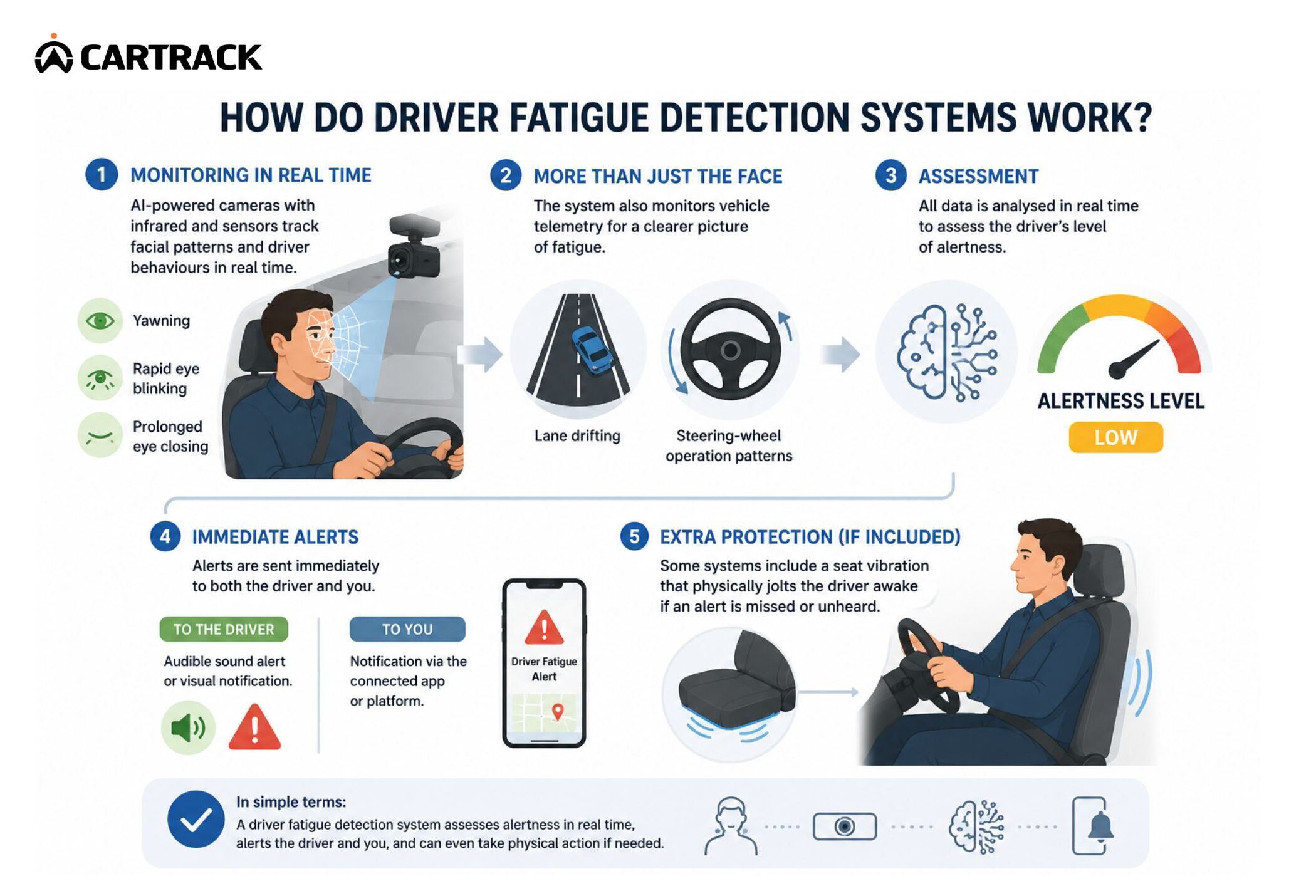
These detection systems work by merging AI power with sensors and/or cameras to keep an eye on drivers and their behaviours while on the road. Highly trained AI cameras embedded with infrared and sensors carefully track facial patterns—like yawning, rapid eye blinking, and prolonged eye closing—to quickly identify signs of exhaustion.

In addition to tracking facial patterns, certain aspects of vehicle telemetry are also monitored, like lane drifting and steering-wheel operation patterns. This provides more necessary information and creates a clearer assessment of fatigue.

In simple terms, a driver fatigue detection system assesses a driver’s level of alertness in real time. 

Alerts are then immediately sent to both the driver and you. For the drivers, they’re notified through an audible sound alert or a visual notification. You’ll likely get a notification via the connected app or platform.

Depending on the system, there may also be an actual seat vibration solution included that physically jolts the driver awake. This feature is particularly important when the driver misses or can’t hear the audio alert.

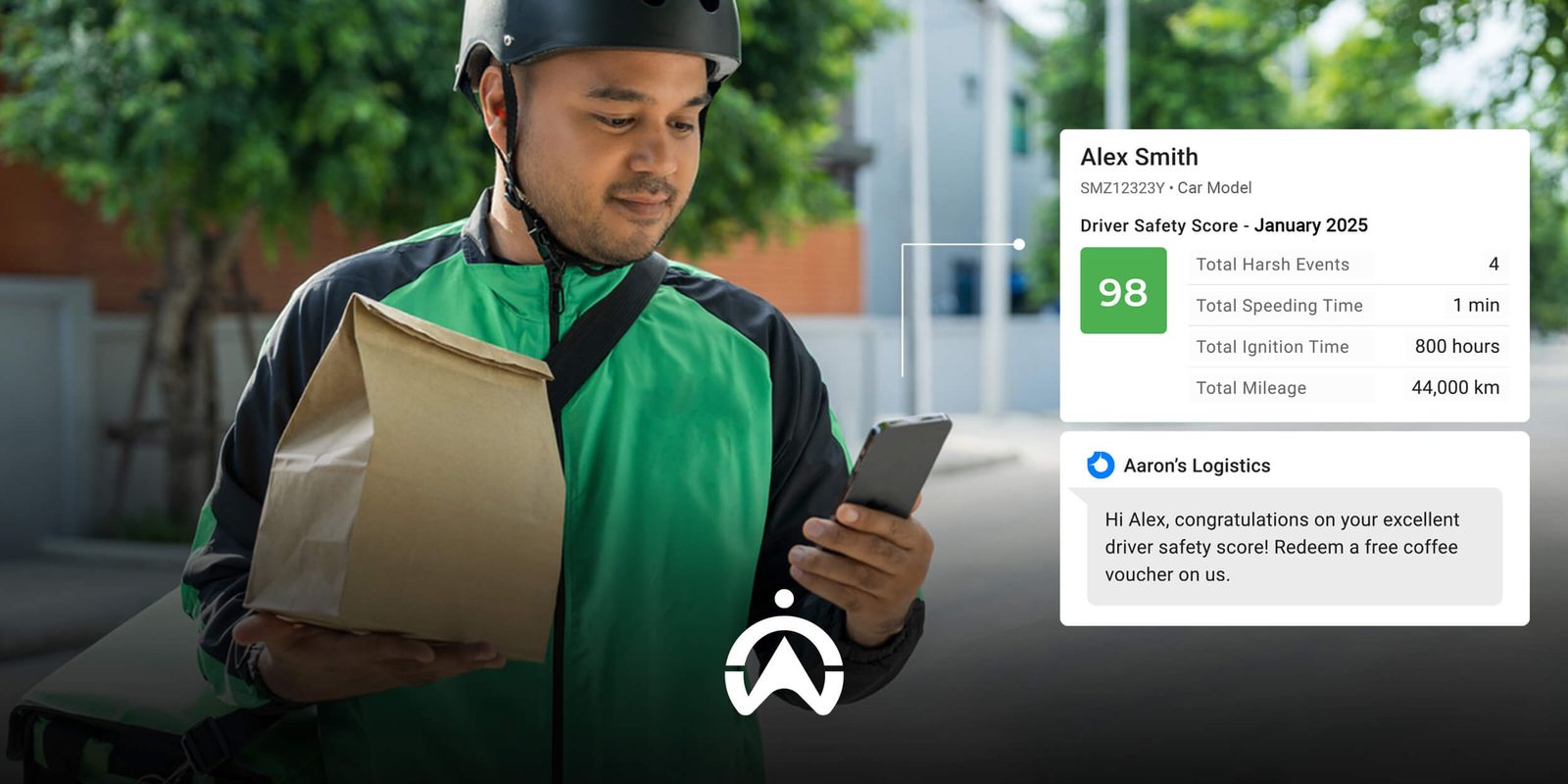
Take a look at our graphic below to get a quick, visually engaging overview:

Are there any considerations when it comes to fatigue detection systems?

Yes, there are certainly considerations and potential downsides to think about when including fatigue detection systems in your fleet.

One of the biggest, most common concerns is privacy. The last thing you’d want is for your drivers to feel as though they’re being surveilled in an intrusive and untrusting way. As a manager, you MUST be completely transparent in your policies and with your drivers, especially about the footage, why it’s being collected, and who has access to it.

If you’re clear in your explanations, your drivers will hopefully understand that this is for their protection and safety, not their exploitation. It’s also your responsibility to uphold your end of those policies.

Another common concern is false alarms. Technology isn’t perfect, and there will be mistakes in the recognition system. What’s important is that you use your discretion when overlooking the triggered events and footage.

Still, this doesn’t take away from the absolute importance of high-quality detection technology and tools in your fleet.

Why are fleets investing in this technology?

Fleets are investing in this technology because it’s what protects the operators, the business, and the brand reputation. It’s a careful, strategic business decision that has all aspects covered, from general safety (for everyone on the roads) to legal compliance.

Early warning and coaching interventions are solutions that take safety to new heights while proactively protecting your drivers. 

Here’s why fleet managers like you see the importance of these tools:

Protecting drivers, their health, and overall wellbeing

At the core of fatigue detection systems is protection and safety. It’s common knowledge that driving while exhausted is comparable to driving while under the influence, and it can lead to devastating consequences.

Thanks to its real-time and dynamic nature, fatigue detection is a proactive approach that ensures exhaustion and drowsiness are nipped right in the bud. When you catch exhaustion before it escalates into something more dangerous, you’ll see fewer collisions, fewer close calls, and (most importantly), the preservation of life.

In addition to this, fatigue detection systems show your drivers that you care about them and their wellbeing. Your drivers can begin to grasp the value of this kind of technology, developing the understanding that their quality of life is actively being looked after.

With improved wellbeing comes boosted productivity, increased morale, and happier & engaged workers who are likely to remain loyal to you.

Keeping cargo safe

This one’s for the logistics and transportation fleet managers. Your drivers are your most valuable asset, and the cargo they haul comes in at a close second.

When an accident results from driver exhaustion, the cargo is typically the first to go (especially with heavy-duty trucks). Whether it’s destroyed because of the collision or even grabbed by passersby in the aftermath, the fallout of such an event can be devastating.

Not only does this tragically impact your bottom line, but you also face immense damage to your business reputation and legal issues up to your neck. But if you implement fatigue detection, you actively ensure the safety of your valuable goods.

With all the clear warnings and alerts, not only is the driver alerted and jolted awake before something bad happens, but you could potentially navigate them to the nearest truck stop, instead of them making an unsafe and unscheduled stop on the side of a highway.

Additionally, driving while exhausted can cause your drivers to operate with jerky movements and unpredictable behaviours. This puts sensitive cargo at risk. But if the driver is kept sharp, the cargo remains safe on a smooth and calm journey.

Fulfilling compliance and safety standards

We know that regulations are becoming increasingly strict, and the pressure is being felt by businesses worldwide.

With the implementation of a fatigue detection system, you’re keeping a strong record of safety protocols and policies. This kind of record is especially important if your business is ever audited or there’s an investigation.

From a compliance perspective, your proactive approach can also reduce the risk of potential fines and other financial issues, especially if you’re asked to pause operations.

Minimising accidents

While this may seem like the most obvious of the points, we can’t ignore the role fatigue detection systems play in the broader on-road safety conversation. Fatigue is a silent killer, and nodding off for even a split second could mean dire results.

It could be argued that systems like these are the core of safety in the fleet industry, especially for long-haul drivers. 

Incorporating fatigue detection not only shows that you care about your drivers but also about the everyday civilians on the roads as well.

Bringing down insurance, legal costs, and downtime

One of the most common questions around fleet insurance is, ‘If I have proof of any risk management system in place, will this bring down my insurance premiums?‘

The answer to that is yes, there’s a very good chance it would, although it depends on your insurer. Insurance companies are increasingly rewarding businesses that are implementing risk management systems, like fatigue detection. This shows insurers that you’re being intentional about safety, leading to those lower rates.

More than that, accidents are extremely expensive. Not only is there loss or damage of cargo & vehicle repair costs, but also legal, litigation, medical, compensation, and other costs to consider. Not to mention the financial hit that downtime from an accident causes.

Ultimately, a fatigue detection system is the most advantageous and economical investment for your business. 

Does Cartrack Malawi offer driver fatigue detection systems?

Yes, Cartrack Malawi does offer driver fatigue detection systems, which fall under the umbrella of our driver monitoring system (DMS). Our DMS system combines our intelligent, AI-powered cameras, driver scorecards, and live GPS tracking to effectively track driver behaviours. This technology has a baseline, and deviations from that baseline are what trigger instant alerts.

Here’s what we can offer YOU:

📹 Live Vision AI cameras

Cartrack’s live-streaming intelligent dashcams can detect fatigue and distracted driving. This means you can keep an eye on your drivers and access the livestream if necessary, while also receiving immediate alerts for violations. Drivers are also notified of their violations, alerting and allowing them to make immediate corrections to their actions.

Our technology detects events such as:

  • Fatigue/yawning
  • Distracted/fatigued driving (through head and eye movement)
  • Camera covering (the camera shouldn’t be obstructed)
  • Smoking
  • Cellphone use

📇 Driver scorecards

This feature is a way of keeping score of how well and responsibly your drivers are behaving on the road. Our technology rates parameters such as harsh braking, rough acceleration, speeding, and more, highlighting the areas that need more work through coaching.

Based on these scorecards, you can also invest in gamification or incentive-based programmes for your drivers. These are proven to be a more fun & engaging way for your drivers to remain safe and responsible, all while encouraging friendly competition amongst them.

🚛 Advanced Driver Assistance Systems (ADAS)

In addition to our inside cameras catching driver behaviour, we also have outside cameras that assist with driver safety by heightening your driver’s awareness and keeping their observance up. ADAS is a combination of AI, algorithms, and camera sensors that identify potential hazards and obstacles on the roads so that your drivers are EXTRA safe.

These features include:

  • Automatic Emergency Braking: This is when the car dramatically slows down or comes to a complete stop. An object or hurdle has been detected in the road and, in relation to the speed and slow reaction time of the driver, will take action on the part of the driver.
    ‍
  • Forward Collision Warning: This is an immediate alert that lets drivers know when they’re closing in on another driver or obstruction too quickly, which prevents a potential crash.
    ‍
  • Blind Spot Detection: This warns your drivers about vehicles or obstacles in the blind spot, so that there aren’t any surprises when they need to change lanes.
Final takeaway: Don’t sleep on fleet safety

If you’re looking for the ultimate answer to better safety, happier drivers, and a strong proactive business approach, then a driver fatigue detection system is what you need. We’ve established that fatigue is a silent threat, and it’s one that can expose your business to serious risks. It’s why basic tracking and monitoring attempts are simply not enough.

That’s why well-known local enterprises are turning to Cartrack Malawi. We’ll give you the most careful and closest eyes on the cabin and the road, catching even the smallest sign of exhaustion or distraction before they escalate into costly incidents.

Tired drivers are bad for business, so keep your safety in focus. Invest in Cartrack’s advanced, AI-powered fatigue detection solutions and boost your fleet’s safety TODAY.

FAQs

What are 90% of accidents caused by?

According to WHO, 90% of accidents are caused by human error. This accounts for things like speeding, distracted driving (especially phone use), driving under the influence, and exhaustion. Because physical & infrastructural issues like poor road conditions make up a far smaller share of road accidents and injuries, WHO believes that addressing human negligence first is key to improving road safety.

Is driving for 2 hours tiring?

Yes, driving for 2 hours can generally be tiring. Driving for that long means 2 hours of consistent concentration and bodily tension, considering the driver is holding the same position for most of the time. This monotonous and tedious action can also bring your brain into a bit of a lull, forcing you into a relaxed frame of mind.

Why does my car tell me to take a break?

Your car tells you to take a break because some models have Driver Alert Systems, which give you a warning ahead of time if you’ve been driving for too long. This system monitors factors like the length of time you’ve been driving, tyre positions relative to the road, and steering wheel patterns to encourage you to take a break.

How to prove drowsy driving?

To prove drowsy driving, you should collect witness statements, along with photos and/or dashcam footage. Also, check the accident area for skid marks or anything that points to an active, aware driver taking action before a crash. A sleeping driver usually won’t take those actions, and the car’s event data recorder (similar to a black box) will reflect that.
What to Do When Buying a Car from a Private Owner

Buying a car directly from a private owner is slightly different from buying one second-hand at a dealership. There are important quality features to check that’ll help you match up the car with what you’re paying (or should be paying). Determining the value involves looking at the history, inspecting the current condition, and trusting your instincts.

Then there’s the paperwork, which involves legal considerations and payment security. Online spaces like Facebook Marketplace, local trading groups, and informal car marts are regularly flooded with used car deals. While this is often a quicker and more lucrative way to sell a car, some do it for dubious reasons like hiding mechanical faults or attempting to get more money than the car is worth.

Cartrack will walk you through the second-hand car purchasing process step by step so that you get the best deal when buying a car from a private owner.

What’s the first thing to check before buying a car from a private owner?

The first thing you need to establish before buying a car from a private owner is that they do actually own the car. The proof of ownership document is a MUST, and there are ways you can confirm if the DRTSS Logbook is real or fake.

Once you get to the private owner to inspect the car, ask them for the official DRTSS Logbook. Then:

  • Hold it up to the light and look for the official government watermarks and the holographic DRTSS security seal.

  • The font shouldn’t be bold or underlined, and the text shouldn’t look custom or typed on an irregular machine in any way.

  • There’ll also be visible text in the middle of the page. This must be 100% centred.

  • The ink on the front should also be visible on the back of the page if it is an original printed document.

  • “Registration Certificate” should be clearly printed at the top of the page.

  • Look for the specific Serial Number and Issue Number which affirms the authenticity and originality of the document.

  • Match up the Chassis Number (VIN) on the document with the physical chassis plate on the vehicle’s firewall, and cross-check it with the Certificate of Fitness (COF) sticker on the car’s windscreen.

What paperwork is needed for buying a car from a private owner?

Besides the DRTSS Logbook (most important), you’ll also need a Change of Ownership Form. This will be filled out and signed by both you and the previous owner. Once it’s complete, you must take the form along with a copy of the seller’s national ID to the nearest DRTSS licensing office for processing. They’ll update their system to reflect that you are now the legal owner of the vehicle.

Optional paperwork worth considering for due diligence:

  • Stamped proof of bank account (from a registered Malawian commercial bank)

  • Valid Certificate of Fitness (COF) (officially issued via DRTSS or an authorized vehicle testing station like Mota-Engil)

  • A sales agreement with details of the sale (signed by you, the previous owner, and preferably a witness)

  • Receipts and logbook stamps that pertain to the service history

  • A bank settlement/clearance letter if the car was financed and isn’t fully paid off yet

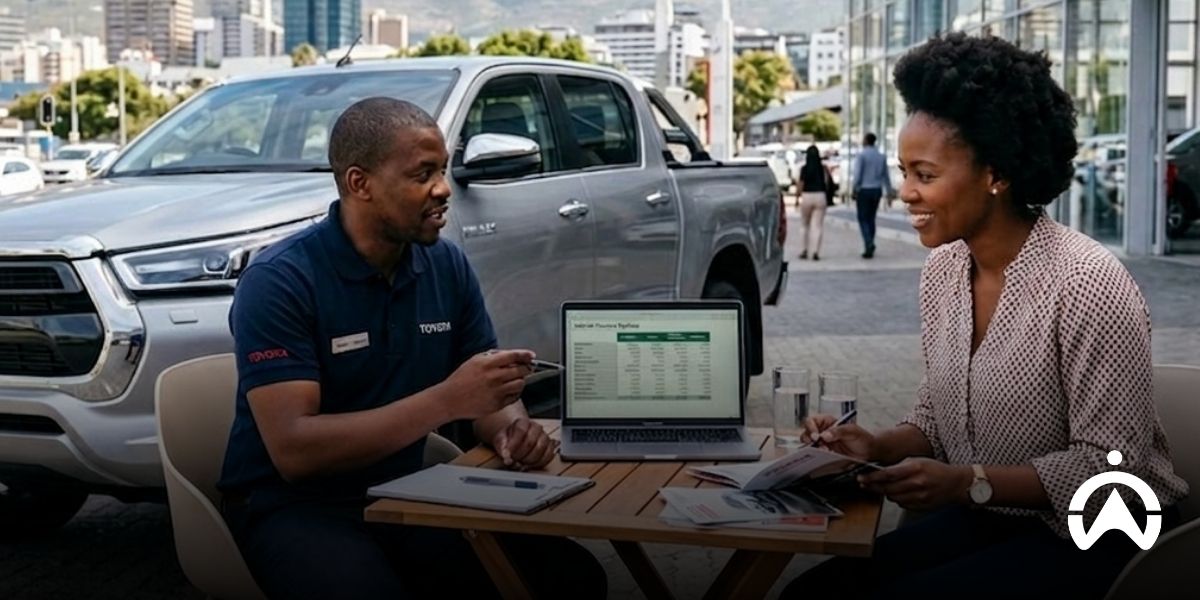
Two people reviewing documents and discussing a vehicle sale, illustrating what to do when buying a car from a private owner safely and confidently

How should you inspect a used car before buying from someone?

When inspecting a private owner’s used car before buying, use this checklist:

  • Uneven tyre wear & tear
  • Windscreen cracks (even tiny ones)
  • Buttons in the car like locks, windows and dashboard switches
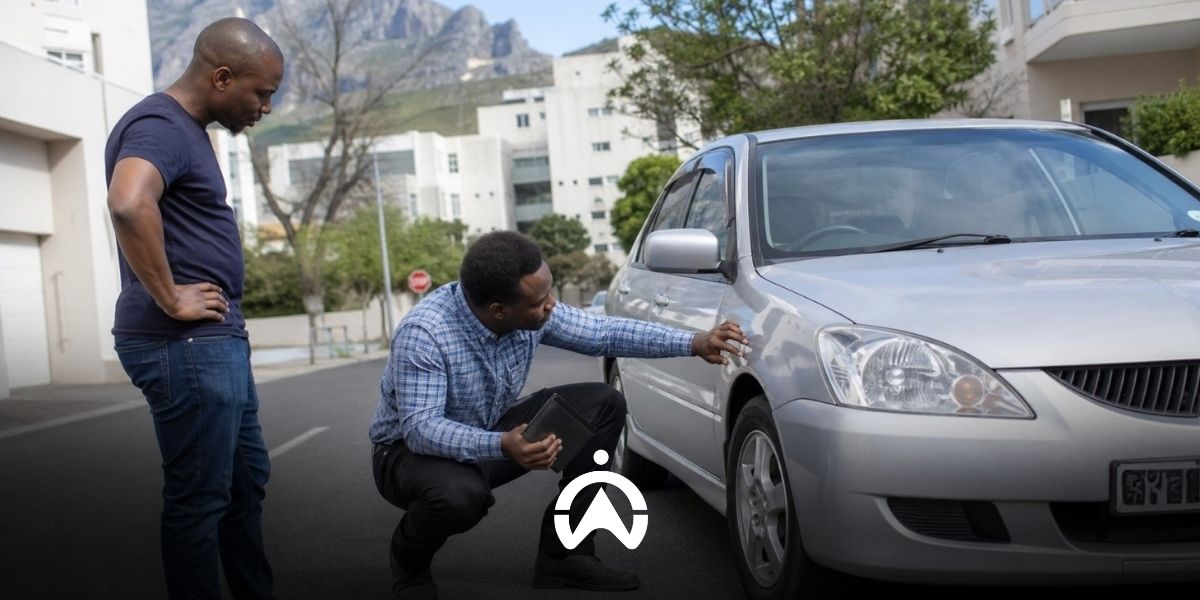
  • Minor mismatches on paintwork
  • Scratches or bumps on panels
  • Oil stains where the car is parked

Seeing evidence of damage or a past accident might not cause you NOT to buy the car, but it’s relevant to bring up with the previous owner. They should be charging according to the car’s current condition and must declare if the car’s been in an accident.

What should you look out for while test driving a used car?

When test driving a used car (which is highly recommended before buying), make sure you do short-stop driving as well as long-distance driving. Short distances will give you a feel for the brakes & suspension, while long distances will allow you to listen out for rattling noises or car performance issues.

Suburban driving observations

Drive over a few speed bumps and note how the car’s suspension handles it. Also observe how the brakes handle stops at red lights and stop signs, and don’t forget to take note of how well the car pulls off from these points (clutch-related). You’ll also pick up if there’s engine hunting, which could indicate a damaged engine head or other less-serious problems.

Highway driving observations

Long drives let you check a few other important things, like whether the engine overheats or if the car makes rattling sounds. Pay close attention to the steering wheel when you do a highway drive, because vibrations could point to wheel alignment imbalances.

Post parking observations

If you can, park somewhere else after your test drive is over. Go back to where the car was parked initially and look for fresh oil stains. A car that leaks oil will have mechanical issues that need to be addressed with the previous owner.

Also check the handbrake by parking on an incline if possible (although you can also test this while driving around town). Test the indicators, lights, and hazards while you’re parked and safe, and feel free to get out of the car to see if they work externally.

SIDE NOTE: If you want to protect your newly-purchased car while it’s parked, check out Cartrack’s virtual car guard app!

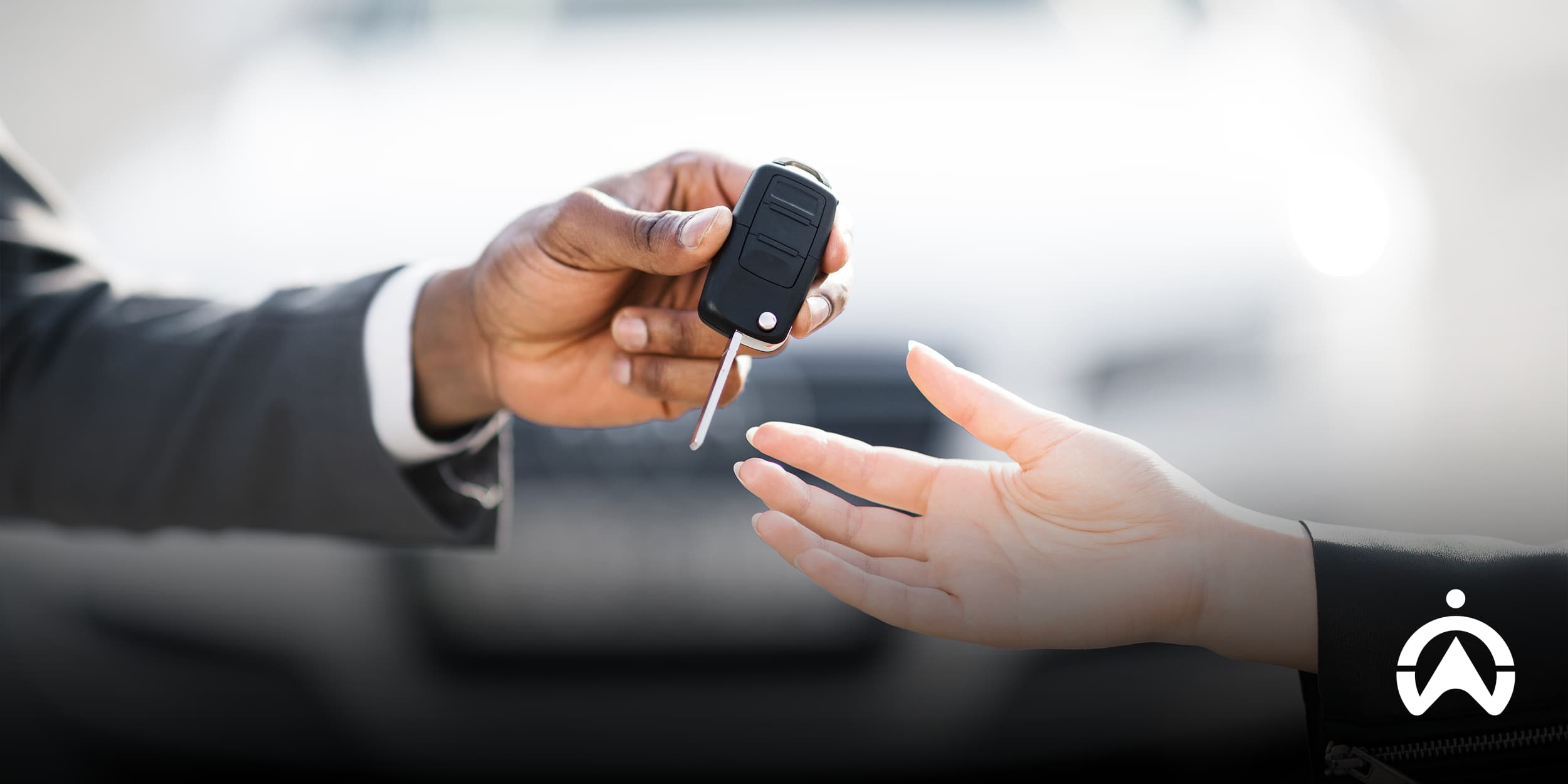
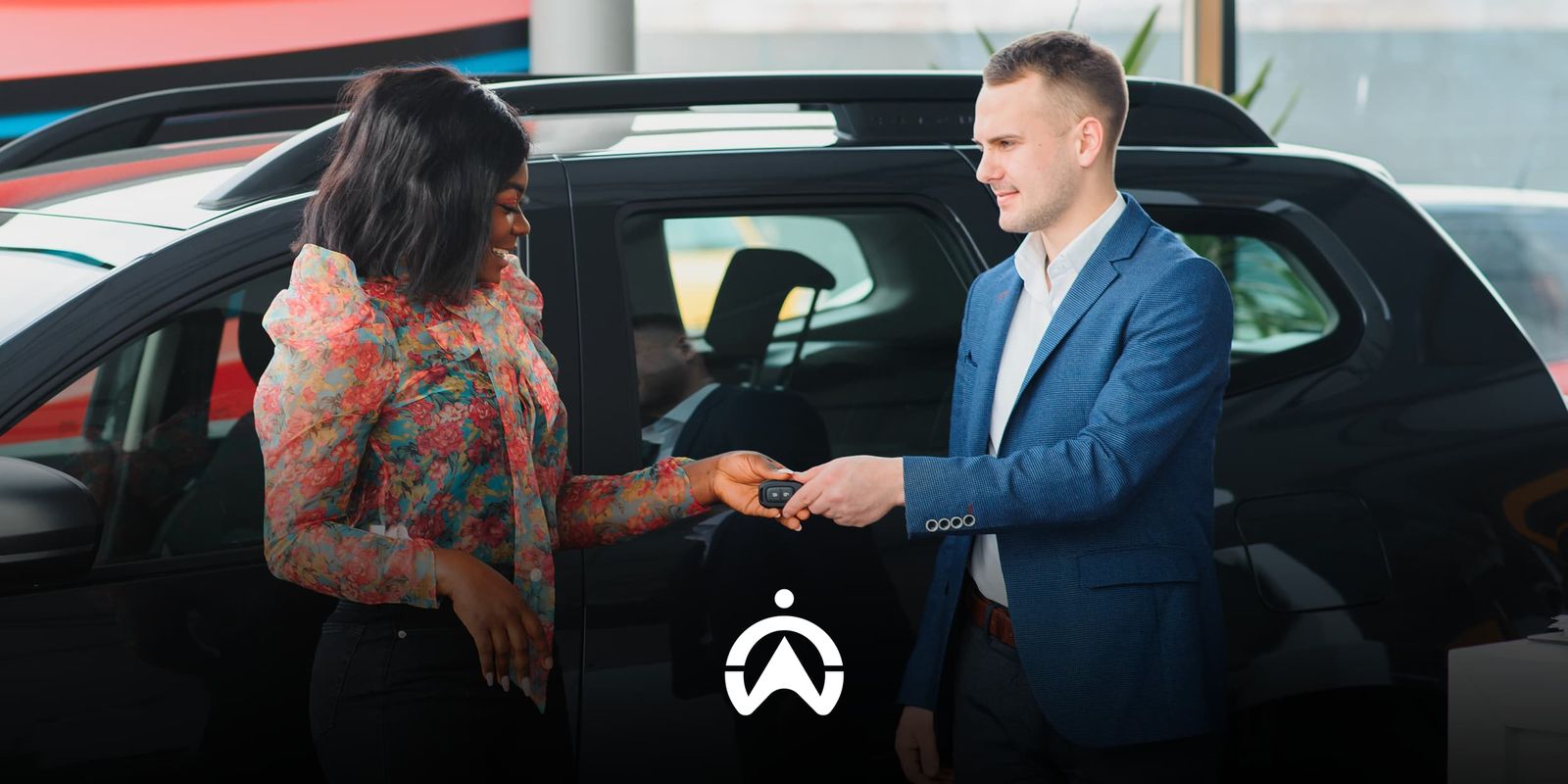
Person handing over car keys during a vehicle sale, showing what to do when buying a car from a private owner and completing ownership transfer safely

What should you do if the previous car owner has a tracking device installed?

If the previous car owner has a tracking device installed, you can speak to them about either having it removed or having the tracking service transferred to your name. In the latter case, the device will simply remain installed, and you can contact the tracking service provider to change ownership.

If it’s a Cartrack device, we make this process simple. Just give us a call and we’ll do the heavy lifting on your behalf. 

Safety considerations for your new, used car purchase

If you just landed yourself a good deal on a used car, consider protecting it with a GPS tracking device if it doesn’t already have one.

It’s also highly recommended by many local influencers that all cars install a dashcam, as this offers a myriad of safeguards for motorists like you.

If you have any Cartrack products in your old car, speak to us about transferring them to your newly-purchased one, and we’ll schedule a visit.

Frequently asked questions about buying a car from a private owner

What can I reasonably expect from a used car with high mileage?

It’s reasonable to evaluate a high-mileage car based on its condition & age rather than its odometer reading. That’s because some cars (ones that aren’t necessarily ‘old’) are used for long-distance driving more than urban driving, which is actually a good thing in terms of wear & tear. Judge the age and general condition—together with the mileage—to accurately assess the car.

What is the most popular second-hand car?

The most popular brand of second-hand car is Toyota. They’re still a keen favourite among used car buyers in Malawi and other countries because of the reputation for longevity, reliability, and low fuel consumption. The Toyota Hilux is particularly popular in Malawi for these reasons.

How much value does a new car lose after purchase?

If you buy a car brand new, you can expect it to lose around 10% of its value as soon as you drive it off the lot. It will also lose another 10% to 15% within the first year of driving, depending on your driving habits and vehicle care routine.

How to Instantly Deal With Road Rage

To instantly deal with road rage, de-escalation is key. However, driving on Malawian roads is NOT for the faint-hearted. Between the potholes, minibus taxis, motorcycle taxis (kabaza), regular tuk-tuks, elders driving on pure memory, and those massive white UN or NGO 4×4 Land Cruisers who think they own the road, experiencing frustration while driving doesn’t take much.

Road rage, arguments, misunderstandings and provocation were accountable for an alarming number of attempted murders, murders, and assaults causing grievous bodily harm across the region, according to the Malawi Police Service (MPS) annual crime reports and national safety audits.

If you don’t want to be a statistic, keep reading because we’re going to show you how to instantly deal with road rage and what tools Cartrack has to help keep you cool, calm and collected on the road!

From zero to sixty: why do people have road rage?

There are probably a thousand reasons why people have road rage. Common reasons are impatience, running late, reckless driving that puts their life at risk, traffic, and personal anger issues. But it still boils down to two things: a foolish action met with an aggressive response.

Top tips to dealing with road rage

We need to know exactly how to deal with road rage, especially in Malawi, where we have so many people on the road at all times. Things like diffusing the situation, taking deep breaths, using the latest safety tech, and changing your mindset can all help you deal with road rage.

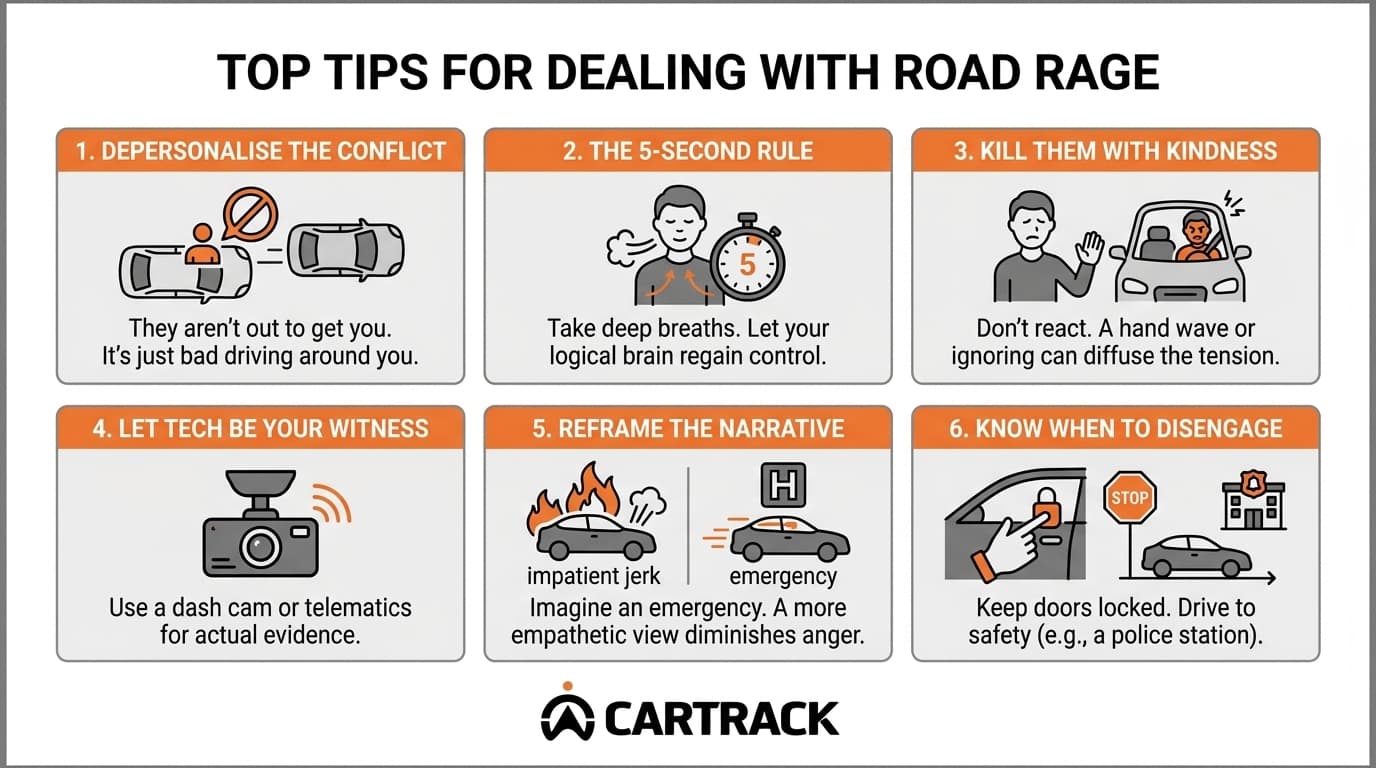
Depersonalise the conflict

So many times when we get road rage, it’s because we feel like the person doing the aggressive/reckless driving is personally attacking us. But the truth is, they don’t know us, and this could have happened to anyone.

Tip: Remember that they aren’t “out to get you”; they’re probably just stressed out, running late, distracted, or just a really bad driver. Either way, don’t take bad driving behaviour from someone else as something that’s happening to you, but rather as something that’s happening around you.

The 5-second rule

When our stress levels rise and our adrenaline hits, our logical side of our brain shuts off. This leads us to make dangerous and impulsive decisions, and that’s what we need to stop from happening.

Tip: You can’t control those drivers and how they drive and behave. All you can do is control yourself and how you react. So when something happens, stop and take a few deep breaths for 5 seconds. This small delay will assist the logical side of your brain to gain control of the wheel again.

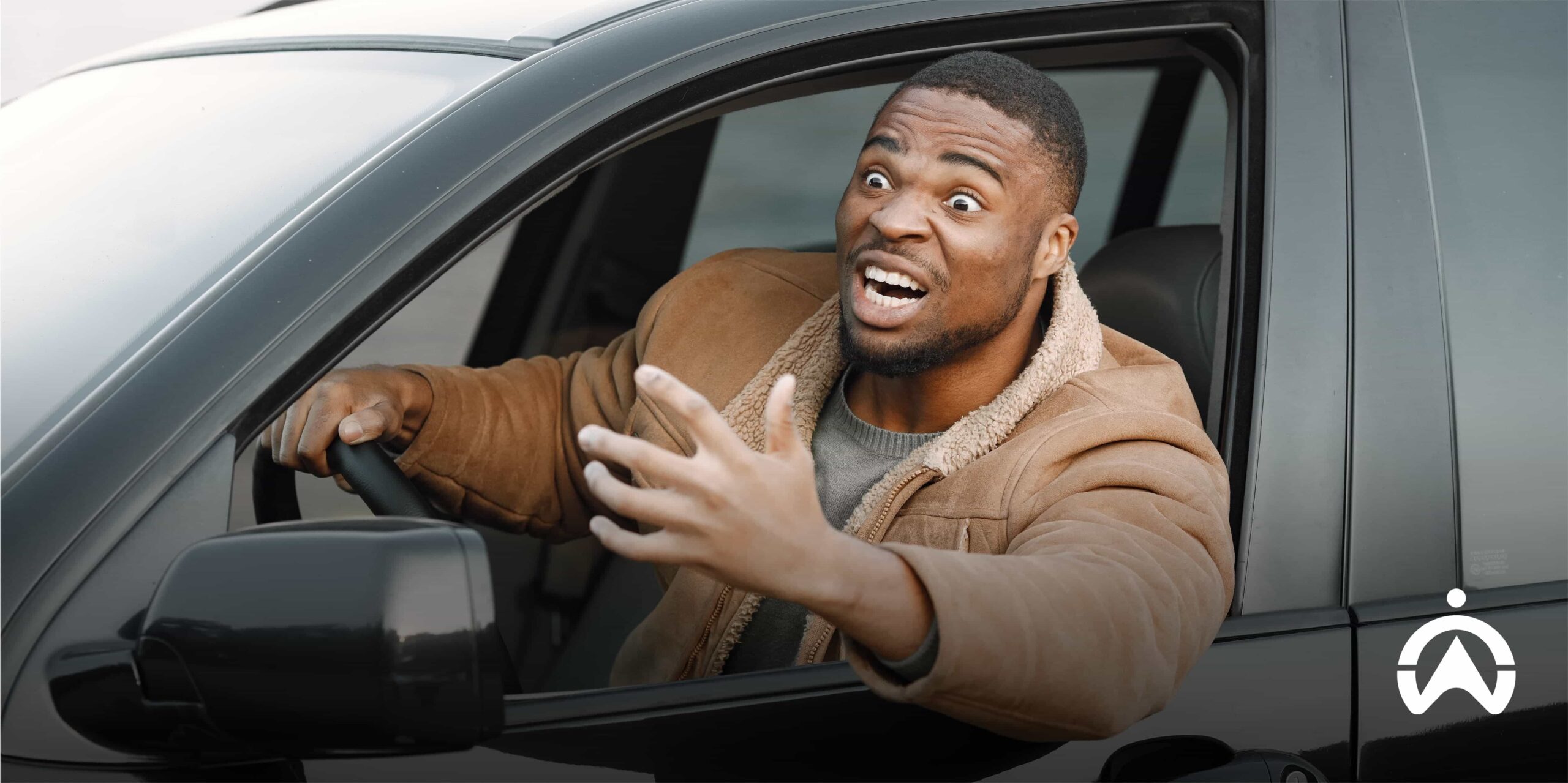
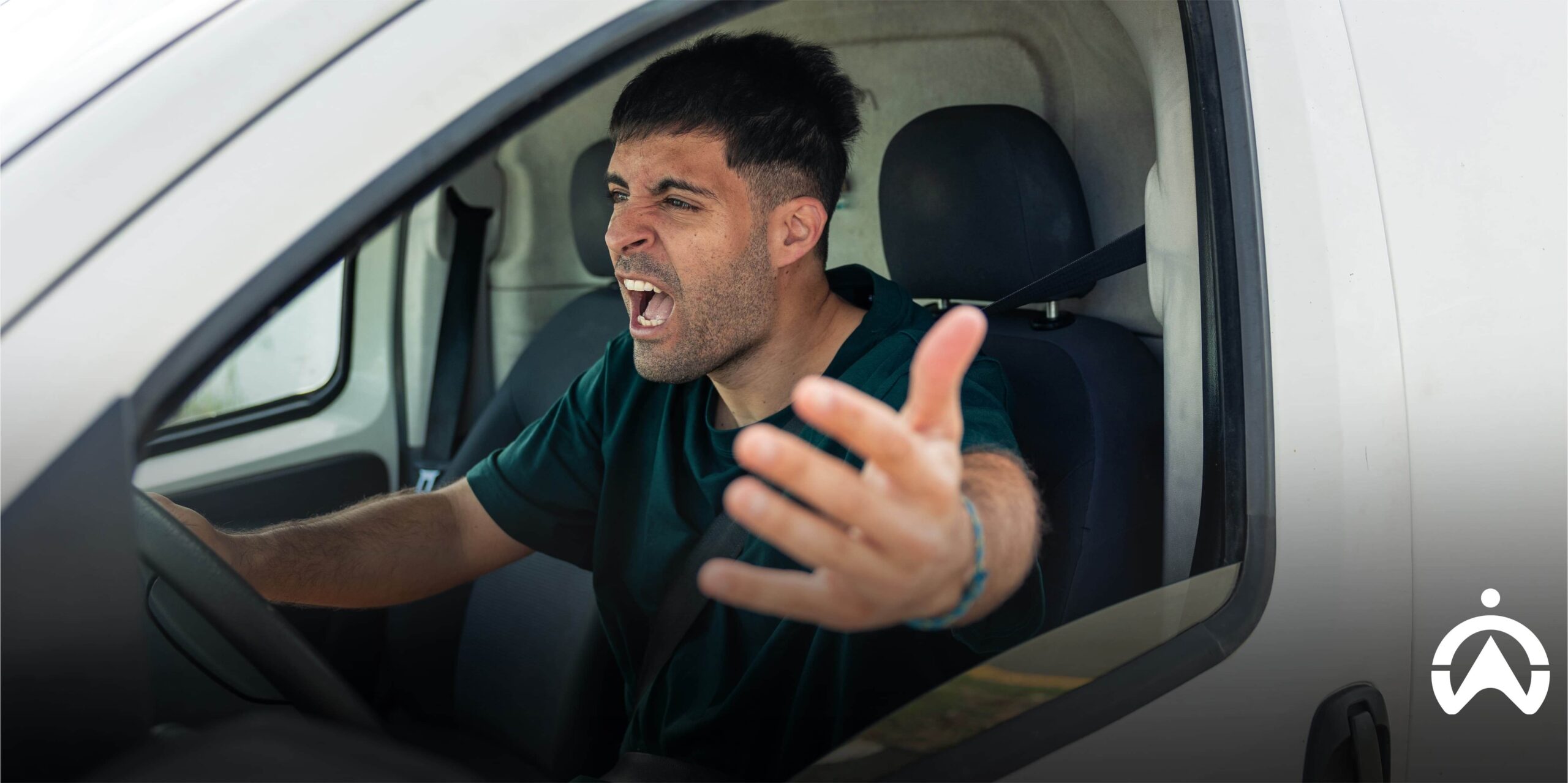
Man gesturing from the driver’s seat during a traffic dispute, showing how to instantly deal with road rage and avoid aggressive driving situations

Kill them with kindness

Aggression only feeds off of a reaction. Remember that school bully that stopped the second you started ignoring them? It’s the same here; if you don’t react and just ignore the other driver, you won’t be adding any fuel to the fire, and the situation should simply dissolve.

Tip: Try the “kill them with kindness” technique; it’s a brilliant way to diffuse a tense situation. If someone is making obscene gestures or yelling at you, put your hand up in an apologetic manner (yes, even if it isn’t your fault) or simply ignore them. When you don’t engage in the “fight”, the other driver is most likely to lose interest and move on with their day.

Let tech be your witness

Road rage can occur from the want to be right. But when you have the latest tech in your vehicle, you don’t need to engage further. You have actual evidence to prove your innocence.

Tip: Not only can installing a camera or a telematics system that monitors your driving act as a behavioural anchor for yourself, but you can also use data and the footage to back you up in the event of a reckless driving incident.

Reframe the narrative

When someone is driving like a maniac, we often assume it’s because they’re an impatient jerk. And yes, sometimes that’s exactly what they are, but occasionally it’s not the reason they’re driving like that.

Tip: So change the narrative. What if they just got a devastating phone call or are rushing to the hospital? Imagine the worst-case scenario, and it’ll help you have a more empathetic view on the situation, diminishing your anger.

Know when to disengage

Is your life worth being right or proving a point? Because unfortunately this is how a lot of road rage incidents end—in the unnecessary death of another. This is why it’s important to know when to disengage from a situation.

‍Tip: Never pull over or get out of your car to confront another driver. Keep your doors locked at all times, and if necessary, drive to your nearest police station to get help. Knowing when and how to disengage can be life-saving.

top tips for dealing with road age

How Cartrack can help you instantly deal with road rage

Cartrack can help you instantly deal with road rage by providing you with physical tools to protect yourself. AI-powered cameras, panic buttons, Cartrack Protector, and driver data from our GPS telematics device all work to help you handle road rage incidents.

AI-powered cameras

At Cartrack we have top-of-the-range AI-powered cameras that can help you immediately deal with road rage. Road rage is usually caused by dangerous driving behaviours, and while you can’t control how others are driving, you can control yours.

Our AI-powered cameras will instantly alert you if you’re distracted or fatigued while driving so you can immediately fix your mistake or know that it’s time to pull over. They’re also fitted with ADAS (Advanced Driver Assistance System) tech.

This tech has the following features:

  • Forward Collision Warning (FCW): This will alert you if a crash risk is detected
  • Automatic Emergency Braking (AEB): This applies brakes if you don’t react in time
  • Lane Departure Warning (LDW): Will warn you if the vehicle is drifting out of its lane
  • Blind Spot Detection: You’ll get instant alerts for vehicles in hard-to-see spots
  • Adaptive Cruise Control (ACC): Speed is automatically adjusted to help you keep a safe following distance

Having cameras in your vehicles also works as evidence for road rage incidents. You won’t have to fight to prove that you were in the right; you can easily view and download the footage from your Cartrack app!

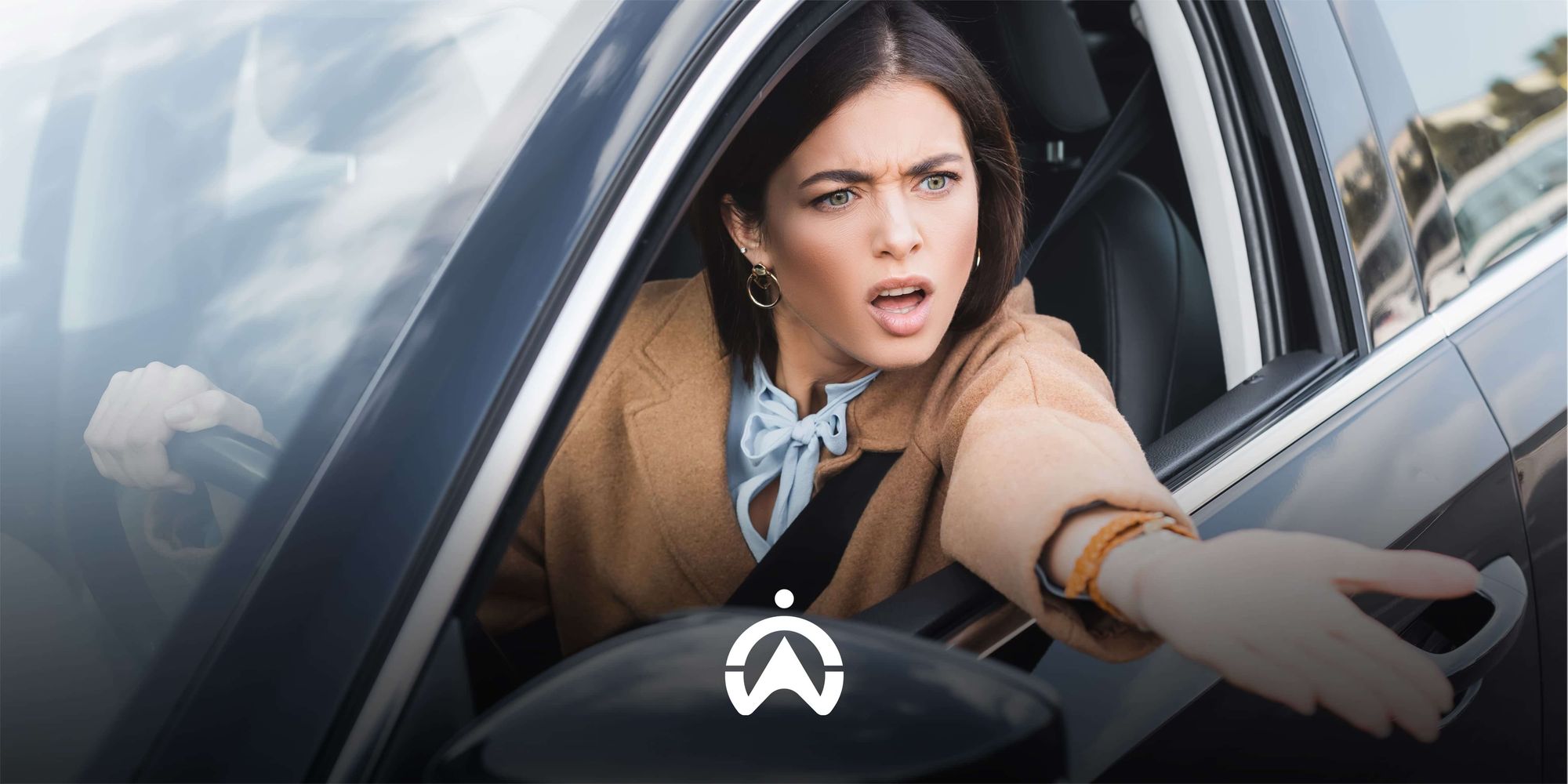
Driver reaching out through a car window during a tense road interaction, illustrating how to instantly deal with road rage safely and calmly

Panic buttons

If you’re ever in a road rage situation where the other driver is placing your life in danger and you can’t safely get away from them, you need a Cartrack panic button. Our panic buttons are placed where they can be discreetly (but easily) accessed.

Once you push it, our emergency control room is alerted, and they’ll contact you to find out what help you need and then dispatch the necessary emergency teams to your exact location.

GPS telematics

If you’re the one that’s causing road rage in others, having a GPS telematics system in your car can help you identify your driving faults. Driving data is pulled from the telematics system, and you’re then able to pull a report on the Cartrack app.

You can see exactly where and when you’re excessively speeding, braking harshly & cornering. You can then use this data to identify triggers (are you speeding and accelerating harshly every Monday morning to get to that 8am meeting?) and change your habits accordingly.

PS: Aggressive driving not only puts strain on your wear & tear parts, but you also use way more fuel compared to when you drive smoother. And with the current price of fuel, we ALL need to use every drop wisely! 

Main goal: Arrive alive, not first

Remember, at the end of the day the goal is to get to your destination safely. Being late or missing a meeting is NOT worth your life or the lives of others. So it’s time to make better choices on the roads in Mzansi and be part of creating a safe environment for everyone!

If you’re ready to get the tech that helps keep you cool, calm and collected on the road, then click here and check out our safety solutions for you and your family! 

FAQs

What should I do if another driver is following me?

If another driver is following you, do NOT pull over or drive home. This can put you directly in harm’s way. Rather drive to a police station or to a very populated area like a petrol station or shopping centre; this way you’ll have people around you so you’re not in a dangerous situation alone.

How can I tell if my driving is triggering others?

It’s sometimes difficult to know if your driving is triggering others, but if you’re someone that’s driving slowly in the “fast” lane, doesn’t use indicators, or pulls out in front of others, there’s a chance you’re triggering some people. Getting a telematics system installed from Cartrack will allow you to identify your reckless driving habits that cause frustration in others.

Should I record the incident on my phone?

It’s better to not record an incident on your phone in your hand because this can cause the other person to get more aggressive. It also requires you to not have both hands on the steering wheel. So rather install a dashcam in your vehicle to safely capture any incidents on the road.

Car Safety Features That You Should Have Today

Car safety features that you should have today include collision prevention & detection, GPS tracking, high beams, braking systems, and a host of other advanced additional options. While unbelievably important, you can no longer stop at seatbelts and airbags. In today’s world, all car safety features go beyond the traditional ones.

The Insurance Institute for Highway Safety (IIHS) 2026 Safety Benchmark shows that cars with Automatic Emergency Braking (AEB) and Forward Collision Warning (FCW) brought down the number of car wrecks by 50%. The number of injuries is also reduced by just about the same percentage! This shows just how important tech-forward car features can be.

Familiarise yourself with the importance of safety for both you and your car, but also consider key features that are more than just the in-vehicle perks. In this blog, we’ll let you in on the most crucial car safety features, how features have evolved, and what Cartrack can do to maximise your car safety.

What safety features are important for a car to have?

Safety features that are important for a car to have are things like seatbelts, airbags, and windscreen wipers, but also Automatic Emergency Braking (AEB), Electronic Stability Control (ESC), and adaptive cruise control (ACC). The best in care safety should always be a combination of traditional features and newer, more tech-advanced features.

What is a safety feature?

A safety feature is something that’s been created or designed to protect you from harm and prevent potential damage. These technologies are designed to predict potential risks and react appropriately, help you during distressing moments, and ensure the safety of you & your family.

What is the most important safety feature on a car?

This question is a bit tricky to tackle with total confidence. Firstly, there isn’t just one “most important safety feature”, and secondly, you have to look at this question from different perspectives.

Are you trying to measure safety by prevention, survivability, or both? Either way, it’s generally believed that seatbelts and airbags are the most important safety features.

Following this, it’s the headlights and windscreen wipers. And from an advanced tech perspective, look for Automatic Emergency Braking (AEB) systems, which predict a potential crash and slow the car down. Electronic Stability Control is another important modern consideration, which stops you from losing control when your car skids.

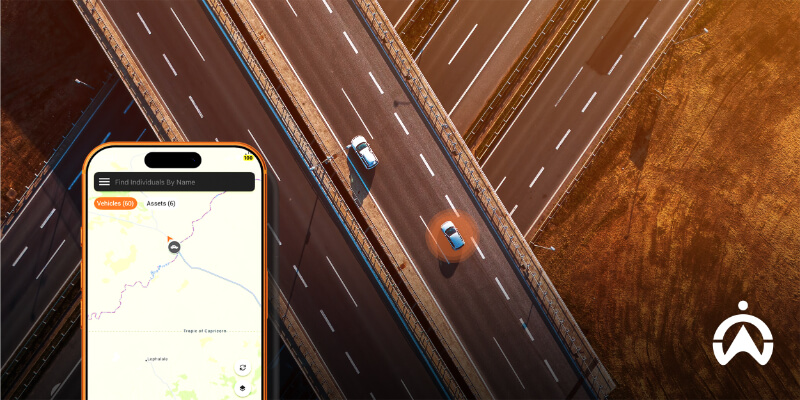
Aerial view of a highway with cars and a smartphone interface displaying essential car safety tracking features.

What are the top safety criteria for your vehicle checklist?

Here’s a quick and easy checklist for your new car purchase or car inspection:

Collision protection and impact prevention

  • Seatbelts: Ensure your seatbelts pull and retract easily and that they aren’t frayed. While traditional, it’s still important to mention, especially given how frequently people forget to buckle up before hitting the road. Seatbelts help by massively reducing injuries and stopping dangerous ejection from the car.
    ‍
  • Airbags: Verify they’re in place to protect you and your passengers from hard surfaces in the event of an accident. Airbags started with two in the front seats, increasing to about six in the early 2000s. Now, we see anywhere from seven to sixteen airbags installed carefully around the interior of the car.

ADAS (Adaptive Driver Assistance Systems)

  • ACC: Always check that these detection systems are working before you drive off. Adaptive Cruise Control automatically slows down your car to keep a safe distance, usually matching the speed of the car that’s in front of you. It’ll use something like a camera, radar, or sensor to comfortably adapt to the change in speed.

Collision avoidance

  • AEB: Check that your car is equipped with this emergency function and can initiate braking. Automatic Emergency Braking is a system that brakes or slows the car down if it detects that a crash is about to happen. It’ll also detect that you’re likely not responding quickly enough.
    ‍
  • ESC: Confirm that this is present in your car. Electronic Stability Control stops you from losing control when the car skids. It works by looking at the angle of the steering wheel & the direction your car is going in, then quickly recalculating and adjusting if the car starts to swerve.
    ‍
  • Blind spot monitoring: Look for sensors or cameras that can give you alerts when there are vehicles in your blind zones. Blind spot monitoring warns you about cars that are out of view. There are different ways for the alerts to show up, but they usually manifest as a beep or an icon that flashes in your sideview mirror.

What cars have good pre-installed safety features?

Cars that have good pre-installed safety features include compact sedans, compact SUVs, and mid-sized luxury cars. Beyond the successes in crash and safety tests, these cars are typically considered the safest because of the advanced tech used in their safety features.

  • 🚗 Compact sedans: These are usually praised for their rear seatbelt reminders, ADAS, lane assist alerts (lane-keeping & lane departure), high-beam lights, and collision intervention warnings.
    ‍
  • ‍🚙Compact SUVs: These are praised for their strong structural designs, numerous airbags, and integration of advanced technologies (like ACC, collision warnings, & the like), even in their most basic models.
    ‍
  • ‍💎Mid-sized luxury cars: These typically set quite the standard when it comes to high-quality and precise safety features. Most models are pre-equipped with all the safety benefits you could want in a car, with the most recent models also including perks like more airbags (especially side & knee ones), AEB, and driving assist features (distance control & curve management).

How does modern technology support older drivers?

Take a look at how modern technology supports older drivers with this problem vs. solution table:

The pain point The safety solution How does this help?
Fragile bodies in an accident Airbags and extra padding/support on headrests and seats They do much of the heavy lifting, absorbing the impact in a collision and cocooning the fragile bodies of elderly drivers.
Impaired visibility Driver & vision assist features (lane keeping assist, left-hand turn assist, blind spot warnings, and reverse cameras) Visual & audio indications for these features keep elderly drivers vigilant, especially when head turning is difficult.
Disorientation Live GPS tracking This can provide peace of mind and keep family members connected to elderly loved ones while they’re on the road.
Arthritis & mobility issues Convenience technology Larger steering wheels, push-to-start buttons, power boot/tailgate buttons, and power seat buttons remove physical strain.
Slow reaction time or reflexes AEB Most modern cars include pedestrian detection and large animal detection, in case an obstacle suddenly appears.

Although these safety features may be important regardless of age, we must keep our elderly drivers at the centre of the safety conversation.

Natural age-related changes start to happen as time passes, like vision becoming poorer, reaction times becoming slower, and loss of muscle strength. The safety features in a car must accommodate those changes while keeping drivers comfortable.

How can you protect your senior loved ones on the road? Speak to a Cartrack professional about our safety solutions and perks.

Much like children, the elderly are extremely vulnerable people when they’re on the roads. Their vulnerability makes them prone to serious injury and a loss of direction sense, which is why it’s important to pay attention to and consider certain safety features.

Person in a black mask using a tool to break into a vehicle, highlighting the need for modern car safety features.

EVs vs ICE cars: Which wins on safety?

When looking at EVs (electric vehicles) and ICE (internal combustion engine) cars, it’s EVs that truly win on safety. When you break it down, EVs are less likely to catch on fire, are sturdier and stronger in their build, and their safety technology features tend to be far more advanced.

Here’s why:

  • ‍Extra crumple space: EVs don’t have an engine in the front of the car like ICE vehicles. Because of this, we see an advanced energy-absorbing structure. In the case of a head-on collision, the car crumples in a more effective, less impactful way, ensuring better protection for the cabin and passengers.
    ‍
  • ‍Stability and anchoring: EVs have heavy battery floors, which create an anchor that has a very low centre of gravity. This design makes EVs nearly immune to rolling over in an accident, which is something traditional ICE vehicles are prone to.
    ‍
  • ‍Fire hazard chances: Despite popular belief, recent data shows that ICE vehicles are actually more likely to be a fire hazard compared to their EV counterparts, thanks to the former’s highly flammable fuels and hot exhaust systems.

Can Cartrack help you keep your car safe?

Cartrack can absolutely help you keep your car safe. We understand that safety extends beyond in-vehicle alerts and warnings, and while pre-installed safety measures are great, they’re not always enough. We take security and protection to the next level, adding onto what’s already existing and giving you complete peace of mind. This is where we excel.

Why should you choose us?

When you choose Cartrack as your provider in car safety, you’ll get access to the Cartrack app and its many features. Secure your vehicle for a low monthly fee—plus free tracker installation! The app will show you where your car is at all times, thanks to our live GPS tracking.

You can location-share with loved ones, and they can reach you quickly if an accident or incident occurs. Our app is easy to use, making it ideal for you and all members of your family.

What Cartrack-specific safety options are available to you?

We have numerous safety and security solutions that go beyond standard features. Our Vision solutions add an extra layer of security, offering Road and Dual Vision dashcams. The Road is a simple road-facing dashcam, while the Dual option is both road- and cabin-facing.

Invest in our backup wireless tracking device, the Cartrack Tag, which is immune to remote jamming. All of our traditional hardwired GPS tracking devices have anti-jamming detection, and in the case of remote jamming, the signal will switch to the Tag, which works on a radio frequency that alerts our control room about your car’s movement. This helps our teams move in to retrieve your car even quicker!

What about accidents and car recovery?

Our safety and security measures for you also extend to the car itself, and in the case of theft, we have extremely responsive stolen vehicle recovery (SVR) teams all across the country that are ready to help you.

Knowing your car’s exact location means there isn’t an uncoordinated scramble to get emergency services quickly enough.

Final takeaway: Getting the best protection for your car

When you’re choosing a car, you’ve got to direct your focus towards the latest in safety tech, but for the right reasons. The right tech isn’t just to flaunt; it’s about securing complete confidence and calm. Specialised & sophisticated features that were once seen as expensive extras are now the most crucial tools for you and your family.

Cartrack lifts you to new safety heights. Your car’s features manage some aspects of on-road safety, and we manage the others. We give you all the extra safeguards and benefits that go beyond just driving, giving you total visibility, solid support, and complete satisfaction.

Drive smarter, drive safer, and ensure you and your family are completely protected. Chat with our dedicated professionals today and choose a package that suits your needs!

Frequently asked questions about car safety

Can you drive a car if you have Parkinson’s?

Yes, you can drive a car if you have Parkinson’s; it depends on how far along your diagnosis is and what symptoms you’re exhibiting.

To check if driving is a safe option, look into these important factors:

  • Sleepiness (dizziness, drowsiness from medications)
  • Multitasking (managing many tasks at once)
  • Tremor level (tremors and slow movements)
  • Vision (light sensitivities and impaired vision)

What are things I should always have in my car?

In your car, you should always have:

  • The right paperwork, like your licence and car manual
  • Emergency tools, like your spare tyre, reflective triangle, first-aid kit, etc.
  • Other important safety items, like a petrol can and repair tools (wrench, screwdrivers, etc.)
  • Personal emergency items, like a power bank, blanket, water, etc.

What car is hardest to steal?

The cars that are hardest to steal are certain EVs and luxury SUVs. This is because they tend to have very sophisticated security systems with many layers to them, along with many cameras that can scare thieves away. Some newer models also have remote immobilisation and tamper alerts that get sent directly to the owner’s phone.

How to Activate Limp Mode in Your Fleet and Stop Vehicle Theft

To activate limp mode in your fleet for the purpose of stopping vehicle theft, you’ll need to contact a service provider that offers this service. By tapping into the CAN Bus system of each vehicle, that service provider can install a type of “switch” that, when activated, will activate that vehicle’s limp mode, making it nearly impossible to drive.

Vehicle security technology that allows cars to be remotely immobilised or restricted in the event of theft is already being used in some countries, and is gradually becoming more available in markets Cartrack Malawi adds another layer of protection to your fleet by making sure thieves get a nasty surprise when they’re trying to get away with one of your vehicles.

If you do an online search for “limp mode”, you’ll probably find that most of the information is negative. This is not a “how to fix limp mode” article, it’s a new look at limp mode from the perspective of how you can use it to prevent your fleet vehicles from getting stolen or damaged. Let’s dig in!

What is limp mode for fleets?

Limp mode is a security & protection method for fleets. It safeguards your fleet vehicles from further damage when there’s a mechanical fault or malfunction. It also significantly hinders thieves & hijackers from getting away with your vehicles. Fleet managers are using limp mode to safeguard their vehicles as an extra layer of protection over-and-above GPS tracking and vehicle camera security.

How is limp mode used for theft prevention?

Imagine one of your fleet’s vehicles getting stolen. You report the theft to Cartrack Malawi, and their recovery team gets on their way to locate your vehicle. In addition to GPS tracking, you’ve also opted for limp mode in all of your vehicles. It’s immediately activated, so the thief driving the stolen vehicle is suddenly perplexed as to why the vehicle isn’t moving as fast.

That thief is now in a very precarious position. They can’t make that all-important quick getaway as planned. The vehicle just won’t switch to a high enough gear, and the engine just isn’t powerful enough to drive fast. They start to assume the vehicle they’ve stolen is a dud, and abandon the theft. But it’s too late, because our recovery team has already caught up to retrieve your vehicle.

How is limp mode used to protect vehicle health?

Now imagine your vehicle’s engine is overheating. The driver hasn’t noticed the check-engine light, and just carries on—unaware that the engine is on the brink of seizing. But then the vehicle goes into limp mode. The driver isn’t able to drive normally anymore, so they’re forced to stop and check what’s going on.

Limp mode has just saved your company thousands in engine repairs!


How is limp mode added or installed to a vehicle?

Limp mode is an adjustment that gets installed to your vehicle’s CAN Bus system. What is CAN Bus? It can be simply described as the “computer” network of the vehicle. Most modern vehicles have a central command center that processes vehicle activity, and this is called the CAN Bus.

Cartrack Malawi simply adds a CAN Bus clamp to the vehicle’s CAN Bus, and this clamp allows us to remotely activate limp mode.

What happens to a vehicle during limp mode?

During limp mode the vehicle’s engine will output around 70% less power, causing it to drive much slower. RPMs will be limited to no more than 3 000, and the engine light will switch on. The vehicle’s transmission will also lock into a low gear, which further hinders the vehicle’s ability to drive at high speeds.

What triggers limp mode?

Limp mode on a vehicle can be triggered by purposeful activation (because of theft), a serious mechanical fault in the vehicle, or a faulty battery. Other triggers include:

  • When signal jamming is detected
  • Sensor malfunctions (of various kinds)
  • Transmission issues
  • Engine problems (like overheating or head gasket damage)
  • Electrical faults

Many of these triggers are built-in limp mode safeguards that come with modern vehicles. But limp mode can and should also be added to fleet vehicles to further protect them. But why?
‍

BECAUSE: Your vehicle may not already have limp mode as a built-in feature

If your vehicles haven’t come with limp mode as a built in feature, it’s recommended that you get a company like Cartrack Malawi to add it to your security arsenal. If the vehicle is an older model, it may not have the same protections more modern vehicles have, but at least you can add it by getting in touch with Cartrack Malawi’s vehicle security consultants.
‍

BECAUSE: Limp mode can’t be remotely activated in case of theft or hijacking

Even if your vehicles do come with built-in limp mode, this activation is automatic. So if your vehicle gets stolen, you won’t have the control to activate it and slow down the criminals. With Cartrack’s limp mode installed, we’ll make sure that vehicle is too slow to steal easily.

What Cartrack features work well with limp mode?

Limp mode can (and should) be combined with other vehicle security features from Cartrack Malawi, and these options include:

  • GPS tracking with stolen vehicle recovery service (SVR)
  • AI vehicle cameras
  • Driver coaching
  • Predictive vehicle maintenance

These features all pertain to the security and health of your vehicle, and work extremely well as a combination.

How do these layer your vehicle with money-saving benefits in addition to limp mode? Let’s have a look.

GPS tracking with SVR

While limp mode seriously impairs the vehicle’s power and speed, you still want to know where it is if it’s been stolen. This is where GPS tracking comes in handy. Our recovery team will locate the vehicle, retrieve it, and work with local authorities to apprehend the thieves.

Limp mode and GPS tracking are two features that should never NOT be together, since they work well together to ensure the safety of your assets.


AI vehicle cameras

Vehicle cameras and dashcams with built-in AI are essential if you want to elevate the security of your vehicles. These devices aren’t only used to monitor the road and cabins of your vehicles, but they give you invaluable material for driver coaching (discussed more below).

Fleets with expensive vehicles should definitely protect them with cameras that watch and alert based on events deemed serious or dangerous. AI cameras work well with limp mode because you’ll be able to watch a live feed of what’s happening inside your vehicle as the thief gets their reality check when the engine suddenly stops performing.

Driver coaching

Driver coaching and AI cameras go hand-in-hand as a combination of tools used for coaching drivers. But coaching is another method fleet managers use to maintain the health of their vehicles. Drivers that are properly coached drive and handle your vehicles much better. This increases the lifespan of your assets—and of course limp mode will be there to make sure they don’t drive damaged vehicles.

Predictive vehicle maintenance

Another way to ensure the long term health of your fleet’s vehicles is to get predictive maintenance software. Just like limp mode, this also works through Cartrack’s CAN Bus clamp. The condition of the vehicle is continually monitored and mechanical problems are predicted ahead of time.

This software also automates your service scheduling and books your vehicles in for maintenance when they actually need it. Limp mode then acts as a backup if services aren’t carried out correctly or missed entirely.

Get limp mode for your fleet vehicles

Limp mode really sticks it to vehicle thieves! If you want this awesome security feature, call Cartrack Malawi now and we’ll quote you on getting it integrated into your fleets’ vehicles.

Frequently asked questions about limp mode

Is limp mode compatible with any vehicle?

No, limp mode isn’t compatible with any vehicle, but it is compatible with most vehicles. That’s because the majority of vehicles on the roads today have CAN Bus, which is what limp mode needs to work. You can always do an online check using the make and model of your vehicle to see if it has CAN Bus.

Does my vehicle sustain damage while in limp mode?

No, the engine and vehicle components won’t get damaged while limp mode is in effect. The point of limp mode is to protect the vehicle’s major components (engine, transmission, wiring, etc), so limp mode itself is safe when it’s happening to a car, truck or van.

Is it worth getting limp mode for motorbikes?

Most motorbikes already come with limp mode, but this is purely for the purpose of protecting the mechanical integrity of the bike. You can get Cartrack’s limp mode for your motorbike if you want it as an anti-theft measure, and it’s definitely worth doing so—especially if you have a fleet of bikes you want to protect.

Can limp mode be used on lift provider vehicles like taxis or buses?

Yes, limp mode is actually a great safety measure for lift providers like taxis or buses, because they not only keep drivers and vehicles safe, but passengers too! If you run a lift provider service (or drive one of these vehicles yourself), it’s well worth looking into installing limp mode as a last resort of safety.

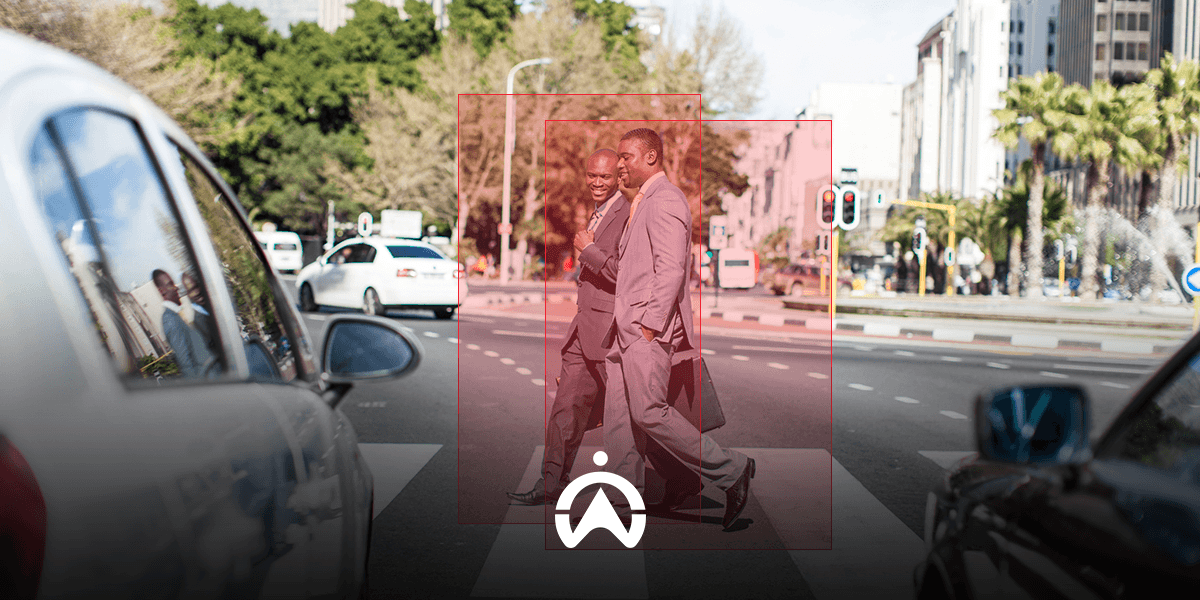
Pedestrian Collision Prevention: Alert Solution for Your Drivers and Fleet

Keeping your drivers and those around your vehicles safe should be your number one priority when it comes to running a fleet. This is why an alert solution to prevent pedestrian collisions is incredibly important. Not only is an accident involving a pedestrian almost always fatal, but it’s extremely traumatic for your drivers as well.

According to road safety reports, pedestrians make up a significant portion of road fatalities in Malawi. Pedestrian safety remains a major concern, particularly in urban areas where road infrastructure and visibility can be limited. The statistic is high, and even though the pedestrian could be at fault, it’s important that fleet managers take the necessary steps to prevent pedestrian accidents as much as possible.

This blog will explore all the different types of pedestrian collision prevention alert solutions for your fleet. Determine which solution is the right one for you and how Cartrack provides you with operational intelligence.

What devices are used to prevent pedestrian collisions?

The devices used to prevent pedestrian collisions are:

  • AI cameras
  • Radar sensors
  • Light Detection and Ranging (LiDAR)
  • Automatic Emergency Braking (AEB)

These are some of the top devices you as a fleet manager should get, depending on your budget and fleet needs.

AI cameras

Your basic dashcams will just record the road, while an AI camera system—like the one from Cartrack—has eyes in the cabin and on the road. These top-of-the-range AI cameras are fitted with an Advanced Driver Assistance System (ADAS) and Driver Monitoring Systems (DMS). 

DMS is used to detect driver behaviours that could be dangerous, such as:

  • Fatigue
  • Distracted driving
  • No seatbelt
  • Tampering with the camera
  • Smoking

ADAS software is used to pick up:

  • Blind spot detection
  • Forward collision warning
  • Automatic emergency braking
  • Adaptive cruise control
  • Lane departure warning
  • Pedestrian collision warning

Radar sensors

Radar sensors use radio waves to identify objects in a specific range to the vehicle.

Light Detection and Ranging (LiDAR)

LiDAR works by sending out invisible laser pulses that bounce off objects to take a detailed 3D map of the car’s surroundings.

Automatic Emergency Braking (AEB)

AEB is a safety tech that works with onboard sensors, GPS, radars, cameras and lasers. It is triggered when a driver isn’t braking or doing it fast enough to prevent a collision.


Why do fleets need a pedestrian collision prevention alert?

Fleets need a pedestrian collision prevention alert because there’s too much risk to your operations if your drivers do hit a pedestrian. Depending on where your fleet operates most, they’re either on the road or on site, and for both, there are pedestrians around.

Trucks are big and have plenty of blind spots. It’s very easy for your driver to not see a person crossing the road or walking behind the vehicle, leading to a devastating accident.

If you want to ensure that your drivers and those around the vehicle are safe, you should equip your fleet with high-tech AI cameras. Ones that give you full visibility around your vehicles and that also have a pedestrian collision prevention alert.

What are the consequences of hitting a pedestrian?

There are severe consequences for hitting a pedestrian, such as:

  • A criminal charge of reckless driving
  • A criminal charge of negligent driving
  • A criminal charge of homicide
  • A civil claim for personal injury
  • Expensive fines
  • Suspension of your licence
  • Imprisonment
  • A permanent criminal record

How do vehicle cameras protect fleet drivers and companies from accident liability?

Vehicle cameras protect your company and your drivers from accident liability by providing indisputable evidence. Other ways that vehicle cameras can assist are by improving your drivers’ bad driving habits, protecting your business and drivers against false claims and reducing legal costs.

Let’s say your driver, David, is on his way to drop off a shipment to your client; the robot is green as he’s approaching it, and he’s driving the speed limit. A guy runs across the road as he’s approaching the robot; he sees him, and he gets a pedestrian alert from his AI camera system. He brakes, but unfortunately he still knocks the pedestrian down.

The man was injured, makes a claim against your business and your driver for negligent driving and wants compensation. However, your vehicle is equipped with Cartrack’s AI Multivision camera system, and you have proof that the pedestrian was actually at fault.

You have now prevented a PR nightmare for your company, expensive legal fees, and on top of that, you’ve protected your driver.

The true cost of a pedestrian accident

The true cost that comes with bumping a pedestrian with your vehicle is not the damage but the trauma your driver will have. A normal accident is bad enough, but to hit a person directly can completely affect your drivers.

This factor will cost you far more than any damage to your vehicle. If your driver has bumped someone, the possibility of it taking a toll on them mentally and emotionally is incredibly high. They’ll possibly have PTSD and could be a hazard on the road afterwards because they’re now afraid of knocking down someone else.

This can affect your fleet operations, which is why having a pedestrian collision prevention alert solution will help your drivers feel safer on the road and more supported.

Which pedestrian accident prevention system is the best?

No single pedestrian accident prevention system is the best; however, the combination of ADAS, LiDAR and AEB would be viewed as the most accurate option. At the end of the day you need to find what works for your fleet and your budget.

If your fleet operates in mostly remote places where foot traffic is low, a simple yet efficient tool like an AI camera system is more than enough. However, if your vehicles are operating in major cities and busy urban areas, we suggest getting a full house system that provides your driver with all the tools necessary to stop in time.

An often overlooked tool to prevent pedestrian accidents is driver coaching. When your drivers stay focused, obey speed limits, and navigate corners carefully, they can often spot hazardous pedestrians before issues arise.


What additional tools besides a pedestrian collision prevention alert should I get to keep my fleet and drivers safe?

These are some of the additional tools besides a pedestrian collision prevention alert that you should get to keep my fleet and drivers safe:

  • A GPS tracking device and telematics system
  • AI multivision cameras
  • Driver scorecards
  • Panic buttons
  • Predictive maintenance
  • Remote vehicle immobilisation

PS: You can get all of these and more from a place that loves your fleet as much as you do! Cartrack!

A GPS tracking device and telematics system

Having a GPS tracking device and a telematics system will give you and your drivers peace of mind if anything has to happen to your vehicles. You’ll be able to see where your drivers are at all times and optimise their routes, and if your truck gets stolen, Cartrack will go out and get it back to you!

AI multivision cameras

AI multivision cameras are incredibly important. Not only will you have eyes on your drivers, but your drivers will have eyes right around their vehicle, including blind spots. These cameras assist with decreasing the chance of accidents happening, and they can help with any insurance claims if an accident does occur!

Driver scorecards

Driver scorecards work wonderfully to get your drivers motivated to drive better and safer. Drivers automatically have 100 points, and points are removed for each bad driving event, like harsh braking, speeding, skipping red lights, distracted driving, etc. You can also reward good driver behaviour with incentives to keep your team motivated!

Panic buttons

Installing panic buttons in your fleet is a must! These aren’t only for cases of hijackings but also for any emergency your drivers face. If your driver bumps a pedestrian in the middle of the night in a remote area and has no cellphone coverage, they can press the panic button, and our dispatches will send help!

Predictive maintenance

Predictive maintenance is so important to keeping your fleet and drivers safe. The last thing you want is the brakes or gearbox to fail while your drivers are on the road. Predictive maintenance can prevent all of this from happening by picking up faults before they cause a catastrophe!

Remote vehicle immobilisation

If your drivers are travelling in Malawi where vehicle theft is common, you should invest in remote vehicle immobilisation. This way you’ll know if your vehicle has been taken by an unauthorised individual, and you’ll be able to stop the vehicle in its tracks before it gets stripped for parts.

So if you’re ready to keep those in and out of your vehicles safe, contact us today to get our road safety ecosystem in your fleet! 

Frequently asked questions about pedestrian collision prevention alerts

How does a pedestrian collision prevention system differ from a standard dashcam?

Your standard dashcam will just record what’s happening on the road, whereas a pedestrian collision prevention system will have eyes and sensors on the road. These sensors will alert the driver of nearby pedestrians and help them avoid an accident.

Can these systems operate effectively in low-light or bad weather conditions?

These systems can operate effectively in low-light or bad weather conditions if they have thermal capabilities. However, if your system doesn’t have a thermal sensor, you could face visibility problems if the conditions on the road are less than ideal.

Are these AI camera systems compatible with older fleets?

Yes, AI camera systems are compatible with older fleets because they don’t need to be connected to your vehicle’s engine computer to work. The camera and sensor systems are mounted to your windscreen or dashboard and just need to be connected to a power source.

How to Protect Yourself as an e-Hailing Driver

To protect yourself as an e-hailing driver, you must get a good dashcam that captures clear footage of everything that happens in and outside the vehicle. A dashcam won’t stop criminals from gaining access to your vehicle, but the recorded footage will help you find the culprits. A dashcam also helps you quickly resolve false client accusations, protecting your reputation.

Dashcam usage is on the rise, as many people are now seeing how useful these gadgets can be for holding people accountable for their actions. Shocking video footage of a Bolt driver who lost his life due to criminal activity gained widespread social media traction, resulting in the whole country going on a manhunt.

If it weren’t for the dashcam, finding the culprits would’ve been nearly impossible. The dashcam in question is one of Cartrack’s, and for that reason, we’re here to share more tips on how you can protect yourself or your drivers.

Here’s how you can protect yourself as an e-hailing driver

To protect yourself as an e-hailing driver, you must ensure the requested rides are from valid accounts, check the client’s ratings, and be vigilant. You must also invest in security measures like panic buttons and dashcams. These security measures won’t stop the thief from entering your vehicle, but they’ll be helpful in getting you quick assistance.

Here’s a detailed breakdown of what you need to do to protect yourself:

Practice hypervigilance in high-risk areas

We know that most ride-hailing systems don’t allow you to see a customer’s destination until you reach the pick-up spot and start the trip. This makes it nearly impossible to avoid high-risk areas because your client might be headed there. Whenever that happens, make sure you’re hyper aware of your surroundings and check if you’re being followed.

No place is 100% safe, so staying vigilant is a must everywhere you go. Always make sure the doors are locked, check if you’re being followed, and watch out for unusual activities at traffic light stops.

Verify your rider’s details

Check the rider’s name on your app, and once they get into your vehicle, verify by asking for the name. You can tell them you want to make sure you’ve picked up the right person. A lot of drivers make the mistake of letting people in without confirming their identity.

If you get the opportunity, check the client’s ratings so you know how they’ve been with other drivers. Some e-hailing platforms even have verified badges on client profiles to show you that all client details are accurate. Others even tell you how long the person has been using that platform. A new profile with details that have not yet been verified by your e-hailing platform might be someone you need to avoid.

Stick to the route on your navigation system

In some instances, clients suggest routes they feel are better and supposedly faster. Criminals might recommend “better” routes to lure you to a less busy area where it’ll be easy for them to attack. For your safety, just stick to the navigator and explain to your client that this is what you feel is a better route. This might put a dent in your ratings, but at least you’ll be safe.


Get a professionally installed dashcam

A dashcam won’t necessarily stop the criminals from getting into your vehicle, but it’ll record everything that happens, which will make it easier to find them (as we’ve seen in recent events). It’s a must-have for every vehicle owner, and most certainly for you as an e-hailing driver because you’ll come across different situations every day.

Don’t fight for the vehicle; get a GPS tracker instead

GPS tracking devices are essential for vehicle recovery. When a hijacking happens, what matters most is your life. Don’t put your life at risk by going against what the hijackers tell you to do and fighting for the vehicle. Instead, get a GPS tracker so you can easily back off without a fight, knowing you’ll soon have it back.

Get an insurance cover

7 out of 10 vehicles in Malawi aren’t insured. Vehicle insurance is another important thing you must have for your vehicle so you can get a payout if ever the vehicle isn’t recovered.

Install a panic button

A panic button ensures a silent call for help, so you get assistance as soon as possible. Only you will know where the button is, and it won’t make a sound; so the thieves won’t know that help is already on the way.

In some instances, thieves might take your cell phone along with your vehicle to prevent you from calling for help immediately after the incident, giving them more time to get away. By investing in a panic button, you ensure a quick response to stop them in their tracks.

Why do e-hailing drivers need dashcams for extra protection on the road?

As an e-hailing driver, you need a dashcam for extra protection on the road because of the high crime rates. Besides hijackings and robberies, there are other situations that a dashcam can save you from, which are:

  • False accusations
  • Insurance scams
  • Accident liability

False accusations

There are many instances where drivers get accused of stealing clients’ belongings, like cellphones and purses. In other instances, a client can say they paid cash when, in fact, they didn’t. Whenever something like this happens, it’ll be your word against theirs, but with a dashcam you’ll have footage of what exactly transpired so you can prove your innocence.

Insurance scams

Nowadays, thieves come up with different ways for you to bump their vehicles so they can claim insurance. These scams are doing the rounds everywhere, and a dashcam is your best bet at overcoming such situations. You’ll be able to capture the situation leading to the accident to prove to the investigators that it was a trap.

Accident liability

Imagine getting into an accident at the traffic light intersection and the other driver claims you beat the red light when in fact you had already passed the stop line when the amber lights appeared. Such situations are hard to prove if there weren’t any witnesses at the time of the incident. But with a dashcam you’ll be able to back up your side of the story. It’ll showcase the moments leading to the accident, proving you weren’t in the wrong.

Dashcams save you from accident disputes and speed up the claims process. Some insurers might even offer you a discounted premium for having a dashcam.


How does Cartrack protect lift providers?

At Cartrack we protect lift providers by providing stolen vehicle recovery services, dashcams, panic buttons, and medical assistance. These solutions don’t necessarily stop the criminals from gaining entry to your vehicle, but they’ll ensure you get quick help and have a full record of the incident.

The Stolen Vehicle Recovery service

We are known for providing one of the best stolen vehicle recovery services! In the past decade alone, we’ve conducted over 100 000 vehicle recoveries. That alone shows you how dedicated we are to getting back what rightfully belongs to you. We’ve got a team of recovery agents that are available nationwide and just a call away.

Panic button

You can get one of our panic buttons for added safety. We’ll place it somewhere close to you for easy access. Once pushed, it alerts our 24-hour control room service agents that there’s an emergency, and help will get to you quicker because they can already see your vehicle’s location.

Dual Vision with action button

Our Dual Vision camera solution is a dashcam that records both the inside of the vehicle and what’s on the outside. It’s perfect for an e-hailing driver like you, who needs to capture everything that happens during trips. The camera records audio which can reveal conversations between you and the customer, for cases where you have to prove what you said or didn’t say if there’s a false report.

You also have the option of adding an action button to your dashcam package. The action button is very similar to the panic button. The difference is that it’s attached to the camera and records footage for 10 seconds after you push the button. It then sends it together with the alert so we can see exactly what’s happening.

Medical assistance

At Cartrack, we have a Protector solution which consists of emergency medical assistance. This is a value-added service you can add to your package so you get emergency medical support (e.g ambulance) when you need it. This service will come in handy in instances where you’re robbed in the vehicle and are injured. Our control room agents will send help to your location, ensuring that you get quick assistance.

Get all your e-hailing safety needs from Cartrack

At Cartrack we specialise in all things related to vehicle safety. By investing in our solutions you increase your safety and that of your vehicle. If you’re ever in trouble, we’re just one call or a push of a button away. So make sure you reach out to us and get the protection you deserve.

Frequently asked questions about keeping e-hailing drivers safe

What is the disadvantage of e-hailing?

The disadvantage of e-hailing is that it poses the risk of falling victim to crimes like robberies and hijackings. But with the right security measures, you’ll feel more at ease. Make sure you invest in our devices to get the protection you need.

What is the largest risk for an e-hailing driver?

The largest risk for e-hailing drivers is targeted crime. It consists of premeditated violent acts like hijackings and robberies. E-hailing drivers transport different people every day, and in some cases, those people have ill intentions. To protect yourself from these crimes, you must invest in safety devices like panic buttons and dashcams.

What makes a dashcam a good buy?

A dashcam is considered a good buy because of the many benefits it brings, like:

  • Protection from false insurance claims
  • Proof of accident liability
  • Visual identification of the suspect for immediate arrest

What Factors Should You Consider When Downsizing Your Car?

When downsizing your car, you should consider factors such as lifestyle needs & changes, better cost control, environmental concerns, and easier management. People evolve, and priorities change, especially now when the cost of living weighs heavily on many of us. Downsizing could be the key to necessary changes and savings.

The average monthly car payment now takes up a significant portion of a consumer’s income, and this proportion has been increasing over the years, making vehicle affordability an important consideration for many buyers. This change reflects the financial strain many Malawian are under, putting a spotlight on affordability as a key reason for downsizing.

We know that the downsizing route is a big change that can stir up a lot of emotions, especially when you’ve become comfortable with your bigger car. In this blog, we’ll discuss the reasons surrounding downsizing, why it could be the right step for you, and how Cartrack can keep your compact car protected. 

What are some reasons to downsize your car?

Some reasons to downsize your car include looking to save on costs, going greener, lifestyle changes, and better car management. We also understand that, given the current state of the economy, saving money is usually the main reason why these sorts of lifestyle changes happen. Downsizing could be an impactful and positive first step for you and your family.

Smaller cars provide long-term savings

Fuel and maintenance are the highest car expenses. Your choice to downgrade your car means better long-term savings because smaller cars typically use less fuel and have simpler car parts. When going the smaller car route, consider getting a car that’s lightweight and city-ready to accommodate your daily trips.

You could also consider getting a hybrid or EV (electric vehicle), which can save you so much money in the long run. Fuel wouldn’t be as much of a concern (if at all!), and EVs generally have fewer moving parts, meaning you cut back on having to service your car too often.

Key considerations for downsizing your vehicle efficiently.

Your daily routine and lifestyle are changing

After costs and expenses, one of the biggest factors that drives downsizing is lifestyle changes. Maybe the kids have finally flown the nest, and there’s no need for a big family car anymore. Or perhaps your hobbies have changed and you don’t need a car that can hold all that camping gear. Whatever your reason, it’s valid.

If you don’t really need that bigger car anymore, downsizing could make an exciting difference in how you enjoy life from here on out. You get to save while also comfortably adapting to the new changes in your life.

It’s better for the environment

Using a car with a smaller engine means better fuel efficiency, which means fewer carbon emissions, which means a car that’s better for the environment. Bigger cars usually emit far more carbon and air pollution than smaller models, creating more harm to the environment.

Bigger cars, especially if they’re luxury brands, also tend to have more expensive and even special/customised car parts. These parts might need unique and expensive materials for them to be made.

Smaller cars are easier to manage

When you drive smaller cars, being on the city roads is a breeze. You fit comfortably into awkward parking spots (no need for 15-point turns). You can move through traffic smoothly, bobbing in and out with confidence, and the notoriously narrow streets will no longer be a problem.

Overall, smaller cars are easy to manoeuvre. Bigger cars need more space to carry out basic moves, like lane changes and U-turns, while smaller cars manage these with ease.

Guide to choosing the right smaller car when downsizing

How can Cartrack add safety features to your smaller car?

Cartrack can add safety features to your smaller car by giving you the best in tracking and on-road protection. You can choose what your tracking package looks like and what services speak to your needs. Even at our most basic (Quick) solution, you’re guaranteed mobile app access, world-class live tracking technology, quick emergency response, and stolen vehicle recovery (SVR).

Our personal packages offer highly competitive monthly rates, emphasizing affordability and keeping your costs low. Our contracts are also flexible, so you can choose the structure of your payment plan. If at any point you’re considering a package change, you can easily do so at a small migration fee.

Your decision to downsize may’ve been a bit stressful, but choosing the right vehicle protection partner doesn’t have to be!

Final takeaway: downsizing to make life manageable

There are many reasons why you might decide to downsize your car, and this blog is a great insight into all those potential motives. We recognise that you’ve decided to adapt to your new way of life and sit comfortably with this change.

On the journey of trying to find a car that works for your new lifestyle, you can relax knowing that downsizing has so many perks. You, your wallet, and the environment benefit from the change; so everyone wins! What’s more? Cartrack can add to your happiness, keeping your smaller car closely watched and protected.

Have you taken the plunge and downsized your car? Speak to our Cartrack professionals to ensure your new car is completely protected.

Frequently asked questions

What is the 20/3/8 rule?

The 20/3/8 rule suggests that when you’re looking to buy a car but still want to stay in control of your finances. The rule says:

  • you should put down a 20% payment
  • you should pay off the car in 3 years/36 months (or less)
  • keep your car’s monthly costs under 8% of your monthly income

Are SUVs expensive to maintain in Malawi?

Yes, SUVs can be expensive to maintain in Malawi, especially because of their overall costs. From fuel and maintenance to more expensive car parts and insurance, SUVs are likely to put more of a dent in your pocket. This is especially the case for luxury brands with specialised internal parts.

Is GPS tracking worth having if my car is insured?

Yes, GPS tracking is worth having if your car is insured.

Your GPS tracker tells insurers that you’re taking extra care of your car, and safety is a priority. Insurers see this as a positive, and you could potentially get a lower premium out of this. It could also speed up claims processes in the future.

How to Stop Your Motorbike Drivers From Having Accidents

To stop bike drivers from having accidents, establish negligent driving habits and roll out effective strategies to improve business and driver safety. Motorbike riders rank among the most vulnerable on the roads because riders are a whole lot more exposed and at risk out on the roads than the average car driver.

In Malawi, motorcycle riders account for a significant share of road accidents and fatalities, largely due to the rapid growth of motorcycle taxis known as Kabaza. Between 2020 and 2023, Malawi recorded 4,566 motorcycle accidents, which resulted in 472 deaths. Road traffic accidents remain a top cause of deaths globally, with motorbike riders and vulnerable road users making up a significant share of these fatalities.

For fleet managers like yourselves, there’s a clear need for safety strategy and smart technology that anticipates risk rather than only reactive action. In this blog, we’ll look at useful steps and management techniques, as well as the role of fleet visibility tools provided by Cartrack that can help your business meet everyday safety objectives.

Practical ways to reduce motorbike accidents in your business

Practical ways to reduce motorbike accidents in your business include improving rider awareness & accountability, managing risk, and identifying risky driving patterns. Tackling the issues of negligence and accidents is all about a careful, consistent, step-by-step approach that solves the small issues before they turn into big ones.

Identify unsafe riding patterns early

Recognise those dangerous driving habits that are being repeated, including behaviours like consistent speeding and taking corners sharply. Nipping these habits in the bud, especially once they’ve turned into a pattern, lets you take proactive steps to avoid a costly reaction.

Rather act immediately and potentially save on time and expenses, than deal with the chaotic aftermath of an accident later.

Improve rider awareness and accountability

The most important thing to do is to approach corrective conversations and dialogue with coaching, not through punishment. This fosters better, more constructive growth among drivers and encourages them to quickly adopt safer driving habits. With recorded events and insights, you can also easily support your coaching efforts.

The key to maintaining safer habits is to do regular check-ins and coaching sessions when necessary.

Manage risk through smarter route planning

Smarter route planning involves preparing routes that avoid traffic congestion, high accident zones, and dangerous areas when possible to keep the drivers safe. This also eases the pressure of rushing deliveries, with drivers remaining realistic and prioritising safety without sacrificing efficiency.

motorbike driver doing deliveries

Why are motorbike drivers at higher risk of accidents?

Motorbike drivers are at a higher risk of accidents because of their job demands and generally limited visibility while on the roads. Vehicle drivers might not notice bikers that are on the road or in traffic, potentially leading to collisions or violations of right-of-way. Plus, the pressure to make timely deliveries tends to increase dangerous driving habits.

These are some of the unique risk factors:

  • Not being visible to other road users: Bikers are usually harder to see, especially because they’re operating a smaller vehicle, and can get caught in blind spots.
    ‍
  • Lack of physical protection: Bikers really don’t have much in the way of physical protection, especially for their bodies. This means that even the smallest accidents can cause significant damage.
    ‍
  • Urban delivery pressure and time constraints: Pressures to deliver on time, combined with congested routes, lead to bike drivers who perhaps feel like they need to take chances while on the road.

What are the most common causes of motorbike accidents in fleets?

The most common causes of motorbike accidents include factors like limited visibility and distracted driving.

Here are some of the most frequent explanations:

  • Speeding and aggressive manoeuvres: This is a result of the pressures of timely deliveries, meeting customer expectations, and ducking and diving through heavy traffic.
    ‍
  • Poor danger anticipation: This is because of blind spots and tricky, high-accident areas like four-way stops.
    ‍
  • Distraction and fatigue: This is because motorbike drivers typically work long hours; that, paired with intense pressure to deliver and meet growing customer demands, can lead to dangerous events.
    ‍
  • Poor route planning and unsafe delivery zones: These are the biggest contributing factors for motorbike riders finding themselves in very high-risk areas and situations.

What does defensive driving look like for motorbike riders?

Defensive driving for motorbike riders looks like always staying alert. Riders must ensure others can see them, and they must anticipate potential risks by scanning the road ahead, positioning themselves wisely in their lane, and maintaining a safe driving distance. Defensive driving for motorbike drivers is a unique strategy, because a two-wheel drive needs to tackle its own unique concepts.

These concepts include:

  • Space and escape routes: It’s always important that the motorbike driver keep 3-6 seconds between themself and the vehicle in front of them. A good trick is for them to pick a fixed object and start counting when the car ahead goes by. If they reach that object in less than 3 seconds, they’re too close or speeding.
    ‍
  • Anticipating driver blind spots: Motorbike drivers should always assume that they’re not clearly seen by other drivers, especially because they’re usually caught in vehicle driver blind spots.
    ‍
  • Reading traffic patterns early: Much like the first point, this is about your motorbike drivers staying aware and alert while on the roads. It’s important they slow down at turns or when trying to switch lanes, and avoid sudden movements to keep themselves and other drivers safe.

The motorbike safety triangle: Rider, route, and real-time visibility

The motorbike safety triangle relies on the 3 connected factors: rider, route, and real-time visibility. The chances of an accident increase when one of these factors breaks down. Motorbike fleets that combine these 3 factors ultimately move from reactive incident management and shift to a preventative safety strategy, lowering the chances of road dangers.

Safety should be an ever-evolving and dynamic system that values your business and riders, not a one-time session that fails to grow with you.

Let’s take a look:

  1. Rider: behaviour, skills, and decisions
    Motorbike riders are the biggest wild card when it comes to safety. It’s all about their awareness, reaction times, and ability to respond with a clear head in an emergency. The key with motorbike drivers is to nip bad driving habits in the bud. As a fleet manager, always focus on gentle guidance instead of harsh discipline.
    ‍
  1. Route: exposure to risk on the road
    In the end, it won’t matter how safe and skilled your motorbike drivers are if the routes they’re taking are not optimised for safety and efficiency. The risks that present themselves, including blind spots, traffic jams, and pressures to deliver on time, are all factors that increase the chances of an accident happening.
    ‍
    Carefully planning and maximising routes
     improves overall safety, keeping your motorbike riders much safer and helping them make better, wiser decisions throughout the day.
    ‍
  1. Real-time visibility: the insight that ties everything together
    Live and consistent visibility brings together rider behaviour with route risk, creating a simple, controllable system. Thanks to driver behavioural insights and standard data, you can identify patterns and problems early and intervene before they worsen. This is about ensuring fair accountability and offering informed support, not about helicopter managing.

How technology helps prevent accidents before they happen

Technology helps prevent accidents before they happen by giving you, the fleet manager, the ability to carefully monitor and collect insights into rider driving behaviours. These extensive insights allow you to enact preventative measures way before the accidents happen, protecting your riders rather than dealing with the fallout of an unfortunate and dangerous event.

Technology strongly supports a better safety environment rather than creating an imposing policing tool. Live GPS tracking features not only allow you to see where each motorbike and rider is at any time, but can also assist in route optimisation and task redirection if necessary. Decisions are made on the fly without pressure or uncertainty.

As previously mentioned, driver monitoring features give much-needed context to rider behaviours. Repeated dangerous habits can be quickly addressed through training and coaching—before they morph into something potentially fatal.

Compliance features can also have their hand in prevention through providing reliable information for investigations or insurance disputes. Plus, they foster a culture where safety expectations are clear and continually upheld.

motorbike driver ensuring timely deliveries with Cartrack route optimisation software

Motorbike safety without data vs motorbike safety WITH data

When looking at motorbike safety without data versus motorbike safety with data, you’ll clearly see that data is the key to achieving optimal safety—especially from a preventative angle. Without data, you’re left in the dark, relying on only what you see and learn after a dangerous incident has occurred.

Look at the comparison below to better understand how each approach differs:

Safety approach Without data With data
Risk visibility Blind spots, guesswork, and complaints after incidents Live insights into rider behaviour and road conditions
Driver habits Unknown until something goes wrong Early alerts for speeding, harsh braking, and other risky patterns
Intervention Reactive discipline after an accident Preventative coaching and improvements before incidents
Route planning Manual planning and higher exposure to congestion and danger zones Smart routing avoids hazardous areas and delivery pressure
Insurance and liability Limited evidence in disputes or claims Digital proof, incident reconstruction, and stronger defence

How Cartrack supports safer motorbike fleets

Cartrack supports safer motorbike fleets by offering the appropriate technology and tools to ensure you improve and maintain that safety. We gather the necessary insights, interpreting and transforming them into measurable feedback so you can gain better control across your fleet.

Our driver behaviour tools show you how your motorbike riders are behaving on the roads, keeping track of their habits and locations. This means you can keep an eye on their movements (and see if they’re travelling in and out of high-risk areas) while also checking if they’re driving aggressively. This fosters honest, fact-driven conversations and promotes safer habits without making assumptions.

Our insights regarding routes and their potential risks help your fleets reduce unnecessary exposure. By detecting gridlocked areas, areas that are high risk, and poor routes, Cartrack can lessen the pressure on your riders and help them to avoid accident-prone areas.

Finally, our comprehensive reporting brings data together in a simple and digestible format for you. Information that’s clear means that you can make better and more informed decisions while also strongly backing any changes and coaching methods you make going forward. And should an incident occur, you have the right, precise documentation in place to support insurance claims and investigations.

Through Cartrack, you can cultivate a working environment that embraces a supportive safety culture for your riders, steering clear of harsh control and micromanagement.

Final takeaway: Safety is a system, not a single rule

Preventing motorbike accidents isn’t about putting all your eggs in one basket and relying only on one policy. It involves the right behaviours from riders, careful planning from managers, and total visibility—all working together every day. With these multiple factors combined, risks will be identified sooner, and the number of accidents will decrease significantly.

Cartrack promotes safer and more responsible operations of motorbikes by supplying businesses with insights that help maintain control without the need for micromanagement. The result of this approach is a fleet that operates more safely and efficiently, and with increased accountability for both riders and managers.

Build a safer motorbike fleet for your business. Talk to our team and start reducing rider risk with proactive monitoring and alerts.

FAQs

Who is at fault in most motorcycle accidents?

It depends and typically varies, but it’s often other drivers who are at fault in most motorcycle accidents, only because they usually can’t see bike riders in their blind spots. This is why it’s important that motorbike riders make themselves visible to other drivers and observe the 3-6 second rule.

Can telematics reduce insurance costs for motorbike fleets?

Yes, telematics can reduce insurance costs for motorbike fleets by providing data that supports strong risk management and precise insights for reporting. Insurance providers typically favour fleets that display accountability and safety compliance. Reduced insurance isn’t guaranteed, though, and it’s always important to check with your provider.

What’s the biggest mistake businesses make when trying to improve motorbike safety?

The biggest mistake businesses make when trying to improve motorbike safety is approaching safety as a one-size-fits-all, one-time task. Safety’s an ongoing commitment that lasts over time. Skills can diminish, and that’s why riders ought to frequently update their knowledge and take opportunities to practise every safety measure.

What to Look for When Buying a Second-hand Car

When you’re looking to buy a second-hand car, the most important thing is knowing what usage you’re looking to get out of the car. Are you looking for an everyday car for short trips or a kombi for the school holidays?

Either way, buying a second-hand car in Malawi’s current economic climate makes sense, but it can be a major risk if you’re not sure what red flags to look out for. Accident damage, tampered mileage, hidden mechanical issues, and unpaid finance are just some of the factors that can turn what looks like a bargain into a financial nightmare.

The pre-owned car market in Malawi is growing. In the first half of 2024, many Malawians applied for vehicle finance through banks and financial institutions as demand for affordable second-hand vehicles continued to increase. This is proof that pre-owned vehicles enjoy far higher demand than their new counterparts, making the second-hand car market one of the most active in the country.

This guide takes you through everything you need to check before sealing the deal—from paperwork and inspections to negotiation tactics and protection strategies. And once you find that perfect ride, teaming it up with reliable vehicle tracking and recovery from Cartrack ensures your investment stays safe right from the start.

What exactly to look for before buying a second-hand car

  • Set a clear budget: know what you can afford, including ongoing costs.
  • Decide where to buy: compare dealer safety versus private seller risks.
  • Do a full history and service check: verify accidents, finance, theft, and mileage.
  • Check the exterior: rust spots, tyres, dings, and poor alignment of panels.
  • Inspect the interior: look for damage, smells, and electrical faults.
  • Test all electronics: make sure the AC, windows, and dashboard lights work.
  • Check under the bonnet: look for leaks, worn belts, the battery and fluid quality.
  • Take a full test drive: listen for noises and check handling.
  • Check paperwork: make sure of ownership, roadworthiness, and legality.
  • Get a written agreement:  protect yourself during private sales.
  • Plan for security: install a tracking device to safeguard your car.

Set your budget and know your needs

The most important step before you start looking at a second-hand car is to set your budget and know your needs. It’s important to keep in mind that ongoing costs like fuel, maintenance, licensing, and insurance in Malawi could all add up rather fast.

Other factors, such as the fluctuating price of petrol and vehicle tax hikes, all take their toll on the total cost of ownership. So consider your lifestyle needs carefully. Where a student may only need a small hatchback, a family might want a large SUV that provides space and extra safety.

It’s important to distinguish your must-haves—such as safety and reliability—from your nice-to-haves, such as leather seats or high-end sound systems.

Don’t stretch your finances too far. Leave room in your budget for emergency repairs, tyre replacement, annual services and insurance premiums. It’s smarter to choose a basic vehicle that you can afford to maintain, rather than a feature-packed car that’ll prove to be a financial headache later on.

Should you buy your second-hand car from a dealership or a private seller?

You should buy your second-hand car from a dealership because they provide better protection. On the other hand, private sales often mean lower prices and better negotiation options. Either way, you still need to thoroughly inspect the vehicle to make sure you’re not getting a lemon.

Dealerships, especially if they’re part of a well-known franchise or reputable dealership, typically offer vehicle checks, warranties, and roadworthy certificates, making it a lot safer for first-time buyers who might not be knowledgeable about car evaluations.

If you’re shopping privately, sites like Facebook Marketplace and local online classifieds are full of used car listings in Malawi, but they come with higher risks. You often lack guarantees about the car’s condition, and scams can be common.

No matter which route you choose, clarity is key. Always ask for documentation, proof of service history, and repair records. If you go private, consider bringing a mechanic or getting an independent inspection before you commit. Remember, peace of mind beats rushing into a deal just for a bargain.

Person handing over car keys during a second-hand car purchase inspection.

New car vs second-hand car — pros & cons

If you’re still unsure if you should buy a new car or a second-hand one, this simple table breaks down the pros and cons of each. This will help you make a more informed decision before you hit the showroom floors!

Comparison New Car Second-hand Car
Upfront Cost Higher purchase price More affordable
Depreciation Loses value quickly in the first 12 to 24 months Slower depreciation rate
Maintenance Low at first; warranties included Can be higher depending on age and mileage
Vehicle History Clean – you’re the first owner Risk of unknown history (accidents, poor maintenance)
Finance Approval Easier to finance through major banks Slightly harder, depending on the car’s age and condition
Insurance Costs Higher premiums Lower premiums (depending on model and security features)
Tech and Features Latest safety and infotainment features Older tech, which may need aftermarket upgrades
Value for Money Long-term value, but costly upfront Budget-friendly with smart choices
Customisation Can choose specs and extras What you see is what you get
Resale Value Good if well-maintained Depends on mileage and brand popularity
Warranty and Service Plan Included from the dealership Maybe expired or limited
Peace of Mind Fully guaranteed condition It can be risky if not inspected or verified properly

Do a full vehicle history check

Before you buy a second-hand car, it’s incredibly important to do a full vehicle history check. Understanding where this vehicle has been and how it was treated is essential. A history check helps you uncover various concerns, like accident damage, outstanding finance, mileage tampering, or even if the car was stolen.

This information can protect you from costly unexpected expenses and also gives you confidence in negotiating the purchase price.

Here’s what to check:

  • Request the VIN number and check the ownership and its legal status with it.
  • Utilise vehicle verification services, such as TransUnion or other Malawi-based vehicle verification platforms, to check a car’s history before purchasing.
  • Check for outstanding finance because the vehicle cannot be sold legally if there is still money owed on it.
  • Confirm that the car hasn’t been stolen, written off or imported illegally.
  • Review the service history for any records that will show consistent mileage and regular servicing.
  • Look for missing or skipped service intervals; these could be indicative of tampering.
  • Look into large repairs or accident history, including things like chassis or flood damage.
  • Request repair invoices or maintenance records that detail previously completed work. If unsure, invest in a pre-purchase inspection by a qualified mechanic.

Inspect the exterior

Start your inspection outside the car, focusing on the paintwork and how the panels align. If you spot uneven panels, mismatched paint, or overspray, it could be a sign of previous accident damage. Look for rust around the wheel arches or windscreen; this often points to long-term moisture exposure, especially in areas with high rainfall, such as the Shire Highlands.

Next, check the tyres for wear and condition. Odd wear patterns might signal worn suspension or misaligned wheels. Make sure all the lights are working and that the mirrors aren’t cracked or loose. A chipped or cracked windscreen could end up costing you quite a bit to replace.

Check the car in daylight. Good lighting helps you spot dents, scratches, and signs of repainting that might go unnoticed in dim conditions. Kneel down for a closer look at the bodywork and run your hand along the panels. A thorough visual check can reveal significant clues about any past damage.

Inspect the interior

Inspecting the interior of a second-hand car is a must before you purchase! The interior often tells the real story of how well the car was looked after. Start with the upholstery and dashboard: tears, stains, and worn fabrics could signal neglect.

Listen for rattles and check for signs of water damage such as damp smells or mould, especially in coastal or flood-prone areas. Test all the electronic features. Turn the air conditioning, radio, windows, touchscreen, and central locking on and off.

Check if the dashboard warning lights turn on when starting the ignition and then turn it off after that. If they don’t turn off, this might indicate serious problems such as engine issues, electrical problems, or malfunctioning airbags—all requiring professional attention.

Look for signs of tampering. Scratched screws, loose panels, or trims that don’t fit properly are signs of previous repairs or modifications. Check seatbelts also for fraying, since safety equipment should always be intact. Generally, an immaculate interior characterises a responsible owner, while a neglected one hints at hidden mechanical issues.

Check under the bonnet

Next, pop the bonnet and take a look at the engine bay. Look for leaks, corrosion, or worn components. Fluid levels should be clear and at the right level. Oil that’s sludgy or thick may indicate maintenance that’s overdue; milky oil can point to serious engine problems such as head gasket failure

Give the belts and hoses a good look for any cracks or fraying. A worn belt can snap and cause engine damage, leading to costly repairs. Don’t forget to check the battery as well! Given the frequent power outages and high temperatures in Malawi, knowing how old the battery is can really help when planning for a future replacement.

Remember, just because the engine bay looks clean doesn’t mean the car’s in top shape. Excessive oil stains, loose wiring, or old clamps can hint at neglected maintenance. If everything else looks good, consider getting a pre-purchase inspection. Having a mechanic do a compression test or diagnostic scan can save you from unexpected costs down the line.

Take a proper test drive

Always push for a proper test drive. Start the engine and listen for any weird noises like knocking or ticking. During the drive, check how the steering responds and how the suspension handles. If it pulls left or right, it might need alignment or could’ve had a bump in the past.

Try it out in different scenarios: stop-and-go traffic, open roads, and ideally, the highway. Pay attention to the brakes and where the clutch engages. If you notice jerky gear shifts or vibrations, that could signal transmission issues. Keep an eye on the temperature gauge too; older cars often struggle with overheating in our hot summers.

Turn the radio off while driving to catch any squeaks or rattles. Test the turning radius, acceleration, and emergency brakes. If something feels off, don’t brush it aside. You can always ask for another test drive or walk away. The right car should feel solid, reliable, and trustworthy.

Buyer reviewing documents with dealer to assess what to look for when buying a second-hand car.

Understand the paperwork

Paperwork serves as your legal proof of ownership and protection as a buyer. In Malawi, missing or outdated documents can cause delays, legal issues, or even fines. Before you buy, make sure you have every required document ready and valid.

Here’s what you need to get:

  • Natis registration document: This confirms legal ownership and vehicle details.
  • Valid roadworthy certificate: It should be less than 60 days old at the time of sale.
  • Proof of sale or sales agreement: This protects you legally in case of disputes.
  • Stamped service book or digital service records: These verify the maintenance history.
  • Copy of the seller’s ID and proof of address: This helps confirm authenticity.

Things to check carefully:

  • The VIN number on the chassis should match the documents.
  • Make sure there’s no outstanding vehicle finance.
  • If you’re buying privately, get a written agreement and signed receipt.
  • Remember, you have 21 days after deregistration to transfer the vehicle into your name.

With solid paperwork, you ensure smooth ownership, and the deal isn’t done without it.

Protect your new purchase

After you’ve sealed the deal, it’s time to protect your purchase. With car theft rates alarmingly high in Malawi, it’s wise to take steps to safeguard your investment. Installing top-of-the-range tracking and recovery tech can really help secure your car against hijacking, theft, or unauthorised use, particularly if you’re in a high-risk area.

This is where Cartrack makes a real difference. From day one, Cartrack protects your second-hand car with live GPS tracking, AI dashcams, and industry-leading stolen vehicle recovery. You can even set up geofencing alerts and real-time notifications to stay in control of your vehicle whenever it’s on the road.

Final takeaway

Buying a used car can be a smart choice if done correctly. Take your time, inspect it fully, check its history, and make sure all the paperwork is right. The right preparation prevents costly surprises and leads to better ownership in the long term.

Once you have the perfect car, protect it with Cartrack so that on each journey, you enjoy peace of mind. Safeguard your investment and drive with confidence.

FAQs

Is it worth buying a second-hand car in Malawi?

Yes, it’s worth it to buy a second-hand car in Malawi. The second-hand car market is huge, affordable, and full of options for any type of buyer. By making use of the right tools, research, and inspections, you’re sure to find a diamond in the rough.

Can I negotiate the price of a second-hand car?

Yes, in most cases, you can negotiate the price of a second-hand car. Use findings from your inspection—such as wear, missing paperwork, tyre condition, or service history gaps—as negotiation points. Research market prices in advance to justify your offer with confidence.

Is financing available for used cars?

Yes, most banks in Malawi provide vehicle finance for second-hand cars, provided the cars meet certain age and mileage requirements. More often than not, older cars (more than 10 years old) may not qualify, so confirm this with your bank or financial provider before committing.