How Driver Fatigue Detection Systems Work

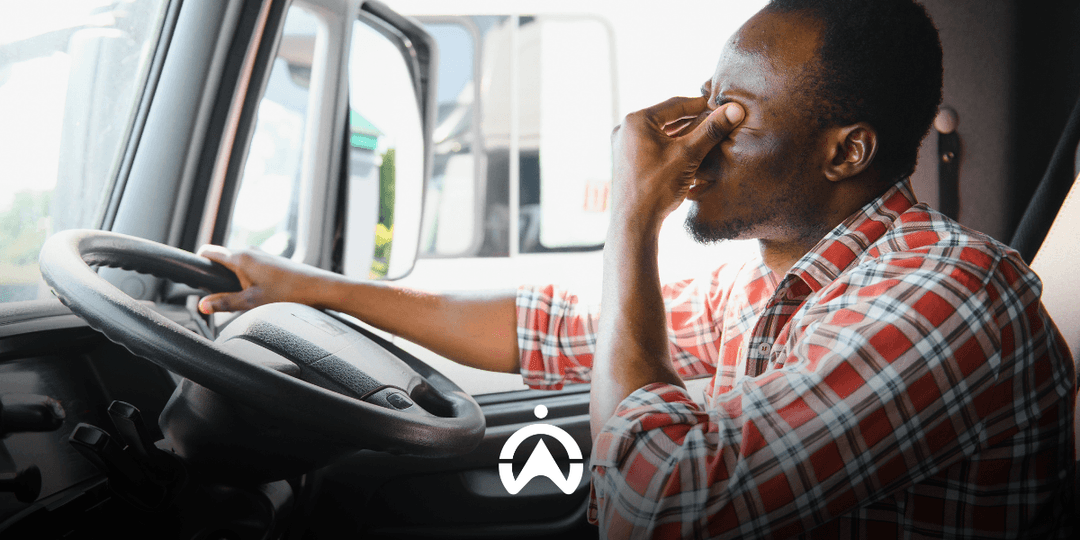
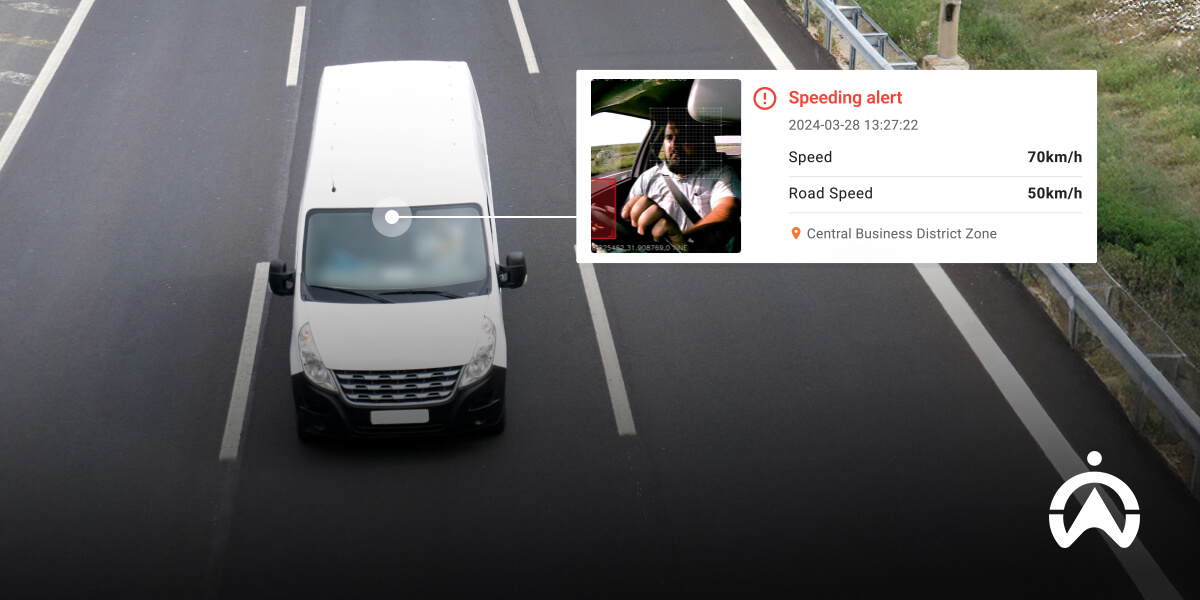
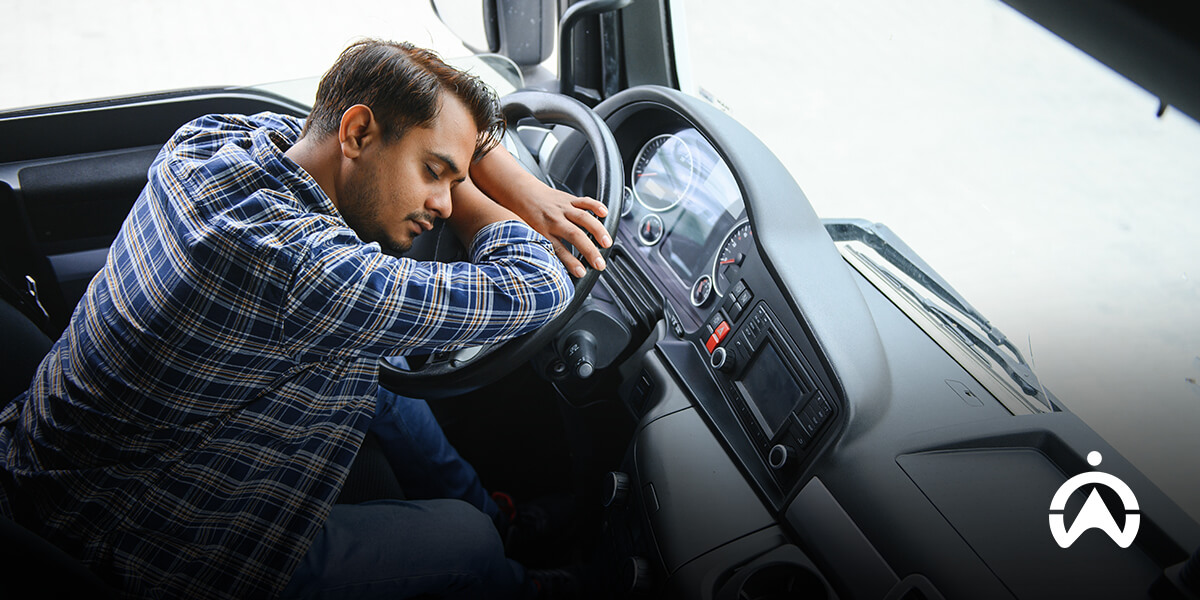
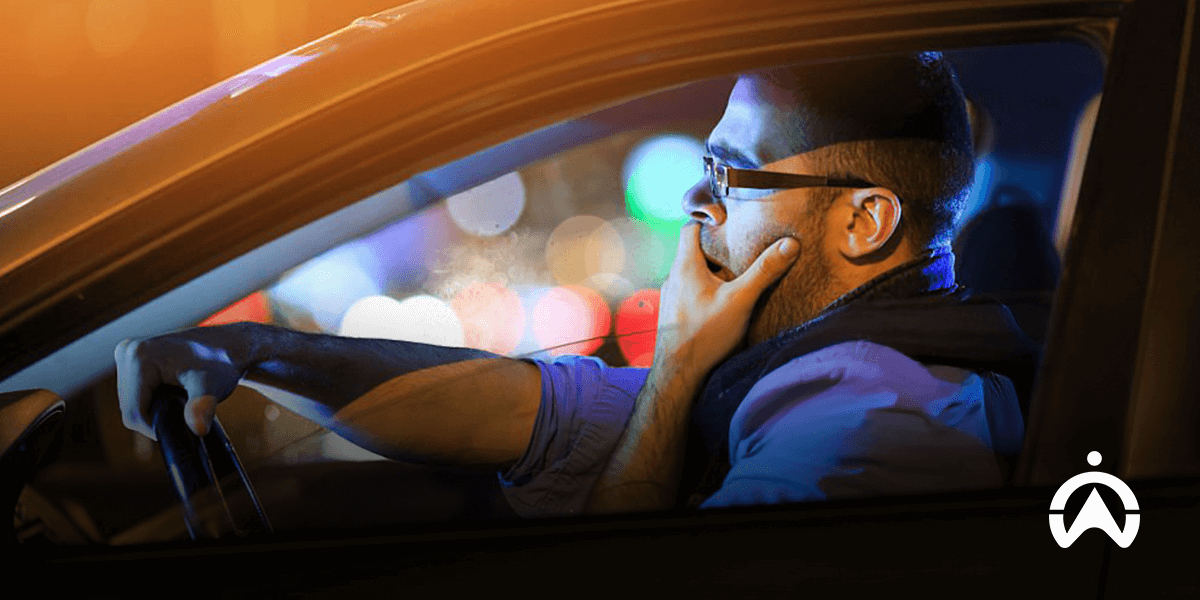
Driver fatigue detection systems work by combining AI power with sensors and/or cameras to monitor driver behaviours while they’re on the road. With those AI capabilities, facial patterns that are associated with exhaustion (like yawning or excessive blinking) are detected, which then trigger immediate alerts that act as an intervention.

Analysis shows that infrared camera arrays and built-in sensors are among the key components driving the growth and capabilities of AI-powered cameras. Commercial fleets are quickly adapting to technologies that explore more than just lane drifting and steering-wheel patterns. Facial movement recognition and blinking rates are catching fatigue in milliseconds, proving to be vital implementations in fleet safety.

Don’t put your fleet in jeopardy. Understand driver fatigue detection technologies, why they’re crucial for fleet safety, and how Cartrack Malawi provides the best in those technologies so you meet safety compliance & combat driver exhaustion.

What are driver fatigue detection systems?

Driver fatigue detection systems are a combination of tools and technologies that identify when a driver is exhibiting exhaustion while on the road. When fatigue has been detected, immediate alerts are triggered in the form of audible, visible, and in-app/platform notifications.

The point of fatigue detection systems is to completely avoid, or at least drastically reduce, road accidents and incidents. Their real-time monitoring keeps a constant watch on everything happening inside and around the vehicle.

Let’s look at this more closely:

How do these detection systems work?

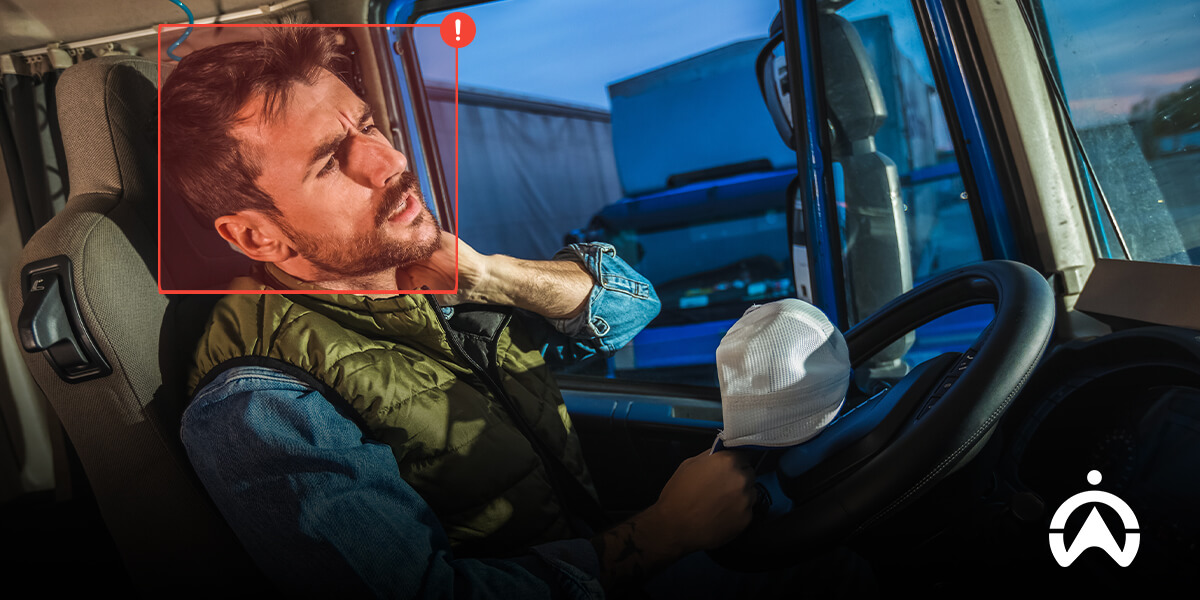
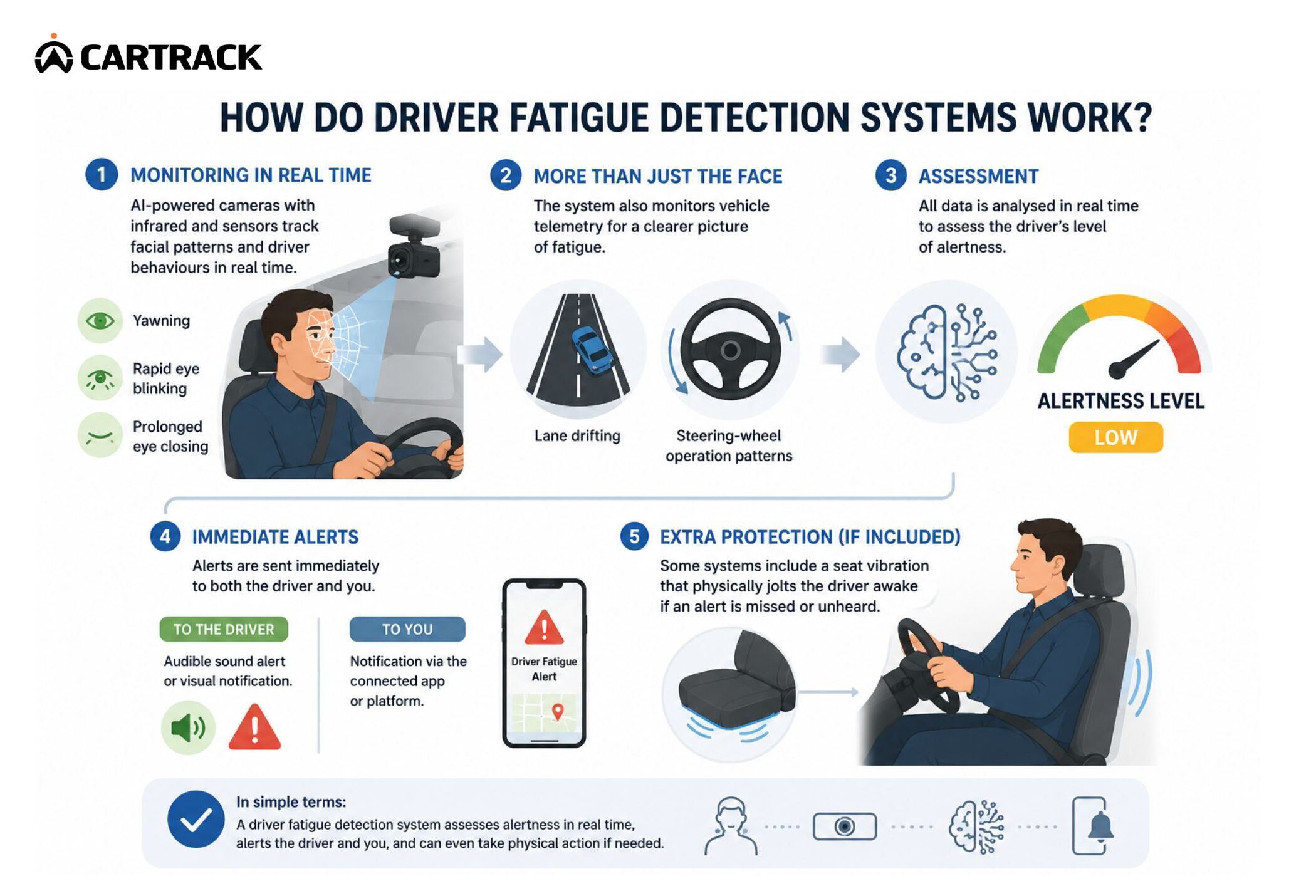
These detection systems work by merging AI power with sensors and/or cameras to keep an eye on drivers and their behaviours while on the road. Highly trained AI cameras embedded with infrared and sensors carefully track facial patterns—like yawning, rapid eye blinking, and prolonged eye closing—to quickly identify signs of exhaustion.

In addition to tracking facial patterns, certain aspects of vehicle telemetry are also monitored, like lane drifting and steering-wheel operation patterns. This provides more necessary information and creates a clearer assessment of fatigue.

In simple terms, a driver fatigue detection system assesses a driver’s level of alertness in real time. 

Alerts are then immediately sent to both the driver and you. For the drivers, they’re notified through an audible sound alert or a visual notification. You’ll likely get a notification via the connected app or platform.

Depending on the system, there may also be an actual seat vibration solution included that physically jolts the driver awake. This feature is particularly important when the driver misses or can’t hear the audio alert.

Take a look at our graphic below to get a quick, visually engaging overview:

Are there any considerations when it comes to fatigue detection systems?

Yes, there are certainly considerations and potential downsides to think about when including fatigue detection systems in your fleet.

One of the biggest, most common concerns is privacy. The last thing you’d want is for your drivers to feel as though they’re being surveilled in an intrusive and untrusting way. As a manager, you MUST be completely transparent in your policies and with your drivers, especially about the footage, why it’s being collected, and who has access to it.

If you’re clear in your explanations, your drivers will hopefully understand that this is for their protection and safety, not their exploitation. It’s also your responsibility to uphold your end of those policies.

Another common concern is false alarms. Technology isn’t perfect, and there will be mistakes in the recognition system. What’s important is that you use your discretion when overlooking the triggered events and footage.

Still, this doesn’t take away from the absolute importance of high-quality detection technology and tools in your fleet.

Why are fleets investing in this technology?

Fleets are investing in this technology because it’s what protects the operators, the business, and the brand reputation. It’s a careful, strategic business decision that has all aspects covered, from general safety (for everyone on the roads) to legal compliance.

Early warning and coaching interventions are solutions that take safety to new heights while proactively protecting your drivers. 

Here’s why fleet managers like you see the importance of these tools:

Protecting drivers, their health, and overall wellbeing

At the core of fatigue detection systems is protection and safety. It’s common knowledge that driving while exhausted is comparable to driving while under the influence, and it can lead to devastating consequences.

Thanks to its real-time and dynamic nature, fatigue detection is a proactive approach that ensures exhaustion and drowsiness are nipped right in the bud. When you catch exhaustion before it escalates into something more dangerous, you’ll see fewer collisions, fewer close calls, and (most importantly), the preservation of life.

In addition to this, fatigue detection systems show your drivers that you care about them and their wellbeing. Your drivers can begin to grasp the value of this kind of technology, developing the understanding that their quality of life is actively being looked after.

With improved wellbeing comes boosted productivity, increased morale, and happier & engaged workers who are likely to remain loyal to you.

Keeping cargo safe

This one’s for the logistics and transportation fleet managers. Your drivers are your most valuable asset, and the cargo they haul comes in at a close second.

When an accident results from driver exhaustion, the cargo is typically the first to go (especially with heavy-duty trucks). Whether it’s destroyed because of the collision or even grabbed by passersby in the aftermath, the fallout of such an event can be devastating.

Not only does this tragically impact your bottom line, but you also face immense damage to your business reputation and legal issues up to your neck. But if you implement fatigue detection, you actively ensure the safety of your valuable goods.

With all the clear warnings and alerts, not only is the driver alerted and jolted awake before something bad happens, but you could potentially navigate them to the nearest truck stop, instead of them making an unsafe and unscheduled stop on the side of a highway.

Additionally, driving while exhausted can cause your drivers to operate with jerky movements and unpredictable behaviours. This puts sensitive cargo at risk. But if the driver is kept sharp, the cargo remains safe on a smooth and calm journey.

Fulfilling compliance and safety standards

We know that regulations are becoming increasingly strict, and the pressure is being felt by businesses worldwide.

With the implementation of a fatigue detection system, you’re keeping a strong record of safety protocols and policies. This kind of record is especially important if your business is ever audited or there’s an investigation.

From a compliance perspective, your proactive approach can also reduce the risk of potential fines and other financial issues, especially if you’re asked to pause operations.

Minimising accidents

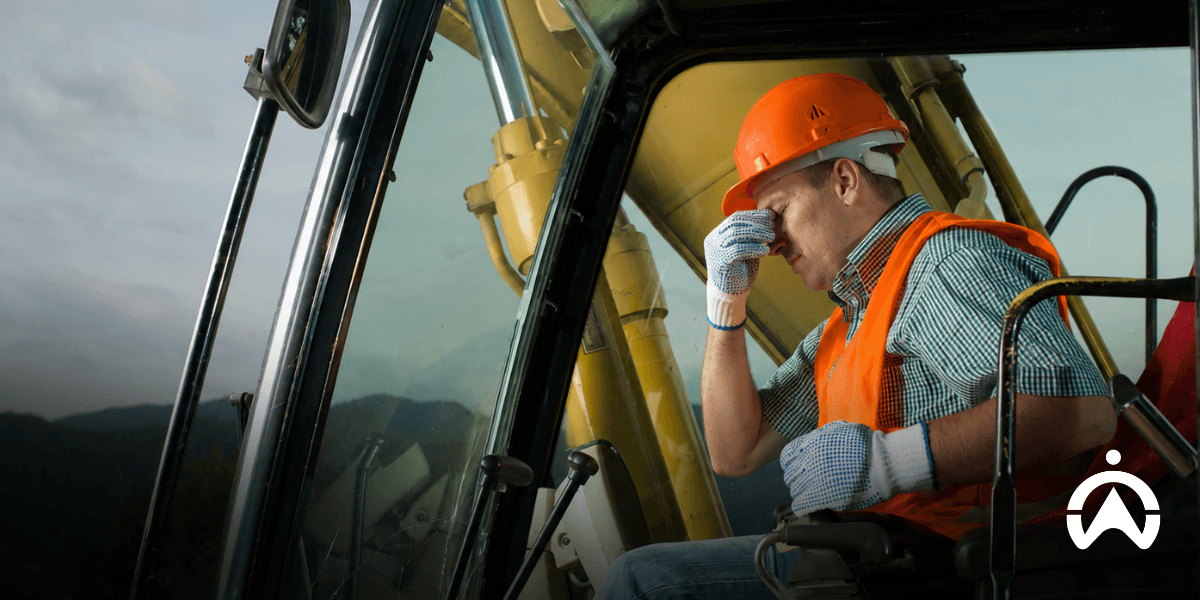
While this may seem like the most obvious of the points, we can’t ignore the role fatigue detection systems play in the broader on-road safety conversation. Fatigue is a silent killer, and nodding off for even a split second could mean dire results.

It could be argued that systems like these are the core of safety in the fleet industry, especially for long-haul drivers. 

Incorporating fatigue detection not only shows that you care about your drivers but also about the everyday civilians on the roads as well.

Bringing down insurance, legal costs, and downtime

One of the most common questions around fleet insurance is, ‘If I have proof of any risk management system in place, will this bring down my insurance premiums?‘

The answer to that is yes, there’s a very good chance it would, although it depends on your insurer. Insurance companies are increasingly rewarding businesses that are implementing risk management systems, like fatigue detection. This shows insurers that you’re being intentional about safety, leading to those lower rates.

More than that, accidents are extremely expensive. Not only is there loss or damage of cargo & vehicle repair costs, but also legal, litigation, medical, compensation, and other costs to consider. Not to mention the financial hit that downtime from an accident causes.

Ultimately, a fatigue detection system is the most advantageous and economical investment for your business. 

Does Cartrack Malawi offer driver fatigue detection systems?

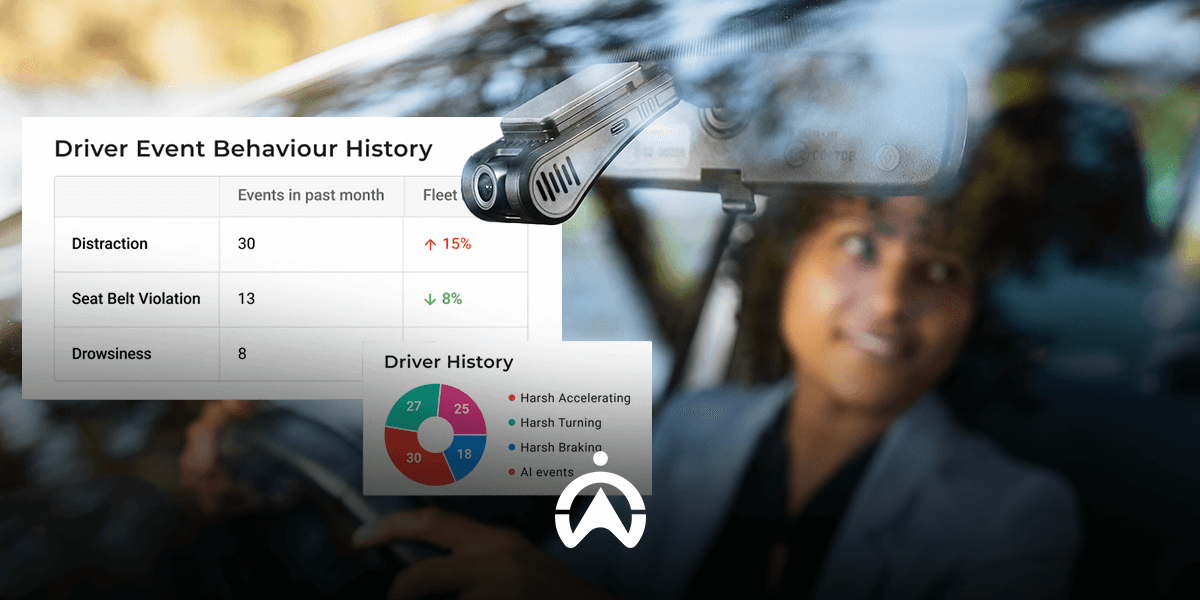
Yes, Cartrack Malawi does offer driver fatigue detection systems, which fall under the umbrella of our driver monitoring system (DMS). Our DMS system combines our intelligent, AI-powered cameras, driver scorecards, and live GPS tracking to effectively track driver behaviours. This technology has a baseline, and deviations from that baseline are what trigger instant alerts.

Here’s what we can offer YOU:

📹 Live Vision AI cameras

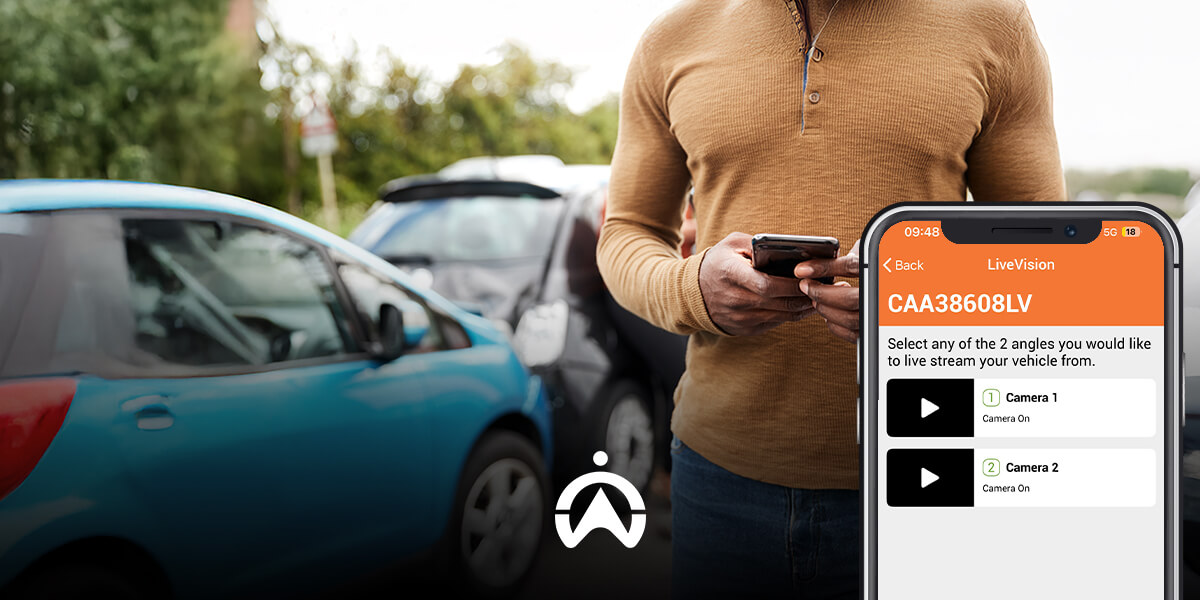
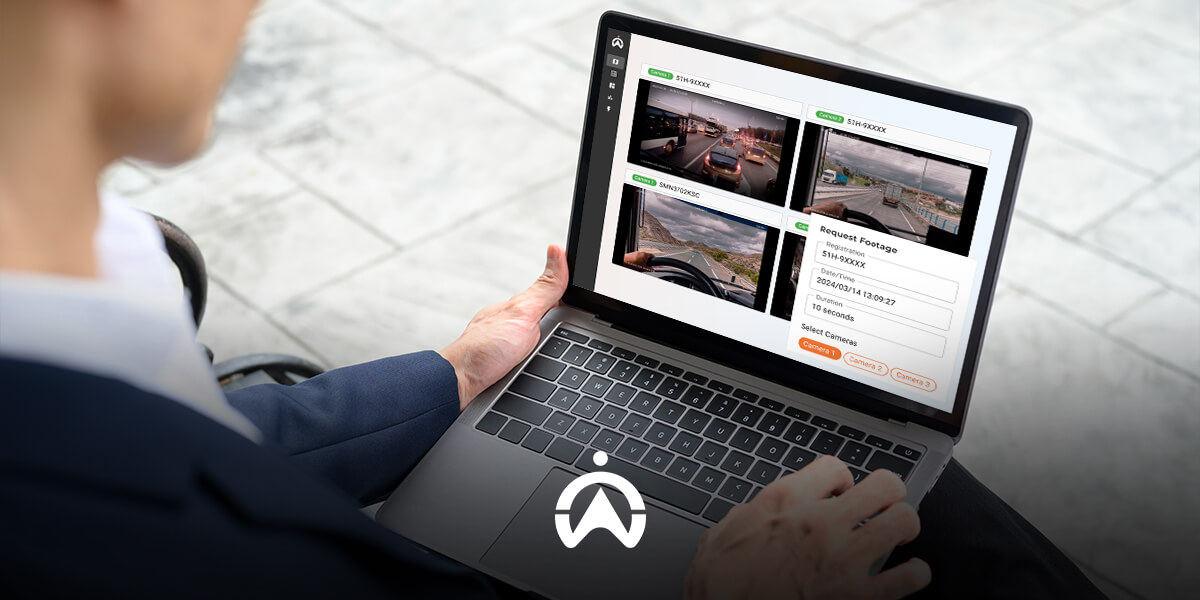
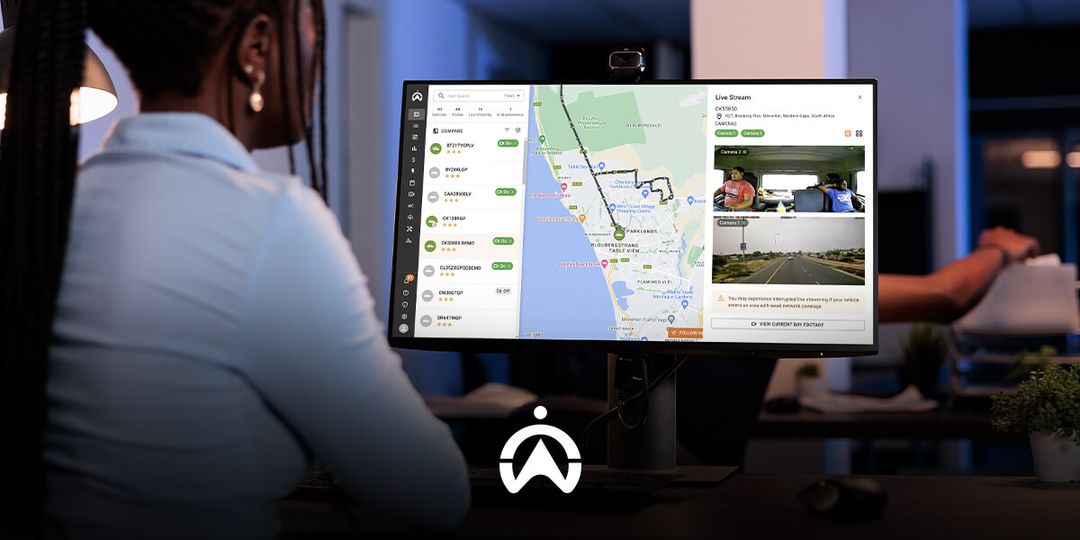
Cartrack’s live-streaming intelligent dashcams can detect fatigue and distracted driving. This means you can keep an eye on your drivers and access the livestream if necessary, while also receiving immediate alerts for violations. Drivers are also notified of their violations, alerting and allowing them to make immediate corrections to their actions.

Our technology detects events such as:

  • Fatigue/yawning
  • Distracted/fatigued driving (through head and eye movement)
  • Camera covering (the camera shouldn’t be obstructed)
  • Smoking
  • Cellphone use

📇 Driver scorecards

This feature is a way of keeping score of how well and responsibly your drivers are behaving on the road. Our technology rates parameters such as harsh braking, rough acceleration, speeding, and more, highlighting the areas that need more work through coaching.

Based on these scorecards, you can also invest in gamification or incentive-based programmes for your drivers. These are proven to be a more fun & engaging way for your drivers to remain safe and responsible, all while encouraging friendly competition amongst them.

🚛 Advanced Driver Assistance Systems (ADAS)

In addition to our inside cameras catching driver behaviour, we also have outside cameras that assist with driver safety by heightening your driver’s awareness and keeping their observance up. ADAS is a combination of AI, algorithms, and camera sensors that identify potential hazards and obstacles on the roads so that your drivers are EXTRA safe.

These features include:

  • Automatic Emergency Braking: This is when the car dramatically slows down or comes to a complete stop. An object or hurdle has been detected in the road and, in relation to the speed and slow reaction time of the driver, will take action on the part of the driver.
    ‍
  • Forward Collision Warning: This is an immediate alert that lets drivers know when they’re closing in on another driver or obstruction too quickly, which prevents a potential crash.
    ‍
  • Blind Spot Detection: This warns your drivers about vehicles or obstacles in the blind spot, so that there aren’t any surprises when they need to change lanes.
Final takeaway: Don’t sleep on fleet safety

If you’re looking for the ultimate answer to better safety, happier drivers, and a strong proactive business approach, then a driver fatigue detection system is what you need. We’ve established that fatigue is a silent threat, and it’s one that can expose your business to serious risks. It’s why basic tracking and monitoring attempts are simply not enough.

That’s why well-known local enterprises are turning to Cartrack Malawi. We’ll give you the most careful and closest eyes on the cabin and the road, catching even the smallest sign of exhaustion or distraction before they escalate into costly incidents.

Tired drivers are bad for business, so keep your safety in focus. Invest in Cartrack’s advanced, AI-powered fatigue detection solutions and boost your fleet’s safety TODAY.

FAQs

What are 90% of accidents caused by?

According to WHO, 90% of accidents are caused by human error. This accounts for things like speeding, distracted driving (especially phone use), driving under the influence, and exhaustion. Because physical & infrastructural issues like poor road conditions make up a far smaller share of road accidents and injuries, WHO believes that addressing human negligence first is key to improving road safety.

Is driving for 2 hours tiring?

Yes, driving for 2 hours can generally be tiring. Driving for that long means 2 hours of consistent concentration and bodily tension, considering the driver is holding the same position for most of the time. This monotonous and tedious action can also bring your brain into a bit of a lull, forcing you into a relaxed frame of mind.

Why does my car tell me to take a break?

Your car tells you to take a break because some models have Driver Alert Systems, which give you a warning ahead of time if you’ve been driving for too long. This system monitors factors like the length of time you’ve been driving, tyre positions relative to the road, and steering wheel patterns to encourage you to take a break.

How to prove drowsy driving?

To prove drowsy driving, you should collect witness statements, along with photos and/or dashcam footage. Also, check the accident area for skid marks or anything that points to an active, aware driver taking action before a crash. A sleeping driver usually won’t take those actions, and the car’s event data recorder (similar to a black box) will reflect that.
How to Protect Yourself as an e-Hailing Driver

To protect yourself as an e-hailing driver, you must get a good dashcam that captures clear footage of everything that happens in and outside the vehicle. A dashcam won’t stop criminals from gaining access to your vehicle, but the recorded footage will help you find the culprits. A dashcam also helps you quickly resolve false client accusations, protecting your reputation.

Dashcam usage is on the rise, as many people are now seeing how useful these gadgets can be for holding people accountable for their actions. Shocking video footage of a Bolt driver who lost his life due to criminal activity gained widespread social media traction, resulting in the whole country going on a manhunt.

If it weren’t for the dashcam, finding the culprits would’ve been nearly impossible. The dashcam in question is one of Cartrack’s, and for that reason, we’re here to share more tips on how you can protect yourself or your drivers.

Here’s how you can protect yourself as an e-hailing driver

To protect yourself as an e-hailing driver, you must ensure the requested rides are from valid accounts, check the client’s ratings, and be vigilant. You must also invest in security measures like panic buttons and dashcams. These security measures won’t stop the thief from entering your vehicle, but they’ll be helpful in getting you quick assistance.

Here’s a detailed breakdown of what you need to do to protect yourself:

Practice hypervigilance in high-risk areas

We know that most ride-hailing systems don’t allow you to see a customer’s destination until you reach the pick-up spot and start the trip. This makes it nearly impossible to avoid high-risk areas because your client might be headed there. Whenever that happens, make sure you’re hyper aware of your surroundings and check if you’re being followed.

No place is 100% safe, so staying vigilant is a must everywhere you go. Always make sure the doors are locked, check if you’re being followed, and watch out for unusual activities at traffic light stops.

Verify your rider’s details

Check the rider’s name on your app, and once they get into your vehicle, verify by asking for the name. You can tell them you want to make sure you’ve picked up the right person. A lot of drivers make the mistake of letting people in without confirming their identity.

If you get the opportunity, check the client’s ratings so you know how they’ve been with other drivers. Some e-hailing platforms even have verified badges on client profiles to show you that all client details are accurate. Others even tell you how long the person has been using that platform. A new profile with details that have not yet been verified by your e-hailing platform might be someone you need to avoid.

Stick to the route on your navigation system

In some instances, clients suggest routes they feel are better and supposedly faster. Criminals might recommend “better” routes to lure you to a less busy area where it’ll be easy for them to attack. For your safety, just stick to the navigator and explain to your client that this is what you feel is a better route. This might put a dent in your ratings, but at least you’ll be safe.


Get a professionally installed dashcam

A dashcam won’t necessarily stop the criminals from getting into your vehicle, but it’ll record everything that happens, which will make it easier to find them (as we’ve seen in recent events). It’s a must-have for every vehicle owner, and most certainly for you as an e-hailing driver because you’ll come across different situations every day.

Don’t fight for the vehicle; get a GPS tracker instead

GPS tracking devices are essential for vehicle recovery. When a hijacking happens, what matters most is your life. Don’t put your life at risk by going against what the hijackers tell you to do and fighting for the vehicle. Instead, get a GPS tracker so you can easily back off without a fight, knowing you’ll soon have it back.

Get an insurance cover

7 out of 10 vehicles in Malawi aren’t insured. Vehicle insurance is another important thing you must have for your vehicle so you can get a payout if ever the vehicle isn’t recovered.

Install a panic button

A panic button ensures a silent call for help, so you get assistance as soon as possible. Only you will know where the button is, and it won’t make a sound; so the thieves won’t know that help is already on the way.

In some instances, thieves might take your cell phone along with your vehicle to prevent you from calling for help immediately after the incident, giving them more time to get away. By investing in a panic button, you ensure a quick response to stop them in their tracks.

Why do e-hailing drivers need dashcams for extra protection on the road?

As an e-hailing driver, you need a dashcam for extra protection on the road because of the high crime rates. Besides hijackings and robberies, there are other situations that a dashcam can save you from, which are:

  • False accusations
  • Insurance scams
  • Accident liability

False accusations

There are many instances where drivers get accused of stealing clients’ belongings, like cellphones and purses. In other instances, a client can say they paid cash when, in fact, they didn’t. Whenever something like this happens, it’ll be your word against theirs, but with a dashcam you’ll have footage of what exactly transpired so you can prove your innocence.

Insurance scams

Nowadays, thieves come up with different ways for you to bump their vehicles so they can claim insurance. These scams are doing the rounds everywhere, and a dashcam is your best bet at overcoming such situations. You’ll be able to capture the situation leading to the accident to prove to the investigators that it was a trap.

Accident liability

Imagine getting into an accident at the traffic light intersection and the other driver claims you beat the red light when in fact you had already passed the stop line when the amber lights appeared. Such situations are hard to prove if there weren’t any witnesses at the time of the incident. But with a dashcam you’ll be able to back up your side of the story. It’ll showcase the moments leading to the accident, proving you weren’t in the wrong.

Dashcams save you from accident disputes and speed up the claims process. Some insurers might even offer you a discounted premium for having a dashcam.


How does Cartrack protect lift providers?

At Cartrack we protect lift providers by providing stolen vehicle recovery services, dashcams, panic buttons, and medical assistance. These solutions don’t necessarily stop the criminals from gaining entry to your vehicle, but they’ll ensure you get quick help and have a full record of the incident.

The Stolen Vehicle Recovery service

We are known for providing one of the best stolen vehicle recovery services! In the past decade alone, we’ve conducted over 100 000 vehicle recoveries. That alone shows you how dedicated we are to getting back what rightfully belongs to you. We’ve got a team of recovery agents that are available nationwide and just a call away.

Panic button

You can get one of our panic buttons for added safety. We’ll place it somewhere close to you for easy access. Once pushed, it alerts our 24-hour control room service agents that there’s an emergency, and help will get to you quicker because they can already see your vehicle’s location.

Dual Vision with action button

Our Dual Vision camera solution is a dashcam that records both the inside of the vehicle and what’s on the outside. It’s perfect for an e-hailing driver like you, who needs to capture everything that happens during trips. The camera records audio which can reveal conversations between you and the customer, for cases where you have to prove what you said or didn’t say if there’s a false report.

You also have the option of adding an action button to your dashcam package. The action button is very similar to the panic button. The difference is that it’s attached to the camera and records footage for 10 seconds after you push the button. It then sends it together with the alert so we can see exactly what’s happening.

Medical assistance

At Cartrack, we have a Protector solution which consists of emergency medical assistance. This is a value-added service you can add to your package so you get emergency medical support (e.g ambulance) when you need it. This service will come in handy in instances where you’re robbed in the vehicle and are injured. Our control room agents will send help to your location, ensuring that you get quick assistance.

Get all your e-hailing safety needs from Cartrack

At Cartrack we specialise in all things related to vehicle safety. By investing in our solutions you increase your safety and that of your vehicle. If you’re ever in trouble, we’re just one call or a push of a button away. So make sure you reach out to us and get the protection you deserve.

Frequently asked questions about keeping e-hailing drivers safe

What is the disadvantage of e-hailing?

The disadvantage of e-hailing is that it poses the risk of falling victim to crimes like robberies and hijackings. But with the right security measures, you’ll feel more at ease. Make sure you invest in our devices to get the protection you need.

What is the largest risk for an e-hailing driver?

The largest risk for e-hailing drivers is targeted crime. It consists of premeditated violent acts like hijackings and robberies. E-hailing drivers transport different people every day, and in some cases, those people have ill intentions. To protect yourself from these crimes, you must invest in safety devices like panic buttons and dashcams.

What makes a dashcam a good buy?

A dashcam is considered a good buy because of the many benefits it brings, like:

  • Protection from false insurance claims
  • Proof of accident liability
  • Visual identification of the suspect for immediate arrest

What Should You Do If You Are Involved in a Car Accident

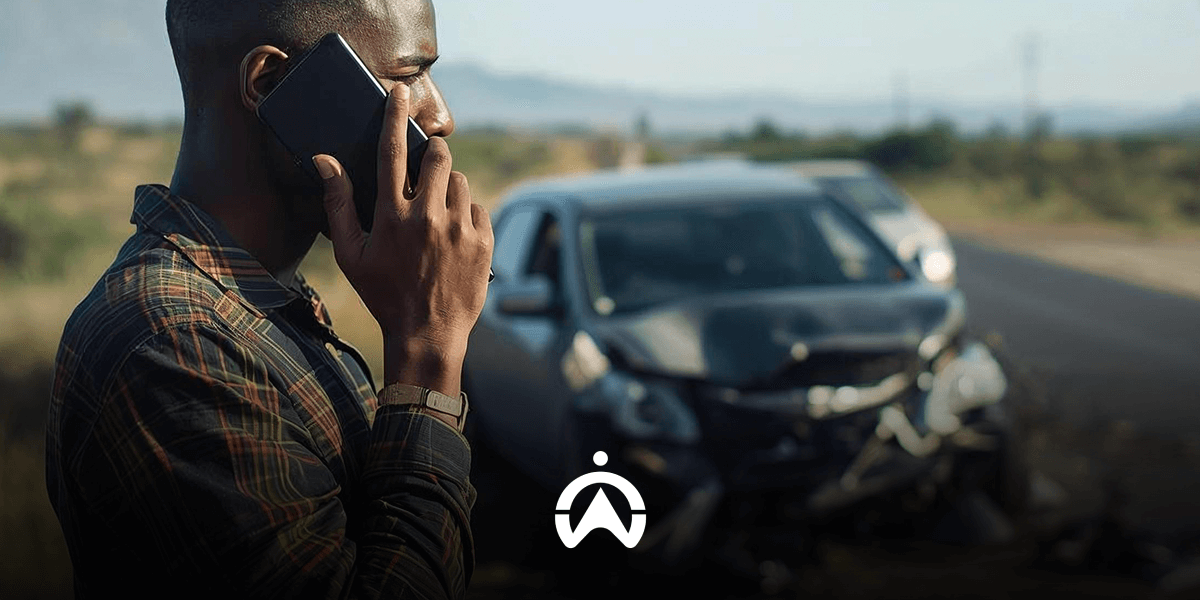
If you’re ever involved in a car accident, the first thing you should do is to stop. No matter how minor the accident is, you’re required by law to bring your car to a standstill. This is so you and all other parties involved can assess the damage and figure out what needs to be done next.

Knowing how to react in an accident is important for protecting your health, safety, and finances. After an accident, things can get pretty chaotic. Most people experience shock, stress, and confusion at the same time, and never really know what to do next.

Malawi has a high road accident rate, with thousands of fatalities and injuries reported annually. According to official police figures, Malawi recorded 3 527 road traffic accidents in 2025, down from 3 947 in 2024, while 931 people died on the country’s roads in 2025. No matter how careful you are, you might still fall victim to a crash. Having a clear plan of action can help prevent further damage, which is why Cartrack is here to provide you with tips on what to do and how our technology can assist you.

The immediate steps to take after a car accident

The immediate steps to take after an accident include stopping your car in a safe place, checking for injuries, and calling for help. From there, you need to get out of the car, assess the situation, document everything, and get all the details you need for your claim and the police report.

Here’s a detailed step-by-step guide on what to do if you’re involved in a car accident:

  1. Ensure safety first
    Turn on your hazard lights to notify other drivers that something is wrong. Once you’ve done that, and if possible, slowly move your car to a safe location to avoid the risk of causing another accident. This can be on the shoulder of the road or a parking space, depending on where the accident happened. From there, check yourself and passengers for any injuries.
    ‍
  1. Check for injuries and call for help
    Call emergency services immediately if there are injuries. Don’t try to move someone who’s severely injured unless that person is in immediate danger, (like if you suspect the car is about to catch fire). This also goes for you if you’re severely injured; don’t move, as you might make things worse for yourself.

    If you have minor injuries, you must still seek medical attention. Make sure you keep all medical records for insurance claims and legal purposes. When calling for help, try to give the emergency service personnel clear details of where you are. Tell them how many people are injured and how bad it is so they can come prepared.
    ‍

  1. Protect the scene
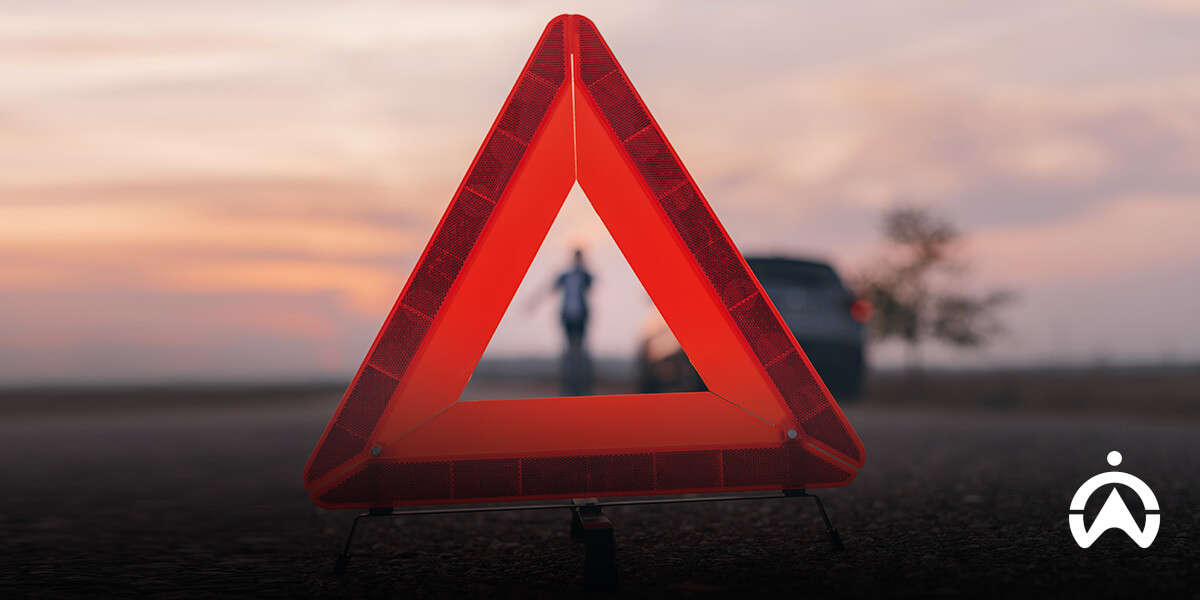
    If the position of your car doesn’t increase the risk of causing other accidents, leave it where it is for evidence purposes. From there (assuming this is a minor accident with no injuries), put out warning signs such as warning triangles or cones if available.

    You should avoid moving any broken remains or disturbing any skid marks. Insurers normally assess the damage to both vehicles. Safeguarding the evidence of an accident scene is crucial because it can help prove who was at fault.
    ‍

  1. Document the accident
    As the social media merchants always say, “Did it even happen if you didn’t take a photo?” Well, the same applies to car accidents. Take as many photos as possible, from all angles, and make sure the damage is clearly visible. Make sure to include images of the other vehicle(s) involved, and their surroundings.

    Take note of the time and date of the accident, as these little details are easy to forget when there’s a lot going on. Collect as much information as possible about the other party, and include the following details:

    • Vehicle registration number
    • ID number
    • Cell phone numbers and alternative contact details
    • Insurance company details
    • Physical address
    • Make and model of the other car(s)

      The police will require a sketch and description of the accident, and this means you need to remember details of your surroundings, such as road names, intersections, and traffic lights. So take note of that too. Gather witness statements too, if there are any.
      ‍

  1. Avoid admission of fault
    Don’t admit blame at the scene. Determining who’s at fault is crucial for insurance claims, legal proceedings, and potential liabilities. According to The Cotto Law Group, an admission of fault could result in your insurer viewing you as a high risk and increasing your premiums. Insurance companies also use such admissions to deny or minimise claims, making it difficult for you to receive fair compensation.

    In some cases, people believe they were at fault and admit it to speed up the process and move on. Others admit unintentionally by saying things like “I’m sorry” or “I didn’t see you”, which may be considered admissions of guilt. Rather stick to factual descriptions when speaking to the police and avoid arguing with the other parties involved.
    ‍

  1. Notify authorities and insurance
    If there are any fatalities, injuries, or damages to someone’s property, or if you suspect the other driver is intoxicated, you need to immediately call the police. If it’s a minor accident, you must ensure that you report the accident to the police within 24 hours. From there, you can contact your insurance provider.
    ‍
  1. Watch out for post-accident reactions
    Your body releases adrenaline after an accident, which might mask pain and emotions. This type of reaction may have you feeling like you’re fine, leading you to overlook symptoms of injuries. The hidden signs of injuries include headaches, dizziness, and unexplained pain. Make sure you seek medical attention to steer clear of any hidden health issues. Visiting the doctor as soon as possible also creates a medical record that links your injuries to the accident.
    ‍
  1. Follow up
    After leaving the accident scene, you must conduct a follow-up. This is usually where lengthy disputes emerge, and the evidence you’ve gathered is what will save you from that. Seek legal advice if that happens.

    Keep a record of your communications with insurers, repairers, and all other parties involved. Stick to insurer-approved repair centres to ensure your car is fixed correctly and safely.

Warning triangle on road after car accident at dusk.

How modern-day technology can help after an accident

Modern-day technologies such as dashcams, vehicle tracking units, and sensors can help you after an accident by:

  • Providing clear footage of the accident and the moments leading up to it.
  • Providing telematics that can support insurance claims.
  • Detecting vehicle impact so you can get faster emergency service response.

Here are brief explanations of how these three technologies work to your advantage if you’re ever involved in an accident:

Dashcams

Dashcams are the best way to ensure that everything surrounding the accident is recorded. With these gadgets, you won’t have to worry about taking pictures of everything to prove your innocence. It also helps those who suffer from memory loss after an accident and are unable to recall the sequence of events leading to the accident. A dashcam strengthens your claim by providing factual video evidence with time stamps.

Vehicle tracking units

Vehicle tracking units with telematics capabilities provide location data and driver behaviour. This means they’ll show the exact time and place of the accident and reveal the speed at which you were travelling, or if you were braking or accelerating harshly. Through telematics, you can further prove to insurers that you were not in the wrong.

Crash detection sensors

Some tracking units also have sensors that can identify severe vehicle impact. This is known as crash detection technology. Through crash detection technology, your vehicle tracking service can identify when your car has been in an accident. They’ll then send emergency services to your location, giving you a faster response.

Get the support you need after a car accident with Cartrack

At Cartrack, we provide the support you need after an accident with advanced solutions that speed up the process so you can worry less. You can count on our GPS trackers, dashcams, roadside assistance, and medical assistance services to be there for you when you need them most.

Here’s a closer look at our post-accident solutions:

GPS tracking unit

GPS trackers are a must-have for every car owner as they come in handy in many situations—an accident being one of them. They’ll give you telematics data that shows how you were driving in the moments leading up to the accident. For example, if you’re accused of speeding, you can simply go to your Cartrack mobile app, access your trip history, and prove that you weren’t driving recklessly in any way.

Unfortunately, some accidents are staged. Criminals might intentionally, yet gently, bump your car from behind, making you stop and go out to assess the damage. They’ll then take over and steal your car. This form of hijacking is called the “tap-tap” method, and should you fall victim, our GPS tracking unit gives you the best chance at getting your car back. We have nationwide recovery teams that are always on standby, waiting for your call.

Dashcams—Road Vision

The Cartrack Road Vision dashcam is a front-facing camera that captures everything that happens in front of you while you drive. This helps eliminate the back and forth that happens after accidents, as you’ll have evidence of everything.

The Road Vision camera offers high video quality that can capture finer details such as road signs and number plates. For example, if you’re ever a victim of a hit and run, the dashcam will help you quickly find the culprit. You can present footage showing the number plate to the police so they can trace the car owner.

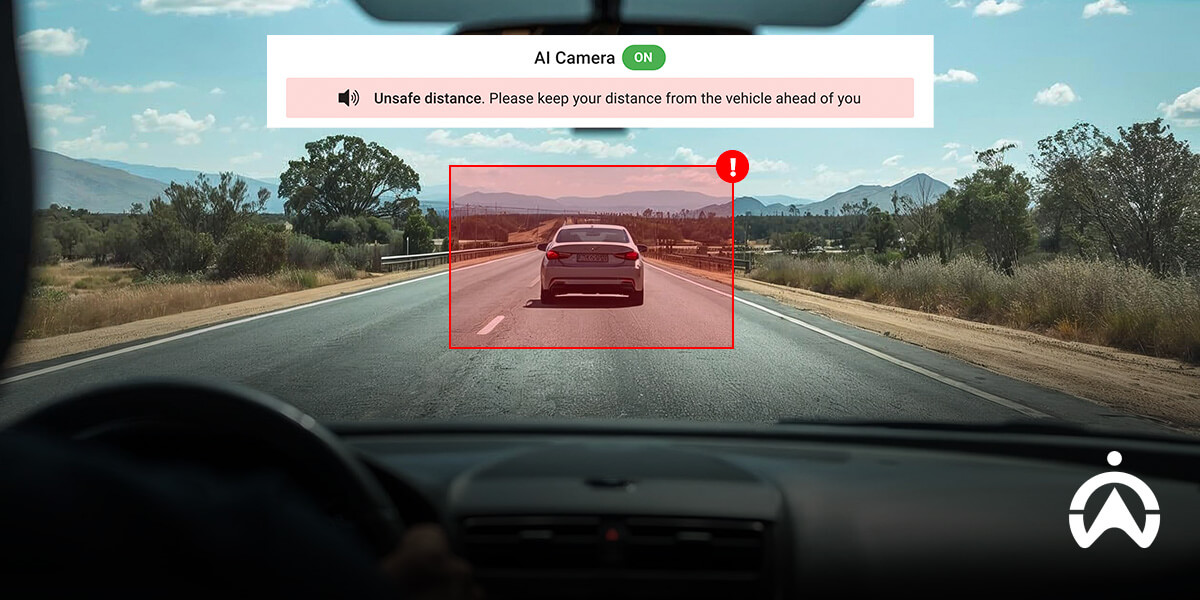
Cartrack dashcam alert showing unsafe following distance to help prevent car accidents.

Crash detection

A quick response after an accident can save lives. At Cartrack, we have a crash detection service that you can add to your package to ensure that you receive emergency assistance as soon as possible. Once we detect a heavy impact on your car, we’ll call you or your family member to find out what kind of help you need, then immediately send help to your location.

Protector (roadside and medical assistance)

Cartrack’s Protector is a value-added service that provides 24/7 emergency assistance such as roadside, medical, and legal support. It’s available on the Cartrack app at the push of a button. For instance, if you’re in an accident and need a towing service, you can contact us and we’ll arrange it for you.

Cartrack helps you prepare for the unexpected

Knowing what to do before an accident occurs is crucial, and having the right technology makes dealing with the situation a lot easier. Cartrack comes to the aid in such instances so you can focus on recovering. Reach out to us and enjoy the benefits of our post-accident solutions.

Frequently Asked Questions about car accidents

Will my insurance increase after a claim?

Yes, your insurance premium may increase after a claim. It depends on how often you claim. The more you claim, the higher risk you are to insurers, and they’ll charge you more for that. If it’s your first claim, you might get a small increase or no increase at all.

Who do you contact after an accident occurs?

After an accident occurs, you must contact an ambulance service if there are injuries. From there, report the incident at the nearest police station within 24 hours. You can also dial 999 to report the issue, and give accurate details about the accident. Make sure you get a case number, because it’s required for insurance claims and legal purposes.

Holiday Driver Safety Tips That Really Work

During the holiday season in Malawi, our roads get busier with travellers exploring every corner of the country. As a driver, it’s essential to ensure the safety of yourself and your loved ones on the roads during this festive time, which is why we at Cartrack put together some tried and tested holiday driver safety tips that really work.

This holiday season should be all about adventure, fun, and relaxation, not roadside stress. Yet every year, thousands of Malawians hit the road without realising just how dangerous it can be. During the 2025 holiday period in Malawi, the Malawi Police Service (MPS) reported that 9 road accidents were recorded during the New Year celebrations, with 4 fatalities — up from 2 deaths in the same period in 2024. This reflects an increase in road‑traffic deaths over the holiday season.

Most of these accidents were preventable. With a bit of planning, careful driving, and the right tech—like Cartrack’s Safety & Security solutions—you can travel with peace of mind and keep your loved ones safe.

Understanding the risks of holiday driving

Understanding the risks of holiday driving is crucial for staying safe on the road this festive season. Driving gets trickier with stress, heavy traffic, distracted drivers, and fatigue creeping in on long trips. These factors combine to heighten the chance of accidents, especially on unfamiliar roads or in bad weather.

By knowing the risks, you can plan better and drive with confidence.

Why holiday driving brings special challenges

  • Heavy traffic means everyone’s on the move at once.
  • Driver fatigue kicks in after long hours, messing with focus and reaction time.
  • Distractions pop up easily with other people, kids, and phones around.
  • Unfamiliar routes make quick decisions trickier.

Being well-prepared and staying aware of your surroundings helps you steer clear of these common obstacles.

Driver safety tips that really work!

Looking for some driver safety tips that really work? We’ve got you covered! You can get road-trip-ready by planning ahead; it’s your best bet for a smooth journey. By checking your vehicle, packing the essentials, and mapping out your route, you’ll cut down on the chances of breakdowns or last-minute stress while you’re on the road.

Preparation matters

Before you hit the road, ensure your car’s in prime condition. 

Make sure you check:  

  • Brakes, tyres, and fluid levels
  • Wipers, lights, and indicators
  • Emergency contacts, insurance, and your licence.

Pack Smart:  

  • Water, snacks, and a first aid kit
  • Reflective triangles, a torch, and a phone charger

Plan your route in advance and inform your family. Knowing your rest and fuel stops guarantees a smoother journey from start to finish.

Drive smart and stay alert

Driving smart means staying calm, alert, and predictable behind the wheel. By focusing on solid, responsible driving habits—like keeping a safe distance, sticking to speed limits, and taking breaks—you’ll protect yourself, your passengers, and everyone else on the road.

Safe driving habits that actually work:

  • Take a break and recharge every two to three hours. Switch drivers whenever possible to keep everyone feeling fresh.
  • Before you hit the road, set up your playlist and navigation. A little preparation goes a long way in keeping distractions at bay and making your journey safer.
Family packing car for a trip, illustrating key holiday driving tips.

What to do when conditions get tricky

Tackle tricky driving situations with confidence. When you know what to expect, handling tough moments becomes a breeze. Stay sharp and adapt your driving to factors like bad weather, tiredness, or busy roads to keep yourself safe.

Stay calm when the road throws challenges your way.

As the weather shifts, ease off the accelerator and use your lights wisely. Driving while tired can be just as risky as being under the influence, so find a safe spot to pull over if you feel fatigued.

In heavy traffic, patience is key, so avoid risky overtakes and don’t tailgate. Make sure your headlights are properly aligned, and keep an eye out for pedestrians and wildlife when driving at night.

Plan your routes wisely and keep your loved ones in the loop with live GPS tracking, like Cartrack’s real-time visibility.

Technology that supports your safety

On long journeys, vehicle safety technology offers you real-time support and comfort. With tools like Cartrack’s Safety & Security features, you can stay connected, minimise risks, and receive quicker assistance if anything goes awry.

Here’s how intelligent features keep you safe:

  • Real-time tracking: allows family members to track your journey in real time.
  • Driver monitoring: highlights excessive braking or speeding.
  • Trip sharing: keeps your loved ones in the loop during lengthy travels.

Technology vs what it offers you

Technology feature What it does for you Holiday-specific benefit
GPS vehicle tracking See the live location of your car Keeps your mind at ease while travelling
Driver-behaviour monitoring Flags, speeding, harsh braking, etc. Helps you avoid fatigue-related or reckless events
Crash detection & emergency alerts Rapid response in remote/holiday locations Rapid response in remote/holiday locations
Route/trip history & sharing Log your journey; share with family Family peace of mind during long trips

Protecting passengers, kids, and pets

When you’re on the road, prioritise the safety of your loved ones. Keeping passengers, kids, and pets safe is essential to a worry-free journey. Long drives become smoother and more enjoyable when everyone wears their seatbelts, child seats are correctly fitted, and you take regular breaks.

Keep travellers, children, and pets secure.

No exceptions—always buckle up before you hit the road. Ensure harnesses are snug and child seats are properly installed. Set some ground rules for the car: no climbing, shouting, or distracting the driver. Take a moment every few hours to stretch and grab a snack.

If you’re travelling with pets, make sure they’re secured in seatbelt harnesses or carriers, and don’t forget to keep water handy.

Safety doesn’t stop when you park

Driving safely is crucial, but so is protecting your car. The risk of theft goes up during the holidays, especially at rest areas, hotels, and petrol stations. Simple safety measures can help safeguard your valuables and vehicle.

Parking isn’t just about stopping—it’s about staying safe.

Always choose a well-lit, secure spot to park, and make sure to lock the doors before you head off. Keep your valuables out of sight, as even a bag or a pair of sunglasses can catch a thief’s eye.

Activate your Cartrack stolen car recovery system for 24/7 alerts and protection. Never leave the engine running, even for a moment, and store your keys securely.

What should you do in an emergency?

Knowing what to do in an emergency can be the difference between life and death in some cases. Being prepared for an emergency can really make a difference in how you and your loved ones react in an unexpected situation. While you wait for help, knowing what to do keeps you and your passengers safe.

When things go wrong, stay calm and follow the plan

  • Safely pull over and switch on your hazard lights.
  • If you have reflective triangles, set them up.
  • Let Cartrack’s response centre know through the app or SOS feature.
  • Record the details of the incident and update your insurer.
  • Keep clear of traffic and ensure your family stays safe until help arrives.
Family seated in car with seatbelts on, showing safe holiday driving tips.

Your ultimate holiday safety checklist

Before you head off, use a holiday safety checklist to ensure everything’s ready. It’s a simple way to confirm that your vehicle’s prepared, your passengers are safe, and your trip stays hassle-free. Travel with confidence, knowing you’ve ticked off all the safety checks.

A quick review before you hit the road

✅ Vehicle serviced and ready

✅ Emergency kit packed

✅ Route and rest stops planned

✅ Tracking system active

✅ Passengers buckled up

✅ Valuables hidden, vehicle locked

✅ Emergency contacts saved

✅ Everyone briefed on safety rules

Keep this checklist handy—it’s an easy way to ensure a safe, relaxed journey.

Make every trip safer with Cartrack

Cartrack boosts your confidence for every holiday journey, whether you’re heading to see family or hitting the coast. With real-time GPS tracking, emergency assistance, and alerts on driver behaviour, you stay safe on the road. Let Cartrack look after you and your loved ones this holiday season, so you can focus on making memories instead of stressing about the trip.

Remember, the best holiday stories start with getting there safely. Explore Cartrack’s Safety & Security features for families and make your next journey your safest one yet.

FAQs

How early should I start preparing my car for a long holiday trip?

Start prepping your car at least one to two weeks before your holiday trip. This way, you can check the tyres, brakes, fluids, and battery, plus arrange any necessary services. You’ll also have the chance to sort out any unexpected issues early on, so you’re not in a mad dash the day before you head off.

Is it better to drive at night or early in the morning during the holidays?

It’s better to start driving early in the morning, as this is usually a safer bet. The roads are cooler, visibility improves, and you’re less likely to encounter tired or reckless drivers. Nighttime driving can heighten the risks of poor visibility and drowsiness, so aim for daylight hours whenever you can for a smoother ride.

What should I do if my GPS or tracking signal drops while I’m on the road?

If your GPS or tracking signal drops while you’re on the road, just relax. Stick to your current route until the signal comes back. Always have a backup map or offline navigation app on hand. With Cartrack’s smart connectivity, you can swiftly get your tracking and location data back as soon as the network stabilises.

How can I keep my kids entertained on long trips without distracting the driver?

You can keep your kids entertained without distracting the driver by creating a hands-free entertainment plan. Stream movies, music playlists, or audiobooks on tablets with headphones. Pack games that don’t require adult supervision, along with small toys and snacks. Keeping the kids entertained during the journey helps everyone stay calm and happy, allowing the driver to focus on the road.

Solutions for Distracted Driving for Your Fleet Company

The most effective solution for combating distracted driving in your fleet company is to adopt a multifaceted approach that combines technology, policies, and ongoing driver coaching. This strategy mainly involves using telematics and AI-powered dashcams to monitor driver behaviour. The insight from this will show you if drivers are following policies, and what they need more training on.

Distracted driving is a critical issue that affects the safety of workers and the public. According to the National Library of Medicine, road traffic accidents are one of the greatest challenges that Malawi (and the world) faces. Distracted driving is one of the major contributors to road accidents. It not only puts lives at risk, but also increases expenses; and could ruin your company’s reputation.

Protecting your drivers from distractions begins with choosing the right technology, and we’re here to help you make that choice. 

The impact of distracted driving on fleets

The impact of distracted driving on fleets includes high accident rates, which lead to:

  • Expensive repairs
  • Increased insurance premiums
  • Loss in productivity
  • Bad company reviews

All these factors could drive your fleet business to financial loss, affecting profitability, and potentially damaging long-term growth and sustainability.

Here’s a table overview of the implications of driver distractions:

The impact of distracted driving on fleets What it means Why it matters
Accident and repair costs Vehicles may get damaged in crashes Increases running costs for the business
Increased insurance premiums More accident claims lead to higher premiums Raises overall fleet expenses
Vehicle downtime and lost productivity Vehicles are off the road for repairs Delays deliveries and lowers efficiency
Risk to driver wellbeing and company reputation Drivers may get hurt, and the company’s name can suffer Impacts safety and public trust

Strategies and solutions to combat distracted driving

The strategies and solutions to combat distracted driving include the following:

  • Developing strict policies
  • Training drivers
  • Supporting drivers

Together, they create a strong safety-focused work culture, ensuring that drivers perform their duties with less risk. These strategies also encourage driver accountability, ensuring that they are more responsible on the road.

Technology solutions that reduce distracted driving

  • In-cab cameras and video telematics: In-cab cameras are commonly known as dashcams. These vehicle gadgets give you a clear line of sight. You get to see what drivers get up to while in transit, ensuring they’re well-behaved on the road and not distracted..
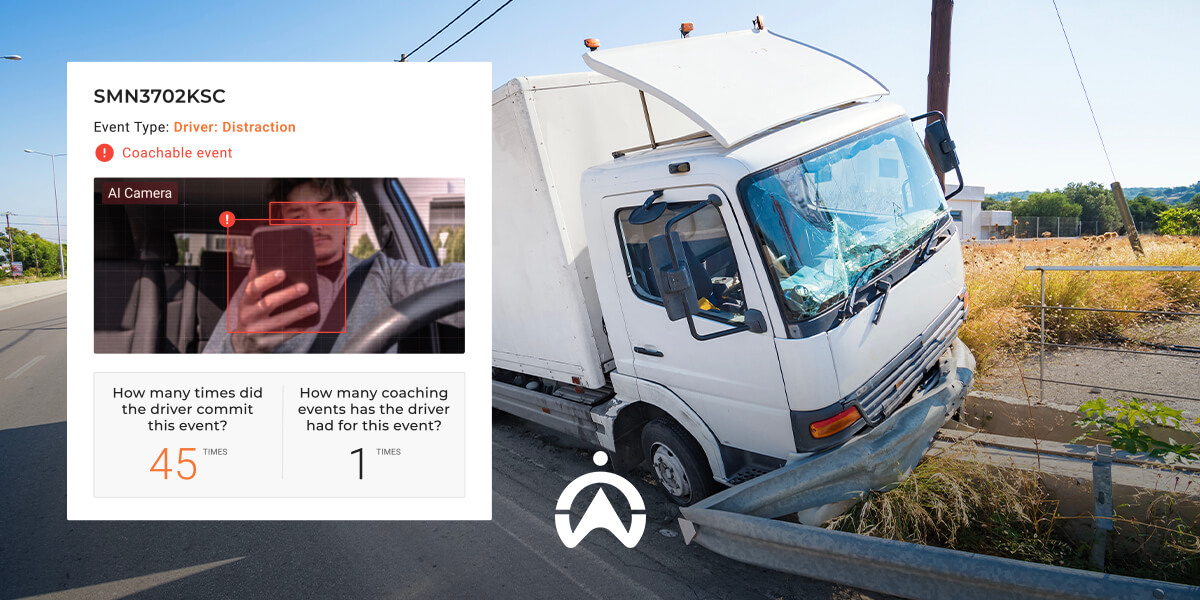
  • Driver alert systems: AI-powered dashcams are the most effective at preventing distracted driving. They detect when a driver is engaging in distractions such as cellphone use, smoking, or looking away from the road while driving. They then give you alerts so that drivers can immediately have their actions corrected. Each incident is recorded by a fleet management system, so you can access reports and identify patterns. Some AI-powered dashcams also help drivers to be more aware of their surroundings. They can give lane-departure and forward-collision warnings to help drivers with blind spots.
  • Hands-free communication tools: Some of the dashcams that are connected to fleet management software allow two-way communication. This means you can speak to the driver through the dashcams, which is a safer way to stay in touch because it prevents manual distractions.
  • Fleet management software: Some distractions cause drivers to speed, idle for too long, or stop harshly. By investing in a fleet management system, you get telematics technology that detects such driving habits. Through this, you’ll get reports on how each driver handles your vehicles and can more readily address your concerns.

Policy and training approaches for prevention

  • Set clear fleet safety policies: A strong corporate policy is the foundation of preventing distracted driving. Create written guidelines that clearly outline what’s acceptable and what isn’t while on the road. For example, banning the use of cellphones, requiring that drivers use hands-free devices, and restricting eating and drinking to only be done during stops. Drivers must know the consequences of not adhering to policy rules, and managers must apply the rules fairly and regularly to build consistency and accountability.
  • Perform regular driver training and refresher programmes: Training should not only be done when a driver is new to a business. Even with experienced drivers, bad habits tend to creep up over time, and drivers forget the importance of safety. You must regularly conduct driver training sessions, with each session covering different types of driver safety-related topics, such as “defensive driving techniques to handle unexpected situations”.
  • Incentives and recognition: Every employee needs to be motivated, and one way to do that is by rewarding good driver behaviour through incentives. This encourages your team and improves driver retention. You can do this using driver scorecards that help you rate each driver. The ones with top scores will get recognition, so they remain motivated.

Supporting drivers to stay focused on the road

  • Managing schedules to reduce fatigue: Fatigue is one of the biggest contributors to distracted driving, and it often stems from poor scheduling. When drivers are under pressure to meet unrealistic deadlines or when they work long shifts without enough rest, they lose focus. This makes them more likely to be distracted and cause accidents. It’s important that you properly plan trips, with enough rest in between, and that deadlines are realistic. Breaks also give drivers the chance to check their vehicles, reducing the risk of mechanical issues going unnoticed.
  • Providing wellness programmes: The mental health of your drivers matters. You must have wellness programmes that promote better sleeping habits, stress management techniques, and overall health. By supporting the well-being of your drivers, you actively cut down on mental distractions and help drivers stay alert and engaged while driving.

How a fleet partner can help your company

A fleet management service provider plays a key role in helping companies combat distracted driving. By providing the tools to track, and handle risky behaviour, a fleet management service provider can help businesses fight distracted driving. Fleet partners provide integrated solutions such as GPS tracking, dashcams, and driver behaviour analytics.

The long-term benefits of these integrated solutions go beyond preventing accidents. By reducing the CHANCES of accidents and risky driving, your business saves on vehicle repair costs, insurance premiums, and downtime. At the same time, drivers become more aware of their behaviour and take responsibility for their safety.

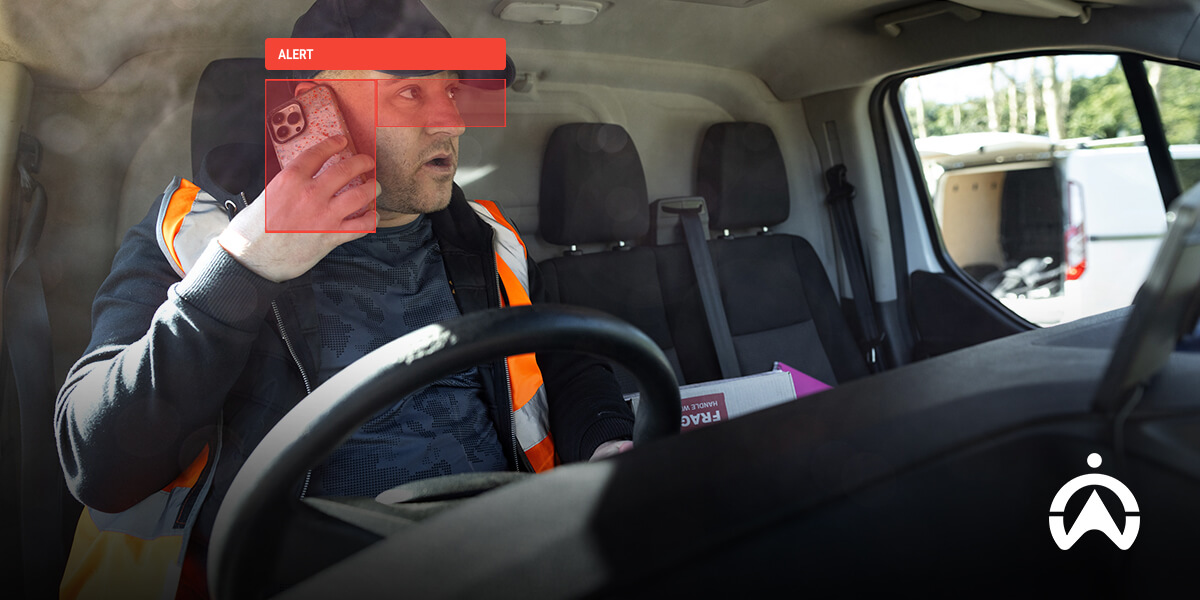
A driver in an orange safety vest looks at their phone while seated in a vehicle, surrounded by a cluttered interior.

Keep your drivers focused and your fleet safe with Cartrack

At Cartrack, we understand the importance of safety and compliance for fleet businesses. A tiny mistake made by one driver can cost your business thousands due to lawsuits, repairs, and downtime. For this reason, we have solutions that specifically focus on distracted driving, helping you reduce incidents and improve on overall fleet safety.

  • AI Dual Vision dashcam:
    The AI Dual Vision dashcam solution is exactly what you need for distracted drivers. It can detect various distracted driving behaviours such as yawning, drowsiness, cellphone use, and smoking. Once detected, these cameras will send out audible alerts to drivers, so they can instantly make corrections.This dashcam also has a two-way communication feature, meaning you can speak to it while it’s on the move if you spot something. This is a feature that ensures drivers speak with you without having to touch their cellphones. You can even live-stream the footage at any time of the day. The Cartrack AI Dual Vision solution further heightens driver awareness by also giving blind spot and forward collision warnings.
    ‍
  • Driver scorecards:
    Cartrack has a Driver Scorecard feature which gives you a reflection of how drivers behave on the road by giving each one a rating. Each driver’s score starts at 100 and goes down every time there’s a harsh event such as speeding or excessive acceleration. You can use the feature to motivate drivers, give recognition to those who are performing well, and reward them.
  • Coaching platform
    To assist with driver training, Cartrack also has a coaching platform. It keeps a record of each risky driving incident so you can see the type of coaching each driver needs. It gives you a full overview of how your teams are performing, highlighting trends from each department. It also records how many times each driver repeated the same incident. Coaches can leave notes for each one-on-one session on the platform, so they can keep track of what was discussed in previous sessions and see if there’ve been improvements.

Investing in our solutions will reduce the number of distracted drivers in your fleet business and help you maintain a safe working environment. You’ll also save on insurance costs and accident claims. Reach out to us and cast away your distracted driving woes!

Frequently Asked Questions

What are the five ways a person can be distracted while driving?

The five ways someone can be distracted while driving are cellphone use, talking to passengers, eating and drinking, adjusting the radio, and fatigue. There are many other ways drivers can be distracted, such as when they put too much focus on navigation systems. Anything that takes their attention away from the road is regarded as distracted driving.

What are the three techniques to manage distractions as they occur while driving?

The three techniques to manage distractions while driving are pulling over for anything that requires your attention, delegating all non-driving tasks to passengers, and preparing everything before the trip. These give you a higher chance of concentrating on the road, improving safe driving practices.

Who is most at risk of distracted driving?

Younger new drivers (mostly teenagers) are more at risk of being distracted while driving. According to the CDC, nearly 40% of high school students who drive admit to texting or emailing while behind the wheel. This behavior is particularly dangerous for this age group, who are already three times more likely than older drivers to be involved in a fatal crash.

How to Stop Truck Driver Negligence

To stop truck driver negligence, always clearly identify dangerous behaviours, implement the right tools and coaching methods, and always enforce strong company safety policies. Negligence isn’t just about making a mistake here and there; it’s about recognising repeated behaviours that can put drivers, compliance, and business reputation at risk.

When you skip proper due diligence as a fleet manager, you open the door to serious threats. These include higher accident rates, rising insurance premiums, low driver retention, and damage to your company’s reputation. All of these can hurt customer relationships and slow down business growth.

In Malawi, the problem is clear. On busy transport routes, most truck accidents happen because of driver mistakes. This shows why it’s important to act early and fix these issues. Through this article, let us take you through what negligence is, how to identify early signs, and—most importantly—how Cartrack can help you stay protected and compliant.

How do you stop truck driver negligence?

To stop truck driver negligence, you should always combine safety culture with advanced technology to achieve the best results. Ensure that you keep track of dangerous driver patterns, be prepared to coach and train your staff accordingly, and be fair about the scheduling and tasks that you assign.

To address driver negligence, take into account each of these key elements:

  • Driver training and refresher opportunities: Driver training ensures that your staff are aware and up to date with standard safety practices, compliance matters, and protective policies. Refresher training keeps drivers on their toes and keeps the safety culture strong.
    ‍
  • Setting realistic driver schedules and deadlines: As a fleet manager, it’s important that you allow drivers enough time to manage their deliveries and tasks. Be realistic about your scheduling. Without balanced schedules, you risk drivers who skip inspections, speed when driving, or exhibit fatigue behind the wheel. 
    ‍
  • Encouraging safe driving incentives: Incentives are a helpful way to encourage your drivers to keep practising safe driving habits. A reward system is a tangible way to maintain positive behaviour through better practices.
    ‍
  • Fostering transparency and incident reporting: Your employees are more likely to feel comfortable reporting any difficulties they’re having when you support transparency and positive working relationships.
    ‍
  • Recognising and rewarding positive driving/driver behaviour: Much like safe driving incentives, rewarding drivers for positive behaviour is one of the best ways to maintain safe driving. Whether it’s an award or a promotion, it shows that responsible behaviour is valued.

What is truck driver negligence?

Truck driver negligence is the repeated dangerous actions that a driver exhibits. These actions aren’t just one or two mistakes; they’re patterns that are an intentional disregard for safety and regulations. If you recognise these patterns early enough, you could take the right steps to nip them in the bud.

Use the table below to get a quick look at common examples of negligence vs isolated incidents:

Driver Behaviour Negligence (ongoing, preventable) Error (isolated, unintentional)
Speeding Consistently exceeding limits despite training and warnings Momentary misjudgement (e.g., overtaking too quickly)
Vehicle Inspections Regularly skipping pre-trip checks or falsifying records Forgetting one inspection step on a single occasion
Fatigue Management Ignoring rest rules or driving long hours knowingly Miscalculating rest timing once
Distraction Using a phone repeatedly while driving, smoking, covering the camera, etc. Glancing at the GPS too long during one trip, for example
Substance Use Driving under the influence of substances Not applicable. Substance use is never “just an error”

Warning signs that a truck driver may be negligent

To spot the warning signs that a truck driver might be negligent, check if your driver is frequently driving dangerously or skipping inspections and check-ups.

Look at these red flags:

  • Frequent dangerous driving: This includes aggressive driving, harsh braking, speeding, and the like.
    ‍
  • Consistent route deviations: If your driver keeps deviating from standard routes without explanation, this is a sign of negligence.
    ‍
  • Ignoring inspection logs and check-ups: Not completing inspections, submitting incomplete reports, or ignoring everything altogether puts your drivers and assets in serious danger.
    ‍
  • High number of near-miss incidents: If near-miss incidents keep happening, especially when compared to other drivers, it’s a strong indicator that coaching is necessary. 
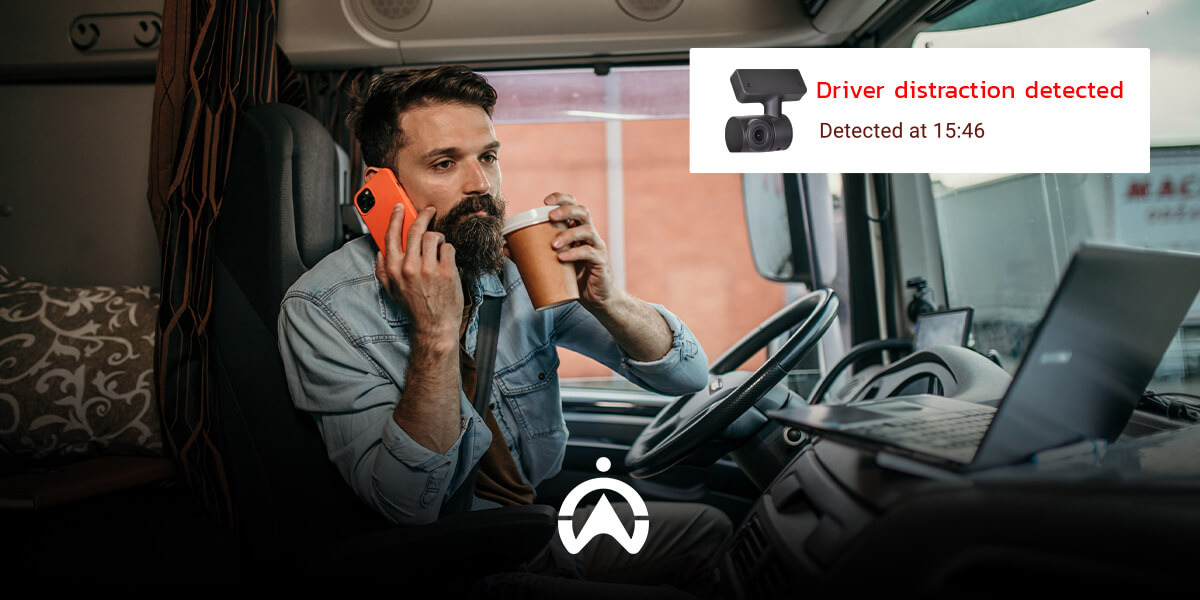
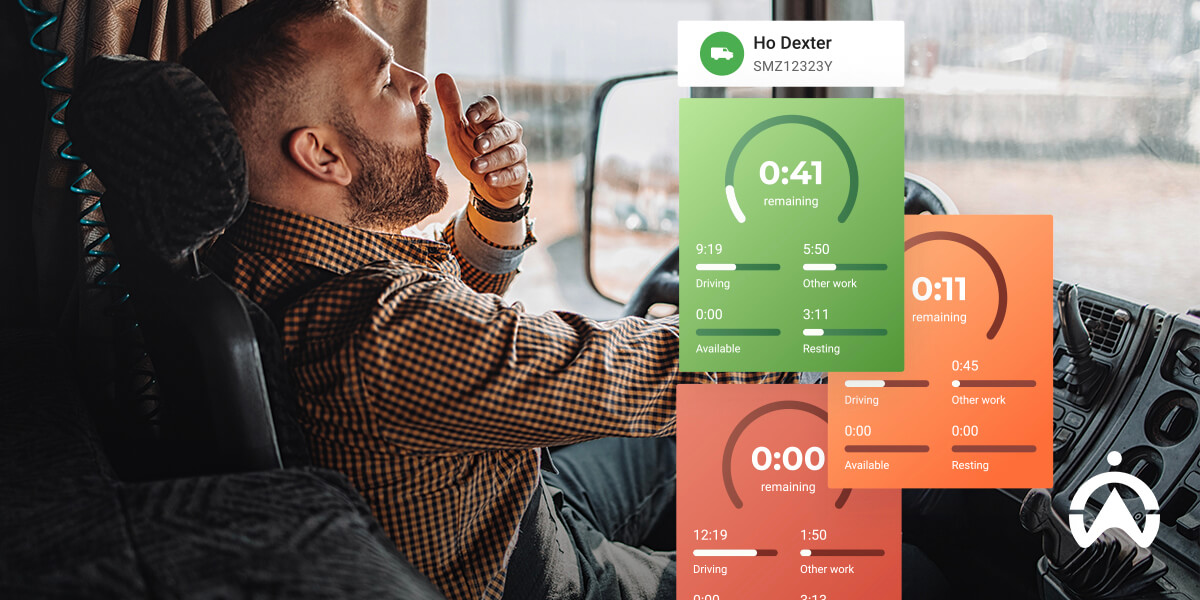
A truck driver is seated, sipping a beverage, with app screens showing driving and rest timers. The interior is decorated and cozy.

How does truck driver negligence impact your business costs?

Truck driver negligence impacts your business costs quite negatively, threatening to drain your bottom line. Unchecked negligence goes beyond just endangering lives. Unsafe actions on the road can drive up costs across your operations.

This is how carelessness of this nature could cost your business money:

  • Higher accident risk and liability demands: Crashes bring legal claims, medical costs, and vehicle replacements, all of which hit the business hard.
    ‍
  • Rising insurance premiums: A poor claims record raises red flags for insurers, who respond with higher rates across the fleet.
    ‍
  • Vehicle downtime and delivery delays: Damaged trucks mean missed schedules, late deliveries, and unhappy customers.
    ‍
  • Damaged brand reputation: Frequent safety issues can quickly destroy trust with clients, partners, and the public.
    ‍
  • Lost contracts and customer trust: Logistics clients expect reliability, and repeated incidents can drive them straight to competitors.

What are the legal risks of truck driver negligence?

The legal risks of truck driver negligence include fines and penalties, lawsuits, and loss of operating licences. As a truck fleet manager, you’re obligated to carry a duty of care, meaning you’re legally and morally expected to put reasonable safeguards in place against foreseeable risks. Ignoring these responsibilities exposes the business to serious liability.

In Malawi, these are what safety regulators and compliance look like:

  • Road Traffic Act: This act regulates road behaviour, speeds, and the like.
    ‍
  • National Road Traffic Regulations: These regulations assess driving permits, hours-of-service restrictions, and qualifications.
  • Vehicle condition and inspections: Fleet vehicles are required to undergo strict and regular checks to ensure roadworthiness.
  • Occupational Health and Safety standards: These standards ensure that employers are keeping their businesses in line, maintaining a positive working atmosphere for everyone.

Not being able to meet those standards means:

  • Civil lawsuits: Injured parties may seek compensation for damages.
    ‍
  • Criminal liability: If negligence results in serious injury or fatalities.
    ‍
  • Fines and penalties: For breaking traffic, labour, or safety regulations.
    ‍
  • Loss of operating licences: Or restrictions placed on fleet activities.

Root causes of truck driver negligence

The root causes of truck driver negligence include weak safety culture, absence of coaching tools, and inadequate training. It’s impossible for carelessness to occur in isolation. When the right tools and resources aren’t set up, you won’t have the opportunity to take preventive measures or effectively target driver vulnerabilities.

Take a look at these root causes and their outcomes:

  • Poor training or lack of refresher training: When drivers aren’t given the onboarding and continuous training, they won’t be up to date with best practices. They’ll also likely continue with their risky driving habits.
    ‍
  • Pressure to meet unrealistic driving and delivery schedules: When you put pressure on your drivers by implementing tight or overloaded deadlines, they’ll continually cut corners so that timelines can be met.
    ‍
  • Lack of accountability or monitoring tools/coaching: The key to being able to monitor and coach your drivers is to implement smart camera solutions and telematics. Without these tools, there’s no way for you to effectively shape a business safety culture that’s supported by valuable insights.
    ‍
  • Stress, fatigue, and mental health factors: You endanger (even exacerbate) negligence issues if you disregard drivers’ mental exhaustion and stress by enforcing long hours and difficult routes.
  • Weak company safety culture: If managers and owners aren’t serious about safety, it’s likely that the drivers won’t be either. It’s important for you, as a figure in a supervisory position, to lead by example and not undermine the importance of safety policies.
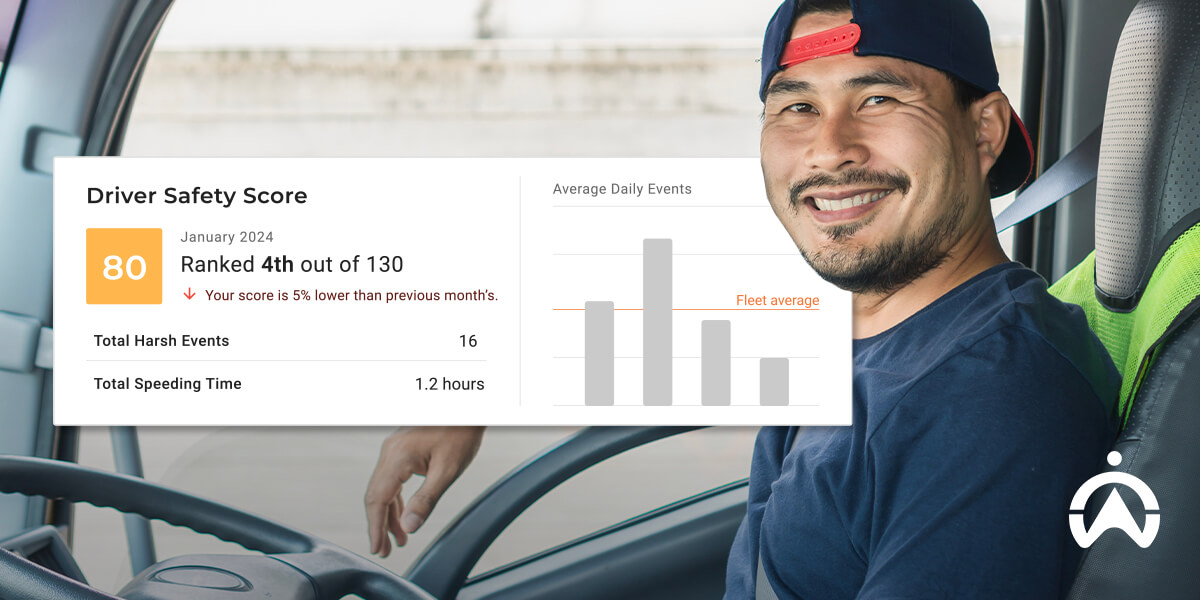
A driver displays a dashboard showing a safety score of 80, ranked 4th out of 130, with stats on harsh events and speeding time.

How can you prevent truck driver negligence with Cartrack?

With Cartrack, you can prevent truck driver negligence with support from our advanced technology and training solutions. Cartrack goes above and beyond by operating from a single, integrated, and unified platform that can detect and deal with potential negligence head-on.

This is what sets us apart:

  • Integrated driver behaviour monitoring with live alerts: You can get immediate notifications about dangerous driving and contact drivers in real time. This is especially true if you have a camera solution for your fleet with in-cabin calling.
  • AI dashcams detecting distraction, fatigue, and risky driving: Our AI camera solutions can detect distracted driving, including fatigue, phone use, smoking, and many other high-risk behaviours. This is a key solution to predictive fleet management.
    ‍
  • Video telematics (dashcams/MDVRs) for full visibility: Using our comprehensive camera systems means you’re fully protecting your drivers and your business. Should any legal dispute arise, you’d have clear evidence to clarify the situation.
    ‍
  • Driver safety scorecards and coaching tools for managers: Our driver scorecards and performance data are the best and most transparent way for you to share feedback with drivers. These can help you correct negligent behaviour.
    ‍
  • Easy compliance reporting for audits: Cutting admin time has never been easier. Because processes are automated, this massively simplifies operations and minimises human error. This is especially important for exporting reports.
  • Predictive maintenance and automated alerts: Our platform will send you notifications for suggested maintenance, so that your vehicles are tended to before costly breakdowns even happen.
    ‍
  • Full platform integration: As mentioned, Cartrack has a simple, integrated, and unified platform that has all the tools right at your fingertips.

Building a Safer Fleet With Cartrack

With the availability of proactive tools and resources, truck driver negligence doesn’t need to be an inevitable event. Negligence is preventable with the right balance of culture, policy, and technology—and that’s all achievable with Cartrack. When you invest in prevention with us, you ensure the protection of your brand and financial success.

Don’t wait until negligence costs you a contract or your business reputation. Take control now with Cartrack, and see how quickly you can reduce risks across your fleet.

FAQs

Q: What is the most common accident injury for truck drivers? 

A: The most common injuries for truck drivers are musculoskeletal ones, particularly strains that affect the back, neck, and shoulders. These pains and injuries typically stem from long hours on the road and the impact of collisions. More serious injuries include fractures or internal trauma.

Q: What are the four elements needed to prove negligence?

A: The four elements needed to prove negligence include duty of care, breach of duty, causation, and damages. Bringing these elements together helps establish whether someone genuinely caused serious harm. They’re important to correctly and fairly establish that negligence took place.

Q: What happens if an accident is not reported within 24 hours? 

A: If an accident isn’t reported in 24 hours, this could result in penalties and rejected insurance claims. You’re mandated by law to tend to an accident report within the first 24 hours of the incident occurring. Failure to do so means that drivers and companies are likely to face financial risk and downtime.

Q: Is negligence always the truck driver’s fault, or can companies be liable?

A: As much as a truck driver is the one behind the wheel, companies will always be liable, as drivers are part of the company’s staff. Companies can also potentially be subject to lawsuits, fines, and reputational damage if an investigation reveals that there’s a lack of adequate training or policies in place.

Q: How long do most truck driver accident settlements take to resolve? 

A: Most truck driver accident settlements can take months to years to resolve—it ultimately depends on the case. Each case comes with unique complexities, including the severity of the accident/injuries sustained and potential court backlogs. Companies with solid safety measures and compliance tend to avoid lengthy legal disputes.

Get a Car Camera for Complete Safety and Visibility

Imagine being equipped with backup vision and achieving complete safety and visibility while navigating the chaos of the streets – this is precisely what car cameras can offer you. You get a second set of eyes on the road and total protection when you need it most.

As a driver, smash-and-grabs, hijackings, insurance fraud, and collisions are just some of the looming threats you may face. This is why having a car camera is the smart choice. It protects you, your vehicle, and your passengers by helping prevent escalations and capturing clear evidence of dangerous incidents.

In fact, the global dashboard camera market is projected to reach USD 5.40 billion by the end of 2025, growing at a compound annual growth rate (CAGR) of 10.50% and reaching USD 8.89 billion by 2030, indicating a growing global need for these devices.

As that demand continues to grow, choosing the right cam becomes a necessary investment. Cartrack’s revolutionary car camera technology is there to support you, ensuring that every journey is covered and giving you more confidence every time you get behind the wheel.

How do car cameras improve your safety and visibility?

Car cameras improve your safety and visibility by acting like another set of eyes while you’re on the road. You can record what’s happening in and around your vehicle in clear quality, even eliminating blind spots with the help of multiple angles. These are particularly helpful for daily driving, especially when dealing with traffic or manoeuvring tight spaces.

Although road-facing and dual (road and cabin-facing) cameras are the most common options for personal or passenger vehicles, those are not your only choices:

  • Rear-facing cameras: These face the back of the vehicle and capture footage from that angle.
    ‍
  • Interior cameras: These are located inside the vehicle and give you passenger visibility. Though more of a niche, interior cameras are typically used for ridesharing vehicles (Uber/Bolt) or for parents who just want to keep an eye on their driving teens.

Car cameras also tend to work in different modes, depending on what works best for you:

  • Parking mode: This mode leaves the car camera recording even when the car is stationary and the ignition is off, protecting it from theft and other incidents. The recording is usually triggered by someone bumping or touching the car when it is stationary.
    ‍
  • Continuous recording: This mode records your entire journey, but only while the car is on. It might extend to parking mode if it’s a hardwired car camera, though that’s a less common setup.
    ‍
  • Event-triggered: This mode automatically saves snippets of footage when there’s detection of risky or abrupt driving behaviours, like collisions or sharp swerving.

Car cameras also help you fight against real-world threats. Scam insurance claims or staged collisions can be proven false with clear camera footage. Even more, the presence of a car camera can make criminals think twice about violent acts like hijackings or smash-and-grabs.

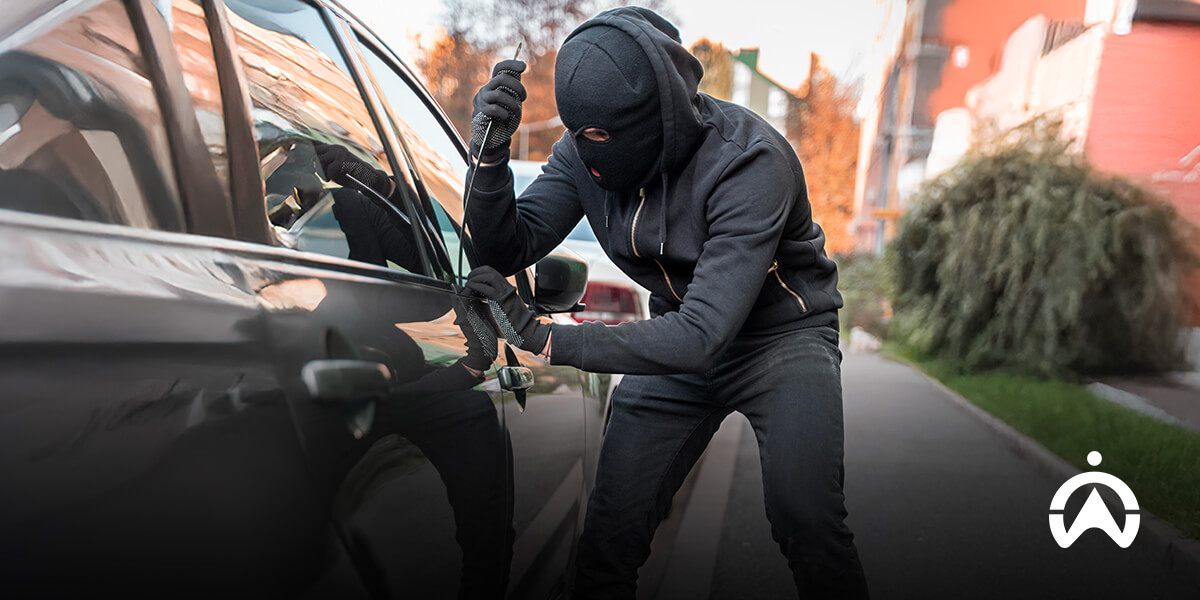
Cartrack car camera capturing attempted car theft on urban street.

Why does every driver need a car camera?

Every driver needs a car camera to reduce the overall stress of navigating the roads. There’s so much uncertainty every time you get behind the wheel. Because of the roads’ unpredictability, a car camera can be a game-changer in so many ways. Consider these factors:

  • Lower stress: A car camera can be an invaluable device, especially when you’re faced with the stresses of intense traffic or crime hotspots. The extra layer of security can keep you calm, especially when something could potentially go wrong.
    ‍
  • Extra security: As mentioned, the extra layer of security can be massively reassuring. Whether you’re a rideshare driver picking up passengers daily or just a person wanting to keep one of their most valued assets safe, this added layer can give you total peace of mind.
  • Faster insurance processing: With evidence in the form of clear footage at hand, insurance processes can happen more quickly. The immediate evidence means you can potentially eliminate back-and-forths and long disputes.
    ‍
  • Protection in disputes: It’s unfortunate, but as a driver, you could face the risk of being falsely accused of causing a dangerous road incident. But with a car camera, you have all the proof necessary to back up your case in a potentially costly dispute.

How to choose the right car camera for your needs

Choosing the right car camera is about recognising the key features that would make having an in-vehicle cam worth your while. Features like clear recordings, safe and sufficient storage, and easy installation all contribute as deciding factors. Stay focused on safety, clarity, and ease of use. Here’s what to consider:

Crisp footage, wide angles, and night vision

Clear footage is probably one of the most important features in a car camera. You want to actually be able to see what’s happening and who’s being captured, or else it defeats the purpose of capturing footage—especially in the case of a dispute.

Wide-angle recording just means that the lens captures more in the frame of the footage, reducing those blind spots and getting more details of your surroundings. Night vision is important for those low-light or evening recordings.

Secure and sufficient footage storage

If you’re capturing high-quality video, you’re most certainly going to need enough secure space to store that footage. Depending on your provider, you can choose from storage via the cloud, via an SD or SSD card on the unit, and loop recording, which overrides old footage.

Easy mounting and use

Car camera equipment that’s annoying to install or use can be a terrible experience overall. You’ll want to go for a car camera that’s easily installed, typically on the dashboard, windscreen, or rearview mirror. You’ll also want a unit that’s easily integrated with a mobile app or platform, allowing you to access the footage you need with ease.

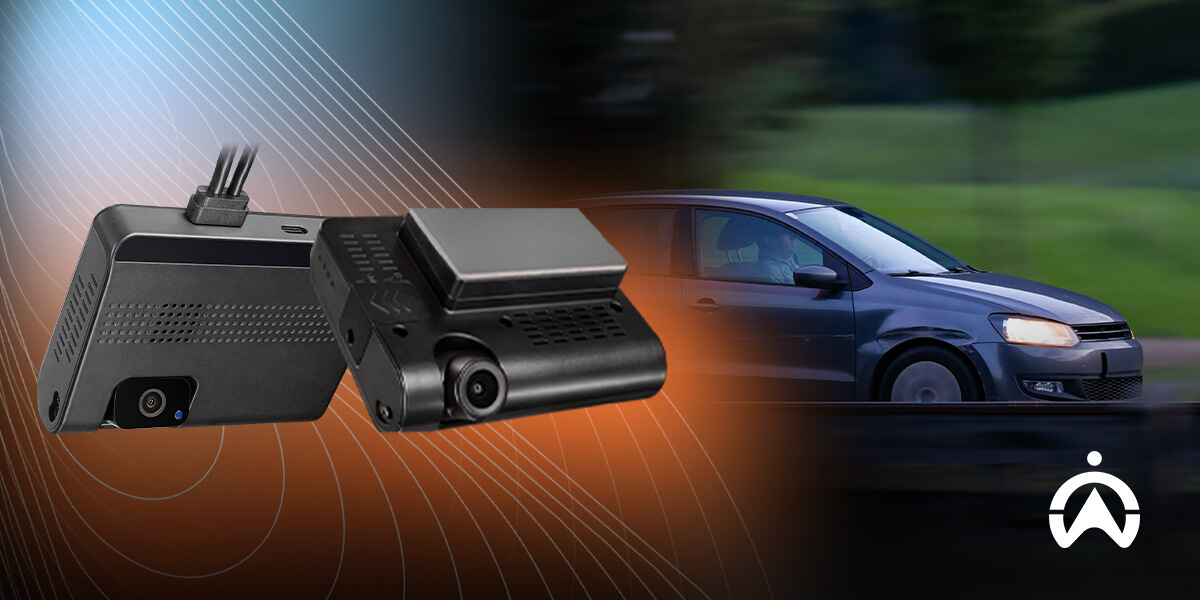
Cartrack car camera dashcam showcasing vehicle surveillance technology.

Why Cartrack is the ideal choice for complete safety and visibility

Cartrack can meet your safety and visibility needs by ticking every core requirement you’d need in a top-tier car camera. From live footage to SVR support, here’s what we can offer:

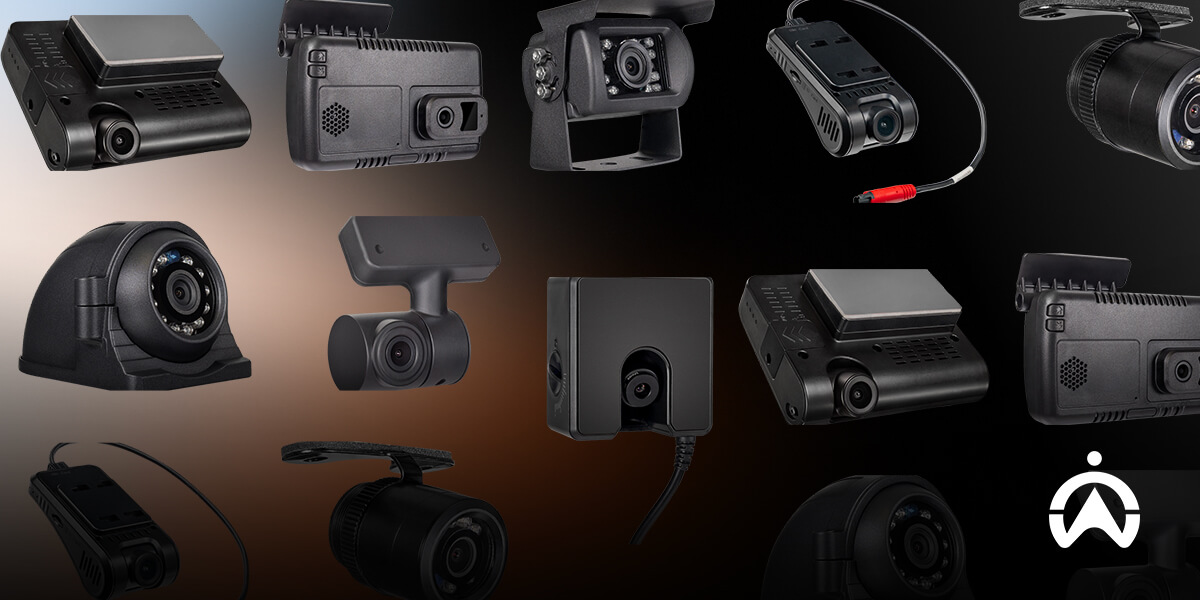
  • Options for every vehicle type: Whether you’ve just bought a new car or you’re a business owner with a large fleet, Cartrack has a car camera solution for everyone. This goes from single and dual cameras to Multi-Vision solutions with up to 8 cameras.
    ‍
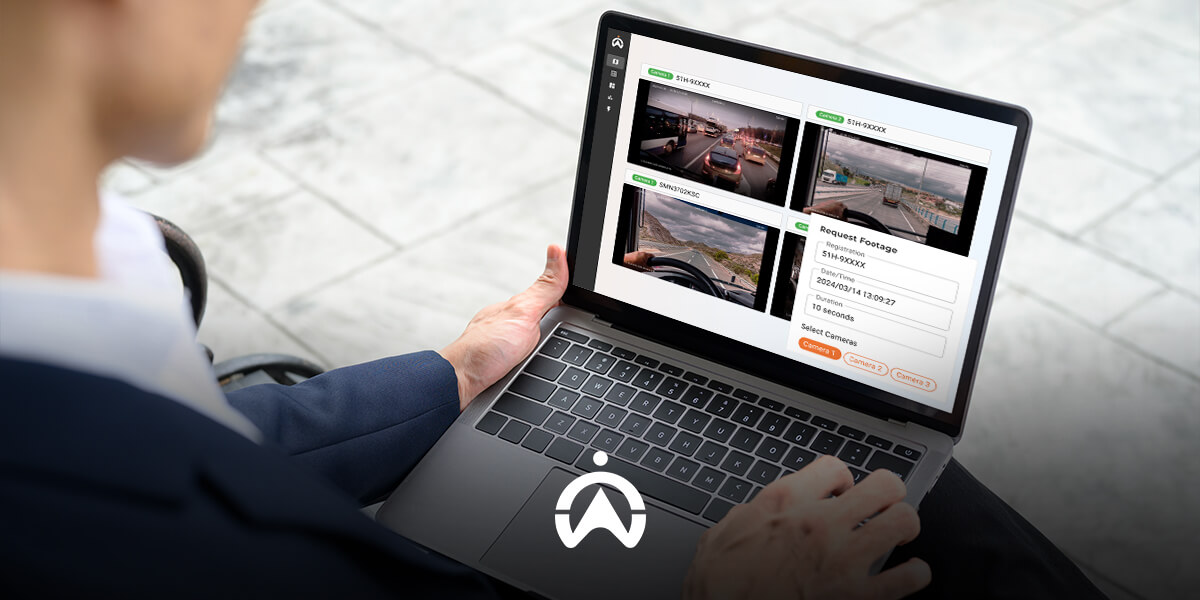
  • View footage anytime via the Cartrack app: It doesn’t matter where you are or when it’s needed; you can have access to your stored footage via your phone with just one tap.
    ‍
  • Stolen Vehicle Recovery (SVR) support: Cartrack’s car camera solutions can operate as standalone units because they have their own video telematics and LTE connection. This means that in the event of hijacking or theft, Cartrack can react promptly and work to recover your vehicle as swiftly as possible. Certain Cartrack camera solutions also allow you to add a discreet action button. Once pressed, 10 seconds of footage is recorded and sent straight to the Cartrack control room.
    ‍
  • Reliable hardware: Cartrack’s car camera hardware is built to endure whatever terrain and environments come its way. This handy device continues to deliver clear footage and steady performance so that you’re never left without that extra set of eyes.

By choosing Cartrack, you’re investing in your safety and the protection of your assets, knowing you have a company by your side that’s totally dependable and invested in your well-being.

Drive safer and smarter

Consider a car camera as a smart and long-term investment. It’s not just about recording and having a little gadget in your car; it’s about full security and visibility when you need it most. Consider this investment as a means to achieve clarity, peace, and protection in high-risk situations.

With Cartrack, you get a trusted partner who’s there with you on every car journey you take. Beyond our innovative and constantly developing technology, you can be sure that you’ll always be protected against the craziness of the roads.

See everything from every angle. Contact us to get complete peace of mind with Cartrack’s car camera solutions today.

FAQs

Q: How do you know if a car camera is recording?

A: You’ll typically know a car camera is recording if a small (usually red) light is on via the unit itself or on the app. With Cartrack, you can verify that the car camera is recording by checking the camera’s status through the app.

Q: Do car cameras record conversations?

A: No, typically, car cameras only record video and won’t record conversations. Some models might have audio recording, but you’d have to go over that with your provider. Certain Cartrack camera solutions do allow audio. Audio-enabled models usually let you disable audio for more privacy.

Q: Can a car camera lower my insurance premium?

A: Yes, many insurance companies offer lower insurance premiums for customers with car cameras, as these typically lower road risks and speed up the insurance claims process. This reassurance helps insurers process claims more quickly and can ultimately turn into cost savings for you.

Q: Where is the best place to mount a car camera?

A: The best place to mount a car camera is typically on the rearview mirror. It ultimately depends on the person, but the rearview often has the best and most unobstructed view of both the road and the cabin. It also avoids blocking your vision while driving.

Q: Does Cartrack’s car camera need the internet to work?

A: It depends. Yes, Cartrack’s car camera needs the internet to work if you want access to live-viewing and remote access to the footage. Otherwise, Cartrack’s car solutions typically have their footage stored right onto the device via an SD or SSD card.

Q: How long does a Cartrack car camera installation take?

A: A Cartrack car camera installation typically takes about an hour to two hours, depending on the complexity of the installation and the type of camera solution being installed. Our skilled technicians handle the process smoothly, making sure that everything is properly installed and working before you get back on the road.

What’s the Best MDVR Camera System?

The best MDVR (Mobile Digital Video Recorder) camera system helps you capture events in high quality while integrating advanced video telematics technology. It combines features like AI capabilities, secure data storage, and integration with fleet management platforms. This ensures you can act proactively to prevent incidents, instead of only reacting once they happen.

Cargo theft, driver safety, accident disputes, insurance fraud, and compliance are just some of the core pain points that fleet managers have to address regularly. That’s why MDVR camera systems have quickly become a non-negotiable part of modern fleet safety strategies. In fact, video telematics solutions are growing fast.

Through this article, we’ll show you what makes an MDVR camera system ‘the best’ for you and your business, and why Cartrack is one of the leading choices in delivering one of the best MDVR Camera Systems that give you full visibility, control, and safety that your fleet depends on.

In this article, you will:

  • Learn what makes an MDVR camera system the best for fleet operations
  • Understand why MDVRs are becoming essential for modern fleet safety and efficiency
  • Identify the must-have features to look for in an MDVR system
  • Discover how Cartrack delivers a market-leading MDVR solution to protect drivers, cargo, and your bottom line

How do MDVR camera systems work?

MDVR (Mobile Digital Video Recorder) camera systems work by capturing high-quality video footage through various angles around a vehicle. This type of camera solution makes it more advanced and innovative than a standard dashcam. An MDVR camera system offers features that serve as the perfect solution for risk management and downtime prevention.

Cameras are typically positioned to record:

  • The road – observing traffic movement and potential unsafe incidents
  • The driver – monitoring the driver’s actions and encouraging safe driving practices
  • The side and/or rear views – observing cargo areas and movements around the vehicles

Usually, the assets that incorporate MDVR camera systems are fleet vehicles, including public service, logistics, and commercial vehicles. Typical examples include:

  • Logistics and delivery vehicles: courier vans, semi/semi-trailer trucks, and refrigerated trucks
  • Public and passenger transport services: minibus taxis, shuttle services, trains, buses, and school buses
  • Emergency service transport: fire trucks, ambulances, and some police cars
  • Construction, hazardous, and heavy-duty vehicles: cranes, mining assets, excavators, and fuel tankers

In addition to 360-degree views, MDVR camera systems typically feature intelligent functions that assess driver behaviour and identify potential risk patterns in real-time. As a result, the system presents an immediate reflection of potential and measurable ROI. Not only do MDVR systems record, but they also maximise safety and boost productivity.

MDVR camera system

How to choose the right MDVR camera system for your fleet

Choosing the right MDVR camera system for your fleet means looking beyond the standard dashcam features. It’s also about recognising what functions and perks will have the most positive outcomes for your fleet and the real-world conditions it will face.

These are the features you should consider:

HD video quality and a wide-angle lens

High-definition video quality is the key to managing disputes. Wide-angle lenses contribute to this clear quality by capturing more of the area and reducing the issue of blind spots. Night vision gives clearer footage during the evening or when there’s low light.

Multiple camera angles

Catching the view of a vehicle from every angle is necessary for complete asset and driver safety. This is especially helpful for vehicles that carry cargo or make up part of a logistics fleet. Multiple camera angles give you complete visibility and an overview of your assets, adding an additional layer of safety.

Real-time remote viewing

This feature is the most important for quick responses. Should any issues need an immediate and informed response, such as cargo tampering or a collision, then fleet managers (and fleet management companies) can react immediately and appropriately.

AI-powered capabilities and alerts

Lately, modern MDVR camera solutions will include AI capabilities as part of their solutions. These capabilities identify risky driver behaviours like fatigue and distraction, as well as road-facing risks like forward-collision (which determines safe following distances). This results in preventative and corrective measures being taken before they turn into costly mistakes.

Integration and data syncing

We’ve covered real-time remote viewing, but to begin to even enjoy this feature, you’ll need a single platform that comfortably integrates with your MDVR camera system. Smooth integration and data synchronisation are the foundations for driver behaviour analysis, trip reports, and route optimisation tools.

Secure data storage

Having constant, high-quality recordings means footage will need to be stored safely and be easy to access. MDVR camera systems that can be stored on these devices themselves lend to quicker retrieval (especially for important cases like audits or insurance claims). Additionally, if there are options to download or back up that footage, that’s a bonus.

This also prevents your footage from being easily tampered with and gives you the power to decide who has access to the footage.

Durable hardware

Fleets can venture into some intense environments and encounter rough terrain. A strong, tamper-proof, and shockproof MDVR unit is non-negotiable to ensure the system performs to the best of its ability – no matter the conditions.

Common Mistakes to Avoid When Choosing an MDVR Camera System

Always assess every aspect of your MDVR system checklist. You don’t want to overlook warranties and support, or forgo a system that has enough storage space. Aim to avoid these mistakes:

  • Solely looking at price instead of overall value: Always prioritise a system that puts safety, productivity, and return on investment first. Consider these foundational features over upfront costs.
    ‍
  • Choosing systems with limited storage or connectivity: These will make saving and retrieving footage very difficult. Choose a system that gives you the room to save as much footage as you need.
  • Not checking fleet management platform integration: Ensure that your fleet management platform integrates well enough with your camera system so you can avoid cross-platform confusion.
    ‍
  • Overlooking support and warranty: Keep your camera system performing to the best of its ability. Be mindful of the warranty and after-sales support so you can prevent downtime.

Why does your fleet need the right MDVR camera system?

You achieve an extra layer of security and control with the right MDVR camera system. You’re investing in your fleet by cutting operating expenses and ensuring a long-term return on investment, in addition to preserving your drivers and assets.

Rewards for real-world scenarios include:

  • Better compliance and training for drivers
  • Accident and conflict settlement
  • Deterrents against theft and tampering
Cartrack MDVR camera system

How Cartrack delivers the best MDVR camera system for your fleet

Cartrack’s MDVR camera solutions are designed to cater to every fleet. With our Vision options, you’re given a selection of camera solutions that give you clear camera quality (from various angles) and plenty of secure storage space. You’ll also get other AI-powered solutions to ensure you’re truly getting value for your money.

Here’s exactly what Cartrack can offer you:

  • Multi, AI Dual, and AI Multi Vision cameras: These camera solutions offer numerous capabilities and safety features that could work perfectly for your fleet. They aren’t the only camera solutions available, but they’re the options that include additional features.
    • Multi Vision: Doesn’t have AI capabilities or in-cab calling, but offers up to 4 cameras, 194 hours of storage, various hardware features, and recording quality at 1080P.
      ‍
    • AI Dual Vision: Has AI capabilities and in-cab calling while also offering a dual (road and cabin-facing) camera, 72 hours of storage, a Smart Cabin feature, and recording quality at 1080P.
      ‍
    • AI Multi Vision: Has AI capabilities but no in-cab calling; it also offers up to 8 cameras, 291 hours of storage, various hardware features, and recording quality at 1080P.
      ‍
  • Easy installation: Cartrack technicians can fit the cameras and hardware into your assets at a scheduled time, meaning you get a quick and professional installation with minimal downtime.
    ‍
  • Standalone option: All Cartrack vision solutions can be taken as a standalone solution, because they have full telematics capabilities.
    ‍
  • Vision seamlessly connects with Fleetweb: Every Vision solution integrates seamlessly with Fleetweb, Cartrack’s fleet management platform. This connects your video footage with key features like telematics data, trip reports, and driver behaviour feedback.
    ‍
  • Live streaming: Any of the cameras can be live-streamed from Fleetweb or the mobile app, ensuring you have full visibility and control at all times. Each camera has a flat refresh rate of 10 seconds (although AI Multi Vision provides event-based tracking).
    ‍
  • LTE connectivity: This kind of connection ensures that the MDVR solution is always connected and transmitting, even in low-signal areas. Cartrack also offers data packages when limitations are reached. Each camera solution includes 2GB per month, but any additional data must be bought at your own expense.
    ‍
  • Secure storage: all footage is saved and stored on an SD card or SSD, ensuring secure storage and easy access via Fleet pages or the mobile app.
    ‍
  • Stolen Vehicle Recovery (SVR) support: SVR capabilities are built into Fleetweb, which means quicker asset recovery times and an added layer of safety. When paired with Cartrack’s MDVR camera system, SVR can track and visually verify a vehicle’s location and situation in real time. This is especially true for action/on-camera panic buttons.
    ‍
  • Durable hardware designs: Cartrack has solid, tamper-proof designs for the hardware available. You don’t have to worry about your footage easily being accessed by unauthorised people or rugged and demanding operational environments compromising the integrity of your equipment and its performance.

The road ahead with the right MDVR camera system

The right MDVR camera system is a critical layer of security that your operations and fleet management strategy needs. Combined with the power of smart monitoring, you can guarantee greater safety, better cost management, and the prioritisation of the well-being of your drivers. The result? Smoother day-to-day operations and measurable growth for your business.

Keep in mind that when you choose Cartrack, you’re choosing complete visibility, real control, and peace of mind. Our Vision solutions offer the best tools for you to effectively and safely manage your fleet.

Are you ready to see how the right MDVR camera system can revolutionise your fleet? Contact an expert at Cartrack today, and let’s secure your road ahead.

FAQs

Q: Is a single or dual camera system better?

A: The dual camera system is often the better option, as it records footage of both the road and the driver, giving greater context in any potential incident. A single camera usually only records road-facing. That being said, it ultimately depends on the type of vehicle, business, or reason for the camera system.

Q: What is the difference between a dashcam and an MDVR?

A: A dashcam is usually a standalone, single/road-facing camera with limited storage space that’s used in a private vehicle. On the other hand, an MDVR is a camera system that includes multiple cameras, supports remote viewing, and integrates with telematics. It’s often used for fleets that typically include logistics, public, and construction vehicles.

Q: Can MDVR cameras record without internet?

A: Yes, MDVR camera systems can record footage and keep it stored internally on the device’s storage cards. An internet connection is only required for remote viewing and live vision. Basic functions like recording and playback are still operational without internet use, and the internet is only necessary for remote viewing.

Q: Is MDVR footage admissible in legal disputes?

A: Yes, this is one of the greatest features of implementing MDVR camera systems for businesses. Footage can be used as evidence in insurance claims or accident matters, so long as the footage provided is unedited and relevant to the legal dispute. The footage must also be clear enough for the court or legal panel to interpret.

Q: How quickly can Cartrack install and activate the MDVR camera system?

A: Cartrack can install and activate an MDVR camera system quickly and efficiently. The exact time depends on the size of your fleet and the type of solutions you’re looking for. All you have to do is schedule a booking, and a Cartrack technician will be available to complete the installation within a few days.

What’s the Best MDVR Camera System?

Protect your fleet with the top MDVR camera system. Discover how AI-powered MDVRs boost safety, cut costs, and protect your drivers – and why Cartrack leads in fleet camera solutions.

Speak to an Expert: +265 999 971 972

How to Avoid Fatigue-Related Accidents

Fatigue is one of the most overlooked causes of road accidents. Motorists believe they are only at risk of crashing if they are distracted or are under the influence of alcohol, but exhaustion can be just as dangerous.

When drivers are drowsy, they have slower reaction times and impaired decision-making, which increases the likelihood of accidents. However, many underestimate their tiredness, leading to risky behaviours behind the wheel.

Today, we discuss ways to avoid fatigue-related accidents and explore how Cartrack solutions can help keep drivers safe.

In this blog, you will:

  • Learn ways to prevent fatigue-related accidents
  • Recognise signs and symptoms related to fatigue
  • Explore how Cartrack’s technology helps mitigate these accidents

Ways to Prevent Fatigue-Related Accidents

Driver fatigue can result in dire consequences. To avoid such situations, motorists must implement small changes to their daily routines, significantly reducing fatigue. In this section, we’ll explore simple strategies to prevent these accidents from occurring.

Get Sufficient Rest Before Driving

Adults need approximately 7 to 8 hours of sleep to function optimally throughout the day. When well-rested, you are more alert, have high concentration levels, and can make better decisions. However, it’s more than just about the quantity of sleep; it’s also about the quality.
Here are seven tips to help enhance your quality of sleep:

  1. Only take naps that last for 20-30 minutes during the day to avoid disturbing your nighttime sleep cycle.
  2. Make sure your bedroom is at the right temperature and dark enough.
  3. Avoid using your phone and watching TV at least two hours before bedtime.
  4. Exercise regularly.
  5. Invest in a comfortable mattress and pillow.
  6. Avoid eating heavy meals, drinking caffeine, and smoking before bed.
  7. Have a set bedtime schedule.

It’s important to ensure that your drivers are not showing any signs of exhaustion before they hit the road. Always plan trips ahead to allow them to get adequate rest and prepare themselves for the trip.

A driver rests his head on the steering wheel of a truck, showing signs of fatigue inside the vehicle's cabin.

Take Regular Breaks During Long Drives

Sitting for extended periods can reduce blood circulation and cause backaches, leg cramps, and drowsiness. To prevent this, drivers must take short breaks every two hours, allowing them to stretch their muscles and refresh their minds.

These short breaks must be at designated rest areas, so fleet managers need to include these rest areas when planning routes. This helps drivers stay refreshed and alert throughout the journey.

Share Driving Responsibilities When Possible

Consider driving with companions to help keep you alert through conversation. If they can drive, share driving responsibilities to help reduce fatigue.

This also applies to fleet drivers; having two drivers share a long trip can significantly reduce driver fatigue. Taking turns ensures that each driver is well-rested and alert, which makes the journey safer and more comfortable for everyone.

Stay Hydrated and Eat Light

Your eating habits contribute to road safety, especially if you spend hours behind the wheel. Choosing healthy snacks while on the road can help maintain focus and alertness. All you have to do is replace highly processed and greasy foods with nutrient-rich options for long-lasting energy.

Pack a cooler filled with fresh fruits and light snacks such as grapes, bananas, nuts, and cheese. Remember, eating behind the steering wheel can be dangerous. To minimise distractions, consume meals and snacks only during breaks and not while driving.

Carry a water bottle to stay hydrated throughout the trip. Dehydration can cause your muscles to feel tired and not function to the best of their ability due to the imbalance of salts in the body. This will ultimately affect driving ability and may result in accidents.

Avoid Driving During Peak Fatigue Times

Avoid driving during times when your body is naturally tired and ready to sleep, such as at midnight or in the wee hours of the morning.

Fleet managers, as much as possible, plan trips during the day, since the body is naturally more alert at those times. This simple adjustment can significantly reduce the risk of accidents caused by fatigue.

Key Signs of Fatigue That Could Lead to Road Accidents

Fatigue can affect one’s physical, mental, and cognitive abilities, making it difficult to respond quickly to changing conditions. Recognising the signs and symptoms can help both individual and fleet drivers significantly reduce the risk of road accidents.

Spot Physical Signs

A fatigued person may experience symptoms such as muscle weakness, slowed reflexes, sore muscles, headaches, blurry vision, and dizziness. If these symptoms show before your trip, it’s best to delay and get the rest you need. If these signs appear while driving, take breaks and stay hydrated to maintain alertness.

Identify Mental and Cognitive Changes

Fatigue can affect your mind, meaning you might have difficulty concentrating, may be forgetful, making it harder to process what’s happening on the road. If you find yourself missing exits, struggling to stay focused, or reacting more slowly than usual, your ability to make quick and safe decisions is compromised. When these signs appear, it’s crucial to pull over or switch drivers to prevent accidents.

Detect Risky Driving Behaviours

If a motorist is drifting between lanes, tailgating, or responding slowly to traffic signals, it means they are experiencing dangerous fatigue levels. Such behaviours indicate that they are not alert, which increases the risk of accidents. If you find yourself engaging in any of these actions, you need to find a safe space to pull over and rest before continuing your drive.

The Role of Fleet Managers in Combating Fatigue-Related Accidents

While drivers are responsible for getting enough rest and following the above-mentioned tips to combat fatigue, fleet managers also play a crucial role in preventing these accidents from happening. Here’s how:

  • Monitor driver hours: Fleet operators can use telematics to track and monitor driving hours. Investing in fleet management solutions will help them know which driver is on duty and for how many hours. This not only benefits businesses to comply with labour regulations, but will also ensure that drivers are not overworked.
    ‍
  • Enforce mandatory rest breaks: Sometimes drivers can insist on taking overtime, possibly due to financial reasons, however, managers must have rules surrounding this. They must ensure that drivers get some mandatory time off to rest.
    ‍
  • Plan efficient routes: Choosing quicker and less traffic-congested roads helps reduce driving hours, minimising fatigue.
Emergency responders assist at a multi-car accident on a busy highway, with damaged vehicles and a police presence visible.

How Cartrack Helps Reduce Fatigue-Related Fleet Accidents

Cartrack has a wide range of products and solutions that help ensure driver safety and minimise fatigue-related accidents. Through the use of telematics and advanced technology, our systems significantly contribute to safer roads.

AI-Powered Cameras

Our dual-vision AI camera solutions can detect signs of fatigue, such as yawning, and track the position and orientation of the driver’s head. If these events are detected, the driver will immediately receive audible in-cabin alerts, prompting them to self-correct and prevent accidents.

Fleet managers can review recorded footage to provide coaching and support. This allows them to address any violations and offer the necessary training to ensure drivers remain alert and safe on the road.

Advanced Driver Assistance System (ADAS)

ADAS uses camera-based sensors and AI technology to enhance driver awareness and prevent accidents. This system alerts drivers to potential hazards, which improves driver safety.

Cartrack’s ADAS solutions include a variety of advanced features, such as:

  • ‍Forward Collision Warning: Alerts drivers when their vehicle gets too close to another vehicle or obstacle. This helps prevent potential collisions.
    ‍
  • ‍Blind Spot Detection: Warns motorists of vehicles in their blind spots, reducing the risk of lane-changing accidents.
    ‍
  • ‍Automatic Emergency Braking: Detects possible collisions and applies the brakes automatically to reduce the impact or avoid a collision altogether.

Driver ID Tags

A driver ID tag is a small electronic device that allows fleet managers to identify exactly which driver is operating a vehicle at any given time. This gives them complete control over their drivers and fleet by tracking vehicle usage, monitoring driver behaviour, and ensuring only authorised drivers are behind the wheel.

These tags provide automated logs of working hours, helping fleet managers comply with labour regulations and prevent driver fatigue by enforcing rest periods. According to the Basic Conditions of Employment Act (BCEA) of Malawi, normal working hours are limited to 48 hours per week, excluding lunch breaks. Any additional hours require an overtime agreement. By monitoring working hours, driver ID tags help prevent fatigue and enhance road safety.

Route Optimisation

Cartrack’s fleet management software allows fleet operators to optimise routes. This not only ensures timely deliveries since the routes will be quicker and shorter, but it also ensures that drivers do not spend longer periods on the road.

In conclusion, fatigue is a serious yet underestimated factor in road accidents. By prioritising sufficient rest, taking regular breaks while driving, and leading a healthy lifestyle, motorists can reduce the risks of fatigue related accidents. Cartrack’s advanced solutions, such as AI-powered cameras, real-time monitoring, and route optimisation play a crucial role in helping them stay safe. Using these tools can benefit both individual and fleet drivers to effectively manage fatigue and improve overall road safety.

Contact us today to explore ways Cartrack’s solutions can help you stay safe on the road.

Frequently Asked Questions about Driver Fatigue

Q: Does fatigue only affect long-distance drivers?

A: No, fatigue affects all motorists, including those who drive short distances.

Q: How do sleep disorders like sleep apnoea contribute to fatigue while driving?

A: Disorders such as sleep apnoea can disrupt sleep cycles, leading to chronic sleep deprivation. Motorists with untreated sleep disorders may feel extremely tired during the day, which affects their driving performance. This means they are more susceptible to drowsy driving accidents.

Q: Can I rely on caffeine to stay awake while driving?

A: Caffeine can temporarily increase alertness; however, it should not be relied upon as a long-term solution for managing fatigue. Once its effects wear off, your body may experience a crash, which could cause even greater fatigue. The best solution is to rest and take breaks rather than relying on stimulants.

Q: Can taking over-the-counter medications cause fatigue and affect driving?

A: Yes, many over-the-counter medications, especially those for allergies or colds, can cause drowsiness as a side effect. Motorists should read medication labels and avoid driving if the medication may impair their alertness or reaction time. It is also best to notify your fleet manager if you are on any medication that may interfere with driving.

Q: Can the weather contribute to driver fatigue?

A: Driving in harsh weather conditions such as snow, heavy rainfall, or high heat requires more concentration and can cause stress or discomfort, leading to increased fatigue.

Q: Can stress contribute to driver fatigue?

A: Yes, high levels of stress can negatively affect a person’s sleeping patterns, resulting in fatigue.

Q: Can I play loud music to increase my alertness?

A: Playing loud music can temporarily make you alert, but it is not a reliable solution to deal with fatigue.

How to Avoid Driving Mistakes

Speeding through traffic, skipping red lights, and not following road rules, are just a few bad driving behaviours that can be seen on Malawi roads. These happen everywhere, from city centres to rural areas, affecting both motorists and pedestrians.

Witnessing driving mistakes has now become a regular part of our daily commutes, with minor to major infringements occurring daily.

If we want safer roads for all, then we need to learn how to avoid making these driving errors. Luckily, we have put together common mistakes drivers make and how you can avoid them with the help of Cartrack’s solutions.

In this article, you will:

  • Common driving mistakes and how to avoid them
  • How much these mistakes will cost you
  • How Cartrack can help you avoid making these mistakes

Common Driving Mistakes and How to Avoid Them

Driving in Malawi can sometimes feel like an Olympic sport or Grand Theft Auto video game experience, with all the unexpected road violations from drivers and pedestrians.

Driving mistakes remain the common thread connecting all crashes. Some of these mistakes are more frequent than others, with varying degrees of consequences for each. Let us have a look at the driving mistakes our fellow drivers make on the roads.

Driving Under the Influence

Malawi has a high incidence of drunk driving, especially during weekends and public holidays. We all know somebody who has been pulled over for driving under the influence and have seen many reports of drunk drivers on the road in the news and on social media. In some cases, we have had to spend a night in jail for this offence, due to our own alcohol consumption.

We all know that alcohol consumption impairs judgment and reaction times and sometimes leads to accidents and fatalities. This is mostly because some of us misjudge our tolerance and believe one or two more drinks won’t affect us.

The best thing to do to avoid this mistake is to always have a designated sober driver or to make use of e-hailing services when going out for drinks.

Running Red Lights and Stop Signs

If you have ever found yourself in a big city rush hour, then you have come across someone running a red light or stop sign. From drivers of sports cars to SUVs, you can expect to see a range of people committing this traffic violation. This is such a prevalent issue that you are bound to encounter this in the city, the suburbs, rural areas, at night, midday and at any busy intersection.

Rushing through intersections is a major cause of accidents and pedestrian injury. The best way to deal with this problem is by always approaching intersections with caution, anticipating light changes and staying focused on the road.

Speeding

Having a car that’s capable of reaching 200km/h may be enticing to some drivers, but it is illegal, with the highest legal speed limit being 100km/hr. We all know this, but many still choose to speed.

Speeding leads to accidents and fatalities. This is especially true on highways or in rural areas, where drivers feel there will be no recourse for their actions. Another reason is that the road infrastructure can be unpredictable in some areas, making speeding even more dangerous.

Misjudging Safe Overtaking

Overtaking other cars on the road is a common occurrence; it is one of the few legal things we are allowed to do. The unfortunate part is that, like all good things, we take it too far and ruin it for everyone else.

How many times have we been on the road and seen someone get impatient with the driver ahead of them, overtaking in a huff without regard for other motorists on the road? Misjudging safe overtaking is very risky and can lead to head-on collisions.

To avoid this mistake, you will need to check all your mirrors and blindspots before overtaking, while cognisant of speed limits and other vehicles.

Failing to Yield

With power outage always a possibility and random outages happening across the nation, we have come to expect traffic lights that don’t work. This has made every intersection a de facto four-way stop, where we have to follow a first come, first go honour system.

This system requires drivers to yield and give the right of way to the appropriate car. Sadly, this does not happen often, with some people driving across roads before their turn.

Misjudging right of way at intersections or roundabouts causes confusion and accidents; to avoid this, drivers need to be patient and follow road rules. They will need to be attentive to what is going on around them and when they are next in line.

Not Checking Blind Spots

This is a common mistake, especially for new drivers. Not having the full line of sight in all areas that mirrors provide is very dangerous as it puts the driver at risk of hitting other cars. Another disadvantage of making this mistake is that it puts the driver at risk of hijackings or smash and grabs since they will not be able to see and react in time.

The solution here is practice, practice, practice. That is the best way to get comfortable with using and checking car mirrors and blind spots regularly.

Not Using Indicators

Changing lanes can sometimes be a treacherous experience, having to coordinate the lane change with the best opportunity, coupled with the generosity of the driver in that respective lane. This situation is made more fraught when the vehicle changing lanes does not indicate its intention to do so.

This is a common mistake, and it often leads to confusion on the road and some mild road rage and colourful language use. To avoid making this mistake, drivers need to be analytical of the situation on the road and make lane switches when it is clearest, instead of at the most opportune moment. This will give you time to consider your actions and use the indicator.

Tailgating

Due to the often-heavy traffic and impatience on Malawi roads, drivers frequently tailgate. This is when a car drives too closely to another without leaving a sufficient following distance. This increases the likelihood of a collision if the car in front were to stop suddenly. We see this often during rush hour, especially in the afternoons when commuters are making their way home.

Some cars have sensors that detect when another vehicle is too close to them. This helps avoid this mistake, but for people whose cars do not have this feature, the only way is to observe the mandated following distance. The best way to know if you are within a safe distance is if you can see the bottom of the tyres of the car ahead of you.

Driving While Fatigued

Long-distance travel is common in Malawi, with many people taking cross-country trips for holidays and family visits. With long trips, many drivers often underestimate the dangers of driving while tired, particularly on long highways like the M1 highway or M5 highway. They become too focused on completing the journey and don’t notice how fatigued they’re getting.

The best way to avoid this is by taking breaks every 3 hours to recuperate or by exchanging driving duties when on the road with someone else.

A weary man in a car yawns, illuminated by colorful city lights, conveying tiredness and late-night driving.

Overcorrecting or Jerky Steering

There are many reasons to stay vigilant on the roads in Malawi, from wayward pedestrians to unexpected potholes. Some drivers often overreact to these scenarios, making sudden decisions on the road. Sudden steering or overcorrecting affects other drivers on the road who are then forced to make immediate decisions due to the unexpected nature of this driving error.

Let’s be real, potholes are not going anywhere any time soon and we all know that. The best we can do is drive carefully and make sure we are observant of the roads we are on, especially at night. By doing this, we can reduce the number of times that we are forced into sudden situations where we have to make rash decisions.

How Driving Mistakes Will Cost You

Driving badly on the roads has many consequences that will affect you, both in the short term and the long run. Some of the mistakes made above may seem minor and inconsequential but there are real-world effects and ramifications, let’s see what some of them are.

Legal Consequences

All drivers know that violating road rules leads to fines when caught in the act. What some may not know is how high some of these fines can be. Here is a list of some fines for typical traffic violations:

Fines and Penalties

VIOLATION PENALTY
Reckless driving and driving under the influence
Using a Mobile Phone While Driving MWK 10,000
Negligent driving MWK 5,000
Driving under the influence MWK  20,000- 200,000
Road traffic signs
Failure to obey a traffic sign MWK 20,000
Driving on a sidewalk MWK 20,000
Speeding over limit
10 km/h to 15 km/h MWK 10,000
15 km/h to 20 km/h MWK 15,000
20 km/h to 30 km/h MWK 20,000
35 km/h to 40 km/h MWK 35,000
Passenger Offenses
A driver failing to yield right of way to pedestrian MWK 50,000
Failure to wear a seat belt MWK 5,000
Motorcycle: Riding without protective gear (helmet and reflective jacket) MWK  15,000

Financial Implications

Another way in which driving mistakes can cost you as a driver is financially. Repairs, buying a new vehicle, and increased insurance premiums are unexpected expenses that you will have to deal with.

Fixing minor dents in a car starts at KSH 3,000 and can go well above KSH 15,000. This number can be in the tens of thousands should there be significant damage, especially if the vehicle is from a premium brand.

These financial costs are magnified especially when the car has been written off. Some insurance providers will not pay off the full amount without an excess being paid, which can sometimes be very high. In other cases, the amount received does not match the value of the vehicle and is not enough to purchase a new one.

Risk to Personal Safety

The loss of human life is the one outcome all drivers fear when getting into an accident, whether it be their own life, those they care about or strangers. If convicted, a driver can face up to life in prison for the wrongful death of another motorist or pedestrian. This is compounded by the grief and emotional trauma it will cause to the families of the deceased.

A police officer in a bright yellow jacket signals a stop to a vehicle from the roadside, surrounded by wooded scenery.

How Cartrack Can Help You Avoid Making Driving Mistakes

Driving mistakes are a big problem, but fortunately, they can be addressed. Cartrack provides some solutions to the problems that drivers face on the road. These solutions can help drivers make better decisions and have the tools necessary in the case of an accident.

Here are some solutions that can assist drivers:

Crash Detection

Cartrack has crash detection technology that comes as a value-added service. With this technology, a car is fitted with sensors that detect impact or collisions. This allows them to send alerts to the control room, which will contact the driver to ascertain the severity of the situation.

Emergency Assistance

Cartrack Protector is a feature that clients can take on, it allows them to receive emergency assistance in the case of an accident or other misfortune on the road. This can range from ambulances, roadside assistance, tyre replacements and towing. Terms and conditions apply.

Driving Analytics

With the Cartrack mobile app, drivers can see analytics of how well they drive. The app tracks and reports on driving events such as harsh braking, harsh turning, and speeding to name a few. This allows drivers to see where they are making mistakes and understand where they need to improve.

Dashcams

When accidents occur, it can be hard to prove who was in the wrong. Luckily, we have dashcams that you can install as part of your vehicle tracking package. These will record all the journeys you take and provide proof should any roadside altercation occur. This is useful for insurance and legal purposes.

We all make mistakes every once in a while when on the road, it is human nature, after all, but what’s important is what we do about it. Putting precautions in place to mitigate these odds is the best way forward, and with Cartrack at your side, this is easier to accomplish.

Get the best in vehicle tracking and stolen vehicle recovery from a provider with an average of over 90% recovery rate, contact us to learn more about how we can make driving safer for y