What Factors Should You Consider When Downsizing Your Car?

When downsizing your car, you should consider factors such as lifestyle needs & changes, better cost control, environmental concerns, and easier management. People evolve, and priorities change, especially now when the cost of living weighs heavily on many of us. Downsizing could be the key to necessary changes and savings.

The average monthly car payment now takes up a significant portion of a consumer’s income, and this proportion has been increasing over the years, making vehicle affordability an important consideration for many buyers. This change reflects the financial strain many Malawian are under, putting a spotlight on affordability as a key reason for downsizing.

We know that the downsizing route is a big change that can stir up a lot of emotions, especially when you’ve become comfortable with your bigger car. In this blog, we’ll discuss the reasons surrounding downsizing, why it could be the right step for you, and how Cartrack can keep your compact car protected. 

What are some reasons to downsize your car?

Some reasons to downsize your car include looking to save on costs, going greener, lifestyle changes, and better car management. We also understand that, given the current state of the economy, saving money is usually the main reason why these sorts of lifestyle changes happen. Downsizing could be an impactful and positive first step for you and your family.

Smaller cars provide long-term savings

Fuel and maintenance are the highest car expenses. Your choice to downgrade your car means better long-term savings because smaller cars typically use less fuel and have simpler car parts. When going the smaller car route, consider getting a car that’s lightweight and city-ready to accommodate your daily trips.

You could also consider getting a hybrid or EV (electric vehicle), which can save you so much money in the long run. Fuel wouldn’t be as much of a concern (if at all!), and EVs generally have fewer moving parts, meaning you cut back on having to service your car too often.
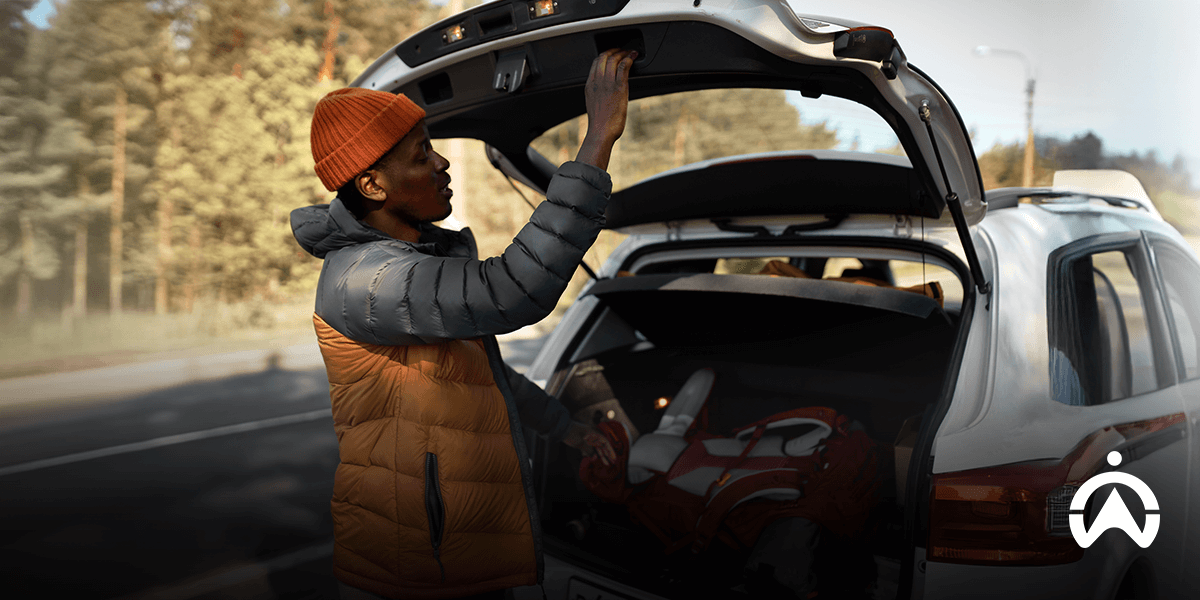
Key considerations for downsizing your vehicle efficiently.

Your daily routine and lifestyle are changing

After costs and expenses, one of the biggest factors that drives downsizing is lifestyle changes. Maybe the kids have finally flown the nest, and there’s no need for a big family car anymore. Or perhaps your hobbies have changed and you don’t need a car that can hold all that camping gear. Whatever your reason, it’s valid.

If you don’t really need that bigger car anymore, downsizing could make an exciting difference in how you enjoy life from here on out. You get to save while also comfortably adapting to the new changes in your life.

It’s better for the environment

Using a car with a smaller engine means better fuel efficiency, which means fewer carbon emissions, which means a car that’s better for the environment. Bigger cars usually emit far more carbon and air pollution than smaller models, creating more harm to the environment.

Bigger cars, especially if they’re luxury brands, also tend to have more expensive and even special/customised car parts. These parts might need unique and expensive materials for them to be made.

Smaller cars are easier to manage

When you drive smaller cars, being on the city roads is a breeze. You fit comfortably into awkward parking spots (no need for 15-point turns). You can move through traffic smoothly, bobbing in and out with confidence, and the notoriously narrow streets will no longer be a problem.

Overall, smaller cars are easy to manoeuvre. Bigger cars need more space to carry out basic moves, like lane changes and U-turns, while smaller cars manage these with ease.
Guide to choosing the right smaller car when downsizing

How can Cartrack add safety features to your smaller car?

Cartrack can add safety features to your smaller car by giving you the best in tracking and on-road protection. You can choose what your tracking package looks like and what services speak to your needs. Even at our most basic (Quick) solution, you’re guaranteed mobile app access, world-class live tracking technology, quick emergency response, and stolen vehicle recovery (SVR).

Our personal packages offer highly competitive monthly rates, emphasizing affordability and keeping your costs low. Our contracts are also flexible, so you can choose the structure of your payment plan. If at any point you’re considering a package change, you can easily do so at a small migration fee.

Your decision to downsize may’ve been a bit stressful, but choosing the right vehicle protection partner doesn’t have to be!

Final takeaway: downsizing to make life manageable

There are many reasons why you might decide to downsize your car, and this blog is a great insight into all those potential motives. We recognise that you’ve decided to adapt to your new way of life and sit comfortably with this change.

On the journey of trying to find a car that works for your new lifestyle, you can relax knowing that downsizing has so many perks. You, your wallet, and the environment benefit from the change; so everyone wins! What’s more? Cartrack can add to your happiness, keeping your smaller car closely watched and protected.

Have you taken the plunge and downsized your car? Speak to our Cartrack professionals to ensure your new car is completely protected.

Frequently asked questions

What is the 20/3/8 rule?

The 20/3/8 rule suggests that when you’re looking to buy a car but still want to stay in control of your finances. The rule says:

  • you should put down a 20% payment
  • you should pay off the car in 3 years/36 months (or less)
  • keep your car’s monthly costs under 8% of your monthly income

Are SUVs expensive to maintain in Malawi?

Yes, SUVs can be expensive to maintain in Malawi, especially because of their overall costs. From fuel and maintenance to more expensive car parts and insurance, SUVs are likely to put more of a dent in your pocket. This is especially the case for luxury brands with specialised internal parts.

Is GPS tracking worth having if my car is insured?

Yes, GPS tracking is worth having if your car is insured.

Your GPS tracker tells insurers that you’re taking extra care of your car, and safety is a priority. Insurers see this as a positive, and you could potentially get a lower premium out of this. It could also speed up claims processes in the future.
How To Become Fleet Safety Certified Today

To become fleet safety certified, you must look for a reputable skills development provider and see what courses they offer and their requirements. The course you choose needs to align with what you want to improve on. Ensure that you have enough resources available to complete the programme and make time for studying and assignments.

It’s no secret that Malawi has high road accident rates, and as a fleet manager, you must have the skills to mitigate the risk. A fleet safety certificate can help with that, but you’ll also need to have the right technology in place.

Today we discuss how to get fleet safety certified and how our fleet management system makes the process easier for you.

How to get a fleet safety certification

To get a fleet safety certification you must find a credible learning institution, check what the requirements are, and choose the training course that best suits your preferences. The courses normally differ depending on your job position and the things you need to focus on.

Some fleet safety courses can be carried out by fleet trainers because they know more about the topic and have the necessary material. They’ll also know which course will best suit you.

What exactly is fleet safety certification?

Fleet safety certification refers to completing an accredited programme with a series of courses that will help you effectively manage fleet safety. The courses teach you the skills you need to ensure driver safety and roadworthiness.

The courses typically include things like how to:

  • Drive defensively
  • Reduce traffic violations
  • Prevent vehicle wear & tear
  • Develop and implement policies
  • Handle cargo load limits
  • Manage driver conduct

Fleet safety certifications are issued by several accredited institutions, such as the Malawi Bureau of Standards and the Directorate of Road Traffic and Safety Services. Each programme differs depending on what you need.

What change will the certification bring to your fleet?

A fleet safety certificate will bring many changes to your fleet because you’ll know more about:

  • Meeting compliance requirements
  • Encouraging a safety culture
  • Ensuring roadworthiness
  • Maintaining your fleet better
  • Reducing fleet running costs
  • Maintaining a good company reputation

This changes our entire outlook on running your fleet, helping you make more informed decisions.

Here’s what we mean.

Meet compliance requirements

Failing to meet the standard rules set by governing bodies in your industry means your fleet is not fit to operate. Compliance is not just about dodging fines and penalties; it’s about ensuring your vehicles are safe for use and that drivers are protected. It’s also about ensuring that your cargo or people are transported under favourable conditions.

Fleet safety certification courses give you a detailed breakdown of the building blocks of compliance. They show you what you should focus on and how to maintain your fleet better.

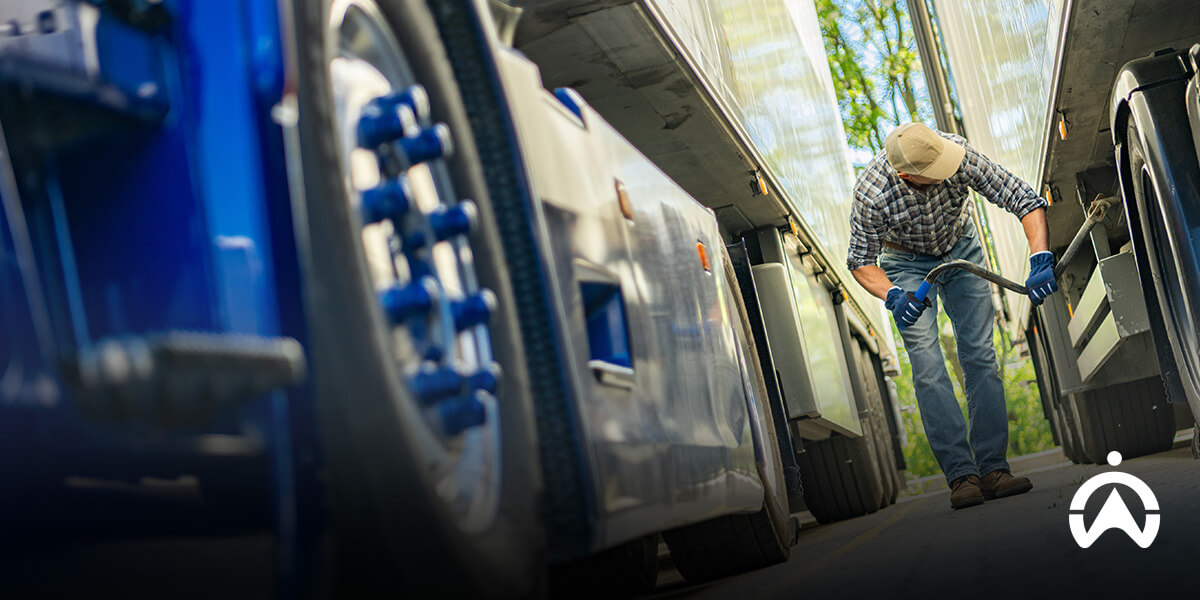
Mechanic inspecting truck undercarriage as part of fleet safety certification requirements and compliance checks.

Reduce accident rates

With a fleet safety certification course, you’ll better understand the amount of damage each accident can bring to your business. It breaks down things like liability, calculating the cost of repairs, and the cost of injuries. You’ll also know how to respond to accidents and develop a plan for such.

The courses also equip you with the skills to develop an accident reaction plan and teach you how to conduct accident investigations. You’ll also know what precautionary measures to take to reduce the chances of vehicle accidents.

Enforce driver accountability

The programme teaches you how to develop or implement safety and compliance policies. Through your training, you’ll be able to better explain the policies to your drivers so they know exactly what’s expected of them. This ensures your drivers are held responsible for their actions and know the consequences.

Better fleet maintenance

A fleet safety certification programme gives you all the tips and tricks for ensuring good vehicle health. You’ll learn the importance of preventive maintenance and better understand what you need to do. They’ll teach you things like tyre management, handling vehicle load limits, creating inspection checklists, and preventing road damage.

The information you’ll get from these courses will give you better fleet maintenance skills, resulting in a longer fleet lifespan and less downtime.

Reduce fleet running costs

By reducing the frequency of accidents and improving vehicle health, you’ll save on the overall fleet running costs. How? Reduced vehicle wear & tear means less fuel consumption, and fewer accidents result in lower insurance premiums.

Maintaining a good company reputation

Your drivers are your company’s frontline representatives, and how they behave directly affects the company’s image. The more your vehicles are involved in accidents, the less trust your clients will have in your services. Obtaining a fleet safety certificate means you’ll enforce a safety culture within the company, which will then translate into a good company reputation.

How can a fleet management system assist you with getting your fleet safety certification?

A fleet management system assists you with getting your fleet safety certification by equipping you with the technology that helps you monitor and assess the risks that come with running a fleet business. This makes meeting fleet safety requirements easier because you’ll have solutions that specifically focus on safety, like:

  • AI cameras
  • Driver behaviour reports
  • Predictive maintenance alerts

The practical assessments that are done when doing the course will be quicker to finish when you have a fleet management system. For example, they might ask you to create a detailed report about all the accidents that’ve occurred during a set period. With a fleet management system, this becomes an easy task, as all the information you need will be in one place.

You’ll understand your practicals better when you have the right technology at your fingertips. This also helps you complete the course in record time.

What Cartrack solutions help you with getting fleet safety certified?

The Cartrack solutions that help you get fleet safety certified are:

  • ADAS
  • Telematics reports
  • DID tags
  • Driver Scorecards
  • Driver coaching
  • Preventative Maintenance

Together, these solutions enhance your fleet’s overall safety and make completing your assignments easier, bringing you closer to earning your certificate.

Advanced Driver Assistance System (ADAS)

ADAS is a system that we provide to help you reduce the chances of accidents by enhancing driver awareness. The system consists of cameras, sensors, and artificial intelligence (AI) technology. Together they help your drivers avoid distractions that could lead to accidents, and also assist with things like lane departure and identifying blind spots.

For instance, if one of your drivers is texting while driving, the AI cameras will identify it as a distraction and then release a distinct alert so the driver can put the phone away and focus. At the same time, you’ll also receive a report of the incident, ensuring that you also address the matter. When you install our system in all your vehicles, you ensure that all drivers are safe and avoid accidents, saving you from the cost of downtime, repairs, and legal disputes.

Telemetrics reports

Through our telematics-powered GPS tracking units, you’ll get detailed reports of incidents where drivers are speeding, harshly cornering, harshly braking, or excessively accelerating. The reports will help you see the common risky driving habits that need to be addressed.

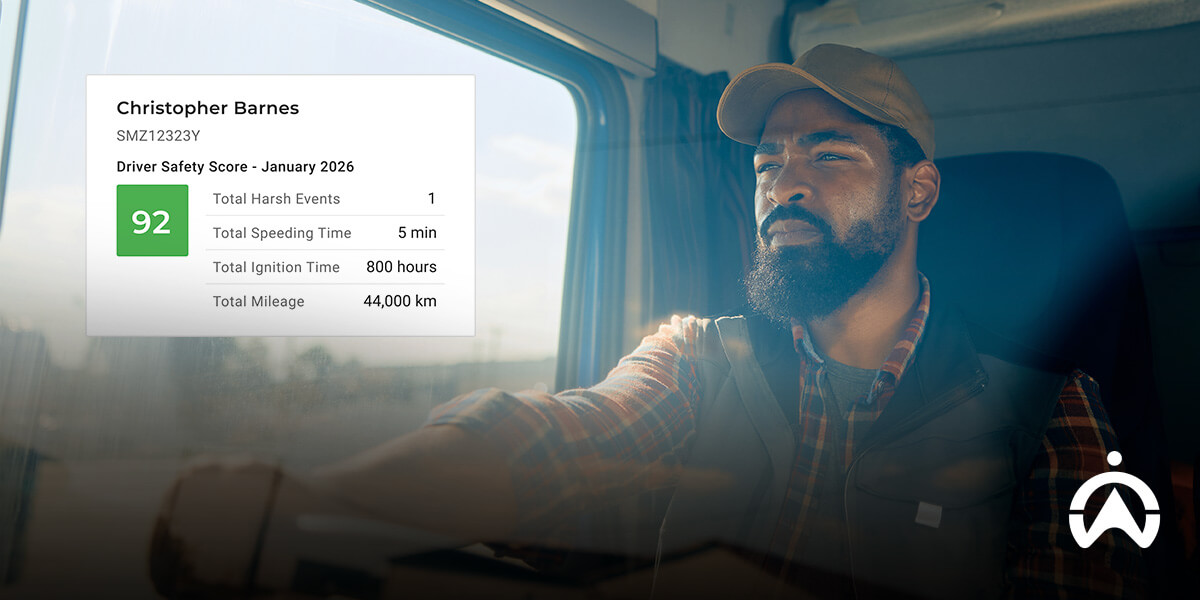
Driver viewing Cartrack safety score report on dashboard, supporting steps to become fleet safety certified.

DID tags

We’ve also got Driver Identification (DID) tags, which help you see exactly who’s driving which vehicle. You’ll assign a tag to each driver that’ll be linked to their identification number, and they’ll have to tag the vehicle every time they use it. If anything goes wrong, you’ll know exactly who did it and investigate the matter.

You can also prevent unauthorised vehicle use by choosing the “start prevent” option, which simply means the ignition won’t go on unless there’s a tag. You can also ensure that the tags are linked to specific vehicles so that only drivers who are licensed for that specific vehicle can use it. This further enhances safety and compliance, bringing you closer to being safety certified.

Coaching

Our Coaching platform is your solution to better training for fleet safety. This feature monitors all the risky events from each driver, like distractions and speeding violations. It shows you exactly how many times a driver repeated the same incident, and you can use this data for targeted coaching sessions. Coaches can save the outcomes of these sessions on the platform, so the next coach can see what was discussed with the driver in the last session and if there’s been any change.

Driver Scorecards

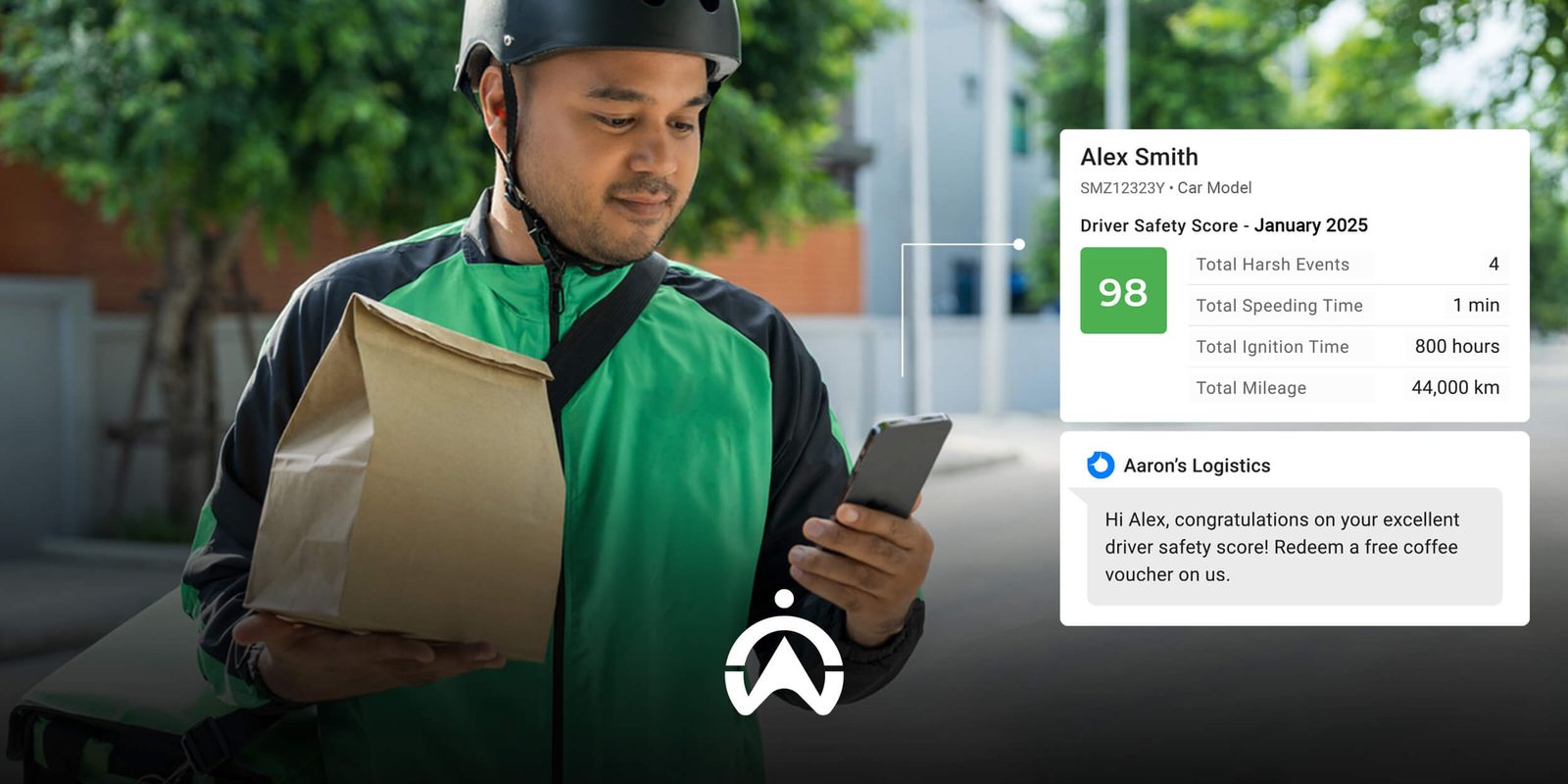
Another way to encourage safer driving is by motivating your drivers and giving them incentives for good behaviour. Our Driver Scorecards feature helps you better execute your incentive programme and shows you who needs to improve their driving. It rates each driver based on the number of violations they’ve committed. The driver with the highest rating will get recognition and incentives, and those who are not performing can be sent for more training.

Preventative maintenance

Since proactive maintenance is one of the things you’ll learn about in your fleet safety course, we’ll get you ready for it with our preventative maintenance solutions. Using our platform, you can create an inspection checklist that drivers can use to inspect vehicle components before and after their trips. You’ll immediately see the feedback and identify which parts need to be replaced.

Another solution that’ll help you see the difference proactive maintenance makes is our vehicle diagnostics. Our advanced technology can detect certain mechanical failures, like when there’s an issue with the engine. We’ll give you an early warning of such issues so you can quickly fix them before they cause a breakdown or an accident. This ensures your vehicles remain roadworthy and that you don’t get penalised.

You can also import each vehicle’s service records onto our platform, so we can give you timely reminders of upcoming service dates.

Bringing you closer to being fleet safety certified

With our solutions, you’ll be at an advantage once you start your fleet safety courses. You’ll have a better understanding of the importance of each topic, and you’ll easily implement what you learn through our fleet management system. So join us, and let’s help you enhance your fleet’s safety.

Frequently Asked Questions about fleet safety certification

How much does it cost to get fleet safety certification?

The price of fleet safety certification depends on the programme you take. Some institutions provide courses that cover everything fleet management-related and not just the safety aspect of things. You must research the various courses available and choose which one best suits your needs and budget.

How long does it take to get fleet safety certification?

Acquiring a fleet safety certificate can take you anywhere from a few days to several weeks. It depends on what they cover and how soon you’ll be able to complete the tests and assignments. With a fleet management system (like Cartrack’s) in place, you’ll be able to complete the course more quickly.

What technologies enhance fleet safety?

The technologies that enhance fleet safety, are AI cameras, sensors, and other IoT devices. Together, these technologies help drivers avoid accidents and help you monitor their driving habits. They ensure you have a safer fleet and less to worry about.

How to Stop Your Motorbike Drivers From Having Accidents

To stop bike drivers from having accidents, establish negligent driving habits and roll out effective strategies to improve business and driver safety. Motorbike riders rank among the most vulnerable on the roads because riders are a whole lot more exposed and at risk out on the roads than the average car driver.

In Malawi, motorcycle riders account for a significant share of road accidents and fatalities, largely due to the rapid growth of motorcycle taxis known as Kabaza. Between 2020 and 2023, Malawi recorded 4,566 motorcycle accidents, which resulted in 472 deaths. Road traffic accidents remain a top cause of deaths globally, with motorbike riders and vulnerable road users making up a significant share of these fatalities.

For fleet managers like yourselves, there’s a clear need for safety strategy and smart technology that anticipates risk rather than only reactive action. In this blog, we’ll look at useful steps and management techniques, as well as the role of fleet visibility tools provided by Cartrack that can help your business meet everyday safety objectives.

Practical ways to reduce motorbike accidents in your business

Practical ways to reduce motorbike accidents in your business include improving rider awareness & accountability, managing risk, and identifying risky driving patterns. Tackling the issues of negligence and accidents is all about a careful, consistent, step-by-step approach that solves the small issues before they turn into big ones.

Identify unsafe riding patterns early

Recognise those dangerous driving habits that are being repeated, including behaviours like consistent speeding and taking corners sharply. Nipping these habits in the bud, especially once they’ve turned into a pattern, lets you take proactive steps to avoid a costly reaction.

Rather act immediately and potentially save on time and expenses, than deal with the chaotic aftermath of an accident later.

Improve rider awareness and accountability

The most important thing to do is to approach corrective conversations and dialogue with coaching, not through punishment. This fosters better, more constructive growth among drivers and encourages them to quickly adopt safer driving habits. With recorded events and insights, you can also easily support your coaching efforts.

The key to maintaining safer habits is to do regular check-ins and coaching sessions when necessary.

Manage risk through smarter route planning

Smarter route planning involves preparing routes that avoid traffic congestion, high accident zones, and dangerous areas when possible to keep the drivers safe. This also eases the pressure of rushing deliveries, with drivers remaining realistic and prioritising safety without sacrificing efficiency.

motorbike driver doing deliveries

Why are motorbike drivers at higher risk of accidents?

Motorbike drivers are at a higher risk of accidents because of their job demands and generally limited visibility while on the roads. Vehicle drivers might not notice bikers that are on the road or in traffic, potentially leading to collisions or violations of right-of-way. Plus, the pressure to make timely deliveries tends to increase dangerous driving habits.

These are some of the unique risk factors:

  • Not being visible to other road users: Bikers are usually harder to see, especially because they’re operating a smaller vehicle, and can get caught in blind spots.
    ‍
  • Lack of physical protection: Bikers really don’t have much in the way of physical protection, especially for their bodies. This means that even the smallest accidents can cause significant damage.
    ‍
  • Urban delivery pressure and time constraints: Pressures to deliver on time, combined with congested routes, lead to bike drivers who perhaps feel like they need to take chances while on the road.

What are the most common causes of motorbike accidents in fleets?

The most common causes of motorbike accidents include factors like limited visibility and distracted driving.

Here are some of the most frequent explanations:

  • Speeding and aggressive manoeuvres: This is a result of the pressures of timely deliveries, meeting customer expectations, and ducking and diving through heavy traffic.
    ‍
  • Poor danger anticipation: This is because of blind spots and tricky, high-accident areas like four-way stops.
    ‍
  • Distraction and fatigue: This is because motorbike drivers typically work long hours; that, paired with intense pressure to deliver and meet growing customer demands, can lead to dangerous events.
    ‍
  • Poor route planning and unsafe delivery zones: These are the biggest contributing factors for motorbike riders finding themselves in very high-risk areas and situations.

What does defensive driving look like for motorbike riders?

Defensive driving for motorbike riders looks like always staying alert. Riders must ensure others can see them, and they must anticipate potential risks by scanning the road ahead, positioning themselves wisely in their lane, and maintaining a safe driving distance. Defensive driving for motorbike drivers is a unique strategy, because a two-wheel drive needs to tackle its own unique concepts.

These concepts include:

  • Space and escape routes: It’s always important that the motorbike driver keep 3-6 seconds between themself and the vehicle in front of them. A good trick is for them to pick a fixed object and start counting when the car ahead goes by. If they reach that object in less than 3 seconds, they’re too close or speeding.
    ‍
  • Anticipating driver blind spots: Motorbike drivers should always assume that they’re not clearly seen by other drivers, especially because they’re usually caught in vehicle driver blind spots.
    ‍
  • Reading traffic patterns early: Much like the first point, this is about your motorbike drivers staying aware and alert while on the roads. It’s important they slow down at turns or when trying to switch lanes, and avoid sudden movements to keep themselves and other drivers safe.

The motorbike safety triangle: Rider, route, and real-time visibility

The motorbike safety triangle relies on the 3 connected factors: rider, route, and real-time visibility. The chances of an accident increase when one of these factors breaks down. Motorbike fleets that combine these 3 factors ultimately move from reactive incident management and shift to a preventative safety strategy, lowering the chances of road dangers.

Safety should be an ever-evolving and dynamic system that values your business and riders, not a one-time session that fails to grow with you.

Let’s take a look:

  1. Rider: behaviour, skills, and decisions
    Motorbike riders are the biggest wild card when it comes to safety. It’s all about their awareness, reaction times, and ability to respond with a clear head in an emergency. The key with motorbike drivers is to nip bad driving habits in the bud. As a fleet manager, always focus on gentle guidance instead of harsh discipline.
    ‍
  1. Route: exposure to risk on the road
    In the end, it won’t matter how safe and skilled your motorbike drivers are if the routes they’re taking are not optimised for safety and efficiency. The risks that present themselves, including blind spots, traffic jams, and pressures to deliver on time, are all factors that increase the chances of an accident happening.
    ‍
    Carefully planning and maximising routes
     improves overall safety, keeping your motorbike riders much safer and helping them make better, wiser decisions throughout the day.
    ‍
  1. Real-time visibility: the insight that ties everything together
    Live and consistent visibility brings together rider behaviour with route risk, creating a simple, controllable system. Thanks to driver behavioural insights and standard data, you can identify patterns and problems early and intervene before they worsen. This is about ensuring fair accountability and offering informed support, not about helicopter managing.

How technology helps prevent accidents before they happen

Technology helps prevent accidents before they happen by giving you, the fleet manager, the ability to carefully monitor and collect insights into rider driving behaviours. These extensive insights allow you to enact preventative measures way before the accidents happen, protecting your riders rather than dealing with the fallout of an unfortunate and dangerous event.

Technology strongly supports a better safety environment rather than creating an imposing policing tool. Live GPS tracking features not only allow you to see where each motorbike and rider is at any time, but can also assist in route optimisation and task redirection if necessary. Decisions are made on the fly without pressure or uncertainty.

As previously mentioned, driver monitoring features give much-needed context to rider behaviours. Repeated dangerous habits can be quickly addressed through training and coaching—before they morph into something potentially fatal.

Compliance features can also have their hand in prevention through providing reliable information for investigations or insurance disputes. Plus, they foster a culture where safety expectations are clear and continually upheld.

motorbike driver ensuring timely deliveries with Cartrack route optimisation software

Motorbike safety without data vs motorbike safety WITH data

When looking at motorbike safety without data versus motorbike safety with data, you’ll clearly see that data is the key to achieving optimal safety—especially from a preventative angle. Without data, you’re left in the dark, relying on only what you see and learn after a dangerous incident has occurred.

Look at the comparison below to better understand how each approach differs:

Safety approach Without data With data
Risk visibility Blind spots, guesswork, and complaints after incidents Live insights into rider behaviour and road conditions
Driver habits Unknown until something goes wrong Early alerts for speeding, harsh braking, and other risky patterns
Intervention Reactive discipline after an accident Preventative coaching and improvements before incidents
Route planning Manual planning and higher exposure to congestion and danger zones Smart routing avoids hazardous areas and delivery pressure
Insurance and liability Limited evidence in disputes or claims Digital proof, incident reconstruction, and stronger defence

How Cartrack supports safer motorbike fleets

Cartrack supports safer motorbike fleets by offering the appropriate technology and tools to ensure you improve and maintain that safety. We gather the necessary insights, interpreting and transforming them into measurable feedback so you can gain better control across your fleet.

Our driver behaviour tools show you how your motorbike riders are behaving on the roads, keeping track of their habits and locations. This means you can keep an eye on their movements (and see if they’re travelling in and out of high-risk areas) while also checking if they’re driving aggressively. This fosters honest, fact-driven conversations and promotes safer habits without making assumptions.

Our insights regarding routes and their potential risks help your fleets reduce unnecessary exposure. By detecting gridlocked areas, areas that are high risk, and poor routes, Cartrack can lessen the pressure on your riders and help them to avoid accident-prone areas.

Finally, our comprehensive reporting brings data together in a simple and digestible format for you. Information that’s clear means that you can make better and more informed decisions while also strongly backing any changes and coaching methods you make going forward. And should an incident occur, you have the right, precise documentation in place to support insurance claims and investigations.

Through Cartrack, you can cultivate a working environment that embraces a supportive safety culture for your riders, steering clear of harsh control and micromanagement.

Final takeaway: Safety is a system, not a single rule

Preventing motorbike accidents isn’t about putting all your eggs in one basket and relying only on one policy. It involves the right behaviours from riders, careful planning from managers, and total visibility—all working together every day. With these multiple factors combined, risks will be identified sooner, and the number of accidents will decrease significantly.

Cartrack promotes safer and more responsible operations of motorbikes by supplying businesses with insights that help maintain control without the need for micromanagement. The result of this approach is a fleet that operates more safely and efficiently, and with increased accountability for both riders and managers.

Build a safer motorbike fleet for your business. Talk to our team and start reducing rider risk with proactive monitoring and alerts.

FAQs

Who is at fault in most motorcycle accidents?

It depends and typically varies, but it’s often other drivers who are at fault in most motorcycle accidents, only because they usually can’t see bike riders in their blind spots. This is why it’s important that motorbike riders make themselves visible to other drivers and observe the 3-6 second rule.

Can telematics reduce insurance costs for motorbike fleets?

Yes, telematics can reduce insurance costs for motorbike fleets by providing data that supports strong risk management and precise insights for reporting. Insurance providers typically favour fleets that display accountability and safety compliance. Reduced insurance isn’t guaranteed, though, and it’s always important to check with your provider.

What’s the biggest mistake businesses make when trying to improve motorbike safety?

The biggest mistake businesses make when trying to improve motorbike safety is approaching safety as a one-size-fits-all, one-time task. Safety’s an ongoing commitment that lasts over time. Skills can diminish, and that’s why riders ought to frequently update their knowledge and take opportunities to practise every safety measure.

How to Avoid Fatigue-Related Accidents

Fatigue is one of the most overlooked causes of road accidents. Motorists believe they are only at risk of crashing if they are distracted or are under the influence of alcohol, but exhaustion can be just as dangerous.

When drivers are drowsy, they have slower reaction times and impaired decision-making, which increases the likelihood of accidents. However, many underestimate their tiredness, leading to risky behaviours behind the wheel.

Today, we discuss ways to avoid fatigue-related accidents and explore how Cartrack solutions can help keep drivers safe.

In this blog, you will:

  • Learn ways to prevent fatigue-related accidents
  • Recognise signs and symptoms related to fatigue
  • Explore how Cartrack’s technology helps mitigate these accidents

Ways to Prevent Fatigue-Related Accidents

Driver fatigue can result in dire consequences. To avoid such situations, motorists must implement small changes to their daily routines, significantly reducing fatigue. In this section, we’ll explore simple strategies to prevent these accidents from occurring.

Get Sufficient Rest Before Driving

Adults need approximately 7 to 8 hours of sleep to function optimally throughout the day. When well-rested, you are more alert, have high concentration levels, and can make better decisions. However, it’s more than just about the quantity of sleep; it’s also about the quality.
Here are seven tips to help enhance your quality of sleep:

  1. Only take naps that last for 20-30 minutes during the day to avoid disturbing your nighttime sleep cycle.
  2. Make sure your bedroom is at the right temperature and dark enough.
  3. Avoid using your phone and watching TV at least two hours before bedtime.
  4. Exercise regularly.
  5. Invest in a comfortable mattress and pillow.
  6. Avoid eating heavy meals, drinking caffeine, and smoking before bed.
  7. Have a set bedtime schedule.

It’s important to ensure that your drivers are not showing any signs of exhaustion before they hit the road. Always plan trips ahead to allow them to get adequate rest and prepare themselves for the trip.

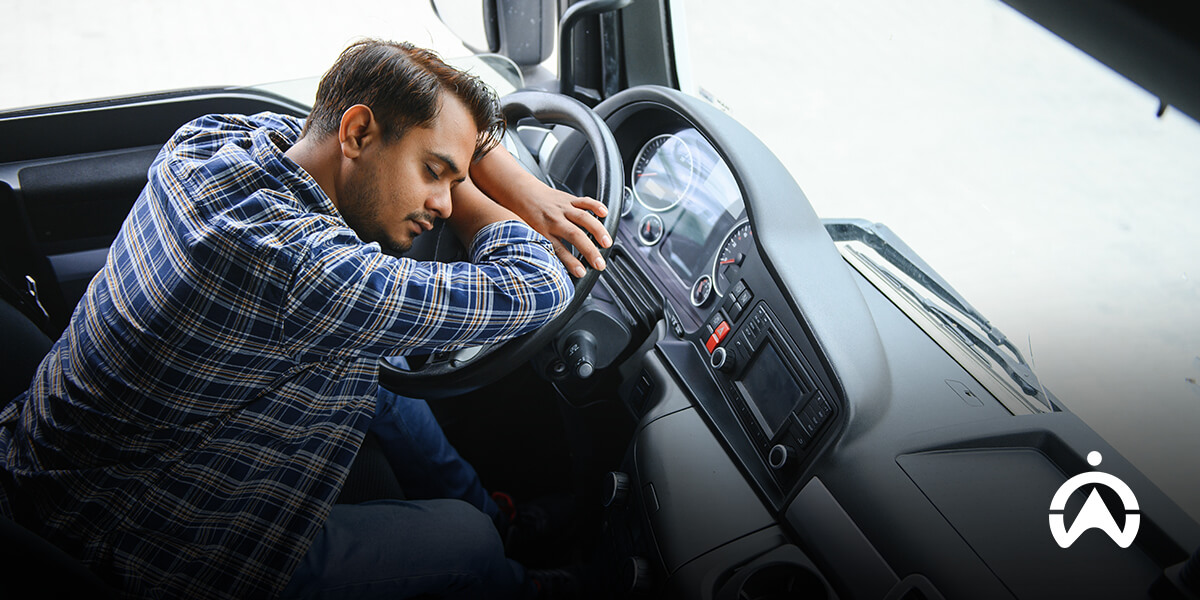
A driver rests his head on the steering wheel of a truck, showing signs of fatigue inside the vehicle's cabin.

Take Regular Breaks During Long Drives

Sitting for extended periods can reduce blood circulation and cause backaches, leg cramps, and drowsiness. To prevent this, drivers must take short breaks every two hours, allowing them to stretch their muscles and refresh their minds.

These short breaks must be at designated rest areas, so fleet managers need to include these rest areas when planning routes. This helps drivers stay refreshed and alert throughout the journey.

Share Driving Responsibilities When Possible

Consider driving with companions to help keep you alert through conversation. If they can drive, share driving responsibilities to help reduce fatigue.

This also applies to fleet drivers; having two drivers share a long trip can significantly reduce driver fatigue. Taking turns ensures that each driver is well-rested and alert, which makes the journey safer and more comfortable for everyone.

Stay Hydrated and Eat Light

Your eating habits contribute to road safety, especially if you spend hours behind the wheel. Choosing healthy snacks while on the road can help maintain focus and alertness. All you have to do is replace highly processed and greasy foods with nutrient-rich options for long-lasting energy.

Pack a cooler filled with fresh fruits and light snacks such as grapes, bananas, nuts, and cheese. Remember, eating behind the steering wheel can be dangerous. To minimise distractions, consume meals and snacks only during breaks and not while driving.

Carry a water bottle to stay hydrated throughout the trip. Dehydration can cause your muscles to feel tired and not function to the best of their ability due to the imbalance of salts in the body. This will ultimately affect driving ability and may result in accidents.

Avoid Driving During Peak Fatigue Times

Avoid driving during times when your body is naturally tired and ready to sleep, such as at midnight or in the wee hours of the morning.

Fleet managers, as much as possible, plan trips during the day, since the body is naturally more alert at those times. This simple adjustment can significantly reduce the risk of accidents caused by fatigue.

Key Signs of Fatigue That Could Lead to Road Accidents

Fatigue can affect one’s physical, mental, and cognitive abilities, making it difficult to respond quickly to changing conditions. Recognising the signs and symptoms can help both individual and fleet drivers significantly reduce the risk of road accidents.

Spot Physical Signs

A fatigued person may experience symptoms such as muscle weakness, slowed reflexes, sore muscles, headaches, blurry vision, and dizziness. If these symptoms show before your trip, it’s best to delay and get the rest you need. If these signs appear while driving, take breaks and stay hydrated to maintain alertness.

Identify Mental and Cognitive Changes

Fatigue can affect your mind, meaning you might have difficulty concentrating, may be forgetful, making it harder to process what’s happening on the road. If you find yourself missing exits, struggling to stay focused, or reacting more slowly than usual, your ability to make quick and safe decisions is compromised. When these signs appear, it’s crucial to pull over or switch drivers to prevent accidents.

Detect Risky Driving Behaviours

If a motorist is drifting between lanes, tailgating, or responding slowly to traffic signals, it means they are experiencing dangerous fatigue levels. Such behaviours indicate that they are not alert, which increases the risk of accidents. If you find yourself engaging in any of these actions, you need to find a safe space to pull over and rest before continuing your drive.

The Role of Fleet Managers in Combating Fatigue-Related Accidents

While drivers are responsible for getting enough rest and following the above-mentioned tips to combat fatigue, fleet managers also play a crucial role in preventing these accidents from happening. Here’s how:

  • Monitor driver hours: Fleet operators can use telematics to track and monitor driving hours. Investing in fleet management solutions will help them know which driver is on duty and for how many hours. This not only benefits businesses to comply with labour regulations, but will also ensure that drivers are not overworked.
    ‍
  • Enforce mandatory rest breaks: Sometimes drivers can insist on taking overtime, possibly due to financial reasons, however, managers must have rules surrounding this. They must ensure that drivers get some mandatory time off to rest.
    ‍
  • Plan efficient routes: Choosing quicker and less traffic-congested roads helps reduce driving hours, minimising fatigue.
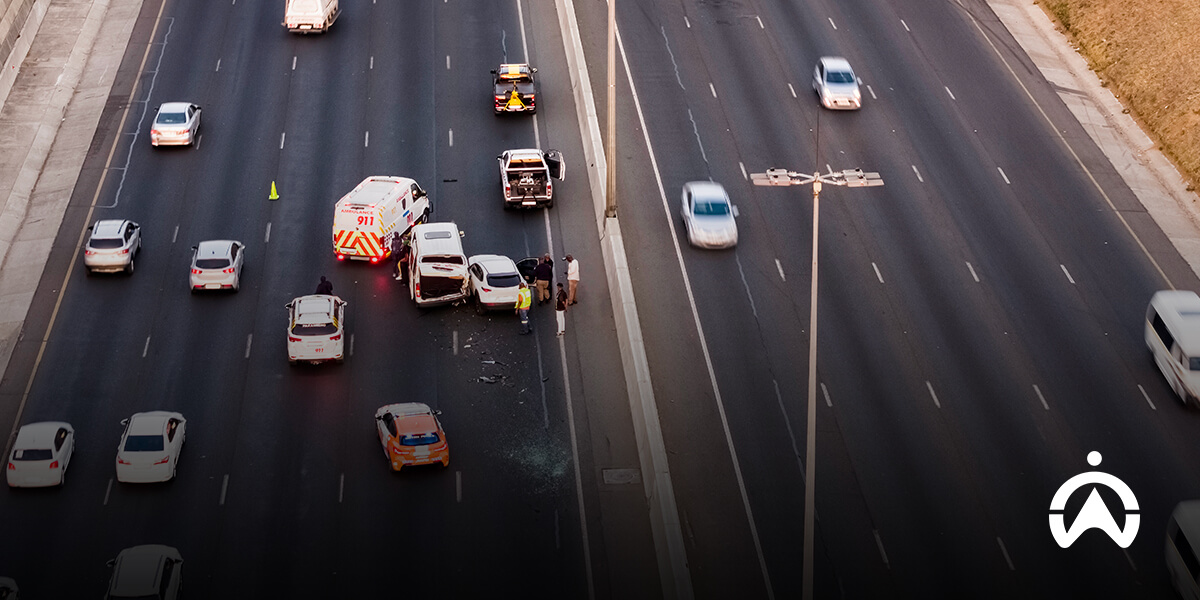
Emergency responders assist at a multi-car accident on a busy highway, with damaged vehicles and a police presence visible.

How Cartrack Helps Reduce Fatigue-Related Fleet Accidents

Cartrack has a wide range of products and solutions that help ensure driver safety and minimise fatigue-related accidents. Through the use of telematics and advanced technology, our systems significantly contribute to safer roads.

AI-Powered Cameras

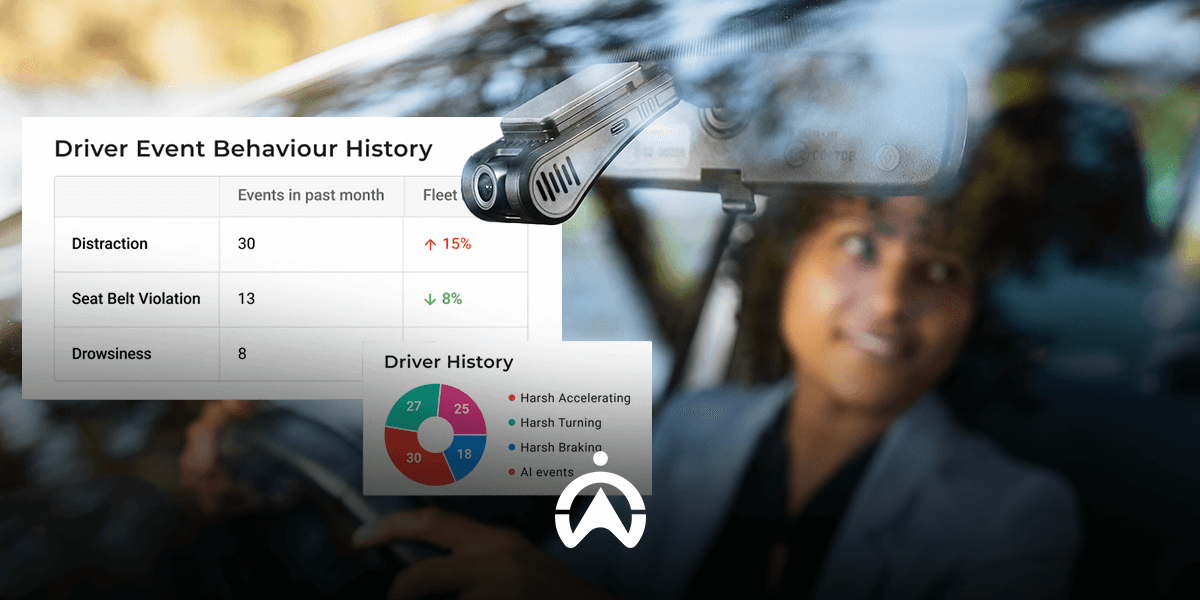
Our dual-vision AI camera solutions can detect signs of fatigue, such as yawning, and track the position and orientation of the driver’s head. If these events are detected, the driver will immediately receive audible in-cabin alerts, prompting them to self-correct and prevent accidents.

Fleet managers can review recorded footage to provide coaching and support. This allows them to address any violations and offer the necessary training to ensure drivers remain alert and safe on the road.

Advanced Driver Assistance System (ADAS)

ADAS uses camera-based sensors and AI technology to enhance driver awareness and prevent accidents. This system alerts drivers to potential hazards, which improves driver safety.

Cartrack’s ADAS solutions include a variety of advanced features, such as:

  • ‍Forward Collision Warning: Alerts drivers when their vehicle gets too close to another vehicle or obstacle. This helps prevent potential collisions.
    ‍
  • ‍Blind Spot Detection: Warns motorists of vehicles in their blind spots, reducing the risk of lane-changing accidents.
    ‍
  • ‍Automatic Emergency Braking: Detects possible collisions and applies the brakes automatically to reduce the impact or avoid a collision altogether.

Driver ID Tags

A driver ID tag is a small electronic device that allows fleet managers to identify exactly which driver is operating a vehicle at any given time. This gives them complete control over their drivers and fleet by tracking vehicle usage, monitoring driver behaviour, and ensuring only authorised drivers are behind the wheel.

These tags provide automated logs of working hours, helping fleet managers comply with labour regulations and prevent driver fatigue by enforcing rest periods. According to the Basic Conditions of Employment Act (BCEA) of Malawi, normal working hours are limited to 48 hours per week, excluding lunch breaks. Any additional hours require an overtime agreement. By monitoring working hours, driver ID tags help prevent fatigue and enhance road safety.

Route Optimisation

Cartrack’s fleet management software allows fleet operators to optimise routes. This not only ensures timely deliveries since the routes will be quicker and shorter, but it also ensures that drivers do not spend longer periods on the road.

In conclusion, fatigue is a serious yet underestimated factor in road accidents. By prioritising sufficient rest, taking regular breaks while driving, and leading a healthy lifestyle, motorists can reduce the risks of fatigue related accidents. Cartrack’s advanced solutions, such as AI-powered cameras, real-time monitoring, and route optimisation play a crucial role in helping them stay safe. Using these tools can benefit both individual and fleet drivers to effectively manage fatigue and improve overall road safety.

Contact us today to explore ways Cartrack’s solutions can help you stay safe on the road.

Frequently Asked Questions about Driver Fatigue

Q: Does fatigue only affect long-distance drivers?

A: No, fatigue affects all motorists, including those who drive short distances.

Q: How do sleep disorders like sleep apnoea contribute to fatigue while driving?

A: Disorders such as sleep apnoea can disrupt sleep cycles, leading to chronic sleep deprivation. Motorists with untreated sleep disorders may feel extremely tired during the day, which affects their driving performance. This means they are more susceptible to drowsy driving accidents.

Q: Can I rely on caffeine to stay awake while driving?

A: Caffeine can temporarily increase alertness; however, it should not be relied upon as a long-term solution for managing fatigue. Once its effects wear off, your body may experience a crash, which could cause even greater fatigue. The best solution is to rest and take breaks rather than relying on stimulants.

Q: Can taking over-the-counter medications cause fatigue and affect driving?

A: Yes, many over-the-counter medications, especially those for allergies or colds, can cause drowsiness as a side effect. Motorists should read medication labels and avoid driving if the medication may impair their alertness or reaction time. It is also best to notify your fleet manager if you are on any medication that may interfere with driving.

Q: Can the weather contribute to driver fatigue?

A: Driving in harsh weather conditions such as snow, heavy rainfall, or high heat requires more concentration and can cause stress or discomfort, leading to increased fatigue.

Q: Can stress contribute to driver fatigue?

A: Yes, high levels of stress can negatively affect a person’s sleeping patterns, resulting in fatigue.

Q: Can I play loud music to increase my alertness?

A: Playing loud music can temporarily make you alert, but it is not a reliable solution to deal with fatigue.

How to Avoid Driving Mistakes

Speeding through traffic, skipping red lights, and not following road rules, are just a few bad driving behaviours that can be seen on Malawi roads. These happen everywhere, from city centres to rural areas, affecting both motorists and pedestrians.

Witnessing driving mistakes has now become a regular part of our daily commutes, with minor to major infringements occurring daily.

If we want safer roads for all, then we need to learn how to avoid making these driving errors. Luckily, we have put together common mistakes drivers make and how you can avoid them with the help of Cartrack’s solutions.

In this article, you will:

  • Common driving mistakes and how to avoid them
  • How much these mistakes will cost you
  • How Cartrack can help you avoid making these mistakes

Common Driving Mistakes and How to Avoid Them

Driving in Malawi can sometimes feel like an Olympic sport or Grand Theft Auto video game experience, with all the unexpected road violations from drivers and pedestrians.

Driving mistakes remain the common thread connecting all crashes. Some of these mistakes are more frequent than others, with varying degrees of consequences for each. Let us have a look at the driving mistakes our fellow drivers make on the roads.

Driving Under the Influence

Malawi has a high incidence of drunk driving, especially during weekends and public holidays. We all know somebody who has been pulled over for driving under the influence and have seen many reports of drunk drivers on the road in the news and on social media. In some cases, we have had to spend a night in jail for this offence, due to our own alcohol consumption.

We all know that alcohol consumption impairs judgment and reaction times and sometimes leads to accidents and fatalities. This is mostly because some of us misjudge our tolerance and believe one or two more drinks won’t affect us.

The best thing to do to avoid this mistake is to always have a designated sober driver or to make use of e-hailing services when going out for drinks.

Running Red Lights and Stop Signs

If you have ever found yourself in a big city rush hour, then you have come across someone running a red light or stop sign. From drivers of sports cars to SUVs, you can expect to see a range of people committing this traffic violation. This is such a prevalent issue that you are bound to encounter this in the city, the suburbs, rural areas, at night, midday and at any busy intersection.

Rushing through intersections is a major cause of accidents and pedestrian injury. The best way to deal with this problem is by always approaching intersections with caution, anticipating light changes and staying focused on the road.

Speeding

Having a car that’s capable of reaching 200km/h may be enticing to some drivers, but it is illegal, with the highest legal speed limit being 100km/hr. We all know this, but many still choose to speed.

Speeding leads to accidents and fatalities. This is especially true on highways or in rural areas, where drivers feel there will be no recourse for their actions. Another reason is that the road infrastructure can be unpredictable in some areas, making speeding even more dangerous.

Misjudging Safe Overtaking

Overtaking other cars on the road is a common occurrence; it is one of the few legal things we are allowed to do. The unfortunate part is that, like all good things, we take it too far and ruin it for everyone else.

How many times have we been on the road and seen someone get impatient with the driver ahead of them, overtaking in a huff without regard for other motorists on the road? Misjudging safe overtaking is very risky and can lead to head-on collisions.

To avoid this mistake, you will need to check all your mirrors and blindspots before overtaking, while cognisant of speed limits and other vehicles.

Failing to Yield

With power outage always a possibility and random outages happening across the nation, we have come to expect traffic lights that don’t work. This has made every intersection a de facto four-way stop, where we have to follow a first come, first go honour system.

This system requires drivers to yield and give the right of way to the appropriate car. Sadly, this does not happen often, with some people driving across roads before their turn.

Misjudging right of way at intersections or roundabouts causes confusion and accidents; to avoid this, drivers need to be patient and follow road rules. They will need to be attentive to what is going on around them and when they are next in line.

Not Checking Blind Spots

This is a common mistake, especially for new drivers. Not having the full line of sight in all areas that mirrors provide is very dangerous as it puts the driver at risk of hitting other cars. Another disadvantage of making this mistake is that it puts the driver at risk of hijackings or smash and grabs since they will not be able to see and react in time.

The solution here is practice, practice, practice. That is the best way to get comfortable with using and checking car mirrors and blind spots regularly.

Not Using Indicators

Changing lanes can sometimes be a treacherous experience, having to coordinate the lane change with the best opportunity, coupled with the generosity of the driver in that respective lane. This situation is made more fraught when the vehicle changing lanes does not indicate its intention to do so.

This is a common mistake, and it often leads to confusion on the road and some mild road rage and colourful language use. To avoid making this mistake, drivers need to be analytical of the situation on the road and make lane switches when it is clearest, instead of at the most opportune moment. This will give you time to consider your actions and use the indicator.

Tailgating

Due to the often-heavy traffic and impatience on Malawi roads, drivers frequently tailgate. This is when a car drives too closely to another without leaving a sufficient following distance. This increases the likelihood of a collision if the car in front were to stop suddenly. We see this often during rush hour, especially in the afternoons when commuters are making their way home.

Some cars have sensors that detect when another vehicle is too close to them. This helps avoid this mistake, but for people whose cars do not have this feature, the only way is to observe the mandated following distance. The best way to know if you are within a safe distance is if you can see the bottom of the tyres of the car ahead of you.

Driving While Fatigued

Long-distance travel is common in Malawi, with many people taking cross-country trips for holidays and family visits. With long trips, many drivers often underestimate the dangers of driving while tired, particularly on long highways like the M1 highway or M5 highway. They become too focused on completing the journey and don’t notice how fatigued they’re getting.

The best way to avoid this is by taking breaks every 3 hours to recuperate or by exchanging driving duties when on the road with someone else.

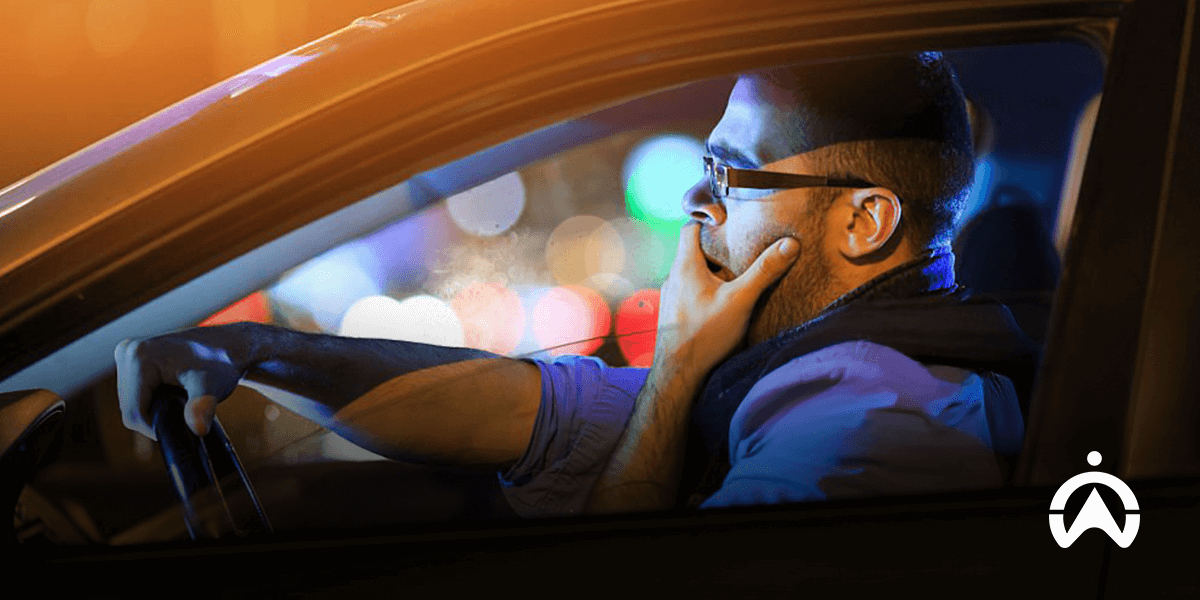
A weary man in a car yawns, illuminated by colorful city lights, conveying tiredness and late-night driving.

Overcorrecting or Jerky Steering

There are many reasons to stay vigilant on the roads in Malawi, from wayward pedestrians to unexpected potholes. Some drivers often overreact to these scenarios, making sudden decisions on the road. Sudden steering or overcorrecting affects other drivers on the road who are then forced to make immediate decisions due to the unexpected nature of this driving error.

Let’s be real, potholes are not going anywhere any time soon and we all know that. The best we can do is drive carefully and make sure we are observant of the roads we are on, especially at night. By doing this, we can reduce the number of times that we are forced into sudden situations where we have to make rash decisions.

How Driving Mistakes Will Cost You

Driving badly on the roads has many consequences that will affect you, both in the short term and the long run. Some of the mistakes made above may seem minor and inconsequential but there are real-world effects and ramifications, let’s see what some of them are.

Legal Consequences

All drivers know that violating road rules leads to fines when caught in the act. What some may not know is how high some of these fines can be. Here is a list of some fines for typical traffic violations:

Fines and Penalties

VIOLATION PENALTY
Reckless driving and driving under the influence
Using a Mobile Phone While Driving MWK 10,000
Negligent driving MWK 5,000
Driving under the influence MWK  20,000- 200,000
Road traffic signs
Failure to obey a traffic sign MWK 20,000
Driving on a sidewalk MWK 20,000
Speeding over limit
10 km/h to 15 km/h MWK 10,000
15 km/h to 20 km/h MWK 15,000
20 km/h to 30 km/h MWK 20,000
35 km/h to 40 km/h MWK 35,000
Passenger Offenses
A driver failing to yield right of way to pedestrian MWK 50,000
Failure to wear a seat belt MWK 5,000
Motorcycle: Riding without protective gear (helmet and reflective jacket) MWK  15,000

Financial Implications

Another way in which driving mistakes can cost you as a driver is financially. Repairs, buying a new vehicle, and increased insurance premiums are unexpected expenses that you will have to deal with.

Fixing minor dents in a car starts at KSH 3,000 and can go well above KSH 15,000. This number can be in the tens of thousands should there be significant damage, especially if the vehicle is from a premium brand.

These financial costs are magnified especially when the car has been written off. Some insurance providers will not pay off the full amount without an excess being paid, which can sometimes be very high. In other cases, the amount received does not match the value of the vehicle and is not enough to purchase a new one.

Risk to Personal Safety

The loss of human life is the one outcome all drivers fear when getting into an accident, whether it be their own life, those they care about or strangers. If convicted, a driver can face up to life in prison for the wrongful death of another motorist or pedestrian. This is compounded by the grief and emotional trauma it will cause to the families of the deceased.

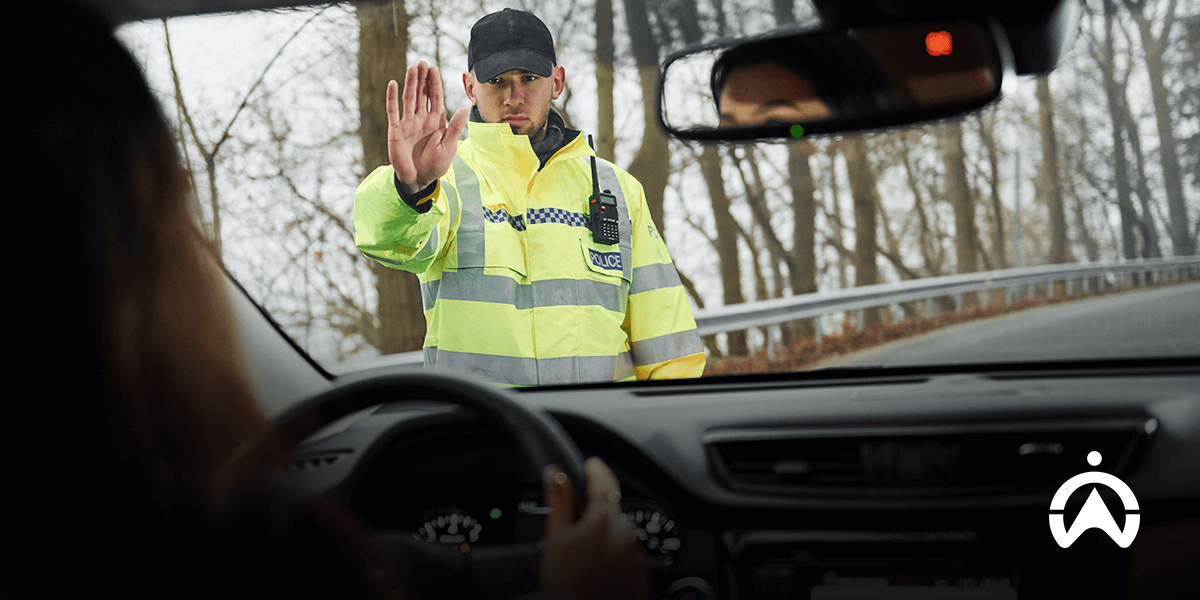
A police officer in a bright yellow jacket signals a stop to a vehicle from the roadside, surrounded by wooded scenery.

How Cartrack Can Help You Avoid Making Driving Mistakes

Driving mistakes are a big problem, but fortunately, they can be addressed. Cartrack provides some solutions to the problems that drivers face on the road. These solutions can help drivers make better decisions and have the tools necessary in the case of an accident.

Here are some solutions that can assist drivers:

Crash Detection

Cartrack has crash detection technology that comes as a value-added service. With this technology, a car is fitted with sensors that detect impact or collisions. This allows them to send alerts to the control room, which will contact the driver to ascertain the severity of the situation.

Emergency Assistance

Cartrack Protector is a feature that clients can take on, it allows them to receive emergency assistance in the case of an accident or other misfortune on the road. This can range from ambulances, roadside assistance, tyre replacements and towing. Terms and conditions apply.

Driving Analytics

With the Cartrack mobile app, drivers can see analytics of how well they drive. The app tracks and reports on driving events such as harsh braking, harsh turning, and speeding to name a few. This allows drivers to see where they are making mistakes and understand where they need to improve.

Dashcams

When accidents occur, it can be hard to prove who was in the wrong. Luckily, we have dashcams that you can install as part of your vehicle tracking package. These will record all the journeys you take and provide proof should any roadside altercation occur. This is useful for insurance and legal purposes.

We all make mistakes every once in a while when on the road, it is human nature, after all, but what’s important is what we do about it. Putting precautions in place to mitigate these odds is the best way forward, and with Cartrack at your side, this is easier to accomplish.

Get the best in vehicle tracking and stolen vehicle recovery from a provider with an average of over 90% recovery rate, contact us to learn more about how we can make driving safer for y

Keyless Car Theft – Which Keyless Cars Are the Most Stolen Now?

Keyless cars provide an easy, breezy lifestyle. Gone are the days of having to insert keys or press key remotes to access and drive vehicles. While this sounds appealing, unfortunately, the keyless system can and is being easily hacked by car thieves.

But don’t worry, there’s technology out there designed to outsmart criminals and protect your vehicle.

Let’s get straight into it.

In this article, you will:

  • Explore keyless entry systems and the vulnerabilities that lead to theft
  • Identify common hacking tactics used by criminals for keyless car theft
  • Understand the most targeted keyless cars and factors influencing risk
  • Discover prevention measures to protect your keyless entry car
  • Explore the tools and technologies offered by Cartrack Malawi to combat keyless car theft

Keyless entry cars? Let me explain

Imagine strolling up to your car with no jingling keys in hand, touching the door handle and voila — your door magically unlocks.

Welcome to the world of keyless cars, where simply having your car key in your pocket or using an app is all you need to gain seamless access to your vehicle.

Most of us still remember the days of having to insert and turn an actual metal car key into a vehicle’s door to unlock it. Sounds pretty old-school when you put it like that, but those days are gone. Today, you can open and start most cars with a key fob, card, or even an app.

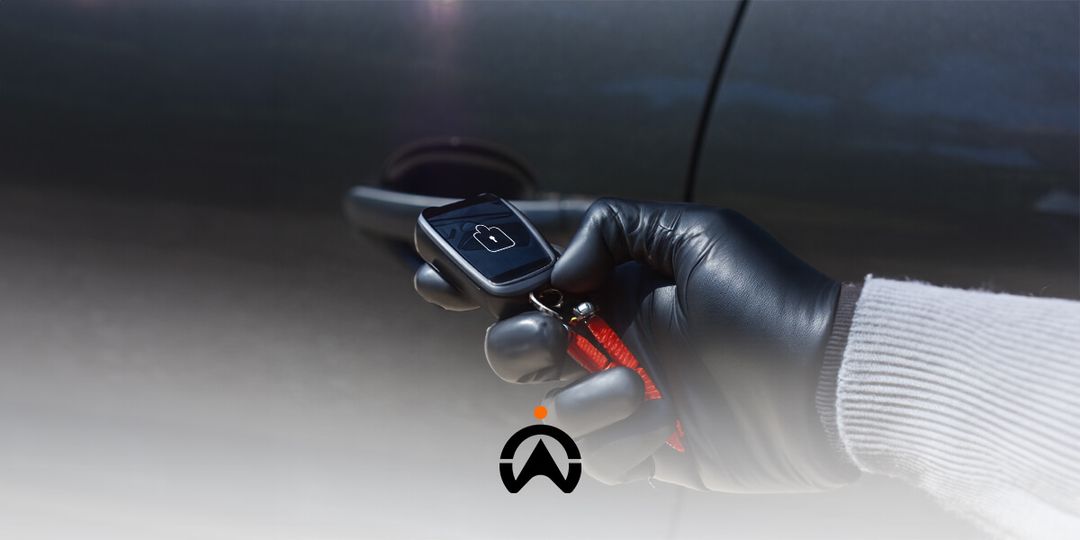
Modern vehicles have moved from the conventional, bulky key to a compact, advanced fob. This fob emits a unique signal that the car identifies when nearby and unlocks or locks the doors, giving you hassle-free access to the vehicle and allowing you to start the engine with a simple push of a button and be on your way.

It’s convenient, futuristic, and can sometimes feel like magic.

What is keyless car theft?

Sometimes magic comes at a cost. While car theft might conjure images of smashed windows and hotwiring, a modern method has emerged: keyless car theft. This sophisticated technique exploits vulnerabilities in keyless entry systems, allowing thieves to steal vehicles without breaking a sweat.

Common hacking tactics used for keyless cars

While keyless cars offer convenience, their advanced technology can also make them vulnerable to sophisticated criminals.

Understanding common hacking tactics is crucial to protecting your vehicle and outsmarting criminals who seek to exploit its vulnerabilities.

1. Relay/replay theft:

Criminals use relay devices to amplify and capture the key fob signal, even inside the owner’s home.

Steps:

  • One thief holds a device near the car, mimicking its signal.
    ‍
  • The other thief holds a device near the key fob (often near your home), relaying the signal to the car.
    ‍
  • The car is tricked into thinking the key fob is nearby, allowing the thieves to unlock and start it.

2. Signal jamming:

Imagine a radio tuned to static, not music. That’s what jamming does. Thieves use signal jammers to block communication between the key fob and the car, preventing it from locking and leaving the car vulnerable to theft.

The big question: Which are the most targeted keyless cars?

While any car with a keyless entry system can be of interest, some are more targeted than others. Factors like the security protocols of the specific system, the complexity of the signal encryption, and the availability of aftermarket equipment for specific manufacturers can influence the risk.

In recent years, carjackings in Malawi have been slowly increasing.

While the reported hijackings prove motorists should be fearful of their keyless vehicles being stolen, the numbers don’t specifically show how many of the cars were keyless entry vehicles.

Which_are_the_ most_targeted_keyless_cars

Are keyless cars stolen more?

There has been a surge in keyless car theft since 2022, and slowly but surely, more modern keyless cars are on the road than there are conventional key cars. But besides the vehicle being a keyless car, there are other factors criminals consider before hijacking vehicles.

Other vehicle types that are most at risk are:

High-value vehicle targets:

  • Luxury SUVs: These plush rides often come equipped with the latest technology, including high-end keyless entry systems. Their value and popularity make them tempting targets for professional thieves.
    ‍
  • Premium hatchbacks: Combining sporty performance with modern tech, popular hot hatches are attractive to a wider range of criminals, from joyriders to professional thieves.
    ‍
  • Full-size sedans: Spacious and luxurious, these often family-friendly vehicles can be attractive targets for organised crime rings, especially models with advanced keyless features.

Additional vulnerability factors:

  • Push-to-start ignition: Vehicles with push-button start systems are generally more vulnerable than ones requiring a key, as simply unlocking the car grants access to the ignition.
    ‍
  • Car model/era: Generally, newer models with more advanced keyless systems are less vulnerable and certain older models still on the road may have known security flaws exploited by thieves. However, the more advanced vehicles are the ones that are sought after, despite having higher security protocols like alarms and car trackers.
    ‍
  • Popularity: Cars that are in high demand from thieves due to their resale value or ease of dismantling parts are more likely to be targeted.

Hijacking can be a dangerous and traumatic experience for the victims. If your vehicle falls under the factors listed above, there are a few things you can do to make yourself less of a target:

  • Install an alarm system and tracking device
    ‍
  • Avoid driving in high-crime areas
    ‍
  • Be aware of your surroundings and take precautions to avoid being targeted

Why get keyless vehicles?

Like any vehicle, keyless cars can’t guarantee 100% security from car thieves, but they are still gaining popularity among motorists. Why? Well, there are several reasons:

Convenience

No more standing by your vehicle while digging through your pockets and bags for your keys. Keyless cars offer a seamless and secure experience with effortless entry, push-button starts, and remote trunk access. This not only makes life smoother but also ensures added safety, sparing you from vulnerability, especially for those juggling groceries and kids.

Security

With automatic locking and potential alerts if your car moves without the fob, keyless cars provide an added layer of security. All keyless cars have advanced technology that makes them resistant to traditional theft methods like manually jamming the window down with a wire to lift the door locking knob or breaking the door to get inside and sparking the wires to start the car.

Modernity

Owning a keyless car feels like stepping into the future, with features like remote trunk access and walk-away locking adding a touch of modern ease to everyday driving.

Besides criminals copying the fob and running off with your ride, other aspects can leave your car vulnerable, like a lost or dead fob. This can leave you stranded, unable to lock your vehicle after parking and leave it unprotected if it’s unable to lock. Always have a backup plan or spare fob handy.

Prevention measures to protect your keyless entry car

Before we dive into the list of security measures you can take to protect your car, let’s quickly look at a vital one you can practise before you even leave your car.

When stepping away, don’t just rely on your vehicle automatically locking behind you, always manually check if your vehicle has locked. If not, lock it manually, then scan the immediate area for anyone hanging around.

Here are other protection methods you can use to protect your vehicles against car theft:

  • Steering wheel locks: Physical deterrents can prevent theft even if the keyless system is compromised.
  • Car alarms and tracking devices: Install aftermarket security systems for added protection.
  • Distance your keys from your car: When at home, keep your car key (and the spare) away from the car, doors, and windows. Another option is to turn off the signal on your key fob. If you don’t know whether your key’s signal can switch off or not, search through your vehicle’s manual for the answer.
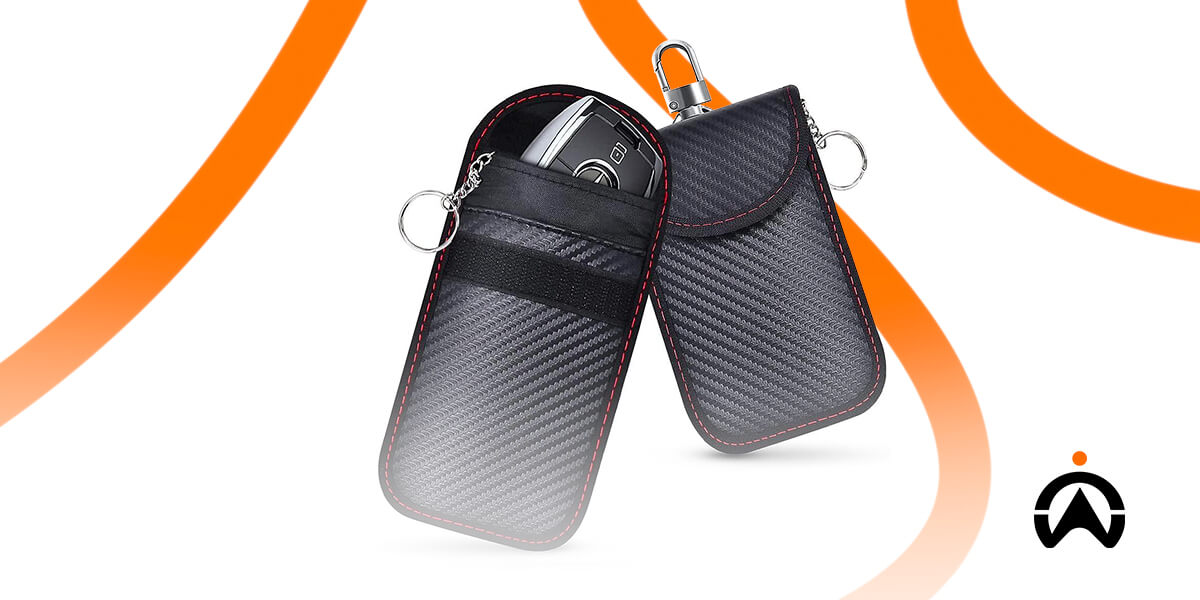
  • Faraday pouches/signal blockers: Invest in signal-blocking pouches or Faraday cages to prevent your key fob from transmitting a signal when not in use.
  • Physical barriers: Keep your car keys in a metal tin or aluminium foil to create a barrier that blocks electronic signals.
  • Consider additional security measures: Install aftermarket alarms, immobilisers, or GPS tracking devices for extra protection.
Prevention_measures_to_protect_your_keyless_entry_car

How Cartrack Malawi helps businesses and everyday motorists combat keyless car theft

While traditional methods like alarms and steering wheel locks still have their place in vehicle theft prevention, when it comes to fleets, fleet management solutions and trusted vehicle tracking companies like Cartrack Malawi offer a more powerful counterpunch against modern vehicle theft techniques.

Cartrack’s anti-theft solutions for fleets

  1. Real-time tracking: Imagine your car disappears. Panic sets in, replaced by immediate action as you access Cartrack’s fleet management platform. A map illuminates, pinpointing your stolen vehicle in real-time, its every twist and turn is clear to see. This is the power of real-time tracking, guiding our 24-hour recovery team directly to your stolen vehicle.
    ‍
  2. Geofencing: Build a virtual fort surrounding any area, such as high-risk zones, to help counter vehicle theft. Every time your vehicles enter or exit these geofenced areas, it triggers an alarm, alerting you to quickly inform authorities of potential theft before the thieves vanish with your vehicle.
    ‍
  3. Driver ID Tag: Equip each authorised driver with a unique tag that requires them to tap on a sensor to start the vehicle. This swiftly informs the manager of which driver is behind the wheel of their vehicles, ensuring vehicle safety, accountability and transparency.
    ‍
  4. Start Prevent: Be able to disable and enable a vehicle through the fleet management interface. The vehicle immobilisation will activate only when the ignition is off, ensuring safety for both the vehicle and the driver, as there’s no abrupt halt. This feature provides a safe security measure whenever vehicle theft or unauthorised driving occurs.
    ‍
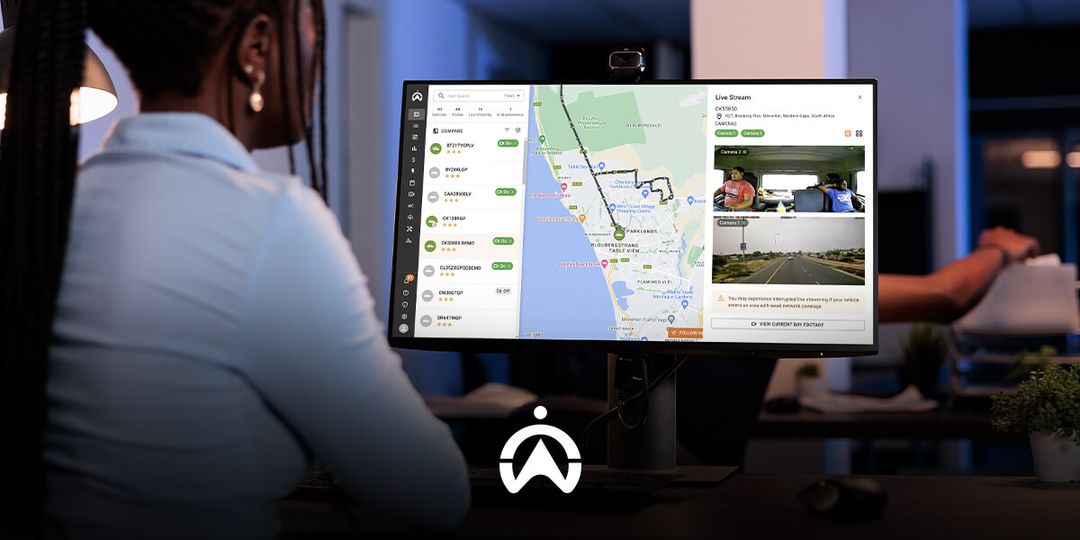
  5. Smart camera software with live streaming: Experience complete visibility by gaining full access to both interior and exterior views in real time. This provides enhanced tracking capabilities for fleet managers and authorities in cases of vehicle theft.

Cartrack Malawi features that protect everyday drivers’ cars from hijackings

At Cartrack, we offer more than vehicle safety solutions for business, we also provide trusted technology that can assist everyday drivers in hijacking events.

When you call us for assistance, here’s what to expect:


In the face of rising keyless car theft incidents, Cartrack Malawi offers robust solutions to safeguard your vehicle:

  • Ultimate vehicle protection: Use our stolen vehicle recovery services (SVR) in the unfortunate event of theft or hijacking. Once a vehicle has been reported, our 24/7 control room and recovery teams leverage GPS tracking technology to locate and recover your vehicle swiftly. With a remarkable average recovery rate of 90%, giving you total peace of mind.
    ‍
  • CarWatch: This is like your personal digital car guard, an early warning system that customers can activate at the touch of a button through our mobile app. It notifies Cartrack in advance if your parked vehicle is moved without your knowledge.
    ‍
  • Protector: Cartrack Protector offers 24/7 professional roadside assistance at the push of a button on the Cartrack mobile app. It provides assistance in battery jumpstarts, tyre changes, car towing, and even emergency and accident services whenever needed, like in the unfortunate event of being hijacked and being harmed as the outcome.
    ‍

Count on Cartrack Malawi as your trusted ally, especially in the face of rising keyless car theft concerns. Face keyless car theft worries with these Cartrack Malawi solutions.

Outsmart car thieves with Cartrack’s advanced vehicle tracking solutions

Whether you own a sleek new ride with keyless entry capabilities or a reliable classic vehicle, Cartrack Malawi has your back! Our vehicle monitoring and tracking solutions are tailored to protect your investment, providing a safety net for every journey. Safeguard your vehicle today, contact Cartrack Malawi.