What to Do When Buying a Car from a Private Owner

Buying a car directly from a private owner is slightly different from buying one second-hand at a dealership. There are important quality features to check that’ll help you match up the car with what you’re paying (or should be paying). Determining the value involves looking at the history, inspecting the current condition, and trusting your instincts.

Then there’s the paperwork, which involves legal considerations and payment security. Online spaces like Facebook Marketplace, local trading groups, and informal car marts are regularly flooded with used car deals. While this is often a quicker and more lucrative way to sell a car, some do it for dubious reasons like hiding mechanical faults or attempting to get more money than the car is worth.

Cartrack will walk you through the second-hand car purchasing process step by step so that you get the best deal when buying a car from a private owner.

What’s the first thing to check before buying a car from a private owner?

The first thing you need to establish before buying a car from a private owner is that they do actually own the car. The proof of ownership document is a MUST, and there are ways you can confirm if the DRTSS Logbook is real or fake.

Once you get to the private owner to inspect the car, ask them for the official DRTSS Logbook. Then:

  • Hold it up to the light and look for the official government watermarks and the holographic DRTSS security seal.

  • The font shouldn’t be bold or underlined, and the text shouldn’t look custom or typed on an irregular machine in any way.

  • There’ll also be visible text in the middle of the page. This must be 100% centred.

  • The ink on the front should also be visible on the back of the page if it is an original printed document.

  • “Registration Certificate” should be clearly printed at the top of the page.

  • Look for the specific Serial Number and Issue Number which affirms the authenticity and originality of the document.

  • Match up the Chassis Number (VIN) on the document with the physical chassis plate on the vehicle’s firewall, and cross-check it with the Certificate of Fitness (COF) sticker on the car’s windscreen.

What paperwork is needed for buying a car from a private owner?

Besides the DRTSS Logbook (most important), you’ll also need a Change of Ownership Form. This will be filled out and signed by both you and the previous owner. Once it’s complete, you must take the form along with a copy of the seller’s national ID to the nearest DRTSS licensing office for processing. They’ll update their system to reflect that you are now the legal owner of the vehicle.

Optional paperwork worth considering for due diligence:

  • Stamped proof of bank account (from a registered Malawian commercial bank)

  • Valid Certificate of Fitness (COF) (officially issued via DRTSS or an authorized vehicle testing station like Mota-Engil)

  • A sales agreement with details of the sale (signed by you, the previous owner, and preferably a witness)

  • Receipts and logbook stamps that pertain to the service history

  • A bank settlement/clearance letter if the car was financed and isn’t fully paid off yet
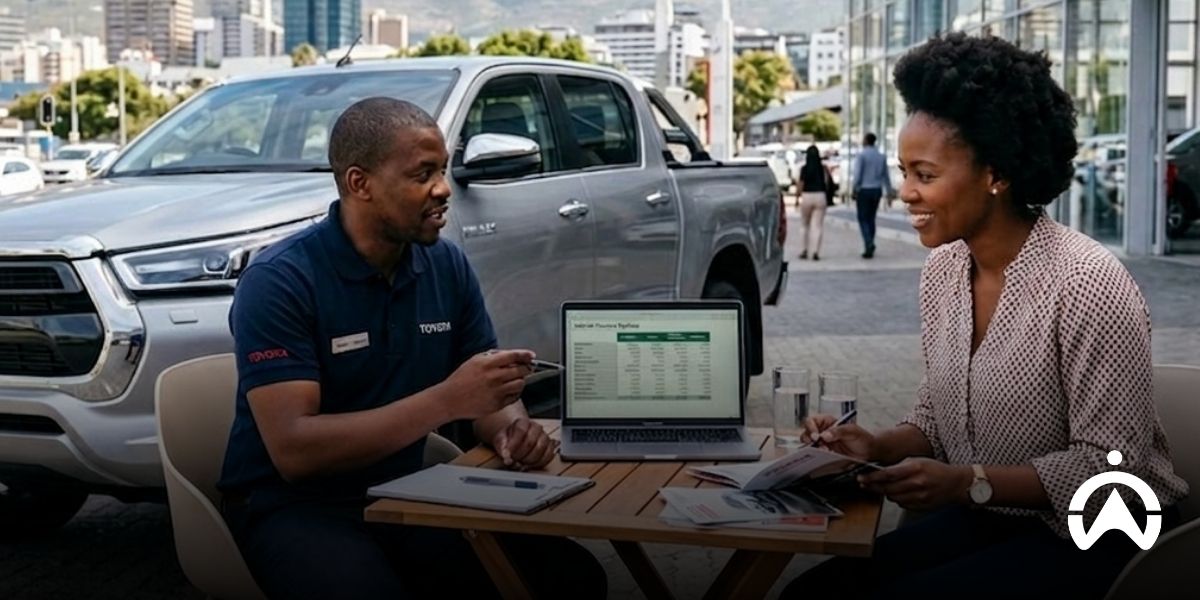
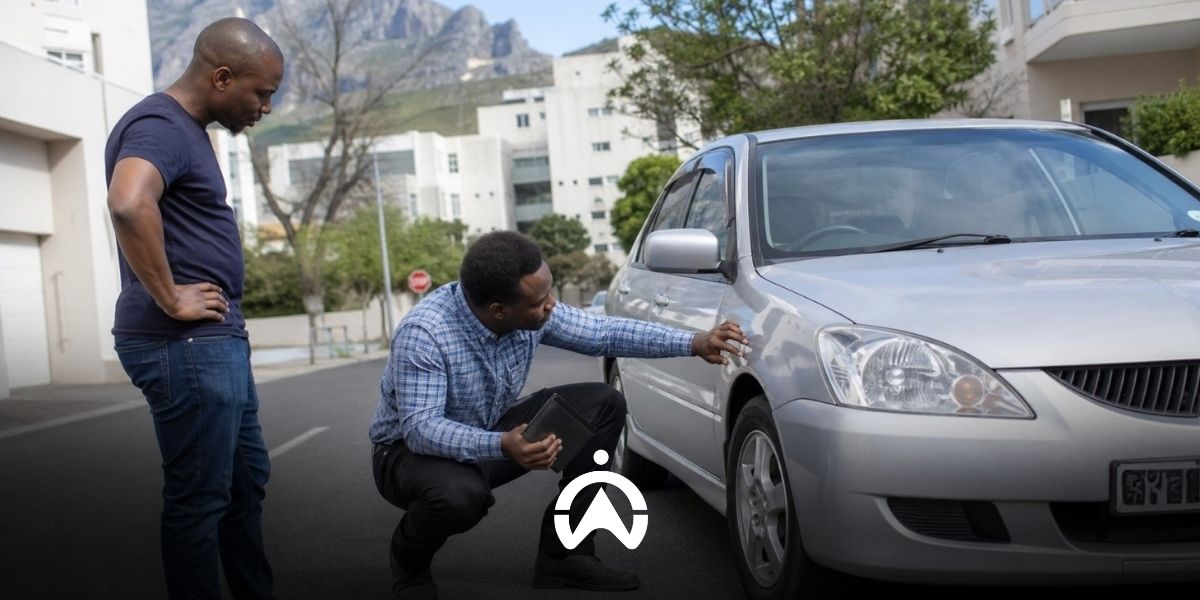
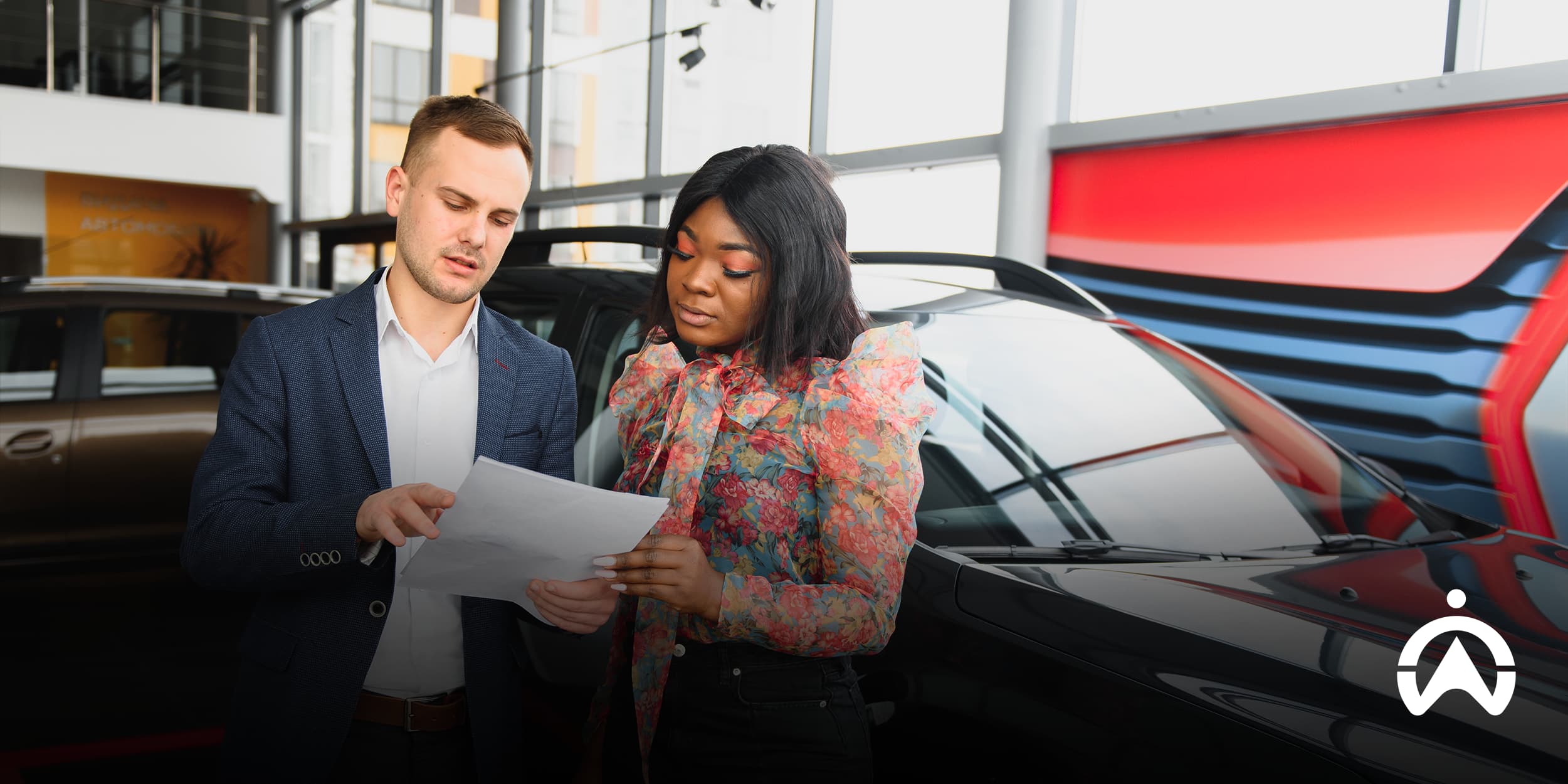
Two people reviewing documents and discussing a vehicle sale, illustrating what to do when buying a car from a private owner safely and confidently

How should you inspect a used car before buying from someone?

When inspecting a private owner’s used car before buying, use this checklist:

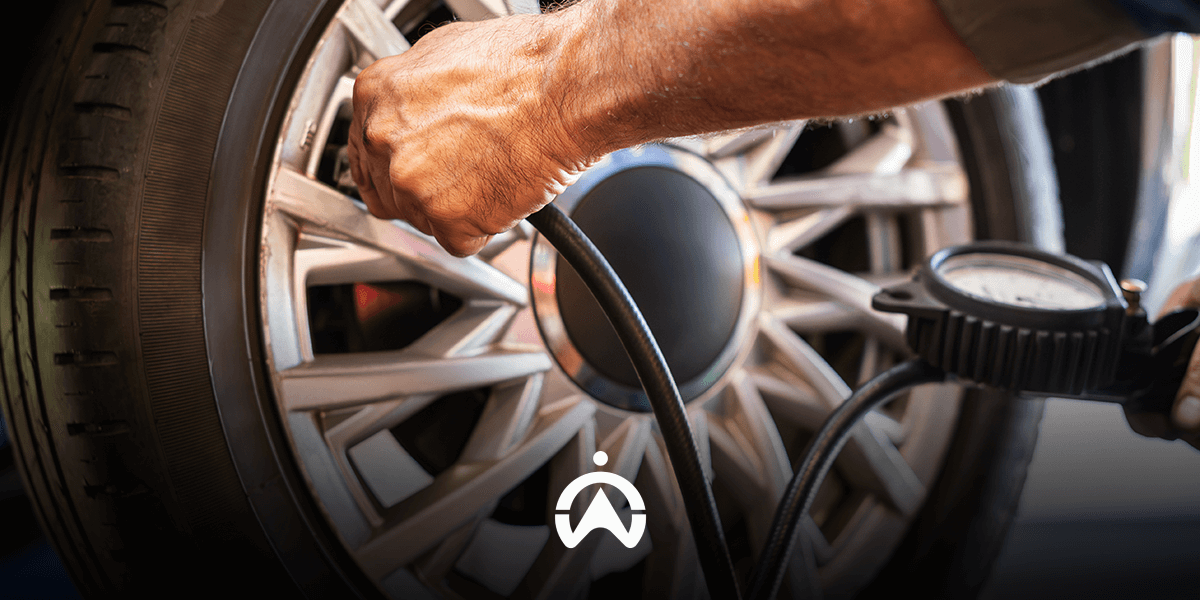
  • Uneven tyre wear & tear
  • Windscreen cracks (even tiny ones)
  • Buttons in the car like locks, windows and dashboard switches
  • Minor mismatches on paintwork
  • Scratches or bumps on panels
  • Oil stains where the car is parked

Seeing evidence of damage or a past accident might not cause you NOT to buy the car, but it’s relevant to bring up with the previous owner. They should be charging according to the car’s current condition and must declare if the car’s been in an accident.

What should you look out for while test driving a used car?

When test driving a used car (which is highly recommended before buying), make sure you do short-stop driving as well as long-distance driving. Short distances will give you a feel for the brakes & suspension, while long distances will allow you to listen out for rattling noises or car performance issues.

Suburban driving observations

Drive over a few speed bumps and note how the car’s suspension handles it. Also observe how the brakes handle stops at red lights and stop signs, and don’t forget to take note of how well the car pulls off from these points (clutch-related). You’ll also pick up if there’s engine hunting, which could indicate a damaged engine head or other less-serious problems.

Highway driving observations

Long drives let you check a few other important things, like whether the engine overheats or if the car makes rattling sounds. Pay close attention to the steering wheel when you do a highway drive, because vibrations could point to wheel alignment imbalances.

Post parking observations

If you can, park somewhere else after your test drive is over. Go back to where the car was parked initially and look for fresh oil stains. A car that leaks oil will have mechanical issues that need to be addressed with the previous owner.

Also check the handbrake by parking on an incline if possible (although you can also test this while driving around town). Test the indicators, lights, and hazards while you’re parked and safe, and feel free to get out of the car to see if they work externally.

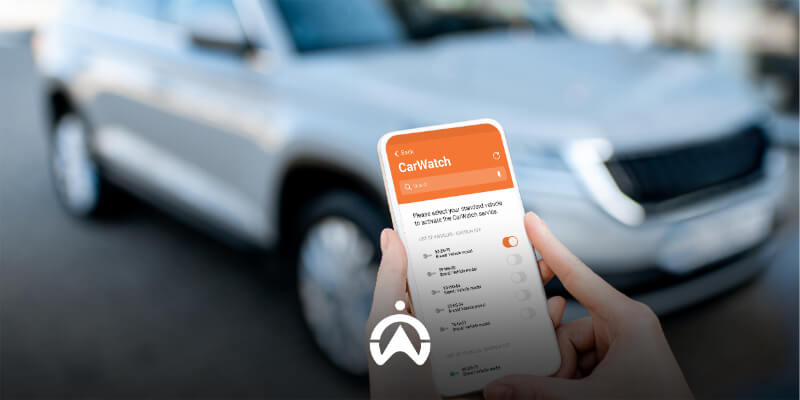
SIDE NOTE: If you want to protect your newly-purchased car while it’s parked, check out Cartrack’s virtual car guard app!
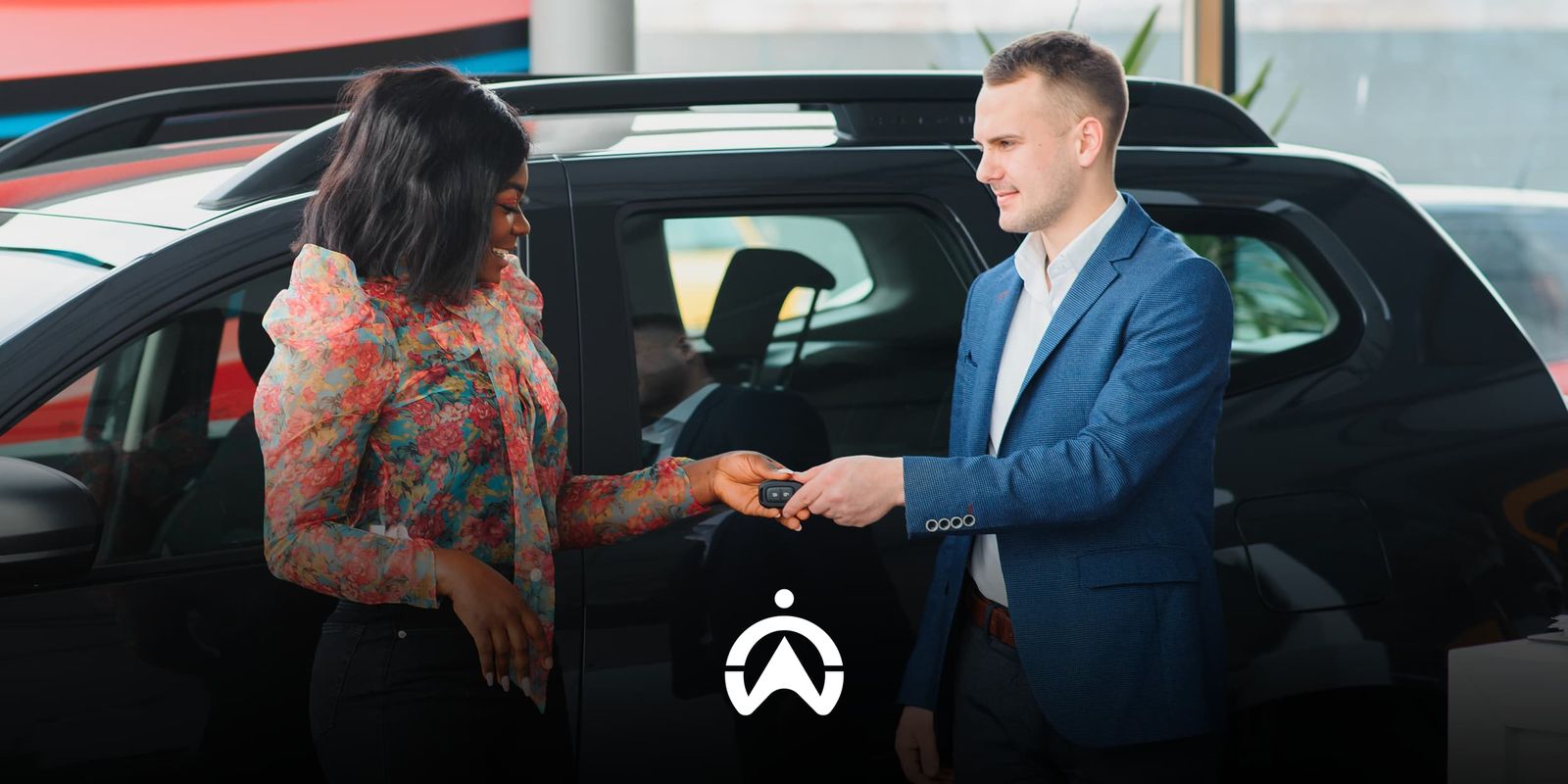
Person handing over car keys during a vehicle sale, showing what to do when buying a car from a private owner and completing ownership transfer safely

What should you do if the previous car owner has a tracking device installed?

If the previous car owner has a tracking device installed, you can speak to them about either having it removed or having the tracking service transferred to your name. In the latter case, the device will simply remain installed, and you can contact the tracking service provider to change ownership.

If it’s a Cartrack device, we make this process simple. Just give us a call and we’ll do the heavy lifting on your behalf. 

Safety considerations for your new, used car purchase

If you just landed yourself a good deal on a used car, consider protecting it with a GPS tracking device if it doesn’t already have one.

It’s also highly recommended by many local influencers that all cars install a dashcam, as this offers a myriad of safeguards for motorists like you.

If you have any Cartrack products in your old car, speak to us about transferring them to your newly-purchased one, and we’ll schedule a visit.

Frequently asked questions about buying a car from a private owner

What can I reasonably expect from a used car with high mileage?

It’s reasonable to evaluate a high-mileage car based on its condition & age rather than its odometer reading. That’s because some cars (ones that aren’t necessarily ‘old’) are used for long-distance driving more than urban driving, which is actually a good thing in terms of wear & tear. Judge the age and general condition—together with the mileage—to accurately assess the car.

What is the most popular second-hand car?

The most popular brand of second-hand car is Toyota. They’re still a keen favourite among used car buyers in Malawi and other countries because of the reputation for longevity, reliability, and low fuel consumption. The Toyota Hilux is particularly popular in Malawi for these reasons.

How much value does a new car lose after purchase?

If you buy a car brand new, you can expect it to lose around 10% of its value as soon as you drive it off the lot. It will also lose another 10% to 15% within the first year of driving, depending on your driving habits and vehicle care routine.
Car Safety Features That You Should Have Today

Car safety features that you should have today include collision prevention & detection, GPS tracking, high beams, braking systems, and a host of other advanced additional options. While unbelievably important, you can no longer stop at seatbelts and airbags. In today’s world, all car safety features go beyond the traditional ones.

The Insurance Institute for Highway Safety (IIHS) 2026 Safety Benchmark shows that cars with Automatic Emergency Braking (AEB) and Forward Collision Warning (FCW) brought down the number of car wrecks by 50%. The number of injuries is also reduced by just about the same percentage! This shows just how important tech-forward car features can be.

Familiarise yourself with the importance of safety for both you and your car, but also consider key features that are more than just the in-vehicle perks. In this blog, we’ll let you in on the most crucial car safety features, how features have evolved, and what Cartrack can do to maximise your car safety.

What safety features are important for a car to have?

Safety features that are important for a car to have are things like seatbelts, airbags, and windscreen wipers, but also Automatic Emergency Braking (AEB), Electronic Stability Control (ESC), and adaptive cruise control (ACC). The best in care safety should always be a combination of traditional features and newer, more tech-advanced features.

What is a safety feature?

A safety feature is something that’s been created or designed to protect you from harm and prevent potential damage. These technologies are designed to predict potential risks and react appropriately, help you during distressing moments, and ensure the safety of you & your family.

What is the most important safety feature on a car?

This question is a bit tricky to tackle with total confidence. Firstly, there isn’t just one “most important safety feature”, and secondly, you have to look at this question from different perspectives.

Are you trying to measure safety by prevention, survivability, or both? Either way, it’s generally believed that seatbelts and airbags are the most important safety features.

Following this, it’s the headlights and windscreen wipers. And from an advanced tech perspective, look for Automatic Emergency Braking (AEB) systems, which predict a potential crash and slow the car down. Electronic Stability Control is another important modern consideration, which stops you from losing control when your car skids.

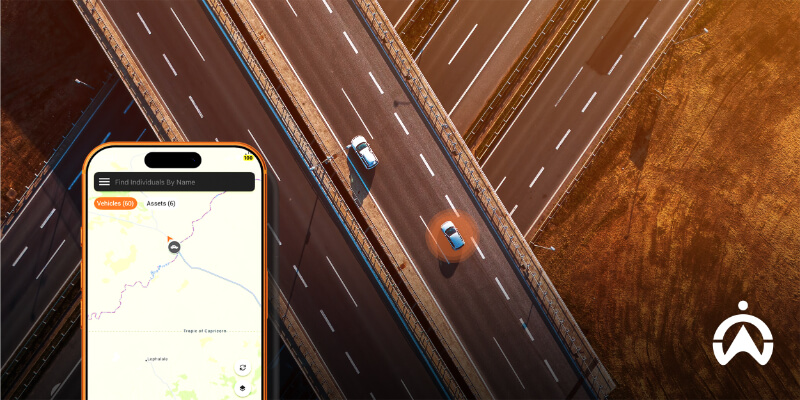
Aerial view of a highway with cars and a smartphone interface displaying essential car safety tracking features.

What are the top safety criteria for your vehicle checklist?

Here’s a quick and easy checklist for your new car purchase or car inspection:

Collision protection and impact prevention

  • Seatbelts: Ensure your seatbelts pull and retract easily and that they aren’t frayed. While traditional, it’s still important to mention, especially given how frequently people forget to buckle up before hitting the road. Seatbelts help by massively reducing injuries and stopping dangerous ejection from the car.
    ‍
  • Airbags: Verify they’re in place to protect you and your passengers from hard surfaces in the event of an accident. Airbags started with two in the front seats, increasing to about six in the early 2000s. Now, we see anywhere from seven to sixteen airbags installed carefully around the interior of the car.

ADAS (Adaptive Driver Assistance Systems)

  • ACC: Always check that these detection systems are working before you drive off. Adaptive Cruise Control automatically slows down your car to keep a safe distance, usually matching the speed of the car that’s in front of you. It’ll use something like a camera, radar, or sensor to comfortably adapt to the change in speed.

Collision avoidance

  • AEB: Check that your car is equipped with this emergency function and can initiate braking. Automatic Emergency Braking is a system that brakes or slows the car down if it detects that a crash is about to happen. It’ll also detect that you’re likely not responding quickly enough.
    ‍
  • ESC: Confirm that this is present in your car. Electronic Stability Control stops you from losing control when the car skids. It works by looking at the angle of the steering wheel & the direction your car is going in, then quickly recalculating and adjusting if the car starts to swerve.
    ‍
  • Blind spot monitoring: Look for sensors or cameras that can give you alerts when there are vehicles in your blind zones. Blind spot monitoring warns you about cars that are out of view. There are different ways for the alerts to show up, but they usually manifest as a beep or an icon that flashes in your sideview mirror.

What cars have good pre-installed safety features?

Cars that have good pre-installed safety features include compact sedans, compact SUVs, and mid-sized luxury cars. Beyond the successes in crash and safety tests, these cars are typically considered the safest because of the advanced tech used in their safety features.

  • 🚗 Compact sedans: These are usually praised for their rear seatbelt reminders, ADAS, lane assist alerts (lane-keeping & lane departure), high-beam lights, and collision intervention warnings.
    ‍
  • ‍🚙Compact SUVs: These are praised for their strong structural designs, numerous airbags, and integration of advanced technologies (like ACC, collision warnings, & the like), even in their most basic models.
    ‍
  • ‍💎Mid-sized luxury cars: These typically set quite the standard when it comes to high-quality and precise safety features. Most models are pre-equipped with all the safety benefits you could want in a car, with the most recent models also including perks like more airbags (especially side & knee ones), AEB, and driving assist features (distance control & curve management).

How does modern technology support older drivers?

Take a look at how modern technology supports older drivers with this problem vs. solution table:

The pain point The safety solution How does this help?
Fragile bodies in an accident Airbags and extra padding/support on headrests and seats They do much of the heavy lifting, absorbing the impact in a collision and cocooning the fragile bodies of elderly drivers.
Impaired visibility Driver & vision assist features (lane keeping assist, left-hand turn assist, blind spot warnings, and reverse cameras) Visual & audio indications for these features keep elderly drivers vigilant, especially when head turning is difficult.
Disorientation Live GPS tracking This can provide peace of mind and keep family members connected to elderly loved ones while they’re on the road.
Arthritis & mobility issues Convenience technology Larger steering wheels, push-to-start buttons, power boot/tailgate buttons, and power seat buttons remove physical strain.
Slow reaction time or reflexes AEB Most modern cars include pedestrian detection and large animal detection, in case an obstacle suddenly appears.

Although these safety features may be important regardless of age, we must keep our elderly drivers at the centre of the safety conversation.

Natural age-related changes start to happen as time passes, like vision becoming poorer, reaction times becoming slower, and loss of muscle strength. The safety features in a car must accommodate those changes while keeping drivers comfortable.

How can you protect your senior loved ones on the road? Speak to a Cartrack professional about our safety solutions and perks.

Much like children, the elderly are extremely vulnerable people when they’re on the roads. Their vulnerability makes them prone to serious injury and a loss of direction sense, which is why it’s important to pay attention to and consider certain safety features.

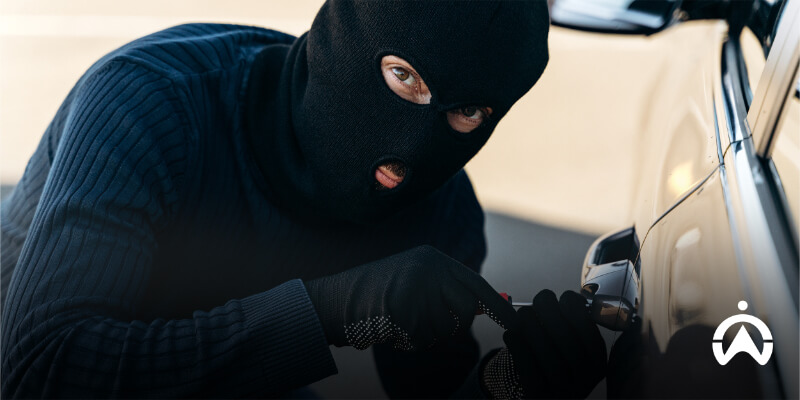
Person in a black mask using a tool to break into a vehicle, highlighting the need for modern car safety features.

EVs vs ICE cars: Which wins on safety?

When looking at EVs (electric vehicles) and ICE (internal combustion engine) cars, it’s EVs that truly win on safety. When you break it down, EVs are less likely to catch on fire, are sturdier and stronger in their build, and their safety technology features tend to be far more advanced.

Here’s why:

  • ‍Extra crumple space: EVs don’t have an engine in the front of the car like ICE vehicles. Because of this, we see an advanced energy-absorbing structure. In the case of a head-on collision, the car crumples in a more effective, less impactful way, ensuring better protection for the cabin and passengers.
    ‍
  • ‍Stability and anchoring: EVs have heavy battery floors, which create an anchor that has a very low centre of gravity. This design makes EVs nearly immune to rolling over in an accident, which is something traditional ICE vehicles are prone to.
    ‍
  • ‍Fire hazard chances: Despite popular belief, recent data shows that ICE vehicles are actually more likely to be a fire hazard compared to their EV counterparts, thanks to the former’s highly flammable fuels and hot exhaust systems.

Can Cartrack help you keep your car safe?

Cartrack can absolutely help you keep your car safe. We understand that safety extends beyond in-vehicle alerts and warnings, and while pre-installed safety measures are great, they’re not always enough. We take security and protection to the next level, adding onto what’s already existing and giving you complete peace of mind. This is where we excel.

Why should you choose us?

When you choose Cartrack as your provider in car safety, you’ll get access to the Cartrack app and its many features. Secure your vehicle for a low monthly fee—plus free tracker installation! The app will show you where your car is at all times, thanks to our live GPS tracking.

You can location-share with loved ones, and they can reach you quickly if an accident or incident occurs. Our app is easy to use, making it ideal for you and all members of your family.

What Cartrack-specific safety options are available to you?

We have numerous safety and security solutions that go beyond standard features. Our Vision solutions add an extra layer of security, offering Road and Dual Vision dashcams. The Road is a simple road-facing dashcam, while the Dual option is both road- and cabin-facing.

Invest in our backup wireless tracking device, the Cartrack Tag, which is immune to remote jamming. All of our traditional hardwired GPS tracking devices have anti-jamming detection, and in the case of remote jamming, the signal will switch to the Tag, which works on a radio frequency that alerts our control room about your car’s movement. This helps our teams move in to retrieve your car even quicker!

What about accidents and car recovery?

Our safety and security measures for you also extend to the car itself, and in the case of theft, we have extremely responsive stolen vehicle recovery (SVR) teams all across the country that are ready to help you.

Knowing your car’s exact location means there isn’t an uncoordinated scramble to get emergency services quickly enough.

Final takeaway: Getting the best protection for your car

When you’re choosing a car, you’ve got to direct your focus towards the latest in safety tech, but for the right reasons. The right tech isn’t just to flaunt; it’s about securing complete confidence and calm. Specialised & sophisticated features that were once seen as expensive extras are now the most crucial tools for you and your family.

Cartrack lifts you to new safety heights. Your car’s features manage some aspects of on-road safety, and we manage the others. We give you all the extra safeguards and benefits that go beyond just driving, giving you total visibility, solid support, and complete satisfaction.

Drive smarter, drive safer, and ensure you and your family are completely protected. Chat with our dedicated professionals today and choose a package that suits your needs!

Frequently asked questions about car safety

Can you drive a car if you have Parkinson’s?

Yes, you can drive a car if you have Parkinson’s; it depends on how far along your diagnosis is and what symptoms you’re exhibiting.

To check if driving is a safe option, look into these important factors:

  • Sleepiness (dizziness, drowsiness from medications)
  • Multitasking (managing many tasks at once)
  • Tremor level (tremors and slow movements)
  • Vision (light sensitivities and impaired vision)

What are things I should always have in my car?

In your car, you should always have:

  • The right paperwork, like your licence and car manual
  • Emergency tools, like your spare tyre, reflective triangle, first-aid kit, etc.
  • Other important safety items, like a petrol can and repair tools (wrench, screwdrivers, etc.)
  • Personal emergency items, like a power bank, blanket, water, etc.

What car is hardest to steal?

The cars that are hardest to steal are certain EVs and luxury SUVs. This is because they tend to have very sophisticated security systems with many layers to them, along with many cameras that can scare thieves away. Some newer models also have remote immobilisation and tamper alerts that get sent directly to the owner’s phone.

How to Activate Limp Mode in Your Fleet and Stop Vehicle Theft

To activate limp mode in your fleet for the purpose of stopping vehicle theft, you’ll need to contact a service provider that offers this service. By tapping into the CAN Bus system of each vehicle, that service provider can install a type of “switch” that, when activated, will activate that vehicle’s limp mode, making it nearly impossible to drive.

Vehicle security technology that allows cars to be remotely immobilised or restricted in the event of theft is already being used in some countries, and is gradually becoming more available in markets Cartrack Malawi adds another layer of protection to your fleet by making sure thieves get a nasty surprise when they’re trying to get away with one of your vehicles.

If you do an online search for “limp mode”, you’ll probably find that most of the information is negative. This is not a “how to fix limp mode” article, it’s a new look at limp mode from the perspective of how you can use it to prevent your fleet vehicles from getting stolen or damaged. Let’s dig in!

What is limp mode for fleets?

Limp mode is a security & protection method for fleets. It safeguards your fleet vehicles from further damage when there’s a mechanical fault or malfunction. It also significantly hinders thieves & hijackers from getting away with your vehicles. Fleet managers are using limp mode to safeguard their vehicles as an extra layer of protection over-and-above GPS tracking and vehicle camera security.

How is limp mode used for theft prevention?

Imagine one of your fleet’s vehicles getting stolen. You report the theft to Cartrack Malawi, and their recovery team gets on their way to locate your vehicle. In addition to GPS tracking, you’ve also opted for limp mode in all of your vehicles. It’s immediately activated, so the thief driving the stolen vehicle is suddenly perplexed as to why the vehicle isn’t moving as fast.

That thief is now in a very precarious position. They can’t make that all-important quick getaway as planned. The vehicle just won’t switch to a high enough gear, and the engine just isn’t powerful enough to drive fast. They start to assume the vehicle they’ve stolen is a dud, and abandon the theft. But it’s too late, because our recovery team has already caught up to retrieve your vehicle.

How is limp mode used to protect vehicle health?

Now imagine your vehicle’s engine is overheating. The driver hasn’t noticed the check-engine light, and just carries on—unaware that the engine is on the brink of seizing. But then the vehicle goes into limp mode. The driver isn’t able to drive normally anymore, so they’re forced to stop and check what’s going on.

Limp mode has just saved your company thousands in engine repairs!


How is limp mode added or installed to a vehicle?

Limp mode is an adjustment that gets installed to your vehicle’s CAN Bus system. What is CAN Bus? It can be simply described as the “computer” network of the vehicle. Most modern vehicles have a central command center that processes vehicle activity, and this is called the CAN Bus.

Cartrack Malawi simply adds a CAN Bus clamp to the vehicle’s CAN Bus, and this clamp allows us to remotely activate limp mode.

What happens to a vehicle during limp mode?

During limp mode the vehicle’s engine will output around 70% less power, causing it to drive much slower. RPMs will be limited to no more than 3 000, and the engine light will switch on. The vehicle’s transmission will also lock into a low gear, which further hinders the vehicle’s ability to drive at high speeds.

What triggers limp mode?

Limp mode on a vehicle can be triggered by purposeful activation (because of theft), a serious mechanical fault in the vehicle, or a faulty battery. Other triggers include:

  • When signal jamming is detected
  • Sensor malfunctions (of various kinds)
  • Transmission issues
  • Engine problems (like overheating or head gasket damage)
  • Electrical faults

Many of these triggers are built-in limp mode safeguards that come with modern vehicles. But limp mode can and should also be added to fleet vehicles to further protect them. But why?
‍

BECAUSE: Your vehicle may not already have limp mode as a built-in feature

If your vehicles haven’t come with limp mode as a built in feature, it’s recommended that you get a company like Cartrack Malawi to add it to your security arsenal. If the vehicle is an older model, it may not have the same protections more modern vehicles have, but at least you can add it by getting in touch with Cartrack Malawi’s vehicle security consultants.
‍

BECAUSE: Limp mode can’t be remotely activated in case of theft or hijacking

Even if your vehicles do come with built-in limp mode, this activation is automatic. So if your vehicle gets stolen, you won’t have the control to activate it and slow down the criminals. With Cartrack’s limp mode installed, we’ll make sure that vehicle is too slow to steal easily.

What Cartrack features work well with limp mode?

Limp mode can (and should) be combined with other vehicle security features from Cartrack Malawi, and these options include:

  • GPS tracking with stolen vehicle recovery service (SVR)
  • AI vehicle cameras
  • Driver coaching
  • Predictive vehicle maintenance

These features all pertain to the security and health of your vehicle, and work extremely well as a combination.

How do these layer your vehicle with money-saving benefits in addition to limp mode? Let’s have a look.

GPS tracking with SVR

While limp mode seriously impairs the vehicle’s power and speed, you still want to know where it is if it’s been stolen. This is where GPS tracking comes in handy. Our recovery team will locate the vehicle, retrieve it, and work with local authorities to apprehend the thieves.

Limp mode and GPS tracking are two features that should never NOT be together, since they work well together to ensure the safety of your assets.


AI vehicle cameras

Vehicle cameras and dashcams with built-in AI are essential if you want to elevate the security of your vehicles. These devices aren’t only used to monitor the road and cabins of your vehicles, but they give you invaluable material for driver coaching (discussed more below).

Fleets with expensive vehicles should definitely protect them with cameras that watch and alert based on events deemed serious or dangerous. AI cameras work well with limp mode because you’ll be able to watch a live feed of what’s happening inside your vehicle as the thief gets their reality check when the engine suddenly stops performing.

Driver coaching

Driver coaching and AI cameras go hand-in-hand as a combination of tools used for coaching drivers. But coaching is another method fleet managers use to maintain the health of their vehicles. Drivers that are properly coached drive and handle your vehicles much better. This increases the lifespan of your assets—and of course limp mode will be there to make sure they don’t drive damaged vehicles.

Predictive vehicle maintenance

Another way to ensure the long term health of your fleet’s vehicles is to get predictive maintenance software. Just like limp mode, this also works through Cartrack’s CAN Bus clamp. The condition of the vehicle is continually monitored and mechanical problems are predicted ahead of time.

This software also automates your service scheduling and books your vehicles in for maintenance when they actually need it. Limp mode then acts as a backup if services aren’t carried out correctly or missed entirely.

Get limp mode for your fleet vehicles

Limp mode really sticks it to vehicle thieves! If you want this awesome security feature, call Cartrack Malawi now and we’ll quote you on getting it integrated into your fleets’ vehicles.

Frequently asked questions about limp mode

Is limp mode compatible with any vehicle?

No, limp mode isn’t compatible with any vehicle, but it is compatible with most vehicles. That’s because the majority of vehicles on the roads today have CAN Bus, which is what limp mode needs to work. You can always do an online check using the make and model of your vehicle to see if it has CAN Bus.

Does my vehicle sustain damage while in limp mode?

No, the engine and vehicle components won’t get damaged while limp mode is in effect. The point of limp mode is to protect the vehicle’s major components (engine, transmission, wiring, etc), so limp mode itself is safe when it’s happening to a car, truck or van.

Is it worth getting limp mode for motorbikes?

Most motorbikes already come with limp mode, but this is purely for the purpose of protecting the mechanical integrity of the bike. You can get Cartrack’s limp mode for your motorbike if you want it as an anti-theft measure, and it’s definitely worth doing so—especially if you have a fleet of bikes you want to protect.

Can limp mode be used on lift provider vehicles like taxis or buses?

Yes, limp mode is actually a great safety measure for lift providers like taxis or buses, because they not only keep drivers and vehicles safe, but passengers too! If you run a lift provider service (or drive one of these vehicles yourself), it’s well worth looking into installing limp mode as a last resort of safety.

What to Look for When Buying a Second-hand Car

When you’re looking to buy a second-hand car, the most important thing is knowing what usage you’re looking to get out of the car. Are you looking for an everyday car for short trips or a kombi for the school holidays?

Either way, buying a second-hand car in Malawi’s current economic climate makes sense, but it can be a major risk if you’re not sure what red flags to look out for. Accident damage, tampered mileage, hidden mechanical issues, and unpaid finance are just some of the factors that can turn what looks like a bargain into a financial nightmare.

The pre-owned car market in Malawi is growing. In the first half of 2024, many Malawians applied for vehicle finance through banks and financial institutions as demand for affordable second-hand vehicles continued to increase. This is proof that pre-owned vehicles enjoy far higher demand than their new counterparts, making the second-hand car market one of the most active in the country.

This guide takes you through everything you need to check before sealing the deal—from paperwork and inspections to negotiation tactics and protection strategies. And once you find that perfect ride, teaming it up with reliable vehicle tracking and recovery from Cartrack ensures your investment stays safe right from the start.

What exactly to look for before buying a second-hand car

  • Set a clear budget: know what you can afford, including ongoing costs.
  • Decide where to buy: compare dealer safety versus private seller risks.
  • Do a full history and service check: verify accidents, finance, theft, and mileage.
  • Check the exterior: rust spots, tyres, dings, and poor alignment of panels.
  • Inspect the interior: look for damage, smells, and electrical faults.
  • Test all electronics: make sure the AC, windows, and dashboard lights work.
  • Check under the bonnet: look for leaks, worn belts, the battery and fluid quality.
  • Take a full test drive: listen for noises and check handling.
  • Check paperwork: make sure of ownership, roadworthiness, and legality.
  • Get a written agreement:  protect yourself during private sales.
  • Plan for security: install a tracking device to safeguard your car.

Set your budget and know your needs

The most important step before you start looking at a second-hand car is to set your budget and know your needs. It’s important to keep in mind that ongoing costs like fuel, maintenance, licensing, and insurance in Malawi could all add up rather fast.

Other factors, such as the fluctuating price of petrol and vehicle tax hikes, all take their toll on the total cost of ownership. So consider your lifestyle needs carefully. Where a student may only need a small hatchback, a family might want a large SUV that provides space and extra safety.

It’s important to distinguish your must-haves—such as safety and reliability—from your nice-to-haves, such as leather seats or high-end sound systems.

Don’t stretch your finances too far. Leave room in your budget for emergency repairs, tyre replacement, annual services and insurance premiums. It’s smarter to choose a basic vehicle that you can afford to maintain, rather than a feature-packed car that’ll prove to be a financial headache later on.

Should you buy your second-hand car from a dealership or a private seller?

You should buy your second-hand car from a dealership because they provide better protection. On the other hand, private sales often mean lower prices and better negotiation options. Either way, you still need to thoroughly inspect the vehicle to make sure you’re not getting a lemon.

Dealerships, especially if they’re part of a well-known franchise or reputable dealership, typically offer vehicle checks, warranties, and roadworthy certificates, making it a lot safer for first-time buyers who might not be knowledgeable about car evaluations.

If you’re shopping privately, sites like Facebook Marketplace and local online classifieds are full of used car listings in Malawi, but they come with higher risks. You often lack guarantees about the car’s condition, and scams can be common.

No matter which route you choose, clarity is key. Always ask for documentation, proof of service history, and repair records. If you go private, consider bringing a mechanic or getting an independent inspection before you commit. Remember, peace of mind beats rushing into a deal just for a bargain.

Person handing over car keys during a second-hand car purchase inspection.

New car vs second-hand car — pros & cons

If you’re still unsure if you should buy a new car or a second-hand one, this simple table breaks down the pros and cons of each. This will help you make a more informed decision before you hit the showroom floors!

Comparison New Car Second-hand Car
Upfront Cost Higher purchase price More affordable
Depreciation Loses value quickly in the first 12 to 24 months Slower depreciation rate
Maintenance Low at first; warranties included Can be higher depending on age and mileage
Vehicle History Clean – you’re the first owner Risk of unknown history (accidents, poor maintenance)
Finance Approval Easier to finance through major banks Slightly harder, depending on the car’s age and condition
Insurance Costs Higher premiums Lower premiums (depending on model and security features)
Tech and Features Latest safety and infotainment features Older tech, which may need aftermarket upgrades
Value for Money Long-term value, but costly upfront Budget-friendly with smart choices
Customisation Can choose specs and extras What you see is what you get
Resale Value Good if well-maintained Depends on mileage and brand popularity
Warranty and Service Plan Included from the dealership Maybe expired or limited
Peace of Mind Fully guaranteed condition It can be risky if not inspected or verified properly

Do a full vehicle history check

Before you buy a second-hand car, it’s incredibly important to do a full vehicle history check. Understanding where this vehicle has been and how it was treated is essential. A history check helps you uncover various concerns, like accident damage, outstanding finance, mileage tampering, or even if the car was stolen.

This information can protect you from costly unexpected expenses and also gives you confidence in negotiating the purchase price.

Here’s what to check:

  • Request the VIN number and check the ownership and its legal status with it.
  • Utilise vehicle verification services, such as TransUnion or other Malawi-based vehicle verification platforms, to check a car’s history before purchasing.
  • Check for outstanding finance because the vehicle cannot be sold legally if there is still money owed on it.
  • Confirm that the car hasn’t been stolen, written off or imported illegally.
  • Review the service history for any records that will show consistent mileage and regular servicing.
  • Look for missing or skipped service intervals; these could be indicative of tampering.
  • Look into large repairs or accident history, including things like chassis or flood damage.
  • Request repair invoices or maintenance records that detail previously completed work. If unsure, invest in a pre-purchase inspection by a qualified mechanic.

Inspect the exterior

Start your inspection outside the car, focusing on the paintwork and how the panels align. If you spot uneven panels, mismatched paint, or overspray, it could be a sign of previous accident damage. Look for rust around the wheel arches or windscreen; this often points to long-term moisture exposure, especially in areas with high rainfall, such as the Shire Highlands.

Next, check the tyres for wear and condition. Odd wear patterns might signal worn suspension or misaligned wheels. Make sure all the lights are working and that the mirrors aren’t cracked or loose. A chipped or cracked windscreen could end up costing you quite a bit to replace.

Check the car in daylight. Good lighting helps you spot dents, scratches, and signs of repainting that might go unnoticed in dim conditions. Kneel down for a closer look at the bodywork and run your hand along the panels. A thorough visual check can reveal significant clues about any past damage.

Inspect the interior

Inspecting the interior of a second-hand car is a must before you purchase! The interior often tells the real story of how well the car was looked after. Start with the upholstery and dashboard: tears, stains, and worn fabrics could signal neglect.

Listen for rattles and check for signs of water damage such as damp smells or mould, especially in coastal or flood-prone areas. Test all the electronic features. Turn the air conditioning, radio, windows, touchscreen, and central locking on and off.

Check if the dashboard warning lights turn on when starting the ignition and then turn it off after that. If they don’t turn off, this might indicate serious problems such as engine issues, electrical problems, or malfunctioning airbags—all requiring professional attention.

Look for signs of tampering. Scratched screws, loose panels, or trims that don’t fit properly are signs of previous repairs or modifications. Check seatbelts also for fraying, since safety equipment should always be intact. Generally, an immaculate interior characterises a responsible owner, while a neglected one hints at hidden mechanical issues.

Check under the bonnet

Next, pop the bonnet and take a look at the engine bay. Look for leaks, corrosion, or worn components. Fluid levels should be clear and at the right level. Oil that’s sludgy or thick may indicate maintenance that’s overdue; milky oil can point to serious engine problems such as head gasket failure

Give the belts and hoses a good look for any cracks or fraying. A worn belt can snap and cause engine damage, leading to costly repairs. Don’t forget to check the battery as well! Given the frequent power outages and high temperatures in Malawi, knowing how old the battery is can really help when planning for a future replacement.

Remember, just because the engine bay looks clean doesn’t mean the car’s in top shape. Excessive oil stains, loose wiring, or old clamps can hint at neglected maintenance. If everything else looks good, consider getting a pre-purchase inspection. Having a mechanic do a compression test or diagnostic scan can save you from unexpected costs down the line.

Take a proper test drive

Always push for a proper test drive. Start the engine and listen for any weird noises like knocking or ticking. During the drive, check how the steering responds and how the suspension handles. If it pulls left or right, it might need alignment or could’ve had a bump in the past.

Try it out in different scenarios: stop-and-go traffic, open roads, and ideally, the highway. Pay attention to the brakes and where the clutch engages. If you notice jerky gear shifts or vibrations, that could signal transmission issues. Keep an eye on the temperature gauge too; older cars often struggle with overheating in our hot summers.

Turn the radio off while driving to catch any squeaks or rattles. Test the turning radius, acceleration, and emergency brakes. If something feels off, don’t brush it aside. You can always ask for another test drive or walk away. The right car should feel solid, reliable, and trustworthy.

Buyer reviewing documents with dealer to assess what to look for when buying a second-hand car.

Understand the paperwork

Paperwork serves as your legal proof of ownership and protection as a buyer. In Malawi, missing or outdated documents can cause delays, legal issues, or even fines. Before you buy, make sure you have every required document ready and valid.

Here’s what you need to get:

  • Natis registration document: This confirms legal ownership and vehicle details.
  • Valid roadworthy certificate: It should be less than 60 days old at the time of sale.
  • Proof of sale or sales agreement: This protects you legally in case of disputes.
  • Stamped service book or digital service records: These verify the maintenance history.
  • Copy of the seller’s ID and proof of address: This helps confirm authenticity.

Things to check carefully:

  • The VIN number on the chassis should match the documents.
  • Make sure there’s no outstanding vehicle finance.
  • If you’re buying privately, get a written agreement and signed receipt.
  • Remember, you have 21 days after deregistration to transfer the vehicle into your name.

With solid paperwork, you ensure smooth ownership, and the deal isn’t done without it.

Protect your new purchase

After you’ve sealed the deal, it’s time to protect your purchase. With car theft rates alarmingly high in Malawi, it’s wise to take steps to safeguard your investment. Installing top-of-the-range tracking and recovery tech can really help secure your car against hijacking, theft, or unauthorised use, particularly if you’re in a high-risk area.

This is where Cartrack makes a real difference. From day one, Cartrack protects your second-hand car with live GPS tracking, AI dashcams, and industry-leading stolen vehicle recovery. You can even set up geofencing alerts and real-time notifications to stay in control of your vehicle whenever it’s on the road.

Final takeaway

Buying a used car can be a smart choice if done correctly. Take your time, inspect it fully, check its history, and make sure all the paperwork is right. The right preparation prevents costly surprises and leads to better ownership in the long term.

Once you have the perfect car, protect it with Cartrack so that on each journey, you enjoy peace of mind. Safeguard your investment and drive with confidence.

FAQs

Is it worth buying a second-hand car in Malawi?

Yes, it’s worth it to buy a second-hand car in Malawi. The second-hand car market is huge, affordable, and full of options for any type of buyer. By making use of the right tools, research, and inspections, you’re sure to find a diamond in the rough.

Can I negotiate the price of a second-hand car?

Yes, in most cases, you can negotiate the price of a second-hand car. Use findings from your inspection—such as wear, missing paperwork, tyre condition, or service history gaps—as negotiation points. Research market prices in advance to justify your offer with confidence.

Is financing available for used cars?

Yes, most banks in Malawi provide vehicle finance for second-hand cars, provided the cars meet certain age and mileage requirements. More often than not, older cars (more than 10 years old) may not qualify, so confirm this with your bank or financial provider before committing.

9 Car Checks You Should Never Skip Before a Long Road Trip

You should never skip regular maintenance and service checks before any long road trip. Check your spare tyre, the lights of the car, and make sure you have no cracked windows. The right checks ensure your car, your family, and you are safe during any road trip—long or short.

As we head into the festive season, these checks become more important for your safety. During the 2024 festive season in Malawi, the Malawi Police Service booked motorists for traffic violations including 841 for speeding, 1 475 for exceeding seating capacity, 173 for drunk driving and 519 for unroadworthy vehicles, reflecting active enforcement of road rules over the holidays. Many of these are because of faulty lights, failed mechanics, or because of accidents caused by lack of maintenance.

Without the right checks done you may end up stranded somewhere unfamiliar, without any help. Being prepared means you do the right checks, and having a trusted partner to call on whenever & wherever you are in the country.

Why should you do spot maintenance before going on any long trip?

Doing spot maintenance on your car before a long road trip ensures your engine, wheels, or safety systems won’t fail. Keeping your car in a working state means more than just ensuring it starts up. It needs to be reliable and capable of handling unexpected dangers on the road.

During our everyday commute, most cars don’t reach their full operating temperatures. When you’re doing a long road trip, this changes. Your car will operate for long hours without stopping. Each hour spent on the road is another hour your car has to operate at peak efficiency.

Increasing the punishment your car goes through are the road conditions countrywide. While cities and small towns may have good road infrastructure, the further you drive from civilisation the worse it gets. Roads may have potholes, be littered with debris, or be completely washed away due to recent storms.

With millions of people using the roads each day, a simple breakdown in your home city could become a life threatening situation.

The 9 car checks you have to do before going on a long road trip

1. Check your fluid levels (Oil, coolant, and washer)

Your car’s oil and coolant must be checked regularly. Check the oil condition and level by using the engine dipstick. Your car’s coolant levels can be checked on the reservoirs. A cold engine should have the fluids at the indicated lines. Coolant and oil keeps your engine SAFE, COLD, AND EFFICIENT.

Your washer fluid is easier to check, and will play a more visual role in your safety. Any long road trip will go through dust, rain, or worse. Having a windscreen covered in grime reduces your ability to see hazards on the road. Clean water is all you need to refill this in a pinch.

2. Check your belts, hoses, and wires (No obvious leaks, loose wires, or moaning belts)

Lift the hood of your vehicle and check every hose, belt, and wire you can reach. Hoses should have no fluids on the exterior. Wires shouldn’t be exposed or loosely fitted. Belts should not squeak or make loud sounds. There are hard to reach parts of your engine that are best left to a trained mechanic to check.

Many drivers never even do a cursory check on their wires, hoses, or belts. When you’re traveling on a long road trip, any of these can cause catastrophic engine failure.

3. Replace your filters (Oil, fuel, and cabin filters)

THREE filters in your car need to be replaced before you take any long road trip. The oil and fuel filters ensure that the fluids in your car are always clean. The fuel filter ensures that every drop of fuel you use is clean and safe. Oil filters increase the longevity of your oils, catching debris that may contaminate your oil.

Cabin filters are often forgotten by drivers, but on a long road trip they’re essential. You may drive behind a truck blowing diesel smoke or even drive through sand storms. Cabin filters keep the air inside the car clean and breathable, especially when you’re recycling the inside air.

4. Do a battery test (Check its health and age)

Car batteries are forgotten until they fail. Every car battery has a set amount of OPERATIONAL hours. Once they start reaching their ‘end of life’, the voltage they deliver will decrease. You can check the health of your battery using a volt meter. Alternatively, you can rely on a tracking partner that has built in battery testing systems.

Cartrack units measure the voltage from your car battery, sending a low-battery alert if the voltage drops or if the battery is disconnected. If you know your battery is old or you get regular low-battery alerts from your tracking unit, it’s always best to replace it.

5. Make sure all the lights work (Indicators, reverse, brake, fog, and headlights)

The most overlooked safety check you may forget to do is checking your lights. Your indicators, reverse lights, brake lights, headlights and high-beams can all fail without notice. Before departing for your trip do a check on each one. Ensure they are not too dim or broken.

If one of the lights seems weak, it’s safer to replace it. This ensures you’re safe on the road. It also avoids a possible fine when you’re pulled over. 

6. Have the brakes and alignment checked (Pads, discs, fluids, and wheel alignment)

Your brakes and wheel alignments have a big effect on the safety of your drive. Before the day of your departure, take your car to a specialist to have all of these checked. They’ll check your brake discs, pads, and brake fluid levels. Recommending a change if needed.

Getting your wheels aligned once a year is vital to increasing the longevity of your tyres. Doing so before any long road trip drastically improves the safety of your car on the road.

7. Check your tyre health (Tread depth, tyre pressure, and overall condition)

The easiest way to check your tyre tread depth is with a coin. Checking your tyre health is something you can do at home with a few simple tools. In Malawi, you can use a coin as a rough guide by placing it into the tread grooves to see how deep they are, but a tread depth gauge will give you a more accurate reading. Your tyres should have at least 1 mm of tread depth, which is the legal minimum. If the tread is worn down to the level of the built-in wear indicators, it’s time to replace them.

Once the tread depth is checked, the inside of the driver-side door will have a sticker that indicates what the right pressure of your tyres are. During your wheel alignment you should ask the team to rotate your tyres as well. This means moving the rear wheels to the front, and the front to the rear.

8. Make sure the spare tyre is working (Cracks, pressure, and size)

Easy to overlook, disastrous to forget, the spare tyre is one of the most important parts in your emergency kit. Anything can happen on the road, and that includes having a tyre that looks perfect suddenly getting a puncture in the middle of nowhere.

Check your spare tyre for cracks, pressure, and overall health. Be sure that you know where it’s kept if you’re driving an unfamiliar car, and that you can fit it alone if needed.

9. Check for cracks on any of the glass on your car (Windscreen, mirrors, rear windscreen, and side windows)

A small crack on the windscreen of your car can quickly become a crack that spreads across your entire vision. Check your windscreen, the mirrors, rear, and side windows for any chips or cracks that may cause a problem. Replace these or have them fixed before they become a bigger issue.

Bonus | 5 Extra tips for drivers with trailers

Knowing how to get your car safely on the road is already a WIN. But what if you’re going for a long time? Maybe you’re camping for a few weeks out in the bush. What checks should you do for a trailer?

  1. ‍Inspect the tow hitch and coupler: Before hitching the trailer to your car, check the tow hitch and coupler. Make sure they are tightened correctly and that the coupler is wired properly.
    ‍
  2. ‍Check trailer lights and wires: Connect the trailer’s wiring harness to the tow hitch and coupler to test trailer lights. The reverse lights should go on with your car, as well as the indicators and brake lights.
    ‍
  3. ‍Balance and secure the load: Most trailers only have one axle. This means the heaviest luggage should be loaded at the front. Balanced loads prevent the trailer from tilting backwards, putting the wrong pressure on the hitch. Unbalanced loads can cause a trailer to swerve or ‘jump’ off the hitch.
    ‍
  4. ‍Check its tyres and pressures: Chances are your trailer has been in storage for close to a full year. The tyres and axles should be checked and properly lubricated. Tyres have to be crack free and the axle needs to turn unobstructed.
    ‍
  5. ‍Test the braking and safety chain: Larger trailers have their own brakes that apply when the car stops. Check to ensure these brakes are working and not rusted open or closed. All trailers in Malawi have safety chains, check the chain to ensure it’s bolted on properly to the trailer arm.

What should be in the emergency kit for a long road trip across Malawi?

When doing a long road trip across Malawi your emergency kit should have the basic trauma kit and safety tools. Drivers should check that they have these before any trip they make. This is true even when driving in your home city. There are many other parts you should have in your emergency kit.

The table below lists all the items your emergency kit must have and why:

Category📢 Items 🛍️ Purpose ⛑️
Safety and First Aid First aid kit, medicines, reflective vest, warning triangle Treat injuries and stay visible on the road
Tools and Car Essentials Spare tyre, jack, wheel brace, jumper cables, basic tools Fix flat tyres and minor car problems
Lights and Electrical Spare fuses, bulbs, torch, batteries Keep the lights working and see at night
Navigation and Communication Mobile phone, charger, power bank, offline maps, GPS Find your way and call for help
Food and Water Water bottles, snacks, energy bars Stay hydrated and keep energy up
Comfort Blankets, warm clothing Keep warm if you stop unexpectedly
Safety Extras Fire extinguisher, Swiss Army knife, hand sanitizer Handle small emergencies and stay clean
Documents Car papers, emergency contacts Prove your car is legal and contact help fast

When traveling across the country, how can roadside assistance help you?

Roadside assistance when traveling across the country helps you stay safe and prepare for the worst. If you have chosen the right assistance a new battery, emergency fuel, or emergency services are all only a call away. When you are in an emergency, the right assistance you rely on already has solutions to the most common problem you may face.

These are the 4 most common problems and how to solve them:

  1. Problem: A flat tyre or breakdown and you don’t have the right tools.

    Solution: 

    Cartrack has roadside assistance you can call, a technician will come out with all the right tools to get you going again.
    ‍

  2. Problem: You might not know where the nearest repair shop is in another province.

    Solution:

     Using Google maps or contacting a 24/7 support centre that knows the area will guide you to the nearest specialist you need.
    ‍

  3. Problem: A dead battery or lost keys delay your trip.

    Solution

    : Just a quick call to your insurance or tracking provider and you’ll have a technician with a new battery or the right cables at your disposal.
    ‍

  4. Problem: When you’re traveling with your family, the dangers of your car being stolen or being in an accident increase.

    Solution

    : Safety isn’t just actively calling for help. You can drive without stress because you know your tracking unit can detect crashes. Alerting the right emergency services if you’re unable to make the call yourself.

How Cartrack’s tracking keeps your family and vehicle safe when traveling on a long road trip

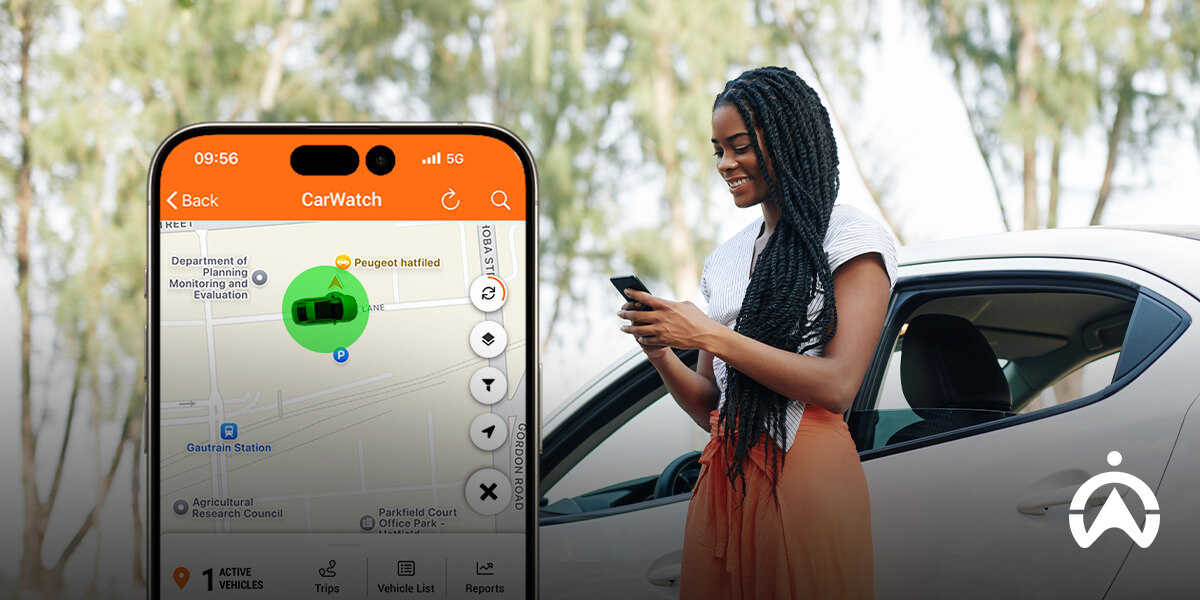
Cartrack’s units monitor your location, keeping you and your family safe anywhere in Malawi. With advanced crash detection and geofencing you can be assured you’re safe wherever the road trip takes you. When parking in unfamiliar cities or towns, Carwatch features keep your car safe.

Our recovery teams are active nationwide and are mobilised by our 24/7 control room. Your long road trips aren’t just made easier. With us you can enjoy the open road with peace of mind, and carefree wind in your hair.

Frequently Asked Questions

How should you load the vehicle to ensure weight is distributed safely without compromising visibility?

You should load your vehicle by keeping heavy items low and over the axles to balance the weight. Avoid stacking items too high so your view is clear. Secure everything so it doesn’t shift while driving. Proper loading keeps your car stable and your trip safe.

How can you check whether a vehicle’s suspension and steering are in good condition for a long haul?

Check your suspension by looking for worn or broken springs and shocks. Test steering by turning the wheel and feeling for play or unusual noises. Listen for knocking sounds when driving over bumps. Proper suspension and steering keep your car stable and make long drives safer.

What vehicle failures should make me postpone a trip?

You should postpone a trip if your brakes, tyres, battery, or engine show signs of problems. Warning lights, leaks, strange noises, or cracks in glass are also red flags. Fixing these issues before you leave keeps you safe and prevents being stranded on Malawian roads.

How to Protect Your Car Today: Reliable Personal Car Tracking

Protect your car today by going beyond the simple safety methods of car alarms and steering wheel locks, and invest in reliable personal car tracking. Considering that criminals are getting smarter in their tactics, it’s only right that your safety measures for your car match. Combining traditional safety methods with GPS tracking maximises your car’s safety.

One of the biggest concerns for most drivers in this country is vehicle safety. In Malawi Police Service crime reports, overall criminal cases declined by about 6 % in 2025, with total recorded crimes falling from approximately 40 ,037 in 2024 to 37 ,790 in 2025 — signalling some improvement in public safety. However, motor vehicle-related crimes, including hijackings and theft, remain a concern, with Malawi still reporting significant numbers of vehicle thefts as part of overall crime figures (the national motor vehicle theft rate was 23.7 incidents per 100 ,000 people in the most recent data).

Personal car tracking devices are the key to 24/7 visibility and immediate alerts that make vehicle recovery a whole lot easier.

In this guide, we’ll take you through the steps to keeping your car protected, how GPS technology silently works hard in the background, and why Cartrack is your top partner in dependable vehicle protection.

How can tracking keep your personal car safe?

Tracking can keep your personal car safe by monitoring your car’s location and giving you immediate alerts if something goes wrong. This gives you time to react quickly in an emergency. Personal car tracking takes things a step further, going beyond common safety measures and adding an extra layer of safety with a 24/7 connection to your car.

A snapshot of these benefits includes:

  • Tracking and monitoring: Keep sight of your car at all times.
  • Theft alerts: Get notified when your car moves without your knowledge or permission.
  • Availability: Have total access and notifications via a mobile app or platform.
  • Quick recovery: With eyes on your car, locate your car quickly with the help of GPS tracking.

Scenario: Quick Recovery in Action

Picture this: You’re at work when, out of the blue, your phone starts buzzing with a Cartrack alert – “unauthorised movement detected”. You quickly jump up to check the Cartrack mobile app, only to see your car meandering all over town in real time. One tap on the screen and you’re in contact with Cartrack’s control room and recovery team, who then spring into action, hot on your car’s heels.

Before you know it, the authorities are in the loop, and they’re already closing in on your car, all while keeping you fully informed.

This shows the best of what real-time personal car tracking can do: getting you alerts in a flash, getting things sorted with lightning speed, and keeping you feeling at ease the whole time.

Why car protection starts with tracking

Car protection should start with tracking because traditional safety methods aren’t enough. Modern vehicle tracking extends beyond alarms and physical locks, doing more to deter determined thieves. You get to keep your eyes on your car and its position at all times.

Tracking also provides you with instant alerts if your car is unfortunately stolen, which also increases your chances of fast vehicle recovery. In many cases across the country, cars fitted with trackers are recovered within hours, helping owners save both time and money.

How personal car tracking works

Personal car tracking works when GPS technology, typically from a device installed in your car, detects your location and sends that data to the app/platform you’re using.

Personal car tracking devices usually offer:

  • Situational notifications: If a collision occurs or someone interferes with your tracking device, you’ll get notified.
  • Geofencing: You can set up virtual geographic zones where your car is safe to enter/exit. Unauthorised movement or movements outside those zones will have you notified.
  • Immediate notifications: Get notifications for any movement or speeding offences.

Tips to maximise car safety alongside tracking

To maximise car safety alongside tracking, consider integrating conventional safety aspects with GPS tracking. Considering all safety angles is the best way to optimise your car’s safety.

Here’s what you can do:

  • Parking in safe, visible areas: Stay in well-lit areas where there’s as much traffic as possible to reduce danger and theft threats.
  • Locking doors and removing valuables: Try to reduce thieves’ attention to potential temptations.
  • Routine vehicle maintenance for functional safety: Make sure your car is kept in tip-top shape in terms of its default security.
  • Combining tech with practical safety measures: Take standard safety precautions and combine them with innovative tech to achieve ultimate peace of mind.
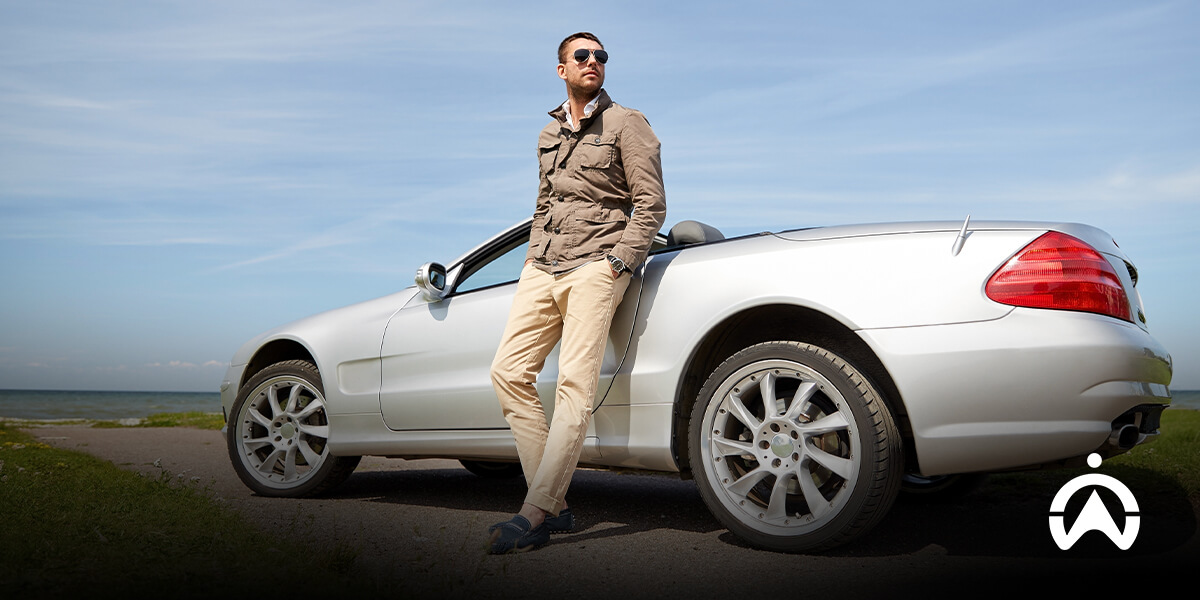
Man standing by silver convertible showcasing personal car tracking device benefits.

Types of personal car tracking devices

The types of personal car tracking devices include portable trackers, hardwired trackers, and OBD-II plug-in trackers. Each of them serves a purpose, and the tracker you choose depends on numerous factors. These include the level of flexibility you need, the type of car you have, and the way you use your car.

Take a look at each of these trackers in more detail:

OBD-II plug-in trackers

OBD-II plug-in trackers can be plugged into your vehicle’s OBD-II (on-board diagnostics) port under the dashboard.

Here’s a bit more about this tracker type:

  • It’s quick and easy to set up; plug in, sync with the mobile app, and you’re good to go.
  • It’s for everyday drivers who want basic vehicle tracking and diagnostic info, like engine performance or fault codes.

Hardwired trackers

Hardwired trackers are installed directly into your car’s electrical system.

Here’s a bit more about this tracker type:

  • Hidden and tamper-proof.
  • Because they’re obscured from view, installation makes it more difficult for thieves to find or disable them.
  • These are best for long-term protection, vehicles parked in high-risk areas, or for individuals who want a permanent solution.

Portable battery-powered trackers

Portable battery-powered trackers are compact and can be moved between vehicles.

Here’s a bit more about this tracker type:

  • They run on rechargeable batteries, not relying on the car’s power supply.
  • They’re usually for temporary or flexible use, like tracking rental vehicles, borrowed cars or motorcycles.
  • It’s important to remember to recharge portable batteries regularly to keep tracking going.

Quick comparison guide

Take a look at this quick comparison table to get a broad overview of each tracker type.

Device Type Pros Cons Ideal User
OBD-II Plug-in Easy install, car diagnostics Must use the vehicle port Everyday drivers
Hardwired Tracker Stealthy, long-term solution Professional installation High-risk areas or fleet owners
Portable Tracker Can move between cars Requires charging Rental cars, occasional users

Real-world advantages of reliable personal car tracking

The real-world advantages of reliable personal car tracking include everyday convenience through notifications, quick vehicle recovery if stolen, and consistent tracking. One of the most important things about personal car tracking devices is remaining in control of your car’s safety at all times. You can be confident that quick action can be taken if something unexpected happens.

Let’s take a closer look at these benefits:

  • Real-time location monitoring: This cements the extra layer of safety and security. You can see the location of your car right from the phone in your hand, knowing where it is if it’s in use. The location of your car is precise and visible around-the-clock.
    ‍
  • Quick recovery if stolen: This is the golden key to preventing money loss and strain. When your car is gone and every second counts, precise locations increase the chances of recovery.
    ‍
  • Extra value with insurance: Many insurance companies reward safe driving practices. This means you’re likely to receive smoother operations if you ever need to claim, or negotiate lower insurance rates.
    ‍
  • Convenience through notifications: Notifications can be received via mobile apps, web portals, and instant alerts. Get notified about when your car’s on the move, leaves a certain area, or makes unauthorised moves. You’ll stay informed at all times!

Choosing the right tracker for your needs

To choose the right tracker for your needs, be mindful of some of the important points like coverage area, app accessibility, and tracking frequency. Not every tracker is the same, and not every driver has the same needs. Before you make a purchase, take the time to match your lifestyle and the features you’re looking for.

These are the important elements to consider:

  • Coverage area: Think about whether the tracker will actually work where you need it to, especially in places with spotty coverage like rural parts of Malawi.
  • Tracking frequency: You’ll likely want a tracker that gives you accurate data as it happens; one that updates regularly and transmits information as often as it can.
    ‍
  • Battery life or power source: Think about whether you’re alright with a hardwired device that uses your car for power, or if you’d rather not have to worry about keeping a portable one charged all the time.
    ‍
  • Ease of use: Look for a tracker company that’s got a mobile app and platform that’s a breeze to use. You don’t want to be wasting time trying to figure things out or sifting through a bunch of data.
    ‍
  • Support and recovery: It’s well and good to have a tracker, but does the provider give you full support and vehicle recovery if you ever get into trouble? Check the tracker company’s customer care and recovery support systems.

Matching your lifestyle with the right tracker:

  • For urban commuters: An OBD-II plug-in or hardwired tracker is a good choice because you get accurate, up-to-date location and insights into the vehicle’s health. An OBD-II plug-in, in particular, is also easy to install.
    ‍
  • For rural and high-risk areas: A hardwired tracker is your best bet. This tracker works well in low-to-no signal areas and is the most reliable when it comes to durability and its tamper-proof build.
    ‍
  • For families: Any tracker that allows for shared access is suitable, although the most common options are the hardwired or OBD-II plug-in trackers. These are great for families because they allow multiple people to monitor a vehicle and its location.
    ‍
  • For occasional or temporary use: A portable device is the ideal choice here, because occasional or temporary use usually applies to renters or homes with more than one car. This means it’s easy to switch the device between cars, or simply provide mobility for a short-term situation.
Hand holding car keys outside a vehicle displaying personal car tracking device.

Myths about car tracking: debunked

The myths about car tracking include three very common misunderstandings. First, that trackers are easy to hack; second, that trackers are only for high-end cars; and third, that tracking is a privacy violation. Despite the pros outweighing the cons, many people still have their doubts.

Let’s set the record straight.

  • Myth: “Trackers are easy to hack.”
    The truth is, most modern trackers are very secure and should be fully encrypted. With Cartrack, you can rest assured knowing that your tracking information is end-to-end encrypted, which is on par with online banking safety measures. This makes any sort of hacking quite difficult for criminals to carry out.
    ‍
  • Myth: “Trackers are only for high-end vehicles.”
    This is false; car tracking devices are for every kind of vehicle. As seen throughout this article, there are many types of trackers that have different uses and work for different vehicle types. Everyone with a car can own a tracker, and Cartrack has a solution for everyone.
    ‍
  • Myth: “Tracking violates privacy.”
    Tracking can only operate based on your consent, while also working within Malawian laws. Additionally, only chosen or authorised individuals can have access to tracking information. Cartrack’s protocols are designed to keep you protected and informed at all times.

How Cartrack simplifies car protection

Cartrack simplifies car protection by covering the most important features needed for every personal car. From accurate tracking and notifications to customer support, we always have your safety and best interests in mind. Cartrack provides innovative technology combined with a hands-on approach, ensuring you stay completely protected.

Here are some of our promises to you:

  • 24/7 tracking and alerts: You can have a connection to your car’s location whenever and wherever. Get immediate access and view from your phone or your laptop. You’ll also be notified if your car makes any unauthorised movements.
    ‍
  • Mobile app: The Cartrack mobile app is so easy to use, giving you a smart and fast way to get full visibility. Our app is designed for the everyday person, combining sophistication with ease of use.
    ‍
  • Car theft recovery support: Cartrack has some of the highest recovery rates. We provide vehicle theft recovery you can rely on, giving you comfort and confidence if the worst should ever happen.
    ‍
  • Customer support and installation services: Our 24/7 customer support, how-to guides, and installation services ensure that you receive the necessary personalised help. We’re always just a call or in-app tap away.

Wrapping up on personal car tracking

Peace of mind and safety benefits are anchored in reliable personal car tracking. Your car is an important and valuable asset. It doesn’t just help you move from A to B, but it’s likely ingrained in your daily life and sense of security.

Cartrack makes tracking your personal car a breeze. You stay constantly connected to your car, have swift stolen vehicle recovery, and enjoy an easy and user-friendly app. Everything is designed with YOU in mind, offering you total confidence and convenience.

Protect your car with Cartrack. Don’t wait until it’s too late; get complete peace of mind with a reliable personal car tracking device. Explore our solutions now.

FAQs

Can someone track your car without you knowing?

From a legal perspective, no, but from a general perspective, someone can illegally track your car using a commercially bought GPS tracker. Cartrack’s whole system is built around getting your consent. If you ever notice something suspicious going on, you can get a Cartrack expert to help you figure out where unwanted devices are and how to get them out.

Does installing a car tracker affect my personal vehicle warranty?

Installing a tracker through a proper service won’t affect your warranty because it shouldn’t disturb any of the core systems in your car. All the installations are done by professionals to the manufacturer’s standards to make sure your vehicle stays completely compliant with warranty rules.

Can I track my personal car internationally while travelling?

Yes, you can track your personal car internationally while travelling, as long as the SIM connectivity is set up to handle international coverage. Cartrack also has special international tracking options for certain places, ensuring your car stays safe even when you’re out of the country.

What Colour Car Gets Stolen the Least Today?

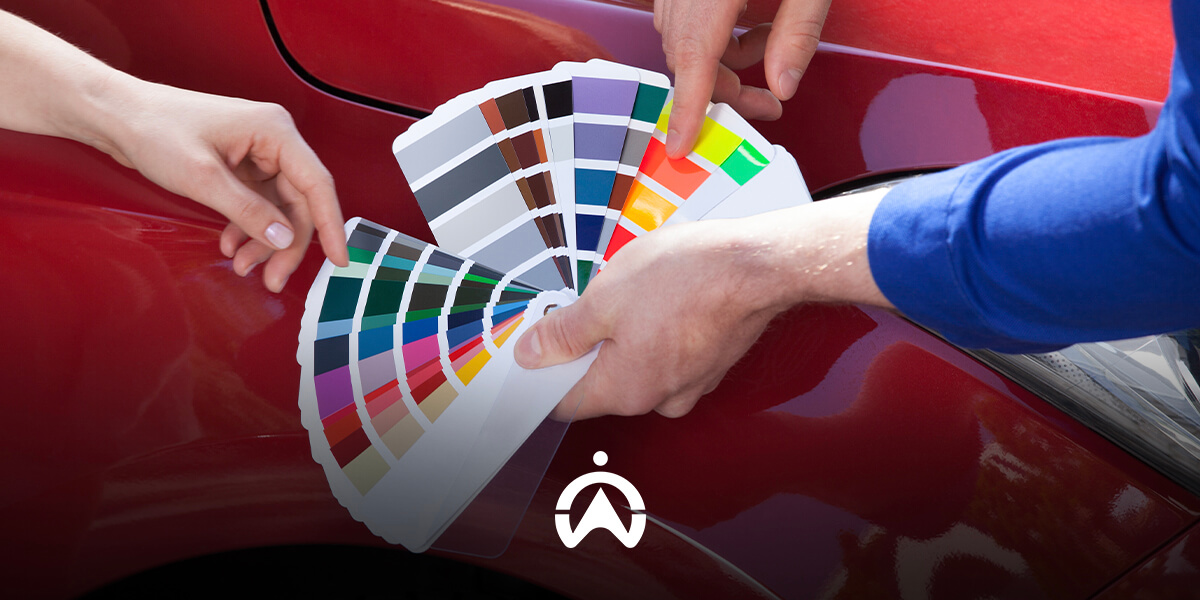
The least stolen cars are ones with bright colours such as orange, green, yellow, and pink. This is because they’re uncommon, easy to notice, and hard to sell. Car thieves tend to go for vehicles in common colours, such as white, grey, and black. This is because they have a higher demand, making them easy to sell.

With the high vehicle theft numbers in Malawi, it’s also noticeable that some cars are just more attractive to the criminals than others.  There are many factors that go into what makes a car more attractive to thieves. Colour is one of them, but this holds a very small percentage.

So if you’re wondering how much of an impact the colour of your car (or the one you’re thinking of getting) will make in terms of being a target, Cartrack is here to break it down for you. We’ll also give you tips on strengthening vehicle security regardless of the colour.

Do thieves really care about car colour?

Yes, car thieves do care about the colour of your car, but it’s not the main thing they look at. Car thieves fear being noticed and constantly think about how much attention a car draws. The brighter your car, the more it stands out, making it harder to hide.

Neutral colours such as grey, silver, black, and white, blend more into traffic. Think about a neon green sports car. How often do you see that? If word goes out that such a car is missing, people will definitely notice it while it’s on the move and report it. But if it’s black, most people will probably drive past it without even flinching. This is what makes bright colours less likely to be stolen.

Remember that car thieves are always looking to make a quick buck. Common colours are easier to resell or strip for parts. This means they have a higher resale value on the black market, thus being a more valuable option.

What the research and insurance data says about car colour

Research from the motoring industry suggests that insurers focus more on a vehicle’s make and model than its colour when assessing risk. However, lighter colours such as white and silver tend to be the most common on the road, which also makes them more frequently targeted for theft.

It’s also worth noting that certain vehicle characteristics can influence safety. The colour of a car can affect insurance considerations and may even play a role in reducing accident risk. How:

  • White cars have a 12% lower chance of being involved in accidents and are considered the safest on the road because they stand out in most backgrounds.
    ‍
  • Black cars are 47% more likely to be involved in road accidents because they don’t stand out on the road, especially in the dark. They have the highest accident rates.
    ‍
  • Owners of darker-coloured vehicles often face higher insurance premiums due to the risks associated with visibility.
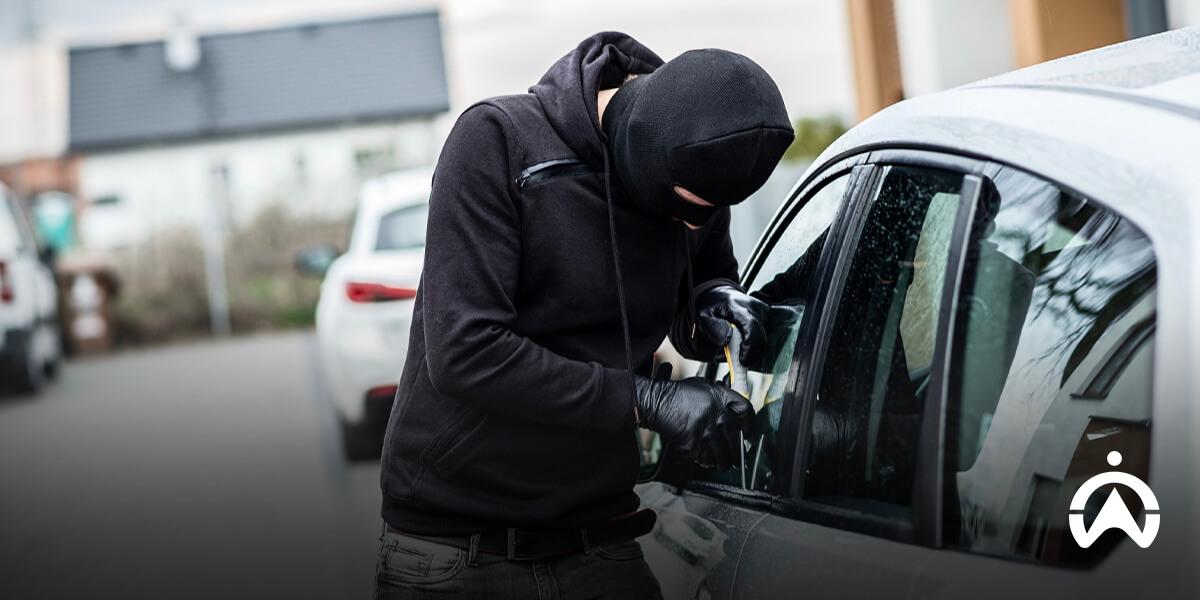
A masked individual in black clothing attempts to break into a parked car, using a tool to pry open the window.

Other things that matter more than vehicle colour

Vehicle colour only plays a small role in what thieves are looking for. Criminals usually care more about the type of car it is, how easy it is to steal, and how quickly it can be resold. In other words, vehicle colour matters less than its make, model, security features, and location.

Here’s why:

  • Car make and model: Some cars have a higher demand than others. Thieves usually target popular vehicles, regardless of colour, because they can be sold quickly. Luxury high–end cars may also attract organised crime groups due to their resale value on the black market.
  • Location: Some areas are more prone to car theft than others. There arehigh-risk zones in all major cities. If you live around such areas, your vehicle is at risk of theft regardless of the colour. Where you park your car also counts. Secure parking, such as garages and carports, provides more protection. If it’s a dark open area, then there’s a greater likelihood of theft.
  • Security: In one of our articles, we mention how older models may be easier targets because they lack security features such as alarms and immobilisers. The mere presence of visible security devices such as dashcams or steering wheel locks can make a thief think twice about targeting your vehicle.

How to choose a car colour wisely

When picking a car colour, think about all the pros and cons, take note of theft trends, but also bear in mind that vehicle colour is only a small contributing factor when it comes to risk. Ensure that you invest in strong security measures such as a GPS tracking unit. That way you get maximum protection regardless of the colour.

A smartphone displaying a Cartrack tracking app, showing a map with a parked green car icon, beside a white car and a woman.

No matter the shade, Cartrack keeps your car safe

With Cartrack by your side, you don’t have to compromise on the colour you’d like for your vehicle. Whether it’s red, blue, black, silver, yellow, or two-toned, we’ve got you covered! Our solutions are specifically tailored to reduce the likelihood of theft and increase the chances of recovery.

Here’s what we offer:

  • Stolen Vehicle Recovery: If you ever find yourself in a vehicle theft situation, you can rest assured that we’ll do everything in our power to get it back to you. We’ve got highly qualified recovery agents that are available nationwide and always on standby. Over the past decade, we’ve conducted more than 100,000 successful recoveries, making us a leading stolen vehicle recovery service.
    ‍
  • CarWatch: Ensure your vehicle is safe no matter where you park with our smart CarWatch feature. All you need to do is activate the tool on your Cartrack mobile app immediately after you park, and you’ll get an alert as soon as it moves without your permission. CarWatch acts as your virtual car-guard, watching over your vehicle during grocery runs or whenever it’s left in an unsafe environment.
  • Geofence: As an extra measure of security, you can make use of our geofencing feature. This is a function that allows you to create virtual boundaries around areas of your choice. You’ll get alerts whenever your vehicles enter or leave those areas.

    For example, you can create a geofence around the high-risk zones in your city. If you happen to lend your car to someone and they go past that zone, you’ll get an alert, then call to confirm their safety or determine if it’s a case of theft. Vehicle recovery chances are higher when the theft is quickly noticed.

  • Road Vision camera: Cartrack’s Road Vision camera solution is yet another way to safeguard your vehicle. It’s a road-facing camera with GPS tracking capabilities, ensuring you always know where your car is. Its visibility also serves as a deterrent to criminals because no one wants to steal a car knowing that their actions are being recorded.
    ‍
  • Trip history: All our GPS tracking devices have telematics technology. This means it can sense driving habits such as speeding, harsh braking, and harsh cornering. You can access this information by going through your trip history, replaying routes, and seeing where you can improve. Better driving habits reduce the chances of accidents, therefore making you less of a risk to your insurer. 

So rare bright-colour vehicles often show lower theft rates in studies, but regional differences, make and model, as well as security measures, matter far more. Vehicle theft goes with popularity, so unpopular vehicles are less likely to be stolen. A thief is more interested in what car you drive and how easy it is to steal. Enjoy the colour you want; just don’t compromise on security. Contact Cartrack today!

Frequently Asked Questions about car theft and colour

What car do they steal the most?

The most stolen cars are sedans, hatchbacks, and coupes. There’s a high-demand for vehicle models of that nature because of their widespread use in both rural and urban areas. Some of them are easier to dismantle, and due to their popularity, the parts are quick to sell.

Does a white car stay cooler?

Yes, a white car usually has cooler temperatures than darker-coloured cars. This is because white surfaces reflect more sunlight and absorb less heat. The reflection keeps the surface temperature lower, which in turn also keeps the interior cooler than that of a darker vehicle that’s left in the sun.

Keyless Car Theft – Which Keyless Cars Are the Most Stolen Now?

Keyless cars provide an easy, breezy lifestyle. Gone are the days of having to insert keys or press key remotes to access and drive vehicles. While this sounds appealing, unfortunately, the keyless system can and is being easily hacked by car thieves.

But don’t worry, there’s technology out there designed to outsmart criminals and protect your vehicle.

Let’s get straight into it.

In this article, you will:

  • Explore keyless entry systems and the vulnerabilities that lead to theft
  • Identify common hacking tactics used by criminals for keyless car theft
  • Understand the most targeted keyless cars and factors influencing risk
  • Discover prevention measures to protect your keyless entry car
  • Explore the tools and technologies offered by Cartrack Malawi to combat keyless car theft

Keyless entry cars? Let me explain

Imagine strolling up to your car with no jingling keys in hand, touching the door handle and voila — your door magically unlocks.

Welcome to the world of keyless cars, where simply having your car key in your pocket or using an app is all you need to gain seamless access to your vehicle.

Most of us still remember the days of having to insert and turn an actual metal car key into a vehicle’s door to unlock it. Sounds pretty old-school when you put it like that, but those days are gone. Today, you can open and start most cars with a key fob, card, or even an app.

Modern vehicles have moved from the conventional, bulky key to a compact, advanced fob. This fob emits a unique signal that the car identifies when nearby and unlocks or locks the doors, giving you hassle-free access to the vehicle and allowing you to start the engine with a simple push of a button and be on your way.

It’s convenient, futuristic, and can sometimes feel like magic.

What is keyless car theft?

Sometimes magic comes at a cost. While car theft might conjure images of smashed windows and hotwiring, a modern method has emerged: keyless car theft. This sophisticated technique exploits vulnerabilities in keyless entry systems, allowing thieves to steal vehicles without breaking a sweat.

Common hacking tactics used for keyless cars

While keyless cars offer convenience, their advanced technology can also make them vulnerable to sophisticated criminals.

Understanding common hacking tactics is crucial to protecting your vehicle and outsmarting criminals who seek to exploit its vulnerabilities.

1. Relay/replay theft:

Criminals use relay devices to amplify and capture the key fob signal, even inside the owner’s home.

Steps:

  • One thief holds a device near the car, mimicking its signal.
    ‍
  • The other thief holds a device near the key fob (often near your home), relaying the signal to the car.
    ‍
  • The car is tricked into thinking the key fob is nearby, allowing the thieves to unlock and start it.

2. Signal jamming:

Imagine a radio tuned to static, not music. That’s what jamming does. Thieves use signal jammers to block communication between the key fob and the car, preventing it from locking and leaving the car vulnerable to theft.

The big question: Which are the most targeted keyless cars?

While any car with a keyless entry system can be of interest, some are more targeted than others. Factors like the security protocols of the specific system, the complexity of the signal encryption, and the availability of aftermarket equipment for specific manufacturers can influence the risk.

In recent years, carjackings in Malawi have been slowly increasing.

While the reported hijackings prove motorists should be fearful of their keyless vehicles being stolen, the numbers don’t specifically show how many of the cars were keyless entry vehicles.

Which_are_the_ most_targeted_keyless_cars

Are keyless cars stolen more?

There has been a surge in keyless car theft since 2022, and slowly but surely, more modern keyless cars are on the road than there are conventional key cars. But besides the vehicle being a keyless car, there are other factors criminals consider before hijacking vehicles.

Other vehicle types that are most at risk are:

High-value vehicle targets:

  • Luxury SUVs: These plush rides often come equipped with the latest technology, including high-end keyless entry systems. Their value and popularity make them tempting targets for professional thieves.
    ‍
  • Premium hatchbacks: Combining sporty performance with modern tech, popular hot hatches are attractive to a wider range of criminals, from joyriders to professional thieves.
    ‍
  • Full-size sedans: Spacious and luxurious, these often family-friendly vehicles can be attractive targets for organised crime rings, especially models with advanced keyless features.

Additional vulnerability factors:

  • Push-to-start ignition: Vehicles with push-button start systems are generally more vulnerable than ones requiring a key, as simply unlocking the car grants access to the ignition.
    ‍
  • Car model/era: Generally, newer models with more advanced keyless systems are less vulnerable and certain older models still on the road may have known security flaws exploited by thieves. However, the more advanced vehicles are the ones that are sought after, despite having higher security protocols like alarms and car trackers.
    ‍
  • Popularity: Cars that are in high demand from thieves due to their resale value or ease of dismantling parts are more likely to be targeted.

Hijacking can be a dangerous and traumatic experience for the victims. If your vehicle falls under the factors listed above, there are a few things you can do to make yourself less of a target:

  • Install an alarm system and tracking device
    ‍
  • Avoid driving in high-crime areas
    ‍
  • Be aware of your surroundings and take precautions to avoid being targeted

Why get keyless vehicles?

Like any vehicle, keyless cars can’t guarantee 100% security from car thieves, but they are still gaining popularity among motorists. Why? Well, there are several reasons:

Convenience

No more standing by your vehicle while digging through your pockets and bags for your keys. Keyless cars offer a seamless and secure experience with effortless entry, push-button starts, and remote trunk access. This not only makes life smoother but also ensures added safety, sparing you from vulnerability, especially for those juggling groceries and kids.

Security

With automatic locking and potential alerts if your car moves without the fob, keyless cars provide an added layer of security. All keyless cars have advanced technology that makes them resistant to traditional theft methods like manually jamming the window down with a wire to lift the door locking knob or breaking the door to get inside and sparking the wires to start the car.

Modernity

Owning a keyless car feels like stepping into the future, with features like remote trunk access and walk-away locking adding a touch of modern ease to everyday driving.

Besides criminals copying the fob and running off with your ride, other aspects can leave your car vulnerable, like a lost or dead fob. This can leave you stranded, unable to lock your vehicle after parking and leave it unprotected if it’s unable to lock. Always have a backup plan or spare fob handy.

Prevention measures to protect your keyless entry car

Before we dive into the list of security measures you can take to protect your car, let’s quickly look at a vital one you can practise before you even leave your car.

When stepping away, don’t just rely on your vehicle automatically locking behind you, always manually check if your vehicle has locked. If not, lock it manually, then scan the immediate area for anyone hanging around.

Here are other protection methods you can use to protect your vehicles against car theft:

  • Steering wheel locks: Physical deterrents can prevent theft even if the keyless system is compromised.
  • Car alarms and tracking devices: Install aftermarket security systems for added protection.
  • Distance your keys from your car: When at home, keep your car key (and the spare) away from the car, doors, and windows. Another option is to turn off the signal on your key fob. If you don’t know whether your key’s signal can switch off or not, search through your vehicle’s manual for the answer.
  • Faraday pouches/signal blockers: Invest in signal-blocking pouches or Faraday cages to prevent your key fob from transmitting a signal when not in use.
  • Physical barriers: Keep your car keys in a metal tin or aluminium foil to create a barrier that blocks electronic signals.
  • Consider additional security measures: Install aftermarket alarms, immobilisers, or GPS tracking devices for extra protection.
Prevention_measures_to_protect_your_keyless_entry_car

How Cartrack Malawi helps businesses and everyday motorists combat keyless car theft

While traditional methods like alarms and steering wheel locks still have their place in vehicle theft prevention, when it comes to fleets, fleet management solutions and trusted vehicle tracking companies like Cartrack Malawi offer a more powerful counterpunch against modern vehicle theft techniques.

Cartrack’s anti-theft solutions for fleets

  1. Real-time tracking: Imagine your car disappears. Panic sets in, replaced by immediate action as you access Cartrack’s fleet management platform. A map illuminates, pinpointing your stolen vehicle in real-time, its every twist and turn is clear to see. This is the power of real-time tracking, guiding our 24-hour recovery team directly to your stolen vehicle.
    ‍
  2. Geofencing: Build a virtual fort surrounding any area, such as high-risk zones, to help counter vehicle theft. Every time your vehicles enter or exit these geofenced areas, it triggers an alarm, alerting you to quickly inform authorities of potential theft before the thieves vanish with your vehicle.
    ‍
  3. Driver ID Tag: Equip each authorised driver with a unique tag that requires them to tap on a sensor to start the vehicle. This swiftly informs the manager of which driver is behind the wheel of their vehicles, ensuring vehicle safety, accountability and transparency.
    ‍
  4. Start Prevent: Be able to disable and enable a vehicle through the fleet management interface. The vehicle immobilisation will activate only when the ignition is off, ensuring safety for both the vehicle and the driver, as there’s no abrupt halt. This feature provides a safe security measure whenever vehicle theft or unauthorised driving occurs.
    ‍
  5. Smart camera software with live streaming: Experience complete visibility by gaining full access to both interior and exterior views in real time. This provides enhanced tracking capabilities for fleet managers and authorities in cases of vehicle theft.

Cartrack Malawi features that protect everyday drivers’ cars from hijackings

At Cartrack, we offer more than vehicle safety solutions for business, we also provide trusted technology that can assist everyday drivers in hijacking events.

When you call us for assistance, here’s what to expect:


In the face of rising keyless car theft incidents, Cartrack Malawi offers robust solutions to safeguard your vehicle:

  • Ultimate vehicle protection: Use our stolen vehicle recovery services (SVR) in the unfortunate event of theft or hijacking. Once a vehicle has been reported, our 24/7 control room and recovery teams leverage GPS tracking technology to locate and recover your vehicle swiftly. With a remarkable average recovery rate of 90%, giving you total peace of mind.
    ‍
  • CarWatch: This is like your personal digital car guard, an early warning system that customers can activate at the touch of a button through our mobile app. It notifies Cartrack in advance if your parked vehicle is moved without your knowledge.
    ‍
  • Protector: Cartrack Protector offers 24/7 professional roadside assistance at the push of a button on the Cartrack mobile app. It provides assistance in battery jumpstarts, tyre changes, car towing, and even emergency and accident services whenever needed, like in the unfortunate event of being hijacked and being harmed as the outcome.
    ‍

Count on Cartrack Malawi as your trusted ally, especially in the face of rising keyless car theft concerns. Face keyless car theft worries with these Cartrack Malawi solutions.

Outsmart car thieves with Cartrack’s advanced vehicle tracking solutions

Whether you own a sleek new ride with keyless entry capabilities or a reliable classic vehicle, Cartrack Malawi has your back! Our vehicle monitoring and tracking solutions are tailored to protect your investment, providing a safety net for every journey. Safeguard your vehicle today, contact Cartrack Malawi.