9 Car Checks You Should Never Skip Before a Long Road Trip

You should never skip regular maintenance and service checks before any long road trip. Check your spare tyre, the lights of the car, and make sure you have no cracked windows. The right checks ensure your car, your family, and you are safe during any road trip—long or short.

As we head into the festive season, these checks become more important for your safety. During the 2024 festive season in Malawi, the Malawi Police Service booked motorists for traffic violations including 841 for speeding, 1 475 for exceeding seating capacity, 173 for drunk driving and 519 for unroadworthy vehicles, reflecting active enforcement of road rules over the holidays. Many of these are because of faulty lights, failed mechanics, or because of accidents caused by lack of maintenance.

Without the right checks done you may end up stranded somewhere unfamiliar, without any help. Being prepared means you do the right checks, and having a trusted partner to call on whenever & wherever you are in the country.

Why should you do spot maintenance before going on any long trip?

Doing spot maintenance on your car before a long road trip ensures your engine, wheels, or safety systems won’t fail. Keeping your car in a working state means more than just ensuring it starts up. It needs to be reliable and capable of handling unexpected dangers on the road.

During our everyday commute, most cars don’t reach their full operating temperatures. When you’re doing a long road trip, this changes. Your car will operate for long hours without stopping. Each hour spent on the road is another hour your car has to operate at peak efficiency.

Increasing the punishment your car goes through are the road conditions countrywide. While cities and small towns may have good road infrastructure, the further you drive from civilisation the worse it gets. Roads may have potholes, be littered with debris, or be completely washed away due to recent storms.

With millions of people using the roads each day, a simple breakdown in your home city could become a life threatening situation.

The 9 car checks you have to do before going on a long road trip

1. Check your fluid levels (Oil, coolant, and washer)

Your car’s oil and coolant must be checked regularly. Check the oil condition and level by using the engine dipstick. Your car’s coolant levels can be checked on the reservoirs. A cold engine should have the fluids at the indicated lines. Coolant and oil keeps your engine SAFE, COLD, AND EFFICIENT.

Your washer fluid is easier to check, and will play a more visual role in your safety. Any long road trip will go through dust, rain, or worse. Having a windscreen covered in grime reduces your ability to see hazards on the road. Clean water is all you need to refill this in a pinch.

2. Check your belts, hoses, and wires (No obvious leaks, loose wires, or moaning belts)

Lift the hood of your vehicle and check every hose, belt, and wire you can reach. Hoses should have no fluids on the exterior. Wires shouldn’t be exposed or loosely fitted. Belts should not squeak or make loud sounds. There are hard to reach parts of your engine that are best left to a trained mechanic to check.

Many drivers never even do a cursory check on their wires, hoses, or belts. When you’re traveling on a long road trip, any of these can cause catastrophic engine failure.

3. Replace your filters (Oil, fuel, and cabin filters)

THREE filters in your car need to be replaced before you take any long road trip. The oil and fuel filters ensure that the fluids in your car are always clean. The fuel filter ensures that every drop of fuel you use is clean and safe. Oil filters increase the longevity of your oils, catching debris that may contaminate your oil.

Cabin filters are often forgotten by drivers, but on a long road trip they’re essential. You may drive behind a truck blowing diesel smoke or even drive through sand storms. Cabin filters keep the air inside the car clean and breathable, especially when you’re recycling the inside air.

4. Do a battery test (Check its health and age)

Car batteries are forgotten until they fail. Every car battery has a set amount of OPERATIONAL hours. Once they start reaching their ‘end of life’, the voltage they deliver will decrease. You can check the health of your battery using a volt meter. Alternatively, you can rely on a tracking partner that has built in battery testing systems.

Cartrack units measure the voltage from your car battery, sending a low-battery alert if the voltage drops or if the battery is disconnected. If you know your battery is old or you get regular low-battery alerts from your tracking unit, it’s always best to replace it.

5. Make sure all the lights work (Indicators, reverse, brake, fog, and headlights)

The most overlooked safety check you may forget to do is checking your lights. Your indicators, reverse lights, brake lights, headlights and high-beams can all fail without notice. Before departing for your trip do a check on each one. Ensure they are not too dim or broken.

If one of the lights seems weak, it’s safer to replace it. This ensures you’re safe on the road. It also avoids a possible fine when you’re pulled over. 

6. Have the brakes and alignment checked (Pads, discs, fluids, and wheel alignment)

Your brakes and wheel alignments have a big effect on the safety of your drive. Before the day of your departure, take your car to a specialist to have all of these checked. They’ll check your brake discs, pads, and brake fluid levels. Recommending a change if needed.

Getting your wheels aligned once a year is vital to increasing the longevity of your tyres. Doing so before any long road trip drastically improves the safety of your car on the road.

7. Check your tyre health (Tread depth, tyre pressure, and overall condition)

The easiest way to check your tyre tread depth is with a coin. Checking your tyre health is something you can do at home with a few simple tools. In Malawi, you can use a coin as a rough guide by placing it into the tread grooves to see how deep they are, but a tread depth gauge will give you a more accurate reading. Your tyres should have at least 1 mm of tread depth, which is the legal minimum. If the tread is worn down to the level of the built-in wear indicators, it’s time to replace them.

Once the tread depth is checked, the inside of the driver-side door will have a sticker that indicates what the right pressure of your tyres are. During your wheel alignment you should ask the team to rotate your tyres as well. This means moving the rear wheels to the front, and the front to the rear.

8. Make sure the spare tyre is working (Cracks, pressure, and size)

Easy to overlook, disastrous to forget, the spare tyre is one of the most important parts in your emergency kit. Anything can happen on the road, and that includes having a tyre that looks perfect suddenly getting a puncture in the middle of nowhere.

Check your spare tyre for cracks, pressure, and overall health. Be sure that you know where it’s kept if you’re driving an unfamiliar car, and that you can fit it alone if needed.

9. Check for cracks on any of the glass on your car (Windscreen, mirrors, rear windscreen, and side windows)

A small crack on the windscreen of your car can quickly become a crack that spreads across your entire vision. Check your windscreen, the mirrors, rear, and side windows for any chips or cracks that may cause a problem. Replace these or have them fixed before they become a bigger issue.

Bonus | 5 Extra tips for drivers with trailers

Knowing how to get your car safely on the road is already a WIN. But what if you’re going for a long time? Maybe you’re camping for a few weeks out in the bush. What checks should you do for a trailer?

  1. ‍Inspect the tow hitch and coupler: Before hitching the trailer to your car, check the tow hitch and coupler. Make sure they are tightened correctly and that the coupler is wired properly.
    ‍
  2. ‍Check trailer lights and wires: Connect the trailer’s wiring harness to the tow hitch and coupler to test trailer lights. The reverse lights should go on with your car, as well as the indicators and brake lights.
    ‍
  3. ‍Balance and secure the load: Most trailers only have one axle. This means the heaviest luggage should be loaded at the front. Balanced loads prevent the trailer from tilting backwards, putting the wrong pressure on the hitch. Unbalanced loads can cause a trailer to swerve or ‘jump’ off the hitch.
    ‍
  4. ‍Check its tyres and pressures: Chances are your trailer has been in storage for close to a full year. The tyres and axles should be checked and properly lubricated. Tyres have to be crack free and the axle needs to turn unobstructed.
    ‍
  5. ‍Test the braking and safety chain: Larger trailers have their own brakes that apply when the car stops. Check to ensure these brakes are working and not rusted open or closed. All trailers in Malawi have safety chains, check the chain to ensure it’s bolted on properly to the trailer arm.

What should be in the emergency kit for a long road trip across Malawi?

When doing a long road trip across Malawi your emergency kit should have the basic trauma kit and safety tools. Drivers should check that they have these before any trip they make. This is true even when driving in your home city. There are many other parts you should have in your emergency kit.

The table below lists all the items your emergency kit must have and why:

Category📢 Items 🛍️ Purpose ⛑️
Safety and First Aid First aid kit, medicines, reflective vest, warning triangle Treat injuries and stay visible on the road
Tools and Car Essentials Spare tyre, jack, wheel brace, jumper cables, basic tools Fix flat tyres and minor car problems
Lights and Electrical Spare fuses, bulbs, torch, batteries Keep the lights working and see at night
Navigation and Communication Mobile phone, charger, power bank, offline maps, GPS Find your way and call for help
Food and Water Water bottles, snacks, energy bars Stay hydrated and keep energy up
Comfort Blankets, warm clothing Keep warm if you stop unexpectedly
Safety Extras Fire extinguisher, Swiss Army knife, hand sanitizer Handle small emergencies and stay clean
Documents Car papers, emergency contacts Prove your car is legal and contact help fast

When traveling across the country, how can roadside assistance help you?

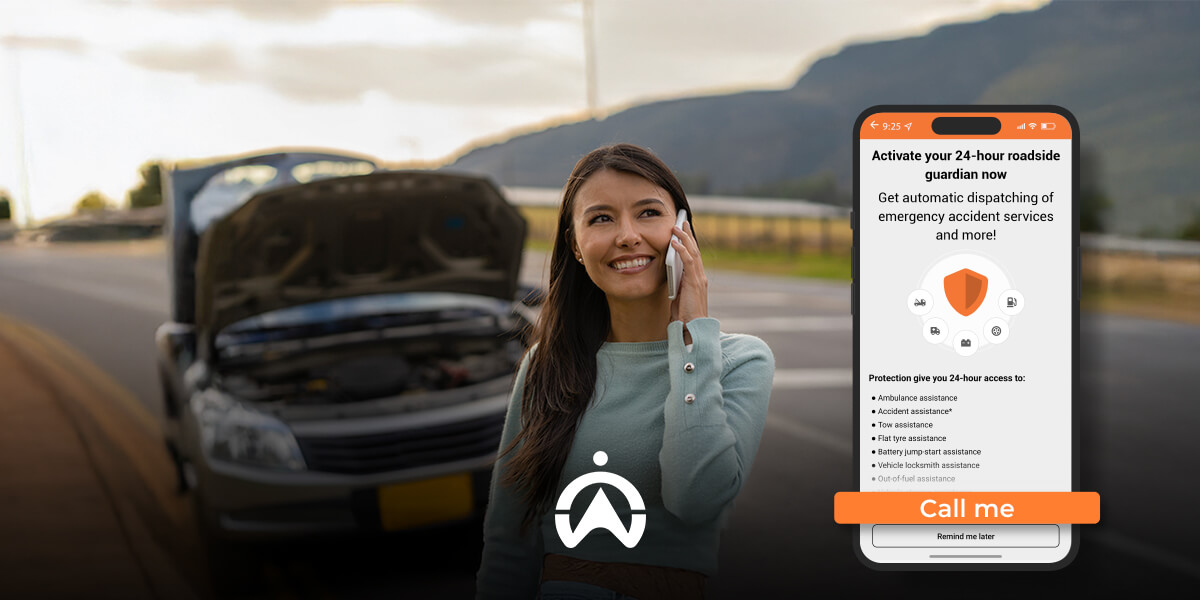
Roadside assistance when traveling across the country helps you stay safe and prepare for the worst. If you have chosen the right assistance a new battery, emergency fuel, or emergency services are all only a call away. When you are in an emergency, the right assistance you rely on already has solutions to the most common problem you may face.

These are the 4 most common problems and how to solve them:

  1. Problem: A flat tyre or breakdown and you don’t have the right tools.

    Solution: 

    Cartrack has roadside assistance you can call, a technician will come out with all the right tools to get you going again.
    ‍

  2. Problem: You might not know where the nearest repair shop is in another province.

    Solution:

     Using Google maps or contacting a 24/7 support centre that knows the area will guide you to the nearest specialist you need.
    ‍

  3. Problem: A dead battery or lost keys delay your trip.

    Solution

    : Just a quick call to your insurance or tracking provider and you’ll have a technician with a new battery or the right cables at your disposal.
    ‍

  4. Problem: When you’re traveling with your family, the dangers of your car being stolen or being in an accident increase.

    Solution

    : Safety isn’t just actively calling for help. You can drive without stress because you know your tracking unit can detect crashes. Alerting the right emergency services if you’re unable to make the call yourself.

How Cartrack’s tracking keeps your family and vehicle safe when traveling on a long road trip

Cartrack’s units monitor your location, keeping you and your family safe anywhere in Malawi. With advanced crash detection and geofencing you can be assured you’re safe wherever the road trip takes you. When parking in unfamiliar cities or towns, Carwatch features keep your car safe.

Our recovery teams are active nationwide and are mobilised by our 24/7 control room. Your long road trips aren’t just made easier. With us you can enjoy the open road with peace of mind, and carefree wind in your hair.

Frequently Asked Questions

How should you load the vehicle to ensure weight is distributed safely without compromising visibility?

You should load your vehicle by keeping heavy items low and over the axles to balance the weight. Avoid stacking items too high so your view is clear. Secure everything so it doesn’t shift while driving. Proper loading keeps your car stable and your trip safe.

How can you check whether a vehicle’s suspension and steering are in good condition for a long haul?

Check your suspension by looking for worn or broken springs and shocks. Test steering by turning the wheel and feeling for play or unusual noises. Listen for knocking sounds when driving over bumps. Proper suspension and steering keep your car stable and make long drives safer.

What vehicle failures should make me postpone a trip?

You should postpone a trip if your brakes, tyres, battery, or engine show signs of problems. Warning lights, leaks, strange noises, or cracks in glass are also red flags. Fixing these issues before you leave keeps you safe and prevents being stranded on Malawian roads.
What Should You Do If You Are Involved in a Car Accident

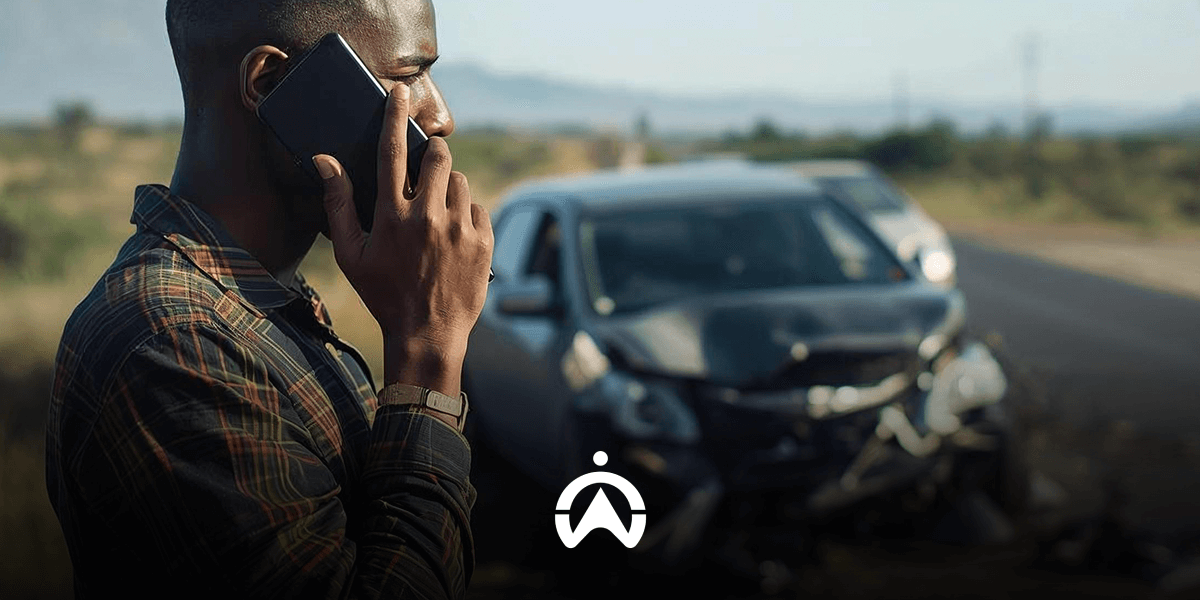
If you’re ever involved in a car accident, the first thing you should do is to stop. No matter how minor the accident is, you’re required by law to bring your car to a standstill. This is so you and all other parties involved can assess the damage and figure out what needs to be done next.

Knowing how to react in an accident is important for protecting your health, safety, and finances. After an accident, things can get pretty chaotic. Most people experience shock, stress, and confusion at the same time, and never really know what to do next.

Malawi has a high road accident rate, with thousands of fatalities and injuries reported annually. According to official police figures, Malawi recorded 3 527 road traffic accidents in 2025, down from 3 947 in 2024, while 931 people died on the country’s roads in 2025. No matter how careful you are, you might still fall victim to a crash. Having a clear plan of action can help prevent further damage, which is why Cartrack is here to provide you with tips on what to do and how our technology can assist you.

The immediate steps to take after a car accident

The immediate steps to take after an accident include stopping your car in a safe place, checking for injuries, and calling for help. From there, you need to get out of the car, assess the situation, document everything, and get all the details you need for your claim and the police report.

Here’s a detailed step-by-step guide on what to do if you’re involved in a car accident:

  1. Ensure safety first
    Turn on your hazard lights to notify other drivers that something is wrong. Once you’ve done that, and if possible, slowly move your car to a safe location to avoid the risk of causing another accident. This can be on the shoulder of the road or a parking space, depending on where the accident happened. From there, check yourself and passengers for any injuries.
    ‍
  1. Check for injuries and call for help
    Call emergency services immediately if there are injuries. Don’t try to move someone who’s severely injured unless that person is in immediate danger, (like if you suspect the car is about to catch fire). This also goes for you if you’re severely injured; don’t move, as you might make things worse for yourself.

    If you have minor injuries, you must still seek medical attention. Make sure you keep all medical records for insurance claims and legal purposes. When calling for help, try to give the emergency service personnel clear details of where you are. Tell them how many people are injured and how bad it is so they can come prepared.
    ‍

  1. Protect the scene
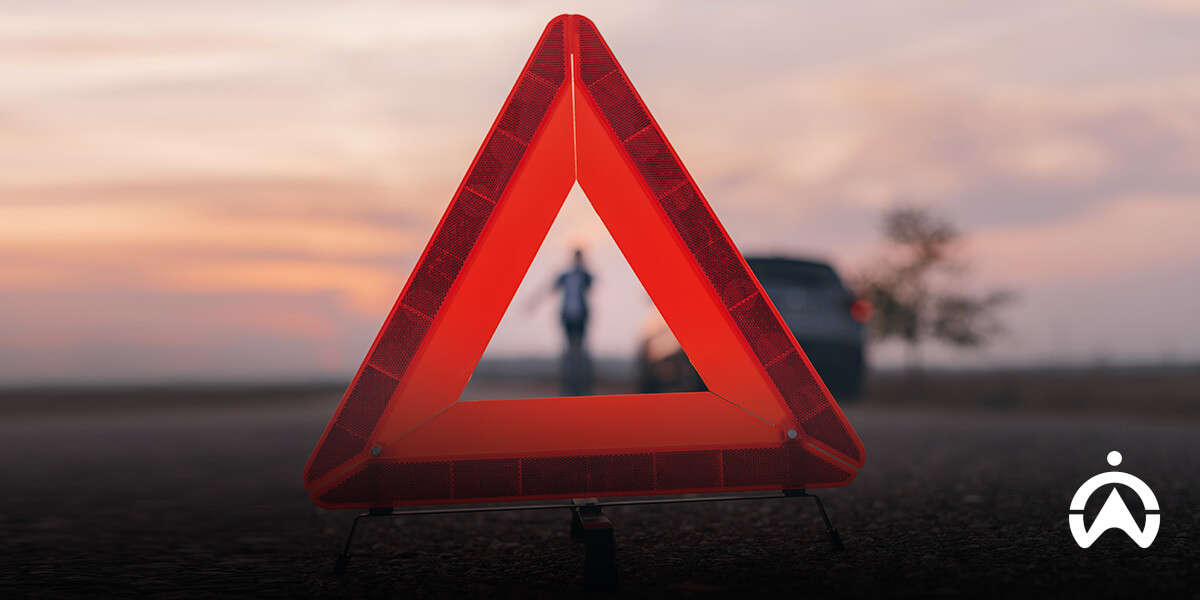
    If the position of your car doesn’t increase the risk of causing other accidents, leave it where it is for evidence purposes. From there (assuming this is a minor accident with no injuries), put out warning signs such as warning triangles or cones if available.

    You should avoid moving any broken remains or disturbing any skid marks. Insurers normally assess the damage to both vehicles. Safeguarding the evidence of an accident scene is crucial because it can help prove who was at fault.
    ‍

  1. Document the accident
    As the social media merchants always say, “Did it even happen if you didn’t take a photo?” Well, the same applies to car accidents. Take as many photos as possible, from all angles, and make sure the damage is clearly visible. Make sure to include images of the other vehicle(s) involved, and their surroundings.

    Take note of the time and date of the accident, as these little details are easy to forget when there’s a lot going on. Collect as much information as possible about the other party, and include the following details:

    • Vehicle registration number
    • ID number
    • Cell phone numbers and alternative contact details
    • Insurance company details
    • Physical address
    • Make and model of the other car(s)

      The police will require a sketch and description of the accident, and this means you need to remember details of your surroundings, such as road names, intersections, and traffic lights. So take note of that too. Gather witness statements too, if there are any.
      ‍

  1. Avoid admission of fault
    Don’t admit blame at the scene. Determining who’s at fault is crucial for insurance claims, legal proceedings, and potential liabilities. According to The Cotto Law Group, an admission of fault could result in your insurer viewing you as a high risk and increasing your premiums. Insurance companies also use such admissions to deny or minimise claims, making it difficult for you to receive fair compensation.

    In some cases, people believe they were at fault and admit it to speed up the process and move on. Others admit unintentionally by saying things like “I’m sorry” or “I didn’t see you”, which may be considered admissions of guilt. Rather stick to factual descriptions when speaking to the police and avoid arguing with the other parties involved.
    ‍

  1. Notify authorities and insurance
    If there are any fatalities, injuries, or damages to someone’s property, or if you suspect the other driver is intoxicated, you need to immediately call the police. If it’s a minor accident, you must ensure that you report the accident to the police within 24 hours. From there, you can contact your insurance provider.
    ‍
  1. Watch out for post-accident reactions
    Your body releases adrenaline after an accident, which might mask pain and emotions. This type of reaction may have you feeling like you’re fine, leading you to overlook symptoms of injuries. The hidden signs of injuries include headaches, dizziness, and unexplained pain. Make sure you seek medical attention to steer clear of any hidden health issues. Visiting the doctor as soon as possible also creates a medical record that links your injuries to the accident.
    ‍
  1. Follow up
    After leaving the accident scene, you must conduct a follow-up. This is usually where lengthy disputes emerge, and the evidence you’ve gathered is what will save you from that. Seek legal advice if that happens.

    Keep a record of your communications with insurers, repairers, and all other parties involved. Stick to insurer-approved repair centres to ensure your car is fixed correctly and safely.

Warning triangle on road after car accident at dusk.

How modern-day technology can help after an accident

Modern-day technologies such as dashcams, vehicle tracking units, and sensors can help you after an accident by:

  • Providing clear footage of the accident and the moments leading up to it.
  • Providing telematics that can support insurance claims.
  • Detecting vehicle impact so you can get faster emergency service response.

Here are brief explanations of how these three technologies work to your advantage if you’re ever involved in an accident:

Dashcams

Dashcams are the best way to ensure that everything surrounding the accident is recorded. With these gadgets, you won’t have to worry about taking pictures of everything to prove your innocence. It also helps those who suffer from memory loss after an accident and are unable to recall the sequence of events leading to the accident. A dashcam strengthens your claim by providing factual video evidence with time stamps.

Vehicle tracking units

Vehicle tracking units with telematics capabilities provide location data and driver behaviour. This means they’ll show the exact time and place of the accident and reveal the speed at which you were travelling, or if you were braking or accelerating harshly. Through telematics, you can further prove to insurers that you were not in the wrong.

Crash detection sensors

Some tracking units also have sensors that can identify severe vehicle impact. This is known as crash detection technology. Through crash detection technology, your vehicle tracking service can identify when your car has been in an accident. They’ll then send emergency services to your location, giving you a faster response.

Get the support you need after a car accident with Cartrack

At Cartrack, we provide the support you need after an accident with advanced solutions that speed up the process so you can worry less. You can count on our GPS trackers, dashcams, roadside assistance, and medical assistance services to be there for you when you need them most.

Here’s a closer look at our post-accident solutions:

GPS tracking unit

GPS trackers are a must-have for every car owner as they come in handy in many situations—an accident being one of them. They’ll give you telematics data that shows how you were driving in the moments leading up to the accident. For example, if you’re accused of speeding, you can simply go to your Cartrack mobile app, access your trip history, and prove that you weren’t driving recklessly in any way.

Unfortunately, some accidents are staged. Criminals might intentionally, yet gently, bump your car from behind, making you stop and go out to assess the damage. They’ll then take over and steal your car. This form of hijacking is called the “tap-tap” method, and should you fall victim, our GPS tracking unit gives you the best chance at getting your car back. We have nationwide recovery teams that are always on standby, waiting for your call.

Dashcams—Road Vision

The Cartrack Road Vision dashcam is a front-facing camera that captures everything that happens in front of you while you drive. This helps eliminate the back and forth that happens after accidents, as you’ll have evidence of everything.

The Road Vision camera offers high video quality that can capture finer details such as road signs and number plates. For example, if you’re ever a victim of a hit and run, the dashcam will help you quickly find the culprit. You can present footage showing the number plate to the police so they can trace the car owner.

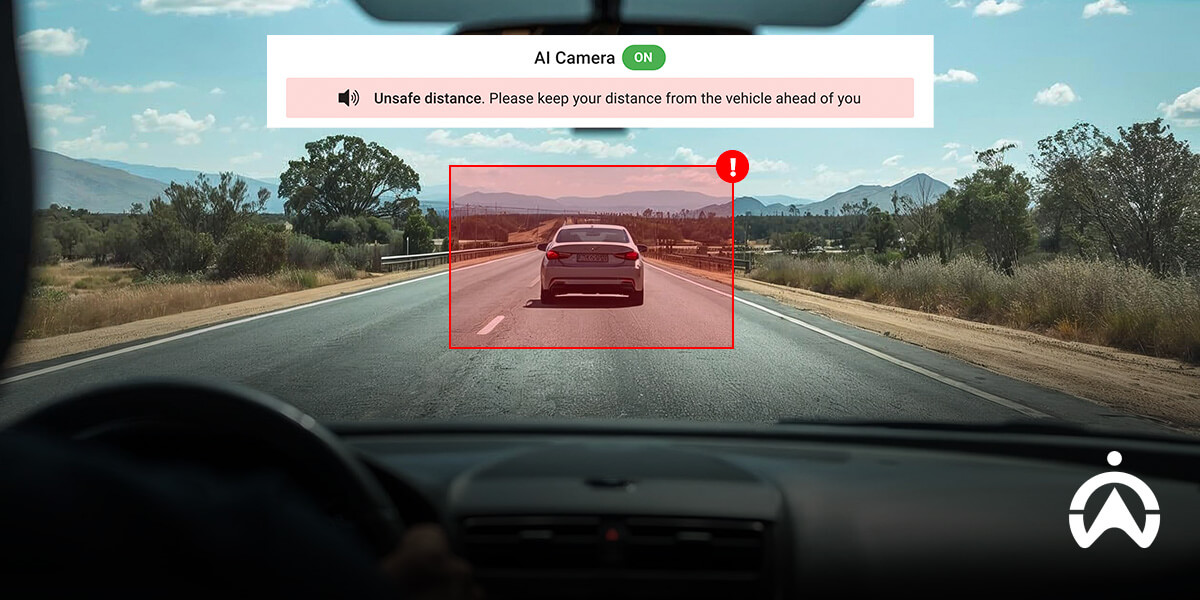
Cartrack dashcam alert showing unsafe following distance to help prevent car accidents.

Crash detection

A quick response after an accident can save lives. At Cartrack, we have a crash detection service that you can add to your package to ensure that you receive emergency assistance as soon as possible. Once we detect a heavy impact on your car, we’ll call you or your family member to find out what kind of help you need, then immediately send help to your location.

Protector (roadside and medical assistance)

Cartrack’s Protector is a value-added service that provides 24/7 emergency assistance such as roadside, medical, and legal support. It’s available on the Cartrack app at the push of a button. For instance, if you’re in an accident and need a towing service, you can contact us and we’ll arrange it for you.

Cartrack helps you prepare for the unexpected

Knowing what to do before an accident occurs is crucial, and having the right technology makes dealing with the situation a lot easier. Cartrack comes to the aid in such instances so you can focus on recovering. Reach out to us and enjoy the benefits of our post-accident solutions.

Frequently Asked Questions about car accidents

Will my insurance increase after a claim?

Yes, your insurance premium may increase after a claim. It depends on how often you claim. The more you claim, the higher risk you are to insurers, and they’ll charge you more for that. If it’s your first claim, you might get a small increase or no increase at all.

Who do you contact after an accident occurs?

After an accident occurs, you must contact an ambulance service if there are injuries. From there, report the incident at the nearest police station within 24 hours. You can also dial 999 to report the issue, and give accurate details about the accident. Make sure you get a case number, because it’s required for insurance claims and legal purposes.

Holiday Driver Safety Tips That Really Work

During the holiday season in Malawi, our roads get busier with travellers exploring every corner of the country. As a driver, it’s essential to ensure the safety of yourself and your loved ones on the roads during this festive time, which is why we at Cartrack put together some tried and tested holiday driver safety tips that really work.

This holiday season should be all about adventure, fun, and relaxation, not roadside stress. Yet every year, thousands of Malawians hit the road without realising just how dangerous it can be. During the 2025 holiday period in Malawi, the Malawi Police Service (MPS) reported that 9 road accidents were recorded during the New Year celebrations, with 4 fatalities — up from 2 deaths in the same period in 2024. This reflects an increase in road‑traffic deaths over the holiday season.

Most of these accidents were preventable. With a bit of planning, careful driving, and the right tech—like Cartrack’s Safety & Security solutions—you can travel with peace of mind and keep your loved ones safe.

Understanding the risks of holiday driving

Understanding the risks of holiday driving is crucial for staying safe on the road this festive season. Driving gets trickier with stress, heavy traffic, distracted drivers, and fatigue creeping in on long trips. These factors combine to heighten the chance of accidents, especially on unfamiliar roads or in bad weather.

By knowing the risks, you can plan better and drive with confidence.

Why holiday driving brings special challenges

  • Heavy traffic means everyone’s on the move at once.
  • Driver fatigue kicks in after long hours, messing with focus and reaction time.
  • Distractions pop up easily with other people, kids, and phones around.
  • Unfamiliar routes make quick decisions trickier.

Being well-prepared and staying aware of your surroundings helps you steer clear of these common obstacles.

Driver safety tips that really work!

Looking for some driver safety tips that really work? We’ve got you covered! You can get road-trip-ready by planning ahead; it’s your best bet for a smooth journey. By checking your vehicle, packing the essentials, and mapping out your route, you’ll cut down on the chances of breakdowns or last-minute stress while you’re on the road.

Preparation matters

Before you hit the road, ensure your car’s in prime condition. 

Make sure you check:  

  • Brakes, tyres, and fluid levels
  • Wipers, lights, and indicators
  • Emergency contacts, insurance, and your licence.

Pack Smart:  

  • Water, snacks, and a first aid kit
  • Reflective triangles, a torch, and a phone charger

Plan your route in advance and inform your family. Knowing your rest and fuel stops guarantees a smoother journey from start to finish.

Drive smart and stay alert

Driving smart means staying calm, alert, and predictable behind the wheel. By focusing on solid, responsible driving habits—like keeping a safe distance, sticking to speed limits, and taking breaks—you’ll protect yourself, your passengers, and everyone else on the road.

Safe driving habits that actually work:

  • Take a break and recharge every two to three hours. Switch drivers whenever possible to keep everyone feeling fresh.
  • Before you hit the road, set up your playlist and navigation. A little preparation goes a long way in keeping distractions at bay and making your journey safer.
Family packing car for a trip, illustrating key holiday driving tips.

What to do when conditions get tricky

Tackle tricky driving situations with confidence. When you know what to expect, handling tough moments becomes a breeze. Stay sharp and adapt your driving to factors like bad weather, tiredness, or busy roads to keep yourself safe.

Stay calm when the road throws challenges your way.

As the weather shifts, ease off the accelerator and use your lights wisely. Driving while tired can be just as risky as being under the influence, so find a safe spot to pull over if you feel fatigued.

In heavy traffic, patience is key, so avoid risky overtakes and don’t tailgate. Make sure your headlights are properly aligned, and keep an eye out for pedestrians and wildlife when driving at night.

Plan your routes wisely and keep your loved ones in the loop with live GPS tracking, like Cartrack’s real-time visibility.

Technology that supports your safety

On long journeys, vehicle safety technology offers you real-time support and comfort. With tools like Cartrack’s Safety & Security features, you can stay connected, minimise risks, and receive quicker assistance if anything goes awry.

Here’s how intelligent features keep you safe:

  • Real-time tracking: allows family members to track your journey in real time.
  • Driver monitoring: highlights excessive braking or speeding.
  • Trip sharing: keeps your loved ones in the loop during lengthy travels.

Technology vs what it offers you

Technology feature What it does for you Holiday-specific benefit
GPS vehicle tracking See the live location of your car Keeps your mind at ease while travelling
Driver-behaviour monitoring Flags, speeding, harsh braking, etc. Helps you avoid fatigue-related or reckless events
Crash detection & emergency alerts Rapid response in remote/holiday locations Rapid response in remote/holiday locations
Route/trip history & sharing Log your journey; share with family Family peace of mind during long trips

Protecting passengers, kids, and pets

When you’re on the road, prioritise the safety of your loved ones. Keeping passengers, kids, and pets safe is essential to a worry-free journey. Long drives become smoother and more enjoyable when everyone wears their seatbelts, child seats are correctly fitted, and you take regular breaks.

Keep travellers, children, and pets secure.

No exceptions—always buckle up before you hit the road. Ensure harnesses are snug and child seats are properly installed. Set some ground rules for the car: no climbing, shouting, or distracting the driver. Take a moment every few hours to stretch and grab a snack.

If you’re travelling with pets, make sure they’re secured in seatbelt harnesses or carriers, and don’t forget to keep water handy.

Safety doesn’t stop when you park

Driving safely is crucial, but so is protecting your car. The risk of theft goes up during the holidays, especially at rest areas, hotels, and petrol stations. Simple safety measures can help safeguard your valuables and vehicle.

Parking isn’t just about stopping—it’s about staying safe.

Always choose a well-lit, secure spot to park, and make sure to lock the doors before you head off. Keep your valuables out of sight, as even a bag or a pair of sunglasses can catch a thief’s eye.

Activate your Cartrack stolen car recovery system for 24/7 alerts and protection. Never leave the engine running, even for a moment, and store your keys securely.

What should you do in an emergency?

Knowing what to do in an emergency can be the difference between life and death in some cases. Being prepared for an emergency can really make a difference in how you and your loved ones react in an unexpected situation. While you wait for help, knowing what to do keeps you and your passengers safe.

When things go wrong, stay calm and follow the plan

  • Safely pull over and switch on your hazard lights.
  • If you have reflective triangles, set them up.
  • Let Cartrack’s response centre know through the app or SOS feature.
  • Record the details of the incident and update your insurer.
  • Keep clear of traffic and ensure your family stays safe until help arrives.
Family seated in car with seatbelts on, showing safe holiday driving tips.

Your ultimate holiday safety checklist

Before you head off, use a holiday safety checklist to ensure everything’s ready. It’s a simple way to confirm that your vehicle’s prepared, your passengers are safe, and your trip stays hassle-free. Travel with confidence, knowing you’ve ticked off all the safety checks.

A quick review before you hit the road

✅ Vehicle serviced and ready

✅ Emergency kit packed

✅ Route and rest stops planned

✅ Tracking system active

✅ Passengers buckled up

✅ Valuables hidden, vehicle locked

✅ Emergency contacts saved

✅ Everyone briefed on safety rules

Keep this checklist handy—it’s an easy way to ensure a safe, relaxed journey.

Make every trip safer with Cartrack

Cartrack boosts your confidence for every holiday journey, whether you’re heading to see family or hitting the coast. With real-time GPS tracking, emergency assistance, and alerts on driver behaviour, you stay safe on the road. Let Cartrack look after you and your loved ones this holiday season, so you can focus on making memories instead of stressing about the trip.

Remember, the best holiday stories start with getting there safely. Explore Cartrack’s Safety & Security features for families and make your next journey your safest one yet.

FAQs

How early should I start preparing my car for a long holiday trip?

Start prepping your car at least one to two weeks before your holiday trip. This way, you can check the tyres, brakes, fluids, and battery, plus arrange any necessary services. You’ll also have the chance to sort out any unexpected issues early on, so you’re not in a mad dash the day before you head off.

Is it better to drive at night or early in the morning during the holidays?

It’s better to start driving early in the morning, as this is usually a safer bet. The roads are cooler, visibility improves, and you’re less likely to encounter tired or reckless drivers. Nighttime driving can heighten the risks of poor visibility and drowsiness, so aim for daylight hours whenever you can for a smoother ride.

What should I do if my GPS or tracking signal drops while I’m on the road?

If your GPS or tracking signal drops while you’re on the road, just relax. Stick to your current route until the signal comes back. Always have a backup map or offline navigation app on hand. With Cartrack’s smart connectivity, you can swiftly get your tracking and location data back as soon as the network stabilises.

How can I keep my kids entertained on long trips without distracting the driver?

You can keep your kids entertained without distracting the driver by creating a hands-free entertainment plan. Stream movies, music playlists, or audiobooks on tablets with headphones. Pack games that don’t require adult supervision, along with small toys and snacks. Keeping the kids entertained during the journey helps everyone stay calm and happy, allowing the driver to focus on the road.

How to Protect Your Car Today: Reliable Personal Car Tracking

Protect your car today by going beyond the simple safety methods of car alarms and steering wheel locks, and invest in reliable personal car tracking. Considering that criminals are getting smarter in their tactics, it’s only right that your safety measures for your car match. Combining traditional safety methods with GPS tracking maximises your car’s safety.

One of the biggest concerns for most drivers in this country is vehicle safety. In Malawi Police Service crime reports, overall criminal cases declined by about 6 % in 2025, with total recorded crimes falling from approximately 40 ,037 in 2024 to 37 ,790 in 2025 — signalling some improvement in public safety. However, motor vehicle-related crimes, including hijackings and theft, remain a concern, with Malawi still reporting significant numbers of vehicle thefts as part of overall crime figures (the national motor vehicle theft rate was 23.7 incidents per 100 ,000 people in the most recent data).

Personal car tracking devices are the key to 24/7 visibility and immediate alerts that make vehicle recovery a whole lot easier.

In this guide, we’ll take you through the steps to keeping your car protected, how GPS technology silently works hard in the background, and why Cartrack is your top partner in dependable vehicle protection.

How can tracking keep your personal car safe?

Tracking can keep your personal car safe by monitoring your car’s location and giving you immediate alerts if something goes wrong. This gives you time to react quickly in an emergency. Personal car tracking takes things a step further, going beyond common safety measures and adding an extra layer of safety with a 24/7 connection to your car.

A snapshot of these benefits includes:

  • Tracking and monitoring: Keep sight of your car at all times.
  • Theft alerts: Get notified when your car moves without your knowledge or permission.
  • Availability: Have total access and notifications via a mobile app or platform.
  • Quick recovery: With eyes on your car, locate your car quickly with the help of GPS tracking.

Scenario: Quick Recovery in Action

Picture this: You’re at work when, out of the blue, your phone starts buzzing with a Cartrack alert – “unauthorised movement detected”. You quickly jump up to check the Cartrack mobile app, only to see your car meandering all over town in real time. One tap on the screen and you’re in contact with Cartrack’s control room and recovery team, who then spring into action, hot on your car’s heels.

Before you know it, the authorities are in the loop, and they’re already closing in on your car, all while keeping you fully informed.

This shows the best of what real-time personal car tracking can do: getting you alerts in a flash, getting things sorted with lightning speed, and keeping you feeling at ease the whole time.

Why car protection starts with tracking

Car protection should start with tracking because traditional safety methods aren’t enough. Modern vehicle tracking extends beyond alarms and physical locks, doing more to deter determined thieves. You get to keep your eyes on your car and its position at all times.

Tracking also provides you with instant alerts if your car is unfortunately stolen, which also increases your chances of fast vehicle recovery. In many cases across the country, cars fitted with trackers are recovered within hours, helping owners save both time and money.

How personal car tracking works

Personal car tracking works when GPS technology, typically from a device installed in your car, detects your location and sends that data to the app/platform you’re using.

Personal car tracking devices usually offer:

  • Situational notifications: If a collision occurs or someone interferes with your tracking device, you’ll get notified.
  • Geofencing: You can set up virtual geographic zones where your car is safe to enter/exit. Unauthorised movement or movements outside those zones will have you notified.
  • Immediate notifications: Get notifications for any movement or speeding offences.

Tips to maximise car safety alongside tracking

To maximise car safety alongside tracking, consider integrating conventional safety aspects with GPS tracking. Considering all safety angles is the best way to optimise your car’s safety.

Here’s what you can do:

  • Parking in safe, visible areas: Stay in well-lit areas where there’s as much traffic as possible to reduce danger and theft threats.
  • Locking doors and removing valuables: Try to reduce thieves’ attention to potential temptations.
  • Routine vehicle maintenance for functional safety: Make sure your car is kept in tip-top shape in terms of its default security.
  • Combining tech with practical safety measures: Take standard safety precautions and combine them with innovative tech to achieve ultimate peace of mind.
Man standing by silver convertible showcasing personal car tracking device benefits.

Types of personal car tracking devices

The types of personal car tracking devices include portable trackers, hardwired trackers, and OBD-II plug-in trackers. Each of them serves a purpose, and the tracker you choose depends on numerous factors. These include the level of flexibility you need, the type of car you have, and the way you use your car.

Take a look at each of these trackers in more detail:

OBD-II plug-in trackers

OBD-II plug-in trackers can be plugged into your vehicle’s OBD-II (on-board diagnostics) port under the dashboard.

Here’s a bit more about this tracker type:

  • It’s quick and easy to set up; plug in, sync with the mobile app, and you’re good to go.
  • It’s for everyday drivers who want basic vehicle tracking and diagnostic info, like engine performance or fault codes.

Hardwired trackers

Hardwired trackers are installed directly into your car’s electrical system.

Here’s a bit more about this tracker type:

  • Hidden and tamper-proof.
  • Because they’re obscured from view, installation makes it more difficult for thieves to find or disable them.
  • These are best for long-term protection, vehicles parked in high-risk areas, or for individuals who want a permanent solution.

Portable battery-powered trackers

Portable battery-powered trackers are compact and can be moved between vehicles.

Here’s a bit more about this tracker type:

  • They run on rechargeable batteries, not relying on the car’s power supply.
  • They’re usually for temporary or flexible use, like tracking rental vehicles, borrowed cars or motorcycles.
  • It’s important to remember to recharge portable batteries regularly to keep tracking going.

Quick comparison guide

Take a look at this quick comparison table to get a broad overview of each tracker type.

Device Type Pros Cons Ideal User
OBD-II Plug-in Easy install, car diagnostics Must use the vehicle port Everyday drivers
Hardwired Tracker Stealthy, long-term solution Professional installation High-risk areas or fleet owners
Portable Tracker Can move between cars Requires charging Rental cars, occasional users

Real-world advantages of reliable personal car tracking

The real-world advantages of reliable personal car tracking include everyday convenience through notifications, quick vehicle recovery if stolen, and consistent tracking. One of the most important things about personal car tracking devices is remaining in control of your car’s safety at all times. You can be confident that quick action can be taken if something unexpected happens.

Let’s take a closer look at these benefits:

  • Real-time location monitoring: This cements the extra layer of safety and security. You can see the location of your car right from the phone in your hand, knowing where it is if it’s in use. The location of your car is precise and visible around-the-clock.
    ‍
  • Quick recovery if stolen: This is the golden key to preventing money loss and strain. When your car is gone and every second counts, precise locations increase the chances of recovery.
    ‍
  • Extra value with insurance: Many insurance companies reward safe driving practices. This means you’re likely to receive smoother operations if you ever need to claim, or negotiate lower insurance rates.
    ‍
  • Convenience through notifications: Notifications can be received via mobile apps, web portals, and instant alerts. Get notified about when your car’s on the move, leaves a certain area, or makes unauthorised moves. You’ll stay informed at all times!

Choosing the right tracker for your needs

To choose the right tracker for your needs, be mindful of some of the important points like coverage area, app accessibility, and tracking frequency. Not every tracker is the same, and not every driver has the same needs. Before you make a purchase, take the time to match your lifestyle and the features you’re looking for.

These are the important elements to consider:

  • Coverage area: Think about whether the tracker will actually work where you need it to, especially in places with spotty coverage like rural parts of Malawi.
  • Tracking frequency: You’ll likely want a tracker that gives you accurate data as it happens; one that updates regularly and transmits information as often as it can.
    ‍
  • Battery life or power source: Think about whether you’re alright with a hardwired device that uses your car for power, or if you’d rather not have to worry about keeping a portable one charged all the time.
    ‍
  • Ease of use: Look for a tracker company that’s got a mobile app and platform that’s a breeze to use. You don’t want to be wasting time trying to figure things out or sifting through a bunch of data.
    ‍
  • Support and recovery: It’s well and good to have a tracker, but does the provider give you full support and vehicle recovery if you ever get into trouble? Check the tracker company’s customer care and recovery support systems.

Matching your lifestyle with the right tracker:

  • For urban commuters: An OBD-II plug-in or hardwired tracker is a good choice because you get accurate, up-to-date location and insights into the vehicle’s health. An OBD-II plug-in, in particular, is also easy to install.
    ‍
  • For rural and high-risk areas: A hardwired tracker is your best bet. This tracker works well in low-to-no signal areas and is the most reliable when it comes to durability and its tamper-proof build.
    ‍
  • For families: Any tracker that allows for shared access is suitable, although the most common options are the hardwired or OBD-II plug-in trackers. These are great for families because they allow multiple people to monitor a vehicle and its location.
    ‍
  • For occasional or temporary use: A portable device is the ideal choice here, because occasional or temporary use usually applies to renters or homes with more than one car. This means it’s easy to switch the device between cars, or simply provide mobility for a short-term situation.
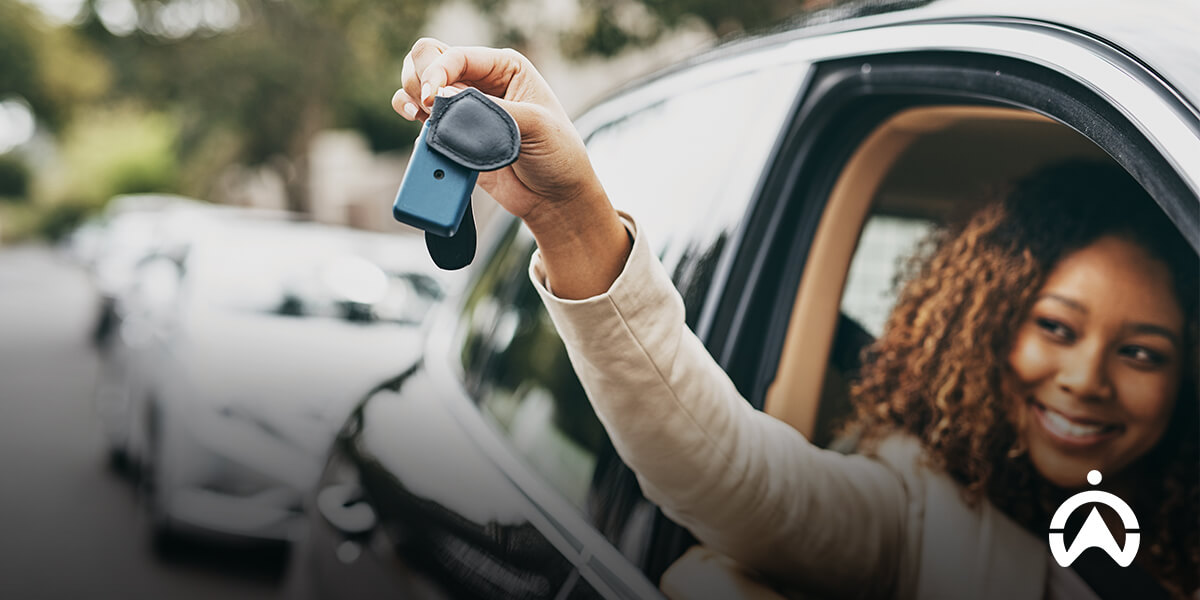
Hand holding car keys outside a vehicle displaying personal car tracking device.

Myths about car tracking: debunked

The myths about car tracking include three very common misunderstandings. First, that trackers are easy to hack; second, that trackers are only for high-end cars; and third, that tracking is a privacy violation. Despite the pros outweighing the cons, many people still have their doubts.

Let’s set the record straight.

  • Myth: “Trackers are easy to hack.”
    The truth is, most modern trackers are very secure and should be fully encrypted. With Cartrack, you can rest assured knowing that your tracking information is end-to-end encrypted, which is on par with online banking safety measures. This makes any sort of hacking quite difficult for criminals to carry out.
    ‍
  • Myth: “Trackers are only for high-end vehicles.”
    This is false; car tracking devices are for every kind of vehicle. As seen throughout this article, there are many types of trackers that have different uses and work for different vehicle types. Everyone with a car can own a tracker, and Cartrack has a solution for everyone.
    ‍
  • Myth: “Tracking violates privacy.”
    Tracking can only operate based on your consent, while also working within Malawian laws. Additionally, only chosen or authorised individuals can have access to tracking information. Cartrack’s protocols are designed to keep you protected and informed at all times.

How Cartrack simplifies car protection

Cartrack simplifies car protection by covering the most important features needed for every personal car. From accurate tracking and notifications to customer support, we always have your safety and best interests in mind. Cartrack provides innovative technology combined with a hands-on approach, ensuring you stay completely protected.

Here are some of our promises to you:

  • 24/7 tracking and alerts: You can have a connection to your car’s location whenever and wherever. Get immediate access and view from your phone or your laptop. You’ll also be notified if your car makes any unauthorised movements.
    ‍
  • Mobile app: The Cartrack mobile app is so easy to use, giving you a smart and fast way to get full visibility. Our app is designed for the everyday person, combining sophistication with ease of use.
    ‍
  • Car theft recovery support: Cartrack has some of the highest recovery rates. We provide vehicle theft recovery you can rely on, giving you comfort and confidence if the worst should ever happen.
    ‍
  • Customer support and installation services: Our 24/7 customer support, how-to guides, and installation services ensure that you receive the necessary personalised help. We’re always just a call or in-app tap away.

Wrapping up on personal car tracking

Peace of mind and safety benefits are anchored in reliable personal car tracking. Your car is an important and valuable asset. It doesn’t just help you move from A to B, but it’s likely ingrained in your daily life and sense of security.

Cartrack makes tracking your personal car a breeze. You stay constantly connected to your car, have swift stolen vehicle recovery, and enjoy an easy and user-friendly app. Everything is designed with YOU in mind, offering you total confidence and convenience.

Protect your car with Cartrack. Don’t wait until it’s too late; get complete peace of mind with a reliable personal car tracking device. Explore our solutions now.

FAQs

Can someone track your car without you knowing?

From a legal perspective, no, but from a general perspective, someone can illegally track your car using a commercially bought GPS tracker. Cartrack’s whole system is built around getting your consent. If you ever notice something suspicious going on, you can get a Cartrack expert to help you figure out where unwanted devices are and how to get them out.

Does installing a car tracker affect my personal vehicle warranty?

Installing a tracker through a proper service won’t affect your warranty because it shouldn’t disturb any of the core systems in your car. All the installations are done by professionals to the manufacturer’s standards to make sure your vehicle stays completely compliant with warranty rules.

Can I track my personal car internationally while travelling?

Yes, you can track your personal car internationally while travelling, as long as the SIM connectivity is set up to handle international coverage. Cartrack also has special international tracking options for certain places, ensuring your car stays safe even when you’re out of the country.

How to Stop Truck Driver Negligence

To stop truck driver negligence, always clearly identify dangerous behaviours, implement the right tools and coaching methods, and always enforce strong company safety policies. Negligence isn’t just about making a mistake here and there; it’s about recognising repeated behaviours that can put drivers, compliance, and business reputation at risk.

When you skip proper due diligence as a fleet manager, you open the door to serious threats. These include higher accident rates, rising insurance premiums, low driver retention, and damage to your company’s reputation. All of these can hurt customer relationships and slow down business growth.

In Malawi, the problem is clear. On busy transport routes, most truck accidents happen because of driver mistakes. This shows why it’s important to act early and fix these issues. Through this article, let us take you through what negligence is, how to identify early signs, and—most importantly—how Cartrack can help you stay protected and compliant.

How do you stop truck driver negligence?

To stop truck driver negligence, you should always combine safety culture with advanced technology to achieve the best results. Ensure that you keep track of dangerous driver patterns, be prepared to coach and train your staff accordingly, and be fair about the scheduling and tasks that you assign.

To address driver negligence, take into account each of these key elements:

  • Driver training and refresher opportunities: Driver training ensures that your staff are aware and up to date with standard safety practices, compliance matters, and protective policies. Refresher training keeps drivers on their toes and keeps the safety culture strong.
    ‍
  • Setting realistic driver schedules and deadlines: As a fleet manager, it’s important that you allow drivers enough time to manage their deliveries and tasks. Be realistic about your scheduling. Without balanced schedules, you risk drivers who skip inspections, speed when driving, or exhibit fatigue behind the wheel. 
    ‍
  • Encouraging safe driving incentives: Incentives are a helpful way to encourage your drivers to keep practising safe driving habits. A reward system is a tangible way to maintain positive behaviour through better practices.
    ‍
  • Fostering transparency and incident reporting: Your employees are more likely to feel comfortable reporting any difficulties they’re having when you support transparency and positive working relationships.
    ‍
  • Recognising and rewarding positive driving/driver behaviour: Much like safe driving incentives, rewarding drivers for positive behaviour is one of the best ways to maintain safe driving. Whether it’s an award or a promotion, it shows that responsible behaviour is valued.

What is truck driver negligence?

Truck driver negligence is the repeated dangerous actions that a driver exhibits. These actions aren’t just one or two mistakes; they’re patterns that are an intentional disregard for safety and regulations. If you recognise these patterns early enough, you could take the right steps to nip them in the bud.

Use the table below to get a quick look at common examples of negligence vs isolated incidents:

Driver Behaviour Negligence (ongoing, preventable) Error (isolated, unintentional)
Speeding Consistently exceeding limits despite training and warnings Momentary misjudgement (e.g., overtaking too quickly)
Vehicle Inspections Regularly skipping pre-trip checks or falsifying records Forgetting one inspection step on a single occasion
Fatigue Management Ignoring rest rules or driving long hours knowingly Miscalculating rest timing once
Distraction Using a phone repeatedly while driving, smoking, covering the camera, etc. Glancing at the GPS too long during one trip, for example
Substance Use Driving under the influence of substances Not applicable. Substance use is never “just an error”

Warning signs that a truck driver may be negligent

To spot the warning signs that a truck driver might be negligent, check if your driver is frequently driving dangerously or skipping inspections and check-ups.

Look at these red flags:

  • Frequent dangerous driving: This includes aggressive driving, harsh braking, speeding, and the like.
    ‍
  • Consistent route deviations: If your driver keeps deviating from standard routes without explanation, this is a sign of negligence.
    ‍
  • Ignoring inspection logs and check-ups: Not completing inspections, submitting incomplete reports, or ignoring everything altogether puts your drivers and assets in serious danger.
    ‍
  • High number of near-miss incidents: If near-miss incidents keep happening, especially when compared to other drivers, it’s a strong indicator that coaching is necessary. 
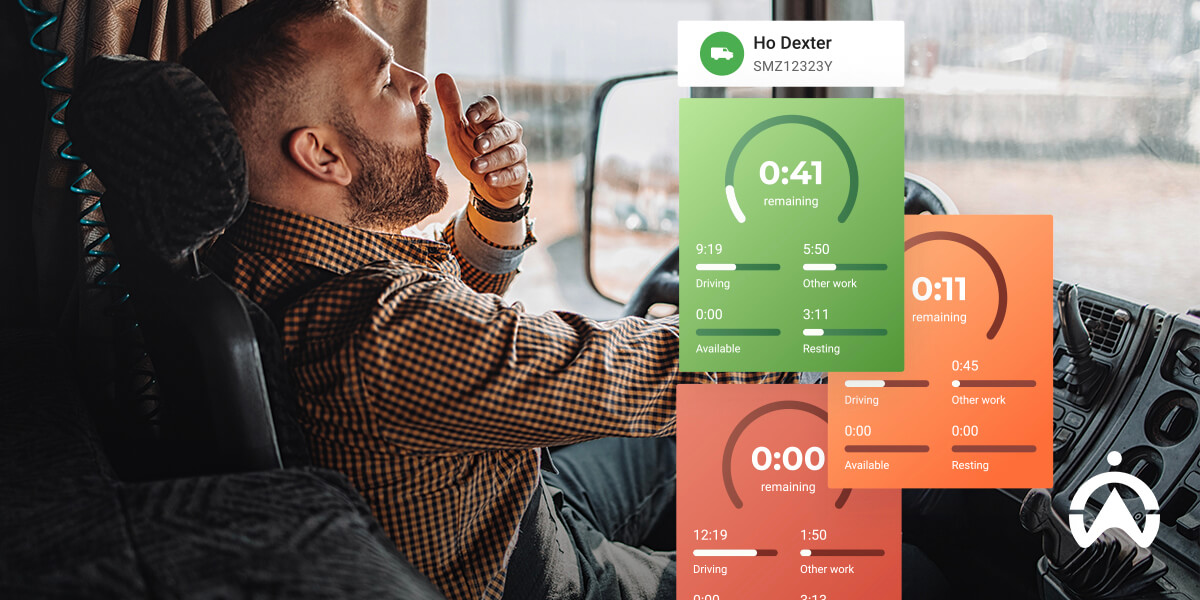
A truck driver is seated, sipping a beverage, with app screens showing driving and rest timers. The interior is decorated and cozy.

How does truck driver negligence impact your business costs?

Truck driver negligence impacts your business costs quite negatively, threatening to drain your bottom line. Unchecked negligence goes beyond just endangering lives. Unsafe actions on the road can drive up costs across your operations.

This is how carelessness of this nature could cost your business money:

  • Higher accident risk and liability demands: Crashes bring legal claims, medical costs, and vehicle replacements, all of which hit the business hard.
    ‍
  • Rising insurance premiums: A poor claims record raises red flags for insurers, who respond with higher rates across the fleet.
    ‍
  • Vehicle downtime and delivery delays: Damaged trucks mean missed schedules, late deliveries, and unhappy customers.
    ‍
  • Damaged brand reputation: Frequent safety issues can quickly destroy trust with clients, partners, and the public.
    ‍
  • Lost contracts and customer trust: Logistics clients expect reliability, and repeated incidents can drive them straight to competitors.

What are the legal risks of truck driver negligence?

The legal risks of truck driver negligence include fines and penalties, lawsuits, and loss of operating licences. As a truck fleet manager, you’re obligated to carry a duty of care, meaning you’re legally and morally expected to put reasonable safeguards in place against foreseeable risks. Ignoring these responsibilities exposes the business to serious liability.

In Malawi, these are what safety regulators and compliance look like:

  • Road Traffic Act: This act regulates road behaviour, speeds, and the like.
    ‍
  • National Road Traffic Regulations: These regulations assess driving permits, hours-of-service restrictions, and qualifications.
  • Vehicle condition and inspections: Fleet vehicles are required to undergo strict and regular checks to ensure roadworthiness.
  • Occupational Health and Safety standards: These standards ensure that employers are keeping their businesses in line, maintaining a positive working atmosphere for everyone.

Not being able to meet those standards means:

  • Civil lawsuits: Injured parties may seek compensation for damages.
    ‍
  • Criminal liability: If negligence results in serious injury or fatalities.
    ‍
  • Fines and penalties: For breaking traffic, labour, or safety regulations.
    ‍
  • Loss of operating licences: Or restrictions placed on fleet activities.

Root causes of truck driver negligence

The root causes of truck driver negligence include weak safety culture, absence of coaching tools, and inadequate training. It’s impossible for carelessness to occur in isolation. When the right tools and resources aren’t set up, you won’t have the opportunity to take preventive measures or effectively target driver vulnerabilities.

Take a look at these root causes and their outcomes:

  • Poor training or lack of refresher training: When drivers aren’t given the onboarding and continuous training, they won’t be up to date with best practices. They’ll also likely continue with their risky driving habits.
    ‍
  • Pressure to meet unrealistic driving and delivery schedules: When you put pressure on your drivers by implementing tight or overloaded deadlines, they’ll continually cut corners so that timelines can be met.
    ‍
  • Lack of accountability or monitoring tools/coaching: The key to being able to monitor and coach your drivers is to implement smart camera solutions and telematics. Without these tools, there’s no way for you to effectively shape a business safety culture that’s supported by valuable insights.
    ‍
  • Stress, fatigue, and mental health factors: You endanger (even exacerbate) negligence issues if you disregard drivers’ mental exhaustion and stress by enforcing long hours and difficult routes.
  • Weak company safety culture: If managers and owners aren’t serious about safety, it’s likely that the drivers won’t be either. It’s important for you, as a figure in a supervisory position, to lead by example and not undermine the importance of safety policies.
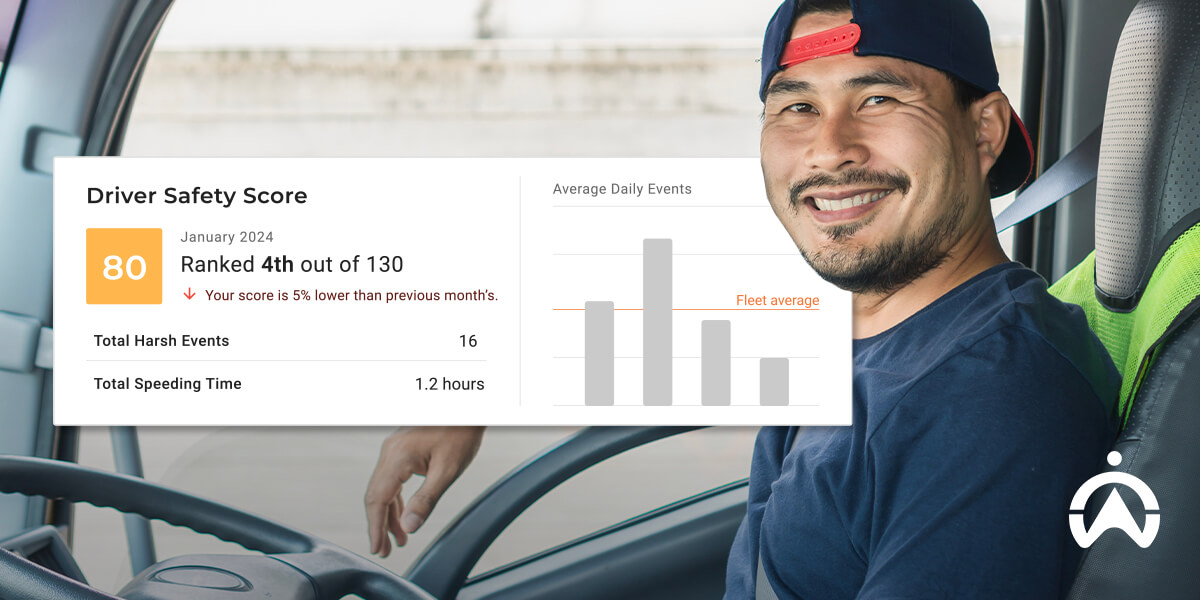
A driver displays a dashboard showing a safety score of 80, ranked 4th out of 130, with stats on harsh events and speeding time.

How can you prevent truck driver negligence with Cartrack?

With Cartrack, you can prevent truck driver negligence with support from our advanced technology and training solutions. Cartrack goes above and beyond by operating from a single, integrated, and unified platform that can detect and deal with potential negligence head-on.

This is what sets us apart:

  • Integrated driver behaviour monitoring with live alerts: You can get immediate notifications about dangerous driving and contact drivers in real time. This is especially true if you have a camera solution for your fleet with in-cabin calling.
  • AI dashcams detecting distraction, fatigue, and risky driving: Our AI camera solutions can detect distracted driving, including fatigue, phone use, smoking, and many other high-risk behaviours. This is a key solution to predictive fleet management.
    ‍
  • Video telematics (dashcams/MDVRs) for full visibility: Using our comprehensive camera systems means you’re fully protecting your drivers and your business. Should any legal dispute arise, you’d have clear evidence to clarify the situation.
    ‍
  • Driver safety scorecards and coaching tools for managers: Our driver scorecards and performance data are the best and most transparent way for you to share feedback with drivers. These can help you correct negligent behaviour.
    ‍
  • Easy compliance reporting for audits: Cutting admin time has never been easier. Because processes are automated, this massively simplifies operations and minimises human error. This is especially important for exporting reports.
  • Predictive maintenance and automated alerts: Our platform will send you notifications for suggested maintenance, so that your vehicles are tended to before costly breakdowns even happen.
    ‍
  • Full platform integration: As mentioned, Cartrack has a simple, integrated, and unified platform that has all the tools right at your fingertips.

Building a Safer Fleet With Cartrack

With the availability of proactive tools and resources, truck driver negligence doesn’t need to be an inevitable event. Negligence is preventable with the right balance of culture, policy, and technology—and that’s all achievable with Cartrack. When you invest in prevention with us, you ensure the protection of your brand and financial success.

Don’t wait until negligence costs you a contract or your business reputation. Take control now with Cartrack, and see how quickly you can reduce risks across your fleet.

FAQs

Q: What is the most common accident injury for truck drivers? 

A: The most common injuries for truck drivers are musculoskeletal ones, particularly strains that affect the back, neck, and shoulders. These pains and injuries typically stem from long hours on the road and the impact of collisions. More serious injuries include fractures or internal trauma.

Q: What are the four elements needed to prove negligence?

A: The four elements needed to prove negligence include duty of care, breach of duty, causation, and damages. Bringing these elements together helps establish whether someone genuinely caused serious harm. They’re important to correctly and fairly establish that negligence took place.

Q: What happens if an accident is not reported within 24 hours? 

A: If an accident isn’t reported in 24 hours, this could result in penalties and rejected insurance claims. You’re mandated by law to tend to an accident report within the first 24 hours of the incident occurring. Failure to do so means that drivers and companies are likely to face financial risk and downtime.

Q: Is negligence always the truck driver’s fault, or can companies be liable?

A: As much as a truck driver is the one behind the wheel, companies will always be liable, as drivers are part of the company’s staff. Companies can also potentially be subject to lawsuits, fines, and reputational damage if an investigation reveals that there’s a lack of adequate training or policies in place.

Q: How long do most truck driver accident settlements take to resolve? 

A: Most truck driver accident settlements can take months to years to resolve—it ultimately depends on the case. Each case comes with unique complexities, including the severity of the accident/injuries sustained and potential court backlogs. Companies with solid safety measures and compliance tend to avoid lengthy legal disputes.

What Colour Car Gets Stolen the Least Today?

The least stolen cars are ones with bright colours such as orange, green, yellow, and pink. This is because they’re uncommon, easy to notice, and hard to sell. Car thieves tend to go for vehicles in common colours, such as white, grey, and black. This is because they have a higher demand, making them easy to sell.

With the high vehicle theft numbers in Malawi, it’s also noticeable that some cars are just more attractive to the criminals than others.  There are many factors that go into what makes a car more attractive to thieves. Colour is one of them, but this holds a very small percentage.

So if you’re wondering how much of an impact the colour of your car (or the one you’re thinking of getting) will make in terms of being a target, Cartrack is here to break it down for you. We’ll also give you tips on strengthening vehicle security regardless of the colour.

Do thieves really care about car colour?

Yes, car thieves do care about the colour of your car, but it’s not the main thing they look at. Car thieves fear being noticed and constantly think about how much attention a car draws. The brighter your car, the more it stands out, making it harder to hide.

Neutral colours such as grey, silver, black, and white, blend more into traffic. Think about a neon green sports car. How often do you see that? If word goes out that such a car is missing, people will definitely notice it while it’s on the move and report it. But if it’s black, most people will probably drive past it without even flinching. This is what makes bright colours less likely to be stolen.

Remember that car thieves are always looking to make a quick buck. Common colours are easier to resell or strip for parts. This means they have a higher resale value on the black market, thus being a more valuable option.

What the research and insurance data says about car colour

Research from the motoring industry suggests that insurers focus more on a vehicle’s make and model than its colour when assessing risk. However, lighter colours such as white and silver tend to be the most common on the road, which also makes them more frequently targeted for theft.

It’s also worth noting that certain vehicle characteristics can influence safety. The colour of a car can affect insurance considerations and may even play a role in reducing accident risk. How:

  • White cars have a 12% lower chance of being involved in accidents and are considered the safest on the road because they stand out in most backgrounds.
    ‍
  • Black cars are 47% more likely to be involved in road accidents because they don’t stand out on the road, especially in the dark. They have the highest accident rates.
    ‍
  • Owners of darker-coloured vehicles often face higher insurance premiums due to the risks associated with visibility.
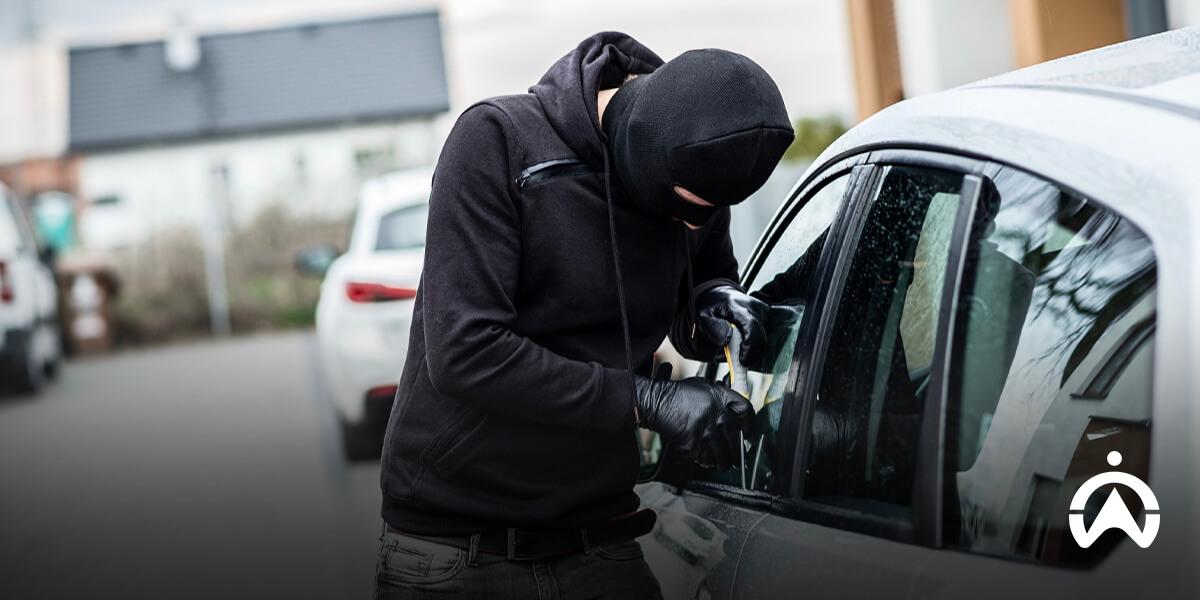
A masked individual in black clothing attempts to break into a parked car, using a tool to pry open the window.

Other things that matter more than vehicle colour

Vehicle colour only plays a small role in what thieves are looking for. Criminals usually care more about the type of car it is, how easy it is to steal, and how quickly it can be resold. In other words, vehicle colour matters less than its make, model, security features, and location.

Here’s why:

  • Car make and model: Some cars have a higher demand than others. Thieves usually target popular vehicles, regardless of colour, because they can be sold quickly. Luxury high–end cars may also attract organised crime groups due to their resale value on the black market.
  • Location: Some areas are more prone to car theft than others. There arehigh-risk zones in all major cities. If you live around such areas, your vehicle is at risk of theft regardless of the colour. Where you park your car also counts. Secure parking, such as garages and carports, provides more protection. If it’s a dark open area, then there’s a greater likelihood of theft.
  • Security: In one of our articles, we mention how older models may be easier targets because they lack security features such as alarms and immobilisers. The mere presence of visible security devices such as dashcams or steering wheel locks can make a thief think twice about targeting your vehicle.

How to choose a car colour wisely

When picking a car colour, think about all the pros and cons, take note of theft trends, but also bear in mind that vehicle colour is only a small contributing factor when it comes to risk. Ensure that you invest in strong security measures such as a GPS tracking unit. That way you get maximum protection regardless of the colour.

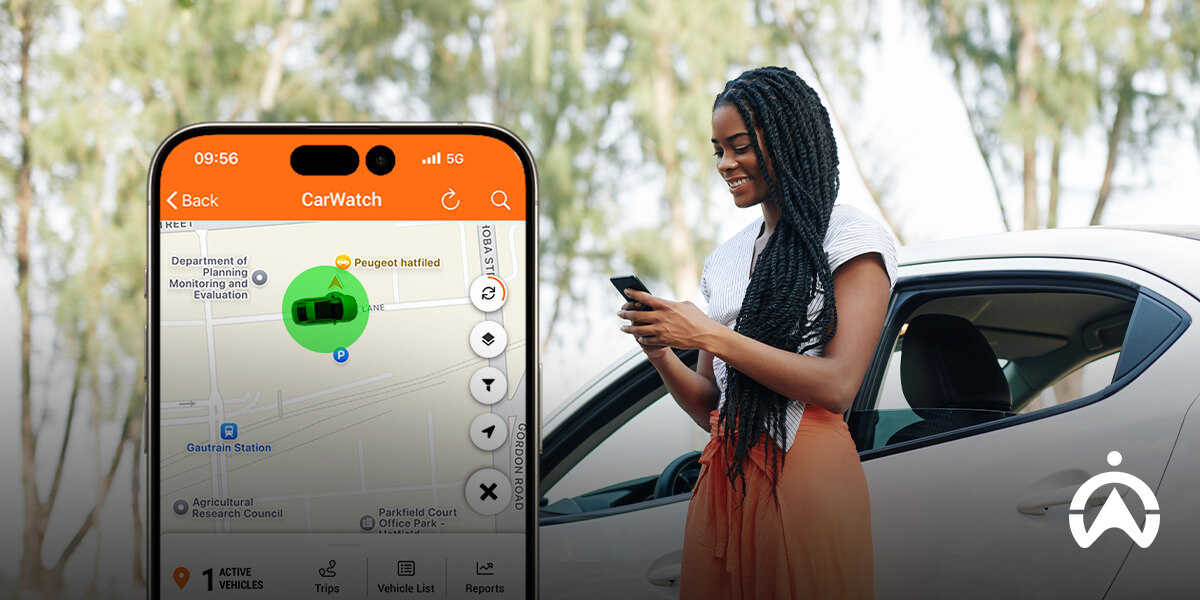
A smartphone displaying a Cartrack tracking app, showing a map with a parked green car icon, beside a white car and a woman.

No matter the shade, Cartrack keeps your car safe

With Cartrack by your side, you don’t have to compromise on the colour you’d like for your vehicle. Whether it’s red, blue, black, silver, yellow, or two-toned, we’ve got you covered! Our solutions are specifically tailored to reduce the likelihood of theft and increase the chances of recovery.

Here’s what we offer:

  • Stolen Vehicle Recovery: If you ever find yourself in a vehicle theft situation, you can rest assured that we’ll do everything in our power to get it back to you. We’ve got highly qualified recovery agents that are available nationwide and always on standby. Over the past decade, we’ve conducted more than 100,000 successful recoveries, making us a leading stolen vehicle recovery service.
    ‍
  • CarWatch: Ensure your vehicle is safe no matter where you park with our smart CarWatch feature. All you need to do is activate the tool on your Cartrack mobile app immediately after you park, and you’ll get an alert as soon as it moves without your permission. CarWatch acts as your virtual car-guard, watching over your vehicle during grocery runs or whenever it’s left in an unsafe environment.
  • Geofence: As an extra measure of security, you can make use of our geofencing feature. This is a function that allows you to create virtual boundaries around areas of your choice. You’ll get alerts whenever your vehicles enter or leave those areas.

    For example, you can create a geofence around the high-risk zones in your city. If you happen to lend your car to someone and they go past that zone, you’ll get an alert, then call to confirm their safety or determine if it’s a case of theft. Vehicle recovery chances are higher when the theft is quickly noticed.

  • Road Vision camera: Cartrack’s Road Vision camera solution is yet another way to safeguard your vehicle. It’s a road-facing camera with GPS tracking capabilities, ensuring you always know where your car is. Its visibility also serves as a deterrent to criminals because no one wants to steal a car knowing that their actions are being recorded.
    ‍
  • Trip history: All our GPS tracking devices have telematics technology. This means it can sense driving habits such as speeding, harsh braking, and harsh cornering. You can access this information by going through your trip history, replaying routes, and seeing where you can improve. Better driving habits reduce the chances of accidents, therefore making you less of a risk to your insurer. 

So rare bright-colour vehicles often show lower theft rates in studies, but regional differences, make and model, as well as security measures, matter far more. Vehicle theft goes with popularity, so unpopular vehicles are less likely to be stolen. A thief is more interested in what car you drive and how easy it is to steal. Enjoy the colour you want; just don’t compromise on security. Contact Cartrack today!

Frequently Asked Questions about car theft and colour

What car do they steal the most?

The most stolen cars are sedans, hatchbacks, and coupes. There’s a high-demand for vehicle models of that nature because of their widespread use in both rural and urban areas. Some of them are easier to dismantle, and due to their popularity, the parts are quick to sell.

Does a white car stay cooler?

Yes, a white car usually has cooler temperatures than darker-coloured cars. This is because white surfaces reflect more sunlight and absorb less heat. The reflection keeps the surface temperature lower, which in turn also keeps the interior cooler than that of a darker vehicle that’s left in the sun.

Cartrack Protector: Your 24/7 Lifeline for Roadside Emergencies

Imagine you’re driving back home after a late work meeting when suddenly, your tyre bursts. This is enough to make anyone panic, especially when in a dangerous area.

What if we told you that you could get instant help at the push of a button? Cartrack’s protector is your 24/7 lifeline for roadside emergencies. With our help, you can safely return home to your loved ones.

In this blog, we look at how Cartrack Protector can save you or your loved ones in an emergency.

In this article, you will:

  • Understand the key functions of Cartrack Protector
  • Know how to use Cartrack Protector on the mobile app
  • Understand why you need it

What is Cartrack Protector?

Cartrack’s Protector is a Value-Added Service that is available to anyone. Depending on your subscription package, it may already be included, or you can add it for an additional fee.

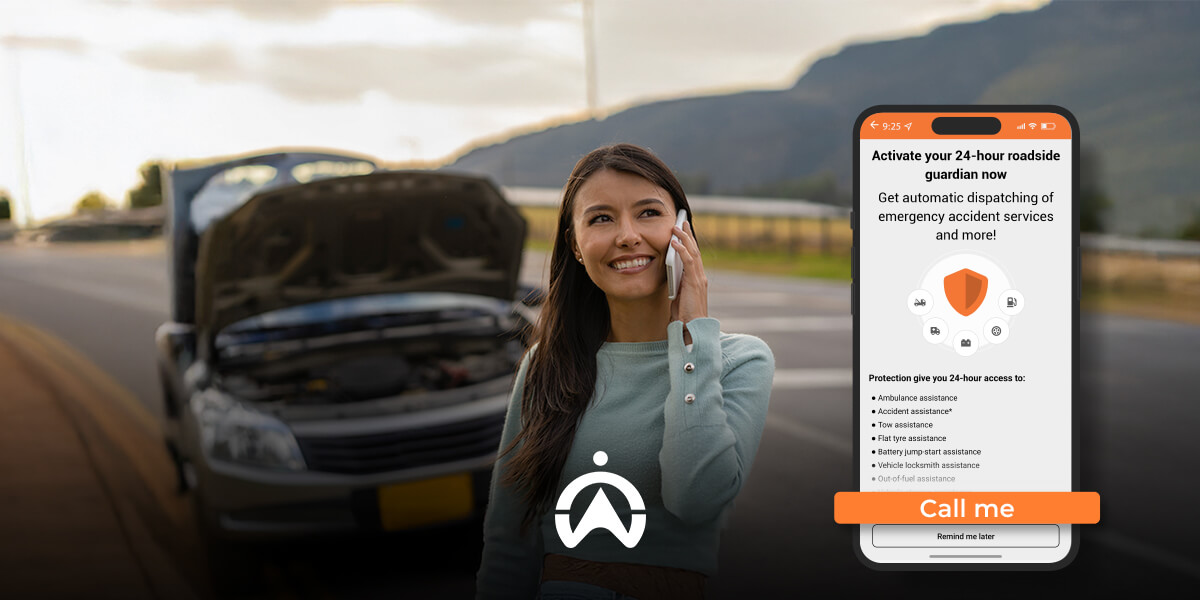
This service provides 24/7 roadside assistance, medical support, and legal advice, ensuring that help is always available when needed. All you have to do is push a button on the Cartrack app or website, and our agent will immediately contact you to find the emergency service you need.

Clients subscribed to the Quick, Quick Plus, and Quick Executive Plus packages add this service for an additional fee. However, it is already included in the Quick Management Plus and Quick Management Vision packages.

Key features of Cartrack Protector

Beyond the essential services like roadside assistance, medical support, and legal advice, Cartrack Protector also offers additional benefits, including accommodation and car hire assistance. Let’s take a closer look at these features, including their Terms and Conditions, to ensure you know exactly what’s covered when you need help the most.

Roadside Assistance:

So many things can go wrong on the road, but you do not have to go through it alone. If you need roadside assistance, this is how Cartrack can help you through the Protector service:

  • Flat battery: If your vehicle’s battery is low and doesn’t start, we will arrange for it to be jump-started, whether you’re at home or on the road.
    ‍
  • Keys locked in the vehicle: Cartrack will outsource a locksmith at the client’s cost to open the vehicle and retrieve the car keys. If we cannot resolve the problem at the scene, additional costs of towing or repairs are not included as part of the services and will be charged to the client’s account.
    ‍
  • Flat tyre: Cartrack will arrange to change the car’s tyre using the client’s spare tyre. If there is no spare tyre, we will arrange for the vehicle to be towed to the nearest approved repairer or fitment centre. These services are offered whether the car breaks down at work, at home, or on the road.
    ‍
  • Run out of fuel: If you ever run low on fuel in the middle of your journey, reach out to us immediately. We will supply you with up to 10 litres of fuel, which will be charged to your account. However, this service is limited to two incidents per year. Should you require additional fuel beyond this limit, we can certainly arrange that for you at an extra cost.
    ‍
  • Mechanical and electrical breakdown: If your car experiences a mechanical or electrical breakdown, don’t worry—we’ve got it covered. If your vehicle is still under warranty, we’ll tow it to the nearest franchised dealer or repairer to get you back on the road as soon as possible.
    ‍
  • Accident tow: In the event of a motor vehicle collision, towing will be arranged to the nearest insurance-approved motor body repairer.
    ‍
  • Mobile Mechanic Service: A mobile mechanic will be dispatched in case of a mechanical or electrical breakdown. The costs for travel, labour, and parts will be charged to the client’s account and are payable by the client to the service provider at the time of the incident. Service is subject to the availability of a qualified service provider. Should a mechanic not be available to assist at the time of the incident, towing assistance will be provided.
    ‍
  • Storage: Cartrack will arrange safe overnight or weekend storage for your vehicle if it breaks down in the middle of the night. The vehicle will be relocated to the nearest approved dealer or repairer on the next working day.

Our roadside assistance is available within 40 km of your location. However, if you need help beyond this distance, we will still help you at an additional cost.

A white car on a tow truck on a roadside with greenery in the background.

Medical Assistance:

If you experience a medical emergency, Cartrack will connect you with a team of healthcare providers who can offer medical assistance over the phone. They provide advice on:

  • Prescription medication and possible side effects.
    ‍
  • Common health issues such as fevers, blurred vision, insomnia, headaches, stomach aches, ear aches, and cramps.
    ‍
  • Allergies and general health for men and women.
    ‍
  • Treating minor injuries like cuts and abrasions, as well as performing CPR.
    ‍
  • Information about expired medication, antibiotics, and supplements.

It is important to note that the advice and information are not diagnostic. You will be referred to a doctor should the nature of the call not be classified as a home remedy case. We can only assist when you are on the road and not in the comfort of your home.  In that case, we recommend you go to your doctor directly.

Emergency medical transportation:

If Cartrack detects a crash or you have a serious medical emergency, we will arrange emergency transportation for you. This may include road or air ambulance services to the nearest suitable medical facility. If you have medical coverage through insurance, a medical scheme, or other policies (e.g., the Road Accident Fund or workplace injury compensation), Cartrack may recover the transportation costs from those providers.

Legal Support:

Beyond roadside assistance, we protect you legally as well. Our 24-hour legal advice line is available for any legal services, including roadside incidents like roadblock arrests.

How Cartrack can help:

  • Legal Document Services: We provide access to important legal documents, such as:
    • Small claims court kits
    • Lease agreements
    • Offers of purchase
    • Standard wills
    • Sale of motor vehicle contracts
    • Acknowledgement of debit forms
    • Employment contracts
    • Complaint forms for statutory bodies in Malawi (e.g., the Malawi Housing and Urban Development authorities or the Malawi Office of the Ombudsman).
      ‍
  • Free consultation: Clients are entitled to one free 30-minute consultation for any legal matter. After this, you can choose to continue with the same lawyer at a fee agreed upon by both of you. These fees will be your responsibility. Each matter is limited to one free consultation. Legal assistance, advice, and access services are limited to four calls per year.
    ‍
  • Bail applications: In certain situations, Cartrack may also assist with bail applications (terms and conditions apply).

Hotel Accommodation and Car Hire Services Advice: 

Cartrack offers discounted travel and car hire services that deliver the best available rates to you, accessed through the call centre during working hours. The cost of accommodation, car hire and related fees will be charged to the client’s account.

Customers can access all these services at the click of a button, making the travel experience safer and stress-free. This feature provides peace of mind during journeys and ensures drivers are supported in any sudden situation on the road.

Why do you need Cartrack Protector?

Cartrack Protector is more than just roadside assistance—think of it as a comprehensive safety net that offers you peace during every trip you take. Whether you’re driving through unfamiliar areas, facing medical emergencies, or needing legal advice on the road, Cartrack Protector ensures you’re always supported. Having immediate access to these services via the Cartrack App means that help is always within reach, at just the touch of a button, no matter the situation.

Cartrack Agent with headset in office environment working at a computer desk.

How to use Cartrack Protector

To access these services, you must know how to activate Cartrack Protector on the mobile app. Here’s how:

  • Go to your smartphone’s App Store, Google Play, or Huawei’s App Gallery and download and install the Cartrack App.
    ‍
  • Log in to the app using your Cartrack username or email address.
    ‍
  • Once logged in, navigate to the Protector section.
    ‍
  • Accept the Terms and Conditions by clicking “I agree.”
    ‍
  • After agreeing, you will see a list of available services such as medical assistance, roadside assistance, legal advice, and more.
    ‍
  • You activate a specific service by simply selecting it from the list. An agent will contact you immediately to assist further.
    ‍
  • If Protector is greyed out on your app, it means it is not included in your current plan, but you can always contact our customer service to upgrade your plan.

To use Cartrack Protector effectively, consider the following tips:

  1. Familiarise yourself with the App: As discussed above, you need to familiarise yourself with the Cartrack App, especially the Protector section. Understanding how to access services quickly can save time during emergencies. If you need help navigating your app, call the Cartrack toll-free number on +265 999 971 972 to receive assistance.
  2. Provide accurate information: When our team contacts you to assist you, provide your exact location and a clear description of your emergency. This allows for a quicker response from support services.
    ‍
  3. Maintain your vehicle: Regular maintenance reduces the chances of breakdowns and sudden tyre bursts. Ensure that you conduct pre- and post-trip inspections and that your vehicle is serviced on time. Check if the tyres are correctly inflated and essential fluids are topped up.
    ‍
  4. Have emergency contacts ready: Keep a list of emergency contacts that can be called should you find yourself in an unfortunate situation.

By following these tips, you can maximise the benefits of Cartrack Protector and ensure a safer driving experience.

In conclusion, having a tracking service provider that prioritises not only tracking vehicles but also driver safety is essential. Protect your drivers and ensure peace of mind on the road by contacting us today to explore our comprehensive range of value-added services.

Frequently Asked Questions about Car Protector

Q: How many times can I use the roadside assistance service in a year? 

A: The Roadside Assistance services are limited to 4 (four) incidents per vehicle per year.

Q: Are there any exclusions to the roadside assistance service?

A: Yes, exclusions include vehicles that are not roadworthy and those that are over 3.5 tons. Vehicles with expired registrations and those involved in illegal parking. Towing for trailers, boats, or caravans is not covered.

Q: How do I cancel a service request once made?

A: You need to immediately contact the Cartrack support team through the app or by phone to inform them of your cancellation before assistance is dispatched.

Cartrack Protector: Your 24/7 Lifeline for Roadside Emergencies

Discover how the Cartrack Protector service can help you in an emergency. We are a button away, whether you need roadside assistance or medical advice.

Speak to an Expert: +265 999 971 972

How Car Technology is Changing the Way We Drive

Your driving is always improving and changing with technology and how it evolves. Everything, from the fuel you use to the way you control and interact with your car, has been improved in some way by technology. From using your radio to safely parking your car, technology is revolutionising the vehicle industry.

Apple reports that over 800 vehicle models now feature Apple CarPlay, their smartphone integration solution for drivers. Changes like these are why Cartrack has compiled a list of the ways technology has changed the way we drive.

What drivers should know about the shift in car technology

When you drive, your reactions to dangers on the road and the behaviour of your car have shifted with technology. In many ways, it has become safer for everyone to be on the road. Properly understanding how you’ve changed your driving habits is important. We’re going to look at the big changes technology has had, and the small ones you may not have noticed.

Things like driver assists give early warnings to hazards, and tracking systems help users feel safe and comfortable.

Driver Assistance Description Propulsion Systems Description
Automatic Emergency Braking Uses sensors to brake and avoid crashes Petrol and Diesel Common and affordable, but they cause pollution
Lane Departure Warning Alerts if you drift out of your lane Electric Clean and cheaper to run, the range is limited
Adaptive Cruise Control Keeps a safe distance from cars ahead Hydrogen Eco-friendly but still very costly and rare
Rear Cross Traffic Alert Warns of people or cars when reversing
Automated Parking Parks the car with little or no help

Advanced Driver-Assistance Systems (ADAS)

The big shift in technology that’s taken for granted has been connected driver assistance. Often hidden to be unobtrusive in our vehicles, they react before we can, preventing accidents that may happen.

The most important things to look out for with advanced driver-assistance systems are:

  • Automatic Emergency Braking (AEB): AEB uses sensors to spot danger and brakes for you to stop or reduce the chances of a crash. Reacting quicker than most drivers, it helps you avoid things you may not see.
    ‍
  • Lane departure warning (LDW): LDW uses cameras to see road lines and other cars, warning you if you drift out of your lane or if another car enters your blind spot.
    ‍
  • Adaptive cruise control (ACC): Using sensors to keep a safe gap from the car in front, ACC is very useful on long highways, helping to reduce the need to brake constantly or speed up when traffic decreases.
    ‍
  • Rear cross traffic alert (RCTA): Helping you reverse, RCTA warns you if cars, people, or cyclists are coming from a side you can’t see, preventing possible accidents.
    ‍
  • Automated parking systems: These systems use cameras and sensors to park your car for you. They take over the steering, brakes, and accelerator, which makes parking in the tight parking spot much easier.
A sleek car interior showcasing a modern dashboard with a large display and steering wheel, featuring digital controls and gauges.

Internal combustion to electric

No car tech has changed as much as how we power our cars. We started with engines that burn petrol and diesel. Then, hybrids were introduced to reduce pollution. Now we have fully electric vehicles and hydrogen on the horizon. You’ll have to choose between them one day, and while it can feel tricky, each type has its pros and cons.

The move from petrol to electric is easier than most people think, but it still faces some challenges.

  • Petrol & diesel vehicles: Running on fuel that releases smoke, which harms air quality, these are still the most common and cheapest cars to buy.
    ‍
  • Electric vehicle: EVs have the benefit of not emitting smoke and generally cost less to service. However, charging stations are still few in Malawi, and the battery may need to be replaced in future, which can be overly expensive.
    ‍
  • Hydrogen vehicles: Still an emerging technology, hydrogen vehicles only produce water vapour as a byproduct. Because they are still new, they are expensive, and Malawi doesn’t have the infrastructure to refuel them yet.

Connectivity on the road

One of the most visual ways technology is changing how we drive is through our entertainment and connectivity systems. These are usually the ways you’ll interact with your car, either through the stereo system or your phone.

Three things are changing this right now:

  1. Android Auto: Your phone apps made available on your car’s screen. Allowing you to use maps, music, read messages, and make calls by touch or voice.
    ‍
  1. Apple CarPlay: Working much the same, linking your iPhone to your car so you can use maps, music, and messages through the screen or steering wheel.
    ‍
  1. WiFi & connected services: There are many new cars that come with WiFi, giving you and your passengers access. You can also have extra functions like tracking your car or emergency buttons for getting help when needed.

The dangers of over-reliance on technology

Complacency is one of the biggest risks with new car tech. Leaning too much on cruise control, lane assist, or blind spot alerts means your reaction rate might be too slow. Technology isn’t perfect, and sensors can get blocked, tricked, or just fail.

Many drivers also lose skills when they let the car do too much. You can see this happen when people start struggling to park on their own, or by the surge in people unable to drive manual cars.

Cartrack car technology advancements showing smart car with digital overlays in urban parking.

The crucial role of connectivity in cars

One of the most interesting ways technology is changing is with connectivity, which is more than just the way our phones interact with the infotainment system. Vehicles are becoming connected to networks, other cars, and cloud services. This gives you real-time insights that help prevent accidents, optimise routes, and support emergencies.

  • Real-time data exchange: Hazards, traffic, and road conditions can be shared, giving you and other drivers the chance to react faster. This also lets you track your car if it goes missing.
    ‍
  • Emergency and post-collision response: Connected cars can alert emergency services automatically after a crash, sending your location and crash details, and getting help to you quicker.
    ‍
  • Fleet management applications: Checking driver behaviour, planning maintenance, and keeping everyone safer on the road can be done by companies that have tracked vehicles and connected systems.

Cartrack’s contribution to the evolution of car technology

Having played a significant role in shaping how technology supports safer and smarter driving, Cartrack has continued to shape advanced tracking and monitoring. Using AI-driven analytics and AI-Vision solutions, it has improved safety, efficiency, and accountability for many drivers.

The company’s connected solutions continue to reduce risks on the road and make vehicle ownership more transparent and cost-effective.

  • Telematics: Integrated technology that shows you how your car is used. Helping you create a maintenance schedule and reducing your fuel costs.
    ‍
  • AI-Powered Cameras: Cartrack’s AI-powered cameras help you spot risky driver behaviour. Reducing potential risks makes driving safer for you and others.
    ‍
  • Real-Time GPS Tracking: Giving you access to where your car is at all times, its tracking solutions mean you can see where it is, and where it has been.

In conclusion

The continued advancement of technology will always change the way we drive, making it both safer and much more convenient. It’ll also be the responsibility of each driver not to get complacent behind the steering wheel. Ultimately, drivers need to stay informed of technology changes to ensure safer, smarter, and more efficient driving practices on the road. At Cartrack, we continually evolve our tracking solutions to match the latest car technology and boost vehicle safety. Contact us today to keep your car protected with the most advanced solutions.

FAQ

Are connected cars safe from hackers?

No, connected cars aren’t completely safe from hackers. You can lower risks by keeping your car’s software updated, using strong passwords and only trusted apps. Carmakers work hard to protect your car, but you still need to stay careful when using connected features.

Will electric vehicle infrastructure improve?

Yes, EV infrastructure is slowly improving. More charging stations are being built in cities and along highways, so you and other drivers can charge your car easily. This will make owning an EV much more practical over time.

What skills should drivers keep sharp despite technological advancements?

You should always keep your core driving skills sharp, even with new tech like lane assist or parking aids. Skills such as manually controlling your car, safe reversing, and basic hazard awareness are always vital on the roads. Remember, technology can fail or become outdated, but your own skills on the road will always need to compensate.

GPS Jamming: What You Need to Know

GPS tracking technology plays a huge role in modern-day vehicle safety and fleet management. But with every safety invention comes the development of systems to bypass the technology. In this case, we are referring to signal interference through the use of GPS jamming devices.

GPS jamming devices have been around for many years, mainly utilised by the government. The technology has since become accessible to civilians, which poses a threat to vehicle owners, individuals, and society at large.

Today, we give you insight into the overall effects of GPS jamming and how we, as Cartrack, have tools in place to help mitigate this issue.

In this article, you will:

  • Get a detailed explanation of what GPS jamming is
  • Find out how GPS jammers are used by different people
  • Learn how businesses and individuals can protect themselves from GPS interference
  • Discover the Cartrack solutions that help combat the issue of signal jammers

What is GPS jamming?

GPS jamming describes the process of using a radio frequency (RF) transmitting device to deliberately block or interfere with GPS signals that are used for navigation, timing, and positioning. These RF-transmitting devices are called GPS jammers.

GPS jammers emit stronger signals with the same frequency as GPS satellite signals. Once emitted, they create noise to confuse the GPS receiver, resulting in the GPS being “blind,” unable to see the satellites and give accurate location data. Think of it as someone shouting over a quiet conversation. The device can’t “listen” to the GPS satellites because the jammer is “shouting” over the same frequency.

Governments initially created the devices for military use and spy agencies to confuse the enemy. They later became available to the general public, with some individuals using them to protect their privacy by preventing other people from being able to track them or hack their data. However, when placed in the wrong or untrained hands, signal jammers can severely disrupt communications, affecting businesses, vehicle tracking data, the recovery of vehicles, or even airport radio towers.

The different types of GPS jammers

Signal-jamming devices come in various shapes and sizes and are easy to operate. They vary according to the intended use and range. Here’s a quick breakdown of the three common types of jammers:

  1. Portable jammers
    As the name suggests, portable jammers are small and can fit into your pocket. They might resemble everyday gadgets such as cellphones and USB chargers. They typically feature one or two small antennas and are commonly used to block cellphone signals.
  2. Vehicle jammers
    These are larger than portable jammers and are designed to conceal the location of vehicles. They have internal or external antennas and can connect to the vehicle’s electrical system.
  3. Stationary jammers
    Stationary jammers were initially created for fixed locations and are the largest compared to the other two. They look like routers, and they are weather-resistant for outdoor use. They have multiple antennas that are very noticeable and often come with additional hardware for mounting the device.
A tall, red and white communications tower stands against a clear blue sky, featuring antennas and radar equipment.

Who uses GPS jammers and why?

GPS jammers are used by people with different motives. Let’s have a look at the various reasons why people get them:

  • Car thieves
    It is no secret that vehicle theft is becoming one of the major public safety concerns in Malawi. Criminals are always finding new ways to bypass safety-focused technology. They use GPS jamming devices to conceal the location of stolen vehicles, making it difficult for most vehicle tracking companies to perform recoveries.
  • Employees and drivers
    In logistics, some operators may use jammers to manipulate route times or hide detours. This leaves the fleet manager unaware of unauthorised activities. These detours may be personal trips or side jobs to make extra money while on the road.
    ‍
  • Personal privacy concerns
    Some individuals use GPS jamming devices to protect their privacy. An example of this is how GPS jammers can be used to prevent drone surveillance or data capture.
    ‍
  • Smuggling operations
    Criminals also use GPS jamming devices to hide the movement of illicit goods, such as illegal weapons. This prevents authorities from being able to trace them and buys time so they can go as far as possible while undetected.
    ‍
  • Cybersecurity attack
    The world has become increasingly reliant on technology, making individuals and organisations vulnerable to cyberattacks. In April 2024, an article by Wired reported that planes and ships operating around southern Sweden and Poland have lost connectivity as their radio connectivity was interfered with. This sort of disruption poses major threats to the shipping and aviation industries, as it could result in fatal accidents on a larger scale.

How GPS jamming affects fleet management and vehicle tracking

Now that we know what people use GPS jammers for, let’s focus primarily on their impact on fleet management and vehicle tracking:

  • Operational disruptions
    The loss of real-time tracking capabilities causes operational disruptions. Without correct location data, fleet managers are unable to see where vehicles are, if drivers are using planned routes, and also can’t effectively dispatch jobs. This results in low productivity levels, inaccurate delivery scheduling, and client dissatisfaction.
  • Security risks
    The use of signal-jamming devices poses the risk of vehicle and cargo theft. This results in significant business losses and compromises driver safety. Criminals target trucks carrying high-value goods and use these GPS jammers to get away with the crime.

Strategies to mitigate GPS jamming

To keep your vehicles secure and your business running smoothly, there are some measures you can take to minimise the risk. Here are a few:

  1. Technological solutions
    The best way for vehicle owners and fleet managers to mitigate GPS jamming is by implementing advanced tracking solutions that feature anti-jamming technology. This ensures that vehicle location is always visible despite jamming attempts, improving the overall safety of vehicles and cargo.
  2. Employee education
    It is important that fleet managers train staff on the dangers of using GPS jamming devices and make them understand the legal implications of using them. Businesses should establish clear policies against the use of GPS jammers and their consequences.
A busy highway with various cars connected by network lines, symbolizing vehicle communication and Cartrack anti-jamming technology..

Real-life stories of how Cartrack recovered vehicles despite signal-jamming attempts

Over the years, Cartrack has recovered many vehicles that were stolen with the use of GPS jamming devices. Take a look at these two examples:

Case study 1:

In May 2024, Cartrack’s Recovery Team was dispatched for a vehicle reported stolen in Krugersdorp. The IoT device indicated that the vehicle was in Diepkloof, so our recovery team proceeded to the location. The vehicle was spotted and safely recovered, and two suspects were apprehended. A signal jamming device was also found at the scene.

The suspects and signal-jamming device were handed over to the SAPS, and the vehicle was booked in at the Lenasia SAPS Impound.

Case study 2:

In December 2024, the Cartrack Recovery Team was on patrol in Katlehong when they encountered a vehicle that raised signal-jamming alerts. They followed the vehicle, but when the driver noticed them, he accelerated, prompting a brief chase. The vehicle came to a standstill at a dead end in Palmridge and was safely recovered with a signal-jamming device found inside it.

Further investigation revealed that the vehicle had cloned number plates and belonged to a delivery company in Cape Town. Our control room team confirmed that the tracking unit did not belong to Cartrack but to another vehicle tracking company. It was later determined that the vehicle had been hijacked in Tembisa. The vehicle owner was contacted, and the vehicle was handed over to the SAPS.

Protection against GPS jamming with Cartrack

Signing up with Cartrack means your vehicle is protected by default against GPS signal jammers, as our system is equipped with anti-jamming technology. When a vehicle is stolen, our control room agents and recovery teams are able to detect signal jamming attempts. They then use our advanced technology to find your car and get it back to you. We also have additional security measures that you can add to your package, such as the following:

  • ‍Cartrack tag
    The Cartrack tag is one of the newest products that we offer. This is a wireless backup tracking unit that uses a different frequency, not GPS, making it resistant to traditional jammers. It communicates with our control room agents and also gives our recovery team more time to find your vehicle in cases where criminals have identified and disabled the primary tracking device. The Cartrack tag can also be used to secure assets in areas with little to no network coverage.
    ‍
  • ‍CarWatch
    Even in the absence of a GPS signal, Cartrack offers additional security features to safeguard your vehicle. CarWatch is a system that gives you an alert whenever your parked car moves without your permission. It works via our mobile app, and all you have to do is activate it after parking your vehicle. This ensures a swift recovery, as we will pick up suspicious activity as soon as it happens.

Choose a trusted vehicle tracking service provider

Cartrack boasts an average recovery rate of 90%. We are dedicated to strengthening vehicle security for individuals and businesses by continually developing innovative solutions. Reach out to us and invest in one of our units today!

Want to know more? Here are some Frequently Asked Questions about GPS jamming

Can you stop GPS jamming?

GPS jammers can be stopped in the following ways:

  1. You can invest in an advanced GPS tracking device with built-in anti-jamming capabilities. These gadgets filter out unwanted signals to maintain a connection even when there is jamming interference.
  2. Use GPS jamming detectors to identify the presence of signal interference. These detectors can locate the source of the interference and give you details on the strength of the signal jamming tool.
  3. Finally, if you suspect interference, try moving away from the area, as most GPS jammers operate within a limited range, so moving away from the affected zone may help restore your connection.

Are GPS blockers illegal?
GPS blockers are illegal to manufacture, sell, or possess without authorisation in Malawi and many other countries, as they pose a great threat to society. Malawi’s Communications Act (1998), imposes fines up to MK 20,000 or two years in prison, the only entities exempt from the ban on GPS or radio signal jamming are authorized government bodies.
‍

What is the difference between GPS jamming and spoofing?
GPS jamming and GPS spoofing are two different methods of disrupting navigation systems. Here’s the difference:

  • GPS jamming involves generating a radio frequency to overpower the signal from the satellite constellation. When this is done, the receiver cannot see the location or direction of the vehicle or asset.
  • GPS spoofing, on the other hand, is more complicated. It involves an entity sending false positions. The signals need to be of the same magnitude as the authentic ones to confuse, so the receiver can be confused and unable to tell the difference.

How to Avoid Fatigue-Related Accidents

Fatigue is one of the most overlooked causes of road accidents. Motorists believe they are only at risk of crashing if they are distracted or are under the influence of alcohol, but exhaustion can be just as dangerous.

When drivers are drowsy, they have slower reaction times and impaired decision-making, which increases the likelihood of accidents. However, many underestimate their tiredness, leading to risky behaviours behind the wheel.

Today, we discuss ways to avoid fatigue-related accidents and explore how Cartrack solutions can help keep drivers safe.

In this blog, you will:

  • Learn ways to prevent fatigue-related accidents
  • Recognise signs and symptoms related to fatigue
  • Explore how Cartrack’s technology helps mitigate these accidents

Ways to Prevent Fatigue-Related Accidents

Driver fatigue can result in dire consequences. To avoid such situations, motorists must implement small changes to their daily routines, significantly reducing fatigue. In this section, we’ll explore simple strategies to prevent these accidents from occurring.

Get Sufficient Rest Before Driving

Adults need approximately 7 to 8 hours of sleep to function optimally throughout the day. When well-rested, you are more alert, have high concentration levels, and can make better decisions. However, it’s more than just about the quantity of sleep; it’s also about the quality.
Here are seven tips to help enhance your quality of sleep:

  1. Only take naps that last for 20-30 minutes during the day to avoid disturbing your nighttime sleep cycle.
  2. Make sure your bedroom is at the right temperature and dark enough.
  3. Avoid using your phone and watching TV at least two hours before bedtime.
  4. Exercise regularly.
  5. Invest in a comfortable mattress and pillow.
  6. Avoid eating heavy meals, drinking caffeine, and smoking before bed.
  7. Have a set bedtime schedule.

It’s important to ensure that your drivers are not showing any signs of exhaustion before they hit the road. Always plan trips ahead to allow them to get adequate rest and prepare themselves for the trip.

A driver rests his head on the steering wheel of a truck, showing signs of fatigue inside the vehicle's cabin.

Take Regular Breaks During Long Drives

Sitting for extended periods can reduce blood circulation and cause backaches, leg cramps, and drowsiness. To prevent this, drivers must take short breaks every two hours, allowing them to stretch their muscles and refresh their minds.

These short breaks must be at designated rest areas, so fleet managers need to include these rest areas when planning routes. This helps drivers stay refreshed and alert throughout the journey.

Share Driving Responsibilities When Possible

Consider driving with companions to help keep you alert through conversation. If they can drive, share driving responsibilities to help reduce fatigue.

This also applies to fleet drivers; having two drivers share a long trip can significantly reduce driver fatigue. Taking turns ensures that each driver is well-rested and alert, which makes the journey safer and more comfortable for everyone.

Stay Hydrated and Eat Light

Your eating habits contribute to road safety, especially if you spend hours behind the wheel. Choosing healthy snacks while on the road can help maintain focus and alertness. All you have to do is replace highly processed and greasy foods with nutrient-rich options for long-lasting energy.

Pack a cooler filled with fresh fruits and light snacks such as grapes, bananas, nuts, and cheese. Remember, eating behind the steering wheel can be dangerous. To minimise distractions, consume meals and snacks only during breaks and not while driving.

Carry a water bottle to stay hydrated throughout the trip. Dehydration can cause your muscles to feel tired and not function to the best of their ability due to the imbalance of salts in the body. This will ultimately affect driving ability and may result in accidents.

Avoid Driving During Peak Fatigue Times

Avoid driving during times when your body is naturally tired and ready to sleep, such as at midnight or in the wee hours of the morning.

Fleet managers, as much as possible, plan trips during the day, since the body is naturally more alert at those times. This simple adjustment can significantly reduce the risk of accidents caused by fatigue.

Key Signs of Fatigue That Could Lead to Road Accidents

Fatigue can affect one’s physical, mental, and cognitive abilities, making it difficult to respond quickly to changing conditions. Recognising the signs and symptoms can help both individual and fleet drivers significantly reduce the risk of road accidents.

Spot Physical Signs

A fatigued person may experience symptoms such as muscle weakness, slowed reflexes, sore muscles, headaches, blurry vision, and dizziness. If these symptoms show before your trip, it’s best to delay and get the rest you need. If these signs appear while driving, take breaks and stay hydrated to maintain alertness.

Identify Mental and Cognitive Changes

Fatigue can affect your mind, meaning you might have difficulty concentrating, may be forgetful, making it harder to process what’s happening on the road. If you find yourself missing exits, struggling to stay focused, or reacting more slowly than usual, your ability to make quick and safe decisions is compromised. When these signs appear, it’s crucial to pull over or switch drivers to prevent accidents.

Detect Risky Driving Behaviours

If a motorist is drifting between lanes, tailgating, or responding slowly to traffic signals, it means they are experiencing dangerous fatigue levels. Such behaviours indicate that they are not alert, which increases the risk of accidents. If you find yourself engaging in any of these actions, you need to find a safe space to pull over and rest before continuing your drive.

The Role of Fleet Managers in Combating Fatigue-Related Accidents

While drivers are responsible for getting enough rest and following the above-mentioned tips to combat fatigue, fleet managers also play a crucial role in preventing these accidents from happening. Here’s how:

  • Monitor driver hours: Fleet operators can use telematics to track and monitor driving hours. Investing in fleet management solutions will help them know which driver is on duty and for how many hours. This not only benefits businesses to comply with labour regulations, but will also ensure that drivers are not overworked.
    ‍
  • Enforce mandatory rest breaks: Sometimes drivers can insist on taking overtime, possibly due to financial reasons, however, managers must have rules surrounding this. They must ensure that drivers get some mandatory time off to rest.
    ‍
  • Plan efficient routes: Choosing quicker and less traffic-congested roads helps reduce driving hours, minimising fatigue.
Emergency responders assist at a multi-car accident on a busy highway, with damaged vehicles and a police presence visible.

How Cartrack Helps Reduce Fatigue-Related Fleet Accidents

Cartrack has a wide range of products and solutions that help ensure driver safety and minimise fatigue-related accidents. Through the use of telematics and advanced technology, our systems significantly contribute to safer roads.

AI-Powered Cameras

Our dual-vision AI camera solutions can detect signs of fatigue, such as yawning, and track the position and orientation of the driver’s head. If these events are detected, the driver will immediately receive audible in-cabin alerts, prompting them to self-correct and prevent accidents.

Fleet managers can review recorded footage to provide coaching and support. This allows them to address any violations and offer the necessary training to ensure drivers remain alert and safe on the road.

Advanced Driver Assistance System (ADAS)

ADAS uses camera-based sensors and AI technology to enhance driver awareness and prevent accidents. This system alerts drivers to potential hazards, which improves driver safety.

Cartrack’s ADAS solutions include a variety of advanced features, such as:

  • ‍Forward Collision Warning: Alerts drivers when their vehicle gets too close to another vehicle or obstacle. This helps prevent potential collisions.
    ‍
  • ‍Blind Spot Detection: Warns motorists of vehicles in their blind spots, reducing the risk of lane-changing accidents.
    ‍
  • ‍Automatic Emergency Braking: Detects possible collisions and applies the brakes automatically to reduce the impact or avoid a collision altogether.

Driver ID Tags

A driver ID tag is a small electronic device that allows fleet managers to identify exactly which driver is operating a vehicle at any given time. This gives them complete control over their drivers and fleet by tracking vehicle usage, monitoring driver behaviour, and ensuring only authorised drivers are behind the wheel.

These tags provide automated logs of working hours, helping fleet managers comply with labour regulations and prevent driver fatigue by enforcing rest periods. According to the Basic Conditions of Employment Act (BCEA) of Malawi, normal working hours are limited to 48 hours per week, excluding lunch breaks. Any additional hours require an overtime agreement. By monitoring working hours, driver ID tags help prevent fatigue and enhance road safety.

Route Optimisation

Cartrack’s fleet management software allows fleet operators to optimise routes. This not only ensures timely deliveries since the routes will be quicker and shorter, but it also ensures that drivers do not spend longer periods on the road.

In conclusion, fatigue is a serious yet underestimated factor in road accidents. By prioritising sufficient rest, taking regular breaks while driving, and leading a healthy lifestyle, motorists can reduce the risks of fatigue related accidents. Cartrack’s advanced solutions, such as AI-powered cameras, real-time monitoring, and route optimisation play a crucial role in helping them stay safe. Using these tools can benefit both individual and fleet drivers to effectively manage fatigue and improve overall road safety.

Contact us today to explore ways Cartrack’s solutions can help you stay safe on the road.

Frequently Asked Questions about Driver Fatigue

Q: Does fatigue only affect long-distance drivers?

A: No, fatigue affects all motorists, including those who drive short distances.

Q: How do sleep disorders like sleep apnoea contribute to fatigue while driving?

A: Disorders such as sleep apnoea can disrupt sleep cycles, leading to chronic sleep deprivation. Motorists with untreated sleep disorders may feel extremely tired during the day, which affects their driving performance. This means they are more susceptible to drowsy driving accidents.

Q: Can I rely on caffeine to stay awake while driving?

A: Caffeine can temporarily increase alertness; however, it should not be relied upon as a long-term solution for managing fatigue. Once its effects wear off, your body may experience a crash, which could cause even greater fatigue. The best solution is to rest and take breaks rather than relying on stimulants.

Q: Can taking over-the-counter medications cause fatigue and affect driving?

A: Yes, many over-the-counter medications, especially those for allergies or colds, can cause drowsiness as a side effect. Motorists should read medication labels and avoid driving if the medication may impair their alertness or reaction time. It is also best to notify your fleet manager if you are on any medication that may interfere with driving.

Q: Can the weather contribute to driver fatigue?

A: Driving in harsh weather conditions such as snow, heavy rainfall, or high heat requires more concentration and can cause stress or discomfort, leading to increased fatigue.

Q: Can stress contribute to driver fatigue?

A: Yes, high levels of stress can negatively affect a person’s sleeping patterns, resulting in fatigue.

Q: Can I play loud music to increase my alertness?

A: Playing loud music can temporarily make you alert, but it is not a reliable solution to deal with fatigue.