How to Avoid Driving Mistakes

Speeding through traffic, skipping red lights, and not following road rules, are just a few bad driving behaviours that can be seen on Malawi roads. These happen everywhere, from city centres to rural areas, affecting both motorists and pedestrians.

Witnessing driving mistakes has now become a regular part of our daily commutes, with minor to major infringements occurring daily.

If we want safer roads for all, then we need to learn how to avoid making these driving errors. Luckily, we have put together common mistakes drivers make and how you can avoid them with the help of Cartrack’s solutions.

In this article, you will:

  • Common driving mistakes and how to avoid them
  • How much these mistakes will cost you
  • How Cartrack can help you avoid making these mistakes

Common Driving Mistakes and How to Avoid Them

Driving in Malawi can sometimes feel like an Olympic sport or Grand Theft Auto video game experience, with all the unexpected road violations from drivers and pedestrians.

Driving mistakes remain the common thread connecting all crashes. Some of these mistakes are more frequent than others, with varying degrees of consequences for each. Let us have a look at the driving mistakes our fellow drivers make on the roads.

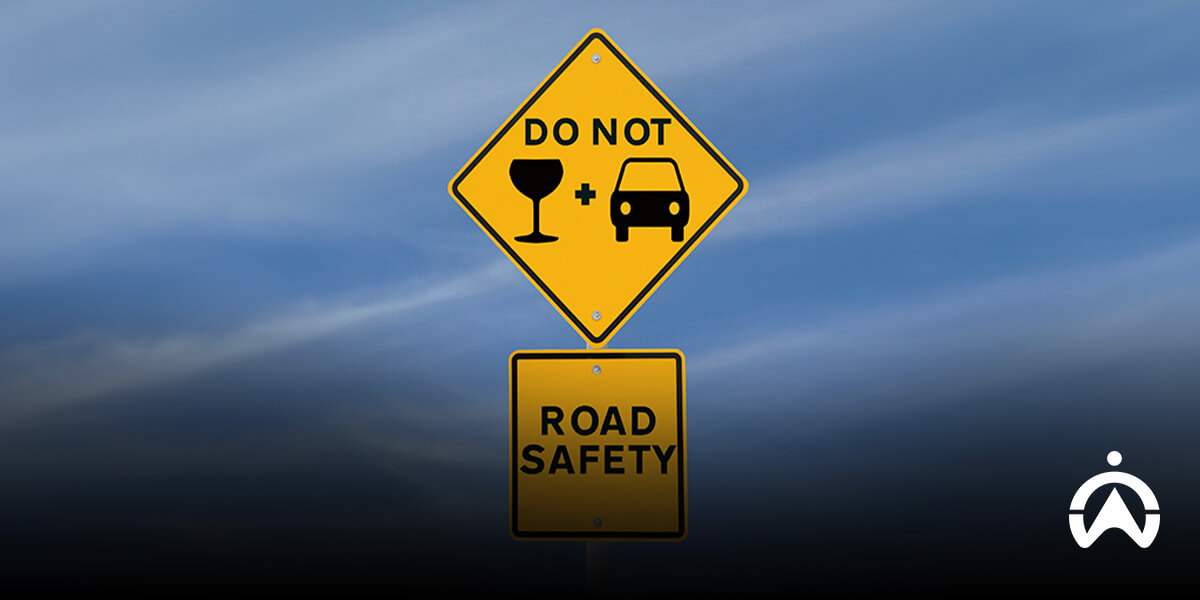
Driving Under the Influence

Malawi has a high incidence of drunk driving, especially during weekends and public holidays. We all know somebody who has been pulled over for driving under the influence and have seen many reports of drunk drivers on the road in the news and on social media. In some cases, we have had to spend a night in jail for this offence, due to our own alcohol consumption.

We all know that alcohol consumption impairs judgment and reaction times and sometimes leads to accidents and fatalities. This is mostly because some of us misjudge our tolerance and believe one or two more drinks won’t affect us.

The best thing to do to avoid this mistake is to always have a designated sober driver or to make use of e-hailing services when going out for drinks.

Running Red Lights and Stop Signs

If you have ever found yourself in a big city rush hour, then you have come across someone running a red light or stop sign. From drivers of sports cars to SUVs, you can expect to see a range of people committing this traffic violation. This is such a prevalent issue that you are bound to encounter this in the city, the suburbs, rural areas, at night, midday and at any busy intersection.

Rushing through intersections is a major cause of accidents and pedestrian injury. The best way to deal with this problem is by always approaching intersections with caution, anticipating light changes and staying focused on the road.

Speeding

Having a car that’s capable of reaching 200km/h may be enticing to some drivers, but it is illegal, with the highest legal speed limit being 100km/hr. We all know this, but many still choose to speed.

Speeding leads to accidents and fatalities. This is especially true on highways or in rural areas, where drivers feel there will be no recourse for their actions. Another reason is that the road infrastructure can be unpredictable in some areas, making speeding even more dangerous.

Misjudging Safe Overtaking

Overtaking other cars on the road is a common occurrence; it is one of the few legal things we are allowed to do. The unfortunate part is that, like all good things, we take it too far and ruin it for everyone else.

How many times have we been on the road and seen someone get impatient with the driver ahead of them, overtaking in a huff without regard for other motorists on the road? Misjudging safe overtaking is very risky and can lead to head-on collisions.

To avoid this mistake, you will need to check all your mirrors and blindspots before overtaking, while cognisant of speed limits and other vehicles.

Failing to Yield

With power outage always a possibility and random outages happening across the nation, we have come to expect traffic lights that don’t work. This has made every intersection a de facto four-way stop, where we have to follow a first come, first go honour system.

This system requires drivers to yield and give the right of way to the appropriate car. Sadly, this does not happen often, with some people driving across roads before their turn.

Misjudging right of way at intersections or roundabouts causes confusion and accidents; to avoid this, drivers need to be patient and follow road rules. They will need to be attentive to what is going on around them and when they are next in line.

Not Checking Blind Spots

This is a common mistake, especially for new drivers. Not having the full line of sight in all areas that mirrors provide is very dangerous as it puts the driver at risk of hitting other cars. Another disadvantage of making this mistake is that it puts the driver at risk of hijackings or smash and grabs since they will not be able to see and react in time.

The solution here is practice, practice, practice. That is the best way to get comfortable with using and checking car mirrors and blind spots regularly.

Not Using Indicators

Changing lanes can sometimes be a treacherous experience, having to coordinate the lane change with the best opportunity, coupled with the generosity of the driver in that respective lane. This situation is made more fraught when the vehicle changing lanes does not indicate its intention to do so.

This is a common mistake, and it often leads to confusion on the road and some mild road rage and colourful language use. To avoid making this mistake, drivers need to be analytical of the situation on the road and make lane switches when it is clearest, instead of at the most opportune moment. This will give you time to consider your actions and use the indicator.

Tailgating

Due to the often-heavy traffic and impatience on Malawi roads, drivers frequently tailgate. This is when a car drives too closely to another without leaving a sufficient following distance. This increases the likelihood of a collision if the car in front were to stop suddenly. We see this often during rush hour, especially in the afternoons when commuters are making their way home.

Some cars have sensors that detect when another vehicle is too close to them. This helps avoid this mistake, but for people whose cars do not have this feature, the only way is to observe the mandated following distance. The best way to know if you are within a safe distance is if you can see the bottom of the tyres of the car ahead of you.

Driving While Fatigued

Long-distance travel is common in Malawi, with many people taking cross-country trips for holidays and family visits. With long trips, many drivers often underestimate the dangers of driving while tired, particularly on long highways like the M1 highway or M5 highway. They become too focused on completing the journey and don’t notice how fatigued they’re getting.

The best way to avoid this is by taking breaks every 3 hours to recuperate or by exchanging driving duties when on the road with someone else.
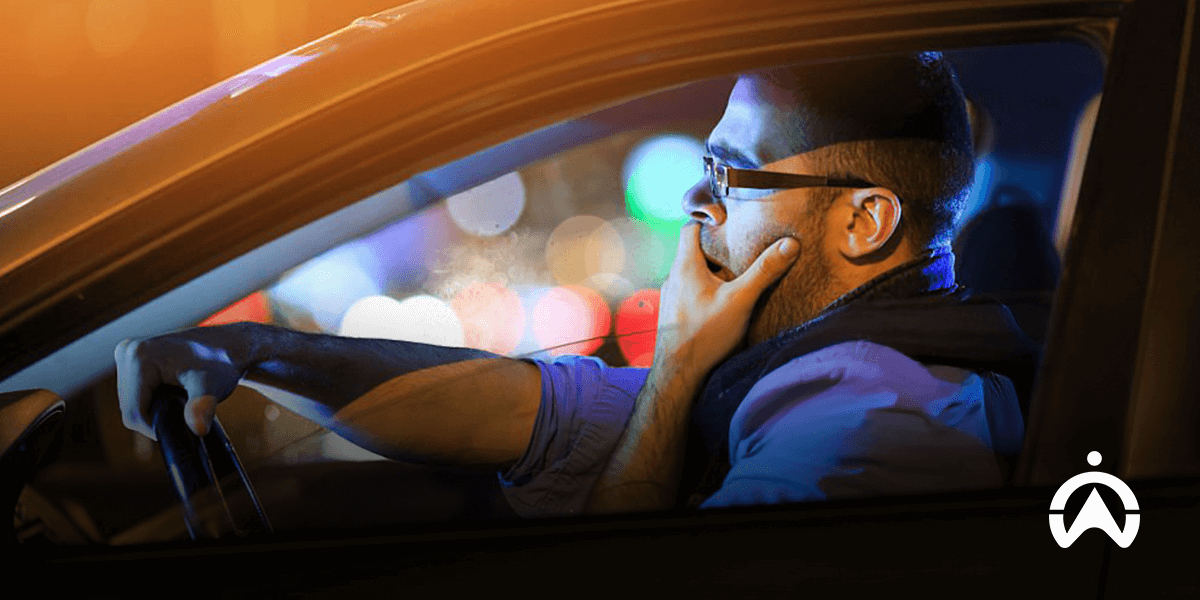
A weary man in a car yawns, illuminated by colorful city lights, conveying tiredness and late-night driving.

Overcorrecting or Jerky Steering

There are many reasons to stay vigilant on the roads in Malawi, from wayward pedestrians to unexpected potholes. Some drivers often overreact to these scenarios, making sudden decisions on the road. Sudden steering or overcorrecting affects other drivers on the road who are then forced to make immediate decisions due to the unexpected nature of this driving error.

Let’s be real, potholes are not going anywhere any time soon and we all know that. The best we can do is drive carefully and make sure we are observant of the roads we are on, especially at night. By doing this, we can reduce the number of times that we are forced into sudden situations where we have to make rash decisions.

How Driving Mistakes Will Cost You

Driving badly on the roads has many consequences that will affect you, both in the short term and the long run. Some of the mistakes made above may seem minor and inconsequential but there are real-world effects and ramifications, let’s see what some of them are.

Legal Consequences

All drivers know that violating road rules leads to fines when caught in the act. What some may not know is how high some of these fines can be. Here is a list of some fines for typical traffic violations:

Fines and Penalties

VIOLATION PENALTY
Reckless driving and driving under the influence
Using a Mobile Phone While Driving MWK 10,000
Negligent driving MWK 5,000
Driving under the influence MWK  20,000- 200,000
Road traffic signs
Failure to obey a traffic sign MWK 20,000
Driving on a sidewalk MWK 20,000
Speeding over limit
10 km/h to 15 km/h MWK 10,000
15 km/h to 20 km/h MWK 15,000
20 km/h to 30 km/h MWK 20,000
35 km/h to 40 km/h MWK 35,000
Passenger Offenses
A driver failing to yield right of way to pedestrian MWK 50,000
Failure to wear a seat belt MWK 5,000
Motorcycle: Riding without protective gear (helmet and reflective jacket) MWK  15,000

Financial Implications

Another way in which driving mistakes can cost you as a driver is financially. Repairs, buying a new vehicle, and increased insurance premiums are unexpected expenses that you will have to deal with.

Fixing minor dents in a car starts at KSH 3,000 and can go well above KSH 15,000. This number can be in the tens of thousands should there be significant damage, especially if the vehicle is from a premium brand.

These financial costs are magnified especially when the car has been written off. Some insurance providers will not pay off the full amount without an excess being paid, which can sometimes be very high. In other cases, the amount received does not match the value of the vehicle and is not enough to purchase a new one.

Risk to Personal Safety

The loss of human life is the one outcome all drivers fear when getting into an accident, whether it be their own life, those they care about or strangers. If convicted, a driver can face up to life in prison for the wrongful death of another motorist or pedestrian. This is compounded by the grief and emotional trauma it will cause to the families of the deceased.
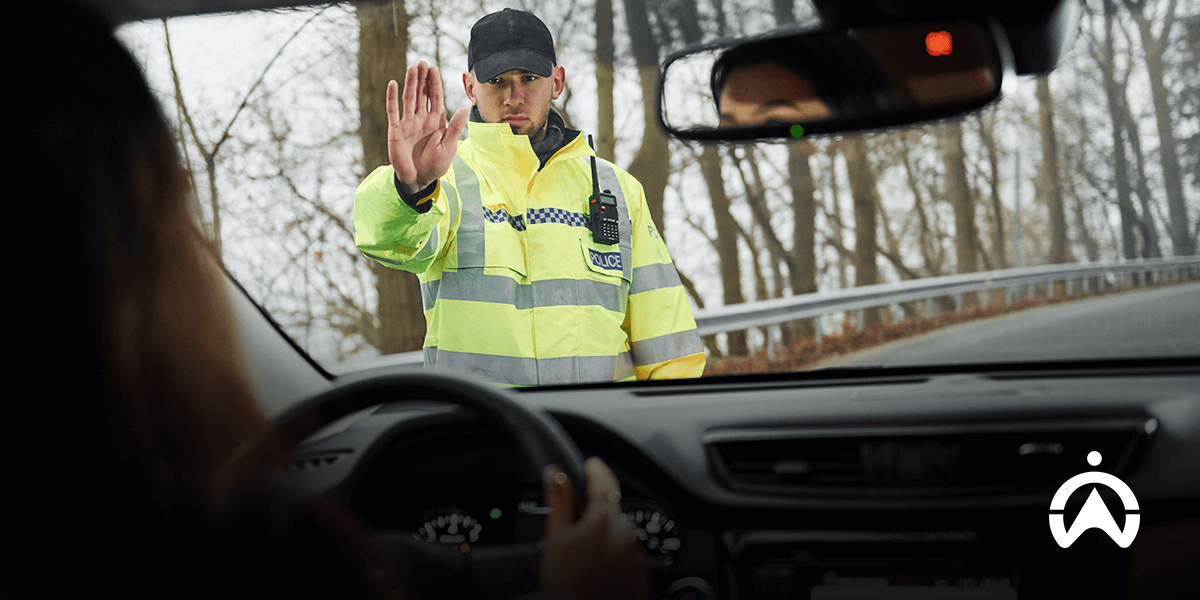
A police officer in a bright yellow jacket signals a stop to a vehicle from the roadside, surrounded by wooded scenery.

How Cartrack Can Help You Avoid Making Driving Mistakes

Driving mistakes are a big problem, but fortunately, they can be addressed. Cartrack provides some solutions to the problems that drivers face on the road. These solutions can help drivers make better decisions and have the tools necessary in the case of an accident.

Here are some solutions that can assist drivers:

Crash Detection

Cartrack has crash detection technology that comes as a value-added service. With this technology, a car is fitted with sensors that detect impact or collisions. This allows them to send alerts to the control room, which will contact the driver to ascertain the severity of the situation.

Emergency Assistance

Cartrack Protector is a feature that clients can take on, it allows them to receive emergency assistance in the case of an accident or other misfortune on the road. This can range from ambulances, roadside assistance, tyre replacements and towing. Terms and conditions apply.

Driving Analytics

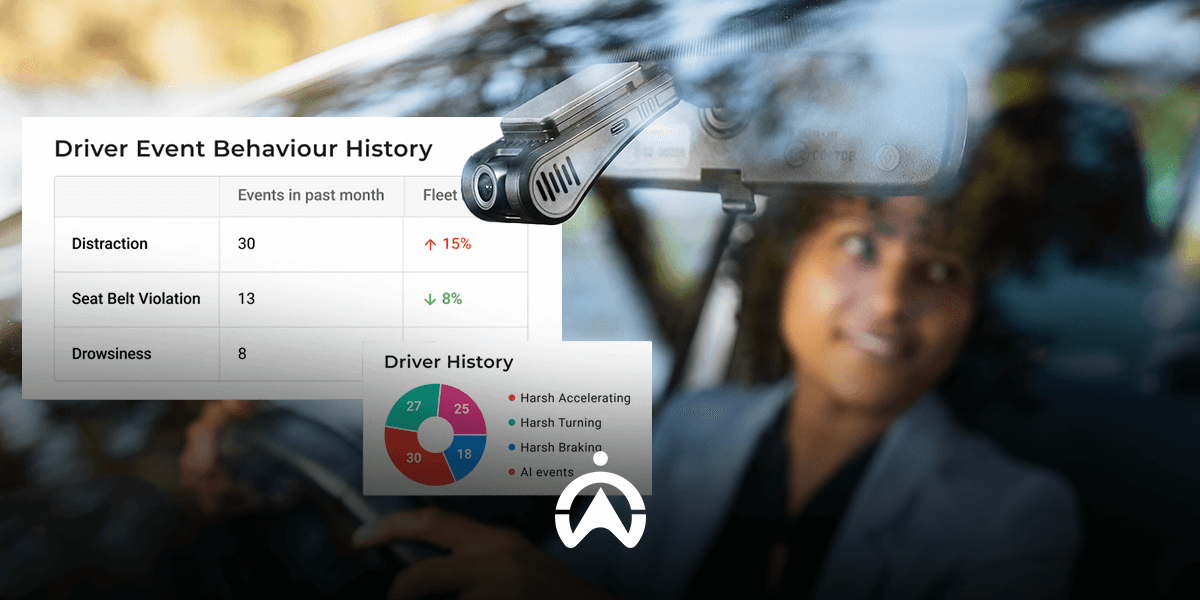
With the Cartrack mobile app, drivers can see analytics of how well they drive. The app tracks and reports on driving events such as harsh braking, harsh turning, and speeding to name a few. This allows drivers to see where they are making mistakes and understand where they need to improve.

Dashcams

When accidents occur, it can be hard to prove who was in the wrong. Luckily, we have dashcams that you can install as part of your vehicle tracking package. These will record all the journeys you take and provide proof should any roadside altercation occur. This is useful for insurance and legal purposes.

We all make mistakes every once in a while when on the road, it is human nature, after all, but what’s important is what we do about it. Putting precautions in place to mitigate these odds is the best way forward, and with Cartrack at your side, this is easier to accomplish.

Get the best in vehicle tracking and stolen vehicle recovery from a provider with an average of over 90% recovery rate, contact us to learn more about how we can make driving safer for y
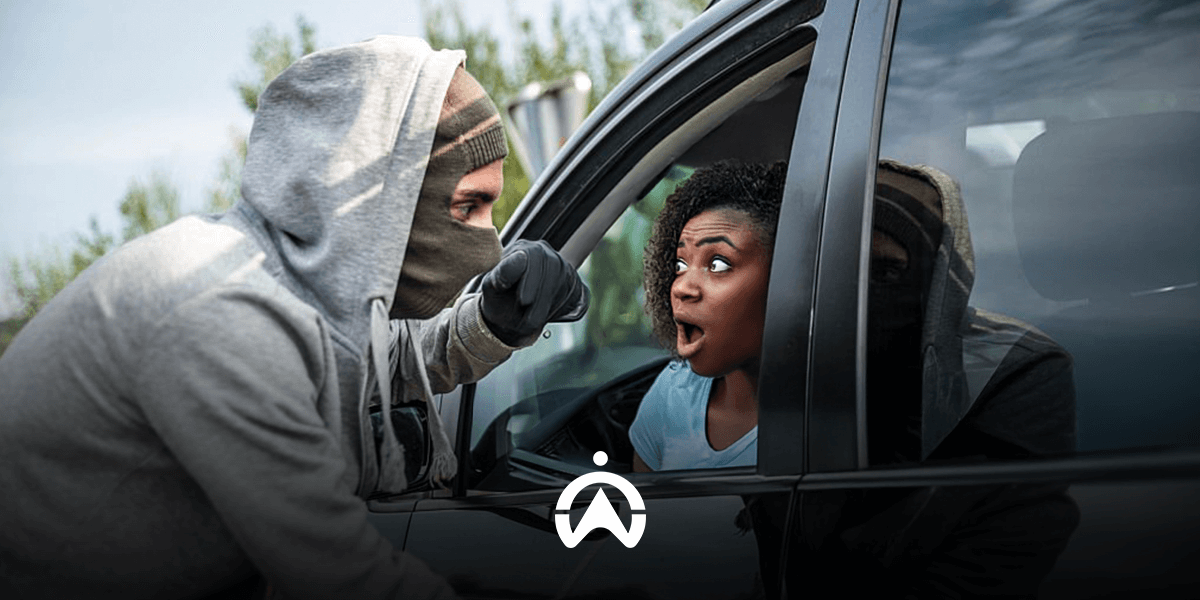
Car Hijacking vs Car Theft: Comparing Risks and Safety Solutions

Vehicle owners face various threats on the road, including the risk of car theft and hijacking. While both crimes result in the loss of a vehicle, they differ drastically in how they happen and the dangers they pose to victims.

Hijackings often involve violent confrontations, whereas car theft typically occurs when the vehicle is unattended.

Today we compare the two crimes and discuss potential safety solutions. We will also explore ways Cartrack solutions can help mitigate risks associated with car hijacking and car theft.

In this article, you will:

  • Understand the key differences between car hijacking and car theft
  • Explore the risks associated with both crimes
  • Learn about the latest trends and tactics used by criminals to hijack or steal vehicles
  • Find practical solutions and tips on how to protect yourself and your vehicle from car theft and hijacking
  • Discover how Cartrack’s solutions can help mitigate these risks

Risks Comparison: Car Hijacking vs. Car Theft

At first glance, car hijacking and car theft may seem similar since both result in vehicle loss. However, there is one key difference that separates the two: human contact.

In car hijacking, the hijacker and the victim will interact; criminals usually use threats and violence to gain access to the vehicle. In a vehicle theft situation, however, there isn’t direct human contact since access is achieved in the vehicle owner’s absence. As a result, hijackings often leave victims with physical injuries and severe emotional trauma, even if they survive the ordeal.

The table below compares the risks of car hijacking and car theft:

Risk Car Hijacking Car Theft
Personal Harm Victims are at direct risk of physical injury or death due to violent confrontations. Less likely to involve physical harm.
Emotional Trauma Victims are more likely to experience emotional trauma, such as post-traumatic stress disorder (PTSD) and anxiety, from the violent nature of hijacking. Emotional distress from losing a vehicle, but less traumatic than hijacking.
Financial Loss Significant financial losses due to vehicle damage, medical costs, and theft of personal items. Financial loss from the stolen vehicle and personal items, but with less likelihood of physical confrontation.
Increased Car Insurance Premiums Due to higher risk, especially in high-crime areas, insurance premiums may increase. Insurers assess your location, vehicle, and any security measures you’ve taken. Car insurance premiums may increase based on vehicle value and how common car theft is in your area.
Identity Theft Increased risk of identity theft from access to personal documents and cards during hijacking. Risk of identity theft from stolen personal items, such as wallets or IDs.

The Latest Trends in Car Hijacking and Theft: What You Need to Know

Criminals are becoming more advanced each day by using sophisticated equipment and techniques to get your car. It is important to know how they think and which methods and equipment they use so you can protect yourself and your vehicle.

To increase their chances of success, criminals often monitor their targets for days or weeks, observing their movements and routines, before executing a hijacking or theft.
‍

Criminals use advanced equipment and techniques such as:

  • Relay attack devices: Criminals use these tools to capture and amplify signals from a key fob, allowing them to exploit keyless entry systems to unlock and start a vehicle without the actual key.
    ‍
  • Signal jamming: Criminals use signal jammers to block communication between the key fob and the vehicle, preventing it from locking or unlocking.
    ‍
  • Lockpicking: This is a technique where criminals manipulate a vehicle’s locks to gain access without needing the original key.
    ‍
  • Cloning key fobs: Criminals copy the unique signal from a key fob to create a duplicate so they can access the vehicle.

Here are some tactics they use to steal and hijack vehicles:

  • Carwash tactic: Criminals target drivers at car washes, taking advantage of the moment when vehicles are left unattended during cleaning.
    ‍
  • Tap-tap tactic: Hijackers gently bump into a vehicle at a stop sign or traffic, prompting the driver to exit and inspect the damage, making them vulnerable to hijacking.
    ‍
  • Blue light impersonation: Hijackers may use flashing blue lights to impersonate police vehicles, coercing drivers to pull over in isolated areas.
    ‍
  • Open-the-gate-hijacking: Criminals often follow drivers to their homes or other locations, hijacking them while they wait for the gates to open.
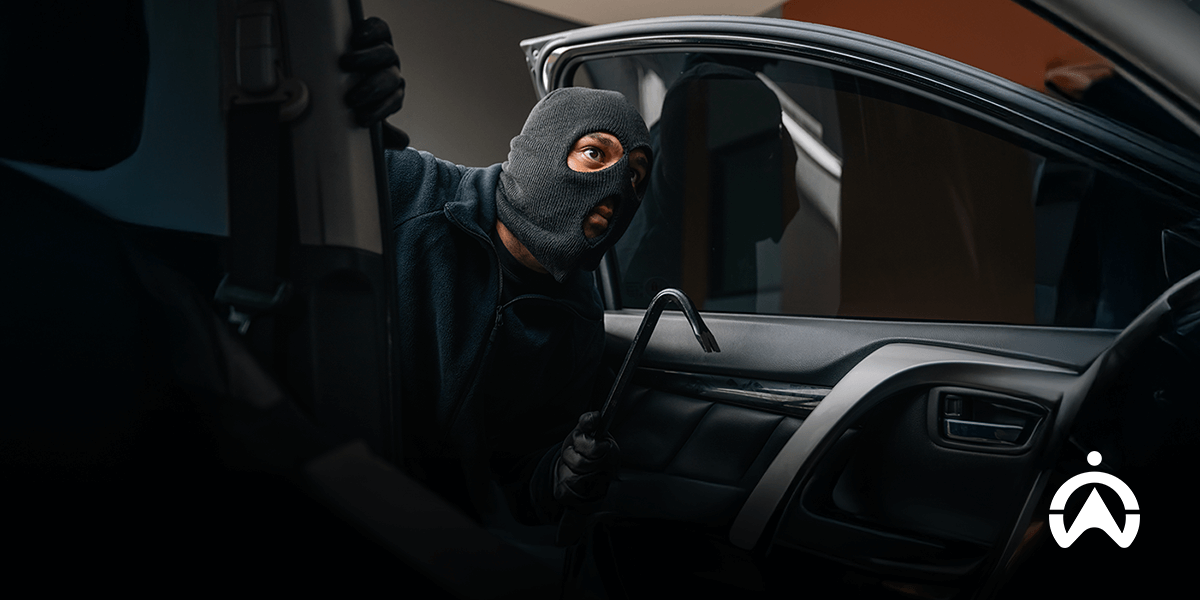
A masked burglar is attempting to break into a car with a crowbar, peering cautiously inside.

Effective Solutions to Prevent Car Theft and Car Hijacking

While hijacking and vehicle theft can never be fully eliminated, investing in preventative solutions significantly enhances vehicle and personal security.

Key Features to Prevent Car Theft and Hijacking

Car Theft:

  • Immobilisers: Prevents the vehicle from starting without the correct key.
    ‍
  • Steering wheel locks: These act as a physical barrier that prevents criminals from turning the steering wheel, which means they won’t be able to drive off.
    ‍
  • Alarm systems: When someone tries to gain unauthorised access to the vehicle, the alarm sensors will trigger loud alerts, which can help distract and deter a criminal from stealing the vehicle.

Car Hijacking:

  • Panic button: A discreet panic button can send alerts to emergency services or your car tracking service provider, enabling them to help you immediately in a car hijacking situation.

How to Respond to a Car Hijacking or Theft Situation

Knowing how to respond when your vehicle is stolen is essential for your safety and can enhance the chances of recovery. Always remember that your life is more precious, so do not try to confront criminals. Instead, follow these steps:

What to Do During and After a Car Hijacking

  • Comply with the hijackers’ demands, hand over your keys, and avoid reaching out for belongings.
    ‍
  • Avoid making sudden movements and direct eye contact with the hijackers, as this may aggravate them.
    ‍
  • Try to gather information discreetly, such as how many hijackers there are, their outfits, how many firearms and weapons they have, and what language they speak. Also note the direction they drove off to and all your belongings that were left in the car. This information will be provided to the police to help with the investigation.
    ‍
  • After they have sped off, immediately call the police and your tracker service provider so they can assist in recovering the vehicle. Most tracking companies, like Cartrack, offer stolen vehicle recovery services to help recover a vehicle if it gets stolen or hijacked.
    ‍
  • Contact your car insurance provider once you have the case number from the police to start the claims process.

What to Do During and After a Car Theft

Imagine you’re at the mall running errands when you suddenly realise that your car is missing. Whether you have a tracking device or not, it is important to act quickly. If you do have a tracking system, you might receive alerts from your mobile, indicating potential tampering with your vehicle. However, even without such alerts, every moment counts in recovering your vehicle.
‍

Here are the steps to take: 

  • Remain calm and avoid confronting the criminals.
    ‍
  • Immediately contact your tracking service provider, if you have one.
    ‍
  • Report the theft to the police as soon as possible. You will need to visit the police station in the jurisdiction where the theft occurred and provide the necessary documentation.
    ‍
  • Check for witnesses or the CCTV footage, which could serve as crucial evidence.
    ‍
  • Contact your insurance provider to start the claiming process.
    ‍
  • Follow up with your tracking service provider, the police, and your insurer for any updates.
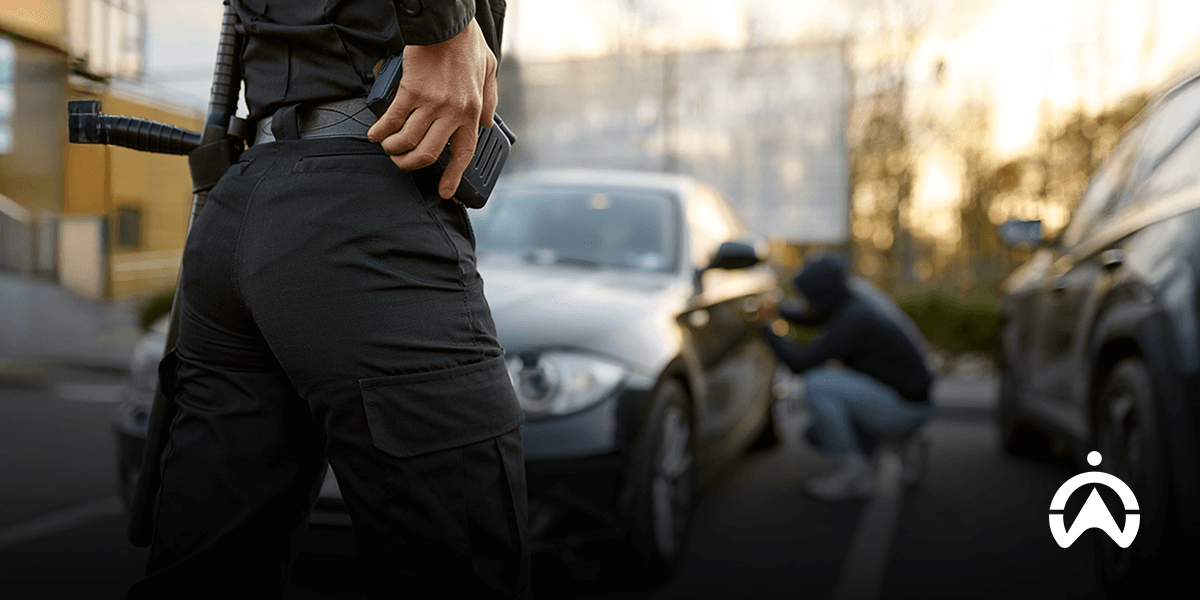
A police officer stands with a baton, watching as a hooded figure attempts to break into a parked car in a parking lot.

Why Cartrack is Your Best Defense Against Car Hijacking and Theft

At Cartrack, we are committed to protecting you and your vehicle at all times. In January 2025, Cartrack successfully recovered 1,402 vehicles. We worked closely with law enforcement, leading to the arrest of 42 suspects, the recovery of 13 firearms, and the confiscation of 12 jammers. This further highlights our commitment to reducing crime in the country.
‍

We offer a range of products and services to help protect your vehicle from theft and assist you in hijacking situations.

  • Stolen vehicle recovery: Cartrack is an industry leader in car tracking and stolen vehicle recovery, boasting an average audited recovery rate exceeding 90%. We have highly trained recovery response teams all over Malawi and neighbouring countries, which work alongside local police, ensuring that stolen vehicles are recovered quickly.
    ‍
  • Power event notification: If your vehicle battery is disconnected, which suggests tampering, you will receive a notification on the Cartrack mobile app. This will encourage a swift response to investigate the alert, which could prevent potential theft or damage.
    ‍
  • Panic button: If your Cartrack subscription includes a panic button, press it if possible in the event of a hijacking. This instantly sends a silent alert to Cartrack’s 24/7 control room. An operator will immediately contact your fleet manager or emergency contact to investigate and provide assistance if necessary.
    ‍
  • Jamming detection: Cartrack offers signal-jamming detection as a value-added service. In a hijacking situation where a criminal uses a jamming device to block communication between the tracking system and the cellular network, Cartrack can switch to RF frequency, which enables us to continue communicating with the vehicle.

The main benefits are:

  • GPS allows accuracy down to 3m.
    ‍
  • The backup battery unit can power the unit for up to 2 days; therefore, tracking your vehicle for maximum time.
    ‍
  • Up to 3 years of battery life expectancy.
    ‍
  • CarWatch: This is a value-added feature that acts as a virtual car guard, providing an extra layer of security for your vehicle. Activated via the Cartrack App, it uses the installed telematics device to detect any unauthorised movement. This feature offers peace of mind, especially for vehicles parked in public areas or left unattended for extended periods.

    Imagine your vehicle moving unexpectedly while you’re at the mall, which could indicate theft. With CarWatch, you’ll receive instant alerts on the app, notifying you of this action. Our 24-hour control room agents will immediately contact you to investigate, ensuring a swift response and recovery if you confirm that the movement is unauthorised.
    ‍

  • Geofencing alerts: On the Cartrack App, you can set up virtual boundaries around specific areas you or your loved ones frequent, such as the local mall. You will receive instant alerts should the vehicle be outside these areas. For example, if your partner borrows your car to run a quick errand at the mall but gets hijacked on the way, you will be notified when the vehicle exits the designated area. This alert lets you quickly assess the situation and contact authorities to investigate and assist.

In closing, while it is impossible to eliminate the risk of hijacking and theft completely, investing in Cartrack’s solutions can help you respond quickly when it happens. Our advanced solutions provide real-time monitoring, recovery services, and other enhanced security features that help safeguard you and your vehicle.

Contact Cartrack today to learn more about our services.

Frequently Asked Questions About Cartrack Solutions

Q: Can Cartrack track a motorbike or scooter?

A: Yes, Cartrack offers tracking solutions for motorbikes, scooters, and other vehicle types, ensuring that they are just as protected as cars and trucks.

Q: Can Cartrack track multiple vehicles at once if I own a fleet?

A: Yes, you can track and monitor your entire fleet on Cartrack’s fleet management platform. This way, you have full visibility of your fleet at all times and will be able to receive important alerts to enhance security and overall vehicle efficiency.

Q: What happens if I don’t have a tracking device when my vehicle is stolen or hijacked?

A: Without a tracking device such as the one from Cartrack, the chances of quickly recovering your stolen or hijacked vehicle are significantly reduced. A tracking system provides real-time location data, which allows authorities to act swiftly and increase recovery chances. It’s highly recommended to invest in a tracking service for your safety.

What to Consider When Buying Your First Car

A first car is a huge milestone for many. Although exciting, you can get blindsided if you do not know what to expect. From the upfront cost to the underlying expenses, you should not find yourself in a position that makes you feel like you have made the wrong decision.

Today we look at the key factors to consider when buying your first car, and how safety significantly impacts your vehicle ownership experience.

In this article, you will:

  • Find out which factors to consider when buying your first car
  • See what to expect after buying your first car
  • Find out the Cartrack must-have services that will keep your car safe

Key factors to consider when buying your first car

Buying a car without extensive research may result in you paying much more in the long run than anticipated. To avoid that, here are all the things you should consider to ensure you are making the right choice:

Setting your budget

The first thing to look at when buying a new car is your budget. The budget must be realistic and the only way to do so is by factoring in all the costs that come with owning a car. Here is a list of what to consider when forming your budget:

Upfront costs:

  • Purchase price
    The purchase price will be your biggest expense. Vehicle prices vary depending on the make and model. First, find out which vehicle models are within the price you are willing to pay.
  • Financing
    Most cars are bought through financing, which can be done through a bank or a dealership. If you are buying your car through financing, you first need a deposit. The deposit amount is usually 10–25% of the total cost. It also helps reduce your monthly instalments.

    Some dealerships offer a reverse deposit option, but it comes with higher interest rates and a large amount of money that needs to be paid in cash at the end of your term. A typical car finance contract runs between 12 months and 72 months, so you must be able to pay for your car for that long.

    Another thing you should know is that a good credit score will give you better financing terms when buying a car. So while you are on the hunt, ensure that all your other bills are paid on time.

  • Vehicle registration
    Your car must be registered in your name. If you are buying from a dealership then the vehicle registration cost will already be covered in your purchase price, as they do most of the paperwork to ensure the vehicle is ready for you as quickly as possible. However, when you buy a car privately, the seller needs to supply you with the vehicle’s registration document and inform the authorities of the change of ownership.

Ongoing costs:

  • Fuel costs
    It is no secret that fuel is expensive for most people. Fuel Prices fluctuate due to international oil prices and the exchange rate. You need to check the fuel costs and determine the amount of fuel you can afford each month. The good news is that a lot of the new entry-level cars are fuel-efficient, which has proven to be very helpful.
  • Insurance costs
    In Malawi, car insurance is not compulsory but is a requirement for cars bought through the aid of financial institutions. With the high risk of road accidents and vehicle theft, it is certainly essential regardless of whether your vehicle purchase is being financed or not. Find out everything you need to know about insurance and get an estimate of monthly premiums for the car you want so you can include that in your overall budget.
  • Maintenance and repairs
    Regular maintenance is essential for ensuring optimal car performance. General maintenance checks typically include inspecting your brakes, wheel rotation, oil changes, and air filter replacements. The amount you pay for these routine checks will depend on the type of vehicle you choose.

    Furthermore, you should have some money put aside for unexpected breakdowns. The cost of these sudden repairs can bring you greater issues if you do not already have the budget for it.

New vs. used cars

Are you getting a brand-new car or a preowned one? Both options have their pros and cons, so you should choose wisely.

  • New car: With a new car, you get benefits such as a manufacturer’s warranty, and the latest technological features, and you get customisation options such as choosing the colour. However, new cars are generally way more expensive, making them less accessible to buyers on a budget. Their value also depreciates rapidly with the first few months of ownership. This means if you want to sell the car within the first year or two, you will be losing a lot more than what you paid for initially. Due to the nature of the depreciation, a new car is not considered a wise investment.
  • Used cars: Generally more budget-friendly, and hold better value over time. The downside is that the car may not have a warranty, which means you will be responsible for all the repairs and maintenance fees after purchase. With a used car, you also won’t be able to specify the details you want in your car, such as the colour of the seats. Lastly, there might be some undisclosed problems that you cannot see at face value, that you will only discover after purchase. This leads us to our next point.
  • CPOs: Not all used cars are thoroughly inspected, which is why you should rather look for a certified preowned car (CPO). A CPO car is one that comes with manufacturer backing. CPO vehicles are usually inspected by a trusted mechanic and undergo any necessary repairs before they are sold. The requirements for CPOs differ for each company, but they usually include mileage and vehicle condition. The price of a CPO is usually higher than a regular used car, but not as much as a brand new car, making this option the middle ground.
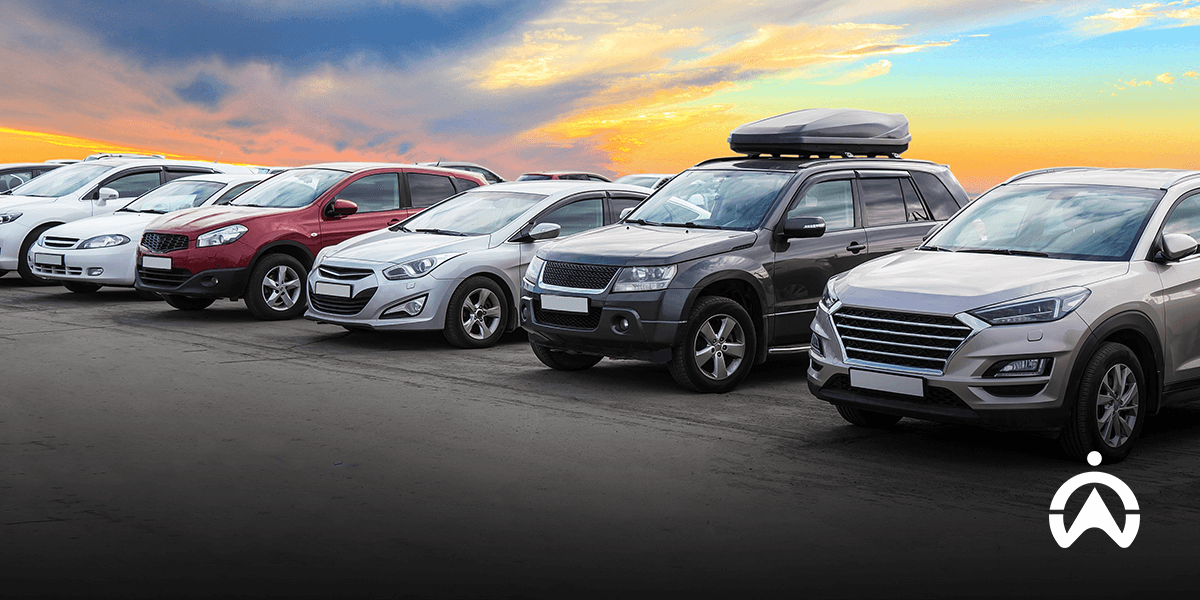
A row of cars parked horizontally at sunset, showcasing a variety of models in white, red, gray, and silver against a colorful sky.

Choosing the right type of car

Your lifestyle needs have a great impact on the type of car you should go for. For example, people who want cars for daily work commutes are more concerned about fuel economy compared to those who will only use their cars occasionally. A person living alone may require a smaller car compared to those living with family. To find out which vehicle model to go for, you first need to understand the different body types.

Common vehicle body types include hatchbacks, sedans, and SUVs. Here is the difference:

  • Hatchbacks are vehicles that are compact and typically folded at the back. They offer a good balance of passenger space and storage capacity. Ideal for those who often travel alone, driving in urban areas. They are also fuel-efficient.
  • Sedans are the classic four-door cars that have a more spacious interior compared to hatchbacks. They are known to be more practical, and comfortable, which makes them ideal for families and daily commuters.
  • SUVs come in various sizes some are compact, others are large. They are designed to handle both smooth and tough road conditions. Suitable for those who often travel out of town and come across rocky roads and gravel paths.

Fuel type is another important factor that you should pay attention to. Are you going for a petrol, diesel, hybrid, or electric car? Here’s what you should know about the different fuel options:

  • Cars with petrol engines are usually more affordable due to them being cheaper to manufacture compared to diesel, hybrid, and electric.
  • Diesel engines use less fuel per kilometre. They can stretch the fuel further, making them more suitable for long-distance travellers. In most cases, diesel costs less than petrol.
  • An electric vehicle is powered by an electric motor. The car does not use petrol or diesel but rather draws energy from a battery that can be charged from an external source.
  • A hybrid car combines a petrol or diesel engine and an electric motor. The two systems work together to keep the vehicle in motion. They are the most fuel-efficient compared to petrol and diesel.

Essential features and safety considerations

Modern vehicles come with many new and exciting features. Some enhance safety, while others are just there for convenience, so you do not really need them. Essential vehicle features include airbags, anti-lock braking systems, blind spot monitoring, and automatic emergency braking. While the nice-to-have features include reverse cameras, heated seats, and adaptive cruise control.

Researching and test driving

Do as much research as you can. Read reviews about how different vehicles hold up in the long run, as well as reviews about the dealership you are looking to get your car from. Once your research yields positive results, then it is time to go for a test drive.

Take an experienced driver or a mechanic with you to get a second opinion. Inspect the vehicle bodywork, check the interior, test out all the buttons, and find out about the service history. The test drive helps you evaluate the vehicle’s performance, so you can pick up any non-disclosed issues.

The buying process and paperwork

The paperwork becomes very easy once you know exactly what documents are required for the transaction. Here’s what you need:

  • ID document
  • Proof of residence
  • Proof of income

Read your contract thoroughly before you sign. Go through the return policies and warranty so have a clear understanding of what to expect. This is also where the registration and title transfers come in, which we touched on earlier.

Car safety: Investing in a tracking device

Vehicle tracking devices are a strong deterrent against potential theft. They increase vehicle security by ensuring the car’s location is always visible. As a first-time car buyer, you should choose a reliable vehicle tracking service such as Cartrack. We boast an average external audited recovery rate of over 90%, are most trusted on Hello Peter, and have nationwide coverage.

A GPS tracking device also helps improve your driving habits by giving you detailed information on events such as speeding, and harsh braking. This further ensures that you are always cautious on the road which will help you avoid accidents and costly repairs. Moreover, tracking devices are a strict requirement for vehicles through financing, just like insurance.‍

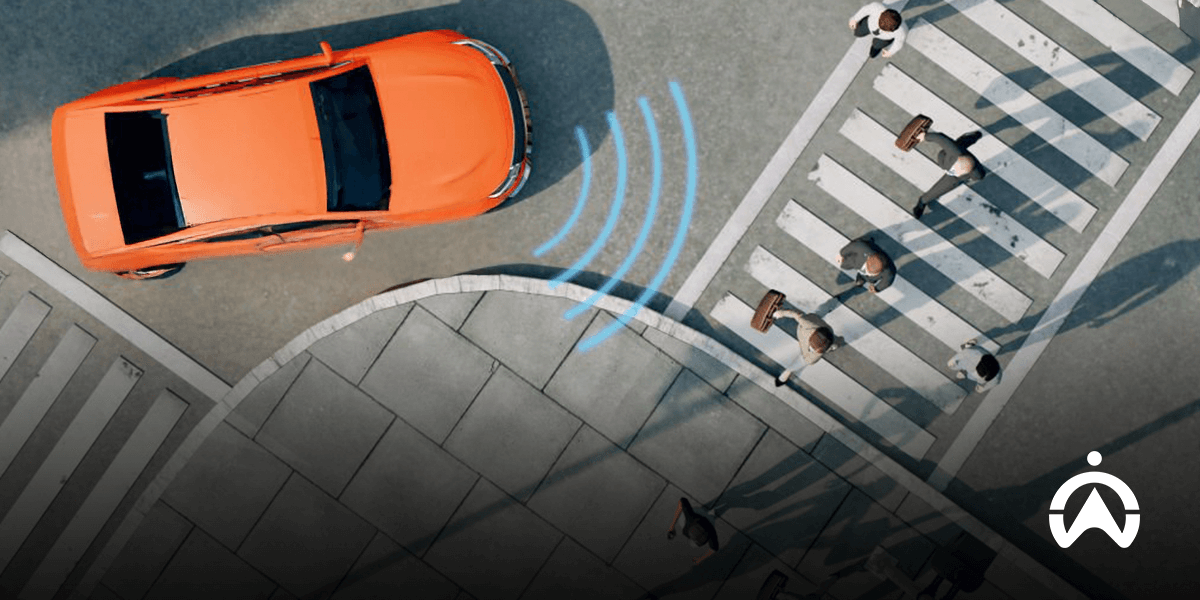
An orange car approaches a crosswalk where several pedestrians are walking, with safety signals depicted above.

What to expect after buying your first car

Once you are done making the big purchase, you need to ensure that you take care of your vehicle. This reduces the amount of times you will have to pay for repairs and it maintains the resale value.
‍

Remember these few things to ensure your vehicle is always in good working order:

  • Always do regular services to keep your engine running smoothly. Set reminders for service dates and don’t forget the oil changes.
    ‍
  • Check tyre pressure and tread depth for safety, fuel efficiency, and tyre longevity.
  • Clean your battery, ensure it is in good working order, and avoid leaving your car in extreme heat. This ensures minimal breakdowns and battery changes.
  • Skipping regular brake inspections may lead to reduced stopping power and potential brake system failures. Check for issues like worn out braking pads before they lead to costly repairs.

Keeping you and your car secure with Cartrack

Cartrack is one of the leading providers of vehicle security services, with over 2 million subscribers. Our solutions ensure that your vehicle is always safe and that you also feel protected. We make sure your daily trips and overall vehicle experience as a first-time car owner, are enjoyable. Here are some of our other services that will enhance your vehicle’s safety and make your life easier:

  • ‍Stolen Vehicle Recovery
    We are always ready to get your car back to you in the unfortunate event of theft. Cartrack has a vast network of highly trained recovery response teams throughout the country, along with police aid. This ensures that your vehicle is recovered as quickly as possible.
    ‍
  • ‍CarWatch
    Our Carwatch feature is a value-added service that ensures your car remains where you left it. All you need to do is activate it on the Cartrack mobile app after parking your car, and we will give you an alert if the car moves without permission.
    ‍
  • ‍Protector
    Cartrack Protector is a value-added service that ensures that you are never left stranded on the road. It provides roadside and medical assistance at the push of a button on our mobile app. Considering that we already have access to your location, it will be easier for us to quickly get to you.
    ‍
  • ‍Road Vision
    Give yourself a silent eye-witness with our Road Vision solution. This is a forward-facing dashcam that will help prove your innocence in accidents and cases of false insurance claims. The Road Vision Camera comes with cloud-based storage, giving you ample space, and clear videos and allowing you to download and live stream at any time.
    ‍
  • ‍Cartrack Insurance Agency
    As stated earlier, car insurance is essential. The Cartrack insurance agency simplifies the process for you by narrowing down the search and giving you quotes from top reputable insurance providers.

Choose the most trusted vehicle tracking company for your first car

Our advanced innovations ensure that you get the best experience out of your first car. Join us today and drive with confidence.

Car Tracking Devices vs. Traditional Car Alarms: Which Is Better?

Did you know that there were 63 cars are stolen in 2023 Malawi? This statistic proves that vehicle safety is now more critical than ever. At this rate, investing in a vehicle security system such as a tracking device or a car alarm is non-negotiable. While most vehicles already come equipped with alarms, the big question is, are they enough to protect your vehicle?

We will discuss these two key automotive security solutions, compare their effectiveness, and help you determine which system is better suited for your needs. You will also discover how Cartrack solutions can help safeguard you and your loved ones on the road.

In this article, you will:

  • Know the key differences between car tracking devices and traditional alarms
  • Understand the benefits of car tracking devices
  • Learn why Cartrack stands out as the best vehicle tracking partner

Car Tracking Devices vs Traditional Alarms: A Comparison

Car tracking devices and alarms aim to protect your vehicle, but they achieve this goal differently. The table below outlines each system’s key features, benefits, and drawbacks, providing a clear overview to help you make an informed decision when choosing the right security solution for your needs.

Aspect Car Tracking Device Traditional Car Alarm
Primary Function Vehicle Location & Recovery Deterrent, Alerts of Intrusion
Effectiveness Highly effective for locating and recovering a stolen vehicle Primarily effective at deterring theft or alerting to attempted theft
Technology GPS, Cellular, Wi-Fi Sensors, Sirens, Motion Detectors
Features Real-time tracking, Geofencing, Speed alerts, Driver behaviour monitoring, Remote engine immobilisation Loud siren, Motion detection, Tilt sensors, Glass break sensors
Installation Often hidden and professionally installed Typically visible, usually professionally installed
False Alarm Less prone to false alarms More prone to false alarms (e.g., loud noises, animals)
Additional Benefits Valuable for fleet management, parental controls, emergency services and potential insurance discounts Limited beyond basic theft deterrence

Key Differences Between Car Trackers and Alarm Systems

When it comes to car security, owners often consider both tracking devices and alarms. Even though they both offer car protection, they have different approaches to this. Let’s explore how different they really are by looking at their primary function, installation, technology, and limitations.

Key differences between traditional car alarms and tracking devices:

Primary function

Traditional car alarms

The main function of a traditional car alarm is to deter theft. If someone tries to steal your vehicle or break in to get your belongings, car alarm sensors will detect this, and sound will be emitted. In some cases, the vehicle’s headlights will also flash. These alerts are meant to notify people who are nearby and distract the criminal from continuing with this act.

This makes car alarms effective in theft situations.

Car tracking devices

The primary function of a car tracking device is to assist in recovering a stolen vehicle, by tracking its location through GPS technology.

Tracking devices do not prevent theft, making them ineffective in theft situations but highly effective post-theft.

Technology

Traditional car alarms

Traditional car alarms rely on sensors to detect unauthorised access or disturbances, triggering the alarm when activated. Below is a list of common sensors that an alarm system typically has:

  • ‍Tilt sensors: These are used to detect any change in the vehicle’s inclination to the ground. The alarm will be triggered if there is a sudden inclination of the car. This feature protects against unauthorised towing or jacking up of the car.
    ‍
  • ‍Motion detection: If there is any movement happening near the car, this will trigger the alarm to go off. This can include even a slight touch of the vehicle.
    ‍
  • ‍Glass break sensors: If someone is trying to break your window, for instance, and glass shatters, this will be detected, and the alarm will go off.

Car tracking devices

Trackers are equipped with advanced GPS technology. These devices use GPS receivers to communicate with satellites, pinpointing your car’s location in real-time. The location data is then transmitted through cellular networks (like 4G/LTE) to secure servers, allowing users to track their vehicles remotely. This could be done via apps or online platforms.

Installation

Traditional car alarms 

The Original Equipment Manufacturer (OEM) alarm systems are installed by the vehicle manufacturer during the manufacturing process. Aftermarket alarm systems are purchased separately and are usually installed by a qualified technician.

Car tracking devices

GPS trackers must be installed by a qualified technician to ensure they are installed correctly and discreetly.

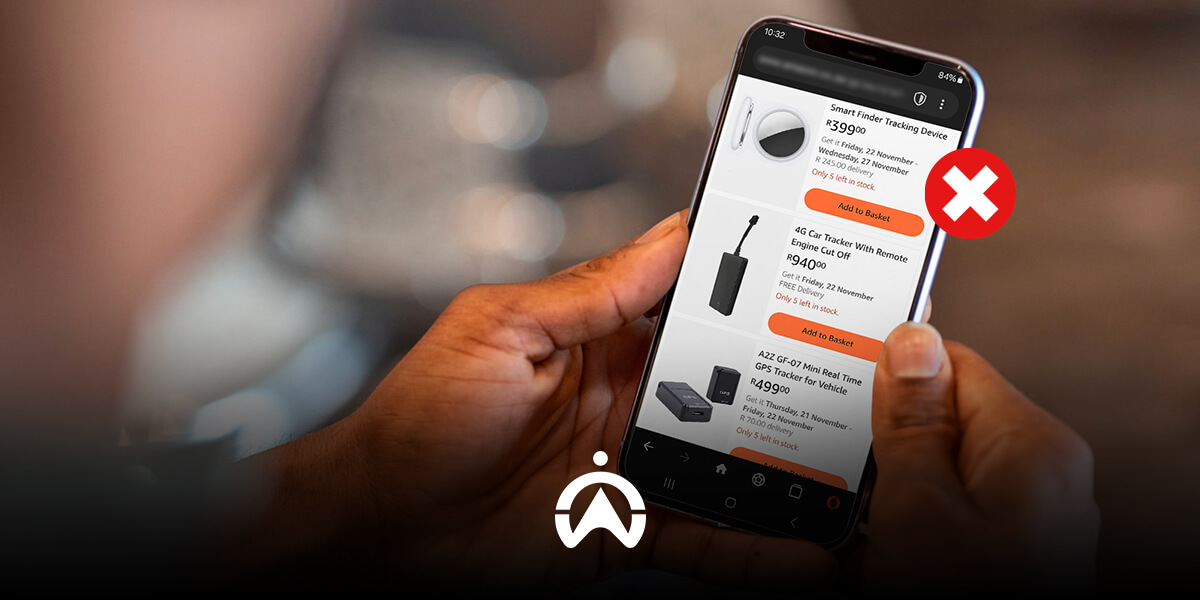
It is not advisable to buy tracking devices at online marketplaces or off the shelf and attempt to DIY the installation. You are not only damaging your vehicle’s wiring and other important components, but you are also putting yourself in danger by purchasing from these non-reputable companies. These systems could easily be hacked, posing a risk to users.

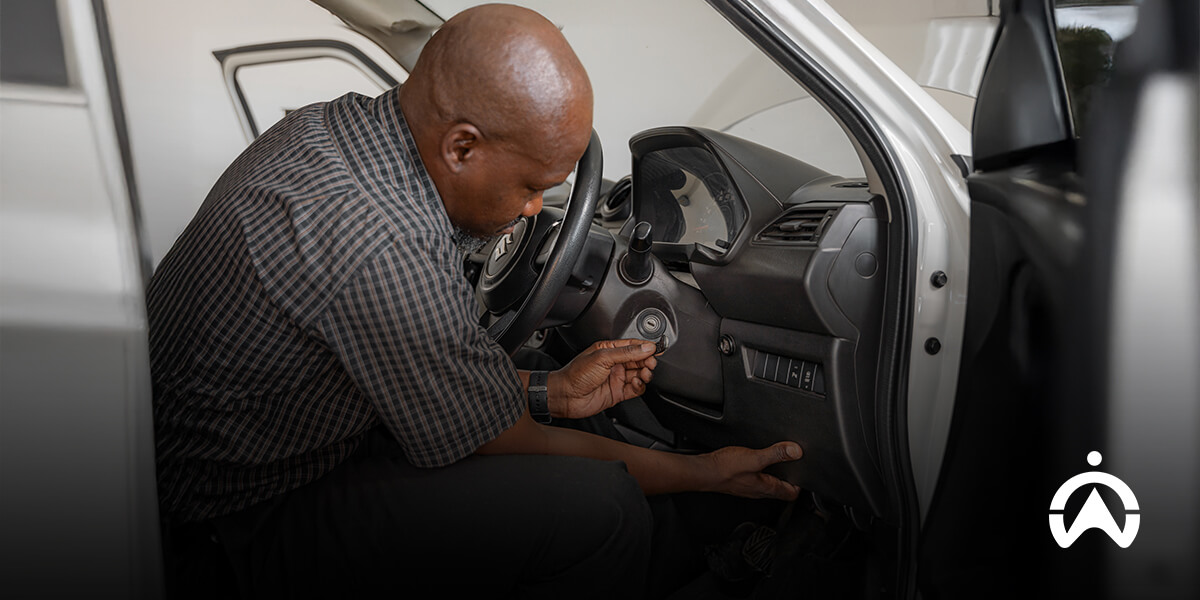
A Cartrack technician inspects the dashboard and ignition of a car while seated in the driver's seat, focused on installing Cartrack tracking device.

Limitations

Traditional Car Alarms

These days criminals use sophisticated devices that can, unfortunately, easily disable car alarms. These systems are also more prone to giving false alerts, which negatively influences their reliability.

False alarms can be caused by the following:

  • ‍Overly sensitive sensors: If a vehicle’s sensors are overly sensitive, they can be triggered easily. This means that your vehicle’s alarm can go off even when a small animal like a bird rest on top of your car’s roof.
    ‍
  • ‍Faulty key fob: A malfunctioning key fob or remote can send erratic signals to your car’s alarm system. Most key fobs have panic buttons, so if faulty, the panic button will most likely be activated randomly, causing the alarm to go off.
    ‍
  • ‍Wiring problems: If you have an aftermarket alarm system and decided to install it yourself, there is a possibility that you messed up the wiring system. This is why it is not advisable to DIY. You need to get a qualified technician to do the installation, always.
    ‍
  • ‍Low battery levels: A weak or dying battery could cause the car alarm to go off. If your vehicle’s battery is too old, ensure that you get it replaced to avoid this.

Car tracking devices: 

Tracking devices are much harder for criminals to disable since they’re installed in discreet locations, making them difficult to find. This forces them to waste time looking for the device, giving authorities a crucial window to track the vehicle and recover it before it’s gone for good.  These devices will not send false alerts due to their advanced GPS technology.

The True Benefits of GPS Car Trackers

Since traditional car systems were made for the primary function of theft deterrence, there aren’t many added benefits compared to GPS trackers. Car tracking systems have more added benefits, such as emergency assistance, fleet management capabilities, and parental control.

Let’s explore these added benefits below:

Emergency Assistance

This feature ensures that you and your loved ones get the necessary support when in an unfortunate situation on the road. Most tracking companies provide you with emergency assistance such as roadside or medical assistance. You will have peace of mind knowing that you are always protected.

Fleet management

Car tracking devices can assist fleet managers in running their day-to-day operations smoothly. This is how:

  • Efficiency: Real-time tracking allows fleet managers to optimise routes, minimise idle time, and improve overall efficiency.
    ‍
  • Safety: They can help monitor driver behaviour and identify potential safety risks, such as speeding or harsh braking.
    ‍
  • Maintenance: Tracking data can be used to schedule vehicle maintenance and ensure timely servicing.
    ‍
  • Asset tracking: GPS trackers can be used to monitor the location and movement of valuable assets in your business.

Parental control

If you are a parent to a teenager who is new behind the wheel, you can ensure they are always protected on the road using GPS tracking systems. Geofencing allows parents to set up virtual boundaries and receive alerts if their child enters or exits specific areas. They will also be able to monitor their children’s behaviour on the road by analysing their harsh events and can offer necessary coaching.

Potential Insurance Discounts

Insurance companies tend to offer low insurance premiums to customers who have security systems in place, such as GPS trackers. This is because they know that, in case of theft, the high likelihood of vehicle recovery reduces the need for claim payouts.

A red SUV drives on Cartrack geofence area mark, surrounded by green grass and a metal guardrail, showcasing a vibrant outdoor scene.

Why Cartrack Stands Out as Your Vehicle Tracking Partner

From the above, it is clear that having a car tracking device is essential for your safety. However, it isn’t just about finding and installing the GPS tracker and calling it a day; you need to ensure that you get this device from a reputable company. Cartrack is such a company.

Cartrack offers the following features and solutions to help ensure that your vehicle is safe and more likely to be recovered if stolen:

  • ‍Advanced Fitment Technique
    Our highly trained technicians are responsible for the installation of our tracking devices, ensuring that they are installed correctly and do not interfere with other important components in your vehicle.
    ‍
  • ‍Air and on-the-ground recovery teams 
    If a vehicle theft occurrence is underway, our highly trained recovery team is immediately dispatched. This is usually carried out by both air and ground teams to ensure the fastest, safest, and most proficient tactical response.
    ‍
  • ‍Cartrack Mobile App
    Our tracking devices are integrated with the mobile app, allowing you full control of your vehicle and fleet. You will also be able to access our wide range of features at just a touch of a button.

    Our app allows you to:

    • View your vehicle’s live location and past trips
    • Activate Carwatch which alerts you if your vehicle moves once parked
    • Activate Protector which provides Medical, Roadside, Legal, accommodation, and Car Hire Services
    • Share your live location with your loved ones
    • View the last position report, which indicates the last known position of the vehicle
    • View driving reports to monitor driving behaviour and reduce fuel and maintenance costs
      ‍
  • ‍Carwatch
    ‍Carwatch is a value-added service that we offer to our customers. Think of it as a virtual car guard; it watches over your car once you activate it. You will receive instant alerts if your vehicle moves without your knowledge, allowing you to take necessary action.
    ‍
  • ‍Jamming detection
    Cartrack offers signal-jamming detection as a value-added product feature. This is to ensure that if criminals use signal jammers to jam the tracking system’s cellular connection, we can still track your vehicle. We will switch to RF frequency, which allows us to continue communicating with the vehicle.
    ‍
  • ‍Protector
    The Cartrack Protector is a value-added service, available for an additional fee. At just a push of a button from the app or Cartrack website, you will have access to a range of services to make your travelling experience as comfortable as possible. A call centre agent will contact you immediately to assist with the following:

    • Medical assistance
    • Roadside assistance
    • Legal assistance
    • Accommodation and car hire services
      ‍
  • ‍Geofence
    You will be able to set up virtual boundaries in high-risk areas. This means that you will be notified instantly should your drivers or loved ones who are using your vehicle enter these zones. You can then call them to make a U-turn immediately.
    ‍
  • ‍Panic Button
    In case of an emergency, you can simply press a panic button, which will instantly send a silent alert to our 24/7 Cartrack control room. An operator will provide the necessary assistance.
    ‍
  • ‍Strip Warning
    In the event that your tracking unit is tampered with, which generally indicates that theft is in progress, our control room will receive an alert and contact you immediately to investigate.
    ‍
  • ‍Power Event Notification
    You will receive an alert should your vehicle battery be disconnected. This could indicate some form of tampering with your vehicle.

In conclusion, it is important to protect your vehicle, especially with the increasing theft and hijacking numbers in Malawi. Ensure that your car is equipped with car alarms and GPS tracking devices for optimal security. Contact us today to find out about all our offerings and have peace of mind.

Frequently Asked Questions about alarms and tracking devices

Q: Is it possible to combine both a traditional alarm and a car tracking device?

A: Yes, many vehicle owners use both systems together for enhanced car security—alarms for theft deterrence and trackers for recovery.

Q: Can I transfer a car tracking device to a new vehicle?

A: Yes, you can transfer a tracking device from one vehicle to another. We will send a Cartrack technician to deinstall and reinstall the unit for a nominal fee. This is done at a time and place that is convenient for you. Simply contact us to make arrangements.

Q: Do car alarms or tracking devices drain the vehicle battery?

A: Both systems use minimal power and are unlikely to drain your battery under normal conditions.

Q: Can GPS tracking devices locate my car if it is stolen and taken to another country? 

A: Our tracking units have international roaming, allowing tracking both locally and abroad. In areas with no GPRS/GSM coverage, the unit can store up to 5000 positions and events, such as ignition changes, every 3 km of travel, or deviations of 10 degrees or more. These data points are transmitted once GPRS/GSM communication is re-established.

Roadworthy Test Checklist: What You Need to Know

Keeping your car running smoothly on the road requires regular maintenance. The more you let things slide, the more the damage to your vehicle, and eventually, it might not be good enough to use or sell to anyone.

One way to check the condition of your car is through a roadworthiness test, and we have compiled a checklist that will help you pass the test.

This blog will discuss everything you need to know about roadworthiness and how Cartrack solutions help you stay compliant on the road.

In this article, you will:

  • Learn what a roadworthy test is
  • Find out what should be in your roadworthy checklist
  • Discover how Cartrack can help keep your vehicle roadworthy

What is a roadworthy test?

A roadworthy test, also known as a roadworthy inspection, determines whether the vehicle is safe to drive or not. Every new or used vehicle in Malawi needs to pass a roadworthy test before it can be licensed in the new owner’s name. The inspection is administered by a trained and registered technician, whose job is to ensure the vehicle is safe to use on the road. A roadworthy test can be done at a public or private testing station. Once completed, the vehicle owner will get a certificate that is generally valid for 60 days.

A vehicle that is roadworthy is less likely to have breakdowns, which reduces the risk of accidents. For this reason, the roadworthiness test is a legal requirement to ensure that a vehicle meets the safety standards set by the Malawi Bureau of Standards (MABS). Every vehicle owner must take responsibility for maintaining his or her vehicle regularly. Failing to keep a car roadworthy can also result in fines or penalties if caught by traffic enforcement.

A roadworthy test must be done every time a vehicle changes ownership. If your vehicle is used for public transport or is a heavy-load vehicle (excluding buses), you must take it to be tested for roadworthiness every year before you renew your licence.

The roadworthy checklist every driver needs to know

So how do you know if your car is roadworthy? Well, here are the basic criteria for roadworthiness in Malawi:

  • Identification: The engine number and the vehicle identification number (VIN) must match those on the registration document. There should be no signs of tampering on any of the vehicle identifiers. If the engine has been changed, all associated requirements must be in place and logged on to the National Traffic Information System.
    ‍
  • Braking system: This is one of the most critical safety components in any vehicle because reduced braking efficiency can cause fatal accidents. The owner’s manual for your car should give you an idea of how often you need to replace your vehicle’s brake pads. When preparing for a roadworthy test, you not only need to check the brake pads but the disc and brake fluid levels as well.
  • Suspension and steering: The suspension system is there to maximise the friction between the tyres and the road surface. This helps stabilise the vehicle and makes it possible for the car to handle bumps and dips on the road. It consists of various parts, such as shock absorbers and coil springs, that all play a part in maintaining stability on the road. A car’s steering wheel is also closely tied to the health of its suspension system. Inspectors check the steering wheel and the linkage between the wheel and the rest of your car. Your wheels must be aligned to specifications, and the undercarriage must be free of rust and leaks.
  • Tyres and wheels: Tyres must be the correct size and in good condition; this includes the spare wheel. They should be inflated to the proper pressure and must have a tread at least 1.6mm deep. There should not be any cuts, bumps, or any other form of damage. If your tyres fail the inspection, you will need to have them repaired or replaced before your vehicle can be deemed roadworthy.
  • Lights and basic electrics: All lights must work independently and correctly; this includes headlights, fog lights, brake lights, and indicators. They must be securely fitted, with no signs of water leaking into any of them. Also, check for loose or exposed wiring and that all battery clamps are there.
  • Exhaust and emissions: Check if emission levels meet regulations. There should be no leaks, excessive smoke, or noise coming from the exhaust.
  • Engine and transmission: Your car’s engine should not have any leaks or damage. The engine and transmission mountings must be intact. Additionally, there should be no loose or damaged wirings, and the transmission must be in good working order.
  • Bodywork: Inspectors will also conduct an interior and exterior check on your vehicle. The chassis should not show any sign of weakness and the undercarriage must be free of rust. There should be no structural damage that can cause injury to pedestrians or cyclists. Ensure that all doors, mirrors, and bumpers are secure and correctly positioned and that all of your reflectors are intact.
  • Windscreen and windows: There should be no cracks on the windscreen or any sort of damage obstructing the view. At least one correctly functioning windscreen wiper must be fitted; all windows must open and close properly.
  • Seatbelts and interior safety features: All seatbelts must be fastened and released with ease, with no cuts or damage. Seats must be securely in place. The odometer, hooter, and speedometer must also be in working order.
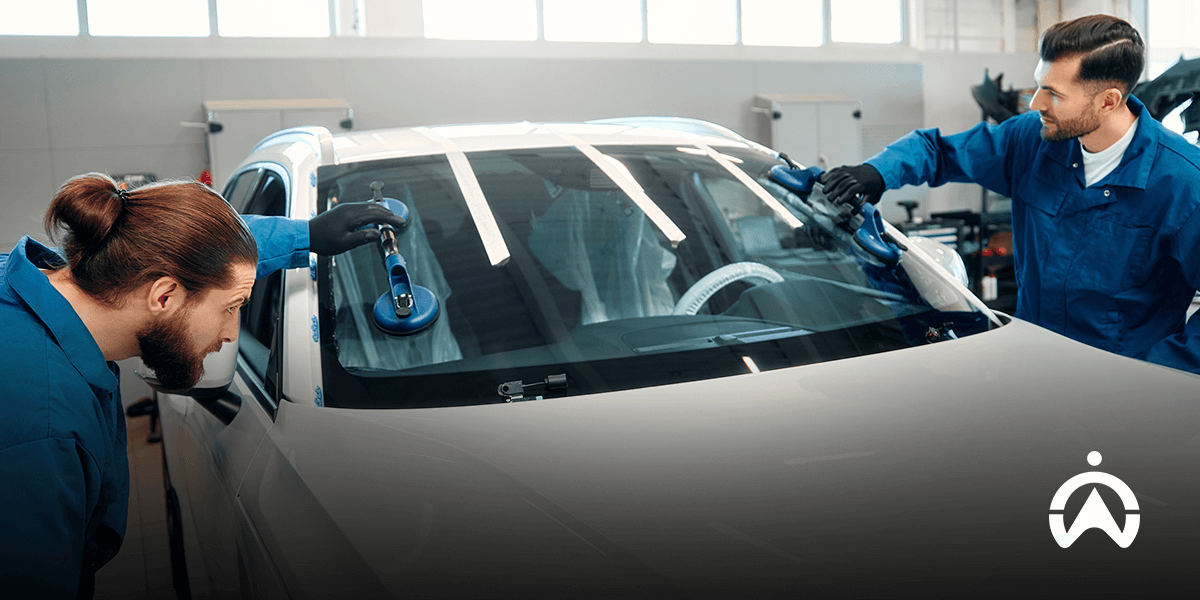
Two technicians repairing a car windshield in an auto shop.

What happens if your vehicle fails the roadworthy test?

If you fail the roadworthy test, you will be given 14 days to fix any defects identified. Once done with the repairs, you must return for a retest to ensure the issues have been addressed. If you fail to complete the repairs within 14 days, you will have to undergo a full inspection from scratch.

How Cartrack solutions help you stay on the road

To ensure that your car remains roadworthy, you need to take care of it on a daily basis. This means improving your driving habits in order to reduce the chances of accidents and vehicle damage. Cartrack not only specialises in location-based tracking; our advanced device also keeps a record of your driving habits. You can log on to the Cartrack mobile app or website to get a full view of driving that could increase vehicle wear and tear, such as speeding, harsh braking, and harsh cornering.

Cartrack also has value-added services that are there to assist you in maintaining or replacing certain car parts, such as:

  • Tyre replacement
    If you need to replace your tyres, you can log on to the Cartrack app and click on the tyres icon to make a request. Our service agents will contact you shortly to find out the size you need and make the necessary arrangements. The replacement can be done in the comfort of your home or at one of our fitment centres. You can also get your wheels aligned while at it.
  • Battery replacement
    If you need a new battery for your vehicle, you can contact your service agents to get a quote and make arrangements. Just like the tyre service, battery replacements are done either at your home or at one of our fitment centres.
Person holding car keys near a vehicle while giving a thumbs-up gesture.

Keep your vehicle in top shape with Cartrack

Secure your car and keep it roadworthy with Cartrack’s value-added services. Choose a plan that works best for you and enjoy the benefits. Cartrack specialises in stolen vehicle recovery but also caters to almost all your vehicle needs. Join us today and have one less thing to worry about.

5 Reasons to Avoid Buying a Tracking Device from a Marketplace

Online purchases can be risky. Many scammers lurk in marketplaces to rob people of their hard-earned money. These individuals target consumers seeking affordable products to cut costs, often overlooking the risks of choosing the cheapest option.

Purchasing a tracking device from an online marketplace can be tricky and quite unsafe. Marketplaces were designed to provide vendors the opportunity to sell products that add value to customers but unfortunately, not every seller has a buyer’s best interest at heart. This is why buying a tracking device from an online marketplace might not be the best option for you.
‍
Let us explore the reasons why buying a tracking device from a marketplace may not be the best choice.

In this article, you will:

  • Learn what a Marketplace is
  • Discover five reasons why you shouldn’t buy a tracking vehicle from a marketplace
  • Find out how Cartrack products help you protect your vehicle

What is a Marketplace?

A marketplace is an online platform where buyers and sellers interact to exchange goods, services, or information.

They act as a middleman, providing a space for multiple vendors to offer their products or services to customers, and then charging a commission fee for the use of the platform. There are four specific functions that these platforms operate in. Here’s a quick overview of what these functions are:

Marketplace Platform Type What It Means Example
B2B (Business-to-Business) Businesses selling to other businesses. A tracking device distributor offering bulk products to fleet companies on Alibaba.
B2C (Business-to-Consumer) Businesses selling directly to customers. A small supplier listing tracking devices for sale on Amazon.
C2C (Consumer-to-Consumer) Regular people selling to each other. Someone selling a used tracking device on Facebook Marketplace.
P2P (Peer-to-Peer) People sharing or renting items or services. Renting a tracking device through a platform like Fat Llama.

What does this have to do with Vehicle tracking, you ask? Well, there has been a recent surge of DIY GPS devices being sold online.
Buying a tracking device from an online retailer has many negative implications that people need to consider.

5 reasons why you shouldn’t buy a tracking device from a marketplace

The manner in which some vendors market their products on marketplaces is so enticing that it often leaves people caught up in the excitement, forgetting to weigh the potential downsides of purchasing a tracking device this way.
In a recent report, Bitsight a cybersecurity assessment firm, reported that they found vulnerabilities in a popular GPS tracking device which is available for purchase from many online marketplaces worldwide.

Some of the loopholes within DIY tracking devices include the lack of security and danger to a user’s safety. This is due to the weak security in the company servers which allows hackers to access user profiles. Enabling them to track you and your loved ones’ movements, or even remotely control vehicles to create dangerous situations. In extreme cases, hackers could attempt to disable vehicles on busy highways which could potentially put many lives at risk.

This story is not shared to scare you but to make you aware of the dangers of using a DIY vehicle tracking device. There are many other consequences to be mindful of; let’s discuss the five reasons you should avoid buying tracking devices from a marketplace.

No Stolen Vehicle Recovery

DIY tracking devices are a cheap and easy way to track your vehicle but they do not cover you in the event of your vehicle being stolen or hijacked. This means that in the unfortunate event, you’re a victim of a vehicle crime, you will not have the benefits of a service provider to recover your vehicle.

With every second that goes by, the chances of recovering your stolen or hijacked vehicle become slim that is why protecting your vehicle with a reputable company like Cartrack is essential for fast and effective vehicle recovery.

Compromised Location Data

We all value our personal information and that includes keeping our whereabouts private. Since a marketplace tracking device is not regulated by an official body and doesn’t need to meet certain standards, your data can be easily compromised.

Receiving inaccurate location information can be stressful when tracking your loved ones or in the event that your vehicle is stolen. With your data compromised, your location and vehicle information becomes easily accessible to criminals.

Lack of 24/7 Support

Let’s be honest, it is not possible to have your attention on your vehicle all day. Having a tracking device installed in your car that provides you with the ability to monitor your vehicle offers peace of mind. This can easily be done through a mobile app that gives you real-time updates on your vehicle location and the movement of your vehicle.

It is this around-the-clock cover that ensures that a response team will be dispatched in the event your vehicle is reported stolen. Additionally, getting early alerts from the specialised call centre adds an extra layer of security.

No Quality Assurance or Warranty

Having the ability to install a device on your own can be attractive to some. It’s an easy way to save money but not advisable. Having an installation done by a trained professional ensures that it is done correctly with best practices followed.  Not only that, it also ensures that you avoid unnecessary damage to your vehicle. If an electrical fault occurs during or after the installation of a device with no quality assurance or warranty, you may find yourself spending an arm and a leg trying to fix the damage or have no means to fix it at all.

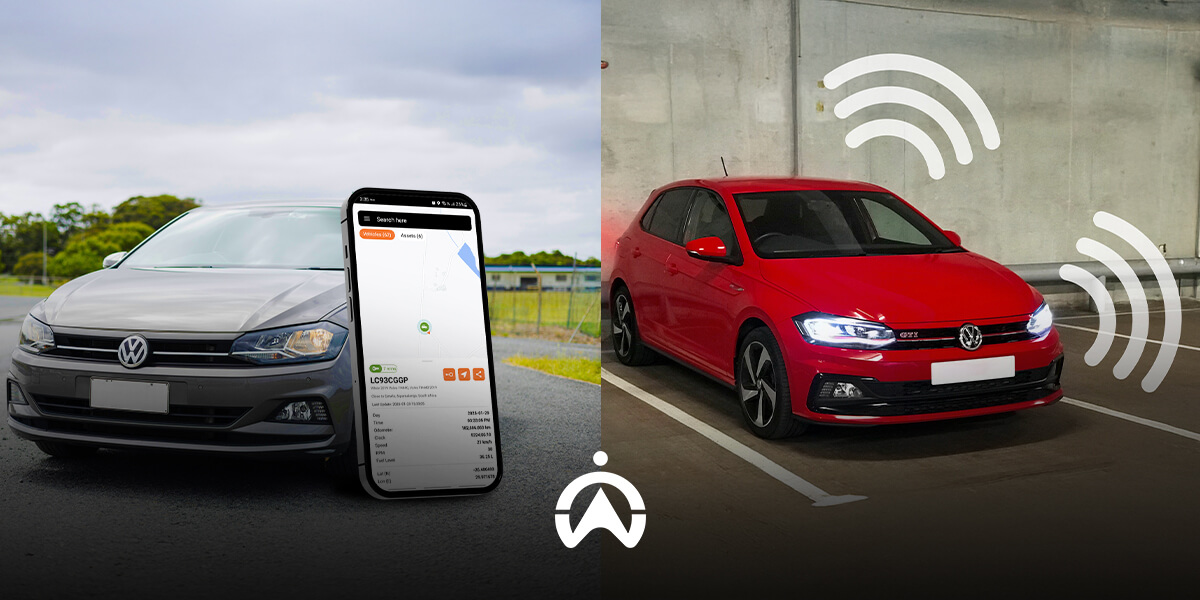
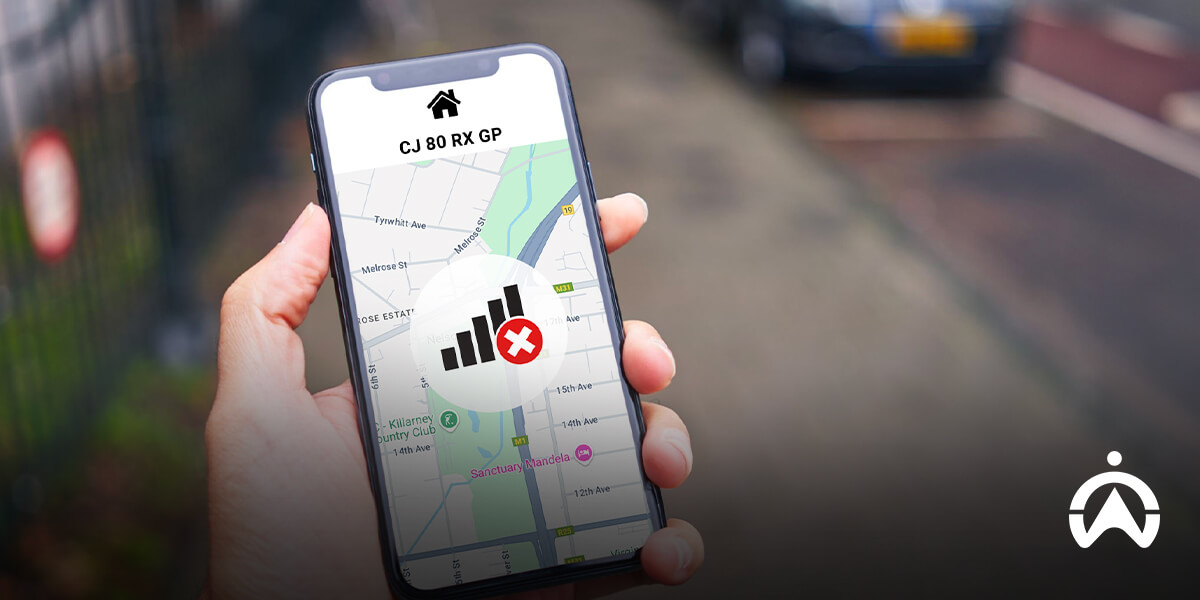
Hand holding a smartphone displaying a car tracking app with a no-signal icon.

What makes Cartrack’s vehicle tracking devices reliable?

Marketplace devices lack the elements you need to protect your vehicle. If you are looking for the best safety and security for your vehicle, Cartrack is the solution for you. Cartrack is a dedicated vehicle recovery and monitoring company with an audited stolen vehicle recovery rate of over 90%. We specialise in advanced telematics technology and specialised stolen vehicle recovery services that you can count on.

Reasons why Cartrack is considered the best tracking

Owning a vehicle in Malawi, especially with increase in vehicle theft, can be very concerning. Stolen vehicle recovery is an essential part of owning a vehicle. With Cartrack on your side, a stolen vehicle will be recovered by our highly trained recovery team, which will be dispatched immediately.
Cartrack is equipped with advanced technologies and 24/7 support. If there is any tampering on your vehicle, such as a disconnected battery, a control-room agent will contact you promptly to find out if there is a problem. In the event your vehicle is stolen, as soon as you report it to us a ground response team will be dispatched immediately to recover it. Additionally, the Cartrack app allows you to live stress-free; by giving you all the safety features you need at the touch of a button. It provides you with:

  • Vehicle tracking and stolen vehicle recovery response.
    ‍
  • Data on your driving habits so that you can improve your driving to save on fuel costs and vehicle maintenance costs.

These additional benefits are integrated into the mobile app:

  • Driving reports to monitor driving behaviour and ways to implement better driving habits.
    ‍
  • Speeding reports to learn how to drive safer and more responsibly on the road.
    ‍
  • The last position reports on your vehicle.
    ‍
  • Live vehicle location.
    ‍
  • Alerts are also received on your parked vehicle when there is unauthorised movement through our CarWatch feature, your virtual car guard.
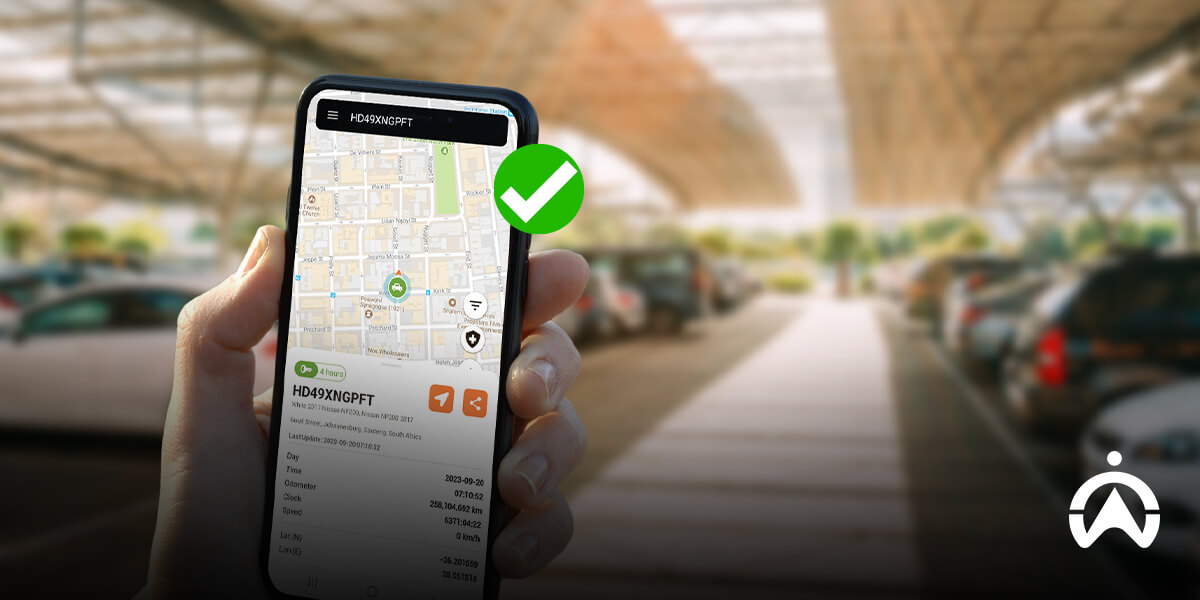
Hand holding a smartphone with Cartrack app open, in a vehicle parking lot.

Added value with Cartrack benefits‍

Cartrack is not only a stolen vehicle recovery company but a comprehensive telematics company that offers many other benefits that make unfortunate events easier for you to handle.
‍

These include:

  • ‍Panic Button: When you press the panic button a silent alert is sent to the control room where a trained agent will contact you. They will find out if you are safe and will respond accordingly should you need assistance.
    ‍
  • Logbook: The logbook feature allows you to retrieve telematics data on your vehicle to distinguish between business and private use. This makes claiming for tax returns easier and faster.
    ‍
  • ‍Crash Detection: This feature provides medical and roadside response in the event of an accident. You will receive an automated call that checks in with you to confirm the impact. This will help us determine if medical and roadside assistance is needed, which will be dispatched immediately.
    ‍
  • ‍Limited Recovery Warranty: Cartrack offers a warranty service which pays up to R150000 in the event your vehicle is stolen or hijacked and not recovered.

These added value benefits can make all the difference when trying to recover your stolen vehicle. Safety is a top priority, which is why relying on a tracking device from an online marketplace to protect your vehicle is not advisable. Your vehicle is a valuable asset that deserves reliable protection.

You paid for your vehicle with your hard-earned money. Would you want to put its protection in the hands of a product from an online marketplace? You want to have the peace of mind of knowing that your vehicle is protected and that there is someone you can call in a time of need.
‍

It is Cartrack’s mission to provide customers with that sense of peace and assurance. By installing a Cartrack tracking device into your vehicle, you know that it is trackable at all times.

Want to know more? Contact us, a sales agent will be ready to answer everything you need to know.

Holiday Car Accidents: How to Stay Safe on the Road

It is that time of the year again when Malawians are getting ready for their long-awaited holiday to relax on the beach or enjoy a staycation. While road trips bring excitement, preparing for the journey can be very stressful and time-consuming. There’s a lot that goes into preparing for the holiday season; from ensuring that your vehicle is road-ready to taking the journey down the long road.
Annually, thousands of vehicles embark on travels to different destinations, causing extreme traffic congestion and accidents. While some may spend their time at home, this does not exempt them from being cautious.

This is why you should educate yourself on the best practices and take proactive measures to make sure you stay safe on the road. Let’s discuss how to stay safe on your journey and what you can do to prevent holiday accidents.

In this article, you will:

  • Discover what the risks of holiday travel are
  • Learn how to avoid holiday car accidents
  • Find out more about how to stay safe on the road
  • Explore how Cartrack can help you stay safe on the road this holiday season

The Real Risks of Holiday Driving

The holiday period is an exciting time for holidaymakers. It’s a time filled with joy and laughter. To keep the joyful energy going, it is important to stay mindful of potential challenges that may arise. Here are the different ways to avoid risks when driving during the holiday season.‍

Avoid Distracted Driving

It’s very easy to get distracted when driving due to influences such as conversations with passengers, changing music on your radio, and eating. These factors contribute to you not paying much attention to the road, which could cause you to bump into the back of another vehicle. Additionally, you could have excited children in the car with you causing a commotion. This could result in you not noticing reckless driving around you that could be a risk to your safety.

Avoid cellphone usage

Another risk is cell phone use, which is one of the biggest contributors to distraction on the road. In fact, 25% of accidents are linked to motorists using their phones and not concentrating.

Many things are fighting for your attention; like messages and new posts from your favourite social media apps. The excitement from this can cause a driver to quickly lose focus. To avoid this, put your phone on silent until you are done driving.

Consider traffic volumes

The number of registered vehicles on the road during the holiday season increases year on year.
‍

Taking these statistics into consideration, here are a few things to consider:

  • If you need to do clothing or grocery shopping, try arriving at the store before it opens. That way you avoid traffic congestion and you get to do your shopping without the long queues that take up your time.
    ‍
  • Going grocery shopping in the evening. Many stores stay open till late during the holiday period, which allows you to do your shopping when there are fewer people and after the daytime rush has died down.
    ‍
  • If you’re taking the long trip, you could consider leaving home early in the morning before everyone else has woken up, allowing for a free-flowing road trip.

Driver Fatigue

Long-distance road trips on congested roads can cause a person to feel fatigued, which can affect their ability to make fast decisions and in turn, slow down a person’s reaction time. For example, an irresponsible driver cutting in front of a fatigued motorist could cause them to swerve out in panic and bump into another car. This could also be very dangerous to inexperienced drivers who might not know how to react.

Drinking and driving

The holiday is a time to come together with family and friends and often involves drinking. Unfortunately, some people take the celebrations too far by drinking too much and using illegal substances. This impairs a person’s senses and lowers their ability to focus. This will affect reaction times and coordination and could lead to accidents. ‍

Yellow traffic sign with icons for no drinking and driving and an additional "ROAD SAFETY" sign against a blue sky.

Prevent mechanical failures‍

Mechanical failures pose a massive risk to motorists, especially on long-distance trips. Vehicles that have not been serviced regularly could cause unexpected accidents due to not being maintained properly. These failures could be tyre blowouts, brake failures, or engine overheating which could lead to breakdowns on roads and congested highways.

Don’t drive over the speed limit

The anxieties of the season, unfortunately, cause people to rush. This is especially true when people travel long distances and feel that speeding will get them to their destination faster. As you know stress plus a need to get things done fast, equals a loss of judgment, which can result in accidents and sadly loss of life.

Consider weather and road conditions

Unfortunately, the holiday season falls during the Wet season in Malawi, which runs from November to April. This period is marked by torrential afternoon downpours, particularly between December and March, the wettest months of the year.

Many roads deteriorate during this time, making a 4×4 vehicle essential for travel. Afternoon temperatures average around 29°C (84°F), and the humidity is high, adding to the challenges of exploring the region.

To give more context on the state of road accidents during the holiday period, let’s look at a few statistics from the accident report for the December period of 2023/2024.

  • 31 road accidents killed 9 people, down from 56 accidents and 20 deaths during the 2022/23 festive season.
    ‍
  • 9 road accidents and 2 fatalities during the 2024 New Year holiday.
    ‍
  • 80.8% of the crashes were caused by human factors. Environmental factors contributed 10.4% which were caused by storms and heavy rainfall, and 8.8% were caused by vehicle defects.
    ‍

These statistics do paint a negative light on our beloved country, but it is a reality that we have to be aware of. Luckily there are steps you can take to stay safe on the road.

Tips for Staying Safe on the Road

Travelling this holiday season can be very enjoyable and stress-free when you put a few things into practice, let’s discuss what you can do to stay safe.

Plan your trips accordingly

Are you planning on escaping to your ideal paradise this holiday? If so, the best place to start is to plan your trip. You can do this by mapping out your journey from start to finish. There aren’t many different highways to take to the coast. Know beforehand where you will be stopping to rest, stretch your legs and get a bite to eat. Additionally, avoiding congested roads will drastically improve your trip experience and save fuel costs.

If you staying closer to home you might consider structuring your day. If you’ll be travelling, monitor traffic updates on GPS apps to monitor traffic congestion and drive only when heavy traffic has died down.‍

Conduct a Vehicle Safety Check

After your trip is planned and you are happy with the route, it is time to inspect your vehicle.  So here are the checks you should do on your car before hitting the long road:
‍

What you need to check Why you need to check it How you need to check it
Brakes Check To ensure your vehicle’s brakes can stop quickly in case of sudden halts. – Inspect brakes regularly.
– Replace if they squeak when pressed.
Fluid Levels To keep your vehicle running smoothly and performing at its best. – Check coolant, transmission fluid, and power steering fluid.
– Ensure levels are adequate to prevent overheating or failures.
Tyre Condition To avoid blowouts and wear and tear. – Replace tyres if damaged.
– Ensure tread depth meets safety standards.
Electrical Systems Check To prevent breakdowns. – Check vehicle battery, alternator, and wiring.
– Address any dashboard warning lights immediately.
Lights and Signals To ensure your visibility at night and that other motorists are aware of your lane change intent. – Test front and rear lights.
– Ensure proper functionality and brightness.

Adhere to Traffic Laws

Traffic laws were created to make roads safer and to instruct people on how to behave. Adhering to traffic laws not only means you are following the rules of the road but you are also protecting other drivers, pedestrians and road users. These laws include following speed limits, stopping at stop signs and yielding at intersections. Defensive driving like this helps you prevent collisions and also enables you to anticipate actions by reckless drivers.‍

How Cartrack Can Help You Stay Safe on the Road during the holidays ‍

Road safety is pivotal to Cartrack. Being a leader in stolen vehicle recovery and telematics solutions, Cartrack strives to create solutions that help motorists ensure they stay safe. Here are Cartrack’s features that will help you stay safe this holiday season.‍

Man looking at car engine emitting smoke, with others waiting behind.

Emergency Assistance Features‍

You never know what may happen when you are on the road. That is why it is essential to have Cartrack Protector, a crisis manager available 24/7. Protector is an emergency service that assists you in a time of need. Here is what it offers you:‍

  • ‍Roadside assistance: Get assistance with the press of a button when you are stranded and unable to drive your car, this includes jump start, tyre change, locksmith, and refuelling.
    ‍
  • ‍Tow service: With this, you receive accident tow services and vehicle breakdown assistance at any location.
    ‍
  • ‍Medical assistance: Cartrack will secure medical assistance and transport when you’re in an accident, medical advice can also be provided when needed.
    ‍
  • ‍Family or friend contact: Cartrack will immediately contact your family or friends to inform them of your accident.

Stolen Vehicle Recovery

Stolen Vehicle Recovery (SVR) brings together technology and data to recover stolen or hijacked vehicles. In the event you report your vehicle stolen, a ground crew is dispatched. When you are in a province or place you are not familiar with, you can rest assured that Cartrack will have a team that will be available immediately to recover your vehicle.

Are you ready to have the best holiday season? By following the tips discussed and by incorporating Cartrack solutions into your vehicle, you can significantly minimise road safety challenges. You can travel with confidence, knowing that help is just a call away.

Make this holiday season a stress-free experience with Cartrack by your side. Contact us to learn more.

How To Prevent Festive Season Car Accidents

Visiting friends and family during the holiday season is something we all look forward to. Whether it’s a short visit or a long road trip, it’s important to ensure that you and your loved ones are safe and enjoying the festivities responsibly.

While road accidents are more frequent during the festive season, there are ways to protect yourself and your loved ones.

In this blog, we will learn ways to prevent accidents during this risky time of the year, and how Cartrack solutions can help keep you safe.

In this article, you will:

  • Learn why driving during the festive season is more risky
  • Discover ways to avoid car accidents during the festive season
  • Find out how to protect yourself during the festive season with Cartrack’s solutions

Driving during the festive season

The Malawi Police 2023 annual report released in March this year indicated that 1 001people died in 4 977 road accidents recorded last year, representing about 6.2 percent decrease from 1 068 fatalities in 2022.

For the past years, Police in collaboration with the Directorate of Road Traffic and Safety Services have been conducting special operations during festive season in a bid to reduce road accidents.

The special operations have been credited with a reduction in road accidents to 31 that killed nine people during the 2023/24 festive period against 56 road accidents that killed 20 people during the 2022/23 festive season.

Road rage due to impatience

Road rage is when a driver expresses aggression toward another driver in various ways. It can escalate from verbal abuse all the way to physical assault. Often times, heightened emotions cause drivers to lose focus, leading to car accidents. This is very common during the holiday season as most people get frustrated on the road as they rush to reach their destinations.

Drinking and driving

As much as Malawi does not have a major alcohol issue as compared to other countries, drinking and driving is still concern and a major reason for accidents during this time of the year as there are a lot of people who drive home from holiday parties.

Holiday traffic congestion

Traffic is bound to be heavy when everyone is travelling to the same place at the same time. This can lead to collisions or cars blocking intersections. You may witness illegal U-turns, poorly navigated lane changes, and driving on the shoulder of the road.

Long-distance driving fatigue

Many people take to the road during the festive season, often on long-distance road trips. These trips can easily lead to fatigue, especially if no breaks are taken. Fatigue from long-distance trips can lead to poor driving. Tired drivers do not concentrate when behind the wheel making more errors.

A large illuminated Christmas bauble decoration in a lively city square at night.

Poor weather conditions

The heavy rainfall in summer makes the roads unpredictable. Those who don’t have much experience in driving in wet conditions, might not know how to navigate this situation, which can lead to more accidents.

Overloaded vehicles

 A car that is overloaded with luggage and all other holiday goods is also prone to accidents because the weight puts a strain on its tyres. This causes the tyres to overheat and wear rapidly, which increases the chances of premature tyre failure or blow-outs.

Night driving with poor visibility

The risk of car accidents increases at night due to poor visibility. Certain areas have less lighting than others, making it difficult for drivers to see objects that are far away, such as roadsigns or pedestrians. The inability to see these objects is dangerous for everyone on the road and causes accidents.

Driving in unfamiliar areas

A city that the driver knows is easier to navigate because he/she is familiar with the road conditions. During the holiday season, most people drive in unfamiliar areas that might have unexpected curves, and more potholes, which leads to accidents.

Lack of vehicle maintenance

Vehicles need to be prepped for long-distance journeys and some people do not keep that in mind. This leads to accidents in high volumes caused by things that could have been fixed before the trip, such as faulty brakes or headlights.

Ways to avoid car accidents during the festive season

The festive season does not have to be as dangerous on the roads. There are safety precautions you can implement, such as the ones listed below:

  1. Avoid distractions: The most obvious way to get distracted is by talking to or texting someone on your phone while on the road. In Malawi, holding a cell phone while driving is illegal, if you really need to speak to someone, rather use hands-free devices. Loud music and ongoing discussions can also be distracting and can impair your response time.
  2. Keep to the speed limit: Driving within the speed limit helps you protect yourself and others. Speeding can cause you to lose control and reduce your reaction time. Car accidents caused by speeding can result in severe injuries. You should do your best to keep a consistent speed and maintain a safe driving distance.
  3. Follow road rules: Following the rules of the road is essential for all road safety. A predictable driving style means other drivers can understand what you are doing and can respond in kind.
    ‍
  1. Protect yourself from road rage: If you come across someone aggressive while on the road, you should avoid responding with rude words or gestures. Let the driver pass if possible, and keep a safe distance.
  2. Be courteous when driving: Always practice courteous driving. Being patient and calm, especially during the holiday, can soothe tensions on the road.
  3. Assign a designated driver: Choose one person to abstain from drinking when going out. This person will be responsible for driving and ensuring everyone gets home safely.
  4. Use an e-hailing service: When out having fun, use an e-hailing service to minimise the chances of an accident. Many people will order these services beforehand, so pre-booking is a good idea. This is possible via some ridesharing applications such as Uber and Bolt.
  5. Drive carefully on wet roads during rainfall: Be extra cautious when driving on wet roads and during heavy rain. Some tips include driving more slowly and avoiding harsh turning or braking. You should ensure you always have your seatbelt on.

Some extra factors you can consider include driving in low gear if taking a bend and paying extra attention to your blind spots as it may be more difficult to see vehicles in these areas at first glance. Lastly, make use of your low-beam headlights as they not only help you to see but also help others see you.

Two heavily damaged vehicles in a nighttime collision with debris around.

Protect yourself during the festive season with Cartrack’s empowering solutions

Cartrack is devoted to keeping you safe on the road and empowering you to prevent and handle accidents effectively all year round. We offer the following solutions:

  • ‍Road Vision Camera: This solution motivates people to drive safely—they know they are being recorded while driving which holds them more accountable. Also, if you end up in an accident, there will be footage to help you understand what you or another driver did wrong.
    ‍
  • ‍Crash Detection: Using the IoT (Internet of Things), our Crash Detection solution detects any impact with objects in real time. If you get into an accident, our control room agents will be notified. They will then call you or one of your emergency contacts to understand the situation and send immediate help.
    ‍
  • ‍Protector: Get medical, roadside and legal solutions, all at the push of an emergency button. Our Protector solution is available 24/7 through our Mobile App. This is a value-added service that can prove useful in a car accident, especially during the festive season.

Take all the necessary precautions to protect yourself and your loved ones so you can enjoy the holiday season. If you do find yourself in an unfortunate situation, remember that Cartrack has your back. Contact us now for this dedicated protection.

Here are some frequently asked questions about festive season accident safety

Q: What are most car accidents caused by?

A: The primary causes of accidents are human factors such as speeding, reckless driving, distracted driving (often due to smartphone usage), and driving under the influence of alcohol or drugs. Additionally, fatigue and lack of sleep impair driver judgment and reaction times, increasing the likelihood of accidents.

Q: What road in Malawi has the most accidents?
A:
Malawi’s M1-Road, the oldest road network in the southern African nation.

Q: How can I prepare my car for safe holiday travel?
A: 
These are the 3 things you can do to prepare your car for safe traveling:

  1. Complete a thorough inspection of your vehicle before a road trip. Check the engine oil, brake fluid, tyre wear and tear, brake condition, battery health, lights, and wipers.
  2. Pack emergency products such as a first aid kit, a tool kit, spare tyres, a portable phone charger, water and snacks, and a flashlight.
  3. Include a stop every two hours or 200km when planning the routes. Stretch your legs, walk around, give your eyes a break, and take a quick nap if needed. This will help you steer clear of fatigued driving which is one of the leading causes of road accidents.

Q: What should I do if I’m involved in an accident?

A: These are the 3 things you should do after an accident:

  1. Switch on your hazards to warn other drivers and climb out of your car if it is safe to do so.
  2. Help anyone who has been hurt. Do not move the injured party, instead contact an ambulance or rescue unit even if the injuries do not appear.
  3. Record the information of everyone involved in the accident. This includes personal details, vehicle registration numbers, tow-truck information and insurance details. You will also have to draw a sketch and description of the accident on your police report, and for insurance purposes; taking note of things such as road names, landmarks, intersections and traffic lights will make it easier for you to remember.

Why It Is Important to Do Pre and Post-Trip Inspections

The bags are packed and we are all ready to go, but just one thing is missing. Have you checked your brake lights? Or car fluids? Have you checked any of it at all? It is easy to get caught up in the excitement of a long trip, and forget this vital step in travel preparations. Without these checks, a breakdown or an accident on the road becomes more likely.

This is why pre-and post-trip inspections are important practices for any vehicle owner, whether you’re a daily commuter, a weekend road tripper, or a professional driver.

Spotting an issue like slipping brakes before a trip can save your life. Regular inspections help identify critical problems, such as brake wear and tear, tyre pressure issues, or fluid leaks, that could lead to serious accidents. Failing to notice these issues may result in dangerous situations, endangering both the driver and other road users.

Let’s explore the importance of pre-and post-trip inspections and how Cartrack solutions can improve your inspection checks.

In this article, you will:

  • Learn the importance of pre and post-trip inspections
  • Understand the benefits of regular inspections
  • Explore how Cartrack can assist with vehicle inspections

What are Pre- and Post-Trip Inspections

Pre-trip inspections are checks conducted before taking a journey to ensure that the vehicle is safe and roadworthy. Post-trip inspections are done after a trip to identify any mechanical issues that may have taken place during the trip.

Did you know that over 181 people have tragically lost their lives on Malawi roads in the first quarter of 2024?And 979 road accidents were reported in the first quarter of this year alone. Unroadworthy vehicles were among the many causes of these accidents, proving how important these inspections are.

Why are Pre- and Post-Trip Inspections Important

These inspections are important for safety, as they help identify potential technical problems that may lead to accidents. They ensure you do not get in trouble with the law and can help save money by detecting minor issues early before they become serious and costly to repair.

Let’s take a closer look at the benefits of conducting these inspections:

Safety Assurance

There are approximately 20 crashes daily in Malawi; this shows that road safety is a great concern. You do not want to be a statistic. Conducting vehicle inspections before a trip can significantly enhance safety on the road and contribute to the well-being of everyone around you.

Imagine you’re about to embark on a highly anticipated family road trip. Before the trip, a quick pre-trip inspection is conducted, and a burnt-out brake light is discovered. By replacing it in time, it ensures that other drivers can see your signals, ensuring safety on the road. Upon returning from the trip, the vehicle is inspected again, and you notice uneven tyre wear. Addressing this issue prevents potential tyre blowouts in the future.

Cost Saving

Identifying and fixing minor issues during inspections can save money in the long run by preventing major repairs or breakdowns.

During an inspection, noticing worn-out brake pads and replacing them immediately can lead to significant cost savings. Addressing this issue quickly prevents potential brake failure during a journey, which could result in damage to the vehicle and additional maintenance expenses—not only for the brake pads but also for other components affected by the brake failure.

Improved Vehicle Performance

Regular inspections ensure that everything is functioning optimally. This not only enhances overall vehicle performance but also improves fuel efficiency and reduces emissions. A well-maintained vehicle operates more smoothly and is less likely to experience unexpected failures.

An old, worn-out green car parked by the roadside under a clear sky.

No Fines or Penalties

When stopped by traffic law enforcement at a roadblock and they find that the vehicle is not roadworthy, they will issue a ticket for fines or penalties. According to Arrive Alive, traffic officers can issue a notice to discontinue the use of a motor vehicle or even impound it if it is clearly unroadworthy. Having a well-maintained vehicle can lead to a smooth and hassle-free experience at a roadblock.

Insurance Benefits

Insurance companies often require proof of regular vehicle services and compliance with traffic laws. Conducting regular inspections can greatly benefit your insurance experience. Keeping the vehicle in good condition can enhance your chances of smooth claims processing in the event of an incident or damage. This not only saves money in the long run but also minimises inconvenience.

Positive Impact on Resale Value

If you’re planning to sell your vehicle in the future, having a documented history—such as a service book or proof of regular maintenance, like mechanic receipts—can significantly enhance your selling experience. A well-maintained vehicle shows potential buyers that it has been cared for, which can boost their confidence in the purchase. This proactive approach not only encourages potential buyers to proceed with the sale but can also positively impact its resale value.

Longevity

According to DEKRA, maintaining a car doesn’t only improve its overall performance but it also increases its lifespan. When you perform these inspections, you will notice an issue early, before it becomes a bigger problem. This ensures that the vehicle’s components work at their optimal.

Here are Some Things to Check in Your Car Before and After Hitting the Road:

As we learnt above, doing inspections before and after a trip is beneficial to you and your vehicle. You may be asking yourself, “What do I need to check during these inspections?”, here are a few important components to check:

  • Tyres: Check for any visible damage, such as cuts or punctures. Check the tyre pressure, and uneven wear patterns, which could suggest alignment issues.
    ‍
  • Brakes: Test the braking system to ensure it works as it should, and that there are no strange sounds. Also, check that the brake pads are still firm and steady and not smooth and slippery.
    ‍
  • Lights: Verify that all headlights, brake lights, indicators, and hazard lights are functioning correctly.
    ‍
  • Steering: Check that the steering feels normal, isn’t stiff, and doesn’t shake.
    ‍
  • Fluid Levels: Check oil, brake fluid, coolant, and windshield washer fluid levels.
    ‍
  • Battery: Look at the battery for any corrosion on the terminals and ensure that it is securely attached.
    ‍
  • Seatbelts: Make sure all seatbelts work by checking that they pull out smoothly and lock in place. This is important for keeping everyone safe in case of an accident.
    ‍
  • Windshield and Wipers: Ensure wiper blades are in good condition; replace them if they leave streaks. Ensure the windshield is clean and free of cracks or chips that could affect your view.
    ‍
  • Exterior Condition: Look out for any scratches, dents and any other signs of damage.

In addition to performing pre- and post-inspections, it is still important to take your car in for servicing, as per the manufacturer’s recommendation.

A person squatting next to a car and a spare tire.

Ways Cartrack Can Improve Your Inspection Checks

Cartrack customers can utilise the value-added service feature on the Cartrack App called ‘Schedule Maintenance’. This allows you to schedule important maintenance dates and is a great way to prove that the vehicle is maintained. It’ll also help keep track of future maintenance.

Simply log on to the app to check previous maintenance logs and use that as a guideline for your inspections.

Additionally, Cartrack’s Lifetime Maintenance Warranty provides you with hassle-free maintenance and repair services on our products, ensuring they remain functional and reliable over time. This service not only saves you money but enhances the overall experience of using our products. There’s no need to worry about inspecting the tracking device or dashcams, we have got that covered.

In conclusion, doing vehicle checkup is not merely a routine task; they are essential for ensuring your vehicle’s safety, performance, and longevity. By regularly checking key components, you can prevent costly repairs, avoid accidents, and stay compliant with the law. Regularly inspecting your vehicle will ensure the safety of other road users too.

Ready to take charge of your vehicle inspections? Contact us today to learn more about how we can assist in maintaining your vehicle’s safety and performance.

Frequently Asked Questions Regarding Pre and Post-Inspections

Q: What should I do if I find a problem during an inspection? 

A: If an issue is discovered during inspection, address it immediately. Depending on the severity of the problem, a quick fix, such as an oil change, may be manageable on your own, while a more serious issue like slow-changing gears, should be handled by a trusted mechanic before using the vehicle again.

Q:  How long should inspections take? 

A: Depending on the vehicle’s size and the complexity of the inspection, pre-trip inspections typically take about 20-30 minutes. Post-trip inspections may take less time but should still be thorough.

Q:  What are common mistakes made during inspections? 

A: Common mistakes include rushing through the inspections, skipping necessary steps or failing to document findings correctly. It is important to invest enough time when doing inspections, so they are effective.

Q: Should I inspect my vehicle if I’ve only driven it for short distances?

‍A: Yes, it’s still important to perform regular inspections even for short trips, especially if the vehicle is older or has had previous issues. Small problems can escalate even with minimal driving.

How to Track and Secure High-Value Freight

The transportation of high-value items is important for many industries today, from luxury goods to medication. However, this value brings significant risks, including theft, damage, and delays, which can lead to major financial losses and ruin a company’s reputation.  Thankfully, technology can help reduce these risks.

So, how can we effectively track and secure high-value freight? Key strategies include careful route planning, strong packaging, reliable carriers, secure storage, and sometimes escorts. It’s also essential to adhere to customs regulations, train employees on safety procedures, and have proper insurance.

This blog will cover the best strategies, technologies, and practices for safeguarding your high-value freight. Whether you’re a logistics manager, a supply chain professional, or a business owner, knowing how to protect your valuable shipments is crucial in today’s competitive market.

In this article, you will:

  • Understand what is meant by a High-Value Freight
  • Know the risks associated with High-Value Freight
  • Learn how to protect your valuable goods
  • Find Cartrack solutions to keep your cargo safe

What is High-Value Freight?

High-value freight refers to goods with significant monetary value that require special handling and insurance.

Goods valued over a million Rand, are considered high-value freight. These items are in high demand, making them more likely to be stolen, and often have strict regulatory controls.

High-value items include luxury goods like jewellery and designer items, medications, banknotes, gold coins, metals, gems, electronics, livestock, diamonds and art. Premium cigars, cigarettes, and alcohol, especially in large amounts, are also classified as high-value freight.

There are four major types of freight transportation: ground(road), rail, ocean, and air.

Cartrack mainly uses ground freight transportation, which has two types of loads: Less-Than-Truckload (LTL) and Full-Truckload (FTL).

  • Less-Than-Truckload (LTL): This involves shipments that don’t fill a whole truck. Different shippers can share the truck to save money, but it might take longer because the cargo gets handled multiple times.
    ‍
  • Full-Truckload (FTL): In this case, one shipper uses the entire truck. This provides more space for high-value items and usually means faster delivery.

Why You Need High-Value Freight Tracking?

Tracking high-value freight is essential because cargo can be at serious risk of theft, damage, or loss. You need to monitor your goods from where they start to when they get delivered. GPS tracking allows you to track the location of your goods in real-time.

Organised crime groups are always looking for new ways to access your cargo. Here are some common methods used to steal high-value goods:
‍

Six Most Common High-Value Freight Theft Methods 

  1. Identity Theft and Fraud: Thieves sometimes use identity theft to pose as legitimate freight companies. By creating fake documents and credentials, they can convince carriers to release valuable cargo, leading to significant losses for shipping companies.
    ‍
  2. Truck Hijackings and Burglaries: This involves the theft of entire trucks, typically when they are left unattended at rest stops or during deliveries. Thieves often monitor trucks from a distance, waiting for an opportunity to attack.
    ‍
  3. False Emergencies and Coerced Stops: Criminals signal drivers to pull over, then steal cargo while the driver is distracted.
    ‍
  4. Commercial Burglaries: Criminals break into shipping containers or trucks at facilities like truck yards, warehouses, or businesses near transportation hubs. Cargo theft at these locations often happens because the goods are left unattended for extended periods.
    ‍
  5. Employee Involvement: Insider theft occurs when employees help criminals by providing access or staging hijacking for financial gain.
    ‍
  6. Use of Technology: Criminals can use GPS jamming to prevent the tracking of goods or use hacking techniques like phishing, allowing them to create fake shipments and steal goods.

Tracking high-value freight is crucial for protecting your cargo. Find out more on how to prevent your goods from getting stolen. 


Ways to Secure Your Freight with Cartrack

Cartrack’s fleet management system helps you manage your cargo transport in a smart and safe way. This all-in-one solution makes fleet management easier and more convenient.
‍

Here’s how Cartrack can protect your high-value goods:

  1. GPS tracking:
    With Cartrack’s live GPS tracking, you can always see where your valuable goods are at all times.  We’ve designed a tracking unit that can easily be attached to most movable assets to help you improve your asset utilisation and reduce costs. This way, you can keep an eye on your cargo.
    ‍
  1. Temperature monitoring: 
    You can install up to four temperature sensors on your truck and trailer. This lets you check the temperature of your cargo from anywhere, which is especially important for things like livestock. You can set alerts for any temperature changes, helping to ensure that goods arrive in the right condition for your customers.
    ‍
  1. Ignition Sensor: 
    This sensor tracks whether the vehicle’s ignition is on or off. It provides key information about the vehicle’s status and can help detect different theft situations.
    ‍
  1. Geofencing: 
    Set up virtual boundaries around certain areas to monitor your drivers, vehicles, and equipment in real-time. Once a geofence is created, you’ll get instant notifications whenever a vehicle enters or exits that area. This helps you keep track of fleet activity and avoid high-risk zones.
    ‍
  1. Driver behaviour monitoring:
    Enhance driver safety with Cartrack’s fleet driver monitoring system. This system uses advanced hardware and software to track driver behaviour.

    Cartrack’s AI LiveVision cameras alert drivers to distracted and risky actions, like smoking or speeding, allowing them to correct their behaviour quickly. This helps create a safer driving culture and lowers accident risks.
    High-priority alerts can be sent to coaching, a Value Added Service that helps companies keep a record of repeated offences and provide targeted training for drivers.
    ‍

  1. Jamming Detection: 
    If a thief uses a jamming device to disrupt communication between the tracking system and the cellular network, Cartrack can switch to RF frequency. This ensures we can keep communicating with your vehicle, enhancing security and increasing the chances of recovery.
    ‍
  1. Routing: 
    Routing is a software tool that helps you set and manage planned routes for your fleet vehicles. You’ll receive real-time alerts for any deviations from these routes. Keeping vehicles on their intended paths reduces operating costs and ensures drivers stay focused and cargo remains on track. ‍

Cartrack’s fleet management system offers so much more than just tracking. It provides peace of mind your high-value freight is well protected. With our comprehensive features, you can trust that your valuable assets are in safe hands.


Take control of your high-value cargo at all times

Cartrack provides security features tailored to safeguard your drivers, fleet, and cargo from theft, hijacking, and accidents. Trust us to protect your valuable assets.

Frequently Asked Questions on High-Value Freight 

Q: How can I package my high-value cargo to prevent damage? 

A: Use strong, sturdy boxes or containers and cushion contents with bubble wrap. Consider tamper-evident packaging to ensure items aren’t tempered during shipping.

Q: Can I insure my fleet with Cartrack?

A: While we don’t provide insurance directly, our insurance agency can help you find the right coverage that fits your needs and budget.

Q: What are the common risks in HVF (High-Value Freight)?

A: Theft and hijacking.