How a GPS Tracker with a Temperature Sensor Is the Best Way to Monitor Your Perishables

The quality of perishable goods, such as fruits and dairy products, can spoil quickly without proper storage and transport. This makes them unsafe for use and will cost your transportation business a fortune due to a loss in customer trust and compliance fines.

Managing these goods effectively involves understanding their unique characteristics and implementing suitable storage and transportation practices. Businesses must guarantee safe storage and traceability during the transportation stage to prevent deterioration. To achieve this, there must be a fleet management solution that can monitor the temperature of these perishable goods in transit.

The combination of GPS technology, telematics, and temperature sensors makes this possible, and today, we discuss how it all works and why it’s the best way to monitor your perishables.

In this article, you’ll discover:

  • What a temperature tracker is and how it works
  • The most effective way to monitor temperature-sensitive cargo
  • The risks involving poor management of temperature-sensitive goods
  • The industries that benefit from GPS trackers with temperature sensors
  • The Cartrack solutions for better temperature control

What is a GPS tracker with a temperature sensor?

A temperature sensor with a GPS tracker is a device that’s used to monitor temperature readings over time. In cold chain logistics, it’s used to record the temperature conditions of your cargo during transit. This is done through the integration of IoT (Internet of Things) technology, GPS tracking technology, and sensors.

How does the system work?

  1. Temperature sensors are usually installed in areas inside refrigerated trucks or trailers. The sensors then measure the temperature of that environment, often at frequent intervals (e.g., every 5 minutes).
  2. Temperature readings are then transmitted to the telematics device for processing, and the device conveys the information to a cloud-based platform in a way that’s easy to understand. This is where fleet managers get notifications of temperature fluctuations.
  3. The fleet management platform securely stores all temperature-related data for an extended period, giving fleet managers detailed reports that show sensor readings, times, and locations.

What’s the best way to track temperature during transit?

The best way to track the temperature of goods during transit is by using a remote temperature monitor that works in conjunction with a GPS tracking system. This setup offers significant advantages compared to traditional methods, which rely heavily on manual procedures. Such methods are prone to human errors, such as using thermometers and temperature strips.

A GPS tracking system that’s paired with temperature monitors offers real-time temperature alerts with high precision, which minimizes variations. Some sensors are placed in different compartments of the storage unit, which allows multi-point monitoring.

They also give location insights and historical data analysis, which encourages accountability. Furthermore, fleet managers can easily access the data through user-friendly dashboards on desktops or mobile phones.
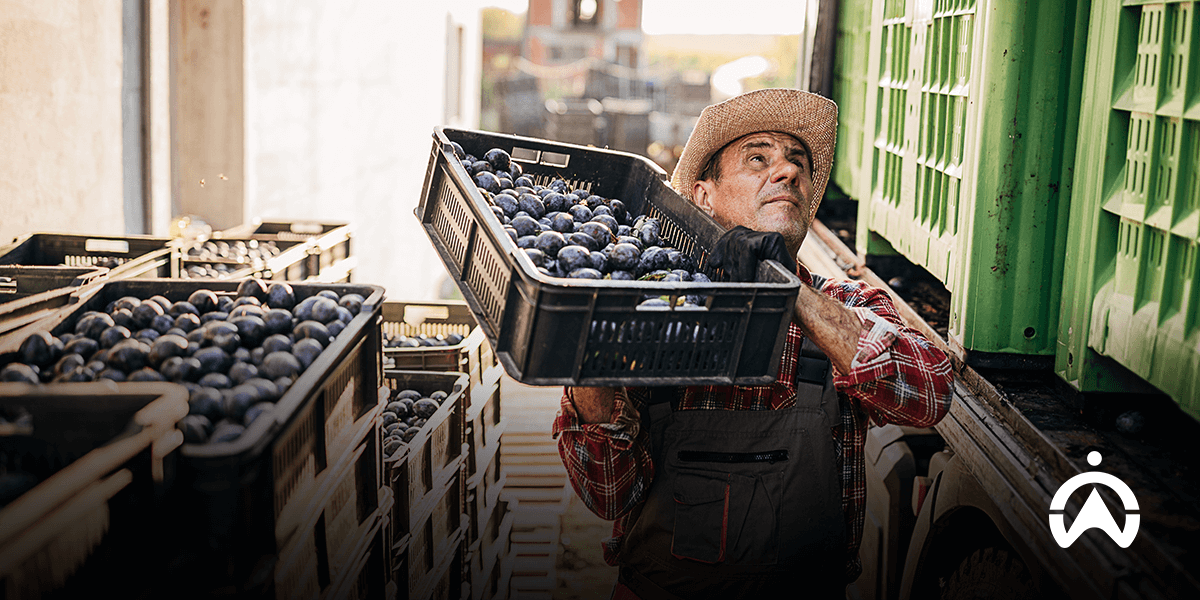
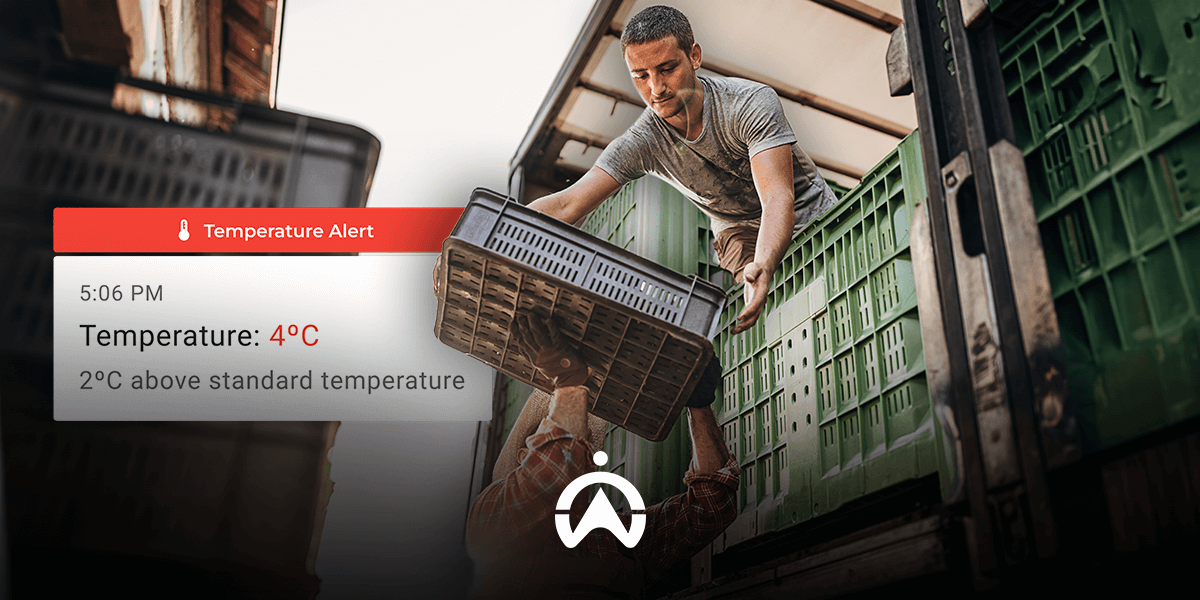
Farmer harvesting plums with Cartrack GPS Tracker with Temperature Sensor for optimal freshness

Why is it important to check the temperature of perishable goods during delivery?

Malawi has an alarming food waste crisis; among the factors contributing to this is the food supply chain industry during the post-harvesting process. This is an alarming challenge, because approximately 28% of the analyzed population is expected to face high levels of acute food insecurity (IPC Phase 3 or above), according to a report on Knowledge for Policy. 

Perishable goods such as meat and vegetables have a limited shelf life and must reach retailers in the best quality possible. Storing such goods at incorrect temperatures is one of the most common food safety risks in the cold chain logistics industry, as it can result in bacteria forming, leading to spoilage and food poisoning.

The spoilage of these goods can bring your transportation business significant financial losses and can damage the company’s reputation, potentially leading to product recalls and regulatory fines.

There are dangers and implications of poor temperature monitoring during the transportation stage.

Other industries that benefit most from GPS trackers with temperature sensors?

For most of this article, we’ve spoken about food, but other industries also require temperature monitoring systems, such as the following:

  • Pharmaceutical supply and vaccine distribution: Medicines such as tablets, capsules, and vaccines require strict temperature control to maintain their effectiveness. Any temperature fluctuations that occur during transit can alter the chemical structure of these products, making them ineffective or potentially dangerous.
  • Floral and nursery: Flowers respond almost immediately to a change in the environment. Some plants and flowers require near-freezing temperatures to survive, while others require warmer temperatures. The floral and nursery industry also uses temperature monitoring systems to maintain temperature ranges during the transportation stage to preserve the quality of flowers and plants.
  • Museum and art preservation: Artwork is often sensitive to changes in temperature because of the materials that make up the pieces. For example, a canvas (used for paintings) is made up of natural materials such as cotton or linen. The materials can shrink or expand depending on temperature and humidity, causing permanent damage to the painting. As a result, temperature monitoring during the transportation of valuable artwork is an aspect that shouldn’t be overlooked.
  • Funeral services: From hearses to ambulances, it’s important that these vehicles follow safety regulations to ensure slow decomposition, maintain dignity, and avoid health risks while transporting the deceased. Temperature sensors are usually placed inside the coffin compartment of the hearse, and the vehicles usually have GPS trackers for location and timestamps.

How to ensure proper temperature control during transportation

Proper monitoring of perishable cargo involves a collaboration of various technologies, such as the following:

Pre-cooling trucks

It all starts with the type of vehicle you get for the job. Vehicles that transport refrigerated goods have their specifications. It’s vital to pre-cool the storage compartments to the right conditions before loading the produce. That’s why pre-cooling trucks is a must for most businesses in this industry.

Temperature sensor calibration

Sensor calibration refers to the process of adjusting and setting sensors to measure temperatures accurately. This is done through testing the accuracy of the sensors and adjusting them before placing them into vehicles. Over time, they can give inaccurate readings due to ageing, so they need to be regularly checked and adjusted. Also, make sure the sensors are placed in different zones of the cargo area to get the true conditions of the storage compartment.

Route planning

Another key component in the transportation of perishable goods is planning and choosing routes that minimise travel time to avoid delays that may expose the cargo to risks. The best way to do this is to invest in route optimisation software.

Real-time monitoring setup

Set up alerts for fleet managers, coordinators, dispatchers, and all relevant stakeholders so they receive notifications of any temperature changes or route deviations along the way.
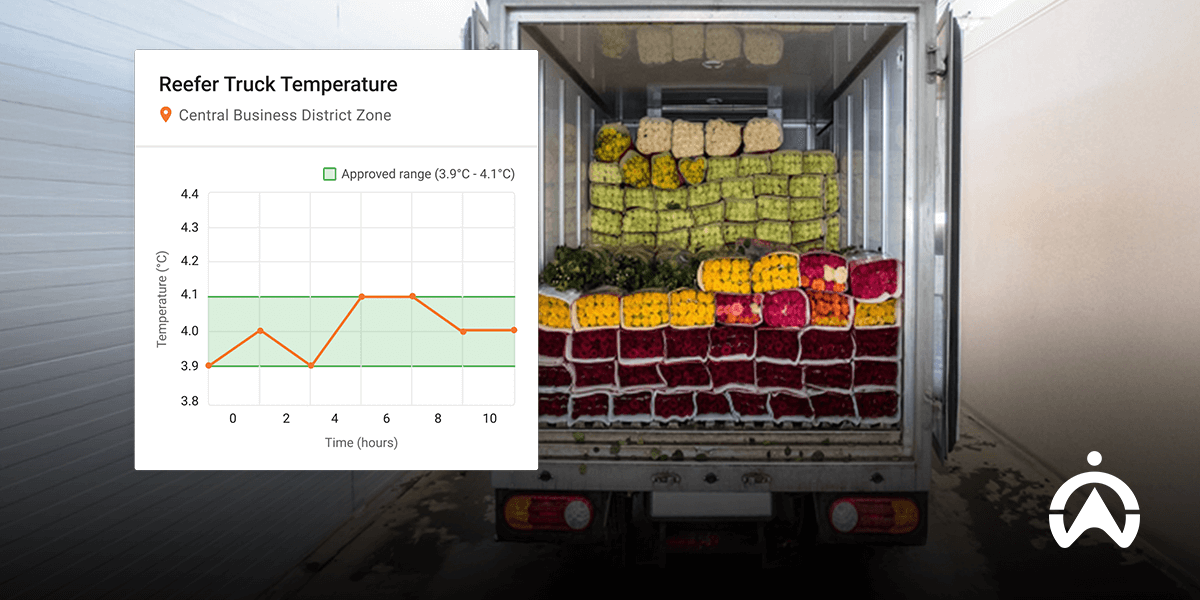
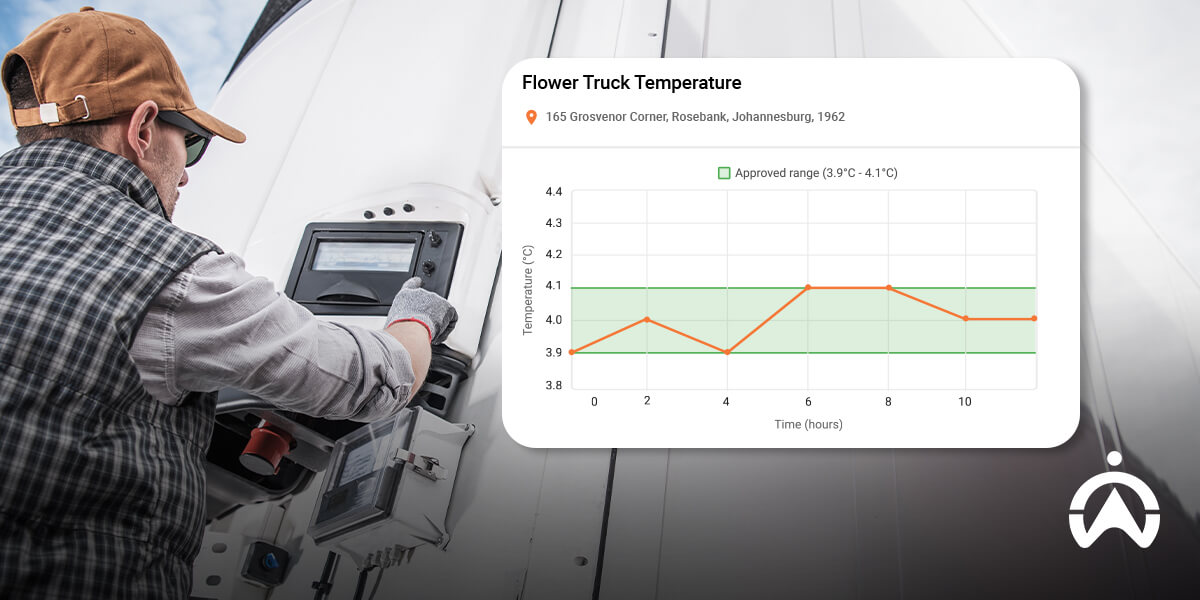
Cartrack GPS Tracker with Temperature Sensor monitoring refrigerated truck flowers at 3.9°C–4.1°C

Keep a close eye on your temperature-sensitive goods with Cartrack

Have a look at the features we have in store for your business:

  • ‍Temperature sensors
    Get up to four temperature sensors to remotely monitor the temperature of your cargo. Receive alerts on any temperature fluctuations and detailed reports. If there are any client complaints, you can use this data to show them that temperatures remained within the compliant range while in transit.
    ‍
  • Cargo door sensors
    The frequent opening and closing of cargo doors also contributes to temperature fluctuations and can lead to spoilage. Our cargo door sensors instantly detect when doors open and close. From there, you’ll receive alerts so you can see when drivers do it more often than required, or when doors are open for too long during the offloading stage.
    ‍
  • Live GPS tracking 
    All businesses in the logistics industry need to invest in a GPS tracking system. Our vehicle tracking system gives you smart map views of your vehicle location, so you always know where they are. You can also spot detours that could cause delays. If drivers are in one spot for too long, you can call to check what’s happening and quickly attend to the matter.
    ‍
  • ‍Route optimisation software
    You must plan efficient routes for transporting your perishable cargo. Our advanced route optimisation software factors in historical traffic patterns, road closures, distance, driver availability, and time. This gives you the best route for each of your deliveries. It ensures that your temperature-sensitive goods arrive on time and in good condition, while helping your business cut back on fuel costs.

Protect your perishable goods with Cartrack’s smart solutions

The integration of GPS technology, telematics, and temperature sensors proves to be an effective way for many businesses in the cold chain industry to monitor their refrigerated cargo.  By investing in our preventative solutions, you ensure that all your goods remain in optimal condition from the pickup stage to the drop-off. Keep your cold chain unbroken; contact us today!

Frequently Asked Questions about monitoring perishable goods

How can I monitor temperature remotely?

To monitor temperature remotely, you can use wireless temperature sensor technology that’s integrated with a fleet management platform like MiFleet from Cartrack. This allows you to connect to your fleet’s data from anywhere, whether using a mobile phone or a desktop.

How accurate are temperature sensors?

The accuracy of a temperature sensor depends on the type of sensor it is. Most fleet management services offer BLE (Bluetooth Low Energy) sensors, which are known to be highly accurate. However, like any other gadget, temperature sensors may wear out and lose accuracy over time if not properly maintained.

What device can detect temperature in a cargo truck?

Several devices can detect temperature in a cargo truck. The most common ones include:

  • RTDs (Resistance Temperature Detectors): Commonly used in cold chain logistics and conditioning systems.
  • Infrared sensors: These work for things like automatic doors and camera motion detection.
    ‍
  • Thermistors: They are used for monitoring the temperatures of oil and coolant in vehicles to ensure reliable engine performance.
Optimised Fleet Solutions for Refrigerated Transport Services

The global demand for refrigerated transport services has increased over the years due to the rise in e-commerce. Nowadays, people buy food and medication online, which has increased the need to transport products in agriculture, food and beverages, and pharmaceuticals.
Refrigerated transport services play a vital role in modern global supply chains. They make sure temperature-sensitive goods such as vegetables, seafood, and fresh flowers reach their destinations in perfect condition. Without the right technology, this essential service can get quite complex.

Today we explore everything you need to know about fleet solutions for refrigerated transport services.

In this article, you will:

  • Get a brief understanding of the cold chain logistics industry
  • Discover three main challenges faced by refrigerated transport services
  • Find out how Cartrack solutions make it easier to run a refrigerated transport business

All you need to know about refrigerated transport services

Temperature-controlled trucks enable businesses to reduce their transportation costs by transporting products by road, which is cheaper than shipping by air. This form of transport service is also known as cold chain logistics. The main objective of this industry is to maintain product quality and safety throughout the entire supply chain.

These goods can be on the road for days before reaching their destinations, so there have to be strategies in place to ensure that they are transported efficiently—that’s where fleet management technology comes in.

Understanding the needs of refrigerated transport

There are many obstacles that refrigerated transport businesses come across daily, most of which can be avoided through advanced technology. Here are three major challenges faced by most businesses that offer refrigerated transport services:

  • Temperature Sensitivity: It is important to maintain a specific temperature range when storing and transporting refrigerated goods. The temperature depends on the type of product it is. For example, fruits and vegetables require a temperature range of 2℃ to 4℃, while seafood needs to be frozen at -28℃ to -30℃. Products such as vaccines are so sensitive that they require constant controlled temperature from the moment they are manufactured. If the temperature changes, even for a short period, they could lose potency and become unfit for use. For this reason, there has to be an unbroken transport chain. This means, from the production stage, through distribution, to delivery, the products must be kept at a constant controlled temperature. Achieving this result can be difficult due to factors such as extreme weather conditions and the opening and closing of cargo doors during the loading and offloading stage. With the right technology, the issues surrounding temperature sensitivity can be quickly resolved.
  • Timeliness: Being on time is important for many businesses, but for temperature-sensitive goods, it is crucial. Drivers are constantly under immense pressure to reach their destinations without delay. A delay during the delivery stage may cause temperature fluctuations, which then affect product quality. This also shortens the shelf life of products such as fruits and vegetables, meaning the products cannot be in the store for long once they reach their destinations. For this reason, some retailers have strict guidelines that can result in steep penalties for deliveries that arrive late. There are many things that prolong transit times, such as vehicle breakdown, taking longer routes, or border clearance. This heightens the need for real-time visibility, properly planned routes, and good communication.
  • Compliance: A major challenge is that fleet businesses for refrigerated goods need to adhere to strict industry regulations and standards. Transporting temperature-sensitive products, particularly food, requires good hygiene and total reliability. The food transportation businesses are regulated by law. These regulations first address the hygienic aspect, stating that the vehicle compartment must be clean to the extent that physical or microbiological contamination of the food is prevented. Secondly, it is important that the vehicle itself is reliable; the vehicles must be in good condition at all times because that is also a reflection of the refrigerated compartments. Failure to adhere to such regulations will result in heavy fines or the business being deemed unfit for the role.
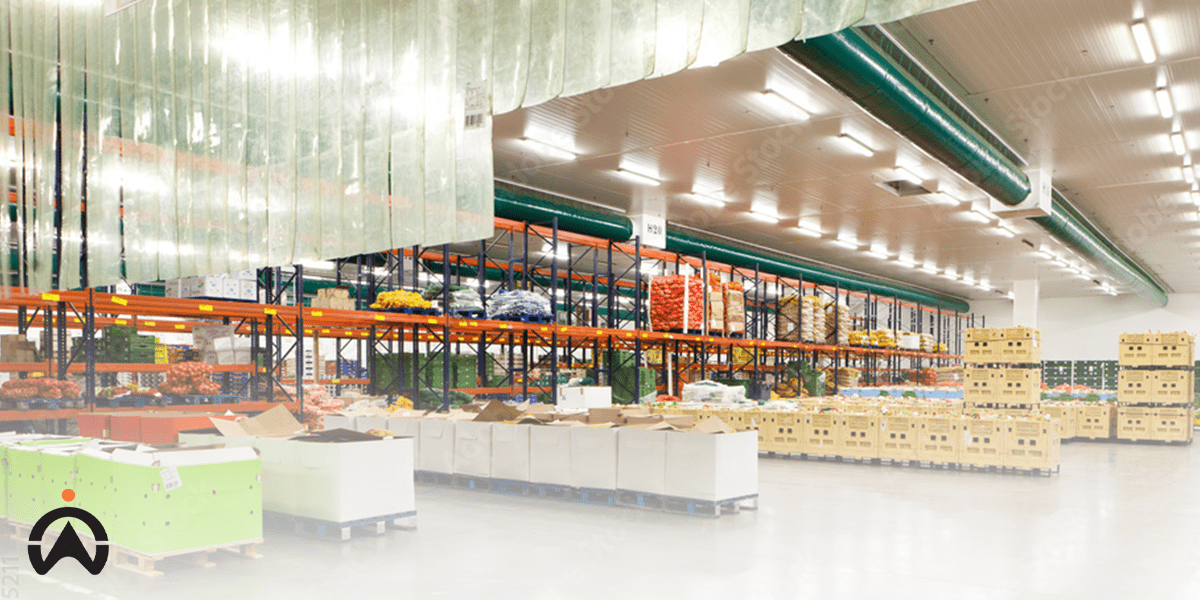
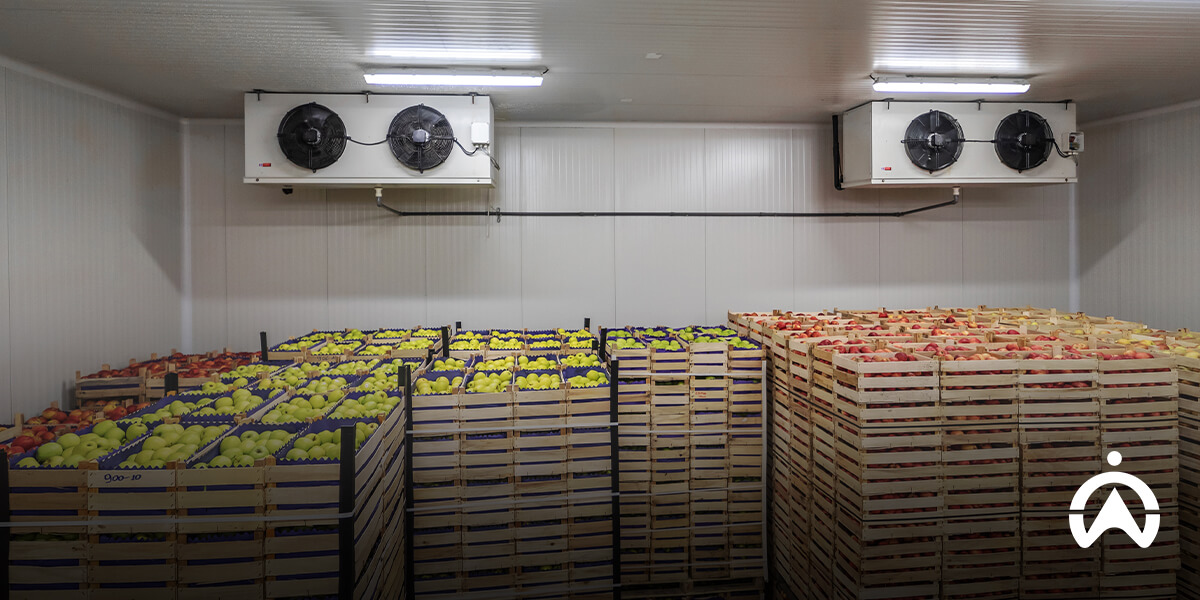
Industrial cold storage room filled with wooden crates of apples, with cooling units on the wall.

How to Monitor Refrigerated Cargo with Cartrack

Cartrack gives you optimised fleet management solutions for your refrigerated transport service so you can focus on happy clients and making a profit. Here’s how we help:

Real-time temperature monitoring:

Cartrack offers up to four temperature sensors to remotely monitor the temperature of your cargo. With this, you can receive alerts on any temperature fluctuations and reports that show temperatures stayed within the compliant range. For example, you can get alerted if temperatures go outside your approved range and correct them before produce or goods go off. If products spoil, cargo temperature reports can help prove that transportation was not the cause.

Secondly, through our cargo door sensors, you get to know when cargo doors open and close and get real-time alerts as well as reports that give you the location and duration of the sensor activity. This means you will immediately know when cargo doors are opened and whether they were opened outside of your pre-approved pickup or drop-off zones. The reports show you how long your reefer trailers’ cargo doors were open, so you can identify temperature fluctuations caused by drivers leaving them open.

Route optimisation

Reduce transit time to preserve product quality with our route optimisation service. This feature helps you avoid longer travel times that could cause delays and also affect product quality. Our system automatically creates job routes for drivers that minimise mileage and fuel costs. With this tool, you will know when drivers did not go according to the planned routes so you can quickly address the issue.

Fleet location tracking

Live location
Cartrack gives you full visibility of your vehicles in real-time, so you know where they are at all times. Our GPS tracking technology shows you accurate vehicle locations so you can ensure safe and efficient travelling.

Geofencing
Create virtual fences around areas of your choice, such as drop-off zones and filling stations, to ensure route compliance and that drivers adhere to their schedules. Our geofence feature alerts you whenever drivers enter or exit these zones so that they start and end their shifts at the correct times to enhance productivity and streamline operations.

Driver management

In addition to having technology that will keep your refrigerated cargo in good condition, drivers also need to be trained on how to handle temperature-sensitive cargo. To make it easier, Cartrack has a driver coaching platform that helps monitor driver behaviour so you can have a record of incidents, such as when cargo doors are left open for long. Drivers can then be called in for a coaching session in order to improve their habits.

Predictive maintenance

Our IoT-powered fleet management tools help you reduce downtime and maintenance costs while boosting productivity. With this, you get accurate odometer readings for internal reporting and vehicle management. You also receive information on engine diagnostics so you can send vehicles for repairs before the problems become bigger. This helps prevent unexpected delays caused by vehicles breaking down, which could compromise goods. Additionally, you can record, update, and store maintenance activities digitally for easy reference and convenient reporting.

Man adjusting truck refrigeration unit with a "Flower Truck Temperature" chart displayed.

Ensure your refrigerated cargo stays fresh at all times

Cartrack specialises in all things fleet management. Our solutions are here to boost your fleet’s productivity, streamline operations, and reduce costs. With us, your refrigerated cargo will always be closely monitored to ensure your clients receive the goods in the best possible condition. Contact us today and get a free quote.

Here are some frequently asked questions about refrigerated cargo

How to transport refrigerated goods?

Firstly, the goods need to be properly packed using materials that are meant for packing refrigerated goods, such as styrofoam, dry ice, and gel packs. The packaging must keep the heat out so the products can remain frozen.

Secondly, there are vehicles that are specially designed for this task, such as reefer trucks and reefer trailers. You need to choose vehicles with refrigeration and freezing systems that meet your specifications and carefully plan the transportation process.
Lastly, you need to invest in a fleet management system that will help you monitor cargo temperatures in real time, so you always know what’s going on and ensure that the goods remain in desired conditions.

What is the demand for refrigerated transport?
According to Research and Market, the refrigerated transport market is expected to reach US$ 27.07 billion by the year 2032 from US$ 17.77 billion in 2023, with a growth rate of 4.79% from 2024 to 2032.

What is refrigerated transportation? 

Refrigerated transportation is a way of transporting goods that have specific needs for controlled temperatures. The goods are placed in vehicles that have built-in refrigeration systems in order to maintain the required temperature during the transportation process.

If you have more questions, you can contact us today and speak to a fleet consultant.

Why starting a transport logistics business and trucking company will benefit you

Truck logistics play a significant role in our economy and daily lives.

According to the Commodity flow survey (CFS) trucks transported 71.6% or $10.4 trillion of the $14.5 trillion worth of all goods shipped in the United States in 2017. Clearly, starting a truck logistics business comes with a lot of rewards but it is hard work too. 

What is logistics and how has it evolved to truck logistics?

The word logistics originates from the French term loger or logistique which means shortage. Historically, logistics was a term associated with the military where the function of logistics was supplying troops with suitable equipment for war. 

With the rise of consumerism and the growth and complexity of supply chains, the word logistics evolved in the 1950s. Logistics became a term used in the business sector to refer to the process of planning, implementing, and controlling the transportation of goods, resources and information from the point of origin to the point of customer consumption. The focus of logistics shifted from the war to meeting customer expectations and reaching customer satisfaction in the most timely and cost-effective manner. 

What is logistics and how has it evolved to truck logistics?

Today, the industry logistics markets have further developed as a concept that is utilised for business analysis and planning to help businesses achieve strategic competitive advantage by considering all possible factors involved in the business operation.

Truck logistics, therefore, refers to the research and planning of trucking operations. The logistics of trucking take into consideration all the factors involved in the transportation of goods and resources with the use of trucks, to boost productivity and efficiency. Trucking logistics include: 

  • Planning and optimising the most efficient routes for truck drivers 
  • Improving fuel consumption through fuel management 
  • Ensuring trucks are in good condition to complete tasks
  • Hiring an excellent staff of truck drivers
  • Applying effective fleet management 

In today’s industrialised world, trucks are one of the primary means for commercial transportation and the transportation of goods. Efficient trucking logistics not only helps a trucking company achieve success but also contributes positively to the economy. It is therefore safe to say that the trucking industry plays a large role in the economy.

Let’s take a closer look at how this important and large industry operates.

How does the transport business industry work?

A truck logistics company falls under the transportation business industry which is made up of businesses that transport goods, resources, or even passengers from one location to another. These businesses provide services to different target markets, from individuals to companies and even global trade partners. This means that businesses in the transportation industry can specialise in various niches and activities from e-hailing or hauling customer goods to international shipping of supplies and products. 

Businesses in the transportation industry are commonly classified into different categories based on their target customer, the type of routine, and the service provided, namely:

  • Personal transport: This is catered to individuals and small groups of people and includes one-on-one services such as taxi services, bus services, and most recently e-hailing services. 
  • Local transport: This category provides services to regional markets by transporting cargo such as livestock, materials, consumer goods, and more. Local transport may be commercial or private, depending on the distributed materials. 
  • Global transport: Global transport offers services for sea shipping or air-based delivery of cargo. These services consist of aspects of the personal and local categories but on an international scale.

Truck logistics focuses on local services. In providing these services, truck logistics prioritise road safety to ensure the secure transportation of cargo and the safety of both truck drivers and individuals as well as the preservation of specific goods, products, and loads. 

What trucking logistics does is examines factors such as trucking routes, types of loads and delivery times to best facilitate the different types of transport services and determine the best means of transport. For example, heavy hauling and long hauling are more demanding aspects of trucking than e-hailing personal services. 

The role of truck logistics in transport supply chain businesses

A supply chain refers to a network of individuals and companies who are involved in creating a product and delivering it to the consumer. Truck logistics is an aspect of the supply chain that plays a role in delivering goods or services to customers, manufacturers, distributors, or consumers. 

Simply put, the supply chain covers the production and distribution of goods and services to all types of customers while truck logistics focuses on the movement and storage of products in the supply chain. When efficiently implemented, both supply chain management and truck logistics work together to give companies a competitive advantage and bring value to their customers.

The goal of truck logistics is to get goods and services delivered on time. To achieve this goal, truck logistics follows a logistics flow that entails the movement and direction of goods, resources, products, or information within a supply chain network between the point where the goods, resources, products, or information originate to where they are consumed by customers. 

The three types the logistics flows are:

  1. Inbound logistics: Raw materials, tools, machines used for manufacturing, consumable items needed for fuel, or various spare parts and other elements for production inputs are moved, transported, or stored from suppliers to manufacturers for processing and production. Being the first stop of the supply chain, effective inbound logistics allows for a swift and integrated supply chain.
  2. Outbound logistics: Finished products from manufacturing are moved to the next stop of the supply chain. These finished products are shipped and delivered from the warehouse to the logistics business customers. All the products that move through this outbound logistics flow are intended for consumer consumption and satisfaction- this is also referred to as the order fulfilment process. 
  3. Reverse logistics: This involves returning, servicing, repairing, refurbishing, reselling, recycling, recovering, or properly disposing of products. Reverse logistics, therefore, refers to moving items or goods from the consumers back through the supply chain. This process is most common in the automobile and electronics industry.

3 reasons why you should start a trucking company

With the current shortage in the logistics industry, starting a truck logistics business can be rewarding. Here are three reasons why you should start a truck logistics business: 

  1. You can make money

Amongst other reasons, people start businesses to make money. So yes, you can make money from a truck logistics business, however, only if you manage it efficiently. This is because the profit made in the trucking logistics business is heavily affected by the costs. Fuel costs are one of the factors that can lead to high costs, especially in trucking and logistics- fuel costs eat up your profits. 

  1. You can work from home

Working from home has become a new norm. Today, the basic needs of managing a truck logistics business are a computer, phone, and internet. With these gadgets, starting, owning, and managing a truck logistics business from home is possible. Trucks can be busy on the road all day while you use fleet management software to monitor the activity of your fleet with the use of GPS location software. 

  1. You do not need to own trucks 

Most people have the assumption that to start your own trucking business you need to invest in a truck or trucks- this is not the case. As an owner of a truck logistics business, you do not need to be the owner of the truck or trucks. A start-up trucking business can be started with another person’s truck- just like Uber and Bolt. This is called an owner-operator and you can simply register the owner-operator’s truck under your authority. 

Thinking of starting your own logistics company? Let’s get you started with the following steps!

 6 actionable steps to plan and start a truck logistics business

  1. Complete the required training

Truck logistics requires the right set of training and skills, therefore it is important to acquire the right training suitable for the job. The form of training will vary based on the type of service the trucking business will provide- whether global, local transportation, or both. The following are some of the training requirements:

  • Transport Management Systems: This training gives an understanding of how transport management systems (TMS) work and why it is vital for transport systems. The training equips you to manage and track all the different aspects of transport management such as vehicle maintenance, warehousing, communications, cargo handling, and more.
  • Management and Inventory Operations: The ability to handle and control inventory plays a vital role in the transport and logistics business. Inventory management is integrated with warehouse management to inform and educate you on how products move through your operation.
  • Transportation Regulations and Law: To run a trucking logistics business that provides both domestic and international services, training should include regulations on interstate commerce and global shipments and carriers.

There may be additional training or courses that may have to be acquired depending on the type of service your truck logistics provides and local government regulations. 

  1. Do your research

Before you get into truck logistics it is important to research the industry. Research helps you understand the business and how viable it is, even before entering the market. Here are some research points that could give you an overview of the business: 

  • Costs: As mentioned above, the purpose of owning a business is to make a profit. It is important to find out the costs of the business and whether the business is profitable. 
  • Competitors: Researching competitors will help you understand what other service providers are doing right or wrong. This way, you will gain an understanding of what the customer’s expectations are.
  • Niche: The truck logistics business is a big industry. Find out what goods and services you would like your business to specialise in. Successful businesses pick a lane.
  1. Set it up

Starting a truck logistics business will take a lot of time, money, and energy, this is because it involves planning, making key financial decisions, and completing a series of legal activities. Here is a guide to setting up your truck logistics business: 

  • Create a business plan
  • Choose a business entity
  • Open a business account 
  • Ensure fleet compliance
  1. Get funding

Transport tools and different road and cargo shipping requirements are some of the capital needed to start a track logistics business. Therefore, you need start-up capital to start a truck logistics business. Luckily, there are many funding and financing options accessible, based on the type of service a truck logistics business provides as well as the geographical location of the business. There are traditional financing options such as loans and private financial aid. However, if you have no money, you can opt for financing that can help you start a trucking logistics business with no money. The trick is doing the research and finding the funding that is ideal for you. 

In Malawi, truck logistics presents a major business opportunity with a few good funding options- these include both government funding options as well as private funding. 

  1. Put together a team to operate your fleet

A truck logistics business without truck drivers is non-functional. There are many things to take into consideration when hiring employees: 

  • Do they have a history of safe driving? 
  • Check the applicant’s compliance, safety, and accountability profile (CSA)
  • They must have a commercial driver’s licence (CDL) or road test certificate
  • Make sure the applicant’s medical certification is up to date
  • Have a road test

Finding a suitable employee will take a lot of time and effort but hiring the right applicant for the job will positively impact the business. 

  1. Invest in fleet management software

Finding the best fleet management software will help you ensure the success of your business. A good fleet management software will help you optimise routes, track truck drivers and cargo, ensure your fleet is compliant, help you manage fleet-related costs, protect you from fuel fraud and ensure you keep your truck drivers safe. 

Oversee your logistics company and save time with Cartrack’s software as a service (SAAS)

Cartrack’s fleet management software allows you to streamline your entire fleet operation from monitoring driver behaviour and using GPS tracking to pinpoint drivers and assets to managing vehicle usage and fuel usage.  

Contact Cartrack today and kick-start your successful trucking company with us. 

Supply chain and logistics: How to start a cold chain business

As the seasons change from one temperature to another, cold chain logistics provides a temperature-controlled environment that ensures fresh produce from storage to delivery.

The fresh produce at your local market, the skin care products you use daily, along with those important meds in your cabinet, all have one thing in common, they were moved from one location to another through cold chain logistics.

You might be asking yourself, “what is cold chain logistics?” Many of the products you buy are a part of cold chain logistics in one way or another. Without the use of this innovation, fresh produce wouldn’t survive the trip to wholesalers or even to your doorstep.

Supply chain management explained 

For smaller operations or local deliveries, cold chain transportation management occurs in-house and is simpler to operate, but for a larger company that works internationally, globally delivering temperature-sensitive products becomes complicated. This creates an opportunity to partner with third-party logistics companies that have expertise in cold chain transportation.

This is where supply chain management comes in. A cold chain is a temperature-controlled cold chain network. It’s a system that takes preservation seriously and treats products with recommended cold temperature levels. This allows customers to receive the highest quality products regardless of the season or weather.

Practical use for cold chain storage

Cold chain logistics (also known as chill chain logistics) is the technology and process that allows for accurate planning and safe transport of temperature-sensitive goods and products along the supply chain.

Some standard products requiring cold chain transportation are:

  • Meat
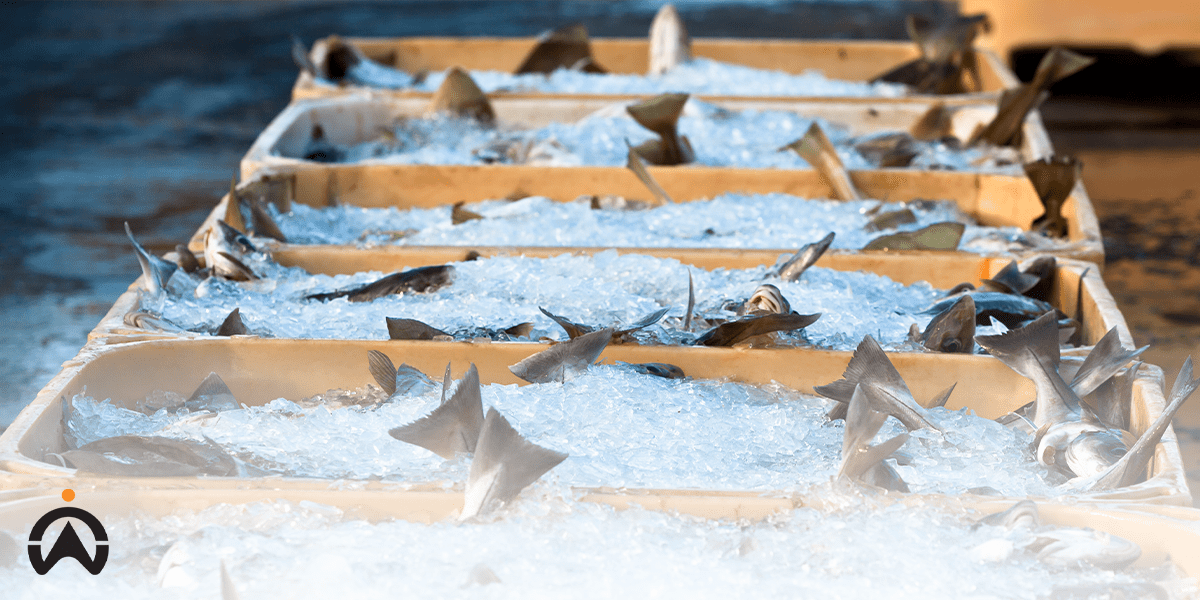
  • Seafood
  • Produce
  • Dairy products
  • Medical supplies
  • Pharmaceuticals
  • Floral industry

Efficiently starting a cold chain business means using certain technologies and science to evaluate and accommodate the link between temperature, perishability and transportation.

Practical use for cold chain storage

The future of the cold chain industry

This industry has grown to be a multi-million dollar market valued at USD 209.2 million in 2021. With an increased demand for product sustainability, the global cold chain logistics market size is forecast to reach staggering heights of USD 464.0 million by 2028, all thanks to the pharmaceutical and food industries’ expansion in 2022 due to the global pandemic we faced.

When to use cold chain logistics

Cold chain involves a process that isn’t just used when transporting or storing goods. It impacts every step of the cold supply chain, from procurement, storage, and delivery right down to end users.

Even after the goods have been safely delivered, many products are further kept at a constant temperature and stored in refrigerators or cool areas to preserve the item until consumed, used or expired.

A rise or fall in temperature during any of the supply chain phases can be bad news for the goods and the customers who have consumed/used them, particularly with expiry-sensitive produce. The shipper and their client have a lot on the line and might lose money when cold products go bad.

Key elements of supply chain management

To keep everything running smoothly, a cold chain business needs hands-on logistics managers who oversee each part of the cold chain process and receive crucial insights.

To maintain the shipment’s integrity and avoid product losses/damage, key elements of the cold chain have to be constantly monitored.

1. Packaging

Packaging is mainly used to protect products while in transit. Packaging for cold chain products should keep them from getting damaged while allowing storage containers to maintain the goods at their required temperatures.

2. Temperature monitoring

Products that need constant cold conditions also require regular temperature tracking. Temperature monitoring does more than maintain a constant degree. It can keep track of humidity levels and show when and for how long a package was kept at different temperature levels.

3. Transport

Products are kept at their appropriate temperatures from the time they leave the manufacturer until they reach their destination using various types of refrigerated transport units.

4. Storage 

To keep food or medication at the proper temperature along the supply chain, cold storage rooms are equipped with insulation against outside temperatures.

Key elements of supply chain management

How do you provide a temperature-controlled environment?

Since different food cold chain products have different temperature requirements, cold chain logistics can provide you with temperature-controlled facilities like warehouses and transportation that can cater to different temperature needs.

Cold chain technologies in the supply chain

So, to make sure goods don’t get compromised and stay in pristine conditions no matter the phase in the supply chain, the pharmaceutical, medical and food industries all heavily rely on cold chain logistics.

There are several methods to keep goods at proper temperatures. To determine the right refrigeration method, these factors are used:

  • Duration of transit
  • The size of the packaged shipment
  • The weather/outside temperature

After the right method has been chosen, the following modern cold chain solutions can be applied.

1. Shipping containers

To ensure shipments don’t experience fluctuating temperatures, businesses have to swiftly move shipments through the supply chain using shipping containers to ensure the products won’t experience undesirable temperatures.

Shipping containers (reefer containers or vehicles) are refrigerated units with a temperature-controlled onboard cooling system. These are insulated vans, semi-trucks or standard ISO containers that can also be modified to keep products warm if needed.

2. Cooling technologies

These are methods used to keep already cold products at the same temperature.

Gel packs: Frequently used in medical and pharmaceutical deliveries.

Dry ice: It can keep items frozen for a long time, particularly used for food, pharmaceuticals, and hazardous materials. Instead of melting when exposed to air, it sublimates.

Liquid nitrogen: Used primarily to transport biological cargo (organs, tissues, etc.). The extreme cold keeps things frozen for a longer time.

Eutectic plates: Also called cold plates, they are used similarly to gel packs, but cold plates are reusable.

Quilts: Insulated quilts can be wrapped around or placed over freight and are used to keep temperatures constant, so frozen items will remain frozen for a longer time.

Common cold chain logistics challenges

Despite all the tips, tricks, and devices mentioned above, running a cold chain business efficiently is not easy. Maintaining a constant temperature throughout cold chain storage is not always as easy as it sounds.

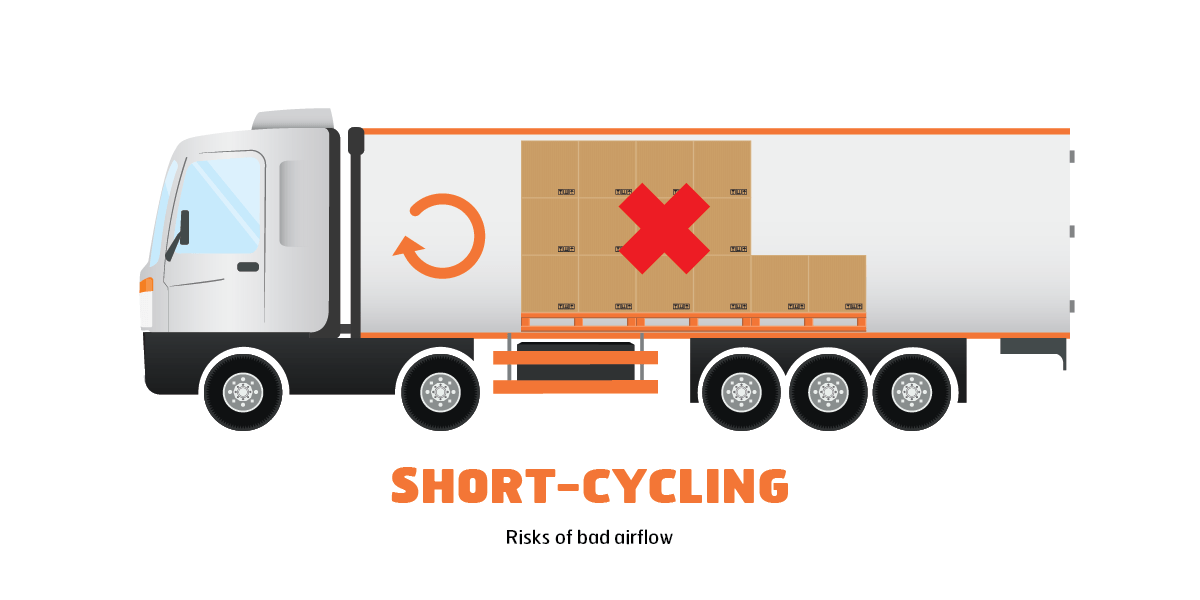
Bad airflow
While good airflow maintains a uniform temperature in your freezers, trucks, and trailers, and distributes air evenly within the area, bad airflow, however, can cause issues like short-cycling, promote humidity, and might have different temperatures throughout the storage and more.

(mock images)

Hot spots
Appear when a shipment is not cooled throughout at a uniform temperature, and certain parts of the shipment are at different degrees.

Hot spots

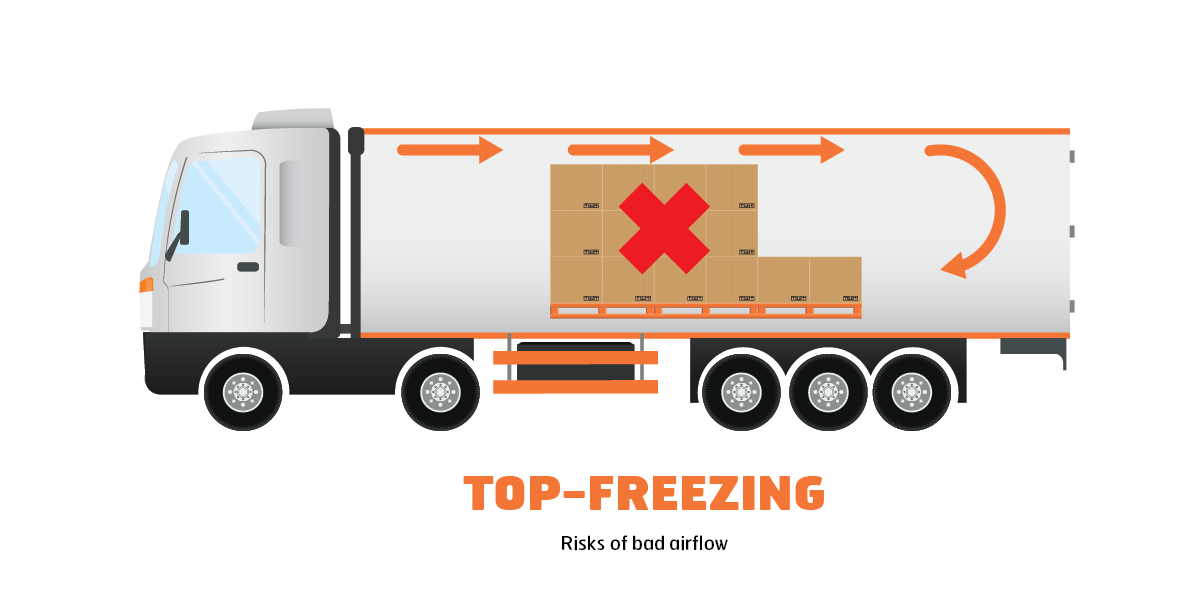
Top-freezing
Is when your shipment is placed too close to refrigerated air in a storage or transportation unit. It can cause frost damage to your products.

Top-freezing

Why is cold chain logistics important?

This allows customers to experience and purchase different goods that come from all over the world. The more customers demand to experience otherworldly products, the more the cold chain logistics companies grow.

While some products can withstand environmental shifts, others can’t. While transporting, quality, flavour, consistency, and safety are all on the line.

The end customer might not notice the prime wagyu beef they bought spent two hours in the wrong temperature range, but they may be at risk of food poisoning or associated illnesses if products are not treated accordingly by the cold chain.

With goods coming from all over the globe, cold chain management simply minimises the risk of temperatures exceeding safe levels during storage or transportation and provides manufacturers and suppliers with better control over their products.

Starting different cold chain jobs in the industry

Want to know how you can start a cold chain logistics business? Or want to join a cold chain logistics startup? If this topic has piqued your interest and you’re looking into different careers within this industry, here are some career paths in cold chain logistics you could partake in:

  • Rent out cold storage to companies selling perishable products
  • Cold chain consulting
  • Provide cold/refrigerated transport services for road, rail, air, and water
  • Manufacturing refrigerated trucks and vans
  • Construction of cold storage
  • Equipment manufacturing or supplying to cold store owners
  • Technology suppliers to temperature-controlled logistics services
Starting different cold chain jobs in the industry

Smart cold chain management

Leave your on-the-ground cold chain operations to Cartrack.

Get 24/7 protection with temperature sensors that remotely monitor temperature, automated alerts on temperature variations sent via email/SMS and our AI-camera system will help with real-time visibility of your cargo and drivers while on the road.

For optimum control over your fleet and the goods you transport, get Cartrack.

Let’s get in touch today.