How Much Diesel Does a Truck Lose to Overnight Idling?

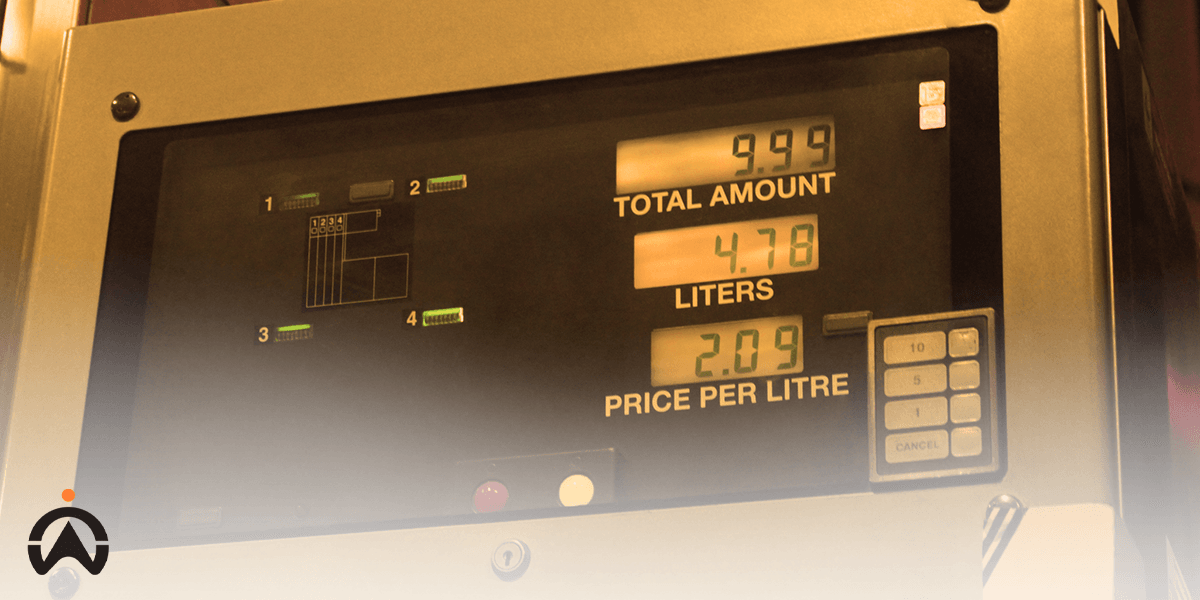
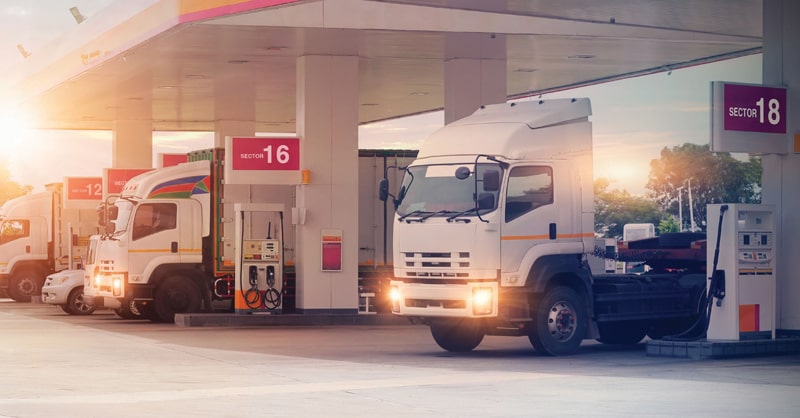
A diesel truck loses anywhere between 24 and 32 litres to overnight idling, assuming you’re looking at an 8-hour overnight period. Because trucks are larger, they’re expected to lose at least 3-4 litres per hour, though the total number depends on the make & model of the truck, as well as the reason for idling.

Fuel costs have surged to account for a significant portion of total operating expenses for transport firms, hitting already strained businesses even harder. At a sensitive time where every drop of fuel matters, you have to recover those costs, face having to borrow fuel, or potentially shut down.

While you want your drivers to be as comfortable as they can be on their long-distance trips, idling can quietly (but very easily) drain your business. It’s a national crisis, and enterprises just like yours deserve to thrive in these tough conditions.

Keep reading to discover the math behind overnight idling and how Cartrack Malawi can help you manage this critical situation.

What’s the true cost of allowing a diesel truck to idle overnight?

The true cost of allowing a diesel truck to idle overnight can be significant and varies depending on fuel prices, location, and the specific vehicle’s consumption rate. It ultimately leads to unnecessary fuel usage and increased operating costs, which can impact fleet efficiency and profitability.

➡️ Average number of litres consumed overnight X current diesel amount per litre = the overnight fuel cost 

Across an entire fleet in Malawi, the impact becomes far more significant, potentially costing companies hundreds of thousands in fuel and operating expenses each week.

According to separate studies through the University of Witwatersrand and the University of Pretoria, the average estimated idle consumption by vehicle type is as follows:

Vehicle Type / Segment Engine Example Estimated Idle Consumption (Litres per Hour)
Compact / Hatchback 1.0L – 1.4L Petrol 0.6 – 0.8 Litres
Sedan / Mid-Size SUV 1.6L – 2.0L Petrol/Diesel 1.0 – 1.5 Litres
Large SUV / 4×4 Bakkie 2.4L – 3.0L Diesel 1.5 – 2.0 Litres
Heavy-Duty Truck Multi-litre Commercial Diesel 3.0 – 4.0 Litres

Remember, the true cost doesn’t just stop at fuel loss. Engine and component damage is also a serious maintenance expense.

Let’s break things down even further:

Why do businesses allow for overnight idling?

Businesses allow for overnight idling because they want to ensure that their long-haul drivers are comfortable and safe during their trips. It’s a lot more common than most people might think and is often seen as a necessary evil.

Despite this, fleet managers and owners are starting to feel the pinch of excessive idling and trying to move away from these practices.

Let’s look at some of these real-world reasons:

🔐 Safety

Crime in the country is a major concern to many, especially hard-working truck drivers on long stretches of roads carrying precious cargo. Most truck stops are isolated and dark, making drivers and their trucks perfect targets for criminals eyeing what’s in the cargo bay or in the fuel tank.

A driver might want to keep the truck idling so that everything stays running and operating, like security cameras, door sensors, fuel systems, and other monitoring equipment. A driver might also keep the truck idling in case a criminal gets brave. If danger arises, the driver can react quickly and simply drive off.

👷 Comfort and well-being of the driver

Long drives, especially during late nights, will see drivers feeling extreme Malawian weather. Summers can have the truck cabin feeling like an oven and winters like a freezer, especially when you consider how easily these cabins absorb ambient temperatures.

Exhaustion can also be a silent killer, so drivers need to rest comfortably. The truck might be kept idling so that the driver can remain cool/warm (depending on the season), relaxed, and safe while they sleep.

📦 Taking care of delicate cargo

Some cargo is extremely temperature-sensitive, particularly in cold chain logistics. Pharmaceuticals, certain foods, and fine art are just some of the items that require carefully controlled cargo bays. Because of this, drivers might opt to idle to ensure the temperature doesn’t fluctuate and the power doesn’t cut.

🚚 Cross-border transportation

When drivers have to transport cargo across borders, they might have to sit in those crossing queues for days. Although it’s quite common, drivers risk losing power for charging their personal gadgets, and their personal food supplies could spoil if they don’t idle the trucks and keep the power going.

What happens to a truck when it idles?

When a truck idles, the most obvious and immediate impact is wasted fuel. Even if the truck isn’t moving, fuel is being consumed and wasted at your expense. But more than that, the truck is being damaged from the inside out.

You risk having to put more money towards servicing and maintaining your trucks. 

Idling puts an enormous amount of stress on the engine. You potentially dry out the engine’s oil lubrication and cut down its lifespan. Idling also doesn’t burn the engine oil completely, which means incomplete engine combustion and deterioration are caused.

When your vehicle is idling, some components are not sealed correctly, and a build-up of hot gases sifts into these internal components.

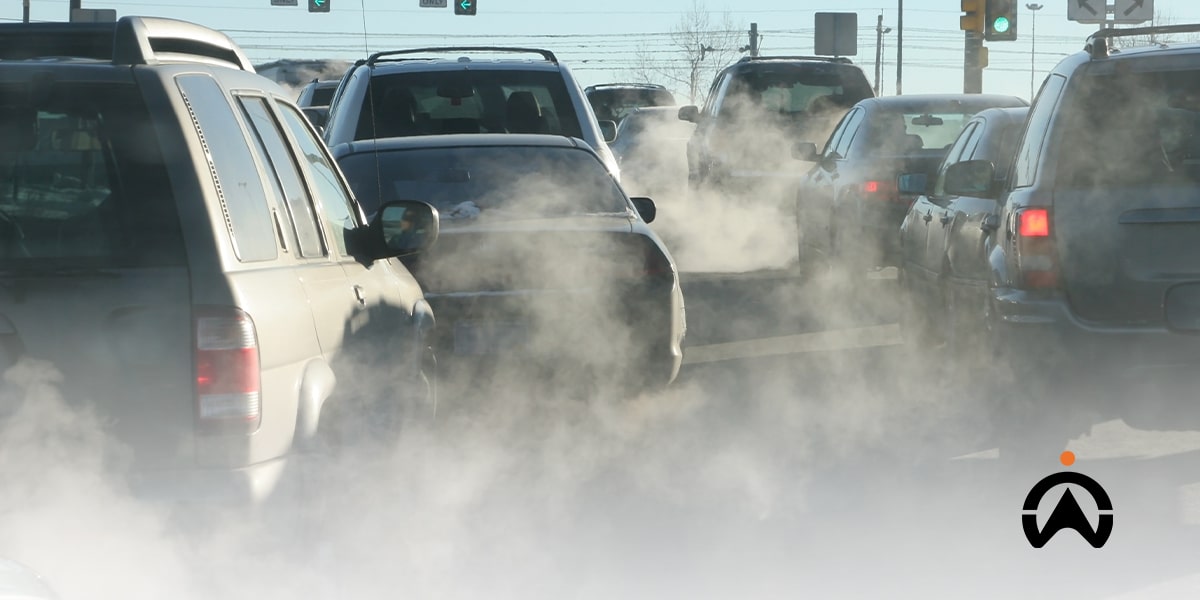
Idling also adds to the poor health of the drivers, and ultimately, the cost of environmental pollution. The combustion emits a great deal of pollution, and this pollution isn’t flowing anywhere, but instead, accumulating in the air & around the driver who’s breathing it in.

Controlling overnight idling: Can Cartrack’s smart telematics protect your bottom line?

Yes, Cartrack’s smart telematics can protect your bottom line. We recognise that it’s getting harder to justify excessive idling in your fleet, especially at a time when diesel prices are so volatile. Wanting to phase out this habit is completely understandable, and could prove to be a sensible financial step for your business.

Let’s look at alternative solutions and Cartrack’s answers to your concerns:

Auxiliary Power Units (APUs)

Before diving into Cartrack’s smart solutions, we’d strongly suggest investing in APUs for your trucks. These small generators or battery-powered systems are like ‘baby engines’ for your trucks and are usually mounted to the side of the vehicle.

They provide power for your drivers that keeps the AC running, the phone charged, or a tiny fridge running with the driver’s food.

While it also requires fuel from the truck, it uses significantly less to keep the essentials powered. It also has a very quiet hum, helping drivers (and the other drivers that might potentially be around them) to get enough rest at a truck stop.

Fuel monitoring and management

Through a combination of our fuel sensors and fuel management features, you’ll be able to see exactly where your diesel’s going. We carefully track stationary idling across your fleet, providing you with a detailed analysis of overnight wastage and areas of improvement.

This makes it easier for you to identify disparities and make informed, transformative, and data-led business decisions. 

Immediate alerts

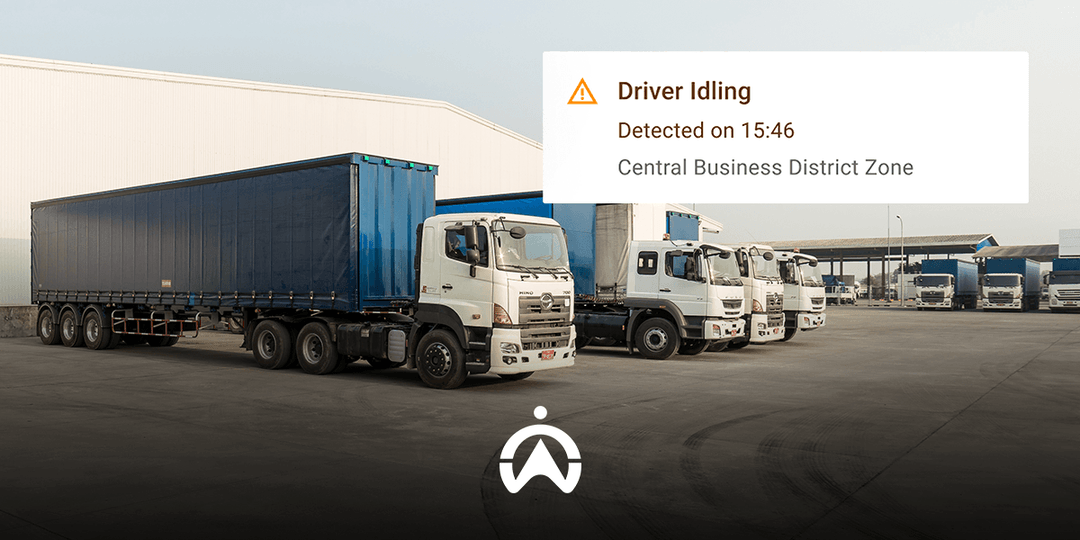
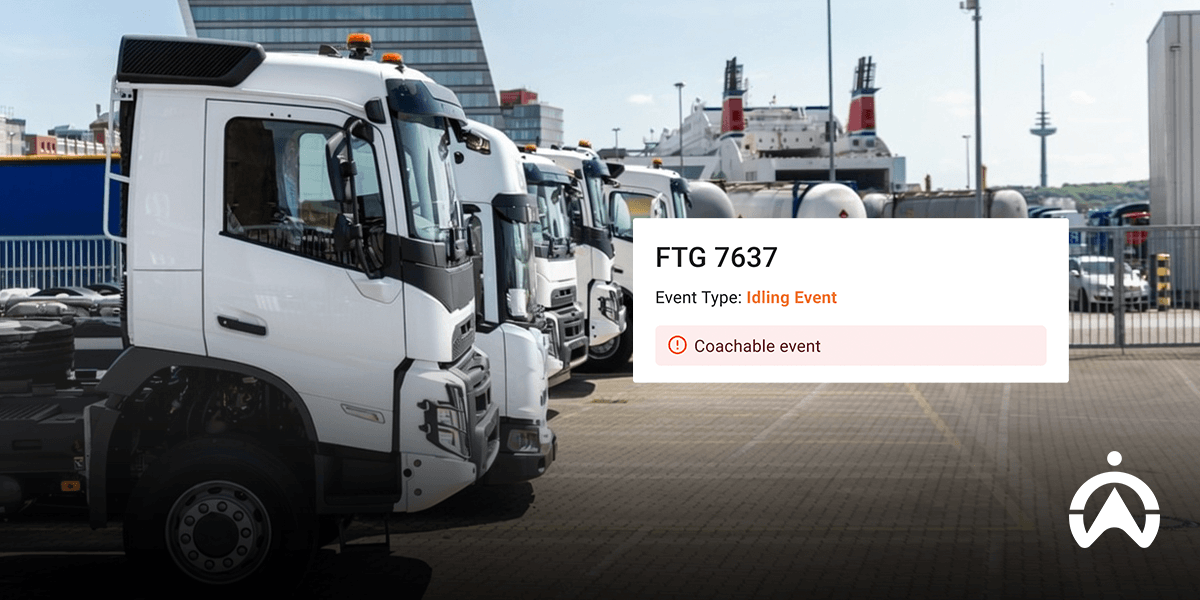
Cartrack allows you to set customised idling parameters. You’ll get automated alerts if any of your trucks exceed the set limits, i.e., if your truck idles for over 10 minutes at a rest stop and 10 minutes is the idling limit, you’ll get an instant alert.

This allows you to immediately intercept and stop the potential overnight wastage that could occur.

Driver behaviour monitoring

When you’re keeping a keen eye on driver behaviour, you see who’s carrying out those fuel-wasting habits. From aggressive driving to excessive stationary idling, investing in Cartrack’s driver-monitoring technologies will give you a competitive edge and a complete overview.

With this information, you can confidently coach your drivers and ensure they’re letting go of those overnight idling habits. You can also show them, with clear evidence, the impact that excessive stationary idling has on the fleet.

Route optimisation

Our smart algorithms and dynamic routing ensure that your drivers are taking the best, most efficient routes to reach their destinations safely. Because our software accounts for factors like traffic, weather, roadblocks, and more, it consistently updates when necessary.

When trips are carefully planned & predicted, your drivers are taking the best routes and dealing with less traffic & fewer obstacles. This ensures they’re spending less time idling at a standstill, while allowing them to safely reach overnight truck stops or company depots.

This also means your drivers aren’t getting stuck in dangerous or high-risk areas, which cuts back on their need to idle throughout the night for their safety.

Final takeaway: Put idling to sleep

We know that you care about your drivers’ comfort while they take these demanding, lengthy journeys. But we also know that you can no longer afford the massive drains of fuel that come with the overnight idling that provides these comforts, especially when they directly translate to profit drains. As of late, no Malawian business can.

By bringing together sophisticated tools and insightful data from Cartrack Malawi, you can protect your bottom line while still protecting your staff. Cartrack’s intuitive platform is all about helping your team arrive at secure, verified overnight stops right on schedule. This ensures your fleet only uses fuel when it’s genuinely necessary, so you can keep your business moving forward.

Don’t pay for your fleet to sit still. Speak to one of our Cartrack Malawi consultants today and turn the costly midnight engine buzz into cash that comes right back into your business.

Frequently asked questions about overnight idling with diesel trucks

What uses more fuel: starting or 5 minutes idle?

5 minutes idling uses more fuel than starting the vehicle. According to A+ Japanese Auto Repair, most modern vehicles are made to use as little fuel as possible when starting the car. This is propelled by new vehicle technology with many push-to-start cars, where the engine automatically turns off when the car is stationary, and restarts when the driver accelerates.

Why does my diesel car shake at idle but smooths out while driving?

Your diesel car shakes at idle but smooths out while driving because of engine misfire, deteriorating spark plugs, wheel imbalance, loose vacuum leaks, or clogged/dirty throttles. Speak to your mechanic who’ll be able to locate the issue and fix it accordingly.

Is it bad to run AC in car while idling?

It’s not necessarily bad to run your AC in the car while idling, but that’s only if you stick to short periods and aim to keep a comfortable temperature. Anything running longer than about 10 minutes and at high heat/cold is considered dangerous to your car’s inner workings, damaging the engine.
The Impact of Fuel Price Volatility and How to Manage It in Your Business

Managing the impact of fuel price volatility in your business is about adopting a fleet management system and smart strategies to help you stay operational. The impact is typically seen in reduced profits and increased operational costs. When you manage fuel volatility, you optimise processes, save on fuel costs, and keep yourself and your drivers in tune with fuel-saving techniques.

As of April 1st, 2026, Malawi experienced a significant fuel price increase, with petrol prices rising sharply due to economic and global supply pressures. This has had a major impact on transport and living costs, making it essential to find ways to manage expenses.

Don’t let your business suffer. Read through our blog to manage volatile fuel prices, empower your staff to implement fuel-saving tips & tricks, and let Cartrack help you save more effectively.

How do you handle fuel price fluctuations when they affect your business?

When they affect your business, you handle fuel price fluctuations by maximising the technologies available and implementing smart, practical strategies like optimising processes or implementing fuel hedging. Taking a proactive and cautious approach is the only way to ensure you protect your business, especially in a time when world tensions are causing much uncertainty.

When you’re not prepared, you put your operational costs and profits in serious danger. Fuel, typically being the highest expense in a fleet, will have prices that quickly and unexpectedly shoot up. This then creates a domino effect, driving up overall monthly expenses and ultimately leading you to increase the prices of your goods or services.

What are the best fuel price risk management tools for Malawian companies?

The best fuel price risk management tools for Malawian companies include:

  • An advanced fuel management platform that’s equipped with telematics, offering numerous fuel management tools that will help you optimise operational processes and maximise savings. This includes route optimisation, driver monitoring, comprehensive reporting, and more.
    ‍
  • Fundamental hardware, like fuel sensors and durable GPS tracking devices.
    ‍
  • Fuel cards to better manage your fuel use and keep track of consumption and transactions.

What impact does fuel price volatility have on your business?

The impact that fuel price volatility has on your business includes:

  • Lowered profits
  • Greater operational costs
  • Disrupted operational processes and pressure on the business
  • The inability to properly plan and budget for the business
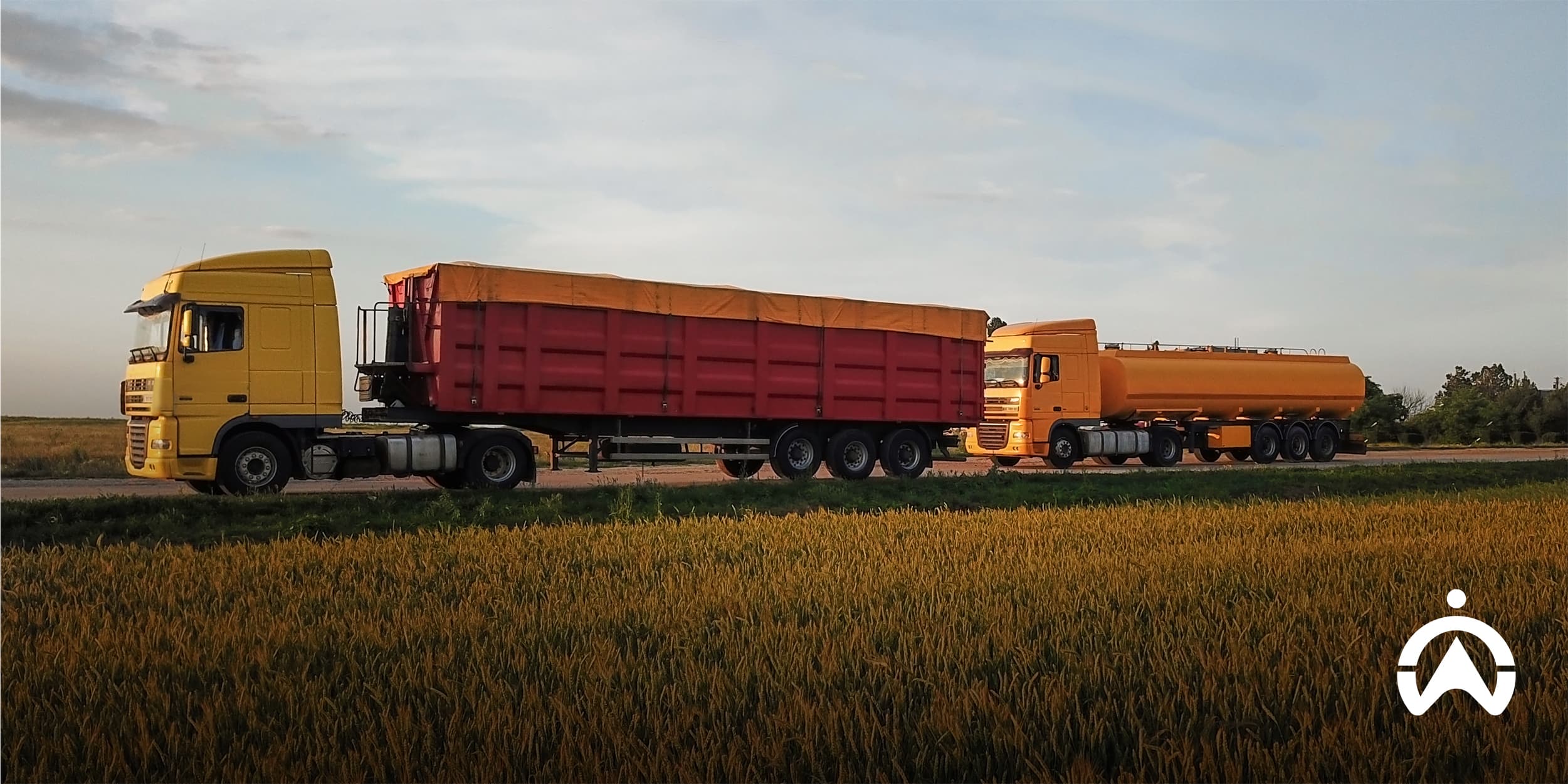
Two yellow semi-trucks with red and orange trailers parked on a rural road, illustrating the impact of rising fuel prices on business operations and transport costs

What are some strategies for small businesses to budget for unpredictable fuel prices?

Some strategies for small businesses to budget for unpredictable fuel prices include:

  • ‍Implementing a fleet management solution: This is the first and most important step. There’s a general misconception that fleet systems are only for larger enterprises, but this simply isn’t true. A fleet platform assists with a whole host of things, particularly monitoring, reporting, and detailed insights—all of which are just as important for small businesses.A platform, like Cartrack’s FleetWeb, can help you optimise routes, monitor your drivers’ extreme driving habits, and help you schedule maintenance and keep your vehicle in top condition. Carefully managing all these aspects results in actual, visible fuel cost savings.
    ‍
  • ‍Looking into hedging: Fuel hedging is when a company looks to buy fuel from a supplier and locks into a contract with them instead of buying at the pump every day. This means the price of the fuel is a set price for as long as the contract is in effect.Although this can be frustrating if fuel prices decrease, this is an incredible way to protect your business overall and navigate fuel increases when they occur.
    ‍
  • ‍Taking advantage of tax incentives: Ensure that all expenses that can be claimed are properly recorded for submission to the Malawi Revenue Authority. This way, you can get tax deductions, and the total you owe overall can be greatly reduced.
    ‍
  • ‍Using fuel cards with a fixed rate: Much like fuel hedging, fuel cards let you buy fuel at a fixed price, no matter what increases or fluctuations occur. Fuel cards, when integrated correctly, also offer detailed reports on transactions, so you can easily identify any unusual or mismatched transactions.
    ‍
  • ‍Considering buying fuel in bulk: Buy fuel in bulk so that fuel volatility has less of a negative impact on your business. But, only do this if storage space allows for it.

Are there suppliers that offer fixed-price contracts to reduce volatility risks?

Yes, there are suppliers that offer fixed-price contracts to reduce volatility risks. Fixed contracts are quite common and popular among businesses, especially for clients in sectors like energy, logistics fleets, and farms. These contracts can be designed carefully with your business in mind, offering personalised solutions that work with your specific company needs.

These types of contracts are extremely popular thanks to their nature of effective risk management. They ease out the pressures of price uncertainty and protect your business’ bottom line. This also means you’re more in control of your finances; beyond saving money,  your budgeting is far more predictable, giving you total financial foresight.

How do I apply for a commercial fuel card for my business?

To apply for a commercial fuel card for your business, you typically:

  • Select the bank that you’d like to go with, because they’ll be your provider for a card. Most bank-connected fuel cards have their own loyalty programmes and reward structures, so check out each bank’s deals to see which of them work well enough with your savings goals.
    ‍
  • Collect all the documents you’ll need for a successful application. These documents will include business registration forms, proof of business turnover, tax statements and compliance records issued by the Malawi Revenue Authority, national identification documents, proof of shareholder holdings, and any other applicable KYC (Know Your Customer) or regulatory documents depending on your business type and structure in Malawi.
    ‍
  • Get your application form online, complete it, and submit it via email or go directly to the bank branch. The bank will then carry out a background check.
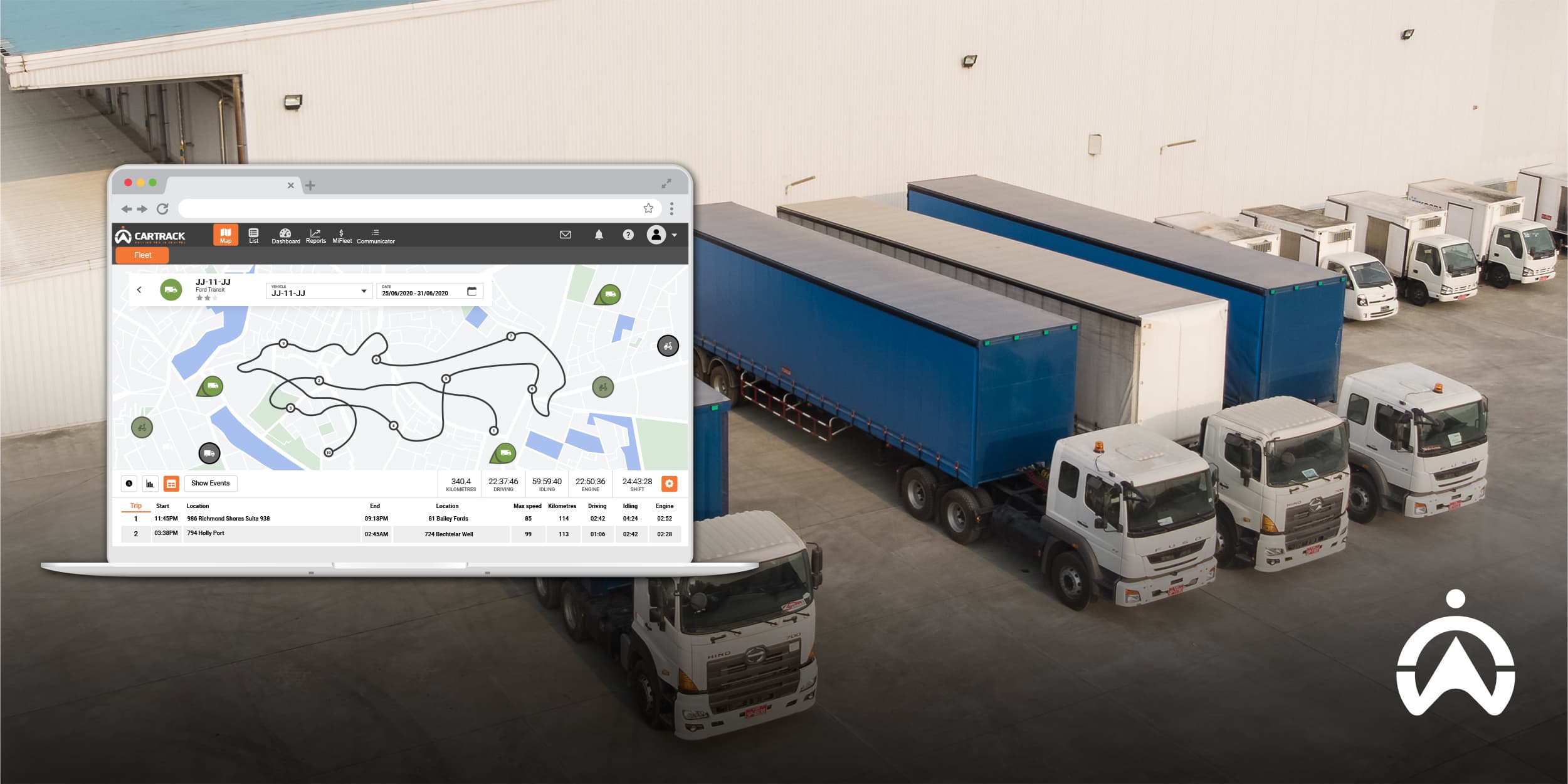
Fleet of white trucks parked beside a warehouse with a laptop displaying Cartrack fleet data, showing how businesses monitor operations to manage the impact of rising fuel prices on business

How does Cartrack help you save on fuel costs?

Cartrack helps you save on fuel costs by providing one of the most comprehensive fleet management platforms with features and resources that’ll keep your fuel savings in place. With FleetWeb, you get access to advanced, automated, and AI-assisted insights & tools. You also have access to numerous hardware and specialised sensors to take your fuel savings even further.

Route optimisation is one of the simplest but most effective fuel-saving benefits of FleetWeb. Our software uses algorithms to determine the best and most efficient route for your drivers, factoring in disturbances like traffic, weather conditions, and delivery priorities. The best routes equal more savings, because you spend less on fuel and ultimately less on maintenance and running costs.

MiFleet is a cost management tool on FleetWeb that takes out the human handling of fuel monitoring and data output. It reviews all transactions and matches them with uploaded receipts, it sends alerts about unusual drops in fuel levels or potential fraud, and it cuts out the need for manual admin.

Linking back to fuel levels, our specialised fuel probes can be placed inside your fleet vehicle fuel tanks to carefully monitor levels in real time. Our readings are accurate, with the results transmitted to our platform so you can keep an eye on them and generate detailed fuel usage reports to analyse costs.

We have smart camera solutions and detailed driver monitoring features, like driver scorecards, so you can ensure drivers are implementing those fuel-saving techniques. Our AI-enabled cameras keep track of your drivers’ habits and record events like distracted or aggressive driving, so they can be quickly corrected through coaching. Aggressive driving and idling are fuel-wasting driving habits.

Final takeaway: Fight the fuel-increase blues

There’s very little we can do about the world’s tensions and disturbances, but there’s a lot we can do to fight against the fuel volatility that comes with it. Careful planning, combined with partnering with the right fleet company platform, can make a world of difference in your savings goals.

It’ll likely be impossible for experts to accurately predict what’s going to happen in the future, but in the meantime, Cartrack can help you prepare for anything that comes your way.

Stay ahead of the turbulent fuel market; don’t just react to it. In this time of uncertainty, let Cartrack help you stay one step ahead. Call us today!

Frequently asked questions on fuel volatility and your business

Who benefits from oil price increases?

Naturally, oil suppliers & companies, governments, and alternative energy source companies benefit from oil price increases. Oil companies excel and profit from demand when prices go up. Governments in most countries receive a fixed fuel tax cut, which rises with price increases. Alternative energy providers see an influx of people looking for other options to fuel use, driving up their profits.

What is fuel volatility?

Fuel volatility refers to how fuel vapourises when it’s being burnt in an engine. This is how traditional ICE (internal combustion engine) vehicles work, and fuel volatility is necessary for petrol cars to operate. Fuel volatility is usually measured in Reid Vapour Pressure (RVP), which measures the pressure. This distinguishes between a slow and sputtered or easy car start.

Is oil going to crash in 2026?

Whether or not oil is going to crash in 2026 is a difficult question to answer because it’s based on geopolitical tensions and whether they continue or resolve. If disruptions continue, it might crash, especially because supply routes (like the Strait of Hormuz) have been blocked for certain countries. This is what leads to volatility and uncertainty.

What Are 10 Ways to Save Fuel?

The cost of fuel is a regular concern for many vehicle owners. Planning for this cost has come with some challenges which have made it hard to keep fuel costs low. Many vehicle owners are feeling the pinch and eagerly looking for different ways to save on fuel.

In this article, let’s explore ten simple ways you can start saving on fuel and how Cartrack can help you keep track of your fuel consumption.

Let’s dive in.

In this article, you will:

  • Discover 10 ways to help you save fuel
  • Learn how driving habits and vehicle maintenance impact fuel usage
  • Find out how Cartrack’s mobile app can help you save on fuel cost

10 Ways to Help You Save Fuel

Changing your approach to how you care for your vehicle is an effective way to save on fuel, these can range from adopting new driving behaviours to regular vehicle checkups. Learn these ways to make fuel wastage a thing of the past.

Here are ten effective ways to save fuel:

1. Adopt Efficient Driving Habits

Saving fuel starts with how you drive your vehicle. When a vehicle’s speed increases, the car experiences more drag (air resistance). This occurs when the force from the resistance causes the engine to work harder to accelerate which burns more fuel. By incorporating a more moderate driving speed, which is normally between 65-90 km/h, your vehicle will experience less drag as it moves.

Other practices include avoiding congested roads that lead to idling and keeping your rev per minute constantly around 3000rpm while driving. Another efficient driving habit to adopt is avoiding frequent lane changes and abrupt stops in stop-and-go traffic.

2. Use engine braking and drive in higher gears

Engine braking and driving in high gear is an underutilised method for driving that many drivers don’t consider when trying to save fuel. Engine braking is when you take your foot off the accelerator pedal and allow the engine to slow the vehicle down. This can be incorporated instead of using the brake pedal when you’re getting close to a traffic light or stop sign. Less fuel is consumed because the engine is allowed to slow the vehicle down, using less brake power to stop it.

3. Opt for fuel-efficient vehicles

If you are thinking of buying a new car, it is best to choose the type that is fuel efficient, such as vehicles with small engines or hybrid cars. These vehicles were designed to provide an excellent driving experience while using less fuel.

There are a few things to consider when looking for a fuel-efficient vehicle, such as fuel consumption rate, engine size and weight. Lighter cars and smaller engines burn less fuel and can maximise your fuel savings over time.

4. Maintain Optimal Tyre Pressure

Optimal tyre pressure plays an important role in a vehicle’s performance and fuel efficiency. Keeping your tyres at the appropriate pressure recommended by your manufacturer will greatly benefit you down the line.

Let’s discuss how:

  • Underinflated tyres increase the rolling resistance of a car and force the engine to work harder and burn more fuel. It also causes uneven tread wear on the edges of the tyres which leads to the tyres degrading faster.
    ‍
  • Overinflated tyres negatively affect the handling of the vehicle, they make the drive bumpy, create uneven tread wear and burn more fuel. Furthermore, the uneven tread wear reduces the tyre’s ability to maintain contact with the road which can be dangerous at high speeds.

To make sure that you save on fuel and reduce wear and tear on your vehicle, it’s suggested that you check your tyre pressure at least once a month.

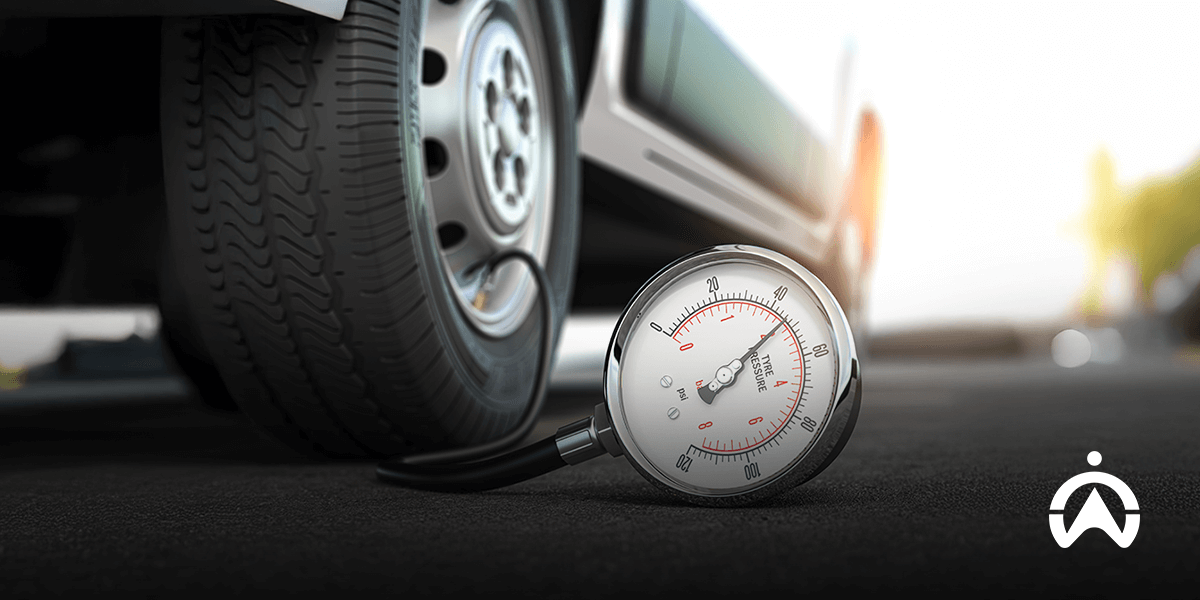
A tire pressure gauge on the ground next to a car tire.

5. Keep windows closed at high speeds

I know what you’re thinking, driving with your window open while cruising at a high speed feels refreshing, however, this significantly affects fuel efficiency. This normally occurs when a vehicle travels above 80 km/h, where the air resistance is at its greatest. To save on fuel consider keeping your windows closed and use the vehicle’s ventilation system instead.

6. Avoid heavy loads

Unnecessary weight in your vehicle makes the engine work harder which increases fuel consumption. This is especially true when driving long distances. Another load that adds extra weight and consumes more fuel are roof racks. Roof racks increase air resistance and reduce your vehicle’s aerodynamics when driving at high speeds.

To enjoy better fuel efficiency and a smoother drive consider packing light or keeping heavy items inside the vehicle.

7: Use cruise control on highways

Cruise control is an added feature that comes with most modern vehicles today. Not only do cruise control systems offer comfort and convenient driving, but they also help you save fuel. Cruise control helps the driver maintain a steady speed enabling them to only concentrate on steering. This allows for a smooth trip with fewer manoeuvres. Cruise control minimises how much fuel is used by removing the need to constantly accelerate and decelerate which burns more fuel.

8: Take advantage of loyalty programs

A great option to save on fuel costs these days is to join loyalty programs, these are offered at petrol stations, banks as well as through retailers. Whenever you refuel petrol you receive a certain amount of points. You can accumulate points over time and use them to purchase fuel or receive discounted prices. Consider choosing a program that is best for your needs and that allows you to fill up at a petrol station near you.

9. Combine trips

To save on fuel day to day, consider combining errands and driving fewer trips. Plan all the tasks you need to do ahead of time and do them all in one trip. By doing this you reduce the distance you drive that not only saves you valuable time but reduces fuel consumption.
Another effective way you can cut down on trips is by starting a lift club. Each person in the lift club can take turns driving one week a month, saving up to three weeks of fuel that you would have used if you were driving alone.

10. Use quality fuel

There are typically different types of fuel available, including lower and higher octane petrol options, as well as diesel. Each fuel impacts a vehicle’s performance and fuel efficiency differently. High Octane fuel can withstand more compression before it ignites than lower Octane which impacts vehicle performance at high speeds. Lower Octane fuel is ideal for older vehicle model as their engines were designed to perform optimally on it.

New model vehicles with newer technology require high octane fuel as it helps maintain the vehicle’s performance and fuel efficiency. Using a lower octane fuel can decrease these vehicles’ fuel efficiency and can damage their engine or emission control systems.

By implementing these ten ways, you can significantly reduce fuel wastage and save on fuel costs.

Mechanic with dreadlocks working on a car engine near a tool chest.

How Cartrack’s mobile app can help save fuel

Now that you know the 10 ways to save fuel, let’s discuss how Cartrack’s Mobile app can help keep track of your fuel usage.

Here are some reports from the app that will help save fuel:

  • Monitoring vehicle speeds
    Constant increases in speed require the engine to work harder to maintain the higher speed. The Cartrack mobile app map indicates every point where you were speeding and how fast you were going. This insight helps you identify this behaviour so that you adjust your driving behaviour to use less fuel.
    ‍
  • Reducing harsh braking
    Harsh braking from high speeds causes your vehicle to use more fuel than necessary. This happens because after you have slowed down the vehicle transmission needs to shift to a lower gear to regain lost momentum. The Cartrack app records every harsh braking event, this informs the driver on how frequently this mistake is made.
    ‍
  • Avoiding idle time
    Long periods of idle time in congested traffic consume fuel unnecessarily. The Cartrack app tracks your idle time during a trip, this data provides you with a wealth of information that shows you where the most traffic congestion is and when it occurs. This allows you can identify less congested routes that enable you to plan less congested routes.
  • Planning efficient routes
    Every time you drive your vehicle, the trip information is saved on your app history. This trip history provides insights into the route you took which shows the distance and how much fuel was used. This is an effective way to plan every route you take.You may use different routes to work and would like to know which route uses the least fuel. You can use the report history of the different routes to see your past trips. This will tell you how long the trip took as well as the speeds you were able to travel, so you can compare them against each other to see which one is the most fuel-efficient.

Start saving fuel with Cartrack Today!

Fuel costs do not have to be a burden. By taking advantage of Cartrack’s advanced mobile app technology you can reduce fuel consumption and save costs in no time.
Cartrack is committed to helping motorists drive smarter and efficiently. Our mobile app is not only for tracking your vehicle, it provides actionable insights that empower you to make fuel-saving decisions every day.

Why wait? Start applying these tips and let Cartrack help you save on fuel costs. Contact us today to find out more.

5 Fuel Savings Tips That Don’t Actually Work: Unlock The Truth Now

Ever tried unproven fuel-saving tips that produced zero results? Don’t blame yourself for being intrigued. As a fleet manager, it’s your job to look for any and every opportunity to cut costs.

Well, this is not one of those time-wasting articles. After reading this, you will know exactly which fuel tips work and which ones are just a waste of fuel.

Let’s dig in!

Why does saving petrol matter?

A question many vehicle owners and fleet managers ask themselves. The answer lies in the ever-increasing fuel prices and the need to effectively manage fuel costs to save money. 

While fuel prices are beyond our control, finding ways to efficiently use fuel and minimise costs has become a crucial priority.

As a fleet manager, fuel is one of the issues at the top of your list. Managing fuel expenses is essential for businesses as it often takes a large piece of budget space, so keeping that amount as small as possible and making fuel last longer, benefits the entire business. 

Whether your vehicles use petrol or diesel, finding ways to efficiently use fuel and manage costs has become more important than ever.

But how do you separate fact from fiction when it comes to petrol-saving?

Five petrol and diesel saving tips that don’t work

Let me help you separate fact from fiction and debunk the tips that make promises to stretch your petrol or diesel further, but actually don’t work.

  1. Tailgating trucks to cut through the wind

    Zooming right behind a big truck, thinking you’re cleverly reducing wind resistance and saving fuel is not only unsafe, but it won’t do much for your petrol-saving goals either. Maintain a safe distance, drive responsibly, and focus on other proven and much safer fuel-saving techniques.
    ‍

  2. Coasting in neutral gear or engine shut-off

    Do you often coast downhill or turn off your engine while coasting to save petrol? Well, you don’t have to. Modern commercial vehicles are designed to use minimal fuel during deceleration anyway, and shutting off the engine can actually mess with essential control and safety systems. So rather keep your car in gear and enjoy the ride without worrying about switching it on and off.
    ‍

  3. Filling up petrol in the morning to save fuel
    ‍
    Ah, the classic myth that still lives on in drivers’ minds. As the temperature rises throughout the day, petrol expands, so you’ll get less fuel for the same amount of money later in the day right? Well, in reality, petrol stations store their fuel underground, where the temperature remains relatively stable and as soon as the petrol hits your tank, the liquid quickly reaches the ambient temperature, no matter the time of day so the amount of litres you pay for in the morning would be the same amount of litres at night.
    ‍
  4. Warm up your car for several minutes

    We’re all familiar with the common belief of warming up your car for several minutes before driving, especially during cold weather. However, there’s no need for an extensive warm-up time. A few seconds of idling is preferred before setting off. Excessive idling not only wastes fuel but also adds unnecessary wear and tear to your engine. So, save fuel and reduce emissions by avoiding unnecessary idling.
    ‍

  5. Keep your windows up to reduce drag

    You might have heard that keeping your windows rolled up while driving reduces drag and thus improves fuel efficiency but, at typical driving speeds, open windows have little effect on fuel economy.

Top five fuel tips that actually work

Now that we know what doesn’t work, let’s talk about a few proven fuel-saving tips that make a difference in your monthly fuel spending.

  1. Smooth and steady driving

    Risky driving habits like rapid acceleration and sudden braking can significantly impact your fuel. Encourage smooth and steady driving instead, like, gradually accelerating, and maintaining a consistent speed. Not only will this save you petrol, but it will also lead to a more relaxed and enjoyable driving experience.
    ‍

  2. Proper vehicle maintenance

    Make sure you maintain your vehicle by keeping your engine properly tuned, ensuring your tyres are inflated to the recommended pressure, and changing air filters and spark plugs at the recommended intervals. Keeping your vehicle in tip-top shape will help you drastically save on fuel consumption.
    ‍

  3. Lighten the load

    With fleet vehicles, this might be a bit hard to follow, but carrying unnecessary weight by having cargo that exceeds the vehicle’s recommended weight intake can increase fuel consumption. Take some time to properly plan weight distribution and remove any items that aren’t needed for your journey. Every kilogram counts when it comes to fuel efficiency, so lighten the load and watch your petrol savings increase.
    ‍

  4. Plan efficient routes

    Planning your routes in advance can help you avoid congested areas and heavy traffic, ultimately saving you time and fuel. Take advantage of navigation apps or devices that provide real-time traffic updates and suggest the most efficient routes. Additionally, grouping multiple errands or trips in a logical order can minimise the distance travelled and optimise your fuel usage.
    ‍

  5. Utilise fuel-saving technologies

    Invest in fleet management software that uses GPS and telematics systems to capture real-time data like vehicle usage, refuelling patterns and overall vehicle diagnostics that inform you of the water, oil and engine health.

Factors affecting fuel consumption

Running a fleet of vehicles comes with its challenges, and a big one is fuel. Many businesses rely on their fleets to transport goods and cover long distances daily. All those miles on the road add up when it comes to fuel costs.

To optimise efficiency and reduce fuel consumption, fleet managers strive to understand the factors that impact fuel usage. By considering these factors, managers can make more informed decisions regarding their fleet and implement strategies to maximise fuel economy.

Take a look at these key factors that heavily impact fleet fuel consumption and see what you can do to drastically improve your fuel costs:

  • Road conditions and terrain – The condition of roads, including potholes and rough surfaces, can significantly affect fuel consumption. Usually, trucks drive on different surfaces, from tar to gravel — these present varying challenges to fuel efficiency. For example, rough and uneven road surfaces, such as cobblestone or unpaved roads, can increase resistance and cause the engine to work harder, resulting in higher fuel consumption.
    ‍
  • Traffic congestion – Traffic congestion and stop-and-go situations can lead to increased idling, which consumes more fuel. Scheduling deliveries around peak traffic hours and planning routes to avoid congestion can help optimise fuel efficiency. Keeping your fleet away from local roads and choosing routes that have highways might save you a few drops of petrol.
    ‍
  • Vehicle maintenance – Regular maintenance and servicing play a vital role in maintaining optimal fuel efficiency. The longer you preserve your vehicles, the longer they will last. Neglecting maintenance by not fixing/replacing dirty air filters or worn-out spark plugs, can lead to increased fuel consumption with every use.
    ‍
  • Fuel quality – Use the right fuel, the quality of fuel used can impact both engine performance and fuel economy. Clean, quality fuel from reputable sources like Engen and Sasol can help optimise fuel efficiency and keep your engine healthy.
    ‍
  • Driver training and education – After assessing your driver’s driving behaviours with telematics and tracking systems, fleet managers can monitor various aspects of driver performance, such as speed, acceleration, braking, and idling patterns, and provide drivers with proper training and education on fuel-saving driving habits. Raising awareness about the importance of fuel efficiency and offering incentives for achieving fuel-saving targets can motivate drivers to adopt fuel-efficient practices.

Petrol saving habits a fleet management system can provide

Fleet management software has several smart fleet technologies that are created to assist fleet managers in optimising fuel efficiency, reducing costs, and contributing to environmental sustainability. Most fleet managers use businesses that can track their vehicles and provide fleet management software features to efficiently monitor their fleet like Cartrack Malawi.

How? 

Cartrack’s fleet management solutions can help you track driver behaviour, identify maintenance issues, give you real-time updates on vehicle performance through inclusive reports and analytics, and monitor your fleet’s fuel consumption rate.

This is how Cartrack can assist in making fuel last:

  • Route optimisation and planning:

    Fleet managers employ sophisticated route planning tools to optimise driving routes. With Cartrack’s Delivery feature, factors like traffic conditions, route history, road conditions, and fuel consumption data are considered. It can provide drivers with the quickest and shortest route options that avoid deviations and unnecessary travel, resulting in decreased fuel consumption per trip, a decrease in harmful CO2 emissions released by your fleet and overall significant savings in fuel costs.
    ‍

  • Monitor and analyse fuel consumption:

    Cartrack’s fleet management systems provide real-time monitoring of fuel consumption by using data analytics. With this, fleet managers gain insights into individual vehicle performance, driver behaviour, and fuel efficiency trends for each of their vehicles. Cartrack’s MiFleet fuel validation feature can also assist with fuel monitoring by connecting to fuel sensors or CANBus integration to monitor and analyse fuel consumption data, accurately track fuel usage and identify inefficiencies. This data empowers managers to address fuel-consuming patterns, implement targeted training programs for drivers and maximise fuel efficiency across the fleet.
    ‍

  • Driver training and incentive programs:

    Drivers play a pivotal role in increasing fuel efficiency. Some Managers conduct comprehensive training programs to educate drivers on effective fuel-saving techniques. These programs can cover the driving benefits of smooth acceleration, maintaining consistent speeds, reducing idle time, and more. Fleet managers can access detailed reports and analytics on the fleet platform to assess each driver’s performance, and identify critical areas that need improvement. Providing more targeted training and instilling a fuel-efficient culture, helps encourage drivers to adopt eco-conscious driving habits. Incentive programs and Cartrack’s performance monitoring (driver scorecards) can be used to track driver behaviour and reward safe driving, further motivating drivers to drive safer and use fuel more responsibly.
    ‍

  • Vehicle maintenance and performance:

    Cartrack Malawi assists fleet managers in keeping track of vehicles’ health with preventative maintenance alerts and notifying them of scheduled maintenance and inspections to ensure that vehicles operate optimally and avoid costly breakdowns. By addressing issues promptly, fleet managers prevent fuel-consuming problems, like engine misfires that can waste fuel, and ensure that vehicles maintain peak efficiency and avoid unnecessary downtime.
    ‍

  • Environmental sustainability initiatives:‍

    Cartrack Malawi provides tools and features that enable fleet managers to optimise vehicle utilisation and fuel consumption such as asset management, fuel monitoring and route optimisation.

    If a business has electric vehicles in their fleet that need vehicle tracking and telematics technology installed, Cartrack’s leading SaaS platform provides seamless integration to EVs, provides fleet managers with battery management for real-time monitoring of the state of charge and temperature, and has preventative maintenance to track battery health and notify managers when the battery needs to be replaced.

Fuel tracking with Cartrack Malawi

Look no further than Cartrack Malawi for your ultimate solution for efficient fleet management.

Use Cartrack’s advanced telematics and tracking solutions to give you real-time insights into your commercial fleet’s fuel consumption and unlock substantial fuel savings.

Supercharge your fuel savings with Cartrack Malawi Today!

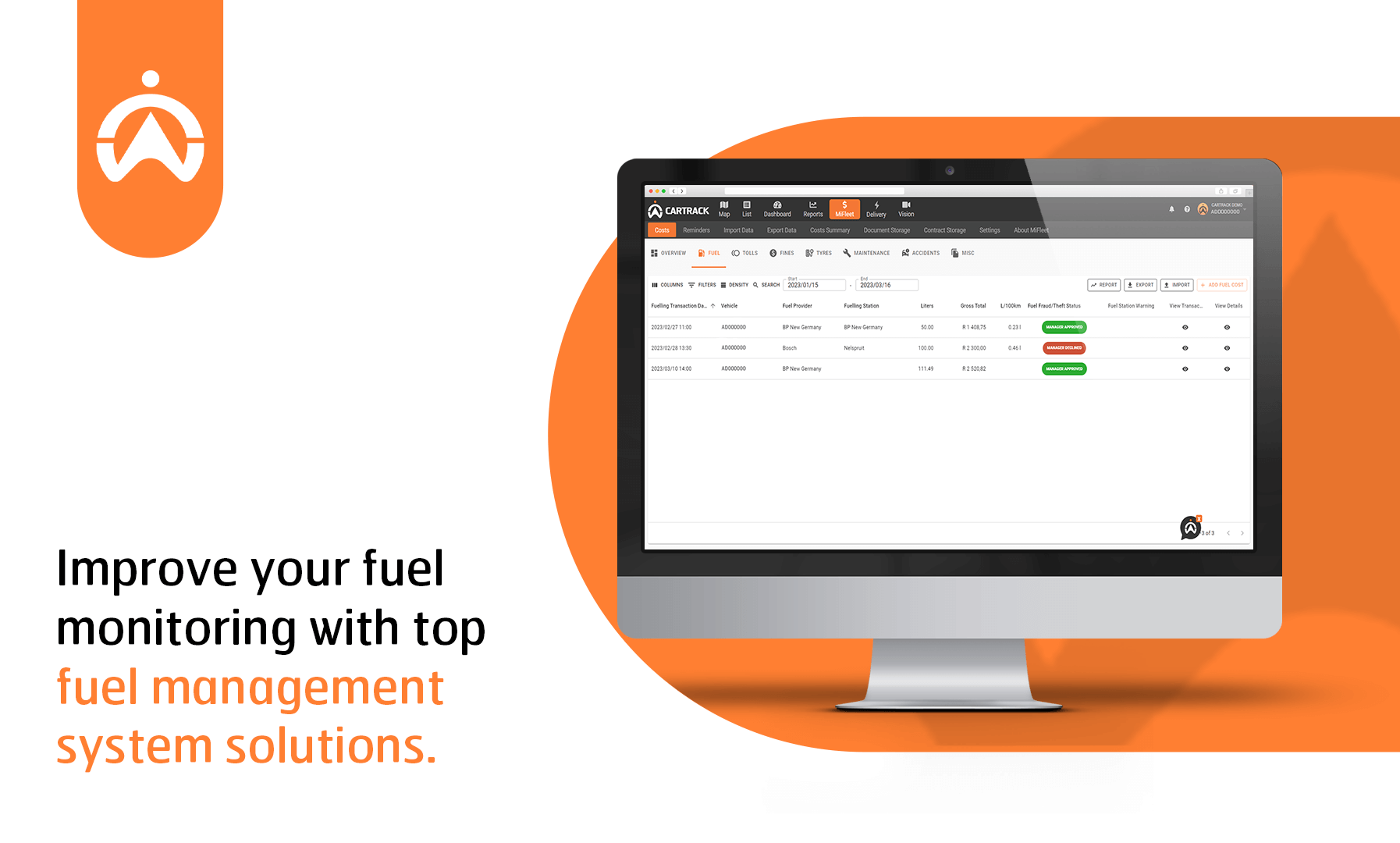
How to Improve Your Fuel Monitoring with a Top Fuel Management System

Many fleet businesses do not know where and when fuel is being stolen, unaware that fuel syphoning could be a contributor to fuel spikes. Fuel monitoring solutions will help you accurately monitor fuel consumption levels, spot possible fuel theft and drastically reduce your fuel costs.

Let’s dive into why fuel monitoring and management is a must-have for a business.  

What is the purpose of a fuel monitoring system? 

According to experts, if we consider all variable costs in the transport and logistics industry, fuel is by far the most important one. Fuel management can be the difference between going bankrupt and being successful. Statistics prove that good fuel management can save up to 10% of fuel costs, which is why you can’t afford to not optimise your fleet’s fuel efficiency.

Without a fuel monitoring system, there could be an increase in expenses and cost wastages that could be put to better use. For example, save on fuel and use the extra money to focus on a top product offering that will help grow your business. 

What does monitoring fuel consumption really mean? It means taking all possible measures to have a tight grip on your fuel usage across your fleet. Basically, knowing where every single drop of fuel is going. 

There are many ways fleet managers can get in control of fuel monitoring. For example, they could invest in a real-time fuel monitoring system or a fleet management platform. 

But first, let’s look at some fuel wastage risks: 

‍Common fuel theft methods and risks

  • Syphoning

This is typically done using a hose and manually sucking the gasoline or diesel fuel out of the tank and into a container. Thieves will steal and place this fuel into another vehicle.

  • Fuel card fraud 

Fuel card fraud occurs when someone uses a company fuel card to purchase fuel for their personal vehicle. 

  • Fuel card cloning

This when data is stolen to create copied fuel cards which are often used to fill up other vehicles with fuel at the original cardholder’s expense

  • False transactions

This is when filling stations swipe a fuel card multiple times for one refuel session, leaving the cardholder liable for each transaction and fuel they did not receive. 

No matter the type of fuel trends you want to monitor, we’ve got a fuel management solution for you.

How can I better monitor my fuel consumption?

Control every cent with Cartrack’s fuel cost monitoring system. It reviews your fuel transactions and matches fuel receipts with your vehicle’s advanced telemetry data to identify any possible fuel theft,  saving you time, money and fuel. 

‍1 – Reduce fuel wastage

Be able to monitor your vehicle tank’s daily fuel levels. Also, know how much fuel your vehicles are consuming and the mileage driven, litres used per kilometre. This data helps you reduce fuel wastage and can be used to perform industry comparisons on driver and vehicle behaviour. If there is a sudden spike in fuel consumption, you’ll pinpoint the reasons such as it could be because of poor driver behaviour, fuel theft or your vehicles might need maintenance to be more fuel efficient.

2 – Spot fuel theft 

In many instances, criminals can manage to syphon up 125 litres of fuel at a time. Sometimes it can be hard to know if fuel syphoning is taking place, especially if your drivers will need to rest on long-haul journeys, which could create an opportunity for criminals to syphon fuel while the vehicle has stopped. 

If this happens, you’ll instantly know where, when and how much fuel is taken with live alerts so you can attend to the situation immediately before you incur excessive fuel costs. 

3 – Identify fuel card fraud

Our system automatically matches fuel receipts with the amount of fuel going into the tank. Fleet managers can check if the fuel they are paying for arrives in the truck’s tank, and not into another car. This will allow you to see your fuel purchase history and see which vehicles filled up at which station, and then you can match receipts accordingly. This will answer unexplained questions for fleet managers like “why was the fuel card used when the vehicles were not in use?” or “why were there excess fuel card transactions exceeding fuel budgets?” 

There’s telematic software solutions with smart algorithms that can be used to compare your fuel receipts and fuel card transactions to your vehicle’s data. This will help you spot any inconsistencies.‍

4 – Data reports 

The best way to assess fuel consumption is through data analytics and using the reports to make decisions instantly. Monitor your rate of fuel usage, through fuel level and consumption reports, where you’ll be able to see the total fuel consumed, fuel levels at the start and end of trips, average fuel consumption, refuelling, fuel draining events and more. Track usage trends and have the data on hand for reporting – receive the reports in your inbox immediately. ‍

5 – Insights into driver efficiency 

When you receive driver behaviour reports, you can determine which drivers in your fleet need to improve their driving patterns – which is another big contributor to increased fuel costs. For example, unnecessary and excessive idling contributes to an increase in fuel. An idling car uses between 0.76 to 2.65 litres of fuel an hour. An idling truck burns approximately four litres of fuel an hour. Driver training or coaching can then be provided to empower drivers to improve their behaviours, and prevent fuel usage from getting out of hand.

How does fuel monitoring work?

A fleet provider can install fuel level sensors directly into your fleet vehicle’s fuel tank, which will monitor the volume of fuel in a tank. 

Here’s how Cartrack’s fuel sensor system works: 

  • The fuel sensor (fuel filter) is installed into a vehicle’s tank by a technician to monitor fuel levels
  • The fuel sensor measuring system has one tube which is connected to the sensor
  • When fuel is added, it fills the tube and spaces around
  • After three refills have taken place, the sensor will be calibrated and ready for use 
  • Any decreases or increases in fuel levels will be accurately measured by the sensor
  • The sensor will send information about the level of fuel in the tank to our telematics system
  • The following data can be retrieved from our system; litres, vehicle location and tank capacity
  • All this data is transmitted to the Cartrack Malawi platform and can be compiled into reports
  • Alerts can be set up to monitor any fuel loss or gain and sent to you via email or sms

‍Why a fuel monitoring system for trucks is good for business 

  • Save on bottom-line costs

Fuel is one of the largest expenses in a fleet business, and with fuel costs so volatile, managers need to conserve every drop, going into their trucks, so they can keep business costs under control. Lack of fuel efficiency in trucks can impact productivity in a business, and negatively affect profits. For example, if you spend excessively on fuel, then you have less money to allocate to other areas of the business such as hiring more salesmen to promote your business. Or you might not have enough cash flow in your business, to cover unexpected expenses. 

  •  GPS tracking 

This is part of a fleet management solution, where you can see where your trucks are 24 hours a day, and if they are operating efficiently. You can assess how your fleet consumes fuel and driving behaviours that could be affecting fuel in real-time, giving you the opportunity to take action for any fuel inefficiencies. For example, you have two drivers on their way to the same destination, driving similar vehicles and one is using far more fuel – you can do something with this GPS data to avoid unnecessary current and future fuel wastages. 

  • Identify unsafe practices 

Telematics software can give visibility into unsafe driving practices. By monitoring the team’s on-road behaviour and highlighting poor driving habits, you can help correct dangerous behaviour and set targets for safety that will improve fuel efficiency in your fleet.

  • Reduce engine idle time

One of the main reasons for unnecessary fuel waste is leaving the engine running when the vehicle is stopped for long periods. A fleet management system helps to identify how long a truck has been idling, quantify the amount of fuel used, and notify the driver so they can reduce their fuel waste and unnecessary idling. 

  • Make fuel tax reporting simpler

If there is a significant spend on fuel, then admin tasks will increase especially compiling reports on fuel levies and taxes. Filing returns requires extensive information about when and how far trucks in a fleet have travelled that year, which the system will be able to provide. It may be difficult to keep track of all this information, but through the fuel management process, fleet managers can streamline the reporting of fuel usage for tax purposes.

Save on fuel with Cartrack Malawi

If you find yourself spending excessively on fuel and your vehicles are consuming more than they should, a fuel monitoring system will help tackle that. Take control of your fleet and solve fuel inconsistencies with Cartrack Malawi’s fleet management platform.

How to stop vehicle idling and save fuel and business costs

Is idling bad for your car? It sure is. Now imagine if you have an entire fleet idling, it surely will put a dent in your business’s bottom line – and quickly too.

Whether drivers leave the engine running while unloading deliveries, stuck in traffic, taking a roadside phone call, warming up the interior in the winter months or cooling it down in the summer, every second of idling costs.

This is how idling vehicles in your fleet costs you, and we’ll give you ways to cut down on idling and save.

What is vehicle idling?

Idling is when a driver leaves the vehicle engine running when the vehicle is parked. Every day millions of cars and trucks idle unnecessarily, which can have many implications. 

What is an example of idling? 

This could be in stop-and-go traffic, drive-through lines, or loading docks. As well as running the vehicle to power heating, air conditioning, and electronic devices. 

If you are a fleet manager with multiple drivers and vehicles, you’ll want to keep tabs if they are keeping your vehicles on for aircon, offloading while the engine is on, or idling too much in traffic.

So, what is the problem with idling? 

Idling for more than 10 seconds uses more fuel and produces more emissions, contributing more to smog and climate change than stopping and restarting your engine does. Idling also contributes massively to the general wear and tear of a vehicle, a lot more than you’d imagine. 

Let’s dive into this a bit more. 

What is vehicle idling?

How does an engine idle?

On a modern fuel-injected engine, the engine idle is controlled by the engine control unit (ECU) and electrically operated by a simple throttle stop, known as an idle screw. This screw stops the throttle linkage arm from completely shutting the butterfly valve that allows air to enter.

The throttle stop allows the butterfly valve to sit slightly open, which will then let a minimum amount of airflow reach the combustion chamber. This opening is just enough to allow a specific amount of airflow through to keep the engine running when there is no physical throttle input from the gas pedal. 

Then there’s the idle air control valve or IAC valve, which uses sensors that communicate with the ECU to adjust airflow into the engine to achieve the desired engine speed at idle.

This is something to look at next time you think of warming up the engine. 

5 reasons to stop your car from idling

  1.  Less wear and tear on parts

An hour of idling daily adds up to around 102 998 km of engine wear over a year. And that’s just for one vehicle.

According to the American Trucking Association, such wear can increase maintenance costs by almost $2,000 per year and shorten the life of the engine.

The reason is that excessive idling puts a huge amount of stress on your car’s parts. An engine running at idling speed causes twice the wear on internal parts compared to driving at regular speeds.

How does idling harm vehicle engines and systems? 

Idling can cause fuel to wash away the oil which lubricates the motor, causing friction that ages the engine prematurely. Modern engines have fuel consumption regulating sensors, and idling doesn’t warm the engine well enough to enable the sensors to respond, as the fuel-to-air ratio is too rich. Partially combusted fuel can damage engines, spark plugs, and exhaust systems.

A software platform provides driver scorecards that can help increase your vehicles’ lifespan, by decreasing bad driving habits like idling, reducing accidents, and boosting your operational efficiencies. This fuels smart business overall. 

No matter the size of the vehicles in your fleet– parts and maintenance aren’t cheap. You could be using money spent on repeated repairs elsewhere, to grow your business and expand your resources.

  1. Limit health risks

Idling creates the same amount of pollution as when the car is moving. These pollutants have been linked to negative health implications and diseases including asthma, heart disease, chronic bronchitis, and cancer. 

Some studies have even reported that acute exposures have resulted in hospitalisation due to respiratory conditions while cardiovascular health conditions result from chronic exposures to pollution. 

In addition, when sitting in an idling vehicle, there is no air flow to vent the emissions. Therefore, fleet managers should also take measures to stop idling for their Drivers’ health, as they will be exposed to vehicle pollution more so than when the vehicle is moving. 

  1. Protect the environment

According to a recent Convoy survey, reducing carbon emissions remains a critical concern. In 2022, 38% of dispatchers, drivers, and owner-operators feel pressure to reduce carbon emissions in their businesses — a 3% increase from 2021. 

Research by the U.S. Environmental Protection Agency found that transportation produces 29% of U.S. greenhouse gas emissions, the highest of any sector. 

For every 10 minutes your engine is off, you’ll prevent one pound of carbon dioxide from being released (carbon dioxide is the primary contributor to global warming). 

One wasted litre of combusted diesel fuel throws 2,64kg of CO2 into the atmosphere. 

  1. Save on fuel costs

An idling car uses between 0.76 to 2.65 litres of fuel an hour. An idling diesel truck burns approximately 4 litres of fuel an hour. One of the most impactful ways for trucking companies to create sustainability is by using less fuel. Taking measures to drive fewer miles and reduce idling is a way to reduce fuel consumption idling, and thus save on costs. 

Cartrack’s smart dashboard on the software platform shows you how much fuel your fleet uses for unproductive idling. 

  1. Cut business costs 

As mentioned, idling increases maintenance costs for general wear and tear, as well as additional fuel expenditure.

This will have a direct impact on your bottom line, and overall business profits. 

5 reasons to stop your car from idling

 4 ways to reduce vehicle idling with a fleet platform

  1. Driver behaviour reports 

A fleet management platform provides data reports about driver behaviour such as idling, rough driving, speeding, braking, and cornering. If excessive idling is identified, then fleet managers can implement actions to stop this from happening.  

The software reports can also show you which drivers are idling longer than others, so you can notify these drivers accordingly. 

  1. Educate and motivate your drivers

Some people believe restarting the vehicle burns more fuel than leaving it idling, and your drivers could be among them. 

According to the Environmental Defense Fund, idling for 10 seconds wastes more fuel than restarting the engine. 
Debunking these beliefs will encourage your drivers to switch off their engines whenever the vehicle is stationary for more than 10 seconds.

When it comes to fleet management, standard operating procedures for engine idling must be part of a training programme and safety culture. 

Fleet managers should teach drivers about engine idling impacts, and how to avoid idling– to help build best practices at the onset. Ultimately, it will motivate and empower them to improve their driving.

  1. Optimised routes 

By analysing the data provided, you can track where the most idling is taking place and why, and optimise your routes to prevent this.

Traffic congestion is another main cause of increased idle time. 

You can use telematics software to optimise your drivers’ travel routes to avoid heavy traffic where possible, thus reducing idling. 

Cartrack Delivery’s route optimisation feature uses GPS and algorithms to evaluate all the possible routes for drivers to take. The telematics software assesses multiple variables when determining the best routes, including current traffic, accidents, and roadblocks. 

Drivers can adjust their routes in progress or before they start their trips. 

  1. Geofencing

You can use geofencing to reduce the time your truck idles, by putting a geofence around common idling areas. When one of your vehicles enters the geofenced area, the telematics software will send you an alert to show how long the vehicle remains in the area.

Idling on a construction site as an example

It is common for heavy-duty equipment on construction sites to spend significantly long periods with the engine idling, due to the nature of the work– and more than necessary. In these cases, idling should be monitored with the help of idling insights from a fleet platform. Fuel is one of the largest expenses for heavy equipment and vehicles in the construction industry, which is more of a reason for it to be kept under control.

Idling on a construction site as an example

 Save on the fuel and running of your fleet today

Idling can be an expensive problem for your business, but there’s a simple fix. While making drivers aware of more cost-effective habits goes a long way, our GPS and fleet vehicle tracking software can help limit idling.

What’s more? A customisable software dashboard helps you easily monitor other key metrics that matter to your business. Improve your fuel consumption, idle rates, driver safety, fleet running costs, productivity, vehicle usage, and more.

Contact Cartrack today to find out how our expert fleet management solutions can help, as well as the latest fleet technology trends.

Benefits of fuel management and fuel consumption techniques for fleet businesses

Managing vehicle fuel consumption doesn’t need to be a time-consuming task. For reliable fuel tracking, use fleet management systems to their fullest potential through fuel management and see the difference.

One of the biggest responsibilities managers take on is finding ways to minimise the costs associated with running a fleet. Fuel management just makes this process a lot easier.
Here’s how fuel management can help you calculate the average fuel consumption rate in your fleet.

Fleet management and your business’s fuel economy

Fleet management fully monitors vehicles and gathers data on each vehicle as they run. With each trip taken, the system automatically tracks fuel consumption levels and notes the speed at which the fuel is burned.

With this information, telematics gathers all vehicle data and translates it into easy-to-understand information, and compiles it on the manager’s fleet platform.

The type of information gathered for prime fuel efficiency includes:

  • Speed 
  • Full history of vehicle usage 
  • Vehicle routes 
  • Maintenance issues
  • Idle time
  • Driving behaviour

Now, managers will have full access to fleet diagnostics and valuable insights that will allow them to make informed decisions about how to improve their fleet for a greater, greener business.

 How to boost vehicle performance

Managers are constantly looking for fresh and inventive ways to keep up with their fleet and get the most out of their work operations. With fuel being one of the most valuable resources in use, managers need to take the necessary steps to ensure it is not being wasted.

Fuel management is a subdivision of a fleet management system that uses fleet telematics to:

  • Read fuel levels in real-time 
  • Keep track and improve fuel efficiency 
  • Reduce fuel consumption 
  • Instantly notify managers of fuel change

Fuel management systems can give you detailed information about your fleet’s fuel economy. You can determine whether your fuel usage has increased as a result of incorrect tyre pressure, misaligned tires, or vehicle weight.

All this ultimately helps managers better handle their fleets’ fuel consumption performance automatically, making fuel monitoring a crucial component of fleet management.

How to boost vehicle performance

Fuel economy defined

Fuel economy is the distance vehicles travel with a given amount of fuel, meaning it’s a form of vehicle thermal management that measures how much a vehicle consumes energy in fuel and turns it into kinetic energy to travel.

Fuel economy technologies show that vehicles with reduced fuel consumption burn less fuel than other vehicles and produce lower levels of carbon emissions.

So, how does a fuel management system work to preserve energy?

With GPS technology, fuel management systems automatically create different graphs comparing fuel usage based on previous trips taken. These graphs give business owners operational insights that aid in identifying a variety of technical and usage-related problems.

Fuel consumption management is extremely beneficial to fleet managers for the simple reason of its ability to reduce operational costs. Fleet management also provides a complete overview of transportation to manage your fleet operations and business logistics in the current economy with ease.

A fuel management system provides you with accurate data on:

How to reduce fuel consumption with fuel monitoring

Fuel expenses seem to grow with each passing year, so when it comes to planning, budgeting, and managing fuel costs, fleet managers use a few tips to give their tanks a break.

1. Driving Behaviour
They investigate how their team of drivers operate their vehicles and, through training, can change their driving behaviour for the better. Poorly driven vehicles use up more fuel than expected and contribute to maintenance issues in the future.

2. Vehicle inspections
Bad driving habits result in damaged vehicles, so frequent vehicle inspections for any maintenance issues that could contribute to excessive fuel usage and increased maintenance costs are recommended.

3. Route management
Finding the most fuel-efficient route avoids excessive fuel consumption and cuts down on overall delivery time.

For more fuel-saving tips, click here.

How to reduce fuel consumption with fuel monitoring

Benefits of fuel management

A great fleet manager can split their focus between all the factors that affect their fleet. If you manage a fleet efficiently, you’ll notice that fuel economy is just one of the many obstacles you have to tackle.

There’s also:

  • Fuel consumption management
  • Internal and external fuel fraud
  • Unnoticed fuel leakages
  • Complex and time-consuming fuel reporting

How do fuel management tools help tackle these issues?

  1. Improve accuracy – Get the data that is travelled by your fleet and calculate the amount of fuel consumed with fuel monitoring systems. You can also save the data for later analysis with the help of an automated fuel control system.
  2. Improve fuel efficiency – With this, you can track your vehicle maintenance and driver routes. Implementing efficient driving routes is necessary to make cost-effective decisions so that misuse of excessive fuel consumption can be eliminated.
  3. Reduce fuel theft – Fuel theft is considered a big issue in the fleet industry. Using a fuel monitoring system can reduce fuel theft attempts by recording fuel consumption, fuel-related expenses and identifying security issues within your fleet to implement solutions.
  4. Automated reports – Reports can be received on events in real-time, like fuel levels, unauthorised vehicle usage and frequent engine idling so that you are able to investigate what your mileage is, as well as any irregular fuel economy.
  5. Maintain compliance – Fuel consumption software will make sure that your fleet adheres to emission standards. There are many places where CO2 emissions are heavily regulated.

Managers can access information from their laptops or phones since the software allows for remote usage. With this and an internet connection, you don’t have to deal with outdated stocktaking or tank management from the office. You can do it all from virtually anywhere.

Reduce fleet costs with a trusted fleet management company

Cartrack’s smart dashboard provides swift fleet monitoring for your whole fleet and many more benefits for fellow managers. 

Learn more about fuel consumption, and use Cartrack fleet management solutions to fix it.

Visit us today to start saving on fuel.

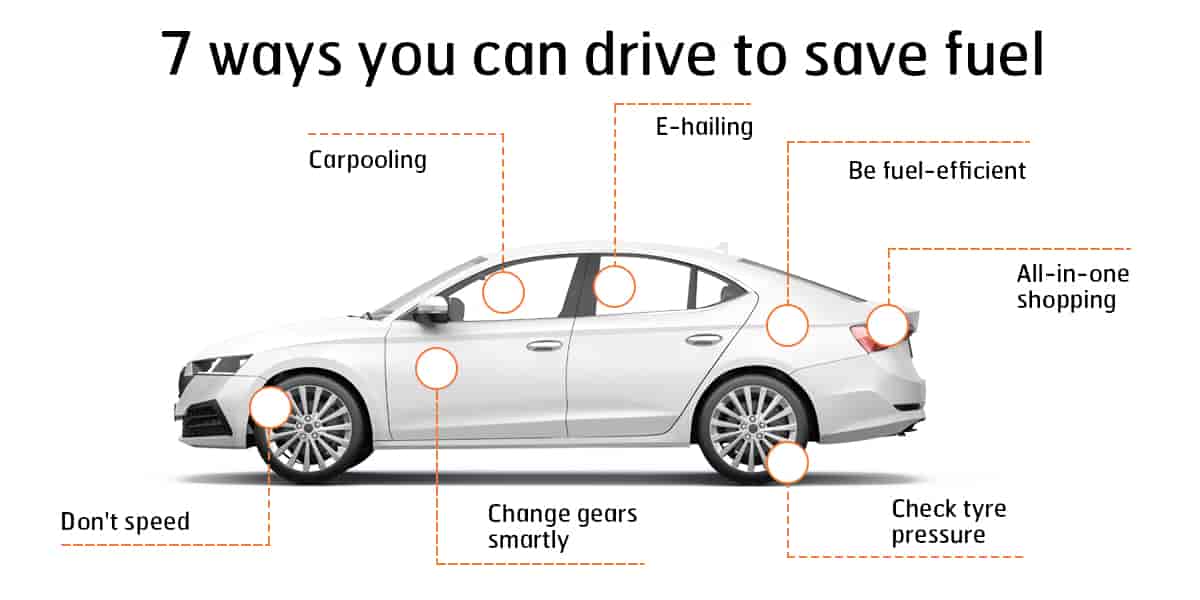
7 ways you can drive to save fuel

With the general cost of living on the rise, be it fresh produce or monthly rent, the recent petrol price spike is beginning to seem like a stretch too far for many. Although we can’t bring the petrol prices down, we can give you some fuel-saving advice that could help keep your wallet a little fuller each month.

For many of us, saving money and drafting a budget doesn’t come naturally. Most often, we end up spending the money we initially saved. Well, don’t stress, we are going to unpack a few ways you can burn fewer fumes and save more cash. 

We know millions of South Africans are feeling the pinch at the petrol pumps. That’s why Cartrack is giving motorists something to smile about. 

#ExploreMore with Cartrack, sign up and stand a chance to win your share of R25 000 in petrol vouchers. While you think about that, here are some free fuel-saving tips you can put to the test the next time you’re out on the road:

How-safe-driving-habits-can-become-a-fuel-saver

1. Drive like your petrol depends on it

Keeping your engine on while your vehicle is not moving is not advised, here’s why: Idling while driving burns an unnecessary amount of fuel and puts additional stress on some parts of your vehicle that could become damaged as time goes by.

Contrary to popular belief, continuously switching your car on and off while stuck in traffic, does not burn more fuel than leaving it idling, in fact, idling burns more. We elaborate on this in more detail in another article that explains how turning off your engine when not moving for longer than 10 seconds can be a simple fuel-saving solution that also saves on business costs.

2. Don’t speed

Sure, this activity may feel like you’re getting from A to B faster, but speeding is one of the biggest contributing factors to rapid fuel consumption. Simply put, vehicles naturally use the most energy when accelerating.

If you are serious about getting the most litres per kilometre, we recommend you leave the bad driving habits like speeding, abrupt acceleration and braking, for the race track and stick to the rules of the road. Exercising safe driving and driving the recommended speed limit, especially on long-distance roads, will improve your vehicle’s fuel economy drastically.

3. Change gears smartly

If you have a manual gearbox, switching gears too early may be another reason why you find your fuel light turning on empty a lot sooner than you expect.

Not giving your vehicle ample time when changing gears from a higher gear to a lower one will increase fuel consumption and engine strain as the engine is still continuing to run at a higher rpm while shifting into a lower gear, making the engine work harder than it should.

To help lessen the load on your engine, keep your revs per minute low while cruising, preferably between 1500 and 2000 rpm, and below 3000 revs while accelerating on a highway. This will provide you with the optimum fuel efficiency for your engine.

4. Check your tyre pressure

Believe it or not, the state of your car impacts your petrol usage. Being up to date with servicing your car and frequently checking on its maintenance are good habits to have if you hope to save on petrol.

Underinflated tyres take up more space on the road, causing them to drag while driving. This increases resistance and fuel consumption as you continue to use them.

Depending on your manufacturer, you can typically find the recommended tyre pressure on the inside of the door or in the manual. For low-rolling-resistance tyres, you can have the pressure pumped up to 0.3-0.5 bars above the recommended level for a smoother ride.

5. Make shopping an all-in-one experience

Another smart way to make every drop in your tank count is to make shopping a “one-stop-shop”. Imagine this, you’ve finally finished your long day at work and are about to head home. You get home, open the fridge and realise you’re all out of ingredients. Before even putting your feet up, you’re already out the door, heading to the shops.

Next time, head to your local shops on your way home and buy whatever you need. Simply planning your trips or routes before heading out can help you avoid burning unnecessary fuel.

6. Carpooling

“Hitching a ride,” or more commonly “carpooling,” is the next big thing when thinking of sparing your own petrol. According to Business Tech, carpools and lift clubs are South Africans’ go-to options for beating record-high petrol prices. 

Besides saving money on fuel costs, alternating lifts let you sit back, relax, and listen to music while you’re being driven around town. If more people started carpooling, fewer cars would be on the road, traffic would be greatly reduced and air pollution would slowly decrease. 

Carpooling also helps to prolong the life of your own vehicle, as your monthly mileage will be significantly reduced. Although this fuel-saving method is very popular, it could have an impact on insurance premiums. 

For instance, if you’re the designated driver and you receive payments that exceed just the petrol and parking costs, your insurer could view this as a commercial transaction and require you to switch to business insurance or obtain a special permit for carpooling.

7. E-hailing

If you don’t have a group to drive with or simply don’t enjoy the company of local strangers, then e-hailing services might be for you. With e-hailing, you don’t have to worry about how much petrol you have left or putting extra wear and tear on your own car. You just open an app, order a car, wait for the driver and enjoy the ride. 

These days, there are multiple e-hailing apps to choose from, including Uber, Taxify, inDriver and many more. All these services offer different pricing on rides and offer their own special discounts on their respective mobile apps from time to time.

Save-fuel-by-implementing-safe-driving-habits

Fuel positive helper

There’s also technology out there that can help you monitor your vehicle’s fuel usage. You can track how much fuel your fleet or vehicle uses every day with Cartrack’s smart dashboard. By analysing the data provided by the devices installed on your fleet or everyday vehicles, you can learn where fuel is consumed most and why.

Cartrack can also calculate the safest and fastest route you should take when driving, so you don’t have to burn extra unnecessary fuel getting to your destination. Visit us today to start saving on fuel.