South Africa
 Botswana
 Kenya
 Namibia
 Mozambique
 Nigeria
 Swaziland
 Tanzania
 Zimbabwe
 Hong Kong
 Indonesia
 Singapore
 Malaysia
 Philippines
 Thailand
 New Zealand
 Vietnam
 Poland
 Portugal
 Spain
 United Arab Emirates

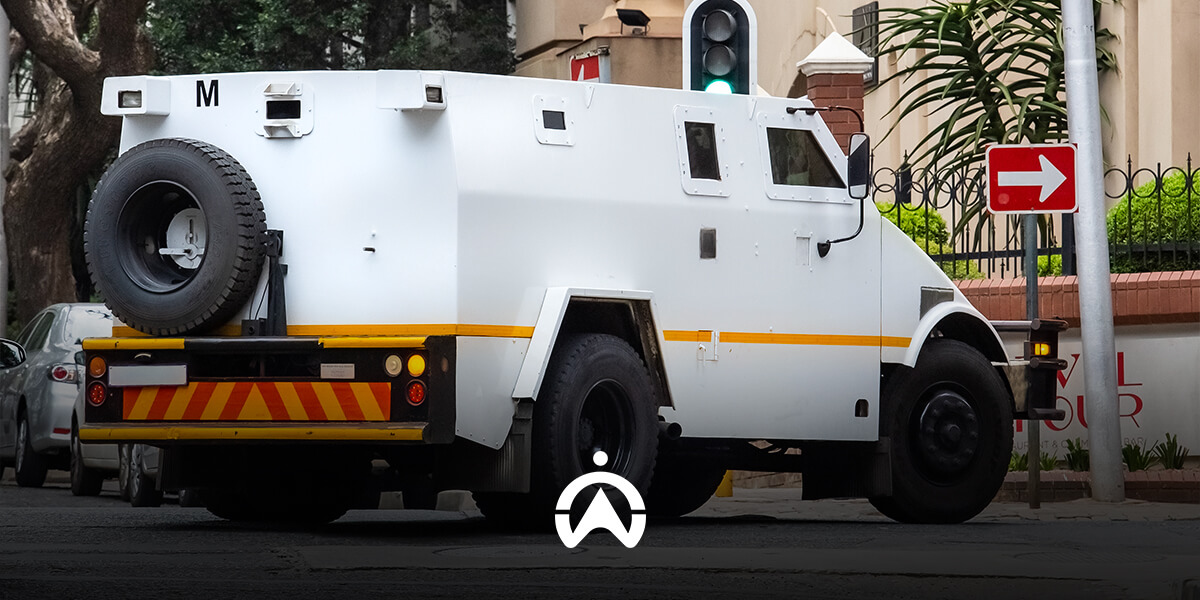
High-value goods range from luxury items and electronics to sensitive medications, premium cigars, alcohol, livestock, and fine art. These goods have high value, making them prime targets for criminals and more susceptible to theft and hijacking than regular goods.
Given their importance, high-value goods require exceptional care and attention during transit. A single security lapse can lead to substantial financial losses, harm a company’s reputation, and disrupt multiple industries.
Let’s discuss the risks involved in transporting these valuable items and explore how advanced technologies like Cartrack’s fleet management solutions can help protect them while on the road.
In this article, you will:
- Learn more about the risks associated with the transportation of high-value goods
- Understand how technology can help mitigate these risks
- Explore the key best practices for protecting your goods while in transit
- Know how Cartrack solutions can help you protect your cargo
What Are the Risks of Transporting High-Value Goods?
High-value items are at an increased risk of theft due to their desirability. These goods can also be easily damaged and often come with strict regulations that must be considered during transit. Let’s take a closer look at these risks:
Theft or hijacking
According to the Transporters Association of Malawi (TAM) , the most commonly targeted cargo includes wheat, fertilisers and polythene. This highlights that high-value goods are prime targets for criminals, who may either steal the items or hijack the entire vehicle.
High-value goods are highly vulnerable to theft and hijacking during transit because they go through multiple handovers, such as drivers, logistics companies, and warehouse teams. These goods are often left unprotected at unsecured rest stops or while being transferred between locations. With each handover, the risk of theft increases, as security can be inconsistent. Unlike at warehouses, which have strict security, the lack of continuous protection during transit makes it easier for criminals to target the shipment.
Accidental Damage
Due to the delicate nature of most high-value goods, they are most likely to be damaged during transit. This may result from improper handling, incorrect storage, inadequate packaging, accidents, adverse weather, and poor road conditions. For temperature-sensitive products, it could be that the temperature was incorrect throughout the trip, resulting in spoilage of items, and compromising their quality.
Accidental damage causes significant harm to the cargo, resulting in financial loss and customer dissatisfaction.
Regulatory and Compliance Risks
Noncompliance with regulations is a significant risk when transporting high-value cargo, particularly for items like pharmaceuticals or international shipments. Noncompliance with legal and safety standards can lead to hefty fines, legal action, and reputational damage. It’s important to ensure all regulations are met to avoid these risks during transit.
How Can Technology Mitigate the Risks of Transporting High-Value Goods?
Technology plays an important role in mitigating risks associated with transporting high-value goods. Through GPS tracking and telematics, you can be in charge of your fleet at all times and will be able to act swiftly before anything happens to your cargo.
Here are some ways technology can enhance safety and security:
- Real-time GPS tracking: You will know the location of your cargo through continuous tracking.
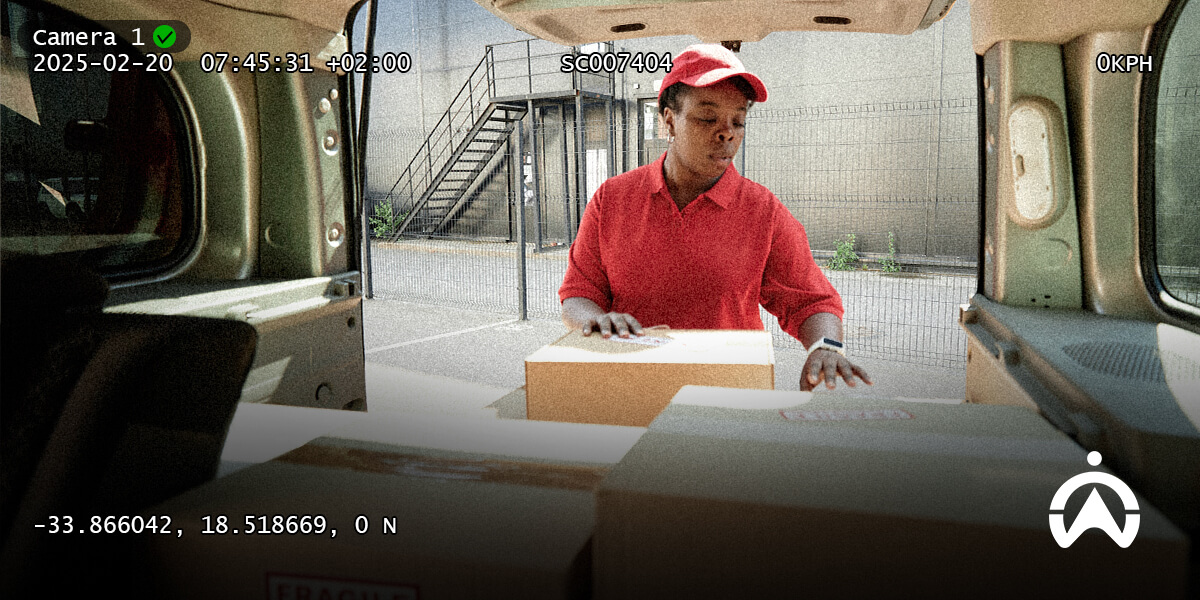
- Vehicle surveillance: Cameras and an alarm system add an extra layer of security to your fleet by deterring theft. Cameras equipped with AI technology allow you to monitor driver behaviour and provide training where necessary.
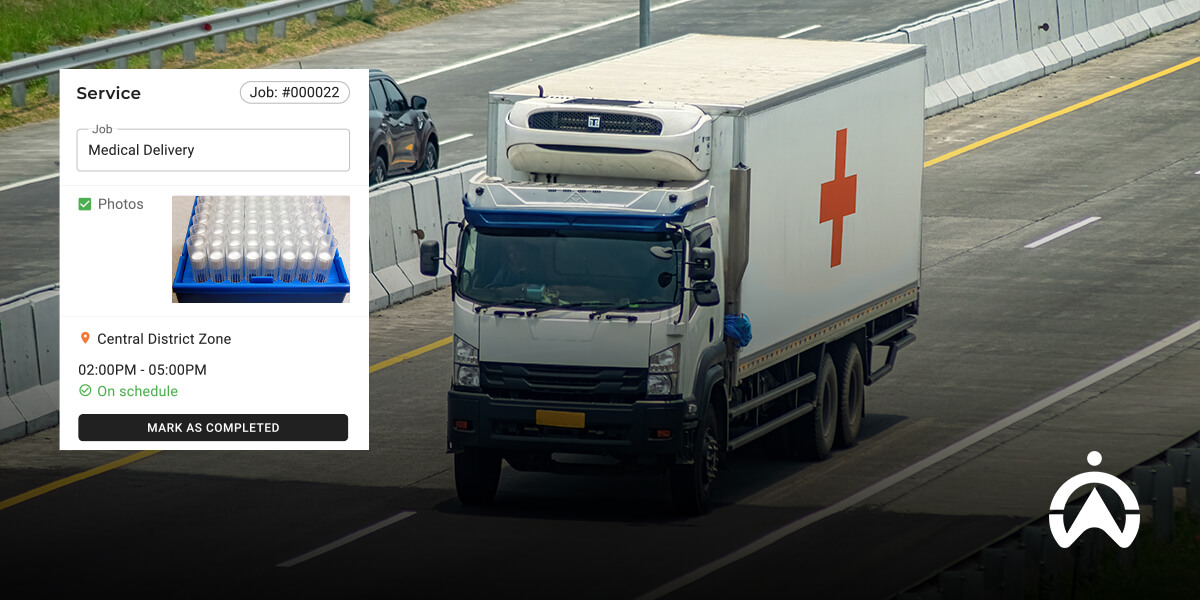
- Temperature monitoring for sensitive goods: Having temperature sensors will ensure that your sensitive cargo remains in good condition throughout transit, avoiding spoilage and waste.
- Automated alerts: Instant notifications and alerts allow fleet operators to take action if there are any changes to the fleet. This includes vehicle deviations or changes in temperatures.
- Remote immobilisation: Many tracking systems feature immobilisation options, enabling fleet managers to disable the vehicle remotely if stolen. This improves the chances of recovery and ensures better protection for the vehicle.
What Are the Best Practices for Protecting High-Value Goods in Transit?
When protecting high-value freight during shipment, you need to have a strategy that covers all bases. This means enhancing your security, conducting regular inspections and maintenance, and minimising stops on the way.
Here are some key best practices to help you get it right:
Strengthening Security Protocols for Drivers
Fleet operators should train drivers in secure cargo handling and emergency response protocols. These training programs will equip drivers to know how to identify when something is wrong, and they will be able to act swiftly in an emergency.
Drivers must ensure they know which protocols to follow while on the move; this includes checking for tampering, knowing how to use panic buttons, and reporting incidents immediately.
Drivers are basically in charge of your cargo and vehicles, so they must be protected at all times to ensure that the goods get delivered safely and securely.
Conducting Regular Vehicle Inspections and Maintenance
It goes without saying that the vehicles used to transport these high-value goods need to be properly maintained to avoid unnecessary breakdowns on the road.
Managers must schedule regular inspections and ensure that vehicles go for servicing as and when required to prevent breakdowns. These inspections include checking security systems such as alarms and GPS tracking devices to see if they are still functioning as they should.
Regular checks can help identify and solve issues before they become major problems, posing potential threats to the cargo.
Minimising Stops and Delays During Transit
In order to make timely deliveries, fleet operators must make sure that the routes have minimum stops. Fewer stops reduce the risk of unauthorised access or tampering while improving fuel efficiency and delivery timelines.
How Can Cartrack Solutions Help Protect High-Value Goods?
Cartrack’s fleet management solutions ensure that your high-value freight is protected throughout its journey, ensuring that products are delivered in the right condition. Here’s how:
- GPS tracking: Fleet managers have full fleet visibility through real-time GPS tracking, which allows them to monitor vehicle locations, track routes, and respond quickly to any issues or delays.
- Route optimisation: Cartrack’s fleet management software allows operators to optimise routes, ensuring timely deliveries. This feature enables drivers to use the fastest routes with less traffic congestion to avoid delays. You will get alerts if the vehicle deviates from these planned routes.
- Geofencing: Operators can identify unsafe areas such as hijacking hotspots and set geofences around these zones. They will be notified via SMS or email should the vehicle enter these zones.
- Temperature sensor: Cartrack’s temperature monitoring solution supports up to four sensors per vehicle, ensuring real-time oversight of perishable goods.
- AI-powered cameras:Cartrack’s AI-powered cameras act as an extra set of eyes on the road, helping operators monitor driver behaviour. The cameras detect unsafe behaviours such as harsh braking, speeding, smoking, or mobile phone usage. Our AI dual-vision cameras will audibly send alerts to the driver in real-time so they can correct their behaviour.
- Panic button: If drivers are in a compromising situation like an emergency or a hijacking, they can simply press the panic button, which will instantly send a silent alert to our control room. An operator will instantly alert the fleet manager and coordinate emergency response if required.
- Cargo door sensor: Cartrack’s cargo door sensors instantly detect unauthorised access and trigger alerts for swift action.
- Start prevent: Fleet managers can immobilise a vehicle on the fleet management web interface. The vehicle will be immobilised once the ignition is turned off, ensuring the safety of both the vehicle and the driver.
- Driver scorecards: Our driver scorecards track high-risk behaviours like speeding or harsh cornering. Each driver receives a rating, allowing fleet operators to pinpoint areas for improvement and offering the opportunity to coach drivers and improve their driving habits.
Cartrack offers you solutions to protect your cargo better, leaving you with satisfied clients. Contact us today for a tailored security solution.
Frequently Asked Questions about high-value goods
Q: What type of insurance is necessary for transporting high-value goods?
A: To cover your high-value goods, get an all-risk insurance, which offers the most comprehensive coverage. It protects your goods against a wide range of risks, including damage, theft, loss, and accidents.
While we don’t provide insurance directly, our insurance agency can help you find the right insurer that fits your needs and budget.
Q: Does Cartrack offer any solutions for improving the safety of high-value goods during nighttime transport?
A: Yes, we do. It is important to note that our GPS tracking units continuously track your vehicles 24/7, and our operators are also available to assist you with anything you need. Our cameras are designed to perform effectively in low-light conditions, which means they will be able to capture clear and reliable footage even at night.
Q: Can a fleet management system help recover stolen high-value goods?
Yes, Cartrack’s fleet management system can help recover stolen high-value goods. With real-time GPS tracking, geofencing, and instant alerts, fleet managers can quickly locate stolen vehicles and coordinate with law enforcement and Cartrack’s recovery team to recover the vehicle transporting the goods.