South Africa
 Botswana
 Kenya
 Namibia
 Mozambique
 Nigeria
 Swaziland
 Tanzania
 Zimbabwe
 Hong Kong
 Indonesia
 Singapore
 Malaysia
 Philippines
 Thailand
 New Zealand
 Vietnam
 Poland
 Portugal
 Spain
 United Arab Emirates

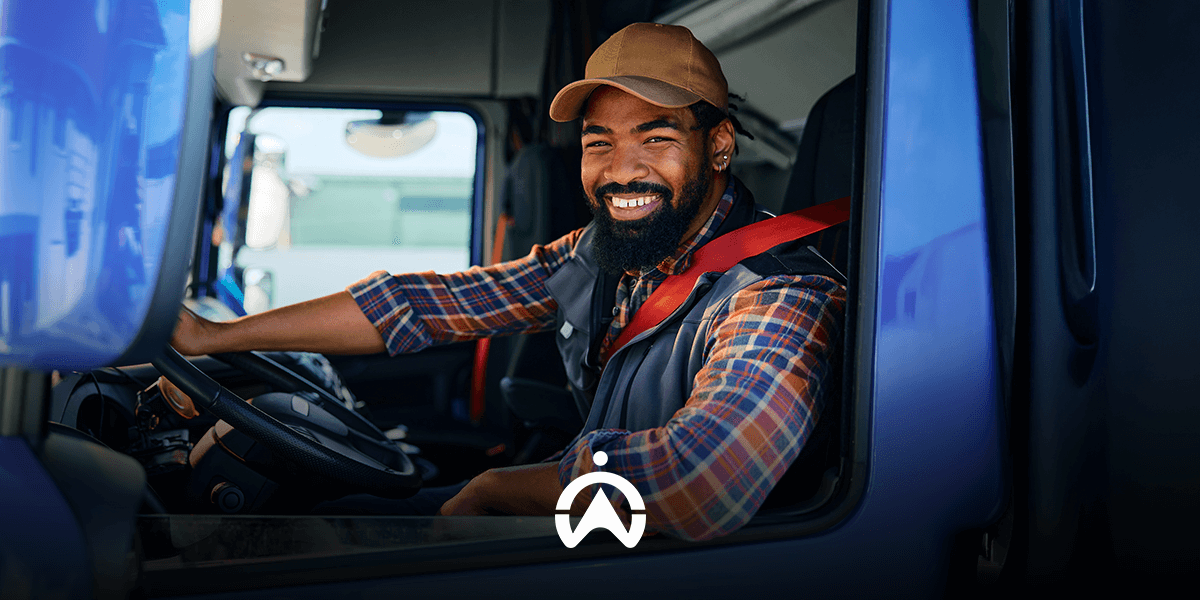
When running a fleet business no other resource matters more than your drivers. Managing them requires efficiency and good planning, this is what allows for safer travel and optimised delivery of goods and services. For this efficiency and optimisation to happen, drivers must perform at their best at all times.
A good way to encourage better driving practices and behaviour is by implementing a driver incentive program. One way of doing this is by using dashcams to record trips and overall driver performance.
This blog will discuss how driver incentive programs and dashcams can help improve driver safety through coaching.
Let’s get into it.
In this article, you will:
- Learn about driver incentive programs
- Find out what role dashcams play in driver coaching
- Discover how to implement an incentive program
- Understand the legal considerations of using dashcams
- Learn how Cartrack’s dashcams can work for you and your coaching program
What Are Driver Incentive Programs
An incentive program is a reward-based method to motivate someone to complete an action. These programs leverage the power of rewards to align behaviour with business goals. When incentives are used in a work setting as part of a formalised system with business goals, it’s called an incentive program.
The goal of an employee engagement program is to improve workplace performance and culture while retaining employees with rewards and recognition. One of the biggest benefits of incentive programs is their flexibility as they can be tailored to suit the goals of the company, with enough room for occasional adjustments.
There are many types of incentive programs, each with its own process and reward structure. Here are some types of incentives offered:
- Monetary bonuses: The most common incentive program is bonuses for good or outstanding performance. This comes in the form of a cash reward usually based on a percentage of the driver’s salary.
- Recognition: Getting official recognition is another popular incentive that employers use. This could be an award given at the end of the year or any other public declaration of the driver’s great performance. The most common version of this is an Employee of the Month program that rewards a driver monthly for meeting or exceeding company goals.
- Career development: Creating a reward structure that promises high performers a chance at career development is a very effective incentive program. This offers a clear path for drivers to see how to progress in their careers, this progression can be in the form of a promotion or skills development.
These incentive programs benefit both companies and drivers as they offer reduced costs, increased morale, and better customer service overall.
The Role of Dashcams in Driver Coaching
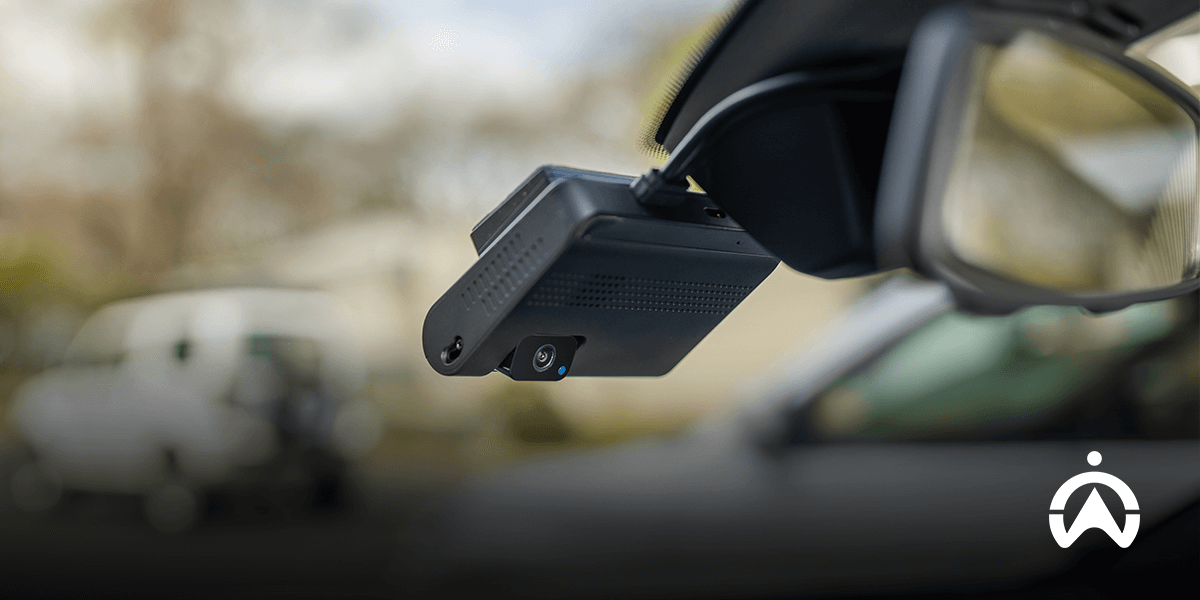
When it comes to monitoring driver behaviour only a few other technologies work as well as dashcams. They offer comprehensive recordings of trips, offering alerts for distracted driving and other offences. Let’s learn more about modern dashcams in a business setting.
How dashcams provide insights into driver behaviour
As a fleet manager, monitoring drivers as they perform their deliveries is important, this is why the use of dashcams is highly advised. They offer real-time video recordings of the journey and give the fleet manager insight into how the route usually goes, providing areas of improvement.
Modern dashcams offer a range of AI-powered solutions that assist in reducing accidents. One of these is event-triggered alerts that inform the driver and fleet manager on specific behaviours such as smoking and distracted driving.
The use of AI for analysing driving patterns is now an industry standard for most fleet management software. Key features of AI-powered dashcams include:
- Real-time behaviour analysis: This feature identifies incidents of distracted driving, driver fatigue, and forward collisions.
- In-cabin alerts: Gives instant feedback to drivers to avoid an incident or an accident.
- Data integration: They have integrated connectivity with fleet management platforms to enhance organisational procedures.
Why use dashcams for coaching and training drivers
Dashcams are reliable mechanisms that have been in use for a number of years now. Using them for coaching and driver training is ideal as they provide objective feedback that can not be easily disputed. The biggest benefit of using dashcams for driver training and coaching is that they help in identifying areas of improvement. These can often be hard to figure out and spot without actual footage of the incident. Some common types of incidents you may want to respond to in coaching include:
- Smoking
- Fatigue
- Forward collisions
- Camera cover or tampering
- Cellphone use
- Seat belt compliance
- Distracted driving
Monitoring these incidents and using them as a source for coaching is highly beneficial as it gives drivers real-world context. Failing to adhere to the rules leads to drivers getting demerits that can accrue over time. This is useful not only for the drivers but the business as well as it will have a comprehensive catalogue of offences that most drivers commit. When done correctly this can lead to safer trips overall. There are three main occasions when it is best to coach drivers, these include:
- Onboarding new employees
- In response to incidents
- Ongoing scheduled basis
Following this process is useful as it will assist in reducing liability and incident frequency. Additionally, this footage can help lower insurance claims costs, and help protect your brand. Dashcam footage can also significantly expedite and simplify the resolution of disputes arising from traffic incidents. By offering an objective, first-hand account of the events leading up to an accident, these devices can help establish fault and facilitate fair compensation for the parties involved.
How to implement Dashcam-Based Coaching Programs
In order to maximise on your dashcam footage and create incentives, a coaching program needs to be put in place. This will serve as a system to encourage better driving and make the overall management of drivers easier. This coaching program can be administered during the journey, after a trip and even during performance review sessions. The goal is to encourage better driving habits from drivers and improve fleet performance holistically.
Here is a step-by-step guide on how to create the right program for you and your drivers.
Step-by-step guide on how to implement a dashcam-based coaching program:
- Selecting the right dashcam solution for your fleet.
The first step is choosing the best dashcam solutions for your business. This must be a solution that aligns with the goals of your company and the program you are setting up.You must consider whether you will need just one camera or more; whether it will have AI-powered features; and how much storage and recording capacity it will have.
- Integrating dashcams with fleet management systems.
In order for this process to run smoothly the dashcams should be able to be integrated with whichever fleet management system your business has in place. This is essential as it will simplify the monitoring and reporting process. The tools in the system should support the features in the dashcam solution so that there is a seamless integration of the two.
- Developing clear coaching and feedback protocols.
Once the system is integrated the next step is to establish clear coaching and feedback protocols. This means drivers will need to know how and when the coaching happens, from whom it will come, and how to give feedback on the coaching. This will assist in measuring incentives and determining who to award them to.
- Aligning coaching sessions with incentive programs.
The goal of the coaching sessions should be clearly stated, aligning with how the incentive program will run. This could mean explicitly stating which goal leads to which incentive or creating a points system that accumulates over a certain period of time. A driver should find it easy to understand where the coaching intersects with specific rewards from the incentives program.
Tips for a Successful Coaching Program
In order for the coaching and rewards program to work successfully there are some vital things to consider. Consistent feedback is essential for coaching, especially when people’s careers are on the line. The feedback should not just be in one direction, drivers should be able to give feedback on their coach’s performance as much as coaches do.
This leads to the next component to consider fairness. A program like this requires transparency so that drivers do not feel that there is bias or favouritism in how the coaching works and how incentives are given. It is this fairness that will keep drivers engaged in the program, unfairness will lead to disgruntled drivers and a drop off in performance.
Celebrating improvements is equally as important, not just celebrating the top achievers. This kind of recognition will make all the participants in the program feel seen even when they are not receiving rewards from the incentives program.
Future Trends in Driver Incentives and Dashcam Technology
There are many emerging advancements in dashcam technology sweeping the fleet management industry. The most prevalent of them all is AI integration in camera systems. This involves development in other areas such as machine learning and cloud storage capabilities. All these elements work together to form Advanced Driver Assistance Systems (ADAS) which aim to enhance driver safety.
Integration with telematics and predictive analytics is where the industry is going, with most fleet management systems already using these technologies. This is especially true for dashcams and driver behaviour monitoring.
The development of these technologies has made it easier to implement and run driver incentive programs. The evolving role of incentive programs in companies is a sign of how many drivers prefer it. Most driving job offers now include this as part of the employment package, making it a deciding factor for many in a competitive market.
Cartrack’s Dashcams and Coaching Solutions
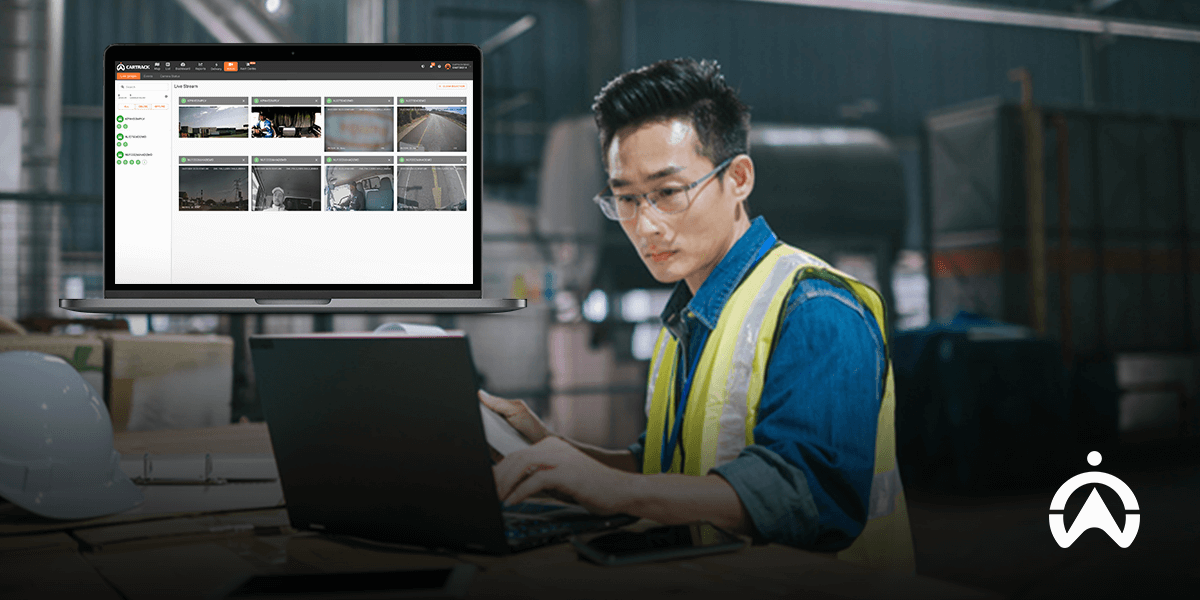
At Cartrack we offer a variety of camera solutions where you get to monitor your fleet with road and cabin-facing AI dashcams. You can get up to 8 internal or external cameras to help keep your drivers, fleet, and cargo safe.
This solution comes with preventative in-cabin voice alerts that let drivers know about potential safety violations so they can correct them immediately. Our event-based footage instantly gives you the exact footage you need, when you need it. Our AI-powered cameras analyse internal and external surroundings, allowing you to detect and alert drivers in real-time about any high-risk behaviour so they can avoid accidents. All footage of any incidents is stored on our cloud platform and can be used to coach drivers on how they can improve their driving behaviour.
You will have no more wasted hours spent going through hours of footage hoping to find what you’re looking for. You can live-stream the recordings for any active vehicle using Android, Apple or Huawei. View categorised event-based footage for any safety events captured, request footage based on a time and date or live-stream footage for any active vehicle.
As we move into a new technological era in fleet management it is advisable to make use of the tools currently available, such as dashcams. Combining driver incentive programs with dashcam-based coaching is one of the ways in which you can optimise your business and increase overall driver safety.
If you are looking for a reliable and trustworthy dashcam and AI-powered camera system, then make sure to contact us to learn more about our offering.
FAQs
How much does it cost to implement dashcams in a fleet?
Contact us at Cartrack to get a quote on our range of dashcams and cameras.
Are there privacy concerns with using dashcams in Malawi?
There is no specific law clarifying their legality or how the footage can be used. This means that recording people in public without their knowledge could potentially raise privacy issues, especially if the footage is shared without proper justification; however, dashcams are generally considered legal to use when recording public spaces such as roads.
What types of incentives work best for drivers?
The most effective incentive programs are cash bonuses and career development opportunities. These two options provide actual benefits to drivers that can positively impact their lives.
How quickly can results be seen after implementing these programs?
This will depend on the type of reward structure in place, but it is typical to see results in the first month after implementation.