What Are the Fleet Data Metrics You Should Be Tracking

Data plays a critical role in modern-day fleet management. It gives you all the insights you need for smooth fleet sailing, forecasting, and improving the bottom line. As a fleet manager, you must know which metrics to track to get the most out of your fleet.

To simplify this, we have gathered our top essential fleet management metrics that should align with your business objectives and help you improve operational efficiency.

In this article, you will:

  • Discover the importance of fleet metrics data
  • Find out the top fleet data metrics to track
  • Learn how fleet software simplifies data metrics
  • Uncover the Cartrack solutions that will provide you with all the data you need

Why do fleet metrics matter to your business?

Fleet data metrics provide insight into how well your fleet is performing. This information helps you manage your vehicles more easily and increase your profits. By focusing on the most critical metrics, you can establish goals to ensure your operations run smoothly. This data also helps you make smarter decisions, like saving money, improving safety, and following all the rules and regulations.

Top fleet data metrics you should be tracking

Here are the key metrics to focus on for better, more efficient fleet operations:

Operational metrics that impact efficiency

Vehicle utilisation rate

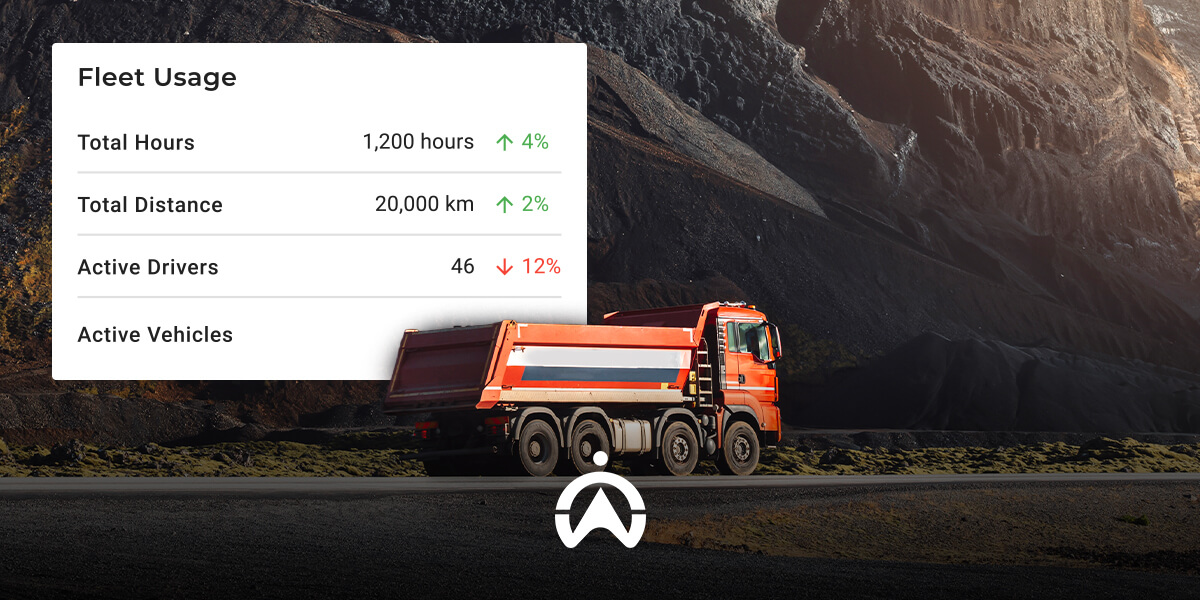
You must track the average hours of use for each vehicle per day, the kilometres given, and the idle time. Know how frequently and effectively each vehicle is being put to work to identify those that are underused or overused. Through this, you will pick up if you need more vehicles or need to size down. Monitoring the utilisation rate of vehicles also helps avoid the issues of certain vehicles being more prone to wear and tear, which reduces their lifespan.‍

Driver behaviour

Monitoring driver behaviour contributes to a safer fleet, better fuel usage, compliance with regulations, and reducing wear and tear. This can be done through telematics, where you can use the technology to see when drivers are practising risky driving habits, such as harsh braking and speeding or wasting time and fuel by idling for too long. The key is to get reports that show how often these incidents occur so you can notice patterns, train drivers, and reduce the incidents.

Route and delivery efficiency

Route efficiency directly impacts the overall fleet operations. Without proper planning, there is a higher risk of increased fuel consumption and delivery delays. Find out how many drivers use the recommended routes versus deviations. In doing so, you will see how effective the planned routes are and how much fuel is going down the drain through detours.

Evaluate how reliable and prompt deliveries are by checking the on-time delivery rate or service completion rates, as this is vital for customer satisfaction. Review the number of missed or redirected deliveries and analyse the data to notice patterns which could indicate greater concerns relating to delivery efficiency.
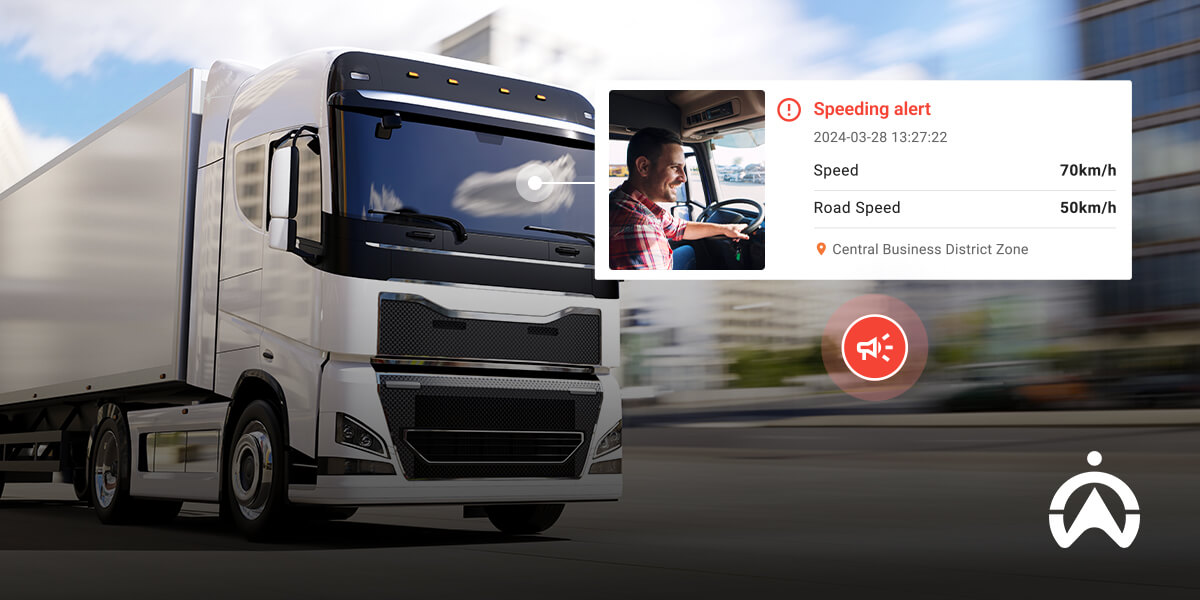
A large white truck is in motion on a city street, with a notification displaying a speeding alert and relevant details.

Maintenance and reliability metrics

Preventive maintenance compliance

Preventive maintenance refers to performing regular inspections and following regular maintenance schedules to ensure that vehicles remain in top condition and to reduce the chances of unexpected breakdowns. Planned maintenance is key, as unplanned repairs can increase expenses through towing costs, waiting for vehicle parts, overtime for technicians, and operational disruption.

Unplanned downtime and repair turnover

Measuring downtime shows the productivity and operational efficiency of your drivers. Through this, you can identify the root causes of vehicle unavailability. Various reasons, such as repair issues, maintenance delays, and limited availability of vehicle parts, cause downtime. By monitoring this, you, as the fleet manager, can identify patterns that prolong downtime.

‍Diagnostic and health data

Another preventative maintenance measure is to invest in a telematics system that can detect maintenance issues such as oil and water fluctuations, worn brake pads, and a faulty engine. This ensures that you know of vehicle issues before they escalate.

Financial metrics for cost control

Fuel Consumption and Efficiency

Fuel efficiency is a critical Key Performance Indicator for fleet management as it highly impacts the operational costs of any fleet. With fuel prices constantly fluctuating due to global factors, closely monitoring consumption using the right technology is the best way to ensure that overall spending is not significantly deviating from the initial budget.

You should know the average litres of fuel each vehicle uses per kilometre as well as the cost per route, per vehicle. A fuel management system makes this possible through telematics technology that automatically calculates these key points for you, providing a detailed analysis of where your fuel is used. Moreover, you can integrate the fleet management software with fuel cards to verify transactions and quickly spot theft and fraud.

‍Total Cost of Ownership (TCO)

A 2024 study by KPMG, using customer fleet data, reveals that commercial fleet owners and managers are better off performing a closer examination of their total cost of ownership (TCO). The total cost of ownership provides a complete view of all expenses associated with owning and operating fleet vehicles over their entire life cycle. It includes factors such as the initial purchase price, registration fees, maintenance costs, insurance, depreciation, resale value, fuel costs, toll gates, licenses, taxes, and all other expenses of the vehicles between buying and selling them.

To calculate TCO, you must add all vehicle operational costs to the acquisition cost plus the finance interest rate and then subtract the resale value.

‍Utilisation vs cost balance

One van being used every day for deliveries might seem more cost-effective, but if that van is constantly breaking down, then it’s costing you more in repairs and lost time. Then again, underused vehicles will still cost you a lot of money in terms of insurance, storage, depreciation, and lost sales opportunities.

Monitoring how often each vehicle is on the road and for how long will help you strike the right balance between costs and efficiency, which in turn increases your return on investment and fleet lifespan. Ensure that you track the average kilometres each vehicle travels per day; this makes it easier to keep up with maintenance schedules and helps sustain the fleet size.

Compliance, safety & risk metrics

Licensing and regulatory compliance

Compliance costs, such as those related to safety regulations and emissions standards, also contribute to the overall expenses. It is essential to factor in the costs associated with vehicle inspections, safety training, environmental regulations, licences and permits, as well as taxes. Always know which licences are soon expiring and the number of permits that must be renewed to avoid penalties.

Safety incident tracking

One of the most important aspects of fleet management is safety. Monitor the frequency of accidents, near-misses, the number of injuries, as well as the amount of road violations such as driving over the speed limit. As a fleet manager, you should also measure the average cost per incident to further evaluate the loss in revenue.

Insurance claims and risk exposure

How frequently is your fleet business making insurance claims? The more you claim, the higher the premiums, as insurers see you as a higher risk. Know the root cause of insurance claims and pinpoint trends such as problematic locations or driving habits, and assess the effectiveness of safety programmes.

Environmental and sustainability metrics

Emissions data

It is important that you analyse the amount of carbon dioxide (CO₂) emissions per vehicle, per trip, or per fleet. This impacts the goal towards sustainability, which could result in higher carbon taxes. It is every fleet business’s responsibility to ensure it emits as few greenhouse gases as possible. Ensure that you choose a fleet management system that can help you calculate carbon emissions.

Fuel type and energy efficiency

The most sustainable fuel option is an EV (electric vehicle) fleet, as these vehicles generate zero tailpipe emissions, reducing greenhouse gases. Petrol and diesel engines have higher carbon footprints compared to hybrids. Whichever category your fleet falls under, ensure that you track its progress towards sustainability goals.
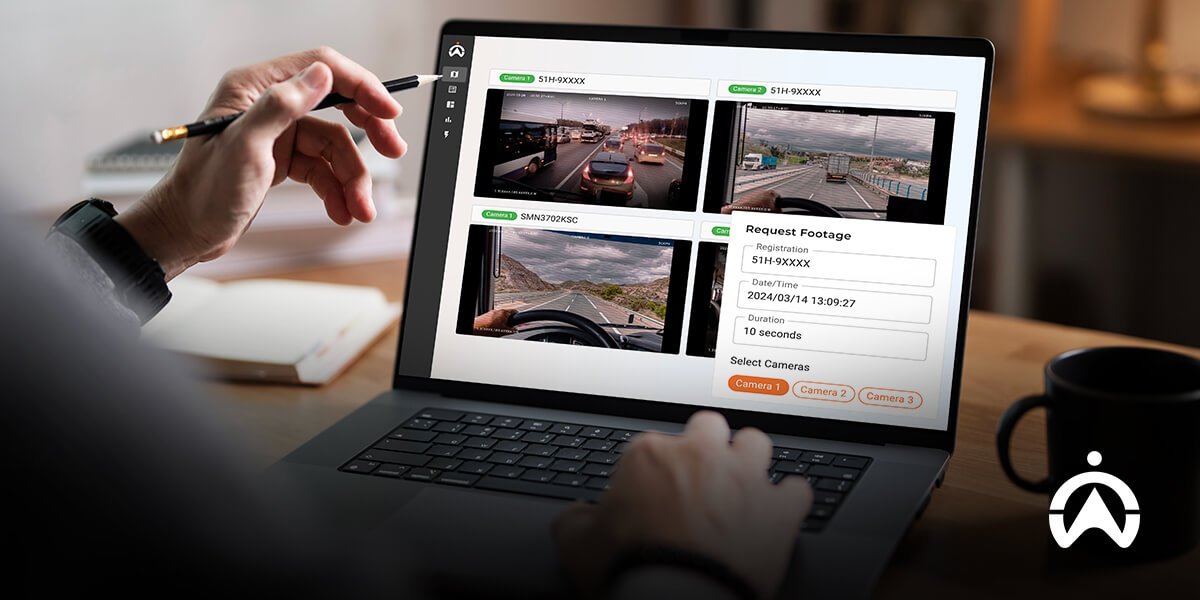
A person using a laptop to request vehicle camera footage, with traffic and road images displayed on the screen.

Turning fleet data into action

The only way to keep up with all aspects of your fleet is by investing in an advanced fleet management system. Through this, you will get all the information you need about your fleet so you can reduce costs and streamline operations.
A fleet management platform gives you a detailed analysis of your fleet in the form of reports, graphs, and other data visualisations, making the information easier to interpret and take action on.

What makes a good KPI in fleet management?

A good Key Performance Indicator for fleet management should be SMART (specific, measurable, attainable, realistic, and time-bound). This will allow you to see where you are performing well and where you need improvement. The KPIs should be based on overall objectives of the fleet, such as cost reduction, safety improvement, and operational efficiency.

How Cartrack helps you track and optimise fleet metrics with ease

Here’s how you can track fleet data metrics with ease using our powerful fleet management system:

  • ‍Live tracking 
    Always know where vehicles and drivers are using our powerful GPS tracking system. This ensures that you see what drivers get up to daily and empowers you with the ability to spot fuel-wasting inefficiencies or when drivers are in one place for too long, which could mean possible delays.
    ‍
  • MiFleet
    MiFleet is a cost management tool on our fleet management platform that provides data analysis for different fleet categories. It promotes decision-making, reduces manual administration, and helps improve the overall running costs. With MiFleet, you can:

    1. ‍Validate fuel transactions
      The system 
      automatically reviews all your fuel transactions and matches them with telemetry data, alerting you of any possible fuel theft or fraud.
      ‍
    2. ‍Get detailed odometer reports
      An odometer summary based on trip data and a report with CO2 emissions based on distance travelled. It also outlines the cost per kilometre for a specific period.
      ‍
    3. Track other fleet operational costs
      This powerful tool further assists in keeping track of other costs such as contracts, fines, licences, toll gate costs, insurance, and maintenance. You will get automated reminders of any upcoming expirations or payment dates so you avoid late payments and out-of-date paperwork.
      ‍
  • ‍‍Telematics reports
    Our telematics devices collect information on driving behaviours such as speeding, long idling, harsh braking, and rapid acceleration. Through this, you will receive alerts and know which driver needs more training on practising safer, more fuel-efficient driving habits. The reports on driver events can be grouped into different categories and seen in various ways, such as the following:

    • ‍Graphical risk report
      Provides a graphical risk overview based on acceleration, braking, idling, turning and speeding events.
      ‍
    • ‍Idle report summary
      Provides a summary of excessive idling incidents.
      ‍
    • ‍Speeding detail
      Provides a detailed report of location, duration, and distance travelled over the set maximum speed limit.
      ‍
  • ‍Driver identification tags
    Cartrack’s driver identification tags encourage driver accountability, as you will instantly know who is operating which vehicle. If you have a mixed fleet, you can use the tags to ensure that each driver is assigned a vehicle that they are authorised to use, ensuring the business remains compliant. Furthermore, the tags can also be used to effortlessly differentiate between business and private trips to reduce fuel misuse.
    ‍
  • ‍AI cameras
    With our AI camera solutions, you can remotely monitor driver behaviour. The AI technology enhances driver safety by detecting behaviours such as not wearing a seatbelt, drowsiness, cellphone use, and smoking. The camera then sends an audible alert to the driver, allowing them to quickly correct their actions and prevent possible accidents.
    ‍
  • ‍Logbook
    Our digital logbook allows you to easily track your drivers’ hours of service, helping keep your fleet compliant and your drivers well-rested. Monitoring the Hours of Service (HOS) restricts the number of hours a driver can operate without taking breaks. This ensures that all drivers get enough rest, reducing the risk of accidents and fatalities.
    ‍
  • ‍Preventative maintenance
    Get reminders of maintenance schedules and receive alerts of engine faults, worn brake pads, or water fluctuations to avoid unexpected breakdowns and downtime. This ensures that business operations remain unaffected by maintenance issues and further reduces costs.
    ‍
  • ‍Route optimisation 
    The Cartrack route optimisation feature is software that helps you plan more efficient routes. It factors in things such as road conditions and historical traffic trends to help you find the best way for drivers to get to their destinations. Through this, you get faster deliveries and less fuel wastage.

Track all the important fleet data from one platform with Cartrack

Cartrack specialises in all things fleet management; you can trust our reputable system to give you all the information you need to improve your fleet operations. Reach out to us, and speak to a fleet representative.
Driver Incentive Programs: How Dashcams Can Help You Coach Your Drivers

When running a fleet business no other resource matters more than your drivers. Managing them requires efficiency and good planning, this is what allows for safer travel and optimised delivery of goods and services. For this efficiency and optimisation to happen, drivers must perform at their best at all times.

A good way to encourage better driving practices and behaviour is by implementing a driver incentive program. One way of doing this is by using dashcams to record trips and overall driver performance.

This blog will discuss how driver incentive programs and dashcams can help improve driver safety through coaching.

Let’s get into it.

In this article, you will:

  • Learn about driver incentive programs
  • Find out what role dashcams play in driver coaching
  • Discover how to implement an incentive program
  • Understand the legal considerations of using dashcams
  • Learn how Cartrack’s dashcams can work for you and your coaching program

What Are Driver Incentive Programs

An incentive program is a reward-based method to motivate someone to complete an action. These programs leverage the power of rewards to align behaviour with business goals. When incentives are used in a work setting as part of a formalised system with business goals, it’s called an incentive program.

The goal of an employee engagement program is to improve workplace performance and culture while retaining employees with rewards and recognition. One of the biggest benefits of incentive programs is their flexibility as they can be tailored to suit the goals of the company, with enough room for occasional adjustments.

There are many types of incentive programs, each with its own process and reward structure. Here are some types of incentives offered:

  • Monetary bonuses: The most common incentive program is bonuses for good or outstanding performance. This comes in the form of a cash reward usually based on a percentage of the driver’s salary.
    ‍
  • Recognition: Getting official recognition is another popular incentive that employers use. This could be an award given at the end of the year or any other public declaration of the driver’s great performance. The most common version of this is an Employee of the Month program that rewards a driver monthly for meeting or exceeding company goals.
    ‍
  • Career development: Creating a reward structure that promises high performers a chance at career development is a very effective incentive program. This offers a clear path for drivers to see how to progress in their careers, this progression can be in the form of a promotion or skills development.

These incentive programs benefit both companies and drivers as they offer reduced costs, increased morale, and better customer service overall.

The Role of Dashcams in Driver Coaching

When it comes to monitoring driver behaviour only a few other technologies work as well as dashcams. They offer comprehensive recordings of trips, offering alerts for distracted driving and other offences. Let’s learn more about modern dashcams in a business setting.

How dashcams provide insights into driver behaviour

As a fleet manager, monitoring drivers as they perform their deliveries is important, this is why the use of dashcams is highly advised. They offer real-time video recordings of the journey and give the fleet manager insight into how the route usually goes, providing areas of improvement.

Modern dashcams offer a range of AI-powered solutions that assist in reducing accidents. One of these is event-triggered alerts that inform the driver and fleet manager on specific behaviours such as smoking and distracted driving.

The use of AI for analysing driving patterns is now an industry standard for most fleet management software. Key features of AI-powered dashcams include:

  • Real-time behaviour analysis: This feature identifies incidents of distracted driving, driver fatigue, and forward collisions.
    ‍
  • In-cabin alerts: Gives instant feedback to drivers to avoid an incident or an accident.
    ‍
  • Data integration: They have integrated connectivity with fleet management platforms to enhance organisational procedures.

Why use dashcams for coaching and training drivers

Dashcams are reliable mechanisms that have been in use for a number of years now. Using them for coaching and driver training is ideal as they provide objective feedback that can not be easily disputed. The biggest benefit of using dashcams for driver training and coaching is that they help in identifying areas of improvement. These can often be hard to figure out and spot without actual footage of the incident. Some common types of incidents you may want to respond to in coaching include:

  • Smoking
  • Fatigue
  • Forward collisions
  • Camera cover or tampering
  • Cellphone use
  • Seat belt compliance
  • Distracted driving

Monitoring these incidents and using them as a source for coaching is highly beneficial as it gives drivers real-world context. Failing to adhere to the rules leads to drivers getting demerits that can accrue over time. This is useful not only for the drivers but the business as well as it will have a comprehensive catalogue of offences that most drivers commit. When done correctly this can lead to safer trips overall. There are three main occasions when it is best to coach drivers, these include:

  • Onboarding new employees
  • In response to incidents
  • Ongoing scheduled basis

Following this process is useful as it will assist in reducing liability and incident frequency. Additionally, this footage can help lower insurance claims costs, and help protect your brand. Dashcam footage can also significantly expedite and simplify the resolution of disputes arising from traffic incidents. By offering an objective, first-hand account of the events leading up to an accident, these devices can help establish fault and facilitate fair compensation for the parties involved.

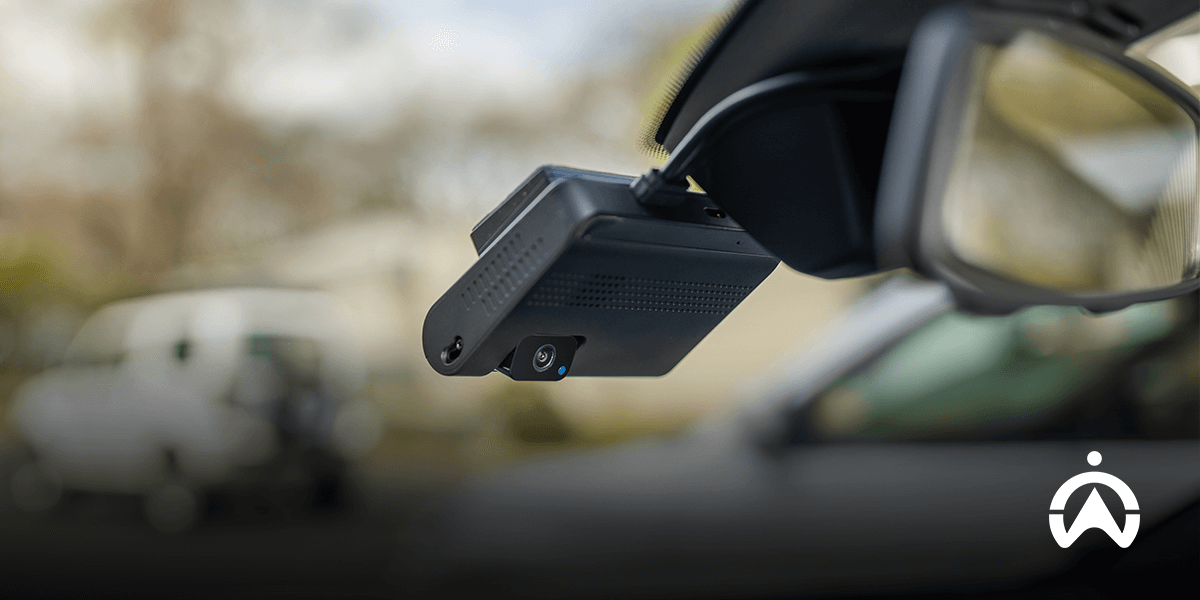
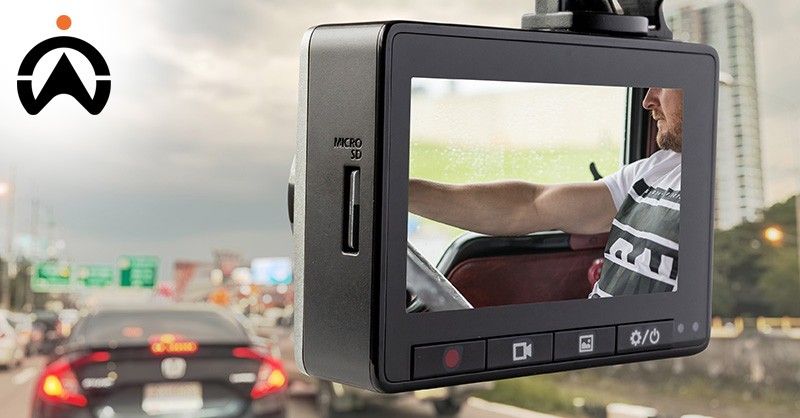
Dashcam attached to a car's windshield with blurred background.

How to implement Dashcam-Based Coaching Programs

In order to maximise on your dashcam footage and create incentives, a coaching program needs to be put in place. This will serve as a system to encourage better driving and make the overall management of drivers easier. This coaching program can be administered during the journey, after a trip and even during performance review sessions. The goal is to encourage better driving habits from drivers and improve fleet performance holistically.

Here is a step-by-step guide on how to create the right program for you and your drivers.

Step-by-step guide on how to implement a dashcam-based coaching program:

  1. Selecting the right dashcam solution for your fleet.
    The first step is choosing the best dashcam solutions for your business. This must be a solution that aligns with the goals of your company and the program you are setting up.

    You must consider whether you will need just one camera or more; whether it will have AI-powered features; and how much storage and recording capacity it will have.
    ‍

  1. Integrating dashcams with fleet management systems.
    In order for this process to run smoothly the dashcams should be able to be integrated with whichever fleet management system your business has in place. This is essential as it will simplify the monitoring and reporting process. The tools in the system should support the features in the dashcam solution so that there is a seamless integration of the two.
    ‍
  1. Developing clear coaching and feedback protocols.
    Once the system is integrated the next step is to establish clear coaching and feedback protocols. This means drivers will need to know how and when the coaching happens, from whom it will come, and how to give feedback on the coaching. This will assist in measuring incentives and determining who to award them to.
    ‍
  1. Aligning coaching sessions with incentive programs.
    The goal of the coaching sessions should be clearly stated, aligning with how the incentive program will run. This could mean explicitly stating which goal leads to which incentive or creating a points system that accumulates over a certain period of time. A driver should find it easy to understand where the coaching intersects with specific rewards from the incentives program.

Tips for a Successful Coaching Program

In order for the coaching and rewards program to work successfully there are some vital things to consider. Consistent feedback is essential for coaching, especially when people’s careers are on the line. The feedback should not just be in one direction, drivers should be able to give feedback on their coach’s performance as much as coaches do.

This leads to the next component to consider fairness. A program like this requires transparency so that drivers do not feel that there is bias or favouritism in how the coaching works and how incentives are given. It is this fairness that will keep drivers engaged in the program, unfairness will lead to disgruntled drivers and a drop off in performance.

Celebrating improvements is equally as important, not just celebrating the top achievers. This kind of recognition will make all the participants in the program feel seen even when they are not receiving rewards from the incentives program.

Future Trends in Driver Incentives and Dashcam Technology

There are many emerging advancements in dashcam technology sweeping the fleet management industry. The most prevalent of them all is AI integration in camera systems. This involves development in other areas such as machine learning and cloud storage capabilities. All these elements work together to form Advanced Driver Assistance Systems (ADAS) which aim to enhance driver safety.

Integration with telematics and predictive analytics is where the industry is going, with most fleet management systems already using these technologies. This is especially true for dashcams and driver behaviour monitoring.

The development of these technologies has made it easier to implement and run driver incentive programs. The evolving role of incentive programs in companies is a sign of how many drivers prefer it. Most driving job offers now include this as part of the employment package, making it a deciding factor for many in a competitive market.

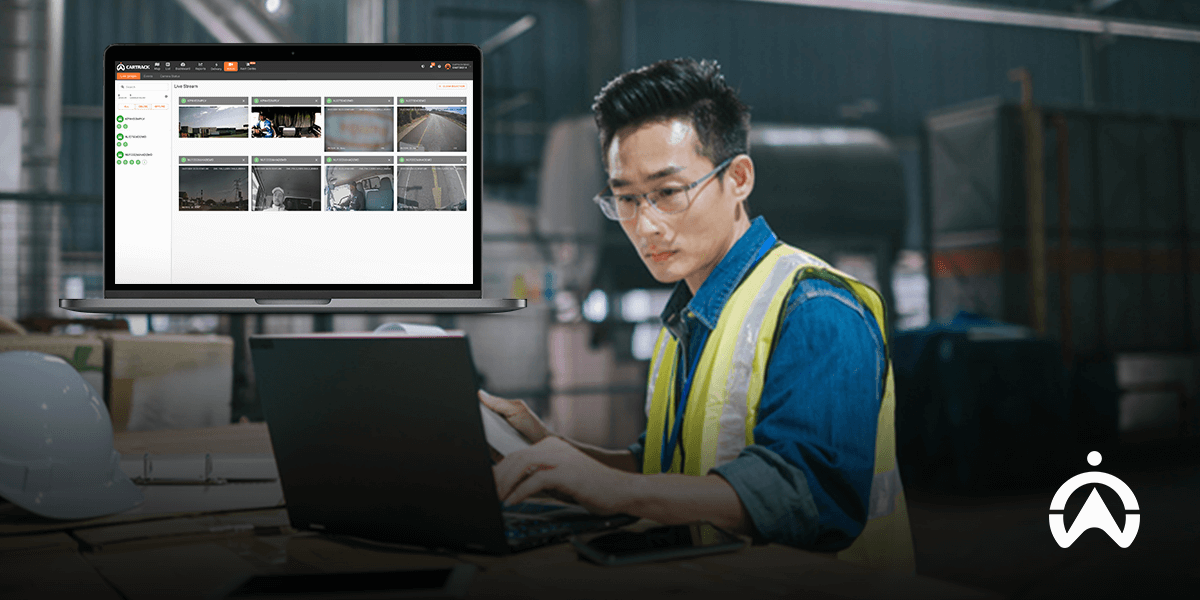
Person in a hi-vis vest working on a laptop with security camera feeds displayed on the monitor.

Cartrack’s Dashcams and Coaching Solutions

At Cartrack we offer a variety of camera solutions where you get to monitor your fleet with road and cabin-facing AI dashcams. You can get up to 8 internal or external cameras to help keep your drivers, fleet, and cargo safe.

This solution comes with preventative in-cabin voice alerts that let drivers know about potential safety violations so they can correct them immediately. Our event-based footage instantly gives you the exact footage you need, when you need it. Our AI-powered cameras analyse internal and external surroundings, allowing you to detect and alert drivers in real-time about any high-risk behaviour so they can avoid accidents. All footage of any incidents is stored on our cloud platform and can be used to coach drivers on how they can improve their driving behaviour.

You will have no more wasted hours spent going through hours of footage hoping to find what you’re looking for. You can live-stream the recordings for any active vehicle using Android, Apple or Huawei. View categorised event-based footage for any safety events captured, request footage based on a time and date or live-stream footage for any active vehicle.

As we move into a new technological era in fleet management it is advisable to make use of the tools currently available, such as dashcams. Combining driver incentive programs with dashcam-based coaching is one of the ways in which you can optimise your business and increase overall driver safety.

If you are looking for a reliable and trustworthy dashcam and AI-powered camera system, then make sure to contact us to learn more about our offering.

FAQs

How much does it cost to implement dashcams in a fleet?

Contact us at Cartrack to get a quote on our range of dashcams and cameras.

Are there privacy concerns with using dashcams in Malawi?

There is no specific law clarifying their legality or how the footage can be used. This means that recording people in public without their knowledge could potentially raise privacy issues, especially if the footage is shared without proper justification; however, dashcams are generally considered legal to use when recording public spaces such as roads.

What types of incentives work best for drivers?

The most effective incentive programs are cash bonuses and career development opportunities. These two options provide actual benefits to drivers that can positively impact their lives.

How quickly can results be seen after implementing these programs?

This will depend on the type of reward structure in place, but it is typical to see results in the first month after implementation.

Driver ID Tags: Be in Complete Control of Your Drivers and Your Fleet

Keeping up with who’s driving which vehicle can be quite the challenge, especially for a large fleet. Drivers sometimes forget to manually sign in for the vehicle they’ve used on that day, and if anything happens, you might not know who did it, which is why driver identification plays a crucial role in fleet management.

A driver ID tag simplifies the process and puts you in control of every vehicle. Cartrack specialises in automatic vehicle and driver identification, so let’s get into the nitty-gritty of driver ID tags.

In this article, you will:

  • Find out how DID tags work
  • Learn about three different types of Cartrack DID tags
  • Discover the 7 benefits of driver identification
  • See how DID tags form part of a driver monitoring system

Get to know driver identification tags – the what, why, and how 

A driver identification (DID) tag is a key-ring-sized tag that is used in conjunction with the ignition key. It serves as an extra layer of protection and makes it easier for you to know who is on duty, who is driving which car and for how long. Look at it as an access card for drivers. If the vehicle is used without a tag, it can be flagged as potential theft.  DID tags are essential for fleet management businesses in cold chain and logistics, the construction industry, and the transportation industry.

How do the tags work?

Driver ID tags use Radio-frequency identification (RFID) technology. This is a wireless communication that comprises three components: a reader, an antenna and a tag. The reader is connected to the antenna and transmits radio signals to the tag with added information. The tag also works in conjunction with GPS tracking technology to help monitor your drivers while on the road.

Cartrack’s advanced DID tag solutions

Introducing the three Cartrack driver identification features, specially tailored for your needs:
‍

1. Driver ID
This helps you automatically identify drivers and vehicles using the driver’s identification number. If something ever goes wrong, this tag will be very useful. Drivers can also be assigned two tags, one for work and another for personal use. You can pull out a tag report to keep track of who was driving which car and when.

2. Driver ID start prevent 

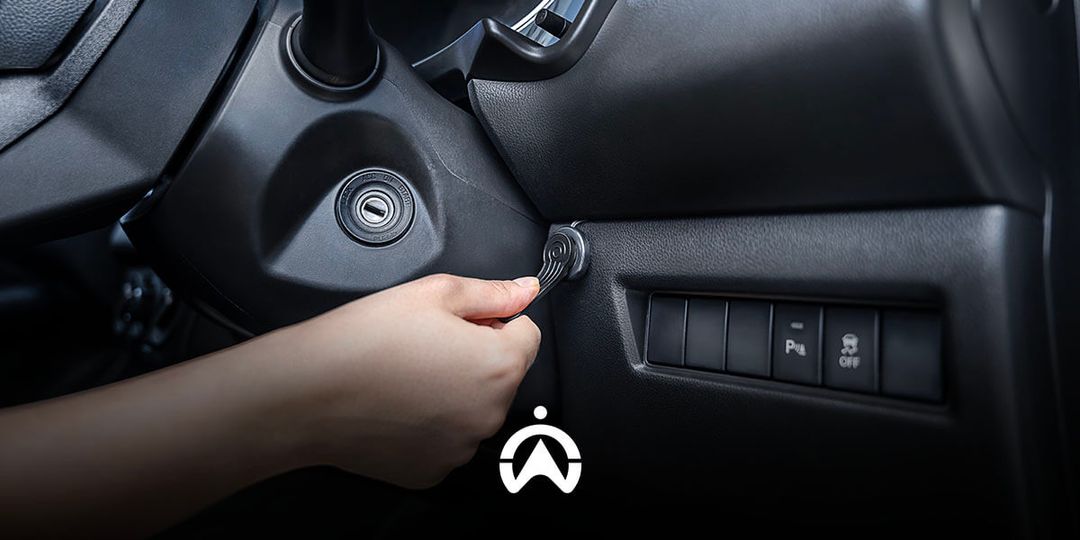
Eliminate unauthorised vehicle usage with Cartrack’s DID Start Prevent. With this, the tag assigned to the driver will be linked to the start inhibit, meaning the ignition will not go on unless there is a tag. This is ideal in industries such as mining and construction because there is equipment that needs to be protected and accounted for.

3. DID with configuration

This DID tag is configured for a specific vehicle to prevent others from using it. How is this any different from the rest? Well, let’s say you have some abnormal load trucks in your fleet. Not all drivers are qualified to drive trucks of that nature, so you need to control who gets access to them. It’s not easy to remember which driver has the correct license, but with a configured DID tag, you can ensure the tags only work on specific vehicle models. They are assigned to the drivers with licenses that qualify.


7 awesome benefits of a DID tag

These tags are made for your convenience and come with many benefits, such as:

  • Driver assignment control: Only authorised drivers will be allowed to use the vehicle. If the driver is not recognised, you will receive an alert.
  • Reduced admin and fraud: No time will be wasted manually recording who came to work and who didn’t, and handwritten timesheets become a thing of the past, eliminating fraudulent entries.
  • Driver accountability: Any careless driving will be quickly identifiable and tied to the correct driver; this will make it easier to conduct an investigation or correct the behaviour.
  • Route planning: This helps you ensure that drivers are using the most fuel-efficient routes through the information given in the reports.
  • Compliance: Driver ID tags help you monitor working hours through automated log reports so you can ensure drivers comply with working time limitations and get enough rest.
  • Less vehicle misuse: The driver can log the trip as business or private use, and because it works hand in hand with GPS technology, you will be able to see if that indeed was a scheduled trip. Furthermore, if drivers know they are being watched it limits the careless driving that leads to fuel wastage and road accidents.
  • Improves driver behaviour: Through driver reports, you will see where drivers need to improve, and that will gradually bring about a change in driving habits.

Enhance your driver identification game with Cartrack Malawi

Cartrack provides driver monitoring solutions that all work together for the safety of your fleet. Here are two other features that work hand-in-hand with our driver ID tags:

  • Driver Scorecards 
    Telematics makes everything possible. Our driver scorecards monitor any high-risk behaviour, such as speeding or harsh cornering. Each driver will get a rating, which will help you identify areas for improvement and provide the opportunity to coach the drivers to improve their driving habits.
    ‍
  • Driver Reports
    Get driver ID tag assignment reports that show drivers and the tags assigned to them. You can also access business, private or weekend trip reports which show you the start and end details of each trip, helping you keep track of driver working hours as well.
    ‍
  • Driver Coaching
    Enhance safety and reduce risks by training drivers based on reports. This also increases productivity and boosts savings due to fewer accidents, fuel-efficient driving techniques and reduced maintenance costs.
    ‍
  • Advanced Driver Assistance System (ADAS)
    ADAS uses camera-based sensors, intelligent algorithms, and AI technology to enhance driver awareness and, therefore, increase driver and vehicle safety. This system alerts drivers of blindspots and gives forward collision warnings.

Get to know your drivers better through Cartrack’s fleet management solutions

We make running a fleet less strenuous and help you build a reputable business while saving costs using innovative driver monitoring solutions such as the driver ID tag. Contact us today.

Any other questions? Well, let’s get you sorted.

Take a look at these frequently asked questions about DID tags.

  • Do driver ID tags monitor driver behaviour like speeding or harsh braking?
    Yes, driver ID tags assist managers in monitoring events such as harsh braking and speeding, making it easier for them to identify who was driving and allowing drivers to take accountability.
  • How can driver ID tags be used to incentivise safe driving habits? 
    Drivers can get ratings based on the frequency of harsh events, and those showing improvement by getting high ratings can get rewarded. This also helps increase driver buy-in.
    ‍
  • How easy are driver ID tags to install and use?
    The driver RFID reader is installed in the dashboard and connects to the GPS unit. When the driver enters the vehicle, he/she will touch their ID tag to the face of the reader. The installation process is simple, and drivers are quick to understand how to use it as it is straightforward.
    ‍
  • Can driver ID tags help improve fuel efficiency?
    Yes. Fleet managers will get reports on route deviations and fuel-draining habits such as harsh braking and cornering, allowing them to coach each individual on how to improve and, therefore, save fuel.

Get the visibility your business deserves with Cartrack’s DID tags

Don’t miss out on smart driver monitoring solutions. Contact Cartrack Malawi today!

Boost driver safety and empower fleet drivers to improve their driver behaviour

From the products we deliver to the drivers who transport them, discover actionable fleet safety tips and efficient ways fleet managers can empower drivers to drive safer.

For many fleet businesses, drivers are instrumental in keeping everything up and running. Safety affects the entire business, so how drivers behave can have a huge impact on a business’s finances,  reputation and even customer relationships.

It is the responsibility of your fleet managers to follow safety regulations set out by the business. To develop a solid safety culture throughout the business you need the right fleet system and process to ensure your drivers are productive, safe and compliant.

Drivers and their place within a fleet

If you’ve ever wondered ‘who is a fleet driver and what is their purpose?’ Well, their skills are sought-out and contribute to the business like every other employee. Fleet drivers work to keep the business running and are often the middleman between the business and customers. They are employees who drive cars, trucks, or other vehicles, picking up and dropping off cargo, people, various items or raw materials within a factory, site or on the road.

To be eligible to transport items, the following qualifications are required:

  • Valid driver’s licence (depending on vehicle type)
  • Clean driving record
  • Optimal customer service skills
  • Proficient defensive driving techniques

While transporting, drivers can become distracted, practice unsafe driving behaviour or face many challenges that might hinder or delay delivery. These issues could be anything from dealing with vehicle maintenance problems, like tyre punctures, or unforeseen criminal activity that puts the driver’s life, other motorist and cargo in possible danger.

This brings up the age-old question asked throughout the transport industry: How do we keep our drivers safer?

 Fleet management software and safety within the fleet

Effective driver management through fleet systems can save your company considerable time and money, all while modernising your fleet with some technological help. While fleet systems are mainly targeted at bettering a manager’s daily responsibilities, it’s important to also use technological innovations to positively impact fleet drivers. 

Fleet management software can be seen as a driver management tool that has the power to not only optimise delivery workflow but also improve driver skills, awareness and behaviour on the road, all benefits drivers can use to better their driving performance.
‍

Fleet owner trucks Driver Behaviour & Driver Safety
 Fleet management software and safety within the fleet
‍

Which driver management technique is best for managing fleet drivers?

As a fleet owner or a fleet manager, it’s important to protect your fleet – namely, your drivers and vehicles. To do this, you need to know exactly which behaviours to address; and which technique you can use to help improve them.

Here are four useful techniques to help fleet managers better manage their fleet: 

1. Learning management system (LMS) 

This prepares drivers with basic course materials for all circumstances aligned with driver safety, including how to handle traffic, road law compliance and weather conditions. Fleet drivers occupy more time on the roads than average commuters, so fleet management is needed to maintain safety measures for the sake of the drivers, vehicles in use and the transported items.

2. Fleet management systems (FMS)

This is known as a fleet manager’s no.1 method of managing operations. It can help you optimise and streamline your entire operations. It provides advanced data and insights that help managers monitor and enhances driver behaviour, vehicle safety and good maintenance practices. This results in a more efficient, higher-performing fleet that can continue to grow as a business.

3. GPS vehicle tracking

Asset monitoring systems play an integral part in your driver management and make keeping track of fleet vehicles that much easier. This system uses GPS location technology to help you pinpoint your vehicles and give you driver and vehicle behaviour insights. Most Industry-leading vehicle tracking systems can automatically present this information on a user-friendly interface, which fleet managers can view via desktop, tablet and mobile.

4. Fleet driver safety programs

These are often the first steps in improving driver behaviour and implementing road safety practices. Safety programs are available through in-house personnel or subcontracting third-party references through accredited institutions. The purpose of these programs is to foster morale and instil mandatory driver training skills.

5 key elements of effective fleet management

To avoid losing money in the case of accidents or general poor productivity, businesses should invest in a fleet management system and a fleet safety program. The long-term investment of this pays off through better accountability, improved fleet safety, and promotes fewer collisions which all result in reduced operating costs.

These are a few key elements that contribute to an effective fleet safety program:

1. Hiring responsible drivers

An effective fleet safety program begins with the driver recruitment process. Start by finding the right drivers that meet the business’s fleet driver standards. Having a skilled driver with experience in driving fleet trucks would be beneficial.

The idea is to build a reliable and safe team of skilled drivers who understand the importance of fleet safety and prioritise it as much as possible. Hiring drivers who are like-minded in terms of work ethic, attitude and driving skills might result in having a low fleet driver turnover rate.

2. Having a comprehensive driver training program

After assembling a team of safe and reliable drivers, the next step is to train them.

Cartrack has a fleet management training course for fleet managers looking to maximise productivity, as well as offers training facilities for drivers to better improve their driving skills and behaviour.

The training of drivers not only reduces the possibility of accidents on the road but also sets a standard for safe driving among the fleet, ensuring smooth operations. 

3. Monitoring driver performance and behaviour

Effective fleet safety programs require the use of high-end fleet management software that allows fleet managers to efficiently monitor all fleet activity. Regular monitoring of driver performance and driver behaviour ensures all drivers are following the fleet safety guidelines and driving safely.

As a Cartrack customer, you’d have the benefit of using an AI-powered camera system that monitors drivers while on the road. With this, you could get a full view of your drivers, vehicles and cargo in transit, and receive alerts on any risky driving behaviour or possible collisions. 

You can also use driver scorecards to review their performance, which makes it easier for fleet managers to identify drivers who require further coaching.

4.  Vehicle maintenance

Having routine inspections of fleet vehicles is also an essential part of proper fleet management. Now that you’ve trained your drivers to exercise safe driving behaviours, you need to equip them with vehicles that are in tip-top shape.

This will help prevent unforeseen breakdowns and accidents that result from faulty equipment or poorly maintained parts. Plus, regular vehicle monitoring will lower maintenance costs.

5. Keep a continued focus on fleet safety

The importance of overall fleet safety needs to be repeated regularly. With constant use of safety procedures, this idea will become the norm and integrate itself into the business’s culture.

Sharing important fleet safety metrics with your drivers, fleet managers, and safety officers frequently is also recommended. Seeing the benefits that the safety program brings will validate the effectiveness of the fleet safety program. The habit will continue and be properly implemented into the training programs of new drivers.
‍

Delivery vehicle Driver Behaviour & Driver Safety
5 key elements of effective fleet management
‍

Why is improving fleet driver behaviour important?

Your drivers are the most valuable assets of your fleet business. How they behave on the road is a direct reflection of your business culture. Bad driving paints a negative picture for potential customers driving alongside the branded vehicle. And bad customer service does the same thing since drivers are often the first interaction customers receive from a business after ordering/partnering with them.

So, if you wish to streamline your operations and take your business a step further, you must improve fleet driver behaviour first through driving behaviour monitoring and training.

For this, you need to know exactly which behaviours to address; this way, you can adjust your coaching accordingly, and be effective in instilling a safe driving mindset among your employees. This will be most effective if you remember that not all drivers struggle with the same thing and learn at different paces.

How do you create better driving within your fleet?

By putting driver safety and empowerment at the centre of training programs!

A successful training program results in fleet drivers who can recognise their risky driving behaviours and can swiftly correct them. Taking initiative puts fleet drivers in the best position to help keep their fleet on track during challenging times and gives their managers one less thing to worry about.

This long-term investment pays off through: 

  • Better accountability
  • Promotes fewer collisions
  • Reduced operating costs

Safety needs to begin with fleet managers, implementing a few techniques will help to improve performance and create safer drivers:
‍

  1. Identify driver behaviours

The more a driver is distracted while on the road, the more likely an accident will occur. Though driving for hours on end all day might be tiring, a self-aware, conscious driver is always better than one who isn’t.

Identify the drivers’ distractions accordingly, whether it’s dangerous actions like cell phone use, fatigue etc. With Cartrack’s smart AI-powered cameras, these behaviours can be quickly identified and help: 

  • Prevent accidents
  • Improve driver behaviour
  • Provide video proof for incidents 
  1. Improve performance

The key to creating better drivers is to improve performance. A fleet management system can store driver information, enabling easier reporting on accident rates and behaviour, which helps identify risk and reduce costly repairs, vehicle downtime and insurance premiums. 

Having a system in place that enables you to understand the causes of safety challenges means a better chance of finding and implementing possible solutions. Fleet driver management software keeps your driver records up-to-date, organised and easily accessible for these purposes.

  1. Communicate better

A good management system doesn’t just help to inform you about your drivers’ live locations, it also helps by cutting the middleman out and communicating directly with drivers.

In the past, manager-to-driver communication was inefficient and mostly required manual communication through calling/texting. Luckily fleet management software has upgraded this process to GPS live locations, instant communication and other benefits that include:

  • Easily assign jobs to drivers according to proximity to the client
  • Optimise delivery routes for fast delivery and cut costs
  • Receive live alerts when jobs are completed
Fleet manager with laptop/device Driver Behaviour & Driver Safety
How do you create better driving within your fleet?
‍

Work and reward method

Sometimes, something as simple as rewarding drivers who practise safe road behaviour is all the motivation needed to encourage self-awareness and improvement.

Just telling your crew to drive safely is sometimes not enough to improve fleet driver behaviour. Aside from instructions, you should also consider instilling good driving habits that can be measured up to notable results. Then, reward good driving habits.

A reward program that provides incentives or bonuses for their commitment is an effective way of attracting and retaining motivated, engaged, and high-performing drivers.

Just keep in mind that change doesn’t occur overnight, improving your fleet drivers’ behaviour needs patience from both sides. 

To that end, a vehicle management system, which is based on telematics technology, like Cartrack’s complete fleet management solutions, can make all the difference. This can bring real-time insights that can help you develop a driver safety training plan and so much more.

Focus on safety with Cartrack

Cartrack gives you the opportunity to focus its provided fleet management features towards driver safety and empowerment.

Fleet managers can get more out of Cartrack by taking part in their fleet management training program and gaining the necessary skills to better manage and improve their fleet. 

Visit Cartrack Malawi for more information.

6 ways to improve driver behaviour and driving skills with fleet telematics software

Do you need data insights to train your drivers on the dos and don’ts? Are your fuel costs through the roof due to poor driving behaviour? 

No matter your challenge as a fleet manager, there are ways to monitor driver behaviour with the help of telematics software. 

This article is all about what you can do to empower your drivers and improve driving behaviour in your fleet – all of which give numerous business benefits you can’t overlook. 

On top of that, you will discover some factors that affect driver behaviour and driver assessments that can assist you in ensuring you hire the right drivers. 

Do you need data insights to train your drivers on the dos and don’ts?

What is driver behaviour?

Driver behaviour can be defined as the actions a driver performs while operating a motor vehicle. It’s essentially driving methods and a driver’s characteristics, either intentional or unintentional. Typically, driver behaviour is characterised on a spectrum from normal to risky and aggressive.

If you are a fleet manager, it’s useful to understand the factors that can influence your driver’s driving methods, as they can affect your driver’s ability to assess risk and make decisions on the road.

Take a look at some pointers: 

Factors that affect driver behaviour 

  • Distractions: Any action that takes your driver’s eyes off the road is considered a distraction. A common distraction is the use of smartphones for text messages and calls while driving. 
  • Reckless driving: Actions such as speeding, going through a traffic light, changing lanes without indicating, or driving too fast can put other road users at risk, all of which is considered reckless driving.
  • Fatigue: Apart from the actual dangers of falling asleep on the roads, even a tired driver may have slower reaction times than an alert driver, making it more difficult to respond to sudden road hazards.
  • Age and experience: There is a weight of evidence that proves that age and experience have effects on crash risk. For example, studies consistently found that teenage drivers had dramatically higher crash rates than older drivers, particularly drivers older than 25.
  • Driving under the influence: Drunk driving causes nearly half of all fatal accidents and numerous crash injuries every year. In South Africa, 50% of all accidents that occur on the roads involve a member who is over the legal alcohol limit. However, alcohol is not the only substance that can impair a driver’s ability to operate a vehicle. Prescription medications, illegal narcotics, and over-the-counter medicines can all cause confusion, drowsiness, and poor decision-making.

Now that you understand the factors that influence driver behaviour, there’s more you can do to ensure you hire the right drivers for your fleet.

Assessing a driver’s abilities and attitudes to driving can significantly help the employee and employer. The qualities of a good driver are derived from attitude, skills, and knowledge. 

You can consider conducting driver assessments to analyse behaviour and attitude together, after all, they are interconnected.

Here are some, so you can understand your drivers before they hit the road. 

Types of driver behaviour assessments 

  • The driver behaviour questionnaire (DBQ)

Drivers are asked questions about how they drive daily, and can indicate on a scale (0 = never and 5 = nearly all the time) how often they performed each driving behaviour on the list. 

  • Attitudes toward traffic safety scale (ATTS)

Here they asked questions about their views on road safety, which will give a fleet manager an idea about their behaviour and how they approach traffic laws.

  • Driver behaviour transactional analysis (TA)

This test will help you understand how your drivers react under pressure, and their working styles. This model will help you find out information about how they organise their work and time and communicate with each other. 

Types of driver behaviour assessments

 6 ways to improve driver behaviour and safety 

  1. Establish safety policies

Companies should create policies, procedures and safety expectations for drivers to follow. These should be signed by managers and drivers and reviewed regularly to show how committed your company is to reducing traffic-related crashes, injuries, and death. And these policies can be shown to drivers during training sessions, for example, your no-distraction policy.  

  1. Check driver records 

Check driving records and history before bringing new drivers on board. You can filter out those with poor driving history, to avoid future incidents. 

  1. Train drivers 

The best way to instil safe driving methods is to educate your drivers on safety protocol. Show them the consequences of risky driving behaviour, over-speeding, distracted driving, and more. You could also send them on a driver behaviour course to better equip them.

  1. Motivate your drivers 

Training your drivers will motivate and encourage them to perform better, as it creates a space for growth and to develop their skills. Empower your employees with the right set of values for success, creating positive practice.

You could also create incentive programs where they are rewarded for driving well, to enhance their good driving habits. 

Actionable data from a fleet management platform can be used to show your drivers the best way to drive. For example, you can pick up if one driver is idling more than others, and then you can let these drivers know. If others are following safe driving procedures, this can help motivate other drivers to reach that level too. 

  1. Maintain vehicles 

If your vehicles are maintained well, you’ll have a safer fleet overall. They will run better where you can prevent road accidents and protect your drivers. In real time, you can get alerts if there are any engine faults, worn brake pads, oil and water fluctuation, and other diagnostics, so you know when you need to service your vehicles. 

  1. Use vehicle telematics software 

Use the smart data from a fleet management platform to get the insights about driving behaviours and methods you need. You’ll be able to pick up events such as speeding and harsh braking, and put systems in place to stop these incidents in their tracks.

Here’s more on how telematics software can help you monitor the drivers in your fleet. 

6 ways to improve driver behaviour and safety 

How to improve driver behaviour through a fleet telematics management platform

As we know, there is a benefit in identifying unsafe driving methods. Insurance companies always look for ways to reduce insurance claims and road accidents by monitoring safe driving habits on South African roads. 

We also know that safe driving impacts the longevity of a fleet and can help cut costs.

Here’s how a fleet platform can help you improve driver behaviour:

  • Driver behaviour reports

Get driver scorecard data reports from a fleet platform and get the driver insights you need to pick up idling, aggressive driving, speeding, and more – all of which are costly to a fleet. 

Also get detailed reports for each behaviour. Say for instance, speeding is an ongoing trend with one of your drivers, then pull up a detailed speeding analysis. It could have detailed locations, duration and distance travelled over maximum speed limits, so you can get the full picture of a speeding incident. Or maybe your fuel costs spiked, get an excessive idling report to see if this is the cause. 

On-demand trip reports can also be retrieved if you want to analyse and compare all your vehicles, and the drivers using those vehicles. 

These reports will help fleet managers take real-time measures to mitigate issues.

  • Driver behaviour alerts and reminders

With all the daily tasks a fleet manager faces, a fleet platform will help with its alerts and reminder features. Managers can customise driver behaviour alerts and receive the info they feel is necessary. So they can create a trigger alert for when the ignition is on and off, and choose where they want the alert to go, i.e. email. Or get alerts in real-time when safety rules aren’t followed, and correct this immediately. 

Drivers can get preventative in-cabin alerts in real-time too, so they know when they are breaking the rules of the road or safety violations. For instance, if they are not leaving a proper distance from the other vehicle.  Also create reminders for certain events, so for example, maybe you want to be reminded to check a certain route a driver is taking, to see if speeding persists. 

  • AI-powered cameras

Get up to eight internal or external cameras to help keep your drivers, fleet, and cargo safe. These cameras can pick up all sorts of detection including front collision warnings, smoke detection, distracted driving, yawning, and more. Smart In-cabin screens keep your drivers safe and they can get visibility of their blind spots, and the cameras alert them in real-time of any dangers or issues. With the footage, you’ll also be able to protect drivers from false accident claims. In the event of poor driving, fleet managers can also use the footage to bring up the incident with the driver in question. 

Benefits of improving driver behaviour monitoring system

Choose Cartrack’s software and GPS tracking system and you’ll get these benefits: 

  • Reduce costs as poor driver behaviour will be picked up and accidents can be prevented
  • Ensure compliance with the law in your company
  • Identify harsh driving methods to ensure safety compliance on the roads and to protect your fleet
  • Protect your drivers as they will be notified in real-time if they are not driving correctly
  • Provide accountability with driver ID tags or identification
  • Save on running costs such as fuel and maintenance, and increase your vehicle’s longevity

Make your fleet and driver’s behaviour as safe as possible, with fleet management software from Cartrack. 

Get in touch with us today.