South Africa
 Botswana
 Kenya
 Namibia
 Mozambique
 Nigeria
 Swaziland
 Tanzania
 Zimbabwe
 Hong Kong
 Indonesia
 Singapore
 Malaysia
 Philippines
 Thailand
 New Zealand
 Vietnam
 Poland
 Portugal
 Spain
 United Arab Emirates

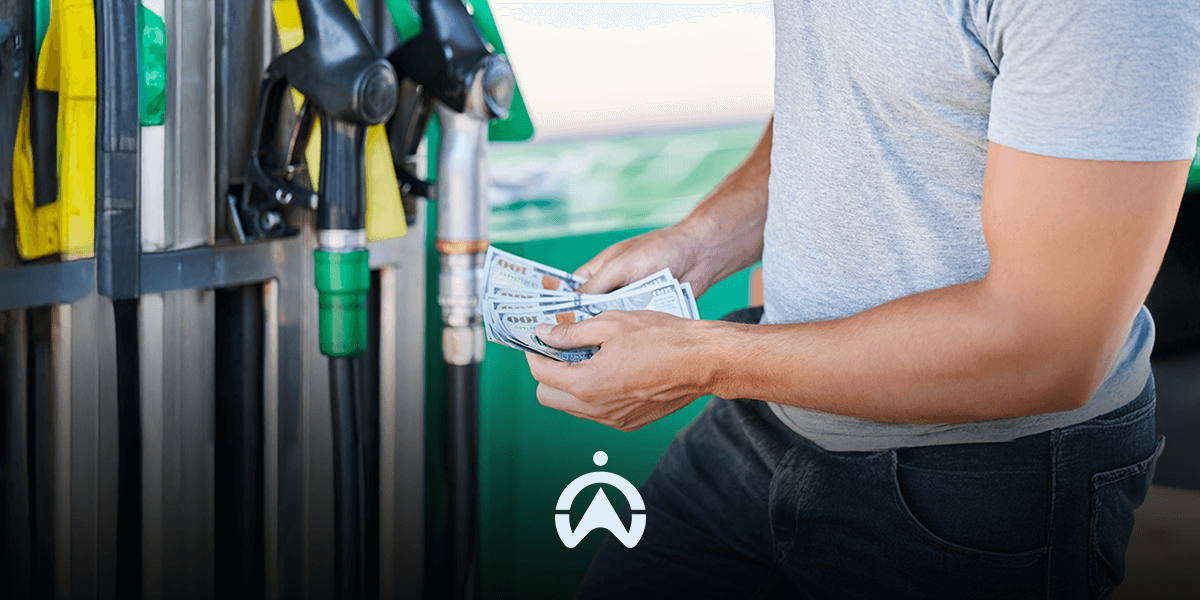
Running a business is already a daunting task. Large fuel invoices can cripple your business, draining resources and hindering operations.
Finding reasons why the fuel bill is high is essential—you may discover that your vehicle needs maintenance, the fuel is getting stolen, or the driver is careless. Ultimately, resolving this issue promptly is imperative to mitigate potential negative consequences for other business operations.
We will explore the hidden costs of fuel wastage and how Cartrack can help you save on fuel.
In this article, you will:
- Know what fuel wastage is and why it matters
- Learn the causes of fuel wastage
- Understand the financial impact of fuel wastage
- Learn how fuel wastage affects the overall fleet performance
- Know how to manage fuel wastage and save costs
What is Fuel Wastage and Why It Matters
According to Suzuki, fuel accounts for 40% of a car’s running cost, which means we should care about fuel efficiency. Fuel wastage refers to the unnecessary use of fuel that occurs when vehicles operate inefficiently. Identifying the cause of fuel wastage is important because if left unresolved, it can cost you a lot of money, disrupt your business’s overall operations, and harm the environment.
What are the causes of Fuel Wastage?
Like any problem, before coming up with a solution, you have to identify the cause. Several things cause your fuel bill to be unnecessarily high, from spending too much time on the road to driver behaviour. Let’s have a look at the causes:
- Driver Behaviour
Drivers are essential to fleet operations, so it is important to make sure they practise safe driving to protect the vehicles and cargo they carry. Here are a few driver behaviours that contribute to fuel wastage:- Harsh braking: Sudden braking forces the vehicle’s transmission to downshift, increasing fuel consumption.
- Idling: Leaving the engine running while stationary for over 10 seconds wastes fuel and increases emissions. It further contributes to wear and tear.
- Rapid acceleration: Quickly accelerating from a stop consumes more energy than steady acceleration, leading to inefficient fuel use.
- Revving the engine: In cold weather, revving the engine to keep your vehicle warm while stationary wastes fuel and increases costs.
- Overload: Exceeding weight limits not only poses safety risks but also leads to increased fuel consumption and lower tyre pressure.
- Speeding: Speeding raises aerodynamic drag, resulting in higher fuel wastage.
- Driving in the wrong gear: Staying in the wrong gear for too long forces the vehicle to work harder, wasting. Drivers should change gears appropriately.
- Ignoring maintenance warning signs: Ignoring maintenance warning signs can lead to vehicle inefficiencies, causing increased fuel consumption and higher costs.
- Harsh braking: Sudden braking forces the vehicle’s transmission to downshift, increasing fuel consumption.
- Inefficient Fleet Routing
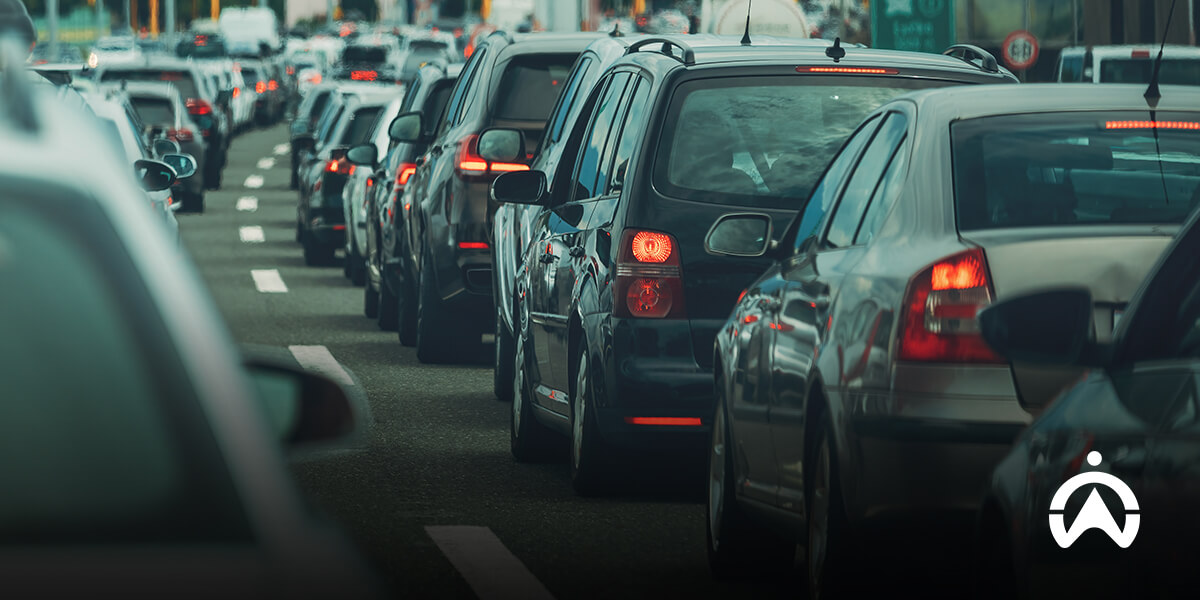
When drivers’ routes are not properly planned, it can lead to several issues such as increased traffic congestion and unnecessary duplicate trips to the same location—this results in fuel wastage. For example, when drivers are stuck in traffic, their vehicles idle, unnecessarily consuming fuel.Additionally, if drivers are required to travel back and forth to the same destination throughout the day, the number of trips will not only be maximised but the time spent on the road will increase.
- Poor Vehicle Maintenance
As mentioned above, ignoring vehicle maintenance warnings is not only unsafe for your drivers and other motorists, but it will affect the longevity of your vehicle and will result in fuel wastage. Here are five things you can do and check frequently to help keep your vehicle running smoothly:- Tyre pressure and rotate the tyres
- Other important fluids like transmission and brake fluids
- The engine air filter
- Cabin air filter
- Belts and hoses
- Fuel theft
Another reason your fuel bill may be suspiciously high is due to fuel theft.Fuel theft not only costs the company money but can cause major delays in operations. There are many types of fuel thefts, some from actual criminals, others from your employees. Let’s look at the types of common fuel theft:
- Syphoning: Thieves use a hose to manually suck the gasoline or diesel fuel out of the tank and into a container. They then place the fuel in another vehicle.
- Fuel Fraud Card: This occurs when an employee uses the company’s fuel card to purchase fuel for their personal vehicle.
- Fuel Card Cloning: Cards are duplicated and used on other vehicles, at the cost of the original cardholder, in this case, the company.
- Fake Transactions: This is when fuel stations charge one fuel card multiple times during a single refuelling session. The cardholder is then liable for all costs.
- Syphoning: Thieves use a hose to manually suck the gasoline or diesel fuel out of the tank and into a container. They then place the fuel in another vehicle.
Addressing these causes of wastage through vehicle maintenance, route planning, fuel management systems and adopting improved driving habits will help your fleet be fuel efficient and reduce costs associated with fuel wastage.
The Financial Impact of Fuel Wastage
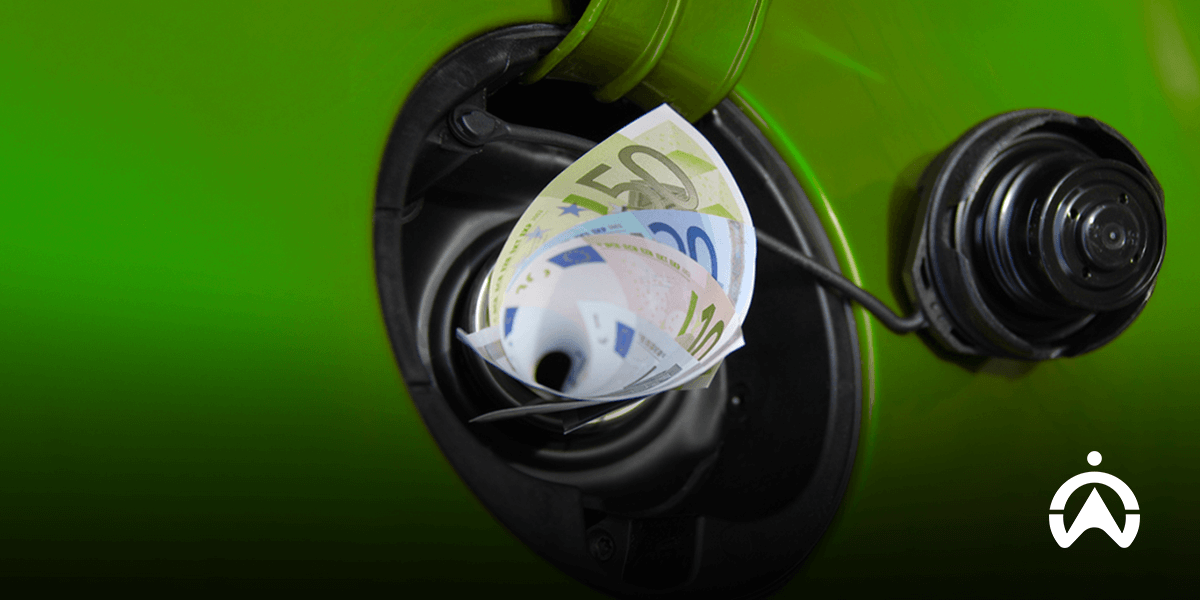
Overspending on fuel puts a financial strain on your business. If you exceed your fuel budget, you may need to reallocate funds originally set aside for maintenance to cover the increased fuel expenses. This can compromise the quality of the equipment you use or may force you to choose a less qualified mechanic.
Poor fuel management can damage your vehicles, strain your budget, and erode your company’s profit margins. By neglecting fuel management, you’ll divert funds from essential daily operations.
Decreased profit margins can force businesses to reduce staff, leading to lower-quality service and dissatisfied customers.
Looking at all these factors, it is evident that fuel wastage not only affects the fuel economy but has other adjacent consequences.
How Fuel Wastage Affects Overall Fleet Performance
Fuel wastage affects overall fleet performance by increasing operational costs, reducing efficiency and may even damage the fleet’s engines.
When fuel is wasted due to poor routing, excessive idling, or aggressive driving behaviours, it not only inflates costs but also leads to longer travel times and decreased productivity.
Additionally, when the engine is not working optimally due to these driver behaviours such as speeding, it can lead to wear and tear.
As a result of the engine not working as it should, drivers may need to spend more time refuelling, ultimately affecting the productivity of the business, which may cause delays in delivery time, resulting in unsatisfied customers.
How to Manage Fuel Wastage and Save Costs with Cartrack
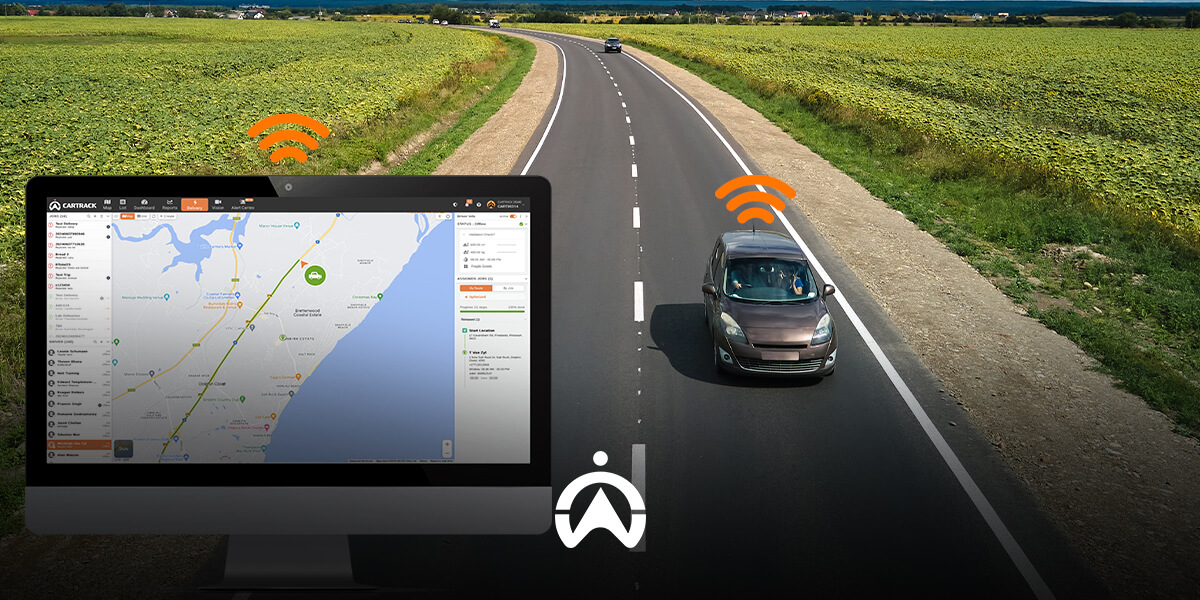
Fortunately for your business, Cartrack will help you tackle fuel wastage and save costs. Our fuel management system uses fleet telematics to read fuel levels in real-time, keep track of and improve fuel efficiency, reduce fuel consumption and instantly notify managers of fuel changes.
The fuel management system allows fleet managers to obtain detailed information about their fleet’s fuel economy. You can determine whether fuel usage has increased due to incorrect tyre pressure, misaligned tyres, or vehicle weight. Furthermore, it provides accurate data on the cost per mile, fuel theft, and driver behaviour.
Depending on the size and the needs of your fleet, here’s how you can reduce fuel wastage with Cartrack’s fuel monitoring features:
- MiFleet: This is an easy-to-use administrative and vehicle cost management software that can efficiently manage your fleet, drivers and related operating costs. The full benefits of managing your fleet are optimised when you have installed tracking devices in your fleet. However, you can still use this software whether or not your fleet is equipped with telematics.
Let’s say you have a fleet of over 500 utility vehicles in several provinces. You realise that your business’s fuel costs are extremely high, but you can’t exactly pinpoint the cause. You try to use spreadsheets but that only creates more admin work and doesn’t give you the insights you need.
Mifleet can help you with the following in this situation:
- It will detect fuel card fraud: The system instantly detects potential fraud by providing accurate alerts.
- It will detect inefficient routes: It identifies drivers who have high costs per job due to deviating from routes and taking excessive breaks.
- It will detect fuel drainage: Suspected fuel siphoning is detected in vehicles with high costs per kilometre using MultiVision cameras and inspections.
The best part is that you have all this information on one platform. With these findings, you can solve your fuel wastage problem, and save costs and time on administration.
- It will detect fuel card fraud: The system instantly detects potential fraud by providing accurate alerts.
- Route Optimisation: Route optimisation is advanced route planning. This feature enables businesses to determine the most efficient and safest paths for their drivers. By integrating GPS tracking, fleet managers will receive real-time alerts regarding delays or route deviations through the app.
This feature benefits your business in the following:
- Save on Costs: You can save a lot of money by making routes more efficient and using less fuel. This means spending less on fuel, repairs, and general running costs.
- Eco-Friendly: Route optimisation helps protect the environment by reducing unnecessary driving and fuel use. This is a greener approach that shows commitment to reducing emissions and taking better care of the environment.
- Timely Deliveries: With the ability to make informed rerouting decisions, businesses can ensure faster deliveries, resulting in enhanced customer satisfaction.
- Save on Costs: You can save a lot of money by making routes more efficient and using less fuel. This means spending less on fuel, repairs, and general running costs.
- CANbus: Cartrack connects to the vehicle’s CANbus (Short for Controller Area Network Bus, it is a communication platform for different parts of a vehicle), which allows clients to see their vehicle information such as mileage, fuel-related information and RPMs on the fleet website. Some of the benefits of CANbus are:
- Vehicle diagnostics: CANbus allows remote diagnostics resulting in lowered maintenance time and costs.
- Fuel efficiency: The data can help optimise fuel efficiency, reducing emissions and fuel-related costs.
- Driver behaviour analysis: CANbus data be used to analyse and coach driver behaviour.
- Vehicle diagnostics: CANbus allows remote diagnostics resulting in lowered maintenance time and costs.
- AI Multivision: Cartrack’s AI-powered cameras notify the driver of risky driver behaviours such as distracted driving and speeding. This allows drivers to correct their actions in real time and helps create a safe driving culture, reducing the risk of accidents and fuel wastage.
- Driver ID tag: Identify and record your drivers’ performance with monthly driver scorecards. You will be able to know which driver is in charge of which vehicle, and essentially see which vehicle uses the most fuel.
In conclusion, having a fuel management system is beneficial for your business. It will help you uncover hidden costs caused by fuel wastage. You will be able to adhere to your budget without redirecting funds for other important things, which will allow you to operate an enhanced fleet business.

Improve your fuel consumption and save on fuel costs with Cartrack
Cartrack is an industry leader in fuel management with easily accessible features on one platform. By choosing us, you are choosing to save on fuel and improve the overall efficiency of your fleet. Contact us today.
Frequently Asked Questions regarding hidden costs of fuel wastage
Q: What are the environmental and reputational impacts of fuel wastage for companies?
A: Excess fuel wastage increases emissions. Companies that waste fuel seem like they do not care about the environment. This will negatively impact the company’s reputation as customers would not want to be associated with such a company.
Q: Which engine consumes more fuel?
A: A larger engine is most likely to consume more fuel since it has more space to fill. However, fleet managers need to note that it isn’t only about the size; it’s also about how efficiently that engine uses fuel.
Q: Are Fuel Management Systems Only Useful for Large Fleets?
A: No, businesses of any fleet size can benefit from fuel management systems.