GPS vs GSM Vehicle Tracking: What is the best?

The Global Positioning System (GPS) is more accurate than the Global System for Mobile Communication (GSM). GPS shows where a vehicle is, but it cannot send that location on its own. GSM is what sends the tracking details to you or a control centre. Think of GPS as finding the place, and GSM as passing the message.

In 2025, GPS vehicle tracking systems led the market by 48.9%. The rest was split between GSM, satellite-only, OBD, and other systems. In Malawi, the most common trackers use both GPS and GSM together. And with new tech like 5G, you can expect the market to keep growing.

In today’s blog, we’re taking a look at how GPS and GSM are different, and why a hybrid system offers the best of both.

GPS vs GSM tracking systems: What works better in Malawi?

GPS gives the most accurate location, but in Malawi, it works best when paired with GSM. GSM lets the tracker send live updates to your phone or a control centre. With high vehicle theft, relying on only one system can leave gaps and slow down recovery efforts.

Hybrid trackers use both GPS and GSM to stay connected. They resist jamming and reduce the risk of signal loss. GPS can struggle in cities, while GSM can fail in rural areas. Using both means the system works more reliably, giving stronger coverage almost everywhere.

What is the difference between GPS and GSM systems?

GPS and GSM tracking each have unique strengths; one may work better in certain places than the other. When combined, they make a stronger system that improves safety and reliability. Knowing how they work together, and what their differences are can give drivers more peace of mind on Malawian roads.

Feature GPS system GSM system
How it works Uses satellites in space to find the location Uses mobile phone towers to send data
Accuracy Very exact within a few metres Less exact often shows an area not a point
Coverage Works anywhere with a clear sky Works where there is a mobile signal
Indoors and tunnels May not work well Can still work indoors or in tunnels
Data sending Finds the location but needs help to send Sends the location through mobile networks
Rural areas Works well if the sky is open It may not work if the mobile signal is weak
Power use Uses more power when always on Uses less power for basic location sharing
Best use Finding the exact vehicle position Sending updates to apps and control centres

How a GPS works

GPS uses satellites to find an exact location, which means that it connects to at least three satellites simultaneously to maintain accuracy. The latest report from NASA confirms that 24 GPS satellites are orbiting Earth, all working together to provide GPS systems with reliable and precise location information worldwide.

Note: Some online sources, like the US Federal Aviation Administration, list 31 active GPS satellites.

How GSM systems work

GSM relies on mobile networks, so it’s less accurate but sometimes more reliable than GPS. It connects to one or two cellphone towers at a time, which means it can’t find accurate distances as easily as GPS. Some tracking systems use only GSM, but these often give poor tracking data.

Hybrid trackers use GSM to send accurate GPS locations to a control centre or smartphone.
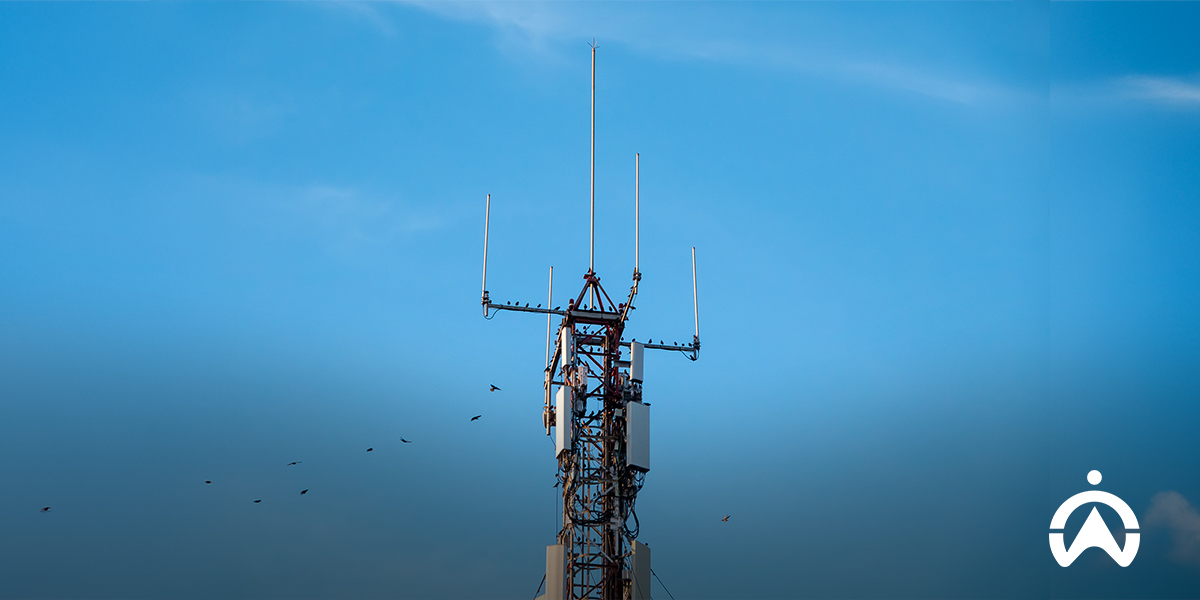
A telecommunications tower rises against a clear blue sky, with birds flying nearby.

Which is the better system for preventing car theft?

Neither system alone is the best, because while GPS is very accurate, it can be jammed. GSM is harder to block, but it’s much less accurate. To get accurate, real-time updates and better theft protection, a hybrid system that uses both is the best.

This is because hybrid trackers offer features like:

  • Anti-jamming technology: Hybrid tracking units resist jamming with detection, backup communication, and added security systems from tracking services.
    ‍
  • Real-time alerts: These systems use both GPS and GSM to give real-time tracking and alerts, updating location and telematics data with meter-level accuracy as the vehicle moves.
    ‍
  • Telematics data: Some hybrid units send telematics data like speed, condition, harsh braking, and accidents, giving real-time updates that improve driver safety and fleet accuracy.

Tip: Always check if a tracking provider offers 24/7 recovery support; some only provide location updates without vehicle recovery services.

Do Malawian vehicle tracking units use GPS, GSM, or both?

Malawian tracking companies, including Cartrack, use hybrid units because these systems improve recovery rates, have increased accuracy, and keep vehicles safer. Combining GPS and GSM gives real-time updates, making them more reliable than older, single-system trackers.

The first tracking units relied only on GPS, which had high costs to operate and would only send real-time location information in emergencies. This became less useful as users and fleets wanted active, constant tracking. Fleet managers now need real-time updates to monitor vehicles, plot routes and create geofences.

As we move into the future, this technology will keep improving. New available features include AI, better tracking, integrated telematics, and backup systems. These make hybrid trackers smarter, safer, and more effective at protecting vehicles and managing fleets.

Note: Integrated telematics is when a tracking unit is connected to a car’s systems, measuring speed, braking, fuel use, idling, and more.

How do Cartrack hybrid systems work?

Cartrack units have long ago adopted fully hybrid systems, using both GPS and GSM to provide accurate real-time data to our users. Over the years, as bandwidth became more available (and users and fleets required more data), technology had to adapt, and so did we.

Modern Cartrack units do much more than simply provide location and telematics. They provide a complete solution, providing route optimisation, telematics, vehicle monitoring, and more. Three key areas make our units more accurate, more reliable, and jamming-resistant.

GPS technology for accurate tracking

  • Accuracy: Accurate within 3 to 10 meters under normal conditions, enabling precise pinpoint locations in real-time. Cartrack units have their own GPS modules that accurately track your vehicle.
    ‍
  • Consistency: The global GPS constellation provides coverage anywhere in Malawi, with continuous satellite availability.
    ‍
  • Recovery: Accurate location data through GPS means that recovery teams know where your vehicle is when recovery is needed. Further, location accuracy means Cartrack’s teams know when your vehicle enters high-risk zones. 
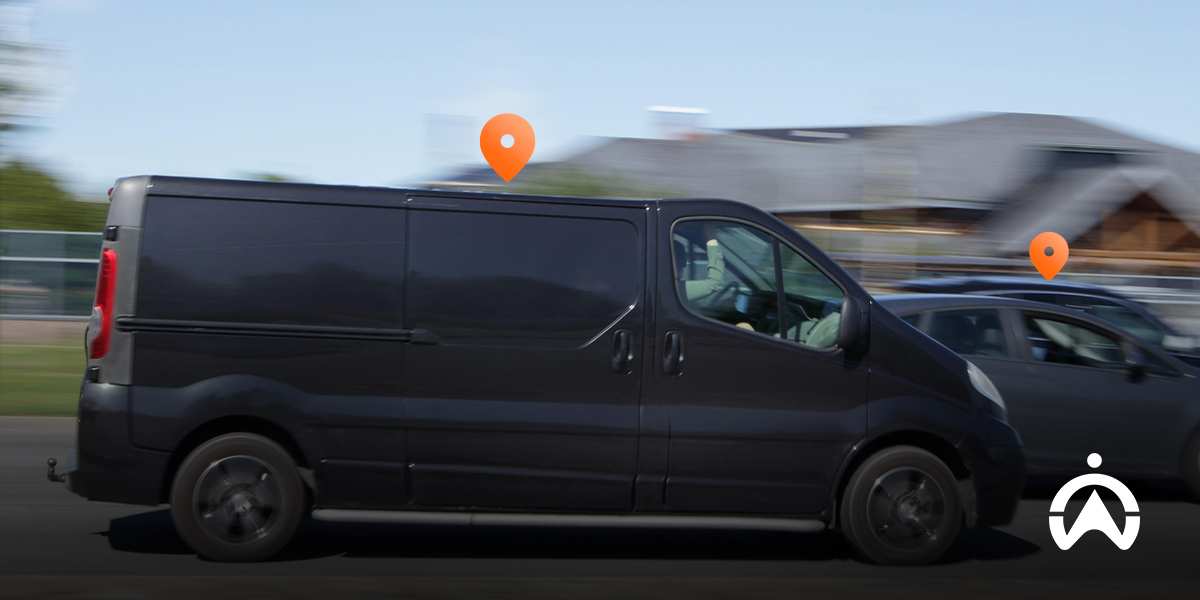
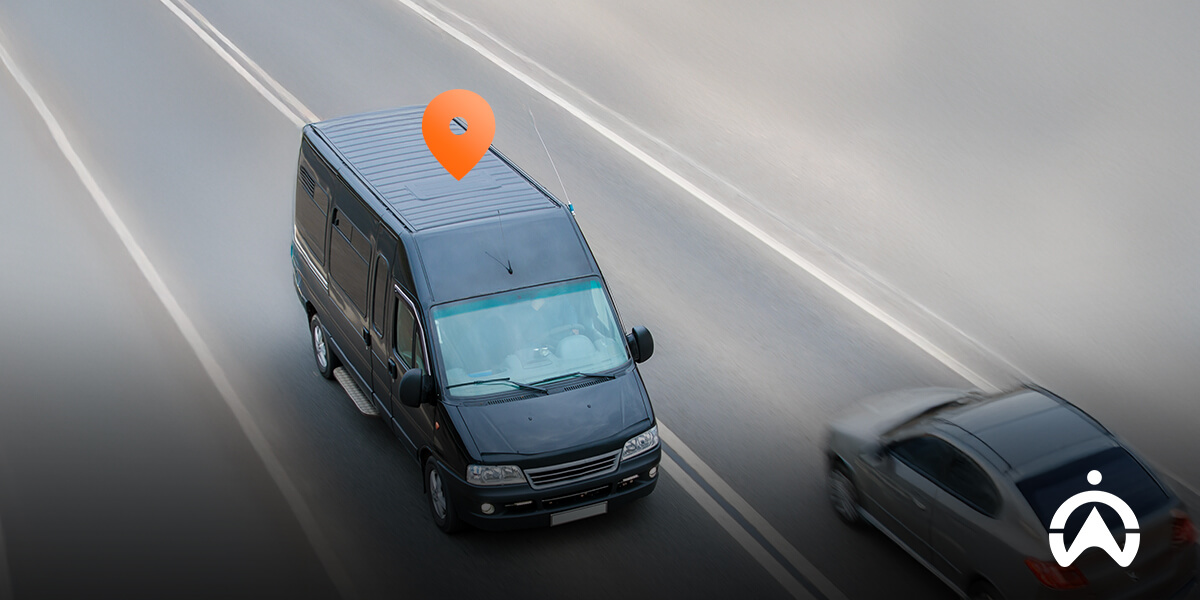
A black van speeds past, with orange location markers indicating its route against a blurred background of greenery and buildings.

GSM technology for accurate telematics

  • Control room communication: GSM technology, like 2G, 3G, 4G, and 5G, lets units send data continuously. Cartrack’s control room receives updates from the unit, including telematics data when it’s turned on.
    ‍
  • Vehicle condition: Units can connect to the vehicle’s systems to monitor its condition. If there’s harsh braking, sudden acceleration, or an accident, the data is sent immediately to Cartrack’s control room.
    ‍
  • Driver behaviour: When integrated with telematics, the units monitor driver behaviour, including speed, braking, and idling. Regular drivers can see ways to improve, while fleet managers can use this data to run their fleets more efficiently.

Cartrack Tag for advanced protection

  • Works through jamming: The Cartrack Tag works without cellular networks, so it still works if GPS is blocked. It detects jamming attempts and sends alerts to the vehicle owner as well as Cartrack’s control room.
    ‍
  • Backup tracking unit: The Cartrack Tag acts as a wireless backup, giving location updates if the main unit is compromised. It has its own long-lasting battery to keep sending location data.
    ‍
  • Proprietary RF communication network: The Cartrack Tag doesn’t use GPS or GSM. It uses proprietary signals and technology to send data to Cartrack’s control room, making it much harder to jam.

Choosing a hybrid tracker that combines GPS and GSM is best for Malawian roads. While GPS does offer pinpoint accuracy, GSM provides much more reliable communication, even when other signals are weak.

Invest in a dual-system tracker to ensure you have the best protection and peace of mind.

Frequently asked questions about GPS vs GSM tracking systems

Is there a difference in stolen-vehicle recovery rates between providers that use GPS, GSM or both?

Yes, units that use both GPS and GSM usually have higher recovery rates. GPS gives a precise location, while GSM ensures the data reaches the control room quickly. Using both makes it harder for thieves to block the signal and improves the chances of finding the vehicle.

Should small businesses and fleets choose GPS/GSM hybrid devices for compliance and reporting?

Yes, hybrid devices provide real-time tracking, telematics data, and accurate reports. This helps fleet managers monitor driver behaviour, vehicle use, and safety, making compliance with company policies and legal regulations easier. They also improve efficiency and reduce costs over time.

How do I pick the best tracker for a specific use case: Personal car, fleet truck, or high-value asset in SA?

You pick the best tracker based on what it can provide for the specific use case. The accuracy, reliability, and features that you need to consider. Private vehicles benefit from hybrid systems for theft protection and recovery. Fleet vehicles may only need real-time tracking, telematics, and reporting, but not SVR. High-value assets may need extra security, like backup units or anti-jamming technology. Always check coverage, battery life, and provider support in Malawi.

What is the Most Effective GPS Tracker?

One of the most effective GPS trackers is the one from Cartrack, making it a smart choice for both business and personal use. Our devices give you flexible technology and real-time tracking, so you’re always protected and can keep an eye on your assets at any time.

Choosing the best GPS tracker might feel overwhelming, but it’s all about knowing what you need for your business—whether that’s safety, visibility, or optimal operations. To highlight the importance of effective GPS tracking, consider this: In Malawi, according the Malawi Police Service annual report for 2023, there were 63 recorded cases of theft of motor vehicles—an average of about 5 vehicles per month. This demonstrates a universal and persistent risk that affects both individuals and businesses.

Let us guide you to the GPS tracker that truly fits your needs. We’ll help you understand the criteria for effectiveness, discover which GPS trackers are best suited for each vehicle, and see why Cartrack is trusted across Malawi and the world.

What is the most effective GPS tracker?

The most effective GPS tracker is the one that directly meets your business or personal needs. It’s a tracker that delivers security, live monitoring, accuracy, and adaptability—all functions that go beyond just tracking. Ideally, a GPS tracker should be the key ingredient to keeping track of and protecting your vehicle.

So, what does “effective” actually mean when it comes to GPS tracking? 

Typically, effectiveness is measured using the following criteria:

  • Ease of use: apps and platforms that are easy to access and use
  • Long-term value: providing a return on investment that goes beyond the initial upfront costs
  • Accuracy: live tracking, which provides a precise location
  • Smooth integration: works with third-party systems, telematics, and fleet management platforms
  • Reliability: working optimally without unexpected downtime

Ultimately, while consumer trackers can work well for personal cars or smaller assets, business-grade solutions almost always deliver more. Their scale, richer data, and professional support reflect this.

Cartrack particularly stands out as one of the most effective GPS tracker suppliers worldwide. We provide solo drivers and large organisations with reliable, instant visibility through our advanced telematics, fleet management integration, and safety-conscious features.

Accuracy vs range: What matters more for GPS tracking effectiveness?

Accuracy and range are equally important when it comes to GPS tracking effectiveness. Accuracy ensures that you’re getting the exact location at all times, while range determines whether information can be effectively transmitted through different areas.

Ultimately, the best and most effective GPS solution strikes a balance between the two.

  • Accuracy refers to how precisely a tracker can pinpoint the location of an asset, often within just a few metres. This is extremely necessary for route emergencies or recovering a stolen vehicle.
    ‍
  • Range is dependent on connectivity (either satellite or cellular data) to transmit information effectively, no matter the area.

What is the most effective GPS tracker for vehicles?

The most effective GPS tracker for vehicles is usually a portable, wireless option, although it ultimately depends from vehicle to vehicle. A standard personal car might need different features compared to a bakkie or a truck, but functions like theft protection and durability are usually universal.

  • Cars: individual car owners often need theft recovery, geofencing, and easy smartphone app alerts for complete protection.
  • Trucks: trucks are often used in fleets and typically require fleet-focused needs. Features include route optimisation, compliance tools, and driver monitoring for risk and cost management purposes.
  • Bakkies/light commercial vehicles: these are vehicles that are typically used for long-distance, potentially rough-terrain travel. Hardware durability is a must, with enough connectivity and coverage—considering Malawi’s road conditions and climate.

Cartrack proves itself as a provider that’s suitable for all vehicles and needs, offering support and features for all three categories.

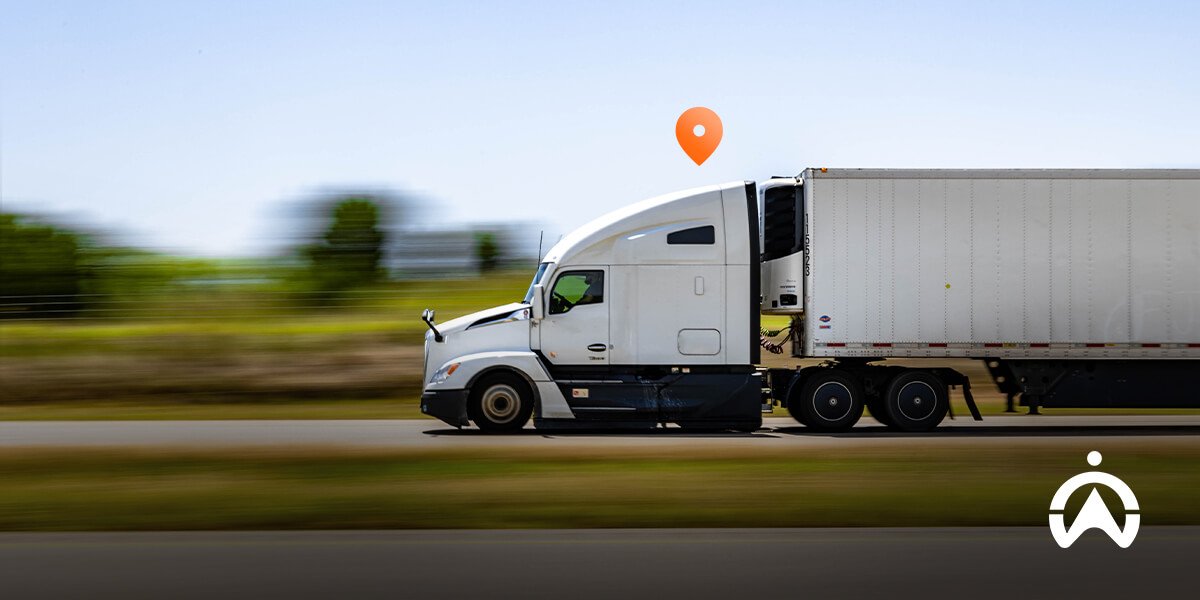
Cartrack showing what is most effective GPS tracker as white semi-truck rolls down highway with location pin glowing above.

What is the most effective GPS tracker for fleets?

The most effective tracker for fleets is one that’s able to meet business-specific needs, which include data-driven insights, increased performance outcomes, and reduced costs. This is typically achieved with a hardwired GPS tracking unit—but again, this depends on your industry and fleet type.

  • Why fleet requirements differ: fleets typically require advanced features that consumer-targeted units can’t offer. These features include adaptability for fleet growth and change, cost control tools for fuel efficiency and optimisation, and compliance support for regulation and safety purposes.
  • Advantages: key benefits include an overall safer driving culture, consistent visibility, and better cost management.

Cartrack delivers all the advanced features you’d expect for GPS fleet tracking. Trusted by local and global businesses alike, we’re ready to partner with you to keep your fleet future-ready.

What is the most effective GPS tracker for assets and equipment?

The most effective GPS tracker for assets and equipment are usually lightweight, portable, and wireless units with long-lasting battery life. Assets and equipment can often be brushed aside, and yet they’re just as vulnerable to theft as vehicles are. Examples of these high-value assets include construction machinery and harvesting tools.

  • Industry use cases: this solution is perfect for agricultural tools, construction yellow machinery, car rental fleets, and other movable assets. Additionally, the monitoring and safety of trailers and containers can also benefit from an asset tracker like this.
    ‍
  • Portability: this kind of flexibility means the tracker is easy to move if necessary. It’s also adaptable to different environments.

Cartrack Tags function as tracking devices as well as security and fleet control systems, ensuring your assets are always protected.

What are the core features of an effective GPS tracker?

The core features of an effective GPS tracker include tamper-proof elements, impressive battery life, and real-time visibility. It’s important that an effective GPS tracker works under tough conditions, like low-coverage areas and rough terrain. Above all, a GPS tracker should be sturdy, reliable, and secure.

Take a look at these core features:

  • Accuracy and real-time visibility: these features ensure live location reporting that’s as accurate as possible (within 2-5 metres). Notifications of movement or entry/exit around unauthorised areas are also a benefit.
    ‍
  • Battery life: a tracker with strong, lengthy battery life means there’s less downtime and need for maintenance. This ensures continuous tracking.
    ‍
  • Ease of installation: you can choose between portable, wireless trackers or hardwired trackers depending on your needs. Regardless of tracker type, installation should be seamless or professionally done without damage to your vehicle.
    ‍
  • Connectivity (cellular, satellite, or IoT compatibility): avoid downtime by choosing a GPS tracker that uses cellular, satellite, or hybrid connectivity. These are strong means of connection that’ll likely keep information transmitting with little to no downtime.
    ‍
  • Security and tamper-proof features: a tracking device that has tamper-proof features ensures the device is protected and that its integrity remains intact. Unauthorised people won’t have access to your information this way.

Consumer vs professional GPS trackers: Which is more effective?

The effectiveness of the GPS tracker type ultimately depends on who’s using it. Consumer GPS trackers are easy to install and affordable for personal cars and smaller assets. On the other hand, professional GPS trackers are typically hardwired and offer advanced tools for complex fleets.

Take a quick look at this comparison table to get a better understanding:

Feature Consumer GPS Trackers Professional GPS Trackers
Purpose Personal use (car owners, parents monitoring driving teens, or general asset monitoring) Business and fleet use (cars, trucks, and assets at scale)
Features Basic location tracking, alerts, and theft recovery Advanced telematics, driver behaviour monitoring, route optimisation, and compliance
Support Limited or self-managed smartphone apps 24/7 monitoring, full customer support, SLAs (service-level agreements)
Scalability Works for individuals or small-scale use Built for fleets/multiple assets and enterprise needs
Value Affordable upfront but limited in scope Typically higher initial costs, but reflects ROI due to efficiency, legal compliance, and theft recovery

Although consumer GPS trackers are suitable for individual everyday use, professional trackers are generally considered more effective overall due to their advanced capabilities. Cartrack delivers the best of both worlds. We offer tools that are both simple for individual use and powerful enough for elaborate fleets.

Which GPS tracker works best and why?

The GPS tracker that works best is the one that offers a balance between accuracy, reliability, and assistance. In a country where vehicle theft is a frequent concern, strong network coverage and customer support are a priority with a GPS tracking device. Fortunately, Cartrack meets all of these requirements.

For everyday consumers, effective car tracking means extra protection and faster vehicle recovery. For businesses, it means better risk management and cost control.

Cartrack is among the most trusted GPS tracking providers in Malawi. Tending to both everyday individuals and large fleets, we’re a popular choice when it comes to meeting market requirements.

How to choose a GPS tracker for your needs

To choose the most effective GPS tracker for your needs, you need to define your purpose, set your criteria, compare providers, and consider after-sales support. These four steps are the keys to linking goals to measurable criteria, helping you make the right choice.

Take a look:

Step 1: Define purpose

Ask yourself what you’ll be using the tracker for and what kind of assets you’ll attach it to. Think about the main purpose, the type of asset, the scale—whether it’s just a few vehicles or a large fleet—and the results you want to achieve, like lower fuel costs or improved driver behaviour.

Step 2: Set criteria

Think carefully about which GPS tracking features are non-negotiables. Use these as the basis of your criteria, and consider these following points:

  • Power source: is the device portable and wireless or hardwired?
  • Connectivity: is the device dependent on cellular and multi-SIM data, and can it use satellite connection when necessary to avoid downtime?
  • Extra protection features: is the unit sturdy and able to remain in place no matter the terrain? Is the unit tamper-proof?
  • Integration: does this unit connect seamlessly to its accompanying fleet management platform? Does it provide the necessary data and analytics required?
  • Updating accuracy: does this device show real-time feedback and update frequently?
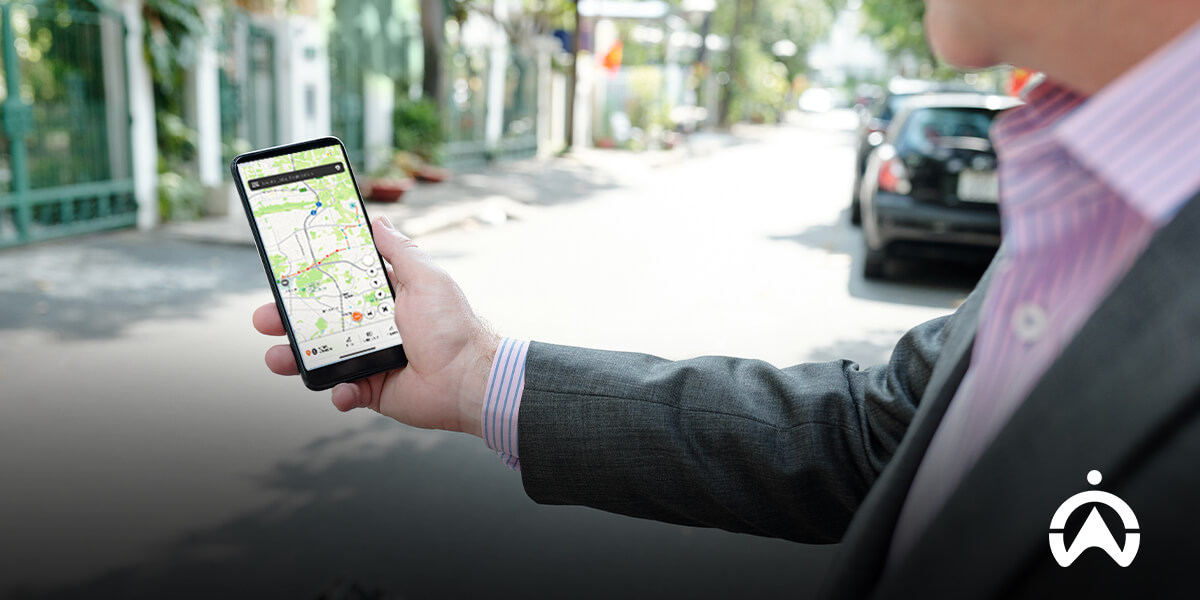
A man holding a phone displaying Cartrack app as most effective GPS tracker.

Step 3: Compare providers

Always compare providers and their offerings according to the criteria you’ve set. This is a practical checklist that helps you objectively select the best provider for your GPS tracking needs. Think about these parameters when comparing providers:

  • Demo options: does the provider offer trials and demos for you to test their services and offerings?
  • Case studies: are there enough real-life references and success stories that reflect their work?
  • Feature fit: does the provider meet your criteria in terms of the features you’re looking for?
  • Onboarding and ongoing support: does the provider offer onboarding to help your team work smarter with these new tools? Is there ongoing support and refresher training when necessary?
  • Security and privacy: can the provider offer encrypted services to keep your data safe? Are their security measures at a global standard?
  • Uptime and recovery: does your provider offer strong recovery services in the case of vehicle theft? Is round-the-clock support and monitoring offered from their control room?

Step 4: Consider after-sales support

After-sales support is the key to a holistic, effective GPS tracker—the technology is only half the job. Make sure that your provider offers the following:

  • Professional installation and fitment that won’t impact the vehicle’s warranty
  • Maintenance when it’s necessary, including battery replacements, spare units, and software or hardware updates
  • Onboarding and training for staff, including you as an owner or fleet manager
  • Scalability and flexibility if your fleet grows or changes in its structure

Making the right choice in GPS tracking

Ultimately, the most effective GPS tracker is the one that best suits you and your personal or business needs. Whether you’re managing a sophisticated fleet, protecting high-value assets, or looking after a personal car, effectiveness should be all about stronger security and smarter control.

Luckily, Cartrack is prepared for whatever you need. We bring both simplicity and comprehensiveness based on your needs, so that you remain assured that your assets are always protected and connected.

Don’t leave your assets’ safety to chance. Equip your business with Cartrack’s GPS tracking solutions, trusted by thousands across Malawi. Speak to our team today and find the most effective GPS tracker for your needs.

FAQs

Q: What is the difference between a tracker and a GPS tracker?

A: The difference between a tracker and a GPS tracker is that a tracker can be any device that tracks movement or location with, for example, Bluetooth, whereas a GPS tracker specifically uses cellular data or satellite networks to provide live locations. GPS trackers are typically the smarter, better-connected option, proving valuable for fleet and asset tracking.

Q: Which GPS tracker has the longest range?

A: The GPS tracker with the longest range is usually a satellite-enabled tracker. This is because they usually have the best coverage, even in low-coverage or remote areas. The range of a tracker depends on the connectivity method, which is usually cellular, satellite, or hybrid connectivity.

Q: Which GPS tracker is the most accurate?

A: The most accurate GPS trackers are professional-grade ones. Professional-grade trackers usually combine GPS triangulation and other telematics technology to provide live tracking that’s as accurate as possible—within 2-5 meters accuracy. This is especially necessary in areas with low-to-no signal coverage or interference.

Q: Are hidden GPS trackers legal?

A: Yes, hidden GPS trackers are legal when placed in the vehicles or assets you own. Illegality comes in if you place a hidden or inconspicuous GPS tracker in another person’s vehicle without their knowledge or consent. It’s important that businesses also comply with employee monitoring regulations when using GPS tracking for fleet vehicles.

Airtag vs a GPS Tracker: What’s the Best Car Protection?

A GPS tracker is much better for car protection in terms of vehicle recovery. An AirTag can sometimes help you find your car if it passes near other Apple devices, but this won’t really give you real-time updates. It also won’t work well in less-populated areas. A dedicated GPS tracker, however, uses satellites and cellular service for a much more reliable, powerful, and accurate connection.

According to a 2023 estimate, the rate of reported motor vehicle theft in Malawi was approximately 23.7 per 100,000 population per year. At Cartrack we completely understand what some car owners face when deciding between a GPS tracker and an Airtag. So, we’re here to help you make an educated decision.

AirTag or GPS tracker: Which is the better choice for protecting your car?

With thousands of cars stolen annually, vehicle theft is a serious issue—especially in Malawi. Losing a car can also be extremely stressful in addition to being a financial loss. Although steering locks and alarms offer some prevention, the reality is that savvy thieves can easily get around these.

For this reason, a lot of Malawian drivers are using tracking devices as an additional precaution. Usually, there are only two options to consider: a GPS tracker and AirTag’s. But which is better suited for serious vehicle protection? Let’s fully explore each of these devices and understand why a GPS tracker offers far greater security than an AirTag ever could for your car.

What is an AirTag?

So what exactly is an AirTag? An AirTag is a bluetooth tracking device owned by Apple designed to locate personal belongings. It’s a small and discreet tag that works via the ‘Find My’ network using nearby iPhones to update the location.

How does an AirTag work for car protection?

The AirTag was designed to help you find personal items like keys, wallets, and bags—not cars. While AirTags are small and easy to place, they completely rely on Apple’s “Find My” network. What this does is make their performance dependent upon how many iPhones exist, limiting how well they can protect your vehicle in real-life theft cases.

Pros of AirTag for car use

The pros of an AirTag for tracking your car are:

  • It’s an affordable one-time purchase.
  • It’s easy to set up with an iPhone.
  • It’s small and discreet—easy to hide.
  • It’s also reasonably useful in dense urban areas with many iPhone users.

Cons of AirTag for car use

The cons of an AirTag for tracking your car are:

  • It’s not a dedicated vehicle tracker GPS—no theft alerts.
  • It relies entirely on nearby iPhones to update location.
  • It’s useless in rural areas or places with only a few Apple devices.
  • Thieves can easily detect and disable them.
  • They don’t provide real-time updates or recovery assistance.

For everyday items, an AirTag is convenient. But for serious car protection? It falls short!

Cartrack GPS tracker vs AirTag comparison with black van on highway marked by location pin.

What is a vehicle tracker GPS?

A GPS tracker is a specialised vehicle tracking device that provides precise, real-time location updates via satellites and mobile networks. GPS trackers, as opposed to AirTags, are made specifically for the purpose of preventing car theft, assisting in vehicle recovery, and offering other useful safety features.

Why is a GPS tracker the better option for vehicles?

GPS trackers are mainly designed for vehicles, in contrast to AirTags, which are designed for items. So no matter where your car is, a GPS tracker provides precise, real-time location updates via satellite technology and mobile networks. In Malawi, where auto theft is a major problem, a GPS tracker can also send theft alerts.

They can also put you in touch with expert recovery teams and provide you with full visibility via a mobile app. Let’s take another look at some pros & cons:

Pros of a GPS tracker for car use

The pros of a GPS tracker for tracking your car are:

  • It provides real-time location tracking.
  • It works independently of nearby devices.
  • They have geo-fencing (alerts when your car leaves a designated area).
  • They provide theft alerts for unauthorised movement.
  • They can monitor driver behaviour.
  • You can receive emergency responses and recovery assistance.
  • It’s linked to professional monitoring centres for rapid theft recovery.

Cons of GPS tracker for car use

The cons of using a GPS tracker for tracking your car are:

  • They’re are more expensive than an AirTag.
  • They require installation (by a professional).
  • Ongoing subscription fees may apply.

AirTag vs GPS tracker: Side-by-side comparison

A sure way to make sure you’re making the right choice for your vehicle’s protection is by comparing the key features, reliability, and overall value of each device. While an AirTag can be a handy tool for tracking your small personal belongings, a vehicle tracker GPS is purpose-built to safeguard your car. That’s because it offers you real-time monitoring, theft alerts, and recovery support.

By comparing the technology, cost, and protection provided by each of them, you can easily see why the best GPS tracker for car safety in Malawi is the superior choice.

Feature GPS Tracker AirTag
Purpose Vehicle tracking and protection Finding misplaced items
Technology Satellite-based GPS and mobile networks Bluetooth and Apple’s Find My network
Real-time Tracking Yes, accurate and continuous Limited, depends on nearby devices
Coverage Global coverage Only where iPhones are present
Theft Prevention Theft alerts, immobilisation options No dedicated features
Durability Rugged, built for vehicles Consumer-level
Cost Higher cost and possible subscription Low one-time cost
Ease of Use Professional installation recommended Simple set-up
Best for Serious vehicle protection Everyday personal items

Why GPS trackers are better for Malawian drivers

In Malawi, every second is crucial when your vehicle is stolen. Even a few minutes can make an impact whether you get your whole vehicle back or just parts of it. This is why, compared to an AirTag, a GPS tracker offers you far more protection:

  • Theft alerts: Get alerted right away if your car is moved without your consent.
    ‍
  • Expert recovery teams: Cartrack has 24/7 vehicle recovery teams to curb vehicle theft.
    ‍‍
  • Family protection: A GPS tracker can help parents keep an eye on their children’s driving habits and make sure they get to their destination safely. For family homes, this makes ours the best GPS tracker for vehicle safety.
    ‍
  • Fleet management: Companies can keep an eye on several cars at once, reducing fuel waste and unauthorised travel.

Simply put, the best hidden GPS tracker for car protection is the better option if you’re serious about keeping your vehicle safe.

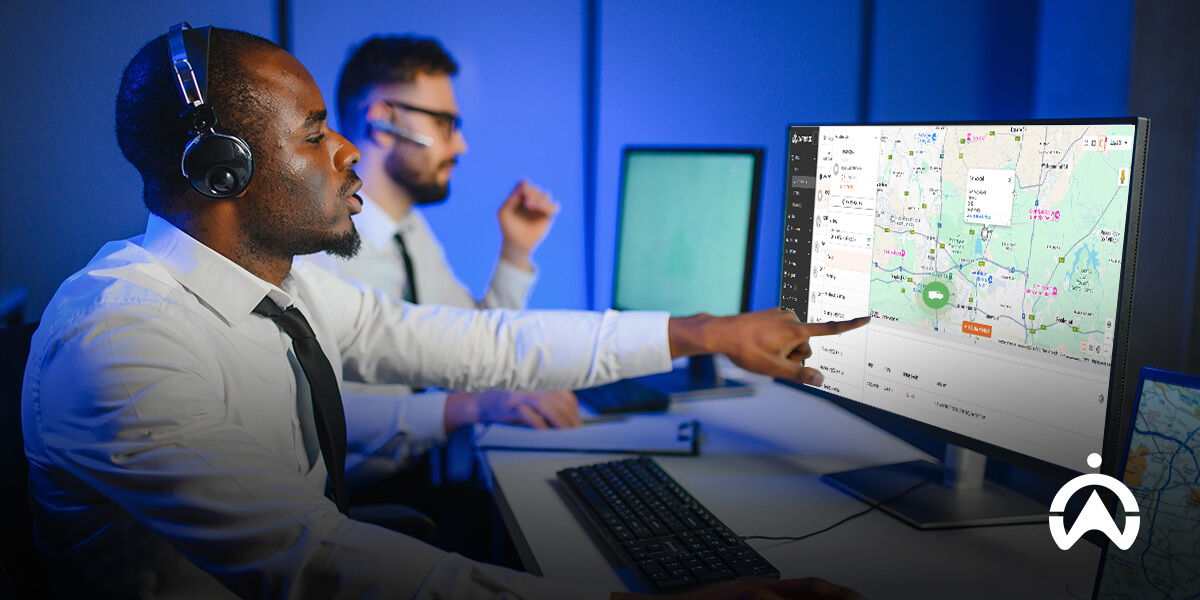
Cartrack GPS tracker vs AirTag comparison shown with headset user pointing at detailed digital map on monitor.

Why drivers prefer our vehicle tracking services

Now, you may be wondering, ‘Why do people prefer using Cartrack’s GPS tracking systems?’ Well, as a company, we completely understand the importance of not only being quick, but also being efficient when it comes to retrieving stolen assets—as every second counts.

At Cartrack, we offer:

Nationwide reach, around the clock
No matter where you are in Malawi, our tracking network will cover you. Our teams remain on standby 24 hours a day, 7 days a week, 365 days a year—so your car is always protected.

A mobile app for seamless control
We put complete visibility at your fingertips. Using our user-friendly mobile app, you can:

  • Track your car’s live location in real time.
  • Instantly share your current location with loved ones or coworkers.
  • Get notifications and proactive alerts as soon as something changes.
  • Access your full trip history whenever you need it.

A trusted service by millions of Malawians
Over two million drivers already rely on our service to protect their cars. We’re honoured to be acknowledged as the top vehicle tracker GPS provider for peace of mind and proven outcomes. Our excellent customer service and reputation as one of the most trustworthy tracking companies on HelloPeter speaks for itself. We hold a 9.5 Trust Index rating on HelloPeter, the highest in our industry, and have an overall score of 4.15 out of 5 stars.

Other car protection devices

GPS trackers and AirTags aren’t the only devices available to protect your vehicle. Your budget and needs play a major role in what device you’ll choose. To make sure you have a complete overview on what products exist, we’ve put together a comprehensive overview for you to make an informed decision.

Device How It Works Approx. Cost (MWK) Pros Cons
Steering Wheel Lock A visible lock clamps onto your steering wheel to prevent it from turning. MWK 29,000 to MWK 96,000 Affordable; visible deterrent; easy to install. Bulky to use daily; determined thieves can cut through it.
Gear Lock (Manual/Automatic) Locks the gear lever in place, preventing the car from being shifted into gear. MWK 79,850 to MWK 199,640 Reliable; hidden option; slows down theft attempts. Professional installation is often required; not foolproof.
Immobiliser Prevents the engine from starting without the correct key or code. MWK 149,700 to MWK 299,400 Effective against hot-wiring; often lowers insurance premiums. Installation required; sophisticated thieves may bypass.
Car Alarm Sounds like a loud siren when forced entry or movement is detected. MWK 99,820 to MWK 399,280 Audible deterrent; alerts nearby people. Many false alarms; people often ignore alarms.

Frequently asked questions about AirTag vs GPS tracker

Can I use an Apple AirTag as a car tracker in Malawi?

Yes, but only to a point. AirTags get their location updates from nearby iPhones, so they work better in busy cities. However, they don’t let you track things in real time or get alerts when something is stolen; and thieves can easily find and disable them.

Is a hidden GPS tracker for car security more effective than a visible one?

Yes, a hidden GPS tracker used for car protection is much harder for thieves to find and take off, which makes it much more likely that you’ll get your car back if it’s stolen. Additionally, there’s often more than one GPS tracker installed in your vehicle, so you will always be protected.

Can a GPS tracker lower my insurance premiums?

Yes, a lot of Malawian insurance companies see GPS trackers as a good way to protect your property and may offer you lower premiums. GPS trackers greatly increase the chances of recovering a stolen vehicle, which is why AirTags are not recognised for this purpose.

Do all GPS trackers require a monthly subscription?

Not all GPS trackers require a monthly subscription. Some products are sold as the best GPS tracker with no monthly fee or the best vehicle tracking device with no monthly fee. Most of the time, these only let you track your location. But subscription-based services offer theft alerts, help with recovery, and monitoring around the clock.

Will an AirTag alert me if my car is stolen?

No, unfortunately AirTags don’t offer any recovery support, immobilisation, or theft alerts. AirTags are Bluetooth devices, so only when and if your vehicle happens to pass another Apple device will it then be able to provide you with location updates.

Get the Best Insights on Business GPS Tracking Use Cases

Whether you’re in agriculture, e-hailing, mining, or tourism, GPS tracking devices are a must-have for your business. This technology will bring numerous positive changes to your business that’ll improve your bottom line. In today’s world, GPS tracking technology isn’t optional; it’s essential.

According to The Africa Vehicle Tracking Market System, the vehicle GPS tracking market in Africa is growing rapidly. It’s expected to reach a compound annual growth rate (CAGR) of about 14.9% from 2020 to 2027. The research also lists Cartrack as one of the major companies in the African vehicle tracking system market. As one of the leading companies in the industry, we’re here today to give you the key use cases of our GPS technology.

Why should businesses turn to GPS tracking?

Businesses should invest in GPS tracking technology to gain better control of all activities involving their fleet of vehicles. It’s also no secret that vehicle theft is a great concern in Malawi, making it one of the top reasons to get GPS trackers.

Beyond vehicle theft recovery, GPS tracking technology ensures that you always know the exact locations of your vehicles. It makes it easier to see when drivers aren’t being productive, have been in one place for too long, or are in places they shouldn’t be. GPS tracking technology, therefore, encourages workforce accountability across your entire fleet, and boosts production (and profits)!

What are the top GPS tracking use cases for businesses?

The top uses for GPS tracking are fleet management, asset tracking, workforce management, safety, and compliance. Businesses today are always looking for ways to work smarter & faster while saving money. GPS tracking technology does exactly that and brings in added advantages.

Here’s a detailed breakdown of the GPS use cases for most businesses:

Fleet management

  • Real-time vehicle tracking: As mentioned, GPS tracking devices help you see exactly where vehicles are at any given time. This makes your vehicles easier to manage, especially when running a large fleet. It also helps you ensure that drivers are on schedule. If a vehicle breaks down or gets delayed, you’ll be able to quickly respond and send help to the right location.
  • Route optimisation and reduced fuel spend: You can use GPS tracking technology to plan better routes. This is what we call route optimisation software. By using this software, you can plan the fastest and most efficient routes for your drivers. This reduces driver deviations, saves fuel, and minimises costs. It also helps your drivers avoid delays caused by traffic or road closures.
  • Enhancing customer experience with accurate ETAs: When your customers know exactly when their delivery will arrive, they enjoy a more satisfying experience. GPS tracking helps you provide customers with accurate estimated arrival times (ETAs). Through this, you ensure that your business meets client expectations.
  • Proof of delivery and accountability: GPS tracking helps your business prove that deliveries have been completed on time. It also keeps drivers accountable for the deliveries they make, reducing mistakes and complaints.

Asset tracking

  • Securing high-value equipment or cargo: It’s not just about the vehicles but also about what they carry. Businesses often need to protect expensive tools, machinery, or other types of cargo. GPS tracking helps keep tabs on your high-value assets so nothing goes missing.
  • Theft recovery: If an asset is stolen, GPS trackers make it easier to locate and recover. This reduces financial losses and gives your business more peace of mind. Insurance companies will also offer you favourable premiums if they know your vehicles can be recovered if stolen.
  • Monitoring vehicle utilisation: GPS tracking technology works with sensors to show you how often your equipment is used. Through this, you can ensure that your tools aren’t overworked or sitting idle for too long. This helps you save money and improve efficiency.
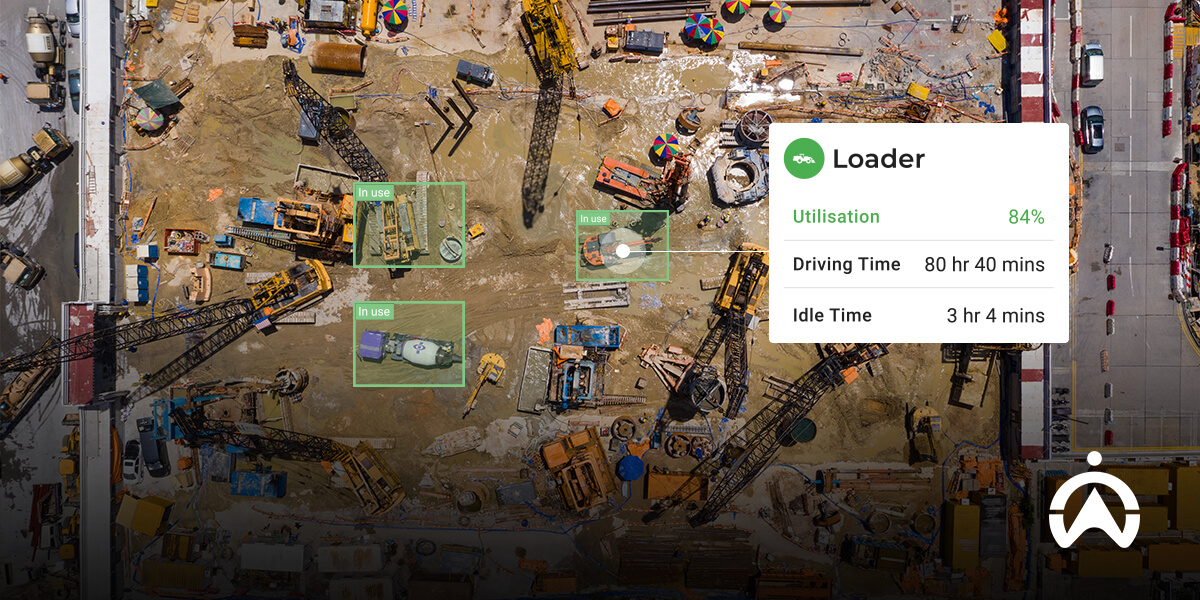
Cartrack business GPS tracking use cases at construction site with machinery and loader usage stats.

Workforce management

  • Better scheduling and dispatching: GPS data helps you assign jobs to the right employees and plan schedules efficiently. This reduces downtime and ensures the right person is at the right place at the right time.
  • Improved accountability (clock-in/out verification): GPS tracking systems have timestamps. This means better record-keeping of when employees arrive and leave work sites. It improves accountability and prevents false reporting. For example, if your driver claims they did overtime, GPS records will be able to prove that.

Safety and compliance

  • Monitoring driver behaviour (speed, harsh braking, idling): How your drivers treat vehicles can greatly impact the number of accidents that occur. It also affects fuel and maintenance costs. GPS tracking technology works with telematics to provide you with insight into unsafe driving habits. You’ll get instant alerts or detailed reports so you can train drivers on safer driving habits to improve fleet safety and reduce costs.
  • Meeting legal and industry requirements: Some industries have strict rules for hours, safety, or cargo handling. GPS tracking will help your business stay compliant and avoid heavy fines.

Industry-specific use cases for GPS tracking

GPS tracking solutions play an important role in various industries such as cold chain logistics, agriculture, mining, construction, e-commerce, and service trades like plumbing. If you’re running a fleet in any of these sectors without GPS technology, you risk falling behind.

Here’s a table that briefly outlines how GPS tracking technology is used in different industries to make operations more efficient:

Industry GPS Tracking Use Cases Purpose/Benefits
Cold Chain & Specialised Transport Monitor temperatures, prevent delays and spoilage, and ensure compliance. Protects refrigerated goods, saves costs, and maintains standards.
Field Services Track technicians, assign jobs efficiently, and provide proof of service. Improves productivity, saves time/fuel, and ensures accountability.
Agriculture Locate farm equipment across fields, prevent theft, monitor productivity, and monitor working hours. Efficient equipment use, security, maintenance planning, and worker compliance.
Construction Monitor cranes, bulldozers, and other machinery. Prevent theft, track fuel/machine hours, and coordinate teams. Reduces costs and safety hazards, improves planning, and ensures equipment security.
Mining Track vehicles and heavy machinery, and monitor driver safety, predictive maintenance, and compliance. Smooth operations, accident prevention, reduced downtime, and regulatory compliance.
Delivery & E-commerce Track vehicles/packages, optimise routes, provide ETAs, proof of delivery, and manage high-volume orders. Improves efficiency, saves fuel/time, enhances customer satisfaction, and ensures accountability.

Cartrack case studies: How different companies use our GPS tracking solutions

Cartrack GPS tracking solutions are there to serve businesses across multiple industries. We’ve dedicated our time to understanding our customers across different industries. We keep close contact with our clients to learn how our solutions perform. From this, we’ve developed case studies that demonstrate the difference a GPS tracking system can make.

Here are some case studies displaying how our technology works in the construction and e-commerce sectors. We also give you a short story of one of our many successful recoveries.

Concord Cranes: A construction company

Concord Cranes is a company that specialises in crane hire solutions. They provide mobile cranes for hire, professional rigging, transport, and specialised lifting projects across their 15 branches.

Main challenge:

Concord Cranes found it difficult to accurately record the hours each crane worked, making it challenging to maintain and deliver them to their clients on time.
‍

How we helped them:

  1. Cartrack’s IoT device and specialised power take-off sensors help Concord Cranes see their cranes’ working hours, mileage, and what equipment each crane uses. This makes it easier to check the condition of every crane and plan maintenance before problems occur.
  2. With Cartrack’s system, Concord saves money by avoiding costly repairs and reducing downtime. These insights allow them to fix small issues early on, instead of waiting until they become big, expensive problems.
  3. Concord also uses Catrack’s system to build trust with its customers. The cranes are always safe, reliable, and ready to work. Clear maintenance schedules mean fewer surprise breakdowns and better planning for crane deliveries.

“Using Cartrack’s advanced fleet management, we have been able to increase our operational efficiency to deliver a better service to our customers, as well as effortlessly establish a maintenance cycle that reduces our costs and increases our fleet longevity.” – Gareth Langley, Concord Cranes operations manager.

The Courier Guy: A last-mile delivery service

The Courier Guy is Malawi’s leading courier service provider. It started with one motorbike in the early 2000s. Today, the large fleet they have makes it vital for the company to maintain control of its vehicles. They also need to keep up with the ever-growing consumer demands to deliver goods faster and safer.

With a growing number of drivers, customers, and vehicles to manage, GPS telematics is even more crucial for The Courier Guy. The company needed a system in place that gave fleet managers full visibility of the entire fleet operation. One that can simplify business operations and task management, while increasing customer satisfaction.

How we helped them:

  1. The Cartrack system provides them with driver management solutions that eliminate time-wasting and unreliable manual tracking. It also gives them accurate, real-time monitoring of drivers’ locations. This ensures that packages always arrive on time, safely, and correctly.
  2. Cartrack’s fleet management software automatically populates the customer details of recurring orders. This has helped eliminate incorrect submissions, reducing paperwork.  Through this, they improve manager and driver communication, resulting in faster delivery turnaround times.
  3. Thanks to Cartrack’s Delivery software, The Courier Guy can keep customers updated during every step of the delivery. Automated emails and SMSes are sent so customers always know where their packages are. Fleet managers can also see the live location of vehicles and ask drivers to upload a photo or get an e-signature as proof of delivery. This improves driver accountability and gives customers better service.
  4. The Courier Guy has improved the safety and security within their fleet thanks to Cartrack’s AI-powered camera live-streaming technology. The cameras monitor driver behaviour and give instant alerts when risky driving habits are detected. They ensure that drivers can correct themselves right away. Cartrack’s AI-cameras have led to fewer damaged goods, fewer speeding fines, and a stronger, more trusted brand image.

“Cartrack’s technology allows us to focus on our drivers, customers, cargo, and fleet all from one platform. It puts us in control from dispatch to delivery.” — Jeffrey Wheeler, Assistant Fleet Manager at The Courier Guy, overseeing operations and fleet management across Malawi and Southern Africa.

Vehicle retrieval: A successful truck and cargo recovery

In May 2025, Cartrack’s Recovery Team was dispatched for an FAW truck after receiving signal-jamming alerts. The team tracked the vehicle and spotted it leaving a recycling centre. The suspect attempted to flee but was swiftly apprehended, and the vehicle was safely recovered along with its cargo, which had been offloaded on the premises.

The suspect was handed over to the SAPS Flying Squad. The vehicle was booked in at the Lenasia Vehicle Identification Services, and the goods were returned to the client.

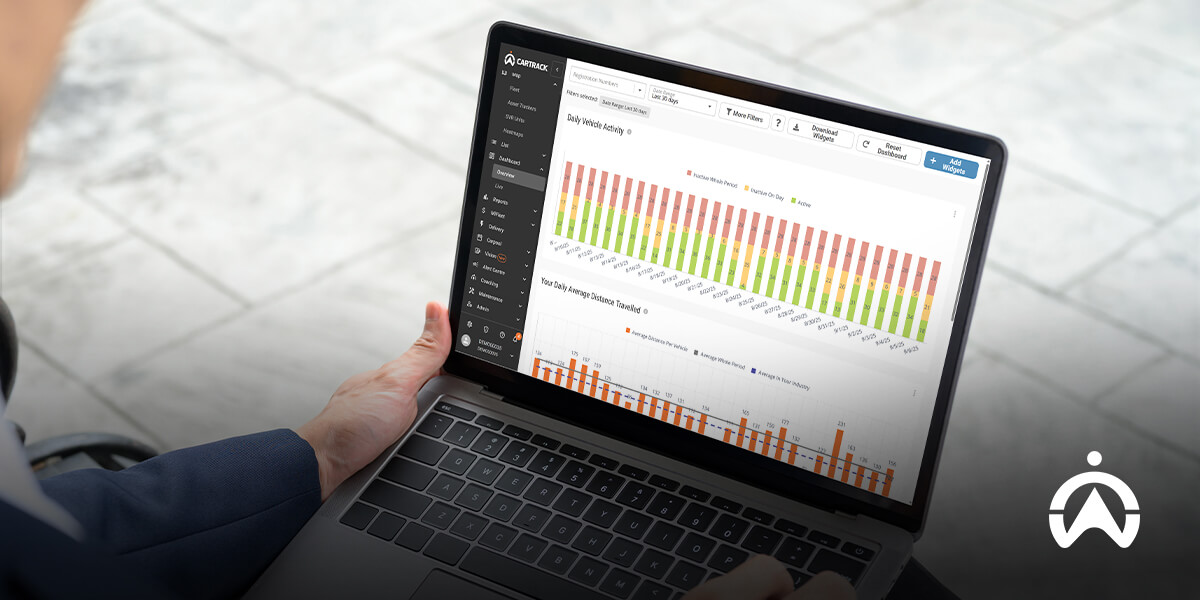
Cartrack business GPS tracking use cases shown on laptop with vehicle activity and distance graphs.

Other unusual and innovative uses for GPS tracking

GPS tracking applications have evolved over the years, and nowadays, this technology is used for things that most people wouldn’t have imagined. For example, some companies use GPS tracking technology for marketing and town planning. These are two very smart ways of monitoring crowd flow.

Here’s how they work:

  • Marketing and customer engagement: Some businesses use geofencing technology to target the cellphones of customers nearby. This is called geofence marketing. Through this technique, customers receive targeted adverts or push notifications. Marketing companies can send special offers, discounts, or promotions based on a person’s location. GPS tracking software also helps these companies understand where customers go so they can plan better marketing campaigns and improve services around those locations.
  • Urban planning insights: Cities and businesses can use GPS data from delivery or service fleets to understand traffic patterns and busy areas. This helps them plan roads, optimise routes, and reduce congestion. Businesses can also use it to find faster delivery routes, saving time and fuel.

Explore tailored GPS tracking solutions for your business

Whether it’s vehicles, machinery, or other assets, with us, you’ll always have full visibility. You’ll get live tracking features with smart map and satellite views. This ensures that your assets are safe and never out of sight. We always strive to give you the next-level technology, so you’re always a step ahead of the competition.

Here’s a detailed breakdown of our GPS tracking features:

  • Geofence: Our geofencing feature can be seen as an extra precautionary measure. With this, you can create virtual fences around areas of your choice and get alerts whenever vehicles or assets go in or out of those locations.
  • AI dashcams: Our AI Dual Vision dashcam solution comes with GPS tracking capabilities. This means with these cameras you not only get to see what drivers are up to, but also get alerts and reports on driving habits such as speeding. These cameras also monitor distracted driving habits and send alerts to ensure that drivers focus on the road ahead.
  • Stolen Vehicle Recovery: Our track record speaks for itself. In the past decade, we’ve retrieved more than 100,000 stolen vehicles. This makes us one of Malawi’s leading companies in stolen vehicle recovery. We have a nationwide team of experts who are always ready to give back what rightfully belongs to you.
  • Driver Identification tags: With the Cartrack Driver Identification (DID) tags, you not only know where vehicles are, but also instantly know who’s driving. Each driver will have their own tag, which ensures that they only use the vehicles they’re assigned to. DID tags also help you differentiate between personal and business trips, making it easier to track fuel expenses.

We specialise in GPS tracking solutions that are useful in many industries. By partnering with us, you choose industry experts who’ve been around for decades. Contact us today to boost your business operations with our smart GPS tracking tools.

Frequently Asked Questions about GPS tracking

How reliable is GPS tracking?

GPS tracking is very reliable most of the time. It uses satellites to find locations anywhere on the globe. However, tall buildings, tunnels, or heavy trees can sometimes block signals and make it less accurate. Overall, it gives you and your business a good idea of where vehicles, devices, or people are.

How do you ensure GPS information is used ethically?

To ensure the ethical use of the information gathered from your GPS tracking devices, you must ensure that there’s transparency between you and your drivers. You must explain to drivers how the data helps with safety and productivity. Furthermore, you must also introduce strict policies that limit data collection and its use to only what’s necessary.

Portable GPS Tracker Device For Every Asset

Portable tracking has grown to become a true and practical necessity, whether it’s about protecting your personal vehicle or managing your business’s expanding fleet. Most traditional portable GPS trackers are a simple and flexible alternative to standard tracking systems, which are highly efficient but typically permanently attached in place. Portable trackers are lightweight, sleek, and wireless, making them the perfect solution for rental setups, personal safety measures, or other short-term tracking needs. But while these portable trackers rely on GPS or cellular connection, Cartrack’s device, the CT Tag, is purpose-built solely for jamming-resistant asset tracking – not needing any cellular or internet connections to function.

This tracker type introduces a new degree of safety and control, and through this guide, we’ll tackle the advantageous outcomes of opting for a portable tracker and how Cartrack’s advanced technology and anti-jamming protection make it easy for you to stay connected to your vehicle and keep it safe.

In this article, you will:

  • Discover what portable GPS tracker devices are and how they work
  • Understand the key differences between portable GPS trackers, traditional trackers, and Cartracks CT Tags
  • Know who portable trackers are ideal for and what features to seek out
  • Find out why Cartrack’s portable device is one of the smartest choices on the market

What is a portable GPS tracker device?

A portable GPS tracker is a standalone, small, battery-operated device that transmits a vehicle’s real-time and precise location. It’s a wireless unit that, unlike standard trackers, which are integrated directly into a vehicle’s electrical system, requires no installation and can fit in every vehicle. Portable trackers are typically:

  • SIM-equipped devices, which use LTE (Long Term Evolution) or GSM (Global System for Mobile Communications) networks for connection purposes. This is not the case for Cartrack’s portable device, though. Cartrack’s portable tracker, known as a CT Tag, doesn’t use a SIM card, so it doesn’t rely on GSM or GPS connection. This also means that it’s unaffected by jamming, as it doesn’t transmit GPS or cellular signals.
    ‍
  • Sleek and compact, so that it’s easy to store discreetly or to attach magnetically to a part of the car.
    ‍
  • Battery-driven for independent operation.

Portable devices are designed for universal use, making them a convenient solution for every type of vehicle, including personal cars, delivery vehicles, motorbikes, rental vehicles, and even specialised assets. One single unit can move between any asset, as is required, and common uses include short-term tracking, fleet management, personal safety, and asset recovery.

What to expect from a quality portable GPS tracker

A reliable and high-quality portable GPS tracker should offer flexibility, consistent performance, and rapid location pinpointing. The features below are the ones to look out for, and these can be found in Cartrack’s solution:

  • Real-time location tracking: Being able to track your asset is at the core of everything from route surveillance to SVR (stolen vehicle recovery). This should be achievable when the vehicle is in motion or is stationary. In the case of Cartrack’s CT Tag, tracking is via CPRF triangulation and crowd searching, not GPS pings.
  • Anti-tampering and detection: This is a crucial feature that offers extra security; should the portable tracking device be touched, taken, or tampered with, the Cartrack control room will immediately get a notification.

How do portable trackers differ from traditional trackers?

It’s fair to assume that portable trackers won’t work as well as hardwired ones, but in reality, that’s not the case. Portable trackers deliver the same high level of performance, just with the additional flexibility aspect. Look at the table below to understand the key differences:

Feature Portable Tracker Traditional, Hardwired GPS Tracker
Installation Process No installation required. Place it in or below the vehicle and you’re ready to go. Requires a professional connection directly into the asset’s wiring system.
Mobility & Reusability Easily moves between vehicles due to its lightweight and compact build. Fixed to one vehicle and permanently installed.
Power Source & Lifespan Rechargeable battery-powered, so it doesn’t depend on the vehicle’s battery. Powered directly by the vehicle, so it draws energy from the vehicle’s battery.
Best For Flexible and non-road asset tracking, rentals, shared vehicles, personal use – anything short-term or adjustable. Fleet tracking that’s long-term or permanent installations for businesses.

Is a portable GPS tracker the right fit for your needs?

A portable GPS tracker could potentially be the perfect option for you, as it has the ability to serve so many kinds of people and businesses. Because of their sleek design and wireless build, they offer adaptability across numerous industries and personal circumstances, depending on what you’re looking for. Let’s take a closer look at who truly benefits:

  • Car dealerships and logistics providers: Much like the previous point, this is a solid solution for businesses that deal with logistics or have constantly moving assets between users, like car dealerships. Consider this if you’re monitoring driver behaviour or even keeping an eye on assets that are frequently changing hands.
    ‍
  • Construction and heavy equipment (yellow metal): Non-road assets, such as heavy machinery used in construction businesses, also require tracking and monitoring. With Cartrack, you can still get insight into movements, but also get an extra layer of security through anti-jamming protection – an enhanced feature of the portable tracker.
    ‍
  • Key cases and benefits:
    • Peace of mind and theft recovery through immediate alerts
    • No permanent installation required, which means no worries about delays, downtime, or any fiddling with the assets
    • Flexibility for seasonal or short-term needs
    • Shared vehicles and non-owned assets can still be carefully tracked and kept safe under your care – without ownership limitations

How to choose the best portable GPS tracker for every vehicle

Although there are numerous portable tracker options available out there, there are a few core features that should matter to you when choosing the best one. No matter the asset type, it’s likely you’ll want the most reliable device. Here are the features to look for – and how Cartrack meets these needs:

  • Device size and discreetness: A portable GPS tracker should be sleek and compact enough that it’s easily hidden but still durable. Cartrack’s device is discreet and sturdy, unmoving even when covering rough terrain.
    ‍
  • Coverage and reliability: A portable tracker shouldn’t foster downtime through lack of visibility, and unlike traditional portable trackers that rely on GPS or cellular networks, Cartrack’s device works independently of that connection. This means that there’s consistent performance – even where GPS fails or jamming occurs.
    ‍
  • Data access and location: High-quality units are sometimes accompanied by a platform that gives you clear insights and an overview of history. Due to its complex device type, Cartrack doesn’t typically allow this kind of access to clients and is only accessible to authorised personnel in the Cartrack control room; however, businesses are allowed personal visibility upon request. This action is largely to prevent criminal interference.
    ‍
  • Battery life and power modes: Naturally, a solid battery life is one of the most key features here, especially considering that portable units depend on their own battery source to stay powered. With its durable battery and smart modes, Cartrack’s device lasts between 3 and 5 years.
    ‍
  • Immediate alerts: Real-time alerts are the key to extra safety and security, allowing you to be instantly aware of unauthorised actions. Any tampering with a Cartrack device is immediately recognised.
    ‍
  • Local and ongoing support: It’s one thing to just have a quality tracking device; it’s another thing to have a quality tracking device that doubles as an anti-jamming gadget, is provided by a reputable company, and offers round-the-clock support. Cartrack gives you expert assistance with everything from maintenance and battery replacements to quick response times from the control room and vehicle recovery teams.
    ‍
  • Critical questions to ask before you settle on a portable unit:
    • Can I use this in multiple vehicles?
    • Will I get an alert if the tracking unit is removed?
    • How often is location data updated?
    • Will I receive dependable support when I need it?
    • Does the tracker work in low-signal areas?

What makes Cartrack’s portable GPS tracker the smartest choice?

Reliability and quality should be the leading focuses of a top provider. Cartrack is at the forefront of this, having established itself as a leader in fleet management and vehicle tracking and being trusted by hundreds of thousands of businesses and individuals. Here’s what makes Cartrack the standout choice:

  • Value-asset tracking: Due to its discreet and mobile nature, Catrack’s portable tracker can be used as a means to track non-road assets, ensuring their protection when they’re in storage, on-site, or in transit.
    ‍
  • Exceptional battery efficiency: Cartrack has employed smart battery-saving modes for its portable tracking units, which ensure extended battery life between maintenance.
  • Enhanced safety through CPRF Network: The wired device has full telematics and anti-jamming capabilities.
    ‍
  • The Tag preserves energy by not having to report GPS or cellular activity. As a wireless unit, it can be discreetly hidden and works perfectly as a transmitting device in the CPRF Network.
    ‍
  • Local support across Malawi:  Get access to assistance from local teams nearby who understand your geographic landscape and surroundings. Otherwise, rest assured that there are teams available 24/7 from crisis control rooms in case of emergencies.
    ‍
  • A solid solution for both individual and commercial needs: Cartrack’s CT Tags are just as effective for individuals as they are for businesses; it’s an easy and adaptable choice that can scale or move across all types of assets – without sacrificing functionality.

The bottom line

Overall, portable trackers might just be the future of asset tracking. You get the perks of full visibility, tracking control, and adaptability without the stress and hassle of having to commit to a permanently installed device.

Cartrack’s portable solution is backed by customer satisfaction and reliability. Get everything you’re looking for in a tracker – from security and smart alerts to personal and professional use.

Need flexible vehicle tracking that moves with you, or want to see how this device works in action? Start your journey with Cartrack today, and get a personalised demo.

FAQs

Q: What is the best tracking device in Malawi?

A: The best tracking device ultimately depends on some contributing factors; these include your business needs, budget, and the company’s offerings. Cartrack ranks among the top providers, offering high-quality products, all-around support, and user-friendly platforms. ‍

Q: Does a portable GPS tracker work without internet?

A: Technically, yes – standard portable trackers use satellites to pinpoint location, which can require mobile data (communicated from a SIM card), but not necessarily Wi-Fi. Cartrack’s portable tracker doesn’t rely on GPS or cellular data at all, which extends its already lengthy battery life and doesn’t fail in environments with low signal or connectivity.‍

Q: What happens if someone removes the portable Cartrack tracker?

A: The tampering will immediately trigger detection, and the Cartack control room will receive an alert or notification. The device is designed to send location signals via the CPRF network for as long as possible, so location information can be used and the asset can be retrieved as swiftly as possible.‍

Q: Can a cell phone detect a portable GPS tracker?

A: No, not necessarily. As previously mentioned, standard trackers typically depend on mobile networks and satellite signals to transmit data. Because portable trackers don’t use Wi-Fi or Bluetooth, they don’t show up on the phone’s device list and typically require special equipment for detection. Cartrack’s Tag is invisible to consumer devices because it doesn’t broadcast detectable Wi-Fi/Bluetooth/GSM signals.