9 Cold Weather Maintenance Tips for Your Trucks

The 9 cold weather maintenance tips for your trucks include, but aren’t limited to, assessing battery health, prepping emergency kits, establishing strong safety protocols, and selecting winter-grade products and accessories.

Winter doesn’t just make driving trickier; it speeds up the wear and tear on your fleet’s most vulnerable (and pricey!) parts. Reports reveal that hydraulic system failures shoot up to an astronomical 340% in the colder months, thanks to fluid thickening and seal degradation.

For you, mastering winter care is an intelligent financial move to keep those bulky bills away. 

Don’t get caught in the cold. Keep reading to find out all there is to know about keeping your trucks in the best shape during winter months, and how Cartrack can help you achieve that.

What are the 9 crucial tips for maintaining your fleet trucks in cold weather?

The 9 crucial tips for maintaining your fleet trucks in cold weather include:

  1. Assessing battery health
  2. Ensuring your diesel engine is prepared
  3. Checking that fluids are at the correct levels
  4. Examining your tyres and their traction
  5. Inspecting your heater and defroster
  6. Looking over suspension components
  7. Considering valuable operational protocols
  8. Scheduling a pre-winter service
  9. Keeping emergency supplies stocked up

Take a look at each point in greater detail:

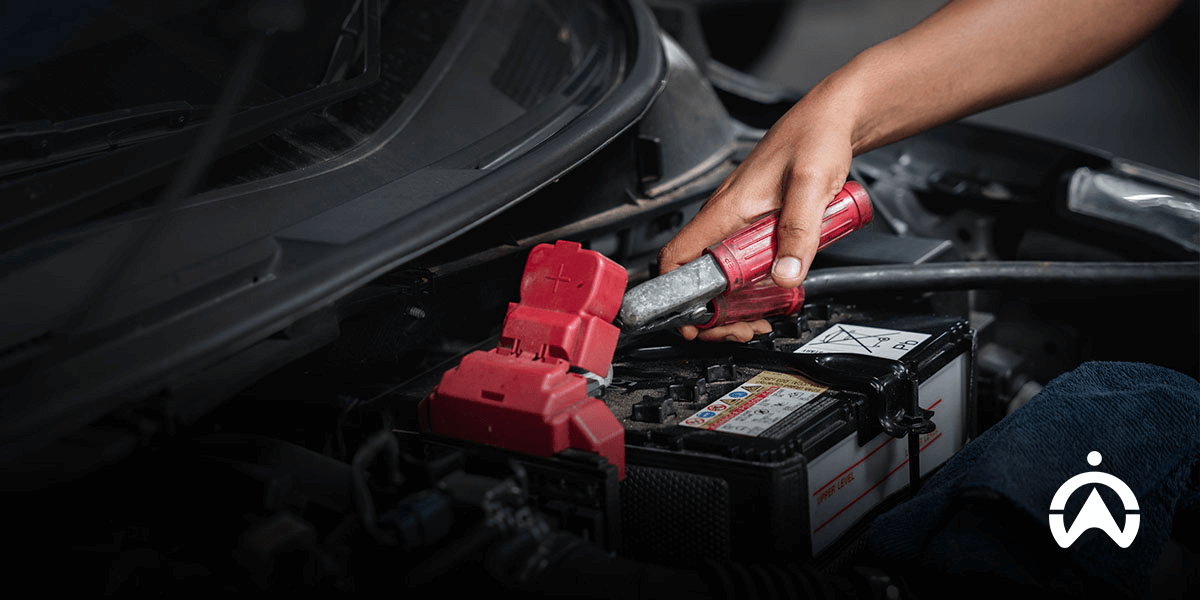
1.🔋Assess battery health

Freezing temperatures can put some serious strain on a truck’s battery, which is why regularly testing battery health is one of the most important of the 9 steps.

Did you know that winter conditions can cut your truck’s battery capacity by up to 50%? The need for extra power to start up the truck on cold mornings makes things even worse.

If you’re consistently checking your trucks’ batteries, you’ll know whether or not they’re ready to take on harsh winters. Ensure that any connections aren’t rusty or corroded; check that the battery is actually charging & in good condition; and if the battery is leaning towards four years old, consider having it replaced.

2. ⛽Ensure your diesel engine is prepared

The last thing you want is for your fuel to crystallise & gel, damage the inner workings of your truck, and set your whole workweek back through downtime.

The cold temperatures can alter your fuel and its viscosity, causing it to turn into a sludgy, wax-like substance that does more harm than good. Your engine could potentially fail.

Ensure you’re prepared with winterised fuel or anti-gel additives, as these keep your fuel in good condition and prevent it from gelling. This also means the trucks’ filters and systems remain free of blockages.

3.🎚️Check that fluids are at the correct levels

Just as special precautions are taken with diesel, standard vehicle fluid management needs the same level of attention. Windscreen washer fluid, oil, power steering fluid, and coolant all need to be at their correct levels, and winter-friendly options should also be considered.

Picture this:

One of your drivers is on the road, heading out to make their delivery in the dreary, winter weather. They get a load of road spray (debris consisting of water, road dirt, and mud) kicked up onto the windscreen, compromising their visibility. They activate the washer fluid to clear the screen, but it’s diluted or has partially frozen. It only creates more sludgy dirt across the windscreen and worsens your driver’s visibility.

Part of driver safety is ensuring that fluid management is thoroughly and intentionally controlled.

Consider getting winter-grade washer fluid & car oil to ensure smooth fluid flow, and closely monitor coolant & power steering fluids, as their performance levels can change when the weather drops.

4.🛞Examine your tyres and their traction

It goes without saying that strong tyres with the right level of traction are key to staying connected to slippery, wet, and potentially icy winter roads.

Always check the tyre grip! Tread depth on your tyres is what will save your drivers from dangerous situations in winter conditions, like loss of control and hydroplaning. Ensure that the depth of your tyres isn’t lower than it should be, and consider replacements if there’s some unevenness.

Consider snow-ready or winter-grade tyres (with deeper treads) for high-altitude areas that typically experience snow.

Finally, don’t forget to regularly check the air in your tyres. When the temperature drops, so does the tyre pressure, and this ultimately impacts wear-and-tear & fuel efficiency.

Orange dump truck driving on a snowy road, illustrating cold weather maintenance tips for your trucks during winter transport operations

5.🥵Inspect your heater and defroster

Your drivers need to be comfortable and in good health during their trips, especially when they’re long-distance. Part of helping them maintain this is by ensuring that the heaters and defrosters are in good condition.

When the heaters and defrosters are working well, they keep your drivers comfortable, which means your drivers are secure and fully engaged.

But beyond this, heaters and defrosters help with increasing visibility when condensation or misting is happening in the truck. They can also help warm the truck up if it gets caught in the snow.

Test these functions, check filters, and clean out vents if necessary to ensure you’re prepared for the cold.

6.🚛Look over suspension and brake components

Look out for potential worn-down and stiffening components. Suspension parts, like springs and shock absorbers, should be properly lubricated so they don’t become stiff and fail. Brake parts, like rotors and pads, should be checked for corrosion or cracking.

These functions are non-negotiables, because the winter chill can threaten their level of performance. 

Grease your suspension parts and replace your brake parts if necessary, especially if you suspect corrosion or other signs of wear-and-tear. Also ensure that the brake system air tanks remain dry, so that moisture caught in these air systems doesn’t freeze and disrupt braking function.

7.📋Consider valuable operational protocols

Setting clear rules & channels for communication is the key to coordinated safety and risk management. 

Guidelines and protocols need to be clear so that everyone is prepared for any unforeseen circumstances.

Your drivers should have a very clear understanding of what they need to do in an emergency and how to report them. Decide who monitors what, who will communicate with drivers, when operational adjustments happen, and other relevant situational factors.

Ensure you’ve got your reliable towing and repair companies on speed dial, just in case. 

8.🛠️Schedule a pre-winter service

Before the extreme cold even hits, get your fleet of trucks prepped and ready with a comprehensive service & check-up.

A pre-winter service does most of the work for you. 

You can quickly address any changes or upgrades that need to be made, and even get a second opinion from your service provider regarding products you’ll need for your trucks.

9.🦺Keep emergency supplies stocked up

You could have all the inspections done, products purchased, and necessities in place, but the unexpected can still happen. Keep emergency supplies stocked so your drivers remain safe in emergencies.

You can never be too careful!

Here’s what should always be kept in truck emergency kits, regardless of season:

  • Water
  • Long-life food items
  • Blankets
  • Extra fuel
  • Reflective vests
  • Torch with extra batteries
  • Tire chains
  • Bag of sand (for extra support and grip in an emergency)

Can Cartrack help you prepare your fleet for the freezing cold?

Yes, Cartrack can help you prepare your fleet for the freezing cold, thanks to the advanced features of our fleet management platform. With FleetWeb, you can focus on what matters most when it comes to fleet winter management, like maintenance, reminders, operational efficiency, and reducing downtime.

Here are a few key features: 

Predictive maintenance

Our proactive features combine Internet of Things (IoT), vehicle sensors, AI, and predictive analytics to collect data. This data produces comprehensive insights and analyses to detect potential problems & equipment failures, saving you and your business from seriously costly downtime. 

The predictive nature of this feature ensures that your vehicles stay in tip-top condition, and you’ll see a massive improvement in asset utilisation. 

Optimally functioning trucks are trucks that aren’t wasting fuel, are maximising operational efficiency, and are ultimately reducing business expenses.

Reminders and instant notifications

In connection with predictive maintenance, our platform can provide you with all reminders related to inspections and maintenance. And, if you’ve thought about something in particular and want to schedule maintenance yourself, we have a custom form that you can fill out and send.

Get your reminders and alerts on general servicing, but also receive real-time notifications for any faults, unexpected fluid fluctuations, worn car parts, and much more.

Accidents can still happen. Communicate directly with your drivers if a fault occurs while they’re on the road and let them know what the next steps are.
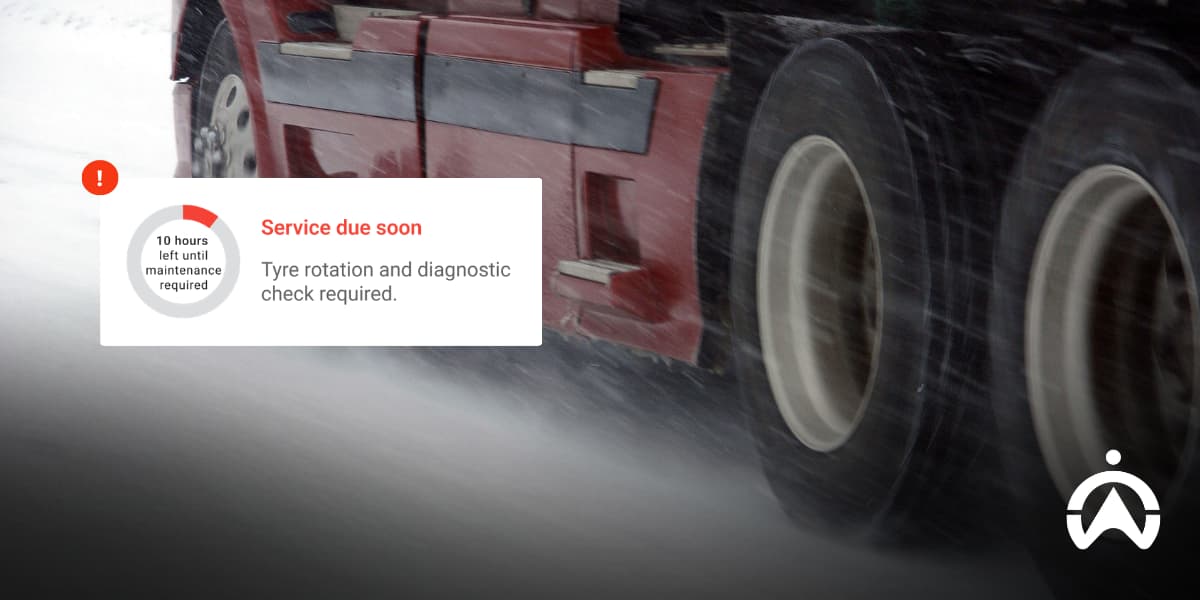
Close-up of truck tyres on a snowy road with maintenance alert, highlighting cold weather maintenance tips for your trucks and winter tyre checks

Operational efficiency

The winter months can put a serious strain on your operations. Drivers are likely idling more, fuel consumption rises, and maintenance demands tend to be higher than usual.

But this doesn’t have to be the case.

Operational efficiency can only be achieved with total fleet visibility, and fleet visibility needs a sophisticated fleet management platform like FleetWeb.

With complete oversight, you can quickly take the right steps to correct these operational strains. Additionally, with our automated and smart tools available to you, you can stay ahead of the winter blues and keep your trucks moving with minimal interruption.

Driver habits

How your drivers behave on the roads is already an immediate concern, but when winter conditions increase the danger levels, keeping an eye on them becomes even more crucial.

If your drivers are aggressive on the roads, they risk fuel waste, increase the risk of wear-and-tear, and essentially apply pressure on the truck’s performance overall.

In winter, drivers face slippery roads, poor visibility, and extra structural cold weather stress. All these factors lead to a reduced level of safety. With our AI-powered driver monitoring and scorecard features, you can successfully monitor your drivers and ensure they’re being responsible.

When your drivers aren’t being safe on the roads, you can use the scores and recorded events to actively coach them and give them data-driven feedback. Not only do you guarantee better safety for your drivers, but it’ll likely push them towards more careful, safer driving throughout the seasons.

Final takeaway

Weather changes can stir up anxiety about your trucks, their performance, your drivers’ safety, and the pressing importance of putting precautions in place. But when you’re well-prepared, there’s no need to worry.

Every step taken to achieve a safer fleet—whether big or small—means your fleet stays in an efficient and road-ready condition throughout the winter months. Partner with us, and we’ll provide all the technologies needed for you to achieve total oversight of your fleet’s performance, safety, and condition; from the inside out.

Let Cartrack help you keep your fleet running smoothly, no matter the weather. Contact our dedicated professionals to book a demo or find out more about our offerings!

Frequently asked questions about cold weather maintenance

Does putting cardboard on a windscreen stop frost?

Yes, putting cardboard on a windscreen can stop frost, and this method is considered quite a well-known practice. It’s not as reliable as a high-quality commercial windscreen cover, especially given that it could just stick to your windscreen if it rains or snows; but it works! Get a piece of cardboard that covers the whole windscreen for the best results.

Does putting a blanket over a car engine help?

Although this isn’t considered the most effective solution and is a possible fire hazard, yes, putting a blanket over a car engine can help. Covering a warm engine this way can successfully trap some of that warmth after it’s been on the road, but you’re better off buying the correct fuel additives and specialised battery blankets.

How to clean snow off a truck?

To clean snow off a truck:

  • Switch the truck on so you can activate the defrosters and heater. This helps melt some of the ice already on the truck
  • Clean the car with a telescoping broom. Start on the roof and work your way to the bottom
  • Use an ice scraper to clear the windows and mirrors

Vehicle Battery Maintenance Made Easy: How to Stay Secure With Cartrack

There’s a popular misconception that all your battery needs is a jumpstart to stay healthy. This false theory, however, has left many drivers stuck with a failing battery while completely baffled, not knowing what the issue is.

Don’t wait until you see the battery light flashing on your dashboard to take action and start maintaining your battery. Our blog is the handy guide you need to reduce breakdowns and avoid costly battery repairs.

Let’s dive in.

In this article, you will:

  • Uncover the importance of vehicle health and the role of battery maintenance
  • Discover popular types of batteries and their maintenance requirements
  • Understand when to maintain or replace your vehicle battery
  • Get actionable steps to preserve your car battery and extend its lifespan
  • Explore Cartrack Malawi solutions that safeguard your vehicle battery

Importance of vehicle health

One part of the vehicle that is often disregarded when talking about vehicle health and maintenance is the battery. The battery and the engine are two parts that make the vehicle able to function and move, but often enough, the focus is only on the engine.

Let’s change that, shall we?

Your battery is responsible for providing power to your engine and lights, allowing you to change gears and be on your way. When the engine is turned off, it also powers all the other electrical components of your vehicle, like your radio or air conditioner.

A well-maintained battery can have a long service life, provide reliable performance and also prevent unexpected and costly breakdowns from happening. To achieve this, it needs top-notch servicing.

Different stages of vehicle servicing

Before we start focusing solely on our vehicle batteries, let’s first see the bigger picture of your whole vehicle. What use is a healthy and thriving battery if it works with parts that aren’t running efficiently?

To keep your vehicle as healthy as can be, servicing is recommended every few months to ensure small issues are checked and fixed and don’t grow to be costly if ignored. Vehicle inspections are determined by their make, model and mileage. Depending on these 3 factors, different types of vehicle maintenance plans can be recommended to ensure that every part, from tyres and oil to battery and engine, is running at tip-top shape:

  1. Interim car service
    These are small but important basic vehicle checkups that are encouraged every 15 000 km—22 000 km. They include your vehicle’s oil changes, fitting in new oil filters, light vehicle inspection, and checking for any leaks. This type of servicing is recommended at least once a year, even if your vehicle hasn’t reached the specific mileage target.
    ‍
  2. Full car service
    This service is encouraged around 20 000 km and includes all basic checkups of minor servicing. It also includes inspections of some critical parts, including your brakes, lights, steering, tyres, windscreen, vehicle fluids like hydraulic fluids and testing components like starter, alternator, and battery.
    ‍
  3. Major car service

    This service is recommended every 30 000 km—45 000 km and includes maintenance of all the vehicle parts mentioned in the minor and full servicing, as well as other parts that might cause the car to fail, such as replacing the air filter, spark plug, and brake fluid, if left unattended.

    For major servicing, you can also include the following to ensure your vehicle stays in tip-top shape:
    ‍
    – Wheel alignment
    – Suspension checks
    – Tyre tread tests
    – Checking brake pads and brake discs

    If your car is still under warranty, you would have to service your vehicle following preset intervals. If it’s out of warranty, then there’s more flexibility in the timing and services performed but to ensure your vehicle’s health and a decent resale value, it’s better to keep as close to the schedule as you can.

What’s under my hood? Discover popular types of batteries

To make sure all the effort you’re putting into having a lasting vehicle battery pays out, you have to know what kind of battery your vehicle has and use the correct maintenance techniques. Batteries can be like that, you know; what works for one type might not have the same effect on another.

  • Lead acid batteries
    This is the popular, more traditional, and most cost-effective battery that most cars you see on the road have. It works with lead and a mixture of sulfuric acid and water. Because of this battery’s materials, it’s prone to evaporating over time, leading to a decrease in its power over time. The necessary maintenance this battery needs is topping up with distilled water every few weeks.
    ‍
  • Lithium-ion batteries
    This battery is most popular with electric vehicles and plug-in hybrid electric vehicles. They have a high-power to low-weight ratio, low energy consumption, and are recyclable—perfect for an eco-friendly electric fleet. Its drawbacks are that they are expensive, prone to overheating, and hard to find on the market if you ever need to replace them.
    ‍
  • Sodium-ion batteries
    These batteries were created as the solution to the problems presented by lithium-ion batteries. Sodium is abundant, easier to extract, sustainable to use, and more affordable than lithium-ion. Since they are a new solution, more research is needed before it’ll be widely available and become the industry standard.
Discover popular types of batteries

Battery issues: Factors that affect battery longevity

Vehicle batteries don’t cause many issues for their drivers, and it’s for this reason that most drivers don’t take a second look at their batteries when performing regular inspections. Often enough they don’t see issues with the batteries until it’s too late and they find themselves stuck on the side of the road calling for help.

To prevent calling a tow truck to move your vehicle or flanking down other drivers for a jumpstart, here are a few battery maintenance tips to keep your battery working for longer.

  1. Avoid short trips
    Rather than making short trips throughout the day, rather round it up into 1 trip to release strain on your battery. Your battery uses power to start your vehicle for every trip, with multiple short trips, your battery uses more and more power without it being replenished from your alternator. A longer drive allows the alternator to charge your battery as you go.
    ‍
  2. Keep your vehicle moving
    The longer you leave your vehicle in your garage without driving it, the faster your vehicle’s battery will slowly die out because it’s not getting its regular dose of charge from the alternator. With working-from-home opportunities increasing, it’s understandable that some motorists can go days without touching the road. While this is great for your wallet, it’s not so great for your vehicle. A quick fix for this can be to take your car out for a spin every few days to make sure your battery gets its charge.
    ‍
  3. Avoid extreme temperatures
    When it comes to temperature, your battery prefers neutral temperatures. This one might be hard for South African drivers who live in warmer climates, but your battery works better when it’s neutral or cool. Try parking your vehicle in shaded areas or a garage to limit exposure to extreme temperatures.
    ‍
  4. Clean your battery
    Don’t be afraid to pop the hood and get to cleaning. Corrosion (a white or bluish-green powder) and dirt often build up around screws or bolts resulting in poor connectivity, just brush away the dust, sweep off the gathered dirt and wipe any grime accumulated on your battery. If there is too much corrosion, call your vehicle mechanic to help get rid of it safely.
    ‍
  5. Service your vehicle
    Servicing your car does a lot of good in maintaining its health. Leave it up to the professionals to ensure your battery is running as it’s supposed to and that it stays secure in your vehicle and doesn’t rattle around.

    Even while giving your battery all the TLC it needs to continue working, there comes a time when you have to replace the unit and unit and start afresh.

Do I maintain or replace my vehicle battery?

Unfortunately for many motorists, batteries are not a once-off purchase type of item. A vehicle battery’s estimated life expectancy is around three to five years. Over time, they get worn out and eventually need to be replaced.

Here are signs you should look out for of a failing battery:

  1. Slow cranking: If your battery takes a minute or two to power your car, it could be a sign that your battery is starting to fail and is due for a replacement.
    ‍
  2. Battery warning light: If the battery warning light on your dashboard is lit up, it means your vehicle has detected an issue with your battery or the charging system and needs you to take a look.
    ‍
  3. Battery corrosion: Excessive corrosion or damage can be a big sign of an unhealthy battery. Most of the time, you can just wipe away the corrosion, but if it’s extensive, then it might be too late for your battery.

If you see these signs along with a cracked battery case, a fluid leak, or a bulged battery case, it’s unfortunately too late to save the battery and it should be replaced.

Even though the invisible clock is ticking away to when you will eventually replace your battery, there are still some helpful methods you can use to extend your battery’s life for a few more rides.

Vehicle battery maintenance checklist

Often, the battery health gets swept aside as many drivers assume all the battery needs is a jump start if it ever has issues, but that’s far from the truth. Fortunately for many drivers, maintaining your battery is relatively easy.

☑ Inspect your battery: Before getting your hands dirty, take the time to look around your battery and check for any signs of damage like cracks, bulges in the case, or any leaking fluids. These are sure signs of battery failure and suggest your car needs a new battery.
‍

☑ Test your battery’s voltage: To confirm if your vehicle battery is indeed losing power, you can use a battery tester to measure the battery’s voltage. A fully charged battery should have a voltage of around 12 V. If the voltage is too low, then it might need to be recharged or replaced.
‍

☑ Keep your battery terminals squeaky clean: Corroded terminals slow down the electricity flow from the battery to the car’s electrical system. To correct this, simply use a wire brush or a material to wipe to remove any gathered corrosion around your battery. If the corrosion is tough to clean, disconnect the battery cables and use a mixture of baking soda and water to lightly remove it around the terminals.
‍

☑ Regularly charge your battery: Have you recently noticed that your battery isn’t holding much charge after leaving your vehicle parked for days at a time? Vehicles that aren’t often used don’t have enough time to recharge, which results in low power output and shorter battery life. Use a battery charger or maintainer as a solution to keep your battery charged even when it’s not in use.
‍

☑ Check the age: Car batteries usually last between three to five years, if you’re experiencing frequent issues with your battery, check if the age of the battery is the cause. Even if your battery still works the same but is approaching five years, consider replacing it before issues start to occur.
‍

☑Ensure your battery isn’t stored loosely: Your battery should not move around or vibrate while you’re driving. This can loosen the battery and cause internal damage and short circuits.

This battery maintenance advice works for most battery types but what about batteries in electric vehicles?

Maintaining my electric vehicles’ battery

When it comes to electric vehicle (EV) batteries, regular charging is the way to go. Unlike regular vehicles that rely on petrol to drive from one location to the next, electric vehicles rely on their batteries and how much charge they have to make the trip.

To ensure your vehicle’s battery lasts, these techniques are used.

  • Regular state-of-charge checks
  • Temperature monitoring
  • Battery voltage and cell health monitoring

These ensure drivers get the most out of their battery by swiftly identifying any issues with the battery before they become costly.

Safeguard your vehicle battery and extend its lifespan with Cartrack Malawi solutions

Don’t get stranded in the wrong side of town because of your battery.

Cartrack Malawi, the trusted industry leader in vehicle safety and fleet management does more than just track the location of your vehicle in real-time, it can also track your vehicle health, monitor your battery, provide features to empower you to get ahead of your vehicle maintenance and get you out of battery-related situations.


Key Cartrack Malawi features that can lend a helping hand with your battery

  • Protector: Protector provides quick and easy access to medical and roadside assistance directly from the Cartrack mobile app. From locksmith assistance, re-filling the fuel tank, changing tyres and even jump-starting your battery, Protector will send assistance whenever needed.
    ‍
  • Power Event Notification: Get ahead of battery tempering or attempted battery stripping with our real-time PEN feature. Receive alerts the moment your vehicle’s battery is disconnected, and act swiftly to reduce the chances of battery theft.
    ‍

Cartrack Malawi takes your vehicle battery health into consideration

In addition to our features, our tracking units shine for their reliability and integrity. Rest assured, knowing that as hard as our tracking unit works 24/7, gathering vehicle data and offering you valuable insights on your vehicle’s daily trips and usage, it won’t damage or negatively affect your vehicle’s battery in any way. This means that you can enjoy these tracking solutions:

Whether you’re using Cartrack for security, efficiency, or to keep track of your vehicle, rest assured that your battery will still be able to give its best.

So, are you ready to say goodbye to your vehicle safety and battery woes? Contact Cartrack  Malawi today for trusted vehicle safety solutions.