How to Choose a Telematics Solution for OEM Partnership

Choosing a telematics solution for an OEM partnership is all about finding the smartest and most efficient ‘brain’ for your fleet vehicles. The right telematics partner will act as the best translator for your vehicles, providing and turning the most comprehensive insights into data that could take your business to new heights.

Global research predicts that original equipment manufacturer telematics will dominate with around 63% of the total market share this year. For you, this global shift is all about finding a manufacturer collaboration that provides the richest data integration and the smoothest connection between your vehicle’s original factory telematics (i.e., “brain”) and your management tools.

This is how you stay competitive.

Give your fleet the exceptional support it deserves for its foundation. Discover the key features of a telematics solution, see what questions you need to ask a potential provider, and evaluate Cartrack’s reliability as a long-term partner.

7 questions to ask when choosing a telematics system for an OEM partnership

The seven questions you should ask when choosing a telematics system for an OEM partnership are:

  1. Is my telematics provider reputable?
  2. Does my provider take an ‘API-first’ approach?
  3. Does the platform offer operational benefits?
  4. Is my provider’s platform easy to use?
  5. Is my provider scalable?
  6. Will the provider offer support to my company?
  7. How quickly will I see results?

By asking the right questions, you’ll easily separate the good from the bad and even the mediocre. The choice that you make in the end will impact the outcome of your business and, ultimately, the goods or services that are delivered to your customers in the end.

Let’s take a look at the 7 questions you’ll NEED to ask.

1. Is the telematics provider reputable and well-versed in OEM partnerships?

Your telematics provider must be reputable and well-versed. Not all telematics companies are able to handle OEM partnerships, so the right selection is crucial. An experienced provider gives your choice credibility and lets you breathe easier knowing that you’re dealing with a company that has experience and expertise.

A trustworthy provider will have a solid history of assisting with offering dependable, long-lasting solutions. This kind of relationship is crucial in an OEM partnership, where the telematics platform acts as an extension of the vehicle, which makes it an extension of the brand as well.

In this particular context, this is why it’s also important to acknowledge the brand integration that’s happening here. It’s important to see that your potential provider already has good relationships with bigger, established brands and other manufacturers so that you can expect the same for your partnership.

How does Cartrack deliver?

✅ Cartrack is reputable and well-versed. Cartrack currently stands at over 2.6 million subscriptions throughout 23 countries around the world, with longstanding business clients from SMEs to larger enterprises.

We’re in a fantastic position to support an OEM partnership, especially because of our flexibility and ability to provide reliability.

Our clientele also goes beyond just the companies; we’re there to support families who are looking to watch out for each other and ensure their safety.

Every kind of person and business has put their trust in us. 

2. Does my provider take an ‘API-first’ approach?

This is probably the most important question of all of them. Your provider must take an ‘API-first’ approach because this is the key to a smooth and successful connection and integration.

The whole point of the partnership is to create a more comprehensive and connected ecosystem, rather than having many disconnected tools that can’t work together and make your job harder.

An API-first approach is all about ensuring the door is built before the rest of the house comes along. The open and integration-friendly system is already in existence. When the time comes to integrate, a smooth and efficient integration process will be achieved.

How does Cartrack deliver?

✅ Cartrack takes an ‘API-first’ approach with our open and integration-friendly platform. This means that integration has always been front-of-mind for us. Integration readiness is the name of the game, which is why we have a fleet management system that’s designed for connection with other existing systems.

We have industry-standard levels of encryption and security, meaning your data is safe and only available to authorised users. And, if you take the steps to grow your business and scale it up, you’ll find no issue with us.

Our systems are prepared for new integrations if/as they come, and you don’t have to worry yourself with separate systems at all.

All of this means that you can build a telematics structure that can evolve with your business, as well as connect with whatever existing systems you already have in place.

3. Does the telematics platform actually deliver operational benefits?

There’s no point in creating this partnership if it doesn’t benefit you or your business, right? So while this collaboration supports the day-to-day business benefits like knowing where your vehicles are, it should also show you the full impact of telematics. 

Rich and comprehensive diagnostic insights are the real catch here. 

While just as important, detailed insights must go beyond simple live GPS tracking. The best in telematics will offer automation & AI-enabled features, route optimisation, driver behaviour monitoring, fuel management, risk control, predictive maintenance, and more.

All of these capabilities lead to massive business benefits, like reduced operational costs, improved safety, less downtime, and an overall happier and more secure business environment.

How does Cartrack deliver?

✅ Cartrack’s fleet management platform is stacked with tools and features that’ll improve your business, proving a successful partnership.

Not only do our systems produce some of the most comprehensive insights, but our platform is advanced enough that it seamlessly and easily processes that data into digestible, actionable feedback.

We also have numerous add-ons for our fleet platform, depending on what your business requires. This gives you the chance to customise your package and work according to your specific needs. You can get the best in cost management and performance.

4. Is my provider’s platform easy to use?

User-friendliness is a lot more important than you might think. A sophisticated system is nothing without a smooth user experience. This is especially important if you have a mixed fleet or fleet with various makes of vehicles, because the platform needs to be accommodating and easily handle variation.

A good platform and interface are what can make or break a connection between you and your telematics provider. It needs to be workable and easy for you and your employees to adopt from day one. Achieving this means your provider is the major differentiator in the competitive market.

How does Cartrack deliver?

✅ Whether you have traditional vehicles, electric vehicles, different vehicle makes and types, or all of the above, Cartrack can manage them all under one platform. Our telematics solutions don’t stop at one vehicle type, tackling pain points from safety improvements to range anxieties.

Our platform, FleetWeb, is an easy, sleek, and user-friendly platform that can be manoeuvred without the need for painful and tedious training. We offer easy onboarding, training, round-the-clock support, and helpful how-to guides online.

Our dashboard is intuitive and easy to navigate, alerts are customisable, the tools are straightforward, and our connected mobile apps are logical & clear. These are the keys to making vehicle monitoring and communication very simple.

5. Is my provider scalable and flexible?

Scalability and an integration-friendly approach are absolutely necessary for your company, especially if it’s a business you intend to grow and develop. If you decide to add, let’s say, 75 more vehicles to your fleet, will the partnership suffer? Will the technology continue to work smoothly without interruption?

You don’t need your business’ performance to drop or systems to break just because there’s development and growth. You also don’t need to deal with downtime, loss in revenue, or even gaps in data collection because of a software disruption.

How does Cartrack deliver?

✅ Cartrack is a flexible partner that’s been designed specifically to grow with your business. As mentioned, we’re an API-first company, meaning that you never have to worry about cross-platform confusion or having to introduce more systems to your fleet management.

We’re prepared to work with businesses of any size; our integration solutions are ready to scale with your operations, and our systems are cloud-based to easily manage business growth.

6. Will the provider offer my company sufficient support, even after sales?

Your provider should be prepared to offer onboarding and after-sales support, with semi-regular ongoing training to ensure you and your team are using the tools efficiently. Telematics solutions aren’t always easy to manage, and your provider should be patient enough to guide you through deployment, integration, etc.

You’ll also need the best in troubleshooting assistance, especially when it comes to the vehicle’s brain and the connected software.

The best kind of software is all about ongoing updating and optimisation. If you don’t have the right support, your business risks lower efficiency, slacking on compliance, and weakened safety standards.

How does Cartrack deliver?

✅ Cartrack can help you take control of your business and offer training on everything you’re looking to get acquainted with. As mentioned, we have an efficient onboarding process to help you and your workers quickly get acquainted.

We also have 24/7 support from our customer care team via phone, WhatsApp, and email. You’re also more than welcome to book a session with our professionals if you or your team needs refresher training down the line.

7. How quickly will I see results and ROI with this provider?

You’ll want to see relatively quick and noticeable ROI changes once the effects of a telematics solution are set in motion. According to research, businesses can start seeing changes in just 3 months. 

This is especially the case if you’re focused on implementing telematics solutions as quickly as possible with minimal adjustments or heavy training.

How does Cartrack deliver?

✅ Cartrack offers all the features you’d need to ensure you’re quickly seeing results. Here’s how:

Final takeaway: A fleet’s only as smart as its telematics

Choosing the perfect telematics solution for your OEM partnership is a bold, empowering, and strategic move. You want a partner that’ll give you the best in dependable data and the adaptability to evolve alongside your business.

Every aspect, from integration features to sustainable scalability, contributes to creating a solution that effectively strengthens what you have to offer. Cartrack could be your answer.

Don’t settle for basic diagnostics; take things up a notch with Cartrack by your side. Choose us as your long-term partner and keep your business ahead of the curve.

Frequently asked questions on telematics and OEM partnerships

What’s the difference between telematics and a black box?

A black box is more the actual device itself, simply recording and storing raw information. Telematics brings together the hardware, the data, and the software; it’s the whole environment. Telematics also analyses the data that’s been produced and turns it into digestible insights that can be used to improve business processes.

What are the different types of telematics sensors?

The different types of telematics sensors include:

  • Temperature sensors: used in cold chain logistics to measure temperature in cargo bays.
  • Fuel sensors: located in the fuel tank and are used to measure consumption and potential theft.
  • Door sensors: used to track how often a cargo door is opened and closed.
  • Pressure sensors: used to monitor the pressure in vehicle tyres.

What is the best vehicle tracking company in Malawi?

The ‘best’ vehicle tracking company depends on what criteria you may use to define it as ‘the best’. But, from a holistic viewpoint, Cartrack is considered one of the best. We’ve got:

  • an impressive global network
  • numerous longstanding clients
  • years of expertise
  • several future-forward tools and technologies, and
  • solutions for businesses of every size.

How to set up telematics?

To set up telematics, your best bet is to contact a telematics provider who can help you do just that. When you have a telematics provider to help, you can ensure that you get industry-grade equipment, the correct installation, proper configuration, and support & training.
How Does Telematics Affect Fleet Insurance?

The price of vehicle insurance in Malawi is on the rise. This is due to the increase in the cost of vehicle replacement parts and repairs, mainly driven by inflation. Insurers need to account for the increased claims payouts, and as a result, these costs are compensated for through higher premiums.

Insurance costs can amount to a significant portion of running a fleet, so keeping them as minimal as possible is important.

Telematics helps insurers assess and price the risk; they are also the key to making premium savings. Today, we explore how telematics affects fleet insurance and why investing in a fleet management system might reduce the number of claims and, therefore, lower your premiums.

In this article, you will:

  • Learn about the connection between telematics and insurance
  • Find out how insurers use telematics to asses your fleet
  • Discover the Cartrack solutions that will help lower the risk your fleet poses to insurers

The link between telematics and insurance

As the world continues to experience innovations and technological advancements, the insurance sector is also embracing this shift by leveraging telematics technology. Insurers now use this powerful technology for risk assessment, pricing, and claims management.

To better understand, you first need to know how telematics works. Telematics involves the tracking and monitoring of vehicles through navigation systems, sensors, and sometimes cameras. This tool typically comes in the form of a GPS-enabled device installed in a vehicle to collect data. These devices provide vast amounts of data about driver behaviour, vehicle usage, vehicle health, and location. This information is essential for insurers to assess risk more accurately.

How insurers use telematics data

Insurers use telematics to collect data about driving habits such as speed and harsh braking, to determine risk levels, create a profile for the fleet, and set premiums. The open sharing of telematics data builds trust between fleet owners and insurers, ensuring more accurate and fair pricing based on actual driving behaviour.

What fleet insurers assess to determine premiums

Commercial vehicle insurance requires that the insurer understand the operational demands of the vehicles. Insurers conduct thorough assessments of the entire fleet, taking into account its unique needs and associated risks. Policies should be regularly updated and reviewed to ensure that the level and nature of cover evolves along with the fleet’s growth and development. ‍

Here are some of the factors that fleet insurers consider to determine your premium:

  • Number of vehicles: The larger a fleet, the higher the possibility of claims. However, insurers usually give larger fleets more discounts due to reduced administration costs, as they often calculate premiums using a single risk profile instead of having to assess each vehicle’s risk separately for each individual insurance policy.
  • Usage and mileage: The more time vehicles spend on the road, the more exposed they are to accidents, and the greater the chances of wear and tear. For this reason, insurers want to know how far vehicles travel daily.
  • Travel zones: Vehicles that travel across borders are charged higher premiums due to the risks associated with being out of the country. Vehicles that operate in high-risk areas attract higher premiums.
  • Type and value of vehicles: Assess the age, condition, model, and make of vehicles, as well as how much each vehicle currently costs. Some vehicles are of higher risk than others.
  • Driver record: Having drivers with more experience reduces the chances of accidents. For that reason, insurance companies also check the type of drivers you have in your fleet.
  • Claims history: A business with a history of frequent claims is more likely to pay higher premiums.
  • Type of goods being transported: Insurers usually include the cargo being transported. If it is of high value, then there are more risks associated with the fleet. Taxi and shuttle businesses should have liability coverage given the risk of personal injury and death when transporting people.
  • The presence of security measures: A fleet equipped with tracking devices and telematics capabilities reduces the risk of accidents, resulting in fewer claims. This, therefore, results in lower premiums.
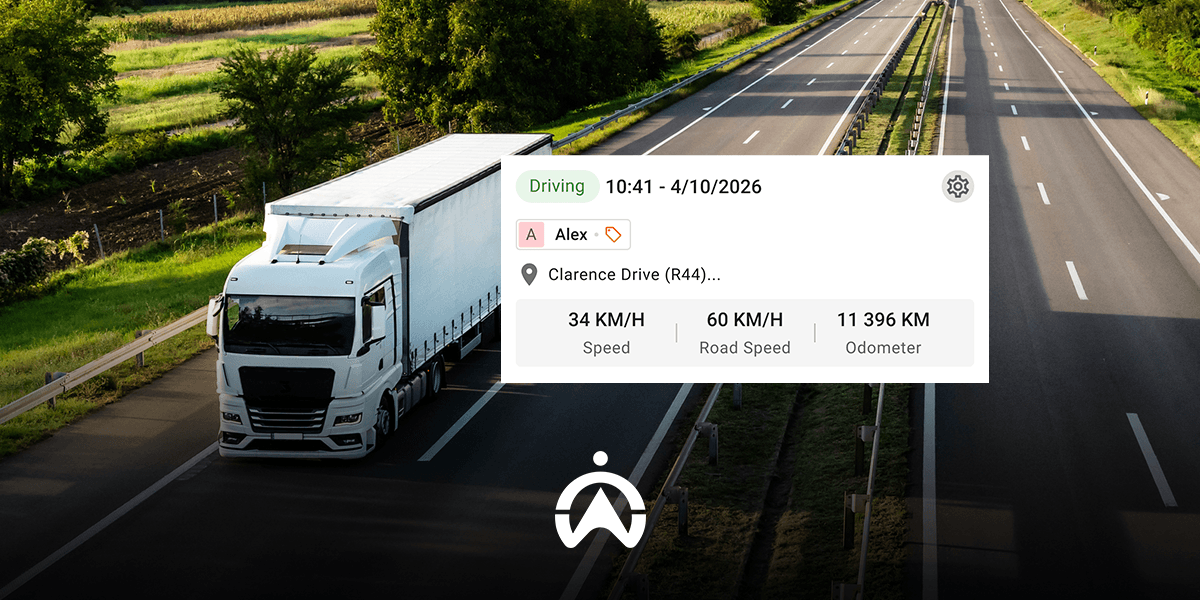
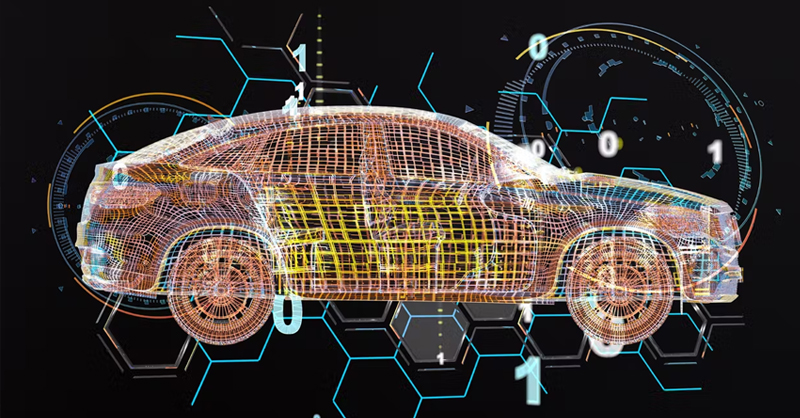
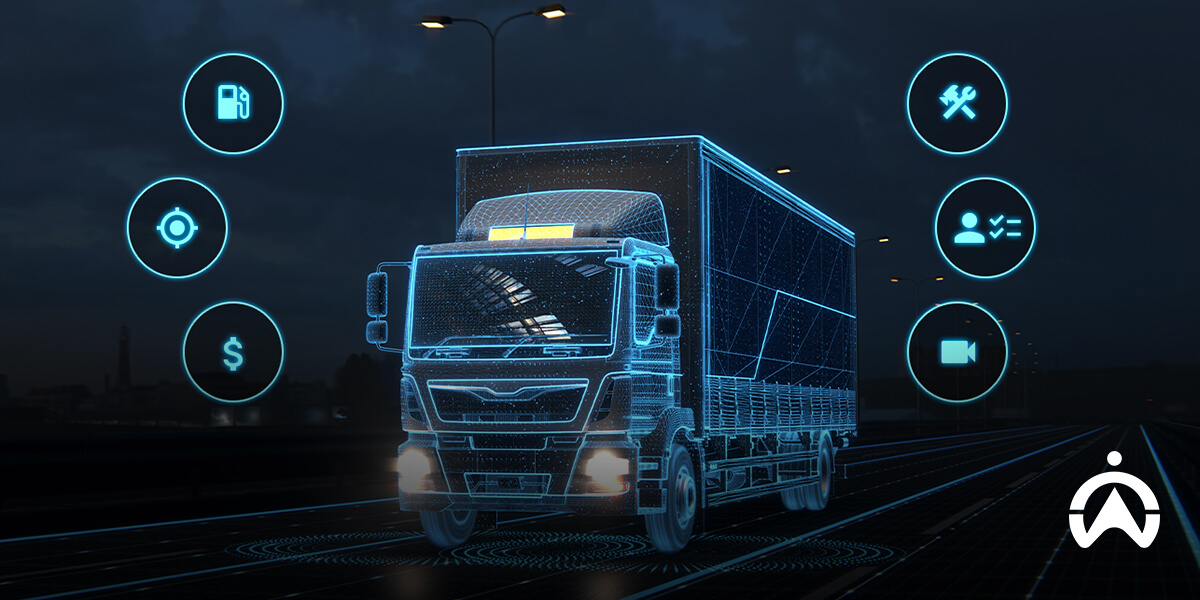
A digital hologram of a truck surrounded by icons for fuel, tools, user management, budget, and video, reflecting vehicle telematic data.

Key ways telematics impacts fleet insurance

There are several ways in which telematics affects fleet insurance. Here are four of the most impactful:

  1. Usage-based insurance (UBI) options
    The pay-as-you-drive or pay-how-you-drive models are growing in Malawi. Usage-based insurance is when insurers use telematics data to customise premiums, leading to potential savings, i.e the better the driver behaviour, the higher the chances of lower premiums.
  2. Improved risk assessment
    Telematics data gives insurers insightful information on where vehicles travel, the road conditions, and how safe it is. This enables more customised and fair premium pricing.
  3. Accident mitigation
    Monitoring driver behaviour and vehicle conditions translates to fleet managers being able to quickly identify unhealthy driving patterns and mechanical issues. This allows them to take action before drivers and vehicles cause accidents.
  4. Faster claims resolution
    Since telematics devices can pick up driving habits and impact, businesses get to prove their innocence in cases of fraudulent accident claims through accurate data. This speeds up the claims process and reduces the delays caused by disputes.

Using fleet technology as a risk management tool

As already mentioned, investing in fleet management software is the best way to mitigate risks and therefore reduce insurance costs.

  • Preventive maintenance: A fleet management system alerts managers of maintenance issues before they become serious problems so they can schedule maintenance, avoid unplanned downtime, and avoid costly repairs. This information reduces fleet expenses while minimising fleet safety risks.
  • Driver behaviour alerts: The real-time alerts and reports on driver behaviour allow managers and supervisors to address concerns and send fleet operators for coaching based on the specific help they need.
  • Route monitoring: The GPS tracking technology enables fleet coordinators to spot deviations and when drivers are in high-risk zones or accident-prone areas in real time. This allows them to contact the driver and check if there are any issues.

Data protection and compliance with POPIA in telematics

Telematics systems collect a significant amount of sensitive business information. Data security is an essential aspect of fleet management software, and therefore, your fleet’s data should always be protected. Insurers must comply with Malawi’s Data Protection Act when getting access to your telematics data. There should be no misuse or unauthorised sharing of data, and there must be transparency on the data collected. This ensures that your fleet records aren’t shared with third parties.

Case Study: Preventive maintenance measures for Concord Cranes

The key to better insurance premiums is fleet maintenance and driver monitoring. Here is a real-life story of how we assisted Concord Cranes through our preventative maintenance measures:

Concord Cranes is a company that specialises in crane hire solutions. They provide mobile cranes for hire, professional rigging, transport, and specialised lifting projects across 15 branches.

They often found it difficult to accurately record the hours each crane worked, making it challenging to maintain and deliver them to their clients on time.

How Cartrack makes a difference:

  1. Cartrack’s telematics device and specialised power take-off sensors make it possible f or Concord Cranes to accurately monitor their cranes’ on-site working hours, mileage travelled, and see exactly what equipment a crane used. This data allows them to track the condition and usage of their cranes so they can establish preventative maintenance measures for their clients and increase their fleet longevity.
  2. Cartrack’s fleet management system with preventative maintenance insights has helped Concord Cranes reduce maintenance costs by minimising the number of cranes sent for expensive, fault-related repairs. This also reduces unplanned downtime for general services.
  3. Concord Cranes also uses Cartrack’s fleet management and maintenance system to improve overall brand reliability with their customers, ensuring their cranes are always in safe and working order. Additionally, detailed maintenance schedules have reduced the number of unexpected breakdowns and allowed proactive planning for the timely availability and deliverability of cranes to customers.

“Using Cartrack’s advanced fleet management, we have been able to increase our operational efficiency to deliver a better service to our customers, as well as effortlessly establish a maintenance cycle that reduces our costs and increases our fleet longevity.” | Gareth Langley, Concord Cranes operations manager

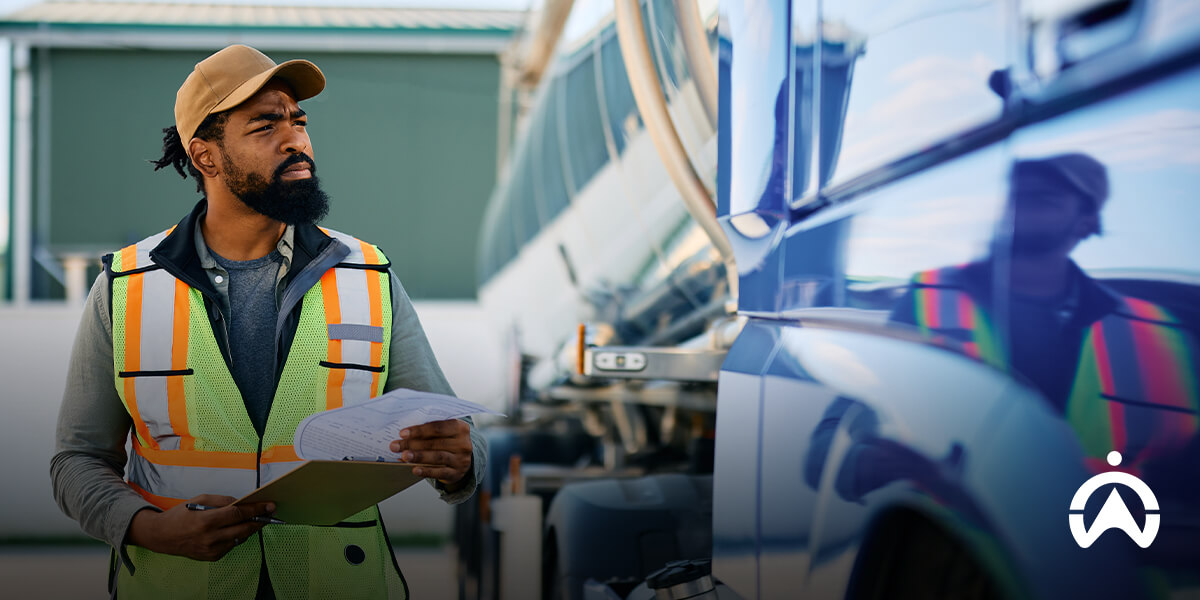
A worker in a high-visibility vest holds a clipboard, conducting vehicle maintenance checks on a shiny blue vehicle in a well-lit industrial area.

Enhance your fleet insurance with Cartrack’s advanced solutions

Businesses can reduce their insurance premiums by implementing robust risk management practices and maintaining a good safety record. At Cartrack, we offer services that help with safe driving, vehicle maintenance, planning routes, and vehicle recovery. Here’s how they work:

  • Maintenance scheduling
    Our fleet system allows you to set reminders of vehicle service dates, ensuring vehicles are always in top shape and that you plan ahead for the downtime. Additionally, you can also receive real-time alerts of engine faults, worn-out brake pads, oil and water fluctuations, and other diagnostics.
    ‍
  • Risk management (Stolen Vehicle Recovery)
    At Cartrack, we boast a 90% average recovery rate, have a large team of skilled recovery agents spread across the country, and a control room service that is available 24/7. Should the unfortunate happen, our teams are always on standby ready to get back what belongs to you. A stolen vehicle recovery service is also one of the things that are highly recommended by insurers, especially for a fleet that transports high-value goods, with some insurance companies even refusing coverage without one.
    ‍
  • Driver monitoring
    Ensuring the safety of drivers and monitoring how they operate fleet vehicles is one of the best ways to avoid frequent insurance claims. Our telematics devices provide reports and alerts on driving behaviours such as excessive idling, speeding, harsh braking, harsh cornering, and harsh acceleration. This allows you to spot risky driving patterns, address them with drivers and send them for training.
    ‍
    As an extra precautionary measure, you can invest in our AI-powered cameras to monitor drivers. These cameras are able to detect when drivers are distracted, using their cellphones, feeling drowsy or smoking. The system then gives drivers audible alerts so they can quickly correct their actions. Through this, drivers avoid collisions, which could be fatal or lead to heavy insurance claims and repair costs.
    ‍
  • Live tracking
    The Cartrack fleet system gives you the ability to track the locations of your fleet vehicles at any time to ensure that drivers are using the correct routes and that they are safe.
    ‍
  • Geofence
    The Cartrack geofence feature ensures that drivers always stay in the stipulated zone. Through this software, you can create virtual boundaries around areas of your choice and get alerts whenever vehicles enter or leave those areas. This ensures that you are always aware when vehicles are in high-risk zones which could indicate theft or deviations.
    ‍
  • Route optimisation
    Our route optimisation feature is a smart tool that helps plan your routes so you can choose the most efficient ways for drivers to get to their destinations. This is done through the analysis of road conditions and traffic patterns, helping avoid delays, reducing mileage, and minimising exposure to extreme road conditions that increase vehicle wear and tear.

Improve your fleet’s insurability with Cartrack’s data-driven management tools

Insurance is a must, and so is a fleet management system. Our solutions give you better insight into your fleet so you can make more informed decisions that help you avoid higher insurance premiums. Contact us today and unlock fleet savings!

Frequently Asked Questions about telematics and insurance

What is telematics in fleet management?
In one of our blogs, we explain how “telematics is a system used to collect GPS fleet tracking data along with a range of vehicle-specific information and store it in a database. It integrates both wireless telecommunications and information technology (informatics) to process, deliver actionable data and efficiently convey information over vast networks.”

How does a black box affect insurance?
A black box is a telematics device that tracks driver behaviours such as speeding, harsh cornering, and braking patterns. Insurers use it to accurately assess the driver’s risk and determine the insurance premium.

Which type of insurance uses telematics to help make decisions around premiums?

Usage-based insurance (UBI) is a type of insurance where insurers use telematics technology to determine premiums. They track mileage, speed, time of day, braking patterns, and acceleration. This information is then used to tailor monthly premiums for your vehicle. For example, people who work from home might argue that they hardly use their vehicles and should therefore pay less. UBI makes that possible through telematics technology.

What is Video Telematics

The fleet management industry has seen massive development in the technologies it employs and the methodologies it follows. Not too long ago, managing a fleet was a precarious job. Many components were still analogue, and many processes were manual. This meant that managing a fleet of vehicles was a tedious task, often filled with human error.

The solution was telematics, a field combining telecommunications, electrical engineering, computer science, and vehicular technologies to send, receive, and store data remotely. This proved to modernise the industry, formalising many protocols and providing a standardised system that can be trusted.

Telematics has helped reduce operational and maintenance costs while increasing the overall safety of the fleet with both real-time and offline driver coaching. This has reduced, and in some cases completely removed, many inconsistencies in the industry, becoming the core of fleet management.

An interesting innovation has been in the video space, where technological leaps and bounds have been made. With the accelerating adoption of Artificial Intelligence (AI), new fleet management systems are set to expand their video diagnostics and driver behaviour monitors. Video telematics is now the industry standard that all fleet management systems are measured against.

In this article, you will:

  • What video telematics is
  • Why fleet managers need it
  • How Cartrack is the best solution for video telematics

What Is Video Telematics and How Does It Work

Video telematics is the audio-visual component of telematics. It combines telematics data with high-definition video footage recorded on dashcams, enabling fleet and risk managers to better understand driver behaviour and provide personalised driver coaching.

Video telematics uses sensors and Dashcams to provide visibility into driver behaviour, and it is often used as part of driver safety and risk management programs. Sensors that are built into telematics devices detect key events such as speeding, aggressive braking, harsh acceleration, and idle time. The Dashcams record the event, making the footage available to fleet managers and drivers.

Video telematics is built on two main components, namely data collection and real-time monitoring. It is these capabilities that allow for a comprehensive look into driver behaviour and fleet performance.
‍

Today’s video telematics generally share these basic components:

  1. Several video cameras
  2. Front-facing camera mounted to the dashboard or windshield
  3. Rear-facing camera
  4. Interior camera to document the driver and cabin, additional cameras for side views
  5. Telematics technology either embedded in the primary camera or the standalone
  6. Wireless module in the telematics device or camera to transmit data and video footage
  7. Software platform to process and analyse data
  8. End-user application

In order to understand video telematics, two aspects need to be addressed, namely; data collection and real-time monitoring. These two features make up the foundation of how this software works.

Let’s get a detailed look into what these aspects are and how they work in video telematics.

Data Collection and Processing

Data collection is the first step in the process. AI-powered dashcams installed in fleet vehicles capture high-definition video footage of both the road and the driver. Equipped with sensors, these cameras detect and record key metrics such as speed, fast acceleration, harsh braking and location. Telematics devices add another layer by collecting data from GPS receivers, engine interfaces and accelerometers, providing detailed information on vehicle movements and performance. Detailed information on vehicle movements and performance is collected, laying the groundwork for further analysis.

All video telematics data is stored in a cloud, where it can be retrieved by the fleet manager whenever they need to review it. This data can be used to generate reports which offer insights into overall fleet performance. Storing data long-term allows the business to have a more comprehensive view of how the business operates and also provides material that can be used for coaching and employee development.

Real-Time Monitoring and Alerts

A key element of video telematics is the real-time monitoring capabilities that it offers fleet managers. With video telematics, a manager can live-stream a driver’s journey from beginning to end uninterrupted. This easy access and transparency gives managers peace of mind and holds drivers accountable for their actions, should they transgress while driving.

The video detection technology sends alerts to the fleet manager, notifying them of the driver’s particular bad behaviour. The manager can then directly contact the driver to correct their behaviour. These alerts and corrections foster better driving habits, and they provide the correct footage to defend your drivers from any false claims. The recordings can prove their innocence, increasing driver retention and reducing unnecessary legal costs.

A person in a high visibility vest standing in front of a white van.

Why you need Video Telematics

In order for a fleet to function optimally, drivers need to be performing at their best. Driver behaviour is a significant factor in how successfully a fleet operates. This is why it is important to make sure that they are monitored and assisted on their journeys.

A study of more than 10,000 crashes estimated video telematics could reduce fatal and injury crashes by up to 35%. This highlights how crucial this technology is in modern-day fleet management.

Why is Video Telematics Good for Businesses:

Numerous benefits come with having video telematics technology in your fleet. Most of the technology in telematics systems incorporates the same features, which offer a range of benefits, these include:

  • Enhanced Fleet Safety: AI-powered cameras detect and alert drivers of risky behaviours like distracted driving or harsh braking, reducing accident risks.
    ‍
  • Improved Operational Efficiency: Real-time video and data insights allow businesses to monitor vehicle performance and identify areas for cost-saving.
    ‍
  • Driver Accountability: Video telematics creates a transparent environment by monitoring drivers’ actions, and promoting responsible behaviour.
    ‍
  • Prevention of Cargo Theft: Live video monitoring helps deter and address theft, ensuring cargo safety.
    ‍
  • Proof in Disputes: Recorded footage provides indisputable evidence in the event of accidents or fraudulent claims, saving time and money.
    ‍
  • Cost Reduction in Claims and Repairs: Proactive risk management lowers insurance premiums and repair costs by preventing avoidable accidents.

Let’s see what sets Cartrack’s video telematics apart

Cartrack is an industry leader in video telematics, offering AI-powered smart dashcams. Our AI technology allows us to monitor and detect erratic driver behaviour such as distracted driving and fatigue. These solutions have been a boon to the fleet management sector, a space where we serve a diverse client base in 23 countries across various industries.

In addition to video telematics, Cartrack offers other features that integrate with your fleet’s needs. Our offering is comprehensive and includes many cutting-edge technologies, these include:

Front Collision Warning

Our ADAS cameras track the distance to the vehicle in front of a driver’s vehicle, alerting if it is too close to help avoid a bumper crash. By constantly monitoring the space in front of the car, the system can detect if the vehicle is getting too close to the one in front. If it detects a potentially dangerous situation where a collision is imminent, it will trigger an alert to the driver. This early warning system is designed to prevent rear-end accidents, which are among the most common types of crashes.

Smoking Detection

Our DMS camera detects the moment a driver is smoking and triggers an event. Smoking can be distracting and reduce control over the vehicle.  This technology works by detecting the telltale signs of smoking, such as the motion of a cigarette or the presence of smoke in the cabin. If smoking is detected, an event is triggered, alerting fleet managers or the system to this behaviour.

Distracted or fatigued driving

The camera tracks the position or orientation of the driver’s head and eyes. If the driver is looking away from the road, it will alert the driver and generate an event. The camera continually monitors whether the driver is looking at the road or diverting their attention elsewhere, such as looking at a GPS screen, reading, or engaging with passengers. If the driver’s eyes stray from the road for too long, the system will send an alert. In cases of fatigue, if the driver shows signs of dozing off or their head starts to tilt in a way that signals drowsiness, the system will recognise this as well.

Mobile phone use detection

The AI camera detects whether a driver is talking on their mobile phone by ear instead of via a Bluetooth handset. This is to minimise distraction and give the driver more control over the vehicle. The AI-powered camera is able to distinguish between hands-free Bluetooth usage and holding a phone to the ear, which is an indication of distracted driving. If the system detects that the driver is holding their phone, it sends an alert, notifying the driver of the danger and encouraging them to use hands-free devices instead.

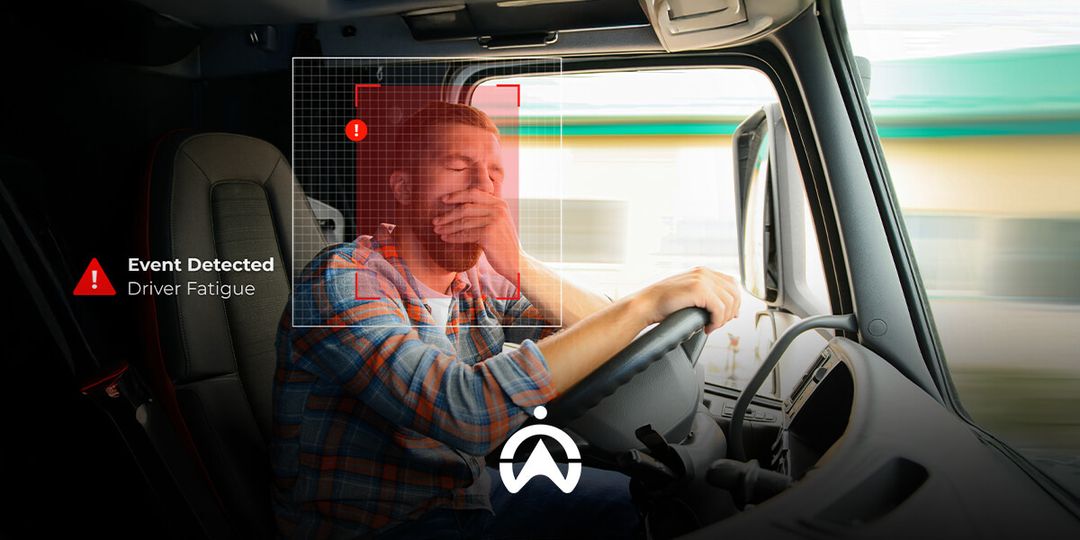
Yawning

Our camera detects yawning, which if too frequent can indicate extreme fatigue for your driver and delay their reaction time. This feature is particularly beneficial for drivers on long trips, overnight shifts, or those who may be experiencing disrupted sleep patterns. By proactively addressing signs of drowsiness, this technology helps keep drivers safe and reduces the risk of fatigue-related accidents, which are often the most serious type.

Camera-covering detection

If the driver covers the camera to prevent visibility the fleet manager will be alerted. This ensures that the integrity of the monitoring system is maintained and that the safety of the driver and others on the road is not compromised. The ability to quickly identify when a camera is being tampered with or obstructed is crucial for ensuring that the safety features of the vehicle are always operational.

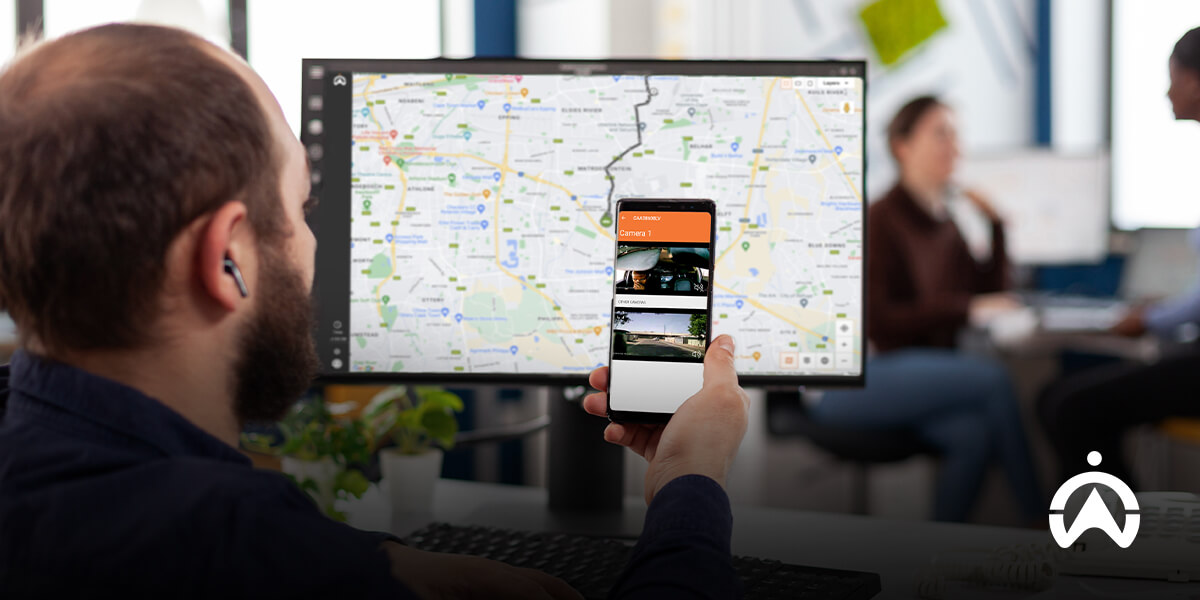
Person holding phone with security camera feed in front of a computer screen showing a map.

The penetration rate in the total population of fleet vehicles used by businesses is estimated to increase from 47.3 percent in 2023 to 70.0 percent in 2028. In this ever-changing world, it is important to stay up to date with industry developments and innovations. Video telematics is the current reality for fleet management and looks to be its future as well. A wise decision would be to adopt this technology as soon as possible in order for your business and fleet to be fully optimised.

Video telematics offers an extra layer of certainty for your business, contact us today to learn more about how we can take your fleet management from better to best.

What is vehicle telematics and how can it benefit my business?

Step into the world of modern fleet management and get unique insights into your fleet vehicles and drivers through telematics solutions. This article will help you get the most out of your fleet and fully understand what telematics systems can do for you.

The telematics industry strives to benefit and make changes to every business it touches, and its efforts are evident. Telematics has grown immensely in recent years, encouraging businesses to implement telematics solutions to improve safety, increase efficiency, and most importantly, reduce costs.

This has seen the demand for innovative technology, prompting more businesses to grow curious about what telematics can be used for and how it can benefit them. 

This blog will answer all your questions and give you the information you need to make an informed decision about telematics.

What is telematics
What is telematics?

What is telematics?

Telematics (also known as fleet telematics) is a system used to collect GPS fleet tracking data along with a range of vehicle-specific information and store it in a database. It integrates both wireless telecommunications and information technology (informatics) to process, deliver actionable data and efficiently convey information over vast networks.

Telematics is often associated with fleet management and vehicle GPS tracking devices. With these fleet systems in mind, telematics can be defined as an onboard communication system where all fleet software can interact with one another and share vital information.

Telematics can also be seen as a new method of integrating all types of data, from vehicle equipment to driver behaviour.

How do telematics systems work?

For a telematics system to work, it needs a few items:

  • A communication device (mobile phone, computer, laptop and/or tablet)
  • Fleet communication software
  • GPS tracking device
  • Engine interface
  • Input/output interface
  • SIM card
  • Accelerometer
  • Alert/notification

Telematics systems function by connecting a GPS fleet tracking device, or other data logging tool, to an asset. The tool collects critical performance data about the asset, like real-time engine diagnostics, vehicle location, and vehicle activity.

After being collected, the device transmits the data to a data centre where it can be analysed, interpreted, and compiled.

Fleet managers can access the uploaded data via the software of the telematics system once it has been uploaded. However, the method of doing so may vary depending on the particular telematics solution.

How are telematics devices installed?

Telematics is implanted via the vehicle’s on-board diagnostic (OBD) II port, or CAN-BUS port, typically located under the steering wheel.

GPS tracking devices and fleet management telematics are installed in discrete places so they are hard to locate and tamper with. Here are three types of units available and their hiding spots:

Plug in: These are devices that can be easily plugged into any fleet vehicle’s cigarette lighter, like Cartrack’s compact mobile unit. Since these devices have to be plugged-in to function, they could be very easy to spot. 

‍Hardwired: These devices are installed directly into the vehicle and connected to the vehicle’s power supply (battery). Because they are not attached to the OBD port, they can be easily hidden in the vehicle.

Battery operated: Thesehave a battery or solar charger of their own and can operate independently from the vehicle, so they can be easily placed anywhere in the vehicle. These types of devices often have powerful batteries that could last for months at a time.

After installing telematics units, the device collects GPS fleet tracking data and a range of vehicle-specific information where fleet managers can implement smart solutions to achieve, automate and improve the following:

  • Manage route optimisation
  • Ensure the safety and compliance of the drivers
  • Help identify and improve bad driving habits
  • Receive notifications for preventative maintenance
  • Reduce idling, fuel and maintenance costs
  • Manage assets’ utilisation
  • Help drivers comply with policies and regulations
  • Reduces carbon footprint 

A centralised server receives the information from the units via General Packet Radio Service (GPRS), 4G or 5G mobile data and cellular networks or satellite communication, and displays it through a secure website (usually the telematics system’s platform) accessed through tablets or smartphones.

Telematics and vehicle tracking systems

Vehicle tracking is the most common use of telematics in most industries, especially in trucking and transportation.

This technology is preferred in vehicles because of the notable benefits it offers. The ability to map the exact location of the vehicle, its speed, and its maintenance status, all through the use of GPS systems, combined with onboard diagnostics.

Here’s a list of additional information gained through telematics.

  • Location
  • Fuel Usage
  • Maintenance issues
  • Fuel consumption
  • Idle time
  • Instances of harsh driving (e.g., hard braking or cornering)
  • Speed and rapid acceleration

To make good use of this information, the telematics system analyses the data for certain events and patterns and creates reports on specific drivers and fleet vehicles, specifically for the convenience of fleet managers.

Telematics integration with vehicles

from fleet manager to fleet driver

Telematics integration with vehicles

Typically, trucks, trailers and other fleet vehicles are sold without tracking systems installed and are fitted with GPS tracking devices soon after they have been sold. If the vehicles don’t come pre-equipped with this technology, many aftermarkets offer GPS and telematics unit installation.

Some car dealerships also partner with telematics providers or vehicle tracking companies, such as Cartrack, to provide a seamless end-user experience and sell vehicles already fitted with Cartrack’s tracking units.

How to positively use telematics technology in your fleet

You have now gathered a basic understanding of telematics software and decided to implement it into your business, great! To properly use this technological game-changer, here are a few key areas where telematics can boost your business.

1. Safety tracking

Fleet telematics allows you to track vehicle location, speed, seatbelt use, as well as driving behaviour. You receive a digital record of every aspect of your fleet vehicles’ operations, which can provide insight into where and what improvements can be made to prevent accidents and improve driver safety.

2. Better payroll management

A telematics solution can help you reduce instances of overtime and timesheet fraud by monitoring your fleet’s electronic time logs and allocating resources based on real-time information. You can optimise your drivers’ routes so that no driving time is wasted. You’ll also know exactly how long and how far a vehicle has driven, making payroll calculations easier.

3. Trailer and asset tracking

Telematics can be used for more than just monitoring vehicles. You can attach a GPS tracking unit to trailers, expensive equipment, and non-motorized assets to prevent them from becoming lost and help find them faster if they are stolen. 

You can also create alerts to be sent to you if a trailer or other non-motorized asset is moved without your permission.

4. Insurance risk assessment 

With the permission of the owners, telematics can be used by insurance companies to monitor driver behaviour, allowing them to better determine risk factors and adjust insurance premiums accordingly. If additional help is needed in sorting out insurance, Cartrack helps motorists find affordable insurance by viewing the current insurance package used and providing you with 14 quotes with better rates.

How is it used in everyday life?

The telematics solutions market is projected to reach $62.6 billion by 2025, up from an estimated $29.9 billion in 2020. With this amount of money on the table, it’s safe to assume not just the transportation and freight industries reap the benefits of this system. Almost every industry has space in their regime to integrate telematics into their business and some of them use this technology a little bit differently than the rest.

 Here’s a look at the industries making the most of telematics today.

  • Heavy machinery: Maintains heavy equipment and prevents theft with the use of telematics and asset tracking safety features.
  • Public Security: Monitors the location and driving speed of emergency vehicles to improve officer safety and increase response times.
      
  • Fleets: Trucks and various fleet vehicles are monitored to ensure shipments arrive at their destination safely and on schedule.
  • Construction: Performance diagnostics, fuel usage, and maintenance schedules are all reported on through the use of telematics.
  • Oil & Gas: Oil, gas extraction and transportation activities are monitored to improve efficiency and worker safety.
  • Refrigeration: The temperature of cold or heat-sensitive products is monitored to reduce spoilage and ensure safe consumption.
  • Executive fleets: Improve luxury vehicles’ maintenance to reduce breakdowns, unscheduled repairs, and part replacements.
  • Landscaping and lawn care: Monitors the performance of employees and equipment to improve productivity and customer service rates.

Generators: Generator conditions such as fuel level, battery voltage, and coolant temperature are monitored to ensure it is in healthy conditions and can run for longer.

How does telematics benefit the fleet business?

Telematics works to help fleet managers conduct their vehicles, drivers and other fleet employees. With telematics, GPS devices work to track your vehicle, trailers and assets successfully while also gathering vehicle data such as a full trip history of your vehicle and other actionable insights fleet managers can use to improve vehicle and driving conditions.

Other noticeable improvements telematics can make in fleet management are as follows:

  • Boost fleet efficiency

With actionable insights from our telematics and fleet data, you can track your drivers’ progress, improve communications and streamline your workflow. 

  • Eliminate toll and fuel-card fraud

Telematics will automatically verify fuel-card payments whenever they are made by matching fuel sensor data, vehicle location history and fuel-card recipes. Making sure each driver is using their authorised cards at all times. 

  • Always know exactly where your assets are

With our GPS units, you don’t only know the exact location of your assets but also ensure the cargo is accounted for from dispatch to delivery. For extra safety measures, you’ll receive alerts and footage whenever the cargo door is opened and the cargo itself.

  • Actionable insights on the conditions of your fleet

From the petrol intake to driving behaviour, telematics gives fleet managers all the information they need regarding their fleet. They also receive real-time alerts used to address maintenance issues immediately before they escalate. This allows you to keep your vehicles operational for longer, saving money on large repair bills, avoiding critical safety violations, and protecting your Compliance, Safety, and Accountability (CSA) scores. 

  • Real-time tracking

Easily track the progress of your deliveries with automatic job status updates via SMS or email with electronic signature and photo sent, for that little layer of assurance and safe delivery. 

  • Accurate dispatching schedules to ensure on-time deliveries

Use the Cartrack communication app for easy information transfer from fleet manager to fleet driver. Say goodbye to incorrect customer information, ensuring faster deliveries and happy customers.

  • Have Streamlined communication

Fleet telematics can drastically improve communication between drivers and fleet managers or administrators in a business. Improved communications, combined with accurate vehicle location, can help you accurately estimate arrival times and improve customer satisfaction.

  • Decreased fuel costs and operational expenses

Telematics can assist in uncovering waste areas, such as vehicle idling or fuel leakage, and allow fleet managers to rectify them quickly, improving fuel efficiency in the business and the bottom line. It can also assist management in planning the most efficient route for each driver to save wasted miles.

  • It increases driver safety

Accidents are always harmful to businesses and could be worse for drivers’ health and safety. Telematics can be used to improve driver behaviour and promote overall road safety. Fleet management software collects telematics data on your team’s driving habits and ranks your drivers according to their safety scores. You may then teach your drivers safer driving habits and improve the overall safety of your fleet. 

Telematics and fleet management software can calculate distance driven and fuel expenses for different drivers in different jurisdictions automatically. They can also automate calculations for International Fuel Tax Association reports, increasing administrative efficiency, lowering calculation errors, and decreasing your company’s chance of being audited.

How does telematics work with other fleet software

How does telematics work with other fleet software?

Businesses are increasingly relying on telematics and fleet management software to assist them in managing their fleets.

Fleet management software, a branch of telematics, is popular among modern companies as a way to manage the vehicles in their possession. Fleet management systems allow them to gain a comprehensive view of the health, profitability, and productivity of their entire fleet.

Many fleet managers use both fleet management systems and telematics to simplify and efficiently compile gathered information.

What is fleet management software?

Fleet management software is a large information database where you can keep track of everything and anything linked to your fleet. These records may include:

  • Purchased or leased vehicles
  • Vehicle information
  • Maintenance plans
  • History of parts and service
  • Compliance documentation (insurance, licences, tax)
  • Fuel transaction logs
  • Operating costs
  • Financial data

The purpose of using both telematics and fleet management technologies is to reduce the administrative processes associated with managing all fleet lifecycle information. This helps make sense of a fleet in terms of operating costs and total cost of ownership, as well as ensure that you are operating legally, complying with regulations, and effectively maintaining assets.

As such, these fleet systems usually have quite comprehensive reporting tools that can set alerts and send emails while perfectly integrating with third-party systems that offer financial solutions like Cartrack’s SARS-compliant logbook feature.

Are both systems needed?

If you’re asking yourself if the use of both telematics and fleet management software is truly needed to optimise your business, the answer is yes. These systems work together to improve fleet efficiency and productivity and provide several benefits that can easily be observed as soon as the technology is integrated into a business.

The benefits include:

  • Creating risk analysis by combining driver behaviour information with data on accident rates, medical history and fines
  • Safety monitoring
  • Elimination of costly idling
  • improved routes for travel
  • Streamlined processes by eliminating administrative time
  • Improved accuracy by eliminating redundant data entry

By incorporating telematics and fleet management software into business practices, you can reduce investment and operating costs in a variety of areas, including fuel purchasing, leasing, maintenance, accident management, and accounting.

Gain fleet insight with Cartrack

Use Cartrack’s fleet management solutions as well as the telematics technology to have your whole fleet under your control and watchful eye. Be informed about all the comings and goings of your fleet at any time and location.

Contact us on our website and take the first step in achieving fleet efficiency.