South Africa
 Botswana
 Kenya
 Namibia
 Mozambique
 Nigeria
 Swaziland
 Tanzania
 Zimbabwe
 Hong Kong
 Indonesia
 Singapore
 Malaysia
 Philippines
 Thailand
 New Zealand
 Vietnam
 Poland
 Portugal
 Spain
 United Arab Emirates

Many various factors, including human behaviours, cause road accidents. Risky behaviours such as speeding, using mobile phones while driving, and overtaking other vehicles can have serious consequences.
When fleet drivers engage in these behaviours, it can significantly impact the business, resulting in costly accidents and operational downtime. To mitigate these risks, fleet managers can integrate video telematics into fleet management strategies to gain valuable insights into driver behaviour and vehicle performance.
This article explores how camera video telematics work and how they enhance fleet safety and efficiency. We also discuss how Cartrack’s solutions can help reduce driver negligence, leading to safer fleets.
In this article, you will:
- Understand how driver negligence affects fleet safety
- Learn how camera video telematics reduces driver negligence
- Explore how Cartrack can help improve driver and fleet safety with camera video telematics
How Driver Negligence Affects Fleet Safety
Drivers can be negligent in many ways, from engaging in risky driving to neglecting basic vehicle maintenance checks. Driver negligence could result in dire consequences such as vehicle breakdowns, costly repairs, legal issues, and potential company reputation harm. Let’s have a look at the types of driver negligence that a fleet manager needs to be on the lookout for.
Types of Driver Negligence
To ensure fleet safety, it’s important to understand the different types of driver negligence.
These can be categorised as follows:
On-road negligence
- Speeding: When a driver exceeds the recommended speed limit for a particular road or area.
- Distracted driving: Driving while texting, talking on the phone, eating, smoking, or engaging in any other distracting behaviours.
- Tailgating: Following another vehicle too closely.
- Failure to obey traffic laws: This includes ignoring traffic signals, disobeying road signs, and violating other essential traffic rules.
- Driving in hazardous conditions: Driving too fast or recklessly in rain, snow, fog, and other hazardous conditions.
Vehicle safety negligence
- Neglecting regular inspections: Failing to conduct pre- and post-inspections, such as checking tyre pressure, and ignoring any mechanical issues the vehicle may have.
- Ignoring warning signals: Disregarding dashboard alerts, like low oil and brake system warnings, which require immediate attention to maintain vehicle safety.
- Delaying repairs: Postponing necessary repairs or ignoring signs of wear and tear, such as slippery brakes, which could compromise the vehicle’s ability to function safely.
Driver health and wellness negligence
- Fatigued driving: Driving while tired, sleepy, or exhausted.
- Drunk driving: Driving under the influence of alcohol or other substances.
- Driving under the influence of medication: Driving while taking medication that impairs driving ability.
- Driving with a medical condition: When a driver fails to disclose or manage a medical condition that affects driving ability.
Behavioural negligence
- Driver complacency: When a driver is too relaxed behind the wheel, they tend to become less focused and fail to make the right decisions on the road. This complacency makes drivers more vulnerable to road hazards and increases the risk of accidents.
- Aggressive driving: Driving aggressively, such as overtaking and weaving in and out of lanes.
- Road rage: Engaging in angry or violent behaviour while driving.
Consequences of Driver Negligence
Driver negligence can result in severe repercussions for businesses; let’s explore some of them in more detail.
- Financial consequences
Driver negligence can lead to significant financial consequences for businesses. Repeated claims due to unsafe driving often result in higher premiums. If your company car is in an accident, you will face costly repairs, medical expenses, lawsuits, and property damage.Beyond these direct costs, accidents can cause lost productivity, as injured drivers may require time off, and vehicles may be out of service. This downtime disrupts operations, which ultimately affects the company’s profitability.
- Reputational consequences
Accidents or incidents caused by driver negligence can harm the company’s reputation and brand image. This will also lead to a loss of customer trust and loyalty towards the company’s brand; they will question the company’s ability to deliver goods or services safely.
- Legal consequences
Companies may face lawsuits and will have to pay exorbitant legal fees, penalties, and fines when a driver is found to be negligent. Negligent driving is a criminal offence that will affect the driver personally as a legal individual.
How Camera Video Telematics Reduces Driver Negligence
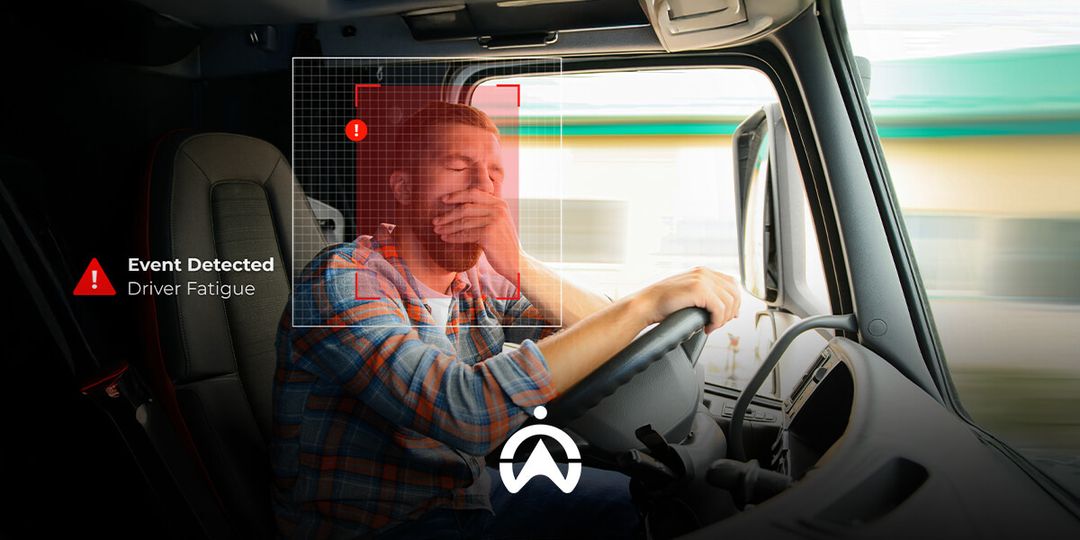
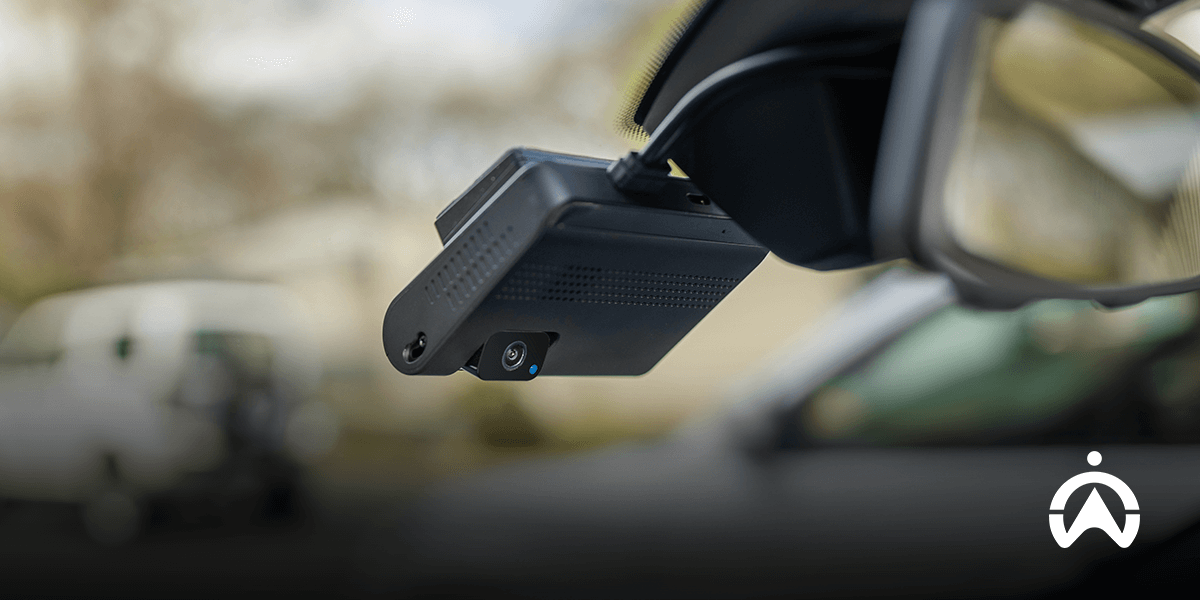
Not all camera video telematics systems are the same. Some have very basic capabilities, and simply record footage, while others are more advanced and equipped with AI technology. The latter can greatly reduce driver negligence by detecting risky driver behaviour such as cellphone use, speeding, harsh braking, and tailgating. It can also identify signs of fatigue and safety belt violations.
Here’s how businesses can benefit from implementing this technology:
Real-Time Monitoring and Feedback
Advanced telematics systems send immediate alerts to drivers when these risky events are detected, enabling them to correct their actions immediately. This prompt feedback helps reduce accidents and encourages safer driving practices.
Event Recording for Accountability
The recorded footage plays a crucial role in identifying and addressing driver negligence. In the event of an accident or safety violation, managers can analyse the footage to determine the cause and take appropriate action.
Businesses that invest in advanced camera telematics systems can use this data for driver training or to enforce necessary disciplinary actions.
Choosing the Right Camera Video Telematics Solution for Your Fleet
When choosing a camera video telematics solution for your fleet, consider features such as storage capacity, video quality, the installation process, real-time alerts, night vision capabilities, and integration with the existing fleet management systems.
Here are some key features to look for when choosing camera video telematics that suit your fleet’s needs:
- Video quality: The video footage has to be clear to allow fleet managers to see what’s happening on the road and also to see the driver. High-resolution footage provides clarity and ensures that important details are not missed, especially in accidents.
- Storage capacity: Ensure that the system offers cloud storage for easy retrieval of video footage and data. Cartrack’s AI multi-vision cameras have up to 1 terabyte of storage.
- Real-time alerts: Systems that offer real-time alerts can significantly improve driver behaviour. In-cabin alerts will notify drivers of risky behaviours so that they can immediately correct themselves.
- Easy installation: The installation of these cameras must be conducted by a trusted service provider to ensure they function optimally and do not interfere with the vehicle’s wiring. At Cartrack, all our installations are done by a qualified technician to ensure that the dashcams are mounted correctly.
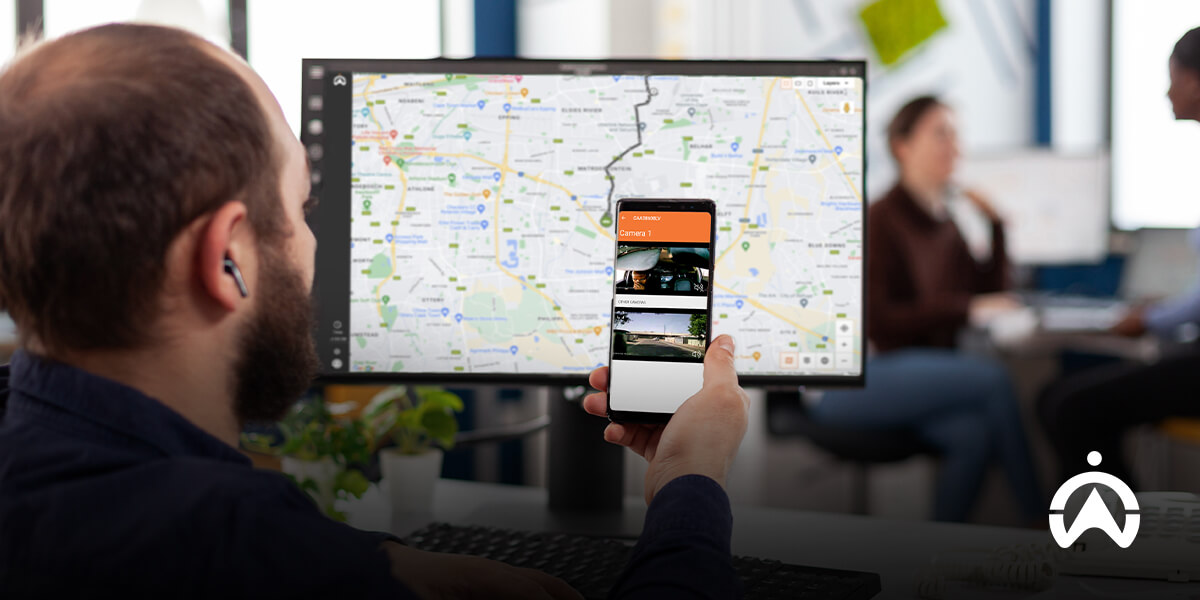
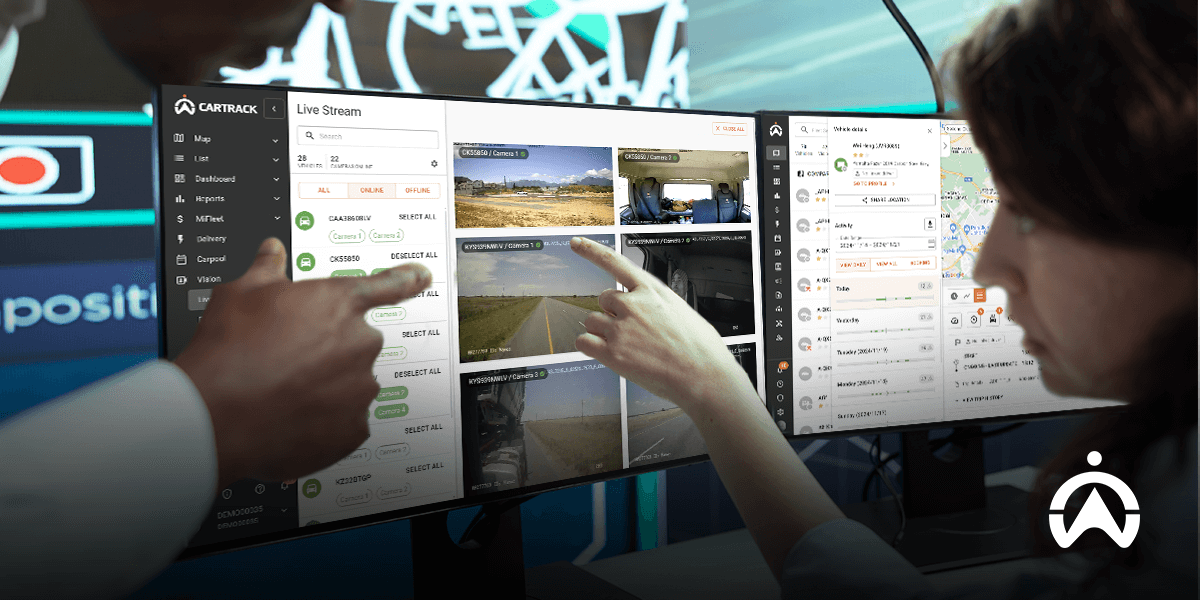
- Compatibility with fleet management systems: Look for solutions that allow easy access to video footage and telematics data from a single platform, such as a fleet management system web interface or app. This will enable easy access to analytics and reports.
- Cost considerations: Cost is an important factor to consider when looking at investing in fleet cameras. There are different prices for different packages, depending on your fleet’s scalability and needs.
How Cartrack Can Help Improve Driver and Fleet Safety with Camera Video Telematics
Cartrack’s camera video telematics offer powerful tools to enhance both driver and fleet safety. With a combination of AI-powered cameras, real-time alerts, and driver performance monitoring, our solutions provide a comprehensive approach to reducing driver negligence and preventing fleet accidents.
We achieve this through the following solutions:
AI-powered cameras
Our AI-powered cameras detect risky events and provide real-time alerts to drivers, including the following:
- Distracted driving: When a driver does not look forward for more than 3 seconds.
- Mobile phone usage: Holding or using a phone while driving.
- Fatigue: Yawning or other signs of drowsiness.
- Smoking: Triggered when a driver has long objects on the lips, which could indicate smoking in the vehicle.
- Tailgating: Following other vehicles too closely.
- Not wearing a seatbelt: When there is no visibility of the seatbelt across the driver’s body.
- Not facing the camera: Detected when a driver isn’t looking forward.
Drivers receive in-cabin alerts to correct actions immediately, helping to prevent accidents and improve road safety.
With up to 8 internal and external cameras, fleet managers will be able to access live footage, giving them full visibility into fleet operations.
In the event of an accident, this footage can help prove the driver’s innocence, ensuring that they do not get blamed for causing the accident. The video evidence can help expedite the insurance claims process, resulting in quicker payouts and eliminating the need for legal battles. This will not only save the company money but will also help retain drivers and foster a positive working environment since drivers will be confident that they are protected at all times.
ADAS (Advanced Driver Assistance Systems)
Cartrack’s Advanced Driver Assistance System (ADAS) enhances fleet safety by using AI to detect potential hazards. Features like lane departure alerts, forward collision warnings, and automatic braking help drivers avoid accidents.
By integrating real-time GPS data, ADAS ensures optimal driving speeds and provides collision prevention warnings, offering fleet managers the tools to reduce driver negligence and improve overall safety.
ADAS key features include:
- Forward Collision Warning: Alerts drivers when they are approaching another vehicle or obstacle too quickly, helping prevent rear-end collisions.
- Blind Spot Detection: Informs drivers of vehicles in blind spots, reducing the chances of accidents when changing lanes.
- Automatic Emergency Braking: Detects imminent collisions and automatically engages the brakes, reducing the impact or preventing the crash altogether.
By incorporating ADAS into fleet management, Cartrack helps prevent risky driving behaviours that could lead to accidents, downtime, and increased costs.
Driver Coaching
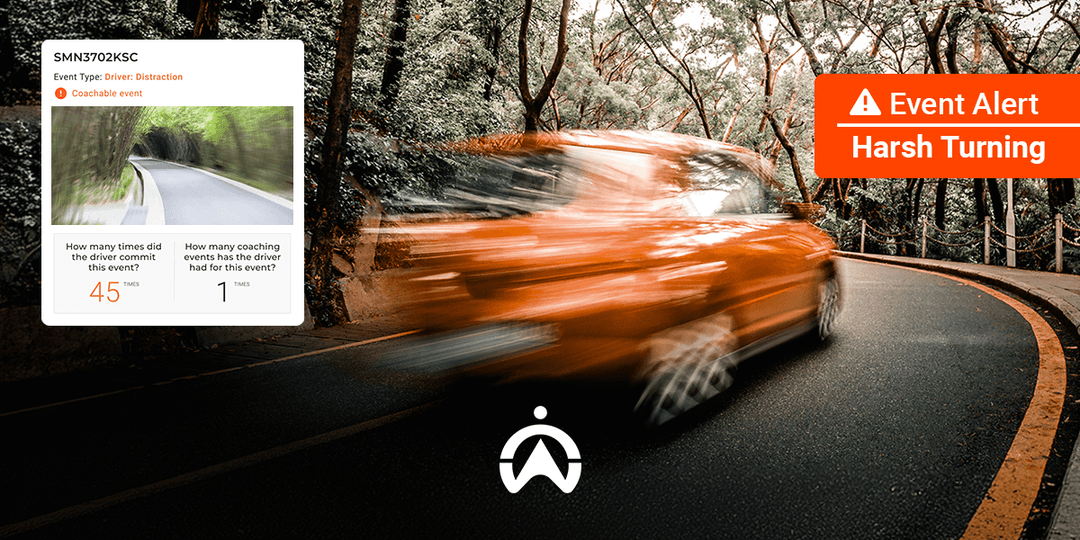
After reviewing the footage, managers can refer drivers to our coaching platform, which automatically logs all high-risk behaviours. The platform tracks how often drivers repeat offences and receive coaching.
All sessions are logged with timestamps and comments to ensure drivers are coached in accordance with company policy and provide the necessary evidence required in case of any disciplinary hearings.
In conclusion, reducing driver negligence is key to strengthening fleet safety, lowering operational costs, and maintaining a strong reputation. Cartrack’s AI-powered camera video telematics solutions provide a holistic approach to improving driver behaviour and minimising risks. Implementing these tools helps fleet managers promote safer driving habits, prevent accidents, and protect business operations.
Contact us today to find out how you can empower your drivers and improve your fleet’s safety.
Frequently Asked Questions about Camera Video Telematics
Q: Is it possible to get a custom report from Cartrack’s camera system?
A: Yes, Cartrack offers customisable reporting features. Fleet managers can generate specific reports on driver behaviour, harsh events, and overall fleet safety performance, tailored to the business’ needs and operations.
Q: How do managers ensure that these cameras do not invade driver privacy?
A: To protect driver privacy, managers should establish clear guidelines for camera use. They should only allow authorised personnel to access footage and must ensure that these cameras are used solely for their intended purposes, such as monitoring driver behaviour and safety.
Q: Can camera video telematics be used for all types of vehicles?
A: Yes, fleet managers can install camera video telematics in cars, trucks, buses, and vans to reduce driver negligence and improve safety on the road.