Optimised Fleet Solutions for Refrigerated Transport Services

The global demand for refrigerated transport services has increased over the years due to the rise in e-commerce. Nowadays, people buy food and medication online, which has increased the need to transport products in agriculture, food and beverages, and pharmaceuticals.
Refrigerated transport services play a vital role in modern global supply chains. They make sure temperature-sensitive goods such as vegetables, seafood, and fresh flowers reach their destinations in perfect condition. Without the right technology, this essential service can get quite complex.

Today we explore everything you need to know about fleet solutions for refrigerated transport services.

In this article, you will:

  • Get a brief understanding of the cold chain logistics industry
  • Discover three main challenges faced by refrigerated transport services
  • Find out how Cartrack solutions make it easier to run a refrigerated transport business

All you need to know about refrigerated transport services

Temperature-controlled trucks enable businesses to reduce their transportation costs by transporting products by road, which is cheaper than shipping by air. This form of transport service is also known as cold chain logistics. The main objective of this industry is to maintain product quality and safety throughout the entire supply chain.

These goods can be on the road for days before reaching their destinations, so there have to be strategies in place to ensure that they are transported efficiently—that’s where fleet management technology comes in.

Understanding the needs of refrigerated transport

There are many obstacles that refrigerated transport businesses come across daily, most of which can be avoided through advanced technology. Here are three major challenges faced by most businesses that offer refrigerated transport services:

  • Temperature Sensitivity: It is important to maintain a specific temperature range when storing and transporting refrigerated goods. The temperature depends on the type of product it is. For example, fruits and vegetables require a temperature range of 2℃ to 4℃, while seafood needs to be frozen at -28℃ to -30℃. Products such as vaccines are so sensitive that they require constant controlled temperature from the moment they are manufactured. If the temperature changes, even for a short period, they could lose potency and become unfit for use. For this reason, there has to be an unbroken transport chain. This means, from the production stage, through distribution, to delivery, the products must be kept at a constant controlled temperature. Achieving this result can be difficult due to factors such as extreme weather conditions and the opening and closing of cargo doors during the loading and offloading stage. With the right technology, the issues surrounding temperature sensitivity can be quickly resolved.
  • Timeliness: Being on time is important for many businesses, but for temperature-sensitive goods, it is crucial. Drivers are constantly under immense pressure to reach their destinations without delay. A delay during the delivery stage may cause temperature fluctuations, which then affect product quality. This also shortens the shelf life of products such as fruits and vegetables, meaning the products cannot be in the store for long once they reach their destinations. For this reason, some retailers have strict guidelines that can result in steep penalties for deliveries that arrive late. There are many things that prolong transit times, such as vehicle breakdown, taking longer routes, or border clearance. This heightens the need for real-time visibility, properly planned routes, and good communication.
  • Compliance: A major challenge is that fleet businesses for refrigerated goods need to adhere to strict industry regulations and standards. Transporting temperature-sensitive products, particularly food, requires good hygiene and total reliability. The food transportation businesses are regulated by law. These regulations first address the hygienic aspect, stating that the vehicle compartment must be clean to the extent that physical or microbiological contamination of the food is prevented. Secondly, it is important that the vehicle itself is reliable; the vehicles must be in good condition at all times because that is also a reflection of the refrigerated compartments. Failure to adhere to such regulations will result in heavy fines or the business being deemed unfit for the role.
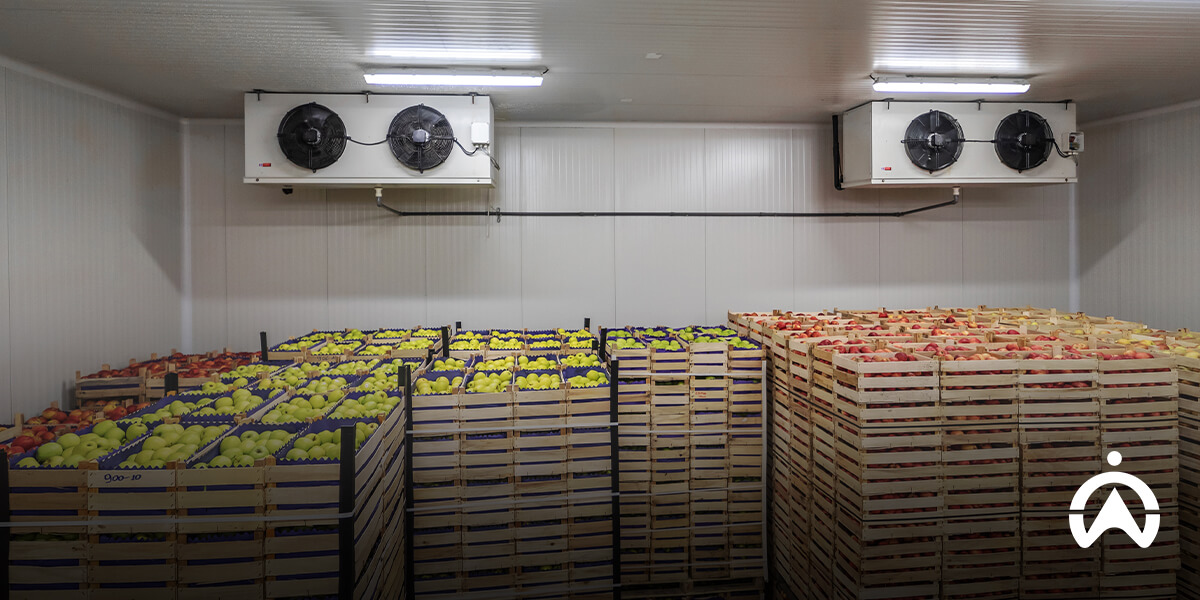
Industrial cold storage room filled with wooden crates of apples, with cooling units on the wall.

How to Monitor Refrigerated Cargo with Cartrack

Cartrack gives you optimised fleet management solutions for your refrigerated transport service so you can focus on happy clients and making a profit. Here’s how we help:

Real-time temperature monitoring:

Cartrack offers up to four temperature sensors to remotely monitor the temperature of your cargo. With this, you can receive alerts on any temperature fluctuations and reports that show temperatures stayed within the compliant range. For example, you can get alerted if temperatures go outside your approved range and correct them before produce or goods go off. If products spoil, cargo temperature reports can help prove that transportation was not the cause.

Secondly, through our cargo door sensors, you get to know when cargo doors open and close and get real-time alerts as well as reports that give you the location and duration of the sensor activity. This means you will immediately know when cargo doors are opened and whether they were opened outside of your pre-approved pickup or drop-off zones. The reports show you how long your reefer trailers’ cargo doors were open, so you can identify temperature fluctuations caused by drivers leaving them open.

Route optimisation

Reduce transit time to preserve product quality with our route optimisation service. This feature helps you avoid longer travel times that could cause delays and also affect product quality. Our system automatically creates job routes for drivers that minimise mileage and fuel costs. With this tool, you will know when drivers did not go according to the planned routes so you can quickly address the issue.

Fleet location tracking

Live location
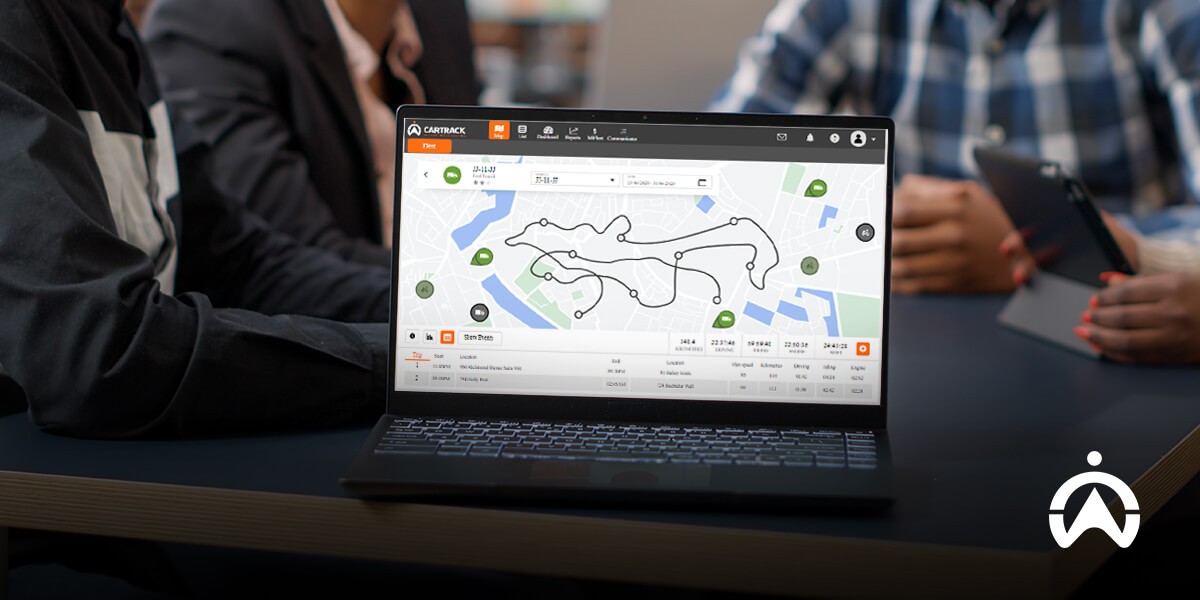
Cartrack gives you full visibility of your vehicles in real-time, so you know where they are at all times. Our GPS tracking technology shows you accurate vehicle locations so you can ensure safe and efficient travelling.

Geofencing
Create virtual fences around areas of your choice, such as drop-off zones and filling stations, to ensure route compliance and that drivers adhere to their schedules. Our geofence feature alerts you whenever drivers enter or exit these zones so that they start and end their shifts at the correct times to enhance productivity and streamline operations.

Driver management

In addition to having technology that will keep your refrigerated cargo in good condition, drivers also need to be trained on how to handle temperature-sensitive cargo. To make it easier, Cartrack has a driver coaching platform that helps monitor driver behaviour so you can have a record of incidents, such as when cargo doors are left open for long. Drivers can then be called in for a coaching session in order to improve their habits.

Predictive maintenance

Our IoT-powered fleet management tools help you reduce downtime and maintenance costs while boosting productivity. With this, you get accurate odometer readings for internal reporting and vehicle management. You also receive information on engine diagnostics so you can send vehicles for repairs before the problems become bigger. This helps prevent unexpected delays caused by vehicles breaking down, which could compromise goods. Additionally, you can record, update, and store maintenance activities digitally for easy reference and convenient reporting.
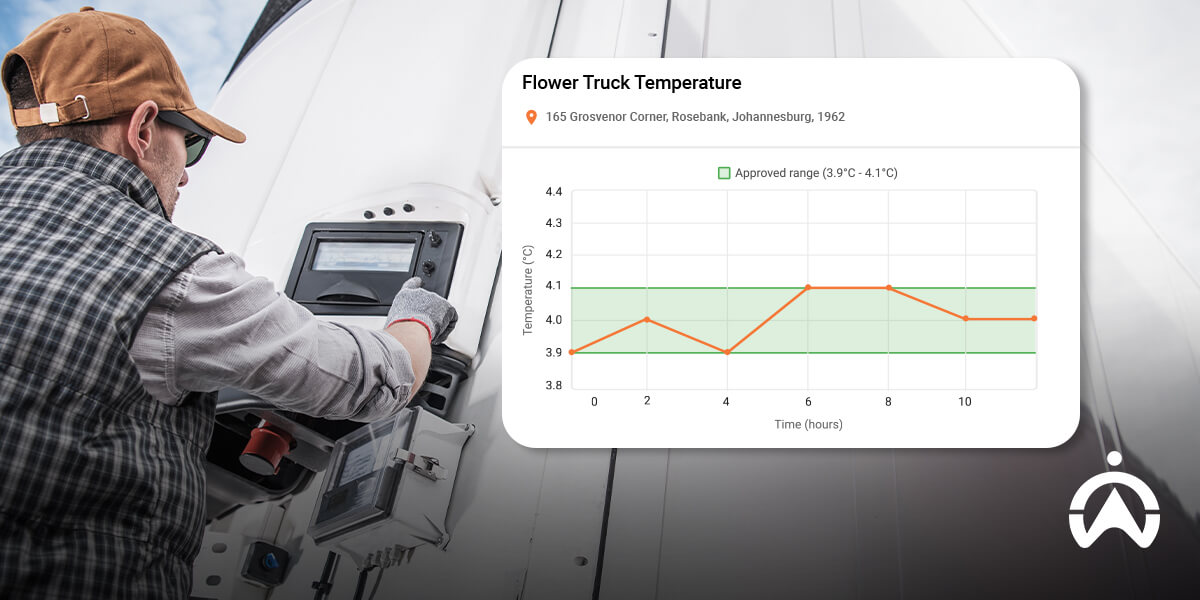
Man adjusting truck refrigeration unit with a "Flower Truck Temperature" chart displayed.

Ensure your refrigerated cargo stays fresh at all times

Cartrack specialises in all things fleet management. Our solutions are here to boost your fleet’s productivity, streamline operations, and reduce costs. With us, your refrigerated cargo will always be closely monitored to ensure your clients receive the goods in the best possible condition. Contact us today and get a free quote.

Here are some frequently asked questions about refrigerated cargo

How to transport refrigerated goods?

Firstly, the goods need to be properly packed using materials that are meant for packing refrigerated goods, such as styrofoam, dry ice, and gel packs. The packaging must keep the heat out so the products can remain frozen.

Secondly, there are vehicles that are specially designed for this task, such as reefer trucks and reefer trailers. You need to choose vehicles with refrigeration and freezing systems that meet your specifications and carefully plan the transportation process.
Lastly, you need to invest in a fleet management system that will help you monitor cargo temperatures in real time, so you always know what’s going on and ensure that the goods remain in desired conditions.

What is the demand for refrigerated transport?
According to Research and Market, the refrigerated transport market is expected to reach US$ 27.07 billion by the year 2032 from US$ 17.77 billion in 2023, with a growth rate of 4.79% from 2024 to 2032.

What is refrigerated transportation? 

Refrigerated transportation is a way of transporting goods that have specific needs for controlled temperatures. The goods are placed in vehicles that have built-in refrigeration systems in order to maintain the required temperature during the transportation process.

If you have more questions, you can contact us today and speak to a fleet consultant.
Top 10 Fleet Management Mistakes and How to Avoid Them

Mistakes in the workplace are bound to happen, but when it comes to fleet management, one small error can cost the entire business a fortune. Many of these mistakes are caused by fleet managers prioritising certain tasks over others to meet client expectations and boost revenue. With the right technology, these mistakes can easily be avoided. In an effort to simplify things for you, we have identified ten common mistakes most fleet managers make and how to avoid them using our fleet management solutions.

In this article, you will:

  • Get a breakdown of common fleet management mistakes
  • Find out how Cartrack solutions reduce the chances of possibly making errors

Breaking down common fleet management mistakes

With all the responsibilities fleet managers have to take on, some aspects of the job may not be immediately apparent and fall into the cracks. Here are ten fleet management mistakes you could make and how to refrain from them:
‍

Mistake 1: Overlooking driver behaviour

Many fleet managers overlook the importance of carefully monitoring drivers and their habits. Unsafe driving practices are a huge concern in fleet management and for all motorists in general. They increase the risk of accidents that could turn fatal. Bad driving habits such as harsh braking and speeding also increase fuel consumption and increase the chances of vehicle wear and tear.
How to avoid it: Use our telematics devices and AI cameras to monitor driving behaviour. Through this technology, you will get alerts and detailed reports on the behaviour of each driver. We also have a coaching platform that helps you notice recurring incidents of each driver and address them accordingly through training sessions.

Mistake 2: Neglecting preventive maintenance

The pressure to meet customer expectations and make a profit has many fleet managers postponing routine maintenance or even forgetting about it. This causes vehicle wear and tear, which leads to an increase in unexpected breakdowns, downtime, and costly repairs.
‍

How to avoid it: Incorporate telematics tools that provide diagnostics on vehicle and asset performance. Our preventative maintenance solution provides you with data analytics that gives insight into potential issues, such as engine faults. You can also set up automated maintenance reminders so you don’t miss routine maintenance appointments. This ensures critical maintenance activities are not overlooked and that the fleet performs optimally.

Mistake 3: Overlooking compliance and regulations

Regulatory requirements cover a range of areas, from roadworthiness and hours of service to environmental standards and safety measures. Overlooking compliance requirements poses the risk of heavy fines, legal issues, and vehicle impoundment. This happens quite often in a fleet business due to managers and operators pushing to meet delivery deadlines.
‍

How to avoid it: Make use of fleet management software features such as GPS logbooks and Driver Identification (DID) tags. These help you monitor how much time each driver has spent on the road to ensure driving limits are not exceeded and that there are enough resting periods in between. The logbook also helps you remain tax-compliant by classifying business and private trips accurately. Additionally, we also help you determine how much carbon dioxide your fleet emits by giving CO₂ reports so you can be aware of your carbon footprint.

Mistake 4: Poor fuel management strategies

Fleet managers do not always have time to focus only on fuel expenses. This leaves room for possible fuel theft, vehicle misuse, and administrative errors.
‍

How to avoid it: Use a cost management tool such as our MiFleet software, to manage your fuel cards and overall fuel costs. This smart tool ensures that all fuel card transactions match telemetry data such as time, location, and distance travelled. Train drivers on fuel-efficient driving habits, and ensure they use DID tags once again so the fuel used on personal trips can be accounted for. Lastly, install fuel sensors such as fuel probes to get real-time accurate readings of the in-tank fuel levels.

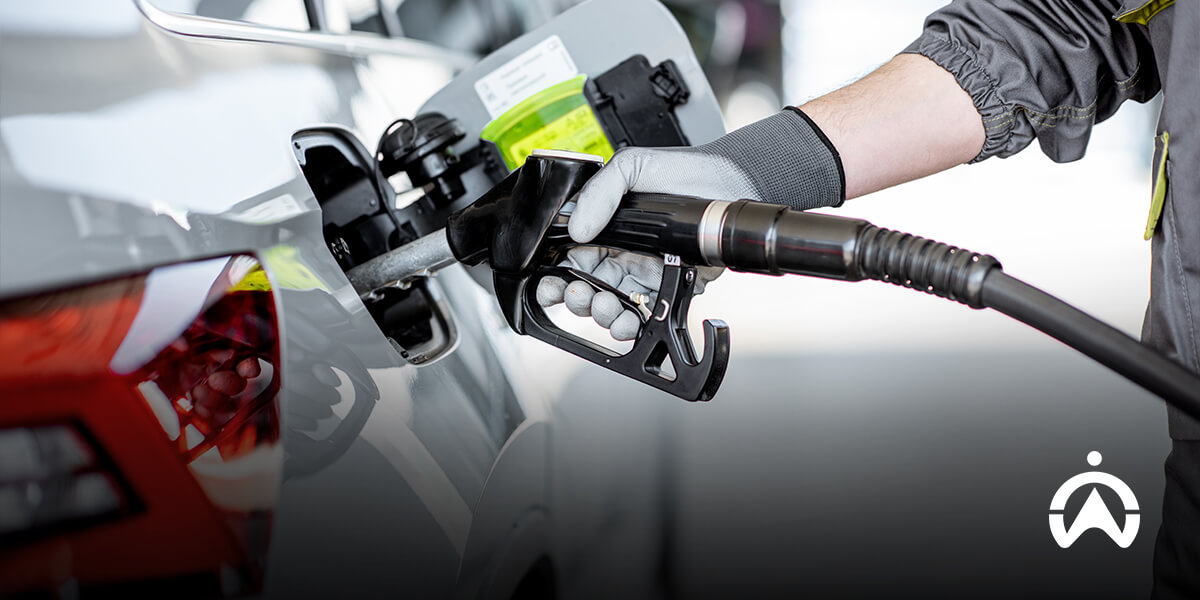
A person in a gray glove fuels a silver car at a gas station, holding the nozzle near the fuel cap.

Mistake 5: Lack of real-time vehicle tracking

Knowing where drivers are with an estimate of how long they should take is not enough. As a fleet manager, you need to see the live locations of all vehicles to spot any issues drivers encounter along the way and act promptly. Reduced fleet visibility results in higher operational costs due to low efficiency and also imposes a security risk.
‍

How to avoid it: To improve your fleet’s visibility, invest in GPS tracking and telematics for real-time monitoring. With this, you can see if a driver spends too much time in one place or if they are following the route as planned.

Mistake 6: Not utilising fleet data for decision-making

GPS trackers, IoT devices, and sensors collect large volumes of data that give valuable insight. When the data comes from various sources, it becomes overwhelming and difficult to process. This leads to fleet managers missing the finer details of this information, which may result in misinterpretation of data and poor decision-making.
‍

How to avoid it: It is easier to understand data that comes from one platform. Choose a fully integrated fleet management solution, make use of data visualisation tools such as the given graphs, and train staff on how to correctly interpret them. Ensure they thoroughly check reports to spot trends and patterns. Use this insight to develop strategies that will increase productivity and reduce overall operational costs.

Mistake 7: Inadequate communication between fleet managers and drivers

It is no secret that clear communication is a necessity for smooth business operations. Yet fleet managers and dispatchers overlook this factor due to how busy they can be with other tasks. This causes misunderstandings and leads to delays, lowering productivity levels.
‍

How to avoid it: Speak to your staff more often and hold regular meetings so you can hear their pain points. Give feedback and ask if there are any new developments. Lastly, use fleet management software tools such as the two-way audio from our AI Dual Vision camera to get updates from drivers in real time and vice versa.

Mistake 8: Underestimating the importance of safety protocols

It is your responsibility as the fleet manager to ensure that drivers, vehicles, and cargo are safe on the road. For this reason, there need to be safety programs such as pre-and post-trip checklists to assess vehicle conditions. Failure to follow safety protocols will lead to accidents, legal penalties, unplanned maintenance costs, and the need for new vehicles.
‍

How to avoid it: Foster a culture of safety in your team by creating a strict policy that applies to all workers who get behind the wheel. This policy should combine general knowledge of traffic regulations and best practices. Highlight the importance of following policies and procedures and train staff on any updated regulations. Furthermore, use our driver scorecards to rate each driver and reward those who are showing improvement.

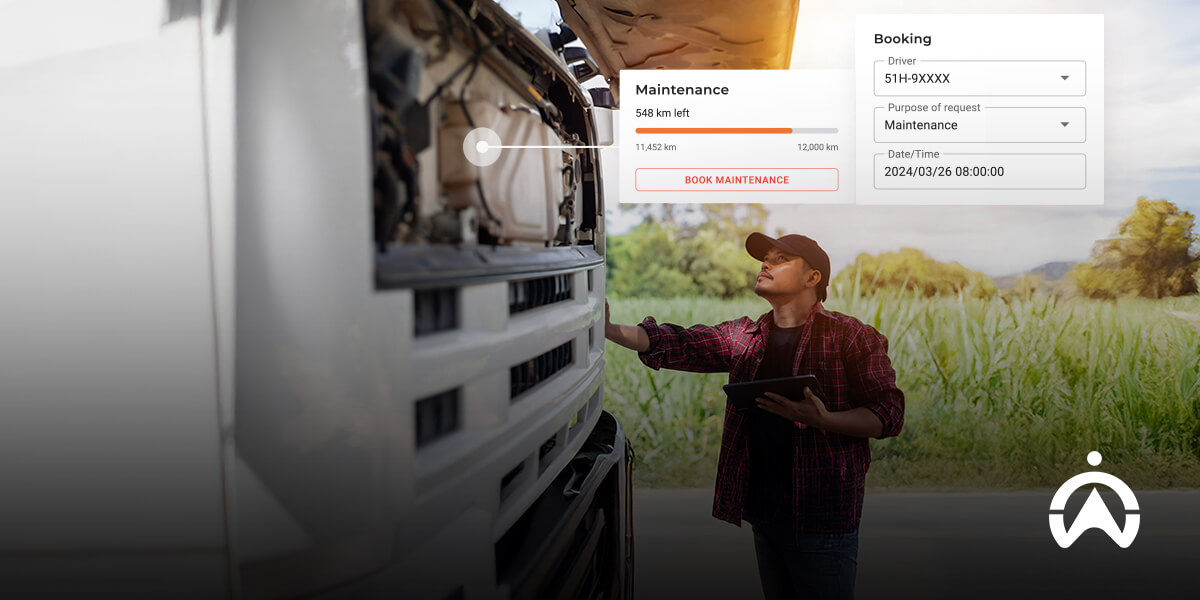
A technician inspects a truck's engine while a booking interface shows maintenance details and scheduling options.

Mistake 9: Ineffective route planning

Poor route planning increases travel time, which leads to unnecessary overtime, an increase in fuel costs, and late deliveries. The disappointment that stems from these delays creates a bigger issue which is customer dissatisfaction, leaving a dent in the brand’s reputation.
‍‍

How to avoid it: Use our route optimisation software to plan your deliveries. Place pick-up and drop-off points onto the software to find the most effective routes. This technology factors in things like distance, traffic patterns, and delivery priorities to help you find the way for drivers to get to their destinations.

Mistake 10: Failing to adapt to industry changes

The adoption of fleet management software is ever-growing with the industry undergoing rapid changes. These changes are driven by technological advancements and expanded consumer preferences. Using outdated technology will cause your business to fall behind.
‍

How to avoid it: Stay informed about industry trends and choose a fleet management software provider that is innovative and always introduces new technologies to enhance your fleet operations and boost profit. At Cartrack, we strive to give you the latest technology by developing and constantly updating our services to align with emerging fleet management solutions. With us, your business will always be in sync with new industry standards.

Avoid fleet management mistakes with Cartrack solutions

Our advanced fleet management solutions make it easier for you to navigate the business landscape. We have measures put in place to tackle each aspect of running a fleet, so you don’t miss anything essential. If you need more information, reach out to us and speak to one of our fleet consultants.

Predictive Maintenance: How to Reduce Unplanned Downtime

In this day and age, with rapid business development and steep competition, your fleet or machinery’s working condition is a vital factor to consider. For most companies, unplanned downtimes are costly, with challenges such as lost productivity and repairs.

Predictive maintenance is the most important way to cut unplanned downtime, optimise fleet management, and generally improve operational performance. This innovative approach focuses on advanced technology along with data-based insights to foresee incidents from the beginning and keep the assets performing at their top condition while causing minimal disturbances.

In this blog we learn about how predictive maintenance can help you get real-time vehicle diagnostics and establish effective maintenance plans for your fleet.

In this article, you will:

  • Learn about predictive maintenance
  • Discover the impact predictive maintenance has on fleet operations
  • Find out why Cartrack is the ideal partner for predictive maintenance solutions

What is Predictive Maintenance and How Does It Work?

Predictive maintenance uses data analysis to identify operational issues and potential equipment defects, enabling timely repairs before failures occur. It aims to minimise maintenance frequency, avoiding unplanned breakdowns and unnecessary preventive maintenance costs.

Core Principles of Predictive Maintenance

Predictive maintenance relies on various technologies in order for it to work effectively, these include:

  • The Internet of Things (IoT)
  • Predictive analytics
  • Artificial intelligence (AI)
  • Connected sensors

These components gather data from assets such as machinery and equipment. Here is how the components of predictive maintenance work:

Data Collection:

  • Components gather data from assets (machinery, equipment).
  • Data is collected in the cloud within an AI-enabled EAM or CMMS.

AI Analysis:

  • AI and machine learning analyse data in real-time.
  • This analysis provides an understanding of the equipment’s current condition.

Defect Detection & Alerting:

  • Alerts are triggered for potential defects.
  • Alerts are delivered to the maintenance team.

Predictive Capabilities:

  • Machine learning algorithms predict future equipment conditions.
  • Enables efficient maintenance workflows (scheduling, labour, parts).

Continuous Improvement:

  • Increased data collection leads to more insights and better predictions.
  • Provides confidence in optimal equipment performance.
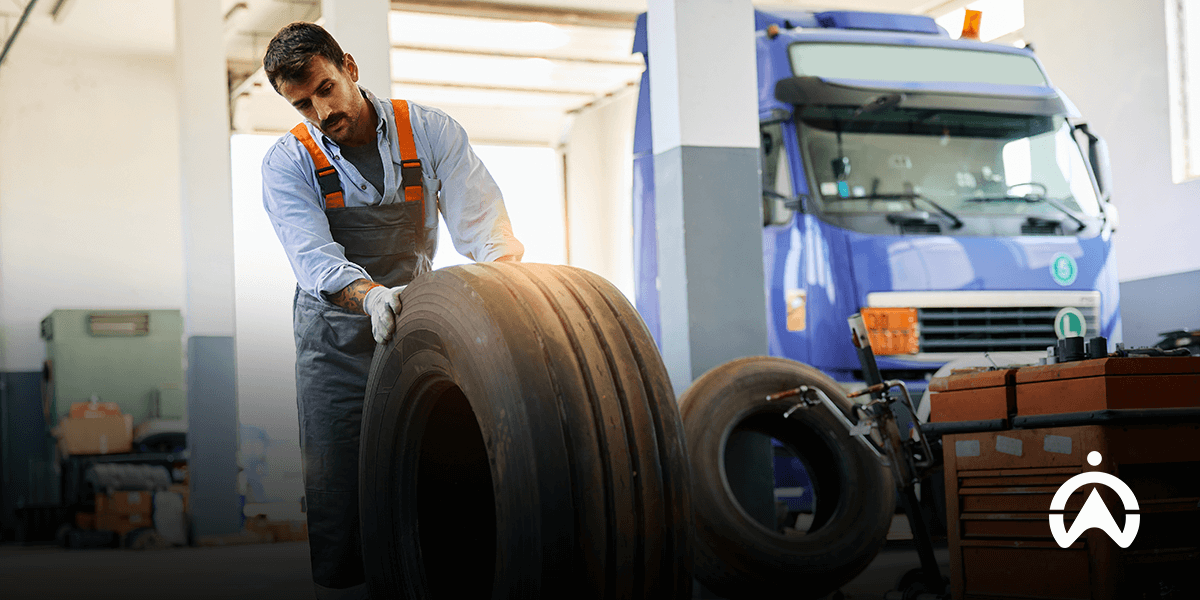
Mechanic in overalls rolling a large tire with a blue truck in the background.

Data Sources in Fleet Predictive Maintenance

In predictive maintenance, it is only through rich and accurate data that problems can be predicted before they bring about unexpected downtime. With Cartrack’s advanced and effective fleet management solutions, we exploit different sources to give a complete picture of how a vehicle performs. This data is acquired in real-time through telematics devices, sensors, and onboard diagnostics, enabling fleet managers to monitor critical metrics and get alerts for potential problems. Below are some of the critical data sources for effective predictive maintenance:

  1. ‍Engine Health
    The heart of any vehicle is its engine, and one needs to ensure that such components are monitored in order to avoid any chances of failure. Control actions regarding engine temperature, oil pressure, fuel consumption, and engine loading make it possible to flag early evidence of crisis. Take for example increased temperature in the engine or abnormality in oil pressure which can indicate possible failures in the cooling system or oil leak respectively. All these are parameters that are monitored continuously by the telematics systems from Cartrack, thus supplying fleet managers with real-time information regarding the times when engine health begins to decline, making timely action possible before more severe damage occurs.
    ‍
  2. ‍Braking Patterns
    Brakes are the most important safety feature in a vehicle. Worn-out or non-efficient brakes often lead to fatal accidents and very expensive repairs. Monitoring braking behaviour, including braking force, frequency, and response time, will help in identifying potential problems at an early stage. For example, excessive braking, especially sudden or hard braking, can lead to defective brake pads or adversely affect systems linked to brake fluid. With the help of Cartrack’s telematics system, fleet managers can track and analyse braking behaviour, thus providing an analysis that could lead to action being taken.
    ‍
  3. ‍Fuel Efficiency
    A drastic drop in fuel economy could be indicative of problems related to the engine, under-inflated tyres or a dysfunctional fuel system. Constant monitoring of average fuel consumption over time can help identify and address inefficiencies, which can accumulate into significant costs. Cartrack tracks a vehicle’s fuel usage in real-time so that fleet managers can study patterns on fuel consumption. This is then used when planning routing, optimising driving behaviour, and in case of any mechanical problem affecting fuel efficiency.
    ‍
  4. ‍Tyre Wear
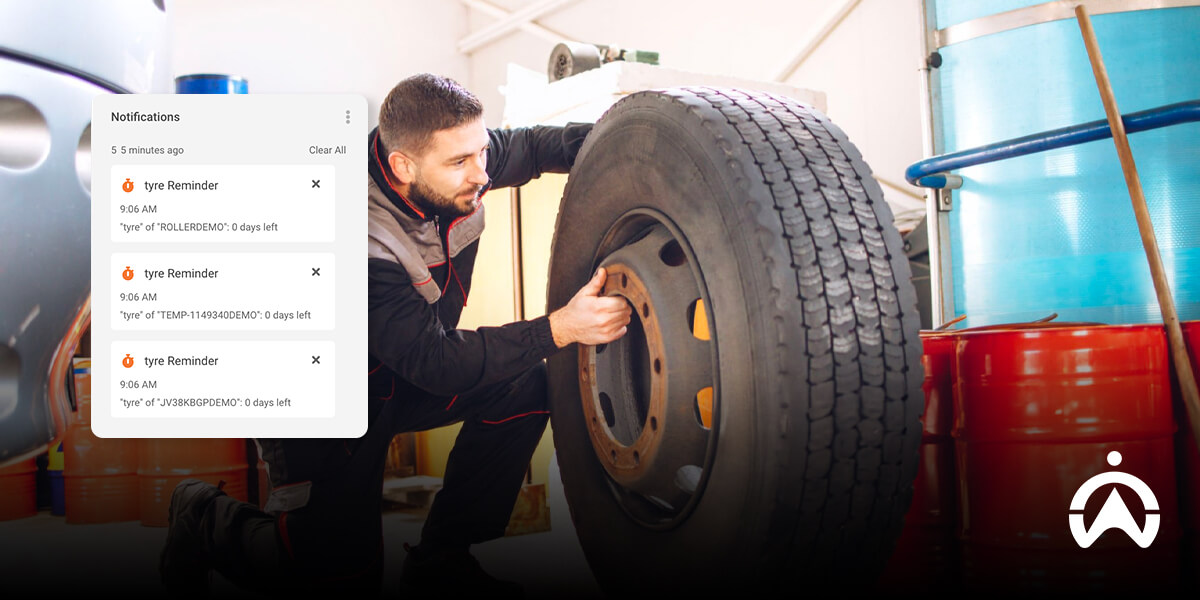
    Tyres have a great deal to do with the safety and performance of a vehicle, factors to consider include varying forms of wear such as excessive and uneven tyre wear. These could indicate misalignment, improper inflation, or some other mechanical failure. Monitoring of tyre pressures as well as tread volumes informs when tyres will have reached the replacement service level. Cartrack has sensors that continuously monitor tyre health and notify fleet monitoring personnel when the pressure reaches below optimal levels or physical wear patterns indicate a need for replacement. By having early prevention measures in place, it will minimise blowouts and improve safety.

Why Predictive Maintenance Matters for Fleet Businesses

Predictive maintenance matters most to fleet businesses because of the cost reduction it brings. Another main reason is that efficiency increases since vehicles will rarely have downtime due to repairs. Most importantly it makes driver safety that much more possible as the vehicles will almost always be in top condition.

The Impact of Predictive Maintenance on Fleet Operations

Predictive maintenance has had a massive impact on the fleet management industry. Fleet managers can now foresee many issues that would otherwise affect fleet performance. Many benefits have come from this way of planning maintenance, let’s have a look at some of them.

Key Benefits of Predictive Maintenance

Minimising downtime and repair costs is the biggest benefit of predictive maintenance. The early services of vehicles mean that repairs are reduced and in some cases completely removed.

Another benefit is prolonging vehicle lifespans and improved asset utilisation. When vehicles are repaired early it means that they will have significantly reduced downtime and are not likely to break down randomly, maximising operational time.

Reducing fuel waste is a byproduct of optimally functioning vehicles. An engine that is working well and in good condition is more fuel efficient than one that isn’t. This means that fuel costs can be expected to go down overall. An added benefit is the reduced environmental impact from the reduced fuel use.

Operational Efficiency

Operational efficiency is the biggest advantage of predictive maintenance as it allows better planning for vehicle availability. It becomes very easy to manage vehicles when very few of them are in maintenance or getting a service. Smarter resource allocation with accurate maintenance scheduling will be the norm moving forward.

Cartrack: A Game-Changer in Predictive Maintenance

Cartrack is a provider of advanced telematics solutions for fleet management, the services include GPS tracking, vehicle diagnostics, and vehicle data analytics. This is all provided both in real-time and in scheduled reports. These features all assist in predictive maintenance, here’s how.

How Cartrack Enhances Predictive Maintenance

Cartrack’s telematics technology detects performance anomalies and warns well in advance about potential critical issues. The management software then gives actionable insights to operators on how to resolve each vehicle’s issues, thus reducing unplanned downtime and ensuring that vehicles remain operational.

Fleet managers that use a Cartrack platform, are able to:

  • Monitor the entire fleet’s KPIs.
    ‍
  • Get predictive alerts on components that are nearing failure.
    ‍
  • Evaluate historical data to anticipate future maintenance activities.
    ‍
  • Schedule maintenance activities based on data-driven insights.
    ‍
  • Prevent unnecessary fuel consumption.
    ‍
  • Improve driver behaviour and route optimisation.

Features of Cartrack Solutions

At Cartrack, we pride ourselves on offering a comprehensive suite of features designed to enhance the effectiveness of predictive maintenance, improve fleet management, and ultimately reduce unplanned downtime. Our solutions are built with flexibility, reliability, and real-time data at their core, ensuring that fleet managers have all the tools they need to keep their vehicles operating at their best. Here are some of the standout features that set Cartrack apart:

  1. ‍Customisable Maintenance Schedules and Automated Reminders
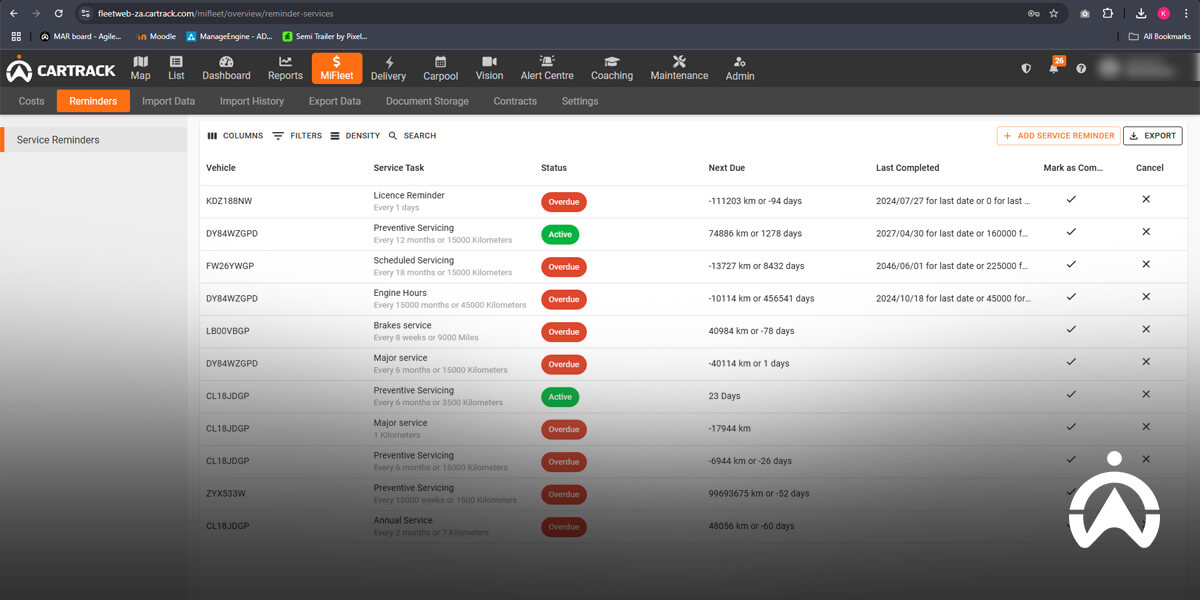
    Cartrack understands that each fleet has unique needs, which is why we offer customisable maintenance schedules tailored to your specific fleet profile. Our system takes into account the type of vehicles you operate, their usage patterns, and manufacturer recommendations, ensuring that maintenance is scheduled at the optimal time for each asset. Furthermore, we provide automated reminders for scheduled maintenance tasks, such as oil changes, tyre rotations, or filter replacements. These reminders are delivered via email or the Cartrack mobile app, ensuring that no important maintenance task is overlooked.
    ‍
  2. ‍Proven Results in Reducing Downtime and Saving Costs
    Cartrack’s predictive maintenance technology has consistently delivered tangible results in reducing unplanned downtime and lowering maintenance costs for fleets of all sizes. By providing accurate, real-time data on vehicle health, we enable businesses to shift from reactive maintenance strategies to a more proactive, data-driven approach. Our predictive insights allow fleet managers to address small issues before they escalate, preventing costly breakdowns and repairs.Our customers have reported significant improvements in both vehicle uptime and cost savings through Cartrack’s predictive maintenance solutions. By preventing unexpected repairs and optimising maintenance schedules, businesses can reduce repair costs, extend the lifespan of their assets, and improve fleet performance.
    ‍
  3. ‍Real-Time Alerts and Predictive Insights
    Cartrack’s advanced alert system offers immediate notifications when a vehicle requires attention. This helps ensure that issues are addressed before they result in a breakdown. Whether it’s an engine anomaly, a critical component failure, or unusual driving behaviour, fleet managers receive predictive alerts through the Cartrack app or other communication channels. These insights enable a proactive approach, allowing for quick fixes or the adjustment of maintenance schedules to avoid disruptions.With Cartrack’s real-time alerts and insights, you can stay ahead of potential problems and significantly reduce the risk of unplanned downtime.
    ‍
  4. ‍Data-Driven Performance Optimisation
    Cartrack’s system also provides performance analytics that go beyond predictive maintenance. By monitoring trends in fuel efficiency, driving patterns, and vehicle health, fleet managers can identify inefficiencies and make data-driven decisions to improve overall fleet performance. Optimising routes, adjusting driving behaviour, and managing fuel consumption not only contribute to vehicle longevity but also enhance operational efficiency and reduce costs across the fleet.
    ‍
  5. ‍Comprehensive Reporting and Fleet Insights
    Cartrack’s platform offers comprehensive reporting tools that allow fleet managers to track and analyse data on all aspects of fleet performance, from maintenance schedules to fuel consumption. These reports can be customised to your specific needs, offering detailed insights into the health and status of each vehicle. With Cartrack, you can track the progress of maintenance tasks, compare fleet performance over time, and gain a deeper understanding of which vehicles or components are most likely to require attention.
    ‍
  6. ‍24/7 Vehicle Monitoring
    One of the key advantages of using Cartrack’s telematics system is our round-the-clock vehicle monitoring. Our platform continuously collects and analyses data from all vehicles in the fleet, providing real-time insights into their performance, condition, and location. This 24/7 surveillance ensures that fleet managers are always informed, whether they are on the go or managing their fleet from the office. With Cartrack, fleet operators can detect issues as they emerge, allowing for immediate action to prevent failures and keep operations running smoothly.
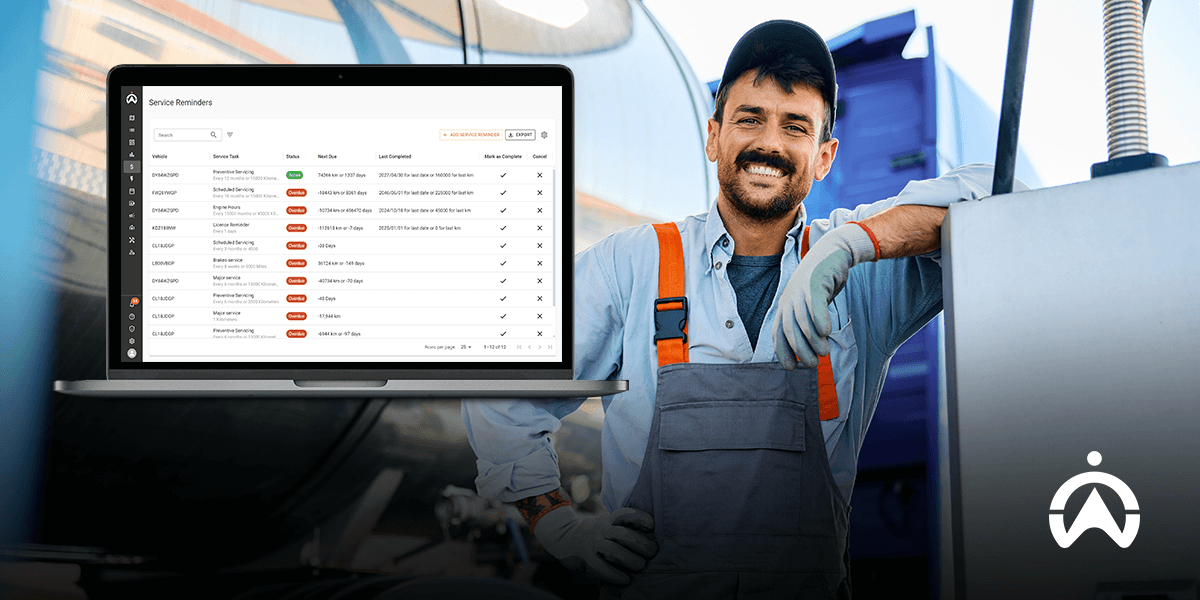
Worker in overalls presenting a laptop screen displaying service reminders.

The Future of Predictive Maintenance

The evolution in technology is going to continue to open the door wider for predictive maintenance. Future breakthroughs promise ever more intelligent machine learning algorithms, tighter integration of Internet of Things (IoT) devices, and more in-the-moment monitoring capabilities. Thus enabling companies to achieve more precise predictions on failures and the improvement of operational efficiencies.

Predictive maintenance, in short, is a drastic shift in strategy for an organisation with a fleet of vehicles or heavy equipment. For organisations trying to remain competitive, predictive maintenance is no longer optional but rather a strategic need. To optimise fleets, reduce unplanned downtime, and boost productivity Cartrack’s advanced telematics solutions are the best way to go.

Cartrack is at the forefront of this technological evolution to make businesses shine with smarter, safer, and cost-effective fleet management practices.

Contact us today to learn more about how Cartrack can help you and your fleet stay ahead of the curve.

FAQs

What is the ROI of predictive maintenance?

The ROI depends on factors like the industry, equipment complexity, and implementation scale. However, businesses typically see significant savings through reduced downtime, lower repair costs, and enhanced operational efficiency.

Can small businesses implement predictive maintenance?

Yes, with the increasing affordability of IoT devices and scalable cloud-based platforms, even small businesses can leverage predictive maintenance to improve efficiency and reduce costs.

How does predictive maintenance differ from preventive maintenance?

Predictive maintenance relies on real-time data to predict failures and act just in time, whereas preventive maintenance follows a fixed schedule based on time or usage, regardless of equipment condition.

What industries benefit most from predictive maintenance?

Predictive maintenance is widely used in industries like manufacturing, transportation, energy, healthcare, and utilities—where equipment reliability and uptime are critical.

How to Manage Mixed Fleets

Managing a mixed fleet has transformed the way businesses operate. Whether you’re overseeing compact delivery vans, heavy-duty trucks, or an eco-conscious mix of electric vehicles, handling such diversity offers both unique opportunities and significant challenges.

The reality is that managing a mixed fleet isn’t just about tracking mileage or scheduling maintenance. It’s a balancing act, requiring strategic planning, and precise coordination and takes considerable time and effort to master completely.

In this blog, we explore the ins and outs of mixed fleet management, offering practical strategies and actionable insights to help you streamline your operations.

We’ll also show you how Cartrack’s innovative solutions can be the game-changer your fleet needs to operate like a well-oiled machine.

Let’s dive in.

By the end, you’ll understand:

  • Why managing a mixed fleet is uniquely challenging
  • Simple, practical steps you can take to make fleet management easier
  • How Cartrack’s innovative solutions can help you take control and make your operations run like clockwork

What Exactly Is a Mixed Fleet?

A mixed fleet is exactly what it sounds like; a group of vehicles with different features, fuel systems, or purposes. You might have a mix of petrol and diesel vehicles, a few hybrids or electronic vehicles (EVs), and maybe some specialised trucks for heavy-duty tasks.

While this variety of fleet can be a strength, it requires you to handle diverse tasks and may also come with a unique set of challenges. Different vehicles mean different maintenance schedules, performance tracking needs, and varying operational costs.

Why Managing a Mixed Fleet Can Be Complex

Let’s get real. If you’ve ever tried to juggle the needs of a mixed fleet, you know it’s not for the faint of heart. Here are a few reasons why:

  1. Diverse Maintenance Requirements: A diesel truck doesn’t need the same care as an electric sedan. Keeping up with all the schedules and specific needs can feel like solving a Rubik’s Cube blindfolded.
    ‍
  2. Fuel Management: With various vehicles guzzling fuel at different rates, tracking and optimising fuel consumption is tricky. Add rising fuel costs to the mix, and you’ve got a recipe for budget stress.
    ‍
  3. Driver Challenges: Not every driver is comfortable switching between vehicle types. Some may excel at driving a compact car but struggle with a bulky truck or the nuances of an electric vehicle.
    ‍
  4. Regulatory Compliance: Different vehicle types often come with their own rules for safety and emissions. Staying on top of these is critical but time-consuming.

Sound familiar? If you’re nodding along, don’t worry, you’re not alone. Many fleet managers face these hurdles daily, fortunately, Cartrack has practical solutions for you and your business to streamline these operations.

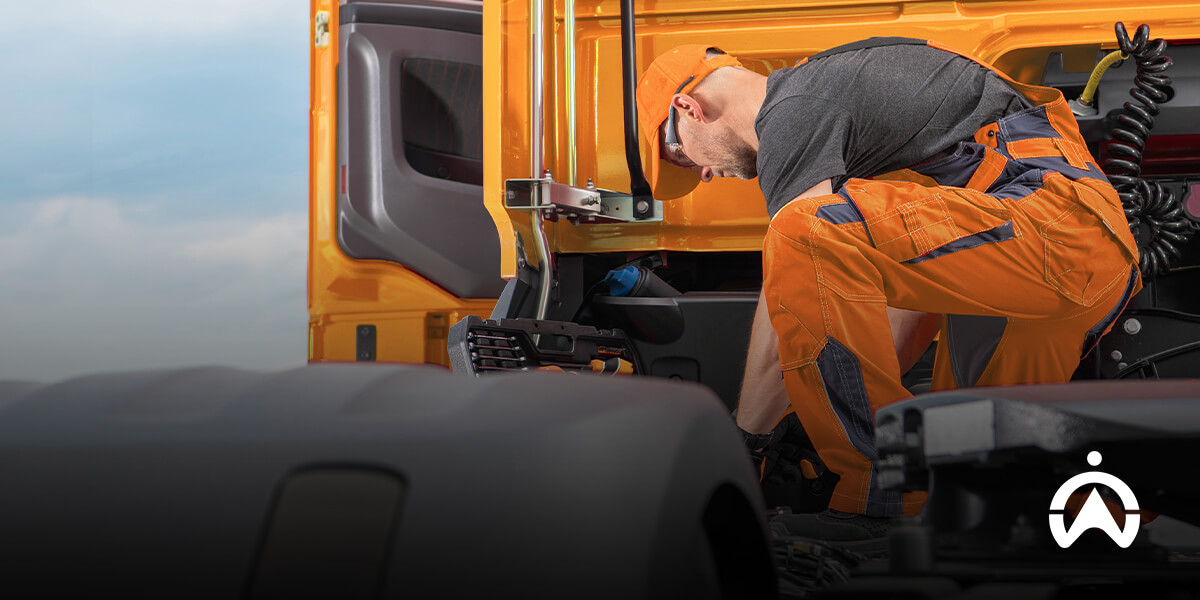
Worker in orange overalls repairing the interior of a yellow truck cabin.

Mastering the Art of Mixed Fleet Management

Mastering mixed fleet management does not have to be a complicated issue. All that is required is a dedicated fleet manager and a reliable fleet management system. Here are some ways to get started:

  • Centralise Your Fleet Management
    Imagine having one dashboard where you can see everything, from maintenance schedules, and performance data to compliance documents for all your vehicles. A centralised system is a game-changer. It eliminates the need to hop between spreadsheets and makes it easy to get a bird’s-eye view of your fleet.
    ‍
  • Lean on GPS Tracking
    Real-time GPS tracking
     is like having a crystal ball for your fleet. You can see where every vehicle is, how it’s being driven, and whether it’s sticking to the most efficient route. Beyond improving efficiency, GPS tracking also adds an extra layer of safety by deterring reckless driving.
    ‍
  • Standardise Maintenance Procedures
    Yes, your vehicles are different, but certain processes can be standardised. For instance, you can create a master maintenance schedule that includes buffer zones for added flexibility. This way, you reduce the risk of missed appointments, unforeseen delays and adjustments while accommodating unique vehicle needs.
    ‍
  • Empower Your Drivers
    A mixed fleet is only as good as the people behind the wheel. Make driver training a priority, ensuring each team member is comfortable handling different vehicles that they are licensed to operate. Knowledge drives progress, whether it’s teaching them the nuances of electric vehicle charging, the art of handling a heavy truck during heavy rains or knowing how to drive on steep terrain.
    ‍
  • Embrace Fuel Efficiency
    Fuel is often one of the biggest expenses for a fleet, and with a mix of vehicles, inefficiencies can add up quickly. Start by monitoring fuel usage closely. Look for trends to spot whether certain vehicles are guzzling more fuel than they should, or to pick up on a driver who seems to have a lead foot. Addressing these issues can lead to substantial savings in fuel costs and other operational costs.
    ‍
  • Make Compliance a Habit
    Instead of scrambling to meet regulatory requirements at the last minute, build compliance checks into your regular processes. This is especially important for mixed fleets, where vehicles may be subject to different rules.

Why Cartrack Is Your Go-To Partner in Fleet Management

Managing a mixed fleet isn’t just about hard work, it also is about working smart. And this is where Cartrack steps in.

What Cartrack Offers

  1. Real-Time GPS Tracking
    With Cartrack, you’ll always know where your vehicles are and how they’re being used. Whether it’s a fuel-efficient hybrid or a heavy-duty diesel truck, our GPS tracking gives you real-time insights to optimise routes, monitor performance, and improve safety.
    ‍
  2. Automated Maintenance Reminders
    Forget sticky notes and calendar alerts. Cartrack’s system sends you automated maintenance reminders based on mileage, time, or other key factors. This ensures that no vehicle slips through the cracks.
    ‍
  3. Fuel Management Tools
    Fuel costs don’t have to be a guessing game. Our fuel management solutions help you track usage across all vehicle types, pinpoint inefficiencies, and take corrective action.
    ‍
  4. Driver Behaviour Monitoring
    Reckless driving can lead to accidents and increased wear and tear. Cartrack gives you the tools to monitor driving habits, helping you encourage safer behaviour and cut down on unnecessary costs.
    ‍
  5. Compliance Tracking
    Whether it’s emissions standards, licensing, or safety inspections, Cartrack makes compliance straightforward. All your documents and deadlines are stored in one place, so you’re always audit-ready.
Person at a desk pointing at a computer monitor displaying a vehicle tracking application.

So, Why Wait?

Managing a mixed fleet doesn’t have to feel like a full-time juggling act. With Cartrack, you’ll have the tools you need to simplify operations, reduce costs, and keep your drivers happy.

Ready to see how Cartrack can transform your fleet? Let’s chat.

FAQs About Managing a Mixed Fleet

  • What are the benefits of integrating electric vehicles into a mixed fleet, and how can Cartrack support this transition?
    Integrating electric vehicles can reduce fuel costs and emissions. Cartrack makes it easy to monitor charging, maintenance, and performance to ensure smooth operation.
    ‍
  • Can Cartrack assist in optimising routes for both heavy-duty trucks and compact vehicles in a mixed fleet?
    Yes! Cartrack’s GPS system optimises routes for all vehicle types, ensuring each one takes the most efficient path, reducing fuel costs.
    ‍
  • What is the role of driver training in managing a mixed fleet, and how can Cartrack’s tools support it?
    Driver training is essential. Cartrack’s monitoring tools highlight areas for improvement, so you can provide targeted training to enhance safety and efficiency.
    ‍
  • How can Cartrack help businesses track the ROI on investments in electric vehicles for a mixed fleet?
    Cartrack’s reports track fuel savings and maintenance costs, helping you easily calculate the ROI of electric vehicles and understand their financial impact.

What is Video Telematics

The fleet management industry has seen massive development in the technologies it employs and the methodologies it follows. Not too long ago, managing a fleet was a precarious job. Many components were still analogue, and many processes were manual. This meant that managing a fleet of vehicles was a tedious task, often filled with human error.

The solution was telematics, a field combining telecommunications, electrical engineering, computer science, and vehicular technologies to send, receive, and store data remotely. This proved to modernise the industry, formalising many protocols and providing a standardised system that can be trusted.

Telematics has helped reduce operational and maintenance costs while increasing the overall safety of the fleet with both real-time and offline driver coaching. This has reduced, and in some cases completely removed, many inconsistencies in the industry, becoming the core of fleet management.

An interesting innovation has been in the video space, where technological leaps and bounds have been made. With the accelerating adoption of Artificial Intelligence (AI), new fleet management systems are set to expand their video diagnostics and driver behaviour monitors. Video telematics is now the industry standard that all fleet management systems are measured against.

In this article, you will:

  • What video telematics is
  • Why fleet managers need it
  • How Cartrack is the best solution for video telematics

What Is Video Telematics and How Does It Work

Video telematics is the audio-visual component of telematics. It combines telematics data with high-definition video footage recorded on dashcams, enabling fleet and risk managers to better understand driver behaviour and provide personalised driver coaching.

Video telematics uses sensors and Dashcams to provide visibility into driver behaviour, and it is often used as part of driver safety and risk management programs. Sensors that are built into telematics devices detect key events such as speeding, aggressive braking, harsh acceleration, and idle time. The Dashcams record the event, making the footage available to fleet managers and drivers.

Video telematics is built on two main components, namely data collection and real-time monitoring. It is these capabilities that allow for a comprehensive look into driver behaviour and fleet performance.
‍

Today’s video telematics generally share these basic components:

  1. Several video cameras
  2. Front-facing camera mounted to the dashboard or windshield
  3. Rear-facing camera
  4. Interior camera to document the driver and cabin, additional cameras for side views
  5. Telematics technology either embedded in the primary camera or the standalone
  6. Wireless module in the telematics device or camera to transmit data and video footage
  7. Software platform to process and analyse data
  8. End-user application

In order to understand video telematics, two aspects need to be addressed, namely; data collection and real-time monitoring. These two features make up the foundation of how this software works.

Let’s get a detailed look into what these aspects are and how they work in video telematics.

Data Collection and Processing

Data collection is the first step in the process. AI-powered dashcams installed in fleet vehicles capture high-definition video footage of both the road and the driver. Equipped with sensors, these cameras detect and record key metrics such as speed, fast acceleration, harsh braking and location. Telematics devices add another layer by collecting data from GPS receivers, engine interfaces and accelerometers, providing detailed information on vehicle movements and performance. Detailed information on vehicle movements and performance is collected, laying the groundwork for further analysis.

All video telematics data is stored in a cloud, where it can be retrieved by the fleet manager whenever they need to review it. This data can be used to generate reports which offer insights into overall fleet performance. Storing data long-term allows the business to have a more comprehensive view of how the business operates and also provides material that can be used for coaching and employee development.

Real-Time Monitoring and Alerts

A key element of video telematics is the real-time monitoring capabilities that it offers fleet managers. With video telematics, a manager can live-stream a driver’s journey from beginning to end uninterrupted. This easy access and transparency gives managers peace of mind and holds drivers accountable for their actions, should they transgress while driving.

The video detection technology sends alerts to the fleet manager, notifying them of the driver’s particular bad behaviour. The manager can then directly contact the driver to correct their behaviour. These alerts and corrections foster better driving habits, and they provide the correct footage to defend your drivers from any false claims. The recordings can prove their innocence, increasing driver retention and reducing unnecessary legal costs.

A person in a high visibility vest standing in front of a white van.

Why you need Video Telematics

In order for a fleet to function optimally, drivers need to be performing at their best. Driver behaviour is a significant factor in how successfully a fleet operates. This is why it is important to make sure that they are monitored and assisted on their journeys.

A study of more than 10,000 crashes estimated video telematics could reduce fatal and injury crashes by up to 35%. This highlights how crucial this technology is in modern-day fleet management.

Why is Video Telematics Good for Businesses:

Numerous benefits come with having video telematics technology in your fleet. Most of the technology in telematics systems incorporates the same features, which offer a range of benefits, these include:

  • Enhanced Fleet Safety: AI-powered cameras detect and alert drivers of risky behaviours like distracted driving or harsh braking, reducing accident risks.
    ‍
  • Improved Operational Efficiency: Real-time video and data insights allow businesses to monitor vehicle performance and identify areas for cost-saving.
    ‍
  • Driver Accountability: Video telematics creates a transparent environment by monitoring drivers’ actions, and promoting responsible behaviour.
    ‍
  • Prevention of Cargo Theft: Live video monitoring helps deter and address theft, ensuring cargo safety.
    ‍
  • Proof in Disputes: Recorded footage provides indisputable evidence in the event of accidents or fraudulent claims, saving time and money.
    ‍
  • Cost Reduction in Claims and Repairs: Proactive risk management lowers insurance premiums and repair costs by preventing avoidable accidents.

Let’s see what sets Cartrack’s video telematics apart

Cartrack is an industry leader in video telematics, offering AI-powered smart dashcams. Our AI technology allows us to monitor and detect erratic driver behaviour such as distracted driving and fatigue. These solutions have been a boon to the fleet management sector, a space where we serve a diverse client base in 23 countries across various industries.

In addition to video telematics, Cartrack offers other features that integrate with your fleet’s needs. Our offering is comprehensive and includes many cutting-edge technologies, these include:

Front Collision Warning

Our ADAS cameras track the distance to the vehicle in front of a driver’s vehicle, alerting if it is too close to help avoid a bumper crash. By constantly monitoring the space in front of the car, the system can detect if the vehicle is getting too close to the one in front. If it detects a potentially dangerous situation where a collision is imminent, it will trigger an alert to the driver. This early warning system is designed to prevent rear-end accidents, which are among the most common types of crashes.

Smoking Detection

Our DMS camera detects the moment a driver is smoking and triggers an event. Smoking can be distracting and reduce control over the vehicle.  This technology works by detecting the telltale signs of smoking, such as the motion of a cigarette or the presence of smoke in the cabin. If smoking is detected, an event is triggered, alerting fleet managers or the system to this behaviour.

Distracted or fatigued driving

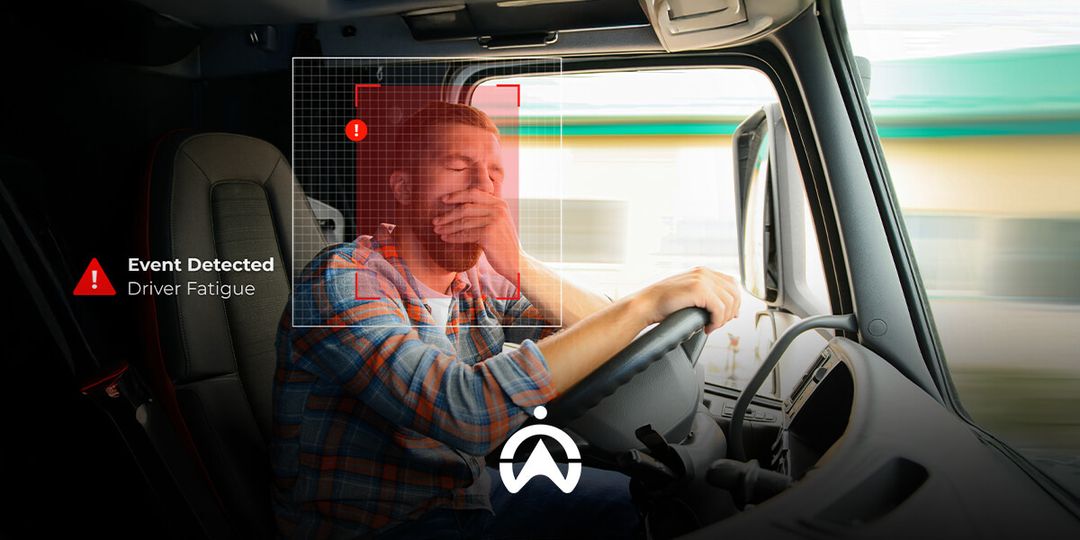
The camera tracks the position or orientation of the driver’s head and eyes. If the driver is looking away from the road, it will alert the driver and generate an event. The camera continually monitors whether the driver is looking at the road or diverting their attention elsewhere, such as looking at a GPS screen, reading, or engaging with passengers. If the driver’s eyes stray from the road for too long, the system will send an alert. In cases of fatigue, if the driver shows signs of dozing off or their head starts to tilt in a way that signals drowsiness, the system will recognise this as well.

Mobile phone use detection

The AI camera detects whether a driver is talking on their mobile phone by ear instead of via a Bluetooth handset. This is to minimise distraction and give the driver more control over the vehicle. The AI-powered camera is able to distinguish between hands-free Bluetooth usage and holding a phone to the ear, which is an indication of distracted driving. If the system detects that the driver is holding their phone, it sends an alert, notifying the driver of the danger and encouraging them to use hands-free devices instead.

Yawning

Our camera detects yawning, which if too frequent can indicate extreme fatigue for your driver and delay their reaction time. This feature is particularly beneficial for drivers on long trips, overnight shifts, or those who may be experiencing disrupted sleep patterns. By proactively addressing signs of drowsiness, this technology helps keep drivers safe and reduces the risk of fatigue-related accidents, which are often the most serious type.

Camera-covering detection

If the driver covers the camera to prevent visibility the fleet manager will be alerted. This ensures that the integrity of the monitoring system is maintained and that the safety of the driver and others on the road is not compromised. The ability to quickly identify when a camera is being tampered with or obstructed is crucial for ensuring that the safety features of the vehicle are always operational.

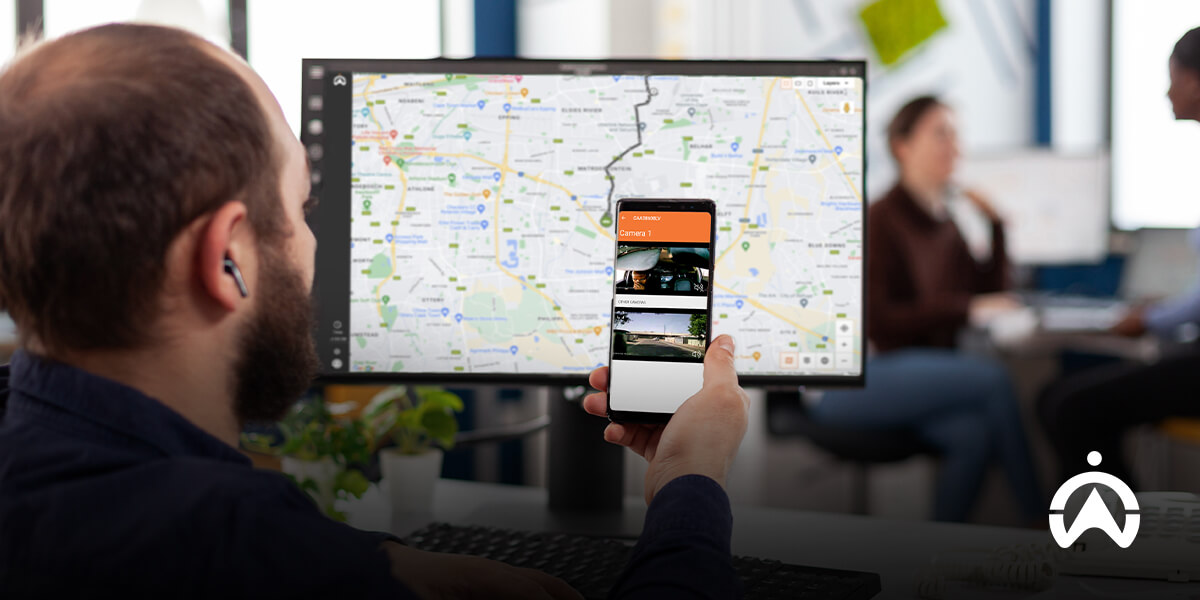
Person holding phone with security camera feed in front of a computer screen showing a map.

The penetration rate in the total population of fleet vehicles used by businesses is estimated to increase from 47.3 percent in 2023 to 70.0 percent in 2028. In this ever-changing world, it is important to stay up to date with industry developments and innovations. Video telematics is the current reality for fleet management and looks to be its future as well. A wise decision would be to adopt this technology as soon as possible in order for your business and fleet to be fully optimised.

Video telematics offers an extra layer of certainty for your business, contact us today to learn more about how we can take your fleet management from better to best.

Fleet Cameras: Striking the Right Balance With Driver Privacy

Drivers are the backbone of any fleet business, so it is important to keep them safe. Many businesses use driver-monitoring systems like cameras to help protect drivers. These tools offer real-time insights into driving behaviour and vehicle conditions. They can help prevent accidents and improve efficiency. It’s all about finding the right balance between monitoring and privacy because when drivers feel safe and respected, they can focus on doing their jobs well.

Fleet cameras can be used responsibly to encourage a safe environment and build trust with drivers. Let’s examine how fleet cameras work and their role in enhancing safety.

In this article, you will:

  • Know what fleet cameras are
  • Learn about the benefits of fleet cameras
  • Understand the best practices for ensuring driver privacy with fleet cameras
  • Find out how Cartrack’s camera solutions can help your business
  • Know the future trends in fleet camera technology and privacy protection

What Are Fleet Cameras?

Fleet cameras are video recording systems designed for commercial vehicles. They have more advanced features than regular dashcams. These features help keep fleets safe, improve operations, and provide valuable insights into driver behaviour and vehicle performance. Investing in these cameras improves safety and productivity, resulting in happier customers.

Benefits of Fleet Cameras

  1. Improved Driver Safety: Fleet cameras act as an extra eye on the road. The footage can be used as evidence in the event of an accident. This can come in handy when false claims are made against drivers.
    ‍
  2. Increased Accountability: The driving behaviour recording makes it easier for fleet managers to hold drivers accountable and better coach them.
    ‍
  3. Improved Fleet Management: Integrated with GPS tracking, the fleet manager can see the vehicle’s location in real-time, detect the speed at which the vehicle is going, and see how drivers behave. This helps fleet managers plan better routes, save fuel, and improve the business’s overall performance.
    ‍
  4. Lower Costs: Reduce fuel costs, maintenance and insurance premiums through real-time driver coaching and alerts that address behaviours leading to unnecessary wear and tear.
    ‍
  5. Better Driver Training: Fleet managers can use the recorded footage as a training tool to improve driver skills.
    ‍
  6. Deter Criminal Activity:  Fleet cameras can deter criminals, discouraging them from attempting vehicle theft or break-ins.
Two truck drivers in a cabin, one holding the steering wheel.

Best Practices for Ensuring Driver Privacy With Fleet Cameras

Whether fleet cameras benefit the overall business or the drivers, it is still important to make sure that the drivers are comfortable with their use. Cameras can sometimes make people uncomfortable, making them feel like they are constantly being watched and self-conscious. To avoid this and maintain trust, it’s advisable to follow best practices to protect driver privacy.

Here are some key strategies to guarantee driver privacy while using fleet cameras:

  1. Ask for Consent
    Let the drivers know the purpose of fleet cameras. Explain how they will be used in your business and have drivers sign a consent agreement. Open discussions can build trust and ensure everyone is on the same page.

    In South Africa, employers can have security cameras in the office or property to protect their business. However, placing cameras in private areas such as the bathroom, is considered a violation of privacy. However, the employees must be notified about the intended use.
    ‍

  1. Inform Passengers
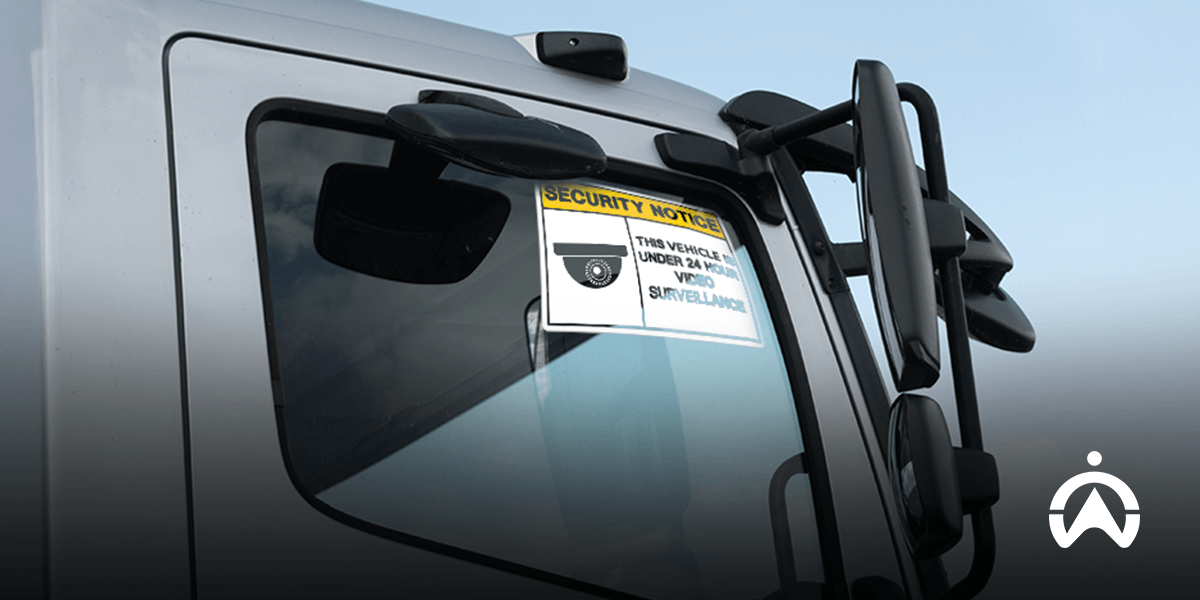
    Make use of visible signage so your passengers know they are under surveillance.
    ‍
    The Protection of Personal Information Act (POPIA) emphasises the importance of obtaining consent when collecting and using personal information, including audiovisual recordings and film.

    POPIA recognises that there may be circumstances where recording or filming without consent is necessary, such as law enforcement activities, security surveillance, or journalistic purposes. However, these exceptions must be balanced with individuals’ privacy rights, and any use of personal information without consent should be carefully justified and within the confines of the law.

    Even with these exceptions, customers may feel betrayed that they are being recorded without their knowledge. So, by having these signs, you are essentially building trust with them.
    ‍

  1. Create a Privacy Policy 
    Have a written privacy policy that outlines how footage will be recorded, stored and used. Indicate who has access to the footage and for what purpose. This will help protect sensitive data and avoid misuse.

    Not having a policy in place on how this sensitive information will be handled, will pose a risk for the company. For example, the footage can be leaked to social media platforms, further violating the drivers’ privacy and potentially harming the company’s reputation.
    ‍

  1. Limit Access
    Make sure that the camera footage is used by authorised personnel only. This reduces the risk of unauthorised viewing and ensures data is handled properly. Allowing all employees of different ranks access to sensitive data, such as this footage, can lead to issues within your company, including potential bias in how employees are treated.

    Imagine a group of employees viewing footage that captured a colleague making a mistake while driving or exhibiting poor behaviour. Instead of using this information constructively, some employees might use it to unfairly criticize that colleague. This could foster a biased environment where individuals are judged harshly based on isolated incidents rather than supported in their professional development.

    Customise Camera Settings
    Customise the camera settings, such as turning off audio recording during private conversations. If a driver and another employee are travelling somewhere and they are having an intimate discussion about their personal lives, they need to be afforded that privacy.

  1. Compliance with Regulations
    See to it that the fleet camera system adheres to privacy regulations, such as the General Data Protection Regulation (GDPR). This helps defend sensitive information and ensures that data is only used for authorised purposes.
    ‍
  1. Regularly Review Practices
    Technology is always evolving, so make sure to regularly conduct assessments and update privacy practices. This will ensure that you are on par with the law.
    ‍
  1. Training Sessions
    Organise training sessions to educate drivers on how camera systems work. Address any issues and questions they may have so they’re comfortable with them. When drivers are constantly trained on these systems, they will adopt better driving habits which will minimise accidents and increase the vehicle’s longevity.
    ‍
  1. Encourage Driver Feedback
    Allow drivers to share feedback on their experiences and suggestions about the camera system. This will foster a positive work environment and lead to higher employee satisfaction and retention rates, as drivers feel valued and supported.
    ‍
  1. Highlight Success Stories
    Share scenarios with your drivers of how the camera system has helped improve safety, reduce accidents, or enhance operational efficiency.

    This will further enforce the benefits of these camera systems and encourage drivers to constantly strive for improvement.  This will also be a great opportunity to celebrate the drivers’ efforts, contributing to positive work environment.

These best practices can ensure that your fleet camera system helps improve safety while respecting driver privacy.

A security notice on a vehicle window stating "This vehicle is under 24-hour video surveillance."

How a Company Can Protect Driver Privacy with the Right Technology

Companies must ensure that in as much as they use cameras to protect the overall fleet, they must also protect the privacy of their drivers. Having policies in place will ensure that drivers do not feel violated. Furthermore, having rules and regulations surrounding the handling of this footage will let the drivers be at ease that they are protected — the footage will not be used carelessly. This will foster trust between yourself and your employees and create a harmonious working environment.

Are You Ready To Improve Your Fleet With The Best Camera Solution?

If you’re looking to keep your fleet, drivers, and cargo safe, look no further. Cartrack offers an AI-powered solution with up to 8 cameras (internally and externally), all equipped with built-in telematics.

Cartrack’s AI-powered cameras notify the driver of risky driver behaviours such as distracted driving, smoking, fatigue, or speeding. This allows drivers to correct their actions in real-time and helps create a safe driving culture reducing the risk of accidents.

Contact us today to find out how our camera system can meet your fleet’s needs!

Frequently Asked Questions About Fleet Cameras and Driver Policy

Q: How do you maintain fleet cameras?

A: Regular maintenance includes checking lenses for any damage, updating software, and reviewing footage storage. This will ensure that everything works correctly.

Q: Do fleet cameras record in poor lighting or at night?

A: Yes! Cartrack fleet cameras have night vision or infrared technology to capture clear footage in low-light areas and at night.

Q: What if a driver refuses to consent to fleet cameras?

A: If a driver refuses to consent to being recorded then the company must follow their internal policy. In many cases, however, consent is required as part of employment. The company can also consider alternative safety measures if consent is withheld.

Remote Fleet Management for a Hybrid Workforce

Fleet management has made remarkable progress over the years. In the past, managing a fleet was extremely time-consuming. The main role of the fleet manager was to conduct physical checks on vehicles and machinery, manually fill out paper reports and trust drivers to report their vehicle’s status correctly.

In present times all that has changed. Fleet management involves so much more. Fleet managers are now responsible for the efficiency, productivity, safety and compliance of their fleets.

Fortunately, advancements in fleet management systems have resolved many challenges fleet managers face. Let’s explore what remote fleet management entails and how it simplifies a fleet manager’s role.

In this article, you will:

  • Discover what remote fleet management is
  • Understand why fleet management is important to succeed as a hybrid workforce
  • Learn the power of Cartracks fleet management products
  • Unlock the power of Cartracks fleet management training

What is remote fleet management?

Remote fleet management refers to the use of advanced fleet systems that enable fleet managers to monitor their vehicles and manage their fleet operations from anywhere, without constant in-person oversight. Using GPS and GMS technology, managers can see where their vehicles are, how they perform on a given day, and how safely they’re being driven. With such a level of connectivity and a wealth of information, managers can make better decisions to address issues on the spot. Fleet management is a powerful solution for thriving in today’s flexible and hybrid workforce.

Why hybrid workforces require fleet management systems

Fleet managers often wear many hats and need a thorough view of on-site operations to ensure the business runs smoothly. Effective fleet management systems keep you informed with real-time updates about your vehicles, allowing you to quickly identify any misuse and optimise the use of resources, such as fuel.

Here are the reasons hybrid workforces implement fleet management systems in their businesses.

Increase vehicle visibility

Fleet vehicles are often needed in remote and hazardous locations where there’s limited infrastructure. Examples of this can be seen in mines in Western Malawi. Managing these fleets can be particularly challenging for fleet managers who manage their fleets off-site. Fleet systems give you a view of your vehicle’s location and help enforce safety protocols like following the speed limit and following a safe distance while driving at any time you need it.

Speeding and excessive idling will no longer be a concern with the system’s protocol for monitoring driver behaviour and ensuring compliance. This lets you respond quickly to issues like unexpected breakdowns or delays due to poor road conditions. Ensuring that projects stay on track and vehicles are used safely and efficiently.

Reduce operational costs

A hybrid workforce, if managed incorrectly, can lead to increased costs. However, with a fleet system, you can identify inefficiencies in your operations and reduce expenses by monitoring key factors like fuel usage, maintenance needs, and driver behaviour. This system provides real-time alerts on actions such as speeding or tailgating, which can significantly impact fuel costs.

By addressing these behaviours as they occur, you not only lower fuel expenses but also reduce accident rates and maintenance needs, ultimately keeping operational costs in check.

Improve driver performance and safety

Malawi faces a high rate of theft and unfortunately, the mining industry is not spared from this. It also affects fleet vehicles and machinery like construction and mining equipment. In one case, an excavator, weighing 30 tons and worth about R1m, was stolen from a Free State South Africa sand mine and driven across the Caldeon River in Lesotho. With fleet management systems, you can monitor your equipment activity on-site.

This enables you to see where your vehicles and equipment are in real-time. Create virtual fences by drawing boundaries around work sites so that you can be alerted when vehicles enter and exit a virtual fence.

Increase customer satisfaction

Malawi’s business sector is said to be a maturing market therefore it’s a very competitive market. A management system is essential to minimise equipment downtime and adhere to project schedules. Achieving that increases customer satisfaction and strengthens your business’s reputation. Fleet management systems enable effective project planning and streamlined operations. This also allows you to communicate accurate ETAs to your clients.‍‍

Delivery person in uniform driving a van.

Key features of Cartrack’s fleet management system

At Cartrack, we believe fleet management can be simple and effective, regardless of where your team is working. It is an integral part of having a system that ensures that projects are completed on time and within the budget while providing a great experience for customers.

Here are some of the ways Cartrack’s all-in-one fleet management systems help companies excel with a hybrid workforce.

Real-time GPS tracking

Are you worried about your vehicles and equipment getting stolen? With Cartrack’s GPS and telematics tracking technology you can relax, If your assets go missing our real-time tracking will pinpoint exactly where they are. It’s like having your own personal virtual guard 24/7.

Driver Identification tags (DID)

A driver identification (DID) tag is a key-ring-sized tag that is linked to your ignition key. It helps you identify who is on duty, who is driving which vehicle and for how long. It is also an extra layer of protection against theft. If your vehicle is used without a tag, it will send an alert as a potential theft situation.

Geofencing and alerts

Imagine having a digital eye on your entire fleet, with Geofencing this is possible. Our system enables you to create virtual boundaries around sites your vehicles work on. You can create boundaries around each site and designated routes vehicles are allowed to travel. When one of your vehicles enters or exits a designated area, the system immediately sends you an alert. This feature helps you confirm that drivers follow their assigned routes and schedules.

Man in a shirt and tie showing a Cartrack app, standing before a 'Fleet Management Annual Meeting' sign.

MiFleet

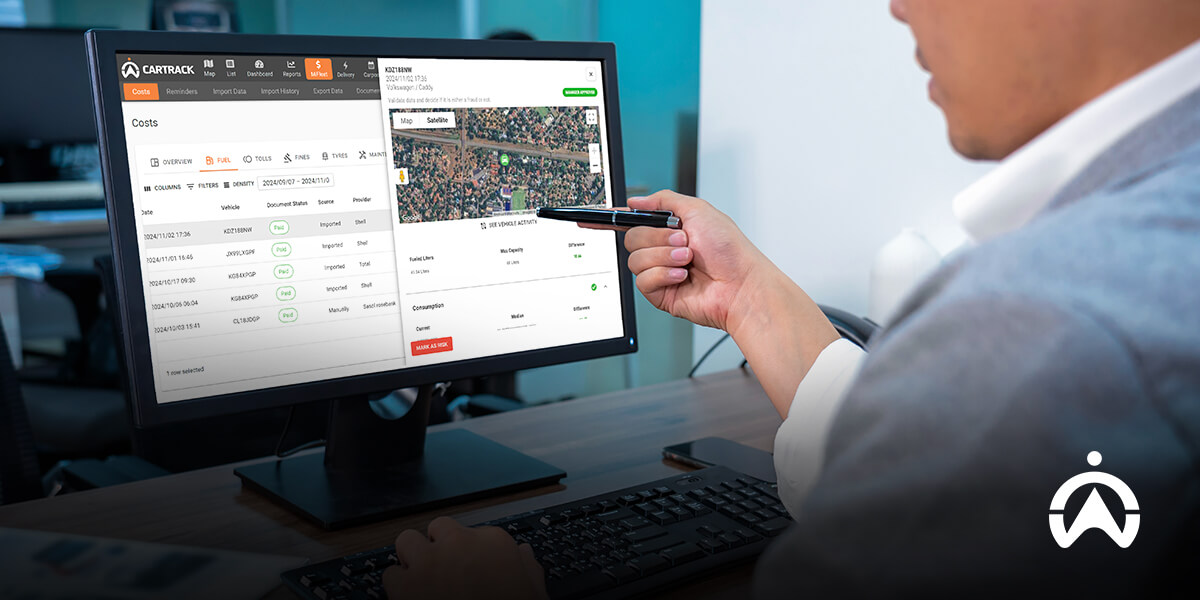
Cartrack understands that managing a fleet of vehicles can be challenging and time-consuming with many tasks like fleet maintenance, monitoring driver behaviour, vehicle performance, and fuel usage. MiFleet empowers you to make data-driven decisions from anywhere. Stay up to date with vehicle licensing, fuel costs per vehicle, toll fee payments as well as issued fines. Plus, MiFleet automatically emails detailed reports to decision-makers, so you can focus on streamlining your operations and boosting your bottom line.

Cartrack CANBus

This product is perfect for fleet managers who need to monitor vehicle and machinery engine performance closely. Think of Cartrack’s CANBus as a real-time mechanic. It connects to your vehicle’s system to extract a wealth of data on engine performance in real time. This information includes revs per minute (RPM), odometer readings, water and oil temperature, and the gears selected. This telematics device delivers all the essential information needed for informed decision-making, automatically stored on Cartrack’s Fleet Pages platform.

AI camera monitoring

Cartrack’s Vision take driver safety to the next level, giving businesses the tools to keep their drivers protected and ensure that safety practices are consistently followed. Imagine having AI cameras on board that not only help prevent accidents, collisions, or rollovers but can also audibly alert drivers to possible dangers in real-time. It’s like having an extra set of eyes on the road, helping to catch risks before they become issues.

Fleet managers can use this technology to address high-risk driving behaviours like speeding, distracted driving, mobile phone use, and even smoking. Curious about how it all works? With advanced vision algorithms and sensors, Cartrack’s AI Vision system continuously captures and analyzes video footage, detecting key movements inside the vehicle. If a driver’s head turns or they show signs of distraction, the AI immediately sends an alert.

Are you ready to take your fleet operations to the next level?

Contact Cartrack today to discover how our fleet management system can help your business excel in a hybrid work environment.

Optimise your hybrid workforce with Cartrack’s fleet management system

Cartrack’s fleet management system is the ultimate tool for remote fleet management. Empower your team to monitor and optimise operations from anywhere, anytime. By reducing fuel consumption, minimising downtime, and enhancing driver safety, Cartrack helps you achieve peak efficiency and cost-effectiveness, even when you’re far away.

Frequently asked questions

Want to know more? Here are a few more questions we get asked. If you don’t get an answer to your burning questions, reach out to us anytime.

Q: How does Cartrack ensure data security for fleet management?

A: Cartrack is committed to keeping your data private and safe. Our operations are governed by regulatory policies that ensure we maintain customer trust and prevent unauthorised access to valuable customer insights. It directs how we gather, store and handle personal data.

Q: Can small businesses benefit from fleet management systems?

A: Absolutely! Cartracks has different fleet management solutions that you can choose from, depending on the size of your business and its specific needs. Fleet management provides a full view of your fleet from anywhere and anytime.

Q: What kind of training is provided for using Cartrack’s system?

A: Cartrack provides fleet customers with all the necessary training on how to use the fleet platform and how to optimise it for the best results. Once you have one of our fleet packages you can send your request for fleet training to fptraining@cartrack.com. Cartrack provides you with recurring training meaning, if you have a new fleet manager training is provided for them. For example, six months down the line you get a new fleet manager. You can request training for them free of charge. This means that all training is done by Cartrack, saving you the time and money needed to hire someone to do the training.

Q: Are there mobile applications available for fleet managers?

A: Cartrack understands that fleet managers can’t always be at their computers monitoring their vehicles and fleet data. That is why, we have developed a mobile application with the busy fleet manager in mind. With Cartrack’s mobile app, you can monitor your vehicle’s activity straight from your mobile phone; monitor driver behaviour, view last position reports and review alert reports on speed, risk, fuel and many more.

Fleet Management for The Mining Industry

Are you a fleet manager looking for more effective ways to tackle the unique challenges that mining companies face? If so, you have come to the right place.

Cartrack, known for its exceptional recovery rate, has developed fleet management solutions that you can tailor to your business’s specific needs. Explore how fleet management combat the mining industry’s most complex problems.

In this article, you will:

  • Discover the key functions of fleet management systems
  • Learn about the importance of ADAS in the mining industry
  • Uncover the benefits of Cartrack’s fleet management systems
  • Find out how fleet management is changing to save our environment
  • Read about the future trends in fleet management

Role of fleet management systems in mining operations

Fleet management isn’t just about tracking vehicles. It’s about addressing the most challenging issues that fleet managers face in the mines. Additionally, it’s focused on maximising productivity, minimising costs, and ensuring your employees are safe.

To meet the demands of the mine, here are the core functions of fleet management essential for mining operations.

Real-Time Asset Tracking and Monitoring

Real-time tracking for mining is like having a birds-eye view of your entire fleet and is an essential part of mining. The telematics systems allow fleet managers to monitor their fleet over vast and very remote mining sites. It acts as a live feed that lets you know what’s happening in real-time. This enables fleet managers to respond quickly to theft attempts, delays or safety concerns. Real-time tracking also ensures that you have constant visibility of your driver’s behaviour and the health of your fleet.

Enhanced Safety Measures

Being on a mining site can be very dangerous even for the most experienced mining operators. It is very unpredictable which can be a challenge to mining companies. Many alerts coming into Cartrack’s control room show that fatigue and distractions are major factors in collisions and damage to company assets. That’s where fleet management systems can make a difference.

Operational Efficiency

Cartrack’s fleet management systems help mining operations stay ahead by streamlining fleet operations through optimising daily tasks and predictive maintenance systems. These tools cut down on fuel used by each machine and reduce costly maintenance, which boosts both your team’s productivity and the profitability of your operation.

Asset Maintenance Optimisation

Imagine your fleet working tirelessly in harsh conditions. They are required to run and sustain a mining operation over long hours, and because of that, they require frequent maintenance. Advanced telematics tools collect data from the machinery using sensors, GPS and engine diagnostics to determine the wear and tear, and then recommend maintenance based on the data. This prevents unexpected downtime and extends the lifespan of your vehicles and equipment.

Construction site with backhoe loader and concrete columns in the background.

Benefits of fleet management systems in the mining sector

Integrating a fleet management system like Cartrack’s can bring numerous benefits to your mining operation. Let’s explore the five key advantages:

Cost Control

Cartrack’s MiFleet system is an administrative and fleet costing tool. It provides managers with in-depth insights into fuel consumption, toll fees, maintenance and insurance contracts, and information on tyres like the type, scheduled appointments and deals. Cartrack understands that time is money. The real-time data allow for better cost-saving opportunities such as reducing fuel wastage and avoiding vehicle downtime that could delay operations.

Protection against bad claims

Imagine a scenario where one of your drivers is driving an excavator and has left a mining site to drive to another location, and a false claim is made against your driver. The driver was in an accident and the other driver involved said it’s your driver’s fault.  Fleet management systems provide the data that helps mining companies protect themselves from such claims. With detailed records of your vehicle location history, driver behaviour, and AI video footage managers can easily verify what happened. This protects the business from being forced to pay out large insurance claims and protects the business’s reputation.

Accident Reduction

Anything can happen behind the wheel when on a mine. It does not matter how experienced or attentive a driver may be, anything can happen in a blink of an eye. Fleet management systems act as a preventative measure to compensate for a driver’s momentary distraction, especially in high-risk mining areas with rough terrain and uneven surfaces.

Driver monitoring and coaching

It can be a difficult task to keep drivers alert in high-risk mining areas. With Cartrack’s AI camera systems, your drivers can receive in-cab coaching helping them to correct unsafe driving practices. For example, if a driver is distracted and not looking at the road, the AI camera detects that the driver is not focused on the road. An alert is then sent to the control room to which an agent will respond by coaching the driver directly through the in-cab speaker. This encourages safer driving habits and promotes a more responsible culture within your business.

Operation Efficiency

Maintaining an efficient and effective fleet can be challenging without the right tools. Cartrack’s telematics and GPS tracking help mining operations maximise their productivity by optimising routes and tasks, reducing idle time, and as a result, cutting down mileage.

How fleet management systems reduce costs in the mining industry

Let’s talk money! Fleet management is not just about safety and efficiency, It’s also a powerful tool to keep costs low. By implementing Cartrack’s fleet management solution, mining companies can drastically reduce their operational expenses. Here’s how:

  • Fuel Efficiency: By tracking how much fuel is used and optimising routes for the transportation of ore and materials, you can identify inefficiencies in how your vehicles are used and reduce fuel costs.
    ‍
  • Reduced Maintenance Costs: The advanced technologies in fleet management systems collect data to foresee and prevent machinery breakdowns. The data received enables managers to see driver behaviour like harsh braking, excessive acceleration and periods of idling that increase wear and tear on your vehicles. The fleet management system can be used to determine the corrective measures required to reduce costs. It also alerts managers to schedule repairs in time to avoid downtime.
    ‍
  • Improved Driver Safety: Enhance worker safety by utilising advanced safety features that help decrease the likelihood of accidents and injuries on the mine.
    ‍
  • Increased Vehicle Lifespan: By monitoring your machinery’s health and scheduling maintenance on time, you can extend the lifespan of your fleet.
    ‍
  • Enhance Security: The use of real-time tracking and geofencing around the mining site can notify you of your machinery’s location and movement at night so that you can respond on time to prevent the loss of your machinery and vehicles.

By implementing these cost-saving methods, you can decrease operational costs and keep your mining operation going long-term.‍

Two workers with vests and helmets using a laptop at a mining site with heavy machinery.

Improving safety standards with fleet management systems in mining

Safety is a top priority for mining companies because employees regularly face dangerous situations. Cartrack recognised this need and has developed fleet management solutions tailored for the mining industry called ADAS (Advanced Driver Assistance Systems). ADAS combines technologies that improve driver safety by helping drivers prevent accidents.

The importance of ADAS in mining fleet management

Integrating ADAS into fleet management has been a game-changer for the mining industry. It was primarily designed to prevent accidents and collisions in the mine and on the road. In fact, It’s estimated that investments into the integration of AI in the mining sector will reach $7.264 billion by 2033, as companies seek to improve efficiency and productivity. Now, let’s delve deeper into what ADAS has to offer.

  • Camera and Sensors
    Cameras and sensors are the eyes and ears of ADAS systems. They play a crucial role in gathering real-time data from a vehicle’s surroundings. The data can include vehicles, pedestrians and obstacles around the vehicle. The cameras are strategically placed around the vehicle for optimal visibility.
    ‍
  • Data Processing
    The core function of the sensors installed in the vehicle is to understand and interpret a vehicle’s surroundings.  This data is processed fast and provides split-second information needed to avoid dangerous situations
    ‍
  • Driver Assistance Features
    ADAS uses analysed data to provide driver assistance features that boost safety, these include:

    • Front Collision Warning
    • Lane Departure Warning
    • Adaptive Cruise Control
    • Blind Spot Detection
    • Automatic Emergency Braking
      ‍
  • Audible and Visual Alerts
    Combined, Cartrack’s fleet management systems and ADAS technologies provide an effective way to monitor driver behaviour through the use of audible alerts within the vehicles. These alerts are received by the control room, where an agent promptly contacts the driver in the vehicle about the possible dangers. These alerts promote immediate corrective actions keeping employees and company assets safe.

Future trends of fleet management systems in the mining industry

The mining industry is predicted to rapidly grow in the next few years after a period of recovery due to the pandemic. As a result, innovation within the industry is gaining momentum. The mining industry is ramping up its investment in new innovative technologies that automate the tasks that a manager is responsible for.

As we look to the future, the blend of advanced AI, IoT(Internet of Things), and data analytics is set to change the game for fleet management in mining. AI systems are set to go beyond just analysing and storing data. Fleet management solutions help fleet managers transform their operations.

Imagine having all the data from your mining machinery’s engines integrated into a single platform. This would make it easier for fleet managers to monitor specific data much faster. This ranges from monitoring vehicles, equipment, and machinery to analysing vehicle health and fuel usage.

This integration of new technologies makes it easier for fleet managers to monitor all aspects of the business in real-time. In the long run, a fleet management system has a profound effect on the company’s bottom line.

Environmental impact of mining and the journey to sustainability

Mining companies play a crucial role in driving economic growth and providing valuable resources. While the extraction of these minerals can present challenges for our environment and surrounding communities, there’s an exciting shift happening.
With the advancements in technology, the focus is being put on green mining technologies to mitigate the impact of mining on the environment. The primary objective is to reduce energy consumption and minimise environmental damage.
In a recent emissions report, it was estimated that transportation contributes to 20% of global carbon dioxide (CO2) emissions. It is said that 15% of this comes from vehicles like cars, buses and trucks carrying cargo.

Here are 3 ways fleet management helps make your fleet greener

  1. ‍Reduce carbon emissions by tracking your fuel usage and creating optimised routes to improve travel times.
    ‍
  2. Monitor driver behaviour to improve driving habits that cause high fuel usage like excessive speeding and idling.
    ‍
  3. Keep your vehicle in top shape by monitoring the vehicle’s wear and tear so that regular and timely maintenance is done to increase the lifespan of your fleet vehicles.

The Role of AI and Machine Learning in Fleet Management

There are many fears around AI and machine learning. Many fear it will take over! However, we see it as a powerful ally for the mining industry.
AI and machine learning (ML) have rapidly been integrated into fleet management systems and have automated many tasks for more efficient mining operations. AI and ML can analyse large amounts of data at very fast speeds from telematics systems, cameras and sensors. This provides the ML algorithms with the data to identify patterns and predict outcomes. For example, AI-powered cameras can predict the possibility of an accident based on a driver’s behaviour and actions behind the wheel. This saves lives and saves money at the same time.

AI technologies like dynamic traffic mapping and computer vision analyse traffic conditions and vehicle conditions to optimise more favourable routes for a specific journey. Cartrack has embraced innovations in technologies to ensure mining companies are empowered with world-class systems that improve safety and reduce costs.

Maximise your fleet’s safety and efficiency with Cartrack’s solutions

Are you ready for a greater level of connectivity and protection for your fleet? Combining ADAS and fleet management technologies with your business provides you with a more proactive approach to managing your fleet. Get in touch with Cartrack today to learn how our customisable solutions can take your business to the next level!

FAQs

Can I choose which events to get alerts on from my fleet activity?
Yes, you can. You can specify which events you want the control room to monitor and respond to. This is a proactive way to prevent accidents and save costs.

What are Cartrack’s control room response times on alerts?

Cartrack is dedicated to protecting your fleet and employees. We are always available and ready to respond to alerts. Currently, our average time to call is 69 seconds, and our average time to act is 63.24 seconds.

‍How does AI and machine learning enhance fleet management in the mining industry?

The advancements in AI and ML can predict potential machinery failures and suggest timely maintenance for them. AI can detect anomalies in vehicle data such as unusual fuel consumption indicating possible fuel tank tampering or fuel theft.

The Benefits of Remote Vehicle Diagnostics for Fleet Operators

Gone are the days of waiting for your truck to act up to know there’s a problem. Remote Vehicle Diagnostics can be a game-changer, helping you save both time and money. Early diagnosis means timely repairs, helping you avoid costly downtime.

Imagine your driver is delivering goods when suddenly the brakes fail. This could lead to serious injuries or even the loss of your vehicle. Fortunately, this won’t happen to you because, with Cartrack’s solutions, potential issues like this can be detected early, preventing accidents before they happen.

Remote vehicle diagnostics has many other benefits, which we will explore further in this blog.

In this article, you will:

  • Know what Remote Vehicle Diagnostics is
  • Understand how Remote Vehicle Diagnostics work
  • Learn the benefits of Remote Vehicle Diagnostics
  • Understand how Cartrack manages fleets
  • Find out how Cartrack has helped a business with Remote Vehicle Diagnostics needs

What is Remote Vehicle Diagnostics

Remote vehicle diagnostics is a system embedded in a vehicle’s engine. It monitors the vehicle’s health and performance from a distance and identifies and controls any vehicle problems. This system uses telematics and data communication technologies, to provide insights into the vehicle’s condition without needing physical access.

How does Remote Vehicle Diagnostics work for fleets? 

Remote diagnostics is important for commercial fleets to maintain vehicle health and optimise operations. It allows fleet managers to track the performance metrics across their entire fleet and respond quickly to maintenance alerts.

Here’s how remote diagnostics work:

  • Data Collection: Modern vehicles have numerous sensors and onboard computers that continuously collect data from various systems, including the engine, transmission, brakes, and advanced driver-assistance systems (ADAS). This data, including fault codes, performance metrics, and operational alerts, is stored in the vehicle’s onboard computer systems.
    ‍
  • Remote Access: Technicians can access this data through specialised diagnostics tools or applications. A technician can send a request to the vehicle for specific logs or fault codes. The vehicle responds by transmitting the requested data to the technician, allowing for real-time diagnosis.
    ‍
  • Analysis and Reporting: Once received, this data is analysed using telematics to identify potential issues, generate diagnostic reports, and recommend necessary actions. This significantly reduces vehicle downtime.
Mechanic adjusting a large vehicle tire, with notification pop-ups on the left.

7 Benefits of Remote Vehicle Diagnostics for Fleet Operators

Now that you understand how remote vehicle diagnostics work, let’s explore its benefits for fleet operators in enhancing efficiency, safety and cost-effectiveness.

With real-time insights, operators can optimise vehicle performance, reduce downtime, and make informed maintenance decisions, all while ensuring safer driving conditions and lowering overall costs.
‍

Here are 7 benefits of Remote Vehicle Diagnostics for fleet operators:

  1. Real-time Monitoring:
    In the olden days, fleet operators had to wait for the vehicle to break down before discovering the issue, often leading to costly towing and repairs. With real-time monitoring, operators can identify problems before a breakdown occurs, allowing for proactive maintenance.
    This approach not only saves money but also enhances overall fleet efficiency. By addressing issues early, operators can schedule repairs during off-peak times, minimising disruptions to operations. Access to real-time data improves decision-making regarding vehicle usage and resource allocation. This ultimately leads to a more reliable fleet and improved customer service delivery.
    ‍
  1. Reduce Downtime: 
    Taking the vehicle in for repairs means it will be off the road for some time, this is called unplanned downtime.
    Downtime affects a fleet in several ways, including:

    • ‍Decreased productivity: Your business will inevitably fall behind schedule if some of your vehicles are not operational. For example, if your business is a freight delivery service, if one of your delivery trucks is not operational, it will inconvenience not only you and your business but also your customers (other businesses) and their clients.
      ‍
    • ‍Overuse of other vehicles: When a car is not in use, other vehicles will be overused to play catch up. While this seems like a solution, overusing vehicles beyond their scheduled times can lead to wear and tear, compromising the fleet’s condition and lifespan.
      ‍
    • ‍Loss of revenue: Failure to deliver goods and services results in a loss of revenue to the business. Because of the inconvenience caused, customers may take their business elsewhere, or worse, they may leave bad reviews about your company, influencing other people to not work with you.
      ‍
    • ‍Increased costs: An unexpected vehicle breakdown will require funds to cover repair costs. Since these expenses aren’t typically planned for, fleet managers may need to pull from other parts of the business finances to ensure that the repairs are swiftly attended to.

      Find out how to reduce vehicle downtime on your fleet and keep your business running.
      ‍

  1. Proactive Maintenance:
    Proactive maintenance, also called preventative maintenance, aims to recognise the cause of vehicle breakdowns and rectify them before the vehicle breaks down.
    The benefits of proactive maintenance are:

    • Cost saving
    • Fewer repairs
    • Increased safety and reliability
    • Longer vehicle life span

      Unlike reactive maintenance where repairs are done after the vehicle has broken down. Proactive maintenance is scheduled after Remote Vehicle Diagnostics detects the issue earlier.
      ‍

  1. Fuel Efficiency:
    Monitoring vehicle performance is important in identifying inefficiencies contributing to excessive fuel consumption. By prioritising fuel efficiency through remote diagnostics, fleet operators can enhance overall performance, reduce environmental impact, and save costs.
    ‍
  1. Data-Driven Decision Making:
    The insights gained from remote diagnostics allow fleet operators to make informed decisions based on historical data and predictive analytics. This capability helps identify trends and recurring issues, enabling more strategic planning for fleet operations.
    ‍
  1. Improved Safety and Compliance:
    Ensuring that vehicles are in optimal condition helps enhance driver and public safety, reducing the likelihood of accidents due to mechanical failures. Regular monitoring through remote vehicle diagnostics, allows fleet operators to identify potential mechanical faults like brake failure to reduce the likelihood of accidents caused by unexpected breakdowns or equipment malfunctions.
    ‍
    Regular checks for faults can help identify and fix issues that could lead to violations of road laws, such as safety equipment failures like lights, brakes, or emissions problems. By ensuring that the vehicle is in good working condition, fleet operators can maintain compliance with regulations, reduce the risk of fines, and enhance overall safety on the road.
    ‍
  1. Improved Communication with Service Providers: 
    Remote vehicle diagnostics allows better communication between fleet operators, drivers, service providers, and customers.
    With real-time insights into vehicle status, operators can easily schedule maintenance and repairs, keeping everyone informed. This approach allows for quick updates on the timeline and any potential delays, making sure that customers are notified in advance and minimising inconvenience.

Overall, Remote Vehicle Diagnostics helps fleet operators run a successful business. With a healthy fleet, operations run smoothly, services are rendered on time, there’s improved communication in the business and customers are left satisfied.

How Does Cartrack’s Fleet Management Solution Work with Remote Vehicle Diagnostics?

Cartrack offers a fleet management service that helps you manage and run a successful fleet. We also connect with a vehicle’s existing CANbus. Short for Controller Area Network Bus.  It is a communication platform for different parts of a vehicle.

This communication allows your vehicle components, such as engines, transmissions, and sensors, to share information in real-time.

So what do we do with CANbus? Cartrack taps into the CANbus in the vehicle which allows clients to see their vehicle information such as mileage, fuel-related information and RPMs on the fleet website.

The type of data that CANbus collects is dependent on the make, model and year of each vehicle.
‍

Benefits of CANbus:

  • ‍Vehicle diagnostics: CANbus allows remote diagnostics resulting in lowered maintenance time and costs.
    ‍
  • ‍Transferring data quickly: Data can be transferred at speeds of up to 1 Mbps (megabit per second).
    ‍
  • ‍Communication between different devices: CANbus allows different devices to communicate with each other.
    ‍
  • ‍Vehicle Network: It is the backbone of modern vehicle networks which can connect up to 70 devices.
    ‍
  • ‍Provides real-time data: CANBus provides real-time monitoring and analysis of data.
    ‍
  • ‍Fuel efficiency: The data can help optimise fuel efficiency, reducing emissions and fuel-related costs.
    ‍
  • ‍Driver behaviour analysis: CANbus data can be used to analyse and coach driver behaviour.
    ‍
  • ‍Industry-standard: CANbus is an industry-standard, that ensures compatibility across various vehicle manufacturers and models.

You need a reliable way to manage your fleet efficiently, and Cartrack’s use of the CANbus system delivers just that. With real-time access to key vehicle data, you can enhance maintenance, optimise fuel use, and analyse driver behaviour, ensuring your fleet operates smoothly and effectively.

Screenshot of MiFleet vehicle service reminder with overdue and active tasks.

Case Study: Success Story in Remote Diagnostics

Cartrack has helped many clients with their fleet management, particularly in remote diagnostics. We have managed to reduce fuel costs, downtime, delays etc. We have ensured that their services run smoothly so their customers are satisfied.

One business we helped was a Burial Society based in Limpopo. They approached Cartrack with the challenges of sudden breakdowns, hot weather conditions and traffic delays. Given the sensitive nature of the items they transport, there must be no delays.
‍

Here’s how Cartrack helped them:

  • With Cartrack’s real-time vehicle diagnostics and scheduled maintenance, their routine and emergency maintenance can be handled more efficiently. By knowing which vehicles need maintenance and when the business can optimise vehicle usage and reduce unnecessary downtime and breakdowns.
    ‍
  • The Burial Society has area managers across different locations, who use the Cartrack Mobile App from anywhere at any time to see exactly where drivers in that area are and determine whether drivers have arrived at a funeral or are delayed. With this information, area managers can then call and seamlessly communicate with drivers and customers on job changes or delays.
    ‍
  • At peak times, the Burial Society can monitor the movement of over 300 vehicles simultaneously from their control room using Cartrack’s web platform. This provides them with total visibility of their fleet so the controllers know the exact whereabouts of each vehicle at all times to track productivity, job completion, and can instantly dispatch assistance in case of a breakdown to avoid delays.
    ‍
  • Furthermore, Burial societies often transport temperature-sensitive items, such as flowers, embalming fluids or other perishables. By installing up to four temperature sensors in their transport vehicle, they can remotely monitor the temperature of their cargo. This system allows for real-time tracking of temperature variations, enabling burial societies to set up alerts that notify them of any fluctuations. By ensuring that these sensitive items maintain the appropriate conditions throughout transit, the burial society can arrive in the condition expected by the families they serve.

Our solutions have enhanced the quality of service the Burial Society offers. We have also helped the business build trust with their clients, assuring that their loved ones and associated items will be treated with the utmost care and respect.

Transform Your Fleet Operations With Cartrack

Transform your fleet operations with Cartrack’s advanced remote vehicle diagnostics using CANbus technology. Monitor vehicle performance in real-time, identify issues early, and keep your fleet running smoothly—all from your device.

Don’t let breakdowns and rising costs hold you back. Partner with Cartrack to enhance efficiency and safety.

Contact us today to optimise your fleet!

Frequently Asked Questions

Q: How long does vehicle diagnostics take?

A: The duration of a remote vehicle diagnostic varies based on the vehicle’s complexity and the tools used. Initial results can often be available in minutes, while a thorough analysis may take a few hours to a day.

Q: What should I do if an alert is triggered?

A: Have the vehicle inspected by a qualified technician as soon as possible to prevent further complications.

Q: Is remote diagnostics only for large fleets?

A: No, remote diagnostics can benefit fleets of all sizes, as well as individual vehicle owners seeking to monitor their vehicle health proactively.

GPS Vehicle Tracking For Small Business Fleet In Malawi

GPS Vehicle Tracking For Small Business Fleet

Growing a small business can be demanding. With the current state of safety and the economy in Malawi, some of the usual challenges facing these small-scale enterprises can multiply tenfold. From hijacking trucks and business fleets to our current economic environment, Malawi can be a risky country to start a fleet business in. That said, Cartrack provides GPS (Global Positioning System) vehicle tracking solutions to help entrepreneurs equip themselves against these issues.

In this article, you will:

  • Find out how GPS vehicle tracking can boost your small business’s success
  • Learn about how business safety is threatened and how harsh driver behaviour monitoring can help
  • Grasp the economy’s impact on small businesses and the power of our location tracking and fleet management platform
  • Discover why you should pay attention to the influence of live GPS tracking
  • Explore Cartrack’s tailored vehicle tracking solutions

How exactly can GPS vehicle tracking boost your small business’s success?

GPS tracking is an effective tool for assisting the growth of small enterprises. Here are a few key features of GPS tracking that can help improve fleet productivity, save company costs and boost customer retention.

  • Keep track of your fleet’s precise location: You can employ real-time tracking using live GPS to keep a finger on your fleet’s location.
    ‍
  • Get in-depth data about fleet trips: Gain extensive knowledge about your vehicles during the journey, such as engine diagnostics, fuel usage, trip duration and more.
    ‍
  • Replay your fleet’s journeys: Follow all your vehicles’ separate timelines by replaying when they were on the trip and how much time they spent overall driving, idling, ignition time, and more.

Challenges of small business fleets and how tracking harsh behaviours can help

While the smaller businesses in Malawi  face challenges, there are always solutions, such as Cartrack’s many effective GPS solutions. Explore this variety of problems and solutions below.

How small business safety is threatened and how harsh driver behaviour monitoring can help

Inexperience and safety issues can affect any business, these issues may cause young businesses to buckle under the weight, especially with the associated costs it may drain. Find out more about these issues below:

  • Inexperienced truck drivers: Small enterprises in Malawi may not be able to hire drivers who are highly experienced due to a more limited budget. While it is legally required for professional truck drivers to have specific qualifications, such as a Code CE driving license for heavy goods vehicles, there is still on-the-job experience that less-experienced drivers lack. With less experience on the road, accidents are more likely to occur. Malawi’s roads do not provide easy terrain for these beginner drivers. Still, this does not mean there are no solutions – keep reading to discover Cartrack’s ability to track and record their behaviour, which may help them improve.
    ‍
  • Damaged fleet and cargo: If GPS live tracking and recording can help these inexperienced drivers improve, they could decrease the damage to the fleet and cargo caused by these accidents.
    ‍
  • Hijacking trucks and cargo theft: The reality of crime Malawi roads is common knowledge among everyday citizens. These incidents put fleets in what may feel like constant approaching danger. Luckily, our Stolen Vehicle Recovery (SVR) solution can help.

Learn more about our SVR and, as we mentioned, our ability to track and record driver behaviour to keep your fleet safe and all connected costs inside rather than outside your pocket.


Protect your drivers and business with Cartrack’s GPS live vehicle tracking and history

  • ‍Tracking and recording harsh behaviours: Tracking and recording each driver’s harsh behaviours can give you insight into how safety-conscious they are while on the road, providing information for possible future coaching. This coaching can boost inexperienced truck drivers’ skills, leading to fewer accidents, less cargo and fleet damage and more safety for the drivers.
    These harsh behaviours include exceeding the speed limit of the specific vehicle they are driving and the legal speed limit, harsh acceleration, harsh braking, harsh turning, and excessive Revolutions Per Minute (RPM). For each harsh behaviour, you can access the specific driver responsible for it, the time it occurred, and the legal speed limit, among many other features.
    Each driver also has an ongoing rating of zero to three stars, which shows their overall performance and gives a quick indication of whether and which drivers need to improve.
    ‍
  • ‍Stolen Vehicle Recovery (SVR): This solution ensures you can retrieve your trucks and cargo. Using our tracking devices, Catrack’s trained response team will immediately begin locating and retrieving your vehicle via GPS vehicle tracking.

The economy’s impact on small businesses and the power of our location tracking and fleet management platform

Growing enterprises find it more challenging to grow in a struggling economy, as less funding may become available from hesitant investors, and the demand for certain products they are selling may be low due to individuals looking to save money.

Explore how a shortfall in entrepreneurial and management skills and fuel prices is getting in the way of small enterprises making money in the Malawian economy, followed by how Cartrack’s fleet management platform’s all-in-one GPS vehicle tracking solutions and precise vehicle tracking can combat these issues.

  • A shortfall in entrepreneurial and management skills: Smaller businesses are usually less experienced, and management can impact how productive and efficient a company is, which ultimately leads to how much money it can make, effectively finding a way to survive in the Malawian economy.  For example, the more products a small enterprise pushes out, the more it can sell. On top of this, the better the product’s quality, the better the reputation, which can lead to selling more goods. Lastly, if fleets are managed better, goods get delivered on time and of good quality, leading to improved profits.  Cartrack’s fleet management platform, which has multiple live GPS vehicle tracking, can help managers take on multiple roles easily. Read on to discover more about this solution.
    ‍
  • Fuel Prices: Although compared to the global average, Malawi’s petrol prices are less expensive, Malawians are facing record-high fuel costs following a massive 38.3% price hike. According to GlobalPetrolPrices.com, the price of petrol is now MK3,499 per liter, driven by currency devaluation and the depletion of the country’s Price Stabilisation Fund As a result, fuel prices for fleets can reach excessive levels, which can be risky and challenging for small businesses to handle. If these small businesses can save money on fuel costs, they boost their chances of growing in the current economic landscape. Cartrack’s GPS live vehicle tracking can help optimise routes and save fuel costs.

Learn how your small enterprise can cut costs and grow in this challenging environment with Cartrack’s GPS and Fleet Management Solution

Improve fleet management with one platform for all GPS-live tracking solutions

Cartrack’s fleet management platform has various features and solutions, many of which are connected to live GPS vehicle tracking. Some have already been mentioned, such as tracking and recording harsh driving behaviours, tracking SVU units, and precise location tracking.

You can also easily see which vehicles are on and which are off in real time, which are visible and vice versa, and easily search for any car via “Fleet Search” to explore its specific details.

This platform can help simplify the management process by providing numerous easy-to-access tools in one technological space, making all tasks that much easier to delegate and implement.

Take advantage of precise location tracking to optimise routes and save on fuel costs

Saving on fuel costs combats the issue of high fuel prices, saving small enterprises money, which acts as a defence against the country’s economic state.

Cartrack’s GPS tracking technology’s precise tracking of fleets allows managers to understand the routes in detail and optimise them for fuel costs and avoidable maintenance and repair expenses brought on by wear and tear.

Pro-active route adjustment and the ability to adjust them in real-time in response to unexpected events such as accidents and traffic jams means that your investment in our GPS tracking technology is more than worth the long-term savings.


Why should you pay attention to the influence of Live GPS tracking on Malawi’s small business sector?

The general public’s view of GPS tracking in Malawi is that its primary purpose is protecting private vehicles from rampant hijacking and cargo theft on the country’s roads.

That said, small businesses are a cornerstone of the economy, and GPS tracking offers a significant opportunity to enhance operations and competitiveness.

Given the unique challenges, such as traffic congestion, fuel costs, and security concerns, GPS tracking can provide valuable solutions for small businesses looking to optimise their operations and remain competitive.

Luckily, Cartrack offers you even more solutions to boost your small enterprise, such as our tailored vehicle tracking solutions.

Use Cartrack’s tailored vehicle tracking solutions to help your small business grow

Consider Cartrack’s tailored vehicle tracking solutions to enhance safety, tackle theft, and mitigate any costs that may arise from hijacking or car and fleet theft. 

Contact us today to keep track of your fleet and expand your business.

Frequently Asked Questions (FAQ’s)

Q: How do you monitor a fleet of vehicles? 

A: Telematics and GPS tracking help you monitor fleets in real time, assembling data such as the fleet’s location, engine diagnostics, servicing, idling status, and more.

Q: What are some tips for effective fleet management?

A: Fleet management issues can include anything from managing multiple employees and vehicles to ensuring that all fleet vehicles are serviced on time. However, Cartrack’s fleet management solutions can empower fleet managers by automating and simplifying these management tasks.

Fleet managers should also prioritise safety, communicate and lead well, and understand business and cost management.

Q: Which vehicle tracker is best in Malawi?

A: Cartrack has the highest stolen vehicle recovery rate in Malawi, at approximately 90%. In addition, compared to other Malawian companies on Hello Peter, we have the highest trust rating.

At Cartrack Malawi, we earn trust by providing our clients with high-efficiency solutions that revolutionise fleet management for any business looking to grow and optimise.

Contact us to find out more.