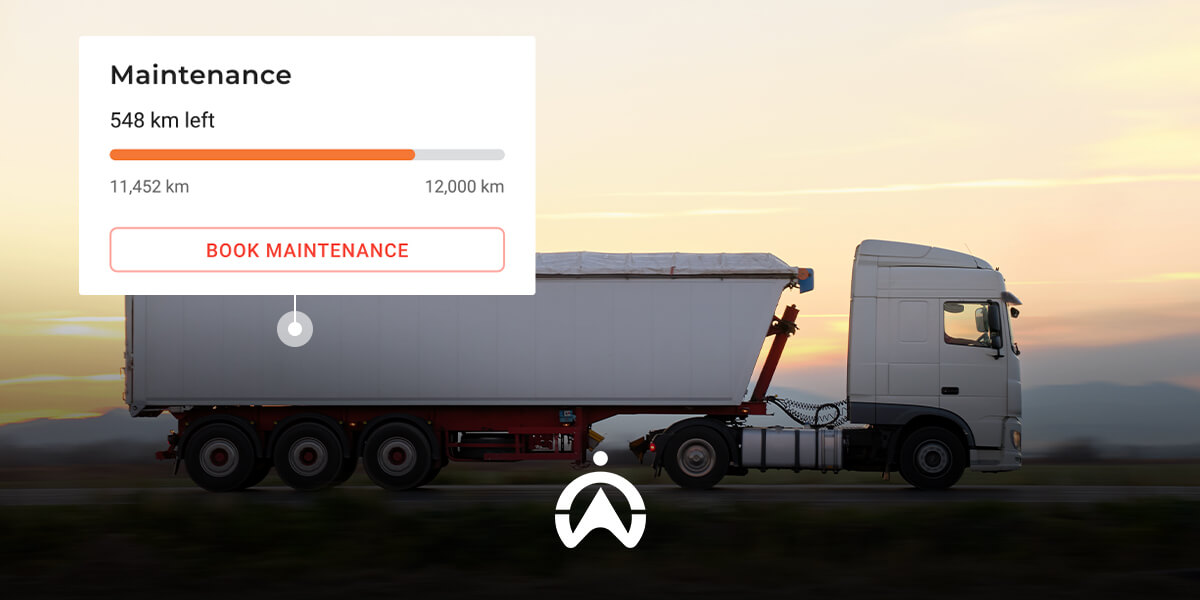
Fleet Maintenance Software for Trucking

All vehicles experience wear and tear over time, which is why it is essential to follow a service plan to reduce damage and maintain their value. This responsibility becomes more complex when there is more than one vehicle that needs maintenance; better yet, an entire fleet of trucks. For this reason, a fleet maintenance plan is essential for all fleet businesses.

That said, a fleet maintenance plan without the correct technology leaves room for numerous mishaps and inconsistencies. It is therefore crucial that commercial trucking companies invest in fleet maintenance software.

Today, we discuss the key benefits of fleet maintenance software for the trucking industry and why it is essential.

In this article, you will:

  • Learn what fleet maintenance software is
  • Find out why it is essential for trucking businesses
  • Discover how to effectively manage fleet maintenance
  • Get all the information on Cartrack’s fleet maintenance system

Understanding fleet maintenance software

Fleet maintenance software refers to a digital tool that helps fleet businesses in various industries manage the servicing and repairs of company vehicles and equipment, thereby reducing costs, minimising downtime, and ensuring compliance. This technology integrates with telematics systems and other data sources to provide a comprehensive view of fleet health and performance.

The amount of work that goes into running a fleet can cause one to overlook other essential tasks, such as ensuring that all vehicles are roadworthy and won’t disrupt the workflow. As a fleet manager, you need technology that assists with this, ensuring your fleet remains compliant and your workflow remains uninterrupted.

The different types of fleet maintenance solutions

There are various approaches to maintaining fleet health, with some proving more effective than others. Let us have a look at three of the most common approaches for fleet maintenance:

  • Preventative maintenance: A proactive approach to vehicle maintenance that entails performing regular inspections and scheduling regular maintenance tasks such as tire rotations, oil changes, and filter replacements in order to prevent equipment failure. This approach enables the timely replacement of damaged or worn-out parts, avoiding issues before they arise.
  • Predictive maintenance: According to a Fleet Management Statistics 2025 report by Gitnux, maintenance costs can be reduced by approximately 15-20% with predictive maintenance technology. Predictive maintenance refers to the use of advanced data analytics to predict when maintenance will be necessary.
  • Corrective maintenance: This is an approach that involves fixing things only when they are broken. No tools or technology are utilised, which makes many fleet managers believe they are saving costs. However, corrective maintenance brings about many unforeseen expenses that, in reality, end up costing more in the long run. It also fails to address the root cause of the issue, which will likely lead to repeat failures.

Why trucking companies need maintenance software

Commercial trucks are often on the road for long hours, encountering diverse road conditions and covering extensive mileage. This makes them prone to vehicle wear and tear, as well as breakdowns, which can cause delays.

Keeping up with the health and performance of every single truck is often overlooked due to tight schedules, heavy workloads, and the need to meet client expectations. For this reason, fleet maintenance software is crucial for trucking companies to stay up-to-date and remain productive.

What are the true benefits of maintenance software

  • Reduced downtime: Utilising advanced technology helps you stay on top of fleet maintenance, ensuring you are always aware of any faults or when vehicles require servicing. Through this, you will know which vehicles are unavailable on which day, helping you plan ahead.
  • Lower repair and operating costs: The early detection of issues allows them to be resolved more quickly, before they worsen and become more expensive. This improves overall fleet operational costs, as there will be fewer unexpected repairs.
  • Improved safety and compliance: The most important aspect of fleet maintenance is safety. Faulty vehicle parts can lead to accidents, which could be fatal, result in costly lawsuits, and damage the company’s reputation. By implementing fleet maintenance technology, you ensure that drivers are safe and that your fleet remains compliant.
  • Extended vehicle lifespan: As previously mentioned, addressing minor issues before they escalate can significantly extend vehicle lifespan. This ultimately improves vehicle health and leads to a longer-lasting fleet.
  • Easier audits and regulatory reporting: The digitalisation of everything makes it easier to get detailed information for conducting audits and creating reports.
  • Improved fuel efficiency: Vehicle maintenance issues, such as worn-out spark plugs or incorrect tyre pressure, cause the vehicle to work harder than necessary, which results in more fuel being used to maintain performance. Since fleet maintenance software helps reduce wear and tear, it in turn also reduces fuel consumption.
    ‍
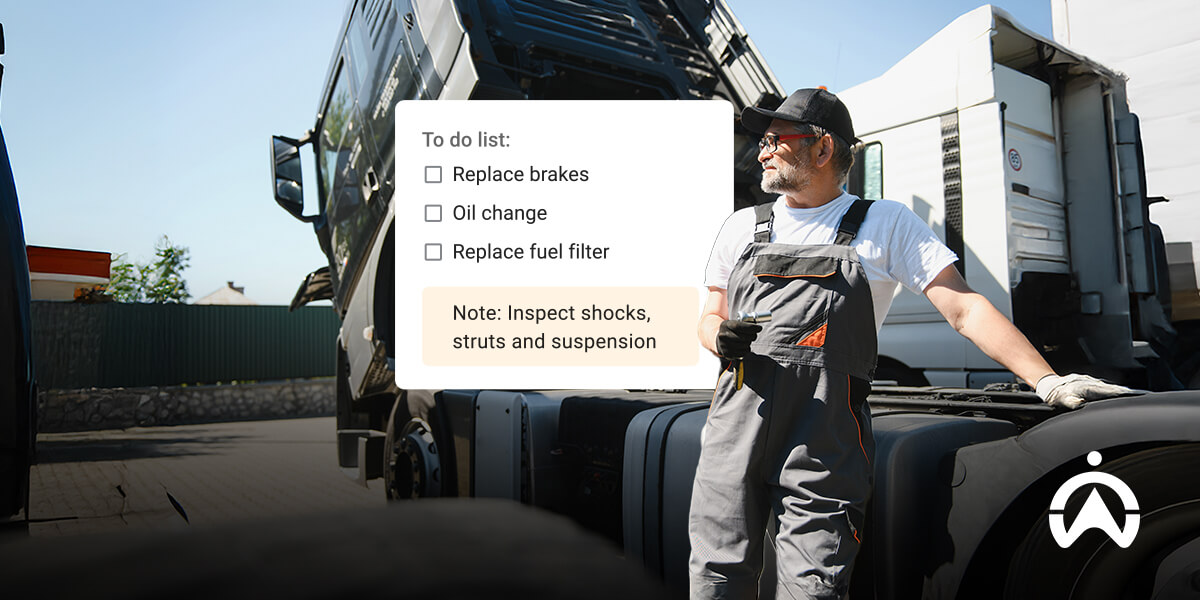
A mechanic stands beside a large truck, holding tools with a maintenance checklist for brakes, oil, and fuel filter replacement.

How to manage fleet maintenance

An effective fleet maintenance plan involves implementing various strategies. Here are some best practices for managing fleet maintenance:

  • Conduct a fleet audit: Regular fleet audits help uncover hidden issues. Conduct monthly audits to check vehicle performance and schedule pre- and post-trip inspections, ensuring vehicles are safe and roadworthy.
  • Involve mechanics and drivers early: Do not wait until the last minute to inform the mechanic about repairs or replacements. They also have other clients that they need to attend to. Not informing them on time puts your fleet vehicles at risk of being attended to last, which may extend beyond your expected time period.
  • Set up realistic timelines: The amount of time you expect a repair or replacement to be done should be realistic, so you avoid disappointments.
  • Train staff thoroughly: It is important that you monitor driver behaviour, as driving habits such as speeding can lead to accidents, which may result in costly repairs or increase vehicle wear and tear. Training your drivers on such behaviours helps improve their overall driving skills and therefore improves vehicle lifespan.

Cartrack’s fleet maintenance software in action

Here’s a real-life story of how we have helped improve overall fleet operations for Concord Cranes through our preventative maintenance fleet software:

Concord Cranes specialises in crane hire solutions. They have over 180 cranes and provide mobile cranes for hire, professional rigging, transport, and specialised lifting projects across their 15 branches. They often found it difficult to accurately record the hours each crane worked, making it difficult to maintain and deliver them to their clients on time.

How we helped them:

  • Our IoT device and specialised power take-off sensors make it possible for Concord Cranes to monitor their cranes’ on-site working hours accurately and mileage travelled, and see exactly what equipment a crane used. This data enables them to track the condition and usage of their cranes, allowing them to establish preventive maintenance measures for their clients and increase the longevity of their fleet.
  • With Cartrack’s actionable preventative maintenance insights from the fleet management system, Concord can lower maintenance costs by reducing the number of cranes sent for expensive, fault-related repairs and minimise premature downtime for general services.
    ‍
  • Concord Cranes also utilises our fleet management and maintenance system to enhance overall brand reliability for their customers, ensuring their cranes are always in safe and working order. The detailed maintenance schedules have reduced the number of unexpected breakdowns, allowing for proactive planning and the timely availability and delivery of cranes to customers.

“Using Cartrack’s advanced fleet management, we have been able to increase our operational efficiency to deliver a better service to our customers, as well as effortlessly establish a maintenance cycle that reduces our costs and increases our fleet longevity.” – Gareth Langley, Concord Cranes operations manager
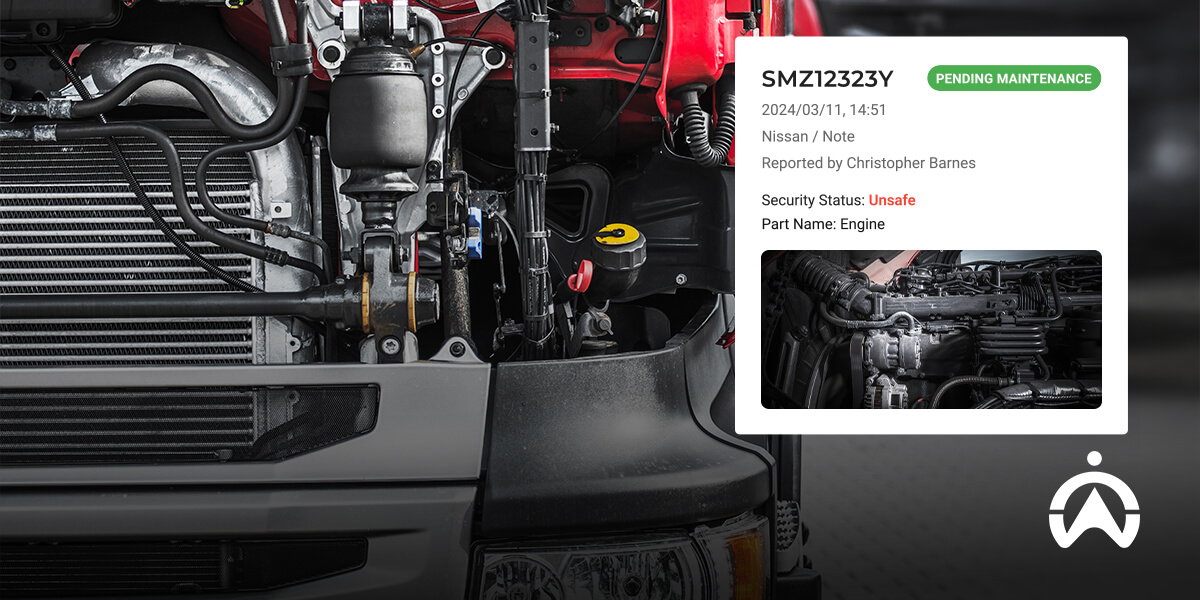
Close-up view of a Nissan Note engine with highlighted pending maintenance, marked as unsafe, and details displayed on the side.

Stay ahead of costly repairs with Cartrack’s fleet software

At Cartrack, we continually strive to deliver innovative solutions that are current with the latest industry needs. Our maintenance solutions provide you with predictive analytics as well as preventative maintenance measures. With us, you can rest assured that your trucks will always be in good working order.  Here’s what we offer:

  • Real-time fault alerts 
    Our automated preventive maintenance system provides real-time alerts when it detects issues such as engine faults, fluctuations in water and oil levels, worn-out brake pads, and other diagnostics. This ensures that you are aware of such problems before they worsen and can attend to them promptly to avoid unexpected breakdowns.
    ‍
  • Scheduled service reminders
    Our platform allows you to set reminders for service dates, ensuring you know which vehicles are available on specific dates and creating a schedule around them to meet delivery deadlines.
    ‍
  • Driver monitoring
    As already mentioned, aggressive driving habits such as speeding, harsh braking, and rapid acceleration can cause early damage to various vehicle parts, which then increases the number of repairs and replacements that need to be made. Through telematics technology, our platform provides alerts for such events, allowing you to address them and train drivers on more effective habits.

Smarter fleet maintenance starts here

In our many years of experience in the fleet management industry, we have seen how big a difference maintenance software makes. By investing in our solution, your business will improve on efficiency, safety, and overall operational costs. Contact us today to speak to a fleet consultant and let us handle all your fleet maintenance needs.

Frequently Asked Questions about fleet maintenance software

Q: What is a fleet maintenance planner? ‍

A: A fleet maintenance planner is someone who develops, organises, and implements schedules for maintenance-related activities, such as repairs and inspections. Being a fleet planner involves creating detailed schedules for maintenance tasks. allocating resources and anticipating potential issues.

Q: What is a full maintenance plan

A: A full maintenance plan typically involves the use of telematics systems to track vehicle usage and get insight on vehicle health, as well as receive alerts for upcoming services.
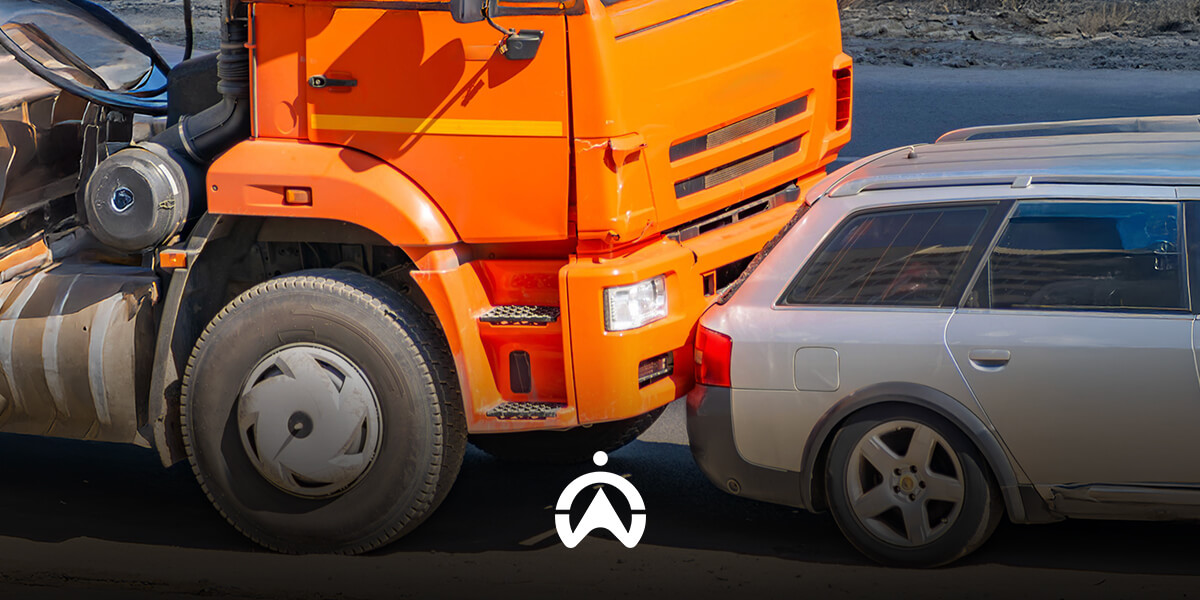
What are the True Costs of Fleet Accidents

Many assume that accident-related costs are limited to vehicle repairs and insurance claims. However, these incidents involve hidden expenses that can negatively affect a business’s bottom line.

When a company vehicle is involved in an accident and the driver or the vehicle’s mechanics are found to be at fault, the business may be held liable for covering medical expenses and other related costs. In some cases, the company may also be responsible for property damage and legal fees. Over time, these costs can accumulate, leading to a substantial financial burden for the business.

Beyond these direct costs, the company is most likely to experience reputational damage, leading to a significant decline in customer trust and loyalty. A company with a reputation for unsafe driving practices may struggle to maintain long-term customer relationships.

Let’s explore the true costs of fleet accidents and how Cartrack’s fleet management solutions can help businesses mitigate them.

In this article, you will:

  • Know the implications of fleet accidents
  • Learn how to protect operations from fleet accident losses
  • Understand how technology can help prevent fleet accidents
  • Discover how Cartrack fleet management solutions can help mitigate the costs of fleet accidents

What Are the Financial Implications of Fleet Accidents

Fleet accidents have implications that go far beyond immediate repair costs. Understanding these consequences is crucial, especially when looking to mitigate financial losses and protect the business’s reputation.

What are the real expenses associated with fleet accidents

  • Vehicle repair and replacement costs: When a vehicle is involved in an accident, the starting point will be to get the vehicle fixed. This means buying new parts to replace the damaged ones and paying the mechanic handling the repairs.
    ‍
  • Medical and liability expenses: Companies may cover medical expenses for those injured and, depending on the situation, offer compensation for additional damages or losses.
    ‍
  • Increased insurance premiums: If fleet vehicles are frequently involved in accidents, insurance companies may classify the business as high-risk, leading to higher premiums, which can affect profitability over time.

Beyond the immediate costs, fleet accidents also generate substantial legal and reputational issues, adding further pressure to the business.

Legal implications of fleet accidents

  • Legal consequences and liability: Fleet accidents can expose the company to lawsuits, whether for personal injury, death, or property damage, leading to substantial legal costs.
    ‍
  • Regulatory penalties: An accident involving a company vehicle is often investigated. If authorities find fault in the driver’s behaviour or the vehicle’s condition, the company may be liable to pay fines and penalties for violating traffic laws.
    ‍
  • Insurance disputes and legal fees: Insurance claims investigations can take months to resolve, especially for complex cases. This often requires legal assistance, adding further expenses that impact the company’s cash flow.

Reputational implications of fleet accidents

  • Public perception and brand damage: Frequent accidents, particularly those with severe consequences, could negatively affect a business’s reputation. In the digital age, a viral social media post of a company vehicle involved in an accident can damage the brand’s reputation and deter customers from supporting the business.
    ‍
  • Customer loyalty and retention: Accidents can negatively affect a business’s operations, resulting in lower customer satisfaction rates. Customers may question associating with a company that frequently experiences accidents and may look for services elsewhere.
    ‍
  • Employee morale and turnover: Witnessing or experiencing a crash can affect the well-being of drivers, leaving them traumatised and less motivated. Drivers may need some time off at work or even counselling, which will further affect operations. If accidents happen more frequently, employees may start to question the company’s commitment to safety and leave for better opportunities elsewhere.
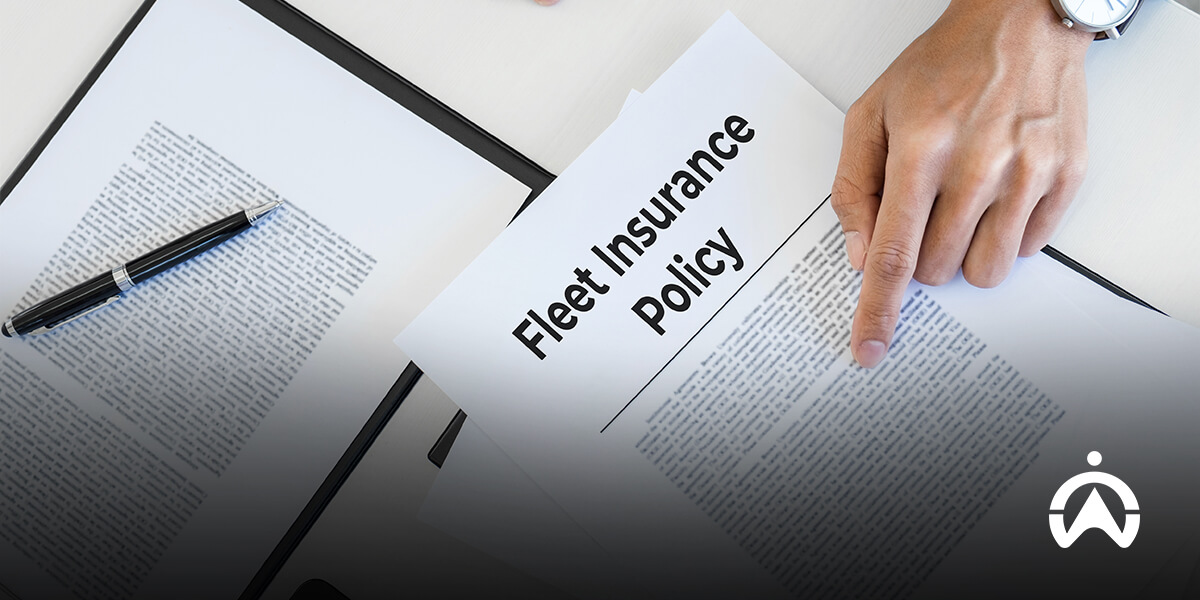
A hand points to a "Fleet Insurance Policy" document on a table, accompanied by a pen and additional papers.

How to protect operations from fleet accident losses

To protect a business from the financial, legal, and reputational losses caused by fleet accidents, managers must have a proactive approach. This means implementing strategies that can reduce the likelihood of accidents and ensure that operations run smoothly should accidents occur. Here are key ways to safeguard the fleet and business from the aftermath of accidents:

Implement Fleet Accident Management for Incident Response and Prevention

Fleet Accident Management (FAM) plays a critical role in minimising the impact of accidents on a business. It enables fleet managers to respond swiftly, manage claims efficiently, and mitigate common accident causes such as risky driver behaviour, distractions, and poor road conditions. By implementing FAM, these issues can be addressed head-on, ensuring better safety practices and reducing downtime, as well as the financial and operational consequences of accidents.

Conduct regular maintenance and servicing

Conducting regular maintenance on the fleet will significantly enhance safety, reduce breakdowns, and minimise downtime, helping save costs in the long run.

A structured maintenance schedule will cover critical things such as wear and tear, tyres, engine health, lights, and other important vehicle components. This will not only ensure vehicle longevity but will also minimise the accidents that are caused by mechanical failures, faulty parts, or poor vehicle handling. Regular inspections and timely repairs help identify potential hazards before they become serious issues, ultimately improving driver safety and maintaining operational efficiency.

In addition to regular maintenance, it is important to get the vehicles serviced on time so that issues can be detected and dealt with in time before repairs become too expensive. Regular servicing ensures that a vehicle’s components are working at optimum levels, which means better performance from all aspects of the vehicle.

Implement driver safety programs

To help reduce accidents, fleet managers can implement driver training programs that will enhance their safety on the road. Driver training programs will empower drivers to follow the rules of the road and avoid participating in unsafe behaviours such as distracted driving, speeding, harsh braking, and tailgating. Practising safe driving helps save on fuel costs and reduces wear and tear on vehicles, making them last longer.

Fleet managers can also host driver incentive programs—reward-based methods to motivate their drivers to continue practising safe driving.

Drivers can be rewarded in the following ways:

  • Monetary bonuses: Fleet managers could reward drivers with cash for outstanding performance.
    ‍
  • Recognition: Drivers could be rewarded with a certificate or trophy monthly, making them “employee of the month”.
    ‍
  • Career development: Managers could also consider promoting drivers who are consistent in their performance.

Rewarding drivers through any chosen method is a great way to keep them motivated and create a healthy working environment.

Review insurance policies and coverage regularly

Regularly reviewing fleet insurance policies ensures that coverage aligns with current operational needs and provides protection against potential risks.

As the fleet or business grows, reassessing insurance needs is important to maintain adequate coverage. This entails examining accident coverage, liability coverage, vehicle damage coverage, and theft coverage so that all areas are fully protected.

Furthermore, staying informed about industry regulations and adjusting coverage accordingly can prevent gaps that might leave the fleet unprotected in the event of an unforeseen incident. This practice helps avoid unexpected financial surprises and supports the continued safety of fleet operations.

Use fleet management solutions and telematics

Incorporating technology such as telematics and fleet management systems can significantly reduce accidents. These technologies allow operators to monitor driving habits and vehicle performance in real-time.

By tracking driving behaviours such as speeding, braking, and sharp acceleration, operators will be able to identify which drivers need training to avoid getting involved in constant accidents.

The systems will alert operators when maintenance is due, which will help prevent breakdowns and accidents caused by malfunctioning equipment. Telematics also help optimise routes through live traffic updates, weather updates, and road conditions, ensuring that drivers stay away from potentially dangerous areas.

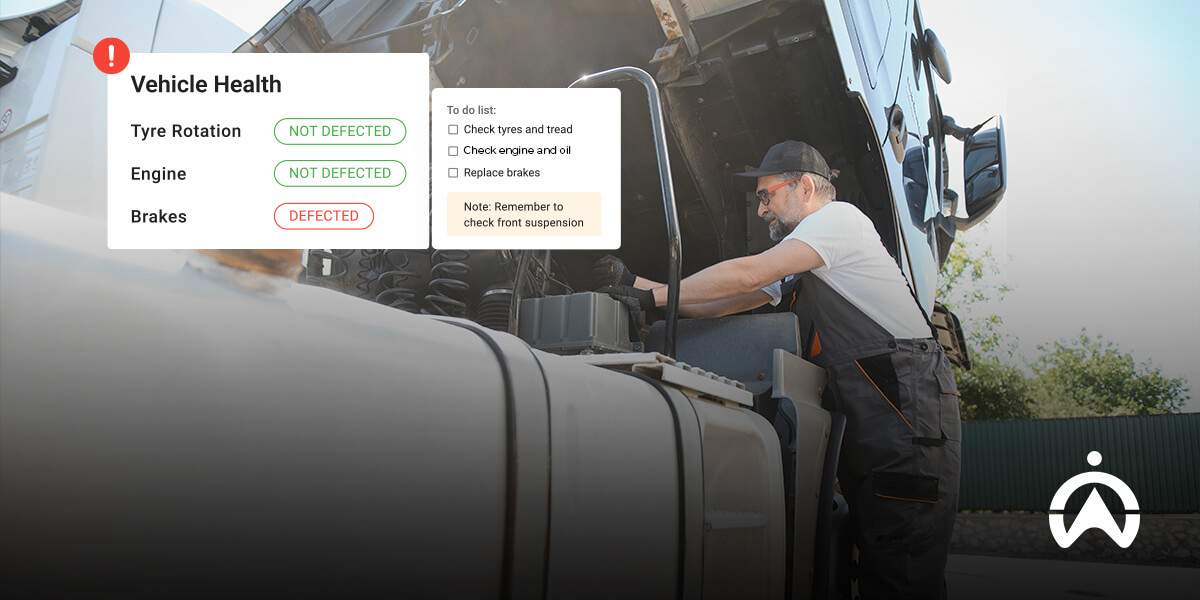
A mechanic inspects a truck's engine while reviewing the vehicle health report highlighting defective brakes and maintenance tasks.

How Cartrack helps mitigate the costs of fleet accidents

Cartrack offers comprehensive fleet management solutions that help businesses prevent and manage accidents, ultimately reducing costs.

We achieve this in the following ways:

  • Real-time tracking and alerts: Our GPS tracking devices allow managers to track their fleet in real-time, providing full visibility. In the event of an accident, instant alerts are sent to managers, enabling a prompt response during emergencies.
    ‍
  • Driver behaviour monitoring: Our system helps operators monitor driver behaviour by sending alerts every time there are harsh events like speeding, harsh braking, and cornering. With this data, fleet managers can identify drivers that need coaching to improve their performance. This will significantly reduce accident risks and promote safer driving habits.
    ‍
  • Cartrack’s AI-powered cameras: Our AI-powered cameras provide real-time monitoring with in-cabin audible alerts that notify drivers of distractions such as cell phone use, fatigue, smoking, speeding, and other risky behaviours. These alerts help drivers correct their actions immediately, which can help reduce accidents. If an accident does occur, footage can be retrieved and used to prove the driver’s innocence and can be submitted to insurance companies to help expedite the claims process. Managers can use the footage to analyse what happened and provide targeted training to drivers where necessary.
    ‍
  • Preventative maintenance: Cartrack’s system sends alerts to inform managers about any engine faults and when vehicles are due for servicing. By monitoring engine hours and usage, managers can easily stay on top of maintenance needs. This proactive approach helps ensure that the fleet remains in good condition and operates efficiently.
    ‍
  • Crash detection: Our smart IoT device uses g-force technology to detect an accident in real-time, allowing us to immediately send emergency services to the driver’s exact location so help can arrive as soon as possible. Crash detection boosts drivers’ confidence on the road, knowing that protection is available at all times should accidents occur. Companies stand a chance to be assisted sooner during the insurance claims process since all necessary information is readily available through this technology.
    ‍
  • Advanced Driver Assistance System (ADAS): ADAS uses camera-based sensors, intelligent algorithms, and AI technology to enhance driver awareness, increasing driver and vehicle safety. This system alerts drivers of blind spots and gives forward collision warnings.

In closing, investing in a robust fleet management system can reduce fleet accidents, helping save on hidden costs such as financial, legal, and reputational costs. Implementing driver training programs and conducting regular maintenance ensures that drivers and fleets are safe on the road.

Ready to safeguard your fleet and save on costs? Contact us today to achieve your business’s bottom line, leaving you with satisfied clients and enhanced profitability.

Frequently Asked Questions about accidents and fleet management systems

Q: What are the main causes of fleet accidents?

A: Factors such as human driver behaviour, poor road conditions, adverse weather conditions, and vehicle faults all contribute to fleet accidents.

Q: How does the frequency of accidents affect a company’s ability to grow?

A: Frequent accidents can deter a company from growing to its full potential due to all the costs the company will have to pay as a result of these accidents. This means the company will be working at a loss, and its bottom line will be negatively affected.  

Q: How do fleet accidents affect customer satisfaction?

‍A: Fleet accidents can cause delivery delays and service interruptions, and, in some cases, products may be lost and damaged during these crashes. This will negatively affect customers, leaving them dissatisfied and unimpressed with the service.