What Are the True Costs of Fleet Vehicle Breakdowns?

Vehicle breakdowns are inevitable in fleet operations. These breakdowns often come with heavy expenses, and on many occasions, fleet managers find it challenging to control and minimise costs effectively.  Some of these breakdowns result from issues that can easily be avoided through careful monitoring and maintenance scheduling.

Let’s take a closer look at the true costs of vehicle breakdowns and how Cartrack solutions can help mitigate these expenses.

In this article, you will:

  • Find out the true costs of vehicle breakdowns
  • Learn how to prevent breakdowns
  • Discover the role of IoT technology in preventative maintenance
  • See how Cartrack solutions can reduce vehicle maintenance issues

Breakdowns: Impacting more than you think

Maintenance costs form a significant portion of overall fleet expenses. Every breakdown leads to costly repairs, operational disruptions, and revenue loss.

The direct vs. hidden costs of fleet breakdowns

Vehicle breakdown expenses go beyond repairs; there are other financial and operational repercussions. Take a look at this breakdown of the direct and hidden costs:

1. Direct costs of fleet vehicle breakdowns

Repair and maintenance costs

  • Unexpected repair expenses vs. scheduled maintenance
    Unplanned repairs due to the failure of vehicle parts typically cost more than planned maintenance. Suppliers often order vehicle parts in bulk, which can lead to longer waiting times in the case of emergency repairs. Depending on where the components are outsourced, some orders may be quick, while others could take longer to arrive.

    When there are emergency repairs, the vehicle parts that need replacing might not be available. This leads to a rush in individual orders, which come at an extra expense. The mechanics will also need to work overtime to ensure the repairs are done as soon as possible, further straining the budget. However, with a planned repair service, you are certain to find the replacements there, and the mechanic ready for you.

Towing and roadside assistance

  • Expenses for emergency roadside services
    A vehicle that breaks down en route requires roadside assistance, such as emergency towing. Depending on the provider, this service may be covered by a monthly subscription to ensure fleet businesses do not have to worry about paying when it is time for assistance, or charged per incident. However, both options typically include a call-out fee which is separate from the labour costs. If the breakdown occurs after hours, charges may escalate. These charges also vary depending on location.

2. Indirect costs of fleet vehicle breakdowns

Lost productivity and downtime

  • Delays in deliveries and missed service appointments
    Sudden breakdowns reduce productivity levels and delay fleet operations. This results in late deliveries or missed service appointments. These unforeseen mechanical failures also pose security risks to fleet vehicles and cargo, as it might not be safe for trucks to be stranded for hours. Furthermore, if the driver is transporting temperature-sensitive goods, a breakdown could compromise product quality, leading to financial losses and customer dissatisfaction.
  • Idle driver wages and operational inefficiencies
    Certain vehicles not working means some drivers might be inactive for some time. Depending on company policy, the drivers still need to be compensated a fraction of their wages while on standby, creating unproductive labour costs.

Customer impact and reputation damage

  • Late deliveries lead to a dissatisfied client
    If we use the above-mentioned example of transporting temperature-sensitive goods, late deliveries can shorten the product’s shelf life, causing financial losses for retailers and damaging supplier relationships. This creates a dent in your company’s reputation and may lead to the loss of contracts or penalties for service days.

Administrative burden

  • Extra time spent coordinating repairs
    An often overlooked aspect of vehicle breakdowns is the administration of it all. Fleet managers need to coordinate repairs and reschedule operations, which takes away from other daily tasks. It also increases the fleet manager’s workload and responsibilities.
  • Legal implications
    It is required by law that all vehicles must be roadworthy to ensure safety for all road users. For this reason, vehicles that fail to meet these standards may face legal consequences, such as fines or a potential lawsuit. This sometimes means regular court appearances, which take time away from other work but also add to the time spent on administration. The outcome could also result in heavy fines or the business being forced to close down.
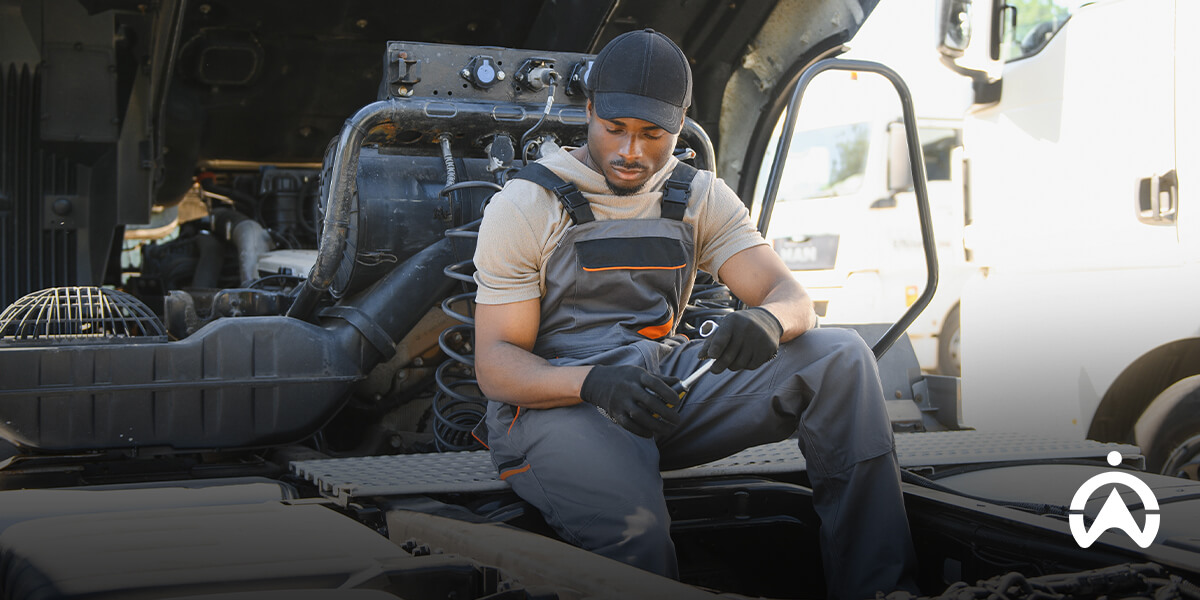
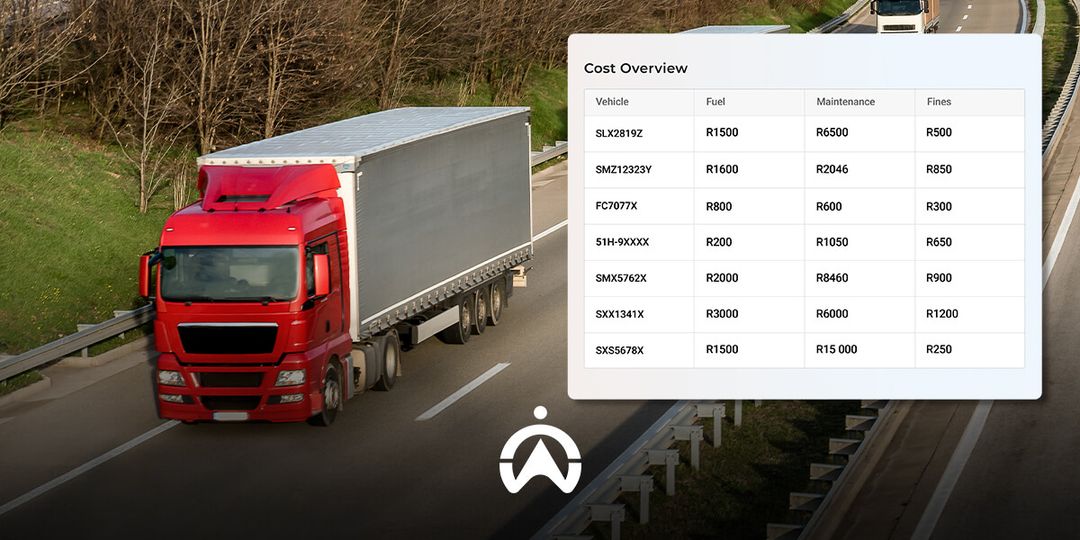
A mechanic sits on the edge of an open truck hood, holding a wrench, with various vehicle parts visible in the background.

3. Hidden costs that add up over time

  • Higher insurance premiums
    Increased claims can lead to higher premiums. Poorly maintained vehicles are more likely to experience mechanical failures. This results in more claims for services such as towing and start assistance. An increase in such claims leads to high premiums as vehicles are now flagged as more of a risk. Furthermore, if worn-out vehicles cause accidents, the victims of those accidents can claim from your company’s insurance.
  • Fuel inefficiency
    Poorly serviced vehicles consume more fuel due to components such as air filters, fuel injectors, and spark plugs being worn out. Our article on how to reduce fuel consumption highlights vehicle maintenance as one of the contributing factors to fuel inefficiency. Regular maintenance of these vital components ensures optimal combustion and engine performance.

    The article also points out the importance of tyre pressure and wheel alignment, stating that a 1% decrease in tyre pressure results in a 0.3 % reduction in fuel economy.

    As fuel expenses take up most of a fleet business’s budget, this further proves how skipping maintenance schedules will lead to greater costs.

  • Unplanned detours and idling during breakdowns
    When vehicles experience mechanical failure, drivers might need to take detours to find a safe spot for repairs or towing. This increases the amount of fuel being used. While waiting for roadside assistance, vehicles sometimes idle for prolonged periods, which further adds to fuel usage.
  • Impact on driver satisfaction and retention
    The frequent breakdowns often leave drivers in a state of frustration as they also want to accomplish tasks with minimal disruptions, as this has a good reflection on overall performance. This affects employee morale and could result in lower driver retention and increased hiring costs.

How to prevent costly fleet vehicle breakdowns

The true costs of vehicle breakdowns have proven to be more expensive than scheduled repairs. However, due to the workload and nature of the fleet management environment, it is easy to overlook things such as maintenance schedules to prioritise meeting client expectations. This common challenge can be resolved using technologically driven solutions.

Preventative maintenance involves practices that fleet managers can do to address maintenance concerns before they become bigger issues. It can be done in two ways:

The role of IoT technology in predictive maintenance

IoT-based predictive maintenance is an approach that involves using the Internet of Things (IoT) to gather and analyse data about vehicles, assets, and machinery. This technology consists of sensors or devices that are installed in the vehicles to collect and convert the data into valuable information. Through this, fleet managers are able to receive the information in its simplest form and make informed decisions.

Cartrack’s preventative maintenance solutions in action

Cartrack caters for fleets of any kind. Let’s have a look at how our preventative maintenance solutions helped a construction fleet reduce downtime.

Case Study: Concord Cranes

Concord Cranes specialises in crane hire solutions. They have over 180 cranes and provide mobile cranes for hire, professional rigging, transport, and specialised lifting projects. Their main challenge was that they found it difficult to accurately record the hours each crane worked, making it difficult to maintain and deliver them to their clients on time.

How we helped them:

  • Our IoT device and specialised power take-off sensors make it possible for Concord Cranes to accurately monitor their cranes’ on-site working hours and the mileage travelled. The information they receive from this allows them to monitor the conditions and usage of their cranes so they can form preventative maintenance measures for their clients and increase their fleet lifespan.
  • Using insights from our fleet management platform, Concord Cranes now reduces maintenance costs by minimising the number of cranes sent for avoidable and expensive fault-related repairs. This also helps them minimise unplanned downtime.
  • Our fleet management and maintenance system has improved their overall brand reliability with their customers, ensuring their cranes are always safe and in working order. Additionally, detailed maintenance schedules have reduced the number of unexpected breakdowns and allowed them to plan ahead to ensure vehicle availability and minimal disruption during the delivery of cranes to customers.

“Using Cartrack’s advanced fleet management, we have been able to increase our operational efficiency to deliver a better service to our customers, as well as effortlessly establish a maintenance cycle that reduces our costs and increases our fleet longevity.” | Gareth Langley, Concord Cranes operations manager
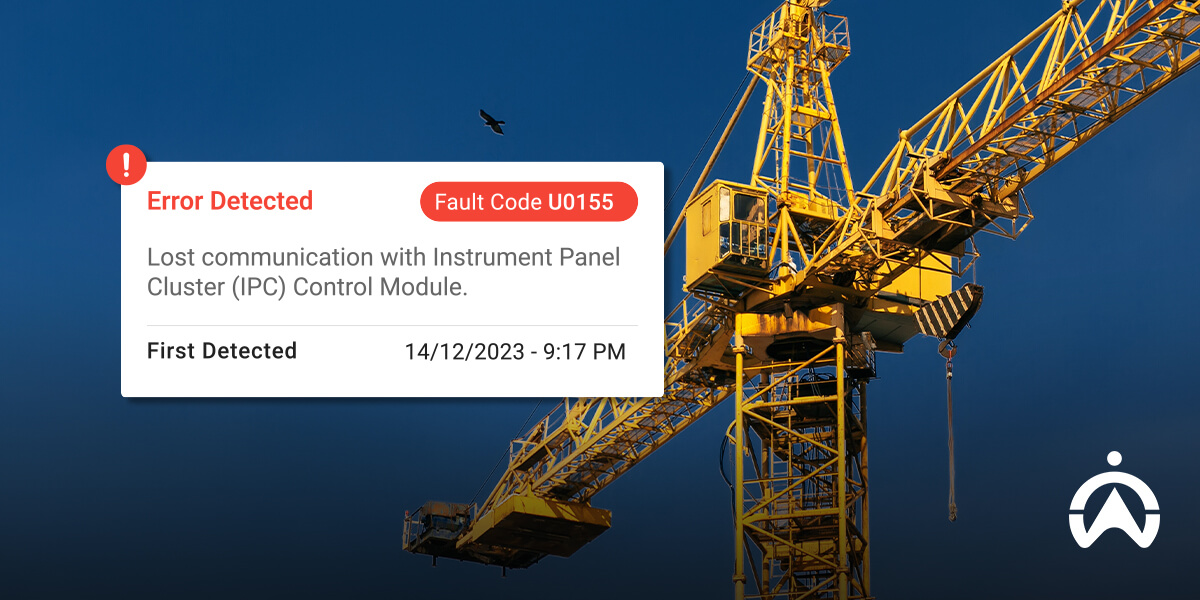
A yellow construction crane against a blue sky, displaying an alert about a maintenance error with the Instrument Panel Cluster.

Reduce the costs of fleet vehicle breakdowns with Cartrack

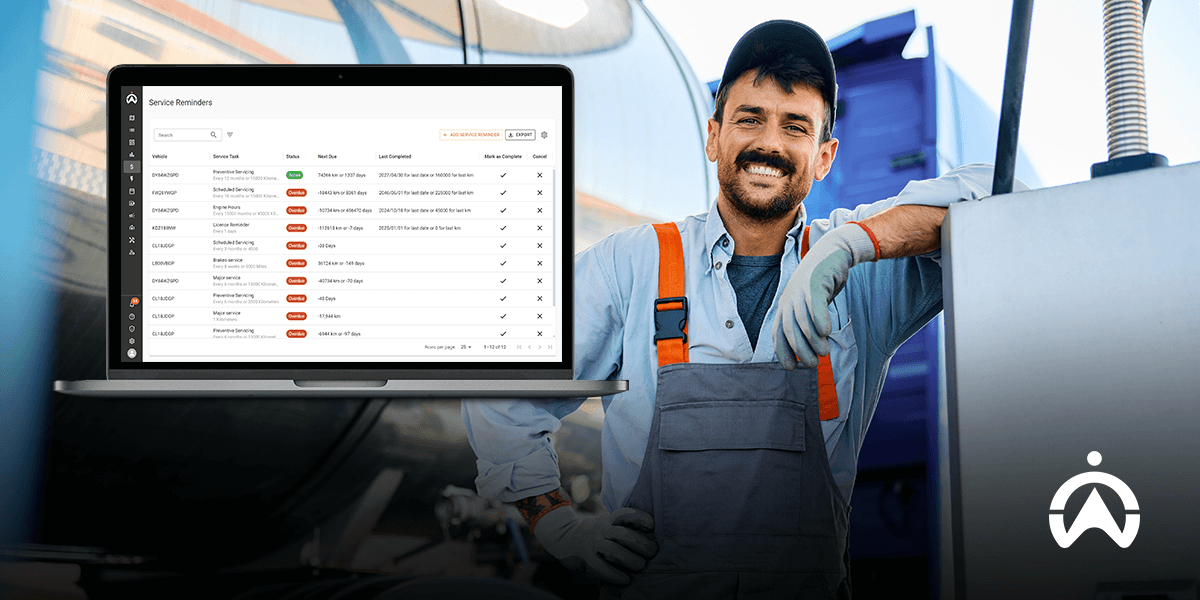
The Cartrack telematics technology provides vehicle diagnostics so you receive real-time alerts of vehicle maintenance issues such as engine faults, water fluctuations, and oil level levels. This information helps you make necessary arrangements on time so you can avoid unplanned fleet inactivity. Our platform also gives you reminders of maintenance schedules so you can warn drivers in advance and keep workflows undisrupted.

Here are other Cartrack solutions that you can add to your preventative maintenance strategy:

  • Route optimisation
    Know where your vehicles are at all times using our GPS tracking technology and ensure drivers follow efficient routes using our route optimisation tool. The more kilometres a vehicle travels, the more it is likely to have worn-out parts that need to be replaced. Through an analysis of traffic conditions and historical travel trends, our route optimisation tool suggests the most cost-effective routes that drivers can use to get to their destinations. By using this feature, you reduce the long routes and detours that increase fuel consumption and vehicle mileage.
  • Driver monitoring
    Harsh events: Aggressive driver behaviours such as excessive idling and harsh braking have proven to be some of the factors contributing towards greater vehicle wear and tear. Our IoT device alerts you of these driving habits and gives you a detailed insight into each event.

    AI Cameras: The Cartrack AI Multivison camera solutions make use of artificial intelligence technology to protect your drivers from accidents that could lead to major repair costs. The cameras monitor distracted driver behaviours such as drowsiness, cellphone use, and smoking. Once detected, drivers will receive real-time audible alerts so they can instantly correct their actions. As an extra layer of protection, these cameras also help drivers detect blind spots and keep a safe following distance.

    Driver Scorecards: Encourage better driving habits using our Driver Scorecards. This feature rates each driver based on their harsh events and adherence to planned routes. You can use this information to reward those with high ratings, boost employee morale, and identify those who need more training on good driving habits.

Stop breakdowns before they start—explore Cartrack’s preventative maintenance services!

Monitoring vehicle performance using telematics helps detect issues early. By investing in our fleet management solutions, you ensure that your vehicles are always fit for the road. Reach out to our fleet consultants to get the most out of your fleet, increase vehicle lifespan, reduce downtime, and, most importantly, save costs!

Frequently asked questions about fleet maintenance

Q. What is the biggest challenge in fleet management? ‍

The biggest challenge in fleet management is managing high operational costs. The day-to-day expenses of running a fleet include fuel, maintenance, repairs, and compliance fees. In the absence of proper management, these daily expenses can significantly impact the business’s total profit.

Q. What are the benefits of total preventive maintenance?‍

Preventative maintenance enhances drive safety, reduces downtime, increases efficiency, improves vehicle performance, boosts customer satisfaction, and helps you save costs.

Q. What are the different types of maintenance strategy‍

There are four main types of maintenance strategies:

  1. Reactive maintenance: Also known as breakdown maintenance, this is when you fix things only when they break. This method only works well on low-cost equipment that is not essential for operations.
    ‍
  2. Preventative maintenance: This approach relies on following predefined schedules in order to detect problems and fix them before they become bigger issues.
    ‍
  3. Predictive maintenance: Uses real-time data from advanced technologies such as IoT sensors, artificial intelligence, and machine learning to analyse potential problems such as engine temperature, oil conditions, battery conditions, and brake performance.
    ‍
  4. ‍Reliability-centred maintenance (RCM): This is a process of determining the most effective maintenance strategy for each of your assets by combining all the other methods.
Fleet Management System for Sale: What to Look for Before Buying

You are reviewing your business’s expenses and notice, once again, that your fleet-related costs have gone up and are not consistent with others. This frustrates you and has you wondering what more you can do to have this one cost finally sorted and under control.

If this is your experience, and you are looking to save on fleet-related costs, then you need the right fleet management system on your side.

It is important to know what to look for when choosing and buying a fleet management system for your business, luckily, we are here to help. Let us discuss what there is to know about this service and how investing in it sets your business up for long-term wins.

This blog will:

  • Explore how the best fleet management system brings long-term business success
  • Share the ways in which it can help your business save money
  • Discuss why Cartrack is the right choice

Investing in the Right Fleet Management System for Long-Term Success

To effectively manage expenses and reduce fleet costs, you need a reliable fleet management solution. Making this decision may be difficult for some, as they may not be sure what to look for since most providers appear to offer the same or similar services.

The first step to take is to look internally at the business itself. You will need to evaluate where the fleet is lacking and where it can improve. This will assist in finding the best system for the business.

Here are some steps to follow before looking for a provider.

Check Compatibility with Business Structure

When choosing a fleet system, it is important to ensure that it is scalable and adjustable to the growth of the business and the plans that it has.

The system you choose for your business must also be compatible with the existing software currently being used. This could be payroll, enterprise resource planning (ERP), and other product and customer management systems. It should be able to integrate with all these different types of software and easily pull through insights and instructions from each.

It is also essential to determine whether the solution will be cloud-based or on-premise, as businesses may require a hybrid approach or transition over time.

Evaluate User-Friendliness and Support

When it comes to any form of tech or software, user-friendliness is paramount. Technological innovations are meant to make our lives easier and simplify processes. The system that you choose should have this element built into it.

It is important to have an intuitive interface if the goal is to have the system adopted easily, this applies to both PC and mobile options. The system should be able to be used by any of the business’s employees who work with the fleet. Navigating the options and features should be a clear and straightforward process.

Customer support should be readily available should there be any confusion about how the system works or if there are any technical issues. This is a crucial factor to consider, as there may be instances where technical issues arise, and no one within the business can fix them.

Compare Reviews and Reputation

Like every product out on the market, fleet systems are also subject to customer reviews. When looking to see which is best for you, checking customer reviews and testimonials is a good way to go.

This could be looking up the provider on public forums and company rating sites like Hello Peter or seeing what the public sentiment is on social media. Doing this will help in assessing the provider’s industry experience and reliability.

Do Cost vs. Value Analysis

Understanding pricing models is important as this is usually one of the leading determinants for which system a business may choose. Knowing the difference between a contract and a rental will inform which one aligns closer to the budget and goals of the fleet.

You will need to weigh upfront costs against long-term ROI to see which option will have the most value in relation to the amount being paid.

Another factor to consider is its potential hidden costs. These could include additional fees for installation, training, and upgrades. If unchecked, a business can find itself paying for services that another provider would have bundled into one cost.

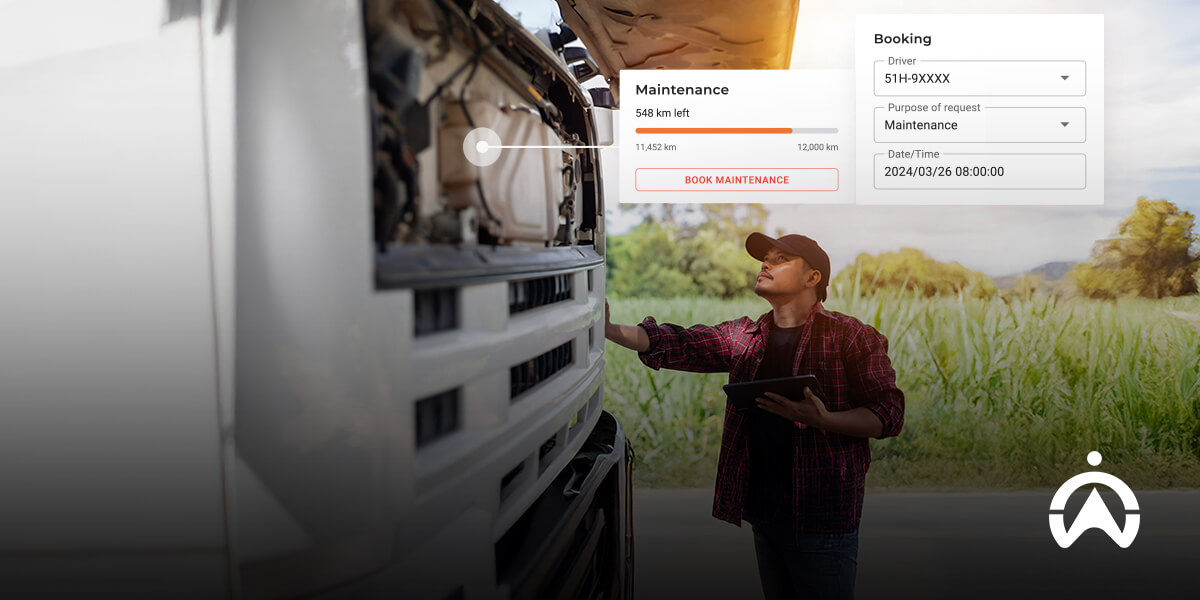
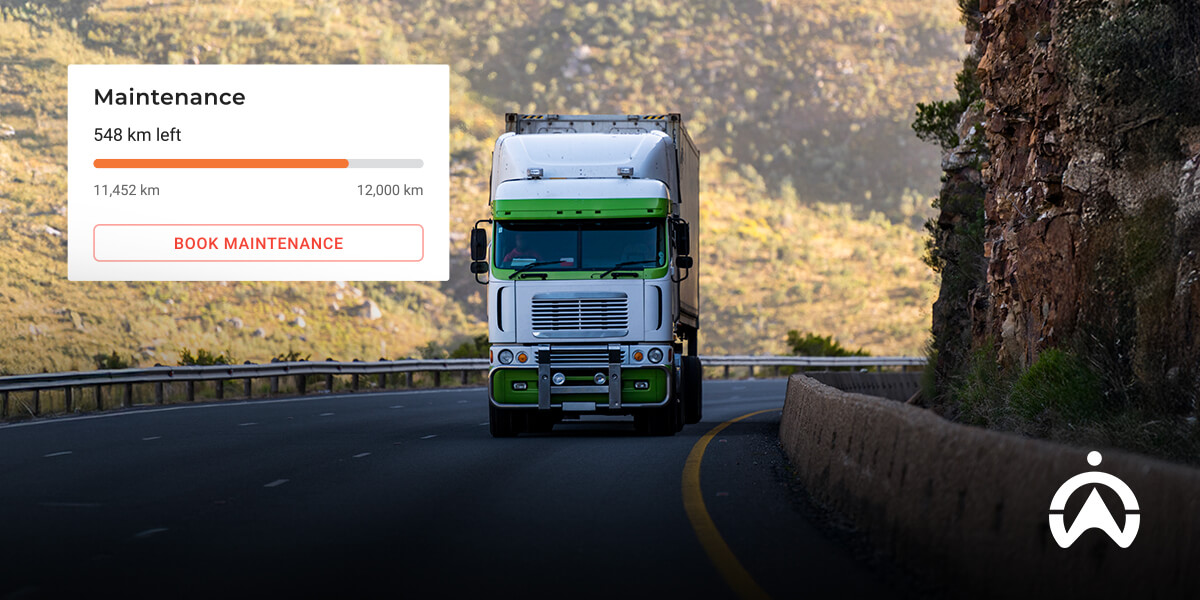
Truck on mountain highway with Cartrack Fleet Maintenance System alert showing 548 km left before service, enhancing predictive maintenance for commercial vehicles.

How A Fleet System Helps You Save Money

Having effective fleet management is important and can significantly improve fleet operations. It could lead to significant savings and cost reductions in areas the business previously thought not possible.

Here are some of the tools you must ensure your system has when evaluating if it is the one for your business.

Driver Behaviour Monitoring

Driver behaviour monitoring is one of the most effective ways of saving fleet-related costs. With this feature, a business can promote safer and more efficient driving habits throughout the fleet.

When drivers follow rules and treat vehicles with respect, they reduce the chances of fuel waste and wear and tear. These factors can become significant expenses in the long run, especially if the business has a large fleet of vehicles travelling long distances.

Fuel Management Tools

Managing fuel costs is a standard expectation for any fleet manager. This is an expense that might feel definite and only subject to change when fuel prices fluctuate. However, that is not the case, there are many strategies that can be taken to reduce fuel consumption and save money.

A fuel management tool can identify inefficiencies in fuel consumption and detect instances of unnecessary fuel waste. This could be due to fuel theft, driver behaviour, engine health and bad route planning, all issues that can be managed and resolved.

Automated Maintenance Alerts

Breakdowns can be quite costly, especially for larger, more specialised vehicles. These usually happen due to the vehicle’s age and the gradual accumulation of wear and tear. Servicing done in time can significantly reduce the risk of breakdowns. This is why getting notified when a vehicle is due for maintenance is essential. It prevents breakdowns with proactive servicing and keeps the fleet in good condition.

Route Optimisation and Efficiency

The routes a fleet takes can have a huge impact on the business. Long routes on bad roads at busy times of the day can all contribute to late deliveries and bad driving behaviour such as idling. A system needs to be in place to mitigate these problems, which is where fleet management comes in. Having it in your business can lead to optimised routes, enhanced delivery efficiency and reduced fuel wastage.

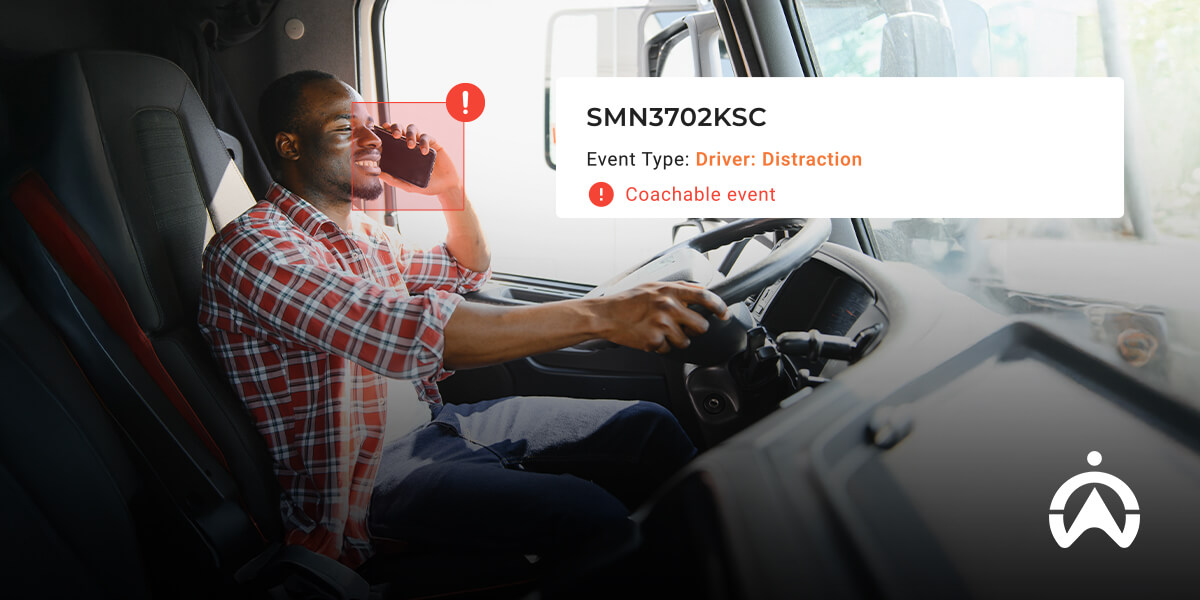
Truck driver identified using mobile phone while driving, flagged as a distraction event by Cartrack's AI-powered driver monitoring system for real-time coaching and safety improvement.

Why Cartrack is the Smart Decision for Your Fleet

Cartrack offers a comprehensive solution designed to reduce costs and maximise profitability. Here are some reasons we shine above the rest:

Flexible Costs and Packages

Here are some of our products and services that are guaranteed to reduce inefficiencies and streamline operations.

  • Bureau services: A service where we can remotely run your fleet on your behalf. Everything from route planning, driver management, fuel costs to everyday operations.
    ‍
  • Delivery: This package allows you to manage drivers while they make deliveries, you can get proof of receipt, manage job schedules and have a full overview of all the trips taken.
    ‍
  • Carpool: With this feature, you can control the allocation of vehicles to drivers, which helps in ensuring that all vehicles are used equally.

We offer a diverse product line that can be tailored to your business’s specific needs at a reasonable cost. These contracts come in 12, 24, and 36-month packages, with payments being made in cash or monthly instalments.

Advanced Telematics

Our telematics offering comes with precise GPS tracking and real-time location to help optimise a business fleet’s operation. The comprehensive solutions package includes asset management, vehicle diagnostics, and proactive maintenance alerts, helping your business reduce downtime and extend vehicle lifespan.

Precise GPS Tracking

Our tracking solutions are GPS and GSM enabled and come with unparalleled real-time location accuracy, which allows businesses to monitor their fleets with ease and precision. With tools such as live tracking, route history, and geofencing capabilities, a fleet manager can enhance productivity and performance. This is because routes will be optimised and deliveries done on time as the ETA will be more accurate. Additionally, our system provides alerts for unauthorised vehicle movements, which will make it easier to prevent theft and vehicle misuse.

Successful Stolen Vehicle Recovery

Protect your fleet with Cartrack’s industry-leading stolen vehicle recovery service, which boasts an average stolen vehicle recovery rate of over 90%. Dedicated recovery teams work around the clock all year round to swiftly locate and retrieve stolen vehicles.

Additionally, we offer remote vehicle immobilisation, emergency support, and a panic button as value-added services. We even offer a warranty in the unlikely situation that we are unable to recover stolen vehicles.

Reduced Fuel Consumption

Fuel costs are usually one of the biggest expenses for a fleet, fortunately, Cartrack’s fuel management system can help your business keep them under control. Our system has real-time fuel usage monitoring, detects inefficiencies, identifies fuel theft, and optimises overall fuel consumption. A business owner can also get detailed reports on refuelling patterns and consumption trends, empowering them to make informed decisions that can lead to significant cost savings.

Safer Driving Habits

Safe and responsible driving is non-negotiable and vital for both cost efficiency and fleet longevity. Our driver monitoring system tracks bad driving behaviours such as harsh braking, rapid acceleration, excessive idling, and speeding. A business owner can use these insights to implement training programmes which will promote safer driving habits, reduce wear and tear, and lower the risk of accidents. By improving driver behaviour, you not only enhance fleet safety but also boost fuel efficiency and reduce operational costs.

Get Cartrack For Your Fleet Today

Cartrack’s offering is customisable for every business model and is scalable to meet the needs of the business as it grows. We also work in a variety of industries in 24 countries across the globe, with a customer base of more than 115,000 businesses.

When considering which management system provider to get for your business, know that Cartrack rises above the rest and will get your fleet functioning at optimal performance.

Contact us to start saving on your fleet’s costs.

FAQs

Q: What are the challenges in fleet management?

A: Many businesses face the same challenges when dealing with a fleet of vehicles. These can be:

  • Supply Chain Disruptions
  • Fuel Wastage
  • Vehicle Acquisition
  • Vehicle Maintenance
  • Health & Safety
  • Regulatory Compliance
  • Administration & Data Handling

For some businesses, these may be more prevalent than others.

Q: What is the difference between fleet management and telematics?

A: Fleet management software works as a cloud-based digital platforms which analyse data and help manage various aspects of fleet operations. Telematics systems gather integral data points, such as fuel consumption, vehicle diagnostics, and real-time GPS location.

Q: What is included in fleet management?

A: Most systems offer vehicle tracking, telematics, route optimisation and fuel consumption management. The goal is to maintain and enhance operational cost-effectiveness, vehicle maintenance, driver and asset management, vehicle safety and compliance, and operational efficiency.

Q: What are the benefits of a fleet management system?

A: Having this system will greatly benefit your business in several ways. Some of these include:

  • Reduced costs
  • Improved driver performance
  • Comprehensive and organised reporting and analytics
  • Optimised workflows and processes
  • Fraud and theft prevention
  • Increased vehicle lifespan
  • Better work experience
  • Improved customer satisfaction

All these will have a long-term impact on the business’s growth and development.

What are the True Costs of Fleet Accidents

Many assume that accident-related costs are limited to vehicle repairs and insurance claims. However, these incidents involve hidden expenses that can negatively affect a business’s bottom line.

When a company vehicle is involved in an accident and the driver or the vehicle’s mechanics are found to be at fault, the business may be held liable for covering medical expenses and other related costs. In some cases, the company may also be responsible for property damage and legal fees. Over time, these costs can accumulate, leading to a substantial financial burden for the business.

Beyond these direct costs, the company is most likely to experience reputational damage, leading to a significant decline in customer trust and loyalty. A company with a reputation for unsafe driving practices may struggle to maintain long-term customer relationships.

Let’s explore the true costs of fleet accidents and how Cartrack’s fleet management solutions can help businesses mitigate them.

In this article, you will:

  • Know the implications of fleet accidents
  • Learn how to protect operations from fleet accident losses
  • Understand how technology can help prevent fleet accidents
  • Discover how Cartrack fleet management solutions can help mitigate the costs of fleet accidents

What Are the Financial Implications of Fleet Accidents

Fleet accidents have implications that go far beyond immediate repair costs. Understanding these consequences is crucial, especially when looking to mitigate financial losses and protect the business’s reputation.

What are the real expenses associated with fleet accidents

  • Vehicle repair and replacement costs: When a vehicle is involved in an accident, the starting point will be to get the vehicle fixed. This means buying new parts to replace the damaged ones and paying the mechanic handling the repairs.
    ‍
  • Medical and liability expenses: Companies may cover medical expenses for those injured and, depending on the situation, offer compensation for additional damages or losses.
    ‍
  • Increased insurance premiums: If fleet vehicles are frequently involved in accidents, insurance companies may classify the business as high-risk, leading to higher premiums, which can affect profitability over time.

Beyond the immediate costs, fleet accidents also generate substantial legal and reputational issues, adding further pressure to the business.

Legal implications of fleet accidents

  • Legal consequences and liability: Fleet accidents can expose the company to lawsuits, whether for personal injury, death, or property damage, leading to substantial legal costs.
    ‍
  • Regulatory penalties: An accident involving a company vehicle is often investigated. If authorities find fault in the driver’s behaviour or the vehicle’s condition, the company may be liable to pay fines and penalties for violating traffic laws.
    ‍
  • Insurance disputes and legal fees: Insurance claims investigations can take months to resolve, especially for complex cases. This often requires legal assistance, adding further expenses that impact the company’s cash flow.

Reputational implications of fleet accidents

  • Public perception and brand damage: Frequent accidents, particularly those with severe consequences, could negatively affect a business’s reputation. In the digital age, a viral social media post of a company vehicle involved in an accident can damage the brand’s reputation and deter customers from supporting the business.
    ‍
  • Customer loyalty and retention: Accidents can negatively affect a business’s operations, resulting in lower customer satisfaction rates. Customers may question associating with a company that frequently experiences accidents and may look for services elsewhere.
    ‍
  • Employee morale and turnover: Witnessing or experiencing a crash can affect the well-being of drivers, leaving them traumatised and less motivated. Drivers may need some time off at work or even counselling, which will further affect operations. If accidents happen more frequently, employees may start to question the company’s commitment to safety and leave for better opportunities elsewhere.
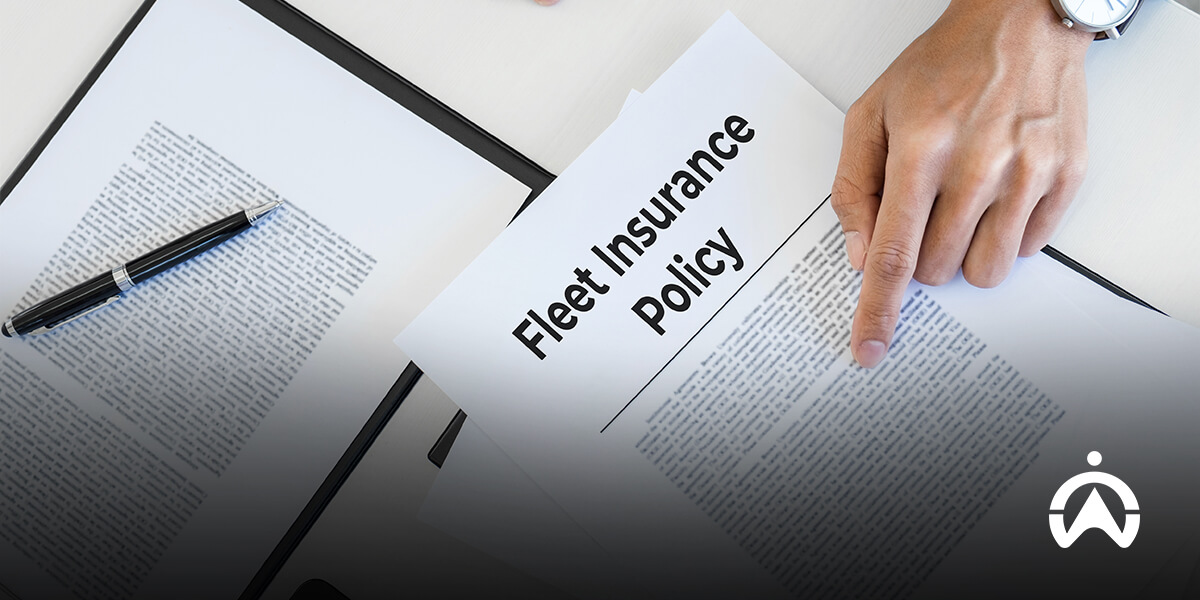
A hand points to a "Fleet Insurance Policy" document on a table, accompanied by a pen and additional papers.

How to protect operations from fleet accident losses

To protect a business from the financial, legal, and reputational losses caused by fleet accidents, managers must have a proactive approach. This means implementing strategies that can reduce the likelihood of accidents and ensure that operations run smoothly should accidents occur. Here are key ways to safeguard the fleet and business from the aftermath of accidents:

Implement Fleet Accident Management for Incident Response and Prevention

Fleet Accident Management (FAM) plays a critical role in minimising the impact of accidents on a business. It enables fleet managers to respond swiftly, manage claims efficiently, and mitigate common accident causes such as risky driver behaviour, distractions, and poor road conditions. By implementing FAM, these issues can be addressed head-on, ensuring better safety practices and reducing downtime, as well as the financial and operational consequences of accidents.

Conduct regular maintenance and servicing

Conducting regular maintenance on the fleet will significantly enhance safety, reduce breakdowns, and minimise downtime, helping save costs in the long run.

A structured maintenance schedule will cover critical things such as wear and tear, tyres, engine health, lights, and other important vehicle components. This will not only ensure vehicle longevity but will also minimise the accidents that are caused by mechanical failures, faulty parts, or poor vehicle handling. Regular inspections and timely repairs help identify potential hazards before they become serious issues, ultimately improving driver safety and maintaining operational efficiency.

In addition to regular maintenance, it is important to get the vehicles serviced on time so that issues can be detected and dealt with in time before repairs become too expensive. Regular servicing ensures that a vehicle’s components are working at optimum levels, which means better performance from all aspects of the vehicle.

Implement driver safety programs

To help reduce accidents, fleet managers can implement driver training programs that will enhance their safety on the road. Driver training programs will empower drivers to follow the rules of the road and avoid participating in unsafe behaviours such as distracted driving, speeding, harsh braking, and tailgating. Practising safe driving helps save on fuel costs and reduces wear and tear on vehicles, making them last longer.

Fleet managers can also host driver incentive programs—reward-based methods to motivate their drivers to continue practising safe driving.

Drivers can be rewarded in the following ways:

  • Monetary bonuses: Fleet managers could reward drivers with cash for outstanding performance.
    ‍
  • Recognition: Drivers could be rewarded with a certificate or trophy monthly, making them “employee of the month”.
    ‍
  • Career development: Managers could also consider promoting drivers who are consistent in their performance.

Rewarding drivers through any chosen method is a great way to keep them motivated and create a healthy working environment.

Review insurance policies and coverage regularly

Regularly reviewing fleet insurance policies ensures that coverage aligns with current operational needs and provides protection against potential risks.

As the fleet or business grows, reassessing insurance needs is important to maintain adequate coverage. This entails examining accident coverage, liability coverage, vehicle damage coverage, and theft coverage so that all areas are fully protected.

Furthermore, staying informed about industry regulations and adjusting coverage accordingly can prevent gaps that might leave the fleet unprotected in the event of an unforeseen incident. This practice helps avoid unexpected financial surprises and supports the continued safety of fleet operations.

Use fleet management solutions and telematics

Incorporating technology such as telematics and fleet management systems can significantly reduce accidents. These technologies allow operators to monitor driving habits and vehicle performance in real-time.

By tracking driving behaviours such as speeding, braking, and sharp acceleration, operators will be able to identify which drivers need training to avoid getting involved in constant accidents.

The systems will alert operators when maintenance is due, which will help prevent breakdowns and accidents caused by malfunctioning equipment. Telematics also help optimise routes through live traffic updates, weather updates, and road conditions, ensuring that drivers stay away from potentially dangerous areas.

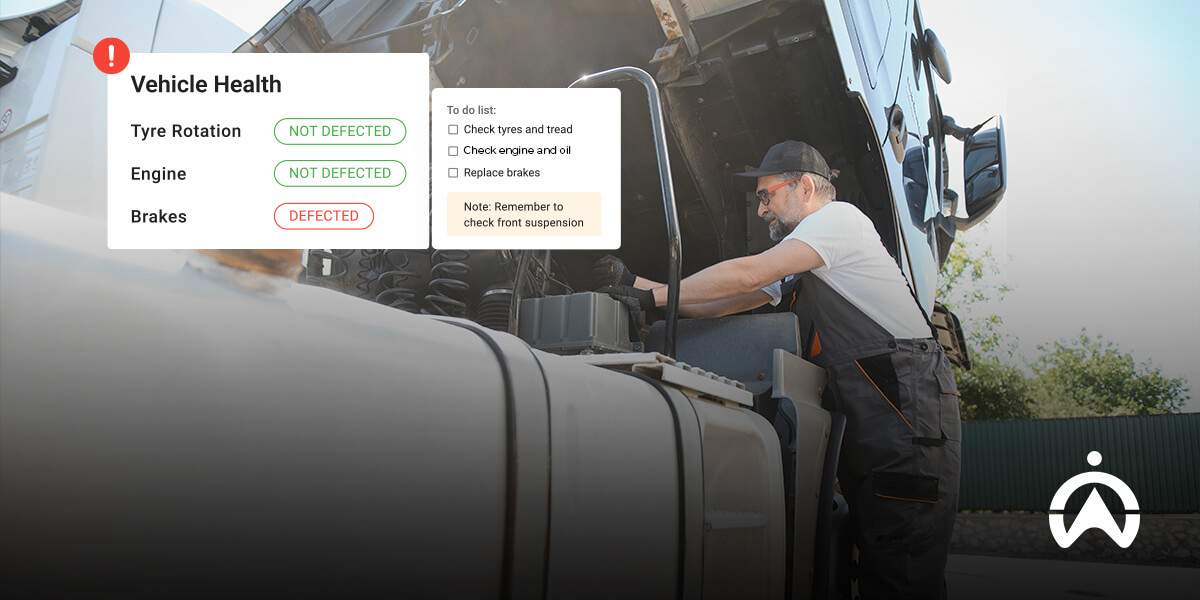
A mechanic inspects a truck's engine while reviewing the vehicle health report highlighting defective brakes and maintenance tasks.

How Cartrack helps mitigate the costs of fleet accidents

Cartrack offers comprehensive fleet management solutions that help businesses prevent and manage accidents, ultimately reducing costs.

We achieve this in the following ways:

  • Real-time tracking and alerts: Our GPS tracking devices allow managers to track their fleet in real-time, providing full visibility. In the event of an accident, instant alerts are sent to managers, enabling a prompt response during emergencies.
    ‍
  • Driver behaviour monitoring: Our system helps operators monitor driver behaviour by sending alerts every time there are harsh events like speeding, harsh braking, and cornering. With this data, fleet managers can identify drivers that need coaching to improve their performance. This will significantly reduce accident risks and promote safer driving habits.
    ‍
  • Cartrack’s AI-powered cameras: Our AI-powered cameras provide real-time monitoring with in-cabin audible alerts that notify drivers of distractions such as cell phone use, fatigue, smoking, speeding, and other risky behaviours. These alerts help drivers correct their actions immediately, which can help reduce accidents. If an accident does occur, footage can be retrieved and used to prove the driver’s innocence and can be submitted to insurance companies to help expedite the claims process. Managers can use the footage to analyse what happened and provide targeted training to drivers where necessary.
    ‍
  • Preventative maintenance: Cartrack’s system sends alerts to inform managers about any engine faults and when vehicles are due for servicing. By monitoring engine hours and usage, managers can easily stay on top of maintenance needs. This proactive approach helps ensure that the fleet remains in good condition and operates efficiently.
    ‍
  • Crash detection: Our smart IoT device uses g-force technology to detect an accident in real-time, allowing us to immediately send emergency services to the driver’s exact location so help can arrive as soon as possible. Crash detection boosts drivers’ confidence on the road, knowing that protection is available at all times should accidents occur. Companies stand a chance to be assisted sooner during the insurance claims process since all necessary information is readily available through this technology.
    ‍
  • Advanced Driver Assistance System (ADAS): ADAS uses camera-based sensors, intelligent algorithms, and AI technology to enhance driver awareness, increasing driver and vehicle safety. This system alerts drivers of blind spots and gives forward collision warnings.

In closing, investing in a robust fleet management system can reduce fleet accidents, helping save on hidden costs such as financial, legal, and reputational costs. Implementing driver training programs and conducting regular maintenance ensures that drivers and fleets are safe on the road.

Ready to safeguard your fleet and save on costs? Contact us today to achieve your business’s bottom line, leaving you with satisfied clients and enhanced profitability.

Frequently Asked Questions about accidents and fleet management systems

Q: What are the main causes of fleet accidents?

A: Factors such as human driver behaviour, poor road conditions, adverse weather conditions, and vehicle faults all contribute to fleet accidents.

Q: How does the frequency of accidents affect a company’s ability to grow?

A: Frequent accidents can deter a company from growing to its full potential due to all the costs the company will have to pay as a result of these accidents. This means the company will be working at a loss, and its bottom line will be negatively affected.  

Q: How do fleet accidents affect customer satisfaction?

‍A: Fleet accidents can cause delivery delays and service interruptions, and, in some cases, products may be lost and damaged during these crashes. This will negatively affect customers, leaving them dissatisfied and unimpressed with the service.

How to Protect High-Value Goods in Transit

High-value goods range from luxury items and electronics to sensitive medications, premium cigars, alcohol, livestock, and fine art. These goods have high value, making them prime targets for criminals and more susceptible to theft and hijacking than regular goods.

Given their importance, high-value goods require exceptional care and attention during transit. A single security lapse can lead to substantial financial losses, harm a company’s reputation, and disrupt multiple industries.

Let’s discuss the risks involved in transporting these valuable items and explore how advanced technologies like Cartrack’s fleet management solutions can help protect them while on the road.

In this article, you will:

  • Learn more about the risks associated with the transportation of high-value goods
  • Understand how technology can help mitigate these risks
  • Explore the key best practices for protecting your goods while in transit
  • Know how Cartrack solutions can help you protect your cargo

What Are the Risks of Transporting High-Value Goods?

High-value items are at an increased risk of theft due to their desirability. These goods can also be easily damaged and often come with strict regulations that must be considered during transit. Let’s take a closer look at these risks:
‍

Theft or hijacking

According to the Transporters Association of Malawi (TAM) , the most commonly targeted cargo includes wheat, fertilisers and polythene. This highlights that high-value goods are prime targets for criminals, who may either steal the items or hijack the entire vehicle.

High-value goods are highly vulnerable to theft and hijacking during transit because they go through multiple handovers, such as drivers, logistics companies, and warehouse teams. These goods are often left unprotected at unsecured rest stops or while being transferred between locations. With each handover, the risk of theft increases, as security can be inconsistent. Unlike at warehouses, which have strict security, the lack of continuous protection during transit makes it easier for criminals to target the shipment.

Accidental Damage

Due to the delicate nature of most high-value goods, they are most likely to be damaged during transit. This may result from improper handling, incorrect storage, inadequate packaging, accidents, adverse weather, and poor road conditions. For temperature-sensitive products, it could be that the temperature was incorrect throughout the trip, resulting in spoilage of items, and compromising their quality.

Accidental damage causes significant harm to the cargo, resulting in financial loss and customer dissatisfaction.

Regulatory and Compliance Risks

Noncompliance with regulations is a significant risk when transporting high-value cargo, particularly for items like pharmaceuticals or international shipments. Noncompliance with legal and safety standards can lead to hefty fines, legal action, and reputational damage. It’s important to ensure all regulations are met to avoid these risks during transit.

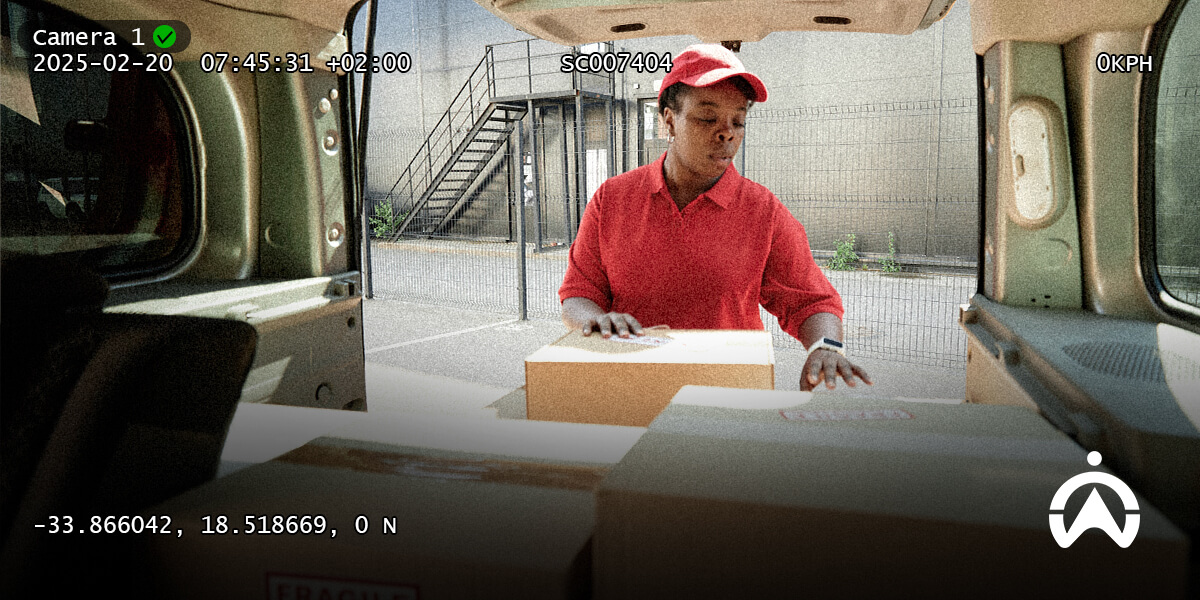
A delivery person wearing a red uniform and cap stands outside a van, preparing to handle cardboard boxes in a parking area.

How Can Technology Mitigate the Risks of Transporting High-Value Goods?

Technology plays an important role in mitigating risks associated with transporting high-value goods. Through GPS tracking and telematics, you can be in charge of your fleet at all times and will be able to act swiftly before anything happens to your cargo.

Here are some ways technology can enhance safety and security:

  • Real-time GPS tracking: You will know the location of your cargo through continuous tracking.
    ‍
  • Vehicle surveillance: Cameras and an alarm system add an extra layer of security to your fleet by deterring theft. Cameras equipped with AI technology allow you to monitor driver behaviour and provide training where necessary.
    ‍
  • Temperature monitoring for sensitive goods: Having temperature sensors will ensure that your sensitive cargo remains in good condition throughout transit, avoiding spoilage and waste.
    ‍
  • Automated alerts: Instant notifications and alerts allow fleet operators to take action if there are any changes to the fleet. This includes vehicle deviations or changes in temperatures.
    ‍
  • Remote immobilisation: Many tracking systems feature immobilisation options, enabling fleet managers to disable the vehicle remotely if stolen. This improves the chances of recovery and ensures better protection for the vehicle.

What Are the Best Practices for Protecting High-Value Goods in Transit?

When protecting high-value freight during shipment, you need to have a strategy that covers all bases. This means enhancing your security, conducting regular inspections and maintenance, and minimising stops on the way.

Here are some key best practices to help you get it right:
‍

Strengthening Security Protocols for Drivers

Fleet operators should train drivers in secure cargo handling and emergency response protocols. These training programs will equip drivers to know how to identify when something is wrong, and they will be able to act swiftly in an emergency.

Drivers must ensure they know which protocols to follow while on the move; this includes checking for tampering, knowing how to use panic buttons, and reporting incidents immediately.

Drivers are basically in charge of your cargo and vehicles, so they must be protected at all times to ensure that the goods get delivered safely and securely.

Conducting Regular Vehicle Inspections and Maintenance

It goes without saying that the vehicles used to transport these high-value goods need to be properly maintained to avoid unnecessary breakdowns on the road.

Managers must schedule regular inspections and ensure that vehicles go for servicing as and when required to prevent breakdowns. These inspections include checking security systems such as alarms and GPS tracking devices to see if they are still functioning as they should.

Regular checks can help identify and solve issues before they become major problems, posing potential threats to the cargo.

Minimising Stops and Delays During Transit

In order to make timely deliveries, fleet operators must make sure that the routes have minimum stops. Fewer stops reduce the risk of unauthorised access or tampering while improving fuel efficiency and delivery timelines.

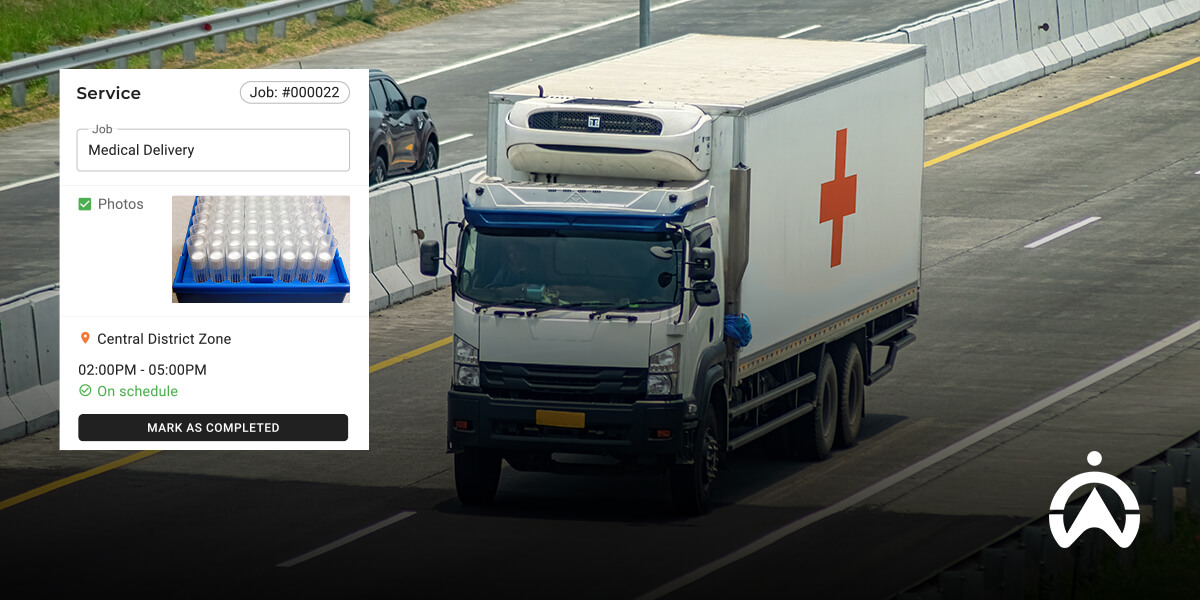
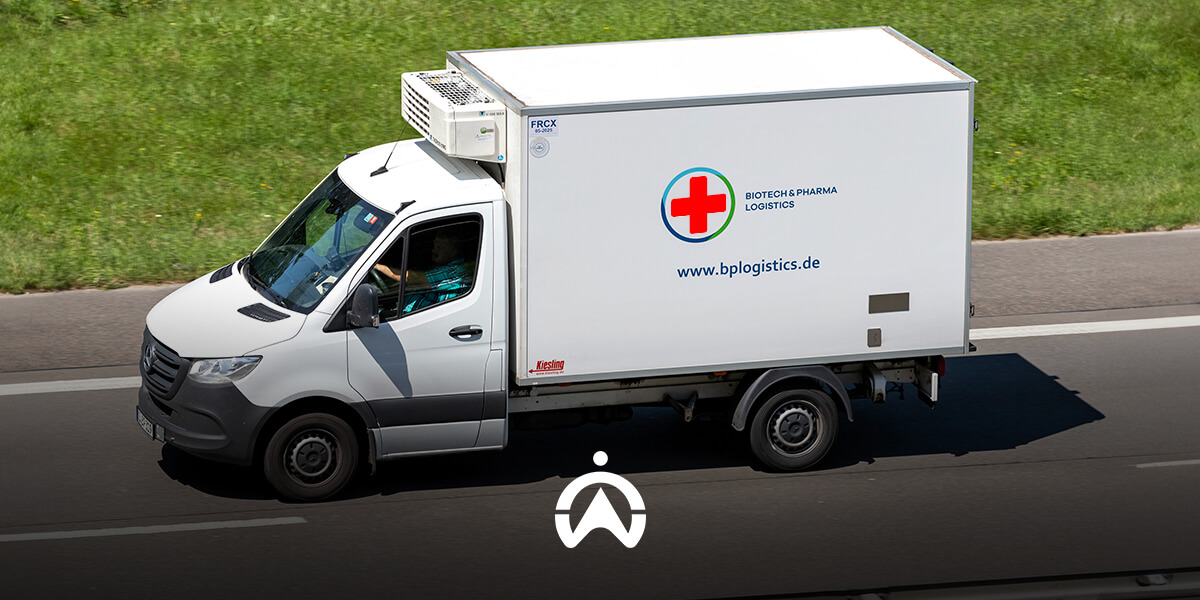
A medical delivery truck drives along a highway, accompanied by a job summary for scheduled deliveries.

How Can Cartrack Solutions Help Protect High-Value Goods?

Cartrack’s fleet management solutions ensure that your high-value freight is protected throughout its journey, ensuring that products are delivered in the right condition. Here’s how:

  • GPS tracking: Fleet managers have full fleet visibility through real-time GPS tracking, which allows them to monitor vehicle locations, track routes, and respond quickly to any issues or delays.
    ‍
  • Route optimisation: Cartrack’s fleet management software allows operators to optimise routes, ensuring timely deliveries. This feature enables drivers to use the fastest routes with less traffic congestion to avoid delays. You will get alerts if the vehicle deviates from these planned routes.
    ‍
  • Geofencing: Operators can identify unsafe areas such as hijacking hotspots and set geofences around these zones. They will be notified via SMS or email should the vehicle enter these zones.
    ‍
  • Temperature sensor: Cartrack’s temperature monitoring solution supports up to four sensors per vehicle, ensuring real-time oversight of perishable goods.
    ‍
  • AI-powered cameras:Cartrack’s AI-powered cameras act as an extra set of eyes on the road, helping operators monitor driver behaviour. The cameras detect unsafe behaviours such as harsh braking, speeding, smoking, or mobile phone usage. Our AI dual-vision cameras will audibly send alerts to the driver in real-time so they can correct their behaviour.
    ‍
  • Panic button: If drivers are in a compromising situation like an emergency or a hijacking, they can simply press the panic button, which will instantly send a silent alert to our control room. An operator will instantly alert the fleet manager and coordinate emergency response if required.
    ‍
  • Cargo door sensor: Cartrack’s cargo door sensors instantly detect unauthorised access and trigger alerts for swift action.
    ‍
  • Start prevent: Fleet managers can immobilise a vehicle on the fleet management web interface. The vehicle will be immobilised once the ignition is turned off, ensuring the safety of both the vehicle and the driver.
    ‍
  • Driver scorecards: Our driver scorecards track high-risk behaviours like speeding or harsh cornering. Each driver receives a rating, allowing fleet operators to pinpoint areas for improvement and offering the opportunity to coach drivers and improve their driving habits.

Cartrack offers you solutions to protect your cargo better, leaving you with satisfied clients. Contact us today for a tailored security solution.

Frequently Asked Questions about high-value goods

Q: What type of insurance is necessary for transporting high-value goods?

A: To cover your high-value goods, get an all-risk insurance, which offers the most comprehensive coverage. It protects your goods against a wide range of risks, including damage, theft, loss, and accidents.

While we don’t provide insurance directly, our insurance agency can help you find the right insurer that fits your needs and budget.  

Q: Does Cartrack offer any solutions for improving the safety of high-value goods during nighttime transport? 

A: Yes, we do. It is important to note that our GPS tracking units continuously track your vehicles 24/7, and our operators are also available to assist you with anything you need. Our cameras are designed to perform effectively in low-light conditions, which means they will be able to capture clear and reliable footage even at night.

Q: Can a fleet management system help recover stolen high-value goods? 

Yes, Cartrack’s fleet management system can help recover stolen high-value goods. With real-time GPS tracking, geofencing, and instant alerts, fleet managers can quickly locate stolen vehicles and coordinate with law enforcement and Cartrack’s recovery team to recover the vehicle transporting the goods.

Fleet Management for E-Commerce

We live in an age when almost everything can be bought online from almost anywhere. This is mostly due to the growth of the internet.

This situation has necessitated solid fleet and delivery management software to manage the ensuing logistics of delivery.

Let us discuss e-commerce fleet management and how Cartrack is the best partner for this job.

In this article, you will:

  • Learn why there is a growing need for e-commerce logistics management
  • Discover what the challenges are for e-commerce businesses and fleet management
  • Find out why fleet management is ideal for the e-commerce sector
  • Understand why Cartrack is best suited to the e-commerce business model

The Growing Demand for Efficient Fleet Management in E-Commerce

The impact of online shopping on delivery operations has been profound. This convenience is made possible by efficient and timely deliveries, a vital component for any e-commerce business.

Fleet management helps this sector by providing solutions for companies looking to simplify the process between ordering and last-mile delivery of products. This means aligning, drivers, route planning, time management and proof of receipt, by doing this e-commerce business can have hassle-free movement of goods.
‍

Here are some key points to know about the growing demand for e-commerce logistics:  

What are The Challenges in E-Commerce Fleet Management

According to Statista’s Digital Market Outlook, the number of e-commerce users in Malawi is forecasted to grow from 1.2 million in 2029, Many logistical challenges beset e-commerce businesses, most of them concerning last-mile delivery.

Effective order and delivery management will require a solid fleet management system, which will therefore help mitigate some of the hurdles that may arise in handling delivery. With more consumers shopping online, e-commerce businesses face growing challenges, including delivery instructions, duty fees, and shipment disputes.

Let us take a closer look at some challenges an e-commerce business can face.
‍

Delivery Delays

Deliveries are the backbone of an e-commerce business. They make up an important part of the business model that allows this type of venture to thrive. Therefore, delays threaten this kind of business the most. These delays are often caused by poor route planning and traffic congestion. Such inefficiencies break down the flow of work and result in a snowball of delays.

The impact of poor fleet visibility on delivery times is huge. Here’s how:

  1. There are vendors who are unaware of what happens to their products once they have been sent off to the client.
    ‍
  2. There is no means for them to track where it is on the journey or if it has been delivered at all.
    ‍
  3. This inevitably creates issues with customers when there are delays and the vendor is unable to provide any information on the status of the delivery.
A woman sits on a couch, checking her phone for delivery updates with a map showing the delivery route and estimated arrival time.

Rising Fuel Costs and Driver Salaries

Some e-commerce businesses have vehicles that do deliveries exclusively for the business. These can range from motorbikes, cars, vans and even large cargo trucks. Managing fuel costs for a delivery fleet, regardless of size, needs tight financial management and precise reporting.

  • ‍Fuel Costs
    Fuel costs are usually affected by the typical reasons, namely, fuel price change, inefficient routing, and idling. These factors contribute significantly to rising fuel costs in e-commerce logistics. What often makes this a challenge is that many businesses do not have efficient systems in place to manage this system. Most still use paper systems and rely on petrol cards to monitor fuel usage and the costs that come with it.
    ‍
  • ‍Driver Salaries
    Another cost that often affects operational expenses is driver salaries. This becomes an issue when drivers are not allocated jobs efficiently. This can lead to drivers being paid when there are not enough deliveries to justify their wages. The inverse is also true, where there are too few drivers for the jobs needed, necessitating the need to get additional drivers last minute to cover the workload. This ultimately affects operational costs in the long run.

Security Risks and Theft

Security of both the vehicle and the items in delivery can be a major headache for many businesses involved in deliveries. Here are some insights to be aware of:

  • Theft usually occurs depending on the type of products being delivered, with higher-value items such as jewellery and high-tech gadgets becoming the prime objects of attack.
    ‍
  • Theft risks affect both long-distance and local deliveries, making security a concern for the entire e-commerce sector.
    ‍
  • These thefts have a significant impact on businesses, they affect customer satisfaction and lead to high insurance premiums for vehicles and packages.
    ‍
  • This means that businesses incur losses on products that are stolen and need to be re-delivered to customers.
    ‍
  • The need for proactive security solutions is the best solution in the long run.
    ‍
  • Most businesses rely on the driver’s ability to discern and avoid this crime, often with little to no support.
    ‍
  • For businesses that outsource the delivery process, they trust that the service provider will handle all security risks and put in the appropriate measures. This unfortunately isn’t always the case as some delivery companies are not large enough or established enough to have robust security systems and protocols.

Why You Should Implement Fleet Management in E-Commerce Businesses

Most of the challenges that e-commerce businesses face can be resolved by implementing a comprehensive e-commerce fleet management system. This will assist in managing and even addressing some of the pain points that come from having to deal with deliveries from an online customer base along with general fleet maintenance.

The benefits that come from having such a system are many, let’s explore what you should get when installing one.

Enhanced Delivery Efficiency with GPS Tracking

Getting deliveries done on time and in the most efficient manner is crucial for a business that functions entirely online. One of the best ways to enhance this is by getting delivery fleet management software that comes with route optimisation and GPS tracking.

These functions will ensure that both the vendor and the customer are always updated on the progress of the delivery and that it is being done in the most efficient way possible. Real-time tracking ultimately optimises fleet performance and leads to faster and more organised workflow.

Improved Fleet Security and Driver Safety

Knowing where deliveries are as they are happening allows for more security measures to be put in place. These security measures protect both the cargo and the drivers, as both can be located and retrieved early when a theft occurs.

Some e-commerce fleet management systems include camera systems that monitor driver behaviour with telematics technology and dashcams to record footage of the journey. The telematics component of the fleet management system allows for the additional monitoring of driver behaviour.

Vehicle recovery solutions reduce financial losses and give both drivers and business owners peace of mind.

Reduced Maintenance Costs

Automation and telematics technology cut the costs of many e-commerce businesses in varying ways. With telematics, a business owner can receive alerts on when a vehicle in the fleet needs to be serviced through the use of predictive maintenance technology in the fleet management system. This will save costs in the long run as it reduces wear and tear and costs associated with repairs.

Why Choose Cartrack for E-Commerce Fleet Management

Cartrack is an industry leader in fleet solutions and has some of the most comprehensive product offerings out on the market that can manage commercial vehicles effortlessly. These solutions cater to a variety of industries, of which e-commerce is one.

For an e-commerce business owner looking to take their business to the next level, few other service providers compare to Cartrack. The fleet management system offered, called MiFleet, has technology that enhances delivery operations and keeps the fleet safe and functioning optimally.

Here is what you get when you choose Cartrack as a partner:
‍

Real-Time GPS Tracking

Cartrack’s delivery fleet management software offers live tracking of vehicles allowing for full visibility and route efficiency. This GPS fleet management solution is available for all vehicle types and can function in all terrains, locales and environments without significant disruption.

The movement of your drivers and packages can be seen on the Cartrack Mobile App along with a view of the journey courtesy of our Vision camera solutions. Not only do you follow where they are geographically, but you also get a detailed look at what is happening on the journey.

These cameras can be installed in up to eight different locations on the vehicle to monitor all the happenings while delivery is underway. This offering from Cartrack caters well to e-commerce businesses that do long-distance deliveries, even across borders.

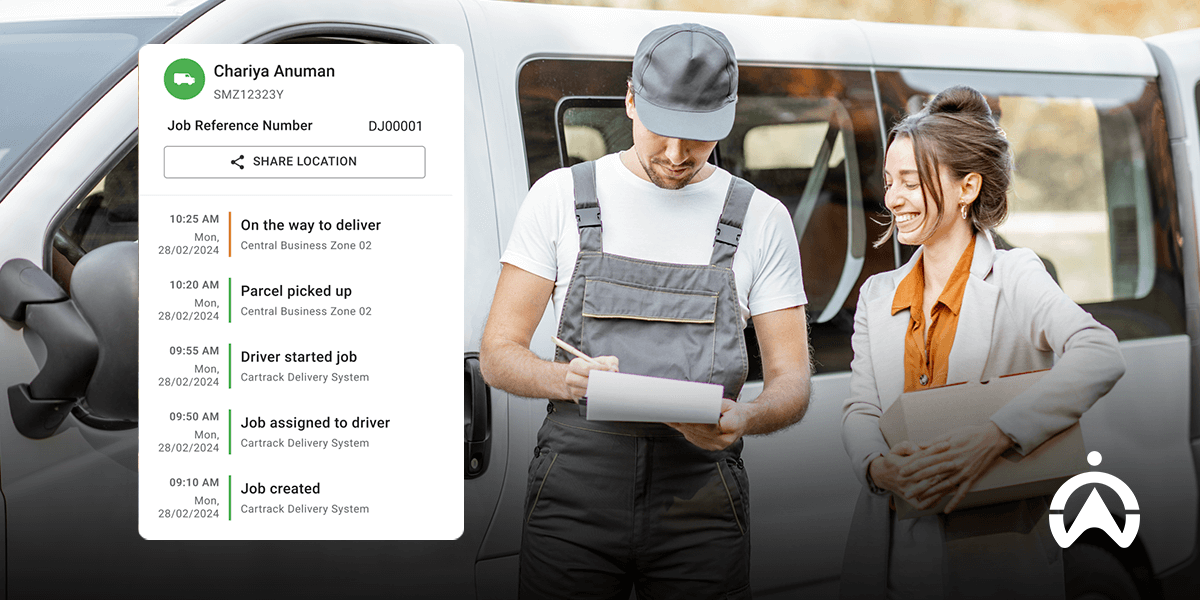
A delivery driver checks a job status on a mobile app while interacting with a customer, surrounded by a delivery van.

Route Optimisation

MiFleet offers AI-driven smart routing to reduce transportation times and fuel costs, this technology optimises all deliveries and keeps delays at a minimum. The ability to optimise delivery routes based on distance, time sensitivity, volume and driver availability is all possible with Cartrack’s system. All these features make the management of deliveries an easy process, one that can be done from the comfort of your own home thanks to the Cartrack Mobile App.

Driver Behaviour Monitoring

For an e-commerce business with an in-house set of vehicles for deliveries, driver behaviour is important. It is this factor that often plays a role in how deliveries are and the condition the packages arrive in. Monitoring speeding, harsh braking, and idling are just a few of the many metrics that can be monitored and reported with a telematics unit from Cartrack.

Monitoring these driving habits not only keeps the deliveries arriving safely but the drivers as well. Fatigue, smoking, an obstructed view and yawning are all recorded and flagged as bad habits. These are sent as alerts to the fleet manager, allowing them the chance to directly contact the driver to intervene. This intervention can be a direct call as the journey is underway or coaching provided later on once the footage has been downloaded.

Fuel Management Solutions

Cartrack’s fleet management system has tools to track and control fuel consumption, these tools can measure mileage, fuel consumption and fuel flow. Fuel is one of the largest expenses for a business that delivers directly to consumers. Curbing the fuel wastage on all fronts saves on this expense and will give the business some financial leeway.

Stolen Vehicle Recovery

With a 90% stolen vehicle recovery rate, Cartrack stands in a lane of its own with no other competitor providing such certainty. This high recovery rate comes courtesy of our audited financials and is proof of the success of our recovery teams.

When delivering goods rapid response solutions to recover stolen vehicles and cargo are paramount. This is why getting a fleet management system that comes with this service is essential.

E-commerce is an industry that is growing globally as more and more territories adopt internet use and fintech solutions. This only means that the delivery systems and logistics in place need to be robust and carefully considered.

Camera Solutions

Camera solutions are a necessary component of fleet management in e-commerce, especially if the business is in charge of its own deliveries. Fortunately, Cartrack has AI-powered camera solutions that can be placed in up to eight different locations on a vehicle. These cameras keep your drivers safe with preventative in-cabin voice alerts that let them know about potential safety violations so they can correct them immediately.

Cartrack Delivery

Cartrack’s fleet management system has a unique value-added service that caters specifically to deliveries. It allows for the allocation of drivers, vehicles, jobs and work shifts all on one platform.

These features make it manageable to delegate work, keep track of multiple deliveries and verify when deliveries have been made. There is even a feature that allows for photographic evidence of delivery along with the signature of receipt. This is ideal for any online business that needs to manage stock and customer expectations.

As it currently stands Cartrack’s solutions are some of the best suited for this transition. If you are interested in hearing more about our offering call us to BOOK A DEMO AND GET A QUOTE TODAY.

Fleet Management for the Pharmaceutical Industry

Behind every pharmaceutical delivery lies a patient waiting for life-saving medication. With lives literally on the line, the pharmaceutical industry operates under intense pressure to maintain the integrity of its supply chain.

Unfortunately, due to sensitive pharmaceutical products, the industry faces a lot of challenges; the products need to be transported in temperature-controlled containers so that the quality is not compromised. Security is also a huge factor to consider since these products are popular in the black market.

This is where fleet management solutions come in; these systems can ensure that every delivery reaches its destination safely and on time.

We will now unpack ways fleet management can be used to transport pharmaceutical products and discover how Cartrack solutions support the cold chain industry.

In this article, you will:

  • Know the importance of fleet management in the pharmaceutical industry
  • Learn key components of pharmaceutical fleet management
  • Explore how Cartrack solutions support the pharmaceutical industry

The Importance of Fleet Management in the Pharmaceutical Industry

The pharmaceutical market in Malawi has significantly grown over the years and continues to do so. It is expected to generate revenue of US$114.90m this year, proving that it contributes not only to the health sector but also to the whole economy.

This is why efficient and reliable fleet management is important. It’s more than just getting from point A to point B; it’s about making sure that life-saving medications and vaccines arrive safely, securely, and on time.

Fleet management systems help pharmaceutical companies oversee every aspect of their vehicle operations. This includes making sure that vehicles are properly maintained to avoid breakdowns, that drivers are well trained and monitored, and that routes are optimised for speed and safety. By paying attention to these details, companies will not only reduce risks like theft and temperature control issues but will also ensure that they’re meeting strict industry regulations.

Ultimately, effective fleet management allows pharmaceutical companies to focus on their core mission, which is to provide quality healthcare products while knowing their deliveries are in good hands.

A pharmacist in a white lab coat handles a cardboard box in a dimly lit storage area filled with stacks of boxes.

Key Components of Pharmaceutical Fleet Management

The industry is quite niche; it requires proper handling and transportation; otherwise, if not handled with care, the efficacy of the products will be compromised. To avoid this, the industry will need to adopt fleet management solutions. Let’s explore the key components of pharmaceutical fleet systems:

Maintaining Compliance with Regulatory Standards

Shipping regulations are among the most important things to consider when distributing pharmaceuticals. These regulations are set in place to protect the integrity and quality assurance of the medicine and vaccinations.

In Malawi, all pharmaceutical distribution companies must hold a certificate from the Pharmacy and Medicines Regulatory Authority (PMRA), which ensures that all medicine entering or leaving the country retains the required quality, safety, and efficacy.

The Malawi Pharmacy and Medicines Regulatory Authority (PMRA) has set out rules relating to good pharmacy practice. These include:

  • Temperature must be controlled at all times to ensure the integrity of the products.
    ‍
  • The vehicles must be clean to avoid cross-contamination.
    ‍
  • Drivers transporting these products must be appropriately trained in terms of an approved unit standard for cold chain management and must provide suitable documentation as proof. They must ensure that the correct procedures are followed to maintain the cold chain within the manufacturer’s specification.
    ‍
  • The trailers or containers must be properly maintained to avoid unnecessary breakdowns on the road.
    ‍
  • The vehicles must be approved for transporting thermolabile pharmaceutical products. Examples include refrigerator trucks, cars, ships, and containers. The products must be transported in any mode of transportation that is permanently enclosed or sealed. Open vehicles are not permitted to transport these products.
    ‍
  • Routes must be planned and assessed to ensure that delays and/or exposure to extreme temperatures are correctly assessed.

A fleet management system can help track all transportation activities, generating detailed delivery times, routes, temperatures, and driver performance. This data provides documentation that can be used for audits and demonstrates compliance with industry regulations.

Ensuring Safe and Temperature-Controlled Transport

To preserve their effectiveness, many medications must be transported within specific temperature ranges, often requiring cool or cold conditions.

Fleet management software has temperature sensors to ensure that vehicles maintain the desired temperature throughout the journey, ensuring product integrity and compliance with regulatory requirements.

Securing High-Value Pharmaceutical Shipments

Medication is expensive, so it is no surprise that pharmaceutical shipments are susceptible to crime.

Since there is high-level security at warehouses where the pharmaceuticals are stored, criminals are most likely to attack during transit.

A fleet management solution will ensure that fleet managers are aware of the container’s location through continuous real-time GPS tracking. Drivers will only use planned and optimised routes to ensure the safest and quickest routes, with no unnecessary delays on the way. Tools and features such as cameras and geofencing add an extra layer of security.

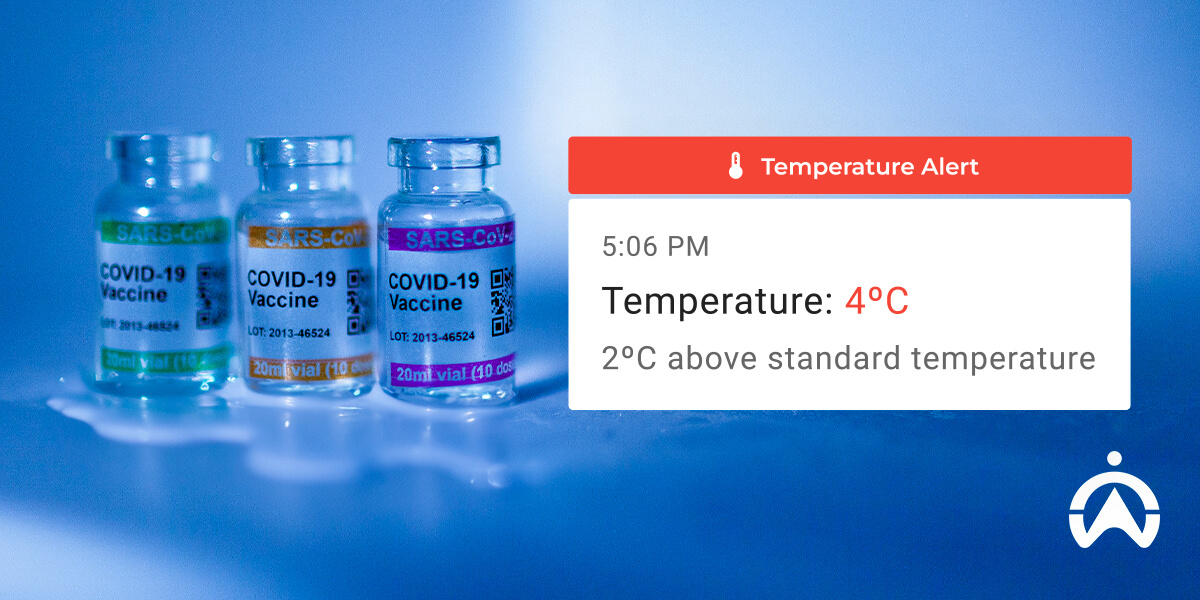
Three COVID-19 vaccine vials with a temperature alert, indicating 4°C, 2°C above the standard temperature.

How Cartrack Solutions Support Pharmaceutical Fleet Management

Cartrack’s fleet management solutions help businesses in various industries to meet their bottom line. The pharmaceutical industry is no different. Let’s explore ways our solutions can ensure safe transportation of medication and vaccines, helping patients get the treatment they need:

  • ‍Temperature sensors: We can install up to four temperature sensors on your containers or trucks. This lets you monitor and maintain the temperature of your cargo throughout the whole journey. You can set up alerts for any temperature changes, helping ensure that the medication arrives in the right condition to patients.
    ‍
  • ‍GPS tracking: Through real-time GPS tracking, fleet managers will have full visibility of the shipment. They will be able to see the location of the vehicle at all times.
    ‍
  • ‍Geofencing: Fleet managers can set geofences around areas that are unsafe, such as areas that are hotspots for hijacking, and will receive instant alerts either through SMS or email if the vehicles enter these areas.
    ‍
  • ‍Driver ID tags: Identification tags help managers know which driver is driving which vehicle and at what time. This is very important in the pharmaceutical industry since only highly trained drivers who know how to deal with high-value cargo can transport medications. These tags allow managers to monitor driver behaviour such as speeding, harsh braking, and idling to hold drivers accountable for their behaviour and provide coaching if necessary.
    ‍
  • ‍Preventative maintenance: Cartrack’s preventative maintenance feature gives you real-time alerts of engine faults and automated vehicle maintenance schedules for each vehicle. This lets you know which vehicle is due for servicing, helping avoid unnecessary breakdowns and ensuring regulatory compliance.
    ‍
  • ‍Route optimisation: Our fleet software allows fleet operators to optimise routes, ensuring timely deliveries. This feature allows drivers to use the fastest routes with less traffic congestion. You will receive alerts for any deviations from these routes.
    ‍
  • ‍AI-powered cameras: Cartrack’s AI-powered cameras act as an extra pair of eyes on the road, helping operators monitor driver behaviour. These cameras can detect risky behaviours such as smoking, speeding, or mobile phone usage. Our AI dual vision cameras have a built-in speaker that will audibly alert drivers in real-time so that they can correct their behaviour and prevent an accident.
    ‍
  • ‍Cargo door sensors: You will get instant alerts if cargo door sensors detect any unauthorised movement, which suggests potential tampering. You can then contact your driver to verify if all is in order.
    ‍
  • ‍Panic button: If drivers encounter an emergency or find themselves in a compromising situation such as a hijacking, they can simply press a panic button, which will instantly send a silent alert to our control room. An operator will be in touch with the manager to investigate and provide necessary assistance.

In closing, the pharmaceutical industry experiences many challenges when transporting life-saving medication and vaccines, especially regarding temperature control, security, safety, and compliance with regulations. Pharmaceutical companies are not just regular businesses where a mistake can easily be overlooked; one mistake in the distribution of these pharma products can unfortunately claim a life. Telematics systems ensure that operations run smoothly, and that medication and vaccines are delivered safely with their quality and integrity still intact.

Contact us today to enquire about how we can help your business reach its full potential.

Frequently Asked Questions about Fleet Management

Q: Is it possible to have different temperature zones within the same cargo area, and can Cartrack monitor those zones independently? 

A: Yes, it’s possible. Depending on your needs, we can set up different temperature zones inside your vehicles. We can install up to four sensors in a vehicle that report separately so that you can keep each type of medication at the right temperature, even in the same shipment.

Q: Is it possible to track multiple pharmaceutical shipments simultaneously?

A: Yes, on our web interface or mobile app, you are able to manage and track multiple deliveries all at once.

Q: Are fleet management systems scalable for pharmaceutical companies of all sizes? 

A: Companies of all sizes can benefit from fleet solutions. Whether a company has a few vehicles or a large fleet, the system can be customised to match the operational scale and complexity, offering flexibility and cost-effectiveness.

Optimised Fleet Solutions for Refrigerated Transport Services

The global demand for refrigerated transport services has increased over the years due to the rise in e-commerce. Nowadays, people buy food and medication online, which has increased the need to transport products in agriculture, food and beverages, and pharmaceuticals.
Refrigerated transport services play a vital role in modern global supply chains. They make sure temperature-sensitive goods such as vegetables, seafood, and fresh flowers reach their destinations in perfect condition. Without the right technology, this essential service can get quite complex.

Today we explore everything you need to know about fleet solutions for refrigerated transport services.

In this article, you will:

  • Get a brief understanding of the cold chain logistics industry
  • Discover three main challenges faced by refrigerated transport services
  • Find out how Cartrack solutions make it easier to run a refrigerated transport business

All you need to know about refrigerated transport services

Temperature-controlled trucks enable businesses to reduce their transportation costs by transporting products by road, which is cheaper than shipping by air. This form of transport service is also known as cold chain logistics. The main objective of this industry is to maintain product quality and safety throughout the entire supply chain.

These goods can be on the road for days before reaching their destinations, so there have to be strategies in place to ensure that they are transported efficiently—that’s where fleet management technology comes in.

Understanding the needs of refrigerated transport

There are many obstacles that refrigerated transport businesses come across daily, most of which can be avoided through advanced technology. Here are three major challenges faced by most businesses that offer refrigerated transport services:

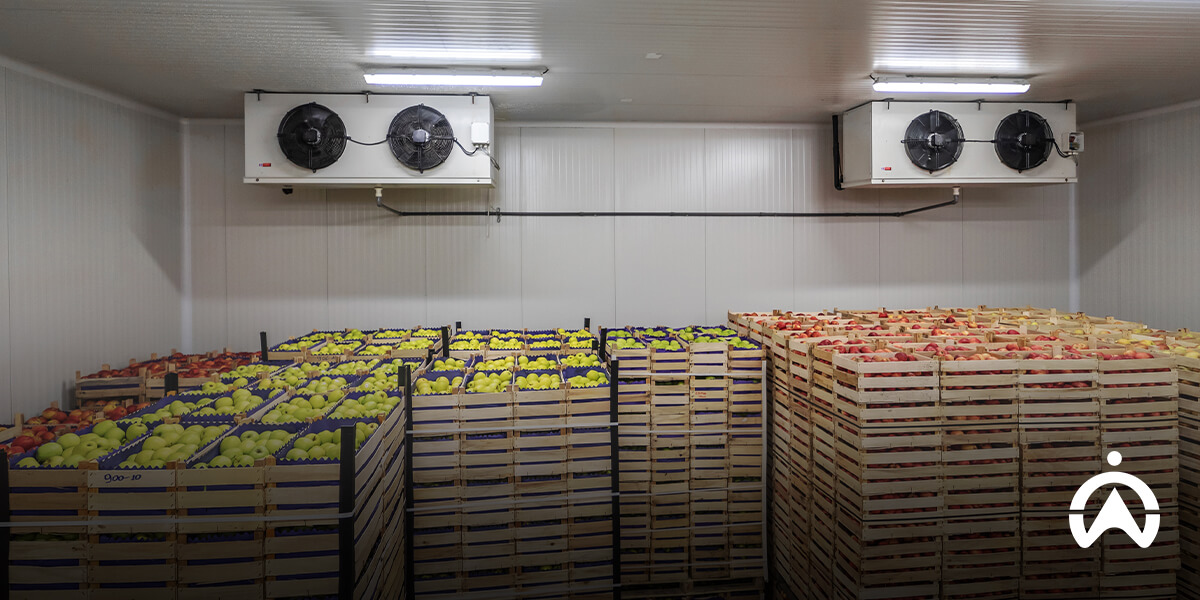
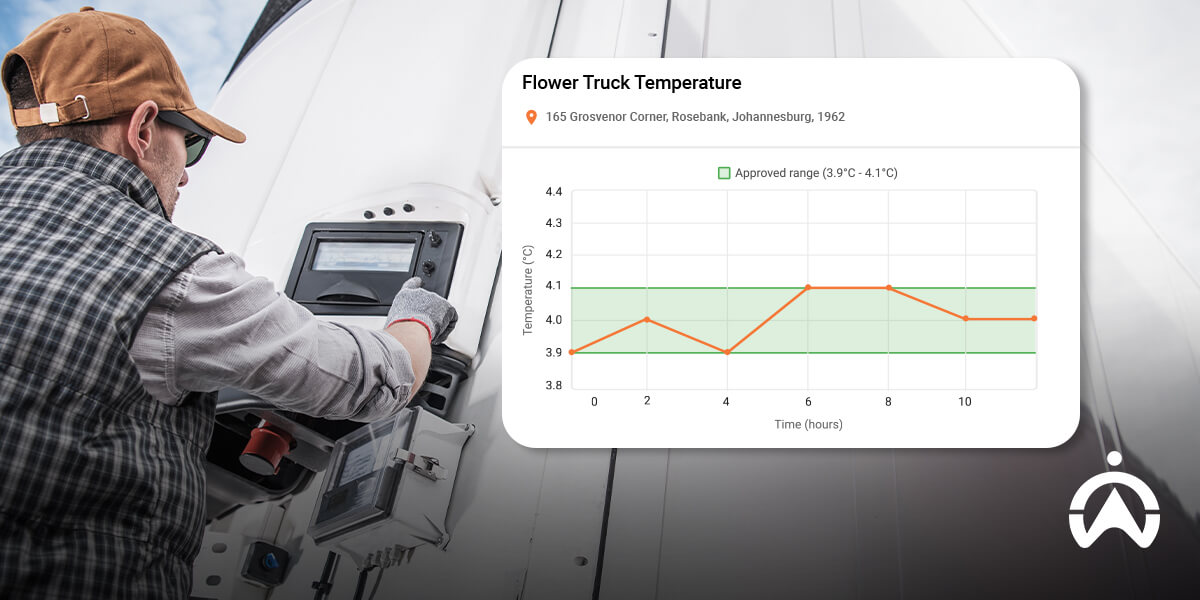
  • Temperature Sensitivity: It is important to maintain a specific temperature range when storing and transporting refrigerated goods. The temperature depends on the type of product it is. For example, fruits and vegetables require a temperature range of 2℃ to 4℃, while seafood needs to be frozen at -28℃ to -30℃. Products such as vaccines are so sensitive that they require constant controlled temperature from the moment they are manufactured. If the temperature changes, even for a short period, they could lose potency and become unfit for use. For this reason, there has to be an unbroken transport chain. This means, from the production stage, through distribution, to delivery, the products must be kept at a constant controlled temperature. Achieving this result can be difficult due to factors such as extreme weather conditions and the opening and closing of cargo doors during the loading and offloading stage. With the right technology, the issues surrounding temperature sensitivity can be quickly resolved.
  • Timeliness: Being on time is important for many businesses, but for temperature-sensitive goods, it is crucial. Drivers are constantly under immense pressure to reach their destinations without delay. A delay during the delivery stage may cause temperature fluctuations, which then affect product quality. This also shortens the shelf life of products such as fruits and vegetables, meaning the products cannot be in the store for long once they reach their destinations. For this reason, some retailers have strict guidelines that can result in steep penalties for deliveries that arrive late. There are many things that prolong transit times, such as vehicle breakdown, taking longer routes, or border clearance. This heightens the need for real-time visibility, properly planned routes, and good communication.
  • Compliance: A major challenge is that fleet businesses for refrigerated goods need to adhere to strict industry regulations and standards. Transporting temperature-sensitive products, particularly food, requires good hygiene and total reliability. The food transportation businesses are regulated by law. These regulations first address the hygienic aspect, stating that the vehicle compartment must be clean to the extent that physical or microbiological contamination of the food is prevented. Secondly, it is important that the vehicle itself is reliable; the vehicles must be in good condition at all times because that is also a reflection of the refrigerated compartments. Failure to adhere to such regulations will result in heavy fines or the business being deemed unfit for the role.
Industrial cold storage room filled with wooden crates of apples, with cooling units on the wall.

How to Monitor Refrigerated Cargo with Cartrack

Cartrack gives you optimised fleet management solutions for your refrigerated transport service so you can focus on happy clients and making a profit. Here’s how we help:

Real-time temperature monitoring:

Cartrack offers up to four temperature sensors to remotely monitor the temperature of your cargo. With this, you can receive alerts on any temperature fluctuations and reports that show temperatures stayed within the compliant range. For example, you can get alerted if temperatures go outside your approved range and correct them before produce or goods go off. If products spoil, cargo temperature reports can help prove that transportation was not the cause.

Secondly, through our cargo door sensors, you get to know when cargo doors open and close and get real-time alerts as well as reports that give you the location and duration of the sensor activity. This means you will immediately know when cargo doors are opened and whether they were opened outside of your pre-approved pickup or drop-off zones. The reports show you how long your reefer trailers’ cargo doors were open, so you can identify temperature fluctuations caused by drivers leaving them open.

Route optimisation

Reduce transit time to preserve product quality with our route optimisation service. This feature helps you avoid longer travel times that could cause delays and also affect product quality. Our system automatically creates job routes for drivers that minimise mileage and fuel costs. With this tool, you will know when drivers did not go according to the planned routes so you can quickly address the issue.

Fleet location tracking

Live location
Cartrack gives you full visibility of your vehicles in real-time, so you know where they are at all times. Our GPS tracking technology shows you accurate vehicle locations so you can ensure safe and efficient travelling.

Geofencing
Create virtual fences around areas of your choice, such as drop-off zones and filling stations, to ensure route compliance and that drivers adhere to their schedules. Our geofence feature alerts you whenever drivers enter or exit these zones so that they start and end their shifts at the correct times to enhance productivity and streamline operations.

Driver management

In addition to having technology that will keep your refrigerated cargo in good condition, drivers also need to be trained on how to handle temperature-sensitive cargo. To make it easier, Cartrack has a driver coaching platform that helps monitor driver behaviour so you can have a record of incidents, such as when cargo doors are left open for long. Drivers can then be called in for a coaching session in order to improve their habits.

Predictive maintenance

Our IoT-powered fleet management tools help you reduce downtime and maintenance costs while boosting productivity. With this, you get accurate odometer readings for internal reporting and vehicle management. You also receive information on engine diagnostics so you can send vehicles for repairs before the problems become bigger. This helps prevent unexpected delays caused by vehicles breaking down, which could compromise goods. Additionally, you can record, update, and store maintenance activities digitally for easy reference and convenient reporting.

Man adjusting truck refrigeration unit with a "Flower Truck Temperature" chart displayed.

Ensure your refrigerated cargo stays fresh at all times

Cartrack specialises in all things fleet management. Our solutions are here to boost your fleet’s productivity, streamline operations, and reduce costs. With us, your refrigerated cargo will always be closely monitored to ensure your clients receive the goods in the best possible condition. Contact us today and get a free quote.

Here are some frequently asked questions about refrigerated cargo

How to transport refrigerated goods?

Firstly, the goods need to be properly packed using materials that are meant for packing refrigerated goods, such as styrofoam, dry ice, and gel packs. The packaging must keep the heat out so the products can remain frozen.

Secondly, there are vehicles that are specially designed for this task, such as reefer trucks and reefer trailers. You need to choose vehicles with refrigeration and freezing systems that meet your specifications and carefully plan the transportation process.
Lastly, you need to invest in a fleet management system that will help you monitor cargo temperatures in real time, so you always know what’s going on and ensure that the goods remain in desired conditions.

What is the demand for refrigerated transport?
According to Research and Market, the refrigerated transport market is expected to reach US$ 27.07 billion by the year 2032 from US$ 17.77 billion in 2023, with a growth rate of 4.79% from 2024 to 2032.

What is refrigerated transportation? 

Refrigerated transportation is a way of transporting goods that have specific needs for controlled temperatures. The goods are placed in vehicles that have built-in refrigeration systems in order to maintain the required temperature during the transportation process.

If you have more questions, you can contact us today and speak to a fleet consultant.

Top 10 Fleet Management Mistakes and How to Avoid Them

Mistakes in the workplace are bound to happen, but when it comes to fleet management, one small error can cost the entire business a fortune. Many of these mistakes are caused by fleet managers prioritising certain tasks over others to meet client expectations and boost revenue. With the right technology, these mistakes can easily be avoided. In an effort to simplify things for you, we have identified ten common mistakes most fleet managers make and how to avoid them using our fleet management solutions.

In this article, you will:

  • Get a breakdown of common fleet management mistakes
  • Find out how Cartrack solutions reduce the chances of possibly making errors

Breaking down common fleet management mistakes

With all the responsibilities fleet managers have to take on, some aspects of the job may not be immediately apparent and fall into the cracks. Here are ten fleet management mistakes you could make and how to refrain from them:
‍

Mistake 1: Overlooking driver behaviour

Many fleet managers overlook the importance of carefully monitoring drivers and their habits. Unsafe driving practices are a huge concern in fleet management and for all motorists in general. They increase the risk of accidents that could turn fatal. Bad driving habits such as harsh braking and speeding also increase fuel consumption and increase the chances of vehicle wear and tear.
How to avoid it: Use our telematics devices and AI cameras to monitor driving behaviour. Through this technology, you will get alerts and detailed reports on the behaviour of each driver. We also have a coaching platform that helps you notice recurring incidents of each driver and address them accordingly through training sessions.

Mistake 2: Neglecting preventive maintenance

The pressure to meet customer expectations and make a profit has many fleet managers postponing routine maintenance or even forgetting about it. This causes vehicle wear and tear, which leads to an increase in unexpected breakdowns, downtime, and costly repairs.
‍

How to avoid it: Incorporate telematics tools that provide diagnostics on vehicle and asset performance. Our preventative maintenance solution provides you with data analytics that gives insight into potential issues, such as engine faults. You can also set up automated maintenance reminders so you don’t miss routine maintenance appointments. This ensures critical maintenance activities are not overlooked and that the fleet performs optimally.

Mistake 3: Overlooking compliance and regulations

Regulatory requirements cover a range of areas, from roadworthiness and hours of service to environmental standards and safety measures. Overlooking compliance requirements poses the risk of heavy fines, legal issues, and vehicle impoundment. This happens quite often in a fleet business due to managers and operators pushing to meet delivery deadlines.
‍

How to avoid it: Make use of fleet management software features such as GPS logbooks and Driver Identification (DID) tags. These help you monitor how much time each driver has spent on the road to ensure driving limits are not exceeded and that there are enough resting periods in between. The logbook also helps you remain tax-compliant by classifying business and private trips accurately. Additionally, we also help you determine how much carbon dioxide your fleet emits by giving CO₂ reports so you can be aware of your carbon footprint.

Mistake 4: Poor fuel management strategies

Fleet managers do not always have time to focus only on fuel expenses. This leaves room for possible fuel theft, vehicle misuse, and administrative errors.
‍

How to avoid it: Use a cost management tool such as our MiFleet software, to manage your fuel cards and overall fuel costs. This smart tool ensures that all fuel card transactions match telemetry data such as time, location, and distance travelled. Train drivers on fuel-efficient driving habits, and ensure they use DID tags once again so the fuel used on personal trips can be accounted for. Lastly, install fuel sensors such as fuel probes to get real-time accurate readings of the in-tank fuel levels.

A person in a gray glove fuels a silver car at a gas station, holding the nozzle near the fuel cap.

Mistake 5: Lack of real-time vehicle tracking

Knowing where drivers are with an estimate of how long they should take is not enough. As a fleet manager, you need to see the live locations of all vehicles to spot any issues drivers encounter along the way and act promptly. Reduced fleet visibility results in higher operational costs due to low efficiency and also imposes a security risk.
‍

How to avoid it: To improve your fleet’s visibility, invest in GPS tracking and telematics for real-time monitoring. With this, you can see if a driver spends too much time in one place or if they are following the route as planned.

Mistake 6: Not utilising fleet data for decision-making

GPS trackers, IoT devices, and sensors collect large volumes of data that give valuable insight. When the data comes from various sources, it becomes overwhelming and difficult to process. This leads to fleet managers missing the finer details of this information, which may result in misinterpretation of data and poor decision-making.
‍

How to avoid it: It is easier to understand data that comes from one platform. Choose a fully integrated fleet management solution, make use of data visualisation tools such as the given graphs, and train staff on how to correctly interpret them. Ensure they thoroughly check reports to spot trends and patterns. Use this insight to develop strategies that will increase productivity and reduce overall operational costs.

Mistake 7: Inadequate communication between fleet managers and drivers

It is no secret that clear communication is a necessity for smooth business operations. Yet fleet managers and dispatchers overlook this factor due to how busy they can be with other tasks. This causes misunderstandings and leads to delays, lowering productivity levels.
‍

How to avoid it: Speak to your staff more often and hold regular meetings so you can hear their pain points. Give feedback and ask if there are any new developments. Lastly, use fleet management software tools such as the two-way audio from our AI Dual Vision camera to get updates from drivers in real time and vice versa.

Mistake 8: Underestimating the importance of safety protocols

It is your responsibility as the fleet manager to ensure that drivers, vehicles, and cargo are safe on the road. For this reason, there need to be safety programs such as pre-and post-trip checklists to assess vehicle conditions. Failure to follow safety protocols will lead to accidents, legal penalties, unplanned maintenance costs, and the need for new vehicles.
‍

How to avoid it: Foster a culture of safety in your team by creating a strict policy that applies to all workers who get behind the wheel. This policy should combine general knowledge of traffic regulations and best practices. Highlight the importance of following policies and procedures and train staff on any updated regulations. Furthermore, use our driver scorecards to rate each driver and reward those who are showing improvement.

A technician inspects a truck's engine while a booking interface shows maintenance details and scheduling options.

Mistake 9: Ineffective route planning

Poor route planning increases travel time, which leads to unnecessary overtime, an increase in fuel costs, and late deliveries. The disappointment that stems from these delays creates a bigger issue which is customer dissatisfaction, leaving a dent in the brand’s reputation.
‍‍

How to avoid it: Use our route optimisation software to plan your deliveries. Place pick-up and drop-off points onto the software to find the most effective routes. This technology factors in things like distance, traffic patterns, and delivery priorities to help you find the way for drivers to get to their destinations.

Mistake 10: Failing to adapt to industry changes

The adoption of fleet management software is ever-growing with the industry undergoing rapid changes. These changes are driven by technological advancements and expanded consumer preferences. Using outdated technology will cause your business to fall behind.
‍

How to avoid it: Stay informed about industry trends and choose a fleet management software provider that is innovative and always introduces new technologies to enhance your fleet operations and boost profit. At Cartrack, we strive to give you the latest technology by developing and constantly updating our services to align with emerging fleet management solutions. With us, your business will always be in sync with new industry standards.

Avoid fleet management mistakes with Cartrack solutions

Our advanced fleet management solutions make it easier for you to navigate the business landscape. We have measures put in place to tackle each aspect of running a fleet, so you don’t miss anything essential. If you need more information, reach out to us and speak to one of our fleet consultants.

Predictive Maintenance: How to Reduce Unplanned Downtime

In this day and age, with rapid business development and steep competition, your fleet or machinery’s working condition is a vital factor to consider. For most companies, unplanned downtimes are costly, with challenges such as lost productivity and repairs.

Predictive maintenance is the most important way to cut unplanned downtime, optimise fleet management, and generally improve operational performance. This innovative approach focuses on advanced technology along with data-based insights to foresee incidents from the beginning and keep the assets performing at their top condition while causing minimal disturbances.

In this blog we learn about how predictive maintenance can help you get real-time vehicle diagnostics and establish effective maintenance plans for your fleet.

In this article, you will:

  • Learn about predictive maintenance
  • Discover the impact predictive maintenance has on fleet operations
  • Find out why Cartrack is the ideal partner for predictive maintenance solutions

What is Predictive Maintenance and How Does It Work?

Predictive maintenance uses data analysis to identify operational issues and potential equipment defects, enabling timely repairs before failures occur. It aims to minimise maintenance frequency, avoiding unplanned breakdowns and unnecessary preventive maintenance costs.

Core Principles of Predictive Maintenance

Predictive maintenance relies on various technologies in order for it to work effectively, these include:

  • The Internet of Things (IoT)
  • Predictive analytics
  • Artificial intelligence (AI)
  • Connected sensors

These components gather data from assets such as machinery and equipment. Here is how the components of predictive maintenance work:

Data Collection:

  • Components gather data from assets (machinery, equipment).
  • Data is collected in the cloud within an AI-enabled EAM or CMMS.

AI Analysis:

  • AI and machine learning analyse data in real-time.
  • This analysis provides an understanding of the equipment’s current condition.

Defect Detection & Alerting:

  • Alerts are triggered for potential defects.
  • Alerts are delivered to the maintenance team.

Predictive Capabilities:

  • Machine learning algorithms predict future equipment conditions.
  • Enables efficient maintenance workflows (scheduling, labour, parts).

Continuous Improvement:

  • Increased data collection leads to more insights and better predictions.
  • Provides confidence in optimal equipment performance.
Mechanic in overalls rolling a large tire with a blue truck in the background.

Data Sources in Fleet Predictive Maintenance

In predictive maintenance, it is only through rich and accurate data that problems can be predicted before they bring about unexpected downtime. With Cartrack’s advanced and effective fleet management solutions, we exploit different sources to give a complete picture of how a vehicle performs. This data is acquired in real-time through telematics devices, sensors, and onboard diagnostics, enabling fleet managers to monitor critical metrics and get alerts for potential problems. Below are some of the critical data sources for effective predictive maintenance:

  1. ‍Engine Health
    The heart of any vehicle is its engine, and one needs to ensure that such components are monitored in order to avoid any chances of failure. Control actions regarding engine temperature, oil pressure, fuel consumption, and engine loading make it possible to flag early evidence of crisis. Take for example increased temperature in the engine or abnormality in oil pressure which can indicate possible failures in the cooling system or oil leak respectively. All these are parameters that are monitored continuously by the telematics systems from Cartrack, thus supplying fleet managers with real-time information regarding the times when engine health begins to decline, making timely action possible before more severe damage occurs.
    ‍
  2. ‍Braking Patterns
    Brakes are the most important safety feature in a vehicle. Worn-out or non-efficient brakes often lead to fatal accidents and very expensive repairs. Monitoring braking behaviour, including braking force, frequency, and response time, will help in identifying potential problems at an early stage. For example, excessive braking, especially sudden or hard braking, can lead to defective brake pads or adversely affect systems linked to brake fluid. With the help of Cartrack’s telematics system, fleet managers can track and analyse braking behaviour, thus providing an analysis that could lead to action being taken.
    ‍
  3. ‍Fuel Efficiency
    A drastic drop in fuel economy could be indicative of problems related to the engine, under-inflated tyres or a dysfunctional fuel system. Constant monitoring of average fuel consumption over time can help identify and address inefficiencies, which can accumulate into significant costs. Cartrack tracks a vehicle’s fuel usage in real-time so that fleet managers can study patterns on fuel consumption. This is then used when planning routing, optimising driving behaviour, and in case of any mechanical problem affecting fuel efficiency.
    ‍
  4. ‍Tyre Wear
    Tyres have a great deal to do with the safety and performance of a vehicle, factors to consider include varying forms of wear such as excessive and uneven tyre wear. These could indicate misalignment, improper inflation, or some other mechanical failure. Monitoring of tyre pressures as well as tread volumes informs when tyres will have reached the replacement service level. Cartrack has sensors that continuously monitor tyre health and notify fleet monitoring personnel when the pressure reaches below optimal levels or physical wear patterns indicate a need for replacement. By having early prevention measures in place, it will minimise blowouts and improve safety.

Why Predictive Maintenance Matters for Fleet Businesses

Predictive maintenance matters most to fleet businesses because of the cost reduction it brings. Another main reason is that efficiency increases since vehicles will rarely have downtime due to repairs. Most importantly it makes driver safety that much more possible as the vehicles will almost always be in top condition.

The Impact of Predictive Maintenance on Fleet Operations

Predictive maintenance has had a massive impact on the fleet management industry. Fleet managers can now foresee many issues that would otherwise affect fleet performance. Many benefits have come from this way of planning maintenance, let’s have a look at some of them.

Key Benefits of Predictive Maintenance

Minimising downtime and repair costs is the biggest benefit of predictive maintenance. The early services of vehicles mean that repairs are reduced and in some cases completely removed.

Another benefit is prolonging vehicle lifespans and improved asset utilisation. When vehicles are repaired early it means that they will have significantly reduced downtime and are not likely to break down randomly, maximising operational time.

Reducing fuel waste is a byproduct of optimally functioning vehicles. An engine that is working well and in good condition is more fuel efficient than one that isn’t. This means that fuel costs can be expected to go down overall. An added benefit is the reduced environmental impact from the reduced fuel use.

Operational Efficiency

Operational efficiency is the biggest advantage of predictive maintenance as it allows better planning for vehicle availability. It becomes very easy to manage vehicles when very few of them are in maintenance or getting a service. Smarter resource allocation with accurate maintenance scheduling will be the norm moving forward.

Cartrack: A Game-Changer in Predictive Maintenance

Cartrack is a provider of advanced telematics solutions for fleet management, the services include GPS tracking, vehicle diagnostics, and vehicle data analytics. This is all provided both in real-time and in scheduled reports. These features all assist in predictive maintenance, here’s how.

How Cartrack Enhances Predictive Maintenance

Cartrack’s telematics technology detects performance anomalies and warns well in advance about potential critical issues. The management software then gives actionable insights to operators on how to resolve each vehicle’s issues, thus reducing unplanned downtime and ensuring that vehicles remain operational.

Fleet managers that use a Cartrack platform, are able to:

  • Monitor the entire fleet’s KPIs.
    ‍
  • Get predictive alerts on components that are nearing failure.
    ‍
  • Evaluate historical data to anticipate future maintenance activities.
    ‍
  • Schedule maintenance activities based on data-driven insights.
    ‍
  • Prevent unnecessary fuel consumption.
    ‍
  • Improve driver behaviour and route optimisation.

Features of Cartrack Solutions

At Cartrack, we pride ourselves on offering a comprehensive suite of features designed to enhance the effectiveness of predictive maintenance, improve fleet management, and ultimately reduce unplanned downtime. Our solutions are built with flexibility, reliability, and real-time data at their core, ensuring that fleet managers have all the tools they need to keep their vehicles operating at their best. Here are some of the standout features that set Cartrack apart:

  1. ‍Customisable Maintenance Schedules and Automated Reminders
    Cartrack understands that each fleet has unique needs, which is why we offer customisable maintenance schedules tailored to your specific fleet profile. Our system takes into account the type of vehicles you operate, their usage patterns, and manufacturer recommendations, ensuring that maintenance is scheduled at the optimal time for each asset. Furthermore, we provide automated reminders for scheduled maintenance tasks, such as oil changes, tyre rotations, or filter replacements. These reminders are delivered via email or the Cartrack mobile app, ensuring that no important maintenance task is overlooked.
    ‍
  2. ‍Proven Results in Reducing Downtime and Saving Costs
    Cartrack’s predictive maintenance technology has consistently delivered tangible results in reducing unplanned downtime and lowering maintenance costs for fleets of all sizes. By providing accurate, real-time data on vehicle health, we enable businesses to shift from reactive maintenance strategies to a more proactive, data-driven approach. Our predictive insights allow fleet managers to address small issues before they escalate, preventing costly breakdowns and repairs.Our customers have reported significant improvements in both vehicle uptime and cost savings through Cartrack’s predictive maintenance solutions. By preventing unexpected repairs and optimising maintenance schedules, businesses can reduce repair costs, extend the lifespan of their assets, and improve fleet performance.
    ‍
  3. ‍Real-Time Alerts and Predictive Insights
    Cartrack’s advanced alert system offers immediate notifications when a vehicle requires attention. This helps ensure that issues are addressed before they result in a breakdown. Whether it’s an engine anomaly, a critical component failure, or unusual driving behaviour, fleet managers receive predictive alerts through the Cartrack app or other communication channels. These insights enable a proactive approach, allowing for quick fixes or the adjustment of maintenance schedules to avoid disruptions.With Cartrack’s real-time alerts and insights, you can stay ahead of potential problems and significantly reduce the risk of unplanned downtime.
    ‍
  4. ‍Data-Driven Performance Optimisation
    Cartrack’s system also provides performance analytics that go beyond predictive maintenance. By monitoring trends in fuel efficiency, driving patterns, and vehicle health, fleet managers can identify inefficiencies and make data-driven decisions to improve overall fleet performance. Optimising routes, adjusting driving behaviour, and managing fuel consumption not only contribute to vehicle longevity but also enhance operational efficiency and reduce costs across the fleet.
    ‍
  5. ‍Comprehensive Reporting and Fleet Insights
    Cartrack’s platform offers comprehensive reporting tools that allow fleet managers to track and analyse data on all aspects of fleet performance, from maintenance schedules to fuel consumption. These reports can be customised to your specific needs, offering detailed insights into the health and status of each vehicle. With Cartrack, you can track the progress of maintenance tasks, compare fleet performance over time, and gain a deeper understanding of which vehicles or components are most likely to require attention.
    ‍
  6. ‍24/7 Vehicle Monitoring
    One of the key advantages of using Cartrack’s telematics system is our round-the-clock vehicle monitoring. Our platform continuously collects and analyses data from all vehicles in the fleet, providing real-time insights into their performance, condition, and location. This 24/7 surveillance ensures that fleet managers are always informed, whether they are on the go or managing their fleet from the office. With Cartrack, fleet operators can detect issues as they emerge, allowing for immediate action to prevent failures and keep operations running smoothly.
Worker in overalls presenting a laptop screen displaying service reminders.

The Future of Predictive Maintenance

The evolution in technology is going to continue to open the door wider for predictive maintenance. Future breakthroughs promise ever more intelligent machine learning algorithms, tighter integration of Internet of Things (IoT) devices, and more in-the-moment monitoring capabilities. Thus enabling companies to achieve more precise predictions on failures and the improvement of operational efficiencies.

Predictive maintenance, in short, is a drastic shift in strategy for an organisation with a fleet of vehicles or heavy equipment. For organisations trying to remain competitive, predictive maintenance is no longer optional but rather a strategic need. To optimise fleets, reduce unplanned downtime, and boost productivity Cartrack’s advanced telematics solutions are the best way to go.

Cartrack is at the forefront of this technological evolution to make businesses shine with smarter, safer, and cost-effective fleet management practices.

Contact us today to learn more about how Cartrack can help you and your fleet stay ahead of the curve.

FAQs

What is the ROI of predictive maintenance?

The ROI depends on factors like the industry, equipment complexity, and implementation scale. However, businesses typically see significant savings through reduced downtime, lower repair costs, and enhanced operational efficiency.

Can small businesses implement predictive maintenance?

Yes, with the increasing affordability of IoT devices and scalable cloud-based platforms, even small businesses can leverage predictive maintenance to improve efficiency and reduce costs.

How does predictive maintenance differ from preventive maintenance?

Predictive maintenance relies on real-time data to predict failures and act just in time, whereas preventive maintenance follows a fixed schedule based on time or usage, regardless of equipment condition.

What industries benefit most from predictive maintenance?

Predictive maintenance is widely used in industries like manufacturing, transportation, energy, healthcare, and utilities—where equipment reliability and uptime are critical.

How to Manage Mixed Fleets

Managing a mixed fleet has transformed the way businesses operate. Whether you’re overseeing compact delivery vans, heavy-duty trucks, or an eco-conscious mix of electric vehicles, handling such diversity offers both unique opportunities and significant challenges.

The reality is that managing a mixed fleet isn’t just about tracking mileage or scheduling maintenance. It’s a balancing act, requiring strategic planning, and precise coordination and takes considerable time and effort to master completely.

In this blog, we explore the ins and outs of mixed fleet management, offering practical strategies and actionable insights to help you streamline your operations.

We’ll also show you how Cartrack’s innovative solutions can be the game-changer your fleet needs to operate like a well-oiled machine.

Let’s dive in.

By the end, you’ll understand:

  • Why managing a mixed fleet is uniquely challenging
  • Simple, practical steps you can take to make fleet management easier
  • How Cartrack’s innovative solutions can help you take control and make your operations run like clockwork

What Exactly Is a Mixed Fleet?

A mixed fleet is exactly what it sounds like; a group of vehicles with different features, fuel systems, or purposes. You might have a mix of petrol and diesel vehicles, a few hybrids or electronic vehicles (EVs), and maybe some specialised trucks for heavy-duty tasks.

While this variety of fleet can be a strength, it requires you to handle diverse tasks and may also come with a unique set of challenges. Different vehicles mean different maintenance schedules, performance tracking needs, and varying operational costs.

Why Managing a Mixed Fleet Can Be Complex

Let’s get real. If you’ve ever tried to juggle the needs of a mixed fleet, you know it’s not for the faint of heart. Here are a few reasons why:

  1. Diverse Maintenance Requirements: A diesel truck doesn’t need the same care as an electric sedan. Keeping up with all the schedules and specific needs can feel like solving a Rubik’s Cube blindfolded.
    ‍
  2. Fuel Management: With various vehicles guzzling fuel at different rates, tracking and optimising fuel consumption is tricky. Add rising fuel costs to the mix, and you’ve got a recipe for budget stress.
    ‍
  3. Driver Challenges: Not every driver is comfortable switching between vehicle types. Some may excel at driving a compact car but struggle with a bulky truck or the nuances of an electric vehicle.
    ‍
  4. Regulatory Compliance: Different vehicle types often come with their own rules for safety and emissions. Staying on top of these is critical but time-consuming.

Sound familiar? If you’re nodding along, don’t worry, you’re not alone. Many fleet managers face these hurdles daily, fortunately, Cartrack has practical solutions for you and your business to streamline these operations.

Worker in orange overalls repairing the interior of a yellow truck cabin.

Mastering the Art of Mixed Fleet Management

Mastering mixed fleet management does not have to be a complicated issue. All that is required is a dedicated fleet manager and a reliable fleet management system. Here are some ways to get started:

  • Centralise Your Fleet Management
    Imagine having one dashboard where you can see everything, from maintenance schedules, and performance data to compliance documents for all your vehicles. A centralised system is a game-changer. It eliminates the need to hop between spreadsheets and makes it easy to get a bird’s-eye view of your fleet.
    ‍
  • Lean on GPS Tracking
    Real-time GPS tracking
     is like having a crystal ball for your fleet. You can see where every vehicle is, how it’s being driven, and whether it’s sticking to the most efficient route. Beyond improving efficiency, GPS tracking also adds an extra layer of safety by deterring reckless driving.
    ‍
  • Standardise Maintenance Procedures
    Yes, your vehicles are different, but certain processes can be standardised. For instance, you can create a master maintenance schedule that includes buffer zones for added flexibility. This way, you reduce the risk of missed appointments, unforeseen delays and adjustments while accommodating unique vehicle needs.
    ‍
  • Empower Your Drivers
    A mixed fleet is only as good as the people behind the wheel. Make driver training a priority, ensuring each team member is comfortable handling different vehicles that they are licensed to operate. Knowledge drives progress, whether it’s teaching them the nuances of electric vehicle charging, the art of handling a heavy truck during heavy rains or knowing how to drive on steep terrain.
    ‍
  • Embrace Fuel Efficiency
    Fuel is often one of the biggest expenses for a fleet, and with a mix of vehicles, inefficiencies can add up quickly. Start by monitoring fuel usage closely. Look for trends to spot whether certain vehicles are guzzling more fuel than they should, or to pick up on a driver who seems to have a lead foot. Addressing these issues can lead to substantial savings in fuel costs and other operational costs.
    ‍
  • Make Compliance a Habit
    Instead of scrambling to meet regulatory requirements at the last minute, build compliance checks into your regular processes. This is especially important for mixed fleets, where vehicles may be subject to different rules.

Why Cartrack Is Your Go-To Partner in Fleet Management

Managing a mixed fleet isn’t just about hard work, it also is about working smart. And this is where Cartrack steps in.

What Cartrack Offers

  1. Real-Time GPS Tracking
    With Cartrack, you’ll always know where your vehicles are and how they’re being used. Whether it’s a fuel-efficient hybrid or a heavy-duty diesel truck, our GPS tracking gives you real-time insights to optimise routes, monitor performance, and improve safety.
    ‍
  2. Automated Maintenance Reminders
    Forget sticky notes and calendar alerts. Cartrack’s system sends you automated maintenance reminders based on mileage, time, or other key factors. This ensures that no vehicle slips through the cracks.
    ‍
  3. Fuel Management Tools
    Fuel costs don’t have to be a guessing game. Our fuel management solutions help you track usage across all vehicle types, pinpoint inefficiencies, and take corrective action.
    ‍
  4. Driver Behaviour Monitoring
    Reckless driving can lead to accidents and increased wear and tear. Cartrack gives you the tools to monitor driving habits, helping you encourage safer behaviour and cut down on unnecessary costs.
    ‍
  5. Compliance Tracking
    Whether it’s emissions standards, licensing, or safety inspections, Cartrack makes compliance straightforward. All your documents and deadlines are stored in one place, so you’re always audit-ready.
Person at a desk pointing at a computer monitor displaying a vehicle tracking application.

So, Why Wait?

Managing a mixed fleet doesn’t have to feel like a full-time juggling act. With Cartrack, you’ll have the tools you need to simplify operations, reduce costs, and keep your drivers happy.

Ready to see how Cartrack can transform your fleet? Let’s chat.

FAQs About Managing a Mixed Fleet

  • What are the benefits of integrating electric vehicles into a mixed fleet, and how can Cartrack support this transition?
    Integrating electric vehicles can reduce fuel costs and emissions. Cartrack makes it easy to monitor charging, maintenance, and performance to ensure smooth operation.
    ‍
  • Can Cartrack assist in optimising routes for both heavy-duty trucks and compact vehicles in a mixed fleet?
    Yes! Cartrack’s GPS system optimises routes for all vehicle types, ensuring each one takes the most efficient path, reducing fuel costs.
    ‍
  • What is the role of driver training in managing a mixed fleet, and how can Cartrack’s tools support it?
    Driver training is essential. Cartrack’s monitoring tools highlight areas for improvement, so you can provide targeted training to enhance safety and efficiency.
    ‍
  • How can Cartrack help businesses track the ROI on investments in electric vehicles for a mixed fleet?
    Cartrack’s reports track fuel savings and maintenance costs, helping you easily calculate the ROI of electric vehicles and understand their financial impact.