Drivers are the backbone of any fleet business, so it is important to keep them safe. Many businesses use driver-monitoring systems like cameras to help protect drivers. These tools offer real-time insights into driving behaviour and vehicle conditions. They can help prevent accidents and improve efficiency. It’s all about finding the right balance between monitoring and privacy because when drivers feel safe and respected, they can focus on doing their jobs well.
Fleet cameras can be used responsibly to encourage a safe environment and build trust with drivers. Let’s examine how fleet cameras work and their role in enhancing safety.
In this article, you will:
Know what fleet cameras are
Learn about the benefits of fleet cameras
Understand the best practices for ensuring driver privacy with fleet cameras
Know the future trends in fleet camera technology and privacy protection
What Are Fleet Cameras?
Fleet cameras are video recording systems designed for commercial vehicles. They have more advanced features than regular dashcams. These features help keep fleets safe, improve operations, and provide valuable insights into driver behaviour and vehicle performance. Investing in these cameras improves safety and productivity, resulting in happier customers.
Benefits of Fleet Cameras
Improved Driver Safety: Fleet cameras act as an extra eye on the road. The footage can be used as evidence in the event of an accident. This can come in handy when false claims are made against drivers.
Increased Accountability: The driving behaviour recording makes it easier for fleet managers to hold drivers accountable and better coach them.
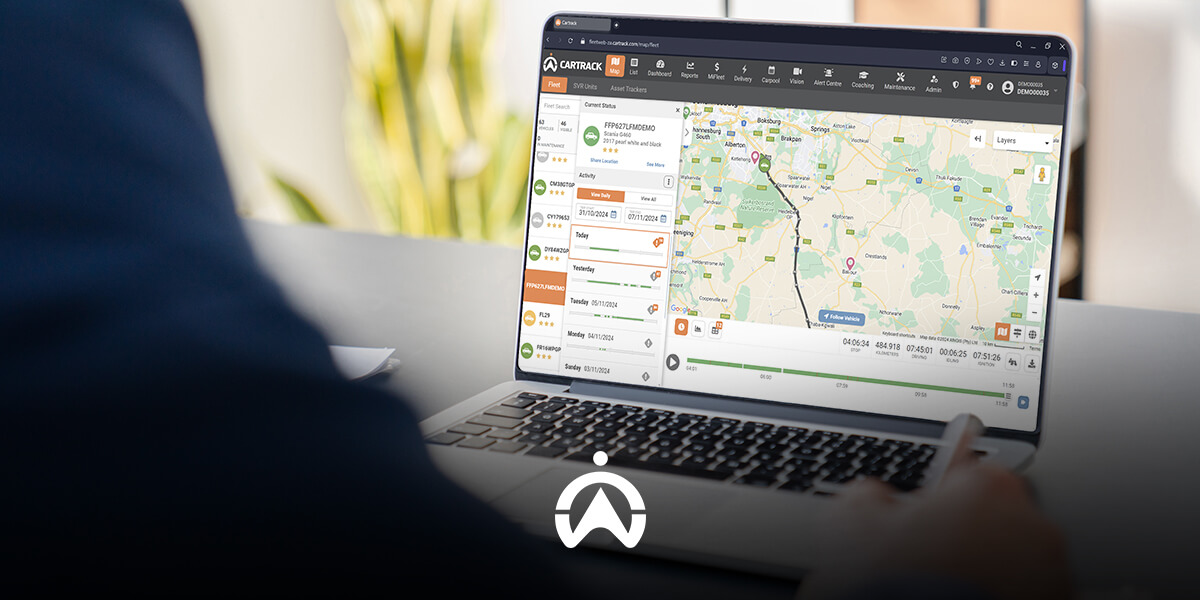
Improved Fleet Management: Integrated with GPS tracking, the fleet manager can see the vehicle’s location in real-time, detect the speed at which the vehicle is going, and see how drivers behave. This helps fleet managers plan better routes, save fuel, and improve the business’s overall performance.
Lower Costs: Reduce fuel costs, maintenance andinsurance premiums through real-time driver coaching and alerts that address behaviours leading to unnecessary wear and tear.
Deter Criminal Activity: Fleet cameras can deter criminals, discouraging them from attempting vehicle theft or break-ins.
Best Practices for Ensuring Driver Privacy With Fleet Cameras
Whether fleet cameras benefit the overall business or the drivers, it is still important to make sure that the drivers are comfortable with their use. Cameras can sometimes make people uncomfortable, making them feel like they are constantly being watched and self-conscious. To avoid this and maintain trust, it’s advisable to follow best practices to protect driver privacy.
Here are some key strategies to guarantee driver privacy while using fleet cameras:
Ask for Consent
Let the drivers know the purpose of fleet cameras. Explain how they will be used in your business and have drivers sign a consent agreement. Open discussions can build trust and ensure everyone is on the same page.
In South Africa, employers can have security cameras in the office or property to protect their business. However, placing cameras in private areas such as the bathroom, is considered a violation of privacy. However, the employees must be notified about the intended use.
Inform Passengers
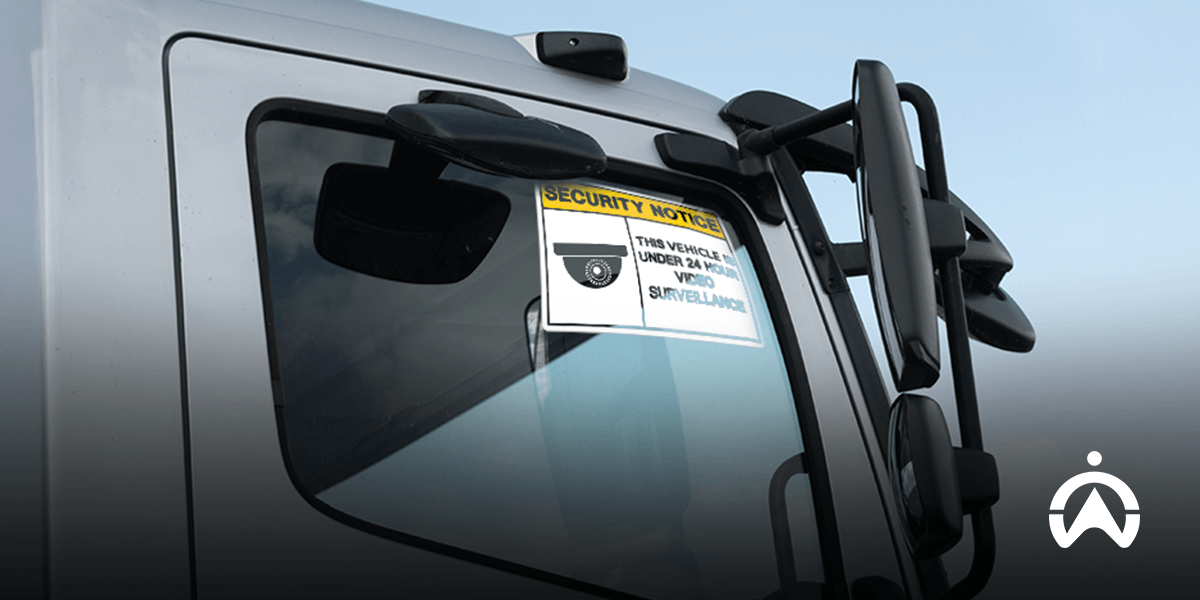
Make use of visible signage so your passengers know they are under surveillance.
The Protection of Personal Information Act (POPIA) emphasises the importance of obtaining consent when collecting and using personal information, including audiovisual recordings and film.
POPIA recognises that there may be circumstances where recording or filming without consent is necessary, such as law enforcement activities, security surveillance, or journalistic purposes. However, these exceptions must be balanced with individuals’ privacy rights, and any use of personal information without consent should be carefully justified and within the confines of the law.
Even with these exceptions, customers may feel betrayed that they are being recorded without their knowledge. So, by having these signs, you are essentially building trust with them.
Create a Privacy Policy
Have a written privacy policy that outlines how footage will be recorded, stored and used. Indicate who has access to the footage and for what purpose. This will help protect sensitive data and avoid misuse.
Not having a policy in place on how this sensitive information will be handled, will pose a risk for the company. For example, the footage can be leaked to social media platforms, further violating the drivers’ privacy and potentially harming the company’s reputation.
Limit Access
Make sure that the camera footage is used by authorised personnel only. This reduces the risk of unauthorised viewing and ensures data is handled properly. Allowing all employees of different ranks access to sensitive data, such as this footage, can lead to issues within your company, including potential bias in how employees are treated.
Imagine a group of employees viewing footage that captured a colleague making a mistake while driving or exhibiting poor behaviour. Instead of using this information constructively, some employees might use it to unfairly criticize that colleague. This could foster a biased environment where individuals are judged harshly based on isolated incidents rather than supported in their professional development.
Customise Camera Settings
Customise the camera settings, such as turning off audio recording during private conversations. If a driver and another employee are travelling somewhere and they are having an intimate discussion about their personal lives, they need to be afforded that privacy.
Compliance with Regulations
See to it that the fleet camera system adheres to privacy regulations, such as the General Data Protection Regulation (GDPR). This helps defend sensitive information and ensures that data is only used for authorised purposes.
Regularly Review Practices
Technology is always evolving, so make sure to regularly conduct assessments and update privacy practices. This will ensure that you are on par with the law.
Encourage Driver Feedback
Allow drivers to share feedback on their experiences and suggestions about the camera system. This will foster a positive work environment and lead to higher employee satisfaction and retention rates, as drivers feel valued and supported.
Highlight Success Stories
Share scenarios with your drivers of how the camera system has helped improve safety, reduce accidents, or enhance operational efficiency.
This will further enforce the benefits of these camera systems and encourage drivers to constantly strive for improvement. This will also be a great opportunity to celebrate the drivers’ efforts, contributing to positive work environment.
These best practices can ensure that your fleet camera system helps improve safety while respecting driver privacy.
How a Company Can Protect Driver Privacy with the Right Technology
Companies must ensure that in as much as they use cameras to protect the overall fleet, they must also protect the privacy of their drivers. Having policies in place will ensure that drivers do not feel violated. Furthermore, having rules and regulations surrounding the handling of this footage will let the drivers be at ease that they are protected — the footage will not be used carelessly. This will foster trust between yourself and your employees and create a harmonious working environment.
Are You Ready To Improve Your Fleet With The Best Camera Solution?
If you’re looking to keep your fleet, drivers, and cargo safe, look no further. Cartrack offers an AI-powered solution with up to 8 cameras (internally and externally), all equipped with built-in telematics.
Cartrack’s AI-powered cameras notify the driver of risky driver behaviours such as distracted driving, smoking, fatigue, or speeding. This allows drivers to correct their actions in real-time and helps create a safe driving culture reducing the risk of accidents.
Contact us today to find out how our camera system can meet your fleet’s needs!
Frequently Asked Questions About Fleet Cameras and Driver Policy
Q: How do you maintain fleet cameras?
A: Regular maintenance includes checking lenses for any damage, updating software, and reviewing footage storage. This will ensure that everything works correctly.
Q: Do fleet cameras record in poor lighting or at night?
A: Yes! Cartrack fleet cameras have night vision or infrared technology to capture clear footage in low-light areas and at night.
Q: What if a driver refuses to consent to fleet cameras?
A: If a driver refuses to consent to being recorded then the company must follow their internal policy. In many cases, however, consent is required as part of employment. The company can also consider alternative safety measures if consent is withheld.
Fleet management has made remarkable progress over the years. In the past, managing a fleet was extremely time-consuming. The main role of the fleet manager was to conduct physical checks on vehicles and machinery, manually fill out paper reports and trust drivers to report their vehicle’s status correctly.
In present times all that has changed. Fleet management involves so much more. Fleet managers are now responsible for the efficiency, productivity, safety and compliance of their fleets.
Fortunately, advancements in fleet management systems have resolved many challenges fleet managers face. Let’s explore what remote fleet management entails and how it simplifies a fleet manager’s role.
In this article, you will:
Discover what remote fleet management is
Understand why fleet management is important to succeed as a hybrid workforce
Unlock the power of Cartracks fleet management training
What is remote fleet management?
Remote fleet management refers to the use of advanced fleet systems that enable fleet managers to monitor their vehicles and manage their fleet operations from anywhere, without constant in-person oversight. Using GPS and GMS technology, managers can see where their vehicles are, how they perform on a given day, and how safely they’re being driven. With such a level of connectivity and a wealth of information, managers can make better decisions to address issues on the spot. Fleet management is a powerful solution for thriving in today’s flexible and hybrid workforce.
Why hybrid workforces require fleet management systems
Here are the reasons hybrid workforces implement fleet management systems in their businesses.
Increase vehicle visibility
Fleet vehicles are often needed in remote and hazardous locations where there’s limited infrastructure. Examples of this can be seen in mines in Western Malawi. Managing these fleets can be particularly challenging for fleet managers who manage their fleets off-site. Fleet systems give you a view of your vehicle’s location and help enforce safety protocols like following the speed limit and following a safe distance while driving at any time you need it.
Speeding and excessive idling will no longer be a concern with the system’s protocol for monitoring driver behaviour and ensuring compliance. This lets you respond quickly to issues like unexpected breakdowns or delays due to poor road conditions. Ensuring that projects stay on track and vehicles are used safely and efficiently.
Reduce operational costs
A hybrid workforce, if managed incorrectly, can lead to increased costs. However, with a fleet system, you can identify inefficiencies in your operations and reduce expenses by monitoring key factors like fuel usage, maintenance needs, and driver behaviour. This system provides real-time alerts on actions such as speeding or tailgating, which can significantly impact fuel costs.
By addressing these behaviours as they occur, you not only lower fuel expenses but also reduce accident rates and maintenance needs, ultimately keeping operational costs in check.
Improve driver performance and safety
Malawi faces a high rate of theft and unfortunately, the mining industry is not spared from this. It also affects fleet vehicles and machinery like construction and mining equipment. In one case, an excavator, weighing 30 tons and worth about R1m, was stolen from a Free State South Africa sand mine and driven across the Caldeon River in Lesotho. With fleet management systems, you can monitor your equipment activity on-site.
This enables you to see where your vehicles and equipment are in real-time. Create virtual fences by drawing boundaries around work sites so that you can be alerted when vehicles enter and exit a virtual fence.
Increase customer satisfaction
Malawi’s business sector is said to be a maturing market therefore it’s a very competitive market. A management system is essential to minimise equipment downtime and adhere to project schedules. Achieving that increases customer satisfaction and strengthens your business’s reputation. Fleet management systems enable effective project planning and streamlined operations. This also allows you to communicate accurate ETAs to your clients.
Key features of Cartrack’s fleet management system
At Cartrack, we believe fleet management can be simple and effective, regardless of where your team is working. It is an integral part of having a system that ensures that projects are completed on time and within the budget while providing a great experience for customers.
Are you worried about your vehicles and equipment getting stolen? With Cartrack’s GPS and telematics tracking technology you can relax, If your assets go missing our real-time tracking will pinpoint exactly where they are. It’s like having your own personal virtual guard 24/7.
Driver Identification tags (DID)
A driver identification (DID) tag is a key-ring-sized tag that is linked to your ignition key. It helps you identify who is on duty, who is driving which vehicle and for how long. It is also an extra layer of protection against theft. If your vehicle is used without a tag, it will send an alert as a potential theft situation.
Geofencing and alerts
Imagine having a digital eye on your entire fleet, with Geofencing this is possible. Our system enables you to create virtual boundaries around sites your vehicles work on. You can create boundaries around each site and designated routes vehicles are allowed to travel. When one of your vehicles enters or exits a designated area, the system immediately sends you an alert. This feature helps you confirm that drivers follow their assigned routes and schedules.
MiFleet
Cartrack understands that managing a fleet of vehicles can be challenging and time-consuming with many tasks like fleet maintenance, monitoring driver behaviour, vehicle performance, and fuel usage. MiFleet empowers you to make data-driven decisions from anywhere. Stay up to date with vehicle licensing, fuel costs per vehicle, toll fee payments as well as issued fines. Plus, MiFleet automatically emails detailed reports to decision-makers, so you can focus on streamlining your operations and boosting your bottom line.
Cartrack CANBus
This product is perfect for fleet managers who need to monitor vehicle and machinery engine performance closely. Think of Cartrack’s CANBus as a real-time mechanic. It connects to your vehicle’s system to extract a wealth of data on engine performance in real time. This information includes revs per minute (RPM), odometer readings, water and oil temperature, and the gears selected. This telematics device delivers all the essential information needed for informed decision-making, automatically stored on Cartrack’s Fleet Pages platform.
AI camera monitoring
Cartrack’s Vision take driver safety to the next level, giving businesses the tools to keep their drivers protected and ensure that safety practices are consistently followed. Imagine having AI cameras on board that not only help prevent accidents, collisions, or rollovers but can also audibly alert drivers to possible dangers in real-time. It’s like having an extra set of eyes on the road, helping to catch risks before they become issues.
Fleet managers can use this technology to address high-risk driving behaviours like speeding, distracted driving, mobile phone use, and even smoking. Curious about how it all works? With advanced vision algorithms and sensors, Cartrack’s AI Vision system continuously captures and analyzes video footage, detecting key movements inside the vehicle. If a driver’s head turns or they show signs of distraction, the AI immediately sends an alert.
Are you ready to take your fleet operations to the next level?
Contact Cartrack today to discover how our fleet management system can help your business excel in a hybrid work environment.
Optimise your hybrid workforce with Cartrack’s fleet management system
Cartrack’s fleet management system is the ultimate tool for remote fleet management. Empower your team to monitor and optimise operations from anywhere, anytime. By reducing fuel consumption, minimising downtime, and enhancing driver safety, Cartrack helps you achieve peak efficiency and cost-effectiveness, even when you’re far away.
Frequently asked questions
Want to know more? Here are a few more questions we get asked. If you don’t get an answer to your burning questions, reach out to us anytime.
Q: How does Cartrack ensure data security for fleet management?
A: Cartrack is committed to keeping your data private and safe. Our operations are governed by regulatory policies that ensure we maintain customer trust and prevent unauthorised access to valuable customer insights. It directs how we gather, store and handle personal data.
Q: Can small businesses benefit from fleet management systems?
A: Absolutely! Cartracks has different fleet management solutions that you can choose from, depending on the size of your business and its specific needs. Fleet management provides a full view of your fleet from anywhere and anytime.
Q: What kind of training is provided for using Cartrack’s system?
A: Cartrack provides fleet customers with all the necessary training on how to use the fleet platform and how to optimise it for the best results. Once you have one of our fleet packages you can send your request for fleet training to fptraining@cartrack.com. Cartrack provides you with recurring training meaning, if you have a new fleet manager training is provided for them. For example, six months down the line you get a new fleet manager. You can request training for them free of charge. This means that all training is done by Cartrack, saving you the time and money needed to hire someone to do the training.
Q: Are there mobile applications available for fleet managers?
A: Cartrack understands that fleet managers can’t always be at their computers monitoring their vehicles and fleet data. That is why, we have developed a mobile application with the busy fleet manager in mind. With Cartrack’s mobile app, you can monitor your vehicle’s activity straight from your mobile phone; monitor driver behaviour, view last position reports and review alert reports on speed, risk, fuel and many more.
Are you a fleet manager looking for more effective ways to tackle the unique challenges that mining companies face? If so, you have come to the right place.
Cartrack, known for its exceptional recovery rate, has developed fleet management solutions that you can tailor to your business’s specific needs. Explore how fleet management combat the mining industry’s most complex problems.
In this article, you will:
Discover the key functions of fleet management systems
Learn about the importance of ADAS in the mining industry
Find out how fleet management is changing to save our environment
Read about the future trends in fleet management
Role of fleet management systems in mining operations
Fleet management isn’t just about tracking vehicles. It’s about addressing the most challenging issues that fleet managers face in the mines. Additionally, it’s focused on maximising productivity, minimising costs, and ensuring your employees are safe.
To meet the demands of the mine, here are the core functions of fleet management essential for mining operations.
Real-Time Asset Tracking and Monitoring
Real-time tracking for mining is like having a birds-eye view of your entire fleet and is an essential part of mining. The telematics systems allow fleet managers to monitor their fleet over vast and very remote mining sites. It acts as a live feed that lets you know what’s happening in real-time. This enables fleet managers to respond quickly to theft attempts, delays or safety concerns. Real-time tracking also ensures that you have constant visibility of your driver’s behaviour and the health of your fleet.
Enhanced Safety Measures
Being on a mining site can be very dangerous even for the most experienced mining operators. It is very unpredictable which can be a challenge to mining companies. Many alerts coming into Cartrack’s control room show that fatigue and distractions are major factors in collisions and damage to company assets. That’s where fleet management systems can make a difference.
Operational Efficiency
Cartrack’s fleet management systems help mining operations stay ahead by streamlining fleet operations through optimising daily tasks and predictive maintenance systems. These tools cut down on fuel used by each machine and reduce costly maintenance, which boosts both your team’s productivity and the profitability of your operation.
Asset Maintenance Optimisation
Imagine your fleet working tirelessly in harsh conditions. They are required to run and sustain a mining operation over long hours, and because of that, they require frequent maintenance. Advanced telematics tools collect data from the machinery using sensors, GPS and engine diagnostics to determine the wear and tear, and then recommend maintenance based on the data. This prevents unexpected downtime and extends the lifespan of your vehicles and equipment.
Benefits of fleet management systems in the mining sector
Integrating a fleet management system like Cartrack’s can bring numerous benefits to your mining operation. Let’s explore the five key advantages:
Cost Control
Cartrack’s MiFleet system is an administrative and fleet costing tool. It provides managers with in-depth insights into fuel consumption, toll fees, maintenance and insurance contracts, and information on tyres like the type, scheduled appointments and deals. Cartrack understands that time is money. The real-time data allow for better cost-saving opportunities such as reducing fuel wastage and avoiding vehicle downtime that could delay operations.
Protection against bad claims
Imagine a scenario where one of your drivers is driving an excavator and has left a mining site to drive to another location, and a false claim is made against your driver. The driver was in an accident and the other driver involved said it’s your driver’s fault. Fleet management systems provide the data that helps mining companies protect themselves from such claims. With detailed records of your vehicle location history, driver behaviour, and AI video footage managers can easily verify what happened. This protects the business from being forced to pay out large insurance claims and protects the business’s reputation.
Accident Reduction
Anything can happen behind the wheel when on a mine. It does not matter how experienced or attentive a driver may be, anything can happen in a blink of an eye. Fleet management systems act as a preventative measure to compensate for a driver’s momentary distraction, especially in high-risk mining areas with rough terrain and uneven surfaces.
Driver monitoring and coaching
It can be a difficult task to keep drivers alert in high-risk mining areas. With Cartrack’s AI camera systems, your drivers can receive in-cab coaching helping them to correct unsafe driving practices. For example, if a driver is distracted and not looking at the road, the AI camera detects that the driver is not focused on the road. An alert is then sent to the control room to which an agent will respond by coaching the driver directly through the in-cab speaker. This encourages safer driving habits and promotes a more responsible culture within your business.
Operation Efficiency
Maintaining an efficient and effective fleet can be challenging without the right tools. Cartrack’s telematics and GPS tracking help mining operations maximise their productivity by optimising routes and tasks, reducing idle time, and as a result, cutting down mileage.
How fleet management systems reduce costs in the mining industry
Let’s talk money! Fleet management is not just about safety and efficiency, It’s also a powerful tool to keep costs low. By implementing Cartrack’s fleet management solution, mining companies can drastically reduce their operational expenses. Here’s how:
Fuel Efficiency: By tracking how much fuel is used and optimising routes for the transportation of ore and materials, you can identify inefficiencies in how your vehicles are used and reduce fuel costs.
Reduced Maintenance Costs: The advanced technologies in fleet management systems collect data to foresee and prevent machinery breakdowns. The data received enables managers to see driver behaviour like harsh braking, excessive acceleration and periods of idling that increase wear and tear on your vehicles. The fleet management system can be used to determine the corrective measures required to reduce costs. It also alerts managers to schedule repairs in time to avoid downtime.
Improved Driver Safety: Enhance worker safety by utilising advanced safety features that help decrease the likelihood of accidents and injuries on the mine.
Increased Vehicle Lifespan: By monitoring your machinery’s health and scheduling maintenance on time, you can extend the lifespan of your fleet.
Enhance Security: The use of real-time tracking and geofencing around the mining site can notify you of your machinery’s location and movement at night so that you can respond on time to prevent the loss of your machinery and vehicles.
By implementing these cost-saving methods, you can decrease operational costs and keep your mining operation going long-term.
Improving safety standards with fleet management systems in mining
Safety is a top priority for mining companies because employees regularly face dangerous situations. Cartrack recognised this need and has developed fleet management solutions tailored for the mining industry called ADAS (Advanced Driver Assistance Systems). ADAS combines technologies that improve driver safety by helping drivers prevent accidents.
The importance of ADAS in mining fleet management
Integrating ADAS into fleet management has been a game-changer for the mining industry. It was primarily designed to prevent accidents and collisions in the mine and on the road. In fact, It’s estimated that investments into the integration of AI in the mining sector will reach $7.264 billion by 2033, as companies seek to improve efficiency and productivity. Now, let’s delve deeper into what ADAS has to offer.
Camera and Sensors
Cameras and sensors are the eyes and ears of ADAS systems. They play a crucial role in gathering real-time data from a vehicle’s surroundings. The data can include vehicles, pedestrians and obstacles around the vehicle. The cameras are strategically placed around the vehicle for optimal visibility.
Data Processing
The core function of the sensors installed in the vehicle is to understand and interpret a vehicle’s surroundings. This data is processed fast and provides split-second information needed to avoid dangerous situations
Driver Assistance Features
ADAS uses analysed data to provide driver assistance features that boost safety, these include:
Front Collision Warning
Lane Departure Warning
Adaptive Cruise Control
Blind Spot Detection
Automatic Emergency Braking
Audible and Visual Alerts
Combined, Cartrack’s fleet management systems and ADAS technologies provide an effective way to monitor driver behaviour through the use of audible alerts within the vehicles. These alerts are received by the control room, where an agent promptly contacts the driver in the vehicle about the possible dangers. These alerts promote immediate corrective actions keeping employees and company assets safe.
Future trends of fleet management systems in the mining industry
The mining industry is predicted to rapidly grow in the next few years after a period of recovery due to the pandemic. As a result, innovation within the industry is gaining momentum. The mining industry is ramping up its investment in new innovative technologies that automate the tasks that a manager is responsible for.
As we look to the future, the blend of advanced AI, IoT(Internet of Things), and data analytics is set to change the game for fleet management in mining. AI systems are set to go beyond just analysing and storing data. Fleet management solutions help fleet managers transform their operations.
Imagine having all the data from your mining machinery’s engines integrated into a single platform. This would make it easier for fleet managers to monitor specific data much faster. This ranges from monitoring vehicles, equipment, and machinery to analysing vehicle health and fuel usage.
This integration of new technologies makes it easier for fleet managers to monitor all aspects of the business in real-time. In the long run, a fleet management system has a profound effect on the company’s bottom line.
Environmental impact of mining and the journey to sustainability
Mining companies play a crucial role in driving economic growth and providing valuable resources. While the extraction of these minerals can present challenges for our environment and surrounding communities, there’s an exciting shift happening.
With the advancements in technology, the focus is being put on green mining technologies to mitigate the impact of mining on the environment. The primary objective is to reduce energy consumption and minimise environmental damage.
In a recent emissions report, it was estimated that transportation contributes to 20% of global carbon dioxide (CO2) emissions. It is said that 15% of this comes from vehicles like cars, buses and trucks carrying cargo.
Here are 3 ways fleet management helps make your fleet greener
Reduce carbon emissions by tracking your fuel usage and creating optimised routes to improve travel times.
Monitor driver behaviour to improve driving habits that cause high fuel usage like excessive speeding and idling.
Keep your vehicle in top shape by monitoring the vehicle’s wear and tear so that regular and timely maintenance is done to increase the lifespan of your fleet vehicles.
The Role of AI and Machine Learning in Fleet Management
There are many fears around AI and machine learning. Many fear it will take over! However, we see it as a powerful ally for the mining industry. AI and machine learning (ML) have rapidly been integrated into fleet management systems and have automated many tasks for more efficient mining operations. AI and ML can analyse large amounts of data at very fast speeds from telematics systems, cameras and sensors. This provides the ML algorithms with the data to identify patterns and predict outcomes. For example, AI-powered cameras can predict the possibility of an accident based on a driver’s behaviour and actions behind the wheel. This saves lives and saves money at the same time.
AI technologies like dynamic traffic mapping and computer vision analyse traffic conditions and vehicle conditions to optimise more favourable routes for a specific journey. Cartrack has embraced innovations in technologies to ensure mining companies are empowered with world-class systems that improve safety and reduce costs.
Maximise your fleet’s safety and efficiency with Cartrack’s solutions
Are you ready for a greater level of connectivity and protection for your fleet? Combining ADAS and fleet management technologies with your business provides you with a more proactive approach to managing your fleet. Get in touch with Cartrack today to learn how our customisable solutions can take your business to the next level!
FAQs
Can I choose which events to get alerts on from my fleet activity? Yes, you can. You can specify which events you want the control room to monitor and respond to. This is a proactive way to prevent accidents and save costs.
What are Cartrack’s control room response times on alerts?
Cartrack is dedicated to protecting your fleet and employees. We are always available and ready to respond to alerts. Currently, our average time to call is 69 seconds, and our average time to act is 63.24 seconds.
How does AI and machine learning enhance fleet management in the mining industry?
The advancements in AI and ML can predict potential machinery failures and suggest timely maintenance for them. AI can detect anomalies in vehicle data such as unusual fuel consumption indicating possible fuel tank tampering or fuel theft.
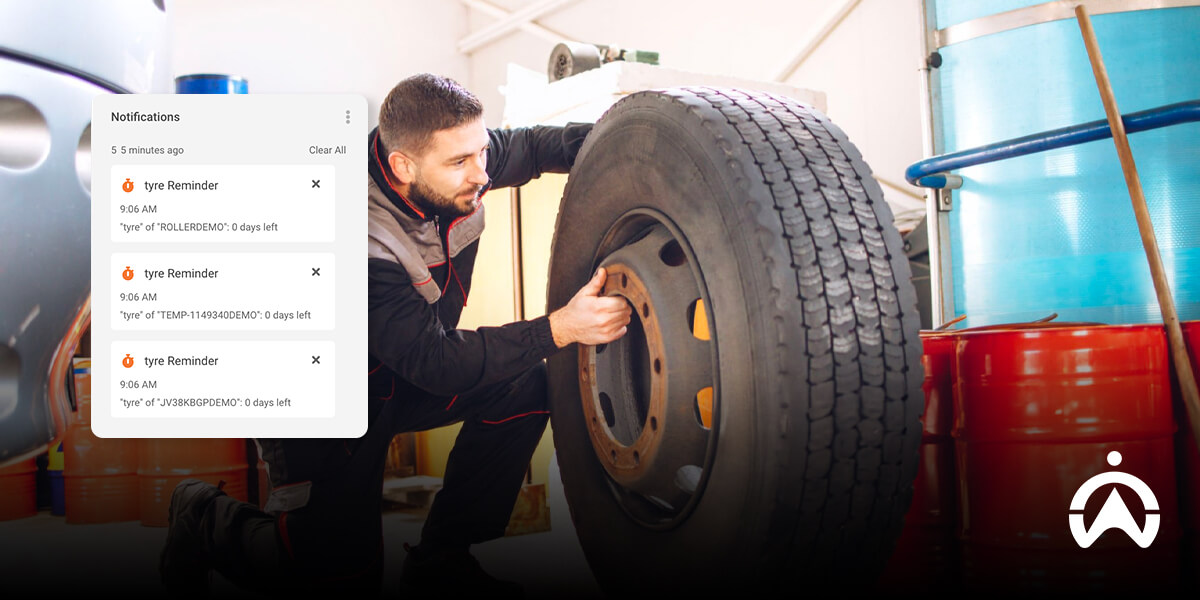
Gone are the days of waiting for your truck to act up to know there’s a problem. Remote Vehicle Diagnostics can be a game-changer, helping you save both time and money. Early diagnosis means timely repairs, helping you avoid costly downtime.
Imagine your driver is delivering goods when suddenly the brakes fail. This could lead to serious injuries or even the loss of your vehicle. Fortunately, this won’t happen to you because, withCartrack’s solutions,potential issues like this can be detected early, preventing accidents before they happen.
Remote vehicle diagnostics has many other benefits, which we will explore further in this blog.
Find out how Cartrack has helped a business with Remote Vehicle Diagnostics needs
What is Remote Vehicle Diagnostics
Remote vehicle diagnostics is a system embedded in a vehicle’s engine. It monitors the vehicle’s health and performance from a distance and identifies and controls any vehicle problems. This system uses telematics and data communication technologies, to provide insights into the vehicle’s condition without needing physical access.
How does Remote Vehicle Diagnostics work for fleets?
Remote diagnostics is important for commercial fleets to maintain vehicle health and optimise operations. It allows fleet managers to track the performance metrics across their entire fleet and respond quickly to maintenance alerts.
Here’s how remote diagnostics work:
Data Collection: Modern vehicles have numerous sensors and onboard computers that continuously collect data from various systems, including the engine, transmission, brakes, and advanced driver-assistance systems (ADAS). This data, including fault codes, performance metrics, and operational alerts, is stored in the vehicle’s onboard computer systems.
Remote Access: Technicians can access this data through specialised diagnostics tools or applications. A technician can send a request to the vehicle for specific logs or fault codes. The vehicle responds by transmitting the requested data to the technician, allowing for real-time diagnosis.
Analysis and Reporting: Once received, this data is analysed using telematics to identify potential issues, generate diagnostic reports, and recommend necessary actions. This significantly reduces vehicle downtime.
7 Benefits of Remote Vehicle Diagnostics for Fleet Operators
Now that you understand how remote vehicle diagnostics work, let’s explore its benefits for fleet operators in enhancing efficiency, safety and cost-effectiveness.
With real-time insights, operators can optimise vehicle performance, reduce downtime, and make informed maintenance decisions, all while ensuring safer driving conditions and lowering overall costs.
Here are 7 benefits of Remote Vehicle Diagnostics for fleet operators:
Real-time Monitoring:
In the olden days, fleet operators had to wait for the vehicle to break down before discovering the issue, often leading to costly towing and repairs. With real-time monitoring, operators can identify problems before a breakdown occurs, allowing for proactive maintenance.
This approach not only saves money but also enhances overall fleet efficiency. By addressing issues early, operators can schedule repairs during off-peak times, minimising disruptions to operations. Access to real-time data improves decision-making regarding vehicle usage and resource allocation. This ultimately leads to a more reliable fleet and improved customer service delivery.
Reduce Downtime:
Taking the vehicle in for repairs means it will be off the road for some time, this is called unplanned downtime.
Downtime affects a fleet in several ways, including:
Decreased productivity: Your business will inevitably fall behind schedule if some of your vehicles are not operational. For example, if your business is a freight delivery service, if one of your delivery trucks is not operational, it will inconvenience not only you and your business but also your customers (other businesses) and their clients.
Overuse of other vehicles: When a car is not in use, other vehicles will be overused to play catch up. While this seems like a solution, overusing vehicles beyond their scheduled times can lead to wear and tear, compromising the fleet’s condition and lifespan.
Loss of revenue: Failure to deliver goods and services results in a loss of revenue to the business. Because of the inconvenience caused, customers may take their business elsewhere, or worse, they may leave bad reviews about your company, influencing other people to not work with you.
Increased costs: An unexpected vehicle breakdown will require funds to cover repair costs. Since these expenses aren’t typically planned for, fleet managers may need to pull from other parts of the business finances to ensure that the repairs are swiftly attended to.
Proactive Maintenance:
Proactive maintenance, also called preventative maintenance, aims to recognise the cause of vehicle breakdowns and rectify them before the vehicle breaks down.
The benefits of proactive maintenance are:
Cost saving
Fewer repairs
Increased safety and reliability
Longer vehicle life span
Unlike reactive maintenance where repairs are done after the vehicle has broken down. Proactive maintenance is scheduled after Remote Vehicle Diagnostics detects the issue earlier.
Fuel Efficiency:
Monitoring vehicle performance is important in identifying inefficiencies contributing toexcessive fuel consumption. By prioritising fuel efficiency through remote diagnostics, fleet operators can enhance overall performance, reduce environmental impact, and save costs.
Data-Driven Decision Making:
The insights gained from remote diagnostics allow fleet operators to make informed decisions based on historical data and predictive analytics. This capability helps identify trends and recurring issues, enabling more strategic planning for fleet operations.
Improved Safety and Compliance:
Ensuring that vehicles are in optimal condition helps enhance driver and public safety, reducing the likelihood of accidents due to mechanical failures. Regular monitoring through remote vehicle diagnostics, allows fleet operators to identify potential mechanical faults like brake failure to reduce the likelihood of accidents caused by unexpected breakdowns or equipment malfunctions.
Regular checks for faults can help identify and fix issues that could lead to violations of road laws, such as safety equipment failures like lights, brakes, or emissions problems. By ensuring that the vehicle is in good working condition, fleet operators can maintain compliance with regulations, reduce the risk of fines, and enhance overall safety on the road.
Improved Communication with Service Providers:
Remote vehicle diagnostics allows better communication between fleet operators, drivers, service providers, and customers.
With real-time insights into vehicle status, operators can easily schedule maintenance and repairs, keeping everyone informed. This approach allows for quick updates on the timeline and any potential delays, making sure that customers are notified in advance and minimising inconvenience.
Overall, Remote Vehicle Diagnostics helps fleet operators run a successful business. With a healthy fleet, operations run smoothly, services are rendered on time, there’s improved communication in the business and customers are left satisfied.
How Does Cartrack’s Fleet Management Solution Work with Remote Vehicle Diagnostics?
Cartrack offers a fleet management service that helps you manage and run a successful fleet. We also connect with a vehicle’s existing CANbus. Short for Controller Area Network Bus. It is a communication platform for different parts of a vehicle.
This communication allows your vehicle components, such as engines, transmissions, and sensors, to share information in real-time.
So what do we do with CANbus? Cartrack taps into the CANbus in the vehicle which allows clients to see their vehicle information such as mileage, fuel-related information and RPMs on the fleet website.
The type of data that CANbus collects is dependent on the make, model and year of each vehicle.
Benefits of CANbus:
Vehicle diagnostics: CANbus allows remote diagnostics resulting in lowered maintenance time and costs.
Transferring data quickly: Data can be transferred at speeds of up to 1 Mbps (megabit per second).
Communication between different devices: CANbus allows different devices to communicate with each other.
Vehicle Network: It is the backbone of modern vehicle networks which can connect up to 70 devices.
Provides real-time data: CANBus provides real-time monitoring and analysis of data.
Fuel efficiency: The data can help optimise fuel efficiency, reducing emissions and fuel-related costs.
Driver behaviour analysis: CANbus data can be used to analyse and coach driver behaviour.
Industry-standard: CANbus is an industry-standard, that ensures compatibility across various vehicle manufacturers and models.
You need a reliable way to manage your fleet efficiently, and Cartrack’s use of the CANbus system delivers just that. With real-time access to key vehicle data, you can enhance maintenance, optimise fuel use, and analyse driver behaviour, ensuring your fleet operates smoothly and effectively.
Case Study: Success Story in Remote Diagnostics
Cartrack has helped many clients with their fleet management, particularly in remote diagnostics. We have managed to reduce fuel costs, downtime, delays etc. We have ensured that their services run smoothly so their customers are satisfied.
One business we helped was a Burial Society based in Limpopo. They approached Cartrack with the challenges of sudden breakdowns, hot weather conditions and traffic delays. Given the sensitive nature of the items they transport, there must be no delays.
Here’s how Cartrack helped them:
With Cartrack’s real-time vehicle diagnostics and scheduled maintenance, their routine and emergency maintenance can be handled more efficiently. By knowing which vehicles need maintenance and when the business can optimise vehicle usage and reduce unnecessary downtime and breakdowns.
The Burial Society has area managers across different locations, who use the Cartrack Mobile App from anywhere at any time to see exactly where drivers in that area are and determine whether drivers have arrived at a funeral or are delayed. With this information, area managers can then call and seamlessly communicate with drivers and customers on job changes or delays.
At peak times, the Burial Society can monitor the movement of over 300 vehicles simultaneously from their control room using Cartrack’s web platform. This provides them with total visibility of their fleet so the controllers know the exact whereabouts of each vehicle at all times to track productivity, job completion, and can instantly dispatch assistance in case of a breakdown to avoid delays.
Furthermore, Burial societies often transport temperature-sensitive items, such as flowers, embalming fluids or other perishables. By installing up to four temperature sensors in their transport vehicle, they can remotely monitor the temperature of their cargo. This system allows for real-time tracking of temperature variations, enabling burial societies to set up alerts that notify them of any fluctuations. By ensuring that these sensitive items maintain the appropriate conditions throughout transit, the burial society can arrive in the condition expected by the families they serve.
Our solutions have enhanced the quality of service the Burial Society offers. We have also helped the business build trust with their clients, assuring that their loved ones and associated items will be treated with the utmost care and respect.
Transform Your Fleet Operations With Cartrack
Transform your fleet operations with Cartrack’s advanced remote vehicle diagnostics using CANbus technology. Monitor vehicle performance in real-time, identify issues early, and keep your fleet running smoothly—all from your device.
Don’t let breakdowns and rising costs hold you back. Partner with Cartrack to enhance efficiency and safety.
A: The duration of a remote vehicle diagnostic varies based on the vehicle’s complexity and the tools used. Initial results can often be available in minutes, while a thorough analysis may take a few hours to a day.
Q: What should I do if an alert is triggered?
A: Have the vehicle inspected by a qualified technician as soon as possible to prevent further complications.
Q: Is remote diagnostics only for large fleets?
A: No, remote diagnostics can benefit fleets of all sizes, as well as individual vehicle owners seeking to monitor their vehicle health proactively.
Growing a small business can be demanding. With the current state of safety and the economy in Malawi, some of the usual challenges facing these small-scale enterprises can multiply tenfold. From hijacking trucks and business fleets to our current economic environment, Malawi can be a risky country to start a fleet business in. That said, Cartrack provides GPS (Global Positioning System) vehicle tracking solutions to help entrepreneurs equip themselves against these issues.
In this article, you will:
Find out how GPS vehicle tracking can boost your small business’s success
Learn about how business safety is threatened and how harsh driver behaviour monitoring can help
Grasp the economy’s impact on small businesses and the power of our location tracking and fleet management platform
Discover why you should pay attention to the influence of live GPS tracking
How exactly can GPS vehicle tracking boost your small business’s success?
GPS tracking is an effective tool for assisting the growth of small enterprises. Here are a few key features of GPS tracking that can help improve fleet productivity, save company costs and boost customer retention.
Get in-depth data about fleet trips: Gain extensive knowledge about your vehicles during the journey, such as engine diagnostics, fuel usage, trip duration and more.
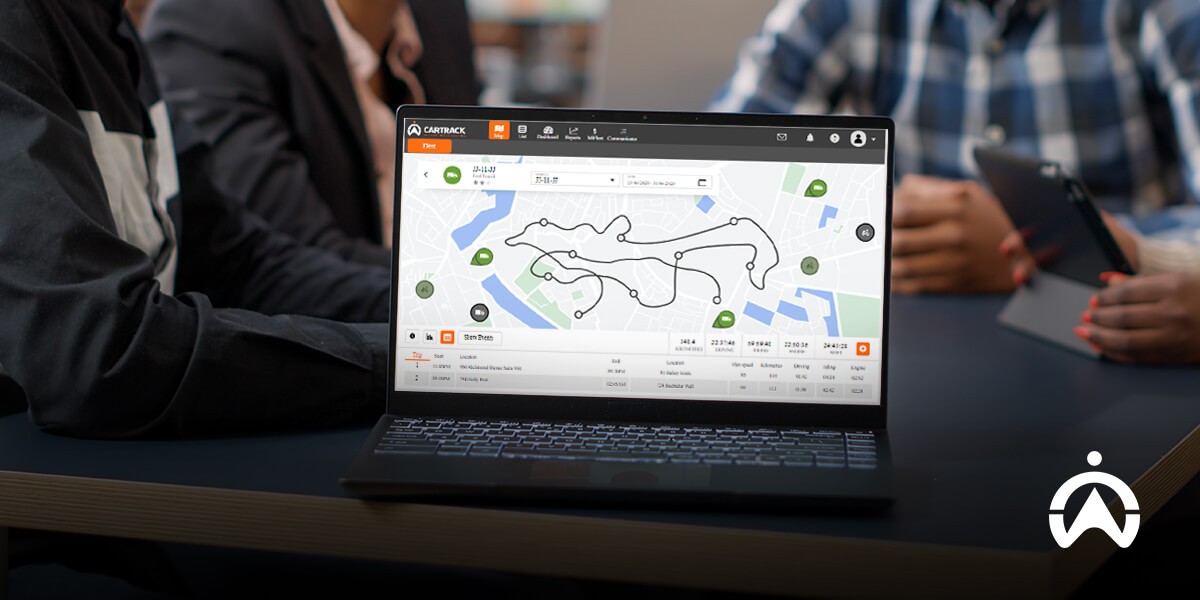
Replay your fleet’s journeys: Follow all your vehicles’ separate timelines by replaying when they were on the trip and how much time they spent overall driving, idling, ignition time, and more.
Challenges of small business fleets and how tracking harsh behaviours can help
While the smaller businesses in Malawi face challenges, there are always solutions, such as Cartrack’s many effective GPS solutions. Explore this variety of problems and solutions below.
How small business safety is threatened and how harsh driver behaviour monitoring can help
Inexperience and safety issues can affect any business, these issues may cause young businesses to buckle under the weight,especially with the associated costs it may drain. Find out more about these issues below:
Inexperienced truck drivers: Small enterprises in Malawi may not be able to hire drivers who are highly experienced due to a more limited budget. While it is legally required for professional truck drivers to have specific qualifications, such as a Code CE driving license for heavy goods vehicles, there is still on-the-job experience that less-experienced drivers lack. With less experience on the road, accidents are more likely to occur. Malawi’s roads do not provide easy terrain for these beginner drivers. Still, this does not mean there are no solutions – keep reading to discover Cartrack’s ability to track and record their behaviour, which may help them improve.
Damaged fleet and cargo: If GPS live tracking and recording can help these inexperienced drivers improve, they could decrease the damage to the fleet and cargo caused by these accidents.
Hijacking trucks and cargo theft: The reality of crime Malawi roads is common knowledge among everyday citizens. These incidents put fleets in what may feel like constant approaching danger. Luckily, our Stolen Vehicle Recovery (SVR) solution can help.
Protect your drivers and business with Cartrack’s GPS live vehicle tracking and history
Tracking and recording harsh behaviours:Tracking and recording each driver’s harsh behaviours can give you insight into how safety-conscious they are while on the road, providing information for possible future coaching. This coaching can boost inexperienced truck drivers’ skills, leading to fewer accidents, less cargo and fleet damage and more safety for the drivers.
These harsh behaviours include exceeding the speed limit of the specific vehicle they are driving and the legal speed limit, harsh acceleration, harsh braking, harsh turning, and excessive Revolutions Per Minute (RPM). For each harsh behaviour, you can access the specific driver responsible for it, the time it occurred, and the legal speed limit, among many other features.
Each driver also has an ongoing rating of zero to three stars, which shows their overall performance and gives a quick indication of whether and which drivers need to improve.
Stolen Vehicle Recovery (SVR): This solutionensures you can retrieve your trucks and cargo. Using our tracking devices, Catrack’s trained response team will immediately begin locating and retrieving your vehicle via GPS vehicle tracking.
The economy’s impact on small businesses and the power of our location tracking and fleet management platform
Growing enterprises find it more challenging to grow in a struggling economy, as less funding may become available from hesitant investors, and the demand for certain products they are selling may be low due to individuals looking to save money.
Explore how a shortfall in entrepreneurial and management skills and fuel prices is getting in the way of small enterprises making money in the Malawian economy, followed by how Cartrack’s fleet management platform’s all-in-one GPS vehicle tracking solutions and precise vehicle tracking can combat these issues.
A shortfall in entrepreneurial and management skills: Smaller businesses are usually less experienced, and management can impact how productive and efficient a company is, which ultimately leads to how much money it can make, effectively finding a way to survive in the Malawian economy. For example, the more products a small enterprise pushes out, the more it can sell. On top of this, the better the product’s quality, the better the reputation, which can lead to selling more goods. Lastly, if fleets are managed better, goods get delivered on time and of good quality, leading to improved profits. Cartrack’s fleet management platform, which has multiple live GPS vehicle tracking, can help managers take on multiple roles easily. Read on to discover more about this solution.
Fuel Prices: Although compared to the global average, Malawi’s petrol prices are less expensive, Malawians are facing record-high fuel costs following a massive 38.3% price hike. According toGlobalPetrolPrices.com, the price of petrol is now MK3,499 per liter, driven by currency devaluation and the depletion of the country’s Price Stabilisation Fund As a result, fuel prices for fleets can reach excessive levels, which can be risky and challenging for small businesses to handle.If these small businesses can save money on fuel costs, they boost their chances of growing in the current economic landscape. Cartrack’s GPS live vehicle tracking can help optimise routes and save fuel costs.
Improve fleet management with one platform for all GPS-live tracking solutions
Cartrack’s fleet management platform has various features and solutions, many of which are connected to live GPS vehicle tracking. Some have already been mentioned, such as tracking and recording harsh driving behaviours, tracking SVU units, and precise location tracking.
You can also easily see which vehicles are on and which are off in real time, which are visible and vice versa, and easily search for any car via “Fleet Search” to explore its specific details.
This platform can help simplify the management process by providing numerous easy-to-access tools in one technological space, making all tasks that much easier to delegate and implement.
Take advantage of precise location tracking to optimise routes and save on fuel costs
Saving on fuel costs combats the issue of high fuel prices, saving small enterprises money, which acts as a defence against the country’s economic state.
Cartrack’s GPS tracking technology’s precise tracking of fleets allows managers to understand the routes in detail and optimise them for fuel costs and avoidable maintenance and repair expenses brought on by wear and tear.
Pro-active route adjustment and the ability to adjust them in real-time in response to unexpected events such as accidents and traffic jams means that your investment in our GPS tracking technology is more than worth the long-term savings.
Why should you pay attention to the influence of Live GPS tracking on Malawi’s small business sector?
The general public’s view of GPS tracking in Malawi is that its primary purpose is protecting private vehicles from rampant hijacking and cargo theft on the country’s roads.
That said, small businesses are a cornerstone of the economy, and GPS tracking offers a significant opportunity to enhance operations and competitiveness.
Given the unique challenges, such as traffic congestion, fuel costs, and security concerns, GPS tracking can provide valuable solutions for small businesses looking to optimise their operations and remain competitive.
Luckily, Cartrack offers you even more solutions to boost your small enterprise, such as our tailored vehicle tracking solutions.
Use Cartrack’s tailored vehicle tracking solutions to help your small business grow
Consider Cartrack’s tailored vehicle tracking solutions to enhance safety, tackle theft, and mitigate any costs that may arise from hijacking or car and fleet theft.
Contact us today to keep track of your fleet and expand your business.
Frequently Asked Questions (FAQ’s)
Q: How do you monitor a fleet of vehicles?
A: Telematics and GPS tracking help you monitor fleets in real time, assembling data such as the fleet’s location, engine diagnostics, servicing, idling status, and more.
Q: What are some tips for effective fleet management?
A: Fleet management issues can include anything from managing multiple employees and vehicles to ensuring that all fleet vehicles are serviced on time. However, Cartrack’s fleet management solutions can empower fleet managers by automating and simplifying these management tasks.
Fleet managers should also prioritise safety, communicate and lead well, and understand business and cost management.
Q: Which vehicle tracker is best in Malawi?
A: Cartrack has the highest stolen vehicle recovery rate in Malawi, at approximately 90%. In addition, compared to other Malawian companies on Hello Peter, we have the highest trust rating.
At Cartrack Malawi, we earn trust by providing our clients with high-efficiency solutions that revolutionise fleet management for any business looking to grow and optimise.
In an emergency, every second counts. Whether it’s the police, paramedics or private security, first responders work under the immense pressure of getting to the scene just in time to save lives. They encounter many obstacles along the way, and their day-to-day can be very unpredictable.
Let’s look at these challenges and how fleet management software can help emergency service providers navigate their daily predicaments.
In this article, you will:
Get an overview of the emergency services industry
See a GPS tracking unit can simplify the life of a first responder
Understand the daily challenges of emergency service vehicles
Learn how Cartrack assisted BCI Security
Discover Cartrack’s best solutions for emergency service fleets
Tap into our FAQ section for more answers
An overview of the emergency services industry
Emergency service providers are something we can’t live without, and it is crucial that they give us the quickest response possible. Whether there’s a fire, a house break-in or an injury during an accident, someone always needs some sort of aid. Emergency service vehicles are always on the road and can get costly, especially when fleet managers can’t see what their drivers are getting up to.
Which services are considered emergency services in South Africa?
Emergency services are, at first sight, identified by vehicles with emergency lights, staff in uniform, and a general understanding by the public that these individuals have a sense of authority in emergency situations. Some of the top qualifiers include:
Emergency medical services
Emergency security services (The police)
Fire and Rescue services
The South African National Defense Force (SANDF)
These are primarily public services, so are private services like private security considered emergency services? Some South Africans may argue that while private security services don’t have the same authority as the SAPS, they also respond to emergency situations. However, while acknowledging their contributions to general safety, so this may be more a matter of personal opinion.
Daily challenges that show why fleet management solutions is the lifeline for emergency services
A lot can go wrong when running such a business. Here are some of the obstacles that come with running a fleet of emergency service vehicles:
Poor connectivity: Some areas, especially rural, lack connectivity and have lousy infrastructure, making it difficult for responders to navigate and, therefore, leading to a slower response time.
Limited funding: Any service provider needs to stick to the budget. Fuel cannot be accurately monitored or accounted for without a fleet management system, as it is hard to differentiate between business and private trips, plus the cost of maintaining the vehicles.
Unexpected downtime: Imagine calling an ambulance because someone just fainted. You’re unsure if that person is alive and don’t even know the cause, only for them to arrive two hours later when you’ve managed to wake the person up. You complained, and after an investigation, you found out that they took too long because the vehicle broke down while on the way. That’s what some people have had to face, and unfortunately, they could do nothing at the time.
Safety risks: Emergency service workers risk their lives almost daily. They go to high-risk areas. encounter violent people and face hostile situations.
Driver behaviour: Some drivers take advantage of their job title by switching on the siren and speeding when there is no emergency they have been called for. This leads to possible accidents that could have been avoided, increases vehicle wear and tear, plus is an abuse of resources.
Deviations: While waiting for the call, some first responders end up stepping out of their assigned zones to run personal errands. When a call comes in, they end up being even further from the scene than they should be, another reason they take time to get there. It is also another source of fuel wastage.
Fatigue: Humans have limits to their abilities and need adequate sleep daily to perform at their best. The stakes are always high for first responders; they are exposed to a lot of traumatic experiences, and their roles are physically demanding. In most cases, they work 12-hour shifts for four consecutive days a week, and the thought of it sounds exhausting. This results in them driving around while stressed and tired, leaving room for mistakes to happen while on the job.
The benefits of Cartrack’s fleet management system for emergency services
Here are Cartrack solutions that are specially tailored to boost your fleet’s efficiency:
Geofence
Emergency vehicles must be strategically placed in key locations for faster response time. Ensure the response teams remain in their assigned areas by creating virtual boundaries around the areas. You’ll get alerts whenever the vehicles enter or leave the area, which will help you know when responders have left their station.
Preventative Maintenance
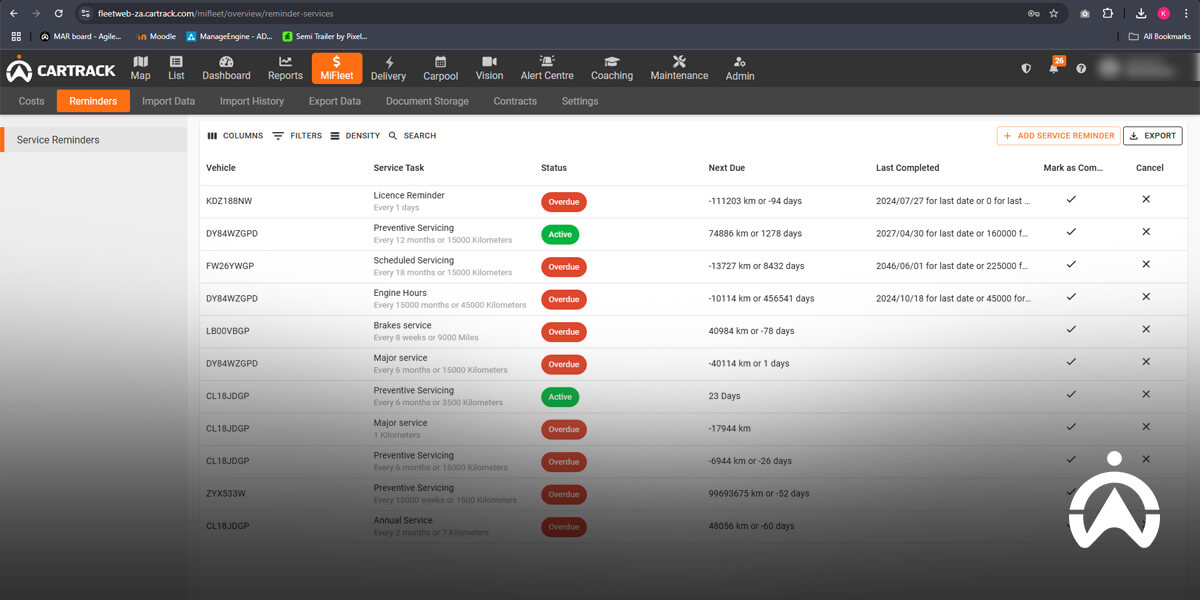
Get automated alerts of vehicle service dates and reminders of appointments such as licence renewals or toll payments so you can ensure your vehicles are always in good health and still have the legal right to be on the road. Helping you avoid unnecessary downtime.
Specialised Sensors
Our IoT device ensures you know everything about your fleet, such as specialised sensors. These sensors can detect and give you alerts when the emergency lights are activated, making it easier for you to know whether the sirens were on for a reason or unnecessarily, helping you avoid legal issues.
Driver Risk Reports Use our driver reports to see when drivers are over the speed limit, cornering or braking harshly at times when there is no emergency so you can coach them accordingly and improve your fleet’s responses with more responsible behaviour.
Cartrack Malawi— Saving lives one fleet at a time
We are industry leaders in all things fleet management. By choosing Cartrack Malawi for your emergency services business, you ensure accuracy, faster responses, maximum savings, and an improved brand image. Contact us today.
Let’s answer more of your emergency service fleet management questions
Why is fleet management system important? Fleet management makes your business more efficient and safe and boosts productivity.
What are the purposes of fleet management? The purpose of fleet management is to supervise and oversee all fleet operations so you can save costs, enhance productivity, boost profit, and meet client expectations.
What is fleet security management? It ensures the safety and security of vehicles and drivers, the cargo and all other data that must be protected.
What is the purpose of emergency services? To ensure public safety, security and health by immediately aiding those needing help.
Digitalise your emergency service business operations with Cartrack’s fleet management solutions. Contact us for a free quote!
Running a fleet comes with many challenges such as ensuring that drivers are safe on the road, fuel is being used wisely, and the admin is done correctly. Fleet managers must keep up with daily operations while making sure they stay on budget which is why they need cost-effective fleet management software that will give them value for money.
Let’s dive into what to look at when seeking affordable vehicle tracking and fleet management solutions.
In this article, you will:
Get to know more about fleet management
Discover how vehicle tracking and fleet solutions reduce costs
See who benefits from this technology
Learn the importance of vehicle tracking and fleet management in different industries
The benefits of a affordable vehicle tracking and fleet management solutions for your business
Let’s briefly discuss how fleet management works before we go into the affordability aspect.
Fleet management overview
Fleet managers need to make sure that all vehicles are in excellent condition to perform their various functions but they often come across challenges with keeping records of daily activities such as the monitoring of drivers and vehicles, maintenance schedules, compliance documents, tax, fuel transactions etc. That’s where fleet management software, telematics and GPS tracking systems come in to save time and money.
The top vehicle tracking and fleet management solutions that boost business ROI
Integrating all these systems creates an opportunity to reduce operational costs and boost efficiency, turning on the affordability switch in your business. Here’s how:
Live location tracking: A vehicle GPS tracking system allows you to see the exact location of your fleet vehicles in real time. Fleet managers can easily spot any deviations or when too much time is spent in one place than expected, allowing them to use the given data to investigate and make amendments that will enhance efficiency and give value for money.
Enhances safety: Telematics software provides fleet managers with detailed insight into how drivers and vehicles perform on the road. If drivers are speeding, cornering harshly or tailgating, then fleet managers can pick up the pattern and their actions could be corrected through training. This will then improve driver behaviour and reduce the risk of accidents, leading to a lot of money being spent on repairs and replacements and increasing the fleet’s lifespan. Driver behaviour also influences the amount of fuel consumed, which we will go into in our next point.
Lower fuel expenses: Driving habits such as harsh braking and excessive idling increase fuel consumption, meaning the vehicle will cost more than it should to move around, plus it increases vehicle wear and tear as well. A fuel monitoring system will assist in monitoring live fuel levels using sensors, as well as trace discrepancies in fuel transitions.
Better route planning: Using GPS technology, fleet managers can minimise travel time and delays through advanced route planning tools that factor in vehicle types, traffic conditions, delivery deadlines and driver availability to determine the most effective route for each vehicle and the best way to complete tasks. This once again slows down fuel consumption.
Less time on admin:Through powerful software, everything is digitalised. Paper-based administration has more human errors, and the time spent can be used to perform other tasks. A fleet management system also eliminates the need to log on to multiple platforms to access the information you need.
Simplifies compliance and regulations: Staying on par with the laws is essential for every business, and fleet management software takes away your worries by monitoring driver hours of service (HOS), vehicle health, and fuel tax summaries.
Customer Satisfaction: When drivers are well-behaved on the road and client expectations are met, the company will get good reviews and more referrals which will bring in more business.
Reduced operational costs give fleet businesses the advantage of making their services more affordable, which can increase competitiveness, attract more clients, and boost profits. The price you pay saves you more money than not paying at all.
Who benefits from this technology?
Vehicle tracking and fleet management solutions are used by various industries, here are some examples to name few:
Transportation and logistics
This is a large sector that relies on vehicles such as trucks and vans trailers to transport goods across the country. Routes need to be planned carefully and cargo needs to be safe and well taken care of. Using fleet management software is the best way to successfully run these types of businesses as it is created to streamline fleet-related operations, show where all vehicles are, and enhance overall efficiency.
Delivery companies
With a high demand for deliveries to be made as soon as yesterday, delivery management software is a must-have. GPS tracking technology gives delivery businesses full visibility of their fleet, making it easier to plan routes and dispatch. This technology also allows clients to receive an alert when their order is on its way, while drivers can also communicate with clients, updating them on any delays. They don’t have to go through the hassle of driving around with paperwork that customers need to sign to show that they received the parcel.
Construction
Building materials and equipment such as concrete and steel need to be transported daily from one point to another on construction sites. This creates the need for heavy-duty trucks to be monitored so fleet managers can monitor the time it takes to complete tasks and ensure that they are done safely.
Healthcare
The vehicle location in the medical sector needs to be visible at all times and carefully monitored. Ambulances transport injured people during emergencies, and some vans and trucks are used to carry medical supplies, while others transport blood samples to labs. Fleet management software would make it easier to plan routes so the medical equipment reaches its destination on time and that any temperature-sensitive cargo that needs to be monitored is taken care of.
Unlock massive fleet savings with Cartrack Malawi
Cartrack’s all-in-one vehicle tracking and fleet management solution is not only affordable but unlocks affordability within your business. Here are some of our budget-friendly solutions that will give you even more profits:
Live location See where your vehicles are at all times using Cartrack’s GPS live location feature. You can access satellite or smart map views and monitor stops daily to spot patterns, such as route deviations, that could be wasting time, fuel, and money.
Geofence
Create virtual barriers around areas of your choice so you can receive alerts every time your fleet vehicles enter or leave the area. This feature can be used to see how long it takes vehicles to enter and leave delivery locations, demarcate the areas you wish your vehicles not to be in, or monitor driver working hours by receiving alerts when they enter and leave your warehouse.
Driver monitoring
Cartrack has various solutions set for monitoring driver behaviour to ensure safety and reduce the cost of repairs and replacement, such as:
Advanced Driver Assistance Systems (ADAS): These systems are a collection of advanced digital technologies and work using camera-based sensors, intelligent algorithms, as well as artificial intelligence (AI) machine learning to enhance driver awareness and therefore improve safety. Drivers get real-time audible wherever potential hazards such as blind spots or forward collisions are detected. ADAS also gives you access to in-cab voice calls to address risk factors and a panic button for emergencies, which is ideal for industries such as mining.
AI LiveVision: Our AI-powered LiveVison camera solutions monitor driver distractions that could put them at risk, such as drowsiness, cell phone use and smoking. Drivers receive real-time audible alerts wherever these distractions are detected, allowing them to quickly correct their behaviour. You also get full 24-hour access to the footage so you can check in on drivers whenever there is a need.
Driver coaching: This feature allows fleet managers to spot patterns through risk reports and videos of daily or monthly driving violations, such as a seatbelt not being used or cellphone use. You can see the number of incidents that were repeated and how many times the driver has been coached on that specific violation. You can also leave notes for each coaching session so there is a record of what was discussed after the last incident. This powerful tool can be used to train drivers based on their individual coaching needs as well as to see if there is a trend among the drivers so you can investigate further and find the root cause.
Driver Scorecards: This tool monitors driver events such as harsh acceleration or speeding and then gives them ratings. It’s a good way to spot improvements, reward drivers, and pinpoint what they need training on.
Driver ID tag: This is yet another great way to keep in touch with what drivers get up to daily. Driver Identification tags are assigned to each driver so you can easily identify which driver is using which vehicle. You can assign tags based on driver experience to ensure specific vehicles are driven only by drivers who are licenced for them, and you will also be able to differentiate between business and private trips. These tags can also be used to monitor driver working hours so you can ensure that drivers are not overbooked and fatigued.
Fuel management Monitor the live fuel levels of your fleet, access fuel reports, and detect fuel theft with Cartrack’s fuel management solutions that are specially curated for your business needs, such as:
MiFleet: This is a cost management platform that helps you validate fuel transitions with telematics data such as location, litres and tank capacity so you can detect fuel card theft or fraud.
Fuel sensors: These allow you to see the live fuel tank levels so you can spot any sudden drops in fuel that could indicate fuel theft. The data for each vehicle’s fuel levels can be accessed on your platform. It’s translated in a way that is easy to understand and helps you gather the information you need for further investigations.
Temperature monitoring
Ensure that temperature-sensitive cargo, such as food, stays fresh and reaches its destination in good condition with our temperature monitoring solutions. These sensors alert you whenever the temperature in refrigerated trucks or trailers changes.
Preventative maintenance
This feature monitors each vehicle’s health and alerts you to potential faults and the next service date so that unexpected vehicle repairs and replacements do not require more money and disturb the schedule.
Stay ahead of the game by investing in Cartrack’s affordable fleet management solutions
Whether it’s a construction, delivery or taxi business, we specialise in everything related to fleet management. Contact us today to realise your fleet’s full potential.
Sometimes, managing your fleet can be difficult, especially if you do not have the time or resources to do it effectively. Having someone else take the reins in your fleet management can take a load off your back and allow you to focus on other operational needs. Discover how you can get the best bureau services with Cartrack Malawi.
In this article, you will:
Gain an understanding of what bureau services are
Explore the pros and cons of using an outsourced fleet management system
Learn what the benefits of outsourcing your fleet management
Delve into what Cartrack’s Bureau Services offer you
Get answers to your questions about outsourced fleet management
What is outsourced fleet management? 5 things you need to know about fleet bureau services
Cost reductions: Your business can save money on hardware and software costs, as well as the salary you would’ve paid someone to manage your operational systems internally.
Improved customer service: Your delivery times can be improved with someone making sure that your drivers get to their destinations on time, and they can share live location links with your customers to ensure customer satisfaction.
Reduced administrative duties: Knowing that someone else is ensuring your admin tasks get done, like scheduling maintenance reminders to avoid truck breakdowns, allows you to focus on your operational duties.
Regulatory compliance: Having an external fleet management team helps ensure that your fleet adheres to road regulations, allowing your company to avoid getting fined for offences such as exceeding road speeds and not paying toll fees on time.
Customisable solutions: Your fleet management solutions can be tailored to suit your specific needs.
The pros and cons of using outsourced fleet management
Pros
Cons
✔ Experts in the field: Providers have teams that are only focused on managing your fleet 24/7.
✘ Data sharing: A third party will access your fleet’s operational data to streamline it and improve your fleet efficiency.
✔ Optimisation of your fleet: Outsourced managers can improve your fleet operations by performing tasks like planning routes, reducing fuel consumption and creating alerts and reminders to improve deliveries and other operations.
✘ Language barriers: You and your fleet manager might not be in the same country, which can cause language barriers and possible miscommunication.
✔ Risk management: Providers are usually well-educated on the road regulations and industry-related compliances they can use to manage your fleet.
✘ Contractual rigidity: You typically sign a long-term contract with your provider, which offers stability to your relationship. However, if you decide to switch providers, it might be challenging to end your contract.
✔ Access to advancing technology: Fleet management providers are usually at the forefront of the latest technological updates they can inform you of to improve the management of your fleet further.
✘ Not being as hands-on: You will have less control of your fleet’s management; however, a dedicated and capable team handles the details for you.
✔ Less company expenditure: By outsourcing fleet management, you can save the initial costs of purchasing all the hardware, software and infrastructure to manage your system and system maintenance fees.
✘ Provider dependence: It is great to have a provider that you know you can rely on, but sometimes their systems need updates that might influence the visibility of your fleet operations.
The benefits of using outsourced fleet management services
Gain operational efficiency through the use of outsourced fleet management
Outsourced fleet management services have various advantages. Some of these include:
Handles all your fleet admin-related tasks: When you outsource your fleet management, you can assign your fleet administration duties to experts. This will allow you to focus on other operational responsibilities while your fleet admin is in the hands of capable professionals who can anticipate and manage potential risks.
Set up your custom alerts, reports & other checks like health checks: Your outsourced fleet management partner can set up custom alerts and reports and check whether your teams are dispatching on time.
Monitors and manages your fleet in real-time: You have a devoted team that monitors and manages your fleet live, so if anything goes wrong, they can address it right away.
The provided solutions are scalable and flexible based on your evolving fleet needs: Having an external fleet management team can make it easier to adjust your solutions as your operations develop and grow. This way, you don’t need to learn new skills about your system because you already have a dedicated team that knows the system and knows what solutions might work best for the changes in your fleet.
What Cartrack’s Bureau Services offers you
Cartrack’s Bureau Services is your all-in-one expert fleet manager who knows our system inside out and knows exactly what your operations need to function optimally and efficiently. Some of the Cartrack-specific features that we offer include:
24/7 fleet support and assistance:
We offer customised update timing. As a rule of thumb, we send hourly updates, even through the midnight hours.
Identify and manage any risk to your fleet:
Our expert fleet managers can quickly identify any possible risks thanks to their trained eyes, which can catch any abnormalities or suspicious events.
Scalability and flexibility of your fleet management system:
Our fleet management service can adjust your system according to the growth of your fleet hassle-free.
Make your fleet more cost-efficient:
Our bureau service can help you optimise your fleet by scheduling preventative fleet maintenance to avoid breakdowns and unplanned downtime and ensure timely deliveries to enhance client satisfaction and recurring business.
Here’s how we manage your fleet admin on your behalf:
Our bureau services are adept in managing your fleet because they have access to the system that gathers your fleet data, such as:
Odometer reading updates
Trip history
Idling time
Kilometres travelled
Harsh events such as speeding
Our experts also set up reports and alerts such as the Fuel Management Report and Accident Reconstruction Report
Alerts & reminders
We do real-time calls to you, as the client, based on the following:
Vehicles entering or exiting high-risk areas
Vehicles entering or exiting loading areas
Changes in driver instructions
Drivers making unauthorised stops or movements that were not pre-approved
Drivers speeding
We also do daily or weekly health checks based on your preferences.
Supercharge your fleet management with Cartrack Malawi
Contact us today and let our expert fleet managers handle your fleet admin worries.
Frequently Asked Questions about Outsourced Fleet Management
What is fleet management outsourcing?
Fleet management outsourcing is when your business uses a third party to manage the administrative duties related to your fleet.
What is the biggest challenge in fleet management?
The biggest challenge in fleet management is currently driver productivity and safety.
What is the biggest importance of fleet management?
Fleet management has various important aspects. Some of these include improving driver and fleet safety, reducing overall fleet costs, and improving delivery services.
What are fleet management services?
Fleet management is ensuring that all the necessary actions occur to ensure your fleet runs smoothly.
Picture this – a seamless operation where costs are optimised, drivers are well-trained, and technology seamlessly integrates with your fleet’s every move. This isn’t just a picture, it’s reality, and it can be your reality.
Fleet management is like the behind-the-scenes coordination tool for your fleet. To fully oversee your drivers, vehicles and equipment, you have to understand all the different aspects of fleet management, such as:
Vehicle acquisition
Asset maintenance
Driver management
Safety protocols
Performance metrics
These are some of the main building blocks to help you improve the way you run your fleet business and ensure your fleet always operates at optimal levels.
How to get started with fleet management
After delving into the crucial aspects of your fleet and understanding how fleet management can change your fleet for the better, the next step is implementation.
Assess your needs:
Begin by comprehensively understanding the unique requirements of your fleet. Identify its size, type, and the specific tasks you need to manage effectively.
Choose the right solution:
With your fleet’s needs in mind, select a fleet management solution tailored to your business objectives. Choose from various options available and opt for one that seamlessly aligns with your business’s requirements and long-term plans.
Implement your solution:
After choosing your preferred fleet management solution, it’s time to put your plans into action. This may involve training your staff and making the necessary adjustments to your existing business processes.
Monitor and improve:
Once your fleet management software is in operation, allow the system to run for a period, closely observing your fleet and team operations. This allows you to identify any potential issues or areas for improvement, ensuring that everything runs optimally and seamlessly aligns with your evolving needs.
The 7 key elements CEOs should know about their fleet
The fleet management responsibilities we touched on above might seem overwhelming at first, but using a fleet management system that best suits your business will help easily navigate the complexities of managing your fleet successfully.
To put this process into practice, here are 7 things every CEO or fleet manager should focus on when it comes to running their fleet:
Effective cost management
Get familiar with managing every penny spent within your fleet. This will provide insights into potential areas where costs are higher than they should be and give you a chance tocraft strategies that cut costs without compromising on quality or safety.
Fuel costs:
Implementing a thoughtful fuel management strategycan provide positive change to how you manage fleet fuel costs. Keep a close eye on consumption patterns, optimise routes, and encourage fuel-efficient driving practices through training.
Maintenance expenses:
Develop a preventive maintenance program, negotiate contracts with suppliers for competitive prices, and schedule regular maintenance tasks with qualified technicians.
Optimise fleet efficiency by outsourcing tasks, using vehicles for multiple purposes, and employing telematics systems to keep track of usage.
Vehicle maintenance:
Stick to manufacturer recommendations, plan preventive maintenance, and use qualified technicians to keep your vehicles on the road.
Vehicle disposal: Develop a solid plan for vehicle disposal, whether maximising resale value or opting for environmentally friendly methods like donation or recycling.
They can collect valuable data on location, speed, fuel consumption, and more, helping enhance fleet performance, reduce costs, and improve safety. Fleet management systems: Gain a holistic view of your fleet’s operation, track vehicle usage, manage maintenance schedules, optimise routes, and generate insightful reports.
Stay on the right side of the law by familiarising yourself with vehicle safety standards, driver licensing requirements, and environmental regulations. Develop policies and procedures to ensure compliance.
Compliance standards:
Adopting industry best practices help keep your operations safe and sound.
Prioritising driver safety and training
Safety first! To ensure driver safety, set up training programs and protocols to reduce accidents and create an all-around safe environment. With heightened safety protocols within your fleet, you can expect fuel efficiency to improve, vehicle longevity to extend, compliance to strengthen and insurance costs to lower, saving you money in the long run.
Driver training:
Equip your drivers with the skills they need for safe driving. Develop and implement driver training programs that cover topics like safe driving practices, best vehicle operation techniques, and emergency procedures.
Safety protocols:
Implement safety protocols, including vehicle inspections, maintenance procedures, and accident reporting. Cultivate a safety-oriented culture within your organisation by emphasising its importance to all employees.
Environmental sustainability
Go green. From choosing the right vehicles to adopting sustainable driving practices, it’s not just good for the environment – it’s good for business too.
Eco-friendly vehicles:
Make conscious choices, such as opting for the right hybrid or electric vehicle, to reduce fuel consumption and emissions.
Sustainable practices:
Incorporate sustainable practices, such as educating your drivers on sustainable driving practices. Reducing risky driving behaviour not only increases safety within your fleet but also reduces unnecessary fuel consumption.
Data analytics for informed decision-making
Invest in data analytics. From fuel use patterns to maintenance records, it’s your secret weapon for smart decision-making.
Types of data:
Gather insights on fuel consumption, vehicle usage, maintenance costs, and driver behaviour. Utilise telematics and fleet management systems to collect this fleet data automatically.
Using data for decision-making:
Let this data guide your decisions. Identify cost-saving opportunities, improve fleet performance, and enhance safety. For example, you can use data to identify vehicles that are not being utilised efficiently or drivers who are performing unsafe driving habits.
Armed with a grasp of these key aspects, CEOs can confidently navigate the intricate landscape of fleet management. Understanding these critical elements is the key to steering your fleet towards success.
Bonus tip: Why CEOs Choose Cartrack
If you’re a CEO looking to streamline and optimise your fleet operations, then consider integrating a comprehensive fleet management solution like Cartrack’s into your fleet strategy.
Cartrack Malawi goes beyond a mere tool. Our advanced system offers a multitude of top-quality features that will help take complete control of your entire fleet and equip you with all the tools you need to run your business successfully and efficiently.
Here are a few ways our industry-leading software can assist you:
LiveVision – Driver & vehicle video monitoring software
Boost driver and vehicle safety with our AI-powered camera solution. These cameras monitor drivers and audibly alert them in real time when distracted driving behaviour is detected, helping drivers immediately correct their actions and prevent an accident. You also gain access to recorded video footage of these events, so you can help train and make drivers more accountable to further increase fleet safety.
MiFleet – Fleet cost monitoring and management system
MiFleet is a fleet cost management system that provides you with detailed information about all your fleet’s running costs, like speeding fines, toll fees, licence renewals, maintenance, and fuel costs. MiFleet can also automatically review all your fuel transactions, match them to your vehicle’s data and highlight any areas of possible fuel theft so you can investigate these and prevent fuel cost wastage.
ID Tags – Driver authorisation monitoring solution
Secure, monitor and control driver-vehicle usage with our Driver ID Tags. Equip each driver with a unique tag which requires them to tap on a sensor within the vehicle in order to operate it. This helps you ensure that only authorised drivers use the correct vehicles, increasing the visibility and safety of your fleet.
Geofence – Vehicle boundary monitoring feature
Make sure your vehicles don’t travel where they shouldn’t with our geofencing feature. You can see virtual boundaries around any area your vehicles operate in or even no-go zones and receive immediate notifications via SMS or email the moment your drivers enter or exit these areas, so you can accurately track your vehicle activity.
Delivery – Driver and job optimising tool
Take any delivery job from do to done fast with Cartrack’s Delivery tool. It automates your processes, giving you full visibility of task progress and allows you to easily allocate jobs to your drivers and optimise them based on the quickest route or by job priority for faster deliveries.
Partner with the fleet management experts
With Cartrack Malawi as your fleet management partner, business owners, CEOs, and fleet managers alike can confidently navigate any challenges their fleet might face.
Integrating Cartrack Malawi into your fleet management strategy is a proactive step towards a more efficient, safer, and cost-effective operation.
In the dynamic landscape of modern businesses, managing fleets efficiently has become more critical than ever. Automated fleet management offers a streamlined solution that combines advanced technology and smart systems to elevate the performance and safety of your fleet.
Understand the impact automated fleet management has on your fleet
Discover the top 5 fuel-saving tips for your vehicle
Explore the key components of automated fleet management
Find out when it’s the perfect time to automate your fleet
Learn how Cartrack Malawi can help you empower and automate your fleet
Introduction to automated fleet management
As technology continues to advance, more fleet managers are increasingly relying on automated fleet management solutions. With a growing trust in the capabilities of technology, there’s a noticeable shift toward integrating automated systems for effective, human-error-free fleet supervision.
Embracing change can be daunting, especially when it comes to your fleet management. Many hesitate to switch to automated fleet management fearing the complexities of the transition. However, with the right guidance and support, implementing this technology can take your business to new heights and allow it to operate on a far bigger and more profitable scale.
Key components of automated fleet management include:
Vehicle tracking: Real-time tracking of vehicle location and movementusing GPS technologyenables managers to optimise routes, identify inefficiencies, and ensure timely deliveries.
Maintenance scheduling: Automated scheduling of vehicle maintenance tasks based on predefined criteria minimises downtime and prevents unexpected breakdowns.
Telematics integration: Telematics devices collect and transmit data related to vehicle performance, driver behaviour, fuel consumption, and other critical metrics, providing valuable insights for efficient business decision-making.
Fuel management: Most fleet management systems can monitor fuel usage through fuel sensors, detect anomalies or inefficiencies, and provide data-driven recommendations to optimise fuel consumption and reduce fleet running costs.
Driver safety and compliance: Be able to actively monitor driver behaviour, promote safe driving practices and ensure compliance with regulatory standards, enhancing overall safety and reducing the risk of accidents.\
When is the perfect time to automate your fleet?
After realising how the switch to automated practices can greatly benefit a business, many business owners choose to make the switch either when their fleet and business begin to grow or when managers can’t keep up with their fleet or daily tasks.The most common issues owners and managers face before implementing automated help include, but are not limited to:
Limited visibility into fleet operations
Notification overload
Trouble managing fleet costs
Supply chain disruptions
Failed route optimisation
Fleet non-compliance issues
Unsuccessful fleet maintenance management
Fleet innovation such as AI, machine learning, automation, and advanced analytics are solutions to all of the above-mentioned issues, as well as others that fleet managers might not be aware of. Fleet management software solutions and these technologies are the keys to improving the way you manage your fleet and run your business.
Essential services of automated fleet management
In a world where everything is about speed and efficiency, manual fleet management simply won’t cut it anymore. By embracing the advanced technologies that have been mentioned throughout this blog like GPS tracking, telematics, etc., businesses can gain a comprehensive and real-time understanding of their fleet operations. Managing a fleet is changing fast, with automated solutions leading the way.
Let’s explore more of these solutions with practical examples of how they can be used to work for your needs.
Real-time tracking and monitoring:
Imagine having a bird’s-eye view of your entire fleet, tracking vehicle locations, routes, and potential delays, all in real-time. Automated fleet management systems make this a reality, empowering fleet managers to make proactive decisions and ensure timely deliveries.
For instance, during rush hour, fleet managers can identify congested, high-traffic zones that could cause potential delays and reroute vehicles accordingly, minimising disruptions and ensuring on-time deliveries, resulting in prolonged customer satisfaction.
Predictive maintenance:
Say goodbye to surprise vehicle breakdowns and costly repairs. Automated fleet management systems use telematics data to anticipate maintenance needs, schedule routine inspections and address potential issues before they escalate and become more costly.
By predicting when a vehicle is due for maintenance, businesses can avoid costly downtime and ensure their fleet is always in top-performing condition.
For example, if a driver is consistently exceeding the speed limit, the system can generate an alert and trigger targeted training interventions to promote safer driving habits. Reduced speeding incidents mean saving on speeding tickets and fuel, it’s a win-win.
Route optimisation:
Save time, reduce mileage, and optimise fuel consumption fleet Management. Managers can now promptly analyse historical data and current traffic conditions to recommend the most efficient routes for drivers.
If you operate in a delivery company, these systems can assist you in planning routes that avoid traffic congestion, ensuring more timely deliveries and reducing unnecessary fuel costs.
Syphoning: These are events of employees or someone else filling a company vehicle with fuel and then syphoning some of the fuel out into a separate container to use for personal use.
Fuel card misuse: When employees use their company fuel card for personal use, such as filling up their car or giving their card to friends or family to use.
Canister filling: This is when a driver uses their company fuel card to fill up a canister of fuel for personal use.
Fuel card cloning: This is when a criminal creates a fake copy of a company fuel card and uses it to make unauthorised fuel purchases.
Multiple transactions: This is when a teller swipes a fuel card multiple times, thinking that the initial transaction failed. This can result in duplicate charges to the company account.
These systems integrate fuel monitoring sensors, providing real-time insights into fuel usage patterns and identifying consumption irregularities.
For instance, if a vehicle is consistently showing abnormally high fuel consumption, the system can flag it for investigation, potentially uncovering unauthorised fuel usage and saving you thousands in fuel costs.
Compliance management:
Stay compliant with regulatory requirements and avoid penalties or fines for your fleet. Maintain accurate records, generate compliance reports, and ensure that vehicles meet safety and environmental standards.
Leave tedious paperwork and embrace the ease of automated emissions compliance reporting. Effortlessly generate reports that demonstrate your compliance with environmental standards, freeing up your time for more pressing tasks.
Automated fleet management systems are not just technological advancements; they are game-changers in the world of fleet management.
Benefits of an automated fleet management system
When it comes to innovations that assist in fleet management, ‘efficiency’ and ‘optimisation’ are not just buzzwords; they are essential for success. In fleet management, the shift towards automated solutions comes with a wide range of benefits that make the transition very appealing for businesses.
Streamlined administrative tasks: By automating operations, it simplifies tasks, reducing manual data input and paperwork. This not only cuts down administrative costs but also allows fleet managers to dedicate more time to critical responsibilities.
Cost savings: Through predictive maintenance, optimised routing, and reduced fuel consumption, automated systems can significantly contribute to cost savings, minimising both fuel expenses and vehicle downtime.
Enhanced safety measures: With automated fleet management, managers can track driver behaviour, stay on schedule with vehicle maintenance and identify potential hazards to improve safety protocols and reduce the possibility of accidents and associated costs.
Improved customer satisfaction: By providing real-time tracking updates and ensuring timely deliveries, automated fleet management contributes to enhanced customer satisfaction by communicating realistic ETAs and managing their expectations
Challenges and solutions in implementing modern fleet management software
Fleet management can bring the numerous benefits mentioned above to businesses, but sometimes, businesses experience difficulties in implementing technology to their daily tasks, these difficulties turn into challenges employees must face before fully accepting the available fleet innovations we often use to run a fleet.
Addressing potential resistance to change can be effectively managed through careful planning, robust training programs, and fostering a culture of adaptability within your organisation.
Here are practical steps that businesses can take to address the challenges of implementing automated fleet management:
Embracing technological transformation:
The introduction of AFMS brings about a paradigm shift in fleet management practices. To ensure successful onboarding, businesses must equip their employees with the necessary knowledge and skills to navigate the new system. This requires a comprehensive training program that goes beyond basic user guides.
Hands-on workshops, interactive tutorials, and personalised support are essential to bridge the gap between theoretical knowledge and practical application.
Addressing resistance to change:
Transitioning to a new system can understandably raise concerns among employees and customers. Addressing these concerns proactively and fostering open communication are crucial steps in mitigating potential resistance. Encourage employees to voice their apprehensions and actively involve them in the decision-making process. Organise team meetings and discussions to gather feedback on the benefits and potential drawbacks of a new system.
Safeguarding sensitive data:
AFMS handles a wealth of sensitive data, including vehicle locations, driver behaviour, and fuel consumption. Protecting this data from unauthorised access, breaches, and cyberattacks is paramount. Businesses must implement stringent data security protocols, including regular data encryption, robust access control measures, and continuous security audits.
Investing in advanced cybersecurity software and establishing clear data governance policies can further strengthen data protection efforts and soothe customers’ worries about the protection of their data when implementing new technology.
Selecting the right technology partner:
The choice of AFMS provider is critical to the success of the implementation. Businesses should carefully evaluate credible partners such as Cartrack Malawi, and consider these aspects:
– Scalability: Ensure the AFMS can grow with your business, accommodating future expansion and evolving needs.
– Integration capabilities: Verify that the system integrates seamlessly with your existing infrastructure and software applications.
– User-friendliness: The AFMS should be intuitive and easy to use, minimising the learning curve for employees.
– On-going support: Choose a provider that offers comprehensive support services, including training, troubleshooting, and ongoing updates.
Future trends in fleet management technology
The future of fleet management is brimming with exciting advancements that promise to revolutionise the way businesses manage their vehicles and operations. Key trends include AI-powered predictive analytics, leveraging IoT sensors for real-time data insights, the integration of autonomous vehicles and advanced driver assistance systems (ADAS), the growth of electric vehicles (EVs) and the adoption of mobility-as-a-service (MaaS)
Predictive analytics: Anticipating problems before they arise
Artificial intelligence (AI) is playing a pivotal role in fleet management, particularly in the realm of predictive analytics. By analysing vast amounts of data on vehicle performance, driver behaviour, and traffic patterns, AI algorithms can identify potential issues before they escalate into costly breakdowns or accidents. This proactive approach allows fleet managers to schedule timely maintenance, improve fuel efficiency, and minimise downtime delays.
Harnessing the power of IoT and sensors
The use of Internet of Things (IoT) sensors embedded in vehicles and infrastructure is generating a treasure trove of real-time data. Fleet managers can leverage this data stream to make informed business decisions about vehicle deployment, maintenance schedules, and driver training. Insights derived from IoT data can optimise route planning, reduce fuel consumption, and enhance overall fleet efficiency.
Autonomous vehicles: Transforming fleet operations
The advent of autonomous vehicles and advanced driver assistance systems (ADAS) is poised to transform fleet operations. Self-driving vehicles will automate repetitive tasks, freeing drivers to focus on more complex aspects of their jobs. ADAS features, such as lane departure warning and automatic emergency braking, will further enhance safety and reduce the risk of human error.
Electric vehicle integration: Adapting to the EV revolution
The growing adoption of electric vehicles (EVs) is driving the development of specialised fleet management solutions tailored to their unique requirements. These solutions will optimise battery management, identify optimal charging station locations, and ensure seamless integration with existing fleet operations.
Mobility-as-a-Service: Embracing shared fleet solutions
The concept of mobility-as-a-service (MaaS) offers businesses the flexibility to access shared fleets of vehicles on demand. This model eliminates the need for individual ownership and maintenance, reducing costs and providing a more adaptable transportation solution.
These are not the total innovations being created or already in use in more modern businesses but they are the most popular trends that have had the most impact in businesses.
Comparison of different automated fleet management software and providers
There are many different automated fleet management software and providers available, each with its unique features and benefits. Cartrack Malawi is a leading provider of fleet management solutions and one of the most trusted companies in this field according to Hello Peter.
4 Reasons why Cartrack Malawi is a no-brainer for your fleet?
Its software is known for its reliability and performance. Cartrack’s software is more reliable and feature-rich than its competitors’ software, and it is seamless to integrate its easy-to-use system into your fleet.
Interested? Here are some of the advanced features and services we provide to our customers.
Unparalleled visibility and control with our MiFleet cost monitoring system
MiFleet is the perfect web-based tool that shows managers the exact running costs of their fleet. This data includes items such as speeding tickets, toll fees, licence renewal dates, maintenance, and fuel costs.
– MiFleet automatically reviews all your fleet transactions and organises them for you for easy access.
– When it comes to fuel, match your fuel receipts with your vehicle’s telemetry data and highlight areas of possible fuel theft, such as syphoning, fuel card misuse and more.
– With the insights it gathers, it reminds you of all fleet costs due so you never miss a payment.
Enhanced safety and driver coaching with AI cameras
– Distracted or fatigued driving detection: The cameras monitor the driver’s head and eye movements to identify signs of distraction, such as when their attention drifts from the road. This eye movement detection triggers an instant real-time audible alert, warning the driver to refocus on the road and avoid potential hazards.
– Mobile phone use detection: Cartrack’s AI cameras can also detect signs of phone use while driving, such as holding the phone or manipulating it near the ear. Upon detecting such behaviour, the cameras emit an audible alert, prompting the driver to put away their phone and eliminate this dangerous distraction.
– Smoking detection: Cartrack’s AI cameras can detect when drivers are smoking in the vehicle, emitting an audible alert to remind them to keep both hands on the wheel and focus on the road ahead. This feature helps to eliminate distractions and promotes a smoke-free environment within company vehicles.
Streamlined operations and cost savings
Cartrack’s comprehensive fleet management solutions help you streamline operations, eliminate unnecessary costs, and boost profitability.
– Geofencing and alerts: Set up geofences to receive alerts when vehicles enter or exit specific areas, ensuring that drivers adhere to company policies and routes. – Compliance management:Cartrack Malawi helps you comply with various regulations, such as driver licensing and vehicle safety inspections.
– Automated reporting and analytics: Access detailed reports and insights into your fleet’s performance, helping you identify areas for improvement and make data-driven decisions.
Scalability and adaptability
Cartrack’s solutions scale seamlessly to meet the evolving needs of your fleet, whether you have a few vehicles or a large fleet.
– Flexible Cartrack packages: Choose from a range of packages that offer advanced features, especially for your fleet and those that will match your budget.
– Customisable solutions: Tailor Cartrack’s features and functionalities to align with your unique business needs and industry-specific challenges.
– Global expertise: Leverage Cartrack’s extensive experience and expertise in fleet management across diverse industries and regions.
Empowering your fleet for the future
Cartrack Malawi is committed to empowering businesses to thrive in the ever-evolving landscape. With continuous innovation and a focus on customer success, Cartrack Malawi is the ideal partner for your fleet’s transition into automation and beyond.
Trust in Cartrack Malawi to lead your business to improved fleet operations, enhance safety, and boost your business to achieve new levels of success.
 South Africa
 Botswana
 Kenya
 Namibia
 Mozambique
 Nigeria
 Swaziland
 Tanzania
 Zimbabwe
 Hong Kong
 Indonesia
 Singapore
 Malaysia
 Philippines
 Thailand
 New Zealand
 Vietnam
 Poland
 Portugal
 Spain
 United Arab Emirates