Breakthrough Technological Innovations In Fleet Management Services

In a world where innovation is key to success, what does the future of fleet management look like?

From telematics to automation, fleet management innovations are what make good fleets, great.

Let’s find out how, and learn more about the breakthrough innovations that are empowering fleet excellence.

In this article, you will:

  • Learn what fleet management is
  • Gain a deeper understanding of a fleet manager’s duties
  • Discover how fleet management services can simplify a fleet manager’s job
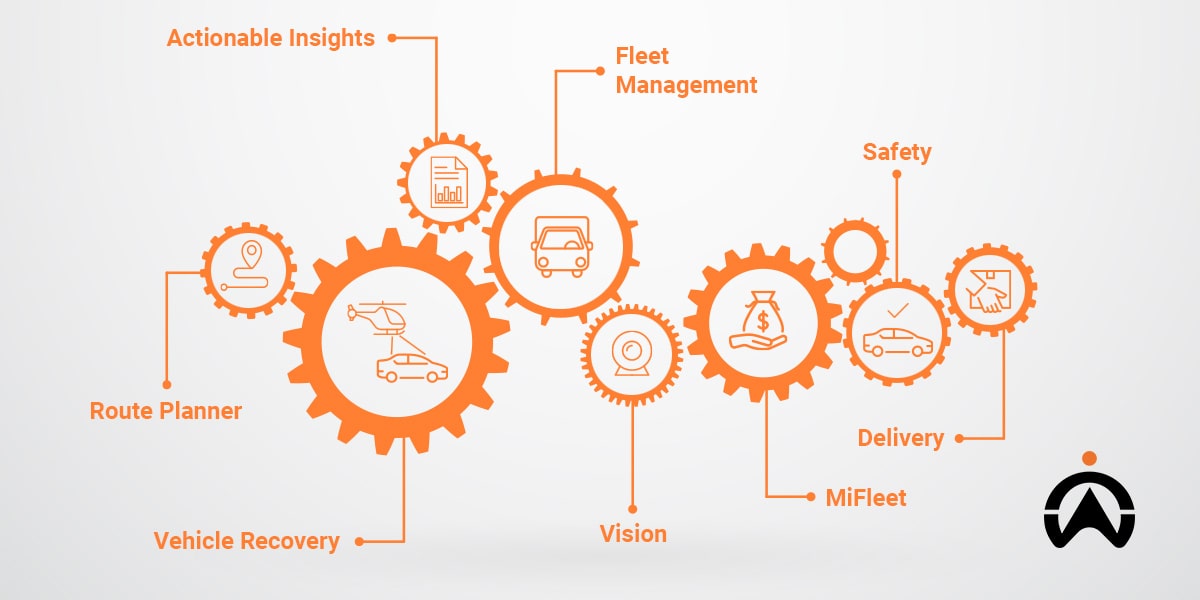
  • Uncover the breakthrough innovations in fleet management
  • Find out how Cartrack Malawi gives you access to these innovations

What is Fleet Management?

Before we explore the world of fleet management service innovations, let’s quickly unpack the basics of fleet management. 

Fleet management is a complex and multifaceted process, systems and tools that encompass a wide range of activities designed to optimise the efficiency, cost-effectiveness, and safety of a business’s fleet of vehicles. This process is used to monitor fleet activities that help ensure a fleet remains productive and profitable.

What are Fleet Management Services?

Fleet management services include a wide range of activities and technologies that help businesses optimise their fleet operations. It is a combination of the tools, technologies, and solutions that are used to manage a fleet of vehicles.

Some examples of fleet management services include:

  • Vehicle Tracking
  • Telematics
  • Driver Management and Coaching
  • Fuel Management
  • Maintenance Management
  • Fleet Analytics 

Fleet management services make use of the following advanced technologies:

What Are the Benefits of Fleet Management Services?

  • Improved efficiency and productivity: Simplify administrative tasks, provide real-time data analytics, vehicle tracking, driver behaviour monitoring, and streamline paperwork. 
    ‍
  • Improved fleet safety: Monitor and record driving behaviours, helping fleets prioritise safety.
    ‍
  • Improved vehicle health: Monitor fleet usage, helping you identify which vehicles are under or overutilised. Pair this with preventative maintenance to guarantee fleet health and say goodbye to unforeseen breakdowns. 
    ‍
  • Reduced operating costs: With features such as route optimisation, fuel management, and driver behaviour monitoring, you can reduce fuel consumption.
    ‍
  • Enhanced safety and compliance: Provides real-time vehicle tracking, and driver behaviour monitoring software, and facilitates regular, scheduled maintenance. 
    ‍
  • Improved decision-making through data analytics: Provides valuable insight on driver behaviour, routes, fuel consumption, and more, helping fleet managers make informed decisions that benefit their fleet. 
  • Remote management: Provides real-time insights into vehicle location, status, and performance, all on one platform. 

Benefits of Fleet Management Services

The Importance of Fleet Management

Fleet management is crucial in South Africa for several reasons, including:

  1. Safety and security: Fleet management systems play a crucial role in enhancing fleet vehicle safety by using real-time tracking and anti-theft features.
    ‍
  2. Driver behaviour and road safety: Fleet management systems help fleet managers monitor and improve driver behaviour, which helps reduce the chances of accidents occurring.
    ‍
  3. Fuel prices: Fuel can take up a huge chunk of your fleet budget, but with fleet management systems, you can reduce fuel consumption through improved routing, maintenance planning, and the advanced detection of fuel theft.

Who Uses Fleet Management Services?

Fleet management is important for any organisation that uses commercial vehicles to function. It helps increase productivity, reduce costs, and improve safety.

Examples of organisations that need fleet management include:

  • Construction companies
  • Transportation and logistics companies 
  • Delivery companies
  • Healthcare organisations 
  • Retail companies

We’ve established what types of businesses benefit from using fleet management services. Now, let’s understand why fleet managers are the individuals in those businesses who cannot function without this software.

The Fleet Manager’s Roles and Duties:

A fleet manager is responsible for managing a company’s fleet of vehicles and ensuring that the fleet operates efficiently, safely, and cost-effectively.

Their main responsibilities include:

  • Driver Management
  • Maintenance Management
  • Cost Management
  • Safety Management
  • And more

What Are the Breakthrough Innovations in Fleet Management?

  1. Telematics:

    Telematics technology is an integration of telecommunications and informatics technologies that are used to collect, transmit, and analyse data from multiple vehicles. This has huge benefits for fleet managers, as it helps them track and monitor vehicles, improve safety, and enhance productivity. As a crucial part of fleet management systems, this technology can help fleet managers:

    – Receive real-time updates: Telematics offer real-time insights on vehicle location, driver behaviour, and vehicle performance. This gives you unparalleled knowledge of where all your fleet vehicles are at all times. This real-time awareness improves decision-making (thanks to up-to-date information on vehicle location, driver behaviour, and vehicle performance) and increases efficiency. (Helping fleet managers see what areas need attention immediately, reducing downtime and promoting productivity).

    – Improve fleet safety: By monitoring driver behaviour (telematics can monitor fleet speeds, acceleration rates, and hard brakes) and vehicle performance, telematics can help you track and solve unsafe driving habits, helping you prevent damage to vehicles, and reducing the chances of accidents occurring in the future.
    ‍

  2. Automation:

    Fleet automation is the use of technology to streamline various aspects of fleet management. A fleet automation solution offers cutting-edge technology that offers fleet managers actionable insights into their fleet’s status and performance by combining software, hardware, and data analytics.

    This process can help fleet managers:

    – Improve efficiency: By automating functions such as route planning, dispatching, and fuel management, fleet managers can allocate more time to other tasks by innovating and streamlining their processes.

    – Improve fleet safety: Automation systems can help monitor driver behaviour and vehicle health, which helps fleet managers prevent accidents and unforeseen breakdowns.

    – Promote fleet visibility: Fleet visibility is the ability to track and monitor the location, performance, and behaviour of vehicles in real time. Automation ensures that fleet managers always have an eye on their fleet, which helps them improve driver behaviour, reduce downtime, and make route adjustments as needed.

    – Improve customer service: By providing real-time visibility into fleet operations, automation can help improve customer service by ensuring timely deliveries and providing accurate ETAs.

    – Increase data visibility and analytics: Fleet automation software compiles and analyses a wide range of data from vehicles, drivers, customers, routes, schedules, fuel consumption, and maintenance records. By employing advanced analytics and reporting tools, this data is converted into actionable insights that can help fleet managers make more informed decisions about their fleet operations.
    ‍

  3. Remote Fleet Management

    This involves the use of advanced software systems and innovative technologies to enable remote monitoring and management of fleet assets, including fleet vehicles while staying connected with drivers. This process can help fleet managers:

    – Track their vehicles in real-time: Remote fleet management allows fleet managers to track their vehicles and assets in real-time, from anywhere, at any time.

    – Improve communication: Remote fleet management solutions allow fleet managers to communicate with their drivers from anywhere, anytime, making it easier to delegate tasks and work orders and discuss potential delays.

    – Improve fleet safety: Remote fleet management helps fleet managers monitor driver behaviour in real time and proactively identify safety hazards from anywhere, at any time, allowing you to increase driver safety from wherever you are.
    ‍

  4. IoT (Internet of Things)

    This technology revolutionises fleet management by delivering real-time data and insights to boost fleet efficiency. It connects devices and sensors to the internet, facilitating data sharing and communication. In fleet management, IoT is used to provide real-time information on the location and status of vehicles and address their fuel usage challenges.

    This information can be used to optimise schedules, select the perfect routes, monitor driving habits, reduce fuel consumption, and improve fleet safety. This is done through:

    – Route optimisation: IoT data can be used to optimise fleet routes, which has a positive impact on fleet efficiency and fuel consumption.

    – Cargo tracking: IoT sensors can be used to track the location and condition of cargo. This can help prevent cargo theft and ensure that these goods are delivered safely and on time.

    – GPS tracking: GPS (Global Positioning System) is a satellite-based navigation system that provides you with real-time location information about your vehicles. By having this real-time knowledge of your entire fleet, you can reduce fuel costs, improve fleet safety, and improve route planning.

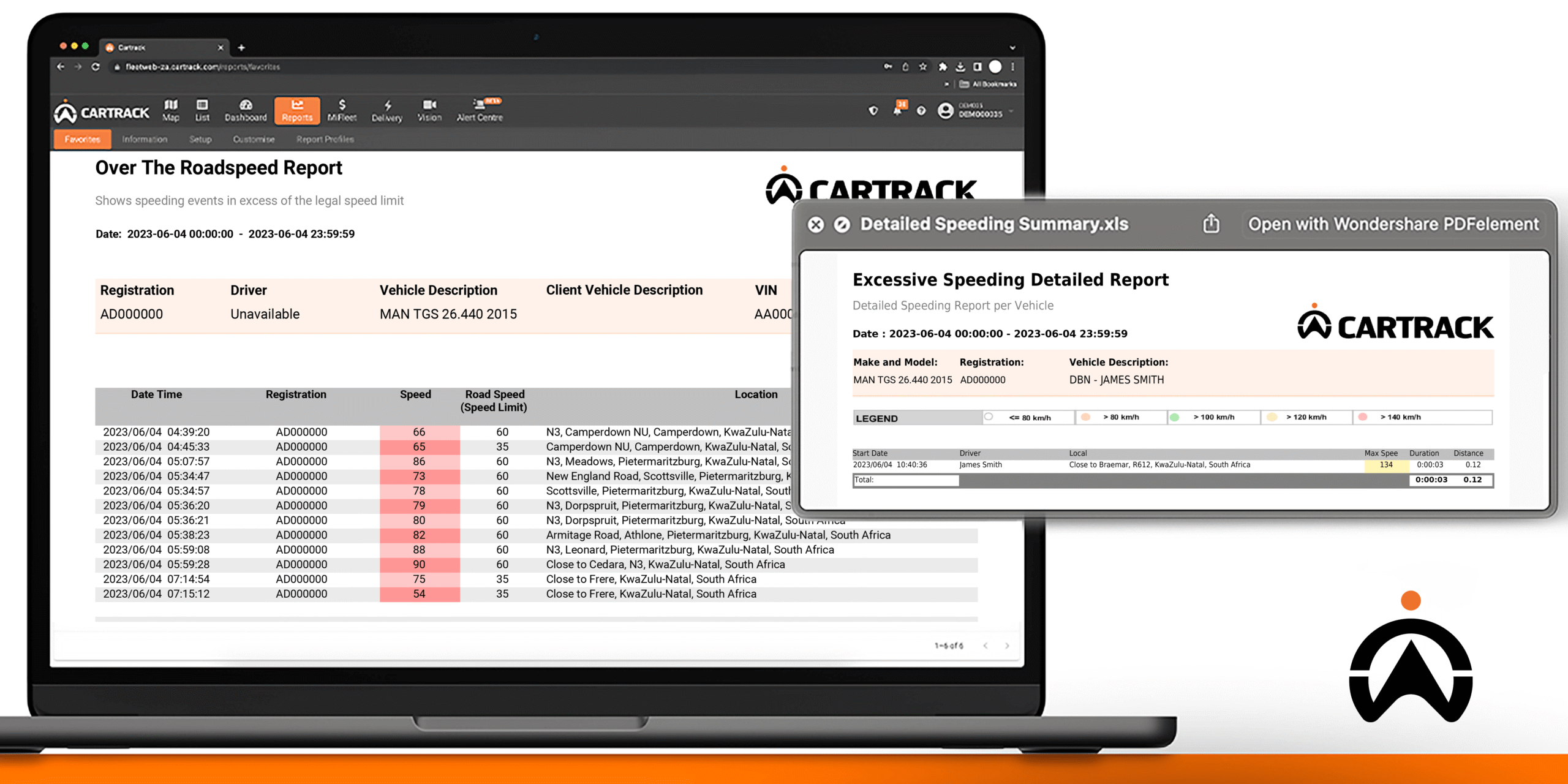
    – Driver behaviour monitoring: IoT-enabled sensors can monitor real-time driver behaviour, including speeding, harsh braking and acceleration. This helps fleet managers identify areas for improvement, provide feedback to their drivers and enhance driver safety.
Breakthrough_Innovations_in_Fleet_Management

3 Steps to Innovate Your Fleet With Cartrack‍

Managing a fleet can be extremely stressful, from monitoring drivers to keeping an eye on fuel consumption. Cartrack Malawi understands this and aims to simplify your entire fleet operation, bringing you a vast range of solutions that help ensure your fleet makes innovation its standard. 

Here is how:

  1. Aiding data-driven decision-making with actionable insights

    Not knowing what’s happening with your fleet vehicles and drivers is a risky game to play, as this leads to a lack of visibility, inefficient routes, poor driving behaviour and high maintenance costs. But with us, you get this data at the tap of a button.

    Actionable insights, defined as data and information about a business can be used to make strategic decisions to achieve business goals, leading to improved employee productivity and business growth, making it a crucial part of fleet success.

    With actionable insights that are designed to help optimise fleet operations, reduce costs, and improve fleet efficiency, fleet managers are equipped to make accurate decisions regarding cost-saving strategies. These strategies can decrease idle time, optimise routes, and improve fleet fuel consumption.
    ‍

  2. Simplifying preventative maintenance

    Vehicles can break down at any moment, and the unpredictability of this can lead to operation disruptions and financial stress. But with us, breakdowns will never catch you by surprise. Preventative maintenance helps fleets schedule and track vehicle maintenance, reducing downtime and extending vehicle life. By using vehicle utilisation hours and the time of the last service, it provides predictive analytics that helps you plan maintenance, resulting in cost savings, reduced downtime, and a prolonged vehicle lifespan.

    This also helps businesses utilising electric vehicles avoid low battery surprises with real-time battery monitoring. Additionally, it can also help you know when your electric vehicle is charging, how long it will take to fully charge, and how much mileage you will get from a full charge.
    ‍

  3. Enabling real-time fleet tracking

    Manually keeping track of your whole fleet can be a hassle for fleet managers. The need to constantly call drivers to inquire about their locations, adds to their workload. This makes it an inconvenient and time-consuming task. But with Cartrack, real-time tracking can happen from any smart device.

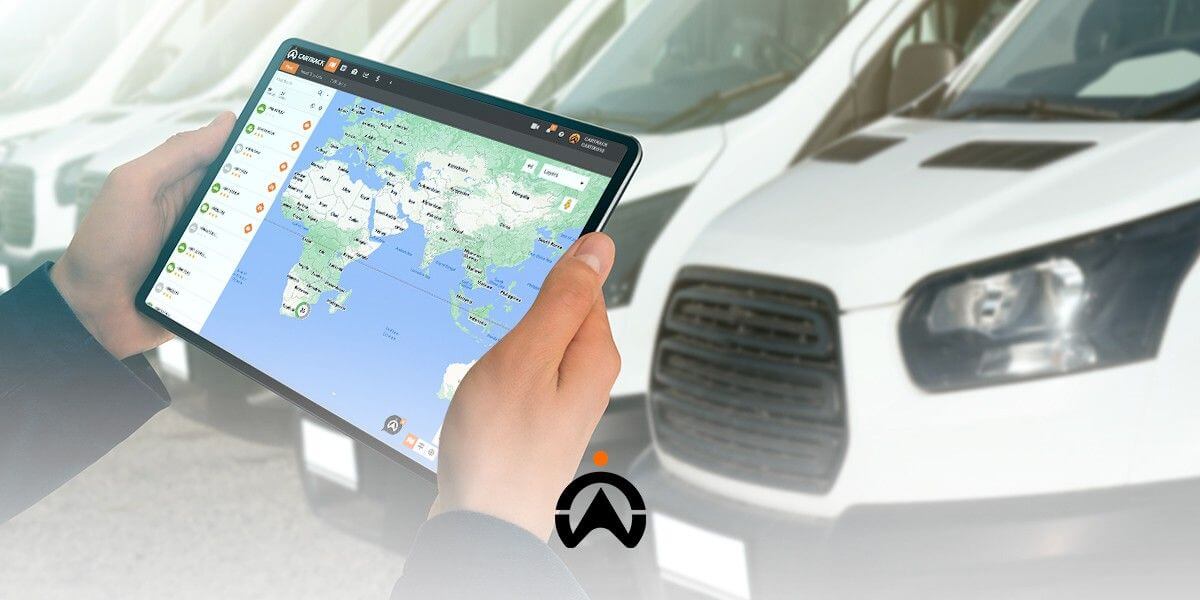
    Cartrack Malawi provides fleets with live GPS tracking technology and real-time alerts to gain complete control and visibility of their fleets through our easy-to-use platform. Fleet operators are empowered to streamline their entire operation by making use of real-time vehicle location information. This simplifies route optimisation, which limits delays and reduces expenses at the hands of fuel wastage. This also helps improve customer service and satisfaction, as you can provide accurate ETAs to customers.

Make Innovation Your Businesses Standard

Discover the fleet management system trusted by global enterprises and elevate your entire fleet operation with our breakthrough technological innovations. 

Contact Cartrack Malawi today, and drive your fleet to new heights of efficiency.

5 Fleet Management Challenges: How to Overcome Them and Save Money

Think we can all agree that money makes the world go round. Much is the same for the business world — except here, it’s profits that keep it going round, especially in the fleet industry.

Boosting profits often means overcoming challenges to run your business operations more smoothly, identifying and minimising any areas of profit drainage.

Fleet management is no different.

Are you experiencing fleet management-related challenges that you’d like to overcome and boost profits in the process? We’ve mapped out the perfect solutions for the most pressing problems right here for you.

In this article, you will:

  • Learn more about fleet managers’ responsibilities
  • Identify five crucial fleet management challenges
  • Find innovative solutions for these challenges
  • Understand how to save money on fleet-related challenges
  • Discover how you can conquer these challenges with Cartrack Malawi

Fleet managers wear many hats: Here’s what they do

Many hats mean many responsibilities, and a fleet manager oversees everything involving the business’s commercial vehicle fleet. Adding to that, each hat is linked to a range of management skills and abilities. These are some of the tasks fleet managers tackle daily:

  • The vehicle management hat:

    Managing a fleet of vehicles, no matter how big or small, requires a dynamic and strategic approach. Keeping track of and managing fleet vehicles includes:- Maintenance
    – Handling compliance
    – Recording fuel usage and mileage
    – Vehicle tracking, and more
    ‍

  • The driver management hat:

    Driver management incorporates but is not limited to managing and supervising a fleet of drivers to ensure they execute their tasks safely and successfully. This includes:- Monitoring operations
    – Checking regulatory compliance
    – Conducting performance assessments
    – Providing general assistance
    ‍

  • The admin management hat:

    The admin management hat is a tough one for fleet managers as these tasks can be extremely tedious and time-consuming. Admin management duties include:- Preparing and maintaining vehicle records
    – Regulatory reporting and filing
    – Keeping records of insurance claims, and
    – Preparing fleet-related reports
    ‍

  • The operations management hat:

    While tasks like vehicle and driver management naturally fall under operations management, it’s worth singling out this multifaceted hat and looking at it in more detail. Fleet managers’ operational duties include but are not limited to:

    – Planning
    – Managing
    – Coordinating
    – Directing
    – Supervising programs for vehicle assignment
    – Maintenance
    – Utilisation
    – Repair
    – Disposal

Tough job? You bet. Manageable? Yes — If you have the best solutions.
‍

Fleet_managers_wear_many_hats_Here’s_what_they_do

Five key fleet management challenges with five innovative solutions

With fleet management being quite a hefty task involving many subtasks and responsibilities, there will always be challenges on the road to success. The key to advancing your fleet-based business is to identify the most pressing challenges and pinpoint solutions that work for your business.

So, how do you overcome fleet management challenges? While fleet-related challenges can range from a variety of tasks, one of the most important uniting factors is costs. We’ve got some of the most common and important issues lined up, as well as some inventive ways to transform these issues into money-saving success stories.

  1. Vehicle acquisition and management

    Ensuring your fleet stays in tip-top shape while expanding with suitable vehicle additions is essential for avoiding unnecessary downtime and optimising production, but it can pose significant challenges.

    Some complication-causing factors are too many insurance claims, vehicle cost inflation, and vehicle maintenance efficiency and costs. For example, with the new vehicle markets slowing down significantly and second-hand inflation even more due to interest rate hikes, finding ways to prolong current fleet vehicle health and usability has become a rising concern.

    How to make vehicle acquisition and management a cost-saving breezeThe best way to make informed choices for future vehicle acquisition is by having all the information available about the state of your current fleet vehicles, including maintenance reports, diagnostics tools, driver behaviour reports, and a proactive maintenance schedule to minimise downtime and increase fleet longevity.

    The ultimate solution is a fleet-oriented telematics system that allows you to monitor and automate as many of these processes as possible while receiving smart updates and reminders that support proactive fleet management. These tools are invaluable for putting a stop to profit drainage and managing how you spend money on your fleet.
    ‍

  2. Driver safety and productivity

    In a fleet environment, driver safety is an integral part of workplace safety, and a safe environment also lays the foundation for happy and productive employees. However, ensuring driver safety comes with some hurdles, like ensuring drivers are adequately trained, monitoring risky driving behaviour, optimising driver schedules, and providing your fleet with the quickest and most effective routes.

    Doing all this while wearing different hats can be very challenging. Luckily, there are ways to optimise, update, and speed up processes.

    Conquer safety and productivity challenges like this to start saving

    With advanced AI technology and live streaming now a reality, one of the most valuable tools for monitoring driver behaviour lies in camera-based tools you can use in your fleet vehicles. Knowing which behaviours you need to address helps drivers stay safe and on the road and keeps training materials updated and relevant.

    Additionally, a SaaS fleet management systemthat offers detailed trip reports can pinpoint other unwanted behaviours like harsh braking, accelerating, and other actions cameras cannot capture. Using the latest tech to ensure your drivers stick to economic driving best practices allows you to see significant fuel and maintenance savings.
    ‍

  3. Admin management

    While admin is essential to productive fleet management, most fleet managers and business owners do not see it as a core business activity. Yes, ensuring your fleet-related admin is in order can be a mountainous task, but if not tended to regularly, can snowball and become a costly inconvenience.

    Critical elements include:

    – Preparation and maintenance of accurate vehicle records
    – Insurance and regulatory reporting and filing
    – Prepping and filing trip reports
    – Coordination of vehicle maintenance and repairs
    – Data sorting and analysis

    How to make your admin and budget work harder for you

    A range of SaaS-based tools are available to help you automate some of the most tedious admin processes and ensure you’re keeping everything that requires filing, sorting, and updating as organised and current as possible.

    By specifically looking for and adding a fleet management cost-accounting system to your set of tools, you can simplify processes like prepping and maintaining accurate vehicle records and make your fleet admin work for you.

    As a result, you’ll have more time available to attend to crucial tasks without having to hire dedicated admin staff, allowing you to put that money to better use.
    ‍

  4. Regulatory compliance

    Supply chains and other fleet-based businesses have to adhere to vehicle-specific and other compliance requirements essential for running a successful and productive company. These regulatory and compliance requirements can range from vehicle inspections, license and registration renewals, and fines.

    The challenge lies in making sure all of these requirements are met when they’re due to avoid penalties and other issues linked to non-compliance. The due dates for these different requirements are usually scattered across a fleet manager’s calendar of things to do, which can cause unnecessary stress and complications.

    Staying effortlessly compliant while saving is easier than you thinkThere’s undoubtedly a wide range of smart fleet management software available. Looking specifically for one that offers timely reminders for critical compliance-related tasks like license and registration renewals and routine vehicle inspections will help solve any issues you may have with costly late renewals and registrations the uncomplicated way.
    ‍

  5. Driver retention and shortages

    Once a driver is employed and fully trained, they become potential investments for your business as they learn the ropes and gain experience. According to the IRU’s 2022 Driver Shortage Global Report, driver shortages have become a serious global issue, while driver retention is also a widespread problem in the fleet industry.

    When it comes to fleet drivers, shortages and poor retention are due to a low pay range, the demanding nature of the job, and a lack of training and communication. Not to worry, though, there are ways to improve the job experience and retain more drivers for a strong, well-trained, and experienced fleet that remains loyal.

    Here’s how to keep your drivers happy while saving money

    Being a fleet driver is undoubtedly challenging; however, there are viable, cost-reducing solutions. Drivers who know they’re appreciated tend to stay and grow with companies instead of looking for greener pastures. Using technology like real-time analytics, audible alerts, and driver scorecards to communicate, improve, and recognise productive behaviour are invaluable retention tools.

    By simplifying your drivers’ everyday tasks with solutions like route optimisation and accurate shift tracking times, you ensure fair and reasonable shift times, resulting in happy drivers, and a lower staff turnover.

fleet_management_challenges_with_five_innovative_solutions

Turn your fleet management challenges into profit with Cartrack’s solutions

Fleet-related challenges usually have financial implications which is why businesses prioritise saving money wherever they can. Using technology to your advantage is a smart way to take control of fleet management challenges, boost management KPIs, and convert them into money-making opportunities.

Here’s how Cartrack Malawi can help you wear all the fleet management hats with ease and have the money to maintain or buy new ones:

  1. Make every cent and second count with MiFleet. It’s a fully customisable cost management system that analyses and adapts trip-related data like cost per km, maintenance costs, and more, giving you intelligent automated reporting and actionable insights to proactively make cost-saving decisions.
    ‍
  2. Gain complete control and visibility with industry-leading fleet management telematics technology. Our live GPS tracking, detailed trip reports that indicate harsh braking and excessive idling, and route optimisation software for enhanced productivity help you keep your drivers safe, fleet efficient, and trips optimised.
    ‍
  3. Reduce fuel costs and gain critical insights with advanced LiveVision streaming technology. Our in-cabin system lets you monitor and communicate with drivers in real time so you can identify inefficiencies like unproductive on-and-offloading or bad driving behaviour, helping increase task efficiency and vehicle longevity.
    ‍
  4. Stay compliant with our smart temperature monitoring system. Specialised sensors let you know in real time the moment your cargo’s temperature changes, helping you to inform drivers and reduce the loss of perishable goods. With us, you’ll deliver fresh every time, saving you money and maintaining crucial customer satisfaction.
Turn_your_fleet_management_challenges_into_profit_with_Cartrack’s_solutions

Get the fleet management solutions you need at Cartrack

Contact Cartrack Malawi today to kickstart significant savings by conquering your fleet-based challenges the smart way.

What is Fleet Management?

The global fleet management industry is growing rapidly, in a fast-paced and emerging technology landscape. 

The more fleet managers know, the better. That’s why 75% of fleet managers rely on fleet management tools, to manage their vehicles, cargo, operations, and drivers. 

Successful fleet management will help you optimise and improve your operation’s efficiency, and gain a competitive edge in the market. 

After reading this blog, you will know more about fleet management, and walk away with more knowledge to keep your fleet productive, efficient, and profitable. 

With this in hand, you’ll be equipped with all the tools to manage your fleet confidently and successfully.

Ready to jump straight in?

What is fleet management? Here is Everything You Need to Know

A “fleet” is a group or collection of vehicles, ships, and aircraft which are used for purposes such as transportation, logistics, or commercial operations. 

Fleet management refers to all the actions needed to run a fleet operation efficiently, at the lowest costs and highest profits possible. 

It involves an array of tasks such as driver monitoring and management, administration, cost control, fleet compliance, and much more. 

If you rely on your vehicles, drivers and machinery to provide a product or service successfully, then you need fleet management. 

Why is fleet management important for fleets?

Let’s say you’re in the construction industry. Your operation needs to be as efficient and cost-effective as possible for it to remain successful, profitable and competitive. 

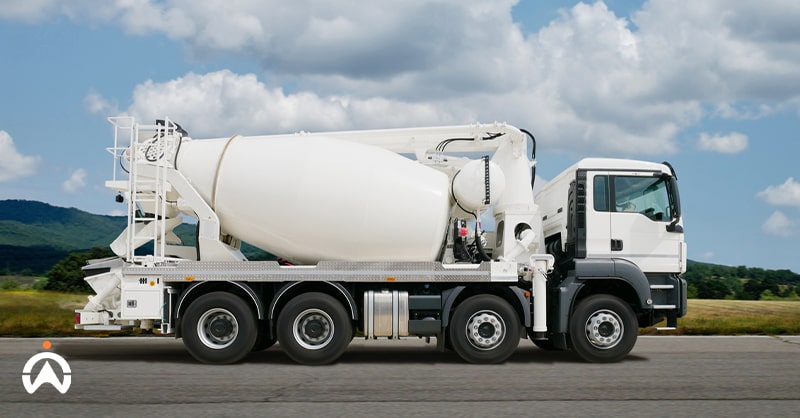
One way of doing this is having a fleet management system in place to track, manage and improve how your construction vehicles and equipment are being used, to maximise the utilisation of your assets. If certain equipment, such as cement mixers are underutilised, it may be more cost-effective to rent or sell them rather than letting them waste away in your fleet.

In addition, cement plays a vital role in the completion of construction projects, and should be delivered on time with proper route planning. The timely delivery of cement ensures that the concrete mixture maintains its quality, which is necessary to complete projects.  

A fleet system in place also helps you ensure that your equipment is well-maintained and serviced at regular intervals, which will prevent breakdowns and unexpected downtime. This is vital to help complete projects on time and meet customer expectations. 

It also allows you to optimise your operations, manage your employees, plan routes effectively, prevent fuel and vehicle theft and enhance safety and compliance, so you keep your business booming.

There are just a few examples of why fleet management is needed in the construction industry or any industry for that matter:

  • Excessive fuel consumption and fuel theft
    ‍
  • Low driver retention, or risky driving behaviour
    ‍
  • An increase in asset theft or lack of effective asset utilisation
    ‍
  • Poor vehicle maintenance, increased unexpected breakdowns and downtime
    ‍
  • Poor customer service and delayed delivery times due to inefficiencies such as failed route planning

Every one of these seems pretty important, right? But, there is one aspect of fleet management that should be at the top of your list.

What is the most important aspect of fleet management for companies?

The first thing on your priority list should be keeping your fleet as safe as possible. This includes maintaining your vehicles, promoting safe driving practices, and enforcing compliance with safety regulations. 

This helps keep your drivers, cargo, and other road users safe by preventing accidents, injuries and fatalities and also reduces unnecessary expenses and disruptions. 

Without insights and data, managing a fleet is almost impossible. With data, you know exactly where improvements need to be made in your fleet, and how to take action and can accurately analyse your progress.  

Now that you have a better idea of what the most important aspect of fleet management is, what does a fleet manager actually do? 

Let’s quickly unpack a few of the day-to-day tasks they face.

What does a fleet manager do?

  • Managing, overseeing, and supervising fleet operations
    ‍
  • Hiring quality drivers and monitoring driver behaviour and performance
    ‍
  • Educating drivers, monitoring and boosting team morale
    ‍
  • Creating and managing driver job tasks and schedules to maximise productivity
    ‍
  • Ensuring the fleet remains compliant and avoids unnecessary setbacks
    ‍
  • Implementing fleet management strategies to reduce fleet costs and increase productivity
    ‍
  • Creating and using detailed reports
    ‍
  • Organising paperwork and administration
    ‍
  • Ensuring regular vehicle maintenance for operational efficiency and minimising downtime
    ‍
  • Meeting client expectations and ensuring a high level of client satisfaction
    ‍
  • Excellent leadership and decision-making skills

Fleet management is a complex process that involves multiple players working together, allowing you to manage your fleet effectively. 

So, who are these key role players?

Which key role players make fleet management possible for businesses?

  1. Fleet management software providers: Telematic solution companies like Cartrack Malawi provide solutions for businesses to track and manage their vehicles and drivers in real time.
    ‍
  2. Drivers: The people in a business who are responsible for operating a vehicle to transport products, passengers or services from one point to another.
    ‍
  3. Vehicle manufacturers: Companies who are in the fleet management space by offering their own telematics and fleet management solutions.
    ‍
  4. Fleet leasing and rental companies: Give businesses access to fleets of vehicles on a lease or rental basis, and often offer additional services such as maintenance and insurance.
    ‍
  5. Fleet consulting firms: Specialise in fleet management, and provide companies with advice and guidance on how to optimise their fleet operations, reduce costs, and improve efficiency.
    ‍
  6. Insurance companies: Offer asset protection coverage for fleet vehicles, and some offer risk management solutions to reduce collisions and  accident claims.
    ‍
  7. Compliance and safety providers: Specialise in providing solutions to help businesses comply with regulations and improve safety because running a fleet can be risky.

Fleet managers are the main players in a fleet. To manage and build your fleet, you need to understand and excel in each fleet component. 

What are those components that will help you boost your business? Here are 10 of them:

9 important building blocks of fleet management

  1. Vehicle acquisition or procurement

    Before you maintain and manage the lifecycle of your vehicles, you need to make an informed purchase. You’ll need to go through a process of selecting, purchasing, and financing vehicles for your fleet, and consider some data factors. The first thing is the initial cost of the vehicles. Many dealerships have a special division for fleet sales, and then it’s up to you to negotiate the best deal possible. Then you need to decide if you want to lease or buy them. Leasing has lower up-front costs but offers less flexibility for customisation. Buying, on the other hand, requires a larger up-front capital investment but offers greater flexibility. You can explore the options and pitch this to upper management.
    ‍

  2. Maintenance and repairs

    Once you have purchased your vehicles, it is important to make sure they remain in good condition with a preventative maintenance plan in place. This includes having easy access to all your vehicle’s onboard diagnostics, such as oil leaks, water fluctuations, engine faults, worn brake pads, and more. So if parts fail, you will know and then can quickly replace them. You should also know when to service your vehicles at regular intervals, to prevent unexpected breakdowns.
    ‍
    Another part is keeping a history report of your vehicles’ maintenance, to know which vehicles perform better than others, so you have the right vehicles in your fleet. This historical data also helps you predict when a particular part may fail in advance, so you can be more prepared for downtime. Ultimately, having a healthy fleet will increase the longevity of your vehicles, increase uptime and will improve maintenance and fuel costs too.
    ‍

  3. Asset management

    Apart from maintenance plans, a question you need to ask is how effective are your assets being used? Whether it be your equipment or vehicles, are you getting the most out of them? A vehicle sitting for days with no load is a waste of money. Equipment not being used properly can cost you more money on maintenance and fuel. This is why effective asset utilisation is needed. It includes monitoring asset usage patterns and utilisation rates, so you can assess productivity levels. For example, if a piece of equipment is underutilised, you will need to find out the reasons behind it. It could be that it requires repairs or maintenance, or it may not be the most suitable equipment for the specific task at hand. The operator could not be using it efficiently, causing excessive idling. You will need to find out why it’s not as productive.

    Another important part is overseeing the entire lifecycle of all your assets, and typically which assets are the most valuable. You will need to decide when to sell old vehicles and buy new ones, and at the best time. You can do this by analysing data related to routine maintenance, repairs, and delays due to breakdowns. Next, you can calculate the cost of buying new vehicles, and find the best point in a vehicle’s life cycle to trade it in for a new one. This will also be good for your brand image, no business wants their brand name on a tattered-looking vehicle.
    ‍

  4. Driver management

    This includes taking all the possible measures to ensure that your drivers operate your vehicles safely and reduce accidents and harsh driving. To achieve this, you will need to set safety standards for your organisation in line with compliance and regulations and then take steps to monitor your driver’s behaviour. One way to do this is to offer driver training on safe driving and uncover areas where they are not following the safety standards, and then empower them to rectify their mistakes and take accountability. Drivers should also have licenses and certifications to use certain vehicles, as ill compliance with these rules can lead to fines, legal issues, and reputational damage.
    ‍

  5. Fuel cost control

    According to experts, up to 30% of a fleet’s expenses or costs can go toward fuel spend. With petrol prices at a record high, it’s no wonder why fuel control is an important part of fleet management. All steps should be taken to minimise fuel consumption, costs and address factors that waste fuel. Some possible reasons for fuel spikes could be speeding and driving methods, idling in traffic, low tyre pressure, poor vehicle maintenance and route optimisation as well as fuel theft. You should control fuel consumption in your fleet with data insights into driver efficiency, vehicle optimisation, route planning and fuel trends.
    ‍

  6. Fleet admin

    What about all the paperwork tied to your vehicles and drivers? If this goes unnoticed, your business could face hefty fines and compliance breaches. No fleet manager has the time for avoidable and costly headaches, which is why you would need a plan that helps you manage the admin part of this. Everything from license renewals to insurance, maintaining commercial licenses for drivers, and hazmat placards (display of what kind of goods are being transported) — should be on your admin to-do list.
    ‍

  7. Policy development

    Your business should have ethical policies in place, so you have a guideline and benchmark for making important decisions, which prevents you from making costly mistakes.

    Here are examples of some of the points these policies cover:

    – Are drivers allowed to idle the vehicle when they stop to rest?
    – Where can drivers refuel?
    – How many speeding tickets can drivers get before facing disciplinary action?
    ‍

  8. Risk analysis

    Another part of the job is predicting and mitigating risks. You should create a risk audit, to assess what areas of the business pose risks and if your business’ policies address these risks — then see if your employees are complying. For example, if one of your drivers is not following the correct driving methods, there could be risks of collisions or accidents, causing damage to your assets and cargo. In this case, you could retrieve driver behaviour reports and conduct a risk assessment on the overall driving methods of all your drivers, and then calculate the probability of such risks.
    ‍

  9. Environmental and sustainability management

    The transportation sector ranks as one of the most polluting industries for emissions. This is why you need to try to make your fleet greener and more eco-friendly. It involves being socially conscious of the impact your fleet has on the environment and where possible, trying to reduce your fleet’s carbon footprint. This could include improving fuel consumption through eco-driving methods, fleet maintenance, and route planning, to cut the emissions released from your fleet.

    Another part of fleet sustainability is ensuring that your business is paperless, where you can use digitised and automated processes. It also helps make fleet management successful and reduces the admin load in your business.

    Do any of these appeal to your business? Don’t worry about where to start, Cartrack’s powerful fleet management system does it all for you.

    Here’s a glimpse of everything it can do and how it can help you.

What does a fleet management system do?

A fleet management system is a software and telematics solution that gives you increased visibility of all aspects of your fleet 24/7, so you can streamline and manage your operations efficiently. 

It uses powerful GPS technology to collect and analyse data from your vehicles, drivers, and assets in real time, so you can monitor their movements, prevent delays, make quick decisions, and eliminate unnecessary guesswork in your business.

Benefits of Cartrack’s fleet solution for fleet managers

Instead of juggling various fleet tasks at once, Cartrack Malawi can help you with everything fleet-related, giving you tools to handle the building blocks of fleet management.

Get the following features and more:

  • Know the performance of your vehicles and assets. Get asset utilisation rates and insights so you can maximise the usage of your assets, and sell underutilised assets.
    ‍
  • Receive real-time vehicle diagnostics and maintenance alerts. This will allow you to service your vehicles regularly and keep your fleet healthy, to prevent downtime so you can keep your business productive.
    ‍
  • Get driver behaviour insights and reports. Use these reports to monitor driver performance, educate drivers on good driving methods and cultivate a safe driving culture in your fleet.
    ‍
  • Keep control of your fuel costs under control. Get data insights into the fuel consumption levels in your fleet, to prevent excessive fuel wastage and save on fuel costs. Easily detect fuel siphoning, fuel card fraud, and fuel theft which could be causing high fuel usage.
    ‍
  • Digitise your operations and reduce admin in your business. Receive relevant reports, automated alerts, insights, and analytics tailored to your business needs, to avoid spending excessive time on paperwork and spreadsheets.
    ‍
  • Keep your fleet sustainable. Get insights into reducing your fleet’s fuel consumption, which will result in fewer emissions and pollution.
    ‍
  • Create ethical business standards and policies. With a fleet system, you can effectively monitor and improve the various activities within your fleet, allowing your business to operate with higher ethical standards and compliance. Get valuable insights and tools to optimise vehicle fleet performance, enhance driver accountability, and make informed decisions that align with ethical business practices.
    ‍
  • Prevent risks in your fleet with live alerts.  Use data alerts and vehicle tracking insights from the system to stop potential problems and risks in real-time, before they cause damage to your business.

And, this is just the tip of the iceberg, you’ve got to see for yourself…


Get powerful data you need to manage your fleet and business costs with Cartrack Malawi

No matter your industry and what you want to achieve in your fleet management company, Cartrack Malawi gives you cutting-edge tools and an all-in-one fleet solution. Gain more control over your vehicles, drivers, admin, and cargo today with Cartrack Malawi.

How Cartrack helps digitise fleet management administration

Fleet administrators work in offices overloaded with stacks of paperwork and data that they need to compile, keep and search through manually. Thanks to digitisation, this chaos and confusion can simply be solved! 

The emergence of fleet management software has allowed for the shift from manual to digital fleet management. Fleet administrators can now say goodbye to browsing through heaps of paperwork by streamlining the entire fleet operation and using data analysis to ensure smooth fleet operations. 

Firstly, what is vehicle fleet management?

Fleet management is a term of paramount importancefor any business that relies on commercial vehicles to operate – whether it be cars, buses, vans, or trucks. This is because fleet management refers to the measures taken to manage all fleet vehicles and assets to operate a fleet business efficiently, in a timely manner, and within set budgets and profits. 

The fleet management process ensures that a fleet business reduces operating costs to increase profits, improves its reputation by improving efficiency and customer satisfaction, and ensures fleet compliance.

Fleet management is therefore purposeful because it allows the fleet businesses to maximise productivity and profits with minimal associated risks and operational costs. Effective fleet management is achievable through the combination of vehicle or GPS tracking, fuel consumption management, monitored driver behaviour, and vehicle maintenance – all this is in the hands of a fleet administrator or manager. 

Let’s take a moment to step into the shoes of a fleet administrator.

 What a typical fleet management administrator job looks like

A fleet administrator is an individual responsible for overseeing a fleet business’s vehicles and operations. Fleet administrators possess the ability to ensure fleetbusinesses reduce fleet operation costs while increasing profits. This is an essential and critical role as the success or failure of a fleet business lies in the hands of a fleet administrator’s ability to effectively manage the fleet. 

Although the precise job description of a fleet administrator varies based on the business industry, size, and type. Below is a list of some of the tasks a fleet administrator is responsible for:

  • Fleet analysis, reporting, and optimisation
  • Ensuring driver and vehicle safety
  • Ensuring vehicle maintenance and services
  • Managing and organising business admin and reports
  • Monitoring fuel consumption
  • Controlling and managing operation costs
  • Assigning tasks and ensuring timely delivery

Challenges faced by modern fleet administrators.

With all the demands and responsibilities, fleet administration management requires managers to ‘wear many hats’ in their role. As a result, this is accompanied by challenges encountered on a daily basis, such as: 

  • Fuel management: One of the biggest operational cost challenges for fleet administrators is managing fuel consumption. Both internal factors such as driver behaviour and external factors such as fluctuations in the fuel market price affect the ability of fleet administrators to manage fuel costs and consumption.
  • Vehicle maintenance and driver safety: It is the responsibility of a  fleet administrator to ensure the safety of both vehicles and drivers. It can be challenging for a fleet administrator to keep up with each fleet vehicle’s maintenance, and monitor each driver’s behaviour- whether it is for one or 100 vehicles and drivers.
  • Admin overload: Whether big or small, fleet operations generate a lot of data. Searching through large amounts of information can be time and energy-consuming, and runs the risk of misplacing or losing important information. 

Luckily, there is fleet management software that helps fleet administrators overcome these challenges by digitising and automating the fleet management processes. 

Fleet-Manager-with-calculator-and-pc-/-laptop
What a typical fleet management administrator job looks like

Digitise vehicle fleet management with fleet management software

Fleet management software is the technology that helps fleet administrators gain an overview of the entire fleet operations to efficientlycomplete fleet-related tasks in a productiveand timely manner.The purpose of fleet management software is to maintain an accurate and up-to-date overview of vehicle and asset GPS location, vehicle diagnostics, and identifying risky or unsafe driver behaviour while simultaneously reducing manager workload and admin.

With fleet management software, fleet management has never been more simple! Fleet administrators can now track, monitor, and manage:

  • Vehicles, assets, equipment, and drivers
  • Vehicle maintenance and repair
  • Fuel consumption and operation costs
  • Driver behaviour and road safety
  • Tasks, driver routes, and completion rates
  • Fleet compliance 

Fleet administrators are therefore able to save time, money, and energy while collecting fleet-related data that is converted into easy-to-understand and easy-to-use reports and actionable insights.Fleet managers use this information to make informed decisions regarding the fleet operation, coordinate the fleet operation and reduce operational costs while ensuring maximum safety, efficiency, and compliance with fleet regulations. 

Fleet management software also ensures that drivers are rewarded and recognised for their good work ethic and safe driving habits. With data stored on a cloud-based platform and easily accessible in real time, fleet administrators can use it anytime whether to reward, train or expedite employees. 

Fleet-manager-trucks-vehicles
Digitise vehicle fleet management with fleet management software

5 advantages of fleet management software for fleet administrators

Digitisation has had a positive impact on fleet management. With the use of fleet management software, fleet administrators can:

  1. Improve driver and vehicle safety

Safety is a priority in fleet management, luckily vehicle and driver safety have improved thanks to digitisation. Fleet management software helps fleet administrators tackle safety concerns such as accidents, driving in unsafe areas, and unsafe driver behaviours. Fleet management software enables fleet managers to plan maintenance in advance and take vehicles that are at risk off the road, reducing the chance of breakdowns and potential accidents.

  1. Improve driver efficiency

One of the main benefits of the switch from manual fleet management to fleet management software is that it has improved fleet efficiency. With a birds-eye view of driver routes, fleet administrators can inform and instruct drivers to follow certain routes that lead to the safest and quickest deliveries while using the least amount of fuel- bravo! 
This results in cost savings that can increase profitability and gives the business a competitive reputation.

  1. Monitor operation costs and fuel consumption

Typically, fuel costs account for most of the operating costs in a fleet business. The excessive use of fuel even in small amounts, add up quickly and steal from the business profits. Fleet management software has helped fleet administrators ensure that no drop of fuel goes to waste.

  1. Get alerts on vehicle maintenance

Using fleet management software to track and stay up-to-date on vehicle maintenance such as routine oil changes or tire rotations simplifies the job as fleet administrators can receive real-time alerts on when a vehicle inspection is due –  leaving less room for downtime and more for work time.

  1. Track vehicles and assets

Telematics fleet management allows for GPS tracking of fleet vehicles and assets, and route optimisation so it is easier for fleet administrators to track assets and vehicles. This not only saves the fleet administrator time and guesswork but also saves fuel costs by reducing the chances of drivers getting lost and wasting fuel and time.

How Cartrack Malawi helps digitise fleet management administration 

Cartrack Malawi is a software-as-a-service (Saas) platform that helps small, medium, and large businesses digitise fleet management to optimise fleet utilisation, driver and vehicle safety, risk management, as well as workforce optimisation while using data to grow the business. 

Following are some Cartrack Malawi fleet management software and solutions that a business can use to shift from manual to digitised fleet management: 

Fleet-manager-tablet-map-geofence
How Cartrack helps digitise fleet management administration

Web-based software

Cartrack’s easy-to-use and all-in-one platform empowers fleet administrators or managers to streamline the entire fleet operation from team and task management to controlling operation costs. With fleet telematics software, fleet administrators can track the current and historical location of fleet vehicles and assets from anywhere and at any time. Fleet administrators not only save time and energy on admin but also never lose data thanks to Cartrack’s web-based platform that stores data and gives access to historical data.

Reports and actionable insights

Cartrack’s fleet management system has a powerful onboard telemetry device that is responsible for monitoring the vehicle and driver behavioural patterns according to predefined settings, including GPS positioning. This data is obtained by the fleet management system and is designed to accurately and efficiently assist fleet administrators in managing  fleet vehicles, driver behaviour, completion rates, and even fuel consumption. Fleet administrators have the option to select from a range of over 40 standard reports including mileage, driver scorecard, speeding, and productivity reports. 

Automated and real-time alerts 

With Cartrack, fleet administrators can pre-set vehicle violations such as driving over the road’s speed limit, driving over the vehicle’s set speed limit, harsh braking, cornering, acceleration, and entering and exiting geofences or no-go zones and receive real-time alerts when any unauthorised violations occur. 

Fleet maintenance with MiFleet

MiFleet is Cartrack’s easy-to-use administrative and vehicle cost accounting software that can efficiently manage fleet vehicles, drivers, and operating costs. Fleet administrators enjoy the full benefits of MiFleet when tracking devices are installed in fleet vehicles. However, this software can be used for fleet management whether or not the fleet is equipped with telematics technology. One of the great advantages of MiFleet is fuel consumption monitoring. This enables fleet administrators to reduce fleet running costs by quickly detecting any discrepancies caused by fuel theft or uneconomical driving.

Routing 

Routing is a software application that allows fleet administrators to easily set and manage predefined routes for drivers to follow. Fleet administrators receive alerts in real time of any route deviations. Keeping vehicles on their planned routes reduces wastage in operating costs and ensures that drivers are sticking to the task at hand and all cargo stays on the correct course.

Contact Cartrack and digitise fleet management administration

Cartrack Malawi is committed to providing solutions that make fleet management as simple as possible while in-turn empowering fleet operations to run smoothly and successfully. 

Contact Cartrack Malawi today and get in control of your fleet. 

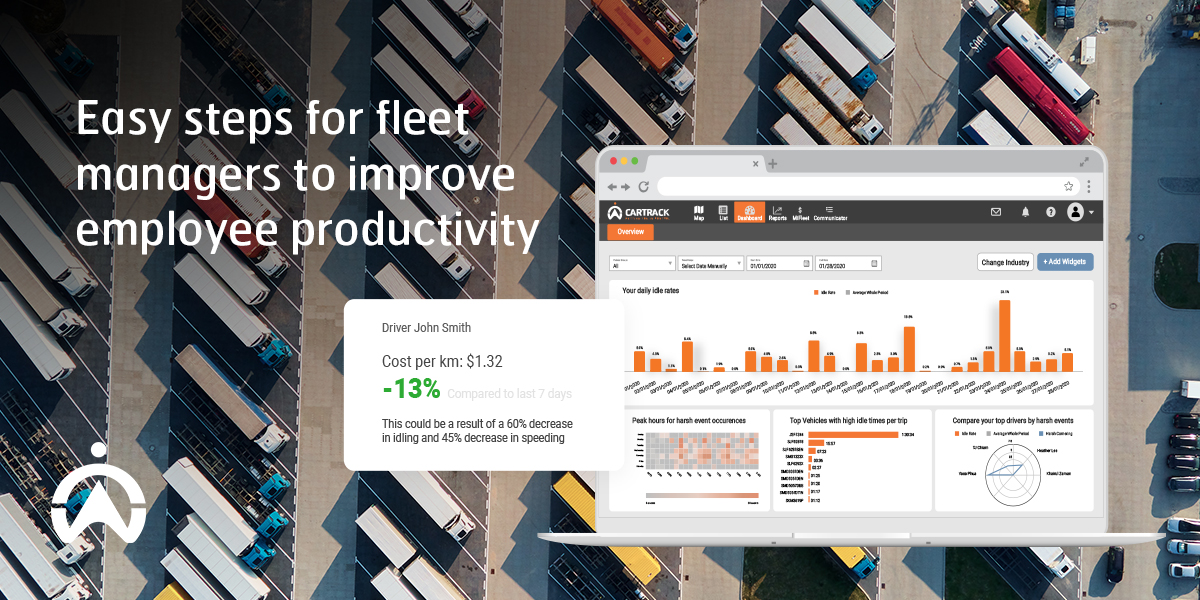
How fleet managers can improve employee productivity and increase efficiency with actionable insights

Have you ever wondered how fleet businesses keep their operations running smoothly, productively, and profitably?

From dispatch to delivery, operation costs to business profits, there is a lot of work involved in fleet management. Behind every productive and successful business is an efficient fleet manager with the best fleet management software.

‍Firstly, what is fleet management?

The term fleet management refers to the management and supervision of vehicles such as cars, trucks, or vans that are used for business purposes. Fleet management does not only refer to a single task but a process involved in overseeing the entire fleet operation, from employee performance to fleet performance.  

The fleet management process includes:

  • Managing fleet vehicles
  • Tracking task completion rates 
  • Improving driver safety and productivity
  • Ensuring vehicle maintenance
  • Analysing fuel costs and managing fuel consumption
  • Optimising routes for on-time deliveries 
  • Using actionable insights to make strategic decisions 

All these tasks are undertaken to increase employee productivity, ensure fleet operations run smoothly, improve customer experience and increase profits while reducing operational costs and time wastage. 

To better understand fleet management, let’s take Bill as an example. Bill is a fleet manager for a small fleet business in the health industry.
‍

What is a fleet manager and what do they do?

As a fleet manager Bill is responsible for all aspects of the fleet business, this includes directing and managing fleet vehicles, resources, and costs. This role requires efficient use of time, and excellent leadership and decision-making skills to effectively oversee fleet assets and increase fleet performance. Even though Bill’s daily routine may differ slightly from that of other fleet managers who work in different fleet industries, they all share common responsibilities which include:

  • Managing, overseeing, and supervising fleet operations
  • Hiring quality drivers and monitoring driver behaviour and performance
  • Creating and managing driver tasks and schedules to maximise productivity
  • Ensuring the fleet remains compliant and avoids unnecessary setbacks
  • Implementing fleet management strategies to reduce fleet costs and increase productivity
  • Creating and using detailed reports
  • Organising paperwork and administration 
  • Ensuring regular vehicle maintenance for operational efficiency and minimising downtime
  • Meeting customer expectations and ensuring a high level of customer satisfaction 

It’s challenging for Bill and other fleet managers to efficiently manage their fleet’s daily tasks while boosting profits. Therefore, they use fleet management software to help them manage small, medium, or large fleets efficiently. This type of system allows them to receive reports, data, information, and actionable insights designed to improve fleet operations and productivity.

Let’s gain a deeper understanding of this fleet management software.

Table with meeting, papers, computers discussing actionable insights
What is a fleet manager and what do they do?

Who uses fleet management software and why? 

Fleet management software is a computer software that simplifies the work of a fleet manager by using GPS tracking so managers can: 

  • Track fleet vehicles and assets 
  • Monitor driver behaviour and performance 
  • Measure task completion rates 
  • Manage and reduce operation costs 
  • Schedule regular vehicle maintenance
  • Ensure fleet compliance

Manually managing all the above can be challenging whether it is one vehicle or an entire fleet. Businesses use fleet management software to simplify the fleet management process by gaining a birds-eye view of the entire fleet operations with an all-in-one platform. This way, Bill or any other fleet manager can improve safety, reduce fleet costs, increase vehicle lifespan, receive real-time fleet alerts, optimise routes, and increase customer satisfaction – all remotely, from his fingertips. 

Fleet management software is useful for any company that needs commercial vehicles and drivers to conduct everyday business. This includes businesses in the following industries:

  • Food transportation 
  • Public or private transportation 
  • Construction
  • Health and emergency services
  • Courier and package delivery services

With the use of fleet management software, fleet managers in the above industries can successfully manage a fleet business by efficiently overseeing driver behaviour, internal and external factors that impact fuel prices, customer expectations, and vehicle maintenance – just to name a few. 

Fleet insights connected in country
Who uses fleet management software and why? 
‍

4 benefits of fleet management software

There are multiple ways that fleet management software benefits fleet operations. Let’s unpack four of these:  

  1. Fleet management provides fleet visibility: Fleet management software integrates vehicle telematics to provide fleet managers with a complete view of all fleet activities. Fleet managers can use real-time visibility or historical data to make data-driven and informed decisions regarding deliveries, routes, tasks, costs, and safety, as well as exonerate drivers or expedite insurance claims.
  2. Fleet management reduces fuel costs and consumption: Fuel costs alone can amount to approximately 40% of fleet expenses. With fleet management software, fuel costs and consumption can be reduced by using GPS vehicle tracking to detect fuel wastage and find solutions, for example:
  • Idle time: A bus wastes 3.5 litres of fuel per hour of idling, a medium-heavy truck wastes 3 litres, and a large sedan wastes 1.5 litres.  With fleet management software, fleet managers can detect idling and educate drivers about the need to reduce idle times.
  • Delivery time: Quickturnaround times translate to less mileage and less fuel used. Fleet managers can use fleet management software to optimise the most efficient routes, access driver and vehicle information, and monitor traffic and weather.To ensure drivers have quicker turnaround times.
  • Driver behaviour: Speeding, harsh braking, and cornering are some of the driver behaviours that waste fuel. Fleet management software allows fleet managers to monitor driver behaviour and receive real-time alerts in the case of poor driver performance.

With Cartrack’s easy-to-use Mi-Fleet software, fleet managers can easily manage and control fuel transactions, pinpoint fuel wastage, and detect fuel fraud. This saves fuel, money, and admin. 

  1. Fleet management increases employee productivity and safety: Managers can ensure fleet operations are both safe and productive by using fleet management software that manages vehicle maintenance, reduces downtime, improves driver behaviour, optimises routes, monitors vehicle and driver safety, and boosts employee efficiency.
  2. Fleet management increases customer satisfaction: In the age of fast internet, online shopping, and same-day delivery, customers have become less patient and have high expectations. 61% of shoppers would like to have their items delivered within three hours of making an online purchase. With GPS tracking as a fleet management solution, fleet managers can increase customer expectations by optimising routes and ensuring that drivers remain on course with delivery schedules. GPS tracking further allows customers to track their deliveries in real-time while fleet managers can keep drivers updated on any emergencies or changes to deliveries. 

Any fleet industry or size can reap these benefits if a fleet operation is efficiently managed. For fleet managers to effectively manage a fleet business, teamwork and well-maintained assets are vital. In contrast, having a non-functional team and ill-maintained assets can lead to an unfulfilled fleet manager role and an unsuccessful business operation. 

Top-four productivity challenges fleet managers face

Productivity is the key to a successful business story. As a fleet manager, Bill’s job is to maximise the fleet’s productivity. The productivity of a fleet operation is dependent on a fleet manager’s ability to efficiently manage the fleet. However, fleet managers may struggle to effectively meet their responsibilities and efficiently manage a fleet operation because their role is dependent on the productivity of employees, the state of the business assets and resources, as well as external factors such as inflation rates. 

These are the top four productivity challenges that fleet managers face: 

  1. Time and energy spent on admin and paperwork: The administrative overload from fleet management tasks such as invoicing, creating reports, creating driver schedules, scheduling vehicle maintenance, and following up with drivers and customers can be challenging and time-consuming. Fleet management software provides an efficient, cost-effective, and paperless way to handle admin by digitising and automating day-to-day operations on one cloud-based platform 
  2. Unplanned vehicle downtime: The time vehicles spend off the road due to incidents such as breakdowns, collisions or delays in maintenance and service schedules, hinders the fleet operations productivity and profits. Rather than waiting for unplanned vehicle downtime, fleet managers can use fleet management software to perform vehicle diagnostics and automate maintenance schedules and reports to keep their vehicles on the road, maximising productivity and ultimately profits.
     
  3. Unsafe driving: Unsafe driver behaviour such as speeding, harsh braking, cornering, and fatigued driving increase the risk of accidents and damaged goods. This means more time and costs spent on repairing vehicles, insurance claims, and replacing and re-delivering customers’ products. By using real-time alerts of poor driver behaviour and driver scorecards for performance-based feedback and training, fleet managers can improve driver behaviour and boost productivity.
  4. Unclear communication:  Another big one is communication or the lack thereof, especially on tasks, schedules, and pick-up and drop-off locations which can lead to an unmotivated and unproductive work environment, as well as time and costs wasted on wrong deliveries. Fleet managers must ensure drivers are well-informed, well-rested, and well-trained.  Fleet management software can automate certain tasks and managers can use actionable insights to improve fleet productivity and efficiency.  
    ‍
Fleet manager with computer / tablet
Top-four productivity challenges fleet managers face
‍

Actionable insights to improve fleet management and employee productivity

Actionable insights can be defined as data and information about a business that can be used to make business decisions and achieve business goals. This refers to data and information that can be translated into action (whether decisions or performance). When used effectively, actionable insights lead to improved employee productivity and business growth.  

This way, Cartrack can help fleet-based businesses get more productivity out of their employees, assets, and resources. 

Top-three actionable insights by Cartrack to help improve employee productivity:

1. Contextualised metrics for strategic decision making:With the use of the fleet’s operational, administrative and financial data, Cartrack produces tangible data so fleet managers gain insight into the fleet operation that they can actually use to make accurate strategic decisions.

For example, the fleet’s operational, administrative and financial data can be used to determine the cost per job. If the cost per job is too high and outweighs the profit per job, fleet managers can use this information to decide on cost changes and direct actions to reduce fuel consumption, optimise routes or decrease idling time.

2. Comparable metrics to pinpoint challenges and solutions: This allows fleet managers to compare metrics across drivers and vehicles to pinpoint leakages, identify challenges and solutions to tackle them, and spot where to optimise time and increase productivity. 

For example, fleet managers can compare cost differences per task per vehicle based on driver behaviour, vehicle maintenance costs, fuel costs, and cost per kilometre. If one vehicle’s costs are significantly higher than others, fleet managers can pinpoint the challenge and tackle it.

This information can be used to further empower, educate or train the driver to use assets, resources, and time more productively.

3. Instant insights to spot unproductiveness:This helps fleet managers instantly find the information needed and stay in the know of any unproductive areas of the fleet operation. Whether it is time per delivery, data on a specific vehicle, or driver behaviour – fleet managers can receive instant insights in case they need the information urgently.

Cartrack gives fleet managers an overview of fuel consumption, unproductive idling, safety, and vehicle utilisation on a dashboard, all within just one click. Fleet managers can further use the filters to specify what information is needed- this saves hours that would be spent analysing data.

 Improve employee productivity with Cartrack today

Get actionable insights to improve employee productivity with Cartrack’s easy-to-use platform that gives you an overview of your fleet’s operation. 

Get a quote today and say goodbye to the downtime! 

Empower and improve your construction business with smart fleet management software

The buildings, homes, bridges, iconic structures and the very cities we live in today, are all made possible thanks to construction companies. 

To bring these masterpieces to life and ensure operational success, effective fleet management features are a must-have. 

If you are in the construction industry, you’ve come to the right place. 

We will inform you about ways you can empower and improve your construction business, and how smart fleet management software will help you do this.  

We will inform you about ways you can empower and improve your construction business, and how smart fleet management software will help you do this.  

What does a fleet management software platform do?

This can be referred to as a fleet software platform. 

All kinds of businesses or industries can use the tool to manage all aspects of their operations, from the powerful data insights it provides. For example, gain insights about maintenance, driver behaviour, fuel expenditure, fuel consumption and so much more.  

For a fleet manager, time is money.  

A lot of tasks can be automated to cut time spent on admin and create more time for growing the business.

Certain managerial qualities are also needed, to add the cherry on top of a good fleet management process.

What skills do you need to be a fleet manager?

  1. Create quality supervision

Construction fleet managers need to make sure they have an overview of their operations, drivers, and vehicles all day. No matter the time of day, if their vehicles are not working, they need to give reasons why they are not working, react fast, and find immediate solutions. Or perhaps there could be an issue on-site, they need to identify who is in charge of what construction project or which driver is responsible for using certain vehicles or equipment. 

  1. Make safety a priority

Necessary measures should be taken to secure his/her fleet. They need to know the location of their vehicles in real-time to prevent or identify any theft, and to protect their assets during a construction project. Fleet managers also need to make sure their vehicles are driven well and set performance standards for drivers to meet. This will ensure the  drivers, vehicles, and assets are all safe, while at the same time, unnecessary fleet costs won’t be incurred. Another safety measure is to ensure rules and regulations are being followed, where drivers should be encouraged to avoid distractions and safety hazards. In this case, managers should be aware of no-go zones for their fleet, and create geofences or barriers stopping drivers from entering any unsafe or unauthorised areas.  

  1. Make sense of data

Fleet managers need to analyse, interpret and react fast to software data, to make instant decisions that will safeguard operations. If they receive data alerts such as a vehicle has broken down, there’s bad driving or a vehicle is not where it should be, they will need to respond. For instance, there could be a non-functioning vehicle, and then maintenance will need to be carried out to prevent costly repairs on construction vehicles.

  1. Manage vehicle maintenance and make better decisions 

A manager needs to be more strategic about the data received from the software platform, and use it to plan and be more organised in the future. They can make predictions or forecasts for newly purchased or old vehicles and maintenance plans. Questions like are more vehicles needed? Or which vehicles are being used the most and which are the most efficient? Can be answered by the software platform service  to plan ahead. Ultimately, to reduce fleet costs and do operations more efficiently. 

What are the types of fleet management industries out there?

  • Vehicle rental & leasing
  • Cold chain logistics
  • Construction
  • Taxi
  • Transportation & logistics

In this article specifically, we will dive into what fleet management involves for construction businesses, and give you construction fleet tracking and telematics solutions. 

In this article specifically, we will dive into what fleet management involves for construction businesses, and give you construction fleet tracking and telematics solutions. 

What is construction fleet management?

It involves the planning and oversight of all vehicles, drivers, and assets to ensure productivity and effective workflow in the business.  

It is a process where fleet managers gain full visibility and control of their operations using route planning, vehicle fleet monitoring, data collection, and reporting. 

Managers of construction fleets need to see what’s working and what isn’t, so there are fewer project delays and cost impacts on the entire business. 

A smart fleet management platform is the answer to effective construction fleet management– here’s how. 

Why you need Cartrack’s fleet management solution to improve your construction fleet business

  • GPS vehicle and equipment tracking: Easily locate your vehicles and assets to keep them safe, and acquire information about their condition. And monitor if they are being utilised efficiently. 
  • Maintain your construction assets: Get maintenance alerts when your vehicles and machinery need a service to reduce costs and increase the lifespan of your vehicles. Also, reduce downtime and improve productivity.
  • Construction fleet safety: AI-powered tech cameras give insight into driver behaviour, making sure they are not easily distracted and are driving correctly. 
  • Driver management and training: Promoting safe driving habits and training will help save you time and money. This will improve road behaviour and reduce wear and tear on vehicles. 
  • Keep your assets and cargo protected: Ensure they are where they should be, and receive alerts when they enter or exit unauthorised zones.
  • Timestamps: Know when teams arrive and leave job sites to ensure working hours align so can pay your team’s wages accordingly. 
  • Less admin: Less paperwork, as all fleet processes are automated and documented electronically. 
  • Manage costs: Understand your project costs and ensure your pricing keeps you profitable and competitive. Our actionable insights help you spot cost inefficiencies, empowering you to focus on growing your business.

Equipment fleet management in a construction fleet 

Not only is vehicle management important for your construction fleet vehicle or vehicles, but heavy equipment fleet management plays an equal role.

The breakdown of this equipment could be severely costly to the business, limit projects getting done on time, and cause a lack of delivery to clients. 

Let’s look at a concrete mixer, as an example.

They allow you to produce your own batches of mixed concrete that can be transported directly to where it’s needed on the construction site. It’s also a money and time saver as you won’t have to rely on a concrete batch plant to deliver and you can control the quantity of what is used. 

Let’s say you have ten cement mixers on site, do you know if they are being utilised effectively and if they are protected? Monitor them with GPS tracking technology, and get data insights on the platform.

They could be left on without supervision, and are turning unnecessarily without cement in them– thus are not being used efficiently. You could have some that are underutilised, so then you’ll save by not buying more where there’s no need.  

Also get live alerts if they are stolen, or are being used without consent and if they are due for maintenance. 

Equipment fleet management in a construction fleet

4 major benefits of fleet management software for construction fleets 

  1. Optimise fleet and operator performance 

Successful fleet management systems involve analysing vehicle and operator data to the max. 

Data insights such as fuel consumption, mileage, mechanical diagnostics, maintenance and driver performance– all allow managers to understand fleet operator history and performance thoroughly. 

Fleet managers can then refine daily operations, save on costs and make informed business decisions. 

For example, truck breakdowns and service maintenance can also be extremely costly. Managers can use the data to develop and manage a vehicle maintenance schedule, resulting in a drop in repairs and extending the lifespan of vehicles. They will also operate at full capacity, which means a reduction in fuel running costs. 

In addition, data about the best routes to take and safe driving methods to use can be implemented to improve driver safety and fuel economy.

  1. Increase productivity and workflow

When fleet management software is in place, there’s less room for errors, issues, delays, or anything that could disrupt workflow, resulting in more efficiency overall. 

Fleet managers must coordinate vehicle and equipment dispatch efficiently to keep construction projects on schedule. They can plan efficient routes, find the best routes and send the nearest available drivers to fulfil site requirements. The right people are assigned to the right jobs, and get tasks done better and on time. Projects are planned accurately and the team is accountable and on top of task deliverables needed to keep projects moving forward.

As a result, the company will have more time to respond to urgent requests and adapt quickly without delays.

  1. Improve invoicing

Automated reports tell you exactly when your construction teams arrive or leave their assigned project sites. 

This lets you see their actual working hours so you can bill your clients and pay your team’s wages accurately, helping you avoid cost wastages.  

Managers should consider their invoicing and transactions to be done digitally, which will also improve data security and safety. 

Also to implement financial record-keeping on a digital platform to improve accuracy and minimise payment errors and/or misses. 

This will allow construction companies to look back at payment history and send accurate invoices to clients.  

  1. Better budgeting & forecasting 

The whole objective of running a successful construction operation is to see if there are capital gains. Companies can thus leverage valuable fleet data to get an overview of expenses and an understanding of what projects are making or losing money. 

Get reports to predict expenses and revenue, and generate more accurate budgeting and projections for the future. For example, they can assess how much money has been spent on fuel within a certain period and budget accordingly. 

Overall, the business should understand where they stand financially, to take the right measures to keep their doors open and finances healthy.

How to grow an efficient construction business

We know a fleet management platform will give you more control of your business, but as with any business, other elements are important to your success.

We’ve got some additional tips for your toolbox. 

  1. Create a great team: You need the right people in your corner to ensure the work gets done right. And you should also be rewarding them for great work and empowering them to do better. 
  2. Build a strong network: Attend events and network to build your customer base. Build a report with existing clients, and create a space for positive referrals.
  3. Launch a website: Your website should include valuable information about your company and services, and answer questions your customers often ask. You should list how your services will solve their problems.
  4. Build effective sales and marketing channels: Having an engaging website and social media accounts is a good starting point for an online presence. But to take it a step further, you should consider using effective digital strategies like SEO, analytics, content marketing, and advertising as part of your overall growth strategy.
  5. Invest in the right construction fleet management software: As mentioned, a saas platform will assist with much smoother operations, and give fleet manager’s more control of their fleet through accurate reporting and data insights. 

The best fleet management for construction businesses is out there. Get started with fleet management software from Cartrack. Grow and improve your business with a tech-powered platform today. 

How courier companies can benefit from cost reduction and implement business growth through fleet management

With great demand for online-based shopping comes an even greater need for efficient fleet management. Adapt to the times and grow your courier business with rewarding fleet management practices.With great demand for online-based shopping comes an even greater need for efficient fleet management. Adapt to the times and grow your courier business with rewarding fleet management practices.

Modern delivery services and fleet management go hand in hand in the era of fleet innovation. For a manager to accurately keep track of customers, delivery routes and local as well as international delivery services, the use of fleet management is highly recommended.

What is a courier company?

Whenever you scroll through an online store, order items and clear your cart, guess who delivers your goods right to your doorstep? Courier companies.

These are businesses that collect and deliver items ranging from things like clothes to groceries, from one location to another. They are an affordable option for transporting and delivering parcels across South Africa.

While courier services make online shopping that much easier for the average person, businesses also use these services often, as they are an important part of business operations.

Using couriers for e-commerce fulfilment allows businesses to:

  • Deliver multiple packages
  • Provide a more specialised or regional delivery service
  • Relieve themselves of service delivery responsibility

How does delivery work in a courier business?

How courier services go about fulfilling their orders, depends on the nature of the business, contracts, locations, customer needs and a number of other variables.

To reduce overall transport and delivery time, couriers often pick up many different orders to deliver to specific areas at a time. This is prefered over going back and forth between locations, with a zig-zag pattern. To help avoid this, route optimisation is often used. This way, courier services can dispatch multiple orders in a day and cut down on unnecessary journeys by coordinating area-specific deliveries.

Delivery cycle

How couriers go about delivering parcels might change depending on where the couriers are located. Most couriers follow a standard cycle centred around the customers based on their chosen delivery preferences. 

An average courier delivery process could look like this:

1. From the moment your order is processed and shipping details are sent to you for easy tracking, businesses deliver all orders to a local depot where couriers pick them up and drive them to designated areas of distribution.

2. During this time, you will receive a tracking update of their items, notifying you that the courier company is on-route to delivering goods right to your home or office.

3. This cycle gets repeated as the courier returns to the local depot to pick up and deliver parcels to other eagerly waiting customers. 

Depending on delivery routes and destinations, this cycle could be a lot more back and forth, especially without the fleet management services that offer route optimisation and fuel management.

How to choose the best courier service in South Africa?

Courier companies handle a lot of precious, personal and valuable goods. That’s why it’s important to find a company you trust. A business might need a courier who can deliver their goods on time and make sure their goods arrive undamaged, while the average person just needs a courier company that can deliver their goods quickly.

When looking at courier companies, there are plenty to choose from. Based on your needs, a consumer can view online reviews from previous customers, while it’s best for businesses to choose a courier that has what it takes to manage the size of orders they wish to fulfil and whether that company can meet their local or global needs, they might need to partner with both local and international courier services.

Other aspects to consider include; price, location, international reach, express delivery options and many more. For businesses, it’s smart to consider multiple courier companies that can cater for delivering different types of packages to assist with your needs. 

We put together a list of five courier companies South Africa has to offer that includes both local and/or global shipping:

  1. Fastway Couriers
  2. Globeflight
  3. The Courier Guy
  4. MDS Collivery
  5. Aerospeed Couriers

With The Courier Guy being one of the top courier services south of Africa, offering a popular range of delivery services like:

  • Same-day express delivery
  • Overnight courier
  • International shipping

In order to select the best South African courier service for you, research the services offered and become familiar with their processing procedures.

How to choose the best courier service in South Africa?

What is fleet management and how does it benefit delivery services?

Fleet management is used to track and monitor business operations. With this, a courier company can keep a fleet running efficiently, on time, and within budget while also making effective business decisions.

Fleet management and operations are a part of any business that relies on commercial vehicles to function. To boost productivity and make a business run as smoothly as possible, fleet management is used to oversee all fleet operations, employees and maintenance practices.

The reason fleet management is widely used, apart from efficient management:

  • Coordination of fleet
  • Ability to cut fleet costs
  • Maximising productivity
  • Reaching delivery quotas

 How does fleet management work?

While fleet management software may appear to be a simple solution to the many difficulties that this line of work presents, it is only when other factors are under control that the technologies of fleet management services can be used to their fullest potential.

Software

The foundation of fleet management is GPS tracking. The fleet manager can view the precise location using the software and use it to monitor the vehicles while receiving additional information on other aspects of driving behaviour and safety.

Telematics

Fleet managers can more easily gather data about a vehicle’s acceleration, speed, braking force, and fuel consumption through telematics, which helps them determine when maintenance and repairs are necessary.

The sensors are used to detect any sudden movements, such as fast acceleration or harsh braking, giving you a good idea of the driver’s behaviour, which can directly impact the fuel usage of that vehicle.

Maintenance

Keeping track of a fleet’s records and maintenance expenses can be very expensive. By handling vehicle maintenance, negotiating maintenance expenses, and planning service intervals, using a fleet management system can help cut costs and avoid unexpected downtime.

 How do delivery services benefit through vehicle telematics?

Using courier delivery services to ship goods from suppliers to wholesalers or fulfil customer orders is a common and affordable option for business growth. In our increasingly connected world, especially with the rise of e-commerce, there is no denying the importance and benefits of courier services.

In all aspects of fleet management, a manager needs to run fleet vehicles and maintain safety while they are on the road.

Vehicle telematics data comes in handy when analysing the following:

  • Fleet vehicles
  • Vehicle location
  • Service delivery
  • Coverage
  • Driver behaviour
  • Community safety
  • Routing
  • Dispatching units
  • Diagnostics
  • Preventative maintenance

For your package to be shipped securely and on schedule, you will need an experienced company or service provider that uses telematics technology to live-track and deliver packages securely.

Lost goods?

After ordering an item online and getting the confirmation Email/SMS from the courier service that your parcel is on its way, the first logical option is to track its every movement until it arrives at your doorstep, right? Well, what if your goods get lost in transit around South Africa or within your city? This is where fleet management can assist.

Each parcel has a shipping label that is scanned at each stop along the way, fleet management software can conduct a search starting from the last depot where the shipment was scanned and track it down to the last vehicle that had the items.

What’s the role of the fleet manager?

Fleet managers aim to keep costs low, maximise profits, and minimise risk while overseeing and optimising a fleet.

They are often in charge of the different departments that make up a whole fleet. Fleet managers are in charge of fleet operations and may be tasked with duties like route planning, driver management, asset utilisation, vehicle maintenance, and the implementation of any programmes that help boost business productivity and avoid cost wastage.

To improve fleet efficiency and lower operating costs, entities frequently use companies like Cartrack that offer efficient vehicle telematics with affordable, easy-to-use overall fleet management solutions.

The latest benefits of fleet management

No matter how many vehicles are in the fleet, manually managing them can be difficult. Through predictive analytics and precise reporting, fleet management software can assist fleet managers in:

  • Gaining real-time visibility into their operations
  • Improving driver satisfaction
  • Reducing fuel consumption.
    Reducing operation cost
  • Maintaining fleet
  • Complying with regulatory guidelines 
  • Boosting service levels

5 ways fleet management can improve delivery efficiency in companies

Fleet management technologies have dominated the world of logistics and business transportation. Due to the variety of advantages it provides, they have not only simplified the process but also improved delivery efficiency. Here’s how:

  1. Real-time routing

Route optimisation for effective planning is referred to as “real-time dynamic routing” because it enables fleet managers to make use of real-time data and insights. It considers a variety of factors, including same-day delivery, the quantity of goods, the weather conditions, and the movement of traffic.

It increases the business organisation’s dependability in keeping to schedules and deadlines. Additionally, it helps drivers save time, enabling them to complete more deliveries in a single day.

  1. End-to-end real-time monitoring

The data is available throughout the supply chain for managers and qualified employees. Allowing for better decision-making and general performance improvement as they would be able to access live information anytime from their fleet platform.

Fleet platforms make use of artificial intelligence (AI), machine learning and telematics to provide the power of planning, fleet and driver allocation, and tracking from a single point.

Productivity is increased by highlighting potential problems and improving transparency for customers, managers, drivers, and the business through: 

  • Aggregated data
  • Automated reporting
  • Improved real-time visibility across the supply chain
  1. Visibility

Since goods sometimes use several different modes of transportation to get to their destination, it is occasionally challenging for businesses to pinpoint their exact location due to the nonlinear nature of the route.

However with automated systems, the visibility of intermodal transportation has improved, aiding in the smooth coordination and execution of the plans. Fleet management also increases operational capability and operational efficiency while ensuring that shipments are handled with the utmost care and according to best practices.

  1. Electronic proof of delivery

An electronic proof of delivery (POD) is the signing off of your delivered items on a mobile device. It’s a significant benefit of moving logistics toward digital methods. By going paperless, you can cut costs while streamlining operations for both fleet managers and employees.

With the aid of electronic tools, the labour-intensive manual data entry process is now significantly reduced and gives drivers all the information they require, on an easily accessible platform.

  1. Contactless Shipping

Fleet management software can let customers know when their products have been delivered and confirm delivery through electronic signatures, minimising or eliminating physical contact and maintaining social distance. They are kept informed at every stage of the process and can also pay using digital wallets.

Resulting in:

  • Enhanced customer experience
  • Increased delivery profitability
  • Efficient #PL management
  • Greater control over fleet operations 
  • Improves intermodal transportation efficiency
  • Helps archive perfect order index
  • Adherence to on-time in-full deliveries
  • Reduces carbon footprint
5 ways fleet management can improve delivery efficiency in companies

Benefits of fleet management for courier companies

Fleet management software offers the same benefits enjoyed by other businesses and industries. With a complete view of fleet daily operations, managers can efficiently manage and offer their expertise through fleet platforms without physically being where they are needed.

Now, courier services can monitor their driver’s progress with real-time information, giving you the required insight into driver behaviour and vehicle treatment.

Wireless communication can be used to inform customers when their deliveries will arrive. While other features like mileage reports allow you to track and validate your employees’ work and billing.

Fleet management services also offer the following benefits to courier companies:

  • Communicate quickly and clearly
  • Reduce time spent on administration
  • Deliver a more flexible and reliable service
  • Maximise successful orders
  • Improve operational efficiency
  • Ensure accurate pickups, deliveries and returns

Why is fleet management required?

Catrack’s fleet management solutions can help courier companies that deliver locally and internationally. No matter the size of the courier service, a good fleet management system can help you manage any business.

Contact Cartrack Malawi today for an easy fleet management solution that can be tailored to your business needs.

Using fleet management systems to empower your drivers

Fleet drivers represent the business world and provide much-needed services to the public. Safety measures would not only benefit them, but also the company they work for in terms of maximising profits, cutting costs, and improving delivery systems. Discover actionable fleet safety tips for drivers.

From the moment they drive out the business grounds and hit the road, fleet drivers are responsible for the vehicle, cargo, and their own well-being. They should consider how they handle the vehicle, how they avoid potholes and any objects that could compromise their safety, and much more. 

 The safety of drivers is the most critical aspect of the success of a fleet management system. By putting driver safety and empowerment at the centre of training programs, fleet managers can focus on their most valuable assets – drivers who can recognise their own risky, on-road behaviour and strive to correct their actions. Taking initiative puts fleet drivers in the best position to help keep their fleet on track during challenging times and gives their managers one less thing to worry about.

Cartracks-fleet-management-system-helps-you-manage-your-vehicle-maintenance-schedule

Managing your fleet on the road

While fleet systems get new technical upgrades annually, it’s important not to forget to use the technological innovations to also positively impact fleet drivers’ daily workload. Fleet managers should start using fleet management software to not only optimise delivery workflow but also improve driver skills, awareness and behaviour on the road.

There are many challenges fleet drivers face while driving; one that impacts the supply chain is on-road issues, which may hinder or delay delivery. These issues could be anything from dealing with vehicle maintenance problems such as a tyre blowout while driving, which could endanger both themselves and other motorists, or unforeseen situations of criminal activity, putting the driver’s life in possible danger.

Fleet safety comes first

According to the International Traffic Safety Data and Analysis Group Annual Road Safety Report for 2020, issues such as heavy loads and unworthy cross-border vehicles contribute quite heavily to road accidents and casualties, as do vehicles travelling inappropriately on rural roads. 

Speed coupled with the lack of lane lines, unmarked intersections and unsafe road surfaces, also adds to the high accident rate on our roads. 

This same report highlights that in all countries:

  • Speed is a contributing factor in 15% to 35% of fatal crashes
  • Driving under the influence of alcohol is a factor in 10% to 30% of fatal crashes

Truth is, your drivers are on these very roads but that’s where a technologically advanced fleet management system comes into play. It will allow you to put a speed management and monitoring strategy in place that will help you enforce safer driving behaviour through regular reporting, as well as keep track of where your drivers and vehicles are so that if they do run into any kind of trouble, you can act fast.

Gain insights from your fleet

A good means of instilling safer driver behaviour in your fleet is to hold safety meetings with your drivers. Here they can actively engage in discussions with the management team on where improvements need to be made to individual vehicles and the fleet as a whole. These can be as simple as avoiding a route currently under construction or needing to change a route completely due to dangerous situations such as potholes, illegal activity and more. 

Take the time to draft a fleet safety policy revolving around your drivers. Put yourself in the driver’s seat. Keep it simple but as specific as possible and conduct regular reviews with your drivers. These meetings could include discussions around the wearing of seat belts, the use of breathalysers, and focused driving, which could be monitored by a fleet management system.

Being on the road gives fleet drivers the front-seat advantage, so put their knowledge to good use and drive effective teamwork. Managers can also use these meetings to discuss aspects such as the vehicles themselves, ways and means of improving things such as inspections, toll fees, licence renewals and more.

Cartrack’s MiFleet software is a great application to use for all this; it cuts down on your administration time and keeps you updated through alerts and reminders on where and when vehicle costs need to be covered. 

The alerts sent would also help fleet managers avoid unnecessary downtime and loss of production due to delays such as service maintenance or unpaid fines, and help increase vehicle longevity. 

Using-Cartracks-fleet-management-system-to-keep-track-of -your-vehicle-maintenance

Fleet monitoring to benefit transporters

Roadside situations are plentiful and it’s the responsibility of the fleet manager to try and be present as much as possible in every one of his/her fleets, to defuse any minor or major problems and quickly find the right long term solutions.

While managers do their part in keeping drivers safe, with the help of fleet management software, they can also: 

  • Supply accurate vehicle tracking Through GPS wireless connectivity, the fleet system ensures your drivers can always be found, no matter what route they take.
  • Provide 24-hour live reporting
    To keep the fleet manager as informed as possible, fleet management systems will automatically send reports of every event that occurs while in transit, even if the driver forgets to update it on the mobile app.
  • Have always-on digital platforms
    A live program grants both the manager and driver the benefit of continued and instant communication.
  • Instant access to custom dashboards
    Conveniently have your important or most used tools at the ready as soon as you access your mobile app. Cutting time spent on having to search for certain features.

These types of features help managers keep track of their fleet and implement both instant and long-term strategies to improve driving habits, reduce running costs and increase fleet longevity.

Put safety in your own hands

There are also a few ways drivers can take initiative and implement safety into their daily schedules. 

Training programs are available to help in managing the risks of driving, improve behind-the-wheel skills and also reduce the impact of accidents and breakdowns.

Sometimes, something as simple as rewarding drivers who practise safe road behaviour is all the motivation needed to encourage self-awareness and improvement.

Finding solutions to fleet vehicle neglect

Before we start deep diving into solutions, we first have to know the reason behind destructive driving behaviour and neglect of company vehicles. 

One is if drivers haven’t been properly trained, are unsatisfied or unmotivated at work and are reluctant or haven’t properly integrated into the work environment or culture.

This negligent behaviour can result in on-road running costs increasing, including frequent tyre and brake replacements, future maintenance expenditures, and worse, accidents.

To help rectify this behaviour, fleet managers can peruse:

  • Engaging the workforce by sharing pertinent information with them
  • Hold regular meetings with your fleet drivers to keep them informed and engaged
  • Show them their performance reports, pointing out where they’re doing well or need to make improvements, and what factors affect their results
  • Obtain as much data as possible, both electronic and verbal, to help you form a holistic image of your fleet that allows you to make informed changes with speed and efficiency

The cost of fleet accidents

One accident can greatly affect and cost your company anywhere from $16,000 to $75,000, even if it’s minor and no one was hurt. In the case of fatalities, the cost can skyrocket even if it wasn’t your employees’ fault. The fact that fleet accidents are among the most expensive injury claims for a business, is one of the main reasons why safety is a high priority for fleet business owners.

Here’s a list of the type of cost implications accidents can have on your fleet: 

  • Vehicle repairs/ replacement
  • Fines due to traffic violations
  • Legal representation
  • Court fines
  • Loss of revenue due to damaged fleet vehicles
  • The cost of insurance premiums and deductibles
  • Replacement driver training
  • Loss of productivity due to avoidable downtime

Though this list might be enough to cause a dent in any business’s profit margin, there might still be additional costs added depending on the circumstances, but rest assured, with fleet safety programs and training implemented, there will be significant reductions in on-road incidents.

Cartracks-fleet-management-system-helps-you-monitor-vehicle-maintenance

What are the 5 key elements of effective fleet management?

To avoid losing money in the case of accidents or general poor productivity, businesses should invest in fleet management systems and a fleet safety program, as this long-term investment pays off through better accountability, improved fleet safety, promotes fewer collisions, and reduced operating costs.

There are a few key elements that contribute to an effective fleet safety program:

1. Hiring responsible drivers

An effective fleet safety program begins with the driver recruitment process. Start by finding the right drivers that meet the business’s fleet driver standards. Having a skilled driver with experience in driving fleet trucks would be beneficial.

The idea is to build a reliable and safe team of skilled drivers who understand the importance of fleet safety and prioritise it as much as possible. Hiring drivers who are like-minded in terms of work ethic, attitude and driving skills might result in having a low fleet driver turnover rate.

2. Having a comprehensive driver training program

After assembling a team of safe and reliable drivers, the next step is to train them.

Cartrack has a fleet management training course for fleet managers looking to maximise productivity, as well as offers training facilities for drivers to better improve their driving skills and behaviour.

The training of drivers not only reduces the possibility of accidents on the road but also sets a standard for safe driving among the fleet, ensuring smooth operations. 

3. Monitoring driver performance and behaviour

An effective fleet safety program requires the use of high-end fleet management software that allows fleet managers to efficiently monitor all fleet activity. Regular monitoring of driver performance and driver behaviour ensures all drivers are following the fleet safety guidelines and driving safely.

As a Cartrack customer, you’d have the benefit of using an  AI-powered camera system that monitors drivers while on the road. With this, you could get a full view of your drivers, vehicles and cargo in transit, and receive alerts on any risky driving behaviour or possible collisions. 

You can also use driver scorecards to review their performance, which makes it easier for fleet managers to identify drivers who require further coaching.

4.  Vehicle maintenance

Having routine inspections of fleet vehicles is also an essential part of proper fleet management. Now that you’ve trained your drivers to exercise safe driving behaviours, you need to equip them with vehicles that are in tip-top shape.

This will help prevent unforeseen breakdowns and accidents that result from faulty equipment or poorly maintained parts. Plus, regular vehicle monitoring will lower maintenance costs.

5. Keep a continued focus on fleet safety

The importance of overall fleet safety needs to be repeated regularly. With constant use of safety procedures, this idea will become the norm and integrate itself into the business’ culture.

Sharing important fleet safety metrics with your drivers, fleet managers, and safety officers frequently is also recommended. Seeing the benefits that the safety program brings will validate the effectiveness of the fleet safety program. The habit will continue and be properly implemented into the training programs of new drivers.

With Cartrack’s end-to-end SaaS solutions, you can improve the safety of your fleet by:

  • Having real-time monitoring of vehicle and driver behaviour with Artificial Intelligence (AI) technology can help identify and correct poor driving habits that lead to accidents and prevent them.
  • Monitoring driver performance through scoring and providing targeted training opportunities for drivers improves driving efficiency and lowers your fleet operating costs. Provide end-to-end driving analysis on your drivers’ dashboards so you can identify their most-used routes and intervene to prevent unsafe driving.
  • Creating customised driver safety policies to ensure that they can operate safely while delivering items. It also helps to lower the costs associated with poor driving behaviour.
  • Maintaining and servicing vehicles properly to keep them safe to operate and reduce the risk to both drivers and other road users. Proper maintenance can help prevent problems from occurring.
  • Creating a rewards programme to encourage drivers to drive safely and increase engagement. It is important to be able to attract and retain drivers that are motivated and engaged, as well as offer incentives or bonus payments for those who go above and beyond.

Cartrack’s tailor-made fleet management systems

Put driver safety and empowerment at the centre of fleet management with Cartrack’s user-friendly, fleet management tools. Fleet managers can get more out of Cartrack by taking part in their fleet management training as well as empowering their drivers to partake in the available driver training programs. 

To see other ways Cartrack can help you optimise your business, visit Cartrack Malawi today

Easy steps for fleet managers to improve employee productivity

Managing fleet administrative tasks such as vehicle registration, fuel cards, invoicing and much more, leaves little to no time for fleet managers to focus on other business matters such as –  employee productivity. Here’s how fleet managers can improve productivity rates.

Fleet managers often wear multiple hats and work on several projects simultaneously. Managing fleet administrative tasks such as vehicle registration, fuel cards, invoicing, driver expenses and quoting leaves little to no time to focus on other critical business matters, such as – employee productivity. Learn how to boost staff productivity and encourage fleet managers to bring production back on track. 

With all the responsibilities fleet managers have, some might not be aware of the modern fleet technologies out there that can lessen their load and prove helpful in their daily duties. The most efficient way for fleet managers to increase their employee productivity is by outsourcing some of their responsibilities to someone, or something else. 

Telematics and fleet management systems

A fleet management system is a database used to store all records of your fleet. Documentation on active vehicles, fleet vehicle specs, maintenance and anything else that has to do with your fleet vehicles can all be stored and accessed anytime you need the information. 

‍Telematics, on the other hand, is a combination of vehicle tracking and communication services. It gathers and analyses all data collected from your vehicle(s) and sends it directly to the fleet manager. This information is used to keep track of various vehicle information.

Together, they possess a wide range of fleet data, reports and insights that fleet managers have full access to. All the administrative tasks that would have taken the manager several days to gather and compile, would all be waiting for him/her as soon as they open their laptop or phone. 

How does fleet management help improve employee productivity?‍

The role of fleet managers is to keep costs low, maximise profits, and minimise risk while overseeing a fleet. With fleet management systems and telematics, half of the hard work would already be taken care of.

With the help of GPS technology, fleet management systems allow you to: 

• Know the location of every vehicle in your fleet

• Be aware of each vehicle’s fuel consumption and be able to save

• Be able to decrease maintenance costs by continuously monitoring the vehicles

• Being the first to know when something needs to be replaced or fixed

• Cut delivery time down by implementing route optimisation 

With these benefits put in place, and fleet management systems handling the heavy-duty tasks, fleet managers have more time to focus on maximising safety, improving service delivery standards and customer service and satisfaction. Fleet management systems don’t only improve a business’s work efficiency they also positively affect every employee’s productivity. 

What is Employee Productivity?

Employee productivity is about fleet managers working smarter to raise the business’s bottom line. It’s the amount of work an employee gets done in a specific amount of time, or in simpler terms, how many jobs a fleet driver completes in a day. 

Managers can access fleet data or employee productivity reports through productivity tracking and see where the majority of the employees’ time goes, how long it takes to complete their work and the quality in which it is done. This information is used by the manager to optimise operations going forward.

Productivity tracking

Productivity tracking measures show how productive your employees are in terms of how many projects they can handle and how fast they can get them done. It also tracks what the employees do when they are idling or simply not working, which websites they visit and how long they spend on these sites.

For a fleet manager, overseeing their many tasks on a day-to-day basis and being able to complete them before the day is done is very important. Productivity rates could rapidly decrease if their process is decreased by employees idling by or not completing their quota of tasks. It’s the manager’s job to keep them on schedule and avoid disaster.

“We often assume that productivity means getting more things done each day. Wrong. Productivity is getting important things done consistently,” says James Clear, author of Atomic Habits, “and no matter what you are working on, there are only a few things that are truly important. Being productive is about maintaining a steady, average speed on a few things, not maximum speed on everything,” says the productivity expert.

James Clear shares some top productivity methods with us: 

These productivity methods could be used and utilised by both managers and employees. A valuable tool to have in your workflow management arsenal.

  1. Eliminate Time-Wasting Activities by Using the Eisenhower Box

The Eisenhower box is a task management tool that helps you prioritise tasks. It helps distinguish tasks according to urgency and importance and then lets you go through your work accordingly.

  1. Warren Buffett’s “ 2 List ” Strategy

Warren Buffett, a well-known billionaire investor, devised a two-list strategy in which you write 25 of your top priorities on one list, circle five goals from the first list, and jot them down on the second. Then only focus on those five while avoiding the remaining 20. 

  1. The Ivy Lee Method

This is a 100-year-old strategy that’s proven to work time and time again. At the end of each day, write down six important tasks for the next day, then immediately do those tasks first thing in the morning. Repeat each working day with a new list.

  1. The 15-Minute, Anthony Trollope method

Anthony Trollope created a routine where he would ruthlessly do his work at 15-minute intervals every morning without giving himself any leeway. He exceeded his goals and increased productivity by: 

  • Having someone keep him accountable
  • Tracking his progress
  • Focusing on the small achievements, not the finished product

Being productive is as simple as taking a few minutes out of your day and implementing one of these methods. Ten minutes of planning could result in a whole day’s worth of productive work.

What does it mean to improve employee productivity?‍

Increasing your employees’ productivity means catering to their needs. Fleet managers do this by:

  • Creating a healthy work-life balance
  • Establishing employee relationships within the workforce
  • Creating doable working hours
  • Providing positive feedback on how they can improve their work. 

This allows fleet managers to make long-term solutions that will encourage employee productivity in the long run. These suggestions might not have immediate results, but little by little, an improvement will be evident in productivity rates.

5 Ways to boost employee productivity in your workplace‍

For employees, it’s easy to fall into the mundane routine of working at a steady pace, which often results in incomplete tasks. This could add more tasks to your to-do list for the following day. The more you repeat this cycle, the more work gets piled up and results in procrastination, falling behind on work and slowing down efficiency in your respective department.

Being productive is a skill that many of us struggle to grasp, but it does not have to be that way. Here are a few tips managers should implement to help increase their employees’ productivity at work.

  1. Stop multitasking

You might think doing a few tasks at once will help you finish your work faster, but in truth, it only slows you down and creates more work, as seen in the scenario above. Giving your attention to one task at a time is the only way to ensure your work is done and done properly.

  1. Take breaks

The time allocated for your break is important. It gives your mind and body time to recuperate and get some much-needed energy back into your system. One might think working for a prolonged period means being productive, but the opposite is true. You will feel mentally drained and produce work of poorer quality at a slower rate if you don’t take some time for yourself. 

  1. Set small goals

Small achievements help maintain momentum over the long run. You’re more likely to complete large projects when they come by focusing on every achievement, no matter how big or small. 

Acknowledging employees’ achievements helps motivate them, which in turn makes them more productive.  

  1. Do the most work when you have the most energy

Whether it’s in the early hours of the work-day, or right after your lunch break, the time of day when you’re most alert and energised should be the time where you attend to your biggest tasks. Big projects require large amounts of energy, so give them the proper amount of time and attention they need. There’s no use letting all that energy go to waste on follow-up emails and organising paperwork.

  1. Implement the “two-minute rule”

This method is perfect for preventing procrastination and for reaching objectives without even noticing. All you have to do is fill small spaces of idling by doing tasks that would take you two minutes to do. Before you know it, you will have accomplished a lot of work and improved your work ethic.

Factors that impact employee productivity‍

Investing in your employees will have a lasting impact on your organisation. Beyond an employee’s experience, skills, and work ethic, several other office-based factors affect their work. These factors impact employee productivity, but they are often overlooked by fleet managers:

  • Engagement: Managers often think employees are productive simply by waking up, showing up for work and doing their assigned tasks. Getting to know your employees, giving them a sense of value and purpose so they feel a need to want to do more, is also an important aspect. It encourages them to be more productive.
  • Management practices: What level of engagement does the fleet manager have? Are they available and easily approachable by employees? And does he or she work with individuals’ strengths? Are they able to motivate their workers through their management style? These questions help determine if a manager’s management practice is effective or if it’s a liability to the business.
  • Workplace environment: When the atmosphere is unpleasant or intense, engagement and productivity levels plummet, which negatively affects the entire organisation’s productivity. Unnecessary stress and pressure might even drive employees to consider working for other businesses. 

Fleet managers should look for ways to lighten the mood in stressful moments to ensure their employees remain calm and focused.

  • Appropriate tools: It is about providing people with the necessary tools and resources they need to get their jobs done to the best of their abilities. As a manager, make sure systems are in place to ensure new employee hires and current staff members have access to all the necessary software and resources they need to get their jobs done. 

Employee engagement‍

This can be seen as the level of involvement or interest employees have within their workspace, towards their managers and with their surrounding colleagues. Whether they are fully involved in the business culture or are struggling to integrate into the environment. 

Prioritising employee engagement in the business and various departments within it will build up work relationships and help in the long run, by making employees feel welcomed and more comfortable at work. Providing a safe environment for stellar production increases is an investment any business should be willing to make.

Lack of employee engagement‍

This lack of interest is often a result of improper organisational socialisation, also known as onboarding, in the first few weeks of the company. This is usually the responsibility of HR and the training department, but fleet managers also have a role in continuing to inform, assist and guide employees in their new roles and duties. This will aid in employees’ getting to know and engaging with their environment, colleagues and managers.

The type of work produced by an employee who is merely there to clock in and finish off their day, and one produced by an employee who truly enjoys their work and interacts with their colleagues, are drastically different.

Based on research gathered from 50 employees, Gallup states that “ Engaged employees produce better business outcomes than other employees – across industry, company size and nationality, and in good economic times and bad.”

Key factors to staff engagement:‍

  1. Purpose – “ People want purpose and meaning from their work. They want to be known for what makes them unique. This is what drives employee engagement.” says Gallup.
  2. Development – Employees need to feel like their skills and know-how are constantly being improved and they are learning new things by being at work. Not a place where they constantly share their business knowledge, but one where the business gives back by investing in them. 
  3. A caring manager – Some managers think they need to lead with an iron fist, but a friendly personality and positive feedback go a long way.
  4. Ongoing conversations – The relationship between an employee and their supervisor is critical. If the employee and manager have a good line of communication with each other, issues can be resolved quickly and the work produced will be more aligned with the manager’s expectations, which means fewer reverts.  
  5. A focus on strengths – Employees must focus on the strengths they already have while cultivating and improving their weaknesses. 
  6. Have team building activities – Most people might think this is the job of HR, but managers are the ones that have to put the effort into planning and implementing team building activities as they have an impact on the overall production and behaviour of their employees.
Improving-employee-productivity-with-Cartracks-fleet-management-system

Project management‍

Project management is a process that helps to identify and manage the scope, cost, schedule, risks, and resources of a business. It also includes making sure that all the employees’ tasks are completed, resources are allocated appropriately, and that the work produced provides the business with increased sales and meets the business’s objectives. 

The goal of project management is to create an environment where everyone on the team can work together and produce their best work. The aim is not to fix short-term problems like increasing the number of customer calls or emails sent per day. Yes, these are factors that increase employee productivity, but these problems will more than likely not have an impact on productivity in the long run.

What are performance measures‍

Performance measures are a collection of different attributes that come together to show how much a business, or employee, has achieved, based on its performance in a specific amount of time.

Many businesses use performance measures to set goals established by what their stakeholders and higher-ups expect from them. They then push these objectives towards their fleet managers and employees, to have a set goal.

Understand performance pace for different employees‍

Remember, not all employees work the same or at the same pace. For fleet managers, comparing one employee’s performance to their overall expectations of them or even to another employee is not always an accurate indicator of their ability to perform. 

Managers have to evaluate each employee individually. Keep in mind that they are not all on the same level and they each have their own strengths, weaknesses and process they follow to get through their work. 

Use employee productivity reports to customise every evaluation and use that data to individually improve productivity output. This will improve confidence in the employer, as it shows that the performance measures taken are used to help employees identify their ‘blind spots’. It also builds trust as it proves that the software is really there to make improvements and not as a spy tool.

The importance of performance measures‍

These are to keep fleet managers and businesses accountable and informed about every step taken to reach their goals. Each performance improvement is used to track the trajectory to success and the period in which it would take them to reach their target. 

Without performance measures, managers wouldn’t have any means of tracking small milestones made on their way to achieving the business’s objectives.

Here are five pros and cons regarding productivity monitoring and performance measures:

Advantages ‍

  • Ensures fairness within a work environment
  • Track individuals and team productivity
  • Sets positive standards for workplace behaviour, even outside the office
  • It reveals high-performing employers and underperformers
  • Shields business from cyberattacks

Disadvantages‍

  • Distributions of trust
  • Creates privacy problems
  • Employees can feel highly monitored and start to feel uncomfortable doing their job.
  • Lack of knowledge concerning the monitoring software
  • Cannot track where online, the employee spends their time

Most of the disadvantages of productivity monitoring can be dealt with through effective communication, indicating what exactly will be monitored.

For fleet managers, it’s important to be open and inform fleet drivers of the necessary safety measures put in place in each vehicle, yes, including the AI camera system recording their every move.

Advantages of employee productivity tracking

Productivity tracking helps to fine-tune business efficiency and employee work ethic. It helps the business in the long run by focusing on long-term solutions and not just short-term ones. 

With the help of productivity tracking software, fleet managers can change the way they monitor employees, measure time, and keep track of their teams in between formal office hours.

Here are some of the benefits of implementing employee productivity:

  • Improve employee productivity and efficiency
  • Identifies struggles and internal problems
  • Efficiently track attendance and effort
  • Improves working from home conditions
  • Creates trust in employees
  • Effective project management
  • Increases security and safety

Employee productivity monitoring analyses the data provided to improve your employee’s work ethic, behaviour and productivity.

It is designed to show fleet managers which measures work. The data can be used to improve a team’s productivity as well as allow fleet managers to make informed important decisions like:

  • Whether they need to adjust their goals 
  • Modifying certain departments. 

It also gives a business a good indication of how far they are from achieving their objectives.

Make Cartrack your no.1 solution‍

When looking for a digital assistant to help you improve your employee productivity ratings, workflow and work ethic, Cartrack’s fleet management solutions do it all. 

Cartrack offers fleet managers a range of add-on features that help cut fuel costs and driver expenses, lowers acquisition prices, saving businesses time and money. 

Some add-on features include: 

  • Routing
  • Fuel Monitoring
  • Temperature monitoring 
  • CarWatch

Take your first step into work optimisation, contact us today to get a quote.