Which Factor Most Affects the Cost of Last-Mile Delivery?

The factor that most affects the cost of last-mile delivery is labour, with fuel coming second. These areas are where most of the costs go when businesses get deliveries from the processing point to the customer’s hands. Last-mile delivery is seen as the most costly stage of logistics, sometimes making up as much as 53% of total supply chain expenses.

Labour costs typically include factors like driver salaries, overtime, and route details. On the other hand, fuel costs usually consist of driver density (which refers to the number of stops on a trip) and distance. Combined, they play a key role in shaping how smoothly your operations run and how profitable your business can be.

To help you better understand the high costs of last-mile delivery, we’ll guide you through the expenses associated with this stage, why labour is the heavyweight factor, and how your business can get these costs under control. See how Cartrack and our sophisticated technology can give you full visibility and assist in keeping costs under control.

Why is labour the highest cost of last-mile deliveries?

Labour is the factor that most affects the cost of last-mile deliveries because the last mile is incredibly demanding, with factors like driver wages, idle times, and overtime contributing to the total. So much of the cost is contributed to labour that it usually surpasses other factors like fuel. The longer a delivery takes, the higher the costs.

Let’s look at the effects and amplifications of labour costs:

  • Urban vs rural routes: Urban or dense routes typically see more deliveries being made in less time, typically reducing labour costs. Rural or sparse routes mean more travel time and fewer stops, typically inflating labour costs.
    ‍
  • Driver pay & overtime: If drivers are working overtime or longer hours to ensure deliveries are complete, then more money is going towards wages.
    ‍
  • Failed deliveries: Failed deliveries mean that redeliveries have to happen, which directly contributes to overtime/longer hours and more fuel spent.

What does “last-mile delivery cost” mean?

Last-mile delivery costs refer to the expenses related to the process of getting packages from the last hub to the hands of a customer or business. The last mile is typically considered the most expensive part of the process, even though it’s usually the shortest.

Last-mile delivery describes the last step in an order journey—getting the delivery from the centre to the customer—but it’s complex and costly because of the numerous expectations. Not only are there tight time windows and many stops, but there are also high customer expectations and the need for stellar communication.

Although the last mile is usually seen as a collection of expenses that could weigh the business down, it could actually prove to be a profitable venture. If you implement positive adjustments, like route optimisation or consolidating deliveries, you could potentially gain a competitive edge.

Take a look at the process in its entirety:

  • First mile: This is from the supplier to the warehouse
  • Middle mile: This is from the warehouse to the local hub
  • Last mile: This is from the hub to the customer

Why is last-mile delivery so expensive?

Last-mile delivery is so expensive because of factors like pressures to deliver on time, congested roads, the cost of fuel, and sparse delivery stops. All of these directly add to the overall costs and can affect your business’ level of efficiency.

There are also some Malawian-specific obstacles to overcome:

  • Sparse delivery stops: Malawi has vast rural areas, which means there can be long travelling times between delivery points.
    ‍
  • Infrastructure: Routes and roads can be very unreliable, especially as you move further into rural or farm areas.
    ‍
  • Safety: To ensure safety and security, drivers might take longer routes so as to avoid dangerous areas.

Labour costs don’t always have to give you a headache. You can optimise driver routes and keep track of their performance using Cartrack technologies. Book a demo to see how you can improve the performance and profitability of your fleet.
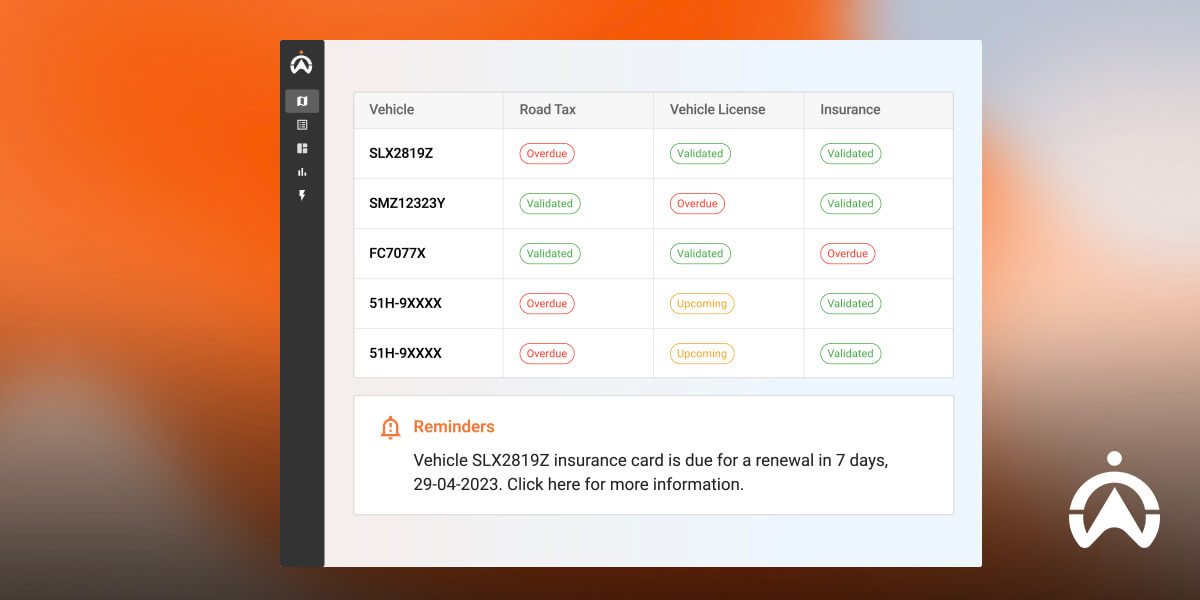
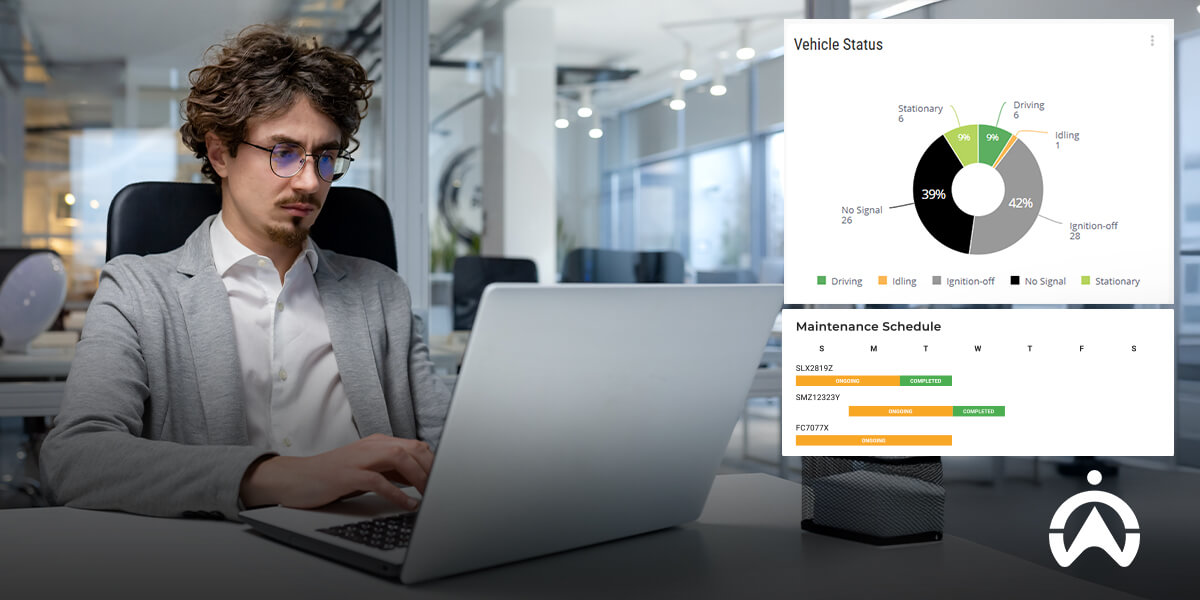
Vehicle management dashboard showing licenses and insurance renewal alerts affecting last-mile delivery cost.

Breaking down the overall cost of last-mile delivery

If we look at a breakdown of the overall cost of last-mile delivery, we have to consider factors like fuel, customer expectations, and driver labour costs. Some of these factors are easier to manage than others, but understanding these variables can help you decide where you can optimise and save.

Take a look at this breakdown of the typical contributors:

  • Fuel and vehicle operating costs: These are probably the most erratic expenses. With the ever-rising cost of fuel, typical wear and tear on a vehicle, and the stop-start nature of delivery driving, it’s no surprise that costs here are high.
    ‍
  • Driver wages and labour: As mentioned, labour is the highest last-mile expense. Driver shortages, wages, overtime, route inefficiencies, and other elements can add up and easily elevate costs.
    ‍
  • Routes and potential inefficiencies: This is one of the best factors to manage cost-wise, as route optimisation can massively improve last-mile costs. Without route optimisation, expect longer routes, overtime, and more idle time.
    ‍
  • Potential failed or repeated delivery attempts: These essentially become hidden costs. Having to make redeliveries means even more per-delivery costs, from wasted fuel to extended driver hours.
    ‍
  • Customer expectations: Customers expect smooth handoffs and deliveries that can be tracked while they’re on the way. This makes deliveries more complex, with restricted delivery windows and rigid schedules.

To better understand which areas are easier to optimise, look at the table below.

How to read the table:

  • High controllability: These are areas where costs can quickly be brought down through proactive governance and fleet management technologies.
    ‍
  • Medium controllability: These costs can be reduced through statistically informed decisions, though they’re still partly shaped by outside factors.
    ‍
  • ‍Low controllability (N/A here): These relate to larger, general variables such as economic shifts or regulatory changes, which are harder to manage directly.
Factor Impact % (Average Estimate) Description Controllability (High/Med/Low)
Labour 40–50% Salaries, overtime, and staff shortages Medium
Fuel and maintenance 20–30% Vehicle costs and rising fuel prices Medium
Failed deliveries 10–15% Redeliveries or customer absence High
Route Inefficiency 10–15% Poor planning and traffic High
Tech/Infrastructure 5–10% IT and fleet tools High

Takeaway:
While labour remains the biggest last-mile delivery cost factor, the most achievable expenses often come from controllable inefficiencies. With various smart technologies available with Cartrack, businesses can improve productivity and make meaningful cuts to operational spending.

How to manage and reduce labour-driven last-mile costs

To manage and reduce labour-driven last-mile costs, it’s best to focus on high-controllability areas and manage those before tackling lower areas. Having a better handle on how drivers spend their time can immediately improve efficiency, but a holistic approach will always be the best way forward.

Consider these strategies:

Route optimisation software and smart planning

Implementing route optimisation software and smarter planning can help you cut back on wasted time, fuel, and effort. Through innovative technologies and AI systems, the most efficient and fuel-saving routes can be planned for each of your drivers.

By choosing to prioritise route optimisation software, especially from Cartrack, you can:

  • Decrease fuel usage
  • Bring down idle time and total time spent on the road
  • Confidently manage more stops in a single shift

Delivery consolidation and managing batch orders

By effectively managing batch orders through delivery consolidation, you enable your drivers to complete more deliveries in less time per trip. Smarter delivery consolidation means you can strategically combine trips in the same geographical areas, cutting down on back-and-forth trips.

Cartrack’s FleetWeb features can help you manage dispatching so that every trip is grouped correctly and more time-effective.

Real-time customer communication

Real-time customer communication—through channels such as in-app updates, SMSes, and ETA notifications—massively improves overall delivery experience. Additionally, clear and constant communication with customers helps prevent potential redelivery attempts.

Cartrack’s customer visibility features (proof of delivery, live tracking, automated customer notifications, etc.) guarantee improvement with first-delivery-attempt success rates.

Safe and efficient driver management

Better productivity and protection directly correlate with safe and efficient driver management. Driver behaviour monitoring tools and telematics allow you to keep track of your drivers while also facilitating proactive and preventative approaches.

Cartrack’s GPS tracking and driver scorecards promote safer driving habits, meaning accident-related interruptions and overtime are reduced.
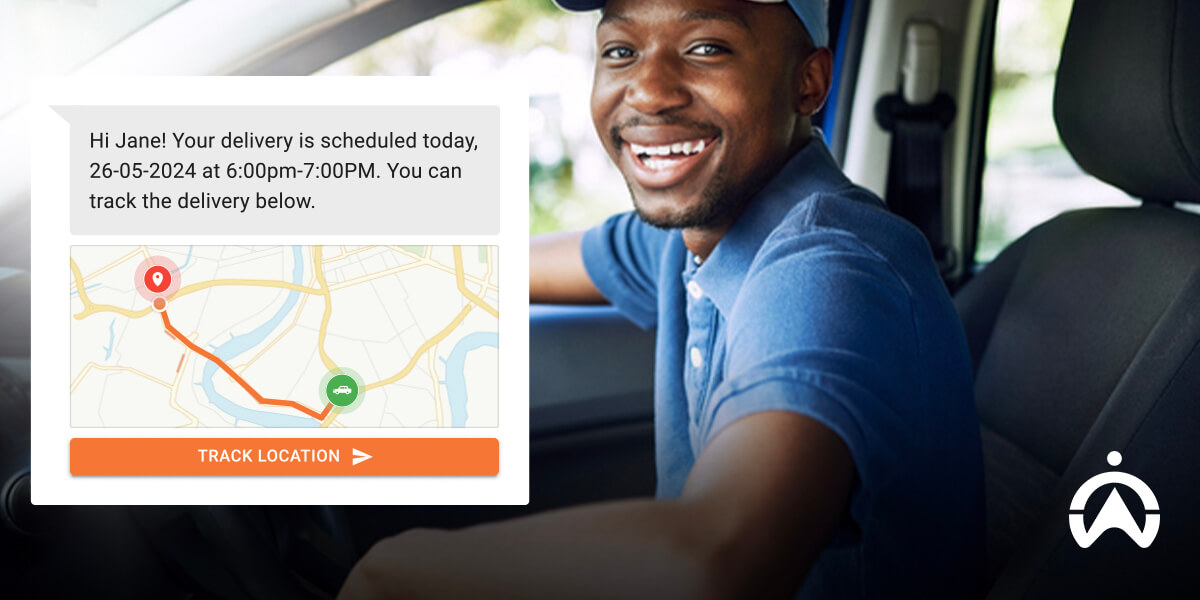
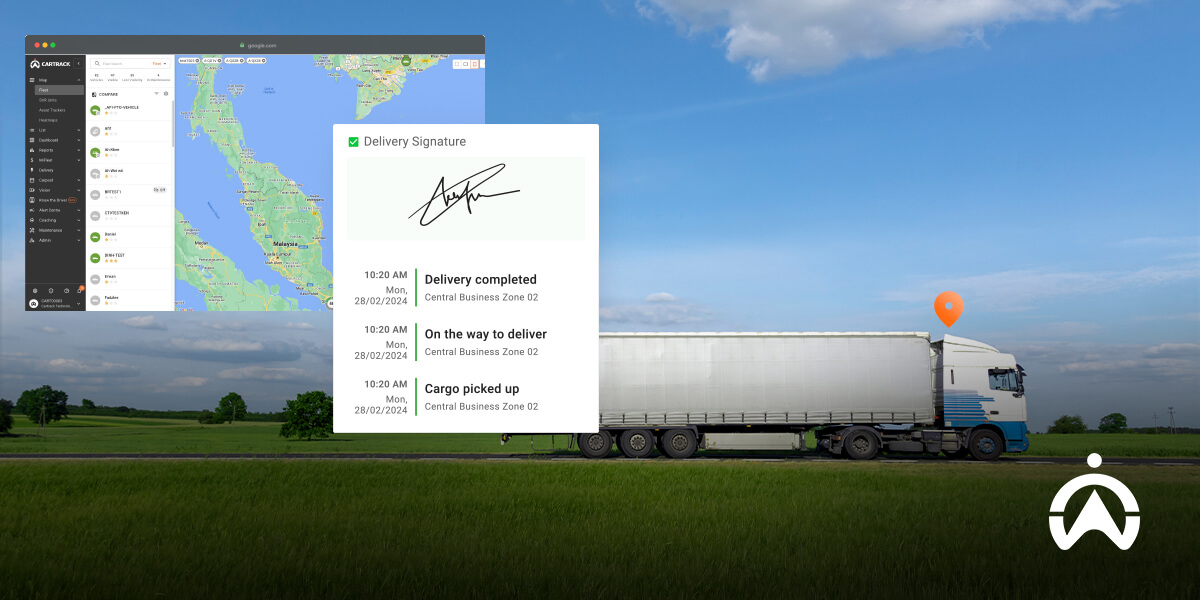
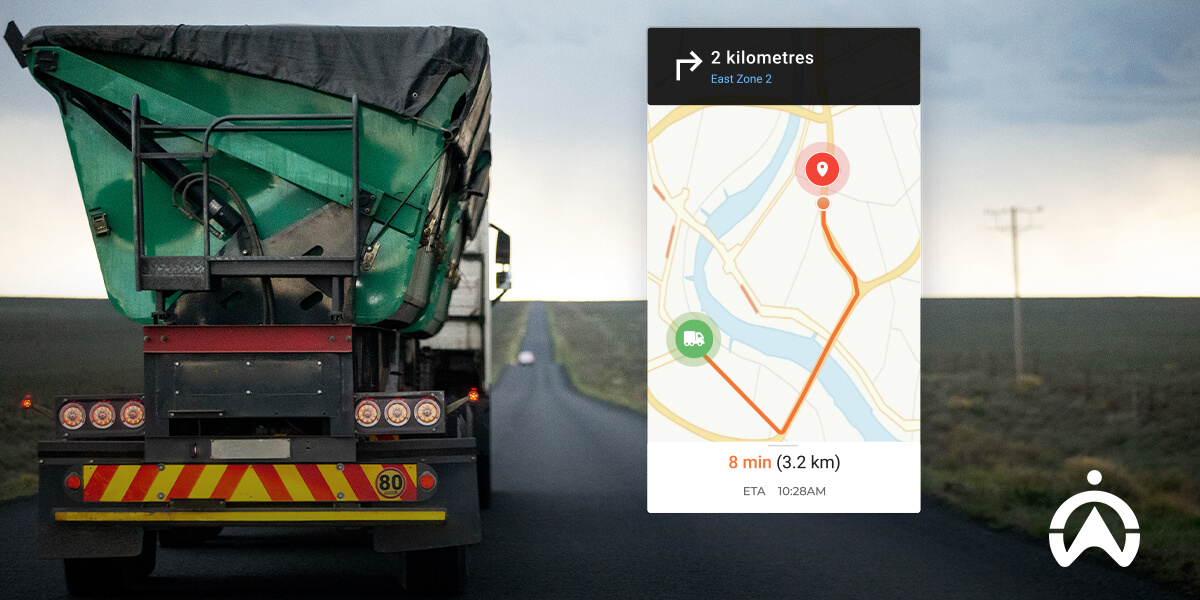
Delivery tracking notification next to driver, illustrating last-mile delivery cost factors

Is last-mile delivery profitable?

Yes, last-mile delivery is profitable, but businesses must balance performance, customer satisfaction, and running expenses. Although this part of the delivery cycle is the most costly, it’s also the most personal, giving you space to truly connect with your customers. If done correctly, you can cement a favourable brand connection and stand out among the rest.

Cost and customer experience

Although reducing costs is the goal, you’ll want to ensure you preserve customer satisfaction and high service standards. Profitability rides on balancing costs and quality service. If you have satisfied customers, you’re almost guaranteed profits through repeat customers and clear brand loyalty. This, however, can only be achieved by quick, flawless, and reliable delivery experiences.

Balancing efficiency and profit

Businesses that implement the right tools and technologies to improve performance are those that are likely to have the best success rates. Lowering costs per delivery while maintaining customer satisfaction could not only improve your bottom line but also give your business an edge over the competition.

Cartrack’s role in reducing last-mile delivery costs

Empowered by advanced technology and real-time visibility, last-mile delivery can transition from a major expense to a strategic advantage. It’s a transformation that Cartrack enables for every business it supports. By directly tackling the highest last-mile costs and helping you take control of them, Cartrack is your top solution as a loyal business partner.

Here’s a look at what we can do for you:

  • Route optimisation: We use smart tools and AI-driven insights to optimise your drivers’ routes, helping them drive smarter and not longer. This cuts back on fuel and overtime spend, ensuring that drivers stay on schedule as regularly as possible.
    ‍
  • Delivery tracking & real-time ETAs: With our customer visibility features, you can ensure smooth deliveries on the first attempt. Redeliveries should become far less frequent, and your completion rates will increase.
    ‍
  • Fleet cost management tools: Thanks to our value-added services like MiFleet, you can have complete oversight over operational finances and performance. This kind of oversight allows you to make insight-backed decisions to improve your bottom line.
    ‍
  • Vehicle security: Hijackings and other threats to safety can lead to potential driver shortages and delivery losses. Cartrack is a leading name in vehicle tracking and recovery, protecting your assets and drivers while preventing pricey disruptions.

Final takeaways

There are plenty of reasons why last-mile delivery costs can add up—fuel, maintenance, routes, and especially labour. The list goes on. These expenses are part of doing business, but it doesn’t mean they have to feel out of control.

With the right technology behind you, your business can move away from just reacting to costs and start improving them before they become a problem. You can keep your fleet efficient, your team productive, and your customers satisfied every step of the way.

Ready to cut your last-mile costs while keeping customers happy? Discover how Cartrack helps dispatch teams deliver smarter, safer, and more profitably.
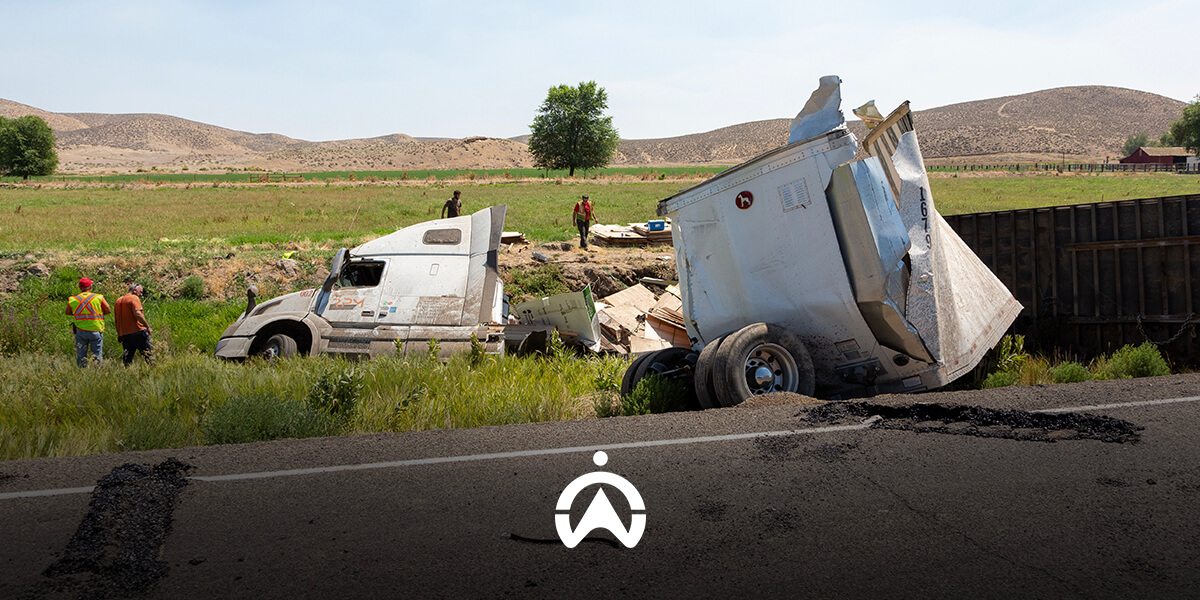
What is the leading cause of truck accidents?

The leading cause of truck accidents is driver error. Fatigue is said to be the biggest contributor to driver error, often caused by long hours on the road. When drivers are tired, their alertness, reaction time, and decision-making are all affected, making them more likely to:

  • Miss road signs
  • Respond too slowly to sudden changes
  • Fall asleep at the wheel

According to Studco, various studies reveal that approximately 80% to 90% of road accidents are caused by human factors. In the same article, they state that fatigue is particularly common among commercial and public transport drivers who work long hours. Other major contributors to truck accidents include speeding, distracted driving, mechanical failure, and extreme weather or road conditions.

Let’s discuss why driver error is so common in truck driving, and what you can do to reduce the frequency of accidents in your fleet.

Understanding the main cause of truck accidents

Driver error is the main cause of most truck driver accidents due to a combination of demanding job pressures. The long hours on the road and strict deadlines take a toll on drivers’ physical and mental health. This results in various risky situations such as driver fatigue, stress and rushing.

According to a study conducted by the Federal Motor Carrier Safety Administration (FMCSA), driver error is 10 times more likely to cause an accident than any other factor. In the same study, they divide driver error into four different categories:

  • Non-performance: When the driver falls asleep, has a heart attack, or is physically impaired by something else.
    ‍
  • Recognition: When the driver is inattentive, distracted by something, or fails to adequately assess the situation for other reasons.
    ‍
  • Decision: When the driver is driving too fast, misjudges the speed of other vehicles, or follows other vehicles too closely.
    ‍
  • Performance: When the driver is panicking and is unable to accurately respond to a traffic situation.

What is the leading contributor to truck driver errors

Driver fatigue is a leading contributor to truck driver errors because most of the time, truck drivers spend long hours on the road, often exceeding working hour limits. They don’t take enough breaks between stops because of unrealistic delivery schedules. These circumstances make it difficult for the drivers to avoid fatigue.

Fatigued driving is responsible for approximately 60% of truck crashes. The greatest risk of an increase in drowsiness occurs in the following circumstances:

  • After 15 hours of driving, a driver starts a shift before 9 am.
    ‍
  • After 6–8 hours of night driving (when a driver starts a shift in the afternoon or evening).
    ‍
  • After 5 consecutive shifts, when driving again for over 13 hours.
    ‍
  • When driving an early shift that starts after midnight and before 6 am.
    ‍
  • During the first 1-2 night shifts a driver undertakes, and during long night shift sequences.
    ‍
  • When a driver undertakes a backward shift rotation (from an evening, back to the afternoon, or an afternoon back to a morning start.
    ‍
  • After long shift sequences of more than seven shifts.
    ‍
  • During nose-to-tail shifts where a seven-hour break only enables five hours of sleep, a duration previously associated with a threefold increased risk for motor vehicle accidents.

Fatigue can go unnoticed. A tired driver may not feel sleepy but will react more slowly and make more mistakes. It’s as dangerous as drinking under the influence, which is why you need to focus on it to reduce the frequency of accidents in your fleet.

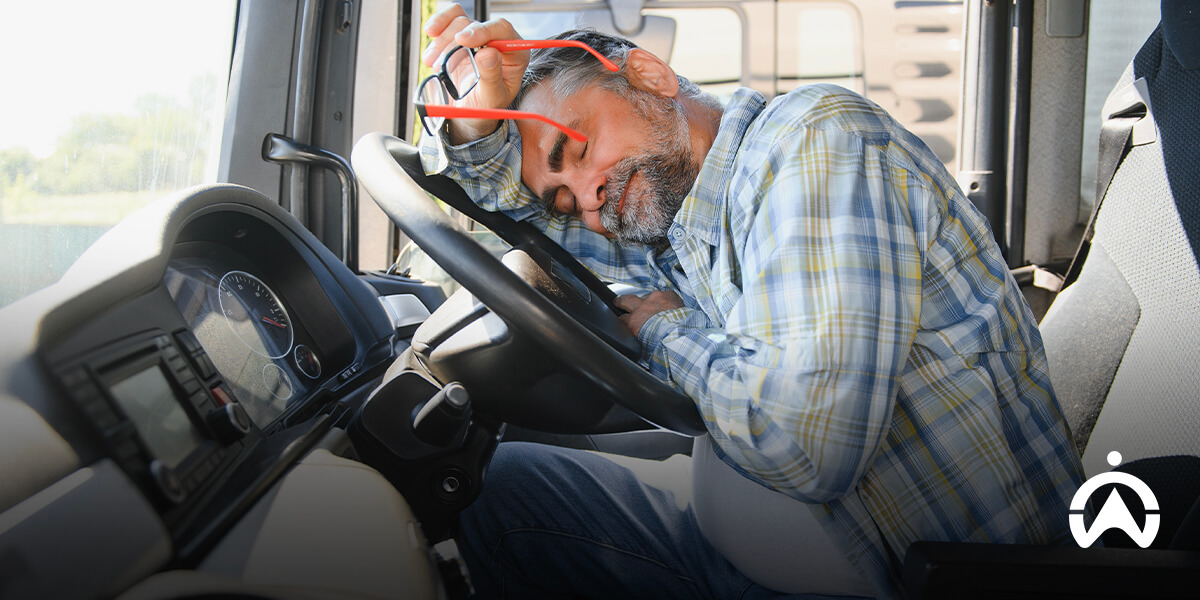
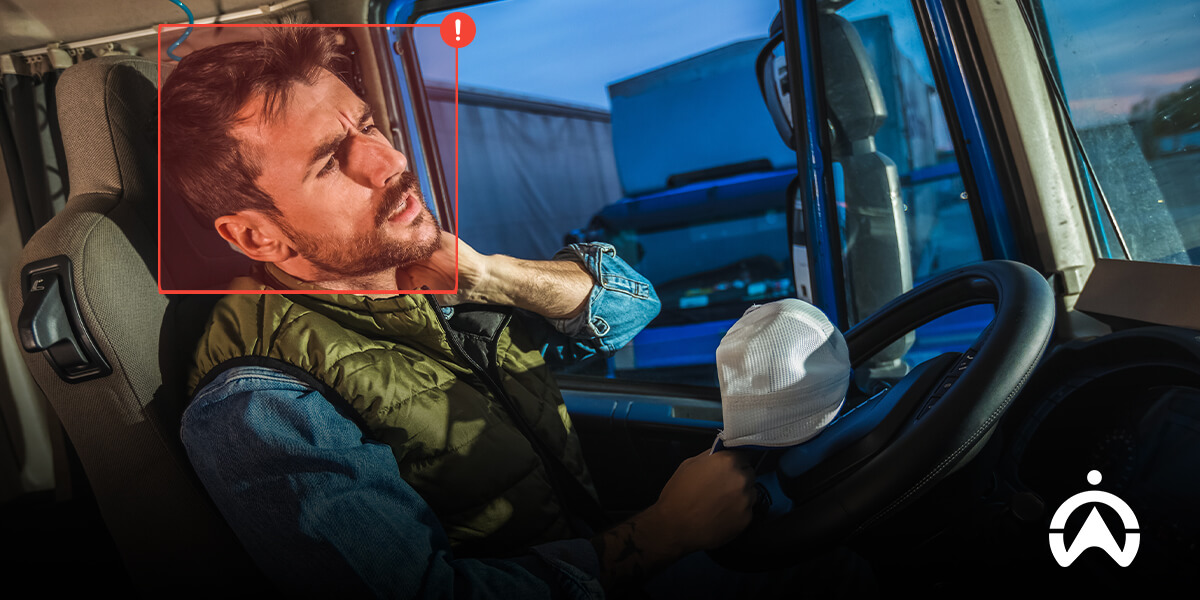
A person in a plaid shirt leans against the steering wheel of a truck, appearing stressed or fatigued in the driver's seat.

Other major contributors to truck accidents

Other major causes of truck accidents include speeding, mechanical failure, driving under the influence, poor weather and road conditions, as well as improper loading of cargo. Knowing the root cause and addressing these factors is crucial for the safety of your vehicles and drivers.

Distracted driving

Distracted driving is a growing concern among commercial truck drivers. Common causes of distracted driving include:

  • Cellphone use
  • Eating
  • Daydreaming
  • Smoking
  • Rubbernecking

Speeding and reckless behaviour

Big trucks require more distance and time to stop. When a truck driver goes above the speed limit or drives recklessly, avoiding a collision in a sudden traffic slowdown becomes almost impossible. The truck’s heavy weight and excessive speed significantly increase the force of impact, which can lead to more severe injuries or fatalities.

Mechanical failure

Due to being on the road for long hours, trucks account for a large daily mileage. This means they require more maintenance than smaller vehicles. If you or your drivers neglect regular inspections and vehicle upkeep, critical systems can fail. Brake malfunctions, tyre blowouts, and steering wheel problems are common culprits of truck accidents caused by poor maintenance.

Adverse weather and poor roads

Extreme weather conditions, such as rain, fog and snow, create hazardous driving conditions for commercial truck drivers. They can reduce visibility and make the road surface slippery, making it harder to control the trucks, which can increase the likelihood of accidents.

Improper loading of cargo

How a trailer is loaded is critical to secure handling. When the cargo is unbalanced or overloaded, your cargo may shift during transit. This can destabilise the truck, resulting in rollovers or jackknife collisions. If cargo isn’t secured, it might even spill onto the roadway, causing more harm to other vehicles on the road. Failure to properly load cargo may result in heavy penalties from regulatory authorities, depending on the severity.

Driving under the influence

It’s no secret that drinking and driving is a major issue in Malawi. Unfortunately, this also happens with commercial drivers, which has a dangerous impact on public safety. It carries severe legal penalties, like a permanent commercial driver disqualification. For your company, it can lead to reputational damage.

The consequences of truck accidents

Truck accidents can have far-reaching consequences that often result in serious injuries or even fatalities. They also leave lasting emotional trauma for those involved. Your business might face major financial setbacks from vehicle repairs, insurance claims, and lost productivity. Your company may also experience reputational damage and regulatory penalties that affect long-term operations and trust.

Here’s a table breakdown of the main effects truck accidents can have, according to three categories:

Category Impact Details
Human cost Injuries and fatalities Can cause emotional trauma for drivers, families, and other road users
Financial impact Repair and insurance costs Leads to vehicle repairs, insurance claims, and fleet downtime
Business consequences Reputational and legal issues May result in reputational damage and regulatory penalties

How to prevent truck accidents

Preventing truck accidents starts with simple but consistent safety habits from everyone involved. This includes drivers, managers, and other staff members within the company. From there, you need to invest in technologies that enhance driver awareness, such as AI dashcams and telematics. Combining technology with consistent safety habits reduces the chances of mistakes.

Here’s how each group can play their part in keeping every journey safe and smooth:

For drivers

When it comes to road safety, drivers are the first line of defence. You must ensure that your drivers take enough rest breaks between trips so they can maintain concentration and alertness. Your drivers must also get enough sleep prior to lengthy travels so they have a good amount of energy and sharp thinking. Lastly, avoiding distractions like eating or using cell phones while operating vehicles can make a significant difference.

For fleet managers

As a fleet manager, you play a key role in preventing accidents by using smart fleet management tools that help you keep track of driver behaviour. It’s also important that you develop strict policies against distractions such as cellphone use, so drivers know the consequences and therefore avoid doing so.

You should also ensure that cars are kept in good condition by performing routine safety inspections of vital components such as brakes, tyres, and lights. Also, keep in mind the importance of driver wellness programs to ensure that drivers are coping.

To further reduce stress and exhaustion, you must ensure that driver schedules and deadlines are realistic to promote rest periods. This ensures that your drivers have enough time to finish deliveries safely. Drivers are more likely to take safety seriously when managers set a good example.

For companies

Your company needs to create a culture that values safety. One way this can be done is through driver incentives. Offering rewards for safe driving practices promotes improved team behaviour. Businesses safeguard their employees, vehicles, and reputation when they prioritise long-term safety over short-term profits.

A mechanic in a blue shirt and gloves works on the electrical components of a large truck with the hood open.

Reducing truck driver accidents with Cartrack

At Cartrack, we have various technologies that’ll enhance the safety of your drivers and ensure that your business adheres to safety regulations. Over the years, we’ve had a hand in combating the frequency of accidents in many industries, including transport and logistics. We offer advanced and easy-to-use vehicle safety and monitoring technology, all from one platform.

Have a look at our top solutions for avoiding truck driver accidents:

AI Dual Vision camera

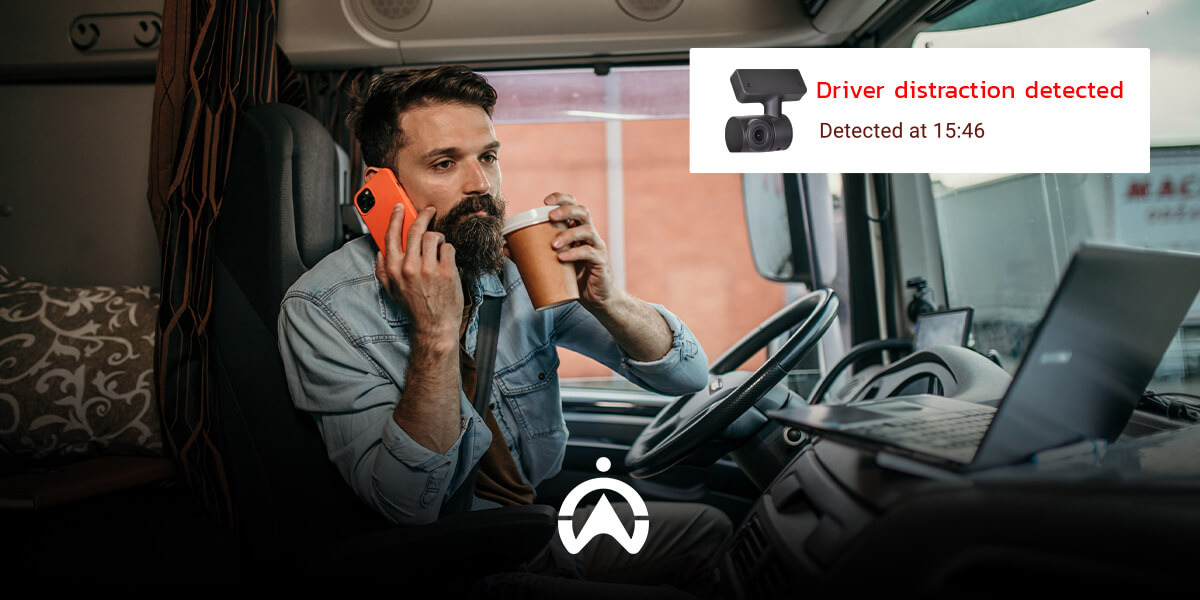
Cartrack’s AI Dual Vision dashcam helps you monitor driver behaviour. Its distracted driving detection capabilities include drowsiness, fatigue, eating, looking away from the road, smoking, and cellphone use. Once detected, it gives out an audible alert so your drivers can quickly correct their actions. This camera further enhances driver alertness by detecting blind spots and when drivers are tailgating.

Our AI-powered dashcam also has telematics capabilities, helping you notice other leading causes of accidents, such as speeding, harsh braking, and harsh cornering. It also has GPS technology, making sure you always know where drivers are.

Predictive maintenance

Prevent accidents caused by mechanical failure by using our preventative maintenance system. With this, you get alerts of engine issues, worn-out brake pads, and oil-and-water fluctuations. You can also use our system to keep up with vehicle service dates so you don’t have unexpected breakdowns.

Logbook

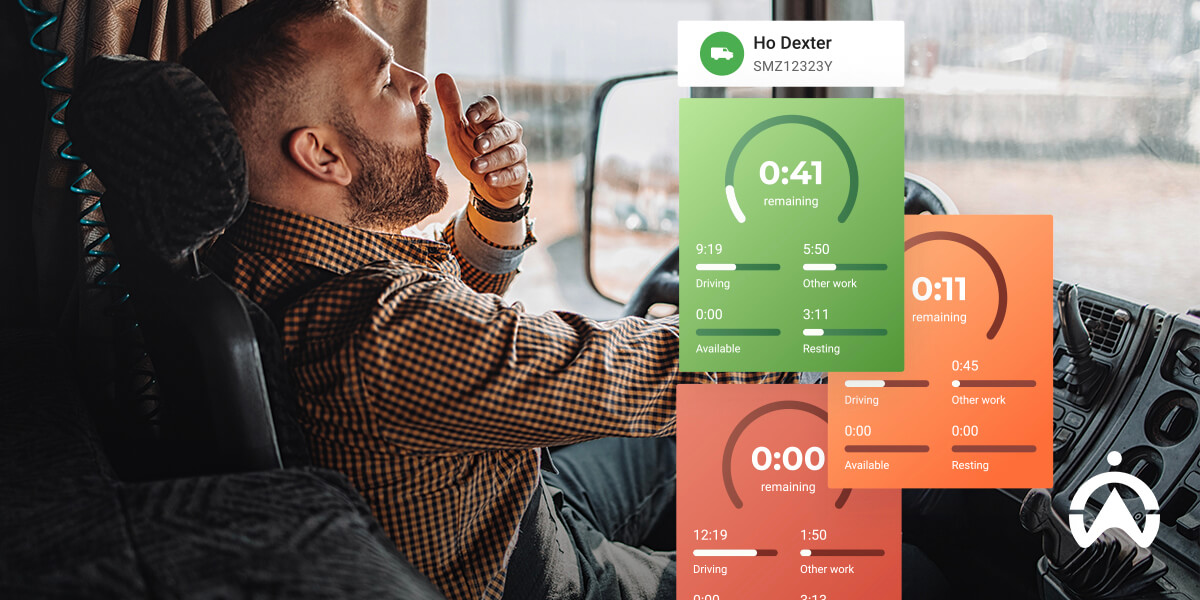
Manually logging driver hours leaves room for human error or fraud. It can create the impression that drivers are within their hours limit when, in fact, they’re not. The Cartrack digital logbook helps you keep up with driver working hours, ensuring that they’re accurate. This helps your business remain compliant, assists in creating schedules and gives drivers enough rest. This is yet another way to prevent driver fatigue and reduce stress levels.

DID tag

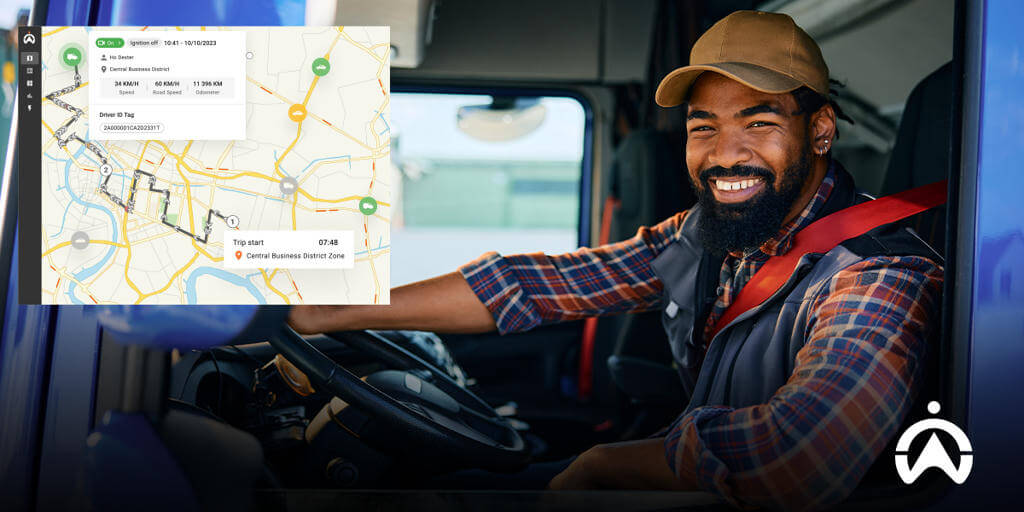
In many cases, drivers share vehicles, and it becomes difficult to know who used which truck. With our Driver Identification (DID) tags, to instantly know which driver is using which vehicle. Should anything happen, you’ll know exactly who must be held accountable. It also helps you ensure that the correct driver is assigned to a truck they qualify for, as each tag is linked to one specific vehicle.

Driver Scorecards

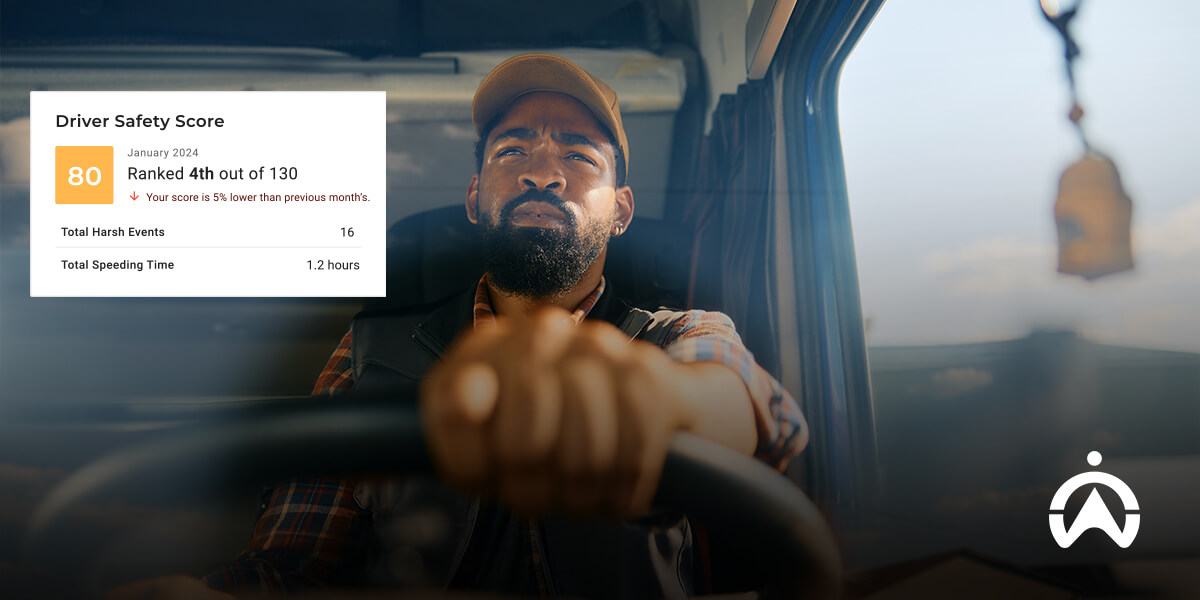
The Cartrack Driver Scorecard system is a great way to promote a culture of safety within your team and motivate your drivers. This is a system that monitors how drivers operate vehicles and rates each driver according to the number of harsh events detected. Through this, you can give recognition and reward high-scoring drivers, and use it as an opportunity to address issues of those who need improvement.

Your fleet’s safety starts with Cartrack

Driver error presents many risks for trucking businesses; however, there are various other major causes of accidents that you should also look into. As a fleet manager, it’s important that you invest in advanced driver monitoring technology to help your drivers avoid accidents.  Protect your drivers and assets — see how our fleet management solutions improve safety. Contact Cartrack today!

Frequently Asked Questions about truck accidents

Where do most truck accidents occur?

Truck accidents predominantly occur on major national highways (B-Roads) and busy main roads characterized by high speeds and dense traffic, critical for commercial trucking operations. In Malawi, these crashes are most prevalent in the Khomas Region (31%), followed by Otjozondjupa (21%) and Erongo (16%), demonstrating that high-risk areas include both major urban centers and the high-volume transport corridors.

What are the 4 causes of accidents?

The four common causes of accidents are distracted driving

  1. Driver error
  2. Drunk driving
  3. Speeding
  4. Vehicle faults

Other causes of accidents include reckless driving, poor weather conditions, jaywalking, and driver inexperience. Understanding the cause of road accidents is crucial for developing effective safety precautions to prevent future collisions.

Which country in Africa has the most car accidents?

According to an article by Business Africa Insiders, Nigeria has the highest number of road traffic fatalities, followed by Ethiopia and DR Congo. However, when measured per 100,000 population, Kenya, and South Africa recorded much higher fatality rates.

Are older drivers safer?

Yes, older drivers are generally safer than younger ones. This is because they have years of experience and are more cautious when driving. However, the Centres for Disease Control and Prevention reports that drivers aged 70+ have higher road accident fatality rates per 1000 crashes compared to middle-aged drivers (aged 35-54).

Why are there so many car accidents in Malawi?

Malawi has high accident rates because of a mix of human factors and environmental factors. Human factors include things such as reckless driving, speeding, fatigue, and distractions. Environmental reasons include poor road conditions, such as potholes, as well as bad weather.

Reduce the risks! Explore the Cartrack driver monitoring tools.

What Exactly Is a Fleet Utilisation Rate?

A fleet utilisation rate shows how well a company uses its vehicles by comparing the time they spend on productive tasks to their total available time or capacity. It might sound very technical, but fleet utilisation impacts every aspect of your operation.

Whether you’re overseeing 10 vans or 500 trucks, understanding how effectively you’re using your vehicles can save you money, reduce downtime, and enable you to make smarter business decisions. Vehicles can easily sit idle, and many don’t realise the cost to your business. Fuel, insurance, and maintenance keep ticking away, even when a vehicle isn’t on the move.

That’s why tracking your usage is essential.

According to The DDC Group, fleet asset utilisation (or just fleet utilisation) measures how much demand there is for an organisation’s fleet against its capacity. Typically, it’s shown as a percentage. Most organisations target a utilisation rate of 80% or more to achieve peak efficiency.

In this blog, we’ll break down what a fleet utilisation rate is, how to calculate it, what optimal looks like, and how Cartrack’s platform can help you boost it with real-time data and insights.

What is a fleet utilisation rate?

A fleet utilisation rate shows how effectively you’re using your available fleet’s capacity. Simply put, it’s the percentage of time, mileage, or vehicles that are actually in use compared to what you have on hand. This metric helps you identify if you’re making the most of your assets or if you’re overdoing it.

Why does fleet utilisation matter?

Knowing your utilisation rate helps you quickly identify inefficiencies. Low utilisation usually indicates an excess of vehicles or poor scheduling. While high utilisation might seem positive, it can cause wear and tear, rushed maintenance, or driver fatigue. Striking the right balance safeguards your budget and your team.

Common mistakes when measuring utilisation?

Many fleets miss the mark on utilisation because they focus solely on one metric (like kilometres driven, as an example). True utilisation takes into account downtime, maintenance, and seasonal trends. Overlooking these aspects creates a misleading picture of performance and can lead to costly mistakes, such as purchasing more vehicles than necessary.

How do you calculate YOUR fleet utilisation rate?

You calculate your fleet’s utilisation rate by comparing active use with total availability so you can identify idle assets, balance workloads, and boost overall efficiency. This helps you to see how effectively your vehicles are being used. The numbers are straightforward, and the insights are invaluable.

To easily calculate your fleet utilisation rate, use this formula:

Fleet Utilisation Rate (%) = (Total Used Hours ÷ Total Available Hours) × 100 

This calculation shows the percentage of your fleet’s potential that’s actually in action. You can apply the same principle to kilometres, jobs, or vehicle count, depending on how your business runs.

Alternative ways to calculate utilisation

You’ve got a few ways to measure usage, depending on what matters most to your business.

  • By vehicle count:
    Take the number of vehicles in use and divide it by your entire fleet. This method works well when you want to keep an eye on how many assets are currently in action.
    ‍
  • By distance:
    Divide the total kilometres driven by the maximum possible. This approach is great for assessing travel efficiency based on distance.
    ‍
  • By time: 
    Calculate hours in action divided by available hours remaining. This is the go-to method for service fleets that prioritise work time.

No matter which method you pick, it all boils down to your goals. Time-based formulas suit service fleets, while mileage-based ones are ideal for logistics operations.

Example: Calculating utilisation for a 10-vehicle fleet

Check this out: Imagine you have 10 vehicles, each ready to roll for 8 hours a day. That gives you a total of 80 available hours. If they clock in 56 hours of usage, your fleet utilisation rate hits 70%.

Typical calculation mistakes

Don’t forget to account for the time when vehicles aren’t on hand. If they’re in the garage or waiting for parts, they’re simply not “available”. Make sure your data spans the same time frame; mixing daily and weekly figures can throw off your results and misrepresent actual performance—whether it’s good or bad.

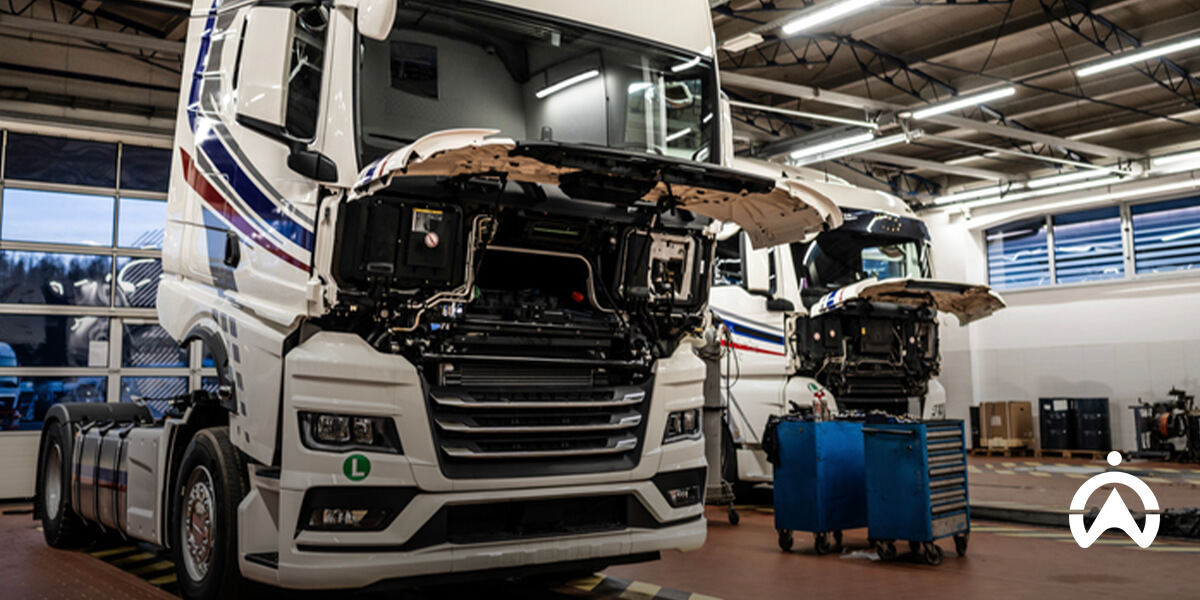
Cartrack fleet utilisation rate shown with two trucks under maintenance in well-lit garage with tools around.

What is a good utilisation rate?

A good utilisation rate is one that maintains its utilisation rates between 70% and 85%. Going over 85% could strain your fleet, while lower rates suggest underutilisation or poor scheduling. The ideal rate really depends on your fleet size, industry, and the flexibility needed for daily operations.

A “good” utilisation rate varies from fleet to fleet. It depends on your industry, operating model, and business objectives. In this section, we’ll dive into the average utilisation benchmarks, examine the factors that impact your rate, and demonstrate how to enhance it using real-time data and savvy planning.

Factors that influence utilisation

Utilisation rates can fluctuate due to driver behaviour, vehicle downtime, scheduled maintenance, and demand patterns. Seasonal activities and route planning also play a role in usage rates. Keeping an eye on these factors allows you to tackle potential utilisation issues before they turn into costly problems.

How to improve your utilisation rate

Improving utilisation begins with visibility. By leveraging telematics, route optimisation, and data-driven schedules, you can maximise the value from each vehicle in service. Spotting idle time and managing workloads effectively helps you avoid unnecessary vehicles and keeps your workforce lean.

Drivers and barriers to achieving high fleet utilisation

There are certain drivers and barriers that play a role in achieving a high fleet utilisation rate. To truly maximise your fleet, you need to do more than just increase driving time. Smart route planning, predictive maintenance, and real-time tracking make a real difference. Watch out for hurdles like poor scheduling, idle time between jobs, and unexpected downtime.

By leveraging connected fleet data, you can pinpoint issues and resolve them quickly.

Key Drivers (Boost Utilisation) Common Barriers (Reduce Utilisation) How Cartrack Solves It
Route planning & scheduling optimisation Inefficient routing or idle time Advanced route optimisation and automated dispatch keep vehicles productive and on time.
Real-time visibility & dispatch control Limited oversight of daily operations Live dashboards and instant alerts give managers complete control over every vehicle.
Predictive maintenance & reduced downtime Unexpected breakdowns or maintenance delays Predictive servicing schedules prevent failures and cut downtime.
Right-sizing the fleet (removing underperformers) Overloaded or underused vehicles Usage analytics reveal which vehicles to retire, redeploy, or add.
Operator incentives & performance measurement Lack of accountability or driver engagement Gamified performance tracking encourages safer, more efficient driving.
Integrating telematics & data platforms Poor or inconsistent data collection The unified telematics platform consolidates all fleet data in one place.
Data-driven procurement decisions Poor visibility into long-term asset use Reporting tools help plan purchases, leases, or replacements based on real utilisation trends.
Cross-department collaboration Siloed data between teams Shared dashboards align operations, finance, and maintenance planning.

Connect people, data, and technology, and your fleet transforms from mere vehicles into a well-coordinated, cost-effective operation. With Cartrack’s fleet management platform, you gain clear insights into how each asset impacts your bottom line, empowering you to make smarter, quicker decisions that deliver real results.

Practical steps to improve fleet utilisation

Practical steps you can take to improve your fleet utilisation include:

  • data-informed planning
  • driving engagement
  • predictive maintenance
  • on-demand monitoring

Remember, maximising your fleet utilisation doesn’t always mean buying new vehicles; it’s all about unlocking the full potential of your EXISTING fleet.

Start with a fleet audit

Start by taking a good look at how you’re currently using your vehicles. Identify which ones aren’t getting enough use and which ones are stretched too thin. A straightforward audit gives you a solid foundation and the confidence to make decisions based on actual data, not just guesswork.

Right-size your fleet

If you’ve got too many vehicles, you’re tying up unnecessary capital in assets you might not need. Selling or reallocating underperforming vehicles will ease cash flow and boost overall utilisation without adding extra work.

Optimise scheduling and routes

Even the tiniest tweaks to jobs and routes can make a big difference. Embracing route optimisation software helps you cut down on empty kilometres, ensure timely deliveries,

and keep your vehicles busy generating revenue instead of sitting idle.

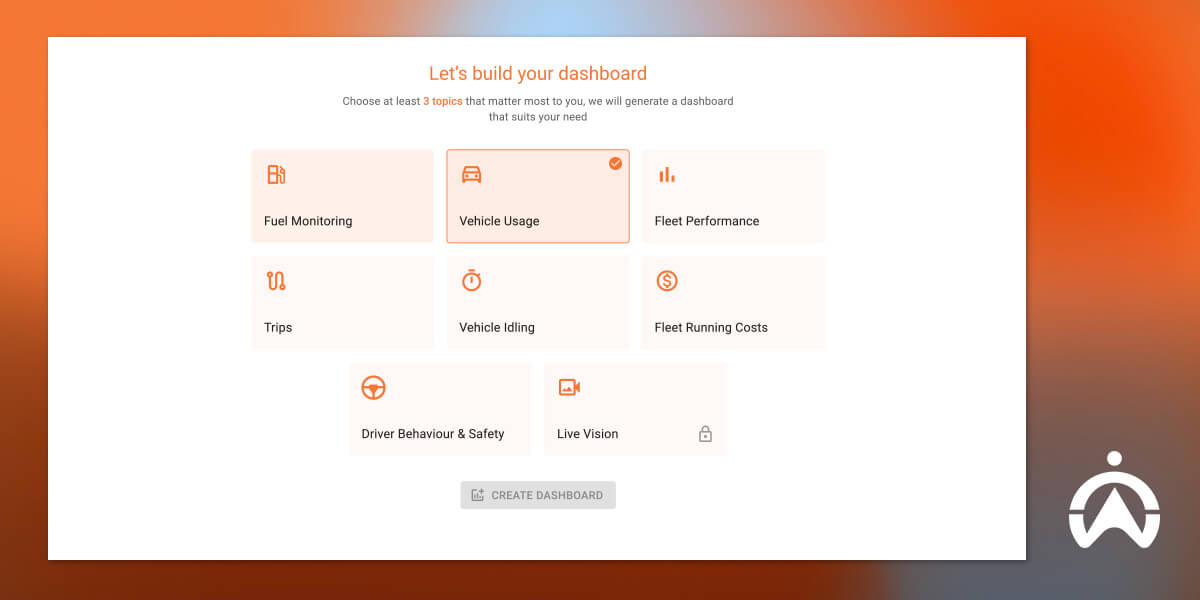
Cartrack fleet utilisation rate dashboard setup showing custom fleet management options and layout tools.

Reduce downtime with predictive maintenance

Keeping your vehicles well-maintained helps you manage unscheduled maintenance that can affect availability. Predictive maintenance takes it further by using data to spot potential issues from vehicle usage, allowing you to plan repairs with minimal disruption rather than facing emergency downtime.

Use telematics to track real-time performance

Today’s telematics platforms, like Cartrack, enhance your visibility into how, when, and where your fleet vehicles are used. You can easily monitor driver behaviours, idle time, and routing patterns all from one dashboard. This data gives you the power to make immediate adjustments to workloads and spot trends with minimal delay.

Continuously review and improve

Your fleet’s performance isn’t set in stone. By reviewing utilisation monthly or quarterly, you’ll gain insights into seasonal shifts and evolving customer demands. Your aim? Keep your fleet busy, efficient, and well-maintained.

Integrating with Cartrack

Cartrack helps you track and boost your fleet utilisation effortlessly. With our platform, you get everything you need to keep your fleet running at its best. You can easily monitor real-time usage data, track downtime, and access instant insights about vehicles that aren’t pulling their weight, all from one user-friendly dashboard.

Turn your data into actionable fleet intelligence instead of making wild guesses. Cartrack integrates this intelligence into your decision-making process. You’ll know exactly when to reassign vehicles, schedule maintenance, or adjust the size of your fleet. It’s all about using telematics data to create a solid strategy and ensuring every vehicle in your fleet contributes to your success.

Understanding your fleet utilisation rate is key to boosting efficiency and profit. By assessing how much of your fleet capacity you’re truly using, you can optimise your operations, cut costs, and enhance performance.

With Cartrack, you’ll gain clear insights into how effectively your fleet operates and where to direct your improvement efforts next.

FAQs

What’s the difference between fleet utilisation and fleet productivity?

Fleet utilisation measures how much of your fleet is being used, while fleet productivity focuses on how efficiently those vehicles perform tasks. You can have high utilisation but low productivity if routes are inefficient, vehicles are overloaded, or drivers spend too much time idling between jobs.

Can you measure utilisation across mixed vehicle types?

Yes, you can calculate utilisation separately for each vehicle type, such as vans, trucks, or specialised assets, and then combine the results for a total fleet average. Telematics tools make this easy by tracking mileage, trip frequency, and time in use for every vehicle in real time.

How often should you review your fleet utilisation rate?

Most fleet managers review utilisation monthly to spot short-term trends, then assess it quarterly for strategic planning. Regular reviews help you balance workloads, identify underused vehicles, and plan maintenance before issues impact performance or costs, keeping your fleet efficient and your operations running smoothly.

What data sources do you need to measure utilisation accurately?

Accurate utilisation depends on reliable data. The most common sources include GPS tracking, telematics systems, fuel records, maintenance logs, and driver trip data. When combined, these give a complete picture of when, how, and how often each vehicle is used, helping you make smarter operational decisions.

Can poor utilisation affect your fleet’s resale value?

Yes, vehicles that sit idle for long periods can deteriorate mechanically, while overused ones experience faster wear and tear. Both reduce resale value. Balanced utilisation, supported by proactive maintenance, helps preserve asset condition, extend vehicle lifespan, and achieve better trade-in or resale prices over time.

How can technology predict future utilisation trends?

Modern fleet platforms analyse historical usage patterns, driver behaviour, and seasonal demand to forecast utilisation trends. This helps managers predict when assets will be underused or overworked, allowing smarter scheduling and procurement decisions that keep fleets lean, productive, and aligned with business demand throughout the year.

Solutions for Distracted Driving for Your Fleet Company

The most effective solution for combating distracted driving in your fleet company is to adopt a multifaceted approach that combines technology, policies, and ongoing driver coaching. This strategy mainly involves using telematics and AI-powered dashcams to monitor driver behaviour. The insight from this will show you if drivers are following policies, and what they need more training on.

Distracted driving is a critical issue that affects the safety of workers and the public. According to the National Library of Medicine, road traffic accidents are one of the greatest challenges that Malawi (and the world) faces. Distracted driving is one of the major contributors to road accidents. It not only puts lives at risk, but also increases expenses; and could ruin your company’s reputation.

Protecting your drivers from distractions begins with choosing the right technology, and we’re here to help you make that choice. 

The impact of distracted driving on fleets

The impact of distracted driving on fleets includes high accident rates, which lead to:

  • Expensive repairs
  • Increased insurance premiums
  • Loss in productivity
  • Bad company reviews

All these factors could drive your fleet business to financial loss, affecting profitability, and potentially damaging long-term growth and sustainability.

Here’s a table overview of the implications of driver distractions:

The impact of distracted driving on fleets What it means Why it matters
Accident and repair costs Vehicles may get damaged in crashes Increases running costs for the business
Increased insurance premiums More accident claims lead to higher premiums Raises overall fleet expenses
Vehicle downtime and lost productivity Vehicles are off the road for repairs Delays deliveries and lowers efficiency
Risk to driver wellbeing and company reputation Drivers may get hurt, and the company’s name can suffer Impacts safety and public trust

Strategies and solutions to combat distracted driving

The strategies and solutions to combat distracted driving include the following:

  • Developing strict policies
  • Training drivers
  • Supporting drivers

Together, they create a strong safety-focused work culture, ensuring that drivers perform their duties with less risk. These strategies also encourage driver accountability, ensuring that they are more responsible on the road.

Technology solutions that reduce distracted driving

  • In-cab cameras and video telematics: In-cab cameras are commonly known as dashcams. These vehicle gadgets give you a clear line of sight. You get to see what drivers get up to while in transit, ensuring they’re well-behaved on the road and not distracted..
  • Driver alert systems: AI-powered dashcams are the most effective at preventing distracted driving. They detect when a driver is engaging in distractions such as cellphone use, smoking, or looking away from the road while driving. They then give you alerts so that drivers can immediately have their actions corrected. Each incident is recorded by a fleet management system, so you can access reports and identify patterns. Some AI-powered dashcams also help drivers to be more aware of their surroundings. They can give lane-departure and forward-collision warnings to help drivers with blind spots.
  • Hands-free communication tools: Some of the dashcams that are connected to fleet management software allow two-way communication. This means you can speak to the driver through the dashcams, which is a safer way to stay in touch because it prevents manual distractions.
  • Fleet management software: Some distractions cause drivers to speed, idle for too long, or stop harshly. By investing in a fleet management system, you get telematics technology that detects such driving habits. Through this, you’ll get reports on how each driver handles your vehicles and can more readily address your concerns.

Policy and training approaches for prevention

  • Set clear fleet safety policies: A strong corporate policy is the foundation of preventing distracted driving. Create written guidelines that clearly outline what’s acceptable and what isn’t while on the road. For example, banning the use of cellphones, requiring that drivers use hands-free devices, and restricting eating and drinking to only be done during stops. Drivers must know the consequences of not adhering to policy rules, and managers must apply the rules fairly and regularly to build consistency and accountability.
  • Perform regular driver training and refresher programmes: Training should not only be done when a driver is new to a business. Even with experienced drivers, bad habits tend to creep up over time, and drivers forget the importance of safety. You must regularly conduct driver training sessions, with each session covering different types of driver safety-related topics, such as “defensive driving techniques to handle unexpected situations”.
  • Incentives and recognition: Every employee needs to be motivated, and one way to do that is by rewarding good driver behaviour through incentives. This encourages your team and improves driver retention. You can do this using driver scorecards that help you rate each driver. The ones with top scores will get recognition, so they remain motivated.

Supporting drivers to stay focused on the road

  • Managing schedules to reduce fatigue: Fatigue is one of the biggest contributors to distracted driving, and it often stems from poor scheduling. When drivers are under pressure to meet unrealistic deadlines or when they work long shifts without enough rest, they lose focus. This makes them more likely to be distracted and cause accidents. It’s important that you properly plan trips, with enough rest in between, and that deadlines are realistic. Breaks also give drivers the chance to check their vehicles, reducing the risk of mechanical issues going unnoticed.
  • Providing wellness programmes: The mental health of your drivers matters. You must have wellness programmes that promote better sleeping habits, stress management techniques, and overall health. By supporting the well-being of your drivers, you actively cut down on mental distractions and help drivers stay alert and engaged while driving.

How a fleet partner can help your company

A fleet management service provider plays a key role in helping companies combat distracted driving. By providing the tools to track, and handle risky behaviour, a fleet management service provider can help businesses fight distracted driving. Fleet partners provide integrated solutions such as GPS tracking, dashcams, and driver behaviour analytics.

The long-term benefits of these integrated solutions go beyond preventing accidents. By reducing the CHANCES of accidents and risky driving, your business saves on vehicle repair costs, insurance premiums, and downtime. At the same time, drivers become more aware of their behaviour and take responsibility for their safety.

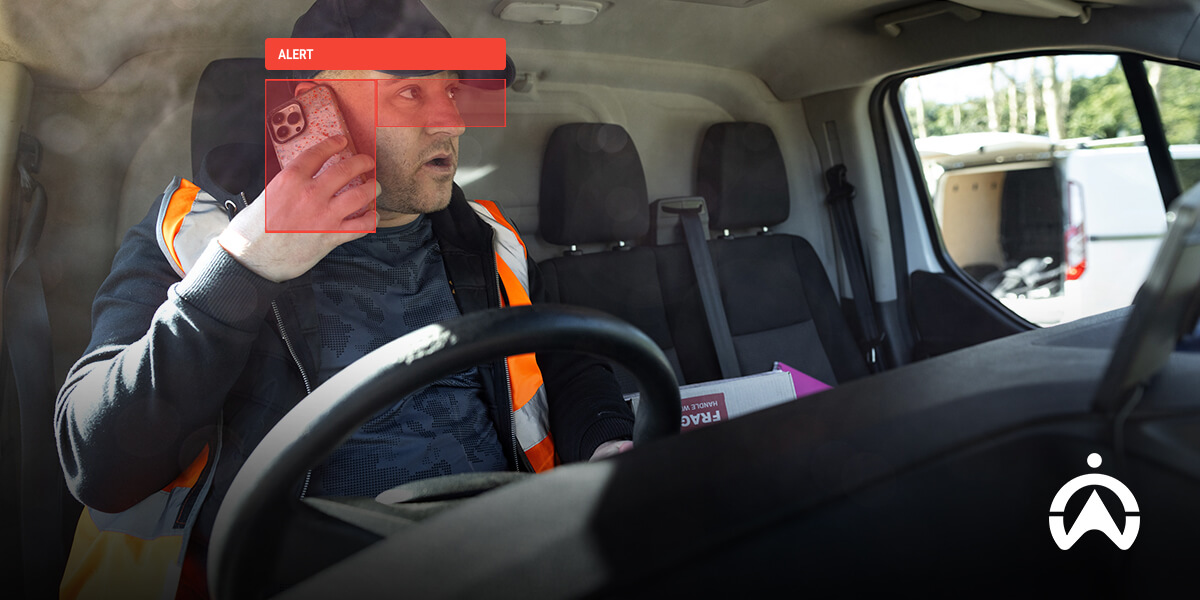
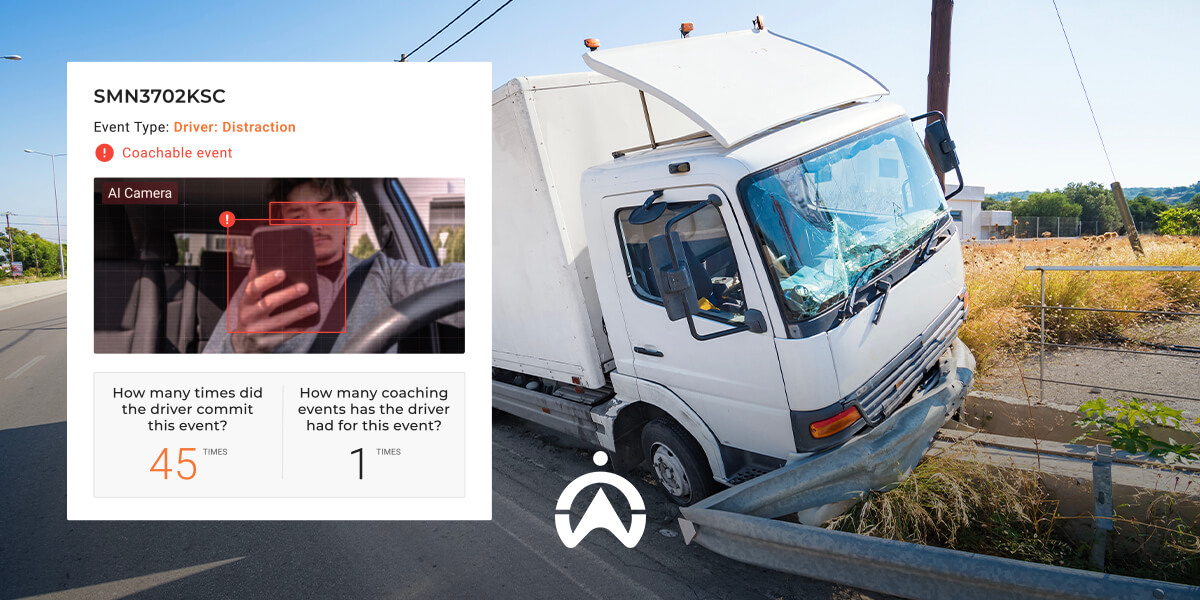
A driver in an orange safety vest looks at their phone while seated in a vehicle, surrounded by a cluttered interior.

Keep your drivers focused and your fleet safe with Cartrack

At Cartrack, we understand the importance of safety and compliance for fleet businesses. A tiny mistake made by one driver can cost your business thousands due to lawsuits, repairs, and downtime. For this reason, we have solutions that specifically focus on distracted driving, helping you reduce incidents and improve on overall fleet safety.

  • AI Dual Vision dashcam:
    The AI Dual Vision dashcam solution is exactly what you need for distracted drivers. It can detect various distracted driving behaviours such as yawning, drowsiness, cellphone use, and smoking. Once detected, these cameras will send out audible alerts to drivers, so they can instantly make corrections.This dashcam also has a two-way communication feature, meaning you can speak to it while it’s on the move if you spot something. This is a feature that ensures drivers speak with you without having to touch their cellphones. You can even live-stream the footage at any time of the day. The Cartrack AI Dual Vision solution further heightens driver awareness by also giving blind spot and forward collision warnings.
    ‍
  • Driver scorecards:
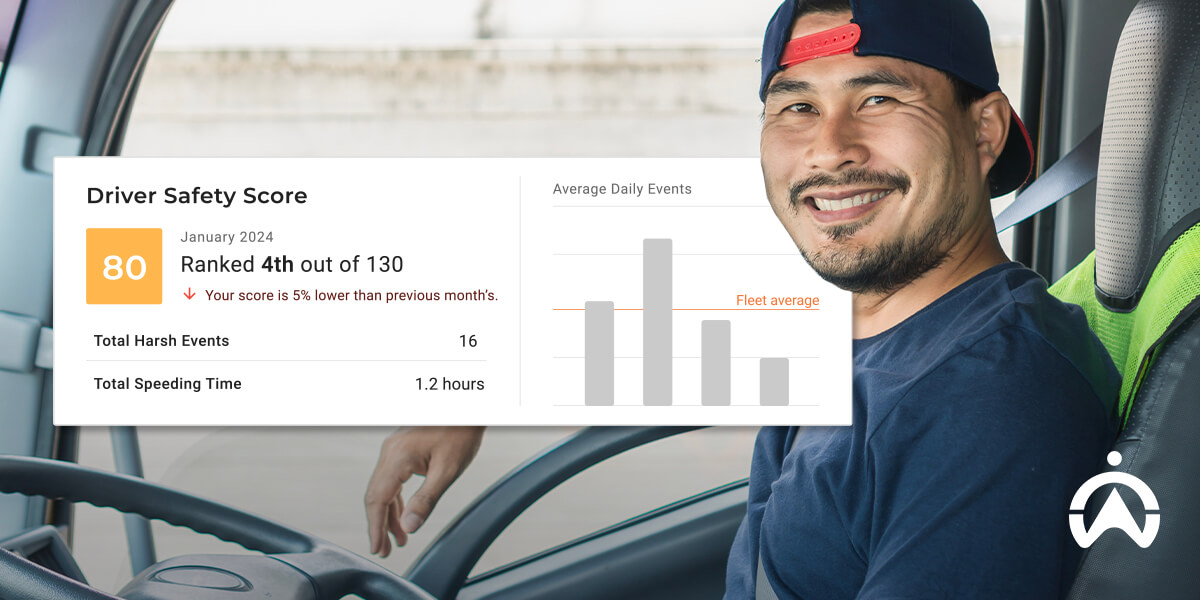
    Cartrack has a Driver Scorecard feature which gives you a reflection of how drivers behave on the road by giving each one a rating. Each driver’s score starts at 100 and goes down every time there’s a harsh event such as speeding or excessive acceleration. You can use the feature to motivate drivers, give recognition to those who are performing well, and reward them.
  • Coaching platform
    To assist with driver training, Cartrack also has a coaching platform. It keeps a record of each risky driving incident so you can see the type of coaching each driver needs. It gives you a full overview of how your teams are performing, highlighting trends from each department. It also records how many times each driver repeated the same incident. Coaches can leave notes for each one-on-one session on the platform, so they can keep track of what was discussed in previous sessions and see if there’ve been improvements.

Investing in our solutions will reduce the number of distracted drivers in your fleet business and help you maintain a safe working environment. You’ll also save on insurance costs and accident claims. Reach out to us and cast away your distracted driving woes!

Frequently Asked Questions

What are the five ways a person can be distracted while driving?

The five ways someone can be distracted while driving are cellphone use, talking to passengers, eating and drinking, adjusting the radio, and fatigue. There are many other ways drivers can be distracted, such as when they put too much focus on navigation systems. Anything that takes their attention away from the road is regarded as distracted driving.

What are the three techniques to manage distractions as they occur while driving?

The three techniques to manage distractions while driving are pulling over for anything that requires your attention, delegating all non-driving tasks to passengers, and preparing everything before the trip. These give you a higher chance of concentrating on the road, improving safe driving practices.

Who is most at risk of distracted driving?

Younger new drivers (mostly teenagers) are more at risk of being distracted while driving. According to the CDC, nearly 40% of high school students who drive admit to texting or emailing while behind the wheel. This behavior is particularly dangerous for this age group, who are already three times more likely than older drivers to be involved in a fatal crash.

How to Stop Truck Driver Negligence

To stop truck driver negligence, always clearly identify dangerous behaviours, implement the right tools and coaching methods, and always enforce strong company safety policies. Negligence isn’t just about making a mistake here and there; it’s about recognising repeated behaviours that can put drivers, compliance, and business reputation at risk.

When you skip proper due diligence as a fleet manager, you open the door to serious threats. These include higher accident rates, rising insurance premiums, low driver retention, and damage to your company’s reputation. All of these can hurt customer relationships and slow down business growth.

In Malawi, the problem is clear. On busy transport routes, most truck accidents happen because of driver mistakes. This shows why it’s important to act early and fix these issues. Through this article, let us take you through what negligence is, how to identify early signs, and—most importantly—how Cartrack can help you stay protected and compliant.

How do you stop truck driver negligence?

To stop truck driver negligence, you should always combine safety culture with advanced technology to achieve the best results. Ensure that you keep track of dangerous driver patterns, be prepared to coach and train your staff accordingly, and be fair about the scheduling and tasks that you assign.

To address driver negligence, take into account each of these key elements:

  • Driver training and refresher opportunities: Driver training ensures that your staff are aware and up to date with standard safety practices, compliance matters, and protective policies. Refresher training keeps drivers on their toes and keeps the safety culture strong.
    ‍
  • Setting realistic driver schedules and deadlines: As a fleet manager, it’s important that you allow drivers enough time to manage their deliveries and tasks. Be realistic about your scheduling. Without balanced schedules, you risk drivers who skip inspections, speed when driving, or exhibit fatigue behind the wheel. 
    ‍
  • Encouraging safe driving incentives: Incentives are a helpful way to encourage your drivers to keep practising safe driving habits. A reward system is a tangible way to maintain positive behaviour through better practices.
    ‍
  • Fostering transparency and incident reporting: Your employees are more likely to feel comfortable reporting any difficulties they’re having when you support transparency and positive working relationships.
    ‍
  • Recognising and rewarding positive driving/driver behaviour: Much like safe driving incentives, rewarding drivers for positive behaviour is one of the best ways to maintain safe driving. Whether it’s an award or a promotion, it shows that responsible behaviour is valued.

What is truck driver negligence?

Truck driver negligence is the repeated dangerous actions that a driver exhibits. These actions aren’t just one or two mistakes; they’re patterns that are an intentional disregard for safety and regulations. If you recognise these patterns early enough, you could take the right steps to nip them in the bud.

Use the table below to get a quick look at common examples of negligence vs isolated incidents:

Driver Behaviour Negligence (ongoing, preventable) Error (isolated, unintentional)
Speeding Consistently exceeding limits despite training and warnings Momentary misjudgement (e.g., overtaking too quickly)
Vehicle Inspections Regularly skipping pre-trip checks or falsifying records Forgetting one inspection step on a single occasion
Fatigue Management Ignoring rest rules or driving long hours knowingly Miscalculating rest timing once
Distraction Using a phone repeatedly while driving, smoking, covering the camera, etc. Glancing at the GPS too long during one trip, for example
Substance Use Driving under the influence of substances Not applicable. Substance use is never “just an error”

Warning signs that a truck driver may be negligent

To spot the warning signs that a truck driver might be negligent, check if your driver is frequently driving dangerously or skipping inspections and check-ups.

Look at these red flags:

  • Frequent dangerous driving: This includes aggressive driving, harsh braking, speeding, and the like.
    ‍
  • Consistent route deviations: If your driver keeps deviating from standard routes without explanation, this is a sign of negligence.
    ‍
  • Ignoring inspection logs and check-ups: Not completing inspections, submitting incomplete reports, or ignoring everything altogether puts your drivers and assets in serious danger.
    ‍
  • High number of near-miss incidents: If near-miss incidents keep happening, especially when compared to other drivers, it’s a strong indicator that coaching is necessary. 
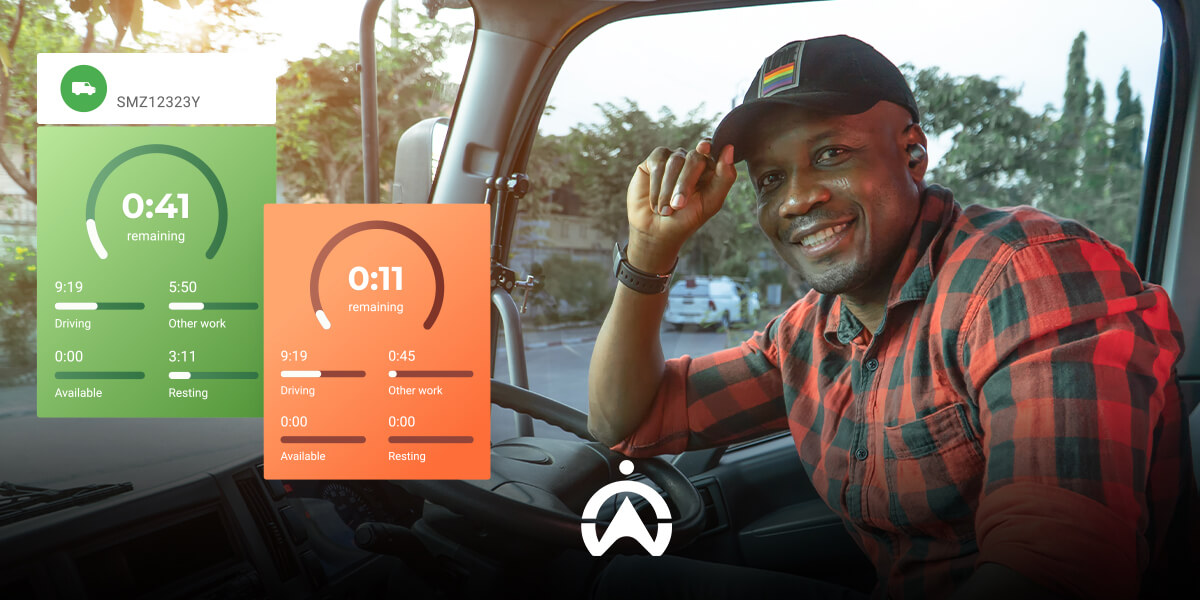
A truck driver is seated, sipping a beverage, with app screens showing driving and rest timers. The interior is decorated and cozy.

How does truck driver negligence impact your business costs?

Truck driver negligence impacts your business costs quite negatively, threatening to drain your bottom line. Unchecked negligence goes beyond just endangering lives. Unsafe actions on the road can drive up costs across your operations.

This is how carelessness of this nature could cost your business money:

  • Higher accident risk and liability demands: Crashes bring legal claims, medical costs, and vehicle replacements, all of which hit the business hard.
    ‍
  • Rising insurance premiums: A poor claims record raises red flags for insurers, who respond with higher rates across the fleet.
    ‍
  • Vehicle downtime and delivery delays: Damaged trucks mean missed schedules, late deliveries, and unhappy customers.
    ‍
  • Damaged brand reputation: Frequent safety issues can quickly destroy trust with clients, partners, and the public.
    ‍
  • Lost contracts and customer trust: Logistics clients expect reliability, and repeated incidents can drive them straight to competitors.

What are the legal risks of truck driver negligence?

The legal risks of truck driver negligence include fines and penalties, lawsuits, and loss of operating licences. As a truck fleet manager, you’re obligated to carry a duty of care, meaning you’re legally and morally expected to put reasonable safeguards in place against foreseeable risks. Ignoring these responsibilities exposes the business to serious liability.

In Malawi, these are what safety regulators and compliance look like:

  • Road Traffic Act: This act regulates road behaviour, speeds, and the like.
    ‍
  • National Road Traffic Regulations: These regulations assess driving permits, hours-of-service restrictions, and qualifications.
  • Vehicle condition and inspections: Fleet vehicles are required to undergo strict and regular checks to ensure roadworthiness.
  • Occupational Health and Safety standards: These standards ensure that employers are keeping their businesses in line, maintaining a positive working atmosphere for everyone.

Not being able to meet those standards means:

  • Civil lawsuits: Injured parties may seek compensation for damages.
    ‍
  • Criminal liability: If negligence results in serious injury or fatalities.
    ‍
  • Fines and penalties: For breaking traffic, labour, or safety regulations.
    ‍
  • Loss of operating licences: Or restrictions placed on fleet activities.

Root causes of truck driver negligence

The root causes of truck driver negligence include weak safety culture, absence of coaching tools, and inadequate training. It’s impossible for carelessness to occur in isolation. When the right tools and resources aren’t set up, you won’t have the opportunity to take preventive measures or effectively target driver vulnerabilities.

Take a look at these root causes and their outcomes:

  • Poor training or lack of refresher training: When drivers aren’t given the onboarding and continuous training, they won’t be up to date with best practices. They’ll also likely continue with their risky driving habits.
    ‍
  • Pressure to meet unrealistic driving and delivery schedules: When you put pressure on your drivers by implementing tight or overloaded deadlines, they’ll continually cut corners so that timelines can be met.
    ‍
  • Lack of accountability or monitoring tools/coaching: The key to being able to monitor and coach your drivers is to implement smart camera solutions and telematics. Without these tools, there’s no way for you to effectively shape a business safety culture that’s supported by valuable insights.
    ‍
  • Stress, fatigue, and mental health factors: You endanger (even exacerbate) negligence issues if you disregard drivers’ mental exhaustion and stress by enforcing long hours and difficult routes.
  • Weak company safety culture: If managers and owners aren’t serious about safety, it’s likely that the drivers won’t be either. It’s important for you, as a figure in a supervisory position, to lead by example and not undermine the importance of safety policies.
A driver displays a dashboard showing a safety score of 80, ranked 4th out of 130, with stats on harsh events and speeding time.

How can you prevent truck driver negligence with Cartrack?

With Cartrack, you can prevent truck driver negligence with support from our advanced technology and training solutions. Cartrack goes above and beyond by operating from a single, integrated, and unified platform that can detect and deal with potential negligence head-on.

This is what sets us apart:

  • Integrated driver behaviour monitoring with live alerts: You can get immediate notifications about dangerous driving and contact drivers in real time. This is especially true if you have a camera solution for your fleet with in-cabin calling.
  • AI dashcams detecting distraction, fatigue, and risky driving: Our AI camera solutions can detect distracted driving, including fatigue, phone use, smoking, and many other high-risk behaviours. This is a key solution to predictive fleet management.
    ‍
  • Video telematics (dashcams/MDVRs) for full visibility: Using our comprehensive camera systems means you’re fully protecting your drivers and your business. Should any legal dispute arise, you’d have clear evidence to clarify the situation.
    ‍
  • Driver safety scorecards and coaching tools for managers: Our driver scorecards and performance data are the best and most transparent way for you to share feedback with drivers. These can help you correct negligent behaviour.
    ‍
  • Easy compliance reporting for audits: Cutting admin time has never been easier. Because processes are automated, this massively simplifies operations and minimises human error. This is especially important for exporting reports.
  • Predictive maintenance and automated alerts: Our platform will send you notifications for suggested maintenance, so that your vehicles are tended to before costly breakdowns even happen.
    ‍
  • Full platform integration: As mentioned, Cartrack has a simple, integrated, and unified platform that has all the tools right at your fingertips.

Building a Safer Fleet With Cartrack

With the availability of proactive tools and resources, truck driver negligence doesn’t need to be an inevitable event. Negligence is preventable with the right balance of culture, policy, and technology—and that’s all achievable with Cartrack. When you invest in prevention with us, you ensure the protection of your brand and financial success.

Don’t wait until negligence costs you a contract or your business reputation. Take control now with Cartrack, and see how quickly you can reduce risks across your fleet.

FAQs

Q: What is the most common accident injury for truck drivers? 

A: The most common injuries for truck drivers are musculoskeletal ones, particularly strains that affect the back, neck, and shoulders. These pains and injuries typically stem from long hours on the road and the impact of collisions. More serious injuries include fractures or internal trauma.

Q: What are the four elements needed to prove negligence?

A: The four elements needed to prove negligence include duty of care, breach of duty, causation, and damages. Bringing these elements together helps establish whether someone genuinely caused serious harm. They’re important to correctly and fairly establish that negligence took place.

Q: What happens if an accident is not reported within 24 hours? 

A: If an accident isn’t reported in 24 hours, this could result in penalties and rejected insurance claims. You’re mandated by law to tend to an accident report within the first 24 hours of the incident occurring. Failure to do so means that drivers and companies are likely to face financial risk and downtime.

Q: Is negligence always the truck driver’s fault, or can companies be liable?

A: As much as a truck driver is the one behind the wheel, companies will always be liable, as drivers are part of the company’s staff. Companies can also potentially be subject to lawsuits, fines, and reputational damage if an investigation reveals that there’s a lack of adequate training or policies in place.

Q: How long do most truck driver accident settlements take to resolve? 

A: Most truck driver accident settlements can take months to years to resolve—it ultimately depends on the case. Each case comes with unique complexities, including the severity of the accident/injuries sustained and potential court backlogs. Companies with solid safety measures and compliance tend to avoid lengthy legal disputes.

What is Cartrack’s Mifleet?

Cartrack’s MiFleet is a powerful, core value-added service within our larger digital fleet management platform. This feature makes managing costs, risks, and compliance a simple process. As fleet managers and owners, the reality is that you’re at the mercy of the challenges that come with running a fleet. These include keeping important paperwork in order, fuel expenses, and optimising fleet operations.

Studies show that fleet management tools, such as MiFleet, can reduce fuel costs by up to 15% and decrease administrative expenses by as much as 20%—savings that directly impact the bottom line. You get the opportunity to turn efficiencies into tangible business growth and stronger returns.

With MiFleet, we go beyond simple tracking and telematics. MiFleet automates back-end processes, keeps track of all costs and expenses, and gives you access to all the valuable insights you need. Turn to MiFleet for your all-in-one fuel and cost management solution.

Understanding Cartrack’s MiFleet: what is it?

Cartrack’s MiFleet is an add-on feature that’s part of Cartrack’s digital fleet management platform, or FleetWeb. It’s designed to take the hassle out of running a fleet and simplify the processes that come with it. MiFleet automates and streamlines tasks, eliminating the need for paperwork and spreadsheets while ensuring cost control, compliance, and reporting.

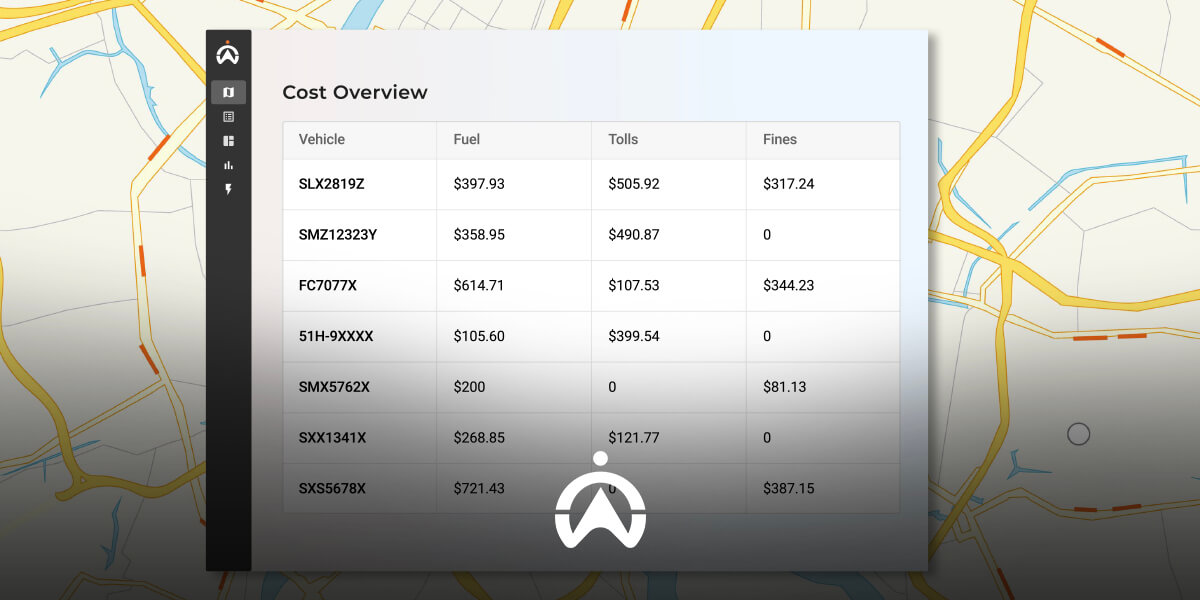
MiFleet is powered by advanced algorithms and analytics. On the dashboard, you can track expenses like fuel, tolls, fines, tyres, maintenance, accidents, and insurance. The system gives you clear breakdowns across your entire fleet, allowing you to spot fuel consumption patterns, cut down on waste, and even detect possible fuel theft.

As a fleet manager, you can get a complete picture of your fleet’s performance. Using a tool like MiFleet allows you to strengthen your fleet strategy, improve your overall business performance, and implement effective change for business growth.

Core focus areas include:

  • Expense tracking: Keep track of tolls, fuel, licences, fines, and so much more.
    ‍
  • Automated reporting and compliance: Have all your documents saved and in order with minimal effort.
    ‍
  • Consolidated fleet cost visibility: Be able to see all the fleet costs in real time.

Quick Benefits Snapshot

  1. Cut admin time
  2. Lower compliance risk
  3. Smarter cost control
  4. Works for any fleet size

What can MiFleet do for your business?

MiFleet can make everything about fleet management easier and more profitable. This feature goes far beyond simple real-time monitoring. By consolidating fleet processes, MiFleet empowers you to simplify all the administrative processes, make compliance straightforward, and improve the way you run your business.

Let’s take a look at what MiFleet can do for you:

Automated expense management

Through automated expense management, you won’t have to worry about juggling paperwork or confusing spreadsheets. MiFleet allows you to import and translate data, organising expenses and insights into practical feedback. Not only does this save time, but it also reduces the chance for human error. This ensures your data is as reliable as possible.

A truck driver in a bright safety jacket smiles and gives a thumbs-up from the window of his vehicle.

Compliance and licence management

Compliance and licence management are the key components in fleet management, and keeping track of them all can be overwhelming. Vehicle registrations, permits, and driver’s licences are just a few of the documents that always need to be up to date.

MiFleet helps you stay in control by storing soft copies of required records in the documents and contracts storage tabs, generating reports, and sending renewal reminders. As a result, you can avoid potential fines and downtime that come with being non-compliant. Automation equals convenience—something every fleet manager wants and needs.

Real-time financial oversight

MiFleet’s dashboard gives you a full overview of your costs and expenses, meaning real-time financial oversight. Clearly seeing these costs means that as a fleet manager, you can take corrective action before things become exceedingly expensive. Fuel and maintenance costs are usually the highest expenses for a fleet. Adding MiFleet to your Fleet pages can help you save money and reinvest that money back in your business instead.

Integration with Cartrack telematics

Cartrack telematics, the central component to all comprehensive insights, integrates with MiFleet. Operational and financial data come together to create a powerful tool that lets you make cost-saving decisions. The impact doesn’t stop here, though; fleet efficiency, improved driver behaviour, and better fuel management are also on the cards.

The business impact of Cartrack’s MiFleet

Cartrack’s MiFleet is your key to a renewed fleet strategy. Its business impact is clear, proving itself as a solution that helps businesses of all sizes and industries. MiFleet gives you both the knowledge and control you need to implement necessary changes without simply relying on guesswork.

Gain access to actionable insights into your fleet’s condition and operations, resulting in improved performance and decision-making.

Here are some significant outcomes you can expect for your business:

  • Reduced admin burden: Because tasks and reports are automated, tedious administrative duties are a thing of the past. You and your staff can stay focused on the business itself.
    ‍
  • Lower operational costs: Smoother operations mean lower costs. Costly maintenance payments, fuel waste, and other expenses are reduced due to improved efficiency.
    ‍
  • Improved compliance and risk reduction: With driver, trip, and vehicle documentation in order, you won’t have to deal with fines or downtime.
    ‍
  • Data-driven decision-making: Keep track of trends and patterns, and view your fleet plan operations in a proactive manner, rather than reactively.

Who should use Cartrack’s MiFleet?

If you’re:

  • a fleet business owner
  • part of the finance team of a fleet company
  • a fleet manager, or
  • an operations manager overseeing fleets

…you should use Cartrack’s MiFleet. Reliable reporting and comprehensive cost overviews, eliminating inefficiencies, and reduced paperwork are just some of the tools you’d need to manage your fleet more effectively.
‍

Let’s take a look at some industries that benefit the most, along with examples of how:

  • Logistics and distribution: These are businesses that constantly face high pressure and demand because of deliveries. Additionally, fuel is an integral factor. MiFleet could be the answer to keeping track of your business’s fuel usage, expenses, and wasteful practices.Example:A courier company has been struggling to keep up with the increasing costs of fuel. With the help of MiFleet, the company was able to consolidate the costs and spot the reasons for fuel waste. This allowed them to take steps to lower fuel expenses.
    ‍
  • Delivery and field services: Companies that offer delivery services often have large fleets with multiple staff members. Administrative tasks can become tedious and time-consuming. MiFleet automates systems and can quickly generate reports when they’re needed, meaning you save time and free up company resources.Example:A local delivery business found that they were spending far too much time on back-office processes. Because MiFleet consolidates major costs like fuel and tolls, this business saves hours without having to rely on manual paperwork.
    ‍
  • Construction: There are numerous regulations and compliance rules that fleets have to abide by, but this is particularly true for construction companies. Asset protection, licences, and permits are just some of the factors that could directly impact uptime. MiFleet ensures your construction company receives regular document renewal reminders and keeps all important records in one place.Example:A contractor with dozens of trucks was facing major delays, losing valuable time and money because of unexpected breakdowns. MiFleet helped the contractor keep track of costs and previously logged maintenance, so that they could schedule maintenance before breakdowns could occur. This meant that construction continued to run smoothly.
    ‍
  • Rentals: As a car rental owner, you’re faced with regulatory matters that include traffic fines, regular servicing, and compliance that comes with large fleets. Much like construction companies, rental businesses consolidate records, making meeting compliance standards much easier. Example:A car rental company wasn’t keeping up with fines and servicing, which meant they were faced with even more fines and downtime due to penalisation. MiFleet helped this company store and track fines and service invoices, meaning the company could respond promptly and proactively.
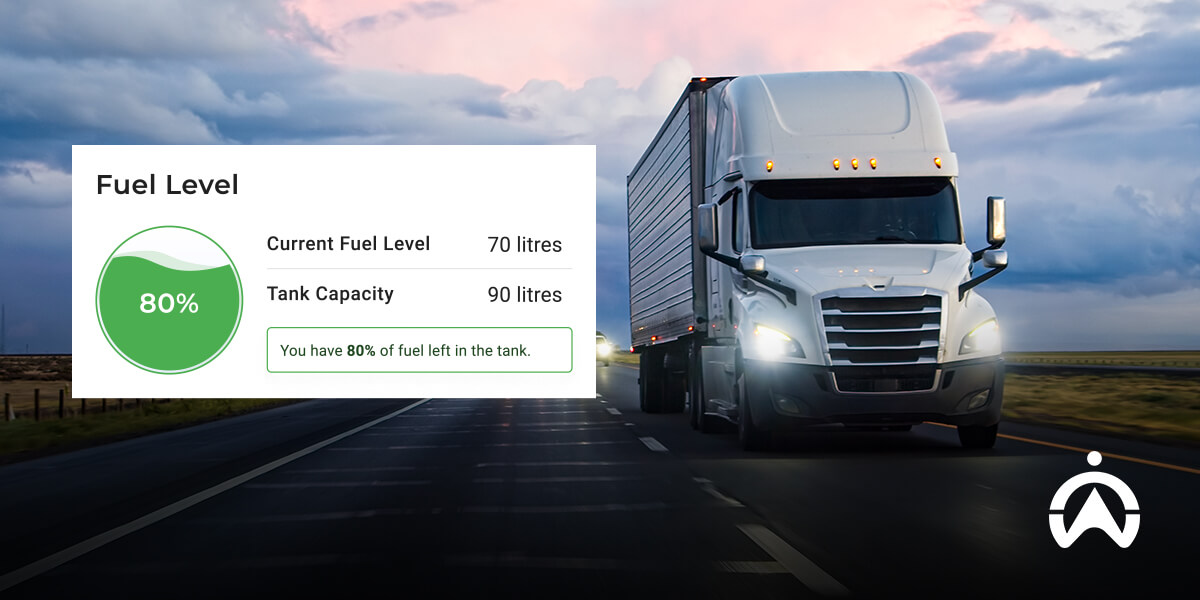
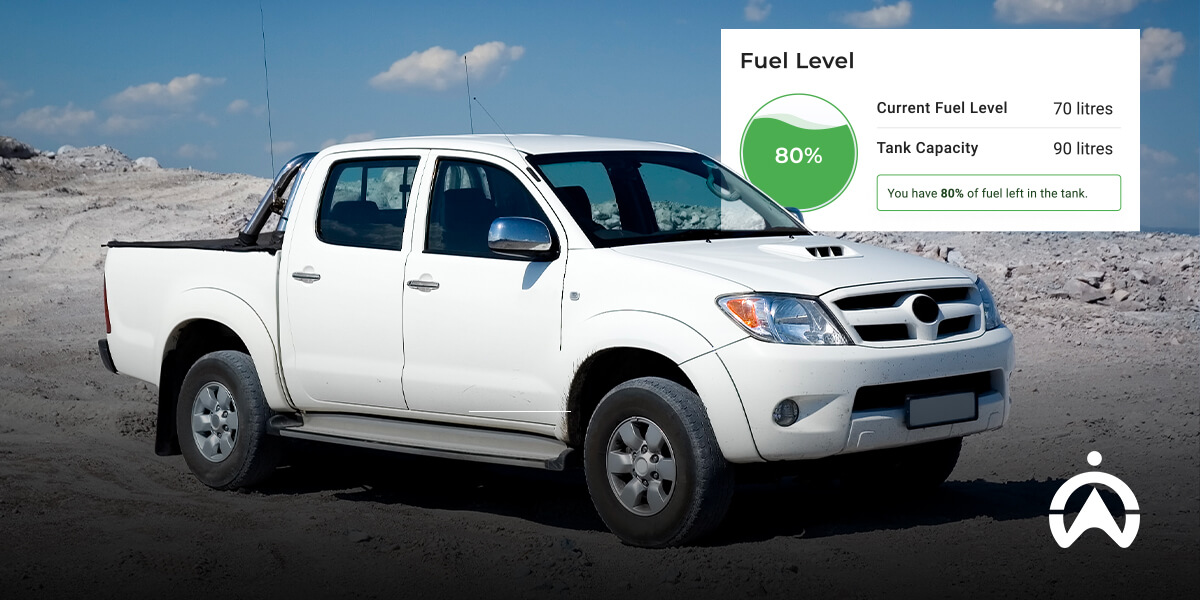
A large truck drives on a highway, next to a fuel gauge display indicating 80% fuel remaining.

Why should you choose Cartrack’s MiFleet?

You should choose Cartrack’s MiFleet because it stands out above the rest, combining innovation, comprehensive capabilities, and accuracy in one feature. MiFleet also integrates valuable insights and improves cost management through advanced features. With all of this, you can ensure you’re getting a full and realistic picture of your fleet.

Your business can trust MiFleet to manage and simplify everyday tasks, while still embracing strategic control. MiFleet has the advantage of scalability, meaning that it’ll always be flexible by adapting to the size of your fleet. This kind of flexibility means you have access to all the necessary tools—no matter how big or small your fleet is.

Choosing MiFleet means going beyond simple fleet management. Choosing MiFleet means a reformed fleet strategy, optimised business performance, and better, smarter decisions for the future of your company.

Final thoughts

Cartrack’s MiFleet offers more than standard fleet management technology. It gives businesses a smart way to control costs, stay compliant, and boost consumer trust. Our intelligent add-on feature automates daily tasks, makes financial tracking much easier, and provides instant analytics so your company can make decisions based on real data.

It doesn’t matter whether you’re managing a small fleet or a large transport network. MiFleet turns cost management and fleet visibility from a reactive, time-consuming task into a proactive tool that supports your business growth and improves operations.

Book a demo with Cartrack to see how MiFleet can streamline your fleet operations. Contact our team today to enhance your fleet management with our smarter cost and compliance solutions.

FAQs

Q: Do I need to use Cartrack telematics to get MiFleet?

A: No, MiFleet can technically work without Cartrack telematics, although it’d be very limited in its functionalities. The best way to use MiFleet is with Cartrack’s telematics, as it’ll give you the best and most comprehensive results. When you combine these tools, you get the complete visibility and data-driven insights that you need.

Q: How quickly can Cartrack’s MiFleet be implemented?

A: Cartrack’s MiFleet can be implemented very quickly, although the tracking device and fuel sensors themselves can take from 2 to 4 hours to be installed in a single vehicle. The amount of time it takes ultimately depends on a number of factors. These include the number of vehicles, the features you’re interested in, and software configuration.

Q: Can MiFleet integrate with my existing accounting or third-party systems?

A: Yes, MiFleet has been designed to integrate with most of your accounting or third-party systems. You can export reports and data for analysis or reconciliation, keeping your financial and operational information accurate and easy to access. This helps avoid double entry and makes it much simpler to get a clear picture of fleet costs and overall productivity.

Get the No. 1 Delivery Driver Management Software

The No. 1 delivery management software adapts to how your business grows and what it needs. Cartrack’s delivery system brings everything together in one central platform. This allows you to track job progress, driver locations, schedules, client notifications, and finished tasks in real-time.

We’ve all seen those recognisable bikes out on our Malawian roads making grocery or food deliveries. These drivers (and their respective fleet managers) have their own systems that automate and track their tasks. The best delivery management software automates most of these tasks, saving you time and cutting costs.

Let’s take a look at what a complete delivery driver management software and system should do for you.

What’s the best delivery management software for a business?

The best delivery management software, like Cartrack’s, brings drivers and vehicles together on one platform. Combining job management, tracking, and communication in a system that’s easy for your teams to use. It also works with your existing hardware and software without disrupting your current network.

As your fleet grows, the software adapts to your business’ changing needs. When you expand within your industry, you also need local support. You need a partner in Malawi who can help with troubleshooting and provide integration assistance.

Any business that operates in Malawi also needs to ensure that its chosen delivery management partner complies with Malawi’s data protection and cybersecurity regulations, as outlined in the Electronic Transactions and Cyber Security Act (2016), and overseen by the Malawi Communications Regulatory Authority (MACRA).

Digitise business operations with delivery management software

A key feature of delivery management software is its automated job tracking, which simplifies your operations. This organises your tasks, and prioritises jobs faster and more accurately than manual systems. It also reduces human error and creates a paperless process that lowers costs and increases your revenue.

The table below makes it easy to see how each feature benefits your business, showing why an automated system works best.

Feature Benefit How It Works
Centralised Data All jobs and customer information in one place Enter jobs into the system and assign them digitally
Improved Accuracy Fewer mistakes from manual schedules Drivers get schedules and route info on their mobile devices
Faster Decisions Managers can see updates instantly Track progress in real time and make changes quickly
Reduced Delays Jobs run smoothly with instant updates Adjust schedules and routes when needed
Scalability Software grows with your fleet Add new drivers and jobs without extra work
Digital Proof Signatures, photos and job records stored Completed jobs are recorded automatically
Better Customer Service Customers get accurate delivery times Send notifications and updates automatically
Local Support Help is available in Malawi Set up and integration support for your business

How do you automate job assignments for driver and fleet teams?

A key feature of driver management software is job assignment. While you may know the basics, it’s also important to know that a well-implemented system strengthens a fleet manager’s capabilities. This means that tracking deliveries or services (and assigning the closest available team member) all happen automatically.

Real-time data ensures the most efficient and accurate routes, reducing client waiting times and allowing workflow changes on-the-go. It also cuts costs caused by poor route planning and unnecessary downtime.

A good automated system can handle peak periods without overwhelming your team.

  • Optimised resource allocation: An automated system matches job requirements with the best-suited and closest team member.
    ‍
  • Reduced manual planning: Eliminates the error-prone process of manually distributing jobs, freeing managers to focus on more important tasks.
    ‍
  • Dynamic route adjustments: Using real-time traffic and operational data that reroute drivers around unforeseen delays, ensuring timely deliveries or service arrivals.
    ‍
  • Improved performance metrics: It gives you accurate data on assignment efficiency, driver capacity, and completion times.
Cartrack delivery driver management software on laptop showing vehicle status graphs and maintenance schedules.

How do you boost efficiency and productivity across your deliveries

With the automated workflows that a delivery driver software offers, you’ll be able to streamline your operations. What this means for you is that your business will also be able to grow. There are several key factors to this: Dynamic scheduling, Optimising routes, and Driver performance tracking.

Dynamic scheduling reduces downtime

Dynamic scheduling does more than save on fuel. It centralises job assignments, making it easier to plan each day ahead of time, reducing downtime between jobs and increasing efficiency. By having tasks scheduled faster, the wait times on deliveries are also improved, boosting the overall efficiency of your business.

Optimising routes

One often-overlooked feature is real-time route optimisation. Before a driver or manager notices delays (such as traffic incidents) the system adjusts automatically. It assigns the closest driver, whether to a depot or client, and optimises routes to cut fuel costs and wait times.

Tracking driver performance

One thing often missed because of human error is accurately tracking a driver’s overall performance. The automated systems log all jobs, including travel and idle times. This information is stored in a central database, giving you key performance metrics for each driver over time.

Get real-time driver tracking and instant updates

When implemented properly, you will get real-time tracking and instant updates on the status of all your drivers, deliveries, or service personnel. By seeing driver locations instantly, the automated system can instantly send communications to your clients. These accurate ETAs and instant job completion notifications improve transparency and efficiency, while quickly spotting delays or route deviations.

One often-overlooked benefit of full delivery management software is the visibility it gives managers. The drivers on the road can be seen on one central map, improving accountability and helping to plan future routes.

A fully automated system also reduces the need for constant verbal updates. Drivers get instructions through the system, and managers receive notifications on deliveries, pick-ups, or services, saving you time and loads of frustration.

Improve customer experience with reliable deliveries

A big advantage of real-time updates is how the customer experience changes and improves. Getting an accurate ETA means that clients know the right time to expect a delivery or service. The best driver management software can even alert clients automatically when their delivery is near, plotting the route on a map.

When the system is set up properly, it helps respond quickly to problems and solve issues before they become bigger.

Concise processing for clients

One of the ways your customers’ experience drastically improves with a delivery management software is through AWARENESS. Through live tracking and clear process tracking, clients are no longer left wondering if their delivery will be on time, what day it will come, or where it is in the process.

  • Live Tracking: When turned on, customers can track their deliveries live and receive notifications at every step, all the way until the delivery or service person arrives at their door.
    ‍
  • Clear process: Automated systems can send alerts at every step, keeping clients updated on where their package or service is.

Increases reliability

Automated delivery management systems help keep vehicles in their best condition, ensuring clients and managers aren’t left scrambling. Tracking maintenance needs and sending updates helps your managers make servicing more reliable. It also builds trust with your clients.

  • Preventive maintenance: A fully automated delivery management system tracks vehicle wear and tear, helping managers schedule maintenance and services in advance.
    ‍
  • Reliable service: Customers who are notified (even of delays) then see the service as reliable and clear.
Cartrack delivery driver management software showing truck on road with delivery status and map location.

Optimise fleet scheduling for route planning

The biggest benefit for fleet managers and businesses is the optimisation of routes and scheduling of both deliveries and retrieval. Businesses that rely on providing services may benefit even more from this, as they can schedule calls and tasks according to technician requirements and equipment availability.

Further, a properly implemented driver management software like Cartrack’s uses advanced algorithms to determine the most efficient paths. The two key benefits of these systems are:

Minimising unnecessary driving

As drivers and technicians are kept within specific distances of their next job or delivery, they save on fuel costs. But the often overlooked benefit is the money saved on operational costs owing to less servicing and maintenance. Because the vehicles are not driving as far or idling unnecessarily, the maintenance intervals become longer.

Further, a properly calibrated system will automatically plan routes around traffic and prioritise jobs that are urgent. Drivers will be able to reach their destinations without having to unnecessarily drive around hoping to find the best possible route.

Balance your schedules

A big problem with manual scheduling is overworking drivers, either with too many deliveries in a day or ones that are too far apart. This causes fatigue and delays, overstressing your staff and causing delays. Automated driver management software fixes this by balancing schedules and redistributing your tasks when unexpected events happen. This helps to increase fleet output without needing extra vehicles or drivers.

Why choose Cartrack’s delivery management software

Cartrack’s delivery management software offers all of these benefits and more, adapting as your business grows. With our tracking and telematics technology, we’ve been a trusted solutions provider in Malawi for over 20 years.

Cartrack provides key features that make our delivery management software the No. 1 choice for businesses across the country.

  • Integration: Whether you’re starting out or already have existing systems, Cartrack’s software integrates with both your hardware and your software. This helps you stay connected to everything and makes operations easier.
    ‍
  • Compliance: Cartrack strictly adheres to the POPI Act and helps businesses adhere to Malawian transport and delivery regulations. Keeping your fleet safe, legal, and reducing risks of fines.
    ‍
  • Local support: With teams across the country, support isn’t just local to your country; it’s local to where you and your clients are. Help with technical issues, troubleshooting, and guidance are fast and reliable every time.
    ‍
  • Extensive training: One of the cornerstones of Cartrack’s services is the hands-on training provided to your drivers and fleet management team. This ensures that each level of your team fully understands how the system works and the benefits it offers.
    ‍
  • Track record: A trusted partner to many businesses for over 20 years, Cartrack has over 1.6 million subscribers globally. Many of them are businesses with large fleets using Cartrack Delivery as their trusted driver management software.
    ‍
  • Easy-to-use platform: The software is easy to use and intuitive; both managers and drivers can use it with only minimal training. Tracking, scheduling, and reporting are all straightforward and can be done through the portal on a PC or through the app on your smartphone.

Managing deliveries doesn’t need to be hard, and with the right system, you can save time, cut costs, and keep your customers happy. Cartrack gives you all the tools to run operations smoothly.

Upgrade your delivery and operations today with Cartrack’s software to see your business thrive.

FAQs

How quickly can I scale the system across multiple depots in SA?

You can scale Cartrack’s system across multiple depots very quickly. Because it’s cloud-based and built to grow with your business, implementation can be fast and effective. Adding new vehicles or depots is simple and doesn’t need to go beyond the initial installation hardware. Local support helps you get each site up and running without delays or complications.

Does the software help with proof-of-delivery (POD) and customer signatures?

Yes, Cartrack’s delivery software helps with proof-of-delivery. It captures customer signatures, photos, and other job details digitally. You can instantly confirm completed deliveries and share proof with clients. Your deliveries will be more reliable, and disputes or missed records will be reduced.

Can the system record dashcam footage, and is that lawful in Malwian workplaces?

Yes, Cartrack can provide AI dashcams that record footage, and it’s lawful in Malawian workplaces if drivers are informed and consent is obtained. We store footage securely, and it can be used for safety, training, and insurance purposes while staying compliant with Malawi Communications Regulatory Authority (MACRA).

What local support and installation services are available in Malawi?

Cartrack provides full local support in Malawi, including installation, setup, and staff training. You’ll have access to our help desks and technicians who understand local regulations and business needs. Ensuring your delivery system runs smoothly from day one without unnecessary delays.

How to Calculate a Truck Driver Scorecard to Boost Safety

To calculate a driver’s scorecard to boost safety, you allocate points for safe driving and deduct points for reckless conduct. A driver scorecard is a digital tool that tracks on-road behaviour — like speeding, idling, and more — to measure safety and performance. This helps drivers stay accountable while providing fleet managers with a clear overview of their staff and data-driven insights.

Aside from fuel consumption, fleet safety is one of the most pressing challenges for fleet managers. Truck drivers who perceived their work environment as supportive of safety and health were more likely to engage in safer driving behaviours. This just further highlights the importance and benefit of putting the safety and well-being of drivers first.

With Cartrack, you can implement our advanced Driver Scorecard to fairly track and improve driver behaviour. Both managers and drivers can have access to actionable insights that boost protection and performance. Monitor safety, compliance, and efficiency to get the insights you need to run your business as smoothly as possible.

How to calculate a truck driver scorecard

You can calculate a truck driver scorecard by starting at 100, then deducting points/implementing demerits for risky driving behaviours. The points are viewed on a rolling average to get a transparent and fair overview, giving more of an accurate score.

Below is a table to help you better understand how these calculations work. Note that these are just examples using the default Cartrack parameters; you’ll be able to set your own.

Step Action Details/Example Purpose
1 Identify tracked behaviours/events • Decide which events count as tracked behaviours
• Apply a standard across all parameters
• Apply a minimum daily distance you’ve set
Sets clear and fair parameters to ensure transparent comparisons
2 Apply severity levels • Each behaviour or event is tied to a level of severity
• Some examples: +20 km/h speeding = Medium; collision = Critical.
Displays how risky each event is and which events count for which level of severity
3 Apply the demerit system • Scores are displayed based on the aggregate rolling average from the last full day Weighs behaviours by importance, indicating small incidents to severe issues
4 Deduct from 100 • Daily score = 100 − Total demerits for the day
• For example: 38 demerits means the total score = 62
Creates a clear performance number at the end of the day
5 Aggregate into a rolling average • Daily scores displayed or combined into daily, weekly, or monthly averages
• Example: driver’s weekly score = average of last 7 days
Gives a clearer picture of long-term trends over time

So how do you calculate a driver’s score? Well, actually, you don’t have to! Cartrack’s scoring system does it for you. You can update score weightages according to what you believe is important. Talk to us about getting a scoring system in place for your drivers.

What is a truck driver scorecard?

A truck driver scorecard is a strategy for fleet managers to monitor and measure driver behaviour by using a merit and demerit system. This system gives fleet managers a comprehensive overview of drivers and their behaviours while on the road. Both safe and risky behaviours are highlighted so that necessary feedback or correction can be given.

With Cartrack’s Driver Identification (DiD) tags, you can ensure that each trip and its insights are correctly linked to the right driver. This is especially important when numerous drivers share one vehicle. This ensures that the scorecard reflects individual performance, not pooled data.

Here’s a quick overview of basic vs. advanced scorecards:

  • Basic scorecards give a concise summary of performance and monitor a limited number of events. Some simply offer a score based on parameters set by the client.
    ‍
  • Advanced scorecards, like Cartrack’s, apply smart techniques that include AI-powered capabilities, rolling averages, and even more variables to measure. These include AI driver monitoring and collision warning events. Advanced scorecards guarantee better, more accurate information on your drivers.

The purpose and benefits of the driver scorecard include:

  • Making sure that compliance and legal matters are met
    ‍
  • Observing better cost management and cutting fuel waste through smoother driving, reducing wear and tear from harsh events, and lowering accident-related expenses
    ‍
  • Isolating dangerous driving patterns and preparing coaching sessions as training
    ‍
  • Building transparency and motivation from both the drivers and management, encouraging a better overall driver culture

Simply put, driver scorecards are the backbone of fleet risk management and safety. As your business implements this strategy, you’ll begin to see massive improvements in driver accountability, safety, and workflow performance.

An individual in a work uniform checks a clipboard, with two delivery vans parked in the background and location markers nearby.

How do truck driver scorecards boost safety?

Truck driver scorecards matter for safety because dangerous driving habits are one of the leading causes of accidents on the roads. Through monitoring these behaviours, fleet managers can measure the link between general fleet safety and what happens behind the wheel.

Scorecards are meant to bring about accountability and motivation to practise safer habits. The hope is that drivers will recognise that their performance is evaluated fairly and transparently for the betterment of the business and their personal safety. DiD tags also support this, ensuring the right driver is accountable for their own actions.

Above safety, truck driver scorecards are also the key to training, coaching, and incentive programmes. There’s a balance of accountability and reward. Fleet managers can coach drivers with high-risk driving patterns but also reward consistent and safe drivers.

Some of the important advantages include:

  • Saving on fuel from reduced aggressive driving and idling
  • Compliance and legal regulations are met because of consistent monitoring and regulation
  • Fewer collisions occur as safer driving practices reduce the risk of accidents
  • Smoother driving with less wear and tear, which also means an extended vehicle lifespan

How does Cartrack’s truck driver scorecard boost safety?

Cartrack’s truck driver scorecard boosts safety by giving you a complete big picture of how your drivers are performing. Your drivers will start off with a complete score of 100 and then have points deducted based on risky driving. The driver score is based on the rolling average to give a fairer, long-term score.

Here’s more on how it works:

  • A daily score is at the core: every driver starts at 100, and demerit points are deducted. The daily score is calculated per day, not per trip.
    ‍
  • Minimum daily distance: this is set by you, the client, so that trip scores are not distorted.
    ‍
  • Score aggregation: the score that’s displayed is always based on the aggregate, rolling average from the last full day. You can view your drivers’ scores daily, weekly, or monthly.
    ‍
  • Parameter weight updates: you can choose how much certain events/risky behaviours affect the overall score or decide which events matter most points-wise.
    ‍
  • Admin and driver visibility: both you and your drivers can see the driver scorecard and feedback. DiD tags also ensure that drivers are authenticated at the start of a trip, so managers and drivers are sure the scores are accurate.
    ‍
  • No additional cost: Cartrack’s driver scorecards are completely free with any of our fleet management solutions. There are no hidden fees, and you don’t have to pay extra to access driver data.

What behaviours and events does a truck driver scorecard track?

Behaviours and events tracked on a truck driver scorecard include harsh events, AI driver monitoring, efficiency, and collision warnings. By tracking these events, fleet managers have full visibility over all driver behaviours and patterns. These are the typical categories monitored:

Speeding

Speeding is one of the biggest threats to road safety. Scorecards take note of over-the-road speed limits or when drivers exceed the maximum legal vehicle speeds set by the company. This is noted when speeds typically go above 100, 140, or 160 km/h. With Cartrack, separate events are also triggered by going +10, +20, and +30 km/h above the maximum speed.

Keeping track of speeds improves fuel usage and reduces the risks of collision.

Harsh events

Harsh events include aggressive driving manoeuvres—like harsh braking or acceleration—which tend to compromise safety and increase fuel consumption. Aggressive driving is also monitored, indicating excessive RPMs (revolutions per minute). This means that there’s pressure on the engine.

Efficiency

Better fuel management, improved sustainability, and smoother operations are the results of efficient driver behaviour management. When behaviours like excessive idling are nipped in the bud, you can encourage stronger, more ethical business practices.

With Cartrack, idling is counted when a vehicle is on but not moving for 15 minutes. Total idling time is summed up, with each 5 minutes counting as 1 event count deduction.

AI driver monitoring

AI driver monitoring is a key component of advanced driver scorecards. This monitoring system integrates AI with the in-cabin camera, detecting distractive or disruptive behaviours like fatigue, phone use, or smoking behind the wheel. Because these events are detected in real-time, fleet managers can react proactively.

AI collision warnings

AI collision warnings are another smart feature that detects headway monitoring (which measures the gap between a vehicle and the one in front of it) and actual collisions. This kind of monitoring goes beyond critical insights but also provides a platform for accountability.

What results can you expect from truck driver scorecards?

You can expect results that include safer driving habits, support for reward programmes, and the identification of high-risk drivers for coaching. Implementing driver scorecards is your path to better productivity and business management. You can create a culture of accountability while prioritising compliance and driver well-being.

Here’s more on what to expect:

Encourages safer driving habits

If your drivers know that they’re being monitored, they’ll likely practise safer habits when on the road. Safer driving practices will become the norm, reducing accident rates and changing the driving culture for the better. They’ll also know that their safety and well-being are put first.

Lowers operational costs

Better driving practices not only prevent accidents and insurance claims; they also lower operational costs. Fewer dangerous incidents mean lower insurance premiums, reduced fuel consumption, and less downtime. This equates to better cost management for your fleet. 

Provides transparent and adjustable scoring

Scorecards should be transparent and fair. Being forthcoming is the key to genuine accountability and trust-building between managers and drivers. Both you and your drivers are able to see scorecards, their calculations, and which events weigh more than others in severity.

Identifies high-risk drivers for training and coaching

Through continuous monitoring, you can spot which drivers are consistently exhibiting dangerous driving patterns. This makes it easy for you to target coaching and implement proactive measures before accidents occur. This can also become an opportunity to encourage and support your drivers.

Supports reward programmes for top performers

Scorecards provide proof of drivers who are practising safe behaviours, too. Through rewards programmes or incentives, you can recognise drivers who are displaying safe and reliable driving. This creates a greater sense of positivity and stronger safety in your driving culture.

Displays admin dashboards

Fleet managers have full access to streamlined dashboards with driver scorecard insights. Rankings, aggregated scores, and trends are easily accessible. These insights make it straightforward and convenient to track fleet productivity, make business decisions, and find areas for improvement.

A green dump truck drives on a road; navigation map shows a route of 2 km, estimated arrival in 8 minutes at 10:28 AM.

What sets Cartrack apart in driver safety management?

Cartrack sets itself apart in driver safety management by offering advanced scorecard solutions. Smart insights, customisable weightings, and transparent calculations are just some of our specially designed features. We’re dedicated to giving you tools that guarantee safer, motivated, and accountable teams while reducing risks.

Here’s what makes us different: 

  • Flexible weighting: With Cartrack, you define the parameters for your scorecards, the severity for each, and the weight they carry. You can monitor events so your fleet’s performance directly supports safety and cost savings.
    ‍
  • Transparent calculations: Cartrack allows both drivers and managers to see how scores are calculated, creating a level of transparency and impartiality. This can also motivate drivers to employ safer driving habits and take ownership of their actions.
    ‍
  • AI-powered insights: Cartrack’s advanced driver scorecard monitors distractive behaviours and collision warnings in real time. These are the sorts of insights that allow you to prevent costly accidents before they happen.
    ‍
  • Scoreboards and rankings for healthy competition: Cartrack has made it easy to view scorecards, so drivers can compare their performances in relation to their colleagues. This allows for positive, healthy competition and encouragement to practise safer driving.
    ‍
  • Simple analytics dashboard for managers: Cartrack’s platform gives you easy and immediate access to driver scores, rankings, and trends. This gives you the opportunity to manage risks better and keep track of driver improvements.
    ‍
  • Differentiation through features not all competitors have: Cartrack goes beyond just scoring. Our driver scorecards are a practical tool for managing driver safety. Our specialised coaching solutions—a tool many competitors don’t have—transform insights into actions. Turn these insights into a development programme that benefits your drivers.
    ‍
  • Available at no additional cost: Unlike many providers that typically charge for advanced analytics, Cartrack includes driver scorecards free of charge with any of our fleet management solutions. This means that your business, regardless of industry or size, can benefit from driver scorecards without worrying about additional expenses.

Safer drivers, stronger business

For your business, the impact of truck driver scorecards is unparalleled. At its very foundation, this tool is the best way forward for risk and safety management, building team accountability and providing the tools your team needs to improve.

Cartrack gives you everything you’re looking for in a driver scorecard to boost safety:

  • Advanced smart monitoring
  • Transparency
  • Score weighting according to your parameters

We have the tools you need to reshape the reputation and safety of your business.

Safety isn’t just about compliance—it’s about the well-being of your staff and the protection of your assets. Turn driver data into safer practices with Cartrack. Contact us to discover how our driver scorecard transforms safety in your fleet today.

FAQs

Q: How can you introduce driver scorecards without damaging morale?

A: You can introduce driver scorecards without damaging morale by highlighting them as improvement and training tools, not as a punishment. Remain transparent about the scores and consider introducing incentives or reward programmes as a way to boost morale. This could help drivers see the scorecard system as a means of support, rather than critique.

Q: Can driver scorecards be customised for different types of fleets?

A: Yes, Cartrack is especially invaluable in customising driver scorecards for different types of fleets, especially if some events weigh more than others. You can decide on your own minimum thresholds or choose the weighting of different behaviours/events according to your business goals.

Q: What should I do if a driver’s score suddenly drops?

A: If your driver’s score suddenly drops, you should locate the root cause as quickly as possible via the Cratrack dashboard. A significant score drop usually indicates regular repeated offences. Once you’ve narrowed down the issue, use this as an opportunity to coach and retrain the driver before risks escalate.

Q: Are driver scorecards effective for small fleets?

A: Yes, driver scorecards are just as effective for small fleets, as they benefit from the same positive outcomes as larger ones. Scorecards are an adaptive tool, so you’re not limited to large fleets if you’re looking for results. In fact, smaller fleets typically find rolling out changes to be much easier.

Q: What are the three elements of risk in truck driving?

A: The three elements of risk in truck driving are environment/external factors, vehicle condition, and driver behaviour. Although the external factors are typically out of your control, driver behaviours and the state of your fleet asset can be actively managed to reduce risks. Scorecards are powerful tools that help you manage these controllable events.

What is a Good Fleet Car? A Complete Guide

A good fleet car in Malawi is any car that provides your company with relatively low fuel costs, driver safety, low maintenance, and a high resale value. Other factors that could influence your vehicle decision might include tyres, vehicle lifespan, cabin space, and other tailored needs of your company.

With so many fleet vehicles in the country, many business leaders are opting to start fleet-based companies.

At Cartrack, we’re all about finding ways to cut your organisation’s overheads and provide you with more efficiency and asset protection. That’s why we constructed this article to help you decide on the best fleet vehicle options for your business.

What is considered a good fleet car in Malawi?

A good fleet car in Malawi is one that has a reputation for reliability, is affordable to run, and keeps its resale value. Popular options include:

  • Fuel efficient bakkies
  • Cars that are light on fuel
  • Sedan brands with a long and reliable reputation
  • Vehicles with large load capacities
  • Vehicles with decent drive power when fully loaded

These models are trusted for fuel efficiency, low maintenance, and their decent resale value.

When choosing multiple vehicles for a fleet, some factors that exceed a regular vehicle purchase should be considered. The most important is the ‘Total Cost of Ownership’ of each vehicle. This goes beyond the initial purchase cost of a car and asks the question, “What is a good fleet car in terms of the total amount of money it will cost to buy, run, and eventually sell?”

What is ‘Total Cost of Ownership’ when choosing a fleet vehicle?

Total Cost of Ownership (aka TCO) when choosing a fleet vehicle means the full cost of running it and later selling it. (You can also include the purchase price in this calculation). It mostly includes:

  • Fuel use
  • Regular maintenance
  • Repairs
  • Insurance
  • Licence fees
  • Resale value

Knowing your TCO helps you pick vehicles that save you money in the long run. That’s why it’s an important calculation to make before you settle on just any car brand.

Why is fuel efficiency important for fleet cars?

Fuel efficiency is important for fleet cars because of how much time they spend on the road. Because your company will be spending a large portion of funds on fuel, any obtainable fuel savings over your entire fleet should be identified and implemented.

Although most fleets prefer to use diesel over petrol for their cars, this on its own doesn’t always provide the maximum savings you can obtain. Curbing fuel theft, discouraging idling, and finding the optimum routes for your drivers are just some ways you can make a significant difference in your fuel costs.

But one of the biggest differences in fuel savings will come from choosing a good fleet car to begin with. Cars that generally use less fuel per kilometer should be considered over ‘gas-guzzlers’. Choosing between manual and automatic can also make a difference in your fuel costs, so pick wisely.

Cartrack highlighting what is a good fleet car with white pickup on sand showing 80% fuel and 70L left to roll further.

What role does vehicle safety play in fleet selection?

Vehicle safety also plays an important role in your fleet vehicle selection. Safer cars generally save you in the long run, and are well worth the extra initial purchase costs for these vehicles.

How does choosing a safe car for your fleet save you in the long run? Just look:

Benefit How it Helps Long Term Savings
Fewer accidents Safer cars lower crash risk Less money on repairs
Lower insurance Safer cars often get discounts Lower monthly costs
Better resale value Safe cars stay in demand More money when selling
Healthier drivers Less chance of injury Fewer medical bills
Less downtime Cars stay on the road More work done each day
Good company image Seen as caring and reliable More customers trust you
Longer lasting cars Built stronger and safer Lower replacement costs
Happier staff Built stronger and safer Better staff loyalty

How do maintenance costs affect fleet car selection?

Maintenance costs affect your fleet car selection by influencing your running expenses. If you choose cars with higher service or repair costs (like a cheaper brand over a better-known one), your fleet budget will quickly go up. Cars with affordable parts, reliable servicing, and strong dealer networks in Malawi help you cut downtime and reduce repair costs.

How important is vehicle resale value in choosing fleet vehicles?

Resale value is a super important factor to consider when choosing fleet vehicles. Every car you buy is an investment, and you should try to get as much back as you can when you sell that investment later on. Many car brands have good resale values, and choosing these over some of the emerging cheaper brands is wise—especially when the time comes to sell your vehicles.

What other factors are worth considering?

Other factors worth considering before deciding on a good fleet car for your business include:

  • What tyres it carries
  • How comfortable your drivers will be
  • The load each car can carry
  • Car warranty
  • Malawi road conditions
  • Bulk purchase discounts and ongoing dealer support

Here’s a more expansive overview to keep in mind:

Factor Why it matters How it helps your fleet
Tyres Wear and replacement cost Keeps vehicles safe and moving
Insurance premiums Cost of cover Reduces overall fleet expenses
Spare parts Easy to get locally Prevents long downtime
Driver comfort Happy drivers Improves safety and performance
Load capacity How much the vehicle can carry Matches business needs
Dealer support Service availability Fixes problems quickly
Road conditions Tough roads affect vehicles Chooses the right vehicle type
Warranty coverage Protects against faults Saves money on repairs

Which brands are most popular for fleet cars in Malawi?

The most popular fleet car brands in Malawi are ones that offer a mixture of fuel efficiency, robustness, low maintenance, and safety. These factors make them among the best fleet cars for companies. Some also come at relatively low purchase prices, whether you’re buying them new or second-hand.

Which bakkies are considered good fleet vehicles?

The bakkies that are considered good fleet vehicles are those that have stood the test of time in terms of durability, brand awareness, and reputation. They also have decent load capacities, allowing you to carry more per trip.

Do Malawian fleets prefer petrol or diesel cars?

Most Malawian fleet vehicles tend to use diesel fuel, but that’s mainly because of how many trucks are included in thousands of fleets. Fleets that use sedans (or cars) for their fleets, also have some options to use diesel, but most are petrol fueled.

Which diesel cars and bakkies are good fleet cars?

If you want your fleet to run on diesel fuel, you can choose from several cars and bakkies popular in Malawi. Options include those that are reliable, fuel-efficient for heavy use, and have strong dealer support across the country.

How do you manage and protect your fleet vehicles?

Once you’ve found the ideal vehicles for your fleet, it’s important to protect each and every one of them for as long as possible. Even though your Total Cost of Ownership is lower due to the wise choices you’ve made, you still need to protect against:

  • Theft
  • Road accidents
  • Wear & tear
  • Fuel theft
  • Bad driving

Cartrack isn’t only about saving fuel costs with world-class fuel management software. We also offer other investments that protect your vehicles and save you on fleet operation costs. Here are some other ways you can manage and protect your fleet vehicles.

Protect against theft

Protecting your fleet against theft keeps your assets safe and lowers your insurance premiums. GPS tracking and real-time alerts tell you where every vehicle is, making managing them easier.

If a vehicle goes missing, we can act fast and recover it. This lowers your replacement costs and allows your insurance company to offer lower premiums.

Learn about Cartrack’s GPS Tracking!

Prevent road accidents (and bad driving)

Safety in any fleet is equivalent to money in your pocket. Preventing road accidents through speed monitoring, identifying harsh braking and other risky driving habits keeps your drivers safe. Addressing these also helps you coach your drivers through training.

AI-driven digital driver scorecards give you all the information you need to reward good driving and identify potentially risky driver habits. Getting alerted to these habits before accidents happen will lead to fewer repair costs.

Learn about Cartrack’s Driver Scorecard and Driver ID Tags!

Cartrack showing what is a good fleet car with driver at wheel and January 2024 safety score glowing on dash.

Reduce wear & tear

In the same way, preventing bad driving will minimise vehicle wear and tear. Even though you made some good decisions in choosing good fleet cars or fleet trucks, you still need to mitigate any unnecessary damage brought on by risky driving habits:

  • Keep your tyres lasting longer
  • Extend the gap between brake replacements
  • Preserve your engine components

Keep your vehicles in the best condition despite long hours on the road. Learn about Cartrack’s CANbus vehicle readings!

Stop fuel theft

A good fleet car saves you on fuel by default. However, how do you prevent fuel thieves from syphoning out that fuel when your vehicles are parked? Worse still, how do you prevent your drivers from committing fuel fraud when they fill up?

Cartrack understands the value of fuel. It’s not something that should EVER be wasted. With fuel sensors and AI-driven digital logbooks, you can prove fuel theft, prevent it in future, and recover your profits through smarter fuel management.

Learn about Cartrack’s fuel management solutions!

Frequently asked questions on good fleet cars in Malawi

Are there tax benefits for businesses running fleets?

Yes, running a fleet can give your business tax benefits. You can claim on vehicle depreciation, fuel costs, vehicle maintenance, and your insurance premiums as business expenses. This lowers your taxable income and helps you save money. Make sure your vehicles are properly registered and that all records are kept for Malawi Revenue Authority (MRA) compliance.

Are hybrid and electric fleet cars practical inMalawi?

Hybrid and electric fleet cars can be practical , but there are some challenges. Charging stations are limited in many areas, and the initial costs for these vehicles are higher. They suit urban fleets with predictable routes. If you manage routes and charging carefully, hybrids and EVs can cut fuel costs and reduce emissions.

What is the average lifespan of a fleet car in Malawi?

The average lifespan of a fleet car is around 5 to 7 years. The car will still run after this period (provided it’s well maintained), but the wear and tear may warrant a replacement to keep your fleet running well.

Can companies lease fleet cars instead of buying?

Yes, companies can lease fleet cars instead of buying them. Leasing helps businesses manage cash flow while keeping their fleet modern and reliable, and gives you the flexibility to upgrade your vehicles regularly. It often includes maintenance packages (which come with the leasing contract) and fleet management support (which can be outsourced).

Do fleet cars need tracker devices in Malawi?

Yes, fleet cars do need tracker devices in Malawi, although this isn’t a legal requirement. GPS trackers help you to monitor vehicle location, prevent theft, and manage your drivers’ driving habits on the road. They improve safety, reduce fuel waste, and give you real-time data to make better fleet management decisions.

Key Skills Your Truck Drivers Should Have in Your Fleet Company

The must-have skills for every driver include good communication, defensive driving, using navigation tools, basic knowledge of road rules, and being able to spot vehicle issues early. With these, you ensure enhanced safety, reduced costs, and more efficient fleet operations.

Truck drivers are the backbone of a fleet company. They’re the link between the company and its customers. They’re directly responsible for delivering goods safely and on time. Without skilled, dependable drivers, your fleet operations face the risk of delays and higher safety risks. This, in the long run, increases the likelihood of financial loss for your business.

According to MiningDoc, skilled drivers maintain higher alertness to avoid fatigue-related accidents and manage fuel use efficiently. This improves safety and reduces costs. Driver skills go beyond just holding a valid driver’s licence. As a fleet manager, it’s important that you know what skills to look out for and which technology can help you achieve a skilled workforce.

Must-have skills for professional truck drivers

To better help you understand the kind of skills your drivers need, we’ve broken them down into two categories: soft skills and hard skills. Hard skills refer to the technical, job-specific abilities, and soft skills refer to how drivers interact with people or situations. Both skill types can be taught through training.

Let’s have a look:

Hard skills

  • Technical driving expertise
    Drivers need to know how the trucks they operate behave in different conditions. A small delivery van reacts differently to a big semi-trailer. Drivers must know how vehicles respond when they’re empty versus fully loaded. They also need to understand how the vehicles react in the rain or on steep hills. The better your drivers understand your vehicles, the safer they can drive them.
    ‍
  • Defensive driving
    Defensive driving is all about thinking ahead and reacting fast. Your drivers can’t control what other drivers do, but they can control how they react. When they spot a sudden road hazard, they need to know what to do to prevent accidents. Your drivers must take defensive driving courses. This makes them more alert and saves your business from the costs of accidents.
    ‍
  • Knowledge of road rules and compliance
    Professional drivers need to know things like speed limits, weight restrictions, traffic signs, and any other special rules that only apply to trucks. Through this, they’ll avoid fines and keep themselves and others safe. Once they fully understand these road laws, they become more responsible and trustworthy.
    ‍
  • Vehicle safety checks
    It’s important that drivers check their trucks before the start of every journey, and they need to know what faulty signs to look for. Vehicle components such as brakes, tyres, lights, and mirrors must all be in top condition. By checking these things regularly, they can spot small problems before they turn into big ones. These pre-trip inspections ensure safety and help them avoid costly, unexpected breakdowns.
    ‍
  • Navigation and technology use
    Your drivers must know how to use technologies such as GPS navigation systems and fleet management software. GPS ensures they can follow routes accurately and avoid taking wrong turns or getting lost. This saves time and reduces fuel waste.
    ‍
  • Time management & reliability
    Being on time is important, but it shouldn’t be at the cost of speeding. Drivers need to know how to balance safety and punctuality. This keeps operations running smoothly and efficiently. When drivers are always on time, they strengthen their trust with customers who count on accurate deliveries, making the company look good.

Soft Skills

  • Communication
    Fleet operations depend on communication. Drivers must be able to keep dispatchers updated about their status. They also need to properly understand instructions and report delays as early as possible. Clear communication helps to avoid confusion and improve teamwork. It also ensures smoother fleet coordination and improved client relationships.
    ‍
  • Customer service and professionalism
    Drivers are often the face of your company, even if they only interact with clients for a few minutes. How they greet a customer, handle a delivery, or deal with a problem reflects on your company. They must always be polite, friendly, and professional. This shows respect and builds trust. Customers are more likely to come back or leave positive feedback when your drivers treat them well.
    ‍
  • Problem-solving
    Things don’t always go as planned. Traffic congestion, bad weather, or mechanical issues can slow things down. Your drivers must be able to quickly think of solutions. By solving problems quickly, they keep your deliveries on track and reduce stress for the rest of your team. A driver’s ability to handle unexpected situations makes them invaluable to your company.
    ‍
  • Stress management and endurance
    Driving for long hours and having tight deadlines can be stressful for your drivers. Drivers must know how to manage the pressure to avoid frustration. This ensures they’re always focused and maintain a high standard throughout their long shifts. It also results in fewer accidents that are linked to stress and fatigue.
    ‍
  • Adaptability and continuous learning
    The world of fleet driving is always changing. New rules, new technology, and new company policies come up regularly. Drivers need to be adaptable to change instead of resisting it. Whether it’s a new GPS system, a safer driving method, or updated safety regulations, they must always be willing to improve their performance. Willingness to learn shows professionalism and ensures that your fleet remains competitive and compliant.
A collection of road signs including a yield sign, right turn arrow, truck direction signs, and a green traffic light.

The role of technology in developing driver skills

Technology plays a huge role in enhancing the skills of drivers. Traditional driver training methods often limit themselves to reactive measures. This means correcting behaviours long after they happen, which doesn’t always work. However, with the right technology in place, you’ll have a reactive framework in place, which has proven to be more effective.

Key players in improving professional driving standards—Telematics and AI

  • Telematics: The use of telematics in fleet management has been a game-changer. This technology provides you with real-time reporting of driving habits such as speeding and harsh cornering. For instance, telematics can detect when a driver accelerates too quickly. As a fleet manager, you’ll also receive reports of driver actions as they happen. From there, you can tailor the training to focus specifically on that issue.
    ‍
  • AI technology: Another powerful tool that’s redefining fleet driver training is artificial intelligence (AI). This technology often comes with fleet dashcams. It analyses various unsafe driving habits, like not wearing seatbelts and using cellphones. The cameras then release real-time audible alerts so drivers can quickly adjust their actions on the go.

Telematics and AI tools can then be integrated into one tool that specifically focuses on driver training. This is what we at Cartrack call a driver coaching platform, where all recorded incidents are turned into insightful data that displays the patterns of each driver and the team.

You can then use this data to send drivers for training based on each incident and have a full record on the platform of training discussions.

How Cartrack helps you build safer, smarter, and more skilled drivers

Our fleet management solutions help you keep an eye on driver performance so you can identify each driver’s specific coaching needs. It also ensures your drivers are always safe on the road and that your fleet meets compliance requirements.

Here are some of our top features for enhancing the skillset of your workforce: 

  • Route optimisation for better navigation
    Our route optimisation software is there to help you plan faster, more fuel-efficient routes for your drivers. Through monitoring historical route patterns, this software ensures that drivers avoid delays.
    ‍
    With this easy-to-use system, drivers avoid things like road closures and traffic congestion. Your drivers will better understand these alternative routes the more they use them. This helps them gain better navigation skills in situations where there’s no signal to help.
    ‍
  • AI Dual Vision camera for driver alertness
    The Cartrack AI Dual Vision dashcam solution ensures that drivers remain aware of their distracted driving habits. This powerful gadget can spot behaviours such as fatigue, cellphone use, and smoking. It then sends out an audible alert so drivers can quickly rectify their actions. You’ll get reports of these actions, which will make it easier for you to spot patterns, address issues, and send your drivers for training.
    ‍
  • Driver coaching platform
    Training your drivers makes them feel more confident and supported. This develops your team and reduces turnover. For this reason, Cartrack has a driver coaching platform.
    This feature monitors the behaviours of all drivers through reports from our telematics devices and cameras. They can spot repeated offences such as speeding, reckless driving, and even smoking.

    From there, you can schedule drivers for coaching sessions so they can improve their skills. All discussions of the coaching sessions will be noted on this platform so that other coaches can see what was discussed in previous sessions.

  • Driver scorecards
    Rewarding drivers for good behaviour and skill improvement helps boost employee morale. For this reason, we have a driver scorecard program on our platform. This feature rates how well each driver behaves on the road. Now you can reward the ones with the best ratings through incentives or by giving them public recognition.
A truck driver seated in a vehicle, navigating a map displaying a route and destination information on a digital screen.

Support your team with smarter fleet solutions

Truck driver skills are important for anyone working in the industry. If you’re a fleet manager who’s looking to hire new drivers, it’s important that you know what to look for. It’s also essential that you know the skills your current drivers need to improve on.

Investing in driver training and support brings many benefits to both the company and your truck drivers. Over time, through our technology, you’ll have a culture where people and technology complement each other. This leads to lower costs, higher compliance, and a better reputation for the business. Reach out to us and enhance the skills of your workforce.

Frequently Asked Questions

What is a fleet strategy?

A fleet strategy refers to a detailed plan that guides a business on how to manage a fleet of vehicles and assets to achieve a set of business goals. The intended outcomes of implementing a fleet strategy usually involve lower fuel costs, better maintenance scheduling, and improved safety. A good fleet strategy helps the business run smoothly and more efficiently.

What are the metrics of fleet management?

The metrics of fleet management are the key points that fleet managers can use to measure fleet performance. They include vehicle utilisation rate, driver behaviour, route efficiency, repair turnover, preventative maintenance, fuel consumption, and the Total Cost of Ownership. These are some ways to keep up with all aspects of the fleet and boost profits.

What is a typical day for a fleet manager?

A typical day for a fleet manager involves anything that aims for the smooth operations of a company’s vehicles. Fleet managers assign vehicles to drivers, track performance, manage paperwork, plan routes, and ensure that drivers adhere to compliance regulations. They’re also somewhat responsible for client satisfaction.

How does fleet tracking improve safety and compliance?

Fleet tracking improves safety and compliance by providing real-time reports on driving habits such as speeding, sudden braking, harsh cornering, and aggressive acceleration. Each incident is accounted for, allowing fleet managers to intervene and provide each driver with training. Fleet tracking also automates driver working hours, ensuring drivers get enough breaks in between. All this improves fleet safety and compliance.

What industries benefit the most from fleet management?

The industries that benefit the most from fleet management are transportation and logistics, construction, mining, utilities, e-commerce, and agriculture. These sectors mostly depend on vehicles to move goods from one point to the other or to provide services. Fleet management is there to properly organise all vehicle-related operations, and therefore reduce costs, improve safety, and enhance productivity.

Ready to take your drivers skills to the next level? Join Cartrack today!