What is Cold Chain Temperature Monitoring, and What is Best for Your Business?

Cold chain temperature monitoring uses a blend of tools and technologies to track and manage the temperature of perishable or temperature-sensitive goods, ensuring they remain cool during transportation. What’s best for your business is strong and reliable temperature sensors combined with a powerful fleet management system and GPS tracking.

In Malawi’s export sector, logistics delays can lead to significant financial losses, particularly in the agricultural industry. Large volumes of perishable goods, such as fruits, are often at risk during storage and transport due to challenges in maintaining a consistent cold chain. Breaks in the cold chain can result in spoilage, reduced product quality, and financial losses for exporters. This highlights key challenges in risk management and emphasises the need to maintain proper temperatures.

Don’t let your business suffer immeasurable loss, financial strain, and damage to your brand. In this blog, we’ll help you understand more about temperature monitoring, ways to maximise control of the climate for your perishables, and why Cartrack can help you successfully transport your food.

Which cold chain monitoring solution fits your business?

The cold chain monitoring solution that fits your business includes a strong temperature management system like FleetWeb, paired with the right sensors to help you maintain total control. Cold chain monitoring is a core part of your business’ supply chain. From production and preparation to distribution, your goods should remain safe and temperature-controlled.

You also might benefit greatly from numerous sensors in your cargo bay, obtaining more accurate readings and better reporting.

What’s cold chain temperature monitoring?

Cold chain temperature monitoring is about combining sensors and powerful software technology to effectively manage your perishable goods. This is typically while in transit, but can also include storage. Temperatures are set and managed in real time. The link to a fleet management system (FMS) keeps you alerted to temperature changes, cargo door activity, and potential hardware/sensor malfunctions.

These temperature-sensitive goods typically include (but aren’t limited to) frozen foods like fresh fruits and vegetables, deep-frozen foods like meat and seafood, and pharmaceuticals like vaccines.

What devices are used to keep cold chain cargo bays at certain temperatures?

Devices used to keep cold chain cargo bays at certain temperatures are tools like cargo door sensors, temperature sensors, live GPS tracking, and an FMS.

Take a look at each and why they matter:

  • Cargo door sensors: Keep track of when and how often your cargo doors are opened and closed. Also, get an immediate notification when your doors are opened by unauthorised people.
    ‍
  • Temperature sensors: Temperature monitoring and probes monitor your vehicle’s cargo bay climate at all times. Get immediate notifications of changes and temperature shifts. Use numerous probes in your refrigeration trailer for better readings.
    ‍
  • Live GPS tracking: The integration of IoT (Internet of Things) devices and GPS tracking helps produce accurate alerts, as well as detailed histories and insights.
    ‍
  • Fleet management system: Although not a device, an FMS brings all the hardware outputs together. It stores all the necessary data collected for you to retrieve whenever you need it.

Why does temperature monitoring matter?

Temperature monitoring matters because sensitive goods need to be handled correctly and with care. Temperature variations can result in spoilt, damaged, or ineffective goods if not tended to as quickly as possible, which is why immediate and regular notifications are important.

Compliance and regulations must be met. Because strict regulations are put in place, especially in the pharmaceutical sector, temperature monitoring is vital. The connected monitoring system allows you and your drivers to react quickly, but also keeps records of changes that prove adherence.

What methods are used for temperature monitoring in cold chain logistics?

Methods that are used for temperature monitoring in cold chain logistics include keeping food at the right temperature, driving carefully to avoid collisions, and keeping cargo bays free from external air.

Keeping food at the right temperature is the most important and evident point. Driving carefully to avoid collisions is an important part of minimising damage. When your drivers move recklessly on the roads, there’s a greater chance of ruining not only your cargo but also the connected sensors as well.

Finally, keeping air out of the refrigerator or trailer is a passive but effective way for you to proactively ensure your goods are kept fresh. This is maintained by keeping the cargo doors closed & sealed, and ensuring your drivers are completing pre-trip inspections to make sure doors are secured.
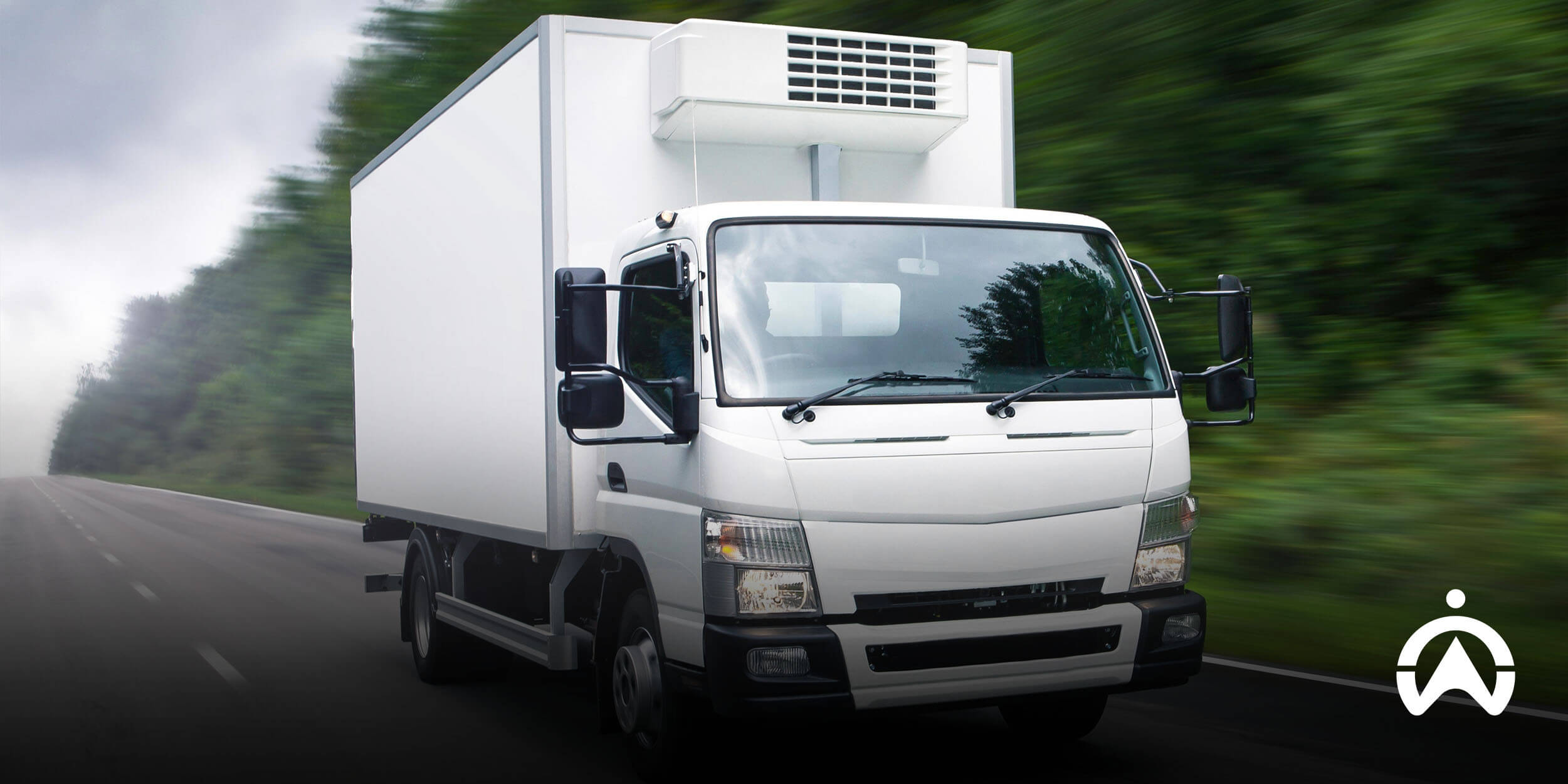
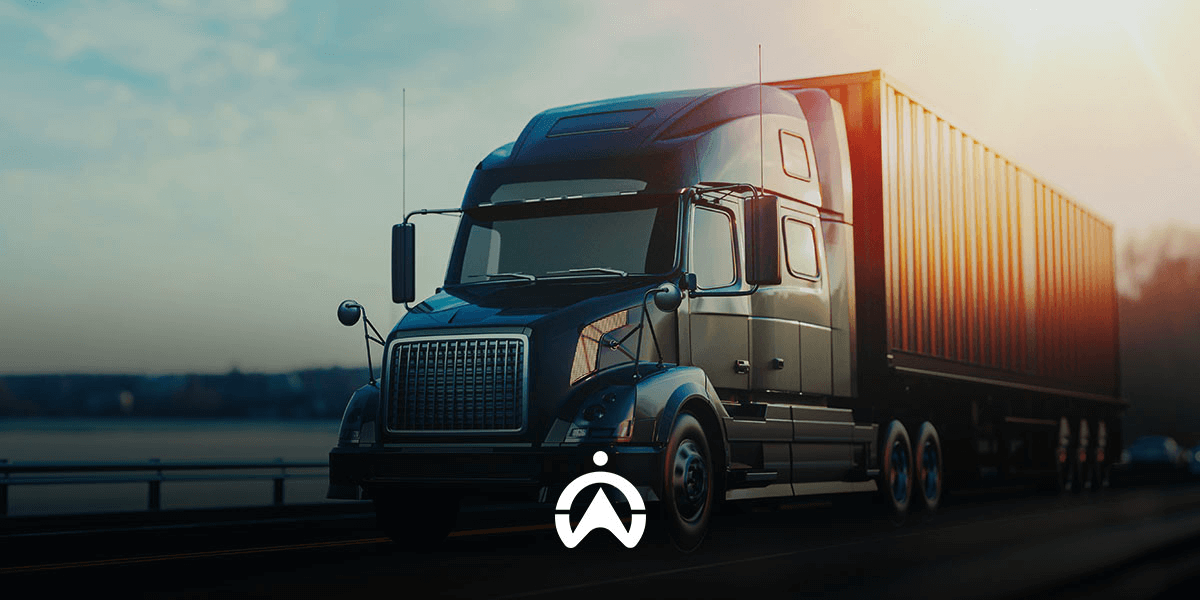
Refrigerated delivery truck on highway supporting cold chain temperature monitoring during food transport.

How do fleet operations affect your temperature monitoring needs?

Fleet operations affect your temperature monitoring needs when certain elements aren’t planned for, especially when considering how long certain transit trips can be. Factors like immediate alerts and reaction/recovery time are the key to keeping products of high quality. Cold chain management looks a bit different for each business, so it’s important to carefully configure things as necessary.

Food and beverages

Food and beverages need a high level of management when it comes to cargo bay climate control. It helps that food and drinks are pre-packaged airtight, but as their package instructions will typically show, thawing and refreezing isn’t good for the food. Consistently doing so will reduce the quality of the products.

Fluids

Fluids, whether we’re talking about dairy, medical liquids, or raw chemicals, need extremely high levels of control. In fact, fluids might have some of the highest levels of compliance and strict regulations attached to them.

Most of the time, hardware and sensors extend to measuring the liquid itself, together with measuring the climate in the cargo bay.

Organic foods

Organic foods also need an extremely high and strict level of management. Organic foods are quite special and different from other products because they need a specific climate to remain fresh and undamaged. Climate control goes beyond just ensuring it’s cold enough; it needs a precise and delicate balance between cold and humidity.

This needs to closely resemble the ideal climate in the real world.

Which industry sectors rely on temperature monitoring?

The industry sectors that rely on temperature monitoring go beyond food, healthcare, and pharmaceuticals. It also includes the floral business, biological technologies, and chemical manufacturing. Some industries are more obvious than others, but each has its own key reason for cargo climate control.

Let’s take a quick look:

  • Food: From foods and beverages to agricultural products; perishables, fresh produce, and dairy products are kept safe, nutritional, and edible.
    ‍
  • Healthcare: Supplies like blood, organs, and test samples from patients are kept uncompromised and unspoiled, especially during transportation in urgent, life-threatening moments. This temperature management extends to vehicles like hearses and ambulances.
    ‍
  • Pharmaceuticals: Through cooling control, vaccines and medicines maintain quality and effectiveness. A single spoilt batch can have dire medical consequences.
    ‍
  • Floral business: Flowers and plants remain unwilted and fresh from the nursery to the florist’s store.
    ‍
  • Biotechnology: Biological technologies demand rigorous temperature standards to stay viable.
    ‍
  • Chemical manufacturing: Sensitive chemicals and raw materials remain stable and unspoiled when kept at low temperatures.

Myth vs Fact: Clearing up some misconceptions about cold chain logistics

When looking at some myths versus facts regarding cold chain logistics, it’s easy to make some assumptions that could potentially lead you astray. Temperature management is fragile and elaborate. You’d rather be certain than play a guessing game when it comes to the quality of your goods.

Myth: Small businesses don’t need temperature monitoring

False; small businesses do need temperature monitoring. The size of the business doesn’t change the importance of keeping goods protected and ensuring compliance. In fact, a smaller business might feel an even greater impact on its finances because it has more to lose if goods are spoilt, losses are faced, or there’s damage to the business reputation.

Myth: Cold chain temperature monitoring is too expensive

False; cold chain temperature monitoring isn’t too expensive, although the initial costs might make it seem that way. Like most valuable systems, the upfront costs are usually far higher and might deter you at first. But it’s the long-term value that’ll prove otherwise. Poor temperature management means major losses and customer disappointment.

Myth: Temperature control doesn’t have to be a delicate process

False; temperature control is quite a delicate process and has to be followed to a ‘T’; that’s the nature of sensitive goods risk management. Small mistakes are unfortunately harmful if not corrected quickly and carefully, leading to spoilt foods, ineffective vaccines, unviable organs and the like.

Myth: Slight variations in temperature are okay

False; slight variations aren’t okay and should always be addressed as quickly as possible. If you have a temperature range to work within, that’s perfectly fine, but don’t veer outside of it.

Perishables are extremely finicky, and operating outside the established temperature range could immediately spoil the goods. It would also mean you’re not complying with the relevant health and safety regulations.

Myth: Temperature-controlled cargoes are bad for the environment

False; temperature-controlled cargoes aren’t bad for the environment, despite requiring reasonable amounts of energy to keep the cooling power going. The notion that energy use equates to harm to the environment ignores the work that cooling and refrigeration do to keep food fresh, unspoiled, and unwasted.

Reduced food waste plays a massive role in sustainability. Proper management of trucks and cooling equipment can also keep carbon emissions low. By avoiding old, underperforming trucks and monitoring sensor performance, you can keep your carbon emissions low.
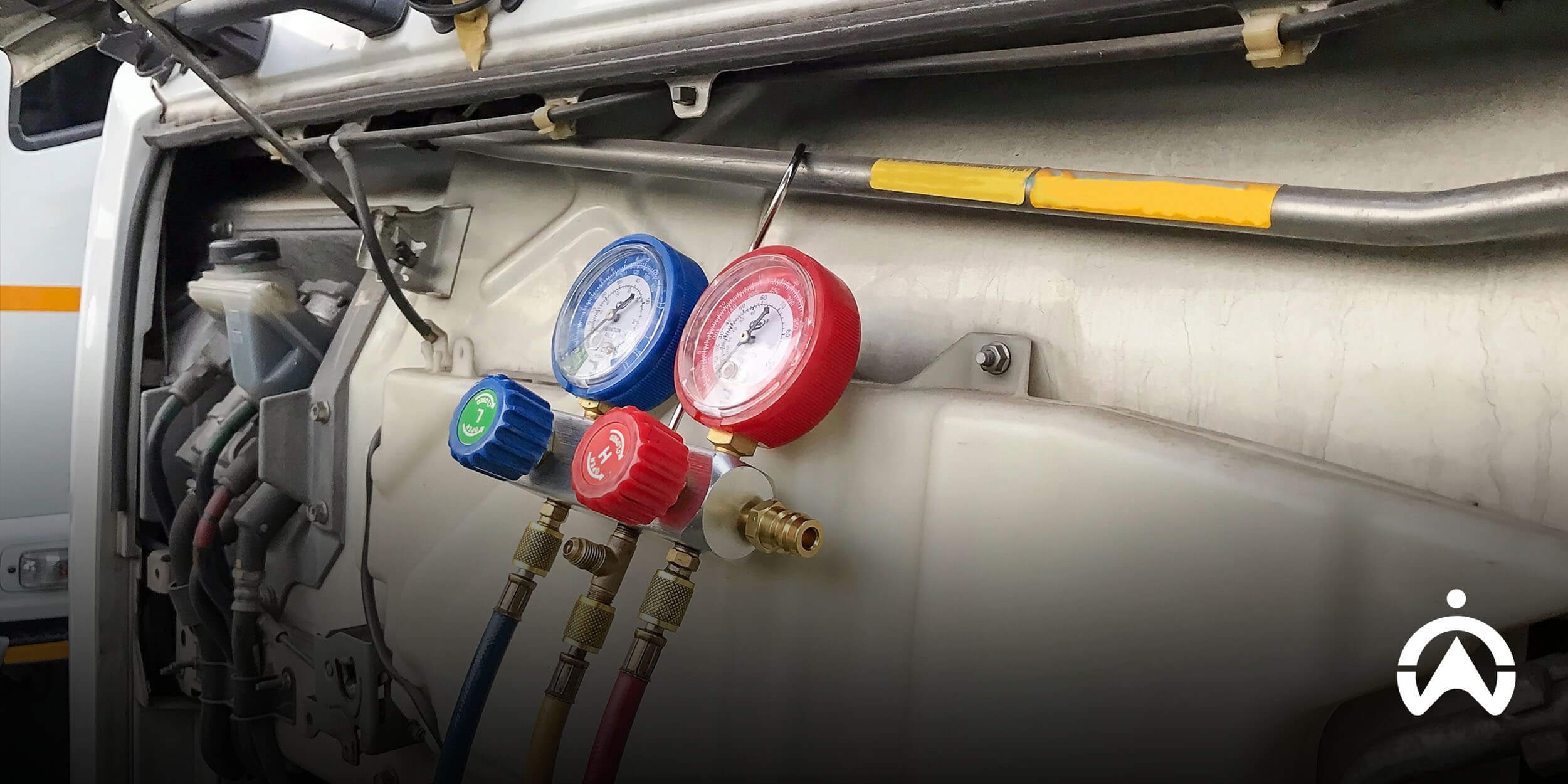
Technician using HVAC pressure gauges on refrigerated vehicle, supporting Cartrack cold chain temperature monitoring.

Which cold chain temperature monitoring system is best for Malawian fleets?

The best cold chain temperature monitoring system is one that allows you to keep track of your sensitive cargo at all times. This means choosing to implement a total ecosystem that’s efficient and keeps you notified at all times. As mentioned, achieving this is about getting the right hardware and connecting it to a sophisticated FMS and GPS tracking.

Cartrack could be your partner in long-term food and pharmaceutical risk management. With us, you’ll have all the tools needed to keep your sensitive foods or goods safe and temperature-controlled. We have industry-specialised sensors, like temperature and cargo door monitoring, which can be added to your overall fleet package. You’ll also have total control over temperature management with FleetWeb.

FleetWeb, thanks to GPS tracking and IoT technologies, will send you consistent alerts about temperature changes and shifts. These immediate notifications ensure you can quickly and urgently contact the driver or replace refrigeration trailers if necessary. FleetWeb also helps you achieve operational visibility, allowing you to keep an eye on your fleet while using trip data to optimise driver routes.

Finally, know that you can automate and digitally organise your temperature monitoring, keeping you compliant and in line with food and pharmaceutical regulations. Your temperature monitoring stores detailed records, ensuring that all the insights are available whenever needed.

Final takeaway: Stay on top of your inventory

You no longer have to worry about the state of your goods when they’re being transported. With the right solution, featuring a strong temperature monitoring system like FleetWeb and paired with the right sensors, you’ll maintain total control. Product quality can be maintained, waste can be reduced, and compliance matters can be met.

Cartrack’s got your back. Not only do we fully equip you with the necessary tools, but we also ensure you’re able to achieve operational efficiency through proactive efforts and complete visibility. You can lead the way and stay ahead of your competitors while our fleet systems and sensors do the heavy lifting.

Are you ready to see the most optimised execution of your cold chain temperature management? Speak to a Cartrack specialist today to keep your goods in check!

Frequently asked questions about cold chain temperature monitoring

What are the 4 types of temperature sensors?

The 4 types of temperature sensors are:

  • thermocouples, the most common type, are used in everything from your home to businesses
  • negative temperature coefficient thermistors (NTC), which are also quite accurate but not as good as RTDs
  • semiconductor-based sensors, which aren’t the most accurate and have slow responses, and
  • resistance temperature detector (RTD), which is usually considered the most reliable.

What temperature is recommended for the cold chain?

The temperature recommended for the cold chain depends on what you’re transporting and whether they’re being transported during the warmer months. Temperatures are also set according to the manufacturer’s recommendations. For example, deep-frozen foods are kept at around -30 degrees, whereas vaccines must be kept cool but never frozen between 2 and 8 degrees.

What are the 3 Ps in the supply chain?

The 3 Ps in supply chain are:

  • processes, which focus on the way things move and how products are managed from start to finish
  • people, which centres around taking care of and uplifting the people who are involved in handling the logistics, and
  • physical resources, which are the tools used to make the processes possible and manageable.

Is cold chain expensive to maintain?

Yes, cold chain can be expensive to maintain because of its intricate nature. Temperature management involves very specific hardware, constant & strict monitoring according to regulation, and routine maintenance. These all add up to high electricity & fuel use, as well as higher overall costs.
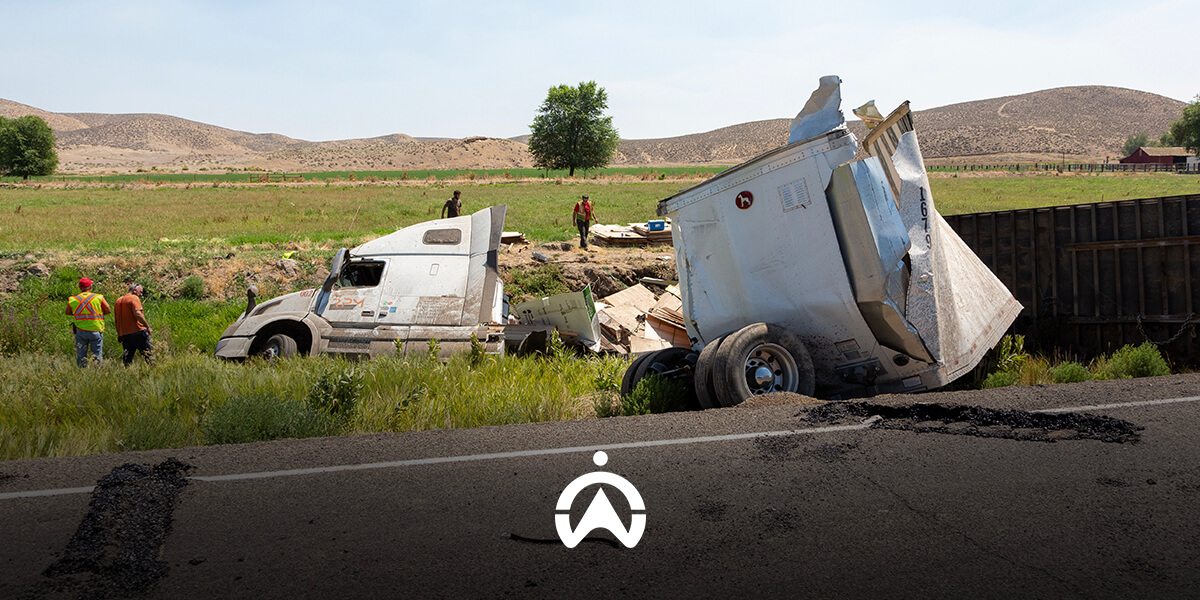
What is the leading cause of truck accidents?

The leading cause of truck accidents is driver error. Fatigue is said to be the biggest contributor to driver error, often caused by long hours on the road. When drivers are tired, their alertness, reaction time, and decision-making are all affected, making them more likely to:

  • Miss road signs
  • Respond too slowly to sudden changes
  • Fall asleep at the wheel

According to Studco, various studies reveal that approximately 80% to 90% of road accidents are caused by human factors. In the same article, they state that fatigue is particularly common among commercial and public transport drivers who work long hours. Other major contributors to truck accidents include speeding, distracted driving, mechanical failure, and extreme weather or road conditions.

Let’s discuss why driver error is so common in truck driving, and what you can do to reduce the frequency of accidents in your fleet.

Understanding the main cause of truck accidents

Driver error is the main cause of most truck driver accidents due to a combination of demanding job pressures. The long hours on the road and strict deadlines take a toll on drivers’ physical and mental health. This results in various risky situations such as driver fatigue, stress and rushing.

According to a study conducted by the Federal Motor Carrier Safety Administration (FMCSA), driver error is 10 times more likely to cause an accident than any other factor. In the same study, they divide driver error into four different categories:

  • Non-performance: When the driver falls asleep, has a heart attack, or is physically impaired by something else.
    ‍
  • Recognition: When the driver is inattentive, distracted by something, or fails to adequately assess the situation for other reasons.
    ‍
  • Decision: When the driver is driving too fast, misjudges the speed of other vehicles, or follows other vehicles too closely.
    ‍
  • Performance: When the driver is panicking and is unable to accurately respond to a traffic situation.

What is the leading contributor to truck driver errors

Driver fatigue is a leading contributor to truck driver errors because most of the time, truck drivers spend long hours on the road, often exceeding working hour limits. They don’t take enough breaks between stops because of unrealistic delivery schedules. These circumstances make it difficult for the drivers to avoid fatigue.

Fatigued driving is responsible for approximately 60% of truck crashes. The greatest risk of an increase in drowsiness occurs in the following circumstances:

  • After 15 hours of driving, a driver starts a shift before 9 am.
    ‍
  • After 6–8 hours of night driving (when a driver starts a shift in the afternoon or evening).
    ‍
  • After 5 consecutive shifts, when driving again for over 13 hours.
    ‍
  • When driving an early shift that starts after midnight and before 6 am.
    ‍
  • During the first 1-2 night shifts a driver undertakes, and during long night shift sequences.
    ‍
  • When a driver undertakes a backward shift rotation (from an evening, back to the afternoon, or an afternoon back to a morning start.
    ‍
  • After long shift sequences of more than seven shifts.
    ‍
  • During nose-to-tail shifts where a seven-hour break only enables five hours of sleep, a duration previously associated with a threefold increased risk for motor vehicle accidents.

Fatigue can go unnoticed. A tired driver may not feel sleepy but will react more slowly and make more mistakes. It’s as dangerous as drinking under the influence, which is why you need to focus on it to reduce the frequency of accidents in your fleet.

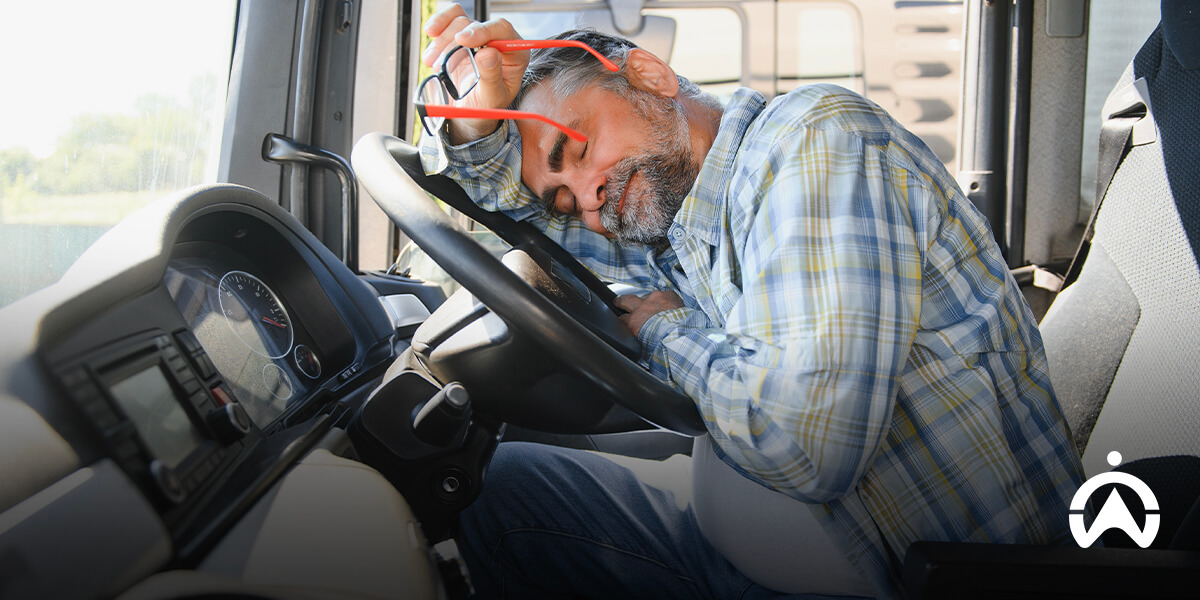
A person in a plaid shirt leans against the steering wheel of a truck, appearing stressed or fatigued in the driver's seat.

Other major contributors to truck accidents

Other major causes of truck accidents include speeding, mechanical failure, driving under the influence, poor weather and road conditions, as well as improper loading of cargo. Knowing the root cause and addressing these factors is crucial for the safety of your vehicles and drivers.

Distracted driving

Distracted driving is a growing concern among commercial truck drivers. Common causes of distracted driving include:

  • Cellphone use
  • Eating
  • Daydreaming
  • Smoking
  • Rubbernecking

Speeding and reckless behaviour

Big trucks require more distance and time to stop. When a truck driver goes above the speed limit or drives recklessly, avoiding a collision in a sudden traffic slowdown becomes almost impossible. The truck’s heavy weight and excessive speed significantly increase the force of impact, which can lead to more severe injuries or fatalities.

Mechanical failure

Due to being on the road for long hours, trucks account for a large daily mileage. This means they require more maintenance than smaller vehicles. If you or your drivers neglect regular inspections and vehicle upkeep, critical systems can fail. Brake malfunctions, tyre blowouts, and steering wheel problems are common culprits of truck accidents caused by poor maintenance.

Adverse weather and poor roads

Extreme weather conditions, such as rain, fog and snow, create hazardous driving conditions for commercial truck drivers. They can reduce visibility and make the road surface slippery, making it harder to control the trucks, which can increase the likelihood of accidents.

Improper loading of cargo

How a trailer is loaded is critical to secure handling. When the cargo is unbalanced or overloaded, your cargo may shift during transit. This can destabilise the truck, resulting in rollovers or jackknife collisions. If cargo isn’t secured, it might even spill onto the roadway, causing more harm to other vehicles on the road. Failure to properly load cargo may result in heavy penalties from regulatory authorities, depending on the severity.

Driving under the influence

It’s no secret that drinking and driving is a major issue in Malawi. Unfortunately, this also happens with commercial drivers, which has a dangerous impact on public safety. It carries severe legal penalties, like a permanent commercial driver disqualification. For your company, it can lead to reputational damage.

The consequences of truck accidents

Truck accidents can have far-reaching consequences that often result in serious injuries or even fatalities. They also leave lasting emotional trauma for those involved. Your business might face major financial setbacks from vehicle repairs, insurance claims, and lost productivity. Your company may also experience reputational damage and regulatory penalties that affect long-term operations and trust.

Here’s a table breakdown of the main effects truck accidents can have, according to three categories:

Category Impact Details
Human cost Injuries and fatalities Can cause emotional trauma for drivers, families, and other road users
Financial impact Repair and insurance costs Leads to vehicle repairs, insurance claims, and fleet downtime
Business consequences Reputational and legal issues May result in reputational damage and regulatory penalties

How to prevent truck accidents

Preventing truck accidents starts with simple but consistent safety habits from everyone involved. This includes drivers, managers, and other staff members within the company. From there, you need to invest in technologies that enhance driver awareness, such as AI dashcams and telematics. Combining technology with consistent safety habits reduces the chances of mistakes.

Here’s how each group can play their part in keeping every journey safe and smooth:

For drivers

When it comes to road safety, drivers are the first line of defence. You must ensure that your drivers take enough rest breaks between trips so they can maintain concentration and alertness. Your drivers must also get enough sleep prior to lengthy travels so they have a good amount of energy and sharp thinking. Lastly, avoiding distractions like eating or using cell phones while operating vehicles can make a significant difference.

For fleet managers

As a fleet manager, you play a key role in preventing accidents by using smart fleet management tools that help you keep track of driver behaviour. It’s also important that you develop strict policies against distractions such as cellphone use, so drivers know the consequences and therefore avoid doing so.

You should also ensure that cars are kept in good condition by performing routine safety inspections of vital components such as brakes, tyres, and lights. Also, keep in mind the importance of driver wellness programs to ensure that drivers are coping.

To further reduce stress and exhaustion, you must ensure that driver schedules and deadlines are realistic to promote rest periods. This ensures that your drivers have enough time to finish deliveries safely. Drivers are more likely to take safety seriously when managers set a good example.

For companies

Your company needs to create a culture that values safety. One way this can be done is through driver incentives. Offering rewards for safe driving practices promotes improved team behaviour. Businesses safeguard their employees, vehicles, and reputation when they prioritise long-term safety over short-term profits.

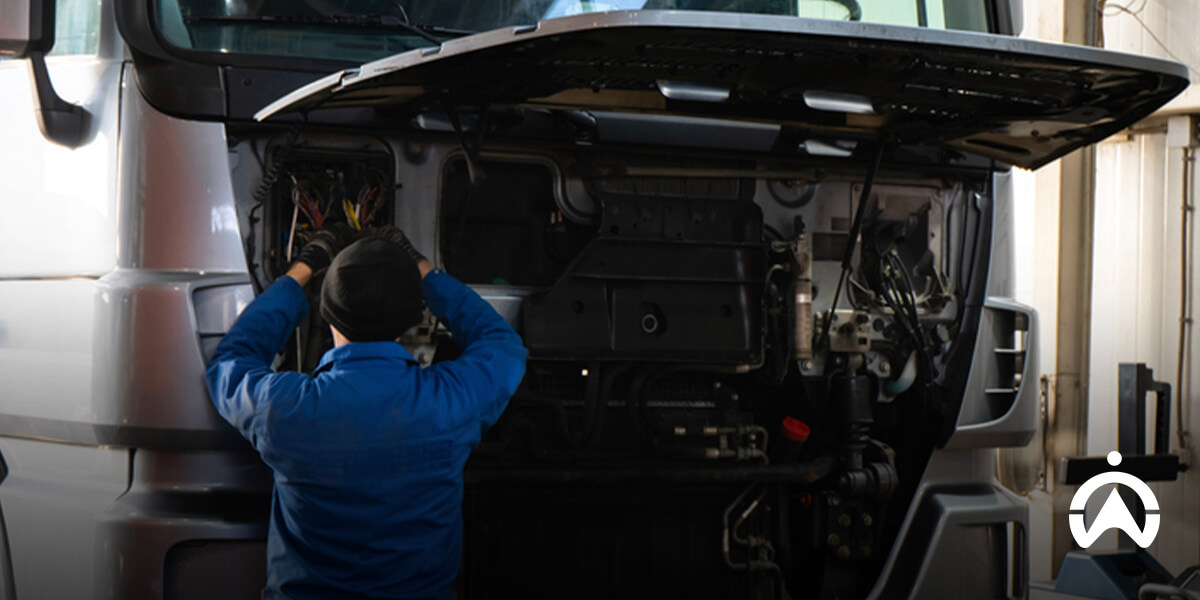
A mechanic in a blue shirt and gloves works on the electrical components of a large truck with the hood open.

Reducing truck driver accidents with Cartrack

At Cartrack, we have various technologies that’ll enhance the safety of your drivers and ensure that your business adheres to safety regulations. Over the years, we’ve had a hand in combating the frequency of accidents in many industries, including transport and logistics. We offer advanced and easy-to-use vehicle safety and monitoring technology, all from one platform.

Have a look at our top solutions for avoiding truck driver accidents:

AI Dual Vision camera

Cartrack’s AI Dual Vision dashcam helps you monitor driver behaviour. Its distracted driving detection capabilities include drowsiness, fatigue, eating, looking away from the road, smoking, and cellphone use. Once detected, it gives out an audible alert so your drivers can quickly correct their actions. This camera further enhances driver alertness by detecting blind spots and when drivers are tailgating.

Our AI-powered dashcam also has telematics capabilities, helping you notice other leading causes of accidents, such as speeding, harsh braking, and harsh cornering. It also has GPS technology, making sure you always know where drivers are.

Predictive maintenance

Prevent accidents caused by mechanical failure by using our preventative maintenance system. With this, you get alerts of engine issues, worn-out brake pads, and oil-and-water fluctuations. You can also use our system to keep up with vehicle service dates so you don’t have unexpected breakdowns.

Logbook

Manually logging driver hours leaves room for human error or fraud. It can create the impression that drivers are within their hours limit when, in fact, they’re not. The Cartrack digital logbook helps you keep up with driver working hours, ensuring that they’re accurate. This helps your business remain compliant, assists in creating schedules and gives drivers enough rest. This is yet another way to prevent driver fatigue and reduce stress levels.

DID tag

In many cases, drivers share vehicles, and it becomes difficult to know who used which truck. With our Driver Identification (DID) tags, to instantly know which driver is using which vehicle. Should anything happen, you’ll know exactly who must be held accountable. It also helps you ensure that the correct driver is assigned to a truck they qualify for, as each tag is linked to one specific vehicle.

Driver Scorecards

The Cartrack Driver Scorecard system is a great way to promote a culture of safety within your team and motivate your drivers. This is a system that monitors how drivers operate vehicles and rates each driver according to the number of harsh events detected. Through this, you can give recognition and reward high-scoring drivers, and use it as an opportunity to address issues of those who need improvement.

Your fleet’s safety starts with Cartrack

Driver error presents many risks for trucking businesses; however, there are various other major causes of accidents that you should also look into. As a fleet manager, it’s important that you invest in advanced driver monitoring technology to help your drivers avoid accidents.  Protect your drivers and assets — see how our fleet management solutions improve safety. Contact Cartrack today!

Frequently Asked Questions about truck accidents

Where do most truck accidents occur?

Truck accidents predominantly occur on major national highways (B-Roads) and busy main roads characterized by high speeds and dense traffic, critical for commercial trucking operations. In Malawi, these crashes are most prevalent in the Khomas Region (31%), followed by Otjozondjupa (21%) and Erongo (16%), demonstrating that high-risk areas include both major urban centers and the high-volume transport corridors.

What are the 4 causes of accidents?

The four common causes of accidents are distracted driving

  1. Driver error
  2. Drunk driving
  3. Speeding
  4. Vehicle faults

Other causes of accidents include reckless driving, poor weather conditions, jaywalking, and driver inexperience. Understanding the cause of road accidents is crucial for developing effective safety precautions to prevent future collisions.

Which country in Africa has the most car accidents?

According to an article by Business Africa Insiders, Nigeria has the highest number of road traffic fatalities, followed by Ethiopia and DR Congo. However, when measured per 100,000 population, Kenya, and South Africa recorded much higher fatality rates.

Are older drivers safer?

Yes, older drivers are generally safer than younger ones. This is because they have years of experience and are more cautious when driving. However, the Centres for Disease Control and Prevention reports that drivers aged 70+ have higher road accident fatality rates per 1000 crashes compared to middle-aged drivers (aged 35-54).

Why are there so many car accidents in Malawi?

Malawi has high accident rates because of a mix of human factors and environmental factors. Human factors include things such as reckless driving, speeding, fatigue, and distractions. Environmental reasons include poor road conditions, such as potholes, as well as bad weather.

Reduce the risks! Explore the Cartrack driver monitoring tools.

What Is Fleet Management in Logistics? How to Master Your Operations

Fleet management and logistics have so many similarities that they may seem like siblings, but once you learn more about them, they’re more like cousins.

Whether your fleet is en route to long-distance destinations or precious cold chain cargo is destined for fresh delivery, it probably needs a pair of extra eyes on the road to safely reach its destination.

Fleet managers should ensure their fleets deliver goods efficiently, but how do they tackle challenges in the logistics industry? 

Let’s find out how to master fleet management in logistics to get that optimum efficiency.

In this article, you will:

  • Discover the role of fleet management in logistics
  • Explore the differences between fleet management and logistics
  • Learn about fleet management systems
  • Learn how to improve your logistics through fleet management systems
  • Master your logistical operations with fleet management with Cartrack Malawi

What is fleet management in logistics?

Effective fleet management is the equivalent of smooth sailing for a fleet. A fleet manager’s role is to track and monitor their fleet while managing its efficiency and effective task completion. In logistics, this level of smooth sailing plays a vital role in maintaining a service that competitors have no choice but to envy.

The role of fleet managers in logistics

The differences between a fleet manager and a logistics manager are not too far apart.

A logistics manager oversees the inventory and negotiates rates for the fleet, whereas a fleet manager’s job is to have that inventory delivered on time, on budget, and without hassle. This is done by tracking vehicle routes, checking driver behaviour during the transportation process, and analysing data that helps ensure goods are in the right place at the right time while still safeguarding the fleet.

Having a fleet manager in logistics is crucial to advance businesses to greater heights. The marriage between fleet management and logistics is one to be celebrated as it forms the basis of goods production from beginning to end and how consumers receive their products. Route planning and fleet tracking require precision, which should be one of the main characteristics of a successful fleet manager.

There are different ways to merge logistics and fleet management.

For example, a logistics manager may calculate the amount of goods packaged into fleets, but the fleet manager must also keep track of the fuel and time required to deliver those goods. If a company that supplies uniforms to various schools suddenly struggles to meet these delivery requirements, the fleet management process can provide valuable insight to help pinpoint the issue. Let’s dive into this by looking at fleet management versus logistics to better understand how both can encourage better business operations.

The_role_of_fleet_managers_in_logistics

What is fleet management vs. logistics?

I’m sure we all have a pretty good idea of what fleet management is at this point. However, fleet management in logistics is more specific and probably less familiar. Never fear, though; to put your mind at ease, we’ll discuss each separately with clear definitions.

  1. What is fleet management? 

    Most of us have heard the basic definition of fleet management quite a few times before. So, without sounding like a broken record, it’s how businesses track their fleets and ensure that goods arrive securely and on time. A fleet manager’s job is to essentially gain insight and use data to improve driver behaviour, routes, vehicle maintenance, and compliance.
    ‍

  2. What is logistics? 

    Transporting your goods from Johannesburg to Cape Town is perhaps the simplest way to explain logistics, but what is it really? Logistics is finding the best way to ensure that your goods are delivered to their required destination. It is essentially the movement of goods with a rhythm and flow that allows companies to provide excellent customer service.Logistics is almost like completing a puzzle: from loading goods onto trailers and trucks to managing the flow and route control, every piece fits perfectly to complete the picture.

Now that both concepts have been explained separately, let’s take a look at how they work together and affect the way you run a successful business.

How does logistics influence business operations?

Business operations rely mainly on product and service delivery, so you’re bound to already have logistics in place to run a successful operation. To make sure you do, though, it’s important to understand the types of logistics and how they influence the overall operations of your business, so let’s look at an example.

In the clothing industry, the main point is to have a full item of clothing ready to be worn. But that has to start somewhere:

  1. The process starts with inbound logistics, transporting raw materials like fabrics and textiles. Keeping the next step in mind, these fabrics have already been chosen to bring the design to life and are therefore being transported to their next home, which is manufacturing/sewing. We need fabric to make clothes and that fabric has to find its way to where it can be manufactured into the desired product, and this is where inbound logistics plays a fundamental role.
    ‍
  2. Once the clothes have been sewn and ready to be sold, the outbound logistics process begins. This is when the finished product is transported to where it will be sold. This may be online or in physical stores where consumers can feel and try the clothes on before purchasing.
    ‍
  3. If a piece of purchased clothing cannot magically resize to fit the buyer and needs to be returned, we then turn to reverse logistics. Returning products to their manufacturer is a necessary part of logistics that any business dreads. This can happen due to a lack of sales or product malfunctions, and the logistics department would then have to transport all goods back to where they were made. What then happens to the products lies solely on the company, whether to be recycled or destroyed.

To effectively attain and maintain success, businesses need to understand the flow set off by logistics-based processes. From the time the raw materials are transported to the actual production phase, a sequence is formed. Additionally, the overall operation is reliant on how well each department plays its role and how efficient they are in carrying out duties.

How to optimise your operations—solutions for efficient logistics management.

Now that we know the different logistics types, we can conjure up ways to enhance our business operations and optimise our logistics management. All businesses aspire to be the best in their respective industries and the quickest way to do that is excellent service delivery.

  • It all starts with a concise packaging routine. Having all goods packaged, stored securely, and ready for transportation requires a set routine. A solid packaging routine also helps take the edge off the offloading and stock-taking process after delivery.
    ‍
  • Effective communication serves as a foundation for all solutions, and communicating while applying your logistics strategies can increase their efficiency.
    ‍
  • Fleet route planning and regular fuel monitoring help you map out how much time your fleet spends on the road. You can measure how much fuel is needed for your fleet vehicles, so they successfully but also economically reach their destinations.

In a logistics company, the main priority is delivery, and once you have a flow that works for your business, efficiency comes naturally. You can promote customer satisfaction by implementing a system in line with your company values and securing a sustainable workflow with your stakeholders.

Here’s how to improve logistics using a smart fleet management system

Turning your business into a well-oiled machine takes time, and during this time, a rhythm is developed. Introducing a compatible system that covers all bases and improves your operational rhythm is a winning recipe for seamless performance.

Here’s_how_to_improve_logistics_using_a_smart_fleet_management_system

How fleet management systems work

Having covered enough tar on fleet management and logistics, we can look into how logistics can be improved through fleet management systems. A telematics system like Cartrack’s fleet pages allows you to monitor your company’s fleet while recording all events that occur throughout the procurement journey.

Logistics is improved tremendously when fleet managers can establish the following:

  • Fleet location: Locating your fleet increases the need for speedy deliveries.
    ‍
  • Fuel consumption: Managing fuel consumption decreases the number of times drivers need to stop and refuel and lowers the risk of fuel theft.
    ‍
  • Fleet speed and driver behaviour: The main goal of logistics is delivery, but safety comes first. Fleet telematics improves fleet speed and driver behaviour through live tracking.
    ‍
  • Fleet maintenance: A good fleet management system with real-time alerts and timely reminders allows fleet managers to monitor vehicle health and longevity.

How Cartrack Malawi can help you master your logistics operations with superior fleet management

Cartrack Malawi offers various packages customisable to suit your business. Improving your operations has never been easier, whether you prefer tracking your motorcade to spot where your fleet is or limiting the number of stops by creating your own routes through geofencing; Cartrack Malawi is here to help. Our features are the key to mastering your operations and can lead to service that is incomparable to competitors.

  • Cartrack delivery
    Cartrack’s Delivery tool simplifies task assignment and real-time tracking from dispatch to delivery. Digitised processes offer full visibility into task progress and allow easy job allocation to drivers. Through route optimisation, Delivery allows efficient task prioritisation, reducing travel time, fuel consumption, and turnaround times.
    ‍
  • Live location tracking
    Our live location tracking technology allows you to track your fleet in real time via GPS for full visibility. The benefit of having a constant and real-time eye on your fleet is that you can check vehicle locations for productivity’s sake or if there is an emergency and you need to send help or track down a stolen vehicle.
    ‍
  • Geofencing
    Cartrack’s geofencing feature lets you set virtual boundaries around specific locations. This allows logistics and fleet managers to detect vehicles entering or exiting zones with warehouses or delivery drop-off locations. This feature broadens your view of vehicle activity and helps you ensure your drivers stay on schedule with their tasks.
    ‍
  • Camera solutions
    Cartrack’s SmartCabin camera solution comes with AI-based driver behaviour detection to help you get real-time visual and audio contact with drivers and have them receive audible alerts when the camera’s AI technology picks up distracted or unwanted driver behaviour like cell phone use, smoking, or yawning.Recording starts once the vehicle’s ignition is fired up. Drivers who are aware of their surroundings tend to practice responsible driving, which minimises operational costs such as fuel and vehicle maintenance, improving productivity.
    ‍

Diraro Group and Cartrack

Instead of telling you how Cartrack changes lives and transforms operations, let’s show you. Meet Diraro Group, a logistics company with a whopping 120 high-capacity fleet vehicles that specialises in transporting bulk supplies. Here’s how Cartrack helped them supercharge their operations.


Contact Cartrack Malawi to discover how you can master your logistics through fleet management with trailblazing fleet management technology.