What are Driver Scorecards? How Can They Improve Fleet Management?

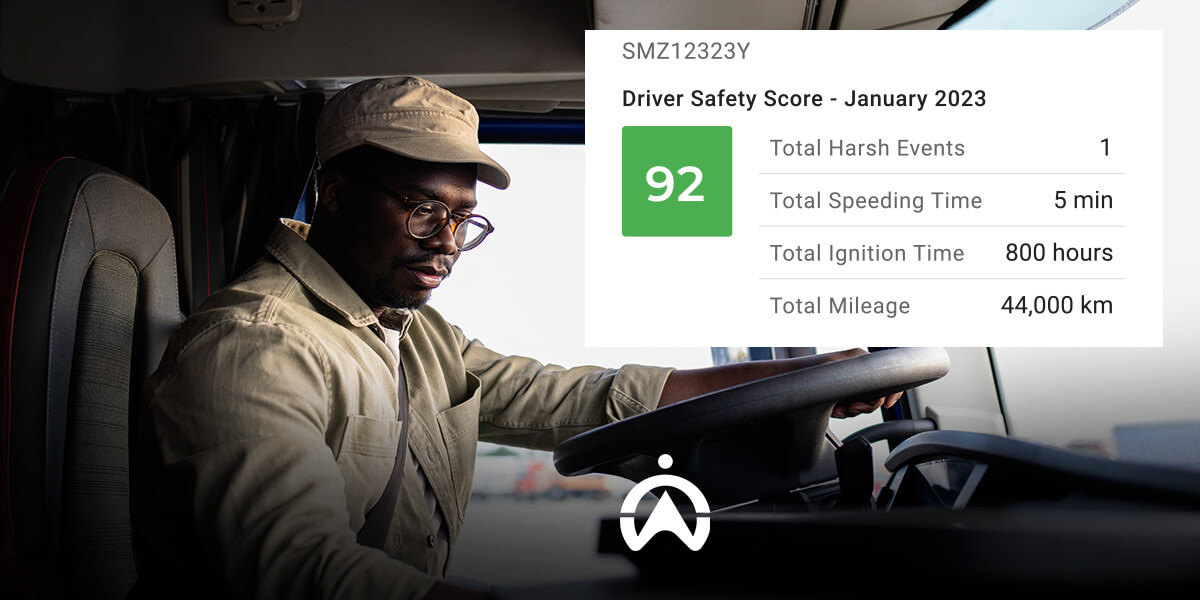
Driver scorecards are digital reflections that tell you how good (or bad) your respective drivers are. It uses performance indicators together with a demerit system to help you determine which drivers are performing well, and which need training or disciplinary action. They turn performance into easy-to-absorb scores that you can use to incentivise your drivers.

Truck accidents result in more fatalities per crash than any other type of road accident in Malawi. That’s likely because over a third of the victims in truck accidents are actually pedestrians.

We develop software technology that drastically reduces this horrible statistic. Want to know how? Read on to learn about our Cartrack Driver Scorecard system, how it works, and how it helps you avoid the legal and ethical implications resulting from fleet road accidents.

What are Driver Scorecards?

Driver scorecards give you a visual representation of how each driver in your fleet is performing on the road. With this in place, you can mostly prevent road incidents caused by bad driving. Get the most out of this system by addressing these issues with your drivers before they become serious problems that cost you money.

As we explore further, we’ll see what driver scorecards have evolved into. It used to be a manual rating system. However, now that they are AI-driven, the rating is very much automated, and leaves little room for error.

Using indisputable event logging, fleet managers quickly learn the best ways to incentivise their drivers. At the same time, drivers will know they’re being monitored on driving habits—both large and small—which leads to better driving overall.

Why are driver scorecards essential in managing Malawian fleets?

Driver scorecards are essential in managing Malawian fleets because they help you to identify risky driving behaviours. Malawian’s roads are considered among the most dangerous. For fleet managers, this can mean serious losses through accidents, insurance hikes, and cargo loss. By analysing various behaviours, fleet managers can manage and reduce this risk significantly.

Look at the table below and see for yourself how driver scorecards can curb bad driving and prevent accidents. Overall, this can have a massive impact on any fleet, whether truck drivers, lift providers, or delivery vans.

Driver Monitoring Feature How It Works How It Prevents Accidents
Speed tracking Records driving speed Stops speeding before crashes happen
Harsh braking alerts Warns when brakes are used too hard Helps drivers keep safe distance
Fatigue detection Finds signs of tiredness Reduces risk of drivers falling asleep
Distraction alerts Spots phone use or lack of focus Keeps eyes on the road
Seat belt reminders Checks if seat belts are on Protects drivers and passengers
Route tracking Shows the safest and fastest paths Avoids risky roads
Collision warnings Alerts when too close to another car Prevents rear end crashes
Driver scorecards Rates driving behaviour Encourages safer habits

As a fleet manager, how much easier would driver coaching be if scoring each of your drivers was possible? In many ways, coaching with driver scorecards is actually twofold. First, you get alerted whenever your driver reaches a critically low driving score. Second, your drivers are less likely to drive badly, because they know they’re being evaluated constantly.

The result? 

  • More responsible drivers
  • Fewer accidents
  • Lower insurance premiums
  • Less downtime
  • A better reputation

It’s no wonder so many fleet managers are turning to Cartrack’s AI-powered driver scorecard feature to increase their profits! Call Cartrack now and see how we can develop a scorecard system for your fleet.
Two men stand on an asphalt lot surrounded by a fleet of white trucks, discussing details while holding a clipboard.

How is the driver score calculated?

Each driver’s score starts at 100 and goes down every time an unsafe event happens. Each event has a weight that shows its danger level. The system totals the event weights for every trip, or over a period of time that you as the fleet manager determine.

It then converts that risk into a normalised score where 100 is best (indicating no incident). In other words, a lower score means a more high-risk driver. Here’s an example of the danger categories and weights you might decide to implement:

  • Low 1
  • Medium 3
  • High 10
  • Very High 32
  • Critical 100

What behaviours are tracked for driver scoring?

Driver scorecards track risky driving habits that ultimately lead to accidents, increase costs, and harm your company’s reputation. Each behaviour is given a weight based on how dangerous it is. Safe trips and good driving habits keep scores unchanged (and high), while risky actions lower the score (of which the fleet manager will be made aware).

Similar to the previous table, this table outlines the scoring system together with an example of the risky driving habit. Remember, this is only an example. You can choose your own rating system based on the specific needs of your fleet.

Driver Monitoring Feature How It Works How It Prevents Accidents
Speeding Driving more than 10 km/h over the limit High (10)
Harsh braking Sudden, unnecessary hard stops Medium (3)
Harsh cornering Taking turns too fast Medium (3)
Tailgating Following too closely High (10)
Distracted driving Using a phone, eating, or adjusting radio Very High (32)
Ignoring traffic signs Rolling through stop streets or red lights Critical (100)
Fatigue events Long driving hours without rest High (10)
Harsh acceleration Sudden, aggressive take-offs Low (1)

How do they benefit a fleet company?

Driver scorecards benefit a fleet company by ultimately decreasing the likelihood of accidents. This has a chain effect of improving the company’s delivery times, protecting their cargo, and saving them money. But a more important benefit is the effect this has on your company’s reputation, which becomes one of reliability, dependability, safety, and trust.

Reputation

A good brand reputation means your customers trust you. It also means you’re more likely to get more customers that use your services. A company’s reputation is priceless, because it ultimately determines its survival.

Profits

At the end of the day, you’re paying a relatively small amount of money to potentially increase your company profits by a HUGE amount. By avoiding accidents and paying lower insurance premiums, don’t you think it’s time you got a bird’s eye view of how much risk your drivers are exposing your business to?

Start tracking your drivers and witness the difference in safety. Get in touch with Cartrack and get the best driver scorecard system in Malawi.

NOTE: This scorecard is completely FREE with any of our fleet management solutions!

Healthy Competition

Healthy competition comes from using driver scorecards because they let you compare your drivers fairly. When drivers see their scores, they’re encouraged to do better than their peers. This creates a positive push to improve, without needing constant management pressure. Over time, it builds pride, accountability, and stronger team spirit across your fleet.

Safety

An increase in safety has both monetary AND ethical benefits. By protecting your drivers, you’re also protecting every other driver that comes into close proximity to them and the vehicles they operate. Driver scorecards can have a positive effect on the general safety of our Malawian roads.
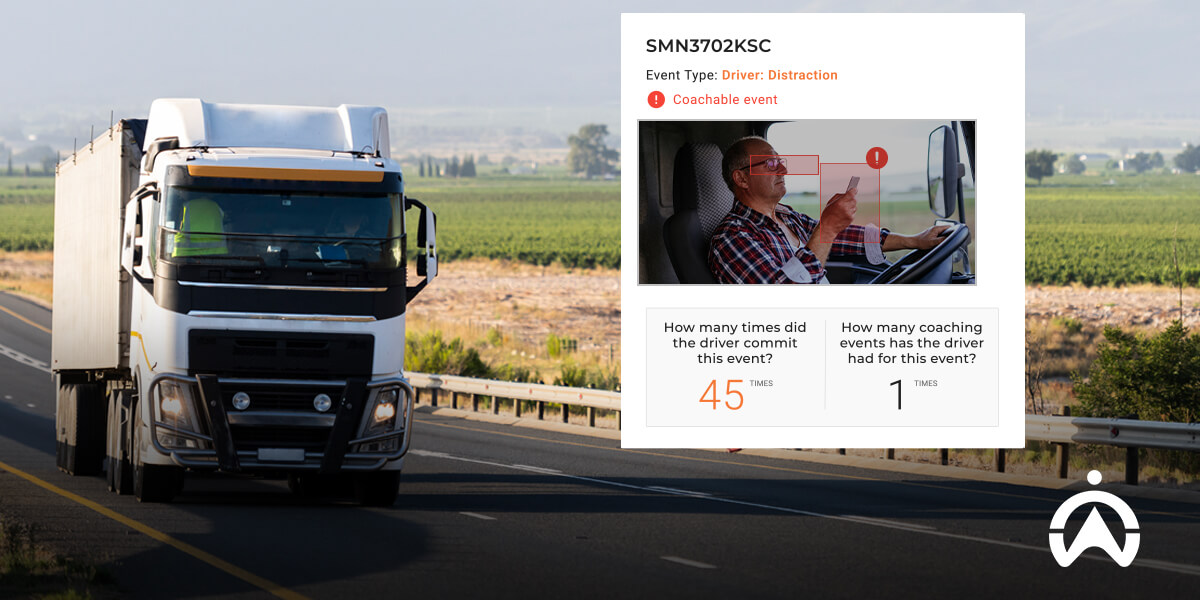
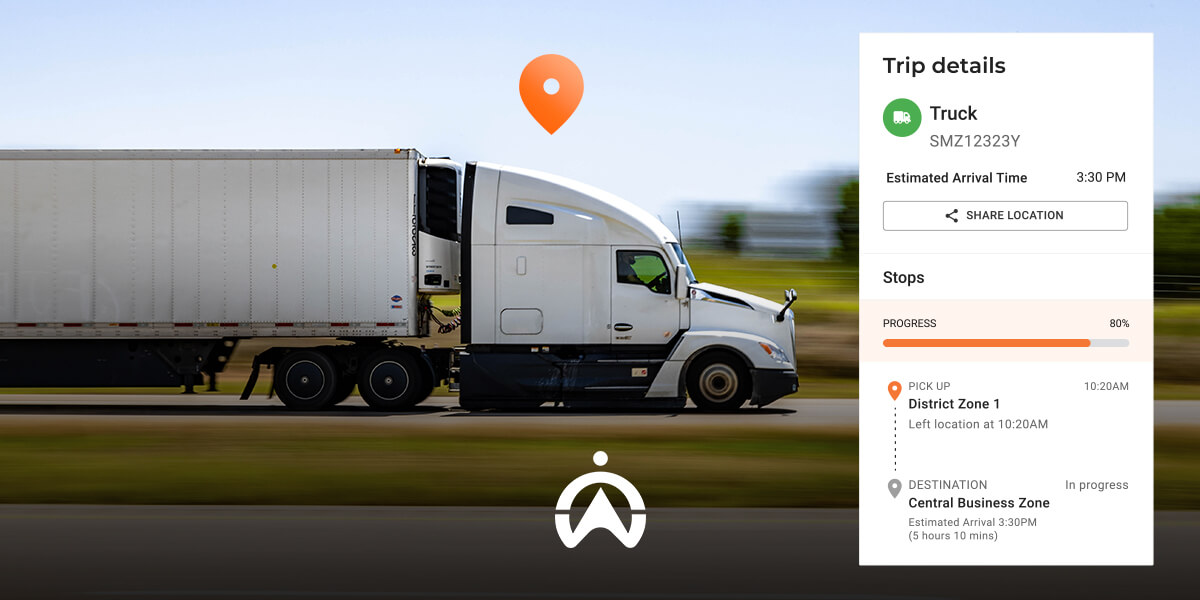
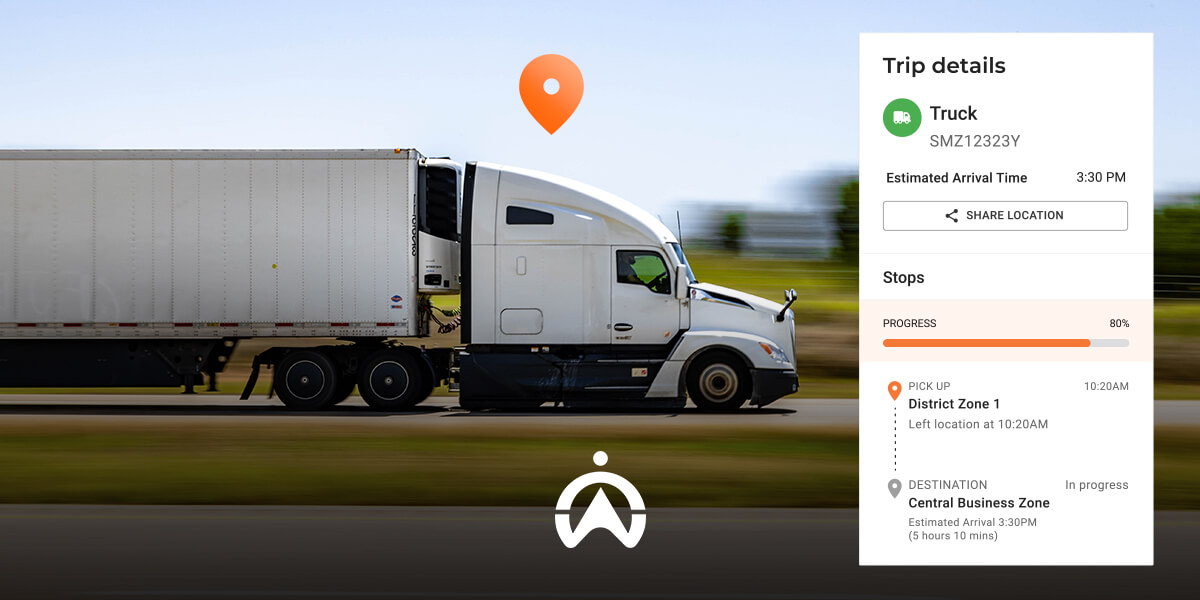
A large truck drives on a highway with fields in the background, displaying data on driver distraction and coaching events.

Compliance adherence

Although we haven’t mentioned it yet, road compliance saves you a lot in other ways too. Regular traffic fines could become a thing of the past, giving your fleet a much better record in the eyes of traffic authorities.

Growth potential

When you’re saving money and growing your reputation because of better driving, your company’s growth potential will quickly start to rise. As you manage your driving team and assemble a group of responsible, accountable, and dependable drivers, you’ll soon be considering the expansion of your business!

How does Cartrack’s scorecard work?

As we’ve seen, a good driver scorecard system works by tracking unsafe driving events and giving each driver a score that shows their level of risk. Fleet managers can quickly see who needs coaching and who’s performing well. This also makes it easier for you to improve safety and reduce costs across all of your vehicles.

How does this system differ from other, outdated scorecard systems? The scorecard from Cartrack adapts to your needs by showing real time insights and clear reports. These are easy to use, and unlike older systems that give limited data, Cartrack’s system is dynamic and flexible. This system comprehensively lets you set targets and track progress in ways that suit your business fleet down to small details.

There’s no one-size-fits-all when it comes to scoring your drivers. Tailor-design your own package and then tweak your system to suit your fleet needs. Contact a driver scoring expert at Cartrack today to book your demo.

Frequently Asked Questions about driver scorecards

How can drivers improve their driving score?

Drivers can improve their score by practising safer driving habits. These include keeping to speed limits, braking smoothly, and avoiding sharp cornering. Regularly checking their score helps drivers to track progress, so this should be encouraged. It serves as a powerful motivation for them to become better, safer, and more dependable drivers.

How long does it take for a driver to improve their score?

The time it takes for drivers to improve their driving scores depends on how quickly they correct risky habits. Consistency is key here. With noticeable improvements, drivers could improve their scores within a few weeks. Because the score updates every time new trips are logged, their actions immediately influence the scorecard results, showing steady progress over time.

Can fleet managers adjust the score at their own discretion?

No, fleet managers can’t manually change a driver’s score, as it’s based on the objective telematics data generated by the AI-driven system. This ensures fairness and consistency among all of your drivers. However, managers can use these insights to coach your drivers. So, you can set improvement targets and support better performance without interfering directly with the scoring process.

Can a driver’s score be used for disciplinary procedures in labour court?

Yes, a driver’s score may be used in disciplinary processes in labour court. However, this is only if the evidence is supported by accurate data, clear policies (set out by your company), a reasonable attempt at training, and consistent enforcement. In Malawi, this means your company must ensure the scorecard is applied fairly and in line with labour law.
What is the Best GPS Fleet Tracking Solution for Your Business?

The best GPS fleet tracking solution for your business is one that perfectly complements your business, its industry, and objectives. For most modern fleets, basic GPS tracking is no longer enough, and improved or fully-fledged systems with advanced fleet management features are a requirement for better business value.

A reliable GPS tracking solution supports your business goals and helps you save money and time. Driven by intense global demand, fleet tracking implementation is accelerating at a massive rate. According to Research and Markets, the global fleet management solutions market is expected to expand from US$22.7 billion in 2024 to US$57 billion by 2030. This underscores why choosing the right GPS fleet tracking solution could protect and future-proof your business.

Cartrack is recognised as one of the best in GPS fleet tracking, offering a streamlined platform that’s designed to fit every business regardless of industry or size. This detailed guide will take you through your solution options, the top features to consider, and how Cartrack can align with every one of your business needs—regardless of your industry or the size of your organisation.

Why do GPS fleet tracking solutions matter?

GPS fleet tracking solutions matter because they directly address the vulnerabilities of a business. As a fleet manager, you grapple with an overwhelming number of daily responsibilities and challenges. The rising costs of fuel, tightening compliance matters, and risky driving patterns are just a few to name. If you don’t adopt the right GPS fleet tracking solution, you risk inefficiency, unhappy customers, and unprotected staff.

By implementing a top-notch tracking solution, you can turn your business into a truly well-oiled machine. Through insights like optimised routes, fuel monitoring, and driver behaviour assessments, you’ll have the information you need to elevate your business operations. Fleet tracking solutions give you full visibility and improve overall service quality.

Unlocking the full power of these tools means investing in something that’ll guarantee returns. You’ll quickly see better cost management, smoother operations, and much happier clients.

What is the best GPS fleet tracking solution for your business?

The best GPS fleet tracking solution for your business ultimately depends on your business size, industry, goals, and budget—there’s no single solution. To make the best decision for your business, it’s best to assess these aspects and match them with the best features offered.

Types of GPS fleet tracking solutions

The types of GPS fleet tracking solutions typically include wireless, telematics, and full-service systems. Each of these solutions serves different purposes. Take a look at the table below to get a better overview of each solution type:

Solution type Typically Best for Pros Cons
Wireless/portable trackers Smaller fleets •Quick to set up without special tools
•Short-term use
•Low cost
•Flexible and easy to move between assets
•Limited features
•Deep data not provided
•May need manual checks to get insights
Telematics platforms Medium fleets •Live tracking
•Driver behaviour, trip, and safety reports
•Clear dashboards and data for business planning
•Requires hardware fitted directly into vehicles
•Needs a software plan (monthly/yearly subscription)
Full-service vehicle monitoring systems (VMS) Medium to large fleets •Full insights on vehicles (routes, fuel use, etc.)
•Predictive maintenance and vehicle health support
•Works well for business growth with deep insights
•Higher upfront/setup cost
•More complex to install and set up
•May include tools not always needed by smaller/medium fleets

Choosing the right solution for your fleet

Choosing the right solution for your fleet is all about matching your business requirements with the right features. Take a look at these points to narrow down your options:

  • Look at your fleet size and asset types: Consider what your fleet might need based on its scale and vehicle types. You may settle for a portable GPS solution if you have a small fleet with passenger cars, or decide on a full VMS for a larger, more complex fleet.
    ‍
  • Consider which features will help: Think about what your fleet would need feature-wise. From there, select the features that match your fleet needs or business goals.
    ‍
  • Assess integration: No matter your solution choice, your business can’t work optimally without an integrated fleet management platform. Make sure the platform works with other systems that you use, and doesn’t rely on numerous platforms to work effectively.
    ‍
  • Weigh your budget and potential ROI: A solution like the full-service VMS might look too expensive upfront, but may produce the best ROI for your business. The cheapest option may not support your goals. Always consider the savings you’d get from factors like fuel optimisation, safety improvements, and minimal downtime.
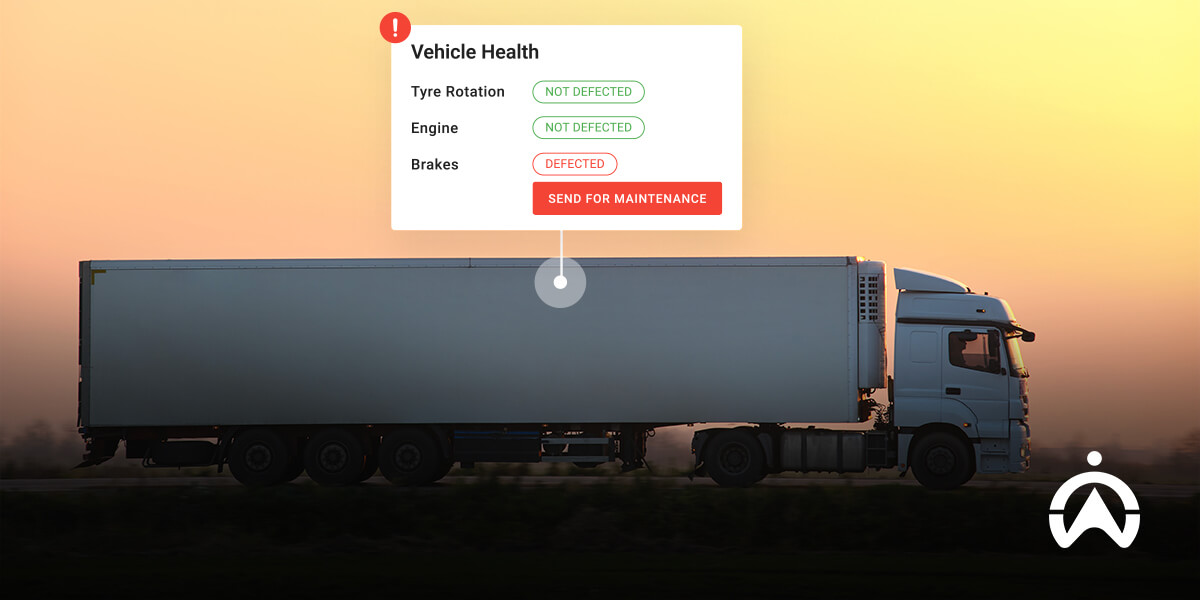
Cartrack GPS fleet tracking solutions showing truck health report with maintenance alert at sunset.

How Cartrack meets your needs

Cartrack offers every type of these solutions, meeting your needs wherever you are in your business. We’re prepared to grow with you. Here’s how we cater to your specifications:

  • Smaller fleets/short-term needs: Cartrack provides an easy-to-use, portable tracking tag to give you full visibility. It’s an affordable option that doesn’t require an intense setup.
  • Growing and medium fleets: Cartrack’s fleet tracking options with fewer add-ons can give you full visibility while still offering basic fleet management features. These include route tracking, asset insights, and driver behaviour management.
  • Large/complex fleets: Cartrack’s full Fleet solutions come with all the bells and whistles, combining hardware, software, and vehicle data. Not only do you get full visibility, but you’re also able to unlock all the advanced features you’re looking for to meet your insight, cost, and safety needs.

In addition, you can expect Cartrack to support your solutions with:

  • Flexible packages that let you choose and pay for the features that you need.
    ‍
  • Strong security features that ensure the best protection in case of hijacking or vehicle theft.
    ‍
  • AI-supported components that contribute to the predictive and proactive nature of risk management.
    ‍
  • Advanced technology that’s scalable and adapts with your business as it grows or changes.
    ‍
  • Easy integration with other systems, without having to rely on more than one platform.

Essential fleet tracking solutions features to maximise efficiency

The essential GPS fleet tracking solutions that maximise your business’s efficiency are those that improve fleet performance, contribute to cost management, and enhance safety. Look at how these features play their roles:

Live GPS tracking

Live GPS tracking is how you’re able to keep eye on your fleet at all times. With live monitoring, you can assist the drivers when rerouting is necessary, and alert customers if there’s a delay in delivery.

Example: One of your drivers is stuck with a broken-down vehicle and is unable to make a delivery. Because you’ve got live tabs on your drivers, you’re able to react quickly, reassign the job to the nearest driver, and prevent a late delivery.

Driver safety tools

Driver safety tools allow you to keep track of a driver’s behaviour while they’re on the roads. With this kind of monitoring, you can get immediate alerts on distracted or unsafe driving. Safety alerts can ultimately reduce accidents and lower insurance claims.

Example: You have a logistics fleet that was experiencing relatively high accident rates. With driver coaching, you’re able to decrease the accident rate by 25% because of alert data and insights. (Yes, we’ve seen this happen!)

Vehicle performance insights and maintenance

Vehicle performance insights and maintenance are all about producing predictive alerts. To prevent downtime for your business, these alerts will signal overall vehicle health and fuel usage.

Example: You have a fleet of vehicles that are extremely busy during the peak season. Because of this, these vehicles are susceptible to engine failure. With predictive maintenance, early detection notifications have helped you avoid breakdowns that could’ve been costly and caused devastating downtimes.

Compliance support

You no longer have to worry about the stress of compliance and regulatory requirements. Automated reports and digitised records make tedious admin and legal tasks a breeze. You can stay up-to-date and ensure you’re prepared should you be audited.

Example: You own a trucking company, and you’re nearing a scheduled inspection. You manage to avoid fines because you’ve been regularly logging internal inspection and worker hours. You’ve ensured full compliance with the inspector’s requirements.

Operational productivity

Operational output is maximised when you adopt the right GPS fleet tracking tools and features. Features like route optimisation, smart job scheduling, and ePOD (electronic proof of delivery) are just a few strong examples.

Example: You’re the owner of a courier company and have been looking for a way to improve the daily deliveries. You’ve managed to increase your daily deliveries by 10% because you decided to implement the right routing tools, which helped find the best routes for your drivers.

Security measures

The right security measures ensure that your drivers and assets are fiercely protected. With tools like remote immobilisation and services like Stolen Vehicle Recovery (SVR), you’ll be confident that safety is a top priority.

Example: One of your trucks is stolen while out on a delivery. Thanks to live GPS tracking and SVR, you’re able to immediately alert the control room so that the recovery team can act swiftly. The delivery truck is recovered within just a few hours.

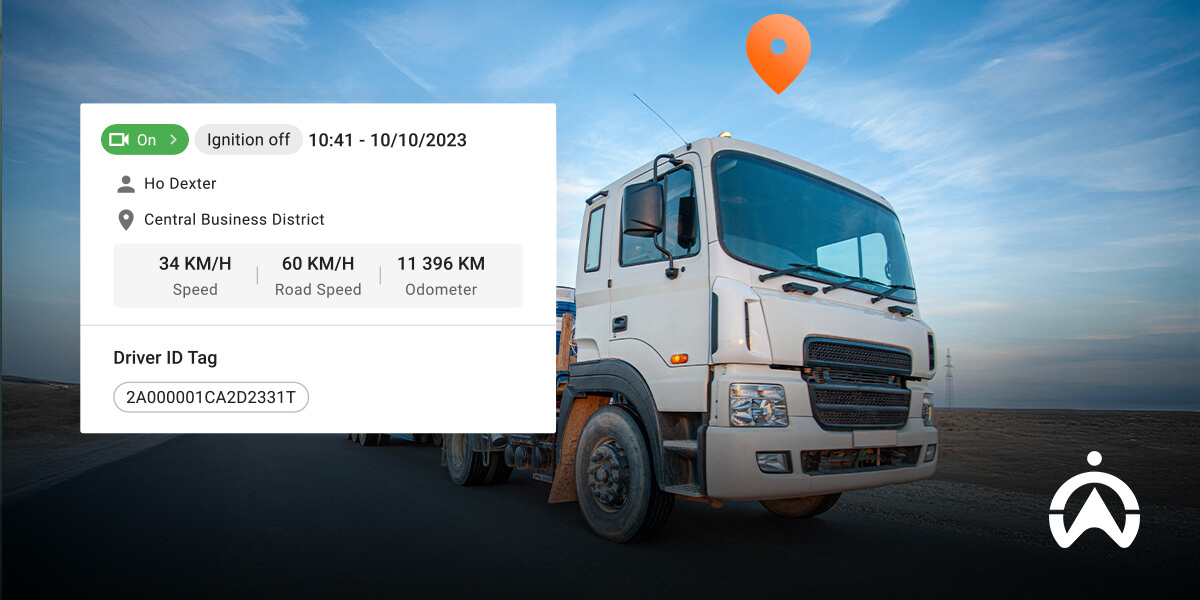
Cartrack GPS fleet tracking solutions with white truck showing speed, location, and odometer data.

Why Cartrack is your best choice for a GPS fleet tracking partner

Cartrack is your best choice for a GPS fleet tracking partner because we’re dedicated to helping you achieve every one of your business dreams. We’re not just a partner in fleet management; we’re a lifelong collaborator in support and business growth. Here’s why:

  • Flexible packages: Cartrack is ready to transform your fleet management strategy, no matter the fleet size. We’re also able to accommodate traditional or mixed fleets, meaning you don’t have to invest in multiple platforms for different vehicle types.
  • Live tracking: Cartrack’s live GPS tracking and immediate updates give you full visibility and control over your fleet. This means far better customer service and quicker responses in emergencies.
  • AI insights and predictive analysis: Cartrack’s smart solutions mean guaranteed ROI. Through monitoring driver behaviour, regulating fuel use, implementing proactive measures, and so much more, you can make smarter and cost-efficient business decisions.
  • SVR (Stolen Vehicle Recovery): Cartrack has recovered over 100,000 vehicles within the last decade—a level of success and trust that speaks for itself. We have a professional and dedicated team that’s ready to jump into action if the time comes.
  • Fleetweb integration: Cartrack’s Fleetweb platform is streamlined. You don’t have to juggle too many platforms, even when you need to connect to third-party systems. You have access to all the information and insights you need at your fingertips.
    ‍
  • Full support and training: Cartrack understands that implementing change without the necessary support can be counterproductive. We’ll provide all the business guidance that you and your staff need, from onboarding to consistent customer support.

The road ahead for your business

If you’re looking to transform your fleet management strategy, invest in the best GPS fleet tracking solution for your business. From the start, you’ll notice lower fuel costs, safer drivers, and more efficient route planning.

At Cartrack, we’ve got innovative and adaptable solutions to keep your business moving forward. We’re ready to take on the challenge—you can remain confident that your trust in us will result in tangible outcomes.

See the difference the right GPS fleet tracking solution can make. Choose Cartrack to get the most out of your smart solutions and drive stronger business results.

FAQs

Q: What is the best GPS fleet tracking solution for small businesses?

A: The best GPS fleet tracking system solution for a small business is typically a flexible, wireless/portable solution. However, it ultimately depends on your asset types and the kind of insights you’re looking for. Cartrack allows you to shape your packages the way you’d like, including the add-ons and hardware that best match your fleet’s unique requirements.

Q: How much do GPS fleet tracking systems typically cost?

A: The cost of GPS fleet tracking systems usually depends on the size of your fleet and the kind of features and hardware you’re looking to adopt. It’s important to remember that while the cheapest option can initially seem attractive, it might not match your business objectives. Look beyond the upfront investment.

Q: Are Cartrack GPS fleet tracking solutions compatible with all types of vehicles?

A: Yes, Cartrack GPS fleet tracking solutions work with all types of vehicles and assets, from passenger vehicles to yellow metal construction vehicles. We also offer various fleet tracking features that match the specific demands of your business. Even if your fleet’s mixed, you’ll still comfortably manage your visibility from a single platform.

Q: Can GPS fleet tracking help reduce environmental impact?

A: Yes, GPS fleet tracking reduces environmental impact through route optimisation, fuel management, and better driver behaviour. Managing these aspects means not only cutting costs, but also meeting social and environmental goals. Companies globally are using smarter fleet management strategies as a way to remain environmentally responsible.

Q: Can drivers access their own fleet tracking data, or is it strictly for fleet managers?

A: Yes, drivers can access their own fleet tracking data—though this information is typically limited. Fleet managers often have much broader visibility; with Cartrack, fleet managers are usually the only people with access to Fleetweb. Drivers have access to the mobile app, which isn’t as comprehensive.

Q: Who are the top 3 vehicle tracking companies in Malawi?

A: The top 3 vehicle tracking companies in Malawi are Cartrack, Nukah GPS Tech Limited, and Wheels Tracker. Cartrack leads Malawi’s vehicle tracking market with advanced smart systems, a unified fleet platform, and proven stolen vehicle recovery. Local players like Nukah GPS Tech and Wheels Tracker also provide nationwide coverage and reliable tracking solutions.”

Dashcam for Cars That Is Worth Buying

Driving on Malawi roads has become an extreme sport for many. If you’re not dodging potholes or avoiding accidents, you might be dealing with road rage or even facing the possibility of vehicle theft or vandalism. Given these challenges, the importance of recording incidents becomes increasingly vital. That’s precisely where dashcams prove invaluable.

Dashcams are essential in modern driving for their role in capturing everything. Today, we discuss why these vehicle-mounted cameras are worth the purchase.

In this article, you will:

  • Find out if dashcams are worth the investment
  • Learn what makes a dashcam a good buy
  • Compare dashcam types
  • See why you need one of the Cartrack dashcam solutions

Is a dashcam really worth the investment?

From safety to accountability, there’s a lot to gain from installing a dashcam. Let’s have a look at the primary benefits of dashcams for Malawian drivers:

  • Protection against insurance fraud and false accident claims
    Insurance fraud is on the rise. There seem to be more and more cases of staged accidents and fake repairs. An article by the Malawi Institute of Journalism states that the insurance industry in Malawi reported an operating/underwriting loss of K2 billion in 2023. Fraud (especially false claims) was cited among several contributing factors. They also state that this type of crime occurs in every line of insurance, including motor insurance.

    A dashcam can be your saving grace when it comes to these types of incidents. Helping prove that you were not in the wrong and that the accident was staged.

  • Evidence in the case of a hit-and-run or road incident
    It is no secret that Malawi has high road accident rates. No matter how careful you are on the road, falling victim is inevitable. It gets worse when the other person claims you were at fault or doesn’t stop to attend to the scene, leaving you with no trace and no chance to lay a charge.

    A dashcam will be your most reliable and unbiased eyewitness on the road. With this gadget, you can identify vital details to trace perpetrators of hit-and-run accidents (such as the number plate), and you can prove that you were not at fault.

  • Reassurance for everyday drivers, families, and business owners
    Besides identifying criminals and proving innocence, dashcams reassure many parents, guardians, and business owners that everything is well on the road. You can check up on anyone using your car at any time by simply viewing the footage, giving you extra peace of mind.

The real cost savings vs. what it would cost without one

Having a dashcam will only cost you an upfront price or subscription fee, but driving around without one exposes you to greater financial risks. Without video evidence, some repair costs may have to come from your own pocket, as insurance claims can be delayed or denied. You also face increased premiums if found at fault.

Furthermore, if the case cannot be settled through insurance or informal negotiations, it may escalate to legal proceedings, which you will have to pay for. Why go through all that when you can just get an affordable and reliable dashcam?

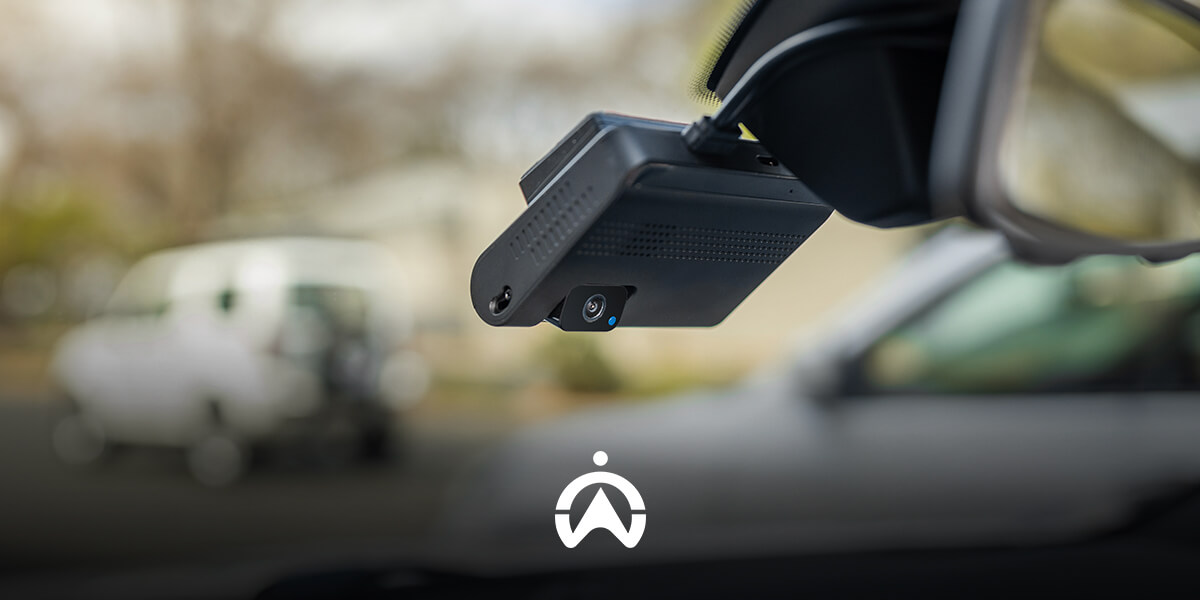
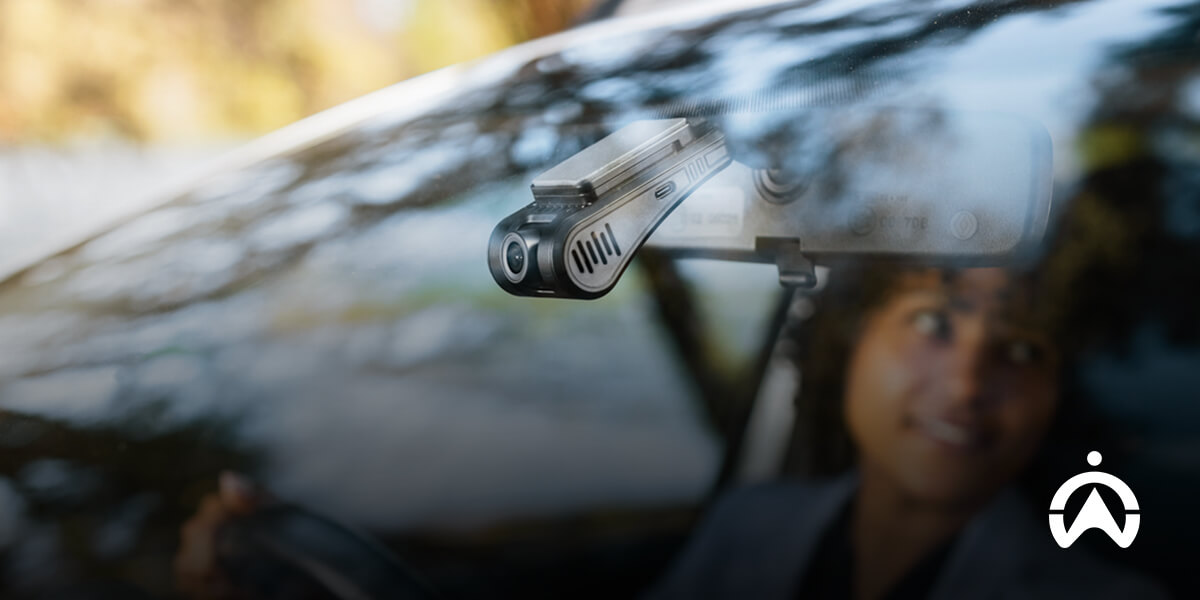
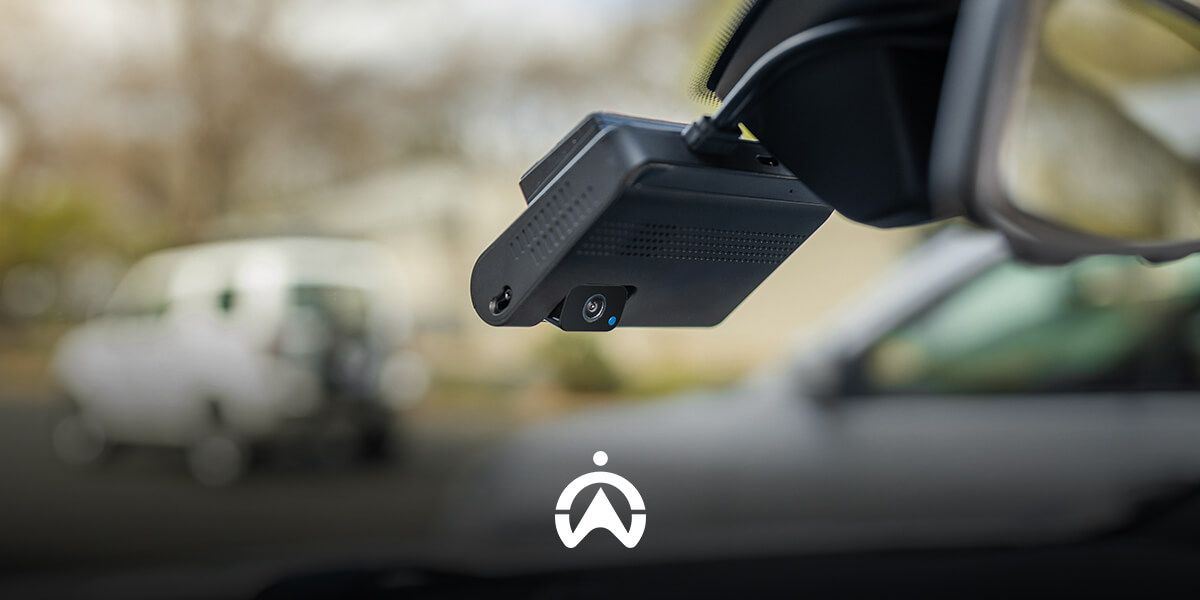
Cartrack dashcam mounted on a car's windshield, capturing the view through trees and sunlight.

What makes a dashcam a valuable purchase?

Not every dashcam is worth the purchase. You need to take a few things into consideration before buying one. Here are the 3 essential factors to consider when purchasing your dashcam:

  • Build quality and durability: A high-quality build on a dashcam supports stable video recording, which is essential in critical situations such as the impact from accidents or capturing road signs and number plates in fast-moving conditions. A robust build also ensures that the camera is not affected by extreme weather conditions, such as when temperatures are too high or too low.
  • Reliable customer support and warranty: The dashcam you get should be from a company with customer support that is always available. One with good user reviews,  proven performance, and a warranty you can count on.
  • Integration with broader vehicle tracking systems: When a dashcam is integrated with vehicle tracking technology, you not only get clear footage but also detailed context, such as the time, location, speed, and braking. These contributing factors help accurately determine who’s at fault and improve safety.

How do dashcam features impact cost and functionality?

Like any other gadget, advanced features of a dashcam typically come with a higher price tag but also offer added value. Let’s have a look at some of these features:

  • Video quality – Dashcams with higher resolutions usually come at a slightly higher price point, but they offer advanced video quality that makes it easier to identify finer details, such as people’s faces from a distance or a license plate.
  • Low-light performance – Not all vehicle-mounted cameras perform well when there is little or no light, such as during nighttime or when a vehicle enters a tunnel.
  • Field of view (FOV) – This refers to how much of the road and surroundings the camera can see. It is measured in degrees and traditionally divided into three categories: narrow, standard, and wide. Wide-angle lenses usually offer better road coverage.
  • Storage options – Most dashcams use microSD cards; some offer cloud storage, while others can do both. Just like the smartphones we carry, cloud storage requirements usually come with a subscription fee, and the price of a memory card depends on the capacity and endurance.

Comparing dashcam types and power options

Dashcams come in various shapes and setups, with each type offering a different experience. Here is a brief overview of the key differences:

  • Single Channel vs Dual Channel
    A single-channel dashcam only gives you a view of what is happening in front of the camera. A dual-channel dashcam, on the other hand, has two cameras in one unit, covering the road, inside the vehicle, and a bit of the rear end.
  • Wired vs wireless
    This refers to the power source and installation preferences. Wired cameras require a direct power source, such as the fuse box or cigarette lighter, while the wireless ones are battery-powered and require USB charging. A wireless dashcam usually has lower video quality and a limited battery life, making a wired one the safer and more reliable option.
  • Basic vs smart dashcams
    The core function of a dashcam is to record the road ahead and certain parts of the interior or rear end. However, nowadays, dashcams are integrated with smart technology that allows more than that. Basic dashcam models often do not include features such as GPS, integration with mobile apps, Wi-Fi connectivity, driver alerts, and audio.
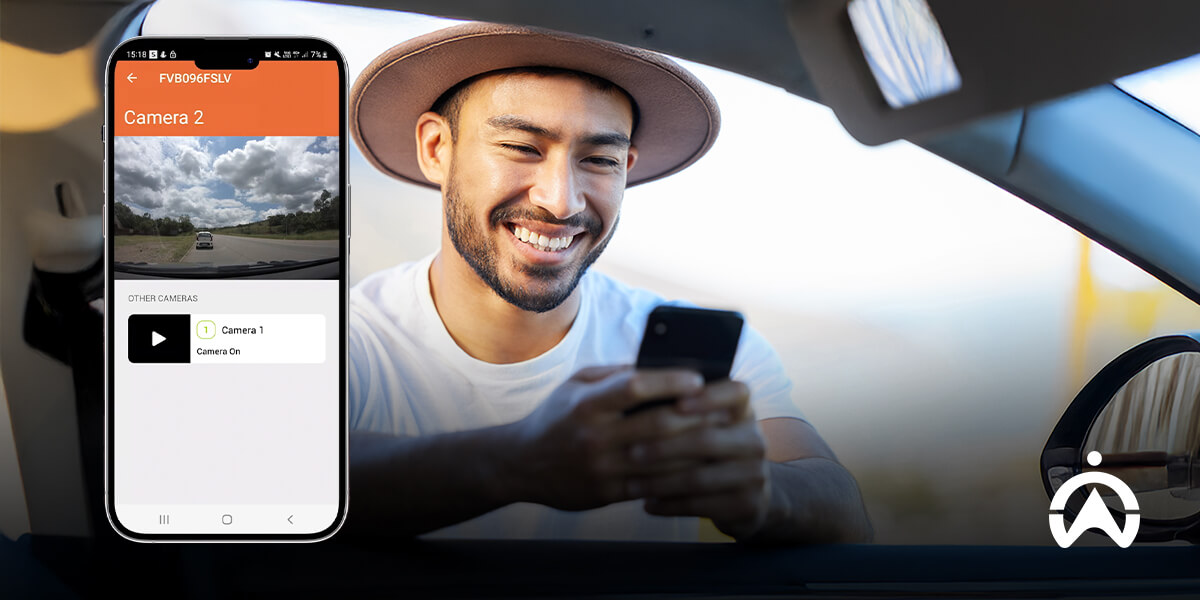
A man in a hat uses his phone to view Cartrack dashcam footage as he drives.

Get more than just footage with Cartrack dashcams

Cartrack offers advanced dashcam solutions at an affordable price for vehicles of all kinds. All our dashcams have a robust build and come with advanced features such as GPS and cloud storage options. Whether you want one for basic recording needs or to enhance family safety, Cartrack has the perfect solution for you.

  • Road vision
    The Cartrack Road Vision camera solution specially caters to those who mainly want the focus to be on the road. It is a single-channel dashcam that captures everything happening in front of you while you drive, ensuring you have enough evidence to protect yourself if need be.
  • Dual vision
    As the name suggests, Cartrack’s Dual Vision camera is one that gives you a full view of what’s happening in front of the vehicle and inside the vehicle, and certain parts of the rear end. Offering a more complete view and giving you stronger evidence for accidents and insurance claims.

Why Cartrack dashcams are a smart investment?

Dashcams are an essential safety tool in modern driving, and obtaining one from Cartrack ensures that you receive reliable service, a high-quality product, and value for money. We always strive to give you the best technology out there for your vehicle at an affordable price point. Make sure you contact us today and get yourself an extra set of eyes on the road.

FAQs about dashcams in Malawi

Q: Do dashcams drain your car battery?

A: Dashcams typically don’t drain the battery unless left on while the car is off. If you have a dashcam with a parking mode option, it might be the source of battery drainage.

Q: Should I remove my dashcam at night?

A: No. Removing your dashcam at night interferes with how it was initially installed and may affect performance as the angle might not exactly be the same.

Q: Do I need to inform my insurer that I have one?

A: Yes. If you have a hardwired dashcam, it is best that you inform your insurer to avoid warranty voids. Insurers usually require notifications of vehicle modifications, which include the installation of a dashcam.

Q: Is a dashcam a legal requirement?

A: A dashcam is not a legal requirement in Malawi; however, it is a valuable tool for enhancing safety and saving costs by proving your innocence with the evidence gathered from it.

Dashcam for Cars That Is Worth Buying

Not sure if a dashcam is worth the investment? Have a look at this blog and see why every motorist needs one.

Speak to an Expert: 0101410168

What Is Fleet Tracking And How Can It Benefit Your Business?

Fleet tracking is the process of using a technology-based system to monitor the locations of vehicles, as well as their direction and speed. Fleet tracking is the combination of the global positioning system (GPS), telematics, and various other technologies. Together, these tools help you make smarter, data-driven decisions.

More Malawian companies are embracing smart fleet tracking tools.  Cartrack is one of the largest providers of fleet management solutions in Malawi.

Fleet tracking brings many benefits to businesses that want to improve their management of costs, drivers, and routes. In today’s article, we dive deeper into what fleet tracking comprises and why Cartrack should be your main source for fleet tracking services.

What is fleet tracking?

Fleet tracking refers to the practice of monitoring commercial vehicles using advanced software and hardware. These tools provide data on everything related to the vehicles. Fleet tracking systems share more than just a vehicle’s location. They can also monitor driver behaviour, fuel usage, and vehicle component health.

How it works:

Several components must be present for a fleet tracking system to function optimally. Mainly GPS, telematics, and some real-time data reporting capabilities. Here’s a brief breakdown of each component:

  • GPS: The Global Positioning System (GPS) provides you with location data. This is done through the process of triangulation, which uses signals from at least three satellites to figure out exactly where your vehicles are. GPS is the foundation of fleet tracking, as it enables real-time visibility of each vehicle.
  • Telematics systems: A telematics system is a structure that connects your devices with communication networks and software. The system collects and transmits GPS data from your vehicles using onboard diagnostics and cellular connectivity. Telematics technology gathers data such as speed, engine performance, and idling. Through this, you can monitor vehicle activity and driver performance effectively.
  • Real-time data and reporting: For a fleet tracking system to deliver great results, it needs to be an active form of tracking. Active tracking refers to a system that has real-time monitoring capabilities. It provides ongoing location data and immediate updates to a central portal (such as a dashboard) for you to view.

Key features of fleet tracking systems

Let’s have a look at the features you should be looking for in a fleet tracking system, and why they matter:

Feature What is does Why it matters
Real-time vehicle location tracking Tracks and shows vehicle positions live on a map Improves visibility and safety, and ensures driver accountability
Route optimisation software Suggests the quickest or most efficient routes Saves time, reduces fuel costs, boosts productivity, and improves client satisfaction
Driver behaviour monitoring Detects behaviours such as speeding, harsh braking, harsh cornering, harsh acceleration, and idling Improves driver safety and reduces the risk of accidents
Maintenance scheduling and alerts Tracks vehicle health and sends service reminders Minimises unexpected downtime and prevents costly breakdowns
Fuel usage monitoring Monitors fuel consumption, wastage, and potential theft Lowers operational costs and reduces carbon emissions
Reporting and analytics Provides detailed data insights, presented in simple terms Helps managers make better-informed, data-driven decisions
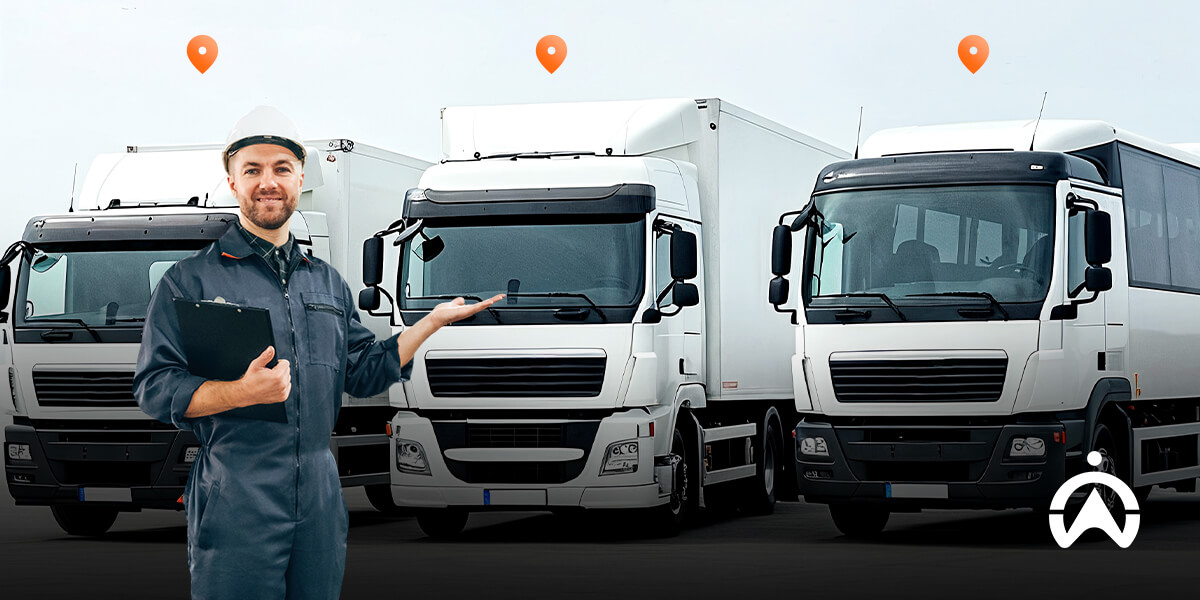
Cartrack fleet tracking with worker in helmet managing parked trucks using clipboard.

The real impact of fleet tracking on your business

Fleet tracking serves many benefits to businesses. It gives you greater control over operations and resources, making your management more effective. Here’s how:

Improves safety

Monitoring how your drivers operate their vehicles encourages driver accountability, as they know they are being watched, which improves their behaviour. A change in risky driving habits helps reduce the chances of accidents. It also reduces the chances of possible lawsuits due to accident disputes.

Enhances productivity

Properly planned and optimised routes save time. Your drivers take fewer detours, spend less time stuck in traffic, avoid temporary road closures, and make it to delivery destinations on time. You’ll also have better scheduling and dispatching. This enhances the overall productivity of your drivers and improves the company’s reputation.

Reduces operational costs

Unhealthy driving habits, such as speeding and long idling, lead to higher fuel usage. They also put more strain on your vehicles, which causes them to degrade faster. As mentioned, they also increase the chances of road accidents, which means frequent insurance claims and repairs.

With a fleet tracking service, you get to save costs on all these aspects. The real-time monitoring of vehicles reduces fuel costs, vehicle wear & tear, as well as those frequent insurance claims, which may result in higher premiums. This reduces the overall costs of running your fleet.

Strengthens customer service

Route optimisation software also helps provide customers with accurate delivery time estimates. It improves response time to customer requests because you’ll know exactly where drivers are. This strengthens your overall relationship with customers and improves ratings, which brings in more clients.

Aids compliance and accountability

As a fleet manager, you’re responsible for the lives of your drivers and the people they encounter on the road. You must ensure that all vehicles are roadworthy to ensure safety for your drivers and the public. You also need to ensure that drivers who work long hours have enough breaks in between stops. This ensures that your drivers don’t exceed the daily limit of allowed driving hours.

A fleet tracking system helps you maintain digital trip logs to monitor driver Hours of Service (HOS). It also gives you reminders of vehicle service days and alerts you to vehicle performance issues. These updates ensure that your fleet meets compliance and regulatory laws.

Which businesses can benefit from fleet tracking?

Fleet tracking technology benefits businesses in a wide range of industries. Here are some examples:

  • Delivery and logistics companies: Businesses in this industry must have a fleet tracking system for efficient delivery operations. Vehicles that are on the road for long hours need close monitoring to ensure timely deliveries, good vehicle health, and less fuel consumption.
  • Service-based businesses: Plumbers, electricians, and technicians are always on the move. Using a GPS fleet tracking system to monitor such field services ensures that you know where your plumbers or electricians are during their workday. It also enables efficient dispatch of the nearest technician for urgent calls, improving response times.
  • Construction companies: In construction, the fleet not only consists of vehicles, but also equipment and machinery such as bulldozers and excavators. A fleet tracking system ensures the safety of those assets through location updates. It also ensures that they’re in good health.
  • Mining companies: Just like the construction industry, mining companies also have a mix of heavy equipment and machinery. As such, a fleet tracking system ensures that all equipment remains within work zones and in good condition.
  • Taxi, ride-hailing, and shuttle services: Businesses that are responsible for transporting people benefit immensely from fleet tracking systems. It reduces customer wait times and improves routing and scheduling.
  • Any business with a vehicle fleet: A fleet tracking system can benefit any business that has company vehicles. For example, if you’re responsible for overseeing vehicle activities in a law firm, a fleet tracking system will make your job easier. You’ll know who took the company vehicle, where that person went, and if it was a business-related trip. 

Fleet tracking made easy with Cartrack

Start transforming your fleet with smarter tracking tools. Our solutions give you real-time visibility of your vehicles, helping you monitor routes, improve efficiency, and ensure the safety of your assets and drivers. Here’s what we have to offer:

  • Remote location tracking
    See where all your vehicles are from anywhere with our GPS tracking services. With this, you get smart-map or satellite views of vehicles so you always know their movements. You can also replay trips and view driver behaviour reports to see how well vehicles are being operated.
  • Stolen Vehicle Recovery
    In the unfortunate event that one of your vehicles is stolen, Cartrack offers a stolen vehicle recovery service. Our team of experts is available nationwide and always on standby, ready to take your call. With over 100,000 vehicle recoveries in the last decade on all vehicles connected to our platform, Cartrack will give you peace of mind so you can rest assured your vehicles are safe and secure.
  • Geofences
    Ensure that vehicles and equipment remain in their stipulated zones. With our geofence feature, you can create virtual boundaries around areas of your choice. You’ll get alerts whenever vehicles enter or leave those boundaries, which might indicate route deviations or potential theft.
  • Driver Identification tag (DID)
    Cartrack DID tags ensure that you instantly know who’s driving which vehicle or using which machine. If you have a mixed fleet comprising trucks, vans, and equipment of varying sizes, this feature is essential. Some employees might want to operate vehicles or machinery for which they aren’t licensed, which is a safety hazard. DID tags help prevent this from happening, as each person will have a tag that matches the vehicle they can operate.
  • Digital logbook
    The Cartrack logbook ensures that you closely monitor driver working hours as the logs are done automatically. It also ensures that the business remains tax compliant.
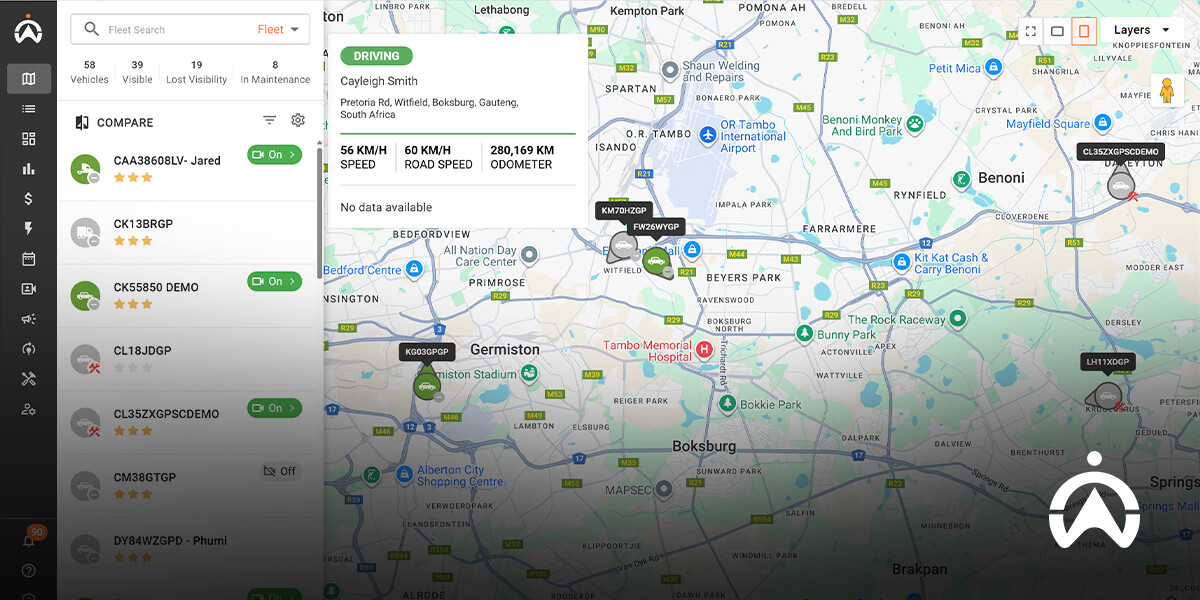
Cartrack fleet tracking interface showing vehicle locations, speeds, and driver details in Gauteng.

Case Study: Avis Malawi

Here’s a real-life example of how fleet tracking works in the rental industry.

Avis is one of the world’s largest vehicle rental companies. They needed an easy-to-use fleet tracking system to help monitor and manage their large fleet of rental vehicles. They also needed data to give them insight into ways in which they can track and improve vehicle usage. Lastly, Avis needed a reliable tech partner to help keep their vehicles and clients safe from theft and hijacking.

How we helped them:

  1. Our fleet tracking system allows Avis to monitor vehicle activity and provide accurate mileage data. This ensures their rental vehicles are maintained at the right mileage milestones and are always in good working order for their clients. These preventative maintenance measures minimise fleet breakdowns and downtime. This helps them get the most out of vehicles and rentals.
  2. Avis has access to historical data on their vehicle usage from Cartrack’s dashboard. This gives them insights into vehicle trends and performance. They can identify which vehicles are cost-effective and popular for rental. Avis can then use this data to make informed business and investment decisions when selling or purchasing vehicles for their fleet.
  3. Thanks to our advanced technology and 24-hour recovery team, Avis can reduce the risk of vehicle theft and increase their chances of vehicle recovery within their fleet. This reduces Avis’ costs associated with vehicle loss and allows the company to offer competitive rental rates. It also helps reduce their insurance premium as they’re less of a risk.
  4. With our geofencing feature, Avis’ fleet managers can set virtual boundaries to mark no-go or high-risk zones. They receive alerts before their customers enter these areas with their rentals, providing an added layer of risk management.

“We chose Cartrack largely due to their strong brand, track record of delivery, and commitment to customer service. We are thrilled with the benefits this partnership has delivered for our business.” – Armour Gittings | General Manager Investigations Department, Avis

Cartrack – Your go-to fleet tracking service

Invest in our fleet tracking solutions to maximise your fleet and boost profits. At Cartrack, we always strive to give advanced tech solutions to simplify the management of fleet operations. Contact us for next-level fleet tracking services.

Frequently Asked Questions about fleet tracking

How do you run a successful fleet?

To run a successful fleet, you need to keep track of all your vehicles, plan routes well, and make sure drivers follow rules. Regular maintenance, checking fuel use, and using tools like GPS help keep vehicles safe and efficient. Good communication with drivers also helps the fleet work smoothly.

What is meant by ‘fleet’ in logistics?

In logistics, a fleet is a group of vehicles a company uses to move goods or transport people. This can include trucks, vans, or cars. A fleet helps businesses deliver products on time, manage large shipments, and operate efficiently. The size of a fleet depends on the company’s needs.

What is the difference between logistics and fleet management?

Logistics is about planning and moving goods from one place to another. Fleet management is about taking care of the vehicles that do the moving. Logistics focuses on delivery, storage, and timing, while fleet management focuses on vehicle maintenance, fuel, tracking, and driver safety. Both work together to run a smooth operation.

What Is Fleet Tracking And How Can It Benefit Your Business?

Learn more about GPS fleet tracking and the many benefits it will bring to your fleet business.

Speak to an Expert: +265 999 971 972

Get the Best Insights on Business GPS Tracking Use Cases

Whether you’re in agriculture, e-hailing, mining, or tourism, GPS tracking devices are a must-have for your business. This technology will bring numerous positive changes to your business that’ll improve your bottom line. In today’s world, GPS tracking technology isn’t optional; it’s essential.

According to The Africa Vehicle Tracking Market System, the vehicle GPS tracking market in Africa is growing rapidly. It’s expected to reach a compound annual growth rate (CAGR) of about 14.9% from 2020 to 2027. The research also lists Cartrack as one of the major companies in the African vehicle tracking system market. As one of the leading companies in the industry, we’re here today to give you the key use cases of our GPS technology.

Why should businesses turn to GPS tracking?

Businesses should invest in GPS tracking technology to gain better control of all activities involving their fleet of vehicles. It’s also no secret that vehicle theft is a great concern in Malawi, making it one of the top reasons to get GPS trackers.

Beyond vehicle theft recovery, GPS tracking technology ensures that you always know the exact locations of your vehicles. It makes it easier to see when drivers aren’t being productive, have been in one place for too long, or are in places they shouldn’t be. GPS tracking technology, therefore, encourages workforce accountability across your entire fleet, and boosts production (and profits)!

What are the top GPS tracking use cases for businesses?

The top uses for GPS tracking are fleet management, asset tracking, workforce management, safety, and compliance. Businesses today are always looking for ways to work smarter & faster while saving money. GPS tracking technology does exactly that and brings in added advantages.

Here’s a detailed breakdown of the GPS use cases for most businesses:

Fleet management

  • Real-time vehicle tracking: As mentioned, GPS tracking devices help you see exactly where vehicles are at any given time. This makes your vehicles easier to manage, especially when running a large fleet. It also helps you ensure that drivers are on schedule. If a vehicle breaks down or gets delayed, you’ll be able to quickly respond and send help to the right location.
  • Route optimisation and reduced fuel spend: You can use GPS tracking technology to plan better routes. This is what we call route optimisation software. By using this software, you can plan the fastest and most efficient routes for your drivers. This reduces driver deviations, saves fuel, and minimises costs. It also helps your drivers avoid delays caused by traffic or road closures.
  • Enhancing customer experience with accurate ETAs: When your customers know exactly when their delivery will arrive, they enjoy a more satisfying experience. GPS tracking helps you provide customers with accurate estimated arrival times (ETAs). Through this, you ensure that your business meets client expectations.
  • Proof of delivery and accountability: GPS tracking helps your business prove that deliveries have been completed on time. It also keeps drivers accountable for the deliveries they make, reducing mistakes and complaints.

Asset tracking

  • Securing high-value equipment or cargo: It’s not just about the vehicles but also about what they carry. Businesses often need to protect expensive tools, machinery, or other types of cargo. GPS tracking helps keep tabs on your high-value assets so nothing goes missing.
  • Theft recovery: If an asset is stolen, GPS trackers make it easier to locate and recover. This reduces financial losses and gives your business more peace of mind. Insurance companies will also offer you favourable premiums if they know your vehicles can be recovered if stolen.
  • Monitoring vehicle utilisation: GPS tracking technology works with sensors to show you how often your equipment is used. Through this, you can ensure that your tools aren’t overworked or sitting idle for too long. This helps you save money and improve efficiency.
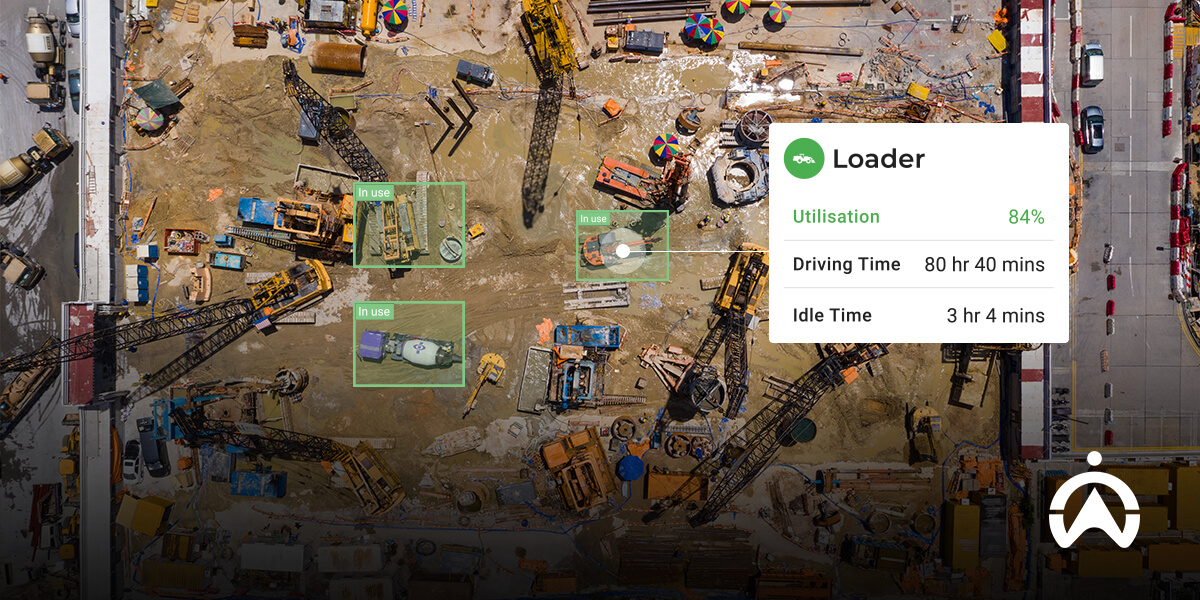
Cartrack business GPS tracking use cases at construction site with machinery and loader usage stats.

Workforce management

  • Better scheduling and dispatching: GPS data helps you assign jobs to the right employees and plan schedules efficiently. This reduces downtime and ensures the right person is at the right place at the right time.
  • Improved accountability (clock-in/out verification): GPS tracking systems have timestamps. This means better record-keeping of when employees arrive and leave work sites. It improves accountability and prevents false reporting. For example, if your driver claims they did overtime, GPS records will be able to prove that.

Safety and compliance

  • Monitoring driver behaviour (speed, harsh braking, idling): How your drivers treat vehicles can greatly impact the number of accidents that occur. It also affects fuel and maintenance costs. GPS tracking technology works with telematics to provide you with insight into unsafe driving habits. You’ll get instant alerts or detailed reports so you can train drivers on safer driving habits to improve fleet safety and reduce costs.
  • Meeting legal and industry requirements: Some industries have strict rules for hours, safety, or cargo handling. GPS tracking will help your business stay compliant and avoid heavy fines.

Industry-specific use cases for GPS tracking

GPS tracking solutions play an important role in various industries such as cold chain logistics, agriculture, mining, construction, e-commerce, and service trades like plumbing. If you’re running a fleet in any of these sectors without GPS technology, you risk falling behind.

Here’s a table that briefly outlines how GPS tracking technology is used in different industries to make operations more efficient:

Industry GPS Tracking Use Cases Purpose/Benefits
Cold Chain & Specialised Transport Monitor temperatures, prevent delays and spoilage, and ensure compliance. Protects refrigerated goods, saves costs, and maintains standards.
Field Services Track technicians, assign jobs efficiently, and provide proof of service. Improves productivity, saves time/fuel, and ensures accountability.
Agriculture Locate farm equipment across fields, prevent theft, monitor productivity, and monitor working hours. Efficient equipment use, security, maintenance planning, and worker compliance.
Construction Monitor cranes, bulldozers, and other machinery. Prevent theft, track fuel/machine hours, and coordinate teams. Reduces costs and safety hazards, improves planning, and ensures equipment security.
Mining Track vehicles and heavy machinery, and monitor driver safety, predictive maintenance, and compliance. Smooth operations, accident prevention, reduced downtime, and regulatory compliance.
Delivery & E-commerce Track vehicles/packages, optimise routes, provide ETAs, proof of delivery, and manage high-volume orders. Improves efficiency, saves fuel/time, enhances customer satisfaction, and ensures accountability.

Cartrack case studies: How different companies use our GPS tracking solutions

Cartrack GPS tracking solutions are there to serve businesses across multiple industries. We’ve dedicated our time to understanding our customers across different industries. We keep close contact with our clients to learn how our solutions perform. From this, we’ve developed case studies that demonstrate the difference a GPS tracking system can make.

Here are some case studies displaying how our technology works in the construction and e-commerce sectors. We also give you a short story of one of our many successful recoveries.

Concord Cranes: A construction company

Concord Cranes is a company that specialises in crane hire solutions. They provide mobile cranes for hire, professional rigging, transport, and specialised lifting projects across their 15 branches.

Main challenge:

Concord Cranes found it difficult to accurately record the hours each crane worked, making it challenging to maintain and deliver them to their clients on time.
‍

How we helped them:

  1. Cartrack’s IoT device and specialised power take-off sensors help Concord Cranes see their cranes’ working hours, mileage, and what equipment each crane uses. This makes it easier to check the condition of every crane and plan maintenance before problems occur.
  2. With Cartrack’s system, Concord saves money by avoiding costly repairs and reducing downtime. These insights allow them to fix small issues early on, instead of waiting until they become big, expensive problems.
  3. Concord also uses Catrack’s system to build trust with its customers. The cranes are always safe, reliable, and ready to work. Clear maintenance schedules mean fewer surprise breakdowns and better planning for crane deliveries.

“Using Cartrack’s advanced fleet management, we have been able to increase our operational efficiency to deliver a better service to our customers, as well as effortlessly establish a maintenance cycle that reduces our costs and increases our fleet longevity.” – Gareth Langley, Concord Cranes operations manager.

The Courier Guy: A last-mile delivery service

The Courier Guy is Malawi’s leading courier service provider. It started with one motorbike in the early 2000s. Today, the large fleet they have makes it vital for the company to maintain control of its vehicles. They also need to keep up with the ever-growing consumer demands to deliver goods faster and safer.

With a growing number of drivers, customers, and vehicles to manage, GPS telematics is even more crucial for The Courier Guy. The company needed a system in place that gave fleet managers full visibility of the entire fleet operation. One that can simplify business operations and task management, while increasing customer satisfaction.

How we helped them:

  1. The Cartrack system provides them with driver management solutions that eliminate time-wasting and unreliable manual tracking. It also gives them accurate, real-time monitoring of drivers’ locations. This ensures that packages always arrive on time, safely, and correctly.
  2. Cartrack’s fleet management software automatically populates the customer details of recurring orders. This has helped eliminate incorrect submissions, reducing paperwork.  Through this, they improve manager and driver communication, resulting in faster delivery turnaround times.
  3. Thanks to Cartrack’s Delivery software, The Courier Guy can keep customers updated during every step of the delivery. Automated emails and SMSes are sent so customers always know where their packages are. Fleet managers can also see the live location of vehicles and ask drivers to upload a photo or get an e-signature as proof of delivery. This improves driver accountability and gives customers better service.
  4. The Courier Guy has improved the safety and security within their fleet thanks to Cartrack’s AI-powered camera live-streaming technology. The cameras monitor driver behaviour and give instant alerts when risky driving habits are detected. They ensure that drivers can correct themselves right away. Cartrack’s AI-cameras have led to fewer damaged goods, fewer speeding fines, and a stronger, more trusted brand image.

“Cartrack’s technology allows us to focus on our drivers, customers, cargo, and fleet all from one platform. It puts us in control from dispatch to delivery.” — Jeffrey Wheeler, Assistant Fleet Manager at The Courier Guy, overseeing operations and fleet management across Malawi and Southern Africa.

Vehicle retrieval: A successful truck and cargo recovery

In May 2025, Cartrack’s Recovery Team was dispatched for an FAW truck after receiving signal-jamming alerts. The team tracked the vehicle and spotted it leaving a recycling centre. The suspect attempted to flee but was swiftly apprehended, and the vehicle was safely recovered along with its cargo, which had been offloaded on the premises.

The suspect was handed over to the SAPS Flying Squad. The vehicle was booked in at the Lenasia Vehicle Identification Services, and the goods were returned to the client.

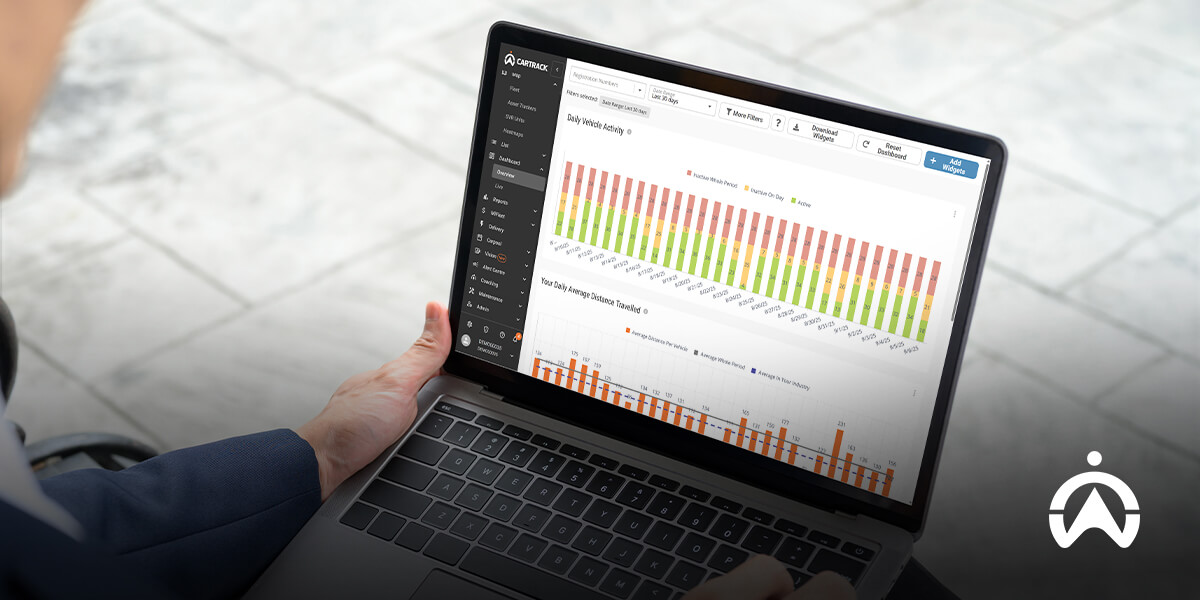
Cartrack business GPS tracking use cases shown on laptop with vehicle activity and distance graphs.

Other unusual and innovative uses for GPS tracking

GPS tracking applications have evolved over the years, and nowadays, this technology is used for things that most people wouldn’t have imagined. For example, some companies use GPS tracking technology for marketing and town planning. These are two very smart ways of monitoring crowd flow.

Here’s how they work:

  • Marketing and customer engagement: Some businesses use geofencing technology to target the cellphones of customers nearby. This is called geofence marketing. Through this technique, customers receive targeted adverts or push notifications. Marketing companies can send special offers, discounts, or promotions based on a person’s location. GPS tracking software also helps these companies understand where customers go so they can plan better marketing campaigns and improve services around those locations.
  • Urban planning insights: Cities and businesses can use GPS data from delivery or service fleets to understand traffic patterns and busy areas. This helps them plan roads, optimise routes, and reduce congestion. Businesses can also use it to find faster delivery routes, saving time and fuel.

Explore tailored GPS tracking solutions for your business

Whether it’s vehicles, machinery, or other assets, with us, you’ll always have full visibility. You’ll get live tracking features with smart map and satellite views. This ensures that your assets are safe and never out of sight. We always strive to give you the next-level technology, so you’re always a step ahead of the competition.

Here’s a detailed breakdown of our GPS tracking features:

  • Geofence: Our geofencing feature can be seen as an extra precautionary measure. With this, you can create virtual fences around areas of your choice and get alerts whenever vehicles or assets go in or out of those locations.
  • AI dashcams: Our AI Dual Vision dashcam solution comes with GPS tracking capabilities. This means with these cameras you not only get to see what drivers are up to, but also get alerts and reports on driving habits such as speeding. These cameras also monitor distracted driving habits and send alerts to ensure that drivers focus on the road ahead.
  • Stolen Vehicle Recovery: Our track record speaks for itself. In the past decade, we’ve retrieved more than 100,000 stolen vehicles. This makes us one of Malawi’s leading companies in stolen vehicle recovery. We have a nationwide team of experts who are always ready to give back what rightfully belongs to you.
  • Driver Identification tags: With the Cartrack Driver Identification (DID) tags, you not only know where vehicles are, but also instantly know who’s driving. Each driver will have their own tag, which ensures that they only use the vehicles they’re assigned to. DID tags also help you differentiate between personal and business trips, making it easier to track fuel expenses.

We specialise in GPS tracking solutions that are useful in many industries. By partnering with us, you choose industry experts who’ve been around for decades. Contact us today to boost your business operations with our smart GPS tracking tools.

Frequently Asked Questions about GPS tracking

How reliable is GPS tracking?

GPS tracking is very reliable most of the time. It uses satellites to find locations anywhere on the globe. However, tall buildings, tunnels, or heavy trees can sometimes block signals and make it less accurate. Overall, it gives you and your business a good idea of where vehicles, devices, or people are.

How do you ensure GPS information is used ethically?

To ensure the ethical use of the information gathered from your GPS tracking devices, you must ensure that there’s transparency between you and your drivers. You must explain to drivers how the data helps with safety and productivity. Furthermore, you must also introduce strict policies that limit data collection and its use to only what’s necessary.

What is Geofencing and Why Do You Need It Today?

Geofencing is a location-based technology that generates instant alerts whenever a person or vehicle crosses a specific geographical area. Geofencing requires GPS, RFID, Wi-Fi, or cellular data to create boundaries around real-world geographical regions. This technology has become popular in many industries, including fleet management.

According to Fortune Business Insights, the global geofencing market size was valued at USD 2.2 billion in 2023 and is expected to reach USD 12.23 billion by 2032. This growth is driven by various factors, such as the increasing demand for location-based services and real-time analytics. This powerful GPS feature can bring great benefits to your fleet operations, and today we’re here to show you why your fleet business needs it.

What is a geofence?

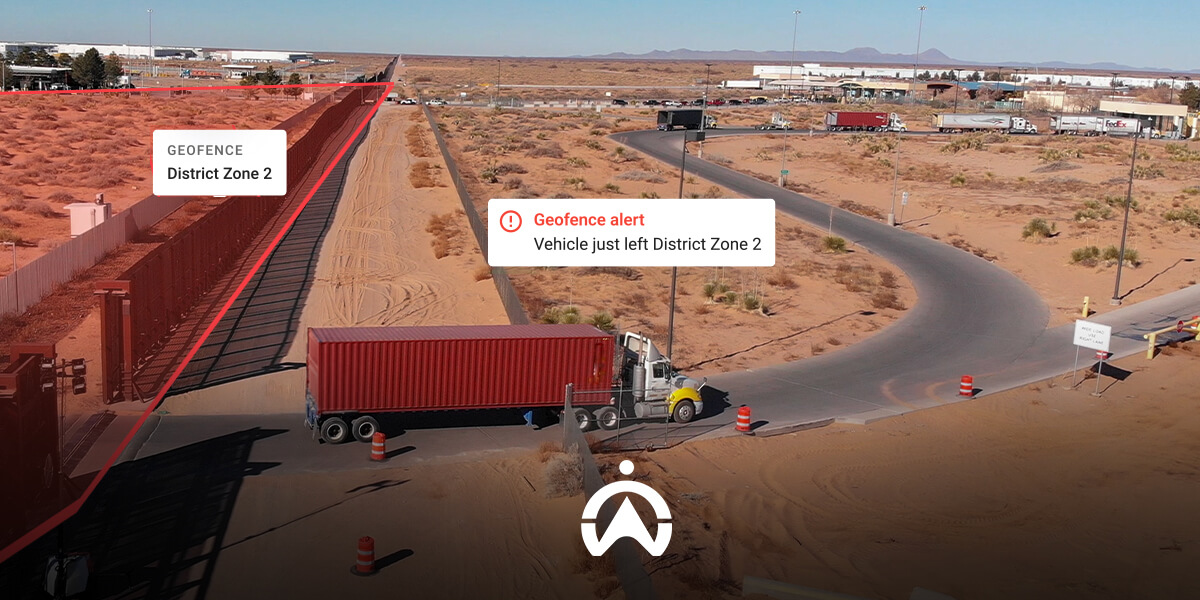
A geofence is a virtual geographic boundary that triggers a specific action, such as sending a notification, when a connected device crosses into or out of the set zone. Several technologies are integrated into software to enable this application. These technological tools include a global positioning system (GPS), cellular data, radio frequency identification (RFID), or Wi-Fi.

Geofencing technology is very popular in marketing, advertising, and fleet management industries. For example, in retail, geofencing is used to send personalised alerts to the cell phones of customers who are in the vicinity of the store.

In fleet management, geofencing is used to monitor vehicle, driver, and asset movements. It also allows companies to see when drivers deviate from the recommended routes. Furthermore, geofencing helps shipping companies see when packages leave warehouses. In doing so, geofence technology allows recipients to get notifications of the movements of their orders.

How does a geofence work?

A geofence works using a cloud-based fleet management software platform. It’s created by drawing a perimeter on a map. The drawing can be any shape, and this boundary could represent places like warehouses, a restricted area, high-risk zones, or a drop-off location.

With geofencing, GPS is the primary tool used to pinpoint the live location of a device or vehicle. The RFID (Radio Frequency Identification) uses tags and readers within a smaller area for location detection in close proximity. The WiFi helps devices connect to specific networks inside buildings or urban areas.

The cellular data helps estimate the device’s location using nearby cell phone towers, and the Bluetooth technology is for beacons, which allow precise tracking in closed-in spaces like warehouses.

Types of geofences:

Type of Geofence Shape/Design Best Used For Example Use Case
Circular A circle around a single point. Quick setup, simple boundaries, and general location tracking. Setting a 2 km radius around a warehouse to monitor when vehicles arrive or leave.
Polygonal Custom-shaped boundary with multiple points forming a polygon. More accurate coverage of irregular areas. Defining the exact perimeter of a construction site or mining area.
Route A boundary created along a specific path. Monitoring movement along roads, highways, or delivery routes. Ensuring trucks follow a designated delivery route without deviation.
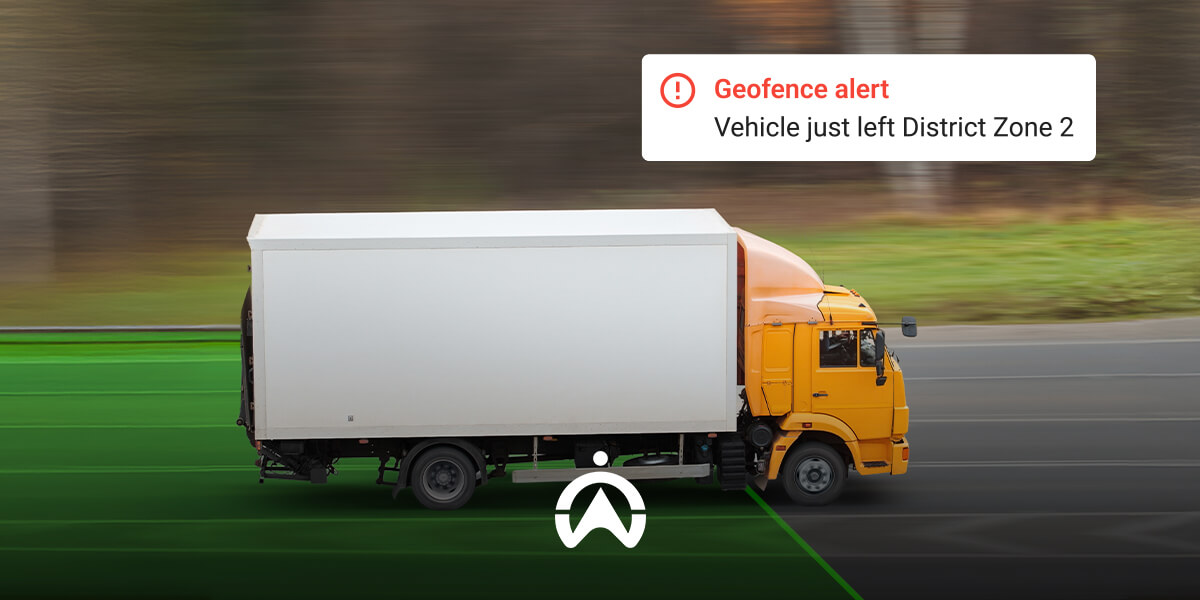
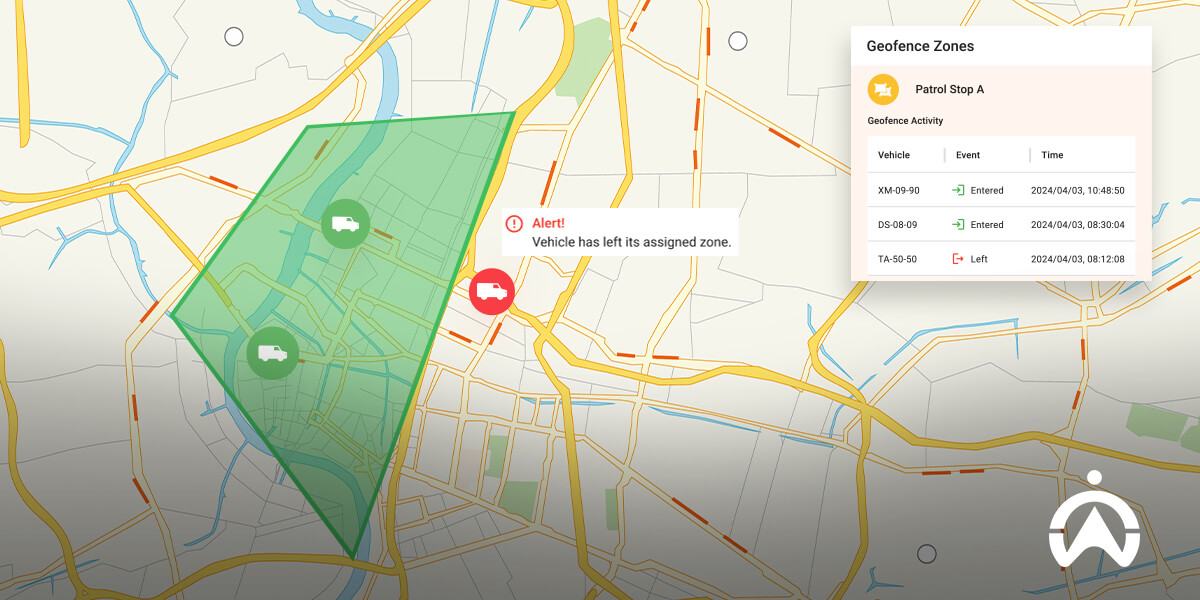
Cartrack geofencing alert showing vehicle leaving assigned zone with truck icons on map.

Why you need to invest in geofencing technology

As a fleet manager, it’s essential to know the location of your vehicles and assets at all times. Geofencing simplifies that by giving you the ability to create virtual fences around certain areas. These can be locations that impact the daily operations of your business. It helps you protect your fleet, reduce risks, and improve the way your fleet operates.

Here’s how:

Enhanced security, theft prevention and asset protection

Protection against theft is one of the top priorities for every business. Geofencing helps you safeguard your vehicles and assets by monitoring entry and exit points. Whenever a vehicle crosses your set boundary, you’ll immediately know about it. For instance, if a truck leaves the parking area after hours, you’ll receive an instant alert and can quickly take action. You can also set geofences around well-known high-risk areas, reducing the chances of vehicle theft.

Better fleet and asset management

Geofencing helps you monitor movements along delivery routes or within specific job sites. In doing so, you’ll notice when drivers are deviating from routes, taking unplanned trips, or idling for too long. You can address these issues and educate your drivers on how such acts have an impact on fuel expenses and vehicle maintenance.

Improved employee and driver accountability

Your drivers play a big role in how well your fleet runs. Geofencing helps you easily monitor vehicle movements, which encourages drivers to stick to their schedules as they know they’re being watched. This improves delivery pick up and drop times, driver accountability, and the overall performance of your fleet.

How to get started with geofencing

Geofencing doesn’t have to be complicated. By choosing the right tools, understanding how they work, and setting up clear zones, you can take control of your fleet’s safety and efficiency. With some planning and staff training, geofencing can quickly become an essential part of how your fleet operates. Here’s how to get started:

  • Choose the right software or service provider: It all starts with your service provider. Choose a company with geofencing tools that best fit your business needs. Some software works best for large fleets, while others are simpler for smaller operations. Look for a provider that caters to businesses of any size. They should also offer easy setup and reliable customer support.
  • Define your zones based on your business needs: Choose areas that matter most to your operations. These could be warehouses, job sites, delivery routes, or even customer locations. Create geofences around these zones so you can see when vehicles or assets enter or leave these areas. Clear zones help you focus on the areas that matter most and avoid unnecessary alerts.
  • Set up alerts and reporting: Once your zones are defined, set up alerts for any unusual activity. You can get notified when a vehicle leaves a zone at the wrong time or enters a restricted area. Regularly check geofencing reports to notice patterns in movement, driver behaviour, and fleet usage. This information helps you spot issues and make better decisions. In doing so, you save on fuel and maintenance costs, improve efficiency, and ensure fleet safety.
  • Train staff or users on how to use the tool: Make sure everyone who uses the system knows how it works. Train your staff on how to respond to alerts and what protocols to follow when a boundary is crossed. The better your team understands the geofencing tool, the more effective they’ll be.
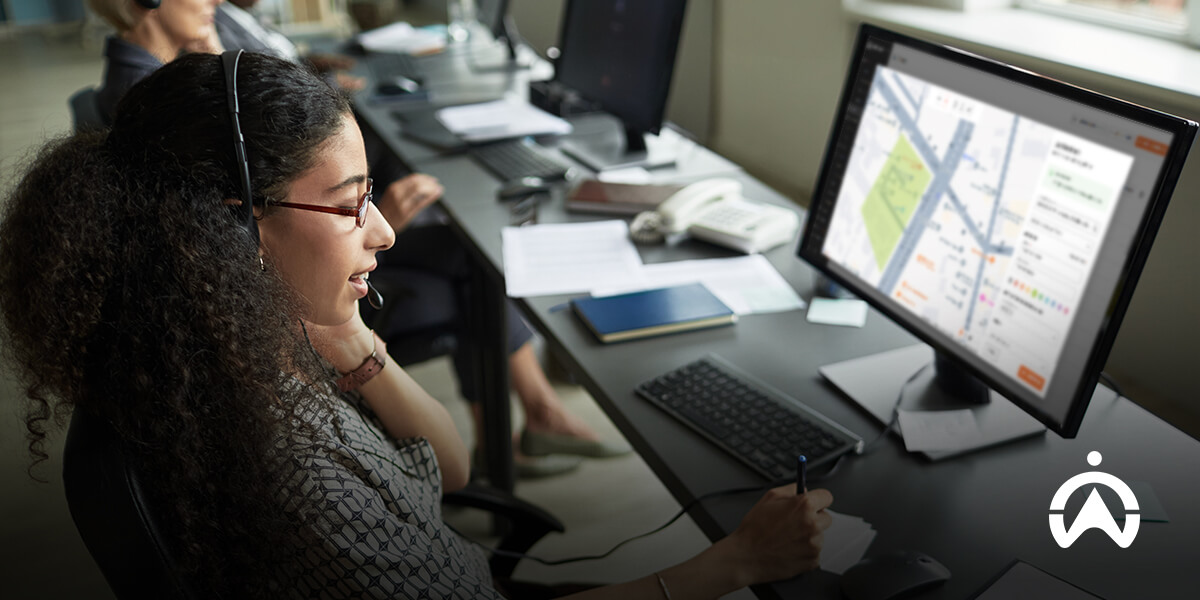
Cartrack geofencing support with woman using headset and computer showing map and data.

Case study: Geofencing for BCI Security

BCI Security is a company that offers a full range of private security protection services. They had no way of ensuring their response units remained within their assigned areas. This delayed their drivers’ response times. It also prevented their control room from being as quick and efficient as possible in emergencies. BCI Security needed a system to help them instantly locate their vehicles and monitor driver behaviour.

How we helped them:

  1. Cartrack’s geofencing feature allows BCI to set virtual parameters around assigned areas and alert them when drivers enter or leave those zones. This helps them ensure their response units are always active and present in their assigned areas. They can respond to client emergencies as quickly as possible. The geofence reports are also useful in giving BCI’s clients an accurate indication of patrol activity in their areas and making drivers more accountable.
  2. BCI Security can pinpoint exactly where reaction officers are with Cartrack’s live GPS tracking feature. They’re able to locate their nearest response unit to a client, which improves response times. It also boosts accountability and service delivery, as BCI can verify that response units were at the scene.
  3. Their fleet managers can now monitor driver behaviour and receive alerts when drivers are speeding, braking harshly and cornering quickly. It helps you spot any dangerous driving habits that occur when there are no emergencies. This minimises incidents that could be harmful to drivers, vehicles, communities, and BCI’s business reputation. It’s also an effective way to decrease vehicle wear and tear and prolong fleet longevity.

“Cartrack suited and understood our business from the start. We feel much safer with the Cartrack system, and their service is great, you are not just a number with them. Without them, we just wouldn’t be as efficient.” Johnny Loots | CEO, BCI Security

Get started with Cartrack’s geofencing feature!

At Cartrack, all you have to do to access our geofencing feature is get a GPS tracking device. We have an easy-to-use fleet management platform that you can access in the office or on the move. With this technology, you’ll know your drivers’ every move and ensure your vehicles are never where they shouldn’t be.

Here are other features that come with the Cartrack vehicle tracking system:

  • Live tracking: Our cloud-based system ensures that you get access to vehicle locations at any time. You’ll get smart satellite or map views of your vehicles, so you can monitor routes and how long drivers take with pick-ups and drop-offs. This makes it easier to spot time-wasting activities and quickly address them.
  • Asset Protection: We have a highly trained team of recovery experts that’s always on standby, waiting for your call. We’ve recovered more than 100,000 vehicles over the past decade, proving that you can trust us with the safe return of your vehicles.

By investing in our geofencing technology, you give your business the tools to run a safer, smarter, and more accountable fleet. Reach out to us, and secure your fleet!

Frequently Asked Questions about Geofencing

How much does geofencing cost?

The cost of geofencing depends on the fleet management software or service you choose and how many vehicles or assets you want to track. Some service providers charge a monthly fee per vehicle, while others offer packages for fleets. You can speak to one of our fleet consultants to pick one that best fits your budget and business needs.

Is geofencing illegal?

Geofencing is not illegal when used for business purposes such as tracking vehicles, deliveries, or assets. Its use is regulated by Malawi’s data protection framework under the Electronic Transactions and Cyber Security Act (2016). Businesses are required to ensure transparency and obtain user consent to avoid privacy violations. Respecting driver privacy and following these legal requirements keeps geofencing lawful and safe for your business in Malawi.

How long has geofencing been around?

Geofencing has been around since the early 1990s. It became popular as GPS and mobile technology improved, making it easier for businesses to track vehicles, equipment, and people. Today, it’s widely used across many industries to improve security, efficiency, and accountability.

Is Fleet Management Hard?

Fleet management can be seen as a difficult occupation, mainly because the tasks can get quite complex. The job in itself is more than just “overseeing vehicles”. However, with the right solutions in place, this demanding role becomes easier to handle.

Over the years, advancements in technology have made it increasingly easier to navigate the ins and outs of operating larger fleets. According to Data Insights Market, the global fleet management technology market is expected to reach a Compound Annual Growth Rate (CAGR) of 12% from 2025 to 2033. This means it should be worth $80 billion by 2033.

The growth in this market goes to show how much of a difference fleet management software makes in simplifying operations, and that all fleet managers need to invest in it.

Is fleet management a stressful job?

Yes, fleet management is generally considered a stressful job by many, mainly because of the numerous responsibilities. Fleet managers have to monitor people, vehicles, and processes, all while ensuring that the company stays within its budget. This is a very detail-oriented role that’s ever-evolving. Fleet managers rarely do the same thing every day.

What makes fleet management feel hard?

  • Many things to oversee: Fleet managers oversee all things involving vehicles, drivers, clients, and costs. They often find themselves performing tasks that are commonly associated with finance, training, procurement, and sales personnel. That’s because they manage costs, face clients, plan routes, monitor drivers, and train staff.
  • Rising operational costs: Several factors contribute to a fleet’s operational expenses. Fleet managers face constant pressure from growing expenses like fuel, maintenance, and insurance. Even small increases can add up quickly when managing multiple vehicles. Without proper planning and the right technology, these costs can reduce profits and make it difficult for the business to continue running.
  • Manual processes and data overload: Fleet managers rely heavily on spreadsheets and lots of paperwork. From driver logs to fuel receipts, this information can pile up and get overwhelming. These manual processes slow down decision-making, increase human error and waste time.
  • Lack of real-time visibility: Without real-time information, managers don’t always know where vehicles are, how they’re being used, or if drivers and goods are safe. This allows drivers to take detours, which creates risks such as delayed deliveries and theft.

What are the key challenges in fleet management?

Understanding the main difficulties helps businesses plan better and make smarter decisions. Here are the three main challenges of fleet management:

Vehicle maintenance and uptime

Ensuring that vehicles are well-maintained can be quite a challenge. Fleet managers often overlook maintenance in an effort to keep things going. This results in unexpected breakdowns, which lead to downtime and reduce productivity and efficiency.

Driver management and safety

Fleet managers are responsible for lives, and driver behaviour affects the entire business. Driver misconduct may lead to accidents, delivery delays, and even lawsuits. It can also ruin your company’s reputation. When fleet managers don’t know what drivers are up to, many things can go wrong, and there’s little accountability.

Fuel costs and efficiency

Fuel costs can amount to the majority of a fleet’s budget. Fleet managers usually find it hard to track fuel spending. Fuel theft and fraud are also hard to prove without the correct measures in place. This further contributes to higher overall costs and ultimately results in less profit.

Cartrack showing mechanic servicing vehicle with digital display, addressing is fleet management hard through smart maintenance.

How does technology make fleet management easier?

Technological solutions such as GPS tracking devices, fleet management software, and fleet cameras will give managers full visibility of all vehicle-related operations. They also digitise your paperwork, which reduces mistakes and speeds up your processes.

Vehicle tracking devices with IoT capabilities can detect poor driving habits, such as when drivers are speeding or idling for too long. From there, fleet managers will get alerts of each poor driving incident. These incidents can then be addressed with drivers so they can improve.

Furthermore, advanced fleet cameras help ensure that drivers are always safe on the road by monitoring how distracted they are and giving immediate alerts. This reduces the chances of accidents, which could lead to expensive repairs and downtime you didn’t budget for.

Tips to simplify fleet management

If you’re an aspiring fleet manager new to the role, or someone who’s looking to better manage this role, we have a few tips on how to go about it:

1. Up your tech game

Fleet management software is changing the industry landscape. The first thing you need to do is adopt a system with software and hardware that’ll give you more insight. This will help you stay ahead of the competition. It will also automate most of your processes, reducing paperwork and human error.

2. Train and support drivers

Provide drivers with regular training sessions for guidance. Ensure that they know safety protocols, company rules, and efficient driving habits. In doing so, you reduce the chances of accidents and build a better-performing, more productive workforce.

3. Develop your people skills

From drivers to stakeholders and vendors, this is a job that involves a lot of interactions with people. Fleet managers need to regularly communicate with their peers in the industry to know what’s current and keep track of best practices. They also need to build relationships with suppliers and business partners, as well as negotiate deals.

Furthermore, they need to have good relationships with your company drivers. They must understand them and do their best to facilitate effective driver training. For this reason, you need to improve your social skills as much as you can if you’re a fleet manager.

4. Standardise policies and processes

Create and set clear rules and consistent procedures for maintenance, safety, and daily operations. When everyone knows what’s expected, you reduce mistakes, save time, and make your fleet run more smoothly.

5. Track and measure key metrics

Keep an eye on important fleet data metrics such as fuel usage, vehicle downtime, driver performance, and route efficiency.  In doing so, you can easily identify areas for improvement. Tracking key metrics helps cut costs, improve safety, and ensure that the business remains compliant.

6. Work with trusted fleet partners

Make sure that you choose reliable companies to work with. Whether for vehicle tracking services, repairs, or supplies. Working with partners you can trust reduces risks and ensures you have all the support you need to keep fleet operations running efficiently.

Cartrack showing service alert on delivery van, answering is fleet management hard with smart tracking.

Case Study: BCI Security

BCI is a company that offers a full range of private security protection services. Their services include armed response, guarding, canine solutions, and technical teams. They cover the whole security spectrum.

BCI Security’s main challenge was the fact that they had no way of ensuring their response units remained within their assigned areas, and had no system to help them instantly locate their vehicles. They also couldn’t monitor how drivers behaved on the road. This prevented their drivers’ response times and control room from being as quick and efficient as possible in emergencies.

How we helped them:

  1. Cartrack’s geofencing feature allows BCI to set virtual fences around assigned areas and to alert them when drivers enter or leave those zones. This helps them ensure that their response units are always stationed in their assigned areas. In doing so, they can respond to client emergencies as quickly as possible. The geofence reports are also useful in giving BCI’s clients an accurate indication of patrol activity in their areas, while making their drivers more accountable.
    ‍
  1. Using Cartrack’s live GPS tracking feature, BCI Security can pinpoint exactly where reaction officers are. This helps them quickly locate their nearest response unit to the clients in need of their services, allowing them to improve response times. This also boosts service delivery, as BCI can verify that response units were at the scene.
  1. BCI Fleet managers can now monitor driver behaviour and receive alerts when drivers are speeding, braking harshly, or cornering quickly. They can also regulate when drivers should speed in emergencies. These insights are used to inform and educate drivers. They minimise incidents that could be harmful to their drivers, their vehicles, the communities they serve, and BCI’s reputation. It’s also an effective way to decrease unnecessary vehicle wear and tear and prolong fleet longevity.

“Cartrack suited and understood our business from the start. We feel much safer with the Cartrack system, and their service is great, you are not just a number with them. Without them, we just wouldn’t be as efficient.” Johnny Loots | CEO, BCI Security

Ensure stress-free fleet operations with Cartrack!

  • Live tracking
    Our live track feature gives you full visibility of vehicle locations, making it easier to see when drivers are in one place for too long, or when they take detours. Through this, you’ll know how effective certain routes are and implement necessary changes.
  • Stolen Vehicle Recovery
    We’ve conducted over 100,000 vehicle recoveries in the last decade. In the unfortunate event that any of your fleet vehicles get stolen, you can rest assured that your vehicles are safe and secure. Our skilled recovery teams are always on standby, with nationwide coverage, and we have a 24-hour control room service that’s always ready for your call.
  • AI dashcam
    The Cartrack AI Dual Vision ensure that your drivers avoid distractions. They can detect behaviours such as yawning, smoking, and cellphone use. They then release audible alerts, so drivers can quickly correct their actions. Through these solutions, you reduce the chances of accidents that could lead to prolonged downtime and costly repairs.
  • DID tags
    Cartrack Driver Identification tags (DID) make it easier to see who was driving which vehicle. They validate the start and end of every shift. They also help prevent unauthorised drivers from using vehicles. This solution increases driver accountability and boosts shift productivity.
  • MiFleet
    MiFleet is a cost management tool that you can find on our platform. It helps you monitor your fleet’s fuel consumption, verify fuel card transactions, and identify sudden drops in fuel levels. This helps you save on worrisome fuel costs. They also feature alerts to notify you of possible fuel theft or fraud, allowing you to take action quickly.
  • Logbook
    With our logbook feature, you can effortlessly track driver working hours as well as log separate personal trips and business trips. This digital logbook makes it easy to manage tax compliance so your business stays in the good books.

Simplify your fleet today with Cartrack

Fleet management is complex, but modern solutions simplify it. It’s only as hard as the tools and strategies you use. By partnering with us, you ensure smooth sailing for your fleet, giving you a better ROI. Contact us today, and speak to a fleet consultant!

Frequently Asked questions about fleet management

What is fleet risk?

Fleet risk is the chance of something going wrong when a business runs many vehicles. It can mean accidents, theft, breakdowns, or unsafe driving. Managing fleet risk helps keep drivers safe, vehicles in good shape, and the business from losing money.

What are the 4 pillars of fleet success?

The 4 pillars of fleet success are the main things a business needs to run its fleet well. They consist of:

  1. Safety
  2. Efficiency
  3. Sustainability
  4. Compliance

Together, these functions ensure driver safety, fuel efficiency, cost reduction, less pollution, and that laws and regulations are followed.

Can small businesses benefit from fleet management systems?

Yes, small businesses can greatly benefit from fleet management systems. These systems help monitor vehicles, reduce fuel costs, prevent theft, and keep drivers safe. Even with just a few vehicles, small businesses can save costs and work more efficiently. This also helps you to give better service to your customers, which in turn helps grow your business.

What’s the biggest challenge in fleet management?

The biggest challenge in fleet management is managing costs. Things like fuel, repairs, accidents, and driver behaviour can all add extra expenses. Fleet managers need to carefully monitor these contributing factors to keep the business running smoothly and reduce costs.

Is fleet management worth the investment?

Yes, fleet management is worth the investment. It helps businesses save money on fuel, repairs, insurance, and much more. It also helps keep drivers and vehicles safe. By tracking and planning better, fleet companies can work more efficiently and grow faster in the long run.

Reduce the worries and take control of your vehicles, drivers, and costs with ease. Contact us today!

Get Fleet and Fuel Management Services With Cartrack

As your fleet grows larger, it becomes more and more difficult to manage your drivers, their vehicles, and the fuel they use. Cartrack is at the forefront of developing ways to make this process a lot easier, and our solutions combine various functions that make fleet management flow well.

Fuel theft is a real thing. Drivers and syndicates syphon fuel from trucks and make thousands selling it.

Cartrack has been developing better ways to identify fuel theft, while at the same time helping you navigate other fleet management needs. Here’s how fleet and fuel management have improved thanks to the solutions we offer fleet companies like yours.

How do large companies manage their fleets and monitor their fuel usage?

Large companies manage fleets and fuel usage with solutions such as:

  • GPS Tracking
  • Fuel Monitoring
  • Driver Behaviour
  • AI Dashcams
  • Maintenance Planning
  • Delivery tools

These give you real-time data on the location of your vehicles, your fuel spend, driver habits, and route efficiency. You’ll cut costs, prevent theft, boost safety, and make smarter decisions with clear reports.

Fuel monitoring is a big part of fleet management, but there’s a lot more to it. If curbing fuel theft is the only solution you’re after, you should consider ways to improve your fuel monitoring through Cartrack. However, there are other benefits you can enjoy if you take more comprehensive packages that already include fuel monitoring. Let’s look at which Cartrack packages include this money-saving feature.

Cartrack’s Bureau Service for large fleets

Having Cartrack’s software is a massive benefit to your fleet company. However, you may not have the resources to run a fleet management department from the get-go. You’d have to hire staff, set up an operations center, and constantly train your managers on fleet-related software. Or do you?

As an additional service, Cartrack also offers you Bureau services. Think of it as an instant, fully trained team of fleet managers that handles your fleet for you! Our teams monitor the fuel of your vehicles, keep an eye on your drivers, and even assign optimal routes for deliveries.

Our Bureau Service also includes tracking of your vehicles, and will initiate vehicle recovery if any of those vehicles is stolen or hijacked. This team has already been trained at Cartrack, by Cartrack, and for Cartrack’s software. They can simply do the work for you, and keep you updated on the important stuff by submitting big-picture reports regularly.

Cartrack’s Bureau Service is full of perks if you don’t want to hire and manage your own team of fleet managers. Here are just some of them:

  • 24/7 fleet monitoring and support
  • Regular vehicle health checks
  • Alerts for risky driving or fuel misuse
  • Easy-to-read reports and insights
  • Flexible services that grow with your fleet
  • Less admin, and more focus on your business

Which Cartrack packages include fuel monitoring features?

Cartrack offers fuel monitoring in different ways. Our various packages are tailored to meet the needs of your fleet based on its size and industry type. A Cartrack consultant will analyse your fleet and give you the best option, but for now, let’s look at the different ways our solutions save you fuel.

Fuel Monitoring

Basic Fuel Monitoring gives you real-time tracking of your vehicles’ fuel levels. You’ll also be able to track fuel consumption rates and look for concerning patterns or discrepancies. Fuel card transactions also help you detect anomalies and prevent fraud.

Driver Behaviour Analysis

Another way to save on fuel is to promote better driving habits from your drivers. Driving habits like long idling, harsh braking from fast driving, and overdoing it on the acceleration cost your company money every day! You can identify areas for improvement and reduce fuel wastage by getting data that alerts you to these bad habits.

Maintenance Alerts

Did you know that there’s a hidden cost in not maintaining your vehicles? That hidden cost is fuel! Trucks and cars that don’t get regular maintenance WILL use more fuel because the mechanical components become more stressed.

What if you could easily manage the maintenance schedules of your vehicles without having to remember each one yourself? Cartrack provides you with notifications for scheduled maintenance to ensure your vehicles operate efficiently and consume fuel optimally.

Reporting Tools

Generate historical reports that give you detailed information on fuel usage with Cartrack’s reporting tools. By simply looking at these customisable reports, you can get an overview of fuel usage, expenses, and the performance of each driver. This helps you to make decisions based on data and spot fuel loss if and when it happens.

Next step? For detailed information on specific packages and pricing, it’s recommended to contact Cartrack directly or request a demo through our official website. The Cartrack contact number for speaking to a consultant is: +265 999 971 972

Still not sure? Let’s take a detailed look at MiFleet and answer some of your questions about the best ways to manage your fleet.


Fleet management: What can you expect from Cartrack?

As mentioned, fuel optimisation is an important part of managing any fleet. However, there’s more than one way to save fuel. MiFleet is Cartrack’s smart cost-management and fleet accounting system. It gives you full control over fuel, administration, maintenance, and operating costs.

Your fuel card data will be matched up with vehicle telemetry. This helps you to spot fraud and also tracks fuel usage per km. From all this, you’ll get clear cost-breakdown reports that give you big-picture and finer-detailed information about your fleet.

With the software of MiFleet comes some hardware too. Tracking devices, fuel sensors, cameras, etc. Sounds great, but you probably have a few questions about how this all works together. Here are some of the most frequent, costing, software, and hardware questions we get.

Are there flexible payment options for Cartrack subscriptions?

Yes, Cartrack offers flexible payment options for subscriptions. Just talk to us and we’ll create one for you! You can choose a monthly or an annual plan depending on your fleet size, the Cartrack packages you choose, and the needs you have.

This makes it easier to manage fleet costs, and it helps you scale up as your fleet grows. Don’t feel like you’re being locked into a long contract; talk with us about a payment option that fits in with your budget.

Do I need to pay extra for additional tracking units per vehicle?

Yes, you usually need to pay extra for additional tracking units per vehicle. Each unit comes with its own installation and activation costs, so adding more vehicles will increase your subscription fee. However, Cartrack also makes it easy to expand your fleet tracking by adding new devices to each vehicle. This means you’ll need to budget for each extra tracker.

Is Cartrack’s fleet data secure and encrypted?

Yes, Cartrack’s fleet data is secure and encrypted on secure servers. Whether it’s vehicle data, driver trends, or fuel information, it’s all protected using modern encryption. You can access your data safely, knowing that it’s shielded from unauthorised access. This is to keep your fleet operations private at all times.

How does Cartrack match fuel receipts to actual tank activity?

Cartrack cleverly checks your fuel receipts against what’s actually in the tank using the MiFleet software and telematics data from fuel sensors and other hardware. It matches your fuel card transactions with real-time fuel levels, GPS-based location, and engine use. This way, you can easily spot fraud and make sure purchases are correct.

Do Cartrack Fleet Plus benefits include fuel monitoring?

Yes, one of the main features Cartrack offers with Fleet Plus is fuel monitoring. This would include:

  • Fuel Monitoring: It measures the fuel that goes in and out of your vehicles.
    ‍
  • Fuel Probe: This is a sensor that provides real-time readings of fuel levels.

Cartrack Fleet Plus solves a series of problems faced by many fleet managers. Let’s take a look at an overview of each one, and then explore them in more detail.

Problem Faced by Fleet Managers How Cartrack Fleet Plus Helps Feature Name
Hard to track fuel usage Shows fuel going in and out of vehicles Fuel Monitoring
Drivers stealing fuel Detects unusual drops in fuel levels Fuel Probe
High fuel costs Helps spot waste and fraud Fuel Monitoring
No real-time info Gives instant fuel readings Fuel Probe
Hard to match fuel receipts Compares receipts to actual fuel used Fuel Monitoring
The fleet is not efficient Gives clear fuel usage data Fuel Monitoring
Fuel theft is hard to prove Shows exact fuel levels over time Fuel Probe
Hard to plan trips Helps see fuel levels and plan stops Fuel Probe

Hard to track fuel usage

It’s tough to know how much fuel your vehicles are using every day. However, with Cartrack Fleet Plus, you can see exactly how much goes in and how much goes out. This helps you control your fuel costs a lot better, which adds up month after month.

Is Cartrack really the best option to choose? We think so… and here’s why: 

What to Look for When Choosing a Fleet Management System

Drivers stealing fuel

Sometimes drivers or fuel thieves might syphon fuel, and there’s no way for you to know when this happened. A lack of evidence will make it difficult to pinpoint who the culprit is, too! Cartrack Fleet Plus helps you spot this quickly so you can stop it and not pay for fuel your drivers aren’t using for business purposes.

High fuel costs

Fuel can get expensive fast if you’re not careful. Because of rising fuel costs, you should try to save wherever you can. Using Fleet Plus lets you see where fuel is being wasted so you can save money. This could be anything from bad driving habits, speeding, irregular idling, etc.

No real-time info

Waiting for reports of the info you need shouldn’t be a long process that only gets to you at the end of the day, week, or month. Fleet Plus gives you fuel readings as they happen, so you can act fast and make changes.


Hard to match fuel receipts

It’s tricky to check if receipts match what your vehicles are actually using. Cartrack’s Fleet Plus solution compares receipts with fuel usage automatically, and this takes the guesswork out of your job as a fleet manager.

The fleet is not efficient

If your fleet isn’t running well, your organisation will inevitably begin to lose money. Fleet Plus shows clear fuel data so you can make better choices and keep your vehicles moving when it counts the most. More vehicles on the road for longer means more profitability for you.

Fuel theft is hard to prove

Even if you suspect theft, it’s hard to take action without getting into labour law hot water. With Fleet Plus, you get a detailed fuel level history that proves exactly what happened, when it happened, and who the most likely person was that did it.

Hard to plan trips

Planning trips isn’t easy if you’re always having to guess the best route and you’re not aware of your fuel levels. Fleet Plus helps you see fuel in real time so you can plan stops and routes a lot more efficiently.

How much can your business save on fuel costs using Cartrack in Malawi?

The amount of fuel costs your business can save using Cartrack packages depends on the size of your fleet and the types of vehicles you use. However, it’s safe to say that you can save as much as 24% of your fuel costs, which is what we’ve seen other companies achieve on small and large scales.

How is this possible? Well, every little saving helps, and those savings build up over time. If you solve the problems listed above, you’ll quickly see a huge difference in the amount of fuel you actually need to run your fleet!

Start saving today. Not just on fuel, but on other expenses too. As we’ve seen, it’s a game-changer having a solution that saves you on insurance costs, wear & tear from bad driving, and the reputational damage your drivers can cause your brand. Get in touch with an expert fleet management consultant, and let’s work out a solution that ultimately brings in more profits for your business.

Get fleet and fuel management services with Cartrack Malawi and start saving!

Frequently asked questions about fleet and fuel management from Cartrack

What technology is used in fleet management?

Fleet management uses:

  • GPS tracking
  • Telematics
  • Fuel monitoring
  • Route optimisation
  • Maintenance software

These tools help you keep track of your vehicles, improve efficiency, reduce costs, and ensure the safety of your drivers on Malawi’s roads. Many fleets also use mobile apps to access real-time data wherever they are.

What’s the difference between logistics and fleet management?

The difference between them is that fleet management focuses on managing vehicles, drivers, and fuel, while logistics covers the whole supply chain. Logistics management includes storage, delivery, and inventory. You can think of fleet management as part of logistics for keeping your vehicles moving efficiently across the country.

What are fleet tools?

Fleet tools are software and hardware devices that help you manage your vehicles, their drivers, their respective fuel usage, and the maintenance of each vehicle. GPS trackers, telematics systems, fuel sensors, and reporting platforms give you clear insights that help to save costs and improve your fleet’s efficiency.

How do I create a fleet management plan?

To create a fleet management plan, start by assessing your vehicles, drivers, routes, and fuel costs. Set clear goals for using less fuel (overall percentage), scheduling less vehicle maintenance, and improving safety. Then choose tools like the ones offered by Cartrack and move towards more savings, more profitability, and the eventual growth of your fleet.

How do fleet managers use spreadsheets?

Fleet managers use spreadsheets to track fuel consumption, maintenance schedules, mileage, and overall expenses. You can create simple tables and charts that help you to see trends with a bird’s eye view, or in close detail. Spreadsheets are a flexible, low-cost way to keep your fleet organised and running smoothly.

Advanced Fleet Management Features That You Should Have For Your Business

Fleet management software helps your business monitor, coordinate, and streamline vehicle operations. It’s not just about using GPS tracking to pinpoint the whereabouts of your assets; it’s about getting comprehensive and tangible insights through advanced fleet management features. These data tools are there to help you make better decisions for your business.

There’s a mistaken idea that GPS tracking is enough. While tracking your vehicles is important, being a business that leverages advanced fleet management tools will put you above the rest and help you save. According to industry reports, companies using advanced fleet technology can see up to a 20% reduction in fuel costs and a 10-20% improvement in fleet utilisation.

Modern fleets need modern solutions. Intelligent systems with features that combine hardware, software, and insights are your key to real results. In this guide, we’ll explore the importance of advanced fleet management features for your business and why Cartrack’s solutions are your secret to easy implementation.

Why do advanced fleet management features matter?

Advanced fleet management features matter because they give managers a full and comprehensive view of their operations. Fleet management is more than just tracking—it’s about being able to take on the challenges and vulnerabilities that come with it.

Every day, businesses are faced with rising costs and emergencies that trigger downtime. With advanced fleet management features, you can operate a safer, cost-effective, and top-performing business. A smoothly run business means happy customers and staff.

How advanced features deliver real-world ROI

Advanced features deliver real-world ROI by directly promoting better productivity and cost management. Some of these benefits include:

  • Lower fuel costs: through route optimisation and fuel monitoring.
    ‍
  • Fewer accidents: through driver behaviour monitoring and coaching/feedback.
    ‍
  • Compliance: through holding important documents, reporting, and record-keeping.
    ‍
  • Faster deliveries: through scheduling and real-time vehicle monitoring.

Future trends in advanced fleet management

The fleet industry is rapidly evolving, and unfortunately, you need to ensure your business stays prepared. Always keep an eye on your business and emerging trends. Consider these:

  • Artificial Intelligence (AI): AI is a perfect tool for automating processes and predicting unsafe or risky behaviours. A good example of this is an AI-powered video that captures and makes a note of unsafe driver behaviours, like fatigue or distraction.
    ‍
  • Internet of Things (IoT): IoT refers to a network system of smart objects that connects devices in vehicles. These devices are typically sensors that collect data and use the internet to transmit information. IoT makes it possible for fleet managers to tackle potential issues before they become costly disruptions.
  • Connected Vehicles: These are vehicles that can communicate with each other and with infrastructure in real time (traffic lights or road sensors). This means that vehicles are ‘talking’ to each other, other fleet systems, and even the surrounding environment.While IoT connects individual sensors and devices within a vehicle, connected vehicles take it a step further. They enable entire vehicles to communicate with each other and external infrastructure.

    An example of this is when Cartrack’s Tag uses the ‘crowd searching’ method. Crowd searching is implemented when a vehicle is jammed and then stolen. The jammed device (in the stolen vehicle) moves through a ‘crowd’ of vehicles with their own anti-jamming devices, and is then reported back by those other vehicles. This allows Cartrack to triangulate and quickly locate the stolen vehicle.

What are the core categories of advanced fleet management features?

Five essential groups comprise the core categories of advanced fleet management features. These include:

  • Driver safety and behaviour
  • Vehicle health and cost management
  • Data and compliance
  • Productivity and customer service
  • Security and theft prevention

Let’s take a look at each of these in more detail.

Advanced features for driver safety and behaviour

Keeping your drivers safe encourages a safer driving culture and reassures drivers that their well-being is a priority. Driver safety and behaviour is more than just meeting legal obligations—it creates a positive business reputation as well. These are some advanced features:

Driver behaviour monitoring

You can monitor the behaviours of a driver while they’re on the road, and even get notified of signs of fatigue, distraction, smoking, and more. This allows you to keep track of potentially unsafe driving patterns. Combating these unsafe behaviours at an early stage can greatly reduce the risk of accidents and incidents.

Immediate alerts for risky driving

Immediate alerts are sent your way if the AI-powered driver monitoring picks up on unsafe behaviours. This includes speeding, phone use, or signs of distraction shown by the driver. Immediate alerts mean that, as a fleet manager, you can take note of these behaviours or adjust tasks and duties if necessary.

In-cabin cameras

You’re able to keep an eye on what’s happening inside the vehicle, too. You can identify risky driving traits yourself, or even see whether a driver is making an unauthorised stop or pickup. In some cases, you have the ability to speak to the driver through the in-cabin camera as well.

Training feedback tools

The best way for drivers to improve is to learn from their stumbles and understand the importance of road safety. Having saved footage of their trips allows you to deliver personalised coaching and feedback. This will hopefully help the driver feel looked after rather than policed.

Cartrack advanced fleet management features with person using laptop to oversee parked trucks.

Advanced features for vehicle health and cost management

The last thing you’d want for your fleet is to see some unexpected downtime. Being able to keep track of vehicle health and maintenance means that you can better manage costs and prevent costly breakdowns. Here’s how:

Predictive maintenance and diagnostics

Smart features allow you to closely monitor factors like mileage, engine health, and wear & tear in certain car parts. Because of this, predictive maintenance is the key to staying proactive and keeping your vehicle healthy.

You’ll be alerted to issues like overheating, and you can ensure vehicle maintenance is scheduled before the issue becomes a costly expenditure.

Fuel monitoring and route optimisation

Monitoring fuel and optimising driver routes is the solution to solving one of the biggest operational costs when managing a fleet. Keeping track of fuel usage means you can better understand driving patterns or even note potential fuel theft.

Combined with route optimisation, you can almost guarantee an increase in productivity while cutting back on wasted fuel use. You can also meet your ethical goals by cutting back on carbon emissions.

Tyre pressure and load monitoring sensors

Ensuring that your fleet’s tyres are in good condition is another way to encourage a safer driving culture. Doing so means that there’s less chance of accidents caused by tyre blowouts or sudden loss of control.

The monitoring sensors also track tyre pressure and note any possible overloading or over- or under-inflation.

Automated service scheduling

Automated service scheduling is your answer to extended vehicle lifespan, compliance, and uptime. With this service, you can always guarantee that important checks aren’t missed, including oil, brakes, or general servicing. This means you don’t have to worry about unexpected downtime.

Advanced features for data and compliance

With fleet management, there’s a lot of data being processed, as well as regulations that are always being updated. When you combine data and compliance, you can see how these insights can help you make better business decisions while also reducing risk and legal issues. Consider these factors:

Customisable dashboards and KPIs

When using a fleet management tool, you can choose which metrics you want to keep track of via your dashboard. This means you have a total overview of what matters most, whether it’s driver performance or fuel usage. You can also see and interpret that data in real time (while it’s happening).

Compliance monitoring

If you’re looking to stay on top of legislation and not worry about fines and legal issues, compliance monitoring is the solution. It automates the process of tracking key issues like emissions and load limits.

By removing the potential for human error, you have time to focus on other important tasks, all while avoiding potential fines.

Integration with various tools

Third-party integration is a massively important consideration if you want to avoid cross-platform confusion. When your fleet management platform works with systems like payroll, you get a much smoother, streamlined order of operations.

This means, for example, that a driver’s hours are automatically linked to payroll, and human error is eliminated.

Cloud-based storage

Cloud-based storage means that you have access to your insights and data whenever and wherever you are. No matter the device, you can look over your data without worrying about information being lost or viewed by unauthorised users.

Advanced Features for Productivity and Customer Service

Meeting customer needs is a top priority. With advanced features for productivity and customer service, you can expect smooth operations and happy customers with every service. Achieve these through:

Route optimisation and live ETAs

As mentioned, route optimisation means your drivers are travelling using the best and most efficient routes. This means quicker deliveries, shorter travel times, and reduced fuel use. Pair this with live ETAs (estimated time of arrival), and customers know exactly when to expect their deliveries.

This combination builds customer loyalty and satisfaction!

Geofencing and automated notifications

Setting up virtual zones with geofencing allows you to monitor when your drivers enter and exit specific areas. These typically include warehouses and regular delivery areas. When drivers enter or leave geofenced areas, you can be notified regarding their movements.

This not only gives insights into time spent in an area, but it also ensures drivers are held accountable regarding their movements.

Digital job dispatch and proof of delivery

You don’t have to concern yourself with manually sorting out schedules and duties for your many drivers (and wasting paper in the process). You can digitally assign jobs to your drivers through your fleet management platform, along with any necessary additional information.

Regarding proof of delivery, you can now digitally capture confirmation every time a package reaches its destination. Customers can sign electronically, or you can take a photo as verification.

Links for tracking customers

Customers can have access to live information through tracking links. Once the delivery is in process, they can click on a secure link to keep track of their package and follow their order. This is the kind of feature that builds transparency and brand loyalty.

Advanced features for security and theft prevention

Your fleet is not only made up of precious assets, but is likely carrying very precious cargo too. Theft prevention and security measures are absolutely necessary to keep your assets, supplies, and drivers safe. Here are some protective measures:

Stolen vehicle recovery (SVR)

The technology used for Stolen Vehicle Recovery (SVR) assists partner companies (like Cartrack) with swift vehicle recovery. The vehicle’s location can be pinpointed, and the fleet management company’s control room will be immediately notified. These kinds of innovative tools can instil trust and confidence.

You can rest assured knowing that vehicle loss is minimised and your insurance worries are potentially quelled.

Remote vehicle immobilisation

If a vehicle has been stolen or is being used without the correct authorisation, you have the power to disable the vehicle remotely with the remote vehicle immobilisation tool. This is one of the most powerful safety features that deters theft and keeps your vehicle out of the wrong hands.

Remote vehicle mobilisation can minimise damage to the vehicle while also giving you enough time to arrange reinforcement for vehicle recovery.

24/7 tracking & panic buttons

Being able to have eyes on your fleet at all times is the key to peace of mind. In many cases, panic buttons are attached to dashcams or are in easy-to-reach places in case your driver has an emergency. This sends out an immediate call for help, improving the safety of your driver and asset.

Cartrack advanced fleet management features showing tyre service and speeding alerts on laptop.

How to identify the features your business really needs

The best thing you can do for your fleet is to understand what solutions are best. These are typically identified by assessing fleet size, your industry, and operational objectives.

Here’s an easy checklist to help you:

  • Identify your pain points: Narrow down the challenges you face within your business. Are you struggling with fuel costs? Are drivers constantly getting into accidents? Are customers not satisfied with your services? Once you’ve assessed these vulnerabilities, you can begin to understand exactly what you need.
    ‍
  • Link your needs with the right features: Consider the tools that directly match your pain points. For example, if your drivers are getting into many accidents, consider implementing AI-powered camera solutions with a multiple-camera option.
    ‍
  • Assess your fleet and its size: Different fleets have different needs. Smaller fleets typically aren’t as complex and may only need a few advanced fleet management tools. Larger fleets tend to be more complex, needing a lot more features and integration benefits.
    ‍
  • Think about your industry needs: What’s necessary for construction vehicles won’t be the same for delivery vehicles. Look at your priorities; as a delivery company, you’ll likely consider features like live tracking and digital proof of delivery. A construction company would focus more on load monitoring and remote vehicle immobilisation.
    ‍
  • Set your goals: This links back closely to the first point. Decide what you want to address and what you’re looking to achieve with your business. Do you want to decrease and better manage operational costs? Do you want to improve driver safety? Let these be the factors that guide you in choosing advanced fleet management features.
    ‍
  • ‍A word of caution: It’s natural to want the best for your business and its fleet, but that doesn’t mean you need every feature on offer. Doing this will lead to unnecessary and extra spending. Rather, target your business’s challenges directly so that you get genuine value in return.

How do you make sure you’re choosing the right advanced features for your business?

To make sure you’re choosing the right advanced features, look over your business goals and the vision you see for its future. Investing in fleet technology, particularly advanced features, is a significant step forward. You want to make sure you’re maximising your returns. Focus on these areas:

  • Carefully examine your business goals: As mentioned, be clear about what you want to achieve for your business. You’ll want to avoid spending money on unnecessary extras, especially when that money could be going into the business instead.
    ‍
  • Consider future growth: This is a significant point to consider, especially if you plan to expand your business. Invest in a platform that boasts flexibility and adaptability. If your business needs and goals change, you’ll want advanced fleet management features that grow and change WITH you.
    ‍
  • Look at integration: Advanced fleet management features will only work optimally if platform and workflow integrations are smooth. Always go for features and systems that work in tandem with your fleet management platform.
    ‍
  • Support your staff during change: Many of us find comfort in familiarity, which is normal. This is why it’s important to support your staff when implementing change regarding these new, advanced features and tools. Invest in training and ongoing support for all the staff, so that they can feel more confident about the tools they’re using.

By considering these points, you can take this opportunity to critically assess the features you’ve identified and ensure that you’re making the right choices.

Why Cartrack is your top choice for advanced fleet management

Having the latest fleet management technology is well and good, but you’ll need a reliable provider to match. Cartrack is able to provide the necessary advanced fleet management technology you need while offering training and constant support for you and your team. We’re an all-in-one provider.

Here’s a reminder of what sets us apart from the rest:

  • AI-powered driver monitoring: Get all the feedback on your drivers and their driving patterns. Detect any distractive driving habits and use the insights/video footage as a coaching method for driver safety. Additionally, improve safety and accident-related issues with this feedback.
    ‍
  • Secure storage: Cartrack’s Vision footage is stored on sturdy and durable devices, remaining secure no matter the environment. Otherwise, you can safely access live footage and general insights via Fleetweb or the mobile app. Your data is encrypted according to global standards, so you can be confident that your information remains safe.
    ‍
  • SVR and remote immobilisation: Remain at ease knowing that your assets are extra secured with these features. SVR and remote immobilisation reduce theft and recovery time. Our built-in SVR means that the Cartrack control room will react swiftly to your stolen vehicle. Remote immobilisation will give you the power to keep the wrong person from getting away with your vehicle.
    ‍
  • Fleetweb: Our streamlined platform gives you total visibility and control. It also allows you to connect to third-party systems without interruption.
    ‍
  • Flexible packages for businesses of any size: The size of your business doesn’t matter to us – we’re here to help. Whether you’re a business with a small fleet or a complex, larger one, Cartrack can cater to your needs. We have flexible solutions that’ll work with your needs and bring maximised value. So, don’t hesitate to give us a call. 

The road ahead for your business

Investing in advanced fleet management features is about creating the best and most profitable version of your business. With the help of these tools, you’re pushing a safer driving culture, higher ROI, and better long-term success.

With Cartrack, you’re getting much more than just a service provider. We offer you a strong partnership and reliable relationship to ensure you stay ahead of the curve.

Drive your business forward today with Cartrack. Book a demo to see how advanced fleet management features can unlock safety, savings, and smarter operations. 

FAQs

Q: What’s the most important advanced fleet management feature?

A: There isn’t necessarily a most important’ advanced fleet management feature, because different businesses have different priorities. However, driver and asset safety are typically considered the most important factors. As a result, it could be said that safety-improvement tools are considered most essential.

Q: Are advanced fleet management features only for large fleets?

A: No, advanced fleet management features are for fleets of all sizes. Reliable fleet management providers should be able to cater to all businesses or at least be scalable. With smaller fleets, these tools can improve productivity and cost management. With larger fleets, complex and detailed insights can be provided to bring positive change to the business.

Q: Which advanced fleet management features help reduce operational costs most effectively?

A: Route optimisation and fuel monitoring help reduce operational costs the most. This is because fuel tends to be the most expensive expense when it comes to fleet management. Advanced features that measure and manage these costs are able to reduce waste and provide the best routes for drivers.

Q: Can Cartrack’s advanced fleet management features integrate with existing business software and workflows?

A: Yes, Cartrack’s fleet management features are made to seamlessly integrate with various existing software, like payroll. This means you can avoid human error and rely on smart systems to keep your systems running. You also don’t have to worry about adopting new systems and cross-platform confusion.

Q: Which advanced fleet management features deliver the fastest ROI?

A: There isn’t just one feature, although driver behaviour monitoring, GPS tracking, and route optimisation are typically the features that deliver the fastest ROI. These advanced fleet management features almost immediately result in faster delivery times, lower fuel costs, and improved risk management.

Fleet Management for Cash-in-Transit Operations

One of the most important components in Malawi’s financial infrastructure is a resilient cash cycle.

‍Cash-in-transit services play a crucial role in this, as they ensure the secure handling, movement, and protection of cash and other high-value assets throughout the country. However, this essential service comes with the risk of theft, which may result in casualties, as recent news has shown.

So, how do you protect millions without compromising on safety? The straight-up answer is a good fleet management software. Let’s look into the difference an advanced fleet management system can make for cash-in-transit operations.

In this article, you will:

  • Find out the unique demands of cash-in-transit fleets
  • Learn the main ways a fleet management system transforms CIT operations
  • Discover the Cartrack solutions that are specially tailored for CIT services

What are the real demands of cash-in-transit fleets?

Running a fleet that is responsible for moving large sums of money presents several challenges that go far beyond those of typical logistics operations, such as the following:

Extreme security risks

Safety is the primary concern for CIT services. Cash-in-transit heists are often very calculated, with some of the robberies involving explosives, posing the threat of physical harm to CIT officers and civilians. A single heist can result in the robbers getting away with millions, making it a highly lucrative business for criminals.

Time restrictions

Due to the security risk and the need for cash, CIT officers have stringent time restrictions. They need to perform their duties as quickly as possible and make sure they meet deadlines to avoid cash-flow disruptions. However, while doing so, vehicle operators need to practise safe driving habits while on the road, which means they cannot compromise by speeding. Cautious driving practices are also crucial for the safety of the high-value cargo.

Regulatory compliance & auditing

CIT services must adhere to strict regulations that are set by regulatory bodies such as the Reserve Bank of Malawi (RBM), the Malawi Police Service (MPS), the Ministry of Homeland Security, and the Department of Registrar General. These compliance authorities cover things such as security protocols, how many CIT officers should be in one vehicle, and how to reduce the risk of theft and violence.

Insurance specifications

Insurers require CIT companies to meet specific standards to qualify for coverage. Some of the insurance specifications include GPS tracking systems and alarm systems. Any cash flow disruptions and an increased risk of theft might result in higher insurance premiums. It also causes operational inefficiencies due to improper resource allocation and rescheduled stops.

Vehicle specialisation and maintenance

A non-negotiable standard when it comes to CIT vehicles is their need to be able to withstand explosive attacks. These vehicles, which are designed for security and protection in various environments, require regular inspections and servicing to maintain structural integrity and functionality for optimal performance. However, the complex builds of CIT vehicles require specialised care and attention, but due to the busy schedules and tight deadlines, fleet managers might end up missing service dates, which then leads to unexpected breakdowns.

Route and schedule variation

To ensure that everything moves quickly and runs smoothly, dispatch coordinators must plan schedules and choose routes. The selected routes must be secure and change daily to prevent criminals from predicting movements. This presents a great challenge, as there might be limited options, and the task can be time-consuming. In addition, there needs to be constant monitoring to ensure that drivers are following the stipulated routes. 


How to build an efficient CIT fleet with smart technology?

So, what does it take to build an efficient and secure CIT fleet beyond the bulletproof glass and locks?

An advanced fleet management system has many short-term and long-term benefits for CIT operations. This technology allows you to manage your fleet all on one platform, so you can make more informed decisions. It also enhances the safety of drivers and high-value cargo. Here are the main ways in which a fleet management system improves cash-in-transit operations:

Live monitoring and control

It’s important that you always know where vehicles are at all times. A GPS tracking system gives you real-time visibility so you can check where drivers are and see how much time they take at pick-up and drop-off spots.

Fleet routing software

Route optimisation software helps you plan routes and minimise time and risk exposure while maintaining punctuality. This technology uses predictive analytics and historical route data to help determine the most efficient route for cash deliveries.

Telematics

A GPS tracking device with telematics capabilities allows you to see how drivers use vehicles. Through this technology, you can see when vehicle operators are speeding, taking sharp turns, rapidly braking, or accelerating excessively, which could indicate that they are trying to get away from criminals or practising unsafe driving habits.

Immobilisation

Through fleet management software, you also have the option of remotely disabling parked vehicles, ensuring there is no unauthorised vehicle movement.

Vehicle cameras

Over the years, numerous videos capturing CIT ambushes have surfaced online and gained widespread attention.

Cameras allow operation centres to respond quickly to threats. They also give managers a closer look at what CIT officers are doing so they can identify safety hazards or inefficiencies. Video footage can also be used for incident investigations.

Vehicle cameras that are integrated with telematics software are highly recommended, as they typically come with advanced features such as AI technology that can trigger alerts when certain rules are broken. This allows fleet managers to pinpoint areas where drivers need to improve so they can be trained on proper procedures and how to respond in various situations.

How can a fleet management system improve your CIT operation’s bottom line?

Like any business, CIT companies must manage costs and boost profits. A fleet management system supports this in the following ways:


Enhancing security through Cartrack’s fleet management software

Cartrack is one of the leading security and fleet management service providers in Malawi. Partnering with us ensures your fleet remains protected and that all operations are streamlined. Here’s what we have to offer for your cash-in-transit services:

  • AI-powered cameras
    Our AI Multivision camera solution gives you internal and external visibility of your fleet so you can check up on drivers at any time and quickly respond to high-risk scenarios.

    The in-cabin AI-powered technology also ensures that drivers remain vigilant on the road, as it can detect distracted behaviours such as driver drowsiness, fatigue, seatbelt usage, smoking, and cellphone use. Once identified, drivers will receive an audible alert, allowing them to quickly correct their actions.
    ‍

  • Live tracking
    Equip your fleet with our live GPS tracking features. With this, you can access the locations of your fleet vehicles at any time from anywhere through our website or mobile app.
    ‍
  • Stolen Vehicle Recovery
    We have recovered over 100,000 vehicles in the last decade, which means there is a high chance of us finding your vehicle should the unfortunate happen. Our skilled recovery teams are always on standby, with nationwide coverage, and we have a 24-hour control room service that is always ready for your call.
    ‍
  • Route optimisation
    Ensure your CIT officers are using the most cost-effective and secure routes to get to their delivery and pickup locations. Our advanced route optimisation software makes use of historical route trends to determine the best way for drivers to get to their destinations, reducing fuel wastage and mileage and improving delivery times.
    ‍
  • Driver behaviour alerts
    Use our telematics system to monitor driver behaviour. Through this, you will get alerts of risky driving habits such as speeding, excessive acceleration, and harsh braking. This ensures that your drivers are always cautious on the road, avoiding fatal accidents.
    ‍
  • Geofence
    Ensure your CIT vehicles are never where they shouldn’t be. The Cartrack geofence feature allows you to create block-out zones around areas of your choice. If a vehicle enters or leaves that area, you will get an immediate alert.
  • Cargo door sensors
    These sensors enhance high-value cargo safety by informing you when doors open and close, helping you see if drivers are following protocol.
  • Panic button
    In an emergency, a driver can press our panic button; it will instantly send a silent alert to our control room service, and an operator will respond to assist.
  • Start Prevent
    Immobilise and re-mobilise fleet vehicles via our fleet management platform. This system enhances vehicle safety by disabling the engine so it does not start without any authorization.
  • Preventive maintenance
    The Cartrack preventive maintenance system gives you alerts on vehicle health issues such as engine conditions, water and oil fluctuations, and worn-out brake pads. Helping you automate maintenance schedules to avoid unexpected breakdowns and delays.

Why Cartrack is the smart choice for CIT fleet management

Modern fleet management is no longer just an operational tool; it’s a key line of defence in CIT operations. Our high-tech solutions are tailored to enable safer, smarter, and more compliant cash-in-transit operations. Contact us today and invest in technology that will transform your business.

Frequently asked questions about cash-in-transit services and fleet management

What is fleet management in transportation?

Fleet management in transportation involves the use of different technologies to oversee a company’s vehicles. The main objective for using these smart tools is to improve operational efficiency, reduce costs, and enhance safety. To achieve this, fleet managers must use the technology to monitor various aspects of the fleet, such as vehicle maintenance, fuel consumption, driver behaviour, and route planning.

What is a cash-in-transit policy?

A cash-in-transit policy is a type of insurance that provides coverage for the loss of money or valuable items while they are being transported. The policy protects CIT companies and other businesses that handle high-value items, such as banks and retailers.