How You Can Achieve “API-First” in Your Logistics With the Right Fleet Management System

You can achieve API-first in your logistics with the right fleet management system, and Cartrack can meet your company’s needs. When you adopt API (Application Programming Interfaces)-first strategies, you’re choosing software designed to easily connect with other systems you’re already using, like accounting software. So, instead of data sitting in different tools, it’s all collected in one user-friendly dashboard.

According to GlobeNewswire, only 24% of companies have a clear view of 75-100% of their total shipments. This highlights that even with digital tools, many organisations still miss out on complete, end-to-end operational insight. Deciding to adopt an API-first approach means having a total & reliable view of your business operations, remaining competitive, and standing out above the rest.

An API-first approach for your business is the best approach. In this blog, we look at the importance of an API-first system, why you need the right fleet management software, and how Cartrack should be the partner you trust to help you achieve this.

How does the right fleet management system enable API-first logistics strategies?

The right fleet management system enables API-first logistics strategies by taking on the role of a complete, central system that connects all the disconnected information. By linking numerous systems, smooth integration and seamless operations become the priority, easily connecting tools like telematics, ERPs, and TMSs. This crafts a seamless network for smooth data sharing.

If we look at it simply, an API-first approach is like using a universal plug. It’s designed to fit into almost any socket, so you wouldn’t have to think about redesigning or getting a new plug any time you introduce a new tool. Everything connects flawlessly, without the hassle of having to rewire everything.

What does “API first” actually mean in logistics?

“API-first” in logistics actually means you start by building the door before you try to build the rest of the house. It’s about designing a tool with smooth integration in mind from the start, so that it can easily connect and communicate with most other integrations. This is especially important when you consider how fast fleet industry technology continues to change.

The API-first approach is becoming more popular thanks to its extreme speed and flexibility, and with the need to avoid problems that slow productivity, it’s proving to be a logistical necessity.

There are different API systems available. Let’s establish these and take a look at the differences between them:

  • API-first vs API-available: Unlike API-first systems, API-available systems are available, but their abilities are limited, and they’re not equipped to accommodate many outside systems.
    ‍
  • API-first vs legacy, siloed systems: Unlike API-first systems, legacy, siloed systems are outdated and usually work independently of more sophisticated systems. Their data is also locked within separate tools, contributing to the issue of fragmented data that needs to be manually pulled.

Why logistics operations are moving towards an API-first approach

Logistics operations are moving towards an API-first approach because it’s fast and effective. Besides fleet technology quickly evolving, growing customer expectations are one of the biggest factors. With deliveries, customers want to be kept in the loop about the movement of their parcels. Live movement updates, estimated ETAs, and open communication are necessary, but almost impossible without an integrated system.

Your logistics company also depends on various systems, like ERPs (Enterprise Resource Planning), TMSs (Transportation Management Systems), and billing & accounting software. Over time, the number of these tools might grow. You can maximise your time and efforts by ensuring you have the right API-first FMS (fleet management system) on your side. This reduces manual work and potential data errors.

How APIs support real-time visibility across logistics operations

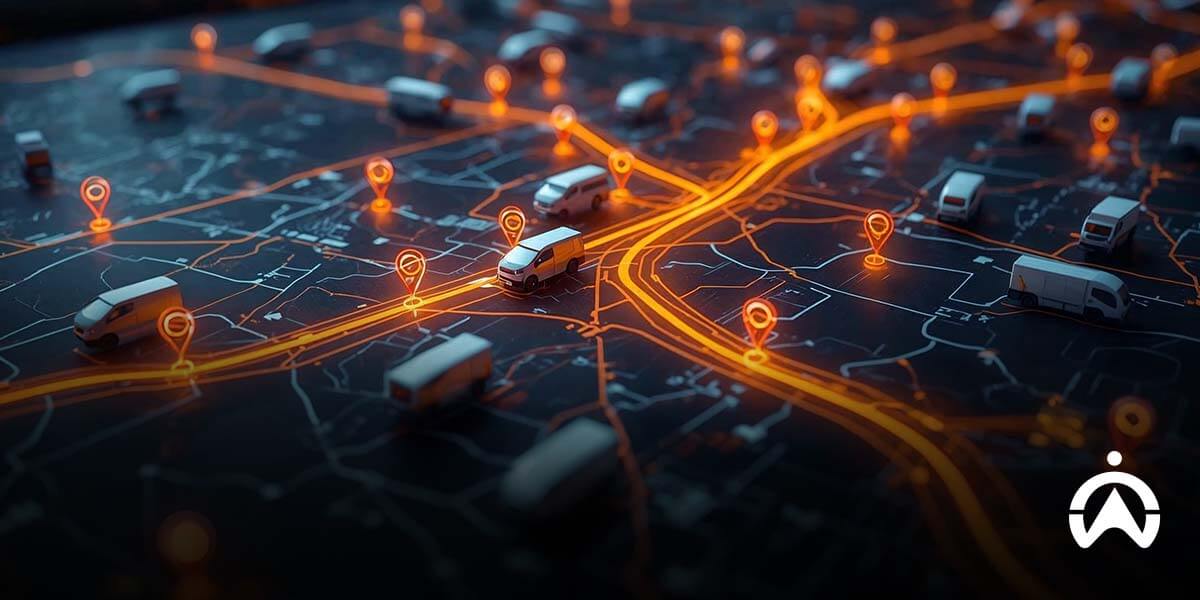
APIs support real-time visibility across logistics operations by being a bridge between different systems. Thanks to fleet APIs (telematics, GPS, maintenance, etc.), fleet data is quickly and efficiently being communicated across all systems. APIs enable this, meaning vehicle location and alerts are live and immediate.

As mentioned, live and continuously updated information is perfect for keeping customers informed. Beyond that, it’s incredibly helpful when it comes to situational management. There will always be real-world challenges that arise, like potential route deviations or unexpected delays. But live information helps you quickly act and respond to these situations.

API-supported visibility puts control back into your hands, allowing you to react quickly and with an informed mind in urgent situations.

Where traditional fleet systems fall short

Traditional fleet systems fall short by being unprepared for the interconnectedness that’s required in modern logistics fleet management. API-first FMSs can tackle all of the rising issues here by putting data accessibility at the forefront, automating processes, and supporting all connected components at once.

Here’s how:

  • Limited or closed integrations: Traditional systems that have limited or closed integrations make it harder for information to be shared outside of the system itself. If there’s the ability to share data, it’ll likely have to be done manually, instead of an automatic exchange of data.
    ‍
  • Heavy reliance on manual exports: Any manual work in logistics comes with a laundry list of downsides, including human error, duplications, data gaps, and more. This is especially the case when the information is spread across multiple streams.
    ‍
  • Insight delays and inconsistencies: To continue our previous point, heavy reliance on manual processes can not only slow down productivity but also cause discrepancies as well. If your company continues to grow, those discrepancies can become more obvious.
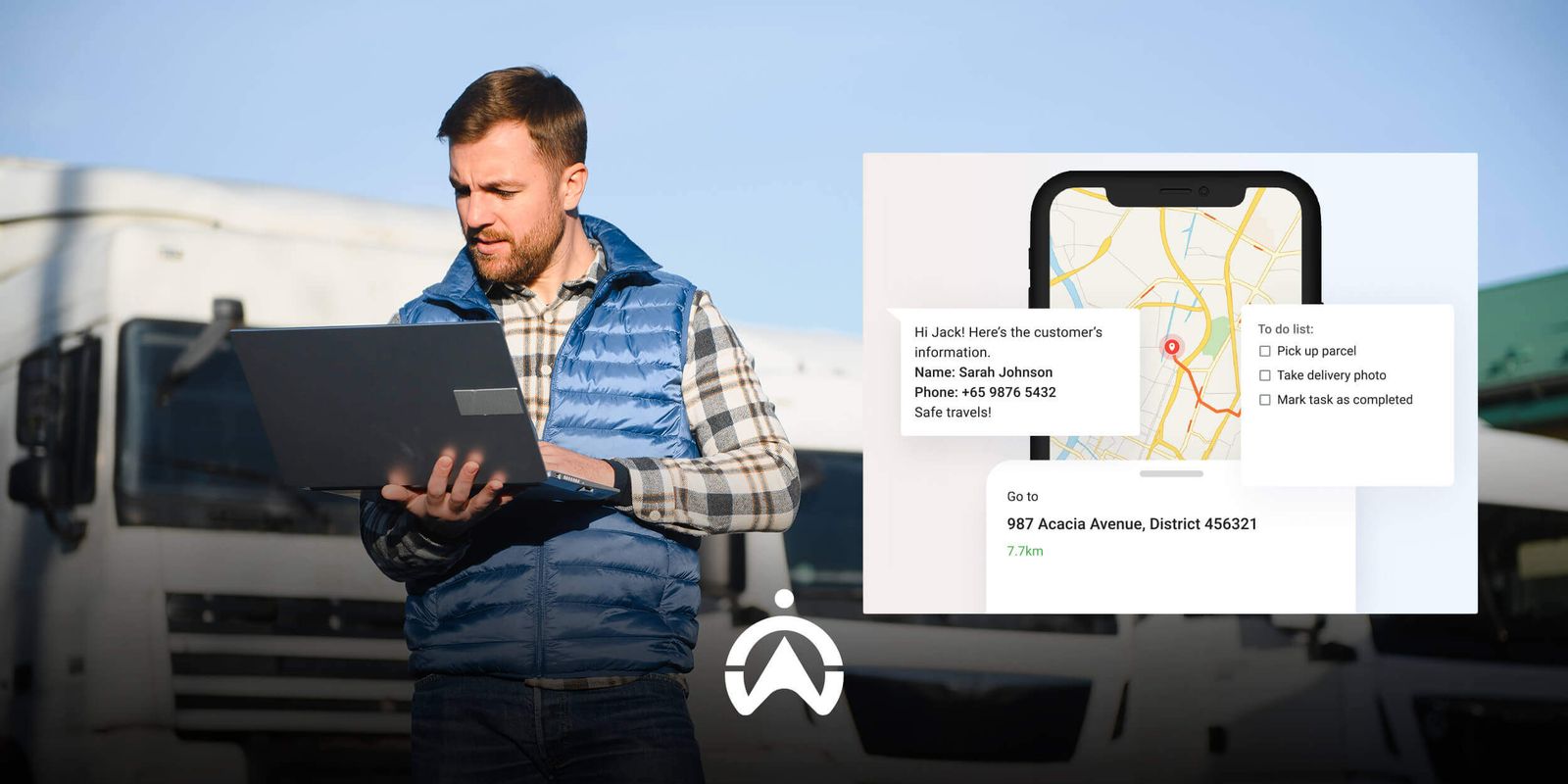
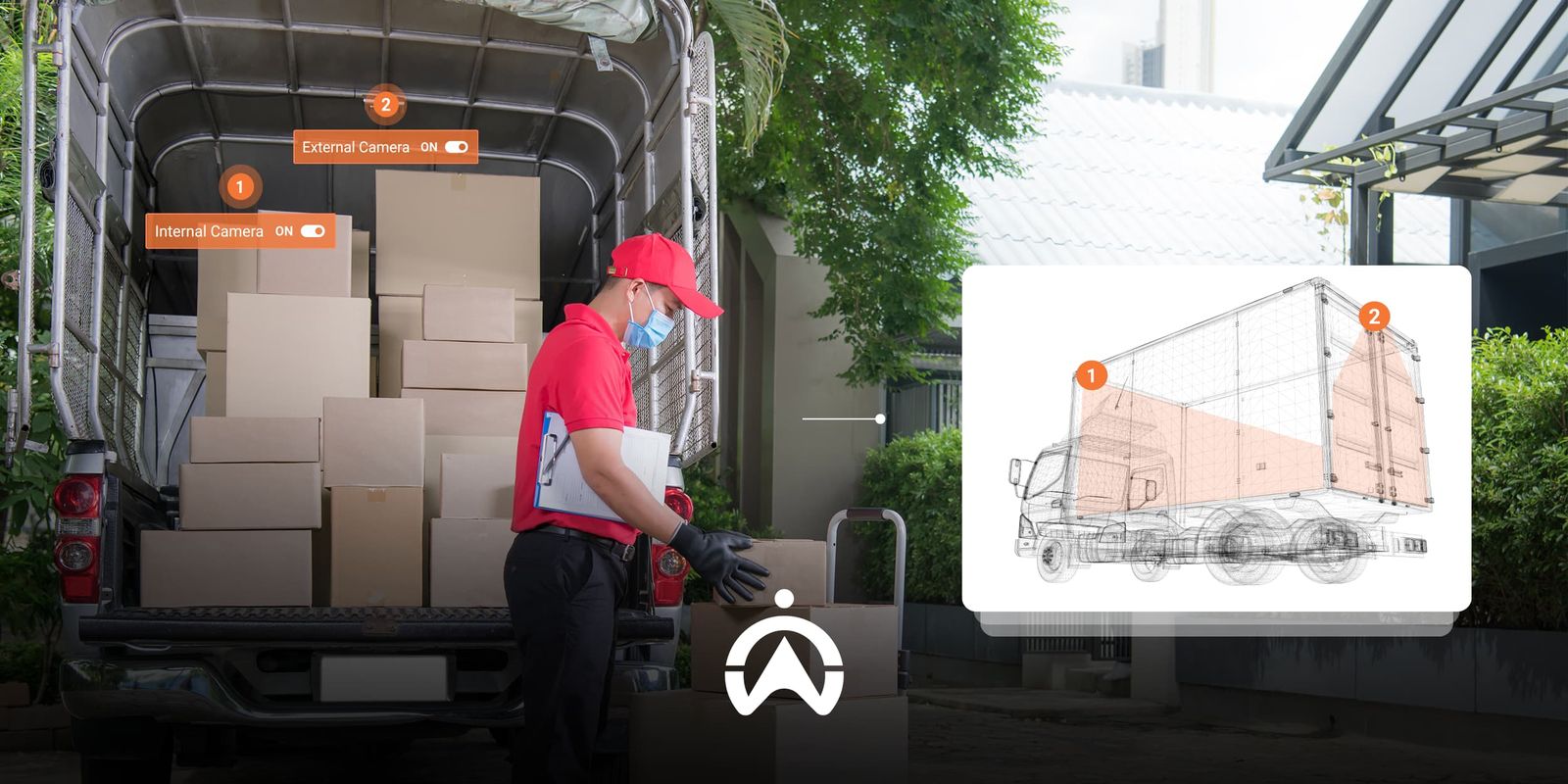
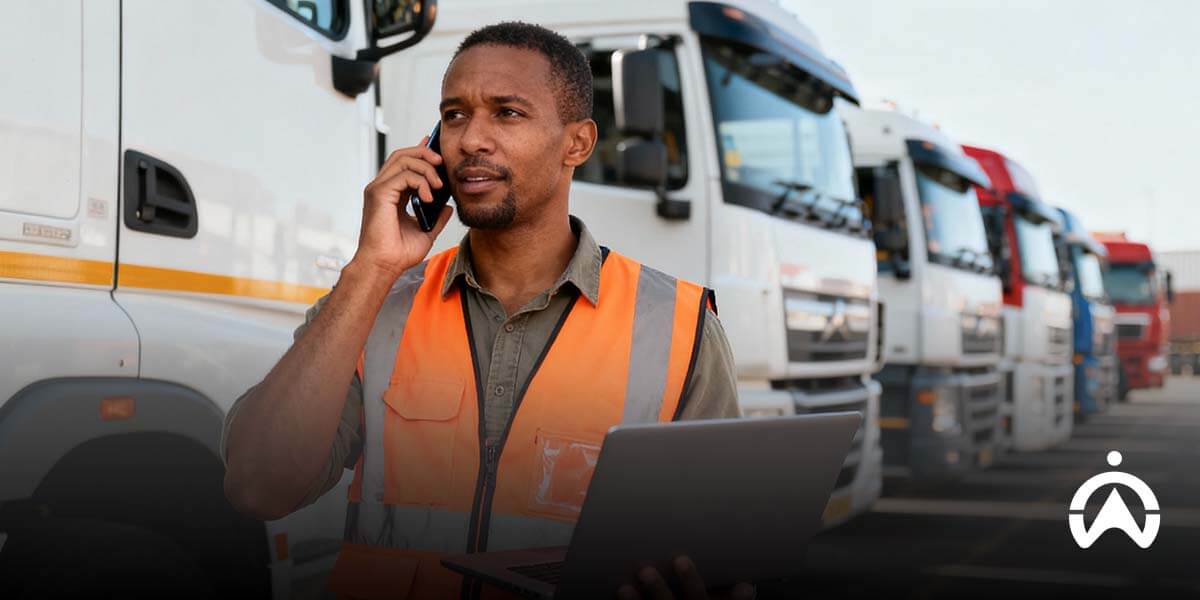
Fleet manager standing by truck representing an API-first fleet management system.

What systems should your fleet management platform integrate with?

Your fleet management platform should integrate with almost every system that’s part of your logistics management, especially ones like ERP, TMS, telematics, and finance platforms. Fixed connections should be a thing of the past. Your golden ticket is to look towards smooth data flow that happens in real time, not delayed data analysis.

Look at some of these common logistics integrations:

Transport management systems (TMS)

Integration with transport management systems (TMS) allows you to clearly see all the fleet data available. It brings together features like trip status and dispatching with real-time and real-world fleet data, improving routes, providing proof of delivery (POD), and bettering operational processes.

Enterprise resource planning (ERP) and finance platforms

Integration with enterprise resource planning (ERP) and finance platforms means you not only have a complete overview of finances and operations, but also automation of data sharing between these systems. So expenses, invoices, and other costs can be quickly and easily totalled to calculate the total cost of ownership (TCO).

Customer portals and dashboards

Integration of customer portals and dashboards links back to growing customer expectations. The sharing of live data means alignment with these demands, supporting features like efficient communication, consistently updated ETAs, and delivery timeframe transparency. All this can be done without a heavier workload for you or your staff.

Compliance and safety systems

Integration of compliance and safety systems lets you have access to and look over data like driver behaviour, MDVR (mobile digital video recorder) footage, and other event histories. If safety-related or compliance issues came up, it’d be easy to pull the necessary data that would support your arguments or legal adherence.

Fleet data as a shared digital backbone

Looking at fleet data as a shared digital backbone clearly shows just how centralised the network is. When we look at fleet data as a network, we see that it’s a connection of information from vehicle sensors, operational systems, and diagnostics. This information reflects your entire operation, bringing together data and planning, execution, and performance management.

Everything that happens when your vehicles are out in the field—from stops and delays to pings and alerts—is recorded as data. If that data is limited or closed, the data isn’t very valuable. If it’s supported by an API-first approach, then all the streams of data can be understood by one overarching system and used to improve your workflow.

All of this changes how we look at GPS data, understanding that it goes beyond tracking and actually turns that data into insights that inform;

  • operational intelligence
  • route planning
  • customer communication
  • compliance, and
  • financial reporting.

Decisions now rely on live data reflecting real-world conditions, not on assumptions or outdated reports.

Can API-first systems help reduce operational costs?

Yes, AP-first systems can help reduce operational costs by eliminating waste across multiple operations simultaneously. You might’ve fallen into the trap of trying to identify inefficiencies and correct them one by one, but an API-first approach makes it easier to deal with the bigger picture.

Here’s how operational costs are minimised:

  • Reduced administrative effort: Thanks to automation, this benefit is evident almost immediately. You and your team are not spending as much time on manual processes and reports, which means you’re all focusing on more important operational tasks.
    ‍
  • Fewer data errors and disputes: In linking back to the above point, manually carrying out tasks can lead to discrepancies and outdated information. But by getting automated data from a single source, you can easily export reports and other essential data for disputes, compliance matters, and more.
    ‍
  • Better route optimisation through shared data: Because of live location information being shared, you can make changes to routes as real-world delays and interruptions happen. Gathering this data over time lets you optimise routes, ensures your fleet keeps running at its best, and reduces fuel costs and delivery waste.
    ‍
  • Smarter resource allocation: Live visibility into all aspects of your fleet gives you enough insights to make data-based decisions. Because of this, you can manage your assets, drivers, and resources far better. Taking this step will, over time, decrease your operational costs and help you continue to make better choices for your business.

What to look for in an API-first fleet management system

When looking for an API-first fleet management system, it’s important to consider key criteria such as well-documented APIs and a flexible platform that easily grows with your business. It’s worthwhile to deeply evaluate and spend time choosing the right API-first FMS for you, especially when you consider that not all platforms are as accommodating as others.

Consider these major factors:

  • Well-documented APIs: A strong API FMS has well-documented APIs, making data very easy to understand and access. Clearly documented APIs help cut down on time wasted on implementation and potential integration errors.
    ‍
  • Secure authentication and access control: Your fleet data is important and sensitive, so it should be treated as such. An API-focused FMS should not only keep your shared data secure, but it should also allow you to control who is and isn’t allowed access to it.
    ‍
  • Scalable architecture: Your business is likely to grow or develop in ways that you might not expect, and an API-focused FMS should be able to grow with you. You’ll want the system you choose to be able to handle these changes and further integrations without crashing.
    ‍
  • Support and onboarding: This is one of the most important factors. Your FMS provider shouldn’t only fully support you during the setup process, but should also continue to guide and support you over time. This guarantees a stronger partnership and better long-term success.

Getting started with an API-first approach to fleet management

When getting started with an API-first approach to fleet management, it’s important to assess your current systems, identify your integration priorities, and pick the right FMS partner.

Look at these practical steps:

  • Assess current systems: Look for the parts of your operation that need to be automated, and identify the integration gaps.
    ‍
  • Identify integration priorities: It might be best not to try to integrate everything at once. See which systems are the most important, and take it one step at a time.
    ‍
  • Choose the right fleet management partner: This is your golden ticket. The right provider will provide support, knowledge, and a powerful platform. Cartrack simplifies this by offering an integration-ready platform and the know-how to link your fleet data.

Common concerns about API-first logistics (and how to overcome them)

Common concerns about API-first logistics usually centre around potential integration disruptions, in-house developers, and the size of the business.

If these are some of your concerns, let’s address them:

“Is this only for large enterprises?”
Absolutely not. This approach is just as valuable for a smaller business as it is for a larger one. It provides the same benefits and can grow with your business.
‍

“Will integrations disrupt daily operations?”
No, especially when the integrations have been implemented properly, and the platform you’ve chosen is a strong and capable one. As mentioned before, the integrations can be connected gradually to ensure smooth operations.
‍

“Do I need in-house developers?”
No; that isn’t necessarily a requirement. The right provider will make it possible and easy from the start, guiding the integration process and continuing to provide support as time passes.
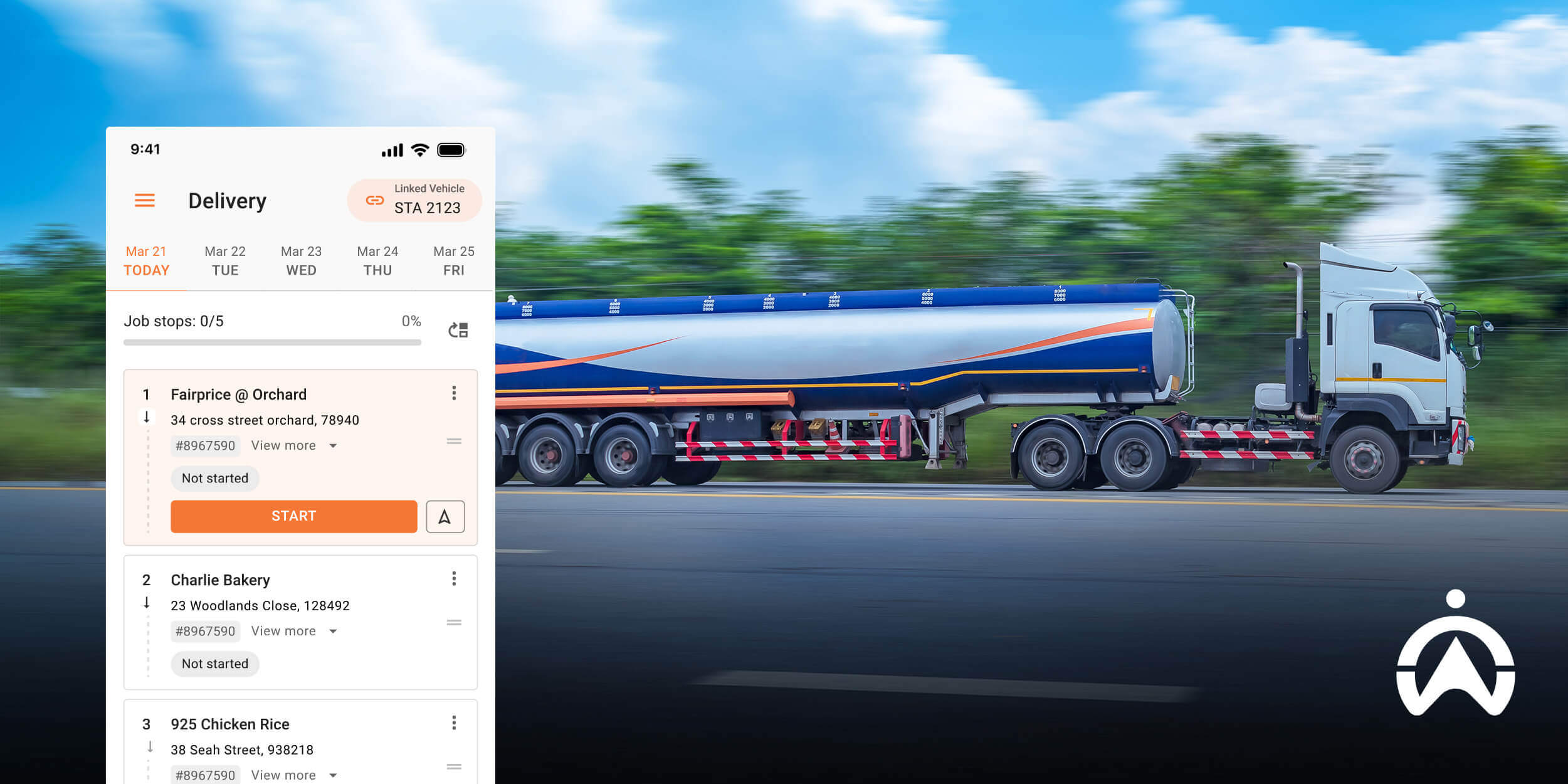
A Cartrack delivery app interface displays job details alongside a motion-blurred truck transporting a tank on a highway.

How Cartrack supports an API-first logistics strategy

Cartrack supports API-first logistics strategies by providing an FMS that’s designed just for you. We have a platform that’s prepared to connect with almost every existing logistics system and provide you with comprehensive data. Our network is also secure, so you never have to worry about the safeguarding of your fleet data.

Here’s how we stand out:

  • Integration readiness: Our platform is the meaning of ‘API-first’. We’ve built a system that’s put integration first, ultimately keeping your business and its success at the forefront.
    ‍
  • Data reliability: We ensure that your fleet data is safe and secure, but also accurate and updated in real time.
    ‍
  • Flexibility for logistics environments: Looking to expand your business or bring in new integrations? Perfect; that’s not an issue for us! With Cartrack, you can keep working from one platform while introducing fresh integrations and growth to your business.

Final takeaway: why API-first logistics starts with the right fleet system

API-first logistics is all about creating operations that adapt, scale, and stay connected amidst growing complexities. APIs are the key to enabling seamless live data sharing between systems.

Fleet data is the heart of logistics, and the fleet system works as the main support for an API-first approach. When this data is reliable and accessible, it fosters flexibility, resilience, and smarter decision-making for your logistics network.

See how API-ready data can support your logistics operations. Speak to Cartrack about building a more connected, API-first logistics environment.

Frequently Asked Questions

Do API integrations affect system performance or reliability?

No, API integrations don’t affect system performance or reliability, but this is only if integrations have been done correctly. When implementation is successful, the integrations will continue to share data. This’ll then improve the performance and keep the integrity of your circulated information.

Can API-first logistics support future technologies like AI and automation?

Yes, API-first logistics can support future technologies like AI and automation. An API approach is already a flexible data foundation, simplifying the adoption of technologies like AI-driven analytics, automation tools, and sophisticated optimisation systems. This is achieved without needing to overhaul your existing infrastructure.

What internal changes are needed to support an API-first approach?

The internal changes that are needed to support an API-first approach basically centre around standardising processes. You need to be able to have a thorough overview of who is and isn’t allowed access to data, bring the technical teams closer together, and adopt the general understanding that manual processes are a thing of the past.
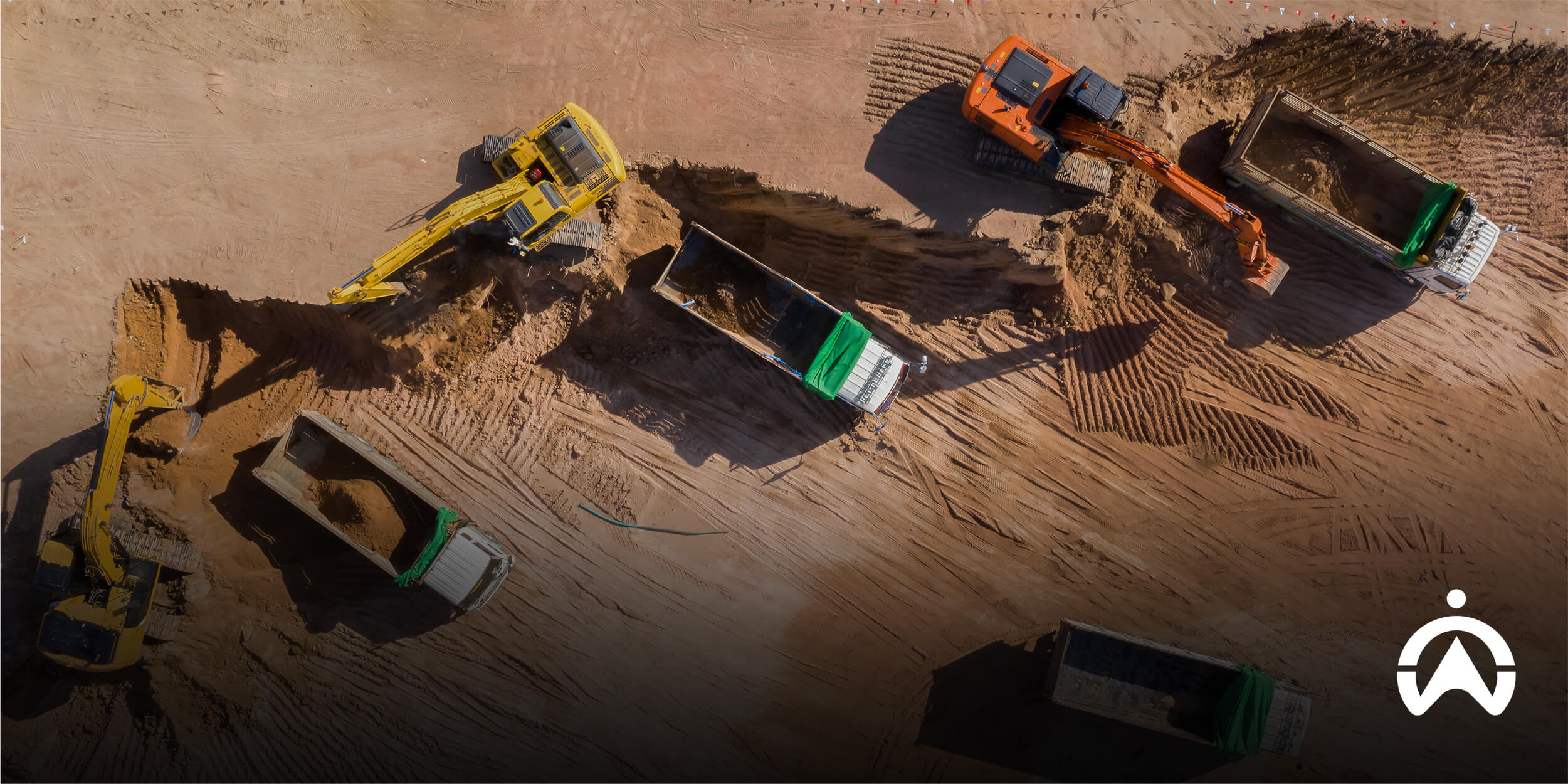
Top 7 Ways to Boost Construction Fleet Efficiency

The seven top ways to boost your construction fleet’s efficiency include:

  1. Using telematics and GPS tracking to keep things in check.
  2. Keeping your vehicle maintenance up to date.
  3. Getting a fuel monitoring solution to manage your fuel better.
  4. Offering continuous training for your drivers.
  5. Planning better routes between sites.
  6. Right-sizing your fleet to match your needs.
  7. Regularly checking your key performance indicators.

Fleet efficiency is important to construction fleets, as it directly impacts project timelines, safety, and costs. Without a good strategy and the right technology, your business faces challenges like high fuel costs, downtime, and bad driving habits, which affect vehicle and equipment health.

According to Future Market Insights, companies are increasingly investing in AI-powered predictive analytics, IoT sensors, and mobile platforms to enhance fleet monitoring efficiency. To stay ahead of your competitors, you need an effective approach, and that’s why we’re here to give you the seven ways to improve your construction fleet operations. 

7 Key strategies to improve construction fleet efficiency

The 7 key strategies to improving your construction fleet’s efficiency are:

  1. Investing in telematics and GPS tracking
  2. Regular maintenance
  3. Getting a fuel management system
  4. Driver training
  5. Route planning
  6. Fleet size optimisation
  7. Analysing KPIs

Together, these strategies help reduce costs, minimise downtime, and ensure your construction fleet is running at its best level.

Here’s a breakdown of each point:

1. Implement telematics and GPS tracking

Telematics resources have become essential in construction fleet management, as most companies now turn to making decisions based on data to increase operational efficiency. To stay on the same level or even ahead of your competitors, you also need to invest in telematics technology. 

With telematics, you can monitor the location of your vehicles, equipment, machinery, and other tools. This helps prevent theft and makes it easier to locate your resources. You’ll also be able to see how productive your employees are, like whether the equipment is actually working or just idling most of the time.

2. Schedule regular maintenance

Your fleet is only as good as how well it’s maintained, and with telematics technology, you’ll be able to digitise maintenance-related tasks. To reduce unexpected downtime and enhance efficiency, make sure you utilise your fleet system’s maintenance features. Set reminders on your fleet platform of the manufacturer’s recommended service intervals. This way, you’ll know you’ll be able to schedule them for servicing well in advance and plan ahead for those days.

Through telematics, you’ll also receive early warnings of maintenance needs and identify potential mechanical failures before they occur. You must make use of this and sort out the issues before they cause breakdowns. This further reduces downtime, is safer, and increases vehicle lifespan.

3. Get a fuel management system

Make sure you add a fuel management system to your fleet software package so you can monitor usage per vehicle and equipment. A fuel management system consists of hardware and software tools that help you use fuel more efficiently and cut down costs. A fuel management system makes it easier for you to monitor fuel cards and can flag fraud. With tools like fuel level sensors, you can also quickly spot sudden drops in fuel tanks, which is a sign of theft or a leak.

4. Train drivers for efficiency

Drivers perform better when regularly trained. You must conduct regular training sessions to educate drivers on actions that affect things like fuel costs and vehicle health. Fleet operators must be trained on defensive driving, vehicle safety checks, equipment handling, road rules, and how to use fleet software. Better driver behaviour will help you improve on safety and compliance, reduce fleet running costs, and have fewer accidents.

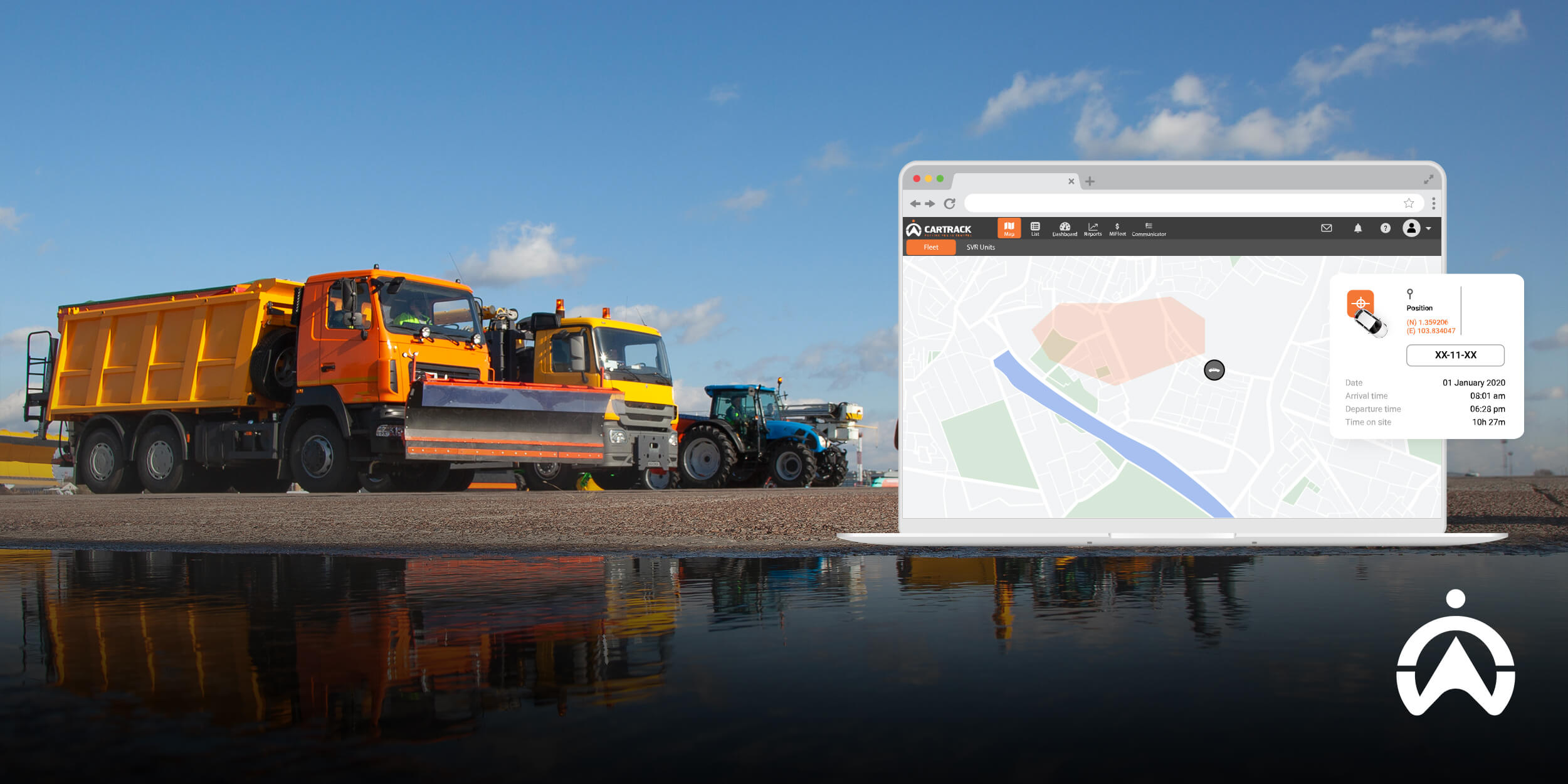
Construction fleet productivity improvements using smarter vehicle and equipment management

5. Improve job and route planning between sites

Poor planning between depots, suppliers, and construction sites can lead to wasted time and fuel. You must get route optimisation software to help you plan stops better, so your vehicles can get there on time and get the job done as quickly as possible without compromising on service quality.  By planning better routes, you also cut down on last-minute changes, which can throw off other jobs, lead to extra fuel use and add stress for drivers.

6. Optimise fleet size and equipment allocation

Right-sizing your fleet means ensuring that the number of vehicles and equipment you have matches your operational needs. It’s important that you evaluate the size of your fleet. You might find that your vehicles/equipment are overused and worn out because there aren’t enough. Or you might have more than what you need and just need to downsize and reallocate assets in order to save costs.

7. Monitor and analyse key performance metrics

Measuring your fleet’s performance requires you to regularly check important metrics like:

  • Total Cost of Ownership (TCO)
  • Fuel cost per route
  • Vehicle utilisation rate
  • Maintenance costs
  • Downtime rate
  • Driver behaviour

Regular analysis helps you identify inefficiencies, and it’s easy when you have fleet management software because it gives you a detailed analysis of various aspects of running a fleet.

Explore our fleet management solutions to take your construction fleet to the next level

Our fleet management solutions take your construction fleet to the next level by giving you detailed insight into your operations and protecting your assets. We give you solutions like GPS trackers, preventative maintenance alerts, and a fuel monitoring system. These solutions help you reduce expenses, improve productivity, and therefore be more efficient.

Live vehicle GPS tracking

Always see where your vehicles and machinery are through our vehicle GPS trackers. This makes it difficult for your assets to go missing, and it ensures that you can see what drivers get up to and if they arrive on time.

Our GPS trackers have telematics capabilities, meaning you can also see when drivers are idling for too long or practising unsafe habits. You’ll get reports of these behaviours so you can quickly address your concerns.

Non-powered asset tracking

Some of your assets don’t have a power source and are therefore not compatible with the regular vehicle GPS tracking devices. For that, we’ve got non-powered asset trackers. These can be used to keep tabs on things like trailers, storage containers, and mobile toilets. Non-powered asset trackers help you safeguard your assets from possible theft. They also help you reduce the amount of time your staff will spend trying to locate on-site equipment.

We have three main kinds of non-powered asset trackers:

  1. Asset Tracker
  2. Track & Go
  3. TAG

Here’s how they work: 

The Asset Tracker can be installed in non-powered assets like trailers solely for the purpose of locating them. They last up to four years and don’t need to be recharged. You’ll get up to two updates per day, perfect for assets that you don’t need constant checking.

The Track & Go is literally as the name suggests! It’s a portable magnetic tracking device that you can easily shift from one asset to another. It not only gives you location data, but also detailed telematics data to show you how the operators are handling it. It gives real-time updates and also requires some recharging every now and then. Perfect for tracking assets that you’ve rented, so you can remove them after finishing a project and take the assets back.

The TAG is another permanently installed device that gives you radius-based location data. This means you can draw a circle (called a radius) around any spot on a map and see where your asset is located within that area, perfect for tracking industrial equipment on a large site. It’s portable, doesn’t need any recharging, and it gives you frequent location updates, mostly in urban areas.

Geofencing

Our geofencing feature allows you to create virtual boundaries and get alerts when drivers enter or leave those areas. You can use this to ensure your vehicles or equipment don’t leave the construction site unless given permission. This feature can also be used to check whether the vehicles arrive on time at the various construction sites, and how long they take to get there.

Power Take-Off sensors

The Cartrack Power Take-Off sensors are IoT devices that monitor engine activity to help you see when your machinery is being used efficiently. Through this, you’ll be able to differentiate between productive and unproductive idling, helping you save fuel costs and improve operations.

Optimized construction equipment fleet supporting faster project delivery and reduced downtime

Preventative maintenance

Our preventative maintenance solution gives you features that help you better maintain your vehicles and machinery. You can add the recommended service dates to our platform and get reminders when the time is near. This way, you won’t skip maintenance, which improves vehicle lifespan, and you can plan operations better with less unexpected disruptions.

Through our maintenance platform, you can also create digital vehicle inspection checklists for drivers to use before and after trips. The feedback from these checklists will help you see which vehicles have parts that are worn out and need to be repaired or replaced. This reduces the chances of disruptions due to unexpected breakdowns, ensuring smoother operations.

Another great benefit of our preventative maintenance software is that it can also give you early warnings of things like engine faults, worn-out brakes, and much-needed oil changes. The system analyses certain components, allowing it to detect mechanical faults.

Fuel management

Fuel is a major contributor to high running costs, and with our fuel management system, you’ll make big savings. We have various solutions that ensure that you closely monitor fuel consumption, like MiFleet and Fuel Probes.

MiFleet is a cost management platform that helps you manage the expenses of various aspects of your fleet, including fuel. This feature monitors things like distance travelled, fuel receipts, litres, and location, then flags suspicious activities which could mean theft or fraud.

Fuel probes are sensors that are installed inside vehicle fuel tanks or the tanks on sites to measure fuel levels in real time. You’ll get alerts of sudden drops, which could mean fuel syphoning or a leak. These tools help you closely monitor how fuel is used and spot theft quickly.

Driver management

How your drivers treat your vehicles and equipment directly impacts your fleet’s health and efficiency. For that, we have driver management solutions like DID tags and fleet cameras.

Our Driver Identification (DID) tags help you maintain compliance and see who’s driving. You can assign each tag to a specific vehicle or machine that a driver is qualified to use. If someone tries to operate a vehicle or machine for which they don’t qualify, it won’t go on.

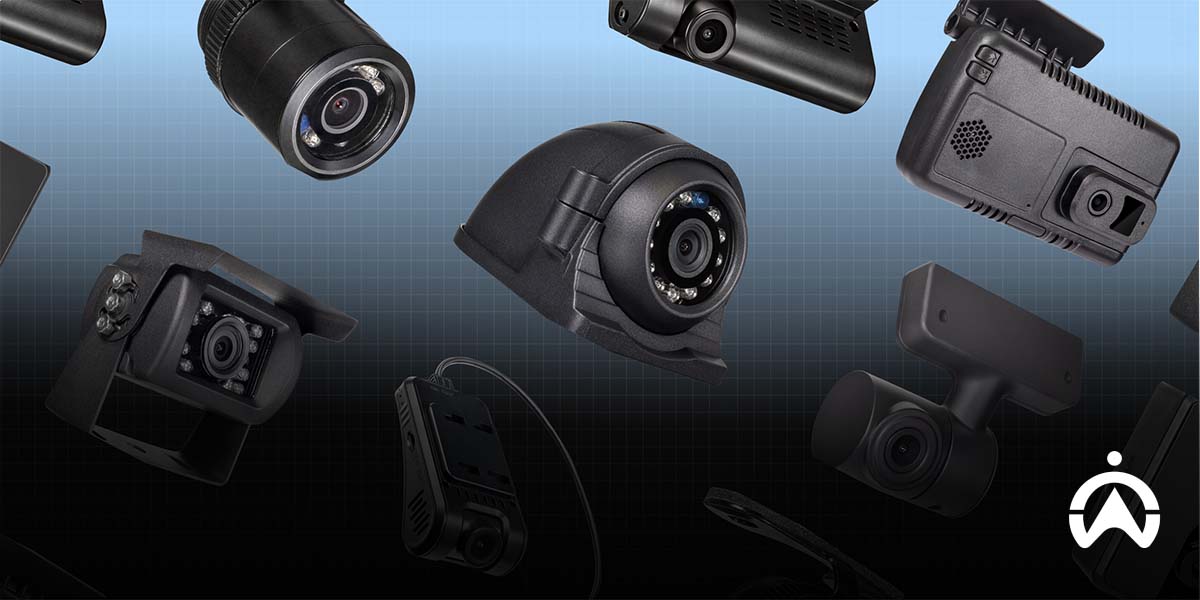
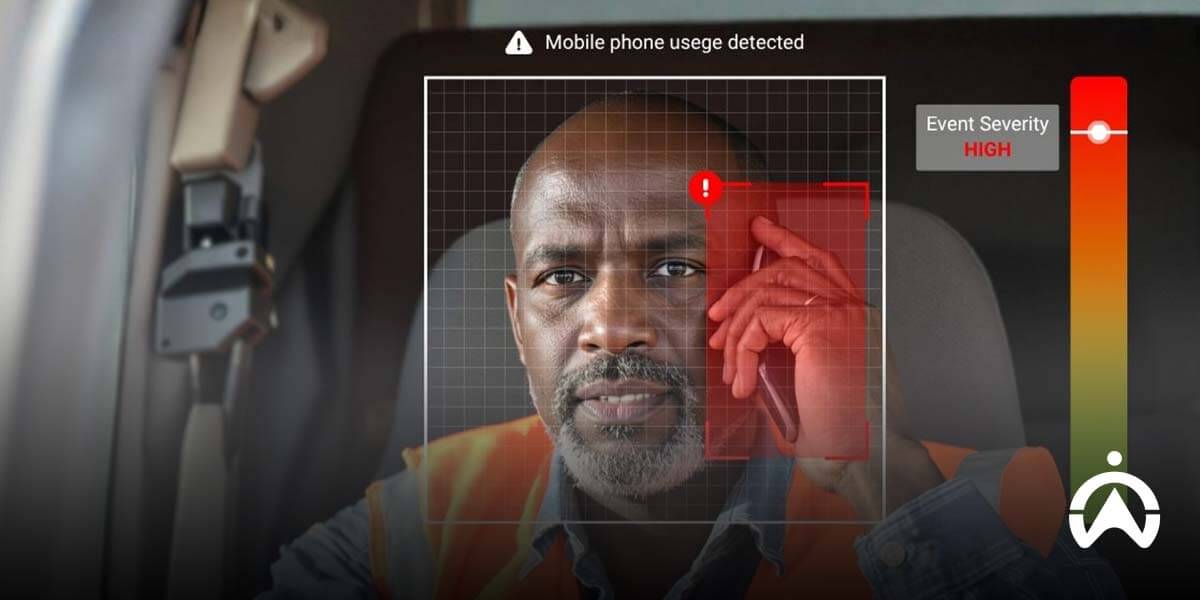
Our AI Multi Vision camera solution ensures that you see everything happening with your fleet in real-time. You can install up to eight cameras in and around your vehicles to monitor operations. You can live-stream the footage from anywhere at any time. Our in-vehicle (dashcam) cameras also identify distracted driving like drowsiness, cell phone use, and smoking. They then give audible alerts to warn drivers so they can quickly make corrections and focus.

Your trusted solution for construction fleet efficiency | Cartrack

At Cartrack, we offer our services to fleets of different kinds, including those in the construction industry. Over the years, we’ve helped many companies transform their fleet businesses for the better through our industry-specific features. With us, you’re assured smooth operations and optimal efficiency. Reach out to us and start seeing the difference!

Frequently Asked Questions

What factors contribute to successful fleet operations?

The factors that contribute to successful fleet operations are safety and compliance, driver management, and proper cost analysis. This is done effectively through fleet management software, which gives you smart solutions to better manage various aspects of running your fleet.

What skills do you need to be a fleet manager?

To become a fleet manager, you need a combination of leadership skills, financial skills, strong communication, technical knowledge, and problem solving abilities. You need to lead, be able to effectively communicate with your drivers, and motivate them towards a common vision. All while managing costs and identifying inefficiencies.

What is the biggest challenge in fleet management?

The biggest challenge in fleet management is managing the rising operational costs caused by things like fuel and maintenance. You can overcome this major challenge by investing in a fleet management system like Cartrack’s, which gives you more insight on your fleet operations. Our system helps you see what needs to be improved in order to cut down costs.

Fleet Optimisation: 9 Steps to Success

When it comes to fleet optimisation, there are 9 steps to success. These are assessing your current fleet’s performance, setting clear optimisation goals, using real-time tracking & telematics, optimising your routes and schedules, managing your drivers’ behaviours, adopting predictive maintenance, right-sizing and future-proofing your fleet, and finally, tracking your total cost of ownership.

With fuel prices constantly rising and operational costs squeezing margins, using fleet optimisation is essential for your fleet’s survival. In Malawi, many businesses are adopting fleet management and GPS tracking systems to improve efficiency, reduce fuel usage, and stay competitive. If your fleet isn’t optimised, it risks falling behind.

So, how do you take charge? How do you streamline every kilometre, every drop of fuel, and every hour your vehicles hit the road? The answer lies in nine practical steps designed for real fleets, backed by data, supported by Cartrack and proven to deliver results.

Let’s break it down.

What is fleet optimisation?

Fleet optimisation is the use of data, technology, and expert planning to get the most mileage from your fleet while keeping costs in check. It’s about more than just managing vehicles; it focuses on boosting efficiency, ensuring safety, and saving money. The goals include reducing fuel waste, minimising vehicle downtime, and optimising your fleet.

Step 1: Assess your current fleet performance

The first step before you can make improvements is to assess your fleet’s current performance. A fleet assessment gives you a baseline to compare against, so you understand exactly where inefficiencies hide—fuel, idle time, routing, or driver behaviour. Without data, you’re guessing. With data, you’re in control!

What should you measure?

Start by reviewing the metrics impacting your bottom line:

  • Fuel consumption per vehicle
  • Idle time vs. productive time
  • Driver behaviour: speeding, harsh braking, harsh acceleration
  • Route efficiency and mileage
  • History of maintenance and downtime
  • Fleet utilisation rates

Local insight

According to fleet management insights, fuel and maintenance often make up the largest portion of total fleet spending. For many fleets, these costs outweigh labour and administration. If you don’t track fuel usage and maintenance properly, your business could overspend without even realising it.

Step 2: Set clear optimisation goals

The second step to fleet optimisation success is to set clear optimisation goals. Data is great, but having a clear direction is even better. Well-defined goals help you track success and share your vision with your team. Whether you’re aiming to reduce fuel usage, cut downtime, or boost job completions, measurable objectives keep everyone accountable and motivated.

Questions to ask when setting goals

  • What does success look like for your fleet?
  • How can you reduce breakdowns?
  • How can you save between 10% and 15% on fuel costs?
  • Is productivity at the front of your mind?
  • Are sustainability and ESG reporting important?

Step 3: Leverage telematics & real-time tracking

Step three is to leverage telematics and real-time tracking. You can’t optimise a fleet you can’t see. With real-time vehicle tracking, you keep an eye on drivers, safety, fuel waste, and every kilometre travelled. This isn’t just monitoring; it’s insight that empowers you to make decisions instantly, rather than waiting for those month-end reports.

Benefits of telematics

  • Live vehicle location
  • Route deviation alerts
  • Driver behaviour monitoring
  • Idle time tracking
  • Instant alerts – theft, speeding, fuel waste
  • Precise recording of trip history & mileage.

Local insight

Malawian fleet owners face challenges like crime, poor road conditions, and rising fuel costs, making visibility of these factors essential. In fact, 75% of fleet managers agree that real-time tracking boosts operational efficiency directly.

Cartrack’s role in step 3

Cartrack gives fleet owners full visibility in real time: GPS tracking, driver behaviour monitoring, trip history, and instant alerts for fuel waste, theft, or unauthorised use. With live data at your fingertips, you’re not reacting to problems—you’re preventing them before they impact your bottom line.

Team reviewing fleet data beside vehicles to support fleet optimisation.

Step 4: Optimise routes & scheduling

Smart routing is one of the fastest ways to save money. Every unnecessary kilometre adds to fuel costs, time on the road, and vehicle wear and tear. With effective route planning, you can get the same number of vehicles to complete more jobs—and that means more profit!

Smart routing tactics

  • Group jobs by location
  • Leverage historical traffic data
  • Plan routes around delivery windows
  • Steer clear of hotspots and high-risk areas

Cartrack automates all of these processes for you with an all-in-one, easy-to-use platform! 

Local insight

Fleets can significantly reduce total kilometres travelled through route optimisation—without adding extra vehicles or drivers, simply by using smarter planning. This approach can help fleets in Malawi improve efficiency and reduce operational costs.

Cartrack’s role in step 4

Cartrack’s route optimisation tools enable dispatchers to plan the most efficient routes according to traffic patterns, client locations, and delivery windows. Jobs are assigned quickly, kilometres are reduced, and each vehicle is able to complete more work in less time without the need for adding more vehicles to your fleet.

Step 5: Implement driver behaviour management

You need to implement driver behaviour management because your drivers are your largest expense, but they’re also your best chance for improvement. Just a few small changes in behaviour can result in significant fuel savings, fewer accidents, and extended vehicle lifespans. Telematics goes beyond monitoring; it actively coaches your drivers.

Key behaviours to track and improve

When implementing driver behaviour management, these are the behaviours you need to start tracking and improving upon:

  • Harsh braking and acceleration
  • Speeding
  • Idling time
  • Gear misuse and excessive revving
  • Route deviations

The bottom-line impact

Studies have shown that a change in driving style alone can contribute to fuel consumption reductions of up to 15%. And fewer accidents mean far less unplanned downtime and fewer insurance claims.

Cartrack’s role in step 5

Cartrack’s driver behaviour analytics give you clarity into how your team performs behind the wheel—from harsh braking to speeding and excessive idling. With real data, you can coach drivers, reward good performance, and amplify road safety while cutting fuel waste.

Step 6: Use preventative maintenance

Step six is to start using preventative maintenance, so instead of waiting for things to break, you’ll anticipate them. Predictive maintenance uses data to track component wear, vehicle health, and service needs. This prevents breakdowns, extends vehicle lifespans, and keeps fleets on the road.

Don’t just repair—PREVENT!

Things you should be monitoring closely are:

  • Engine fault codes
  • Usage hours & odometer data
  • Brake wear
  • Tyre health
  • Battery performance
  • Service intervals

Cartrack’s role in step 6

Cartrack’s software automatically monitors odometer readings, fault codes, battery health, and service intervals—so you know exactly when a vehicle needs attention before it breaks down. This is achieved through predictive AI, which gathers and analyses the data in real-time, and then it provides an understanding of the equipment’s current condition.

So rather than you having to react to repairs, you can schedule maintenance earlier and reduce unplanned downtime across your fleet.

Step 7: Rationalise fleet size & structure

When it comes to rationalising your fleet size and structure, it’s important to remember that not every vehicle belongs in your fleet. Some are overused, some are underutilised and some are simply not the right fit. Right-sizing ensures your fleet matches demand at the lowest possible cost with the best possible performance.

Right-sizing your fleet

When it comes to right-sizing your fleet, these are the factors you’ll need to consider:

  • Utilisation rate per vehicle
  • Total cost per kilometre/TCO (total cost of ownership)
  • Depreciation versus replacement
  • Vehicle lifecycle (age, resale value)
  • Leasing versus owning
  • EV readiness and sustainability goals

Local insight

Operating the incorrect vehicle type under challenging SA conditions results in more repairs, fuel wastage, and downtime. The right vehicle is not always the cheapest; rather, it’s the one with the best total cost of ownership.

Cartrack’s role in step 7

Cartrack reports identify underperforming vehicles, overworked assets, and true cost per kilometre for every unit in your fleet. These help inform decisions relating to replacements, leasing options, and asset rotation—ensuring every vehicle delivers real ROI.

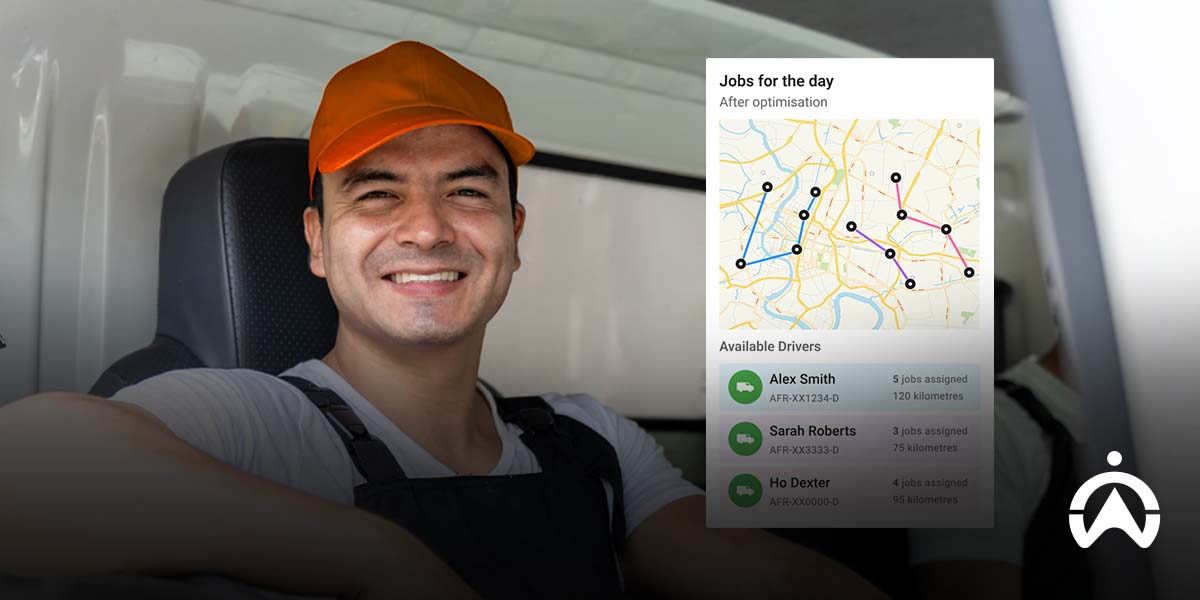
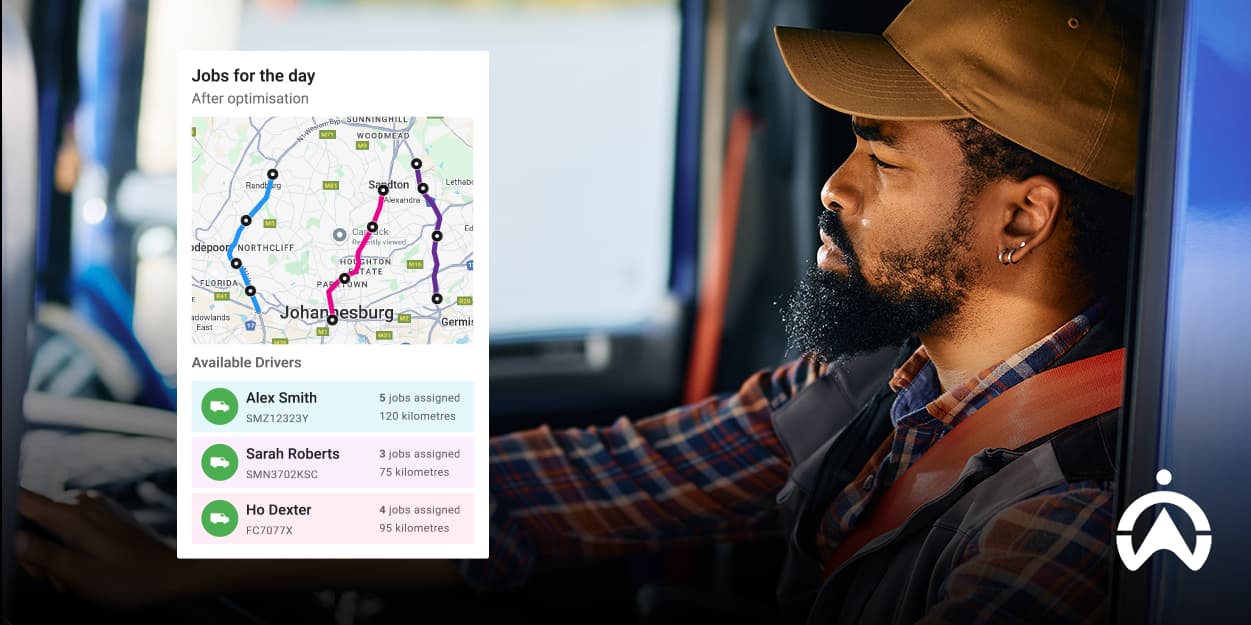
Delivery driver viewing optimized jobs interface for fleet optimisation.

Step 8: Track total cost of ownership (TCO)

Step eight requires you to track the total cost of ownership. Remember, fuel alone doesn’t paint a complete picture. TCO follows every single cost associated with every asset over its lifetime—from fuel to insurance to admin to downtime. This helps managers decide which assets to retire, which to keep, and which to invest in next.

What should be included and considered?

To track the TCO, include:

  • Fuel and maintenance
  • Depreciation
  • Insurance
  • Tyres
  • Licensing and admin
  • Accident costs
  • Downtime

Direct costs make up about 80% of total TCO:

  • Depreciation/Leasing: 35–45%
  • Fuel/Energy: 25–35%
  • Maintenance/Repairs: 10–15%
  • Insurance: 8–12%
  • Tires: 3–5%

Indirect costs account for 20%:

  • Corporate Vehicle Tax (TVS): 2–8%
  • Administrative management: 2–4%
  • Downtime due to accidents: 1–3%

Cartrack’s role in step 8

Cartrack brings all the necessary cost data—fuel, maintenance, driver behaviour, downtime, and utilisation—onto one platform. With precise TCO reporting per vehicle, you instantly see which assets are profitable and which are draining your budget. That’s how smart investments get made!

Step 9: Plan for sustainability & future growth

Lastly, you need to plan for sustainability and future growth of your fleet. Sustainability isn’t just an ESG box to tick; all over the world, it’s increasingly tied to profitability and customer expectations. Malawi is only gradually moving toward greener fleet operations, and businesses that prepare now will benefit later.

Green fleet strategies

  • Assess EV readiness (duty cycles, range, charging infrastructure)
  • Use telematics to measure CO₂ emissions or fuel efficiency improvements
  • Replace inefficient assets
  • Use data for ESG reporting
  • Track fuel-efficient patterns.

Why it pays off

There’s an increased trend by customers to favour those suppliers that have a sustainability strategy. Companies that get ready now will be better placed to win contracts and achieve higher scores in tender evaluations over the coming years.

Your fleet’s future starts now

Fleet optimisation doesn’t need to be a complete overhaul right from the get-go. Sometimes it’s as simple as improving just one metric, one route, one driver, or one vehicle. But as the data starts telling its story, you’ll see even more opportunities month after month on how to save money, improve, and grow.

The simple truth is this: the answers are already there in your fleet. The data is available. Your next step is to collect, analyse, and act on it.

Ready to optimise your fleet?

Start with a fleet audit, or speak to our team at Cartrack that works with Malawian fleets every day!

FAQs

What is the difference between fleet management and fleet optimisation?

The difference between fleet management and fleet optimisation is that fleet management focuses on daily operations like keeping vehicles running, drivers compliant, and routes assigned. Whereas fleet optimisation uses data, automation, and insights to enhance performance, cut costs, and boost efficiency across the whole fleet.

Can small or growing businesses benefit from fleet optimisation, or is it only for larger fleets?

Yes, small or growing businesses benefit from fleet optimisation. Smaller fleets can generate valuable data that reveals fuel waste, poor routes, and idle time. With scalable tools like Cartrack, small businesses can start optimising operations early on, growing smarter without overspending.

How do you calculate ROI on fleet optimisation technology like telematics and AI tools?

You can calculate ROI on fleet optimisation technology like telematics and AI tools by comparing your operational costs before and after implementation. Look at the savings from reduced fuel use, fewer breakdowns, lower insurance claims, and boosted productivity. Subtract your tech investment from those gains, and you’ll see your return on investment.

AI-Powered SaaS Solutions for Your Fleet

AI-powered SaaS (software as a service) solutions for your fleet are the best way for you to transform how you run it. SaaS lets you access software online through a subscription, meaning you no longer have to worry about managing complex software and hardware. Avoid hefty upfront costs. Instead, get scalable tools and immediate access to AI-powered automation and insight.

The numbers don’t lie: a recent report shows that 52% of fleets are convinced that predictive maintenance with AI can cut down vehicle downtime. This shows not only the trust fleet managers have in AI-powered SaaS solutions, but also exactly how they save you time on admin tasks, make your drivers safer, and help you make more informed decisions.

In this blog, you’ll get a clear picture of what AI-powered SaaS tools can do, whether they provide value for your fleet, and why Cartrack is the number one SaaS provider.

What makes a SaaS platform “AI-powered” today?

What makes a SaaS platform ‘AI-powered’ today is the implementation of machine learning and automation processes. Trying to manage fleets using manual techniques and spreadsheets makes operations almost impossible to control, highlighting the need for AI influence in SaaS. This is what takes the complexity out of daily tasks and insights.

AI-optimised SaaS tools don’t just show data; they interpret and take action using those insights. This feature is crucial for busy fleet managers who are already balancing heavy workloads, cost issues, and regulatory demands.

Look at how AI-powered SaaS improves fleet management:

  • Continuous, automated optimisation: The system takes note of all driving patterns and the way each vehicle operates so that it can recommend proactive maintenance alerts or general trigger notifications.
    ‍
  • Real-time data processing: Features like GPS tracking and driver events are analysed in real time, not being delayed or processed at a later stage.
    ‍
  • Intelligent automation: Tasks and reports are managed automatically, which means there’s less chance of human error, and processes like scheduling or maintenance reminders are easy and efficient.
    ‍
  • Predictive and preventative functions: The AI part of SaaS uses its smart capabilities to predict when a vehicle might need maintenance—before expensive downtime or dangerous incidents happen.

Why are fleets turning to AI-driven SaaS solutions now?

Fleets are turning to AI-driven SaaS solutions now because managers are facing immense pressures every day, from the rising fuel prices and servicing costs to compliance and safety. It’s a necessary tool, especially if you’re looking to tackle these challenges in the most efficient way.

AI-powered solutions are your key to shifting from reactive to proactive decision-making, with the backing of collected insights and data. Additionally, SaaS, being a cloud-based tool, makes it a powerful and accessible solution for businesses of all sizes. The technology is business-grade, doesn’t need intense setup, and has a subscription model that’s perfect for your fleet.

Are AI-powered SaaS tools difficult to adopt?

No, AI-powered SaaS tools aren’t difficult to adopt; in fact, that’s a popular myth. These tools are quite simple and should be user-friendly if implemented correctly and strategically, with the help of a little onboarding. Unlike traditional software, you’ll notice quicker adoption, automatic updates, less admin hassle, and no need to get used to the tech before reaping the benefits.

Today’s AI SaaS tools offer some of these:

  • Cloud-based access: You don’t really need a major installation, so access from your laptop or smartphone is quick and easy.
    ‍
  • Plug-and-play hardware: Again, no major installation, so fitments are quick and immediately connect to the software.
    ‍
  • Simple dashboards: Notifications come in on time and are clearly reflected on the dashboard.
    ‍
  • Integrated onboarding and support: No need for IT specialists just to get the ball rolling. Your provider should offer you training and onboarding, with regular ongoing training.
Driver viewing jobs and routes on screen powered by AI-powered SaaS solutions.

Core functions of an AI-powered fleet SaaS platform

Core functions of an AI-powered SaaS platform include smart routing and dispatching, downtime prevention, and automation. It’s so much more than just tracking vehicles or storing data. Combining these tools helps fleet teams operate more swiftly and more accurately.

Here are the main functions that make AI SaaS stand out in everyday fleet operations:

Automated operational insights

Traditional systems might only tell managers what’s already happened, but AI-powered SaaS systems show you what’s happening right now and what really deserves your attention. The system learns what risks matter most to your fleet so you’re not bombarded with alerts.

  • It highlights operational obstacles as they happen
  • It prioritises issues from most urgent to least, so you can prioritise

This means less time putting out fires and more time for planning for the next potential crisis.

Predictive maintenance and downtime prevention

Rather than taking a one-size-fits-all approach to maintenance, use real data on your vehicles to signal when they need attention. This way, you can fix what truly needs fixing at the right time, which saves you money.

  • It helps you avoid unnecessary repairs by spotting potential issues early
  • It makes your servicing schedules more efficient and effective

All of this leads to fewer accidental breakdowns and a more productive, longer lifespan for your vehicles.

Smart route planning and dispatching

AI draws on live insights to create smart routes that consider everything: fuel efficiency, customer priorities, driver habits, and the type of vehicle you’re using. This means realistic routes that align with your operational goals.

  • Routes get updated automatically if there’s a delay
  • It simplifies job dispatching with automated workflows

Deliveries are smoother, faster, and more cost-effective.

Driver performance intelligence

AI systems enable you to coach drivers more objectively and proactively, looking at trends and suggesting improvements based on actual insights and event-based feedback.

  • It helps you identify potential problems early, reducing the chance of accidents
  • It supports coaching with actual data, ensuring no one gets treated unfairly

This results in fairer performance oversight and fewer insurance claims.

Intelligent cost control

Prices are constantly on the rise, meaning you need more than just a record of your costs. It’s important to understand what’s driving expenses up and how to tackle them. AI systems track your spending and give you a forecast of when your budget might tighten.

  • It flags avoidable costs, like idling or vehicle misuse
  • It provides a forecast of your fuel and maintenance spending based on current patterns

In the end, this moves your fleet budgeting from reactive to a proper, prepared strategy.

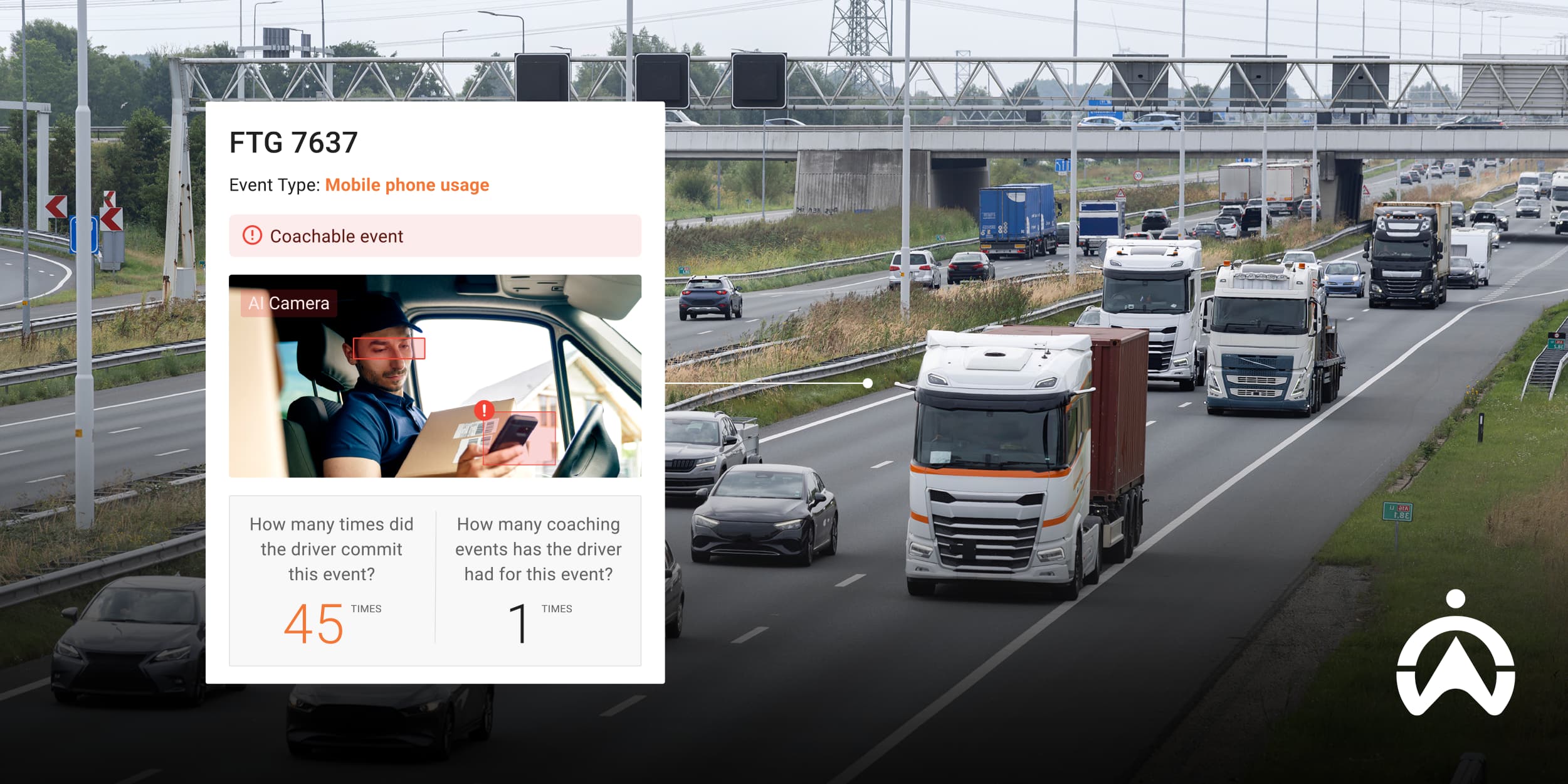
Dashboard showing driver phone usage data powered by AI-powered SaaS solutions.

Choosing the right AI-powered SaaS platform for your fleet

Choosing the right AI-powered SaaS means looking at key features that include user-friendliness, clear pricing, and smooth integrations. The focus should be to look beyond just the dashboards and data exports, and focus on whether the system actively helps you run a safer, more efficient, more profitable fleet.

The right system should focus on these features:

  • Data accuracy: Accurate data collected from the vehicles is the only way to ensure reliability in insights and automation.
    ‍
  • Ease of use: The best platform should be simple to navigate with minimal training and no need for internal IT personnel.
    ‍
  • Depth of insights: Insights should be interpreted, not just data presentation, or just showing numbers.
    ‍
  • Integrations: Your AI SaaS should be compatible with other third-party systems, like payroll systems.
  • Local support : Support that’s specific to your region is key, especially in the case of an emergency. Hands-on expertise is the way to go.
    ‍
  • Transparent pricing: The costs should be very clear from the start, with no surprises or hidden fees.
    ‍
  • Security and uptime reliability: As the platform runs in real time, keeping data safe and ensuring stability are crucial for smooth operations.

FLOWCHART: “Is this AI-SaaS platform right for my fleet?”

Use these questions and the accompanying flowchart as a quick checklist when evaluating vendors. If your answer doesn’t move you forward, the platform may not be the right fit.

Step 1: Does it offer live insights, not just delayed reports?
→ If no, it’s outdated. If yes → Step 2
‍

Step 2: Does it automate tasks you currently do manually?
→ If no, limited value. If yes → Step 3
‍
Step 3: Can it adapt to your fleet growth and industry needs?
→ If no, consider alternatives. If yes → Step 4
‍

Step 4: Does it include strong risk, cost, and compliance features?
→ If yes → Suitable platform.

Why Cartrack offers a stronger AI-powered SaaS experience

Cartrack offers a stronger AI-powered SaaS experience because it’s a game-changer, offering a fully connected system that delivers results without the need to juggle multiple suppliers. At Cartrack, we combine precise telematics, smart predictions, and automated workflows into one tidy platform, giving you the tools you need to reduce risks and simplify daily tasks.

It’s all about reaping real benefits. Cartrack offers local expertise and a 24/7 service team with continuous support and quick responses to tech issues, meaning you won’t be left waiting for help from a distant call centre.

By choosing a single platform that covers everything, businesses skip the trouble and costs of cross-platform confusion and duplicated work. With Cartrack, your fleet can get a reliable and holistic system that evolves with you, ensuring smarter business decisions without the extra stress.

Final takeaway

AI-powered fleet SaaS isn’t just a distant dream; it’s transforming businesses today. Companies using these tools gain a competitive edge with lower costs, reliable vehicles, safer drivers, less paperwork, and smarter decision-making.

As a potential partner, Cartrack can provide you with an all-inclusive AI SaaS platform with reliable data accuracy and measurable outcomes. We provide the essential tools that genuinely elevate a business from good to great.

See how AI insights can save you time, fuel, and admin. Make smarter fleet decisions and try Cartrack’s platform now.

FAQs

What is the 3-2-2-2 rule of SaaS?

The “3-2-2-2” rule of SaaS refers to a handy guideline or growth model for businesses, suggesting how to maintain healthy growth. The model suggests the following: triple your revenue for two years, then double it for three. This model was created in the hopes that a business with a solid grounding could grow immensely within 5–7 years.

Does using AI-driven fleet software require technical skills?

No, using AI-driven fleet software doesn’t require technical skills. Modern AI-powered fleet SaaS platforms are built for everyday users, with intuitive interfaces and plug-and-play abilities. Most staff should be able to figure these systems out without needing to call IT; onboarding support and training are usually part of the package.

Can AI-powered SaaS integrate with my existing business systems?

Yes, AI-powered SaaS can integrate with your existing business systems, including maintenance schedules, ERP or payroll systems, and other tools. This integration makes workflows smoother, as you won’t need to juggle separate apps or process data manually.

Fleet Benchmarking: How to Really Measure Performance

To really measure performance in fleet benchmarking, you need to spot key KPIs (key performance indicators), collect that relevant information, and compare it to top benchmarks so you can pinpoint the gaps that need attention. This isn’t just about checking off items on your business to-do list; it’s about significantly growing and evolving your business in ways that matter.

Fleet benchmarking is the best way for you to ensure that your business stays competitive. You won’t put out fires as they happen, but prevent them from happening altogether. This shows that older fleets can impact performance metrics.

In this blog, we’ll guide you through how fleet benchmarking really measures performance, how to spot the actionable gaps, and how Cartrack can make staying competitive a breeze for your business.

What successful fleets get right about measuring performance

Fleet benchmarking is comparing your fleet’s performance metrics with industry standards or similar fleets to spot areas for improvement. They reach success by using insights to make smart business decisions that strike a balance between KPIs and business goals. This is how you move from guessing to knowing exactly how your business operates.

Fleet benchmarking measures business performance by looking at metrics such as maintenance costs, fuel use, and driver behaviours, then comparing them against best practices. Think of it as comparing your lap times to the top drivers on the track: you can only improve your speed once you know who’s leading and by how much.

There are two types of fleet benchmarking:

  • Internal benchmarking checks how different parts of your operations (like vehicle types or regions) are performing against each other to identify the best practices within your own team.
    ‍
  • External benchmarking takes a broader view, comparing your performance to other fleets or industry standards to see where you stand.

Why should fleets benchmark performance?

Fleets should benchmark their performance to stay competitive and consistently perform to the best of their ability. Fleet benchmarking is the simplest way for you to commit to remaining accountable, attentive, and proactive for the sake of your business.

Accountability is driven by setting realistic targets that encourage staff to look at their performance and improve where possible. This kind of transparency can be uplifting while also motivating you and your staff to practise more responsible and productive behaviours at work.

Benchmarking also encourages data-based decision-making. When you have the facts at hand, you can be confident that the improvements you want to implement (i.e., optimising routes or scheduling preventative maintenance) will actually strengthen your business’ productivity.

What does an effective fleet benchmark measure?

An effective fleet benchmark measures metrics that directly influence customer service, expenses, and performance.

These are some of the key metrics:

  • Maintenance and downtime: Preventive maintenance means fewer unexpected breakdowns and expensive downtime.
  • Driver behaviour and safety scores: Focusing on safe and responsible driving means fewer accidents and better insurance premiums.
  • Vehicle usage and route efficiency: Optimising routes and using assets effectively means there’s no idling or wasted assets.
  • Compliance and law adherence: Sticking to the law and regulations means you’re not paying hefty fines and damaging your business’ name.

Here’s an example of good vs bad benchmarking:

  • Good benchmark: Driver safety scores consistently above 90%, with low instances of aggressive driving habits. There’s evidence of consistent risk management.
  • Poor benchmark: Safety scores below 75% with regular harsh events. There isn’t much evidence of feedback or coaching.

Example of a fleet benchmarking scorecard

Picture your fleet benchmarking scorecard as a ‘report card’. With this in mind, consider this example:

  • Fuel economy: B– (MWK 85.20/km vs MWK 73.70/km benchmark)
  • Utilisation: C+ (68% vs 80%)
  • Driver safety: B (82% vs 90%)
  • Downtime: C (14 vs 8 days)

💡 TOP TIP TO REMEMBER: Think of industry benchmarks as a compass, rather than a GPS. It points you in the right direction, but it’s ultimately up to you to chart the course that best suits your fleet’s needs. Just like in school, the goal isn’t perfection; it’s progress.

Two professionals reviewing fleet performance data to illustrate fleet benchmarking.

What are the four stages of fleet benchmarking?

The four stages of fleet benchmarking are planning & defining objectives, collecting data, taking action and implementation, and reviewing & monitoring. Fleet benchmarking is most successful when there’s a solid structure to the process. Every new change builds on the last, turning that valuable data into the next big business improvement.

These are the four steps of the process:

  1. Planning and defining objectives: Define what you’re benchmarking and why. You want the goals you set to be realistic and beneficial to your business, so identify the KPIs that align with long-term growth.
    ‍
  2. Data collection: Once you’ve set your goals, collect all the necessary information from reports or your fleet management platform. Remember, the more accurate your data, the better the bigger picture will be. From there, you can clearly see patterns and gaps in performance.
    ‍
  3. Taking action and implementation: Spot those gaps and then create a plan of action. For example, if high fuel spending is the problem, route optimisation or driver training could be the solution.
    ‍
  4. Review and monitoring: Fleet benchmarking is an ongoing process. Reviewing and monitoring are how your business stays competitive in this ever-changing market. Doing this creates a culture of continuous improvement in your business.

Common mistakes to avoid when benchmarking

The common mistakes to avoid when benchmarking include benchmarking without context, monitoring useless data, not taking action, and ignoring consistent updates. You could put all the effort into fleet benchmarking, but if you’re doing it wrong, your efforts could be futile.

Keep these errors in mind to avoid slowing down progress:

  • Benchmarking without context: If you compare your fleet incorrectly, i.e., to the wrong industry or region, then the results could be wrong or confusing. Always benchmark with the right context in mind and compare against the right industry, fleet size, etc.
    ‍
  • Overloading on metrics or tracking unimportant data: Tracking too much information can drown out the relevant data. Always focus on which metrics or KPIs you need to track for business growth.
    ‍
  • Not acting on insights: Collecting the necessary information but not doing anything with it leads to wasted efforts. After gathering data, the next step is to use that information to implement the necessary change. Create a plan of action to address those business gaps.
    ‍
  • Ignoring ongoing data validation or updates: Over time, data accuracy becomes outdated. Old figures, inconsistent reports, and unverified sources can steer you towards poor business choices. Regularly check your insights and update your benchmarks to match your fleet’s current performance and trends.
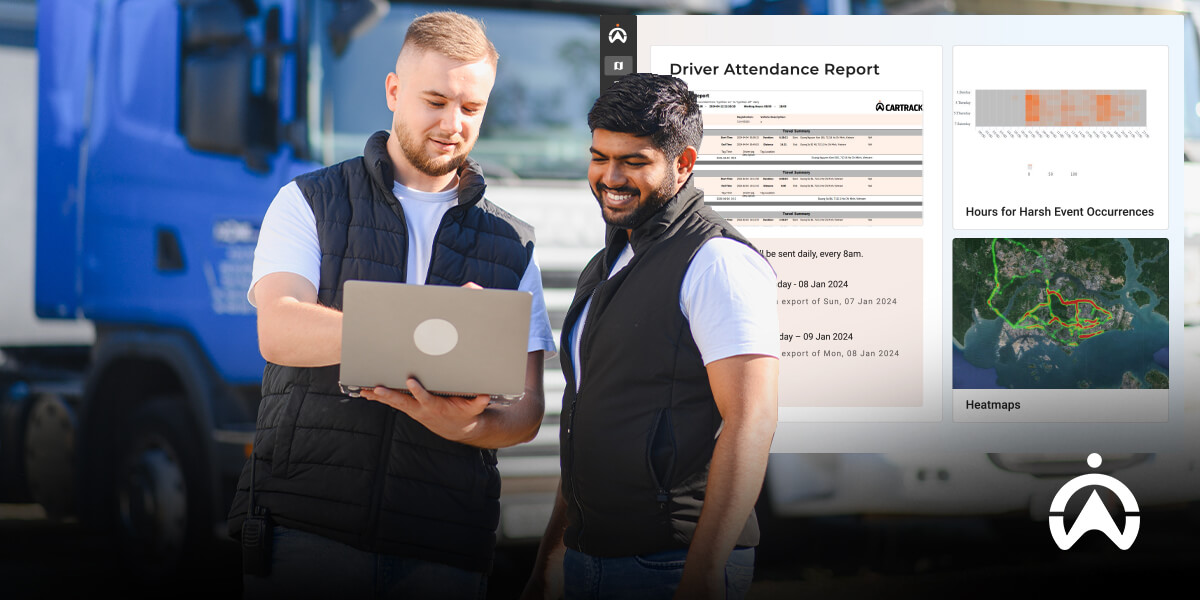
Team reviewing driver attendance report by truck for fleet benchmarking.

How Cartrack simplifies fleet benchmarking

Cartrack simplifies fleet benchmarking by providing you with all the insights you’d need to do so. As we’ve discovered, benchmarking is only as effective as the strong and accurate insights behind it. With Cartrack, you get a smart and straightforward platform to track, compare, and take action with total confidence.

Here’s how we stand out:

  • Data visibility: You have a complete overview of all the information you’d need on Cartrack’s FleetWeb platform. Every aspect of your fleet is covered, from fuel consumption and driver habits to maintenance. This makes it that much easier to spot those ever-elusive business gaps.
    ‍
  • Custom reports and KPIs: FleetWeb has automated reports that you can customise to make reviews a simple task. You can gather whatever information you need without worrying about doing it all manually.
    ‍
  • Driver behaviour analytics: We know how important safety is to your fleet productivity, which is why we have driver monitoring and scorecards on offer. You can coach the drivers needing help, reward those who are practising safe habits, and introduce incentives for all.
    ‍
  • Simplified and automated information: Cartrack takes the hassle out of collecting data. Automation means you don’t have to spend hours looking over numbers, and you can quickly and confidently get to implementing the changes you need to raise productivity.

Final takeaway

Fleet benchmarking is the key to your business’ lasting success and constant improvement. The fleet industry is an ever-evolving one, meaning costs are constantly rising, customer demands are growing, and the need to have full visibility is weighing heavily.

Fleet benchmarking is how you can gain all the knowledge at hand and stop speculating about how your fleet compares. Cartrack can make this process that much simpler for you, providing accurate and automated data you can turn into a valuable business advantage.

Are you ready to benchmark smarter and consistently outperform? Book a demo and let us show you how your fleet really performs.

FAQs

How often should a fleet be benchmarked?

A fleet should be benchmarked at least once a year, although it can be every quarter if you’d prefer something more regular. This can also depend on how rapidly the market is growing. Regularly reviewing benchmarks keeps your data updated and your business goals in line with your plans for regular improvement.

Can small fleets also benefit from benchmarking?

Yes, small fleets can benefit from benchmarking. Growth and development aren’t reserved for bigger businesses, and smaller businesses can also make the most of their resources. Through benchmarking, smaller operations can cut costs, increase vehicle longevity, and improve driver performance, without needing a massive team or fancy infrastructure.

How do I know which fleet benchmarking metrics are most relevant for my business?

You can know which fleet benchmarking metrics are most relevant for your business by seeing which ones impact your profits the most. Driver habits and CPK (cost per kilometre) are examples of some key metrics. It ultimately depends on what you’ve defined as your core objectives.

How long does it take to see the results of fleet benchmarking?

It typically takes several months before you start seeing tangible results from fleet benchmarking, but you could even be seeing results in a few weeks. The results that reflect quickly are usually from metrics like driver coaching or fuel management.

Fleet Maintenance Management Software: Run Your Fleet Smarter

Fleet maintenance management software helps you run your fleet smarter by making it easier to monitor vehicle upkeep. Gone are the days when you had to manually check for everything related to the health of your fleet of vehicles. With fleet maintenance management software, you’ll receive reminders of service dates and early warnings of faults in your vehicles.

The Fleet Maintenance Software market is currently showing fast growth as more companies seek ways to simplify their operations, save costs, and remain compliant. According to Verified Market Research, the Fleet Maintenance Software Market size was valued at USD 31.98 billion in 2024 and is projected to reach USD 14.08 billion by 2032.

With that said, let’s get into how you can use our maintenance software to handle your fleet vehicle health more easily.

Why fleet maintenance management software makes running your fleet a lot easier

Fleet maintenance management software makes running your fleet easier by giving you detailed information on the health of your fleet so you can plan ahead. Fleet maintenance is often overlooked, as managers are always pushing to meet client expectations. It’s easy to forget about service dates and checking for vehicle faults when your main focus is meeting deadlines.

To put things into perspective, let’s get into how a regular workday goes for a fleet manager who uses maintenance software vs. when he doesn’t. His name is Themba, and he runs a fleet of 80 delivery trucks.

A day in the life of a fleet manager who runs a business without maintenance management software

Morning:

Themba normally starts his day by checking his emails and responding to urgent matters. He then goes through a pile of paperwork, checking driver logs. Thereafter, he goes through different spreadsheets to view past vehicle service records and see which trucks are due for maintenance.

Themba thought this would be quick, but it ends up taking him hours, as there are some missing dates which require him to go back and forth between spreadsheets and other documents.

Afternoon:

By midday, Themba is already behind schedule. He starts receiving calls from drivers. During these calls, he finds out that three trucks have broken down and the drivers need urgent help. From there, Themba needs to organise repairs and also let clients know that their deliveries will be late. He also needs to go back to the spreadsheets and make changes as more vehicles are unavailable.

End of day:

Dealing with these sorts of delays is what puts Themba further behind schedule and results in his time being wasted sorting out the costs of the repairs and rescheduling vehicles for deliveries. Themba didn’t complete his task for the day. His reactive fleet maintenance tendencies leave him stressed out and having no time to plan ahead. This wouldn’t have happened had he invested in fleet maintenance technology.

A day in the life a fleet manager who uses maintenance software

If Themba were to invest in fleet maintenance management software, this is what his day would be looking like instead:

Morning:

Themba logs into a fleet management platform and checks for service reminders. He can see which trucks need to go in for servicing. He then plans upcoming delivery schedules based on the knowledge he just gained, making sure he only books deliveries based on the number of cars that will be available on each day.

Afternoon:

During the day, Themba checks in on vehicle health data just to ensure everything is okay. He notices alerts of worn-out brake pads for two vehicles. He then calls his mechanic to schedule replacements before they get worse and cause accidents. Themba then updates delivery schedules.

End of day:

Themba reviews cost and downtime reports through the fleet management dashboard and shares this information with other managers. He then updates compliance records based on the information received and starts planning his tasks for the next day. Themba feels more confident in his role, because he’s always in the know when it comes to his fleet and is hardly ever blindsided.

How smart maintenance software makes all the difference

Smart maintenance software helps keep everything on schedule by keeping you in the loop with everything related to the health and safety of your vehicles. This is done through:

  • Automatic scheduling
  • Preventative maintenance
  • Detailed insight

Paired with regular vehicle inspection, this software gives you a fleet that runs smoother.

Here’s how this software makes the difference:

Automation that keeps everything on schedule

You can import your fleet’s service date schedule as per the manufacturer’s requirements onto your fleet management system. This creates automatic service scheduling and ensures that you get reminders while checking on other fleet reports, so you don’t miss dates.

Predictive maintenance that prevents downtime

Predictive maintenance happens through the power of CANBus technology. CANBus is a digital language that enables vehicle parts to communicate with each other. Through this, they can share information on how vehicles are performing. CANBus helps you get early warning signs of issues with vital vehicle parts like the engine. When these issues are detected early, you’ll be able to prevent a breakdown from happening.

Insight that drives better decisions

With fleet maintenance software, every maintenance activity and cost is automatically recorded. This results in detailed reports that show you trends. For example, you’ll start to notice if the same vehicle is always going for repairs, which could indicate that it’s being used more than others. You can then use this information to see how you can equally rotate vehicles. Vehicle maintenance data helps you stick to the budget and see what consumes more money.

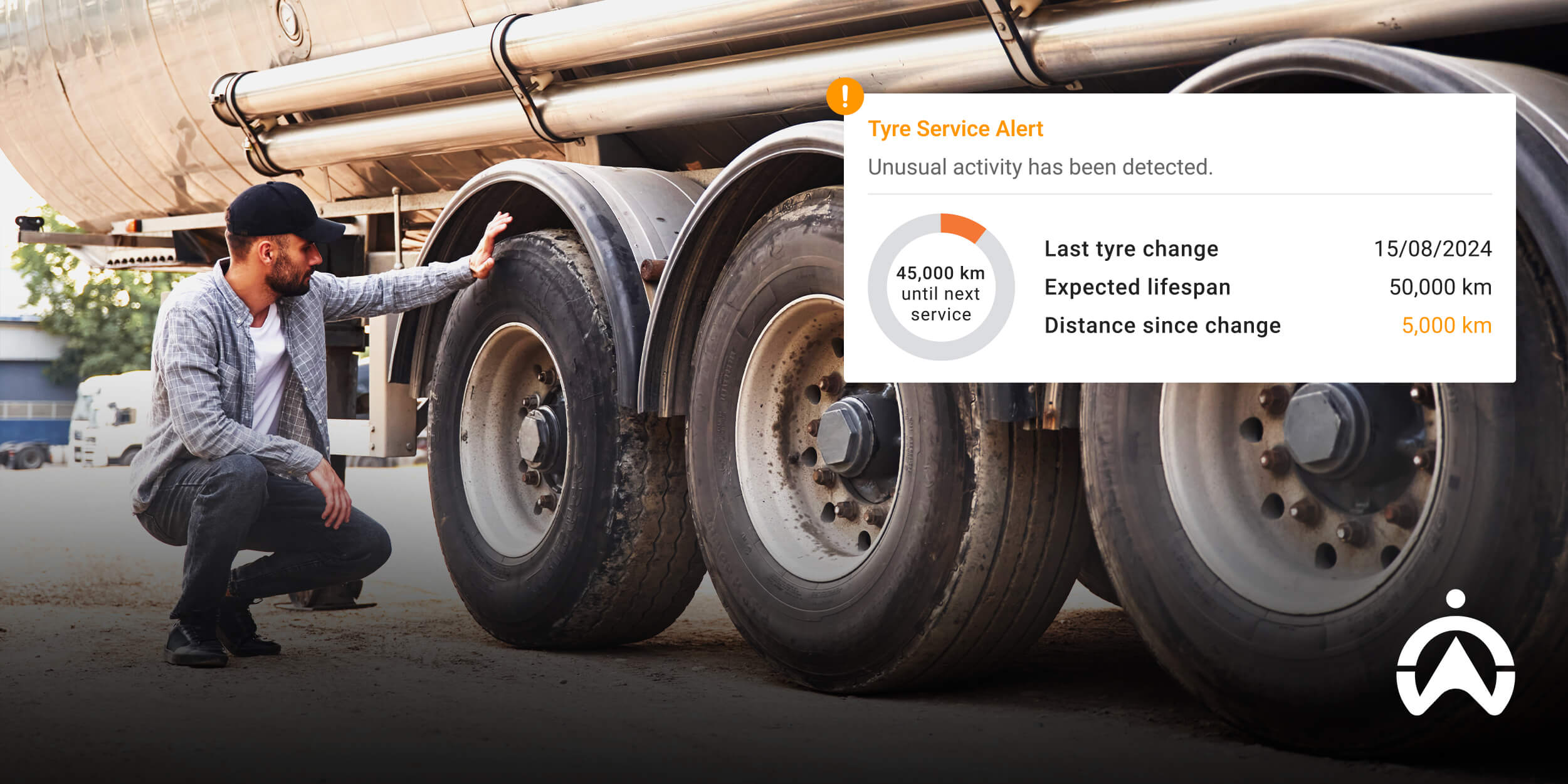
A person inspecting vehicle tyres with service alert supported by fleet maintenance management software.

The not-so-obvious advantages of using fleet maintenance software

The not-so-obvious advantages of using fleet maintenance software include improved:

  • Driver safety
  • Reliability
  • Customer satisfaction
  • Team efficiency

Keeping your vehicles in top shape improves your overall daily operations and gives you more time to focus on other important matters. It also ensures that your business adheres to compliance laws, saving you from heavy fines.

Driver safety

Vehicles are less likely to fail on the road if they’re well maintained. Things like failed brakes, lights that don’t work, or worn-out tyres lead to accidents. Fleet maintenance software ensures that your vehicles are always roadworthy, helping you meet compliance requirements.

Operational reliability

With fleet maintenance management software, your deliveries and schedules will stay consistent. You’ll know of all upcoming service dates and plan your delivery schedules based on the number of vehicles that’ll be available on that day. This makes your business more trustworthy, improves customer satisfaction and reduces service disruptions.

Sustainability

No one wants to buy a vehicle that won’t last long, especially if it’s for business purposes. Through fleet maintenance software, you reduce the need to get new vehicles. Your current vehicles will run cleaner and therefore last longer, giving you a better return on investment.

Team efficiency

With this software, you’ll hardly ever get a call about emergency repairs. Your things will go according to plan most of the time. Your team will be more efficient and productive, leaving you with less to worry about.

Case study: How Concord Cranes uses the Cartrack system for maintenance

Concord Cranes is a company with a fleet of over 180 cranes. They’re based in Midrand but offer crane hire solutions across South Africa and the continent. They specialise in loading, transporting and relocating abnormal loads using their cranes and expert rigging systems.

Concord’s main challenge was that they couldn’t accurately record the number of hours each crane worked daily, which made it hard to know when they needed maintenance. This negatively affected client deliveries, as they couldn’t give their cranes for hire without being sure that they were well maintained and safe to use.

How we helped them:

  1. Specialised power take-off sensors
    Using the Cartrack specialised power take-off sensors, Concord Cranes can monitor their cranes’ on-site working hours and track mileage, as well as the specific equipment used. This sort of data makes it easier for them to see the condition and usage of their cranes, helping them make more informed decisions.
    ‍
  2. Preventative maintenance features
    Our very handy preventative maintenance features help Concord with cutting down costs by reducing the number of cranes that need maintenance because of unexpected breakdowns. This also reduces downtime as they now plan ahead for servicing.
    ‍
  3. Improved reliability
    Through these preventative maintenance measures, Concord Cranes has improved their relationship with their clients. They’re more reliable and efficient. Their ability to plan ahead makes it easier for them to see which cranes will be available on which day, ensuring they never disappoint their customers.

“Using Cartrack’s advanced fleet management, we have been able to increase our operational efficiency to deliver a better service to our customers, as well as effortlessly establish a maintenance cycle that reduces our costs and increases our fleet longevity.” | Gareth Langley, Concord Cranes operations manager.

Beyond technology—the basic vehicle maintenance skills every fleet driver should have

The basic vehicle maintenance skills that your drivers should have include:

  • Checking for essential fluids
  • Checking tyre pressure
  • Understanding warning lights
  • Making minor repairs

Together, these skills help further prevent sudden breakdowns, because your drivers will play their part in maintaining vehicle upkeep.

Most of these tasks can be done before a trip, but drivers should pay attention to these components throughout the day. Here’s a detailed breakdown:

Checking and replacing fluids

Your drivers must know how to top up essential fluids like the engine oil, brake fluid, and coolant. Checking and replacing these fluids prevents engine damage and makes sure that critical vehicle components work properly.

Monitoring tyre pressure

When tyres lose air, they lose their grip, which results in an increase in braking distance. It also damages the tyres and increases fuel consumption. Tyre pressure should be checked weekly for fleet vehicles because of their high mileage. Your drivers should also check if the tyres are cold before starting a trip, as temperature changes can affect tyre pressure readings.

Identifying warning lights

Do your fleet drivers know what the warning symbols on their dashboards mean? Well, that’s another thing you should look into. A recent survey shows that only 7% of drivers feel confident identifying dashboard warning lights. Understanding these symbols is key to proactive vehicle maintenance, driver safety, and the safety of the public.

Performing minor repairs

Minor repairs include things like replacing windscreen wiper blades, jump-starting a battery, and changing tyres. Not every repair requires a mechanic, and knowing how to do it yourself can save time, which may result in deadlines still being met on time.

For example, if it rains and your driver notices that the windscreen wiper blades are in a bad condition, your driver can make a quick stop, replace them, and continue with the trip instead of waiting for someone else to do it.

Woman reviewing vehicle maintenance dashboard powered by Cartrack fleet maintenance management software.

Build a more reliable and efficient fleet with Cartrack

At Cartrack, we help you build a more efficient and reliable fleet through early fault detection, service reminders, driver reports, and sensors. Using these tools ensures that you always know more about your fleet’s health, helping you avoid costly surprise breakdowns.

Here are our top fleet maintenance features:

Early fault detection (CAN Bus)

Our CAN Bus solution gives you real-time vehicle diagnostics. Through this, you’ll always know of things like oil and water fluctuations, issues with your engine, worn-out brake pads, or lights that need replacement. This helps you attend to matters before they get worse and cause breakdowns.

Power take-off sensors

The power take-off (PTO) sensors are for vehicles and machinery like tipper trucks, cement mixers, and cranes. Through PTO sensors, you’ll know how often your machinery is being used and for how long. This makes it easier to do maintenance planning that’s based on usage.

Scheduled service reminders

You can import vehicle service dates into your fleet management system so you can get reminders on our platform. Having all maintenance replacement information on one platform reduces the back and forth, saving you time and making it easier to maintain vehicle upkeep.

Driver reports (harsh driving habits increase wear & tear)

Proactive maintenance isn’t just about receiving alerts and replacing parts; it also requires you to ensure that your drivers are treating the vehicles well. Through our telematics system, you’ll be notified when drivers are engaging in habits that radically increase vehicle wear & tear, such as harsh braking. This helps you address these issues directly with the drivers and educate them on the importance of careful driving for safety and fleet longevity.

By partnering with us, you ensure that your vehicles are roadworthy, you save costs, and your business becomes more reliable. Contact us today and gain more control over your fleet operations.

Frequently Asked Questions

What are the 4 types of maintenance?

The four types of maintenance software are:

  • Reactive: Waiting for something to break before fixing it.
  • Preventative: Performing regular inspections and setting reminders of service dates.
  • Condition-based: Monitoring vehicle parts to determine when maintenance work is necessary.
  • Predictive: Using IoT sensors and other technologies to gather vehicle data and receive alerts of any faults.

What is the difference between CMMS and EAM?

The difference between CMMS (Computerised Maintenance Management System) and EAM (Enterprise Asset Management) is that CMMS focuses on work order management and scheduling, while EAM covers the entire life cycle of assets. CMMS is for maintenance teams and technicians, while EAM is for strategic planners and finance teams.

What is smart fleet management?

Smart fleet management refers to using technology such as GPS trackers, sensors, and software to gain more insight about your fleet. Using advanced tools helps you keep track of important fleet management components like fuel consumption, vehicle maintenance, and route planning.

What are the 4 pillars of fleet success?

The four pillars of fleet success are:

  1. Stakeholder satisfaction: Meeting the expectations of your customers, upper management, and community.
  2. Intentional culture: Purposely creating a positive and productive environment for your team.
  3. Resource efficiency: Making the most out of your resources to save costs and improve performance.
  4. Risk management: Identifying, assessing, and reducing the risks posed to the business.

Fleet Management Software vs Telematics

Every kilometre, litre of fuel, and minute of downtime counts when it comes to managing a fleet in Malawi. Which is why it’s no surprise that fleet managers are constantly on the lookout for smarter solutions to keep everything in check. Yet somehow the debate over which is better—fleet management software or telematics—always pops up.

But here’s the kicker: that question misses the point entirely.

Fleet operators across Malawi quickly embraced telematics systems, believing that tracking alone meant they had control. But a dashboard filled with warning lights, without a guide to make sense of them, is just like having data without the insights to back it up.

The Malawi fleet management solutions market (covering telematics hardware and software deployments in commercial vehicles) is actively monitored by industry analysts, with historical data and forecasts of both market revenues and solution volumes out to 2031. But many of these systems still only do basic tracking, leaving a lot of untapped potential on the table.

So let’s get into the real capabilities of these tools. We’ll look at why using them on their own just doesn’t cut it and how integrating a comprehensive telematics and fleet management system from Cartrack can transform Malawian Fleets.

What’s the difference between telematics and fleet management software?

The difference between telematics and fleet management software is that telematics collects data, and fleet management software turns that data into insights. Telematics is the hardware and connectivity layer that tracks your car’s location, driving habits and performance. But it’s the fleet management software that’s the brain that turns that raw data into decisions.

It’s all about the big picture. One gathers the data, while the other turns that data into a solid strategy.

What do we mean by “Telematics”?

Telematics collects real-time information on your vehicle’s position, speed, fuel consumption, idle time, and driving patterns using GPS and sensors. It notifies you when a vehicle has been idling in Polokwane for too long or has taken an unexpected detour near Durban Harbour.

What do we mean by “Fleet Management Software (FMS)”?

With fleet management software, we mean that you can schedule maintenance, monitor driver safety, automate reports, and manage costs effectively. This digital control tower helps you tackle the challenges of the open road. It connects every moving part of your operation (from vehicles to drivers), giving you real-time visibility, faster decision-making, and fewer costly surprises.

Malawi: Where fleet tech proves its worth

Malawi offers the ideal backdrop to truly put a fleet system to the test. Our roads challenge you with everything from load-shedding downtime to urban congestion and lengthy inter-provincial routes. That’s why Malawian fleets are perfect for trialling technologies that can keep things under control, even in the midst of chaos.

Cartrack’s platform is built for these situations. We design, test, and support it right here in Malawi—where uptime, fuel control, and safety are non-negotiable. It keeps fleets productive and profitable, tackling any road challenges with features like real-time tracking, driver coaching, and recovery.

The conventional business framing: “Telematics or FMS?”

In conventional business framing, fleet managers often focus on software versus hardware, but it’s this mindset that can lead to missed opportunities. Choosing one over the other might simplify the purchasing process, but it splits your data and limits control. You could end up buying analytics software that doesn’t offer real-time data or track vehicles without reviewing the outcomes.

Let’s break down the differences:

Focus Telematics Fleet Management Software
Output Real-time vehicle and driver data Reports, insights, and task automation
Investment Hardware and installation Platform, data integration, training
Strength Visibility Decision-making
Risk Data overload without action Weak insights without data

In Malawi, the problem isn’t about businesses picking the wrong system; it’s that they stick to just one. Fleet management software puts you in control, while telematics offers you clear visibility. When you combine the two, you unlock measurable results.


It’s Not “Either/Or” but “Together, or Nothing”

Fleet management software and telematics work hand in hand, not against each other. One delivers the insights, while the other steers the direction. Without telematics, your software is left to guess, and your data becomes mere noise without the software. When they team up, you can analyse, anticipate, and elevate every journey in real time, going beyond just tracking your fleet.

Data alone is no strategy

Telematics delivers rich, real-time data, but without context, it’s just numbers. Simply knowing a car’s location doesn’t explain why it’s there or if it’s running efficiently. By using fleet management software, you can optimise routes, minimise downtime, and make smarter operational decisions.

Software without rich data is guesswork

Even the most advanced software is useless without quality data. Telematics delivers key insights like location, driving patterns, fuel consumption, and engine health. Without that real-time information, your decisions fall behind and your reports become outdated. Real-time telematics gives your software the accuracy it needs to operate effectively.

The combination is the differentiator

Using fleet management software alongside telematics gives you complete visibility and control. This powerful combo transforms confusion into clarity, helping you tackle problems before they get expensive. Fleets in Malawi that embrace both enjoy reduced costs, enhanced driver safety, and a competitive edge in the tough logistics environment.

Practical Malawian checklist: How to evaluate and implement

If you want to evaluate and implement fleet management software and telematics, you need a practical Malawian checklist. As a fleet manager in Lilongwe, Blantyre, or Mzuzu, or even managing vehicles from a remote mining or farming site, this is your wake-up call.

Picking the right system goes beyond just ticking boxes; it’s all about aligning with real-world conditions, driver behaviours, and the specific challenges you face on Malawian roads.

Technical

  • Are you ensuring that all your assets—trucks, trailers, and equipment—are covered by your telematics hardware on both urban and rural routes?
  • Can your fleet management software seamlessly integrate driver analytics, maintenance data, and GPS tracking in real time?
  • Does the platform deliver instant notifications for events like engine failures, route changes, or fuel theft?
  • How does it handle data when offline or in low-connectivity areas?
  • Is it user-friendly on mobile devices for field service managers and drivers?

Organisational/Operational

  • Have you trained your dispatchers and drivers to use the system effectively?
  • Do you recognise the signs of success? (Think better fuel economy, fewer breakdowns, and safer driving.)
  • Can your solution scale with your fleet or adapt for electric vehicles and future sustainability targets?
  • Have you considered the initial hardware costs compared to the ongoing software returns?
  • To ensure smooth adoption and progress, do you have a strategy for deployment and feedback?

Besides tracking your fleet, a fully integrated setup strengthens your business, boosts profitability, and ensures compliance.


Why this matters right now in Malawi?

This matters right now in Malawi because our fleets are tackling tougher challenges than ever. From fluctuating fuel prices to a surge in cargo theft and tighter regulations. Just having visibility isn’t enough; you need technology that empowers you to take action, not just observe.

Industry projections indicate that the Malawi fleet management solutions market is expected to grow steadily over the coming years, with analysts tracking increasing adoption of telematics and fleet management technologies across logistics, transportation and commercial fleets through at least 2031. But as the market expands, competition will intensify. Fleets that merely track vehicles will fall behind those that leverage their data to make faster, smarter decisions… (Read that again!)

Shifting from a reactive to a proactive approach calls for integration. The future of logistics in Malawi depends on this evolution from fleet monitoring to fleet optimisation.

What’s next?

Now that you know exactly how fleet management and telematics work together, it’s time to get started. Test it on a few vehicles, monitor the results and measure the savings. Once you see the cost savings and better operations, scale up.

Remember, it’s about transformation, not just tracking.

  1. Audit your current state: Take a good look at your current systems. List the equipment and software you’re using, along with any data gaps you’ve spotted
    ‍
  2. Choose a vendor/solution: Pick one platform. Find a supplier that offers management tools, analytics, and telematics all in one place—like Cartrack.
    ‍
  3. Pilot the integration: Run a test project. For three to six months, trial the whole system on 10% to 20% of your fleet and keep an eye on key metrics like incident rates, cost per kilometre, and idle time.
    ‍
  4. Involve your team: Show your supervisors and drivers why it’s crucial to use the system every day. The more they know, the more they’ll cooperate.
    ‍
  5. Scale based on learnings: Refine and scale up. Use the insights from your pilot to roll out improvements across your fleet and foster a culture driven by data.
  6. Review annually: Use your pilot’s insights to share across your fleet and build a company culture focused on data-driven improvements.

Remember: the goal is to create smarter processes, not just to buy new technology.

Cartrack’s telematics: The heartbeat of every fleet

The heartbeat of every fleet lies in Cartrack’s telematics, turning every route, stop, and sensor into valuable insights. You’ll stay informed with live vehicle diagnostics, GPS tracking, and driver behaviour monitoring. You can spot risky driving, tackle fuel theft, and optimise routes before problems hit your wallet.

Cartrack’s telematics not only collects data but also tells the story behind every action. Whether you’re tracking cross-border transport or monitoring cold-chain deliveries in Durban, you get real-time precision. This means quicker responses, safer driving, and smarter use of every litre and kilometre.

Cartrack’s fleet management software: transforming data into decisions

Cartrack’s fleet management software turns all your telemetry data into actionable strategies. It acts as your command centre, helping you schedule maintenance, minimise downtime, and manage costs across your entire operation. With just one dashboard, you can easily monitor vehicle health, driver productivity, and overall fleet performance.

What really sets Cartrack’s software apart is how it integrates with your business. You’ll make decisions based on facts, not guesswork, with automatically updated reports and simple insights. Whether you manage 500 vehicles across Malawi or 10 vans in Lilongwe, it will make your fleet run smarter and more efficiently.

The takeaway: It’s not a choice—it’s a connection

Telematics and fleet management software aren’t meant to compete; they complement each other. When these two systems work in harmony, your fleet becomes safer, quicker, and smarter.

In Malawi’s fast-changing logistics scene, integration isn’t just a perk; it’s a necessity! Fleets that weave data into their decision-making proactively avoid problems instead of just reacting to them.

So, focus on how well your systems are connected rather than which one is better. The smartest fleets today are the ones that act swiftly, not just those that keep the best tabs.

FAQs

How do data privacy and Malawi’s data protection regulations affect fleet management systems?

Data privacy and compliance with Malawi’s data protection regulations affect fleet management systems by ensuring businesses handle personal information responsibly. Fleet managers need to ensure their systems comply with local data protection laws and build trust with drivers by choosing providers that have strong data security, storage, and privacy policies.

Can smaller or mixed fleets benefit from integrated telematics and fleet management software?

Yes, smaller or mixed fleets can benefit from integrated telematics and fleet management software. These solutions help Malawian businesses be more efficient and compete with bigger players by giving real-time insights into fuel use, driver performance, and maintenance requirements. Plus, they grow with you.

What role does AI play in modern fleet management beyond tracking and reporting?

AI plays a role in modern fleet management beyond tracking and reporting by moving from reactive tracking to proactive decision-making. It allows you to optimise routes in real time, monitor driver behaviour, and anticipate maintenance needs. AI provides faster insights, lower costs, and safer, more efficient operations for Malawian fleets dealing with fuel theft and unpredictable traffic.

Fleet Camera Systems: Get Advanced Safety and Driver Management

Fleet camera systems have come a long way since entering the market just over a decade ago. It’s unbelievable to watch how quickly this technology has developed and adapted to the needs of fleet professionals. Two things stand out here: better safety is the first; driver management is the second.

Why are they important? Well, they directly impact your profits as a business. Cartrack will take you through some of the most important & definitive ways fleet camera systems transform the way fleet companies do business. You’ll quickly see why the best & biggest fleets only get bigger and more successful because of this transformative tech.

Ready to learn more and implement this into your own fleet? Good decision. Let’s begin!

What’s the point of getting fleet camera systems for fleet vehicles?

Getting fleet camera systems for fleet vehicles is your best way to enhance safety & compliance. It’s also one of the most effective methods for evaluating your drivers and identifying their individual coaching needs. At the end of the day, fleet cameras have PROVEN their worth as an invaluable way to grow your fleet and make more profit.

There are some interesting stats about this (both local and global). Here’s one that may interest you:

According to Malawi’s Directorate of Road Traffic and Safety Services (DRTSS), the total number of registered vehicles on Malawi’s roads rose year‑on‑year, reaching an estimated 381,945 active vehicles as of December 2024, up from 361,518 in December 2023 — an increase of about 5.6 %. Motorcycle registrations also climbed to 31,167 in 2024.

Sounds good for our economy, but there’s a downside too.

You see, the roads of Malawi will experience more truck-related accidents than passenger-related ones. This is a consistent statistic, and it’s one that Cartrack has always tried to lower. With the help of technology (and nowadays AI tech), we’ve looked at the root of these accidents and what can be done to prevent them.

The root of truck driver accidents

Truck drivers have a big responsibility. They operate large vehicles that can cause devastation on the road that’s unique from a regular car accident on your way to work. If they lose control of their trucks, it’s almost inevitable that other road users will be affected—NEGATIVELY!

We’ve done our research. We’ve looked at the stats. These are the most common causes of truck driver accidents. Once you see them, you’ll quickly realise why fleet camera systems are the most obvious solution:

  • Fatigue
  • Distracted driving
  • Speeding
  • Lack of visibility

How is safety improved through fleet cameras?

Once we knew what the problems were, we felt more able to come up with the solutions. Ironically, one solution actually goes a long way to solving ALL of these problems. You guessed it: vehicle cameras!

Check it out…

Problem: Many drivers don’t get enough sleep during their off times, making them dangerously tired while driving.

Solution: AI fleet cameras can detect signs of fatigue like droopy eyes, yawning, and long periods of eyes being closed.
‍

Problem: Drivers are often distracted by passengers, food, smoking, and things they drive past.

Solution: Dashcams can now monitor driver behaviour and alert you (and them) to potentially dangerous in-cab actions.
‍

Problem: Going over the speed limit is a common occurrence with truck drivers. Most of us have seen the maximum speed board at the back of their trucks, but many drivers don’t always adhere to this important rule.

Solution: AI-powered dashcams for fleet trucks actually detect speeding, and even record evidence of the speeding so you can address it later.
‍

Problem: Because of the size of their vehicles, truck drivers can sometimes struggle with all-round visibility. Their blind spots are often more extensive than yours or mine.

Solution: Fleet cameras give your drivers a full-vehicle view of what’s behind, in front, and next to their vehicles. This prevents them from swerving at the wrong time, cutting off other drivers, or hitting the brakes too quickly.

How do fleet cameras help to manage your drivers?

Fleet cameras help you to manage your drivers because of their additional features that track, observe, and alert. AI has revolutionised cameras to be so much more! This gives fleet managers like you the ability to comprehensively check on your drivers, track the vehicle they’re driving, and alert you to anything pertinent (like unauthorised passengers, collisions, or dangerous behaviour).

What all can a fleet camera system offer you today?

As of 2025, fleet camera systems can offer you a full package of awesome features that show you the road ahead, as well as the driver inside the vehicle cab. Sounds like a regular dashcam, right? Well, our dashcams also offer:

  • GPS tracking
  • Driving notifications
  • Tamper warnings
  • Automatic footage archiving

So as you can see, Cartrack is offering so much more than a dashcam. This is a system that solves a myriad of everyday problems faced by fleet managers and company owners across Malawi.

What types of cameras are included in a fleet camera system?

Even the most basic fleet camera system from Cartrack possesses ‘SmartCabin capabilities, giving you a live stream of the road ahead. Basically, you see what the driver sees (yes, even at night with our infrared night vision). But tracking is also integrated into this entry level camera system, helping you identify where your driver was when any incident happened.

Then there’s the dual vision that also has AI features. Dual vision simply means you get a feed of the road ahead as well as the in-cab. So why integrate AI into a camera that already monitors your drivers and their viewpoint? Because you simply can’t sit and watch your drivers all day long—especially if you have multiple teams on the road. Our cameras do that for you, and only alert you when something’s wrong.

If you really need a full package, Cartrack also offers a multi-camera system with AI surveillance. This gives you up to 8 to 16 cameras that give you an all-round view of the vehicle, its contents, the road, and the driver. This is super helpful for large trucks, because something might happen on the side or the back of the vehicle that regular dashcams wouldn’t capture. This system does of course include all of the other awesome features mentioned above.

Important to remember: Cartrack can tailor your camera package to suit any vehicle. We can add cameras, configure them to capture blind spots, and even help you survey your vehicle contents.


How is video stored and for how long?

Video footage from fleet camera systems is a constant stream that feeds to your head office or mobile device. Footage is only stored at your request, or when an incident is detected. This footage will be stored for as long as you need it, and can be requested for:

  • Insurance claims
  • Disciplinary action
  • Training purposes
  • Driver coaching

How do fleet cameras integrate with your existing telematics or GPS system?

If you already have an existing telematics or GPS system, you might want to integrate fleet cameras to make that system better. This is done by linking video data with your vehicle’s telematics data (things like speed, location, and driver behaviour).

Now all you need is a dashboard where everything can be viewed and controlled from. Cartrack gives you immediate access to a centralised platform, giving you full control of your drivers, your camera live feeds, and tracking info.

Which fleet camera systems are the best?

The best and most advanced fleet camera systems in Malawi belong to Cartrack, and we pride ourselves in staying ahead when it comes to fleet camera technology. Not only have we solved multiple fleet management problems, but we also tailor our systems to suit all individual fleets.

Important note: You might be wondering about compliance to Malawi’s Data Protection Act when it comes to tracking and surveilling your drivers. This blog will help you understand how this works and what your obligations are.

Frequently asked questions about fleet camera systems

Can drivers disable or cover inward-facing cameras for privacy?

No, your drivers disable or cover inward-facing cameras for privacy. Cartrack has thought of this too! Our AI-powered cameras detect when the lens is being blocked or tampered with. This will instantly alert you. Only you can authorise tampering, and only you have access to the footage.

Are fleet cameras compliant with Malawi’s Data Protection Act and local privacy laws?

Yes, Cartrack’s camera systems comply with Malawi’s Data Protection Act and other data protection standards. How? Well, our video data is encrypted, making hacking near impossible. It’s also securely stored and can be requested at a whim. However, it is essential to inform your driving team about why you’re monitoring them and how their footage is utilized. Transparency is important.

What happens to footage after a vehicle is decommissioned or sold?

When a vehicle is sold or no longer used, all its cameras and devices are disconnected from the system. Old videos are safely deleted (or stored for a short time). This will depend on your own company’s rules and privacy laws of course. Once the old data is cleared, the cameras can be reused and moved to a new vehicle

Can footage be used as evidence for insurance claims or legal disputes?

Yes, the footage from fleet camera systems is mostly used to settle insurance disputes and claims. In fact, many insurance companies will hesitate to insure your vehicles UNLESS you have a proper fleet dashcam system, as this solves a lot of disputes much faster.

Collision Avoidance vs Crash Detection: How to Have Both in Your Fleet Business

Your fleet business can avoid collisions and get crash detection by investing in sensors. These sensors can detect impact, working well with dashcams that have artificial intelligence technology and can warn drivers BEFORE the impact takes place. This way, you’ll get all-round protection for your drivers.

One helps prevent your drivers from causing accidents, and if the accidents do happen, the other will ensure they get immediate assistance.

According to the World Health Organisation, approximately 1.19 million people die each year because of road traffic crashes. We see stories on the news about horrible accidents on common Malawian roads.  To mitigate this, every road user needs to take full responsibility for their actions, and if you’re running a business, your company is liable for how YOUR drivers behave.

If you’re wondering which of the two (between crash detection technology and collision avoidance technology) you need for your business, then the straight answer is, BOTH. Today, we’re breaking down the importance of both technologies so you can make a more informed decision.

What is a collision avoidance system?

A collision avoidance system is a safety process that helps drivers avoid accidents. The system consists of various technologies such as

  • Cameras
  • GPS
  • G-force sensors
  • Artificial intelligence
  • Radar

These technologies work together to monitor what’s happening in and around the vehicle. If they pick up a dangerous situation, they alert drivers through a light or sound.

The key features of a collision avoidance system

Forward Collision Warning (FCW)

This is an accident prevention system that scans the road ahead and warns drivers of potential hazards. It uses cameras, radar, and other sensors. The sensors are usually located in front of the vehicle to be able to detect how far it is from a vehicle or object that’s ahead. It also measures the speed at which the vehicle is moving. Some FCW systems can only detect other moving vehicles, while others can detect both moving and stationary vehicles.

Lane Departure Warning (LDW)

A Lane Departure Warning system monitors road markings and the vehicle’s position within the lane. This is done through camera technology and artificial intelligence (AI). If the system detects that the driver has or will unintentionally stray out of the lane, it’ll give a warning. It’s a system that’s very useful to drivers who spend long hours on the highway.

Blind-Spot Monitoring (BSM)

Blind-Spot Monitoring refers to using radar sensors and cameras to scan the areas alongside and behind the vehicle. This is done in order to catch the vehicles your drivers can’t see when changing lanes. If drivers activate the indicator to change lanes, they’ll get alerts if it’s unsafe to do so.

Pedestrian detection

As the name suggests, this is a system that uses sensors and cameras to monitor things happening on the road. If the system picks up pedestrians near the vehicle, it’ll send out an alert. Some systems can also spot the presence of cyclists.

The noticeable positive outcomes of a collision avoidance system

The first thing you’ll notice is a reduction in the frequency of accidents. This will have a ripple effect on the amount of money your business will save. Fewer accidents mean less money being spent on unexpected repairs. It also means fewer insurance claims, which improves your fleet’s insurance risk profile and, therefore, results in lower premiums in the long run.

Furthermore, the system provides detailed data on driver performance. This allows you, as the fleet manager, to see common driver mistakes and address these issues. It also encourages driver accountability.

What is a crash detection system?

A crash detection system is a technology that automatically detects severe vehicle impact and alerts emergency services. The system consists of three core components, mainly:

  • Sensors: such as an accelerometer to detect impact.
  • A processing unit: to interpret sensor data.
  • Communication modules, such as GPS and GSM, are used to send alerts and location information.

The key features of a crash detection system

Impact sensing

Gravitational force (G-force) sensors measure acceleration. During normal vehicle movement, the sensors are relatively constant, but once there’s a sudden shift, like a forceful impact or a hard stop, it may imply a potential collision. Data from the accelerometer is crucial for identifying an accident.

Another sensor that plays a key role in impact detection is a gyroscope. It tracks the vehicle’s position and direction and constantly monitors tilt and rotation. This means it can detect if a vehicle has rolled over, flipped, or is at an unusual angle after impact. The gyroscope sensor helps the system differentiate between a normal turn and one where the vehicle is losing stability. Some systems also have pressure sensors, which help detect impact from the sides.

Independent logging

Once the accident is detected by the sensors, it sends an immediate alert to your system service provider using communication modules such as cellular networks. Once they receive the alert, they’ll call to check and then send immediate help to the accident scene.

Real-time GPS tracking

GPS tracking technology is crucial to the crash detection system being effective. It helps pinpoint exactly where the accident has occurred, even in remote areas. This helps emergency services get to the scene faster, which can potentially save lives in cases of severe incidents. In addition, it helps ensure that insurers have access to accurate information about the incident.

The difference a crash detection system makes

Imagine if one of your drivers who travels across the country gets into an accident in the middle of nowhere. If they’re able to call for help, they might not be able to quickly describe their location, as they’re likely in shock and in a place with few identifiable landmarks. This makes it difficult for emergency services to pinpoint their location, delaying the assistance the driver so desperately needs.

A crash detection system ensures that your drivers get help as soon as possible, saving time and possibly minimising damage and injuries.

Bird’s-eye view of two trucks parked closely, illustrating collision avoidance vs crash detection scenarios.

Collision avoidance vs crash detection | key differences

The key differences between collision avoidance and crash detection lie in their purpose, timing, and the technologies used. One is for increasing driver awareness to prevent accidents, and the other is for a faster response time if there’s ever an accident.

Here’s a side-by-side table comparison of the two:

Feature Collision Avoidance Crash Detection
Timing Works before an accident happens to prevent it Works after an accident happens to respond to it
Purpose Helps avoid accidents by warning or correcting the driver Helps reduce the impact and sends help quickly after a crash
Technology Focus Uses sensors and AI to spot danger and take action Uses built-in sensors to detect sudden impact and send alerts
Example Scenario A driver gets a warning to brake or steer away when drifting into another lane The system detects a crash and alerts emergency services automatically

What are the pitfalls of having only one system?

The pitfalls of having only one system instead of both at the same time are that you’ll lose the opportunity to prevent accidents or miss the chance to get your drivers quick assistance. Both systems provide the data that you need for fleet safety; one system alone isn’t efficient. As a fleet manager, you need to apply proactive and reactive measures to give your vehicles and drivers all-around protection.

Here’s why you need a dual-layer defence strategy for accidents:

The “missed data” problem

A collision avoidance system mainly focuses on preventing accidents. However, the driver might not always react in time, which will result in an accident, and your drivers will need quick assistance to possibly reduce the damage. Some collision avoidance systems may record telematics data, which gives you the sequence of events leading to the incident. However, they may not capture the full context, such as the severity of the impact.

The “too late” problem

Crash detection, on the other hand, only activates after an incident. By then, the costs and downtime have already set in. While fast emergency response is important, it doesn’t prevent the damage and financial loss that come with frequent accidents.

How to implement both crash detection and collision avoidance systems in your fleet

You can implement both crash detection and collision avoidance systems into your fleet by firstly investing in a fleet management service that offers both technologies on one platform. From there, you must ensure all staff members understand how they work. Lastly, you also need to perform regular reviews to monitor the progress.

Let’s break it down into three simple steps:

Step 1: Choose a single system that handles both collision avoidance and crash detection

With a fleet management service that has both systems, you’ll save time because you won’t have to look for accident-related information on different software platforms. It also saves you the cost of paying for the systems separately. Should you encounter any issues, you’ll have only one service provider to contact, and they can troubleshoot both systems to ensure they work well together.

Step 2: Train drivers and fleet managers

It’s important that you educate your drivers and other relevant staff members on how each system works. Your drivers must know about the type of alerts they’ll receive, and they must understand what the alerts mean. By educating your drivers, you ensure that they understand the impact of accidents from a business perspective. This will encourage better driving habits, improving your overall safety in the long run.

In addition, your managers must know how to access data and accurately interpret it. This will ensure accurate use of both systems, therefore improving the overall safety of your fleet and drivers.

Step 3: Monitor, review, and optimise

It’s also important that you regularly review incident reports. This way, you’ll know what risky driver behaviours are common, so you can address them. Based on the reports, you can set up group training programmes for common behaviours or individual sessions for each driver. Regularly checking this data ensures the effectiveness of these systems and that your business gets the full value of the integrated system.

Collision avoidance vs crash detection alert displayed by Cartrack AI cameras for unsafe following distance.

Protect your fleet and maximise ROI with Cartrack’s ultimate system for protection against accidents

Cartrack is one of the leading providers of vehicle safety systems. We offer a variety of safety features such as telematics, AI cameras, crash detection, and driver coaching. Through this, you’ll get an all-round comprehensive solution to reduce accident rates and costs, all on one platform.

Have a look at our three top features for crash detection and collision avoidance:

Crash Detection

Our crash detection system automatically detects when one of your fleet vehicles is involved in an accident. It instantly sends an alert to our control room service, and from there, we’ll notify you. Our crash detection service works hand in hand with our GPS trackers, as they’ll provide location data that’ll make it easier for the emergency services to know where to go.

AI dashcam

The AI dashcam camera solution can help drivers avoid accidents by monitoring blind spots, lane changes, pedestrians, and possible forward collisions. Once detected, the system then warns drivers in the form of real-time audible alerts so they can quickly respond to the situation. You’ll receive reports of these incidents, so you’re made aware and can address your concerns.

Our AI cameras take driver safety a step further by detecting driver distractions such as cellphone use, smoking, and drowsiness. They also give out real-time audible alerts for such behaviours so drivers can focus on the road ahead.

Coaching

The Cartrack Coaching platform helps you input data to provide targeted feedback. It collects driver incidents from the AI camera, then puts them on one platform. With this, you can identify trends within your teams and the number of repeated offences of a specific behaviour from each individual. From there, drivers will be sent for coaching based on their specific problem areas, and all discussions from the coaching session can be recorded on the platform.

Cartrack’s integrated collision avoidance and crash detection system can keep drivers safe and operations efficient

Using both our collision avoidance and crash detection systems gives fleets the best chance to prevent accidents and respond quickly if they occur. Reach out to us and safeguard your fleet with our multi-layered safety solution.

Frequently Asked Questions about collision avoidance and crash detection

Is collision avoidance worth it?

Yes, collision avoidance is worth it because it reduces the frequency of accidents in your fleet. It enhances driver awareness by giving them instant alerts of safety hazards. This technology helps save lives and the costs your vehicle could incur from insurance and repair fees.

What is the 3-step crash prevention formula?

The 3-step crash prevention formula is Recognise, Understand, and Act. ‘Recognise’ simply means you need to be aware of your surroundings to identify potential risks. ‘Understand’ means you must be prepared and know what to do to defend yourself, e.g., maintaining a safe following distance. ‘Act’ means you must make the decision on time to avoid the collision.

Real IoT Tracking Devices and Solutions for Your Business

An Internet of Things (IoT) tracking device links your vehicles to larger central tracking systems. This is presented in a visual form that makes it easier for you to visualise where your assets are. This helps you collect better data and track your fleet with ease.

As of the end of 2024, there were over 18.8 billion IoT devices worldwide, a number that keeps rising as technology improves. Fully connected tracking devices have always been part of the IoT network, but NOW they can connect to even more tools and systems in your fleet.

When Cartrack units connect to your fleet’s telematics, your vehicles become part of a smart network. This means real-time tracking and better communication between you and your drivers.

So if you’re wondering how your fleet communicates with your fleet managers, read on to receive a full breakdown on what these devices can do for you.

How can IoT tracking devices and solutions improve your business?

Want to know something interesting? All tracking units are IoT devices. They connect to the internet using mobile signals and send accurate GPS data. This data, combined with smart AI tools helps to improve:

  • Route planning
  • Driver behaviour
  • Regulation adherence for your business

Real IoT tracking devices do more than just show fleet location. They integrate fully with your vehicles. That means they can track things like harsh braking, fast acceleration, idling time, and fuel use. All of this gives you a clearer view of how your fleet is performing.

Owing to GPS accuracy, within 2 to 5 metres, you can always keep an eye on your vehicles. As you and your fleet managers get used to the system, your business becomes more efficient and easier to manage.

What is an IoT tracking device, and how does it differ from standard GPS trackers?

An IoT tracking device sends real-time updates to a central system. Showing where the vehicle is, how fast it’s going, and even its condition. This makes it smarter than a simple GPS tracker, which might only send data now and then, or only after the information has been downloaded manually.

There are many differences between these devices. The table below clearly shows why an IoT tracking device gives you more value:

Feature IoT Tracking Device Standard GPS Tracker
Data Type Location and extra information Location only
Alerts Sends instant alerts Usually no alerts
Connectivity Works over the internet Works with GPS signal
Integration Connects with other systems Limited or none
Monitoring Tracks assets and conditions Tracks location only
Decision Making Helps businesses make smart choices Gives basic location info
Updates Real time Sometimes delayed
Usage Vehicles, equipment, and assets Mainly vehicles

What are the main functions of an IoT tracking device?

The main functions of an IoT tracking device are sending real-time data and collecting telematics information through an always-on internet connection. If you’ve been in the fleet management industry before, you may already be familiar with these devices. The latest IoT tracking devices offer several smart features that keep drivers and assets safe.

IoT tracking devices solve several problems that fleet managers face each day, from weak tracking to fuel costs. These are how IoT devices solve the four most common problems.

Never lose track of your vehicles

Problem: A common problem that many may not know about is that fleet managers aren’t always aware of where their vehicles or fleet assets are. A frantic search for specific vehicles, drivers, or assets often causes delays, lost deliveries, and wasted fuel.

Solution: IoT tracking devices show the exact location of your vehicles and assets in real-time. Tracking your fleet through an app or portal anywhere in Malawi is made possible, which makes it easier to plan routes and respond to issues.

Keep drivers safe and fuel costs low

Problem: Monitoring how drivers are using their vehicles is hard, and they may take this opportunity to drive unsafely, increasing fuel usage.

Solution: Any real IoT tracking device that’s been fully integrated with your fleet can measure bad driver behaviour, such as harsh braking, speeding, and excessive idling. With gathered data like this, you can help coach inexperienced drivers, reduce accidents across your fleet, and save fuel.

Protect your assets from theft

Problem: A fleet’s assets and vehicles can face theft if they’re left unmonitored.

Solution: With geofencing and tamper alerts, you get instant notifications from IoT tracking devices if something is detected. Along with tools such as geofencing, you and your fleet managers know when assets or vehicles enter or leave restricted areas.

Make smarter fleet decisions with data

Problem: Without accurate data, it’s hard to make informed business decisions about fleet efficiency and maintenance.

Solution: A real IoT tracking device will collect data on fuel, routes, and driver habits. They help fleet managers to generate reports that are used to optimise operations, making your business more efficient and cost effective.

Person using a smartphone with a map showing multiple locations at night, powered by IoT tracking devices.

Do IoT tracking devices work with cellular networks?

Yes, any real IoT tracking device will connect to the internet through cellular networks, sending accurate GPS location data to a central system. Mobile signals like 4G and 5G are the fastest, but many do have other ways of sharing information. Backup connections solve the problem of weak or intermittent cellular connections.

Advanced IoT tracking devices have features that you may want to know about, making them reliable countrywide. You’ve probably got a few questions about this. Here are some of the ones we hear most often.

Do IoT tracking devices require special SIM cards?

Basic tracking devices that you install yourself can use any SIM card. However, real IoT tracking devices from service providers use special SIM cards that are built for secure tracking. These SIM cards have unique numbers and send encrypted data back to the provider’s system.

The SIM cards come with the device and are managed by the service provider, keeping your data safe and your tracking active at all times.

How do Malawian networks support IoT tracking devices?

Across Malawi, mobile service providers have teamed up with tracking device suppliers. This means your devices use a special SIM card made for secure data sharing. Many of these SIM cards only send data, not calls or texts, unless specified.

To stay reliable, tracking devices also need backup systems. That’s why many providers have agreements to use older network types like GPRS and GSM, so your data still gets through even if newer signals go down.

Can IoT devices work across the country?

Yes, IoT devices can work across Malawi, even in rural areas where the mobile signal may be low. An important feature of a real IoT tracking device is its ability to have backup connections and the ability to store data. Your fleet stays connected as it moves between provinces, even if a driver’s mobile phone loses signal.

No matter where your vehicles or assets go, they’ll stay online and be easy to track.

What are the top solutions an IoT tracking device provides?

A real IoT tracking device will provide solutions like real-time tracking, geofencing, and data-driven reporting. They are geared towards making fleet management simpler and much more manageable. They don’t just fix problems that already exist, they also help prevent any new ones that may appear.

A real IoT device doesn’t just make your fleet more efficient today. It helps you save time and money in the FUTURE by keeping your business efficient.

  • Real-time location tracking: Whether vehicles are moving, loading, unloading, or stuck in traffic, your fleet managers can plan ahead, knowing the location data is live and accurate.
    ‍
  • Geofencing alerts: Get instant alerts when a vehicle enters or leaves a set area. This helps improve operations and lets you know straight away if something’s not right.
    ‍
  • Theft detection: If a vehicle is started without permission, moved unexpectedly, or tampered with, the system will alert you and your service provider immediately.
    ‍
  • Route optimisation: IoT tracking systems use traffic updates from third-party sources. If a driver is heading towards a problem area, the system can automatically reroute them to a better path.
    ‍
  • Condition monitoring: These devices track how a vehicle is being used—whether it’s idling, braking harshly, or showing signs of wear & tear. Fleet managers get alerts if a driver’s behaviour needs attention.
    ‍
  • Data-driven reporting: The system collects data on each driver and creates reports on their driving habits. These reports help with coaching, performance reviews, and improving the business overall

Should a business rely on IoT tracking devices?

Whether your business has just two vehicles or a fleet across Malawi, using real IoT tracking devices should be an easy move. The devices give you live data that makes managing drivers and vehicles easier for your fleet managers.

Integrated IoT systems help your fleet managers make better decisions using accurate data. With a properly implemented system, tracking becomes an easy part of your business’ daily routine. This makes your fleet safer and more efficient without becoming more complex to manage.

Improve asset visibility and control

One of the best features of real IoT tracking devices is how easily you see your fleet. Whether it’s a vehicle or a valuable asset, tracking it no longer means making endless phone calls. You simply open the app or portal and check on its location. If something is wrong, you’ll probably know about it beforehand.

When an expensive asset is in use, or a high-value vehicle is out on the road, you can make sure it’s safe and not being misused. The integrated IoT tracking systems help you keep control and protect your investment.

Boost security and theft prevention

Often forgotten by fleet managers, stolen vehicle recovery is an add-on for fleet solutions that any business should consider for its fleet. This improves your vehicle and asset security, ensuring your fleet is always kept operational.

From simple tamper alerts to full stolen vehicle recovery, any real IoT tracking device will have it available as a service. This gives you full access to support 24/7, which will work with the police to find your vehicle.

Increase operational efficiency and cost savings

Every business, big or small, needs to improve efficiency and reduce costs. Real IoT tracking devices in your fleet help boost efficiency every day with simple additions. Better route planning and real-time data enable your vehicles to use less fuel and require fewer repairs. It’s a simple benefit that many overlook, but it can make a BIG difference.

Enable smarter, data-driven decision-making

Are maintenance bills starting to creep up on you ahead of time? The first step in taking control of this is making informed decisions. Spotting driver patterns and improving their behaviour is easier with IoT tracking devices that collect data over weeks, months, or even years.

If a driver shows risky behaviour, the system picks it up early. With the right coaching, these issues can be fixed quickly. That means safer drivers, fewer incidents, and lower costs for your business.

Blue truck at warehouse with Wi-Fi symbol showing IoT tracking devices enabling connected loading operations.

How Cartrack devices use IoT to improve your business

All Cartrack units are IoT devices, connected to the internet to provide accurate location data. When integrated with your vehicle telematics, our units provide real-time data that keeps your fleet connected.

There are five key areas where Cartrack IoT tracking devices will improve your business.

Seamless Real-Time Vehicle and Asset Monitoring

  • Track vehicles instantly: Receive your vehicle location without delay. The real-time location is updated constantly, showing where your fleet is through the app or portal.
  • Monitor assets constantly: Asset tracking updates you on each asset’s location throughout the day, keeping them safe and giving you peace of mind.
  • Reduce manual checks: Automated checks show each vehicle and asset location without manual work, saving time and resources.
  • Improve operational visibility: The system sends up-to-date data to your fleet managers, creating full visibility across your fleet.

Advanced Geofencing and Instant Alerts

  • Set virtual boundaries: You can choose locations you consider too dangerous for your vehicle to be in, or boundaries that none of your vehicles or assets are meant to leave.
  • Receive instant notifications: If a vehicle or asset crosses the bounds set by a geofence, your fleet managers and you immediately receive a notification.
  • Prevent unauthorised movement: If a geofence has been set up, Cartrack units can be set to go into downtime, which means any movement of a vehicle or asset causes an alert to be sent.
  • Enhance location control: Our geofencing system helps control the authorised locations of your fleet, keeping your most valuable assets exactly where you need them.

Data Collection for Operational Insights

  • Analyse usage patterns: Our system is constantly collecting data across your fleet, creating usage reports that show driver behaviour.
  • Optimise fleet efficiency: As you gather more data, your fleet efficiency starts to drastically increase, as you can stop bad behaviour and choose optimal routes.
  • Identify high-cost drivers: Drivers have a big influence on how efficient any fleet is. Cartrack’s data collection system can help you identify drivers who are inefficient or reckless.
  • Improve business decisions: As your fleet continues to grow, our data helps you identify areas that need to grow, whether it’s getting more vehicles, skilled drivers, or just choosing better routes.

Integration with Fleet Management Systems

  • Connect existing software: With Cartrack’s API feature, your existing fleet management systems are not removed, but integrated into the system.
  • Streamline workflow processes: As your fleet becomes fully integrated with Cartrack’s units, workflow drastically increases, improving delivery times and overall business efficiency.
  • Centralise operational data: A key feature of Cartrack’s API is that it centralises your operations onto one platform, giving you full control of your business operations.
  • Simplify reporting tasks: Because data collection through IoT tracking devices is so much simpler, weekly, monthly, and yearly reports become easier and much more accurate.

Enhanced Security through Tamper Detection

  • Detect device tampering: Cartrack units have tamper protection, and when fully integrated with your fleet, can detect when an asset or vehicle is being tampered with.
  • Prevent asset theft: Early warnings of tampering or signal jamming means your teams can prevent asset theft before it’s lost.
  • Alert management immediately: Our systems and units can be set up to alert management and the Cartrack control room immediately if tampering or signal jamming is detected.

Real IoT tracking devices help businesses keep track of vehicles and assets, improve security, and make smarter decisions using data. With features like geofencing, real-time monitoring, and condition alerts, companies can save time, reduce costs, and stay more efficient.

Don’t wait, start using Cartrack IoT tracking devices today to take your business to the next level.

Frequently asked questions about IoT tracking devices and business solutions

Are there tax incentives or grants for IoT deployment in Malawi’s business sector?

Yes, Malawian businesses can access tax incentives and grants when adopting IoT tracking device solutions. The government has support programmes and investment incentives administered through relevant public institutions, such as those responsible for trade, industry, innovation, and investment promotion, which can help offset costs. If you are unsure, you can check the eligibility criteria carefully to see which incentives apply to your specific IoT tracking device deployment.

How do I comply with Malawian data protection when tracking assets?

You must collect, store and use personal or vehicle data responsibly under Malawi’s data protection and privacy laws. It’s important to always inform individuals whose data is being tracked, secure the data with strong security systems, and only use it for its intended purpose. By conducting regular audits and providing staff training, you can remain compliant and reduce the risk of penalties.

What support and warranty expectations should I require from my IoT solution provider?

You should expect clear service-level agreements with timely support, remote monitoring and software updates. A warranty covering hardware faults and replacement is essential. Your provider should also offer installation guidance, maintenance plans, and prompt response to issues so your IoT system runs smoothly without costly downtime.