Get Predictive Maintenance Software that Uses AI for Your Business

While it might sound a tad futuristic, making the decision to alter your fleet operations with the influence of AI predictive maintenance is a wise one. Companies that do this are sure to remain relevant in an industry that’s currently going through an evolutionary phase.

There are many ways Cartrack has helped companies make better business decisions regarding their fleets, but this one has been a big money saver:

AI-powered software that predicts your vehicle’s maintenance needs. 

Yes, it’s been here for some time now. Does it sound too good to be true? Well, it’s not. Here’s everything you should know about predictive maintenance software and how to integrate it into your fleet TODAY!

The 5 Stages of implementing AI predictive maintenance software

The five stages of implementing AI predictive maintenance into your own business are making an informed purchase, installing the IoT devices & software, training your staff how to use it, testing & tweaking operations, and scaling. If you’re about to make this very beneficial decision for your own fleet company, here’s how to go about it.

The consultation

Do some research first. You’ll want to choose a software company that has a good track record for implementing AI predictive maintenance software. But you’ll also want to choose a company that’s known for good after-sales service.

It’s important to get the right advice from the start. A consultant should be able to gauge your fleet situation and offer you a package that works best for the size, type, and operations of your fleet.

From there they should always offer you a solid customer support structure that gets you through the teething stages, testing phases, and initial implementation. And when we say “Do your research,” we mean REALLY do a deep dive on what other users have said about the company you’re considering.

  • Check their HelloPeter trust index
  • Read through their Google reviews
  • Note how they educate their customers through blogs and articles
  • Call them to see how friendly & helpful their service is

All these steps will help you make an informed decision about which predictive maintenance software is the best one for your company, your drivers, and your fleet of vehicles.

The implementation

Now comes the hardest part. Implementation is a collaboration process between you and the software company you’ve selected. At Cartrack, we’ll walk you through the installation of IoT devices and the software itself, but there are a few things you need to do on your side.

First, get the logs of all your vehicles and their maintenance history. You can feed this into the new system for a more accurate reading from the AI-powered software.

Second, rank your vehicles from high to low priority. Priority shouldn’t be based on just how much they cost, but also how much you’d lose if they stopped working (even for a short time).


The testing

Check if it works. Do a quick test run to see how the AI interprets your manually fed data with its own diagnostics of your vehicles. You should get an easy-to-read schedule that more or less corresponds with which vehicles should be tended to first, and which can run service-free for a while longer.

At this point you should start seeing some early warning alerts that’ll turn your attention to the most important issues. These will be based on the priority list you created, the historical data you fed into the system, and the AI’s diagnostics of each vehicle.

The training

Which staff need to know what? Your fleet managers are the most important people to educate on this new software. They should discard any ‘calendar-run’ maintenance schedules and trust the predictive AI to give them a more accurate reading of which cars, trucks or buses need attention.

Your drivers should also know that the vehicles they drive are now being monitored for things like harsh braking, speeding, excessive idling, and aggressive cornering. Brake pads, engine health, and tyres will now be diagnosed according to how your team drives!

Important tip: If you really want to get the most out of this stage of your AI-driven predictive maintenance software, combine it with fleet coaching software and vehicle cameras. These will further save you money on vehicle repairs and unwanted road incidents.

It would also be helpful to share this information with your regular maintenance staff. If they’re in-house, they should know when to expect vehicles being booked in for repairs. If you outsource your vehicle maintenance, share your schedule with them so they too can make time & space for your incoming vehicle repair needs.

The updating

Keep tweaking as needed. Some fleets change and reshape regularly. Your software should be able to scale with your fleet. It should be flexible.

This is where Cartrack’s predictive maintenance software really shines. It’s designed to be tweaked quickly. It also does well with small fleets that get larger, and large fleets that get smaller.

IMPORTANT! Always use this software to measure your ROI. You want to be able to print reports that show the usefulness of the software so that you can justify it to your company stakeholders.

How does predictive maintenance software that uses AI actually work?

AI-powered predictive maintenance software works with IoT devices (the hardware) to read pertinent vehicle information (the data) and feed it onto your computer screen (the software). Good predictive maintenance software will also auto-generate a servicing schedule so you don’t have to.

What hardware is used

The hardware used to read the data of each vehicle is called IoT (Internet of Things) devices. These come in the form of sensors, clamps, and tracking devices.

  • Sensors can be installed into your fuel tank to give you accurate fuel readings and alert you to sudden fluctuations.
  • Clamps are attached to your vehicle CANbus system to keep a detailed record of speed, idling, mileage, and more.
  • Tracking devices provide real-time locations and record trips to more accurately determine the workload of your vehicle.

Not all of these devices are always necessary, but together they form a powerful pool of data.

How it diagnoses your vehicle

From here that data is interpreted into information you can easily digest. Some algorithms and equations run in the background and alert you to vehicles that are on the brink of needing a service.

It looks at things like:

  • Time since the last service
  • Engine health
  • Trip durations and vehicle strain during those trips
  • Tyre health
  • Brake pads and disks
  • Vehicle handling

Now the AI takes these and other important factors to do some serious maths. The result? A neat maintenance schedule that’s been automatically generated for the convenience of your managers and the health of your fleet.

How it translates information

The software itself is what translates this information. It organises it into reports, alerts, and overviews. This helps you to manage your fleet better. More importantly, it gives you the leverage to make better decisions based on accurate data.

Why should you consider AI predictive maintenance software for your fleet?

Taking this from a problem/solution angle, let’s look at 5 reasons you should consider this revolutionary software for your own business.

Current & future compliance

Vehicles that are in good, consistent health are more likely to comply with road laws. This means fewer fines for your company and better overall compliance with regulating authorities. It also saves time at road stops or border crossings.

Use example: The software accurately predicted that two of your truck tyres needed replacing. The truck was stopped at a roadblock on its way to perform a delivery. Police officers examined the tyres and found them to be in good condition in terms of safety standards.

Streamlined operations (managed downtime)

With a schedule in place, you can plan around vehicle downtime. If one vehicle needs a service, you can book another one to take its place if the job or delivery is an important one. You’ll also have a good idea of when the vehicle is set to be back in action.

Use example: It’s Monday. Your technicians have six tasks scheduled for Wednesday. But their regular vehicle needs its brake pads replaced on that same day. You have two days to arrange an alternative vehicle so that your technicians can carry out their tasks without any delays. This keeps your customers happy and keeps workflow on schedule.

Savings

How many times do you think you’ve scheduled unnecessary vehicle maintenance? Probably more often than you think! When you follow a set calendar schedule, you’re relying on guesswork to maintain vehicles. Basically, you’re fixing what isn’t broken. You’re preventing breakdown, but you’re not sure if it was actually necessary.

Predictive AI maintenance software can save large and small fleets thousands of rands by ONLY booking in vehicles that actually need it.

Use example: Steven is one of your drivers. In fact, he’s the best driver you have. He drives your delivery van carefully, obeys the rules of the road, and always gets packages to customers on time. He drives that van so well that it’s still running long after its last service over a year ago. Cartrack’s software predicts it can go another long while without needing a service. The result? You save on maintenance costs.

Safety improvements

It’s obvious—vehicles that are maintained PROPERLY keep your drivers safe. A calendar-based vehicle maintenance schedule can’t predict what maintenance actually needs to be done. All you can do is hope & pray the mechanic will pick up everything they should.

But with an accurate system that’s constantly reading and diagnosing your vehicles, it’s like having a built-in mechanic that alerts you to problems as soon as one comes up!

Use example: One of your trucks is up for an oil change. But three days before it’s booked in, our system alerts you to something way more important. The gearbox of the truck is damaged and needs replacing too! Had this not been checked by the mechanic, it could have caused endless delays and even an accident after the service.

Vehicle lifespan

Ultimately you want to get the most out of your vehicles. They’re workhorses after all, and squeezing as much work out of them is how you get the highest ROI out of each vehicle. That’s why smart maintenance is so important, because you don’t want to spend money on unnecessary services… But at the same time, you want your vehicles to run for as many years as possible.

Predictive maintenance does exactly that! It maximises the lifespan of each vehicle and ensures optimal health no matter the age or mileage of your vehicle.

‍Use example: One of your vehicles is 15 years old. Because it always gets maintained IF & WHEN it needs it, it still runs like a dream. Your staff have even nicknamed it “Old Faithful”, because it’s got an engine that just won’t quit.

Why choose Cartrack as your AI partner in predictive maintenance?

You should choose Cartrack as your AI maintenance software partner because our software is designed to save you as much money on your vehicle maintenance as possible. It does this without compromising on the importance of driver safety, vehicle health, and vehicle longevity.

We’ve explained what’s important in your predictive AI maintenance software.

We’ve done that because we know the industry.

We talk to fleet managers like you every day.

Cartrack is leading the industry when it comes to predictive AI maintenance software for fleet companies. Partner with us and we won’t let you down.

Still need to know more? Talk to a consultant at Cartrack today and learn how AI predictive maintenance software can change your fleet from reactive to proactive overnight.

Frequently asked questions about AI predictive maintenance software

Is predictive maintenance software only for large fleets?

No, predictive maintenance is for smaller fleets too. The point of this software is to save you money, and those savings are relative to how much money you spend on vehicle maintenance right now. So even a fleet of two vehicles can benefit from predictive maintenance using AI.

How else is AI influencing the fleet industry?

AI is influencing the fleet industry through AI cameras that can detect driver behaviour, and fuel management that highlights fuel waste. As the technology develops it’s being more integrated into fleet management systems through IoT devices and algorithmic software that can streamline operations and perform predictive analysis in different areas.

Can predictive AI maintenance software predict something as small as an oil change?

Yes, predictive AI maintenance software predicts small things like the need for an oil change. It can also predict the need for more serious vehicle issues like engine services, brake systems, and tyre health. By adding additional IoT devices (cameras, fuel sensors, etc), even more accurate readings can be derived for the software to process.

5 Fleet Maintenance Tips You Will Use Every Day

The five ways in which you can keep up with fleet maintenance are:

  1. Performing routine inspections
  2. Following scheduled service dates
  3. Training your drivers
  4. Maintaining accurate records
  5. Investing in predictive maintenance technology.

Following these five steps reduces frequent breakdowns, accidents, and the costs associated with repairs and downtime.

According to recent studies, the implementation of preventative maintenance strategies results in a 50% decrease in downtime, a 40% decrease in maintenance costs, and a 60% decline in equipment failure rates. The strategies include measures such as the ones we’ve outlined in this article. So read along and see which step you’re missing in your maintenance routine. 

The 5 daily maintenance tips to keep your fleet running smoothly

The five daily maintenance tips you can use to keep your fleet running smoothly are:

  1. Conducting daily inspection
  2. Sticking to service schedules
  3. Keeping an eye on vehicle health through maintenance technology
  4. Training your drivers
  5. Keeping accurate maintenance records

Together, these tips help you reduce the frequency of vehicle breakdowns and save costs.

Here’s a detailed breakdown of the importance of each method:

1. Conduct daily vehicle inspections

Performing vehicle inspections daily is crucial to ensuring driver safety. It also ensures that worn-out parts are noticed before they cause accidents or breakdowns. Your drivers must conduct these inspections before starting a trip and at the end of each day after completing all jobs.

Before starting a trip, your drivers must check essential components like tyres, brakes, mirrors, fluid levels, lights and dashboard warnings. They should also look under the vehicles for any leaks or other vehicle components that might be hanging out.

For post-trip inspections, your drivers must look for damage that may have developed during trips, like steering mechanisms, parking brake systems, mirrors, windscreen wipers, and tyres.

2. Stick to preventive maintenance schedules

Taking your vehicles in for servicing within the recommended time periods prevents future costly repairs due to mechanical failure and helps sustain vehicle performance. It also extends the lifespan of your fleet because vehicle components will remain in good condition for longer periods. Sticking to preventative maintenance schedules enhances safety, as it ensures that your vehicles are roadworthy.

3. Monitor engine & vehicle health in real time

You must invest in predictive maintenance technology to get early warnings of vehicle component faults. Some issues may not be visible to drivers during their daily inspections and may appear before the scheduled time for service. This means they’ll go unnoticed for a while until there’s a sudden breakdown, resulting in costly emergency repairs and unplanned downtime.

Predictive maintenance is the bridge between vehicle damage that can’t be noticed easily by drivers and the waiting time for recommended service dates. Through artificial intelligence (AI), telematics, and sensors, this technology can detect things like engine faults, worn-out brakes, and tyre pressure. This ensures that you always know of issues before they worsen.

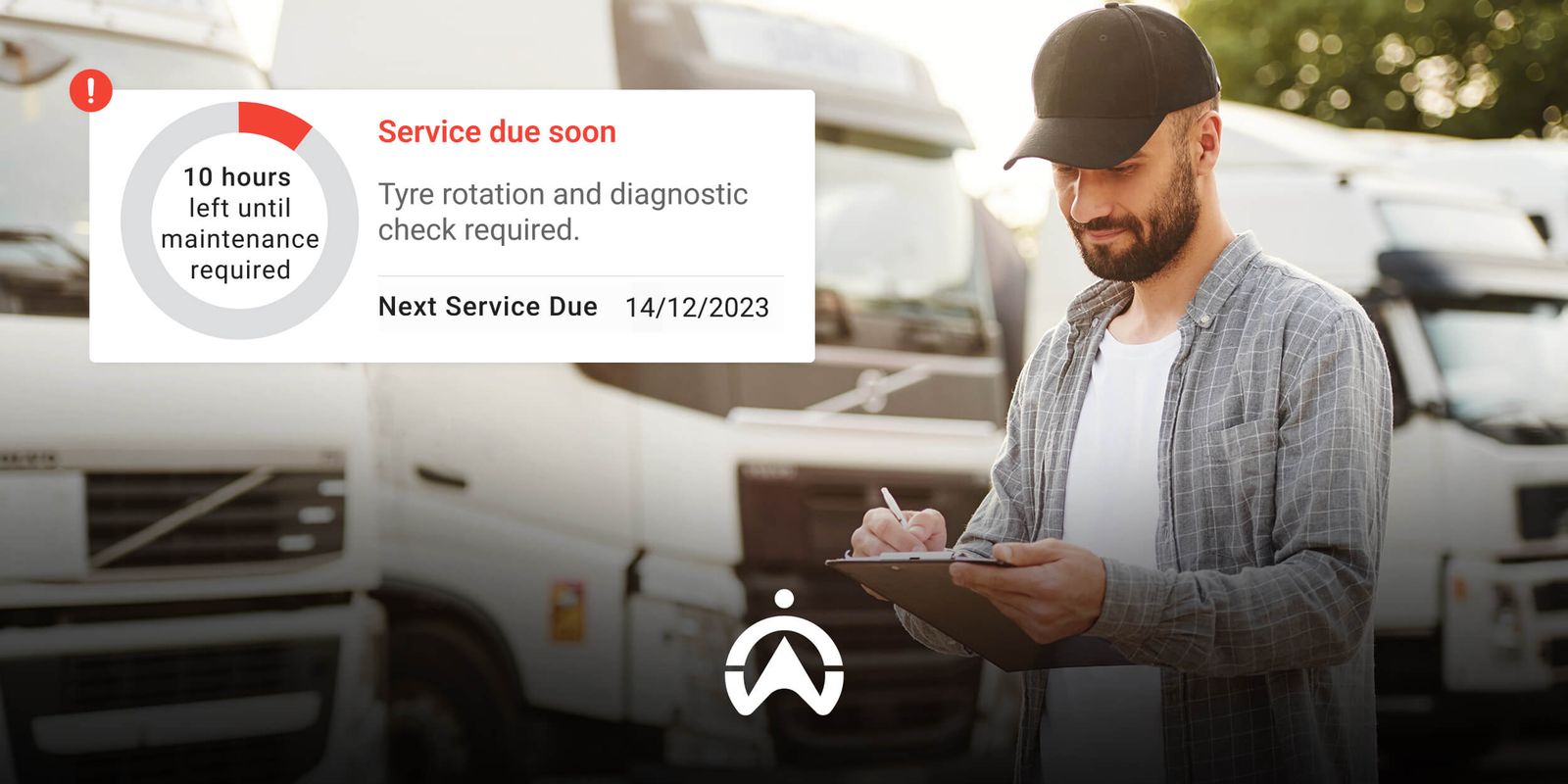
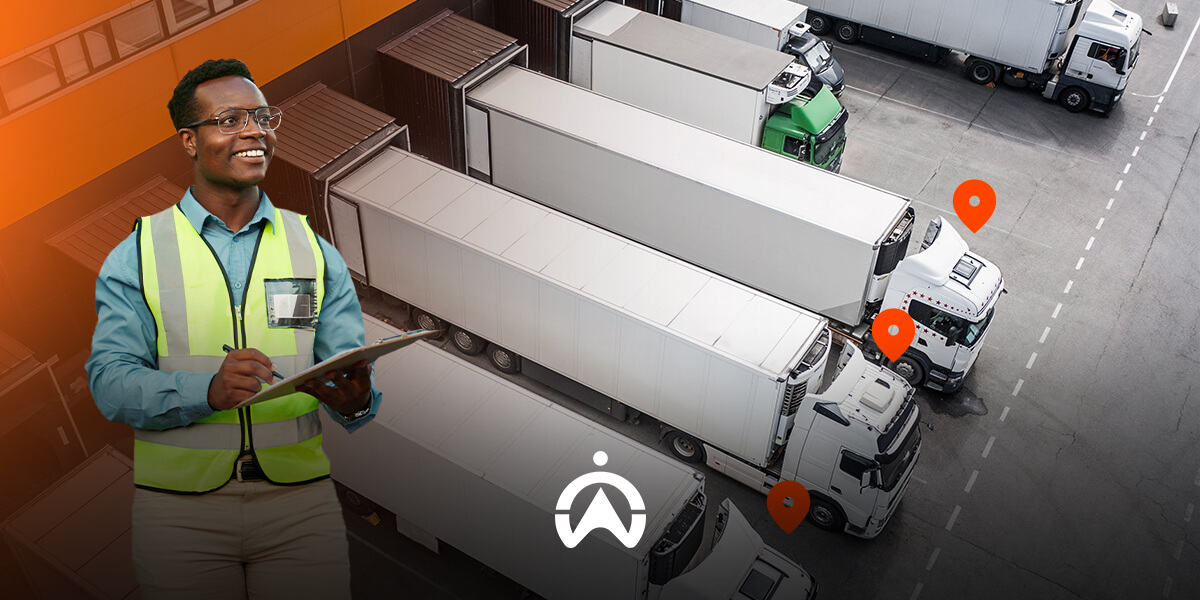
Worker inspecting fleet vehicle with checklist, showing practical fleet maintenance tips.

4. Train drivers in good driving habits

It’s important to train and educate your drivers on how certain driving habits impact vehicle health and maintenance costs. Driving habits such as speeding, idling for too long, sudden braking, and harsh cornering increase wear & tear, leading to more breakdowns. So by training your drivers to improve their habits, you reduce the frequency of breakdowns.

You can use telematics devices to carefully monitor driver behaviour, so you know exactly which habits are common among your drivers and the kind of training they need. You can also use the reports to motivate your drivers and reward those who are showing improvement.

5. Keep accurate maintenance records

Keeping a good record of vehicle maintenance history gives you proof of proper care, which is essential for warranty claims and improving the resale value of your vehicles. The information gathered from good maintenance history records proves very helpful when it comes to diagnosing issues, planning for future maintenance tasks, and preparing for audits.

Your fleet’s maintenance history works the same way a doctor relies on your medical records; it helps identify issues early and guides the mechanic to the right “treatment”.

Your maintenance records should include the following:

  • Basic vehicle information: VIN, number plate, make, model, etc.
  • Service history: Tyre rotations and replacements, battery replacements, oil changes, etc.
  • Repair history: Details of minor and major damages with dates and parts that have been replaced.
  • Fuel economy: Records of mileage and fuel purchases to see if fuel economy has declined.

Bonus tip: Use quality parts and consumables

Cheaper vehicle parts might seem like a win for the budget, but in actual fact, they’re not. They’ll cost you more in the long run, as they’ll always need to be repaired or simply replaced again. Cheaper consumables also increase your budget because they run out faster. Poor quality oil, for example, can harm your engine, bringing about MORE problems than it solves.

So ensure that you use quality components for your vehicles to lower your maintenance costs, minimise downtime, and ensure that your fleet vehicles function optimally.

How to build a maintenance culture in your fleet

To build a maintenance culture in your fleet, you need to:

  • Set expectations
  • Make checks part of the routine workflow (and not “extra work”)
  • Encourage driver responsibility

In doing so, you turn maintenance into a natural part of your team’s routine.

Here’s a detailed breakdown of how you can build a maintenance culture:

Setting expectations

Setting clear expectations means developing policies that lay out in detail all the procedures, from daily inspections to what to do in the event of a breakdown. There should also be a maintenance plan for each type of vehicle, taking into account the specifications of each vehicle. Your team will then know what’s required of them and act accordingly.

Making checks part of the routine workflow

You must include the routine inspections in the normal daily schedule, rather than treating them as optional or extra tasks. This way, your drivers won’t rush through the inspections and take off with the fear of falling behind schedule. The maintenance shouldn’t feel like an additional burden.

Encouraging driver responsibility

Your drivers should be accountable for the vehicles they operate. You need to make them understand their role in vehicle care. They should understand how reporting vehicle issues early protects both the vehicle and the business. They should also understand the consequences of not following procedures.

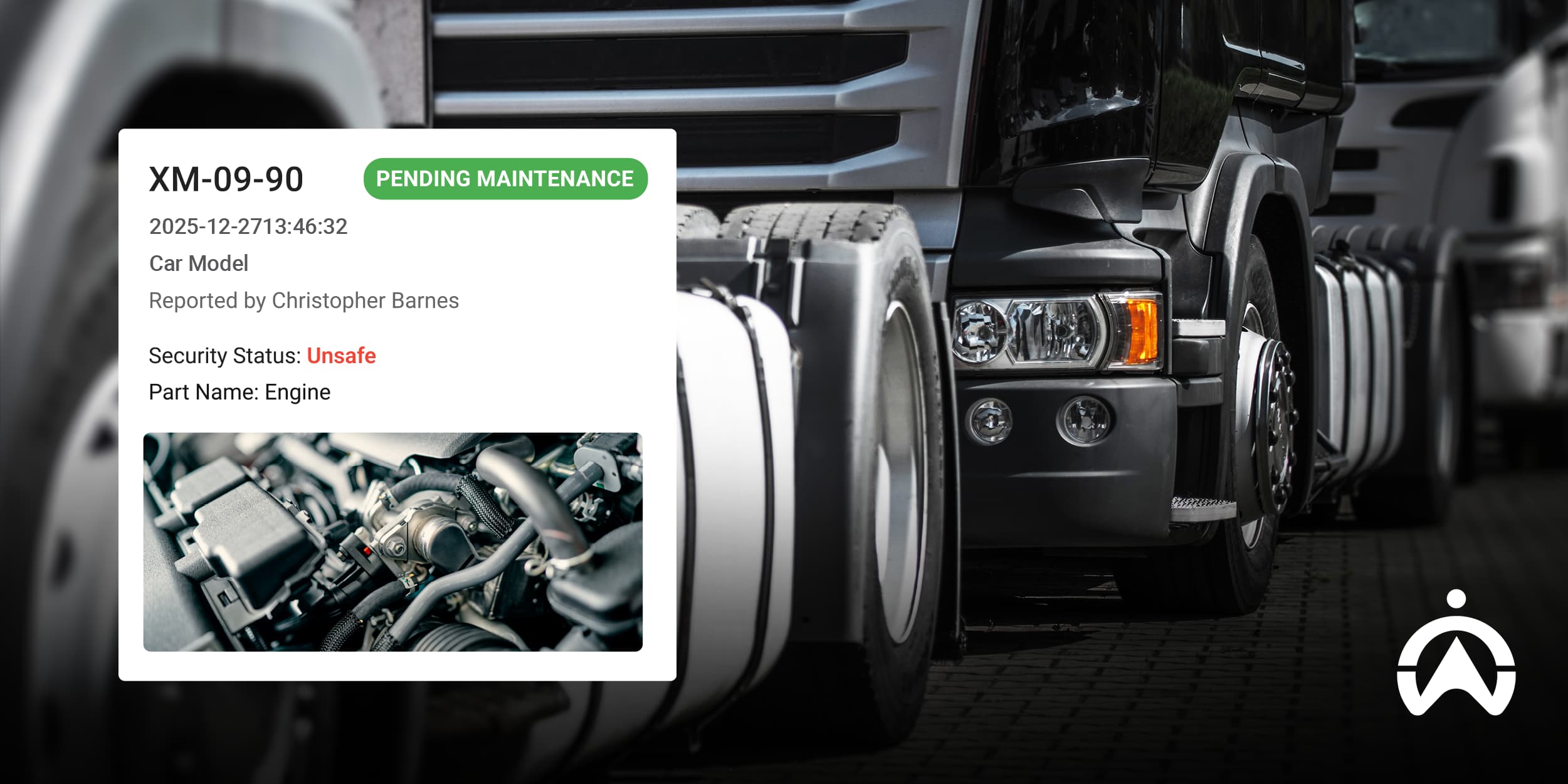
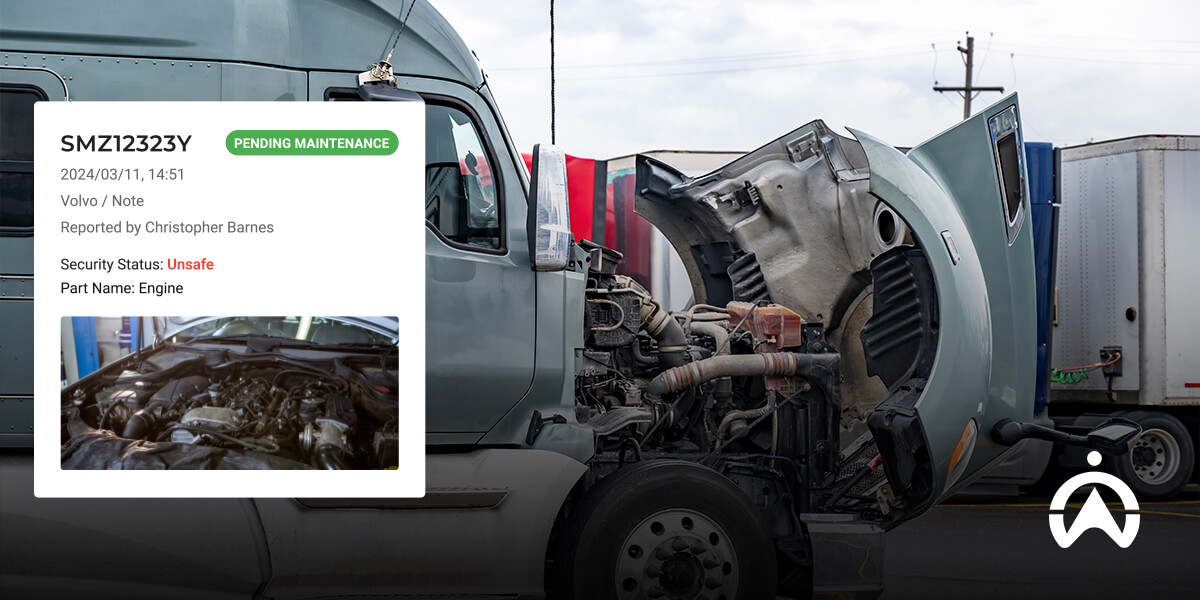
Truck engine marked unsafe, highlighting essential fleet maintenance tips.

How Cartrack helps you maintain a healthier fleet

At Cartrack we help you maintain a healthier fleet by giving you digital tools that help track the health of your fleet in real time. This makes fleet maintenance less of a daunting task as it’ll be easier and less time-consuming.

Here are our top maintenance solutions for fleet maintenance:

Real-time vehicle diagnostics

With Cartrack’s predictive maintenance technology, you’ll get early warning alerts of things like worn-out brake pads or issues with the engine, so you can address them as soon as possible. This way, you avoid breakdowns and unplanned downtime. You also save your drivers from accidents caused by mechanical failures.

Service and maintenance scheduling

Our preventative maintenance solution helps you automate your service maintenance scheduling. You can import the original manufacturer’s recommended service schedule for each vehicle into our system and set reminders on our platform so you don’t miss the dates. This eliminates the amount of time wasted by searching for each vehicle’s service schedule manually.

Centralised maintenance records

Our system helps you maintain a digital record of your maintenance history, making it easier to track repairs and services over the years. You can easily access all the details when it’s time to sell your fleet vehicles or when a mechanic needs to review what’s been done.

Paperless inspections

To simplify the process of conducting pre- and post-trip inspections, our system gives you the option of creating digital inspection forms. This is where you can create a checklist of which vehicle components need to be looked out for when forming their checks. You’ll receive feedback on one platform, reducing paperwork, and ensuring you know of issues quicker.

Driver behaviour monitoring

Through our telematics system, you can keep track of driving behaviours like speeding and harsh braking, which increase wear & tear. You’ll get detailed reports of each harsh event, ensuring that you address your concerns with your team based on factual evidence. This also helps you to identify which habits to focus on when training your drivers about healthier driving habits.

Driver scorecards

Another way to encourage better driving behaviour is by recognising and rewarding good driving. Our fleet management system helps you with this through our Driver Scorecards solution. How this solution works is that it tracks on-road behaviour using our telematics system. Each driver gets a rating based on their number of harsh driving incidents, and you use these ratings to reward those with the best score while identifying which drivers need more training.

Get an all-round fleet maintenance solution with Cartrack

Cartrack gives you an all-round fleet maintenance solution. Throughout our years in the fleet management industry, we’ve seen the differences maintenance software and everyday maintenance habits can bring to your business. Our solutions create safer, more reliable, and more cost-effective fleets. So join us today and watch the health of your fleet transform for the better!

Frequently Asked Questions

What is a fleet maintenance plan?

A fleet maintenance plan is a strategic approach to keeping up with the health of your vehicles. It involves putting measures in place to prevent unexpected breakdowns and downtime. These measures include things like following service plans and using fleet maintenance software to get early alerts of faults. This ensures fleet safety and compliance and reduces the cost of maintenance.

What is the role of a fleet maintenance manager?

The role of a fleet maintenance manager is to oversee all things related to the maintenance and repair of fleet vehicles and equipment. Fleet maintenance managers must ensure the safety and compliance of all vehicles. With a fleet maintenance manager present, all vehicles should perform optimally, which then results in fleet efficiency.

What is a maintenance SOP?

A maintenance Standard Operating Procedure (SOP) is a detailed document with step-by-step instructions on how to conduct routine maintenance tasks. The whole point of this guideline is to ensure consistency, safety, and quality standards. Maintenance SOPs vary depending on the kind of service you offer, the specific requirements in your industry, and the size of your fleet.

How Predictive Maintenance Helps Save Fleets Thousands

Predictive maintenance helps save fleets thousands by notifying fleet managers of worn-out or faulty vehicle components before they worsen and cause breakdowns. Unexpected repairs usually cost more than the expected ones because they require immediate attention. This means you won’t have enough time to research and compare quotes; plus, it delays productivity.

The growing cost of fleet operations needs you, as the fleet manager, to find better ways to cut costs. With maintenance being one of the major expenses, predictive maintenance technology is what you need. According to Fynd statistics, predictive maintenance can reduce fleet maintenance costs by up to 30% by 2030 through early fault detection and good servicing schedules.

Let’s have a look at the positive changes predictive maintenance technology will bring to your fleet and why you need it.

Major ways in which predictive maintenance saves fleets thousands

Predictive maintenance can save you thousands by:

  • Preventing costly breakdowns
  • Reducing downtime
  • Extending vehicle lifespan
  • Reducing fuel consumption

If your business solely depends on fleet operations, your vehicles and drivers are your business’ greatest assets. This means that poor handling and maintenance of your vehicles will directly impact all other areas of your business.

Let’s get into more detail on how predictive maintenance technology helps you spend less:

Preventing unexpected breakdowns

Unexpected breakdowns dent the budget in so many ways. From the roadside assistance call-out fees and paying the mechanic, to the cost of outsourcing vehicle parts that might not be immediately available. You also face the possibility of getting financially penalised for late deliveries.

The early detection of mechanical failures or wear and tear through predictive maintenance software helps you avoid all these expenses caused by surprise breakdowns. In the long run, the money you’ll spend fixing vehicles early will be less than what you could possibly spend if you just wait for them to start falling apart.

Reducing unscheduled downtime

Every hour a fleet vehicle is off the road, there’s a loss in revenue. For many fleet businesses, there are peak and off-peak periods. Imagine owning a fleet of 50 delivery vans, and 10 of them suddenly need emergency repairs during the festive season. This will result in a significant loss in revenue, as it’s the busiest time of the year for delivery businesses.

Predictive maintenance insights allow you to plan and schedule repairs during off-peak hours, giving you minimal disturbances.

Extending vehicle lifespan

Spotting issues with vehicles early protects critical components like the engine, which results in vehicles lasting longer before the need for a replacement. It also helps you know which vehicles will soon need replacing, so you’ll have enough time to plan and budget vehicle acquisition.

Improving fuel efficiency

Things like worn-out brake pads, clogged air filters, and low tyre pressure lead to the engine having to work harder, which then requires more fuel. With fuel being another major fleet running expense, saving fuel costs in all ways possible is a must. By picking up issues of wear & tear early, predictive analytics help decrease fuel consumption. A better fuel economy equals more savings.

Preventing safety-related incidents

According to DSC Attorneys, the top five mechanical failures that cause car accidents are:

  1. Tyre issues
  2. Faulty brakes
  3. Steering defects
  4. Defective headlights and lights
  5. Worn-out windscreen wipers

Since predictive maintenance technology can pick up some of these ahead of time, it helps prevent such accidents from happening, saving the lives of your drivers and other people on the road. Fewer accidents also mean fewer insurance claims, so by reducing the risk of accidents, you appear more reliable to insurers, which then results in lower premiums in the long run.

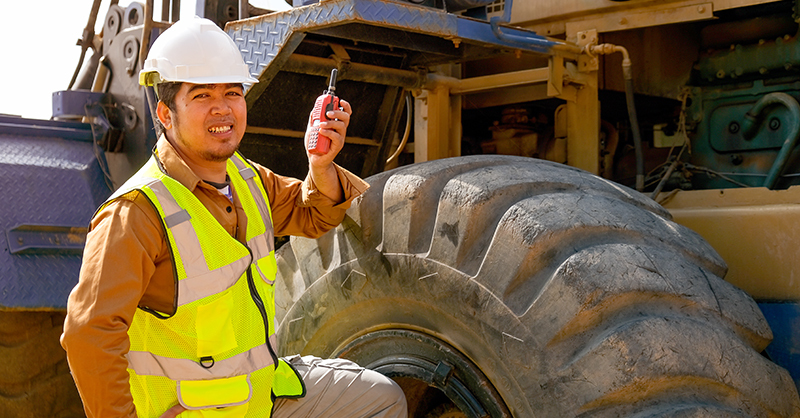
Worker repairing vehicle in garage as part of predictive maintenance.

How does predictive maintenance work?

Predictive maintenance works through data analysis. The data comes from telematics devices and sensors. Through these technologies, the system can follow the patterns of different components to notice unusual behaviour, which could be an early sign of wear & tear. The system then sends out alerts of these faults, so you can attend to them before they cause breakdowns.

Let’s look at the three main components of predictive maintenance.

Telematics data

Telematics systems collect a vast amount of data from the vehicles to the central system. Through this, you can get more information on things like odometer readings, driving habits, engine conditions, battery health, and tyre pressure.

Internet of Things (IoT)

IoT sensors make it possible to continuously monitor critical vehicle components. They typically keep an eye on things like the temperature, pressure, or vibration of certain parts. You’ll often find IoT sensors around the engine, brakes, suspension system, or the electrical circuit. They work together with telematics devices for the transmission of information.

Artificial intelligence (AI) and machine learning (ML)

You’ll find AI technology in nearly every smart innovation these days, and preventive maintenance is no exception. AI analyses sensor data and looks for patterns in order to predict potential failures. This part of AI that focuses on learning the patterns of vehicle components is known as machine learning.

Are preventative maintenance and predictive maintenance the same thing?

No, the terms ‘preventative maintenance’ and ‘predictive maintenance’ are often used interchangeably, but they aren’t the same thing. The difference between the two is that preventative maintenance focuses on sticking to service reminders to keep your fleet in top shape. Predictive maintenance is about anticipating vehicle issues through sensors, AI, and telematics devices.

So basically, predictive maintenance can be seen as a type of preventative maintenance method.

Cutting fleet costs with Cartrack’s predictive maintenance

At Cartrack, we offer remote diagnostics and real-time maintenance alerts to help you cut down fleet costs and improve productivity. With us, you get an entire preventative maintenance system, which includes things like scheduling reminders and risky driving alerts.

Here’s a closer look at how our system works.

Remote vehicle diagnostics

Remote vehicle diagnostics simply means that our system can collect data using sensors and onboard computers from various vehicle components, like the brakes, transmission, and engine. From there, you’ll get alerts of faults from those vehicle parts and take necessary action. For example, if your brakes are worn out, the system will notify you, and you’ll be able to replace them before they fail.

Digital inspection forms

With our fleet maintenance system, you can create vehicle inspection forms that drivers can access via the Cartrack App.  Each driver can then fill out the form to check for worn-out parts of the vehicle they’re using for the day. This can be done before starting a trip or afterwards.

Drivers can even take photos of the worn-out parts and upload them to the app. You’ll receive all the submitted forms and all other supportive evidence so you can see which vehicles have parts that need to be repaired or replaced.

Service reminders

You can import the owners’ manuals for all your vehicles and their service history reports into your system so you can have a digital record of service dates and get reminders. This ensures that you have all your vehicle maintenance-related information on one platform, instead of having to search through spreadsheets and emails to keep up.

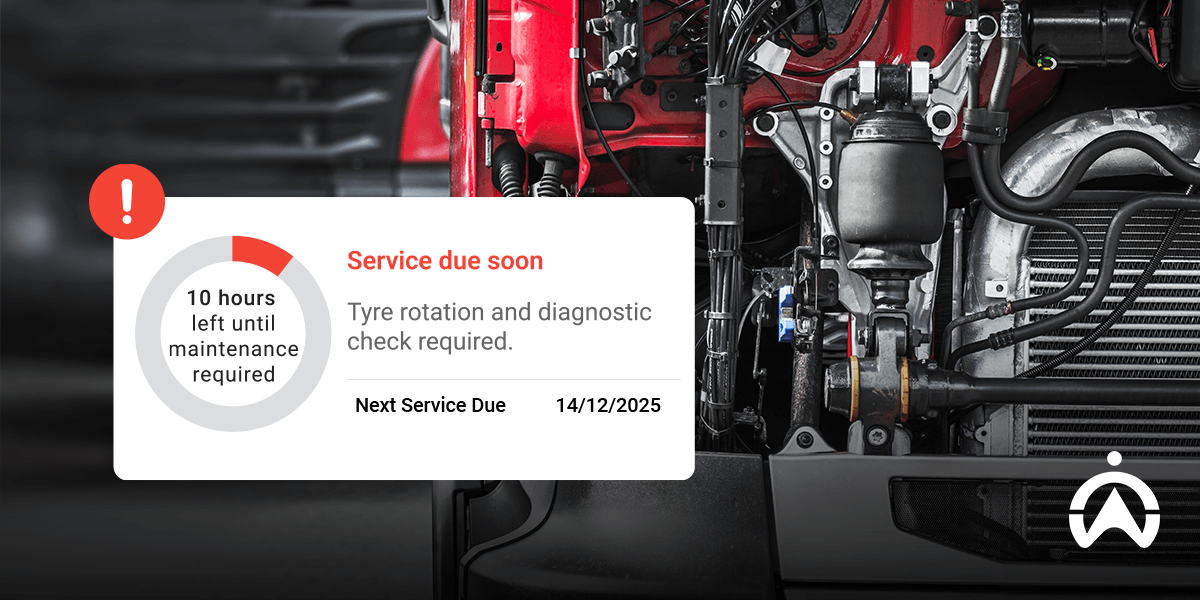
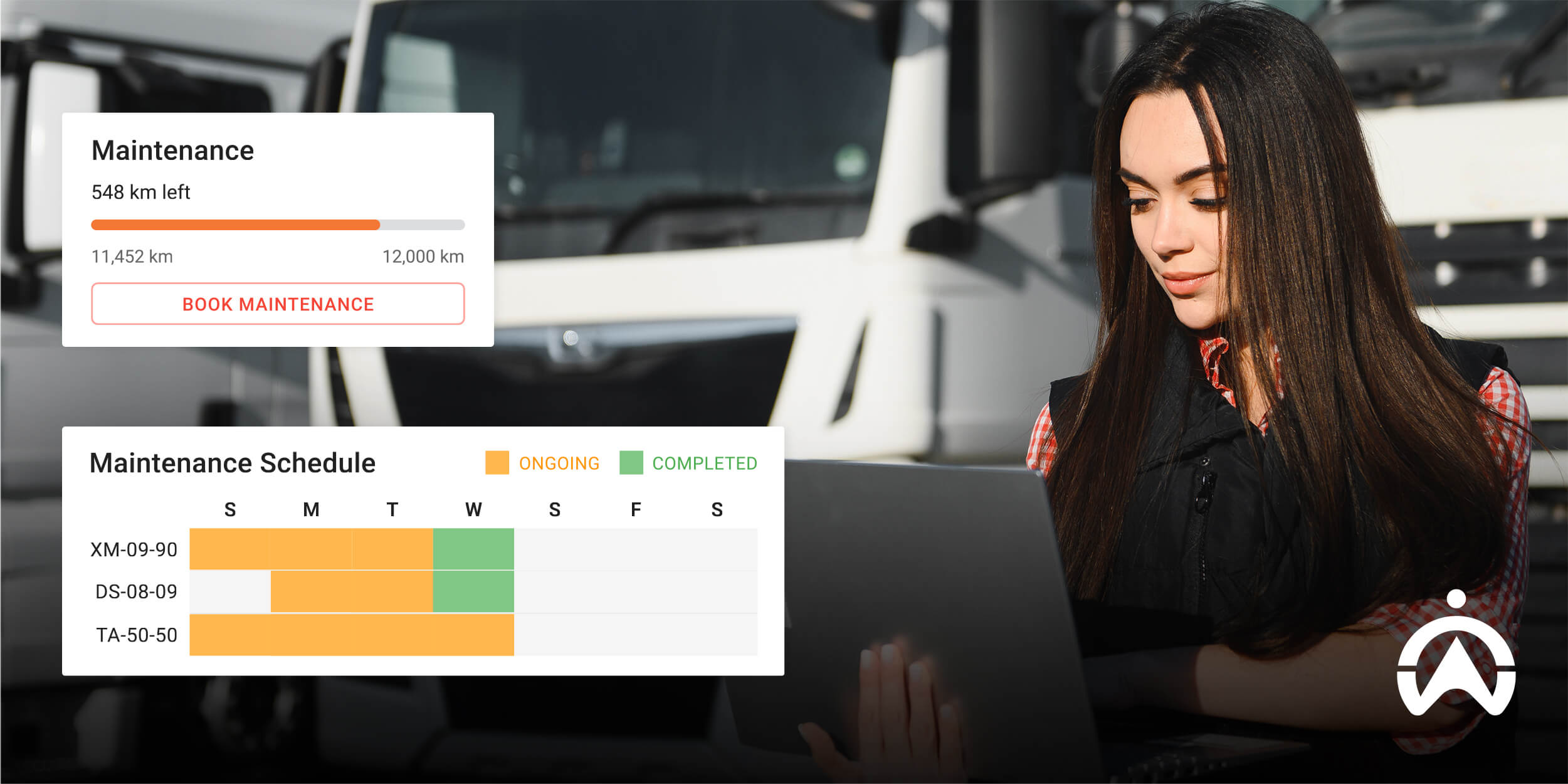
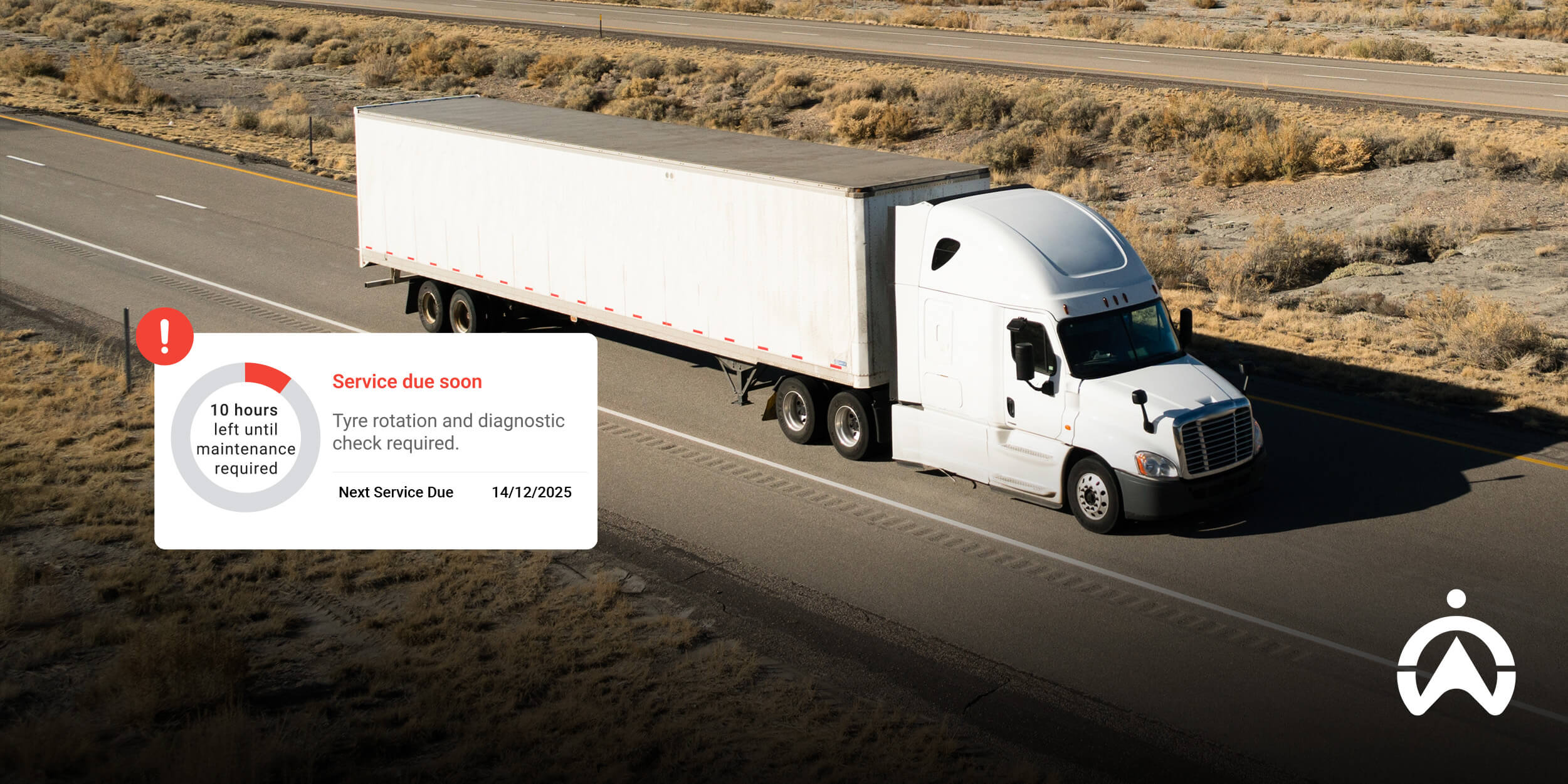
Vehicle maintenance alert showing service countdown for predictive maintenance.

Case study: How Wisani Burial Society uses our maintenance services and other fleet management tools

Wisani Burial Society is a funeral business  that was established in 1995. Their main goal is to offer affordable and reliable funeral services to diverse communities. They rely on their fleet’s efficiency to provide high-quality funeral services.

Wisani Burial Society had challenges with making timely deliveries. Things like hot weather, traffic, and vehicle breakdowns have serious repercussions, given the sensitivity of the contents they transport. They needed a system that could help them easily locate their vehicles and avoid delays so they could meet customer needs. So they invested in the Cartrack fleet management system.
‍

Here’s how we helped them:
‍

Control room assistance

At peak times, Wisani Burial Society can monitor over 300 vehicles simultaneously through their control room using our web platform. They can see the exact whereabouts of all vehicles and track productivity. It also makes it easy to quickly dispatch assistants in case of a breakdown.

Real-time vehicle diagnostics

Our real-time vehicle diagnostics and scheduled maintenance reminders help them quickly see which vehicles need maintenance and when. This way, they can reduce the chances of breakdowns and optimise vehicle usage.

Minimise breakdowns and save thousands with Cartrack’s predictive maintenance solutions

Our predictive maintenance tools and preventative maintenance system make it easier to stay in touch with fleet upkeep, saving your business from setbacks that can cost thousands. You’ll not only save costs but also the lives of your drivers. Reach out to us and get a vehicle maintenance system you can trust.

Frequently Asked Questions about predictive maintenance

What role does fleet maintenance play in optimising productivity?

Fleet maintenance plays the crucial role of minimising delays due to breakdowns, which optimises productivity. It ensures that your vehicles are always running on the days they should be, improving reliability. With proper fleet maintenance, there are fewer accidents caused by mechanical failure, which improves driver safety and efficiency.

Can AI improve predictive maintenance?

Yes, AI can significantly improve predictive maintenance. It is one of the vital components of predictive maintenance technology. AI analyses machine data to predict breakdowns and gives warnings before the situation worsens. This improves your maintenance planning, ensuring your vehicles are scheduled for repair ahead of time.

What is the 10% rule of preventive maintenance?

The 10% rule of preventive maintenance states that preventative maintenance should ideally be done within 90% of the scheduled time period and no more than 10% past the due date. For example, if one of your vehicles requires servicing every 100 days, the maintenance should happen within 90 days or no later than 110 days.

Fleet Maintenance Management Software: Run Your Fleet Smarter

Fleet maintenance management software helps you run your fleet smarter by making it easier to monitor vehicle upkeep. Gone are the days when you had to manually check for everything related to the health of your fleet of vehicles. With fleet maintenance management software, you’ll receive reminders of service dates and early warnings of faults in your vehicles.

The Fleet Maintenance Software market is currently showing fast growth as more companies seek ways to simplify their operations, save costs, and remain compliant. According to Verified Market Research, the Fleet Maintenance Software Market size was valued at USD 31.98 billion in 2024 and is projected to reach USD 14.08 billion by 2032.

With that said, let’s get into how you can use our maintenance software to handle your fleet vehicle health more easily.

Why fleet maintenance management software makes running your fleet a lot easier

Fleet maintenance management software makes running your fleet easier by giving you detailed information on the health of your fleet so you can plan ahead. Fleet maintenance is often overlooked, as managers are always pushing to meet client expectations. It’s easy to forget about service dates and checking for vehicle faults when your main focus is meeting deadlines.

To put things into perspective, let’s get into how a regular workday goes for a fleet manager who uses maintenance software vs. when he doesn’t. His name is Themba, and he runs a fleet of 80 delivery trucks.

A day in the life of a fleet manager who runs a business without maintenance management software

Morning:

Themba normally starts his day by checking his emails and responding to urgent matters. He then goes through a pile of paperwork, checking driver logs. Thereafter, he goes through different spreadsheets to view past vehicle service records and see which trucks are due for maintenance.

Themba thought this would be quick, but it ends up taking him hours, as there are some missing dates which require him to go back and forth between spreadsheets and other documents.

Afternoon:

By midday, Themba is already behind schedule. He starts receiving calls from drivers. During these calls, he finds out that three trucks have broken down and the drivers need urgent help. From there, Themba needs to organise repairs and also let clients know that their deliveries will be late. He also needs to go back to the spreadsheets and make changes as more vehicles are unavailable.

End of day:

Dealing with these sorts of delays is what puts Themba further behind schedule and results in his time being wasted sorting out the costs of the repairs and rescheduling vehicles for deliveries. Themba didn’t complete his task for the day. His reactive fleet maintenance tendencies leave him stressed out and having no time to plan ahead. This wouldn’t have happened had he invested in fleet maintenance technology.

A day in the life a fleet manager who uses maintenance software

If Themba were to invest in fleet maintenance management software, this is what his day would be looking like instead:

Morning:

Themba logs into a fleet management platform and checks for service reminders. He can see which trucks need to go in for servicing. He then plans upcoming delivery schedules based on the knowledge he just gained, making sure he only books deliveries based on the number of cars that will be available on each day.

Afternoon:

During the day, Themba checks in on vehicle health data just to ensure everything is okay. He notices alerts of worn-out brake pads for two vehicles. He then calls his mechanic to schedule replacements before they get worse and cause accidents. Themba then updates delivery schedules.

End of day:

Themba reviews cost and downtime reports through the fleet management dashboard and shares this information with other managers. He then updates compliance records based on the information received and starts planning his tasks for the next day. Themba feels more confident in his role, because he’s always in the know when it comes to his fleet and is hardly ever blindsided.

How smart maintenance software makes all the difference

Smart maintenance software helps keep everything on schedule by keeping you in the loop with everything related to the health and safety of your vehicles. This is done through:

  • Automatic scheduling
  • Preventative maintenance
  • Detailed insight

Paired with regular vehicle inspection, this software gives you a fleet that runs smoother.

Here’s how this software makes the difference:

Automation that keeps everything on schedule

You can import your fleet’s service date schedule as per the manufacturer’s requirements onto your fleet management system. This creates automatic service scheduling and ensures that you get reminders while checking on other fleet reports, so you don’t miss dates.

Predictive maintenance that prevents downtime

Predictive maintenance happens through the power of CANBus technology. CANBus is a digital language that enables vehicle parts to communicate with each other. Through this, they can share information on how vehicles are performing. CANBus helps you get early warning signs of issues with vital vehicle parts like the engine. When these issues are detected early, you’ll be able to prevent a breakdown from happening.

Insight that drives better decisions

With fleet maintenance software, every maintenance activity and cost is automatically recorded. This results in detailed reports that show you trends. For example, you’ll start to notice if the same vehicle is always going for repairs, which could indicate that it’s being used more than others. You can then use this information to see how you can equally rotate vehicles. Vehicle maintenance data helps you stick to the budget and see what consumes more money.

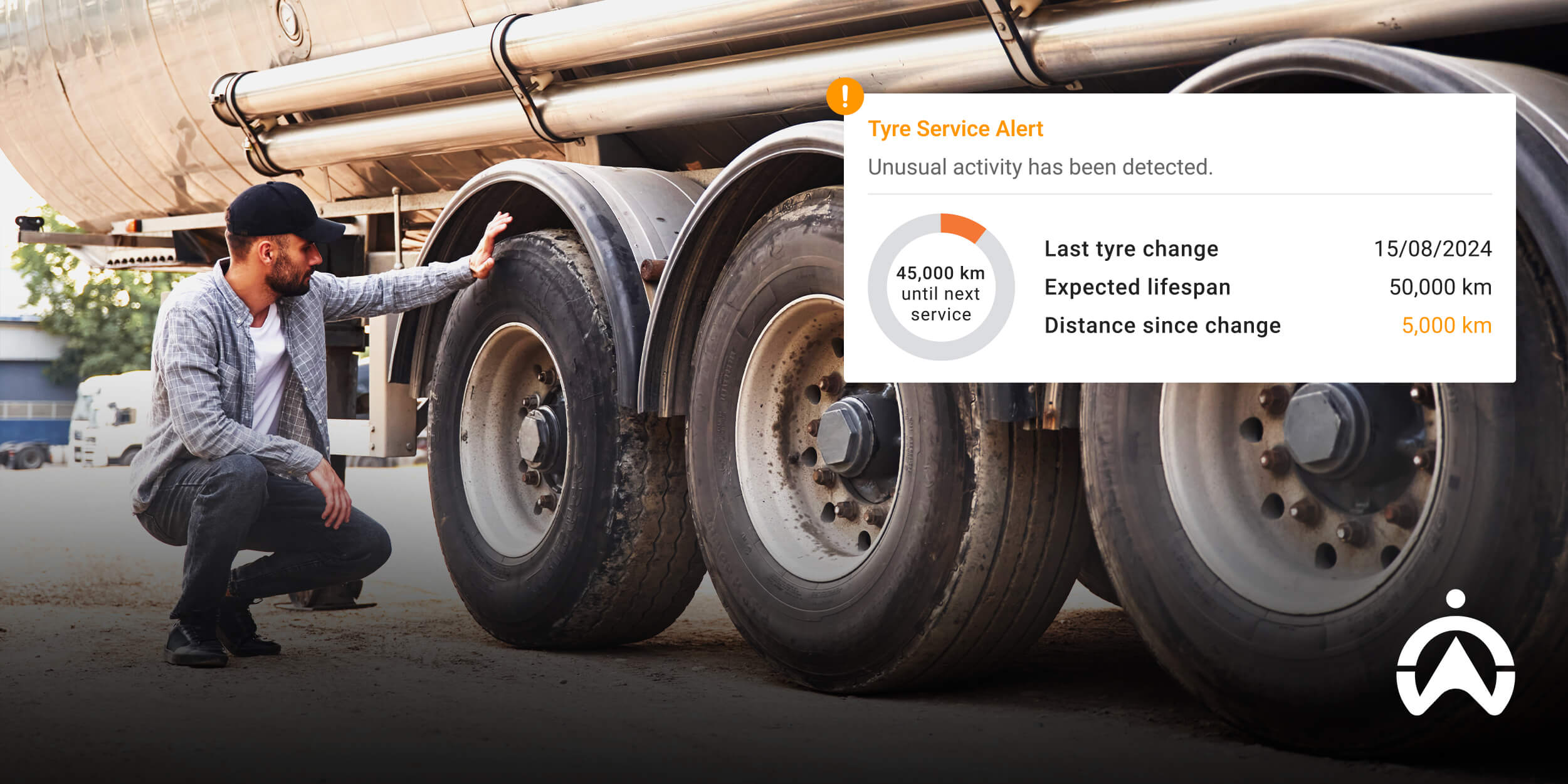
A person inspecting vehicle tyres with service alert supported by fleet maintenance management software.

The not-so-obvious advantages of using fleet maintenance software

The not-so-obvious advantages of using fleet maintenance software include improved:

  • Driver safety
  • Reliability
  • Customer satisfaction
  • Team efficiency

Keeping your vehicles in top shape improves your overall daily operations and gives you more time to focus on other important matters. It also ensures that your business adheres to compliance laws, saving you from heavy fines.

Driver safety

Vehicles are less likely to fail on the road if they’re well maintained. Things like failed brakes, lights that don’t work, or worn-out tyres lead to accidents. Fleet maintenance software ensures that your vehicles are always roadworthy, helping you meet compliance requirements.

Operational reliability

With fleet maintenance management software, your deliveries and schedules will stay consistent. You’ll know of all upcoming service dates and plan your delivery schedules based on the number of vehicles that’ll be available on that day. This makes your business more trustworthy, improves customer satisfaction and reduces service disruptions.

Sustainability

No one wants to buy a vehicle that won’t last long, especially if it’s for business purposes. Through fleet maintenance software, you reduce the need to get new vehicles. Your current vehicles will run cleaner and therefore last longer, giving you a better return on investment.

Team efficiency

With this software, you’ll hardly ever get a call about emergency repairs. Your things will go according to plan most of the time. Your team will be more efficient and productive, leaving you with less to worry about.

Case study: How Concord Cranes uses the Cartrack system for maintenance

Concord Cranes is a company with a fleet of over 180 cranes. They’re based in Midrand but offer crane hire solutions across South Africa and the continent. They specialise in loading, transporting and relocating abnormal loads using their cranes and expert rigging systems.

Concord’s main challenge was that they couldn’t accurately record the number of hours each crane worked daily, which made it hard to know when they needed maintenance. This negatively affected client deliveries, as they couldn’t give their cranes for hire without being sure that they were well maintained and safe to use.

How we helped them:

  1. Specialised power take-off sensors
    Using the Cartrack specialised power take-off sensors, Concord Cranes can monitor their cranes’ on-site working hours and track mileage, as well as the specific equipment used. This sort of data makes it easier for them to see the condition and usage of their cranes, helping them make more informed decisions.
    ‍
  2. Preventative maintenance features
    Our very handy preventative maintenance features help Concord with cutting down costs by reducing the number of cranes that need maintenance because of unexpected breakdowns. This also reduces downtime as they now plan ahead for servicing.
    ‍
  3. Improved reliability
    Through these preventative maintenance measures, Concord Cranes has improved their relationship with their clients. They’re more reliable and efficient. Their ability to plan ahead makes it easier for them to see which cranes will be available on which day, ensuring they never disappoint their customers.

“Using Cartrack’s advanced fleet management, we have been able to increase our operational efficiency to deliver a better service to our customers, as well as effortlessly establish a maintenance cycle that reduces our costs and increases our fleet longevity.” | Gareth Langley, Concord Cranes operations manager.

Beyond technology—the basic vehicle maintenance skills every fleet driver should have

The basic vehicle maintenance skills that your drivers should have include:

  • Checking for essential fluids
  • Checking tyre pressure
  • Understanding warning lights
  • Making minor repairs

Together, these skills help further prevent sudden breakdowns, because your drivers will play their part in maintaining vehicle upkeep.

Most of these tasks can be done before a trip, but drivers should pay attention to these components throughout the day. Here’s a detailed breakdown:

Checking and replacing fluids

Your drivers must know how to top up essential fluids like the engine oil, brake fluid, and coolant. Checking and replacing these fluids prevents engine damage and makes sure that critical vehicle components work properly.

Monitoring tyre pressure

When tyres lose air, they lose their grip, which results in an increase in braking distance. It also damages the tyres and increases fuel consumption. Tyre pressure should be checked weekly for fleet vehicles because of their high mileage. Your drivers should also check if the tyres are cold before starting a trip, as temperature changes can affect tyre pressure readings.

Identifying warning lights

Do your fleet drivers know what the warning symbols on their dashboards mean? Well, that’s another thing you should look into. A recent survey shows that only 7% of drivers feel confident identifying dashboard warning lights. Understanding these symbols is key to proactive vehicle maintenance, driver safety, and the safety of the public.

Performing minor repairs

Minor repairs include things like replacing windscreen wiper blades, jump-starting a battery, and changing tyres. Not every repair requires a mechanic, and knowing how to do it yourself can save time, which may result in deadlines still being met on time.

For example, if it rains and your driver notices that the windscreen wiper blades are in a bad condition, your driver can make a quick stop, replace them, and continue with the trip instead of waiting for someone else to do it.

Woman reviewing vehicle maintenance dashboard powered by Cartrack fleet maintenance management software.

Build a more reliable and efficient fleet with Cartrack

At Cartrack, we help you build a more efficient and reliable fleet through early fault detection, service reminders, driver reports, and sensors. Using these tools ensures that you always know more about your fleet’s health, helping you avoid costly surprise breakdowns.

Here are our top fleet maintenance features:

Early fault detection (CAN Bus)

Our CAN Bus solution gives you real-time vehicle diagnostics. Through this, you’ll always know of things like oil and water fluctuations, issues with your engine, worn-out brake pads, or lights that need replacement. This helps you attend to matters before they get worse and cause breakdowns.

Power take-off sensors

The power take-off (PTO) sensors are for vehicles and machinery like tipper trucks, cement mixers, and cranes. Through PTO sensors, you’ll know how often your machinery is being used and for how long. This makes it easier to do maintenance planning that’s based on usage.

Scheduled service reminders

You can import vehicle service dates into your fleet management system so you can get reminders on our platform. Having all maintenance replacement information on one platform reduces the back and forth, saving you time and making it easier to maintain vehicle upkeep.

Driver reports (harsh driving habits increase wear & tear)

Proactive maintenance isn’t just about receiving alerts and replacing parts; it also requires you to ensure that your drivers are treating the vehicles well. Through our telematics system, you’ll be notified when drivers are engaging in habits that radically increase vehicle wear & tear, such as harsh braking. This helps you address these issues directly with the drivers and educate them on the importance of careful driving for safety and fleet longevity.

By partnering with us, you ensure that your vehicles are roadworthy, you save costs, and your business becomes more reliable. Contact us today and gain more control over your fleet operations.

Frequently Asked Questions

What are the 4 types of maintenance?

The four types of maintenance software are:

  • Reactive: Waiting for something to break before fixing it.
  • Preventative: Performing regular inspections and setting reminders of service dates.
  • Condition-based: Monitoring vehicle parts to determine when maintenance work is necessary.
  • Predictive: Using IoT sensors and other technologies to gather vehicle data and receive alerts of any faults.

What is the difference between CMMS and EAM?

The difference between CMMS (Computerised Maintenance Management System) and EAM (Enterprise Asset Management) is that CMMS focuses on work order management and scheduling, while EAM covers the entire life cycle of assets. CMMS is for maintenance teams and technicians, while EAM is for strategic planners and finance teams.

What is smart fleet management?

Smart fleet management refers to using technology such as GPS trackers, sensors, and software to gain more insight about your fleet. Using advanced tools helps you keep track of important fleet management components like fuel consumption, vehicle maintenance, and route planning.

What are the 4 pillars of fleet success?

The four pillars of fleet success are:

  1. Stakeholder satisfaction: Meeting the expectations of your customers, upper management, and community.
  2. Intentional culture: Purposely creating a positive and productive environment for your team.
  3. Resource efficiency: Making the most out of your resources to save costs and improve performance.
  4. Risk management: Identifying, assessing, and reducing the risks posed to the business.

What Is Fleet Maintenance Management?

Fleet maintenance management involves overseeing all aspects of maintaining commercial fleet vehicles to ensure they are in optimal condition and fit for use. Overlooking this aspect of running a fleet puts your business at risk of compliance penalties, expensive repairs, and unforeseen interruptions that may affect the company’s bottom line.

Consistent vehicle upkeep requires establishing proactive and preventive measures to reduce downtime, potential accidents, and emergency repair costs. To achieve this, you need advanced technological tools that will simplify the process.

Today, we will guide you through everything you need to know about fleet maintenance management and provide you with the tools you need to overcome common vehicle performance challenges.

In this article, you will:

  • Learn the main purpose of fleet maintenance management
  • Find out what a fleet maintenance manager does to boost operations
  • Discover the Cartrack preventative maintenance tools that you need for your fleet

The core functions of fleet maintenance management

The purpose of fleet maintenance management is to ensure a well-structured maintenance program that extends the fleet’s lifespan, enhances reliability, and boosts operational efficiency. This is done in the following ways:

  • Preventive maintenance and scheduled servicing
    Preventive maintenance refers to a strategy that involves following service schedules and performing inspections to detect potential issues before they cause breakdowns. This approach ensures that vehicles remain in good condition and reduces the chances of unexpected breakdowns and sudden major repair costs.
  • Managing breakdowns and emergency repairs
    Managing emergency breakdowns requires quick thinking, clear communication, and efficient processes. Fleet managers must develop and communicate clear procedures for drivers to follow in the event of a breakdown, such as who to call, relevant documentation, and safety actions. All incidents are documented and analysed to identify trends and preventable failures.
  • Monitoring vehicle performance and diagnostics
    Digital solutions highly drive modern-day fleet maintenance. Telematics technology allows you to get real-time diagnostics on vital things such as engine health, brake conditions, and fluid levels. This powerful tool reports vehicle failures before they worsen, allowing fleet managers to take action quickly.
  • Data-driven decision-making using telematics
    Fleet maintenance systems also track vehicle mileage, fuel usage, and service history, giving you greater insight into vehicle usage and performance, so you can optimise fleet utilisation and ensure proper resource allocation.

What does a fleet maintenance manager do to boost maintenance operations?

The role of a fleet maintenance manager is to oversee the maintenance and repair operations of a company’s vehicle fleet. He/she needs to ensure that all vehicles are operating safely, efficiently, and in compliance with all relevant regulations.

Is a fleet maintenance manager’s work stressful?

The role involves managing a team of mechanics and technicians, scheduling regular maintenance, coordinating repairs, maintaining accurate records, and implementing cost-effective strategies to boost fleet uptime and reduce expenses.

They also have to manage budgets for parts, labour, and external services; source and negotiate with vendors for parts and services. Furthermore, they also need to train staff on maintenance procedures and safety protocols.

Without the assistance of advanced technologies such as telematics, achieving these tasks under strict deadlines can be very challenging and stressful, which is why all fleet businesses need to invest in software that helps track these activities. 


The difference between fleet management and fleet maintenance

Fleet management and fleet maintenance are related, but distinctly different concepts within vehicle operations. Fleet management encompasses all aspects of managing a fleet. Fleet maintenance management, on the other hand, only covers one aspect of fleet maintenance, which is vehicle health and performance.

Here’s a quick breakdown of the key differences between fleet management and fleet maintenance:

  • High-level vs. day-to-day vehicle care:
    Fleet managers operate on a high level, overseeing everything that involves the fleet. They analyse a wide range of data to boost overall efficiency and reduce costs. Fleet maintenance is focused on the day-to-day upkeep of the vehicles. This includes vehicle inspections, record keeping, and inventory management.
  • Broader scope of fleet management: It includes tasks such as assigning vehicles to operators, tracking vehicle usage and maintenance, monitoring vehicle locations, and planning routes.
  • Where the two intersect: The two functions meet when it comes to cost control and efficiency; both use telematics systems to gain insight into the fleet, and they collaborate in reducing operational costs and overall safety and compliance.

Whether you manage a small fleet of delivery vans or a large freight and distribution company, ensuring that your vehicles are in good working order can significantly impact your bottom line.

For this reason, you need a strategy that focuses on all aspects of fleet management, including maintenance.


Invest in smart maintenance tools from Cartrack.

Unforeseen vehicle breakdowns can cause severe disruptions to the workflow, which may result in delays, missed deadlines, client dissatisfaction, and increased expenses. From the above case study, you can already see the significant impact a good fleet management system makes on the business. Cartrack specialises in everything related to fleet management and gives you insight into your fleet, all from one platform.
‍‍

Have a look at our top features for maximising your fleet’s health:

  • Real-time engine diagnostics
    The Cartrack CANbus system enables real-time communication between various vehicle components. Through this, you can receive alerts for engine faults, water fluctuations, worn-out brakes, and other diagnostics. This ensures that you know of any issues regarding vehicle components and address them before they become severe. By investing in this tool, you minimise the chances of costly unexpected breakdowns, which may lead to delays and downtime.
  • Preventative maintenance scheduling
    Receive maintenance alerts based on real-time odometer readings or last service dates. This keeps you up to date with when the next vehicles need to go in for servicing, so you can properly plan trips based on those that will be available for use. Through this feature, you address concerns such as tyre replacements before they catch you off guard.
  • Digital maintenance records
    Our fleet system helps you store, record, and update maintenance-related activities digitally so you can have easy reference and convenient reporting.
  • Driver monitoring reports
    Fleet maintenance is also about ensuring that carefully operated. Through the Cartrack telematics system, you will receive alerts on driving habits that increase the chances of vehicle wear and tear, such as sudden braking, excessive acceleration, speeding, and harsh cornering. This allows you to address the behaviours with drivers and educate them on their impact.

Ensure your fleet is always in tip-top shape! Contact us today, and speak to one of our fleet consultants.

Frequently Asked Questions about fleet management and  maintenance

What is the role of fleet service? 

Fleet services are resources offered by some leasing and management companies to help them streamline, maintain, and manage their business. The role involves vehicle selection, fleet acquisition, obtaining the right insurance, maintenance, managing fuel costs, keeping up with license requirements, equipment leasing, compliance, and data analysis.

What is the role of maintenance in fleet planning?

Planning for your fleet’s maintenance ensures that your business remains reliable and there will be fewer chances of unforeseen downtime. It also controls the cost of repairs and replacements, as you will already know beforehand, instead of using money that was never budgeted for.

What is the primary aim of fleet management?

The primary aim of fleet management is to improve the fleet’s efficiency and productivity, enhance driver safety, and reduce the overall operational costs in order to boost profits. The best way to do this is by capitalising on fleet management software to gain insight and make better decisions. 

What is asset management in maintenance?

While it is commonly known for fleet maintenance to be associated with vehicles, the term fleet may also refer to a group of equipment, machinery, and assets that require maintenance. Examples of this include excavators, bulldozers, and cranes. Asset management in maintenance is a proactive approach to optimising a company’s assets.

What is the role of a fleet workshop manager?

A fleet workshop manager is responsible for monitoring and controlling expenses related to labour, parts, and equipment. o Identify opportunities for cost savings and efficiency improvements. He/she must drive efficiency and productivity within the workshop.

5 ways real-time vehicle maintenance alerts can help fleet managers

Real-time maintenance alerts are an important part of a business maintenance strategy. There are different types of maintenance you can implement for your business, particularly if you have a vehicle fleet.

Your business is multi-faceted. Maybe it has multiple assets on-site, fleet cargo, industrious equipment, or high maintenance vehicles–which make up its innate structure.  

Maintenance management is an important part of building a healthy business ecosystem.  

With advanced IT systems, real-time monitoring and maintenance alerts can be available at your fingertips. There are numerous benefits and ways it can work for you positively.  

We are here to guide you, so you grab them with both hands and manage your business effectively. 

What is maintenance and monitoring

What is maintenance and monitoring? ‍

Whether you would like to receive maintenance alerts for your vehicle fleet or important assets at your premises– it all forms part of asset maintenance and monitoring, under the umbrella of asset management.

What exactly is Asset monitoring? It refers to the management and assessment of assets and equipment of an organisation, which incorporates the tracking of asset usage. 

The main purpose of asset maintenance is to ensure effective operations, create a safe working environment and protect your assets. Quality asset maintenance will ensure you get the most asset value and longevity for your business investment.

Real-time asset tracking allows asset-intensive companies to monitor the condition and usage of their assets. In order to monitor the efficiency of assets immediately, and receive maintenance alerts on the fly– we need real-time asset tracking through various technology and sensors.  

What is real-time monitoring?‍

In other words, we mean data monitoring– the route of real-time monitoring. 

Real-time monitoring is a process, enabled by IoT, where sensor-collected data is streamed continuously for immediate access and review, with zero to little latency between collection and delivery.

Traditionally, other monitoring solutions were used such as data loggers. These required costly installations creating data blindspots and issues. But with real-time monitoring, there are fewer gaps in data processing and interpretation due to continuous data streaming. In addition, you can use a time monitor for even extra visibility.

There are various administrative methods that can be used for data collection, such as fleet management. For example, real-time monitoring is important when it comes to fleet management and monitoring of cargo transportation. 

The sensor device can be placed in the fleet’s cargo. It will collect data about temperature, light, humidity, and much more– depending on the fleet manager’s requirements for data processing.

It will be interpreted by the vehicle provider’s software platform (such as Cartrack), where data points will be streamed in real-time. The business can consolidate the information with the platform’s comprehensive reporting tool. 

But let’s talk about how it can be fundamental for vehicle and asset maintenance. Now we are diving into real-time maintenance alerts. 

Real-time monitoring example  

What does real-time monitoring do? 

Say you own a country-wide food delivery company, with a robust vehicle fleet under your wing. Fleet management and vehicle cost-efficiency are a top priority. Vehicle maintenance is an important consideration to cut costs and ensure an effective production line.   

Fleet managers can make use of real-time data collection on vehicle health from a vehicle tracking company such as Cartrack, which will provide streamlined data and alerts relating to vehicle maintenance. 

Their fleet management platform uses telematics software to give you the necessary information, and real-time vehicle diagnostics.  

We will dive more into this later on.  

But let’s first look at some practical examples and benefits of how asset tracking and maintenance alerts can assist your business– an add-on service provided by a vehicle tracking provider. 

monitoring business benefits

5 real-time monitoring business benefits:

  1. Improved asset utilisation

Smart algorithms will alert you when your assets and machinery require servicing. Receive maintenance alerts on movable assets such as industrious equipment on your manufacturing site. This works through asset tracking to manage them better, increasing their durability. For instance, forklifts that aren’t managed and maintained on-site could break down causing more maintenance problems. Also, use monitoring to ensure the completion of equipment maintenance without delay.

  1. Save costs

Reduce asset repair or replacement costs. Well-maintained equipment reduces the frequency or necessity of buying new equipment or replacing broken parts. It can also assist with stock inventory management. If equipment breaks down, this can affect production costs and supplies– impacting sales and customer retention.

  1. Improve employee and workforce safety

If assets are maintained well, then staff will be protected from danger caused by equipment. If there is any danger on site, authorities will be alerted accordingly. You can also prevent situations that could threaten safety.

  1. Asset and business management

If you are implementing asset maintenance management, you can go a step further and create a risk assessment to help identify equipment with high safety risks– based on maintenance reports. Once identified, the appropriate maintenance schedule can be implemented, to plan part replacements or upgrades. This will assist with managing your business more efficiently.

  1. Improved admin processes

Streamline your administrative processes effectively and have everything you need in one place. Instead of using filing, paper trails and other manual tools- you can retrieve everything in one place. For example, access powerful reports on usage hours and costs for you to make maintenance decisions on your equipment.

Types of maintenance 

Part of vehicle and asset management is having a maintenance strategy in place to get the most out of software data and maintenance alerts. Maintenance tasks can involve a chunk of procedure, leaving us in a situation of not knowing where to start. Making it easier for you, we can break them up into predictive, preventive, or corrective maintenance. The difference between preventive maintenance and predictive maintenance lies in the data being analysed. 

Let’s unpack this a bit more:  

Predictive maintenance

Predictive maintenance is an advanced form of planned maintenance that monitors asset conditions in real-time. It relies on monitoring and analysing data from the actual, current condition of the equipment in operation. Within predictive maintenance, there are condition monitoring tools used to detect equipment malfunctions and damages.

How does predictive maintenance work? 

Maintenance workflows are used to retrieve your asset or vehicle diagnostics, so you receive the necessary maintenance alerts. A vehicle tracking provider will usually already have this in place.

Sensors are connected to the asset being monitored, data is then collected from the sensors within identifiable baselines and set parameters. While the asset is running, the sensor will detect any performance abnormality and send out maintenance alerts. Maintenance will then be performed before running the asset as usual. Advanced warnings like this can save your business from excessive maintenance costs or worse, irreparable damage to your assets. 

Here are the tools and technologies that make it possible: 

  • Condition-monitoring equipment 

These are sensors commonly used in maintenance, to pick up information and capture data from the asset, which is then communicated with the software to assess the state of the asset in real-time. As part of internal operations, Alerts can be configured into a cloud monitoring service for maintenance. You can configure single or multi condition-based alerts to notify you about problems that may require attention. When a condition-based alert is triggered, you will be notified through one or more notification channels. 

In addition to increasing the longevity of equipment. Machine condition monitoring supports a variety of goals for manufacturers, including:       

  • Reducing and eliminating unplanned machine downtime
  • Optimising machine health and performance
  • Improving quality and reducing scrap parts
  • Driving a maintenance performance programme based on accurate machine data
  • Enabling automation based on real-time machine condition data 

There are various condition-monitoring sensors that detect environmental phenomena.  

Here are some examples for businesses to consider:   

  • Vibration monitoring. Vibration patterns can indicate many different things. Monitoring vibration patterns can offer insight into part durability and changes to this pattern can indicate a failing tool, often 15 minutes or more than when a human operator can begin to see a problem.
  • Temperature. Temperature is a strong sign of any potential problems in a machine. If temperatures deviate against the set parameters or standards, employees will be alerted about any impending machine failure, machine breaks, or even fires in hazardous environments. This could all pose major health risks too.
  • Torque: A worksite might have assets operating using a twisting force around an axis, called a torque. Use sensors to identify anomalies in the rotational force of the machine, and develop an understanding of how it changes during job runs. Monitor its day-to-day functioning, and identify any correlation with scrap parts, machine failures, and broken tools. Site managers can integrate data retrieved into their maintenance strategy. 
  • The Internet of Things (IoT) 

IoT refers to the way devices interact with one another. The role of IoT is to analyse and make sense of the equipment data. The different sensors collect and share the data working with other parts of IoT technology, such as user interfaces and connectivity within the central information system. 

  • Predictive Formulas

From here, predictive formulas identify common equipment maintenance trends, including servicing, repairs, or a replacement. The formulas rely on predetermined algorithms that compare a machine’s current behaviour against its expected behaviour. Once the trend deters from the standard, there will be signals of gradual deterioration. The maintenance team can then take measures to prevent the equipment from failing.

[H1] What are the main industries using predictive maintenance right now?

The manufacturing industry benefits the most from predictive maintenance. According to Mckinsey Global Institute, the global manufacturing industry could save up to $630 billion by 2025, by using predictive maintenance. Manufacturers can use this maintenance strategy to manage plant floor equipment, boost operations, and improve workplace safety.  

Preventative maintenance

Preventative maintenance ‍

Preventive maintenance relies on historical data, averages, and life expectancy statistics to predict when maintenance activities will be required. It includes taking the necessary precautions and actions to prevent equipment incidents or failures from occurring before they happen. 

The benefits of preventive maintenance will decrease business downtime and productivity resulting from equipment not working properly. It will also ensure all equipment and employees work only during scheduled hours, eradicating the need for paying staff overtime due to unforeseen machinery failures.

Real-time vehicle monitoring

Real-time vehicle monitoring benefits

According to vehicle safety experts, all vehicles are subject to wear and tear and unless maintained at regular intervals, this wear and tear will eventually result in unsafe vehicles and vehicle breakdowns which could impact your downtime and productivity.

Regular planned maintenance is a critical step in preventing this. 

We know that for operational managers, on-site maintenance and management are necessary. The same applied to vehicle fleets, which is equally crucial. 

Here are some ways real-time monitoring is used in vehicle maintenance. 

  • Increased driver safety as ill-maintained vehicles could cause life-threatening incidents on the road. 
  • Seamless maintenance plans which are easily adjustable
  • Avoid road breakdowns and accidents. Receive real-time alerts of any engine faults, worn brake pads, oil and water fluctuation, and other diagnostics, helping you pre-empt which vehicles need servicing.
  • Instantly respond to maintenance needs. Schedule maintenance and warn drivers in advance via our app, and keep workflows undisrupted. Communicate directly with your driver the moment a fault is detected and let them know where to take the vehicle in real-time, helping you minimise downtime and future issues.
  • Automated preventative maintenance. Our platform automates the maintenance schedules for each of your vehicles by using your utilisation hours and the time of the last service, hassle-free: 
  • Cut your maintenance costs. A strong maintenance servicing routine helps prevent vehicle breakdowns, minimising major indirect and direct costs.
  • Increase your vehicle lifespan. With proactive-maintenance schedules your vehicles will remain healthier for longer, ensuring you get more out of them. 
  • Reduce unnecessary downtime. Prevent vehicle breakdowns and plan for your servicing in advance to reduce project disruptions.
  • Improved maintenance workflows: For your fleet, you can use the Cartrack app, which will give you real-time maintenance alerts. As a result, you can streamline your process and workflows better. 

Other uses of a real-time monitoring application

  • What is real-time Database monitoring? It is used to measure a database’s performance in real-time. Receive alerts to identify problems and other attributes which could cause future problems. 
  • A real-time monitoring tool is useful in the healthcare industry. Real-time alerting for maintenance is crucial for a patient’s safety in hospitals.  
  • Real-time monitoring call centre refers to the tools and software used by managers to oversee and track agent calls as they occur. Alerts can be more quickly routed to appropriate staff, or even to automated systems, for future mitigation. 

Use Cartrack to stay on top of your vehicle maintenance and/or asset maintenance and create a maintenance strategy that works for you.