The Best Way to Budget for Your Fleet Management

The best way to budget for fleet management is to know exactly how much it costs to run your fleet. This requires you to take your fixed costs, like financing and insurance, and your variable costs, like fuel and maintenance, to accurately evaluate every expense per vehicle.

Did you know that human factors contribute to over 90% of road accidents and fatalities? Now you might be thinking, what does that have to do with managing your fleet? But when you have a tool that actively monitors your drivers, you can significantly improve how they’re driving, which directly impacts how much money your fleet is using.

When you invest in a robust fleet management system like the one from Cartrack Malawi, you can easily make sure your fleet is staying on budget! Let’s see how.

Why do you need a tool to budget for your fleet?

You need a tool to budget for your fleet so that you’re able to accurately manage and control the high operational costs that come with running a fleet. Even if you only have a fleet of five cars, you need a tool to assist you with truly working out the TOC of your fleet. It’s almost impossible without one.

What’s blowing your budget in your fleet?

There are some major factors, both expected and unexpected, that can affect your fleet’s budget. When you don’t accurately monitor and track these things, your business will basically be throwing money away. You won’t truly know how much money your fleet is wasting; therefore, you won’t know how to stop it from happening.

There these are:

  • Fuel
  • Vehicle loss
  • Insurance
  • Maintenance
  • Negative driver behaviour
  • Hidden costs

Let’s break these down👇

Fuel

It’s common knowledge that fuel is one of the biggest expenses of any business. Refuelling your vehicles isn’t the only time your business is spending money on fuel. Fuel is also costing you money when it’s being wasted from excessive idling or stolen through syphoning. Ultimately businesses end up spending more money on fuel than what’s actually necessary.

Vehicle loss

When a vehicle is stolen/hijacked, a business is hit in multiple ways.

  • Vehicle replacement costs
  • Operational downtime
  • Loss of stock (stolen with the vehicle)
  • Increased insurance premiums
  • Additional admin costs

Depending on the type of insurance you have, excess fees alone can result in significant out-of-pocket expenses, and that probably doesn’t even cover the goods lost in the process.

On top of that, if you don’t have a spare vehicle, you’re going to lose money from the unexpected operational downtime.

That’s why when you don’t have the proper tools to protect the vehicles in your fleet, it’s like you’re just leaving money lying around for anyone to take.

Insurance

When you have a fleet, no matter the size, you need to have insurance. Trucks carrying cargo are more likely to have insanely high insurance rates. This is because trucks are not only very expensive, but they also spend a lot of time on the roads, travel on dangerous roads at odd hours, and often carry expensive loads.

Maintenance

Maintenance costs can rack up quite the bill for businesses. From smaller services like oil changes, brake pads and new tyres to major breakdowns and repairs that put your truck out of service for a while, these all end up costing your business money.

When you’re not monitoring the health of your vehicles, they’ll break down when you least expect it and reduce their lifespan, costing you thousands and thousands of rands. And it’s not just the repairs that cost you money; it’s the unexpected operational downtime that costs you as well.

Driver behaviour

While often forgotten, driver behaviour plays a major role in fleet waste costs. Driver behaviour affects costs through:

  • Excessive fuel usage: Aggressive speeding and harsh braking can cause your vehicle to use up to 30% more fuel.
    ‍
  • Engine wear & tear: Excessive idling, revving a cold engine, and shifting gears aggressively all place strain on the transmission and engine, meaning your vehicles will need repairs more frequently.
  • Damaged brakes & tyres: Speeding and harsh braking will burn through your brake pads and tyres, requiring replacements more often than usual.

Hidden costs

There are quite a few hidden things that are wasting money in your fleet, and you might not even realise it! These are:

  • Unauthorised vehicle use: Drivers using the company vehicles after hours or for personal trips waste fuel paid for by the company.
    ‍
  • Accidents without evidence: If an accident occurs and you have no evidence as to who was at fault, your company can end up footing the bill for fraudulent claims.
    ‍
  • Compliance penalties: When you don’t have the right tools to monitor your drivers, when it comes to a disciplinary process, you won’t have evidence to back your claims. Additionally, inaccurate logbooks can cause issues with MRA.

How does a fleet management system help you manage your fleet’s budget?

A fleet management system helps you manage your fleet’s budget by helping you see your fleet’s TOC. It uses a combination of hardware and software to accurately track and monitor your vehicles, assets, drivers and admin so that you have a complete overview of your operations all on one platform.

Let’s take the 6 main costs of a fleet and see how an FMS helps with these.

Fuel

A fleet management system helps you manage your fleet’s fuel budget in the following ways:

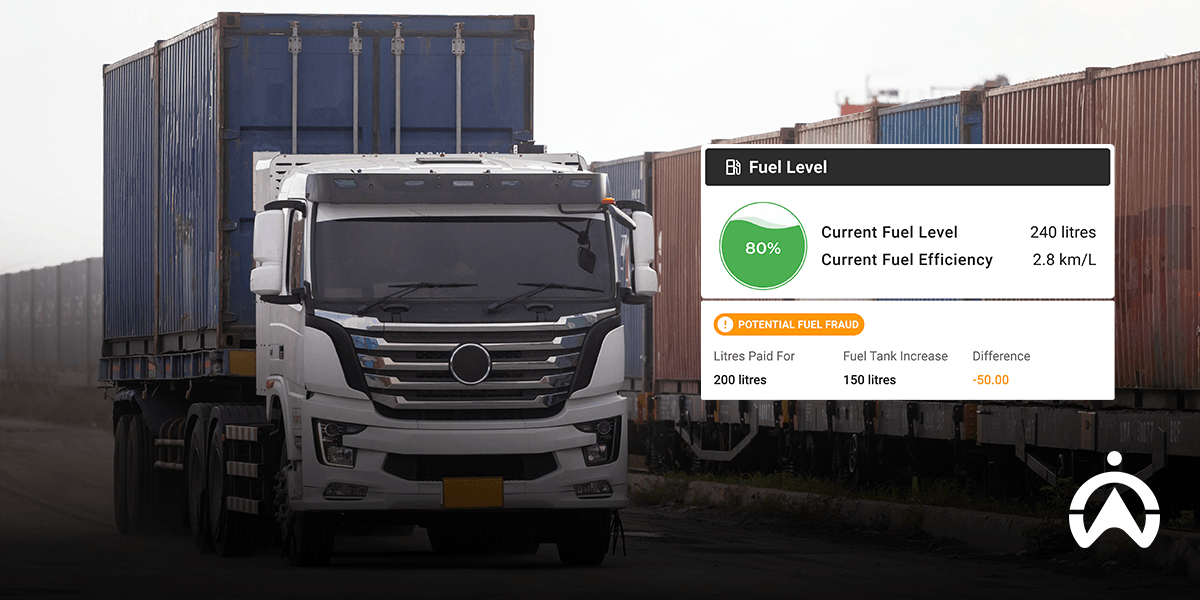
  • ‍Automatic transaction matching: Fuel card transactions work together with the telematics data, comparing the fuel purchased to the vehicle’s actual tank capacity at that exact moment. This way you’ll easily be able to catch any abnormalities.
    ‍
  • ‍Fuel monitoring: This is done with fuel level sensors that track every drop of fuel in the most accurate way. You’ll get an immediate alert if there’s a sudden drop in fuel. This way, you can spot fuel theft instantly!
    ‍
  • ‍Route optimisation: When your vehicles are travelling on inefficiently planned routes, they’ll end up wasting more fuel. This is because they’re not using an optimised route to get them to their destination more efficiently. FMS has a route optimisation feature that automatically provides your drivers with the best route possible, saving you time and money.
    ‍
  • ‍The Cartrack Malawi bonus: Our MiFleet cost management tool will automate all the logging of your fuel expenses so you can stop manual receipt capturing and prevent card fraud!

Vehicle loss

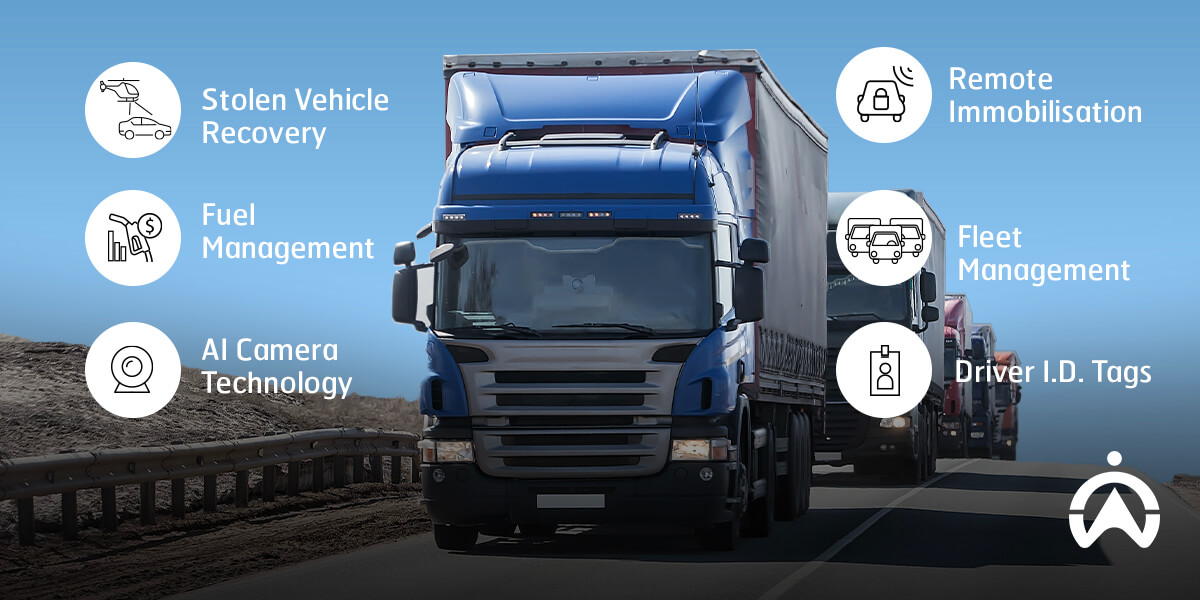
Vehicle theft and unauthorised vehicle use can lead to operational disruptions and financial losses for businesses in Malawi. A vehicle tracking solution from a provider like Cartrack Malawi can help improve fleet security, increase visibility, and assist with vehicle recovery when required.

For example, if you have a fleet of 60 trucks, you’re more likely to be a statistic. Tracking devices that are part of a comprehensive fleet management system can save your business hundreds of thousands of rands in the event of theft.

The Cartrack Malawi bonus: We have an anti-jamming Cartrack Tag that uses our unique radio frequency so we can track your vehicle even if the signal is blocked on your main tracking unit!

Insurance

How do you bring down the exuberant insurance costs? Having an insurance-approved tracking device installed in every vehicle in your fleet can play a major role in this. Installing cameras coupled with telematics data will greatly assist with accident claims as well! These tools can bring down the amount of money your business is spending on accidents and insurance.

The Cartrack Malawi bonus: Our track record makes us a top choice among insurance companies in Malawi!

Maintenance

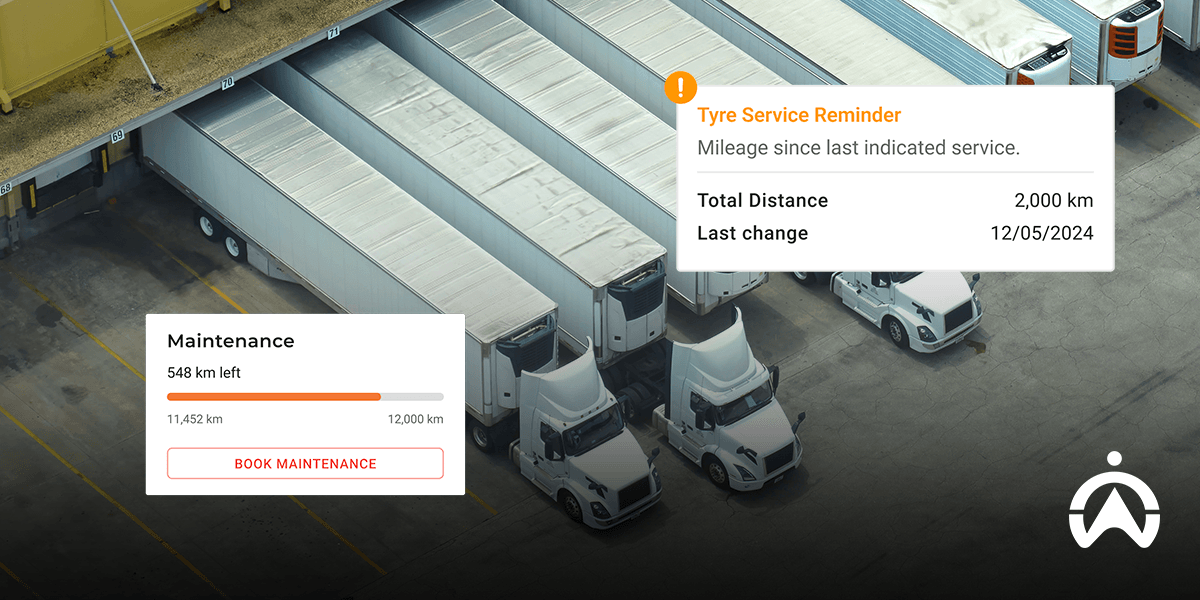
An FMS can help you schedule and manage all vehicle maintenance tasks, from daily inspections to a gearbox showing signs of a malfunction. These insights mean your fleet is always in tip-top shape, and when a major repair needs to happen, you will have already known and prepared for it, avoiding a potential accident or unexpected breakdown.

These insights allow you to not only save money but also accurately budget for repairs as well.

The Cartrack Malawi bonus: We have custom sensor integrations for specialised machinery that can monitor the equipment. Providing you with data to assess their condition so you can implement preventative maintenance to keep these optimised for use and minimise unexpected breakdowns.

Driver behaviour

With a fleet management system, you can accurately monitor how your drivers are performing on the roads. The telematics device paired with AI-powered cameras allows you to not only have the data to see how your drivers were performing but also the visual data to see what they were doing while driving as well.

The major benefit is that the AI cameras not only immediately alert you as the fleet manager to a driving event, but they also come with instant in-cabin alerts so the driver is able to immediately correct their mistake.

The Cartrack Malawi bonus: Our system includes driver scorecards so your drivers are automatically rated on their driving performance, allowing you to individually coach each driver based on problem areas!

Hidden costs

When it comes to all those pesky hidden costs, let’s look at how having Cartrack’s fleet management system can help your budget:

  • Unauthorised vehicle use: Geofences allow you to monitor when a vehicle leaves an area it’s not supposed to. Driver ID tags will only allow authorised drivers to use certain vehicles, and you can see exactly who started a vehicle at any given time.
    ‍
  • Accidents without evidence: Our AI-powered cameras not only keep an eye on the road so you’ll have evidence for any dispute, but they also keep an eye on the driver for any reckless driving so that you’re able to coach them! This way you’ll save on fake claims as well as fuel and possible accidents from better driving.
    ‍
  • Compliance penalties: Our driver reports and cameras will provide you with indisputable evidence for any disciplinary cases. And our automated, tax-ready logbooks help ensure accurate record-keeping, making it easier to comply with requirements from the Malawi Revenue Authority (MRA).

The Cartrack Malawi bonus: Worried about how much you’re spending on lost or damaged stock? Our camera solutions can be placed inside the cargo area to monitor & record every time the door is opened, so you have eyes on your stock anytime anyone is near it!

‍If you’re ready to have a complete understanding of your fleet’s TCO, then give us a call to see how we can help you save money and budget more effectively!

FAQs

How do you create an efficient budget plan for managing your fleet?

To create an efficient fleet budget, take a data-driven approach. This approach will help to place your expenses into fixed and variable costs, lay out clear operational goals and guide you on how your vehicles are performing and which ones should be replaced or removed.

What is the fastest way to reduce my fleet’s variable budget costs?

The fastest way to reduce your fleet’s variable budget costs is through driver behaviour. When you manage and coach your drivers to drive better, you bring down variable costs drastically. Harsh braking and aggressive speeding both burn more fuel and place more strain on wear & tear parts.

What features should you look for in a fleet management tool?

Look for features that can grow with your business, offer seamless integration with software you already have, and make sure you always have mobile access to important information. Your platform should also give you easy-to-understand route info, GPS pinpoints, and driver behaviour alerts. Beyond these important features, also look for software with fuel management, predictive maintenance scheduling, and automated workflows.

Stop Data Fatigue in Your Trucking Company

You stop data fatigue in your trucking company by consolidating, prioritising, and actioning the information that comes through. This can’t be done with fleet management software that simply feeds you tonnes of information. Use AI-powered systems that make sense of your data so you can actually do something about it.

The global telematics market is expanding rapidly, bringing advanced tracking technology directly to African logistics networks. That’s a lot of data! We’re talking location points, camera footage, vehicle activity… THE WORKS! But what are you supposed to do with all this data?

Is it really helpful, or are we just being bombarded with information without the pragmatic tools to TAKE ACTION? Cartrack addresses this important question right here, so keep scrolling.

What is data fatigue in the trucking industry?

Data fatigue is when your trucking company receives a bunch of data about your drivers & vehicles without giving you context or the ability to take action. It also describes the problem of having disconnected data that isn’t coherent with other data. This leaves you without a “big picture” view of what’s going on or what to do about it.

In short: “Data fatigue is having information without insight.”

If you’re a fleet manager that uses a fleet management system, it’s probably an issue you deal with all the time. There are causes to this problem, and more often than not it’s the fleet management system you’re using.

Types of data that might be confusing you

When we talk about data, what are we referring to? Any information that’s fed from an IoT (Internet of Things) device to your fleet software platform is considered “data”, and it comes in different forms.:

  • Video footage
  • Location points on a map
  • Alerts
  • Vehicle diagnostics
  • Fuel levels
  • Vehicle speed, idling and sudden stops
  • Routes and route deviations
  • Fleet costs
  • Delivery reports like invoices & PODs
  • Vehicle access
  • Points of interest and geofences

These are just SOME of the data points you’re probably dealing with. There are a lot more, and all of it can become too much—or hard to prioritise. This is known as “data fatigue”, and it can be prevented.

Is it time for an upgrade? You decide.

Are you ready to get more out of your FMS? Let’s see if it’s possible.

Truck driver sitting inside a truck cab, illustrating how to stop data fatigue in your trucking company through better fleet visibility and simplified reporting

What causes data fatigue in logistics and what are pragmatic solutions?

Data fatigue can be caused by two things: a fleet management system that’s outdated or unable to interpret the data it collects, or the fleet manager’s inability to make sense of said data. AI has drastically changed the way data is interpreted, making it easier for fleet managers to make better organisational decisions—and provide justification for making them.

Which of the following data fatigue symptoms are you currently struggling with?

Lack of priority

One of the biggest challenges for fleet managers is organising their data so that small problems give way to more urgent ones. A truck driver that’s yawning isn’t as important as another driver that’s taking aggressive corners.

How can you know which one demands your attention more urgently?
‍

The problem?

You’re sitting at your desk getting multiple real-time data feeds showing you where your truck drivers are, and what their respective trucks are doing. There are 36 trucks out at that moment, and 14 of them are sending you alerts.

You’re not sure which alerts are actually urgent and which can be addressed at a later stage. It’s too much, so you focus on a truck that’s idling for too long rather than the guy who’s about to fall asleep at the wheel!
‍

The solution!

You just upgraded to Cartrack’s FMS, which allows you to set alerts according to priority. You’re immediately aware of the truck driver who’s just worked a long shift and needs to stop & rest before he causes a catastrophic accident. The driver that’s idling at a robot needs to be called and told to take a better route, but that can wait for now.

Data points that don’t talk to each other

Coherency is missing in many data-collecting FM systems. And it’s an underrated feature to say the least! Without coherency, all you have is information overload. The human brain can’t easily make connections between multiple data points quickly enough to make a real positive impact on their decision-making. 

Do you have a big-picture view of your fleet right now?
‍

The problem?

One screen shows you the location of all your drivers. Another is listing alerts that require your attention. Another is showing you different routes each driver is taking. You even have a dedicated screen showing you live driver footage.

All of this is valuable, but only if it’s connected. You begin to realise that your sole job as a fleet manager is wrecking your brain trying to connect the dots between locations, alerts, driver profiles, and camera footage. It’s all too much, and you end up wasting time.

Oops, you’re so distracted you completely forgot about that truck that needs a service! Guess that means logistical downtime… 3 deliveries will probably be late. Feeling overwhelmed yet?
‍

The solution!

AI can see the connections between all your data points. It’s constantly running algorithms that provide calculated outcomes that are RELEVANT to what needs to be done. Take context, add prioritisation, and you have enough to make a quick decision that saves money, time, and reputation.

Oh and by the way… Don’t worry about that truck that needs a service. Your new FMS from Cartrack scheduled that for you automatically 2 weeks ago. It’s all taken care of.

Data that’s not actionable

Knowing and doing are two different things. Decisions need to be made, and it’s your job to make them. You might be aware of a collision 300 kms away in Lenasia, but what can you realistically do about it from your office in Bloemfontein?

Do you have the tools to protect your drivers and your trucks if something bad happened right now?
‍

The problem?

One of your trucks just broke down. Not the end of the world, but you’re sitting 200 kms away, feeling kind of helpless. You’ll have to call roadside assistance and give them the location of the truck, but you’re not sure if the problem is really that serious—neither is your non-mechanically-minded driver.

Little do you know, it’s nothing more than a corroded battery terminal. Easy to fix, but you just lost thousands on towing, a mechanic, and the downtime caused.
‍

The solution!

You were wise enough to get Cartrack’s add-on roadside and medical assistance. An expert already knew where to find your driver and knew exactly how to temporarily fix the battery problem. The delivery only suffered a 45-minute delay.

Fleet of semi-trucks with Cartrack vehicle tracking and trip management software, helping stop data fatigue in your trucking company

How should fleet management software remedy data fatigue?

Effective fleet management software will remedy data fatigue by offering a system that’s comprehensible, coherent, and capable. These 3 Cs point to data that’s easy to understand, provides context, and is accompanied by tools that enable immediate action. Older systems that neglect these abilities will fall away as more advanced ones take their place.

Data that’s comprehensible

This has a lot to do with user interface (UI). This is where the data is presented on your screen. Does it make sense? Is it easy to interpret? If it is, you can make a quick decision. If it’s not, you’re actually wasting more time than you’re saving.

Cartrack offers a fleet management platform that’s compatible with your phone and PC. Information at your fingertips; 24/7. It’s not showing you irrelevant data—it’s showing you exactly what you need to know in real time, enabling you to make a call right there & then.

Data that’s coherent & connected

Your company spent good money for an FMS that provides different KINDS of data. This could be video footage, location data, driver information, vehicle diagnostics, and even delivery progress.

These points need to work together, or else it’s left to you to make sense of it all. Algorithms run by Cartrack’s AI fleet software will show you what’s URGENT, and what needs to be ACTIONED. Plus, it gives you the tools to take that action immediately.
‍

Why?

Because it’s already made the necessary connections between all those complex data points. All you need to do is make a decision based on the simple-to-read information on your screen.

Data that’s capable of influence

While AI might make some of us apprehensive, it’s actually come a long way to make our lives a lot easier. This is especially true in the realm of fleet management, because AI tools are now automating much of the tasks you did before it arrived.

Not only are Cartrack’s vehicle cameras identifying potential driving hazards, they’re also WARNING drivers of those hazards in real time!

Not only does our software predict your vehicle maintenance needs, it proactively SCHEDULES service appointments for you!

Get the picture? Cartrack is offering you software that TAKES ACTION—because let’s face it; you’re busy enough! 

Which FMS in Malawi provides INSIGHT over information?

If you’ve been paying attention, you already know that Cartrack is among the top fleet software management platforms that provide INSIGHT over information.

Is data important? YES! But not as important as context. Real life is happening all the time, and as a fleet manager, you’re responsible for so much.

Get fleet software that’s clear, simple, connected, and leads to action. Anything less is likely hurting your profits, placing your drivers at risk, and causing more problems than it’s solving.

Get an upgrade.

Frequently asked questions about data fatigue in trucking

What can I realistically do if my truck driver is driving recklessly?

If your truck driver is far away and you notice they’re driving recklessly through your telematics system, you can either contact the driver immediately or rely on automated correction. For example: Cartrack offers cameras that speak to your drivers with alerts, telling them to correct their behaviour in real time.

How can truck drivers be held accountable for their driving actions?

Truck drivers can and should be held accountable for their driving actions with the help of telematics. This is a combination of vehicle diagnostics that’s coupled with vehicle cameras, giving you a full picture of what they’re doing. If a problem is highlighted, you can use irrefutable evidence in your training sessions to correct bad driving.

How do I protect my trucks from theft and GPS signal jamming?

Protect your trucks from theft and GPS signal jamming with the Cartrack Tag. This intuitive little device acts as a backup tracker for your vehicles because it’s easy to hide, and doesn’t rely on cellular signals to keep your assets visible. So if your tracking device is being jammed, we’ll still be able to track your vehicle.

Top Fleet Management System for Your Forestry Management

To successfully manage your forestry operations, you need to invest in the top fleet management system available. A fleet management system can help your forestry operations by providing you with:

  • real-time tracking,
  • route optimisation,
  • fuel and driver management,
  • enhanced safety, and
  • overall operational productivity.

Fuel is a major cost for forestry enterprises, and with global tensions causing fuel to rise ,a fleet management system is essential. An FMS can greatly assist with monitoring fuel usage in your entire forestry fleet, and this is only one of the perks of having one!

‍Cartrack’s fleet management system is designed to give your business complete operational intelligence. You’ll not only have eyes on your entire fleet, but also data to back up your operations. If you’re ready to learn about how Cartrack is the top fleet management system for your forestry operations, then keep scrolling.

Why do you need a fleet management system for forestry management?

You need a fleet management system for forestry management so that you can optimise your entire forestry operations. An FMS can ensure that your operations that are based in remote locations are running smoothly and safely while giving you data-driven insights into how your fleet is operating.

What are the core features of a fleet management system for forestry?

The core features of a fleet management system for forestry should be designed to handle the particular complexities that come with handling heavy machinery in remote and challenging environments. The system needs to assist forestry fleet management in tracking their fleet, equipment, fuel, maintenance, and driver behaviour.

Let’s break down the importance of all the core features of FMS and forestry.

Tracking in remote areas

A lot, if not most, of your team, equipment, machinery and vehicles will be working in really remote areas. Having advanced tracking devices installed on your vehicles, machinery and equipment is a great advantage for forestry fleet managers because you’ll have eyes on where your entire fleet is, no matter where you are.

Geofencing

Geofencing is a tool that can assist forestry fleet managers in creating virtual boundaries to prevent unauthorised operations, ensure that certain equipment and machinery stay in selected areas, and minimise illegal logging.

Monitoring fuel

Fuel is a major cost for forestry fleets, and the price of fuel is currently a precarious situation. Fleet managers in the forestry industry need to accurately track and monitor fuel usage within their entire operations. This is the only way you’ll be able to make proper decisions on how to save on fuel and how much to accurately budget for fuel costs.

Maintenance

In the forestry industry you have a lot of equipment and vehicles that need to be well maintained so they can perform at optimal levels at all times. An advanced fleet management system will keep track of all vehicle and machinery maintenance. It monitors their health and alerts you when they require maintenance so you can avoid unexpected downtime.


Driver/operator monitoring

It may feel like an impossible task to monitor every driver and operator in your forestry fleet, but there are tools you can implement to assist with this. Let’s check them out:

  • AI cameras: AI cameras in and around your vehicles will give you eyes on your drivers and their surroundings. You can spot fatigued or distracted driving and even if they’re smoking or not wearing a seatbelt. They’ll also get an instant alert to correct their behaviour.
    ‍
  • Panic buttons: These will help keep your drivers and operators safe in an emergency situation, which is especially useful in remote working spaces.
    ‍
  • Driver ID tags: This will assist with keeping track of who is using what vehicle/machinery at all times. You can also grant certain drivers permission to operate specialised machinery.
    ‍
  • Seat pressure sensors: You’ll be alerted when someone sits inside your vehicle’s driver and passenger seats, so you’ll know your vehicle’s/machinery’s occupancy rate at every point.

Environmental compliance

FMS can assist your forestry operations in achieving environmental compliance in the following ways;

  • reduce fuel usage
  • ensure that your machines and vehicles are running efficiently
  • prevent excessive idling
  • setting up geofences to prevent entrance into conservation areas, and
  • monitor logging equipment to stop illegal logging.

Route optimisation

FMS uses real-time data and advanced GPS tech to calculate, analyse and predict the most efficient routes for your fleets. FMS takes everything into consideration, from traffic conditions, road closures and vehicle capacity, to find the most efficient route.

Main problems in forestry and how Cartrack’s FMS solves them

There are few problems that forestry businesses face daily, and a lot of these problems can be solved if you have a top fleet management system (like the one from Cartrack) integrated into your operations. Problems like visibility, high fuel consumption, fuel theft, unexpected downtime, driver fatigue, overloading, and asset security.

Let’s take a deeper look into the problems forestry operations face and the FMS solutions!

Visibility in “dead” zones

Problem: Forestry operations are based in areas with little to no cell signal, thanks to dense forests. This means fleet managers often have “blind spots” and can’t see what’s happening with the machinery and vehicles.

Solution: Cartrack’s devices have offline data logging that automatically updates when they’re back online, meaning fleet managers will have no lost or missed data on their remote fleets.

High fuel consumption

Problem: Forestry operations have heavy machinery that already consumes a lot of fuel. Factors like poor routing, excessive idling and aggressive driving habits are all things that waste fuel.

Solution: Cartrack’s FMS will pull data reports on driver behaviour, so you’ll know exactly when your drivers and operators have been speeding, idling or braking & cornering harshly. With these insights, fleet managers are able to train drivers and machine operators, fully equipped with the data to back up their training sessions.

Fuel theft

Problem: The majority of logging operations are in secluded areas, and with ever-increasing fuel costs, your bulk fuel tanks and machine reservoirs are a desirable target for thieves.

Solution: Fuel calibration and fuel sensors. At Cartrack we have fuel sensors that are calibrated to each and every fuel tank, regardless of shape or size. We’ve got three sensors to choose from (fuel probe, CAN bus, and fuel analogue) that will give you data and immediate alerts on your fuel. This lets you account for every drop of fuel and easily detect fuel theft or even a leak.

Encroachments into protected zones

Problem: Your team accidentally logs in a protected ecological zone or moves into a neighbour’s property. These can end up giving your operations major fines as well as damage to your business’ reputation.

Solution: Cartrack has a cool feature called geofencing. This allows you to create virtual boundaries around specific areas, and when someone leaves or enters a geofenced area, an alert is triggered and fleet managers are immediately notified.

Unplanned downtime

Problem: When a machine or vehicle unexpectedly breaks down in the middle of a forest, it halts operations and affects the efficiency of the entire team. Causing fleet managers to lose time and money.

Solution: Cartrack’s FMS has a predictive maintenance feature. This system monitors mileage, engine health, tyres, and other wear & tear parts and will alert fleet managers when a vehicle or machine needs to go in for maintenance. Our system also allows you to create maintenance schedules and will send you automatic maintenance reminder alerts!

Driver fatigue & distraction

Problem: Logging drivers are often on long, remote, gravel routes. These routes are considered high-risk environments that experience many distraction- and fatigue-related accidents.

Solution: Cartrack’s AI-powered cameras can help with this. Our AI camera solutions monitor your drivers and pick up any distracted (eyes off the road) or fatigued driving (yawning and drooping eyelids). Drivers get instant in-cabin alerts, and fleet managers are notified on their fleet page. This way drivers can correct themselves and fleet managers can set up driver training.

Overloading & underloading log trucks

Problem: Many forestry operations face problems regarding the overloading or underloading of logging trucks. Overloading can lead to an increase in wear & tear on your vehicles, breaks, tyres and shocks. Underloading means your fleet is just “hauling air”, and this diminishes your profit per tonne.

Solution: At Cartrack we have a specialised sensor called ‘Cargo Protect Weight Management‘. This sensor is designed to monitor the weight of the cargo in a vehicle as well as detect any loading or offloading. Having this data means fleet managers will know exactly when a vehicle is being overloaded or underloaded and can efficiently recommend the ideal load.

Inefficient skidding & extraction paths

Problem: Forestry operations use machines called skidders that drag logs from the cutting area to the landing area for processing. When these machines take an inefficient path, they create soil buildup and waste fuel—not only for themselves but also for other vehicles in your fleets taking the same routes.

Solution: Monitoring these routes with Cartrack’s customisable route optimisation will allow you to know exactly which routes the skidders are using so you can find a more efficient route. You’ll also be able to train the rest of your team to use that alternative efficient route so they don’t get caught up in the skidders’ paths.

Unauthorised use of specialised machinery

Problem: A lot of machines and vehicles used in logging require specialised licences to be safely operated. Remote operations mean that fleet managers can’t always control who’s using these vehicles and machines.

Solution: Cartrack’s Driver ID tags let you control which driver is authorised to use which machine and vehicle. Each driver will get a unique tag that they have to tap on a sensor in the vehicle/machine for it to start. If they aren’t authorised to use it, the vehicle/machine won’t start.

Challenges in calculating cost-per-load

Problem: You don’t have enough data to know which logging compartments are profitable and which ones are costing you too much in labour and fuel.

Solution: Cartrack’s entire FMS is designed to give you complete operational insights. All the components work together to give you accurate data on every part of your fleet. You can get data & reports on:

  • Vehicle trip and location history
  • Driver performance
  • Fuel consumption
  • Vehicle health 
  • Driver vehicle inspections
  • Tasking and scheduling
  • Drivers & assets

Asset tracking & security

Problem: Forestry operations use very expensive assets often left overnight in remote work areas. These expensive assets are at a higher risk of being stolen.

Solution: Cartrack has world-class GPS trackers, remote immobilisation and stolen vehicle recovery (SVR). Our system lets you keep track of all your assets from the palm of your hand, no matter where you are. If your assets are taken, we’ll send out our highly trained team to try and recover them for you. Remote immobilisation allows you to shut down any stolen machinery to prevent it from working or moving.

A major component of a top fleet management system is a quality GPS tracking system. If you want operational insights and want to protect your fleet, you need GPS tracking. So let’s take a look into how this feature works with FMS and your forestry management.


How to successfully integrate GPS tracking into forestry fleet management software

To successfully integrate GPS tracking into forestry fleet management, it requires a more specialised method that includes an API-first approach and ruggedised hardware integration. This is because you’re not just tracking a fleet of trucks on the road; you need to track and monitor specialised vehicles and machinery that are in extreme and remote environments.

Ruggedised hardware integration

First you need to install hardware that can handle the rugged environment that your entire fleet will be working in. Cartrack has multiple types of tracking devices that are tamper-proof and designed to last in extreme environments.

API-first approach

Your forestry operations are made up of different vehicles, machines and equipment, each requiring specialised tracking units. The API-first approach is the only way this can be successfully integrated into your operations.

The API-first approach takes all your disconnected information and easily connects it. The fleet management platform you use should seamlessly integrate with most if not all of the systems in your forestry operations.

What are the benefits of real-time GPS tracking for logging trucks in Malawi

The benefits of real-time tracking for logging trucks in Malawi are an improvement in productivity, efficiency and safety. Having real-time GPS tracking means you can:

  • Keep your vehicles & stock safe
  • Give your drivers the most efficient routes to travel
  • Improve driver safety 
  • Save on fuel
  • Have better visibility

Having a fleet on Malawian roads is a stressful situation for any business. For forestry industries that have logging trucks, even more so. If a truck is hijacked and the logs are stolen, lost or damaged, it’s not something that can be easily replaced. Trees unfortunately don’t grow overnight.

A top fleet management system works with real-time GPS tracking to give you accurate data on where your logging trucks are at all times. Not only will you have added visibility on your fleet, but you’ll also have the tools to keep them safe. When you choose a tracking device from a world-class company like Cartrack, you’ll have a dedicated recovery team that will go out to try and get your vehicle back for you.

Malawian roads aren’t in the best shape, traffic congestion is a nightmare, and there’s always a robot out somewhere. Real-time GPS tracking can instantly and automatically provide your drivers with an efficient route, minimising fuel wastage, ultimately saving you time and money.

Final thoughts

The top fleet management system for your forestry management is one that gives you complete operational intelligence. This is why Cartrack comes out on top. We’ve got everything you’ve thought of (and things you haven’t) to make your forestry management efficient, compliant and profitable.

So get in touch with one of our friendly operators today to keep your forestry fleet evergreen! 

FAQs

How does GPS tracking work in remote forestry areas with poor cellular signal?

Most common GPS tracking works in remote forestry areas that have poor cellular service by using satellite-based systems to determine the location. Cartrack also has a device called the Cartrack Tag. It’s a wireless device that uses a proprietary Radio Frequency (RF) network that gives strong visibility even when your GPS isn’t working.

How can fleet management help prevent illegal logging?

Fleet management helps prevent illegal logging by making use of GPS tracking, telematics, and geofencing. Fleet managers can then accurately monitor the movement and usage of logging equipment in real-time, ensuring that logging activities are only happening in authorised zones.

Can the software help reduce the high maintenance costs of off-road equipment?

Yes, FSM can help reduce the high maintenance costs of off-road equipment by helping you move from a reactive approach to a proactive one. Predictive maintenance keeps track of specific components in your equipment and alerts you when they’re wearing out. This way you can plan for it to be maintained and avoid unexpected downtime.

How to Detect and Stop Your Truck Drivers from Moonlighting in Your Fleet Business

Detect and stop your truck drivers from moonlighting in your fleet business by adopting a comprehensive and sophisticated fleet platform. By having this, you’ll be able to clearly detect any inconsistencies and back up the evidence you present when you approach your moonlighting driver.

Over the years, side-hustle ventures have grown exponentially, leaving fleet owners in quite a bind. Research by Frost & Sullivan shows that exploring the benefits of a fleet system, like GPS monitoring and fuel accountability, can reduce unauthorised vehicle use by as much as 35%. This directly tackles the hidden costs that often arise from employees engaging in side gigs with company resources.

Don’t be left facing a ‘blind spot’. Get a better understanding of moonlighting, understand how to combat it (especially when it involves your company assets), and see how Cartrack can help you effectively address it.

How do I address moonlighting by my truck drivers?

You address moonlighting by your truck drivers by remaining calm, being professional, and refraining from an accusatory tone in your approach. Always collect all the evidence before approaching the driver, remind them of the policies in place, be strict about reinforcement, and give them a chance to speak for themselves.

If moonlighting drivers are using the company’s assets or vehicles for their side gigs, it needs to be dealt with as soon as possible. At the same time, as a manager or owner, it’s important to remain mindful of the fact that some employees might be doing this out of necessity or financial need.

To stop (or better control) moonlighting, you can:

  • review and renegotiate your driver’s salary to encourage them to stay loyal to your company, while offering growth opportunities,
  • require that drivers disclose their other jobs in writing, and
  • ensure that your policies and contracts are clear about not allowing/having strict boundaries regarding moonlighting.

From a legal perspective, you can:

  • launch a formal investigation and give the driver a warning or initiate the process of termination, depending on the level of violation of policies,
  • put together a performance plan if you intend to retain your driver, and
  • ensure you’re in line with local labour laws and not unfairly dismissing your driver.

What is moonlighting?

Moonlighting is when an employee has another job or ‘side hustle’, other than their primary job. This is usually to make more money and is often done after the hours of their 9-to-5. Most people moonlight in order to meet the demands of rising costs, especially post-pandemic, but some even do it to fulfil passions and dreams.

Some examples of moonlighting include a driver working as an e-hailing driver in the evenings after their primary job, or an employee who takes freelancing gigs outside of work hours.

Are there different types of moonlighting?

Yes, there are four different types of moonlighting. When referring to side gigs or side hustles, it’s typically things like consulting, freelancing, odd jobs, e-commerce, and starting a new business venture.

The four types of moonlighting are as follows:

  1. ‍🌑Full moonlighting: This is when an employee is spending a great deal of time on their second job or side hustle, so much so that it might compromise their primary job. This second job could also be full-time, but this isn’t always the case. The side hustle might require just as much energy & dedication as the primary job, leading to an employee who’s burnt out and inattentive.
    ‍
  2. ‍🌗Half moonlighting: This is when an employee works on their side hustle but isn’t giving as much time and effort as full moonlighting. It still requires a lot of time & dedication and could possibly cause an issue. Again, employees often do this to earn extra so that their needs (rent, food, and bills) are met.
    ‍
  3. ‍🌖Quarter moonlighting: This is when an employee works on their side hustle after hours, but it doesn’t impact their ability to do their primary job. This is also an approach that many moonlighters take as a means to boost what is perhaps a low source of primary income. You’d see this with employees who maybe freelance in addition to their primary job.
    ‍
  4. ‍🔵Blue moonlighting: This is when an employee takes on another job or side gig, but it’s not necessarily because they’re unhappy with the amount of money earned from the primary job. They’re likely taking on this gig because they aren’t feeling fulfilled in their primary work. This type of moonlighting usually doesn’t interfere with the primary job.
Fleet driver in plaid shirt taking a selfie by a white truck, illustrating how to detect moonlighting in a fleet business.

What are the ethics behind moonlighting?

The ethics behind moonlighting are quite a heavy topic of discussion, with talks circling the matter of employees and their ability to freely do what they want in their own time. Simultaneously, you as the manager or employer have every right to be concerned about conflicts of interest, whether the moonlighting will affect the work your employee does for you or if your assets are being used.

Your drivers might argue that they’re free to do whatever they like in their own time or grow their skillsets, especially when considering the ever-rising costs of living. But if they haven’t disclosed or are using your company’s resources in their own time without permission, it’s unethical no matter which way you look at it. You have every right to take action.

Ultimately, the best way to manage any moonlighting situation is to work by the book, be as transparent as possible, and ensure that your policies are totally clear. Transparency is the best direction to take, whether it’s from you as a manager or from the employee. If a professional conversation can take place, then there can be a sense of trust.

HR professionals argue that clear policies on regulating moonlighting could be the best route to take, rather than banning it completely. But, if your company takes the complete-ban route, don’t leave space for confusion or misunderstanding. Ensure your policies are airtight and your contracts clearly state that moonlighting is not allowed.

Is there a difference between ‘personal use’ and ‘moonlighting’?

Yes, there’s a difference between ‘personal use’ and ‘moonlighting’. One is usually done for the purpose of commercial/financial gain. In the case of drivers who’re using company assets,  ‘personal use’ suggests the vehicle is being used for something small and particular, like driving to the shops. ‘Moonlighting’ suggests that the vehicle is being used to make money, but in the employee’s personal capacity.

What are the financial implications of the ‘side job’?

The financial implications of the ‘side job’ usually centre heavily around the wear & tear, insurance, employee burnout, and (most importantly) brand reputation. Unfortunately, there are rarely positive outcomes for you as the primary employer, so it’s important to understand what the potential implications are.

Let’s look at these further:

  • ‍Wear & tear: This is one of the major tangible costs for your business. If your driver is using your company’s vehicle outside of working hours, it’s likely that those vehicles will have to be serviced or repaired more often. Not only does this add to maintenance costs, but it also depreciates the vehicle’s value.
    ‍
  • ‍Insurance: If any incident occurs while your driver is using your company vehicle, and you plan on putting in a claim, then you might be out of luck. If your insurer finds that the incident or accident took place while your driver was moonlighting on their own time, they likely won’t cover it. What’s worse? There’s a good chance your company will still be included if this escalates into a court matter.
    ‍
  • ‍Employee burnout: When your employees are full or half moonlighting, this could massively impact their output during their work hours for your business. This means they’re coming to work exhausted and unfocused, which means they’re not doing their work to the best of their ability. As drivers, this is a big no-no, especially because exhaustion could mean dangerous consequences.
    ‍
  • ‍Brand reputation: If your driver is using your vehicle for their own side gigs and something happens, i.e., they do a poor job or they behave badly on the roads, then it’s your company’s brand name that’s on the line.
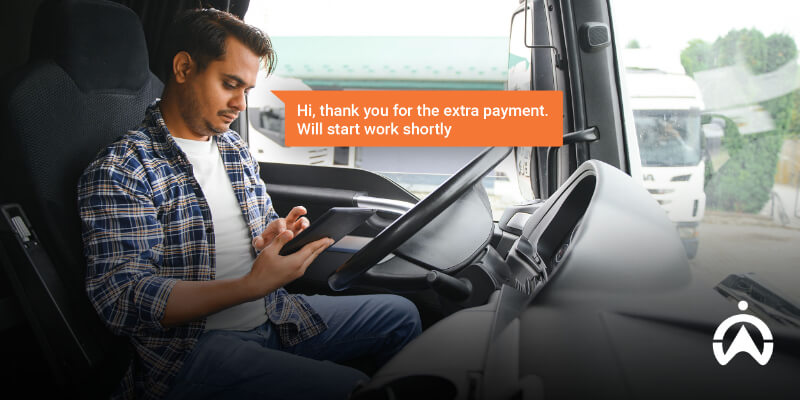
Truck driver inside his cabin using a smartphone to coordinate a side job, illustrating how fleet managers can detect driver moonlighting.

What can Cartrack do to help you address moonlighting in your fleet?

Cartrack can provide you with a comprehensive fleet platform that has everything you need to identify and stop moonlighting in your fleet. From detailed reports to immediate alerts, you’ll have everything you need to investigate efficiently and approach your drivers with confidence. If there are policies and rules around moonlighting, especially with company vehicles, you have to approach this carefully.

With Cartrack’s FleetWeb, our GPS tracking and telematics carefully track the movement of each fleet vehicle. You can monitor the whereabouts of your vehicles, seeing any route deviations and improper use. You can also export detailed reports, which will reflect oddities in vehicle use, show longer driving hours, and so much more.

You can set up automated alerts for almost anything to suit your operational needs. In this case, you can get alerted to after-hours vehicle use or even movement in and out of company-set geofenced areas. Fuel monitoring is another way to carefully monitor your drivers; thanks to our fuel probes, you can keep track of fuel use and identify strange patterns or fluctuations.

Our AI-powered camera solutions won’t only catch drivers using the vehicles outside of work hours, but they’ll also detect events like signs of exhaustion (which is typical of moonlighting drivers) or the presence of unauthorised passengers. Our DiD tags, with unique IDs for each driver, also keep track of which drivers are using which vehicles and when.

Final takeaways: Finding a balance between control and trust

We understand that wanting to detect and stop moonlighting is more about safeguarding your business and resources, rather than just being Big Brother. But, with the help of the right tools and platform, you can stay in control and handle moonlighting professionally, even nipping it in the bud before it costs you more than it already has.

Cartrack’s solutions can help you communicate better and let your drivers understand the ‘why’ behind moonlighting policies. When you’ve made your policies strict & clear for your drivers, you can manage and stop drivers from moonlighting, especially with company assets.

Protect your business, conserve your resources, and minimise your liability by keeping improper vehicle use at bay. Book a demo today to see how our solutions can give you total fleet visibility.

Frequently asked questions about truck driver moonlighting

Is it legal for my drivers to use company vehicles for side jobs?

No, it’s illegal for your drivers to use company vehicles for side jobs. Unless your driver has spoken to you and you’ve given them clear permission, it’s misconduct at best and illegal action at worst. If you grant your drivers permission, make sure you’ve drawn up an agreement so that there’s a record of this.

How do you tell if your car is bugged or tracked?

You can tell your car is bugged or tracked by carrying out a careful inspection of your car. You need to look in conspicuous parts of your car, like under the car, below the seats, behind the cubbyhole, or even by the battery. A visual inspection, with the help of a light source, is usually enough to find a tracker.

What is the punishment for moonlighting?

The punishment for moonlighting really depends on the company and how serious the situation is. Some companies might issue a written warning, while others might find these grounds for dismissal. This could even escalate to legal matters and end up in court.

How to Start an E-hailing Business and Be Profitable

To start an E-hailing business and be profitable, you first need a solid business plan. When it comes to starting an e-hailing business, you have two options:

  1. Start a new e-hailing business from scratch or
  2. Build a fleet with an existing e-hailing company.

Either way, with the right planning, you can be successful and profitable.

According to market data from Statista, the ride-hailing market in Malawi is projected to grow at a compound annual growth rate (CAGR) of around 5.1%, reaching approximately USD 5.6 million by 2030, up from about USD 4.3 million in 2025. This indicates that while the market is still relatively small and developing, there is steady growth. This suggests that starting an e-hailing business in Malawi can be profitable—but only if it is done strategically, taking into account the market’s early-stage nature and limited competition.

At Cartrack we can’t get you drivers or cars, but we can offer you all the right technology you need to keep your e-hailing business zooming past all of your competitors. We have GPS tracking, AI dashcams, panic buttons, fuel management and driver behaviour monitoring, to name a few.

So if you’re ready to start your e-hailing business and make a profit, keep scrolling because the team at Cartrack is breaking it all down for you.

How to start an e-hailing business

To start an e-hailing business, you need to understand the intricacies of this market, specifically in Malawi. It’s not just about getting a customer from one place to another; it’s about creating a travel experience that keeps customers coming back.

If you want to create long-term success, create a business plan, which is important even if you want to join an existing e-hailing company. In your business plan you need to decide on a few factors that’ll help guide you.

Identify your target audience

You need to decide who your customer base is going to be: are they daily commuters, tourists, students, professionals, or all of the above? When you know exactly who your ideal customers are, it’s easy for you to tailor your services to match their needs.

For example, let’s say you want your client base to be tourists only; you need to make sure you:

  • Are based close to airports and hotels
  • Have a vehicle that’s big enough for big groups and has enough boot space for luggage
  • Have water and local snacks available in your car
  • Have tourists’ attraction pamphlets in the car
  • Know your city well enough to give recommendations
  • Have a decent command of the English language

Set your pricing

If you’re starting your own e-hailing company from scratch, you’ll have to set up a pricing structure. Will you have lower or similar pricing to your competitors? Are you going to have added benefits with premium plans so that you can charge higher fees? All of these factors need to be considered, as this is how you’ll make money.

What’s your USP?

The most important thing you need to determine is what your unique selling point (USP) is. This is what will set you apart from other drivers or other e-hailing services. Without this, you’ll disappear into the traffic of transportation options and are most likely to be forgotten by the e-hailing giants or just be another driver that’s completely unremarkable.

What you provide and how you deliver it will be what you’re remembered for, and this can either make or break your business. So ask yourself, what are you going to do that sets you apart from others? 

Here are some niche e-hailing options you could look into:

  • Pet-friendly 🐶
  • Elderly-friendly 👵
  • Woman-for-woman 👯‍♀️
  • Eco-friendly ♻️
  • Sober chauffeurs 🤵
  • Family-friendly (car seats available) 👨‍👩‍👧‍👦
  • Suitable for disabled people 🧑‍🦽‍➡️
  • Subscription-based ✅
  • Corporate staff transport 💼
  • School runs 🎒

Make sure you’re compliant

The most important thing to ensure your e-hailing business is successful is to make your business compliant with Malawian laws. In Malawi, transport operators must comply with licensing requirements, as no vehicle is allowed to operate on public roads without proper registration and licensing under the Malawi Road Traffic Act.

Additionally, this act states that all e-hailing services must make sure that:

  • Every vehicle is clearly branded or has a sign indicating that it’s an e-hailing vehicle
  • All driver and vehicle details must be visible in the app
  • All vehicles have panic buttons installed
  • Drivers and vehicles are compliant and must have the proper documentation readily available

Vehicles in your business

You need to decide which vehicles you’re going to use in your e-hailing business. Do you own them? Are you renting them? Do they belong to your drivers? Are you using electric vehicles? This information is vital to know how your operations are going to run.

So how do you decide?

If you’re worried about the volatile fuel situation, then perhaps you should look into electric vehicles for your business. EVs have been seen to reduce maintenance costs and completely eliminate fuel costs, boosting net income by 15–20%!

If you want your e-hailing fleet to consist of the latest models, then leasing vehicles will be the best option for your business! Just make sure you adhere to the mileage rules and requirements.

Don’t have the capital to get your own vehicles? Then get drivers with their own cars! Make sure you have each vehicle checked for roadworthiness so you’re still meeting legal compliance regulations.

Joyful woman with curly hair waving while holding her phone on a sunny street, illustrating customer demand and opportunities when learning how to start an e-hailing business

What technology do I need for my e-hailing business?

The technology you need for your e-hailing business, if you’re starting one from the ground up, is a user-friendly app, quick and easy payment systems, and advanced GPS tech. On top of these three things, you should also have AI cameras, panic buttons, advanced fare calculators, analytics and customer-support tools.

User-friendly app

The most important technology you’ll need to have a successful e-hailing business is to build a user-friendly app. This is the first touchpoint for your possible customers, and if they can’t navigate your app, or if it’s slow and complicated, they’re just going to hop off it, delete it and go back to the e-hailing companies they’re used to.

Payment systems

The payment systems you use should be simple and easy to use. You should also give multiple payment options, like PayPal or Apple Pay. Using systems that people already know and trust will make customers feel more confident when they’re paying you.

Real-time GPS tech

Having real-time advanced GPS technology in your e-hailing fleets doesn’t just show your drivers where to go; it gives you, as the owner, eyes on your entire fleet, 24/7. You’ll know where all your drivers are, know where the best spots are for your drivers to wait for possible clients, save on fuel costs, and create safer rides for drivers and passengers.

Having real-time GPS tech in your operations will allow you to provide your customers with accurate ETAs and your drivers with smoother journeys. Real-time GPS tracking can see how a vehicle is behaving on the road (speeding, harsh braking, aggressive cornering). When your drivers know that you have eyes on them at all times, it’ll ensure they make safer driving choices, which ultimately makes your customers feel safer.

You and your drivers can save on fuel with GPS tech because you’re able to find the quickest and most fuel-efficient route.

An added perk of having real-time GPS tracking (from Cartrack) is the reassurance that if your vehicle is stolen, we’ll go out to try and get it back for you!

AI cameras

Having dashcams is incredibly important for e-hailing drivers, and having AI ones is even better. A normal dashcam is great; it can record inside, and some of them can record outside the vehicle as well. Dashcams make your drivers and passengers feel safer. These will also assist with any false claims and make insurance investigations go faster.

However, AI cameras take this one step further for e-hailing owners. You’ll have eyes on your drivers, and you can track driver behaviour in real time. Your drivers will get in-cabin alerts if they’re:

  • Fatigued
  • Distracted
  • Smoking
  • Speeding
  • Not wearing their seatbelts
  • About to hit a vehicle in front of them
  • Covering the camera

All these features not only enhance the safety of your fleet and your customers, but you can make sure your drivers are being safe on the road and aren’t giving your company a negative reputation on the road.

Panic buttons

Having a panic button installed in your e-hailing vehicles is no longer just a nice-to-have; it’s a must-have!

Panic buttons are great for drivers and your passengers because in an emergency situation (accident or hijacking), they’ll feel safer knowing that emergency services have been alerted.

Fare calculators

You need an accurate fare calculator, because unpredictable pricing is a sure way to turn customers away. Malawian roads are known for having traffic throughout the day thanks to broken traffic lights. When you connect your fare calculator to an accurate GPS system, you can make sure your drivers know exactly how long a trip will take, and your customers will know exactly how much they’ll be paying.

Real-time analytics

As the fleet manager, you need insights into your entire fleet—this is where telematics comes in. Cartrack’s telematics system will give you operational intelligence into your fleet. This is what you get:

  • Know which vehicles are idling or speeding
  • Know when a vehicle needs maintenance done
  • Insights into how drivers are behaving on the road
  • Set driver schedules and routes
  • Track fuel usage
  • Spot fuel theft
  • Automate admin
  • Set up geofences
  • See all vehicle trip histories
  • Log book reports

Customer support tools

Last but not least, a piece of tech you’ll need is customer support tools. If your customers experience a rude driver, you’ll want to know about it. If they’ve experienced any issues with any of your drivers or vehicles, they need a platform to voice their issues.

Smiling man driving a car and looking back over his shoulder, representing how to start an e-hailing business with a positive and confident driver experience in a bright, relaxed interior

How does Cartrack keep your drivers, fleet and customers safe?

Cartrack keeps your drivers, fleet and customers safe with AI cameras, real-time GPS tracking, panic buttons and driver behaviour monitoring. On top of that, we offer 24/7, 365 support, we have a dedicated recovery team, and we provide you with operational intelligence so you can keep your business safe and compliant.

Here’s how Cartrack can help you 👇

Compliance-ready panic buttons

Panic buttons are a great tool to keep your driver and passenger safe. As previously stated, they’re now a legal requirement for e-hailing businesses as well.

At Cartrack you can get a panic button that’s attached to your camera that’ll automatically send live footage to our control room when pressed. Or you can get an in-cabin panic button placed in an easy-to-reach (but discreet) location of your choosing within your vehicle.

Predictive maintenance

E-hailing vehicles will experience significantly faster wear & tear on their vehicles compared to an average driver. This is why you need predictive maintenance for your e-hailing fleet.

Cartrack’s fleet management system gives you immediate alerts for any engine faults, worn brake pads, low oil & water and any other diagnostic faults detected so you can take action before they unexpectedly affect your operations.

Our system also allows you to schedule maintenance for your vehicles so you’re able to easily track maintenance and avoid any unplanned downtime.

Fuel management with MiFleet

One of the major costs to any fleet, especially e-hailing businesses, is fuel. And if you, as the owner, are covering the costs of fuel for your fleet, you need insights into every drop.

MiFleet is a value-added service from Cartrack that can easily cross-reference fuel receipts with the vehicle’s actual location and the tank’s capacity. This allows you to accurately monitor fuel usage and make sure no one is stealing or wasting fuel.

Top-of-the-range cameras

Cameras are a must for every vehicle that’s part of an e-hailing fleet. They provide protection and indisputable evidence in any situation.

Cartrack has a wide range of cameras for you to choose from! Our AI camera systems can give you and your drivers real-time alerts to any dangerous driving habits, use cloud-based storage and allow you to effectively coach your drivers.

GPS tracking and recovery

GPS tracking is the most important thing your e-hailing business needs. And if it comes with a recovery team in case your vehicle gets stolen… even better!

Cartrack’s GPS tracking gives you:

  • Real-time visibility on all your vehicles 
  • Smarter and more efficient route planning
  • Insights to when vehicles are being misused
  • Accurate arrival times
  • A dedicated and highly trained recovery team
  • 24/7, 365 support team

Driver behaviour monitoring

Your drivers can make or break your e-hailing business. If they’re driving recklessly and making your clients feel unsafe, your business will fail before you even make a profit.

Cartrack can provide you with a full driver monitoring system. This system consists of cameras, GPS tracking and driver scorecards.

  • Cameras: Visually keep an eye on drivers and make sure they’re not using their phone while driving, smoking in the car, or driving fatigued.
    ‍
  • Telematics: Alerts you to reckless driving like harsh braking & cornering and excessive speeding.
    ‍
  • Driver scorecards: These work with the telematics and allow you to rate driver behaviour, and then you can coach them on problematic issues.

If you’re ready to start your e-hailing business and be profitable, then contact our team today to get your e-hailing vehicle optimised for success!

FAQs

What hidden costs should I budget for when starting an e-hailing business?

The hidden costs you should budget for when starting an e-hailing business are an increase in wear and tear costs, high insurance premiums and operating fees. You should also ensure you have enough capital to keep your business afloat for at least the first three months.

How do I handle dangerous customers in my e-hailing vehicle?

Handle dangerous customers in your e-hailing vehicle by doing the following:

  • Verifying the customer’s name before they get in your car
  • Keep doors locked until you’ve verified it’s the right person
  • Pull over when safe and cancel the trip
  • Don’t engage with rage-baiting clients
  • Press the panic button
  • Report the incident immediately after it happens

Should I buy or lease a vehicle for my e-hailing business?

Buying or leasing a vehicle for your e-hailing business completely depends on daily mileage and cash flow needs. Buying is best if you have a lot of daily trips and if you want complete ownership. Leasing gives you lower monthly premiums, and you’re able to upgrade to newer models, but you have to stick to the mileage limits.

Fleet Benchmarking: How to Really Measure Performance

To really measure performance in fleet benchmarking, you need to spot key KPIs (key performance indicators), collect that relevant information, and compare it to top benchmarks so you can pinpoint the gaps that need attention. This isn’t just about checking off items on your business to-do list; it’s about significantly growing and evolving your business in ways that matter.

Fleet benchmarking is the best way for you to ensure that your business stays competitive. You won’t put out fires as they happen, but prevent them from happening altogether. This shows that older fleets can impact performance metrics.

In this blog, we’ll guide you through how fleet benchmarking really measures performance, how to spot the actionable gaps, and how Cartrack can make staying competitive a breeze for your business.

What successful fleets get right about measuring performance

Fleet benchmarking is comparing your fleet’s performance metrics with industry standards or similar fleets to spot areas for improvement. They reach success by using insights to make smart business decisions that strike a balance between KPIs and business goals. This is how you move from guessing to knowing exactly how your business operates.

Fleet benchmarking measures business performance by looking at metrics such as maintenance costs, fuel use, and driver behaviours, then comparing them against best practices. Think of it as comparing your lap times to the top drivers on the track: you can only improve your speed once you know who’s leading and by how much.

There are two types of fleet benchmarking:

  • Internal benchmarking checks how different parts of your operations (like vehicle types or regions) are performing against each other to identify the best practices within your own team.
    ‍
  • External benchmarking takes a broader view, comparing your performance to other fleets or industry standards to see where you stand.

Why should fleets benchmark performance?

Fleets should benchmark their performance to stay competitive and consistently perform to the best of their ability. Fleet benchmarking is the simplest way for you to commit to remaining accountable, attentive, and proactive for the sake of your business.

Accountability is driven by setting realistic targets that encourage staff to look at their performance and improve where possible. This kind of transparency can be uplifting while also motivating you and your staff to practise more responsible and productive behaviours at work.

Benchmarking also encourages data-based decision-making. When you have the facts at hand, you can be confident that the improvements you want to implement (i.e., optimising routes or scheduling preventative maintenance) will actually strengthen your business’ productivity.

What does an effective fleet benchmark measure?

An effective fleet benchmark measures metrics that directly influence customer service, expenses, and performance.

These are some of the key metrics:

  • Maintenance and downtime: Preventive maintenance means fewer unexpected breakdowns and expensive downtime.
  • Driver behaviour and safety scores: Focusing on safe and responsible driving means fewer accidents and better insurance premiums.
  • Vehicle usage and route efficiency: Optimising routes and using assets effectively means there’s no idling or wasted assets.
  • Compliance and law adherence: Sticking to the law and regulations means you’re not paying hefty fines and damaging your business’ name.

Here’s an example of good vs bad benchmarking:

  • Good benchmark: Driver safety scores consistently above 90%, with low instances of aggressive driving habits. There’s evidence of consistent risk management.
  • Poor benchmark: Safety scores below 75% with regular harsh events. There isn’t much evidence of feedback or coaching.

Example of a fleet benchmarking scorecard

Picture your fleet benchmarking scorecard as a ‘report card’. With this in mind, consider this example:

  • Fuel economy: B– (MWK 85.20/km vs MWK 73.70/km benchmark)
  • Utilisation: C+ (68% vs 80%)
  • Driver safety: B (82% vs 90%)
  • Downtime: C (14 vs 8 days)

💡 TOP TIP TO REMEMBER: Think of industry benchmarks as a compass, rather than a GPS. It points you in the right direction, but it’s ultimately up to you to chart the course that best suits your fleet’s needs. Just like in school, the goal isn’t perfection; it’s progress.

Two professionals reviewing fleet performance data to illustrate fleet benchmarking.

What are the four stages of fleet benchmarking?

The four stages of fleet benchmarking are planning & defining objectives, collecting data, taking action and implementation, and reviewing & monitoring. Fleet benchmarking is most successful when there’s a solid structure to the process. Every new change builds on the last, turning that valuable data into the next big business improvement.

These are the four steps of the process:

  1. Planning and defining objectives: Define what you’re benchmarking and why. You want the goals you set to be realistic and beneficial to your business, so identify the KPIs that align with long-term growth.
    ‍
  2. Data collection: Once you’ve set your goals, collect all the necessary information from reports or your fleet management platform. Remember, the more accurate your data, the better the bigger picture will be. From there, you can clearly see patterns and gaps in performance.
    ‍
  3. Taking action and implementation: Spot those gaps and then create a plan of action. For example, if high fuel spending is the problem, route optimisation or driver training could be the solution.
    ‍
  4. Review and monitoring: Fleet benchmarking is an ongoing process. Reviewing and monitoring are how your business stays competitive in this ever-changing market. Doing this creates a culture of continuous improvement in your business.

Common mistakes to avoid when benchmarking

The common mistakes to avoid when benchmarking include benchmarking without context, monitoring useless data, not taking action, and ignoring consistent updates. You could put all the effort into fleet benchmarking, but if you’re doing it wrong, your efforts could be futile.

Keep these errors in mind to avoid slowing down progress:

  • Benchmarking without context: If you compare your fleet incorrectly, i.e., to the wrong industry or region, then the results could be wrong or confusing. Always benchmark with the right context in mind and compare against the right industry, fleet size, etc.
    ‍
  • Overloading on metrics or tracking unimportant data: Tracking too much information can drown out the relevant data. Always focus on which metrics or KPIs you need to track for business growth.
    ‍
  • Not acting on insights: Collecting the necessary information but not doing anything with it leads to wasted efforts. After gathering data, the next step is to use that information to implement the necessary change. Create a plan of action to address those business gaps.
    ‍
  • Ignoring ongoing data validation or updates: Over time, data accuracy becomes outdated. Old figures, inconsistent reports, and unverified sources can steer you towards poor business choices. Regularly check your insights and update your benchmarks to match your fleet’s current performance and trends.
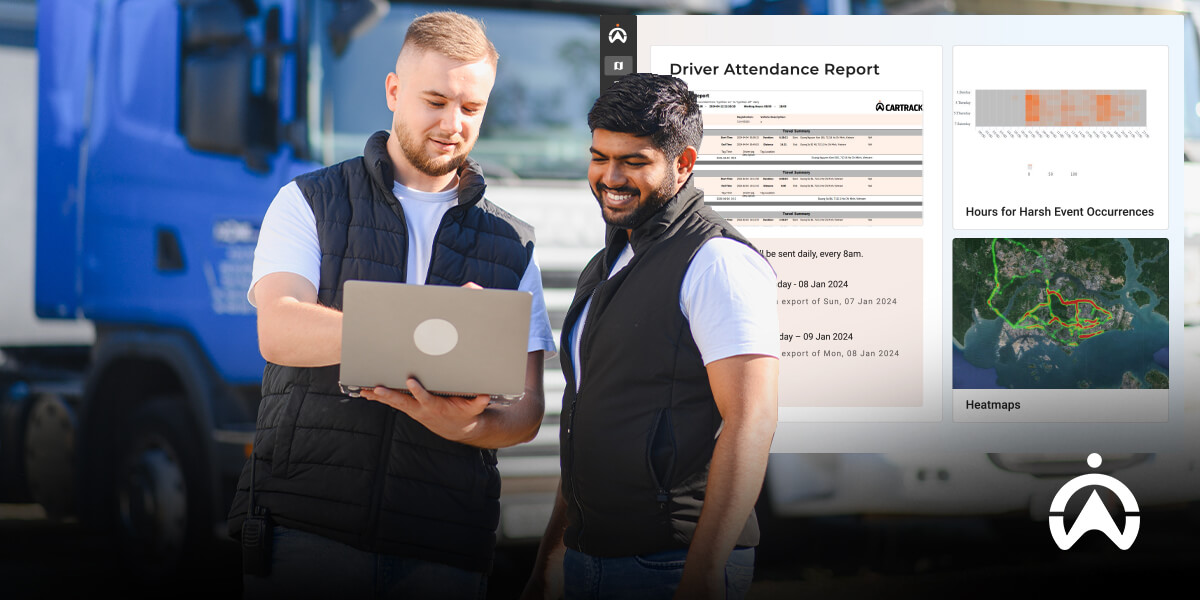
Team reviewing driver attendance report by truck for fleet benchmarking.

How Cartrack simplifies fleet benchmarking

Cartrack simplifies fleet benchmarking by providing you with all the insights you’d need to do so. As we’ve discovered, benchmarking is only as effective as the strong and accurate insights behind it. With Cartrack, you get a smart and straightforward platform to track, compare, and take action with total confidence.

Here’s how we stand out:

  • Data visibility: You have a complete overview of all the information you’d need on Cartrack’s FleetWeb platform. Every aspect of your fleet is covered, from fuel consumption and driver habits to maintenance. This makes it that much easier to spot those ever-elusive business gaps.
    ‍
  • Custom reports and KPIs: FleetWeb has automated reports that you can customise to make reviews a simple task. You can gather whatever information you need without worrying about doing it all manually.
    ‍
  • Driver behaviour analytics: We know how important safety is to your fleet productivity, which is why we have driver monitoring and scorecards on offer. You can coach the drivers needing help, reward those who are practising safe habits, and introduce incentives for all.
    ‍
  • Simplified and automated information: Cartrack takes the hassle out of collecting data. Automation means you don’t have to spend hours looking over numbers, and you can quickly and confidently get to implementing the changes you need to raise productivity.

Final takeaway

Fleet benchmarking is the key to your business’ lasting success and constant improvement. The fleet industry is an ever-evolving one, meaning costs are constantly rising, customer demands are growing, and the need to have full visibility is weighing heavily.

Fleet benchmarking is how you can gain all the knowledge at hand and stop speculating about how your fleet compares. Cartrack can make this process that much simpler for you, providing accurate and automated data you can turn into a valuable business advantage.

Are you ready to benchmark smarter and consistently outperform? Book a demo and let us show you how your fleet really performs.

FAQs

How often should a fleet be benchmarked?

A fleet should be benchmarked at least once a year, although it can be every quarter if you’d prefer something more regular. This can also depend on how rapidly the market is growing. Regularly reviewing benchmarks keeps your data updated and your business goals in line with your plans for regular improvement.

Can small fleets also benefit from benchmarking?

Yes, small fleets can benefit from benchmarking. Growth and development aren’t reserved for bigger businesses, and smaller businesses can also make the most of their resources. Through benchmarking, smaller operations can cut costs, increase vehicle longevity, and improve driver performance, without needing a massive team or fancy infrastructure.

How do I know which fleet benchmarking metrics are most relevant for my business?

You can know which fleet benchmarking metrics are most relevant for your business by seeing which ones impact your profits the most. Driver habits and CPK (cost per kilometre) are examples of some key metrics. It ultimately depends on what you’ve defined as your core objectives.

How long does it take to see the results of fleet benchmarking?

It typically takes several months before you start seeing tangible results from fleet benchmarking, but you could even be seeing results in a few weeks. The results that reflect quickly are usually from metrics like driver coaching or fuel management.

Fleet Management Best Practices – Unlock The Roadmap To Revenue

Fleet managers have a finger in every pie. That isn’t a bad thing. It’s how they ensure business success. 

They are often responsible for empowering their fleet and figuring out how to implement the best practices for overall fleet efficiency.

From customer and client services to ensuring timeous fleet activity, cutting costs, and improving efficiency, to seeing that drivers and fleet vehicles are in tip-top shape.

Let’s unpack the key to fleet management best practices.

In this article, you will:

  • Understand the different fleet management practices
  • Learn how to increase your revenue with better fleet management practices
  • Discover how to build a fleet management plan to combat your business challenges
  • Know how Cartrack’s fleet management software helps businesses accelerate revenue

What is fleet management?

Fleet management is all about overseeing the operation of various types of vehicles e.g. buses, cars, trucks and even other assets used for business purposes. It’s not just about keeping them fueled and maintained; it’s about building a system that ensures efficiency, safety, and cost-effectiveness.

What are the priorities of fleet management?

Fleet management priorities can vary depending on the specific industry, company size, and individual fleet goals. However, some key priorities are generally applicable across most contexts:

  • Safety and compliance
  • Efficiency and cost management
  • Driver management and engagement
  • Sustainability and environmental awareness
  • Technology integration
    ‍

These are the general properties that fleet managers concern themselves with daily. By developing a comprehensive and effective fleet management strategy, fleet managers can improve vehicle and driver safety, maximise efficiency and increase cost savings.

Let’s take a look at the common fleet management practices involved in a fleet system.

Common fleet management practices

  1. Vehicle acquisition
    Vehicle acquisition is the crucial process of adding new vehicles to the fleet. It’s more than just buying cars; it’s about strategically selecting the right vehicles, at the right time, in a cost-effective way, that will reap the most rewards for your business.
    ‍
  2. Vehicle tracking
    This is the backbone of modern fleet management, providing real-time information on the location, movement, and performance of company vehicles. It’s like having a continuous digital eye on your entire fleet as you get data-driven insights.
    ‍
  3. Route management and dispatch
    Fleet managers are responsible for the planning and coordination of their fleet, which involves assigning tasks, and planning the best routes for drivers based on real-time data, customer needs and driver availability.
    ‍
  4. Fuel management
    Fuel management in fleet management is all about squeezing the most miles from every drop, optimising fuel consumption, and saving costs. It’s not just about filling tanks; it’s a strategic approach to monitoring, analysing, and controlling fuel use across the fleet.
    ‍
  5. Monitoring driver behaviour and safety
    Keeping drivers safe and their behaviour responsible is paramount in fleet management. This involves actively monitoring and improving their actions on the road. Fleet managers prioritise driver safety to reduce accident rates and lower maintenance costs.
    ‍
  6. Scheduling fleet maintenance
    Keeping your fleet in tip-top shape is crucial for reliable operations, driver safety, and cost control. Fleet managers work to schedule maintenance and will accurately and efficiently ensure vehicles are serviced at the right time, preventing breakdowns and maximising their lifespan.
    ‍
  7. Vehicle rotation
    Rotating vehicles involves strategically swapping or reassigning vehicles within a fleet to optimise their use and lifespan. It’s not just about switching keys; it’s about maximising efficiency, minimising wear and tear, and ensuring the right vehicles are in the right hands.
    ‍
  8. Fleet economics
    Fleet economics delves into the financial aspects of managing a fleet of vehicles. It’s about understanding the costs involved, optimising resource allocation, and making informed decisions to maximise profitability and minimise expenses.
    ‍
  9. Safety and compliance management
    Safety and compliance are pillars of successful fleet management. It’s about more than just avoiding accidents and fines; it’s about creating a safety culture and ensuring every element of operations adheres to regulations.
    ‍
Common_fleet_management_practices

The purpose of fleet management

Fleet management is the smartest way that businesses with moving assets can improve their operations, from productivity, security, compliance, safety and reduced costs. Strategic fleet management has plenty of benefits that guarantee a well-oiled fleet operation.

Here are the top benefits of fleet management:

  • Improves driver and road safety
  • Optimises fleet operations (on-time deliveries, optimal routes, fast dispatch, etc.)
  • Helps reduce fleet costs while boosting profits
  • Enhances overall visibility into fleet activities
  • Generates important compliance data
  • Increases vehicle longevity
  • Improves fleet security by discouraging theft, fraud, and vandalism
  • Helps lower fleet emissions and fuel consumption
  • Enhances work experience for the fleet crew
  • Ultimately improves customer satisfaction
    ‍

Guide: how to increase revenue with these five fleet management best practices

With fleet management, it’s not only about acquiring more vehicles or getting more drivers. Every link in the chain is supposed to result in increased revenue for the company. This can only be achieved by implementing best practices for fleet management.

These five best practices for fleet management can help you increase your revenue:

1. Use fleet data management software

Fleet data management refers to the processes of using the powers of GPS, AI and other tech, to gather, organise, consolidate, analyse and report on the fleet operations in a business.

This is a strategic way of creating a system for fleet diagnosis which helps businesses to identify areas for improvement, optimise performance, and prevent problems.

There are a few strategies businesses can use to ensure they are on the right track:

  • Using data on vehicles to make better decisions
  • Leveraging driver logs
  • Upgrading your dispatching system
  • Prioritising maintenance
    ‍

2. Use fuel management solutions

Introducing fuel monitoring strategies and fuel cost management solutions is one of the smartest decisions fleet managers can make. Businesses are challenged by the rising fuel costs, as well as other pain points like fuel theft and fuel waste caused by poor route planning.

These best practices for fuel management will help businesses increase their revenue:

  • Monitoring fleet fuel trends
  • Improving driver behaviour
  • Stop fuel-card fraud and fuel theft using automated systems
  • Detect the impact of fuel increases on fleet fuel management

 3. Improve driver administration

Driver administration in fleet management involves managing your workforce who drive your wheels. It’s about ensuring your drivers are qualified, understand safe driving practices, can be productive and ultimately that they successfully drive your fleet.

These best practices for hiring and managing drivers will help businesses increase their revenue. Here are some best practices:

  • Select qualified and licensed drivers
  • Introduce training on safety and good driving practices
  • Implement performance management
  • Train drivers on fuel-saving driving practices

4. Develop a fleet maintenance strategy

‍The best way to stay on top of your fleet’s performance is to get ahead of your fleet maintenance strategy. Fleet managers can ensure their vehicle stays on the road longer and reduce the cost of upkeep, by using fleet maintenance. Whether the maintenance strategy is preventative or predictive, you get to decide the smartest strategy for your fleet

Here are the best approaches for fleet maintenance for businesses:

  • Avoid reactive fleet maintenance.
  • Opt for either a preventative maintenance strategy or a predictive maintenance plan
  • Use digital systems to streamline your process and keep accurate records of vehicle health
    ‍

5. Become customer-centric

Client satisfaction is the number one priority for your business to ensure and improve the revenue of your business. Focusing on customers leads to increased sales, and higher customer loyalty and will help you gain new customers. By running efficient operations, fleet managers and business owners, gain in every way possible.

Here are some best practices to boost customer satisfaction:

  • Route planning for deliveries to ensure that goods, equipment and services are timeously delivered to customers.
  • Improve communication with customers, if there are delays or changes in delivery dates, it is better to communicate this with customers.
  • Reduce the frequency of breakdowns, through maintenance plans and proper fuel management.
    ‍

Every business is unique and has its fleet challenges. A small business, for example, may have 5-10 vehicles, while a more established fleet company can have over 50, and even 100 fleet vehicles to manage. Businesses in different industries also have unique challenges, relating to their fleet operation.

Let’s have a look at this guide for different businesses.
‍

how_to_increase_revenue_with_these_five_fleet_management_best_practices

Guide:  how to build a fleet management plan to combat your business challenges

A fleet management plan is valuable for companies in different industries, including companies in construction, oil and gas, cold chain supply, engineering, logistics and even finance or security services.

Here’s a quick guide on how to build a fleet management plan in three types of industries to combat various business challenges.

Construction

Construction businesses face unique challenges when it comes to managing their fleets. Beyond the usual concerns of cost, efficiency, and safety, specific factors in the construction environment add an extra layer of complexity. Here are some key challenges that a fleet management plan can help businesses in construction.

Common Fleet Challenges

  • Heavy wear and tear on specialised equipment
  • Project-based operations
  • Locating construction equipment
  • Driver management and safety
    ‍

Transportation

From trucking companies to ride-sharing platforms, all transportation businesses, face a unique set of challenges in managing their fleet. Challenges that are more prevalent in this industry. Here are some of the challenges that a fleet management plan can help a transportation business with.

Common Fleet Challenges

  • Rising fuel and maintenance costs
  • Minimising vehicle downtime
  • Keeping up with new legislation
  • Vehicle utilisation
    ‍

Food industry

Transporting temperature or time-sensitive goods is a challenging task for fleet management, but in the food industry, it’s not something that can be compromised. The biggest challenge for these businesses is that it is highly customer/business partner-centric, and share similar pain points.

Common Fleet Challenges

  • Poor customer service
  • Driver shortage
  • Late/failed deliveries
  • Reducing theft or product damage
    ‍

With each of these challenges affecting different industries, introducing a general fleet management plan will not automatically improve some business operations. Your fleet management plan should be strategic and incorporate best practices for efficiency and to ensure revenue.

4 ways Cartrack paves the way to fleet management best practices

When you are ready to transform your fleet management practices, from common to best practices, then Cartrack’s advanced software offers the smartest solutions.

Here are four ways Cartrack’s Fleet Management Software can help your business establish best practices for increased revenue.

 1. Data accuracy and reliability

As a fleet manager, you may often encounter challenges in maintaining accurate and up-to-date information about the location of fleet vehicles, assets, or cargo.

With telematics installation in your fleet vehicles, trailers and assets,  fleet managers can ensure the reliability of the data and monitor their vehicle and equipment activities. Fleet managers gain a comprehensive view of their fleet performance and operation with Cartrack’s Fleet Pages. Fleet managers can optimise fleet routes, monitor their fleet vehicle usage, and access vehicle and driver reports.  With the addition of sensors, fleet managers can also ensure the safe transportation of their cargo.

Our advanced Internet of Things (IoT) tech goes beyond vehicle tracking and provides accurate data about your fleet that can be used to improve the overall efficiency and performance of your business operations.

2. Fuel monitoring and management

Fuel is one of the largest expenses in a fleet business, and with fuel costs being so volatile, managers need to conserve and monitor every drop in their fleet. The lack of fuel efficiency can impact the productivity and profits of a business.

With Cartrack’s fuel sensors, you can accurately measure the amount of fuel in your vehicle tank. These sensors are installed in a vehicle, such as a truck, bus or private car, as well as ships and also stationary equipment like generators. With these sensors, fleet managers can know about any increases or decreases in fuel levels, and accurately monitor any refills or fuel waste and loss events. With additional software integration like MiFleet, fleet managers can also have the system automatically review all their fuel transactions, match fuel receipts with vehicle telemetry data and receive alerts on any abnormal fuel costs. This helps them detect any fuel theft or fraud. Our fuel monitoring and management software is one of the most advanced ways to monitor your fleet’s overall fuel consumption and compile reports on fuel expenditure, levies and taxes.

3. Fleet maintenance solutions

Often vehicle and equipment breakdowns directly affect business revenues. If your fleet is not operating or your equipment is non-operational, your business loses money on downtime.

One of the most effective ways to avoid vehicle downtime is through fleet maintenance. Businesses can avoid reactive maintenance on their fleet by introducing a predictive or preventative fleet maintenance solution. This helps businesses stay ahead of any vehicle breakdown.

Cartrack’s fleet management system is a quick and accessible way to schedule maintenance for your fleet. On this all-in-one platform fleet managers can receive notifications about their vehicles’ condition. For example, they can receive information about engine faults and various reminders about when to get an oil change or change tyres based on the vehicle mileage. This makes it easy for fleet managers to schedule vehicle maintenance and set up any other reminders/alerts for vehicle services and repairs.

4. Driver performance monitoring

Whether it’s recklessness, negligence or apathy, your drivers’ behaviour on the road could cost your business more than just a few speeding fines.

Cartrack’s driver safety and SmartCabin camera technology help managers monitor driver performance using various in-built software.  SmartCabin uses live streaming, AI cameras and real-time audible alerts to record and discourage dangerous activity while drivers are en route. These cameras can detect events such as distracted/fatigued driving and phone use while driving. It also gives front collision warnings to help drivers quickly change their actions and prevent accidents.

By monitoring driver performance behind the wheel, fleet managers can cut inefficient practices that hurt your business’s revenue. With Cartrack’s IoT, managers can also access driver reports to discourage bad driving habits. Installing telematics solutions and smart AI-powered cameras can help fleet managers identify poor driving practices, high-risk driving behaviour and various safety violations. Fleet managers can use this information to get proactive about driver, cargo and fleet safety, creating a safer driving culture.

Unlock the roadmap to revenue today

Secure your business’s bottom line, quarter after quarter by implementing these essential guides for fleet management best practices.

With Cartrack’s fleet management solutions, you can turn this roadmap into a sure way to unlock sustained financial growth as a fleet manager.

Contact us today and let us help you go from common practices to the best.